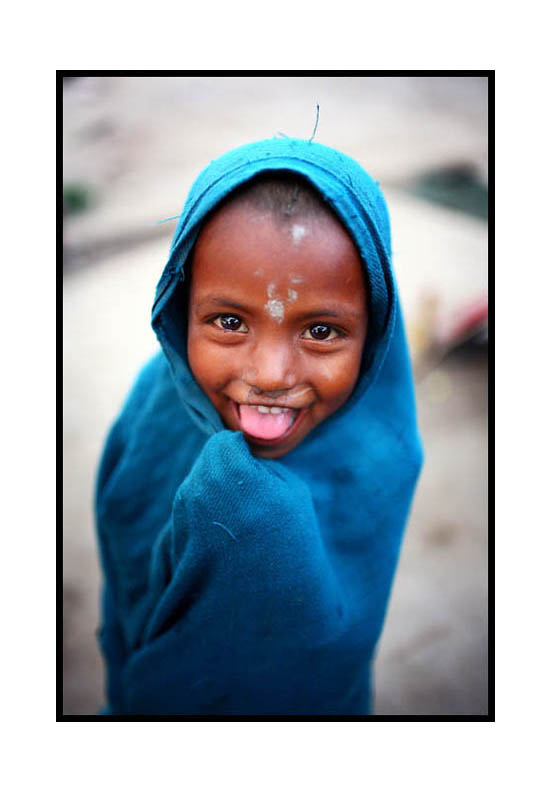
Dario Mulas Debois came from Italy to Bangladesh in order to join me in my exclusive six days One on One photography workshop. To check the other participants work visits my workshop website: http://www.gmbakashworkshop.com If you are interested to join this exclusive program send an email to know detail at akashphoto@gmail.com About the workshop: The focus of this customized program is to teach photography going beyond boundaries. Each student will have exclusive access to me through the duration of the workshop, giving them the opportunity to take advantage of my work experience, teachings, and methodologies. Due to the intimate nature of these workshops and the real world working environment, each student can expect to learn and experience much more than they would during one year in a standard university photography program. Each workshop is six days long and set in locations that are rich in culture with a wealth of photographic and documentary subject matter.
Tag: gmbakash
SHIP’S GRAVEYARD IN PAKISTAN
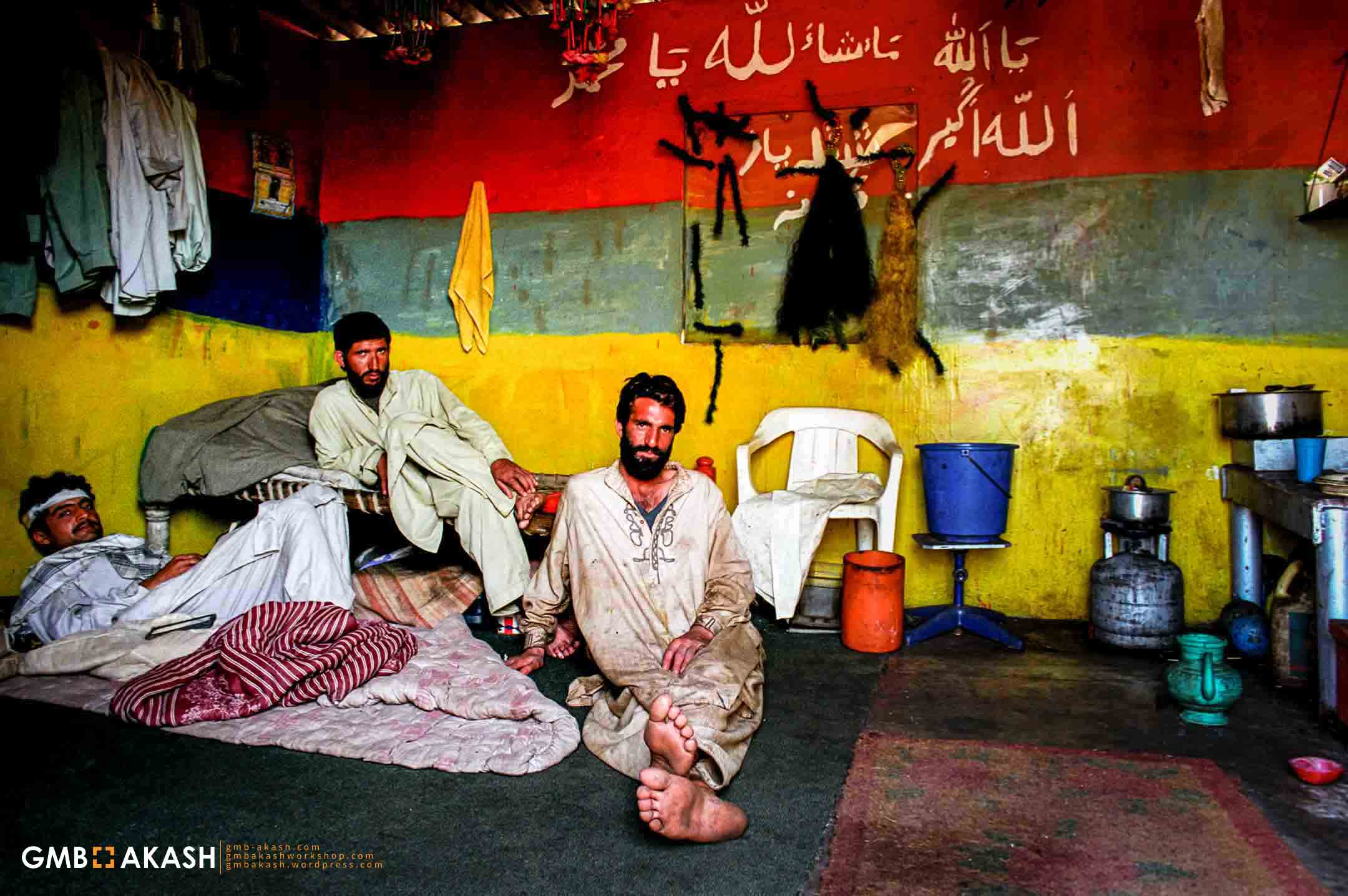
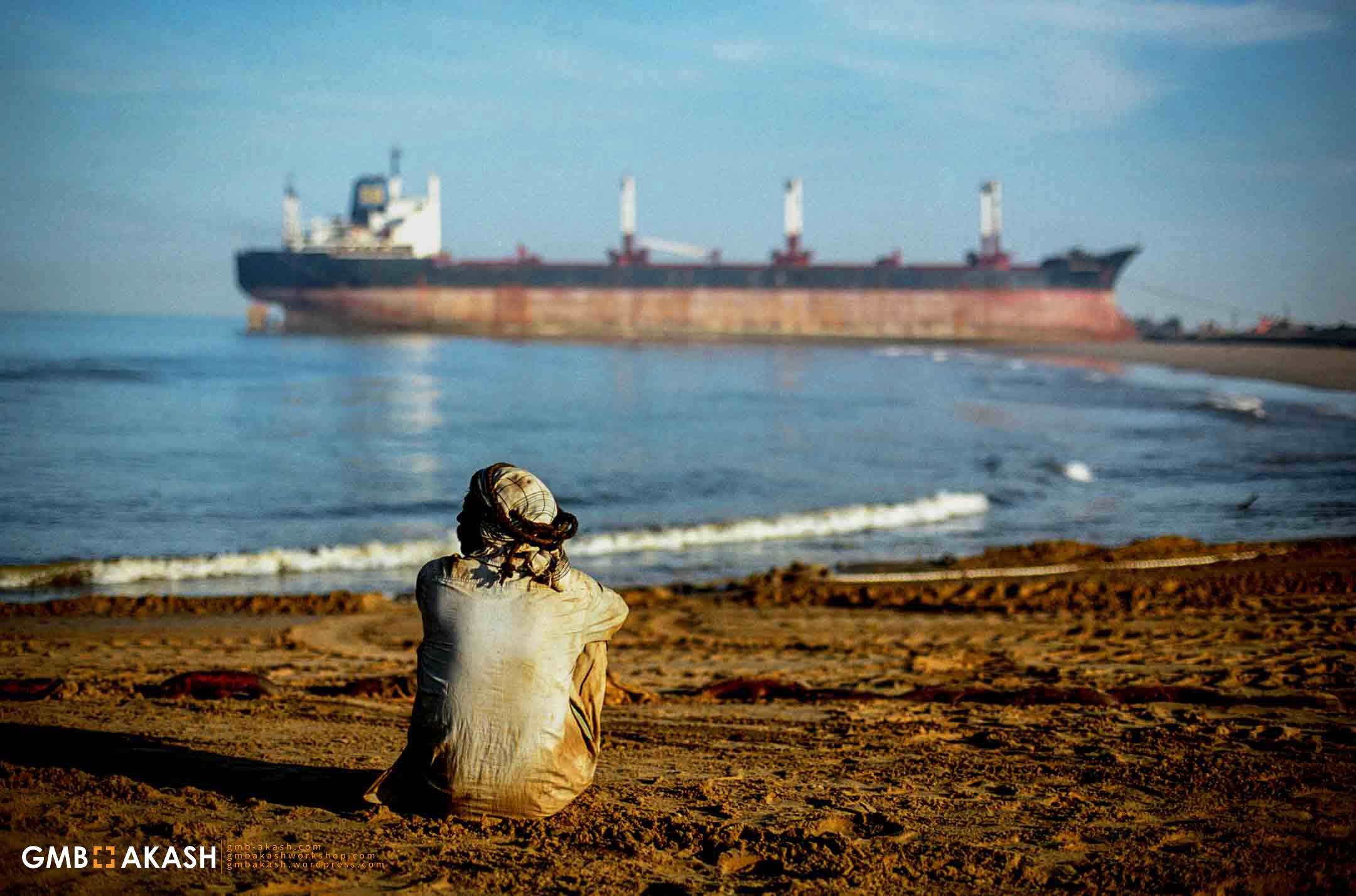
The Gaddani Ship Breaking Yard stands as a paradoxical testament to human resilience and struggle. This industrial site is where colossal ocean vessels from around the world come to meet their end. An army of unsung heroes toils relentlessly, their lives shaped by the arduous, perilous, and often underappreciated work they perform day in and day out.


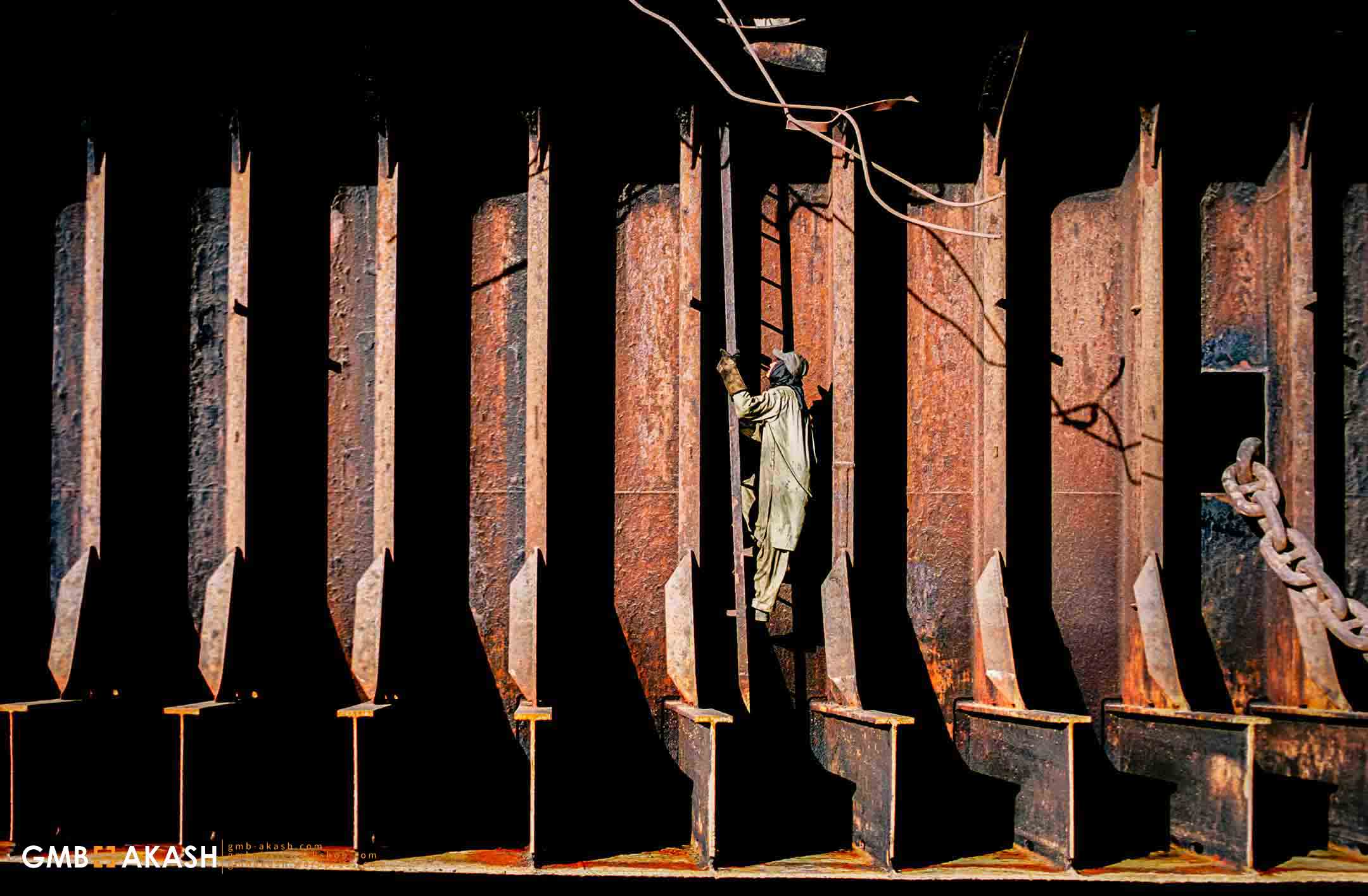
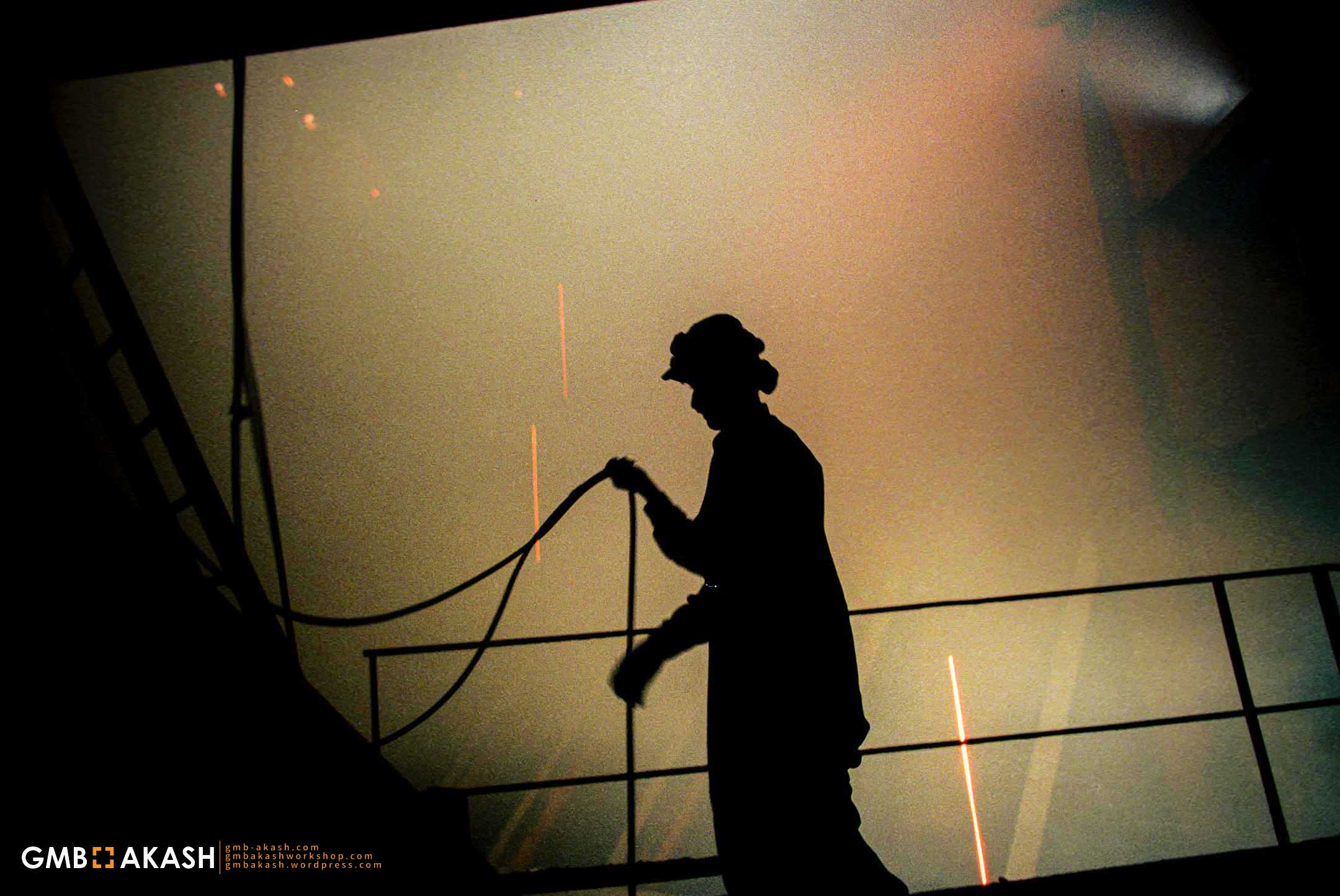
The process of ship breaking involves dismantling decommissioned or end-of-life ships to salvage valuable materials, such as steel, iron, and non-ferrous metals. Gaddani is home to one of the world’s largest ship breaking yards, attracting thousands of laborers seeking employment.


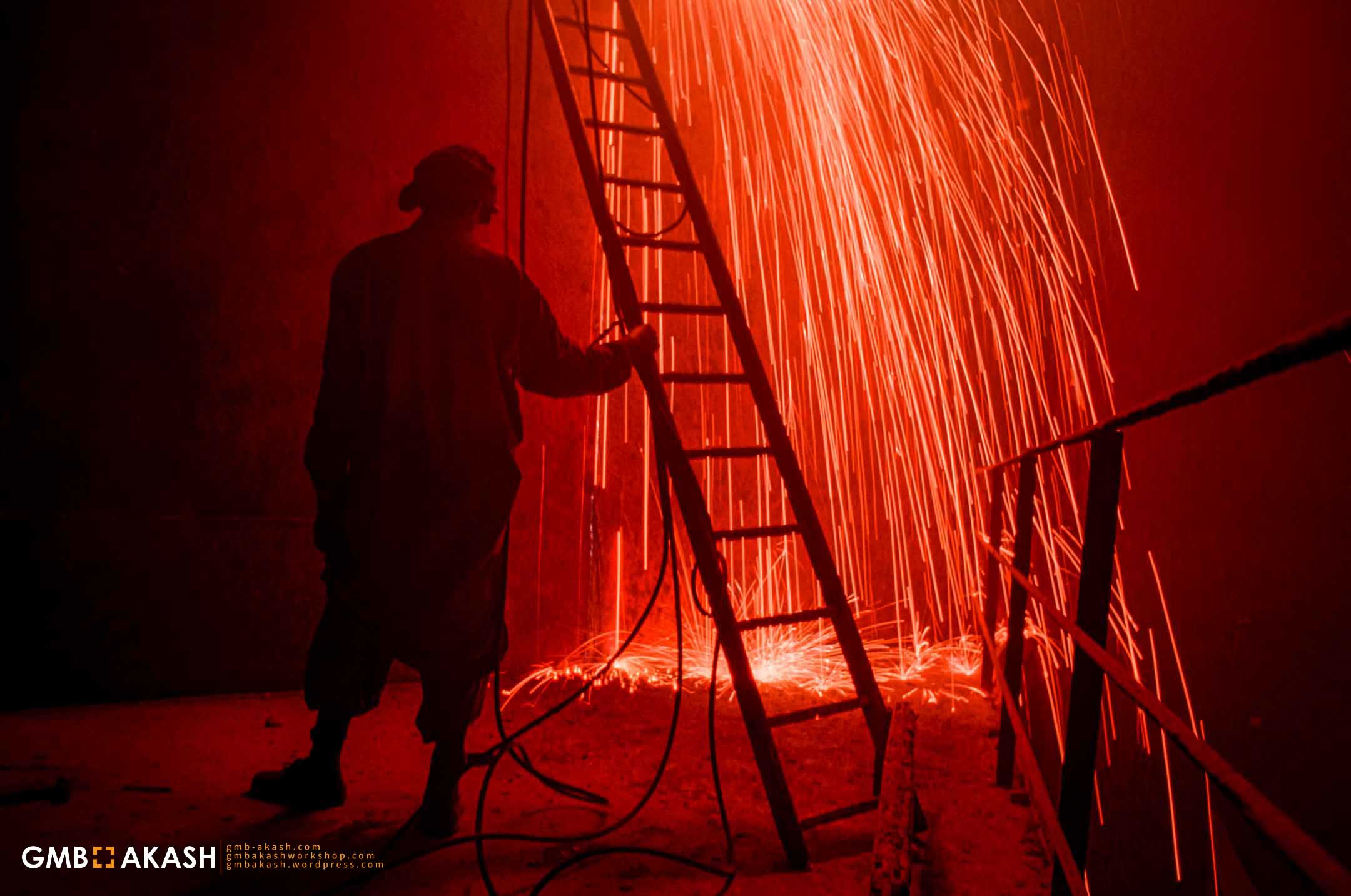

The workers in Gaddani’s ship breaking yard are typically from impoverished backgrounds and often have limited education. Drawn by the prospect of earning a livelihood, they embark on this risky venture. They work grueling hours, battling hazardous conditions, extreme temperatures, and unyielding physical demands. The dangers they face range from accidental fires, exposure to toxic chemicals, and the constant risk of being crushed under the weight of massive structures.


Workers in Gaddani’s ship breaking yard often find themselves subjected to exploitative practices. Many laborers work without proper safety gear or adequate training, which leaves them exposed to severe health hazards. Despite the dangerous nature of their job, the majority of these workers are not covered by any insurance or formal social security, leaving them vulnerable to economic ruin in case of accidents or injuries.


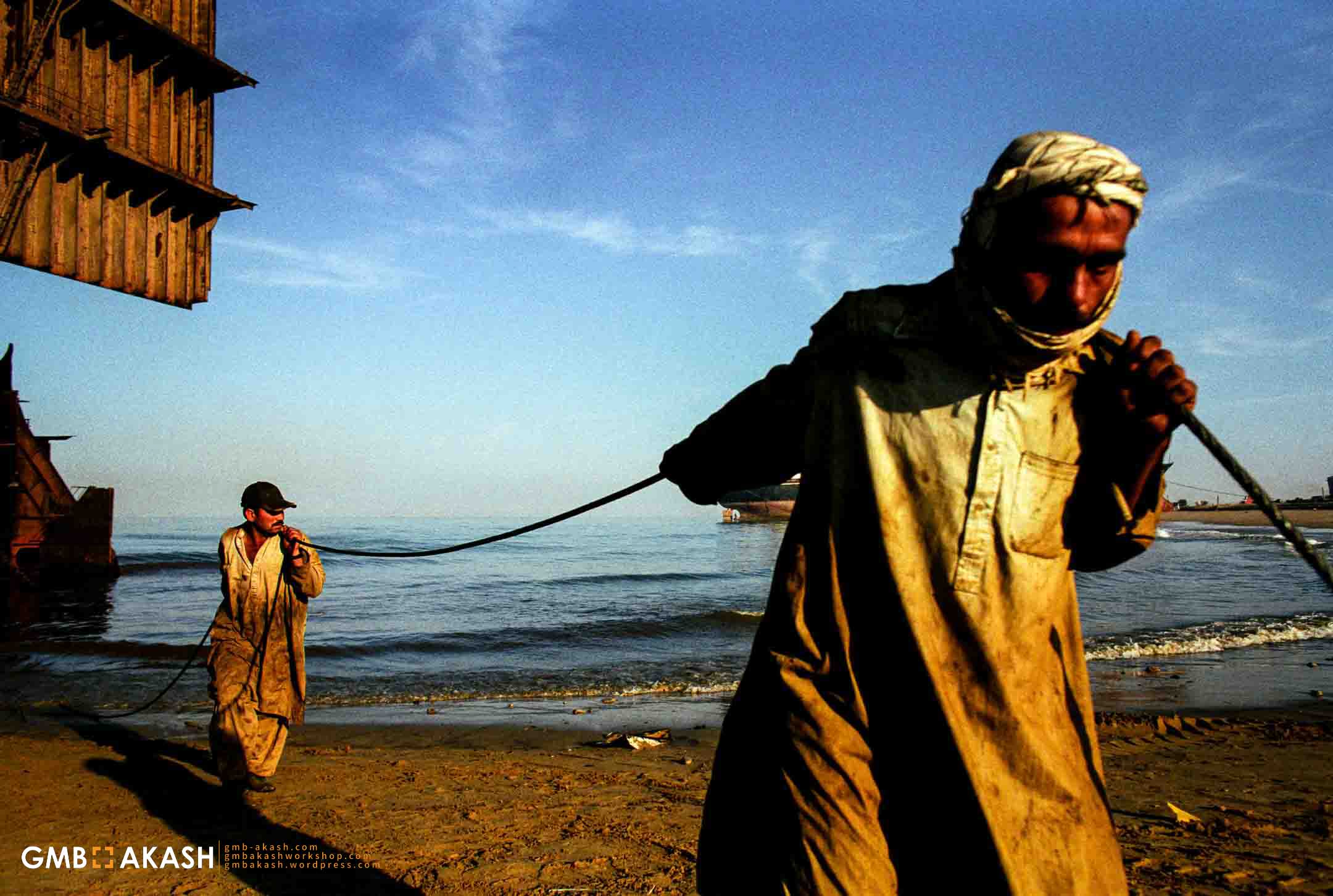
The health and environmental impacts of ship breaking cannot be ignored. Toxic substances, such as asbestos, lead, and mercury, are released during the dismantling process, leading to severe health issues for the workers and the surrounding communities. The lack of waste management infrastructure exacerbates the problem, as hazardous materials end up polluting the nearby land and sea, causing ecological damage.


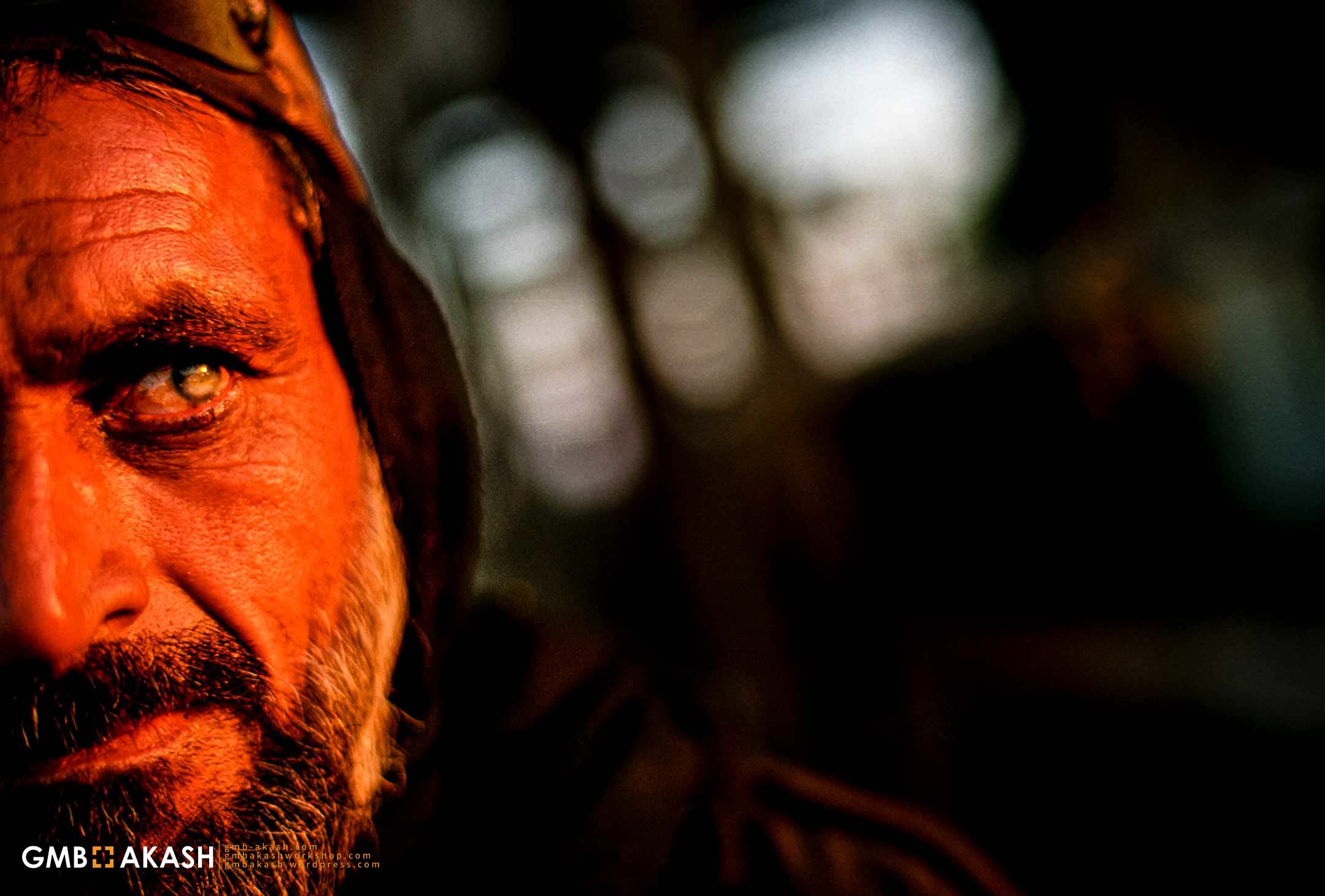
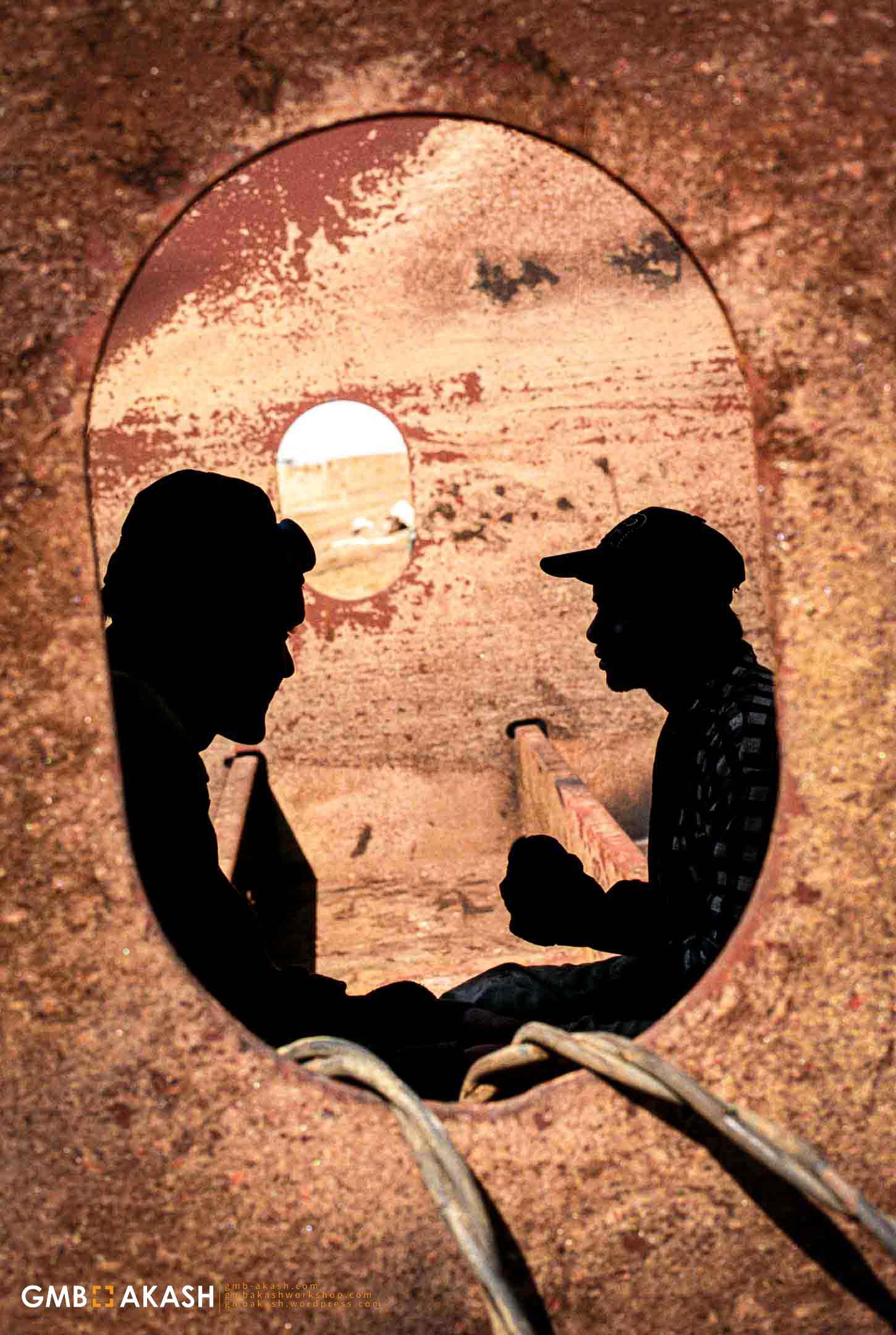

The ship breaking yard in Gaddani, Pakistan, serves as a grim reminder of the struggles faced by workers who labor relentlessly to provide for themselves and their families. Their efforts are often overlooked, and their sacrifices go unrecognized.
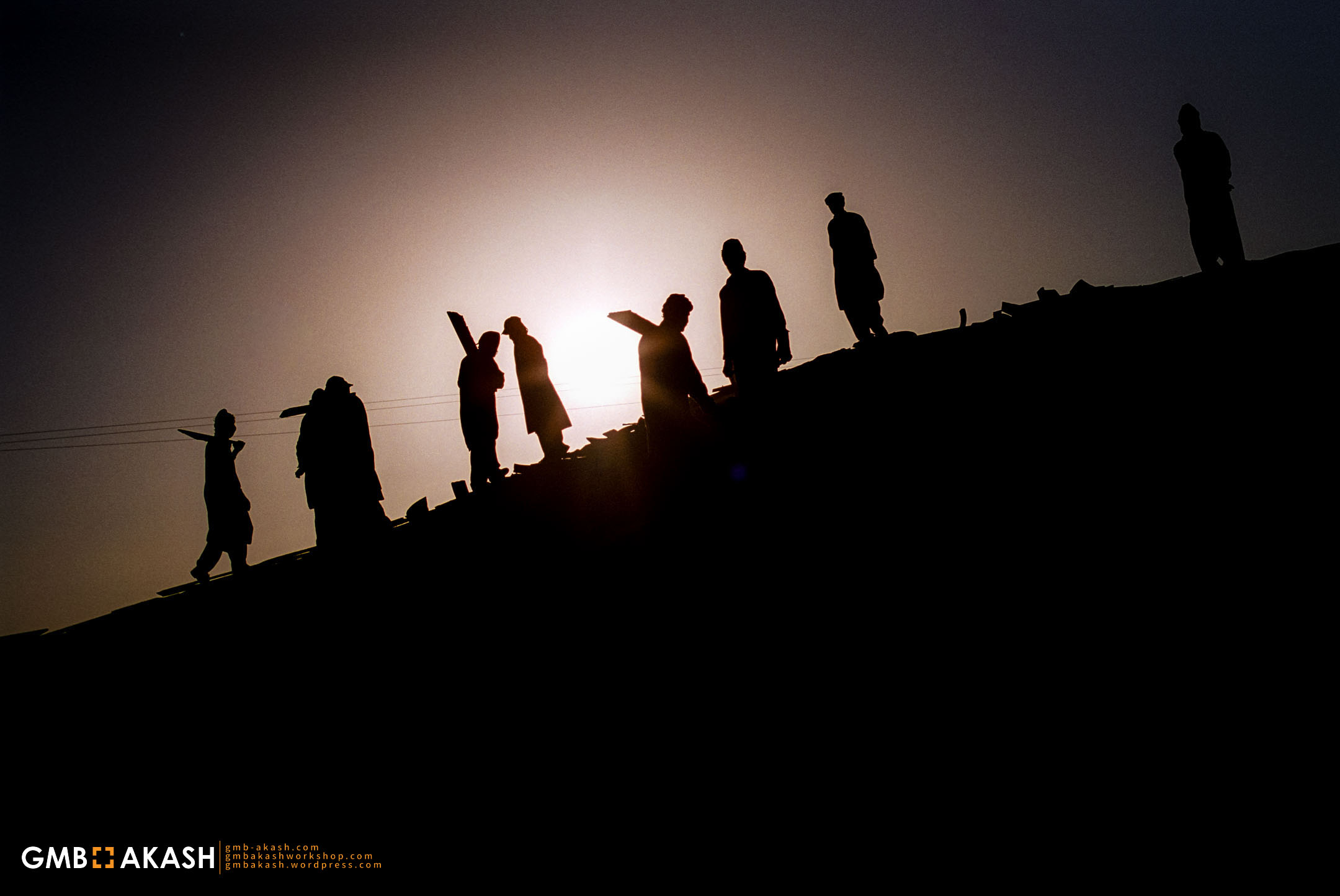


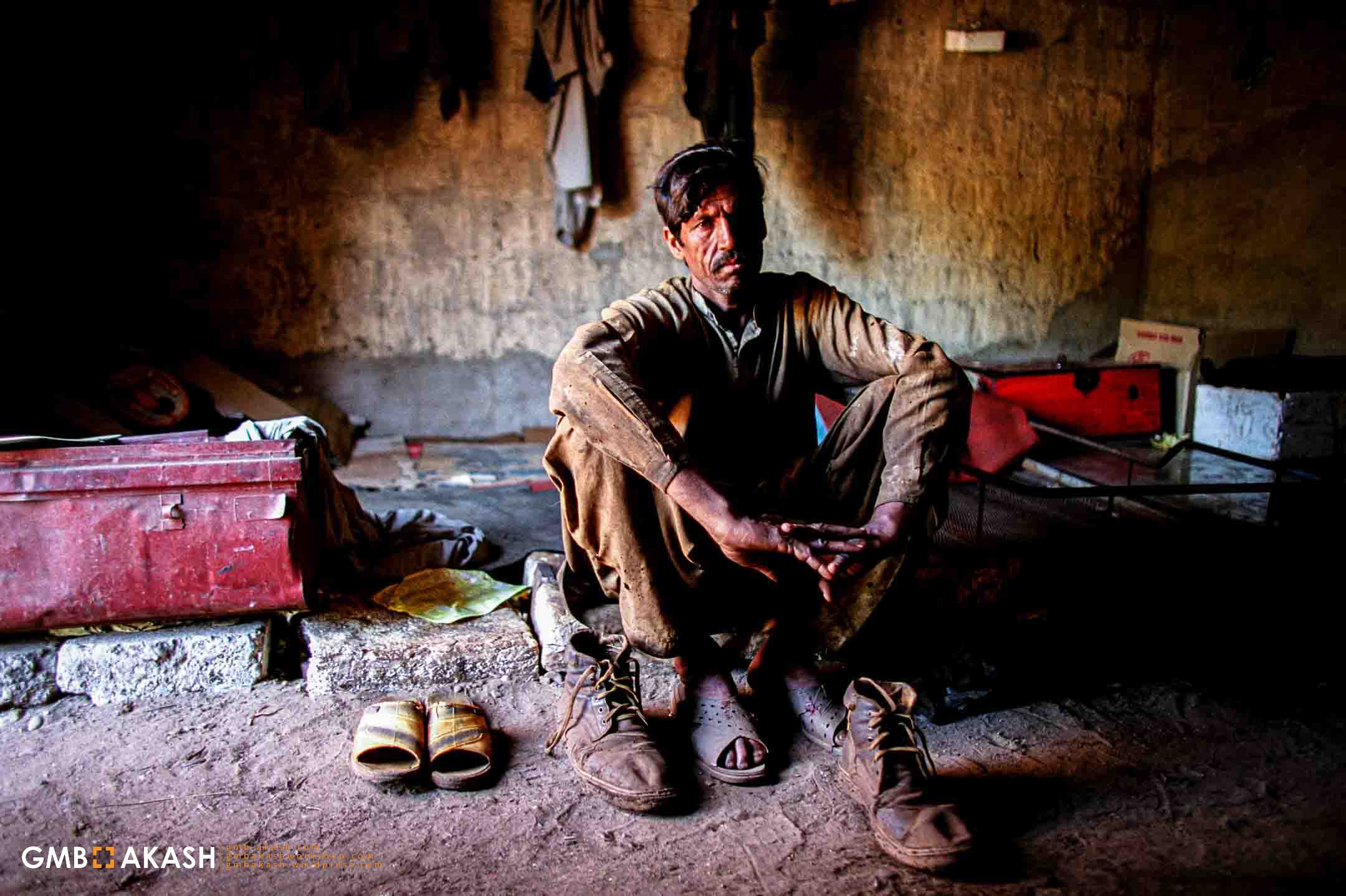

While the shipbreaking industry remains essential for recycling valuable materials, it is vital that we acknowledge the challenges faced by these workers and work towards ensuring their safety, wellbeing, and rights. The time has come to shed light on this hidden world and extend a helping hand to those who risk their lives daily, forging a path towards a brighter, more sustainable future for Gaddani’s shipbreaking workers.



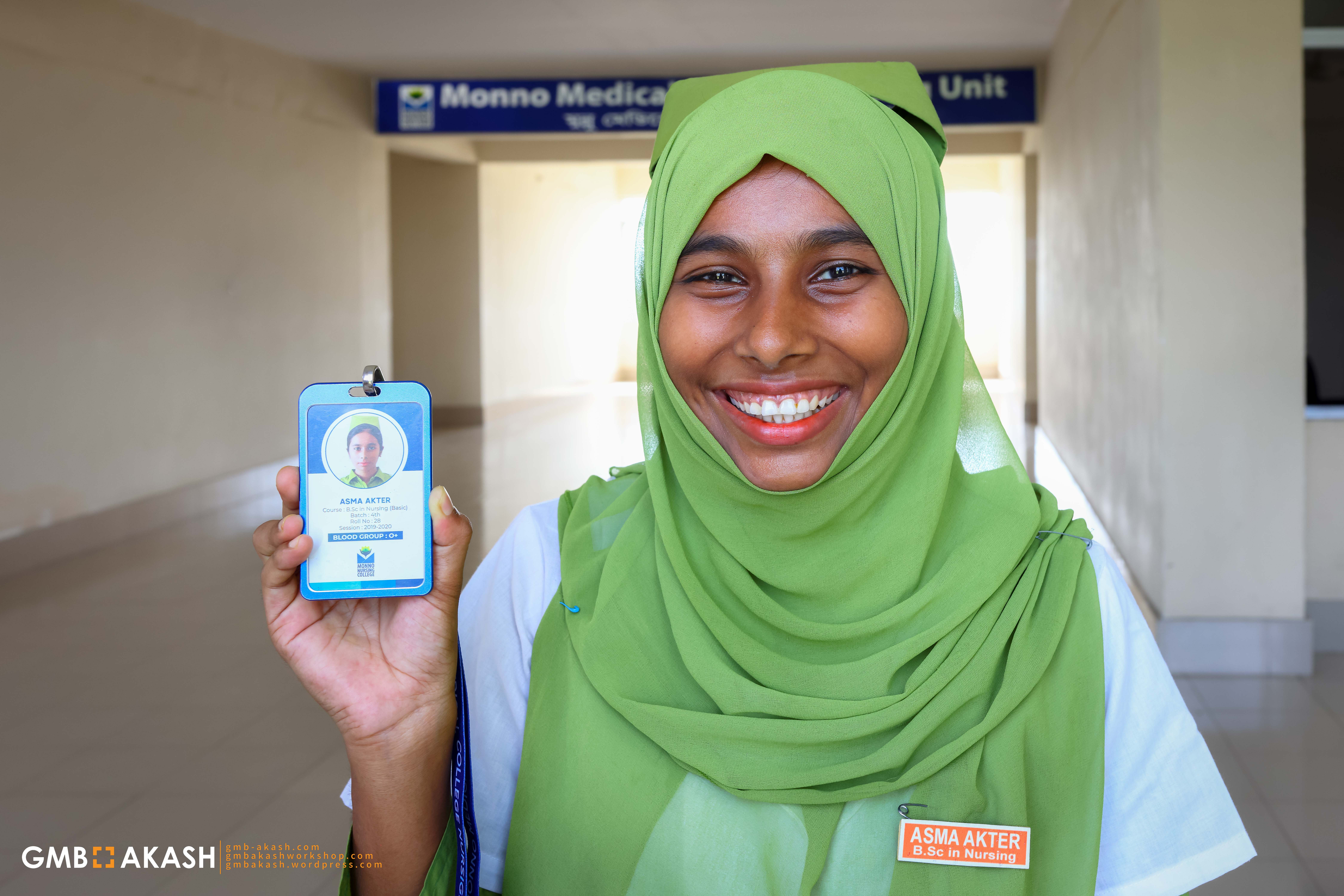
Asma doing her final yearof Nursing.
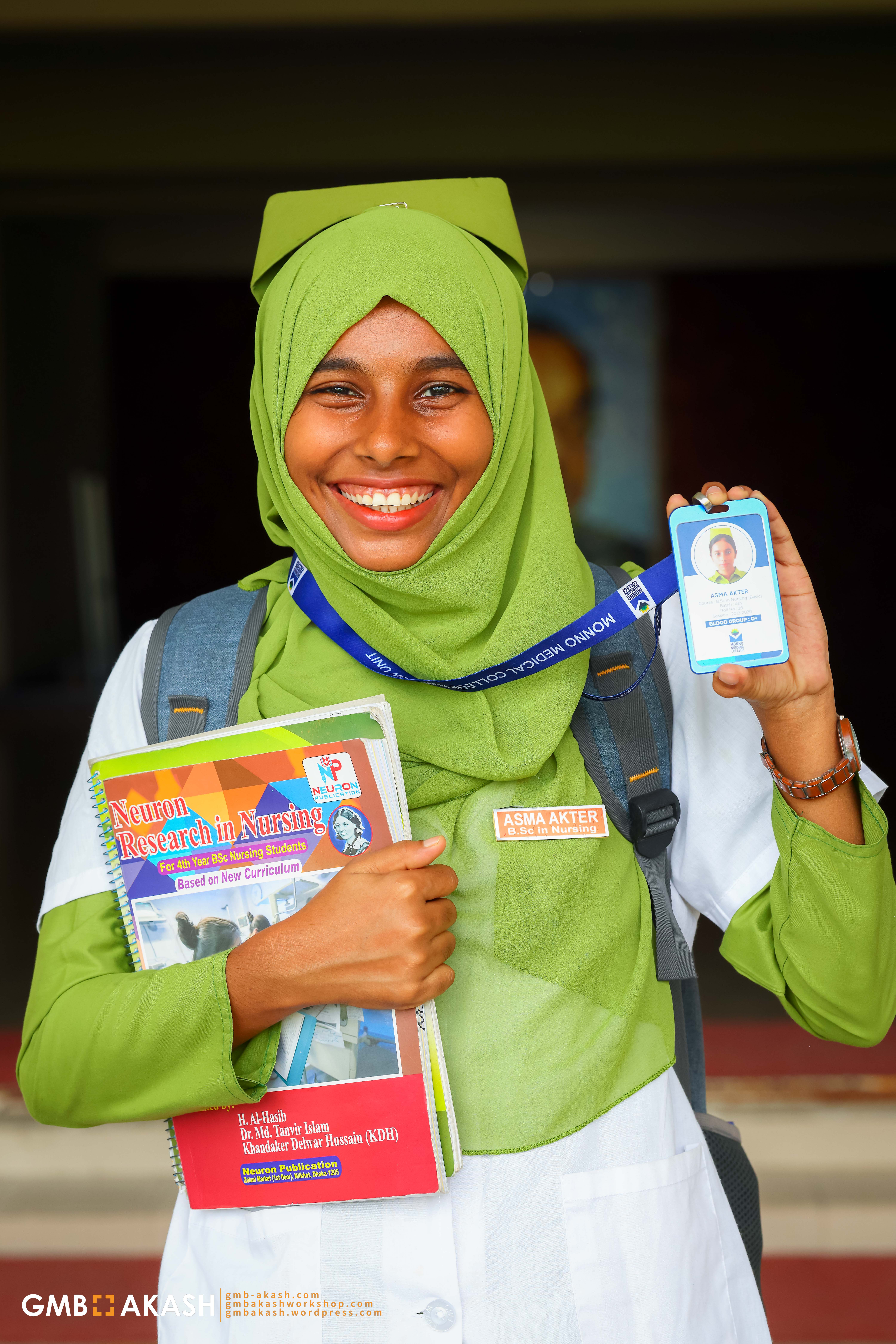
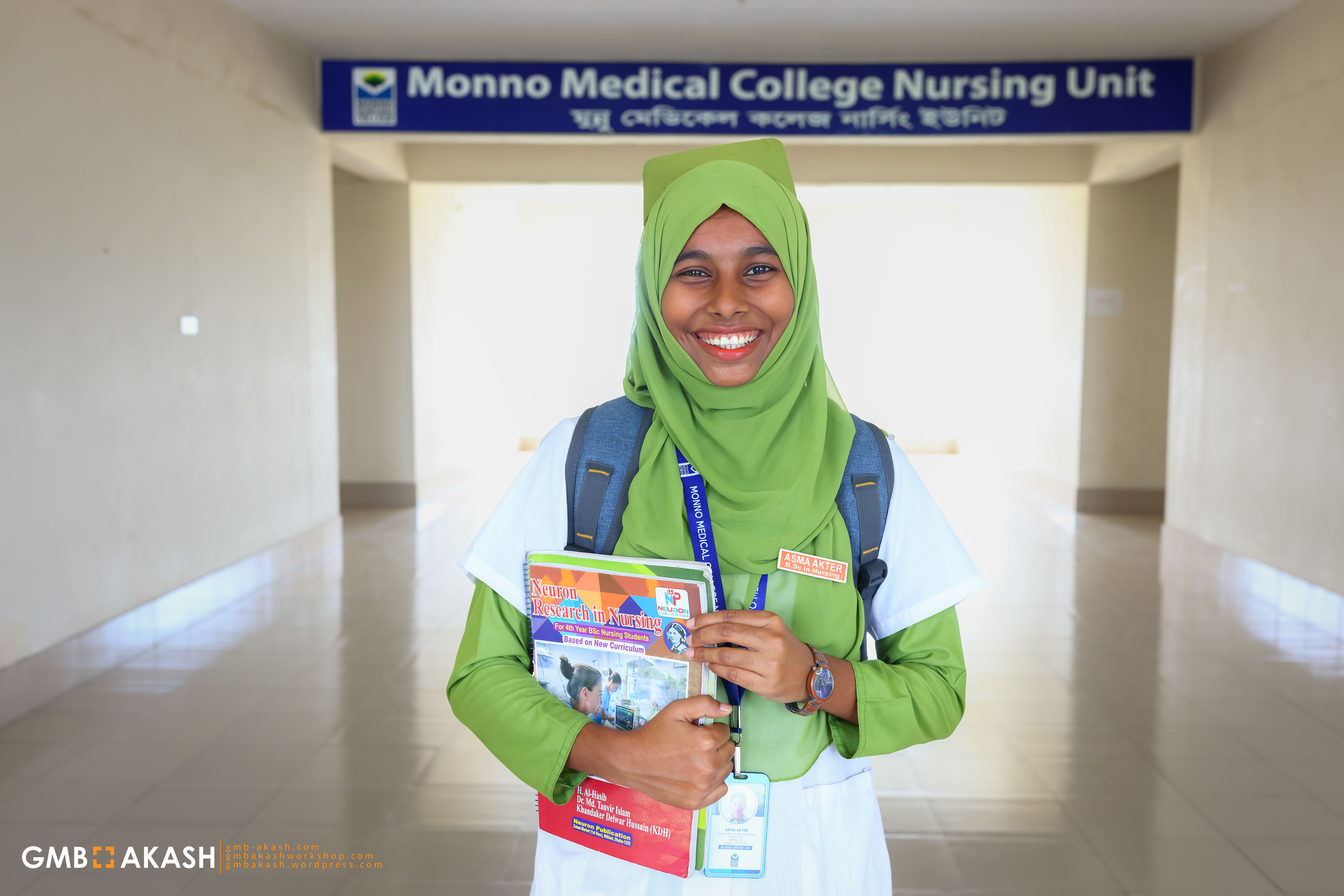
Can you believe an orphan girl Asma is now doing her Nursing Final Year?!! Alhamdulillah.
By the grace of God, I have been taking care of all the expenses of her studies for the last 6 years.
It was 2016 when she was preparing for her SSC exam, but she was struggling to manage the big amount of money for her form fillup. Luckily Ashma came to my notice as like my other hundreds of helpless students.
Asma is currently studying nursing at the Monno Medical College. It will take another year for her nursing program to be completed, and after six months of internship, I hope she can secure a good job, which will allow her to support her family and enable to fulfill her own dreams.
Please keep her in your prayers so that she can successfully complete her studies and achieve a beautiful life.
_GMB Akash


The Unseen Warriors: Dhaka’s Scavenging Heroes.
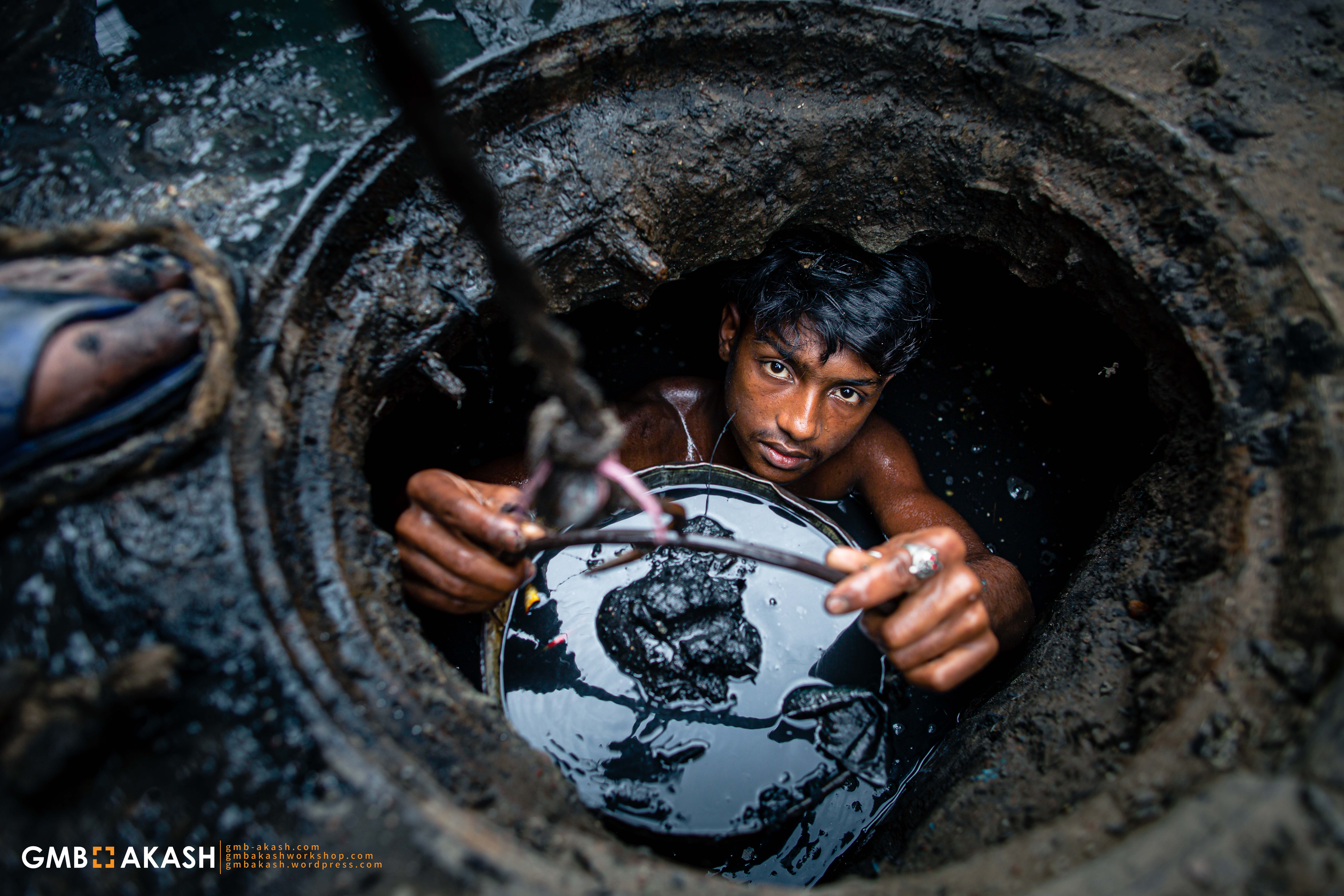


In the bustling streets of Dhaka, a heartbreaking scene unfolds daily. It is a sight that grips the senses with disgust yet remains an integral part of maintaining the urban sanitation system. Even in this year of 2023, the persistence of manual scavenging is a tragic and disheartening reality that goes unnoticed by many passersby each day. This hazardous and inhumane practice involves the manual cleaning of underground sewage systems; despite being banned by law.

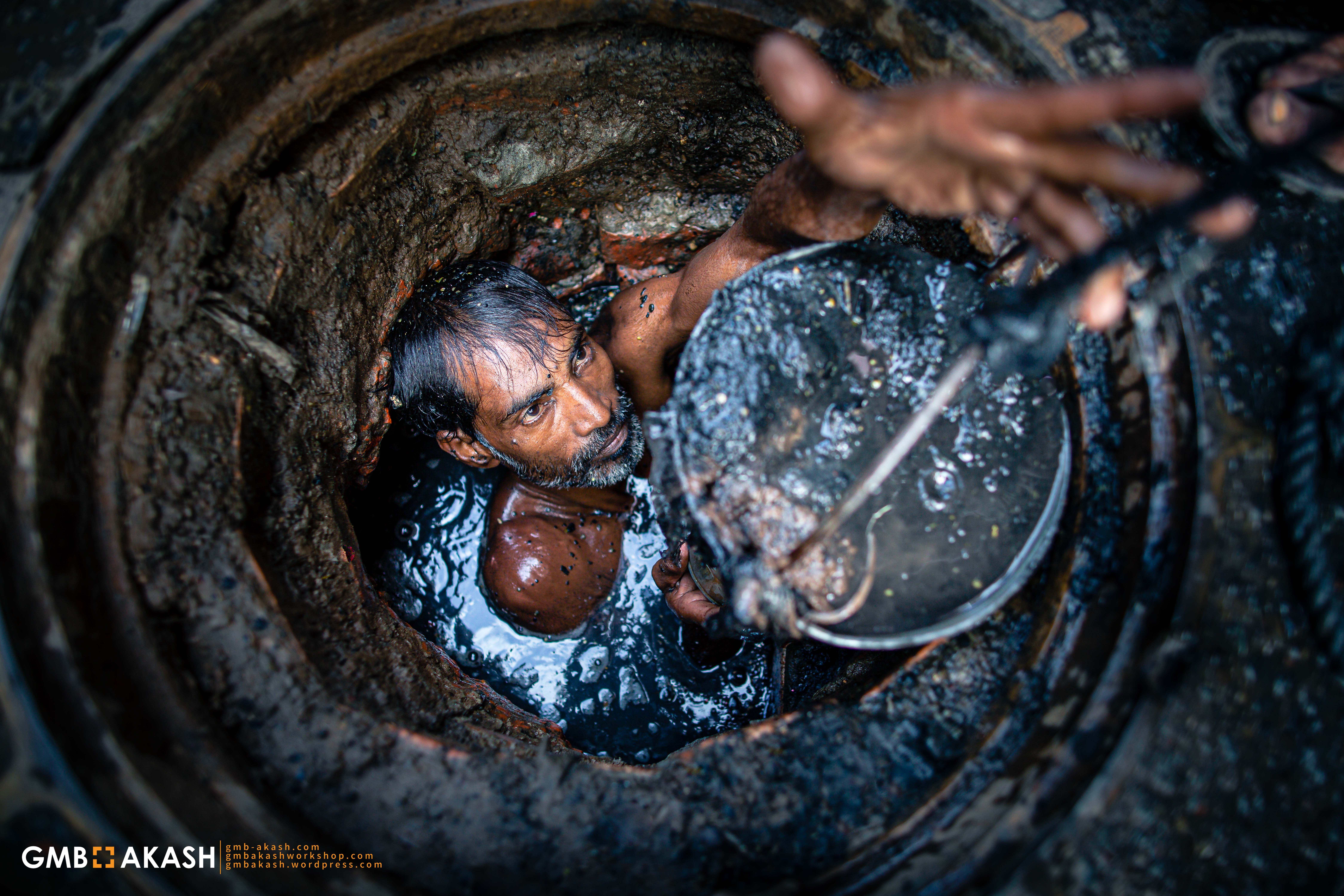
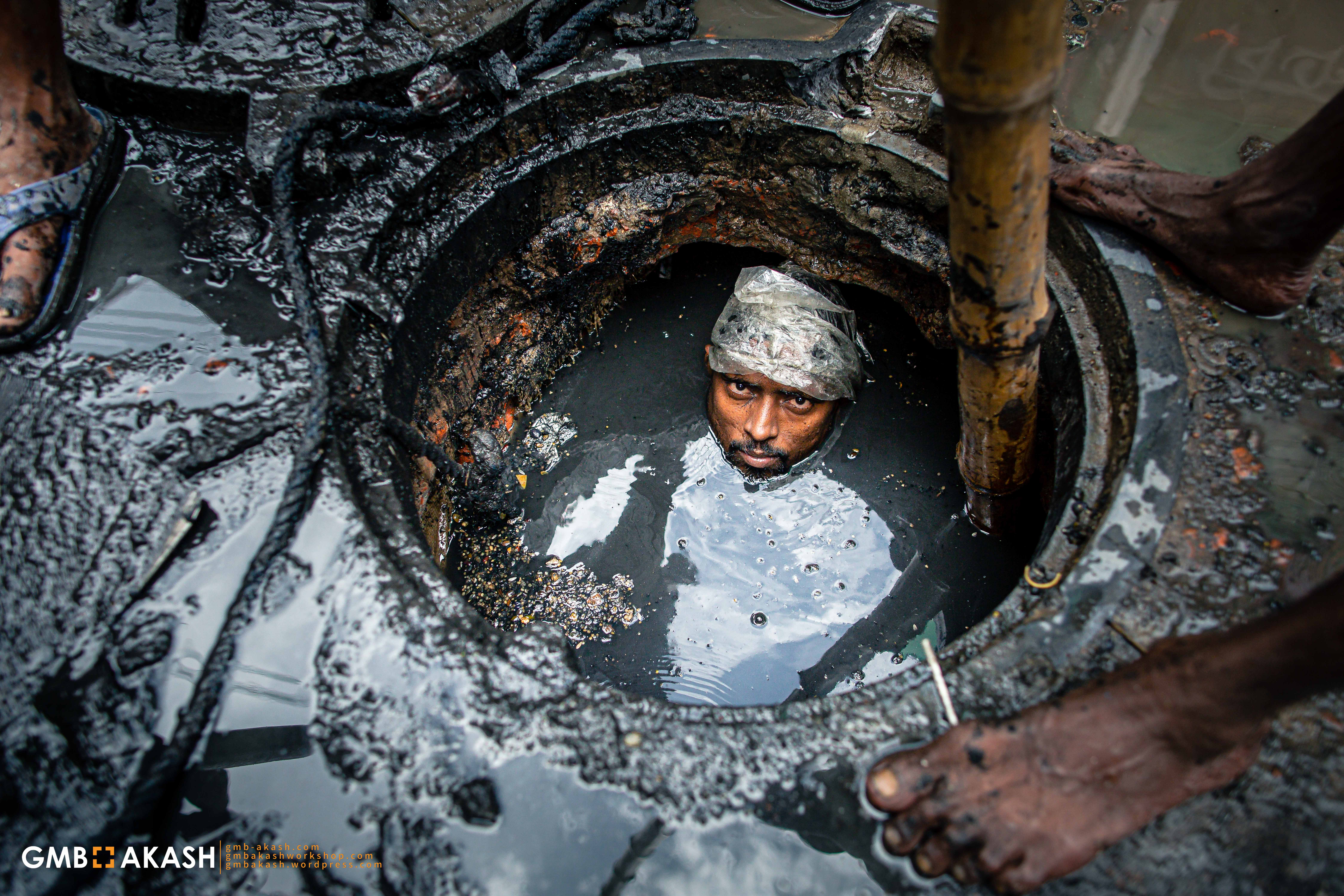
The individuals who enter the manholes without any safeguards are also someone’s fathers or husbands who have someone to love. They too feel pain and bleed red blood when they get hurt. By becoming dirty, they cleanse us. No one is asking for a rocket, but providing them with some safety guards, necessary clothing, and oxygen masks, can’t we do that?


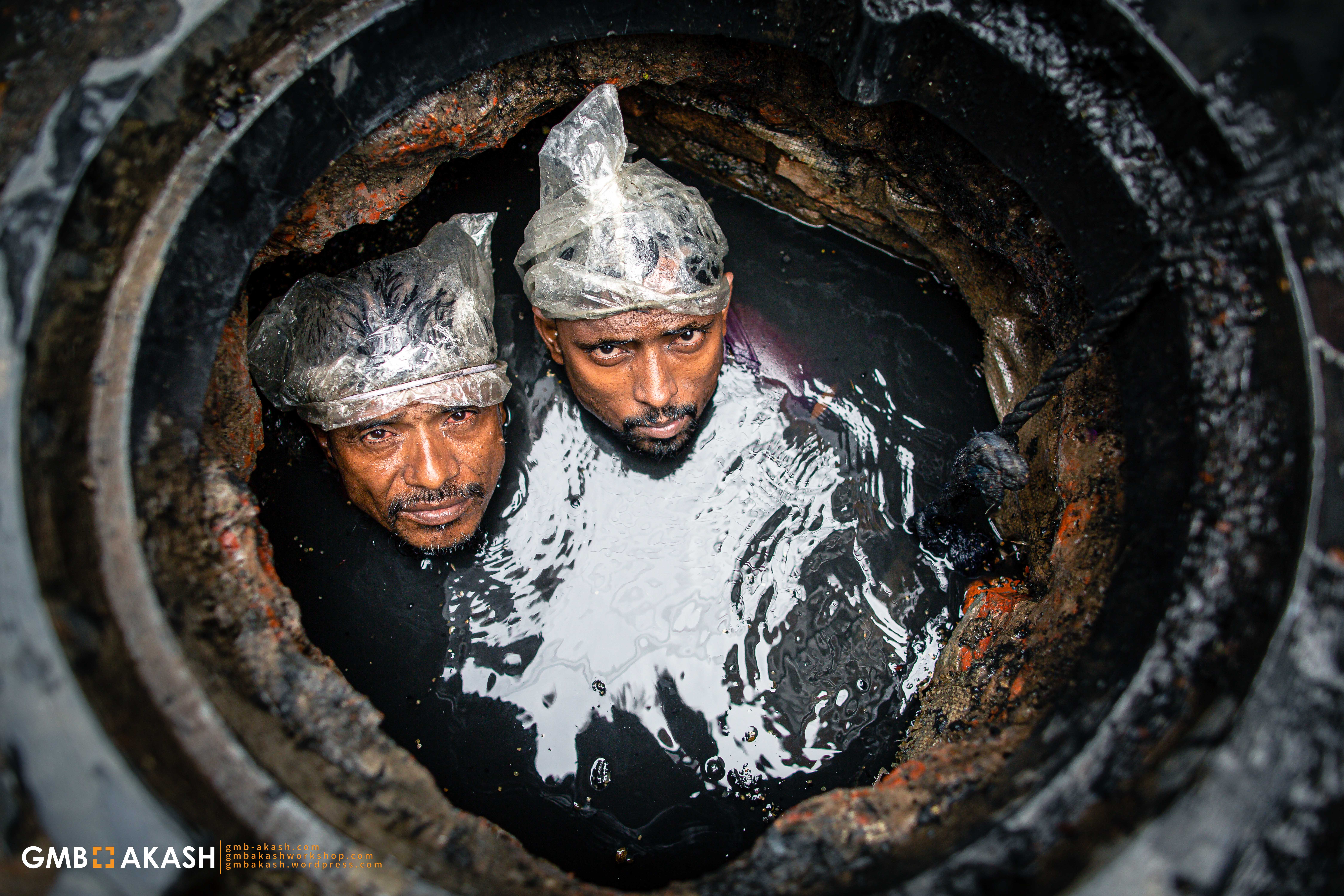
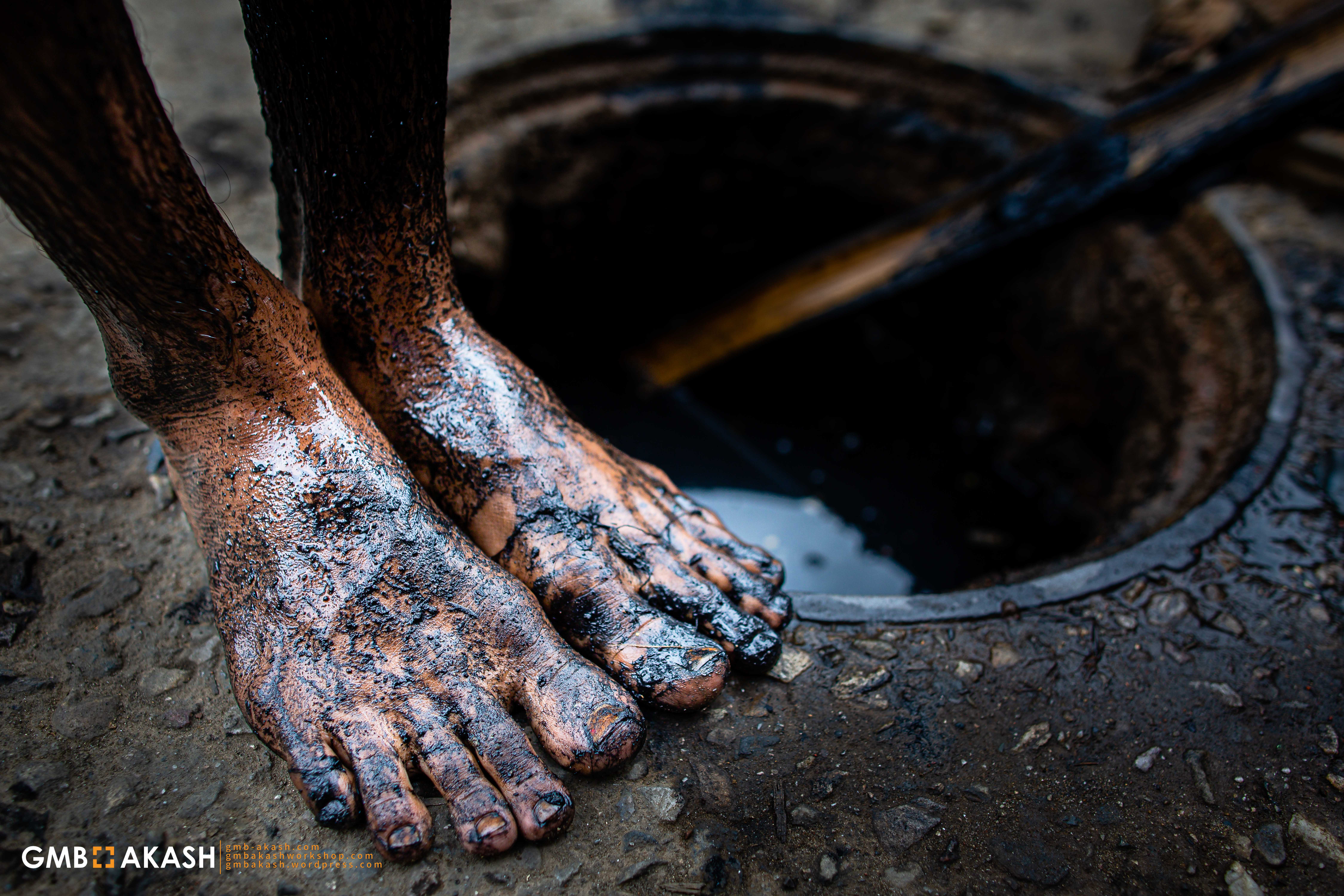

Even in this year of 2023, people are choosing this profession because poverty and a lack of alternative employment opportunities force vulnerable individuals into this dangerous occupation. The working conditions for these scavengers are unimaginably harsh as they descend into dark and cramped spaces without proper safety equipment, exposing themselves to toxic gases, suffocation, and the risk of drowning or collapsing structures.

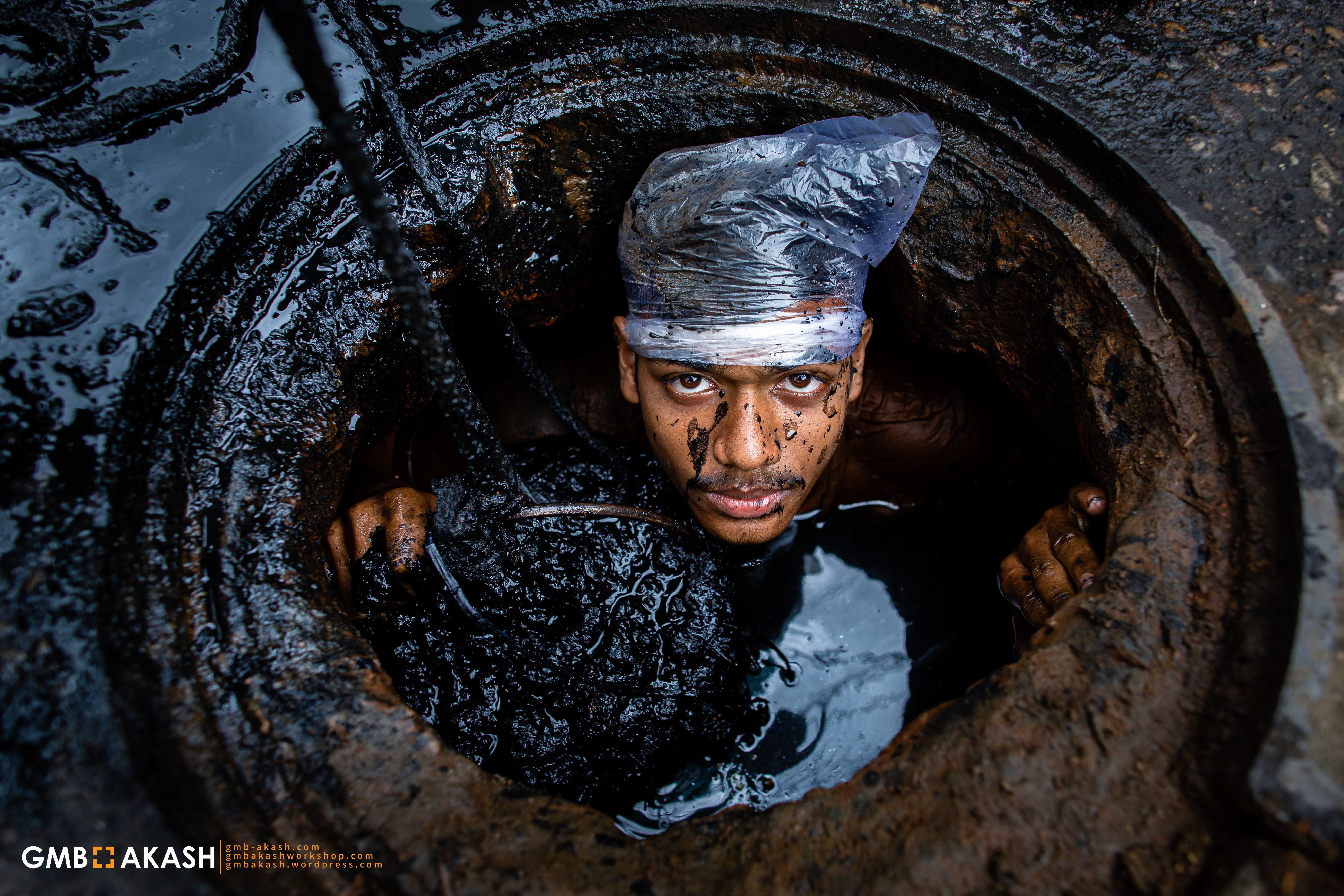
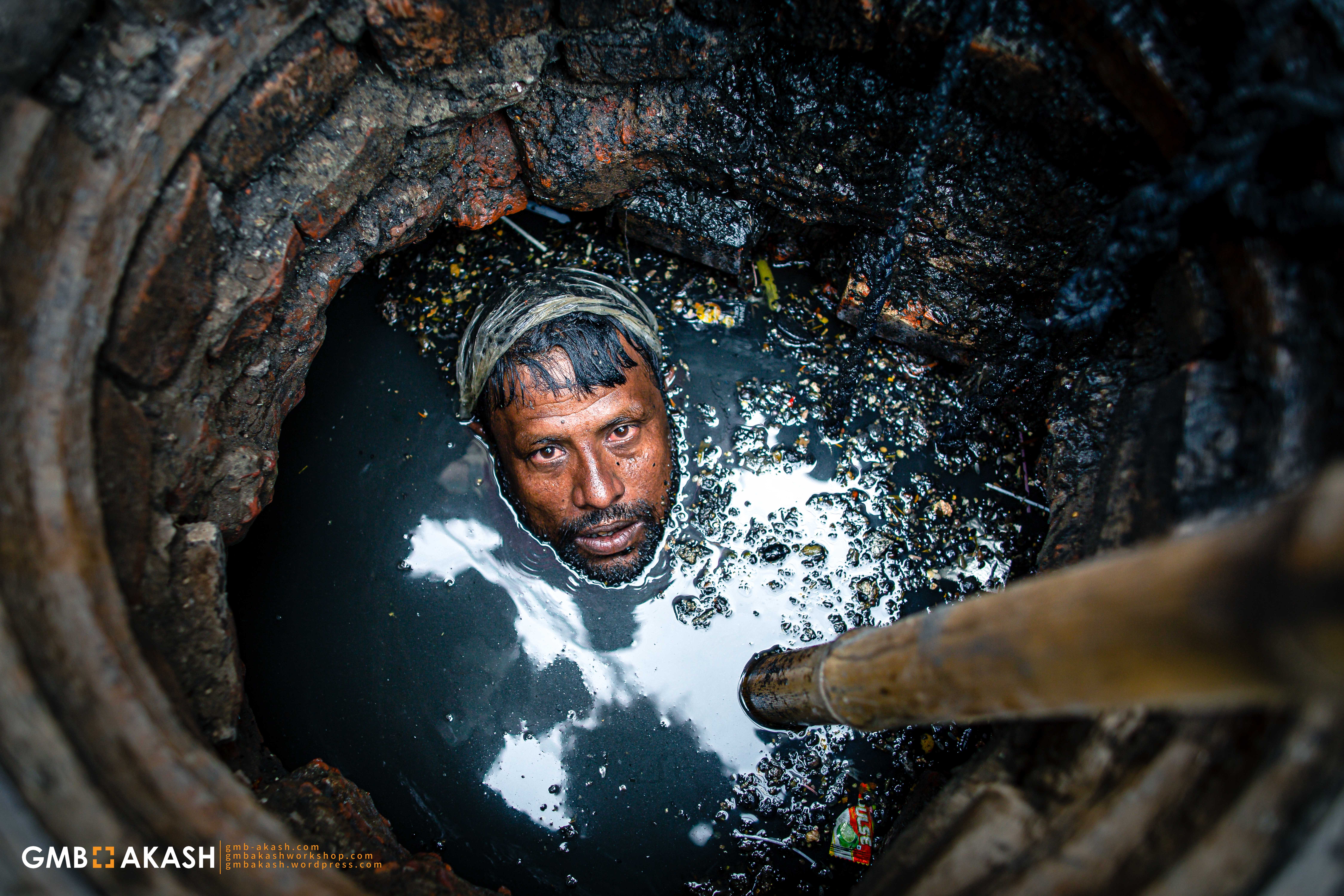
The absence of protective gear also leaves them vulnerable to diseases such as fever, fatigue, cholera, typhoid, asthma, polio, eye infections, hepatitis, skin burns or irritation, and endless infections caused by hazardous substances. Furthermore, these workers face severe social stigma and discrimination, leading to their marginalization within their communities and limited opportunities for education and economic mobility.


Despite existing labor regulations, the lack of enforcement perpetuates a cycle of poverty and exploitation for these sanitation workers in Bangladesh.
The Perfect Eid Surprise for Parvin Apa!
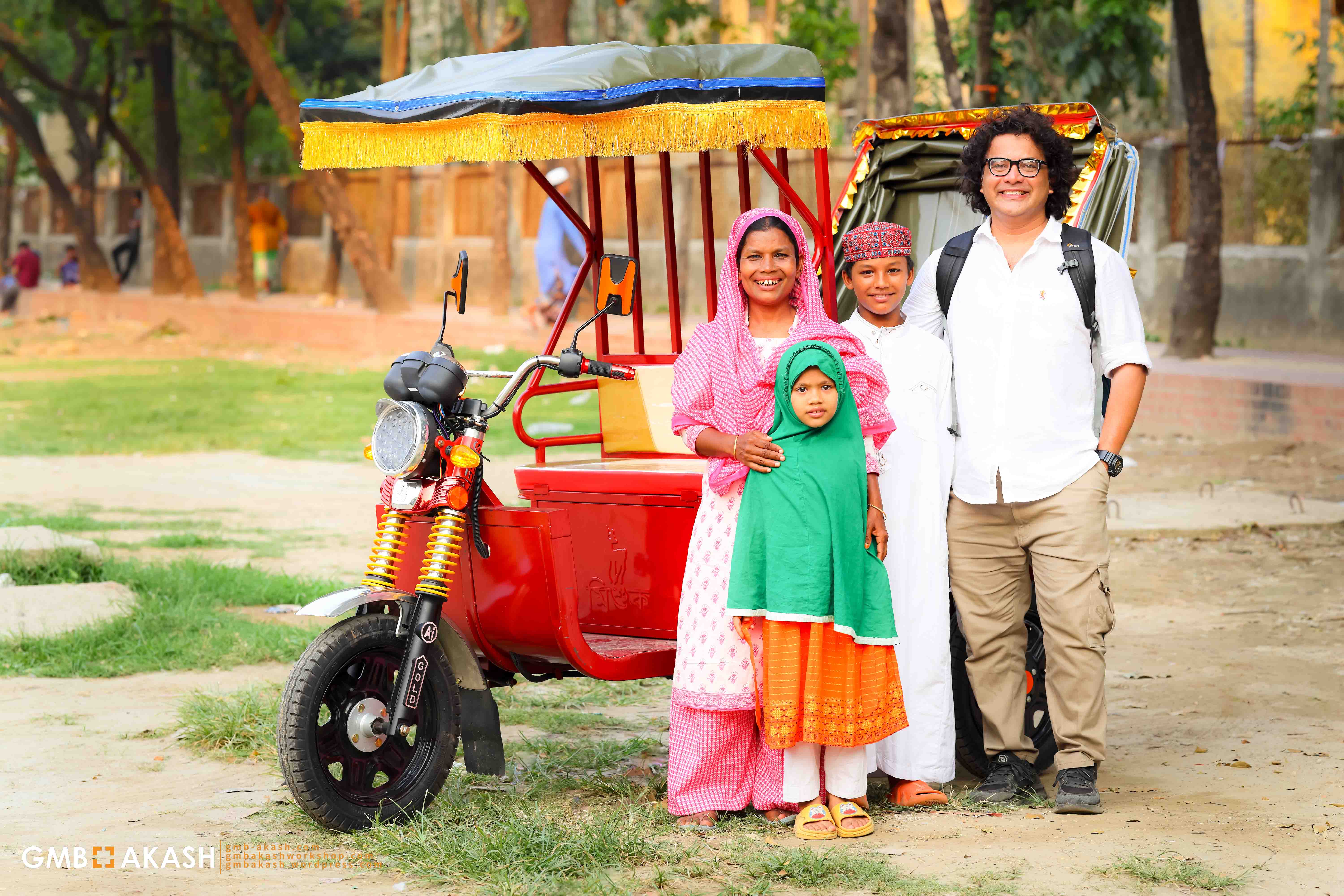
Wonderful News! The Perfect Eid Surprise for Parvin Apa!
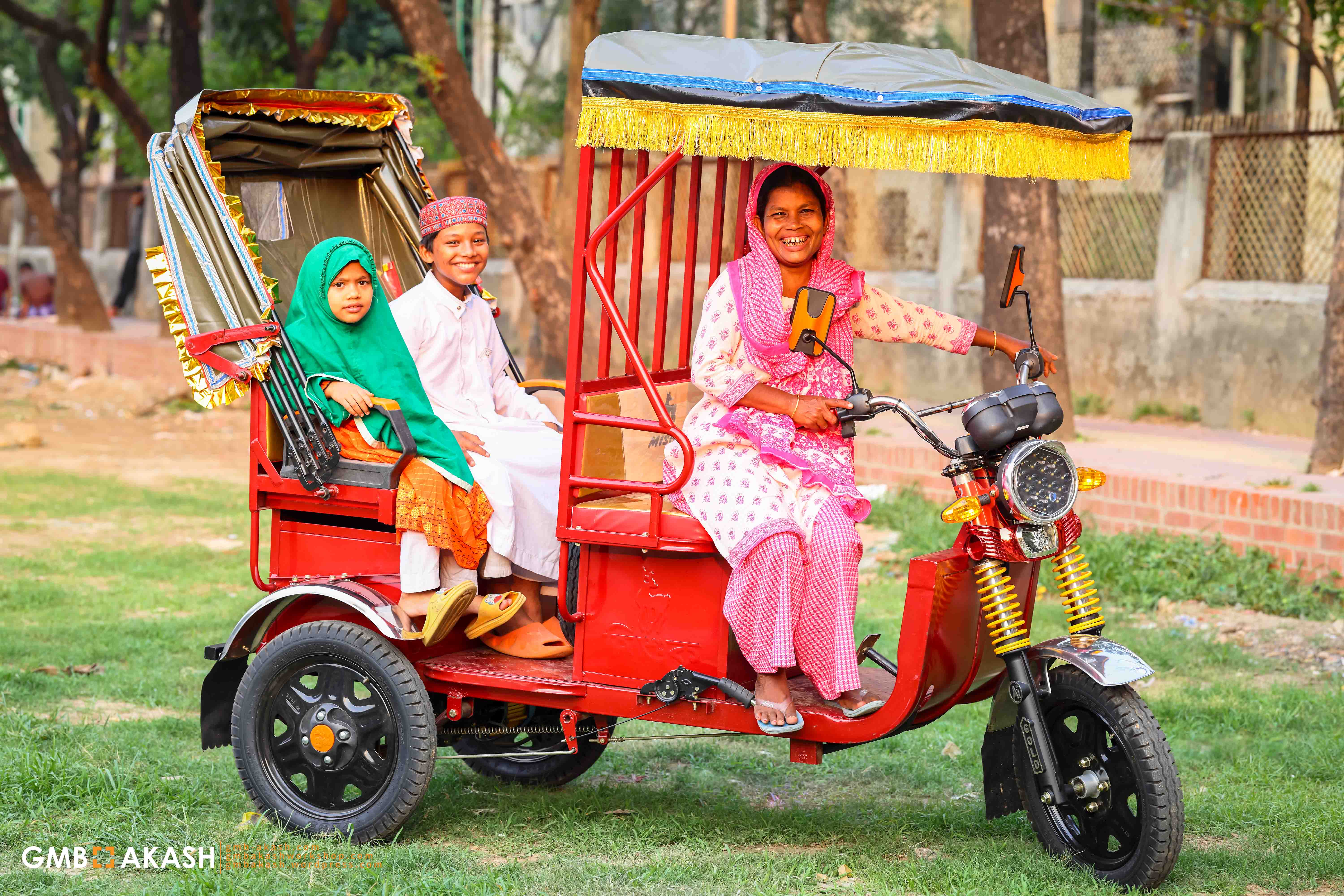
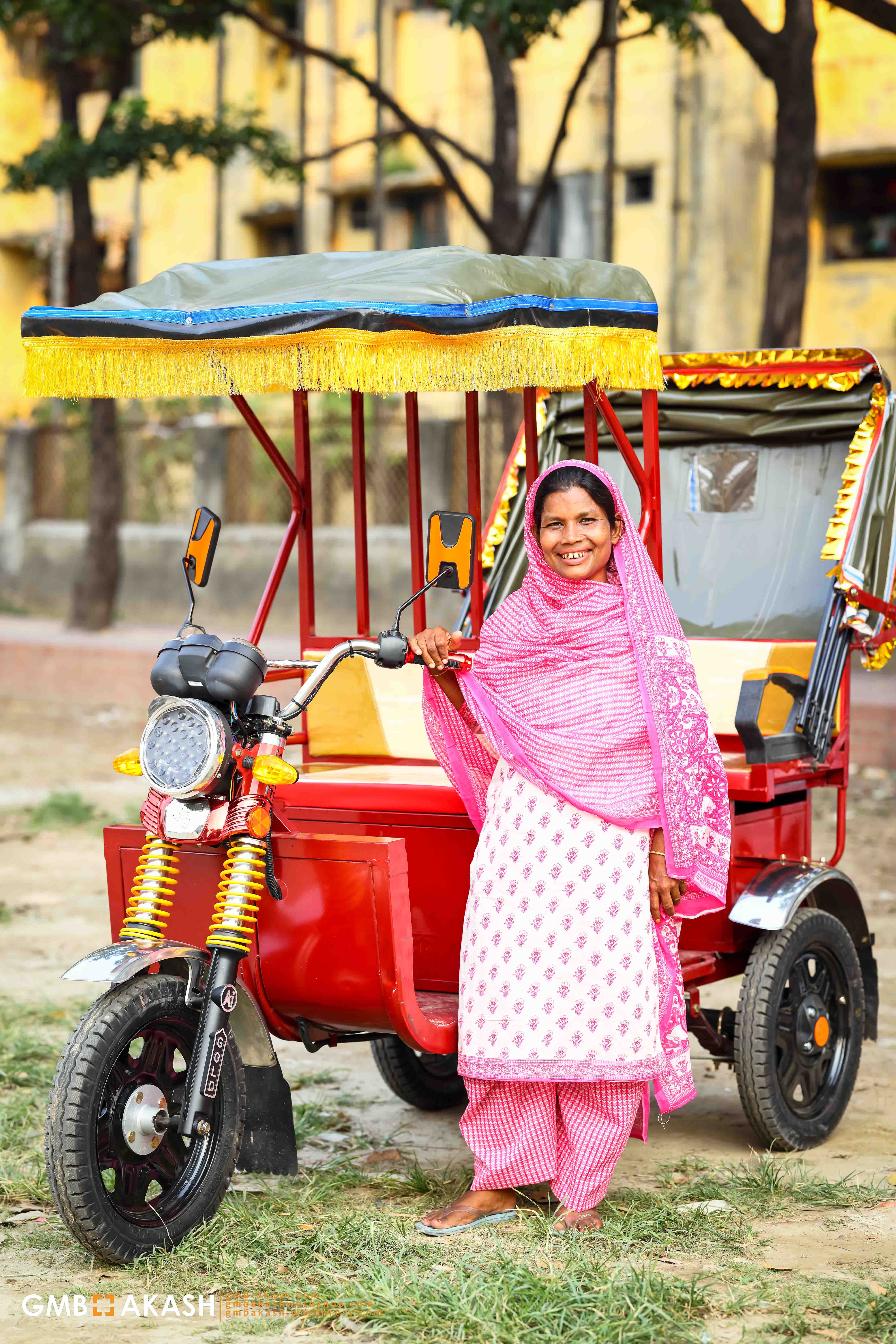
I have gifted parvin apa with a brand new customized auto rikshaw this week, which cost around 1 lac taka.
This exceptional gift brings immense joy to Parvin Apa’s life, now she can earn1000 taka daily, and she doesn’t need to pay a high amount of money to rent a Rikhsaw as she used to do before.
With her sufficient earnings, she can now easily take care of her children’s education.
Thank you everyone for your love and respect for parvin Apa.



The Power of Clean Water: A Life-Changing Gift for Over 100 Families.
“The best charity is to provide water.”

My friends, by the grace of God, I have been able to provide a deep-water pump for a whole village. More than 100 people collect water from this deep tubewell.
Due to its proximity to Dhaka City, it is almost impossible for them to draw water from a normal hand pressure tap. Water can only be extracted by deep tube-wells in only some specific areas in this region.

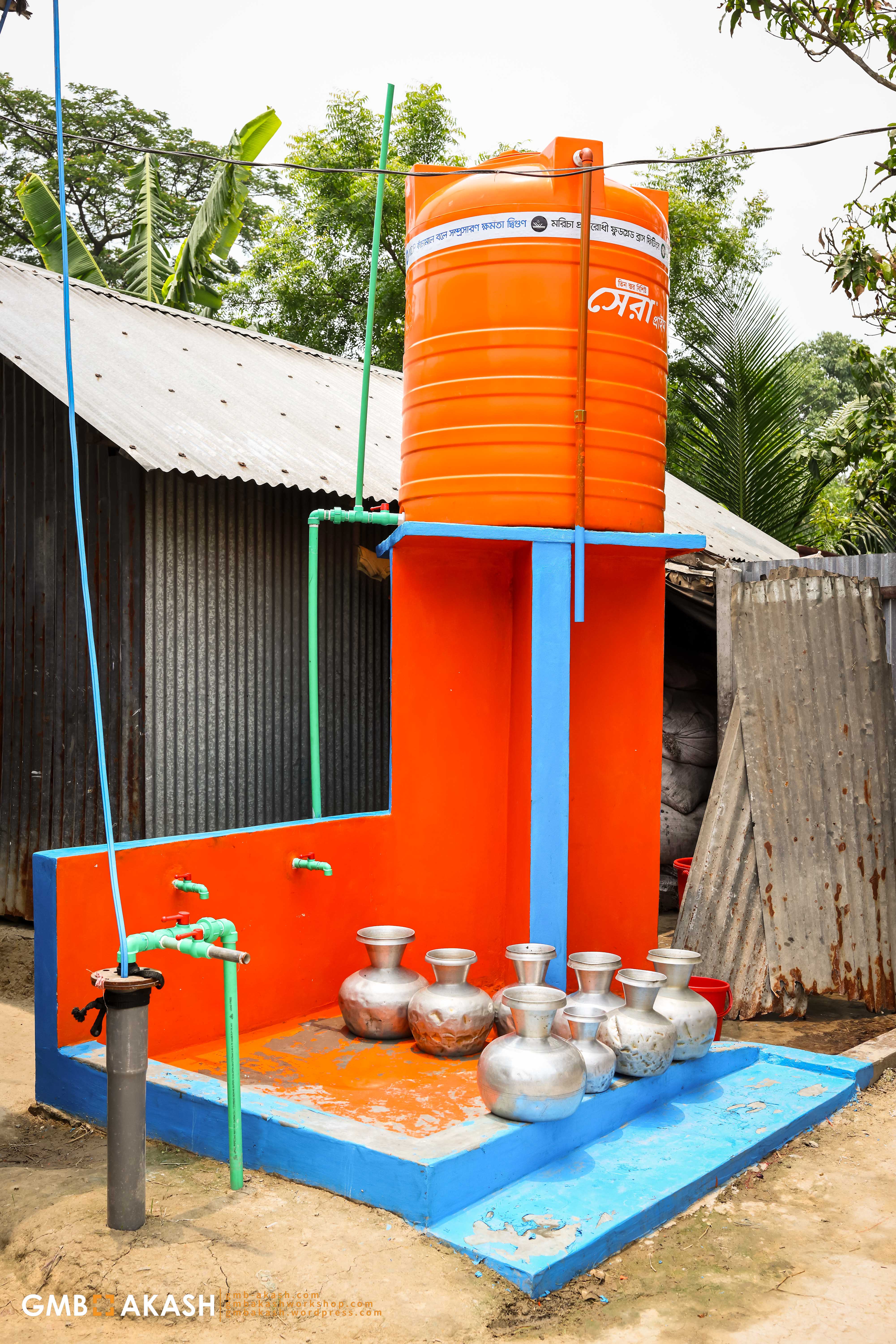
Sahanaj Begum said, “I moved to this area after getting married 30 years ago. For the past three decades, I have been living in this region and experiencing ongoing water-related challenges. Initially, we relied on pond water, but unfortunately the increasing heat has caused the pond to dry up in summer seasons. Even we don’t have enough water for our basic needs like food and drinking in our area.

Through a week of hard work, time and effort I was able to install this Deep Water Pump with the help of the villagers. It cost around 70,000 taka to install the deep water pump.
My friends, the villagers have sent their heartfelt prayers, gratitude and best wishes for all of you who have contributed for the water pump and tubewell.
They said, this tubewell was the biggest gift of their life in this hot summer.

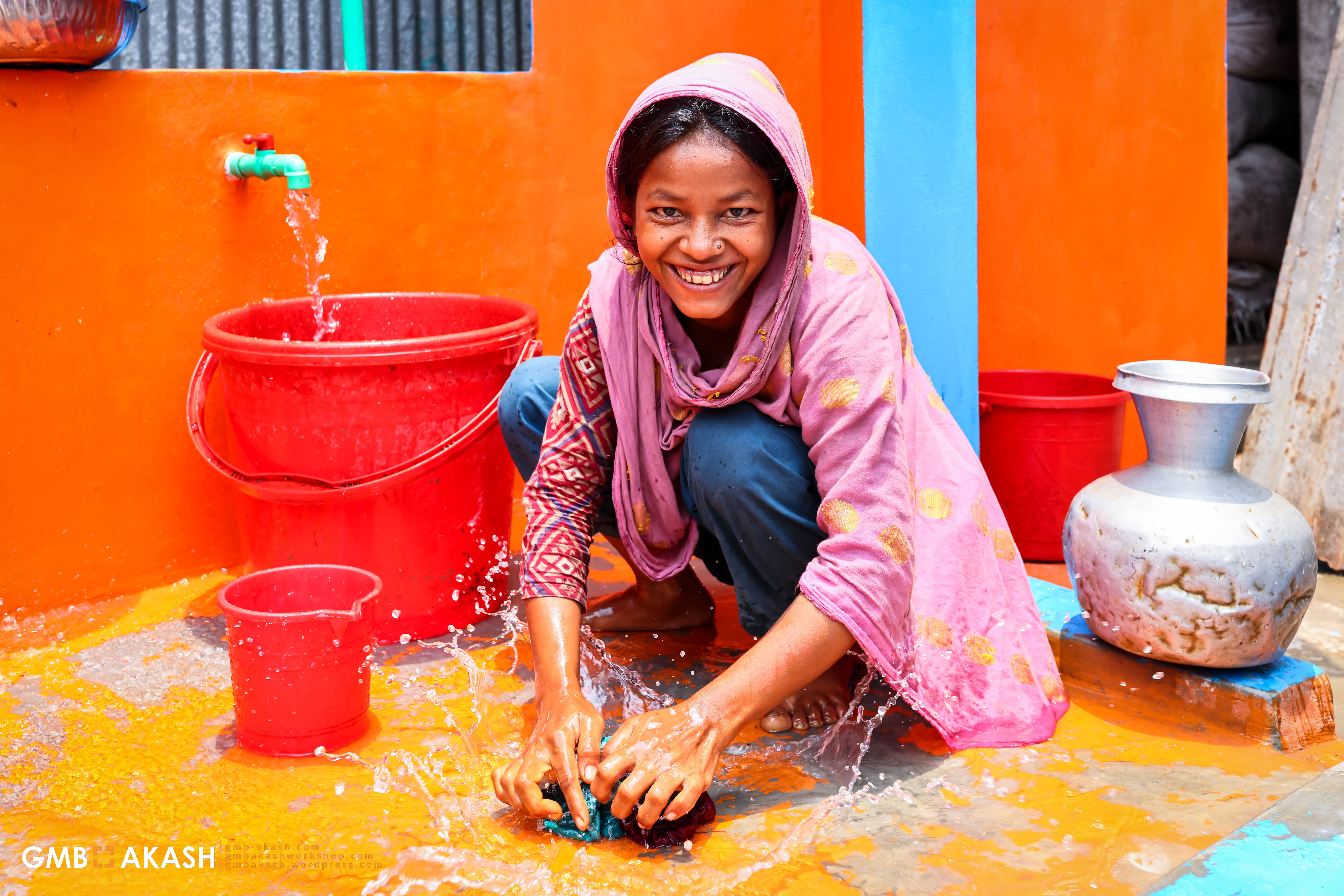
More than 100 people (families) collect water everyday. I am also planning to make a small bathroom besides the deep tubewell, so that the women who come to collect water can take a shower as well.
Please keep me in your prayers, so that I can continue my journey of improving the lives of those in need.
Love and Light
_GMB Akash
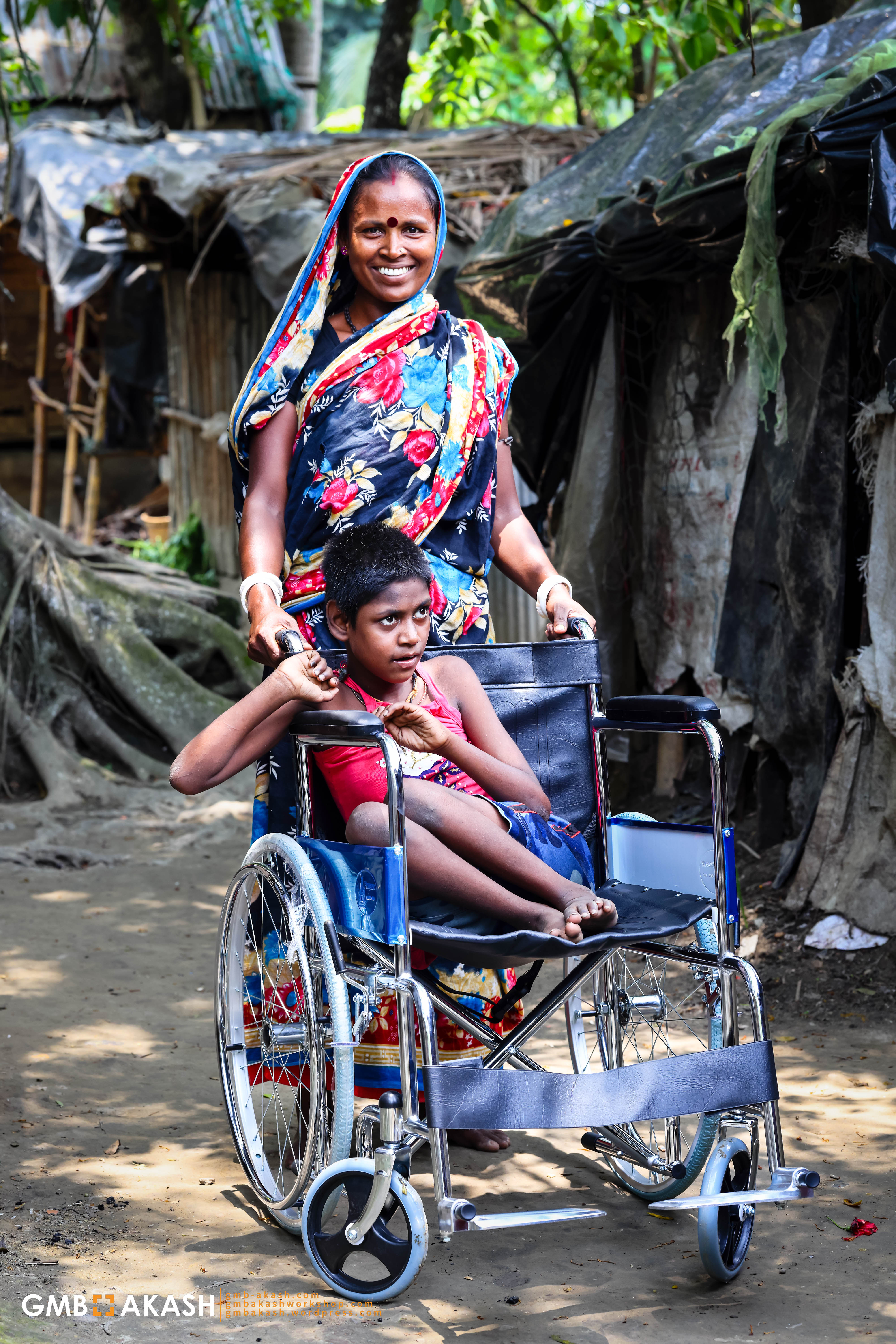
Gifted 10 new wheelchairs to 10 special children this week.
Dear friends,
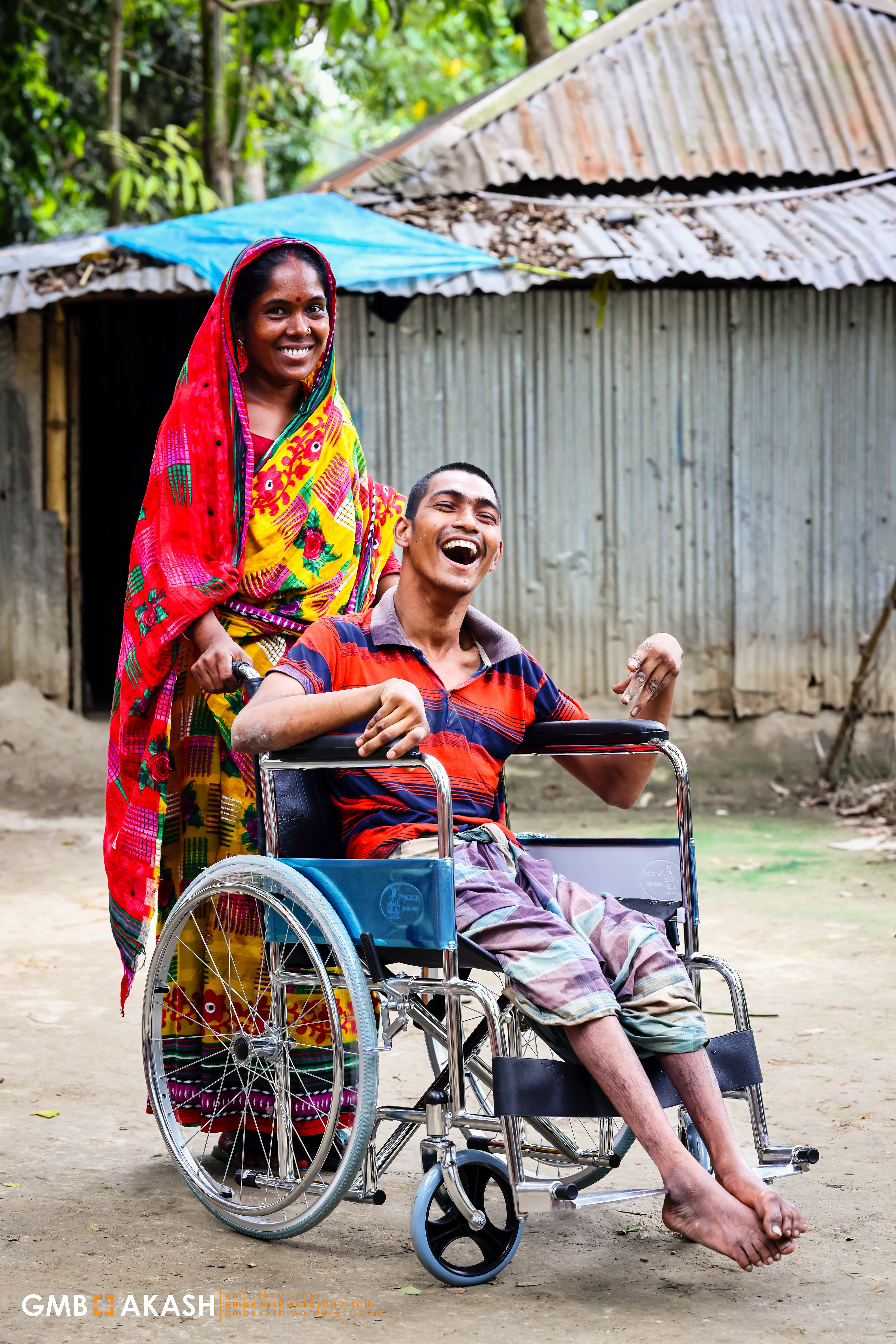
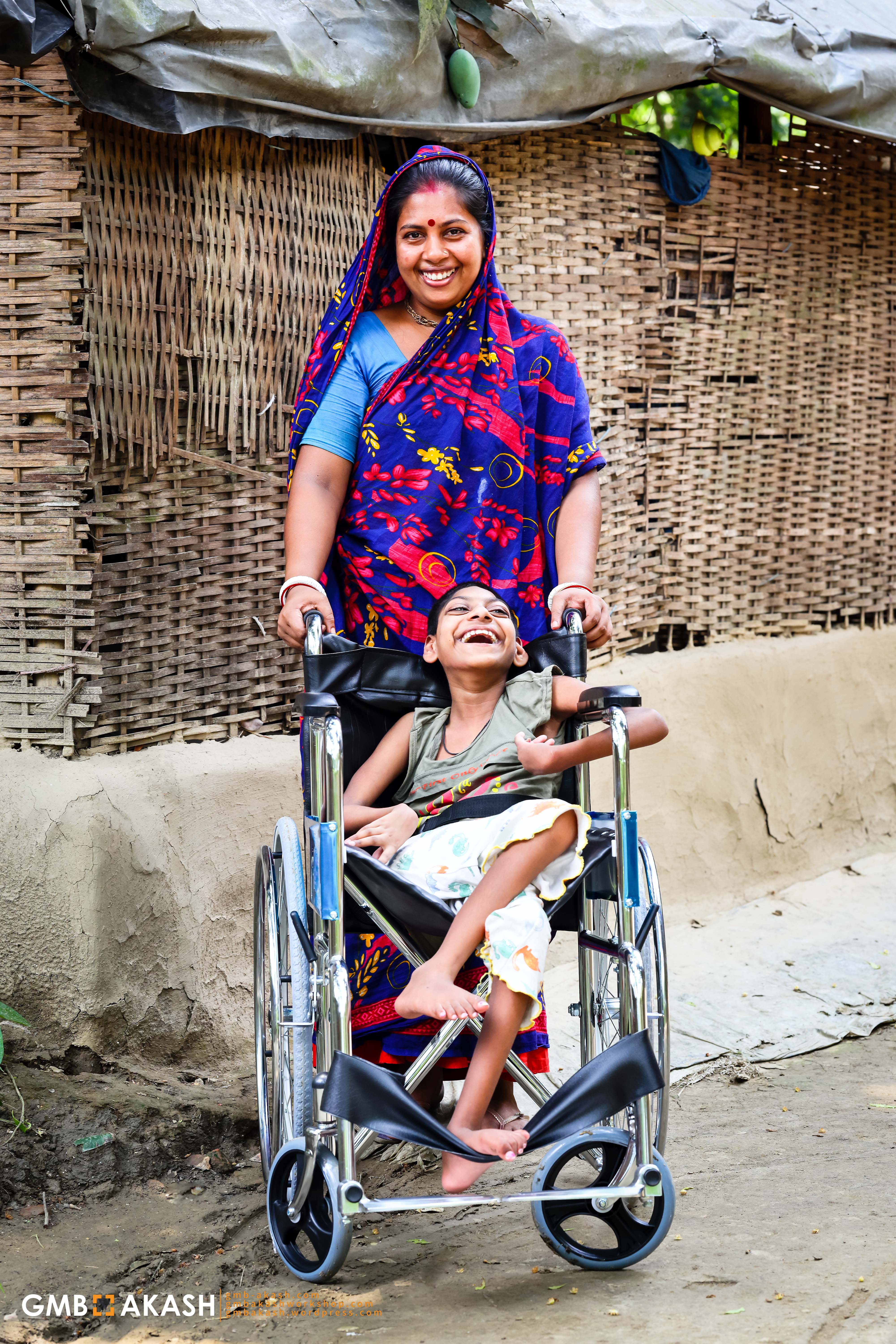
Once again, I have gifted 10 new wheelchairs to 10 special children this week. Over the past seven days, from morning until evening, I have gathered special and unforgettable memories with these children.
I would like to express my gratitude to every friend who has donated HAPPINESS and CARE for these children. Thank you for sharing your portion of the world with these children. Some of them have seen the open sky or their village for the first time in years.
I am sharing a glimpse of those happy moments that many of you have created alongside me. I invite you to take a look at what you have brought to these children!
Thank you, my friends, for making these children believe in humanity. Thank you for giving them hope and for showing them that we care. Let us continue to support them with gentle pats on their backs and remind them that we are here for them.
Love and light
_GMB Akash





I am absolutely delighted and deeply honored to have been chosen as a member of the jury for the esteemed and influential ‘2023 Chromatic International Photo Contest’ in the UK.

Dear friends,
I am absolutely delighted and deeply honored to have been chosen as a member of the jury for the esteemed and influential ‘2023 Chromatic International Photo Contest’ in the UK.
I want to express my heartfelt gratitude for your unwavering support and affection. Your encouragement means the world to me.
Kindly keep me in your thoughts and prayers as I embark on this exciting journey.
For further information and updates, please visit:
Sending you all love and light.
Love and Light!
GMB Akash
Changing Lives, One Child at a Time: A Mission to End Child Labor.
Dear friends,
I am happy to share that all 30 of my students have been promoted to their new classes and have received their new books. With excitement and happiness, they all shone like stars. It brings me great pleasure to share these radiant faces with you.


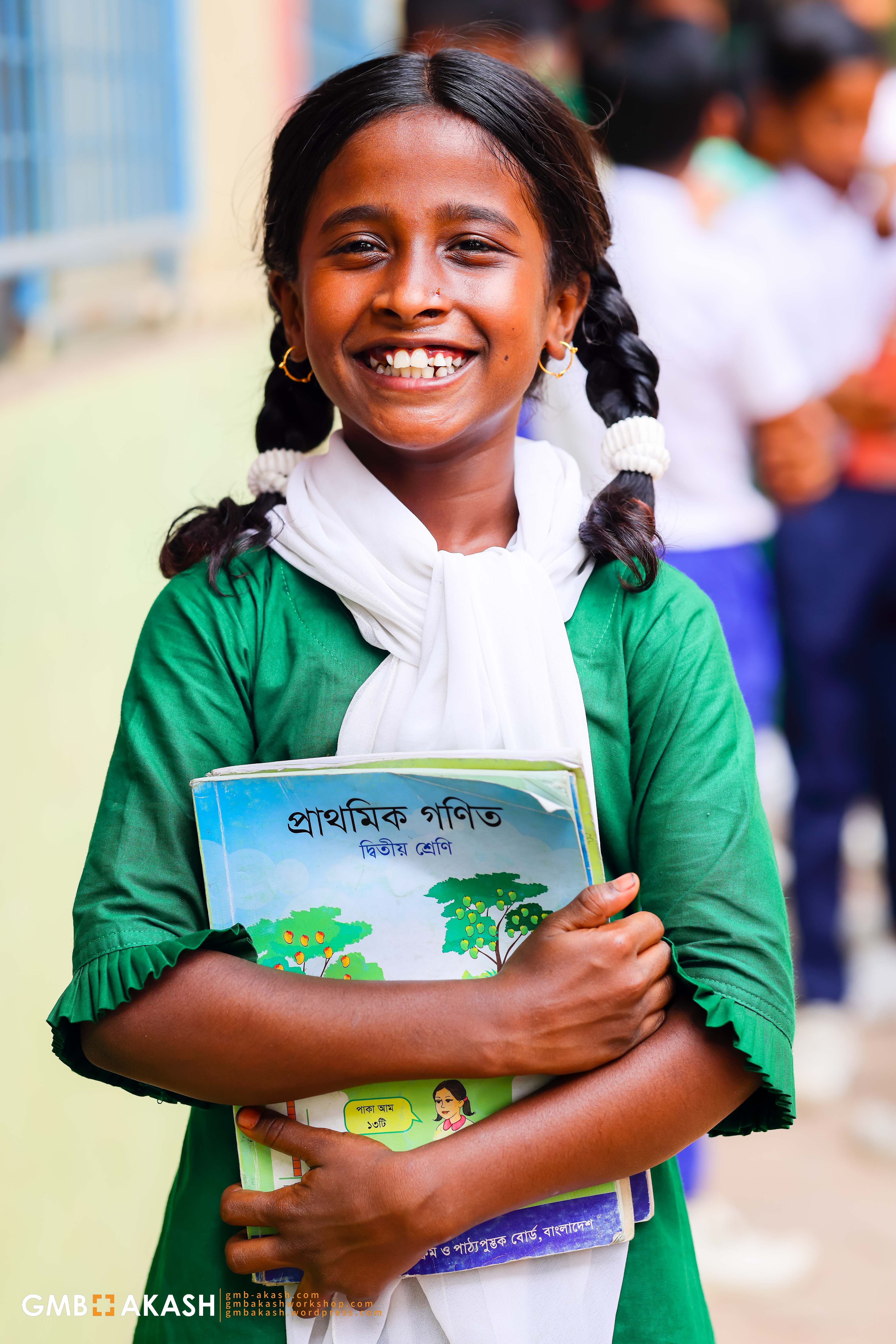

As you know, in 2020, I took on the responsibility of ensuring their complete education for my entire lives. For this reason, I regularly visit their homes and families to assess their situations. The years seem to be passing for them in the blink of an eye!
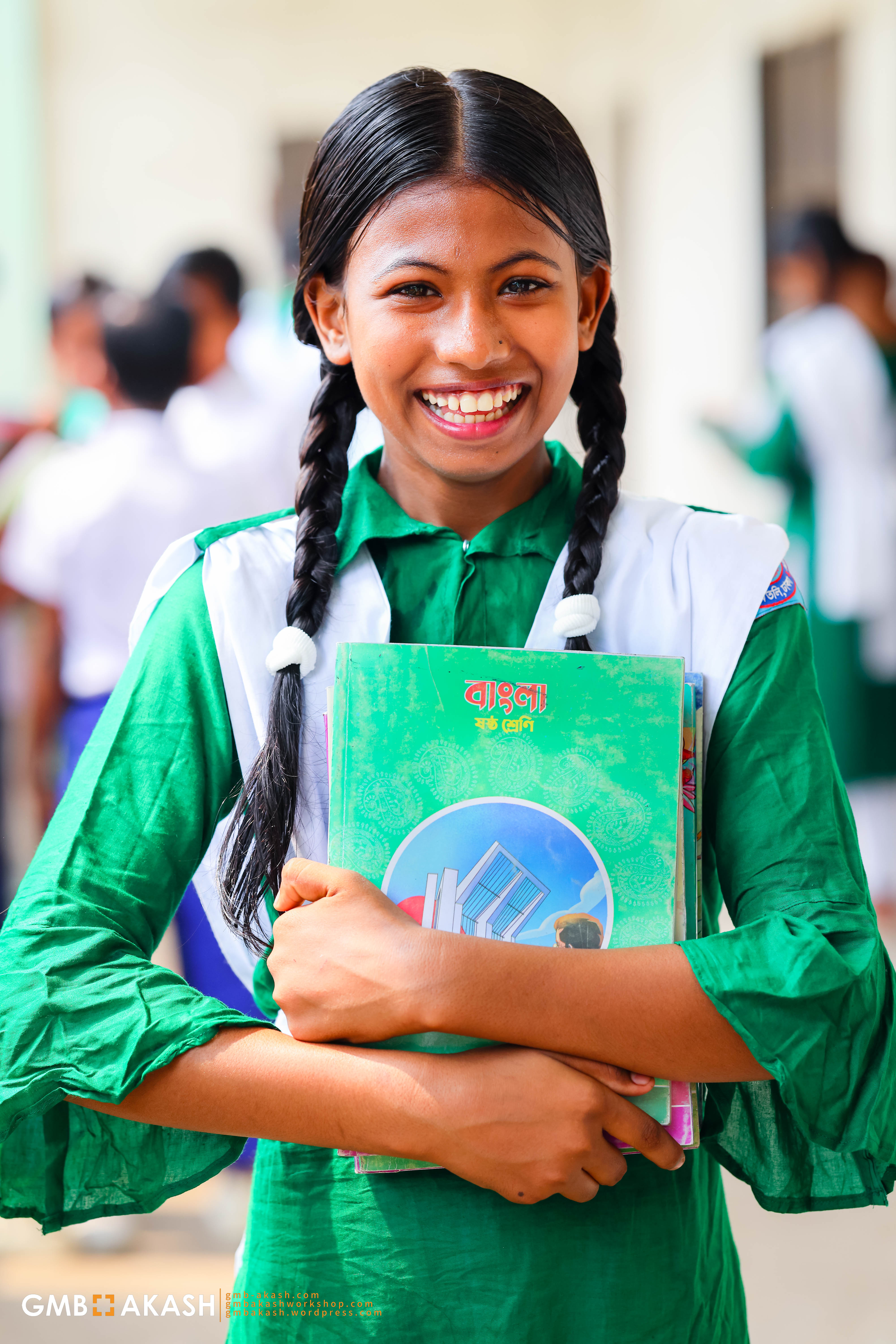
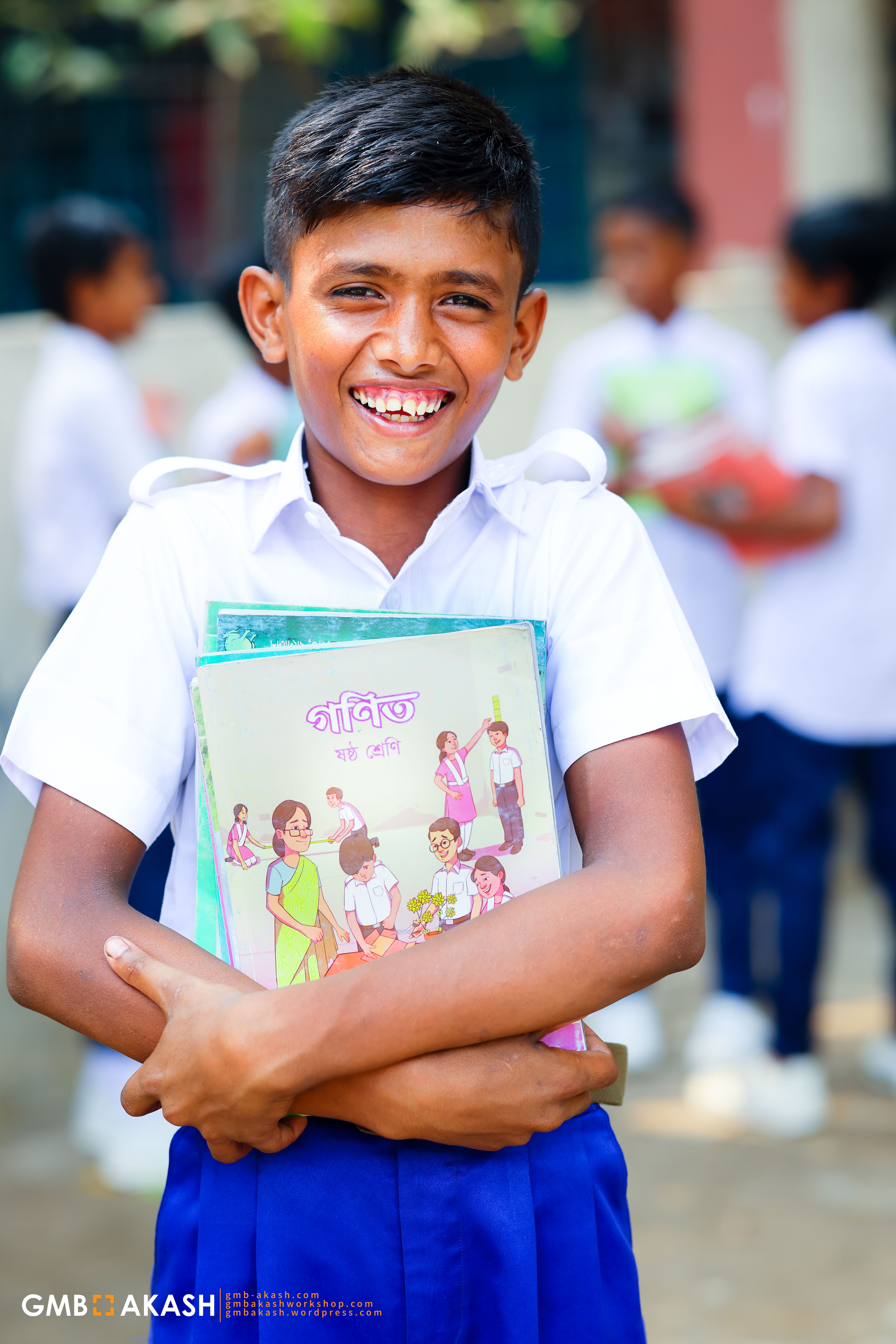
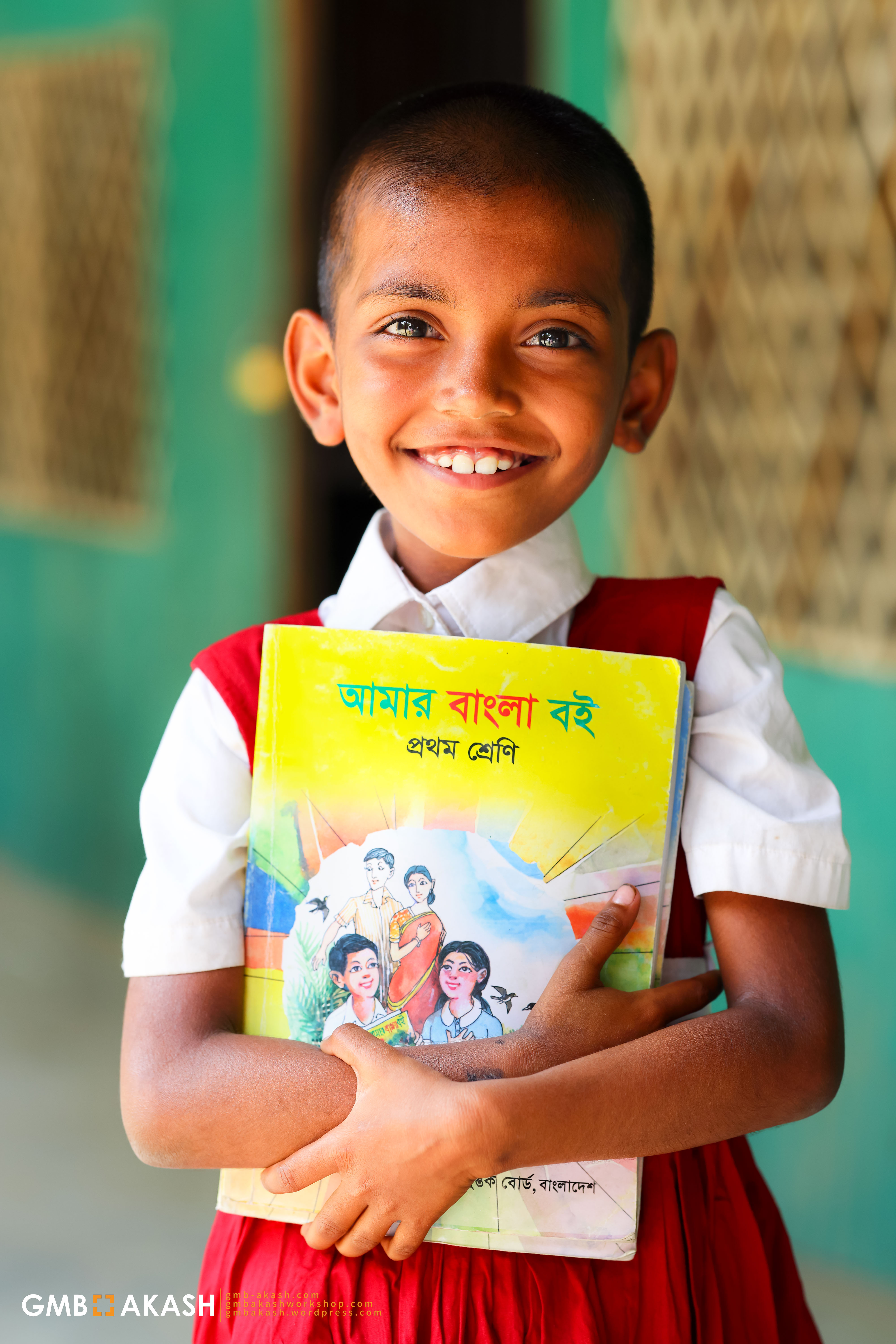
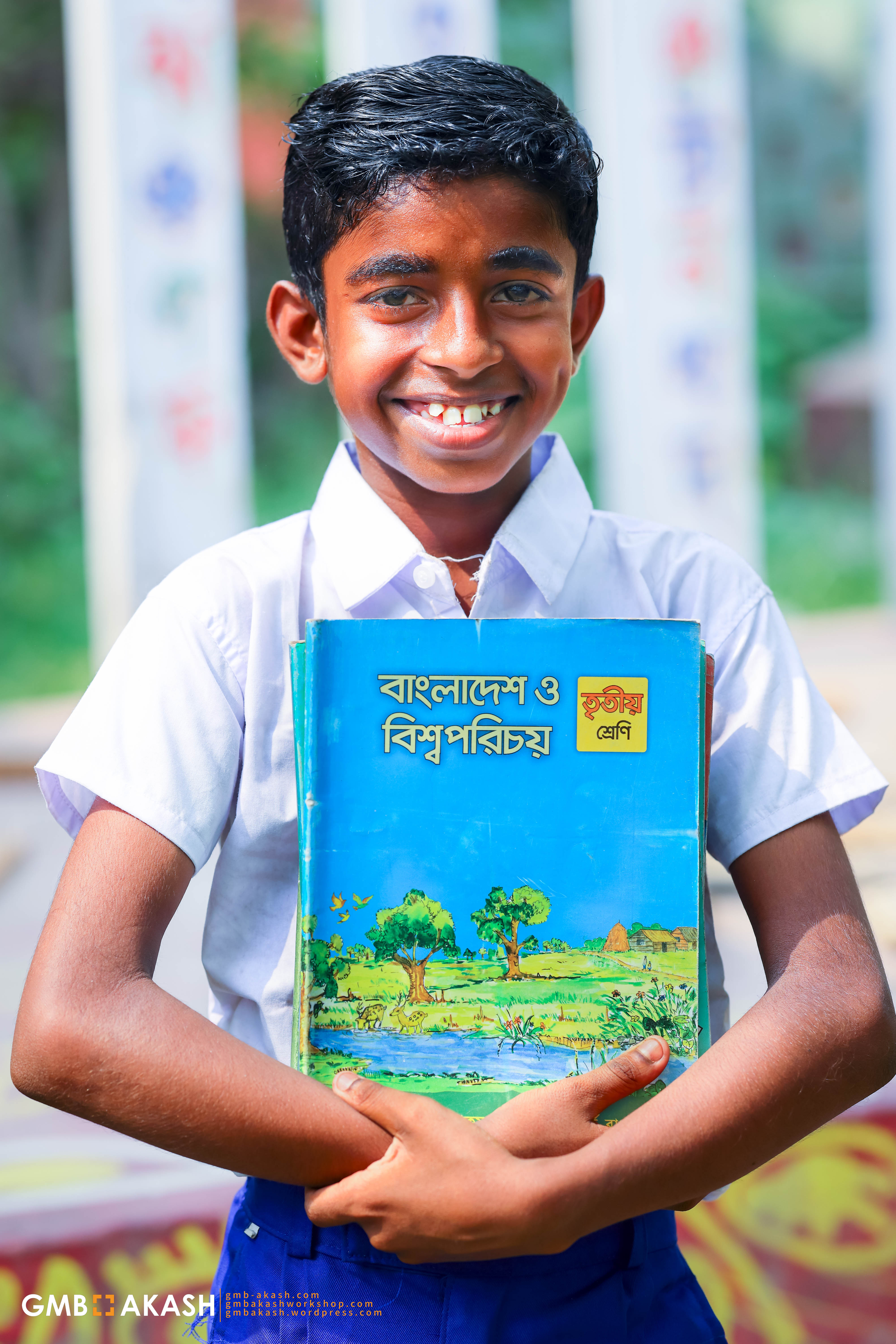
I began with 10 children, and now I have more than 30. Hopefully, in the coming years, I will be able to admit and shift more child laborers from their workplace to school.
For more than 15 years, I have been working on the issue of child labor in Bangladesh. From the beginning of my photography career, I wanted to change the situation and raise awareness of this issue. However, I was not happy with the slow progress happening in our society. Therefore, I decided to change people’s lives directly and started with those people whom I had photographed and those with whom I was already working.

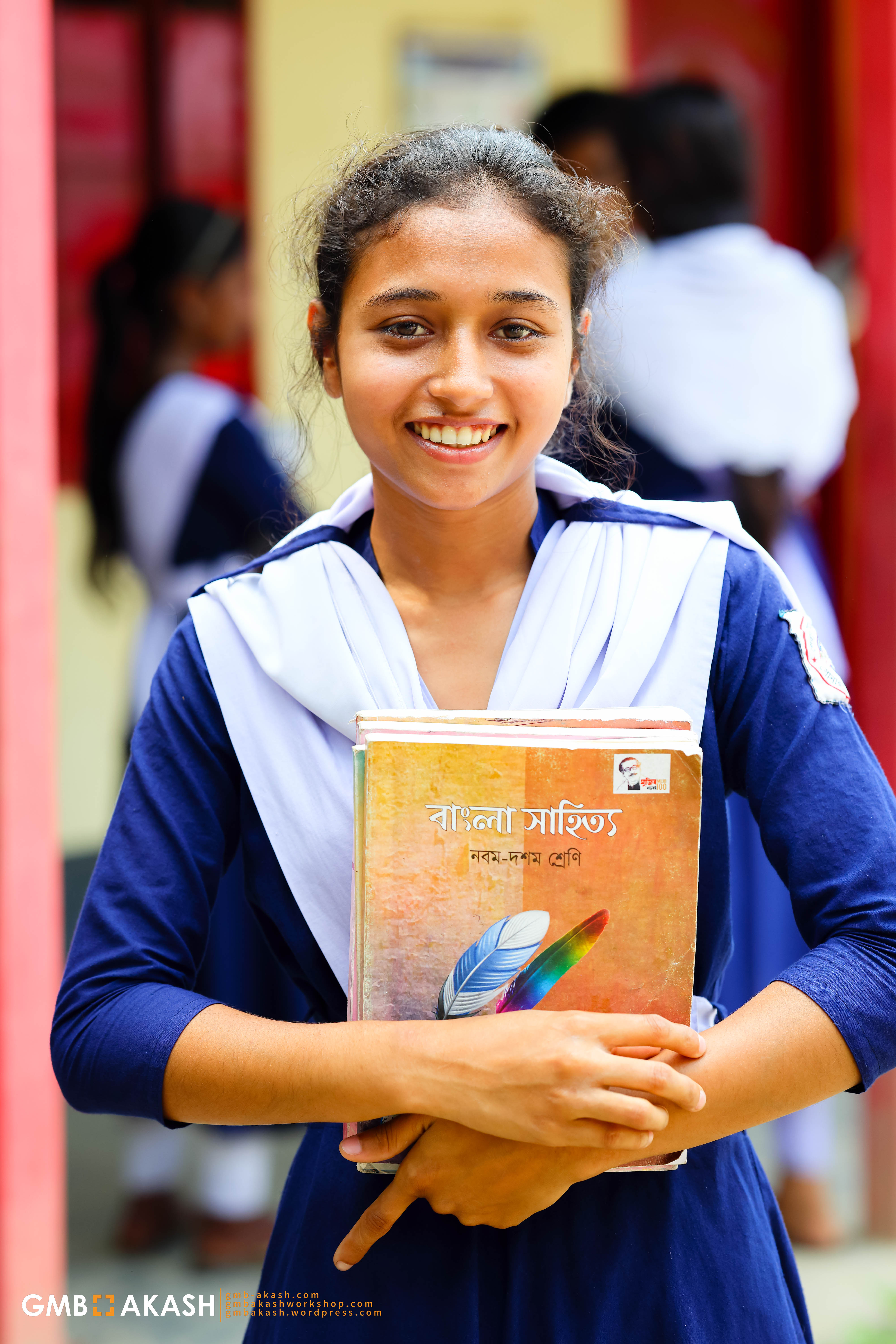

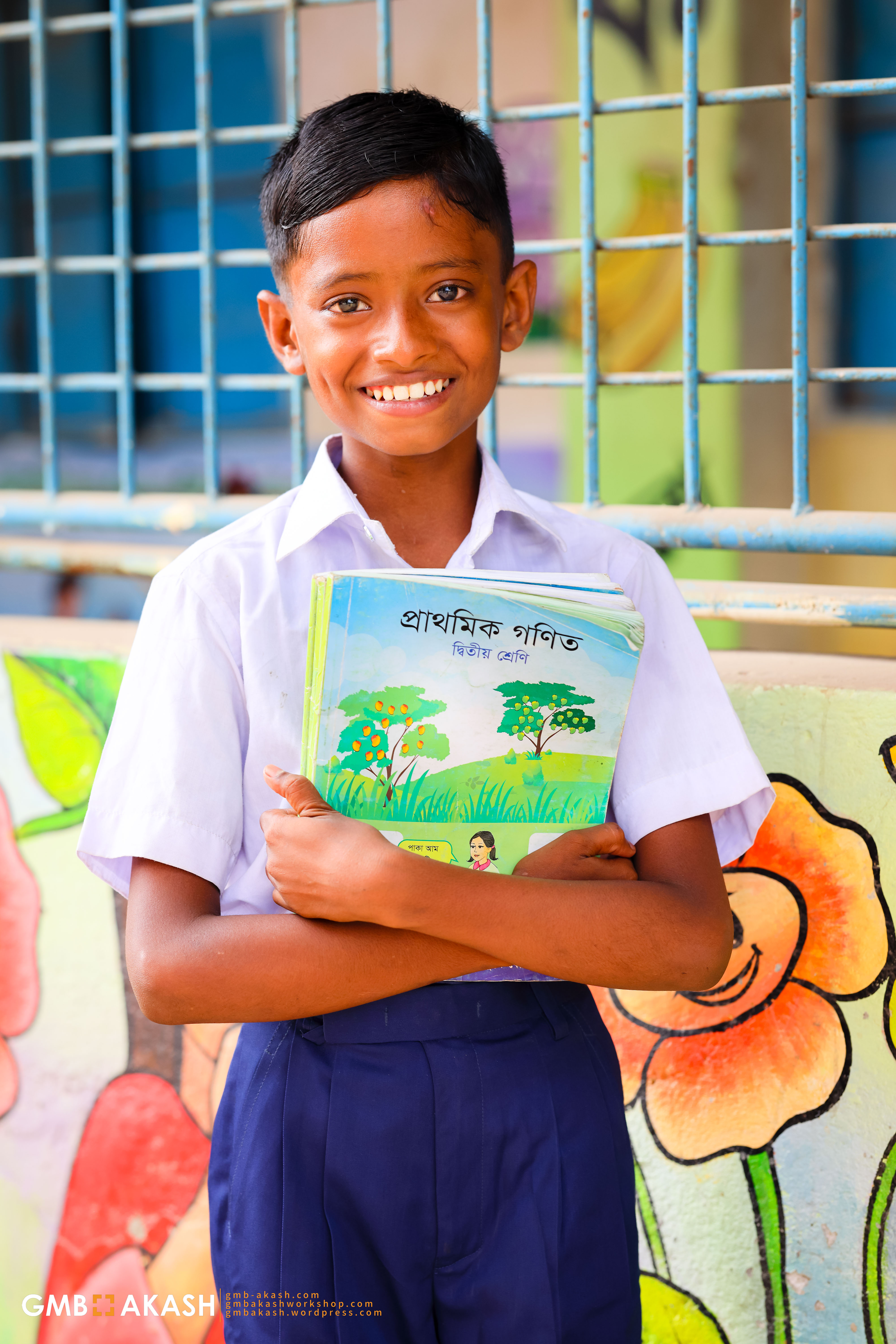
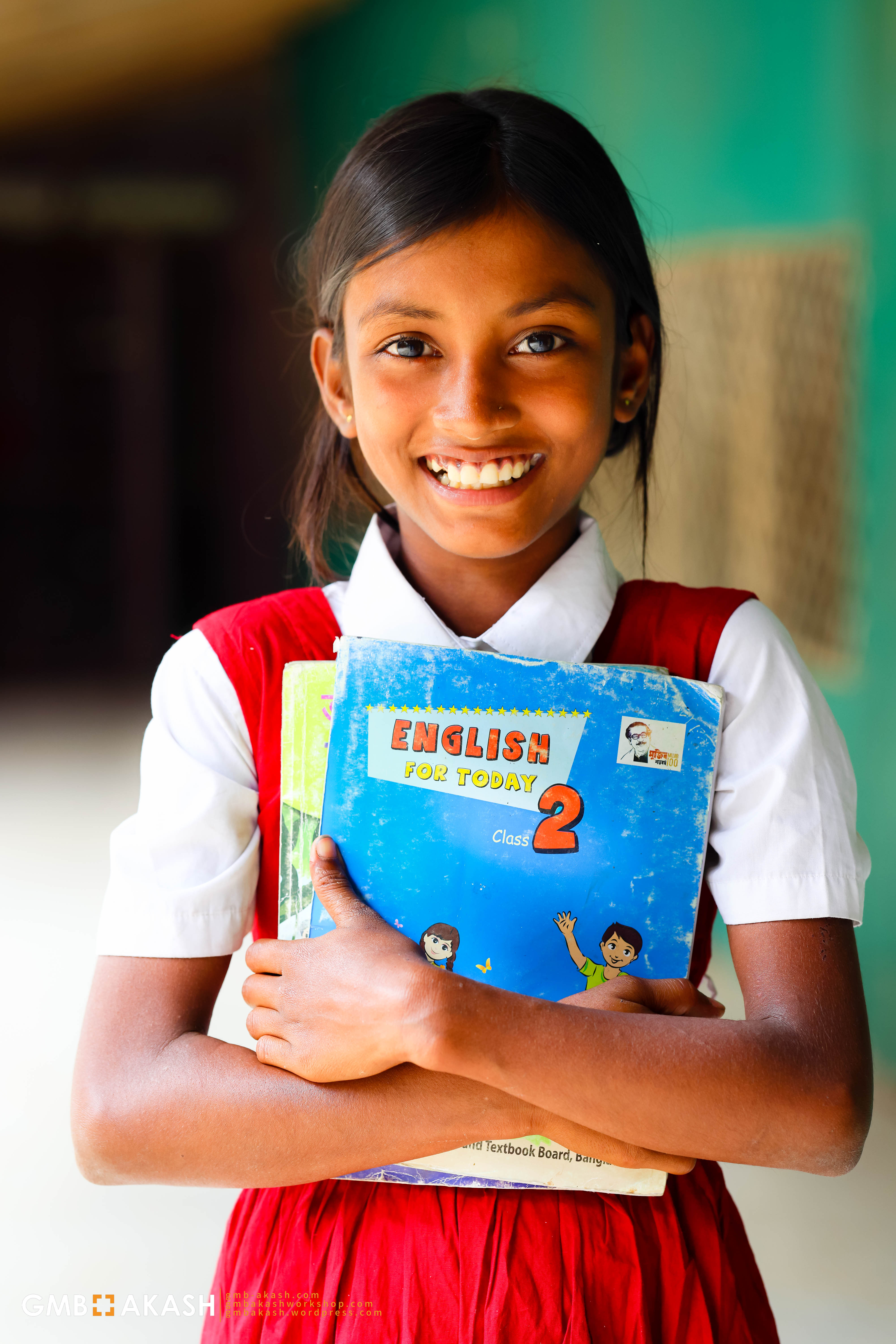
I started by providing training and helping to set up businesses for people in need, especially the parents of child laborers. With these businesses, the families could earn more money and send their children to school instead of factories.


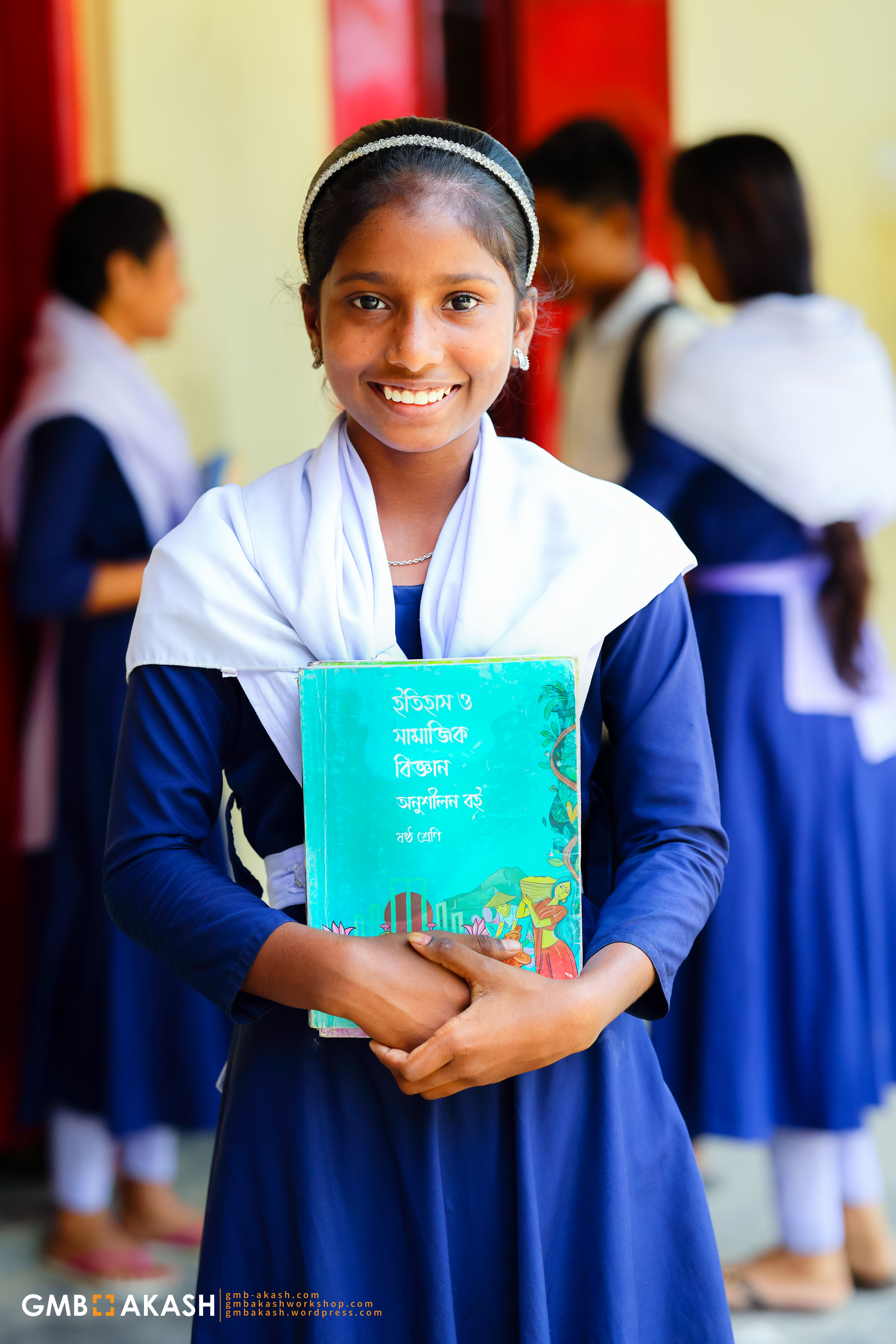
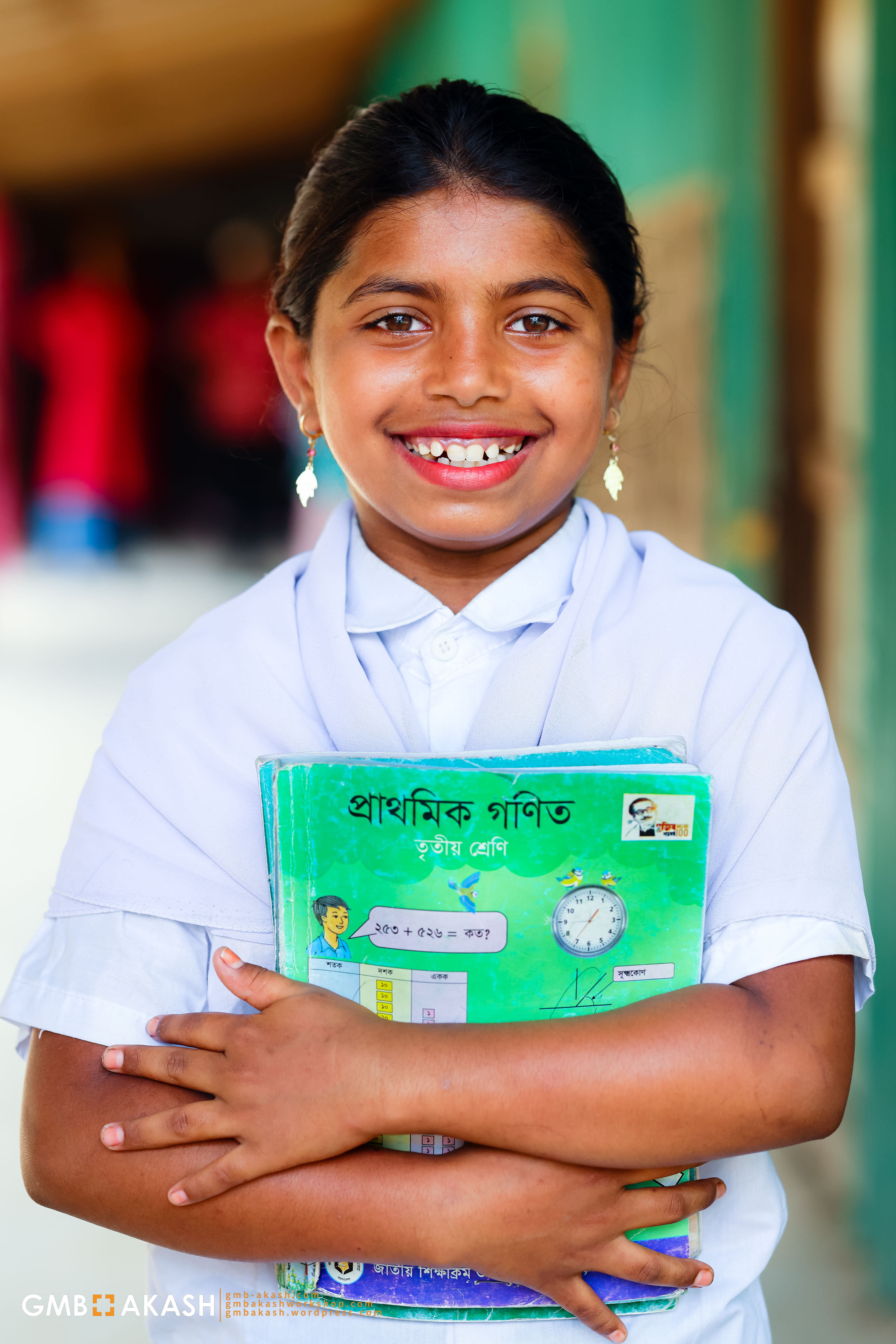
To get working children to school, I had to go door to door many times and request that their parents send them to school. Eventually, I was able to convince some parents about the importance of education and motivated them to send their children to school. It was not easy, as I had to take full financial responsibility for these kids, including expenses such as admission fees, tuition fees, daily food, books, clothes, and financially compensating their parents for the entire amount of money they would have earned each month if they had worked instead of going to school. I will also have to bear all the children’s expenses to ensure that they will continue to attend school.


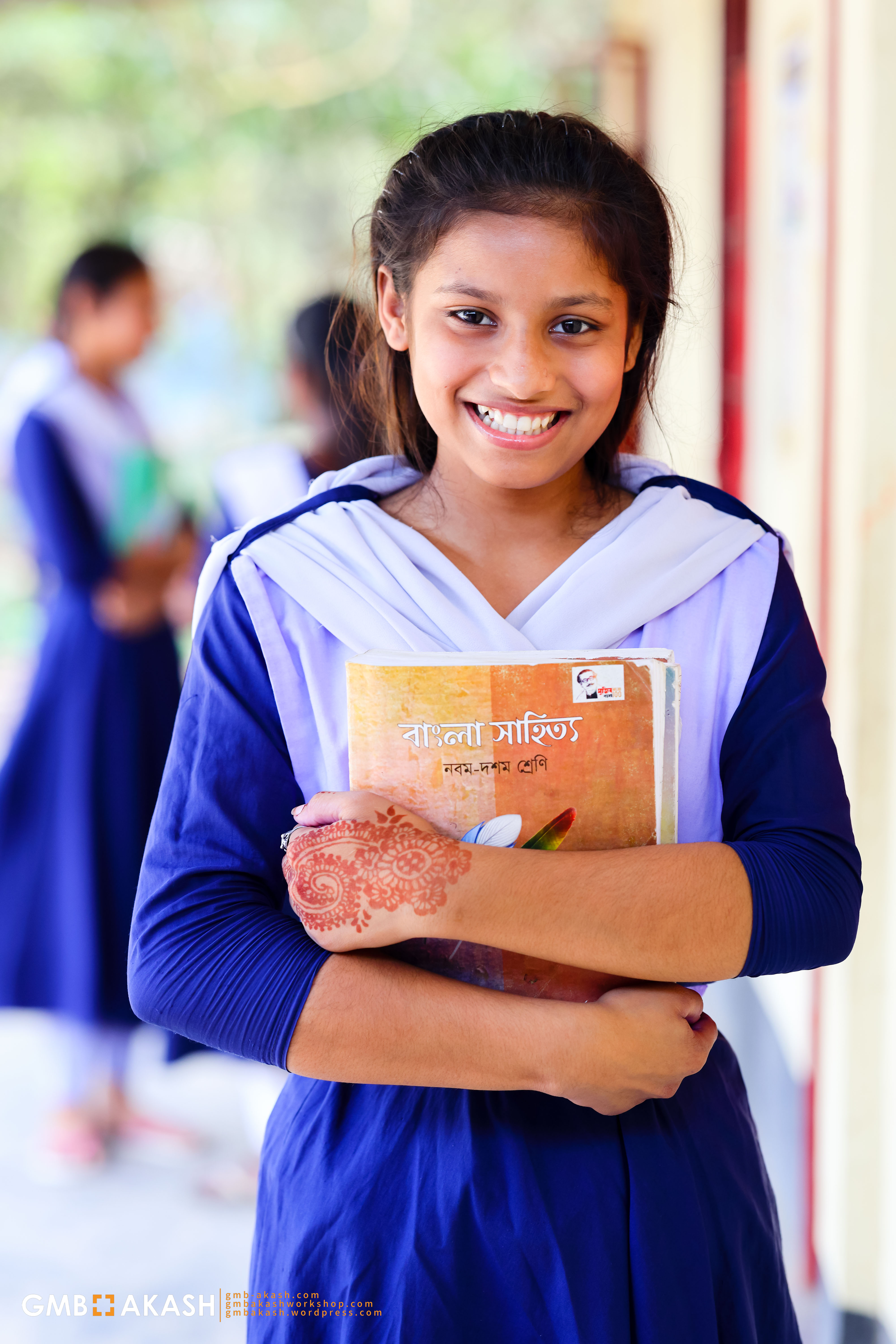

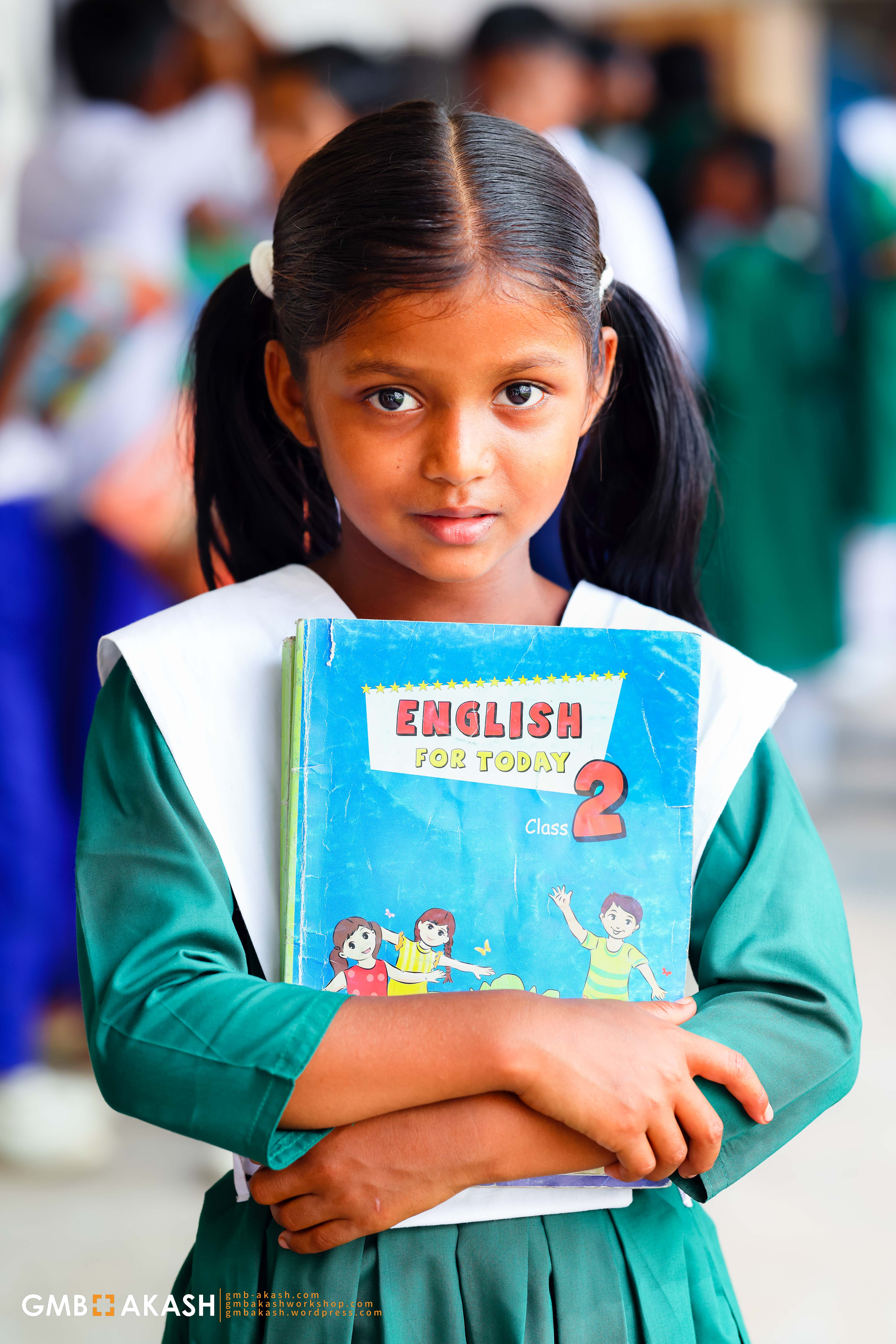
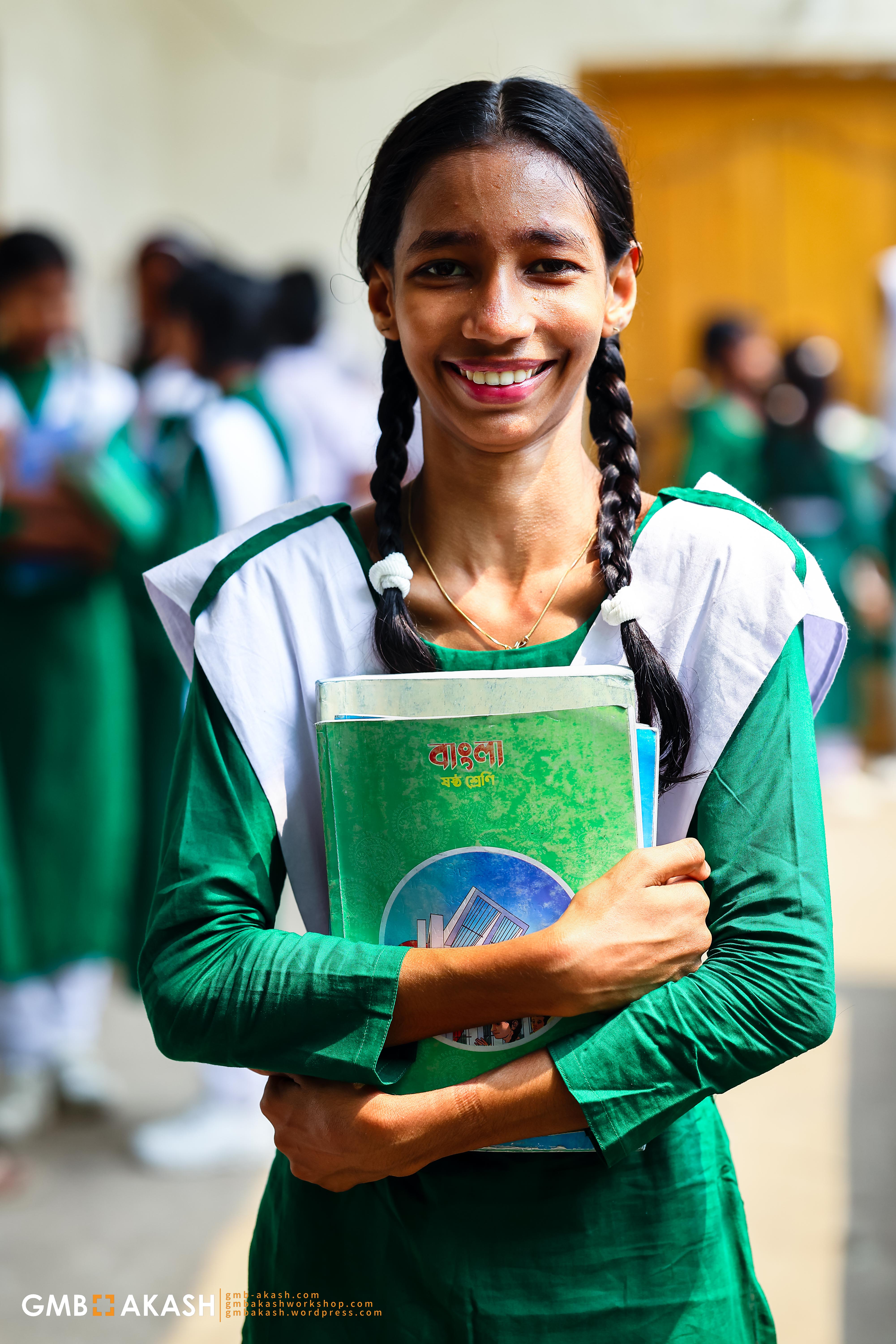

Like these 30 children, more than four million children are struggling in our country. It may be difficult, but it is not impossible to give hope to these 4 million children. If every capable person would lend a hand to one child, miracles would happen, which could transform our society into a better-educated population who could better contribute to the development of our country, a benefit for us all.
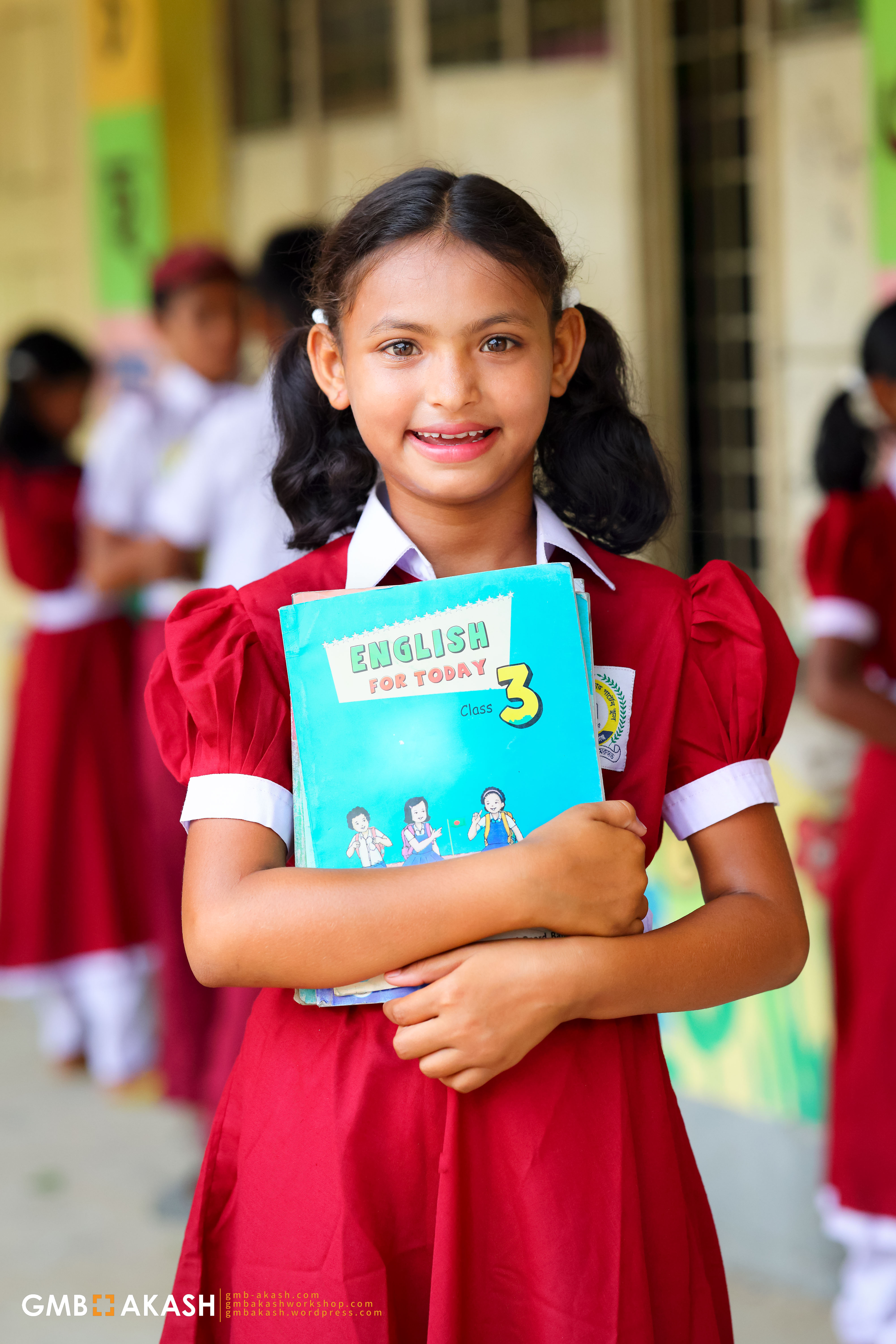
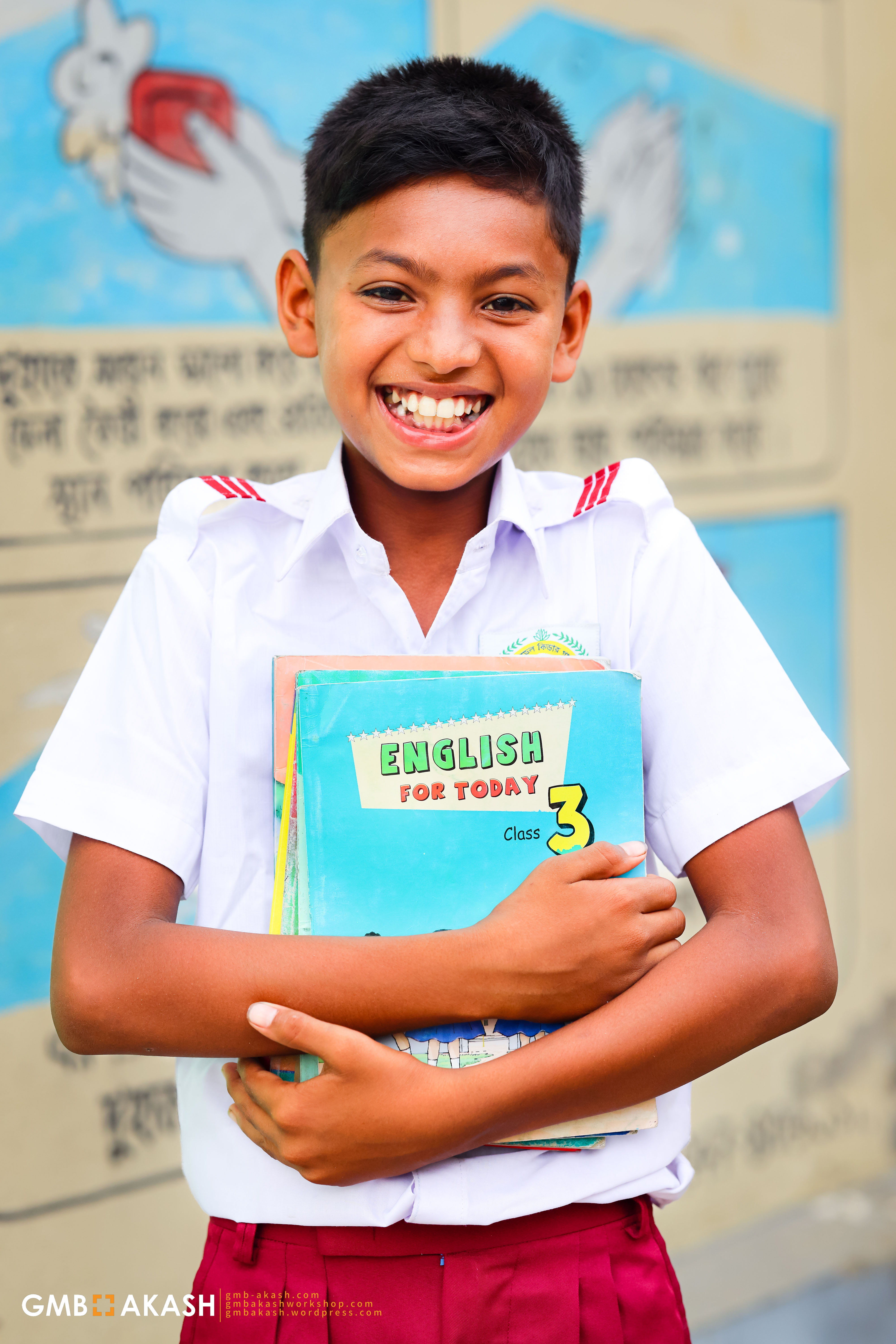
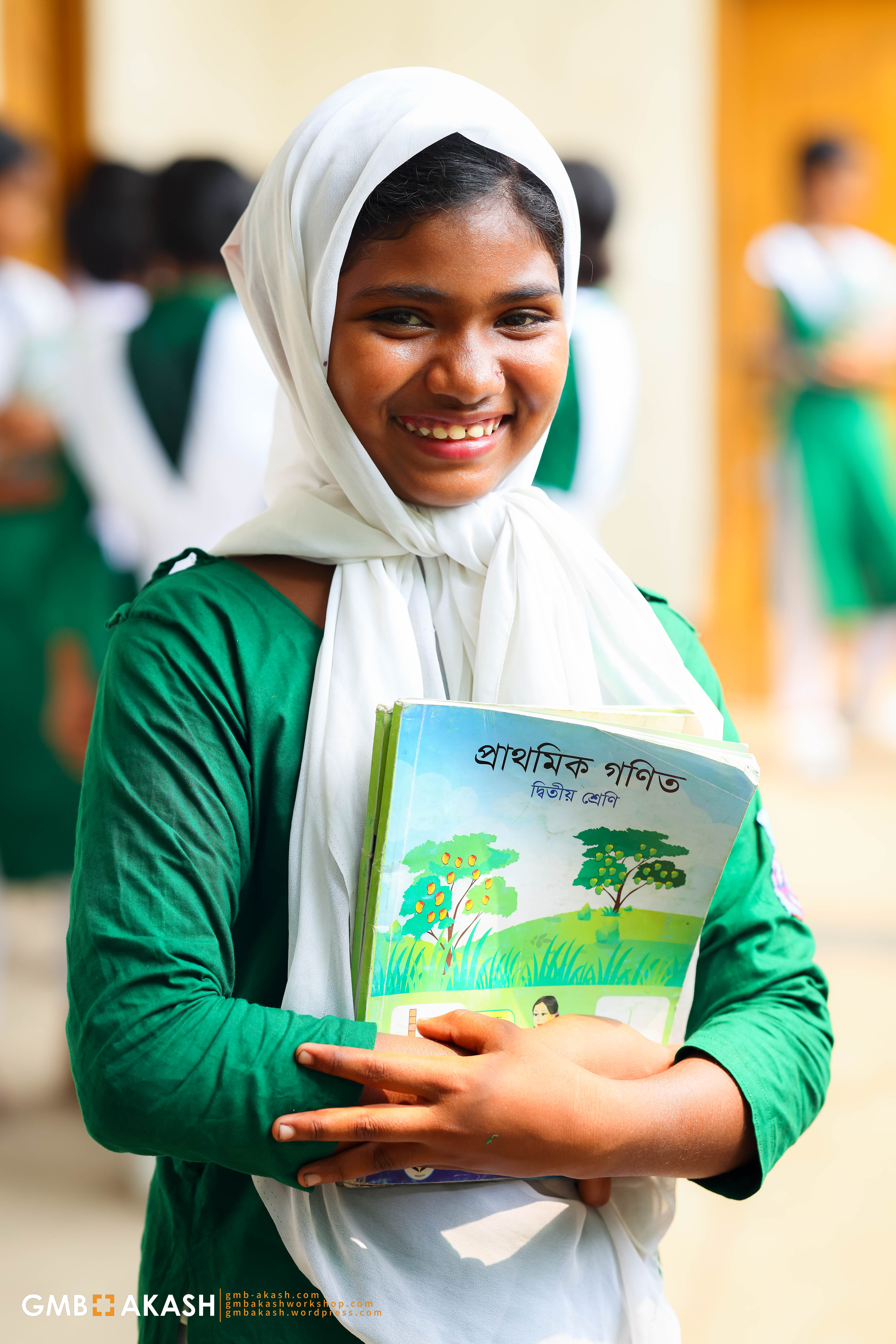
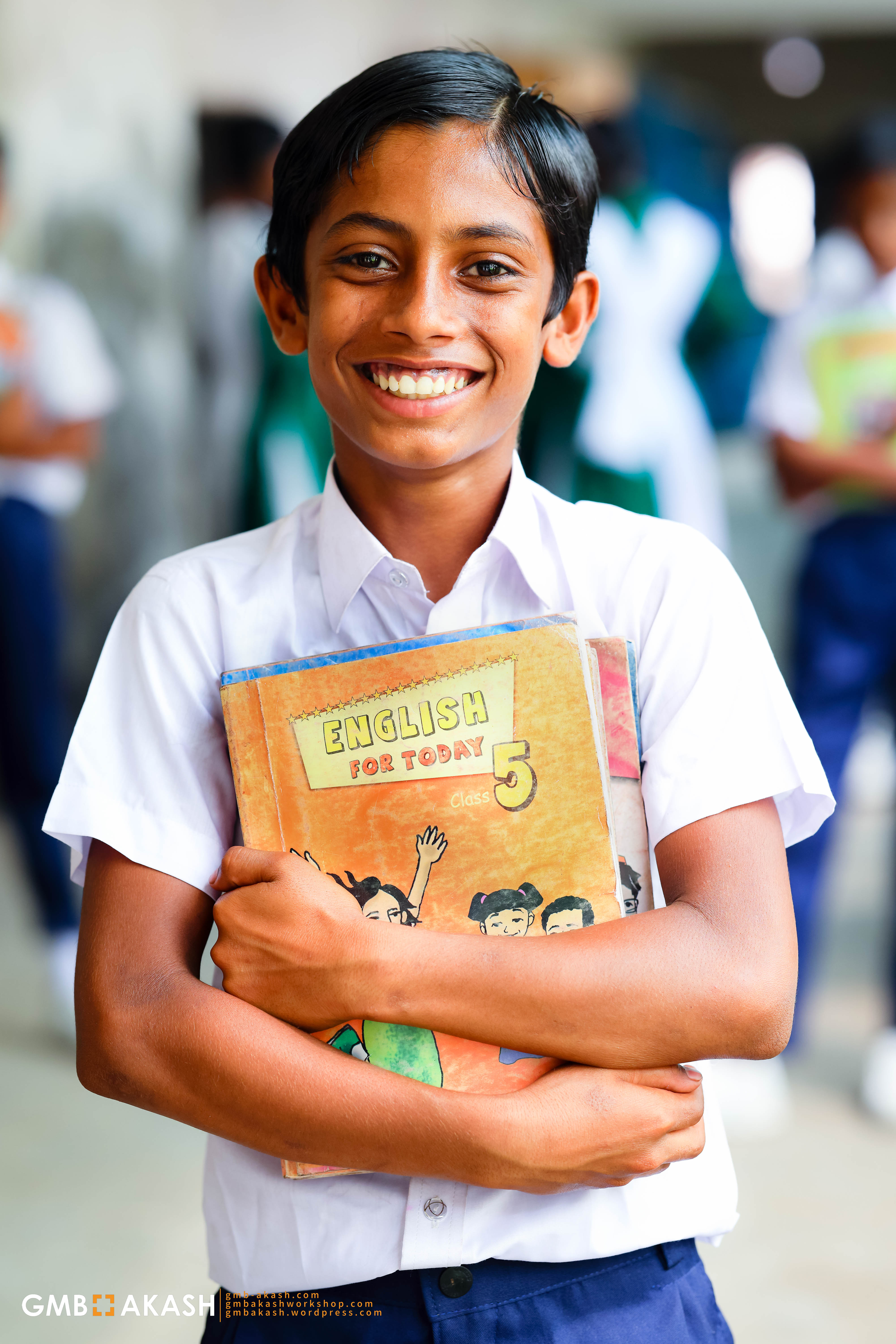

My heartfelt thanks and deep gratitude for your kind support for the work I do. Without your support and love, I could not make all of this happen.
Sending my respect and prayers.
Love and light!
GMB Akash
Ralph Striewski came from Germany to join me in my exclusive six days One on One photography workshop.
Ralph Striewski came from Germany to Bangladesh in order to join me in my exclusive six days One on One photography workshop. January, 2023
To check the other participants work visits my workshop website: http://www.gmbakashworkshop.com
If you are interested to join this exclusive program send an email to know detail at: akashphoto@gmail.com
About the workshop: The focus of this customized program is to teach photography going beyond boundaries. Each student will have exclusive access to me through the duration of the workshop, giving them the opportunity to take advantage of my work experience, teachings, and methodologies. Due to the intimate nature of these workshops and the real world working environment, each student can expect to learn and experience much more than they would during one year in a standard university photography program. Each workshop is six days long and set in locations that are rich in culture with a wealth of photographic and documentary subject matter.
Bangladesh’s Unsung Heroes: Celebrating the Backbone of Our Nation on Labor Day
Behind the growth of any nation lies the hard work of its workmen. Saluting our indefatigable workers, who keep Bangladesh moving forward as we celebrate #LabourDay#MayDay.


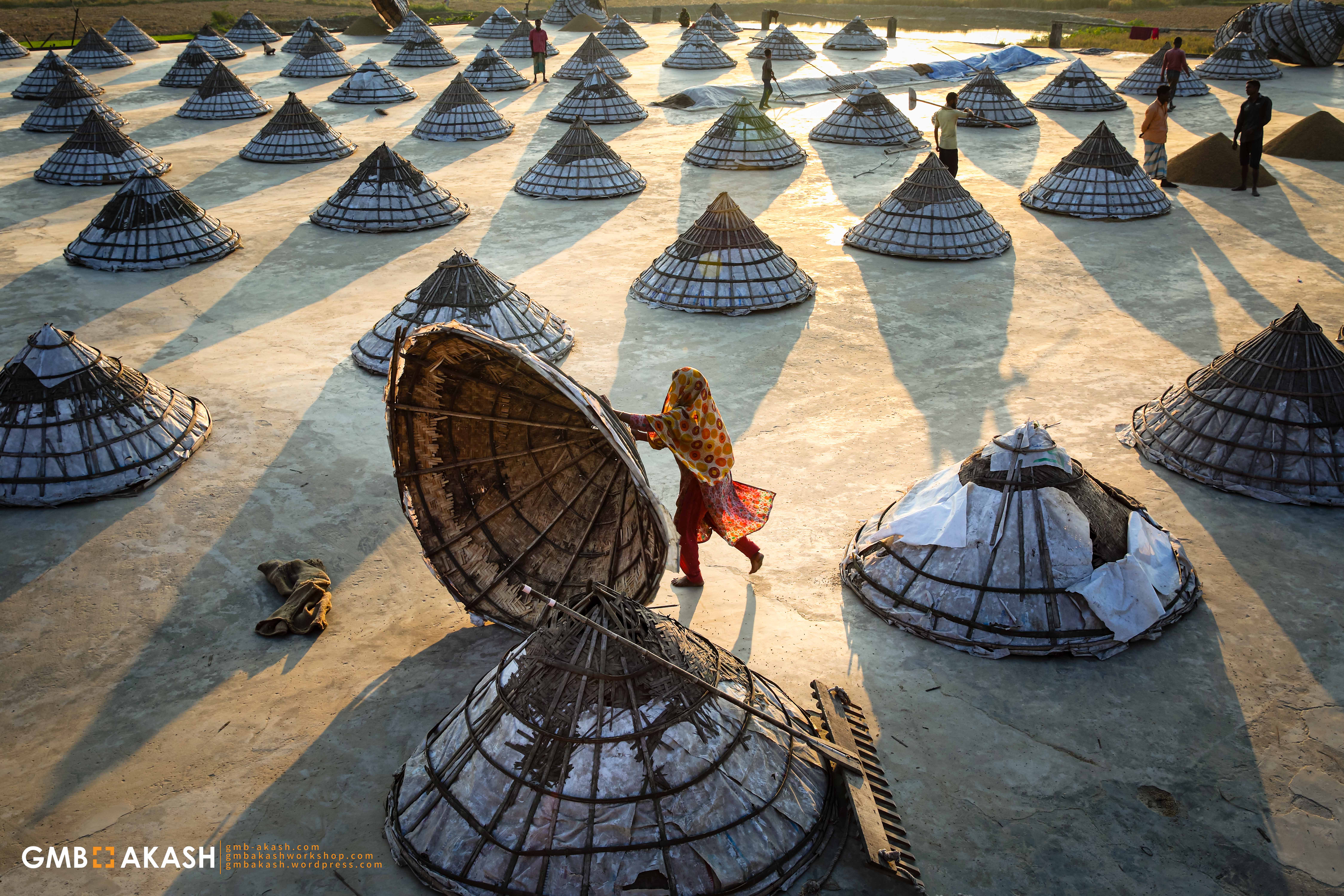

It is essential to recognize the contribution of Bangladeshi laborers who work tirelessly in various industries, including agriculture, manufacturing, construction, and service sectors.

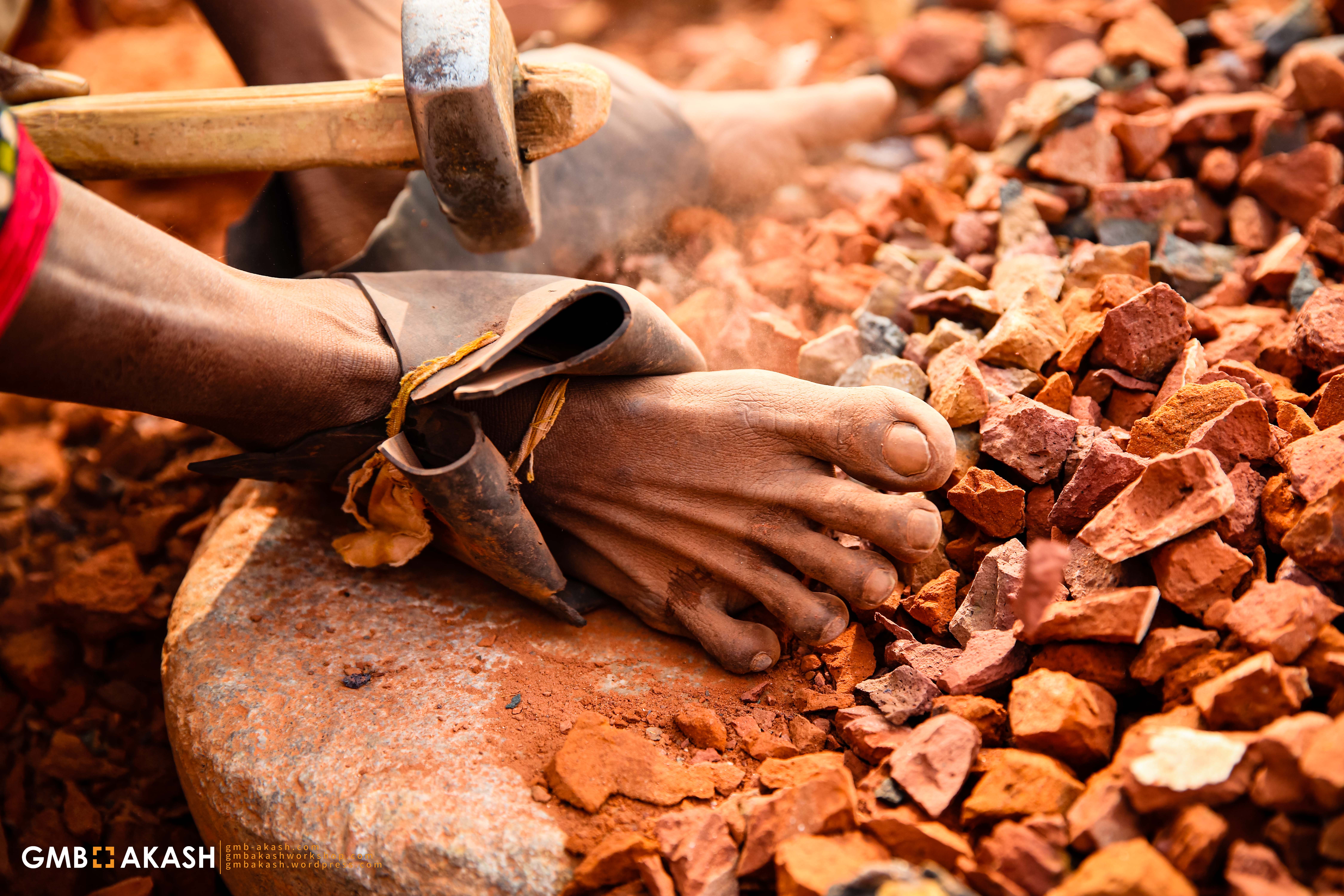


Unfortunately, many of these workers face challenges like low wages, unsafe working conditions, and lack of job security. On this day, we must take a moment to reflect on these issues and pledge to work towards improving the lives of our workers. Let us honor the achievements of our working-class people and commit ourselves to creating a better future for them.


This photo album serves as a tribute to the hardworking men and women who contribute immensely to our society. Your comments, filled with appreciation and support, only reinforce the significance of this celebration.

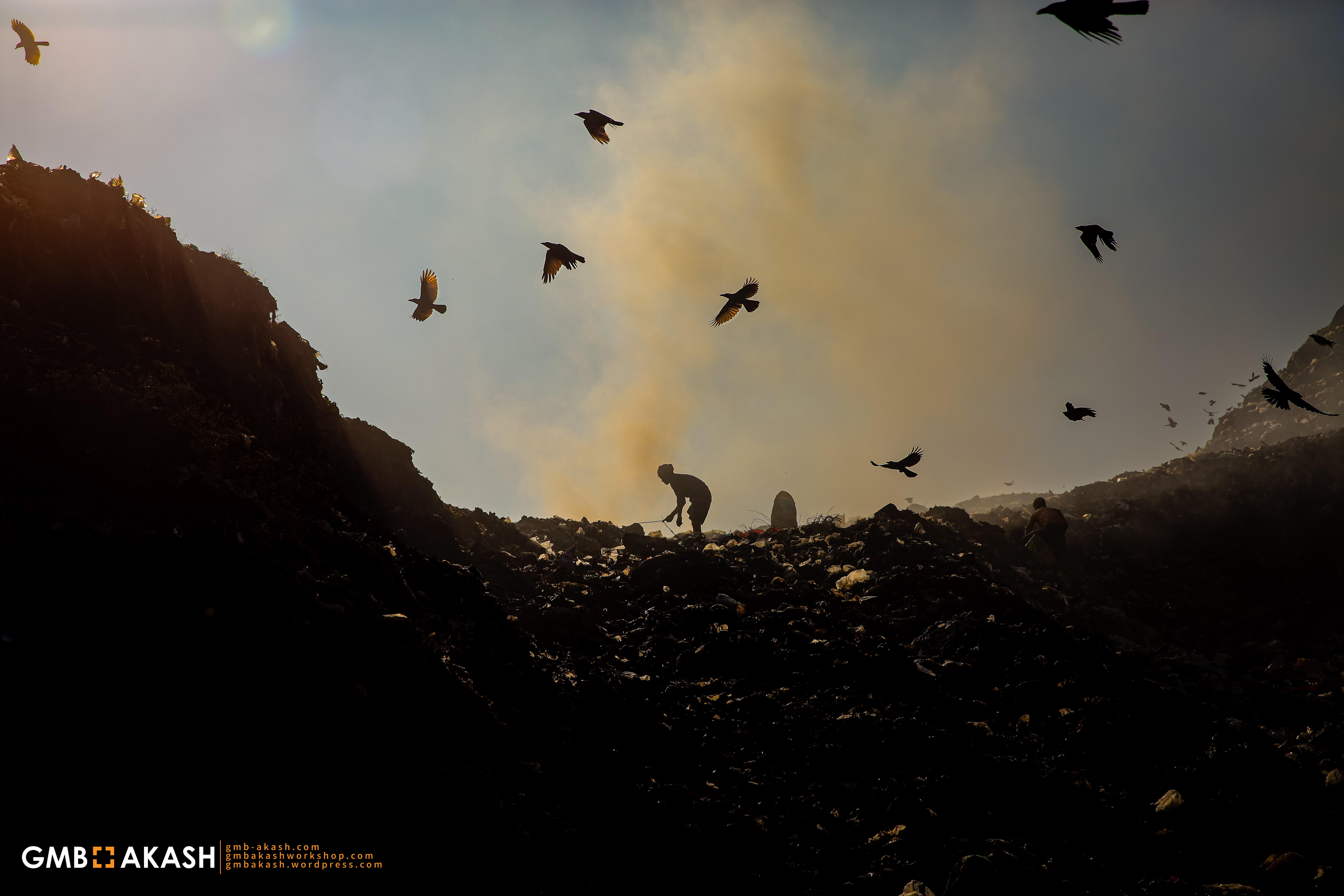


Each photo represents the resilience, dedication, and unwavering spirit of our labor force. It is an honor to capture and share these moments with all of you.


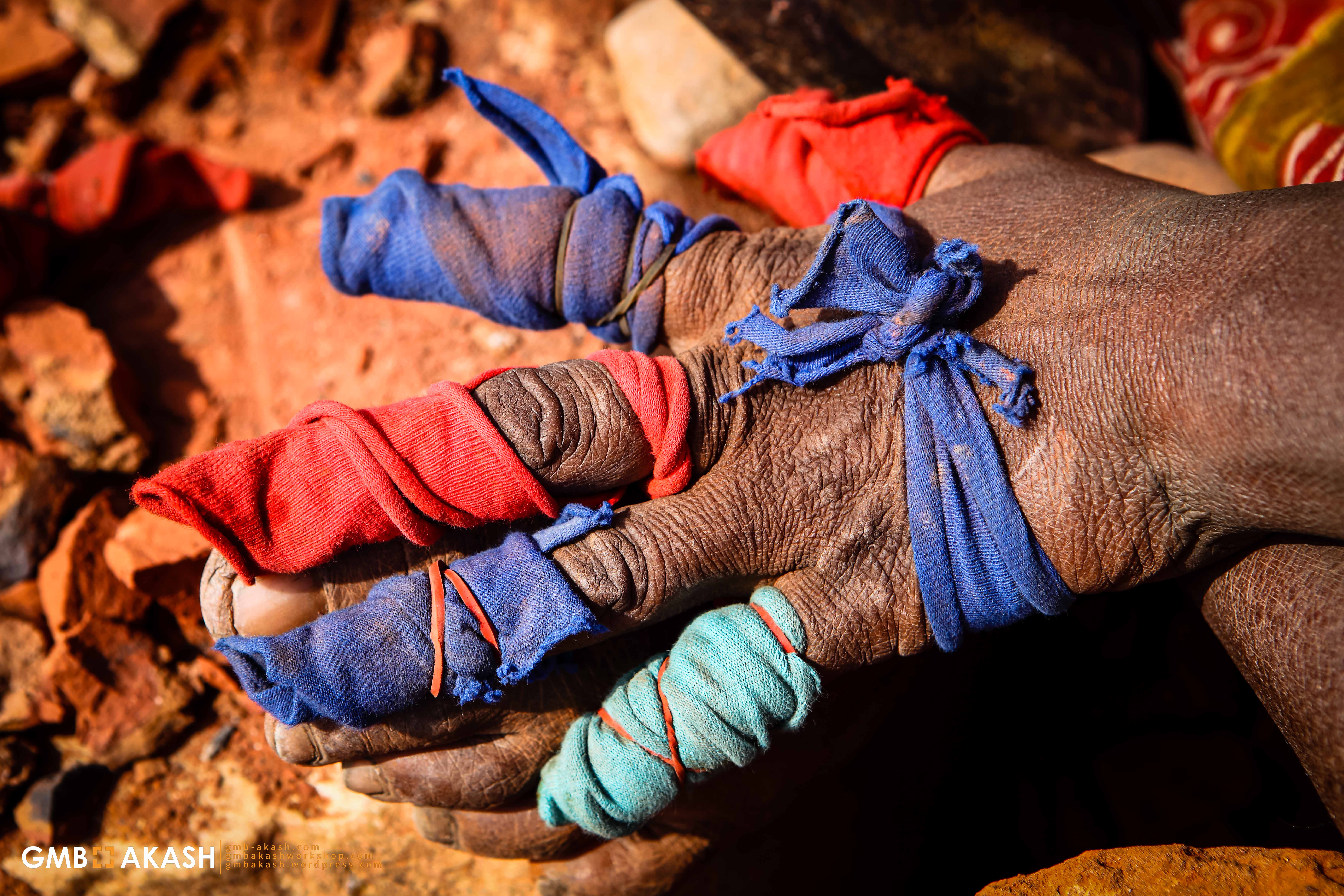
Let’s take a moment to reflect on the achievements and sacrifices of our labor community. Feel free to share your thoughts, personal experiences, or messages of gratitude.


Together, we can amplify their voices and recognize their invaluable contributions.

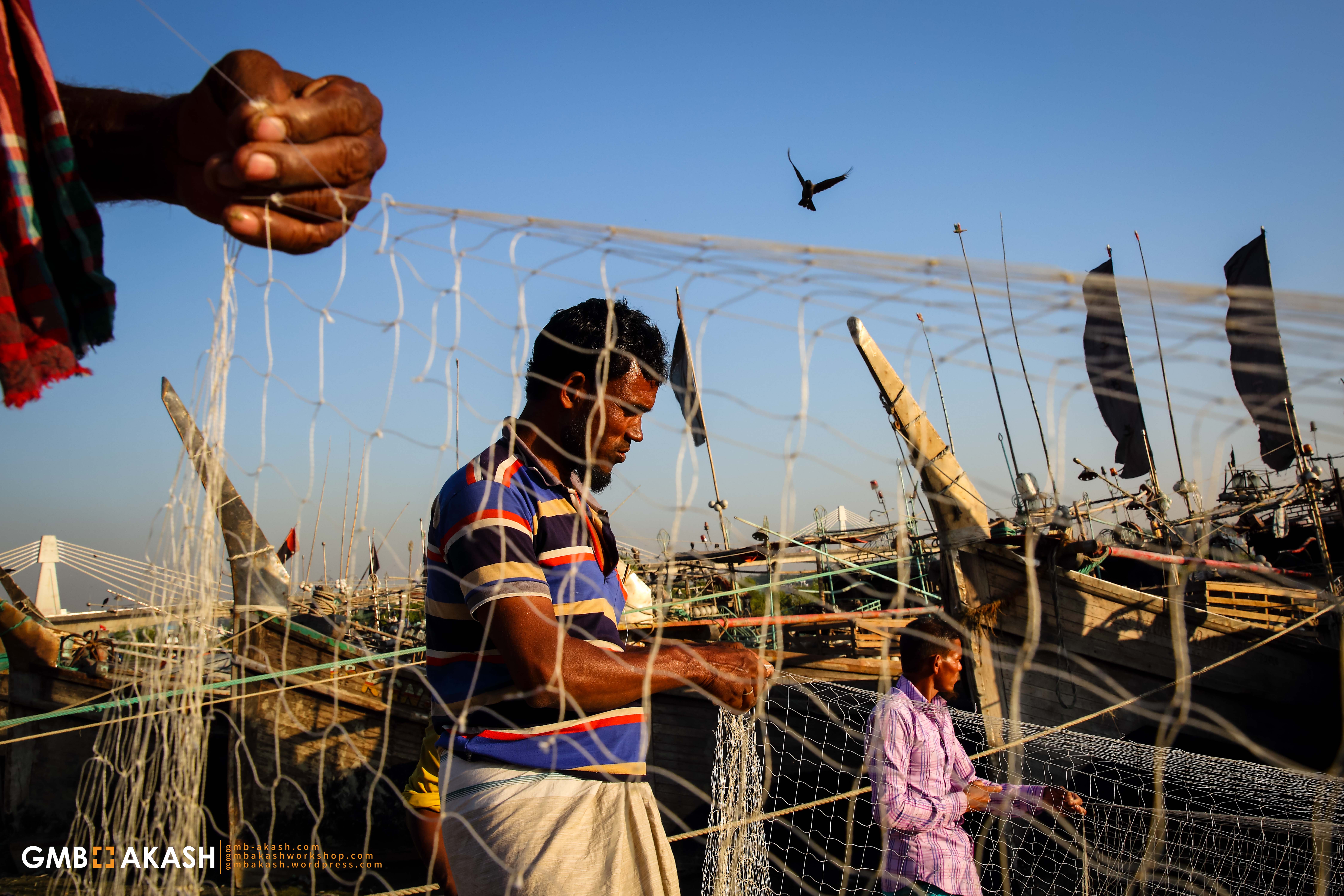
May this album serve as a reminder of the strength and unity that define us as a nation. Happy Labour Day to all, and thank you for being a part of this meaningful journey!
_GMB Akash
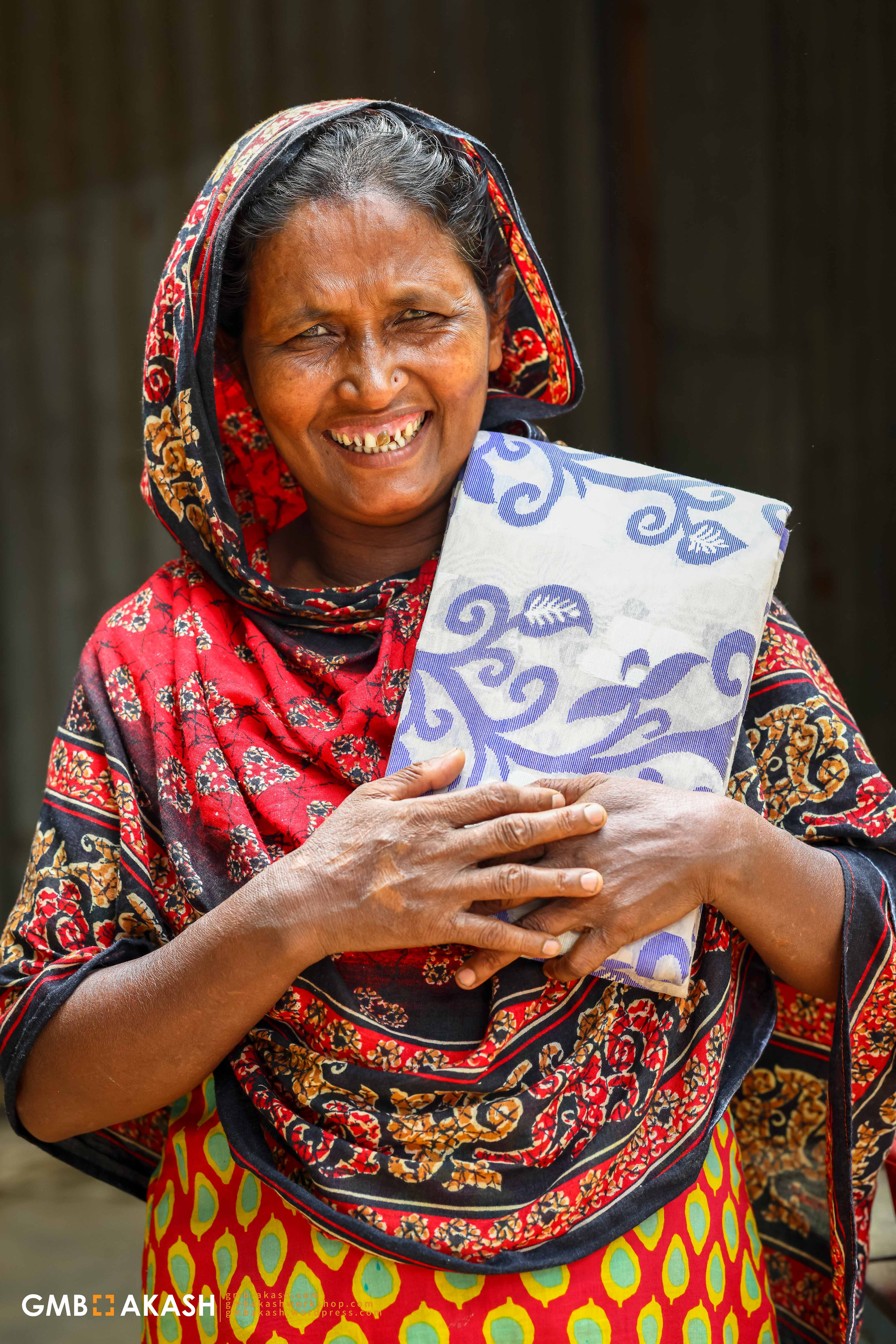
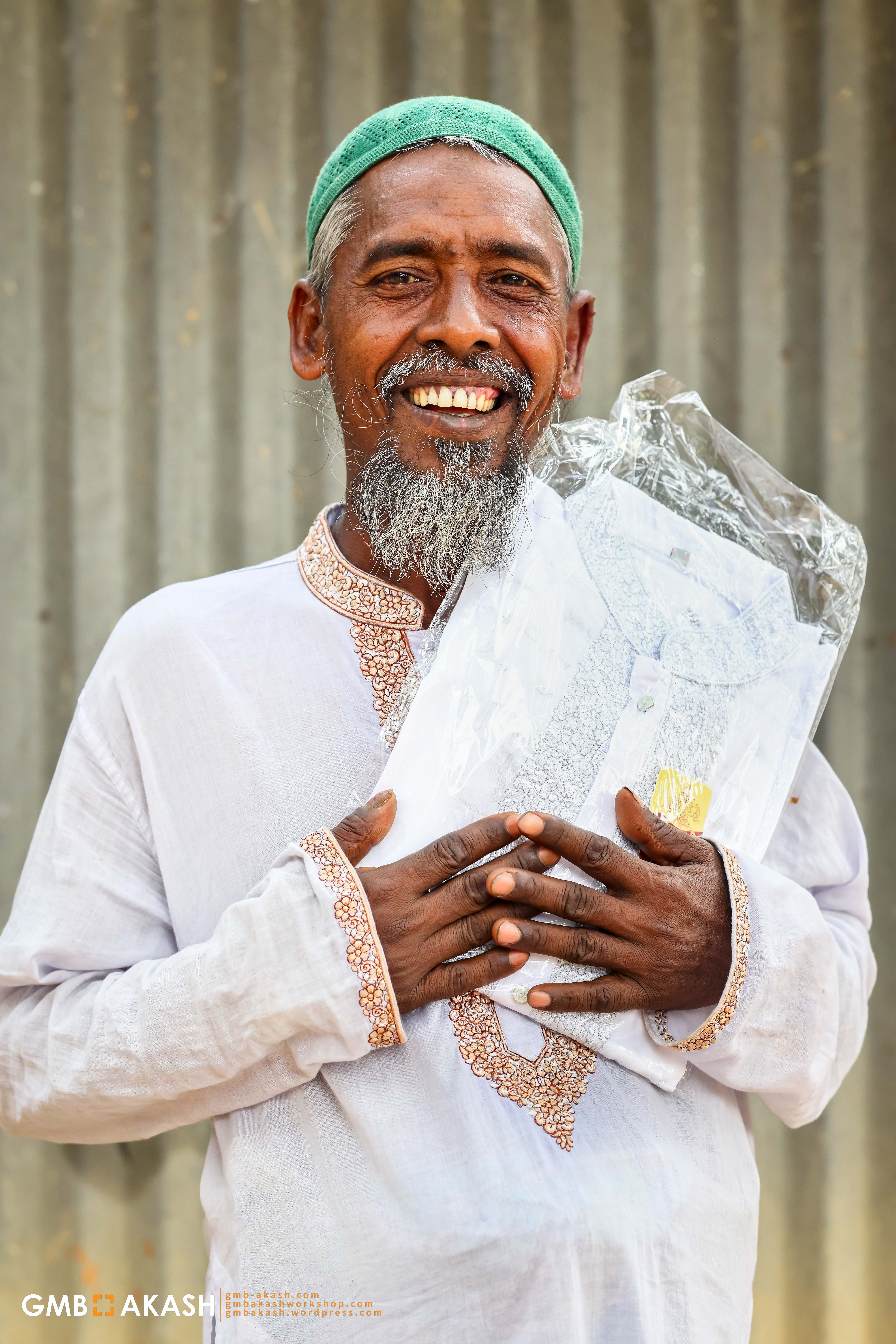
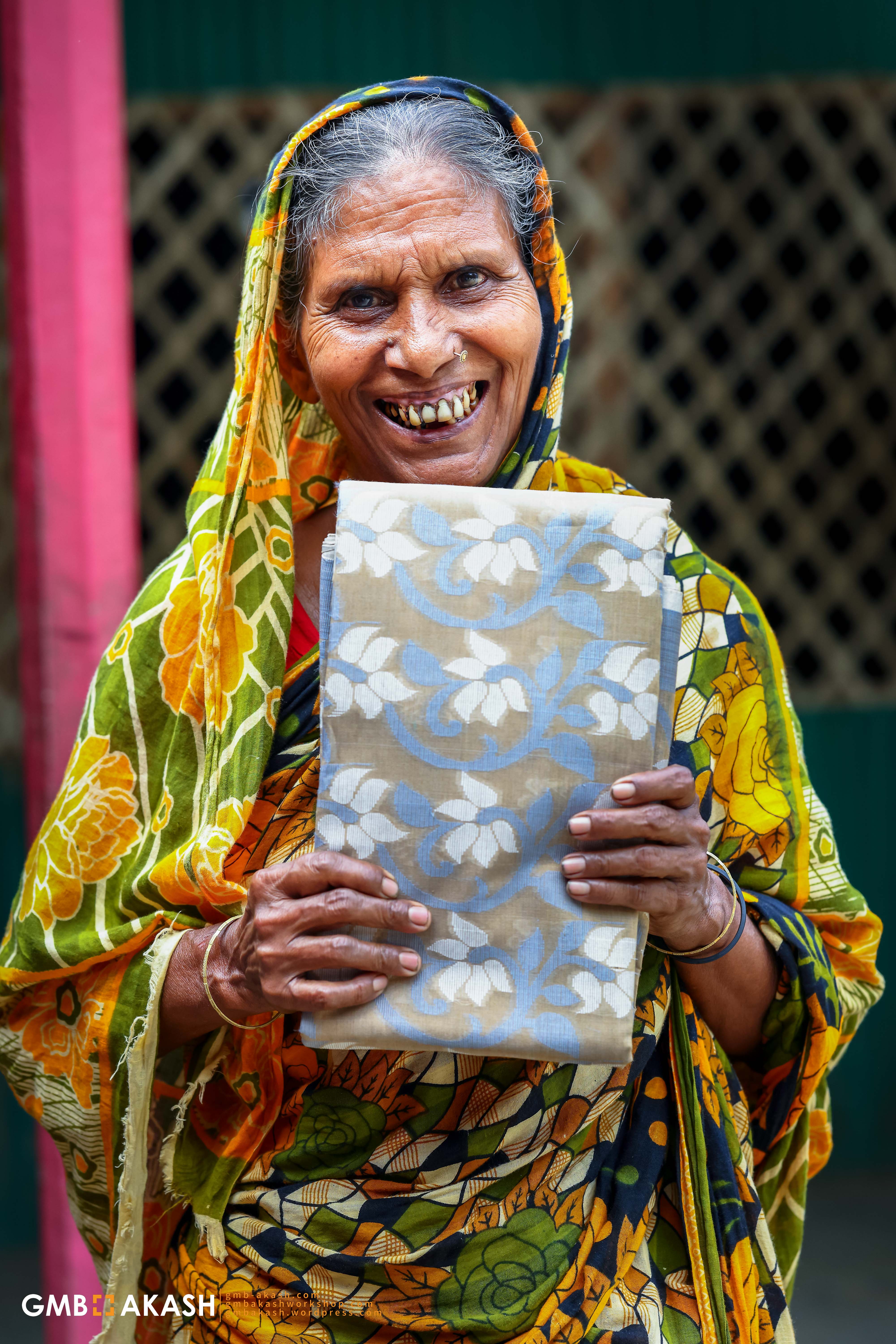
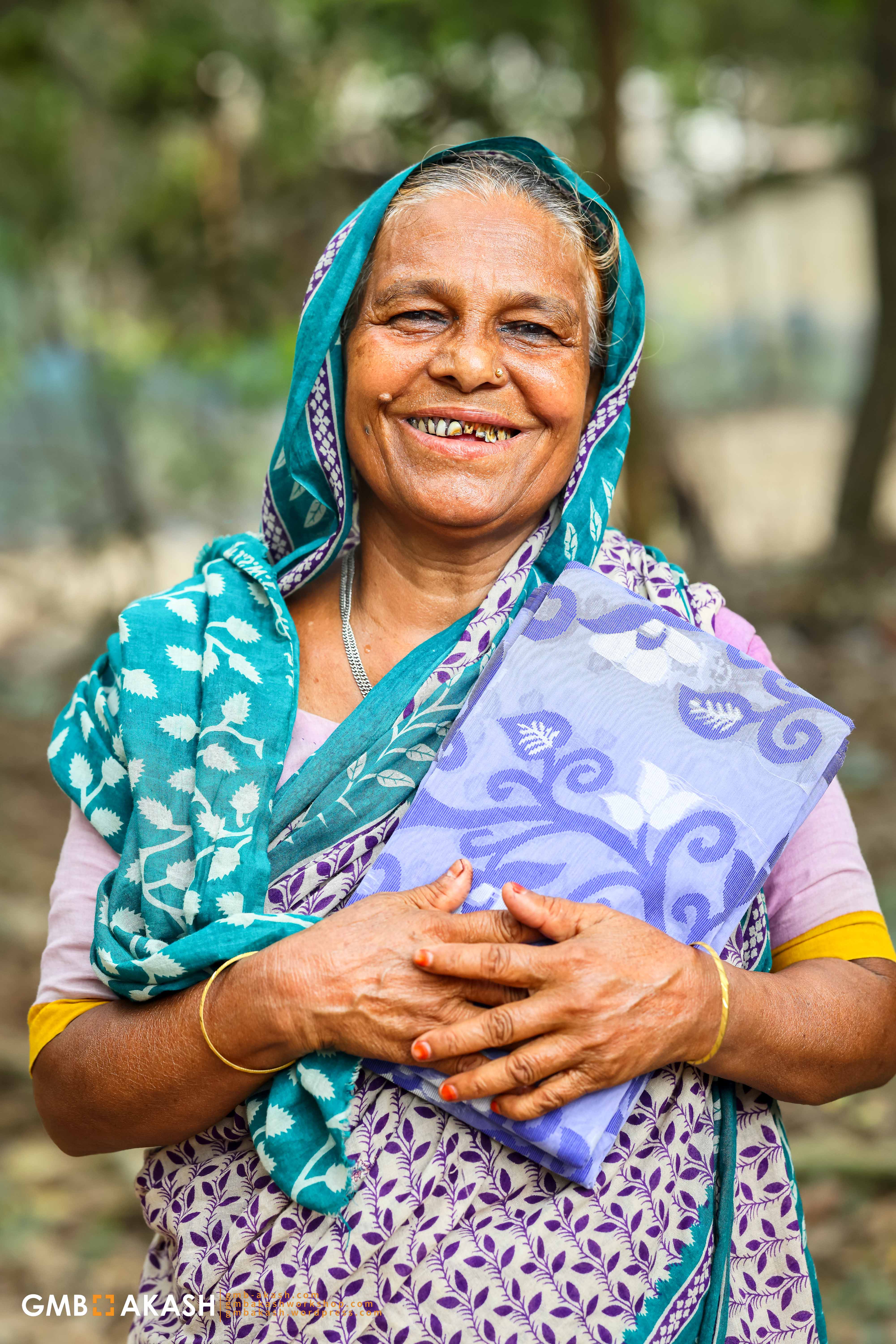
Eid Mubarak – from 300 happy families!
Dear Friends,
Eid Mubarak – from 300 happy families!
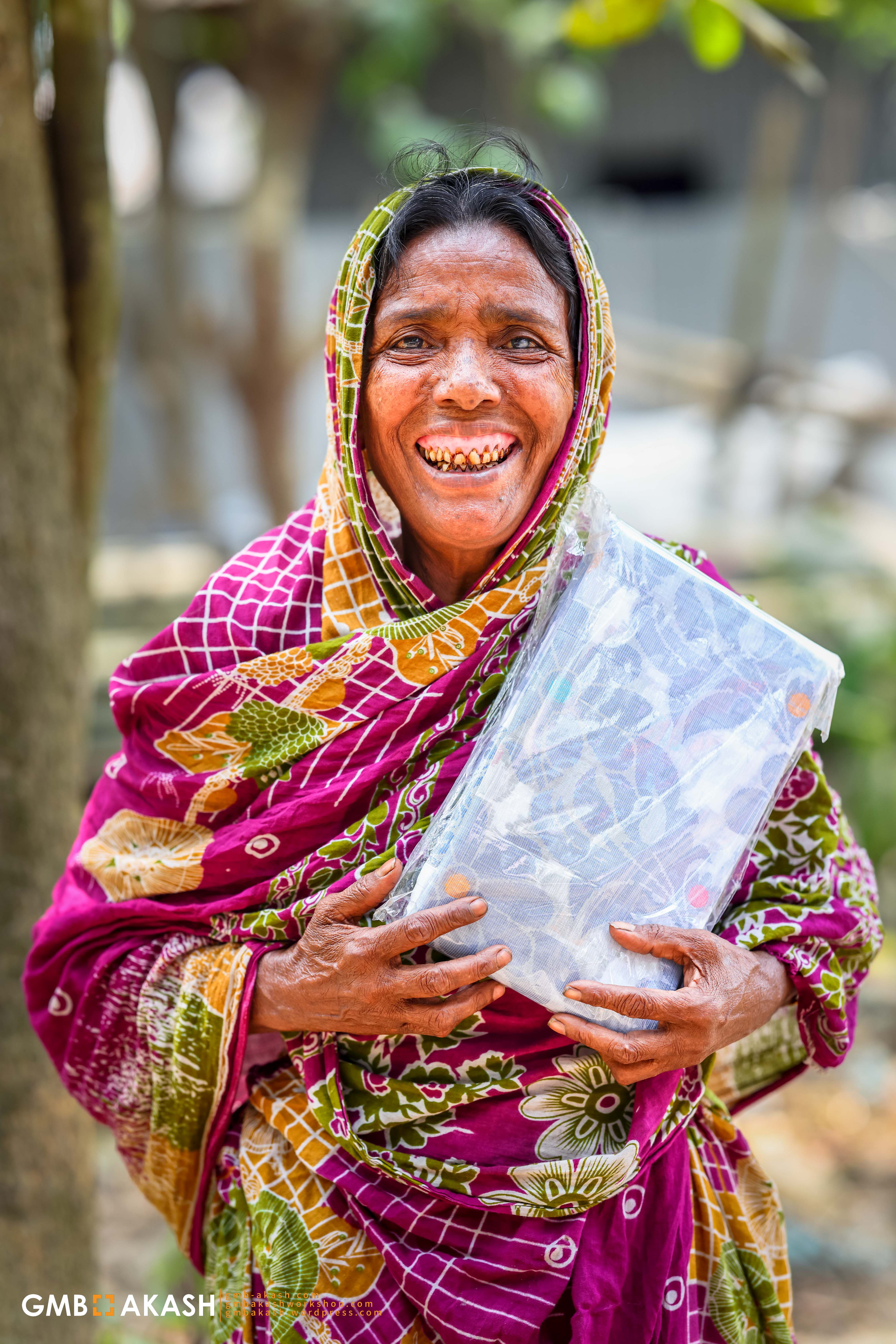
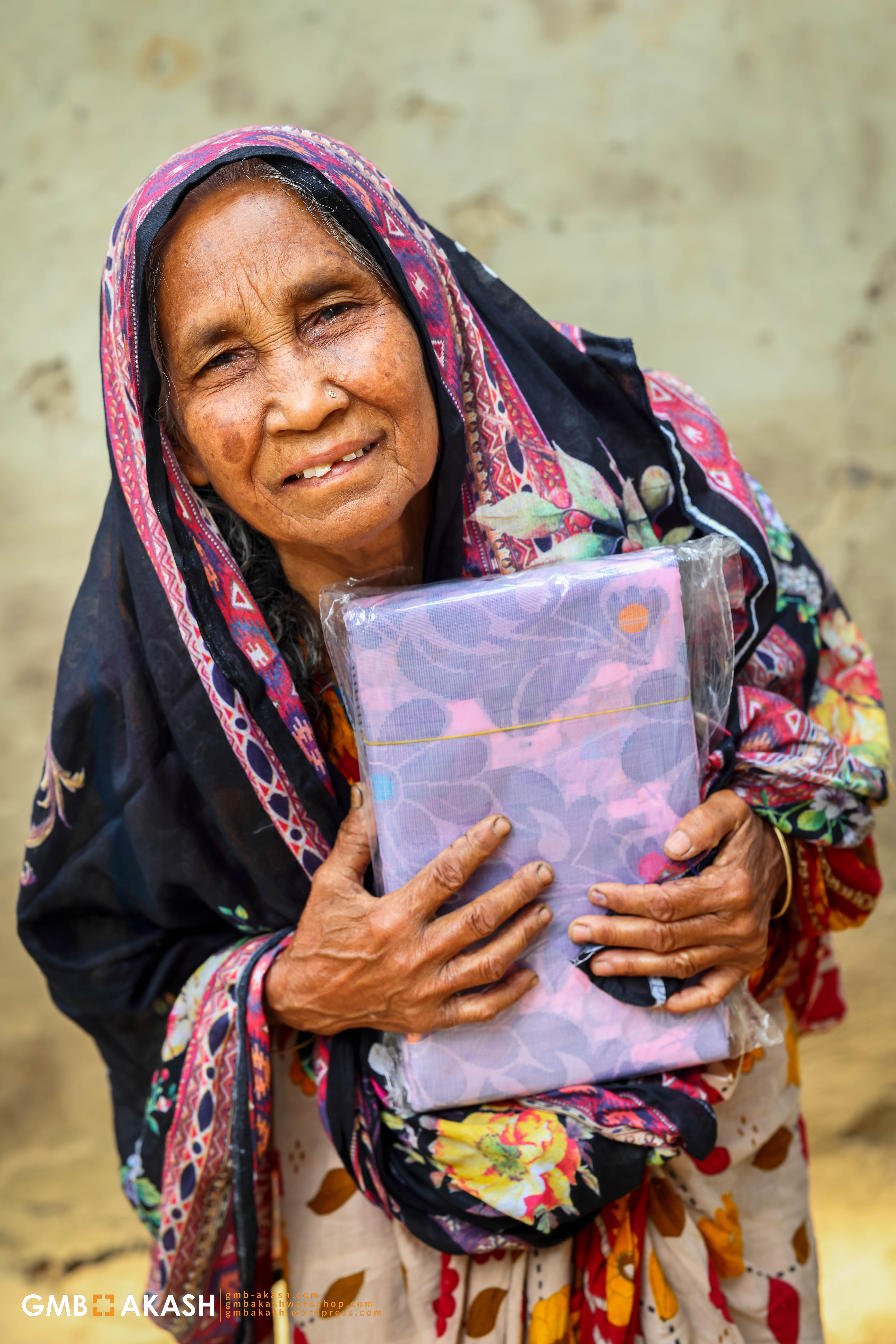
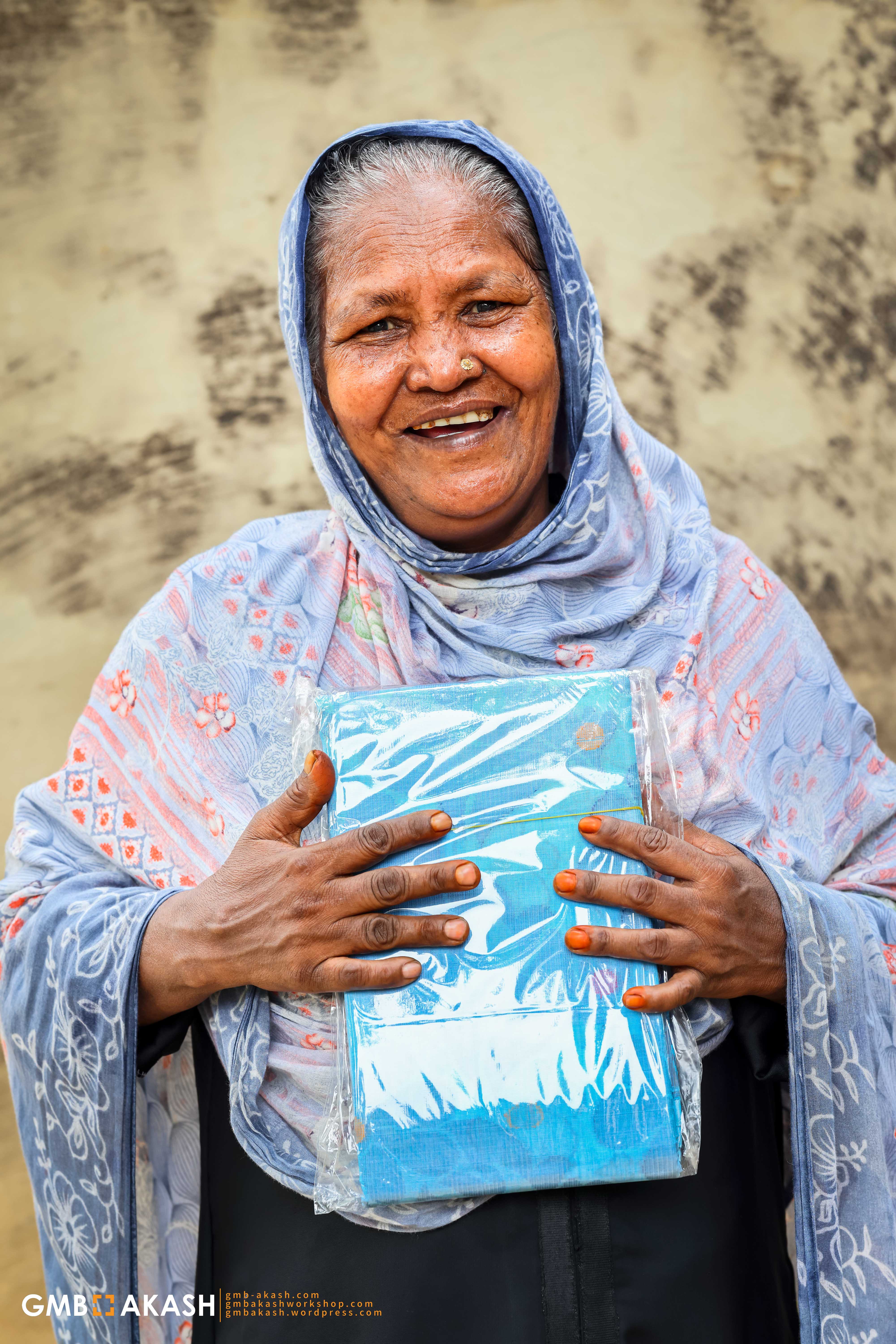
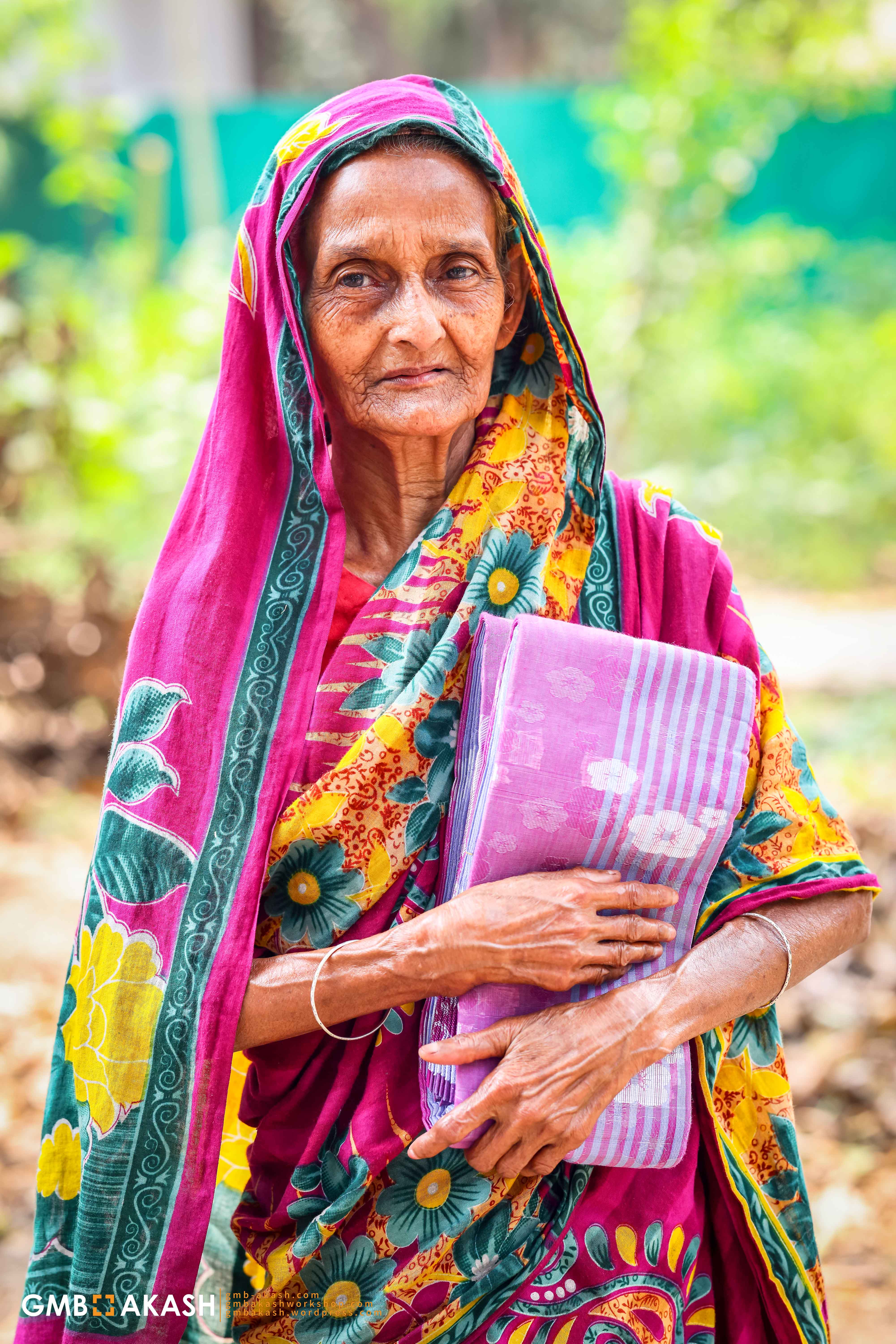
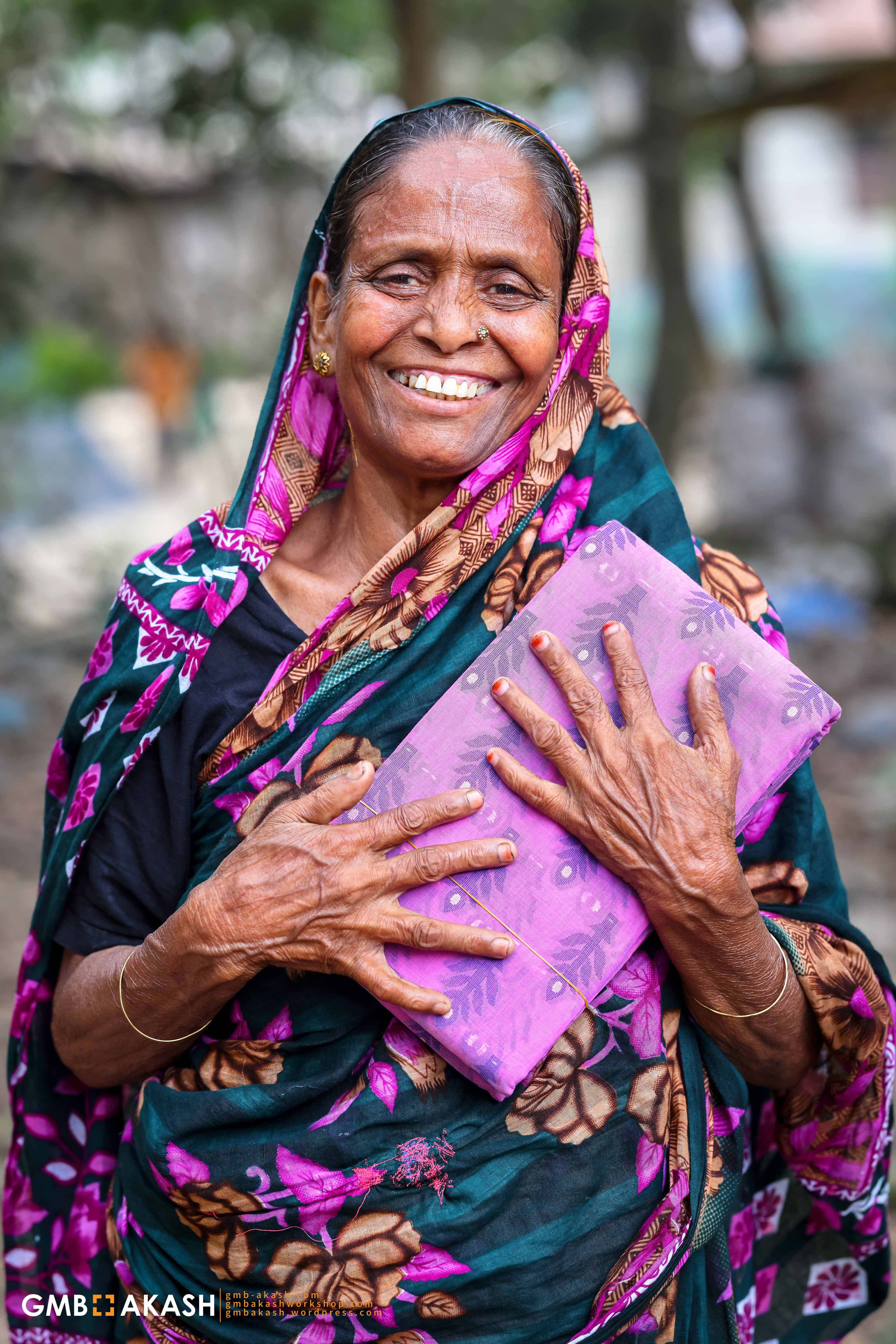
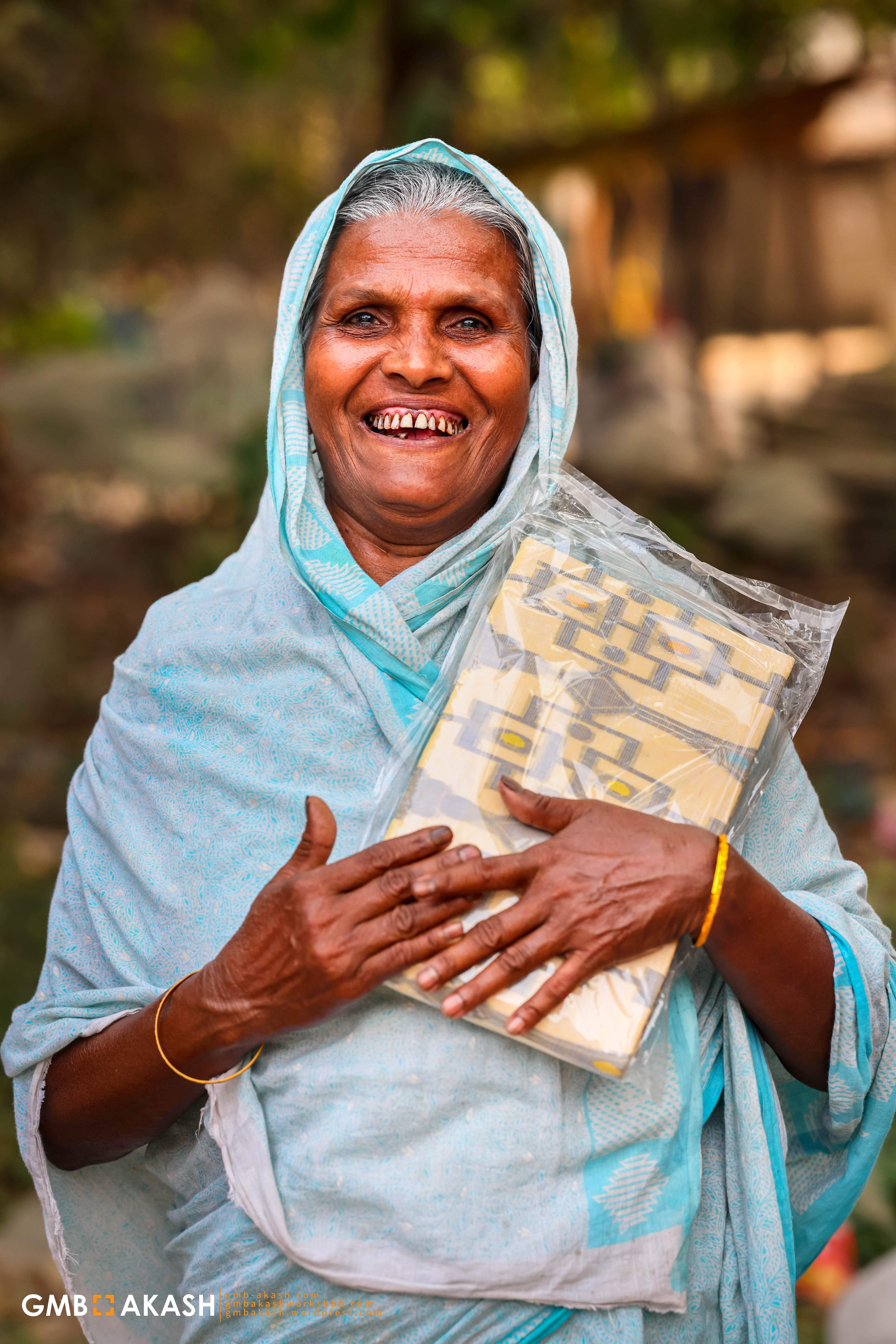
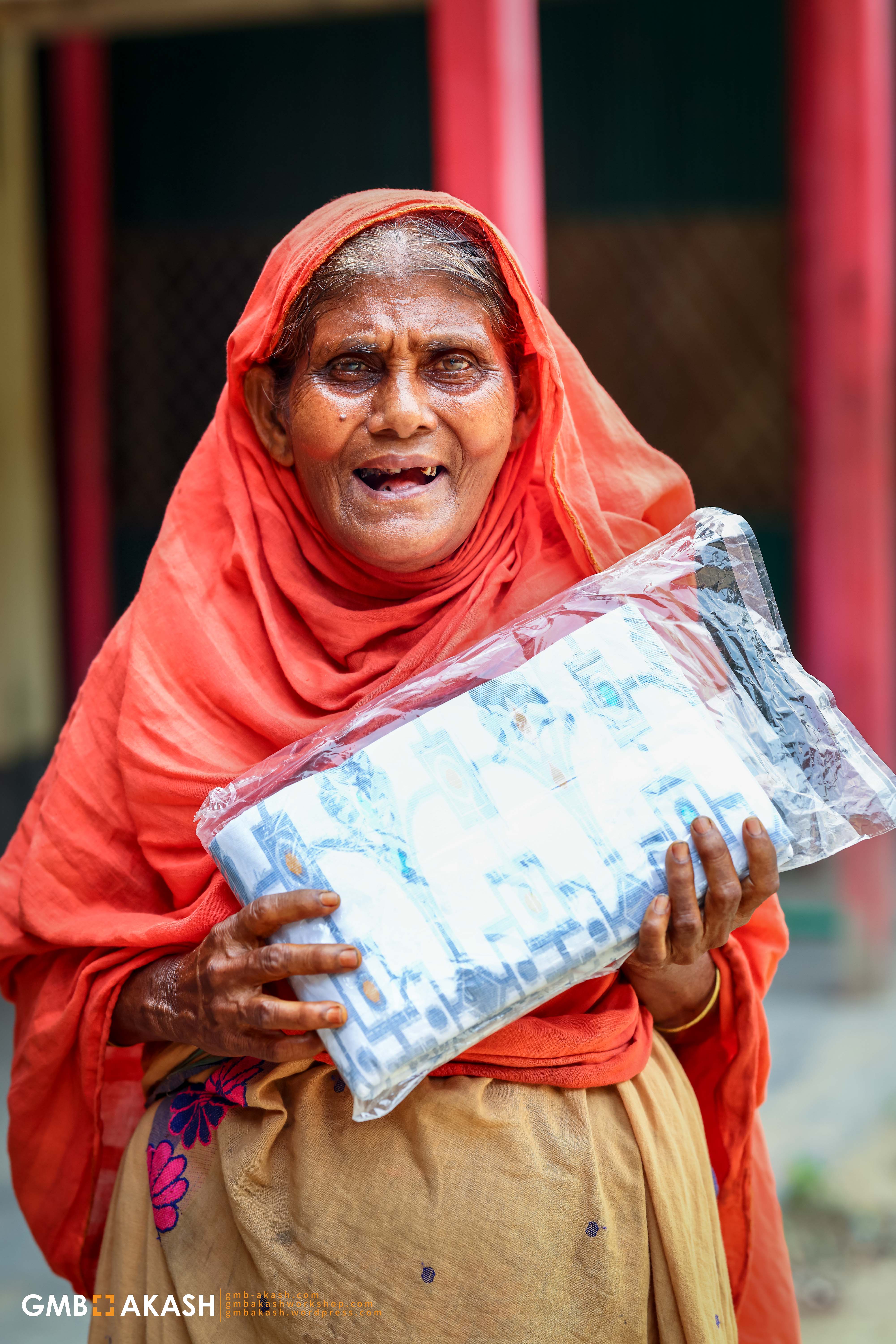
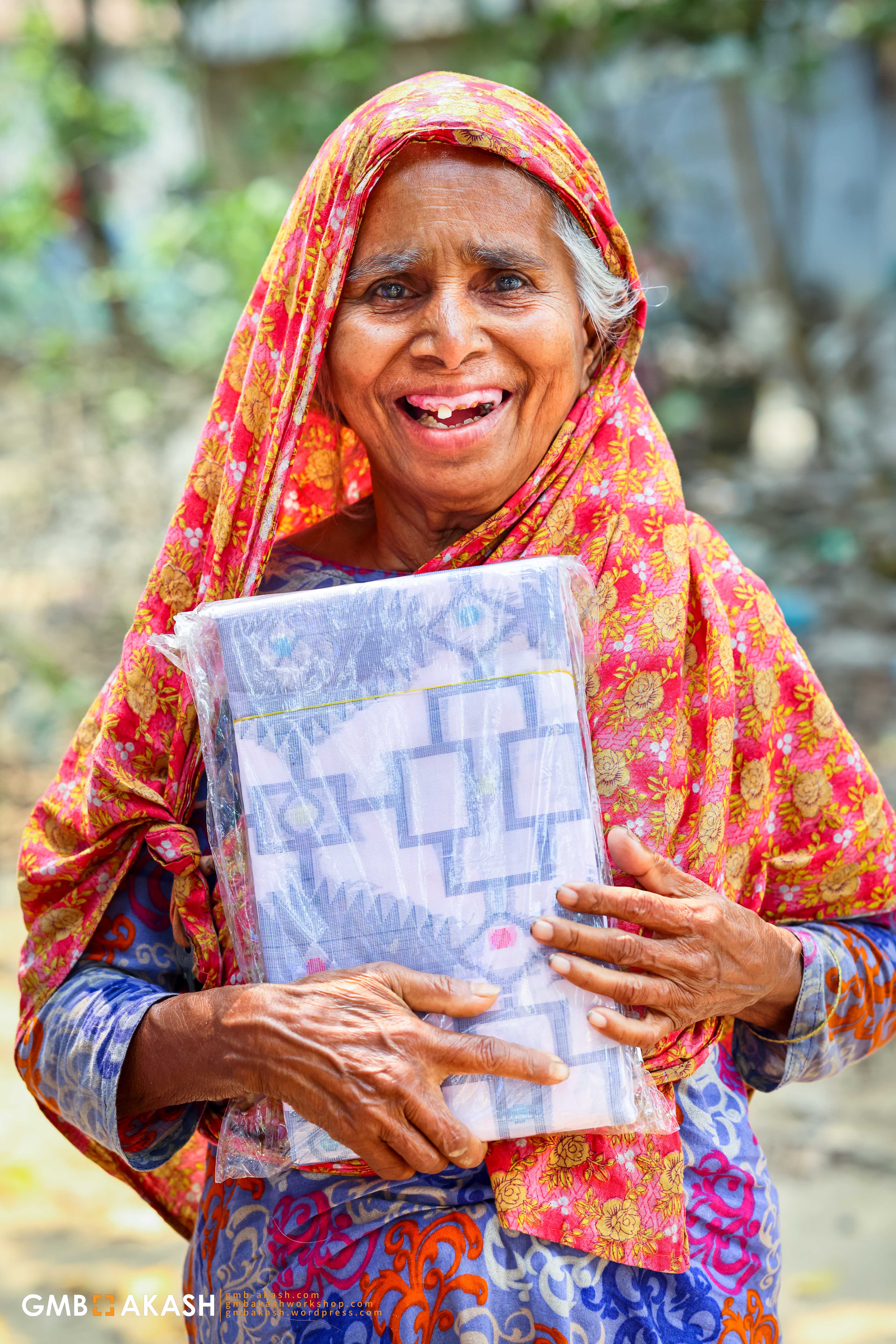
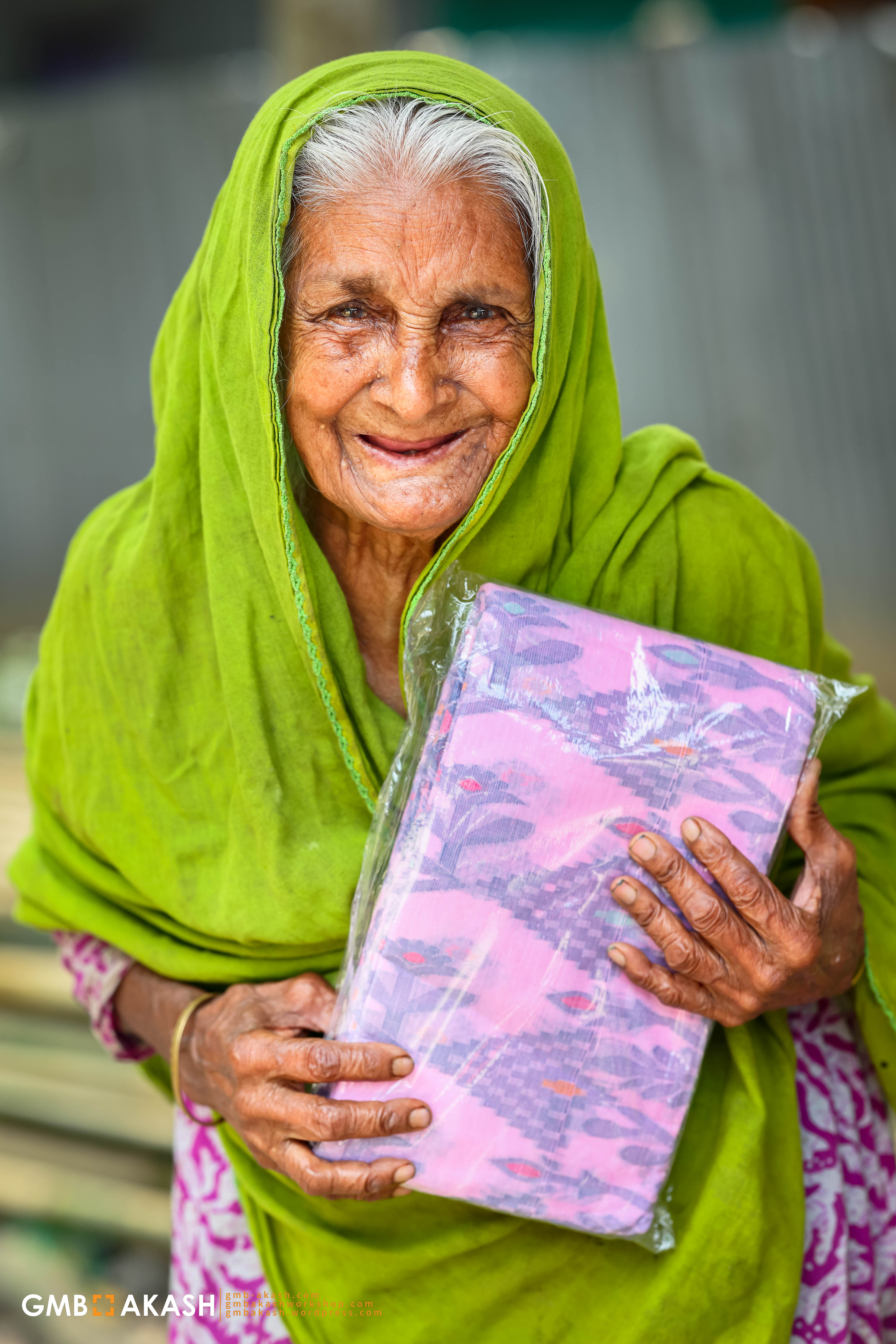
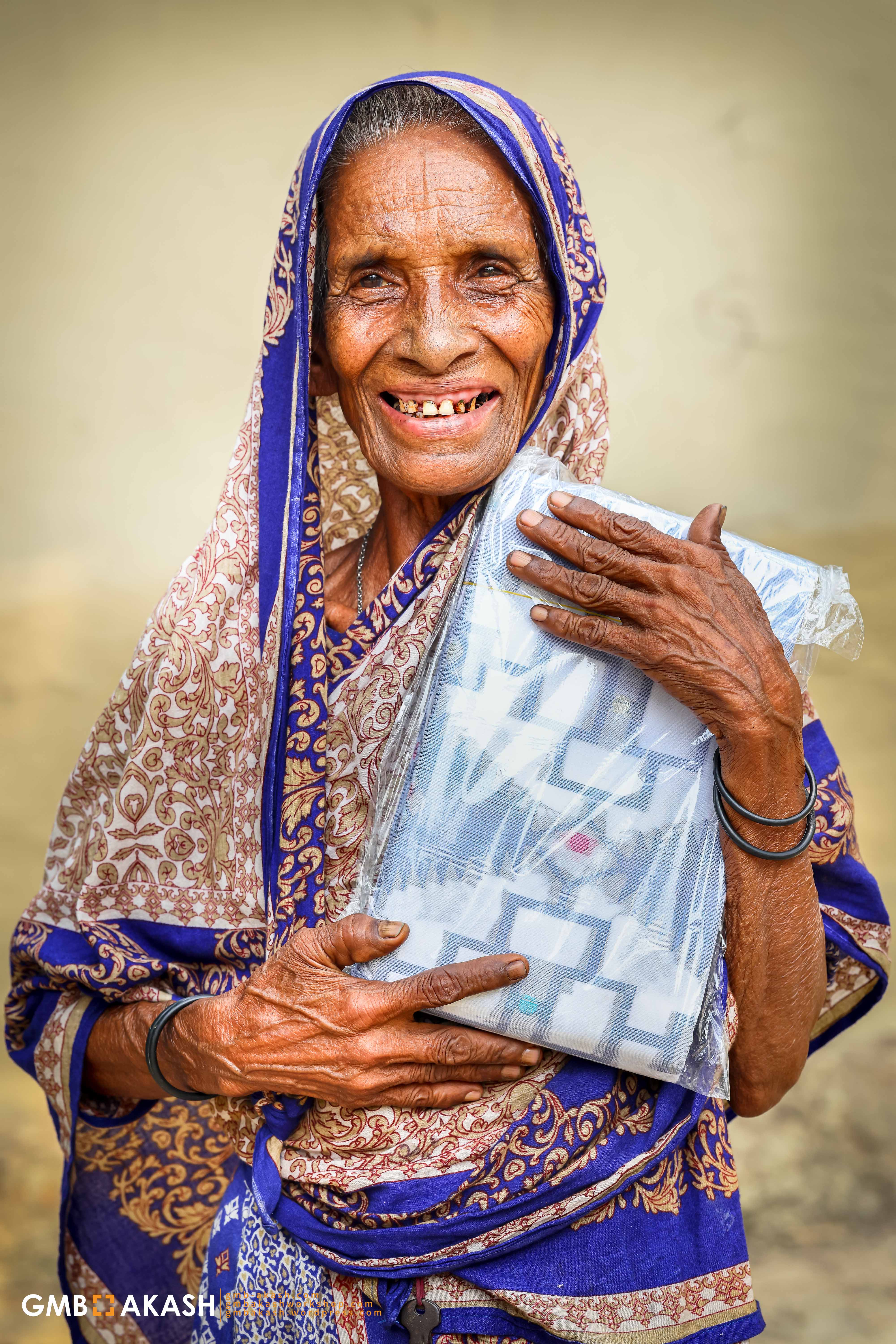
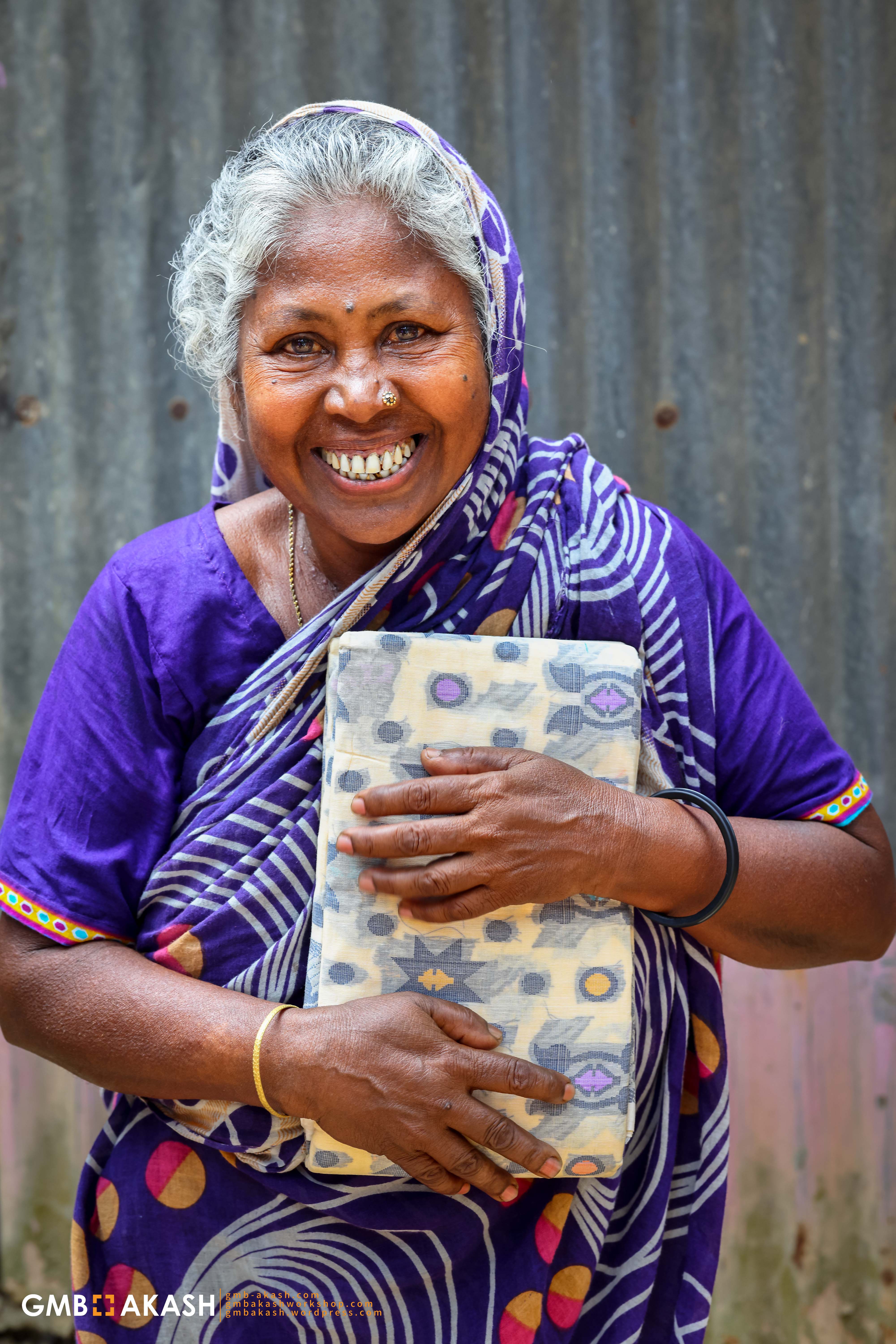
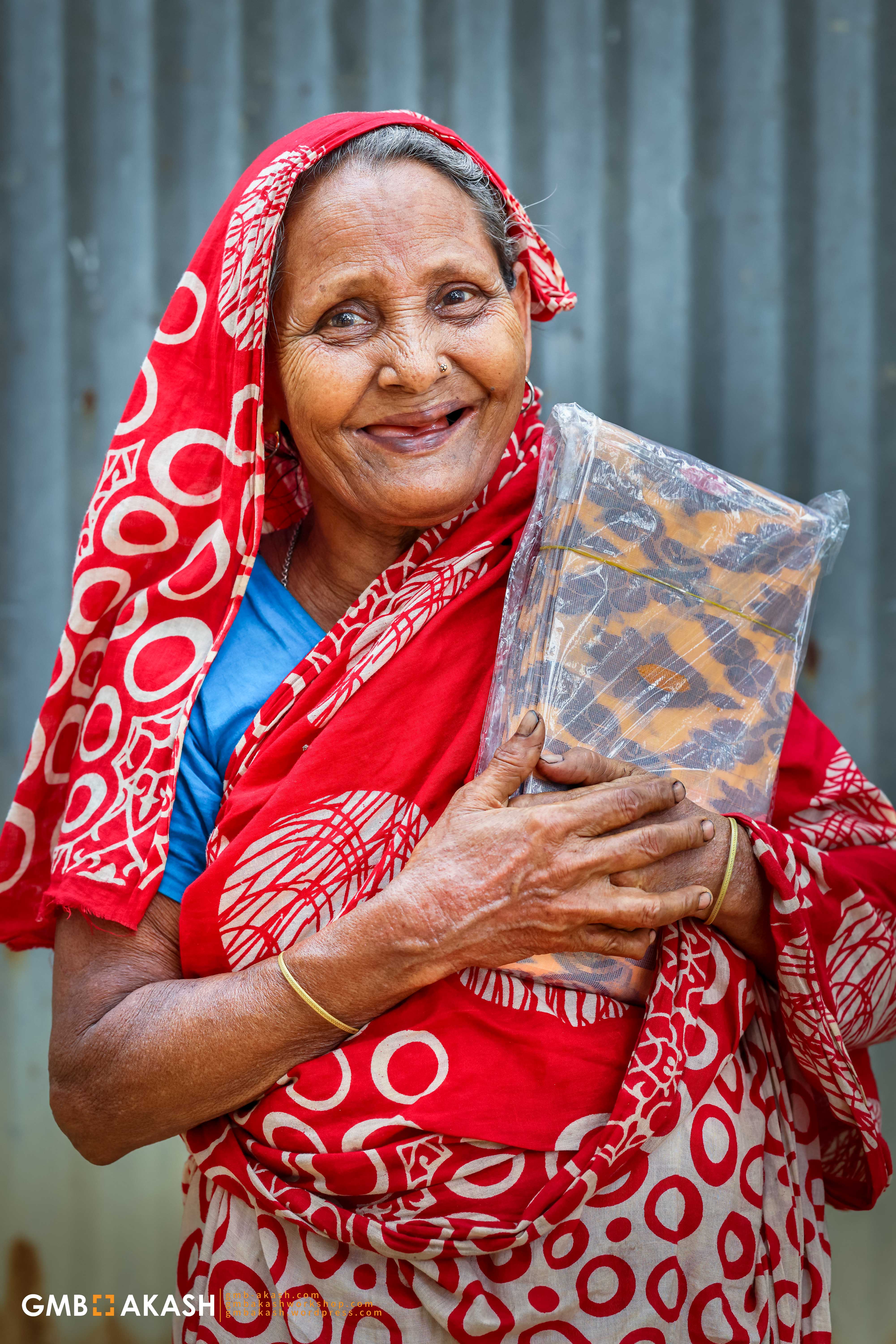
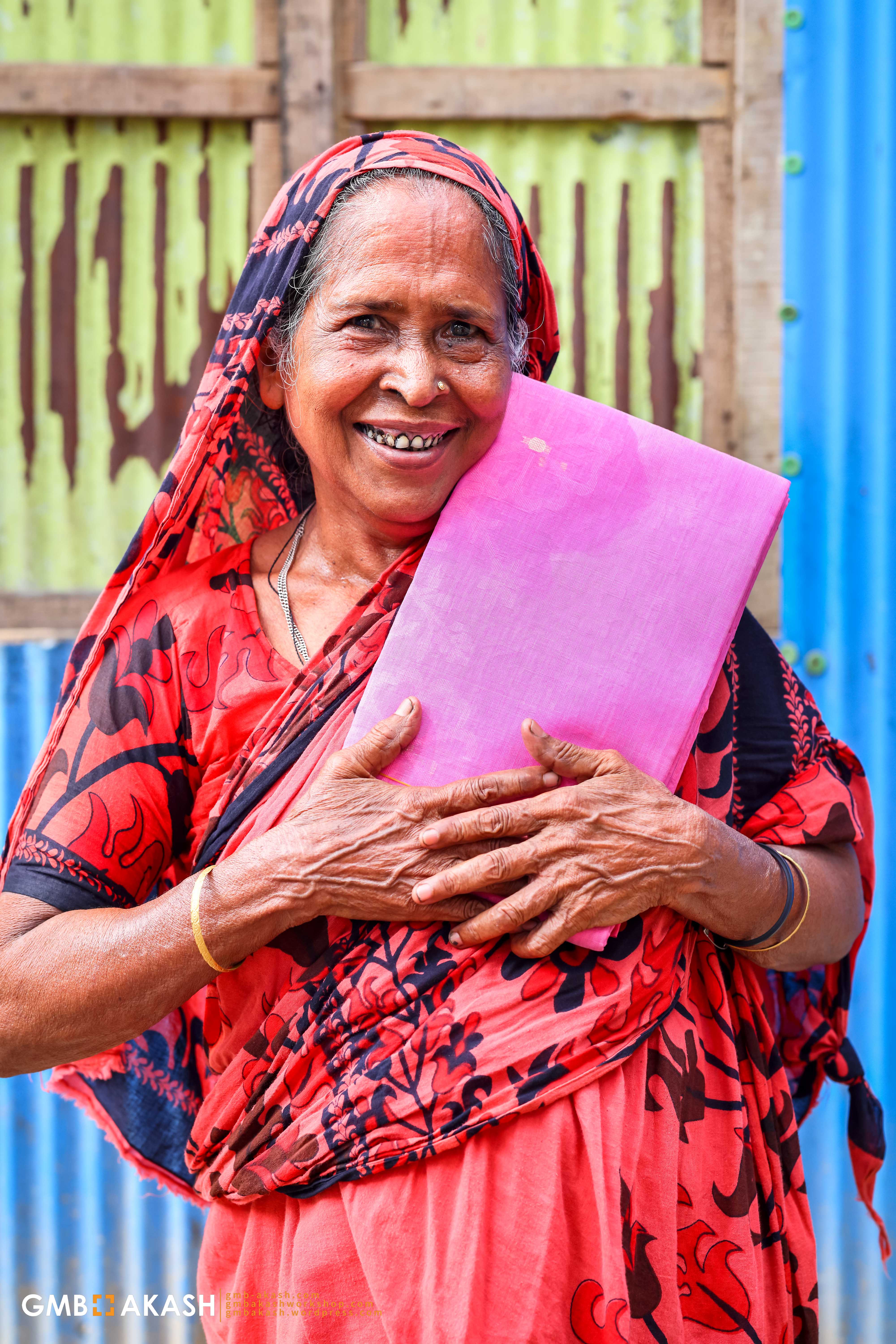
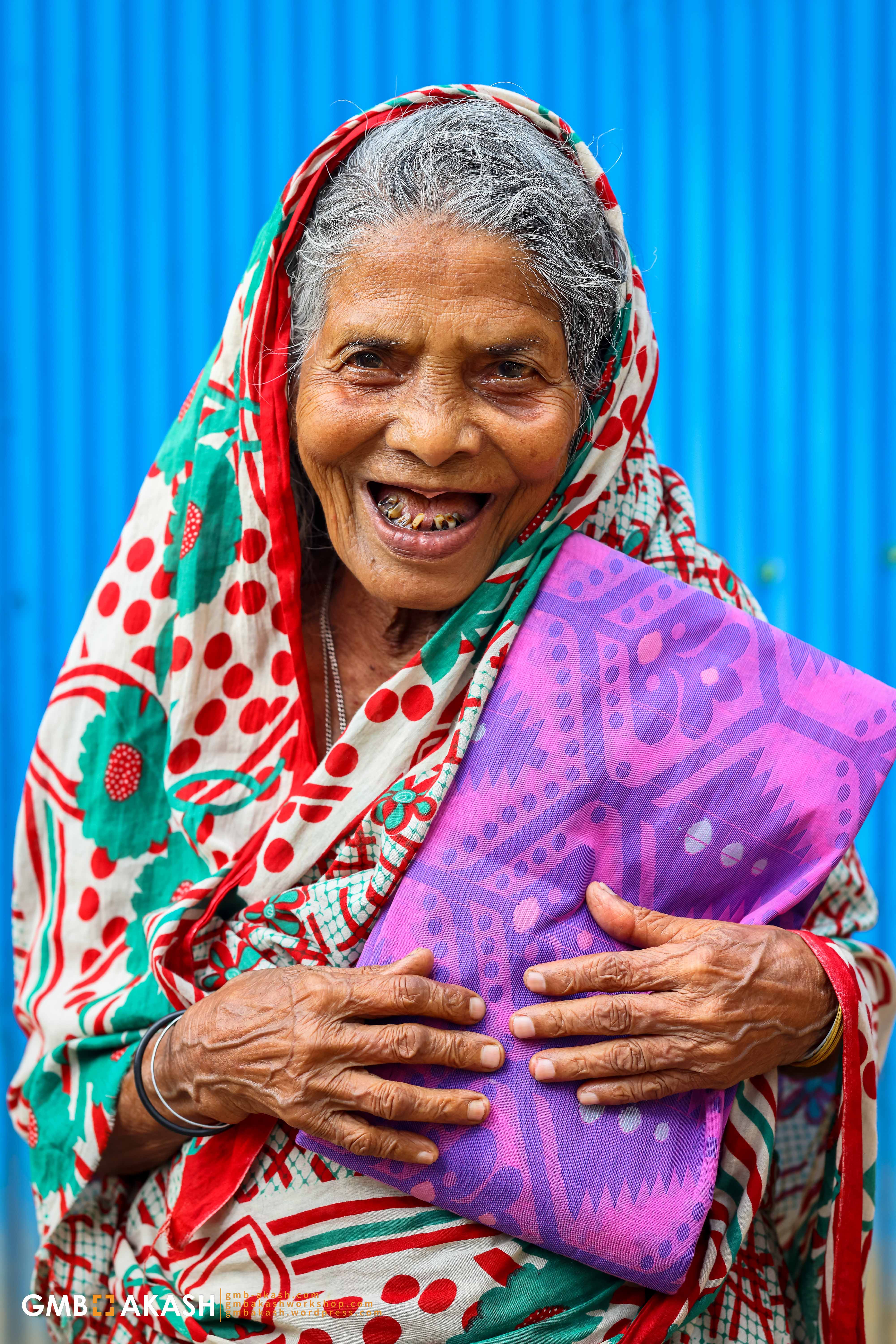
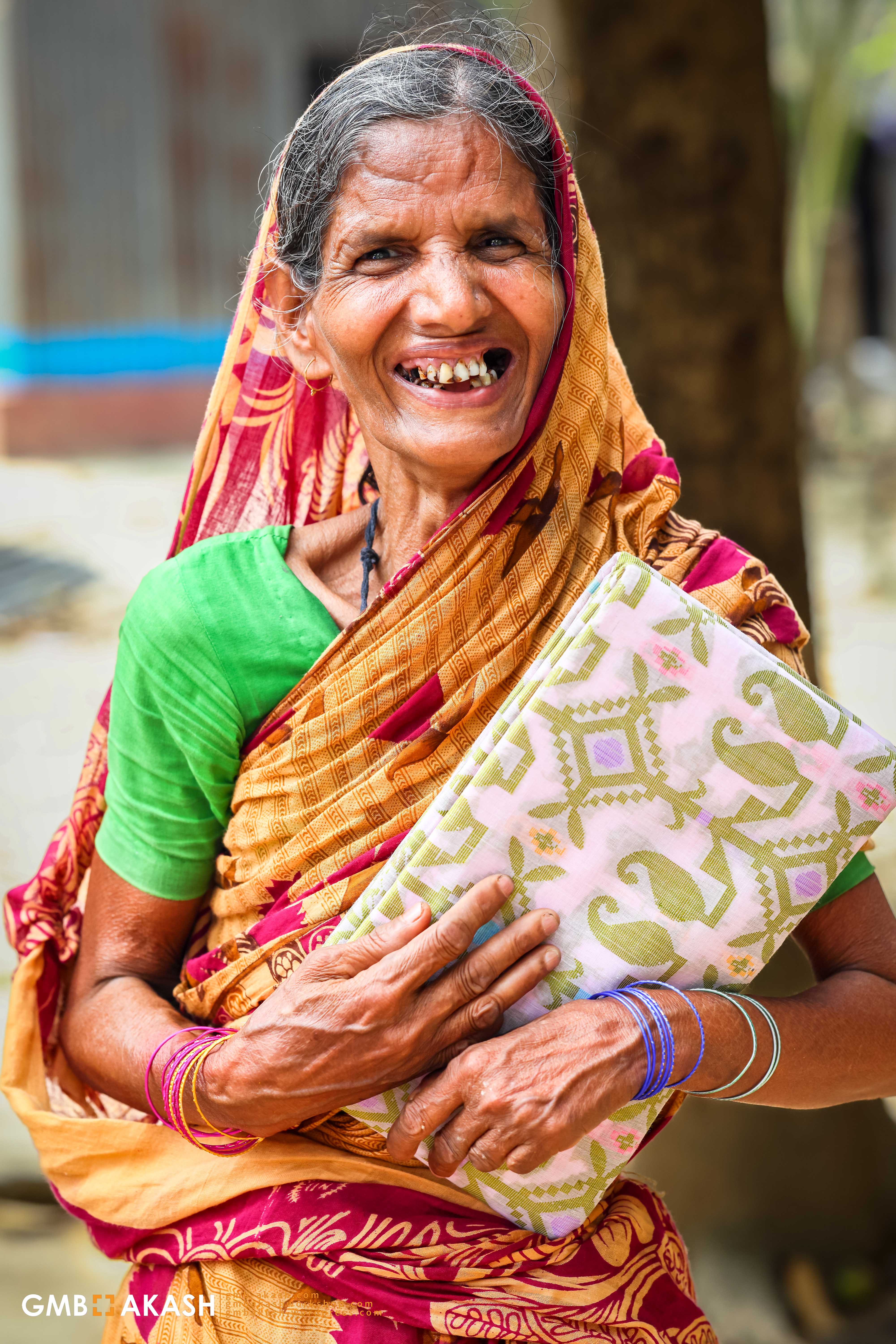
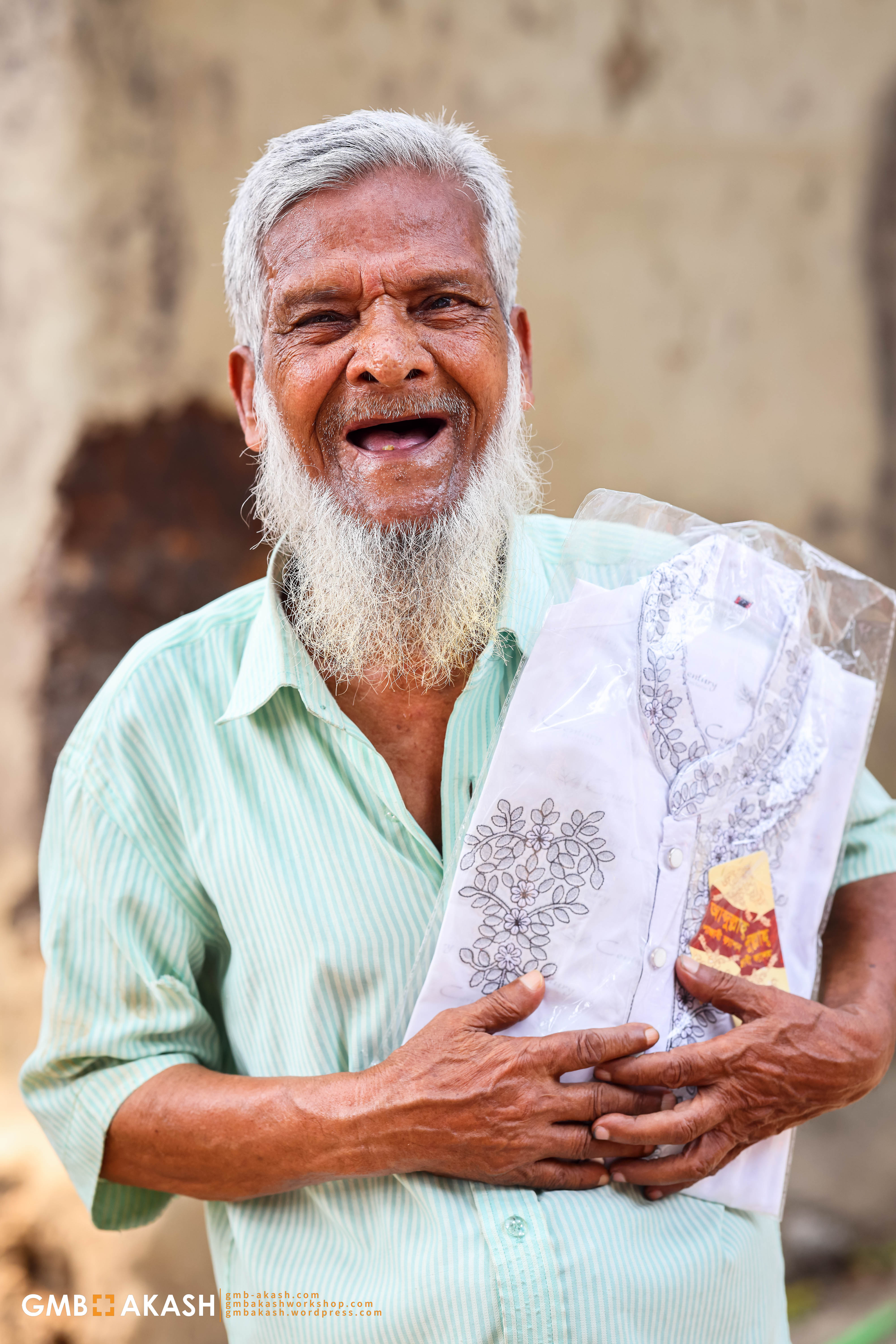
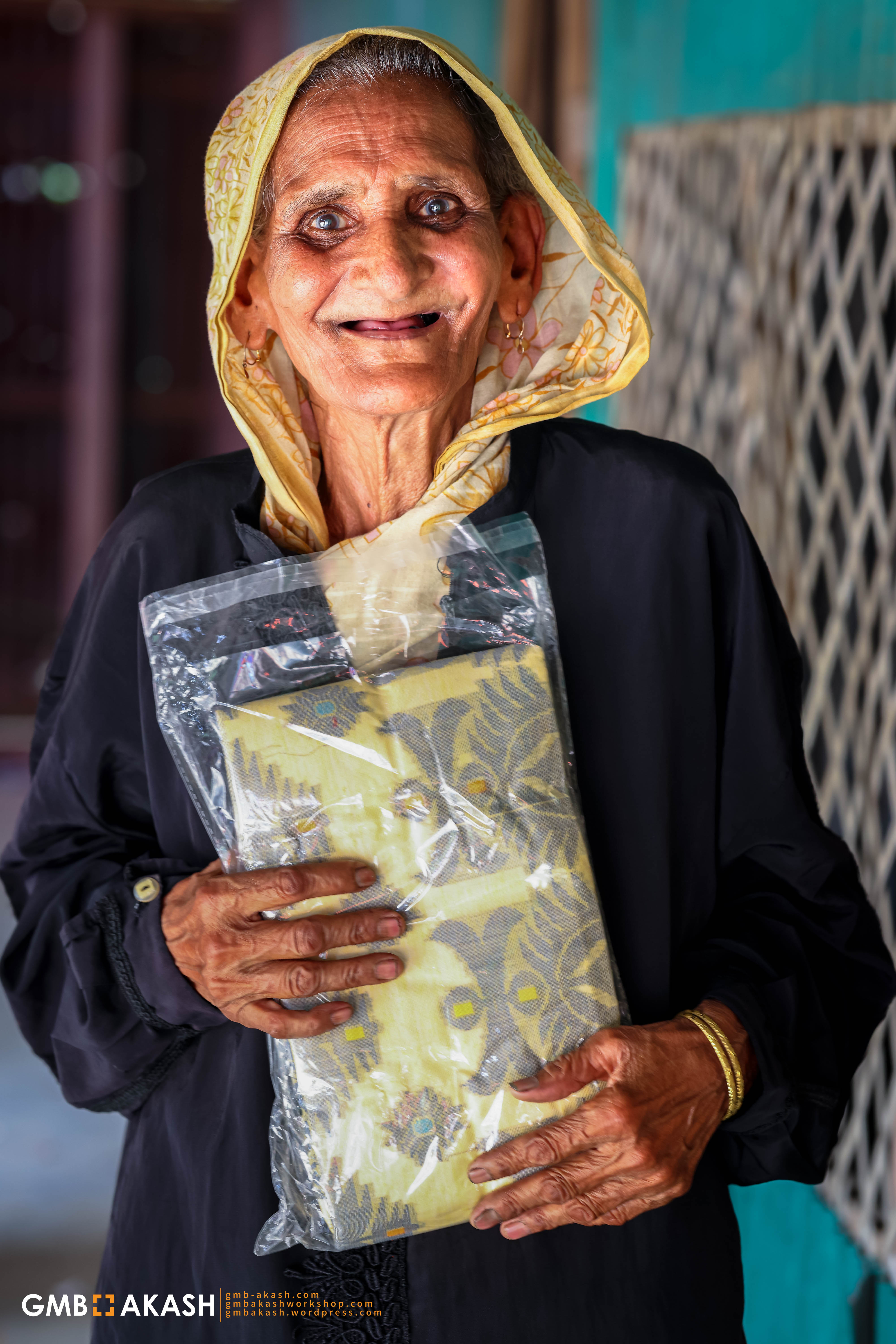
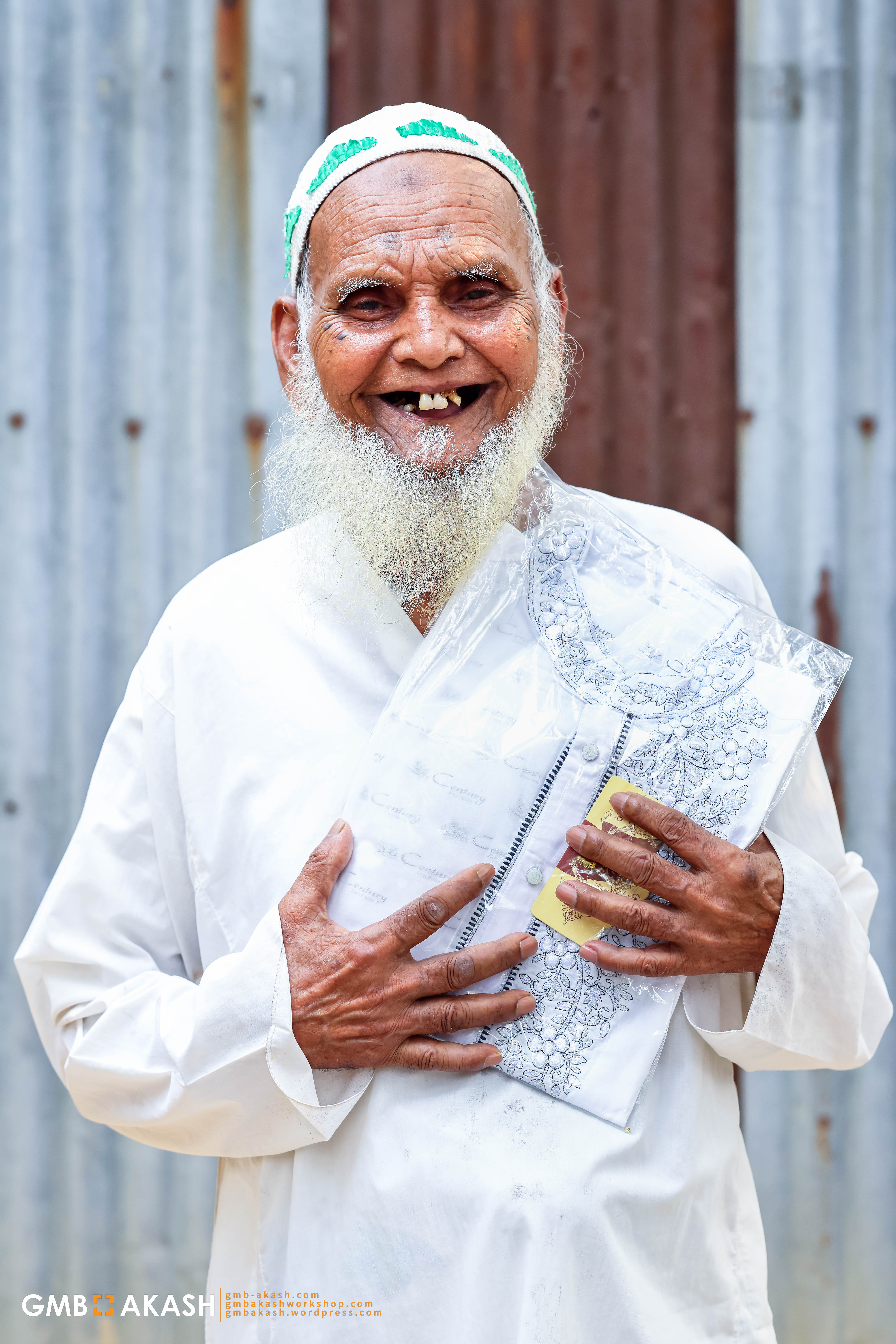
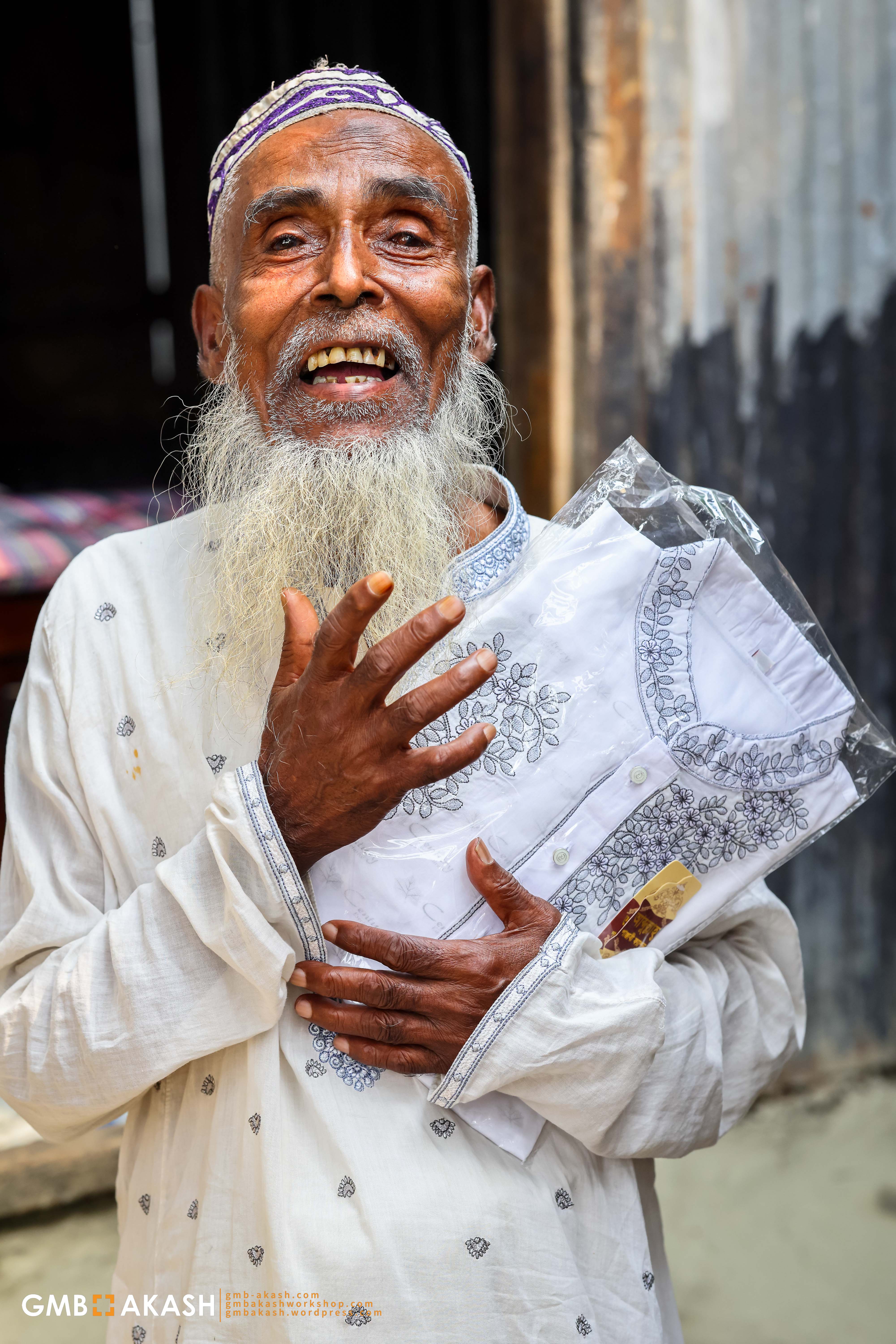
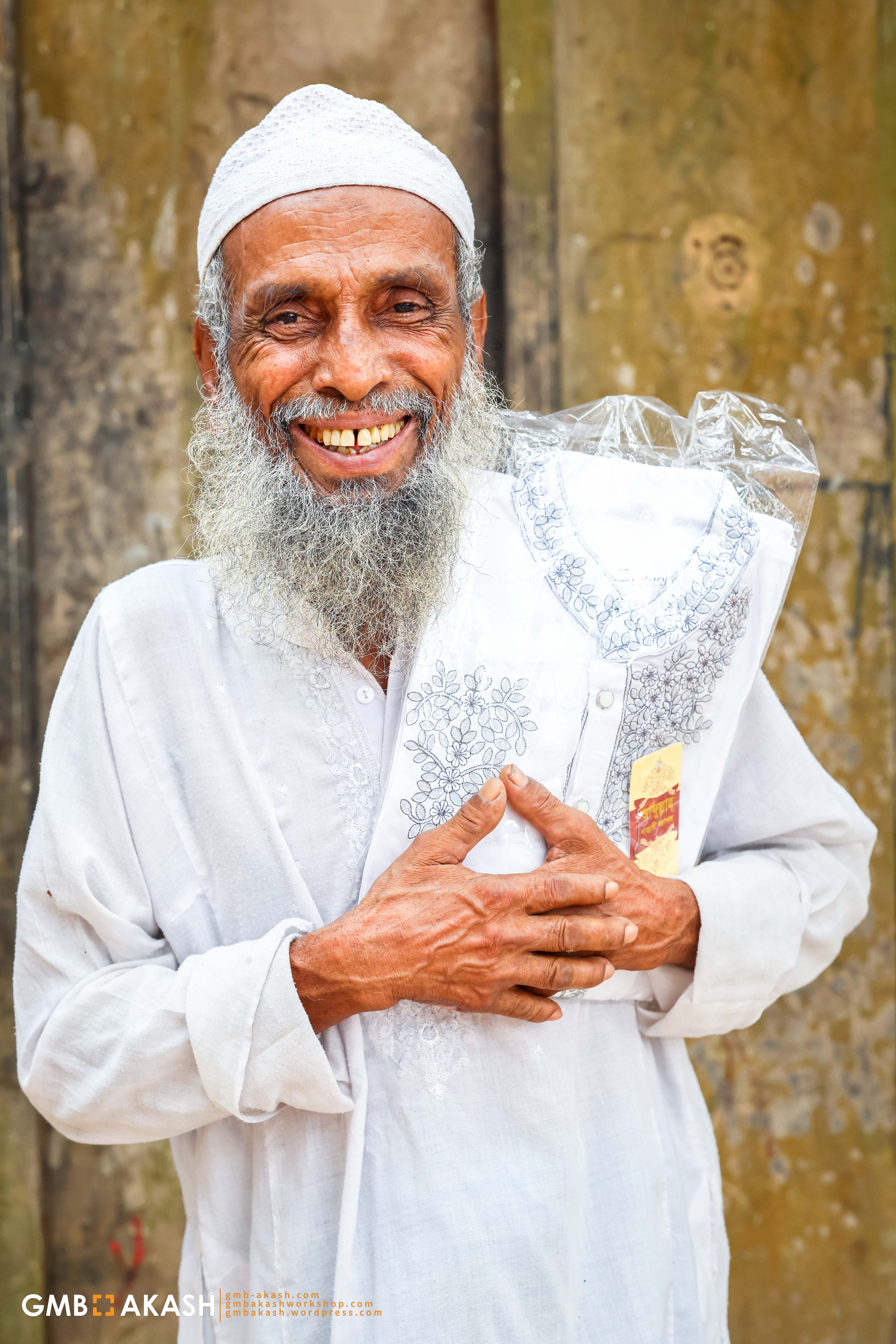
By the grace of Allah, I could deliver 300 new dresses for 300 most unprivileged families the last 3 days.
I truly hope that the new dress will bring them happiness and lift their spirits with warmth and contentment today.
Sharing some of the happy faces with you all.
Many of you came forward to make their EID a happy and special one, I believe the heartfelt prayers of these 300 families will surely reach your doorstep.
I am always thankful and grateful to all my friends and well-wishers who are constantly supporting and helping me in every way possible in my journey.
Have a very happy and healthy Eid everyone…
Eid Mubarak 
_GMB Akash
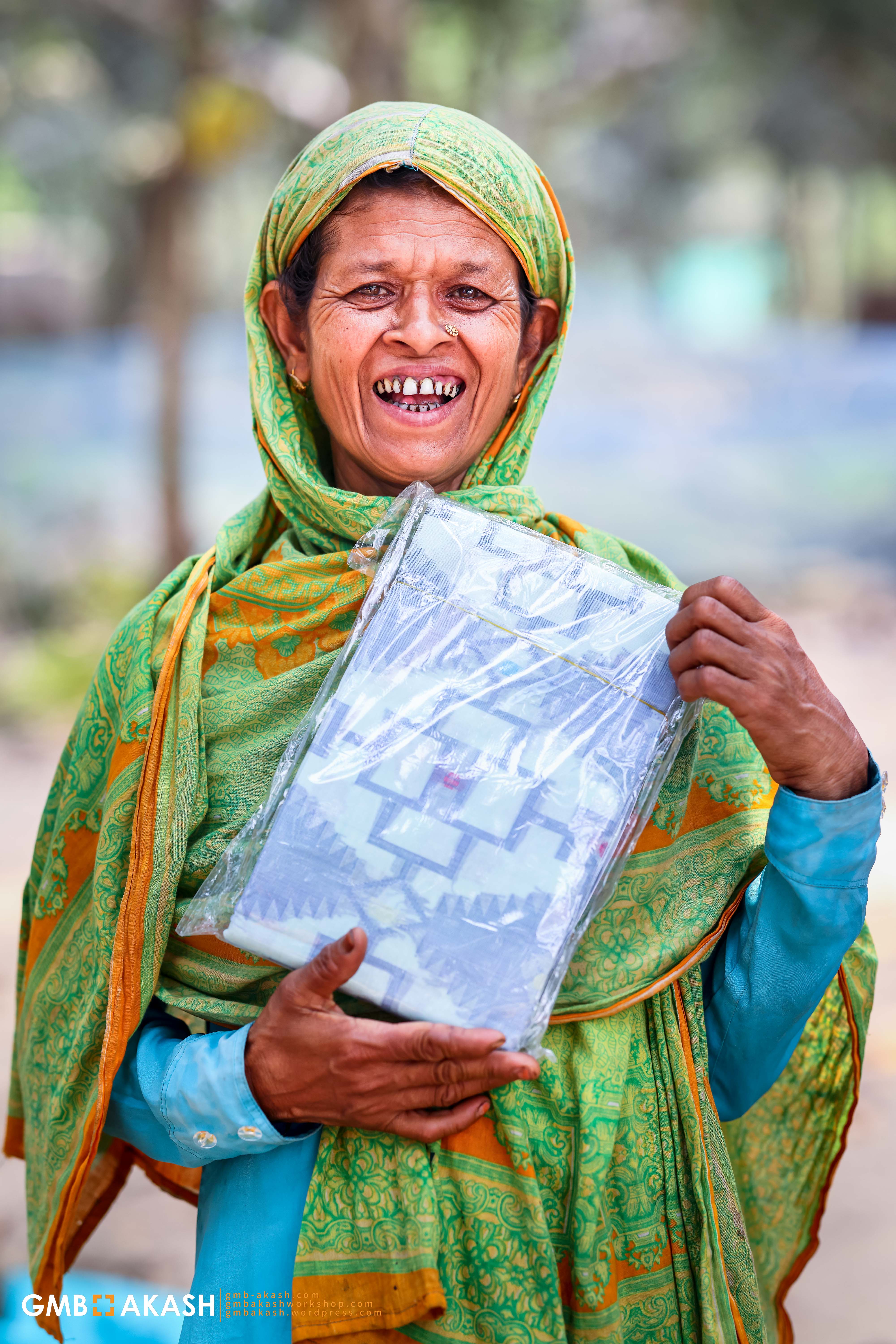

























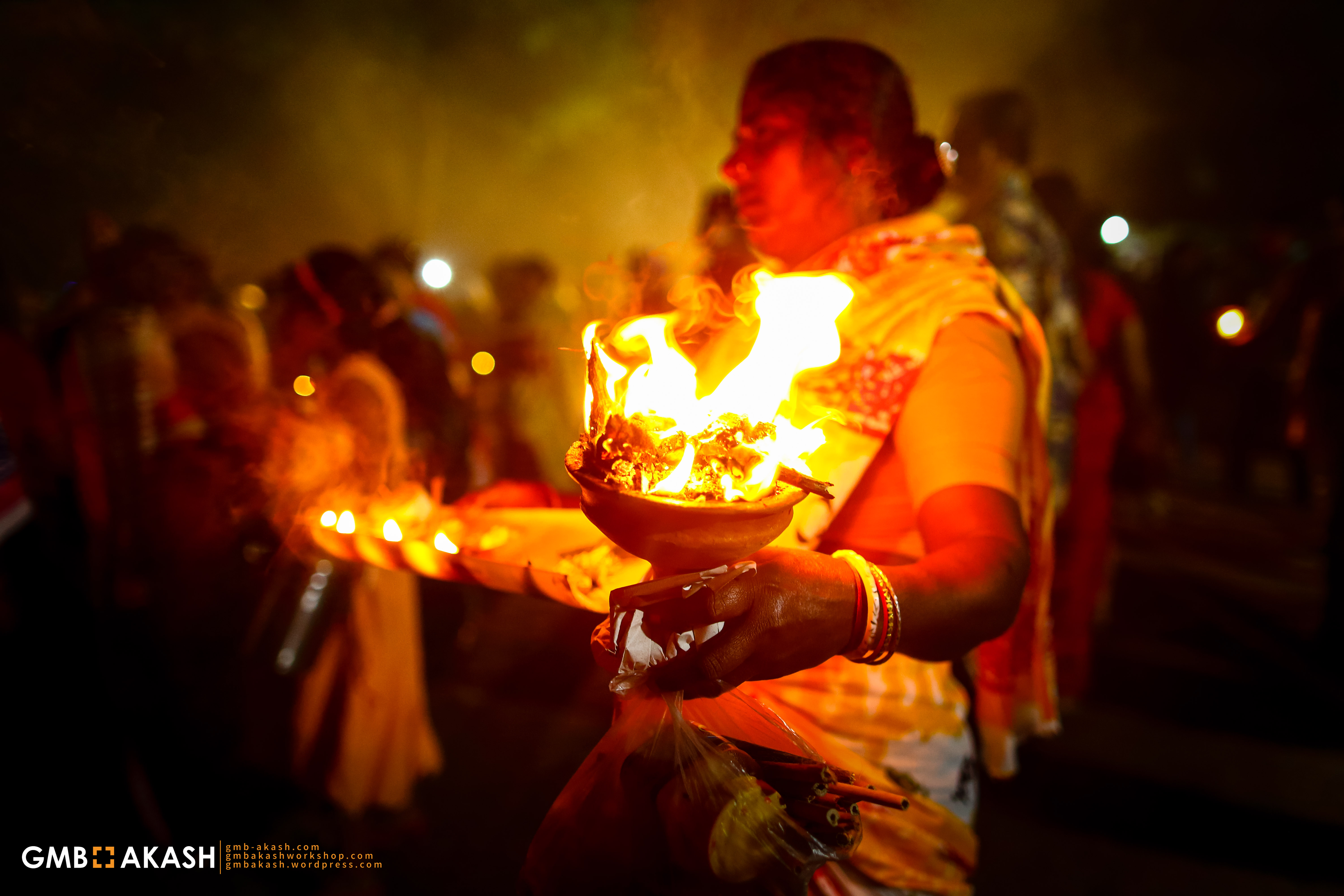
Rakher Upobash Festival.
During Kartik, “the holiest month” beginning every year with new moon in November, thousands of Hindu devotees celebrates the feast of “Rakher Upobash”.The followers of “Loknath” who is said to embody love in the Hindu tradition, light small lamps and special incense asking for the betterment of their loved ones’ health.They also fast in the name of “Rakh” hence the name “Rakher Upobash”. Also known as “Kartik bhroto”, it is held on every Saturday and Tuesday of those 15 daysFasting and praying to the gods, sitting before the Shri Shri Loknath Brahammachari Ashram, among the Swami Bhag temple near Dhaka.Bangladesh.


Rakher upobash is a beautiful and deeply spiritual tradition observed by the people of Bangladesh. The atmosphere during Rakher Upobash is enchanting, with devotees singing devotional songs, lighting earthen lamps, and performing various rituals to appease the deity. It is a time for self-reflection, spiritual awakening, and spreading love and compassion among fellow human beings. This tradition not only represents the rich cultural heritage of Bangladesh but also brings people of different faiths and backgrounds together, reinforcing the message of unity and peace. Rakher Upobash is truly a unique and beautiful festival that embodies the true essence of Bangladesh’s cultural identity.
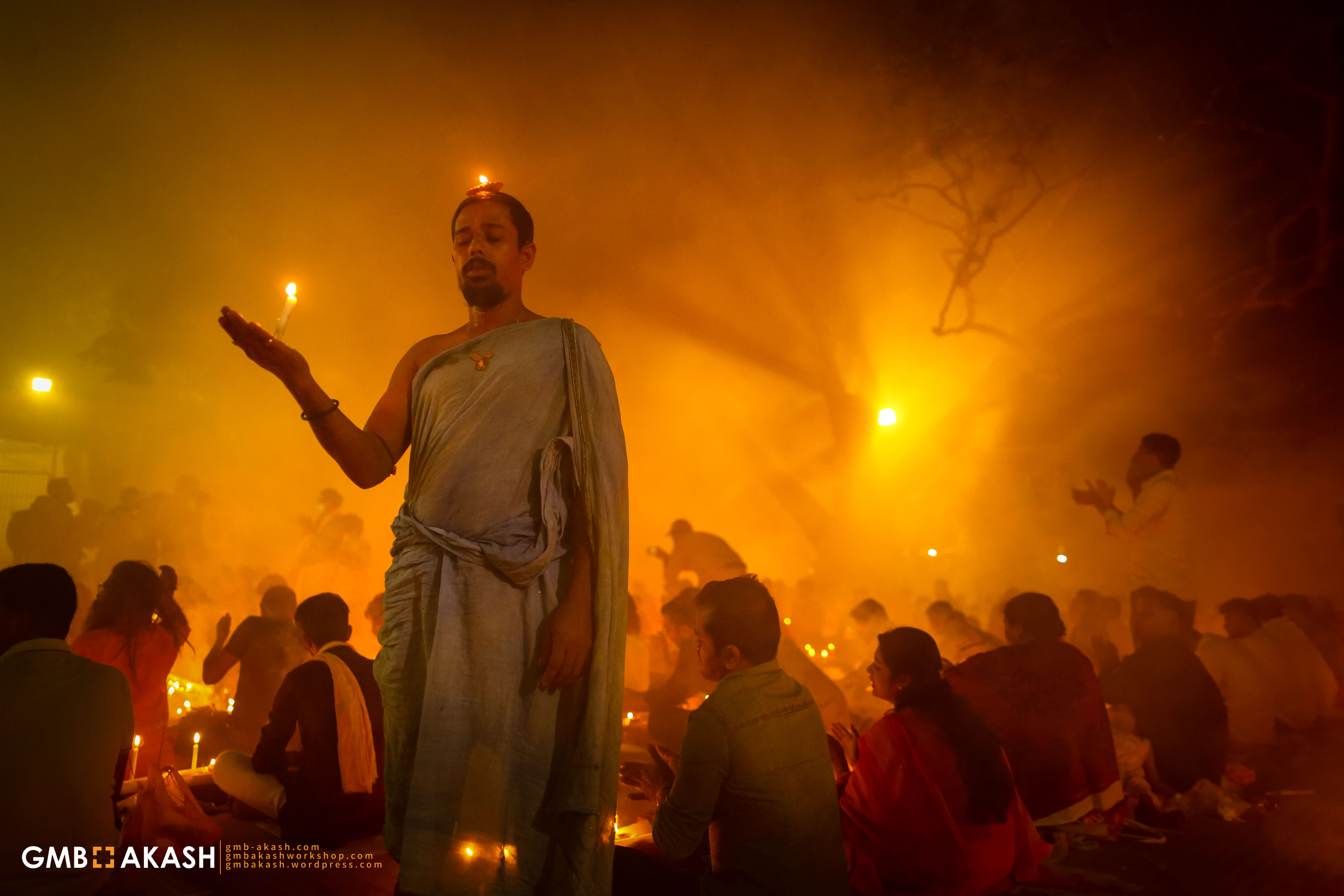

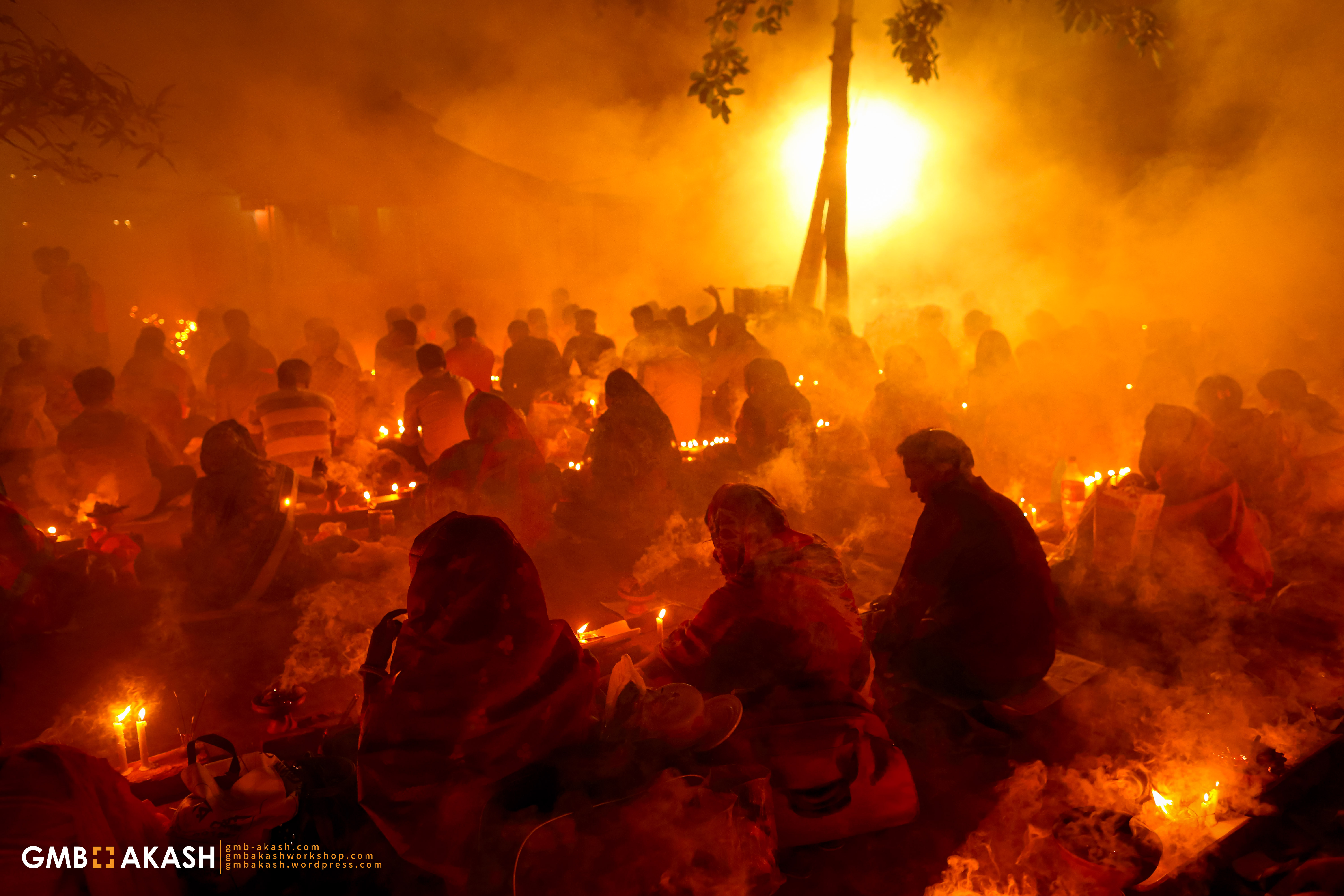


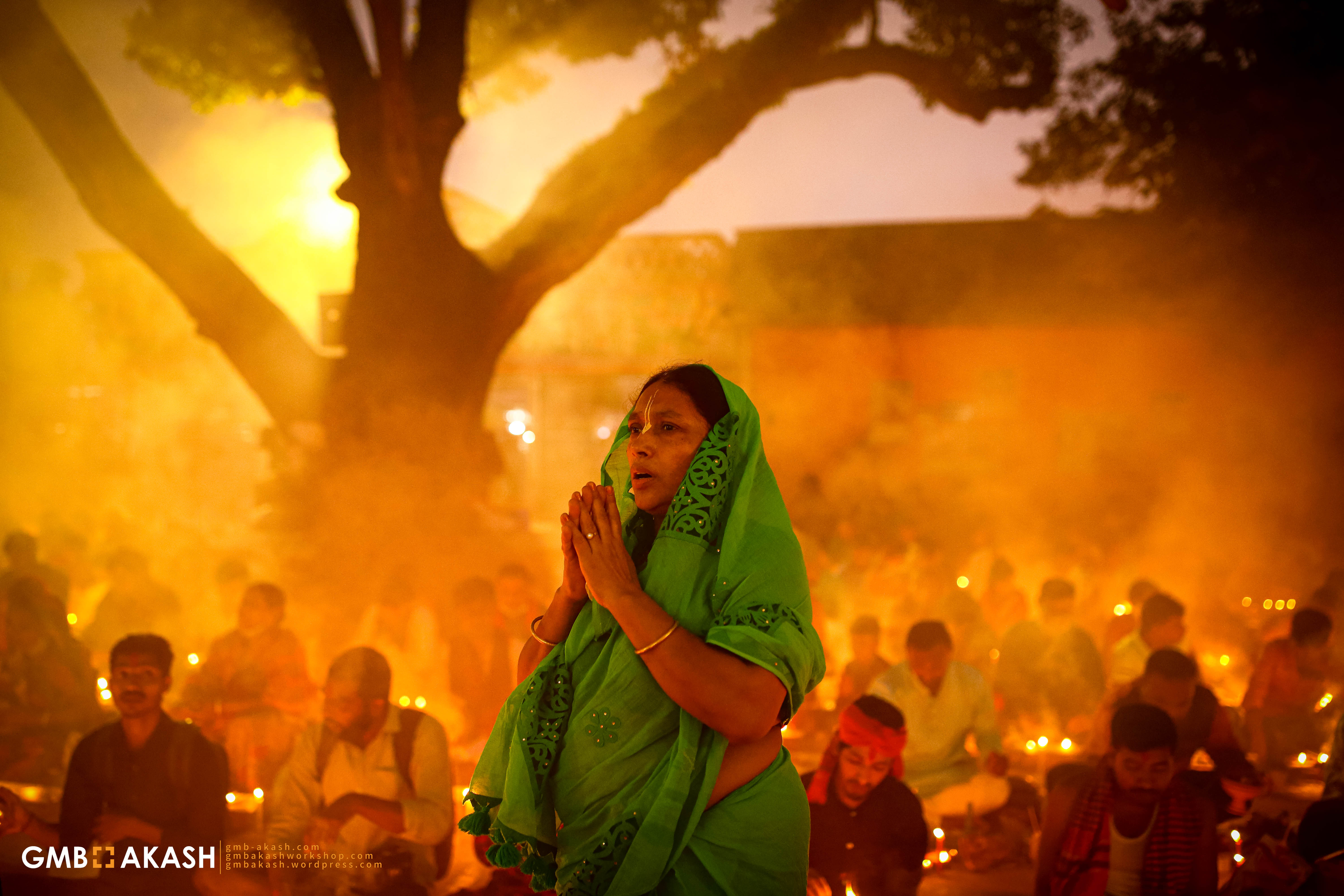
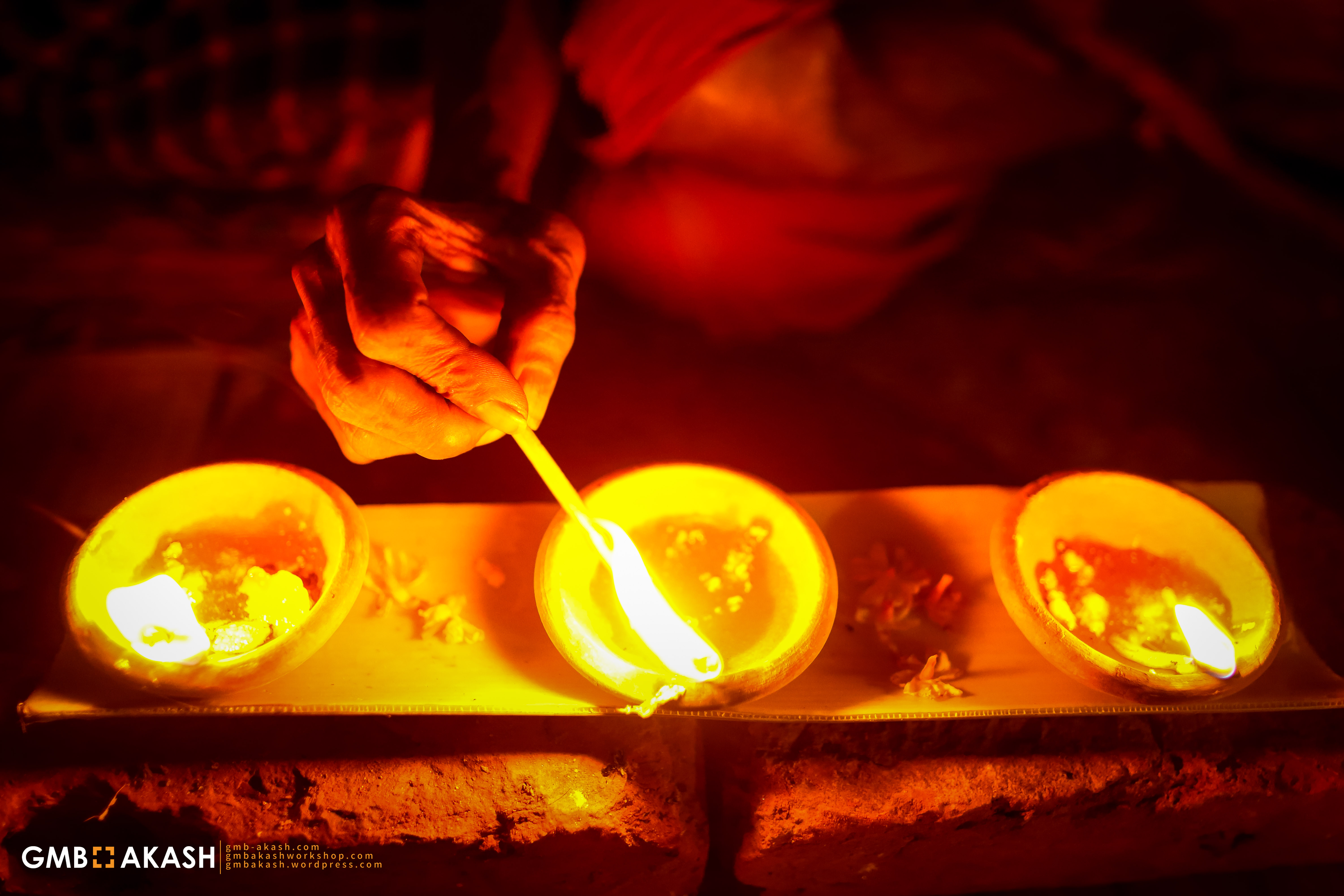

The festival holds a special place in the hearts of the people of Bangladesh. It is a time when they come together to celebrate their faith and culture, and to seek blessings for themselves and their loved ones. The fast is observed from sunrise to sunset, and during this time, devotees abstain from food and water. It is a test of their faith and endurance, and a way to purify their minds and bodies.
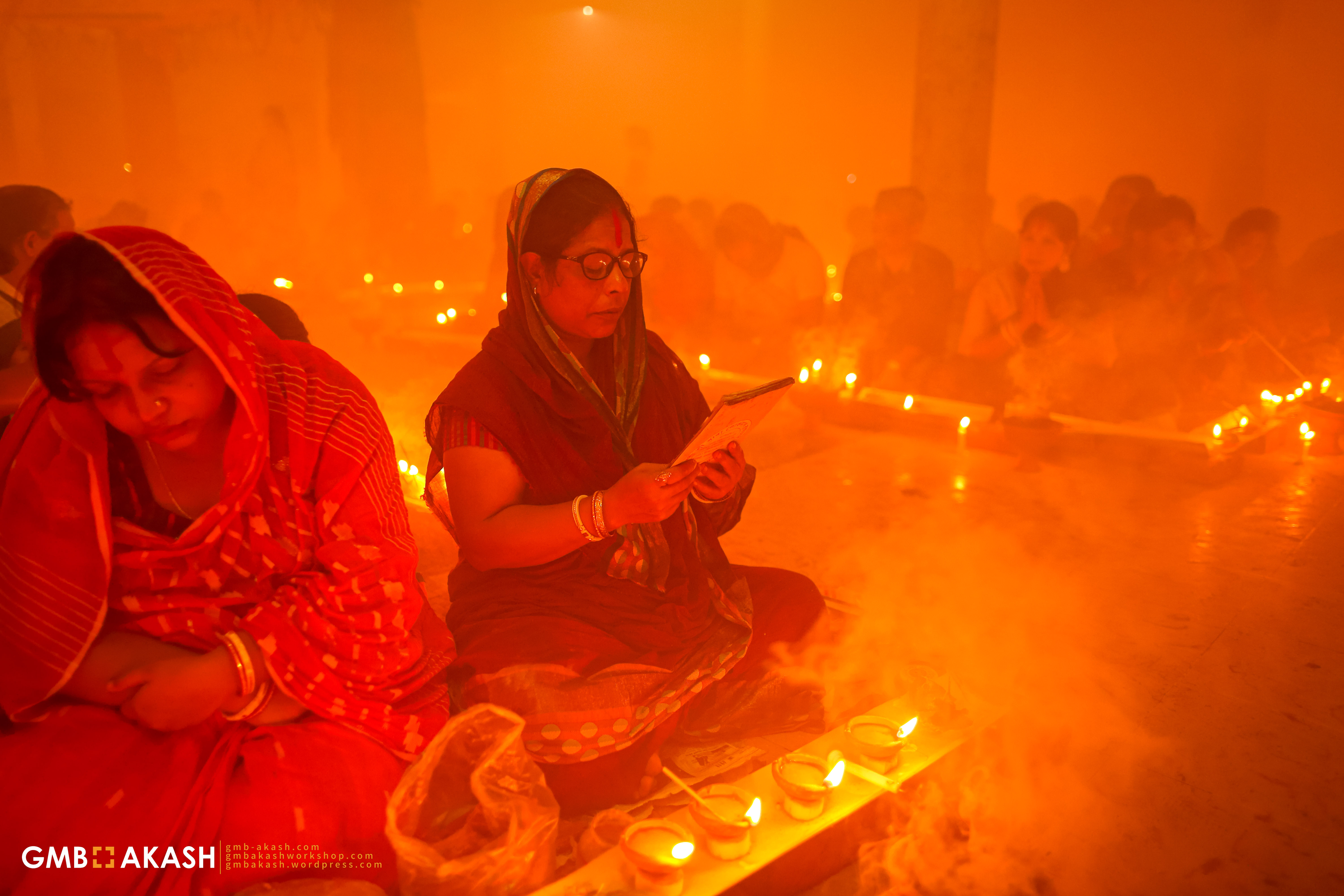


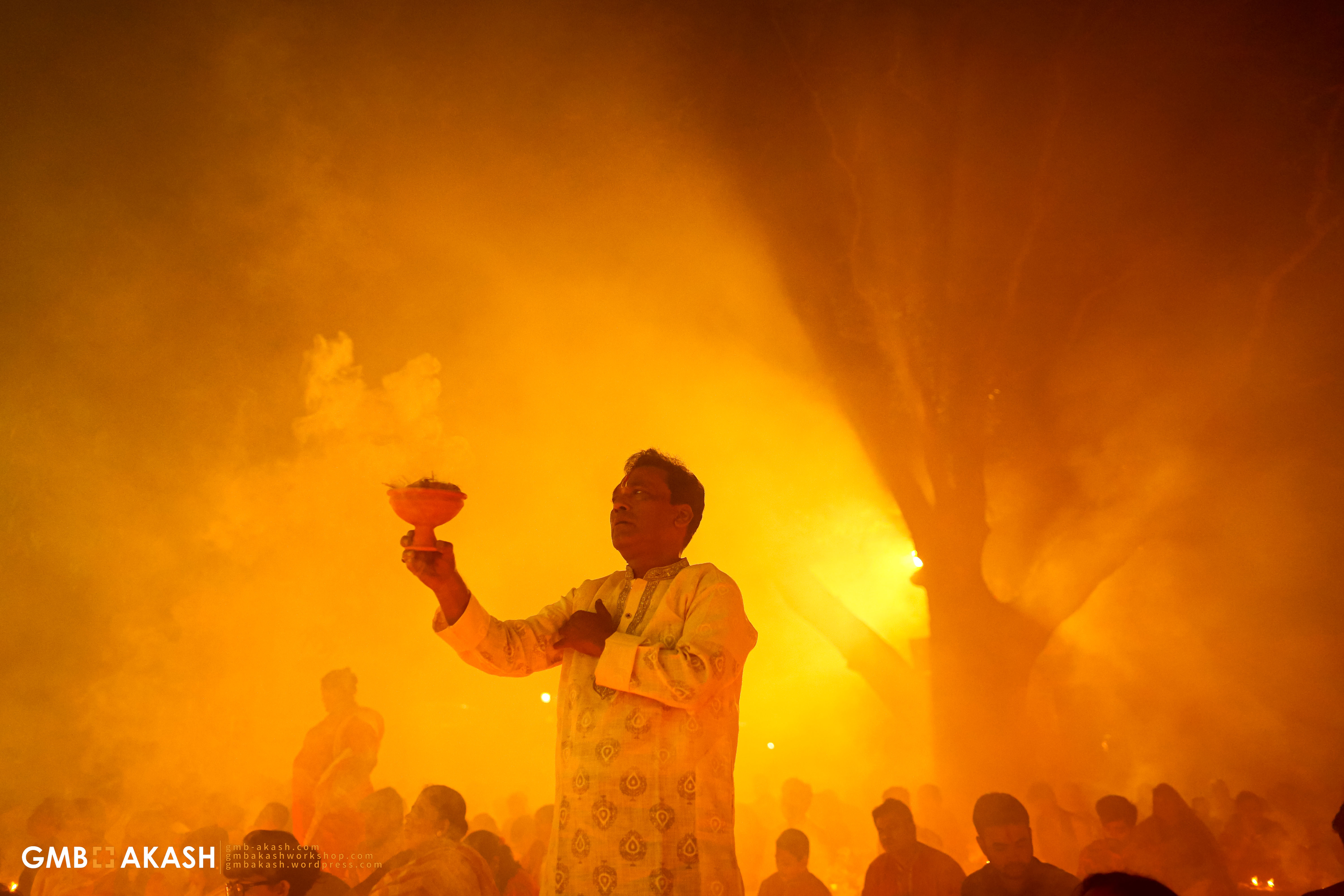
Rakher Upobash is a festival that represents the essence of the Hindu faith and culture in Bangladesh. It is a time when people come together to seek blessings and offer gratitude, and to celebrate their faith and traditions. As a photographer, I am honored to be able to capture the beauty and richness of this festival and to share it with the world. Through my photographs, I hope to bring to light the beauty and richness of the Hindu culture in Bangladesh, and to inspire people to appreciate and respect the diversity of our world.


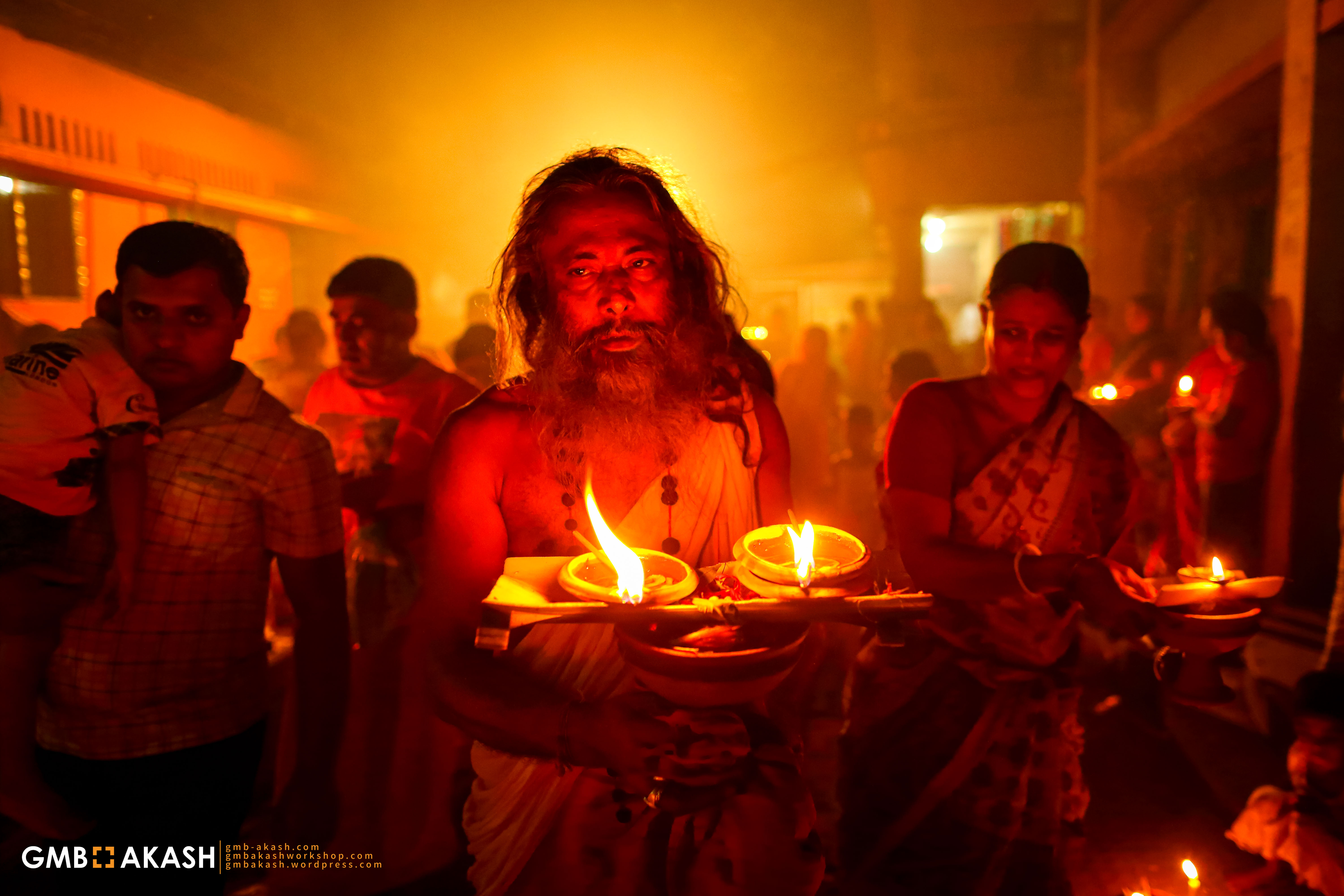

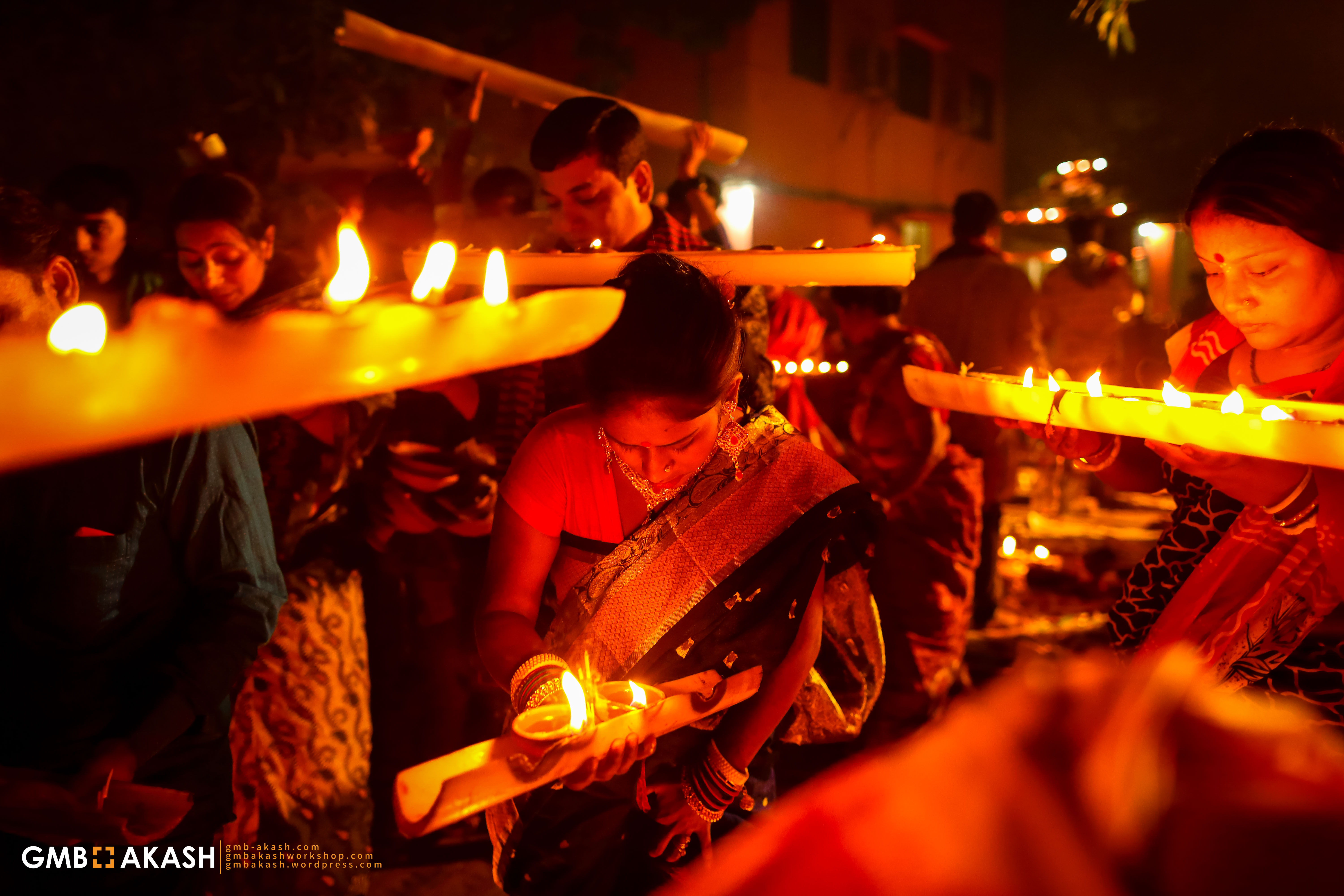

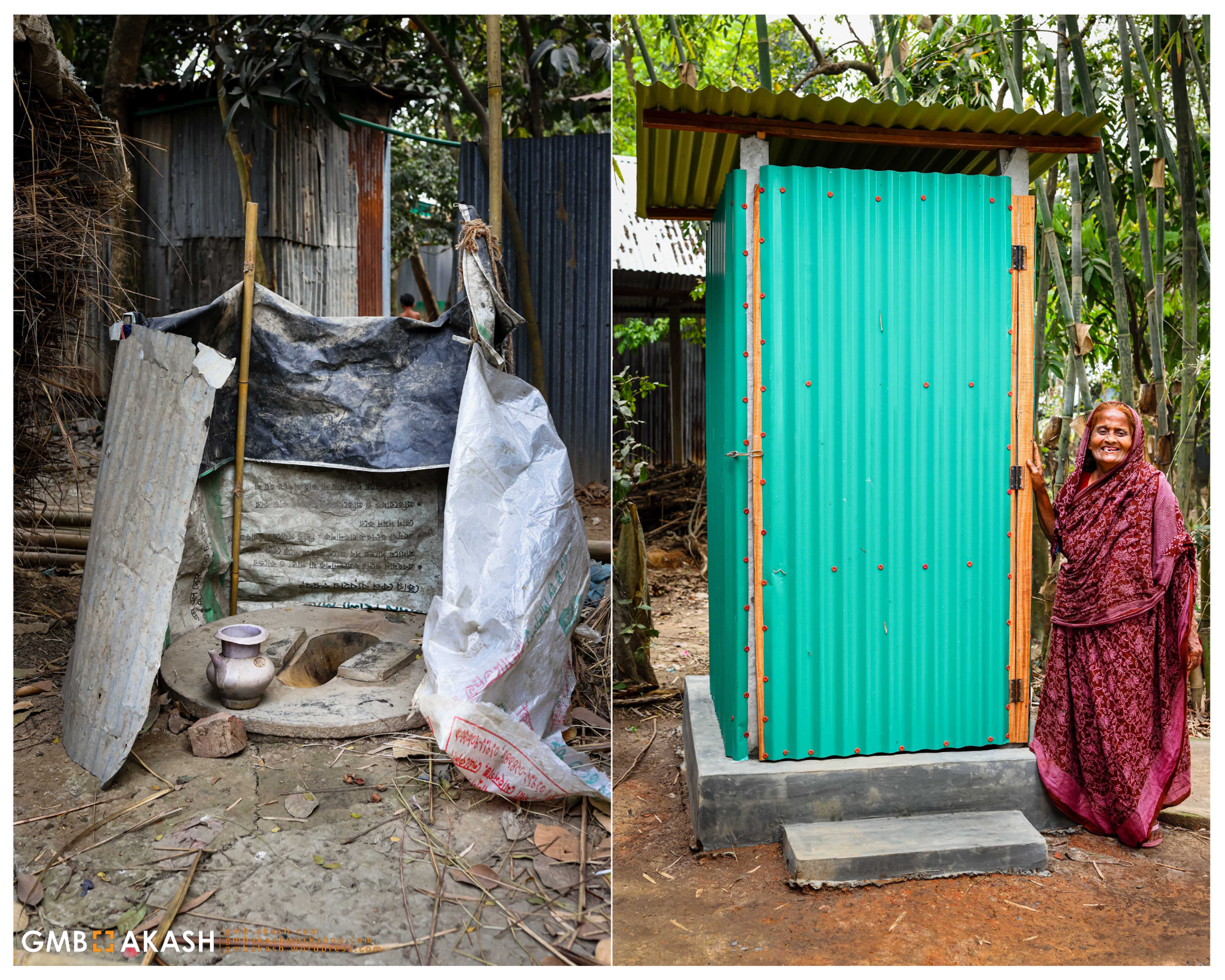
’20 new toilet this month for 20 families’
’20 new toilet this month for 20 families’
It is easy to take a restroom or toilet for granted. But everyone is not fortunate enough to build one. The best thing about a toilet is that it helps people have dignity, better health, safety and so much more.
Dear friends, By the grace of God, this month we have already built 20 new toilets for 20 families.
I am building Restroom/Toilets’ for the old unfortunate elderly couples, fathers and widowed mothers (with young daughters) and disabled people, the old couples who are neglected by their children and who do not have the ability to make one for themselves and because of this basic need they are suffering in various ways.
“A old mother, Khadija Khatun, (70) said, Unfortunately, I do not have my own toilet, I have to use my neighbor’s toilet. Every day, I have to endure various insults just to use the toilet. It’s a difficult situation for me, but I have no choice.
If I were to go outside in the field, it would be even more challenging for me to stay clean. This makes it difficult for me to fulfill my daily prayers.”
“After getting the new toilet, now I can stay clean and can fulfill my daily prayer.”
To give them a dignified and healthy life, I have started building washrooms/toilets for such helpless families and from now on, I will continue to build hygienic toilets in different remote villages for unprivileged people who are in need, every month.
I feel truly blessed to have you all by my side. May God continue to bless you abundantly.
Love and Light
_GMB Akash


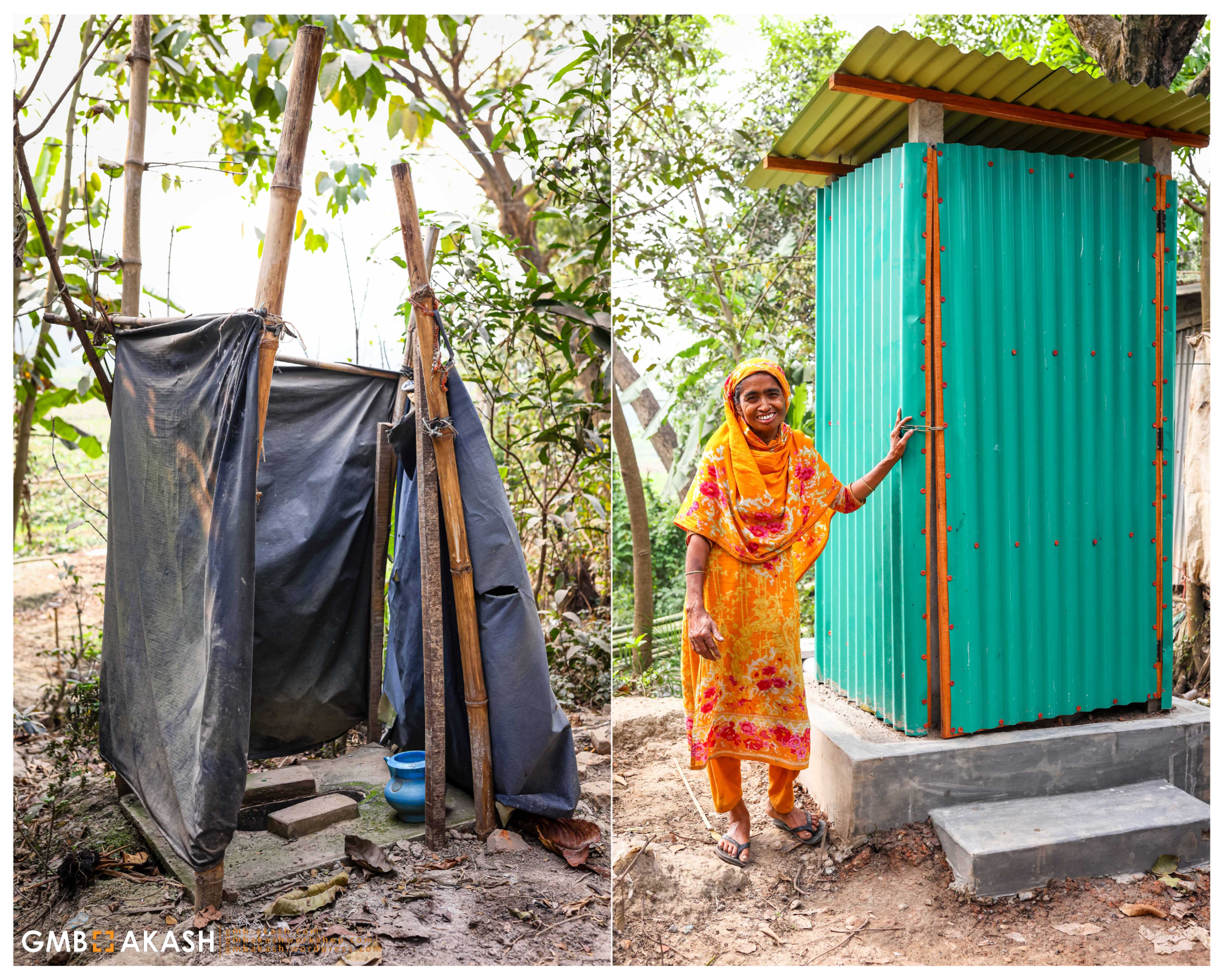


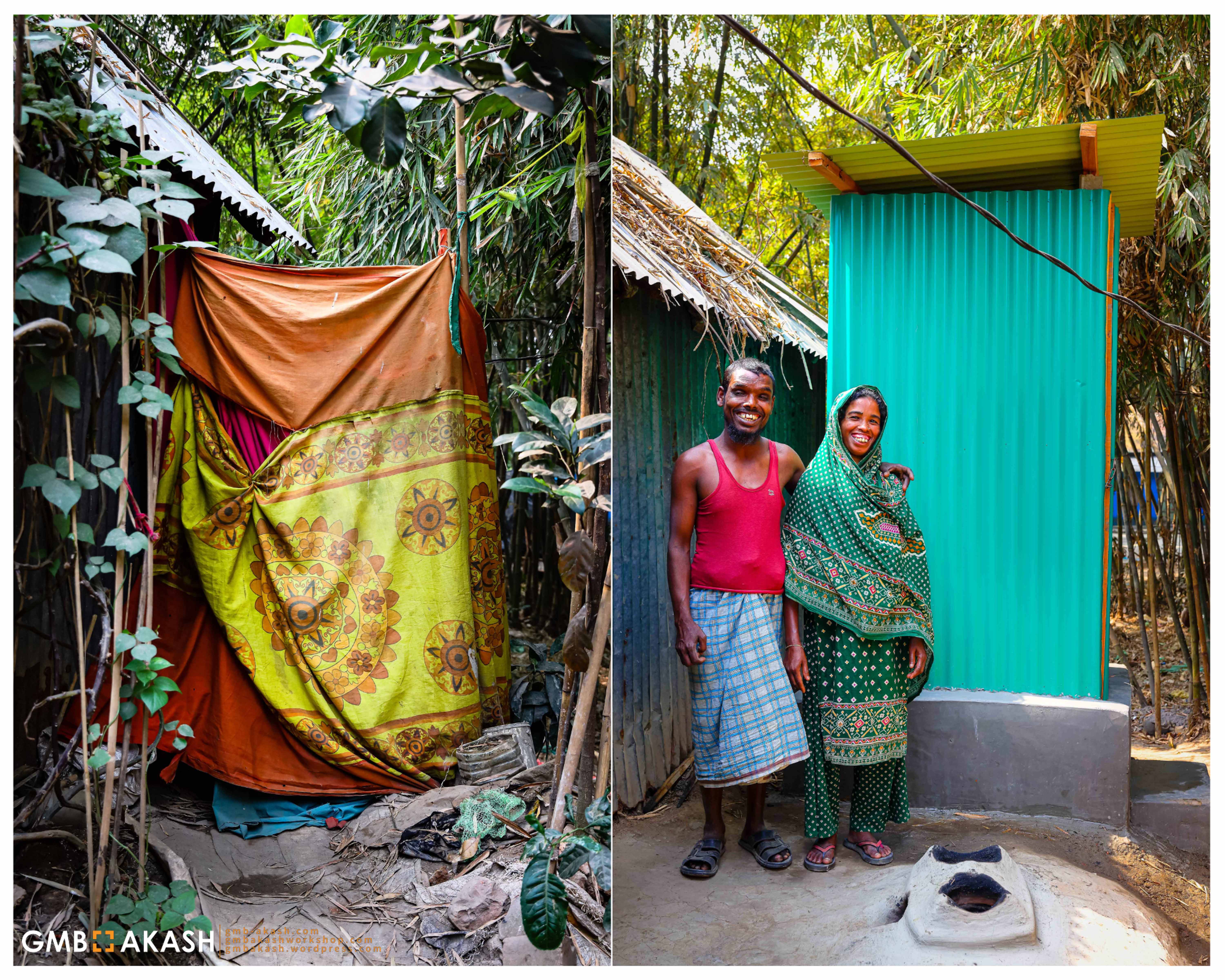

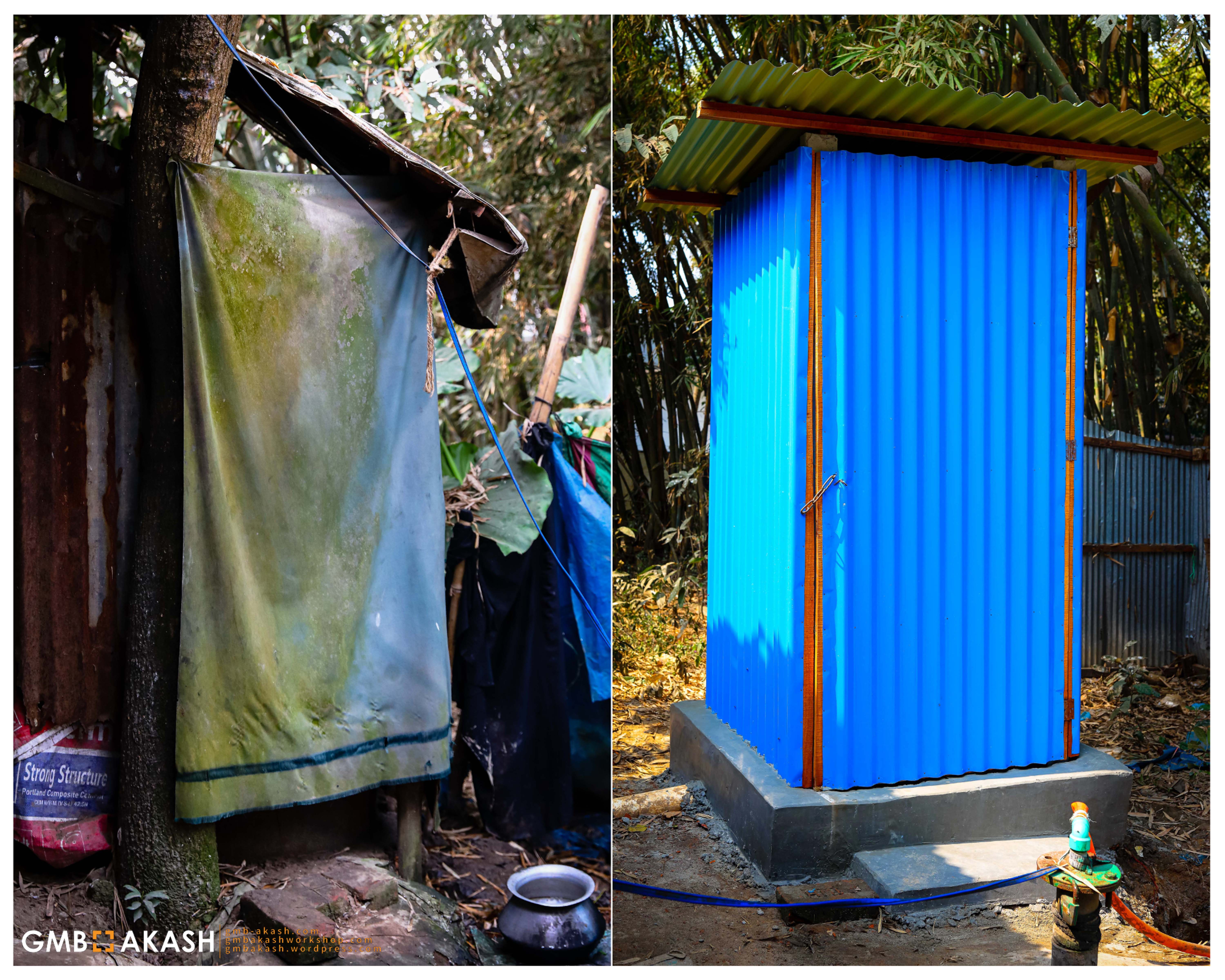
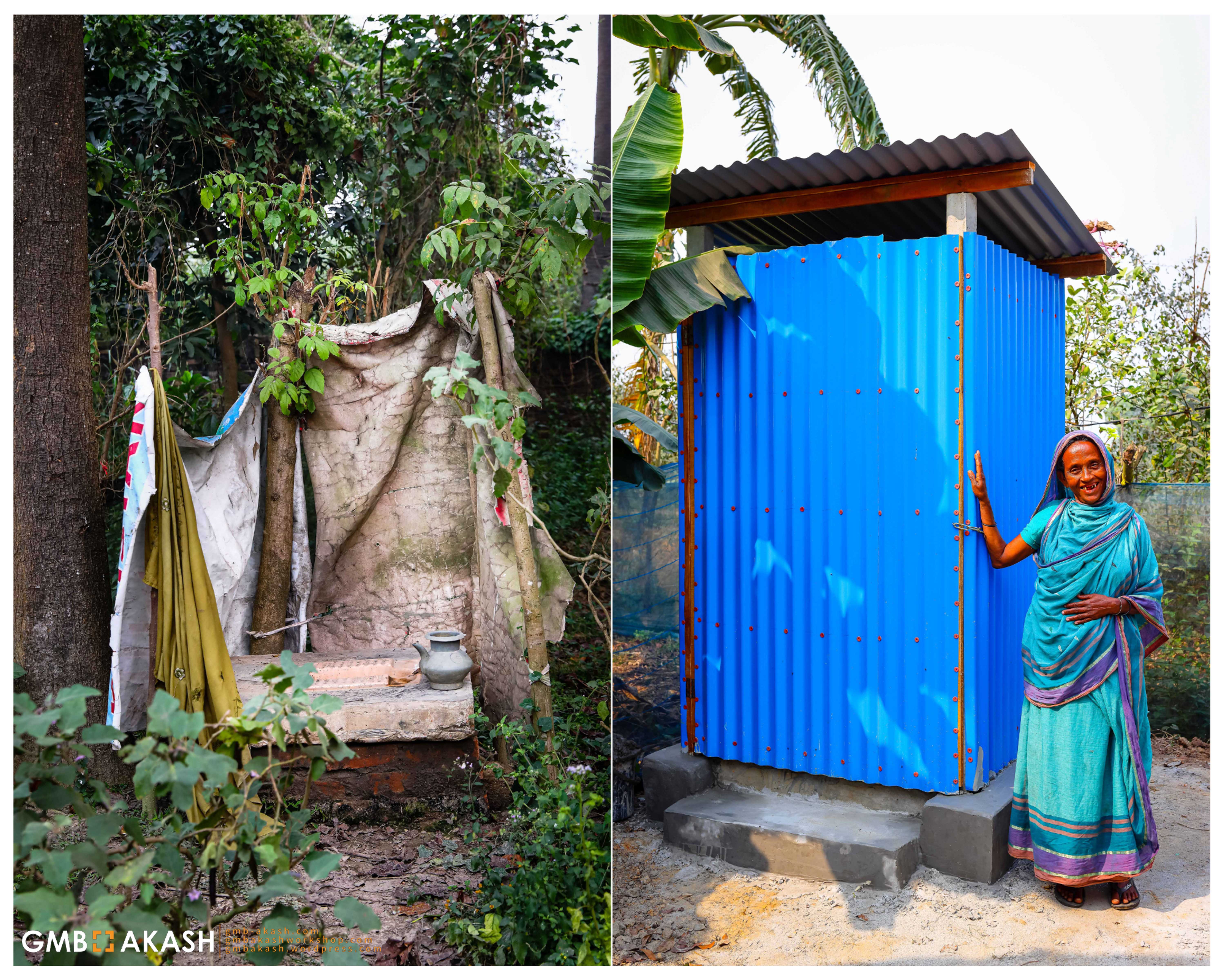


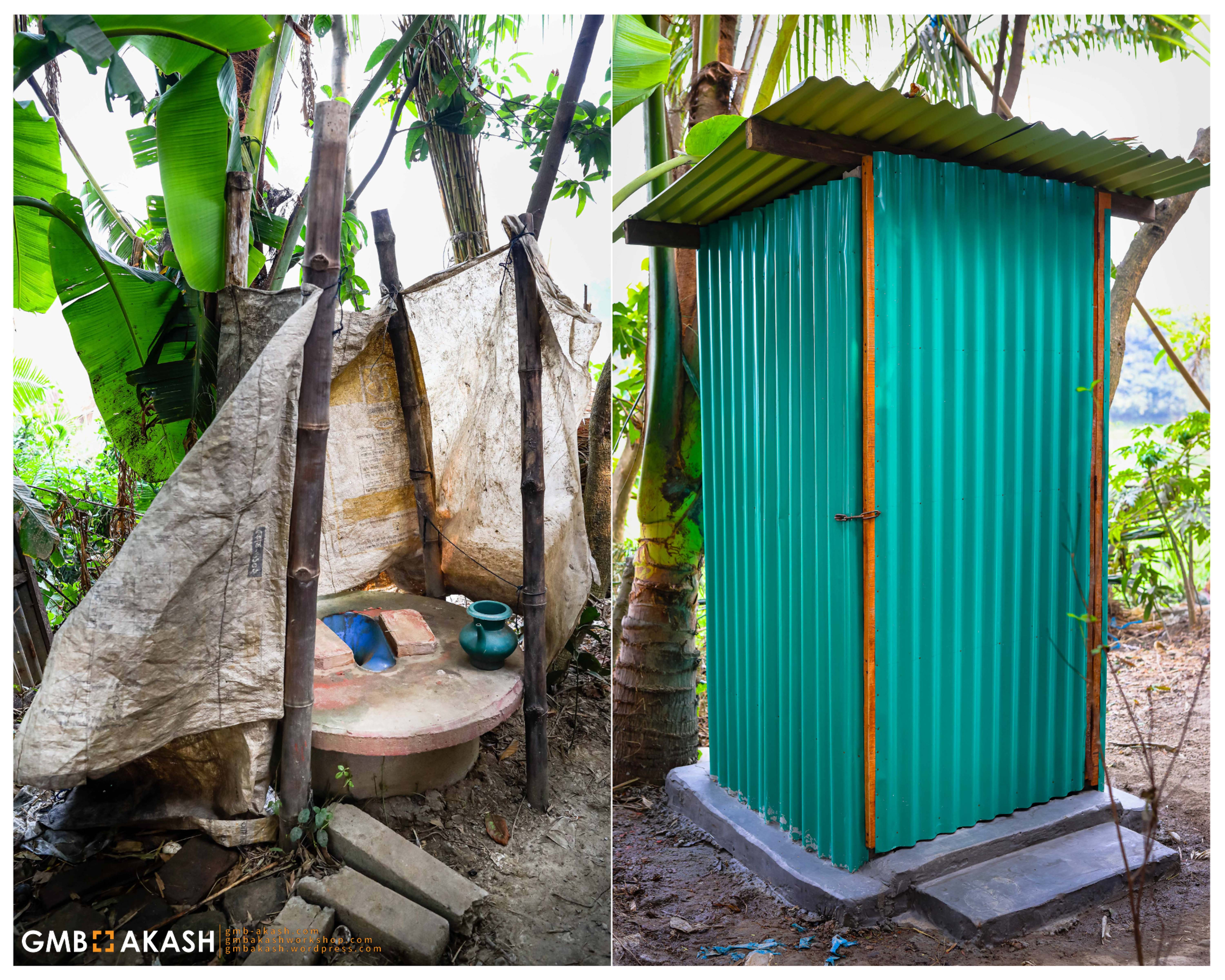
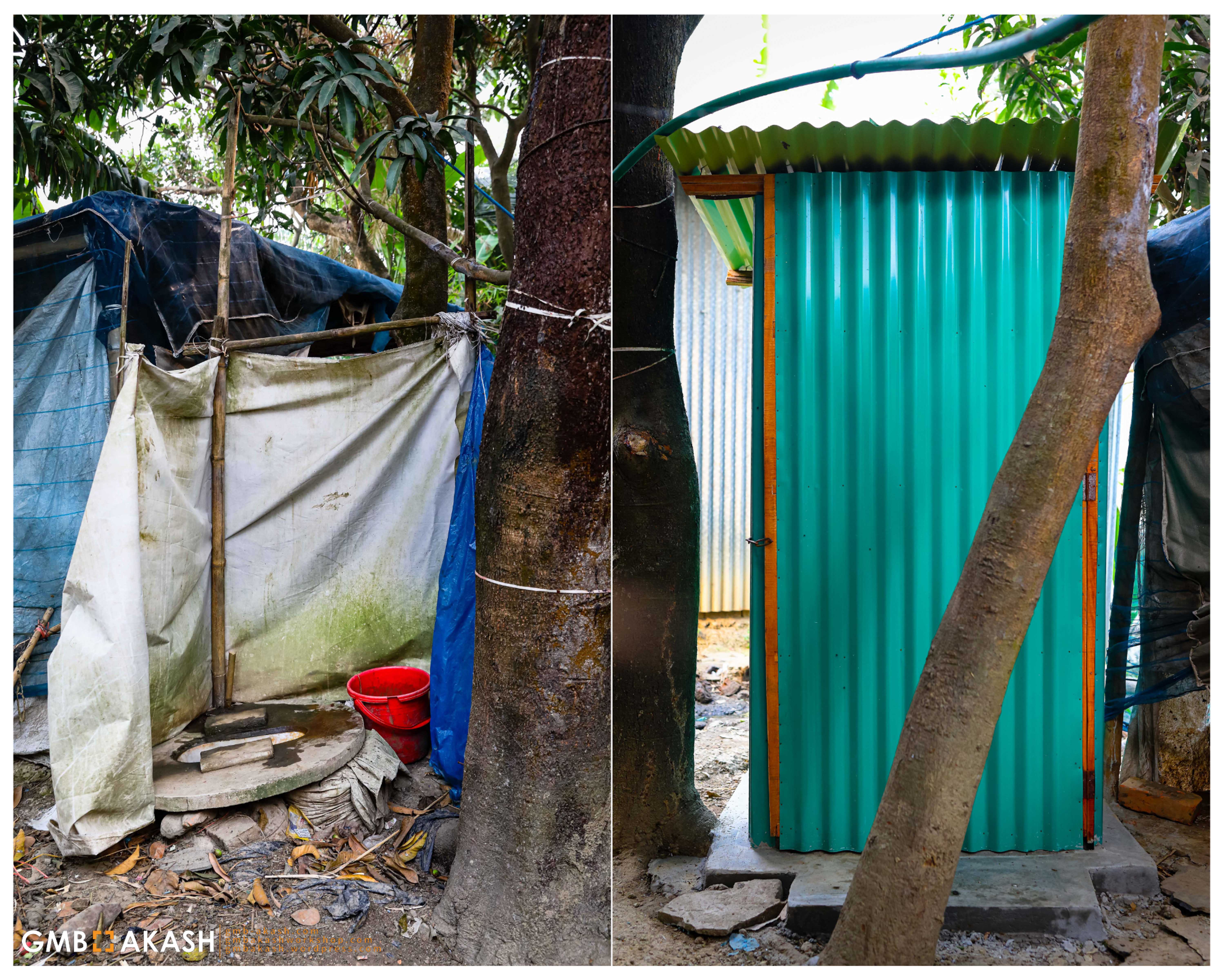


Building hygienic toilets for unprivileged people every month.
It is easy to take a restroom or toilet for granted. But everyone is not fortunate enough to build one. The best thing about a toilet is that it helps people have dignity, better health, safety and so much more.
Dear friends, I have started donating ‘Restroom/Toilets’ to old unfortunate elderly couples, fathers and widowed mothers (with young daughters) who are neglected by their children and who do not have the ability to make one for themselves and because of this basic need they are suffering in various ways.
Mother of Brishty said, “My daughter has to wait until it gets dark to go to the toilet, because our toilet is broken and everything is visible from outside, so we can only use the toilet in the dark to protect our dignity.”
“Now after getting the new toilet, we can go and use the toilet whenever we want.”
“Khadija Khatun, 70 said, Unfortunately, I do not have my own toilet, I have to use my neighbor’s toilet. Every day, I have to endure various insults just to use the toilet. It’s a difficult situation for me, but I have no choice.
If I were to go outside in the field, it would be even more challenging for me to stay clean. This makes it difficult for me to fulfill my daily prayers.”
“After getting the new toilet, now I can stay clean and can fulfill my daily prayer.”
To give them a dignified and healthy life, I have already started building toilets for such helpless families.
By the grace of God, we have already built 10 new toilet this month for 10 families, and from now, I am going to build hygienic toilets in different remote villages for unprivileged people every month. Starting with 10, but my dream is to build toilets for every needy person, who are suffering for this basic human right.


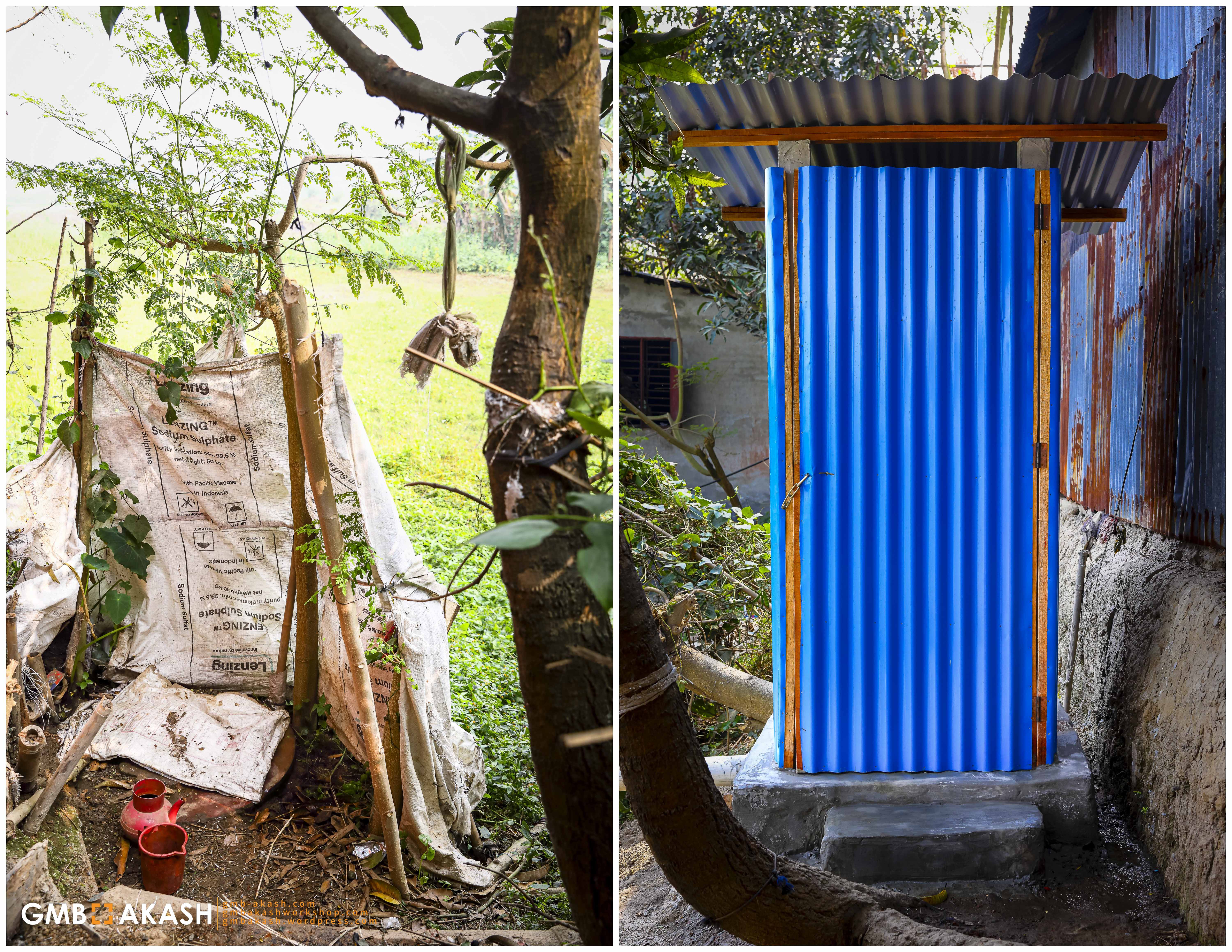

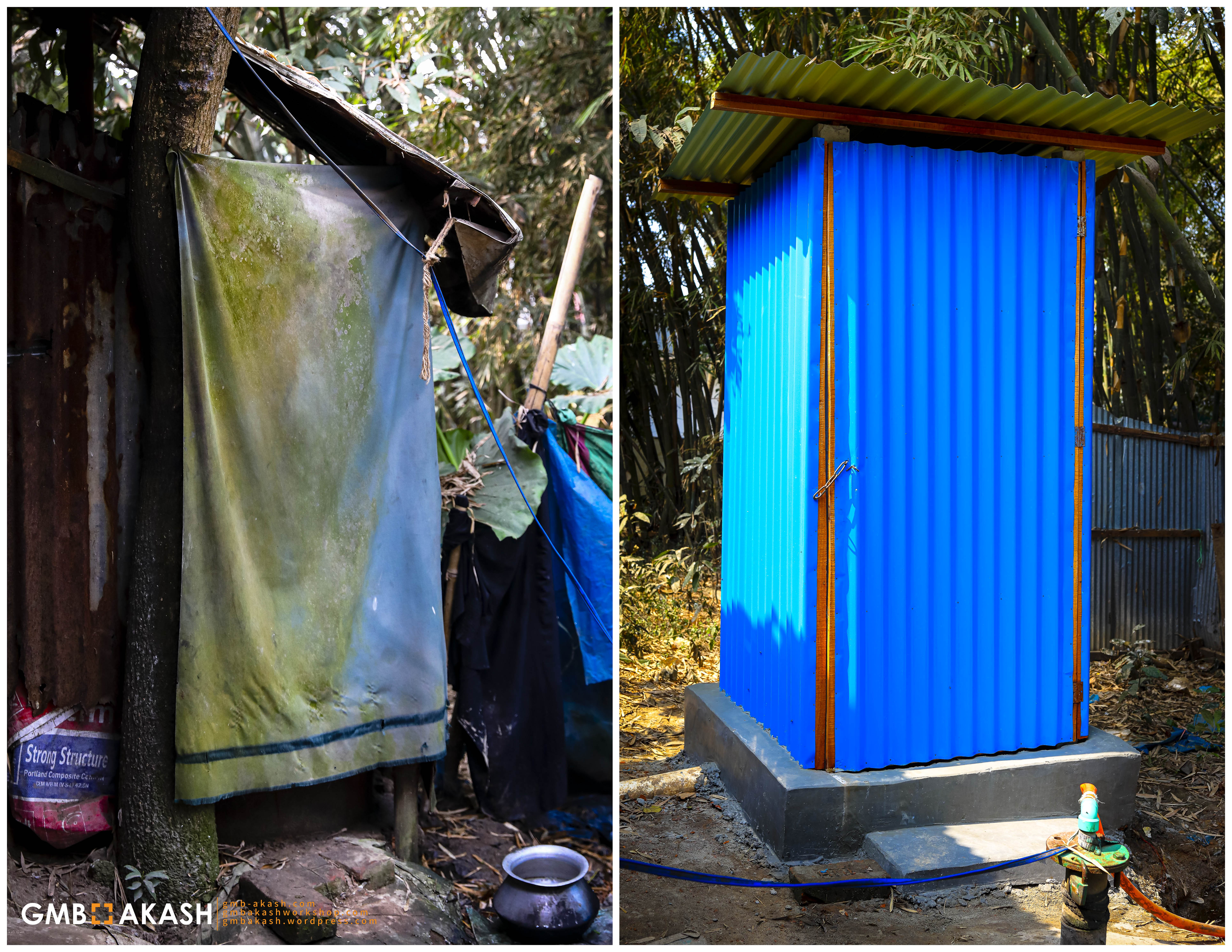

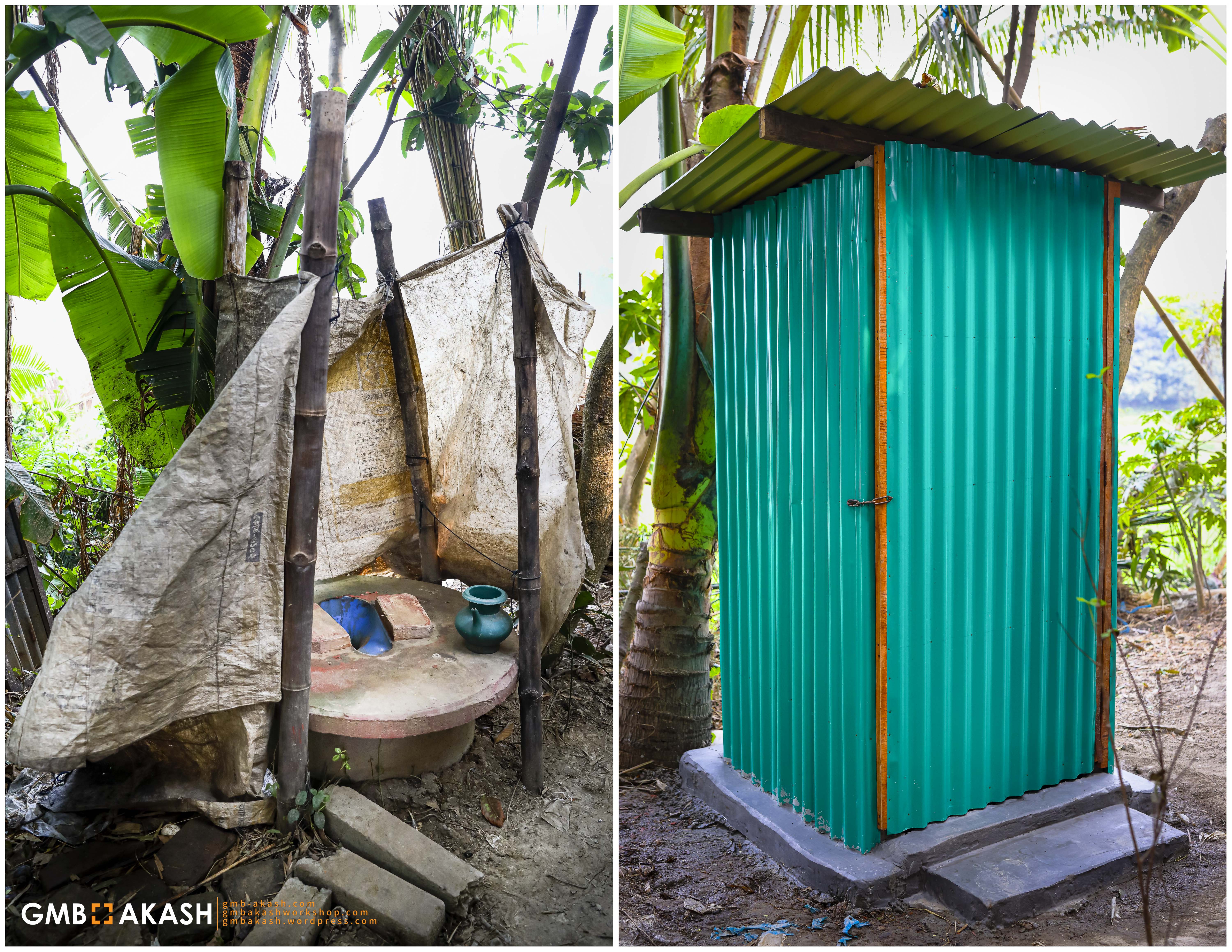
My dear friends,
Looking at the pictures, you might think it was an easy task, but in reality, it was far from that.
Many of the people had no place of their own, so we had to manage the location to set up a toilet. The previous toilets were often in very low places or on the edges of the chanels, so we had to prepare the ground by filling the soil and raising them above.
We also faced a shortage of masons in many of the villages. We had to work hard to get the masons there and deliver the insufficient materials to the villages.
It took a lot of time and effort to complete 10 toilets and another 10 in progress. Despite the challenges we faced, the satisfaction of completing the task made it all worthwhile.
I must say, seeing the smile on the faces of the people who now have access to a safe and clean toilet is priceless. It makes all the challenges and hard work worth it. Knowing that my efforts are making a difference in their lives fills my hearts with joy.
I am always Grateful to all of you for your support and inspiration. Let’s continue to work together to make a difference in the lives of these people and create a better future for all.
Love and Light
GMB Akash
Debby Mosseveld came from the Netherlands to join me in my exclusive six days One on One photography workshop.
Debby Mosseveld came from the Netherlands to Bangladesh in order to join me in my exclusive six days One on One photography workshop. November 2022
To check the other participants work visits my workshop website: www.gmbakashworkshop.com
If you are interested to join this exclusive program send an email to know detail at akashphoto@gmail.com
About the workshop: The focus of this customized program is to teach photography going beyond boundaries. Each student will have exclusive access to me through the duration of the workshop, giving them the opportunity to take advantage of my work experience, teachings, and methodologies. Due to the intimate nature of these workshops and the real world working environment, each student can expect to learn and experience much more than they would during one year in a standard university photography program. Each workshop is six days long and set in locations that are rich in culture with a wealth of photographic and documentary subject matter.
Dr Vikas Bajpai, came from India to join my exclusive six days One on One photography workshop.
Dr Vikas Bajpai, MD, PhD, Professor, Jawaharlal Nehru University, came from India to Bangladesh in order to join me in my exclusive six days One on One photography workshop.
To check the other participants work visits my workshop website: www.gmbakashworkshop.com
If you are interested to join this exclusive program send an email to know detail at akashphoto@gmail.com
About the workshop: The focus of this customized program is to teach photography going beyond boundaries. Each student will have exclusive access to me through the duration of the workshop, giving them the opportunity to take advantage of my work experience, teachings, and methodologies. Due to the intimate nature of these workshops and the real world working environment, each student can expect to learn and experience much more than they would during one year in a standard university photography program. Each workshop is six days long and set in locations that are rich in culture with a wealth of photographic and documentary subject matter.
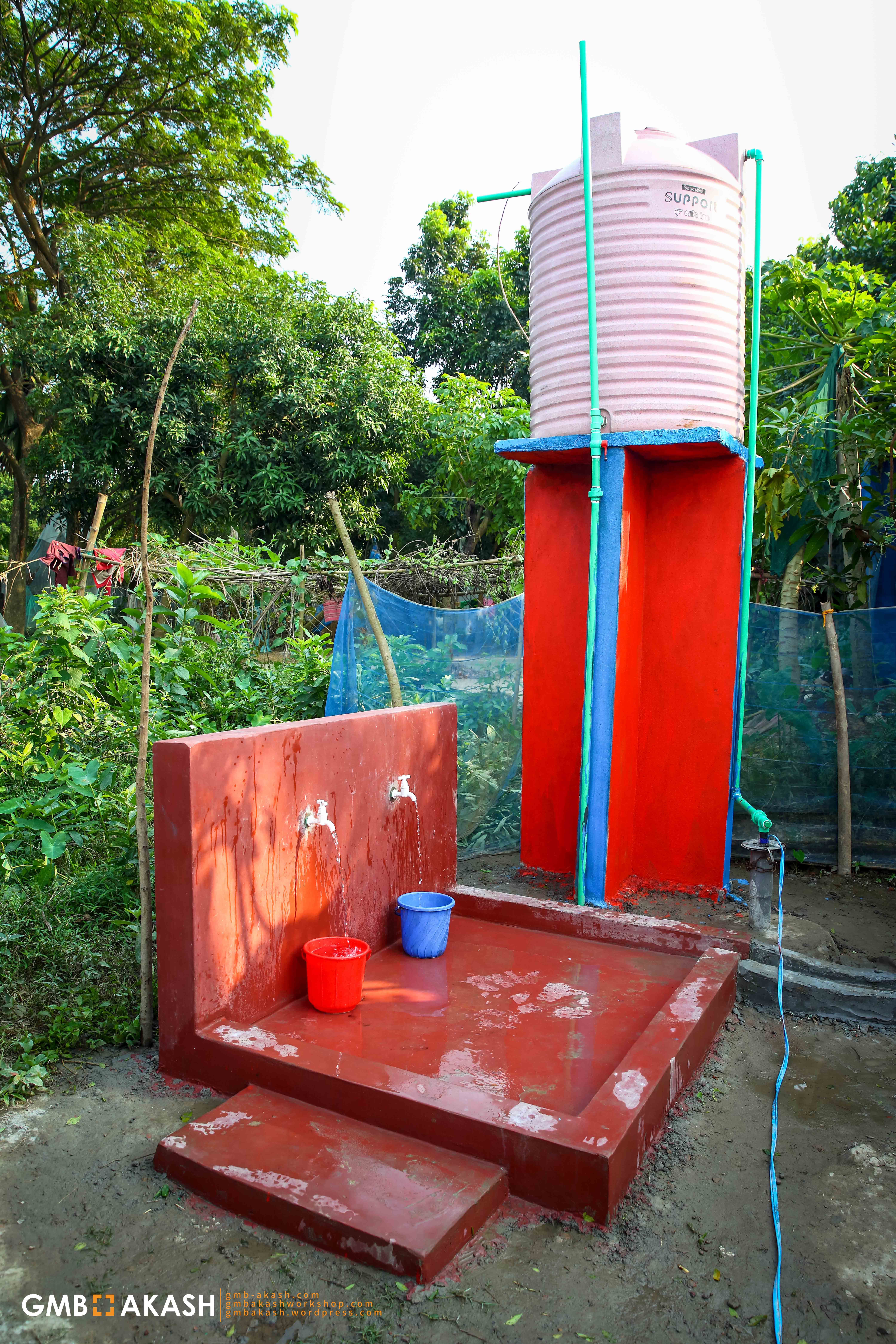
A deep water pump for 12 families.
“The best charity is to provide Water.”
My friends, by the grace of God, I have been able to provide a deep-water pump for another 12 helpless and needy families again. Those who could not afford to install a deep tubewell and for which they were living a life of misery and were suffering in various ways due to lack of clean drinking water throughout the year.
Due to its proximity to Dhaka City, it is almost impossible for them to draw water from a normal hand pressure tap in this area. Water can only be extracted by deep tube-wells in this region.
But all in all, it costs around 70,000 takas to install a deep water pump which is an amount that the families are unable to afford…
They always had to collect water from a nearby pond for drinking, cooking, cleaning or washing what is not healthy at all. And if they wanted to collect clean water, they had to fetch water from a far away.
Through a week of hard work, time and effort I was able to install this Deep Water Pump.
My friends, these 12 families sent prayers, gratitude and best wishes towards you all. They said, this tubewell was the biggest gift of their life and most of the miseries of their life will be removed by this water pump tap…
Thank you so much and sending my love and gratitude to you, who are constantly supporting my work and journey.
Love and Light
_GMB Akash




New school building for students!
New school building for students!
Dear Friends,
In addition to the individuals and families that I have been helping by giving small businesses and other solutions to impoverished people’s lives, one of my most important social work projects is to educate young unprivileged rural children. As a school extension of GMB Akash Institute of Photography in Dhaka, a few partners and I have built a rural school building outside of Dhaka for children who have no access to education.
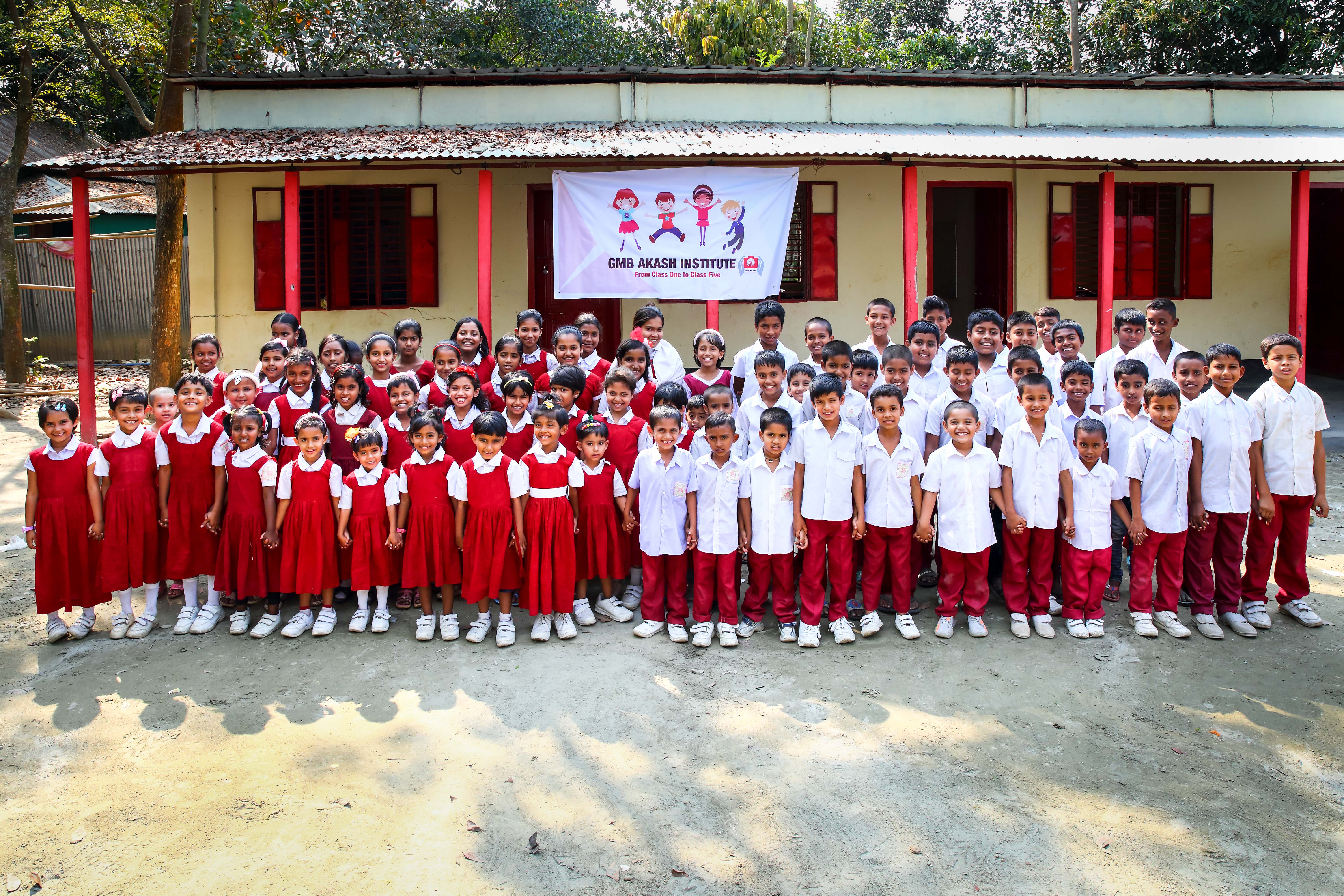
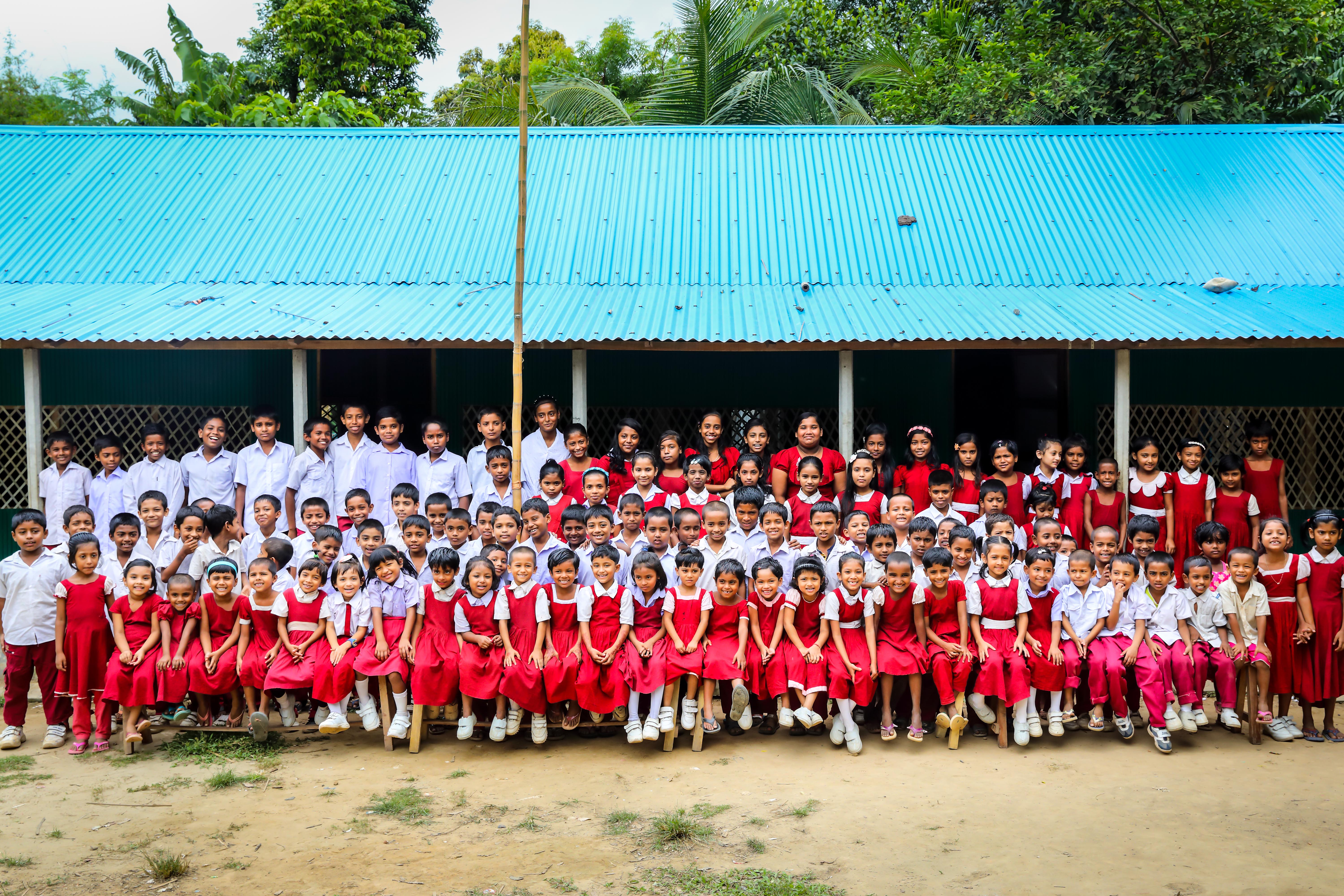
They come from 8 different villages outside of Dhaka from day labour families who have never received any education previously. This rural branch of the school was started 7 years ago under a tree with 30 students. Now there are more than 200+ students who are getting education and every year we also provide them with new school dress.
10 amazing teachers who receives monthly wages as well as training for teaching our students. These children will be the first generation to ever be educated in this region.
As you all know, whatever I earn from selling my photography books, Prints of my photos, from my photography workshops and assignments, I use for the betterment of the lives of people in need and the people I worked with.
And my friends, without your support and love I might not have come this far. I am always thankful and grateful.
Our small initiatives can change so many peoples’ lives if we want. You can also come forward and join my Patreon to support the people in need. Sharing the link below.
Sending my Love and prayers
_GMB Akash



GMB Akash
Photojournalist and Profile Photographer at Panos Pictures, London
Founder of GMB Akash Institute of Photography, Dhaka
Patreon: https://www.patreon.com/gmbakash
Website: http://www.gmb-akash.com/home
Photography Workshop: http://www.gmbakashworkshop.com/
Facebook Page: https://www.facebook.com/gmbakash/
Instagram: https://www.instagram.com/gmbakash/
Blog: https://gmbakash.wordpress.com/
Twitter: https://twitter.com/GmbAkash
Dark Alleys
“These disorders — schizophrenia, Alzheimer’s, depression, addiction — they not only steal our time to live, they change who we are. In the time period of working with drug addict, I encounter tremendous shiver in thought of helplessness that how they are silently dying in these dark alleys and there is no dark Knight to hold them straight only we are here to celebrate the funeral of these fallen stars”_GMB Akash


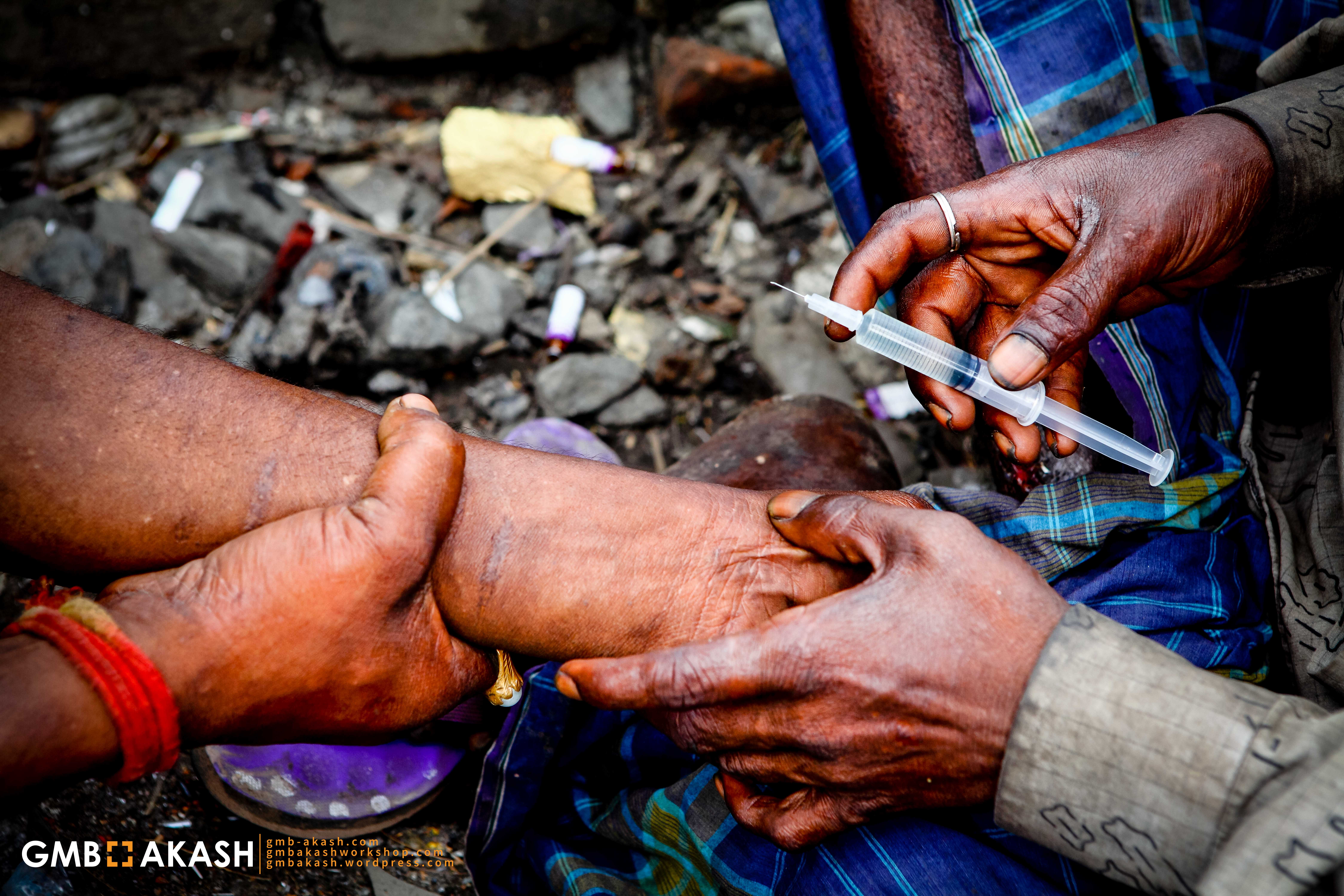
Drug addiction is a major social evil in Bangladesh, affecting thousands of young people and their families. There are thousands of addicted people in Bangladesh and most of them are young, between the ages of 18 and 30 from all walks of life. Drug addiction in young Bangladeshis is mainly seen because of reasons like depression. People try to remove depression using drugs as a tool. And this is how they become addicts.

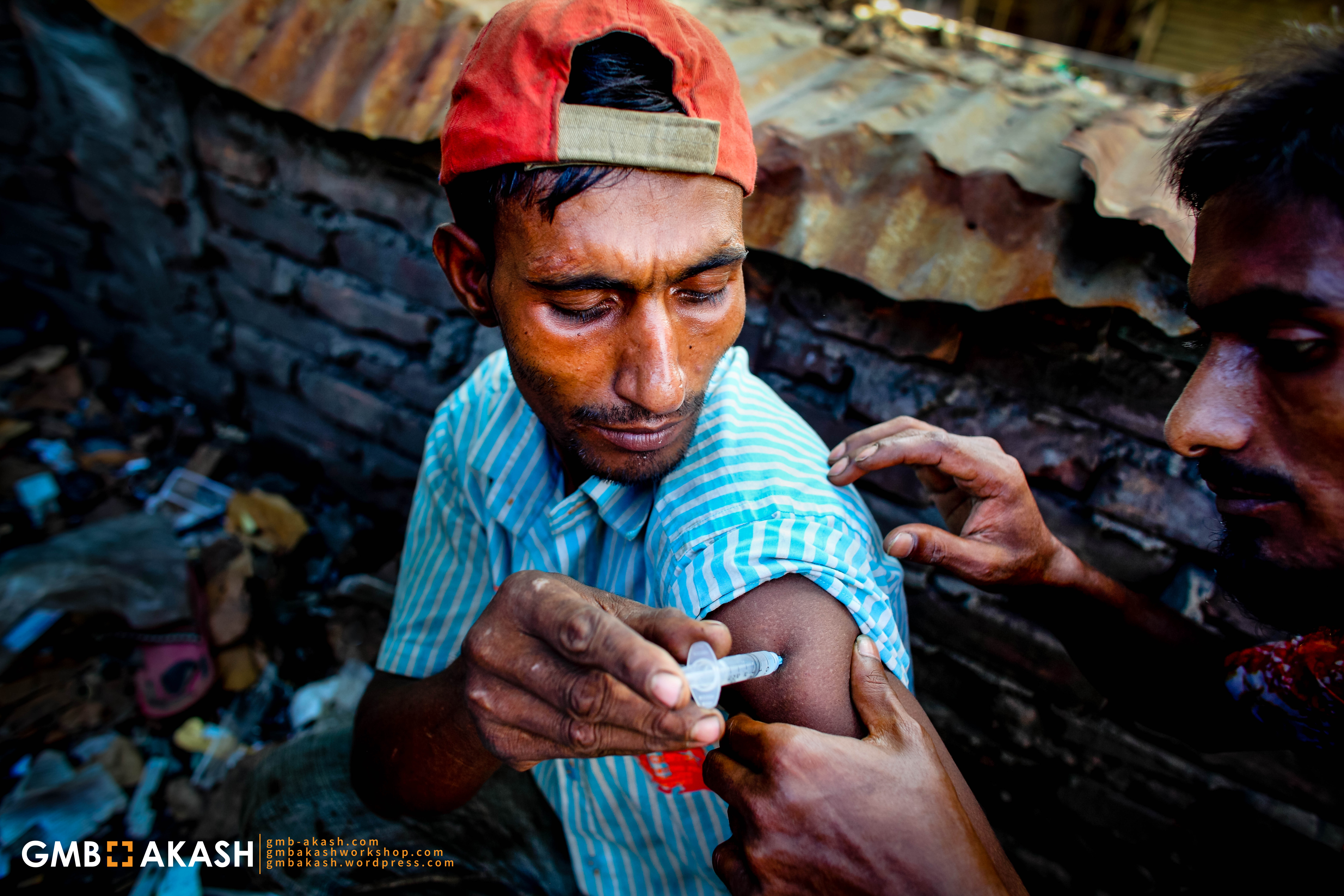

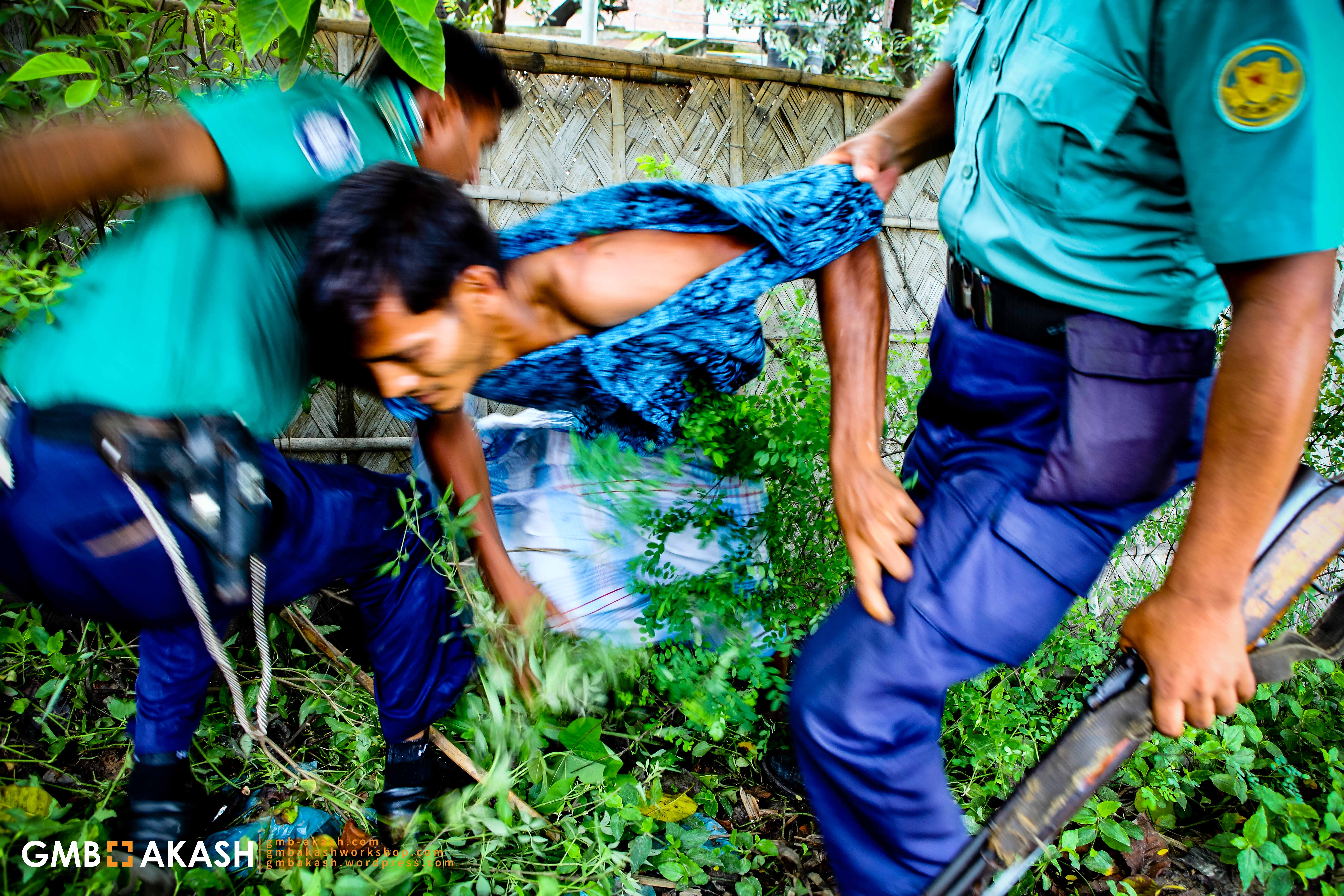

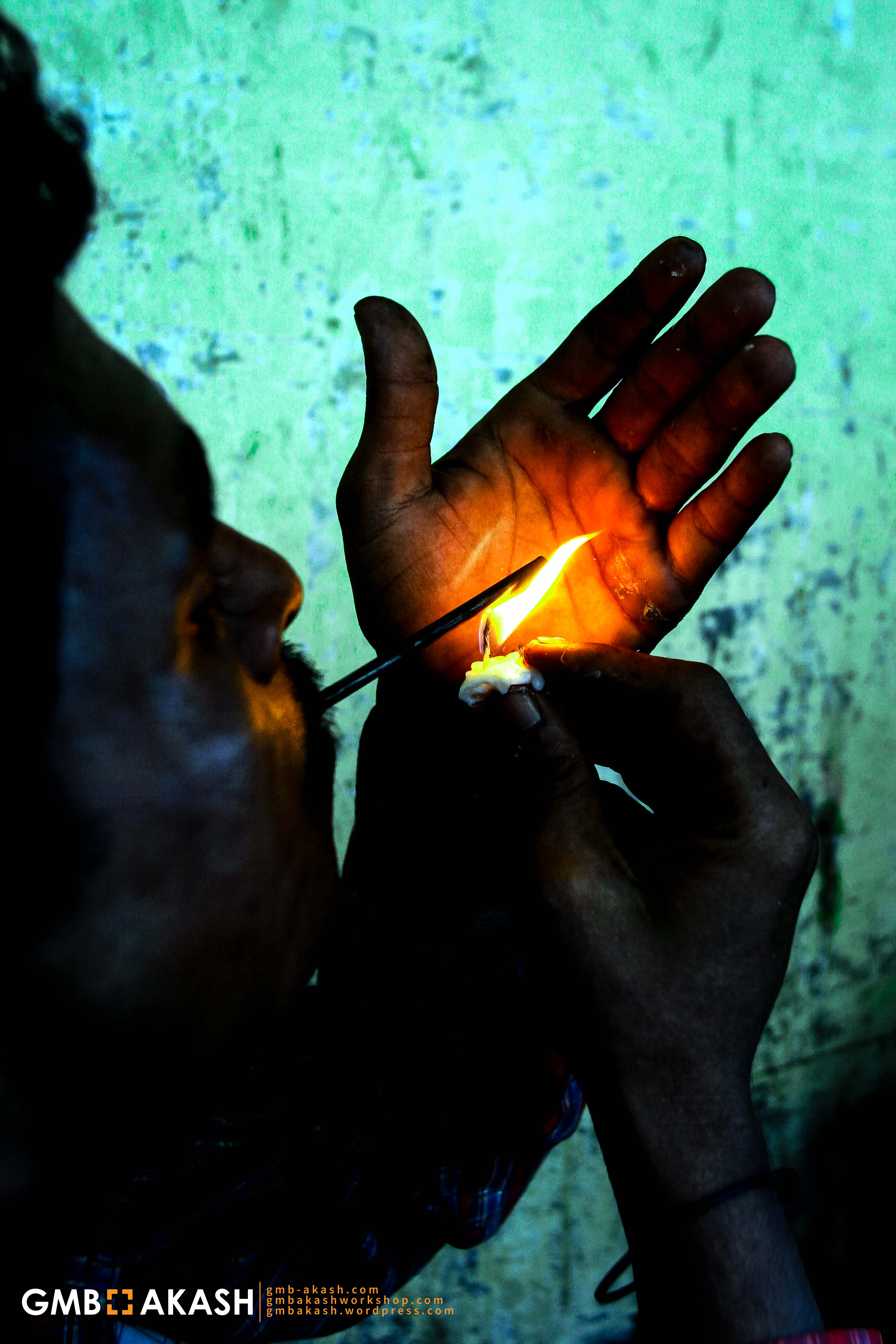
Drug users are taking drugs by sharing same needle with each other. Injecting drug users have few places to turn, and they are one of the groups most at risk of contracting and spreading HIV. Heroin is mostly smoked within aluminum foil or cigarette paper, but in Bangladesh this is injected. Injections through infected needles can cause diseases of the liver, brain, heart, lungs and spinal cord. Estimates of the number of people living with HIV/AIDS in Bangladesh range from 2,500 to 15,000 most of them are affected while taking drugs. A Heroin addict may need about Taka 500 worth of the drug a day. They neglect the needs of the family, and those are non-earning may sell off family assets. They also go out on the streets for mugging and dacoit.



“Rickshaw driver Mohammad Bashir has been addicted to heroin for most of the last 13 years. His habit cost him his job and put an enormous strain on his family. Like most addicts, he often uses shared needles. Police has caught him in the spot, members of his addict team has managed to fly. But police caught him, while he is continually requesting police to leave him in the word of his promise that he will not inject him any more with drugs”


Drug addiction is increasing among the street children who live without a family, love and care. Bangladeshi youth are ‘huffing’ shoe glue, a drug locally called ‘Dandi’, which is seriously harmful to mental and physical health. Up to 17 percent of street children in capital Dhaka are addicted to drugs. Children as young as 10 years old are also experimenting with alcohol, phensidyl, Heroin, Baba, Ganja, pethedrine, and other forms of available drugs. For managing the money for drags these children spends all their earnings on drugs. Some time they beg whole day in the street and end of the day spends everything on drugs.
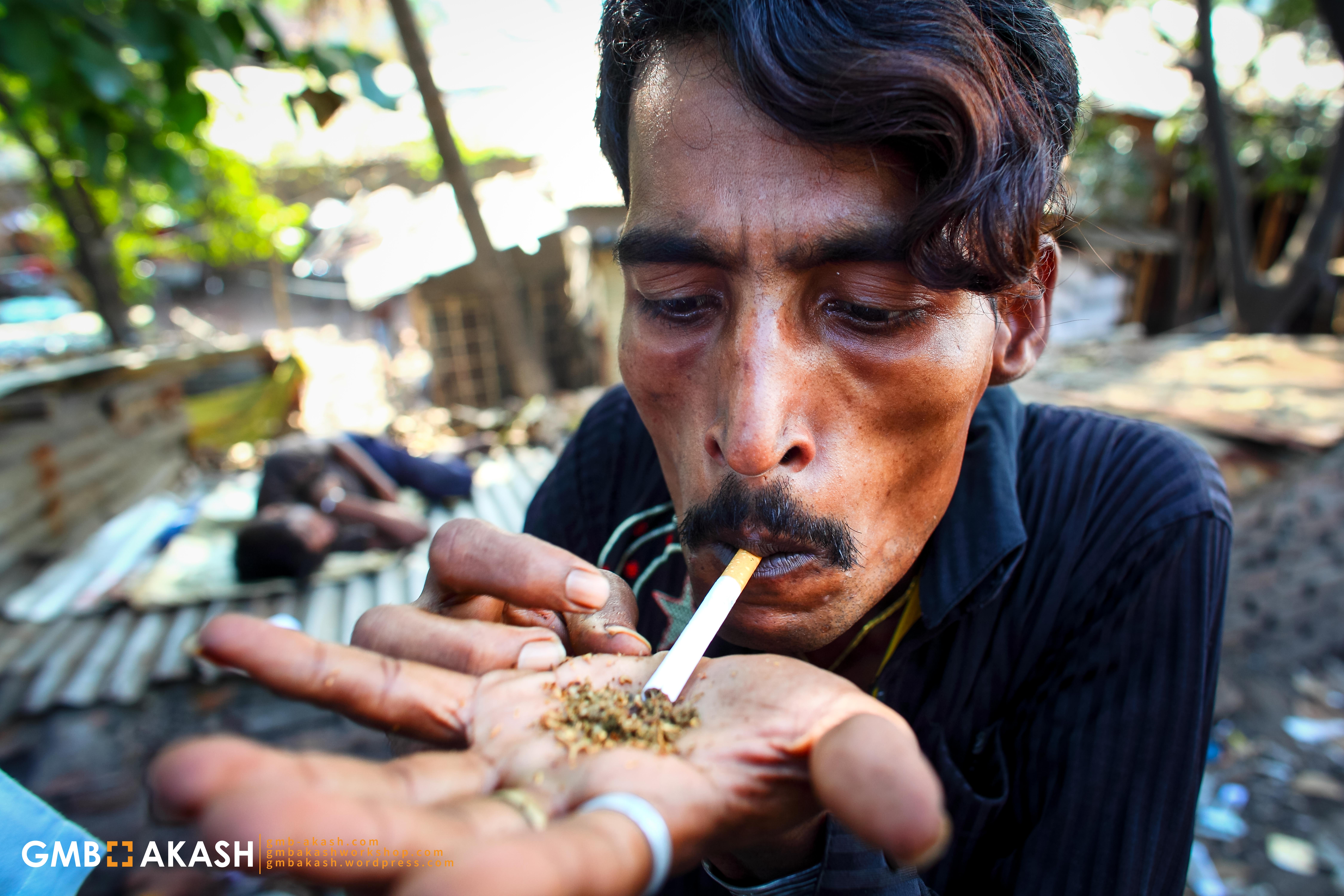


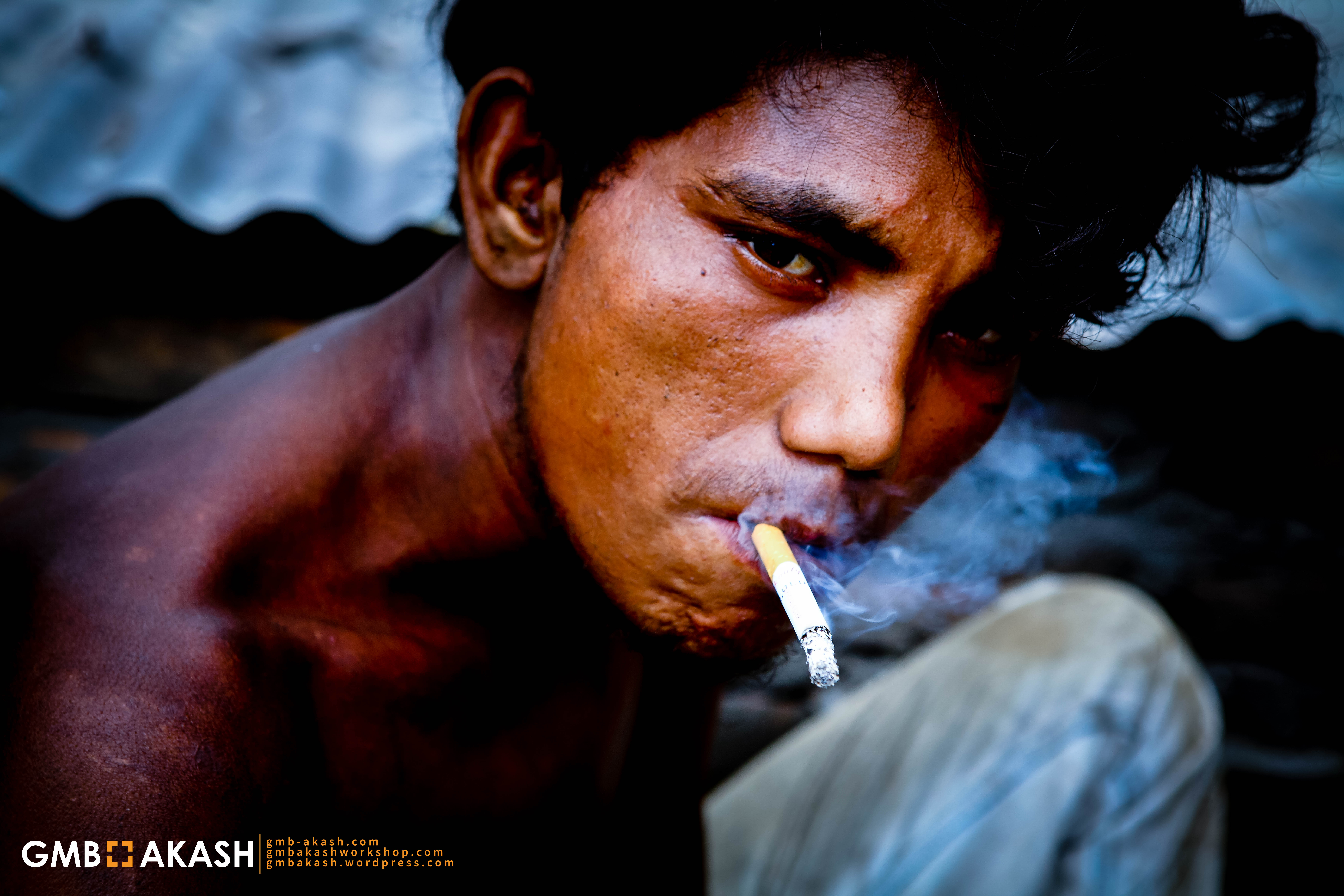
“Bitter experiences are there too. I visit all danger territory where these addicted people living senselessly. Few of them try to beat me sometime, few of them tied me with their arms and cried and cried, few of them burst out in depression and few of them wants to end their sufferings. But this is cycle of unbearable torment which has no end. In a world with chaos and hunger, everything becomes a guerrilla struggle. It becomes almost impossible to save lives or grow dreams sometime. But yet these lives deserve our affection, attention and sympathy. No medicine is as effective as love to them. “– GMB Akash


GMB Akash
Photojournalist and Profile Photographer at Panos Pictures, London
Founder of GMB Akash Institute of Photography, Dhaka
Patreon: https://www.patreon.com/gmbakash
Website: http://www.gmb-akash.com/home
Photography Workshop: http://www.gmbakashworkshop.com/
Facebook Page: https://www.facebook.com/gmbakash/
Instagram: https://www.instagram.com/gmbakash/
Blog: https://gmbakash.wordpress.com/
Twitter: https://twitter.com/GmbAkash
Philipp Gasser, came again for the 2nd time from Switzerland to participate Photography Workshop.
‘It’s a wonderful opportunity for me to join this One on One workshop, because Akash is a wonderful person and a great artist. He knows how to take incredible pictures and I could imagine no one else than him as my Mentor. For me, it’s a great chance to improve my personal skill for photography. Akash took me to some exciting places which are rich in photographing subjects. We visited unique places, unique people, and unique situations.
Every day we start at early morning and continue till late evening. Akash checked every single image I took during the shoot, rated them and gave me valuable inputs. Akash is a great teacher. Bangladesh is different and its people are amazing, it’s a huge experience for me. I took one thousand pictures every day. And every day I improved. I see the improvement in all my pictures.
This workshop is time worthy, experience worthy; it’s an unforgettable experience for me to join Akash on this daily adventure through the villages, through the different places. In six days, I took more than ten thousand images. I will leave this country with a big smile’
_Philipp Gasser, came again for the 2nd time in 2022 from Switzerland to participate in ‘One on One Photography Workshop with GMB Akash’
To apply in this Exclusive One on One workshop send an email to akashphoto@gmail.com
GMB Akash
Photojournalist and Profile Photographer at Panos Pictures, London
Founder of GMB Akash Institute of Photography, Dhaka
Patreon: https://www.patreon.com/gmbakash
Website: http://www.gmb-akash.com/home
Photography Workshop: http://www.gmbakashworkshop.com/
Facebook Page: https://www.facebook.com/gmbakash/
Instagram: https://www.instagram.com/gmbakash/
Blog: https://gmbakash.wordpress.com/
Twitter: https://twitter.com/GmbAkash
50 bicycles among 50 unprivileged students.
Dear friends,
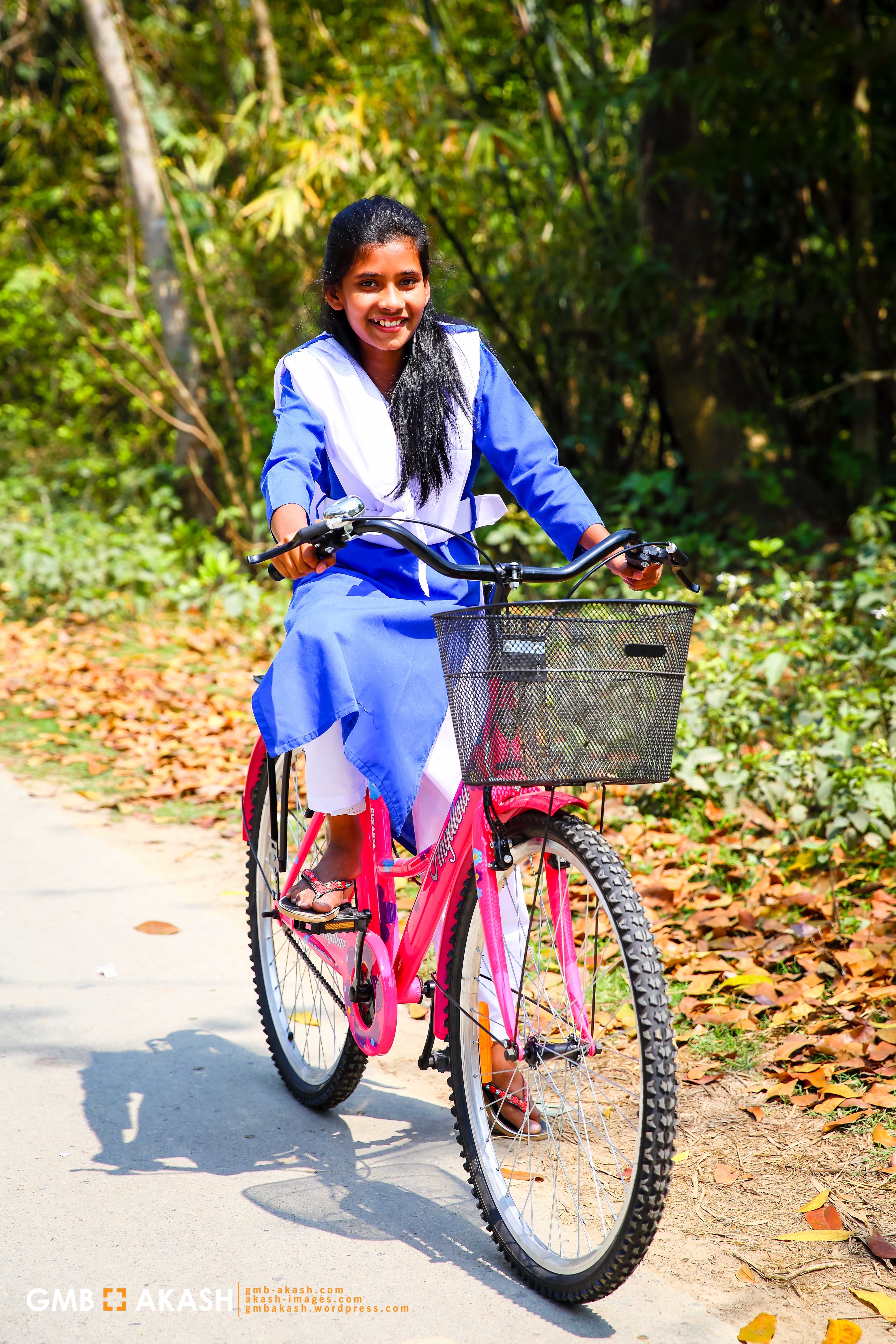
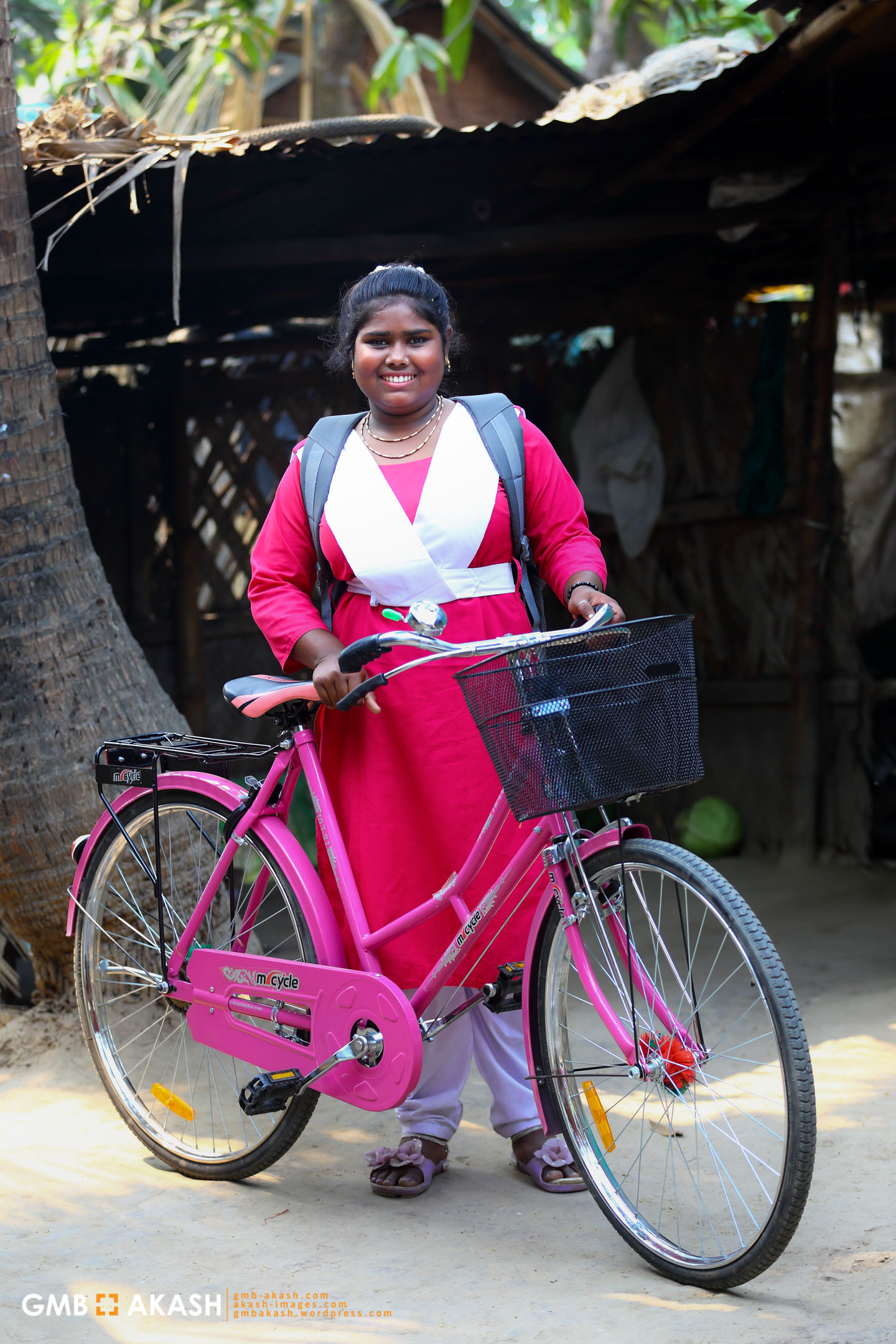
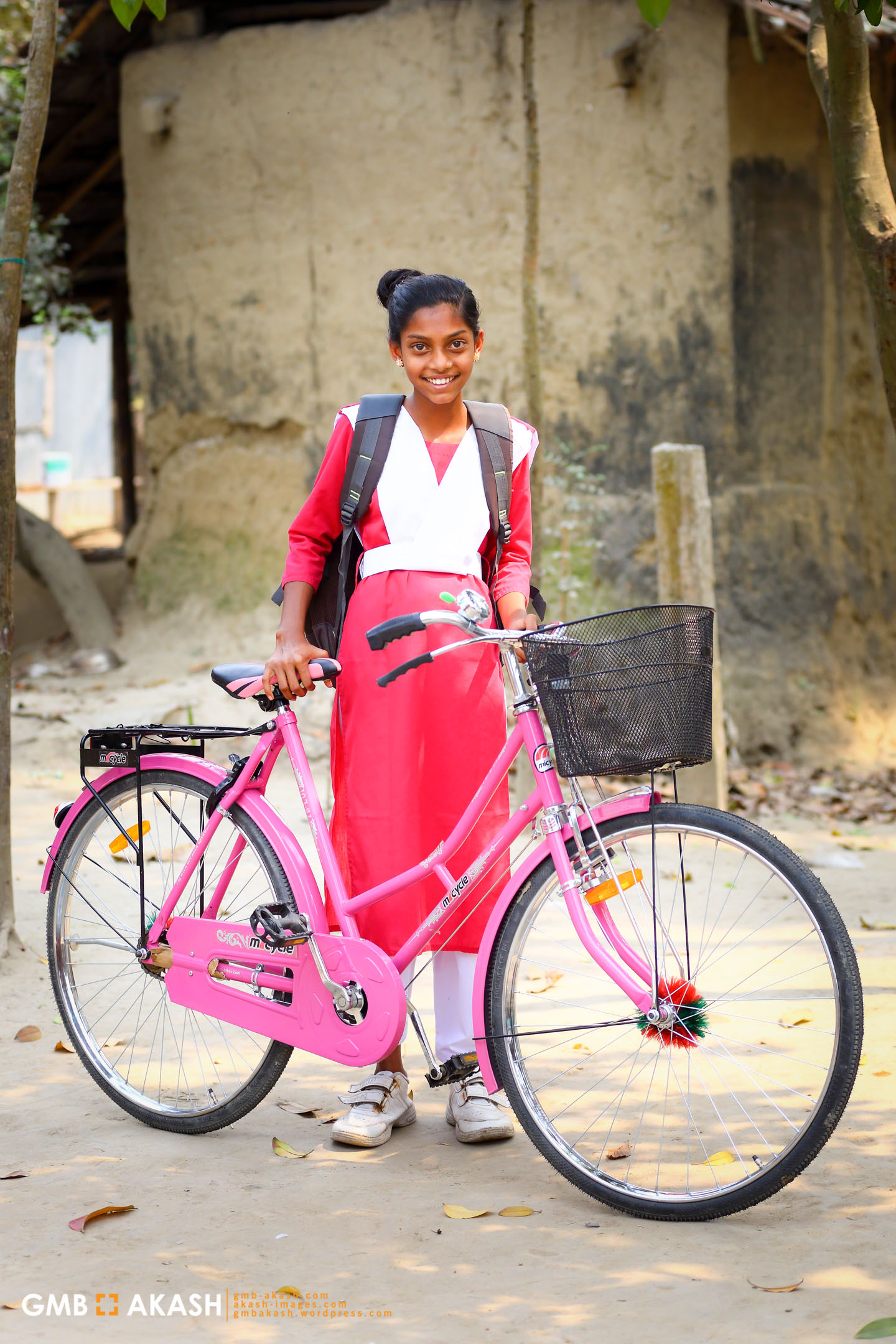
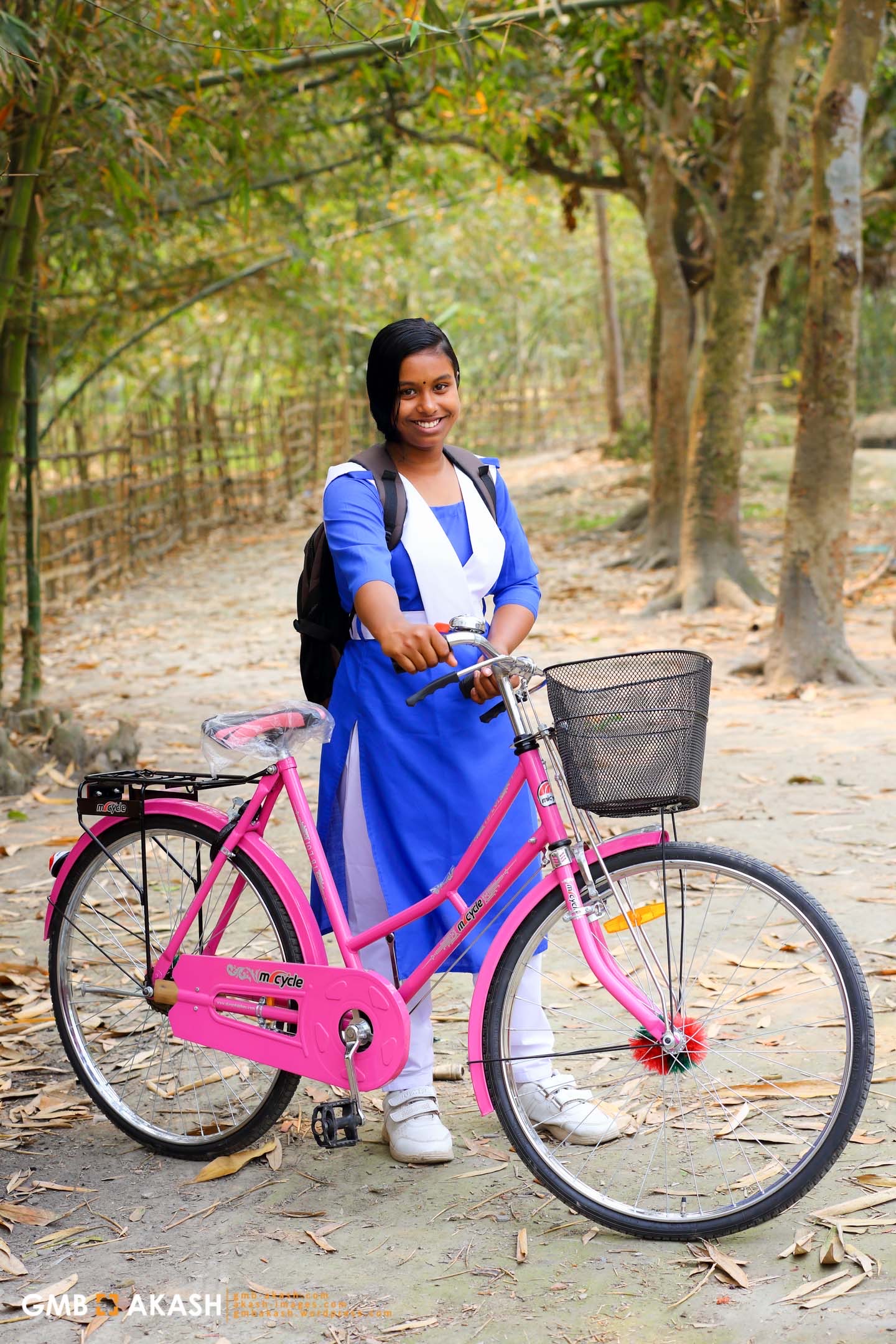
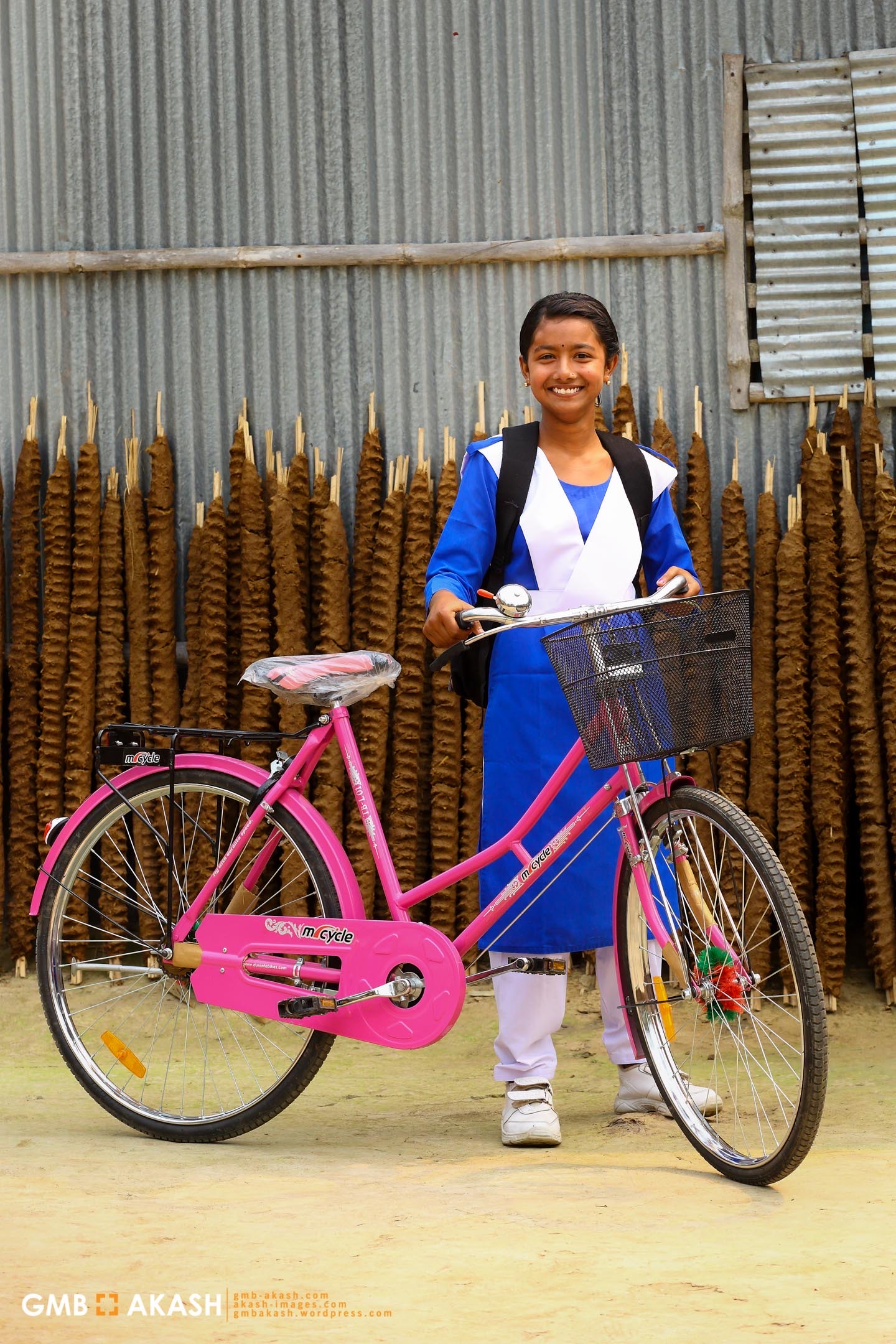
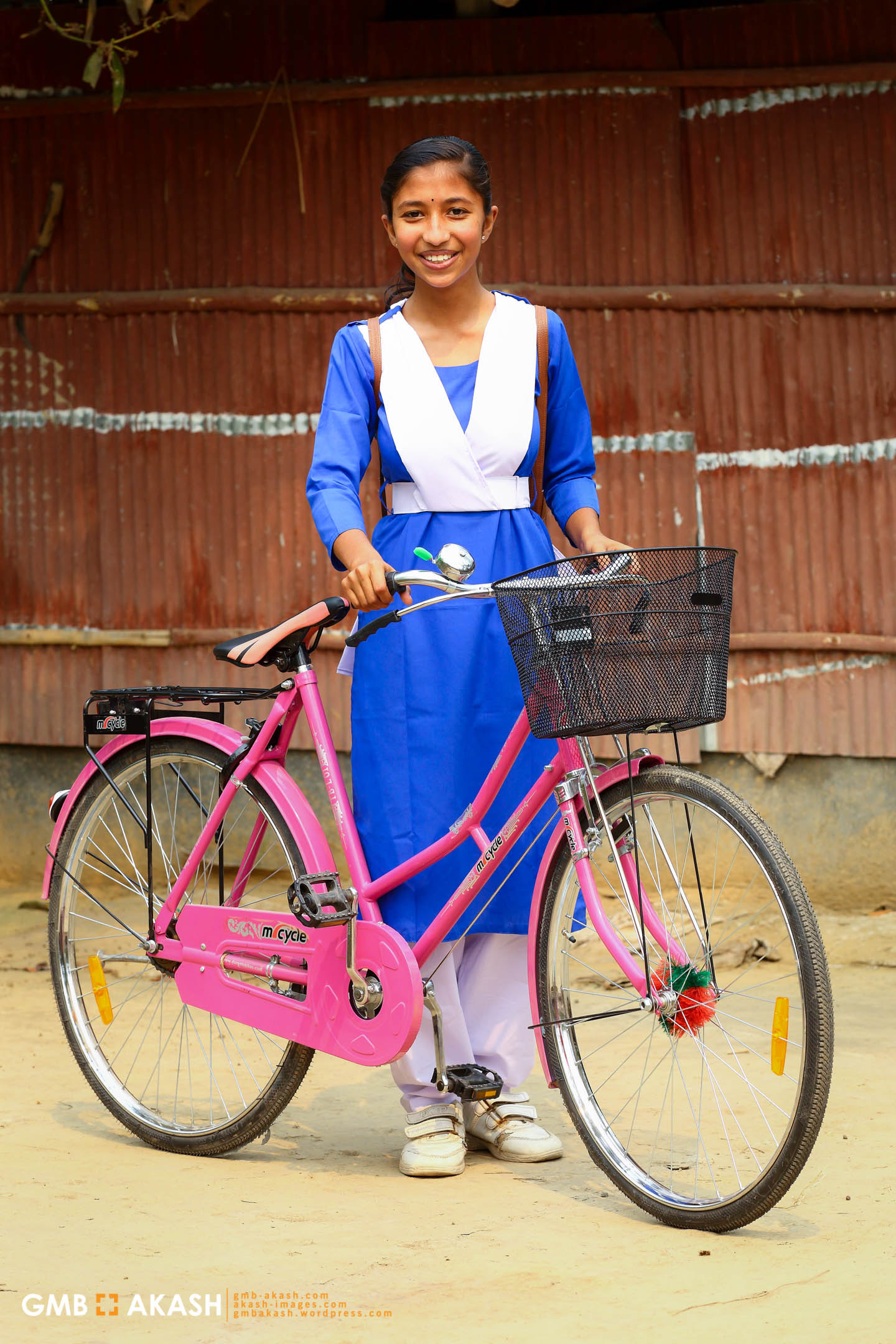
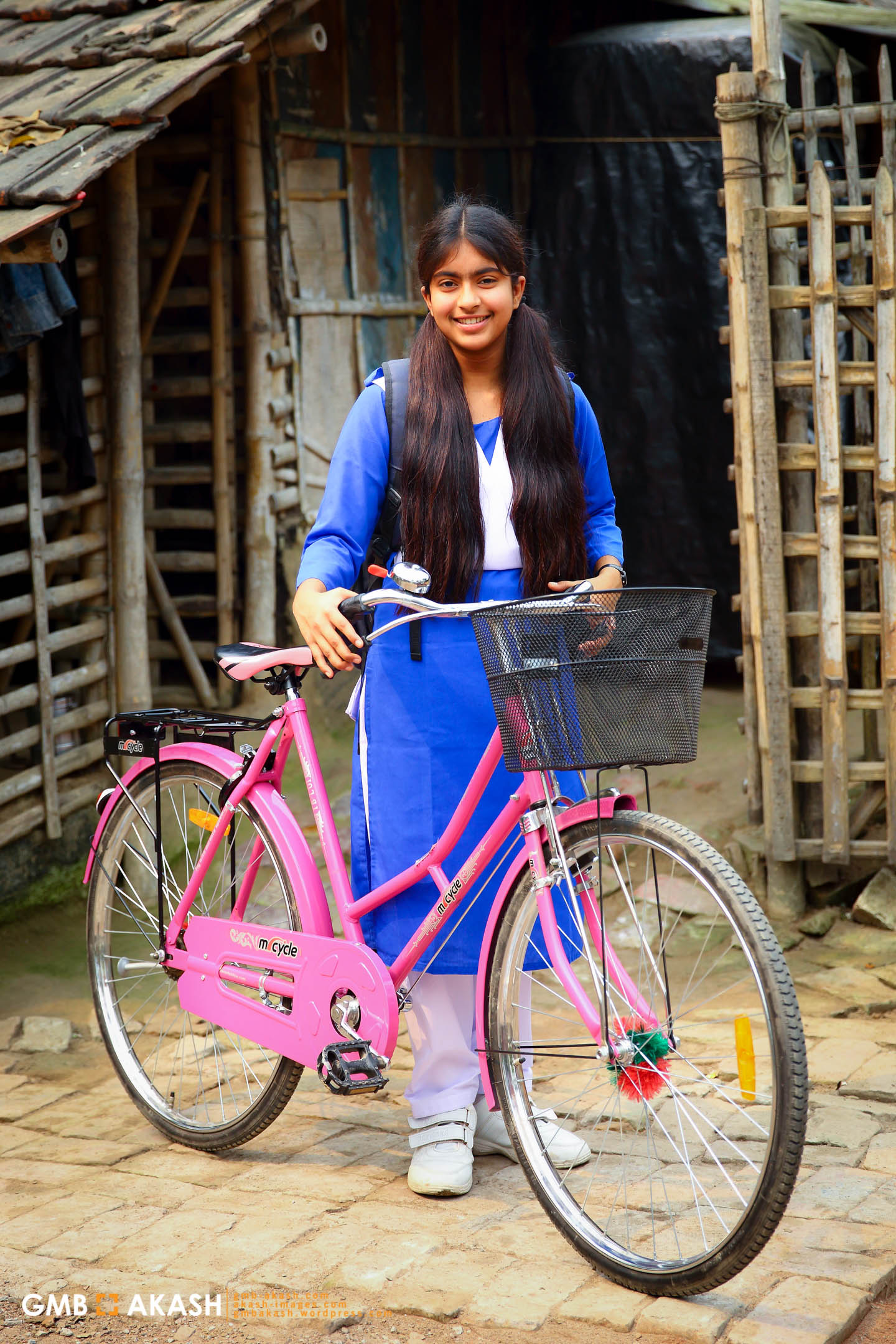
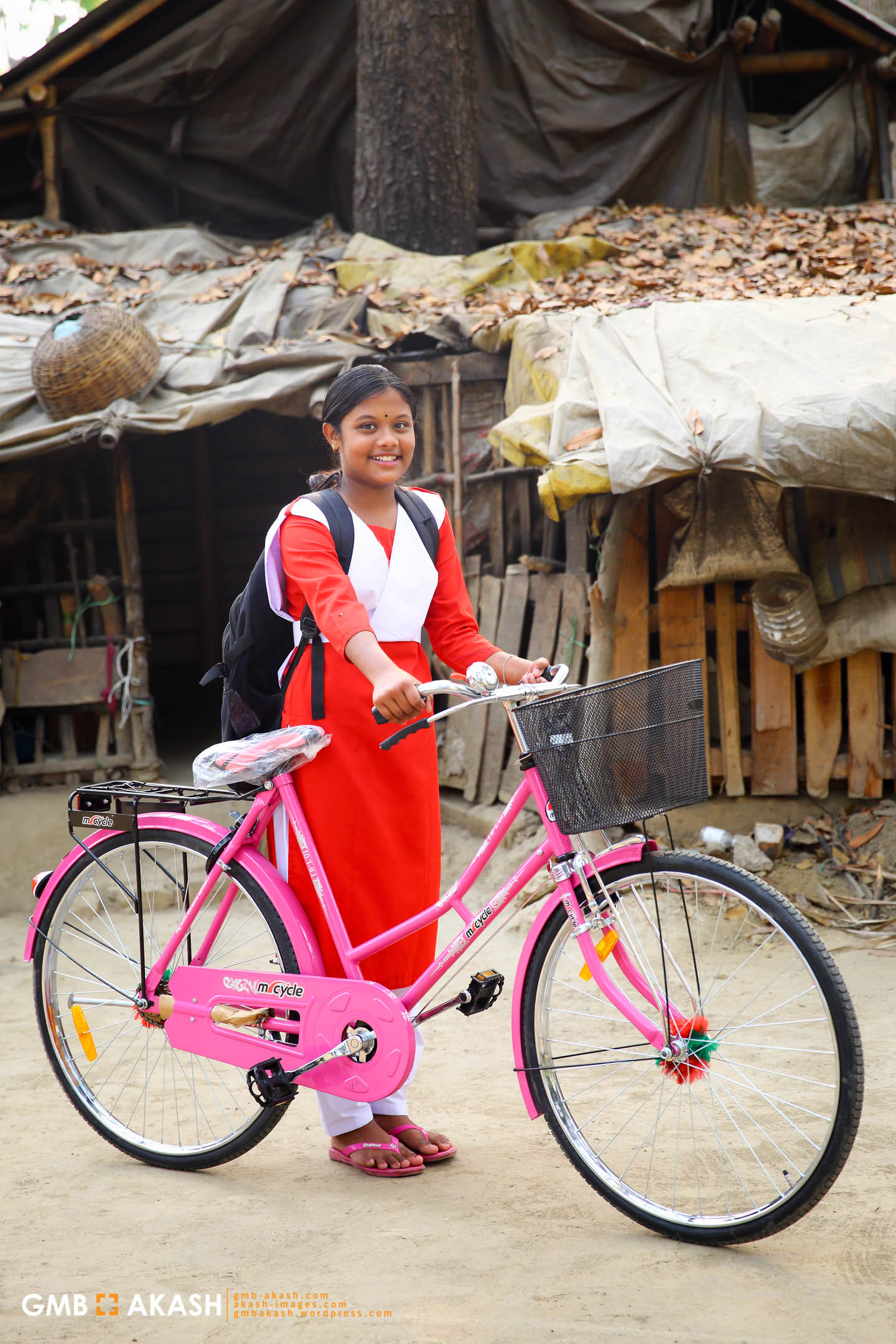
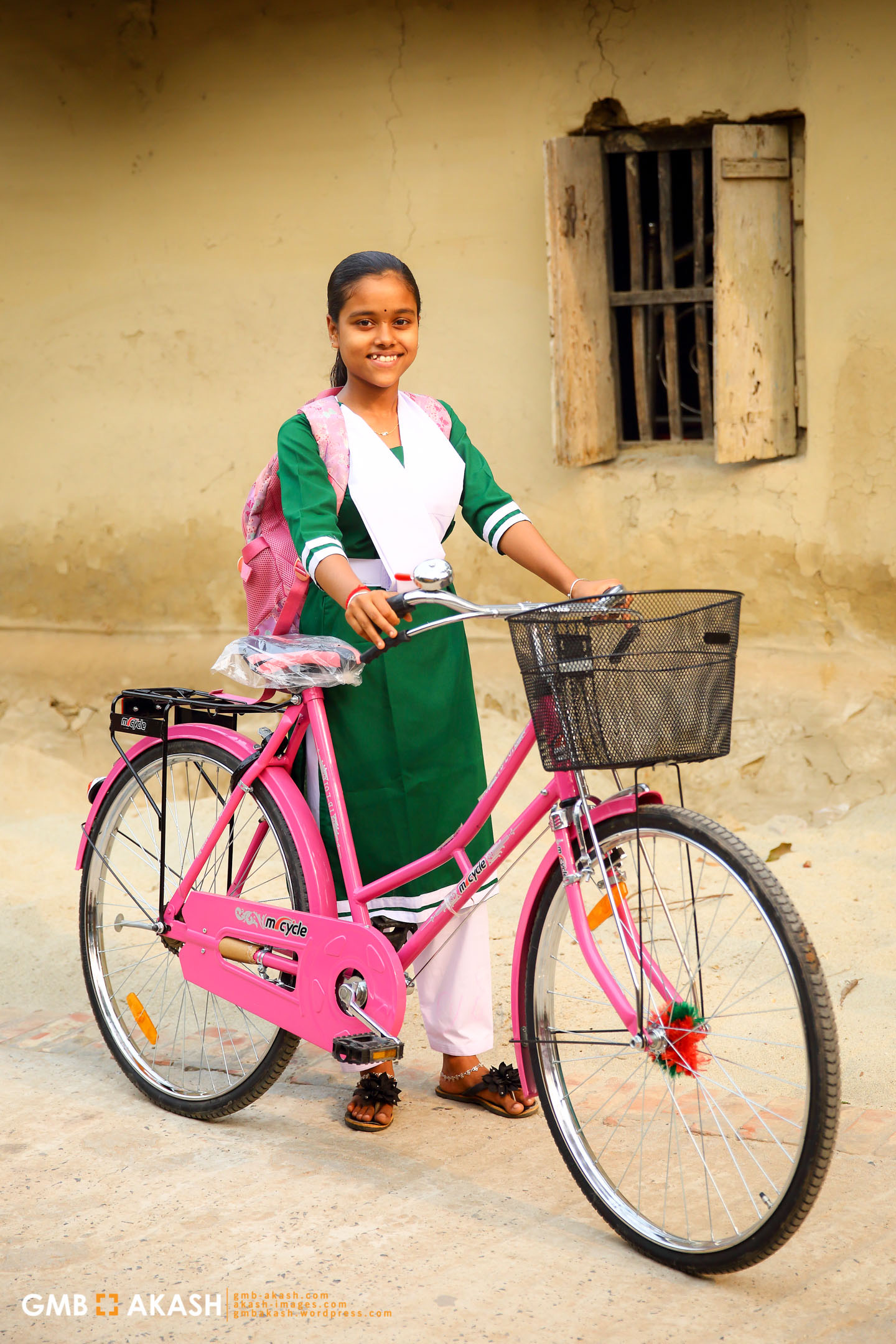
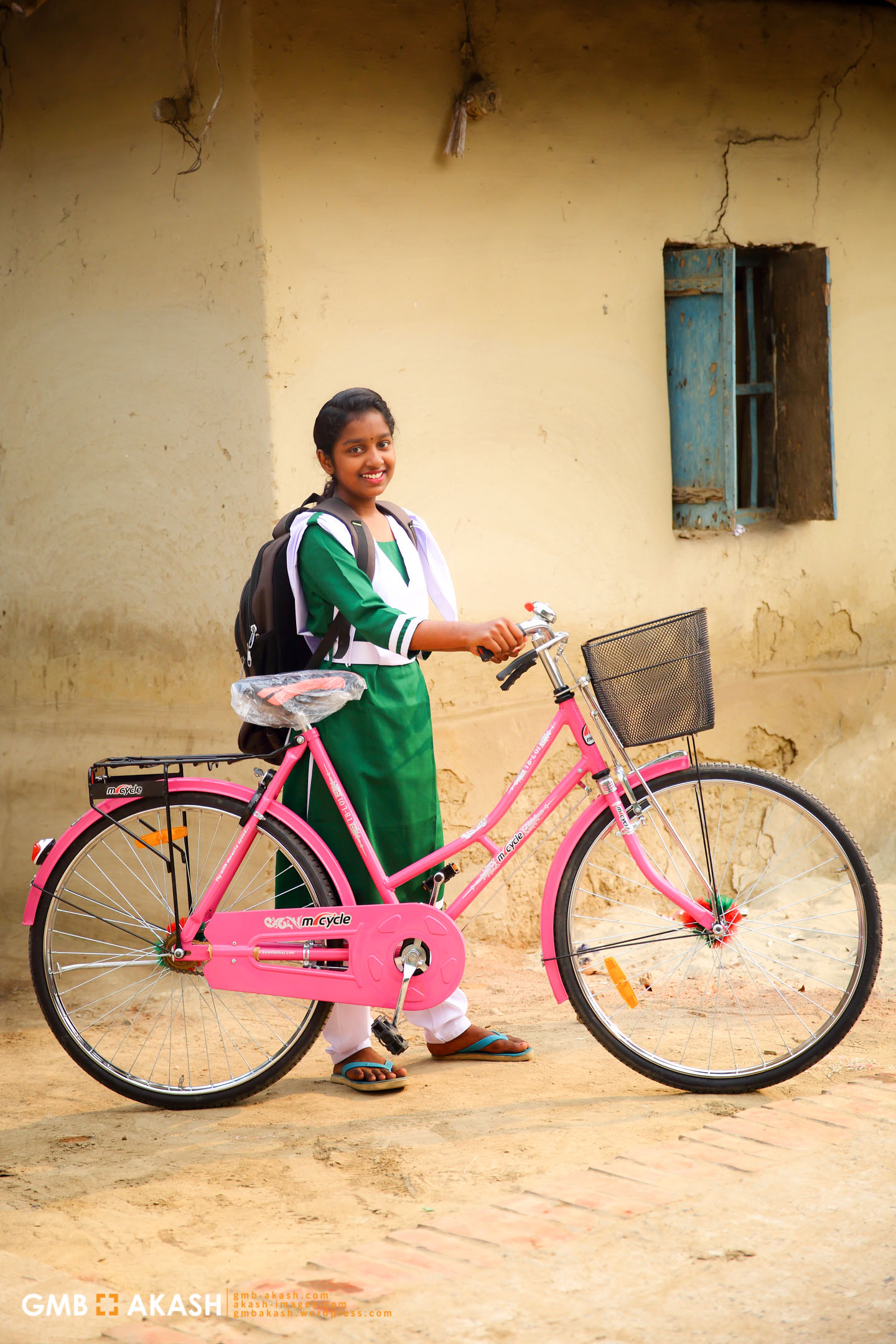
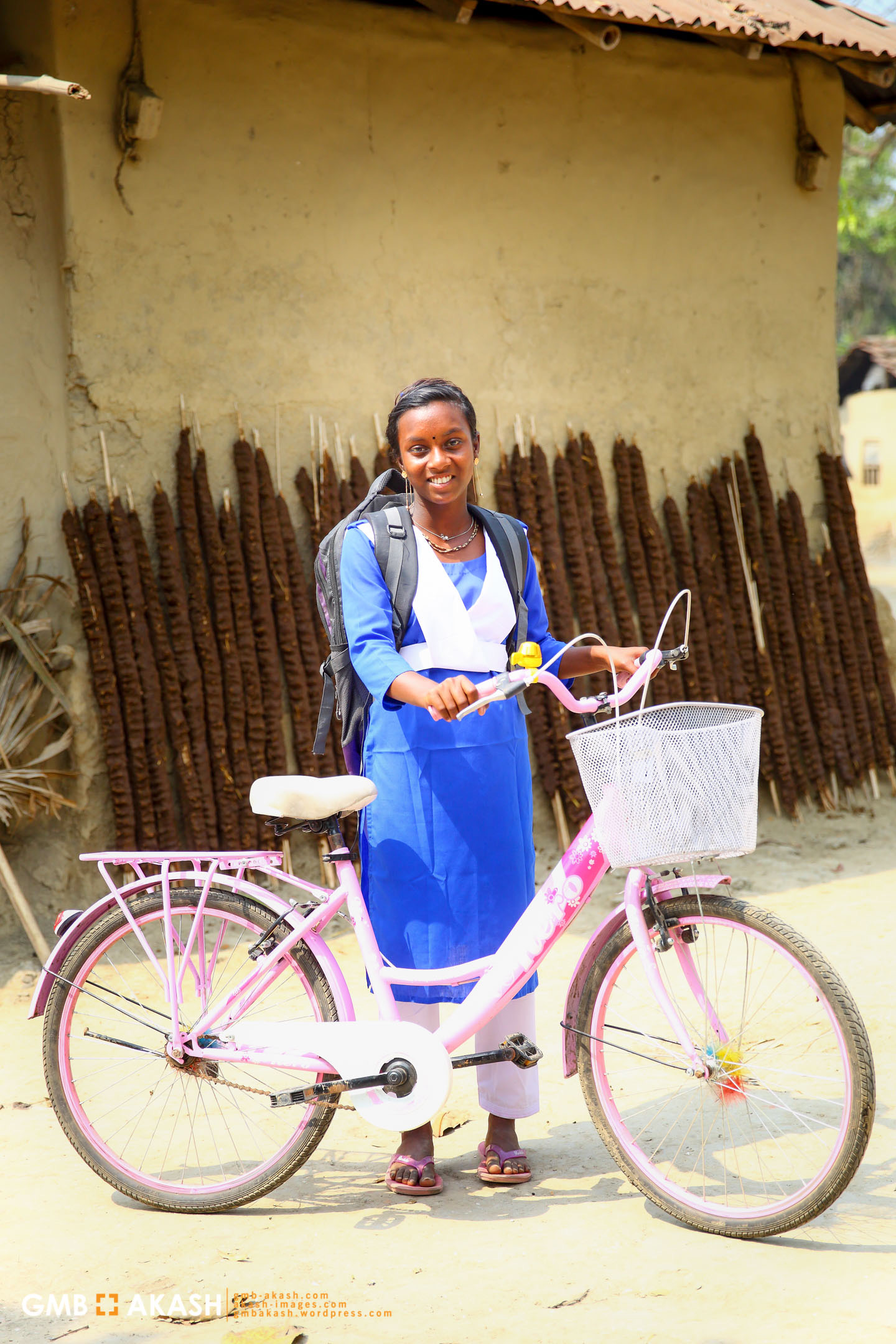
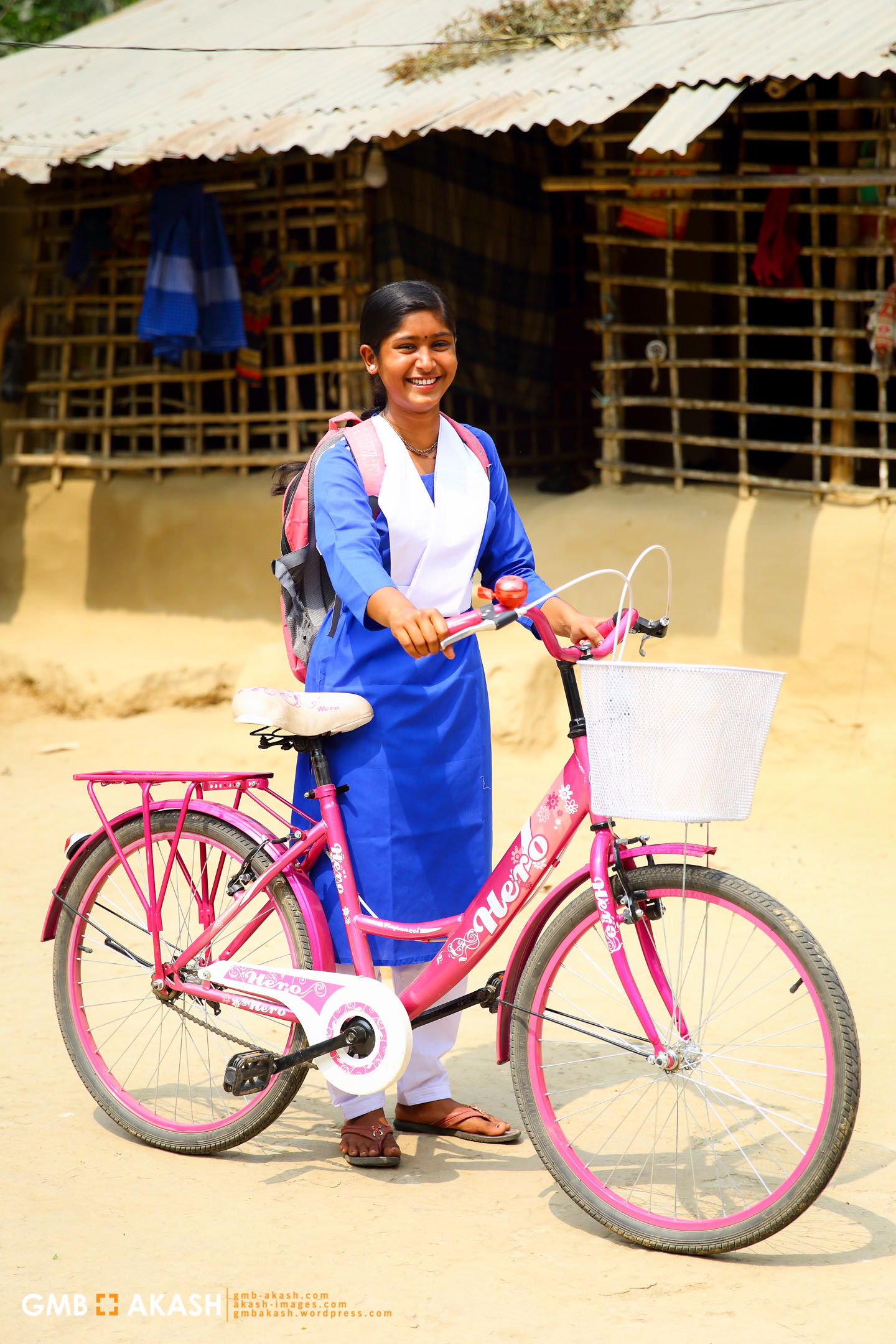
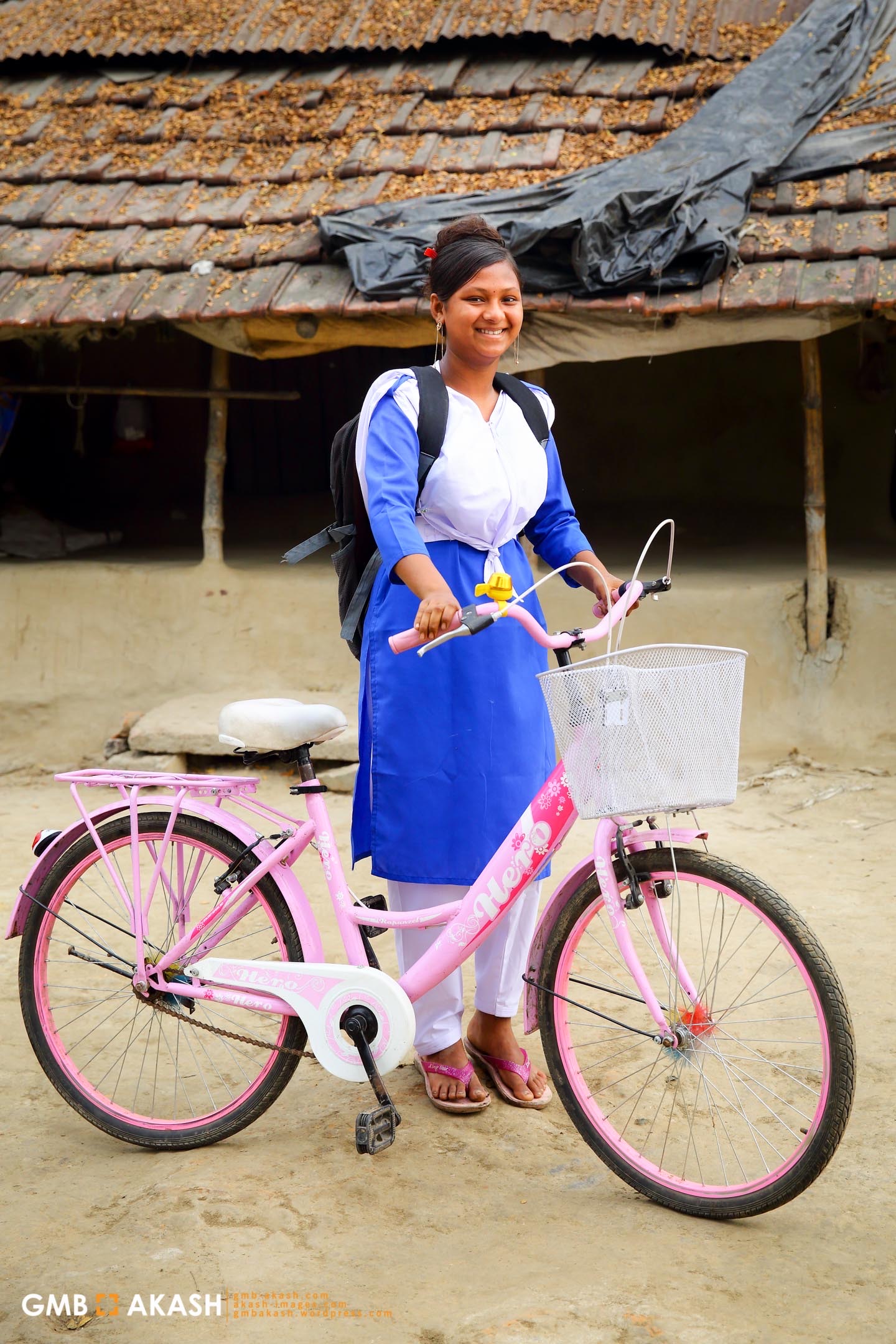
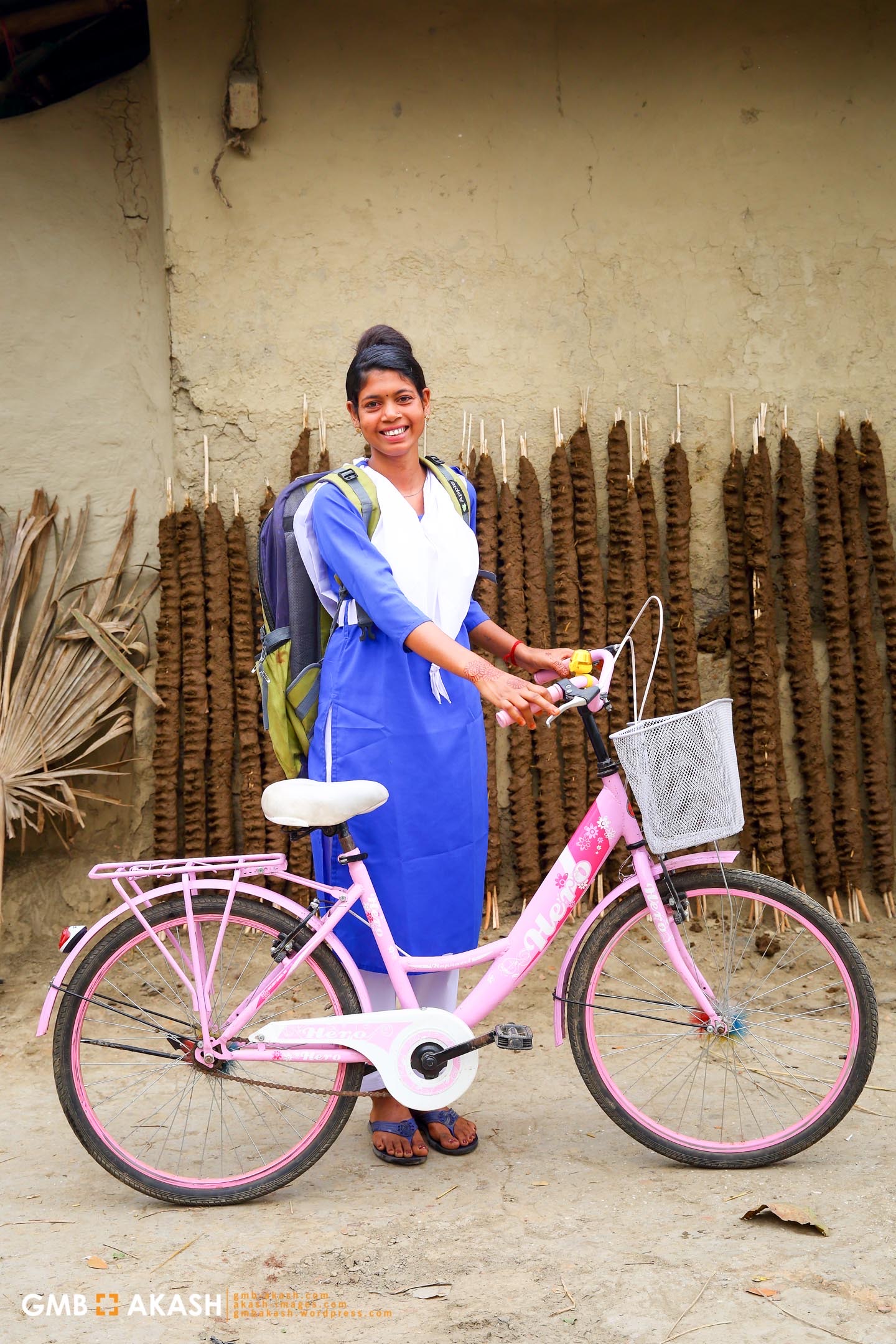
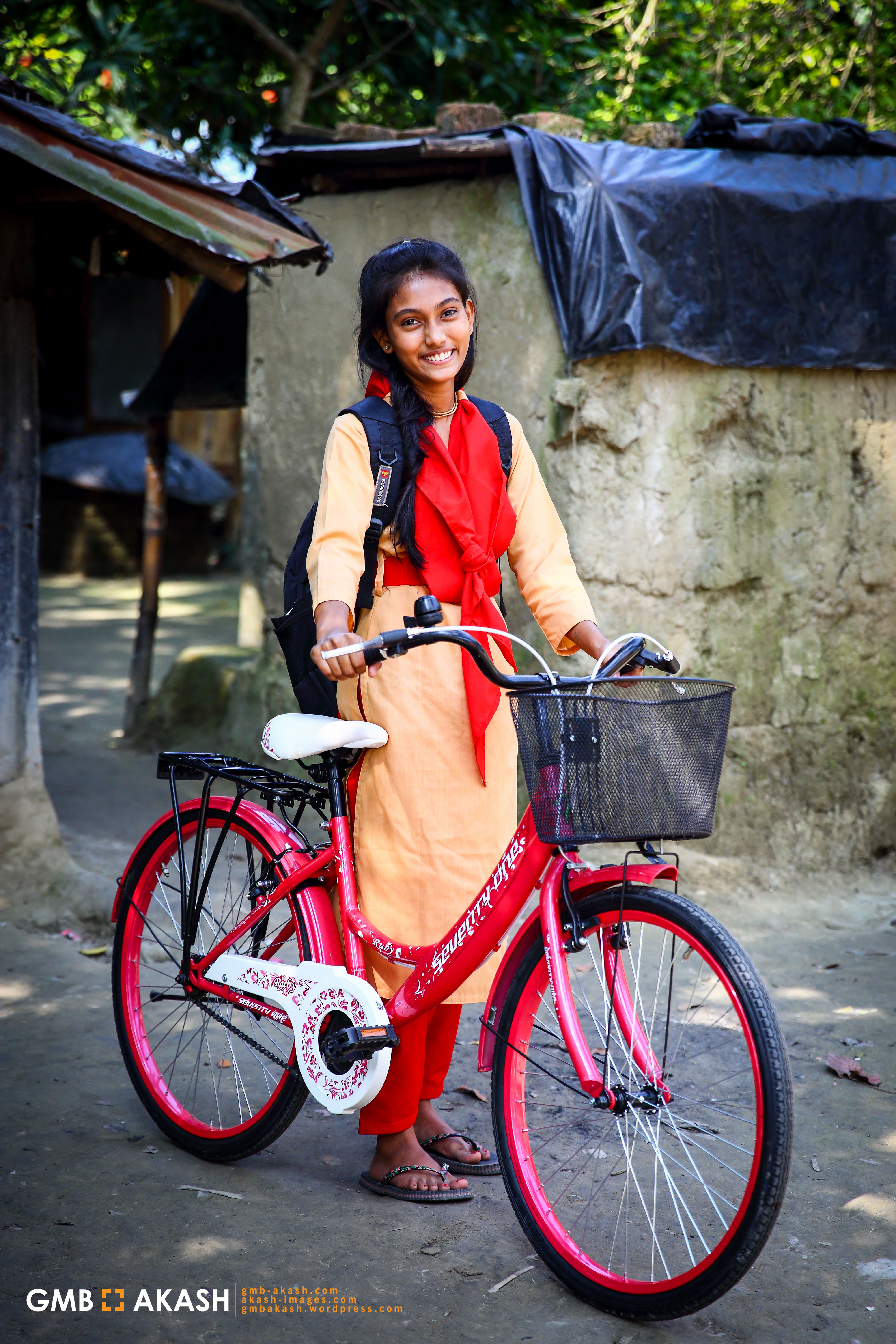
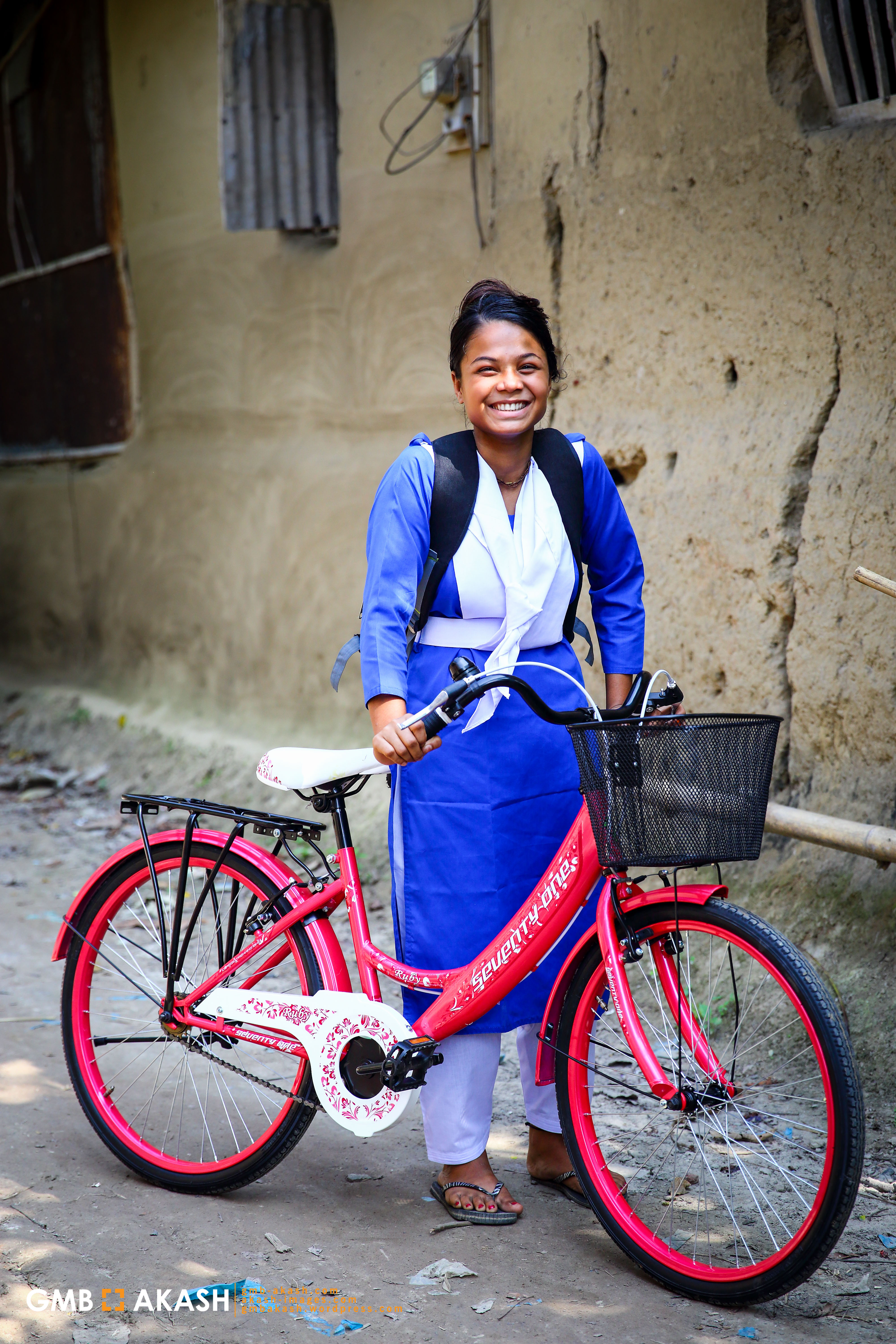
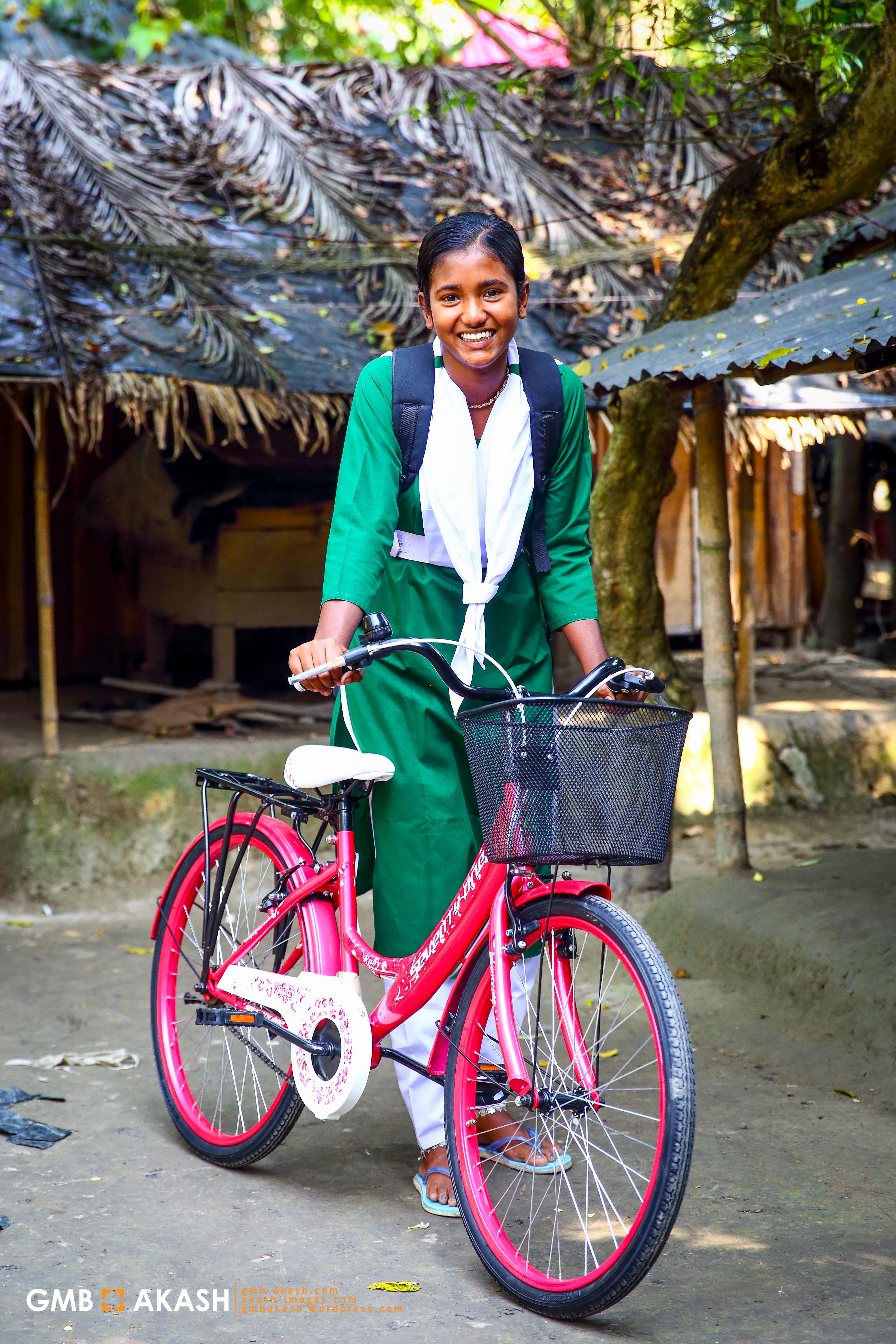
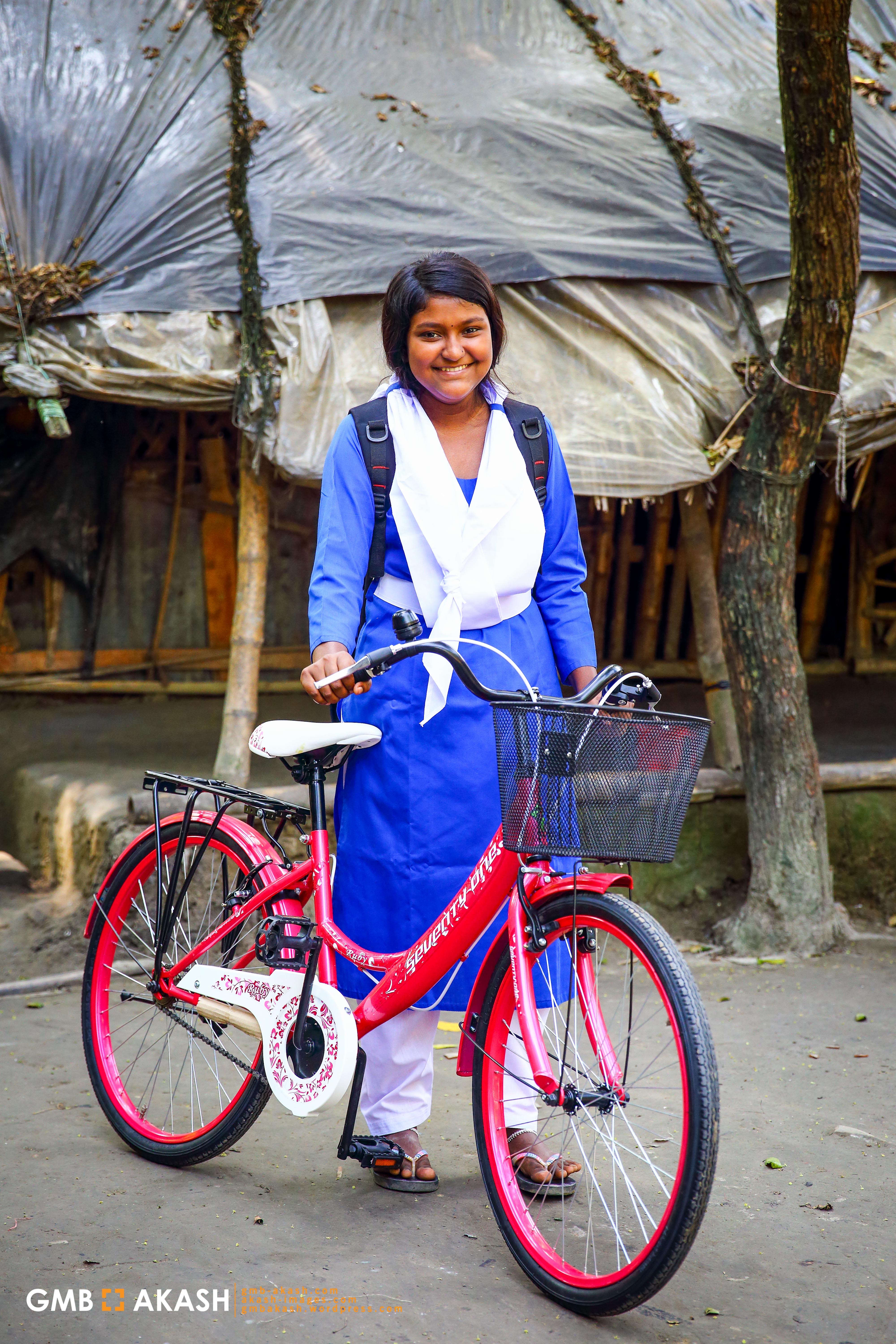
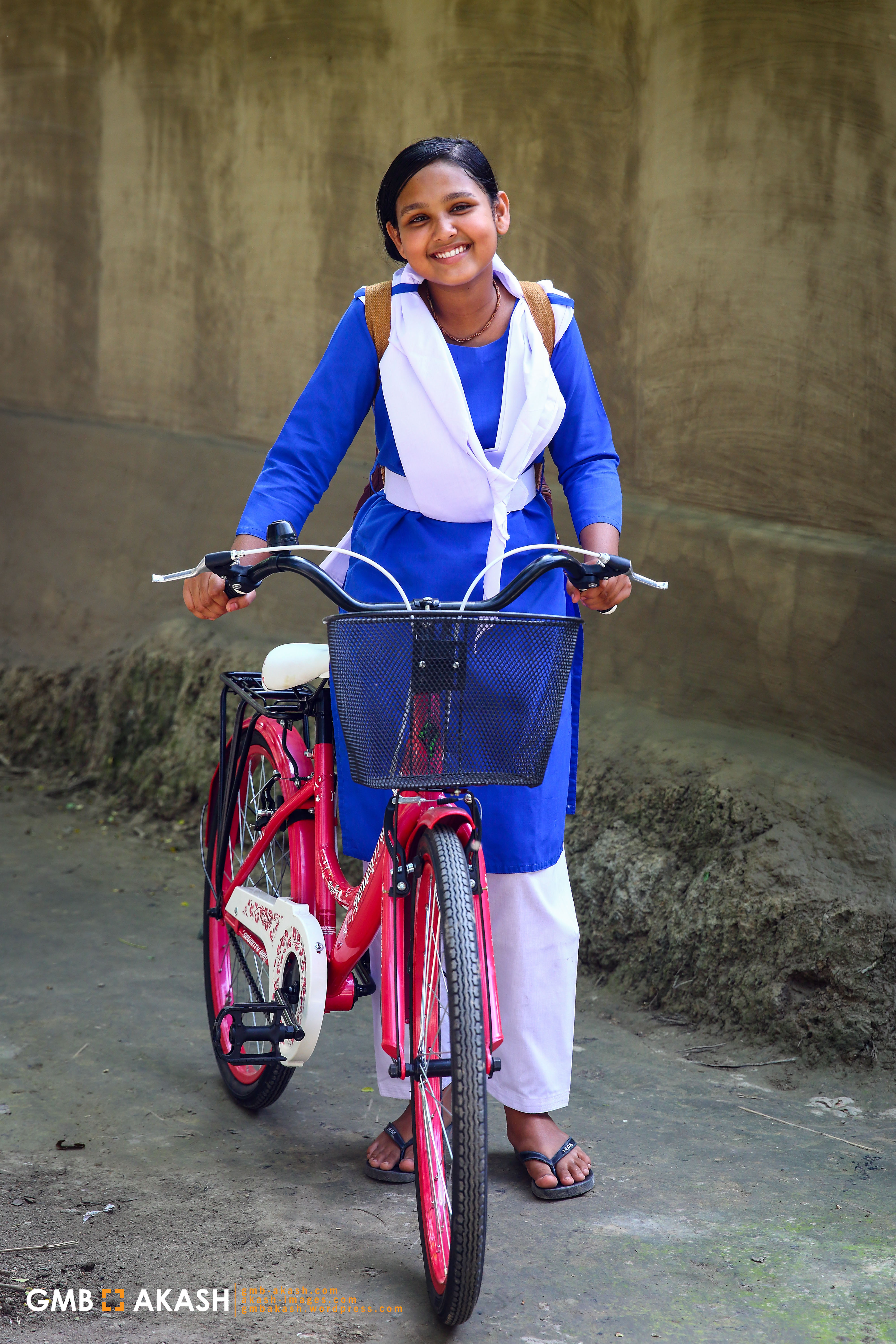
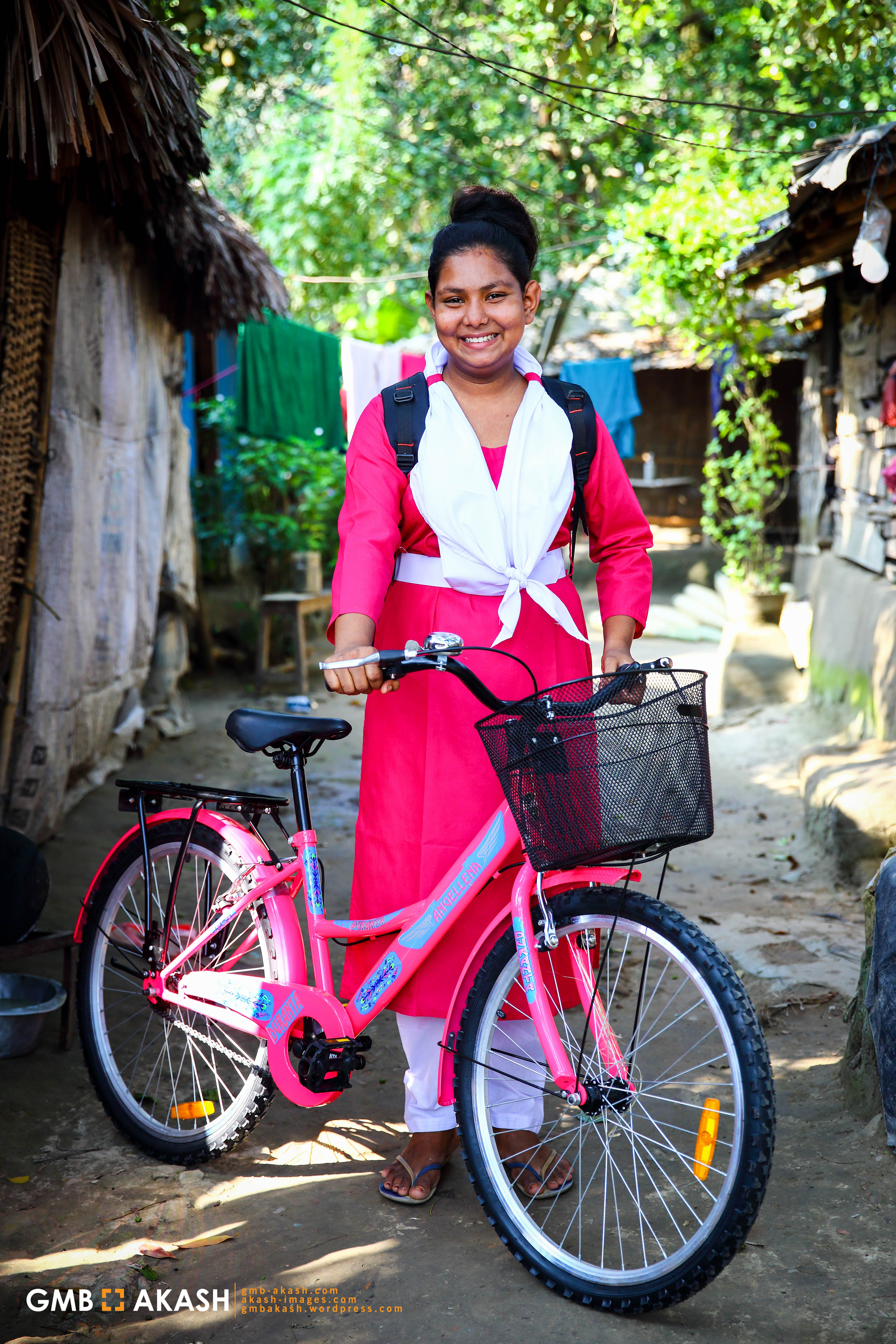
Alhamdullilah, by the grace of God I have distributed a total of 50 bicycles among 50 unprivileged students from different parts of Bangladesh.
One of the students, Nomita said, “Brother, many girls from our village, who did not get a bicycle from you, are already married. Due to the distance of the school, they could not continue their education.
This bike not only helped us to continue our schooling but also saving us from child marriage.”
Like Nomita, I have gifted one bicycle for each girl from each family, so they do not need to walk 10-12 kilometers every day which takes hours for them. They become exhausted and cannot pay attention to their education, and they tend to just drop out all together from school.
Thank you all my friends for your kind support and humanity! Without all your love and support I probably couldn’t go this far every day.
Please keep me in your prayers so that I can continue my journey to alleviate the sufferings of the people at least for one day.
Love and Light.
_GMB Akash

















GMB Akash
Photojournalist and Profile Photographer at Panos Pictures, London
Founder of GMB Akash Institute of Photography, Dhaka
Patreon: https://www.patreon.com/gmbakash
Website: http://www.gmb-akash.com/home
Photography Workshop: http://www.gmbakashworkshop.com/
Facebook Page: https://www.facebook.com/gmbakash/
Instagram: https://www.instagram.com/gmbakash/
Blog: https://gmbakash.wordpress.com/
Twitter: https://twitter.com/GmbAkash
I am feeding hungry poor people every Friday in different places of Bangladesh.
My friends,
I hope that you’re all doing well. This week in Dhaka, again I managed the very difficult challenge of gathering an unprecedented number of street children, homeless people and provided them with a good healthy lunch at a local restaurant.
By the grace of God, I am feeding hungry poor people every Friday in different places of Bangladesh. Sharing some of the happy faces with you.
Thank you my friends for always supporting me and my work in every situation. I am always grateful.
Please keep me in your prayers.
Sending my love and best wishes for you all.
Love and Light!
_GMB Akash
GMB Akash
Photojournalist and Profile Photographer at Panos Pictures, London
Founder of GMB Akash Institute of Photography, Dhaka
Patreon: https://www.patreon.com/gmbakash
Website: http://www.gmb-akash.com/home
Photography Workshop: http://www.gmbakashworkshop.com/
Facebook Page: https://www.facebook.com/gmbakash/
Instagram: https://www.instagram.com/gmbakash/
Blog: https://gmbakash.wordpress.com/
Twitter: https://twitter.com/GmbAkash
One on One workshop with GMB Akash
Bénédicte de Vibraye from France to attend ‘One on One Photography workshop’ with me in Bangladesh.
About the workshop: The focus of this customized program is to teach photography going beyond boundaries. Each student will have exclusive access to me through the duration of the workshop, giving them the opportunity to take advantage of my work experience, teachings, and methodologies. Due to the intimate nature of these workshops and the real world working environment, each student can expect to learn and experience much more than they would during one year in a standard university photography program. Each workshop is six days long and set in locations that are rich in culture with a wealth of photographic and documentary subject matter.
If you are interested send an email to know detail at akashphoto@gmail.com
GMB Akash
Photojournalist and Profile Photographer at Panos Pictures, London
Founder of GMB Akash Institute of Photography, Dhaka
Patreon: https://www.patreon.com/gmbakash
Website: http://www.gmb-akash.com/home
Photography Workshop: http://www.gmbakashworkshop.com/
Facebook Page: https://www.facebook.com/gmbakash/
Instagram: https://www.instagram.com/gmbakash/
Blog: https://gmbakash.wordpress.com/
Twitter: https://twitter.com/GmbAkash
Distributing winter clothes to 500 unprivileged working women.
Dear Friends,
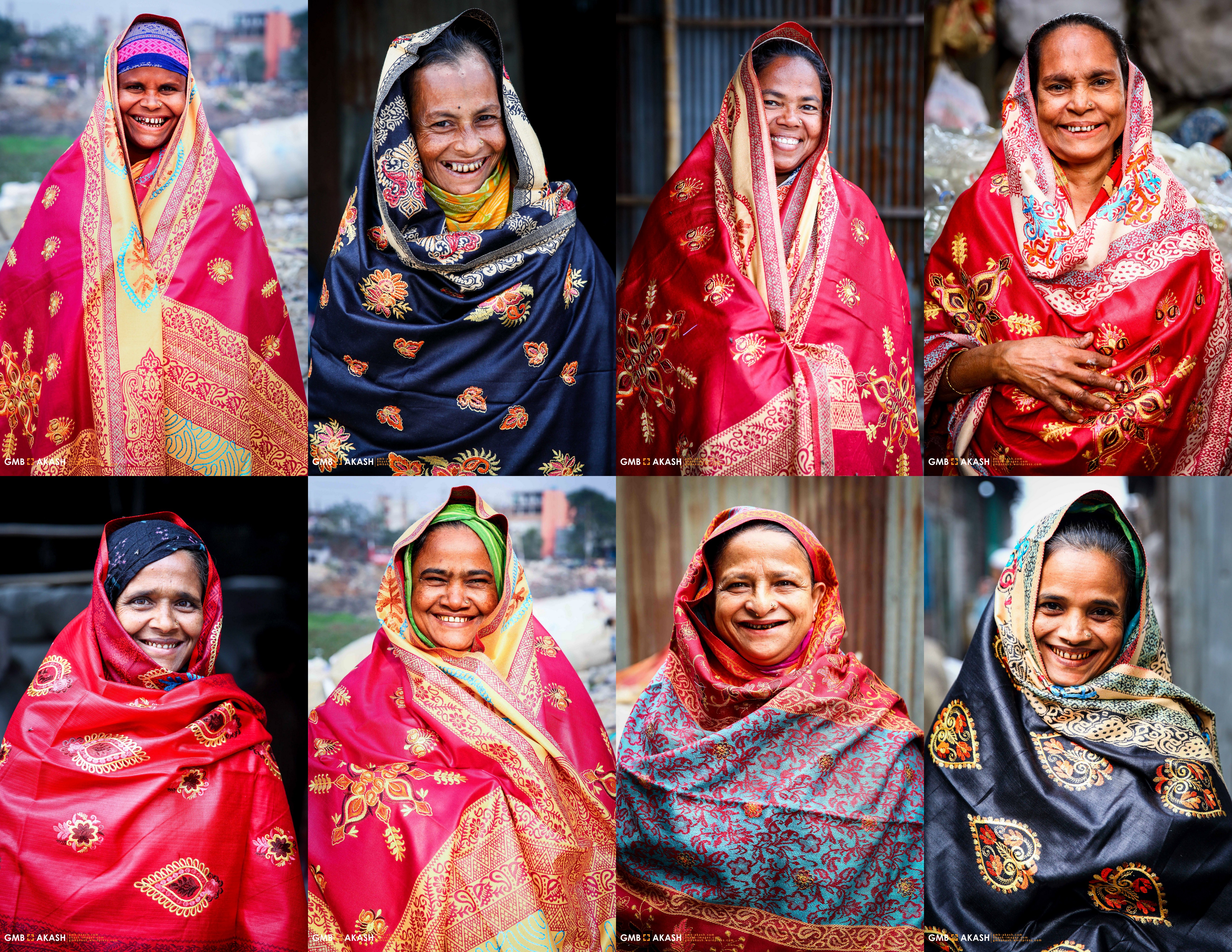
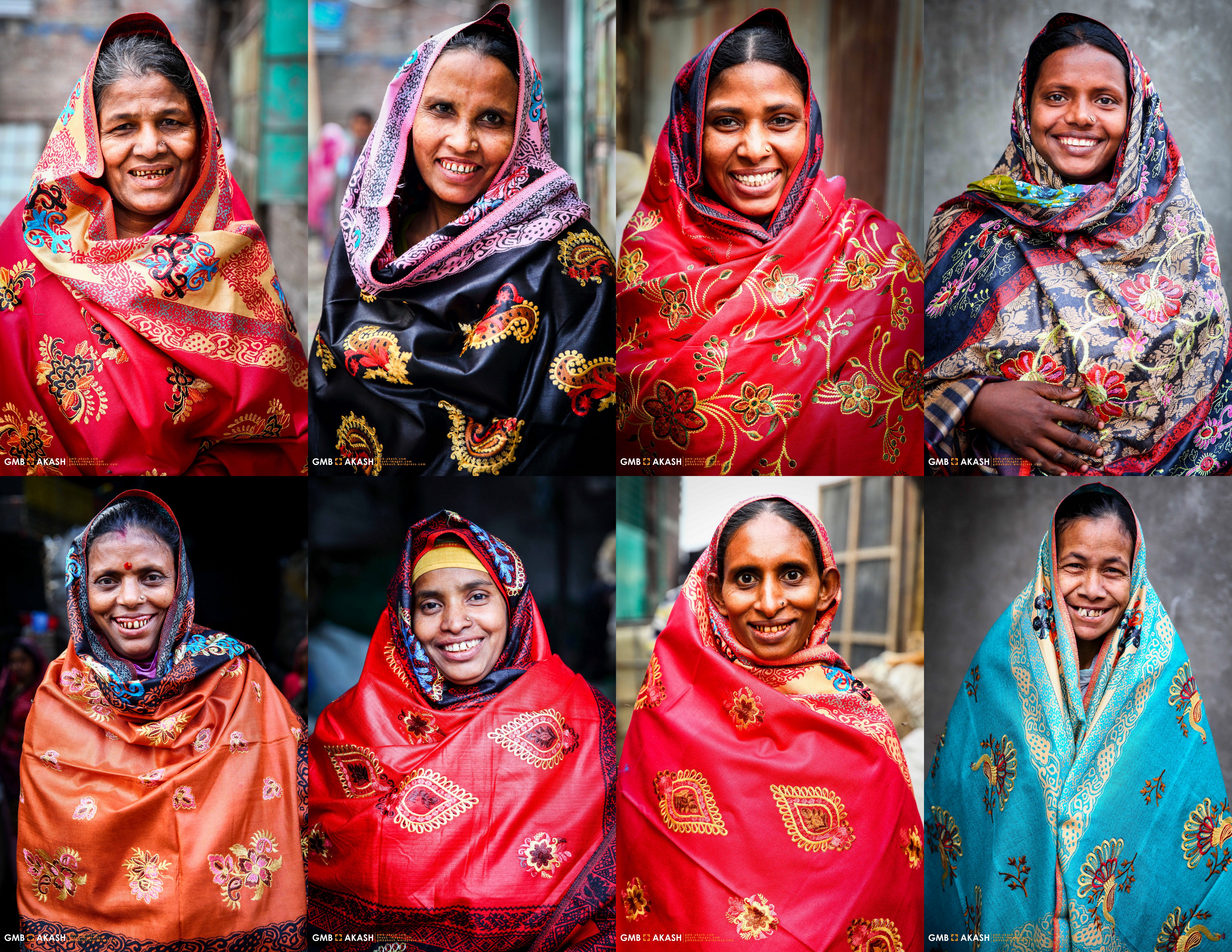
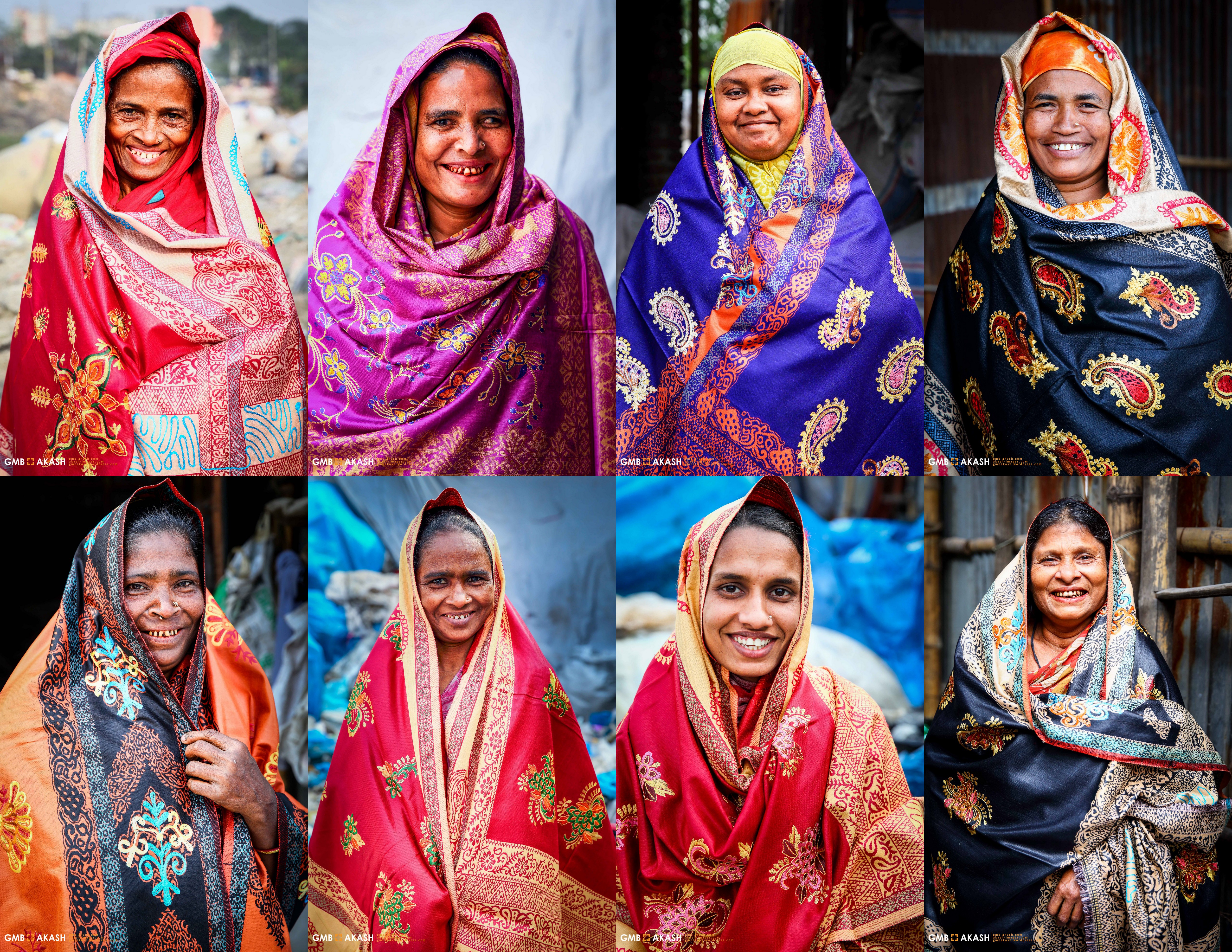
I have been distributing winter clothes to unprivileged working women so that they can safely go to work in the mornings without harm to their health. Over 500 poor day labourers are being given clothes that they could otherwise not afford.
In order to express my appreciation to all for your generosity, I am presenting few happy faces. I would like to share the happiness and comfort with all of you that you have created and I want to pass on to you the gratitude for your love and care for these unprivileged women.
I cannot thank my friends enough. Still, we have a long way to go and we all want to continue such a journey in the future. We will leave footprints of love and kindness wherever we will step. Loads of love and blessings to you all.
Love and Light!
GMB Akash






GMB Akash
Photojournalist and Profile Photographer at Panos Pictures, London
Founder of GMB Akash Institute of Photography, Dhaka
Patreon: https://www.patreon.com/gmbakash
Website: http://www.gmb-akash.com/home
Photography Workshop: http://www.gmbakashworkshop.com/
Facebook Page: https://www.facebook.com/gmbakash/
Instagram: https://www.instagram.com/gmbakash/
Blog: https://gmbakash.wordpress.com/
Twitter: https://twitter.com/GmbAkash
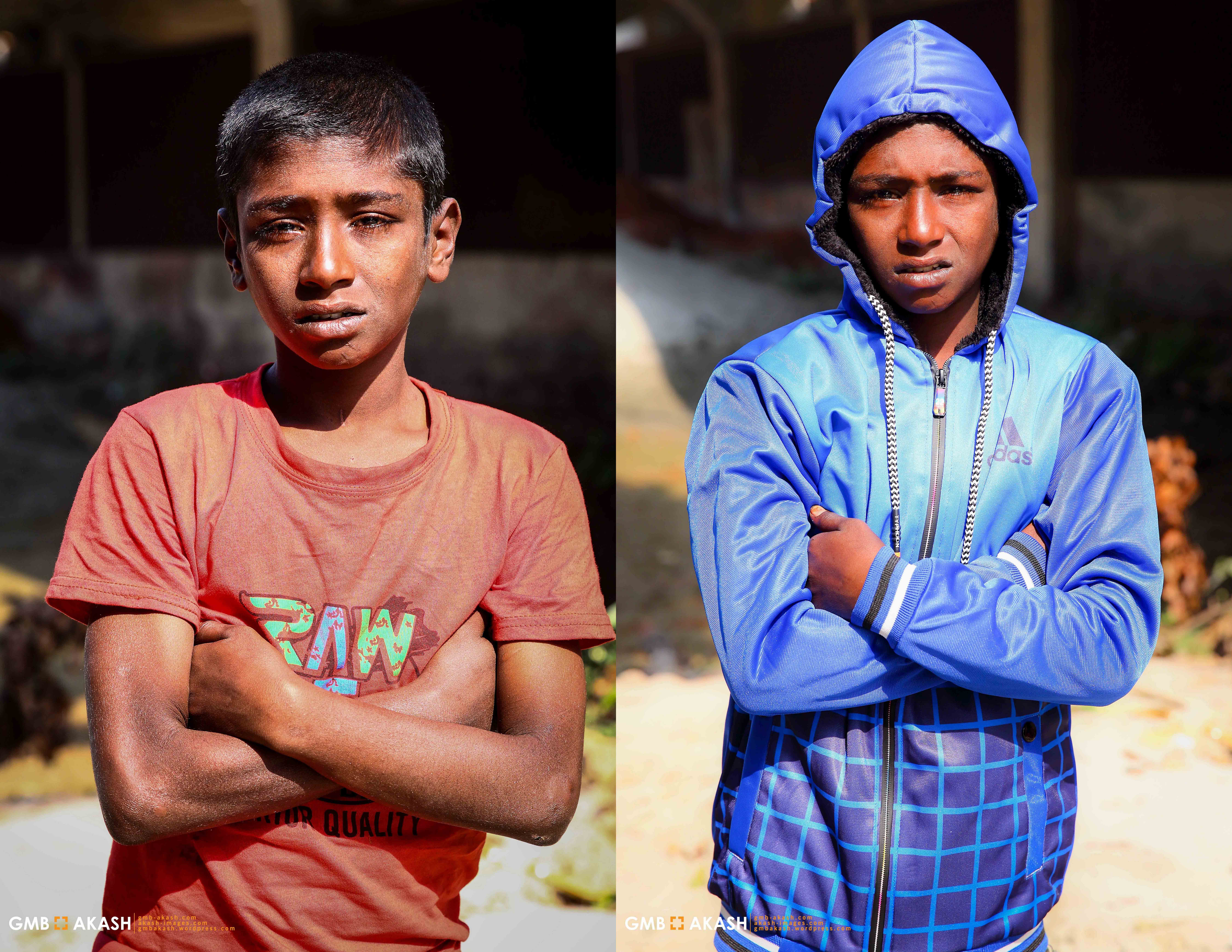
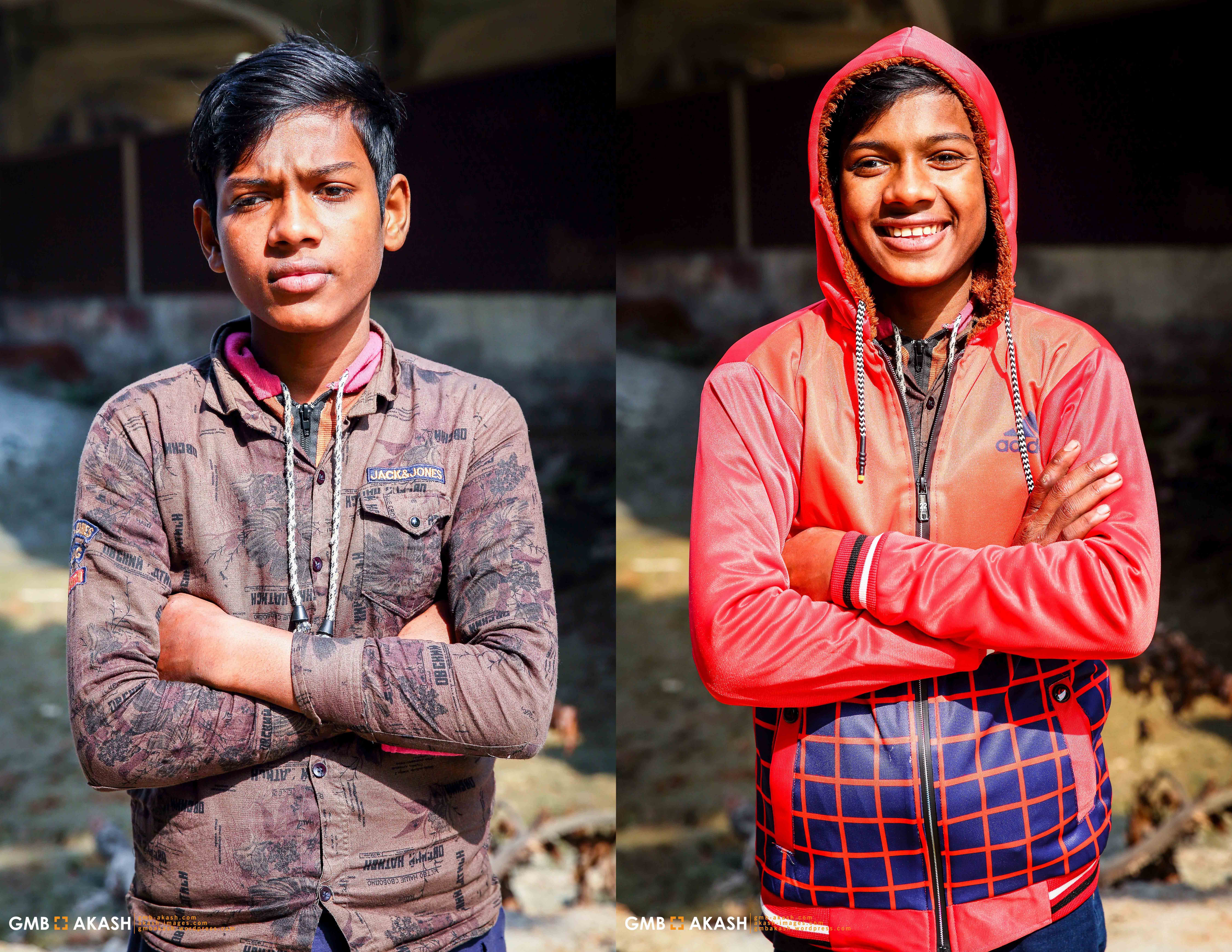
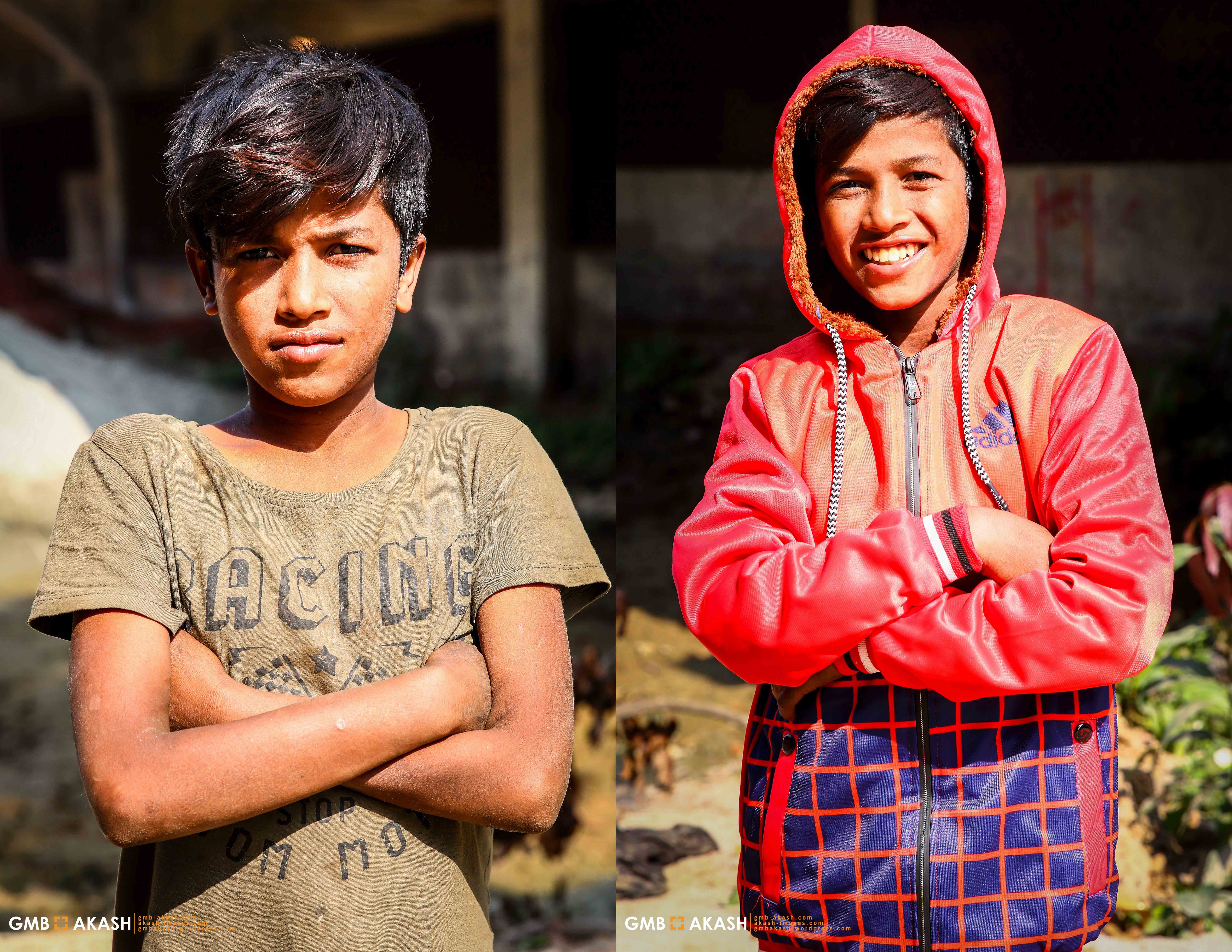
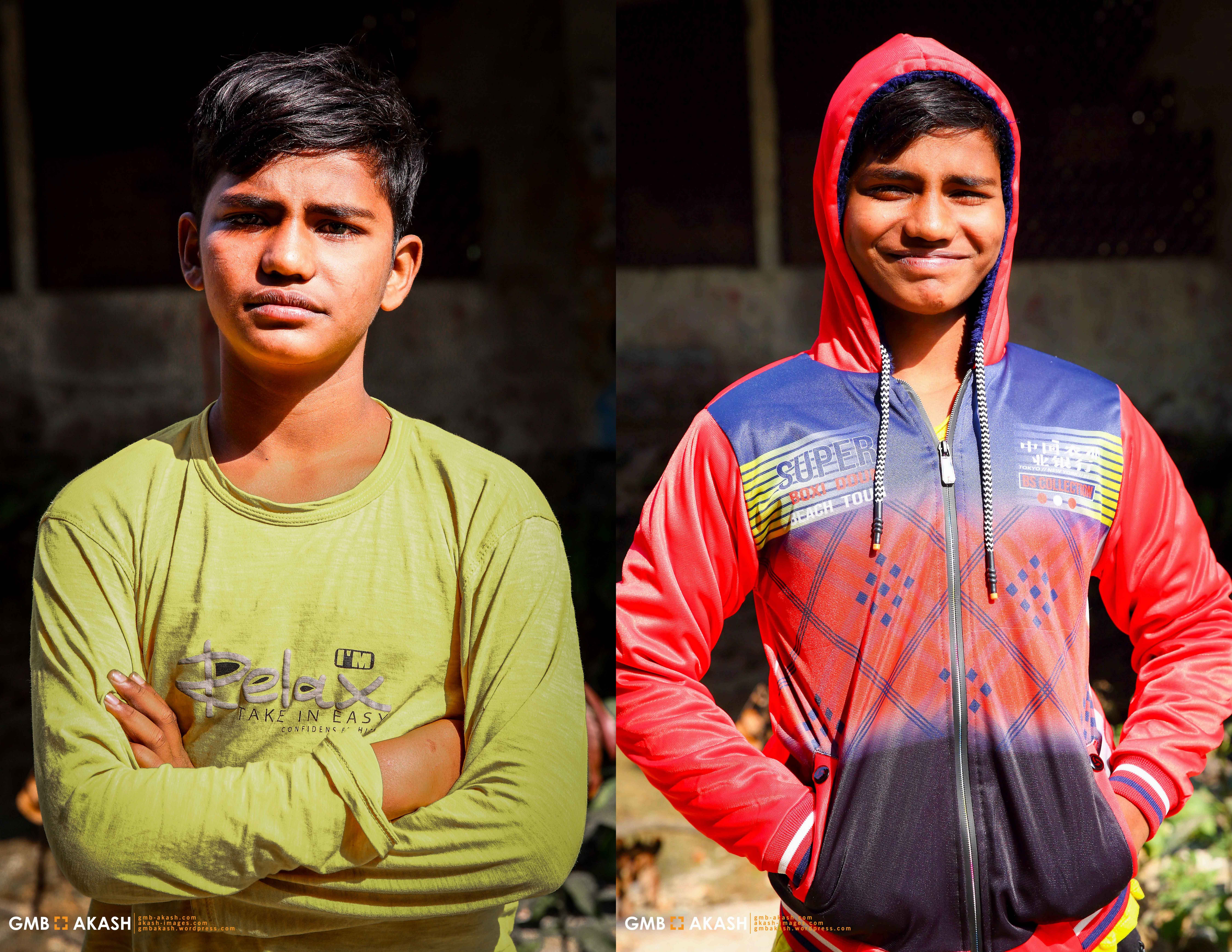
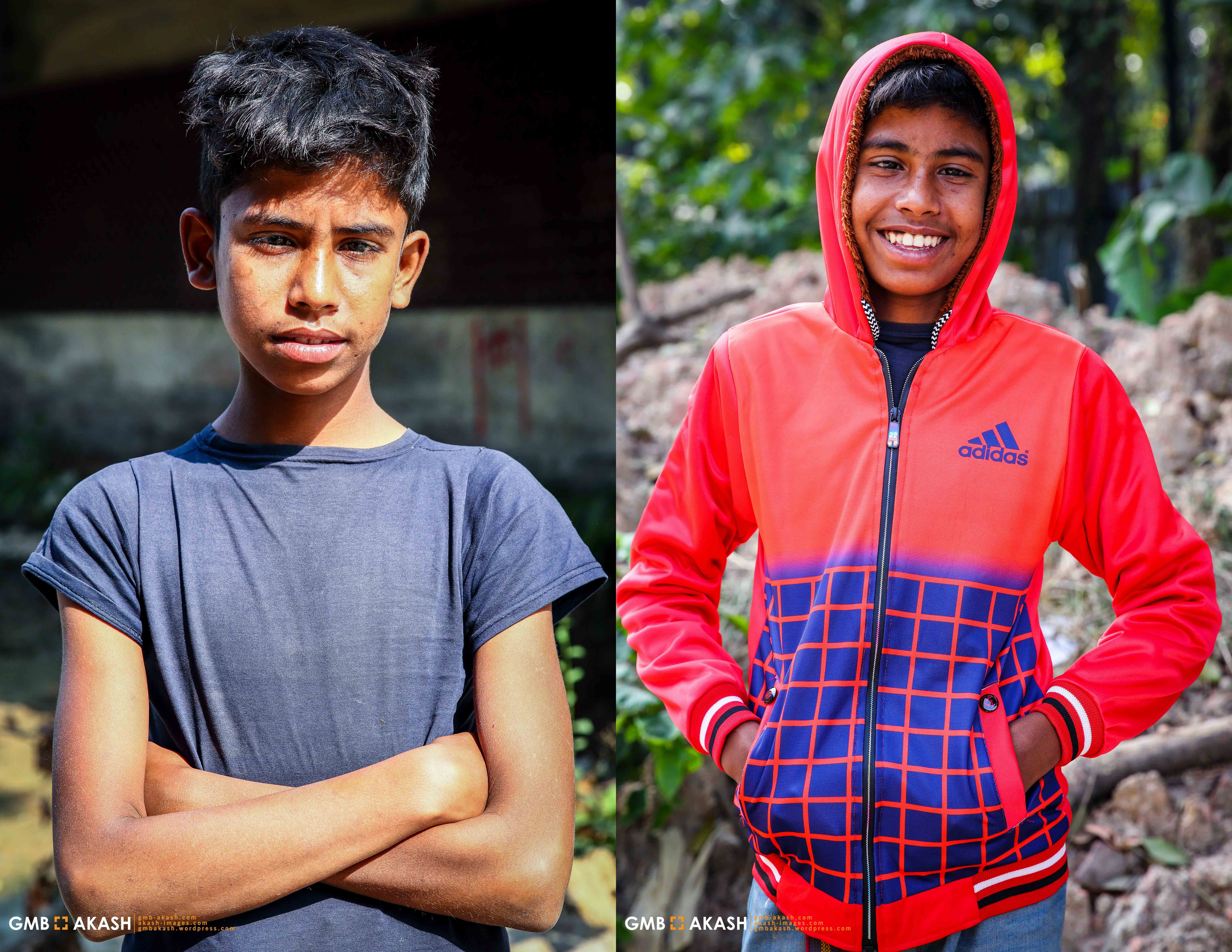
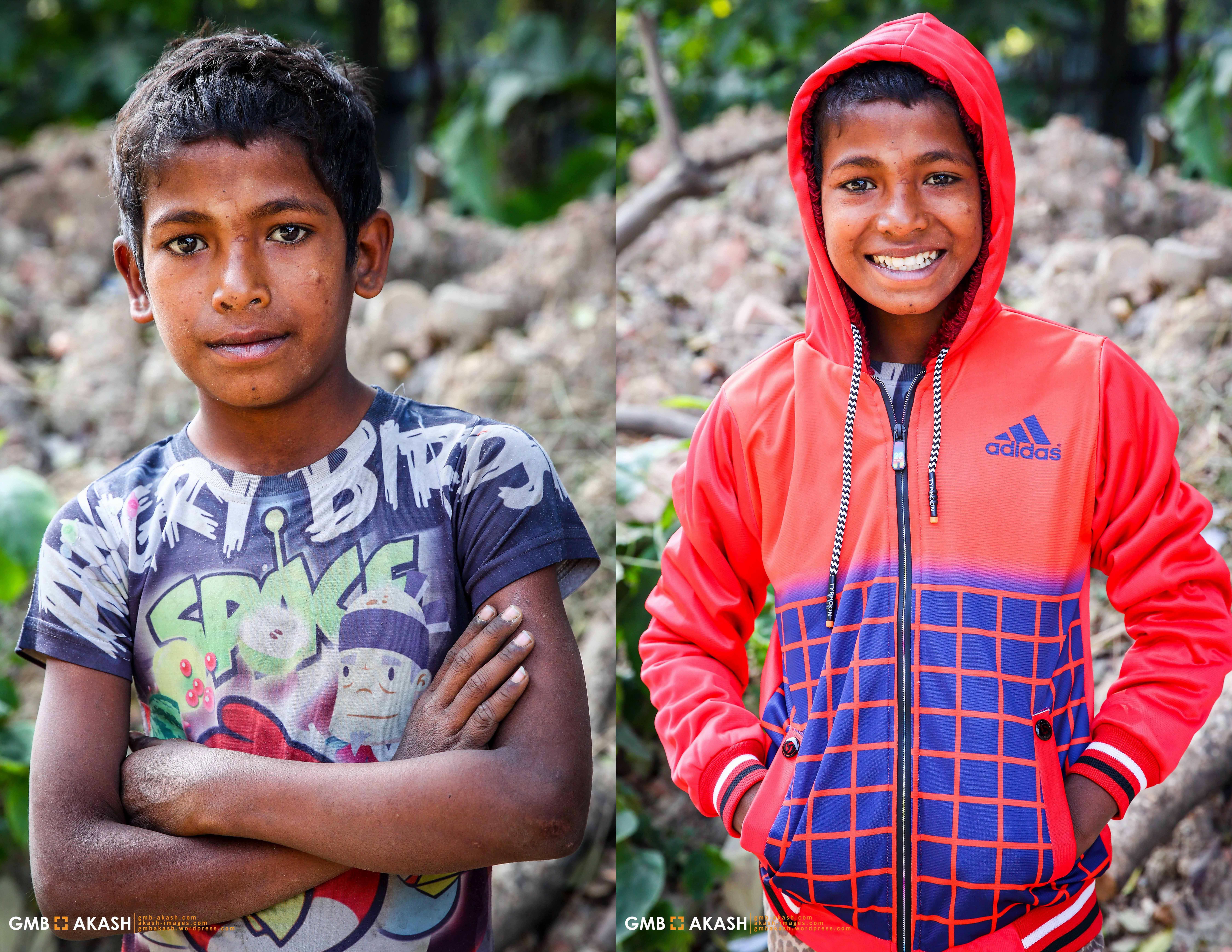
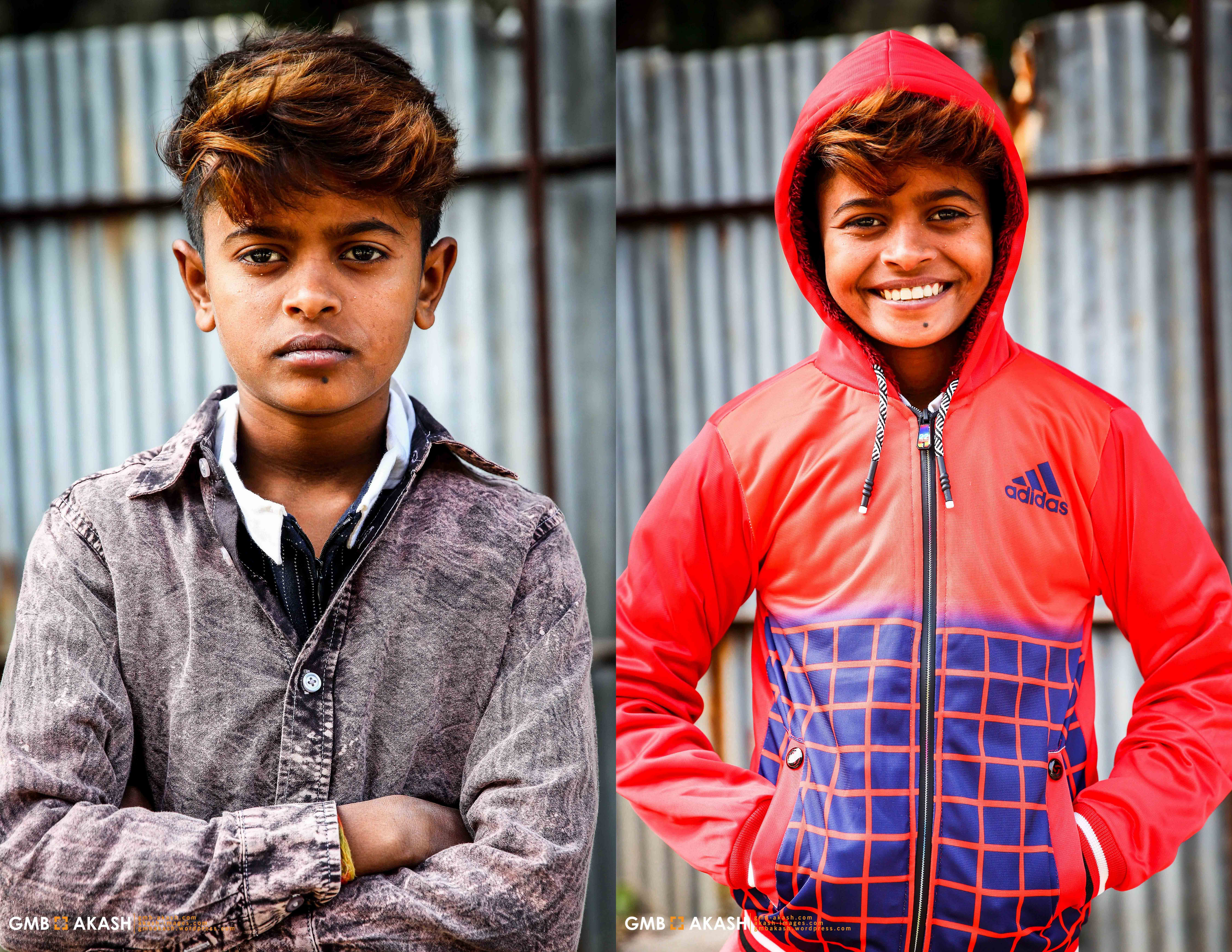
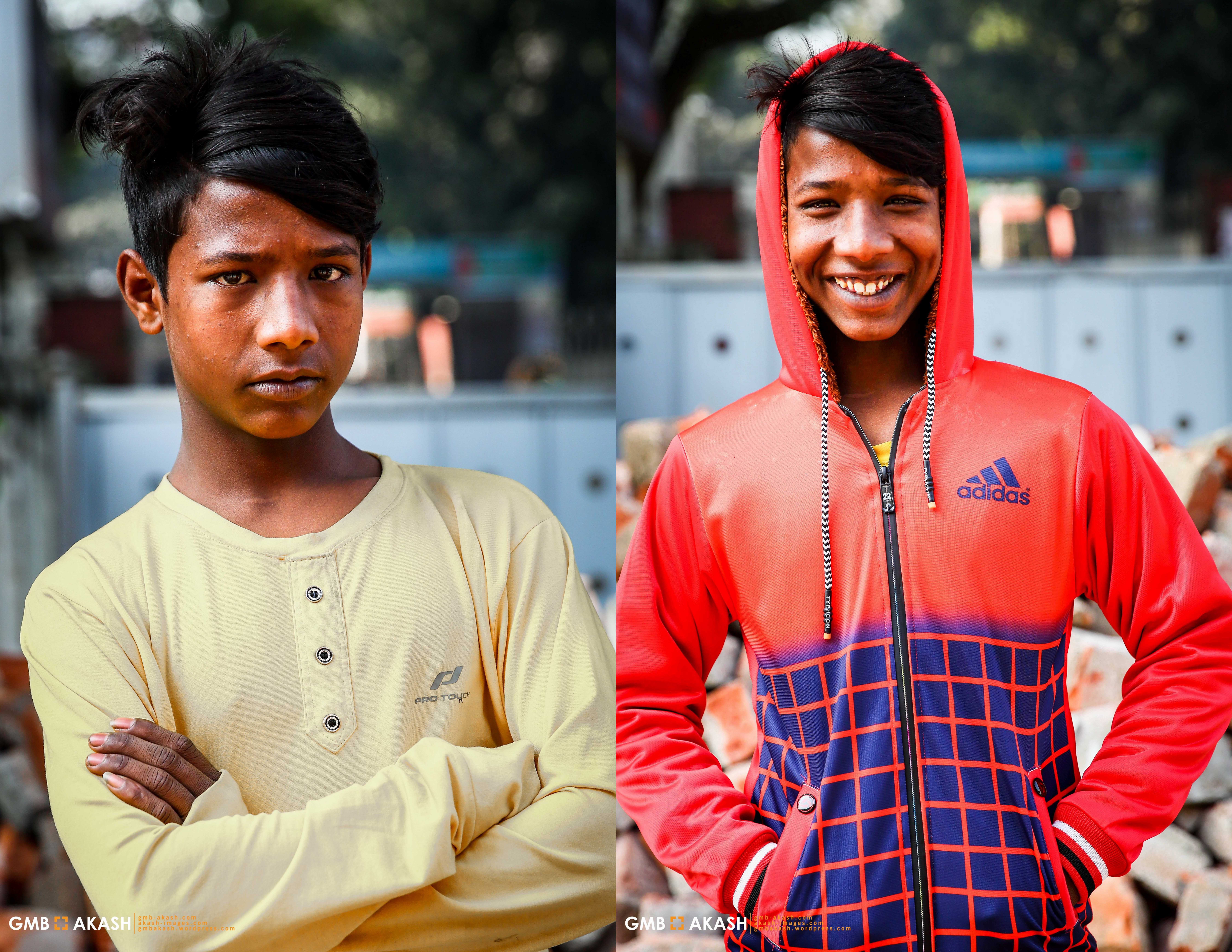
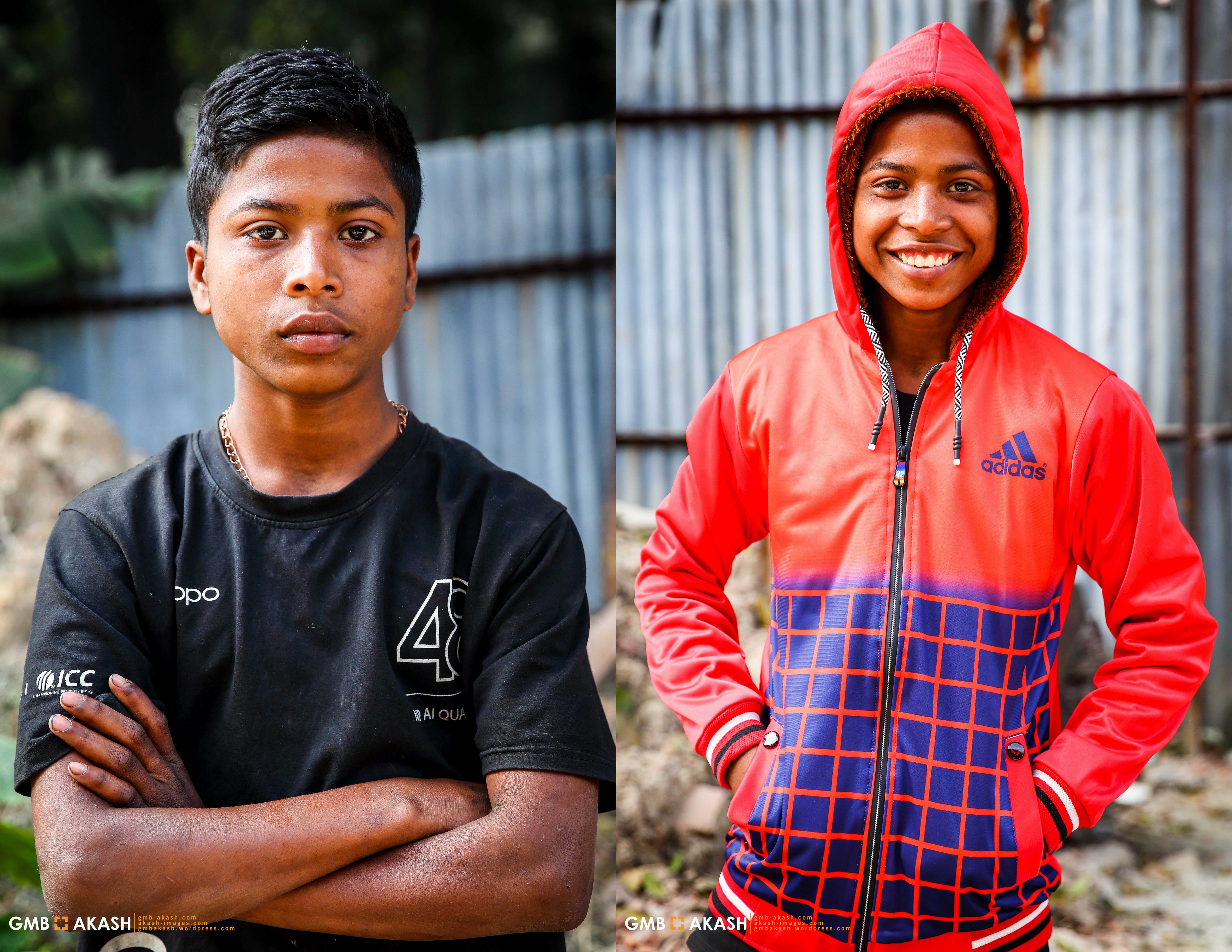
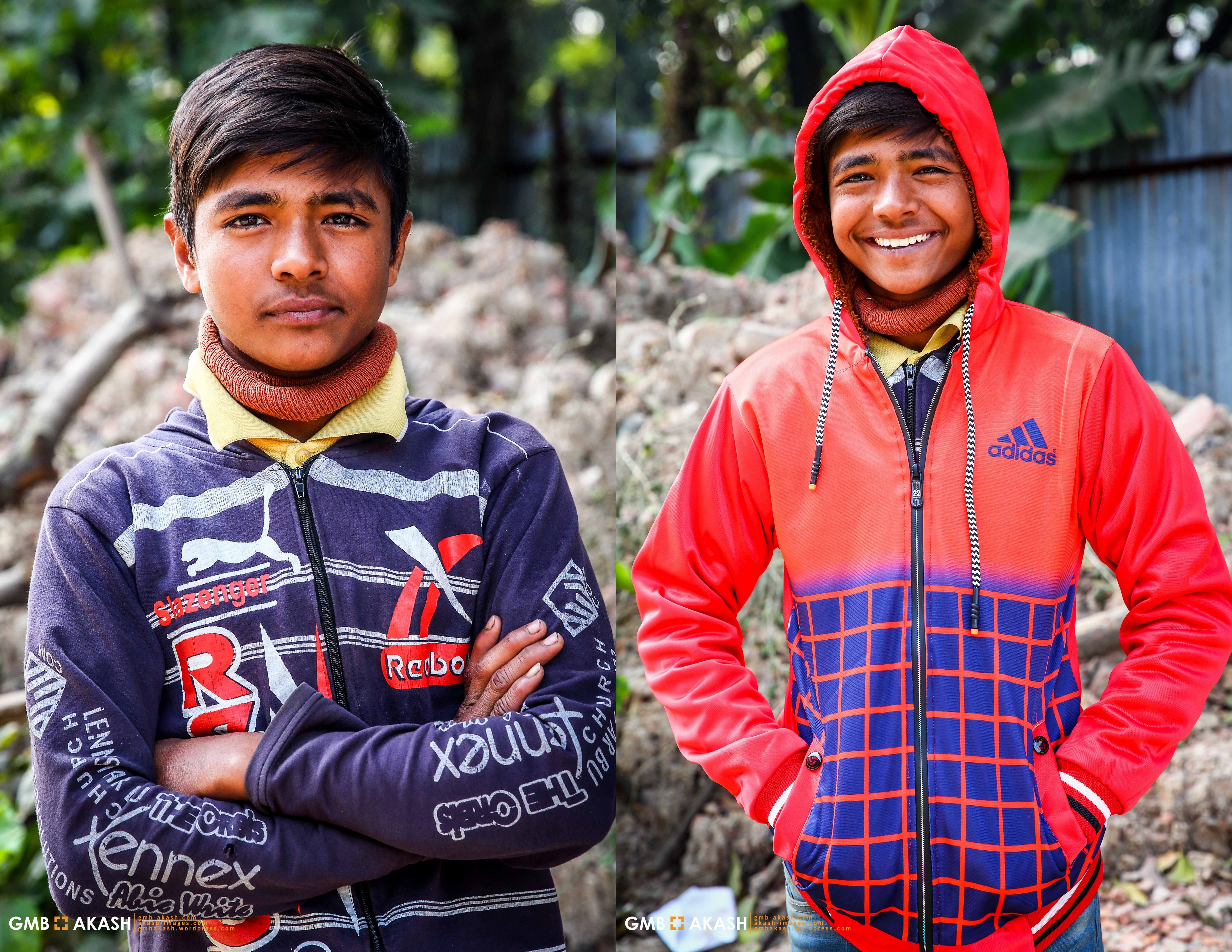
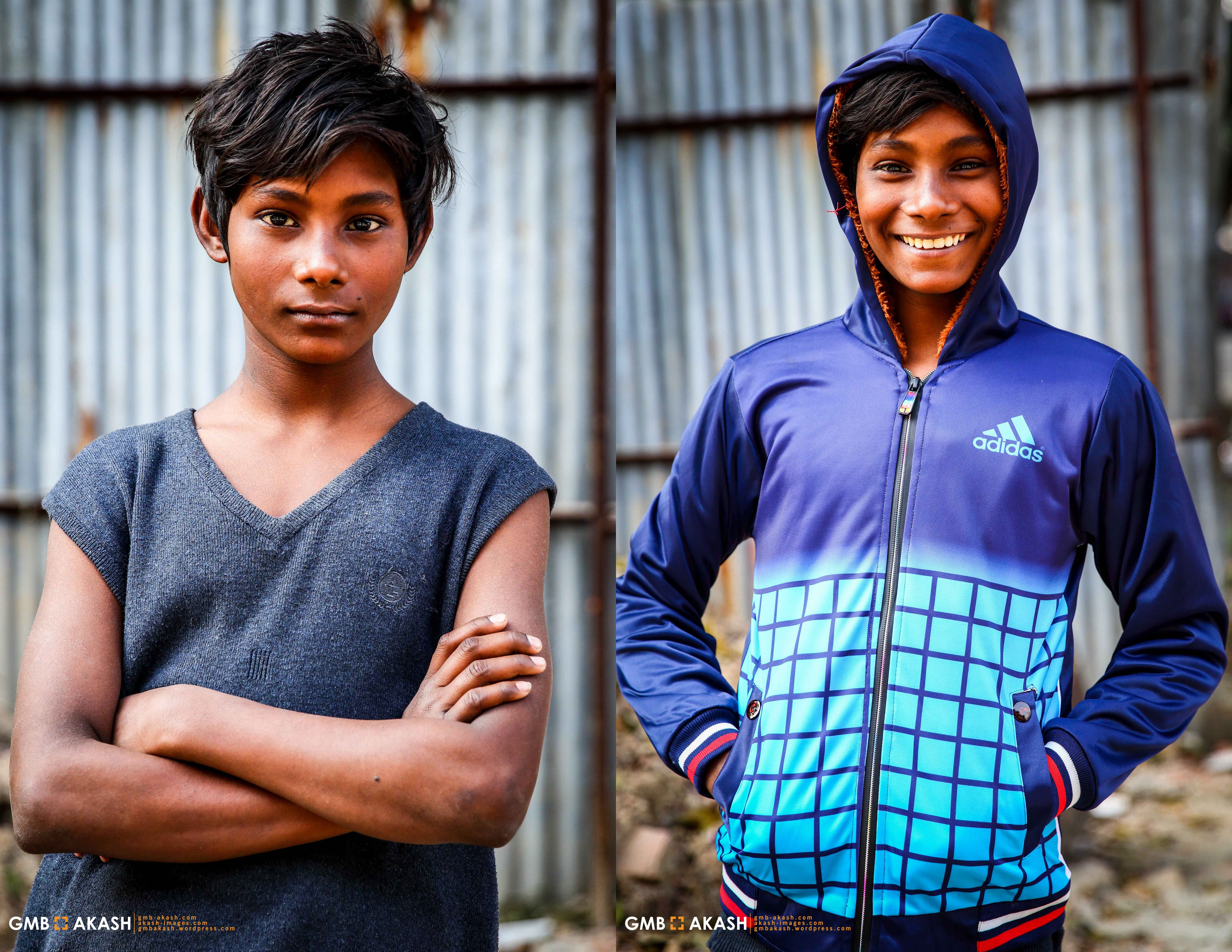
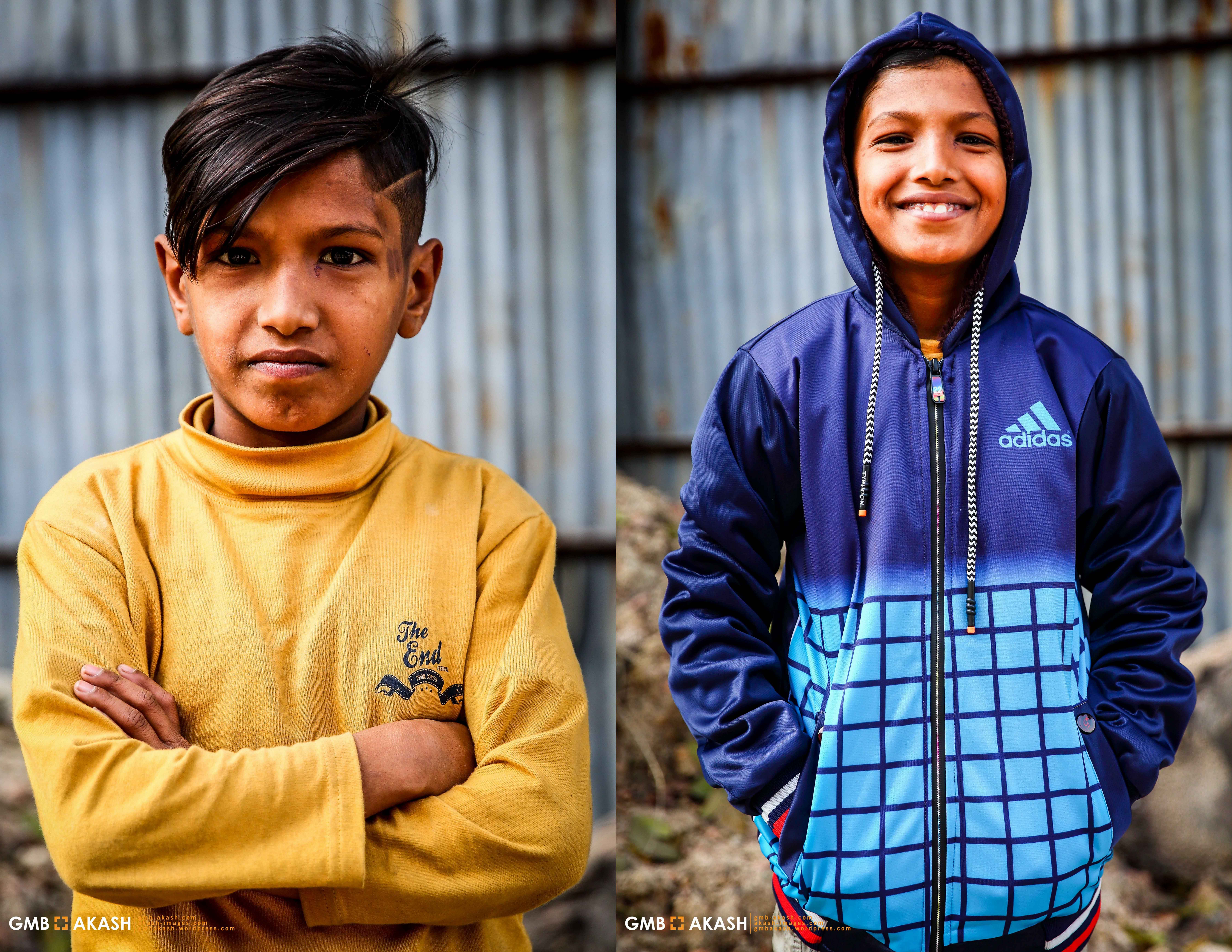
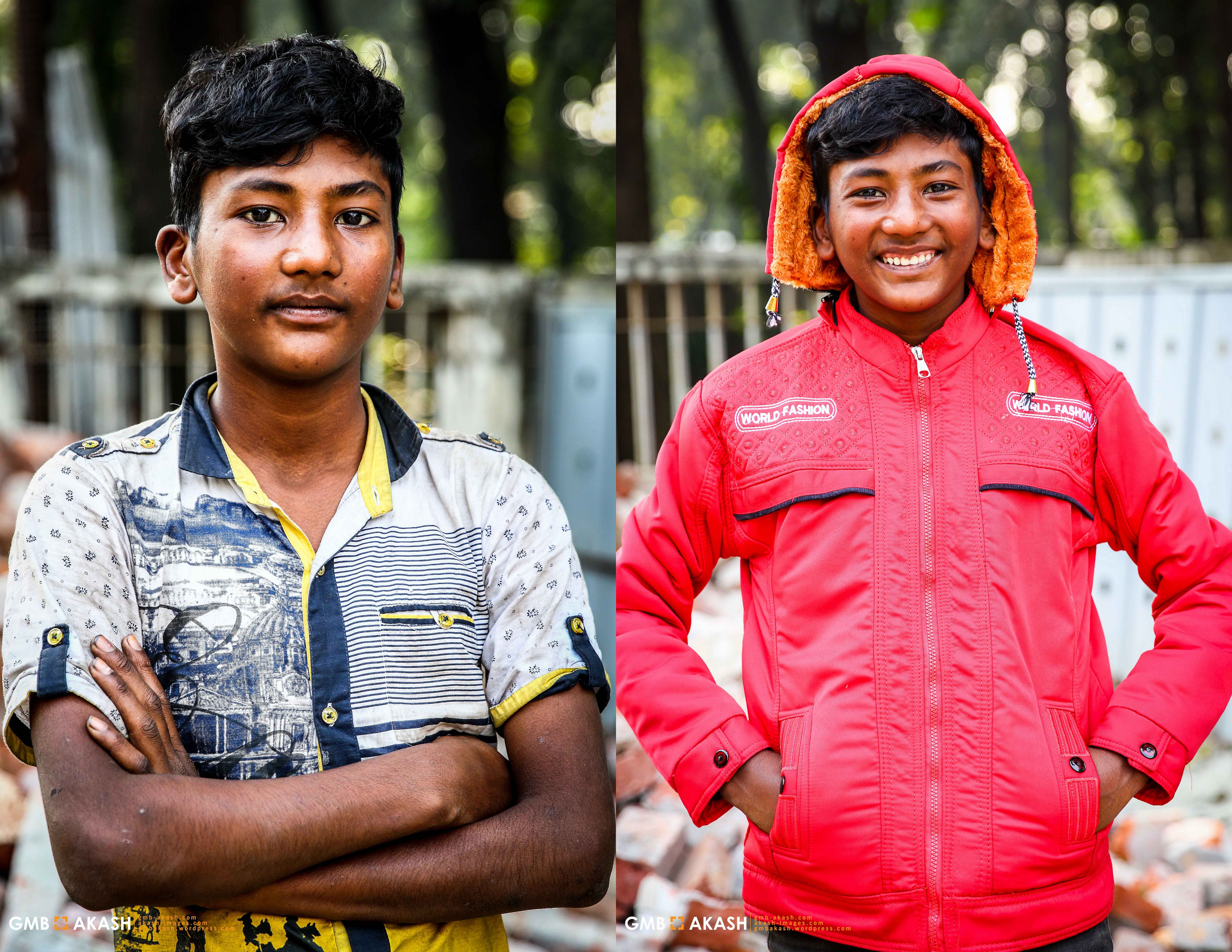
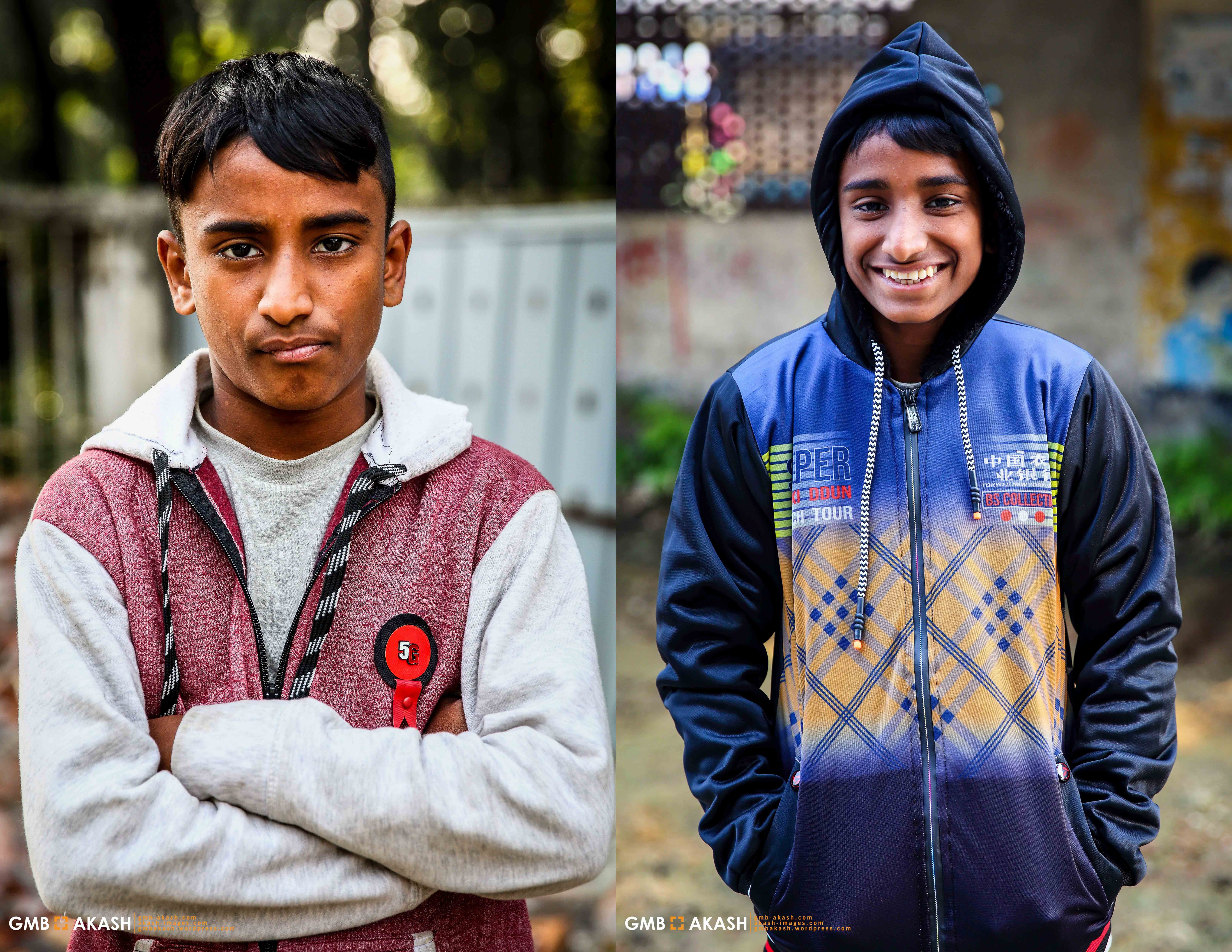

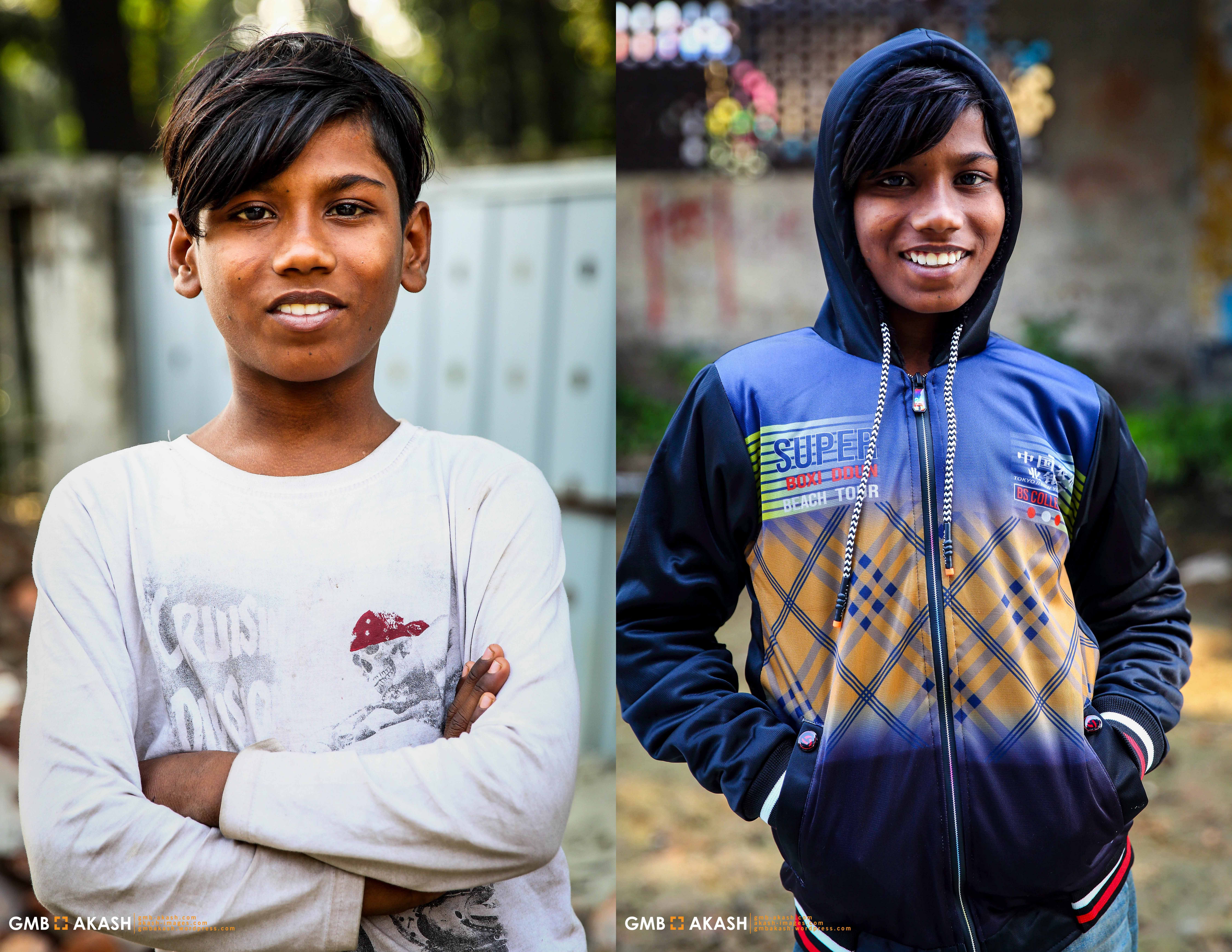
Gifting winter jackets among street children and unprivileged students from all over Bangladesh.
Dear friends,
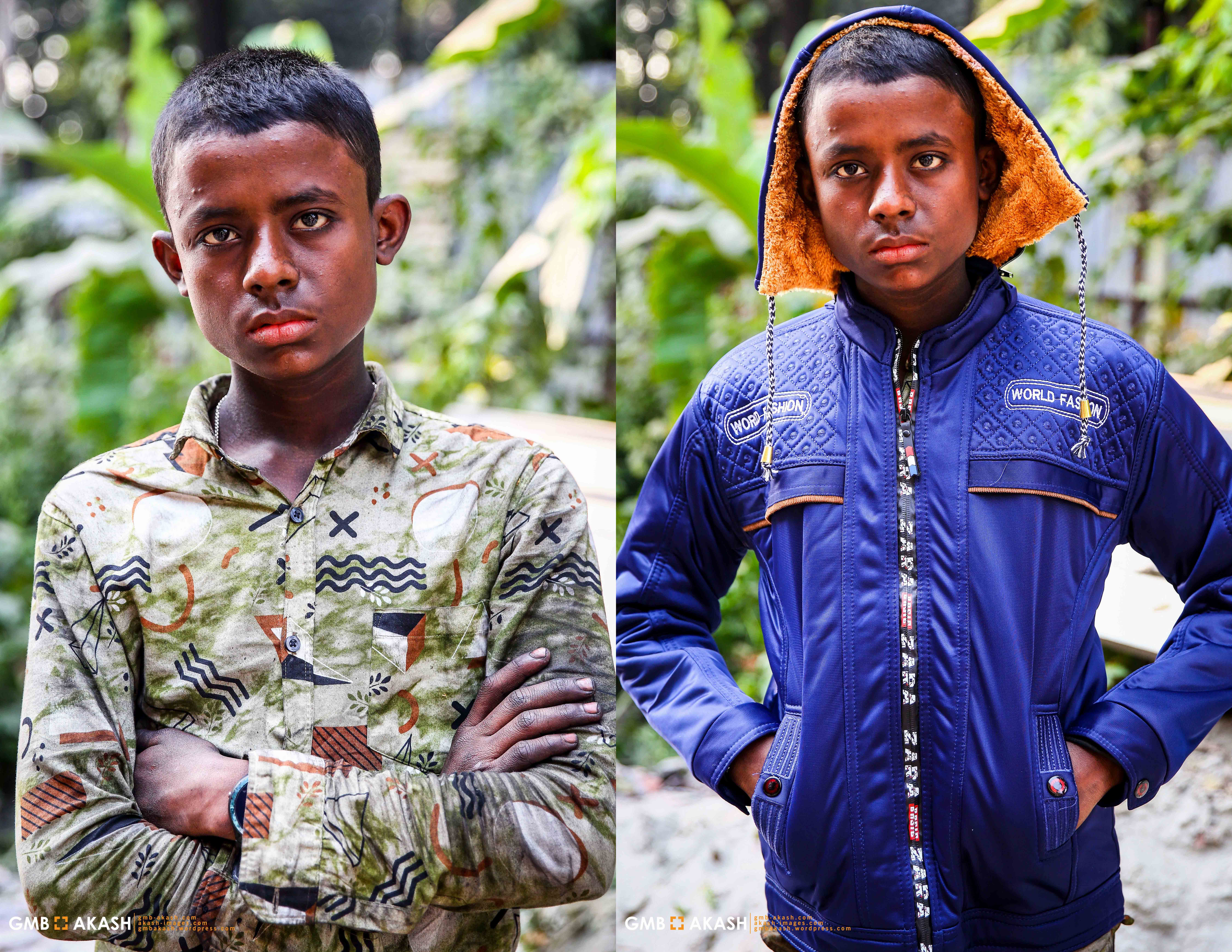
Since last month I have been gifting hundreds of winter jackets among street children and unprivileged students from all over Bangladesh.
The distribution of blankets for old helpless couples, old single mothers and fathers and winter clothing for unprivileged working women continues this month also.
I believe our little love can easily put a smile on so many faces and our little care can end sufferings of so many disadvantaged people.
Sharing some happy faces with you all…
It doesn’t cost much to help people, all it takes is love and care, and a strong desire to share that love with everyone.
Let us all spread our love to everyone, especially those who have no one to stand by them…
Thank you my friends for always supporting me and my work. I am always grateful from my heart.
_GMB Akash















GMB Akash
Photojournalist and Profile Photographer at Panos Pictures, London
Founder of GMB Akash Institute of Photography, Dhaka
Patreon: https://www.patreon.com/gmbakash
Website: http://www.gmb-akash.com/home
Photography Workshop: http://www.gmbakashworkshop.com/
Facebook Page: https://www.facebook.com/gmbakash/
Instagram: https://www.instagram.com/gmbakash/
Blog: https://gmbakash.wordpress.com/
Twitter: https://twitter.com/GmbAkash
Breaking the silence!
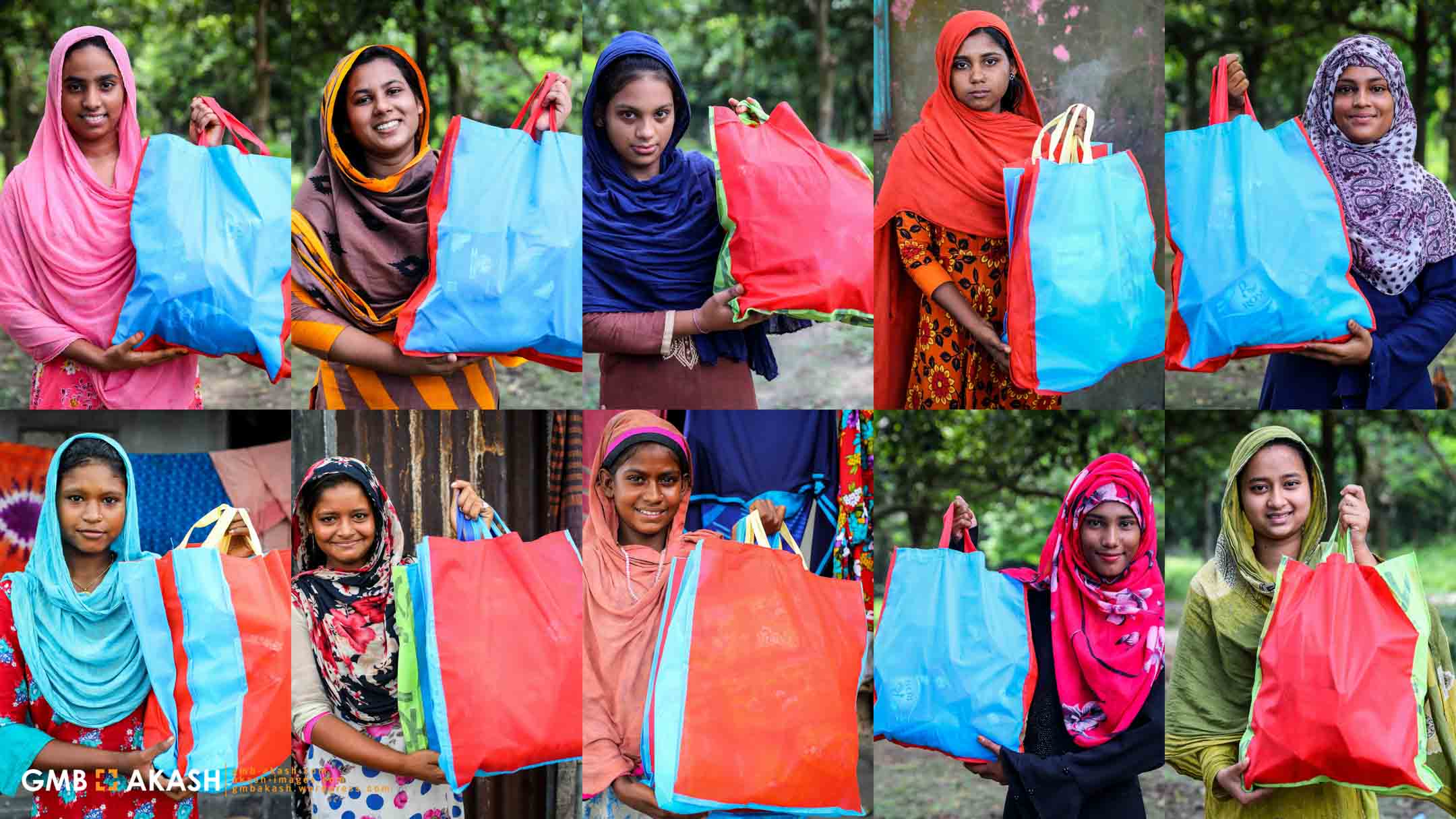
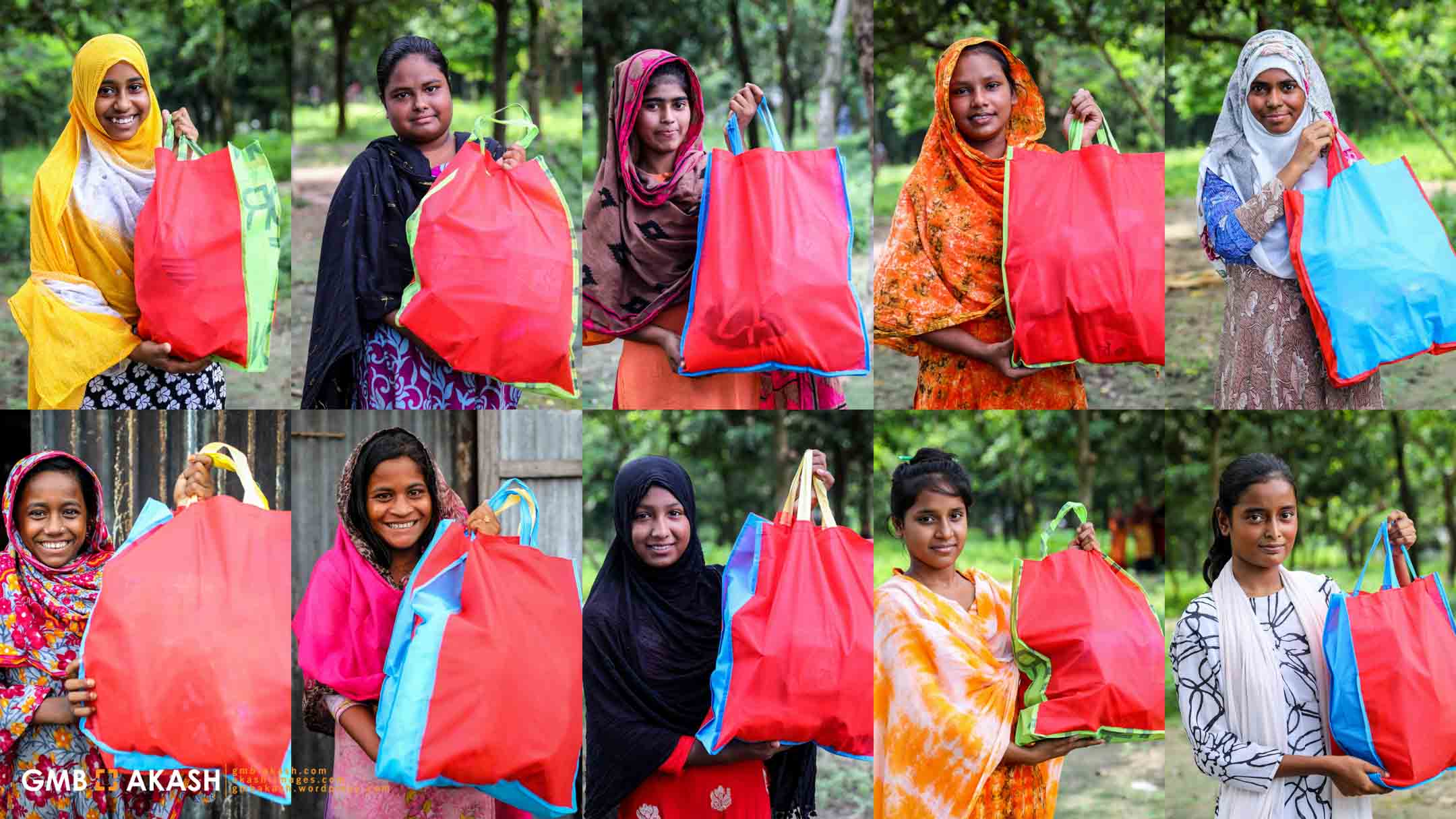
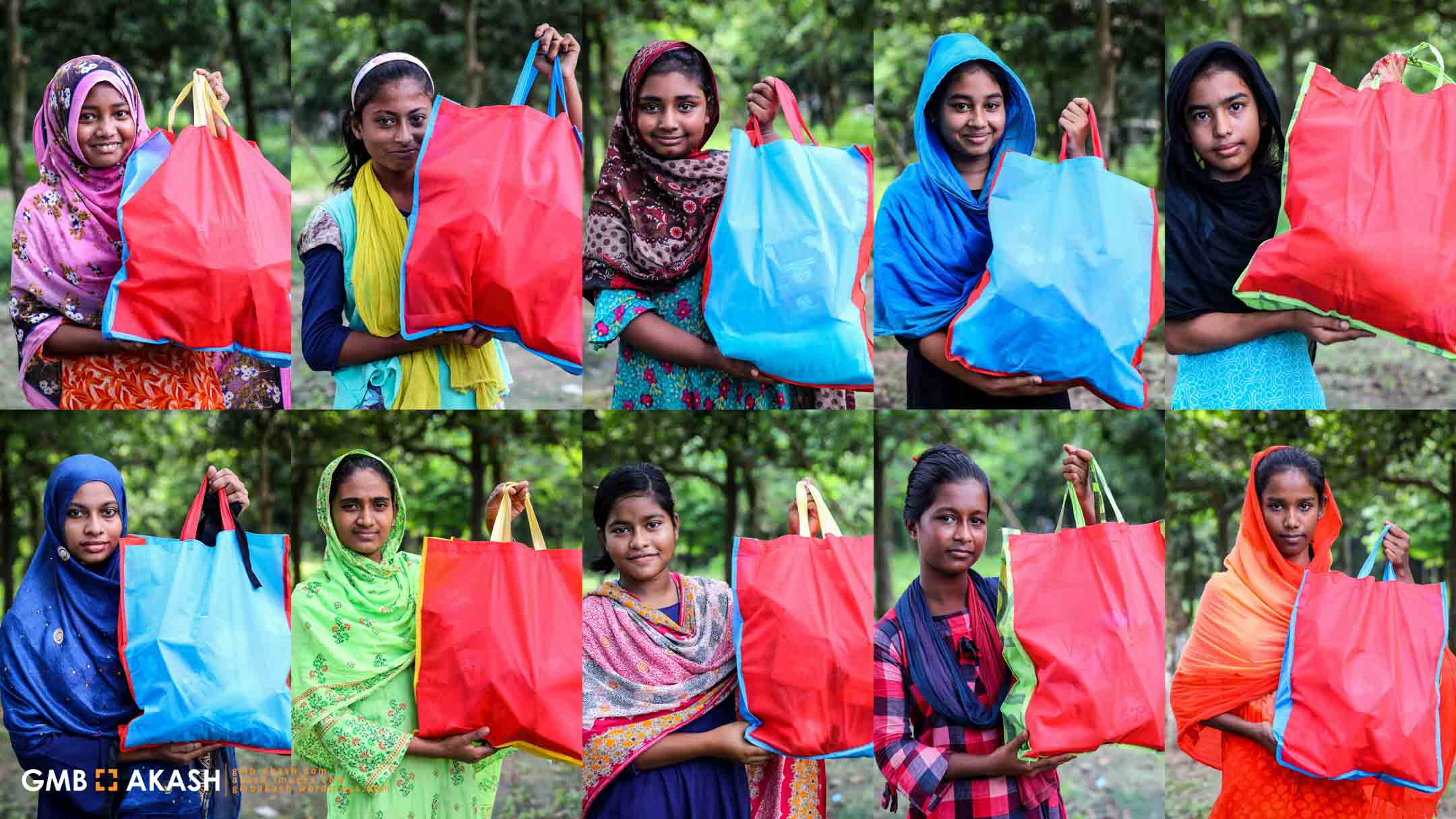
This month I have started gifting ‘Hygiene Bags’ among unprivileged teenage girls who are really in need but who can’t afford it.
We have distributed 200 hygiene bags to 200 girls just in the last 2 weeks. I have been doing this action for some time now and these 200 girls will receive this ‘Hygiene Bag’ every year until they have completed their education and they have started earning enough for themselves to afford buying their own hygiene products. I do this so that these 200 girls will find some relief during their monthly hardships and be able to concentrate on their studies and move towards a healthy future.
A ‘Hygiene Bag’ is not just a gift bag, it represents happiness for a sister. It facilitates the journey towards a healthy future for a girl but mostly, it gives relief from the physical and mental suffering at that time of the month.
Every bag consists of 15 packets of sanitary pads for one year, 6 inner garments, two towels, 24 bars of soap for washing and bathing as well as an informative letter from me.

Almost 80% of the women in Bangladesh do not use sanitary napkins mainly due to their high cost or simply due to their lack of awareness which leaves them susceptible to a myriad of health problems.


I personally visited and talked to the girls. Most of them mentioned that they cannot afford these products or their families simply don’t buy them for their girls. In many cases, they cannot even tell the family of their need because they are already in severe poverty.


Many thanks to my volunteer friends who were in the field these last two weeks beside me. They helped with the buying and transporting of the products to different parts of Bangladesh as well as distributing and giving counsel to the girls.

Please keep me in your prayers so I can always do my small part to serve the people in need till my last days.
You can also be a part of making some of them smile; you can also tell them they are loved; you can also give them some hope for a day or for a lifetime. If you want to contribute, please email me at akashphoto@gmail.com


Love and Light!
GMB Akash
Photojournalist and Profile Photographer at Panos Pictures, London
Founder of GMB Akash Institute of Photography, Dhaka
Patreon: https://www.patreon.com/gmbakash
Website: http://www.gmb-akash.com/home
Photography Workshop: http://www.gmbakashworkshop.com/
Facebook Page: https://www.facebook.com/gmbakash/
Instagram: https://www.instagram.com/gmbakash/
Blog: https://gmbakash.wordpress.com/
Twitter: https://twitter.com/GmbAkash
Love for Rudro!
I have some good news to share with you about Rudro’s family! Rudro’s family had endured such hardship when his father had a stroke that crippled him greatly and the family had become destitute.
I had been taking care of all of Rudro’s expenses for his education since he was in class 9.
Rudro is now studying in the 2nd year in a highly prestigious Notre Dame College (Notre Dame College is the best college in Dhaka as well as in Bangladesh) And I will continue helping his family till he gets a job and starts earning for them himself.
I am sharing a short video where Rudro wanted to express his gratitude.
“Our little help, little words, little recommendations could bring light in some dark places of this earth.”
For the last two years I have been studying at the prestigious Notre Dame College in Dhaka. In 2021 my education at Notre Dame will be completed. From class 9, Akash brother took care of all my expenses so that I could go to school.
_ Rudro
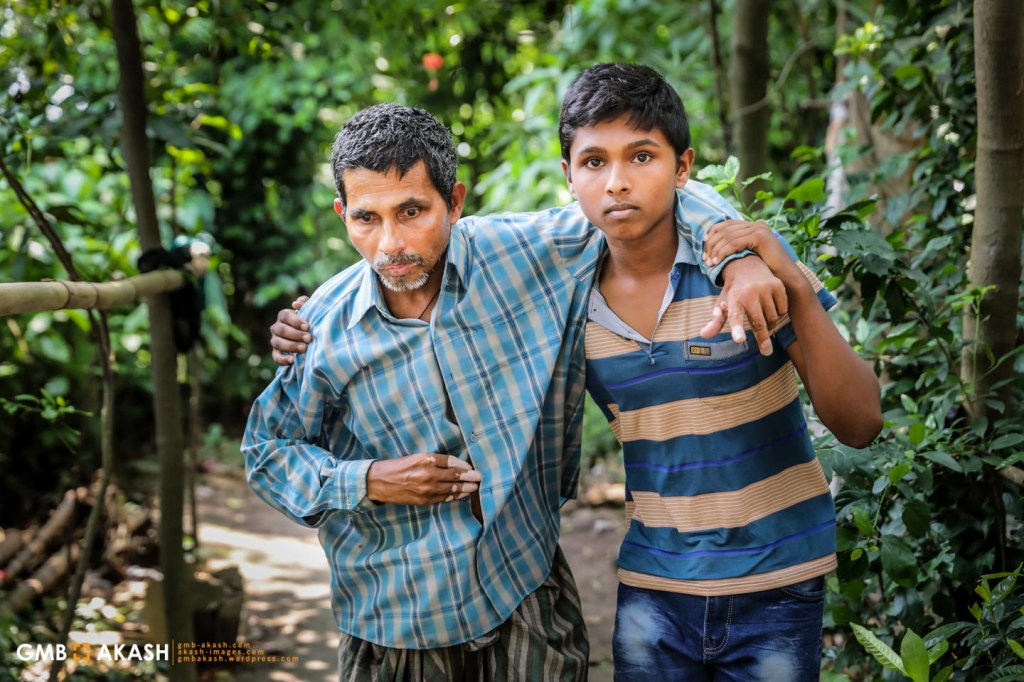
My father is sick; he is paralyzed and unable to earn anything. Without Akash brother’s help, my education would have stopped long ago. Four years ago Akash brother gifted us a cow with a calf.
_ Rudro
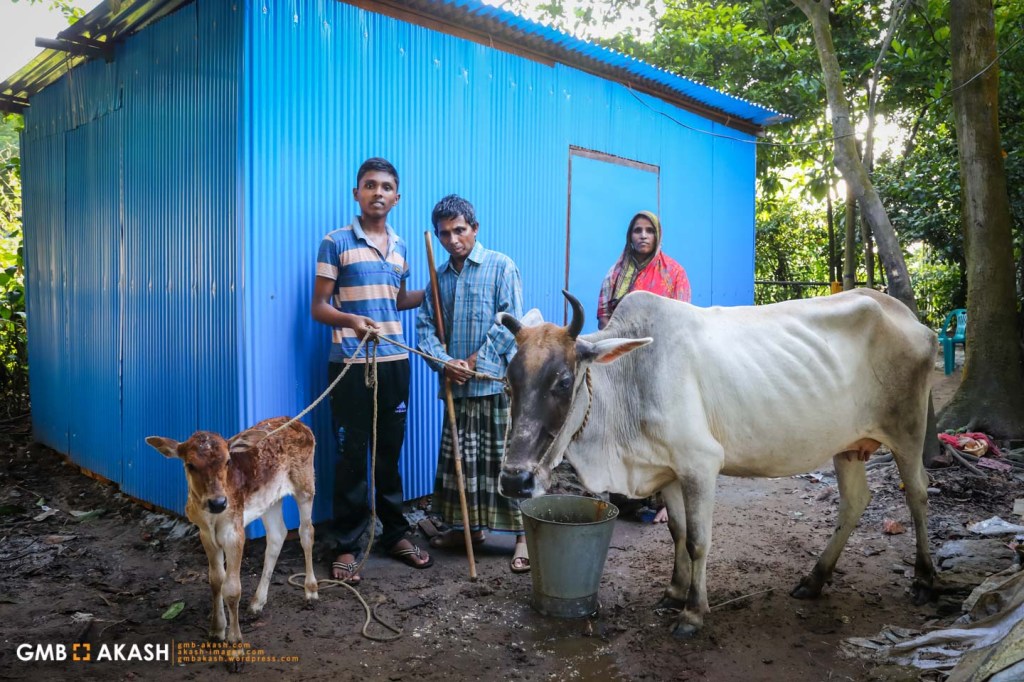

We have now received four calves from that cow. After raising those calves, we sold them and got a good amount of money. If Akash brother had not helped me by giving us this cow and the first calf, I have no idea what would have happened to my family, my education and my father’s treatment.
Like me, Akash brother helps many people from our village with small family businesses or scholarships for education. Akash brother built a school in our village where around 150 poor children receive nearly free education. I pray for Akash brother so he can help more people.
_ Rudro
GMB Akash
Photojournalist and Profile Photographer at Panos Pictures, London
Founder of GMB Akash Institute of Photography, Dhaka
Patreon: https://www.patreon.com/gmbakash
Website: http://www.gmb-akash.com/home
Photography Workshop: http://www.gmbakashworkshop.com/
Facebook Page: https://www.facebook.com/gmbakash/
Instagram: https://www.instagram.com/gmbakash/
Blog: https://gmbakash.wordpress.com/
Twitter: https://twitter.com/GmbAkash
Dreams of child laborers
Every time I am working with children on different projects, I like to collect their stories and I always ask them to tell me their dreams. Here, I am sharing with you 10 common dreams that these working children keep inside their hearts! These dreams can give us insights into the souls of these little angels.
Child labour in Bangladesh is sadly very common with 4.8 million child labourers or 12.6% of all children aged 5 to 14 finding themselves in the work force in order to survive or to help their family survive.
I have been working on this issue for the last 15 or more years to create awareness and to bring about positive changes in our society.During these last years, I have taken a lot of steps in an effort to contribute to the education of some of these impoverished working children.
A few years ago, I set up a school for unprivileged children outside of Dhaka where around 160 children from rural villages receive nearly free education. Most of their parents are illiterate and these children will be the first generation to be able to improve their lives and the lives of their families.
I have also given scholarships to hundreds of students who, otherwise would not be able to continue their education and might end up working in factories and in hard labour jobs.
Recently I have been trying to admit working children to school. I have been giving small businesses to their parents so they can earn enough money for the family and send their children to school instead of a factory. So far, I have admitted 22 children to school and have taken full responsibility for their education including all expenses. I will see that these activities will be continued for these children and hopefully more children, until my last breath.
These efforts have, of course, been effected by the COVID-19 health pandemic and the resulting economic and labour market shock that is having a catastrophic impact, in particular, on poor people’s lives and livelihoods.
Unfortunately, children are often the first to suffer. This crisis can push millions more vulnerable children into child labour.

When I grow up, I want to be the owner of a factory and I will name my factory after my mother. _ Razu
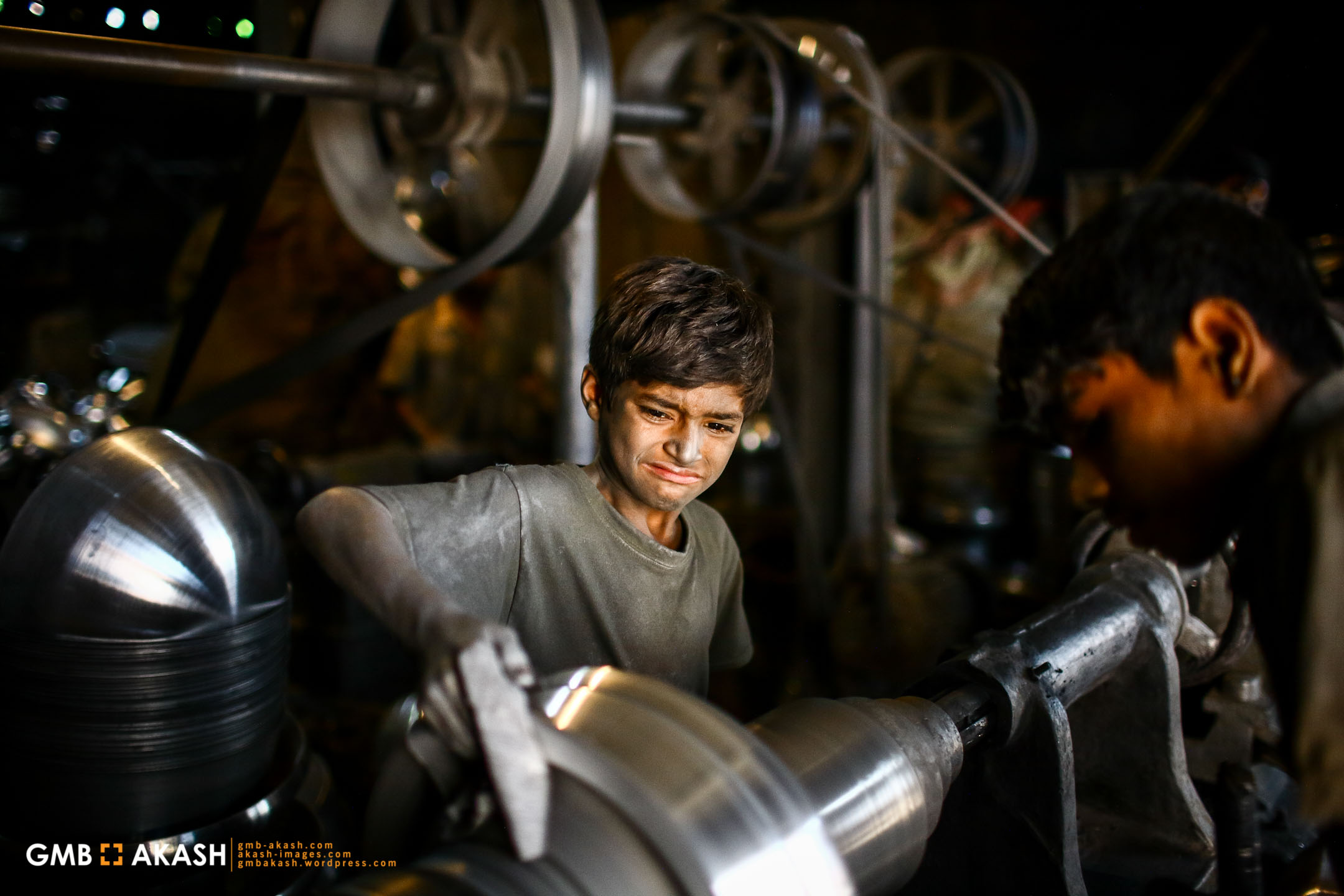
I want to send my younger sister to school; she loves to study and to go to school. _Sojib

I want to build a factory where there will be more light, drinking water, fans and more space for working._ Munna

We will rent a big house in our slum so my parents and my younger sister can sleep comfortably at night. Now, in one room four of us cannot sleep. It is too warm and crowded!- Sobuj

My mother works as a maid and my father pulls a rickshaw. I want to grow up fast so I can earn more money every day. Then my parents won’t need to work._ Parvin
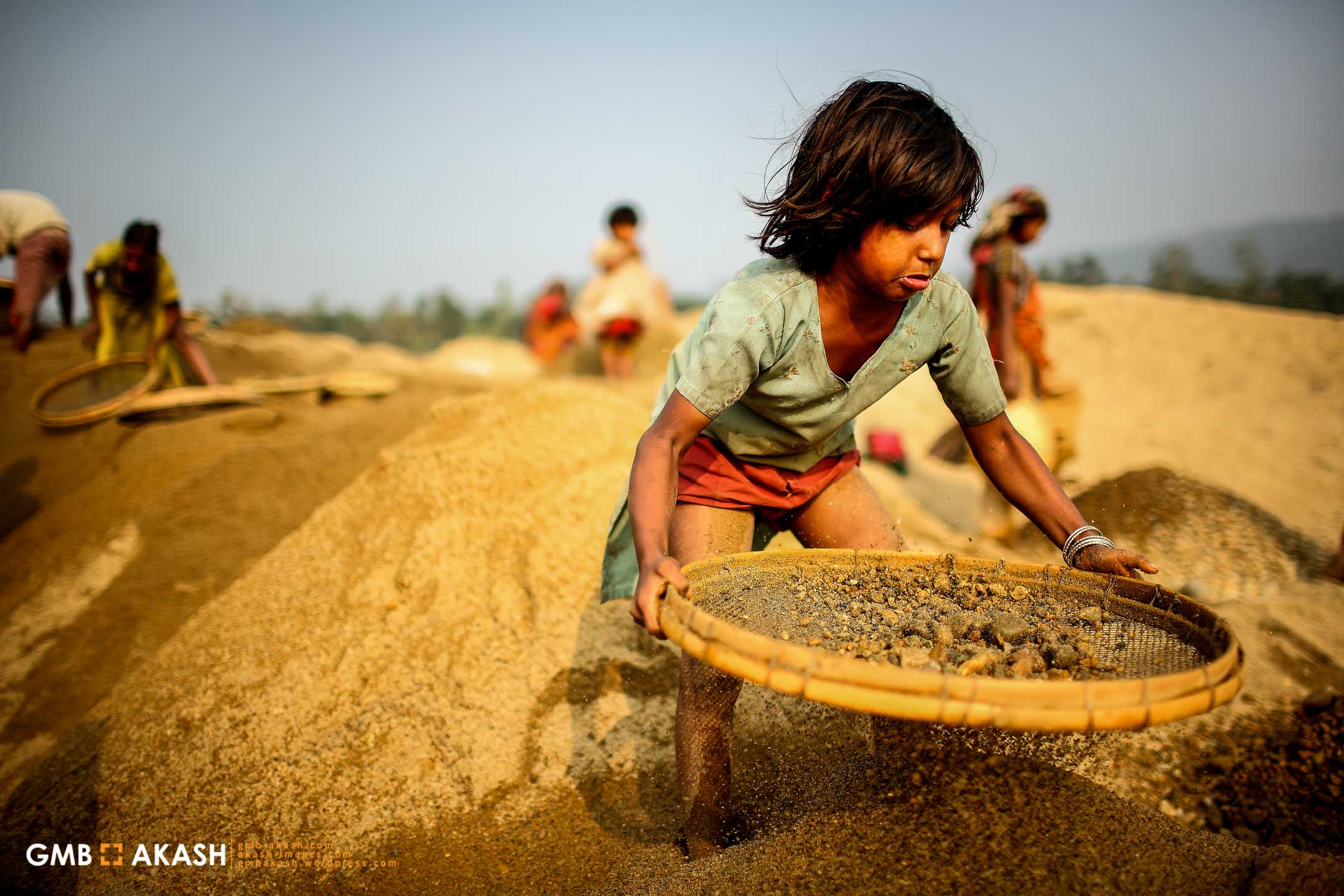
I wish I could work in a textile factory. They have a better environment with a fan, toilet and clean building._Shilu
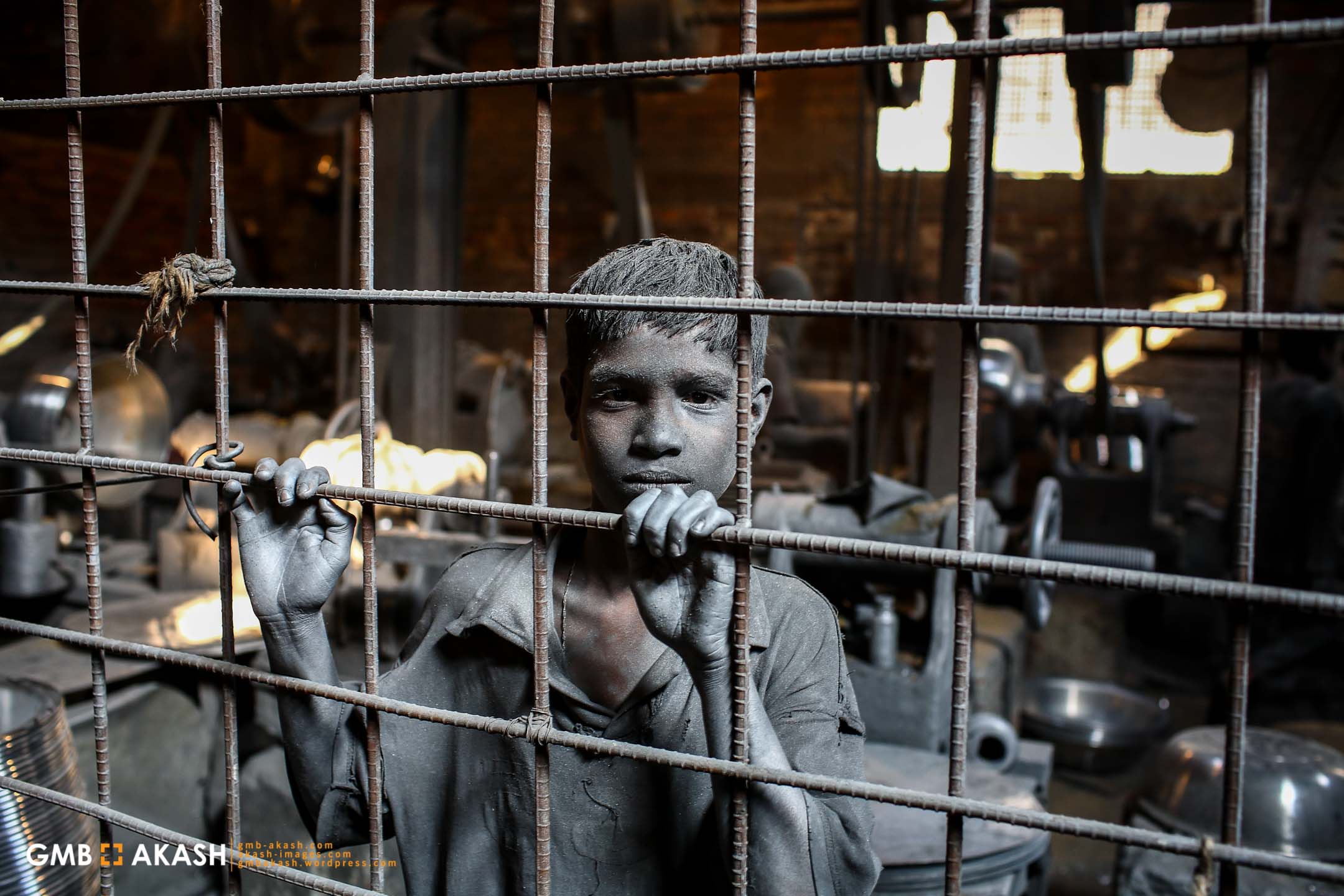
I dream I will have my own factory where nobody will beat any children nor say bad words to them. _Jewel

I studied until class 3 and then we came to the city for work. I miss my school and our village. I Hope I can return to our village and study in our village school._Midul

I want to buy everything that my mother likes. Like new sarees for her, good shoes for her, anything she loves._ Koli

——————-
GMB Akash
Photojournalist and Profile Photographer at Panos Pictures, London
Founder of GMB Akash Institute of Photography, Dhaka
TEDxHyderabad:https://youtu.be/sXbmBCzgy8A
TEDxYouth:https://youtu.be/rLG7sPs6MkU
Website: www.gmb-akash.com
Photo Agency: www.panos.co.uk
Photography Workshop: www.gmbakashworkshop.com
Facebook Page: www.facebook.com/gmbakash
Instagram: www.instagram.com/gmbakash
Blog: www.gmbakash.wordpress.com
Twitter:www.twitter.com/GmbAkash
‘An Invasive Mind: More on Street Photography’
‘Traveling to an unknown city, to an anonymous alley is always fascinating to me; mostly in order to stare at how life goes on! Stepping into a nameless street and sipping a cup of chai in its old bazaar is like a reunion of moments that are treasured in my memory tag! Street photography has unveiled secrets of eccentric daily life and it has always unfolded mystery that my heart aspires for all the time. My camera is my best friend and spending hours and hours along with it in those streets is so addictive that I am compelled to say that the best part of street photography is – you will never ever feel bored’ – GMB Akash


Where to go?
Anywhere! Here and there or everywhere. Known or unknown. Seen or unseen. Do not calculate which place is convenient and which is not. Be very casual. Start your journey and discover things that you never thought would fascinate you. Keep one thing in mind: every street trip that you will make will be a unique one if only you can merge yourself within the flow of the street.


How to overcome fear in the street?
It is very obvious that you will be very uncomfortable at the beginning. But after some time you will be okay with it. But of course you have to overcome your fear. You have to overcome the feeling that everyone is noticing you and you might have to face several rejections. Stay focused, accept rejections, enjoy walking and be very confident!
One gesture to win hearts:
Please smile. Smiling is a kind gesture. It allows you to alleviate nervousness and it makes a connection with your subject. Whenever you are going to take a shot of any person, nod and smile.

Communicate appropriately:
During street photography don’t talk too much but do talk a little bit. Small words, hello, can I take a picture, wow, great, fine, thanks small words. If you are going to make a long conversation, it happen often that some people might hesitate about your aim. In case you feel a longer conversation could bring out images then do it.


Handle yourself wisely
Be very confident in the street. Act like a professional. Feel like you have been doing it for many years. When you will be confident then the people around you will feel confident about you. Finally you will face less rejection.

Introducing yourself to strangers:
You will meet three kinds of people in the street:
a) Persons who are very welcoming about taking images. You will definitely explore this opportunity more. While meeting them you can feel it easily so it will be very comfortable for you to take images with time and to experiment.

b) There are some people who hesitant. They will not refuse you or say no to you directly but you can feel a discomfort. Then it is your responsibility to make them comfortable. Greet them, talk about the weather or simple things about yourself and you will discover after few minutes they will be more at ease.

c) Go away faces. They are very challenging and you have to respect your subject. If they do not approve of taking their pictures you have to respect that without feeling bad. The most you can do tis o make them understand that their images are fully secured and you are an aspiring photographer. Talk to them about your passion and dreams. Even after that if they say NO, just accept it. We cannot force someone to do anything!
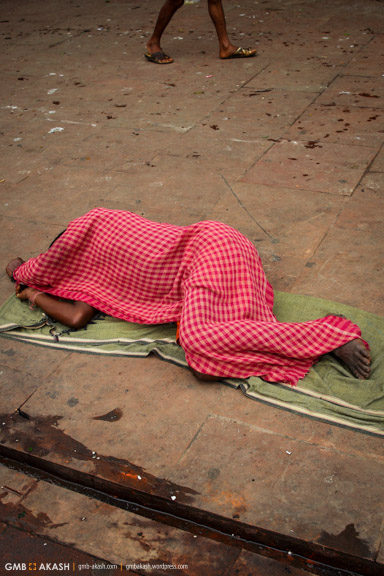
Take a companion:
If you feel very uncertain and discomfort about shooting even after trying hard then ask a friend to accompany you for a few days. Sometimes company can make your street trips easier.

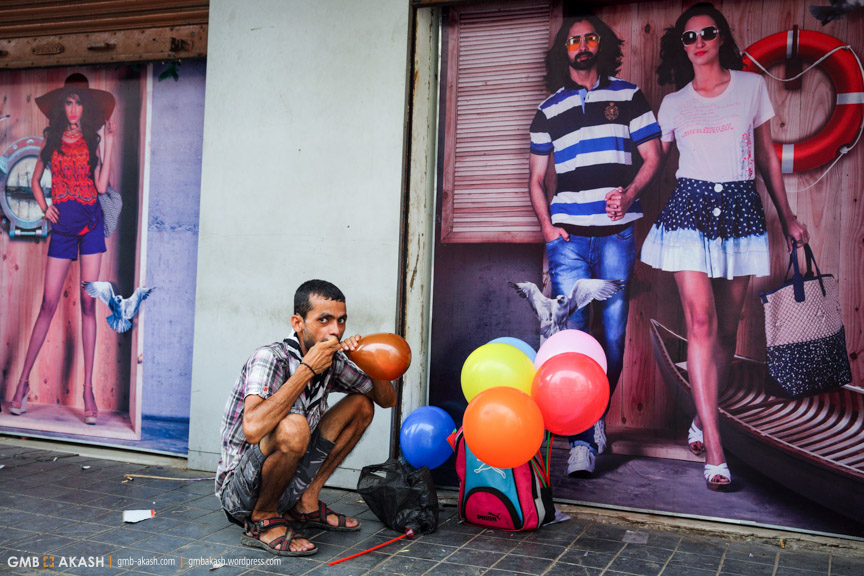
Never Hesitate:
In street photography there is not much time to waste. You cannot spend a lot of time just for one shot. It is full of capturing decisive moments for capturing. If you get an excellent shot for a moment, do not get time to ask permission. Just click, then you can talk afterward and explain it. If you hesitate the person in front of your camera will hesitate. Never hesitate.

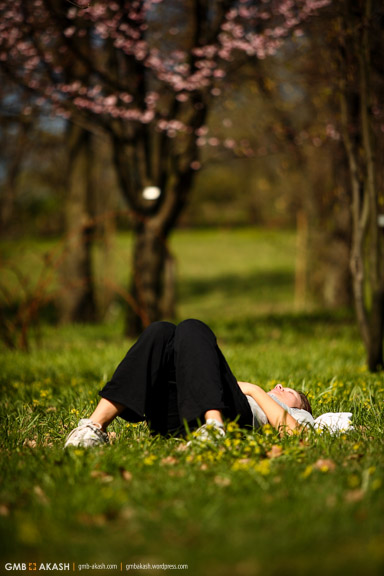
Learn to understand people and situation:
A great attribute of any kind of photographer is when he/she can understand people. After being experienced in the street you can feel that you actually can understand what a stranger is feeling about you. Slowly you will understand people and their minds. It will help you to deal with any kind of situation in the street.
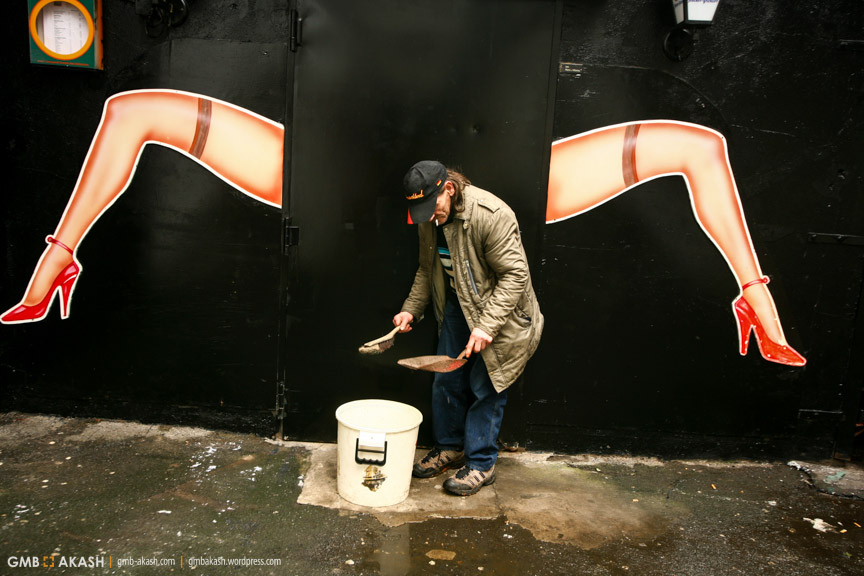

I have already shared a few experiences of mine and some advice in the Street Photography Category of this blog. Have a tour if you want to know more about the topic.
Instructor:
I teach street photography for The Compelling Image: The Compelling Image: Online-Interactive Courses in Photography and Multimedia Storytelling
If you are interested in joining my street photography course sign in: Street Photography


‘An Unrest Soul : On Street Photography’
‘It was midnight, a night about 12 years ago. Year was 2002. It was six years after that I started photography. Without photography nothing was precious to me. I used to save each and every penny of mine to travel and to do photography from 1996. It was a mysterious, tiring night and I did not know what exactly happened to me. I was restless and I decided to destroy my past. I wanted to start a new start with my photography. I could not like my work anymore. I set fire in all negatives that hold images of mine. I destroy each and every image that I had. Maa run as mad and stood still at my window but did not say a word. She knows I love photography more than my life and when it was burning in front of my mother she was looking at me with deep sympathy. I ignored everything. Wept silently. I felt alone and I know this will be the beginning to search a new me. 18 years I am trying to depict images that I see through my soul with the same thirst that one day I could fulfill my inner emptiness’
– GMB Akash


The place I like that I love to go very often. There are places where I went more than 100 times. Every time every place is different than my last visit. I would love to discover stories of my frames. Time changes face of place, people and in fact me. The same place that has been visited thousand times gift exclusive images with different layers.


I can smell photograph. During walking in a street suddenly a place attract me magnetically. I can smell the right place and can smell my future photograph. I wait until I get the picture I want, the waiting makes it more interesting, my attempts make me more excellent. I wait hours and hours with happiness but no boredom. Because I am sure I will get something every very special. Even I spend one day in one place just to get one shot that will remain precious to me for lifetime.


I am a nutty traveler. I never hide myself during I am photographing or traveling. I interact with the community whom I go to visit. I give them time to understand me and I take time to understand them. In any place you will find children and dogs first to welcome you. They will follow you and you have to win their hearts. If they accept you then the community will accept you. Documentary/travel/street whatever photography I am doing I always know I have to respect people and their thought. If someone refused me take picture I accept it with respect. I take photography when I feel the person is easy with me and in the time when I got an affirmative signal. After taking picture I show them and heard their comment. Sometime I take print with me to show them, surprise them. Small interactions make you confident as a communicator and a photographer. It is important to be trustable when you are a photographer. A small thanks and a big smile can win many hearts.


I want to extend my territory as photographer. Roads are like my homes. Sometime people call me ‘Specialized tourist’, sometime ‘Documentary photographer’, sometime ‘Travel photographer’. This photographer me is nobody just a medium to bridge with the people I meet. I create bridge with people’s feelings, with their joys with their sorrows. I merge with their cries, laughs. I walk in the street and collect untold stories of people. Every place has different color, smell, sound. That attraction takes me again again. I am nobody of that place but I feel I left a part of me there with the people I photographed.


‘I keep searching myself over and over again in all cities, footpaths and in streets, from country to countries. People forget about me, my face and my camera. As because I am not any part of their life. But I never can forget a single person I met in the road. I keep their pictures in my mind in my memory card. And I wish one day or one night again I will meet with any of them and will say how I kept their memories in my heart’ – GMB Akash
To Join in my upcoming street photography workshop in March 2014 please sign in at:
Making Photo Essays of the Street’ With David Bathgate and GMB Akash’


‘An Unflinching Eye : Introducing Street Photography’
‘Sometime a crow visits my balcony and its harsh calling wakes me up. Those mornings often turned me down. In such meaningless morning I just pack my bag, give myself a break and walk out in a nameless street. My endless journey welcomes me ahead and I picked memories one by another from my unknown destination. Capturing a definition of an indefinite street is street photography to me’- GMB Akash


‘Stop being bookish, follow your own theory’
‘Make yourself comfortable’ or ‘feel being at home’ these advices are too bookish to me. In practical, my heartbeat goes up and my knees shake a bit when I stand in a place that I want to express just accurately the way I am encountering. When a cat suddenly popped up with an old woman and their astonishing-frightened-funny stunt gives me a command in my head ‘click-click-click’. ‘But what I shoot!’ I missed a second and that took out all. Yes, this is the biggest challenge that street photography offers you. You have to seize the moment before your cerebrum read it. So the question is, ‘are you afraid being in street’? I believe when a person become photographer he/she leave ‘afraid/anxiety’ behind. I rather call it hesitation/nervousness and insecurity. When you jump into the street by carrying your camera you already killed your 50% fear. Now it is your nervousness that holds you back and just after clicking your first shot you are ready to rock in the road.
‘A photographer next door image’ or ‘an invisible photographer image’?
In the middle of a big crowd, surrounded by so many people different than me sometime I become unusual. And when people started noticing me by raising their eye brows then my big smile helps me out being abnormal. Yes, as a photographer it is very important that you have a familiar face with a universal smile at least an ability that tells people you are reliable. When you learn to merge in the ground then surprisingly you will see that you learn the method of being there but unseen by people. It depends on you either you want to earn a ‘photographer next door image’ or an ‘invisible photographer image’, pick one that serve your intention and that helps you to shot well.

Get the hint
The street that I often visit is not only familiar by me but I am also familiar by it. A common place I visit has a triangle turn where then comes the street corner; there I usually followed by one or two street dogs. In the beginning it was not the same. In the very first day they suspect me and even after touching them they suspiciously moves with me whole day. Now when I appear in the street they wave their tail and follow me obediently. Inhabitants know well that I am no longer a stranger. So whenever you are new to a place make a relation, get a hint or balance yourself repeating something people can understand that photography is your passion not any venture. When you are totally in a new place and you might never get another chance to be there even then try to find a mutual intimation. Trust me your understanding and relation will show in the picture you will take.

Enjoy discovering yourself
Every street is different, people belong to the street is different, smell is different, color, texture, light all are different. Indifferent is you and your camera. Discover a different you in every different street is your voyage. The biggest challenge is to discover the unique thread by this common with your third eye. For me the photograph is only a wow – when I take a picture of the street and after showing it to the curious inhabitant they express, ‘when it happened? Does it really look alike?!’ when people laugh, shout, surprise and question then I get the picture is happy to be about. It’s a treat for yourself when seating at your lab you suddenly bumped in a folder where you found the expression of a European shopkeeper is the same with an Asia shopkeeper just difference is in place and circumstance. Discovering this similarity is way more interesting than finding differences. Enjoy discovering yourself in everything that is the wow factor will keep you motivated in long run.

Inspiring trigger
Try to answer yourself why you are fascinated about street photography. What will it bring to you? Why are you passionate to be in street? Are you stopped yourself because there is no fame or name after continuing do it! Find your inspiring trigger and forget about expectation. Keep yourself motivated, ignore critiques. Find an inspiring space which appreciates that what you are doing. It can be a friend circle; it can be your blog or your website or just your facebook. It is very important to be inspired to continue your work that you are doing.

What actually Street Photography gives you?
– Street Photography helps to be a good photographer. Street photography has a trial and error method that helps you to enrich yourself as a photographer though whatever your field is.
– It brings you the utmost courage to go to that much close to the people that someone allows to welcome a stranger. Its helps you to mix with unknown people and to know about their attitude towards you
– It bounds you to take challenge. Finding a way of a maples road is aspiration of street photography.
– It will help you professionally to gain new concept, unconventional idea and will help to create your masterpiece.
– People said in street photography 99% are wasted. I said street photography teaches you photography 99% and rest 1% you have to gain.


How to do good out in the street?
– What you are carrying who cares, carry that much you can effort, just remember you have to walk a lot and you cannot annoy people by your baggage.
– Street photography helps to stay focused but you have to make the connection. Smile a lot and try to make fun with people you are meeting.
– Make street photography one of your favorite time pass. Discovering new things everyday is like surfing in a new you.
– Street photography is like swimming. I am not kidding! When you learn to swim (photographing) you will desire to go deeper.
– Learn to handle yourself in the street. It is you and your personality that will help people to look at your camera naturally.


– Until you are not enjoying your walk your camera or your mind will not take your demand.
– Take a company or a friend with you at the beginning to break the ice. Shooting alone is way too enjoyable when you know how to treat yourself best in a lone journey. Do not go out with more than three friends then shooting will be secondary.
– Keep wakening your third eye
– Look at things in the streets like you are watching a movie. Find the characters, drama, action, humor and romance.
– Carry the camera that follows your command. Do not juggle with new equipments in the street without run it previously.

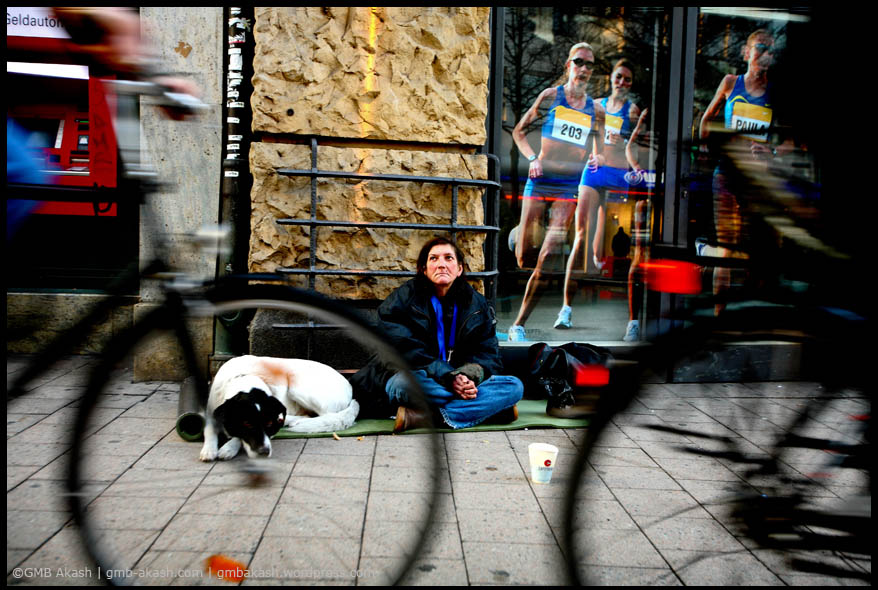
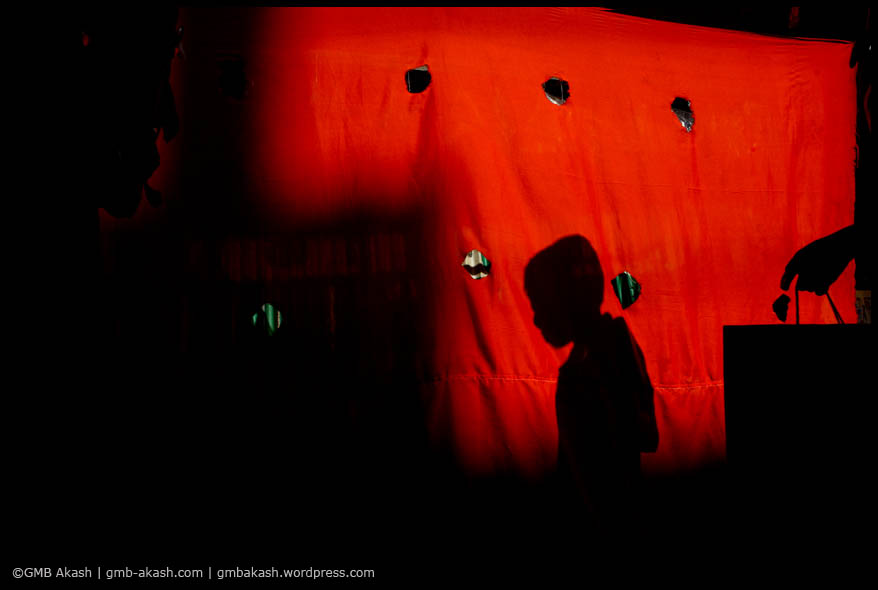
In the journey of photograph limitless experiences remain uncounted. Bad news won’t keep navigators from the open seas. The street photographer who loves the work he/she is doing will never stop. The courage of such ONE gives birth of His/her kind of street photography.
Instructor :
I teach street photography in The compelling Image: The Compelling Image: Online-Interactive Courses in Photography and Multimedia Storytelling
If you are interested to join in my street photography course sign in: Street Photography

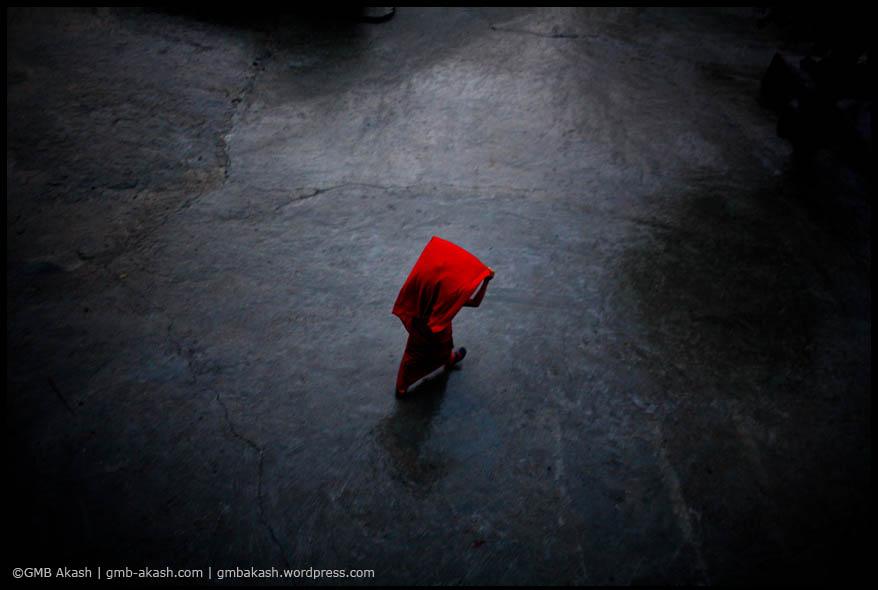
Dark Alleys
“These disorders — schizophrenia, Alzheimer’s, depression, addiction — they not only steal our time to live, they change who we are. In the time period of working with drug addict, I encounter tremendous shiver in thought of helplessness that how they are silently dying in these dark alleys and there is no dark Knight to hold them straight only we are here to celebrate the funeral of these fallen stars”
– GMB Akash


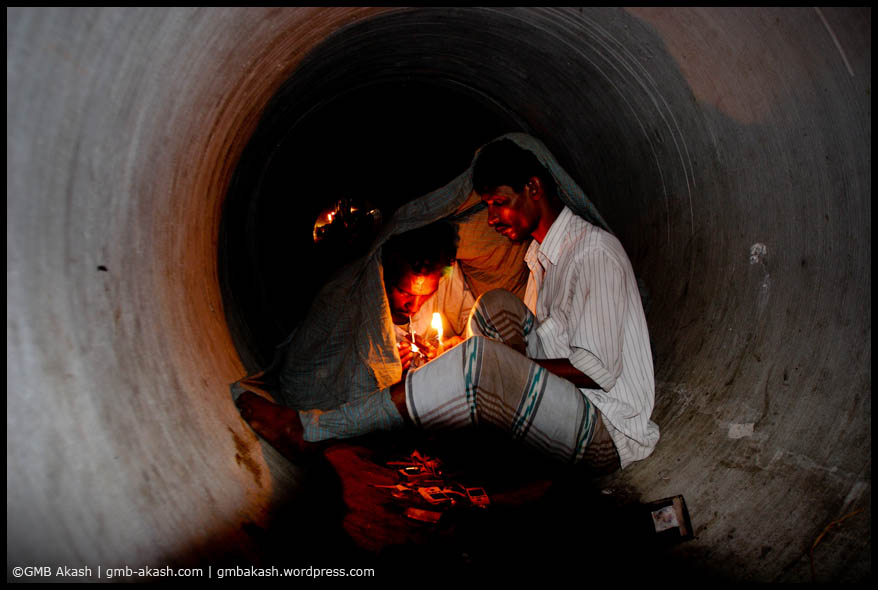

Drug addiction is a major social evil in Bangladesh, affecting thousands of young people and their families. There are thousands of addicted people in Bangladesh and most of them are young, between the ages of 18 and 30 from all walks of life. Drug addiction in young Bangladeshis is mainly seen because of reasons like depression. People try to remove depression using drugs as a tool. And this is how they become addicts.


Drug users are taking drugs by sharing same needle with each other. Injecting drug users have few places to turn, and they are one of the groups most at risk of contracting and spreading HIV. Heroin is mostly smoked within aluminum foil or cigarette paper, but in Bangladesh this is injected. Injections through infected needles can cause diseases of the liver, brain, heart, lungs and spinal cord. Estimates of the number of people living with HIV/AIDS in Bangladesh range from 2,500 to 15,000 most of them are affected while taking drugs. A Heroin addict may need about Taka 500 worth of the drug a day. They neglects the needs of the family, and those are non-earning may sell off family assets. They also go out on the streets for mugging and dacoity.

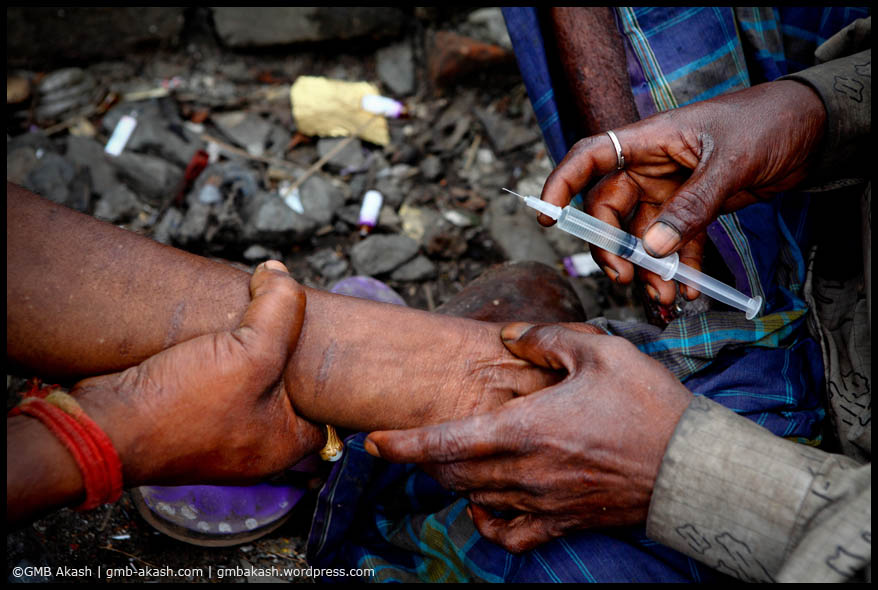


“Rickshaw driver Mohammad Bashir has been addicted to heroin for most of the last 13 years. His habit cost him his job and put an enormous strain on his family. Like most addicts, he often uses shared needles. Police has caught him in the spot, members of his addict team has managed to fly. But police caught him, while he is continually requesting police to leave him in the word of his promise that he will not inject him any more with drugs”


Drug addiction is increasing among the street children who live without a family, love and care. Bangladeshi youth are ‘huffing’ shoe glue, a drug locally called ‘Danti’, which is seriously harmful to mental and physical health. Up to 17 percent of street children in capital Dhaka are addicted to drugs. Children as young as 10 years old are also experimenting with alcohol, phensidyl, Heroin, Baba, Ganja, pethedrine, and other forms of available drugs. For managing the money for drags these children spends all their earnings on drugs. Some time they beg whole day in the street and end of the day spends everything on drugs.
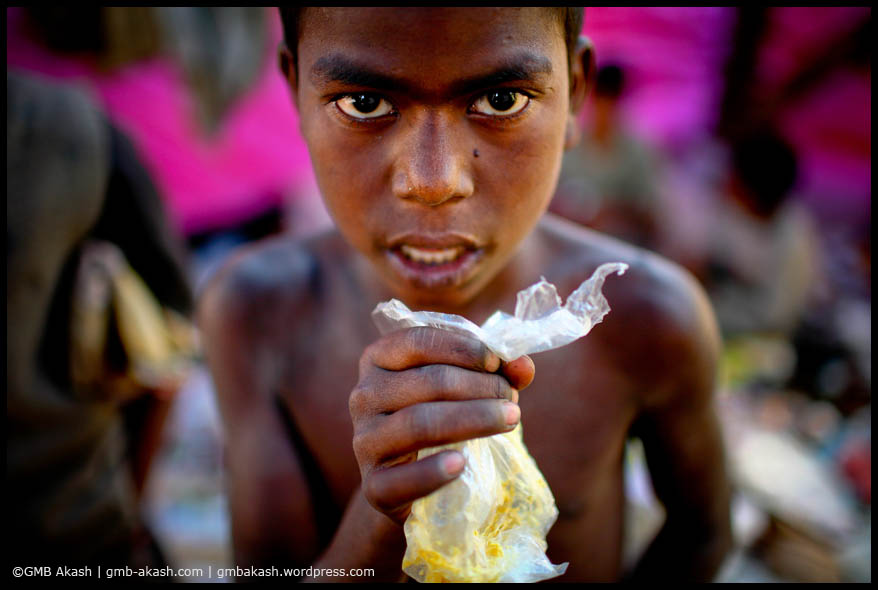


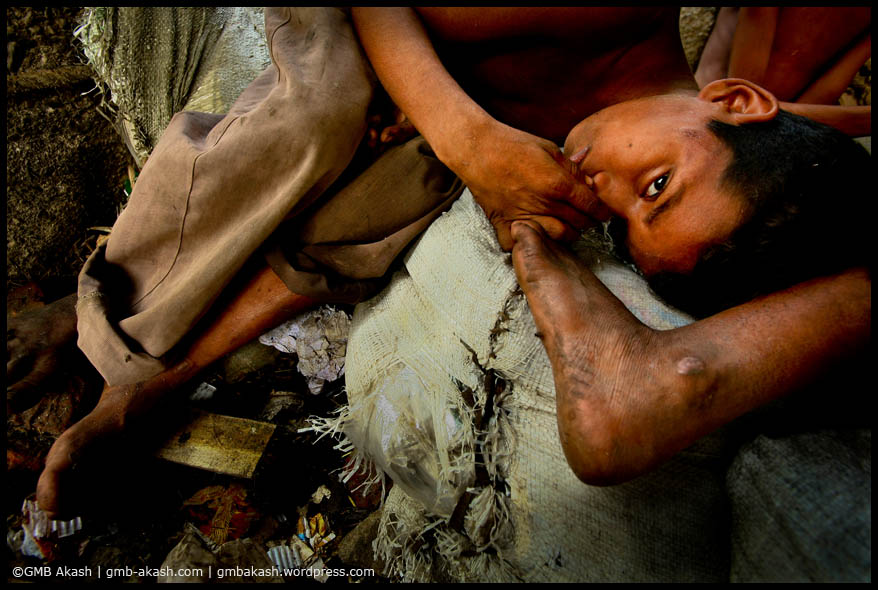

“Bitter experiences are there too. I visit all danger territory where these addicted people living senselessly. Few of them try to beat me sometime, few of them tied me with their arms and cried and cried, few of them burst out in depression and few of them wants to end their sufferings. But this is cycle of unbearable torment which has no end. In a world with chaos and hunger, everything becomes a guerrilla struggle. It becomes almost impossible to save lives or grow dreams sometime. But yet these lives deserve our affection, attention and sympathy. No medicine is as effective as love to them. “– GMB Akash

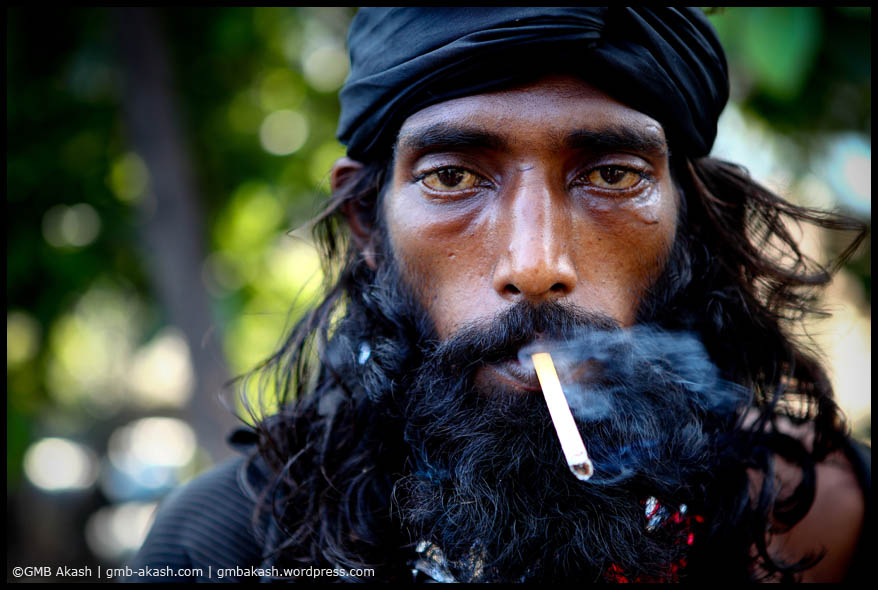

Life and Death in Pashupati
“Here and there they are seating in the courtyard and on the shrine platform with absorbed in detailed memories of a distant happiness. Or it is a place where elderly people are left by their families to die? Thousands question will haunt you but there is no one to answer you but only your inner realm of emotion. They submits to being fed, here, in a old home, It’s the same every day, every day…..I understand, when you get here you don’t worry about the future. Then, I mesmerize, May God bless and give them solace.” – GMB Akash


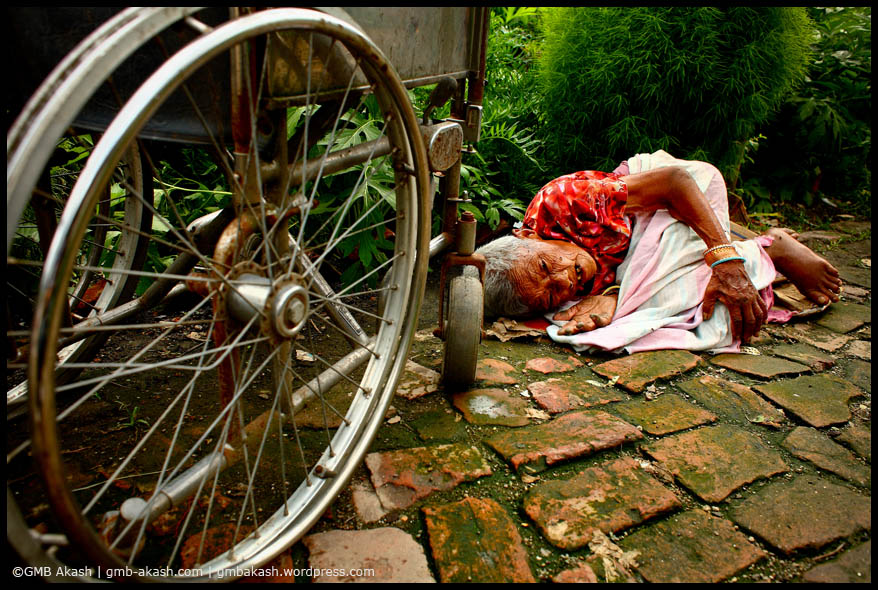
Once you enter the premises of the Briddhasram at Pashupathinath you can’t help but feel like you are transcended time back at least half a century or more, to a place where the world moves very slowly.
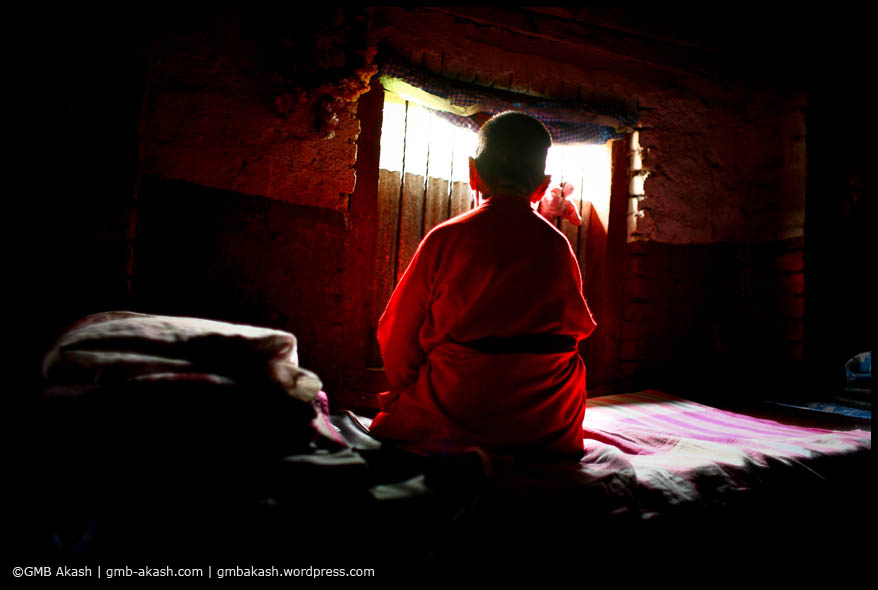

Looking at the bed side a damped photo of a grandchild while a grandma smiles and say she didn’t see her last 10 years yet she sleeps with a same photo in her mind. They were like reciting their homelessness to me. I have to capture their souls to keep their image from disappearing out of sight.


There, you can see all grey haired elderly citizens doing nothing but spending lazy moments for hours in the courtyard and on the shrine platform. Some curious eyes follow you as you walk pass the welfare gate. If any of them is busy praying than other is trying hard to bend and dust off his cloths. A place, all you hear is the steady sound of the wheeled metallic support of an elderly with crippled feet or a faint sound of a broken radio which is playing Nepali song or news.


(Social Welfare Centre Briddhashram is the only Elderly’s Home operated by His Majesty’s Government in the Kingdom Nepal. At present it is being operated by the name of Social Welfare Centre Elderly’s Home, Pashupati since 1977 A. D. The total sheltering capacity of this Elderly Home is 240 persons. These residents suffer from many illnesses associated with old age; including paralysis, failing eyesight and deterioration of mental faculties)

For some it is a depressing scene to see people at the end of life, away from family, living in the Briddhasram. But for many, this is a place where they seek refuge from an ever speeding life and feel satisfied enough simply helping and sharing talk with the older citizens. The residents of the home don’t talk much to each other, which gives you an aura of wilderness where no word is spoken; but they really live for each other closely for rest of their life. This home for the elderly fills one with hope. What gives hope is that although they have lost families and possessions, the residents still care, they care for each other and they retain a deep sense of humanity.


Many people believe that they must help and protect their parents, when they become old. I personally believe that this is a moral obligation that every child should have towards their parents, whichever the way they choose to do so but they should never let them break apart alone.


“Through my lens I try to listen to their silent voices, in absolute solitude and silence,for I am sure I shall be able to hear about their unbearable wounds in which they stumbled upon alone years after year. So I take out my camera, go inside the place and merged with their pain”
– GMB Akash


Decaying Earth
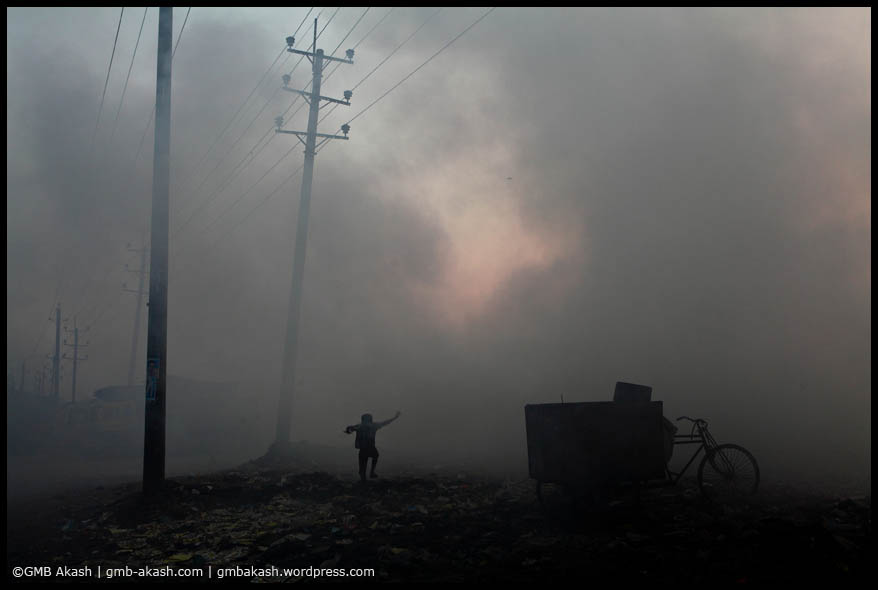
The overall global environment is declining fast and for Bangladesh it has been doing so more rapidly during the last few decades because of many obvious reasons. But we are still not surprised. We, all of us, pollute our own cities with trashes. So how can we claim owners of these factories, with hardly any education be conscious about the environment, feel the need to protect the environment? We need to count ourselves first to protect our own ecosystem to survive in an earth which will be a gift for our next generation – ONLY IF WE CARE
“Pollution is an immense crisis that is slowly destroying the world that we live in. It is crucial for every individual to do what he or she can to clean up the environment. Whether it is in the home or on a management level, or within us, every person is important and has the ability to make a difference and can help to stop pollution”
– GMB Akash
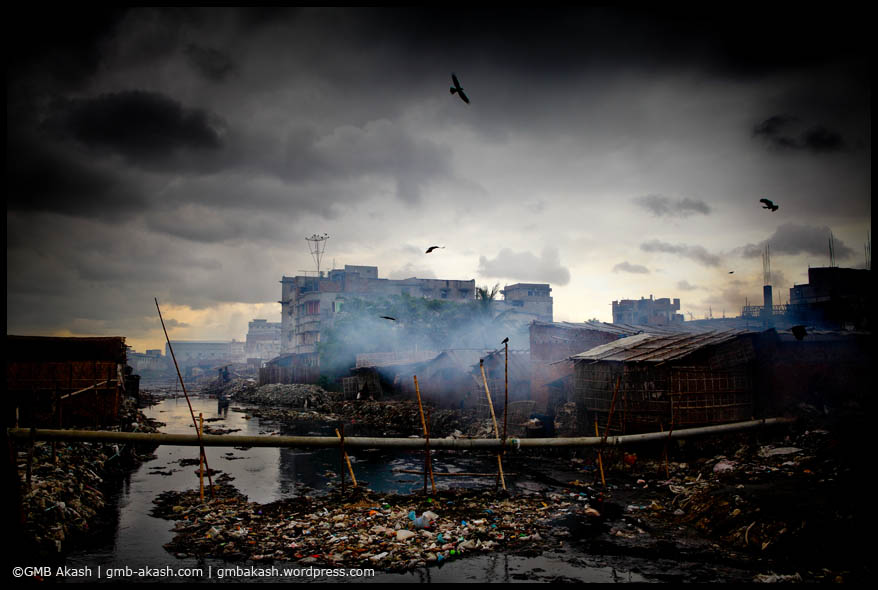

The mighty river Buriganga is now so polluted that all fish have died, and increasing filth and human waste have turned it like a black gel. Even rowing across the river is now difficult for it smells so badly.

Bangladesh has about 230 small and large rivers, and a large chunk of the country’s 140 million people depend on them for a living and for transportation. But experts say many of them are drying up or are choked because of pollution and encroachment. A World Bank study said four major rivers near Dhaka — the Buriganga, Shitalakhya, Turag and Balu — receive 1.5 million cubic metres of waste water every day from 7,000 industrial units in surrounding areas and another 0.5 million cubic meters from other sources. There is no fish or aquatic life in this river apart from zero oxygen survival kind of organisms. Bangladesh enacted a law in 1995 making it compulsory for all industrial units to use effluent treatment plants in a bid to save river waters from pollution, but industry owners often flout the rule.


Dhaka city alone generates about 3500 to 4000 m tons of solid wastes per day. The amount increases with the increase of population every year. The domestic, commercial, street sweeping, combustible and non-combustible wastes include discarded food, grass, plants, paper, cardboard, textiles, plastics, polythene materials, glass, metals, and construction debris.

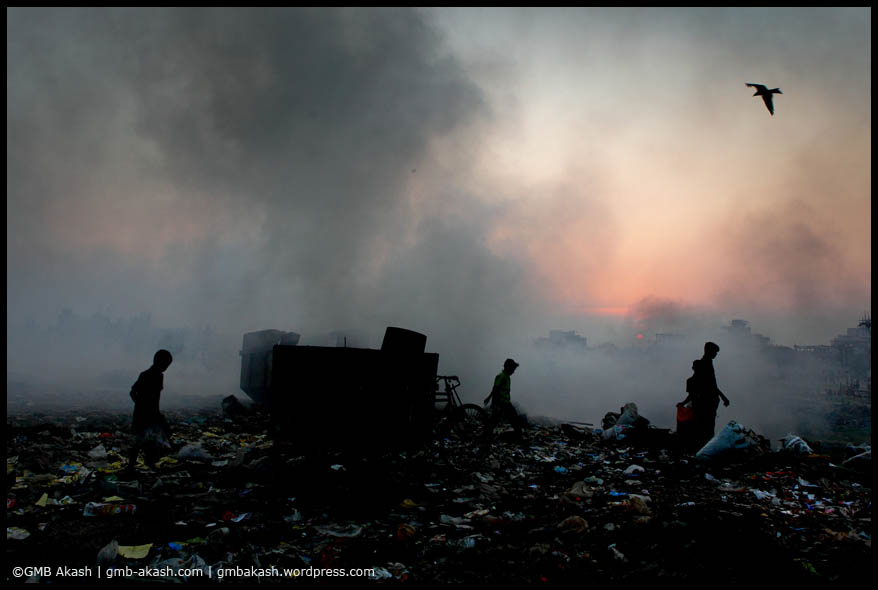

Industries and factories have been polluting the water bodies in and around Dhaka city for the longest time. There are about 1000 small and large industries in Dhaka city producing a large amount of toxic and hazardous wastes contributing significantly to environmental degradation. The emission of various greenhouse gases such as CO2, CH4, among others from various industries, increases the overall temperature of the earth, resulting in global warming and making the area unsuitable for human habitation, animals and plant species.In the Hazaribag area of Dhaka there are 149 tannery units daily producing about 18,000 litres of liquid wastes and 115 m tons of solid wastes; nearly all of these are dumped in the Buriganga river, and a part is thrown into nearby drains and sewers. These wastes contain sulphuric acid, chromium, ammonium chloride, ammonium sulphate, calcium oxides etc. These may seep into the ground causing ground water pollution. Also, the intense, unpleasant odour affects the health of the people of the surrounding area. tannery wastes have a very serious and negative effect on the ecosystem.


‘It is very easy for every single person to help stop pollution and stop destructing the earth. It can take little effort, but can be something that makes a huge difference. Start by evaluating how you can make small changes. Even the smallest changes in your own life can have a massive impact.’
– GMB Akash


Leftover from History
“This is not just a story of poverty and despair. Poverty is not all that holds them back. Every day, they are willfully denied an education, opportunities, a future, and an identity. This is the story of a people whose lot it is to only exist as numbers in ration cards, relief programmes and slum-arson stories. This is the story of the Biharis of Geneva Camp. A community of over 160,000 people who have lived like animals for the last 40 years and will likely live and die as animals in congested ghettoes at makeshift camps and shanties all over Bangladesh. This is the narrative of the Biharis of Geneva Camp.”
– Gmb Akash
A Documentary by Gmb Akash
© GMB Akash/ www.akashimages.com
‘Geneva Camp’ is just one of the 70 camps all over Bangladesh set up immediately after the Liberation War of 1971. In 1971, the Biharis were a torn community. The tragedy of the Bihari community unfolds as far back as 1946 — the year communal riots in Bihar tore irreparable divisions through India — with thousands of Muslims massacred in an organised pogrom that added momentum to the movement for the partition of India. This resulted in a separate homeland for the region’s beleaguered Muslims. Between 1947 and 1952, families by the thousands left their ancestral lands to take refuge in the erstwhile East Pakistan.
 © GMB Akash/ www.gmb-akash.com
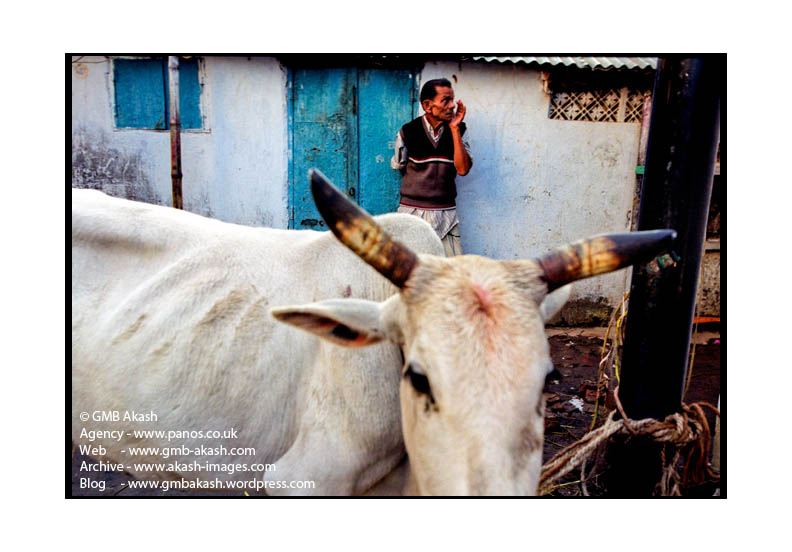
© GMB Akash/ www.gmb-akash.com
During the Liberation war in Bangladesh in 1971, the Pakistan army, sensing this divide, recruited some Biharis to fight the rebellious Bengalis. Whether they supported the Pakistan army or not, many Biharis remained neutral in 1971, shy of taking sides with their local brethren. Thus the division widened in those tumultuous years leading to the sub-human “ghettoisation” of the wretched children of a lesser God. After the war in 1971, the International Community for the Red Cross intervened and found out that most Biharis wanted to migrate to the truncated Pakistan. Over half a million registered “Urdu-speaking” Pakistanis found a voice at the high level Simla pact of July 1972 and later an agreement was reached in 1973 between Pakistan, India and Bangladesh on this issue. As per the agreement, the Bengali prisoners were released and sent to Bangladesh. However, not all Urdu-speaking Pakistanis were repatriated to Pakistan. Even today, hundreds of thousands live in Bangladesh in camps as non-citizens.
 © GMB Akash/ www.gmb-akash.com

© GMB Akash/ www.gmb-akash.com
People are calling them in so many names. Bihari’, ‘Maura’, ‘Muhajir’, ‘Non-Bangalee’, ‘Marwari’, ‘Urdu-speaker’, ‘Refugee’, and ‘Stranded Pakistani’. But they only want one identity that is: human.
 © GMB Akash/ www.gmb-akash.com
© GMB Akash/ www.gmb-akash.com
Here, the rituals of life, death, triumph, hope and misery of each family, packed into 8 x 8 little boxes. There are only 270 toilets for a population of 25,000 and the numbers increase daily. The living environment of the camp is very deplorable. It is unhealthy, dirty, damp and unhygienic. This condition exists in other camps throughout the country. The municipalities/city cleaners never enter the camps to clear the garbage. The Bihari camps have almost no educational facilities. Throughout the country, only 275 of the 19,000 children in camps go to school. Only six of the 77 camps have a school. Most of the people make handicrafts or repair cars to make a living. Into the filthy rooms – homes and workshops rolled into one – women and men were busy working on brightly coloured saris. From about 1,600,000, only 60,000 are thought to register in the voting system in 2008, but in reality, those in the camp are denied the right of applying for a national ID card. Without citizenship, they cannot even obtain legal housing, so most live in 66 camps packed with people and livestock scattered across the country, including Geneva Camp.
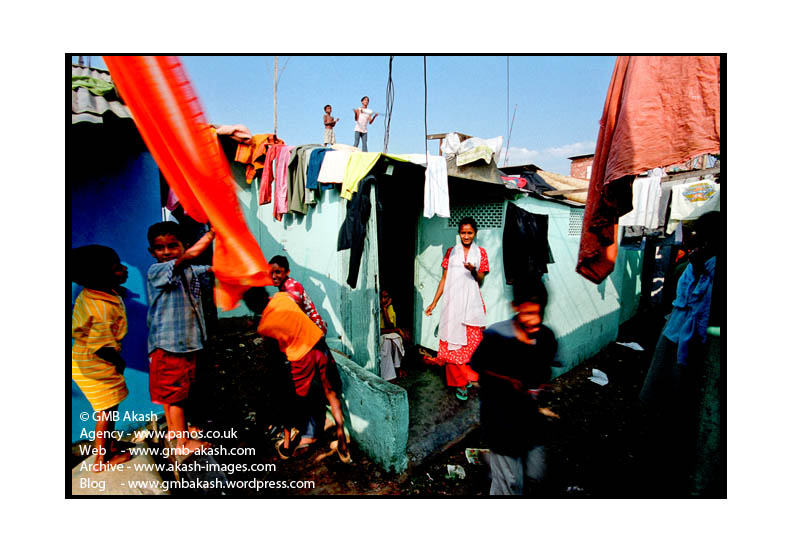 © GMB Akash/ www.gmb-akash.com© GMB Akash/ www.gmb-akash.com

© GMB Akash/ www.gmb-akash.com
Geneva Camp was built in 1974 by the Red Cross to help assist the new generation of stateless people. The older generation complains more than the younger ones, who are better integrated and bilingual. Free of the baggage, the younger generations are far more ready to become Bangladeshis: 70% of the people want to stay in Bangladesh, 17% want to go back to Pakistan. Despite recent progress in voter and ID registration, however, 37 years of being unrecognized have left the Biharis living in abject poverty and vulnerable to discrimination.

© GMB Akash/ www.gmb-akash.com

© GMB Akash/ www.gmb-akash.com
“Geneva Camp turned out to be a bordered little inferno located next to fairly well-to-do neighborhoods and commercial areas. Human spirit, however, knows how to counter the forces of nature and history. Inside the camp, little Bihars had been recreated with the memories and longings that the migrants are well known for. Still the government does not know how to handle it. No one does. The government has not picked it up. Civil society has not picked it up. These people have been left to fend for themselves.”
– Gmb Akash

© GMB Akash/ www.gmb-akash.com

© GMB Akash/ www.gmb-akash.com
Invincible Faces
“I am fascinated to some faces, some characters who are incredibly important to me as a photographer or as an admirer. Many of these faces are invisible but their spirits for living life makes them invincible. Journey of portraying these invincible characters starts long ago when I find out there are certain people who are icons of heroism and enthusiasms. Over and over again I go back to them, find them out and by portraying them able to keep a part of these victors with me.” – Gmb Akash
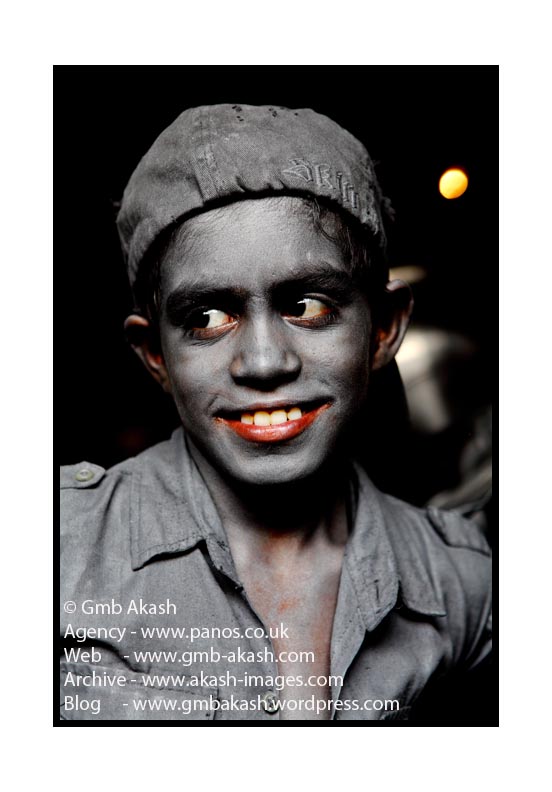
© GMB Akash / www.akash-images.com

© GMB Akash / www.akash-images.com
Often get inspired by these faces I go to isolated group/people who are ordinary or I can say by having an urge to go to these people is my practice for understanding them. As an individual they are available around us, living life in troubled climate every day. But their willingness to over come difficulties titled them Invincible. My characters are raw, picked from a sticky street or from an isolated brothel or even from a dumped factory. Every face is passing a message of anticipation. I have learned to run my photography equipments; I have studied to learn to take portraits or getting a best environmental portrait. But when I concentrate beyond technical things, these characters become icons to me. I looked into them through the lens and I tried to pick the message of anticipation into the photograph. This is the biggest challenge which has no rules, which can never be taught, which can be only a self taught rule of getting invincible faces into photograph.

© GMB Akash / www.akash-images.com

© GMB Akash / www.akash-images.com
I emphasize the character. I want to present them vividly. I go to very close to my characters. Apart everything, I focused them. In spite of taking environmental portrait, often I try to present the environment differently. When the characters become focused, my concerns packed to represent these faces as a representative of their own environment. I would like to make imagine the audience – where these faces are come form, where they live in, what they do. Inviting questions can be way of portraying significant things which we mostly over look.

© GMB Akash / www.akash-images.com

© GMB Akash / www.akash-images.com
Most of the time, I have to work in very compact situation. Often I been located, where life is put in a box of measured 8 feet by 8 feet room or in a distressed noisy factory or even in an abandoned colony where I have to pass by three feet narrow road. I need to be patience and keep trying to work in these compact situations. Often I hardly get changes to use lot of lens. I am comfortable with 24mm and besides habituated I believe it is good to work with one kind to work fast and flexibly. For taking portrait I use 70mm. I do not like lot of distraction. My image should be clear and focused.

© GMB Akash / www.akash-images.com

© GMB Akash / www.akash-images.com
For taking environmental portrait, placement of the character is hard thing. I keep in mind environment should not disturb the character, I am taking in. It has to be supportive to each other. But I prefer to believe in my photos, character is presenting the environment; environment is not presenting the character.
 © GMB Akash / www.akash-images.com
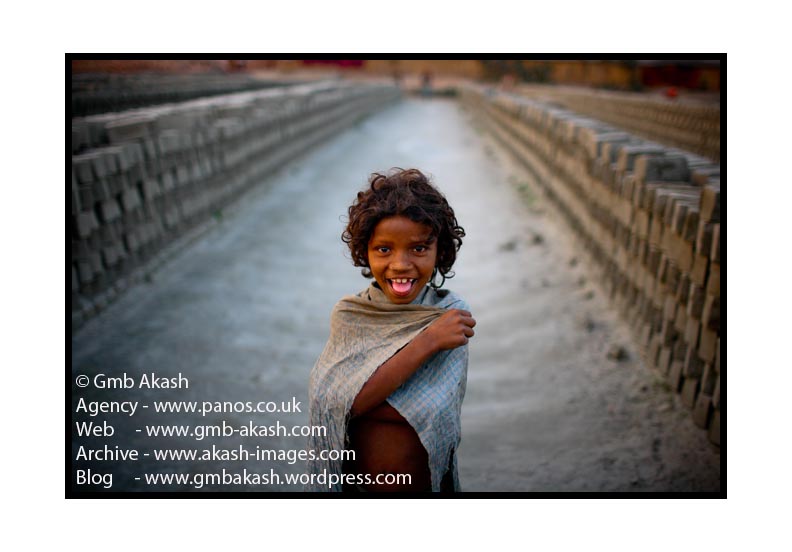
© GMB Akash / www.akash-images.com
– I always use natural light. No flush gun and no manipulation. Even in a bad light day I tried to use the available light into the character little differently so that it creates a different mood.
– Simplicity and be straight is my rule. Be focused, use simple background, experiment with color and get closer to the character.
– However near or far is my character, however intimate or distant the gaze my camera directs, I always keep in mind the elements of composition and the technique that will best help me to communicate what I am trying to say.
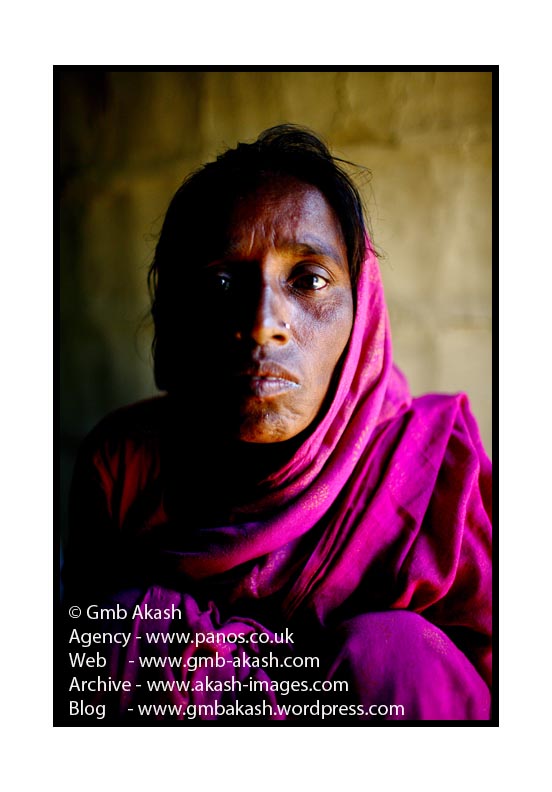 © GMB Akash / www.akash-images.com
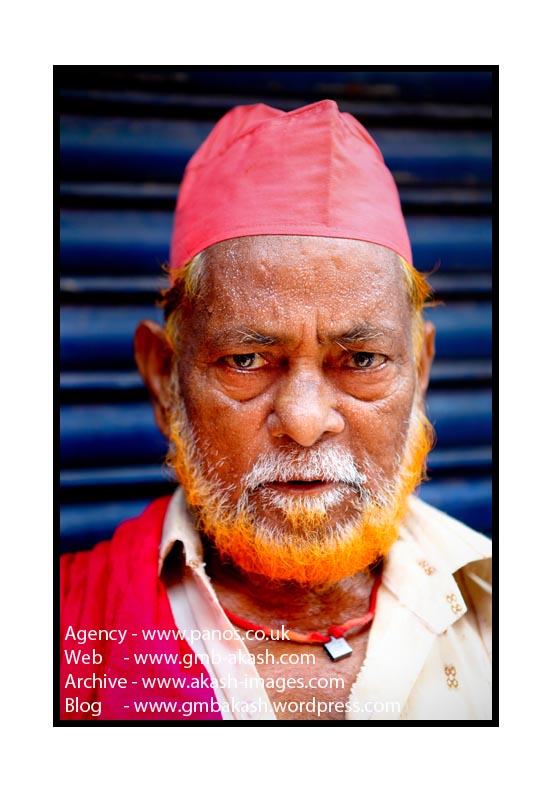 © GMB Akash / www.akash-images.com
– I prefer to intimate with the character I am going to portrait. Relation and building trust is important. Many times people refused me to take photos, but I never gave up, I always make them understand what I am doing, telling the effectiveness of the shot. And if I failed I do not force but I never fail to try.
– It is helpful to get environmental portraits by finding out where they spend their time, what the rhythm of their life is like and observing their personality.
 © GMB Akash / www.akash-images.com
 © GMB Akash / www.akash-images.com
“I think the art of photography is to observe and document in your own personal way. On my way I found these invincible faces which are inspiring to keep my searches on. These insignificant characters are inspirations to win over all chances of life. Connecting these invincible souls in photograph has no rules. Besides photography, I learnt from them, we need never be hopeless, because we can never be irreparably broken. We should think that we are invincible because we are.”
– Gmb Akash

© GMB Akash / www.akash-images.com

© GMB Akash / www.akash-images.com
‘Travel Junction – Part I’
“God is too busy, Can I help you?” stepping into the City of Italy, I first saw this hanging poster in a coffee shop. This is the ever lasting impression on me about the country. People are so charming, lively and enjoying every second of life. After arrival, by dropping my luggage, I lost myself with a tiny bag and my camera to explore the city which is new to me in every visit. My destinations were Rome and Venice. Where, Rome is a romantic city where couples are passionately showing their feelings of love that couldn’t be contained. The art and culture of the city has been admired worldwide for centuries. From Rome and Venice I took all the images which hit my mind to store these treasures in frame”
– Gmb Akash
Welcome in the city of illusions, and the city of yearning. Welcome to Rome, a place with so much art, so much history and so much beauty.
© GMB Akash /www.akash-images.com

© GMB Akash /www.akash-images.com
© GMB Akash /www.akash-images.com

© GMB Akash /www.akash-images.com
I discover Rome, as a silent and shiny heritage. Strolling in Rome means capturing its soul, amongst age-old buildings, splendid monuments and numerous churches that bear witness to an incomparable millenary history that will charms me. But for me as a photographer, wherever I go I try to see closely only people. So, I move from places to places and captured some human souls into my camera.

© GMB Akash /www.akash-images.com
© GMB Akash /www.akash-images.com
Walk the cobbled streets between centuries-old ruins, drink too much coffee, browse heritage markets and grand museums, and all together I passed time by eating too much gelato. I stopped by where I saw homeless people, who were tirelessly moving places from places. My heart poured with sadness to feel that in the advent world of Europe some people are still missing the minimum thing from this one of the best cities of the world.

© GMB Akash /www.akash-images.com
© GMB Akash /www.akash-images.com

© GMB Akash /www.akash-images.com
Venice is an extraordinarily beautiful city. When I came to Venice, that was a totally free day to revisit sites, shop or just sit in the square enjoying a Strega and watching the people and pigeons. I meet lot of Bangladeshi in Rome and Venice. People are doing different kind of business to survive here. By looking people all around me, my camera was not taking rest but even though I fill I didn’t take enough images. It seems as if at each step I encountered some aspect of the city worth admiring.

© GMB Akash /www.akash-images.com
© GMB Akash /www.akash-images.com
© GMB Akash /www.akash-images.com

© GMB Akash /www.akash-images.com
While I was taking few minutes break I met an old lady passing time with her dog. She was taking pictures of the dog and talking with her. The old lady and her companion leave a lonely feeling on me.

© GMB Akash /www.akash-images.com

© GMB Akash /www.akash-images.com

© GMB Akash /www.akash-images.com
© GMB Akash /www.akash-images.com
I treasured all these moments with me. I am a passionate traveler. Traveled has availed to understand depth of life. From this travel Junction I put a note in my dairy that: Do not take a single day for granted. Life is precious!
-GMB AKASH

© GMB Akash /www.akash-images.com
© GMB Akash /www.akash-images.com
Ships’ Graveyard
“This is an emblematic depiction of the agony of hard labor. For saving themselves from hunger they breathe in asbestos dust and toxic waste. Thus they are risking their lives everyday. On the verge of death they risk their lives in order to endure themselves. They are passing their days on one of the world‘s most unregulated and hazardous industries, leaving a trail of debris, disability and death in its wake. I spend 10 days in the Gaddani ship-breaking yard north of Karachi in 2005. I witnessed workers dismantling large ships, piece by piece using no protection, in absence of tools, where one wrong move could result in death, but they were continually depending in their bare hands. In a city of dying ships flames with smoke rising, tormented with ship body parts, metal residue, asbestos, and oil spills. Barefooted workers with little access to necessary tools are vanishing ships on the rusty sand of Gaddani and break down these steel giants coming from all the harbours of the world.”
– Gmb Akash


The beach of Gaddani, 50 miles north of Karachi in Pakistan, has become one of the two world biggest cemeteries of super tankers, cargoes and other vessels in the world. Thousands of men, mostly Pashto migrants, toil over the ships. They are seasonal workers, a large number of native and immigrant workers returning to their homeland near the Afghan border at harvest time. The group consists of perhaps from Afghanistan. They pen for their beloved, whom they get to see only during the year ends. For around USD 1.20 a day, thousands of workers labour to dismantle dozens of ships each year at the ship-breaking yard in Gaddani.


Rashed, a labourer at the Gaddani ship-breaking yard has worked for five years dismantling ships. He said: “Had we had any other way of earning bread, we would not have come here.” Workers are always under high risk of accident, though they hardly care to secure themselves. Under hitting rains of sparks, blowtorches split through the thick steel skin of a ship. As they are cut lose, the pieces of metal plummet to the ground with a roar. I saw workers, toiling ceaselessly, as though banished forever to an underworld.
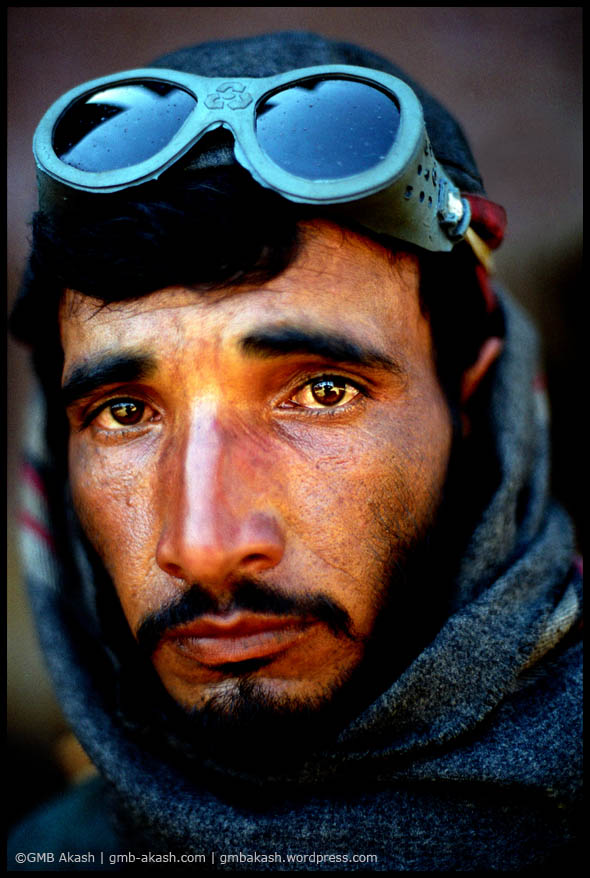


Many workers operate in tight spaces where the air is thin, and in high temperatures caused by hot welding, which is widely used, not to mention that they are constantly exposed to flammable liquids like paints and solvents. The work carried well into the night shipyard in Gaddani, Pakistan. This is the ship graveyard that serves as the final destination for a significant part of the world’s fleet.

“Barefooted workers would take apart, bit by bit, the dying ships with their bare hands, shipyard in Gaddani, Pakistan. On their shoulders, workers bore great metal plates to their destination. People complain about their crappy lives working in an air conditioned work place, imagine having this as your only option in life.”
– Gmb Akash


“The creator has strangled me with his own hands.”
“It was 1999, when I first realize I need to focus stories on a helpless community. For that feeling, there was a story behind. As a child, I was a frequent visitor at my uncle’s house at Narayangonj, somewhat 25 kilometers north of Dhaka. My uncle had a hermaphrodite locally called as Hijra, whose name was “Khushi”-meaning happiness, but that is what she very much lacked in her life. During these visits I often saw my cousins with their friends taunting and making fun of Khushi, often even worse happened as when they were drunk they forced and made her to strip naked and dance in the tunes of common Hindi film songs. Since Khushi had no place to runaway to and had no means to save her from this humiliation, she gave in to the insults and harassment’s silently. Images of Khushi gyrating and quietly exposing her underdeveloped sex organs left a lasting impression that haunted me ever since.” –
Gmb Akash

© GMB Akash / www.gmb-akash.com

© GMB Akash / www.gmb-akash.com

© GMB Akash / www.gmb-akash.com
The Hijras live in-groups far away from a regular world. As for them living in normal family becomes an unending series of taunts from the society so the circumstances lead them to leave their regular family. They come to general people but live a life far different and painful in the dark allies, in isolation.

© GMB Akash / www.gmb-akash.com
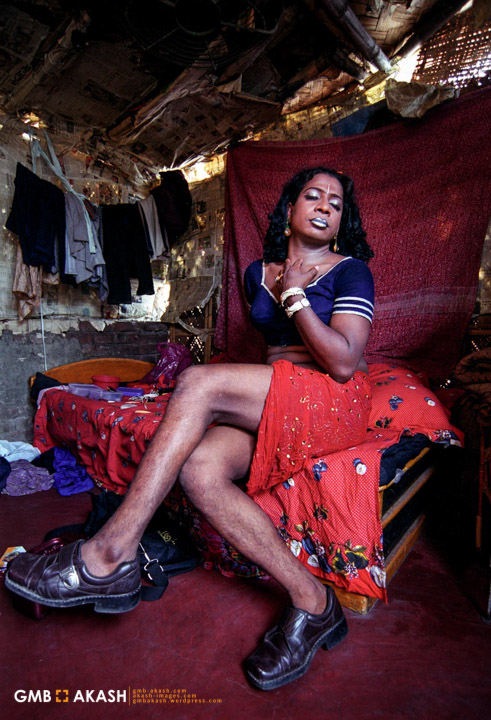
© GMB Akash / www.gmb-akash.com

© GMB Akash / www.gmb-akash.com
Hijras live in their groups; each one has a leader often called “mother” or “Guru”. Members of a group do not take part in any activities without the permission of “mother”. Even the trimming of hair requires mother’s permission. Failure to get such permission results in a fine ranging from 250 Taka (US$5) to 5000 Taka (US$90).
The norm is, for a Hijra to leave home and join a community of Hijras. This happens mainly because living in the normal heterosexual surroundings becomes is unbearable due to constant taunts, insults as well as neglect. Hence joining other Hijras is normally the most logical thing to do. However, it often happens that the other Hijras will claim any Hijra child on the basis that it is a member of their society and should therefore live with them. Stories of the Hijra community accepting a Hijra baby as a gift, trying to buy it, or even stealing it are not necessarily untrue.

© GMB Akash / www.gmb-akash.com

© GMB Akash / www.gmb-akash.com
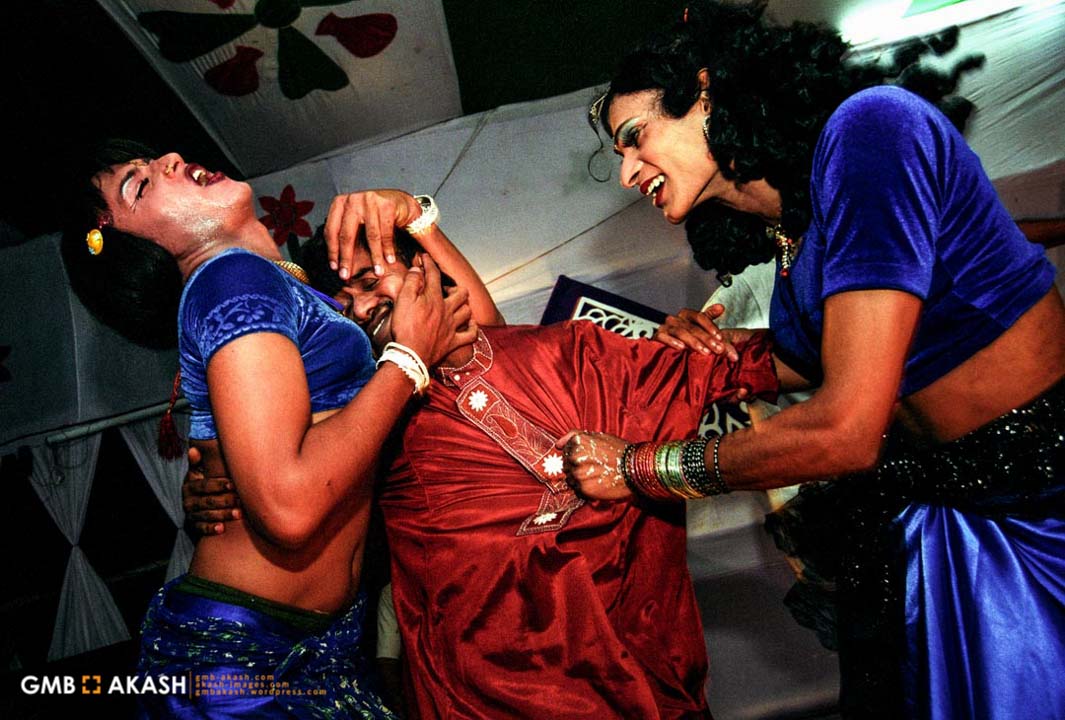

© GMB Akash / www.gmb-akash.com
Like in the case of Najma, the occurrence was regular that in the case of any other Hijra. Najma grew up in a well to do family in Barisal, a river port town. When she was 13, a group of Hijra from Narayanganj went to her parents, but failed to persuade them to give Najma away to the group, but later due to the increasing adverse social environment she herself joined the group of Hijra latter in life making her home about 300 kilometers. Away from the parents home in Narayangonj.

© GMB Akash / www.gmb-akash.com

© GMB Akash / www.gmb-akash.com

© GMB Akash / www.gmb-akash.com
Najma is now the leader of a seven-member Hijra group that I studied is bringing up two young Hijra children. Rubi and Chanda are now 14 years old. Najma told me that: ” I cannot be a mother in my life .so It gives me great pleasure to hear them call me “ma”-mother. They will inherit everything whatever I have”. In order to get Rubi; Najma told me that she had to pay 5 000 taka (US$90) to Rubi’s impoverished parents.
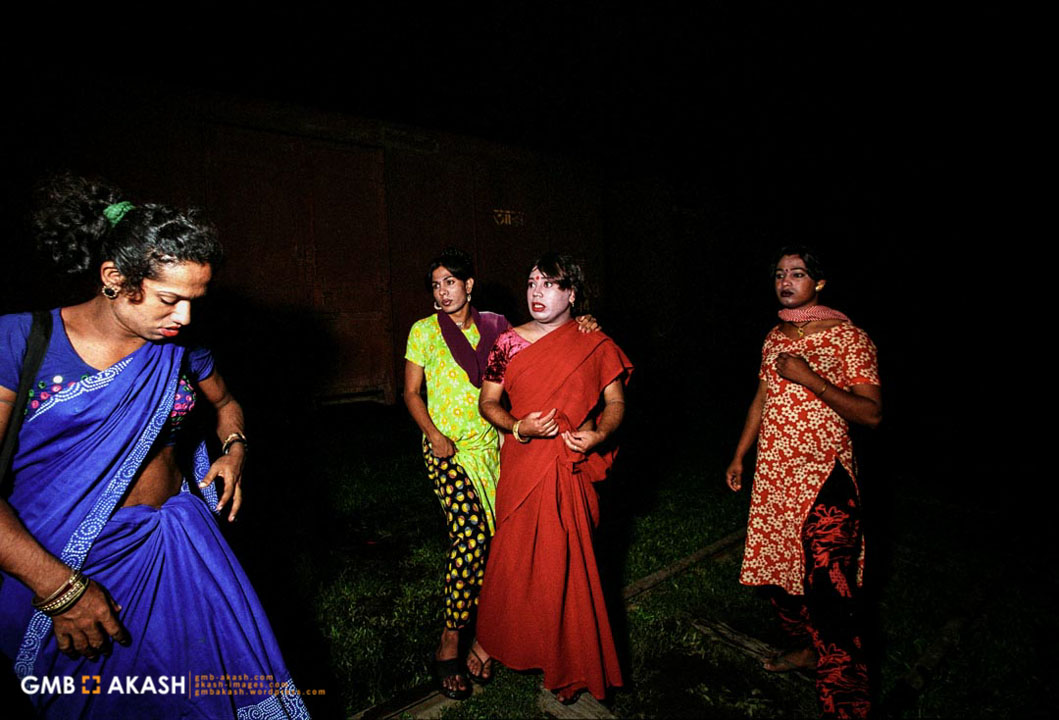
© GMB Akash / www.gmb-akash.com

© GMB Akash / www.gmb-akash.com
Because of their socially prescribed role as performers and spiritual healers, the Hijra appear to live their lives in merriment. In their own homes, Hijras prefer to live in a colorful manner. Their houses are almost always well organized and elaborately decorated. The same goes for their garments and ornaments. Since the Hijra believe they are women, they dress in saris and have ears and nose rings. Most of those I often met also had false breasts made with padding and often with the help of some oral contraceptive are thought to give growth on the form of breast. The hair is kept very long. But the voice and facial features are distinctly masculine, which they try to eliminate endlessly. They are physically strong and very well built. Generally the Hijras have two names one from their family when the were born and the other from the Hijra groups he joins, but often death their tombstone bears the male name that was given by the parents.

© GMB Akash / www.gmb-akash.com

© GMB Akash / www.gmb-akash.com
They are not only striped from their basic rights but are also made to feel ashamed of themselves. Hijras get a mixed reception from the people; the middle class thinks them as bad omen even the sight of a Hijra in the morning is regarded as the same and believed can spoil the whole day. Where as among the lower class they are believe to posses spiritual powers as they are deprived of the joys of a normal life, their prayers are believed to be answered. They sustain themselves through their performance of singing and dancing at various ceremonies, paying them is regarded as an act of piety but even then getting the events and ceremonies are becoming scare. I saw them as somebody not different from myself and want to clear the common misunderstandings that circle them, the common idea about them is very vague and negative and their never ending pain and struggle is never brought to the book. My efforts will be to do the entire undo and uplift the images of these hapless groups of people called Hijras.

© GMB Akash / www.gmb-akash.com
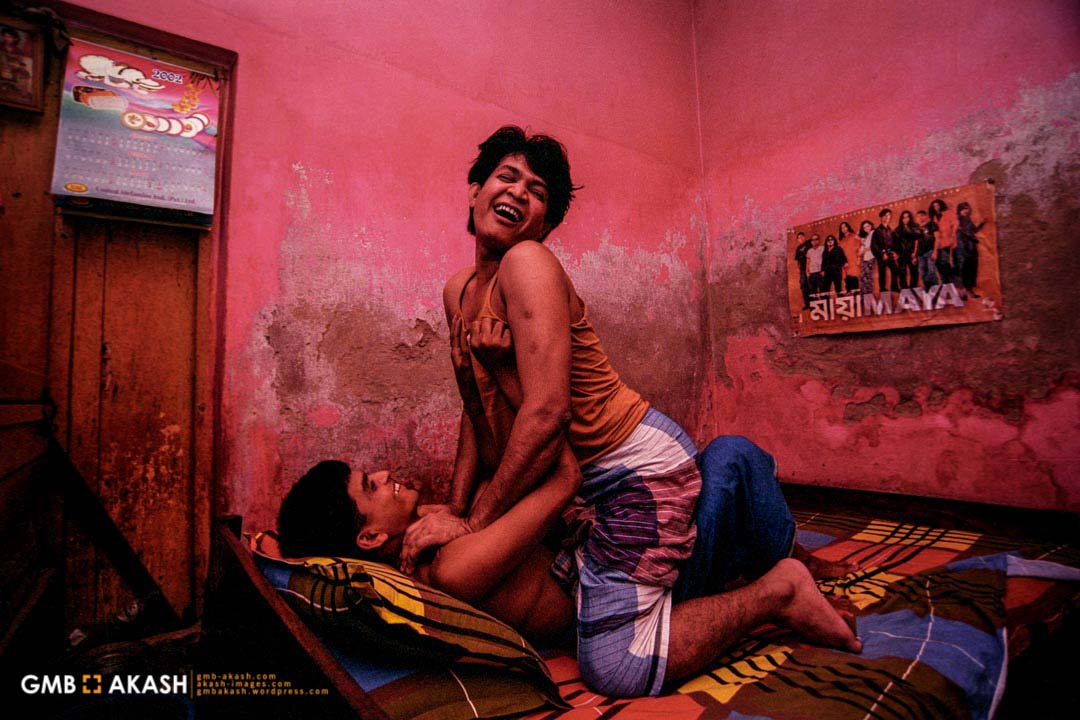
“One day they sang to me a song written in light of their painful life. One of the lines that stand out goes: “The creator has strangled me with his own hands.” Yet they dream— repressing in their hearts, these strong sentiments and emotions they bear towards the Creator — a dream of their own independent community. As one of them told me – “You know Akash, if we had a great amount of money then we would have brought a four stored building and all ‘Hijras’ like us would have lived there. Then no one would have dared to neglect us.” And holding on to this dream in their hearts they aim for a normal beautiful life. So even in such a state of negligence some are continuing school and colleges; in the hope that after studying they will get a job like a normal person and will be recognized and condemned in the society not as ‘Hijras’ but as any other ordinary individual.” – Gmb Akash
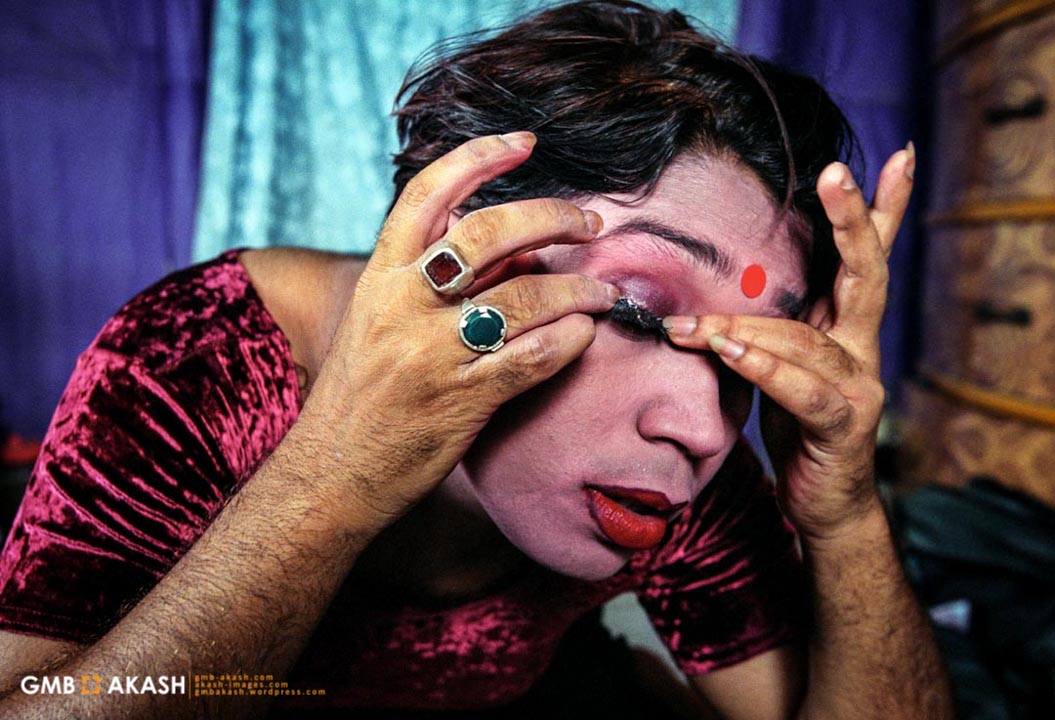
© GMB Akash / www.gmb-akash.com

© GMB Akash / www.gmb-akash.com

Unseen Existence
“Environs can explain much. You can feel the existence without presence. & sometimes absence is required to feel this presence more intensely. I started believing these things while I captured few moments of nonexistence. Yet these moments profound very much in exist of living being. I have taken these moments from various part of my world, however they are all alike. These are like footprints of a missing thing; you can assume the missing focus through edges. Welcome you in the puzzle. Fill in the gaps by your thought” – Gmb Akash
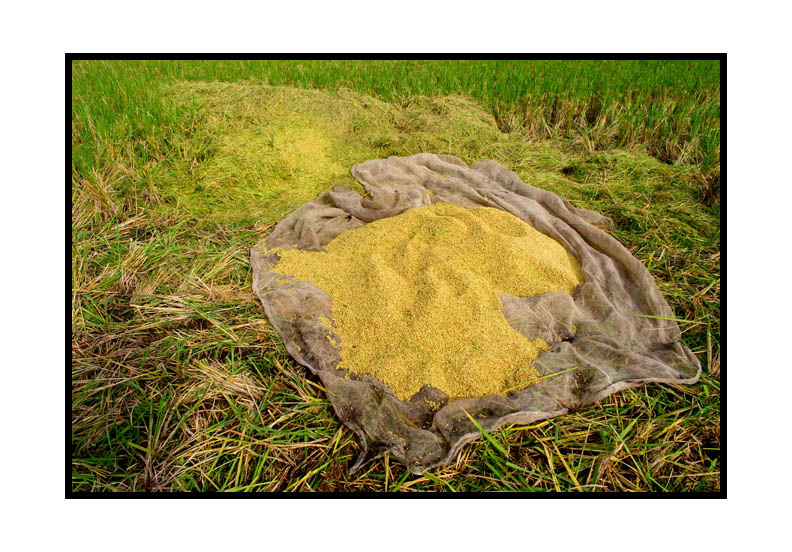
In the middle of the field, crops are baking by sun. These harvested crops are waiting to be carried to home. The field is reflecting efforts of an unknown farmer. © GMB Akash / www.gmb-akash.com

Rofiq ( 28 ) is a daily labor in his dream city ‘Dhaka’, Dreams pushed him here & reality left his identity far in a village, where his wife, children Shohel and Shaila & their parrot counting days & nights for him. In every six months reality let him go to where he left his heart. In Dhaka city, wall of a room of a slum is whispering his silent pains. In the walls he draws his feelings with the scratch of reality. He, his wife, their children & the parrot a family, all accommodated in the brick of lonely wall. © GMB Akash / www.gmb-akash.com

Bended trees remain to tell the tale of a nightmare of Cyclone. Aila hit the top of these trees & gave the mark of an unseen ferocity. The silence of the place is claimed by broken trees, miles after miles. © GMB Akash / www.gmb-akash.com
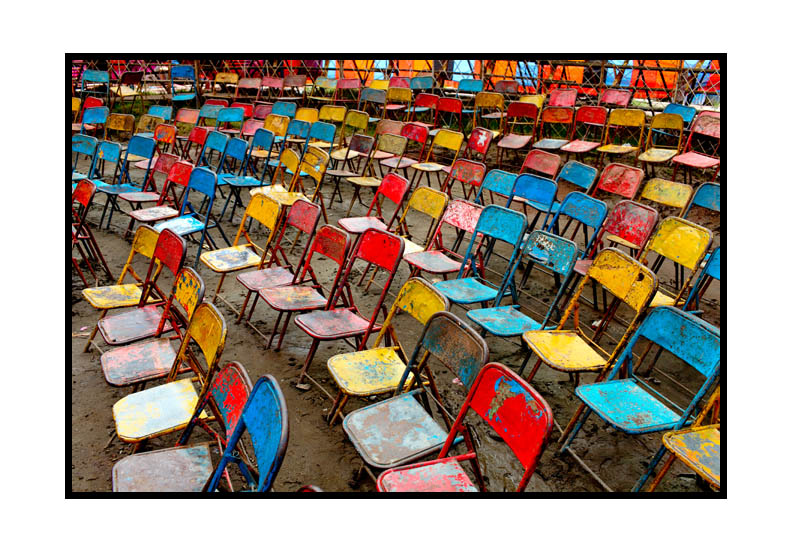
Circus gradually loses its heritage for convergent entertainments. Still empty chairs of Circus are hoping to accommodate the vast missing audiences. Thus these refers the lost crowd & as well state for the hope of gaining back. © GMB Akash / www.gmb-akash.com
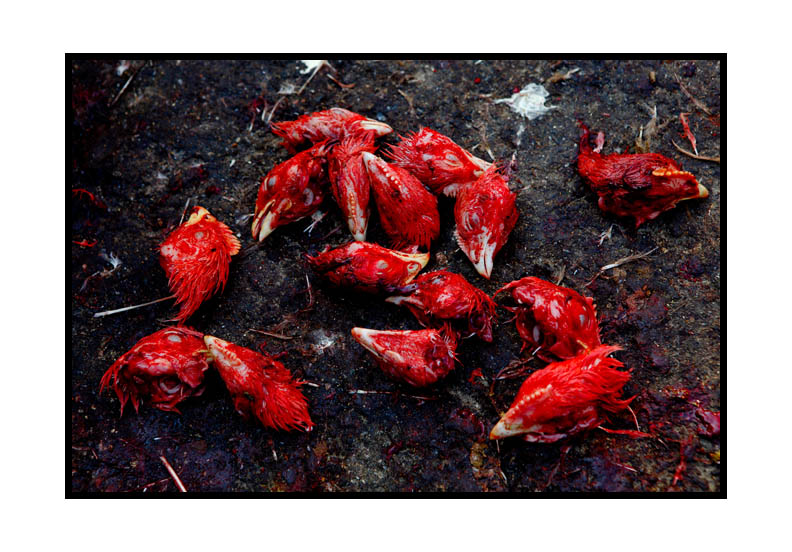
In every week slum dweller waits eagerly to take the taste of chicken. Fortune gives them the chance. In Rayerbazar- shop keepers sold chickens to restaurants & they left the head of those chickens for those waited people. Slum dwellers buy those chicken head once in a week. Fortune gives them a chance to take the taste of chicken by having these chicken head. Dhaka. © GMB Akash / www.gmb-akash.com
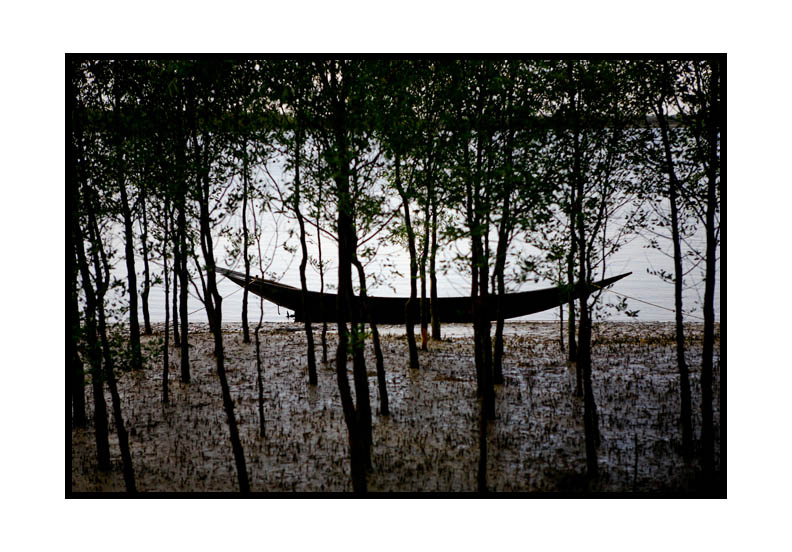
In the bank, the boat is waiting to sail. A family of eight members is dependent on this boat. The boat is stand for the arrival of the fisherman. A family exist behind this single boat. © GMB Akash / www.gmb-akash.com

This cassette player is a very dear thing for its slum dwellers. They have no space for placing this. So they hang from the top to manage space. Behind this cassette player, hundreds of slum dwellers entertainment awaits. © GMB Akash / www.gmb-akash.com

An old car standing at door step of its owner. Manila, Philippines © GMB Akash / www.gmb-akash.com
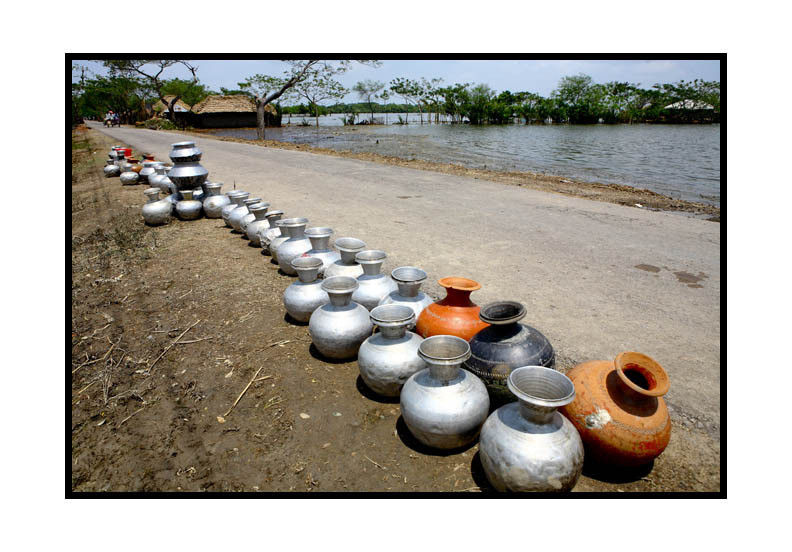
Under the severe water crisis, inhabitants of shatkhira stand are line at mid night. Their water pots represent their standing in the queue. © GMB Akash / www.gmb-akash.com

Cyclone Aila ruined the house & the lives of inhabitants just before three days. People of this house have to leave their home. Aila force them to live on embankment. They family still tried to dry their children books on the roof of the house. After the devastating calamity they could not totally leave the hope to live in their house. © GMB Akash / www.gmb-akash.com

Day laborers of Philippine are drying their cloths outside their living place. © GMB Akash / www.gmb-akash.com

This is the living space of a rickshaw puller’s family. They bought the old TV from a second hand shop. At evening along neighbors, they happily straggled with the old TV to watch. © GMB Akash / www.gmb-akash.com
“Life – a one way journey….We should not regret any moment which make us smile…We should make our self happy with all little pleasure of our life ….even if we have everything, we haven’t had tomorrow…Lets fill our all gaps by our presence of love, appreciations & thoughtfulness. We may leave forever, & then our environs might tell our tale ceaselessly. Let the light lit our absence.” – Gmb Akash
A World Full of Hungry Apes
“Photography has taken me to discover many unexpected territory as all time I wanted to see the sights of unseen & unforgiving incidents of reality. I was engaged in one of my personal project’s work on ‘sex workers’ for which I went to Madaripur. I have been working on ‘sex workers’ last 7 years & my works demand me to investigate their situation all over the country. Last year, in the month of August when I arrived at Madaripur it was afternoon. Shockingly I have seen thousands of apes are in street, running here & there. It was an unexpected thing of my life to see thousands of ill monkeys are moaning alone. I was traumatized, unspoken & felt awful when I understand all these thousands monkeys stand in front of me are HUNGRY. I always concern to cover stories of situation which need concentration for helping out by the assessment of the world. So I take out my camera & run to middle of them”
– Gmb Akash

© GMB Akash / http://www.gmb-akash.com

© GMB Akash / http://www.gmb-akash.com

© GMB Akash / http://www.gmb-akash.com

© GMB Akash / http://www.gmb-akash.com
In char Muguria area, Madaripur around 2,500 monkeys are facing severe food crisis. Due to acute food crisis many mother monkeys, passing days starved or half-starved, are even unable to breast feed their babies. Quite a few monkeys have already died in this serious situation. Concerned over the pitiable life of the monkeys, locals and visitors have urged immediate arrangement of food for the monkeys. Though the local communities are already poor to feed themselves but the heartbreaking scenarios of monkeys influence them to share their own food with them. Despite keeping distance with human the unable monkeys are taking foods from people’s hands. The hungry monkeys were competing for the inadequate foods like peanut or biscuit given by the visitors. They were also trying to eat whatever they got — grass, garbage, polythene etc. Baby monkeys are suffering badly in malnutrition. Even the water crisis made their lives more pitiful. Local community sought allocation for food for the monkeys but the higher authorities are yet to give any response in this regard.
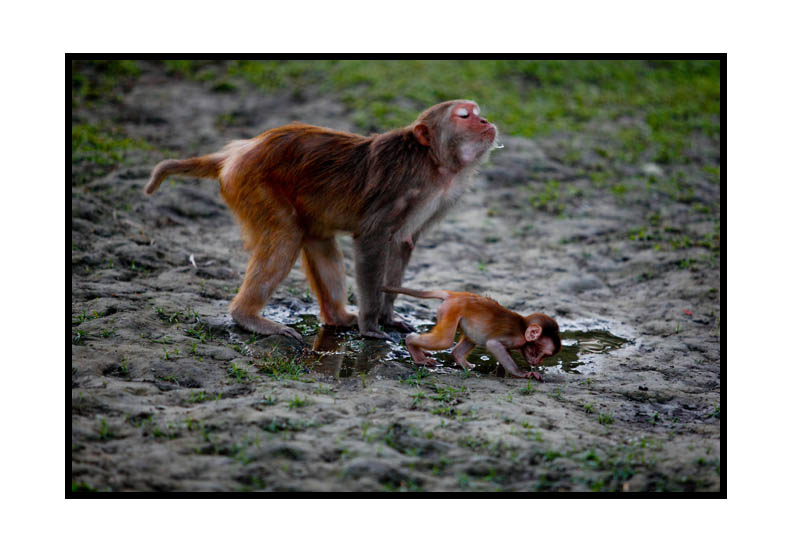
© GMB Akash / http://www.gmb-akash.com

© GMB Akash / http://www.gmb-akash.com

© GMB Akash / http://www.gmb-akash.com

© GMB Akash / http://www.gmb-akash.com
“A mother monkey by carrying its dead child was passing from trees to trees. When it came in front of me & begged foods I realized the monkey did not identify its child is already dead. This pitiable situation made me terrified. These apes, whose residents are jungle, came out for food & begging to feed themselves. These climate victims are more alike my working project of ‘Sex workers’. Human & animal all are helpless in front of starvation & need. They are survivors of dreadful situation which many of us over looked or never know”- Gmb Akash

© GMB Akash / http://www.gmb-akash.com

© GMB Akash / http://www.gmb-akash.com

© GMB Akash / http://www.gmb-akash.com
Life Indulges In Colour
I usually take a picture of a person and then afwerward when I close my eyes for recalling what I have taken – the first thing that hits my mind is – Colour. After observing a person if we try to recall, then unconsciously colours comes first in our mind. The texture of the skin, colour of hair, colours of cloths and over all colour gives us an impression about the mood of the sight. Colour is a strong element to illustrate a person’s traits. I believe every person cover a mood of colour.
From beginning of my career I am working for those people who are living in the edge of the society.While I started working with these people I surprisingly discover – life has taken all colours from them but still they are cherishing every moment of their life with colour. Colour is their courage; colour creates enthusiasm on them to fight to live for another day. Person, who has nothing, has colour in life. In beginning of my career I took all black & white photographs of those who are colourful. I found out poverty, sorrows and depressions become vivid if I skip colour from their life.
To present – ‘the present’ I start working on colour. A street child, laborer of a road or even a homeless lady all of them has colour. People who are fighting everyday to live life are heroes to me and these heroes represent colour. Their skin tone, dresses, living places all are colourful and powerful. They are deprived from all happiness of life but yet they treating themselves with colour. While I discover the truth I learned to capture the mood of colour on them.


“…I realize I have no power to deny the colour of these colourful people who are straggling in a colourless, hopeless world, nevertheless they live and smile. So I can not ignore the yellow balloon of a homeless child or even a red bowl of a beggar of the street. This inspiration inspires me to work with colour. Ans I continued my journey in the path of a colourless world to meet with all these colourful souls…”- Gmb Akash


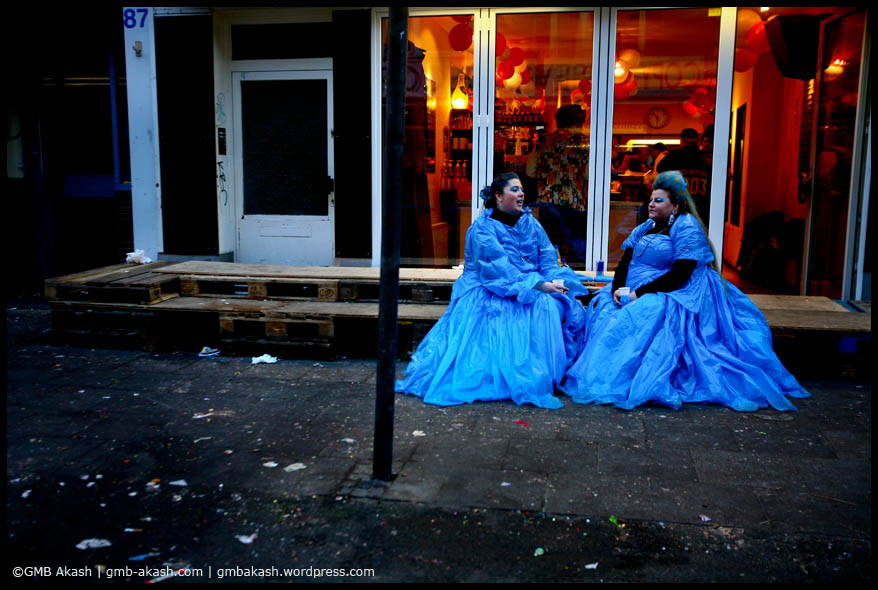
Colour arouses my work for getting the depth of the sight. I got colour in different mood in the different part of the world. But I discover people who are fighting endlessly for surviving are more colourful than any part of the world. Because of this colour is more challenging to me. I take this challenge to explore the unrevealed spirit through every capture of mine.
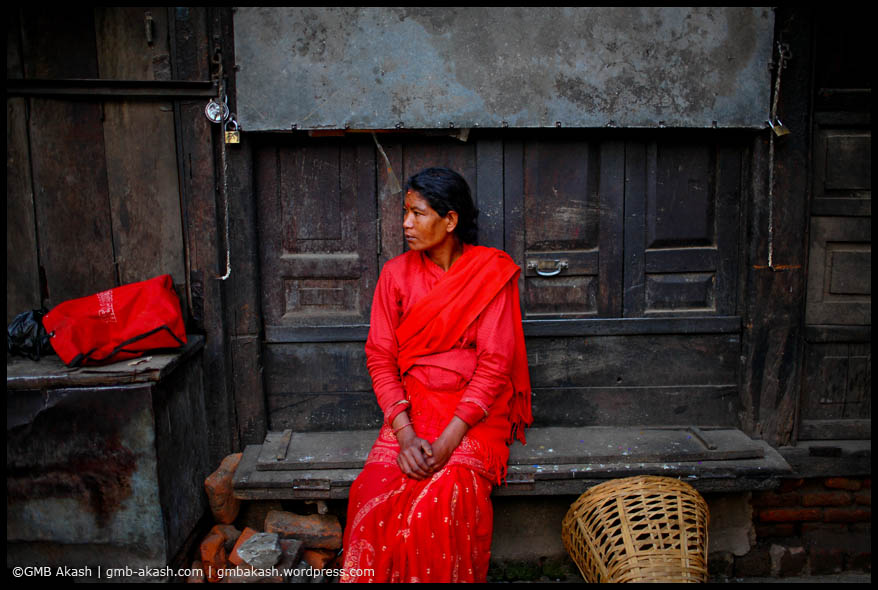


I have a special affection for red. I like to take picture in the early morning and late afternoon. Unpredictably red comes to my way often. People who are living in lower rang affectionate about the colour – Red. It is important to take a red shoot carefully. Contrast might made the capture disturbing, while too much red can destroy the attention for the subject. A good composition and balancing of colour can create an outstanding shot. Apart of all it is important to discover the right mood of colour in the right temperament of an individual.
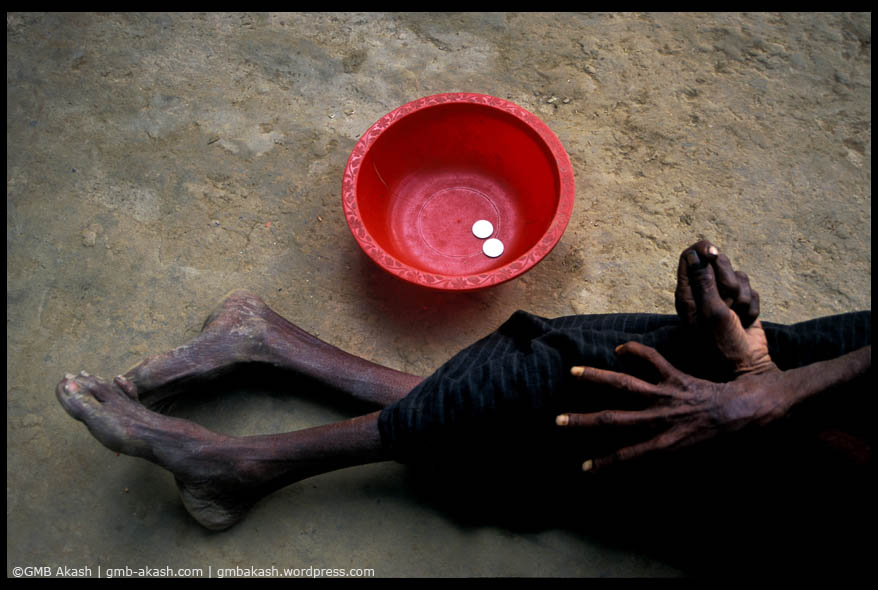
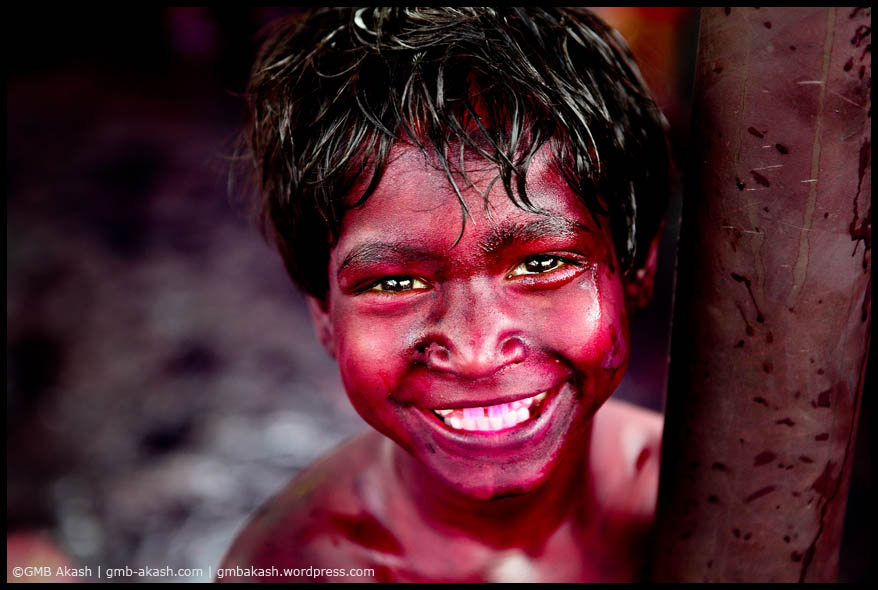

I go to country to country to explore colour differently. I have found out different colour in different cast. You will find people of power through colour. Your experiences & observations with colour will help you to reveal certain attribute of a community through colour.

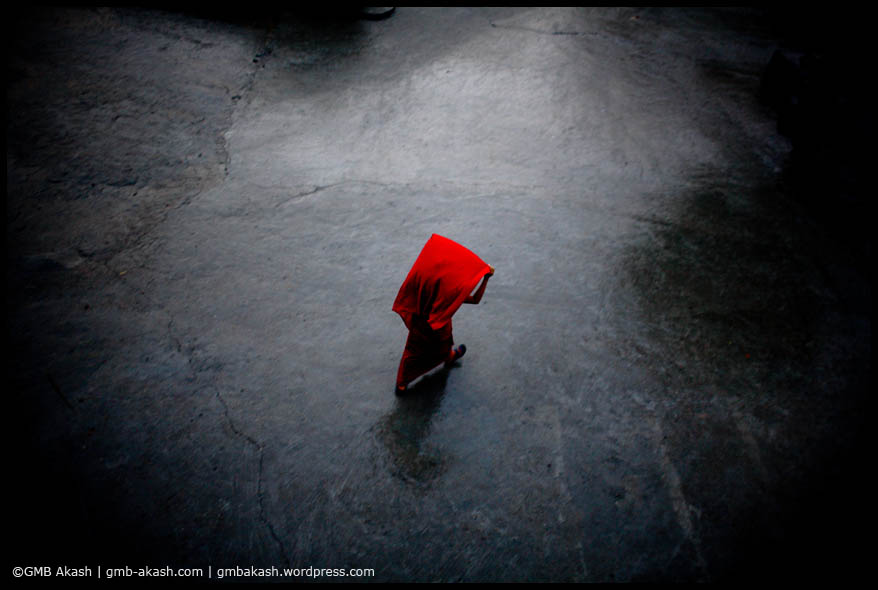
– I prefer to use natural light which allows me to capture the originality of the moment of colour.
– I try to find out a natural background which suits the subject’s colour instinctively perhaps my entire colour photos are – found situation. So I believe to observe more & more while traveling frequently.
– Working with a single colour allows me to appreciate more intricate details within the subject itself.
– I travel to discover for getting the unexpected shot yet carrying the note in mind that I am searching thing which I have seen several times but never been noticed. Searching without clue for a known thing helps me to get a good colour shot.
– I only pick colour which has meaning to the subject.


“While I am taking photos of these colourful souls I am learning to live in colour. By capturing these colour moments I have learned – few hints of red, blue & yellow has inspirations in our life. People who are fighting without anything in this world are healing their pains by indulging in colour”
– Gmb Akash


‘Nothing to hold on to’
“When the train starts your feet will shake and you will automatically try to hold something, but there is nothing to hold on to. From 2005 I went up the train. Sitting or lying on the corroded metal roof of a train moving at 40 kilometers/hour is dangerous. By knowing that any time accident can happen you obvious to be nervous. It gives you an insecurity and makes it more risky. In that time there was no one who can tell me the rule of hanging in a running train, there was no example of photograph by which I can inspire myself to capture moments in camera. But I did not think twice to step into the slippery train and attempted to make a new series on the bravery of some insignificant heroic lives.”
– Gmb Akash

© GMB Akash / www.gmb-akash.com
Seven years ago I had to travel many times by train to come to the city. During traveling I noticed low income people were traveling in the roof of the train and even in between joining line of the train. Most of them were low wage working class and traveled with high risk of severe accident. I was surprised to the fact when I discovered few of them traveled many times of the day with life risk. For knowing the reason my interest had taken me to the root. I pick my camera and leave my seat. Thus my journey starts in the running train. I had a basic curiosity to know about people whom I intend to photograph. From beginning of my journey I work for those people who are fighting endlessly to survive without anything but a smile. For taking photo of them I blended myself into the same conditions which help me to get the insight of the story. This inquisitiveness leads me in the top of the train. And I become one of the free passenger of regular running train. Thus I got familiar with the scary situation of the fearful journey; discover people and above all I took pictures.
© GMB Akash / www.gmb-akash.com
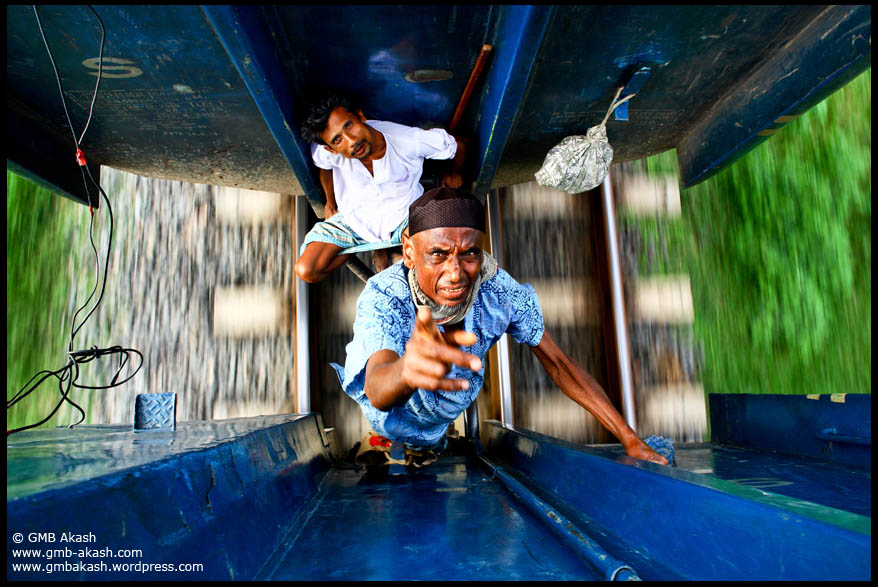
© GMB Akash / www.gmb-akash.com

© GMB Akash / www.gmb-akash.com
Uncountable times, I went to the roof of the train. Often traveling made me familiar with scariness of a running train. People become well-known to me. I find out so many different stories of people and their determination of surviving. When I manage myself to step straight then I pick my camera and start capturing my feelings. No one travel to risk their life to get pleasure. All were unable to manage travel cost as they were living under the margin. Many of those travelers work as day laborer, many of them goes for selling fishes in city which they collect from their villages. All of them have to return also. These travel costs can not manage by them so they risk their life in the top of the train.

© GMB Akash / www.gmb-akash.com
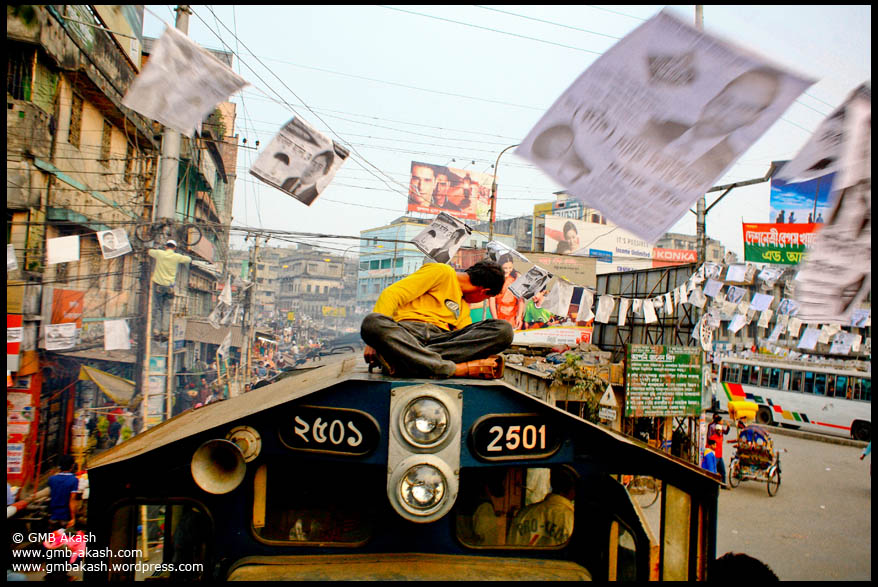
© GMB Akash / www.gmb-akash.com
This traveling is very addictive. When you will discover people who have power on them, who were bravely setting without caring anything the something will happen to you too. These people inspire you to live life without getting frustrated. They have nothing with them only have bravery to fight against all odds of life. So this journey put power inside me to fight in rest of my life with bravery and inspire to take any risk to live a life.

© GMB Akash / www.gmb-akash.com

© GMB Akash / www.gmb-akash.com

© GMB Akash / www.gmb-akash.com
In winter surface of the train get slippery, once I stepped without been concern and attempted to fall. It is difficult to take picture in opposite of the direction of the running train. Along other passengers I have faced terrible winter, unwanted rains and continual heat in the top of the train. Many times wires hit me, every time I thought I should not go more. But again I can not resist myself. Getting a good picture is toughest thing while you need to spend days and months for the right moment and for the right click. I won travel photographer of the year title in 2009 on the series. Besides all I am fortunate to be able to stand in this fearful journey which will continually give me power for rest of my life.

© GMB Akash / www.gmb-akash.com

© GMB Akash / www.gmb-akash.com
“I recall all these journeys repeatedly. My achievement is that I established this series as one of favorite topic for photographers. I feel happy when I see photographers come from around the world to get a free ride in the top of the train and takes pictures. All these make me happy. I collect all these treasured moment and I am working for publishing a book soon on this series. I have to say, I am fortunate by killing fears of me to become able to go to the top of the train. There is nothing to hold on to, only your fearlessness”
– Gmb Akash

© GMB Akash / www.gmb-akash.com

Faces Tell Stories
“Among all – Human faces are most attractive to me. Every face has a story. We as photographers reveal that undiscovered story through our lens. Faces tell stories, tell the situation of the person, and tell the story of the place the person lives in. Wherever I go somewhere I always come across to faces those are different and eventually try to find characteristic of the community; every place has its own perception, story of smell, a person bears these things in his/her appeal. I search for story behind the face, so faces are incredible to me. Through out searching the portrait we could find strange stories of lives of people from different places that we never recognize before. I am going to share my experiences during the journey of finding unnoticed faces”
– Gmb Akash


I search for getting an interesting character, a face that is unusual. I search such face in the middle of crowd. My first prior attention is the selection of the person, choosing the right character. Before I take any portrait I try to be familiar with the person. I talk to him/her and try to build a relationship with the person I will photograph. I give them time to be normal in front of my camera. I introduce myself to them. When the person gives his/her most natural expression to me, I take out my camera then start shooting. I believe it is the strongest factor which I practice so far to get a close snap of a human soul.


For me light is the most important element for getting an excellent portrait. I try to use different type of light; I try to shoot in different time of the day to get different colour and mode of light. Every light has its own appeal for creating different portraits of an individual.


Technically I use 35mm (f 1.4), 24-70 mm (2.8) lenses. But I take portrait with all kind of lens I have. Truly to say I do not care about my equipments much. For me the most important is – the person. Some times I also use very open aperture like 1.4 to get very low depth of field. So my eyes only go to my subject. As in some cases the surrounding environment is very important, so in that time I use aperture 8 to get all the elements in focus. But I do not like using very wide angel lens and I do not like a lot of distortion on the photo. I saw many people use wide angel lens for most of their works. If you use very wide thing, the picture look interesting because of the distortion. But in my opinion then the picture looks like it has taken by the wide angel lens not by a photographer. So I don’t use too much wide angle. And thus I try to make my images clean and direct.
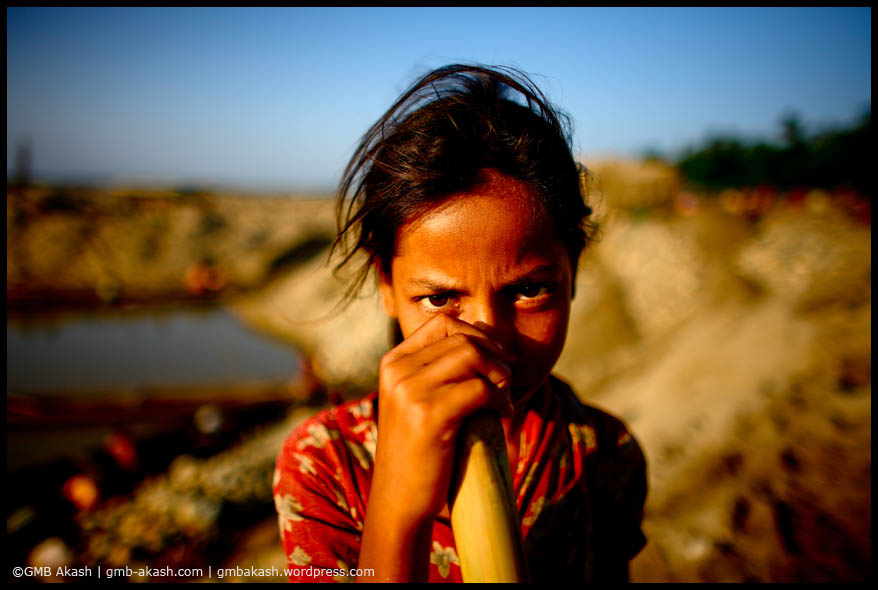

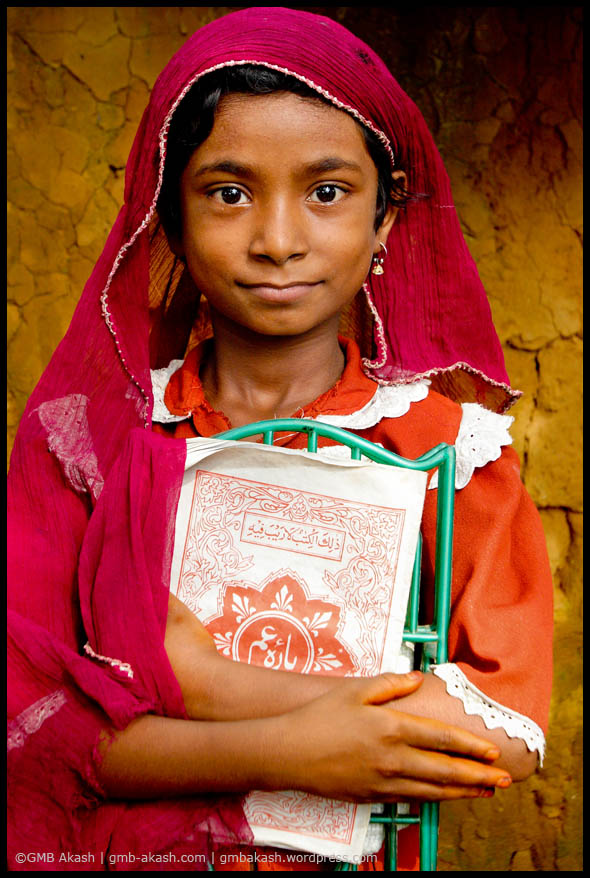
I have strong affection for color. I am a color photographer and I believe color photography is more challenging so as complicated. When I can meet the challenge I feel relieved. I am always very careful for using light and color. I love shooting in the early morning and late afternoon. But while I take portrait in the mid day I try to shoot them in the shadow, indoor or under flat light. It creates mystical environment.
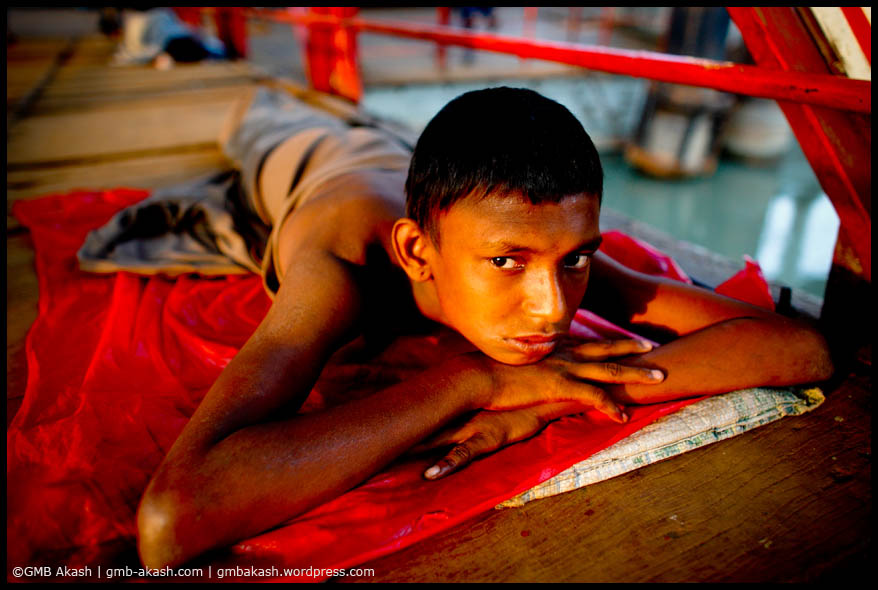


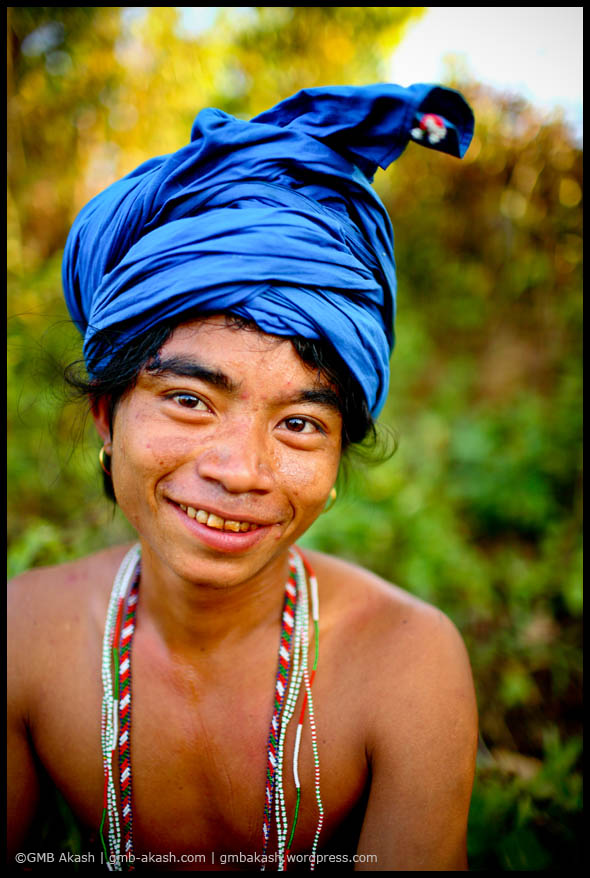
I try to use very simple background while I am taking close up portrait, so that the background might not disturb the subject and I try to use lot of – window soft light. Eyes have significance to me. One of the most important things in my images is eyes of the person. Eyes tell the story of that person. Eyes tell the unseen background of the person which I always hunt to discover.
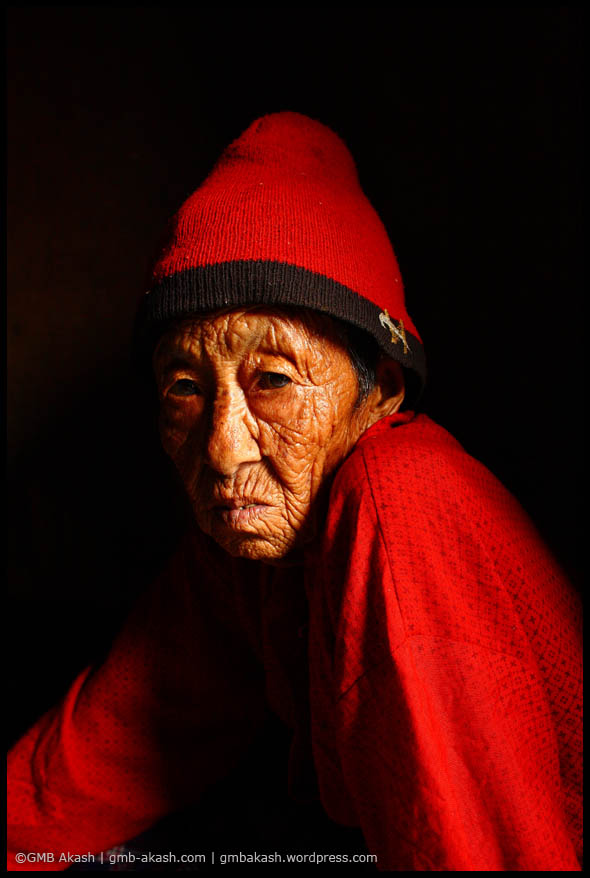

– For me the most prior factor is the character of my portrait. The light, color, eyes & the person must have to be blend with me. I align four factors together for taking a special portrait they are – the person, the light, eyes & color.
– Attention is the most hidden factor to get a good portrait. The person need to be familiar with you and the camera, it will be your prior duty to make the person natural as well comfortable for getting a best shot.
– Several rules applied by photographers for getting experimental portraits. Every photographer has his/her own style of taking portrait. Often the most remarkable portraits are those that break all the rules, so it’s important to create your own rules to get a master copy which might never done by some one before.
– Expression indicating the direction of the person’s eyes which can impact an image astonishingly. For me it’s important to observe the right moment of the direction of eyes.
– For creating interesting images you need to give trial, for creating interesting placement of your subject. After Creative thinking, creative placement can sometimes create out of the ordinary images.
– There are almost unlimited possibilities when it comes to use light in portraits. Input of light could make a portrait more or less powerful, as well side lighting, back lighting, silhouetting can spot specific features.
– Never fail to align your mind, eyes & lens together to find the inner beauty of the portrait.


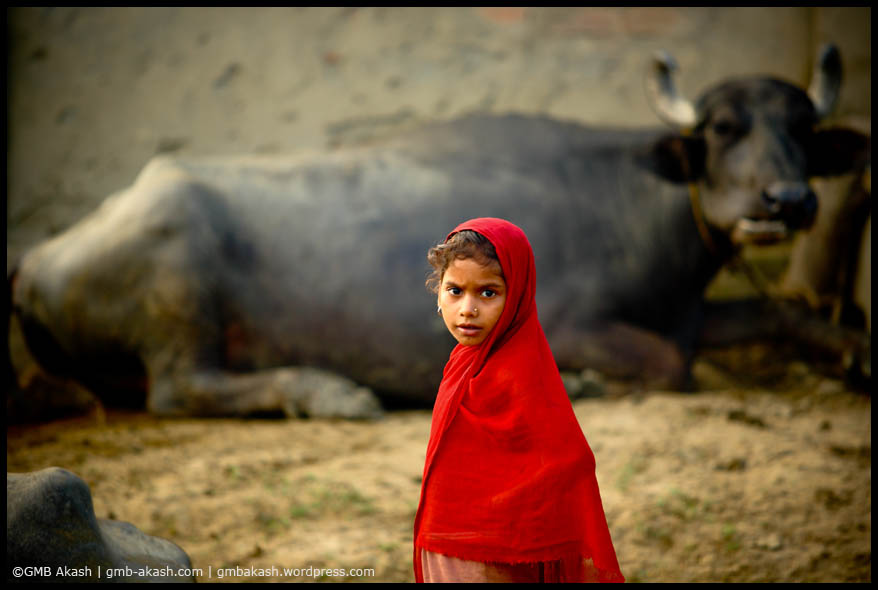
“Any Book or text or any experience sharing can not demonstrate “Portraits” practically. Pick your camera explores faces to get a good portrait. And you are welcome if my single practical example or feedback could uphold your knowledge”
– Gmb Akash
Reckless Calamity washed out lives
After Aila attack it has been two years Khadeza Begum sold her cattle & everything to rebuild her only shelter. Now it is another nightmare for her to stay under her destroyed house after facing another devastating flood. She has no idea how she will manage to pay back all her loans, besides passing nights in this smashed house with her husband.
Kadeza Begum said:
“We have nothing left, but we have to survive, so we’ve had to build our house again, twice in two year”.
Like Kadiza Begum It takes one year to Nobab Ali for building his house after Aila attack. Again flood hits on his all effort & left him in the flooded street. After all these devastation still he is trying to get some materials from the ruined house for covering his head in the road.
Alike them all inhabitants of Shamnagar are suffering like prisoner of devastating water kingdom. Helplessness & shouts are not getting into ears of rest of the people around the world & surroundings. In all places water & the destruction of water could experience in flood affected areas of Shatkhira. Inhabitants are collecting water after walking 3 Km. as all tube well are under water & badly affected by salt.
Amina begum told:
“Here water in everywhere, even in my house there is no sign of house only water. But we are such cursed that we have no water for drinking”
After facing devastating flood every year, they are fighting to live apart loosing shelter for existing. Still they are fighting to live. They are collecting all destroyed pieces of house to shed their head. Women go for fishing. They are healing pain of each other set aside from the remaining world.
I headed to the flood affected area of Shatkhira when all those villages are under water within three days & was out of communication. Evidentially when I reached to Shamnagar sun was setting down. I was surviving in a boat & could not see surface to stand a while. With the drowning sun the village was drowning under water. People were sheltered above in roofs of their houses. Moaning of old people & shouts of children were making the atmosphere miserable.
The southern part of the country is mostly affected by rain-fed disaster. There was heavy rain all over Bangladesh but flood has affected 14 of the 64 districts in Bangladesh. In Satkhira Kobodak, Betna, Shalta and Morichhap rivers swelled abnormally over the last seven days overflowing their banks inundating 160 villages in dozens of unions in Tala, Kalarowa, Ashashuni and Sadar upazilas. Over four lakh people of 160 villages were marooned. Crops on several thousand acres land; thousands of dwelling houses, schools, mosques, markets and ponds were inundated. Over 2,000 shrimp enclosures were washed away. Families lost everything & staying night without roofs in wild weather. Incessant rain coupled with high tide triggered by depression in Bay in the last few days caused river water rising engulfing villages on their banks. No humanitarian support has been provided to the people in the most affected districts by the government, local, national and international NGOs even after 10days of water blockage. People are suffering like prisoner of devastating water kingdom. There helplessness & shouts are not getting into ear of rest of the people around the world & surroundings.
After the flood in Shatkhira, all ladies are moving for dry places by carrying their belongings. Families lost everything, passing nights without roofs in wild weather. In such a situation open air in field of water can not accommodate them for healing pains. Leaving behind everything they are moving to the city. . Hunger, helplessness & calamity force these climate refugees to the city. City welcomes them to face the uncertainty of living for their entire life time. Rootless people suffer here & there. Their tears evaporated by thirsty street of Dhaka, the capital of Bangladesh.
Bangladesh is the most vulnerable country in the world, the frontline state of climate change. Mostly to say Bangladesh seems the leader of climate change. With 140 million people, Bangladesh is one of the world’s densest nations and also one of the most vulnerable to the impacts of climate change. Like much of the delta region, it floods each every year, but the flooding has been getting worse, the waters are staying longer, and contaminating the fields and the wells with salt. People in Bangladesh live precariously close to the risks of cyclones, floods and droughts and more than 100 million people live in rural areas. Two-thirds of the country is less than 5 meters above sea level and in an average year, a quarter of the country is inundated. Bangladesh has experienced severe floods every 4 to 5 years that may cover more than 60 percent of the country, resulting in significant losses. United Nations’ Intergovernmental Panel on Climate Change predicted that rising sea levels could submerge 17 per cent of Bangladesh by 2050, creating 20 million “environmental refugees”.
Here is a short film on this concern – how people are facing the calamity by living their normal life behind:
Still images of this devastating flood could reveal people’s straggle & endless helplessness.
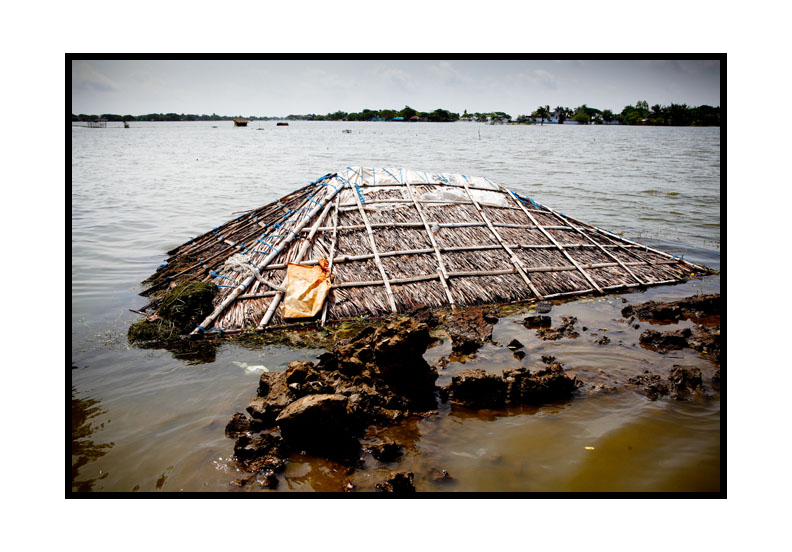
In 2009 Aila attacked Shatkhira, after two years when that pain has not healed this place again faced the ferocious attack of flood. While in these two years affected people managed to build their destroyed home but again flood has taken last hope from them. Over four lakh people of 160 villages were marooned. Crops on several thousand acres land; thousands of dwelling houses, schools, mosques, markets and ponds were inundated. © GMB Akash / www.gmb-akash.com

After Aila attack it has been two years Khadeza Begum sold her cattle & everything to rebuild her only shelter. Now it is another nightmare for her to stay under this destroyed house. She has no idea how she will manage to pay back all her loans, besides passing nights in this smashed house with her husband. © GMB Akash / www.gmb-akash.com
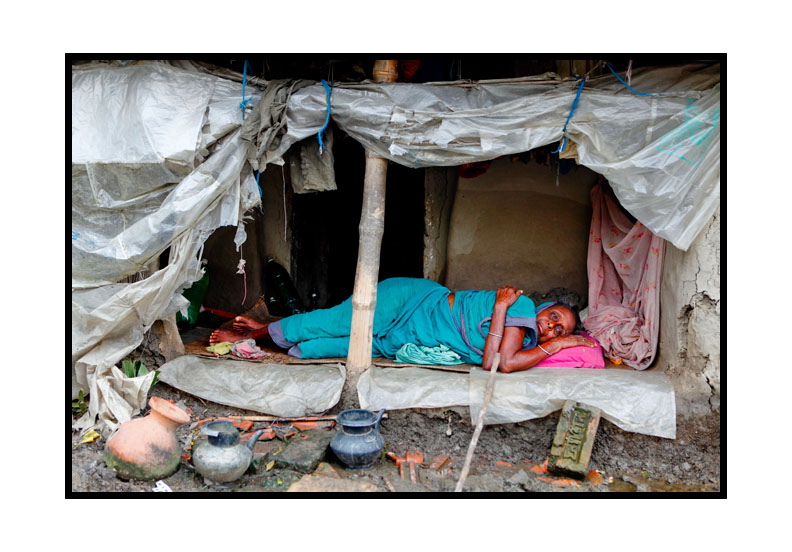
The flooding continues by washing away many homes and fields, the ill-fated flood victims Like Jhanu Begum remain living on the damaged embankments, surviving the rainy season in huts made of plastic sheets and bamboo.© GMB Akash / www.gmb-akash.com
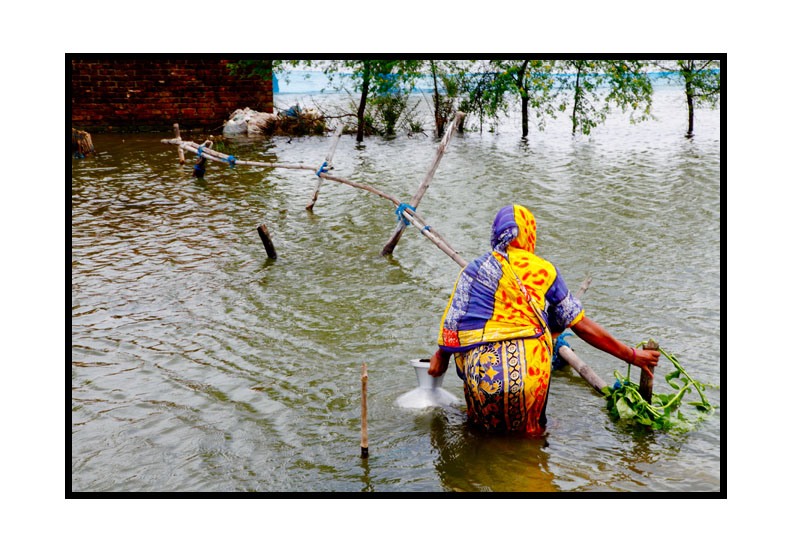
The lady is going inside her house. The flood has broken all her hope to pass a single night in serenity. After facing devastating flood every year, they are fighting to live apart loosing shelter for existing.
© GMB Akash / www.gmb-akash.com

People are fighting alone against every odd of their lives & with regular calamity. People are using medicine in their feet as they are living in water long time. These people do not know when they will get relief from flood water. © GMB Akash / www.gmb-akash.com

Flood has taken everything from inhabitants of Shatkhira. Every day straggle for getting water & food become another calamity for their life. All tube well goes under water & already badly affected by salt. Sufferers have no way to get rid rather then suffer in crisis. © GMB Akash / www.gmb-akash.com

Besides Khadeza begum has to pay back all her loans of rebuilding the house after Aila attack, but again she lost every piece of it in this flood. She has no idea how long the village & she can survive. She is trying to collect all wasted material of her house in hope to get a shed by road side.© GMB Akash / www.gmb-akash.com

It takes one year to Nobab Ali for building his house after Aila attack. Again flood hits on his all effort & left him in the flooded street. After all these devastation he is trying to get some materials from the ruined house for covering his head in the road. © GMB Akash / www.gmb-akash.com

Nobab Ali has no idea how long he can survive surrounded by flood water which has proven curse to him. In his last dates he is fighting every year for building a house to shed his head. After the devastating flood attack again he is searching, below in water in hope to get his lost belongings.© GMB Akash / www.gmb-akash.com

After the flood in Shatkhira, all ladies are moving for dry places by carrying their belongings. Families lost everything, passing nights without roofs in wild weather. In such a situation open air in field of water can not accommodate them for healing pains.© GMB Akash / www.gmb-akash.com
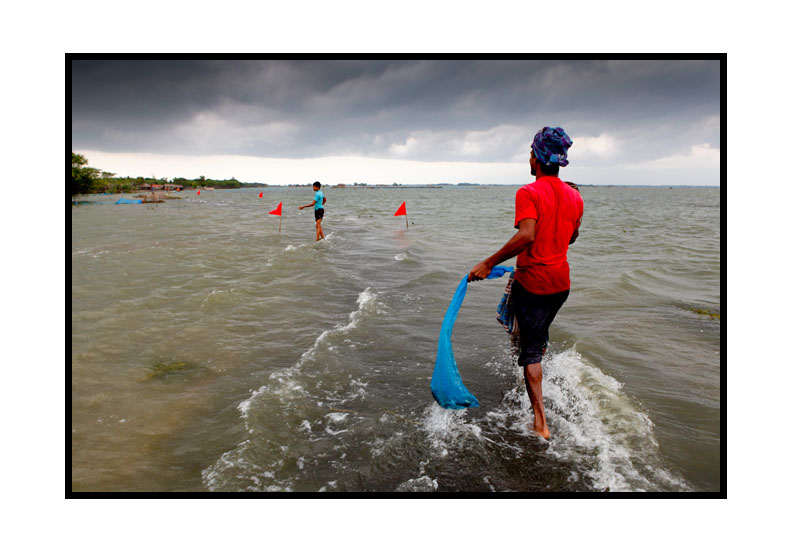
The violent flood abandons lives of Shamnagar inhabitants. With all fields under salt water, no shrimp farming or other activities can be restarted, and people have no way to earn a livelihood. Instead they try to fish in the nearby rivers even in floated roads. © GMB Akash / www.gmb-akash.com

People are moving to the city by vans even all roads went under water because of devastating flood in Shatkhira area. In 2009 Aila attacked Shatkhira, after two years when the pain has not forgotten this place again faced the ferocious attack of flood. Leaving behind everything they are moving to the city. © GMB Akash / www.gmb-akash.com
In the Alley of Disaster
“I headed to the flood affected area of Shatkhira when all those villages were under water within three days & out of communication. Evidentially when I reached to Shamnagar sun was setting down. I was surviving in a boat & could not see surface to stand a while. With the drowning sun the village was drowning under water. People were sheltered above in roofs of their houses. Moaning of old people & shouts of children were making the atmosphere miserable. When I reached to the house of Khadeza Begum I closed my eyes. It took two years to rebuild the house of Khadeza after selling all her cattle as well taking huge loans after Aila attack in 2009. I was standing in front of her ruined house. The house which has been rebuilt these two years by the bravery of Khadeza. I could not answer when she was hitting me by asking why I come to take photo of her ruined house again after Aila. No one come to ask them ever how they are fighting against the will of nature. She cursed all those happy people who seat silent after hearing their news”
– Gmb Akash
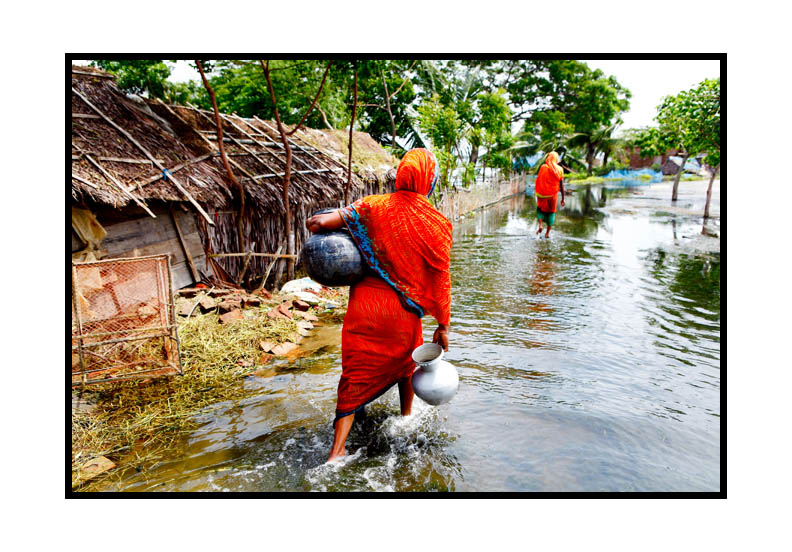
In all places water & the destruction of water could experience in flood affected areas of Shatkhira. Inhabitants are collecting water after walking 3 Km. as all tube well are under water & badly affected by salt. After facing devastating flood every year, they are fighting to live apart loosing shelter for existing. © GMB Akash / www.gmb-akash.com

After Aila attack it has been two years Khadeza Begum sold her cattle & everything to rebuild her only shelter. Now it is another nightmare for her to stay under this destroyed house. She has no idea how she will manage to pay back all her loans, besides passing nights in this smashed house with her husband. © GMB Akash / www.gmb-akash.com
In 2009 Aila attacked Shatkhira area, after two years when that pain has not forgotten this place again faced the ferocious attack of flood. While in these two years affected people managed to build their destroyed home but again flood has taken last hope from them. Over four lakh people of 160 villages were marooned after the striking of flood in this 2011. Crops on several thousand acres land; thousands of dwelling houses, schools, mosques, markets and ponds were inundated. Shrimps in over 2,000 shrimp enclosures were washed away. Families lost everything & staying night without roofs in wild weather. No humanitarian support has been provided to the people in the most affected districts within the affected time of 13 days.
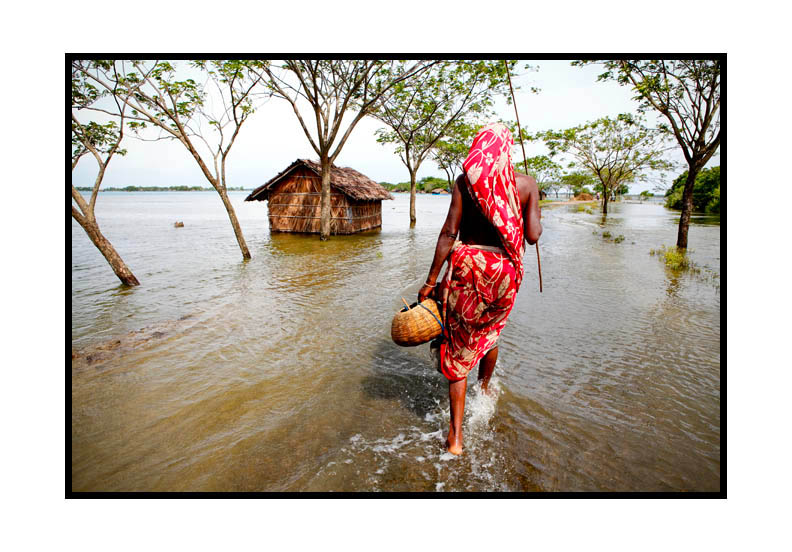
People are helpless after five days water blockage. The lady is going for fishing. While in these two years Aila affected people managed to rebuild their destroyed home , again this flood has taken every hope from them. © GMB Akash / www.gmb-akash.com

It takes one year to Nobab Ali for building his house after Aila attack. Again flood hits on his all effort & left him in the flooded street. After all these devastation he is trying to get some materials from the ruined house for covering his head in the road. © GMB Akash / www.gmb-akash.com
People were suffering like prisoner of devastating water kingdom.Helplessness & shouts are not getting into ears of rest of the people around the world & surroundings. Still they were fighting to live. They were collecting all destroyed pieces of house to shed their head. Women went to water for fishing. They were healing pain of each other set aside from the remaining world.
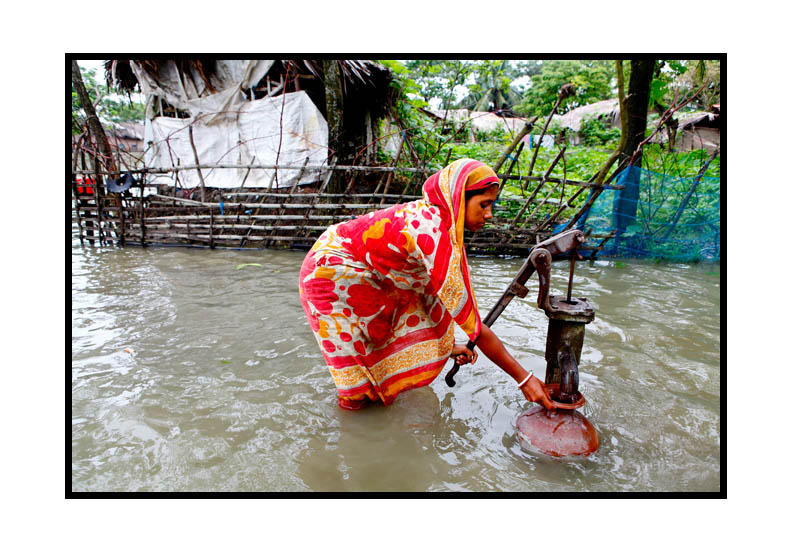
All tubewell of villages goes under water. Everywhere there is only water but there is no water for drinking. Still inhabitants are trying to get salt water for drinking. © GMB Akash / www.gmb-akash.com
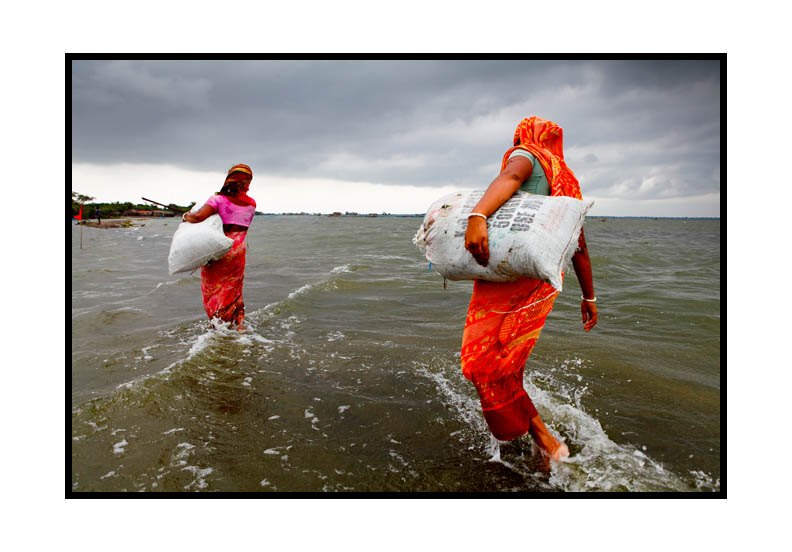
After the flood in Shatkhira, all ladies are moving for dry places by carrying their belongings. Families lost everything, passing nights without roofs in wild weather. In such a situation open air in field of water can not accommodate them for healing pains. © GMB Akash / www.gmb-akash.com

People are moving to the city by vans even all roads went under water because of devastating flood in Shatkhira area. In 2009 Aila attacked Shatkhira, after two years when the pain has not forgotten this place again faced the ferocious attack of flood. Leaving behind everything they are moving to the city. © GMB Akash / www.gmb-akash.com

The lady is going inside her house. The flood has broken all her hope to pass a single night in serenity . © GMB Akash / www.gmb-akash.com
Hunger, helplessness & calamity force them to the city. City welcomes them to face the uncertainty of living for their entire life time. Rootless people suffer here & there. Their tears evaporated by thirsty street of Dhaka.

Climate forces Jahangir to move to the city with his family. Now this Mirpur slum is his identity. Water crisis as well accommodation problem hitting their everyday life . His wife like him are suffering everyday for taking bath in this nearly open bathroom by sharing with more than 300 slum dwellers. © GMB Akash / www.gmb-akash.com

Hosna comes with her two children from Jamalpur. Her husband left his family after loosing everything in devastating flood. She came in this plastic shelter three years ago. This street houses does not provide any toilet. By not having any window she manages to placed everything of her family in six feet by six residences. In these three years she managed to gather many things which she packed in bags. With all these things she dreams to go back to her village one day. © GMB Akash / www.gmb-akash.com
After discovering the insanity of nature & bravery of these sufferers I realize these people are stronger to rule their own live. If these brave people could get support of a shoulder to cry, rest of us could claim us as “Human”. I recall the statement from Helen Keller & focus my lens to capture some brave moment.
“I am only one, but still I am one. I cannot do everything, but still I can do something, and because I cannot do everything I will not refuse to do the something that I can do”- Helen Keller

Homeless people float near in the street of the city. By few road sides families are allowed to build their homes. Still climate refugees can not gather enough wasted digital prints, papers & bamboo for making plastic houses. Those who can not manage helplessly sleeps in open air by not letting the place empty. Everyday they collect papers for dwelling beside street.
© GMB Akash / www.gmb-akash.com
Water crisis Myth & Reality
Dhaka, the capital of Bangladesh is one of the most densely populated cities of the South-Asian countries. Due to rapid urbanization process, the city is emerging as a mega-city and this trend generates numerous economic and social externalities and social cost such as deterioration of environmental quality, increased pollution and congestion. 30 to 50 percent of total Dhaka residents are Slums dwellers. Slums of Dhaka city are beset with a number of socio-environmental problems specially ‘water’ crisis.
“In slums from early morning hours passed & water pot gathered gradually. Queues of water pots & lines of people are regular scenario of the slum. Government van comes once in a day with drinking water. They have no idea exact when the van will come, so they line up their water jars & sit beside. Most of the inhabitants of these slums are climate refugees. Most of the slum dwellers stand in lines before the sun rises. After passing the long queue, knowing that this impure water causes sickness, they feel that they are fortunate. Their consolation is that at least they don’t have to leave with empty pots” – Gmb Akash
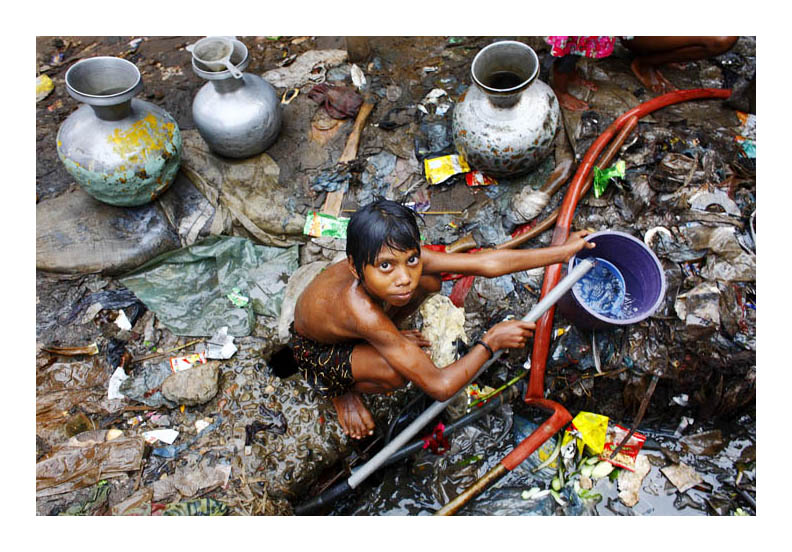
Apparently the place seems like garbage, though this is the most desired place of the inhabitants of Mirpur slum in Dhaka city. For water, in this thirsty zone queue stars near midnight. After an immense time of patience they got quiet impure water which often makes them sick. In spite of all they give a cheerful smile when they touch the water after passing the long queue. No dirty water can kill their hope & smile.
© GMB Akash / www.gmb-akash.com

In slums straggling for water starts before the sun rises. A boy collects water for his family near mid night for avoiding the long queue.
© GMB Akash / www.gmb-akash.com

In Mirpur slum, slum dwellers have to waits hours & hours in queue for water. Children use to drink water whenever they got chance to get the pipe. Slum dwellers of Mirpur hardly get drinkable water. Bad smell & impure wastage made the water high-risk. Dhaka. Bangladesh
© GMB Akash / www.gmb-akash.com
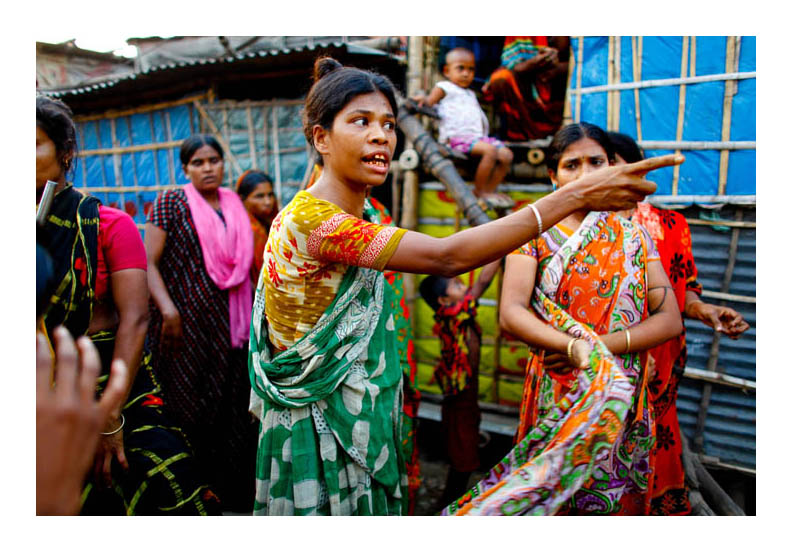
A woman is fighting for water. Children & ladies stand up in queue before the sun rises. Slum dwellers of Mirpur hardly get drinkable water. Bad smell & impure wastage made the water high-risk.
© GMB Akash / www.gmb-akash.com

Rohingans living in Burmese refugee’s camp has no facilities for drinking water. A Rohingan woman is collecting drinking water from rain source. Water fall of mountain is the only source of water for them. Else they have to travel 2kilomiter for collecting that impure water.
© GMB Akash / www.gmb-akash.com
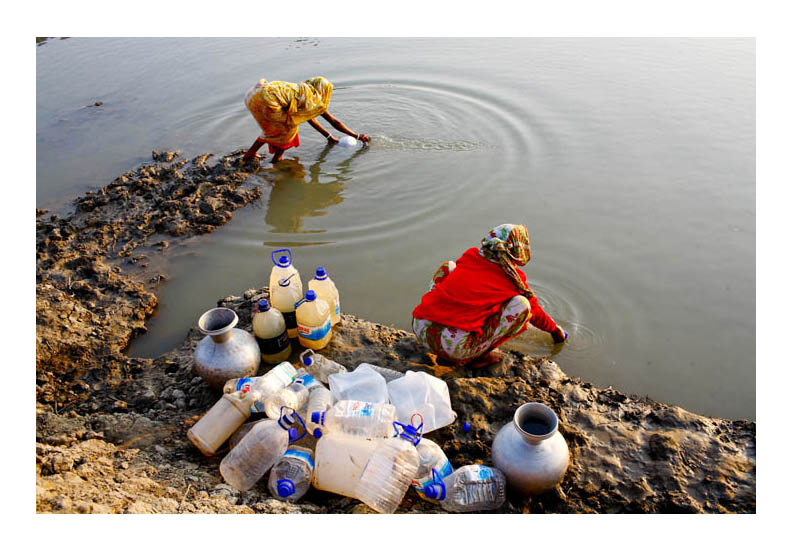
Women have to spend several hours & travels long everyday for collecting drinking water. In Shatkhira, they have to go long distance, they usually collects water from ponds. After boiling water hardly removes salts & thus they make the water drinkable.
© GMB Akash / www.gmb-akash.com

© GMB Akash / www.gmb-akash.com
Children & women have to spend several hours & travels long everyday for collecting drinking water. In Shatkhira, they have to go another part of the river for collecting water. After boiling water hardly removes salts & thus they make the water drinkable.
© GMB Akash / www.gmb-akash.com
Satkhira District is in the southwest coastal area of Bangladesh. Cyclone Aila hits 14 districts on the south-west coast of Bangladesh on the 25th May 2009. The cyclone caused 190 immediate deaths, injuries to 7,103 people, damage to 6,000 kilometers of roads, more than 1,700 kilometers of embankments to collapse, more than 500,000 people to become homeless. Because of this calamity all fields got salted & farmers become helpless. As well in Shatkhira people are not getting clean drinking water, as the water is salt affected.

© GMB Akash / www.gmb-akash.com
Children & women have to spend several hours & travels long everyday for collecting drinking water. In Shatkhira, they have to go another part of the river for collecting water. After boiling water hardly removes salts & thus they make the water drinkable. Farmers can not produce crops because of salinity. In such a situation inhabitants lives become itself a calamity living by every day’s straggle.

© GMB Akash / www.gmb-akash.com

© GMB Akash / www.gmb-akash.com

The woman is going to collect water from a Tube well, which is the only tube well for seven villages. The inhabitant of char in Noyakhali has to travel 3-4 kilometers by walking to collect drinking water.
© GMB Akash / www.gmb-akash.com
“In this corner of the world people are fighting to get a pot of drinkable water. Their lives have collapsed in need of getting a pot of fresh water. People are experiencing severe thirst which may never come to an end if “Water”- could not save by Human” Gmb Akash
‘The Vanished Native’
‘The Vanished Native’ – Existence of Rohingya refugees in Bangladesh is tale of those people who lost their freedom of living and identity now just tagged as refugees. For living decades here we still the same plastic rapping shelter that has uncountable holes. They everyday travel miles to drink mud water. Those people are struggling to get back their honour as human not as any nation. They are considered as most unwanted people in both of the zone. Still their way of living is a message that they are just suffering well – Gmb Akash

An old Rohingya lady is taking nap in her shelter. They are not allowed to do work outside or move freely. Old people like her are struggling hard for passing their last days by doing nothing.

Decades refugee families are suffering well having only a plastic shelter. If the refugees manage to get outside the camp, they are then vulnerable to harassment by the residents of the villages surrounding the camps.
In the early 1990s, more than 250,000 people belonging to the mostly Muslim Rohingya minority escaped persecution in Myanmar by fleeing across land and river borders into Bangladesh, where most were housed in 20 camps. Their living conditions are sub-standard and they are uncertain about their future. They are living without freedom of movement, permission to work or basic human rights.

A Rohingya mother seating idle with her child. Most of the new born and children suffered from massive Malnutrition.

The experiences of violence and coercion over the years have inevitably fostered a climate of fear and distress among the refugees. They are not permitted to work. They have nothing to do to live their lives. They have no money, their husband or wives are not allowed to do any work. They are like prisoner of an open field of limited activity.
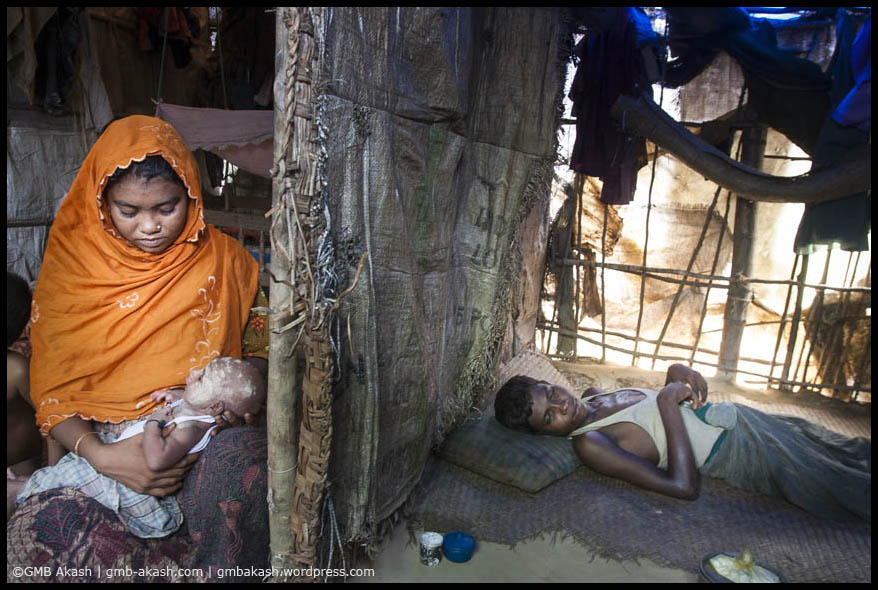
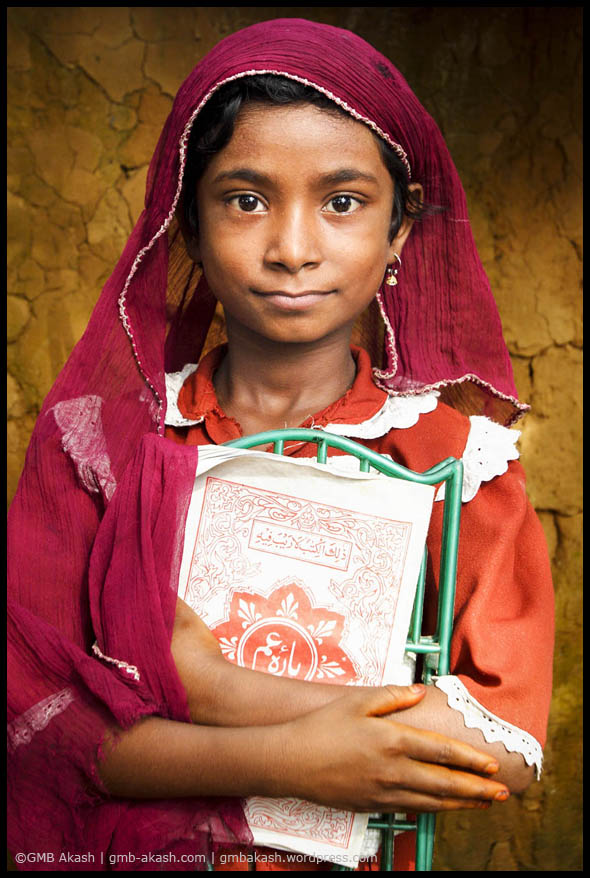
The girl belongs to the refugee group who are living without freedom of movement, permission to work or basic human rights. Besides she dreams to study, go regularly for taking part in Madrassa.

Children study the Koran (Qu’ran) in a makeshift Madrassa (Islamic school) in the Dum Dum Meah refugee camp.
The living place displays the most unprotected residence for living as human. The rapping plastic sheet which have uncountable holes surround them generation after generation. In a small place where hardly two people can live, ironically they are living more than eight people.

Two young men are making a new house in the Dum Dum Meah refugee camp. There is no change in their accommodation scenario instead of getting only holes in every rainy season.
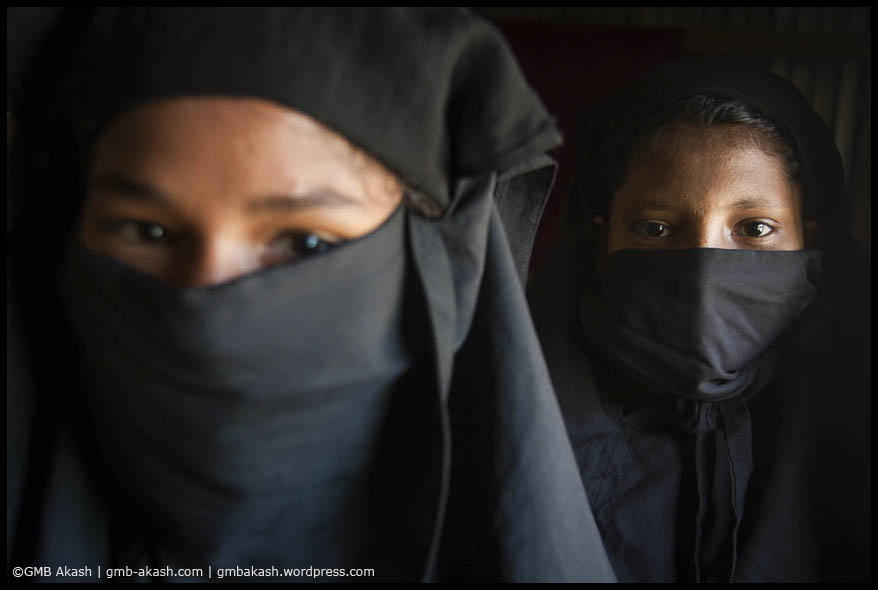
Rohingya refugee families have to depend fully on ration. The refugees are totally dependent on the weekly distribution of food. For many, food is the only source of income, as employment is prohibited.
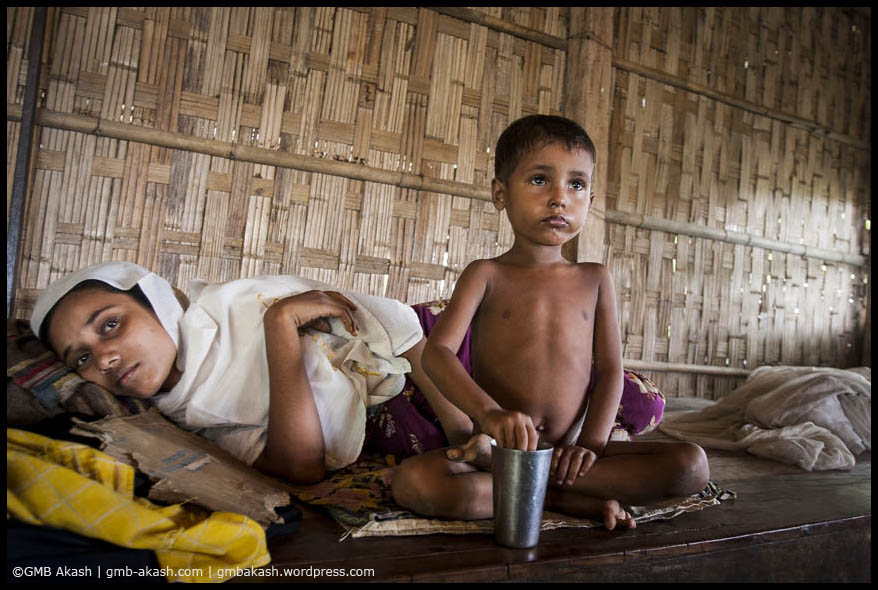

A Child in the Dum Dum Meah refugee camp. Here everlasting hunger, heightened vulnerability to disease, and hampered growth will only be overcome if the Rohingya refugees get enough to eat everyday. But still it is a dream to these refugees.
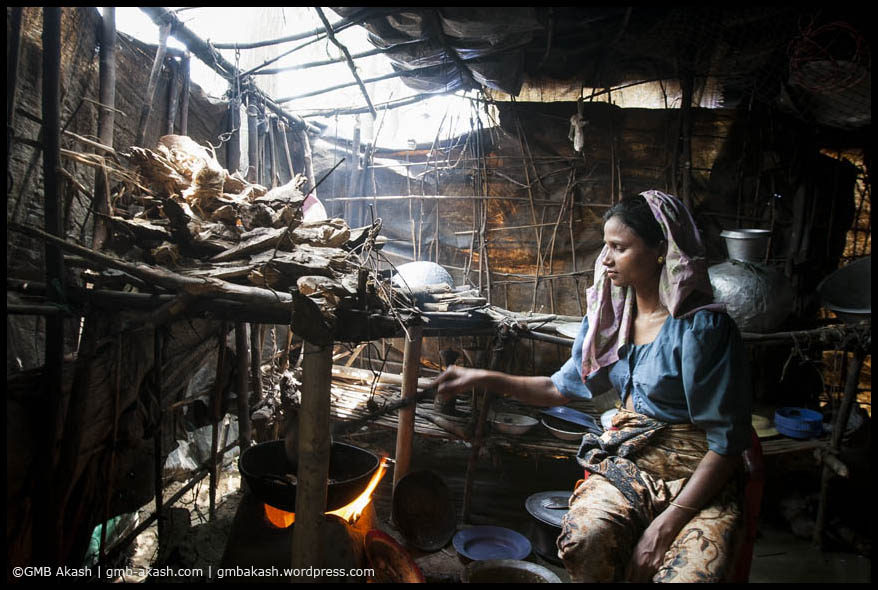
“Sometimes I bathe only two to three times per month because I have to save water for other member of my family”- A woman of seven member of the family were telling about the water condition.

There is just one toilet between every 10 families. Teenagers hardly go to toilet in day time. As the toilet is visible from outside because of broken doors & holes is plastic rapping areas.
“Through the damaged door everything is visible when we go to toilet. In spite of danger we young girls go to toilet when it is dark that no one could see us”- young girl of the camp named Mya

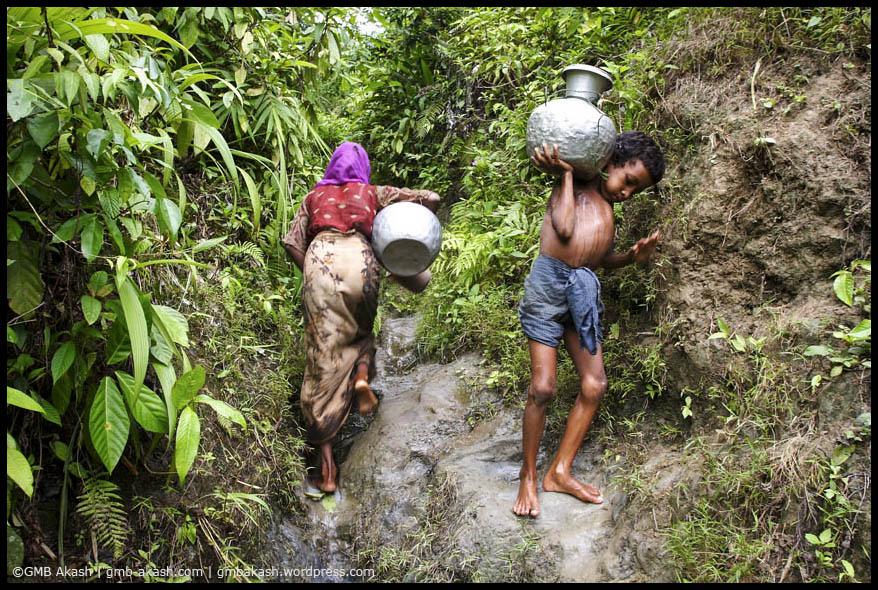
Water fall of mountain is the source of water near the Burmese refugee’s camp for Rohingyas. Rohingya families are collecting water from mountain as there is no facility of water in their camp. After 2 kilometers walking they can collect drinking water however they got sick often by this impure water source.
Besides them thousands wait, unregistered, and unsure of what their future holds. People are stateless and hopeless. They have nothing in their hands.
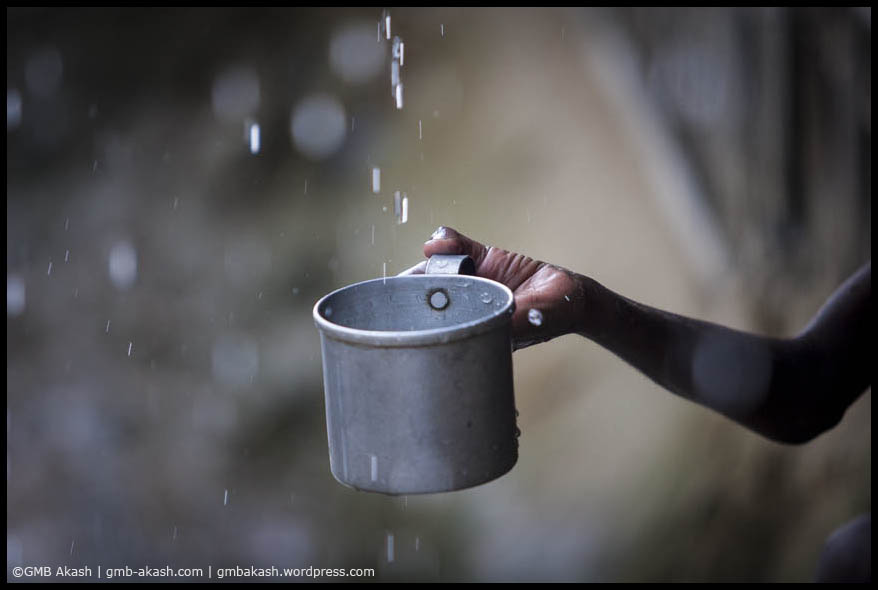
Rohingya families have to totally depend on ration supplies. This generates an endless cycle of food shortage as no food enters instead of only rations for them.

The boy representing the third generation of one Rohingya refugee family. They do not have any identity as nation. Despite losing everything they are fighting to get the honour as human.


“Many lives have begun in these camps in the last decades. Many will end here, too, without a birth or death certificate to prove that they ever existed. There straggle will convey message to all people who are unknown to the fact of living no where, belongs to no nation and not aware of searching identity everyday” – Gmb Akash
Born to work – A Battle of a “Survivor”
“Survivors” depicts the invincibility of the human spirit to survive against all odds. People who live on the edges of society have had a big impact on me and have been a great inspiration to me as a person and in my career. The existing social hierarchies have made me realize that those who live at the lowest rank on the economic ladder are the true survivors. These people are deprived of even the basic necessities of life, yet they manage to live each day with a smile on their faces. As a photographer I feel it is my task to show the world those unseen realities and to shed light on what most of us never see with our own eyes.
I have been doing my project “Survivors” for the last 10 years. In these years I tried to bring changes in some lives. But now, I moves to work on it highly by bringing the project “Survivors” in light. & lend hands to some miserable souls. Munna is one of them. Here I am revealing life & straggle of Munna – which many of you may never seen but heard many times, which many of you may imagine but never feel. Welcome to the world of a – little soldier ‘Munna’
“Born to work – A Battle of a Survivor”, First video made by me & a documentation on ‘Munna’ from the project ‘Survivors’.
‘Integrity with innocence’ this is the concrete of Munna’s character portrayal. Five years ago I first met Munna, he was same like now. He was a seven years old shy boy who never complains to anyone. At the age of five he comes to the factory. Two years he did nothing & got no money. At the age of seven, he learns & starts working. When I took his first picture his hands remarks his experiences.

© GMB Akash / www.gmb-akash.com
Five years have passed fates of Munna & his father brings no change in their lives. Only difference is, with his five years experience Munna is getting 1600 taka ($1=72taka) per month. Moreover 12 years old Munna is running his younger sister education with his extra income of Friday overtime. His dreams confine to get more experience of hard work & made a big factory. He dreams to give good food to his family, he dreams to take them in a better place. The boy speak too less, stand always like a shadow. Whenever I took picture of him, he tried to clean his torn cloths as well hide torn areas. These little doings, little words earn respect.

© GMB Akash / www.gmb-akash.com
20 years ago Munna’s family had come to Dhaka for better living. Time never brings any happiness in their lives. By a little donation Munna’s father bought shoe sewing materials & now he is working as cobbler. They pray that rainy season may never come. As people does not come to do shoe polish in rain time. Munna & his family are surviving in the race of life.

© GMB Akash / www.gmb-akash.com
Like Munna around 7 million children are straggling in our country. May be it is difficult but not impossible to give hope to these 7 million children. If only every capable person lend their hands for one family.
My project “Survivors” aims to help Munna & his family. This project designed to help ten families from ten backgrounds. By little collection – a fund will hand over to Munna & his father. Munna’s father will utilize it for lifting their fates. 25% of the selling price of my book “Survivors” will give to these kinds of 10 selected families. You all are invited to stand beside Munna. Won’t you lend your hands? If your heart is moved to do so please visit “Survivors” by Gmb Akash at : http://emphas.is
“Our little help, little words, little recommendations could bring light in some dark places of this earth. ” Gmb Akash
 GMB AKASH