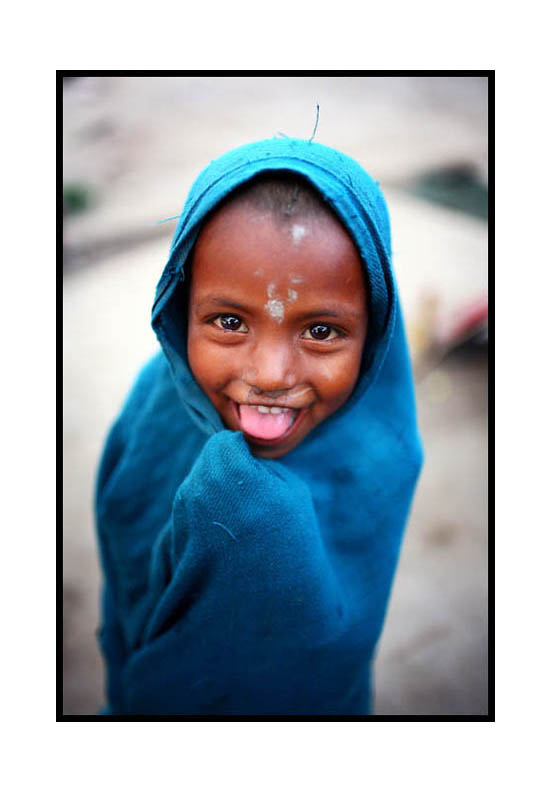
Smoke and Ashes

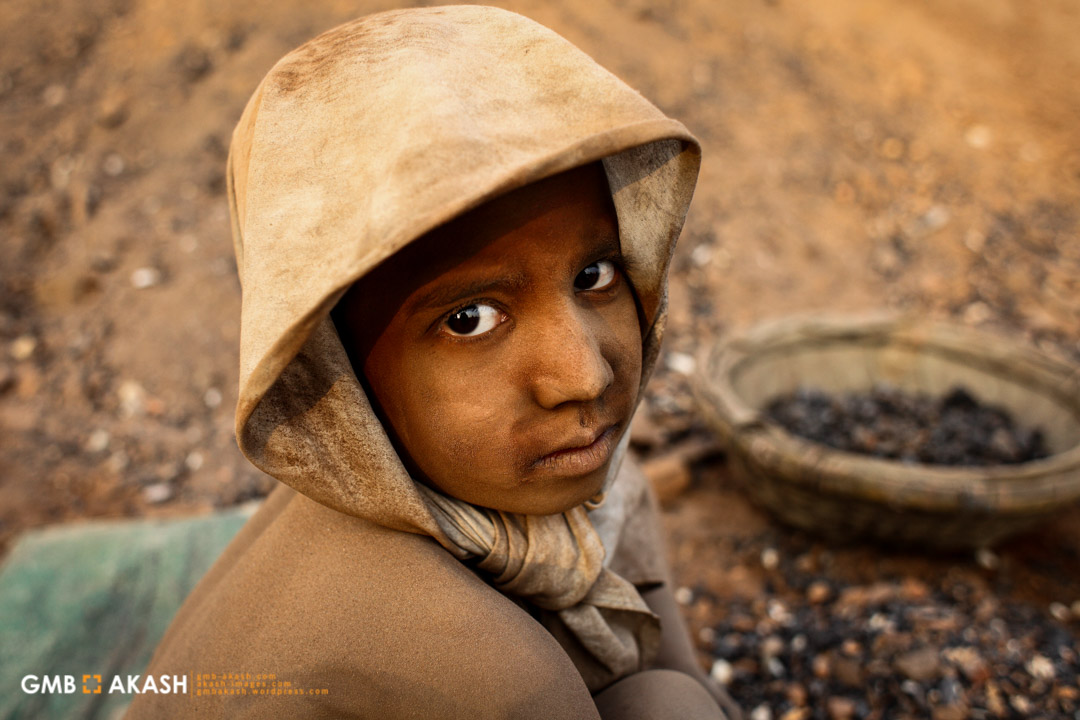
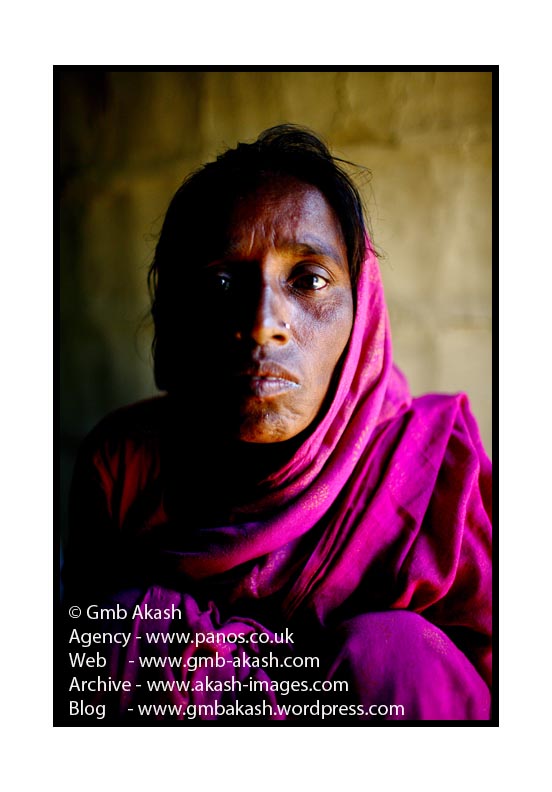
Rozina counts every day for six months running. Her family starts working long before the sun rises even when her small kids are remaining in the deepest sleep. She feels bad about calling them for work but like every day she cruelly has to do it. Everyone comes to have breakfast when the rice is still in the process of cooking. She rapidly waves her hand and lets the fire rise. During this time she quietly thinks about their time in the village that is far far away from this isolated brick field. She recalls her abandoned home and acutely feels a need to see the village sooner. But her urge quickly vanishes when she also remembers those days of starvation. Jalil sleeps in the bed that is made by gathering brick after brick. Rozina tried to hide those bricks by a flowery bed cover. Razina and Jalil have been married for ten years. Along with their five-year daughter and six year old son her family comes to work in this brick filed for six months in every year. 
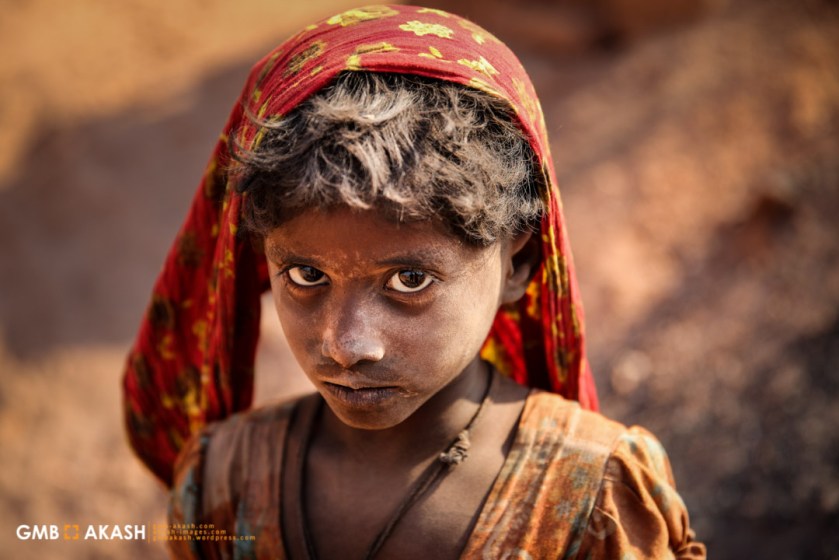
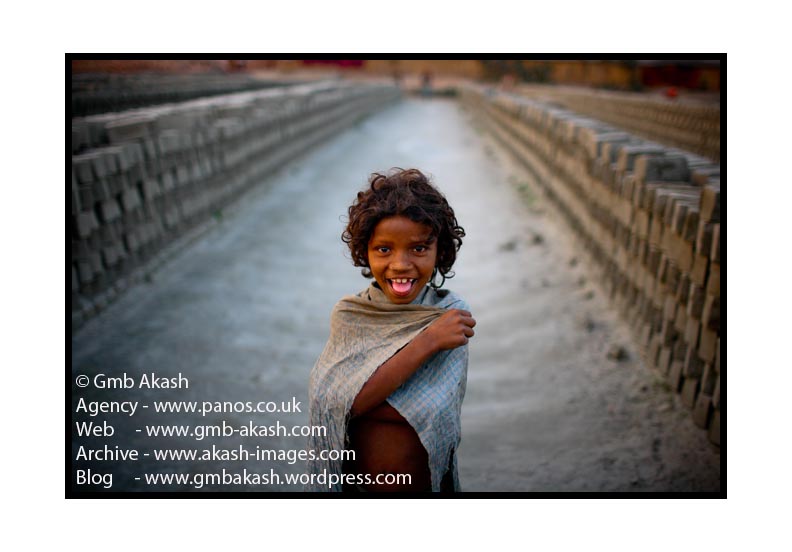
Five years old Sadia is working in the brick field for first time. Along her, seven members of the family are serving in the brick field to repay their loan. Sadia’s job is to dry 5000 bricks every day. For such seven days work she weekly gets 250 taka ($3). Sadia who once used to be naughty now hardly talk. She only smiles when after working she finishes collecting coal for her family.

akash (2)

akash (6)The houses that have been built by brick field owners are home to 100 brick field workers’ families. Just like Rozina they are living in hope of returning to their village one day. No one decorates their house. If a family buys any new item it goes into a box and it remain there until they get a final call to go back to their real home in the village. Rozina’s red bangles, her daughter’s new shoes, boy’ toy; everything goes into the trunk. She also keeps some precious things of her mother-in-law who dies last year from tuberculosis. Everyone says her mother-in-law died because she worked in the brick filed. Rozina does not believe it. Once the whole family strived for three days and no one died that time. Death is written by fate. This brick field is a way for them to survive; a way to feed themselves and their children.

akash (3)

akash (10)

akash (11)

akash (5)

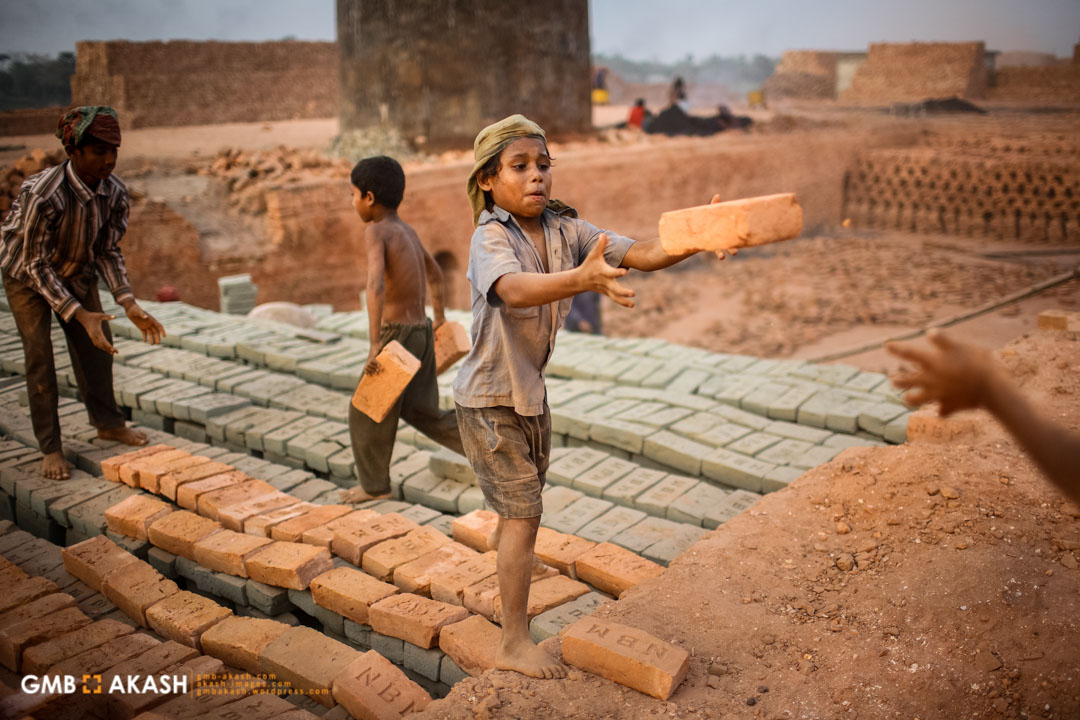
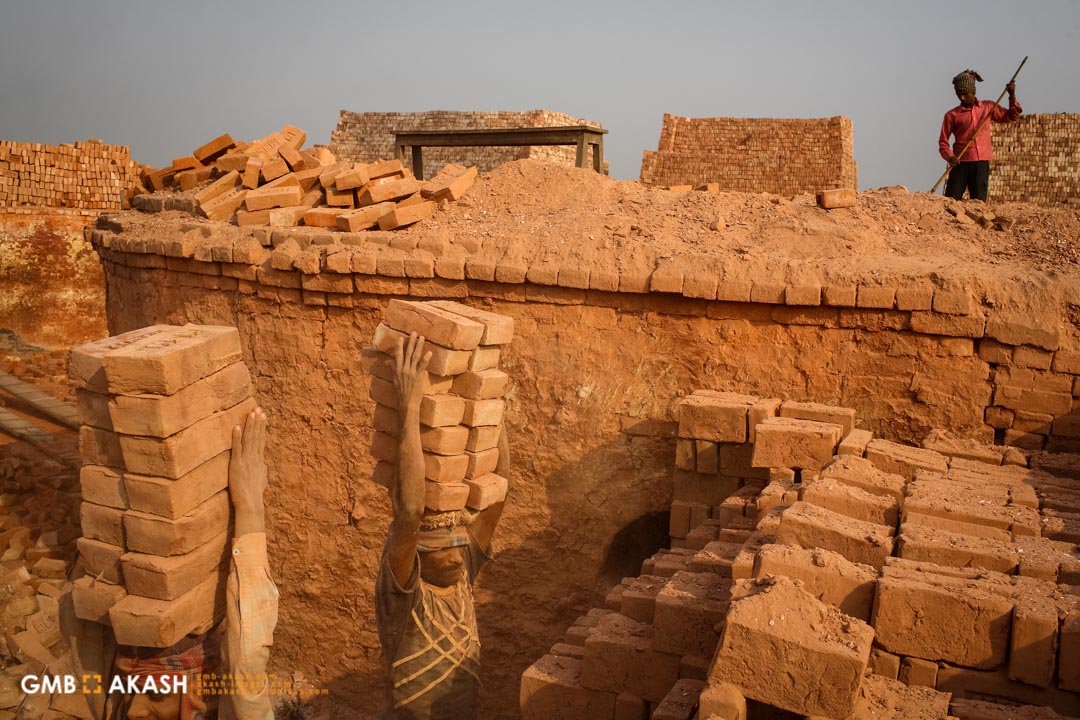
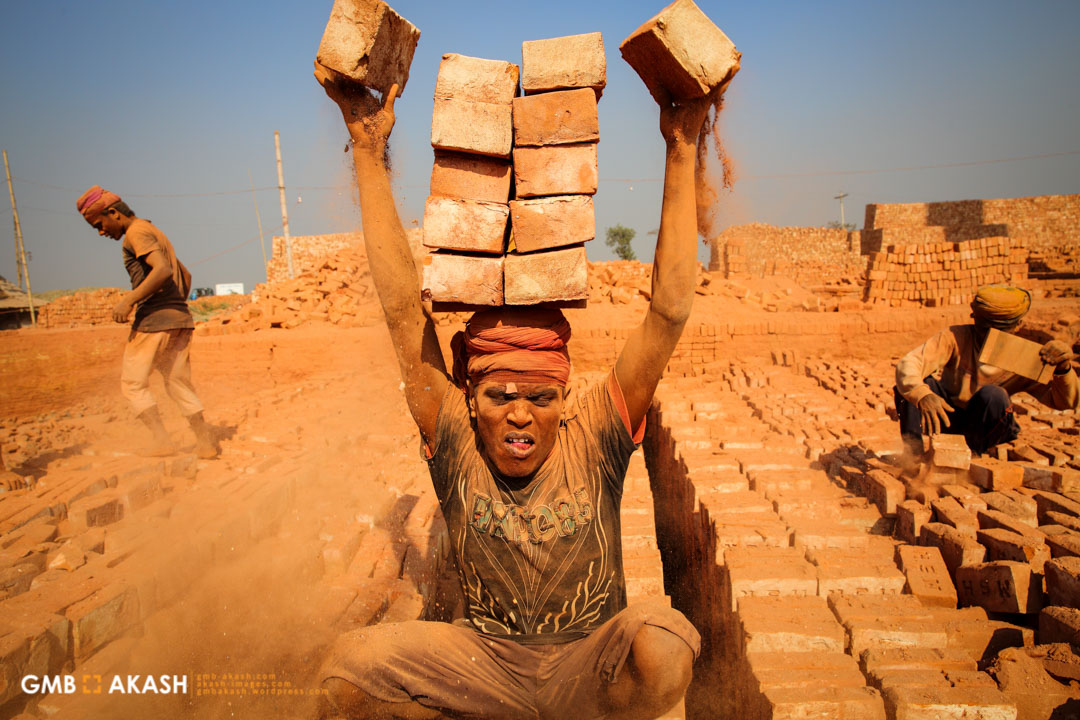
The sound of songs awakens the brick field locality. The brick field workers start working. They are used to listening to songs from their mobile phones. The rhythm of the songs motivates them to work. Rahmat Miah has been working in brick field for seventeen years. The day he started understanding life he found himself in the brick field. During childhood he used to help his father for transferring bricks or lining the piles. Till today he does not do any work other than working in brick field. After carrying 5000 bricks he can manage to earn 200 taka for doing the bazaar shopping for his family. Sometimes he could save a little amount after cutting all costs. But his body does not help him much. Every month he has to take leave for 4-5 days because of illness then he has to spend out of that precious savings for food or medicine.
akash (8)

akash (9)

akash (13)

akash (12)

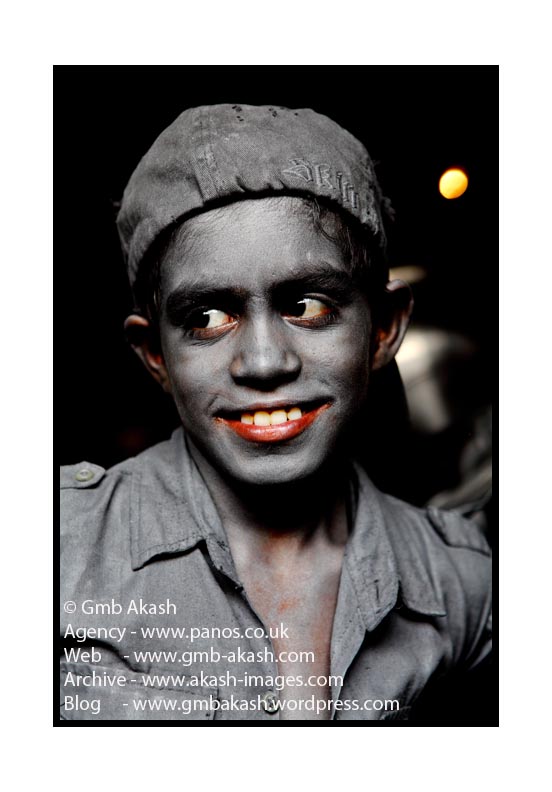
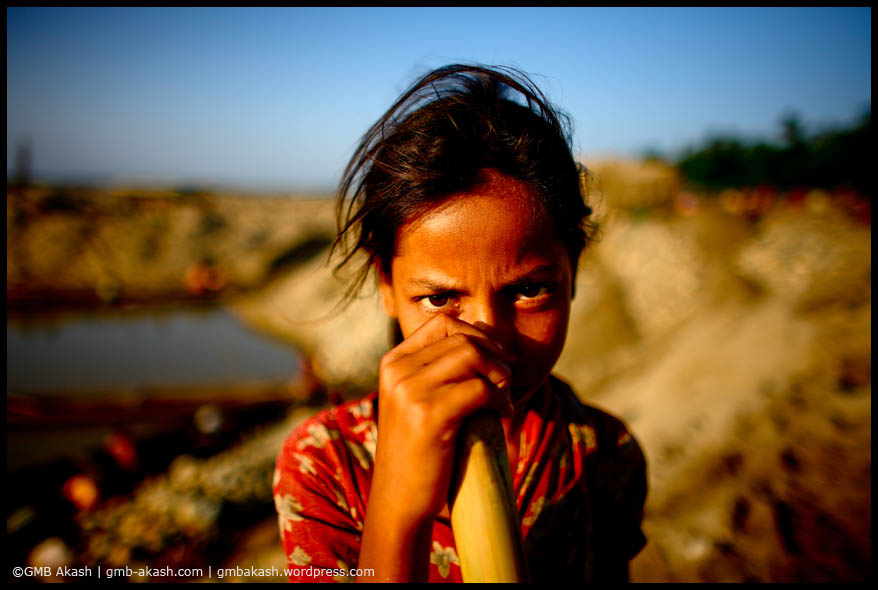
Men, women and children everyone remains busy in the brick field. Sometimes when the sun goes up in the overhead a few older men or women fall to the ground. Then they get an hour break. They have to carry or shift or line up 5000-10000 bricks every day. However they loudly chat in a half an hour break. They smoke and talk about the economy and the politics. Women generally rest in silence and sometimes go to their quarters to do quick house chores. Children work continuously. It seems that working is some kind of important game. Small Minara who is just four years old collects coal from the brick field. Why does she collect coal? After a long silence she replies boldly, ‘This is my job’.

akash (7)

akash (20)

akash (23)

akash (15)

During the one hour lunch break they eat a lot. Three plates of rice and lentil is their daily lunch menu. Men who are living with their families eat with them; those who came alone to the brick field eat in groups of men. A few go to take a quick nap. This is a kind of moment when they will not speak or hear a single word. All are tired, very very tired. Life goes on; work starts again after break.

akash (28)

akash (16)

akash (29)

akash (14)

akash (26)

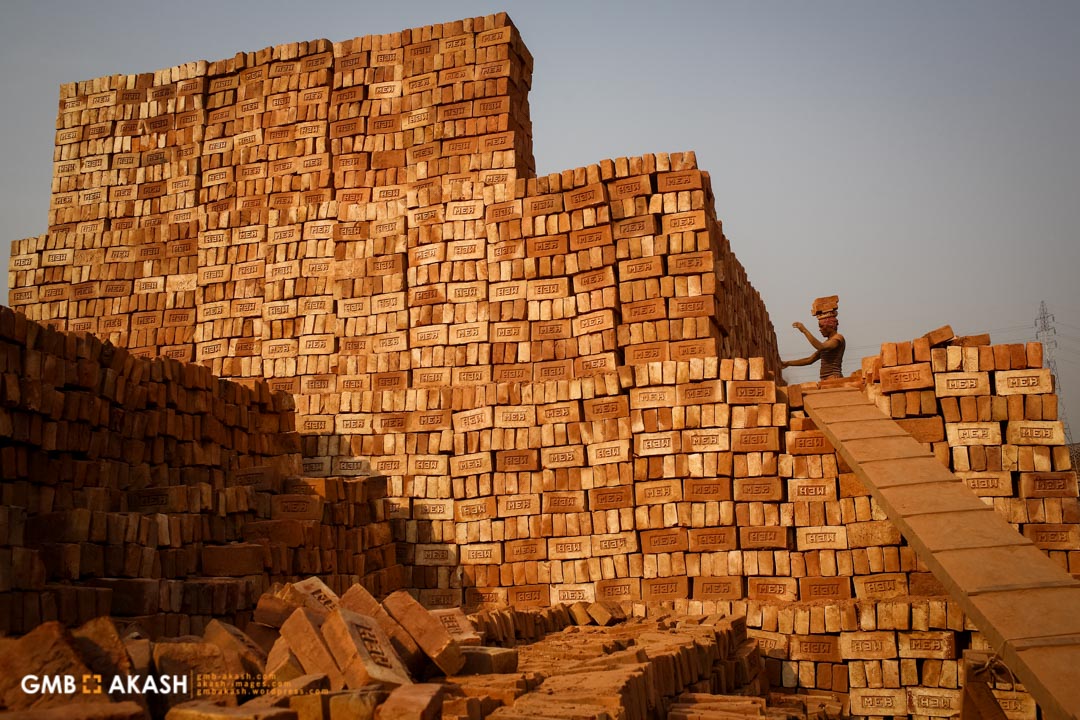
Smoke and ashes blow everywhere. Workers’ bodies turn black in smoke and ashes and their feet turn black like coal. Still they continue to work in a dreamless brick field. In the middle of this Rozina dreams to go back to her village. Rahmat tries hard to save a few pennies, the children continue to collect coal. Very Far from the town the workers of the brick field continue to work to build our urban world.

akash (27)

akash (22)

akash (24)

‘Orange Generation’

Akash  (7)

IMG_9958

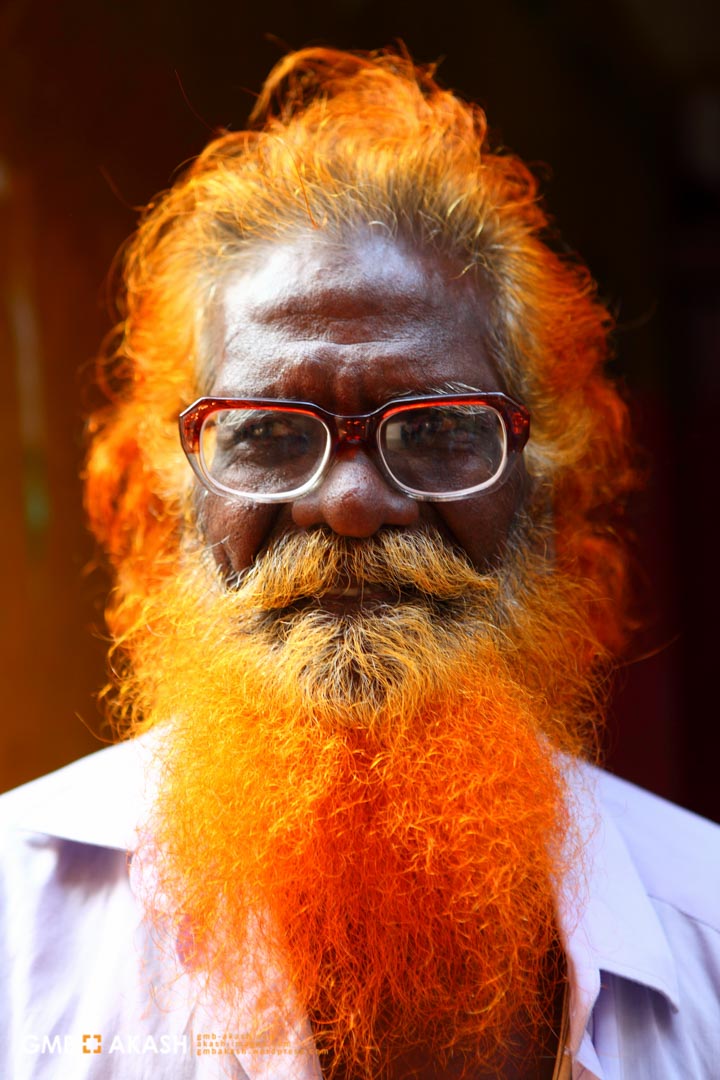
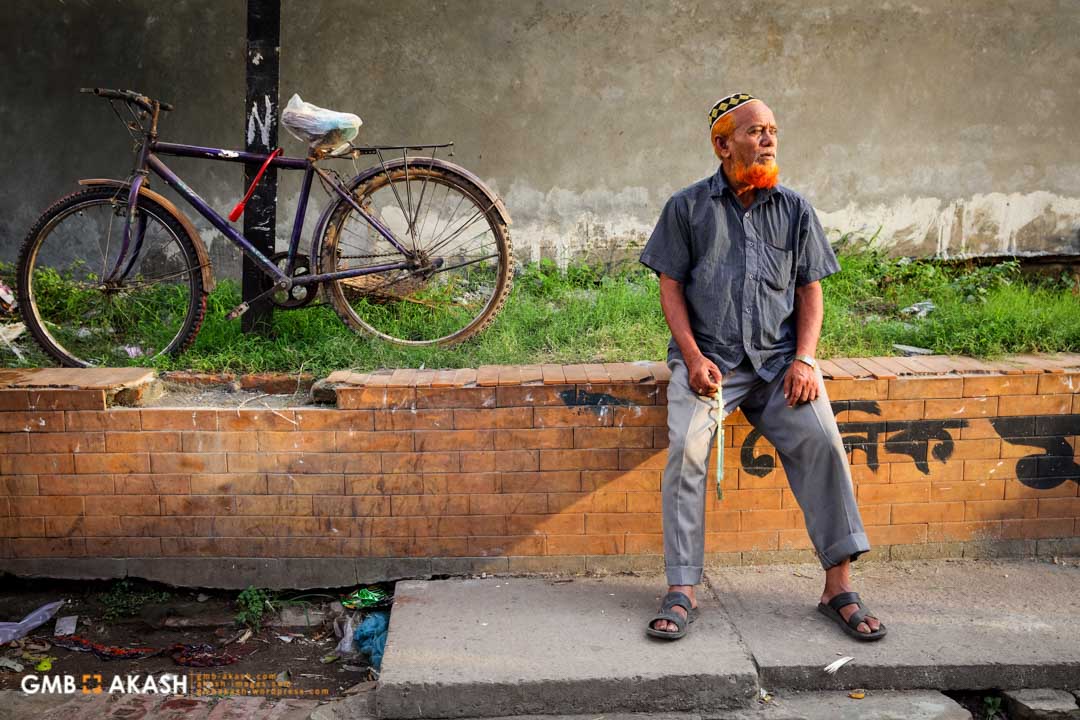
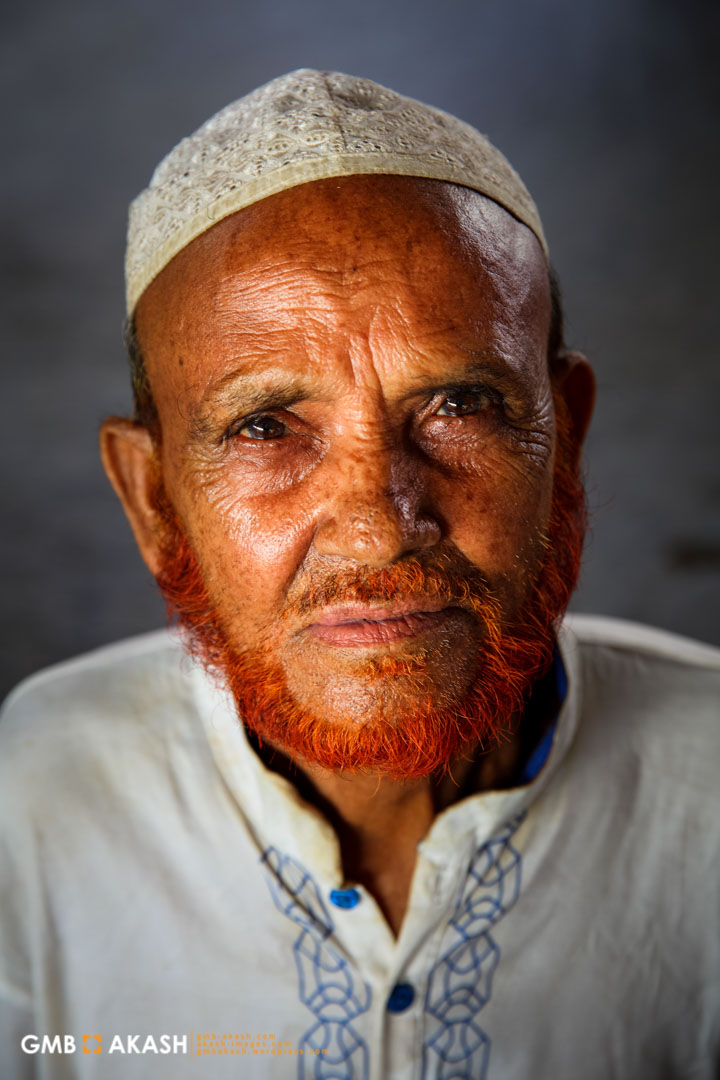
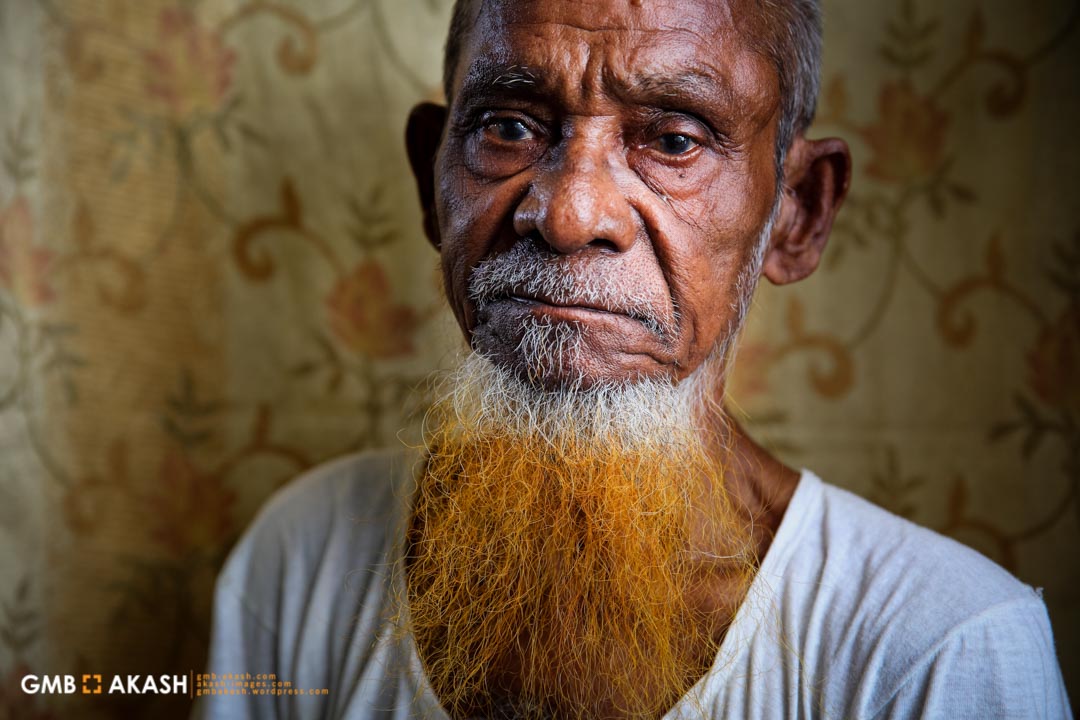
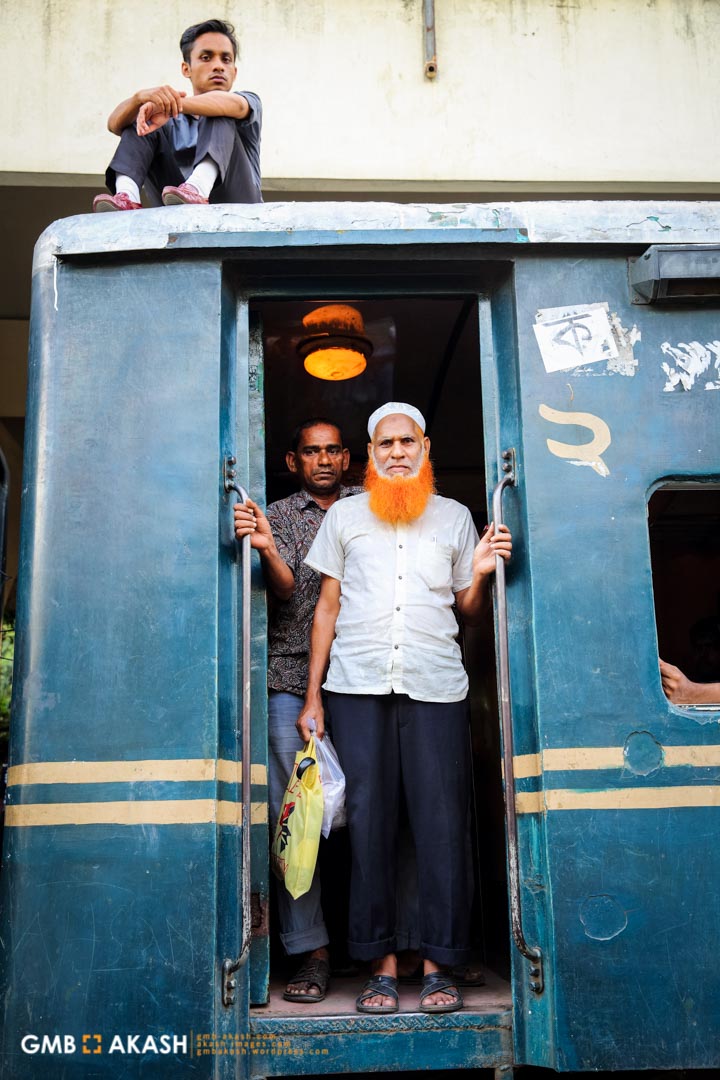
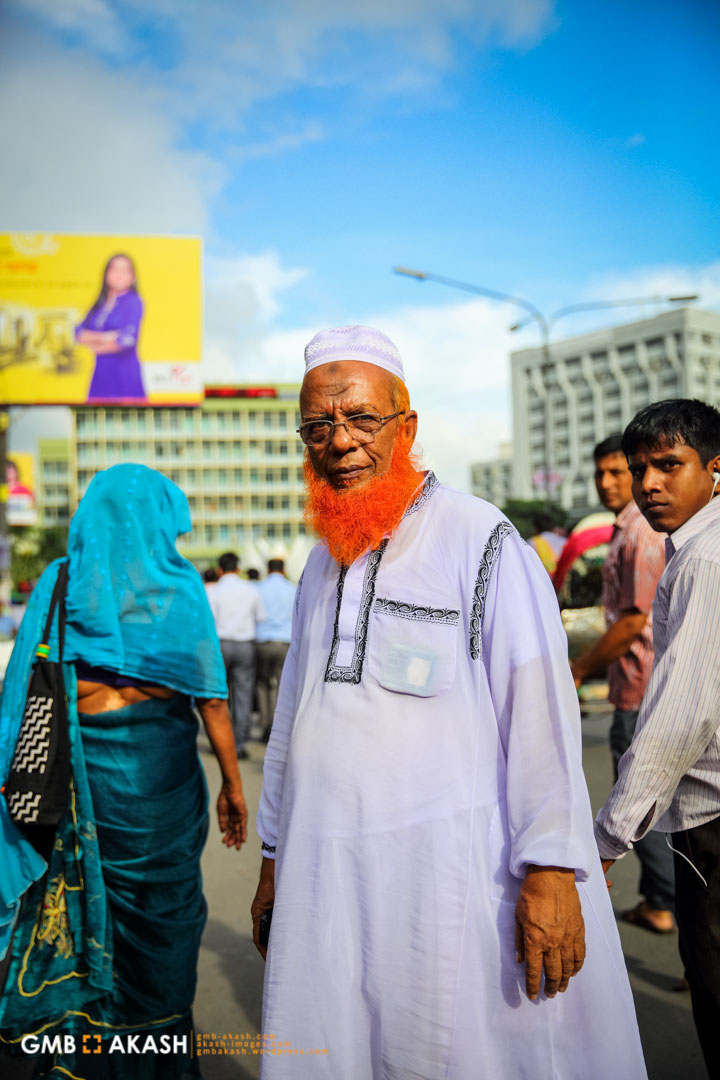
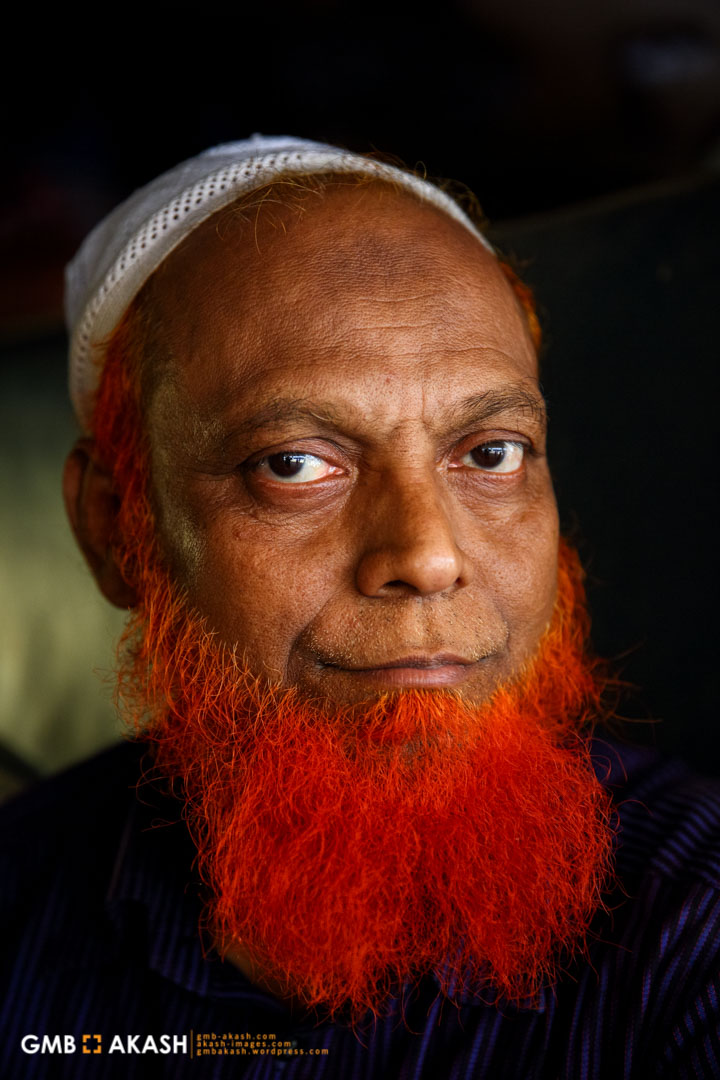
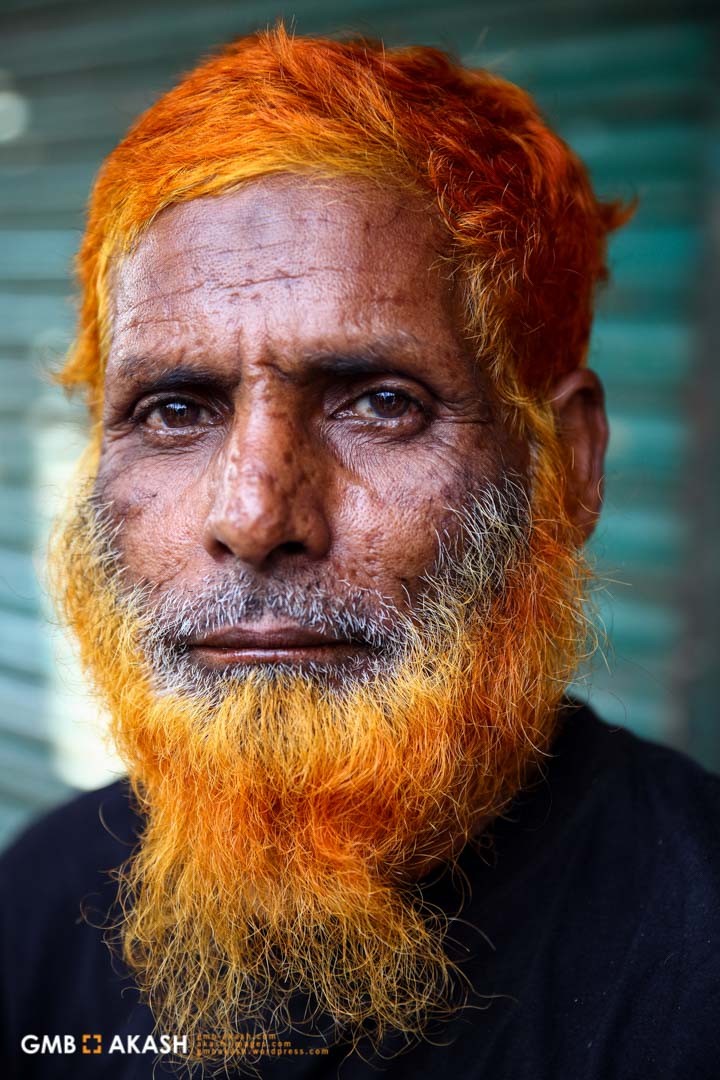
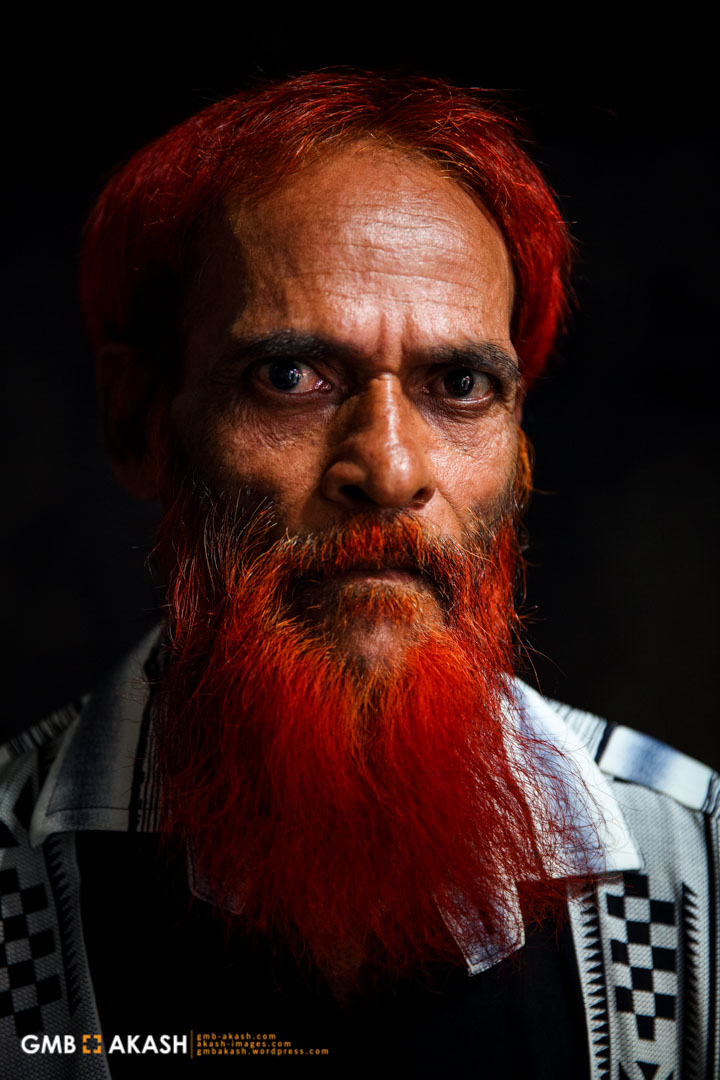
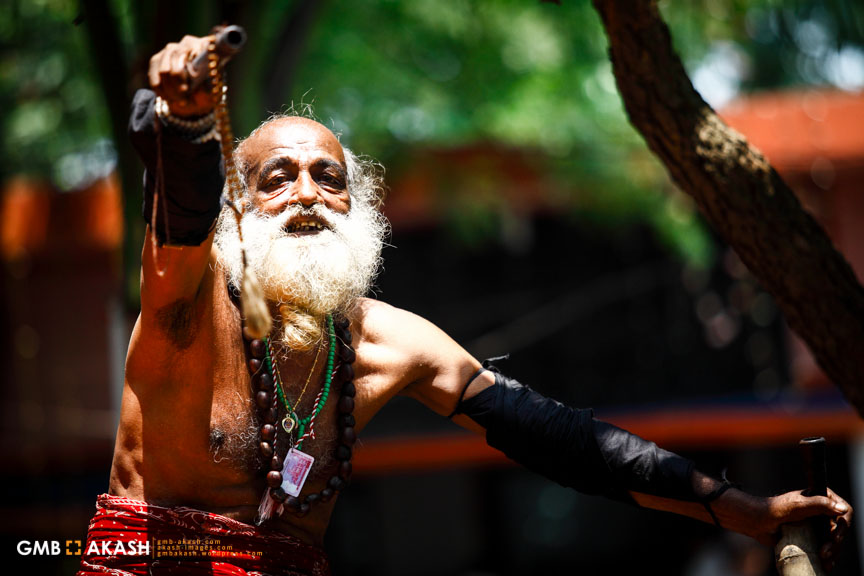
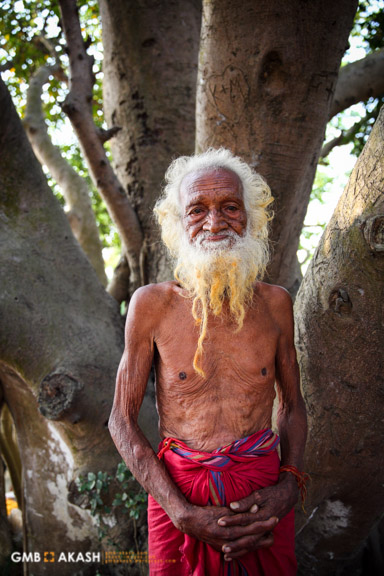
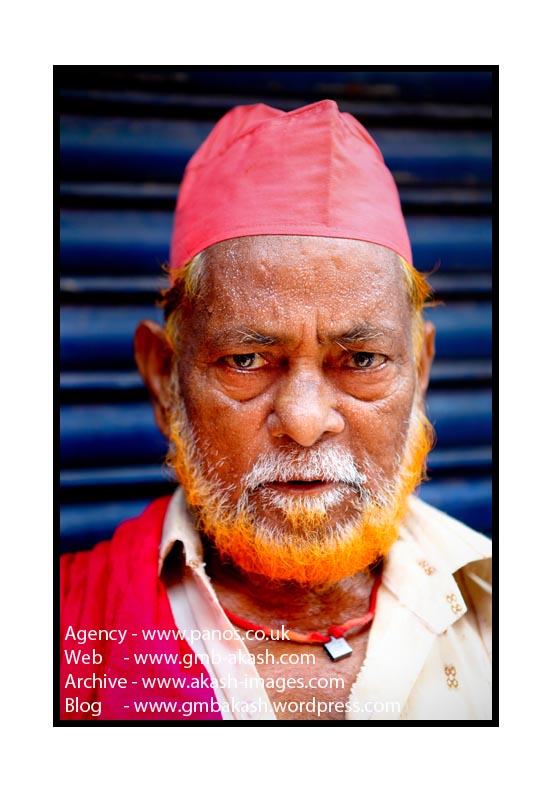
I grew up seeing my ancestors’ orange beards or hair. It is so common in our culture that I was hardly curious to know why older Muslim people colour their hair, beards or moustaches. With time I learned and found out that it was very natural to know  about the importance of henna in Muslim Culture.

IMG_7641

hajrat ali (2)

But for the first time I realized and wanted to know about the real motivation of different individual Muslim men and women for dyeing their grey hair. The first time I started asking the question was when many of my foreigner friends asked me about it frequently during their visits in Bangladesh. Then I started noticing that this colour is making this older generation different. So I started asking the Muslim older generation why they colour their grey beards or hair and what is it that they are so fond of?

abdul kader (3)

abdul malek

abdul sobahan

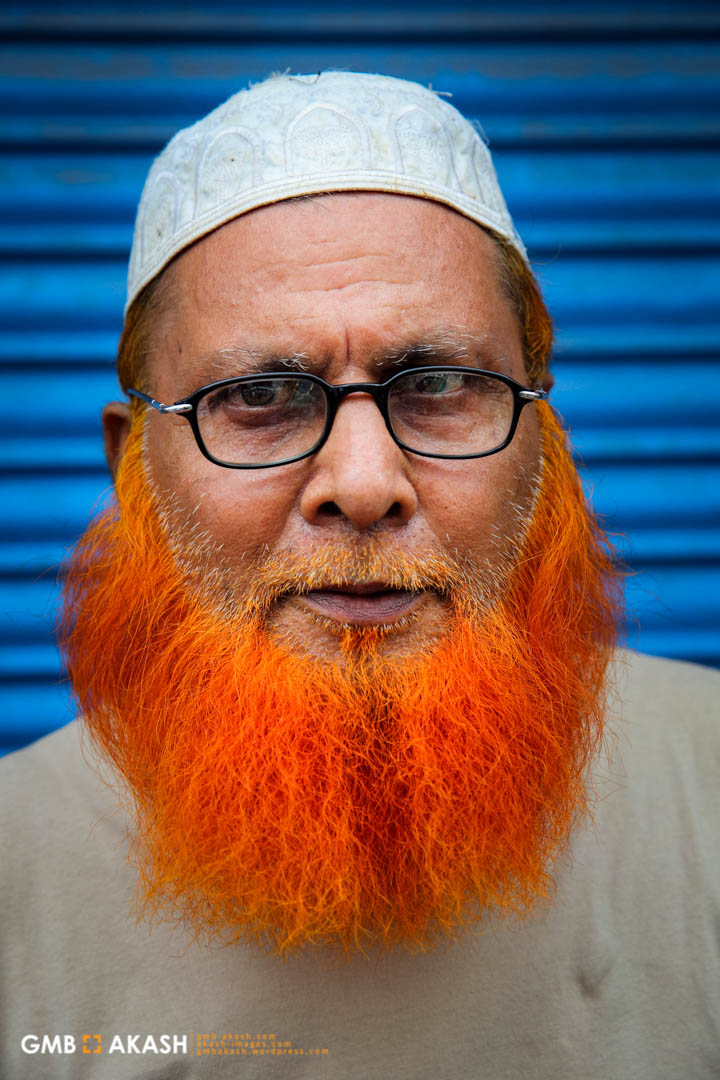
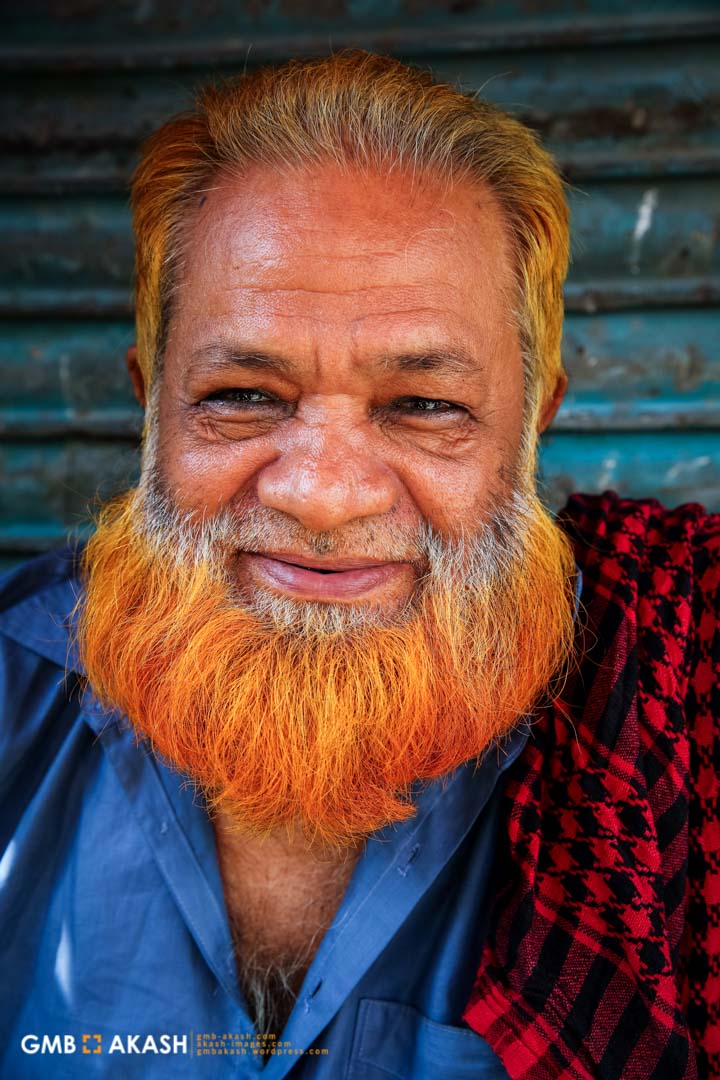
This series consists of portraits of men and women in Bangladesh who have dyed their hair or their beard using the orange-red colour produced by the flowering Henna plant. They shared with me why they use this henna in particular. It’s very common in Bangladesh to see one older person in five old people with orange hair (male or female), and men with orange beards or orange moustaches.

hajrat ali

IMG_7195

During Ramadan dying hair or beards is a very common practice as Henna dying comes from religious beliefs too. It has been believed that the Prophet Muhammad (SM) dyed his beard and hair as well. Some men and women who have returned from the Haaj, the Islamic pilgrimage also practice Henna dying. Not only in Bangladesh, but many Muslims across all continents apply Henna dye and coat their hair to get this bright coloured look.

barasat hossain

johir uddin

jabbar 70 (4)

IMG_7547

For those who did not reference religion as playing a role in their decision to color their hair, they consider it admirable to do so. They believe, Henna covers their head and body and makes them look good in their old age. Therefore, for some other elderly people, especially women, Henna is mostly used as a cosmetic thing for their grey hair.  A lot of men also see a red beard as preferable to a grey or white beards.  Besides this reason many older persons usually follow this practice for cultural or traditional reasons, as they saw that older generations always prefer henna dying.

julhas uddin (3)

musle uddin

julhas uddin (2)

Why did you use Henna dye?

Answers of question:

mohammad sagir

‘I am not old. We all eat polluted food and that causes hair loss and greying is faster. Henna helped to hide my grey hair. Grey means old’ – Mohamaad Sagir

gias uddin (1)

‘It’s our Sunnat. Our Prophet Muhammad used it’ – Gias Uddin

abdul majid

‘Henna helps to clam down my head and body. I dye my hair every month.’ – Abdul Majid

yousuf haolader (1)

‘I use henna dye because I love to do it. What else!’- Yusuf Haulader

mohammad oli (2)

‘I love color more than grey. It’s my fashion. Ha ha ha’ – Mohammad Oli

obaidullah

‘It distinguishes Muslim. It is our culture’ – Obaidullah

IMG_4501

‘Who likes grey hair? I want to be young. Ha ha ha’ – Kashem

gias uddin (2)

‘Most of my friends do henna dying. For the last two years I am doing it also’ – Gias Uddin

IMG_0663

‘Since I have come from the Haaj I started applying Henna to my hair. It has religious value’- Abdul Samad

abdul kader (4)

‘Not only have I, but my wife has dyed her hair to hide the grey. Both of us want to remain young. Ha ha ha’ – Abdul Kader

amina (3)

‘It’s our tradition, our Muslim tradition’ – Amina

mohammad alam (3)

‘My grandfather did it, my father did it and now I am doing it. All older Muslim people love to practice this generation after generation.’ – Mohammad Alam


‘Realm of Illusion’

‘My camera is a vessel to reach to my dream. I started documenting suffering and find beauty in ugliness, happiness in despair, dreams in suffocation. I am just a poor storyteller who has nothing but a suitcase full of tales’ – GMB AKASH

DPP_0004

Love is my religion; unity is my faith/ www.akash-images.com

DPP_0003

If you taste the love, you are already rich/ www.akash-images.com

DPP_0009

I am on a journey to seek the remedy of Life / www.akash-images.com

IMG_1948

When I take off the mask from my soul, I find the beauty of living/ www.akash-images.com

IMG_0415

IMG_0429

IMG_0505

May everyone who loves God honor the path of everyone else. May all the sacred scriptures be universally cherished as the treasures of all mankind / www.akash-images.com

IMG_1709

I continue to search for myself / www.akash-images.com

IMG_1335

The beauty of life is hidden in the HOPE and in the possibilities of life itself/ www.akash-images.com

IMG_1629

Every person has a story and an end/ www.akash-images.com

IMG_1679

To taste life prepare to taste thousands of deaths / www.akash-images.com

IMG_0160

Living a simple life is hardest because the whole world continues to show you greed in the name of happiness

/ www.akash-images.com

IMG_2973

If you seek to know the truth of universe, you’ll have the power of the whole universe with you

/ www.akash-images.com

IMG_3039

For living life once I cut off the wings of my soul, now for tasting life I cut out my greed. That’s how my journey starts/ www.akash-images.com

IMG_3086

You live in the world and my world lives in me/ www.akash-images.com

IMG_9441

My race begins of deriving the internal peace / www.akash-images.com

IMG_4995

You have done everything to feed your body, what have you done to feed your soul

/ www.akash-images.com

Shadu

You can get life if you can get rid of fear/ www.akash-images.com

IMG_0263

I can only take a look at my own soul and follow its map / www.akash-images.com

1457479_614992865232138_1434714953_n

“Sometimes I feel – I am wearing perfume in the middle of the desert” – GMB Akash

Invincible Faces

“I am fascinated to some faces, some characters who are incredibly important to me as a photographer or as an admirer. Many of these faces are invisible but their spirits for living life makes them invincible. Journey of portraying these invincible characters starts long ago when I find out there are certain people who are icons of heroism and enthusiasms. Over and over again I go back to them, find them out and by portraying them able to keep a part of these victors with me.” – Gmb Akash

© GMB Akash / www.akash-images.com

© GMB Akash / www.akash-images.com

Often get inspired by these faces I go to isolated group/people who are ordinary or I can say by having an urge to go to these people is my practice for understanding them. As an individual they are available around us, living life in troubled climate every day. But their willingness to over come difficulties titled them Invincible. My characters are raw, picked from a sticky street or from an isolated brothel or even from a dumped factory. Every face is passing a message of anticipation. I have learned to run my photography equipments; I have studied to learn to take portraits or getting a best environmental portrait. But when I concentrate beyond technical things, these characters become icons to me. I looked into them through the lens and I tried to pick the message of anticipation into the photograph. This is the biggest challenge which has no rules, which can never be taught, which can be only a self taught rule of getting invincible faces into photograph.

© GMB Akash / www.akash-images.com

© GMB Akash / www.akash-images.com

I emphasize the character. I want to present them vividly.  I go to very close to my characters. Apart everything, I focused them. In spite of taking environmental portrait, often I try to present the environment differently. When the characters become focused, my concerns packed to represent these faces as a representative of their own environment. I would like to make imagine the audience – where these faces are come form, where they live in, what they do. Inviting questions can be way of portraying significant things which we mostly over look.


© GMB Akash / www.akash-images.com

© GMB Akash / www.akash-images.com

Most of the time, I have to work in very compact situation. Often I been located, where life is put in a box of measured 8 feet by 8 feet room or in a distressed noisy factory or even in an abandoned colony where I have to pass by three feet narrow road. I need to be patience and keep trying to work in these compact situations. Often I hardly get changes to use lot of lens. I am comfortable with 24mm and besides habituated I believe it is good to work with one kind to work fast and flexibly. For taking portrait I use 70mm. I do not like lot of distraction. My image should be clear and focused.

 © GMB Akash / www.akash-images.com

© GMB Akash / www.akash-images.com

For taking environmental portrait, placement of the character is hard thing. I keep in mind environment should not disturb the character, I am taking in. It has to be supportive to each other. But I prefer to believe in my photos, character is presenting the environment; environment is not presenting the character.

© GMB Akash / www.akash-images.com

 © GMB Akash / www.akash-images.com

– I always use natural light. No flush gun and no manipulation. Even in a bad light day I tried to use the available light into the character little differently so that it creates a different mood.

 – Simplicity and be straight is my rule. Be focused, use simple background, experiment with color and get closer to the character.

– However near or far is my character, however intimate or distant the gaze my camera directs, I always keep in mind the elements of composition and the technique that will best help me to communicate what I am trying to say.

© GMB Akash / www.akash-images.com

© GMB Akash / www.akash-images.com

– I prefer to intimate with the character I am going to portrait. Relation and building trust is important. Many times people refused me to take photos, but I never gave up, I always make them understand what I am doing, telling the effectiveness of the shot. And if I failed I do not force but I never fail to try.

– It is helpful to get environmental portraits by finding out where they spend their time, what the rhythm of their life is like and observing their personality.

© GMB Akash / www.akash-images.com

© GMB Akash / www.akash-images.com

“I think the art of photography is to observe and document in your own personal way. On my way I found these invincible faces which are inspiring to keep my searches on. These insignificant characters are inspirations to win over all chances of life. Connecting these invincible souls in photograph has no rules. Besides photography, I learnt from them, we need never be hopeless, because we can never be irreparably broken. We should think that we are invincible because we are.”

– Gmb Akash

© GMB Akash / www.akash-images.com

© GMB Akash / www.akash-images.com


Ships’ Graveyard

“This is an emblematic depiction of the agony of hard labor. For saving themselves from hunger they breathe in asbestos dust and toxic waste. Thus they are risking their lives everyday. On the verge of death they risk their lives in order to endure themselves. They are passing their days on one of the world‘s most unregulated and hazardous industries, leaving a trail of debris, disability and death in its wake. I spend 10 days in the Gaddani ship-breaking yard north of Karachi in 2005.  I witnessed workers dismantling large ships, piece by piece using no protection, in absence of tools, where one wrong move could result in death, but they were continually depending in their bare hands. In a city of dying ships flames with smoke rising, tormented with ship body parts, metal residue, asbestos, and oil spills. Barefooted workers with little access to necessary tools are vanishing ships on the rusty sand of Gaddani and break down these steel giants coming from all the harbours of the world.”

– Gmb Akash

ship breaking (19)

ship breaking (18)

ship breaking (1)

ship breaking (15)

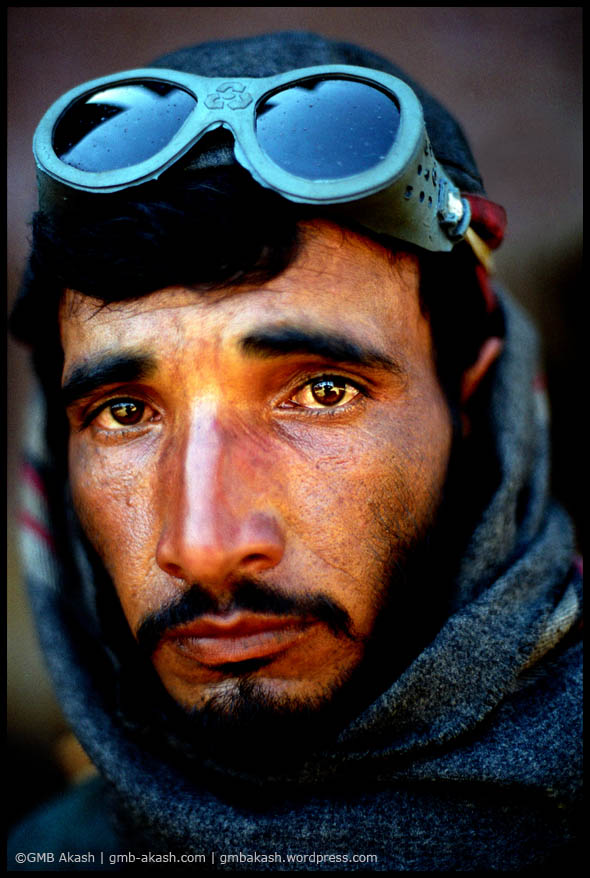
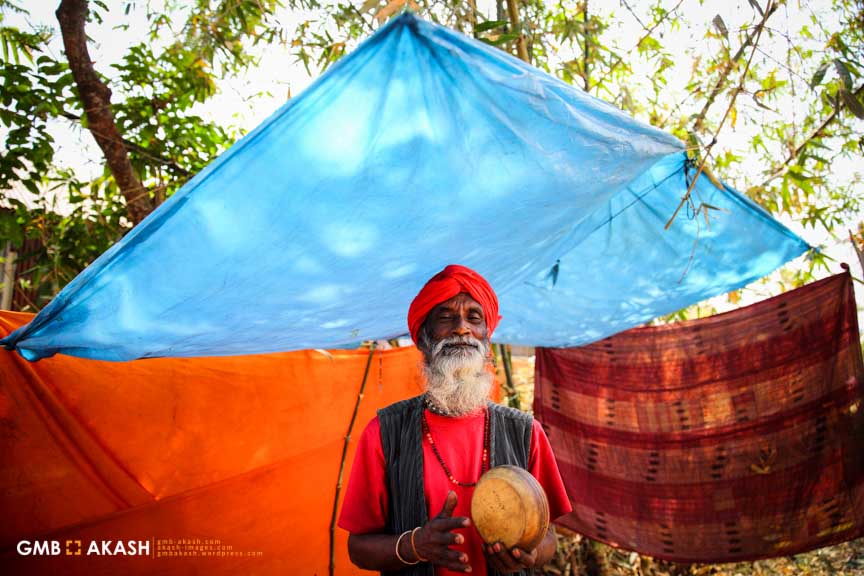
The beach of Gaddani, 50 miles north of Karachi in Pakistan, has become one of the two world biggest cemeteries of super tankers, cargoes and other vessels in the world. Thousands of men, mostly Pashto migrants, toil over the ships. They are seasonal workers, a large number of native and immigrant workers returning to their homeland near the Afghan border at harvest time. The group consists of perhaps from Afghanistan. They pen for their beloved, whom they get to see only during the year ends. For around USD 1.20 a day, thousands of workers labour to dismantle dozens of ships each year at the ship-breaking yard in Gaddani.
ship breaking (2)

ship breaking (9)

ship breaking (13)

Rashed, a labourer at the Gaddani ship-breaking yard has worked for five years dismantling ships. He said: “Had we had any other way of earning bread, we would not have come here.” Workers are always under high risk of accident, though they hardly care to secure themselves. Under hitting rains of sparks, blowtorches split through the thick steel skin of a ship. As they are cut lose, the pieces of metal plummet to the ground with a roar. I saw workers, toiling ceaselessly, as though banished forever to an underworld.

ship breaking (11)

ship breaking (6)

ship breaking (16)

Many workers operate in tight spaces where the air is thin, and in high temperatures caused by hot welding, which is widely used, not to mention that they are constantly exposed to flammable liquids like paints and solvents. The work carried well into the night shipyard in Gaddani, Pakistan. This is the ship graveyard that serves as the final destination for a significant part of the world’s fleet.

ship breaking (3)

“Barefooted workers would take apart, bit by bit, the dying ships with their bare hands, shipyard in Gaddani, Pakistan.  On their shoulders, workers bore great metal plates to their destination. People complain about their crappy lives working in an air conditioned work place, imagine having this as your only option in life.”

– Gmb Akash

ship breaking (7)

ship breaking (5)

ship breaking (17)

Unseen Existence

“Environs can explain much. You can feel the existence without presence. & sometimes absence is required to feel this presence more intensely. I started believing these things while I captured few moments of nonexistence. Yet these moments profound very much in exist of living being. I have taken these moments from various part of my world, however they are all alike. These are like footprints of a missing thing; you can assume the missing focus through edges. Welcome you in the puzzle. Fill in the gaps by your thought” – Gmb Akash

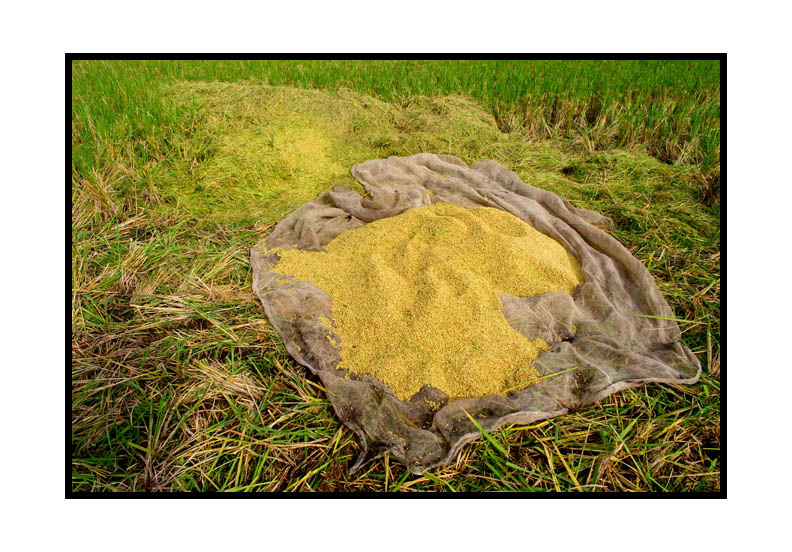
In the middle of the field, crops are baking by sun. These harvested crops are waiting to be carried to home. The field is reflecting efforts of an unknown farmer. © GMB Akash / www.gmb-akash.com

Rofiq ( 28 ) is a daily labor in his dream city ‘Dhaka’, Dreams pushed him here & reality left his identity far in a village, where his wife, children Shohel and Shaila & their parrot counting days & nights for him. In every six months reality let him go to where he left his heart. In Dhaka city, wall of a room of a slum is whispering his silent pains. In the walls he draws his feelings with the scratch of reality. He, his wife, their children & the parrot a family, all accommodated in the brick of lonely wall. © GMB Akash / www.gmb-akash.com

Bended trees remain to tell the tale of a nightmare of Cyclone. Aila hit the top of these trees & gave the mark of an unseen ferocity. The silence of the place is claimed by broken trees, miles after miles.  © GMB Akash / www.gmb-akash.com

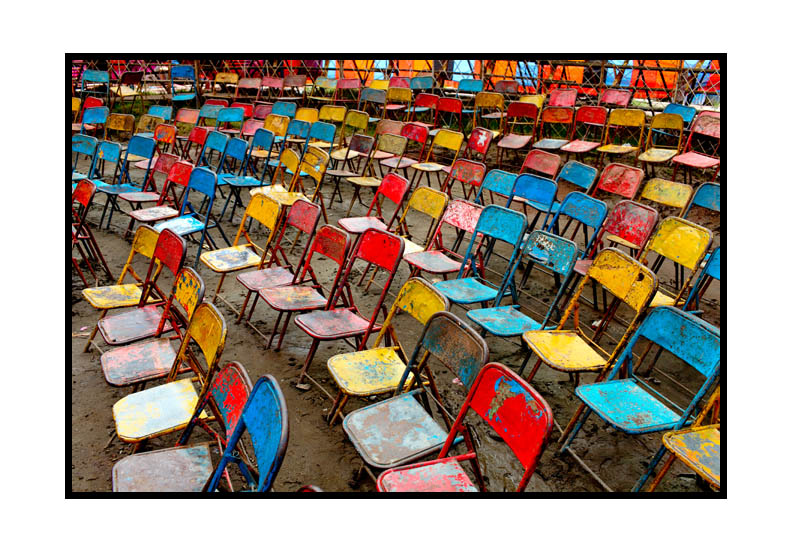
Circus gradually loses its heritage for convergent entertainments. Still empty chairs of Circus are hoping to accommodate the vast missing audiences. Thus these refers the lost crowd & as well state for the hope of gaining back. © GMB Akash / www.gmb-akash.com

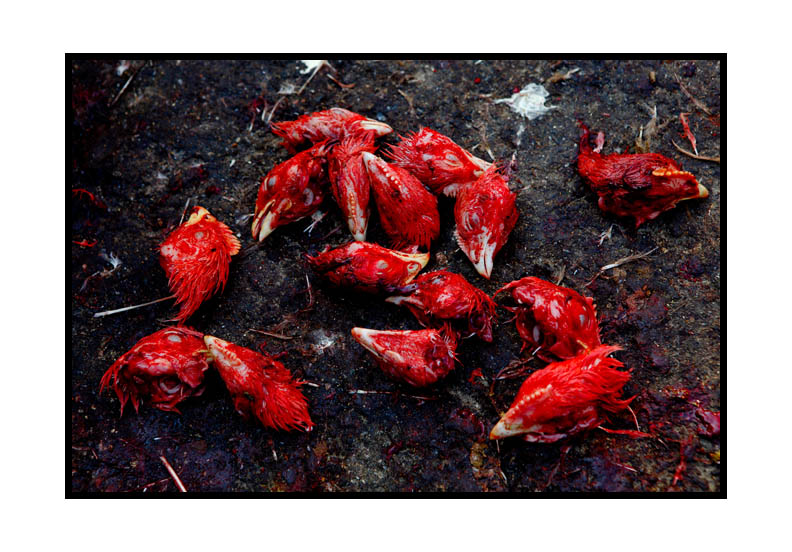
In every week slum dweller waits eagerly to take the taste of chicken. Fortune gives them the chance. In Rayerbazar- shop keepers sold chickens to restaurants & they left the head of those chickens for those waited people. Slum dwellers buy those chicken head once in a week. Fortune gives them a chance to take the taste of chicken by having these chicken head. Dhaka. © GMB Akash / www.gmb-akash.com

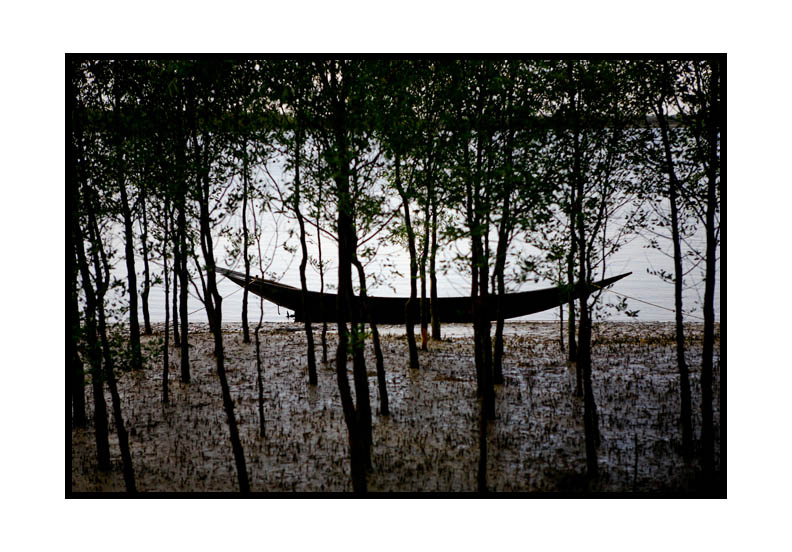
In the bank, the boat is waiting to sail. A family of eight members is dependent on this boat. The boat is stand for the arrival of the fisherman. A family exist behind this single boat. © GMB Akash / www.gmb-akash.com

This cassette player is a very dear thing for its slum dwellers. They have no space for placing this. So they hang from the top to manage space. Behind this cassette player, hundreds of slum dwellers entertainment awaits. © GMB Akash / www.gmb-akash.com

An old car standing at door step of its owner.  Manila, Philippines © GMB Akash / www.gmb-akash.com

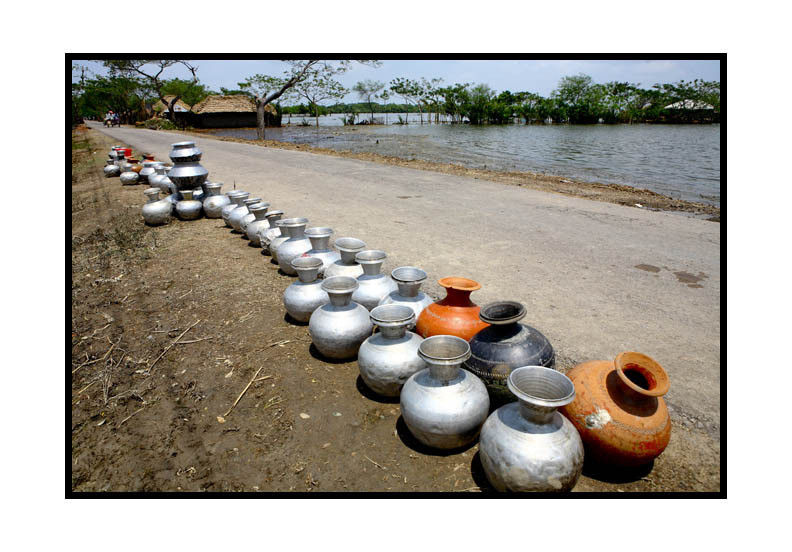
Under the severe water crisis, inhabitants of shatkhira stand are line at mid night. Their water pots represent their standing in the queue. © GMB Akash / www.gmb-akash.com

Cyclone Aila ruined the house & the lives of inhabitants just before three days. People of this house have to leave their home. Aila force them to live on embankment. They family still tried to dry their children books on the roof of the house. After the devastating calamity they could not totally leave the hope to live in their house. © GMB Akash / www.gmb-akash.com

Day laborers of Philippine are drying their cloths outside their living place. © GMB Akash / www.gmb-akash.com

This is the living space of a rickshaw puller’s family. They bought the old TV from a second hand shop. At evening along neighbors, they happily straggled with the old TV to watch.   © GMB Akash / www.gmb-akash.com

“Life – a one way journey….We should not regret any moment which make us smile…We should make our self happy with all little pleasure of our life ….even if we have everything, we haven’t had tomorrow…Lets fill our all gaps by our presence of love, appreciations & thoughtfulness. We may leave forever, & then our environs might tell our tale ceaselessly. Let the light lit our absence.” – Gmb Akash

Faces Tell Stories

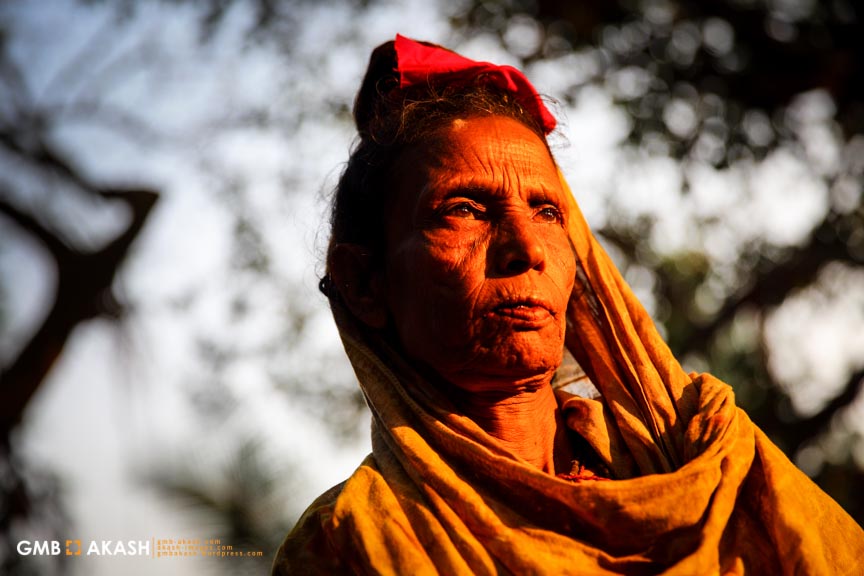
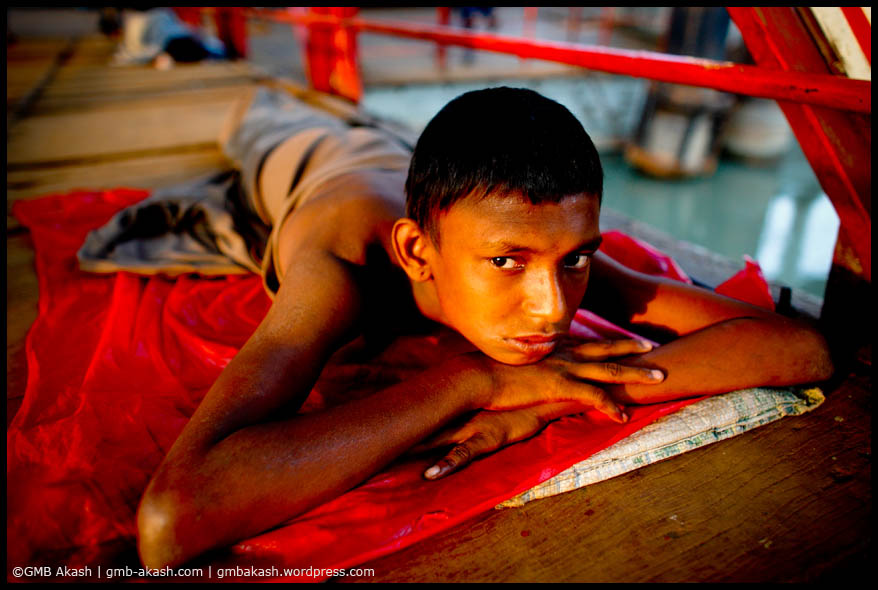
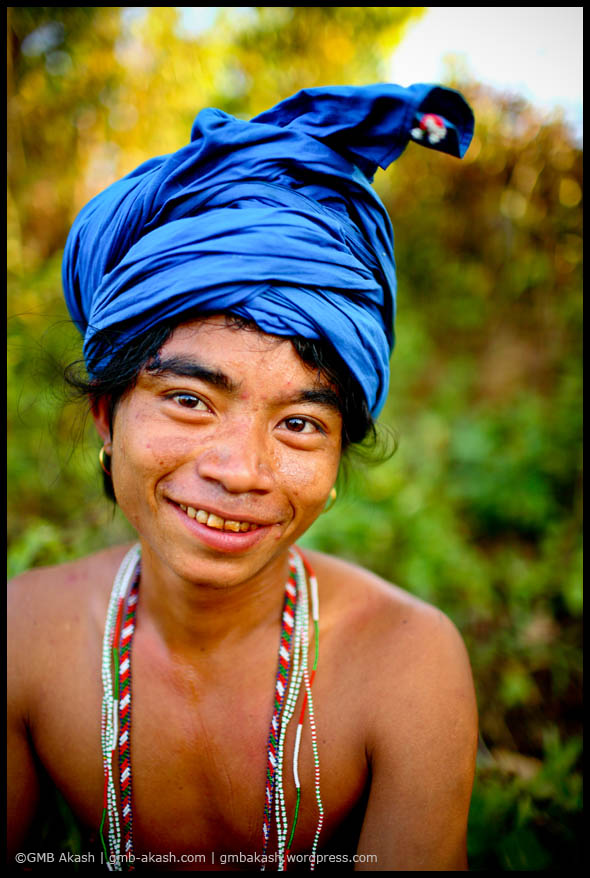
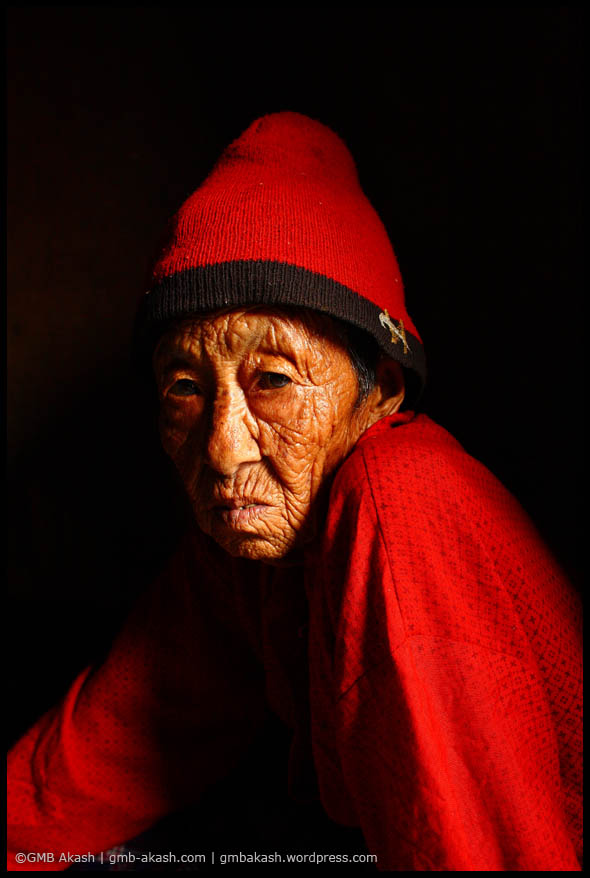
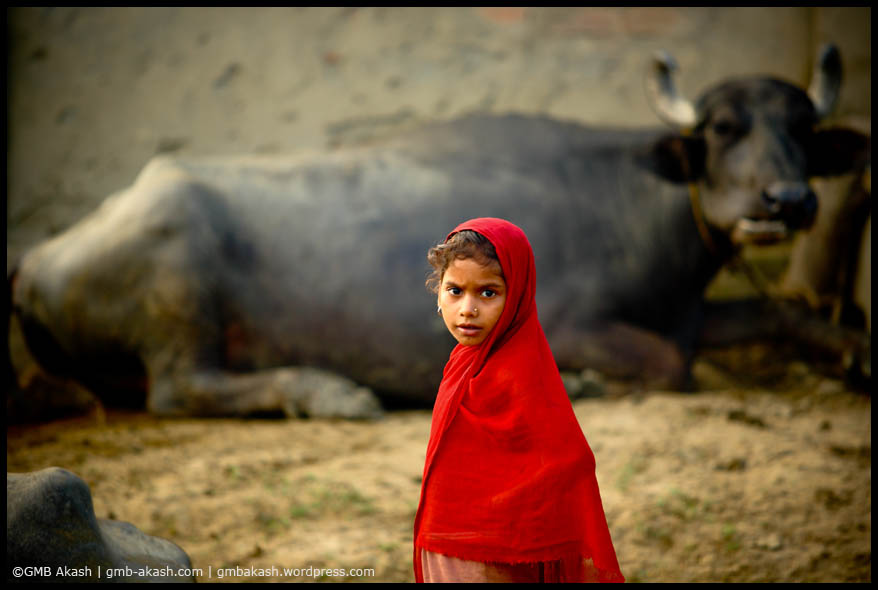
“Among all – Human faces are most attractive to me. Every face has a story. We as photographers reveal that undiscovered story through our lens. Faces tell stories, tell the situation of the person, and tell the story of the place the person lives in. Wherever I go somewhere I always come across to faces those are different and eventually try to find characteristic of the community; every place has its own perception, story of smell, a person bears these things in his/her appeal. I search for story behind the face, so faces are incredible to me. Through out searching the portrait we could find strange stories of lives of people from different places that we never recognize before. I am going to share my experiences  during the journey of finding unnoticed faces

– Gmb Akash

portrait (23)

portrait (9)

portrait (28)

portrait (27)

I search for getting an interesting character, a face that is unusual. I search such face in the middle of crowd. My first prior attention is the selection of the person, choosing the right character. Before I take any portrait I try to be familiar with the person. I talk to him/her and try to build a relationship with the person I will photograph. I give them time to be normal in front of my camera. I introduce myself to them. When the person gives his/her most natural expression to me, I take out my camera then start shooting. I believe it is the strongest factor which I practice so far to get a close snap of a human soul.

portrait (17)

portrait (22)portrait (14)

For me light is the most important element for getting an excellent portrait. I try to use different type of light; I try to shoot in different time of the day to get different colour and mode of light. Every light has its own appeal for creating different portraits of an individual.

portrait (5)

portrait (24)

Technically I use 35mm (f 1.4), 24-70 mm (2.8) lenses. But I take portrait with all kind of lens I have. Truly to say I do not care about my equipments much. For me the most important is – the person. Some times I also use very open aperture like 1.4 to get very low depth of field. So my eyes only go to my subject. As in some cases the surrounding environment is very important, so in that time I use aperture 8 to get all the elements in focus. But I do not like using very wide angel lens and I do not like a lot of distortion on the photo. I saw many people use wide angel lens for most of their works. If you use very wide thing, the picture look interesting because of the distortion. But in my opinion then the picture looks like it has taken by the wide angel lens not by a photographer. So I don’t use too much wide angle. And thus I try to make my images clean and direct.

portrait (25)

portrait (15)

portrait (3)

I have strong affection for color. I am a color photographer and I believe color photography is more challenging so as complicated. When I can meet the challenge I feel relieved. I am always very careful for using light and color. I love shooting in the early morning and late afternoon. But while I take portrait in the mid day I try to shoot them in the shadow, indoor or under flat light. It creates mystical environment.

portrait (26)

portrait (2)

portrait (12)

portrait (8)

I try to use very simple background while I am taking close up portrait, so that the background might not disturb the subject and I try to use lot of – window soft light. Eyes have significance to me. One of the most important things in my images is eyes of the person. Eyes tell the story of that person. Eyes tell the unseen background of the person which I always hunt to discover.

portrait (13)

portrait (7)

– For me the most prior factor is the character of my portrait. The light, color, eyes & the person must have to be blend with me. I align four factors together for taking a special portrait they are – the person, the light, eyes & color.

– Attention is the most hidden factor to get a good portrait. The person need to be familiar with you and the camera, it will be your prior duty to make the person natural as well comfortable for getting a best shot.

– Several rules applied by photographers for getting experimental portraits. Every photographer has his/her own style of taking portrait. Often the most remarkable portraits are those that break all the rules, so it’s important to create your own rules to get a master copy which might never done by some one before.

–  Expression indicating the direction of the person’s eyes which can impact an image astonishingly. For me it’s important to observe the right moment of the direction of eyes.

– For creating interesting images you need to give trial, for creating interesting placement of your subject. After Creative thinking, creative placement can sometimes create out of the ordinary images.

– There are almost unlimited possibilities when it comes to use light in portraits. Input of light could make a portrait more or less powerful, as well side lighting, back lighting, silhouetting can spot specific features.

– Never fail to align your mind, eyes & lens together to find the inner beauty of the portrait.

portrait (1)


portrait (4)

portrait (11)

“Any Book or text or any experience sharing can not demonstrate “Portraits” practically. Pick your camera explores faces to get a good portrait. And you are welcome if my single practical example or feedback could uphold your knowledge”

 – Gmb Akash