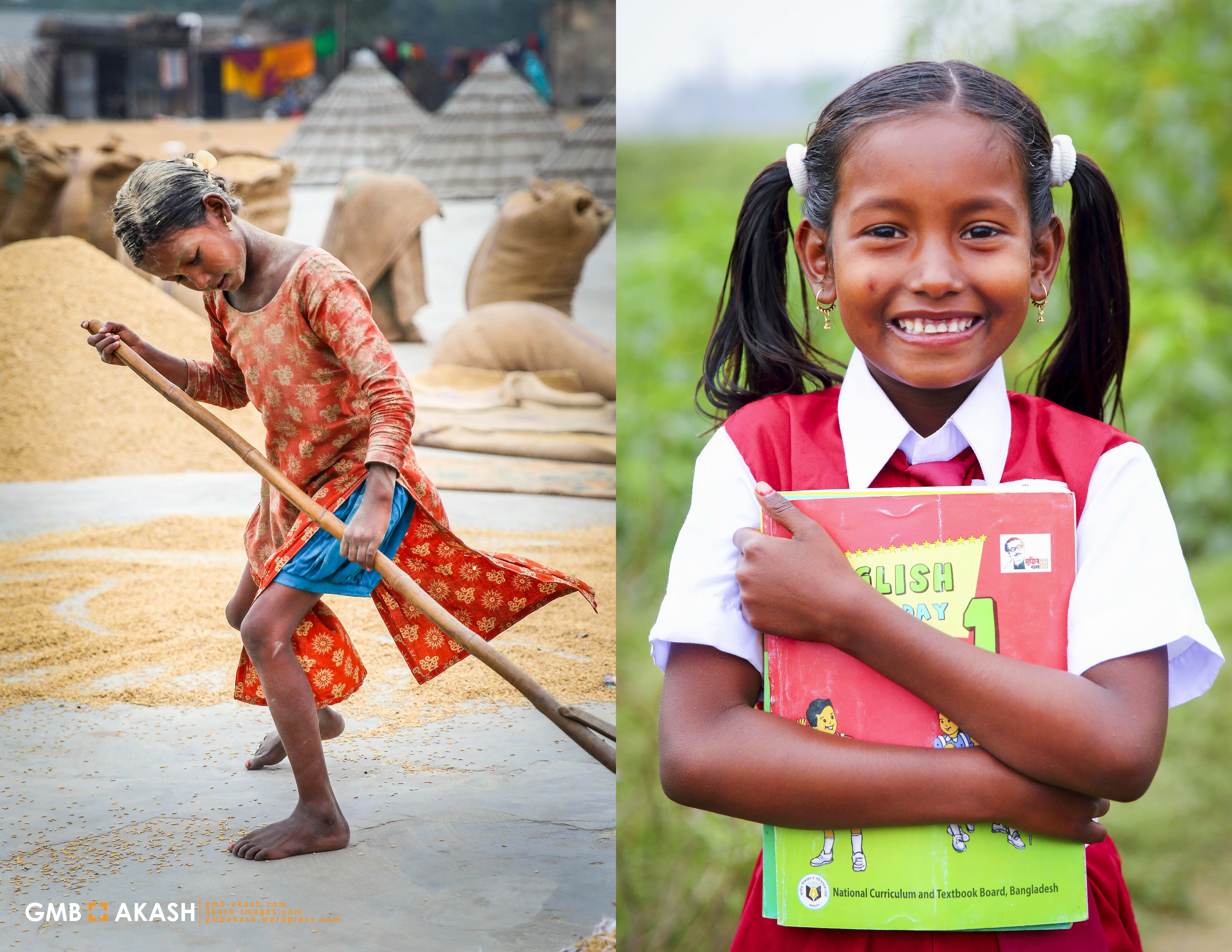
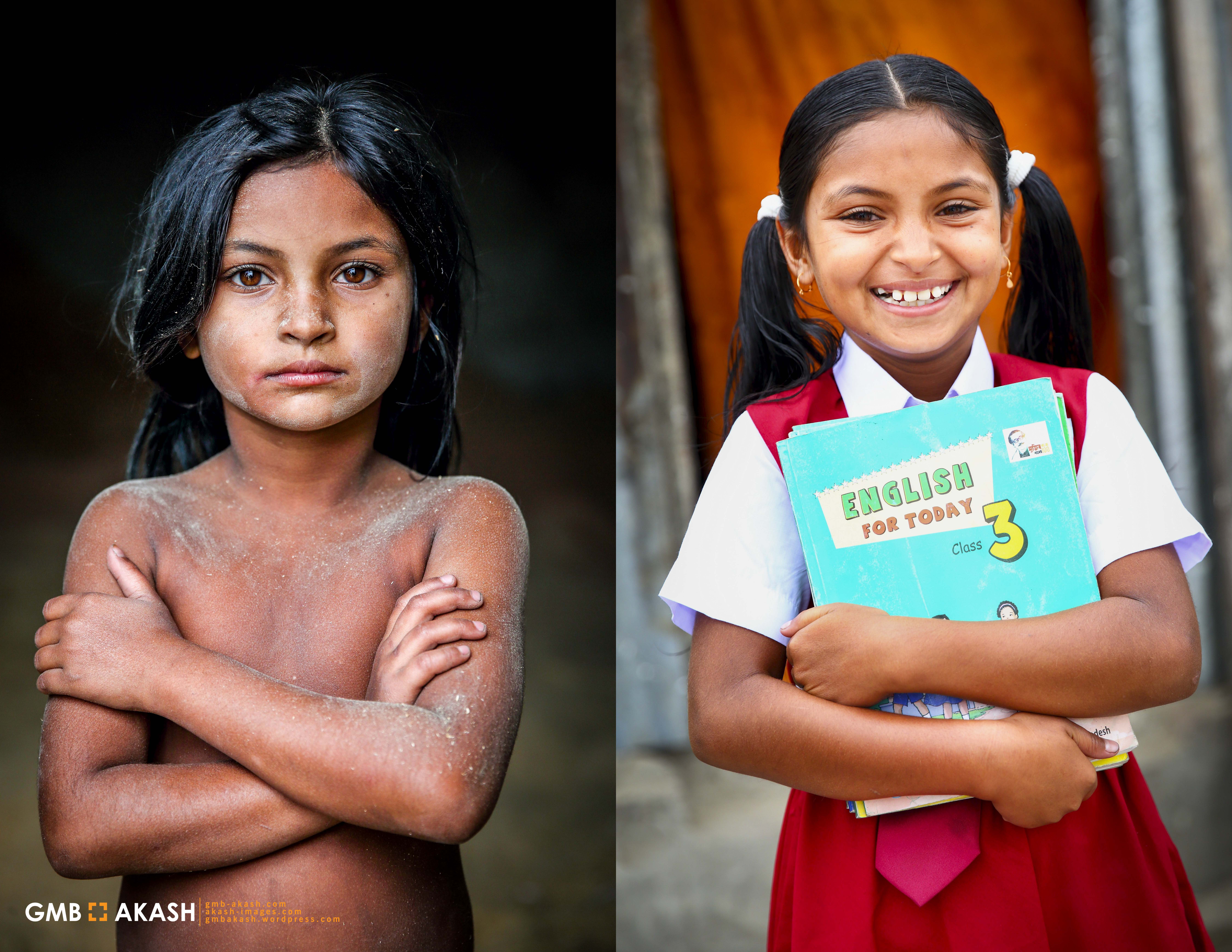
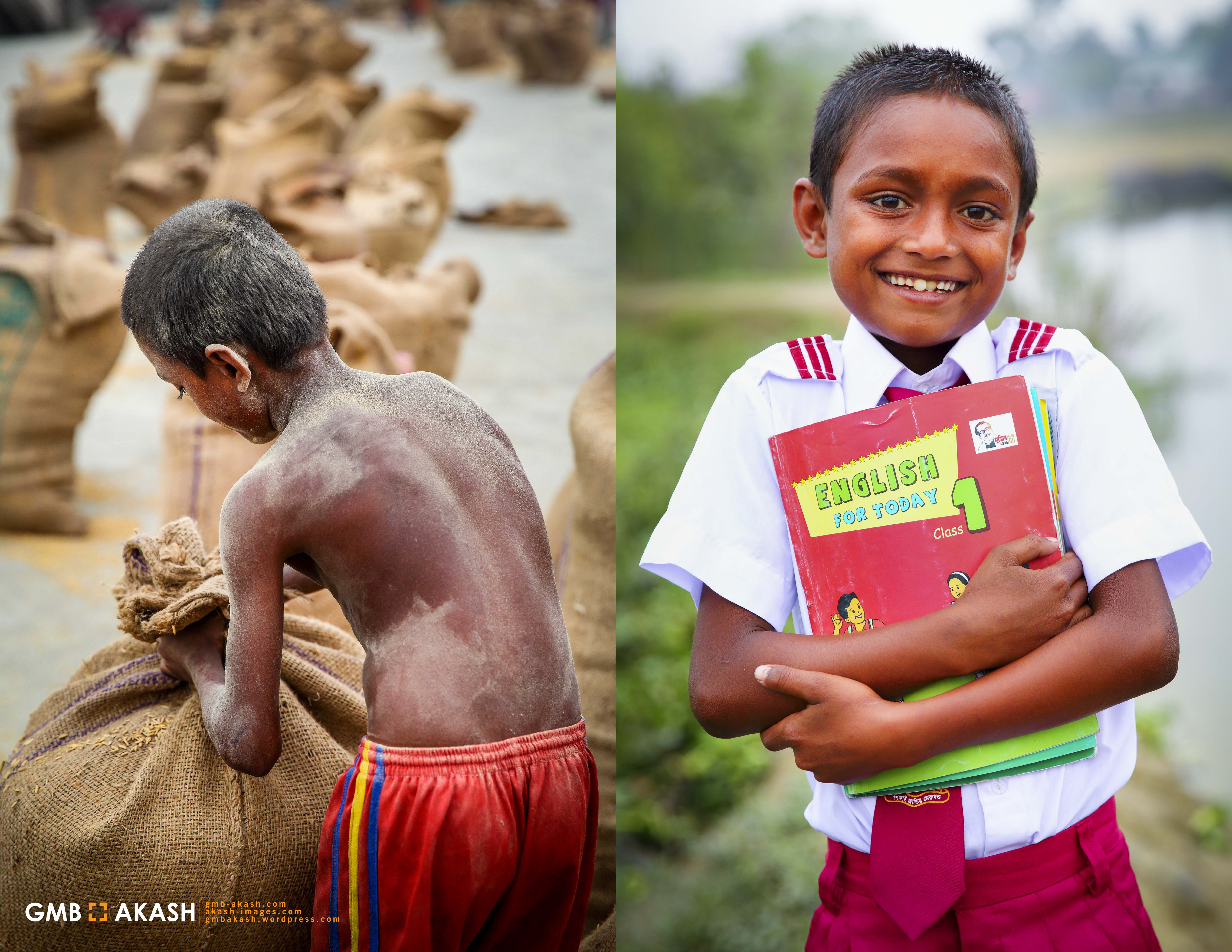
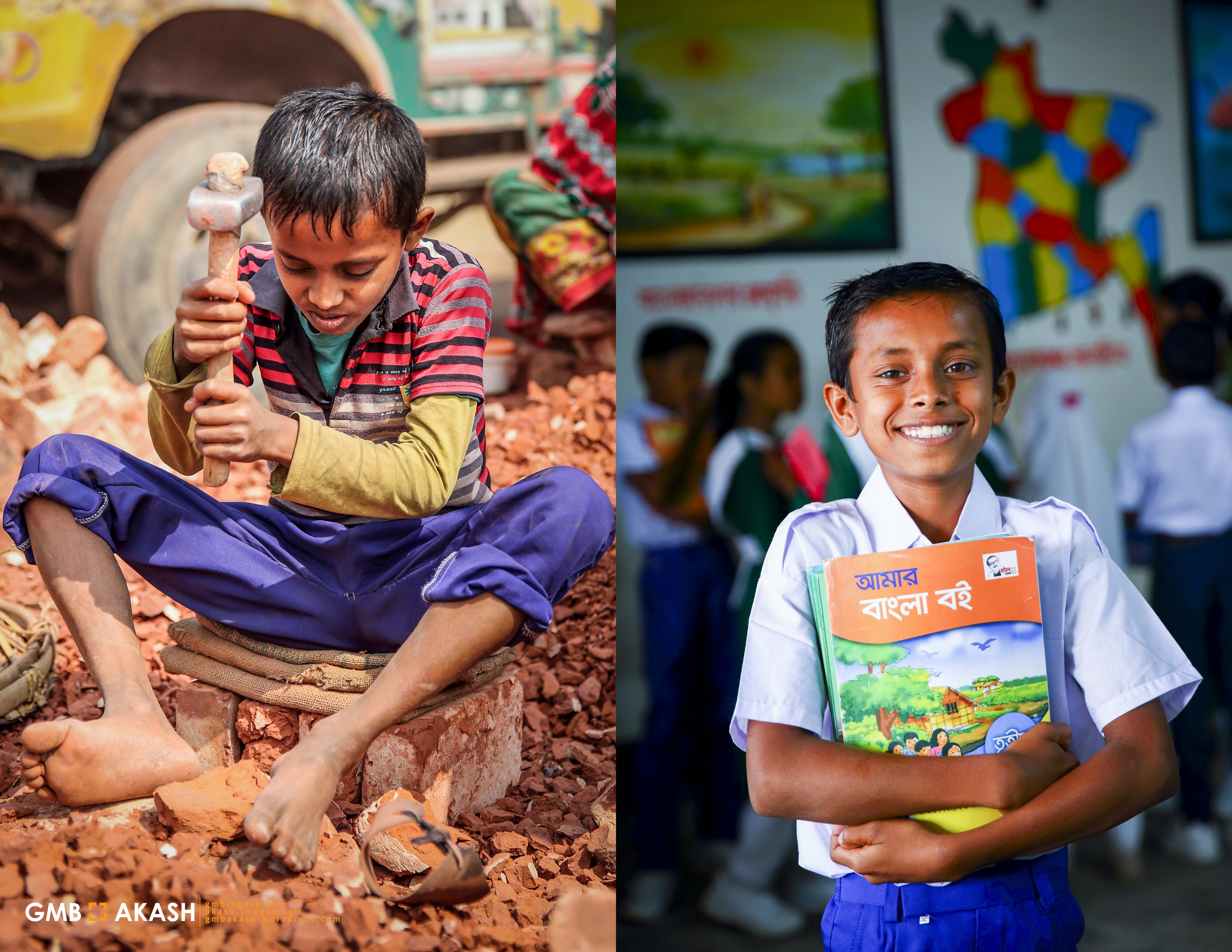
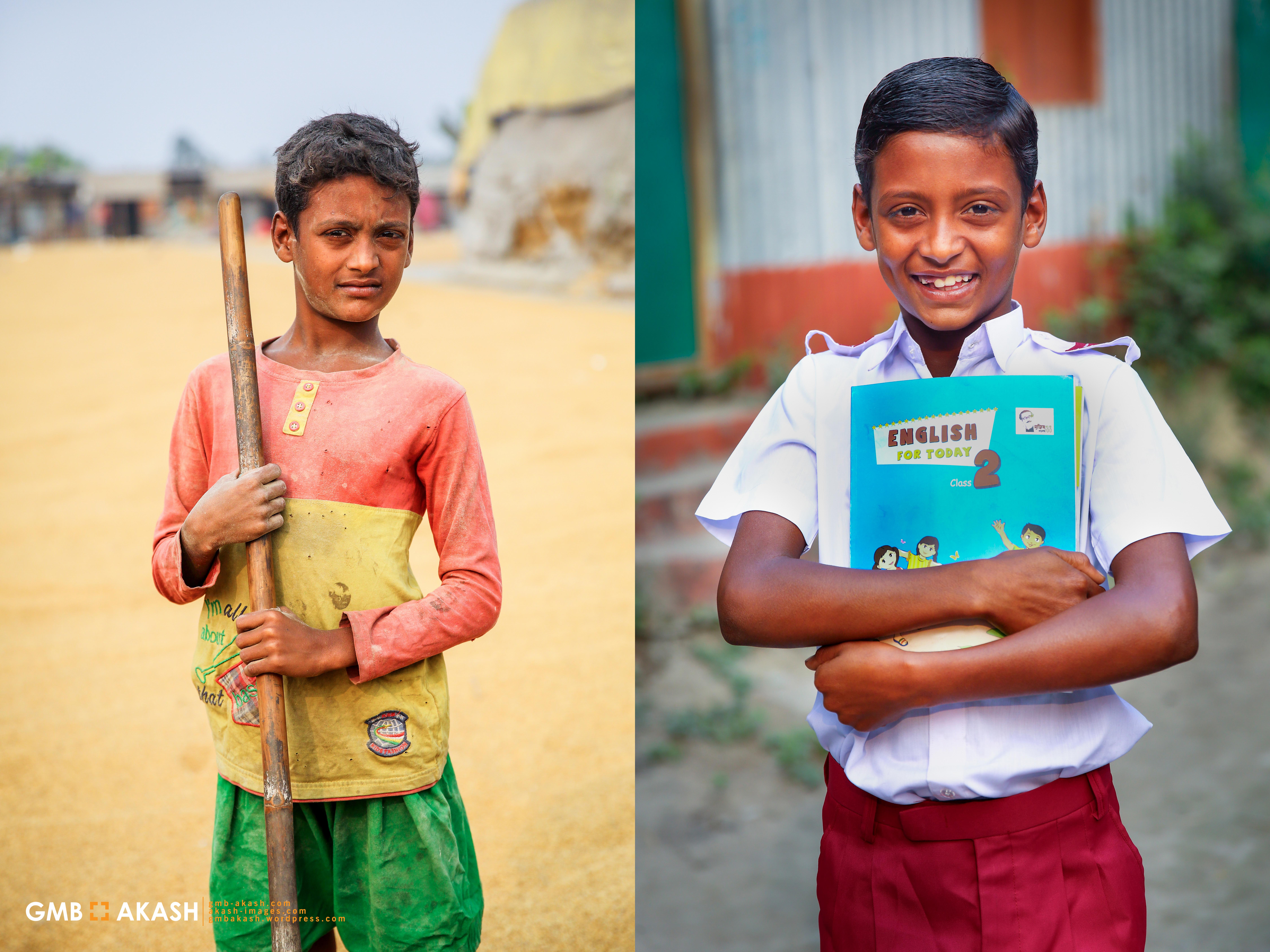
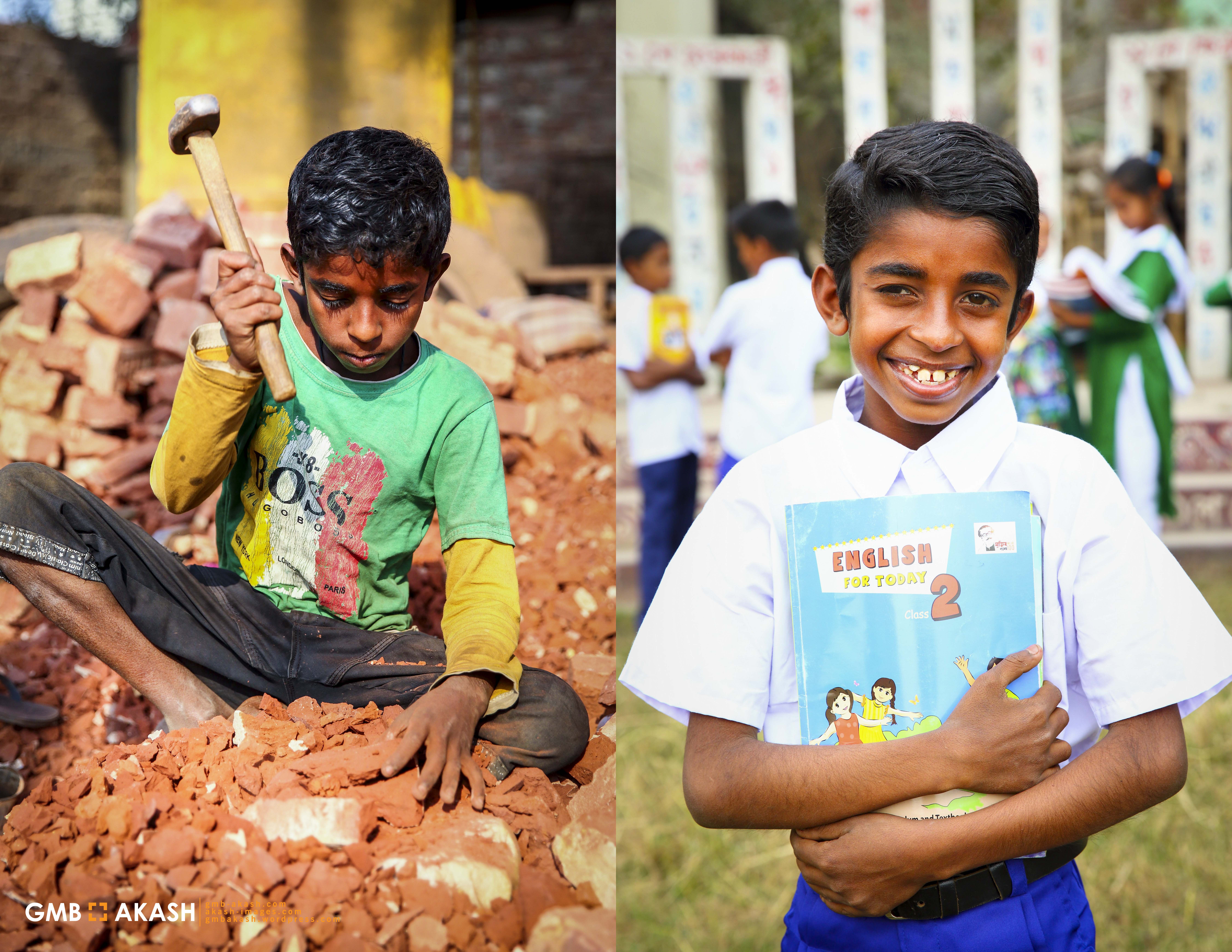
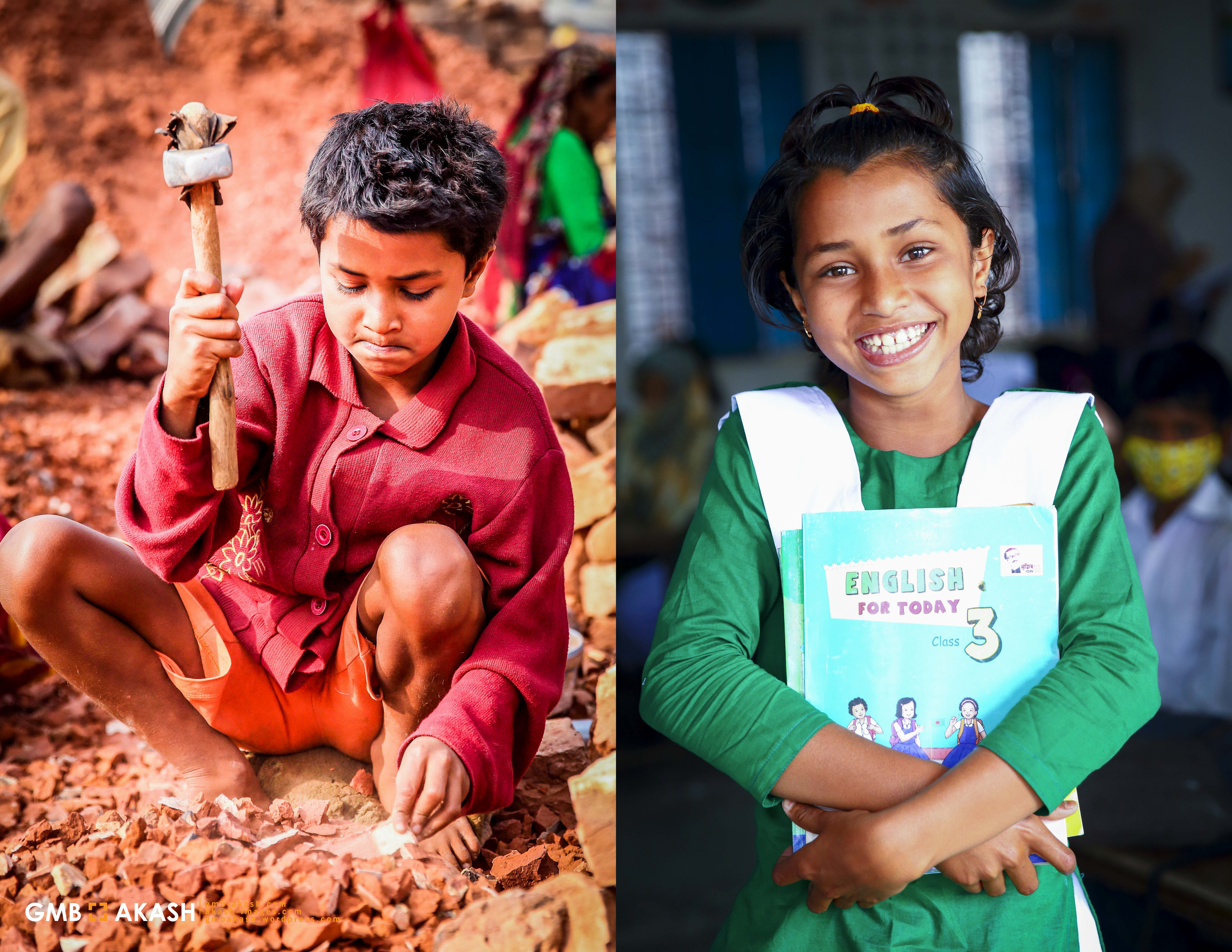
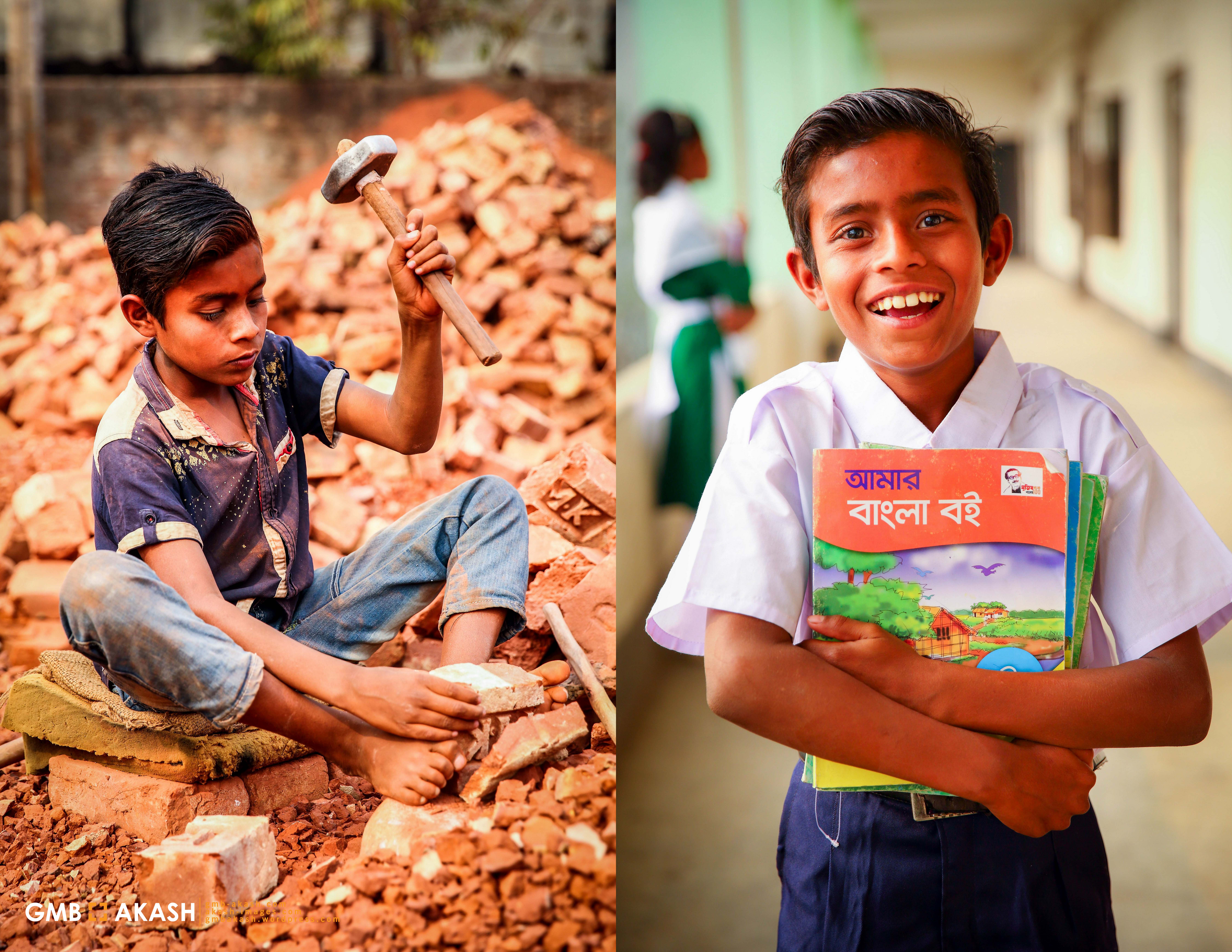
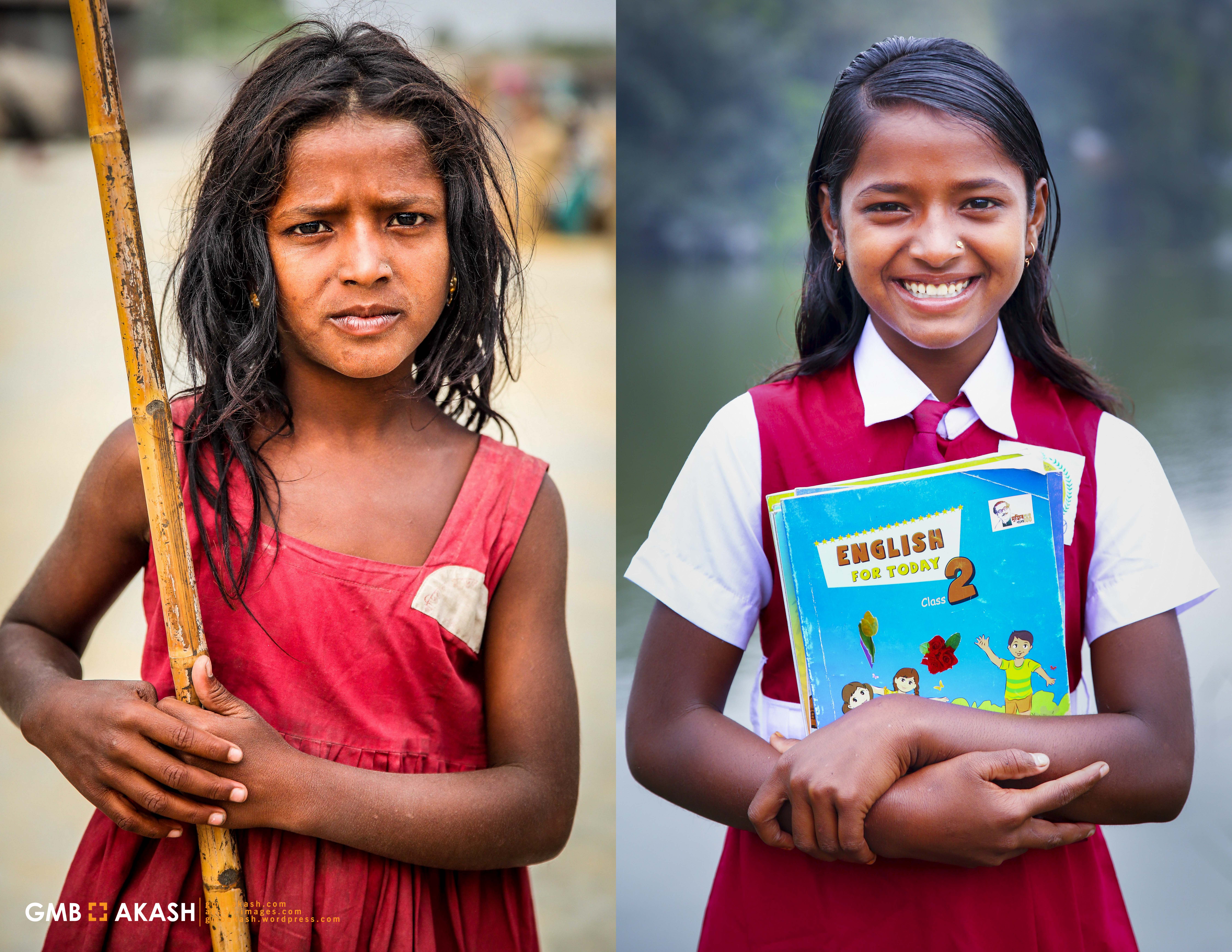
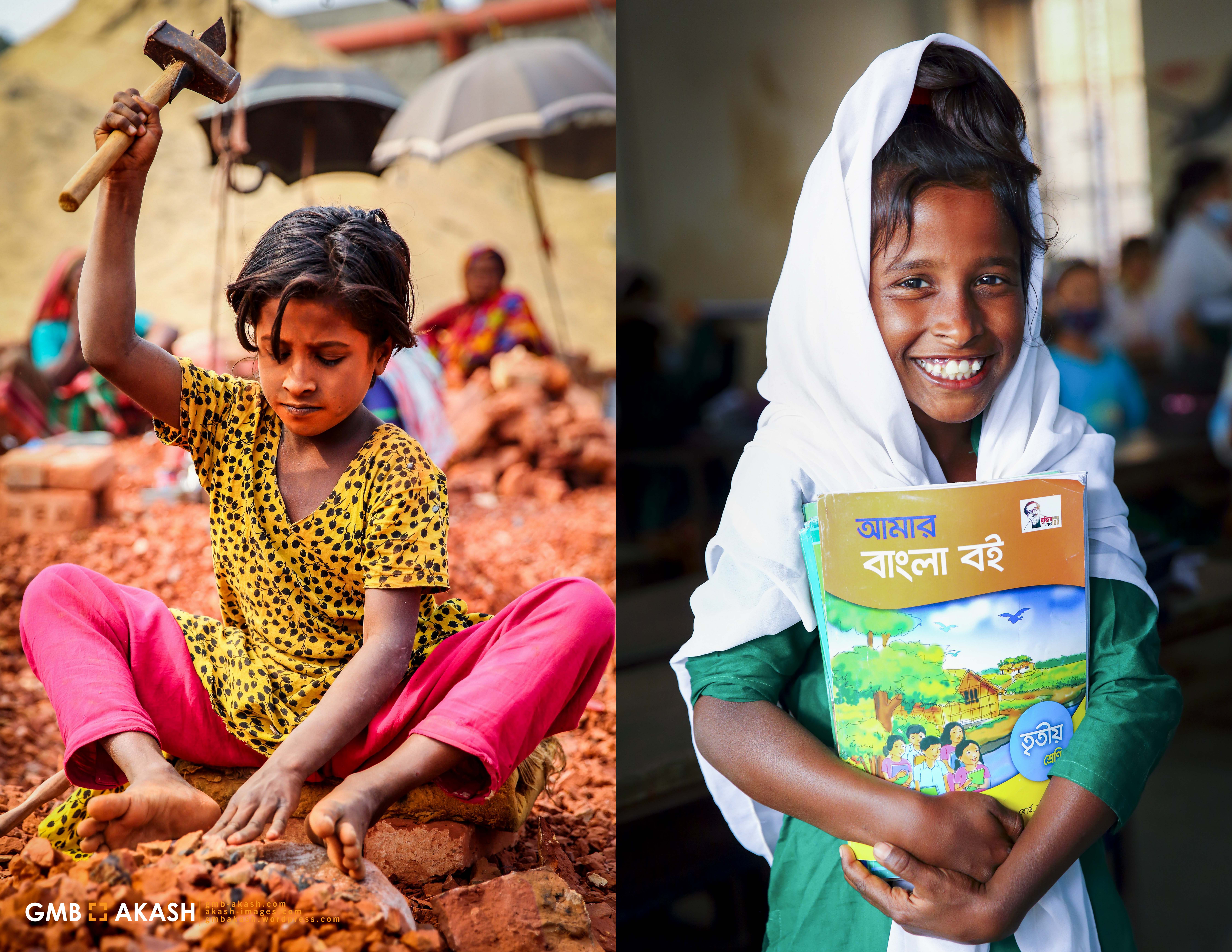
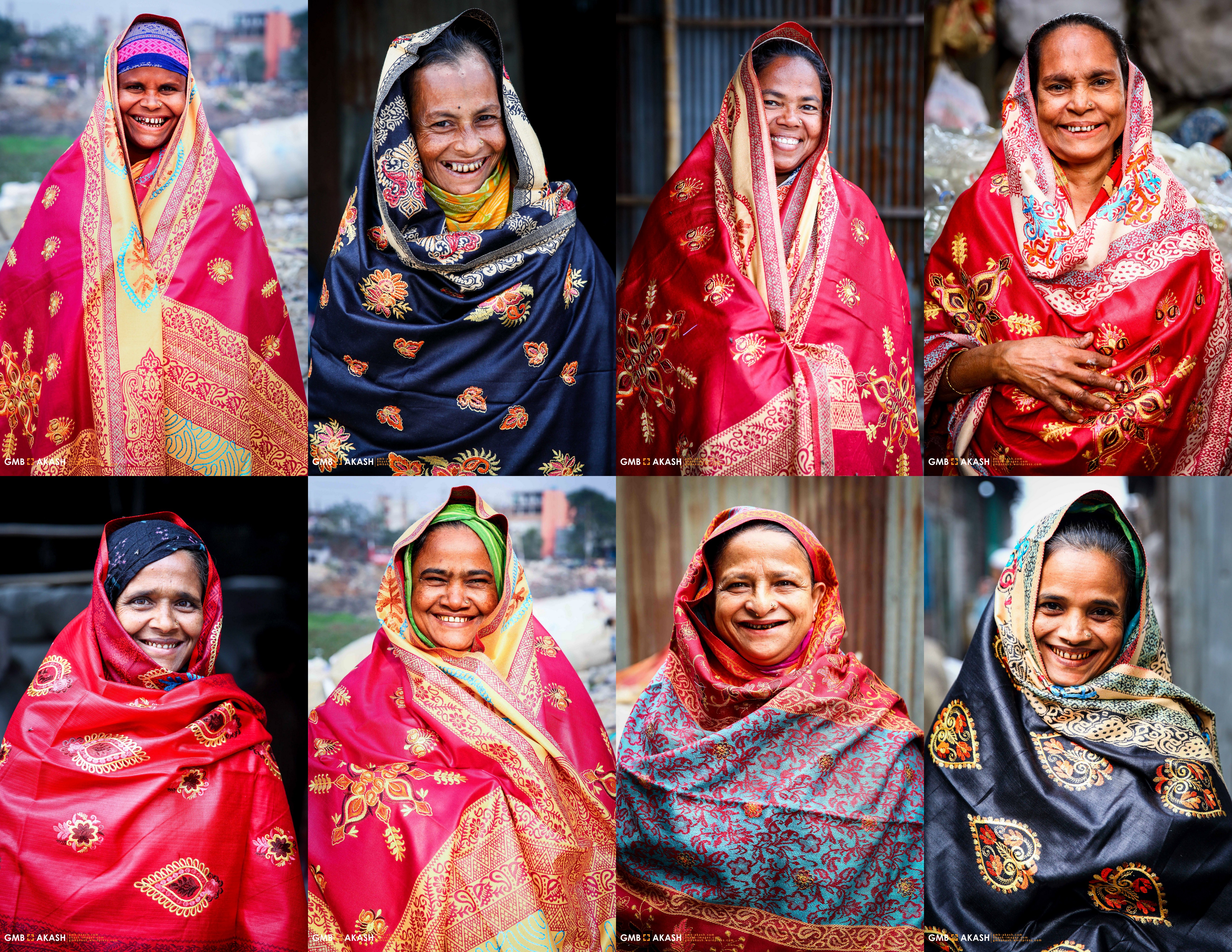
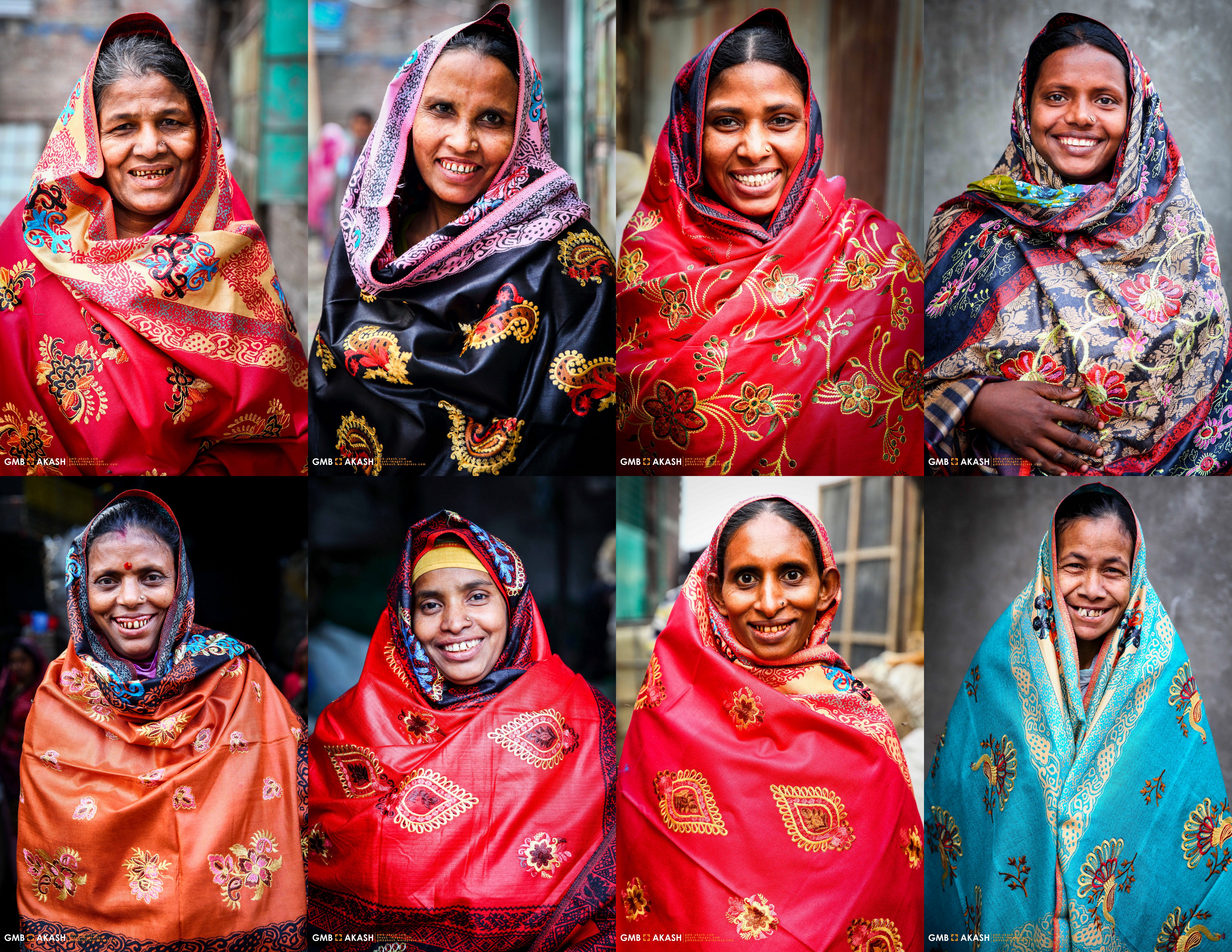
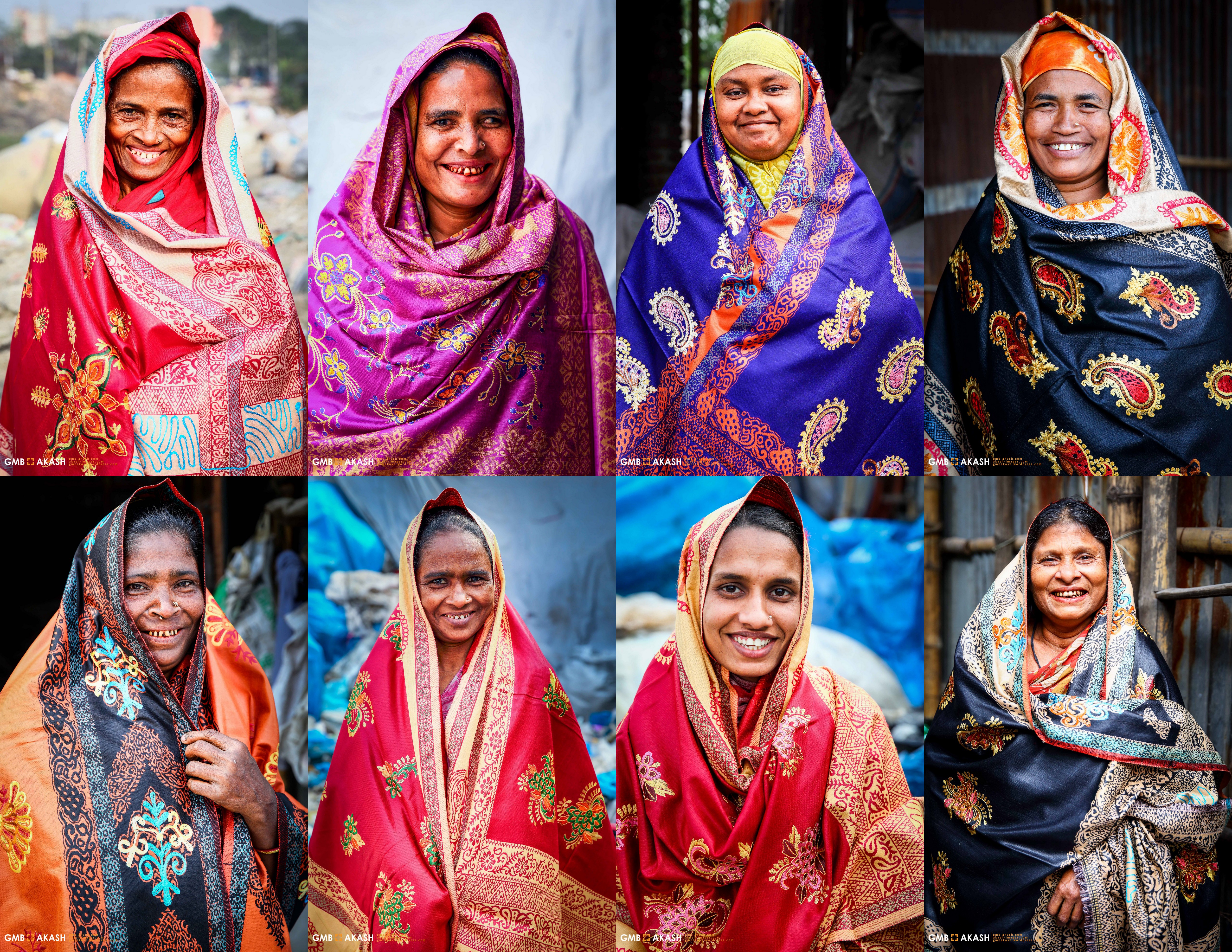
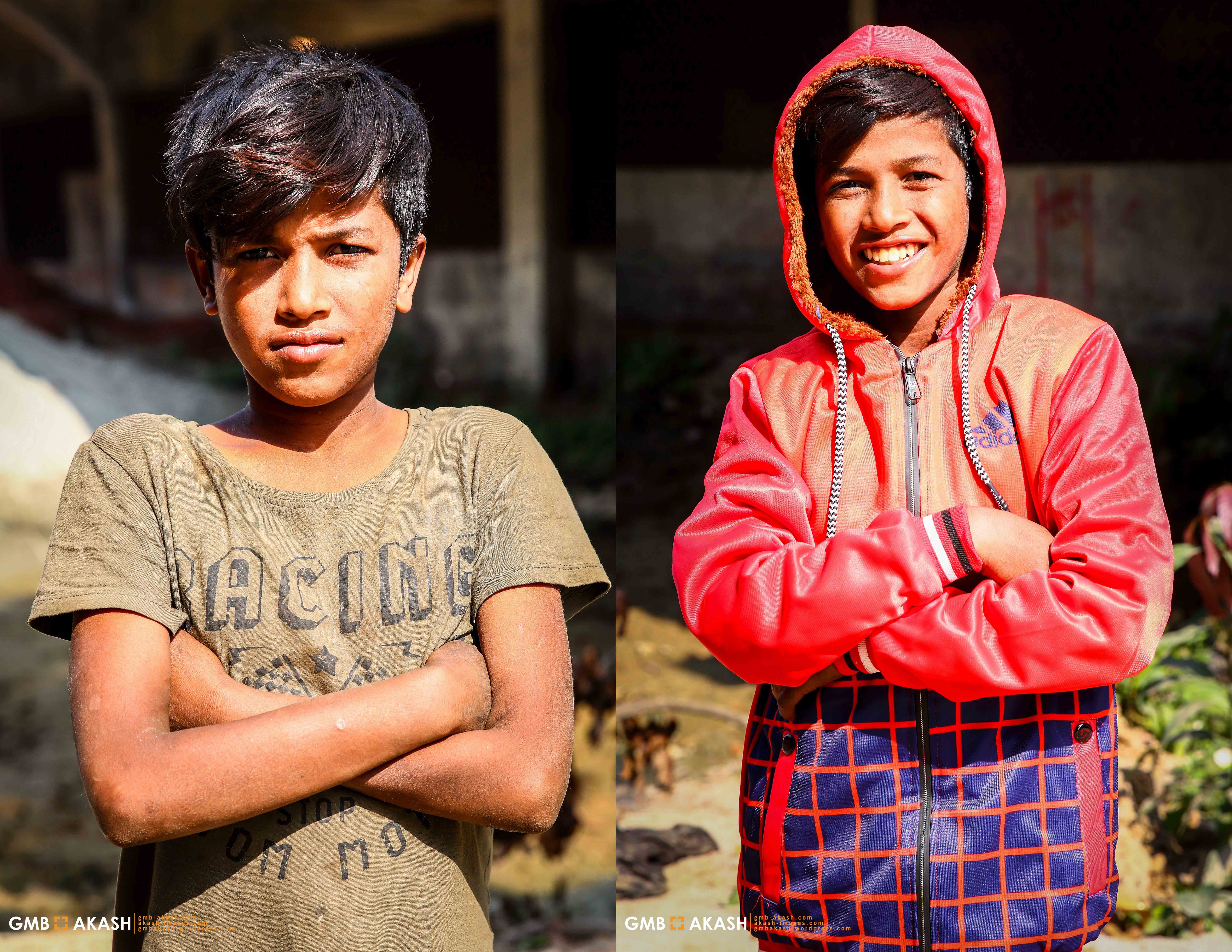
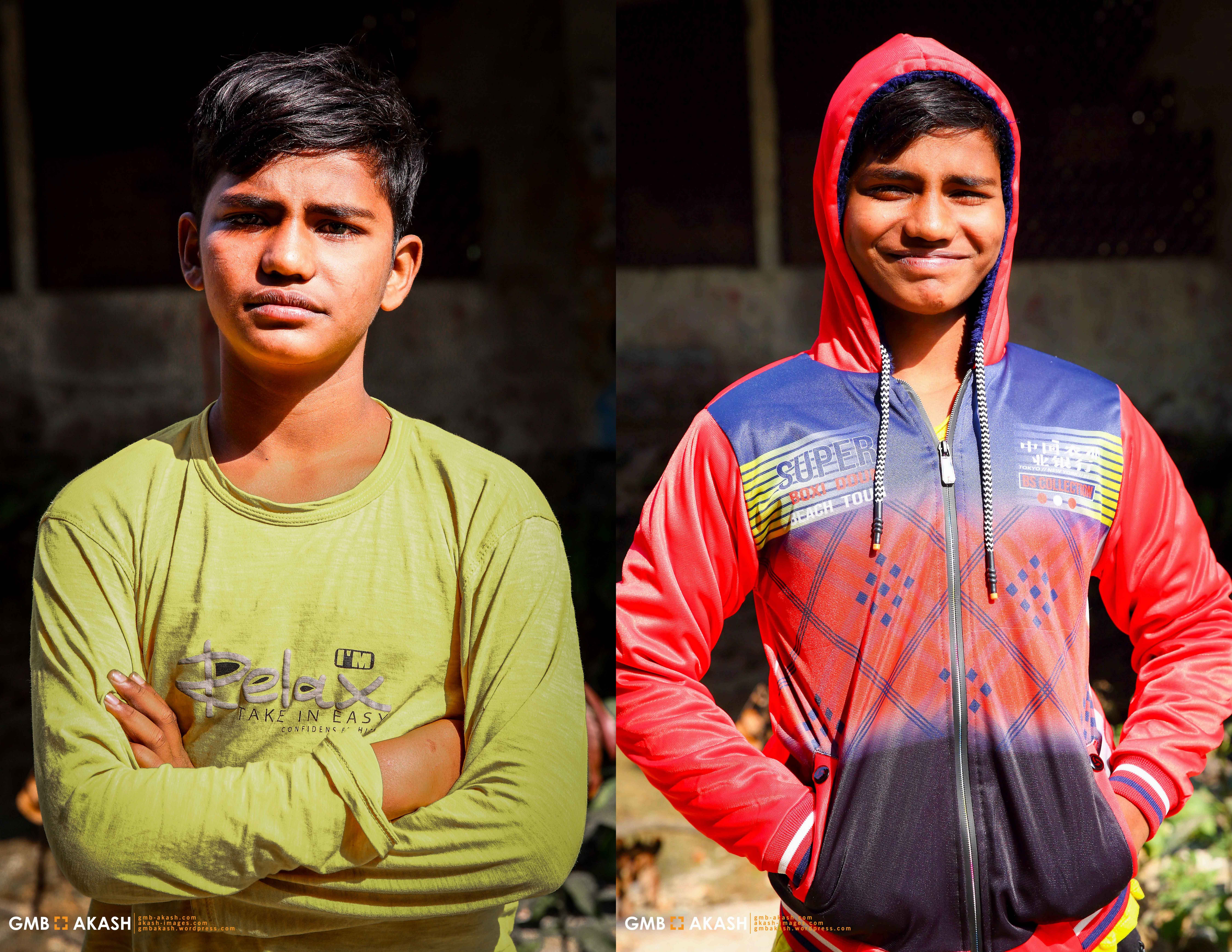
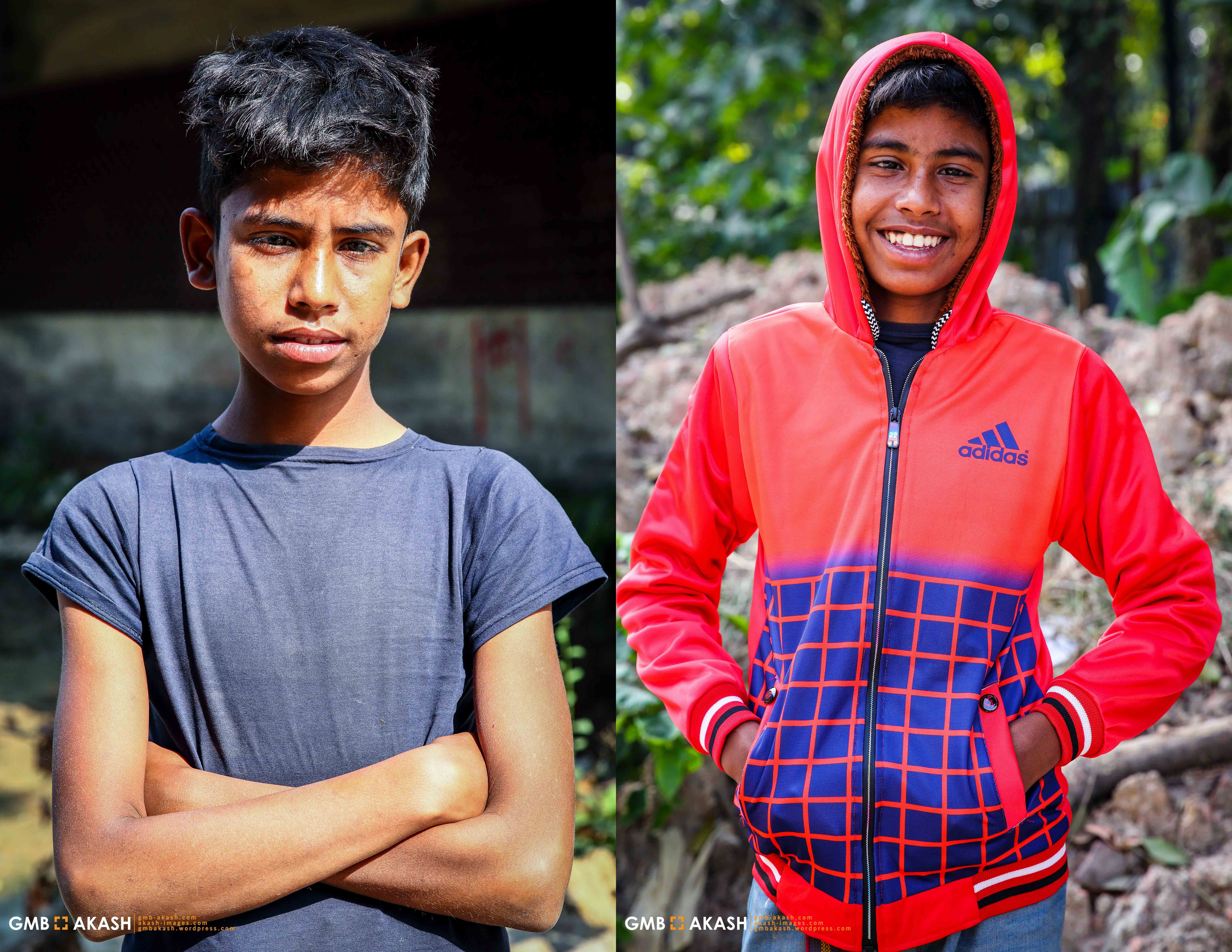
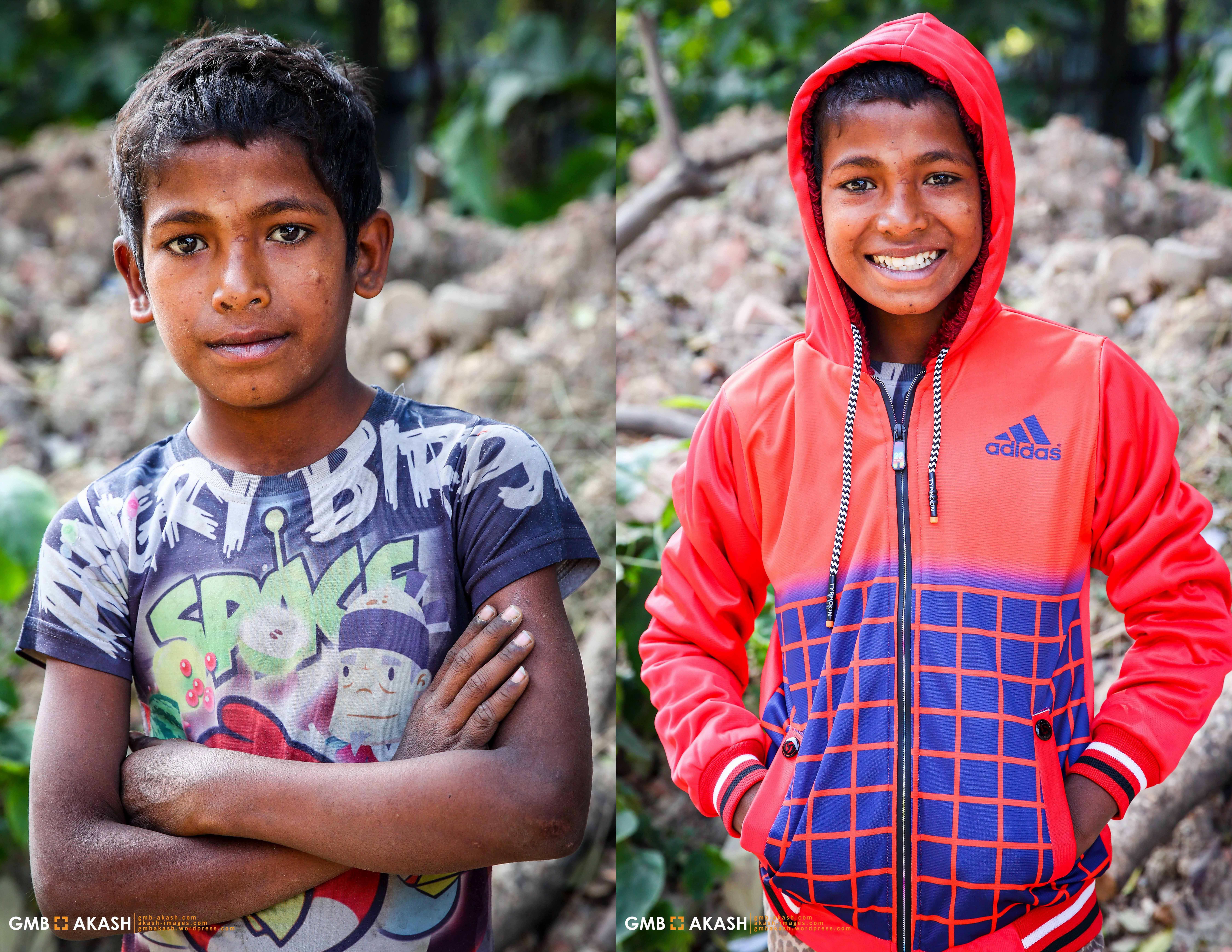
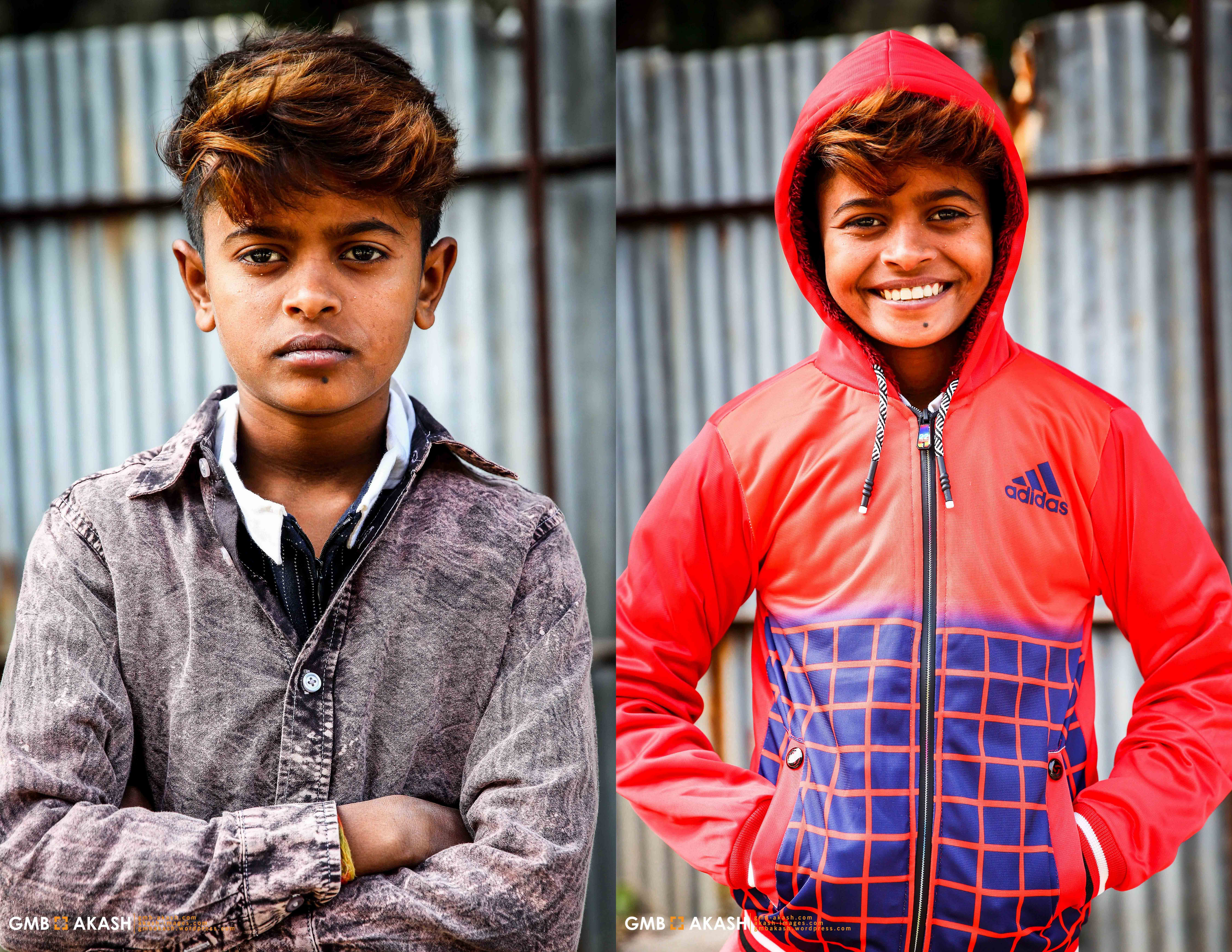
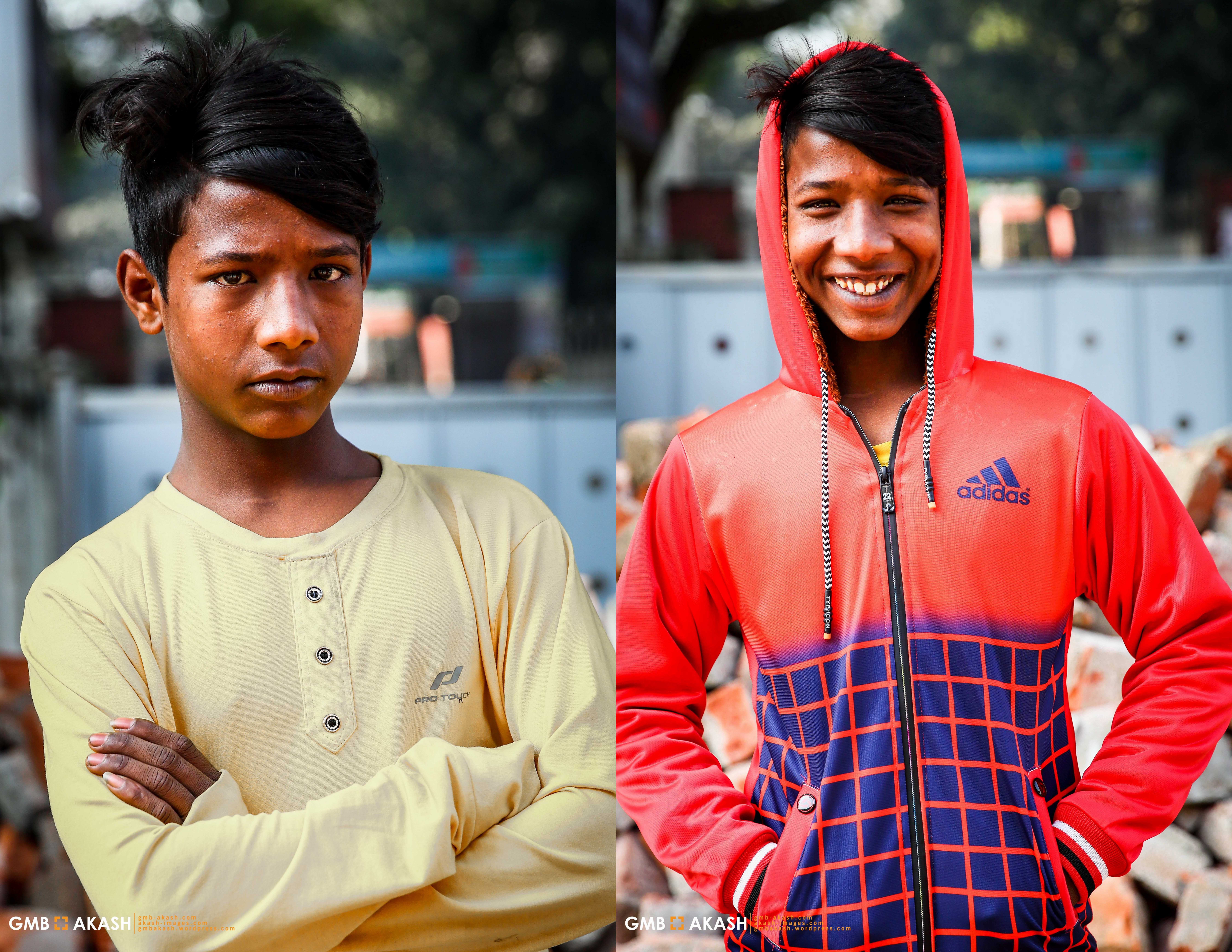
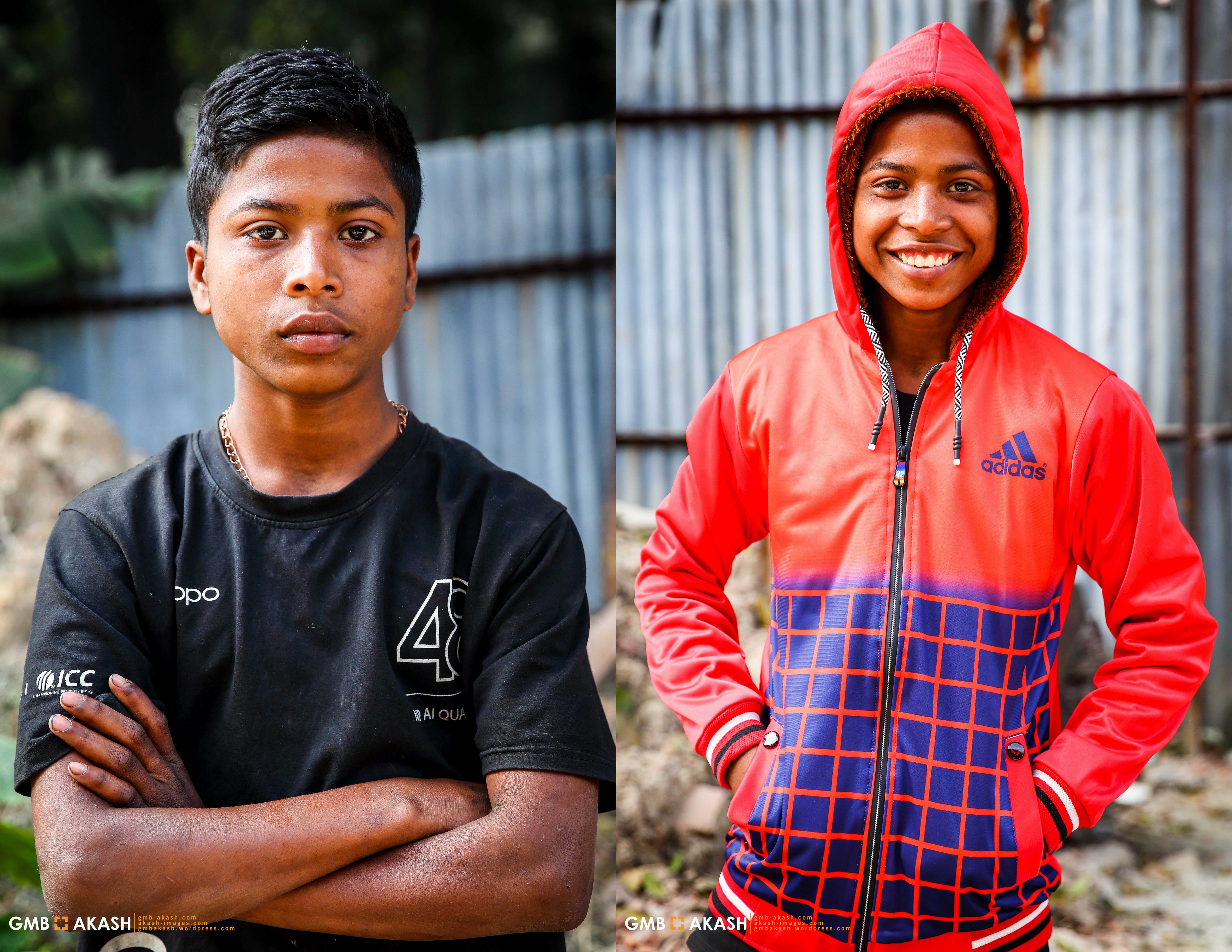
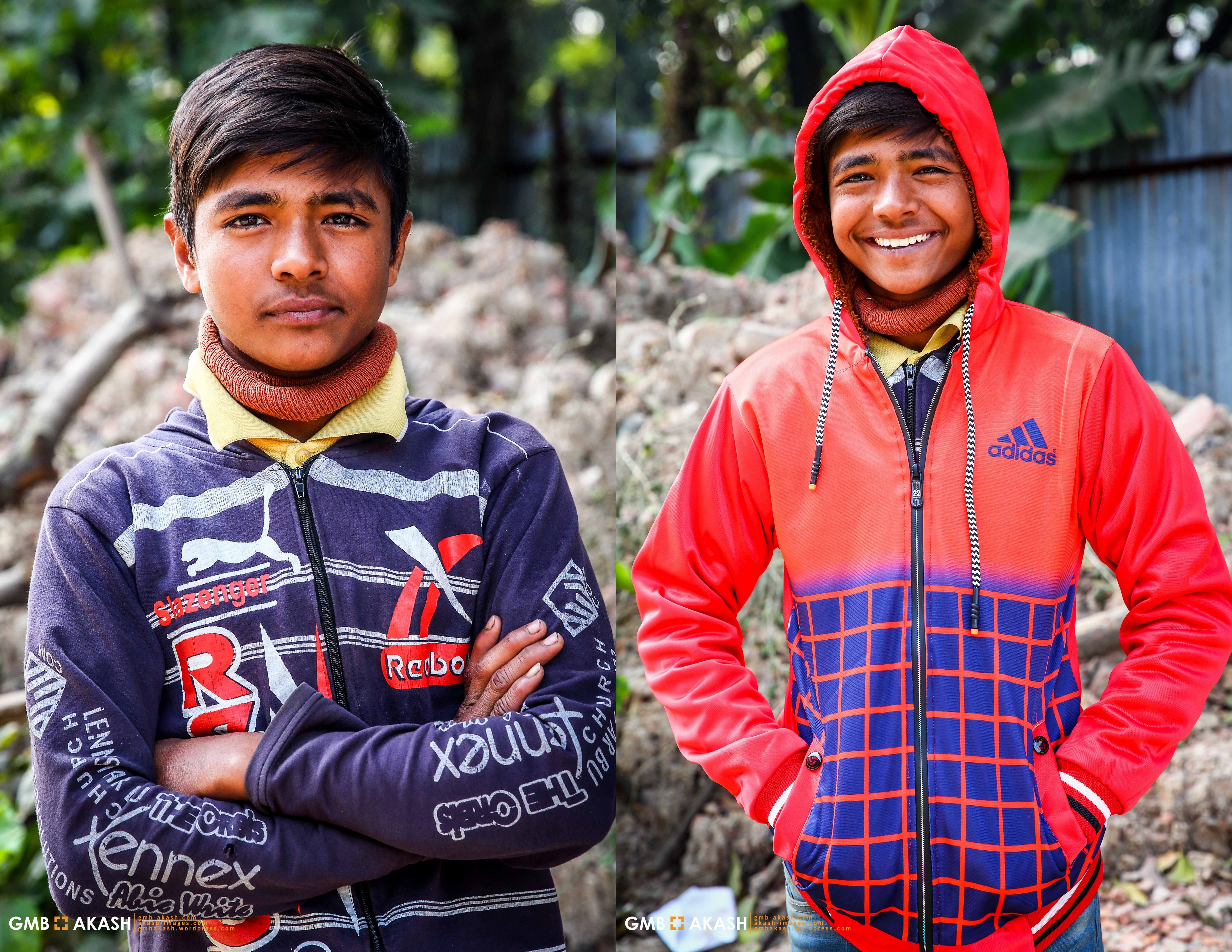
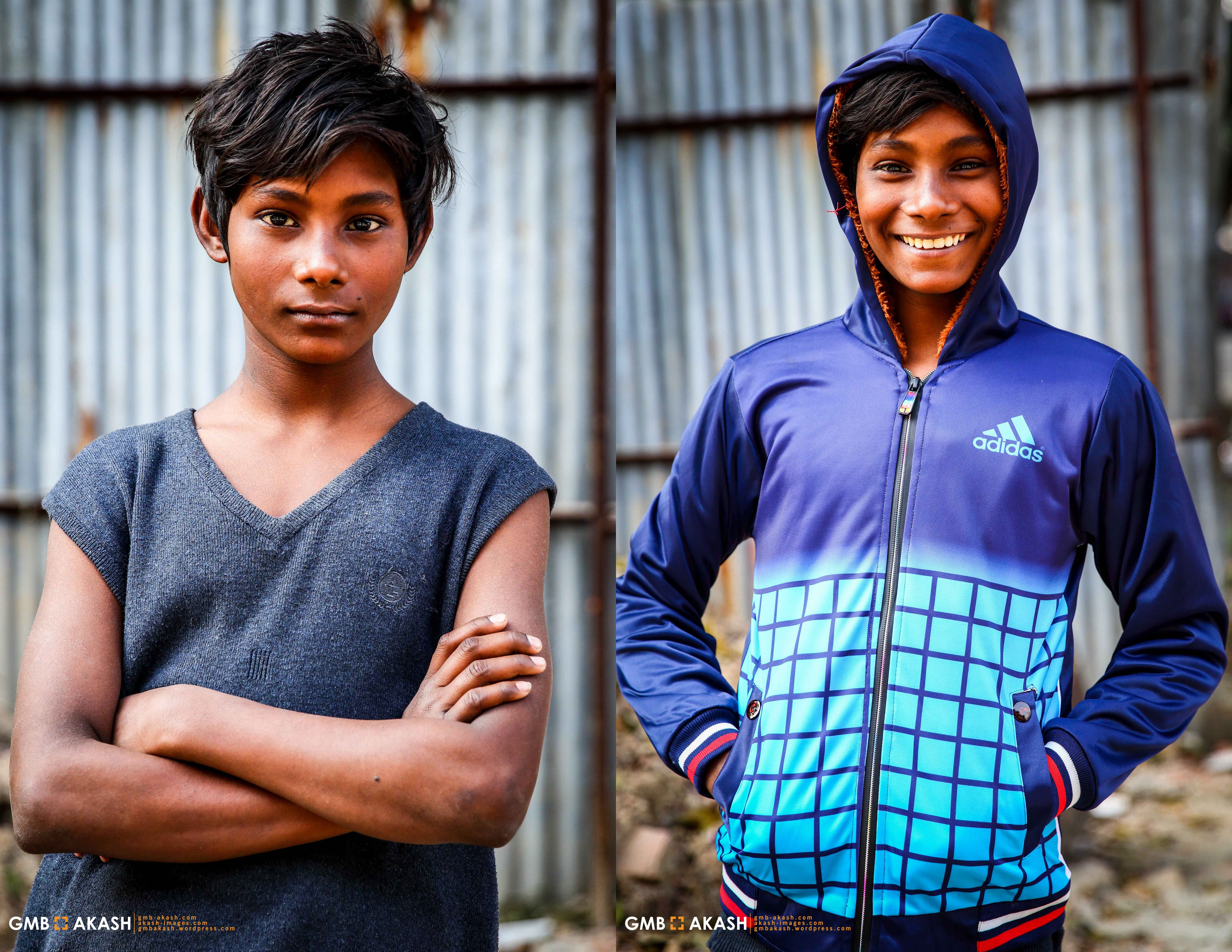
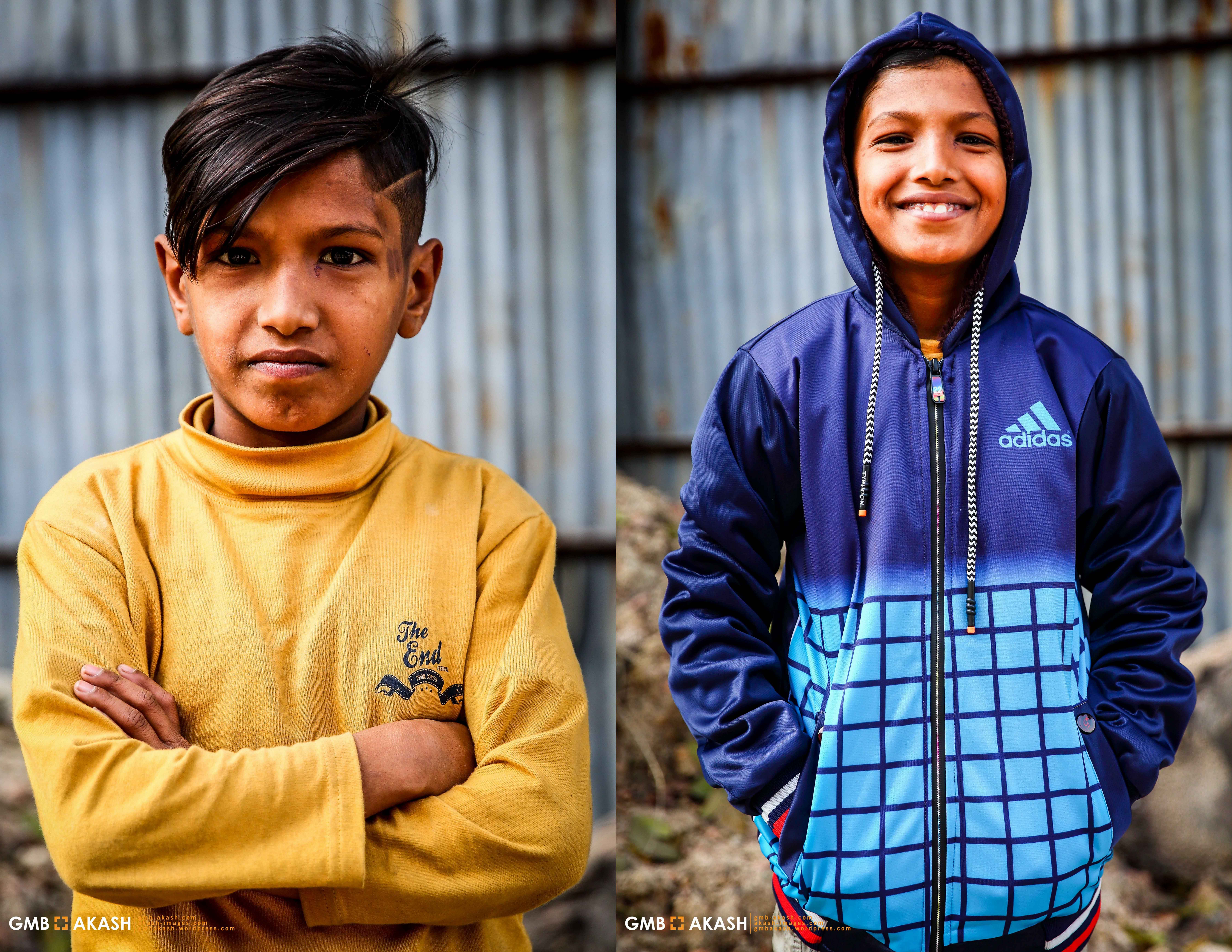
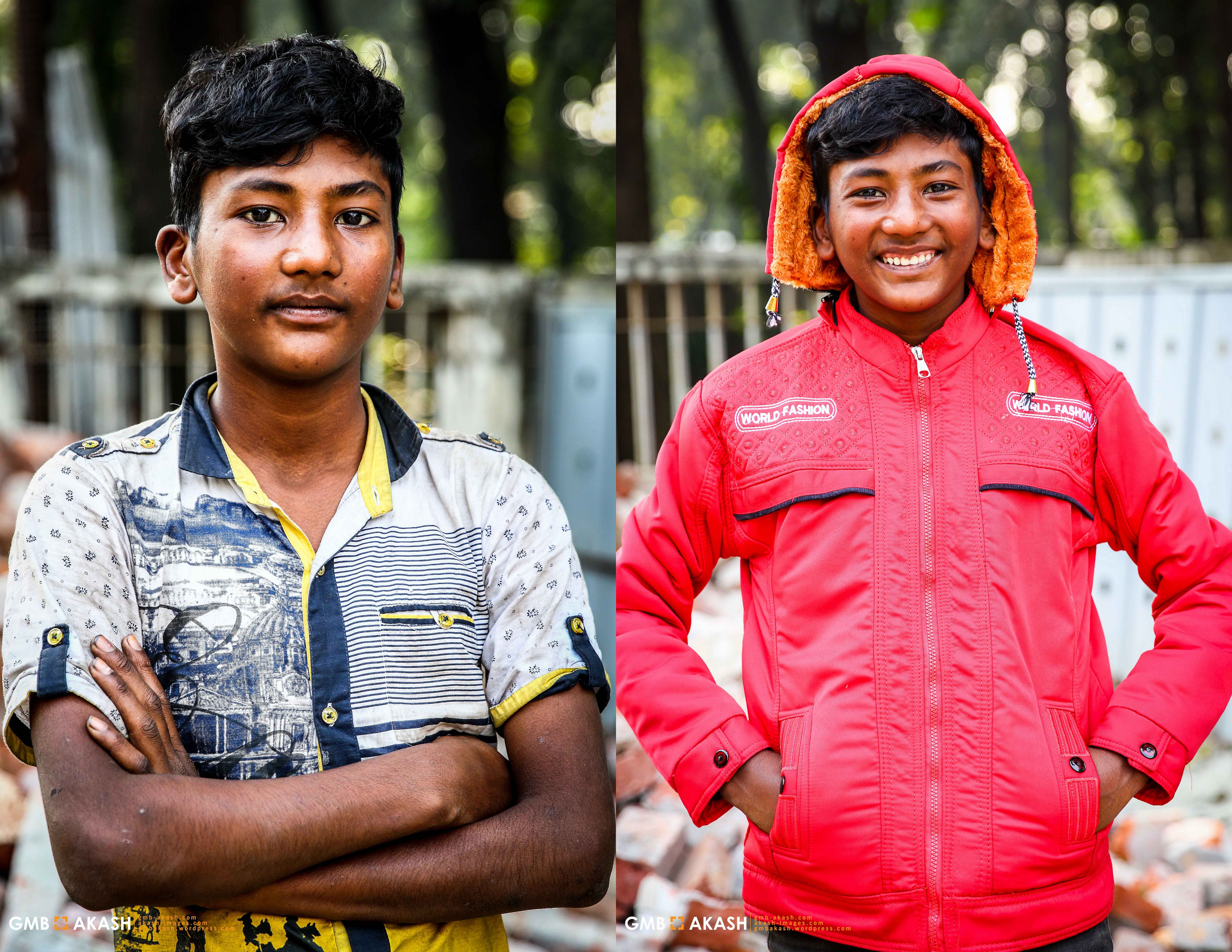
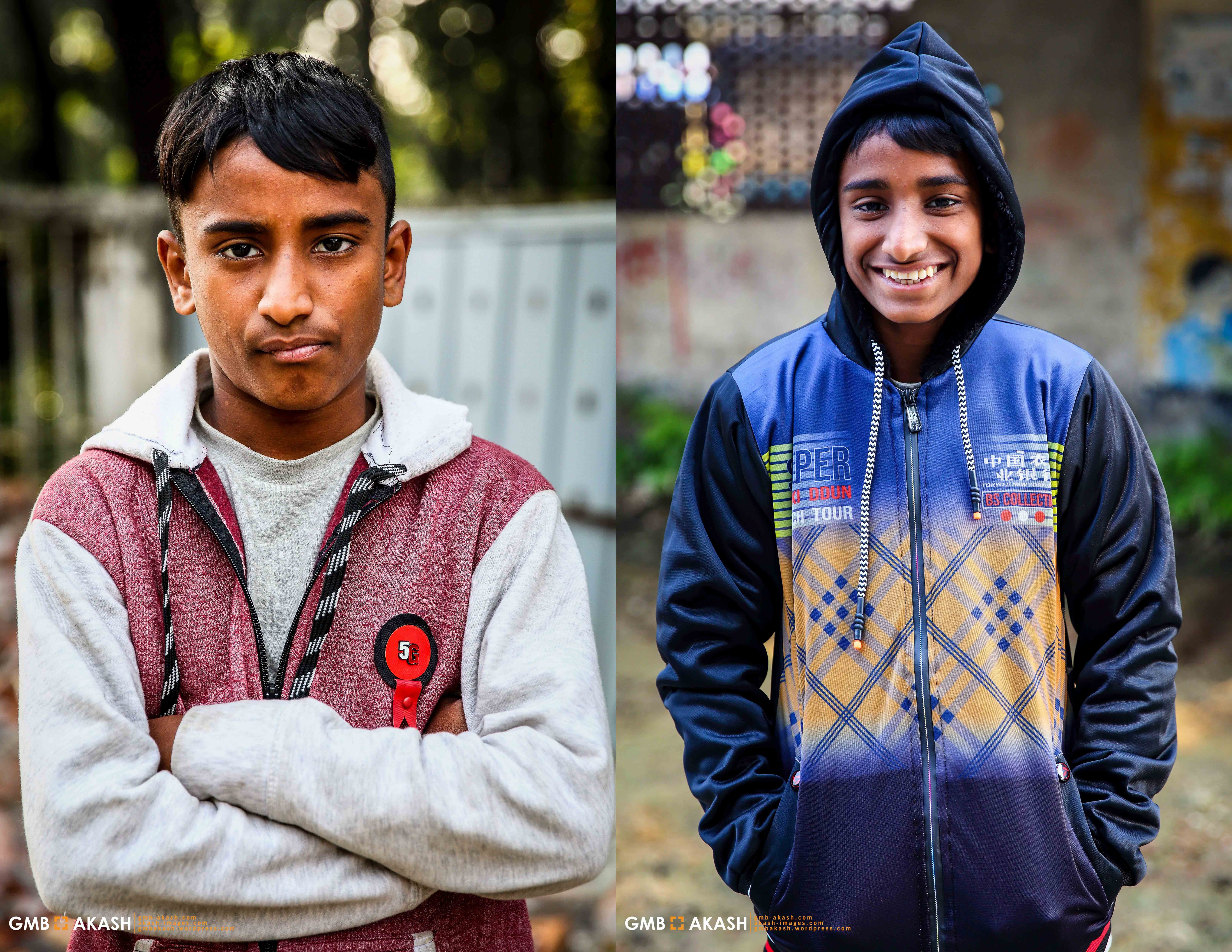
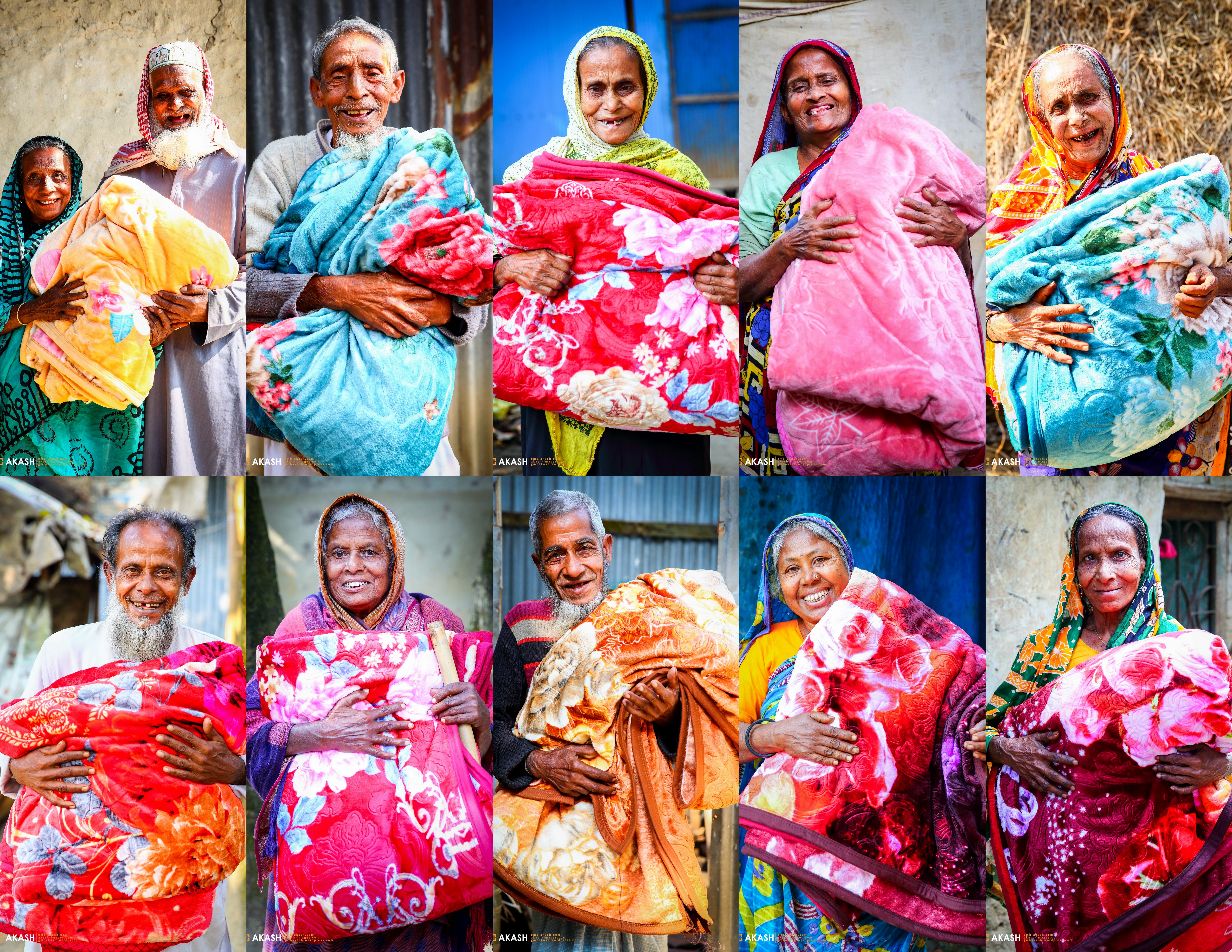
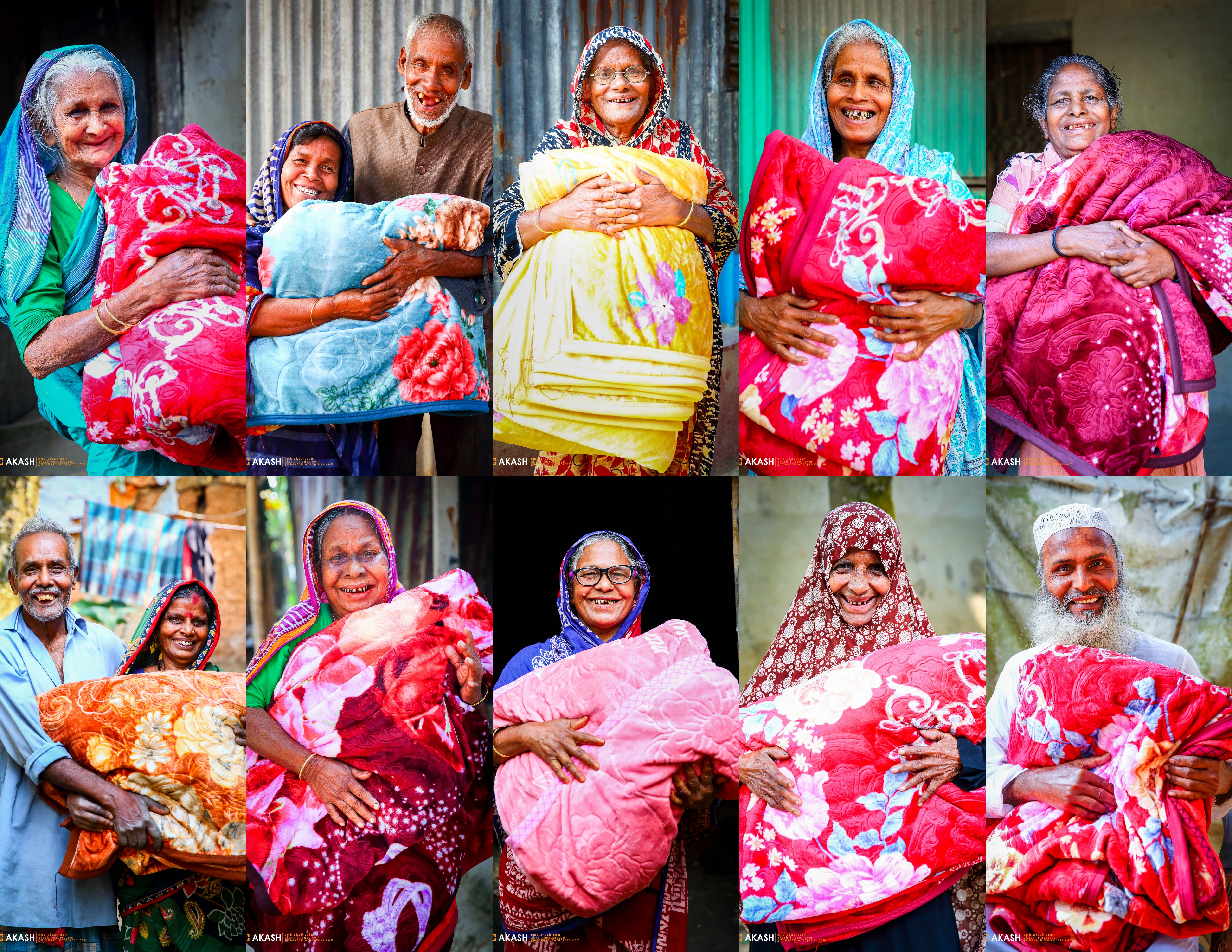
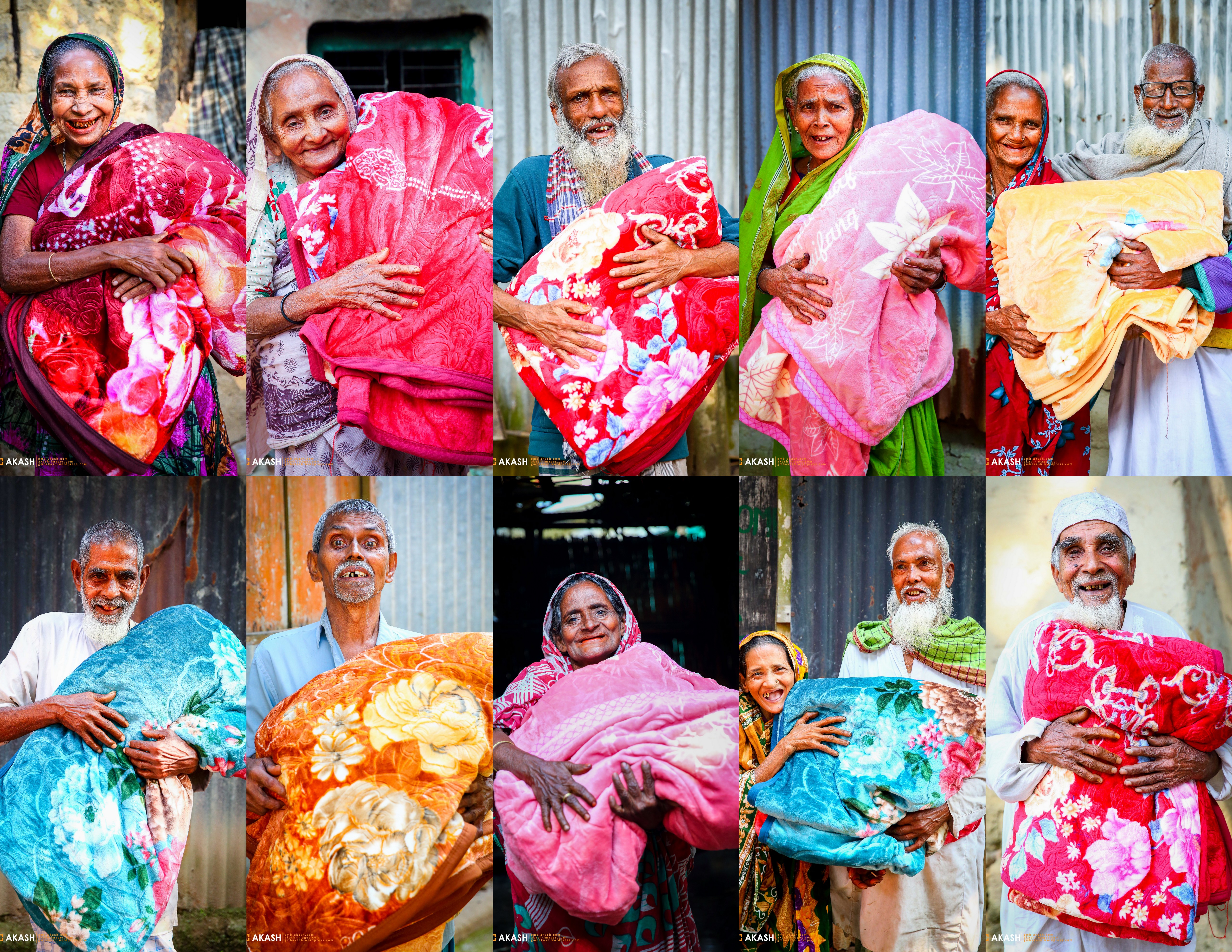
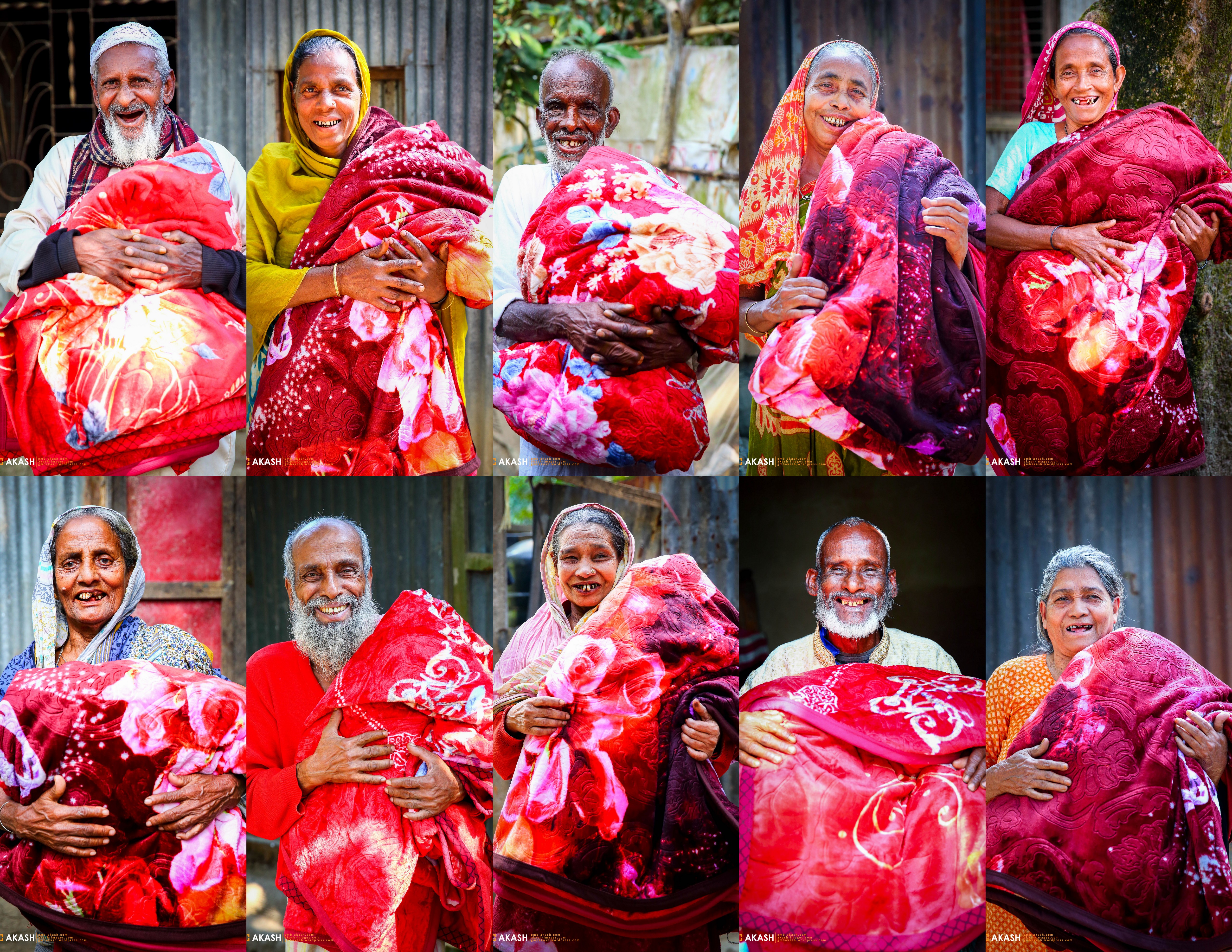
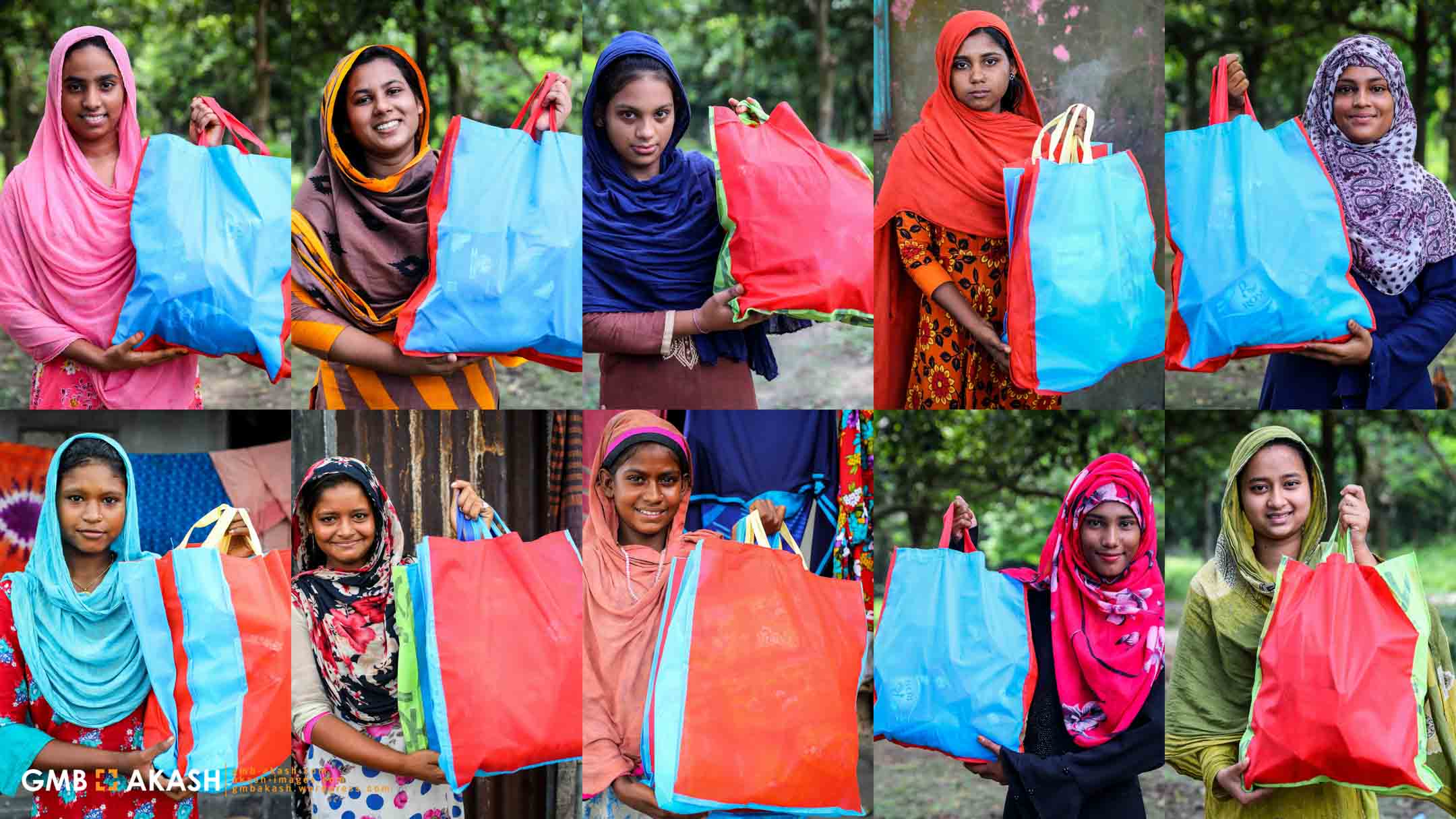
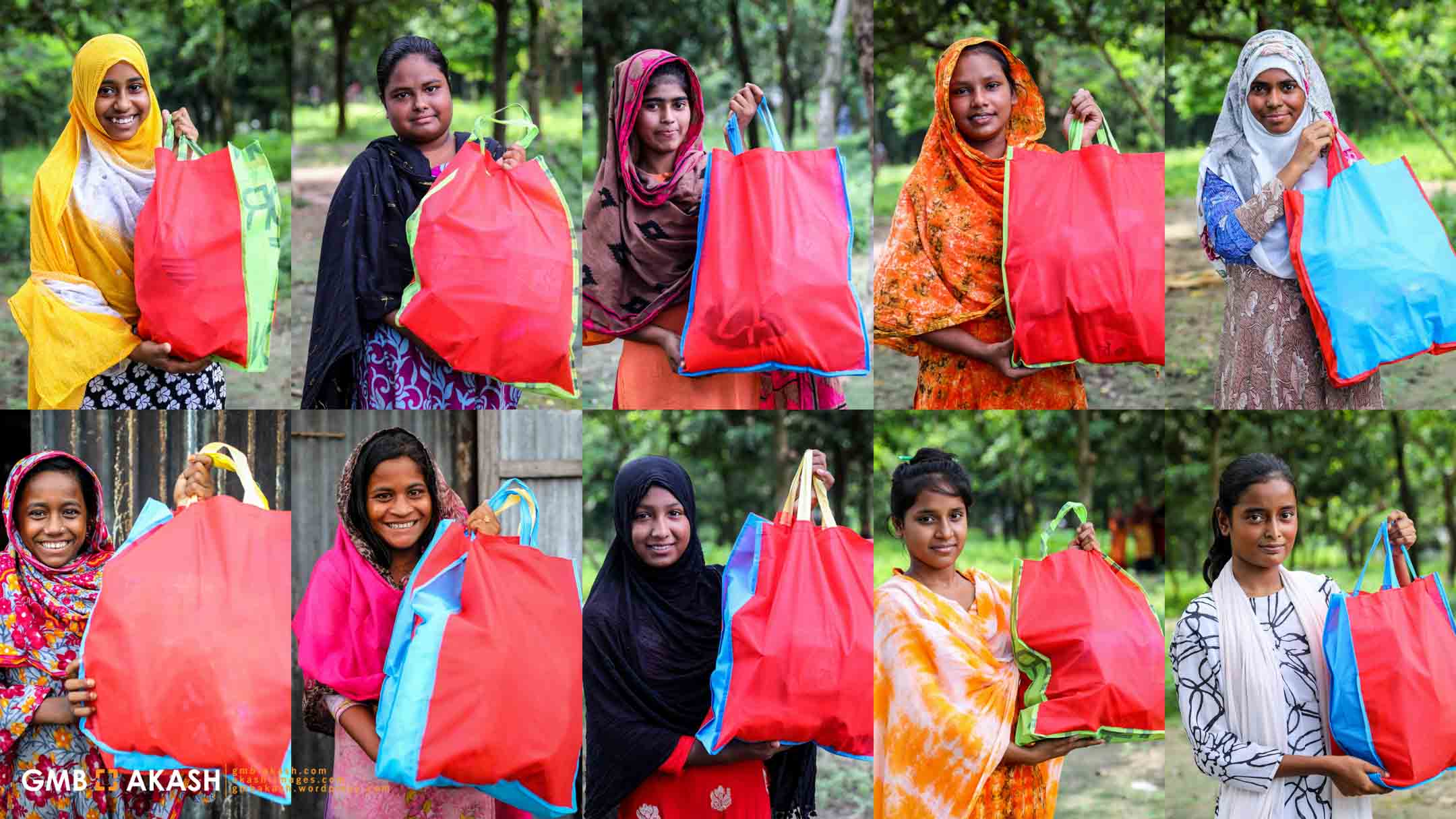
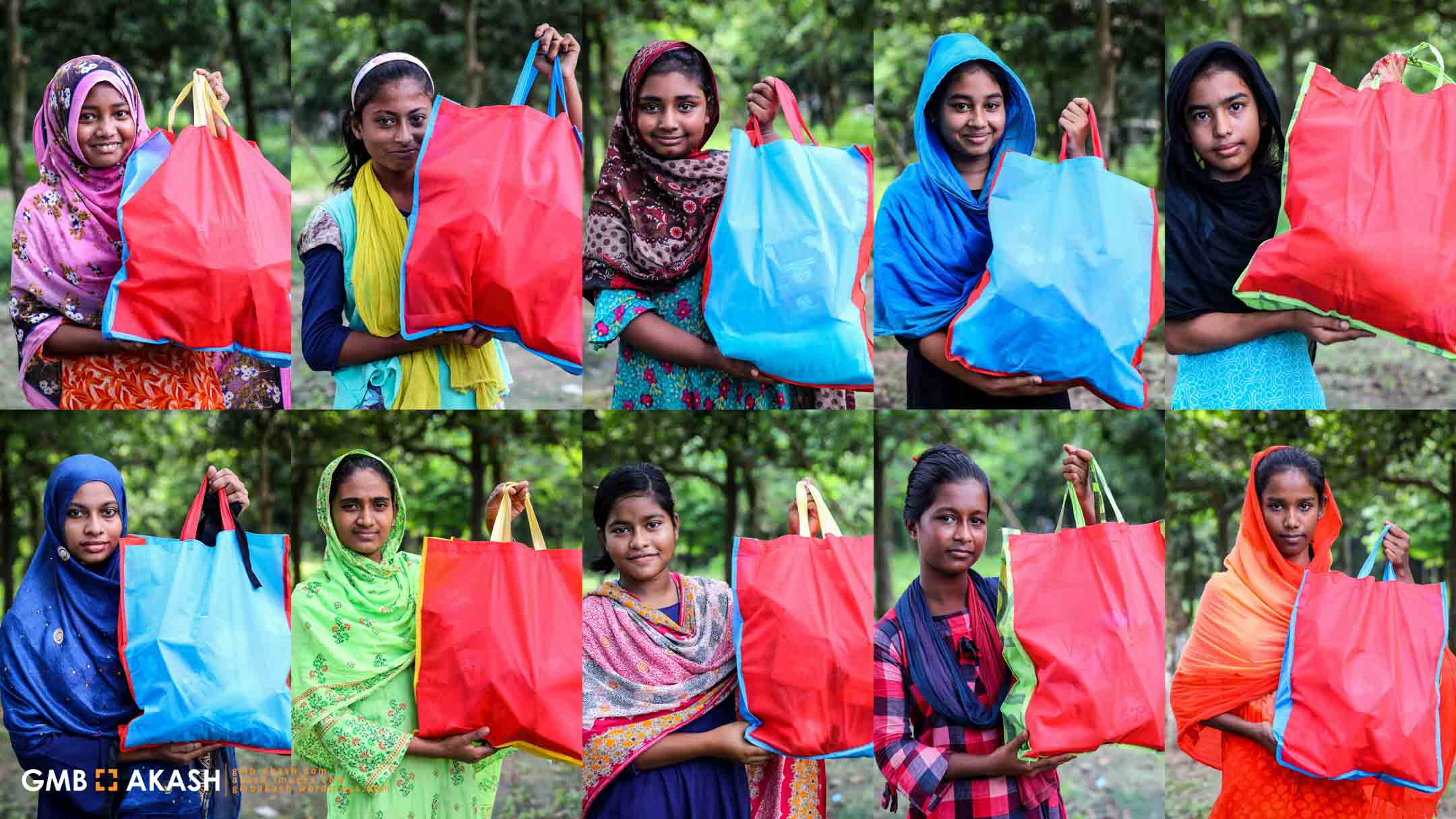
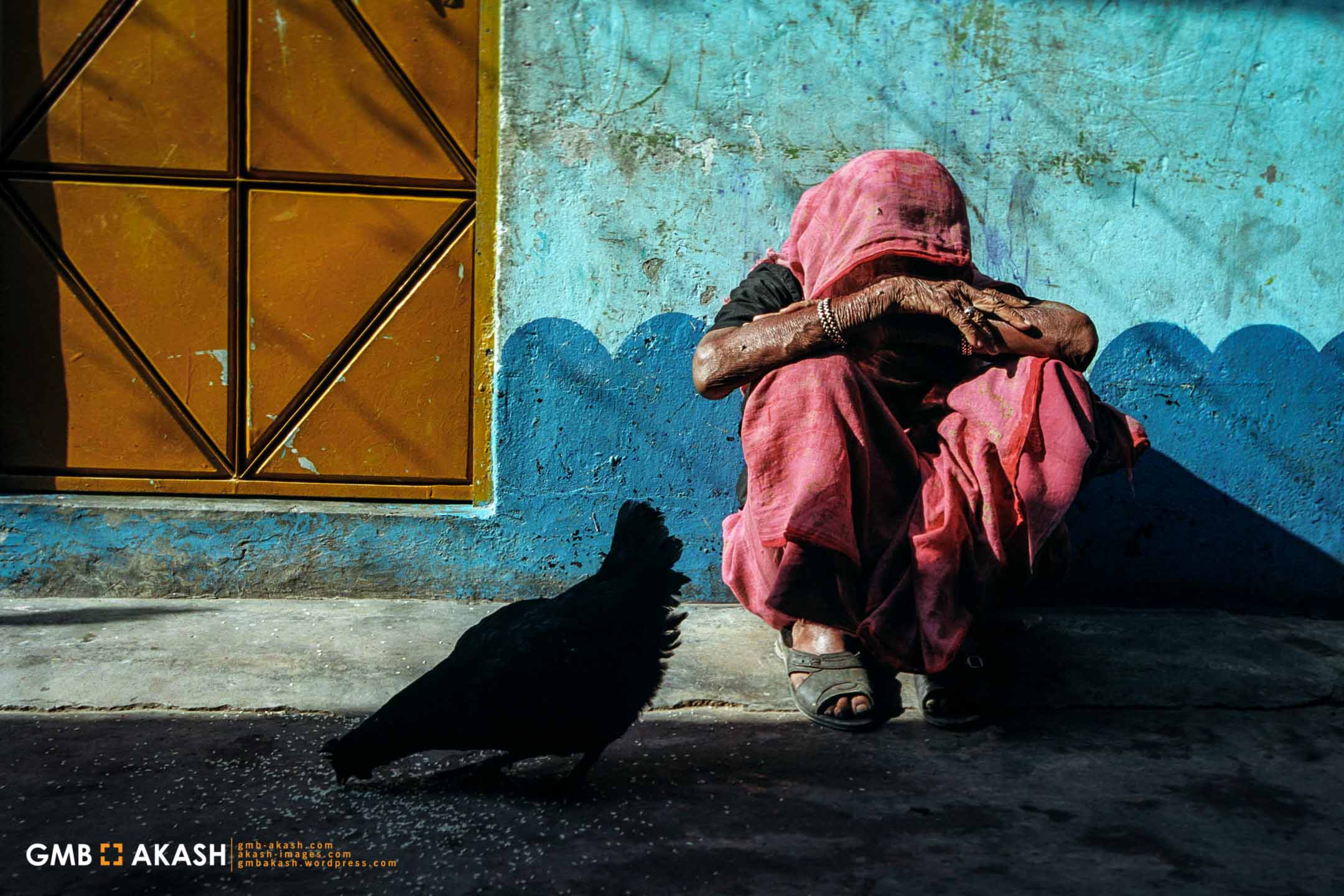
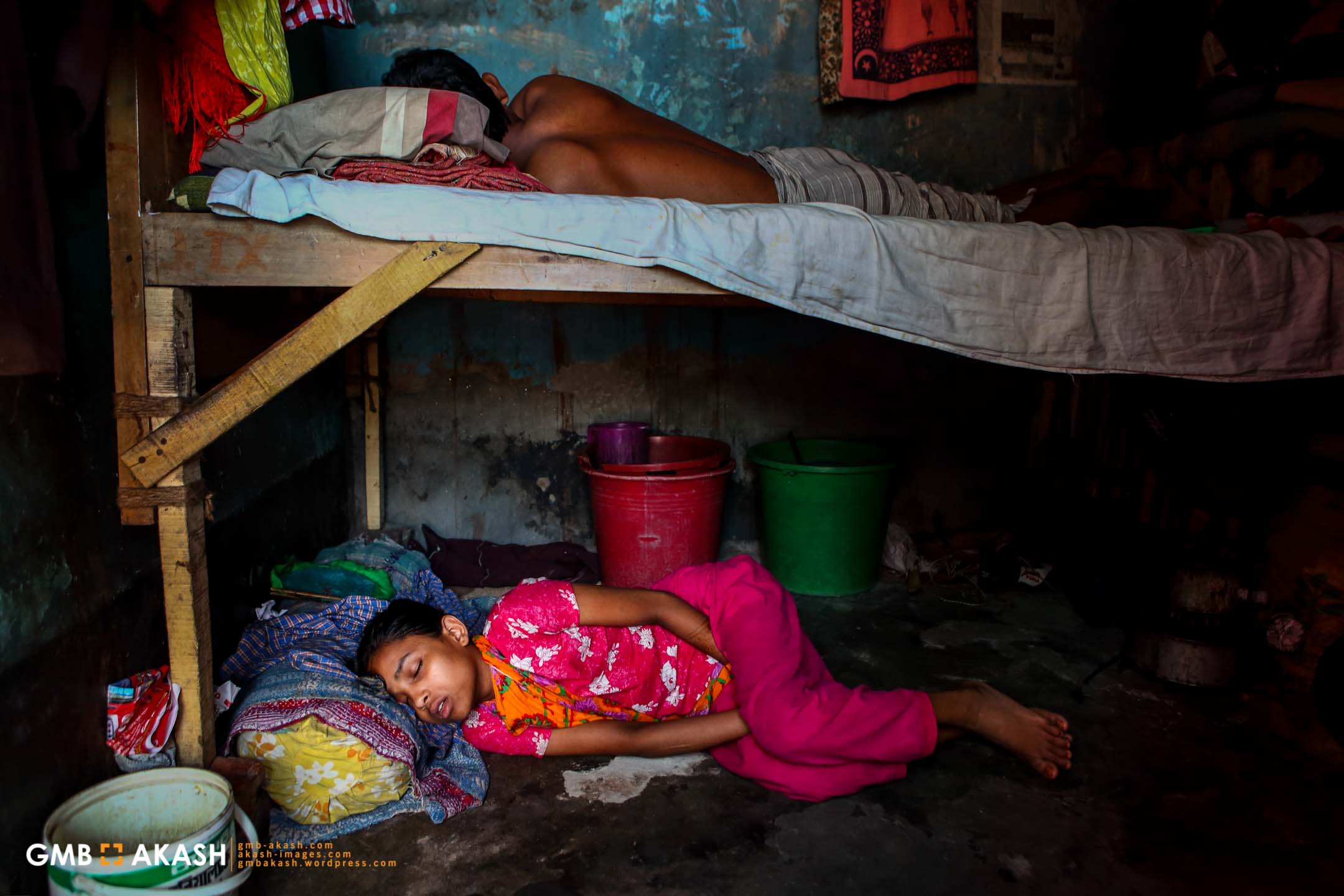
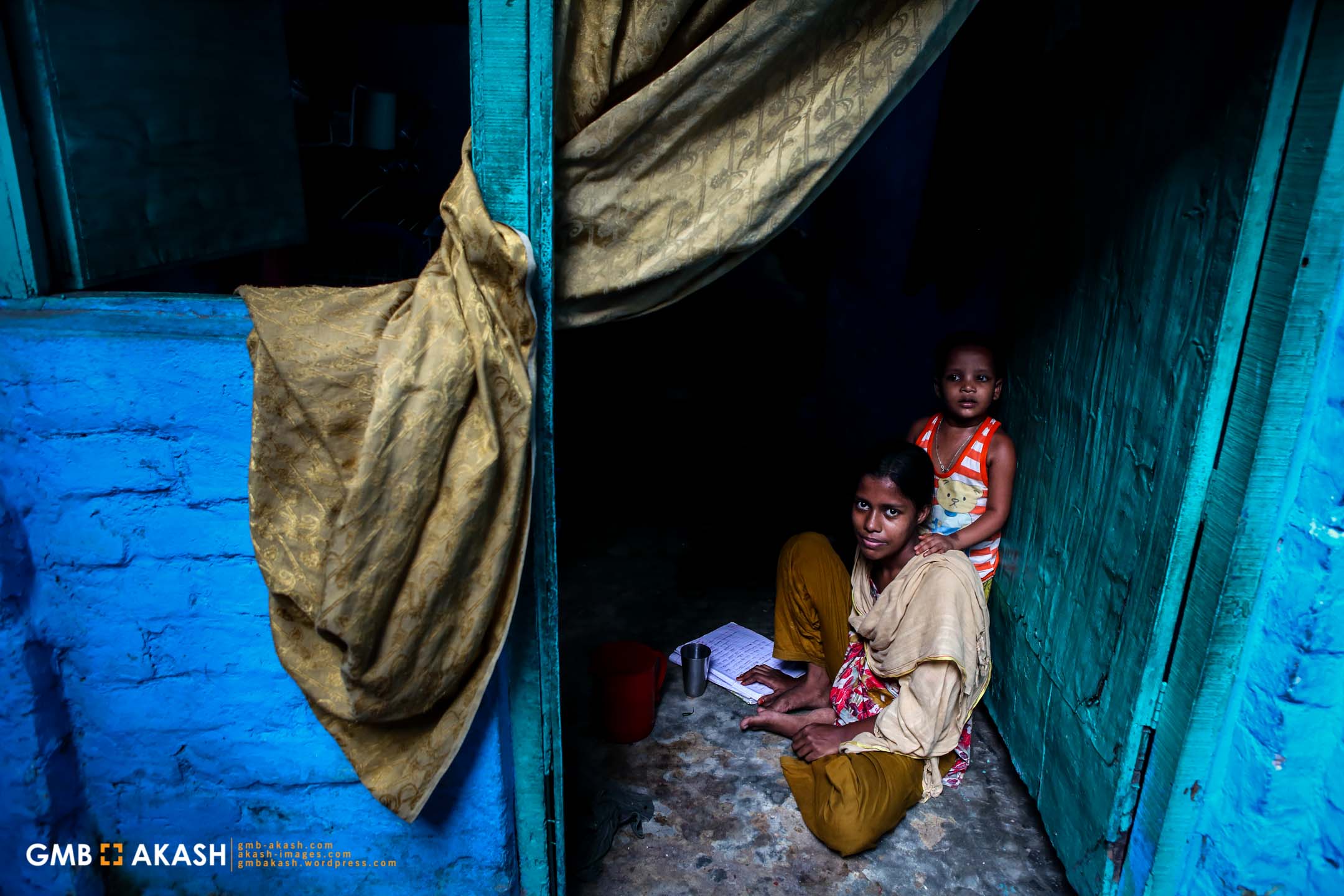
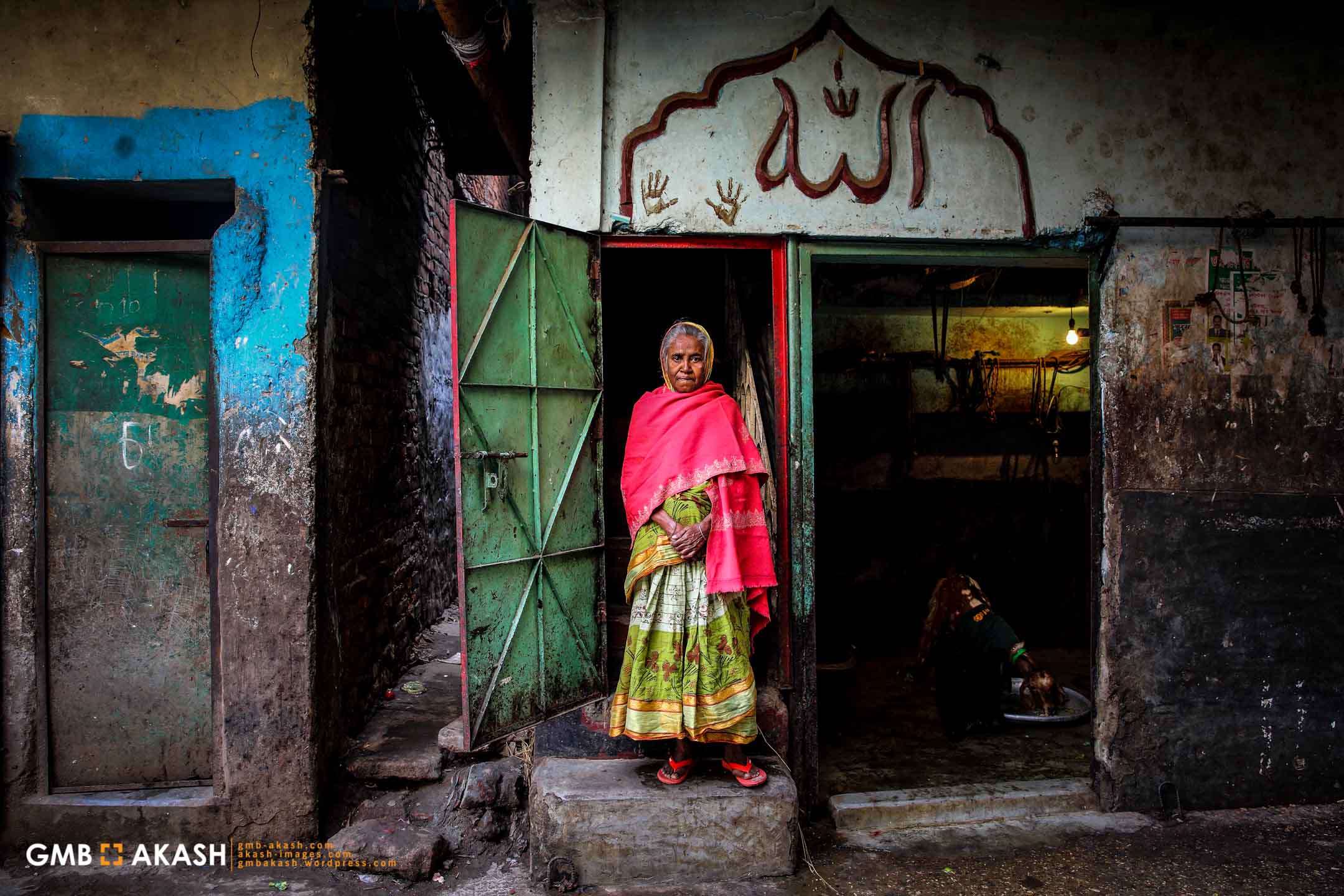
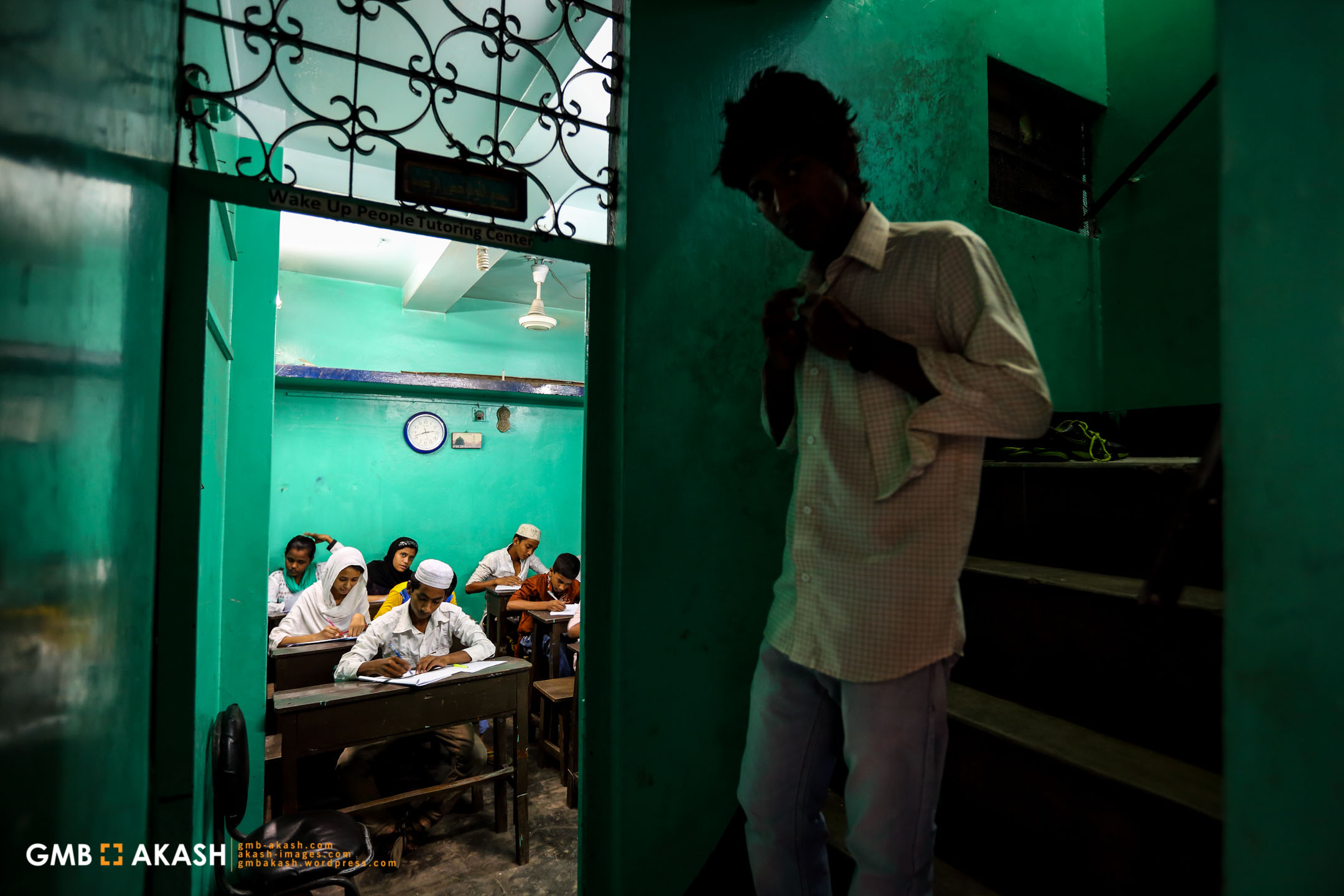
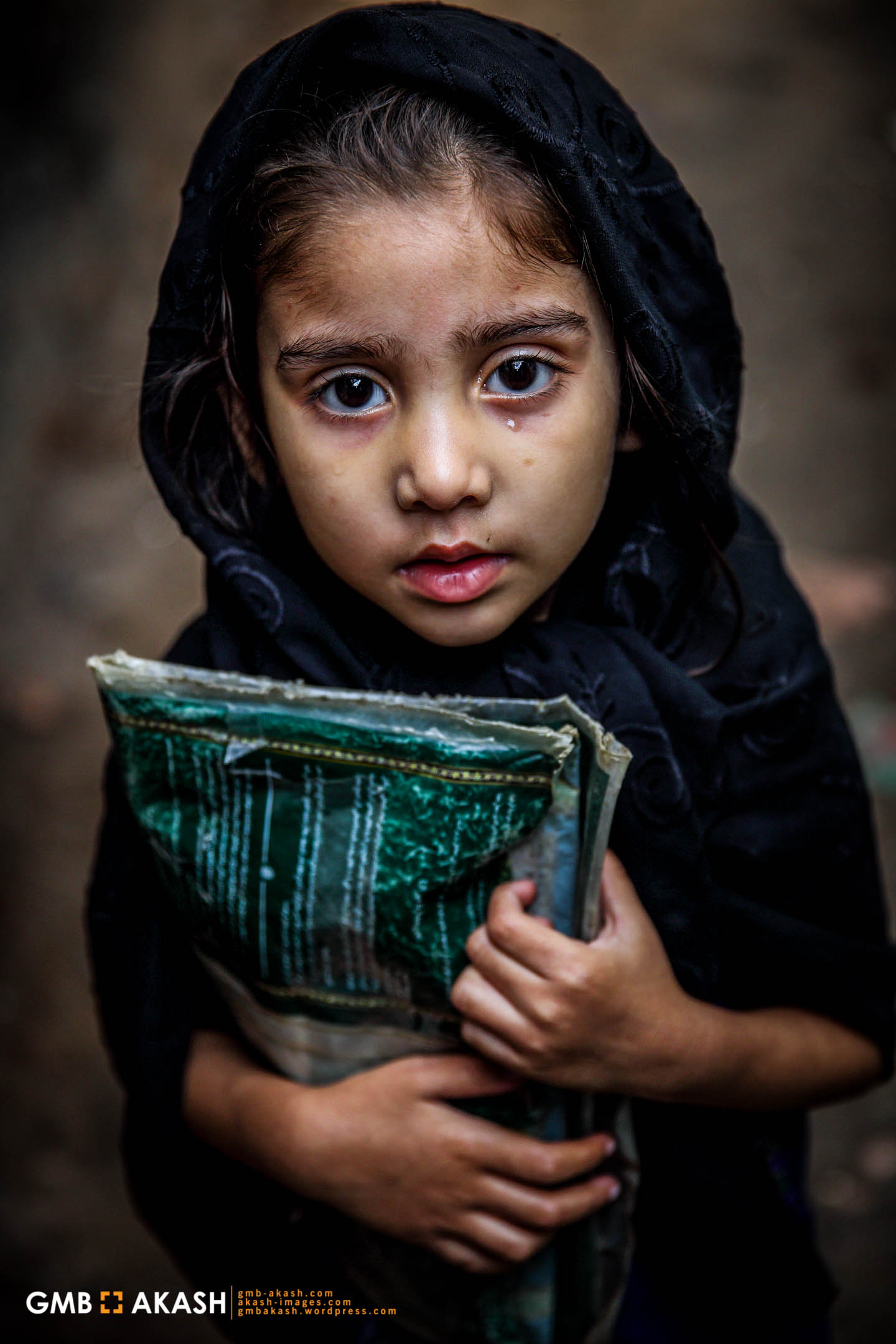
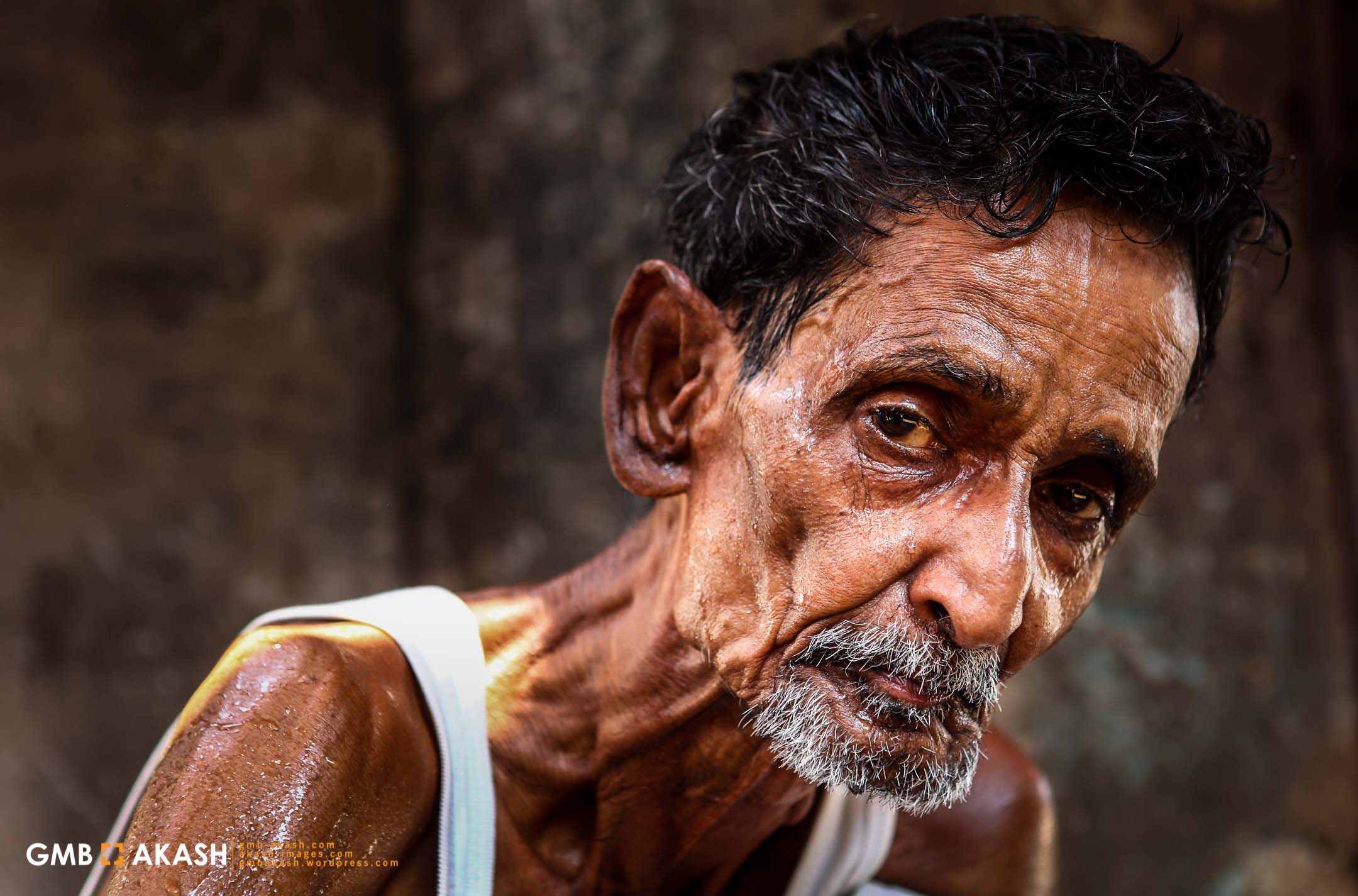
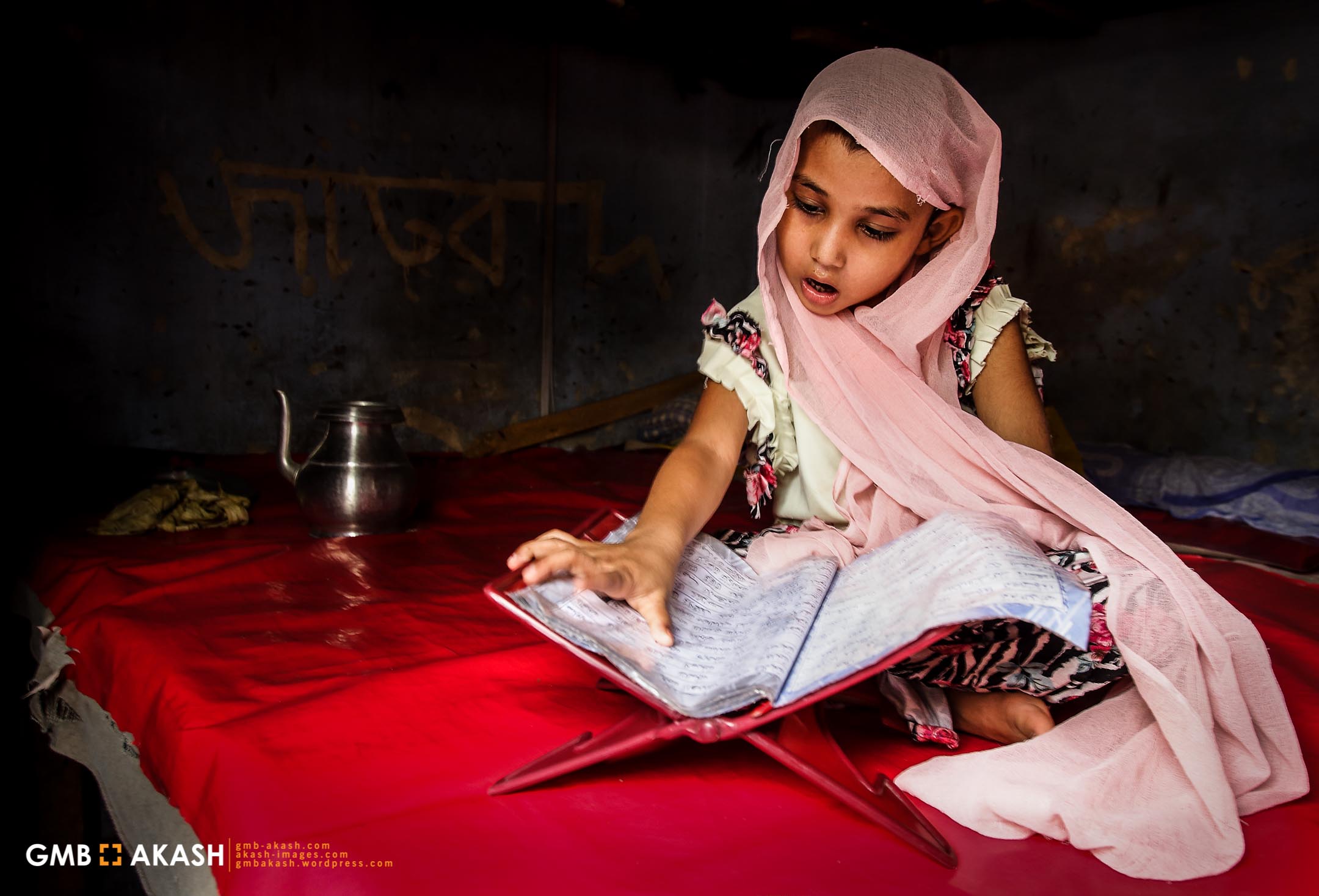
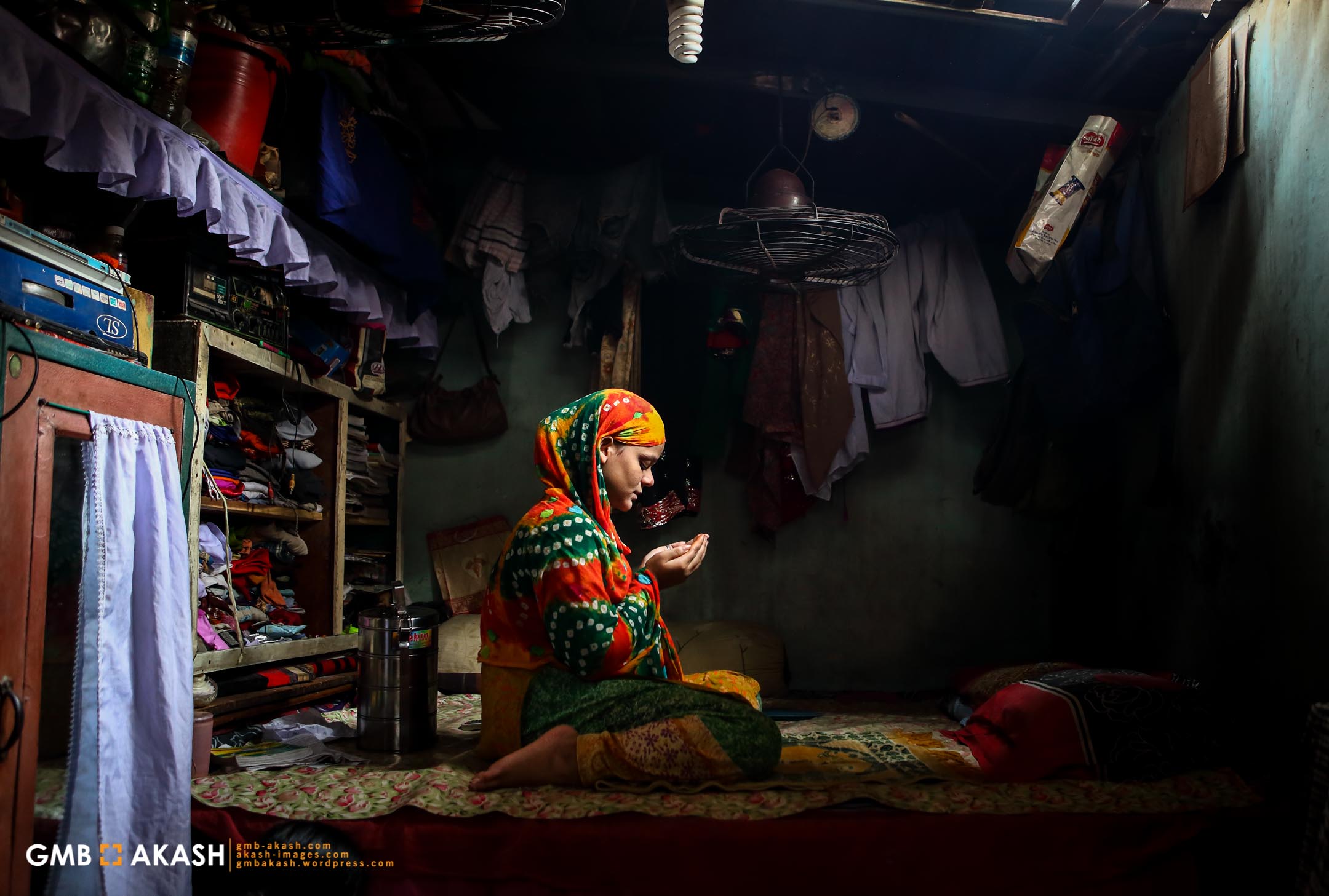
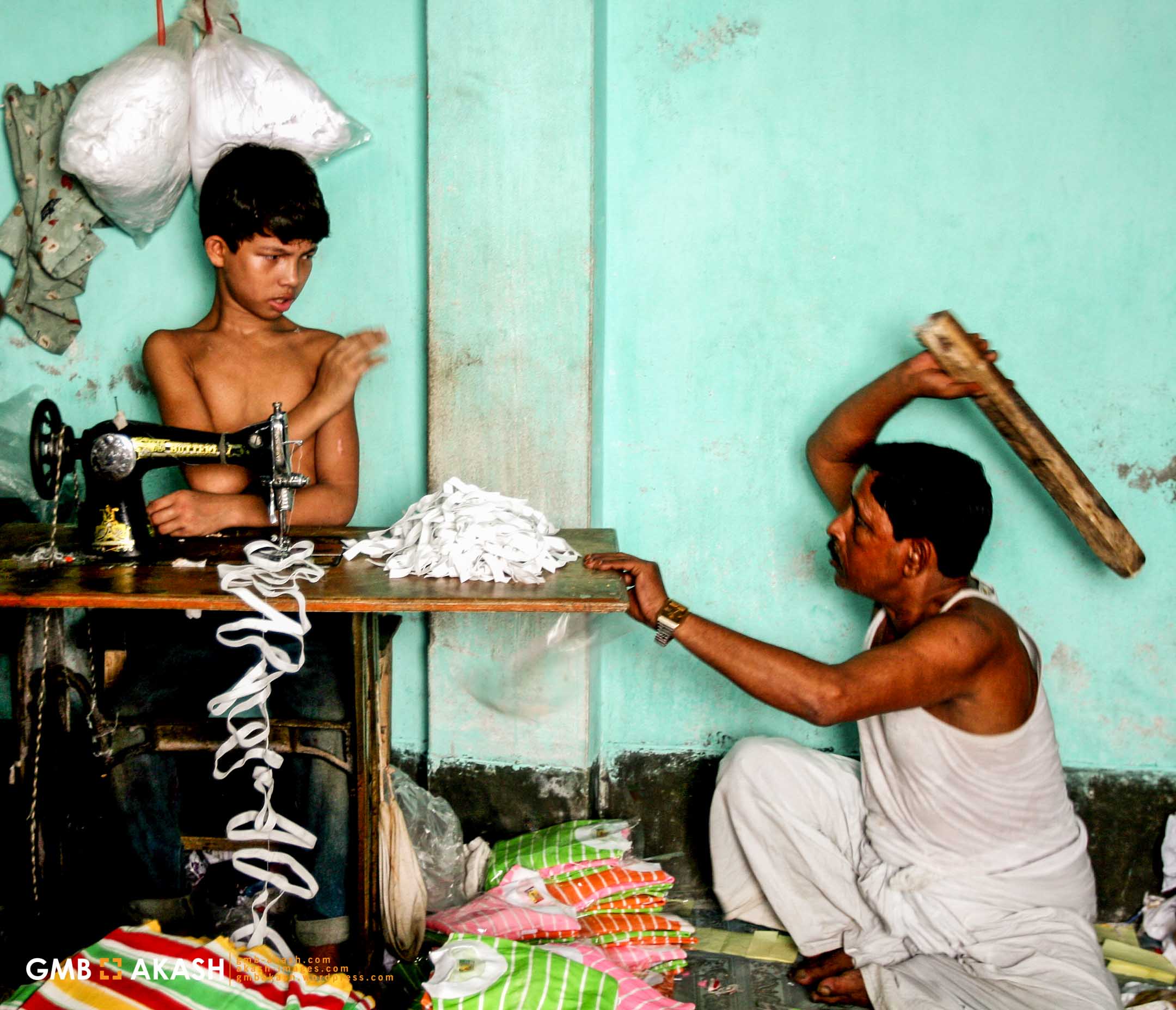
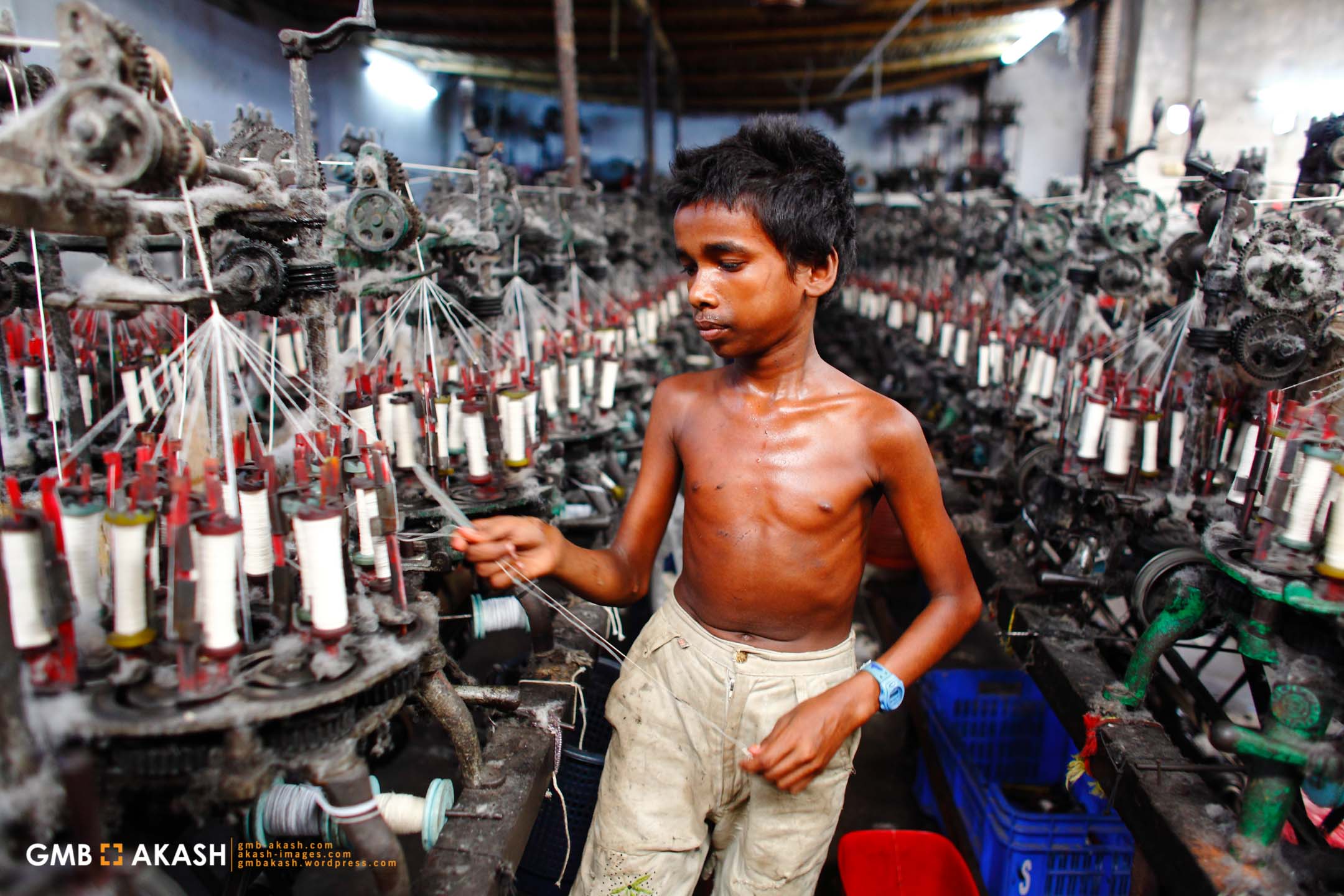
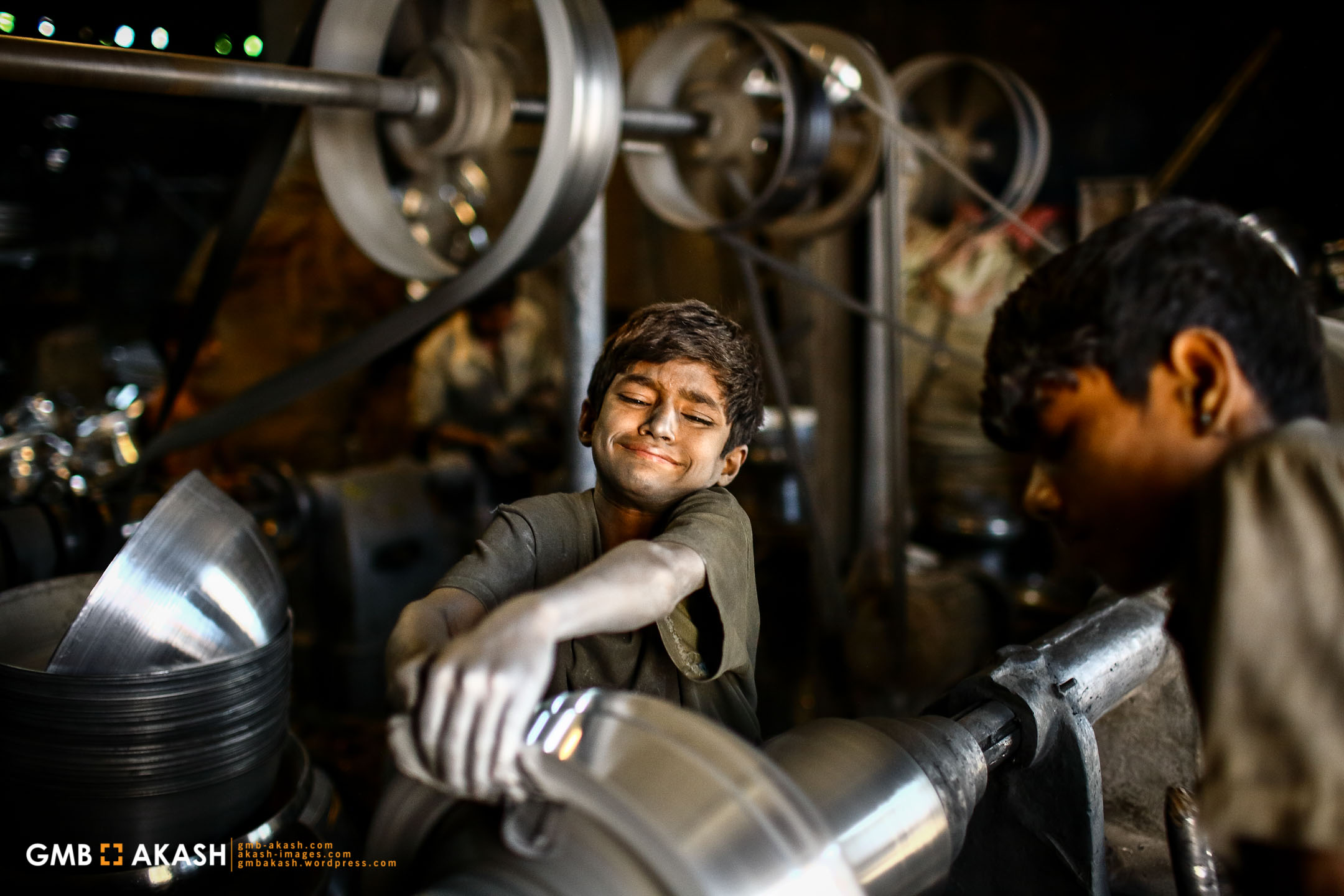
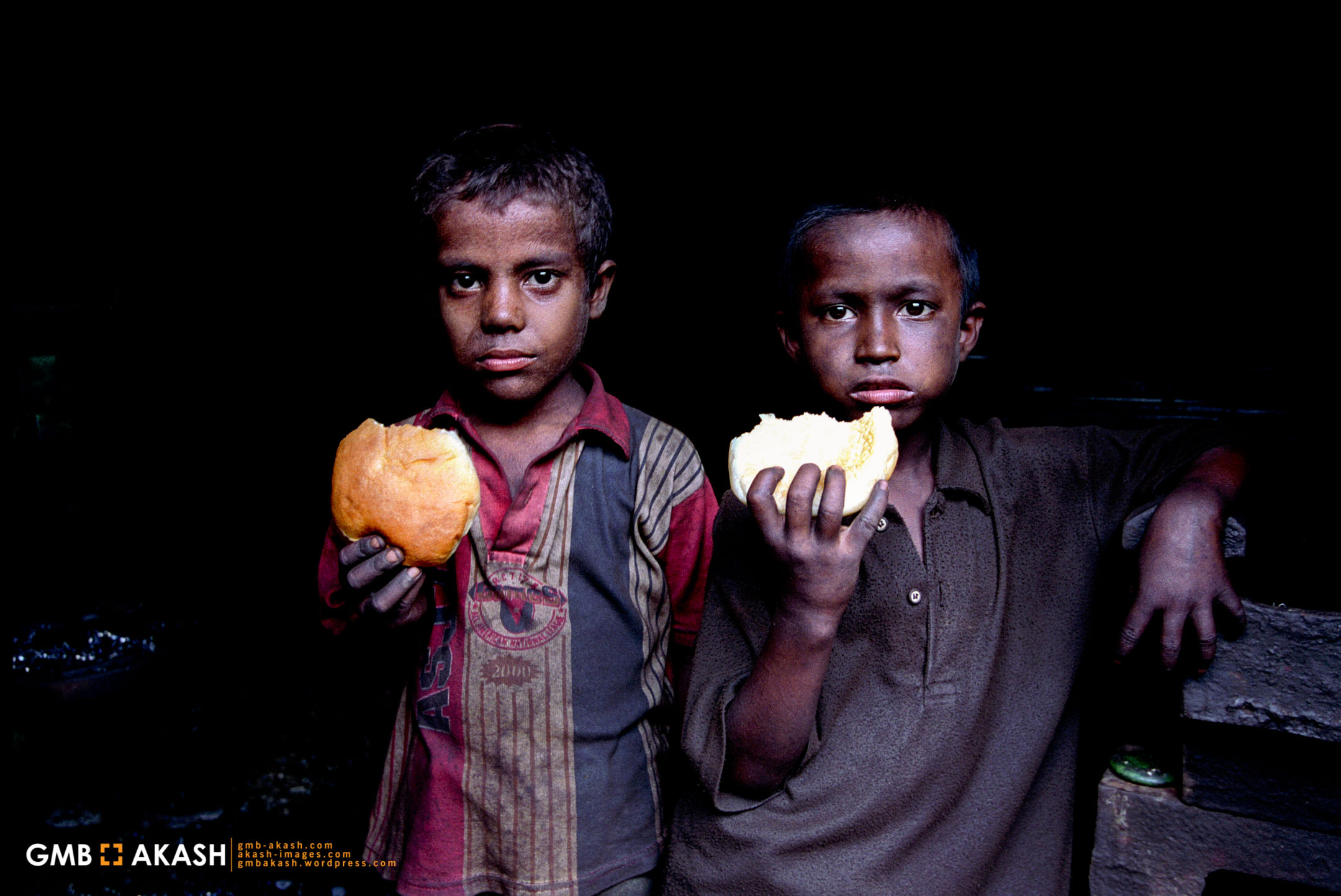
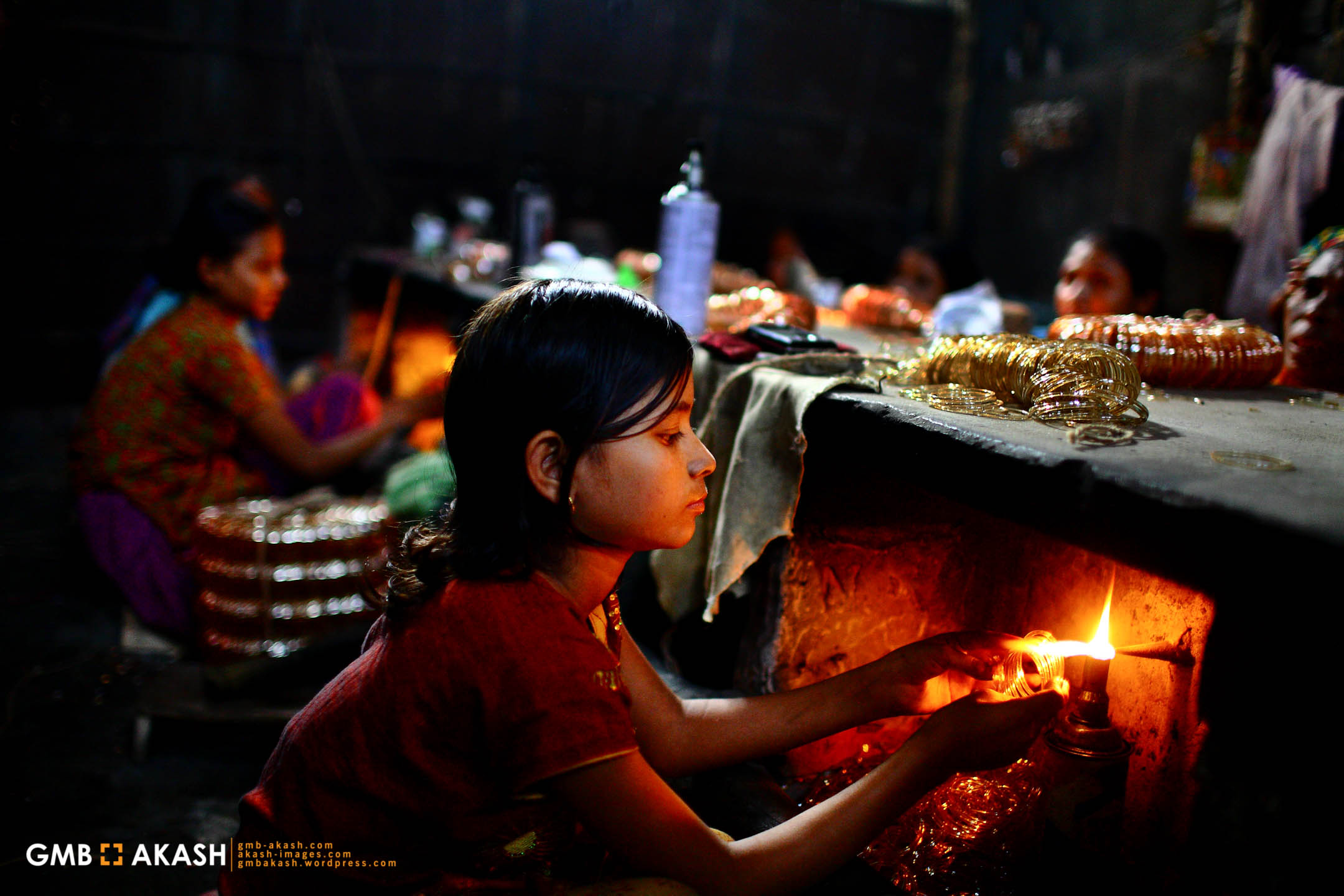
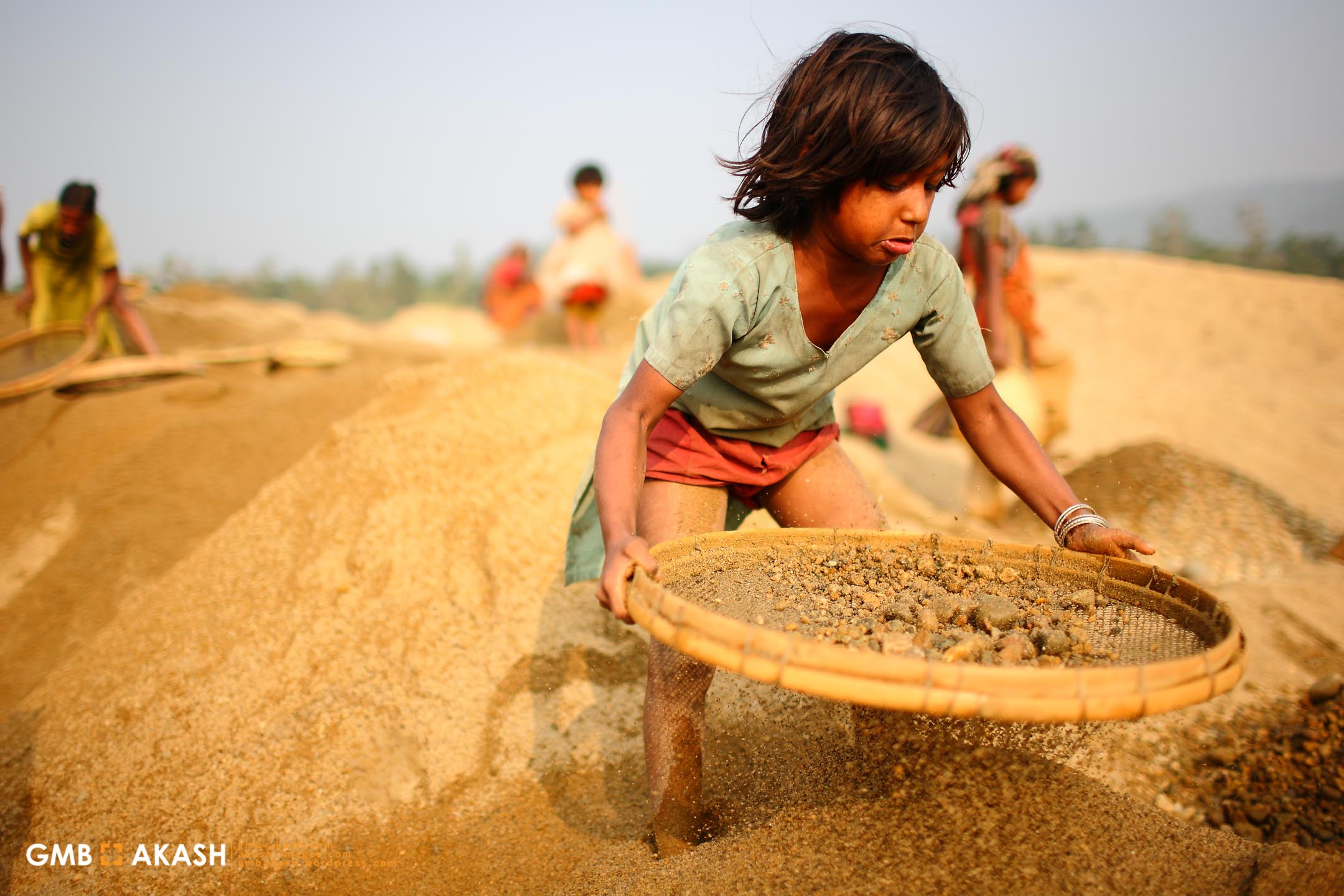
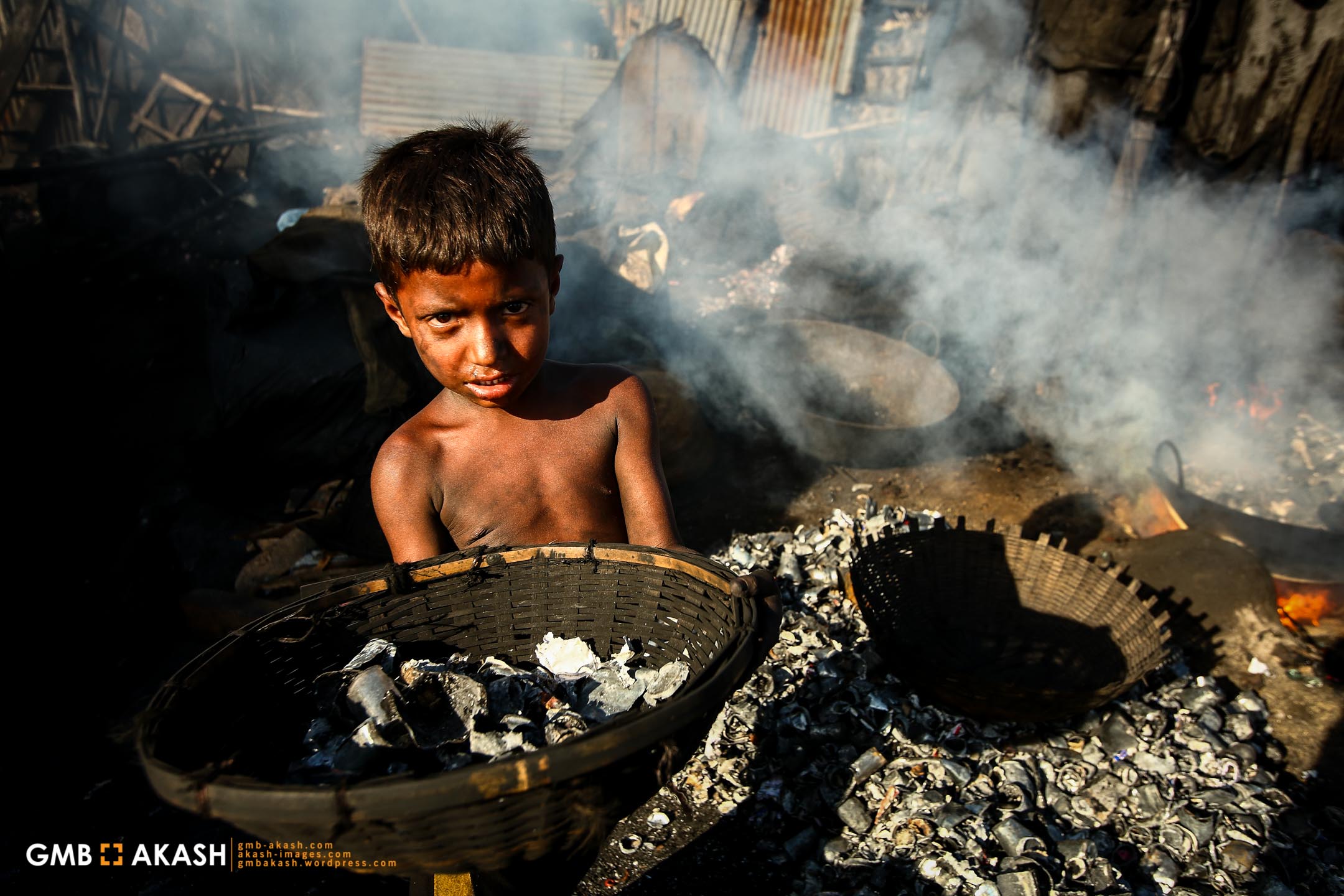
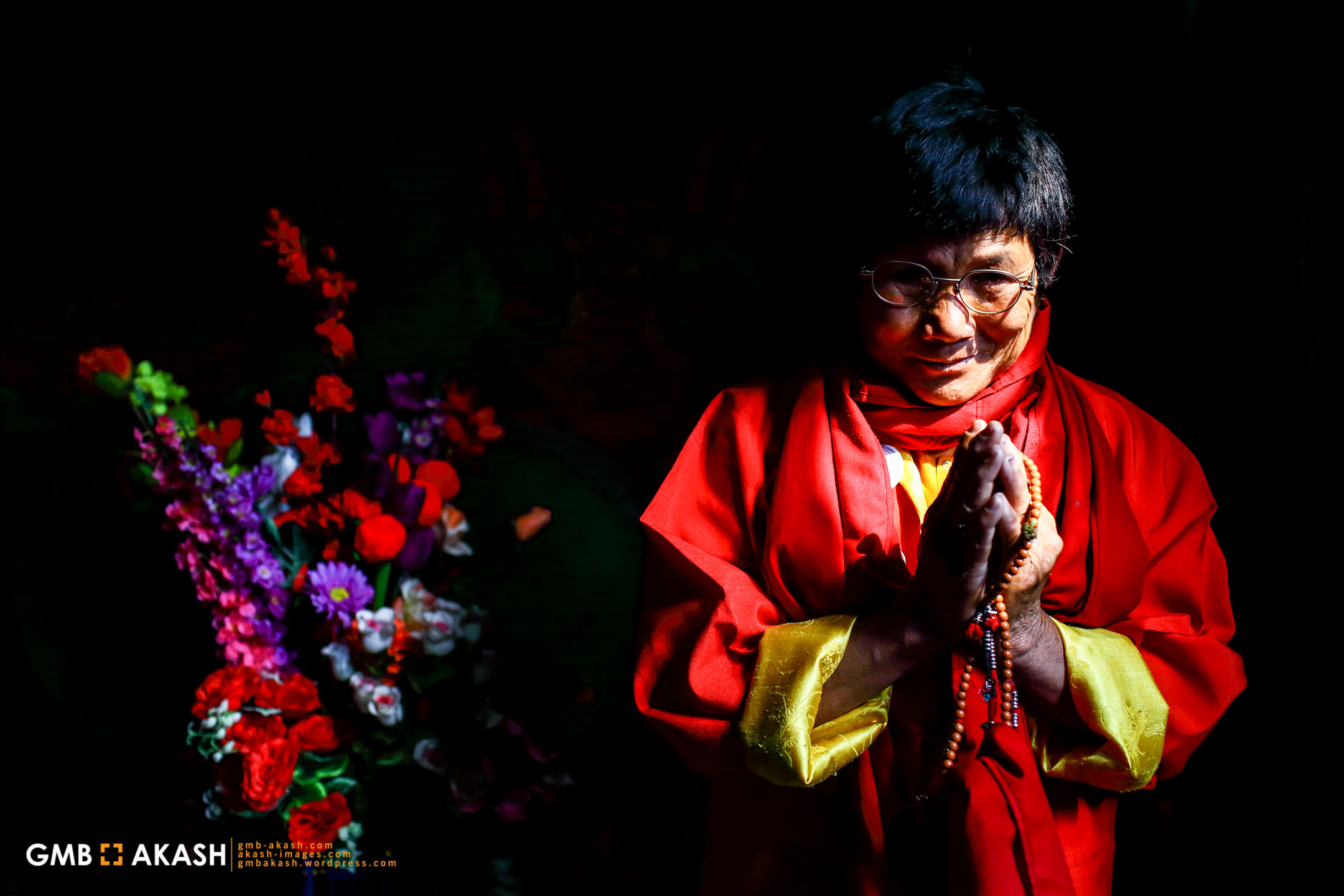
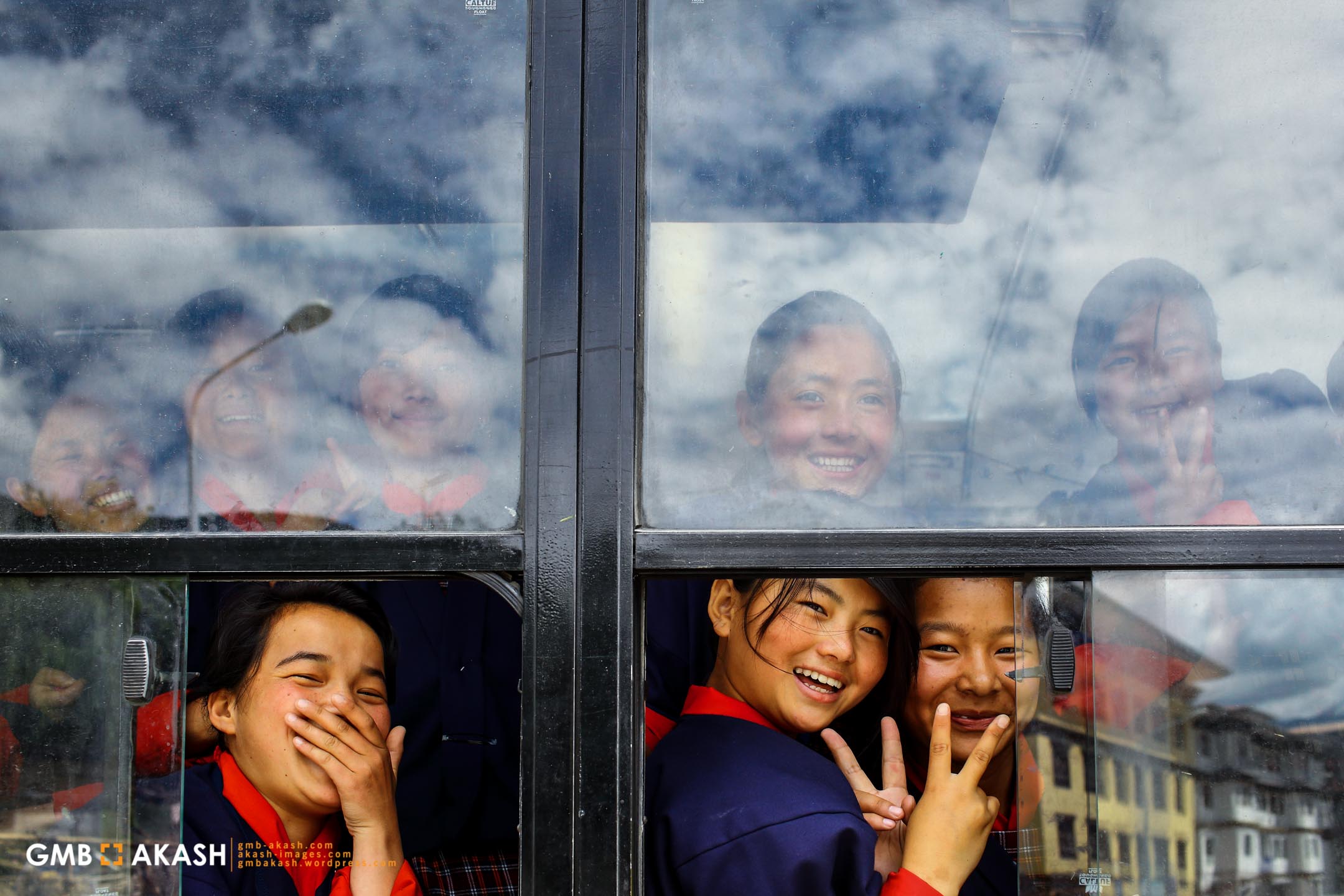
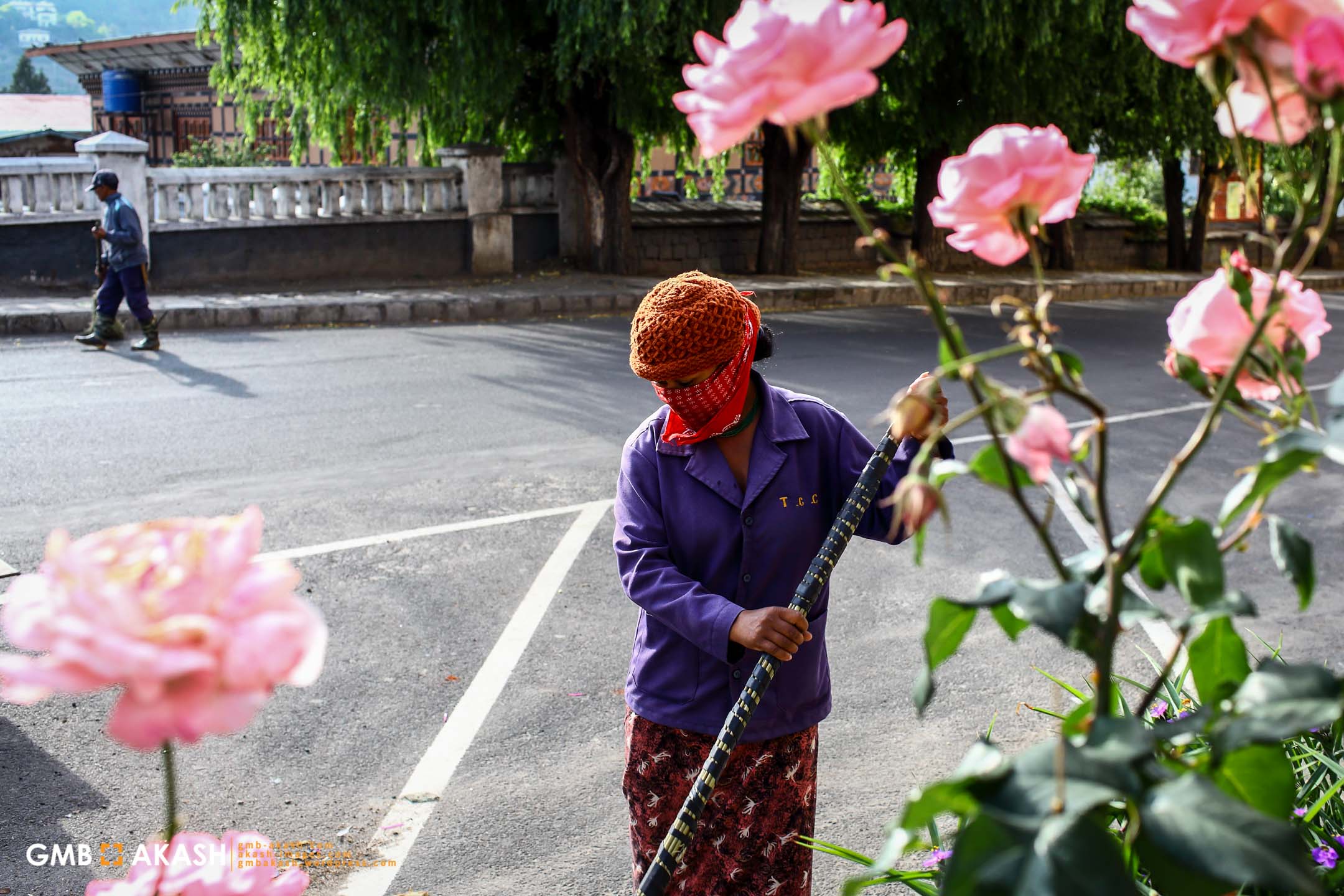
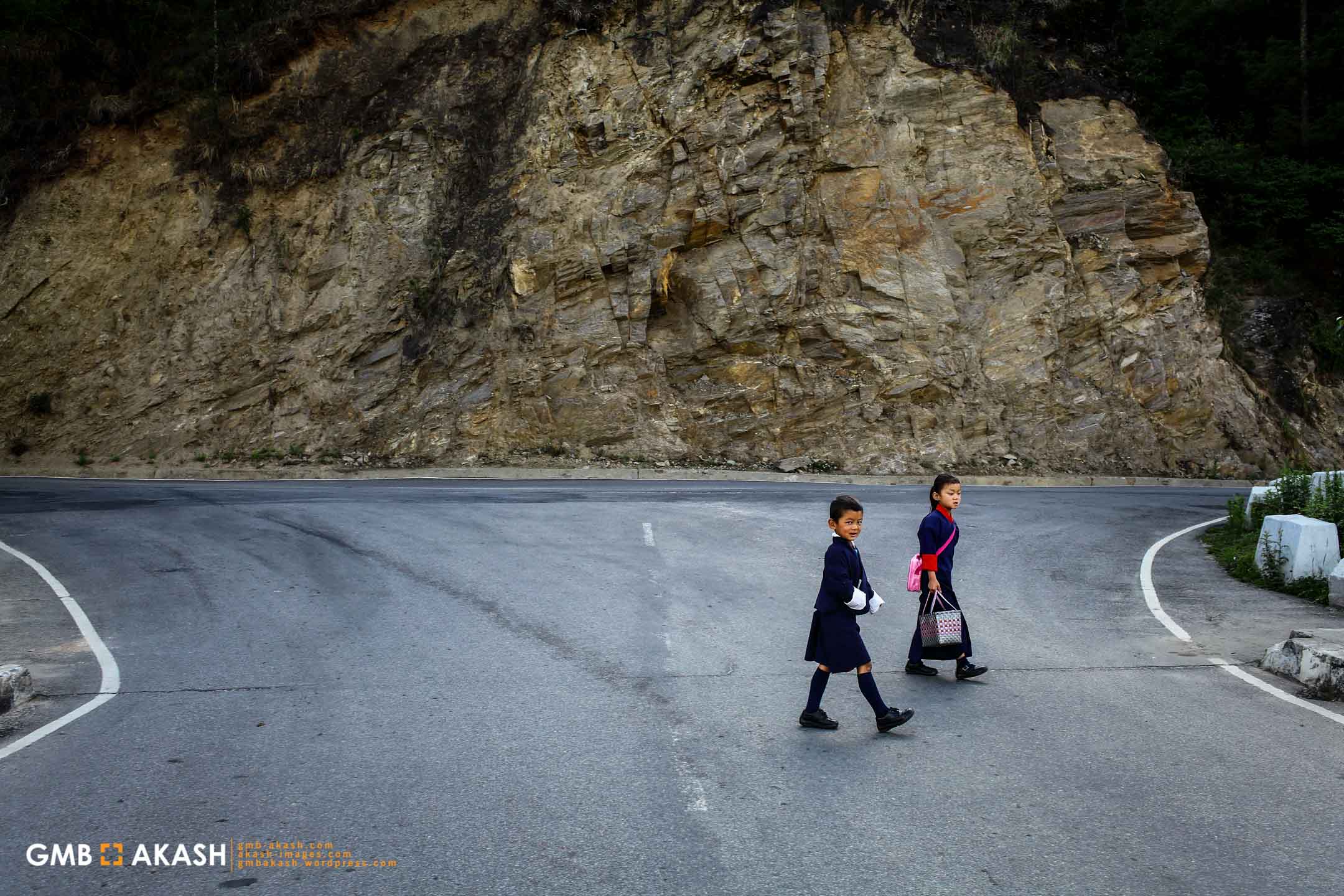
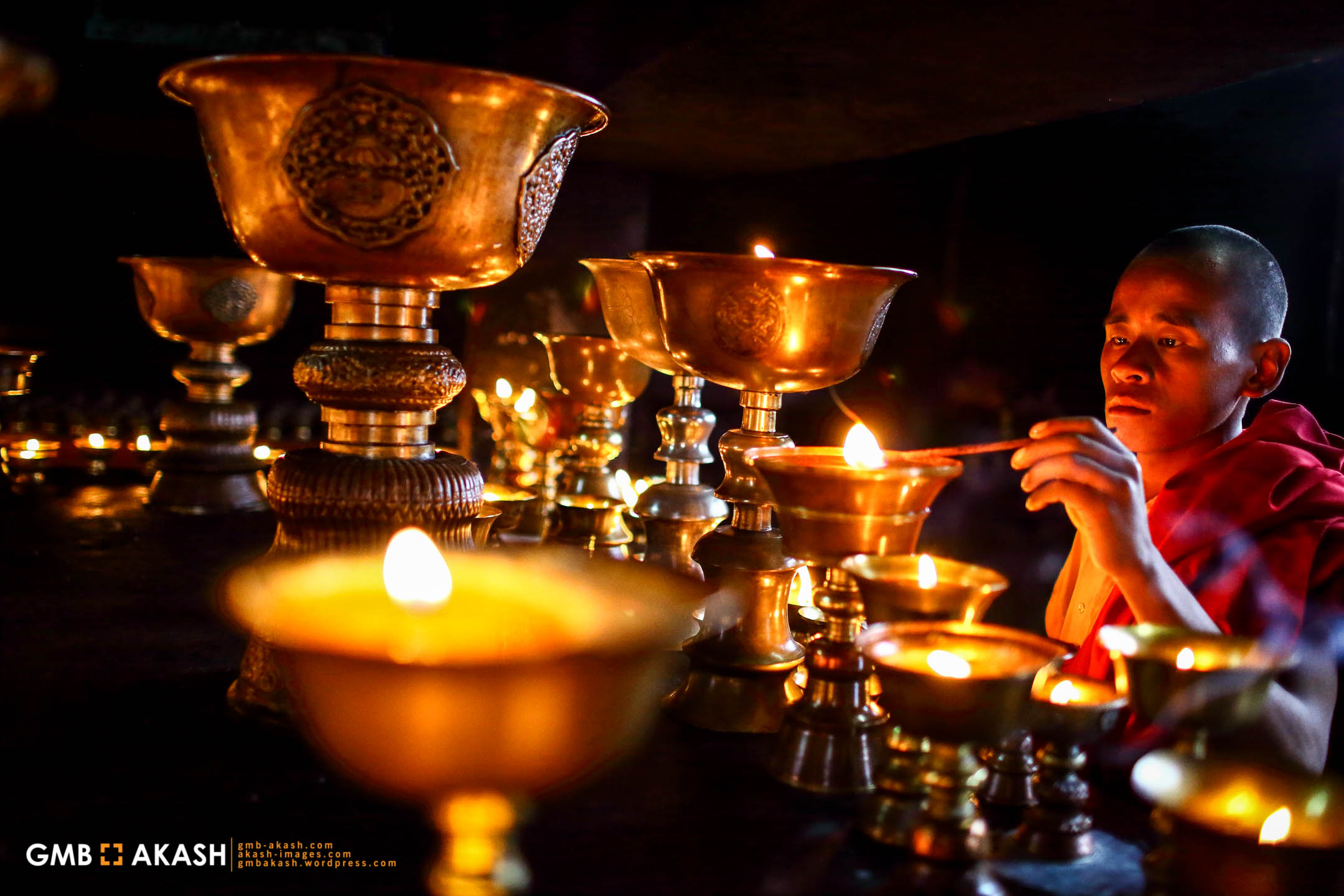
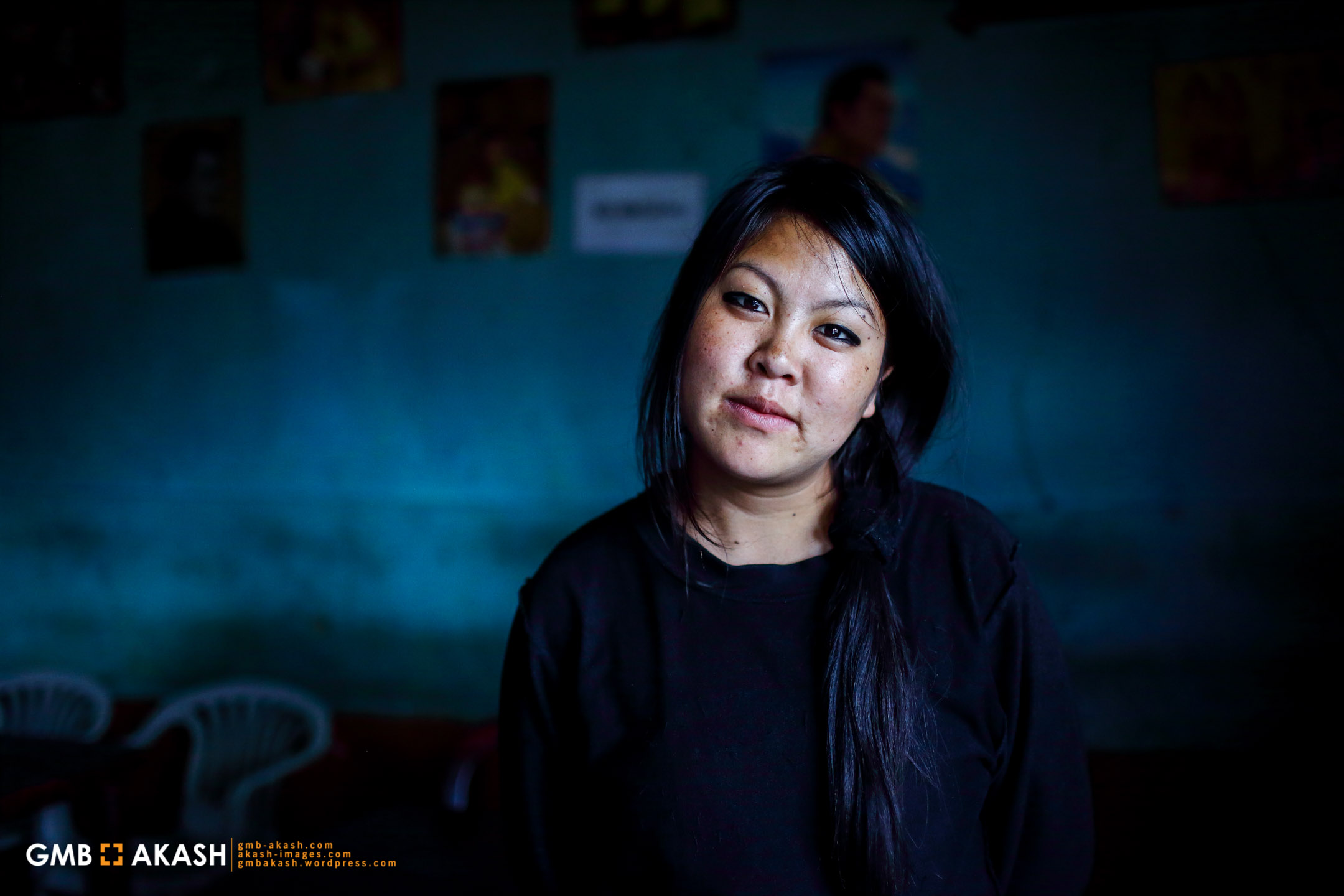
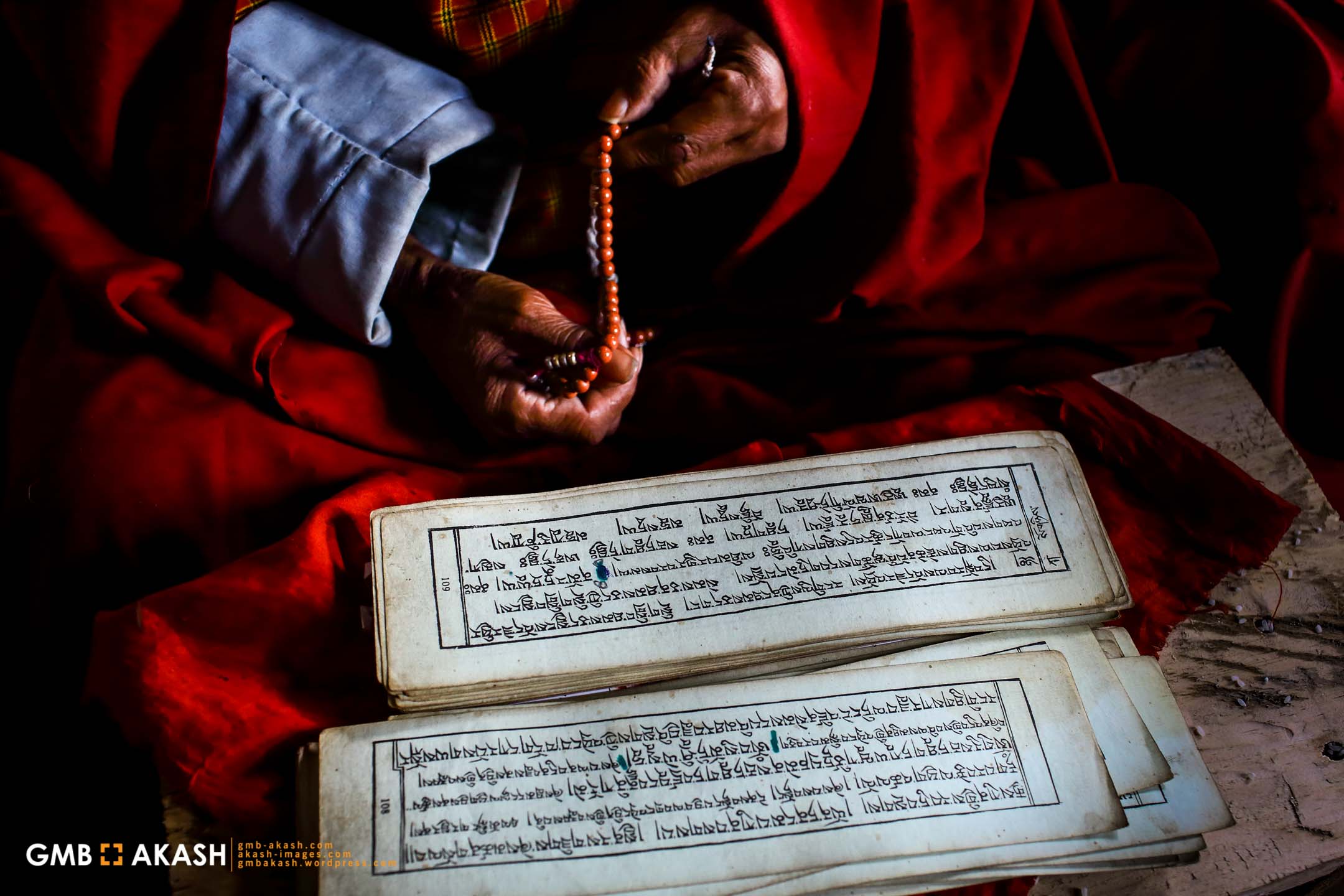
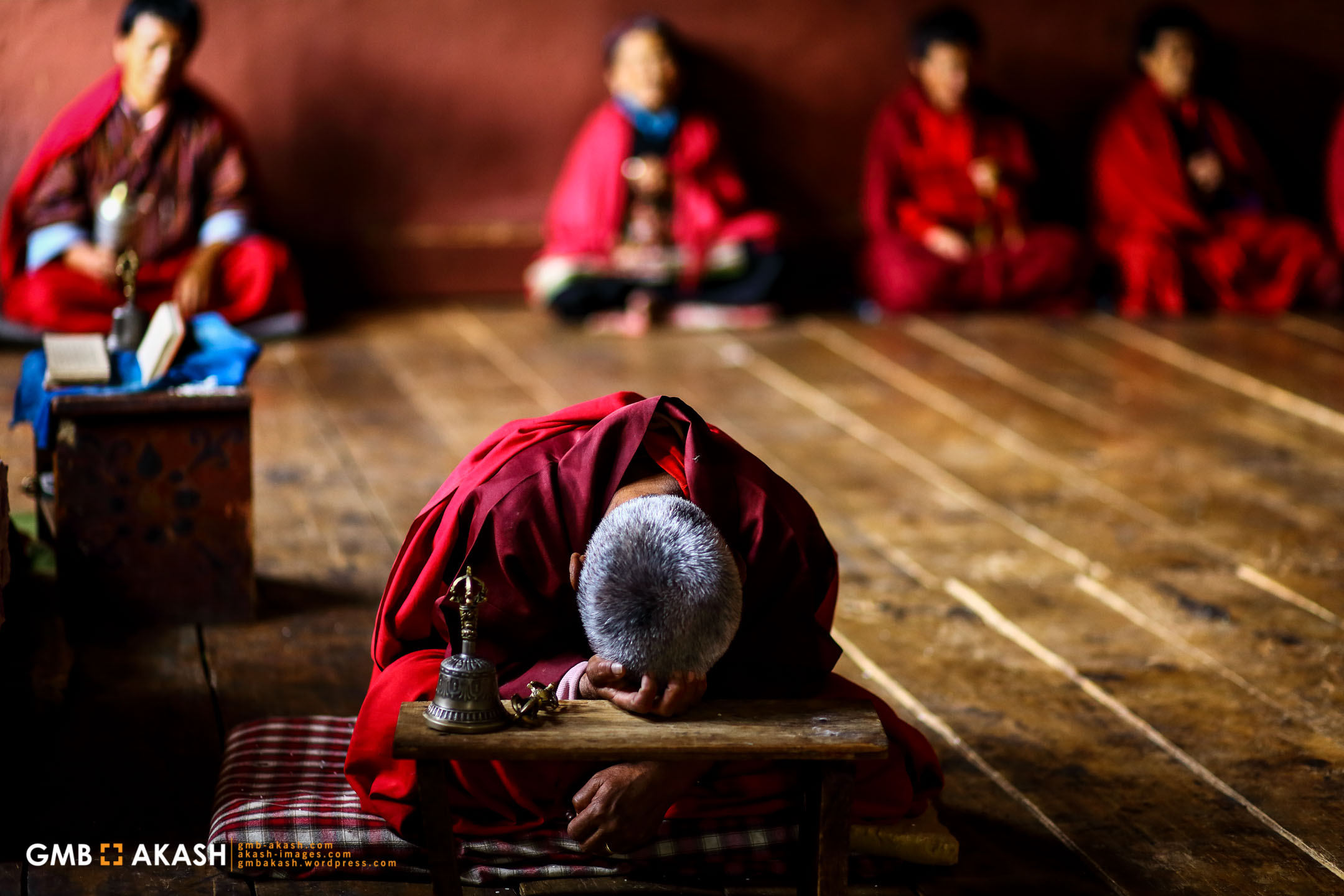
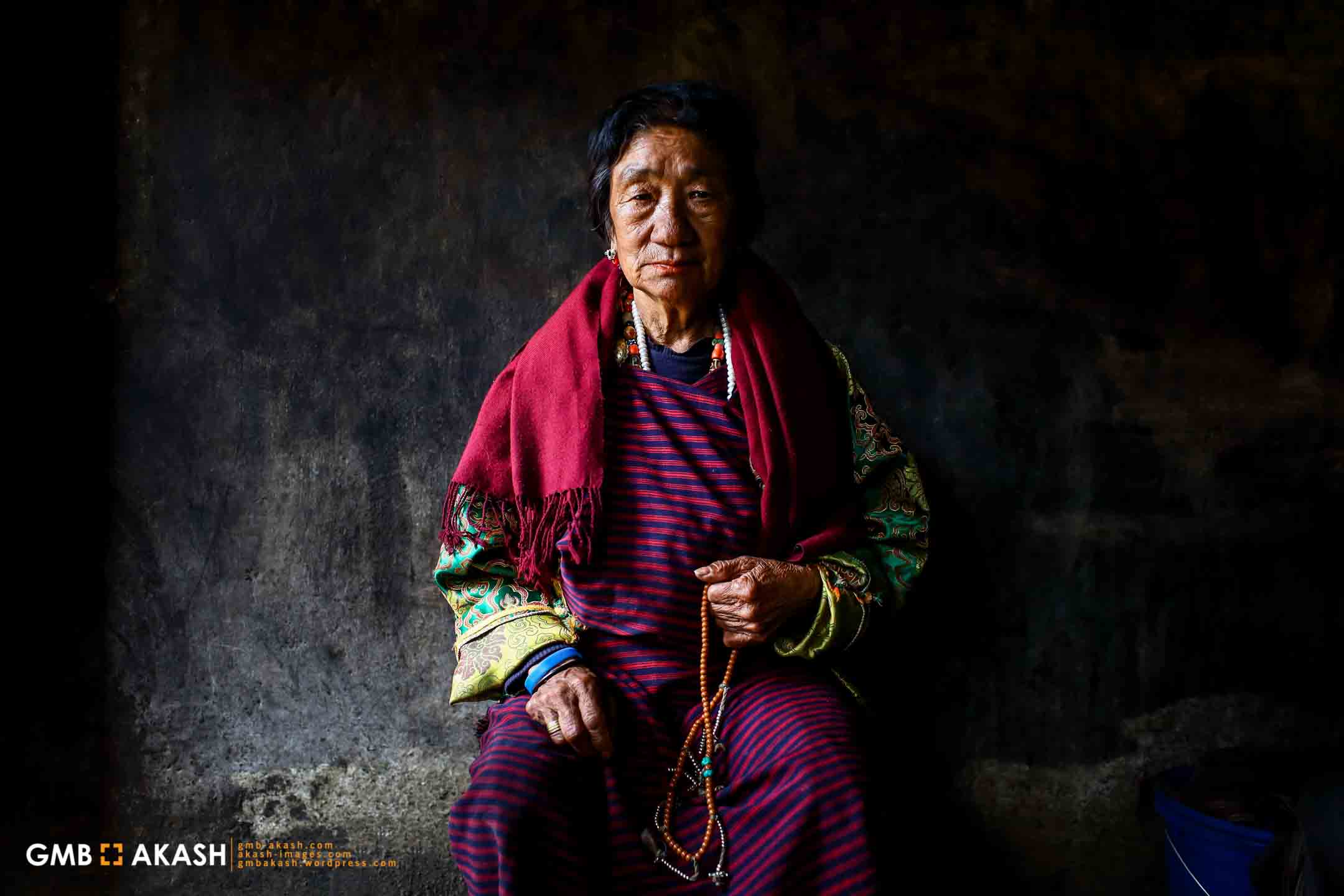
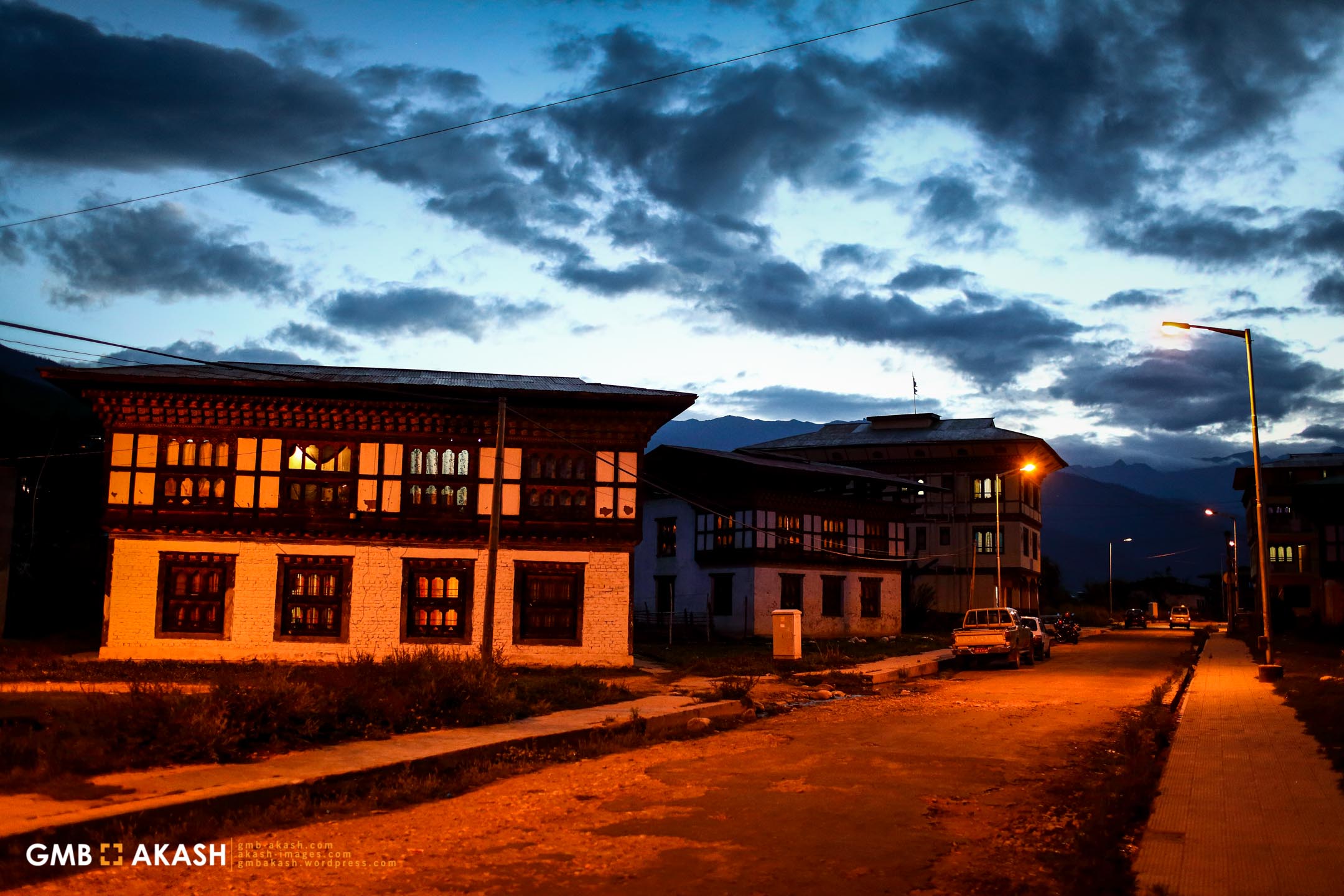
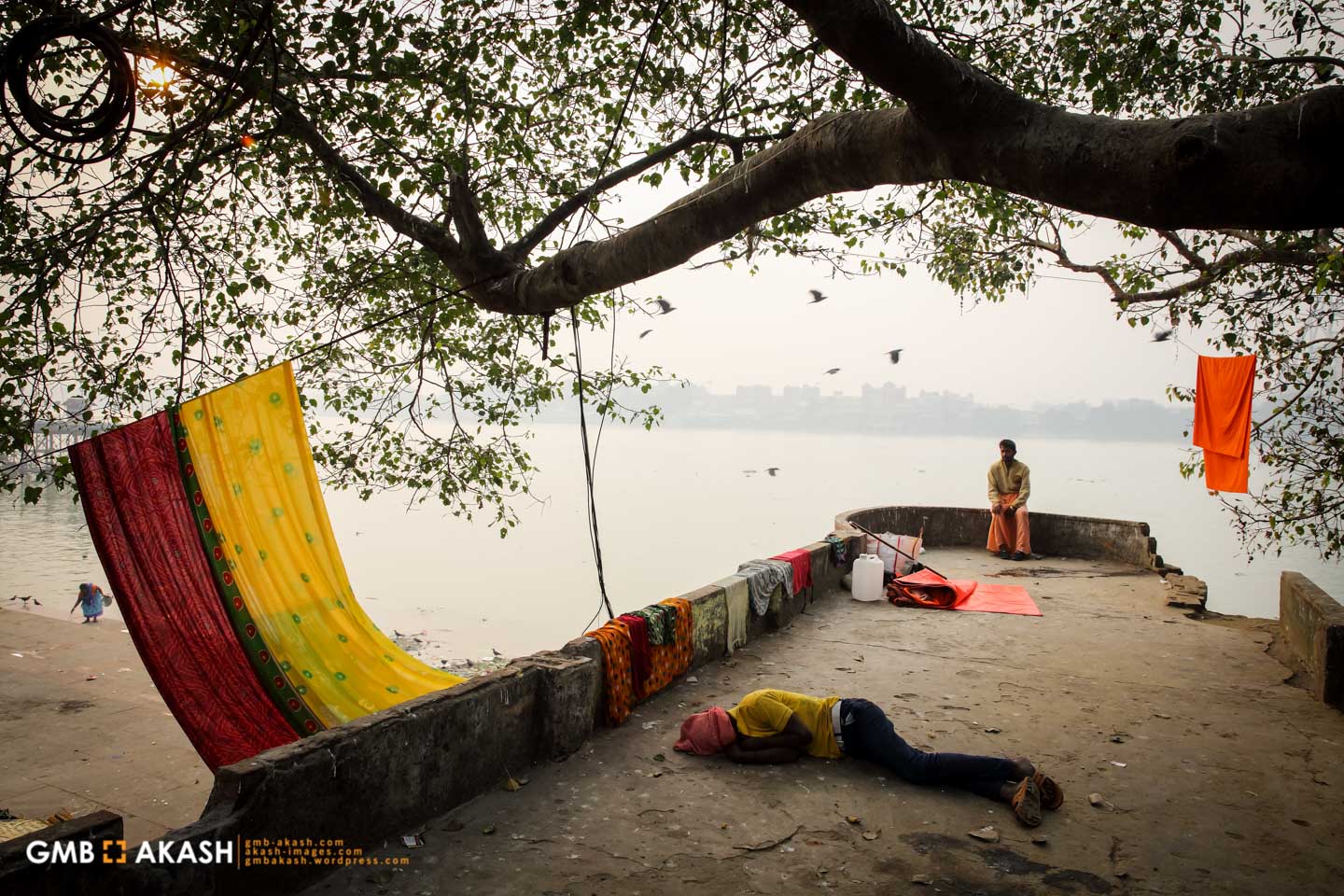
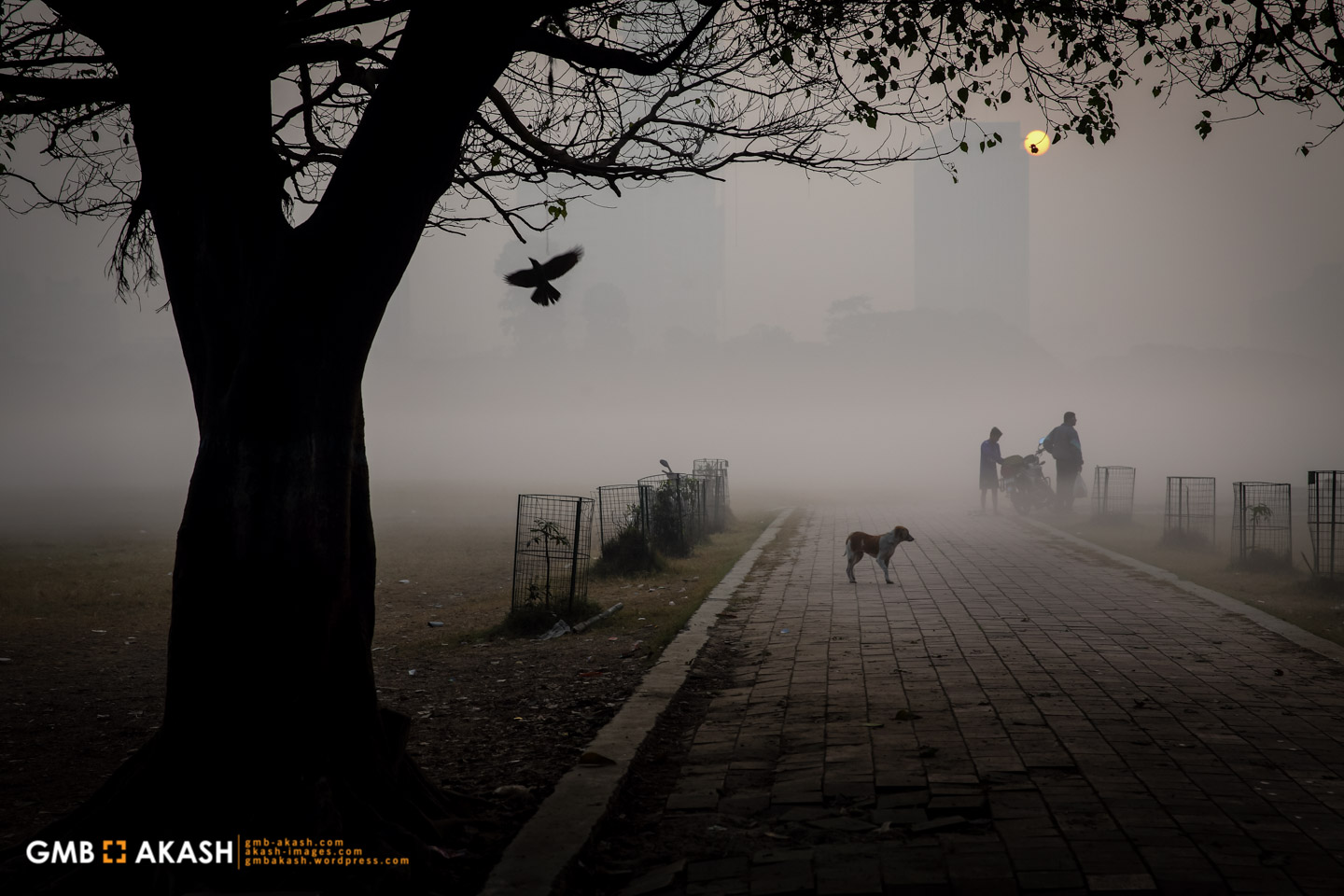
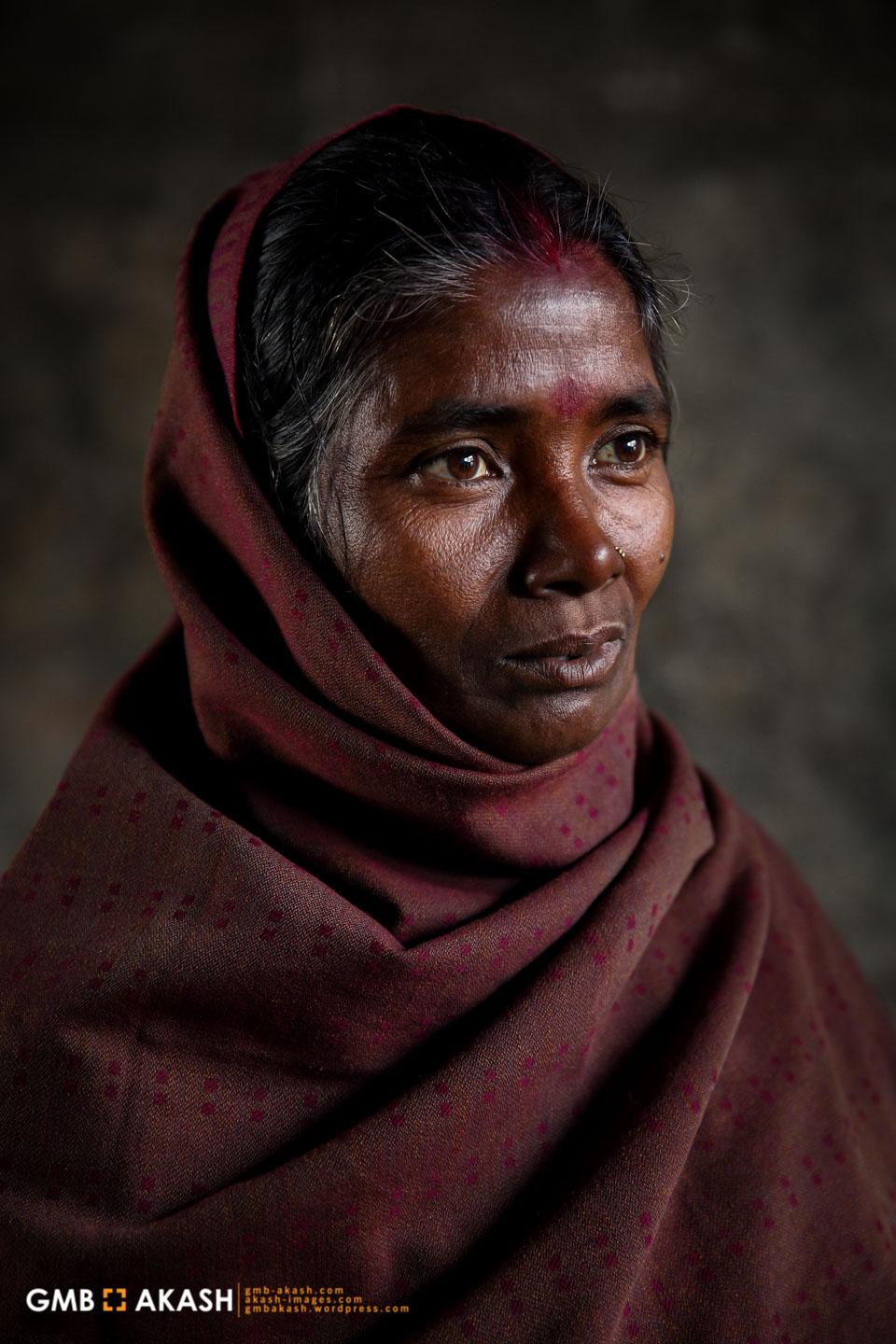
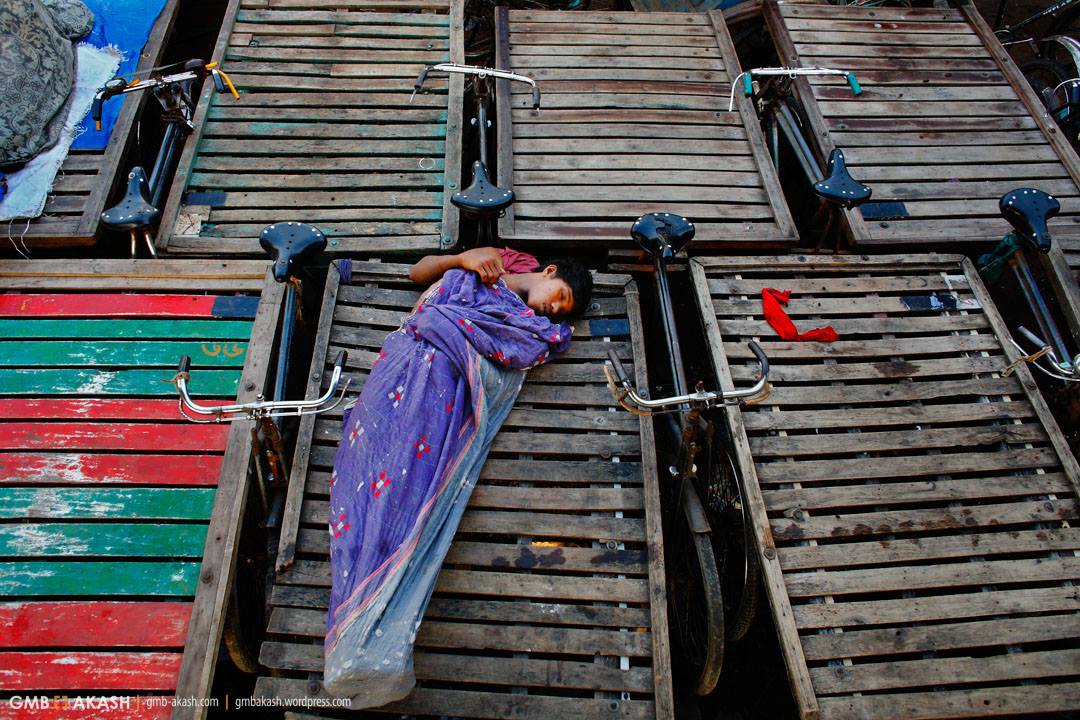
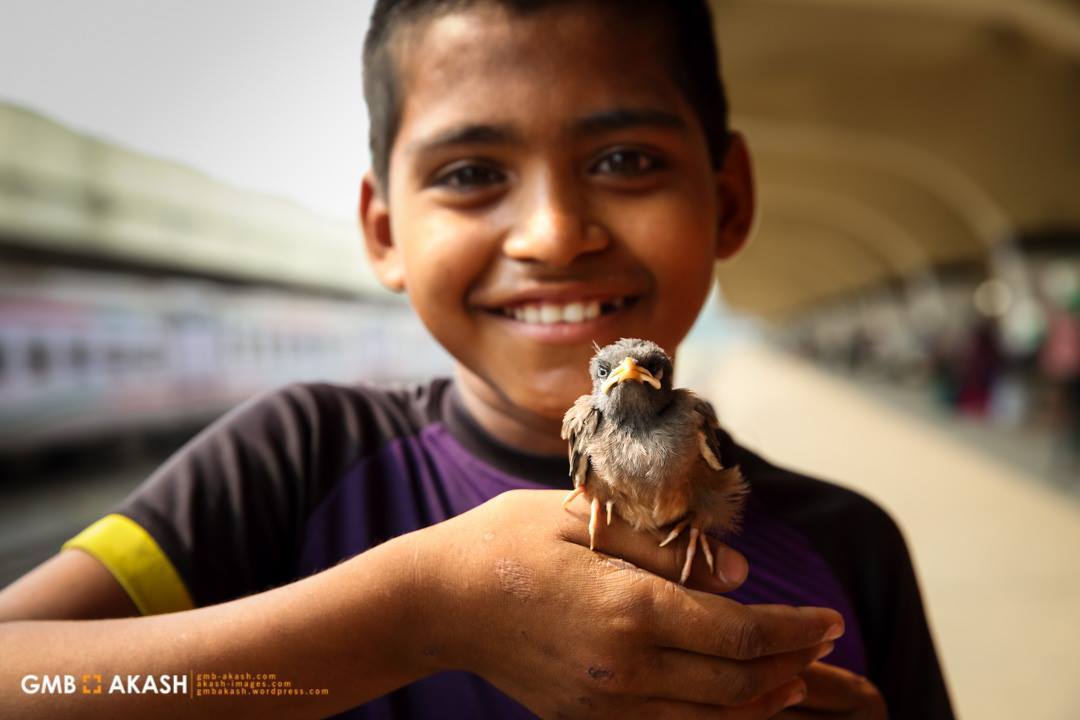
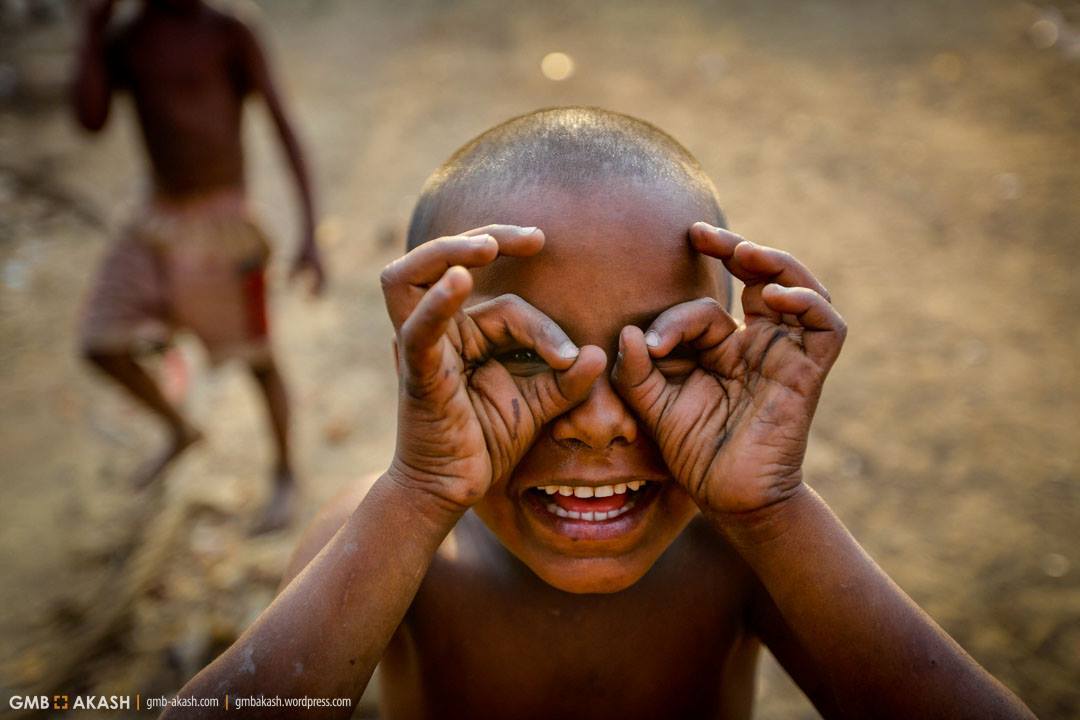
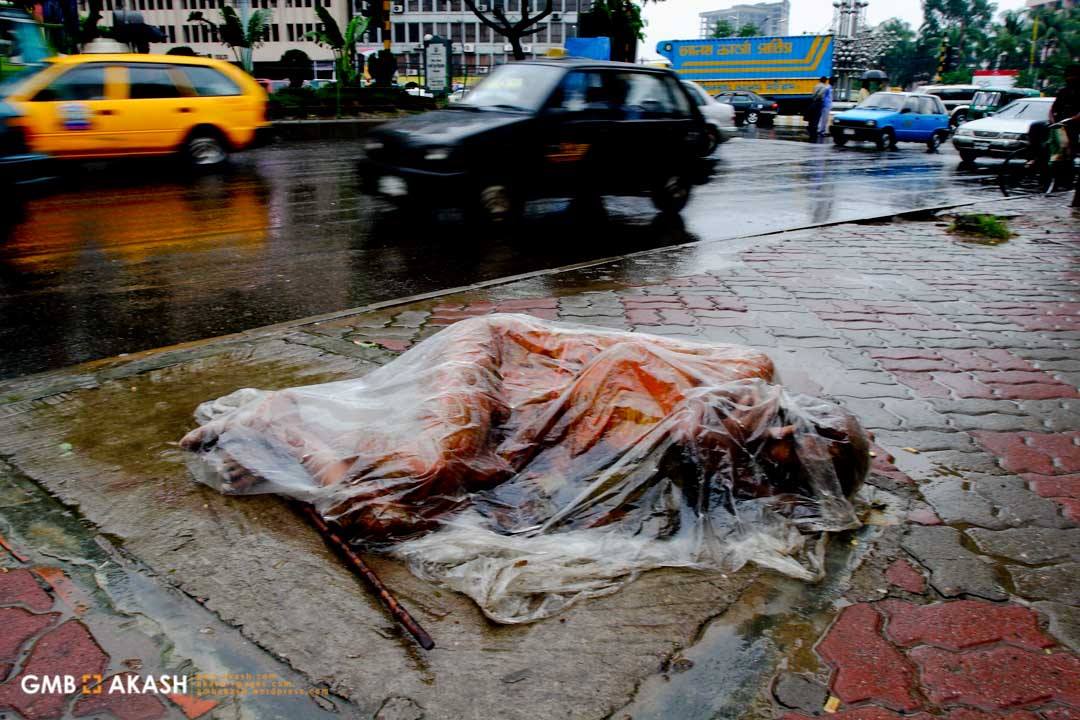
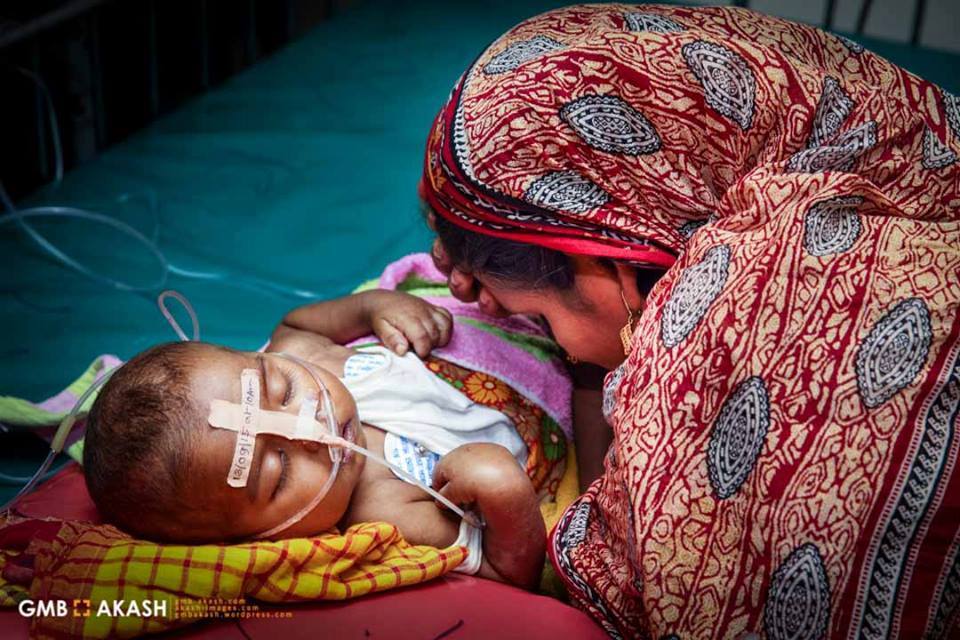
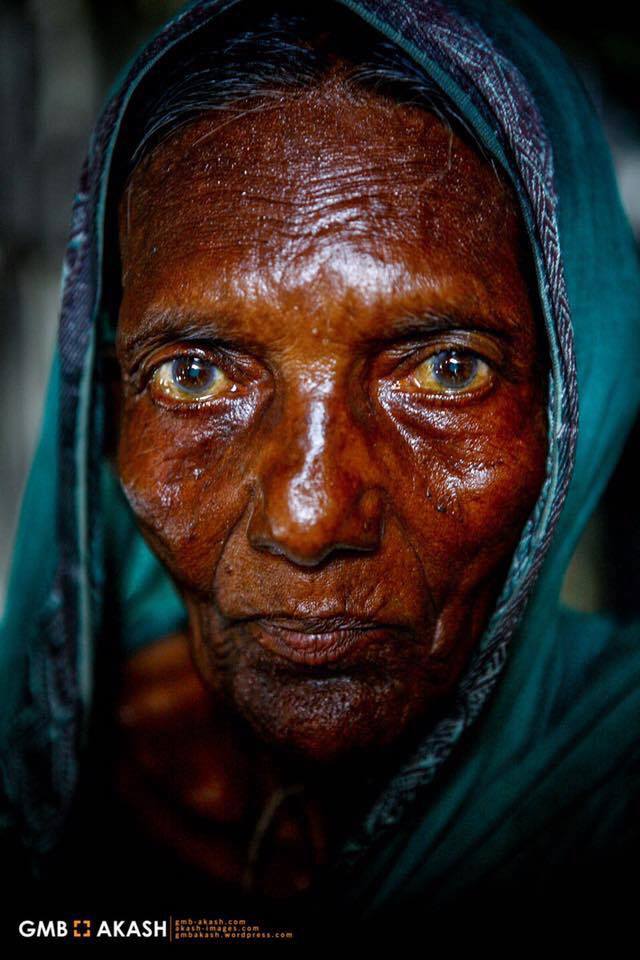
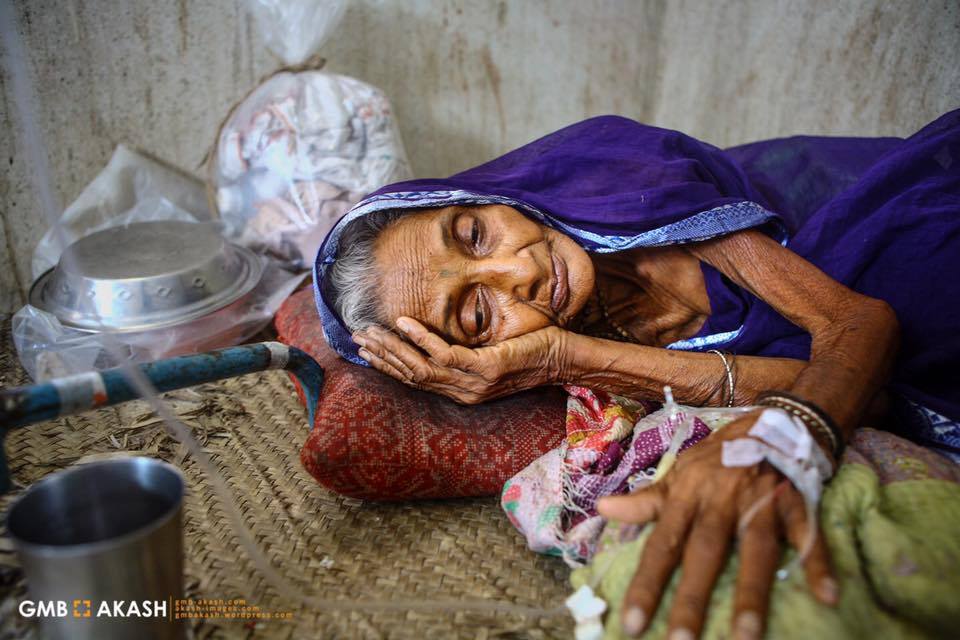
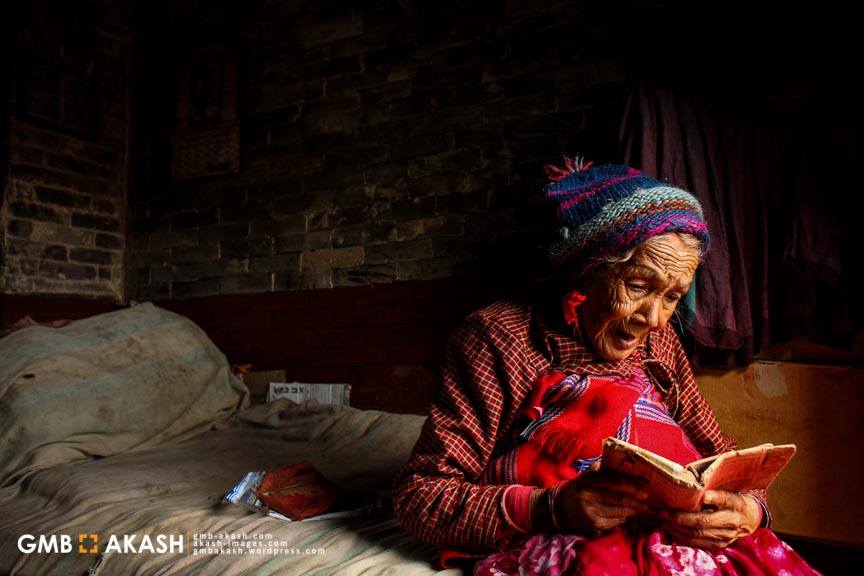
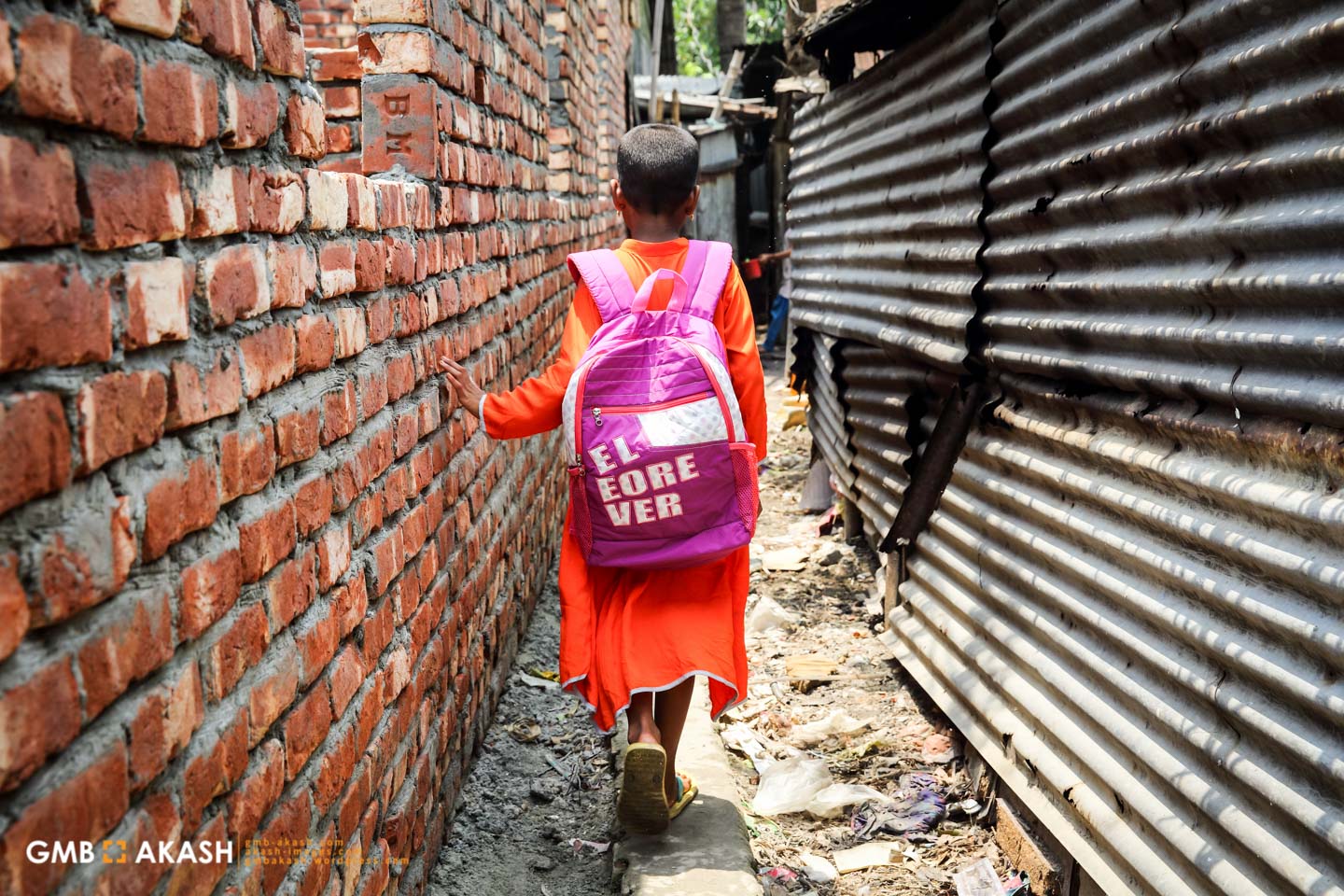
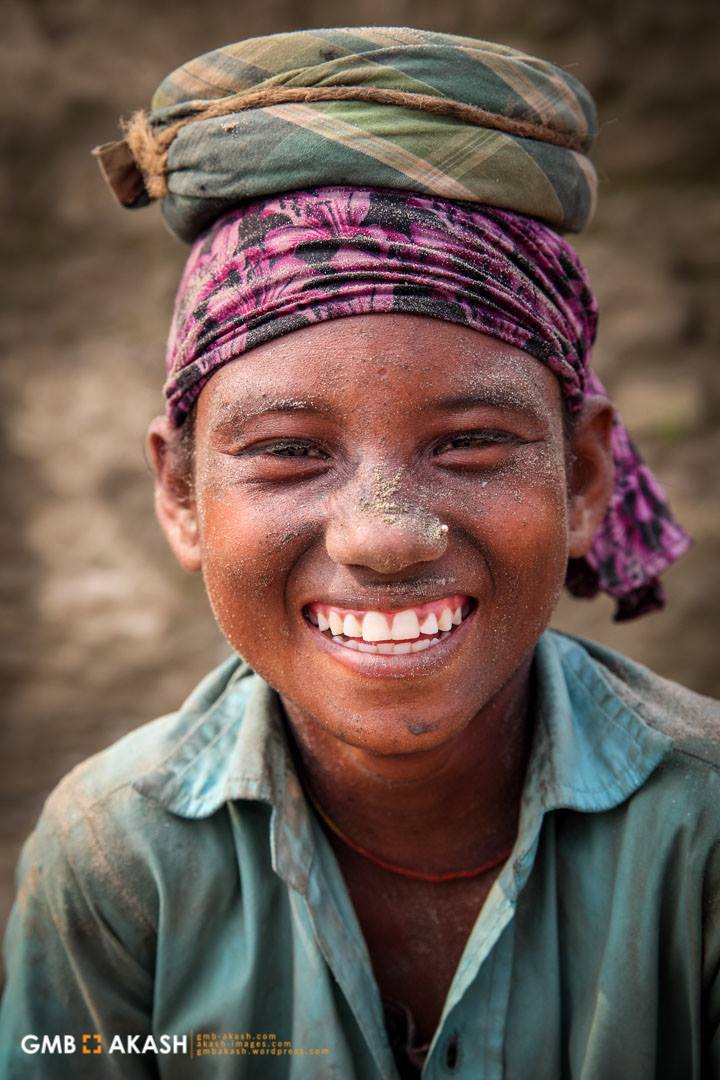
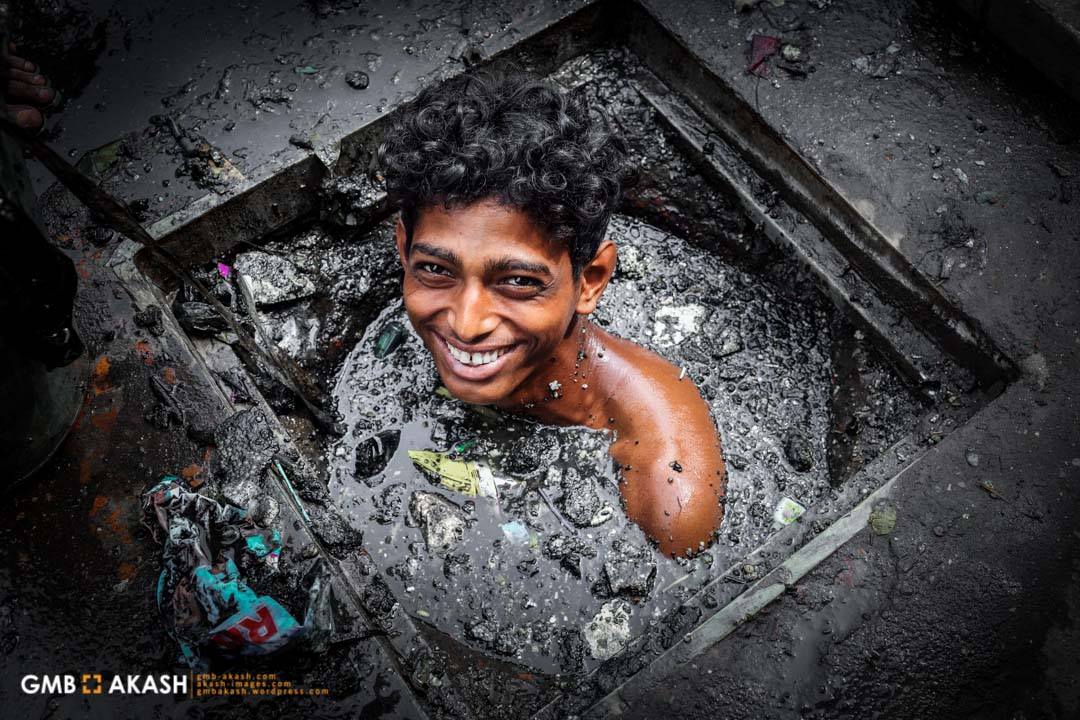
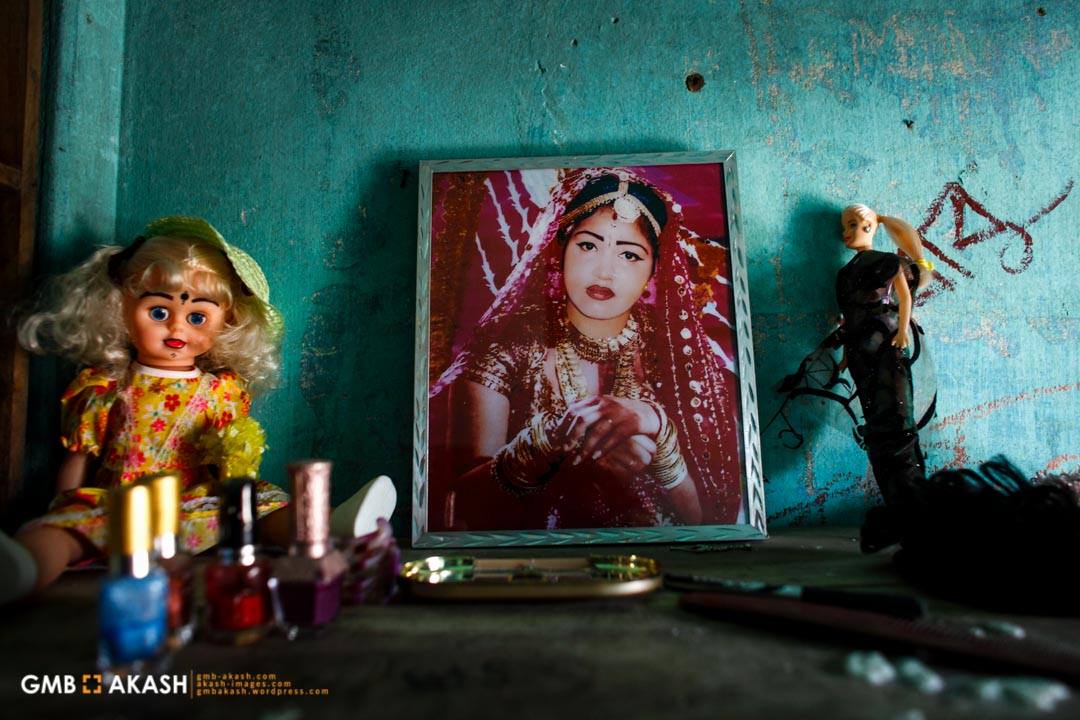
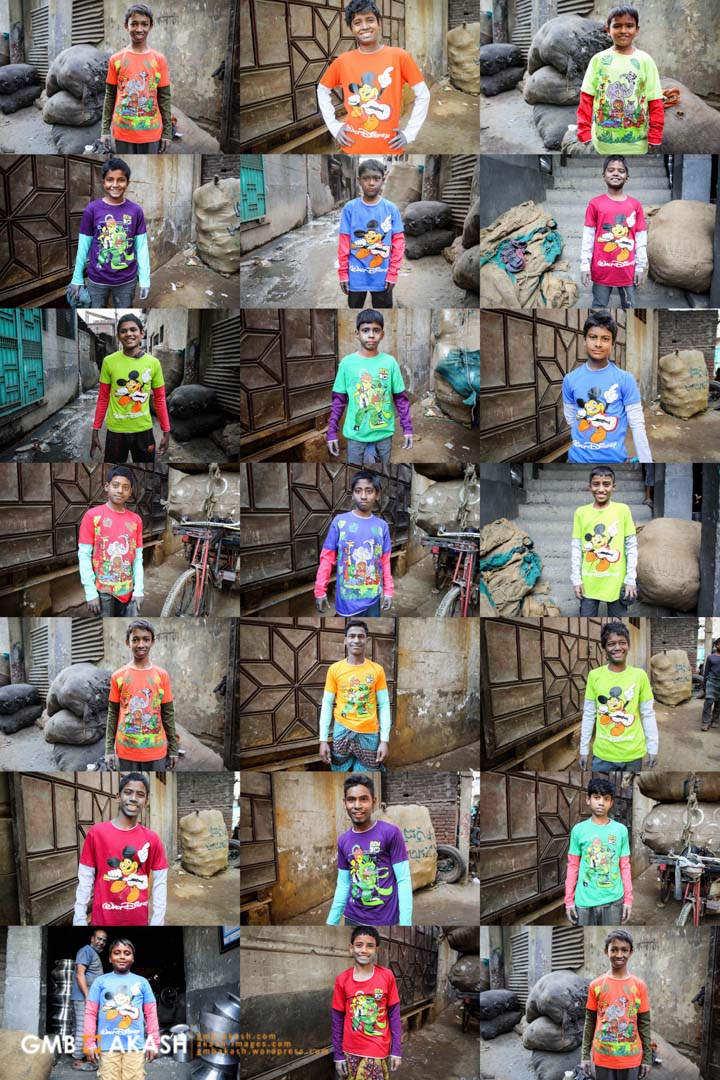
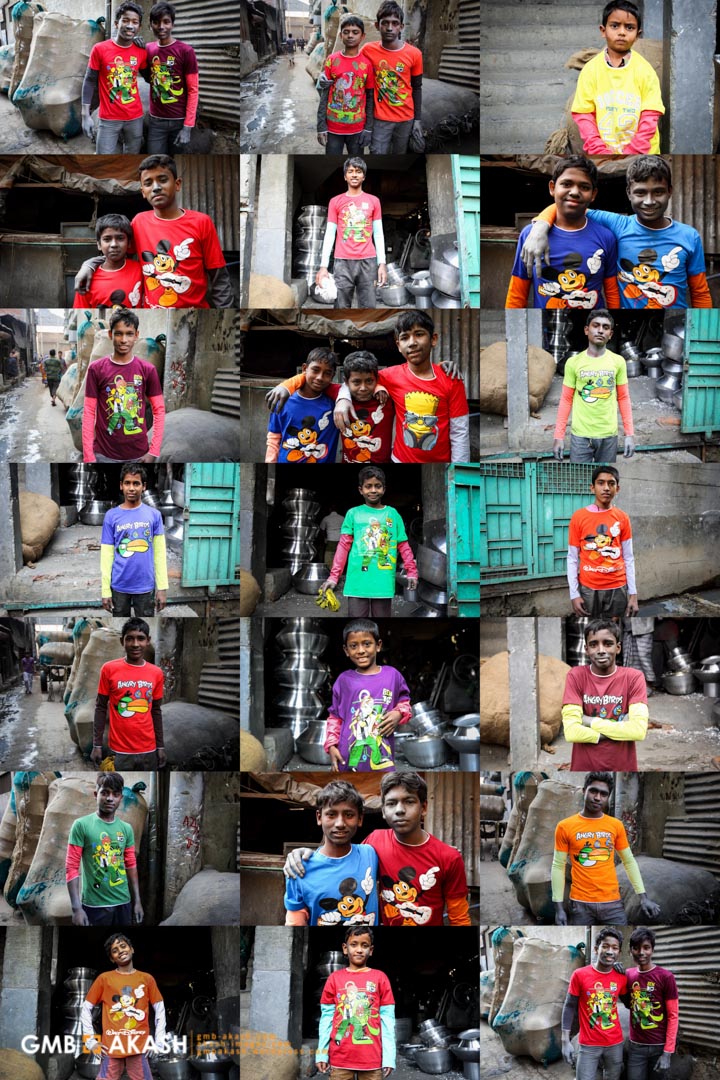
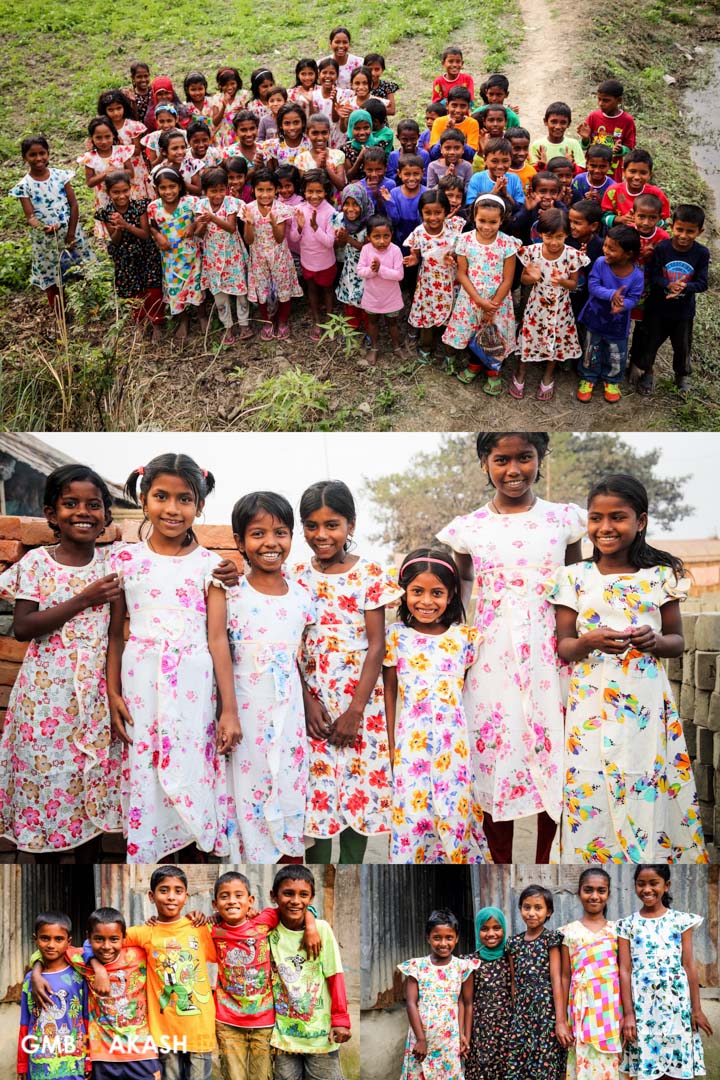
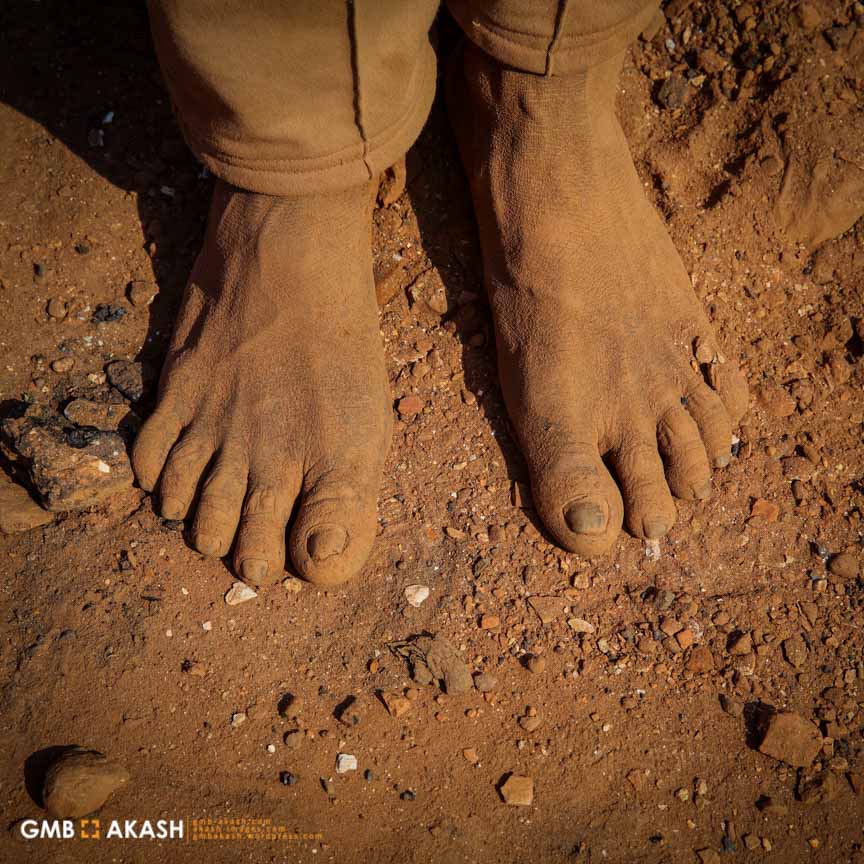
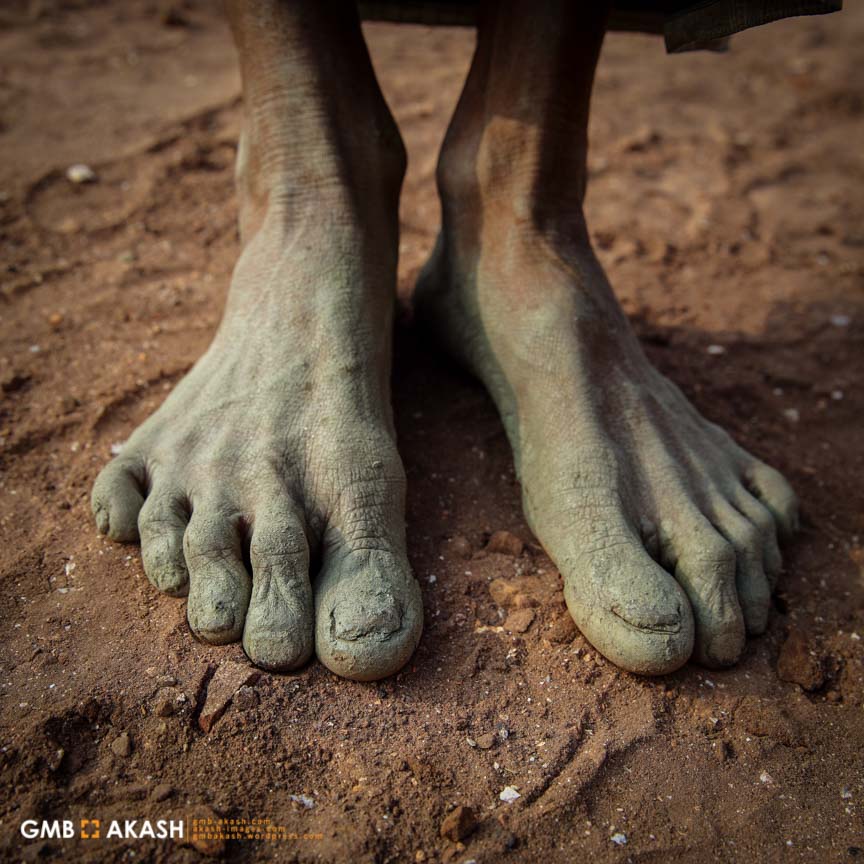
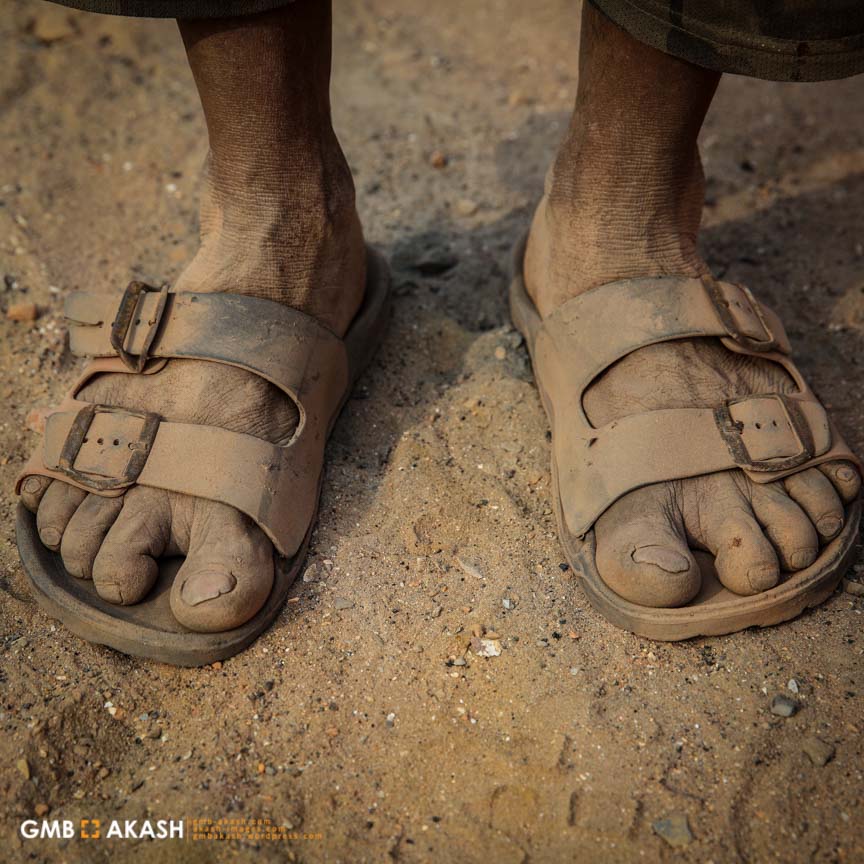
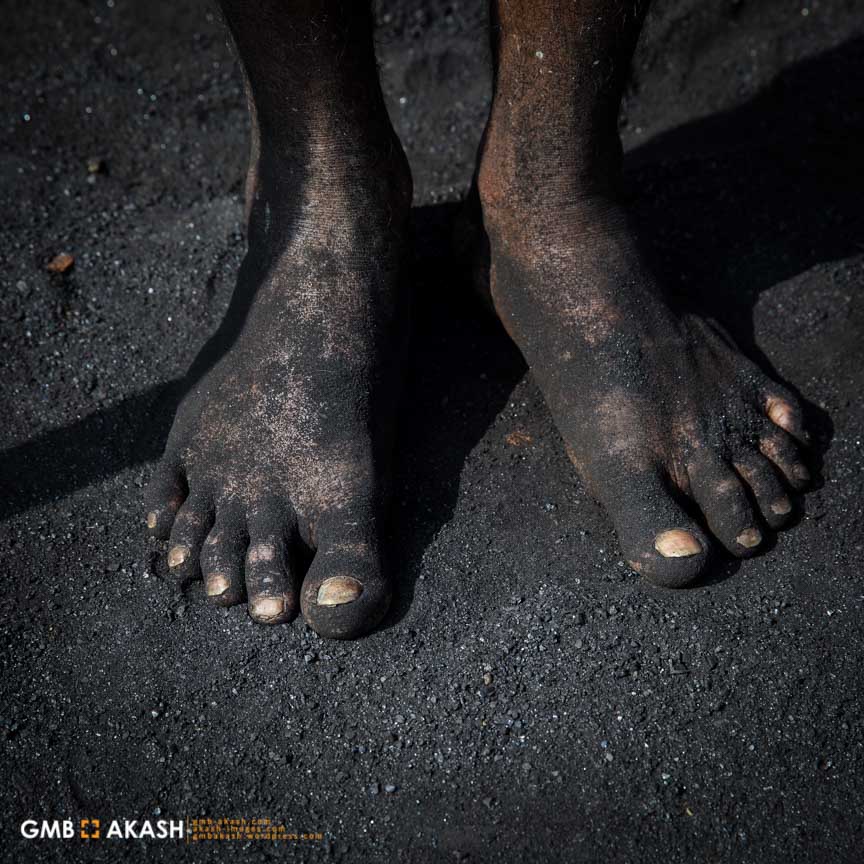
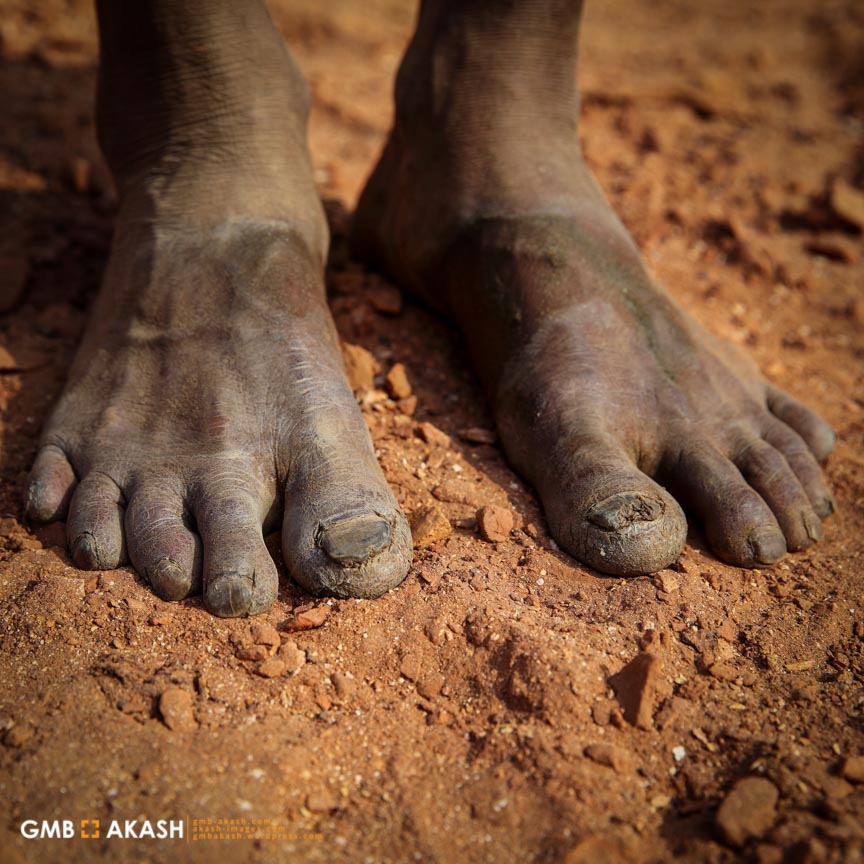
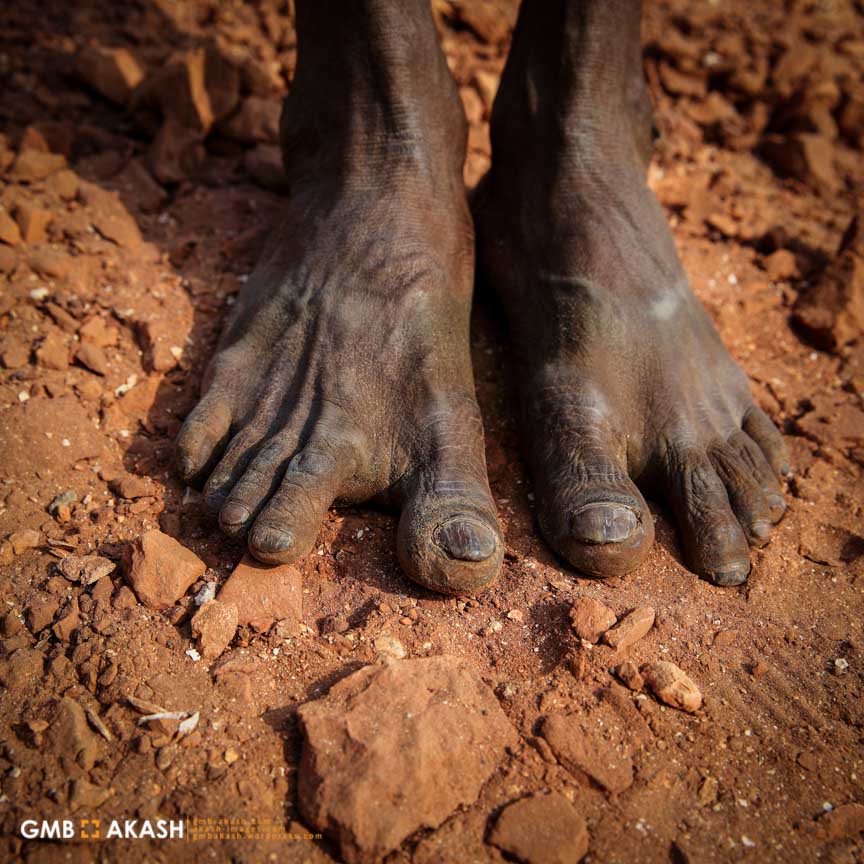
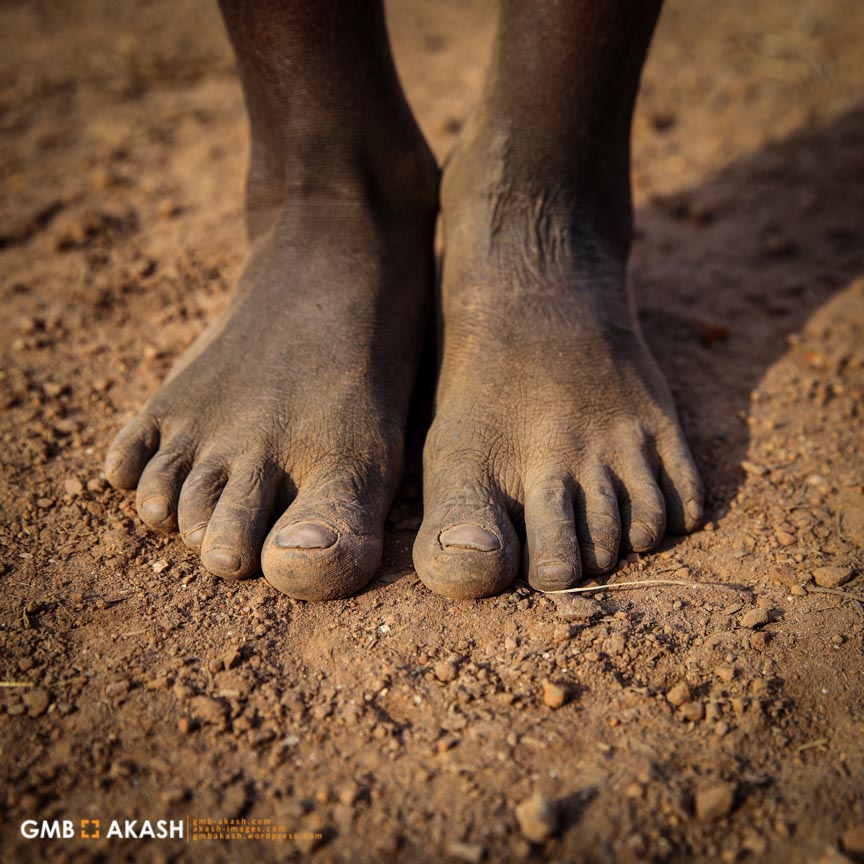
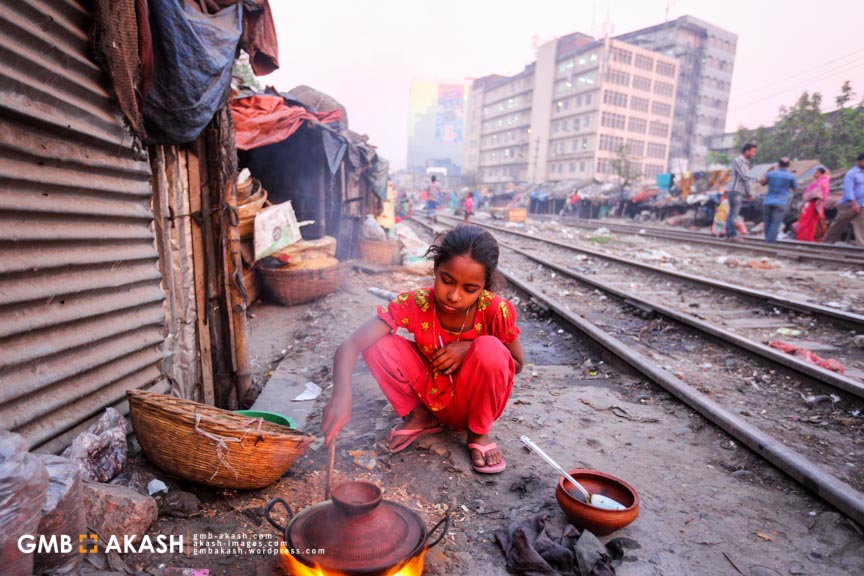
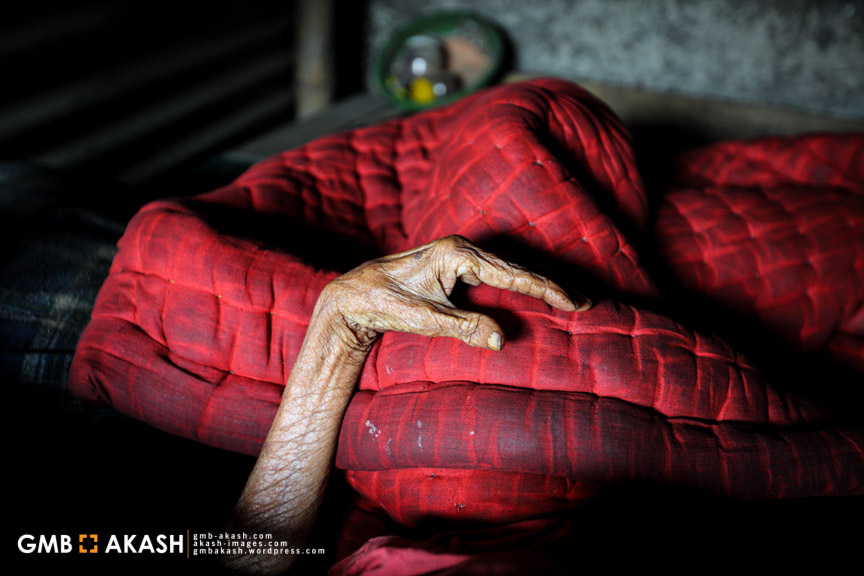
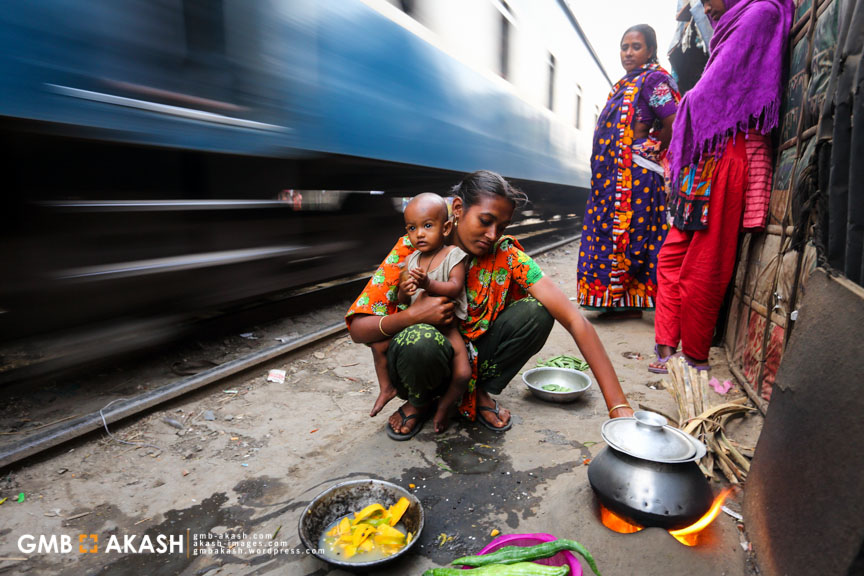
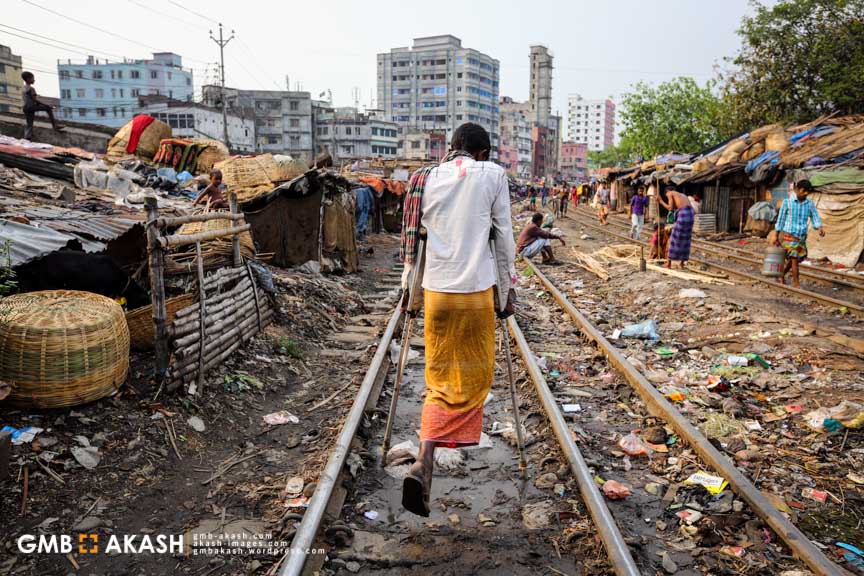
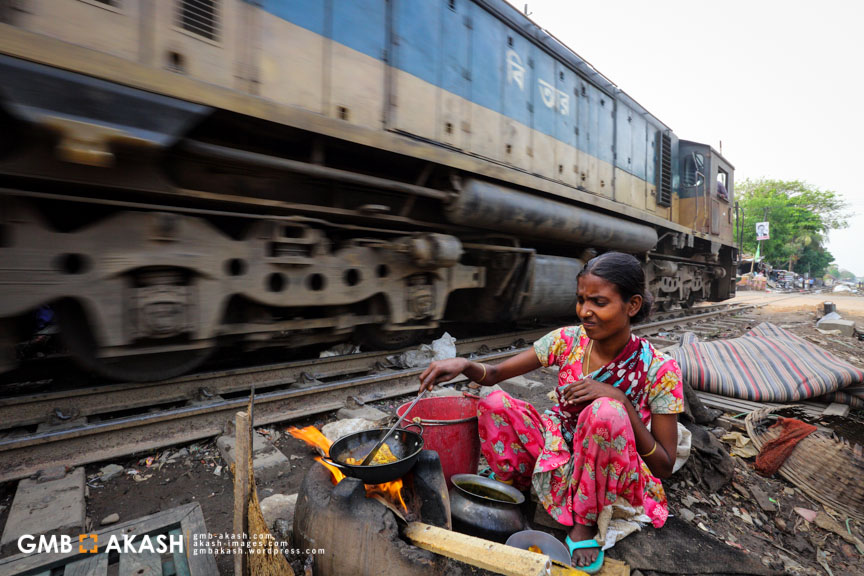
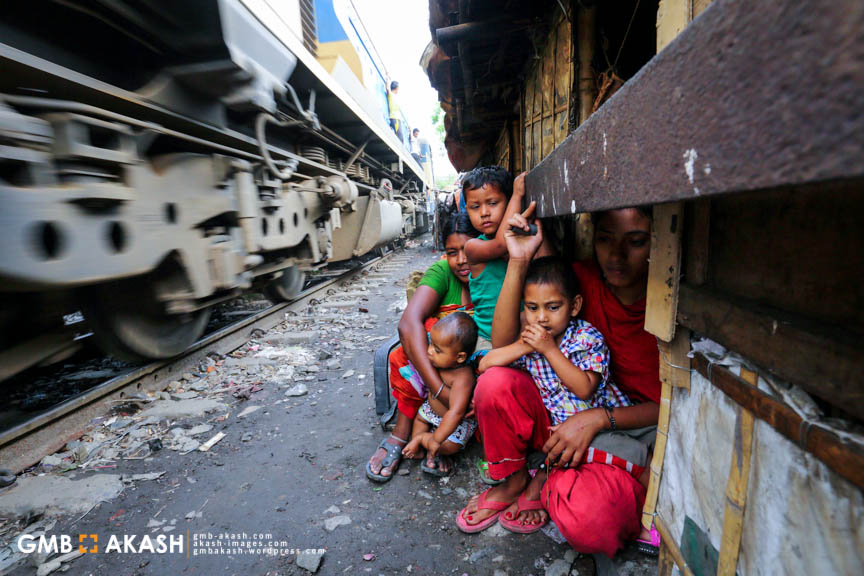
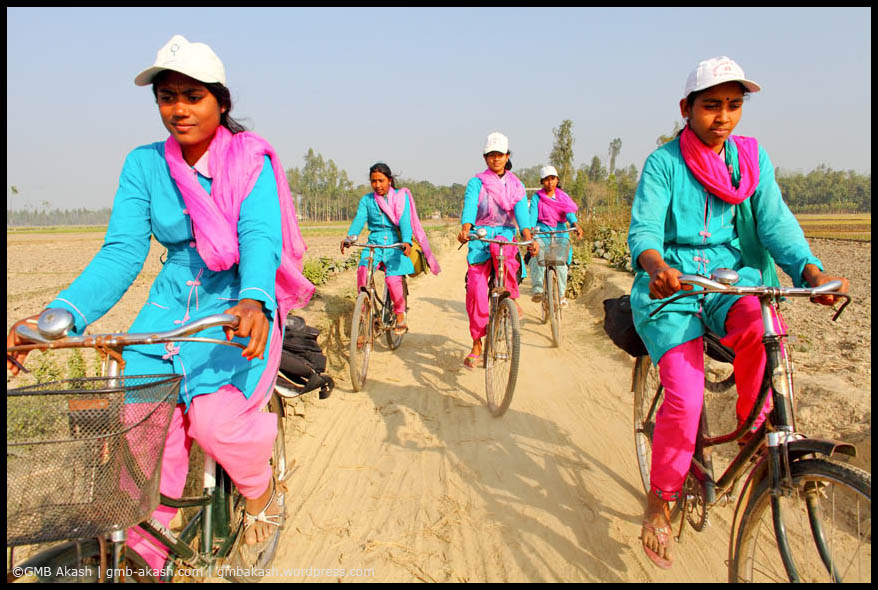
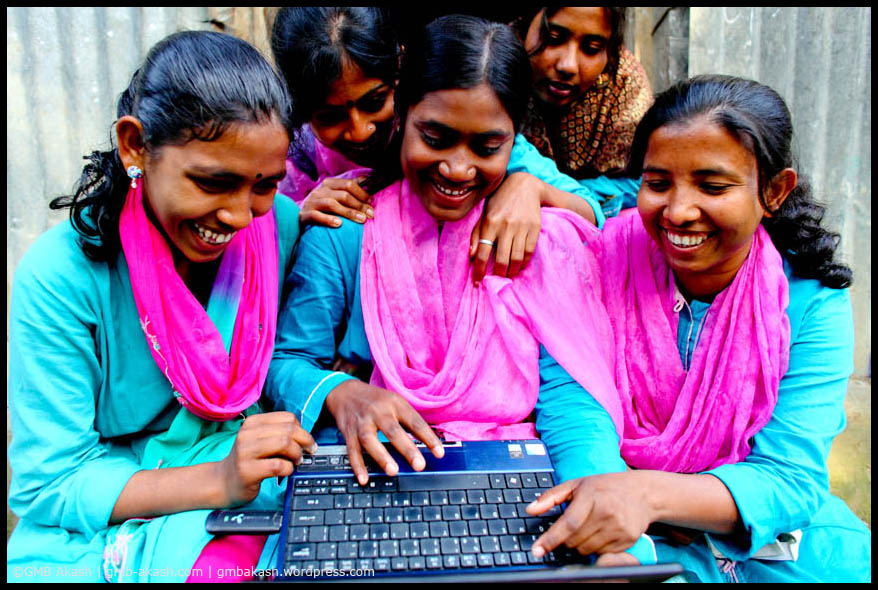
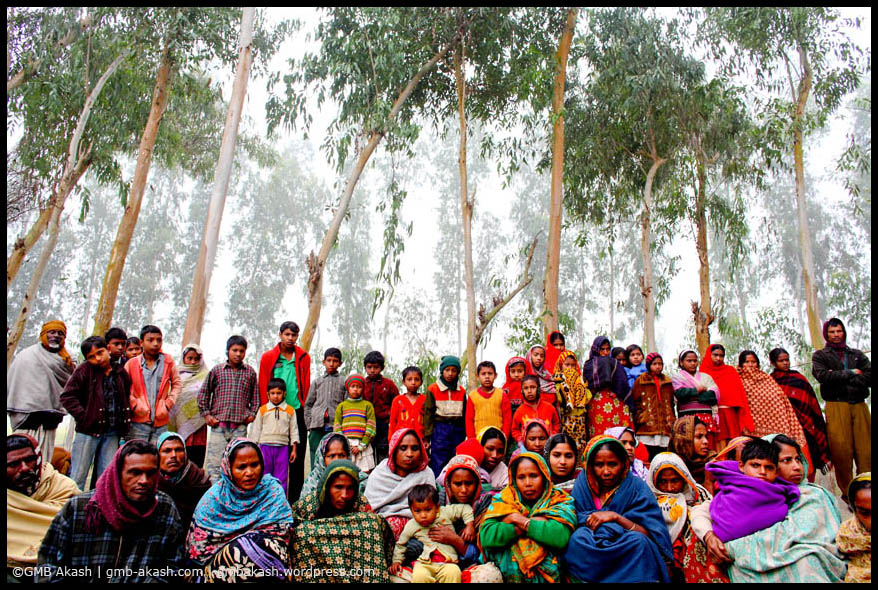
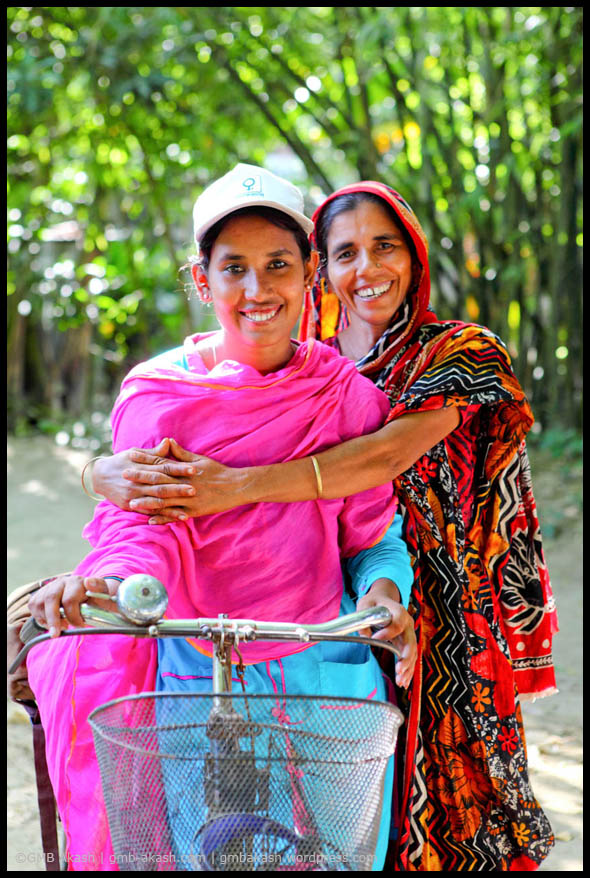
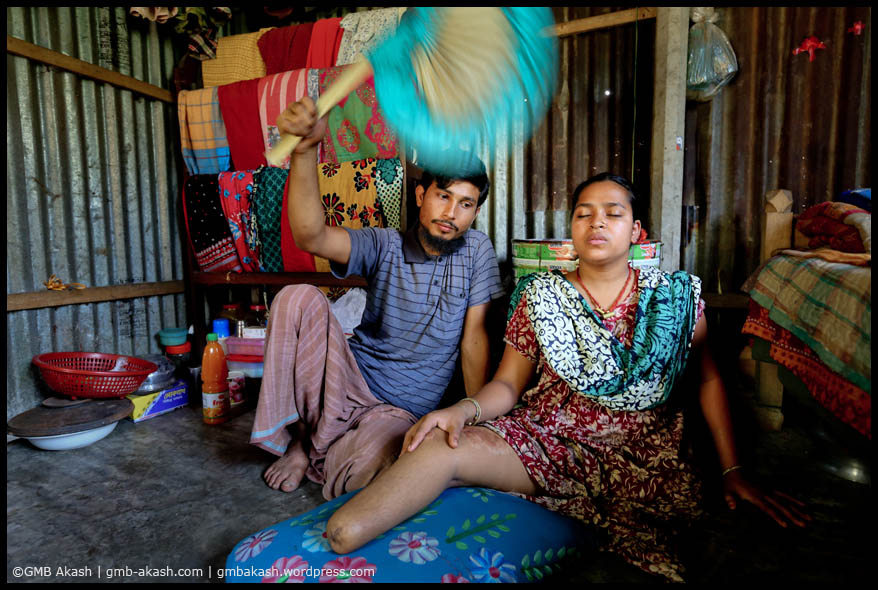
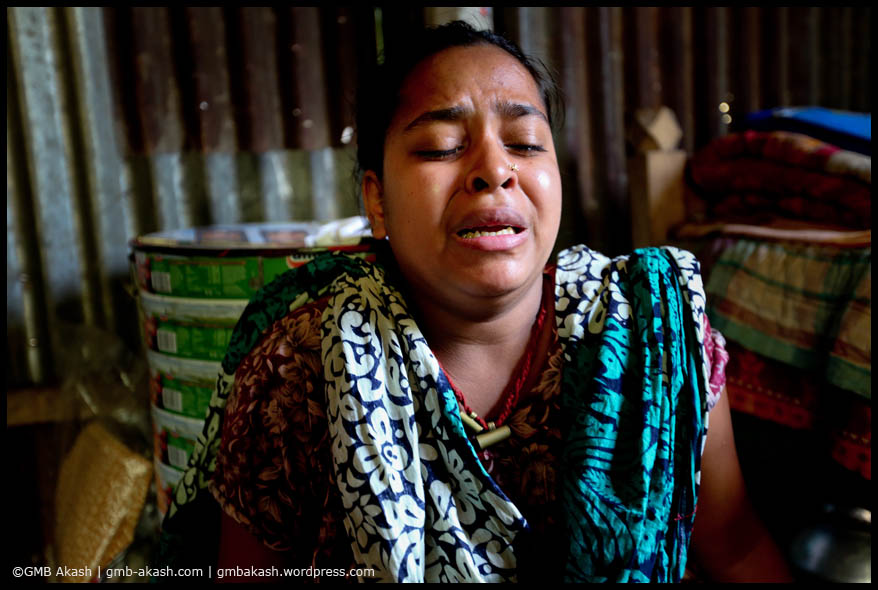
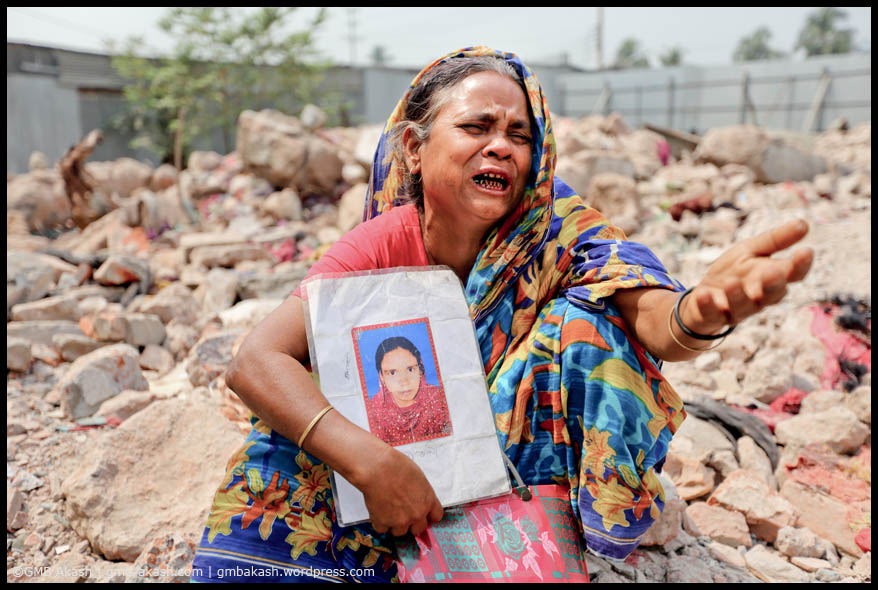
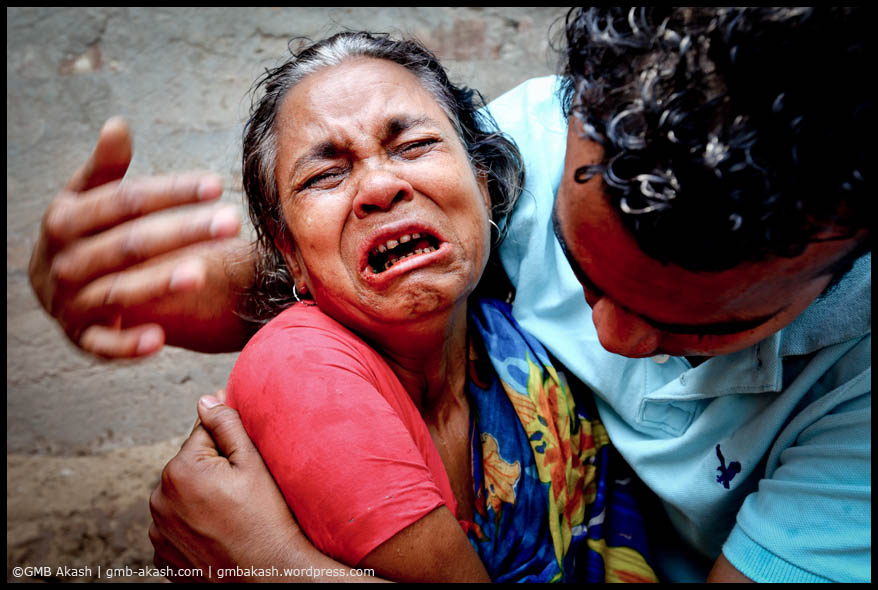
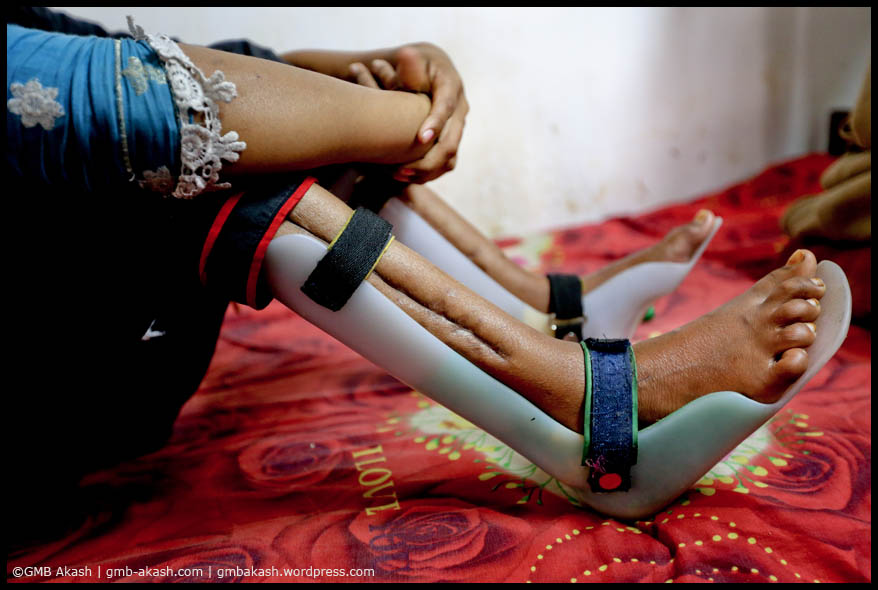
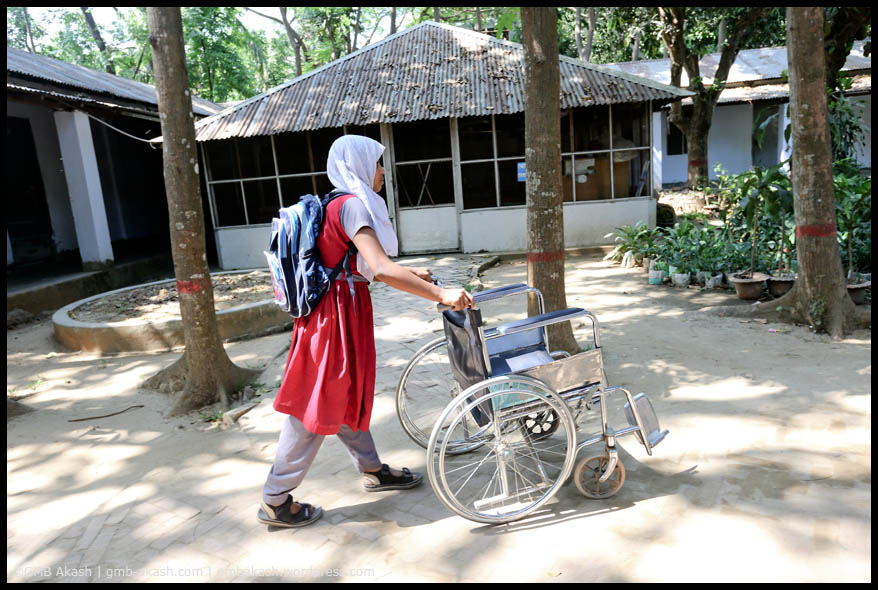
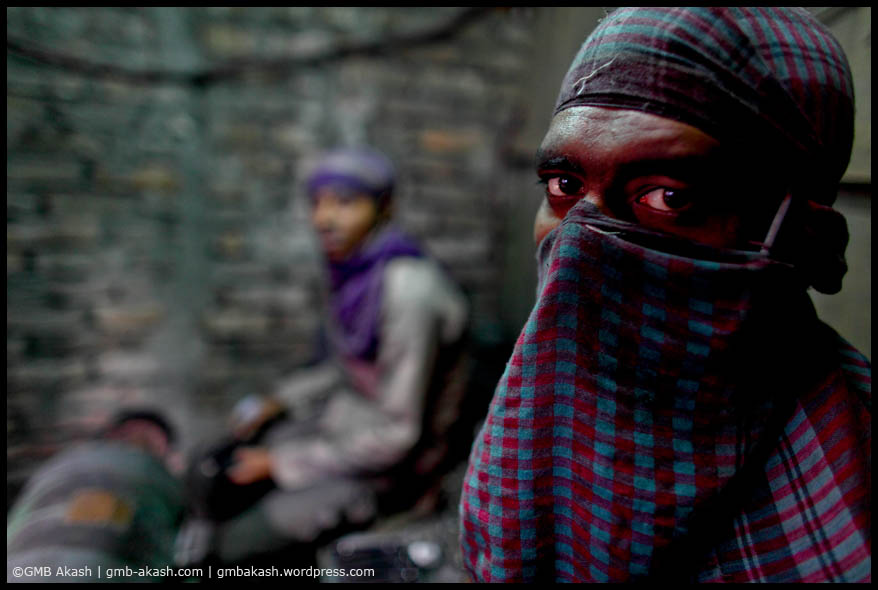
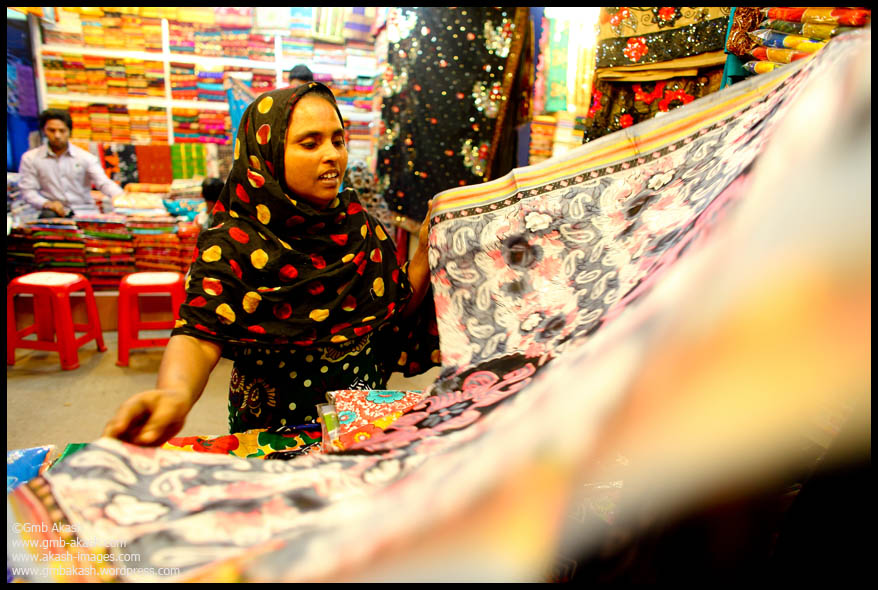
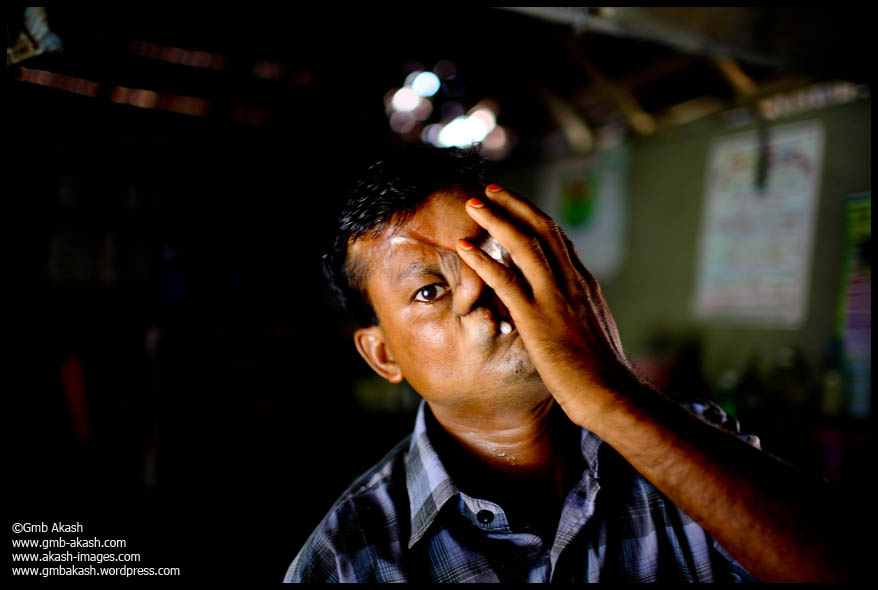
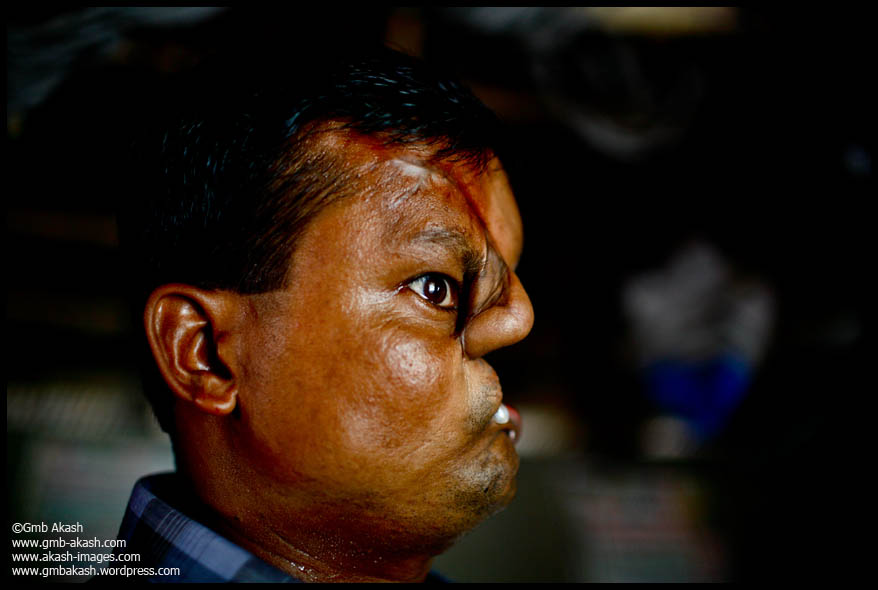
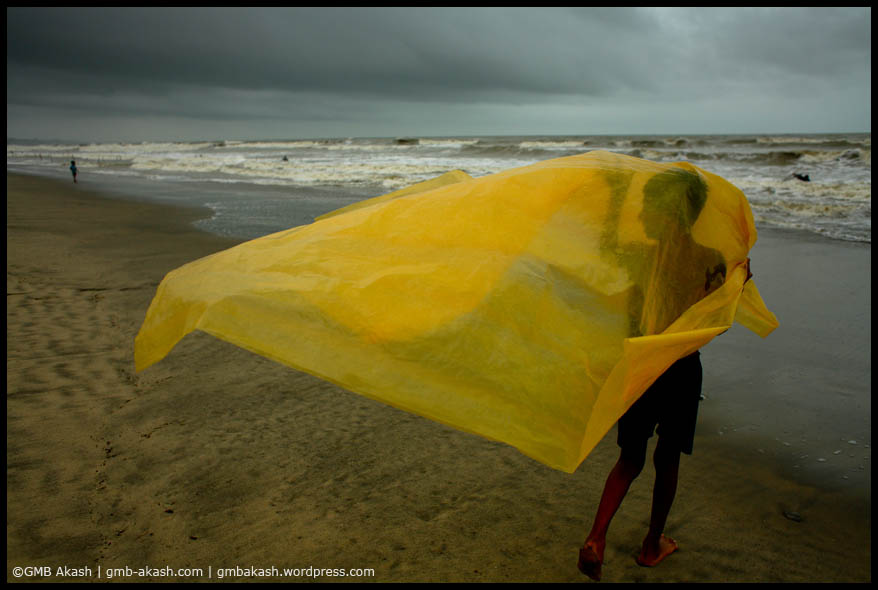
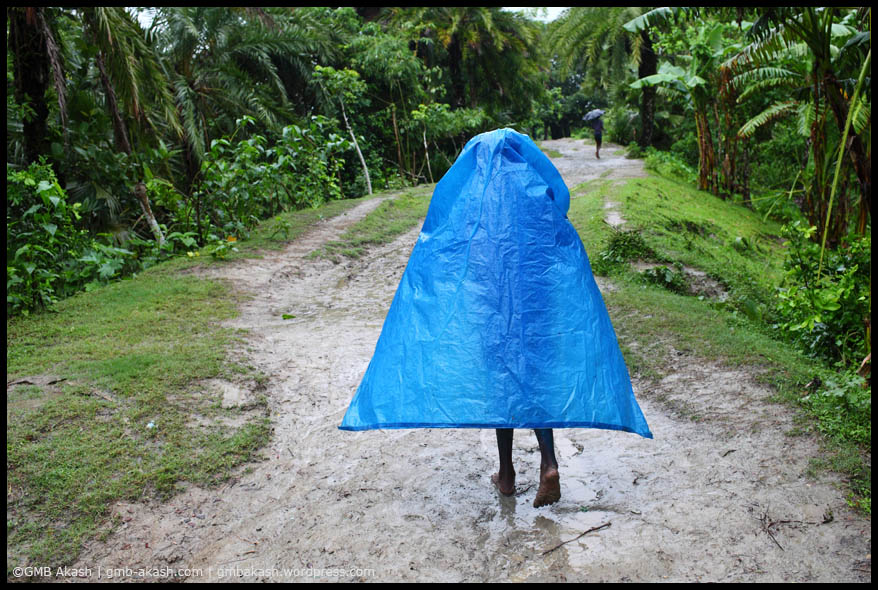
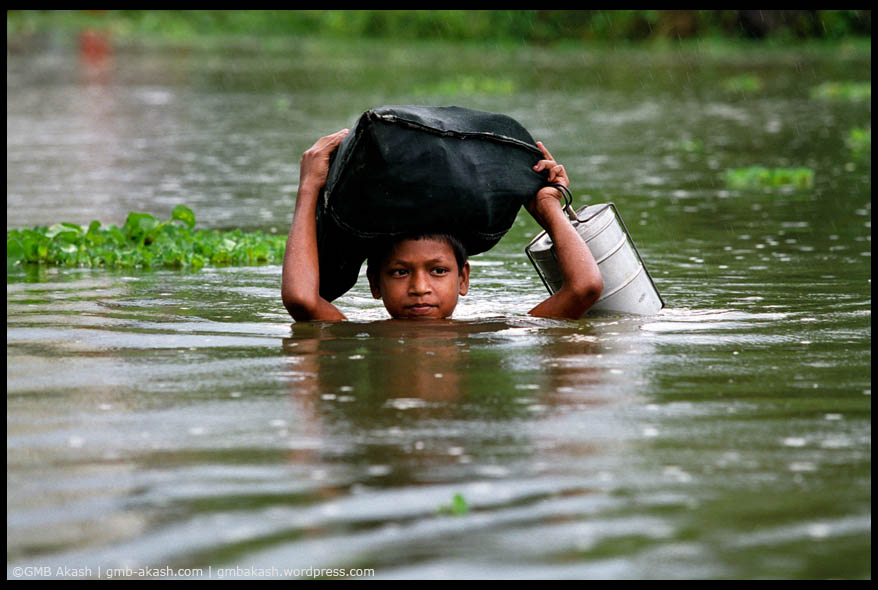
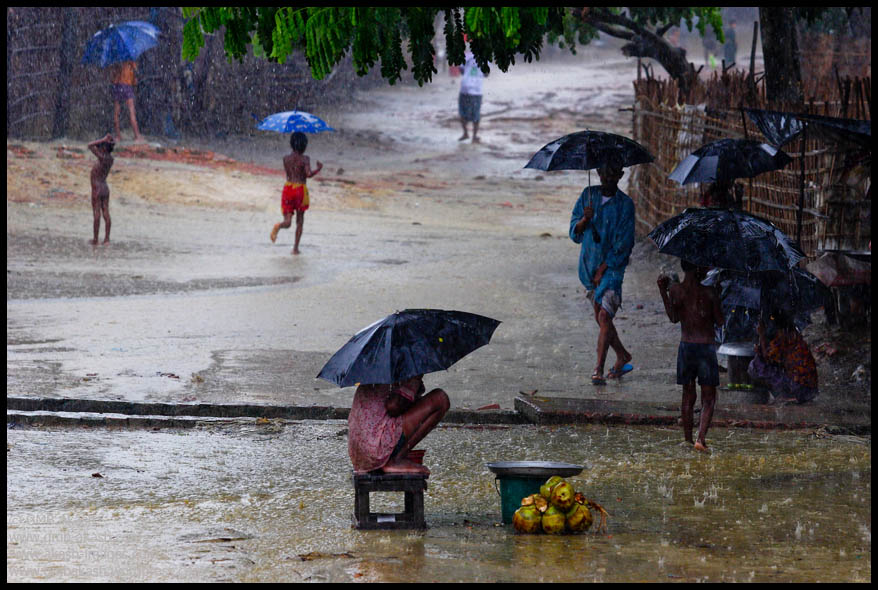
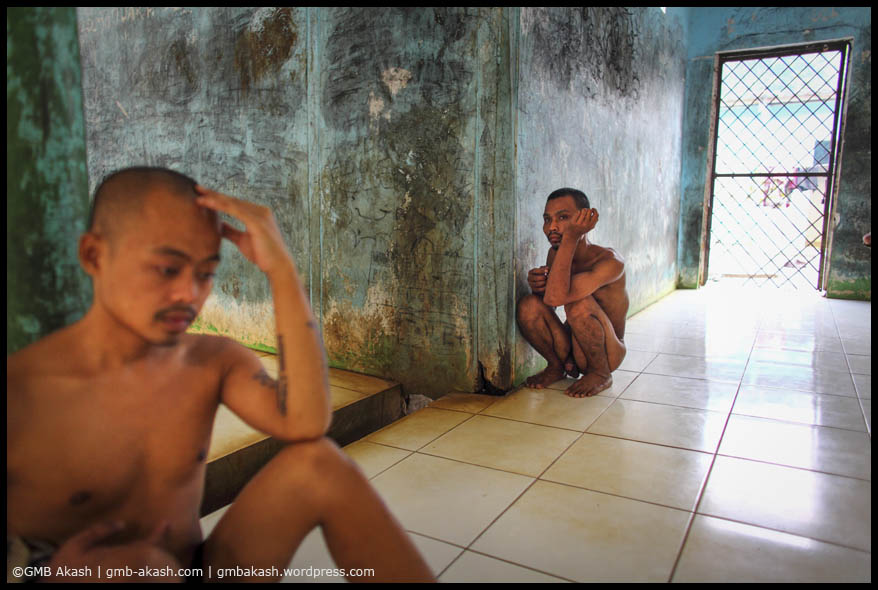
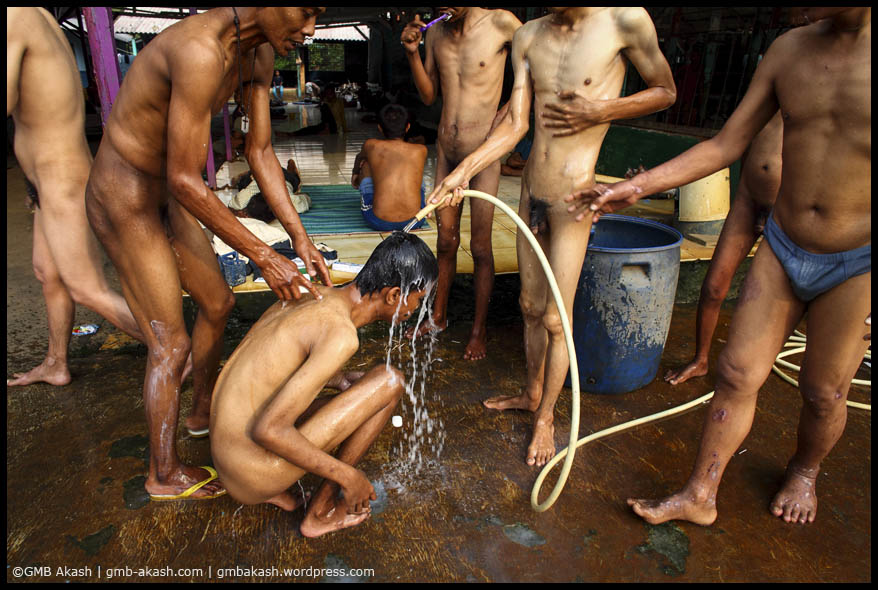
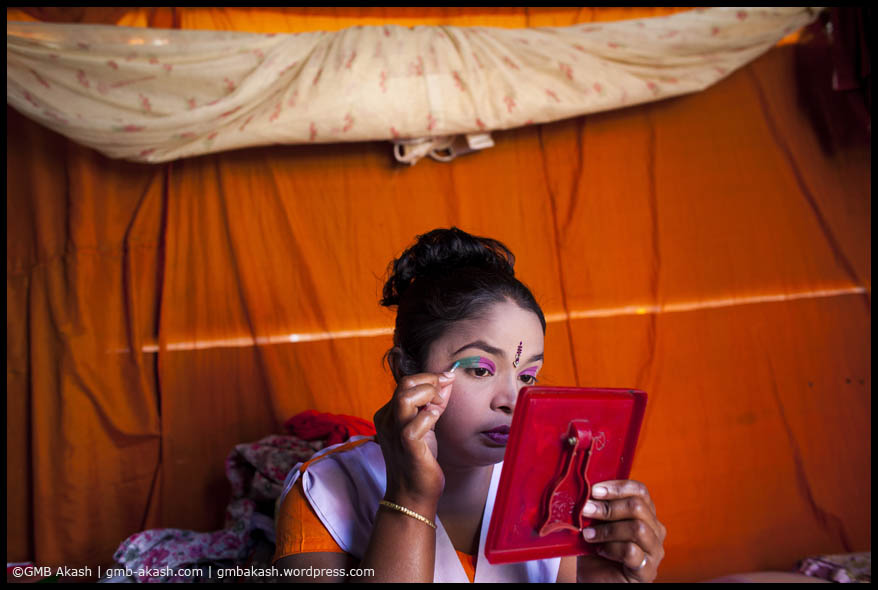
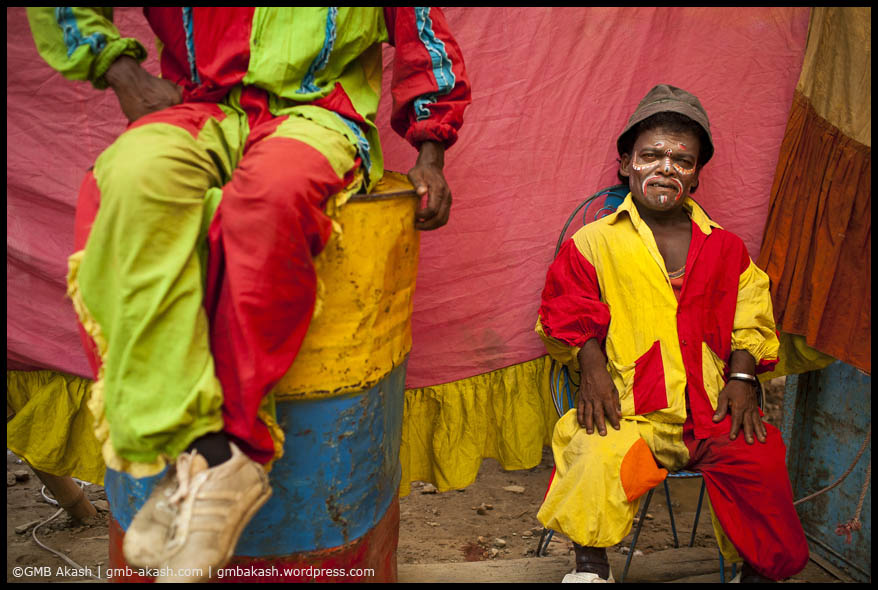
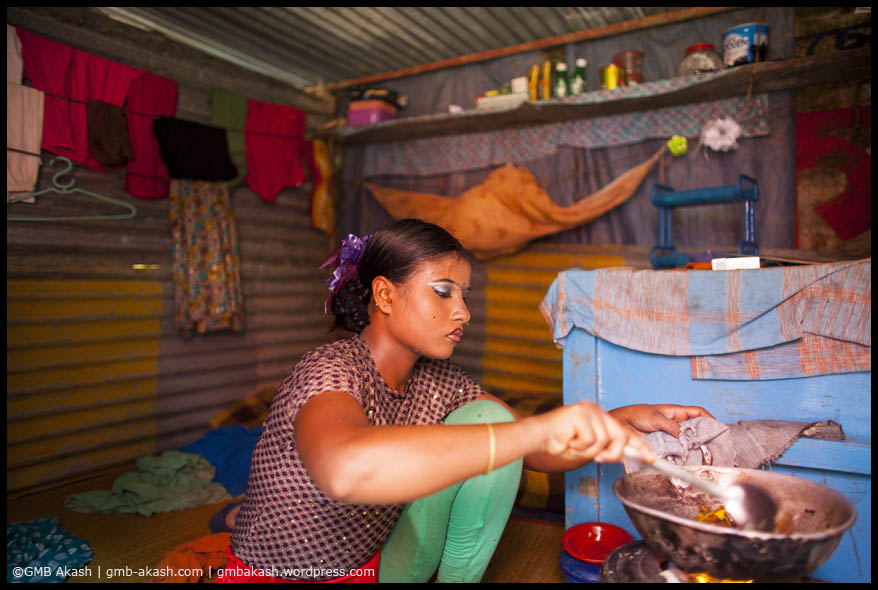
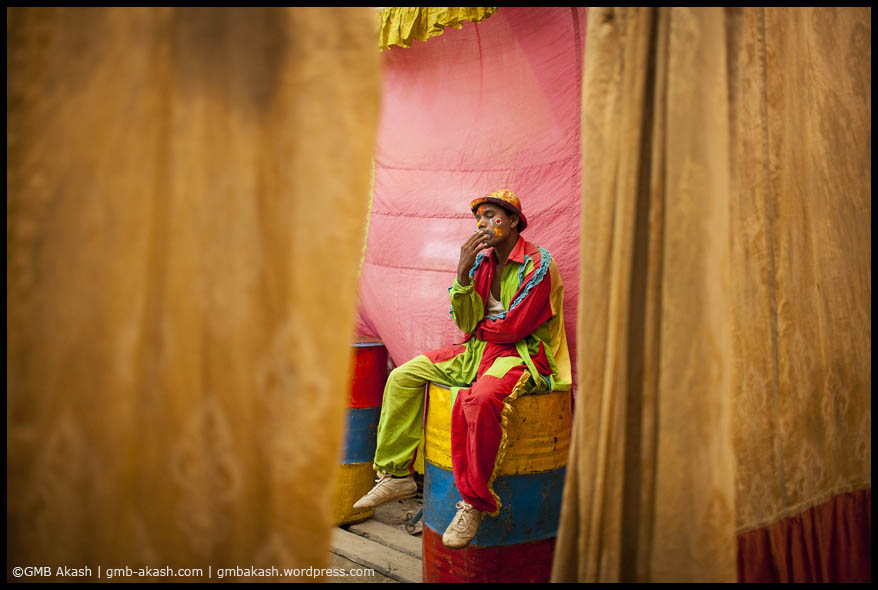
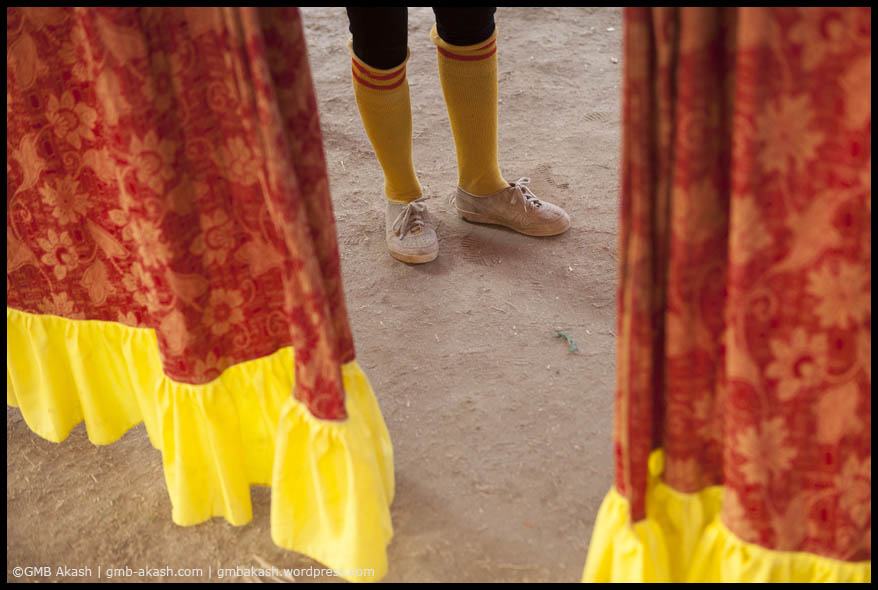
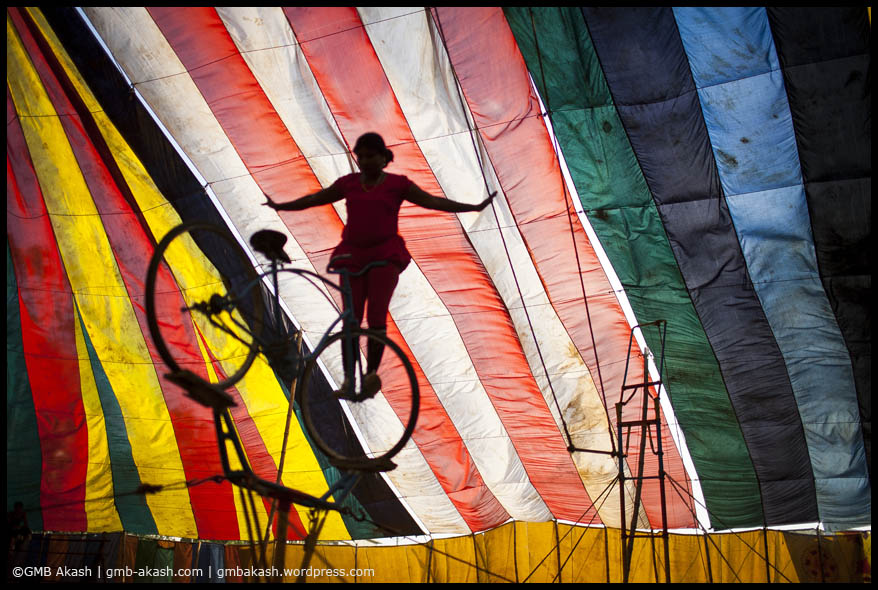
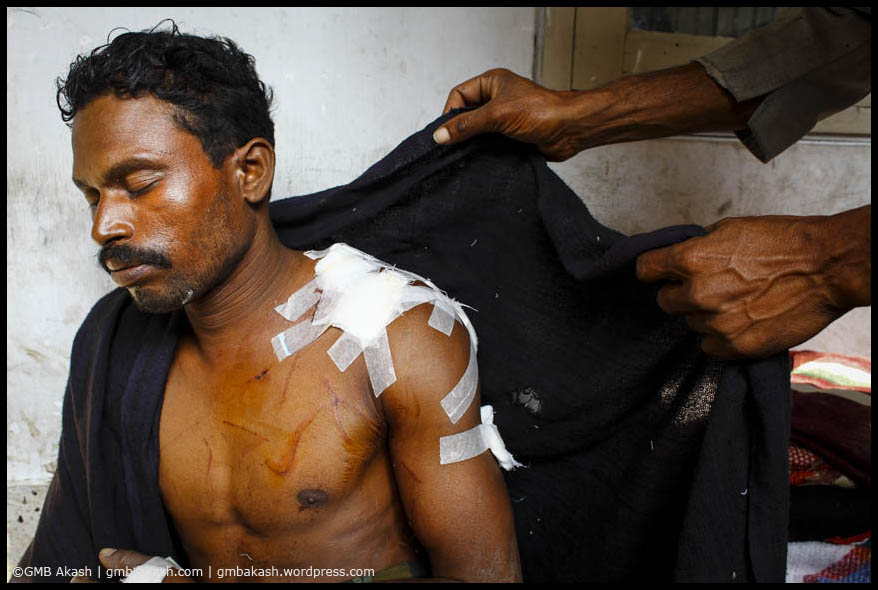
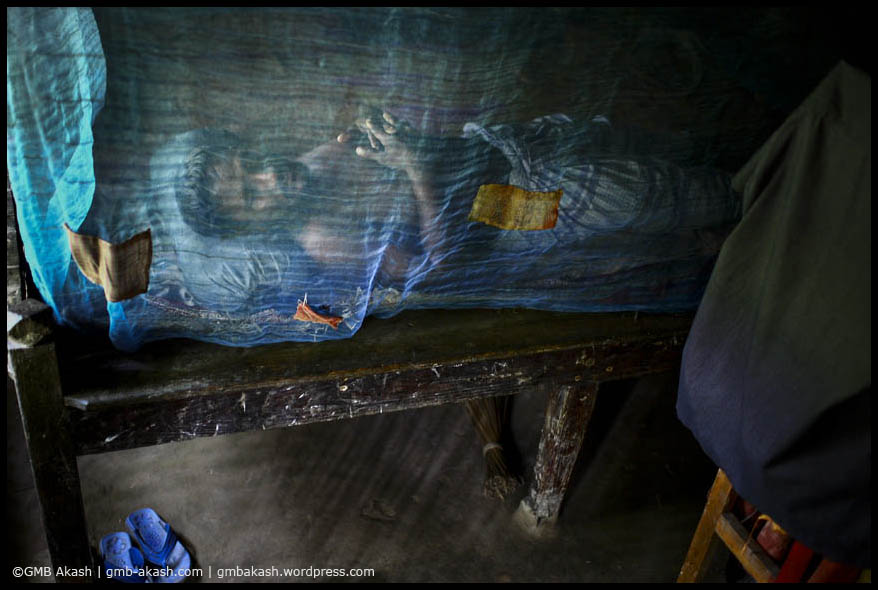
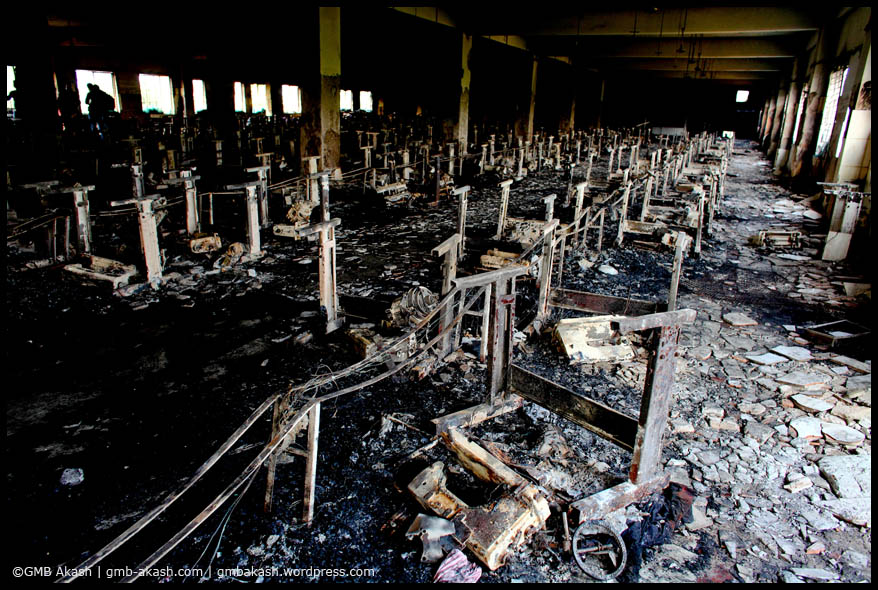
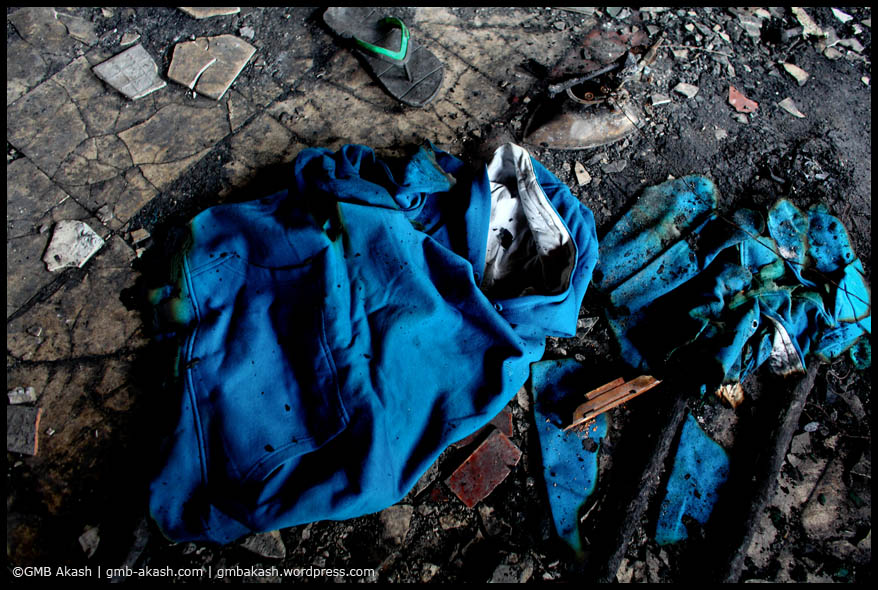
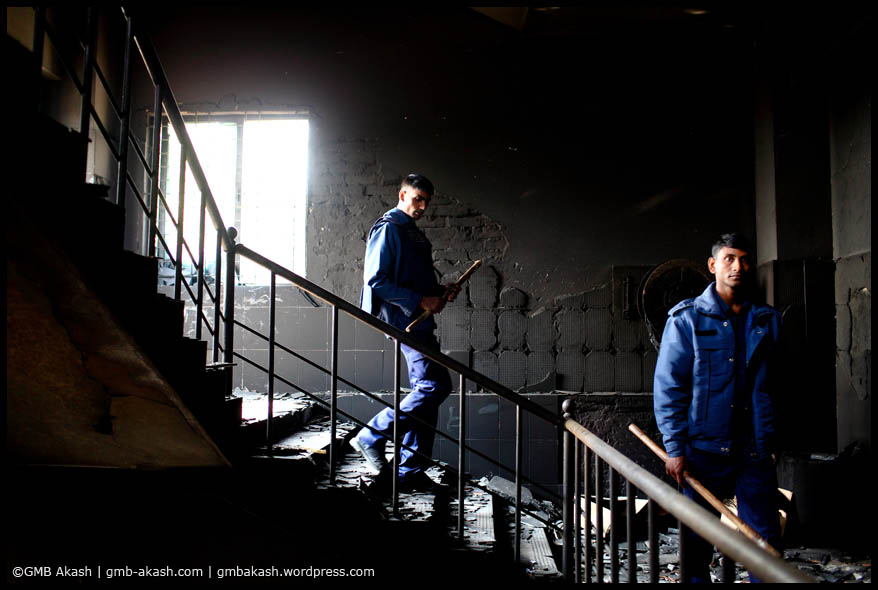
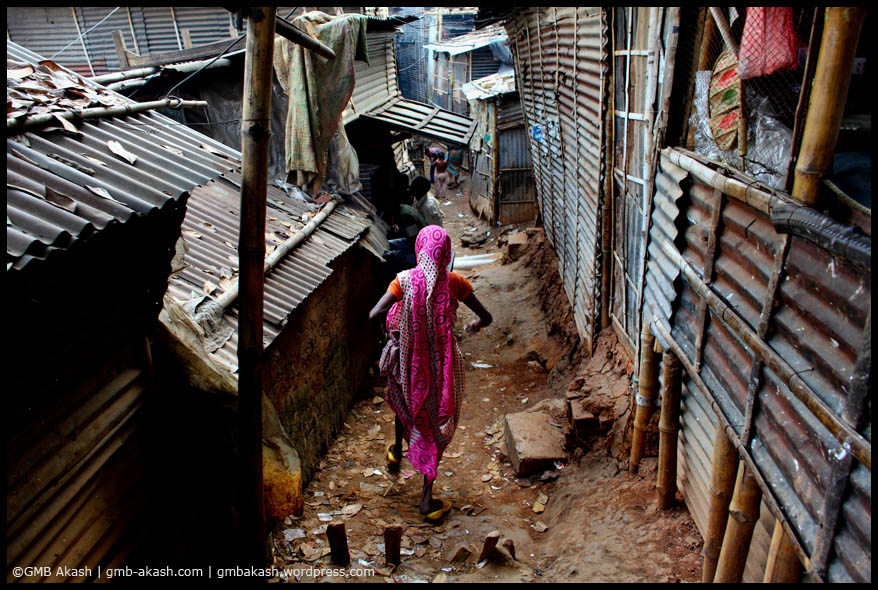
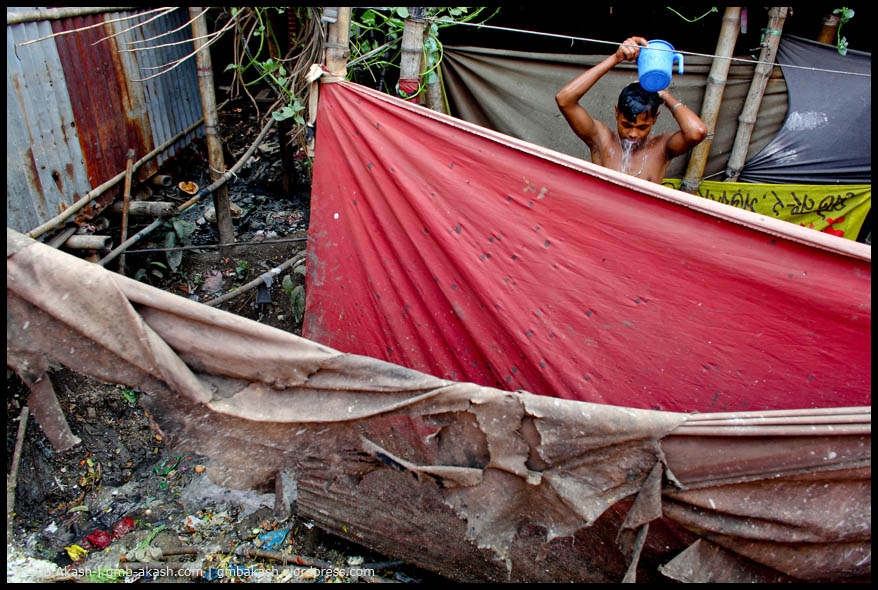
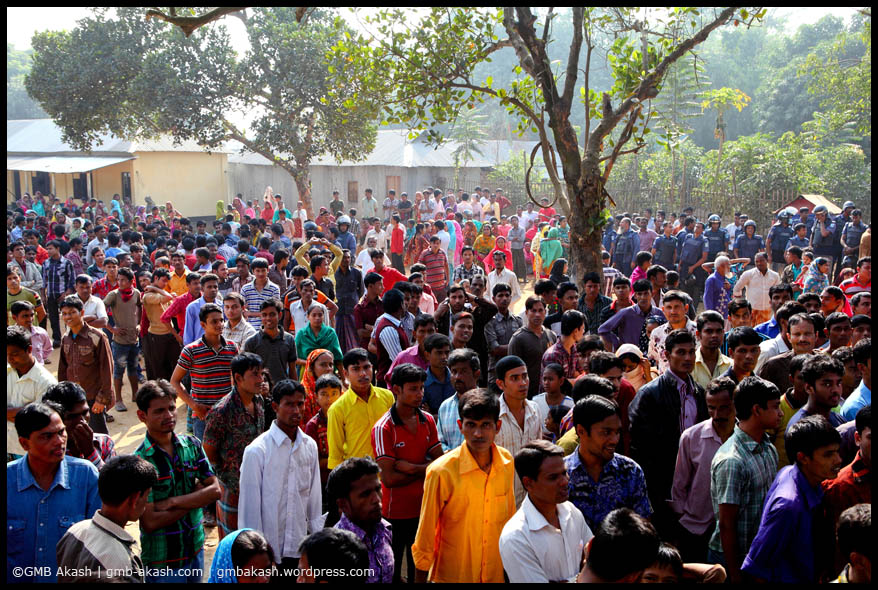
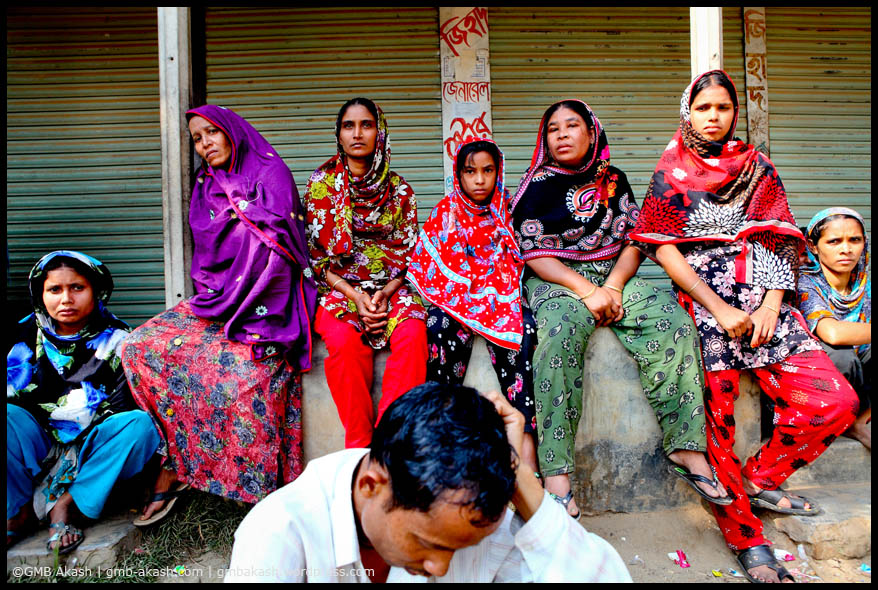
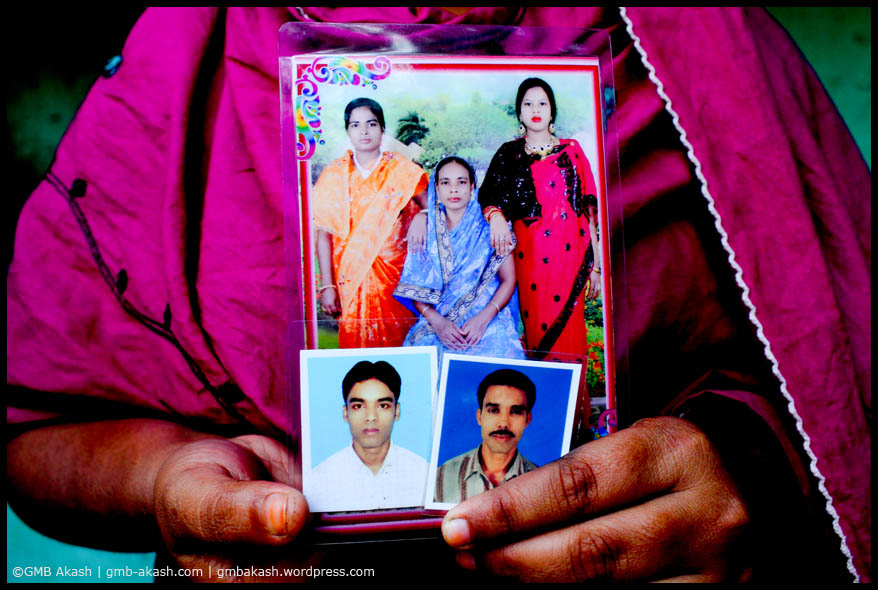
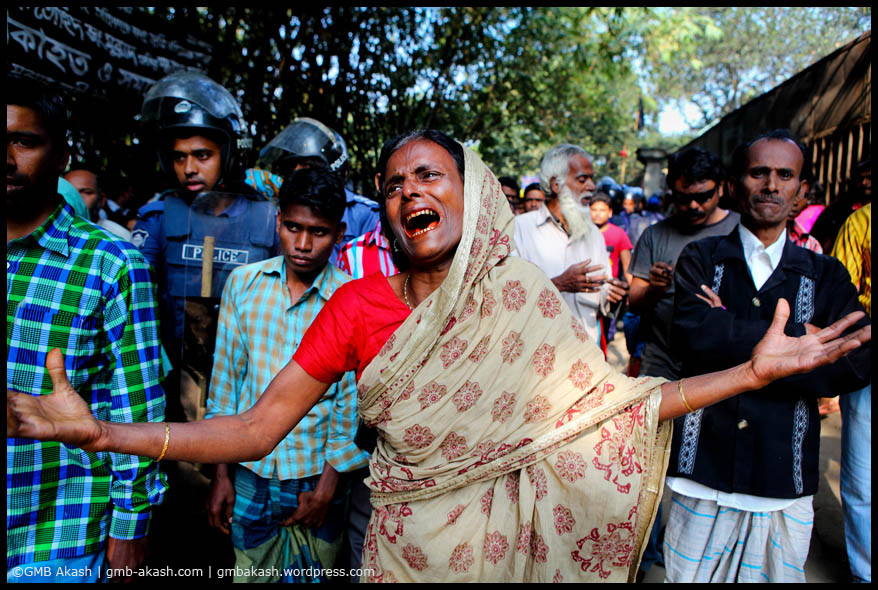
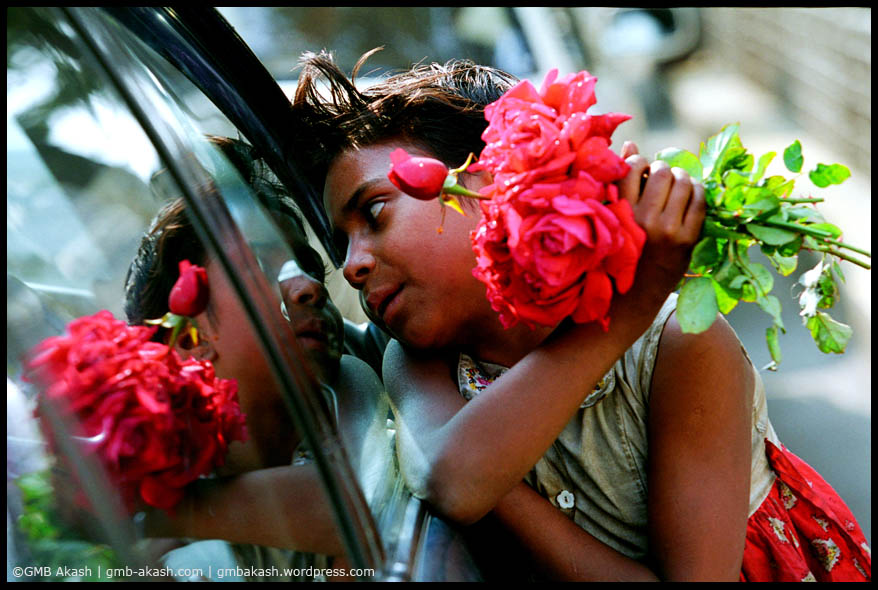
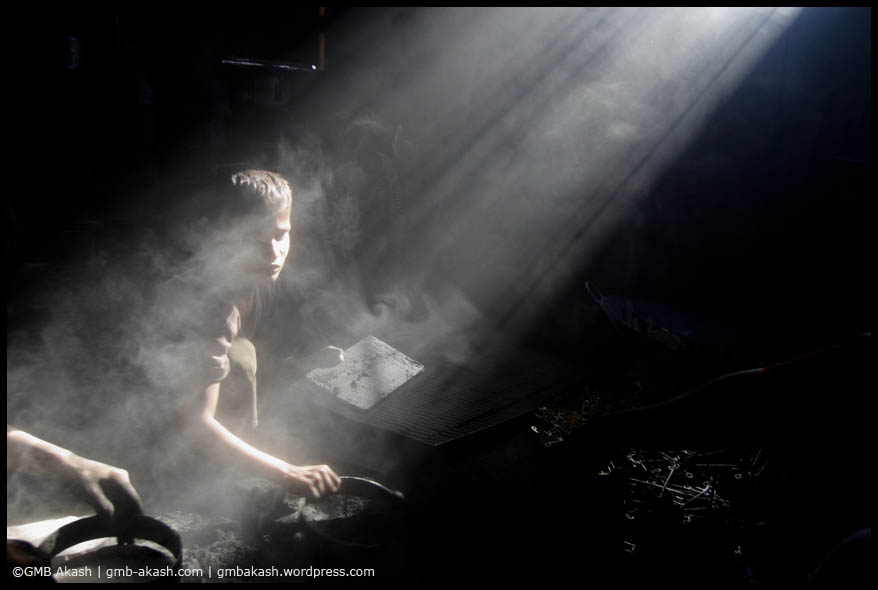
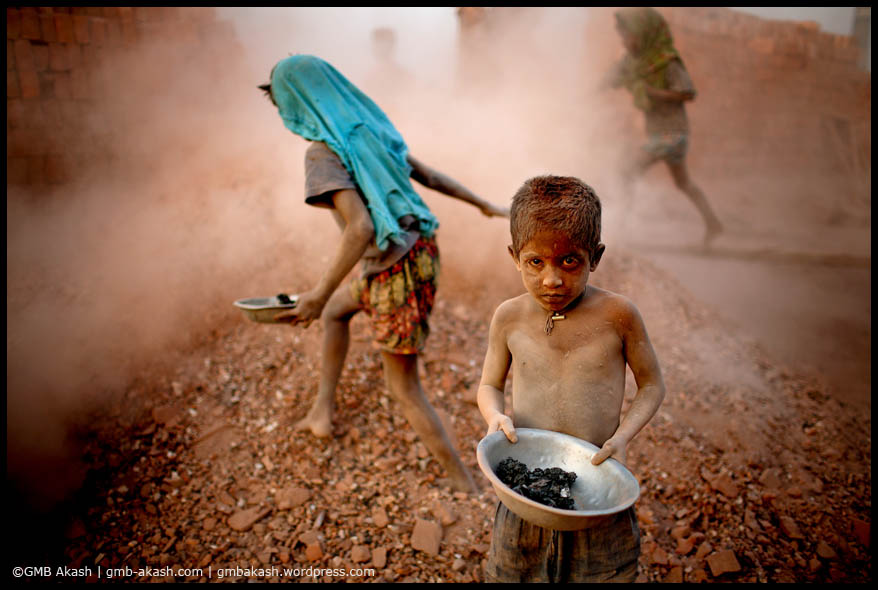
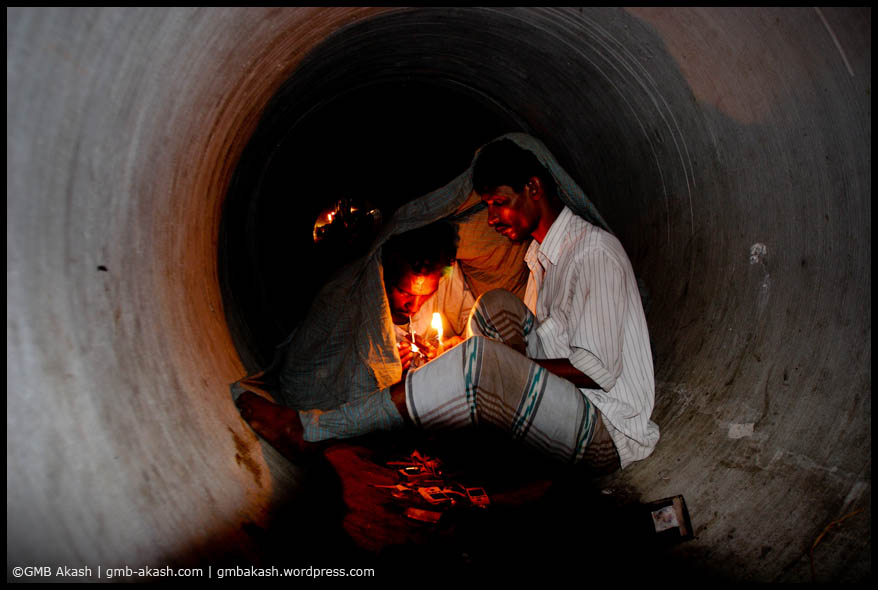
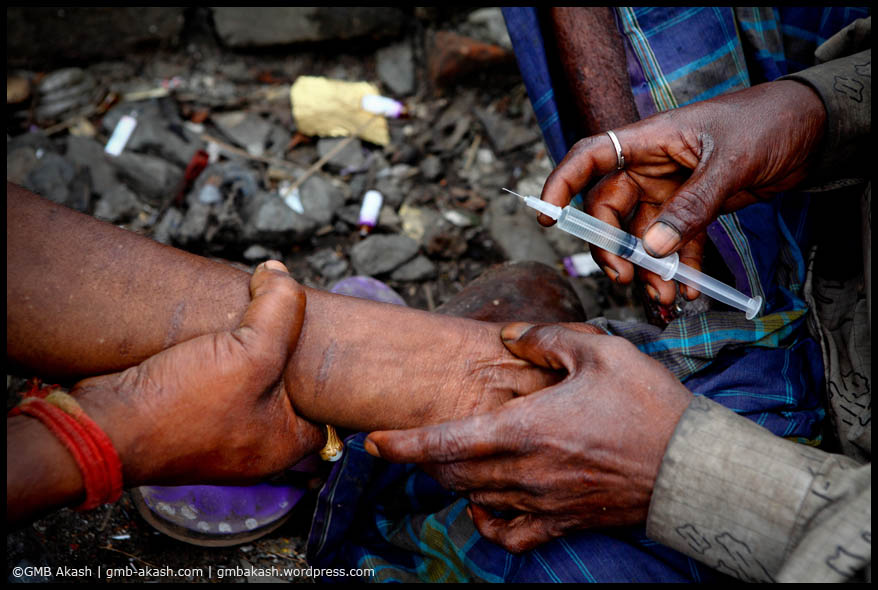
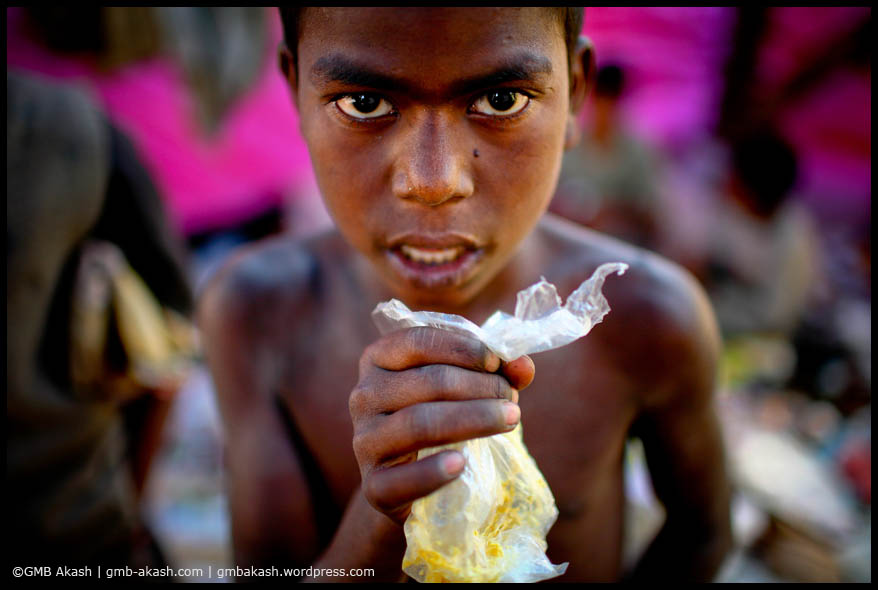
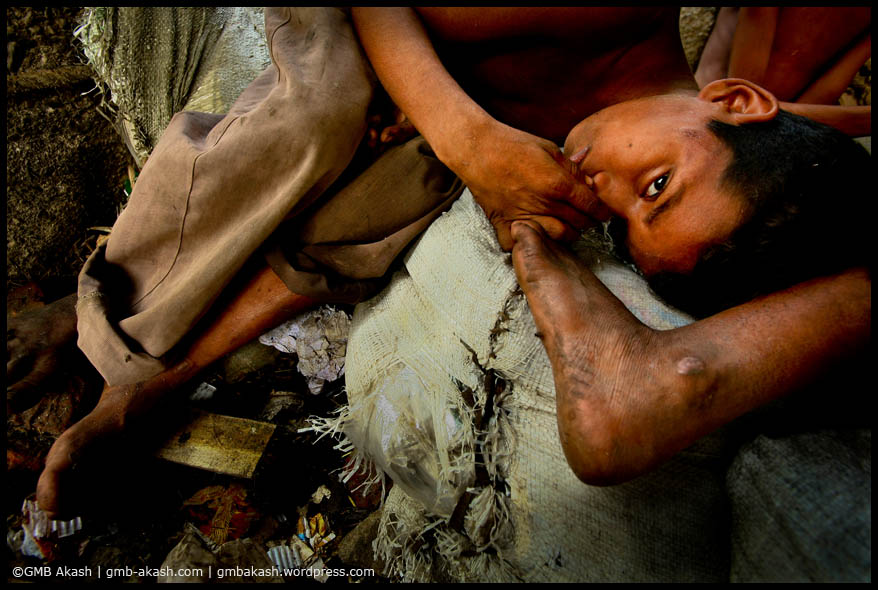
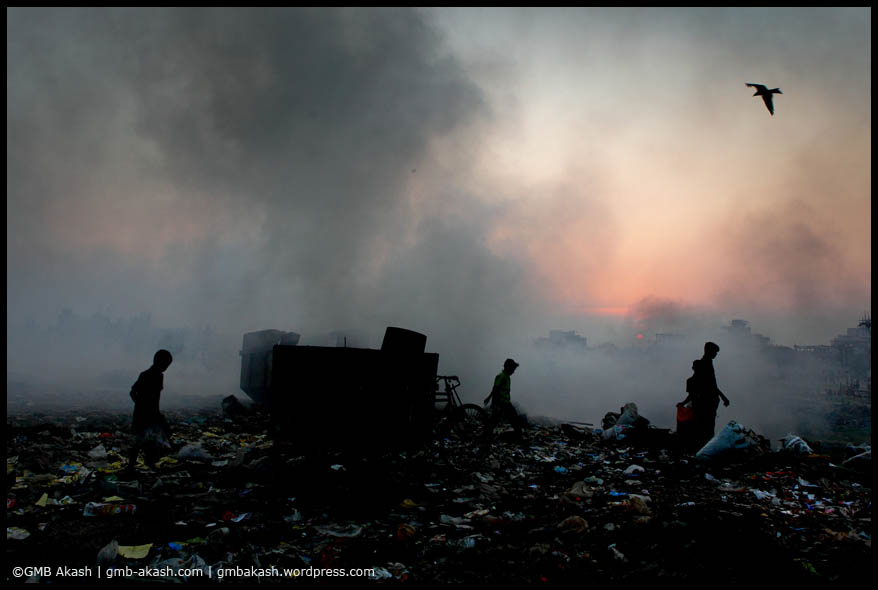
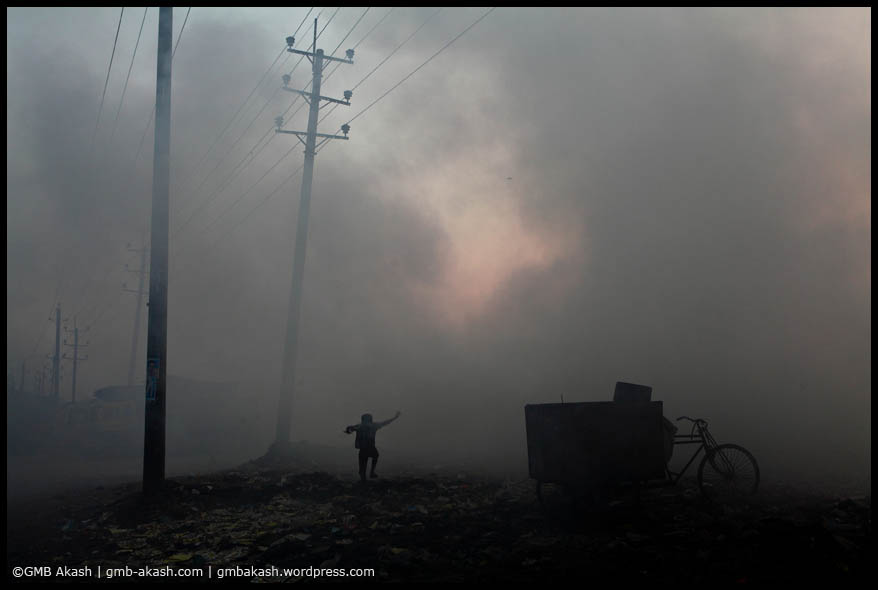
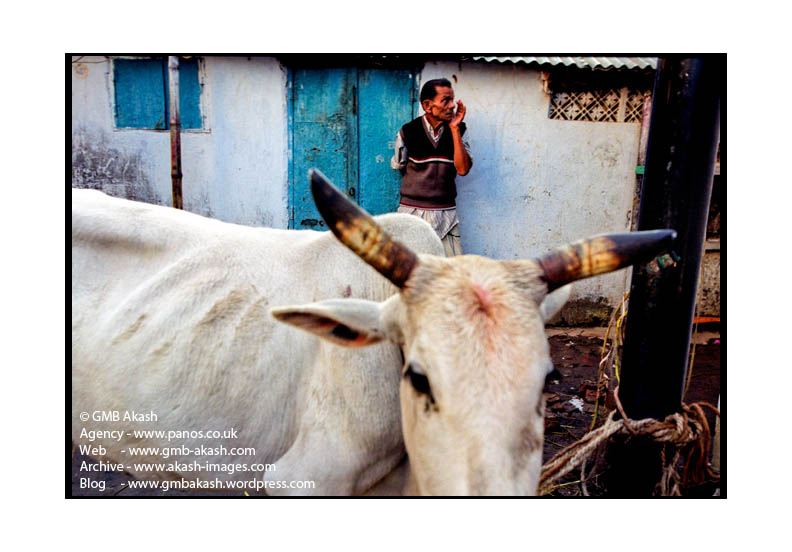
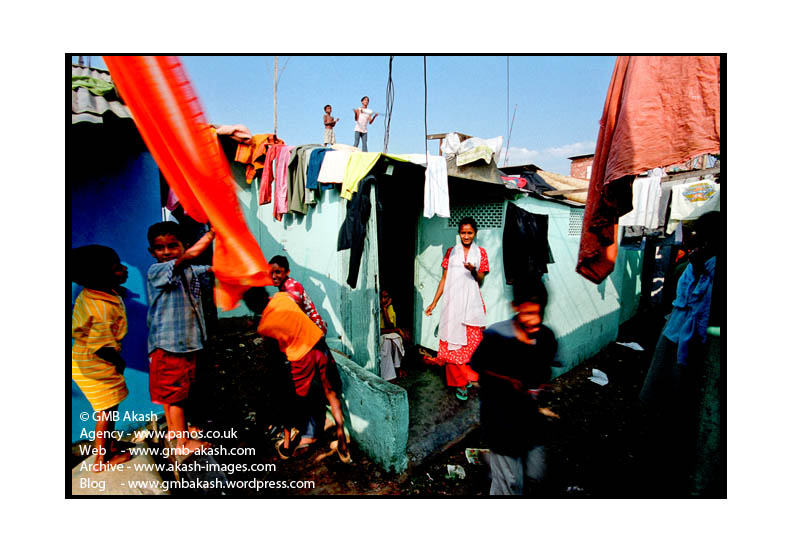
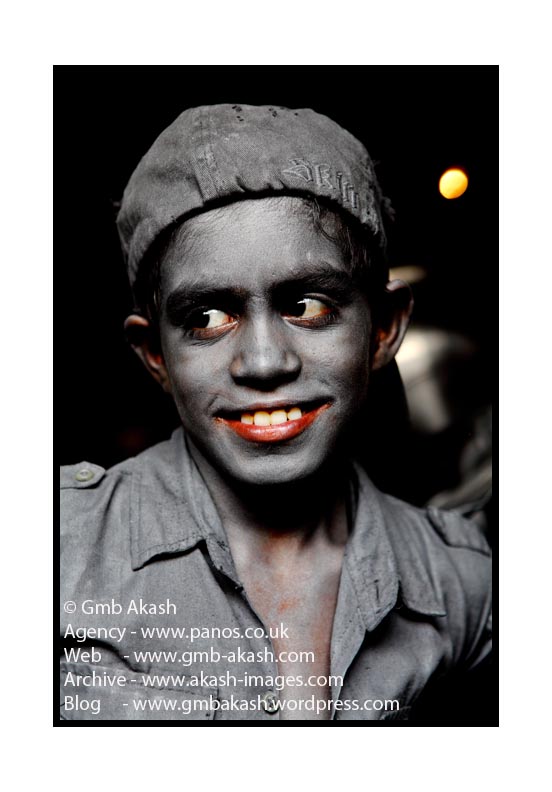
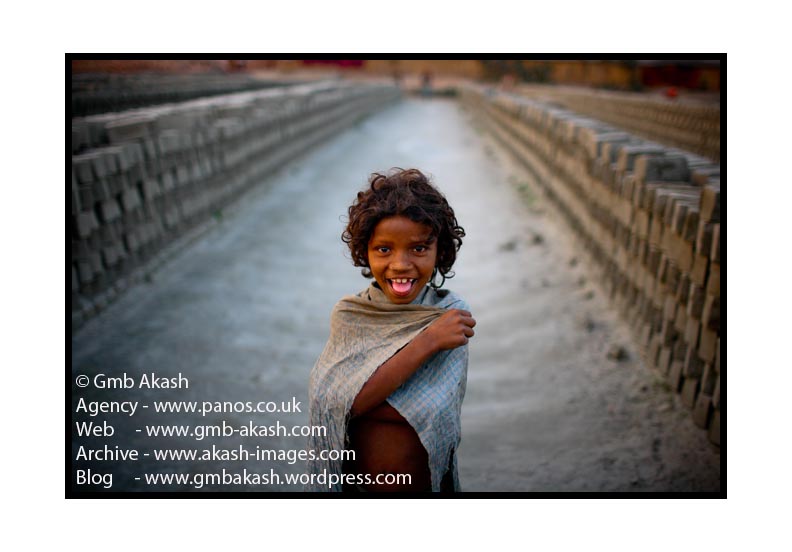
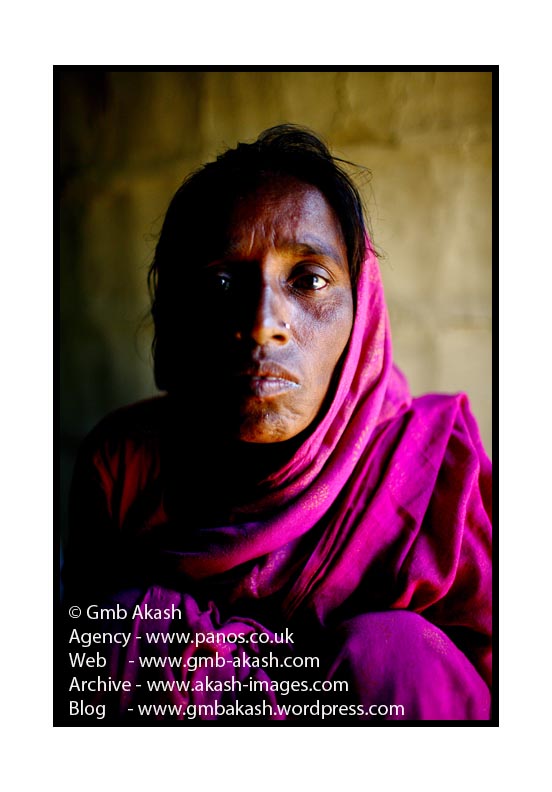
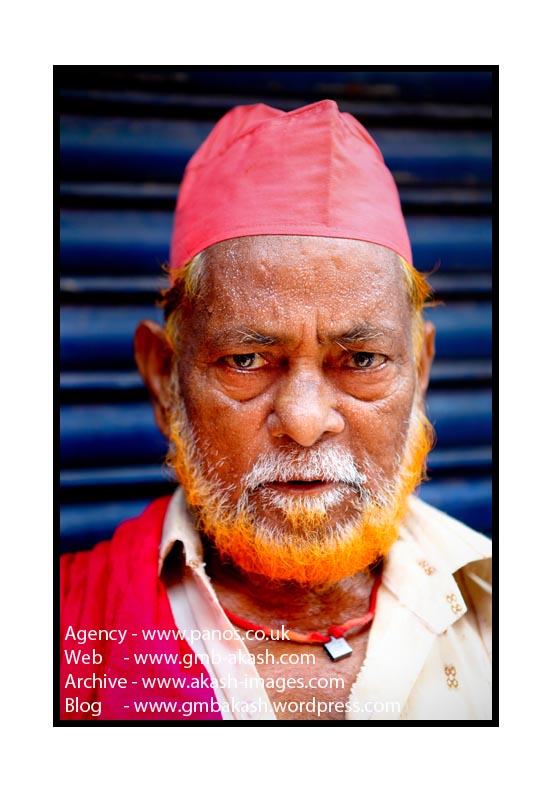
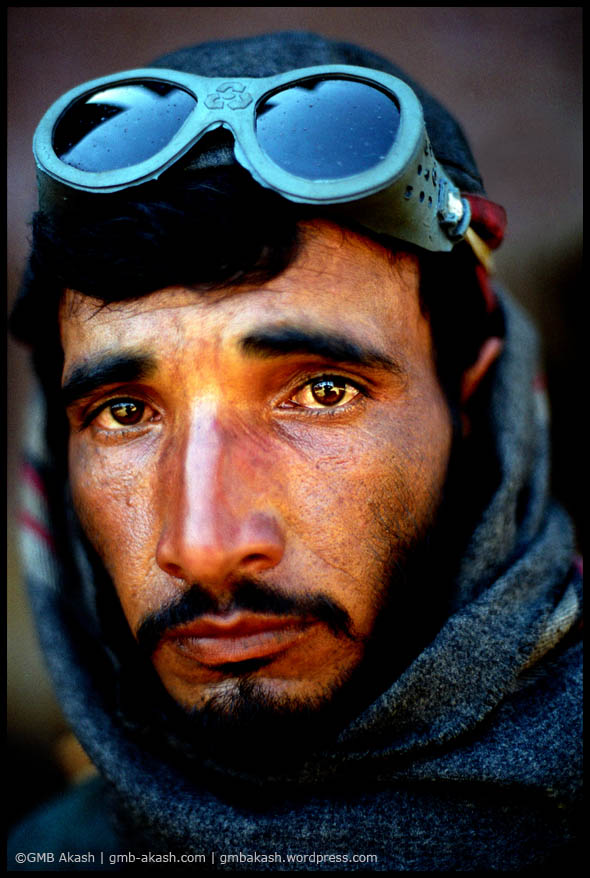
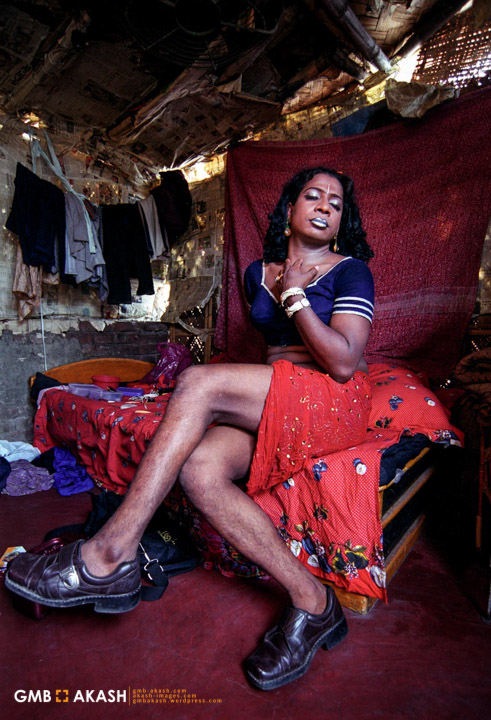
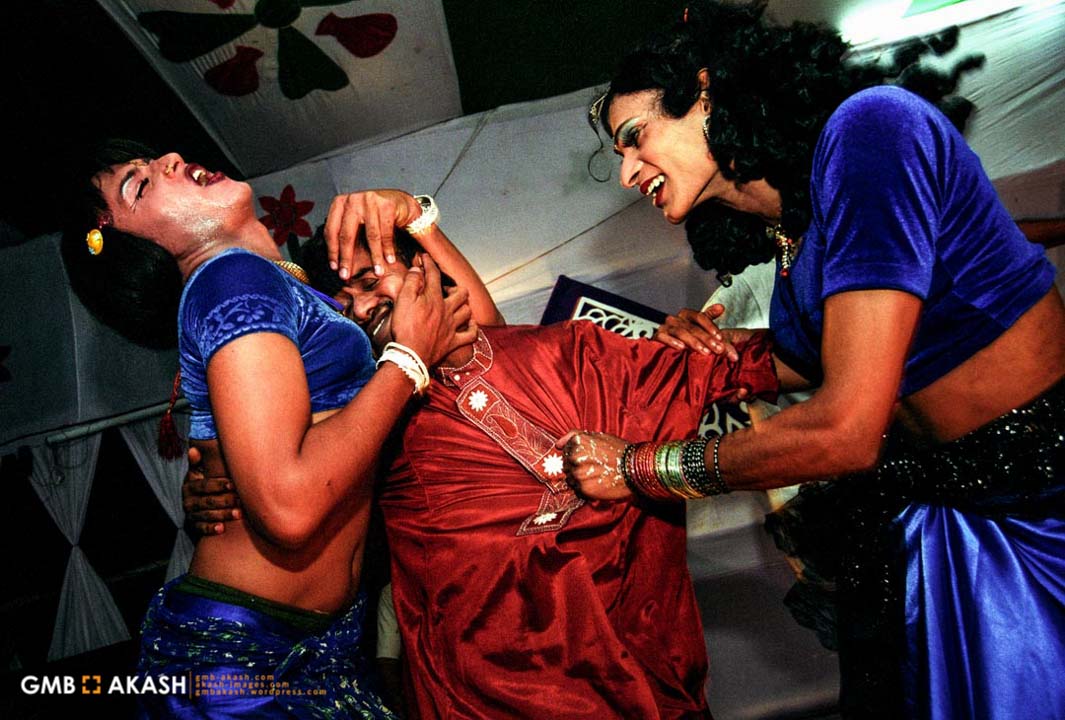
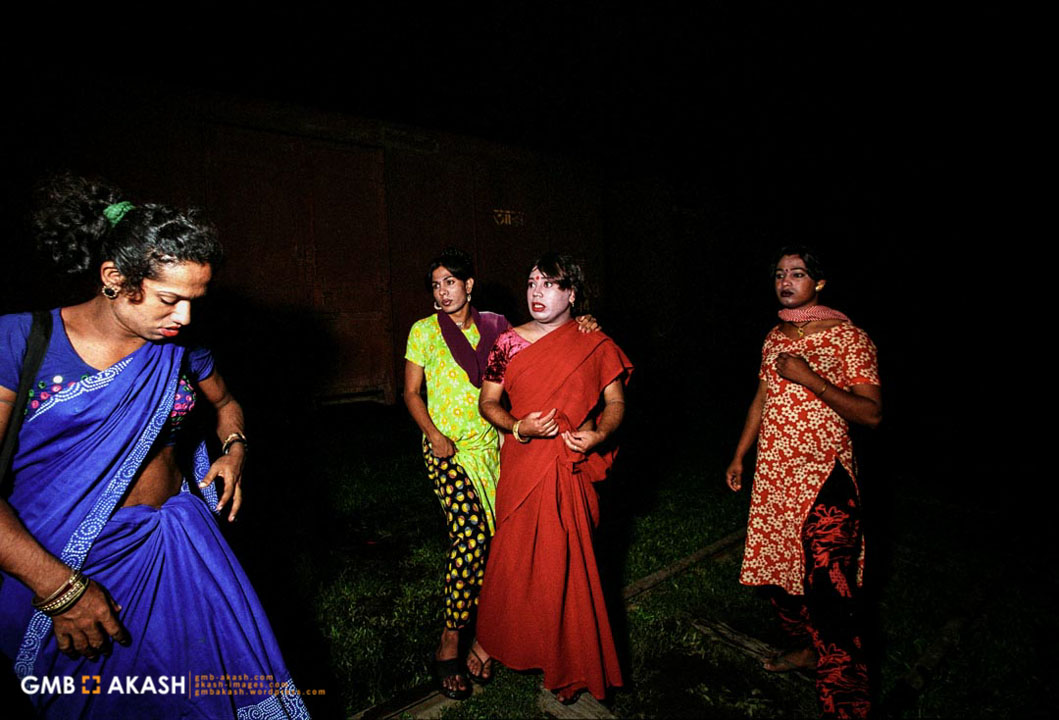
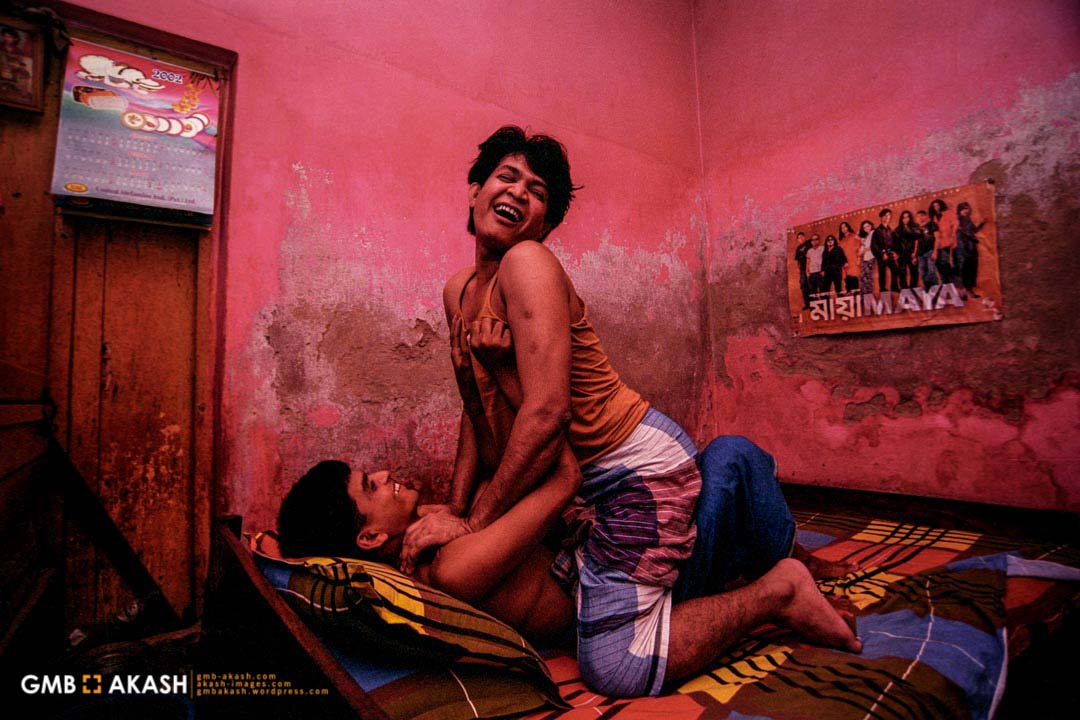
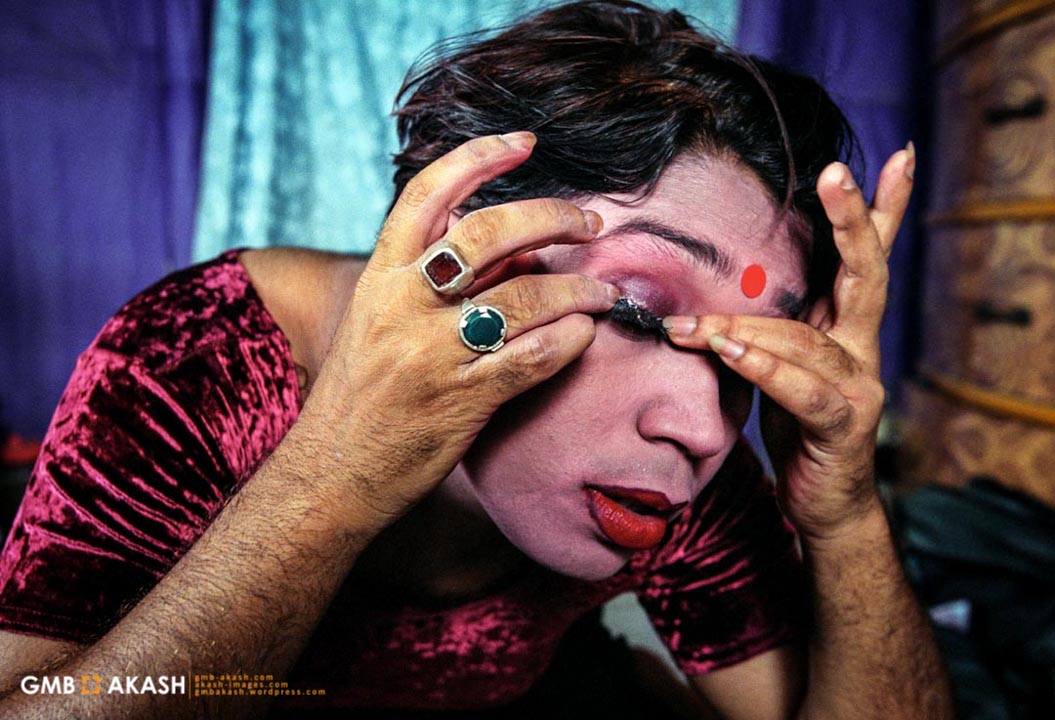
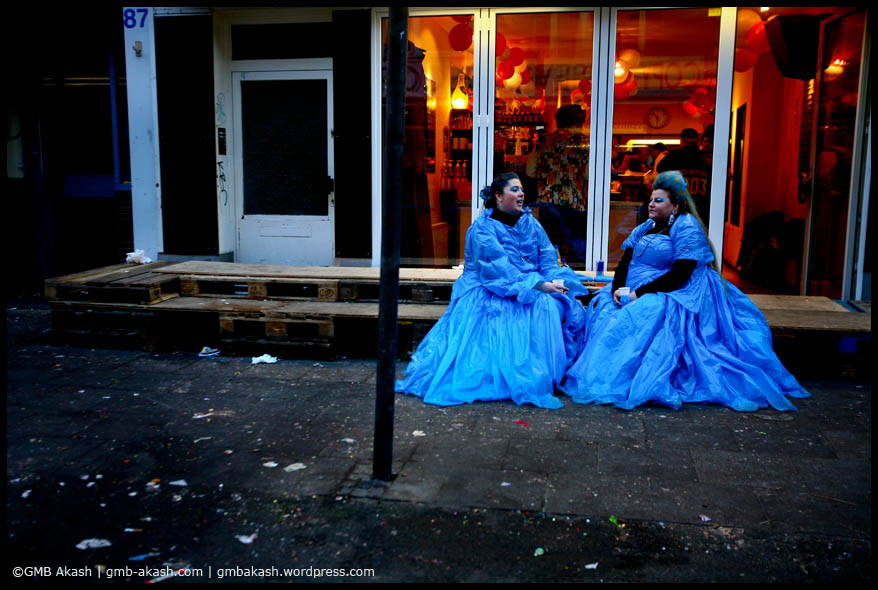
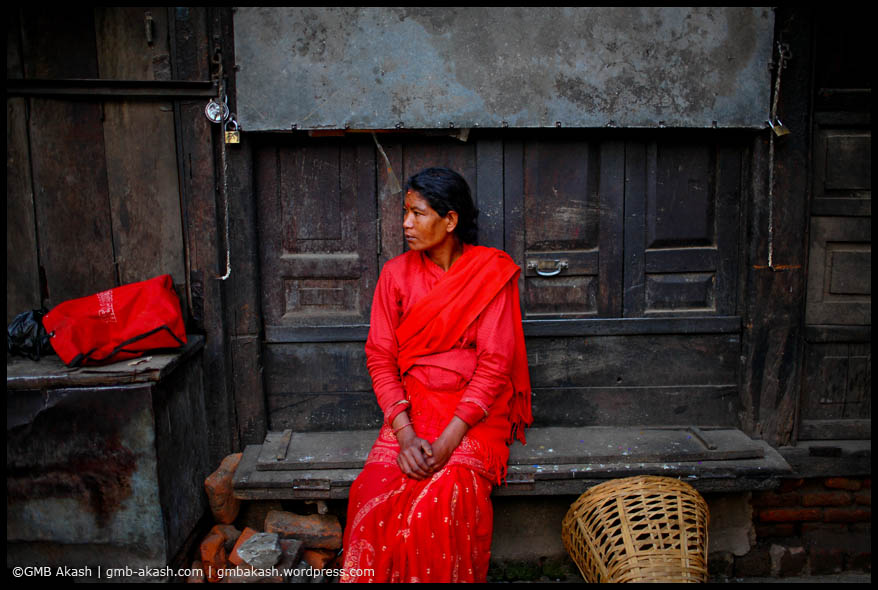
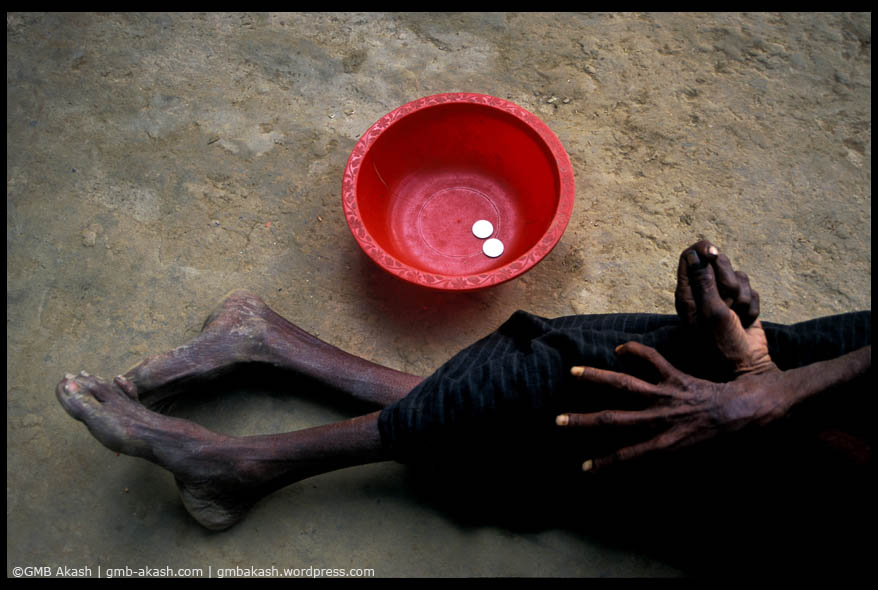
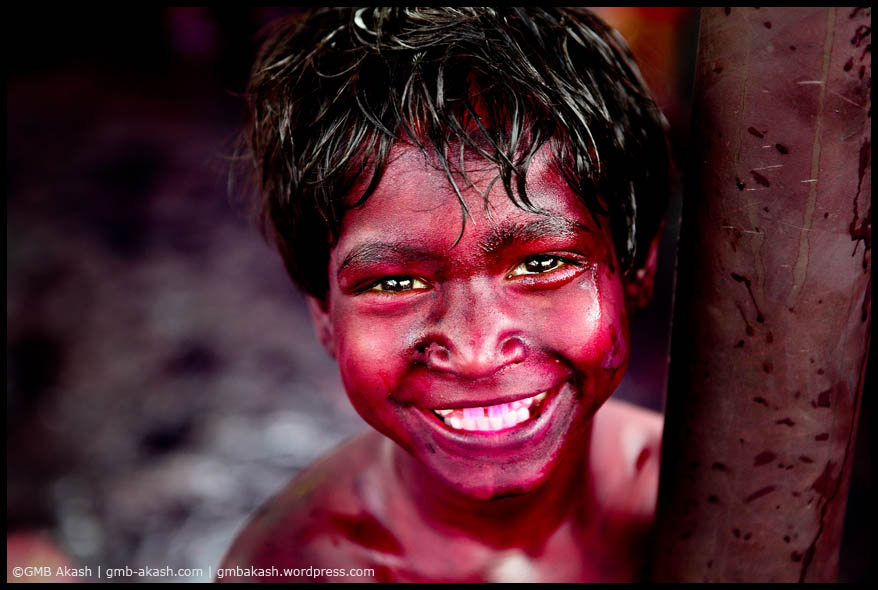
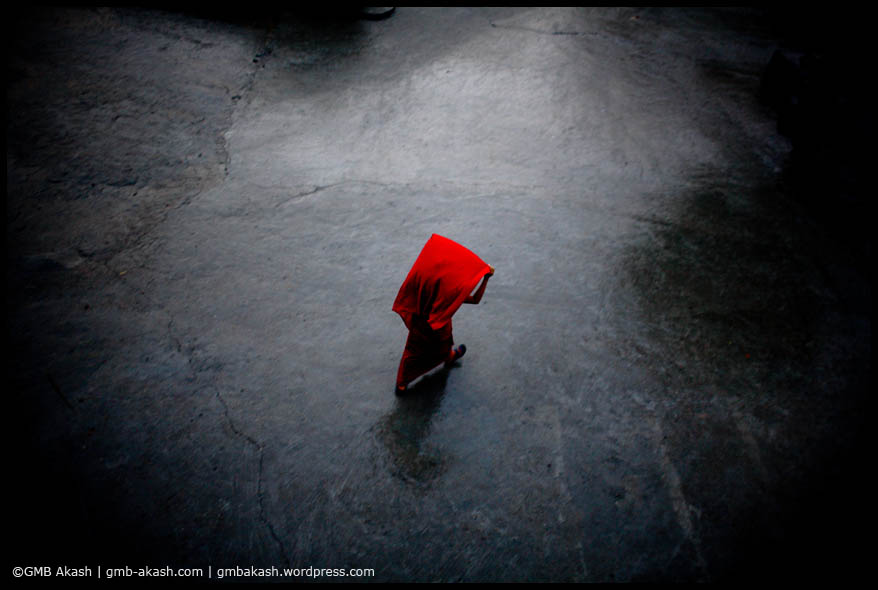
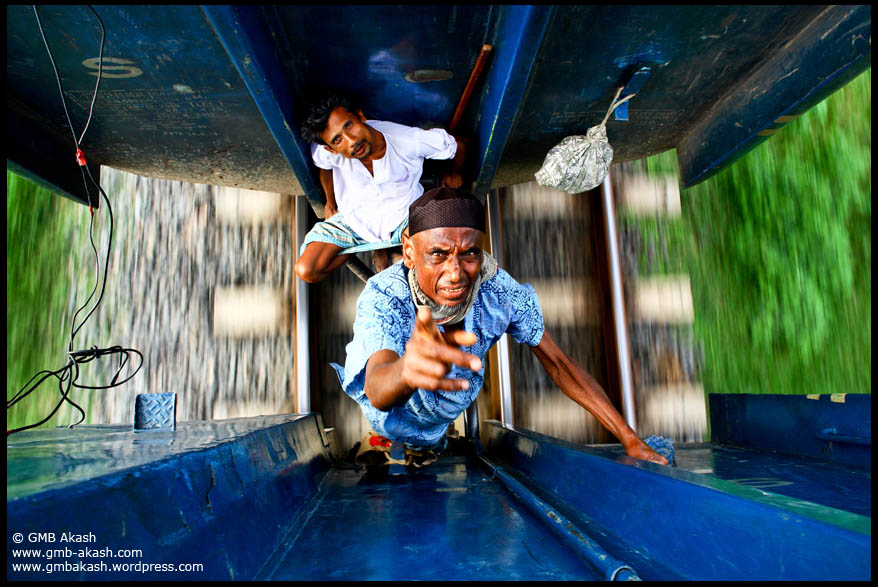
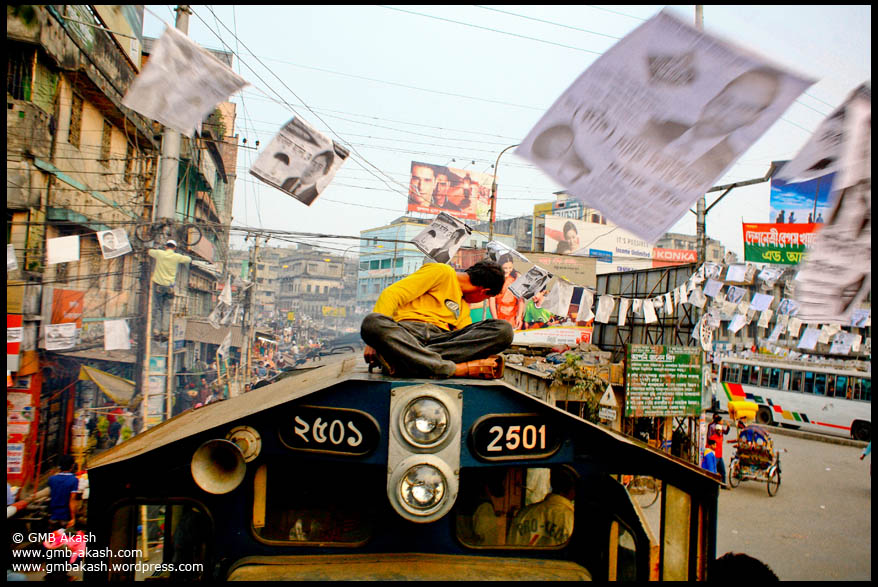
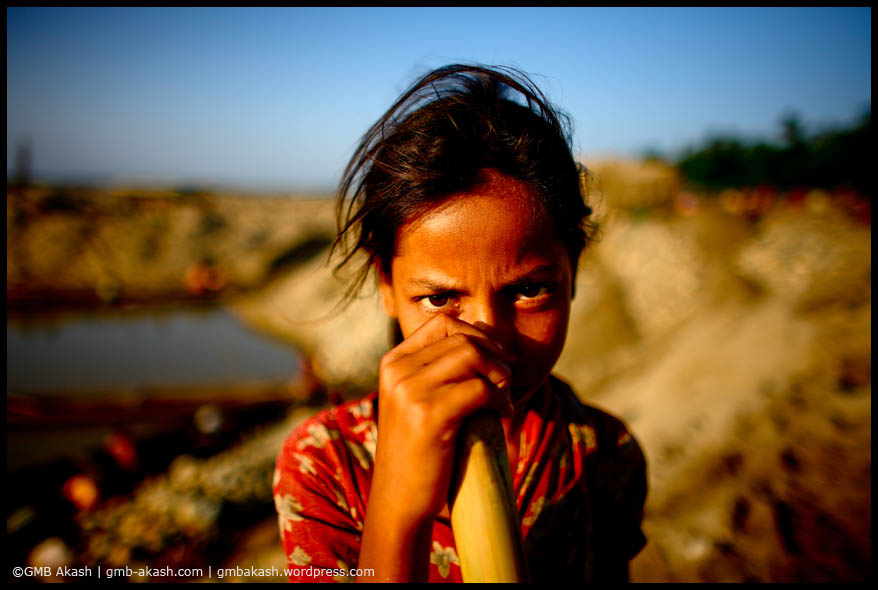
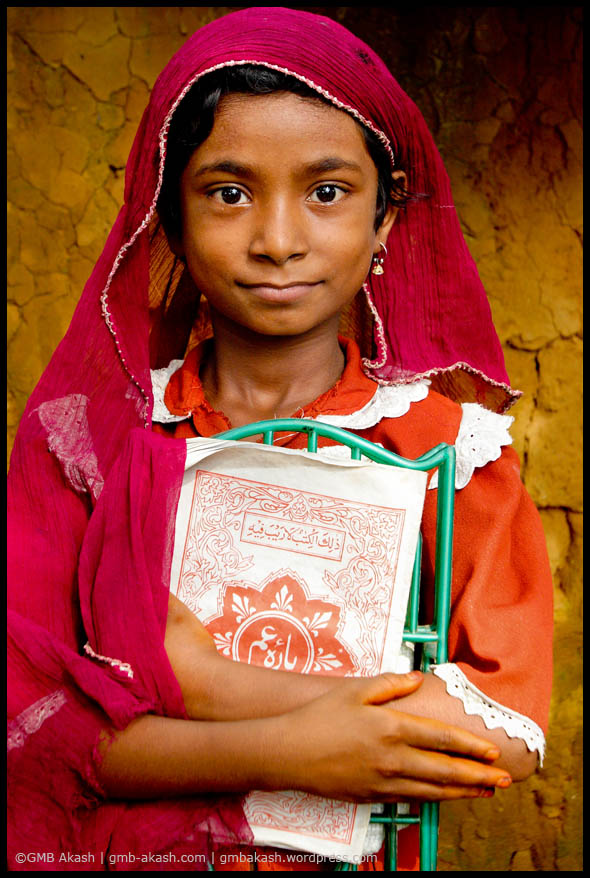
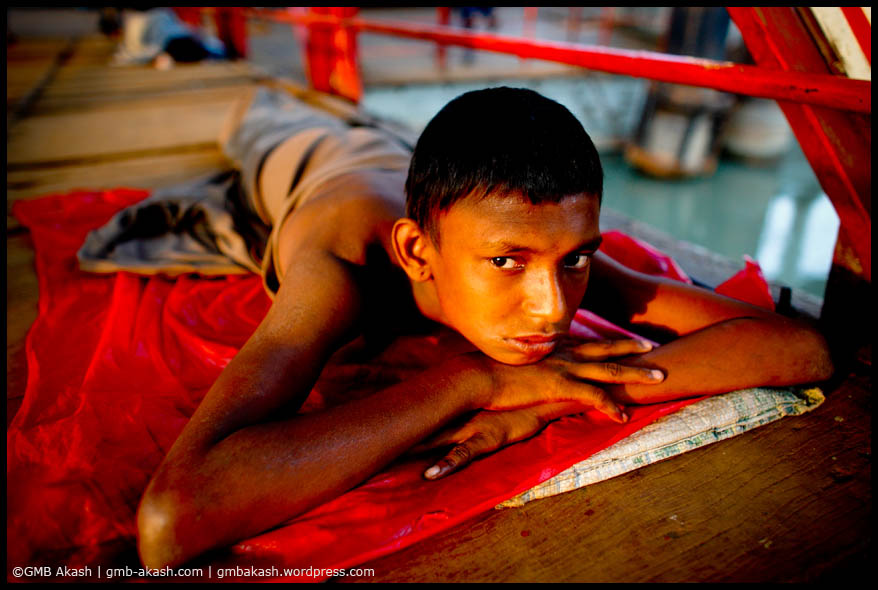
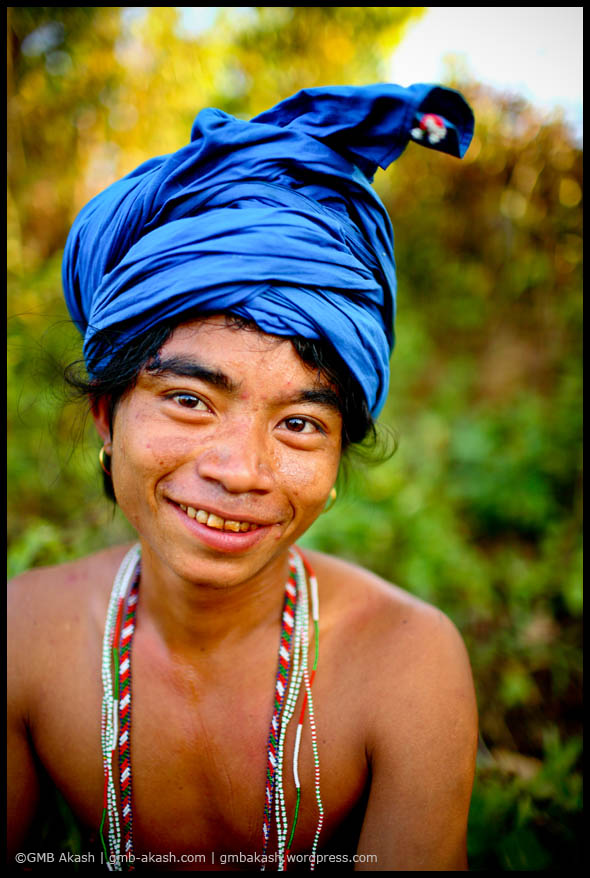
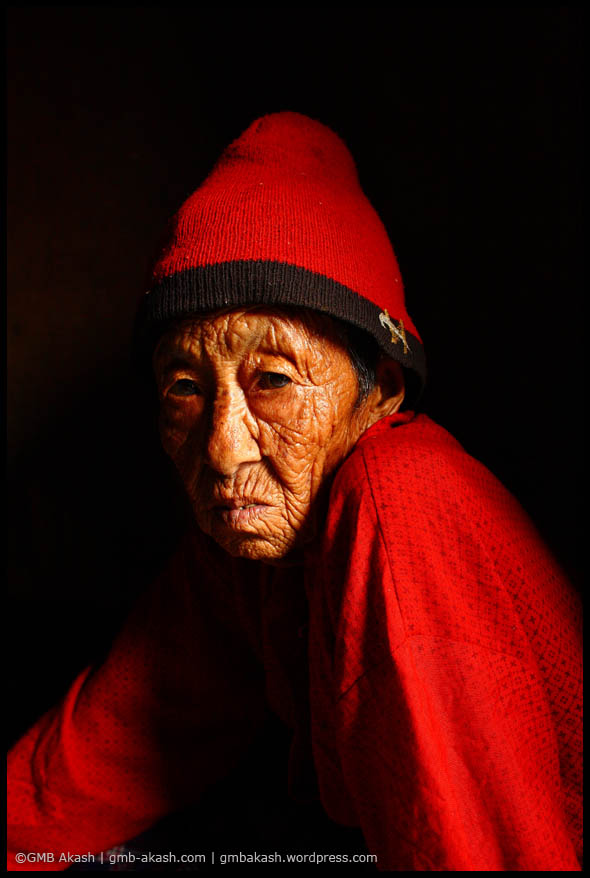
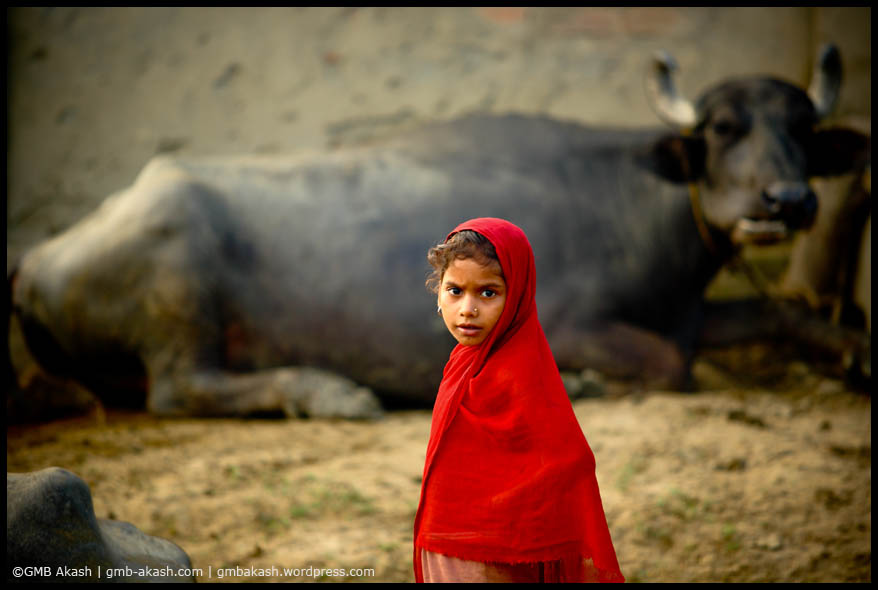
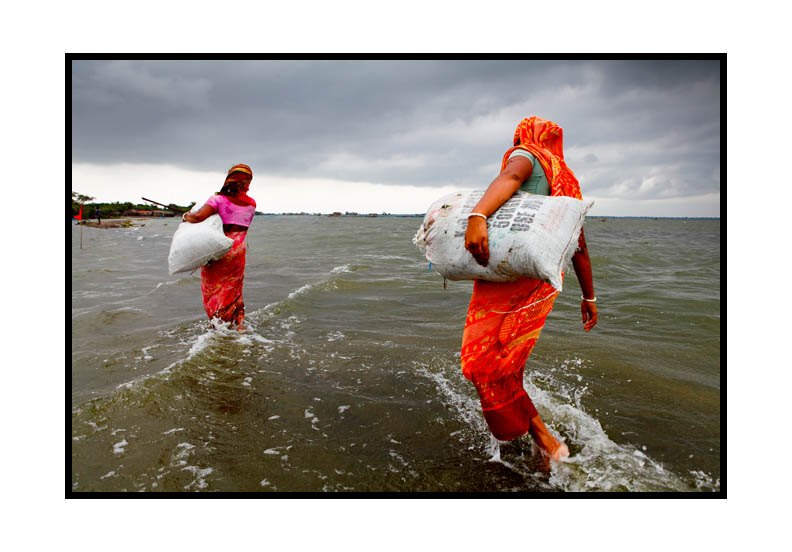
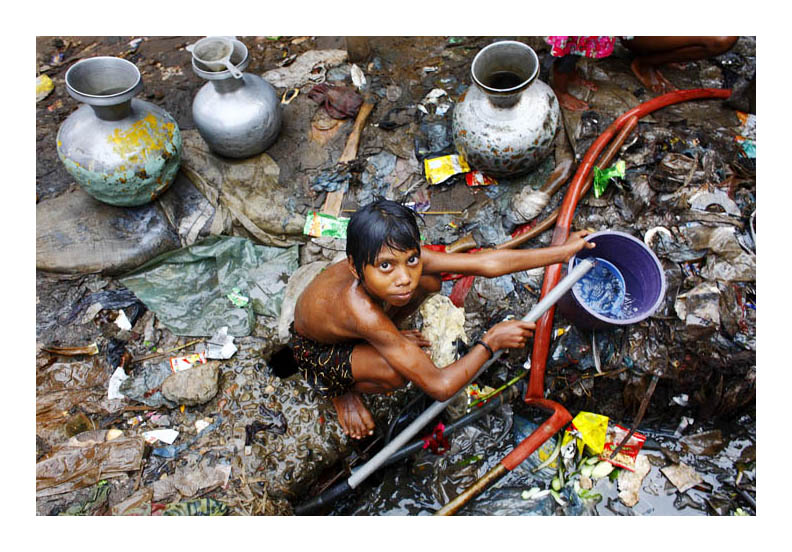
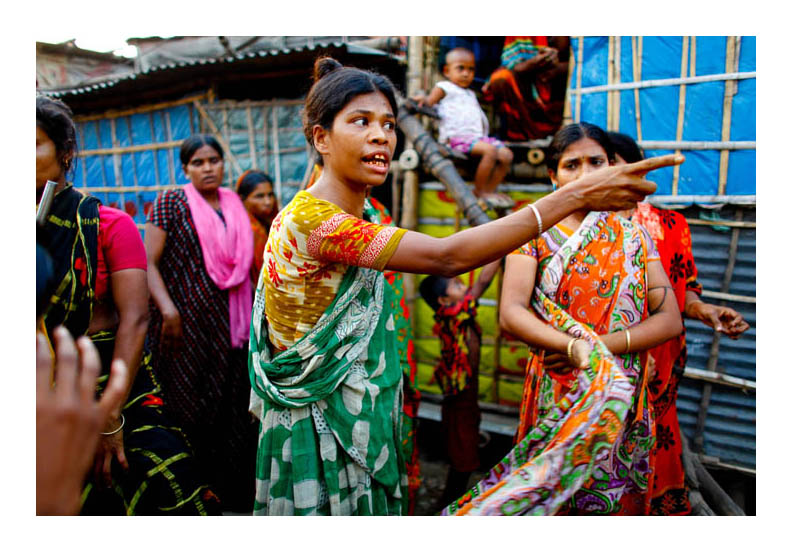
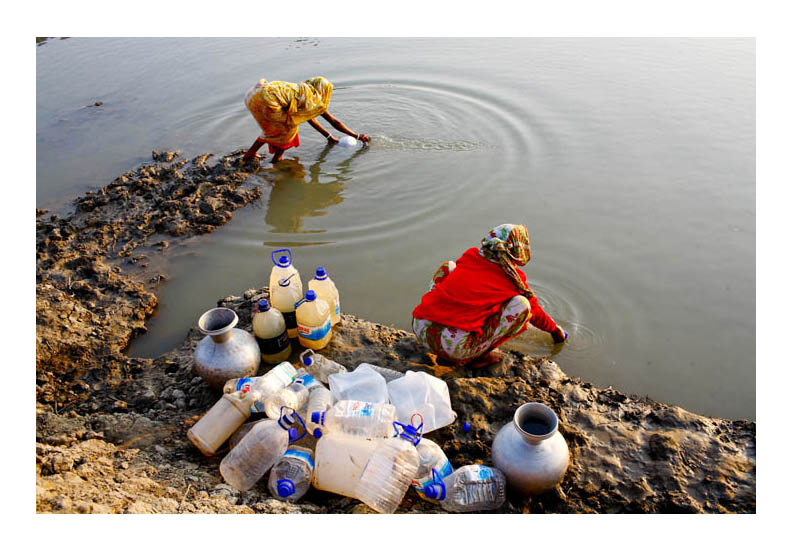
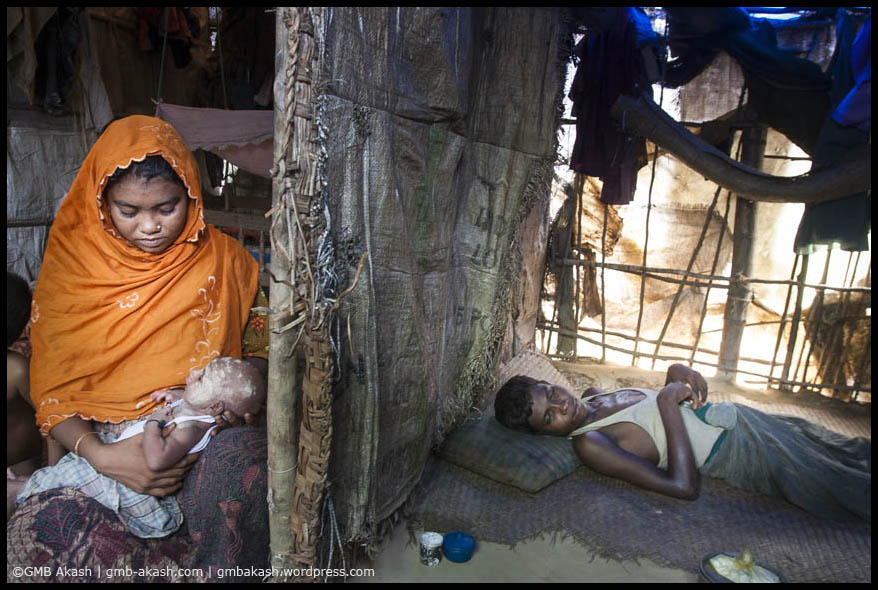
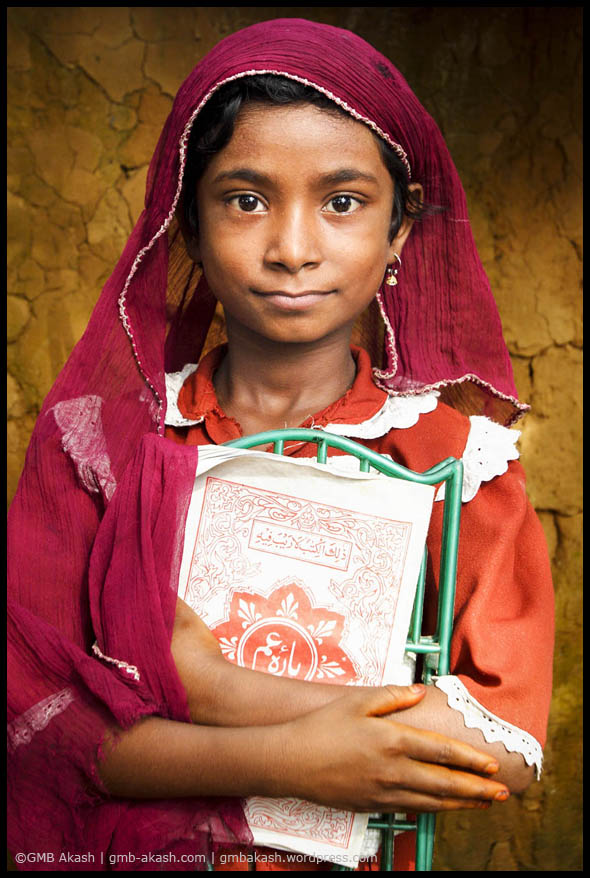
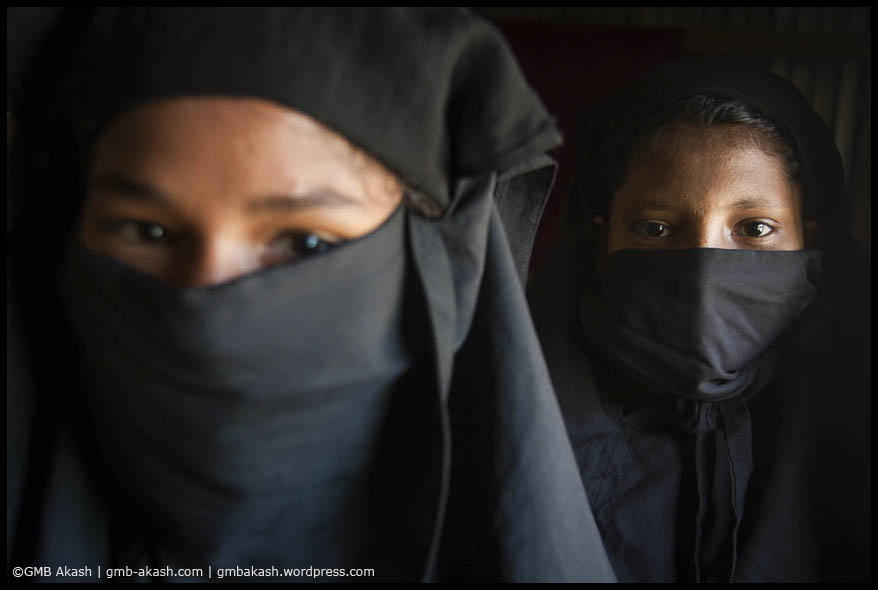
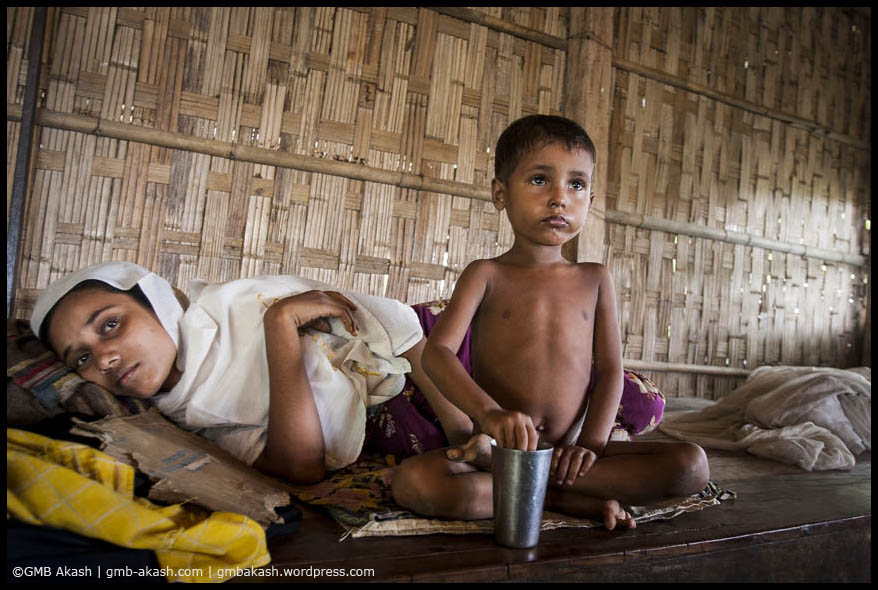
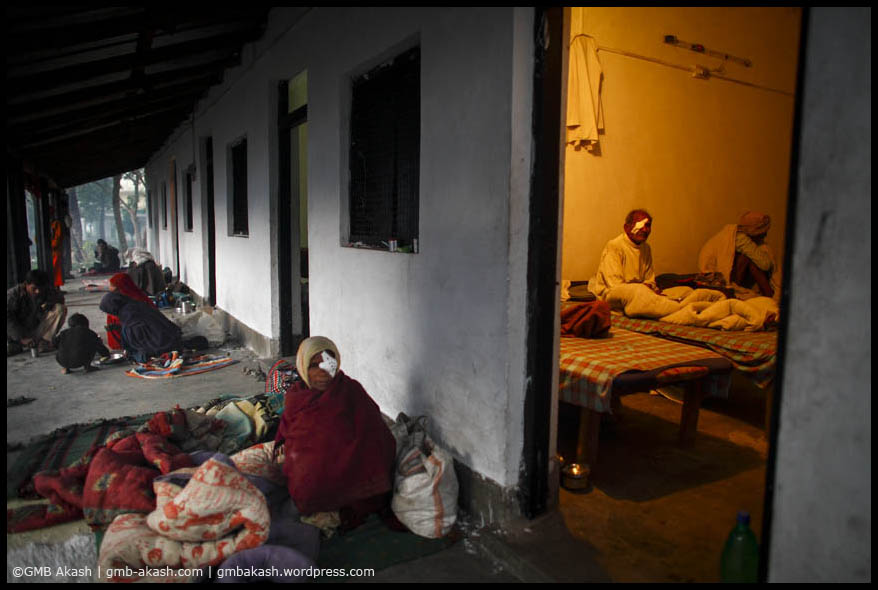
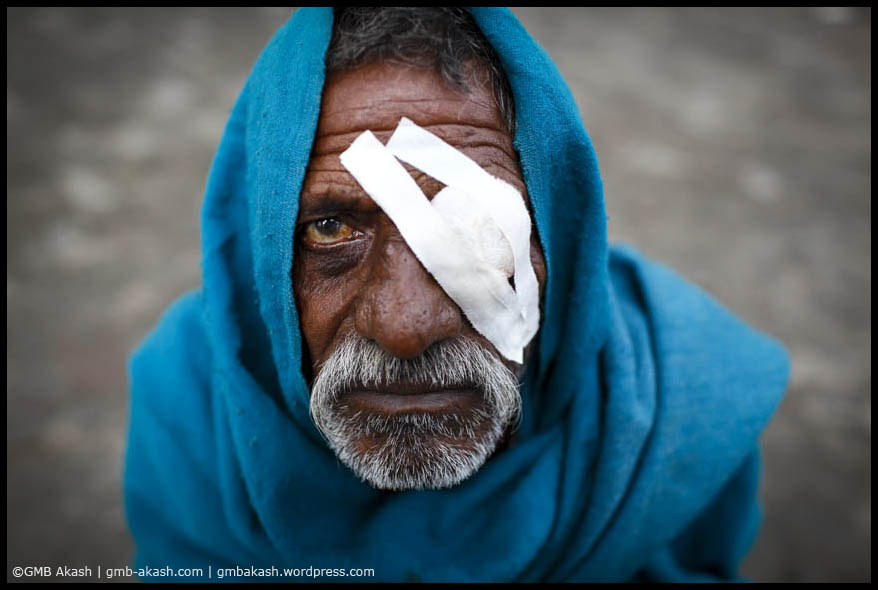
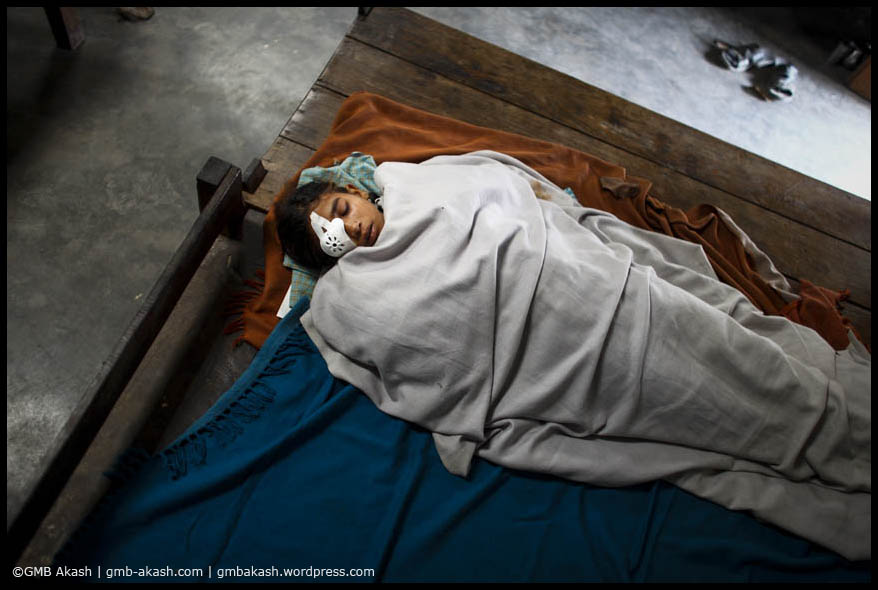
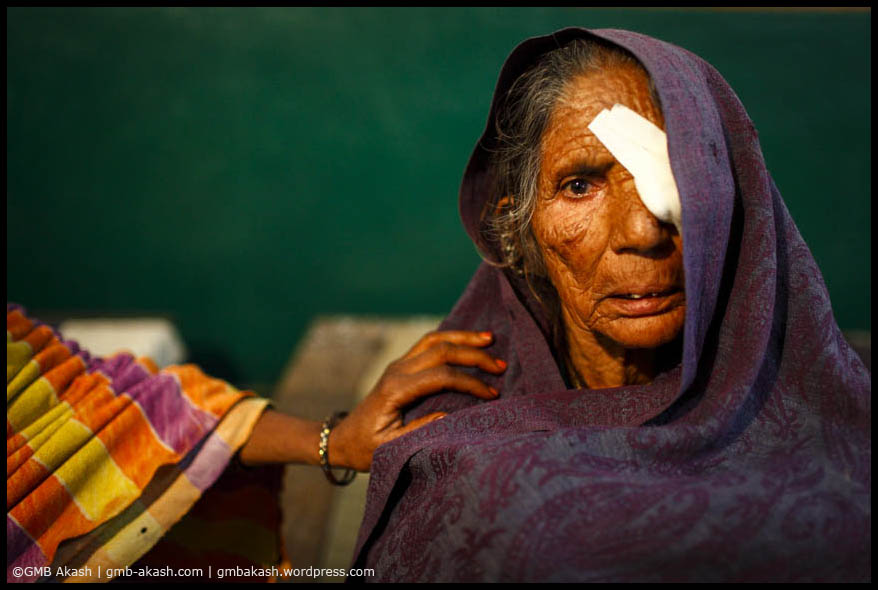
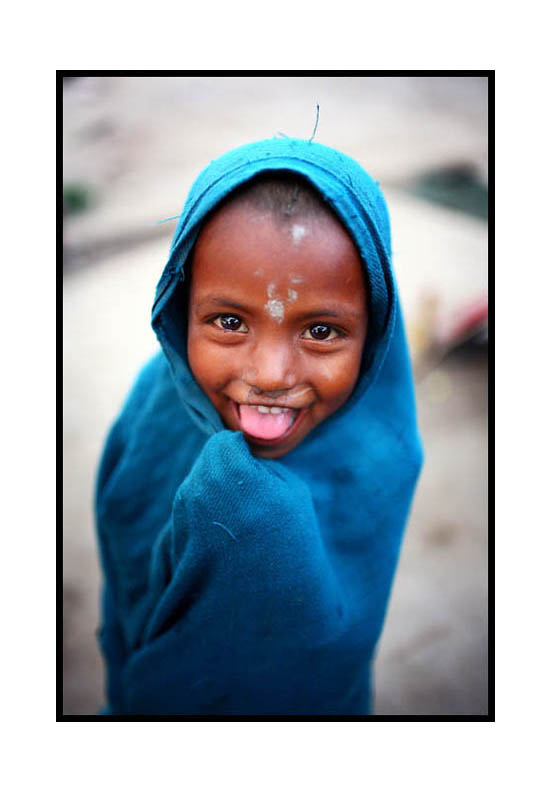
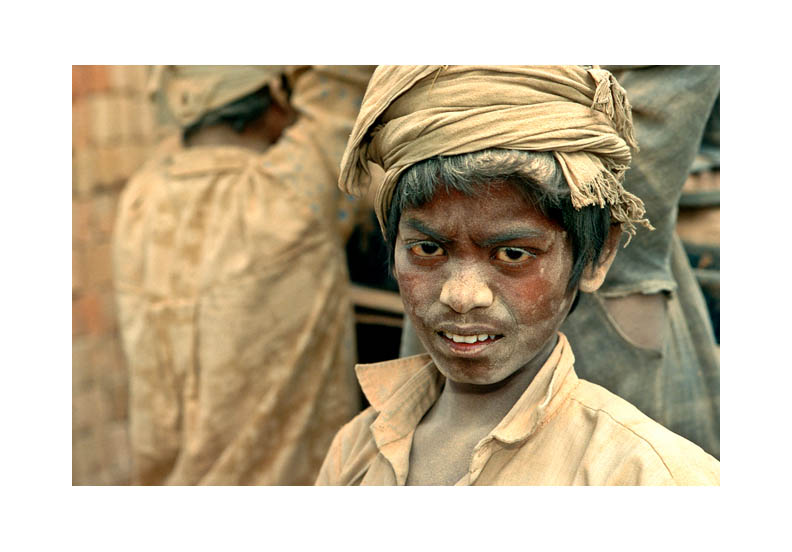
Distributing winter clothes to 500 unprivileged working women.

Dear Friends,

I have been distributing winter clothes to  unprivileged working women so that they can safely go to work in the mornings without harm to their health. Over 500 poor day labourers are being given clothes that they could otherwise not afford.

In order to express my appreciation to all for your generosity, I am presenting few happy faces. I would like to share the happiness and comfort with all of you that you have created and I want to pass on to you the gratitude for your love and care for these unprivileged women.

I cannot thank my friends enough. Still, we have a long way to go and we all want to continue such a journey in the future. We will leave footprints of love and kindness wherever we will step. Loads of love and blessings to you all.

Love and Light!

GMB Akash

GMB Akash

Photojournalist and Profile Photographer at Panos Pictures, London

Founder of GMB Akash Institute of Photography, Dhaka

Patreon: https://www.patreon.com/gmbakash

Website: http://www.gmb-akash.com/home

Photography Workshop: http://www.gmbakashworkshop.com/

Facebook Page: https://www.facebook.com/gmbakash/

Instagram: https://www.instagram.com/gmbakash/

Blog: https://gmbakash.wordpress.com/

Twitter: https://twitter.com/GmbAkash

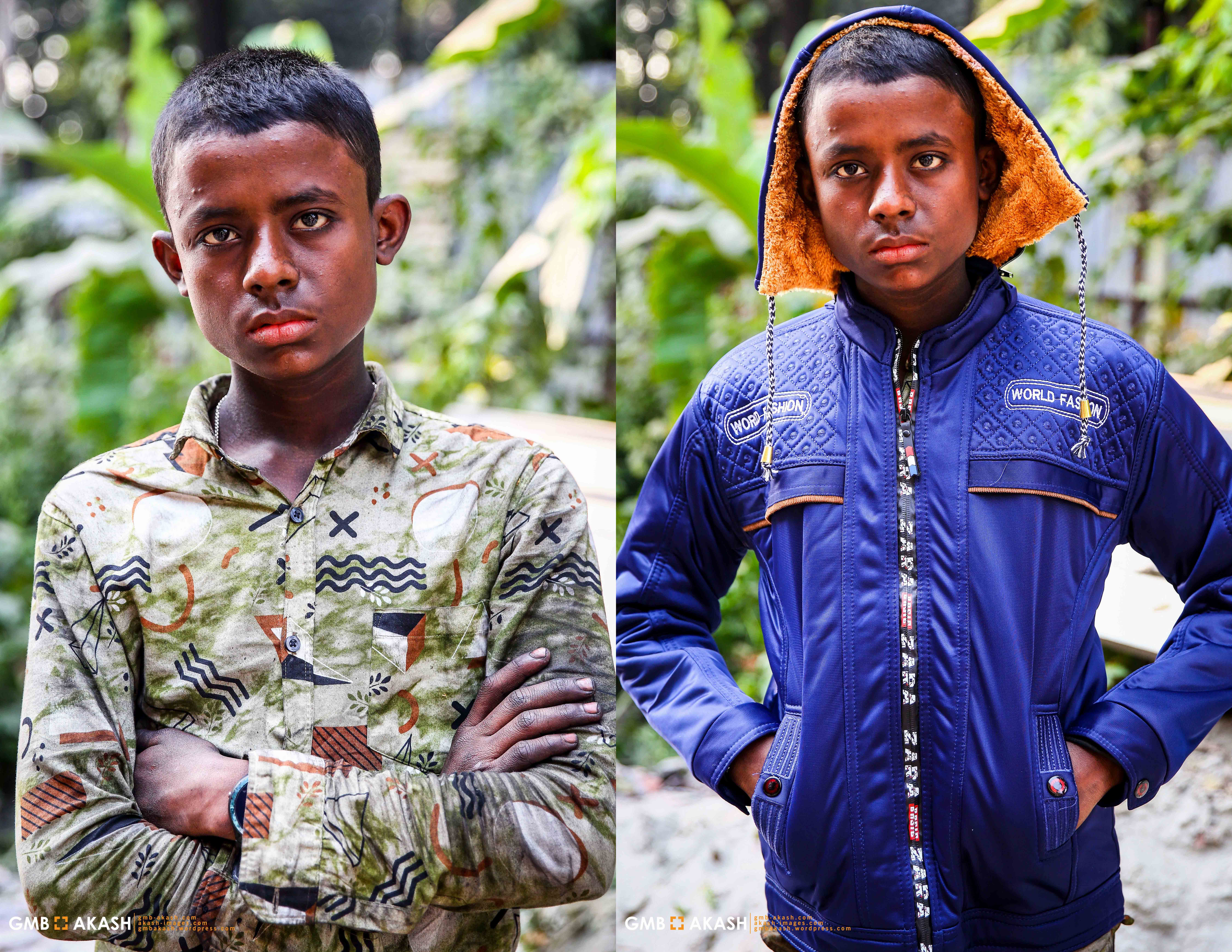
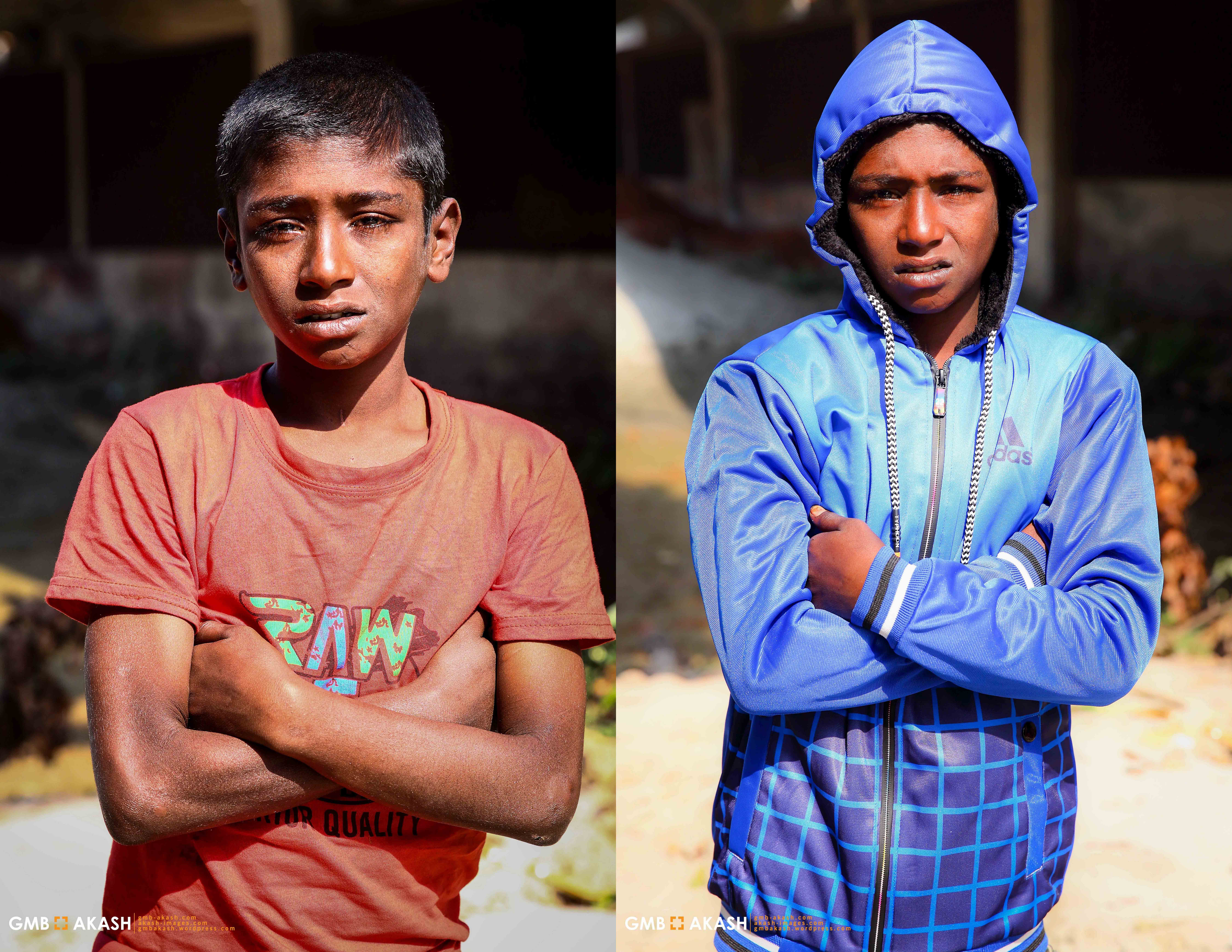
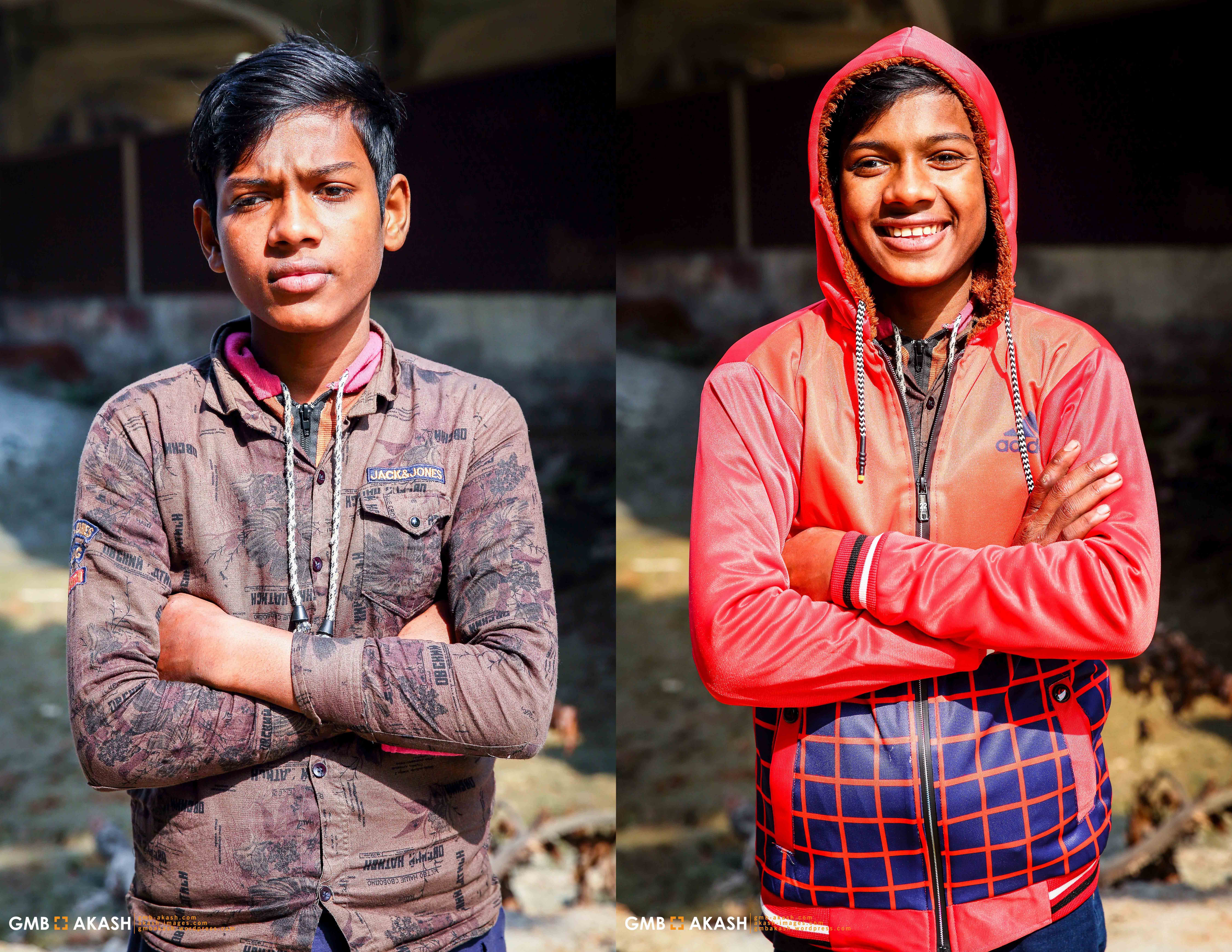

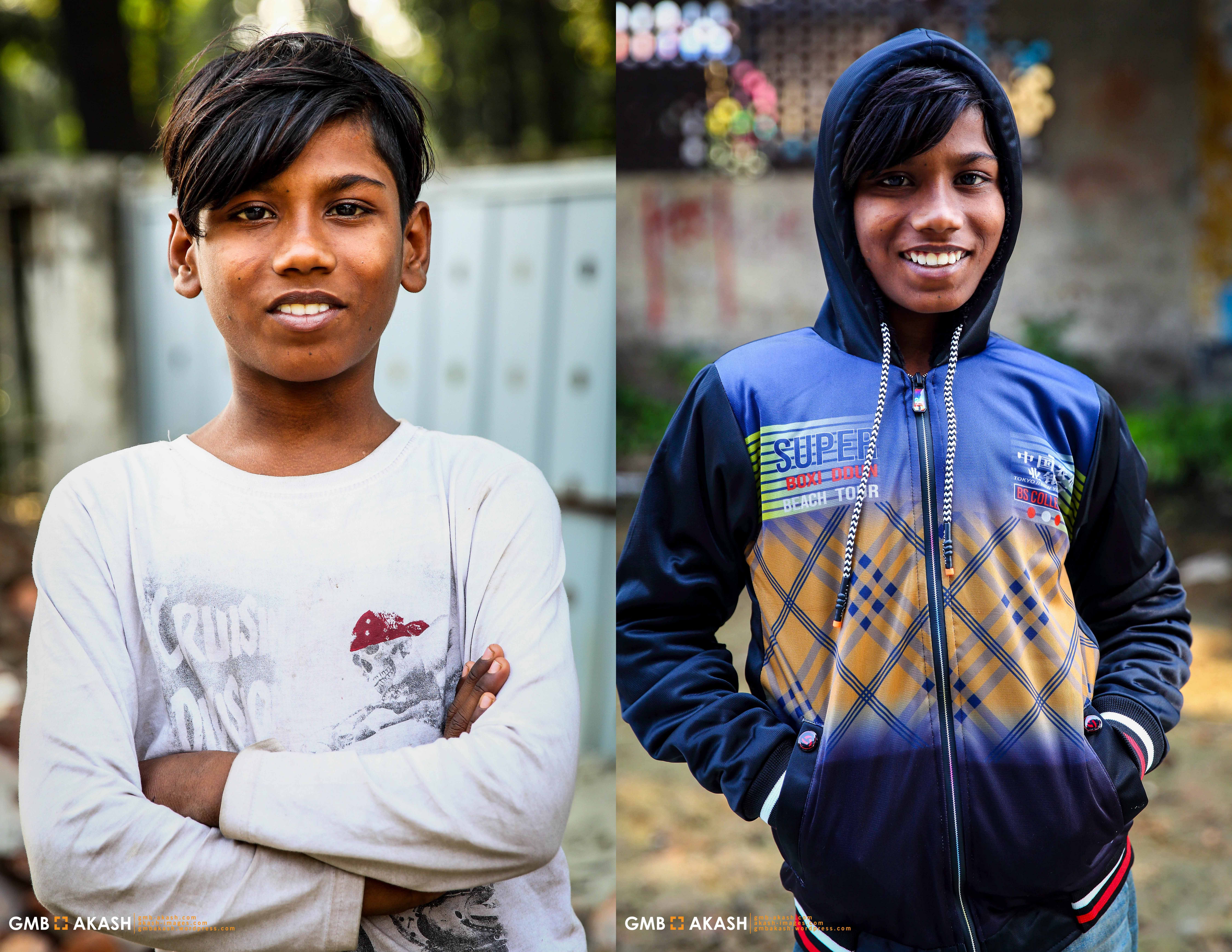
Gifting winter jackets among street children and unprivileged students from all over Bangladesh.

Dear friends,

Since last month I have been gifting hundreds of winter jackets among street children and unprivileged students from all over Bangladesh.

The distribution of blankets for old helpless couples, old single mothers and fathers and winter clothing for unprivileged working women continues this month also.

I believe our little love can easily put a smile on so many faces and our little care can end sufferings of so many disadvantaged people.

Sharing some happy faces with you all…

It doesn’t cost much to help people, all it takes is love and care, and a strong desire to share that love with everyone.

Let us all spread our love to everyone, especially those who have no one to stand by them…

Thank you my friends for always supporting me and my work. I am always grateful from my heart.

_GMB Akash

GMB Akash

Photojournalist and Profile Photographer at Panos Pictures, London

Founder of GMB Akash Institute of Photography, Dhaka

Patreon: https://www.patreon.com/gmbakash

Website: http://www.gmb-akash.com/home

Photography Workshop: http://www.gmbakashworkshop.com/

Facebook Page: https://www.facebook.com/gmbakash/

Instagram: https://www.instagram.com/gmbakash/

Blog: https://gmbakash.wordpress.com/

Twitter: https://twitter.com/GmbAkash

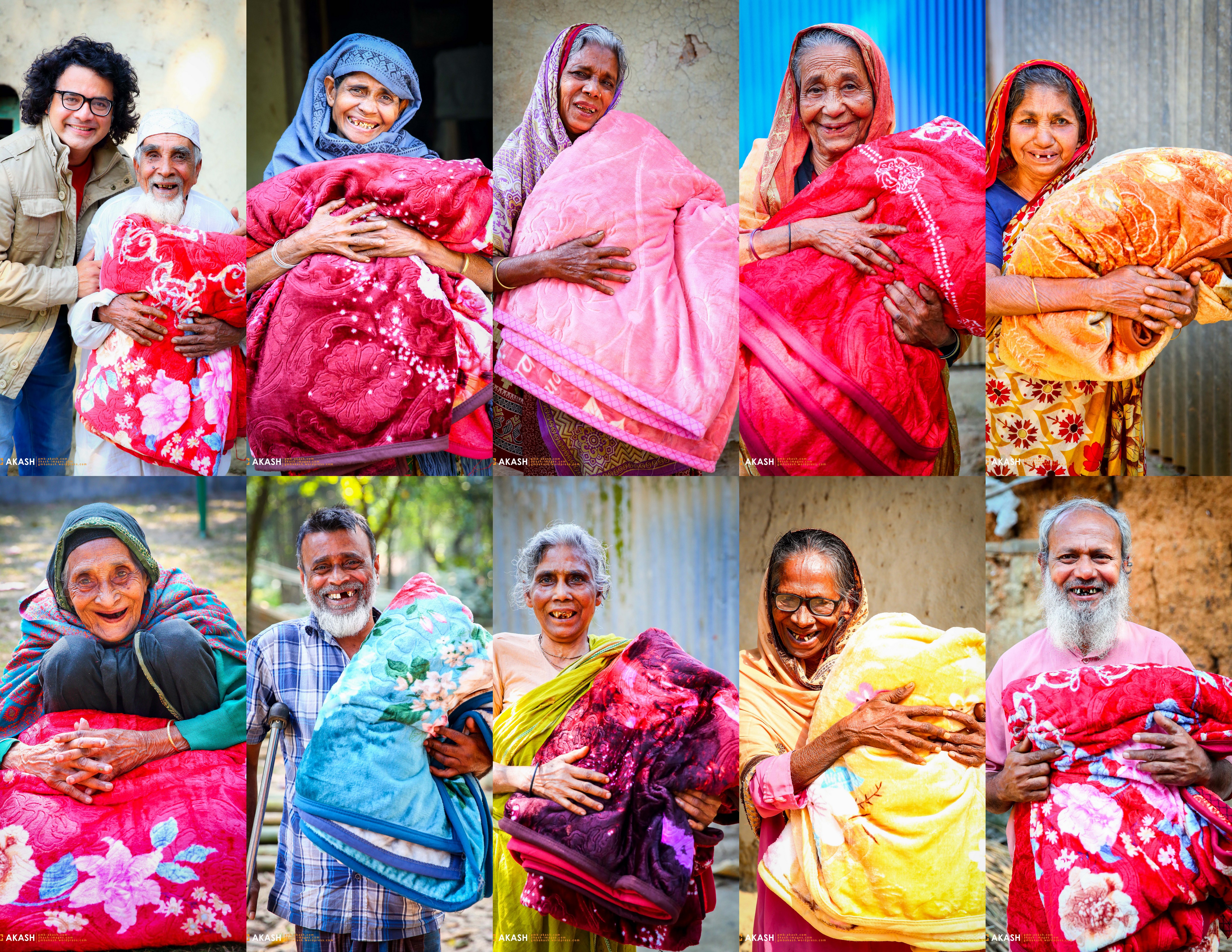
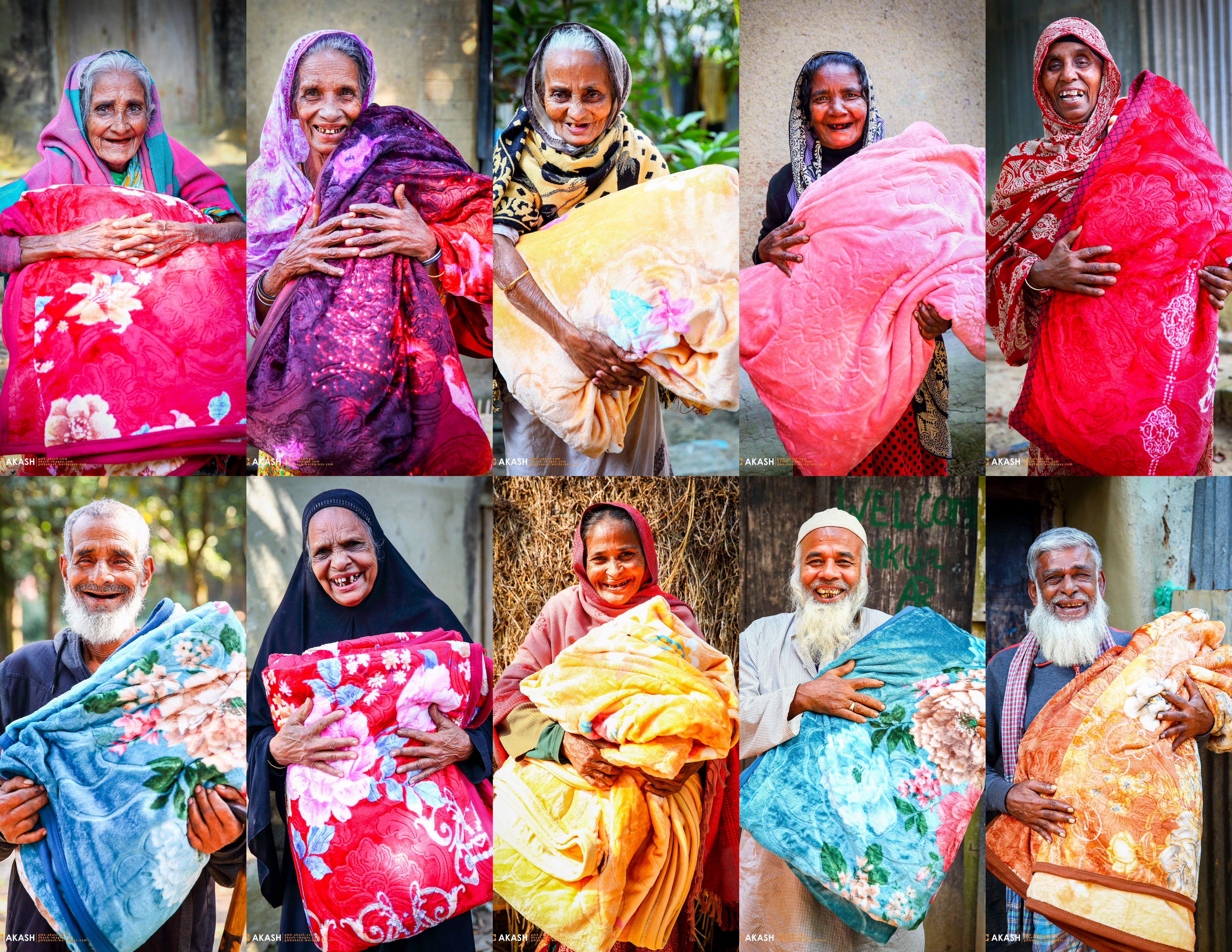
Distributing blankets among unprivileged!

Dear friends,

During this winter, by breaking through the fog, I was able to bring some sunshine into the lives of nearly 600 souls.

By the grace of God, and all your support, I have been distributing hundreds of blankets among old helpless couples, old single mothers and fathers and winter clothing for unprivileged working women and children. The distribution continues this month as well

All this happening because of all your kind support and love for my work.

In order to express my appreciation to all for your generosity, I would like to share these priceless happy faces with all of you.

Being unwanted, unloved and uncared by the people we love is a greatest illness and I believe with an affectionate smile and an overwhelming hug we can ease the illness for a while.

Love and light.

_GMB Akash

GMB Akash

Photojournalist and Profile Photographer at Panos Pictures, London

Founder of GMB Akash Institute of Photography, Dhaka

Patreon: https://www.patreon.com/gmbakash

Website: http://www.gmb-akash.com/home

Photography Workshop: http://www.gmbakashworkshop.com/

Facebook Page: https://www.facebook.com/gmbakash/

Instagram: https://www.instagram.com/gmbakash/

Blog: https://gmbakash.wordpress.com/

Twitter: https://twitter.com/GmbAkash

Breaking the silence!

This month I have started gifting ‘Hygiene Bags’ among unprivileged teenage girls who are really in need but who can’t afford it. 

We have distributed 200 hygiene bags to 200 girls just in the last 2 weeks. I have been doing this action for some time now and these 200 girls will receive this ‘Hygiene Bag’ every year until they have completed their education and they have started earning enough for themselves to afford buying their own hygiene products. I do this so that these 200 girls will find some relief during their monthly hardships and be able to concentrate on their studies and move towards a healthy future. 

A ‘Hygiene Bag’ is not just a gift bag, it represents happiness for a sister. It facilitates the journey towards a healthy future for a girl but mostly, it gives relief from the physical and mental suffering at that time of the month.

Every bag consists of 15 packets of sanitary pads for one year, 6 inner garments, two towels, 24 bars of soap for washing and bathing as well as an informative letter from me.


Almost 80% of the women in Bangladesh do not use sanitary napkins mainly due to their high cost or simply due to their lack of awareness which leaves them susceptible to a myriad of health problems.

I personally visited and talked to the girls. Most of them mentioned that they cannot afford these products or their families simply don’t buy them for their girls. In many cases, they cannot even tell the family of their need because they are already in severe poverty.

Many thanks to my volunteer friends who were in the field these last two weeks beside me. They helped with the buying and transporting of the products to different parts of Bangladesh as well as distributing and giving counsel to the girls. 

Please keep me in your prayers so I can always do my small part to serve the people in need till my last days. 

You can also be a part of making some of them smile; you can also tell them they are loved; you can also give them some hope for a day or for a lifetime. If you want to contribute, please email me at akashphoto@gmail.com

Love and Light!

GMB Akash

Photojournalist and Profile Photographer at Panos Pictures, London

Founder of GMB Akash Institute of Photography, Dhaka

Patreon: https://www.patreon.com/gmbakash

Website: http://www.gmb-akash.com/home

Photography Workshop: http://www.gmbakashworkshop.com/

Facebook Page: https://www.facebook.com/gmbakash/

Instagram: https://www.instagram.com/gmbakash/

Blog: https://gmbakash.wordpress.com/

Twitter: https://twitter.com/GmbAkash

Dreams of child laborers

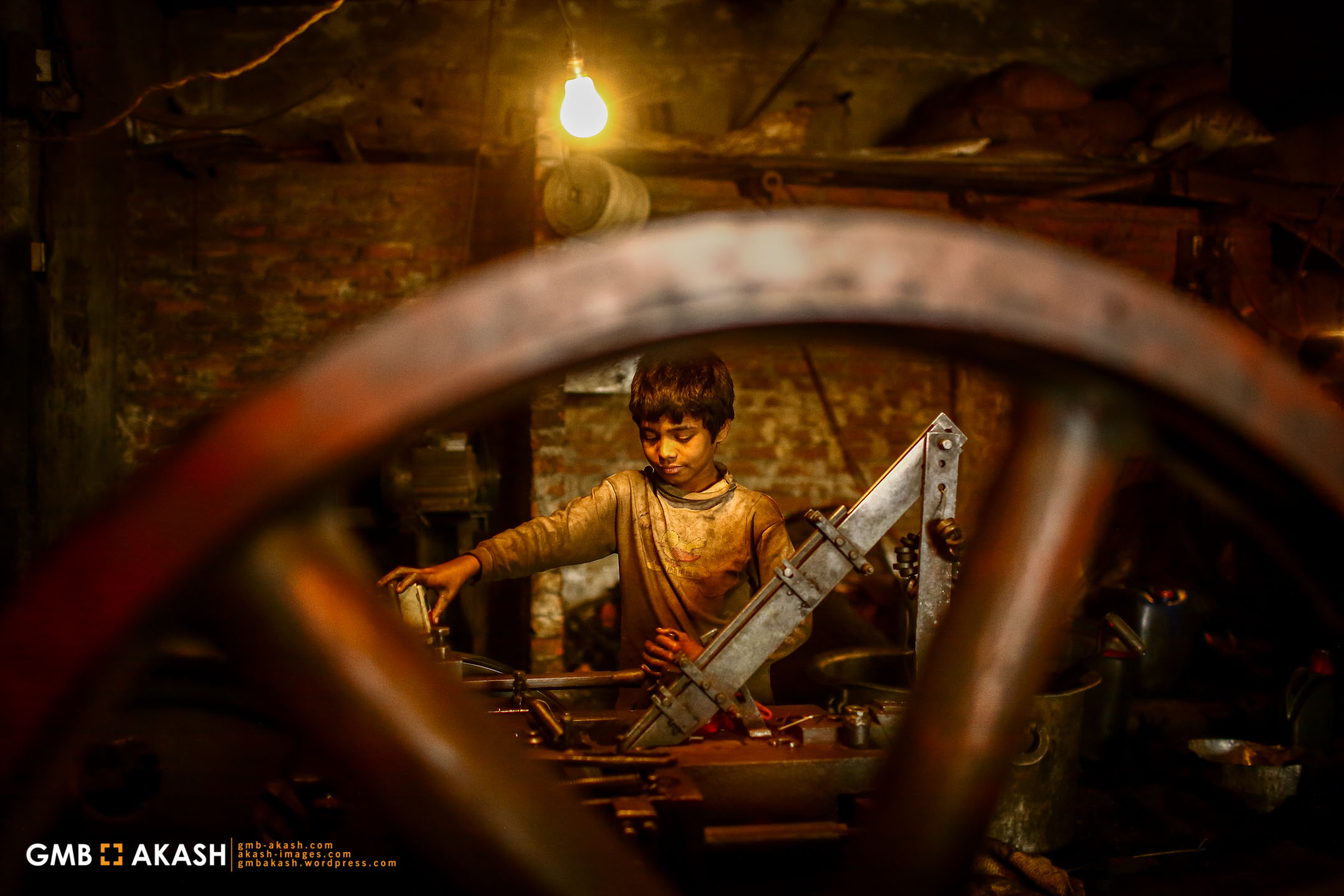
Every time I am working with children on different projects, I like to collect their stories and I always ask them to tell me their dreams. Here, I am sharing with you 10 common dreams that these working children keep inside their hearts! These dreams can give us insights into the souls of these little angels.

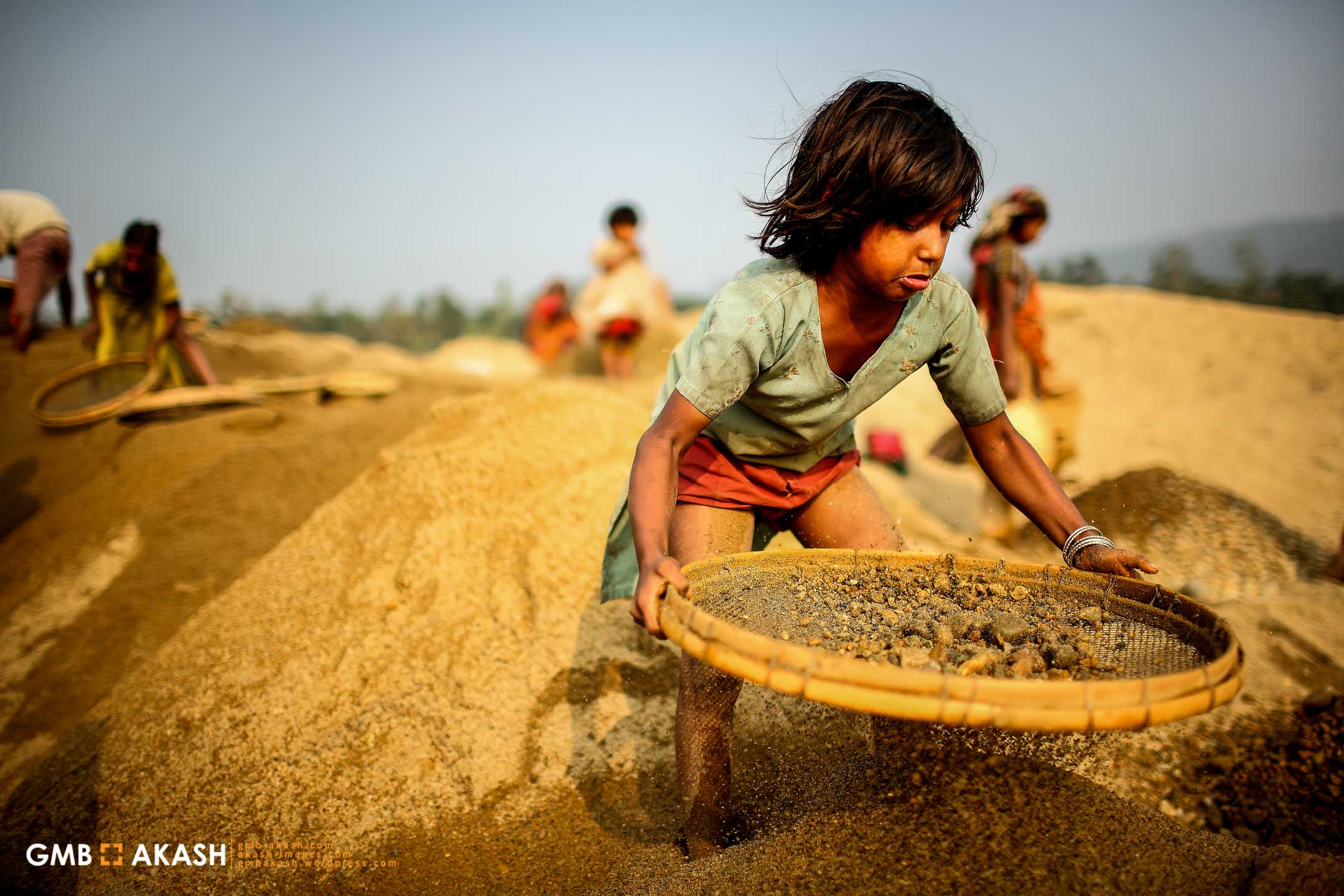
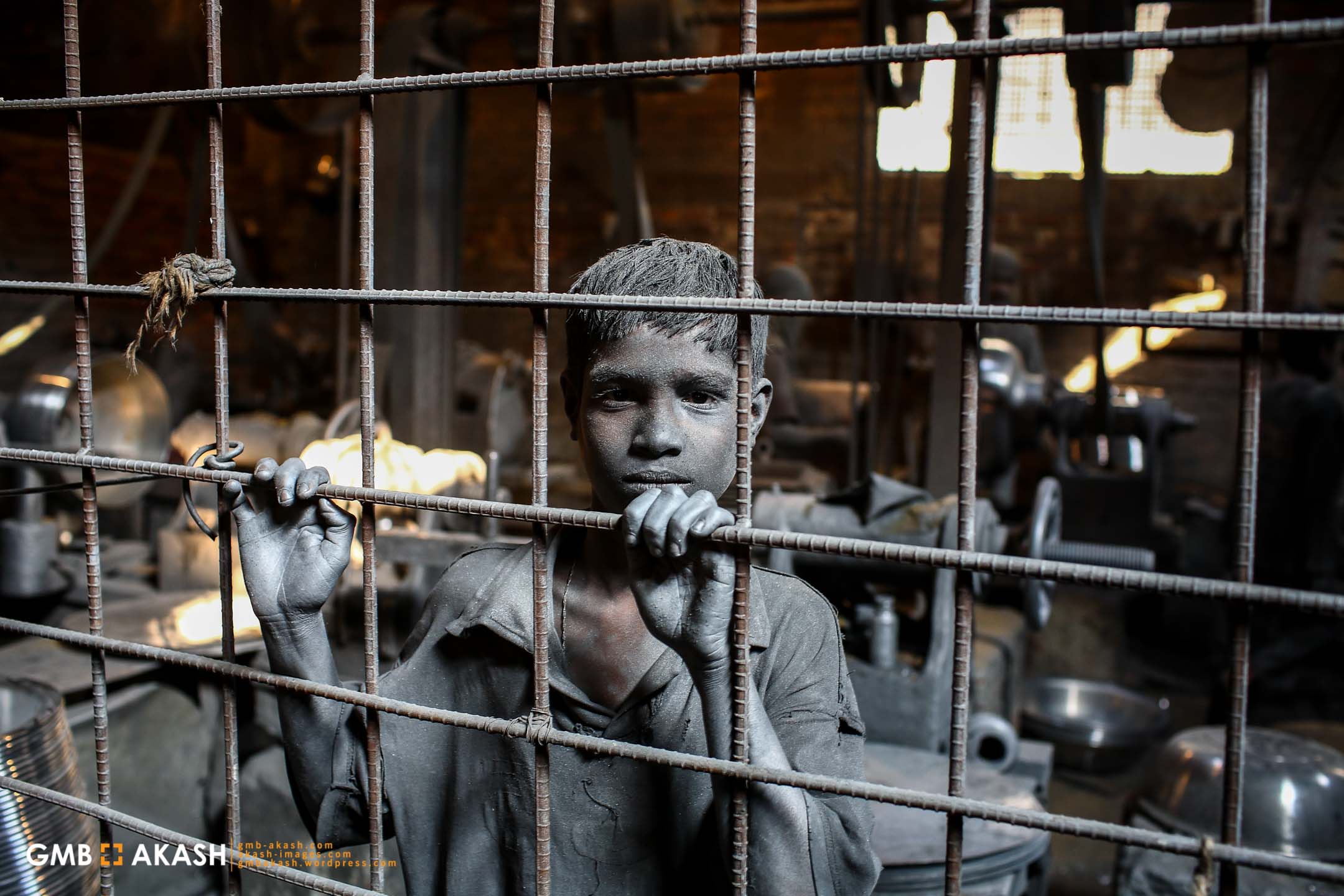
Child labour in Bangladesh is sadly very common with 4.8 million child labourers or 12.6% of all children aged 5 to 14 finding themselves in the work force in order to survive or to help their family survive.

I have been working on this issue for the last 15 or more years to create awareness and to bring about positive changes in our society.During these last years, I have taken a lot of steps in an effort to contribute to the education of some of these impoverished working children.

A few years ago, I set up a school for unprivileged children outside of Dhaka where around 160 children from rural villages receive nearly free education. Most of their parents are illiterate and these children will be the first generation to be able to improve their lives and the lives of their families.

I have also given scholarships to hundreds of students who, otherwise would not be able to continue their education and might end up working in factories and in hard labour jobs.

Recently I have been trying to admit working children to school. I have been giving small businesses to their parents so they can earn enough money for the family and send their children to school instead of a factory. So far, I have admitted 22 children to school and have taken full responsibility for their education including all expenses. I will see that these activities will be continued for these children and hopefully more children, until my last breath.

These efforts have, of course, been effected by the COVID-19 health pandemic and the resulting economic and labour market shock that is having a catastrophic impact, in particular, on poor people’s lives and livelihoods.

Unfortunately, children are often the first to suffer. This crisis can push millions more vulnerable children into child labour.

fader (13)

When I grow up, I want to be the owner of a factory and I will name my factory after my mother. _ Razu

BC (44)

I want to send my younger sister to school; she loves to study and to go to school. _Sojib

born to work (180)

I want to build a factory where there will be more light, drinking water, fans and more space for working._ Munna

GMB Akash (9)

We will rent a big house in our slum so my parents and my younger sister can sleep comfortably at night. Now, in one room four of us cannot sleep. It is too warm and crowded!- Sobuj

GMB Akash (18)

My mother works as a maid and my father pulls a rickshaw. I want to grow up fast so I can earn more money every day. Then my parents won’t need to work._ Parvin

GMB Akash (17)

I wish I could work in a textile factory. They have a better environment with a fan, toilet and clean building._Shilu

GMB Akash (3)

I dream I will have my own factory where nobody will beat any children nor say bad words to them. _Jewel

GMB Akash (12)

I studied until class 3 and then we came to the city for work. I miss my school and our village. I Hope I can return to our village and study in our village school._Midul

GMB Akash (16)

I want to buy everything that my mother likes. Like new sarees for her, good shoes for her, anything she loves._ Koli

GMB Akash (5)

——————-

GMB Akash 

Photojournalist and Profile Photographer at Panos Pictures, London

Founder of GMB Akash Institute of Photography, Dhaka

TEDxHyderabad:https://youtu.be/sXbmBCzgy8A

TEDxYouth:https://youtu.be/rLG7sPs6MkU

Website: www.gmb-akash.com

Photo Agency: www.panos.co.uk

Photography Workshop: www.gmbakashworkshop.com

Facebook Page: www.facebook.com/gmbakash

Instagram: www.instagram.com/gmbakash

Blog: www.gmbakash.wordpress.com

Twitter:www.twitter.com/GmbAkash

Tribute to Refugees around the world.

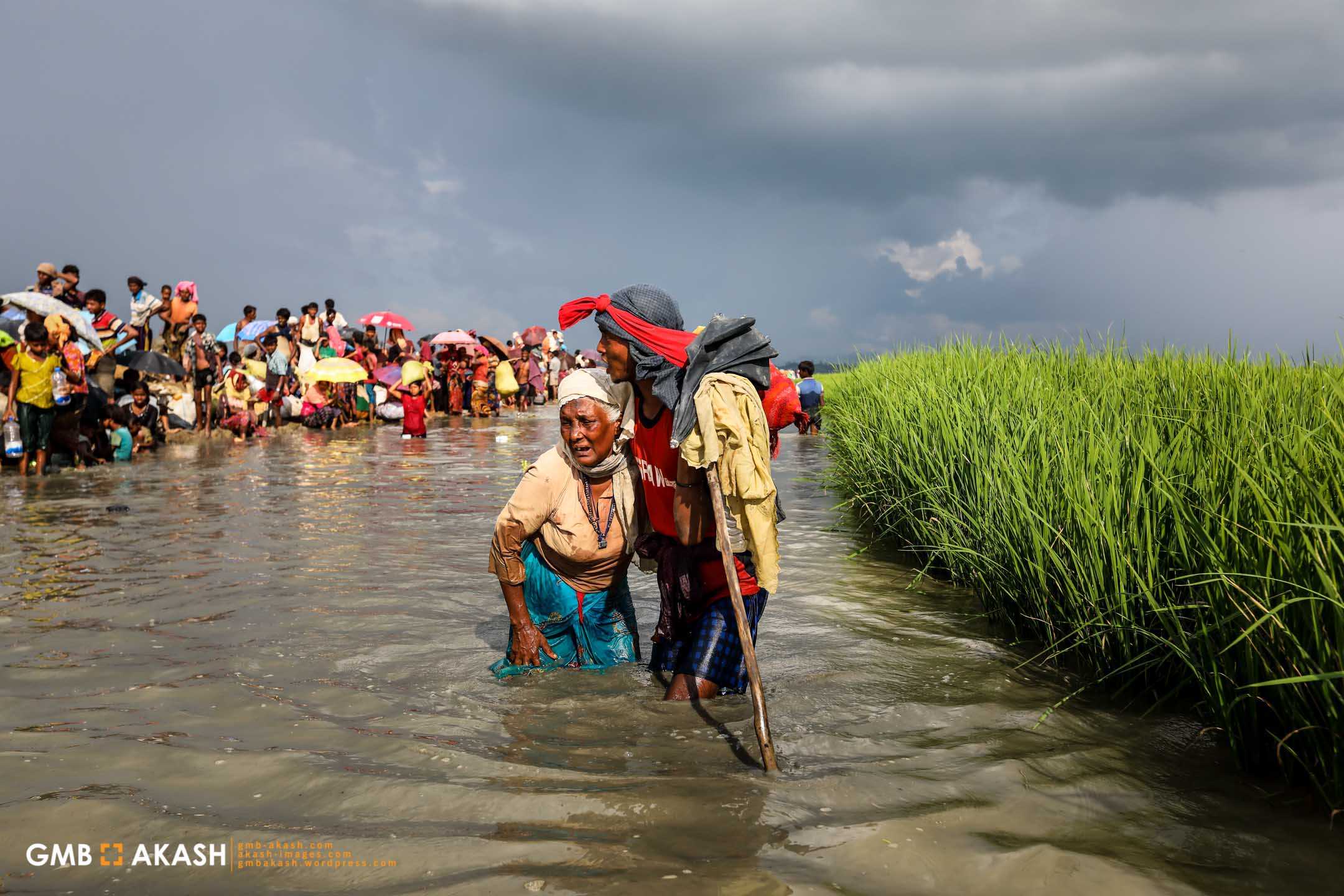
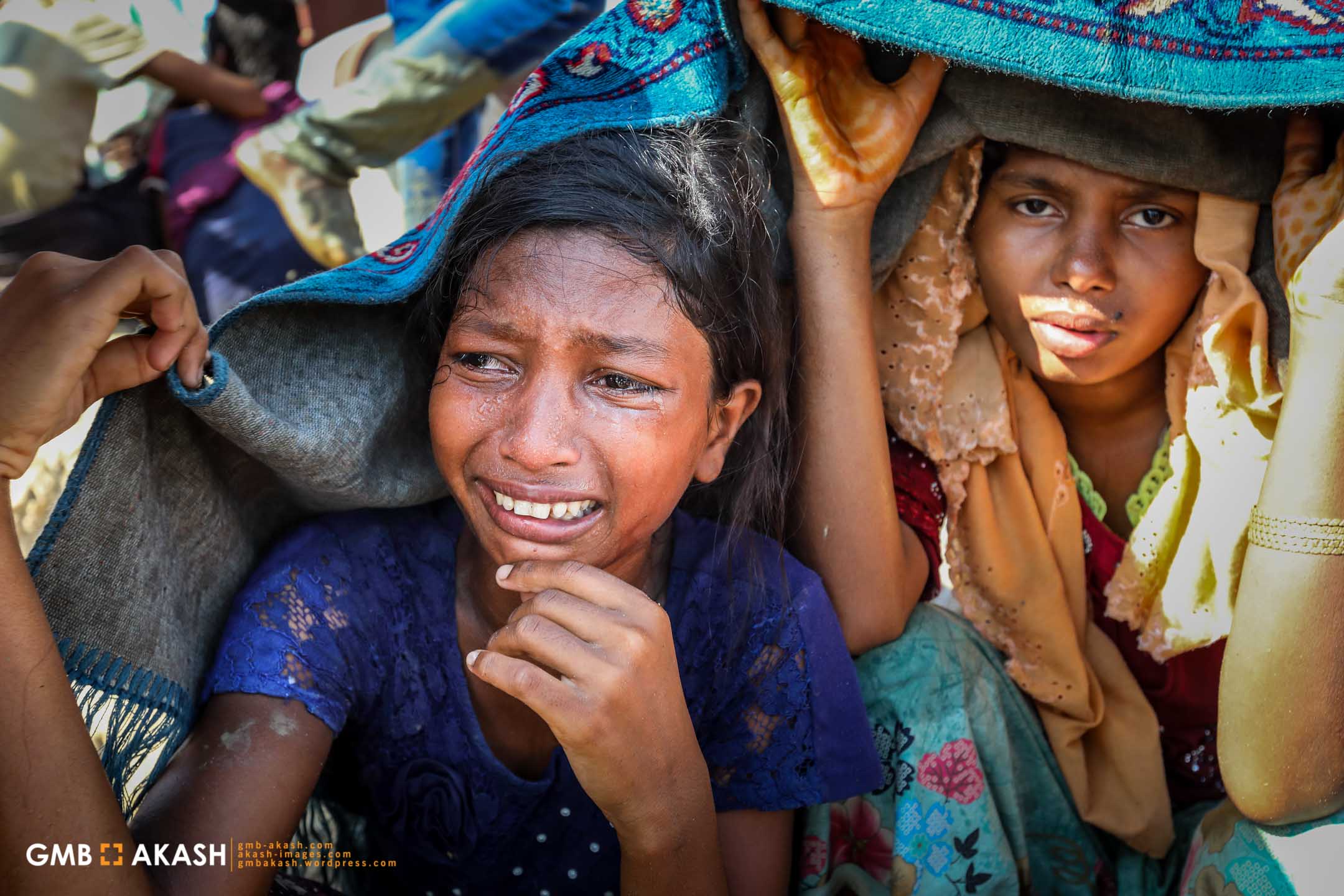
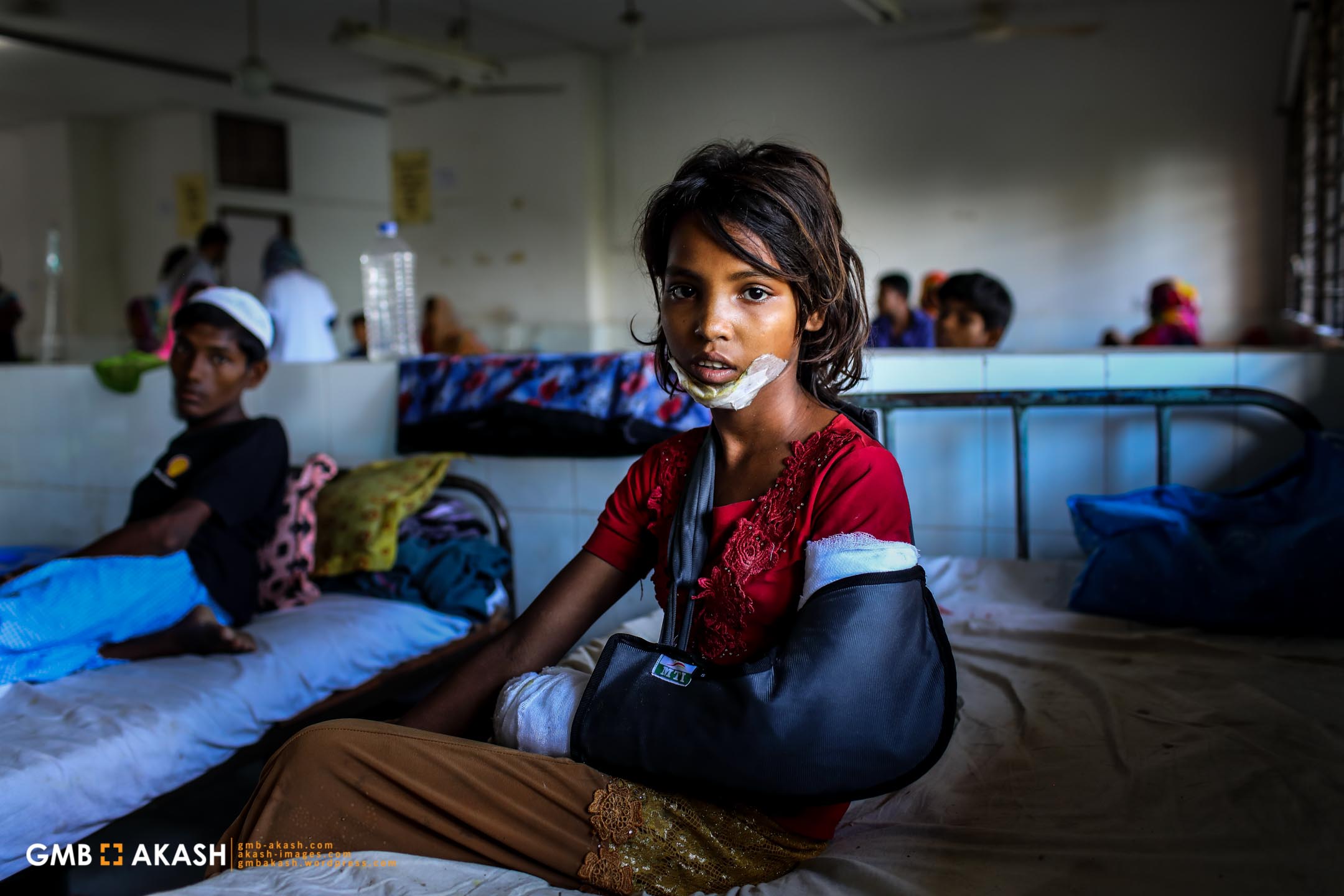
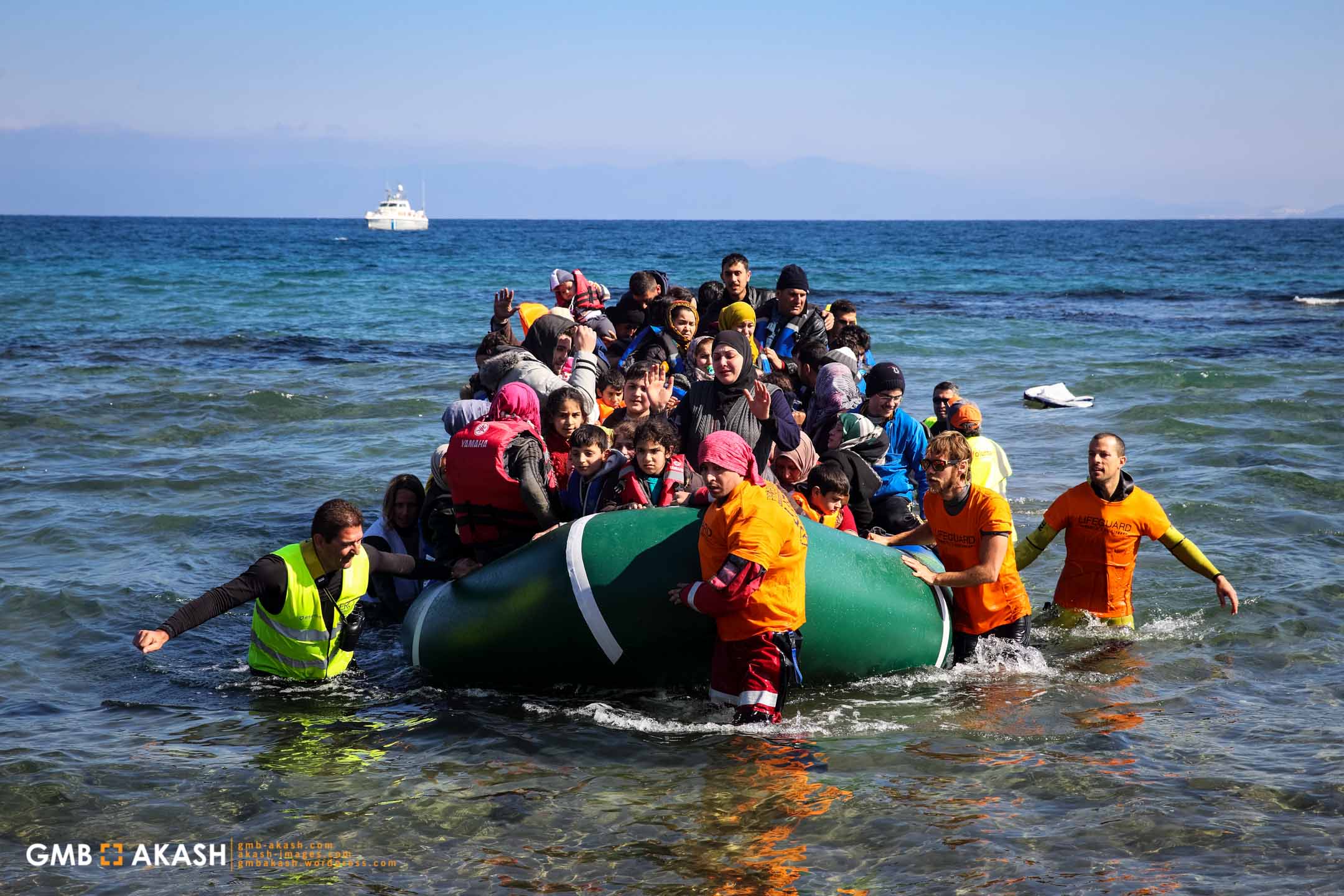
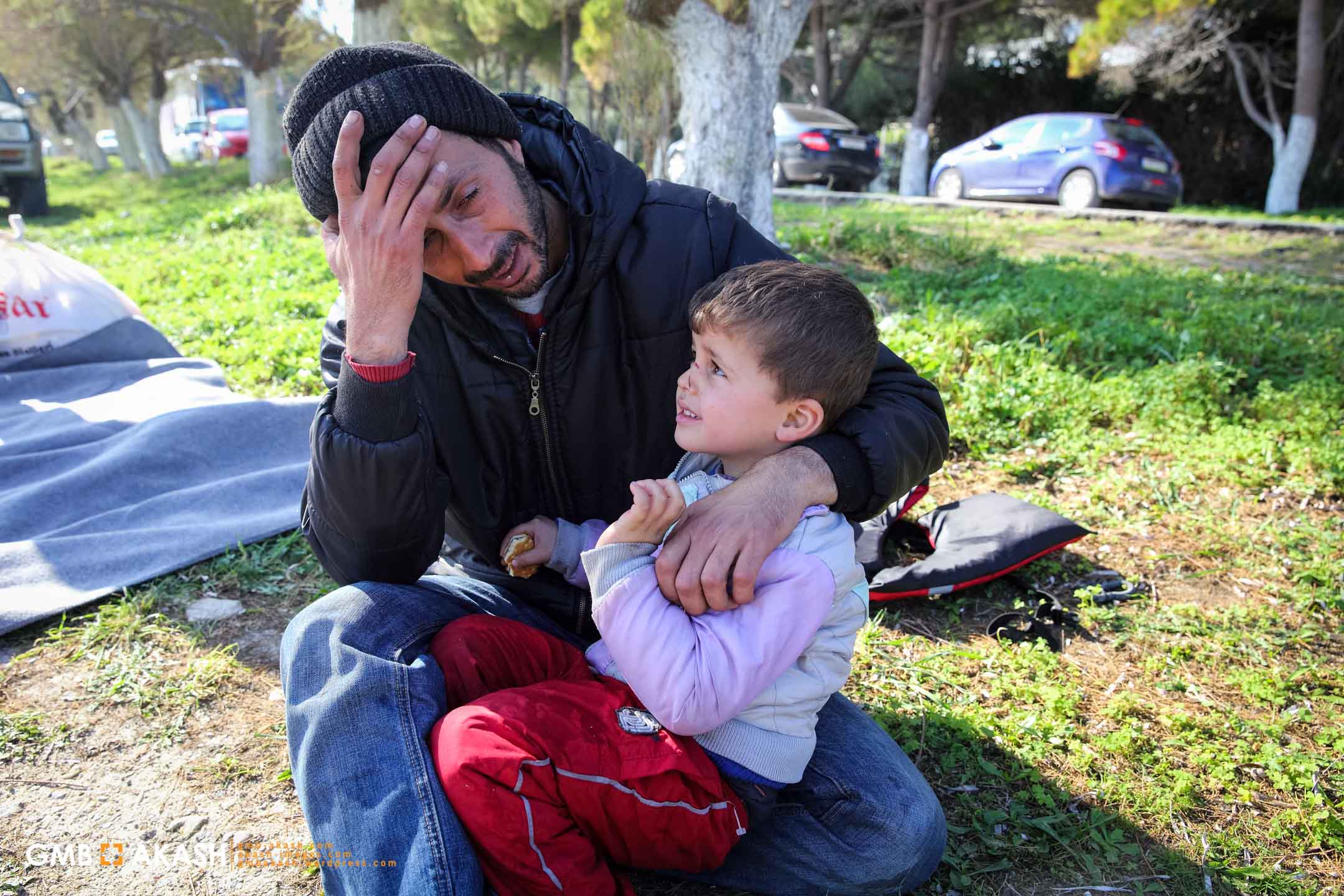
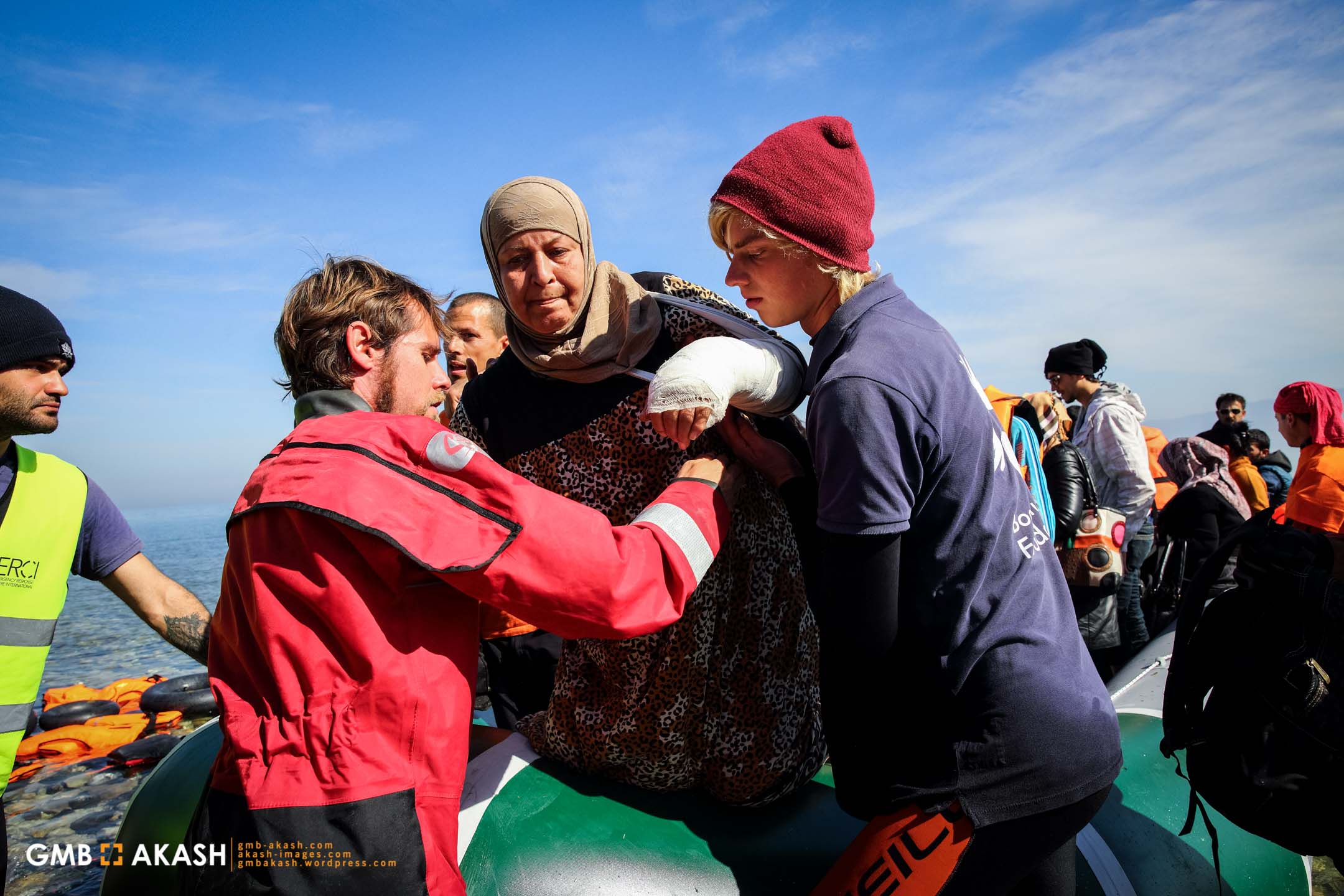
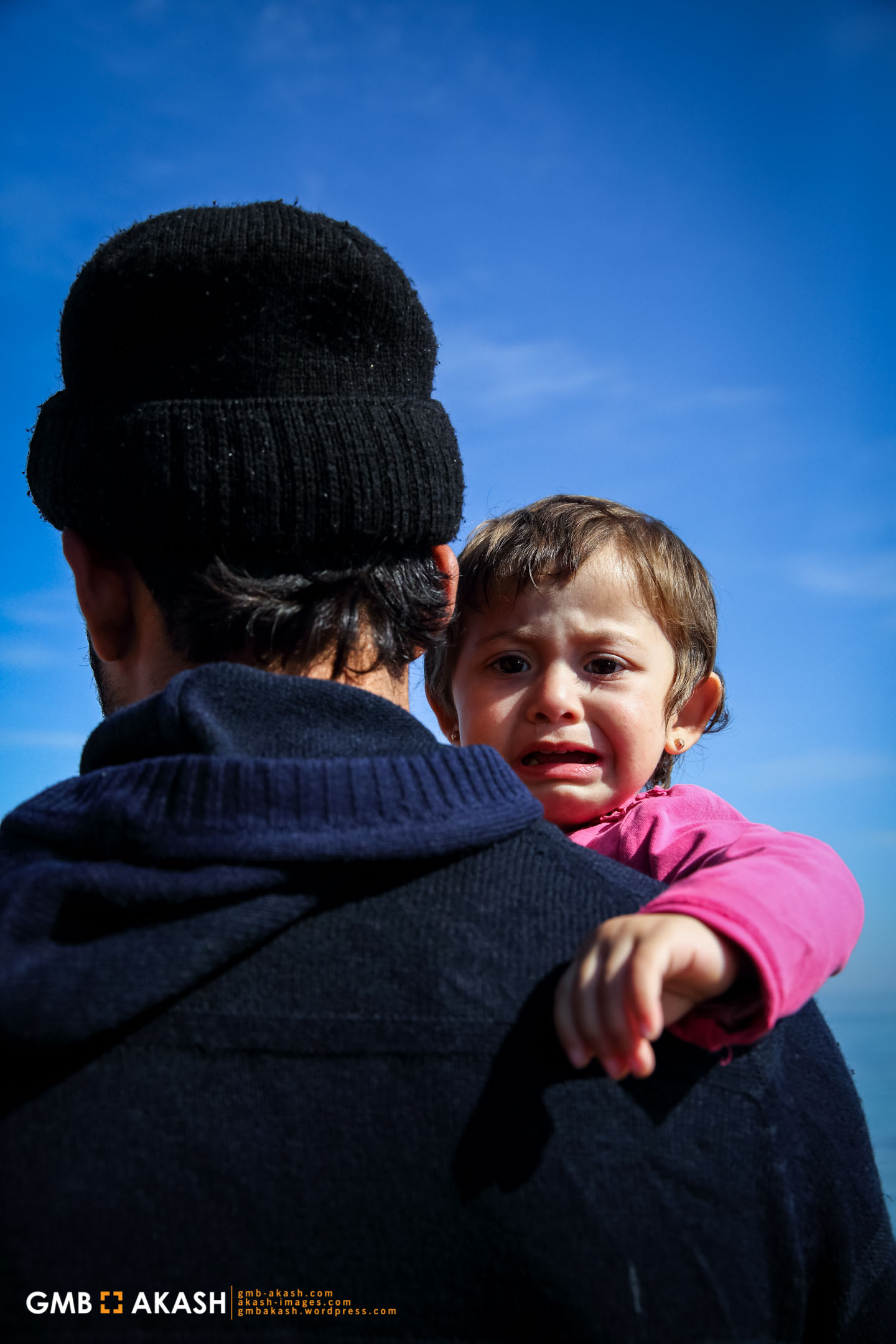
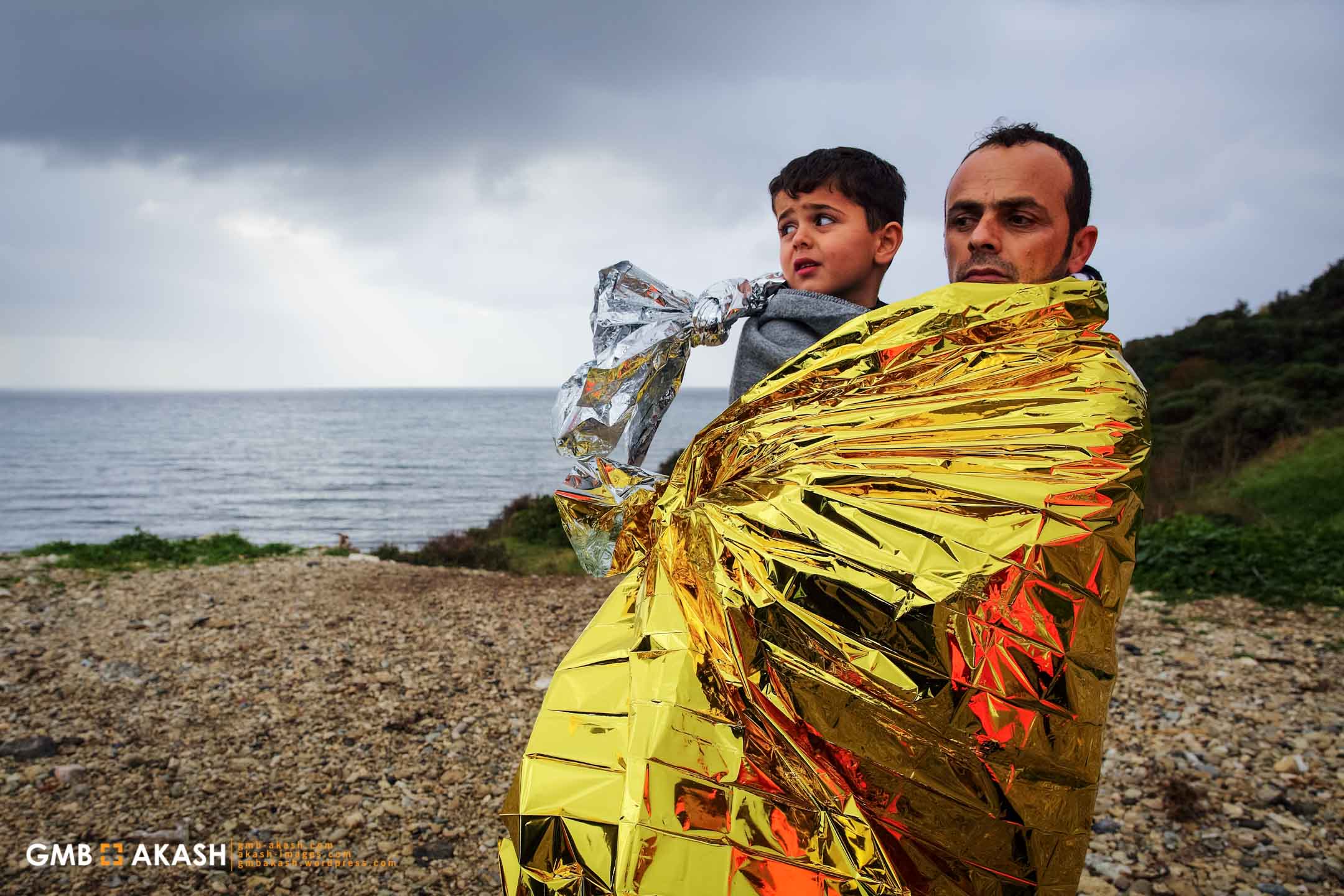
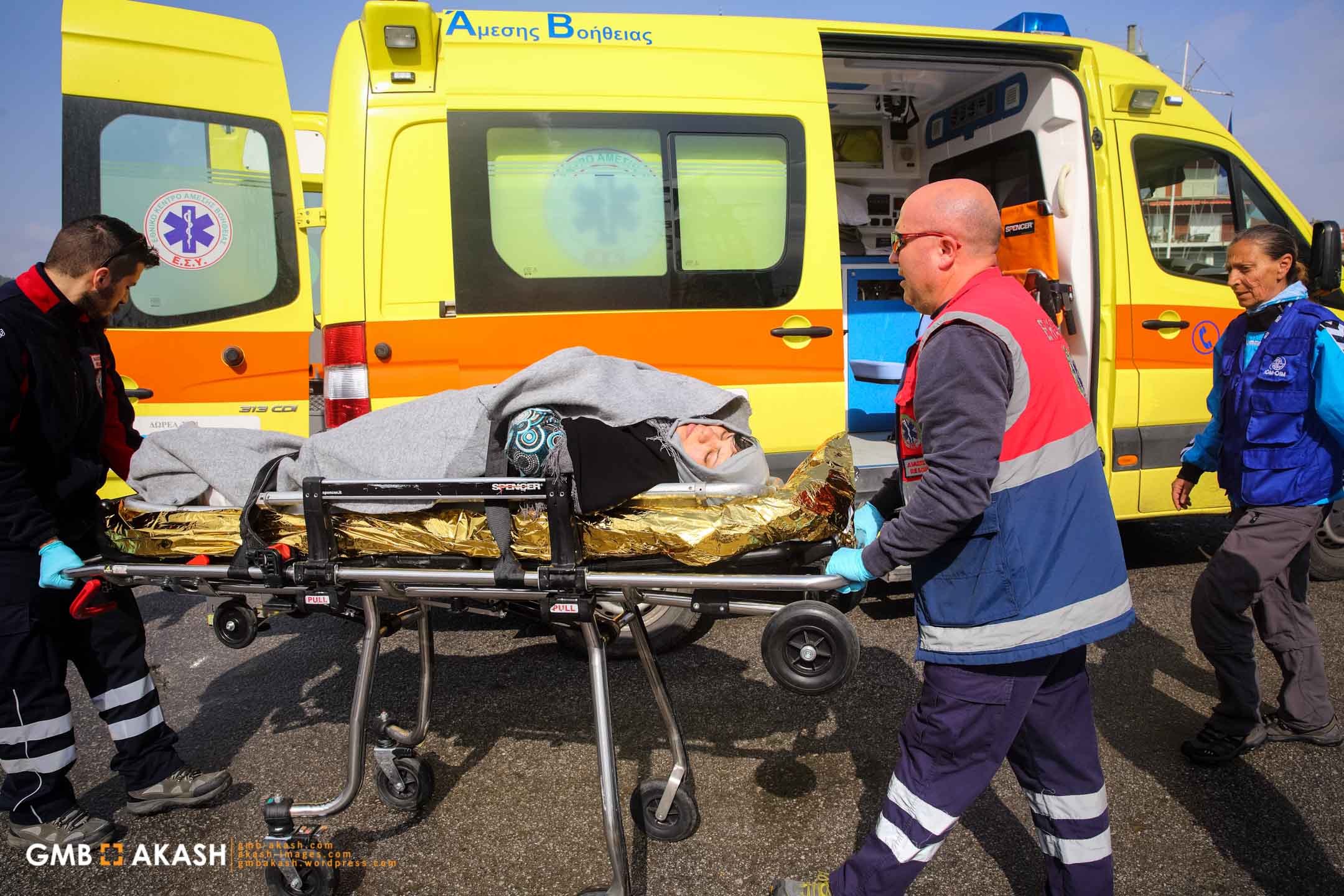
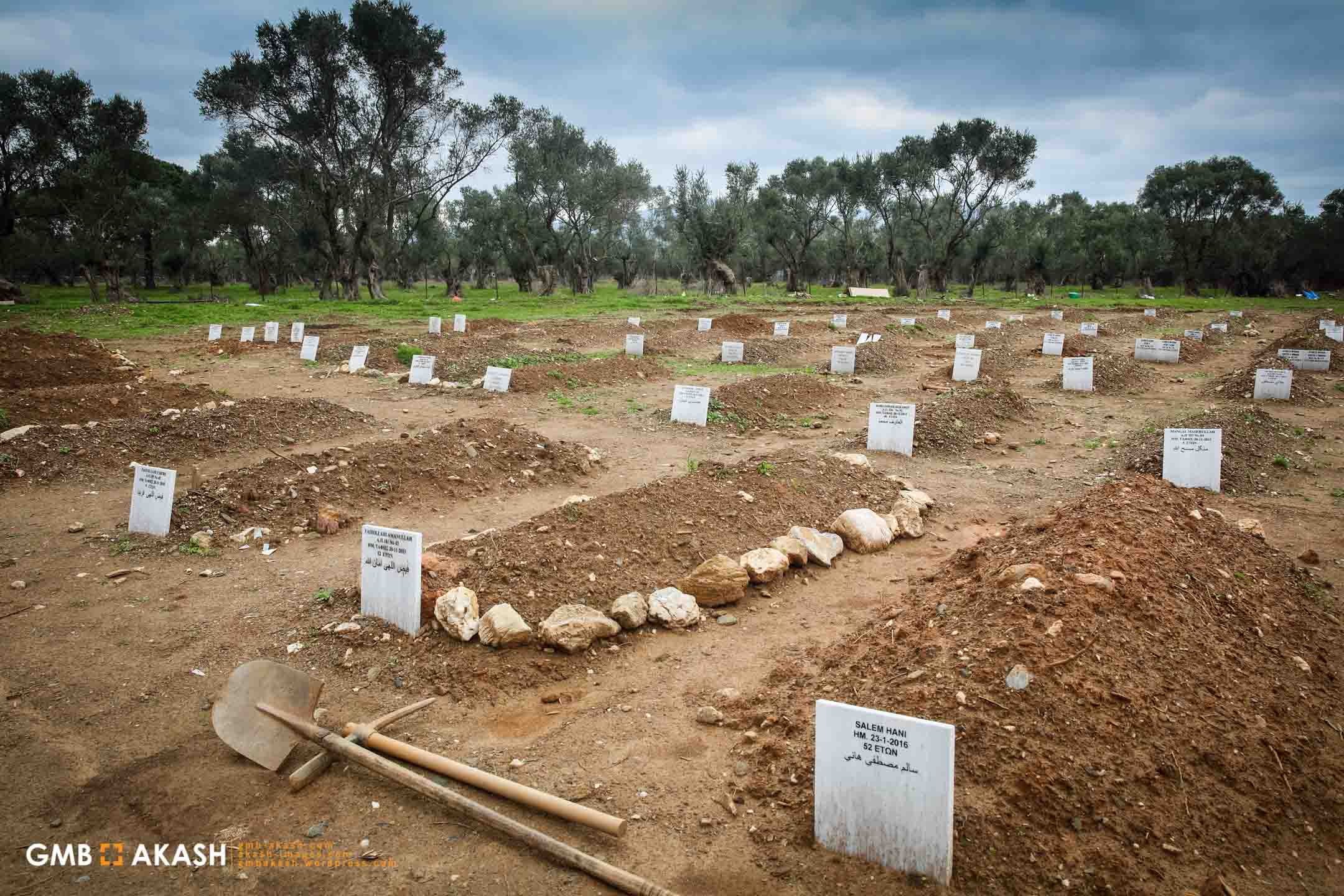
I have spent years documenting refugees and their children. In recent years I have been interviewing and photographing the tragedies of the families escaping for their lives to Greece from the Middle East as well as the desperate Rohingya and Bihari refugees escaping to Bangladesh from border countries.

To closely experience their lives as well as to help and speak with the families. I spent nights awake in Lesbos Greece waiting for dilapidated and overloaded boats to arrive from Turkey. Sometimes the boats never made it. I walked hundreds of kilometers along with the refugees while they were trying to cross the border out of Greece. In between, I was in their camps, shelters and anywhere they were, trying to discover their pain, suffering, and anguish that refugees must face.

My experiences were eye-opening, tragic, sad, terrifying, and oftentimes shocking.

You can do your part by SHARING THIS post about millions of refugees who need support.

CB7A0327

CB7A0851

Plight of Rohingya Refugees

More than 24,000 Rohingya were killed by the Myanmar military and local Buddhists. It also estimated that at least 18,000 Rohingya Muslim women and girls were raped, 36,000 Rohingya were thrown into fire.

CB7A7556

CB7A0828

CB7A7958

CB7A7090

CB7A8547

CB7A7907

CB7A6775

CB7A8491

CB7A3449

CB7A3366

The Refugee Crisis in Greece

As of December 7, 2015, more than 911,000 refugees and migrants had arrived on European shores since the year began and some 3,550 lives had been lost during the journey. Over 75 per cent of those arriving in Europe had fled conflict and persecution in Syria, Afghanistan or Iraq.

The civil war in Syria has led to one of the worst humanitarian crises of our lifetime.

IMG_8860

IMG_4311

IMG_8267

IMG_4707

IMG_5416

IMG_8267

IMG_3561

IMG_8319

IMG_4645

IMG_5596

IMG_1596

IMG_1334

IMG_5904

IMG_0440

The neglected ‘Bihari’ community in Bangladesh

While the international community is focused on the plight of Rohingya refugees, not many in the world are aware of the ordeal of Bihari Muslims who migrated from India in 1947.

This is not just a story of poverty and despair. This is the story of a community of over one hundred sixty thousand stateless Biharis who have lived like animals for the last 40 years.

geneva camp-77

pakistany camp-14

Geneva (6)

Geneva (3)

Geneva (1)

Geneva (16)

Geneva (21)

Geneva (20)

Geneva (25)

Geneva (24)

Geneva (13)

Geneva (15)

Continue reading “Tribute to Refugees around the world.”

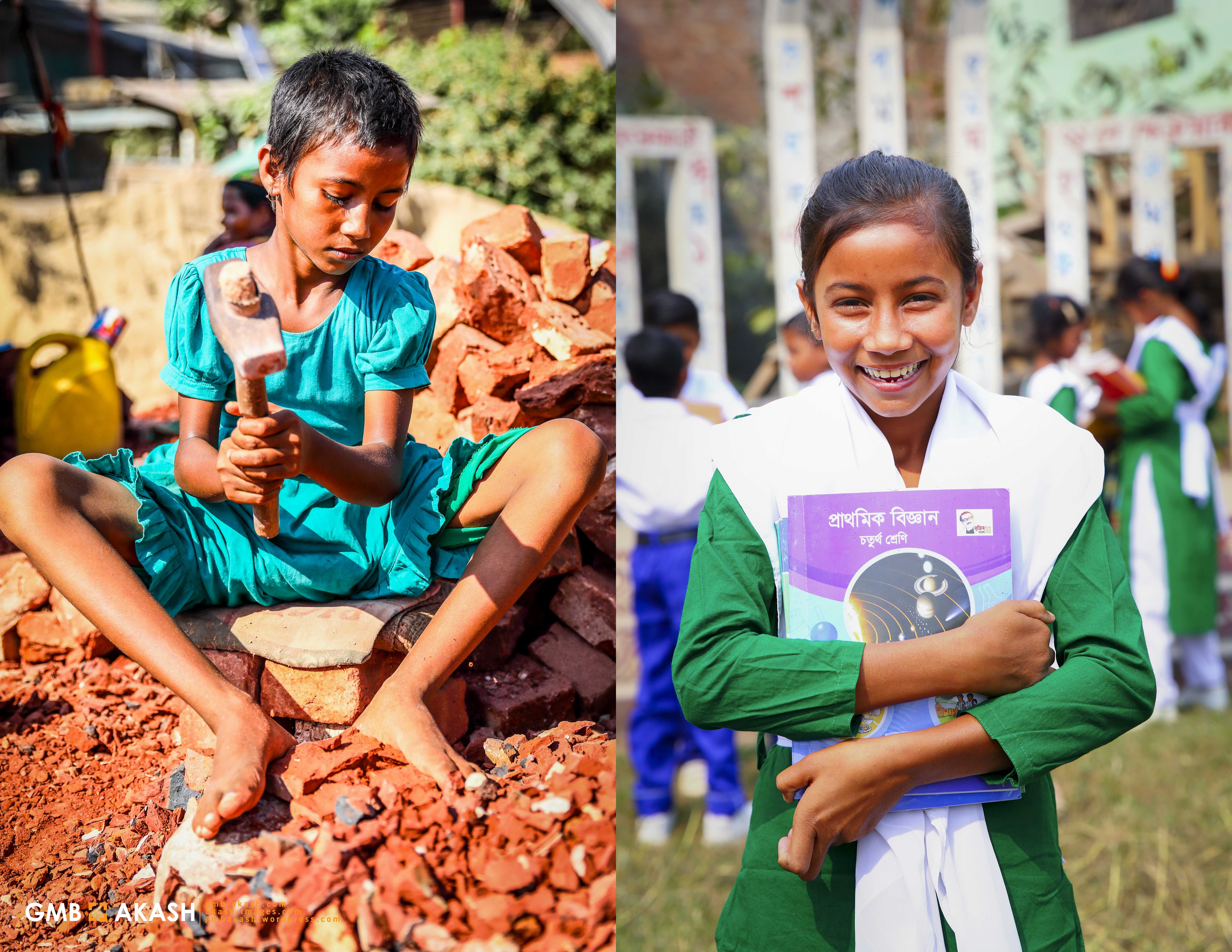
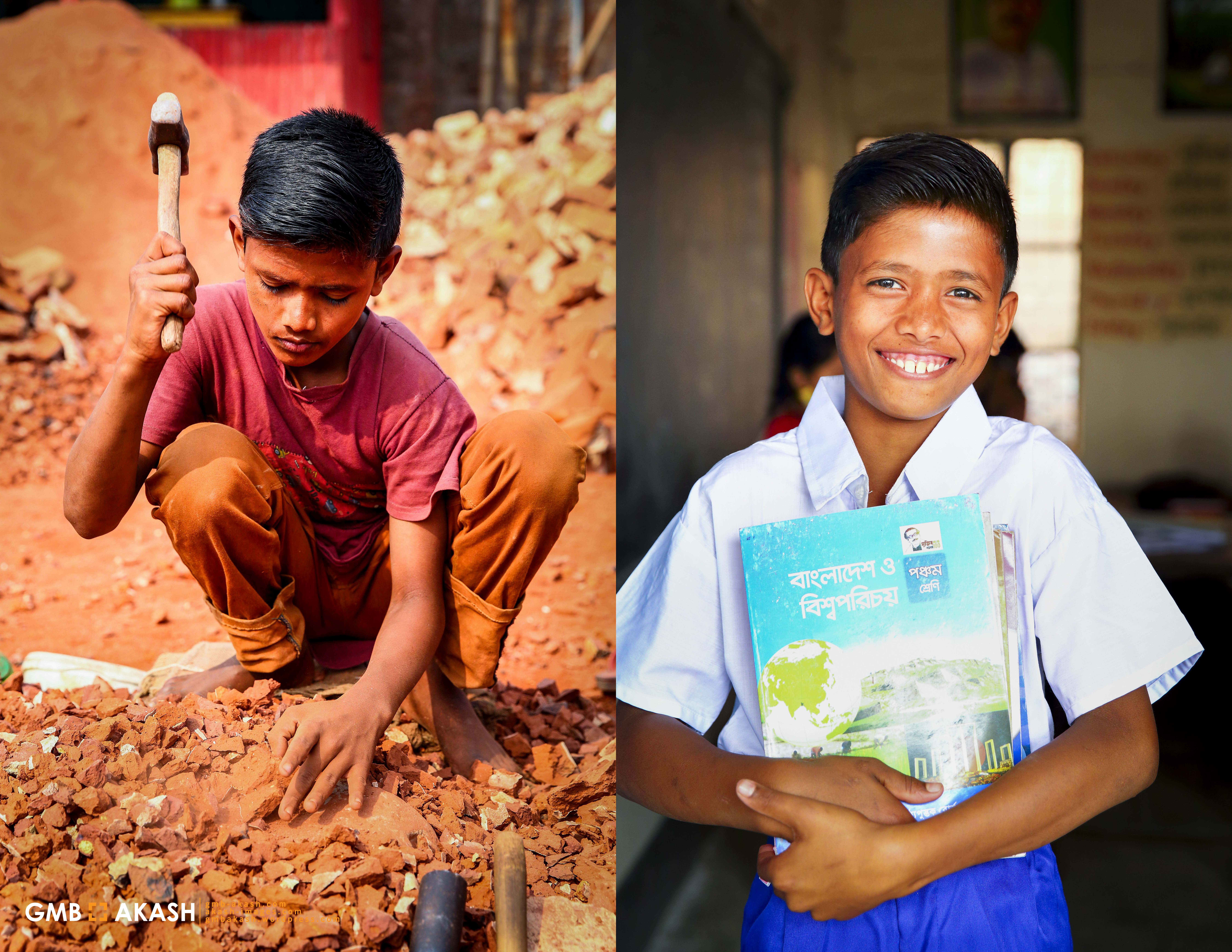
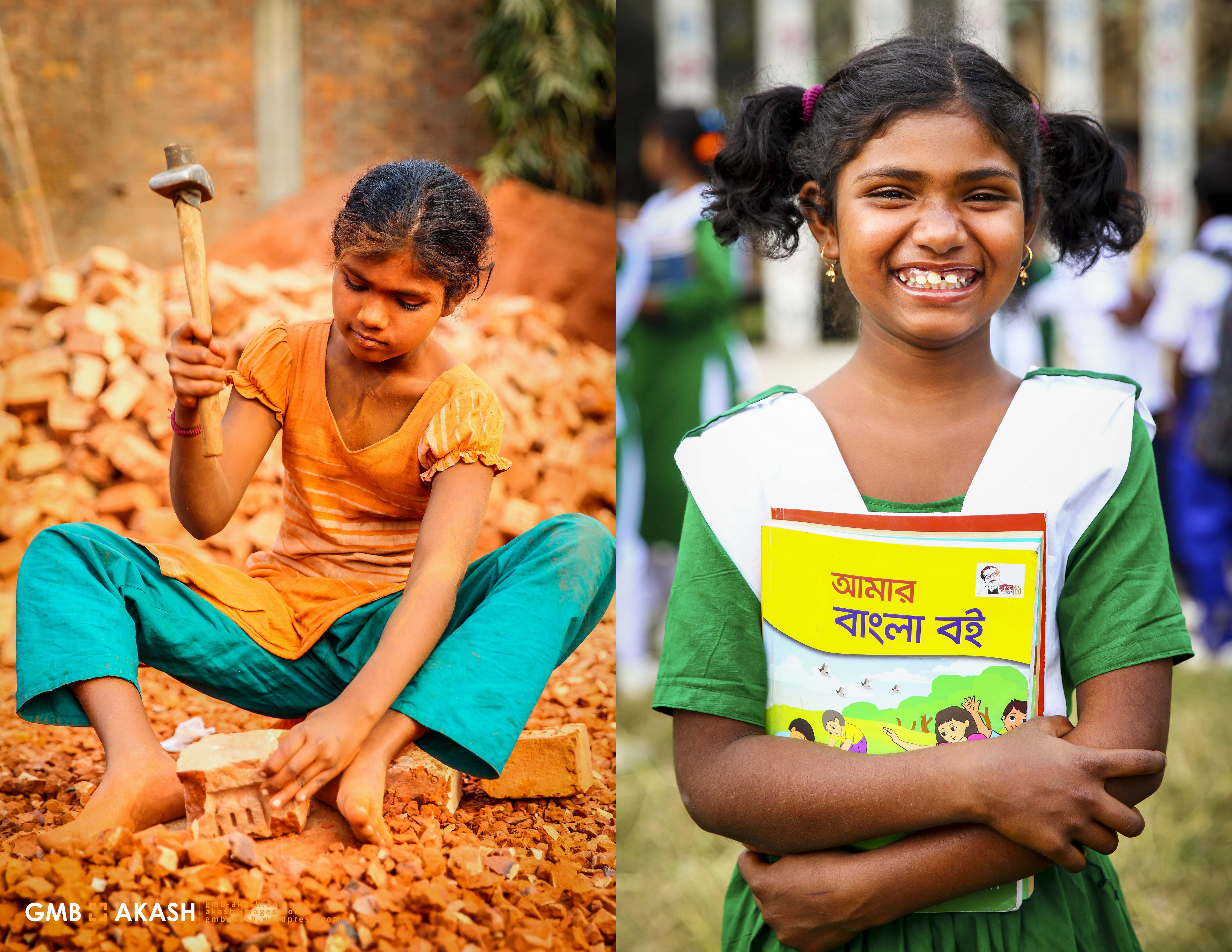
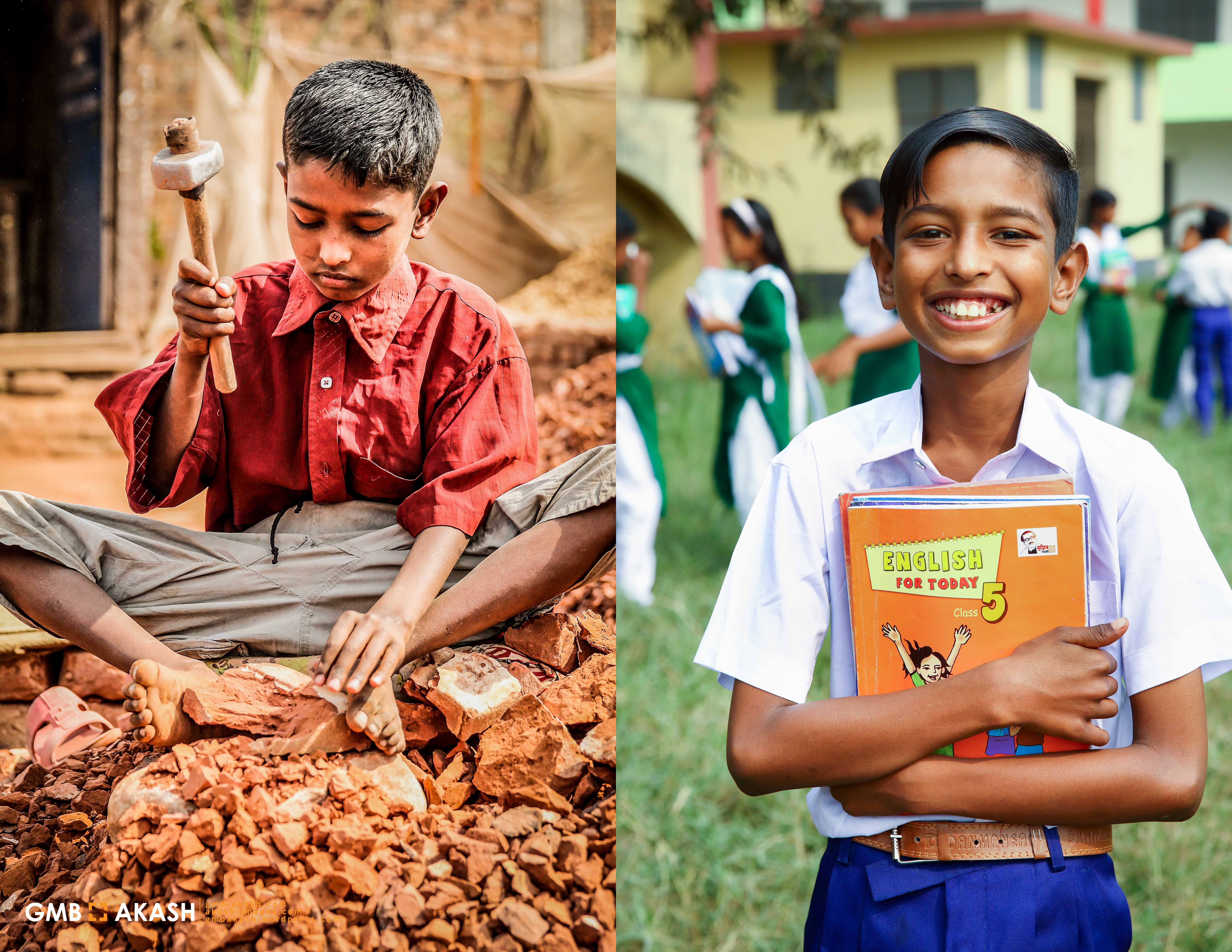
World Day Against Child Labour

There are an estimated 152 million children in child labour, 72 million of which are in hazardous work.

Child labour in Bangladesh is common, with 4.8 million or 12.6% of children aged 5 to 14 in the work force.

No one has the time to listen to these unfortunate children who are mostly unseen humans beings. I always wanted to deliver their voices to all of you and show you their hidden pain and anguish. I tell their stories, depict their emotions, and steal their sorrows into my frames…

On the occasion of #WorldDayAgainstChildLabour let us Pledge to Secure the Future of our Children.

Let them Learn, Not Earn.

GMB Akash (7)

GMB Akash (19)

GMB Akash (4)

At the age where they should play and study, they are earning to fill their Stomachs!

No one deserves this childhood!

GMB Akash (48)

GMB Akash (2)

GMB Akash (50)

The COVID-19 health pandemic and the resulting economic and labour market shock are having a huge impact on people’s lives and livelihoods. Unfortunately, children are often the first to suffer. The crisis can push millions of vulnerable children into child labour.

GMB Akash (12)

GMB Akash (13)

GMB Akash (52)

GMB Akash (3)

GMB Akash (47)

Can you exchange a day with your own child in the place of these children? Can you deposit your children’s labor in such a place for a day in return for $1. If you can’t, can you please do something for these children? “Wishing to help” is an excuse. Shame is a mild word to what we are overlooking. May our spirits wake up?

GMB Akash (45)

GMB Akash (29)

GMB Akash (32)

GMB Akash (35)

——————-

GMB Akash 

Photojournalist and Profile Photographer at Panos Pictures, London

Founder of GMB Akash Institute of Photography, Dhaka

TEDxHyderabad:https://youtu.be/sXbmBCzgy8A

TEDxYouth:https://youtu.be/rLG7sPs6MkU

Website: www.gmb-akash.com

Photo Agency: www.panos.co.uk

Photography Workshop: www.gmbakashworkshop.com

Facebook Page: www.facebook.com/gmbakash

Instagram: www.instagram.com/gmbakash

Blog: www.gmbakash.wordpress.com

Twitter:www.twitter.com/GmbAkash


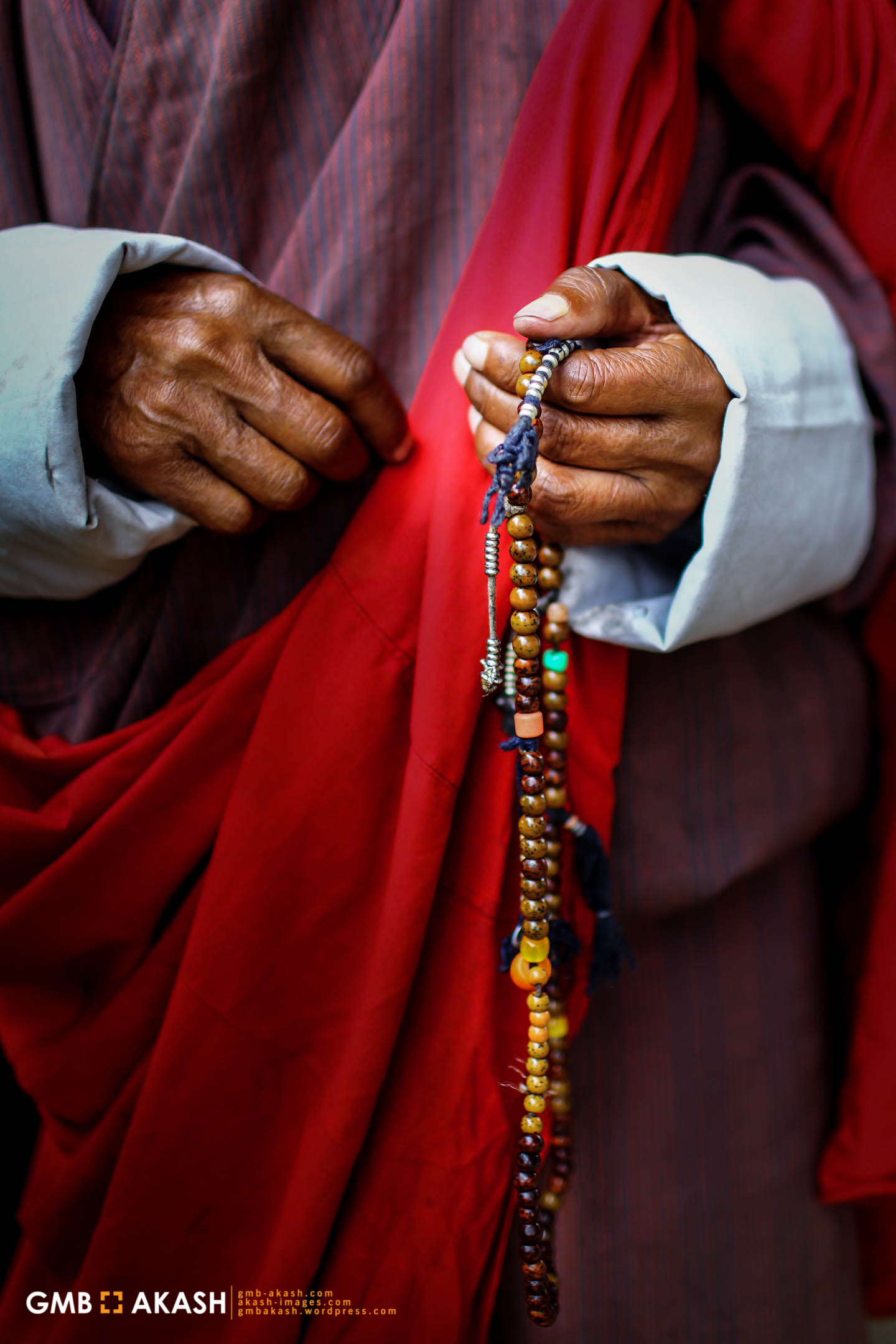
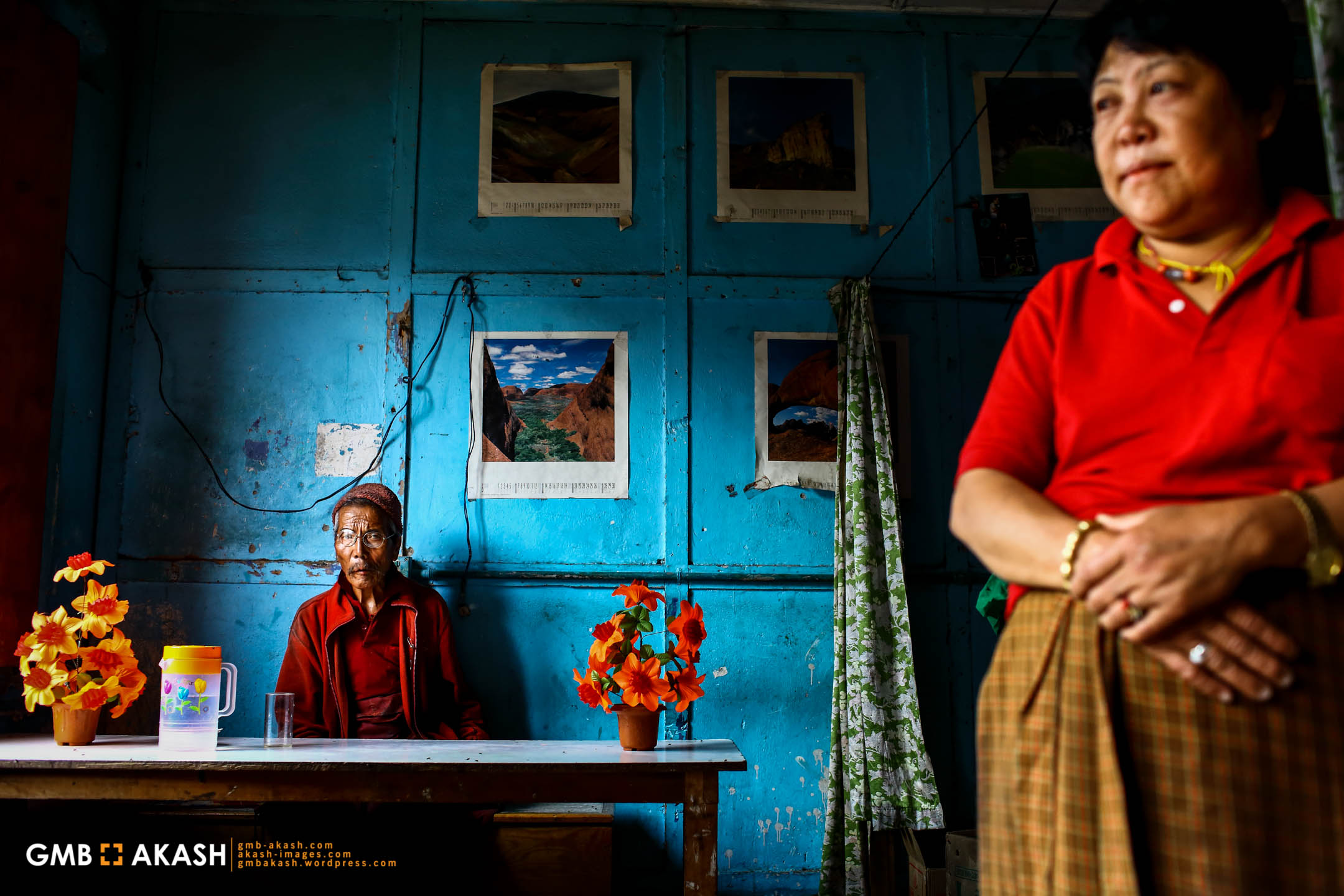
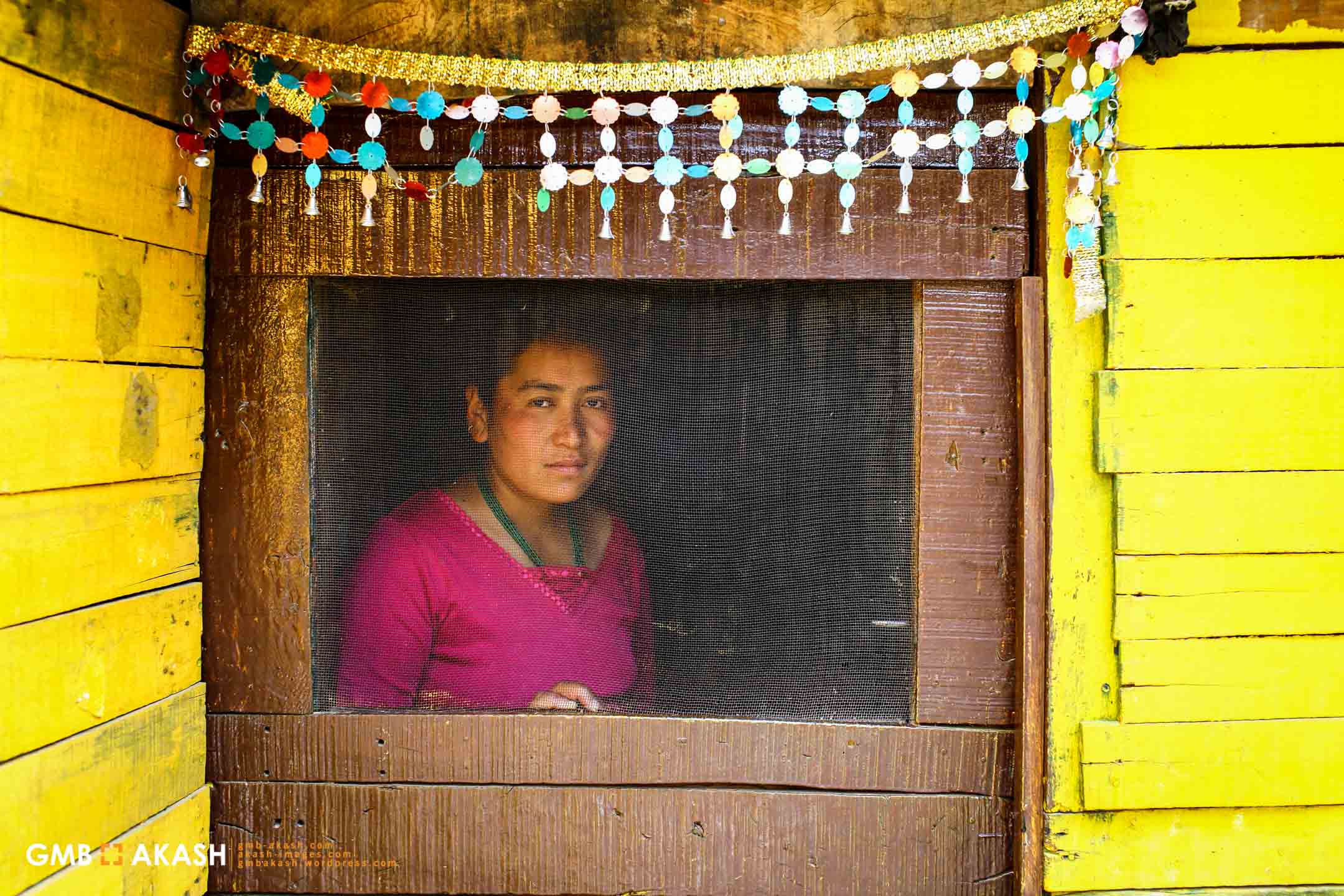
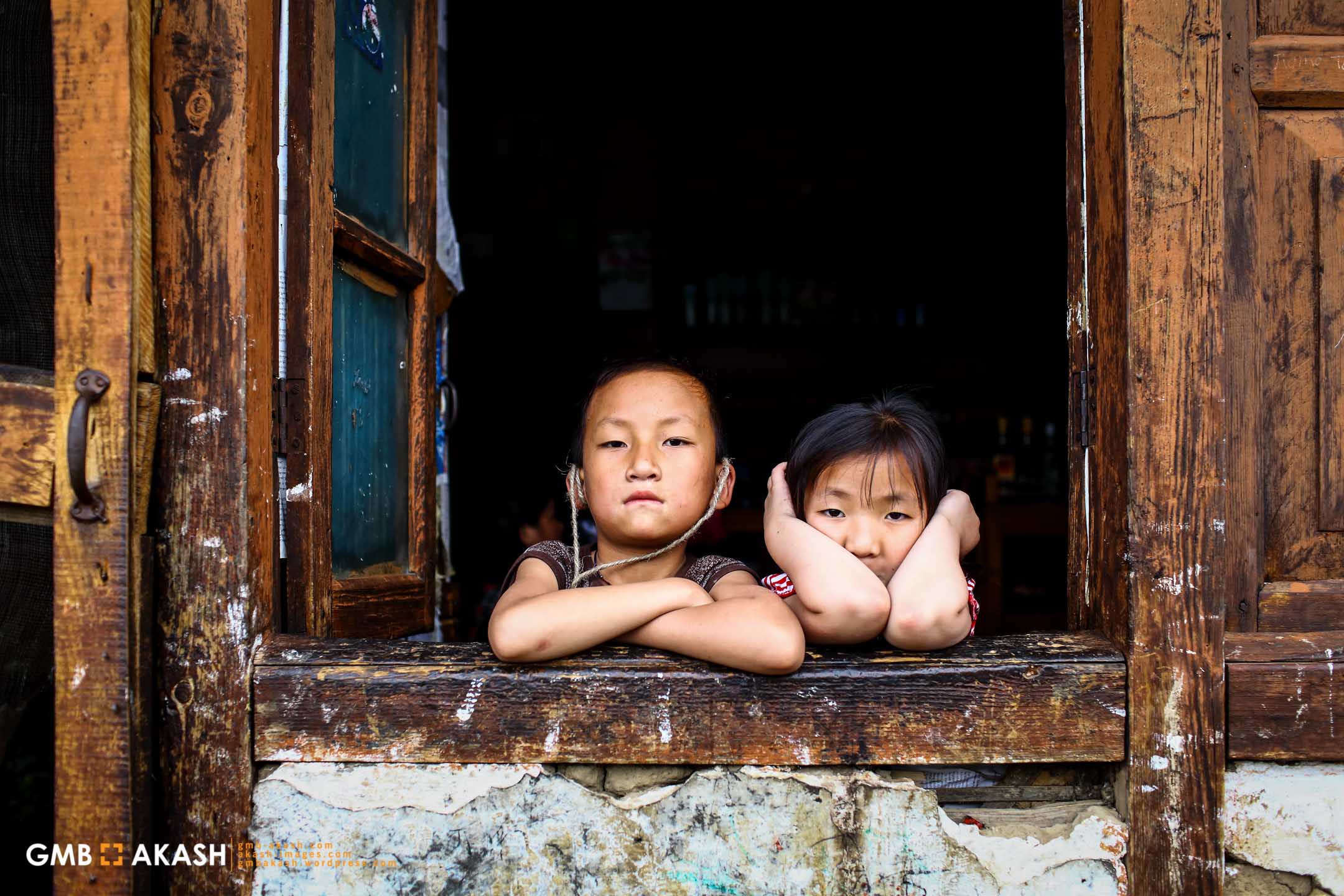
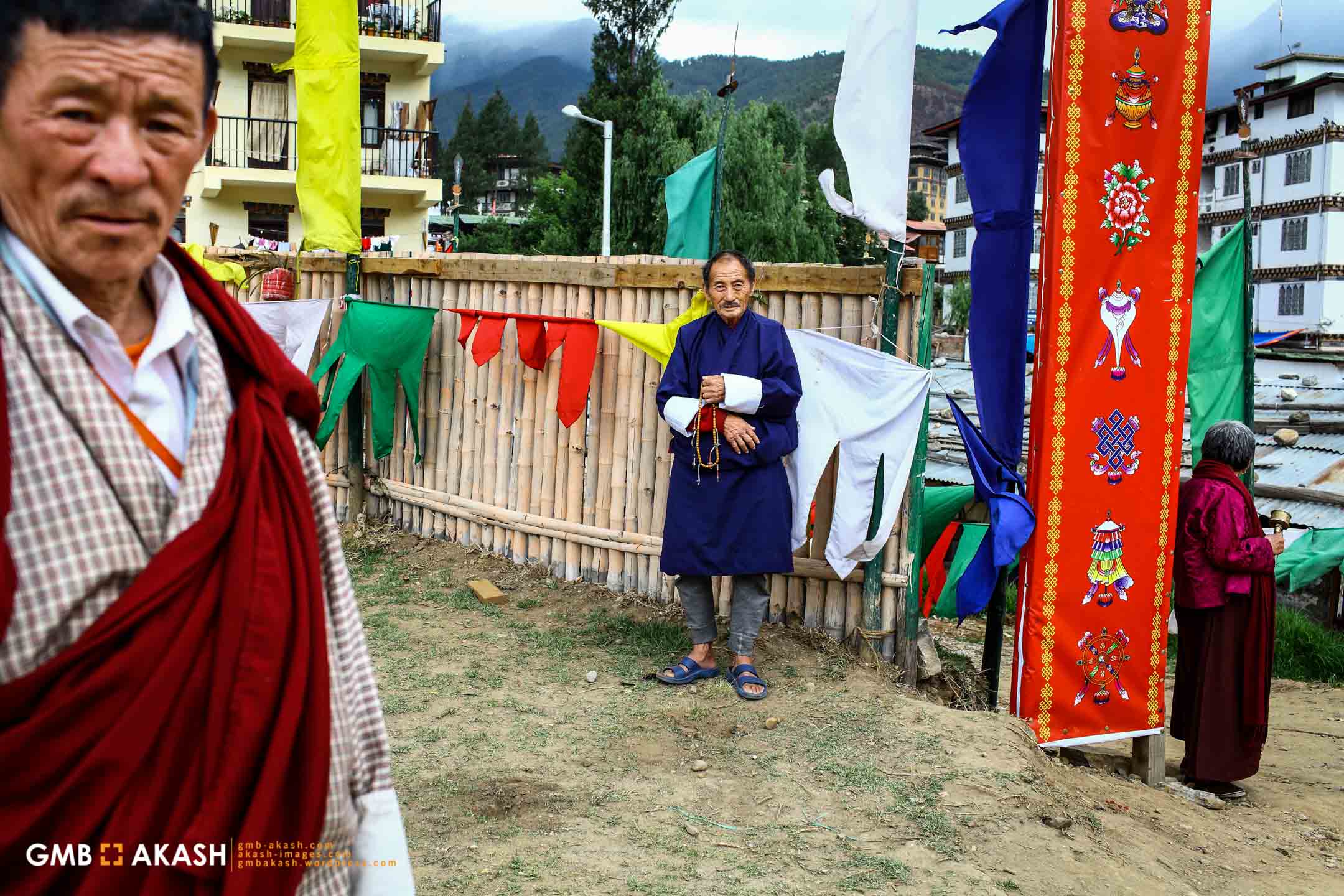
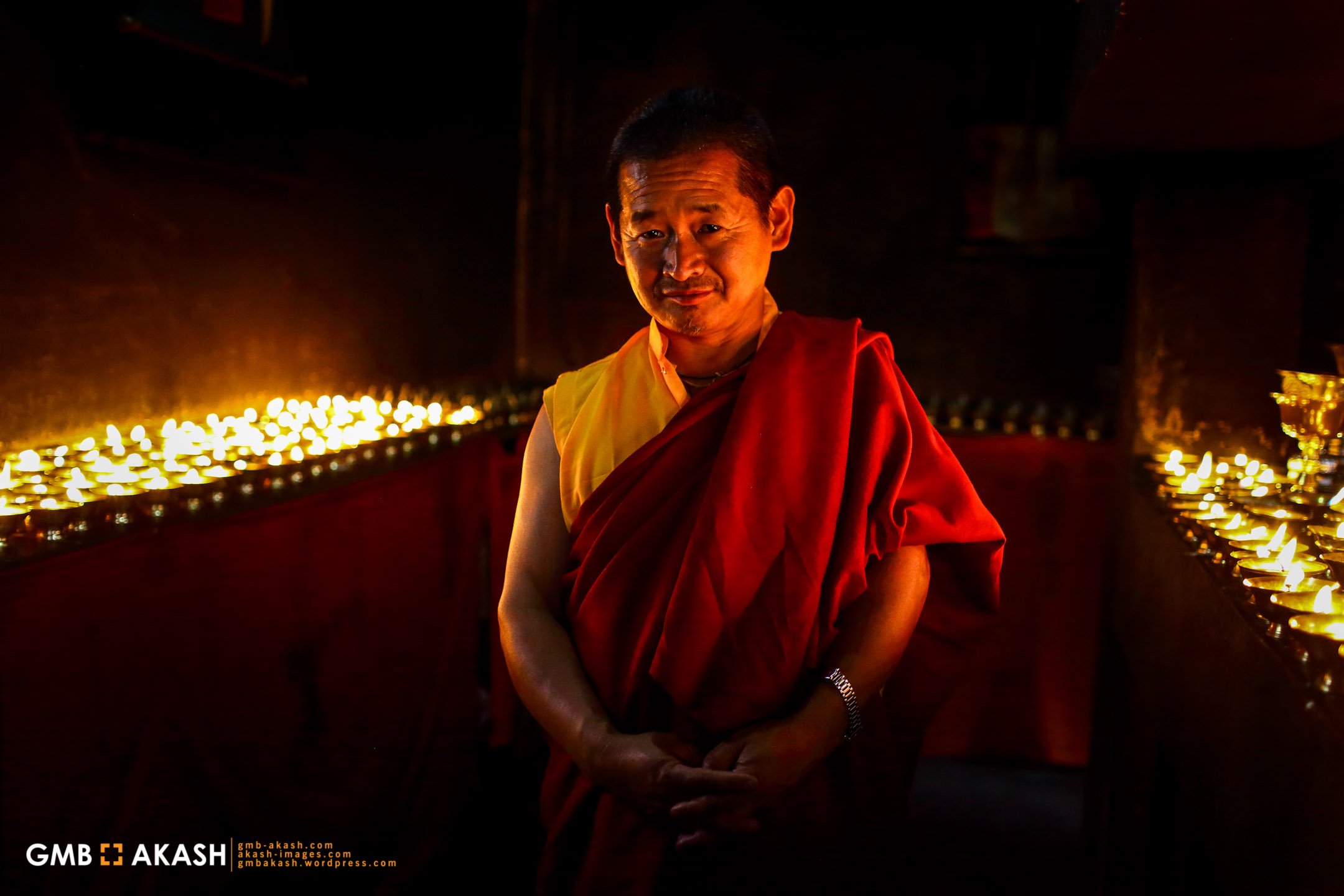
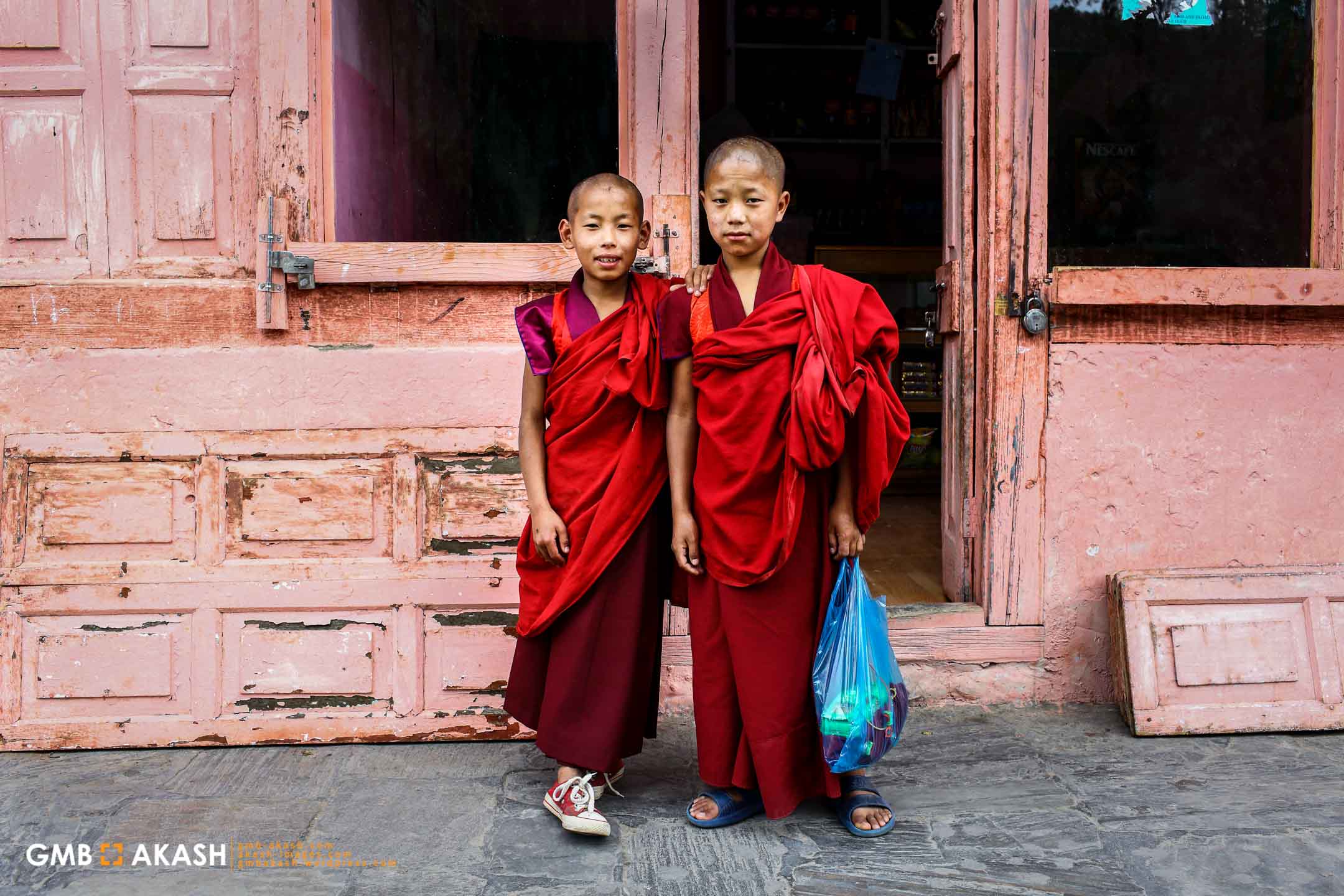
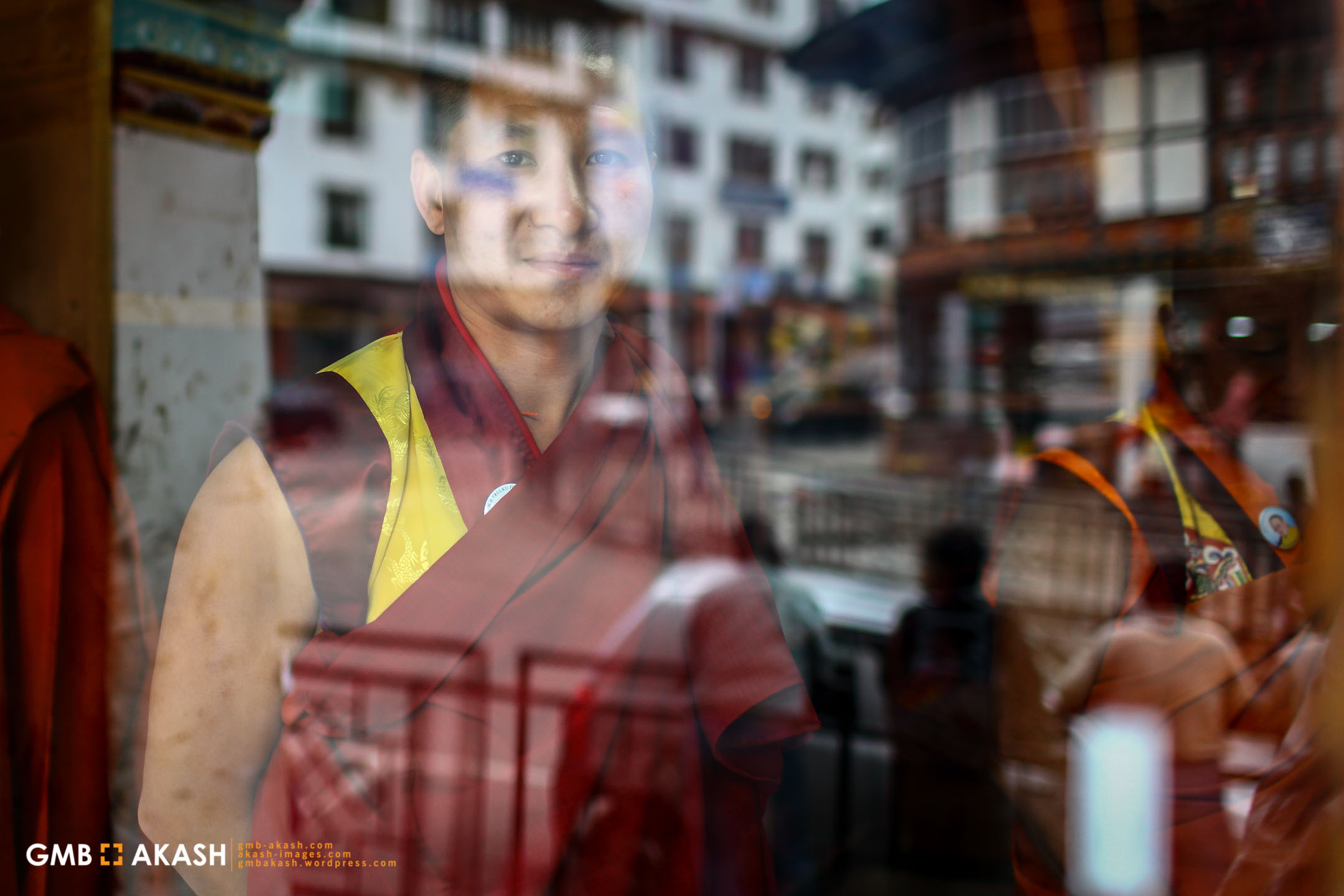
Faces of Bhutan by GMB Akash 

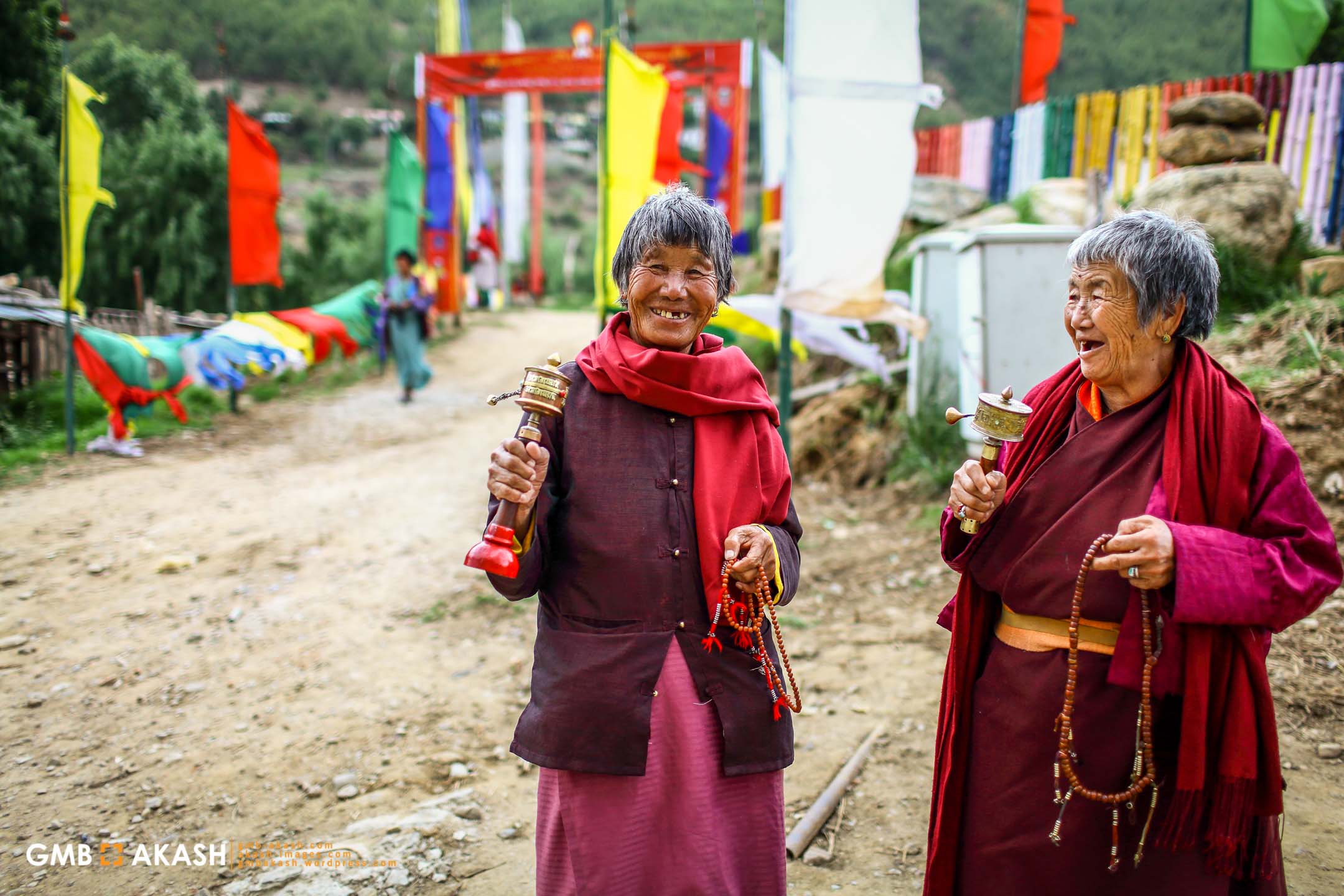
Bhutan has continually been ranked as the happiest country in all of Asia, and the eighth Happiest Country in the world.

Bhutan does not believe in GDP as an indicator of economic growth and development. It has introduced another measurement known as Gross National Happiness.

Bhutan, the Land of Thunder Dragon, is one of the most intriguing places I’ve visited.

– Bhutan is truly a feast for the eyes.

A tribute to Kingdom of Bhutan

aa00001863

aa00001860

Bhutan is the only country in the world that is carbon negative – meaning that it absorbs more carbon dioxide than it emits.

aa00001913

aa00001873

Bhutan is the only country in the world that has no traffic lights.

aa00001855

aa00001877

The United Nations recognized Bhutan as a country only in 1974.

aa00001821

aa00001837

Plastic bags are banned in Bhutan.

aa00001858

aa00001832

Education and healthcare is free for all citizens.

aa00001859

aa00001878

Bhutan is the first country in the world to ban tobacco.

aa00001840

aa00001843

aa00001927

Bhutan is one of the last countries in the world to introduce television to its people. The government lifted a ban on TV—and on the Internet—only 11 years ago.

aa00001861

aa00001844

aa00001884

One-third of Bhutan’s population is under the age of 14; its median age is 22.3 years.

aa00001849

aa00001852

aa00001887

Isolated from the World Until The 1970s.

aa00001918

aa00001926

aa00001831

aa00001909

Bhutanese call their home “Druk Yul,” which means “the Land of the Thunder Dragons,” because of the extremely powerful storms which constantly roar in from the Himalayas.

aa00001841

aa00001846

aa00001876

The first foreign tourists were allowed into Bhutan in 1974.

aa00001906

aa00001908

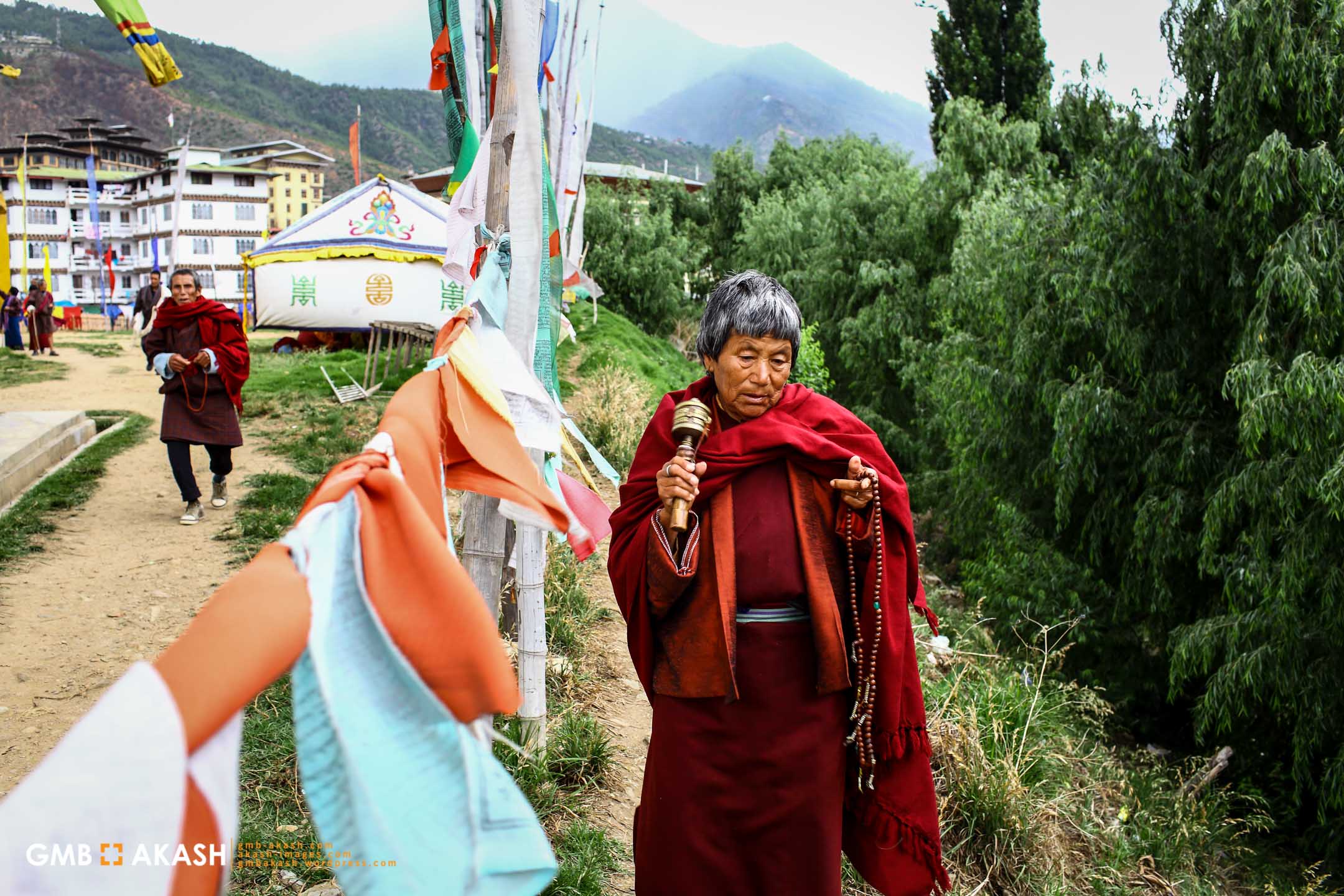
Bhutan is a Buddhist country with strong beliefs.

aa00001823

aa00001914

aa00001920

Bhutan is famous for its colorful, vibrant festivals.

aa00001868

aa00001893

Bhutan has never been conquered.

aa00001898

aa00001896

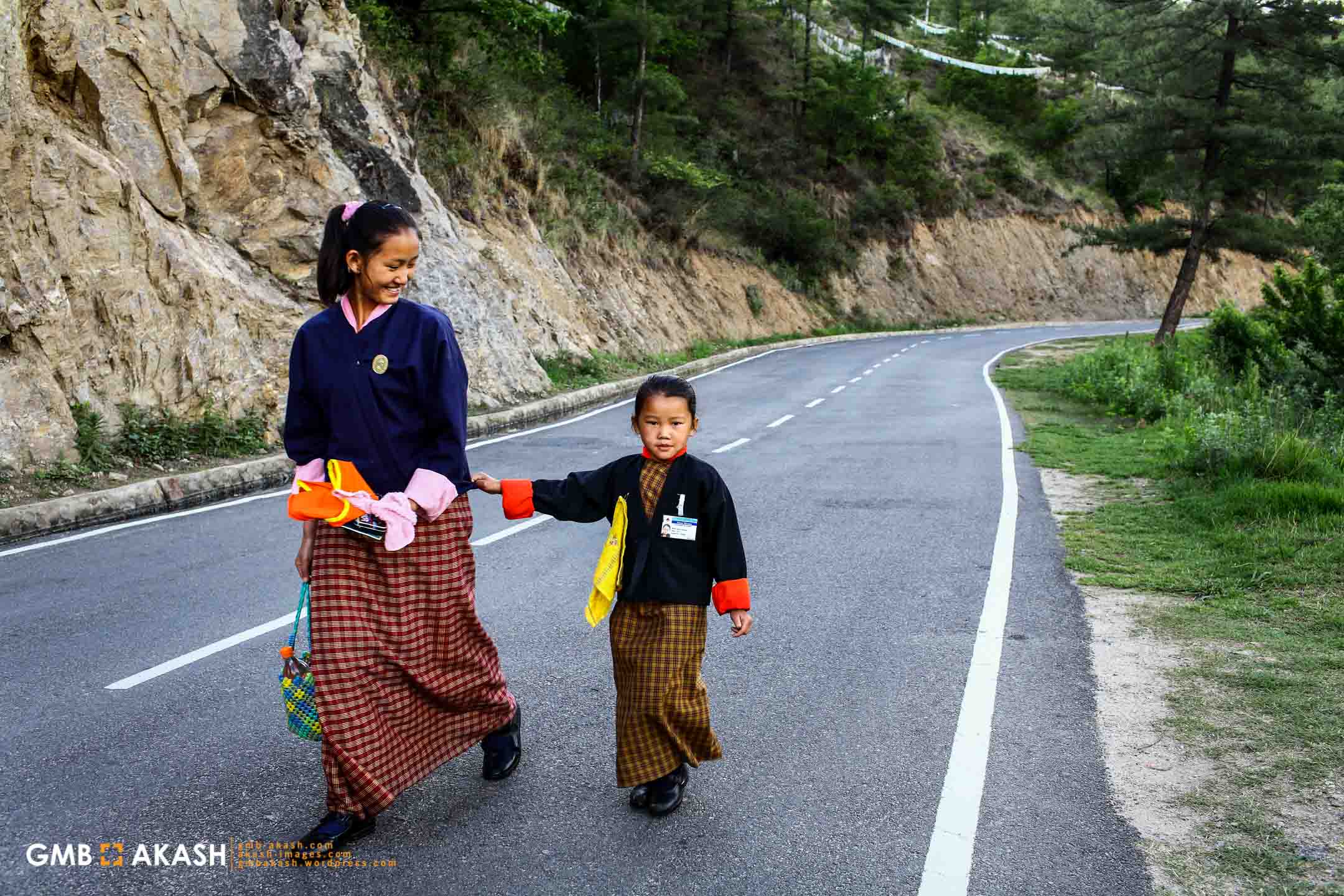
It is mandatory for the Bhutanese to wear their national costume.

aa00001838

aa00001820

aa00001835

aa00001874

It is Illegal to Kill Anything.

aa00001856

aa00001889

All of Bhutan’s buildings must follow the traditional architectural style.

aa00001825

aa00001904

aa00001905

——————-

GMB Akash 

Photojournalist and Profile Photographer at Panos Pictures, London

Founder of GMB Akash Institute of Photography, Dhaka

TEDxHyderabad:https://youtu.be/sXbmBCzgy8A

TEDxYouth:https://youtu.be/rLG7sPs6MkU

Website: www.gmb-akash.com

Photo Agency: www.panos.co.uk

Photography Workshop: www.gmbakashworkshop.com

Facebook Page: www.facebook.com/gmbakash

Instagram: www.instagram.com/gmbakash

Blog: www.gmbakash.wordpress.com

Twitter:www.twitter.com/GmbAkash

An Inspired Eye: 10 tips for encouraging Street Photography

IMG_6853

Have some still moments in a life full of motions. Whatever you do, do for soul feeding. You don’t make a photograph just with a camera. You bring to the act of photography all the pictures you have seen, the books you have read, the music you have heard, the people you have loved. Instinct and the ability to anticipate are skills that a street photographer acquires with experience, and a lot of practice. The more you walk through streets with your camera, the more you will be able to tune with the world around you. As a street photographer you are constantly scanning your surroundings. No expression or gesture can escape from you, the challenge is to record that story in your frame.

10 tips for encouraging Street Photography

# How to Frame the fleeting moment

 You are going to get the best light in a certain moments of the day. You will be finding an interesting element to shoot once in a while. Mood of the people changes very fast, so as their expressions. The environment of a whole scenario can change in a few seconds. The action, reaction, speed, mood, light, energy. color every single detail is moving with time, and you need to capture in a fleeting moment. Freeze the moment before you miss it, you need to active in the street like a pro. You need to be very fast to frame what you want to capture. It can be anything but anyone can read your creativity once they see how you frame elements of a picture. Street Photography is all about capturing fleeting moments, moments of tension, happiness, anxiety, relaxation, fun, and any moments which have a meaning to you. The framing of any moment depends on how you are connecting different elements into one photograph. If those elements compliment the atmosphere of your street photo then it will create magic.

IMG_0672


# Easy to feel, hard to express the feeling

Emotions are easy to feel. And easier to see. But it is not easy to forward or make someone feel the way you are feeling. Expressing the emotion of your subject to your viewers is a challenge. Try to be simple with your presentation. If the image is about drama, make it dramatic, if it is fun, bring the funniest thing, and if it is motion create the action. Do not overdo it.

IMG_0890

# Stay curious, Stay thirsty

You need to have an urge to know the place you are shooting. If the place does not create an interest on you, do not waste your time there. Without curiosity no good work can be produced. The feeling of ‘I know this place’, ‘I know what is going to happen’; these thought can never bring any newness in your photograph. Instead feed yourself with this kind of thought ‘This can be very interesting’, ‘I need to go to close’. You need to be curious to experiment with your art, you have to be curious to see things from the detail, with different angels, by creating different framing. Always take horizontal and vertical both shots. Your energy will reflect on your photograph. The intensity of your work defines how critically you have worked, how deeply you look through your viewfinder.

IMG_3126

 # Break the stereotype, there is no rule or role model

You already stored hundreds of image ideas on your mind. As soon as you start taking photograph unintentionally you may want to get the kind of shot you already put inside your head. When you become obsessed to get a certain kind of photographs you are blocking your vision, you stop seeing what you are able to see. It is important to check other photographers work. It can be interesting to get a few shots naturally that many of the photographers had done similarly but this is very important to have your own visuals. It is important to visualize images but to do that successfully you have to free your mind. There is no rule or role model. Release the tension; do not blur your vision of imagination. Challenge yourself at least once in a month to take a shot you never tried before. Get out of that   frame of mind of trying to make someone else happy.  Be wise enough to take challenge, you can fail, it can be hilarious but if you never tried something new how you will know what you love most.

IMG_5996

# Pay attention to patterns, actions and the detail

Pay attention to pattern. Play with light and shadow. Try to capture detail. Make the image interesting. It can be anything. Street Photography is an everyday process of learning. The more you the more you understand your kind of style. No one can take similar picture of one scene at a time. An image is not about what a photographer is seeing but how the photographer is seeing. And adding some patterns, actions and detail will create uniqueness in your image.

IMG_8310

 # know your camera and how it works, be technically sound

There is no specific camera for street photography, and gear alone will not make your street photography better. Do not stop because you only have a compact or a DSLR or smartphone. Pick up the camera you have and make a step in the right direction and start practicing. We need a camera to take photos and certain lenses for our own style. But beside camera also buy photography books and participate in photography workshop. If you do not have any technical knowledge of photography you will continue to do the same mistake without improving anything. It will go to vein if you invest everything for only gears not for knowledge. Do not become obsessed with gears. Keep one camera, one lens specifically. Take some time during every week to practice adjusting your camera controls, focusing distance and exposures. Be bold, and give yourself your first assignment on the street: discover the world right outside your front door.

IMG_5895

 # The art of seeing the unseen

 When you will master the art of seeing, you will start to see things from your inner light. Street Photography is an art of observation. It is all about have the right of amount patience with energy to enjoy. It’s a representation of how you see things. Every moment has something beautiful, some amazing things that are happening all around you, you just need to open your heart to see that with your eyes. Try to capture what you feel not just what you see.

IMG_4045

# How to overcome the fear, hesitation and confusion

Be curious. Travel to unknown and greet to strangers. Have some chat about the place and people. Only start to shoot when you can relate with the people and the place. Find your spirit, your true purpose! If you can really change your mindset then you will be able to change your life. Remember, true learning doesn’t happen in your home. Travel and travel a lot. Do not hesitate to go to an unknown alley. No one can be lost, every road has a destination. And if the road ends you can always come back. Shoot from distance and from close. Always remember, if you believe on yourself the world will believe on you.

IMG_2972

# Photography vs income

Have you stopped listening to your favourite music because it is not bringing money to you? Have you stopped reading your favorite story books just because it is not bringing anything in your pocket? Have you resisted yourself to travel all your desired places only because there is no economic return? If not, then do not put your camera aside; do not stop taking images by thinking about money/ awards/ rewards or considering Photography as a tough career. What about pleasing your soul, embracing a creative you, seeing an unknown world, discovering a new you! Aren’t these beyond monetary worthy? Be a priceless photographer who is serving for own

IMG_5696

# Make mistakes

I hope you make mistakes. Because if you are making mistakes, then you are making new things, trying new things, learning, living, pushing yourself, changing yourself, changing your world. You’re doing things you’ve never done before, and more importantly, you’re doing something. So that’s my wish for you, and all of us, and my wish for myself. Make New Mistakes. Make glorious, amazing mistakes. Don’t freeze, don’t stop, don’t worry that it isn’t good enough. If you fail, pick yourself up, dusk off, learn and grow. This is how you can become great at anything by making mistakes.

IMG_5937

Struggling to get good street photographs? Stay patient and trust your journey. What’s meant to be, will happen. You don’t need to find out meaning of everything. Trust your dream that is going to take you where you belong. In this journey you need to stand by your side, you need to be your best friend but also you need to be your best critic. Because it needs a lot of courage to dig into yourself and see what need to improve about you, to see what still have to achieve! Everyone can accept your flaws except you. You have to become a best version of yourself and work on yourself every day, every hour, every moment.

IMG_7230

Upcoming Street Photography workshop with GMB Akash:

‘Street Life’ – A Street Photography Workshop with GMB Akash

Dates: 28th July (Friday) and 29th July (Saturday) 2017

Place: First Light Campus, Dhaka, Bangladesh

To apply email to akashimages@gmail or to make any queries call 01989052484. For detail visit: Street Photography with GMB Akash

IMG_3966

Calling you to discover mesmerizing aspects of Street Photography. By having this experience you will master the art of seeing; you will start to see things from your inner light. You will be taught how being a photographer requires much more than just looking through the view finder and pressing your finger on a cold metal button. How a photographer needs to have psychological connectivity in every encounter of the journey. The fear, hesitation, lack of confidence will be replaced by empathy, assurance and vision. This two days is not just for discovering a photographer inside of you, it is going to unfold what you have already within you. Let’s come and experience of having some magical moments of walking in the streets of street photography.

IMG_6017


Angels on Street

Imagine you are six years old. Left alone on the street. Your ragged clothes are all you have with you. You are bare foot and empty hand. You have no idea what to eat and where to sleep. You roam around at places for couple of hours. Whenever you are trying to go close to people they are yelling at you. And then you are hungry and have no idea how to get some food or a glass of water.  You remain hungry and thirsty all day long and there is no place to rest or seat. And finally night arrives when you meet people like you, who are waiting to sleep nearby closed shops and counters. You are trying to sleep but you shiver in fever. There is no one to hold you other than the newly met street dog who is the only family you have now. Welcome to street!

Sharing Ten real life stories of ‘Angels on Street’, featured first on my Facebook page.  GMB Akash

980766_1049784025086351_657577271220529673_o

I did not get anything to eat yesterday. I slept hungry. But now I am feeling lucky to get this rotten bread. My shoes, cloth and food everything comes from this dump yard. Aren’t you asking me about the odor? I was born in this place, someone left me here after my birth, smell of this place make me feel like a home. This is my home and these dogs, birds are my family.

– Abu (10)

12909492_1061371470594273_4963668375422459091_o

One day my father did not return home from work. We searched him everywhere. We went to hospital, spent days by knocking at police station but we found out nothing. I had two younger brothers who had no idea what was happening. After a year of his disappearance everyone started telling that he flew with another woman.  My mother was changing and treating us worse in every passing day. Once she locked me in the toilet and punished me for hours knowing well how much I was afraid of darkness. Then one morning, I wake up and saw she is gone. She as well escaped with someone. I was eleven years old and did not have enough time to find out anything as my brothers were crying all the time. We passed two days without food or any help. After begging to everyone, villagers sat in a meeting with my uncles, aunts and grandparents. My grandparents accepted my two brothers and decided to send me to work as a housemaid in Dhaka. A girl is a burden that is what my relatives told to everyone. On my way to Dhaka, I discovered the woman who was accompanying me was telling my price to someone on the phone. I had no idea who was selling me to whom but I knew I need to escape. I took an enormous brick and hit on her head, she was bleeding heavily but I did not look back. This world is a bad place but I have already learned to survive – Nargis (13)

15392853_1263405770390841_2888390186830141758_o

I have nobody. I live alone. Sometimes I go to play with children of this neighborhood. They do not take me to participate in their game. They laugh at me because I have no idea where my parents live. They mocked me by making my parents name. I do not mind. Humiliation is a part of my life. That’s why now-a-days, all the time I play alone. You will not feel bad anymore when you will learn how to enjoy alone. That’s how I stopped looking for friends. I am happy and can move freely now. By the way, I call myself bird, isn’t this a good name?
– Pakhi (10)

16707583_1332663920131692_3646406021967893032_o

My mother was a prostitute. I was born in a brothel. I never saw her happy but she smiled every single time I looked at her. Everyone at our place was unhappy because my mother gave birth to a boy. My mother was different. She never allowed me to go near her. I wanted to sleep in her lap; I wanted to get her kisses. But she never let me to touch her. Sometimes I wanted to hate her badly. Some days when I woke up, I saw her torturing herself by scratching her hands, feet with sharp blades. I wiped her blood, I wiped her face, but she never cried. She always smiled to me. One day I asked her where my father lived, my prostitute mother pointed at her heart. I tried to hate her with all my heart. Every day, everyone called me a bastard. It was same in the slum where me and my mother arrived after fled from brothel to start a new life. No one gave work to my mother, no one talked to us. Often times people threw stones in the roof of our plastic hut. The day my mother died, she was very clam. For the first time she kissed me on my cheeks. Told me that, she is thankful to me for choosing her as a mother, for giving her love that she never received in her life. My mother left me alone. She cannot come to me. But I can go to her.

– Shadhin (13)

13528567_1124569750941111_1251841430177280527_o

I was very afraid of dogs. Now it’s been one month I cannot sleep, if dogs do not sleep around me. Often times, I cry during sleep. When my friend Jewel shakes my shoulder, I usually stop crying. In the first day, when I arrived in Sadarghat, street boys had beaten up me a lot. They said it is needed to make street boys strong. But I am not at all strong. I cry in simple things. But people around me do not have time to notice my crying and that I feel relieved for that. I cried a lot, when my mother got married after death of my father. When I was following the groom’s group, she called me and said, if I try to follow her, she will throw me in the river. My grandparents also refused me to take inside their home. Now-a-days I do not feel that much bad, my mother was very poor, so how she could take care of me! When we street boys try to sleep at night, we talked about our dreams. One day I will have a house, where I will have a bed. That time if I want, I can eat hot rice by cooking in the kitchen, I do not have to save money for taking shower, and there will be a bathroom in my house. My friend Jewel, request me to give him a place inside my house. I said, if he stop telling lie, I will think about it – Israfil (8)

13517397_1121530954578324_7429724875033652300_o

My step mother was like a rose. After my father got married with my mother, I used to be with her all the time. She could tell all kind of funny jokes; she made various kinds of pickles for me. When everyone used to say, my mother is a witch, I burst into tears and fought with them. I used to love my mother a lot. Even I loved my brother who came with my new mother. I used to play with him and shared all my things. One day we got to know a little brother will come soon into our life. I was so happy, so was my family. Mother one day told me, she wanted to go to ride the boat in river, and wanted me to be with her.  She told me not to share this with my father, as he never would let me to go to river, because I am afraid of water. Without telling anything to anyone, I went with my mother and her cousin for a boat ride. That was a beautiful afternoon. When the boat went in the middle of river, my mother asked me to pick a floating wild flower for her. While I bend my head to pick the flower, I was pushed into the river. Before I understood anything I was drowning in the middle of the river. While screaming for help I saw their boat went very far from me. I do not know how much distance I passed while a fisherman boat saved me. With the fisherman, I got into a launch. I did not try to find out my lost home. That one push took my childhood and I become mature. I did many kind of works to survive. Now I help the van owner while he carries sacks. Many years had passed but still I am having the nightmare that I am drowning in the river and everyone is laughing.

– Manik (12)

18558908_1432094136855336_8544116808996694385_o

I have to work with a lot of attention. This is not easy to find usable stuff from garbage. Sometimes after whole day I found one thing to sell in the recycle shop. And in a good day I can find biscuits. Not ordinary biscuits, the one which has cream. That’s my favorite. Some days I find biscuits which tastes very sour but my dog like to have that, so I give him without eating those. And in a very bad day, I cut my feet. I think people do not know that children work in the garbage on bare foot. They throw away broken glasses which often scratch our feet. Sometimes it bleeds heavily. It hurts a lot. I and my dog have had many scars in our legs. That’s why now a days I am keeping clothes with me. If it bleeds I tie and continue to work.

– Jesmine (7)

15122925_1238794126185339_482927360543218297_o

My name is Rasel and I do not know who gave me this name. I am an orphan. I am living in street for four years. When I arrived in Dhaka I was injured and hungry, but no one cared about street people. I cried so many days because I wanted someone to care for me or talk to me with a smile. But people have no time for love. So, I started loving everyone. I share my food and take care of my street friends. Meet with my new friend, Kutum, it means guest, and she is my guest. I cured her injury with my love and now taking care of her. I will look after her, as long as she will not leave me. But I will never leave Kutum. I know how it feels to be alone and being unloved.

13241278_1100775156653904_8529730604376056853_n

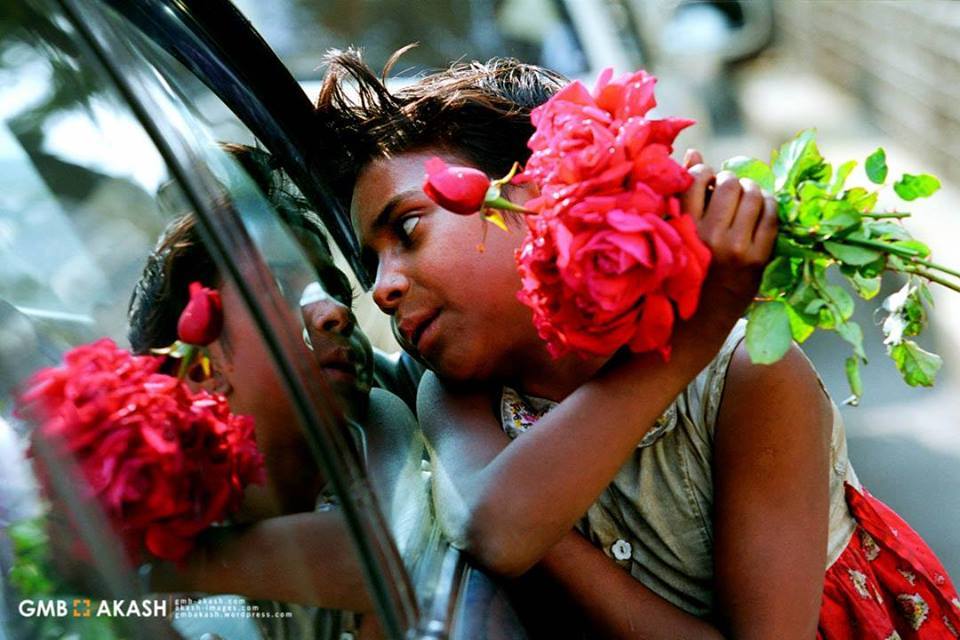
My mother flew with me when my father wanted to make me disable, after my birth, so that he could use me, for begging. I do not know what my mother actually does; she sleeps whole day and works at night when I sleep. We live in street, our neighbors and police calls me ‘whore’s daughter’, mom told me not to reply them, as bad people always talk bad. I am a flower seller, I sell flowers, I do not beg. But people have no time to look at flowers. I pop into the window of big cars and see beautiful children, with their parents. Sometimes I wonder, didn’t their dad want to sell their organ or want to make them disable for begging! One day a rich mom buy all my flowers for her girl but when the girl wanted to give me money, she said not to touch me, I might have disease. The baby girl threw the money in the air and I caught that. The day made me the best flower seller among all – Lutfa

15895924_1303466129718138_7201046249474251425_o

My problem is I am a fool and I cannot tell a lie. A few days ago a beggar hired me to act as her blind child. We supposed to roam around the city’s signal and beg for food. At the end of the day she promised me to give fifty taka and food. I rehearsal well and she was convinced that I acted marvelous. And then we started our mission. For an hour it was going good, but then we went near to a car window and a lady with her child was giving me some money. I saw the boy was playing with a car. The lady seemed generous so instead of taking the money I told her, ‘Madam, I am a blind child, I have no toys, can you please give your son’s red car?’ After a few minutes the car driver was chasing behind me and I was running with my life by leaving my fake beggar mother behind.

– Polash (10)

You can be part of making some of them smile, you can also tell them they are loved, you can give them some hope for a day or life time. Last year I organized three events for more than 2000 unprivileged children of streets, dump yard, brick field and child labourer. This year I want to reach more and want you as well to be part of this happiness. You can send clothes, slippers, toys, dry food for these children. Email me at akashphoto@gmail.com to contribute for a smile. I will send you detail how you can become someone’s light.

To check my last year’s event with unprivileged children: 

Many Miles Many Smiles

Today is Our Holiday

Eid Love


The Alchemy of Mother

A mother’s womb is the place where life and love begin. In her heart we never grow up. No one smells like her and she remains the same even after hundred years. And when she dies she leaves a part of her soul for us; wherever we go her existence follows us. A mother’s heart can travel any time and any distance. There is an invisible chord between us which our mothers continue to nourish forever. This blog post is a Tribute to all mothers. This is for honoring the most irreplaceable person of our life. No one knows the alchemy of mother, she remains the one, no one can take her place.

Sharing Ten heart wrenching real life stories of Mothers, featured first on this Facebook page.  GMB Akash

mother 01

Like everyone you are also thinking that I am a beggar. But I never begged for a single day of my life. But strangely every day after I wake up I found money beside my head. I stopped wondering at generosity of strangers. There are many street children who love to stay nearby me. Because they had seen me giving away my money to other beggars. I never gave money to children, but always bought ice cream for them. My grandson loved ice cream a lot. My secret savings was for his ice cream. The day I was coming to the city with my son for my eye treatment, my grandson hugged me and was not letting me to come. He was telling me I won’t be able to come back, I was laughing on him as he always spoke about strange things. Then I told him to always remember, at the end, everything will be okay. I was sitting on the bench of the train station for almost two days. I waited for my son to arrive with a rickshaw, he told me not to move no matter what happened. The street boy who was selling water repeatedly told me, he saw my son leaving by the next train, he had heard him telling someone that he already got rid of a sick old woman. I did not trust him. I could not trust a street kid more than my son. I was not able to see clearly but as much as I could I was looking forward for his arrival, my ears were alert to hear his voice. I terribly wanted to go back to his house and give my grandson a hug. The street kid stayed with me for all the time, told me his father also left him in that station, assured me, he knew how I was feeling. No, no one can fell what I was feeling. I lost terribly in life many, many times. From the day I arrived to this strange city I never asked anyone to help. But I am asking you. Can you replace my heart? It’s been bleeding all the time without any sign of blood. I am having a terrible pain inside my chest, a feeling of pain that someone has crushed me with this world’s weight. I need peace, rest and love. But in this world there are people like me who may never get any of this. And that’s okay. Because at the end, everything ends.

– Jahanara Begum

mother 02

My life had always been different. There were some cold nights when my step mother punished me by keeping me outside our home. She wanted me to leave my father. But I couldn’t. I stood all nights outside their door and cried. Their door, liked their hearts, always remained closed. I was deprived of my father’s love and later on, of his property. After marrying me off, they directly asked me to never visit them again. To confirm that decision, my father gave all his property to my step brothers before my father died. I accepted and never questioned my father. You can’t fight to get love, it has to come on it’s own.

I lost my mother during my birth. I learned how to survive cruelty, as the world’s most unfortunate is the one who loses his mother during birth. I was also unfortunate to never know how it felt to be loved. When my husband shut his door on my face as well, I not surprised. I had been losing the battle since my life’s day one. And that day when my husband threw me away, I did not know what was about to come. I had no idea that a life was growing inside me. When I knew about my child, it was too late and I did not want to go to that house where I was beaten by everyone for the crimes I never did. Surprisingly, when I started living on street, I was happier. I slept hungry in my father’s house and as well as my husband’s many nights, but I never went to sleep hungry when I lived on my own in the streets. There was always someone who shared their food with me. There were beggars who gave me food, and laborer who gave me clothes. I was not alone among the strangers but I was so lonely among my very own family.

When my son was about to be born, I started having the fear of death. But we both survived. I passed hours looking at his face and often pinched myself it make sure it wasn’t just a dream. I have never felt such joy in my thirsty years of life. Though there was no one beside my child, I could never say his father’s name, no one cared for him without me, but together, we found happiness in our fragility. I continued to fight for our happiness.

A few days ago, when I had to bring him to this hospital, the doctor told me they will try their best to save my son, but I should prepare for the worst and stay strong.That moment I refused to be strong. I refused to be strong anymore. I refused to let go of my life. I spent the whole night on my knees. praying to God with every word I know, with all the belief I had. For how much longer would God keep putting so much of weight on my chest? When would he understand how hard it was for me? I refused to take any more pain. I do not know how I passed that night . After sun rise, a nurse arrived and asked me to visit my child. I rushed to him. And discovered that God had answered my prayer; he had given back me my life. I won’t let him go anywhere.

– Mayeeda

mother 03

No one ever loved me. When my mother left me, in shock I could not able to talk for a year. It was not her crime. But I wanted to sleep in her lap for at least one night, but I could not. My father never bought a hair lace for me. I could not remember if anyone loved me for a while. No one kept their hand in my head to give me courage. One day I lost myself. My aunt willingly left me in a ferry station, knowing I would never make it home. I was so afraid and cold. Just felt like the day when my mother left me alone. A girl, ten years old in an unknown, strange world, where there is no love, empathy. Since then years had passed, I did everything to survive. People used me in so many purposes. I wanted to die but surprisingly found out dying is harder than living, I could not throw myself in river water, I kept loving and hating me all at once. When I first felt my daughter’s movement, I was hungry, there was nothing to eat. There is no bigger pain than hunger; my tiny girl could not sleep inside my womb because we were hungry, hungry for food and love. The day when she was born there was no one beside me, when she grabbed my fingers; I felt for the first time – someone arrived to love me, whom I will never let go.

– Reshma

mother 04

‘One day madam bought a girl of nine years old. Her stepmother sold her to a brothel and then spread the news that she had been lost. The stepmother was satisfied to get rid of a stepdaughter for a life time and 3000 taka was just a bonus of selling a human being. My madam gave the little girl to me to prepare for clients. She was a doll, her pink chubby cheeks and big brown eyes melted my heart. When she cried and cuddled me at night I felt like that baby was made of milk. I went through forced abortions two times; for me Putul was my lost fetus. I bought her a doll to play with. After seven days she was able to speak, her first question was, ‘will that madam cut my hands and send me for begging’? I closed my eyes and whispered, ‘they will do much worse than anyone’s imagination’. Madam was impatient and gave me one week to teach her all the tricks of the business. And I planned something else by putting my life at risk. The day before they fixed a client for Putul, I communicated with one of my old admirers to talk to an organization who was working with orphans. I knew they would kill me if they found me while or after transporting the girl to the orphanage. But that time I did not care about my life. I was able to get her free from this hell. She left her toy doll for me as her memory. I know there must be thousands of such hells waiting for the girl but at least I was able to save her from the biggest one. Please pray for my baby; may she get all the happiness and love in her life; may her chubby cheeks always gets rosy from laughter.’

– Purnima, a sex worker

mother 05

I used to think with every passing year I might forget every scar I have. But that did not happen. Even by passing time I tend to remember all tiny memories deeply. I had a past that shattered my present and future. My parents married me off when I was nine years old. Before I knew what is the rule of a husband I was married. My first daughter was born when I was ten. By the time, my husband and in-laws had sent back me and my daughter to my home as my parents were unable to pay them dowry. To me, my daughter was nothing just a lively doll to play. And again before I could play with my doll enough they snatched her and married me off with my current husband. My mother sent off my daughter to a far flung location that still now I have no idea who have adopted her and where she might be. My bitter life started and my current husband continued to question me about my past for the rest of my life. I gave birth to three sons and by the time they know about my past all were adult and educated. They rejected me and continued to insult me with their father. At the age of eighty five I urge to be with my lost daughter. She is just ten years younger than me but when I recall her I can only remember some tiny fingers holding me tight, I get a smell something like cinnamon, I see those big eyes wondering at me. I keep living in my past; I am still a ten years old mother.

– Tahora Khattun (85)

mother 06

I never called my mother ‘maa’. Calling her maa was prohibited. My mother gave birth to me secretly. I heard that my father never returned to take her back. No one knew where he went. On the day of my mother’s wedding she held me in her chest she cried a lot. I was five years old and never allowed to call my mother ‘Maa’. Her sandalwood smell enchanted me for long. I told her, ‘Aunty your smell is amazing.’ Like everyone, my new father knew I was the daughter of her late sister. He pointed at me and told my grandmother, I should never visit their village. My grandma laughed and snatched me from my mother saying I would never visit them. When my mother was leaving I was locked inside our kitchen but my heart was running behind her. I was crying and saying, ‘Aunty, come back.’ Calling Maa was forbidden.

My grandfather planted a coconut tree when my grandma conceived my mother. That tree was same age as my mother. She taught me to call that tree ‘Maa’. For twenty years I called that tree ‘Maa’. I never went to see her and she never arrived to see me. Sometimes I secretly embraced the tree and whispered how much I missed my mother. It was very difficult to sleep at night; I wanted to have her smell. Without that sandalwood smell it was impossible to fall asleep. Most night I cried and cried bu did not utter the word ‘Maa’.

My mother sent all my expenses but I was raised alone. On my wedding day, with everything my mother also sent me her wedding saree, the saree that my father gave her on their wedding. She was not allowed to attend my wedding. But I did not miss her, I was wearing her wedding saree which had her sandalwood smell. I had no idea if she missed me or not. No idea if she ever wanted to tell me anything. After my mother’s death they wanted to take me to see her for last time. I did not attend her funeral. Even now to me my mother is an eighteen years old beautiful girl, whose long hair and big eyes are enough to fall in love, who smells like sandalwood. Whenever I close my eyes, I see those big eyes, filled with an ocean of tears. In my dreams I tell her not to worry, I tell her how happy I am without her. Only sometimes I wanted to scream and call her ‘Maa’, ‘Maa come back’.

– Suraiya

mother 07

I did not want to kill him. I wanted him to be in my life. I knew that if anyone could find it out, they would kill him. But I was able to hide him for many months. Then sometimes in morning when I went to sleep I asked myself why to punish someone by bringing into my life which has no hope, no tomorrow. But he was the only one with whom I talk like a child without being afraid, without being someone else. He also responded in my stomach like a butterfly by assuring that he will never leave me.

The day my madam found out I was pregnant; she wanted to kill my child. She was trying to kick me and I held her legs. I screamed, begged her to give me a chance to live. I did not leave her feet for how long I cannot say; then she stopped pushing me and asked me why I wanted to bring lifetime suffering. She left without hurting me anymore.

Then the time arrived. During delivery I had eclampsia and severe blood loss. Through the entire time I did not stop talking to my child, I whispered to him that we had to make the journey. Till then we survived many miracles. He was then three months old, his only favorite thing was bird. But we were caged; I was not able to show him any bird. We had no room and I had to go back to attend clients. With every passing day, I was afraid that one day my boy will hate me most. But whenever I looked at him he always smiled by assuring that all I had is him.

He was three months twenty days old when I handover him to a childless couple. They were crying after holding my baby. I looked from distant; felt he was in the right hands. My madam requested me to keep Murad, told me that I won’t survive without him. But my mother heart felt Murad will be happy with them than me. When they were leaving, the woman came to me, put a packet of money in my bag and said they will keep his name Murad, they will not change it. I said nothing. Then the man came closer to show me Murad for the last time. Told me that when he will grow older they will bring him back to me and if he wants to be with me, they won’t stop him. I looked at my child, he smiled to me like always. I said, ‘Never tell him, his mother was a prostitute. Never let him to search me. He should never know he was born in a cage. I want him to be a bird, to fly in the sky, if you can, helps him to do that.’ I returned their packet and was able to come back to the brothel without looking back; I do not want my child to smile at a prostitute.

 – Momota

mother 09

I turned eighteen last month. I am a single mother, living alone with my only daughter. The day my husband left us I had to spend that night in train station. Because we had no place to go. My father asked me not to bother him and my step mother by any means. I did not want to disturb anyone. My struggle was not only about money or food; it was mainly saving my respect. When I was sitting in train station, wondering where I would go next morning, many men came near to me and whispered to my ears. I went freeze by holding my daughter close to my chest.

It was always a battle to earn respect for myself as a single mother. Because I felt that being a single mother is a crime. Every woman I know thinks I am after their men. Every man I know somehow tried to exploit me. My neighbor woman asked me to shut my door after evening, as her husband spends his free time at our open yard. I shut my door tightly even in day light. I do not let light to come at my house or any man.

In the beginning when I collected my wages, the contractor always tried to touch my fingers. May be he thought like all other men that I am too available to have. That day, I slapped the man on his face, pulled his collar, pushed him on the ground and kicked on his chest. Everyone was afraid and I was screaming like a wounded animal. I did not know that kind of woman existed on me, but I am glad to find that woman that day.

My crime is I never played victim, even when my husband fled with another woman. I broke, I crushed, I cried but I rose again and smiled. My daughter has no birth certificate as it required a father’s name. I assured my daughter we will find a country in this earth where mother’s name will be sufficient for any birth record.

– Yesmin (18) with her daughter Meem

mother 08

Inside a cotton bag I used to keep everything I had. In that bag there were my mother’s wedding saree, my children’s first clothes and my husband’s spectacle. I kept everything very dearly. In my life I have had only a few moments of happiness and I never wanted to lose those. At the age of thirty I lost my husband. I was a widow with seven children. I was not able to spend one day quietly after my husband’s death. The next day after his death I had to plough the field. At that night I went for fishing alone. After catching some fishes I cried by sitting at river side by calling my husband’s name. My house was broken which had no door. I remained alert, stayed awake all night by putting my children at sleep. I went to jungle to collect foods, I climbed in the tree, and I moved from places to places to feed my children. I spent countless days by starving, satisfyingly watching my children to eat. Whenever I went to jungle my youngest son would always follow me. He held my hand and assured me that one day when they will grow old he will give me everything I want. They grew old and I along my cotton bag kept moving in seven places for twelve months. I become a shadow for the children who were my life. I heard my elder son asking his wife, when she thinks I may die, I heard her replying ‘Not soon’. Last year when I went to live with my youngest son, I asked him to buy me a pair of glass. I showed him my empty medicine box and gave him my prescription. Suddenly he started shouting with me. He brought me out from his house, placed my cotton bag in my hand and dragged me outside far from his place. He placed me in the road; asked me to beg, told me that women of my age can manage their life by begging. He left very quickly while people were gazing at me. I felt shame, I tried not to cry, tried to hold something to get up on my own. Someone picked me up, asked me where I wanted to go. I did not reply. That moment I badly wanted to become thirty again, wanted to go to the field, to run into the jungle, to live my life. When I was slowly leaving the village a part of me was crying for my youngest son, a part of me was telling that he would arrive any moment, will hold my hand as he used to hold in his childhood. I shamelessly waited at the river side. And then I threw away my cotton bag in that river where once I used to catch fishes for my children. After that I never cried, never felt hungry for food or love.

– (Maa) Nureeja

mother 11

‘I am v-e-r-y afraid of airplane. I have claustrophobia. My son and daughter-in-law were not at all ready to leave me but I pushed them to go. My grandchildren were crying for me. But I decided to live in this old home and said if they could call me every day then I will be okay. That’s why everyday my son call me. Telling you the truth boarders envy me when I tell them how my grandchildren do skating and where they go for vacations. Last year all of them came to visit me and forced me to go with them. You know, they all are waiting for me and I will fly as soon as I will be no more afraid of flying’

                                                                                                                                                               
After three years when I went to visit her, she went far away, in a place where there is no fear or waiting exit. I came to know that she was waiting for her son’s call for past five years. Three days authority waited for a reply from relative to handover them the dead body. The address and phone number were nonexistent. No one ever come to see her except me.


‘Heroes of Life’ – Part I

‘Heroes of Life’ – are those incredible humans who always find their way to light and love. They had known defeats, sufferings, struggles yet they possess a beautiful story in their hearts, which is worthy to share with the world.

Kawser Hossain, Shamsuddin Miah and Rani’s stories touched everyone’s heart. They were featured first in GMB Akash facebook page and become an inspiration for thousands of people all over the world. This video is about how we have helped three of them so they can give a good fight with their lives and remains as unbroken as they were. Thanks everyone for giving them love, respect and support.

You tube Video: ‘Heroes of Life’ Video interview

IMG_5918

https://www.facebook.com/gmbakash/

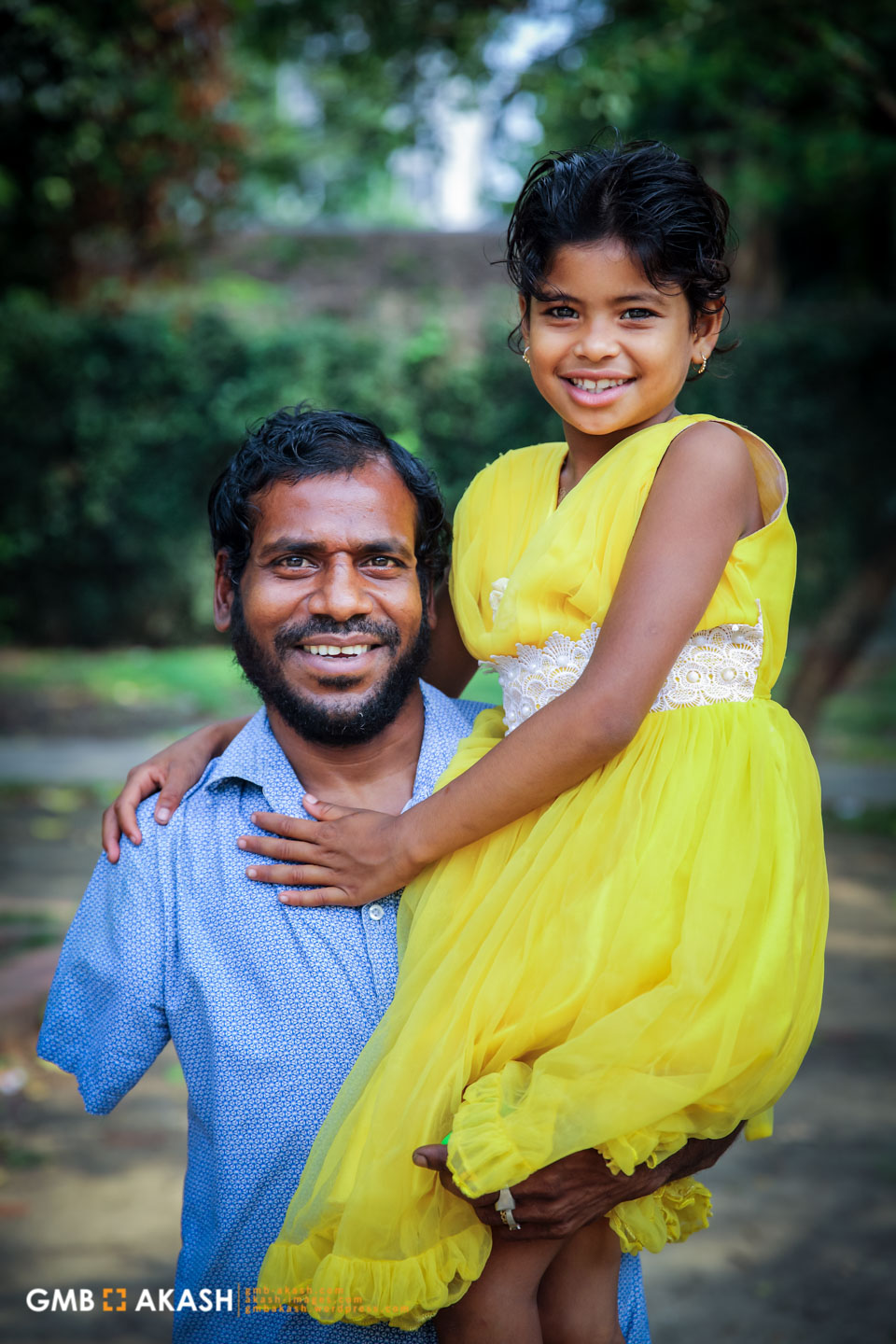
Yesterday, I was able to buy a new dress for my daughter after two years. While I handed sixty pieces of five taka note to the seller, he yelled at me by asking if I am a beggar. My daughter held my hand and cried to leave the shop by saying that she did not want to buy any dress. I wept off her tears with one hand. Yes, I am a beggar. Ten years ago I had never thought in my nightmares that I have to live by begging from people. The night coach fell from the bridge and unbelievably I was alive. I was alive by becoming a disable. My youngest son often ask me where had I left my other hand. And my daughter Sumaiya feed me every day by saying she knows how difficult it is to do all work with one hand.

After two years my daughter is wearing a new dress, that’s why today I brought her with me to play for some time. May be I will not be able to earn anything today, but I wanted to roam around with my little girl. I secretly borrowed this mobile phone from my neighbor without informing my wife. My daughter has no picture and I want to make this day memorable for her. When one day I will have a phone I will take a lot of pictures of my children. I want to keep good memories. It’s very difficult to send my children to school, but I am educating them all. Sometimes they cannot attend exam because giving exam fees is not always possible by me. On those days they feel very sad then I tell them, sometimes we can miss exams because the biggest exam is life which we are giving every day.

Now I will go for begging. I will place my daughter in a signal where she will wait for me. I will look at her from distant while begging. I feel shame while she looks at me when I lend my one hand to others. But she never leaves me alone. Because there are big cars, she thinks accident can happen again, these cars could run on me and I would die. Whenever I managed to get some money I return to home by holding my daughter’s hand. We do bazaar on our way and my daughter always carry that bag. During rain we love to get wet and talk about our dreams. In someday I do not get any money, on those days we return to home silently. On those days I feel like to die but at night when my children fall in sleep by holding me I feel being alive is not a bad thing. Only bad is when my daughter waits for me in the signal by keeping her head down. When I cannot look at her eye while begging. But today is different. Because today my daughter is very happy. Today this father is not a beggar. Today this father is a king and here is his princess.

– MD. Kawsar Hossain

IMG_5979

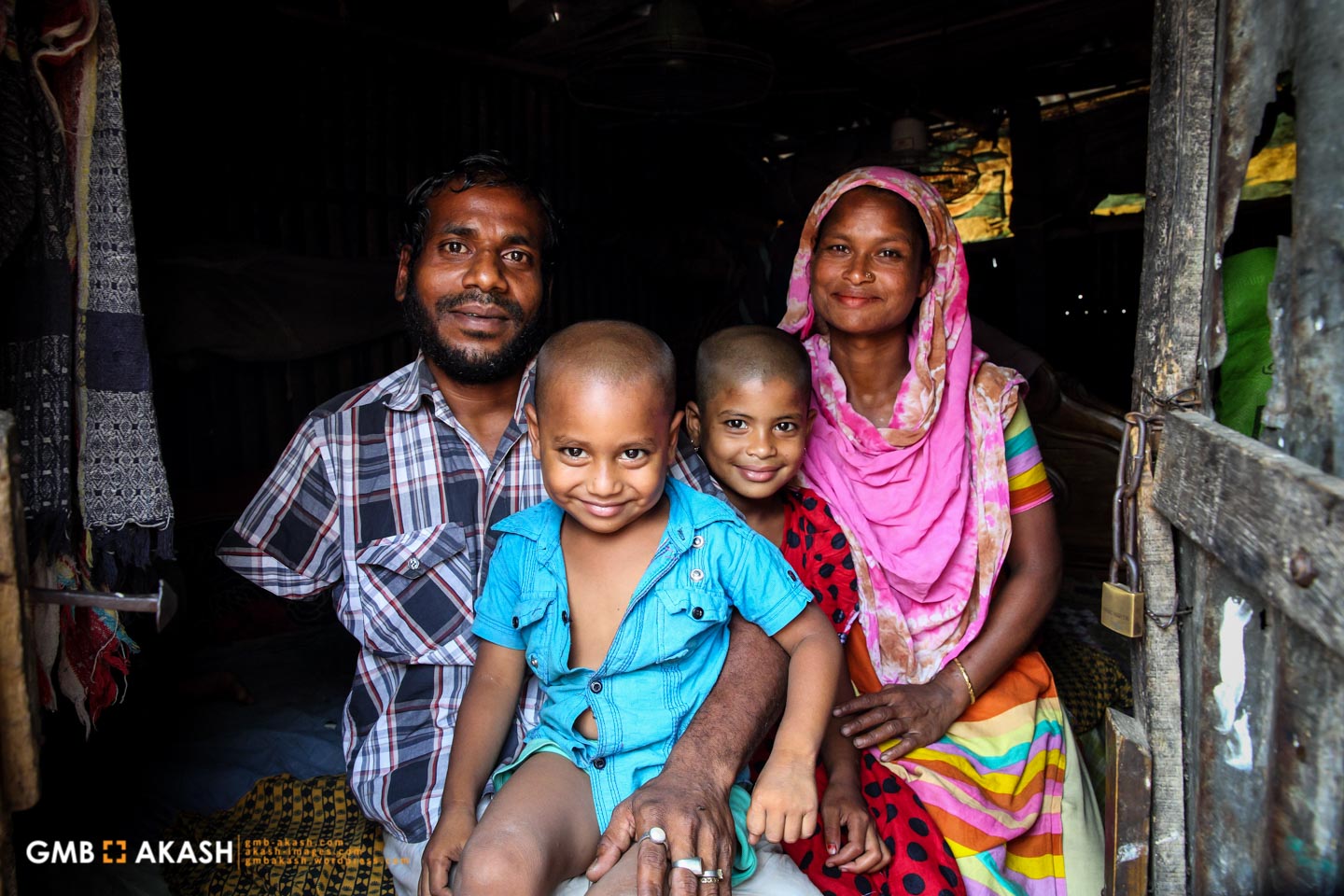
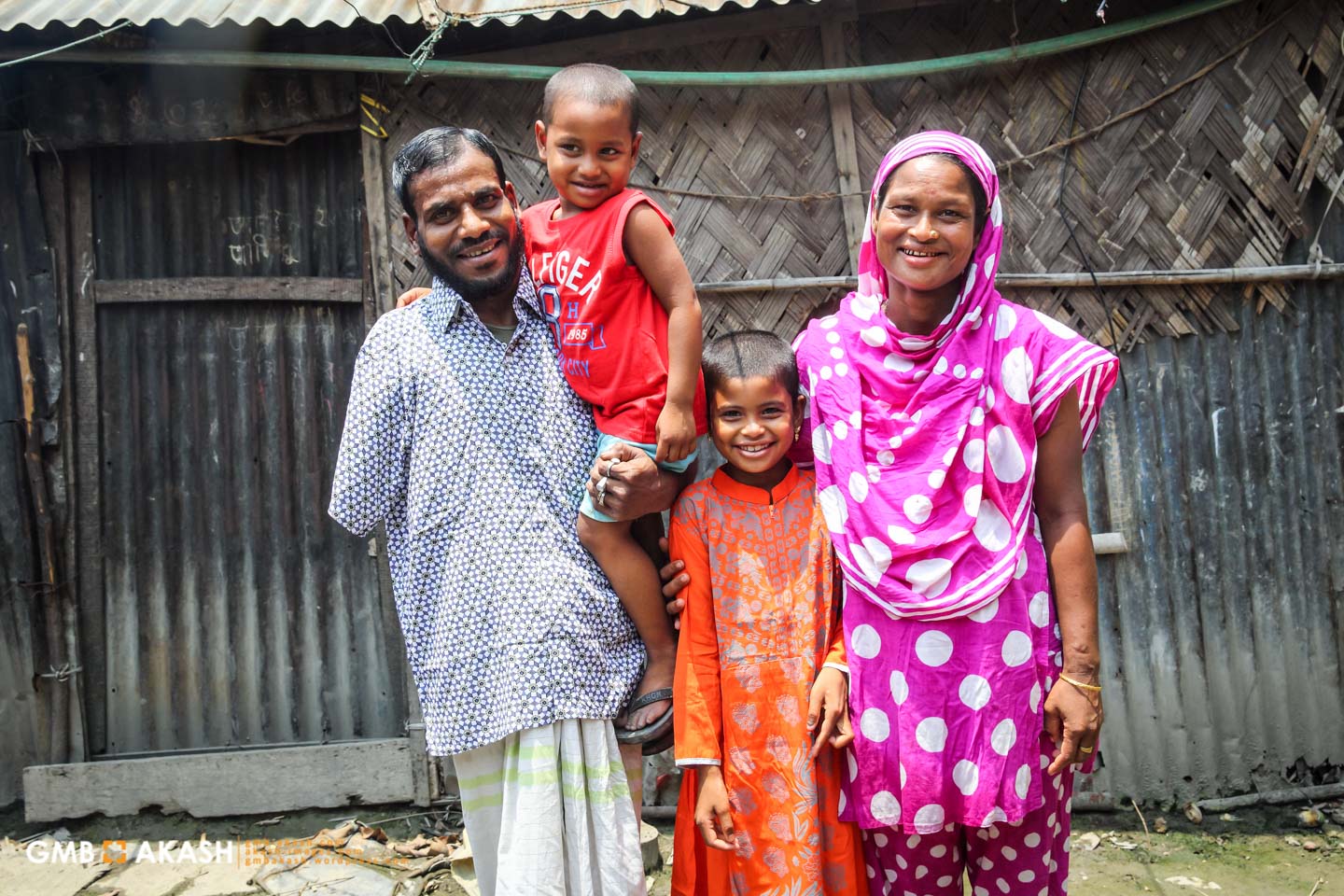
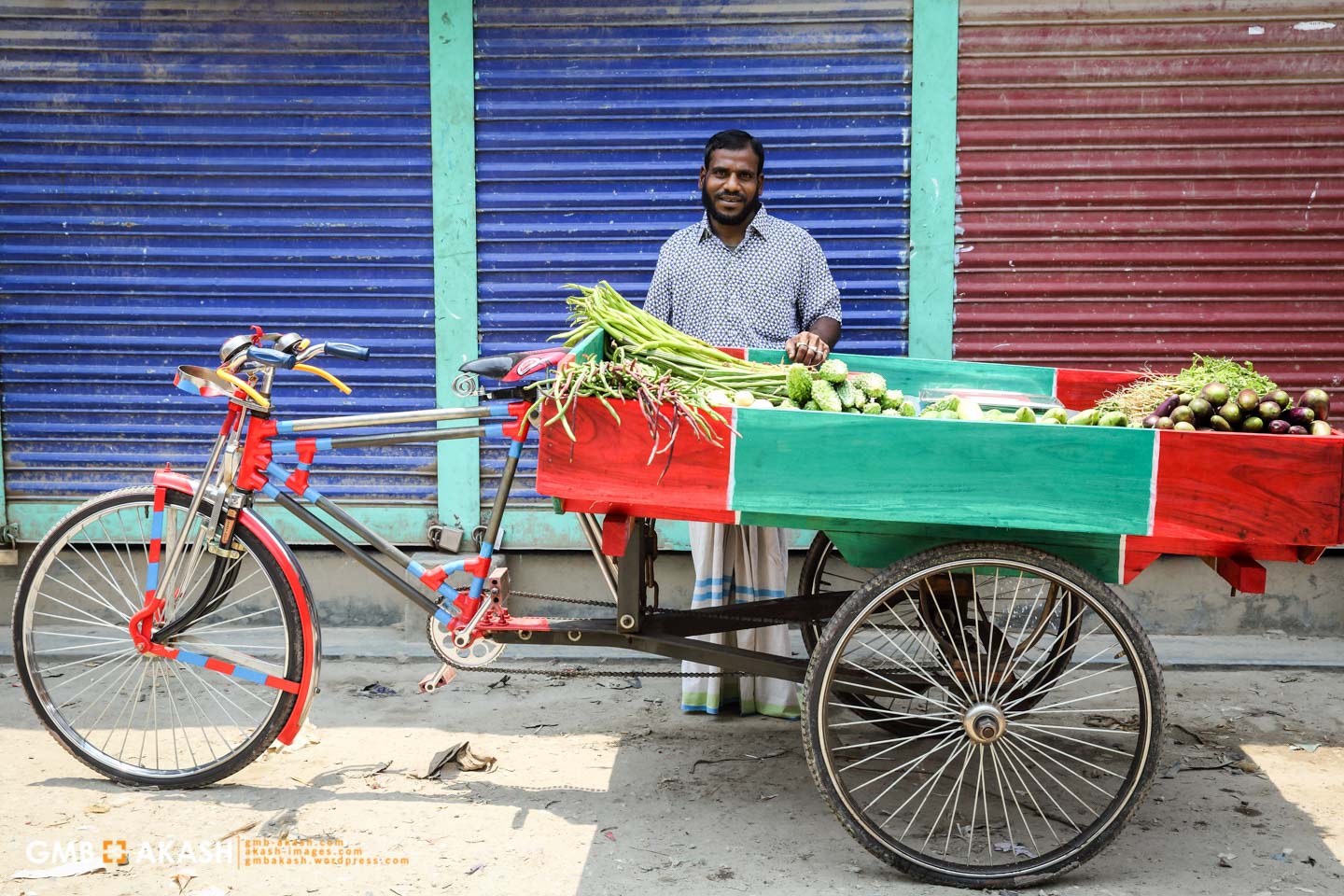
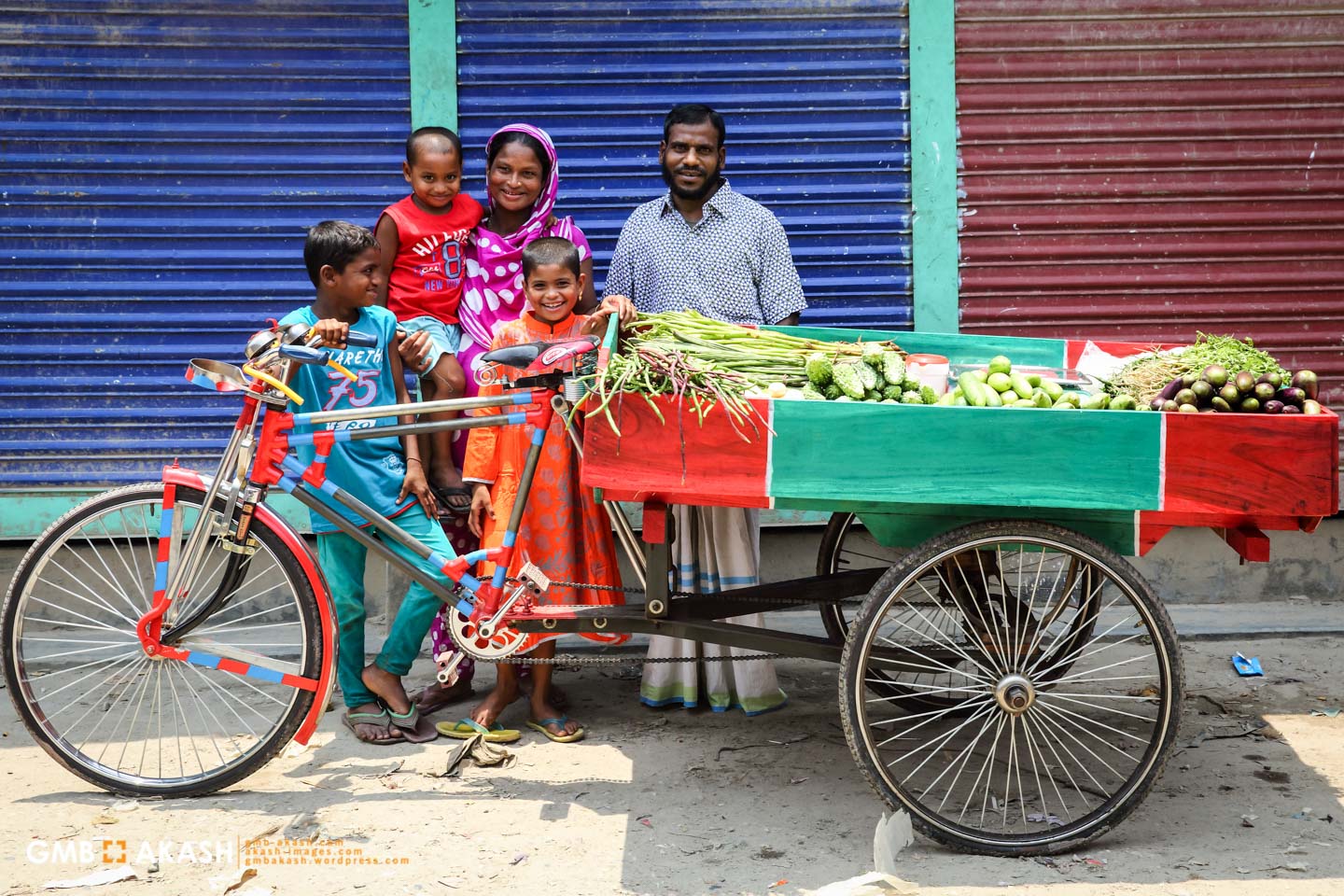
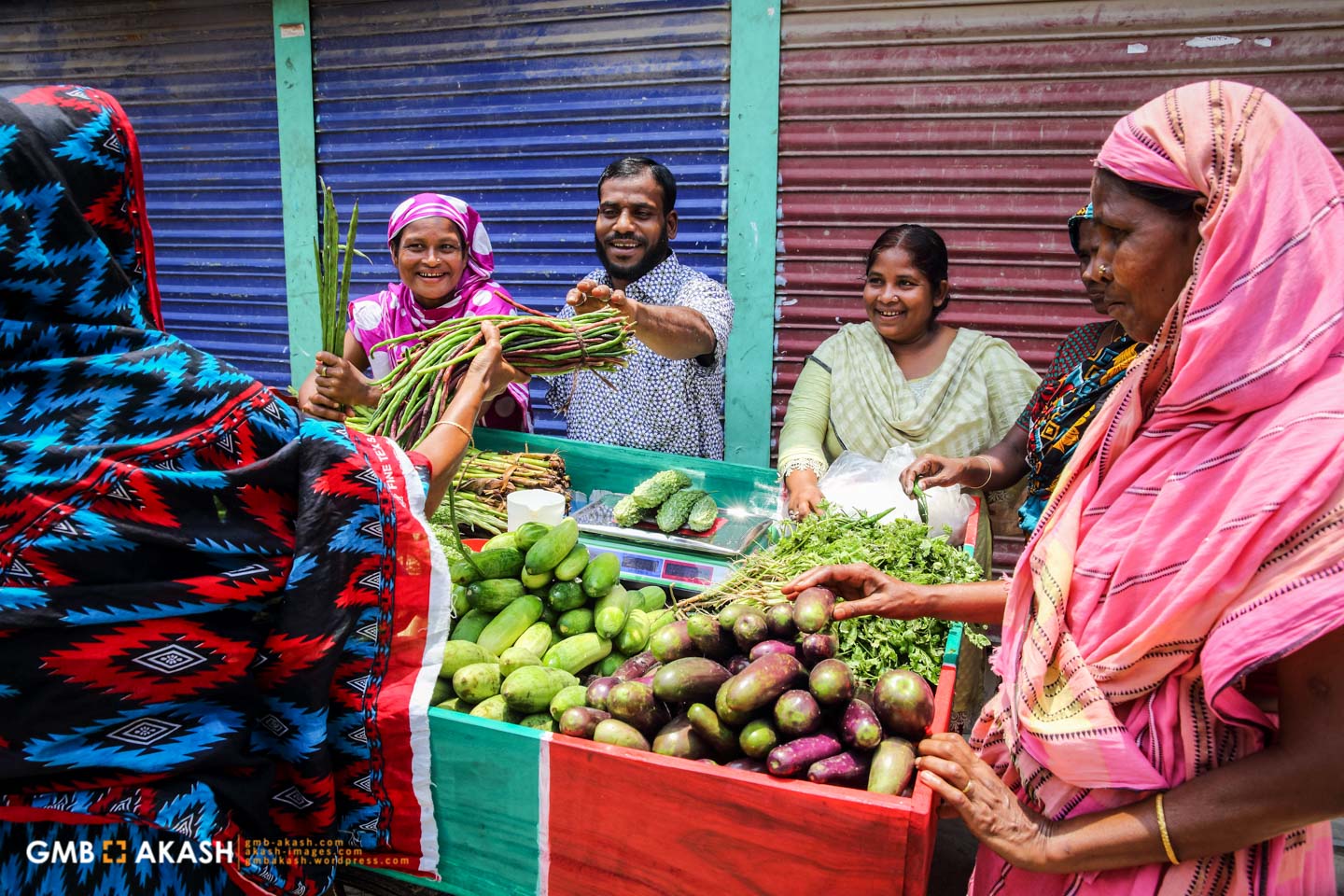
This father and daughter received love from all around the world. It takes almost one month for me to find out him. After several meetings with the family, Kawser wanted to have a source of income. He wanted to do vegetable business in rickshaw van. He also wanted to educate his daughter and he never want to beg in his life.

IMG_0657new

I promised Kawser to gift a van rickshaw and settle his vegetable business. He has received vegetable business and a rickshaw van. His children received scholarship for one year. I long a few generous friends contributed for this cause. ‘This Heroes of life’ – are extraordinary human beings. Sumaiya and his father Kawser is already making differences in their life.

IMG_5513new

IMG_5535new

IMG_5565new

IMG_5628new

IMG_5480new

IMG_5634new

IMG_5680new

IMG_5714new

‘We can help someone with the minimum we have. Someone’s nothing can be someone’s everything’   

Remember the elderly couple?’ For everyone they are ‘The Baghban couple’!

slum (2)

https://www.facebook.com/gmbakash/

Last year we fled together. We never thought we could do that. I knew that our children may stop communicating with us. But I and my wife are living forty seven years together. Every day after sunrise she wakes up me first and together we do our prayers. Forty seven years we never had spent a day without each other. Seeing my wife’s face was the first thing happen to me every day. We struggled together with our six children. In the past, often times I was able to manage one time food for my family, I and my wife starved whole day after feeding our children. She never complained, never told me that I was failed as a husband. After so much suffering we never left each other’s side, never fought one single day, and never lost faith on each other. When my elder son took me and the youngest daughter took their mother, we did not realize that they decided to take us separately. Our children earn little and they have their expenses. After fulfilling their children’s need our need was burden to them. We knew everything but it was impossible for us to accept that we cannot be together anymore. I shamelessly asked my elder son and he was very surprised. He informed me that none of them are capable of taking care both of us.

I tried to adjust. But every morning when I wake up I wanted to see her smile. I spent my whole day by waiting for my son’s arrival so I could talk to her with the phone he had. But he arrived late night when on the other side my daughter usually went to sleep. The day when I was able to hear her voice none of us could speak a word. I heard how hard she tried to keep clam her tearful voice and I murmured stupid things. I never thought life can become so meaningless without each other. Every day I felt to run to my daughter’s house which was far away from mine. Then one day by gaining some courage I told her that I wanted to run together. By surprising me, she asked me to go right away. I took my walking stick and never looked back. We run away together with empty hand.

Now I sell children’s toy. I hardly can manage 100 taka every day and after I return to home I found food on our bed. Our children arrived once to see us last year; they told us how we failed them, how humiliated they felt for our behavior. We did not say anything. We do not want to hurt them. They decided to never come again. Sometimes we feel bad for our children, we miss them. But we know we are running out of time. I am fifteen years older than my wife. Any day I may die in the road while selling children’s toy. So I keep saving some money in a mud bank, I do not want my wife to beg to people to finish my last work. But every day my wife cries a lot during her prayer, whenever I ask her why she is crying so much, she would always say, ‘I want to die with you’.

– Samsuddin Miah (77) with her wife Rekha Begum (62)

IMG_5731new

For Shamsuddin Chacha, it’s very hard to walk miles after miles by carrying toys in his back. After all his hard work the little money he earns goes for his cancer patient wife’s medicine. After daily struggle of managing food and medicine, every day they find their way in their wrecked one bed room house. I along my facebook page GMB Akash friends comes forward to help him. ‘After receiving the rickshaw van and shoe business we are very happy. We pray to God so we can move forward with this work. I cannot thank enough everyone who has helped us. We are feeling like today is an Eid day’ – Shamsuddin Miah

IMG_5778new

Be a lamp, or a lifeboat, or a ladder. Help someone’s soul heal …

IMG_3343

https://www.facebook.com/gmbakash/

He was about to throw my one month old boy. I was holding his leg and he was kicking me constantly. There were scars in every parts of my body. With blade, knife and needle. Sometimes by holding my legs he pulled me out in such a speed that it was very difficult to keep my clothes on my body. My daughter had run behind me by taking one of her scarf to cover the naked parts of my body. She used to scream, ‘Please, help my mother.’ But no one came to help us. He had beaten me on the road. Someday my girl counted the scars of my body and often told me that she lost those unlimited counts. My husband was a heroin addict. After selling everything I had, we were the only things for him to sell. I used to keep poison with me all the time. My daughter knew that it was poison. Whenever we were hurt, by holding and crying to me she asked, ‘When will we have the poison, maa?’ I asked her, ‘Why?’ By weeping her eyes off she replied, ‘It’s very painful to live.’ Then that night arrived when I decided to end all our pains. We were counting hours for our death. My one month old son was smiling in his dream. I could not put poison on his mouth. I held both of them with my chest and ran away, ran away before anyone could sell us or kill us. At that midnight no one asked us what had happened, where were we going? Whenever I was slowing my daughter was crying and telling me, ‘Run Maa, run.’ When the sun was rising, we heard the sound of azaan and crows were flying all over above our heads. I asked myself, ‘Where should I go?’ I wanted to give a chance to me and my children, by breathing in free air, by having some courage to dream. Without knowing where to go, whom to knock. I do not know what we will eat tomorrow. My daughter is struggling every single day to feed us. I am incapable of walking straight. Every night I heard my daughter crying secretly, whenever I touch her head to calm her down she often whisper, ‘Everything will be okay, very soon.’ I nod and say ‘Yes’ to her. Knowing very well nothing will change, light will never enter in our lives, we will never be able to smile. Not everyone knows how it feels to be happy in life.

– Rani (33)

Rani wanted to change her life. To help her we settled her with a rickshaw van and spice business.

IMG_5840new

IMG_5870new

Everyone can help someone. Everyday can be a different day. Thanks for becoming a part of this change making journey by giving your warm words, by offering your gift and making everyone believe that humanity exist

–         GMB Akash

Incredible Humans

Incredible Humans are extraordinarily beautiful. And the most beautiful people we have known are those who have known defeat, known suffering, known struggle, known loss, and have found their way out of the depths. These persons have an appreciation, a sensitivity, and an understanding of life that fills them with compassion, gentleness, and a deep loving concern. Beautiful people do not just happen.

Welcome to my blog to meet 10 incredible humans : ten workers of all time who were previously featured on my Facebook page:  GMB Akash

Undoubtedly their views on life will fill us with awe and leave us in wonder. Let’s have some inspiration to celebrate May Day.

12719486_1064700910261329_1735398948499873688_o

‘We do everything a man does, our working hours are same. But when I went to take my wage the manager gave me 50 taka less than my male coworker. I asked what my mistake was. He shouted on me and said, ‘You did more work than him. But you don’t wear shirt. You are a woman. You will get always less.’ The next day I came to work by wearing a shirt. All the men laughed at me. I ignored them and asked the manager to pay me equal as I wore a shirt after listening to him. I clearly saw he was hesitating and was afraid of my bravery. But again he said, ‘He will pay all women equal if all of us could wear shirts.’ He gave me a smile like a fox. I lost hope, knowing no one will wear a shirt. The next day when I arrived at the field all women were wearing their husband’s shirt on the top of their saree. I never could imagine the manager would be this much afraid of seeing us together. He paid all women equal to men for the first time during his ten years in the brick field’s history. From that day girls call me, ‘Hero’. I don’t mind!’ – Taslima

12973141_1074326089298811_8940474916927352169_o

‘I lost my mother when I was very young. I always tried to please my stepmother. I do not know but why she never tolerated my shadow. She had beaten me a lot. I used to stand silently the times she was beating me, I could not cry, as she told me that if I cried she would throw me out from the house. After tolerating all these, one day she finally threw me from my home. I cried loudly all night by standing in front of the closed door, but not even my father came out to take me back. I came to Dhaka from Chadpur. I used to roam around all the streets and sometimes ate from dustbins. Then one day I got this job, a job as a sweeper. But the sad thing is, everyone hates us, no one talks to us. Today I am very happy, brother, nobody ever took my photo, no one ever wanted to know if I have something to share. When you tell my story to people please tell them not to hate us. If we stop cleaning, you will die. We are servant, we go into your rubbish and by becoming dirty we cleanse you.  Please do not look at us with hatred’

– Md. Rabbi (18)

13123291_1085428934855193_459478002714944206_o

‘One day madam bought a girl of nine years old. Her stepmother sold her to a brothel and then spread the news that she had been lost. The stepmother was satisfied to get rid of a stepdaughter for a life time and 3000 taka was just a bonus of selling a human being. My madam gave the little girl to me to prepare for clients. She was a doll, her pink chubby cheeks and big brown eyes melted my heart. When she cried and cuddled me at night I felt like that baby was made of milk. I went through forced abortions two times; for me Putul was my lost fetus. I bought her a doll to play with. After seven days she was able to speak, her first question was, ‘will that madam cut my hands and send me for begging’? I closed my eyes and whispered, ‘they will do much worse than anyone’s imagination’. Madam was impatient and gave me one week to teach her all the tricks of the business. And I planned something else by putting my life at risk. The day before they fixed a client for Putul, I communicated with one of my old admirers to talk to an organization who was working with orphans. I knew they would kill me if they found me while or after transporting the girl to the orphanage. But that time I did not care about my life. I was able to get her free from this hell. She left her toy doll for me as her memory. I know there must be thousands of such hells waiting for the girl but at least I was able to save her from the biggest one. Please pray for my baby; may she get all the happiness and love in her life; may her chubby cheeks always gets rosy from laughter.’

– Purnima, a sex worker

13735149_1140521769345909_3987720622604558899_o

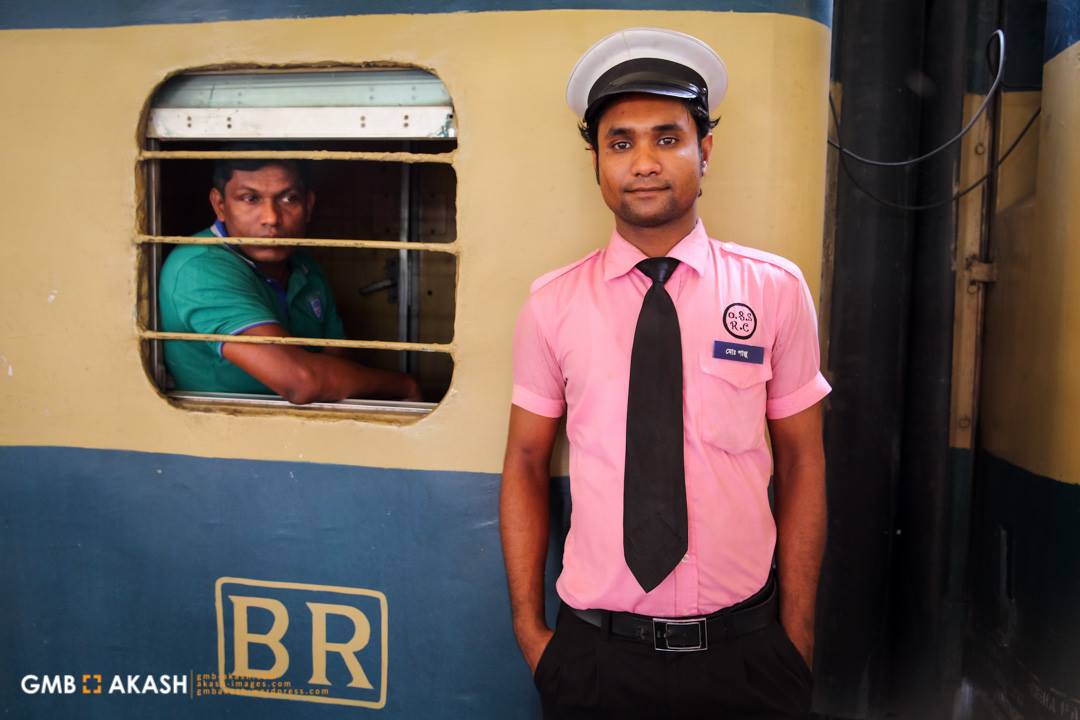
‘I am trying hard to love the job I am doing. But it seems impossible to be happy with my work life. I am giving my one hundred percent. Not a single day do I arrive late at work nor ever overlook any of my mistakes. My job is to help passengers on the train. After giving my best, so many times people have misbehaved with me. It really hurts. People behave miserably to such an extent that I lose control over myself but I never utter a single negative word against passengers. After returning home, many nights I tried to understand why everyday people are becoming aggressive; why educated-socialized people are uttering ugly words against someone they do not even know. Maybe now-a-days we all are going through so much stress and anxiety; who knows? But behaving well to people is not only my job responsibility, it’s my moral value. I only earn 5000 taka monthly; it’s very difficult to run a family with the amount of money I am receiving. But that does not mean I will only perform according to my salary scale; I want to perform my best.’ – Pappu (22)

13331170_1105673736164046_5654528743734809972_n

‘I was very happy when I got a job as receptionist. I only went up to class eight so I was surprised when I got the job while I actually went for a peon post. I belong to a poor family and I have little brothers. My mother was very happy by the kindness of my boss. How lucky was I to get a respectable job with my little education! Things were okay at the beginning. But then I started feeling what only a woman can feel with her inborn senses Many things happened and I could not drop my job and tried to adjust as much as I could. One day when I was showing the appointment list to my boss he touched my hand and asked if I had I heard about Sunny Leone. He would be happy to watch a film of hers with me. I just said, ‘no’ and ran from his room. I cried my heart out while returning home. But I decided to speak up. The next day during lunch sir’s wife came with lunch. I entered inside the boss’s room and with a brief greeting boldly said, ‘Mam, do you know Sunny Leone? Sir wants to watch a movie of hers with me.’ I could never forget their faces. That was my slap to the most educated man. I am very happy with my textile job, I am a worker, but I have dignity, which I will never compromise for money and a reputed post.’

– Nilu, Textile worker

14102313_1167960353268717_1139490007495564267_n

‘I am not living with my husband and in-laws anymore. I was fed up living with a drug addict, who sold everything I had: my saree, sandals, even the bucket of the bathroom. My in-laws kept taunting me as they believed I was the one who could change him but I failed. I realized it would be very late if I did not leave him at that point. But I loved him entirely. It was not easy for me to leave my husband and start a life with my only child. My brothers shut their door in my face. My grandmother was the only one who gave me shelter and helped me to find work. What more could I accept from a ninety-year old woman? She did not turn off her love while the rest of the world kept blaming me by saying what an awful woman I am who broke up her own marriage. But I know my suffering, my fights, my fears and my limits. No one else felt what I had gone through. Yesterday, my child cried all day as I cannot breastfeed her in the work place, publicly. I know well how men gave nasty looks; women pass bitter comments and breastfeeding becomes a sin for working women. But today, when my daughter started crying, I said to myself, if I can go against the society for the betterment of my child, then I can breastfeed her too. There should be a stop to this limitation and I am no longer afraid of what society says about me.’

– Jesmin (28)

12140911_978220678909353_3769136416491490346_o

My wife died when my daughter was 40 days old. My daughter was my reason to live. I never thought to remarry. When she was a child I used to take her with me to work. Everyone used to laugh at me. I had not much money to send her to school. But at night I took her with me to the elderly school. Together we learned to read and write. When she turned fifteen a good marriage proposal came from a far away village. We are very poor. I could not give her anything. She took my writing book with her as my memory. I did not have money to visit her nor did her husband let her come to meet me. When she became pregnant I went to see her. She held my hand and said if she dies I had to take her child with me. I scolded her for her childish behaviour. She requested me to spend a night there, but her in-laws did not let me so I came back. My daughter died during her delivery. Her daughter is one year old. I take care of her.‘ – Abu Mia (65)

13241278_1100775156653904_8529730604376056853_n

My mother flew with me when my father wanted to make me disabled after my birth, so that he could use me for begging. I do not know, what my mother actually does; she sleeps the whole day and works at night when I sleep. We live in the street. Our neighbours and the police call me the ‘whore’s daughter’. Mom told me not to reply to them as bad people always talk bad. I am a flower seller. I sell flowers; I do not beg. But people have no time to look at flowers. I pop into the windows of big cars and see beautiful children with their parents. Sometimes I wonder, didn’t their dad want to sell their organs or want to make them disabled for begging? One day a rich mom bought all of my flowers for her girl but when the girl wanted to give me the money, her mom said not to touch me, I might have a disease. The baby girl threw the money in the air and I caught it. That day made me the best flower seller among all.’ – Lutfa


Aklima (1)

‘I started working as a labourer a year ago. Including me only ten females are working at this site. The constructor does not like to employ women. There are fifty men working besides us. They always get break time to drink tea or smoke cigarettes. But we, the female group never get any break. For almost a year the strongest man of our group is making fun of us every day. Sometimes he says, he can carry more buckets of stones than the women, even when he sleeps. The contractor laughed loudly at his jokes. And sometimes after transporting all buckets of stones he showed us his muscle and the men laughed at us. A week ago I asked our contractor to give us at least half an hour break. He mocked me, pointed to the macho man and openly declared, he will give women equal break time, if I or any other woman can beat the man the next day. I looked at our women’s group and they were looking at the ground. On my way back home, my little girl was warning me never to challenge a man. I asked her why, then my five-year-old girl fearfully showed me her muscle and told me, ‘We don’t have this.’ The next day, when I came to work I told them I was ready to take the challenge. When I started carrying the stone buckets beside our macho man, everyone stopped working and started clapping. It turned into some kind of game. I had no idea how time had passed. When the contractor asked me to stop I looked at the man beside me. He was lying on the ground, already very much exhausted. Then I saw, I transported fifty more buckets than him. When every woman was screaming in joy, I looked at my girl, she jumped into my chest. I did not say a word. I had to prove to my little girl that, women too have muscle but they do not like to show it.’ – Aklima

12473936_1058725157525571_204788509166671071_o

“I found out my daughter had an affair with a boy for five years. She never spoke about it as she is always afraid of me. Apart from that I assumed my children always hated me for the job I have been doing since my childhood. I asked her to bring the boy and his family to our house. I decorated the house like a new bride and brought the best food for them. I have been saving for my daughter’s marriage for twenty years. That day my daughter was the happiest ever. When they started the conversation they brought out a note of demand. They wanted all material things a family needs, I was calculating and nodded in agreement with every word they said. After all it’s about the happiness of my daughter. The last point was that they did not want me to be introduced in front of their relatives and I should never go to visit my daughter. The moment they said it my daughter screamed in anger and by surprising all she slapped the boy. She angrily said, ‘My father can do the thing that no one can do. Not everyone can clean others’ messes. I am proud of what he does and if you do not leave my house in one minute I will beat you all.’ She broke the marriage proposal and ended her five-year relationship in one second. From that day I knew what a fortunate and happy person I am.’ – Sweeper Monu lal


‘Many Miles Many Smiles’

You are loved! ❤

That is the note every child received. In five straight days I had reached more than 500 impoverished Bangladeshi children and gifted one goodie bag each that consisted of an item of new clothes, a pair of slippers and chocolate. Then together we headed for the group lunch. The children grinned from ear to ear, laughed and screamed in joy and burst out in happiness. All this happened due to a ‘three day campaign in my Facebook fan page’. I would like to thank every friend who has donated HAPPINESS to these children. Thanks for sharing your world with these children. During five days from morning to noon I had unforgettable moments with street children, child labourers and unprivileged rural children. My friends, in this video I am sharing a glimpse of that joyous experience which which many of you have created along me. I am welcoming you to have a look at what have you brought to these children!

Click in this Link to watch the video: Video of Many Miles Many Smiles

‘Is this mine?’ Salauddin uttered with surprise. ‘Are these all for us?’ with the same surprise, Ratan, Sojib and Yusuf asked. I nodded with a smile and before I could answer, Sojib run up and called out every child’s name they are living with. To my surprise within half an hour about a hundred of children encircled me with a thousand questions. I handed every child one goodie bag that consisted of a new pair of slippers, new clothes item and chocolate. Their sparkling eyes, bright smiles and warm words made the evening unforgettable. Among them a few were not smiling and seemed confused. I patted them on their backs and asked what happened and then questioned them if they weren’t happy with the new things. With hesitation they asked me if I could provide them with some food to eat as they had not eaten anything since yesterday. That moment I decided besides giving them one goodie bag I will also treat them in a good restaurant and make their day fulfilled. When I declared they can have their lunch in a restaurant their happiness exceeded its limit.

Many Miles Many Smiles (2)

Many Miles Many Smiles (6)

Many Miles Many Smiles (7)

Many Miles Many Smiles (18)

There are hundreds of boys and girls who work as child labourers with their parents who work in the brick fields. While Munni was wearing her new given dress, she shared with me, ‘I hadn’t gotten any dress or shoes for last Eid. Today is my Eid day.’ While wearing their clothes and slippers they continued to laugh, showing their new things to each other and continued to giggle as they saw me waving and leaving them.

Many Miles Many Smiles (5)

Many Miles Many Smiles (8)

Many Miles Many Smiles (9)

Many Miles Many Smiles (10).jpg

Many Miles Many Smiles (1)

The hardest part was to buy different clothes and slippers for different age groups. I would like to give special thanks to my students and companions Tutul, Disary and Proshanto for their generous time and effort. By this post I would like to thank each of you who have helped me with time, labour and generosity for this mission.

Many Miles Many Smiles (12)

Many Miles Many Smiles (13)

Many Miles Many Smiles (14)

The scenarios in the factories weren’t different. The child labourer formed a queue voluntarily and continued to surprise me by their gratefulness. I could not imagine a small goodie bag could give so much happiness. When they opened their gifts each of them smiled instantly. Even in the rural village where  our ‘First Light School’ has its junior students, those who belong to extremely poor families burst out in joy while receiving their gifts. All of them gathered, lined up and shouted ‘Thank you!’

Many Miles Many Smiles (3)

Many Miles Many Smiles (4)

Many Miles Many Smiles (20)

Many Miles Many Smiles (21)

My friends, see what we have done together with a small three day campaign. Your generosity filled hundreds of innocent souls with the greatest gift of ‘Happiness’. Thank you! Thank you for showing them that there are people in the world who have a heart to love and give.

Many Miles Many Smiles (19)

Many Miles Many Smiles (17)

Many Miles Many Smiles (16).jpg

Many Miles Many Smiles (15)

Many Miles Many Smiles (22)

‘Feet tell stories’

Brick field (15)

Brick field (16)

Brick field labouer’s feet tell their tales. Thousands of men, women and children continue tolling in the open brick fields. Their muddy clothes, smudged coal colored skins and bare feet tell the tale about how everyday they are fighting to live a life. I continue to search their stories of struggle about how their hope transform into despair. Once a labourer stopped me to take his portrait and asked me to take an image of his feet and said, ‘Show our feet. It’s enough to explain what we are up to.’

Brick field (1)

Brick field (2)

Under the baking hot tropical sun, Moriyum (7 years old) continues to collect coals in the most perilous conditions even though everyone goes to lunch. Just after shifting 1000 bricks to dry in the sun, Moriyum’s brother Mohsin (9 years old) also goes to lunch. But Moriyum continued to collect coal for her family.

Brick field (18)Brick field (19)

Working children are a common sight at the brickworks as they regularly employ entire families – who oftentimes make their homes on site. Education is a luxury for Bangladesh’s rural poor with children often earning their keep as soon as they can walk. Ranging in age from young children to grandparents, they work long hours to mix out millions of bricks to fuel construction boom that shows no signs of abating. The high chimneys of brick fields are snot only pouring grey smoke into the air but also blowing it into labourer’s lungs. All of the brick fields are located along rivers. Millions of bricks are burned here. Almost all bricks are made using a 150-year-old technology. Soil is mixed with water, formed into bricks using wooden forms, then left to dry in the sun before being burned in traditional kilns. The process is done almost entirely by hand.

Brick field (3)Brick field (4)Brick field (5)

Kohinoor who was balancing the heavy loads atop her head said, ‘We work like slaves. And we die like slaves.’ Kohinoor’s mother-in-law died last year while working in the brick filed. Another woman who has worked a decade in the field was badly suffering from tuberculosis and headaches. Kohinoor added, ‘We know we will die by working here, but we have no option.’

Brick field (6)

Brick field (7)

Brick field (8)

Brick-making provides a better income than agriculture or other jobs available in rural Bangladesh, but it is dangerous and often devastating to workers’ health. Accidents are common and workers have no protective gear except save for what they are able to cobble together themselves. 

Brick field (9)Brick field (10)

By balancing the heavy loads atop their heads, workers must carry the raw mud to the brick making area are where skilled artisans shape it using brick moulds filled by hand. However, the millions of workers who make the bricks face harsh and uncertain conditions. Brick field labourer Makbul said, ‘Everything tastes like mud. I taste mud in my mouth, tongue, throat everywhere.’ By showing the feet of Makbul’s friend, Jasim said, ‘We are brick human. We have feet like coal.’

Brick field (11)Brick field (13)

Like Makbul and Jashim, hundreds of men come with their families during the brick session in the brick fields. They made their temporary shelter near the brick field in the place given by the brick field owner. The mud house’s bed is made by brick after brick and then putting plastic over the bricks where they rest and sleep. They took loan from the brick field owner which and continue to pay it back by giving labour with full family. Small children of each family works to dry thousands of brick every day. For drying 1000-5000 bricks a child gets 25-50 taka daily. That also goes into the pocket of father for buying food for the family. The Father and mother of each family go to work before sun rise. They carry 12-16 bricks each weighting 2.5kg. For a twelve-hour workday during which an average worker carries about five thousand bricks, he earns Tk. 80 after his expenses are paid. This means toiling 12 hours a day for a daily wage of 120 taka (USD 1.70) for men and 100 taka (USD 1.40) for women.

Brick field (14)Brick field (17)

Still they hope for a better life and perhaps dream of happiness. During his break, after lighting a cigarette Motahar said, ‘My wife often asks me to take her to the cinema. We have no money left after basic shopping at the bazaar and paying loans. But she managed to save and bought an old phone for me. Now while I work, I listen to songs.’

Brick field (20)

(Brick fields are not only causing suffering for labourer but for the environment also. Bangladesh is hit harder than almost any other country in the world by climate change despite emitting very little greenhouse gases. But still the emissions from the brick kilns hurt the environment. Brick kilns are the leading cause of air pollution in the country. There are about 5000 brick kilns in Bangladesh, which are largely responsible for air pollution. Dust from the brick-making sites spreads in the wind to nearby towns and villages clogging the lungs of young and old and generates health problems that the country is ill-equipped to handle. The chimneys continue to poison labourer lives and as well as letting the environment to suffer in silence)


Train Track Life

Suddenly the inter-city train appears rushing at them on the tracks with its deadly noise which is the only thing that alerts the people. The scene includes a train that seems to be traveling as if to arrive at the slum but then ruthlessly goes right through it. It watches and touches both sides of the slum’s tin-roofs. Who could have ignored such g-o-t-a-n-g, g-o-t-a-n-g sound that raises heartbeats of the inhabitants of the Karwan Bazaar train track Slum in Dhaka on a daily basis… at least fifty times a day?

slum (6)

slum (16)

People speculate that this train track-side slum had been built after the Liberation War of 1971. Though the slum does not seem too old, several inhabitants say that they have been living recklessly here for more than thirty years. Moreover, on both sides of the curvy train tracks that are lined with 1’000s of shanties, more than a hundred huts have been built in more recent times. Some of the smallest huts with only three foot high roofs rent for as much as 2000 taka (About $25). Those houses that are newly built with heights for standing-up cost 3000 taka (About $39) for a month.

slum (38)

slum (43)

The muddy train tracks are loaded with wastage and leftover rotten vegetables. During an ordinary mid-day women are busy preparing lunch with difficulty trying to manage their mud clay oven cookers set up only one foot from the rail. When a train passes through anybody from the train could take away the potatoes that Marium Begum (35 years old) is frying in the pan. Marium says, ‘my eldest daughter is ten years old and I taught her how to save herself when the train rushes to our hut’. Marium clearly knows how much distance is safe for her two small kids. All children of the slum are well taught how to run away when a train arrives on the tracks. But a lot of times trains come simultaneously on both tracks and terrify the children. It happens many times from day to night without prior warning.

slum (14)

slum (27)

Accidents are common and dangers are unlimited. The banyan tree root that grows from the hut of Kahinur is losing its leaves because many passengers who are riding on the tops of the moving trains are picking off the leaves for fun. It also amuses the slum children who have little to do. In this impossibly tiny strip of living space a lot of children lose their legs, hands and fingers in train accidents that take place in front of their parents’ eyes.

slum (57)

slum (11)

Jaleha Kahtun says, ‘If we had something in which to live in the village, we would never come to live in this train track slum. In the village the river overflowed and took away everything and now here in the bazaar is everything we own.’ Jaleha Kahtun is a rotten vegetable seller in the bazaar. She has to go to work at 5:00 in the morning. So she lives in this slum that enables her to go to the bazaar as early as possible. All of the people who are living along the train tracks are climate migrants due to frequent flooding disasters in the country.

slum (18)

slum (68)

slum (56)

Nothing has changed in their lives since they left their villages, but now at least they can feed themselves better. Sriti (15 years old) who is sitting in the middle between the two rail lines says, ‘We now understand how to act when a train comes. If you were in my place you might die without knowing where to go after seeing a train three feet in front of you. It takes experience.’

slum (52)

When there are no trains all of the inhabitants are sitting on the train tracks, gossiping or arguing with each other. Children are playing here and there. To add some life to this atmosphere someone repeatedly turns on the music of popular Hindi songs. When Rasel (10 years old) starts dancing by waving his lungi and mimicking the song ‘Lungi dance’, Lungi dance,’ people near him also begin to move their bodies to the melody. But before Rashel shows his brilliant steps someone screams that the trains are coming on both sides of the rail lines. Nobody forgets to take their sitting arrangement away with them; children quickly move with their toys, a grandmother rapidly puts a pot over her vegetable curry to save it from the dust. Just like in a theater the trains get a stage upon which to perform for a few seconds and when they leave, all of the inhabitants return to their customary life on the tracks that have been occupied for more than 30 years.

slum (59)

Info Ladies – Women Heroes of Rural Bangladesh

Women have to go beyond any boundaries they might have set for themselves. Thinking something that a woman can’t do because that particular thing is a man’s domain, is where she is restricting herself! Women have incredible power. Just inspiration can help them to grow their dreams. As a photographer every day I am capturing woman’s battles, voices, dreams and triumphs. By putting light on their lives and dreams I would like to tell stories that the world should know about! Welcome all of you to the heroic world of INFO Ladies of Bangladesh!

The Info Ladies cover many miles on their journeys from village to village. With their bicycles and laptops, the Info Ladies of Bangladesh bring the world a sense of independence from one village to the next. This has changed the country, and their lives, too. The young women have become role models for a whole generation.

info lady (4)

The Info Ladies cover many miles on their journeys from village to village/www.gmb-akash.com

info lady (2)

The meetings in the villages are free, with a charge for some services/www.gmb-akash.com

Sathi is the most successful Info Lady in the Gaibandha district. Between banana trees and flood swamps, she has opened an info shop in her home village Jarabarsha. A banner in front of the shop rattles in the wind. It reads: “We are independent because we are Info Ladies.”

info lady (10)

The Info Lady is wearing her info lady uniform, a blue cape and pink trousers. Amid the dark green landscape, she shines like a ladybird on a dandelion leaf/  www.gmb-akash.com

The corrugated iron on the roof shines more brightly than anywhere else in the area. A table mounted on the trunk of a tree lists all the services Sathi offers. Sathi offers Skype calls, online bank transfers, online university application assistance, digital camera rentals, mobile phone ringtone downloads and photography services. She gives pregnancy tests, measures diabetics, takes blood pressure, identifies blood type and even sells underwear for women. Recently she opened her pre-primary school with a vision to create an example for the village.


info lady (8)


Sathi in her info shop which provides for her whole family/ www.gmb-akash.com

Sathi is a 24 year-old petite woman with a barely perceptible smile and deliberate movements. When a man pushes his broken mobile phone across the counter, she unscrew the lid of the phone, fumbles around with the speakers for a few seconds with a metal pin and declares: “it’s broken, I will order a new one,” without expecting any rejection. Sathi has a scar with six stitches on her right ankle from a fall from her bicycle when she still had problems keeping her balance. She proudly shows the scar. Laughing loudly while explaining how difficult it was to convince her father about bicycle riding, she says, “I learned the basics of computers in three days, but it took months to convince my father to let me ride a bicycle.” But now she has changed the financial face of her family. In nearly three years of this job she built new house and renovated the old shop which is now the famous info shop.

info lady (9)

Sathi has to go from village to village to give her services. On that humid day Sathi repeatedly grabs the corner of her pink dupatta and wipes sweat off her face. She is wearing her Info Lady uniform, a blue cape and pink trousers. Amid the dark green landscape, she shines like a ladybird on a dandelion leaf. Sathi cycles past men in waist-deep water. The men stop their work for a moment and look up. Sathi nods in greeting. When she finally arrives in the village, she rings her bicycle bell three times, and women immediately start crowding around her.

info lady (18)

An Info Lady is a nurse, mail carrier, fashion consultant, farmer, photographer, psychologist – all in one.

A short while later the women they roll out fabric bags to sit on and Sathi shows them a film about feeding infants. Then in a firm voice, she repeats every single fact: “You need to wash your breast before you breast-feed your baby. You do not need milk powder from the store; your breast milk is perfectly fine until the fifth month. After this, pay attention to adequate amounts of calcium and proteins. Have you all seen which foods contain these substances?” The women, some twice as old as Sathi, look at her. Their silent glances show how much respect they feel for someone so knowledgeable.

info lady (3)

The meetings in the villages are free, with a charge for some serviceswww.gmb-akash.com

Sathi’s working day ends with accounting. Using a computer programme, she notes every cent she earns. The group meetings are free, but a digital passport photo costs 10 cents, a blood pressure measurement costs 5 cents. Sathi has earned the equivalent of 2.60 Euros – a moderate day’s income. Last month, her income totaled 133 Euros. By comparison, a farmer in the district of Gaibandha earns about 60 Euros a month.

info lady (11)

Many young women resist the opposition of their parents when they become Info Ladies. Sathi’s mother is different. She says: “All women bear children, but not all give birth to children as important as this one”

In a country where less than a quarter of the population uses the Internet and where access is both slow and expensive, Bangladesh’s ‘Info Ladies’ offer a series of vital services to people living in remote, rural parts of the country. The “Info Ladies” project was launched in 2008 by a local non-governmental organisation called D.net. The same organisation had previously sent so-called “mobile ladies” through Bangladesh – young women with mobile phones, who enabled the inhabitants to communicate with people outside their village. When most inhabitants eventually owned a mobile phone, the Info Ladies were launched. They now offer mobile Internet, in a country with 152 million people, of whom five million have access to the worldwide web. D.net works together with local organisations to implement the project. In Gaibandha district, the NGO Udayan is involved. The name translates as “the resurrection”. The Info Ladies are trained for several weeks in the barracks of Udayan.


info lady (19)

In the rainy season, the Info Ladies cross the water on hastily cobbled together rafts or bridgeswww.gmb-akash.com

A Bangladeshi Info Lady is not just a woman with a laptop; she’s an entrepreneurial businesswoman bringing isolated people a piece of the world with valuable information and services. Info Ladies managed to change the perspective of villagers in many ways. Dohrmina, a village elder, now gives advice to the youth that would have been unthinkable in her day. She says: go to school, secure your own income, and don’t have too many children. Dohrmina says: “We didn’t even know what independence meant.”

info lady (20)

Like Dohrmina villagers have been paying more attention to their health now the Info Ladies make their visitswww.gmb-akash.com

info lady (21)

After measuring weight of the pregnant woman Mahfuza says, “You need to eat more,”

Of the 10 Info Ladies from Sathi’s group, seven are still active after three years. The Info Lady Mahfuza who is one of them rests her bike on the kickstand. Mahfuza is 22 years old and an Info Lady. She is part of a project in which young women use modern technology to distribute information to the most remote corners of Bangladesh. Mahfuza’s former classmates are now all married; most have one or two children. Some girls are married by the age of 13 or 14 and by the age of 20, parents actively look for a husband for their daughters. But Mahfuza learned to hold her head up.


info lady (1)

info lady (22)

A camera transmits the image of the extended family – with the brown calf which has been given the name Bohon – from their village of Bangamur in the north of the country, showing the courtyard with its highly polished loam clay and hastily-stacked hay bales all the way to Riyadh, Saudi Arabia’s capital. Tajul Islam, son, husband, nephew, cousin – and sorely missed by his family for a decade – lives there, a distance of some 4,500 kilometres, slaving away on building sites and sending all the money he has left to the village. The time they talk every week via Skype is their only chance to hear and see each other.


Meanwhile Mahfuza sits under a roof made of bamboo leaves and takes measures the blood pressure of a pregnant woman. Someone from the crowd shouts: “she’s expecting a boy.” Mahfuzaa does not even look up from the blood pressure meter as she responds: “boy or girl, it does not matter, both are equally good.” Another lesson learned. Mahfuza is contacted by girls who need underwear but do not dare go into a store. She then goes shopping for them. Farmers ask Mahfuza what is wrong with their rice plants. She photographs spots on the leaves and sends the images to an expert in Dhaka.

info lady (5)

A grandmother holds her grandson in her arms. He seems apathetic, his arms and legs are hanging limply. Mahfuza throws a quick sideways glance to the mother standing by the roadside. “Did you have him vaccinated as I had suggested?” The mother shakes her head imperceptibly. Mahfuza exhales audibly, stroking her hand over the baby’s head. She promises to come back in a few days and take the child to a mobile clinic.

info lady (6)

info lady (7)

The Info Lady Mahfuza also is a photographer. She sends a photo of a villager in her finery to her husband in the capital Dhaka/  www.gmb-akash.com

As a result, the women themselves experience a sense of freedom, empowerment and economic independence. This has started to change their country, still struggling with improving the historical violation of women’s right. They have become heroes for an entire generation of young women by giving them hope and inspiration to also be able to work and enjoy personal freedom in a predominantly Muslim country. Although proving to be a driving force of positive change and transformation, these Info Ladies have had to “walk on thorns”. They have fought against social stigma, a conservative Muslim society as well as deep cultural prejudices against the value and rights of women.


If they were able to change their lives so radically, why should this not also be possible for others?

info lady (12)

info lady (15)


‘Lifelong Scars’

The small window is a passage to the world for Rebeka Khatun (22) since she rented the tin shed room two months ago. Living in hospital for ten months took most of her will power after the deadliest incident of her life. Now she does not think too much. But the silence of her tin shed rented room does not allow her to rest in peace. Idle Rebeka now thinks about the charger fan that  is restlessly cooling her. The inventor of the Dolphin charger fan might never have thought a garment factory worker could think about this fan for such long time. Yes, she wants to think different things now-a-days. She is tired of answering the same questions, tired of seeing unknown faces, tired of begging from people, tired of crying so long. She needs a break but from what she does not know.

Rana plaza (10)

When she closes her eyes her mother gently touches her cheeks. The mother who once made cow dung to feed Rebeka. The mother who wiped her tears when she cried and slept in hunger. Rebeka and her mother Chan Banu (45) had seen all the ups and downs in life. In the village they had to even beg to survive. Chan Banu did everything for her daughter Rebeka . She was life to her. Rebeka opened her eyes that were filled with tears and touched her right leg which itched all the time. There is no electricity for two hours and the restless Dolphin fan slowed down. Rebeka was sweating; the salted water flowed from her body, her eyes and maybe from her soul. The girl who started earning at the age of 15 never imagined her life without her mother and as a disabled person. She could not sleep the last two nights. Rebeka’s husband Mostafizur fanned her the whole night but pain is part of her existence now. Even when she opens her mouth only pain is visible on her face.

Rana plaza (4)

She lost her father in childhood. Her mother remarried just to save her from hunger. Fate did not take any right turns. After some years the mother and daughter moved to Dhaka with her two stepbrothers. Her stepfather’s only problem was Rebeka. But Chan Banu chose her daughter. Their struggle took them to the right place after so many years. That was to the garment factory. Thinking about the happy times unconsciously Rebeka slightly smiles. Her mother used to buy fishes for her after getting her salary. The last 12 months she and her husband’s life depended on charity. One year ago together they earned 22000 taka. Now the government assures her 10000 taka monthly as interest of her compensation that is hardly enough to live a disable life in the costly city of Savar. It’s been four years since Rebeka got married. She and her mother together joined Rana Plaza. They went everyday to their factory Ethar Tex hand in hand. One month before the biggest disaster ever she had a miscarriage. She and her mother cried a lot. Chan Banu said, ‘Don’t worry! Allah will give you happiness ma!’Huh! Happiness! Rebeka tried hard to turn her body around and her tongue dried. She had to ask her husband for a glass of water. Asking for help is now her only job.

Rana plaza (7)

Rebeka has gone through eight operations. Now she is mentally preparing herself for another. Depression is a minor word to express what Rebeka feels about life. Five members of her family died in the incident of Rana plaza. She was sewing the last piece of a pocket during the one hour left of her assigned work. She was about to go to the canteen to join her mother who was a peon in Ethar tex. After recalling the last glimpse of her mother she felt hollow. The mother who sacrificed all her happiness for her, she could not even hug her for the last time. She could not find her body. No DNA test matches. No compensation. No consolation.Disabled Rebeka is hoping for nothing. Life has treated her in the worst possible way. She just wants to know why Allah punished her!

Rana plaza (1)

It is not only that daughters like Rebeka are crying for mothers. Hundreds of mothers are each day crying for their dead daughters. Hundreds of mothers are still roaming around in front of Rana Plaza after nearly twelve months after the incident by holding pictures of their dead children. On the day of the accident Romila Begum (46) combed her daughter Lovely’s hair and requested her not to go to garment factory. Romila  continued, ‘I am afraid Lovely, do not go for collecting the salary today. I will somehow manage our today’s food.’ Lovely had a fight with her husband and after leaving three of her sons to her mother she left for the garment factory . And never returned.

Rana plaza (29)

Rana plaza (35)

Clutching Lovely’s photograph at the site of the ruins, Romila fainted after saying, ‘My daughter gave her gold ring before leaving the house, and now how I will feed her sons and my family without compensation Allah!’ Ambia Begum who also came to join the demonstration by demanding compensation holds Romila. Ambia Begum harshly said, ‘You people will never understand our pains of losing children. Compensation isn’t charity, it is the right of my daughter’s blood’.


Rana plaza (23)

Rana plaza (33)

But the survivors who lost one or legs aren’t very hopeful with the compensation they got from Government. Rehana Khatun (24) was a sewing operator of New Star Ltd. at Rana Plaza. She had been rescued after 20 hours and had amputated two legs amputated six days after the incident. She said, ‘two years ago everyone in the family was against me taking a job in the garment factory. I left the village after my father’s death because I wanted to give a better life to my two younger brothers. When I started sending money back home they all became positive. I bought gold rings and a television for the family. I became the role model for my village.’ By telling these facts Rehana’s face suddenly gets depressingly dark by adding, ‘I do not want to go back to the village. Conservative villagers already told my mother that I ruined my life because I wanted to be independent woman’.

Rana plaza (25)

Rehana is not hopeful with the money the government gave her. Rehana said, ‘Interest of 1.5 million every month for two legs! But who will take care of me? Who will give this extra expense? I could have earned this money and have a good life at a lower cost if I were well. I want a way to run my life. I want a job that I can do in this situation.’

Rana plaza (19)

For Yanur the 1st term exam is more important than remembering Rana Plaza’s anniversary. She believes that she will be able to forget those unbearable scars of her muscle injury. She believes that she will be able to remember all the word’s meanings of her English book. She believes that she will one day forget pains of her chest and the memory of her mother. She believes that one day she will recover from the trauma and will no more cry for no reason. When Yanur rushes forward with the sharp sound of that scary crack-crack of the wheelchair, everyone understands Yanur is going to the William and Marie Taylor School that is inside the CRP (Center for the rehabilitation of the paralyzed) hospital from the hospital hostel. Talking about her present condition Yanur was looking through the little window of her small cabin keeping her favorite book Maxim Gorky’s ‘Mother’ aside. She softly whispered, ‘I missed mom a lot. I have five siblings. Poverty forced my mother to seek job in Rana Plaza at Ether TexLtd. Two years ago she found the job for me there too. We together worked and she used to say after some years we all will return to village with our savings.’ Introvert Yanur has had no frienda other then mother Anowara Begum. They found her body in the building after 17 days.

Rana plaza (14)

Anowara came to Dhaka with her family 18 years ago because of river erosion. Yanur’s father is waiting for compensation. He is coming every day to visit his daughter in CRP. For taking care of the five little children he recently got married. Speaking positively about her new mother, Yanur said, ‘What can my father do alone? He has to all the time take care of me. Our new mother is a little different from my mother. I am trying hard to accept her. Only it hurts a lot when I call her mom.’


Rana plaza (24)

Rana plaza (13)

Now-a-days Yanur finds it hard to remember things. She has had a massive muscle injury in her left leg. She was in the emergency unit of Apollo Hospital for nearly a month. By touching Yanur’s new hair she sadly said, ‘I had long hair. My hair was under a pillar; my leg was opposite under another pillar. I heard people sucking each other’s blood in thirst. But I believed at that moment my mother was alive. After one month I knew she was dead. My father went everywhere for compensation and got three lakh for my mother and for me nothing.’ Yanur is trying hard to recover from her injury by attending physiotherapy. She wants to continue her education. Putting the English book on her lap she asked, ‘Who is responsible for my disabled life? I want to forget my scars, my right leg that I hardly can move; they said they will not give me money because I did not lose my legs. Can they imagine how bitterly I am living every day? I want to be well-educated; won’t they at least give me this opportunity?

Rana plaza (11)

Nearly twelve months have passed since the Rana Plaza collapsed in Savar on 24 April, 2013 one of the deadliest accidents in the history of the world’s industrial sector. This tragic incidence has pointed to the fact that workplace safety and security for workers, even in the globally competitive RMG sector of Bangladesh, is far behind the required standard. An industry in which 3.6 million women are working in Bangladesh, a job which brings liberty for women. The total number of deceased is the same for most of the noted organizations and so far 1134 dead have been reported. The numbers of victims initially buried without identification, prior to the DNA test results, were 291. The Rana Plaza tragedy resulted in an outpouring of commitments from governments, local and global institutions, groups and individuals. According to some reports, each family of the deceased and seriously injured received up to a million Taka


Rana plaza (18)

‘Human of worth’

For some people life is full of special challenges. Their lives ensure them not to miss a bit of it. Standing in a place which is more minimalist with just few machines and the machines men, where there is one slow fan, one dirty window and air full of dust, smoke and fuel can immediately let you feel ‘suffocation’.  Those compact factories create an illusion on me with some simple, but genius strength, ‘Artists creates masterpieces, and worker creates hand pieces, only common is the dedication’.

work (1)

work (7)

These small factories has barely one window and that is the only savior as at least light has a way to come into and smoke gets small chance to take a break. Sounds of continual hammering, sounds of all old machines and workers favorite music usually make the place stand out.

work (4)

work (6)

To live a life, to feed a family and originally to creating something is their passion behind setting in the hot seat. The economy that runs in air-conditioned chambers are running finest as there are thousands hands in the backyards which hardly stop.  These workers are making every small thing that needs to construct a well build society in this era. They make things that are quite often unnoticeable and emergence like, locks of houses, pipe, tap, kitchen materials, metal holder, wire, switch board etc and etc. They might never know how it feels to sweat in air-conditioned cabinet and worrying to meet deadlines. But they know how to make 300-500 master pieces in bare hand with a smiling face. Their weekly wage  which varies on production may be the highest 2000 tk for a week for producing 300 item daily multiply 7 days equal to 2100 items may not seem poor wage in their eyes but the fact is they are spending all for their families and happy on it.

work (5)

work (20)

work (14)

These workers do not have any dress code but at the end of the day their attire is same. They are black-grey skinned, dusky-dirty craftsmen of an unknown factory.  Their self-made musk and goggles speaks loud how much they care about their safety and under caution of danger every day.

work (19)

work (21)

Angel in Hell

Their music of life never stops. They dance in the one hour break of lunch stepping with the raw Hindi or Bangla songs. So the continuous bits of the music and smiles will make you nervous. How a person can listen to music and greet a stranger after working 14 hours in such a bloody place? Does really they knows any mantra of living happily ever after so much struggles? They are human of worth. Human of worth for all the good will they’ve given to the society without expecting name, fame and money.

work (2)

work (11)

‘Survivors’ Part II

“My photo book ‘Survivors’ is not only important presentation of my 10 years works. It is significant to me in many ways. Surviving in a poor country — facing adversity daily — is akin to a lifetime of tragedy. So in a number of ways, the images presented on these pages are my own experiences, too. My journeys connect me to the many characters. Sometimes I had to run, take a ride on the roof of a moving train, sleep on a flooded floor and spend many hours walking the maze of avenues through sprawling city slums. It is the reaching of my protagonists, the welcome into their homes and their lives, that makes my work worthwhile.

And if mine is the hand that blocks the scorching sun from their eyes — bringing shade for just a single minute, then there’s value in the work I do. I am touched that people started valuing my small step. Yes, one never can complete one’s quest for serving for humanity but I am trying. While photography is a big task but beside it is my willingness to serve these people whom I photograph which is more challenging.

I am gifting business/source of income to each family I am able to give from my book ‘Survivors’. Finding people from the book whom I captured 5-10 years ago, talking/sharing ideas with them, finding the right business, even in some cases doing the business myself for few days, educating them, monitoring them become toughest than photography. But I believe, every amazing achievement starts with an impossibility. Now after seeing these happy families of Survivors, I realize, when many little people in many small places do many small things, they can change the face of the world” – GMB Akash

survivors 1

Over the course of the last decade, I have built a collection of photographs depicting the wise, resigned, sad and sometimes bewildered faces of children, sex workers, climate change survivors and many others who share the “struggle” day-in and day-out. And although the circumstances of many of the people I portray may be grim, as individual they are people of remarkable character. And it is the beauty of such people and the human soul that remains when nearly all else is gone. This beauty I strive to capture in the photographs I take.

This post is tribute to those ‘Survivors’ who sifted their life with my small gift and make a bench mark to rest of the people by becoming example to their community or locality.

survivors (1)

Sajib – a child labourer is busy with his immense workload. These children are deprived from almost all human rights, dedicating the entire childhood towards supporting their families in need. Heavy workloads, prone towards injuries and discrimination are common to them all.

I took picture of Sajib in an aluminum pot factory four years ago. Sajib’s (14) mother Salma Begum’s (35) working life started when she was 15 years old. 10 taka (1 USD =80 Taka) was her first salary. She has one daughter and only one son Sajib. She might never send Sajib to work in silver factory if her income can generate three times food for her two children. She came to her slum 26 years ago. She earns 500 taka per week as well Sajib earns 400 taka per week. They have to pay 1400 tk rent of only one room in which she, her husband sleeps along their children.

Her husband has affairs with other ladies and spends his whole income either for women or for addiction. She cannot let him go as he is her children’s father. Her daughter is very good student. She always do top in the class. But Sajib or Salma Begum no one can give her fees, books, dairy or even Tiffin. Sajib sometime manages to do overtime and gives his extra salary to his sister to continue her education. I spotted Sajib and get a picture of him three years ago in silver cooking factory when he was 11 years old.

Through the ‘Survivors’ project I find him out and get the insight of his family. I understand Salma Begum is one who can help the situation, if I lend my hand to her by project ‘Survivors’. She has previous experience of selling bed sheet and she earns enough that time. She was just an employee of a Khala (aunt) who has the capital. She saw khala earns 200-300 taka daily while she sells everything. But end of the day she got 50 taka as her labor cost. She leaves the job as she has no capital and the income was low. Now she wants to do that business again by the assistance of expertise of one of her sister. She wants to sell Kamiz (women dress) and Shari to door to door and later in a shop. The only thing is she needs capital. I trusted on her idea and let her do the business and go to buy clothes with her. Her plan was she will buy cloths with her full capital then with the selling profit she will buy more and again move for selling.


Survivors (9)


Survivors (3)


Survivors (4)

Her planned worked. She got good customer in her locality and other areas who willingly buy cloths seating at home. She do profit less, sells more thus she gains customer loyalty and this uneducated lady now is a successful seller. It’s been nearly year she is doing her business and her son Sajib is helping her. She sends Sajib to Brac School but he could not able to read or write and feels shame to do study with juniors. Salma Begum decided to involve Sajib more in her business and admit him in a technical school beyond conventional. She bought furniture for her small house and her only daughter now goes to teacher for private tuitions.

She is more than happy with the fact that still woman like her is capable to earn a dream with dignity. And my happiness? Seeing this family, I feel simply proud. 

Survivors (12)

Survivors (15)

31 year old Hashmoth lost half of his face in a tiger attack in 1995. The attack was on his first day out fishing. He was sleeping in the boat when the tiger attacked. Though he survived it, the damage to his face was such that no one from his village would come near him. His parents forced a girl to marry him. At the initial days of his marital life, he would not allow his wife to look at him. The region is home to approximately 500 Bengal tigers, one of the largest single populations of tigers in one area. These tigers are well-known for the substantial number of people they kill; estimates range from 50-250 people per year. Satkhira, Bangladesh

Survivors (17)

By the project “survivors” I planned to help him. I ask them what business will be easy to do for them or what income source can be easily maintain by Hashmoth. He & his wife came to a decision that they will sell fish in market. For this purpose they need capital. I go to their near market with them, saw Hashmoth’s capability of selling fish by a trial. Then we went with Hashmoth to see how difficult fish business for him is. As my method of helping is not giving money in hand, so I assign a volunteer who will assist them to do business in first one month. Already I visited twice but still the place is far from the city, so I keep my faith alive that they will overcome all obstacles. 


Survivors (13)

And they did. Along help of her brave wife Hasmoth is selling fish in the market and spends his profit for daily expenditure of their family. His wife manages to save little from their profit. Hashmoth goes to sell fishes at early morning and at evening. Rest of the time either he takes rest. Thus Hashmoth is able to stop himself from begging door to door and become a real survivor in the race of life.

Survivors (14)

“Several times I have been severely broken heart, injured or illnesses have torn me down. Nevertheless I continue working because of my strong belief that my pictures can make a difference. I learn, the wound of today is the power of tomorrow. And ‘Survivors’ proved me that no matter what happens in life still life is precious, each moment deserves celebration

survivors (2)

“I was searching for ‘Survivors’ to help their families. It was a long journey to find each and every face after ten years later.”

A quote of Helen Keller is a big inspiration for me in this journey which I want to share with you all:

“I am only one, but still I am one. I cannot do everything, but still I can do something; and because I cannot do everything, I will not refuse to do something that I can do.”

– GMB Akash’


The Smell of Wet Earth

What are the rains like in your country? Are they soft and drizzly? Or are they firece and theatrical like the storm visit us in south of Bangladesh? Or may be they’re just charming and infuriating like Dhaka traffic in the rain? Monsoon touches each region of our land in a different way. Scent of wet earth, where careless hopes takes root, where no dreams grasps for savagery. In where life is full with enormous liberty to mesmerize – a crazy photographer this me, loves monsoon gravely. Walking into the slippery mud, hanging my camera bag, I can’t stand umbrellas. I keep reciting

‘ But in love our hearts are as red earth and pouring rain; mingled beyond parting’.

students at Ateneo manila university , Philippines

Monsoon (21)

Monsoon (2)

This is a land of rain. It forms in the best colour in monsoon. Inviting you to watch glimpse of it how colourful the rain remains in my country.

Monsoon (5)

The rain bring cooler weather, and the dusty,dry forests transform within a week of the first showers from arid brown to a languid mix of lush greens enveloped by a phantasmagoric mist.

Monsoon (7)

Rains when you are heading to school make you miserable; But rains when your are off for the day are license to splash!

Monsson13 (13)

The rains might be picturesque. But some of us still have to get to work.

Monsoon (6)

Rain start suddenly and pelt you furiously with huge coin-sized drops

Monsoon (14)

You’re rushing home from work just as the rain starts.

Monsson13 (6)

Harvesting shapeless dreams in the figment of canvas 

Monsoon (6)

If you want rainbows in your life, put up with rain first

Monsoon (7)

Sometimes LITTLE things matters BIG in our life

Monsoon (18)

Is that your lonely heart rains loud sometime too!

Leaving umbrella can be risky for heart of mine, as camera needed to handle with great care in rain. I wrapped my camera well and the camera bag is always weather sealed still a raincoat for my camera bag is must. I love to lost in the villages and Bengal rain is something you should remember in your lifetime. Photography in rain is difficult but it is the fun of a blend how desperately you are enjoying the photography and the rain. The difficulty is being pick the moment of certain  glimpse of heavenly background from the continual pouring of dull weather. But when the rainbows shines it takes you into a different world. Many times I waited in a field for hours to follow a photo moment without anticipation. And the colour? A refreshing burst will be found in the screen of the camera, the fresh eloquent moments to capture. Everything become heavenly in a moment. So why to wait with empty hand?

Monsoon (20)

Monsoon (9)

Monsson13 (19)

The smell of wet earth, the first raindrop on your skin,followed by the subsequent rhythmic thud in the background – rain remind us that we’ve been cribbing about the summer too long to be anything but grateful now. In teenage I use to imagine – Tears of love turn into heavenly drops of rain, that make the heart bud. The monsoon so as a rainy day is always dear to me. For YOU too?

Monsoon (3)

Monsoon (8)

‘Inside the Cage’


Mental Hospital (24) Mental Hospital (2)

I inspect them with wondering mind. Standing in the middle of a place that is difficult to describe with adjective is impossible. The guard opens the door and bumped me in. Before I realize the guard was disappeared and I found myself in the cage.  A whistle breaks my nervousness and I eyed over a young face. He mocked at me and as soon as I take my first step he vanished with sound of his chain fitted in his leg. In a meter distance from me a naked man seating beside the drain. A few meters away some contorting their emaciated bodies as much as the shackles will allow. Others are setting comatose. The 1,000-square-meter center is divided into two iron-fenced dormitories — one for men and one for women. Confined by the length of their chain, the wooden stock in which they are trapped, or the makeshift cage in which they are imprisoned, they are forced to eat, sleep and defecate in the same spot.

Mental Hospital (12)

Mental Hospital (16)

Mental Hospital (34)

I found the boy mocked me at the door again in water area. A naked boy, thin with protruding ribs, turns his head down as he is sprayed with a water hose and getting bath by the help of center’s stuffs. But this time he didn’t even notice me.

Mental Hospital (21)

Mental Hospital (22)

I continue motivating myself not to lose my mind. As a human being it is intolerable to look into faces which have no more past, no more future in fact no more present even. It’s seems odd to see how patients are living in iron-fenced dormitory and how many are chained but this is somehow logical when the centre’s assistant make me understand later. They do it for patient’s attacking behaviors. Many of them hurt others as well themselves by hitting head in the floor or wood. In the beginning when their treatment starts with the chain they slowly become clam and it helps later for their treatment.

Mental Hospital (14)

Mental Hospital (7)

Mental Hospital (31)

A man suddenly appears in front of me pointing his finger he is calling me ‘Hello Mr. Teddy Smith, how are you?’ for a second I feel he is completely fine, a normal person like me. Then I saw his chain. His words were echoing in my ears. With another turn I noticed, I am wearing a T-shirt with a print in it “Teddy Smith”.  

Mental Hospital (6)

Mental Hospital (18)

Mental Hospital (29)

Mental Hospital (25)

Mental Hospital (26)

I keep looking at patients lying in the floors. Confined by the length of the chain a patient is lying comatose. Most of the patients have brought by police or NGO’s as they were spending their lives in on the streets for lack of ignorance family to the lack of psychiatric services for the poor. In lunch time most of the patients eats boiled rice and usually there is not much chatter between them. They need at least 3 tons of rice a month and tons of vegetables, but the center hardly can manage the food for enough funds.

Mental Hospital (8)

Mental Hospital (9)

Mental Hospital (10)

Mental Hospital (15)

My visiting time ends but the guard forgets about me. I shivered in fear for a moment that how I will pass more hours in these iron-fenced dormitories. I keep listening someone is crying quietly, someone is reciting Quran’s one phase repeatedly; someone is singing a song with an unusual tune. I waited and imagine how life has taken them in such cage. How every day the battle of living gives birth of insanity. There is a small portion of psyche living inside all of us. The difference is people who lost themselves fully only treated as psychiatric patients.

While I was fighting inside, I heard footsteps of the guard. I hurried to go out and listened ‘Mr. Teddy Smith, Bye, Bye’.

Mental Hospital (35)

Mental Hospital (30)

Mental Hospital (28)

Mental Hospital (19)

The overwhelming stink will welcome visitors in the entrance of Yasan Galuh rehabilitation centre for the mentally ill, outside Jakarta. Created in 1994, The Yayasan Galuh rehabilitation center is a foundation that cares for mentally-ill individuals who have been debarred from the Indonesian society and who have no access to medical care due to their limited financial resources. In Yayasan Galuh, more than 260 patients spend their days on hard tiled floors hooped by open sewers. Patients are often chained, caged, and naked. The screaming and weeping is constant. Despite the awful conditions, here facility staffs see themselves as healers giving patients – many who have been left at Yayasan Galuh by family members – ancient and effective therapies. Most of Yayasan Galuh’s 260 current patients were referred to them by the police, NGOs or the patients’ families. Tens of thousands of mentally ill Indonesians bear an unimaginable torment, left to battle the demons of severe psychiatric disorders while chained and shackled for years on end. The 1,000-square-meter center is divided into two iron-fenced dormitories — one for men and one for women. There are hundreds of mentally ill people shackled for years, even decades, by poor and clueless families who believe they have no alternative. Indonesia has a population of 240 million, and only 500 psychiatrists. The resulting treatment gap leads many to rely on traditional herbal treatments and prayer to alleviate mental illness commonly thought to be caused by dark spirits. Almost 750,000 Indonesians with mental illness get no medical treatment throughout the country.

Mental Hospital (17)

“Factories of Death”

garments (5)

garments (1)

“Drinking tears now is a daily menu to the people whose life collapsed with the building Rana plaza. In a stormy day when I arrived at hospital door I pulsed by the melancholy I encounter. No rain was not the reason, it was the pain in ever face which will haunt everybody long. Following continual screaming of a young girl I found her requesting mother to a reluctant nurse. As soon as my camera clicks the doctor arrived swiftly, not sure seeing camera or may be reminding patients call! Looking at hundred wounded bodies and hearing their screams it was hard to stand in the middle. But it is more important to share a bit of their unbelievable suffering in a small form. Thus my camera take place and I share their pain among you all”- GMB Akash

.

garments (11)

Khadeza (18) was a kind of girl who laughed more than she talked. Her mother used to beat her for excess laughing. Now everyday her mother asks Khadeza to smile for a while but Khadeza only wipe off. Doctor prescribes her not to do any hard work at least for next six months. She will not be able to do any hard job in future. Her mother is not sure how long it will take to recover. She is one of the survivors of Rana plaza.

garments (16)

It will take three more months to get physical recovery and six months she will not be allowed to do any hard work. Eighteen years old Shapla was working in textile factory for three years. She was in third floor while rescuer rescued her. Her one hand cut off while she was inside. Living with Several scars in all over her body, she sometime cannot recall her name. Her Husband Mehedul was inside the building for 72 hours but he came out harmless.

garments (2)

Rebeka (20) been rescued after two nights of the incident. Dead body of her colleague was stumbled on her shoulder for a night. People threw water from the only hole and she sip water from the floor. Doctors cut her one leg and another leg is badly injured. Still she screamed full night in imagining the hospital building is falling on her. Her husband is beside her but helpless. Her mother and grandmother who worked in the same floor are missing and she is unaware of the news.

garments (12)

garments (13)

Seeing them in the bed of hospital, no one can recognize that these workers – once upon a time used to work 7 am to 12am of the night. Life has treated them bitterest. Pains are unbearable to make anyone understand of it. Stepping out from the hospital I heard a woman telling that these workers will be much benefited. They will get 5 lac tk so this comes good for them. I can not stop myself and turn around, told her, can you cut off your hand if I give you 5 lac? I wonder how heartless some people can be!

garments (3)

My journey continues so as the rain. When I stepped in the residential area of Rana plaza’s garments workers, I met Isa Mia, a boy who lost his brother in the incident. Her mother was crying in the door and after 20 days of the incident she can not eat anything properly. Isa himself a survivors but not depending much he taken me to meet Marium, the single mother who lost her hand. One after another I meet with all. I have dedicated my fees to them which come from published textile stories in different publication of mine. I encounter the pain. the urge, the pathetic emotions which words can never justify. I want to believe one day will come when these people will see their life in the ray of a sweet dream. & then I realize this is non sense. The reality is they will suffer and this is destiny. But I will run to them again and again, until I can take in some of their tears.

garments (9)

After losing her right hand Textile worker Marium (27) lost in despair. Single mother Marium never spends two tk for buying a hair band as she knows her two children’s future is in her hands. Disable Marium shouts at night afraid of feeling dead bodies of workers friends are circling her. She spent one night and two days in the 6th floor of the collapsed building while her right hand injured under pillar. She started her job four years ago in that time she received 1200 tk monthly, now she lastly get 4500 tk monthly wage in New Wave star Ltd. a factory which was in 6th floor of Rana plaza. She lost her stability to think about her future. Still after near one month of the incident she did not receive any compensation from anyone instead of her last month salary.

garments (8)

Blue is Aleya’s favorite color. In the morning she wore her new blue dress and told her young sister if she die who will wear the dress! Aleya’s (18) family was fully dependent on her income. She wants to educate her younger sister and alert her mother not to send her in textile factory. Heart patient father and kidney problem of mother forces Aleya to start work in her early age. Her mother asks her to married off soon but she reluctantly said straggle of her life will never come to an end. There was no money at home and she told her mother instead of dying in hunger it’s better to work in a cracked factory. She was sure God has given them enough sorrow and nothing will happen to her. Her believe proved wrong. Her family cannot even find her dead body parts after 17 days of searching everywhere. Neither have they received her salary nor compensation.

garments (15)

A room call home is never a place of relaxation for textile workers. Often a room shared by 5/6 workers offer them the untidy floor to sleep. Their salary won’t make them able to go in a better place still after 5-6 years of their job straggles.

garments (6)

garments (7)


“Even after losing one leg in the terrible incident the worker is begging for a sewing machine. She said, “Still I have two hands. & my children are hungry”. Alike her thousands workers keeps their dreams alive in their heart and goes to work on time. In spite of everything they are straggling happily to get a dream future knowing dream is a dream. But they never imagine nightmares will replace their dream and they obviously fall in concrete mattress. Incidents of Tazrin/ Rana plaza might wake up them from their dream. But still they say, hunger is ugly than death”

– GMB Akash

garments (14)

‘Low-priced Slaves’

Nargis fainted three times while she could not find her mother in the derbies of nine storied building. It’s been a day and a night she is frantically checking around hospital, in each corner of destructed building and hundreds smashed dead bodies. But where is Nargis mother’s existence? Hundreds of weeping mother, father, sister, brother, husband, wife and children were like mad for searching their beloved faces. The population who are the backbone of the family, of the country their bones cracked under wretched concrete. Knowing still hundreds people are breathing inside the dreadful collapsed building helpless thousands mass people came out with their humanity. Rescuing living being or carrying out dead bodies but nothing evaporates tears of people who experienced such frightening circumstances. The deadly trap eat out lives of thousands workers who never might thought of loosing life as prey of capitalism greed. Many workers leave their breathe waiting to hear a call of rescuer. Many female worker’s hand or leg trapped under stone while they are still alive and asking rescuer to cut their hand and take off. What to do and how to do? The traumatized nation has no word in mind to speak. Sharif after finding cracked half body parts of his 21 years younger brother screamed “My brother never do any harm to any body. Why Allah punishes him, why? Because we are poor, we are useless to Allah, we are useless to riches, and because we are bloody workers”.

Rana plaza (1)

Rana plaza (11)

Some 3,500 people were in the Rana Plaza building in Savar, some 30km (20 miles) outside Dhaka, when it collapsed suddenly on Wednesday morning 24th April. The first three floors of the building, located in the Dhaka suburb of Savar, contained around 300 shops. At least four garment factories — New Wave Bottoms, Phantom Apparels, Phantom Tack and Ethar Textile — occupied higher levels, employing around 3,500 people. Building showed cracks on Tuesday, but all garments workers forced to go to work on Wednesday threatening to cut off salaries. & the devastating accident happened

Rana plaza (6)

Rana plaza (8)

Rana plaza (4)

Local hospitals were overwhelmed with the arrival of more than 2,000 injured Textile workers. Victims were still calling for help from among the piles of shattered concrete slabs, according to rescue workers and volunteers, as hope began to fade for hundreds still trapped.  And the death toll had reached 400. After putting the conclusion that no more workers can be alive rescuer workers are now using heavy equipment to clear the site and officials expect the number of casualties to rise as hundreds of people remain missing.

Rana plaza (5)

Rana plaza (13)

Rana plaza (12)

Around 4 million people are employed in Bangladesh’s 4,500 textile factories. The industry generates 80% of the country’s $24 billion annual exports — making Bangladesh the world’s second largest clothing exporter after China — yet wages remain as low as $37 per month for workers spending 15-hour shifts in sweatshop conditions.

Rana plaza (3)

Rana plaza (9)

“What to describe and what to write! All I could see were dead bodies all surround me. A silent anger, unbearable pain and helplessness had frozen my finger to click. Besets dead bodies and their each drop of blood asking me to tape their vulnerable death memoir to show the people around the world, how painfully they left the world. And I can not rest until I can spread their pains of deaths. Shouts slaughtered under concrete. How many times we will remain mute and hollow out graves! Why world’s most innocent souls has to be always trapped as vulnerable victims! Their souls will never rest in peace until we know how dreadfully they died without telling their last wish”

– GMB Akash

Rana plaza (10)

Rana plaza (14)


Embark on the Journey

“The moment I wake up, right away, I smile…. I am aware that a life is offering me twenty-four brand new hours to live, and that’s the most precious of gifts I received, while living every second of my life for a new day, for a new hope, for a new destination. I am traveler, won’t mind to be called gypsy. Hanging my bag, holding my camera, eying over everything, I keep walking. I discover a part of me in my journey. I mostly save each penny comes from my work for traveling. Simplicity is my luxury. Visiting my maples world is pretty sweating but I don’t mind to wait. Travel brings power and love back into our life. Sometimes we plan a trip to one place, but something takes us to another. Whatever purifies it is the correct road. Thus I stepped to Istanbul with an open eye in road to be lost” 

– GMB Akash

Muslims are praying inside Mosques of Istanbul, Turkey.

Women are resting beside ferry station.

Muslims are gathering in and outside of mosque during prayer time.

There are a handful of cities around the world that draw me back again and again. In my list Istanbul was a most desirable place to visit. I got my chance and landed for a quick tour. In Istanbul It is difficult to be in quiet places in a city of 13 million, which was best for me. I was attracted to the city for its rich history—it was the capital of three empires and it’s the only major city in the world that straddles two continents. Navigating Istanbul can be difficult for tourists. There are so many forms of transportation—trams, trolleys, ferries, taxis, metro—and so many ways to get to a place.

A muslim man is preparing himself for his prayer

Three friend are passing time near ferry station.

istanbul 13 (4)

As a travel photographer I love all options. While I keep clicking my camera, a short, wiry Turk goes past, carrying a dozen folded carpets balanced on his head. The weight of the load seems to be greater than that of the carrier. Women wearing veil, only showing their eyes, gold bangles and chains reminding women of my Old Dhaka’s. Several groups of photographer’s rooming around like me with cameras on shoulders and heads almost mechanically swiveling from side to side in an endeavor to miss nothing. The famous Blue Mosque was just near my hotel, I was stunned by seeing one of the most famous and most stunning Mosques in the world.  Istanbul is a city for those who can still enjoy a sense of providence: a sense of discovery and a sense of marvel.  

istanbul 13 (77)

Istanbul (6)

A person is walking through street and going to the destination

Continually after walking almost ten hours it was not tiring to me. As a travel photographer one must quality is to be brave. Brave to face anything and everything on the journey. I travel alone and learn to enjoy entertaining myself. It is quite fun to explore a strange place and don’t get bored in loneliness. I love to watch people, introduce with new rituals and knowing different form of life. I keep images of memory in my travel folder. Photographs are not only holding my memories, but emotions and my interpretation of an untold journey.

 Istanbul (9)

Inside a local restaurant of Istanbul

istanbul 13 (29)

A woman is stepping towards stairs of mosque

Wherever I go, I keep trying to match my country with the place I am visiting. Often I started missing my country. In Istanbul I was finding my bond, hearing Azaan in mosques was weaving images of my place, my Dhaka. There is an universal language in the world, the language of love. We human being are always try to name our emotion, level our feelings so as I keep trying to write in my dairy. My days ended so quickly, with my mixed emotions I was leaving the city, Istanbul. I headed to catch another flight for another place with the imaginary in my mind ‘Splendid Istanbul’

Istanbul (3)

Muslims are gathering in and outside of mosque during prayer time.

istanbul 13 (61)

“I am not only burning myself in these journeys, I am shaping my molecules, the discovery nor ended up here, either do I go home. I will pack my bag by holding my camera, & another mystic road will open its arm for me, and I very well known, miracles dwell in invisible. I – a lost soul will walk step by step, hearing entire in silence. When I keep learning the art to fly, I keep discovering till my universe dissolves”

– GMB Akash

Istanbul (11)

A person is walking through street and going to the destination

‘Life is a Circus’

“Behind the curtain there is a different world, a world of people who are living far from the crowd, the people who serve entertainment daily artists. Circus people’s lives is a mystery and their performance never can define their mysticism. A Group of shining artists are surviving in the world of circus by facing continual adversity of entertainment in small corners of Bangladesh. Major audiences showed them negligence already but still they are moving hard with their glorious history. These nomad performers move monthly from place to place, their dreams take new shape as their house move i new place every month. By their hands they demolish their own house for shifting it in another territory. Still they only think about their performance. Nor money neither fame touches their feet. To them life is a circus, they are performer of life’s stage.”

– GMB Akash

circus (56)

circus (36)

In front of the close circus gate, curious crowd of slum children remain permanent who hardly get chance to enter. Circus get a place that is usually a large space as atleast 60-100 people has to accommodate in their temporary residence and the stage has to build within that space too.  So the circus is big, vibrant and take a place in  empty spaces which are mostly far from the city. 

circus (12)

circus (25)

A teenage performer Sharmin (13) was locating her makeup box in the tiny room of her that has been separated by a curtain as in the other side her parents use to sleep. She said, ‘The sad thing is my mirror broke while my father demolished our previous house. It takes one day to build this new house. Now this is my new home for next one month’. Sharmin was just three years old while she performed first time with her mother. Her mother and grandmother both are passing their lives in circus. Sharmin has 15 different dresses for performing in stage. She has her instructor who taught her different plays, while answering she giggled, ‘My Guru beaten me more than our donkey. Circus donkey and I attend same class and perform same time. I fall down many times and got hurt but you know, an artist has to suffer lot, my guru told me so, that’s why I never bother. One day I will be the best performer.’ Sharmin gets 2000 tk monthly. She along her four family members all are occupied in circus.

circus (57)

circus (32)

These artist works for eleven months and they get vacation for one month . Company hire them for one year, after one year their contract renew by condition. The company is responsible for two-time food of all artists. For six days food are lentil, rice and smash potato, rest one day fish and vegetable. For moving from one place to another company send their track, performer break their own house and move for new place. In the new place they build their house again by themselves.

circus (77)

circus (34)

circus (35)

Sharmin’s mother Shilpi shared ‘I born in circus. Circus is my family and so my blood belongs to it. Three of my daughters are in circus. What else we can do? Sometimes I feel to know the world behind the gate, but then I feel that world is not for us. I belong to circus, circus has  given a life to my creativity and I will one day die like my mother by giving birth of my best performance’. Just nearby Sharmin’s tent another lady Shipra loadly says, ‘What are you looking for? The makeup is my veil. Before starting the music we are one kind of person and after hearing the announcement of the show we are far different from the person you are interviewing now.’

circus (64)

circus (2)

Bijon can shallow 20-25 fishes and can bring them out alive from his body, he says ‘For mentoring cricketer, footballer, dancer, singer government brings many persons from aboard, but here in Opera or for Circus no one bring any mentor. We only create our games, we only show ourselves, and we only stand by ourselves. For us nobody cares.’

circus (50)

While Selina was wearing her makeup she whisper and says, ‘I am no longer an ordinary girl. Now I will fly over everyone’. Coming back from the stage after her ten min performance, Selina recklessly said, ‘Sometime audiences pass bad comments on us. I do not bother and no other girl bother here. Stop letting other people influence your attitude, your hope, your potential to do something great. Stop worrying and start doing.’

circus (11)

Heena (38) is singing song loudly while sewing her traditional blanket with her fresh make up. ‘Its my daily life, we do not mix with outside men, I like no one from my circus team, so I am still single and happily living my life” Announcer announced her name and she swiftly keep her blanket in a bench then after touching the platform of circus with respect, within a second she goes in the top of the pang and scrolled slide down her head, with a jump she come down by catching another rope. Screaming of audiences seems no reaction on Heena’s face. She came back, seat in her bench, started sewing the blanket and reply “What else you want to ask? We are human just like you, as like your sister or as like your mother, won’t we? “

circus (15)

circus (30)

At the ending day Lilliputian Shre Anil Chandra (50) was packing his things. A lone man has nothing much than gifts from different villages. The man who made jokes throughout plays is very reserve in back stage. He talk less, share less. His bed and his trunk is his property. “World is round. We move from place to place. Women of circus sometimes cry but men never. I wait to go to a new place to see new audiences. I enjoy my gypsy life’.

circus (52)

circus (41)

circus (17)

“This is not the ending. Circus will rise in another place, in another village. Children of that village will run to the gate of circus again. Vendors will take a place to attract customers again. Circus artists will avail their charismatic techniques for another jaw dropping performance.  Audiences from far and near will encircle the area. Heena might finish her sewing by that time; Sharmin might get a new mirror from her mother. Never ends, never be lost – Life is a Circus”

– GMB Akash

circus (84)

circus (70)

Inescapable Jungle

“Every day living in the terror of death is enough to sabotage ones life. Behind the beautiful jungle there are stories which has mentally paralyzed 3,000 ‘tiger widows lives’ in the universe of Sundarbans. People living surrounded by the jungle are living in the fence of fear. Fear of losing their own life or their family in any day or night. Sons after losing their parents, grandparents in tiger attack has again walked in the same path to feed rest of the family, knowing their life may end any day, any moment by a second’s ignorance. Their bravery of fighting with a small knife with the ferocious tiger is heroic only if they can fight and win, if not the flesh of the hero will dry and might disappear in salty water of the sea. From there no one can get anything than the blooded cloths. The story of surviving hunts them every moment in their life. As the beautiful jungle is the reason of their life and reason of their death too. They and their breathe belong to the mighty inescapable jungle” – GMB Akash

Marium Begum’s Husband Abdul Hamid went for fishing in Hatdabra canal in the Sundarban along with two fellow fishermen after Azaan. While they were fishing a tiger swooped on him and dragged him into the deep forest while his fellow fishermen escaped unhurt. Later, forest guards recovered the bruised body from the deep forest.  Marium is just one of about 3,000 “tiger widows” in the Sundarbans.

Killer Tiger (15)

Marium is bearing the wound of losing her husband. She describe the day with a painful tune , “The day remains nightmare for me. Noisy birds were circling my hut. There were bad omens everywhere. And my heart was beating in rush. I told him not to go but there was no food to eat so he has to leave and never come again” – Marium

Killer Tiger (10)

75 year old Momresh Sekh lost his left eye to an attack by a tiger in 1969. He was accompanied by his uncle who hit the tiger with the branch of a tree. A jagged scar runs from his head to the back of his skull. Lumps of flesh were torn from his chest and thigh. He is blind in his left eye.

Killer Tiger (11)

Forty-five-year-old Emem Ali poses with his daughter. In 2008, Emem was the target of a tiger attack. Grabbed by the arm, he was dragged into the forest, but abandoned by the predator at last. Found and brought to safety by a companion, he lives to tell the tale. Now he is living by selling fish in the local market. He is hoping to get a shop for surviving.

Killer Tiger (4)

tiger (14)

It was a small life saving knife as this only tool saved Shofiqul Islam’s (42) life from the men eater tiger which was snatching him to the jungle. Hurts kept marks in his body though honey collector Shofiqul lived form hand to mouth for four months by avoiding the path of jungle. But after four months of his attack while again he was entering into the jungle, he said ‘Either I have to earn my food or I will become food for the prey.’

Killer Tiger (13)

This shirt bears the horrific memory but it is an icon for Shofiqul (42) too. The shirt reminds him the roars of the attacking tiger, its unbearable snatch to his backbone and his spirit to fight back to it with nothing but a small knife.

Shofiqul said “You no longer have to go deep into the forest to be attacked. They wait at the banks. I have never seen that before. We believe that even to use the word tiger risks summoning one”

The Sundarbans is made up of hundreds of islands of mangrove forests and mudflats. This is one of the most beautiful but most dangerous places in the world, a place of tigers and crocodiles and dangerous seas and canals. The region is home to approximately 500 Bengal tigers, one of the largest single populations of tigers in one area. These tigers are well-known for the substantial number of people they kill; estimates range from 50-250 people per year. Because of rising sea levels and shrinking forest, humans and tigers are fighting for space. The farmers are forced into the forest to hunt for honey, fish, or collect crabs, putting them at risk for a tiger attack.  Poverty forces people into the forest, into the tigers’ natural habitat. And the animals are hungry, with hunting and newly introduced diseases steadily reducing the populations of wild boars, deer and monkeys in the Sundarbans. Hindus and Muslims alike believe that only the Goddess Bon Bibi can offer protection from the big cats. There are several statues of the forest goddess scattered throughout the jungle.

Killer Tiger (2)

Killer Tiger (3)

45 year old Shaidul has stitches put into his chin in Shemnagar Hospital. He was badly injured by a tiger while he was out fishing. He said , “I thought it was a large dog. I pushed it away and heard a splash within the time its hits me”

Killer Tiger (14)

45 year old Abu Taleb lies motionless outside his home. He was attacked by a tiger whilst fishing and has now lost the use of his arm and leg. He is unable to walk without the help of his wife. He spent seven days on the floor of Satkhira Hospital with severe injuries to his head, back and neck. After a year of bed rest he has still not recovered from his injuries and his wife has been forced to become a day labourer and beg house to house.

tiger (8)

In 1995, the attack was on his first day out fishing. He was sleeping in the boat when the tiger attacked. Though he survived it, the damage to his face was such that no one from his village would come near him. His parents forced a girl to marry him. At the initial days of his marital life, he would not allow his wife to look at him.

Killer Tiger (9)

tiger (6)

Beside men tiger attacked many women of the village too. Faizun is showing her scars which are permanent mark in her head. Tigers are coming closer to villages in search of food. They smartly attacking villagers and standing near the bank. Faizun was collecting woods from near her home beside the bank of the river, while tiger attack she thought it is a big dog while realizing she remember nothing. She believes forest’s goddess saved her. Somehow she manages to escape and after the attack, she fled to her hut and collapsed.

Killer Tiger (16)

Killer Tiger (7)

42 year old Atiar Rahman was attacked by a tiger whilst out fishing. He lost his sight in his right eye, the ability to hear, as well as severe injuries to his back, neck and face. He spent six months in hospital at the cost of 9,000 Taka (80 GBP) and is now completely bed-ridden. His wife works to support their large family by working as a day labourer. She earns 50 Taka (0.4 GBP) a day.

Killer Tiger (1)

Because of rising sea levels and shrinking forest, humans and tigers are fighting for space. The farmers are forced into the forest to hunt for honey, fish, or collect crabs, putting them at risk for a tiger attack. 

Killer Tiger (17)

The boat is the small vehicle which is use to go for fishing in the deep forest of sundarban. And often while they stay at the boat in night tiger attack fisherman and they have to fight back.

“Inside the Sundarban there is ‘silence’ everywhere, a fear runs in veins with the fragrance of incense, standing in the village of frequently visited by Man Eater Tigers, listening villagers rhythmic chanting and prayers and feeling the urge to get back to safety all these made it helpless for urban, educated, technologically advanced people. This jungle is only understandable for the people who are made from it, the people live by jungle can’t leave the place even knowing how risky to live within. Thus they will face the hungry tiger habitually either to live or to die.”

– GMB Akash

Killer Tiger (12)


Ashes of Souls

“A silent burial ground, where may be the ashes of wounded souls are still encircling. Broken pieces of brunt smashed tiles with countless busted glasses can tell the tale how staircases could not save hundreds of scorched living beings. Imagining myself at the place of these unfortunate garments workers who burnt alive, I felt vulnerable. Shoes, bangles or an unfinished ironed cloth in the stand or the half eaten evening tiffin are standing witness, how workers died helplessly. Pieces of glass bangles all over the floor, as mostly female workers had faced the tragedy, were witness of a violent disaster those no one of them even seen in nightmares. & thus by facing fire they lost their existence in burning blaze” – GMB Akash

textile (1)

textile (11)textile (9)

Tazreen Fashions, located in a rural area of Ashulia occupies a nine-storied building. The ground floor, which stored the factory’s raw materials, had the only entrance to the factory, with three staircases leading to other floors. The fire at the eight-story building of the apparel factory started on the first floor, quickly cutting off all three exits from the building. Survivors stated that at least one exit was locked while no emergency exits existed in the building whatsoever. Some workers tried to escape the fire by jumping out of the windows of upper floors – many of them died. Others choked to death in the thick smoke of burning fabrics. Many of the bodies the firefighters found in the ruins were burnt beyond recognition. Later it was estimated that more than 1,000 people could have been inside the building when the fire started. But survivors claims more. Even it takes more than two hours for fire fighters to arrive at the factory. Firefighters trying to reach the blaze were slowed because the narrow road leading to the factory made it difficult to get to the site and there was no source of water nearby. It took firefighters over 17 hours to douse the blaze at the factory, after it started on Saturday evening November 24. The fire at Tazreen Fashions Ltd, lead to the death of reportedly 111 workers, but witnesses and survivors alleged that the real number dead is possibly much higher.

textile (7)

textile (10)

textile (19)

textile (6)

textile (12)

Raziv is one of the Survivors of the tragic incident; he worked at fourth floor along 300 other workers that evening.  He said, “I smelt smoke and ran downstairs at third floor and found that the place was already full with black fumes and I cannot breathe properly. With the sound of crying women the electricity went off within 5 minutes and most of the female workers had no mobile phone atleast to see though the phone light. I accompanied by my three friends & went at the small room of the third floor where I was atleast 200 woman were standing & crying helplessly. With another worker, I broke the window of the room and give the place to female workers to go out but most of them was so afraid and cannot do anything. I cannot be selfish to fly alone and helped them to jump through. But as soon as the fire was increasing I run to the biggest exhaust fan of the floor, many women workers seated at prayer and many started losing sense. Only by hand, I broke out the fan but cannot jump. The fire was so scary that I lost my power, I called and cried to my brother, he just said ‘Jump!Jump! Then I jumped to the roof of a shed next to the factory and found myself injured at the ground! I survived but I had no money for my treatment and no one asked me to help, even after five days of the incident I am searching for my coworkers and had not get any money for my treatment. I come to the factory for my four months due wages, no expectation from these rich bosses.” Along Raziv, Few more fire survivors said, that most victims died of suffocation as the blaze started on the ground floor warehouse, trapping the night-shift staff.

textile (20)

In hospitals cases are alike. Injured workers hardly save themselves form fire, some lost their memory, some are in trauma, poor families has nothing to give them better treatment. Amongst huge numbers of injured, few are receiving treatment and rests of the survivors are not fortunate to get treatment except lying at home for money crisis. A survivor Kushi stated that, after jumping from the third floor she broke her legs and cried at least one hour for help but no one was there and eventually she lost her sense.

textile (16)

textile (17)

textile (15)

Inside the living zone of these garments workers are not rosy. Jhilpar Slum is accommodating at least 20000-30000 textile workers and alike this slums garments workers living throughout all industrial hubs with daily straggles. Rooms of 10 feet by 10 feet accommodate minimum four women workers which monthly rent is 3000 tk. One toilet and one kitchen are definite for ten families of the slum. But still after having this trouble, passing through narrow life lines women garments workers are appreciating their lives as an independent being but incident like fire in Tazreen fashions has break out all hidden frustrations of them.

textile (2)

textile (8)

textile (3)
Accompanying workers in the fight for their deserved salaries I also faced problems with police officers. They tried to stop me for taking photos and said many times that I am ruining my country’s reputation. Even in many cases the injured, victim’s families and workers faced continual negligence by police, local authority even after so much pressure from national and international media and having consolation from all over the world they had to fight for their due salaries. End of the day they knows they have to fight for their right after losing their dears ones and even facing fire may be easier than earning rights and justice.

textile (23)

textile (5)

textile (24)

Nilufar lost four members of her family. While she received call from her brother, she heard only shout, ‘Save us!” ‘Help Us’! The phone was on the line for 20 minutes & she helplessly heard the sound of wounded peoples and their mourning. She passed the whole night in front of the factory gate along her two little brothers. While rescuers had lined up all the recovered bodies on the grounds of a nearby school, Nilufar unzipped bag after bag, searching her mother, father, brother and sister-in-law. She said the charred human remains looked like chunks of coal, but no where she found any dead bodies of her lost dear faces. Police wants ID cards of these four members then she replied, “I cannot found their burnt bodies after running three days, where the hell I would find ID cards!’ The tragedy does not end here; they have a long future to bear the wound with them with a tragic memory in mind.

textile (14)

“While leaving the place I heard, a mother exclaims that her son’s blood demand Justice. We all know their sweats, their bloods asking answers. No, we can’t stands at more loss. No Space for Further burials. Each drop of blood, each drop of worker’s sweat asks JUSTICE. Nothing more, nothing less” – GMB Akash

textile (21)

textile (13)

textile (22)


Angel in Hell – Part I

“If my images bring to life the haunting realities that millions of children face each day then this is fulfillment of my work. And if mine is the hand that blocks the scorching sun from their eyes – bringing shade for just a single minute, then there’s value in the work I do. I am talking about 7.4 million children who are risking their life each second to rescue themselves from hunger and poverty, a tale of those for whom we rarely care about. I keep asking:

Who is there to bring them in the light from their working- living-hell? Who will save these innocent hearts which will decline with time! Is there any one? ”

                                                                  – GMB Akash  

Angel in hell (17)

Angel in hell (12)

I have traveled extensively in all developing countries including mine to document the use of child labor in factories. Years after years I have to wait to get entries to some of those hells which are only built to burn childhood in secret zone. I waited hours and hours beside the factory gates to get seldom permission to meet up those fateless kids. They never allow anyone to keep any documents or proof bearing things, but I did it by convincing factory owner. All time the heartless scenario, danger to get caught, inner emptiness frozen my finger to click. But when those children give a look with all the sorrow in expression God give me instant power to overcome anything of the world. & then my clicks never took a break.

Angel in hell (19)

Angel in hell (11)

The factories as too dangerous for children. They are “gloomy, unhygienic, smoky” and are fading away the children’s lives.  I talk to the children in the factories and they tell me their stories, adventures and sacrifices. Their innocent smile can break your heart into enormous pieces if you stand in front of where they work/ live. My photos show the terrible environment they work in.  Wherever I go I find great insecurity of lives. No protection, no appreciation, no opportunity. Their treatment varies child to child. There is no specific rule of behavior towards worker nether any of the factory maintain any core of conduct. Generally teenagers get bit generous treatment compare to children. But here experience never adds up any extra benefit for them. All are struggling in their own way.

* According to UNICEF, more than 7.4 million children are engaged in economic activity in Bangladesh. Many of them work in very poor conditions; some even risk their lives. Factory owners pay them about 400 to 700 taka (6 to 10 US dollars) a month, while an adult worker earns up to 5,000 taka per month.

Angel in hell (15)

Angel in hell (14)

Angel in hell (13)

My intention is not just to depict the children as victims of exploitation. I want to show the complexity of the situation: the parents who send their little boy to work in a factory because they are poor; the child who has to work to earn a living for the family; the boss of the factory who engage children also helping them otherwise, as if these children stay in the road they might take drugs or might become thief. I think it is impossible to abolish child labour completely in Bangladesh in the short term, but I do think it is possible to improve working conditions and to bring more children from factories into schools. I have been profoundly affected both emotionally and psychologically after seeing the repulsive evils of child labor.  I feel guilty when I eat good food, and I feel haunted by the children in my photographs. I hope to achieve justice through documenting these conditions and making people aware of what is going on in these factories.

Angel in hell (18)

Angel in hell (21)

It’s positive when after seeing these photos people take a step, even realizing their situation can help. I believe many of us definitely indebted to them who are working for us in such condition. One day one by one we will all gather against such crime. Children will go to schools instead of factories. Yes, I am taking & I will until voices raise & hands come out.

Angel in hell (1)

“Can you exchange a day with your own child in the place of these children? Can you deposit your children’s labor in such a place for a day in return of $1. If you can’t, can you please do something for these children? “Wishing to help” is an excuse. Shame is a mild word to what we are overlooking. May our spirit wake up.”

– GMB Akash

Angel in hell (16)

Angel in hell (20)

Dark Alleys

“These disorders — schizophrenia, Alzheimer’s, depression, addiction — they not only steal our time to live, they change who we are. In the time period of working with drug addict, I encounter tremendous shiver in thought of helplessness that how they are silently dying in these dark alleys and there is no dark Knight to hold them straight only we are here to celebrate the funeral of these fallen stars”

–  GMB Akash

drug users (5)

A drug user is showing his drug pethedrine

drug users (7)

drug-final-61-6

Drug addiction is a major social evil in Bangladesh, affecting thousands of young people and their families. There are thousands of addicted people in Bangladesh and most of them are young, between the ages of 18 and 30 from all walks of life. Drug addiction in young Bangladeshis is mainly seen because of reasons like depression. People try to remove depression using drugs as a tool. And this is how they become addicts.

drug users (8)

drug users (11)

drug users (9)

Drug users are taking drugs by sharing same needle with each other. Injecting drug users have few places to turn, and they are one of the groups most at risk of contracting and spreading HIV. Heroin is mostly smoked within aluminum foil or cigarette paper, but in Bangladesh this is injected. Injections through infected needles can cause diseases of the liver, brain, heart, lungs and spinal cord. Estimates of the number of people living with HIV/AIDS in Bangladesh range from 2,500 to 15,000 most of them are affected while taking drugs. A Heroin addict may need about Taka 500 worth of the drug a day. They neglects the needs of the family, and those are non-earning may sell off family assets. They also go out on the streets for mugging and dacoity.

drug users (10)

drug users (4)drug users (6)

drug users (16)

“Rickshaw driver Mohammad Bashir has been addicted to heroin for most of the last 13 years. His habit cost him his job and put an enormous strain on his family. Like most addicts, he often uses shared needles. Police has caught him in the spot, members of his addict team has managed to fly. But police caught him, while he is continually requesting police to leave him in the word of his promise that he will not inject him any more with drugs”

drug-final-07-1

Drug usuers(11)

Drug usuers(15)

Drug addiction is increasing among the street children who live without a family, love and care. Bangladeshi youth are ‘huffing’ shoe glue, a drug locally called ‘Danti’, which is seriously harmful to mental and physical health. Up to 17 percent of street children in capital Dhaka are addicted to drugs. Children as young as 10 years old are also experimenting with alcohol, phensidyl, Heroin, Baba, Ganja, pethedrine, and other forms of available drugs. For managing the money for drags these children spends all their earnings on drugs. Some time they beg whole day in the street and end of the day spends everything on drugs.

drug users (14)

drug users (3)drug users (17)

IMG_9355-3

drug users (12)

“Bitter experiences are there too. I visit all danger territory where these addicted people living senselessly. Few of them try to beat me sometime, few of them tied me with their arms and cried and cried, few of them burst out in depression and few of them wants to end their sufferings. But this is cycle of unbearable torment which has no end. In a world with chaos and hunger, everything becomes a guerrilla struggle. It becomes almost impossible to save lives or grow dreams sometime. But yet these lives deserve our affection, attention and sympathy. No medicine is as effective as love to them. “– GMB Akash

Drug usuers(5)

drug users (15)

drug users (13)

Life and Death in Pashupati

“Here and there they are seating in the courtyard and on the shrine platform with absorbed in detailed memories of a distant happiness. Or it is a place where elderly people are left by their families to die? Thousands question will haunt you but there is no one to answer you but only your inner realm of emotion. They submits to being fed, here, in a old home, It’s the same every day, every day…..I understand, when you get here you don’t worry about the future. Then, I mesmerize, May God bless and give them solace.” – GMB Akash

elderly home (4)

elderly home (9)

elderly home (19)

Once you enter the premises of the Briddhasram at Pashupathinath you can’t help but feel like you are transcended time back at least half a century or more, to a place where the world moves very slowly.

elderly home (7)

elderly home (6)

Looking at the bed side a damped photo of a grandchild while a grandma smiles and say she didn’t see her last 10 years yet she sleeps with a same photo in her mind. They were like reciting their homelessness to me. I have to capture their souls to keep their image from disappearing out of sight.

elderly home (11)

elderly home (17)

There, you can see all grey haired elderly citizens doing nothing but spending lazy moments for hours in the courtyard and on the shrine platform. Some curious eyes follow you as you walk pass the welfare gate. If any of them is busy praying than other is trying hard to bend and dust off his cloths. A place, all you hear is the steady sound of the wheeled metallic support of an elderly with crippled feet or a faint sound of a broken radio which is playing Nepali song or news.

elderly home (15)

elderly home (16)

(Social Welfare Centre Briddhashram is the only Elderly’s Home operated by His Majesty’s Government in the Kingdom Nepal. At present it is being operated by the name of Social Welfare Centre Elderly’s Home, Pashupati since 1977 A. D. The total sheltering capacity of this Elderly Home is 240 persons. These residents suffer from many illnesses associated with old age; including paralysis, failing eyesight and deterioration of mental faculties)

elderly home (13)

For some it is a depressing scene to see people at the end of life, away from family, living in the Briddhasram. But for many, this is a place where they seek refuge from an ever speeding life and feel satisfied enough simply helping and sharing talk with the older citizens. The residents of the home don’t talk much to each other, which gives you an aura of wilderness where no word is spoken; but they really live for each other closely for rest of their life. This home for the elderly fills one with hope. What gives hope is that although they have lost families and possessions, the residents still care, they care for each other and they retain a deep sense of humanity.

elderly home (5)

elderly home (8)

Many people believe that they must help and protect their parents, when they become old. I personally believe that this is a moral obligation that every child should have towards their parents, whichever the way they choose to do so but they should never let them break apart alone.

elderly home (12)

elderly home (18)

elderly home (2)

“Through my lens I try to listen to their silent voices, in absolute solitude and silence,for I am sure I shall be able to hear about their unbearable wounds in which they stumbled upon alone years after year. So I take out my camera, go inside the place and merged with their pain”

– GMB Akash

elderly home (1)

elderly home (10)

elderly home (14)

Decaying Earth

The overall global environment is declining fast and for Bangladesh it has been doing so more rapidly during the last few decades because of many obvious reasons. But we are still not surprised. We, all of us, pollute our own cities with trashes. So how can we claim owners of these factories, with hardly any education be conscious about the environment, feel the need to protect the environment? We need to count ourselves first to protect our own ecosystem to survive in an earth which will be a gift for our next generation – ONLY IF WE CARE

“Pollution is an immense crisis that is slowly destroying the world that we live in. It is crucial for every individual to do what he or she can to clean up the environment. Whether it is in the home or on a management level, or within us, every person is important and has the ability to make a difference and can help to stop pollution”

– GMB Akash

pollution (1)

pollution (5)

The mighty river Buriganga is now so polluted that all fish have died, and increasing filth and human waste have turned it like a black gel. Even rowing across the river is now difficult for it smells so badly.

pollution (2)

Bangladesh has about 230 small and large rivers, and a large chunk of the country’s 140 million people depend on them for a living and for transportation. But experts say many of them are drying up or are choked because of pollution and encroachment. A World Bank study said four major rivers near Dhaka — the Buriganga, Shitalakhya, Turag and Balu — receive 1.5 million cubic metres of waste water every day from 7,000 industrial units in surrounding areas and another 0.5 million cubic meters from other sources. There is no fish or aquatic life in this river apart from zero oxygen survival kind of organisms. Bangladesh enacted a law in 1995 making it compulsory for all industrial units to use effluent treatment plants in a bid to save river waters from pollution, but industry owners often flout the rule.pollution (3)

 pollution (6)

pollution (4)

Dhaka city alone generates about 3500 to 4000 m tons of solid wastes per day. The amount increases with the increase of population every year. The domestic, commercial, street sweeping, combustible and non-combustible wastes include discarded food, grass, plants, paper, cardboard, textiles, plastics, polythene materials, glass, metals, and construction debris.

pollution (13)

pollution (8)

pollution (12)

Industries and factories have been polluting the water bodies in and around Dhaka city for the longest time. There are about 1000 small and large industries in Dhaka city producing a large amount of toxic and hazardous wastes contributing significantly to environmental degradation. The emission of various greenhouse gases such as CO2, CH4, among others from various industries, increases the overall temperature of the earth, resulting in global warming and making the area unsuitable for human habitation, animals and plant species.In the Hazaribag area of Dhaka there are 149 tannery units daily producing about 18,000 litres of liquid wastes and 115 m tons of solid wastes; nearly all of these are dumped in the Buriganga river, and a part is thrown into nearby drains and sewers. These wastes contain sulphuric acid, chromium, ammonium chloride, ammonium sulphate, calcium oxides etc. These may seep into the ground causing ground water pollution. Also, the intense, unpleasant odour affects the health of the people of the surrounding area. tannery wastes have a very serious and negative effect on the ecosystem.

pollution (17)

pollution (19)

pollution (9)

‘It is very easy for every single person to help stop pollution and stop destructing the earth. It can take little effort, but can be something that makes a huge difference. Start by evaluating how you can make small changes. Even the smallest changes in your own life can have a massive impact.’

– GMB Akash

pollution (15)

pollution (21)

pollution (11)

Leftover from History

This is not just a story of poverty and despair. Poverty is not all that holds them back. Every day, they are willfully denied an education, opportunities, a future, and an identity. This is the story of a people whose lot it is to only exist as numbers in ration cards, relief programmes and slum-arson stories. This is the story of the Biharis of Geneva Camp. A community of over 160,000 people who have lived like animals for the last 40 years and will likely live and die as animals in congested ghettoes at makeshift camps and shanties all over Bangladesh. This is the narrative of the Biharis of Geneva Camp.”

– Gmb Akash

A Documentary by Gmb Akash

© GMB Akash/ www.akashimages.com

‘Geneva Camp’ is just one of the 70 camps all over Bangladesh set up immediately after the Liberation War of 1971. In 1971, the Biharis were a torn community. The tragedy of the Bihari community unfolds as far back as 1946 — the year communal riots in Bihar tore irreparable divisions through India — with thousands of Muslims massacred in an organised pogrom that added momentum to the movement for the partition of India. This resulted in a separate homeland for the region’s beleaguered Muslims. Between 1947 and 1952, families by the thousands left their ancestral lands to take refuge in the erstwhile East Pakistan.

© GMB Akash/ www.gmb-akash.com

© GMB Akash/ www.gmb-akash.com

During the Liberation war in Bangladesh in 1971, the Pakistan army, sensing this divide, recruited some Biharis to fight the rebellious Bengalis. Whether they supported the Pakistan army or not, many Biharis remained neutral in 1971, shy of taking sides with their local brethren. Thus the division widened in those tumultuous years leading to the sub-human “ghettoisation” of the wretched children of a lesser God. After the war in 1971, the International Community for the Red Cross intervened and found out that most Biharis wanted to migrate to the truncated Pakistan. Over half a million registered “Urdu-speaking” Pakistanis found a voice at the high level Simla pact of July 1972 and later an agreement was reached in 1973 between Pakistan, India and Bangladesh on this issue. As per the agreement, the Bengali prisoners were released and sent to Bangladesh. However, not all Urdu-speaking Pakistanis were repatriated to Pakistan. Even today, hundreds of thousands live in Bangladesh in camps as non-citizens.

© GMB Akash/ www.gmb-akash.com

© GMB Akash/ www.gmb-akash.com

People are calling them in so many names. Bihari’, ‘Maura’, ‘Muhajir’, ‘Non-Bangalee’, ‘Marwari’, ‘Urdu-speaker’, ‘Refugee’, and ‘Stranded Pakistani’. But they only want one identity that is: human.

© GMB Akash/ www.gmb-akash.com

© GMB Akash/ www.gmb-akash.com

Here, the rituals of life, death, triumph, hope and misery of each family, packed into 8 x 8 little boxes. There are only 270 toilets for a population of 25,000 and the numbers increase daily. The living environment of the camp is very deplorable. It is unhealthy, dirty, damp and unhygienic. This condition exists in other camps throughout the country. The municipalities/city cleaners never enter the camps to clear the garbage. The Bihari camps have almost no educational facilities. Throughout the country, only 275 of the 19,000 children in camps go to school. Only six of the 77 camps have a school. Most of the people make handicrafts or repair cars to make a living. Into the filthy rooms – homes and workshops rolled into one – women and men were busy working on brightly coloured saris. From about 1,600,000, only 60,000 are thought to register in the voting system in 2008, but in reality, those in the camp are denied the right of applying for a national ID card. Without citizenship, they cannot even obtain legal housing, so most live in 66 camps packed with people and livestock scattered across the country, including Geneva Camp.

© GMB Akash/ www.gmb-akash.com© GMB Akash/ www.gmb-akash.com

© GMB Akash/ www.gmb-akash.com

Geneva Camp was built in 1974 by the Red Cross to help assist the new generation of stateless people.  The older generation complains more than the younger ones, who are better integrated and bilingual. Free of the baggage, the younger generations are far more ready to become Bangladeshis: 70% of the people want to stay in Bangladesh, 17% want to go back to Pakistan. Despite recent progress in voter and ID registration, however, 37 years of being unrecognized have left the Biharis living in abject poverty and vulnerable to discrimination.


© GMB Akash/ www.gmb-akash.com

© GMB Akash/ www.gmb-akash.com

“Geneva Camp turned out to be a bordered little inferno located next to fairly well-to-do neighborhoods and commercial areas. Human spirit, however, knows how to counter the forces of nature and history. Inside the camp, little Bihars had been recreated with the memories and longings that the migrants are well known for.  Still the government does not know how to handle it. No one does. The government has not picked it up. Civil society has not picked it up. These people have been left to fend for themselves.”

– Gmb Akash

© GMB Akash/ www.gmb-akash.com

© GMB Akash/ www.gmb-akash.com

Invincible Faces

“I am fascinated to some faces, some characters who are incredibly important to me as a photographer or as an admirer. Many of these faces are invisible but their spirits for living life makes them invincible. Journey of portraying these invincible characters starts long ago when I find out there are certain people who are icons of heroism and enthusiasms. Over and over again I go back to them, find them out and by portraying them able to keep a part of these victors with me.” – Gmb Akash

© GMB Akash / www.akash-images.com

© GMB Akash / www.akash-images.com

Often get inspired by these faces I go to isolated group/people who are ordinary or I can say by having an urge to go to these people is my practice for understanding them. As an individual they are available around us, living life in troubled climate every day. But their willingness to over come difficulties titled them Invincible. My characters are raw, picked from a sticky street or from an isolated brothel or even from a dumped factory. Every face is passing a message of anticipation. I have learned to run my photography equipments; I have studied to learn to take portraits or getting a best environmental portrait. But when I concentrate beyond technical things, these characters become icons to me. I looked into them through the lens and I tried to pick the message of anticipation into the photograph. This is the biggest challenge which has no rules, which can never be taught, which can be only a self taught rule of getting invincible faces into photograph.

© GMB Akash / www.akash-images.com

© GMB Akash / www.akash-images.com

I emphasize the character. I want to present them vividly.  I go to very close to my characters. Apart everything, I focused them. In spite of taking environmental portrait, often I try to present the environment differently. When the characters become focused, my concerns packed to represent these faces as a representative of their own environment. I would like to make imagine the audience – where these faces are come form, where they live in, what they do. Inviting questions can be way of portraying significant things which we mostly over look.


© GMB Akash / www.akash-images.com

© GMB Akash / www.akash-images.com

Most of the time, I have to work in very compact situation. Often I been located, where life is put in a box of measured 8 feet by 8 feet room or in a distressed noisy factory or even in an abandoned colony where I have to pass by three feet narrow road. I need to be patience and keep trying to work in these compact situations. Often I hardly get changes to use lot of lens. I am comfortable with 24mm and besides habituated I believe it is good to work with one kind to work fast and flexibly. For taking portrait I use 70mm. I do not like lot of distraction. My image should be clear and focused.

 © GMB Akash / www.akash-images.com

© GMB Akash / www.akash-images.com

For taking environmental portrait, placement of the character is hard thing. I keep in mind environment should not disturb the character, I am taking in. It has to be supportive to each other. But I prefer to believe in my photos, character is presenting the environment; environment is not presenting the character.

© GMB Akash / www.akash-images.com

 © GMB Akash / www.akash-images.com

– I always use natural light. No flush gun and no manipulation. Even in a bad light day I tried to use the available light into the character little differently so that it creates a different mood.

 – Simplicity and be straight is my rule. Be focused, use simple background, experiment with color and get closer to the character.

– However near or far is my character, however intimate or distant the gaze my camera directs, I always keep in mind the elements of composition and the technique that will best help me to communicate what I am trying to say.

© GMB Akash / www.akash-images.com

© GMB Akash / www.akash-images.com

– I prefer to intimate with the character I am going to portrait. Relation and building trust is important. Many times people refused me to take photos, but I never gave up, I always make them understand what I am doing, telling the effectiveness of the shot. And if I failed I do not force but I never fail to try.

– It is helpful to get environmental portraits by finding out where they spend their time, what the rhythm of their life is like and observing their personality.

© GMB Akash / www.akash-images.com

© GMB Akash / www.akash-images.com

“I think the art of photography is to observe and document in your own personal way. On my way I found these invincible faces which are inspiring to keep my searches on. These insignificant characters are inspirations to win over all chances of life. Connecting these invincible souls in photograph has no rules. Besides photography, I learnt from them, we need never be hopeless, because we can never be irreparably broken. We should think that we are invincible because we are.”

– Gmb Akash

© GMB Akash / www.akash-images.com

© GMB Akash / www.akash-images.com


‘Travel Junction – Part I’

“God is too busy, Can I help you?” stepping into the City of Italy, I first saw this hanging poster in a coffee shop. This is the ever lasting impression on me about the country. People are so charming, lively and enjoying every second of life.  After arrival, by dropping my luggage, I lost myself with a tiny bag and my camera to explore the city which is new to me in every visit. My destinations were Rome and Venice. Where, Rome is a romantic city where couples are passionately showing their feelings of love that couldn’t be contained. The art and culture of the city has been admired worldwide for centuries. From Rome and Venice I took all the images which hit my mind to store these treasures in frame” 

– Gmb Akash

  Welcome in the city of illusions, and the city of yearning. Welcome to Rome, a place with so much art, so much history and so much beauty.

© GMB Akash /www.akash-images.com

© GMB Akash /www.akash-images.com

© GMB Akash /www.akash-images.com

© GMB Akash /www.akash-images.com

I discover Rome, as a silent and shiny heritage. Strolling in Rome means capturing its soul, amongst age-old buildings, splendid monuments and numerous churches that bear witness to an incomparable millenary history that will charms me.  But for me as a photographer, wherever I go I try to see closely only people. So, I move from places to places and captured some human souls into my camera.

© GMB Akash /www.akash-images.com

© GMB Akash /www.akash-images.com

Walk the cobbled streets between centuries-old ruins, drink too much coffee, browse heritage markets and grand museums, and all together I passed time by eating too much gelato. I stopped by where I saw homeless people, who were tirelessly moving places from places. My heart poured with sadness to feel that in the advent world of Europe some people are still missing the minimum thing from this one of the best cities of the world.

© GMB Akash /www.akash-images.com

© GMB Akash /www.akash-images.com

© GMB Akash /www.akash-images.com

Venice is an extraordinarily beautiful city. When I came to Venice, that was a totally free day to revisit sites, shop or just sit in the square enjoying a Strega and watching the people and pigeons. I meet lot of Bangladeshi in Rome and Venice. People are doing different kind of business to survive here. By looking people all around me, my camera was not taking rest but even though I fill I didn’t take enough images. It seems as if at each step I encountered some aspect of the city worth admiring. 

© GMB Akash /www.akash-images.com

© GMB Akash /www.akash-images.com

© GMB Akash /www.akash-images.com

© GMB Akash /www.akash-images.com

While I was taking few minutes break I met an old lady passing time with her dog. She was taking pictures of the dog and talking with her. The old lady and her companion leave a lonely feeling on me.

© GMB Akash /www.akash-images.com

© GMB Akash /www.akash-images.com

© GMB Akash /www.akash-images.com

© GMB Akash /www.akash-images.com

I treasured all these moments with me. I am a passionate traveler. Traveled has availed to understand depth of life. From this travel Junction I put a note in my dairy that: Do not take a single day for granted. Life is precious!

-GMB AKASH

© GMB Akash /www.akash-images.com

© GMB Akash /www.akash-images.com


Ships’ Graveyard

“This is an emblematic depiction of the agony of hard labor. For saving themselves from hunger they breathe in asbestos dust and toxic waste. Thus they are risking their lives everyday. On the verge of death they risk their lives in order to endure themselves. They are passing their days on one of the world‘s most unregulated and hazardous industries, leaving a trail of debris, disability and death in its wake. I spend 10 days in the Gaddani ship-breaking yard north of Karachi in 2005.  I witnessed workers dismantling large ships, piece by piece using no protection, in absence of tools, where one wrong move could result in death, but they were continually depending in their bare hands. In a city of dying ships flames with smoke rising, tormented with ship body parts, metal residue, asbestos, and oil spills. Barefooted workers with little access to necessary tools are vanishing ships on the rusty sand of Gaddani and break down these steel giants coming from all the harbours of the world.”

– Gmb Akash

ship breaking (19)

ship breaking (18)

ship breaking (1)

ship breaking (15)

The beach of Gaddani, 50 miles north of Karachi in Pakistan, has become one of the two world biggest cemeteries of super tankers, cargoes and other vessels in the world. Thousands of men, mostly Pashto migrants, toil over the ships. They are seasonal workers, a large number of native and immigrant workers returning to their homeland near the Afghan border at harvest time. The group consists of perhaps from Afghanistan. They pen for their beloved, whom they get to see only during the year ends. For around USD 1.20 a day, thousands of workers labour to dismantle dozens of ships each year at the ship-breaking yard in Gaddani.

ship breaking (2)

ship breaking (9)

ship breaking (13)

Rashed, a labourer at the Gaddani ship-breaking yard has worked for five years dismantling ships. He said: “Had we had any other way of earning bread, we would not have come here.” Workers are always under high risk of accident, though they hardly care to secure themselves. Under hitting rains of sparks, blowtorches split through the thick steel skin of a ship. As they are cut lose, the pieces of metal plummet to the ground with a roar. I saw workers, toiling ceaselessly, as though banished forever to an underworld.

ship breaking (11)

ship breaking (6)

ship breaking (16)

Many workers operate in tight spaces where the air is thin, and in high temperatures caused by hot welding, which is widely used, not to mention that they are constantly exposed to flammable liquids like paints and solvents. The work carried well into the night shipyard in Gaddani, Pakistan. This is the ship graveyard that serves as the final destination for a significant part of the world’s fleet.

ship breaking (3)

“Barefooted workers would take apart, bit by bit, the dying ships with their bare hands, shipyard in Gaddani, Pakistan.  On their shoulders, workers bore great metal plates to their destination. People complain about their crappy lives working in an air conditioned work place, imagine having this as your only option in life.”

– Gmb Akash

ship breaking (7)

ship breaking (5)

ship breaking (17)

“The creator has strangled me with his own hands.”

“It was 1999, when I first realize I need to focus stories on a helpless community. For that feeling, there was a story behind. As a child, I was a frequent visitor at my uncle’s house at Narayangonj, somewhat 25 kilometers north of Dhaka. My uncle had a hermaphrodite locally called as Hijra, whose name was “Khushi”-meaning happiness, but that is what she very much lacked in her life. During these visits I often saw my cousins with their friends taunting and making fun of Khushi, often even worse happened as when they were drunk they forced and made her to strip naked and dance in the tunes of common Hindi film songs. Since Khushi had no place to runaway to and had no means to save her from this humiliation, she gave in to the insults and harassment’s silently. Images of Khushi gyrating and quietly exposing her underdeveloped sex organs left a lasting impression that haunted me ever since.” –

Gmb Akash

Men or women (15)

© GMB Akash / www.gmb-akash.com

Men or women (1)

© GMB Akash / www.gmb-akash.com

Men or women (2)

© GMB Akash / www.gmb-akash.com

The Hijras live in-groups far away from a regular world. As for them living in normal family becomes an unending series of taunts from the society so the circumstances lead them to leave their regular family. They come to general people but live a life far different and painful in the dark allies, in isolation.

Men or women (4)

© GMB Akash / www.gmb-akash.com

Men or women (5)

© GMB Akash / www.gmb-akash.com

Men or women (6)

© GMB Akash / www.gmb-akash.com

Hijras live in their groups; each one has a leader often called “mother” or “Guru”. Members of a group do not take part in any activities without the permission of “mother”. Even the trimming of hair requires mother’s permission. Failure to get such permission results in a fine ranging from 250 Taka (US$5) to 5000 Taka (US$90).

The norm is, for a Hijra to leave home and join a community of Hijras. This happens mainly because living in the normal heterosexual surroundings becomes is unbearable due to constant taunts, insults as well as neglect. Hence joining other Hijras is normally the most logical thing to do. However, it often happens that the other Hijras will claim any Hijra child on the basis that it is a member of their society and should therefore live with them. Stories of the Hijra community accepting a Hijra baby as a gift, trying to buy it, or even stealing it are not necessarily untrue.

Men or women (8)

© GMB Akash / www.gmb-akash.com

Men or women (9)

© GMB Akash / www.gmb-akash.com

Krisna and Robin performing at a wedding. A small portion of their income comes from singing and dancing at birthday parties and weddings.

Men or women (11)

© GMB Akash / www.gmb-akash.com

Like in the case of Najma, the occurrence was regular that in the case of any other Hijra. Najma grew up in a well to do family in Barisal, a river port town. When she was 13, a group of Hijra from Narayanganj went to her parents, but failed to persuade them to give Najma away to the group, but later due to the increasing adverse social environment she herself joined the group of Hijra latter in life making her home about 300 kilometers. Away from the parents home in Narayangonj.

Men or women (12)

© GMB Akash / www.gmb-akash.com

Men or women (13)

© GMB Akash / www.gmb-akash.com

Men or women (14)

© GMB Akash / www.gmb-akash.com

 Najma is now the leader of a seven-member Hijra group that I studied is bringing up two young Hijra children. Rubi and Chanda are now 14 years old. Najma told me that: ” I cannot be a mother in my life .so It gives me great pleasure to hear them call me “ma”-mother. They will inherit everything whatever I have”.  In order to get Rubi; Najma told me that she had to pay 5 000 taka (US$90) to Rubi’s impoverished parents.

Men or women (16)

© GMB Akash / www.gmb-akash.com

 Men or women (17)

© GMB Akash / www.gmb-akash.com

Because of their socially prescribed role as performers and spiritual healers, the Hijra appear to live their lives in merriment. In their own homes, Hijras prefer to live in a colorful manner. Their houses are almost always well organized and elaborately decorated. The same goes for their garments and ornaments. Since the Hijra believe they are women, they dress in saris and have ears and nose rings. Most of those I often met also had false breasts made with padding and often with the help of some oral contraceptive are thought to give growth on the form of breast. The hair is kept very long. But the voice and facial features are distinctly masculine, which they try to eliminate endlessly. They are physically strong and very well built. Generally the Hijras have two names one from their family when the were born and the other from the Hijra groups he joins, but often death their tombstone bears the male name that was given by the parents.

Men or women (18)

© GMB Akash / www.gmb-akash.com

Men or women (19)

© GMB Akash / www.gmb-akash.com

They are not only striped from their basic rights but are also made to feel ashamed of themselves. Hijras get a mixed reception from the people; the middle class thinks them as bad omen even the sight of a Hijra in the morning is regarded as the same and believed can spoil the whole day. Where as among the lower class they are believe to posses spiritual powers as they are deprived of the joys of a normal life, their prayers are believed to be answered. They sustain themselves through their performance of singing and dancing at various ceremonies, paying them is regarded as an act of piety but even then getting the events and ceremonies are becoming scare. I saw them as somebody not different from myself and want to clear the common misunderstandings that circle them, the common idea about them is very vague and negative and their never ending pain and struggle is never brought to the book. My efforts will be to do the entire undo and uplift the images of these hapless groups of people called Hijras.

Men or women (20)

© GMB Akash / www.gmb-akash.com

Men or women (21)

“One day they sang to me a song written in light of their painful life. One of the lines that stand out goes: “The creator has strangled me with his own hands.” Yet they dream— repressing in their hearts, these strong sentiments and emotions they bear towards the Creator — a dream of their own independent community. As one of them told me – “You know Akash, if we had a great amount of money then we would have brought a four stored building and all ‘Hijras’ like us would have lived there. Then no one would have dared to neglect us.” And holding on to this dream in their hearts they aim for a normal beautiful life. So even in such a state of negligence some are continuing school and colleges; in the hope that after studying they will get a job like a normal person and will be recognized and condemned in the society not as ‘Hijras’ but as any other ordinary individual.” – Gmb Akash

Men or women (22) 

© GMB Akash / www.gmb-akash.com

Men or women (7)

© GMB Akash / www.gmb-akash.com

Men or women (3)

Unseen Existence

“Environs can explain much. You can feel the existence without presence. & sometimes absence is required to feel this presence more intensely. I started believing these things while I captured few moments of nonexistence. Yet these moments profound very much in exist of living being. I have taken these moments from various part of my world, however they are all alike. These are like footprints of a missing thing; you can assume the missing focus through edges. Welcome you in the puzzle. Fill in the gaps by your thought” – Gmb Akash

In the middle of the field, crops are baking by sun. These harvested crops are waiting to be carried to home. The field is reflecting efforts of an unknown farmer. © GMB Akash / www.gmb-akash.com

Rofiq ( 28 ) is a daily labor in his dream city ‘Dhaka’, Dreams pushed him here & reality left his identity far in a village, where his wife, children Shohel and Shaila & their parrot counting days & nights for him. In every six months reality let him go to where he left his heart. In Dhaka city, wall of a room of a slum is whispering his silent pains. In the walls he draws his feelings with the scratch of reality. He, his wife, their children & the parrot a family, all accommodated in the brick of lonely wall. © GMB Akash / www.gmb-akash.com

Bended trees remain to tell the tale of a nightmare of Cyclone. Aila hit the top of these trees & gave the mark of an unseen ferocity. The silence of the place is claimed by broken trees, miles after miles.  © GMB Akash / www.gmb-akash.com

Circus gradually loses its heritage for convergent entertainments. Still empty chairs of Circus are hoping to accommodate the vast missing audiences. Thus these refers the lost crowd & as well state for the hope of gaining back. © GMB Akash / www.gmb-akash.com

In every week slum dweller waits eagerly to take the taste of chicken. Fortune gives them the chance. In Rayerbazar- shop keepers sold chickens to restaurants & they left the head of those chickens for those waited people. Slum dwellers buy those chicken head once in a week. Fortune gives them a chance to take the taste of chicken by having these chicken head. Dhaka. © GMB Akash / www.gmb-akash.com

In the bank, the boat is waiting to sail. A family of eight members is dependent on this boat. The boat is stand for the arrival of the fisherman. A family exist behind this single boat. © GMB Akash / www.gmb-akash.com

This cassette player is a very dear thing for its slum dwellers. They have no space for placing this. So they hang from the top to manage space. Behind this cassette player, hundreds of slum dwellers entertainment awaits. © GMB Akash / www.gmb-akash.com

An old car standing at door step of its owner.  Manila, Philippines © GMB Akash / www.gmb-akash.com

Under the severe water crisis, inhabitants of shatkhira stand are line at mid night. Their water pots represent their standing in the queue. © GMB Akash / www.gmb-akash.com

Cyclone Aila ruined the house & the lives of inhabitants just before three days. People of this house have to leave their home. Aila force them to live on embankment. They family still tried to dry their children books on the roof of the house. After the devastating calamity they could not totally leave the hope to live in their house. © GMB Akash / www.gmb-akash.com

Day laborers of Philippine are drying their cloths outside their living place. © GMB Akash / www.gmb-akash.com

This is the living space of a rickshaw puller’s family. They bought the old TV from a second hand shop. At evening along neighbors, they happily straggled with the old TV to watch.   © GMB Akash / www.gmb-akash.com

“Life – a one way journey….We should not regret any moment which make us smile…We should make our self happy with all little pleasure of our life ….even if we have everything, we haven’t had tomorrow…Lets fill our all gaps by our presence of love, appreciations & thoughtfulness. We may leave forever, & then our environs might tell our tale ceaselessly. Let the light lit our absence.” – Gmb Akash

A World Full of Hungry Apes

“Photography has taken me to discover many unexpected territory as all time I wanted to see the sights of unseen & unforgiving incidents of reality. I was engaged in one of my personal project’s work on ‘sex workers’ for which I went to Madaripur. I have been working on ‘sex workers’ last 7 years & my works demand me to investigate their situation all over the country. Last year, in the month of August when I arrived at Madaripur it was afternoon. Shockingly I have seen thousands of apes are in street, running here & there. It was an unexpected thing of my life to see thousands of ill monkeys are moaning alone. I was traumatized, unspoken & felt awful when I understand all these thousands monkeys stand in front of me are HUNGRY. I always concern to cover stories of situation which need concentration for helping out by the assessment of the world. So I take out my camera & run to middle of them”

– Gmb Akash

© GMB Akash / http://www.gmb-akash.com

© GMB Akash / http://www.gmb-akash.com

© GMB Akash / http://www.gmb-akash.com

© GMB Akash / http://www.gmb-akash.com

In char Muguria area, Madaripur around 2,500 monkeys are facing severe food crisis. Due to acute food crisis many mother monkeys, passing days starved or half-starved, are even unable to breast feed their babies. Quite a few monkeys have already died in this serious situation. Concerned over the pitiable life of the monkeys, locals and visitors have urged immediate arrangement of food for the monkeys. Though the local communities are already poor to feed themselves but the heartbreaking scenarios of monkeys influence them to share their own food with them. Despite keeping distance with human the unable monkeys are taking foods from people’s hands. The hungry monkeys were competing for the inadequate foods like peanut or biscuit given by the visitors. They were also trying to eat whatever they got — grass, garbage, polythene etc. Baby monkeys are suffering badly in malnutrition. Even the water crisis made their lives more pitiful. Local community sought allocation for food for the monkeys but the higher authorities are yet to give any response in this regard.

© GMB Akash / http://www.gmb-akash.com

© GMB Akash / http://www.gmb-akash.com

© GMB Akash / http://www.gmb-akash.com

© GMB Akash / http://www.gmb-akash.com

“A mother monkey by carrying its dead child was passing from trees to trees. When it came in front of me & begged foods I realized the monkey did not identify its child is already dead. This pitiable situation made me terrified. These apes, whose residents are jungle, came out for food & begging to feed themselves. These climate victims are more alike my working project of  ‘Sex workers’. Human & animal all are helpless in front of starvation & need. They are survivors of dreadful situation which many of us over looked or never know”- Gmb Akash

© GMB Akash / http://www.gmb-akash.com

© GMB Akash / http://www.gmb-akash.com

© GMB Akash / http://www.gmb-akash.com

Life Indulges In Colour

I usually take a picture of a person and then afwerward when I close my eyes for recalling what I have taken – the first thing that hits my mind is – Colour. After observing a person if we try to recall, then unconsciously colours comes first in our mind. The texture of the skin, colour of hair, colours of cloths and over all colour gives us an impression about the mood of the sight. Colour is a strong element to illustrate a person’s traits. I believe every person cover a mood of colour.

From beginning of my career I am working for those people who are living in the edge of the society.While I started working with these people I surprisingly discover – life has taken all colours from them but still they are cherishing every moment of their life with colour. Colour is their courage; colour creates enthusiasm on them to fight to live for another day. Person, who has nothing, has colour in life. In beginning of my career I took all black & white photographs of those who are colourful.  I found out poverty, sorrows and depressions become vivid if I skip colour from their life.

To present – ‘the present’ I start working on colour. A street child, laborer of a road or even a homeless lady all of them has colour. People who are fighting everyday to live life are heroes to me and these heroes represent colour. Their skin tone, dresses, living places all are colourful and powerful. They are deprived from all happiness of life but yet they treating themselves with colour. While I discover the truth I learned to capture the mood of colour on them.

color (20)

color (10)

   “…I realize I have no power to deny the colour of these colourful people who are straggling in a colourless, hopeless world, nevertheless they live and smile. So I can not ignore the yellow balloon of a homeless child or even a red bowl of a beggar of the street. This inspiration inspires me to work with colour. Ans I continued my journey in the path of a colourless world to meet with all these colourful souls…”- Gmb Akash

color (17)

color (8)

cernival in cologne, germany. february 2007

Colour arouses my work for getting the depth of the sight. I got colour in different mood in the different part of the world. But I discover people who are fighting endlessly for surviving are more colourful than any part of the world. Because of this colour is more challenging to me. I take this challenge to explore the unrevealed spirit through every capture of mine.

color (18)

color (14)

color (7)

I have a special affection for red. I like to take picture in the early morning and late afternoon. Unpredictably red comes to my way often. People who are living in lower rang affectionate about the colour – Red. It is important to take a red shoot carefully. Contrast might made the capture disturbing, while too much red can destroy the attention for the subject. A good composition and balancing of colour can create an outstanding shot. Apart of all it is important to discover the right mood of colour in the right temperament of an individual.

color (19)

color (21)

color (22)

I go to country to country to explore colour differently. I have found out different colour in different cast. You will find people of power through colour. Your experiences & observations with colour will help you to reveal certain attribute of a community through colour.

color (5)

color (2)

   –    I prefer to use natural light which allows me to capture the originality of the moment of colour.

   –   I try to find out a natural background which suits the subject’s colour instinctively perhaps my entire colour photos are – found situation. So I believe to observe more & more while traveling frequently.

  – Working with a single colour allows me to appreciate more intricate details within the       subject itself.

  –  I travel to discover for getting the unexpected shot yet carrying the note in mind that I am searching thing which I have seen several times but never been noticed. Searching without clue for a known thing helps me to get a good colour shot.

–    I only pick colour which has meaning to the subject.

color (15)

color (1)

“While I am taking photos of these colourful souls I am learning to live in colour. By capturing these colour moments I have learned – few hints of red, blue & yellow has inspirations in our life. People who are fighting without anything in this world are healing their pains by indulging in colour”

– Gmb Akash

color (12)

color (16)

color (9)

‘Nothing to hold on to’

“When the train starts your feet will shake and you will automatically try to hold something, but there is nothing to hold on to. From 2005 I went up the train. Sitting or lying on the corroded metal roof of a train moving at 40 kilometers/hour is dangerous. By knowing that any time accident can happen you obvious to be nervous. It gives you an insecurity and makes it more risky. In that time there was no one who can tell me the rule of hanging in a running train, there was no example of photograph by which I can inspire myself to capture moments in camera. But I did not think twice to step into the slippery train and attempted to make a new series on the bravery of some insignificant heroic lives.”

Gmb Akash

Train new (3)

 © GMB Akash / www.gmb-akash.com

Seven years ago I had to travel many times by train to come to the city. During traveling I noticed low income people were traveling in the roof of the train and even in between joining line of the train. Most of them were low wage working class and traveled with high risk of severe accident. I was surprised to the fact when I discovered few of them traveled many times of the day with life risk. For knowing the reason my interest had taken me to the root. I pick my camera and leave my seat. Thus my journey starts in the running train. I had a basic curiosity to know about people whom I intend to photograph. From beginning of my journey I work for those people who are fighting endlessly to survive without anything but a smile. For taking photo of them I blended myself into the same conditions which help me to get the insight of the story. This inquisitiveness leads me in the top of the train. And I become one of the free passenger of regular running train. Thus I got familiar with the scary situation of the fearful journey; discover people and above all I took pictures.Train new (14)

© GMB Akash / www.gmb-akash.com

Train new (1)

© GMB Akash / www.gmb-akash.com

Train new (8)

© GMB Akash / www.gmb-akash.com

Uncountable times, I went to the roof of the train. Often traveling made me familiar with scariness of a running train. People become well-known to me. I find out so many different stories of people and their determination of surviving. When I manage myself to step straight then I pick my camera and start capturing my feelings. No one travel to risk their life to get pleasure. All were unable to manage travel cost as they were living under the margin. Many of those travelers work as day laborer, many of them goes for selling fishes in city which they collect from their villages. All of them have to return also. These travel costs can not manage by them so they risk their life in the top of the train.

Train new (6)

© GMB Akash / www.gmb-akash.com

Train new (16)


© GMB Akash / www.gmb-akash.com


This traveling is very addictive. When you will discover people who have power on them, who were bravely setting without caring anything the something will happen to you too. These people inspire you to live life without getting frustrated. They have nothing with them only have bravery to fight against all odds of life. So this journey put power inside me to fight in rest of my life with bravery and inspire to take any risk to live a life.

Train new (10)

© GMB Akash / www.gmb-akash.com

Train new (7)

© GMB Akash / www.gmb-akash.com

Train new (9)

© GMB Akash / www.gmb-akash.com

In winter surface of the train get slippery, once I stepped without been concern and attempted to fall. It is difficult to take picture in opposite of the direction of the running train. Along other passengers I have faced terrible winter, unwanted rains and continual heat in the top of the train. Many times wires hit me, every time I thought I should not go more. But again I can not resist myself. Getting a good picture is toughest thing while you need to spend days and months for the right moment and for the right click. I won travel photographer of the year title in 2009 on the series. Besides all I am fortunate to be able to stand in this fearful journey which will continually give me power for rest of my life.

Train new (11)

© GMB Akash / www.gmb-akash.com

Train new (15)

© GMB Akash / www.gmb-akash.com

“I recall all these journeys repeatedly. My achievement is that I established this series as one of favorite topic for photographers. I feel happy when I see photographers come from around the world to get a free ride in the top of the train and takes pictures. All these make me happy. I collect all these treasured moment and I am working for publishing a book soon on this series. I have to say, I am fortunate by killing fears of me to become able to go to the top of the train. There is nothing to hold on to, only your fearlessness”

– Gmb Akash

Train new (4)

© GMB Akash / www.gmb-akash.com

Train new (13)

Faces Tell Stories

“Among all – Human faces are most attractive to me. Every face has a story. We as photographers reveal that undiscovered story through our lens. Faces tell stories, tell the situation of the person, and tell the story of the place the person lives in. Wherever I go somewhere I always come across to faces those are different and eventually try to find characteristic of the community; every place has its own perception, story of smell, a person bears these things in his/her appeal. I search for story behind the face, so faces are incredible to me. Through out searching the portrait we could find strange stories of lives of people from different places that we never recognize before. I am going to share my experiences  during the journey of finding unnoticed faces

– Gmb Akash

portrait (23)

portrait (9)

portrait (28)

portrait (27)

I search for getting an interesting character, a face that is unusual. I search such face in the middle of crowd. My first prior attention is the selection of the person, choosing the right character. Before I take any portrait I try to be familiar with the person. I talk to him/her and try to build a relationship with the person I will photograph. I give them time to be normal in front of my camera. I introduce myself to them. When the person gives his/her most natural expression to me, I take out my camera then start shooting. I believe it is the strongest factor which I practice so far to get a close snap of a human soul.

portrait (17)

portrait (22)portrait (14)

For me light is the most important element for getting an excellent portrait. I try to use different type of light; I try to shoot in different time of the day to get different colour and mode of light. Every light has its own appeal for creating different portraits of an individual.

portrait (5)

portrait (24)

Technically I use 35mm (f 1.4), 24-70 mm (2.8) lenses. But I take portrait with all kind of lens I have. Truly to say I do not care about my equipments much. For me the most important is – the person. Some times I also use very open aperture like 1.4 to get very low depth of field. So my eyes only go to my subject. As in some cases the surrounding environment is very important, so in that time I use aperture 8 to get all the elements in focus. But I do not like using very wide angel lens and I do not like a lot of distortion on the photo. I saw many people use wide angel lens for most of their works. If you use very wide thing, the picture look interesting because of the distortion. But in my opinion then the picture looks like it has taken by the wide angel lens not by a photographer. So I don’t use too much wide angle. And thus I try to make my images clean and direct.

portrait (25)

portrait (15)

portrait (3)

I have strong affection for color. I am a color photographer and I believe color photography is more challenging so as complicated. When I can meet the challenge I feel relieved. I am always very careful for using light and color. I love shooting in the early morning and late afternoon. But while I take portrait in the mid day I try to shoot them in the shadow, indoor or under flat light. It creates mystical environment.

portrait (26)

portrait (2)

portrait (12)

portrait (8)

I try to use very simple background while I am taking close up portrait, so that the background might not disturb the subject and I try to use lot of – window soft light. Eyes have significance to me. One of the most important things in my images is eyes of the person. Eyes tell the story of that person. Eyes tell the unseen background of the person which I always hunt to discover.

portrait (13)

portrait (7)

– For me the most prior factor is the character of my portrait. The light, color, eyes & the person must have to be blend with me. I align four factors together for taking a special portrait they are – the person, the light, eyes & color.

– Attention is the most hidden factor to get a good portrait. The person need to be familiar with you and the camera, it will be your prior duty to make the person natural as well comfortable for getting a best shot.

– Several rules applied by photographers for getting experimental portraits. Every photographer has his/her own style of taking portrait. Often the most remarkable portraits are those that break all the rules, so it’s important to create your own rules to get a master copy which might never done by some one before.

–  Expression indicating the direction of the person’s eyes which can impact an image astonishingly. For me it’s important to observe the right moment of the direction of eyes.

– For creating interesting images you need to give trial, for creating interesting placement of your subject. After Creative thinking, creative placement can sometimes create out of the ordinary images.

– There are almost unlimited possibilities when it comes to use light in portraits. Input of light could make a portrait more or less powerful, as well side lighting, back lighting, silhouetting can spot specific features.

– Never fail to align your mind, eyes & lens together to find the inner beauty of the portrait.

portrait (1)


portrait (4)

portrait (11)

“Any Book or text or any experience sharing can not demonstrate “Portraits” practically. Pick your camera explores faces to get a good portrait. And you are welcome if my single practical example or feedback could uphold your knowledge”

 – Gmb Akash


Reckless Calamity washed out lives

After Aila attack it has been two years Khadeza Begum sold her cattle & everything to rebuild her only shelter. Now it is another nightmare for her to stay under her destroyed house after facing another devastating flood. She has no idea how she will manage to pay back all her loans, besides passing nights in this smashed house with her husband.

Kadeza Begum said:

We have nothing left, but we have to survive, so we’ve had to build our house again, twice in two year”.

Like Kadiza Begum It takes one year to Nobab Ali for building his house after Aila attack. Again flood hits on his all effort & left him in the flooded street. After all these devastation still he is trying to get some materials from the ruined house for covering his head in the road.

Alike them all inhabitants of Shamnagar are suffering like prisoner of devastating water kingdom. Helplessness & shouts are not getting into ears of rest of the people around the world & surroundings. In all places water & the destruction of water could experience in flood affected areas of Shatkhira. Inhabitants are collecting water after walking 3 Km. as all tube well are under water & badly affected by salt.

Amina begum told:

“Here water in everywhere, even in my house there is no sign of house only water. But we are such cursed that we have no water for drinking”

After facing devastating flood every year, they are fighting to live apart loosing shelter for existing. Still they are fighting to live. They are collecting all destroyed pieces of house to shed their head. Women go for fishing. They are healing pain of each other set aside from the remaining world.

I headed to the flood affected area of Shatkhira when all those villages are under water within three days & was out of communication. Evidentially when I reached to Shamnagar sun was setting down. I was surviving in a boat & could not see surface to stand a while. With the drowning sun the village was drowning under water. People were sheltered above in roofs of their houses. Moaning of old people & shouts of children were making the atmosphere miserable.

The southern part of the country is mostly affected by rain-fed disaster. There was heavy rain all over Bangladesh but flood has affected 14 of the 64 districts in Bangladesh. In Satkhira Kobodak, Betna, Shalta and Morichhap rivers swelled abnormally over the last seven days overflowing their banks inundating 160 villages in dozens of unions in Tala, Kalarowa, Ashashuni and Sadar upazilas. Over four lakh people of 160 villages were marooned. Crops on several thousand acres land; thousands of dwelling houses, schools, mosques, markets and ponds were inundated. Over 2,000 shrimp enclosures were washed away. Families lost everything & staying night without roofs in wild weather. Incessant rain coupled with high tide triggered by depression in Bay in the last few days caused river water rising engulfing villages on their banks. No humanitarian support has been provided to the people in the most affected districts by the government, local, national and international NGOs even after 10days of water blockage. People are suffering like prisoner of devastating water kingdom. There helplessness & shouts are not getting into ear of rest of the people around the world & surroundings.

After the flood in Shatkhira, all ladies are moving for dry places by carrying their belongings. Families lost everything, passing nights without roofs in wild weather. In such a situation open air in field of water can not accommodate them for healing pains. Leaving behind everything they are moving to the city. . Hunger, helplessness & calamity force these climate refugees to the city. City welcomes them to face the uncertainty of living for their entire life time. Rootless people suffer here & there. Their tears evaporated by thirsty street of Dhaka, the capital of Bangladesh.

Bangladesh is the most vulnerable country in the world, the frontline state of climate change. Mostly to say Bangladesh seems the leader of climate change. With 140 million people, Bangladesh is one of the world’s densest nations and also one of the most vulnerable to the impacts of climate change. Like much of the delta region, it floods each every year, but the flooding has been getting worse, the waters are staying longer, and contaminating the fields and the wells with salt. People in Bangladesh live precariously close to the risks of cyclones, floods and droughts and more than 100 million people live in rural areas. Two-thirds of the country is less than 5 meters above sea level and in an average year, a quarter of the country is inundated. Bangladesh has experienced severe floods every 4 to 5 years that may cover more than 60 percent of the country, resulting in significant losses. United Nations’ Intergovernmental Panel on Climate Change predicted that rising sea levels could submerge 17 per cent of Bangladesh by 2050, creating 20 million “environmental refugees”.

Here is a short film on this concern – how people are facing the calamity by living their normal life behind:

Still images of this devastating flood could reveal people’s straggle & endless helplessness.

In 2009 Aila attacked Shatkhira, after two years when that pain has not healed this place again faced the ferocious attack of flood. While in these two years affected people managed to build their destroyed home but again flood has taken last hope from them. Over four lakh people of 160 villages were marooned. Crops on several thousand acres land; thousands of dwelling houses, schools, mosques, markets and ponds were inundated. © GMB Akash / www.gmb-akash.com

After Aila attack it has been two years Khadeza Begum sold her cattle & everything to rebuild her only shelter. Now it is another nightmare for her to stay under this destroyed house. She has no idea how she will manage to pay back all her loans, besides passing nights in this smashed house with her husband. © GMB Akash / www.gmb-akash.com

The flooding continues by washing away many homes and fields, the ill-fated flood victims Like Jhanu Begum remain living on the damaged embankments, surviving the rainy season in huts made of plastic sheets and bamboo.© GMB Akash / www.gmb-akash.com


 The lady is going inside her house. The flood has broken all her hope to pass a single night in serenity. After facing devastating flood every year, they are fighting to live apart loosing shelter for existing.

© GMB Akash / www.gmb-akash.com

People are fighting alone against every odd of their lives & with regular calamity. People are using medicine in their feet as they are living in water long time. These people do not know when they will get relief from flood water. © GMB Akash / www.gmb-akash.com

Flood has taken everything from inhabitants of Shatkhira. Every day straggle for getting water & food become another calamity for their life. All tube well goes under water & already badly affected by salt. Sufferers have no way to get rid rather then suffer in crisis.  © GMB Akash / www.gmb-akash.com

Besides Khadeza begum has to pay back all her loans of rebuilding the house after Aila attack, but again she lost every piece of it in this flood. She has no idea how long the village & she can survive. She is trying to collect all wasted material of her house in hope to get a shed by road side.© GMB Akash / www.gmb-akash.com


It takes one year to Nobab Ali for building his house after Aila attack. Again flood hits on his all effort & left him in the flooded street. After all these devastation he is trying to get some materials from the ruined house for covering his head in the road. © GMB Akash / www.gmb-akash.com

Nobab Ali has no idea how long he can survive surrounded by flood water which has proven curse to him. In his last dates he is fighting every year for building a house to shed his head. After the devastating flood attack again he is searching, below in water in hope to get his lost belongings.© GMB Akash / www.gmb-akash.com

After the flood in Shatkhira, all ladies are moving for dry places by carrying their belongings. Families lost everything, passing nights without roofs in wild weather. In such a situation open air in field of water can not accommodate them for healing pains.© GMB Akash / www.gmb-akash.com


The violent flood abandons lives of Shamnagar inhabitants. With all fields under salt water, no shrimp farming or other activities can be restarted, and people have no way to earn a livelihood. Instead they try to fish in the nearby rivers even in floated roads. © GMB Akash / www.gmb-akash.com

People are moving to the city by vans even all roads went under water because of devastating flood in Shatkhira area. In 2009 Aila attacked Shatkhira, after two years when the pain has not forgotten this place again faced the ferocious attack of flood. Leaving behind everything they are moving to the city. © GMB Akash / www.gmb-akash.com


In the Alley of Disaster

“I headed to the flood affected area of Shatkhira when all those villages were under water within three days & out of communication. Evidentially when I reached to Shamnagar sun was setting down. I was surviving in a boat & could not see surface to stand a while. With the drowning sun the village was drowning under water. People were sheltered above in roofs of their houses. Moaning of old people & shouts of children were making the atmosphere miserable. When I reached to the house of Khadeza Begum I closed my eyes. It took two years to rebuild the house of Khadeza after selling all her cattle as well taking huge loans after Aila attack in 2009. I was standing in front of her ruined house. The house which has been rebuilt these two years by the bravery of Khadeza. I could not answer when she was hitting me by asking why I come to take photo of her ruined house again after Aila. No one come to ask them ever how they are fighting against the will of nature. She cursed all those happy people who seat silent after hearing their news”

– Gmb Akash

In all places water & the destruction of water could experience in flood affected areas of Shatkhira. Inhabitants are collecting water after walking 3 Km. as all tube well are under water & badly affected by salt. After facing devastating flood every year, they are fighting to live apart loosing shelter for existing. © GMB Akash / www.gmb-akash.com

After Aila attack it has been two years Khadeza Begum sold her cattle & everything to rebuild her only shelter. Now it is another nightmare for her to stay under this destroyed house. She has no idea how she will manage to pay back all her loans, besides passing nights in this smashed house with her husband. © GMB Akash / www.gmb-akash.com

In 2009 Aila attacked Shatkhira area, after two years when that pain has not forgotten this place again faced the ferocious attack of flood. While in these two years affected people managed to build their destroyed home but again flood has taken last hope from them. Over four lakh people of 160 villages were marooned after the striking of flood in this 2011. Crops on several thousand acres land; thousands of dwelling houses, schools, mosques, markets and ponds were inundated. Shrimps in over 2,000 shrimp enclosures were washed away. Families lost everything & staying night without roofs in wild weather. No humanitarian support has been provided to the people in the most affected districts within the affected time of  13 days.

People are helpless after five days water blockage. The lady is going for fishing. While in these two years Aila affected people managed to rebuild their destroyed home , again this flood has taken every hope from them. © GMB Akash / www.gmb-akash.com

It takes one year to Nobab Ali for building his house after Aila attack. Again flood hits on his all effort & left him in the flooded street. After all these devastation he is trying to get some materials from the ruined house for covering his head in the road. © GMB Akash / www.gmb-akash.com

People were suffering like prisoner of devastating water kingdom.Helplessness & shouts  are not getting into ears of rest of the people around the world & surroundings. Still they were fighting to live. They were collecting all destroyed pieces of house to shed their head. Women went to water for fishing. They were healing pain of each other set aside from the remaining world.

All tubewell of villages goes under water. Everywhere there is only water but there is no water for drinking. Still inhabitants are trying to get salt water for drinking. © GMB Akash / www.gmb-akash.com

After the flood in Shatkhira, all ladies are moving for dry places by carrying their belongings. Families lost everything, passing nights without roofs in wild weather. In such a situation open air in field of water can not accommodate them for healing pains. © GMB Akash / www.gmb-akash.com

People are moving to the city by vans even all roads went under water because of devastating flood in Shatkhira area. In 2009 Aila attacked Shatkhira, after two years when the pain has not forgotten this place again faced the ferocious attack of flood. Leaving behind everything they are moving to the city. © GMB Akash / www.gmb-akash.com

The lady is going inside her house. The flood has broken all her hope to pass a single night in serenity . © GMB Akash / www.gmb-akash.com

Hunger, helplessness & calamity force them to the city. City welcomes them to face the uncertainty of living for their entire life time. Rootless people suffer here & there. Their tears evaporated by thirsty street of Dhaka. 

Climate forces Jahangir to move to the city with his family. Now this Mirpur slum is his identity. Water crisis as well accommodation problem hitting their everyday life . His wife like him are suffering everyday for taking bath in this nearly open bathroom by sharing  with more than 300 slum dwellers. © GMB Akash / www.gmb-akash.com

Hosna comes with her two children from Jamalpur. Her husband left his family after loosing everything in devastating flood. She came in this plastic shelter three years ago. This street houses does not provide any toilet. By not having any window she manages to placed everything of her family in six feet by six residences. In these three years she managed to gather many things which she packed in bags. With all these things she dreams to go back to her village one day. © GMB Akash / www.gmb-akash.com

After discovering the insanity of nature & bravery of these sufferers I realize these people are stronger to rule their own live. If these brave people could get support of a shoulder to cry, rest of us could claim us as “Human”. I recall the statement from Helen Keller & focus my lens to capture some brave moment.

 “I am only one, but still I am one. I cannot do everything, but still I can do something, and because I cannot do everything I will not refuse to do the something that I can do”- Helen Keller

Homeless people float near in the street of the city. By few road sides families are allowed to build their homes. Still climate refugees can not gather enough wasted digital prints, papers & bamboo for making plastic houses. Those who can not manage helplessly sleeps in open air by not letting the place empty. Everyday they collect papers for dwelling beside street.

© GMB Akash / www.gmb-akash.com

Water crisis Myth & Reality

Dhaka, the capital of Bangladesh is one of the most densely populated cities of the South-Asian countries. Due to rapid urbanization process, the city is emerging as a mega-city and this trend generates numerous economic and social externalities and social cost such as deterioration of environmental quality, increased pollution and congestion. 30 to 50 percent of total Dhaka residents are Slums dwellers. Slums of Dhaka city are beset with a number of socio-environmental problems specially ‘water’ crisis.


“In slums from early morning hours passed & water pot gathered gradually. Queues of water pots & lines of people are regular scenario of the slum. Government van comes once in a day with drinking water. They have no idea exact when the van will come, so they line up their water jars & sit beside. Most of the inhabitants of these slums are climate refugees. Most of the slum dwellers stand in lines before the sun rises. After passing the long queue, knowing that this impure water causes sickness, they feel that they are fortunate. Their consolation is that at least they don’t have to leave with empty pots” – Gmb Akash

Apparently the place seems like garbage, though this is the most desired place of the inhabitants of Mirpur slum in Dhaka city. For water, in this thirsty zone queue stars near midnight. After an immense time of patience they got quiet impure water which often makes them sick. In spite of all they give a cheerful smile when they touch the water after passing the long queue. No dirty water can kill their hope & smile.

© GMB Akash / www.gmb-akash.com

In slums straggling for water starts before the sun rises. A boy collects water for his family near mid night for avoiding the long queue.

© GMB Akash / www.gmb-akash.com

In Mirpur slum, slum dwellers have to waits hours & hours in queue for water. Children use to drink water whenever they got chance to get the pipe. Slum dwellers of Mirpur hardly get drinkable water. Bad smell & impure wastage made the water high-risk. Dhaka. Bangladesh

 © GMB Akash / www.gmb-akash.com

A woman is fighting for water. Children & ladies stand up in queue before the sun rises. Slum dwellers of Mirpur hardly get drinkable water. Bad smell & impure wastage made the water high-risk.

        © GMB Akash / www.gmb-akash.com

Rohingans living in Burmese refugee’s camp has no facilities for drinking water. A Rohingan woman is collecting drinking water from rain source. Water fall of mountain is the only source of water for them. Else they have to travel 2kilomiter for collecting that impure water.

© GMB Akash / www.gmb-akash.com

Women have to spend several hours & travels long everyday for collecting drinking water. In Shatkhira, they have to go long distance, they usually collects water from ponds. After boiling water hardly removes salts & thus they make the water drinkable.

© GMB Akash / www.gmb-akash.com

© GMB Akash / www.gmb-akash.com

Children & women have to spend several hours & travels long everyday for collecting drinking water. In Shatkhira, they have to go another part of the river for collecting water. After boiling water hardly removes salts & thus they make the water drinkable.

© GMB Akash / www.gmb-akash.com

Satkhira District is in the southwest coastal area of Bangladesh. Cyclone Aila hits 14 districts on the south-west coast of Bangladesh on the 25th May 2009. The cyclone caused 190 immediate deaths, injuries to 7,103 people, damage to 6,000 kilometers of roads, more than 1,700 kilometers of embankments to collapse, more than 500,000 people to become homeless. Because of this calamity all fields got salted & farmers become helpless. As well in Shatkhira people are not getting clean drinking water, as the water is salt affected.


© GMB Akash / www.gmb-akash.com

Children & women have to spend several hours & travels long everyday for collecting drinking water. In Shatkhira, they have to go another part of the river for collecting water. After boiling water hardly removes salts & thus they make the water drinkable. Farmers can not produce crops because of salinity. In such a situation inhabitants lives become itself a calamity living by every day’s straggle.

© GMB Akash / www.gmb-akash.com

© GMB Akash / www.gmb-akash.com

The woman is going to collect water from a Tube well, which is the only tube well for seven villages. The inhabitant of char in Noyakhali has to travel 3-4 kilometers by walking to collect drinking water.

 © GMB Akash / www.gmb-akash.com

“In this corner of the world people are fighting to get a pot of drinkable water. Their lives have collapsed in need of getting a pot of fresh water. People are experiencing severe thirst which may never come to an end if “Water”- could not save by Human” Gmb Akash


‘The Vanished Native’

 ‘The Vanished Native’ – Existence of Rohingya refugees in Bangladesh is tale of those people who lost their freedom of living and identity now just tagged as refugees. For living decades here we still the same plastic rapping shelter that has uncountable holes. They everyday travel miles to drink mud water. Those people are struggling  to get back their honour as human not as any nation. They are considered as most unwanted people in both of the zone. Still their way of living is a  message that they are just suffering well – Gmb Akash

Rohingya refugees (7)

An old Rohingya lady is taking nap in her shelter. They are not allowed to do work outside or move freely. Old people like her are struggling hard for passing their last days by doing nothing.

Rohingya refugees (6)

Decades refugee families are suffering well having only a plastic shelter. If the refugees manage to get outside the camp, they are then vulnerable to harassment by the residents of the villages surrounding the camps.

In the early 1990s, more than 250,000 people belonging to the mostly Muslim Rohingya minority escaped persecution in Myanmar by fleeing across land and river borders into Bangladesh, where most were housed in 20 camps. Their living conditions are sub-standard and they are uncertain about their future. They are living without freedom of movement, permission to work or basic human rights.

Rohingya refugees (17)

A Rohingya mother seating idle with her child. Most of the new born and children suffered from massive Malnutrition.

Rohingya refugees (13)

The experiences of violence and coercion over the years have inevitably fostered a climate of fear and distress among the refugees. They are not permitted to work. They have nothing to do to live their lives. They have no money, their husband or wives are not allowed to do any work. They are like prisoner of an open field of limited activity.

Rohingya refugees (12)

Rohingya refugees (21)

The girl belongs to the refugee group who are living without freedom of movement, permission to work or basic human rights. Besides she dreams to study, go regularly for taking part in Madrassa.

Rohingya refugees (19)

 Children study the Koran (Qu’ran) in a makeshift Madrassa (Islamic school) in the Dum Dum Meah refugee camp.

The living place displays the most unprotected residence for living as human. The rapping plastic sheet which have uncountable holes surround them generation after generation. In a small place where hardly two people can live, ironically they are living more than eight people.

Rohingya refugees (5)

Two young men are making a new house in the Dum Dum Meah refugee camp. There is no change in their accommodation scenario instead of getting only holes in every rainy season.

Rohingya refugees (22)

Rohingya refugee families have to depend fully on ration. The refugees are totally dependent on the weekly distribution of food. For many, food is the only source of income, as employment is prohibited.

Rohingya refugees (10)

Rohingya refugees (15)
A Child in the Dum Dum Meah refugee camp. Here everlasting hunger, heightened vulnerability to disease, and hampered growth will only be overcome if the Rohingya refugees get enough to eat everyday. But still it is a dream to these refugees.

Rohingya refugees (11)

“Sometimes I bathe only two to three times per month because I have to save water for other member of my family”- A woman of seven member of the family were telling about the water condition.

Rohingya refugees (1)

There is just one toilet between every 10 families. Teenagers hardly go to toilet in day time. As the toilet is visible from outside because of broken doors & holes is plastic rapping areas.

“Through the damaged door everything is visible when we go to toilet. In spite of danger we young girls go to toilet when it is dark that no one could see us”- young girl of the camp named Mya

Rohingya refugees (8)

Rohingya refugees (24)

Water fall of mountain is the source of water near the Burmese refugee’s camp for Rohingyas. Rohingya families are collecting water from mountain as there is no facility of water in their camp. After 2 kilometers walking they can collect drinking water however they got sick often by this impure water source.

Besides them thousands wait, unregistered, and unsure of what their future holds. People are stateless and  hopeless. They have nothing in their hands.

Rohingya refugees (25)

Rohingya families have to totally depend on ration supplies. This generates an endless cycle of food shortage as no food enters instead of only rations for them.

Rohingya refugees (14)

The boy representing the third generation of one Rohingya refugee family. They do not have any identity as nation. Despite losing everything they are fighting to get the honour as human.

Rohingya refugees (2)

Rohingya refugees (3)

“Many lives have begun in these camps in the last decades. Many will end here, too, without a birth or death certificate to prove that they ever existed. There straggle will convey message to all people who are unknown to the fact of living no where, belongs to no nation and not aware of searching identity everyday” – Gmb Akash

Interview with David Bathgate – A leading photographer who guides to achieve.

David Bathgate is one of my best teachers I had in my life, who always teaches me to be simple, be honest and to respect others. He has a deep sense of responsibility as a photographer and as a mentor to keep no secret for own purpose rather to spread all his knowledge to others. This behavior leads him to become a great photographer and earn respect by everyone. His words, his works, his working style easily could uphold a photographer’s perspective in terms of  being able to become a good human and an outstanding photographer together” Gmb Akash

© David Bathgate

© David Bathgate

David Bathgate studied anthropology and journalism at the Pennsylvania State University in the U.S., earning a doctorate and master’s degree, respectively, in those two disciplines. Subsequently, university teaching and visual journalism followed as parallel career pursuits. First photographing and writing for local magazines and newspapers, David eventually took his co-careers to Australia and worked on photographic projects in Indonesia and Southeast Asia. In 1993 he closed the door on academia to become a full-time visual storyteller, covering social and environmental topics, worldwide.

Today, David is represented by Corbis Images and works regularly in Asia and the Middle East, as well as in Europe, for publications such as Time, Newsweek, The New York Times, Geo, Stern, Spiegel, Focus and The London Sunday Times Magazine.

Gmb Akash: Please introduce yourself. How did your journey in photography begin?

David Bathgate: My name is David Bathgate.  I’m an American photographer, living in Germany and represented by Corbis Images.  My earliest interest in photography came simply through enjoying the wonderful pages of National Geographic Magazine, when I was a kid.  It wasn’t until high school and my involvement with the school newspaper, that I began making photos myself – with a 35mm camera and 50mm, owned by the school.

I worked as both a writer and a shooter at the paper and when I entered university; I studied journalism/photojournalism and combined this with anthropology, to satisfy my interest in other cultures and peoples.  This combination placed me on the path I still follow today.

© David Bathgate

© David Bathgate

Gmb Akash: You are known for your outstanding works on Asia and the Middle East, can you please share your experience in the lands of Afghanistan? By mentioning adversity & opportunity for creating “Afghanistan-the country”


David Bathgate: My way to Afghanistan was a bit convoluted.  It actually has connections to Bangladesh and teaching at Pathshala – South Asian Institute for Photography.  It was through teaching workshops at Pathshala that I met National Geographic photographer, Reza Deghati.

Following the ousting of the Taliban from Kabul in late 2001, Reza and his brother Manoocher were setting up an institute in that city for training young Afghans – men and women – to become photojournalists and to tell their own visual stories about life in their country.  Having an interest in this project, I contacted the brothers and shortly thereafter, found myself in Kabul as a photojournalism instructor at “Aina” (meaning “Mirror” in the Afghan language, Dari).

From there, my personal work has focused on both military action and civilian life. I’ve been embedded with U.S. Army troops and marines a total of 13 times in the last 10 years.  Always on these embeds, I try to focus on both sides of the issue, capturing the daily lives of normal Afghan people, caught up in the struggles of conflict.  It is my hope that such coverage will, to some degree, contribute to mutual understanding and eventual stability of Afghanistan as a democratic land.
© David Bathgate

Gmb Akash:  You have had an influence on a number of photographers. You are one of my most favorite mentor & to so many others. Did you ever think of yourself as a teacher in the beginning?

David Bathgate: Yes, in some ways I did.  I’ve never been one to keep information and experiences to myself.  I like to pass it all on – to give others a glimpse of where I’ve been, what I’ve been through and what I’ve learned from it.  Photography is in large part a solitary venture.  We work most times alone.  But the end product of our work as photographers – as photojournalists, is to “communicate” to a broader audience. This is my aim as a photographer and by teaching others the process – by extension, that audience grows ever larger.

© David Bathgate

Gmb Akash: We would like to request you to introduce “The compelling Image” to our Asian photographers. What extra facilities could a student get from virtual classroom from any of the course of TCI to bring out a promising photographer from them?

David Bathgate: There are lots of great “on location” photo workshops – worldwide.  And many of these are taught by accomplished and inspiring instructors. But not everyone can afford the time and money to benefit from such venues.  This is where online-interactive courses can be of great value to aspiring photographers.

The Compelling Image (TCI) courses and workshops, taught online and interactively by world-renowned photographers, bring that valuable learning experience to you – wherever you live – and at a fraction of “on location” workshop cost.

Key to TCI design is the “Virtual Classroom” learning experience, whereby students upload weekly assignments that can be done wherever they live and within their own busy time schedules.  Within classes, all students can view each others’ work and instructor comments associated with it.  From here, constructive and educational discussion follows from all sides, with the result being that students learn not just from one person, but from the insights, perspectives and experiences of all students on the course.  It’s a dynamic way of learning photography and video production and a practical alternative to costly workshops held half-way around the world.
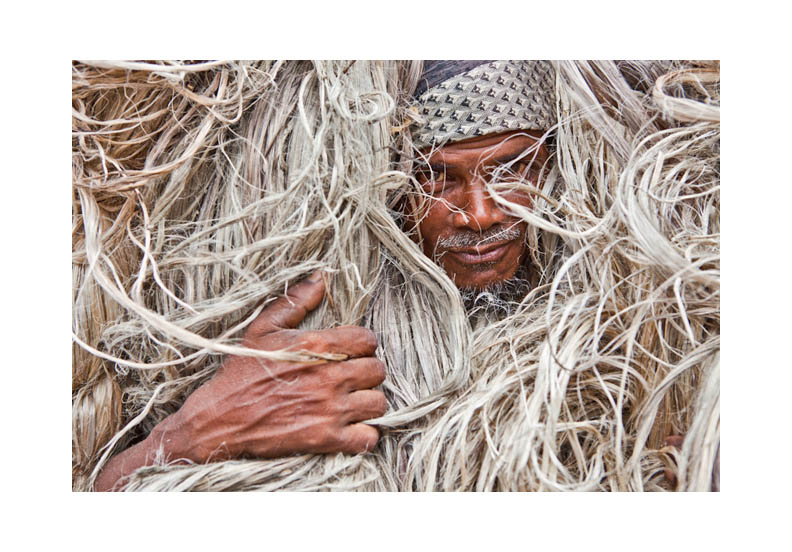
  © David Bathgate

Gmb Akash: As a photographer what is the most complicated issue you experienced & how you overcome?


David Bathgate: This undoubtedly has to do with conflict zones – such as Afghanistan – and being two to three weeks in the midst of all that a military combat unit experiences.  First challenge is gaining the acceptance of young soldiers for whom I’m an unknown outsider.  I deal with this through friendliness, “transparency” and doing what I can outside my role as a photographer.  I fill sandbags like they do, help clean up the spaces we occupy, like they do.  I generally “hang out with the troops,” as much as possible.  It usually takes a few days, but eventually I fall into conversations an acceptance. I become just another member of the unit – for a brief period and albeit armed with only a camera.

The hardest part of it all, however, is when someone in the unit becomes injured in combat – or worse.  This is when making photos becomes a delicate and ethical affair.  These are the most difficult parts of the job for me – doing my work objectively and still maintaining a feeling of being human.


© David Bathgate

Gmb Akash: For creating new project or series what priories a photographer (all-purpose) need to keep in mind?

David Bathgate: I’m a news “junkie” – constantly following BBC, CNN, Al Jazeera. I follow news items and features in the internet, magazines and newspapers.  I take notes on things and people that would be of interest to me, photographically.  This is a good first step for any photographer looking for projects or starting one already in mind.  Fact-gathering and establishing contacts – through Facebook, Lightstalkers and other social media is the way I approach projects. And the internet has made all this easier to accomplish, in very short time.

Photographers need to be business people today, too.  So when planning a new series or project, take serious notes and keep accurate accounts of the budget you’re setting for your project – “money-wise” and “time-wise.”

Once you have this in place, outline your plan in as much detail as possible.  Where do you need to be?  What kinds of shots should be included?  Who do you need to contact and how will you gain access all that is needed for your coverage?

Manage your project well, too.  This means paying strict attention to your work-flow, once you start making pictures.  And filing your material promptly and orderly as soon as your work starts to accumulate, should be top-of-the-list.

Much of this has always been associated with being a successful photographer, but with the advent of evermore sophisticated digital capture and filing systems, the need for disciplined organization is most critical – even before that first photo is made.
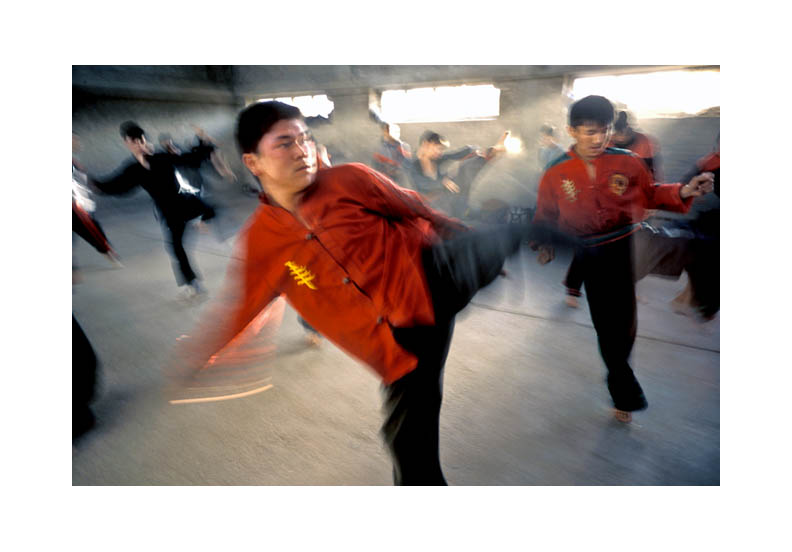
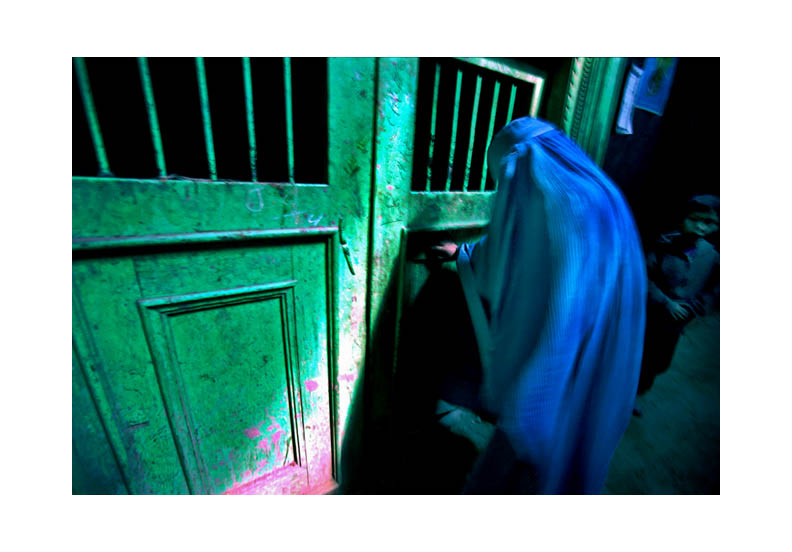
© David Bathgate

Gmb Akash: Give your opinion on Photography as profession.

David Bathgate: Photography, for me, is a way of life – and a fantastic one.  And if it is a “way of life” for you, you are passionate about it every moment of the day – and often in your dreams, as well.  That’s what it is for me – and more.

This is the creative side to the profession of photography.  There’s the pragmatic side, too.  Grow as a visual artist, but ground your profession in solid business practices – marketing, record keeping and making sure you earn what you are worth as a creator of distinctive and valuable photographs.

As for the “market place,” some people are saying that this is drying up for photographers.  Fewer magazines and newspapers – all victims of changing times and economies.  I don’t see it this way, though.  There are ever-expanding opportunities for photographers publishing in the internet and this will continue to increase.  The next stage – and it’s already begun – is “pay-for-content” publications on-line, which will boost earning potential for photographers who may never have seen publication of their work in paper form. I believe the future for photographers in the internet to be a bright one.
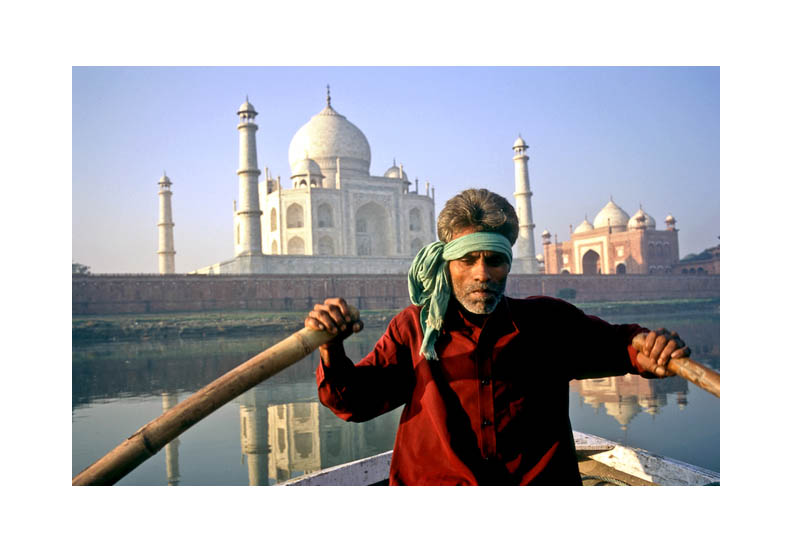
© David Bathgate

Gmb Akash: A brief paragraph on “One day Journey with photographer David Bathgate”?


David Bathgate: Bottom line – I like simplicity. I keep equipment and anything I must carry – and sometimes run with – to a bare minimum.  I usually carry one camera body – a Canon 5D II with a 24-70mm 2.8 lens.  In a jacket pocket (or pouch clipped to my belt), I have a 24mm, 1.4 prime lens. If the country / situation is previously unknown to me, or I need an interpreter, I’ll hire a knowledgeable local for the work.  With a general daily plan in mind (discussed with my “fixer” / guide-interpreter), I set out early with the mind-set that all will go well.  And fortunately, it usually does.  Flexibility and adaptability are the key when it doesn’t, though.

  © David Bathgate

Gmb Akash: We request you to give message for our raising photographers & we want to receive few of your secret that you want to pass.

David Bathgate: If you want to take your photography to the professional level, you must work hard at it.  There’s a lot of competition out there and you must feel driven to make photographs in a way that reflects your vision of the world and your’s alone.  Know your camera craft and work in a unique way. Look at the work of others, analyze it and learn from it.  Work on projects that interest you the most and don’t settle for the superficial shots – those first photos that anyone and everyone makes.  Dig deeper to capture the emotion involved and communicate it clearly to the viewer.  This is what will get you recognized for your abilities – your special talent as the one behind the camera.

The only “secret” I’m aware of, is that there is no secret to success as a photographer.  Just about everyone has a different story as to “how they got there.”  And don’t think that “formal” education in photography is always required.  Most professional photographers took workshops and courses along the way, but studied something broader during their school days.  Photography is really one of those professions for which no specific diploma or degree is necessary to reach the top.  You basically just go out and do it – but with everything you’ve got to offer – and full gas!  Practice, complete self-assignments and establish beneficial contacts with editors and others that have gone before you, in order to place yourself where you want to be in photography.
© David Bathgate

David Bathgate is spreading his knowledge & experiences without borders.  Thanks to him for giving us time & help us by sharing immense knowledge on different topics. You can view more of David’s work on his personal website: www.davidbathgate.com

In addition, he regularly conducts workshops and seminars on photography, photojournalism and visual communication in places like Dharamshala, India and Ladakh and at institutions like, Pathshala – South Asian Institute of Photography, in Dhaka, Bangladesh, AINA in Kabul, Afghanistan, the Foundry Photojournalism Workshops and interactively-online–at www.thecompellingimage.com He is the founder of The compelling image.  I am fortunate by getting him as my mentor and learning work from him closely – Gmb Akash

Born to work – A Battle of a “Survivor”

“Survivors” depicts the invincibility of the human spirit to survive against all odds. People who live on the edges of society have had a big impact on me and have been a great inspiration to me as a person and in my career. The existing social hierarchies have made me realize that those who live at the lowest rank on the economic ladder are the true survivors. These people are deprived of even the basic necessities of life, yet they manage to live each day with a smile on their faces. As a photographer I feel it is my task to show the world those unseen realities and to shed light on what most of us never see with our own eyes.

I have been doing my project “Survivors” for the last 10 years. In these years I tried to bring changes in some lives. But now, I moves to work on it highly by bringing the project “Survivors” in light. & lend hands to some miserable souls. Munna is one of them. Here I am revealing life & straggle of Munna – which many of you may never seen but heard many times, which many of you may imagine but never feel. Welcome to the world of a – little soldier ‘Munna’

“Born to work – A Battle of a Survivor”, First video made by me & a documentation on ‘Munna’ from the project ‘Survivors’.

‘Integrity with innocence’ this is the concrete of Munna’s character portrayal. Five years ago I first met Munna, he was same like now. He was a seven years old shy boy who never complains to anyone. At the age of five he comes to the factory. Two years he did nothing & got no money. At the age of seven, he learns & starts working. When I took his first picture his hands remarks his experiences.

© GMB Akash / www.gmb-akash.com

Five years have passed fates of Munna & his father brings no change in their lives. Only difference is, with his five years experience Munna is getting 1600 taka ($1=72taka) per month. Moreover 12 years old Munna is running his younger sister education with his extra income of Friday overtime. His dreams confine to get more experience of hard work & made a big factory. He dreams to give good food to his family, he dreams to take them in a better place. The boy speak too less, stand always like a shadow. Whenever I took picture of him, he tried to clean his torn cloths as well hide torn areas. These little doings, little words earn respect.

© GMB Akash / www.gmb-akash.com

20 years ago Munna’s family had come to Dhaka for better living. Time never brings any happiness in their lives. By a little donation Munna’s father bought shoe sewing materials & now he is working as cobbler. They pray that rainy season may never come. As people does not come to do shoe polish in rain time. Munna & his family are surviving in the race of life.

© GMB Akash / www.gmb-akash.com

Like Munna around 7 million children are straggling in our country. May be it is difficult but not impossible to give hope to these 7 million children. If only every capable person lend their hands for one family.

My project “Survivors” aims to help Munna & his family. This project designed to help ten families from ten backgrounds. By little collection – a fund will hand over to Munna & his father. Munna’s father will utilize it for lifting their fates. 25% of the selling price of my book “Survivors” will give to these kinds of 10 selected families. You all are invited to stand beside Munna. Won’t you lend your hands? If your heart is moved to do so please visit “Survivors” by Gmb Akash at : http://emphas.is

“Our little help, little words, little recommendations could bring light in some dark places of this earth. ” Gmb Akash

‘A Hope to See’

Stepping inside the Geta Eye hospital automatically you will close your eyes. Blind people all around you will be circling everywhere, all gathered here with only a hope – Hope to see! Moaning of blind people who are resting in fields will take you in the city of blinds. Then when you will enter in the main building of the hospital you will see a tireless world of doctors and their patience of serving, to give their best to give back patient’s sight. I spent seven days in Geta eye hospital and experience the soreness of being unable to see. I discover the happiness to seeing again. I understand the value of belief!

getaeye (3)

getaeye (10)

Before setting in these benches these cataract patients have passed days and nights in the open air of hospital field. After traveling far distant, getting accommodated in the field and having went though all obstacles they keep their hope alive till the final operation. Today they are waiting for the doctor’s call to open their bandages and hoping to see the world again. Nepal © GMB Akash / www.gmb-akash.com

getaeye (6)

Every day a long queue and big crowd engage doctors of Geta eye hospital. Dr. Bidya examined patient eyes who admitted for cataract operation. Nepal © GMB Akash / www.gmb-akash.com

Cataract and trachoma have emerged as prominent among eye diseases in Nepal and India. Cataract is the main cause of blindness in Nepal and India. In many parts of the country, lack of awareness and ignorance about any eye disease is still widespread where people take it as a curse of god or sin of previous birth, and very often, they turn to local spiritual healers for cure in such a situation instead of getting timely medical treatment in the hospital.

getaeye (9)

All cataract patients wait for days and nights in the hope for a call  from doctor. Doctors can never relax here within the  crowd of patients and for the hope to return their eye sight. Every day hundreds of patients making queue and enter into the hospital. Sometimes it seems like a big crowd is going to attend a picnic where the truth is those are gathering of blind people in hope for their eye sight.


getaeye (8)

Nepal © GMB Akash / www.gmb-akash.com

36,000 new cases every year are being added to the number while over three hundred thousand people are found to have suffered from eye diseases of one or the other sort. Ninety percent of eye patients in Nepal live in rural areas where people still do not go to hospital for treatment on time whenever something goes wrong with their eyes.  As most of the people in rural areas are farmers by profession, they are quite exposed to the risk of getting their eyes pierced or hurt any time.

getaeye (7)

The patient getting the treatment on the hospital bed came from Uttar prodesh. Cheaper and reliable treatment gives them hope to gain back the power of eye sight. Nepal © GMB Akash / www.gmb-akash.com

getaeye (4)

Nepal © GMB Akash / www.gmb-akash.com

getaeye (1)

A cataract patient is lying under the tree outside the hospital. Hospital can not accommodate all the patients, so lot of patients have to sleep under open sky in the cold winter. Nepal © GMB Akash / www.gmb-akash.com

Every year thousand of Cataract patients come to Nepal from India. Purpose is eye surgery. Most of the patients are coming from Uttar Pradesh India. They have to travel 24 hours to arrive in the Geta eye hospital. Only for the cheap and reliable treatment they stayed in the open field sometimes even one week. The whole day and night patients are coming from India. When the weather permits the patients to travel over 400 cataracts patients enter into the door per day from all over India and Nepal

getaeye (11)

Ram Lal (45) is one the cataract patient from Uttar Prodesh, India. He said in India eye treatment is expensive and not proper enough. He has traveled seven days, collected money last one year to get treatment from Geta eye Hospital, Nepal. All he did to get back light of his eyes. Nepal © GMB Akash / www.gmb-akash.com

getaeye (5)

To see the light she traveled five days from her villages and after spending three days outside in the hospital the young girl got the bed. She already overcomes distance, crowd of patients & many other barriers to get the seat in this bed. Nepal © GMB Akash / www.gmb-akash.com

getaeye (15)

When I was interviewing patients they happily replied that they do not think this as trouble to reach to the hospital. They only believe miracles happens here, they will leave Nepal with power of seeing. Patients who came from Uttar Pradesh India have traveled by bus and train. They have crossed the bridge over the border river – and then to squeeze into a Nepalese minibus. In a forest outside the town of Dhangadhi in Nepal to reach to Geta eye hospital.

getaeye (16)

This old lady had her operation. She have traveled long and came from uttar prodesh, India. After sleeping in the open field and after passing painful days now she is waiting eagerly for opening the bandage. All these pains & sufferings are little in front of the eagerness to open the final bandage. Nepal © GMB Akash / www.gmb-akash.com

getaeye (17)

A cataract patient lying on the ground comes back from the operation theater. She is basking in the sun. Long time waiting, lying in open air & many other obstacles were not their concern. All of them want to see light in the minimum cost even if they have to come to another country after conquering all obstacles. Nepal © GMB Akash / www.gmb-akash.com

getaeye (13)

In these seven days of working I experienced the joy of people when they get back their eye sight. I saw hundred blinds and severely visually impaired people every day drifting through a large white painted gate. The place is the same in a forest area near by the Nepali-Indian border.  Few see a bit on one eye, others do not see at all. They were stepping cautiously and were lead – by a spouse, a son, a grandson. After the operation magically they walk out again, without help. And leave the hospital with a wide smile on their faces.

getaeye (14)

getaeye (12)