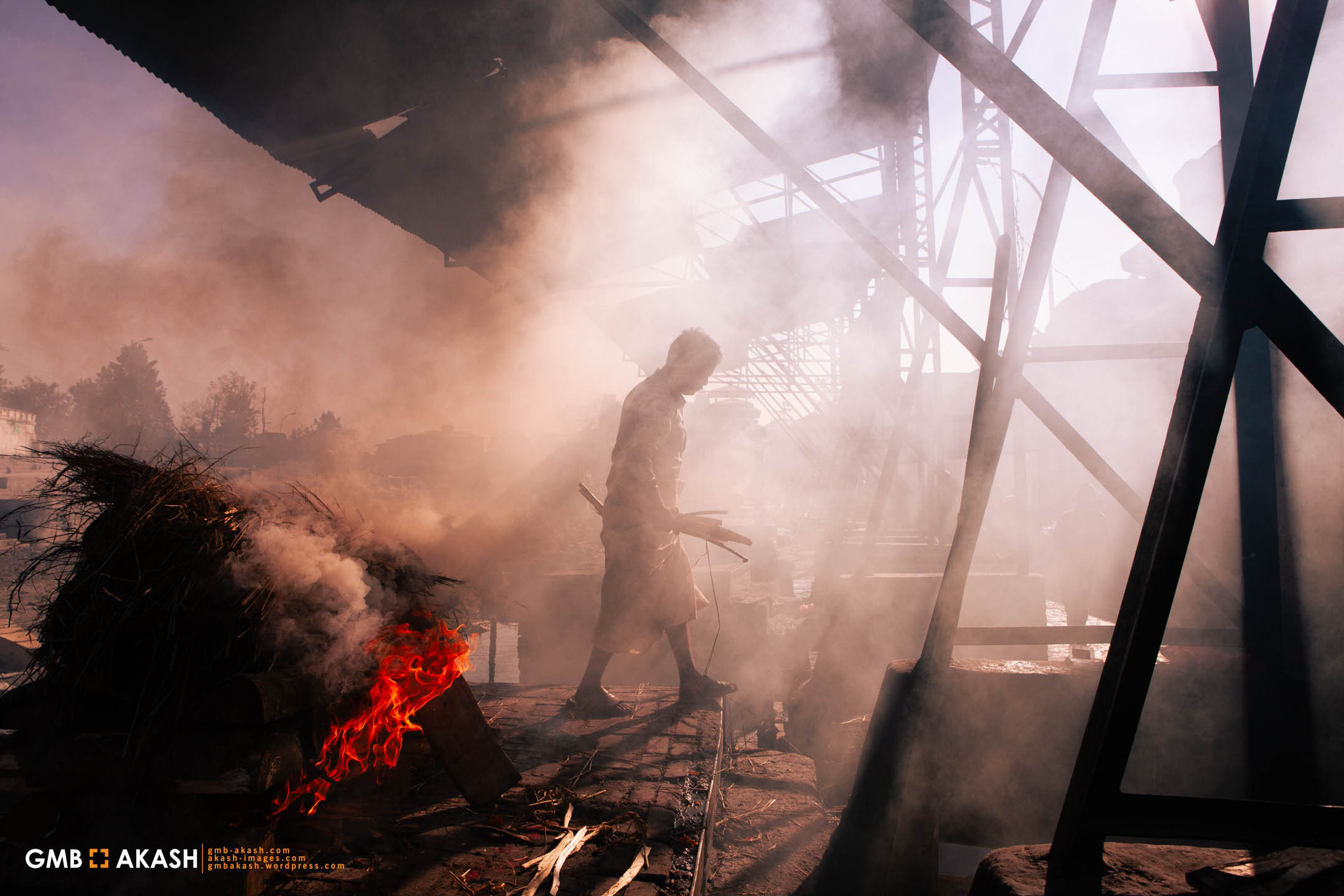
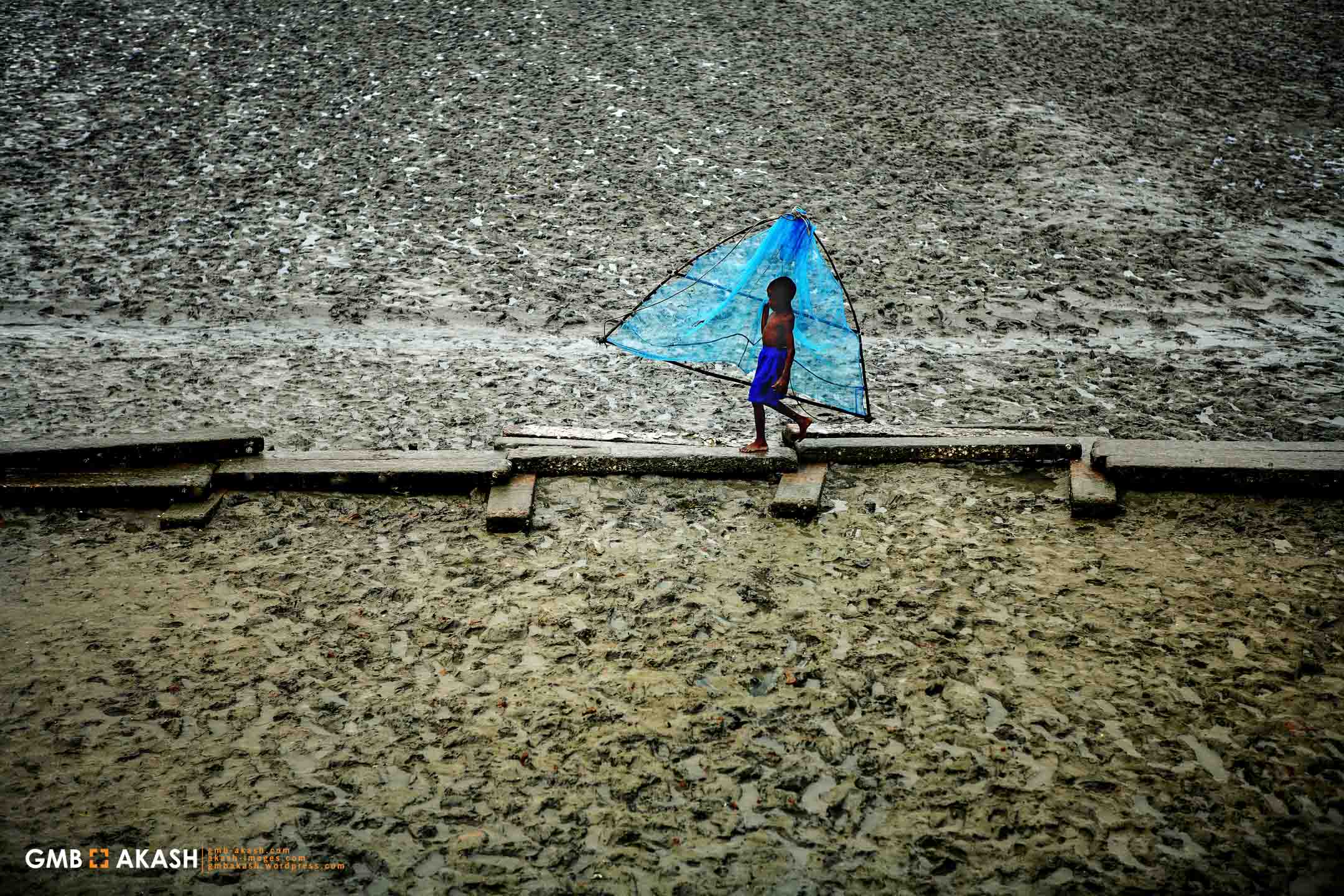
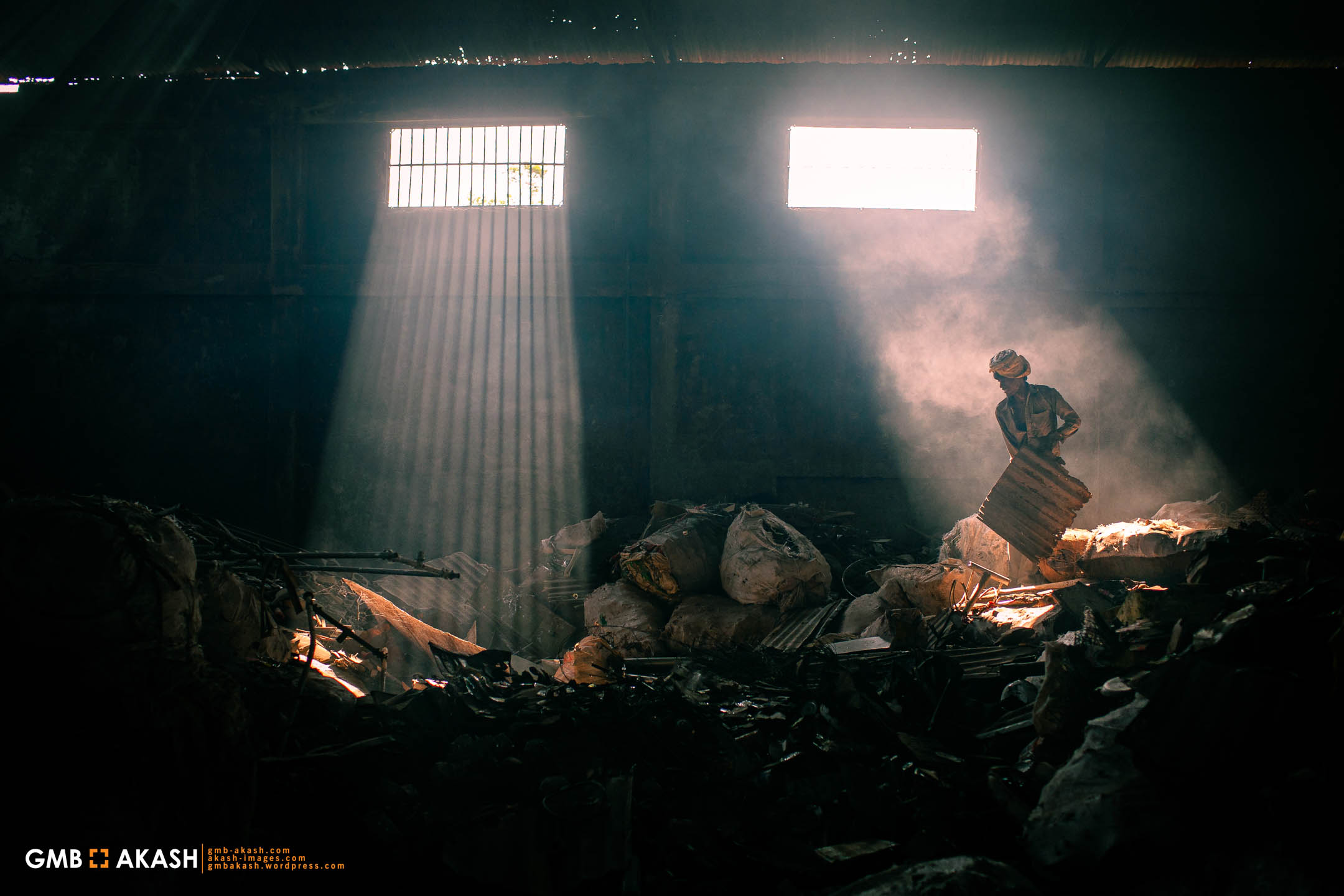
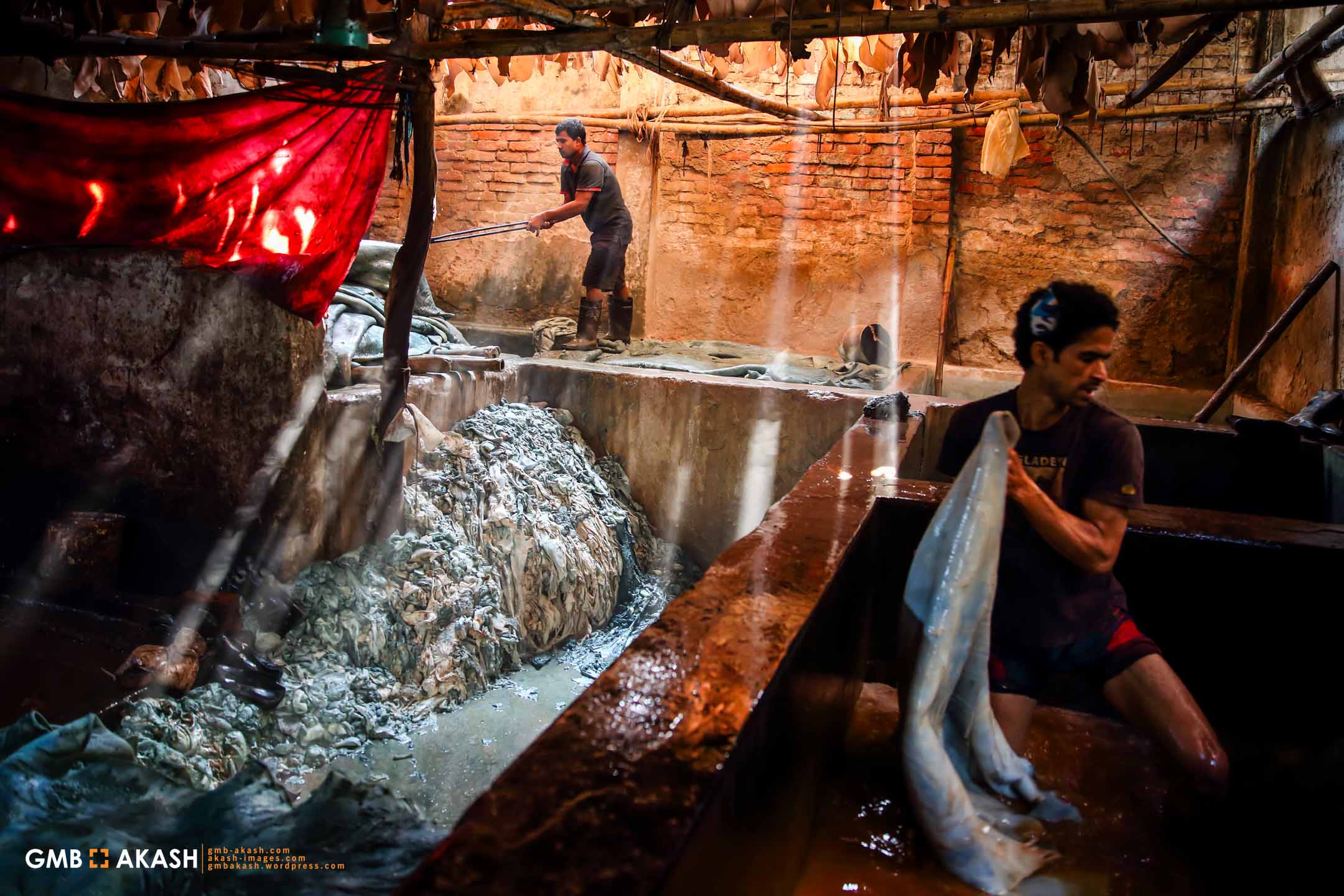
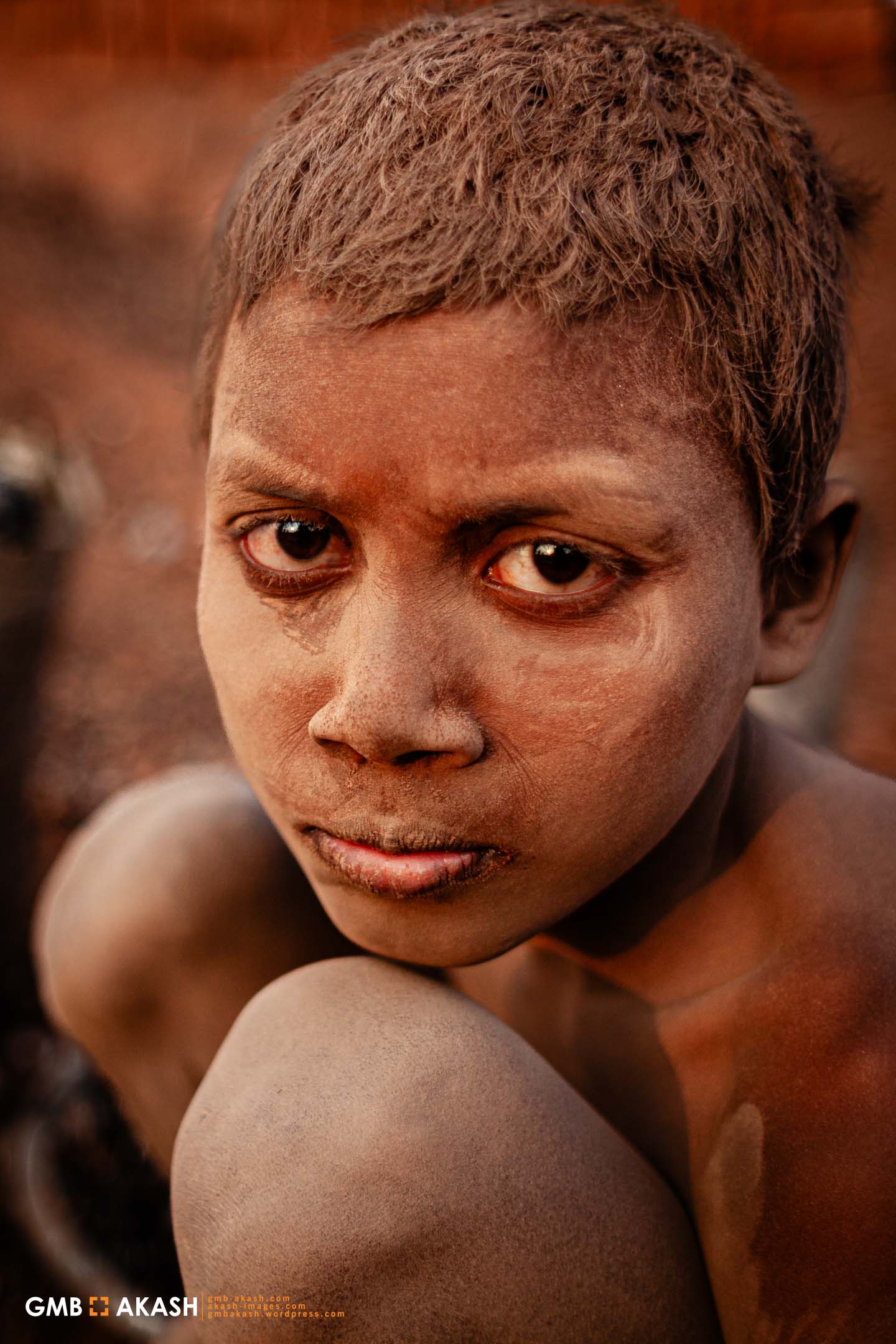
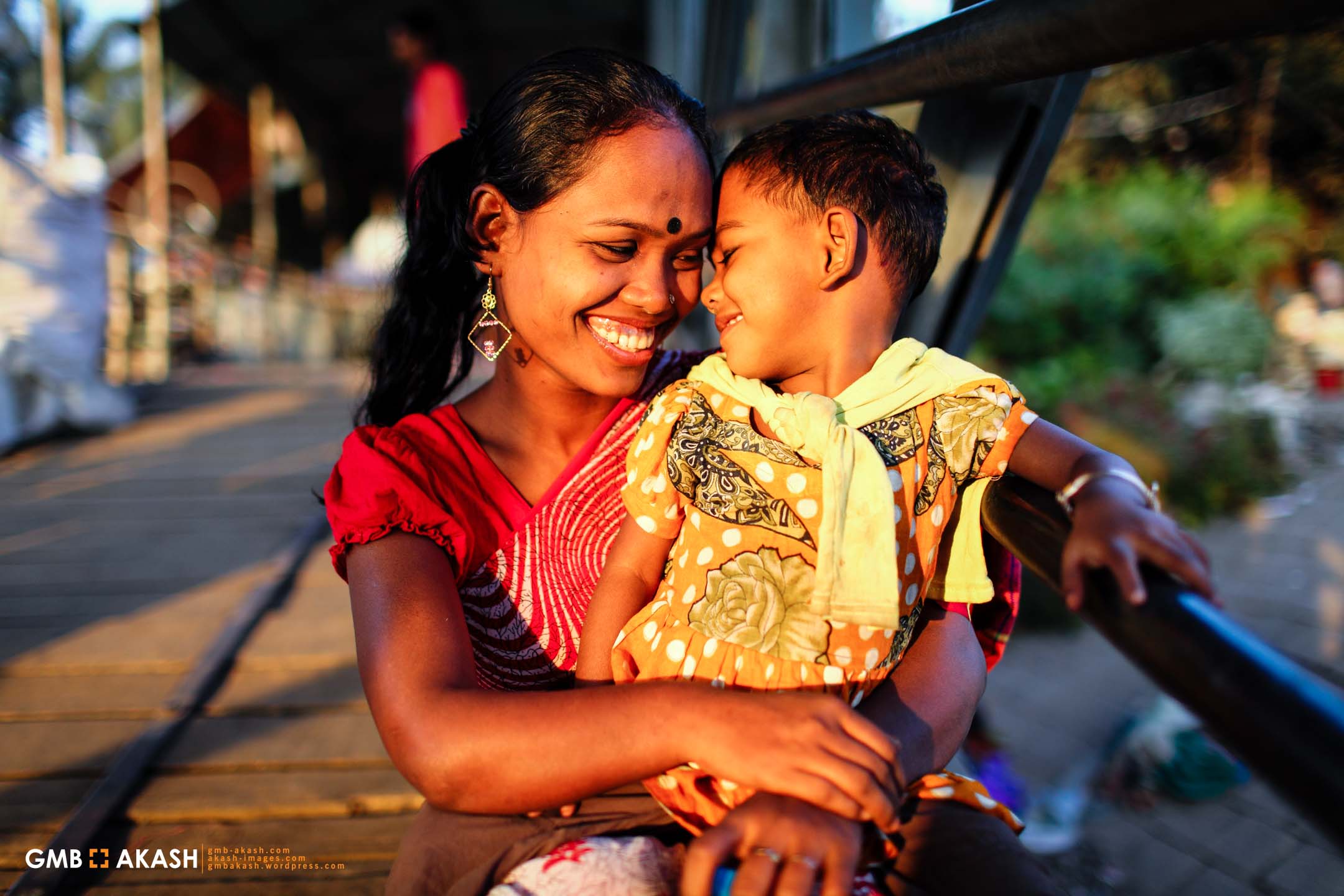
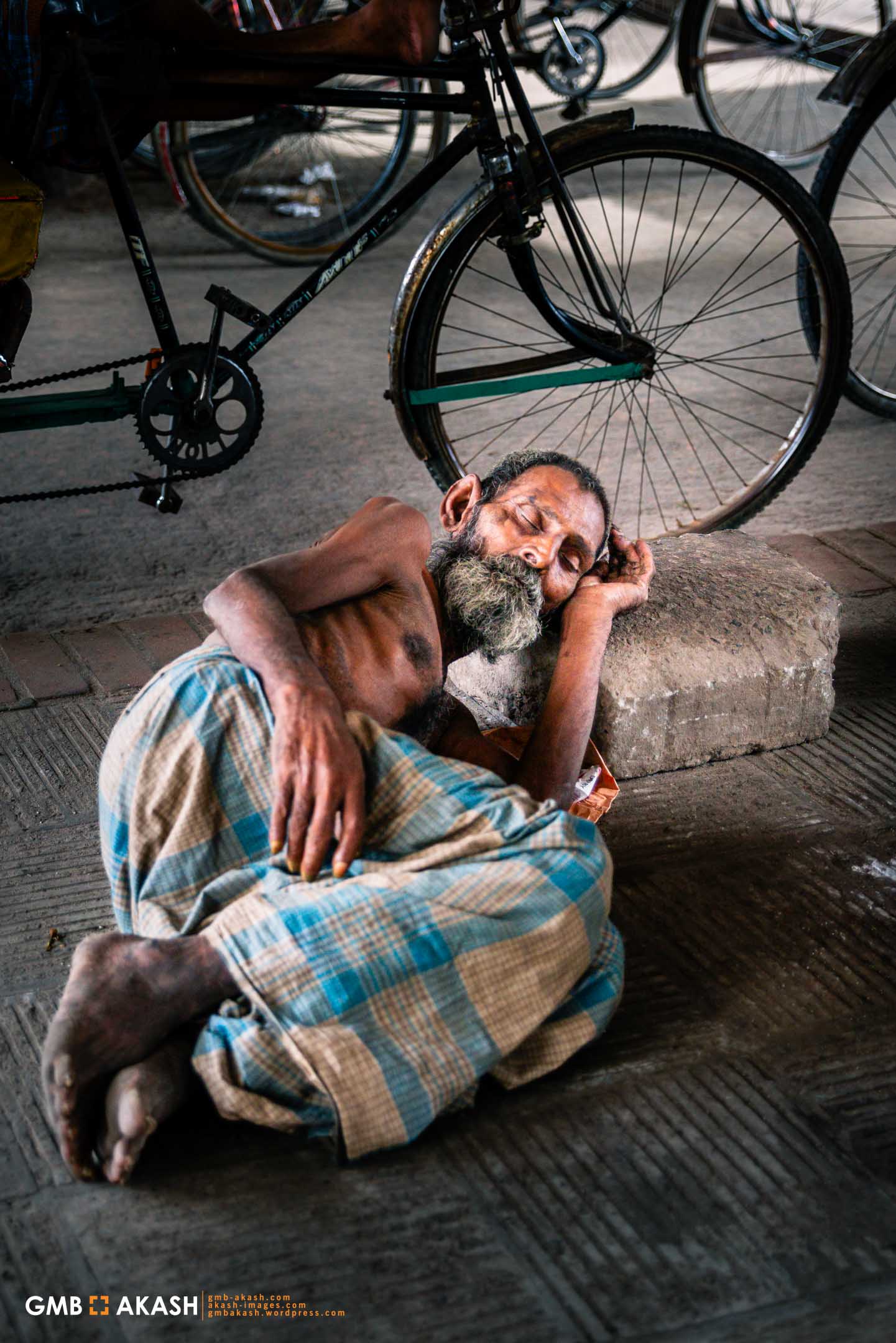
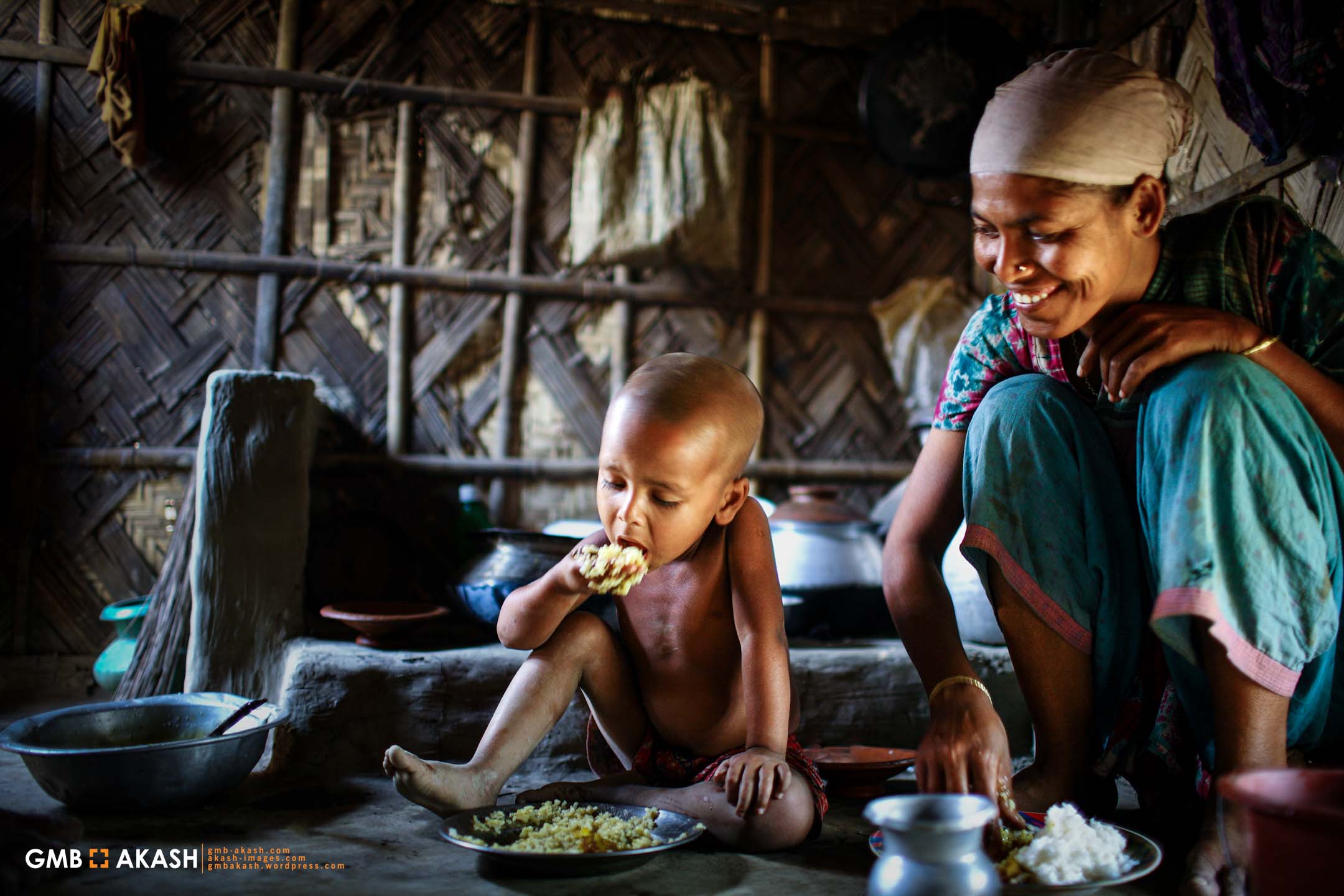
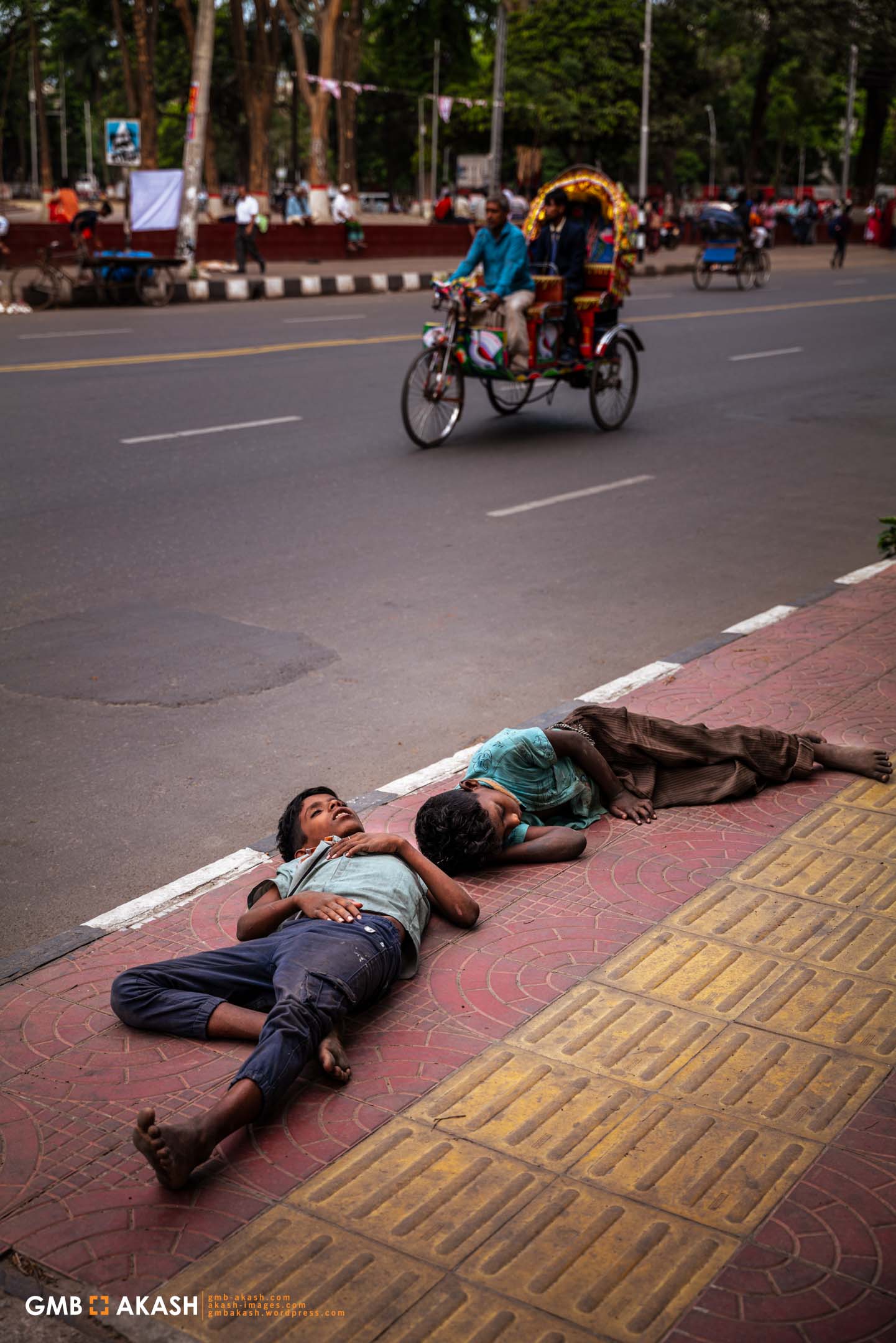
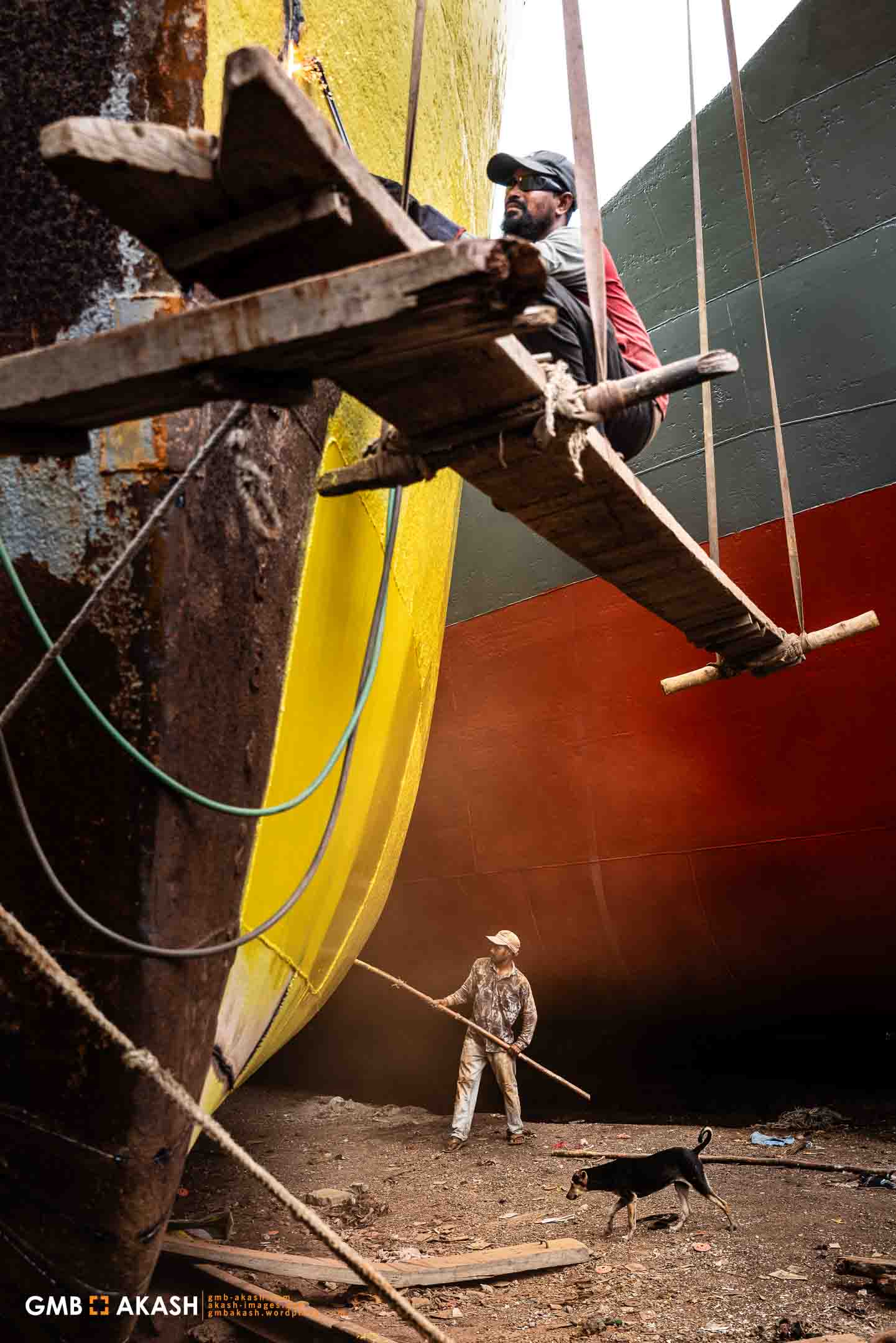
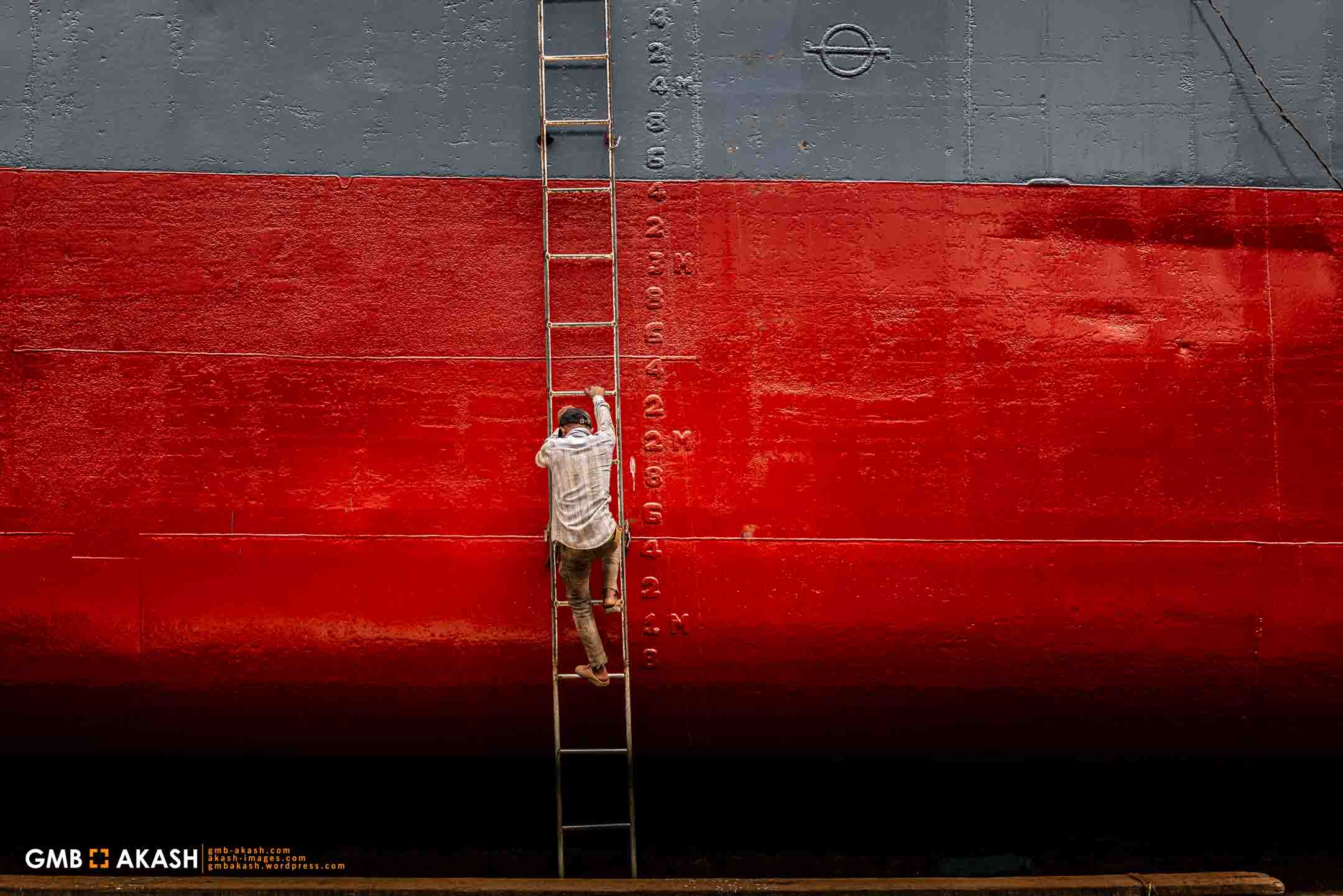
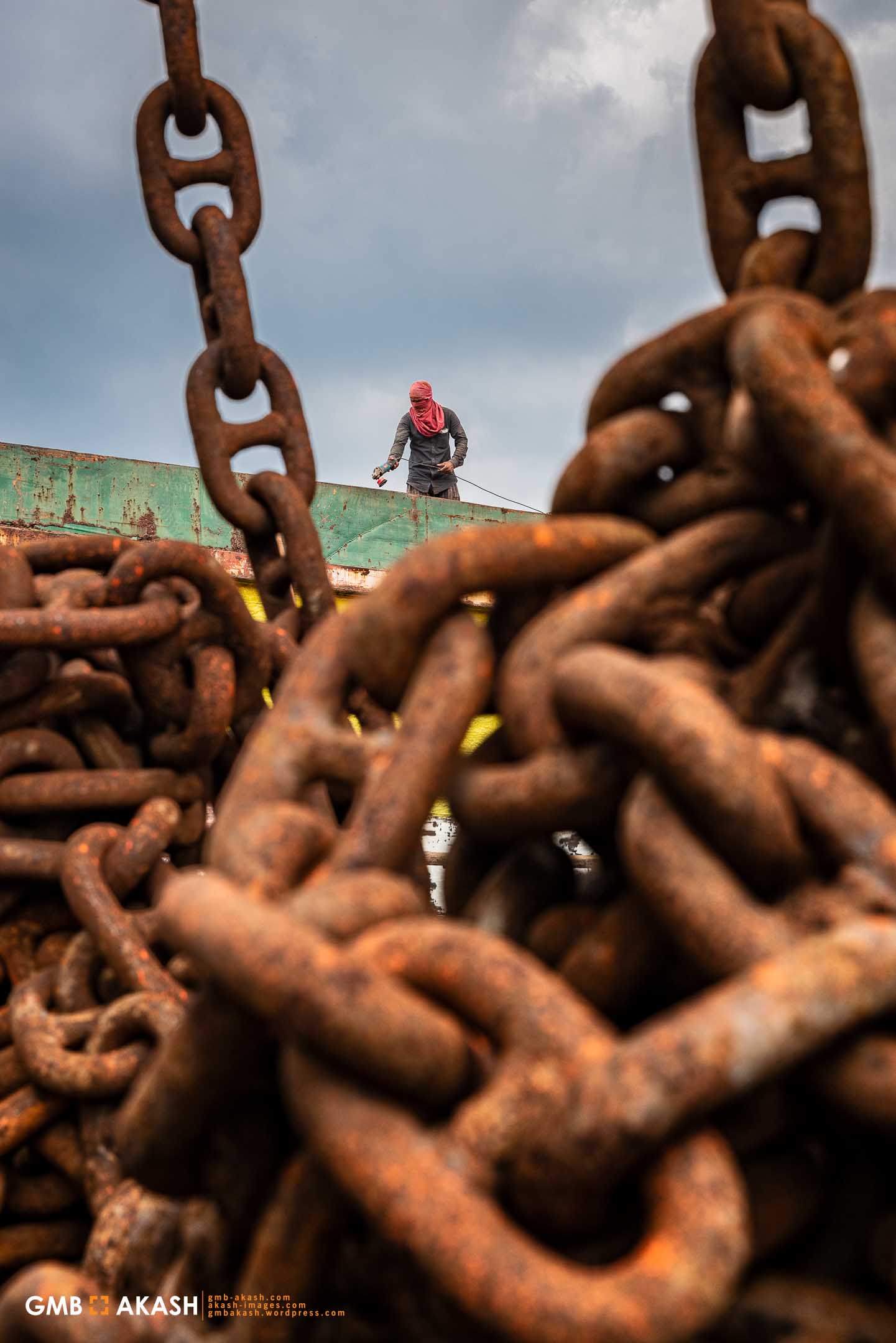
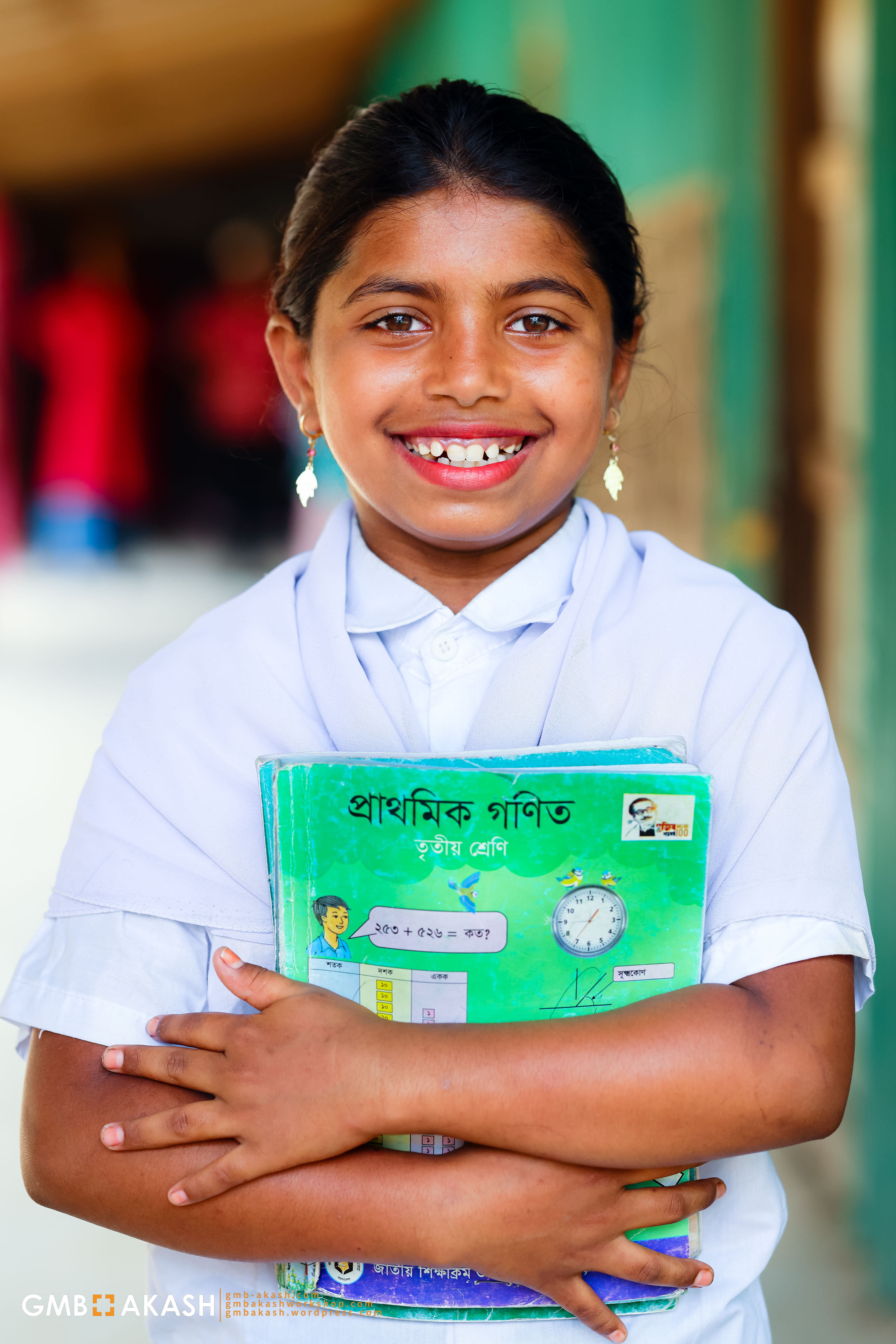
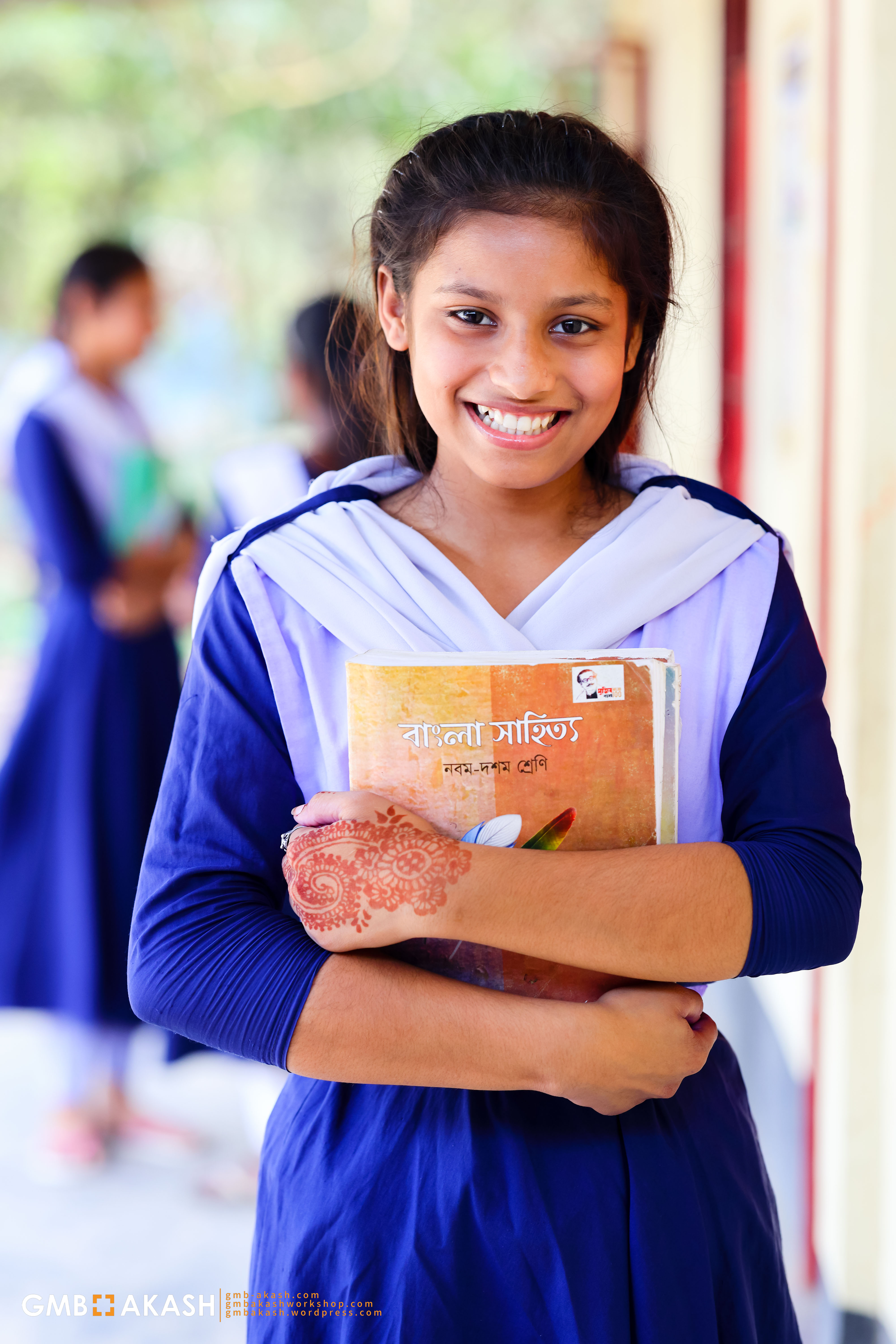
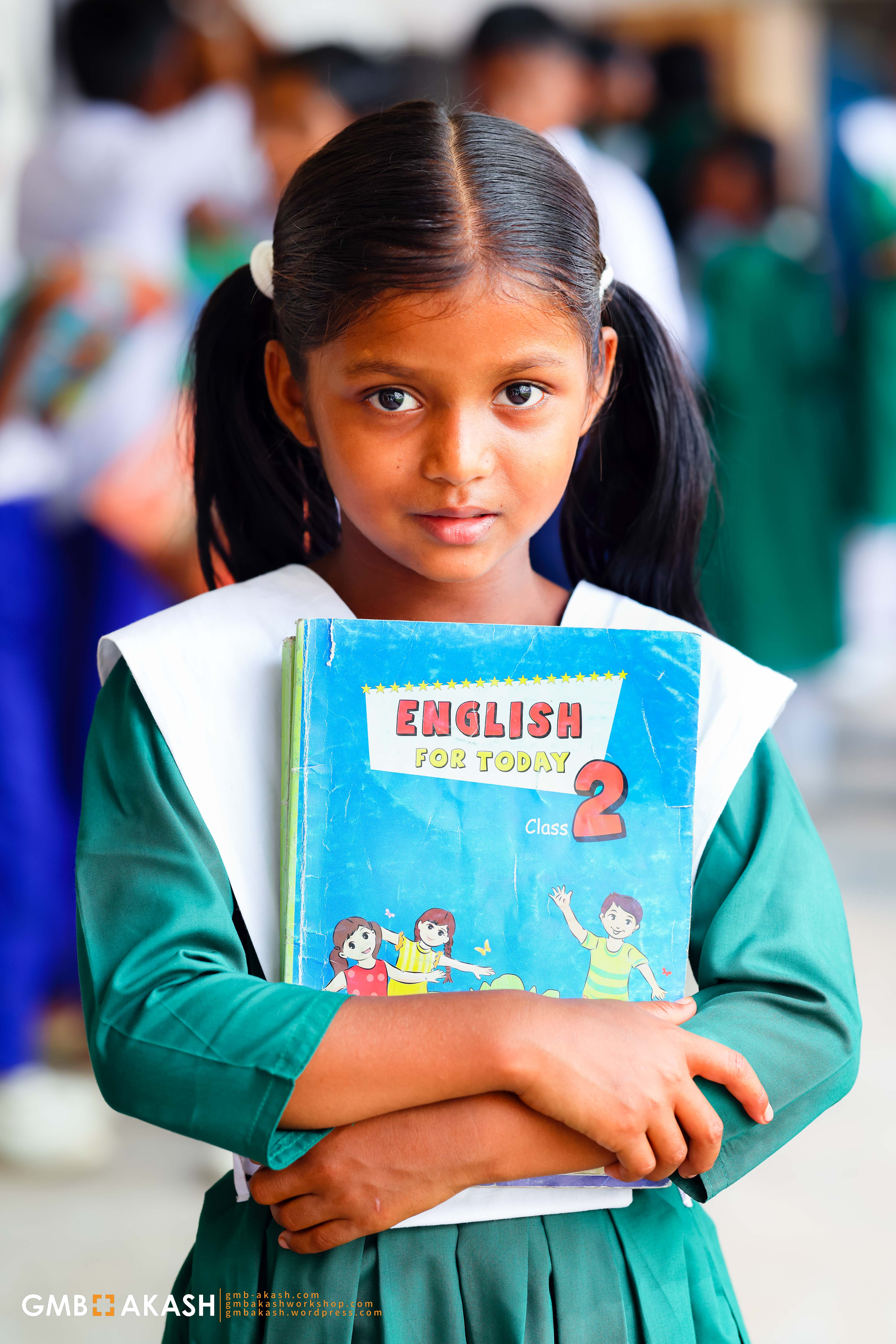
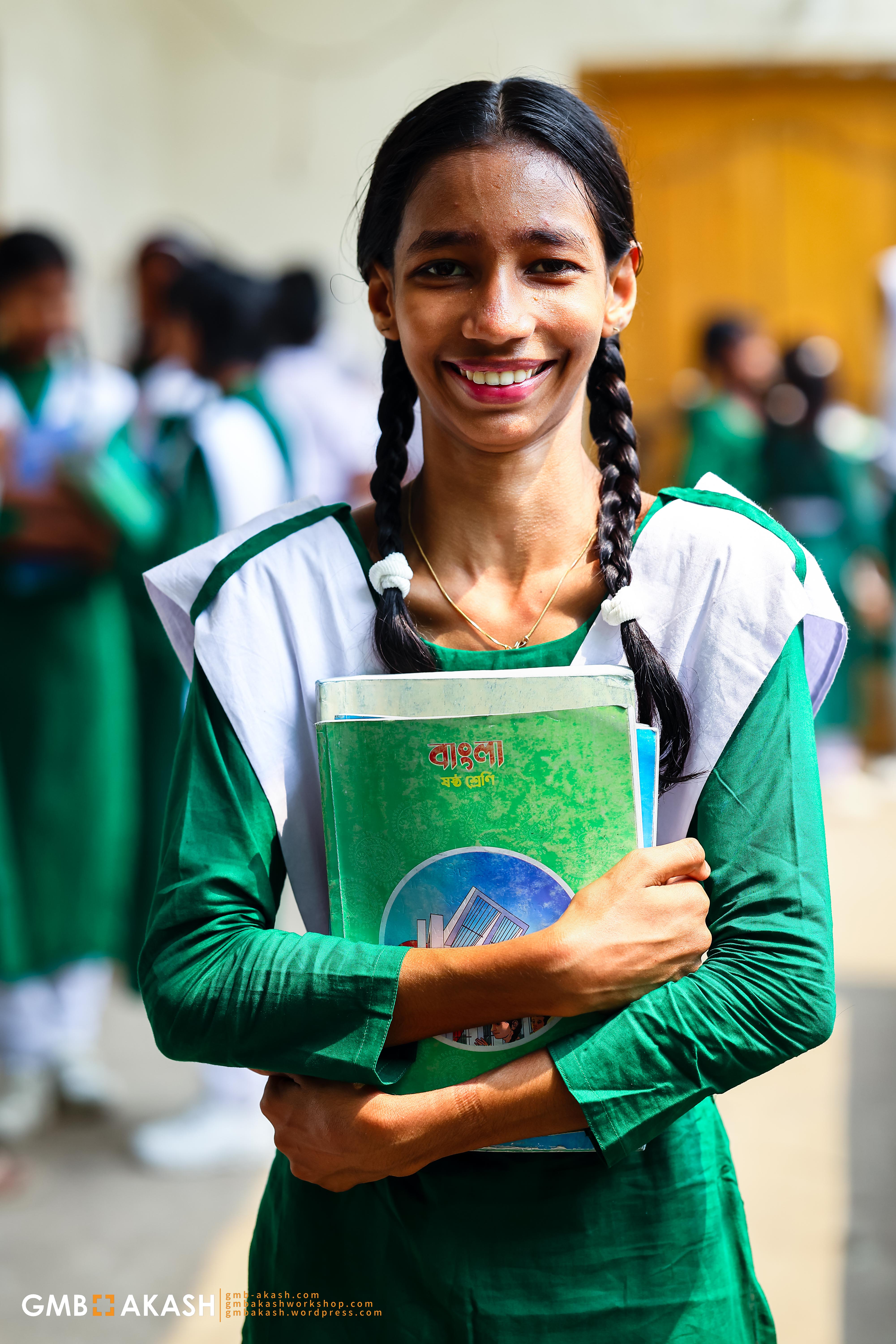
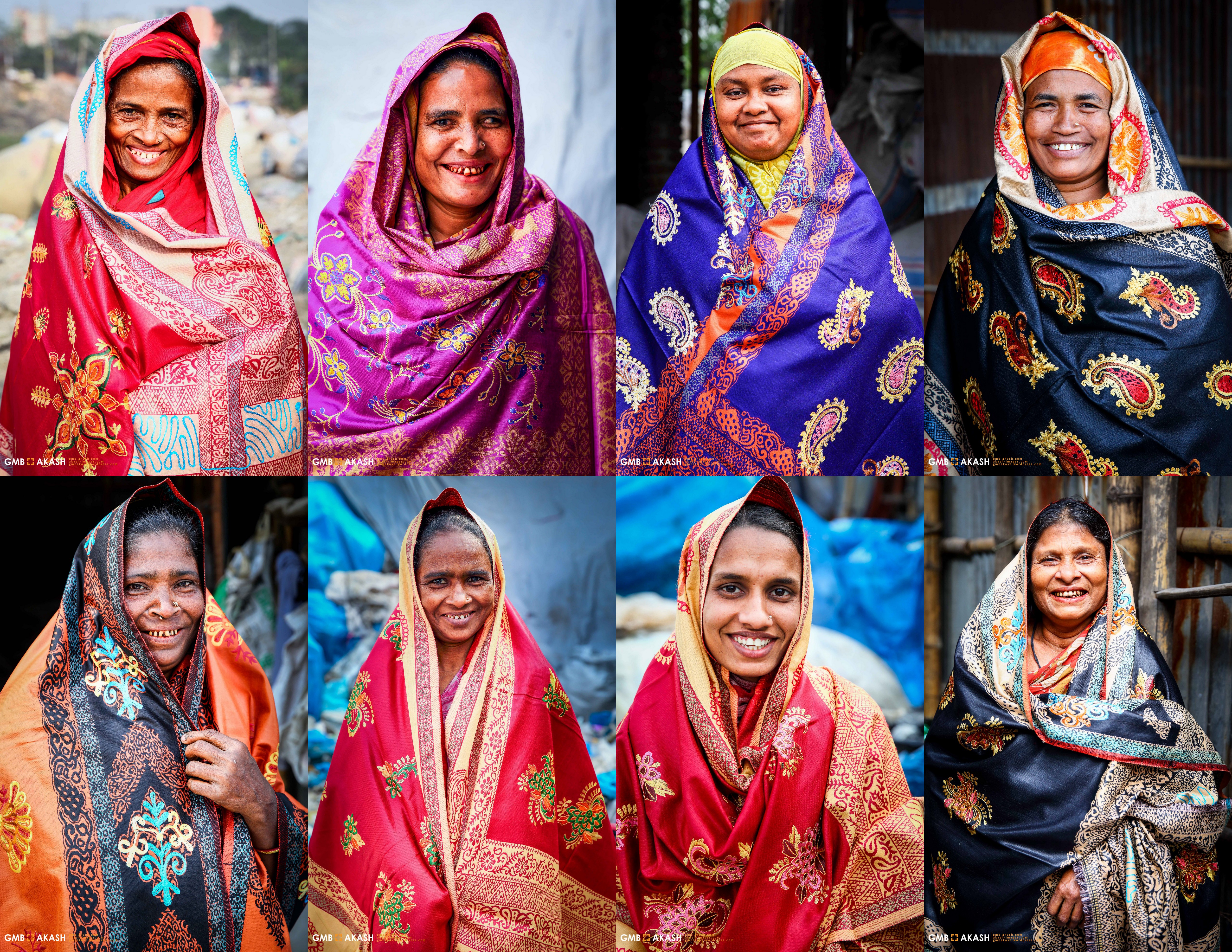
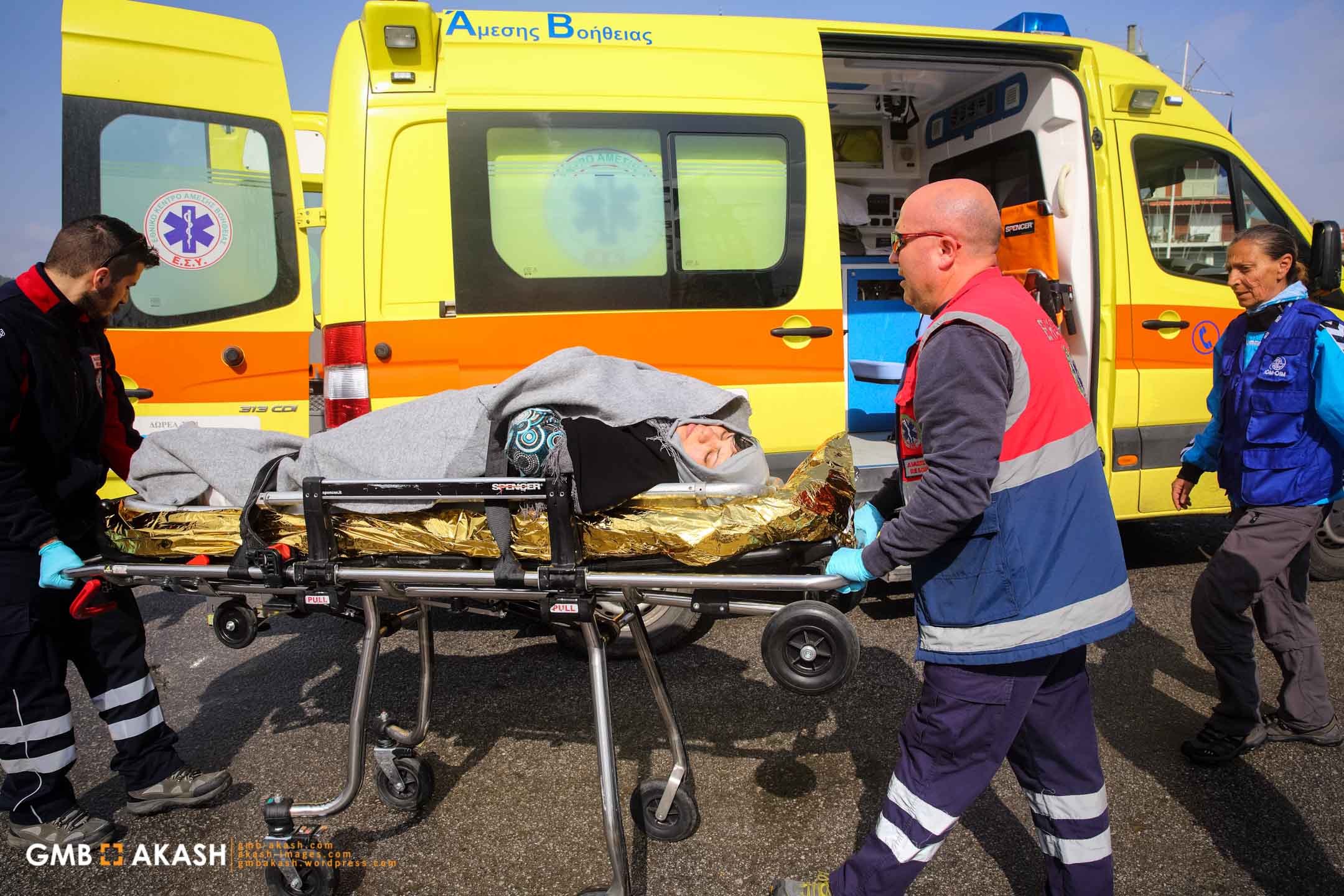
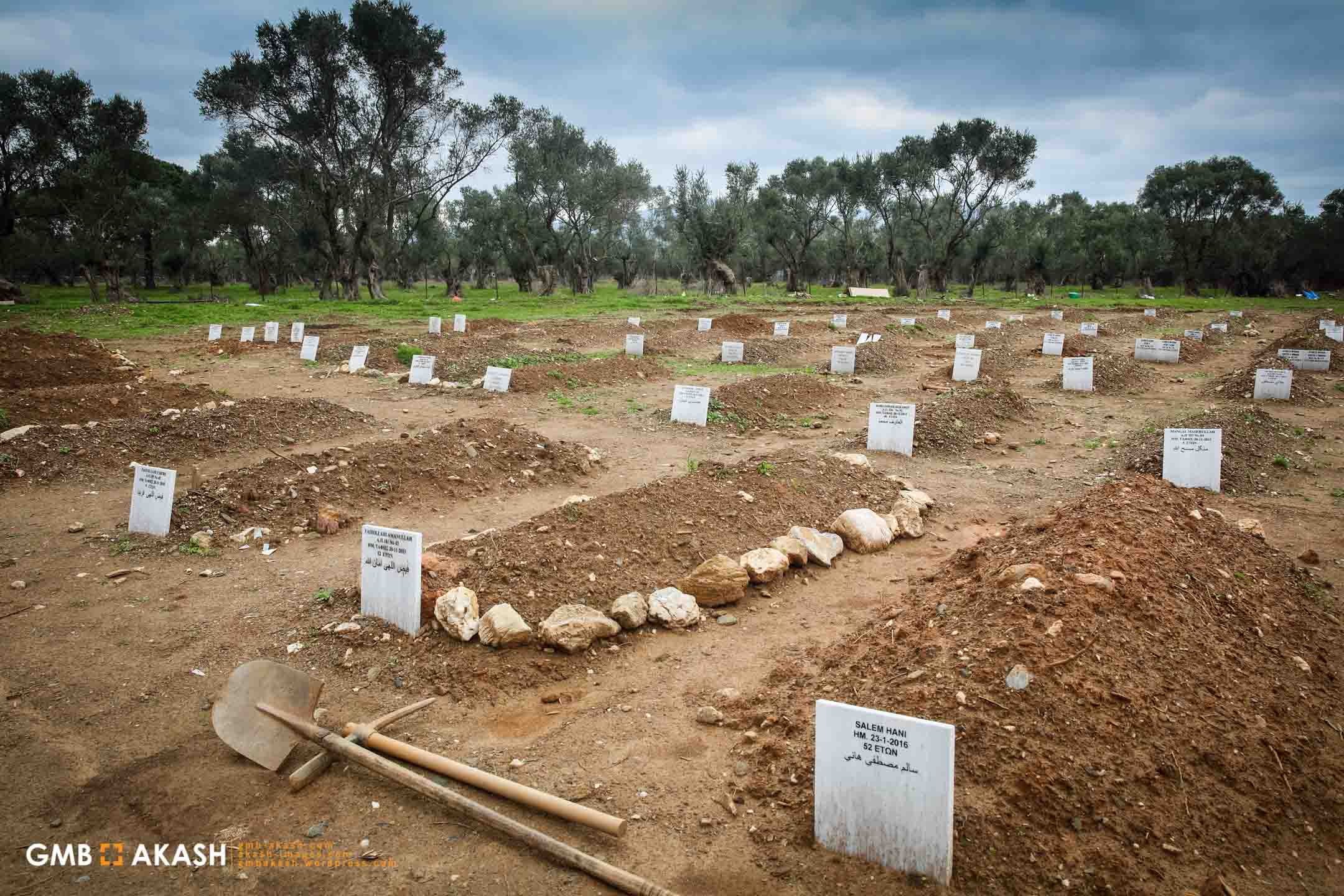
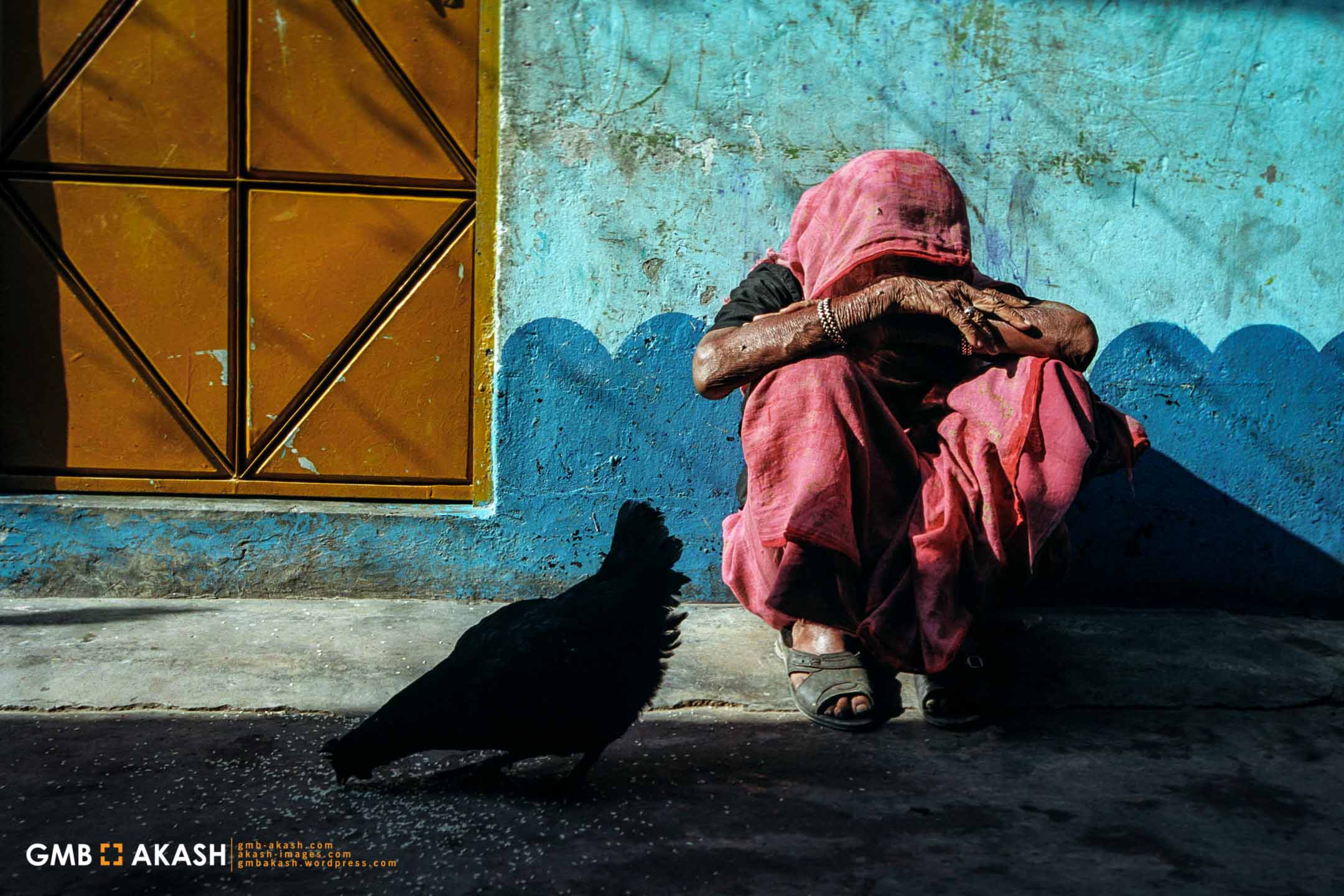
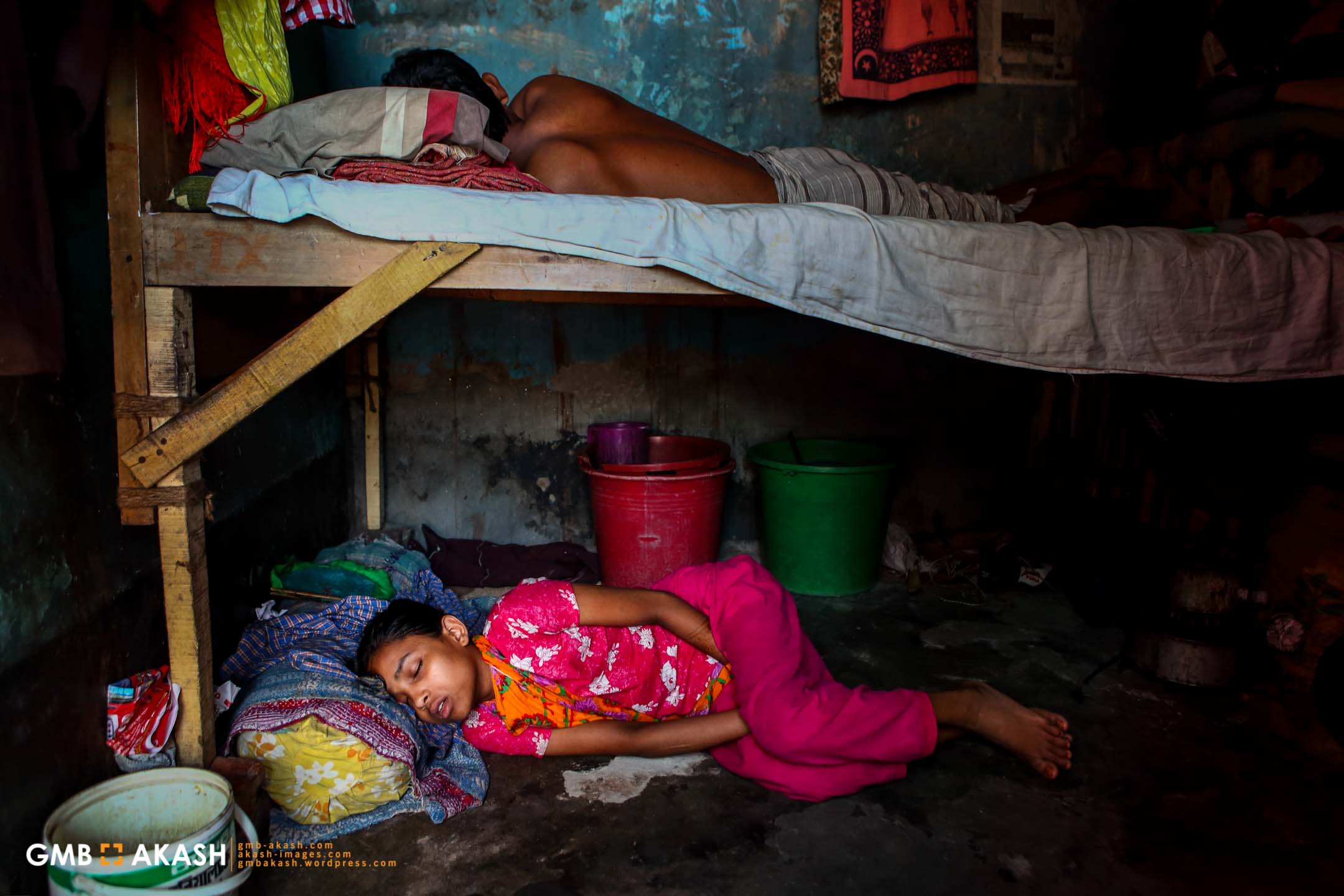
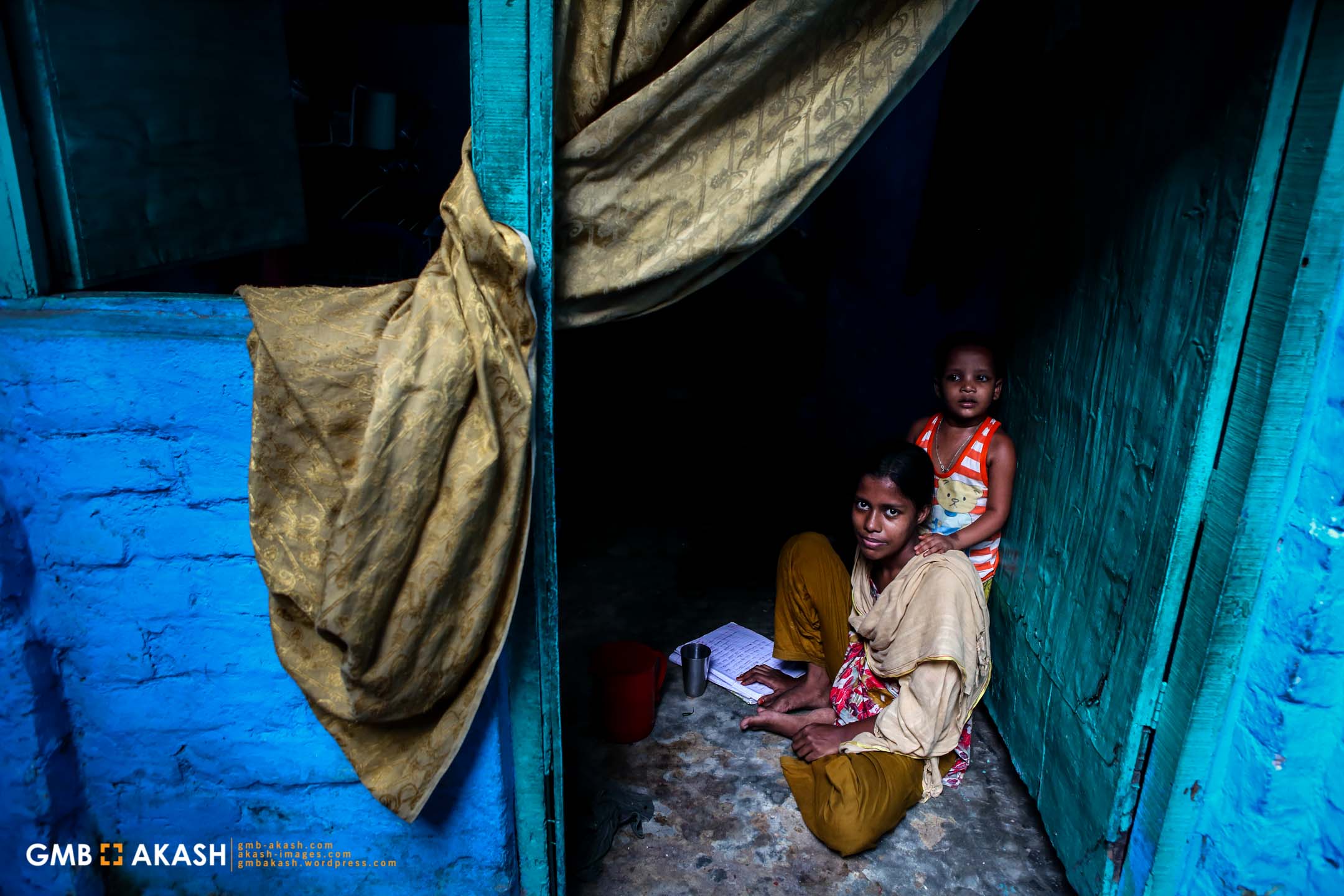
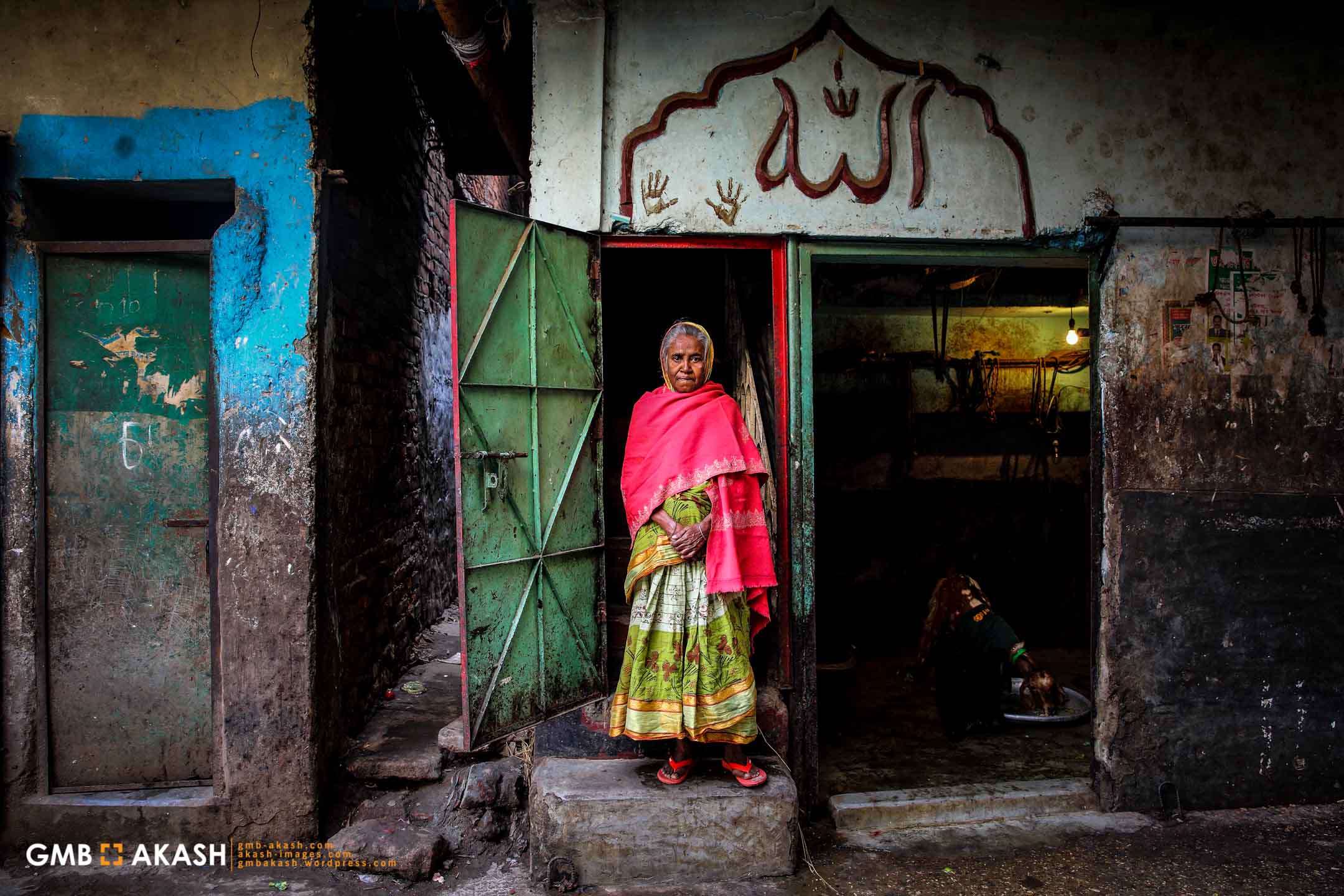
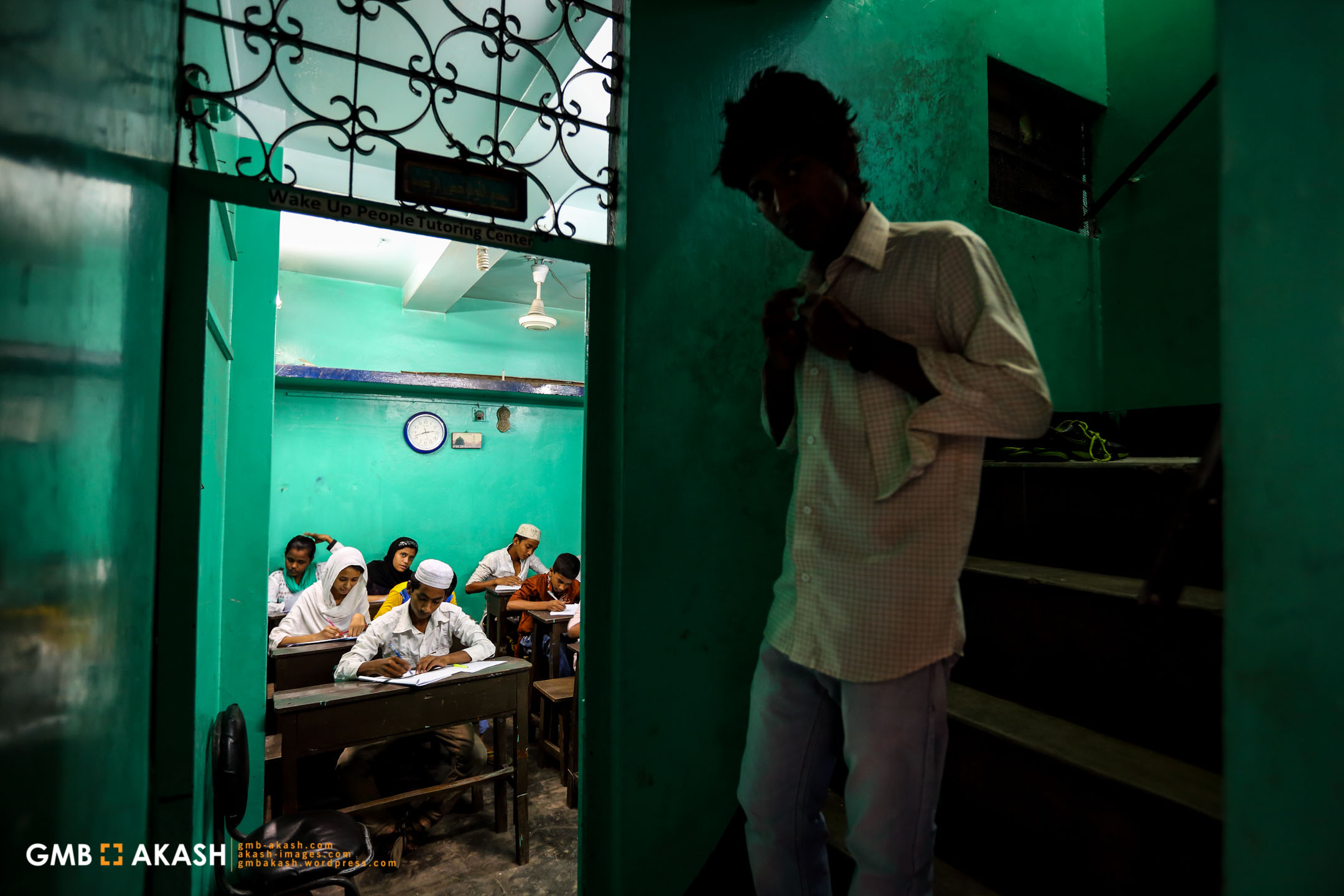
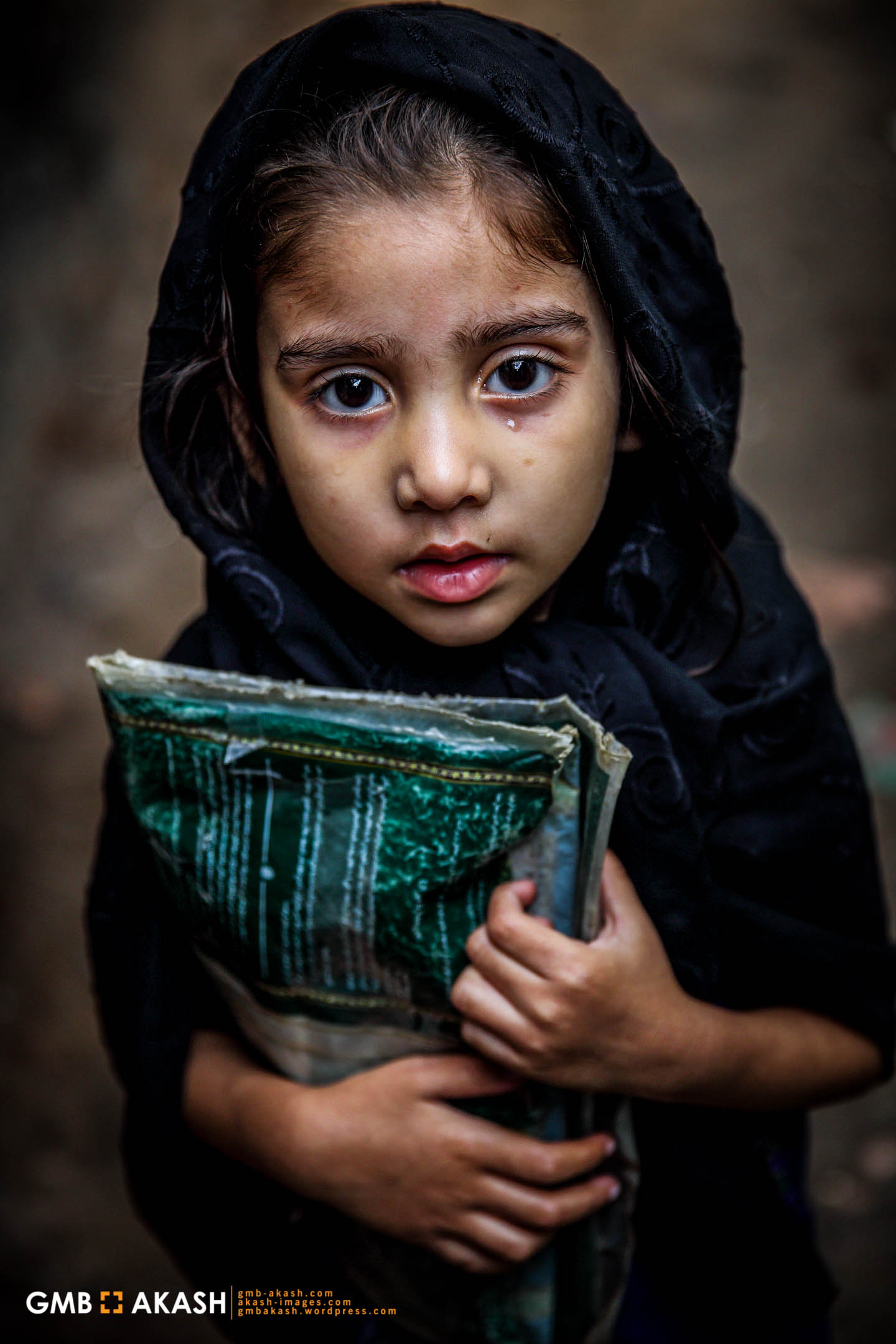
The True Meaning of Richness!

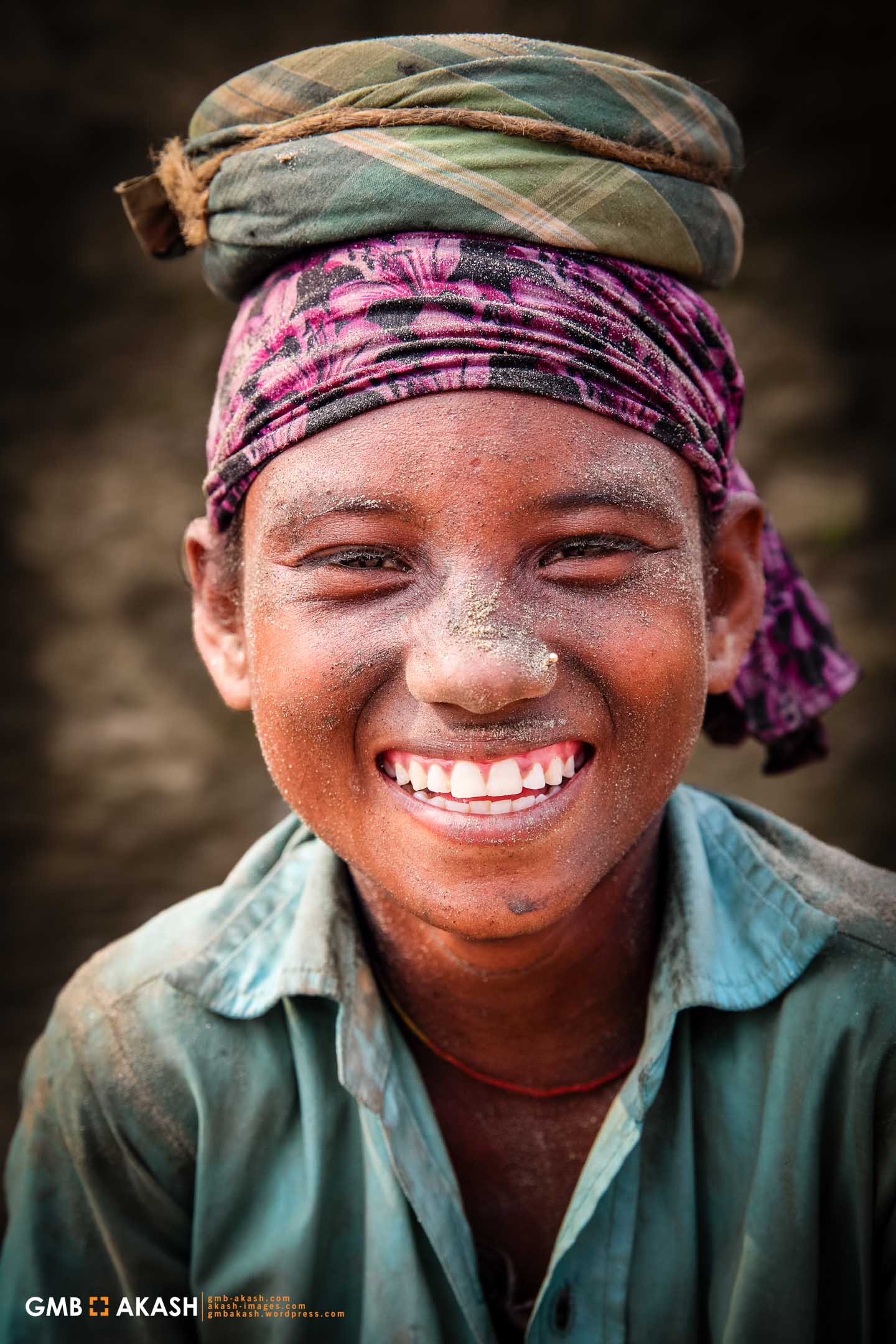
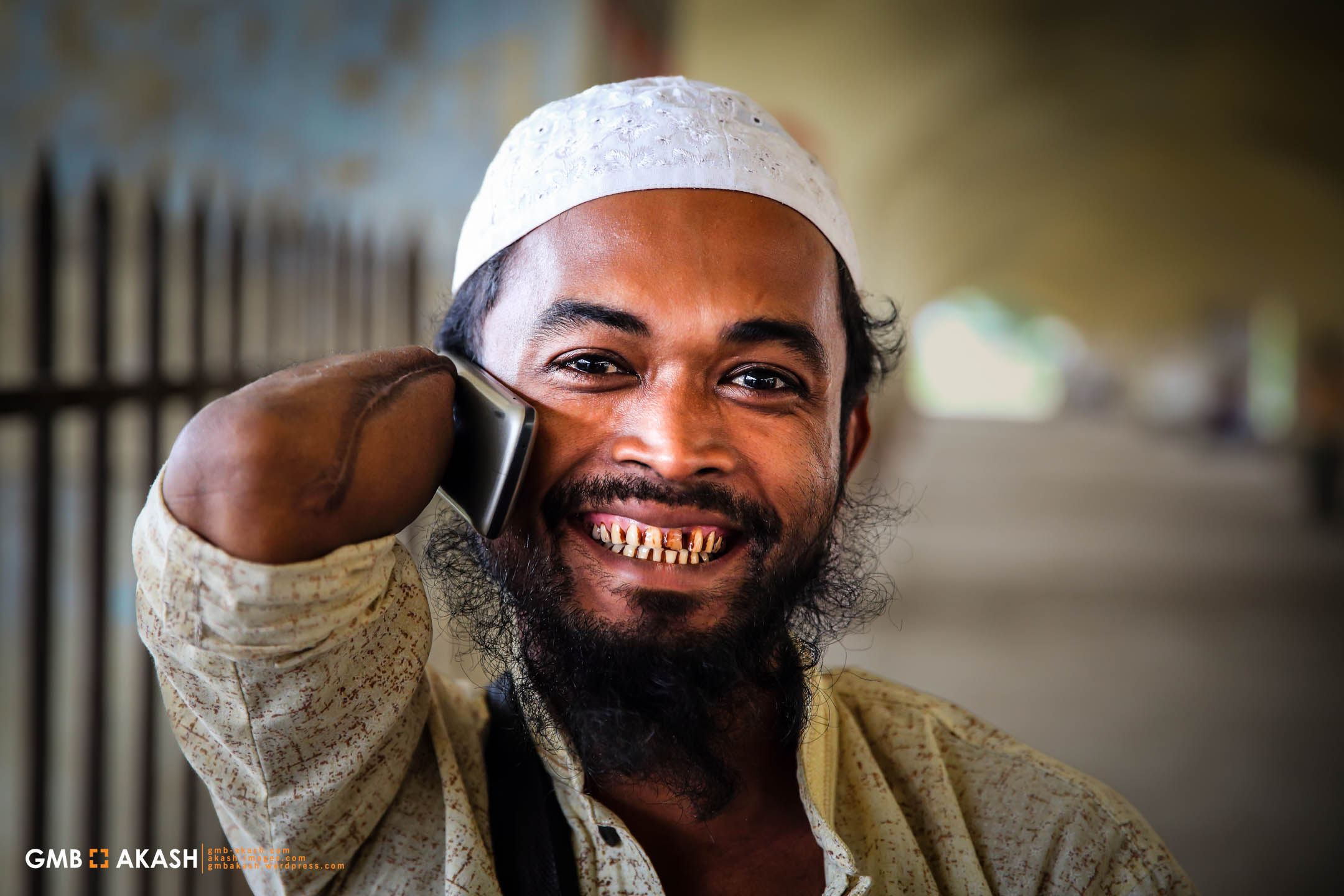
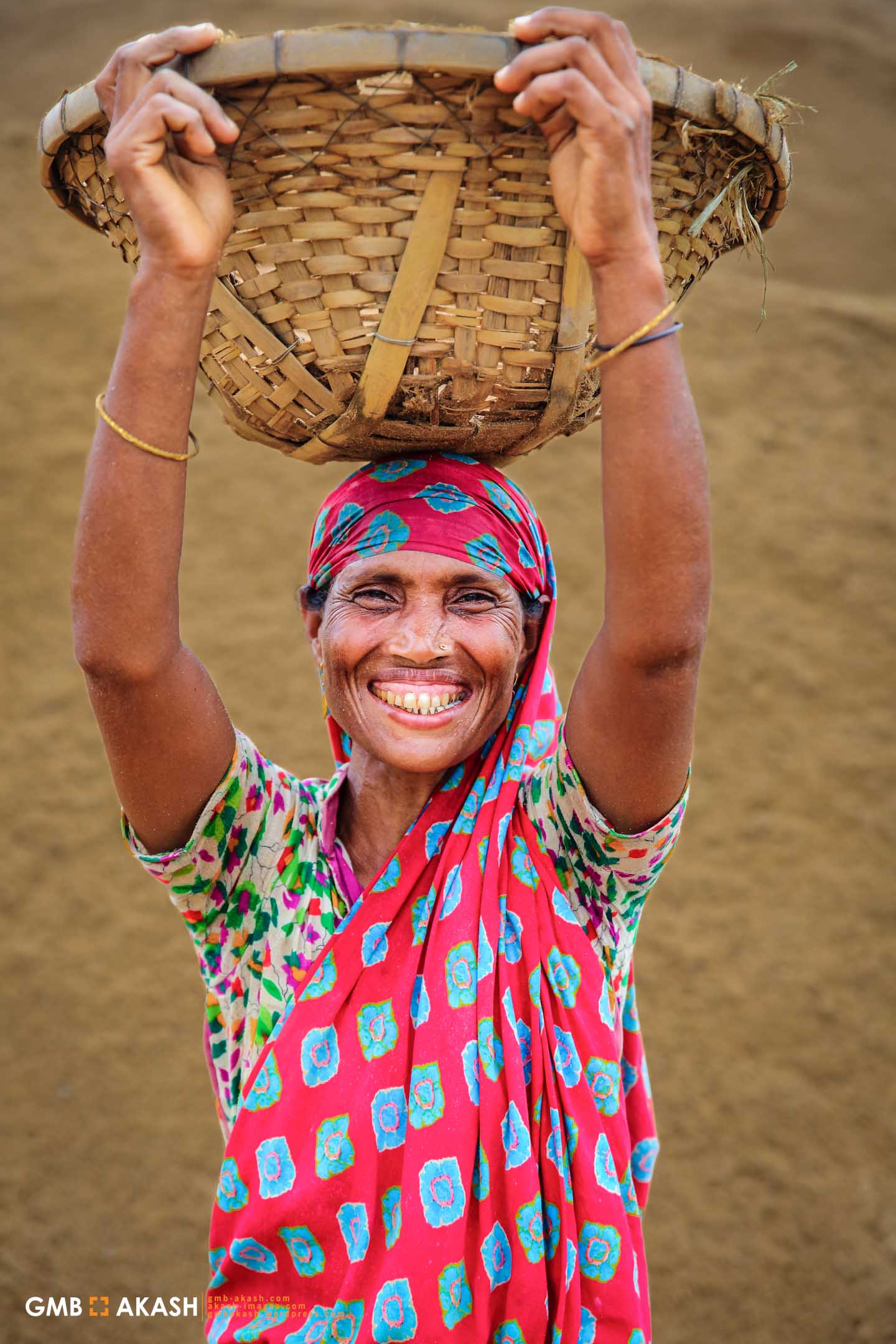
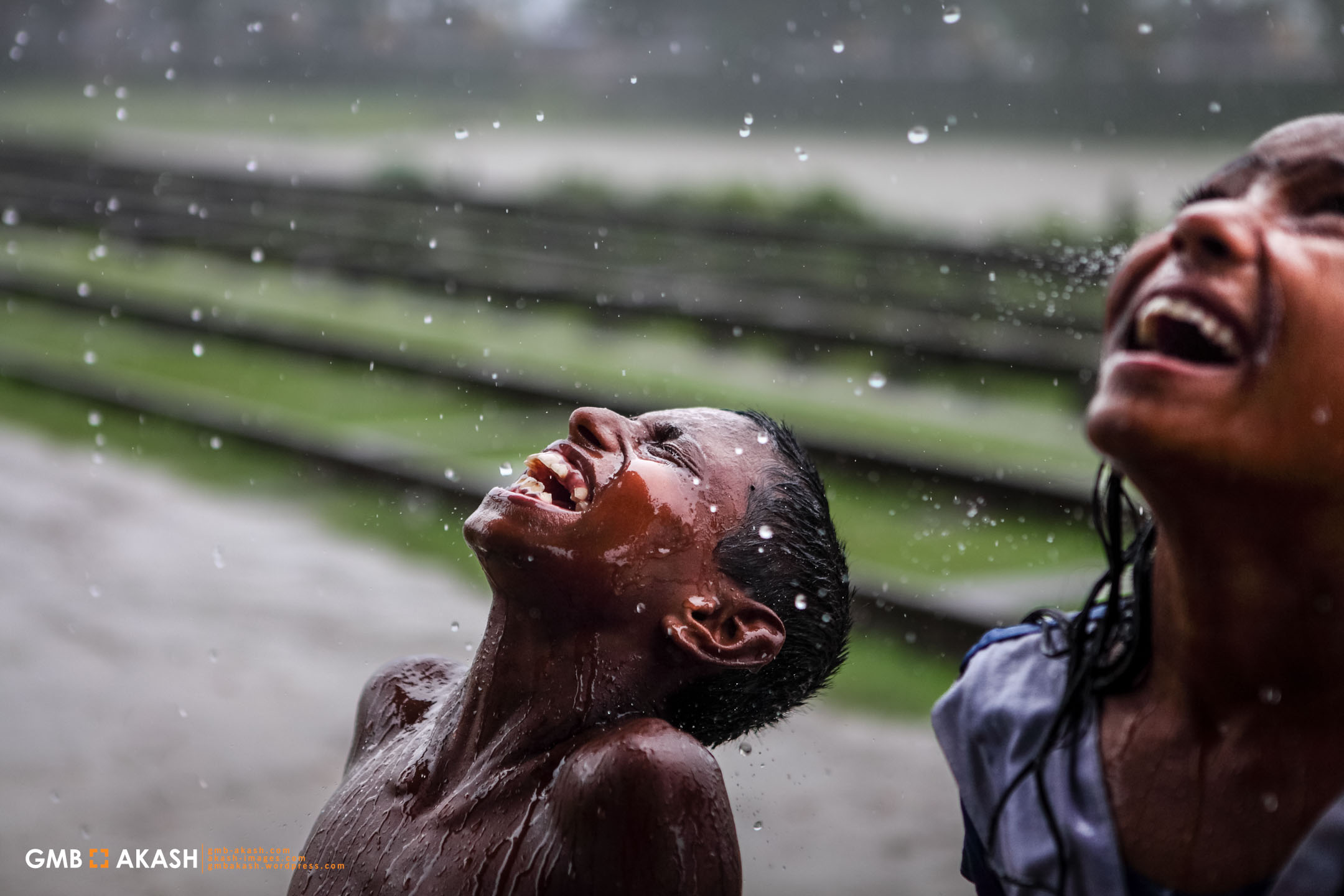
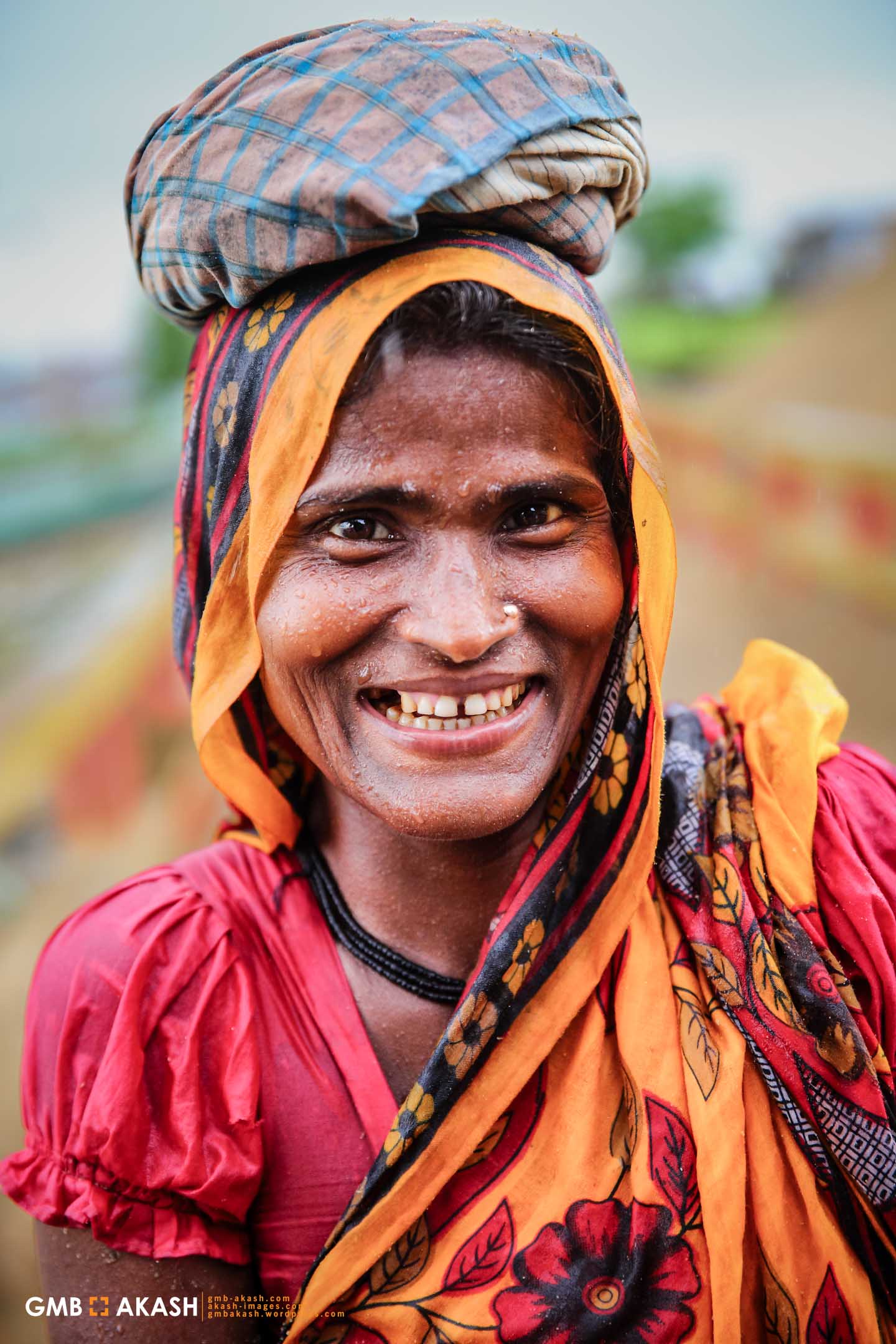
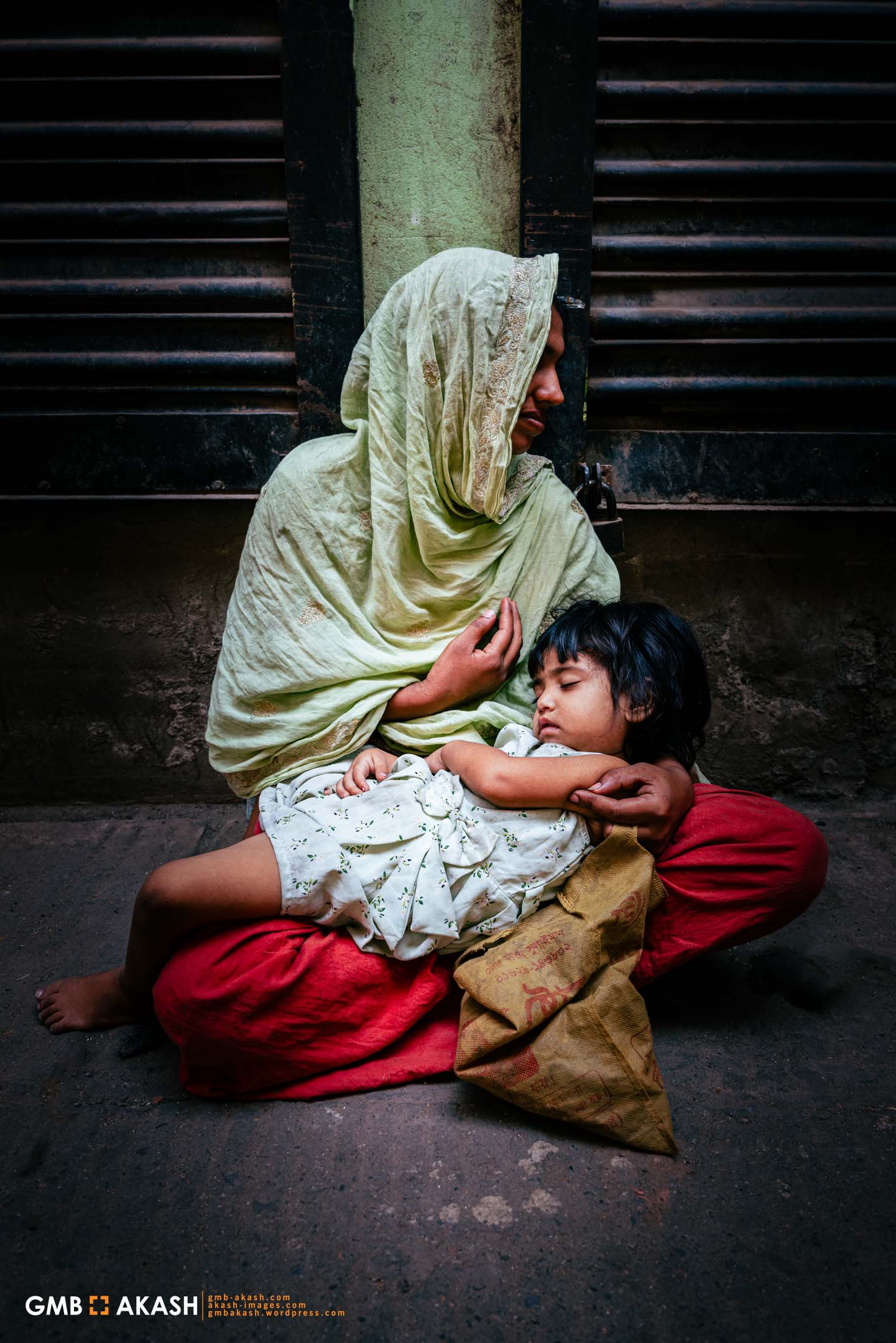
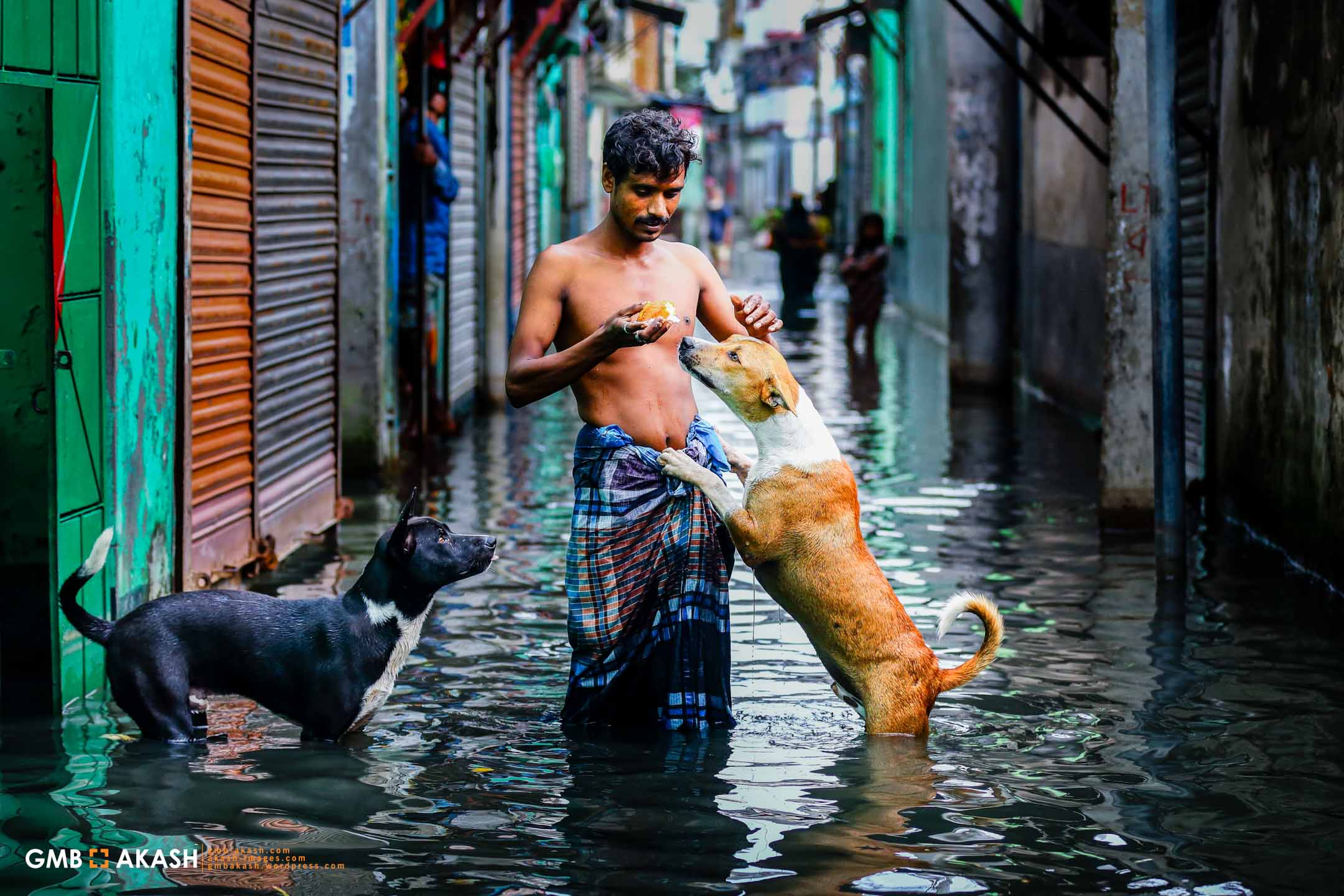
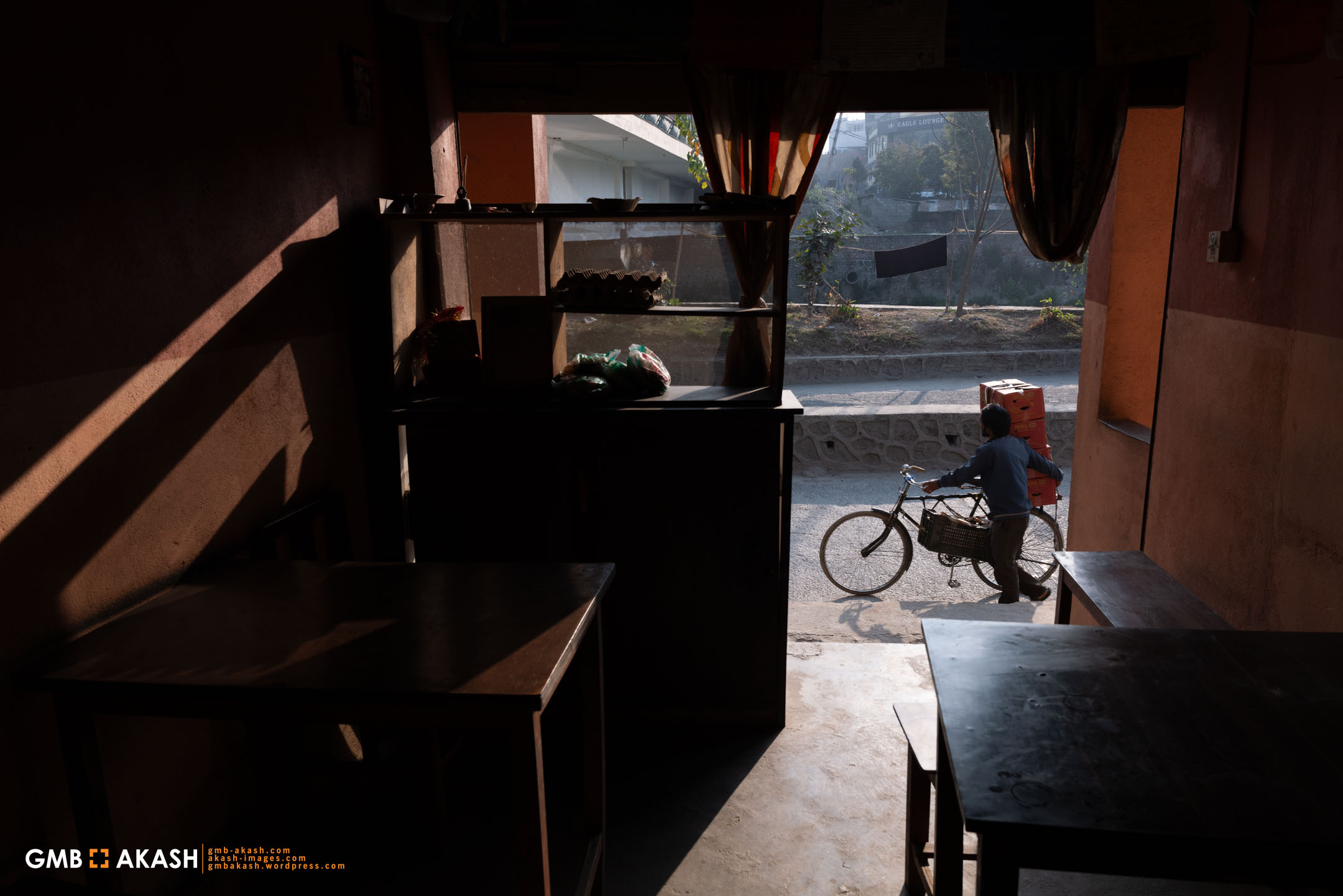
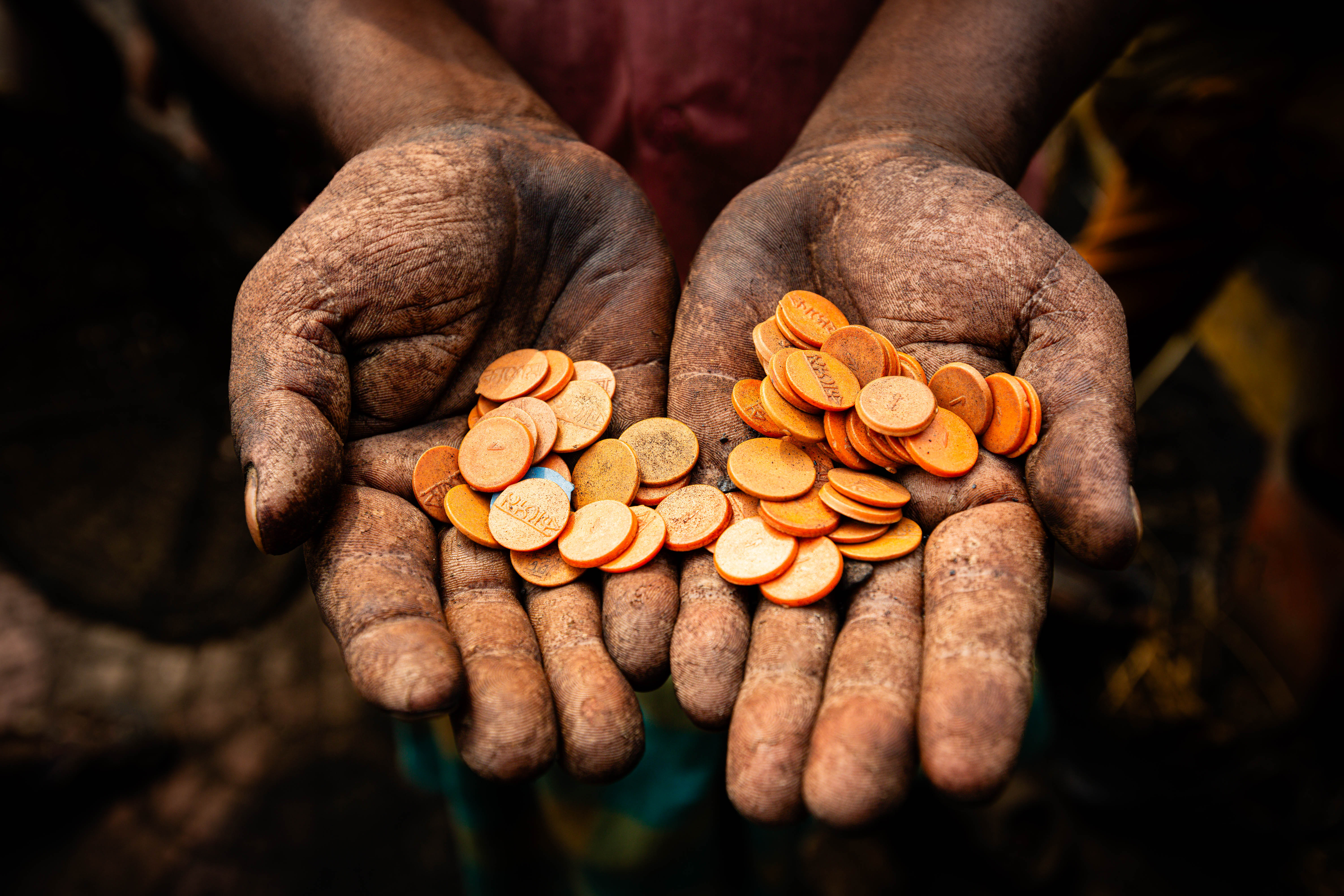
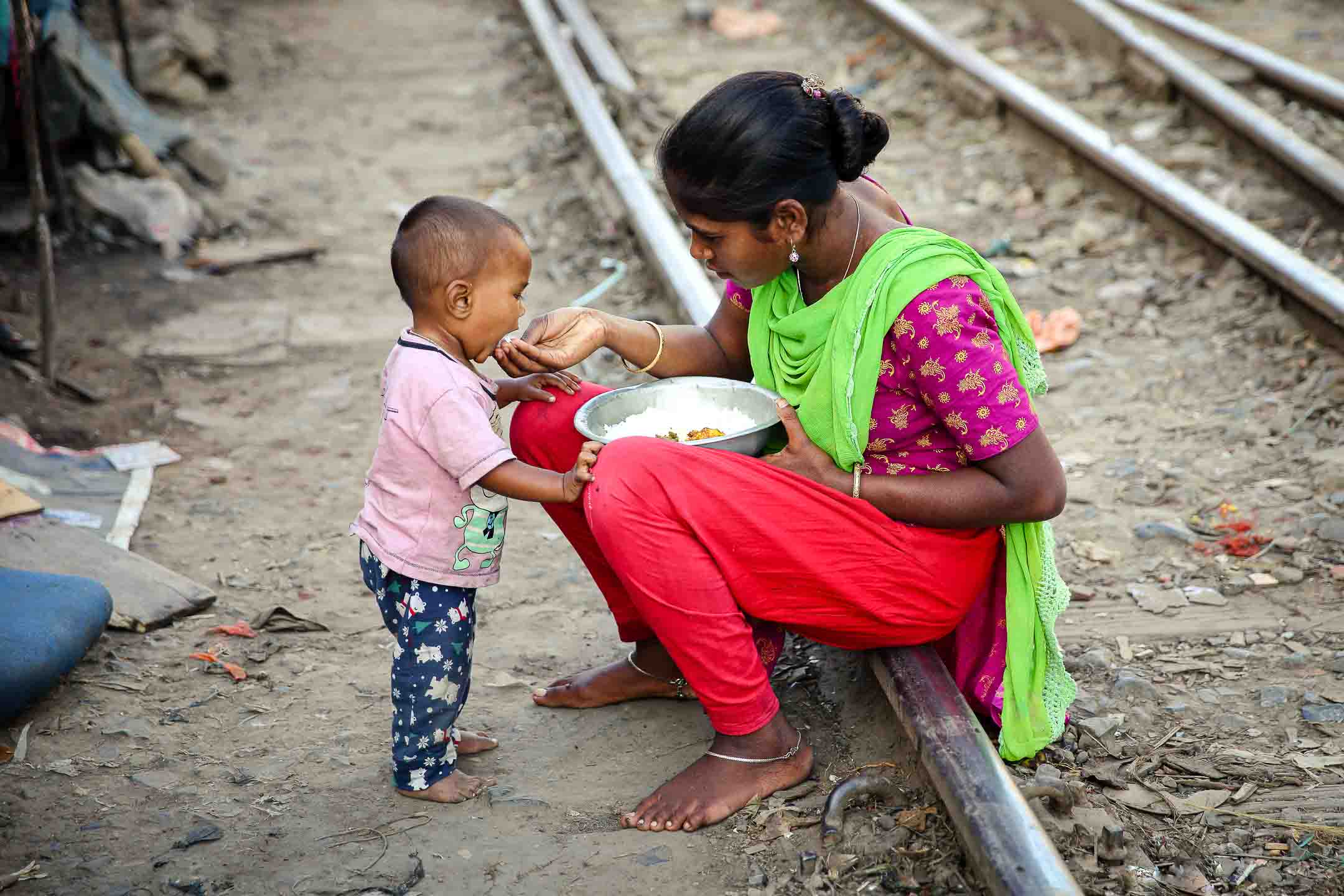
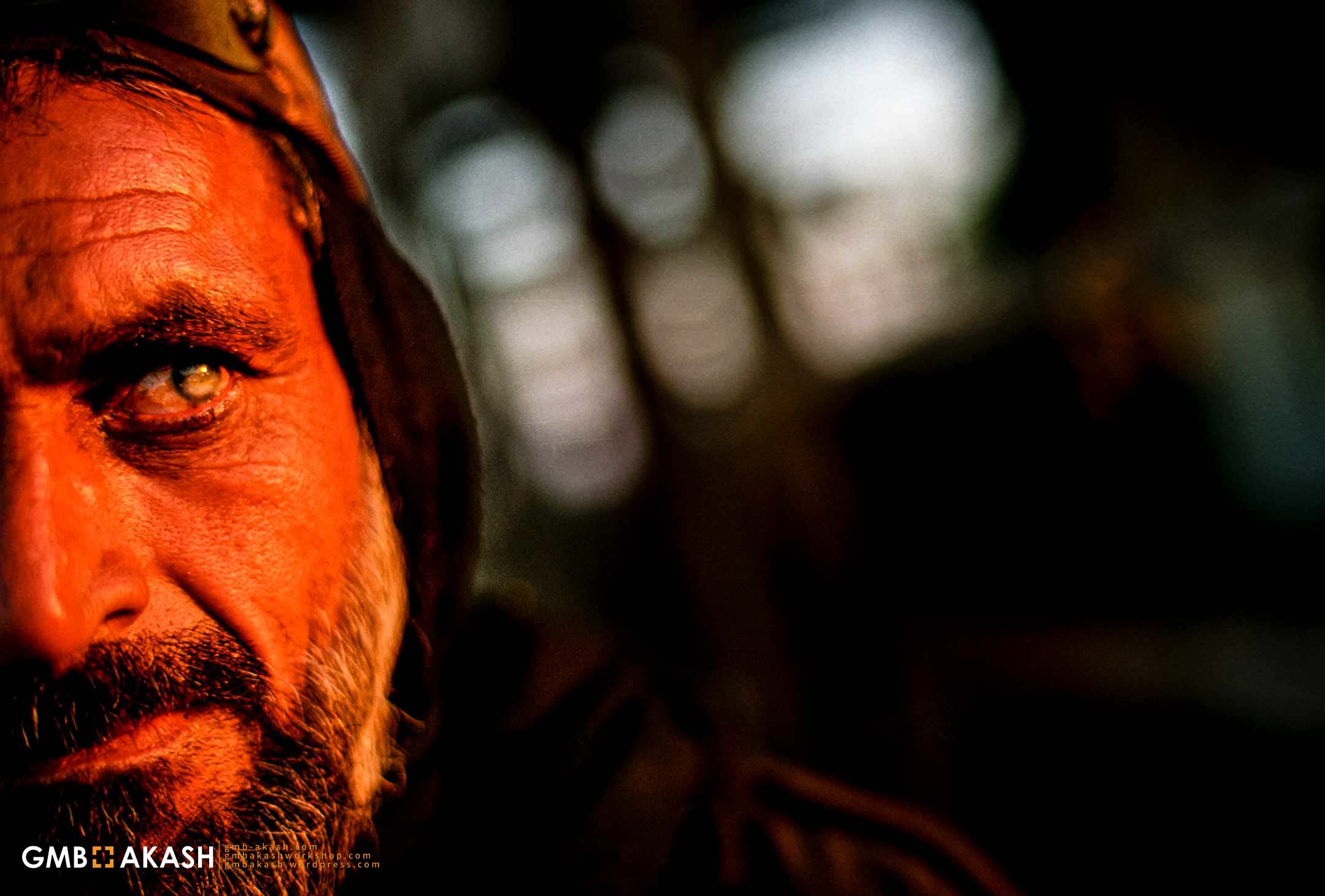
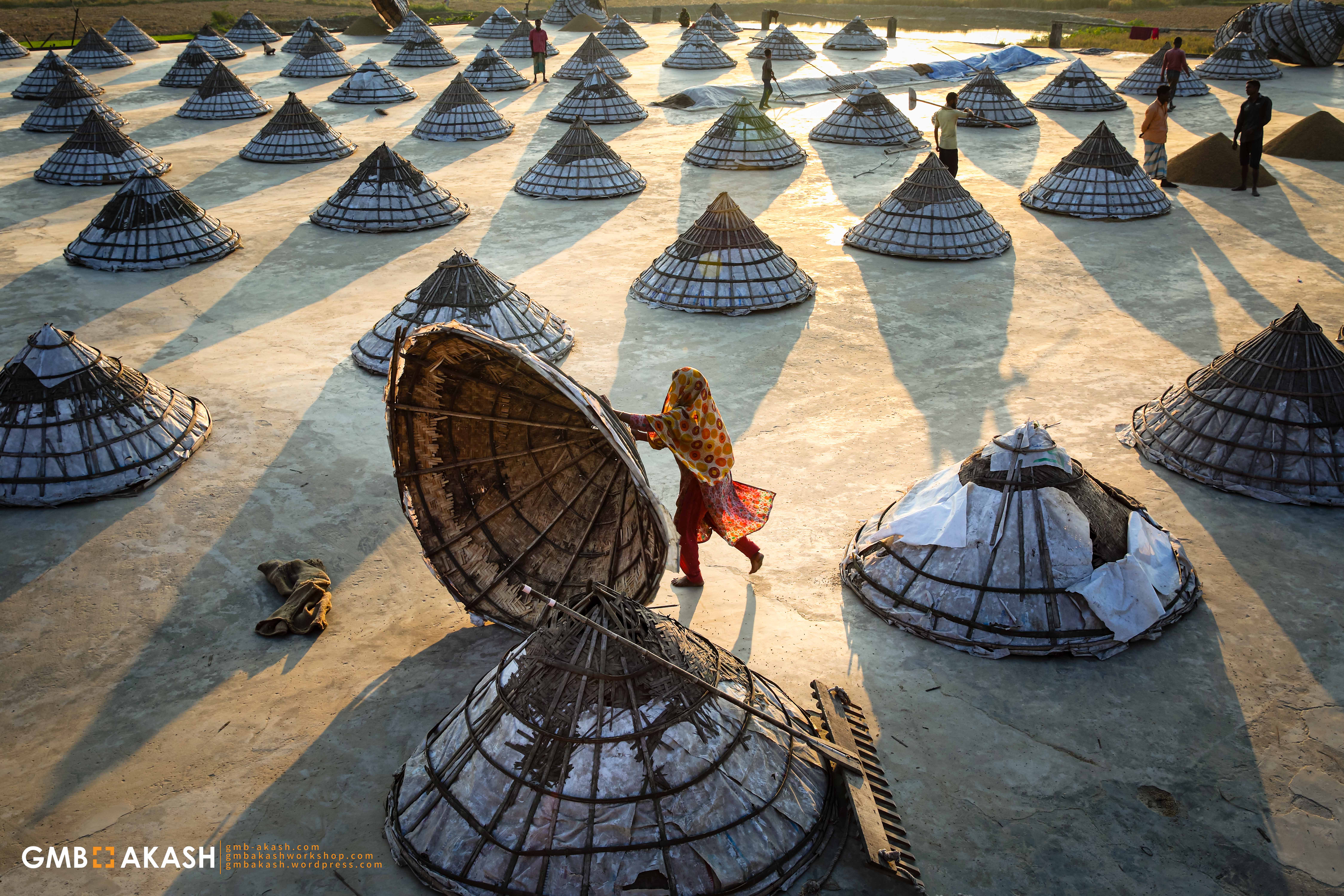
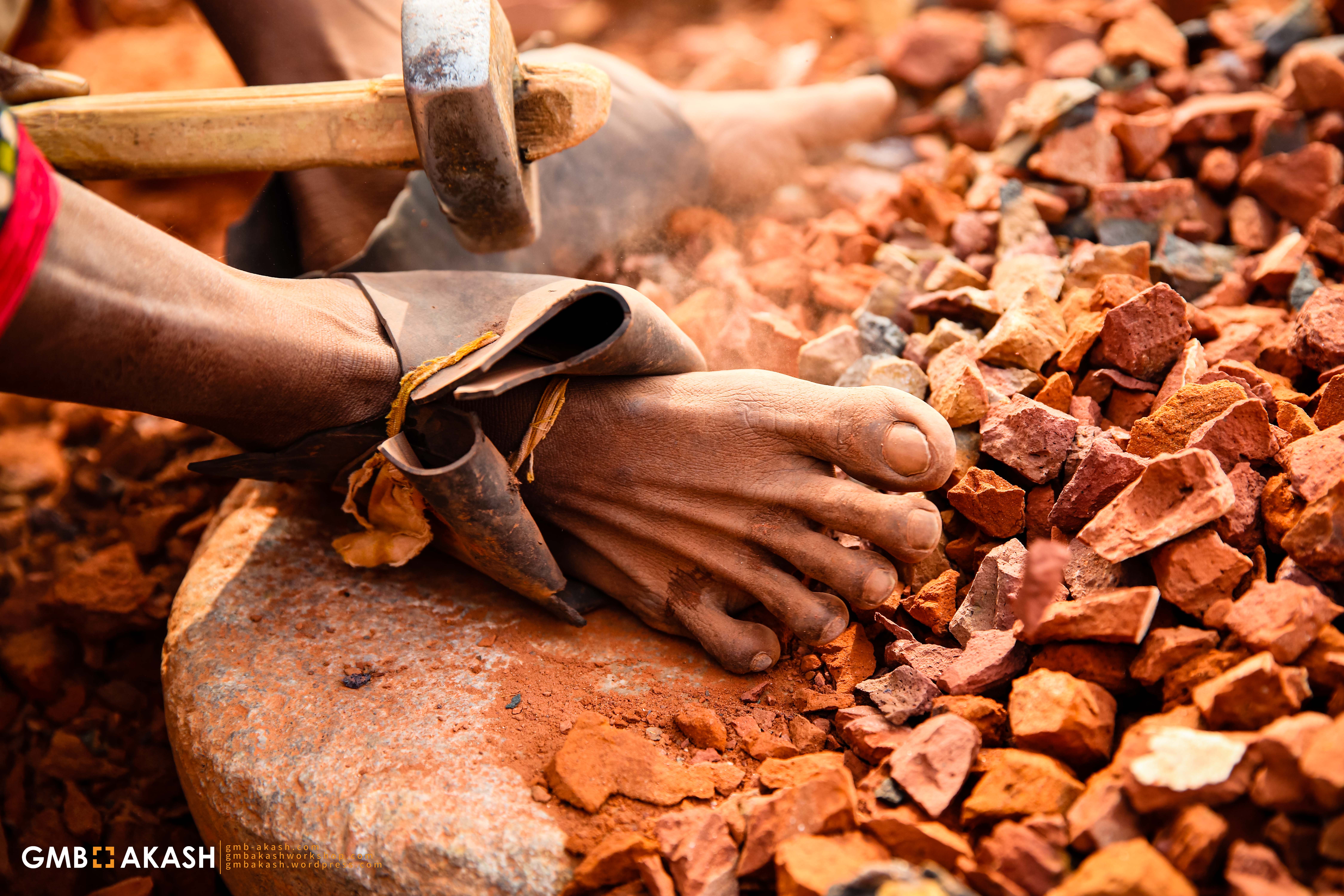
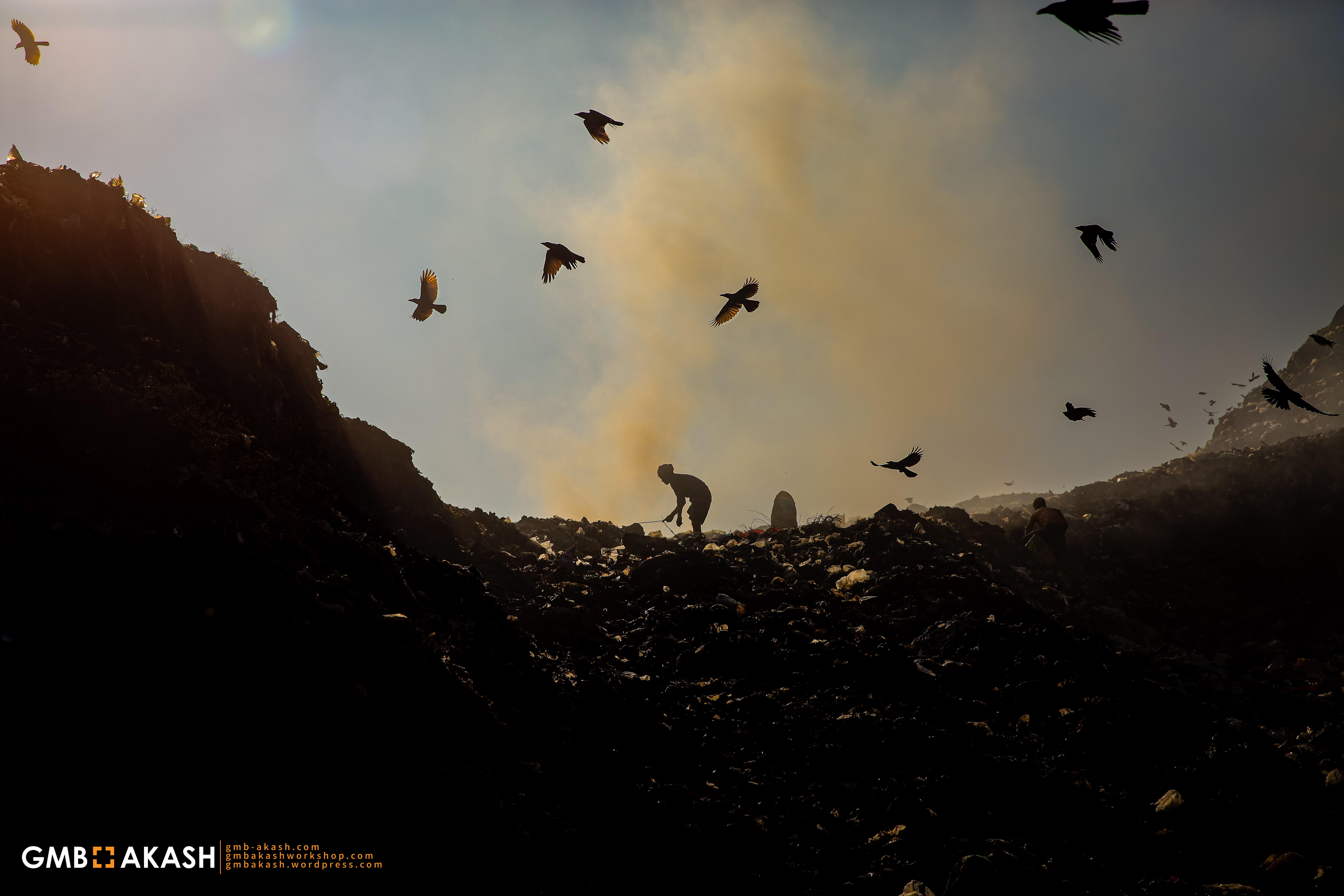
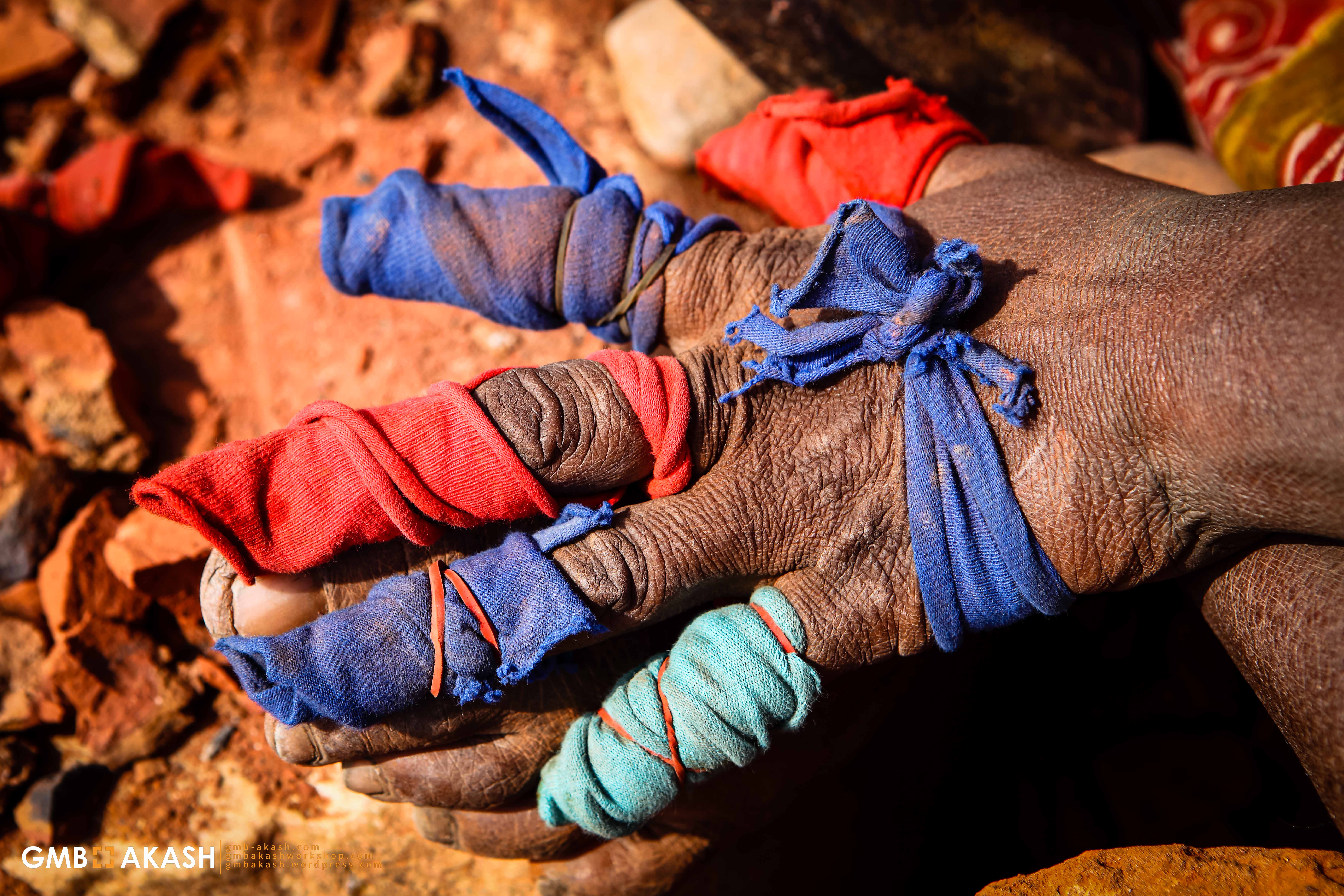
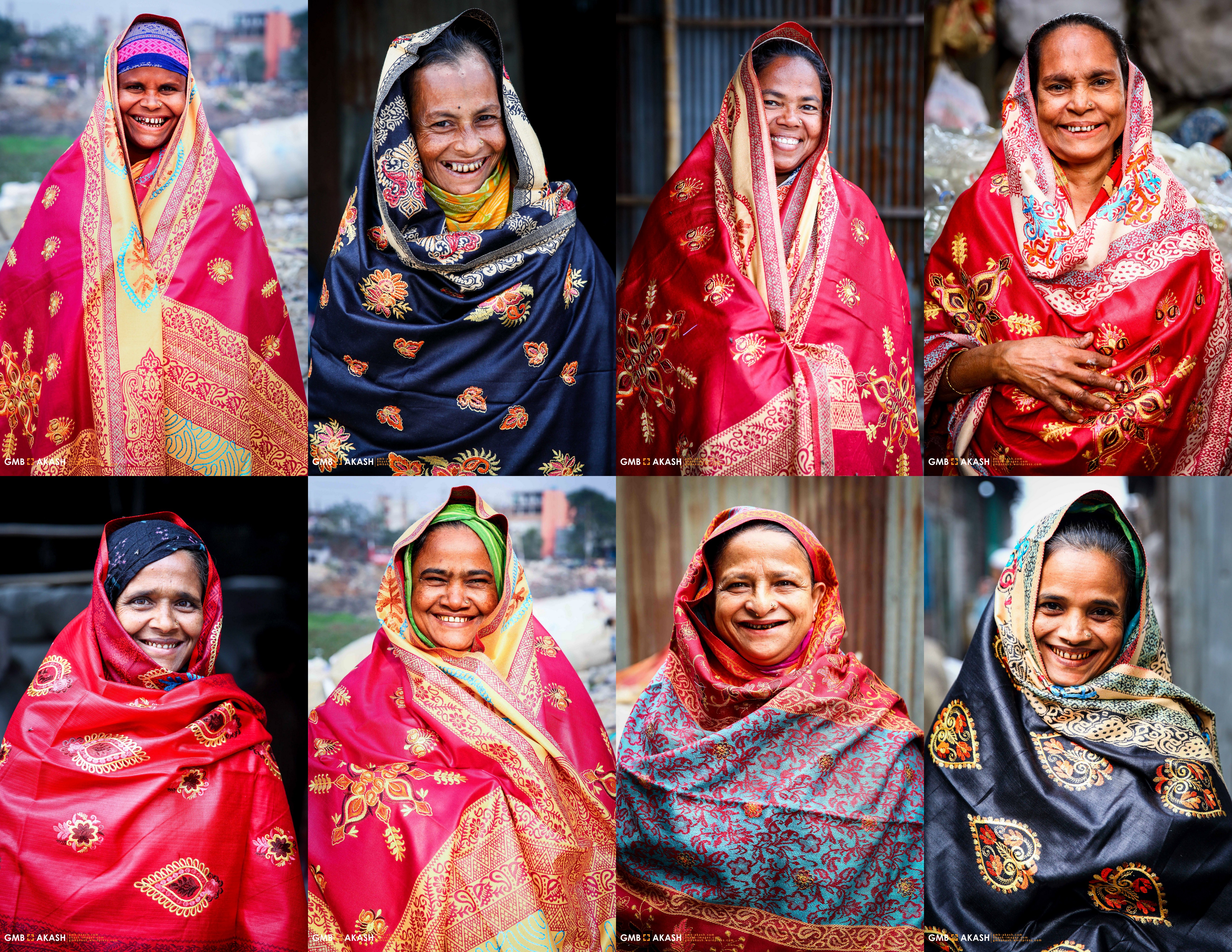
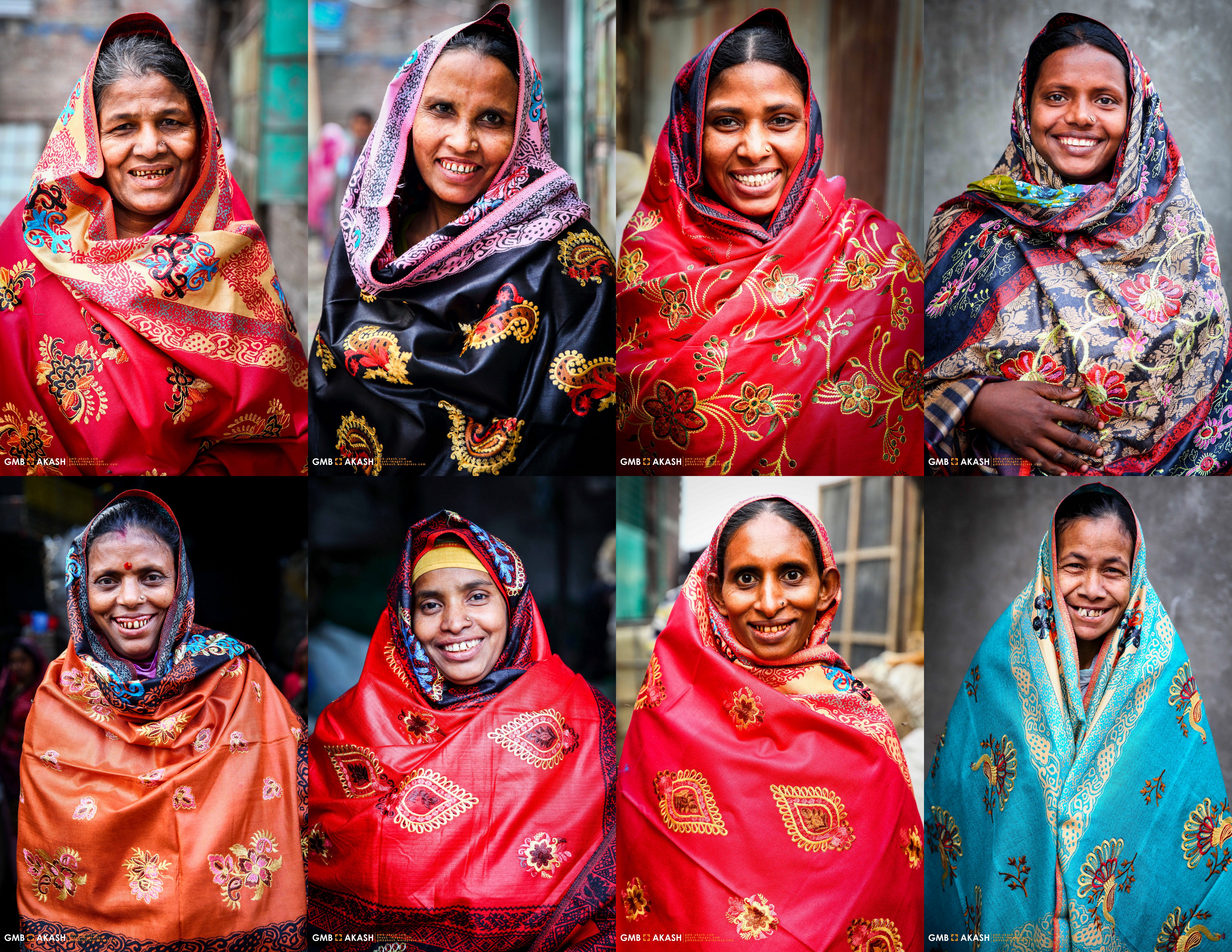
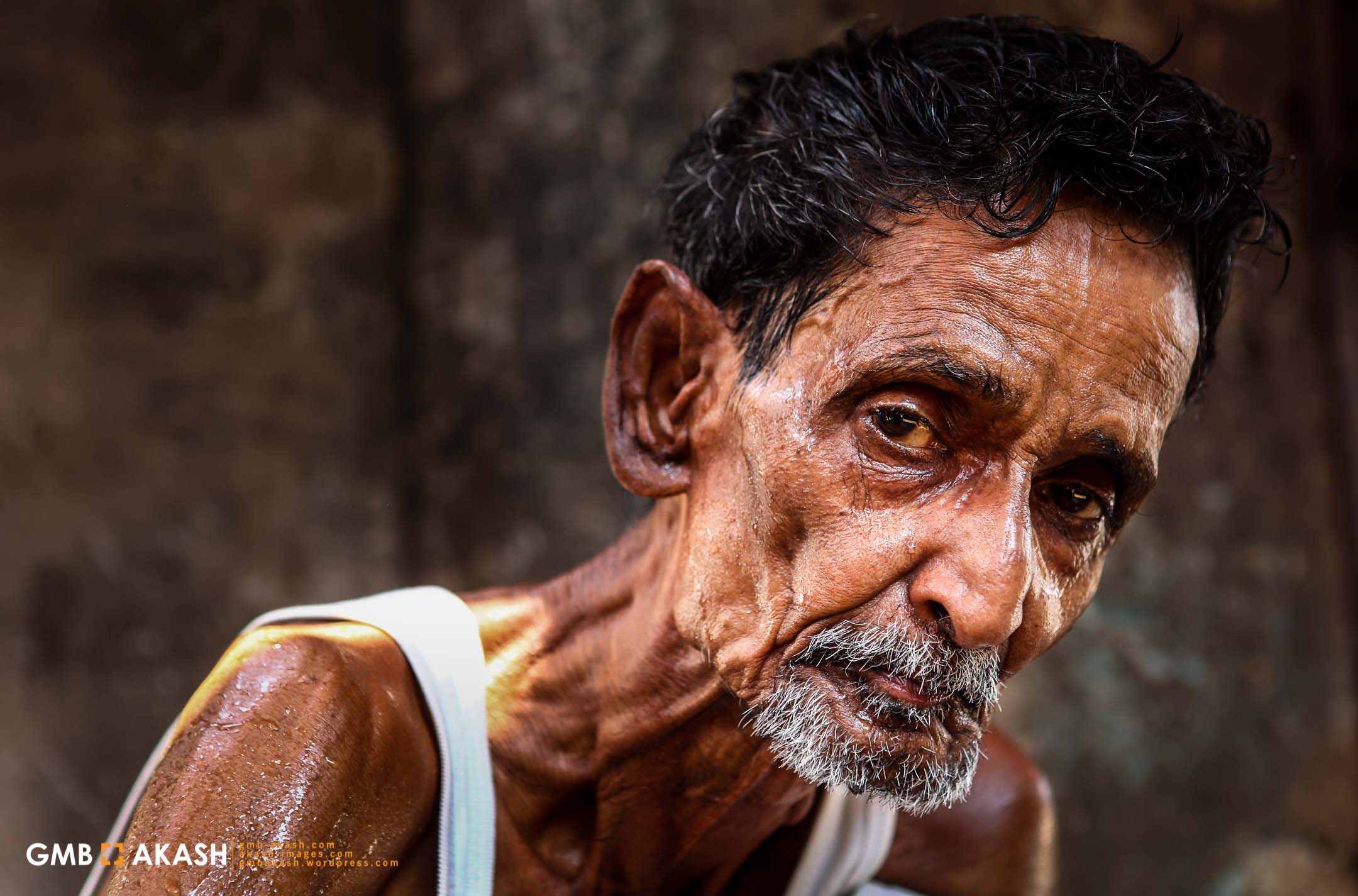
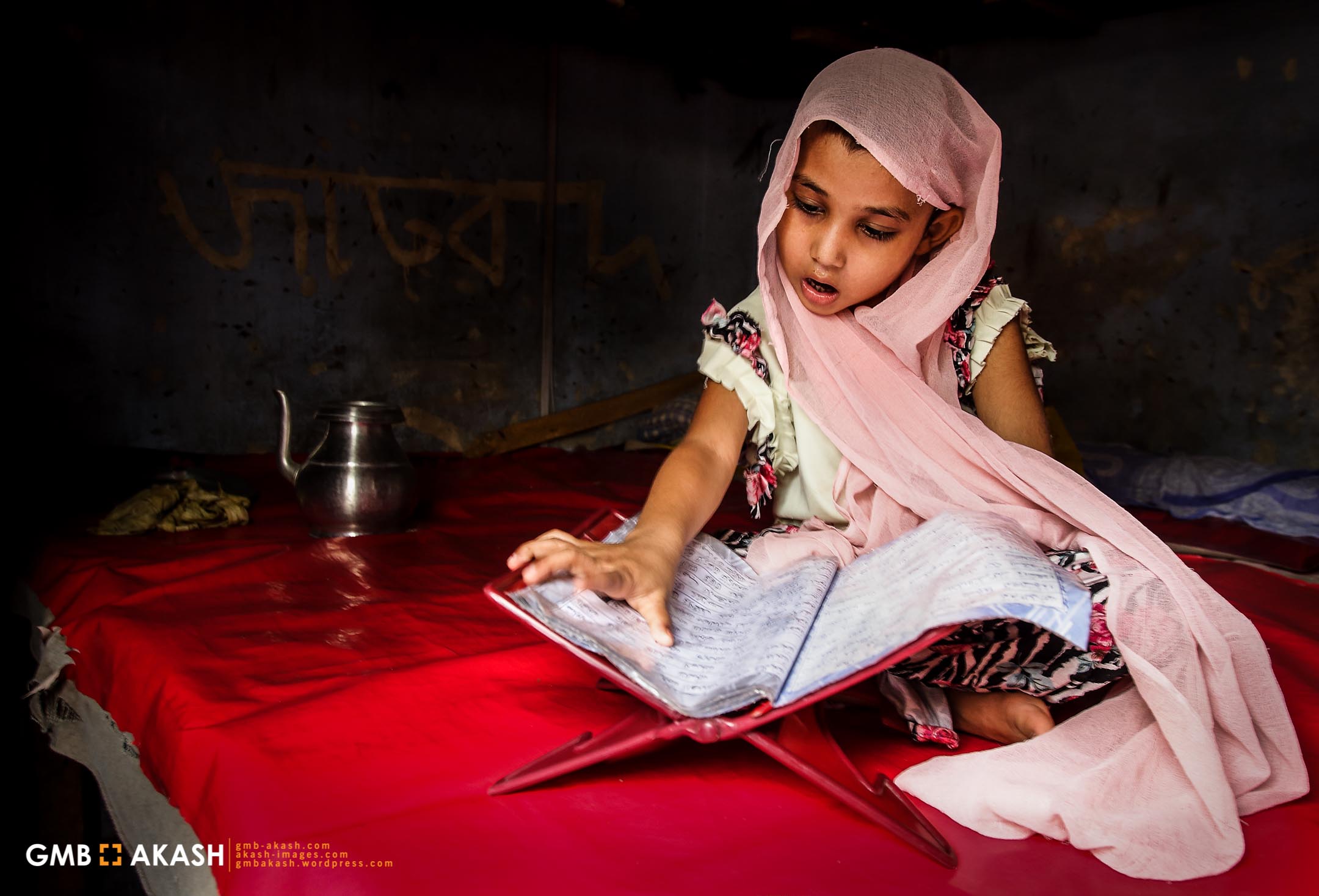
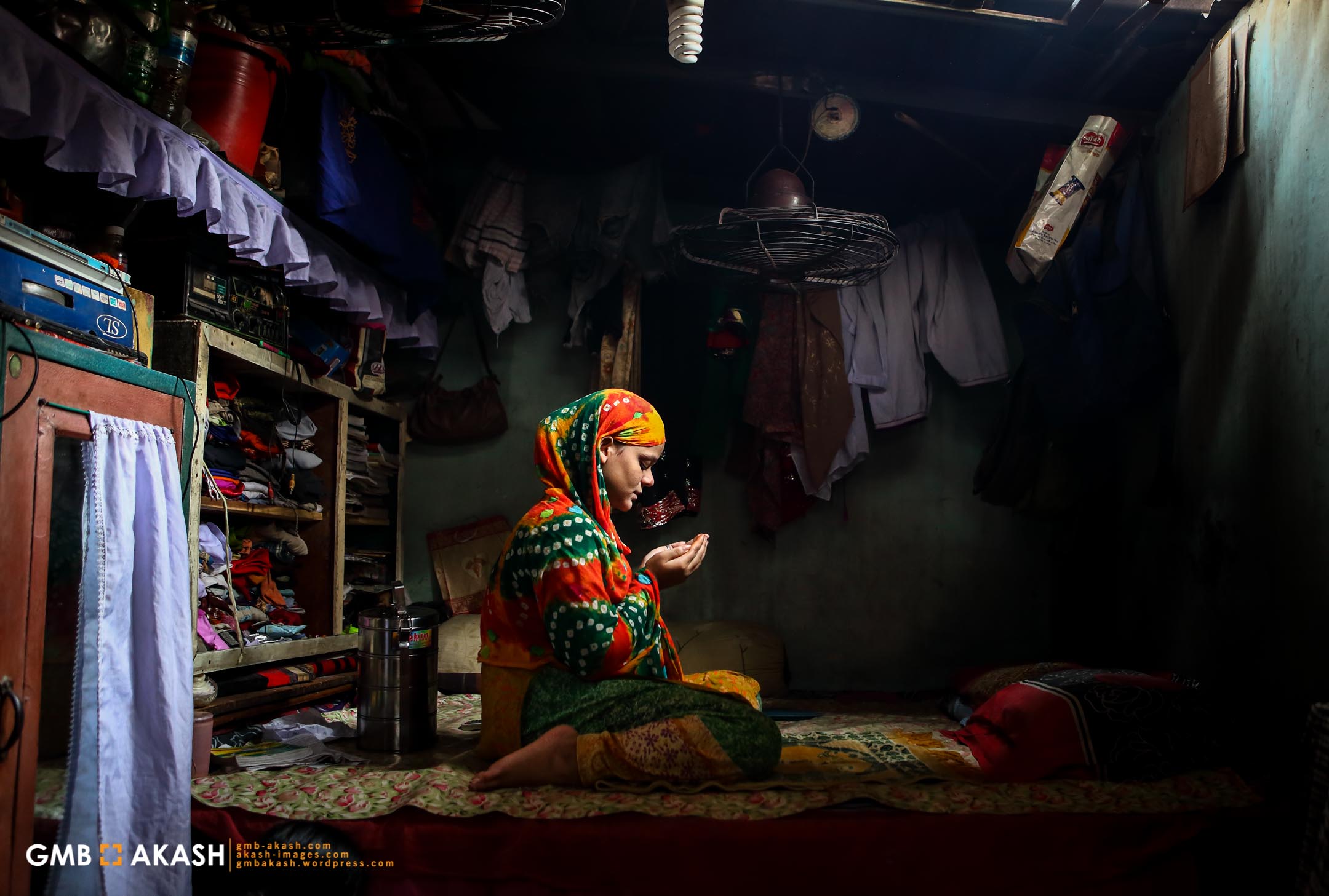
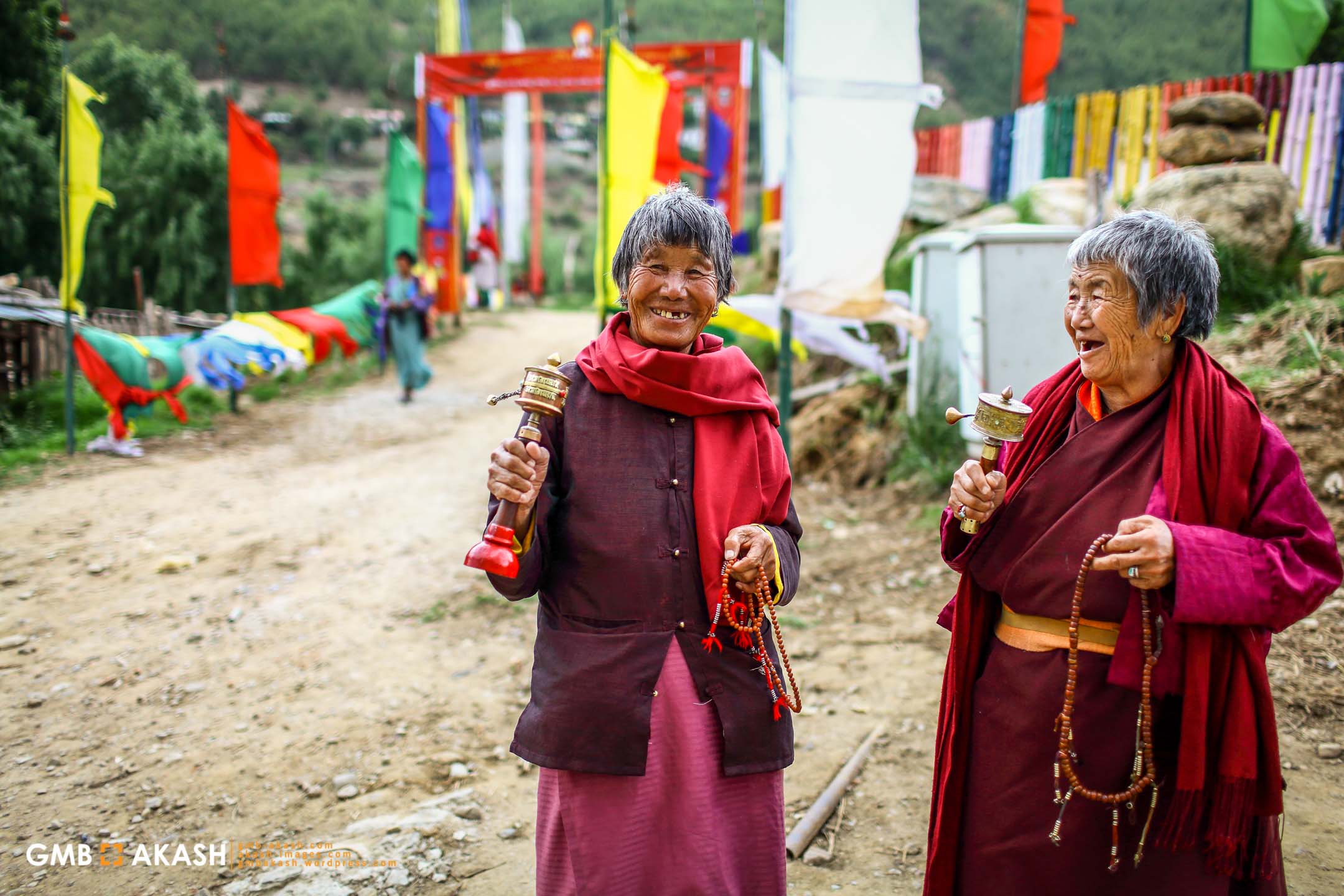
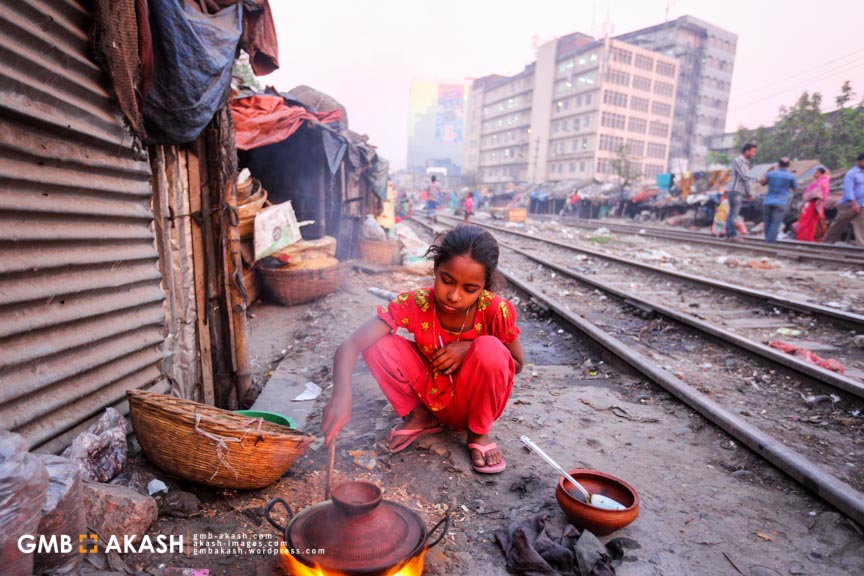
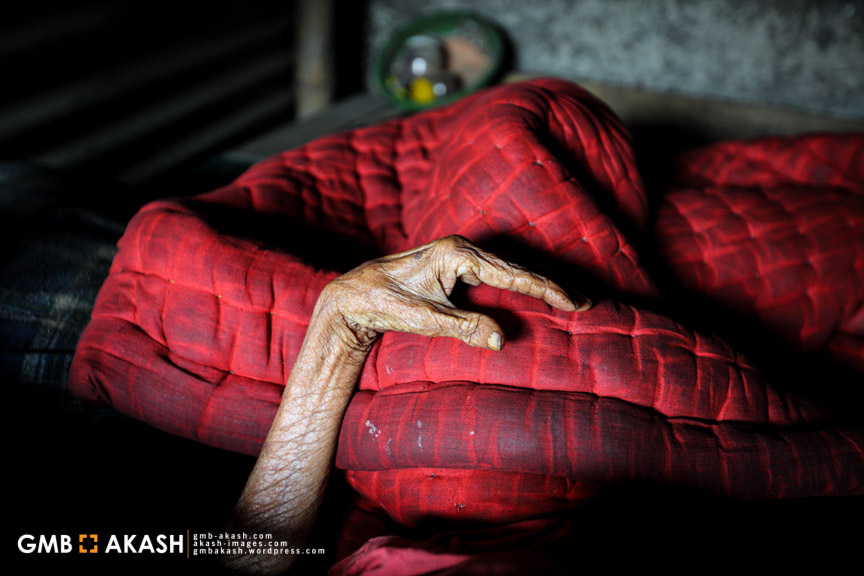
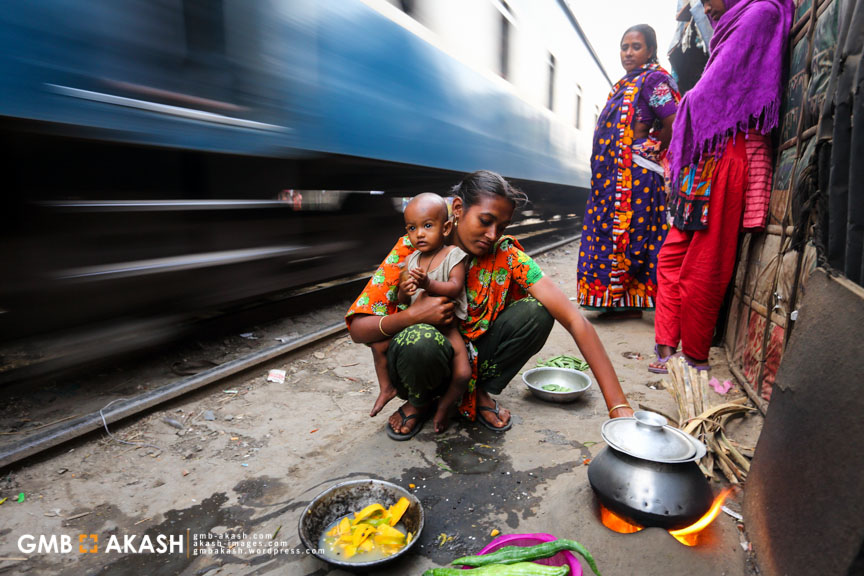
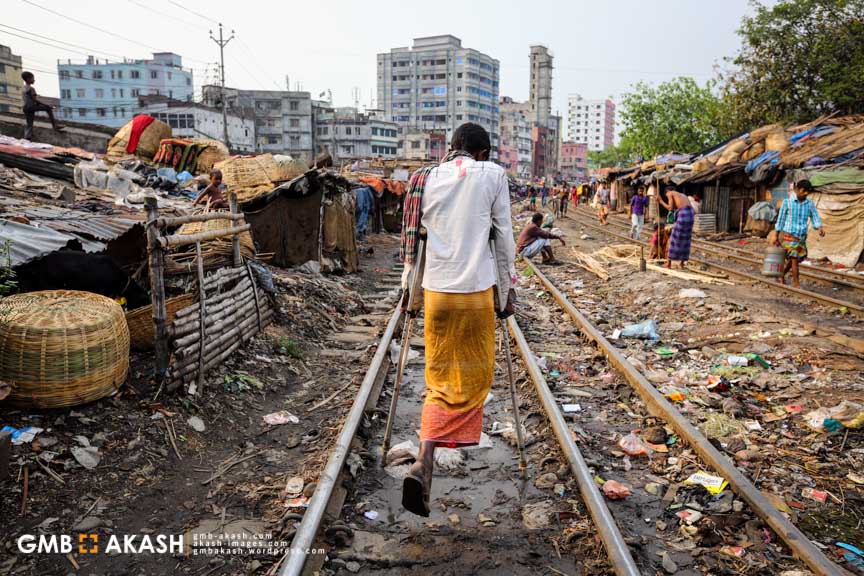
My heart honors the people who have almost nothing—yet live with everything that truly matters.

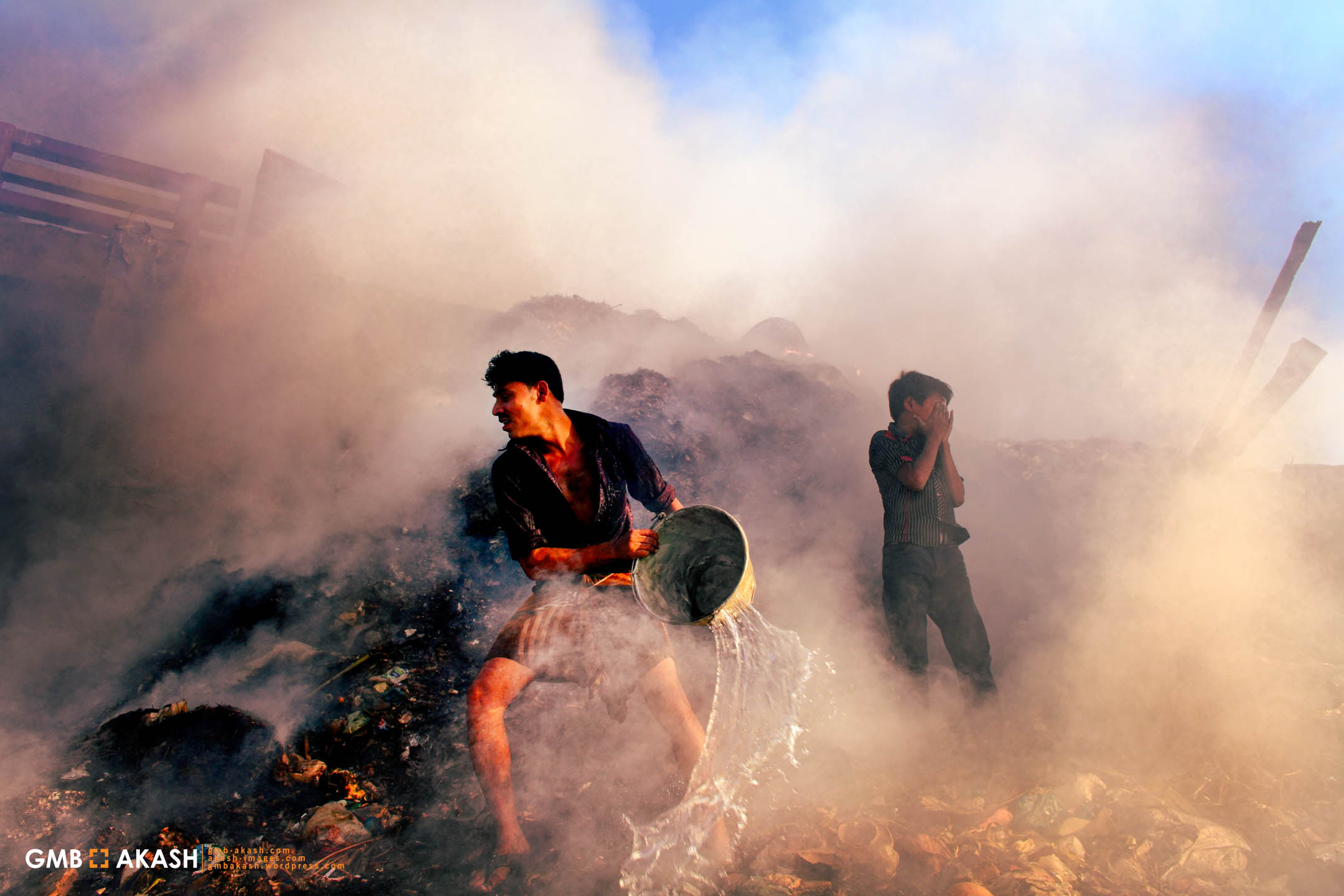
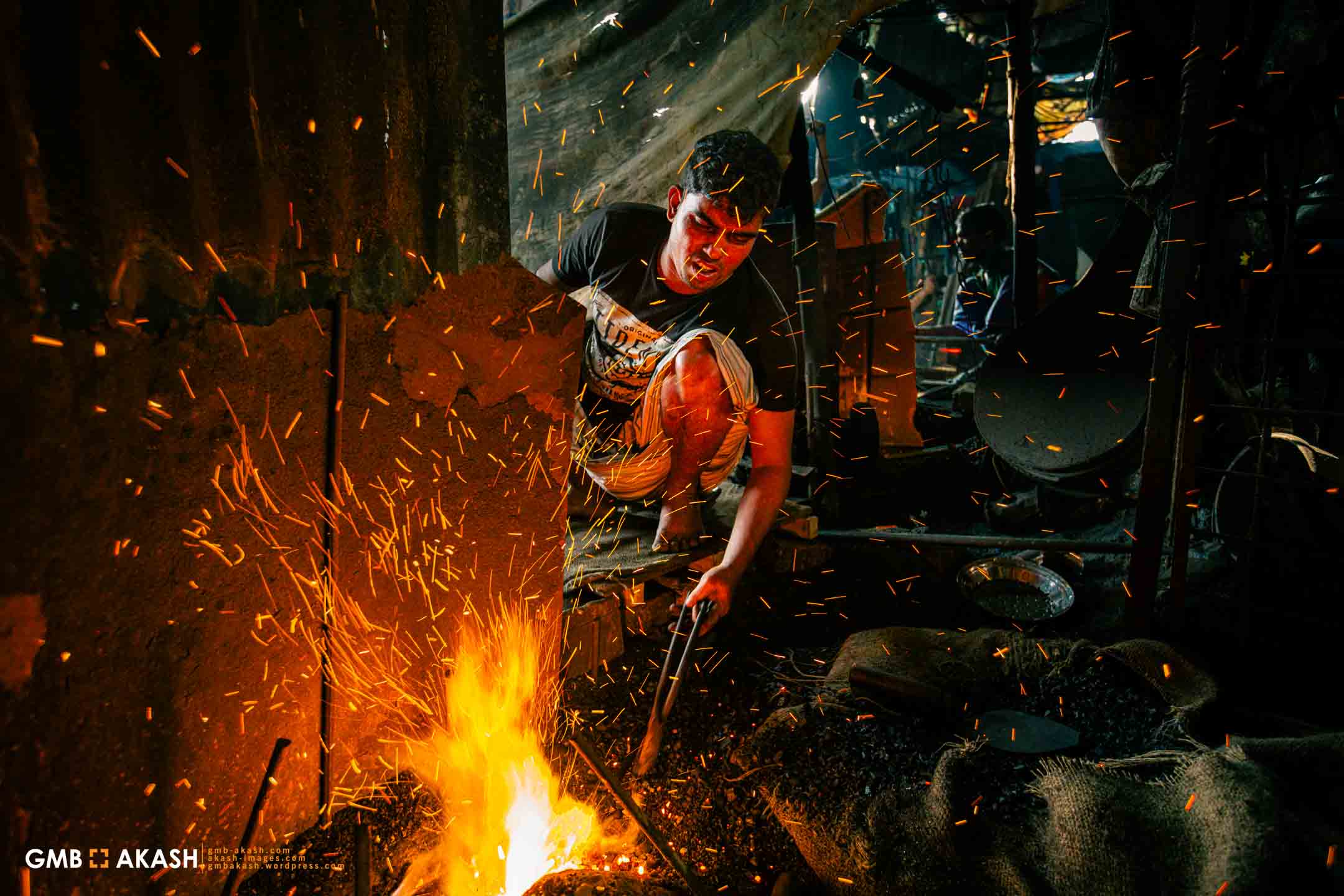
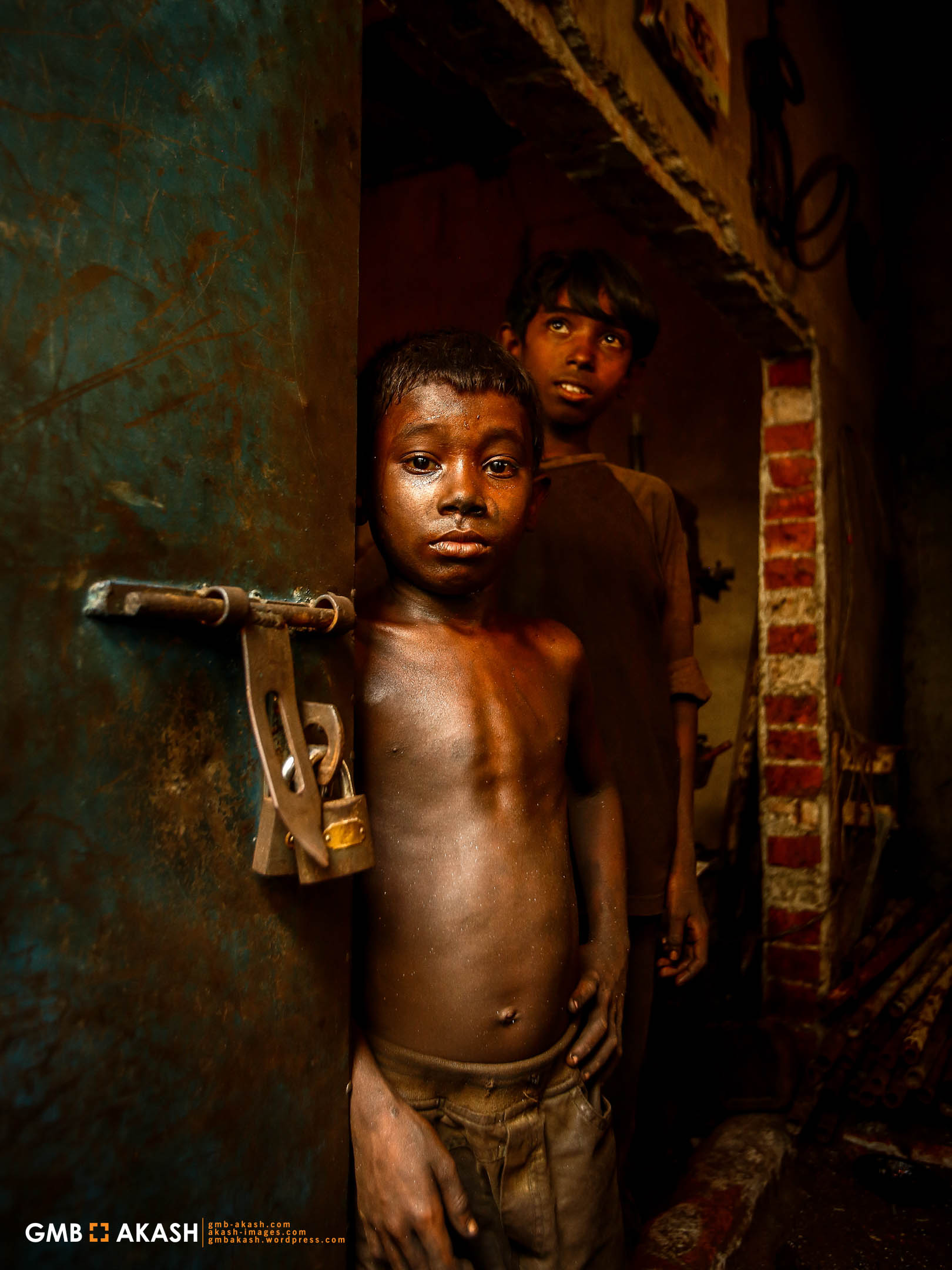
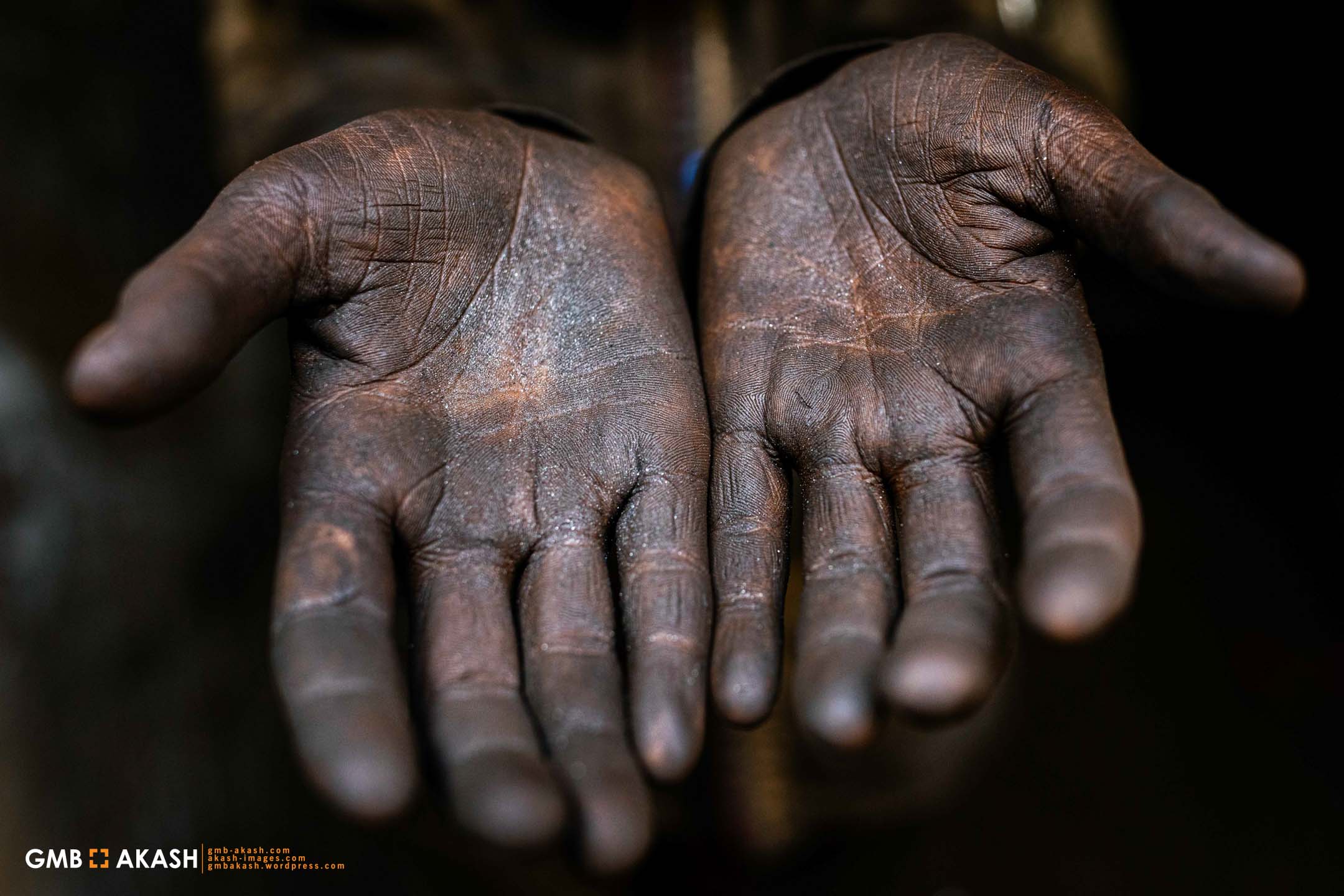
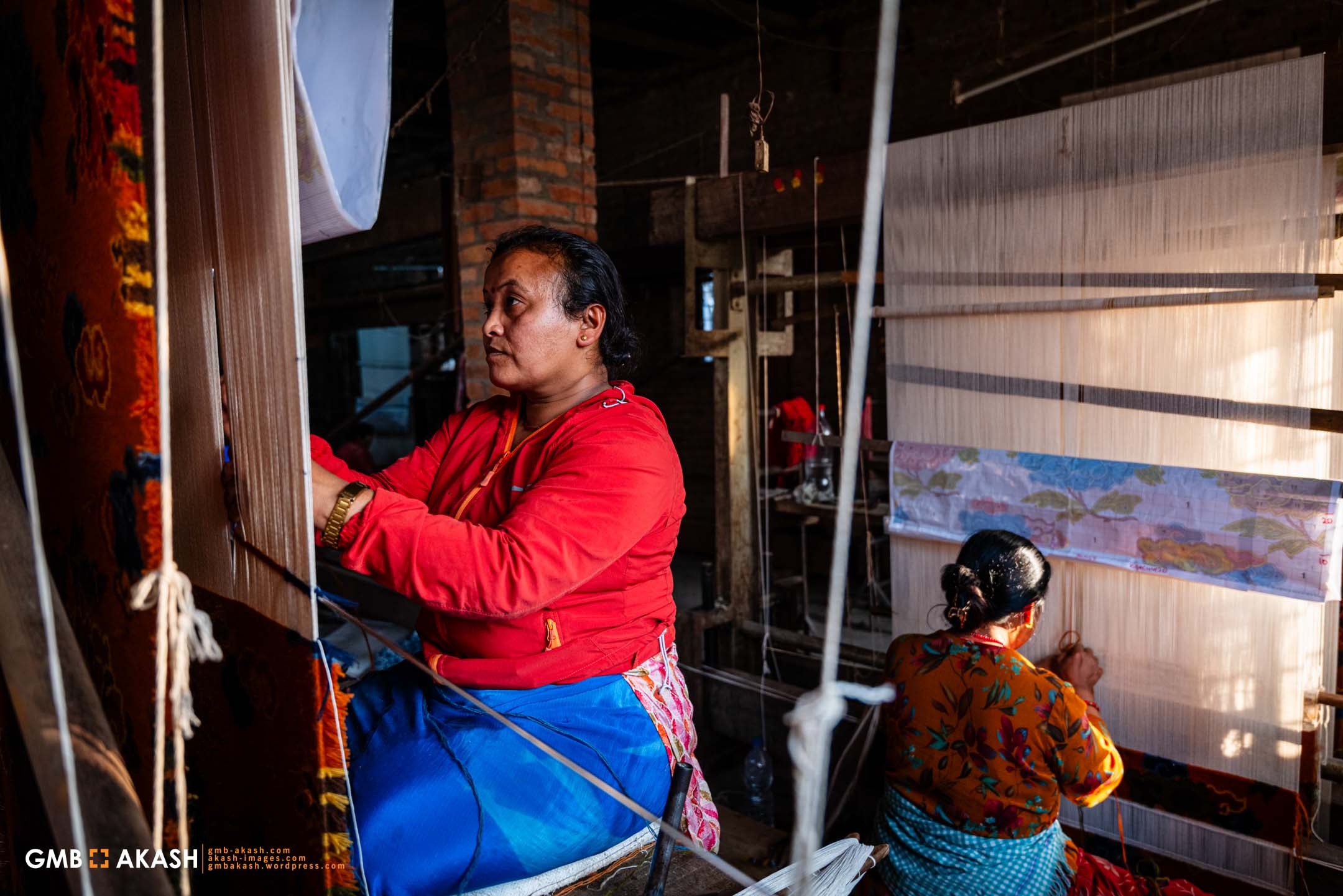
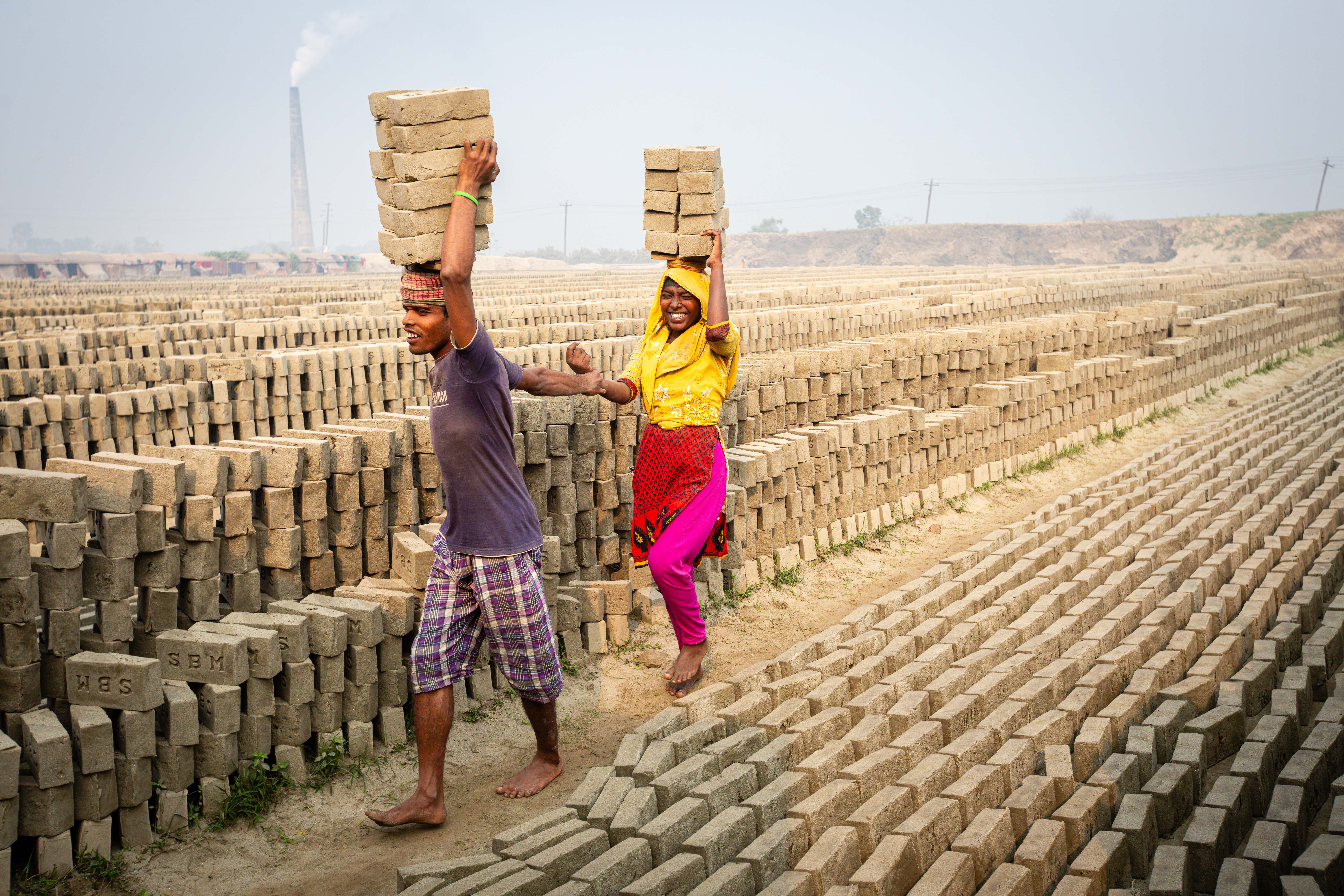
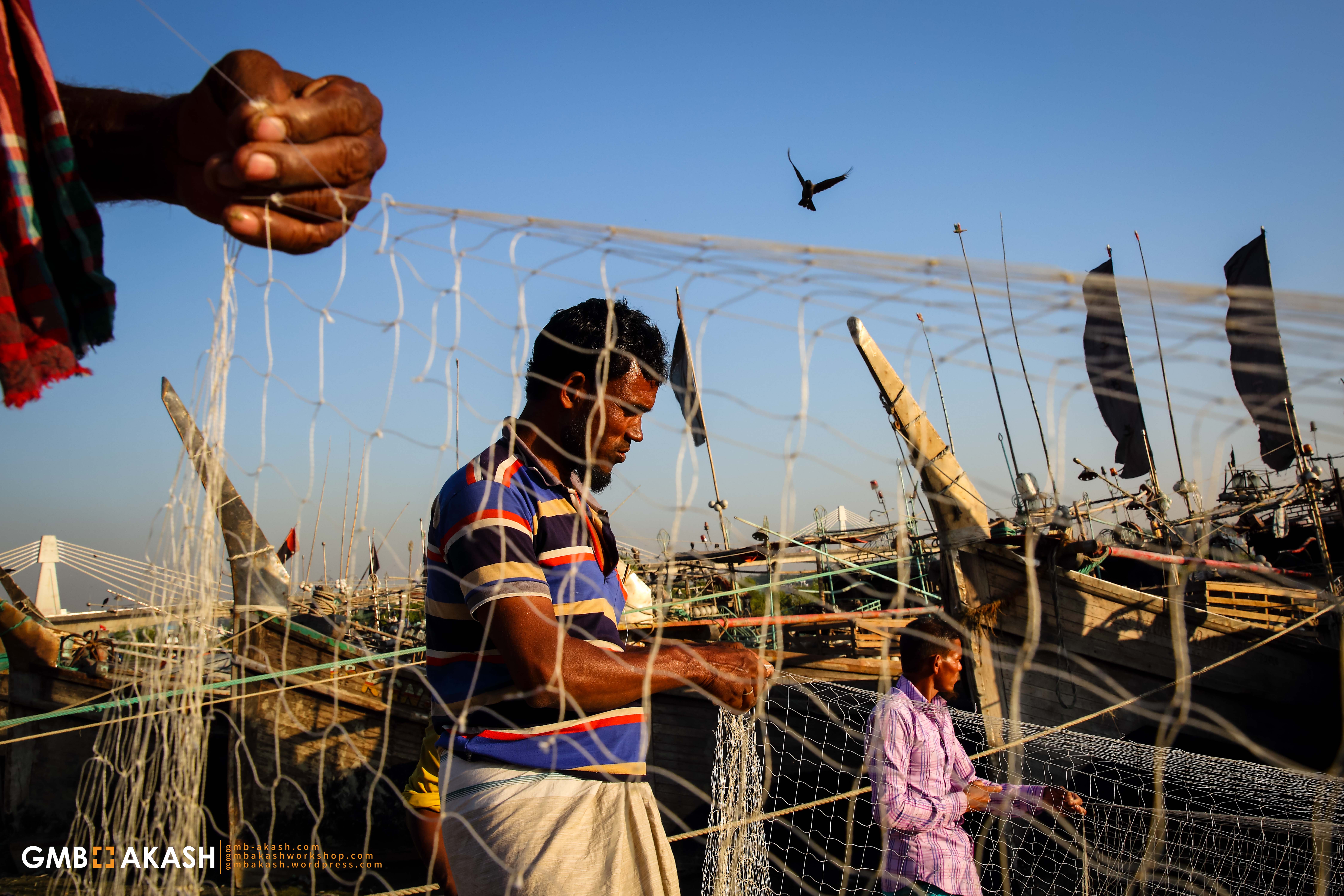
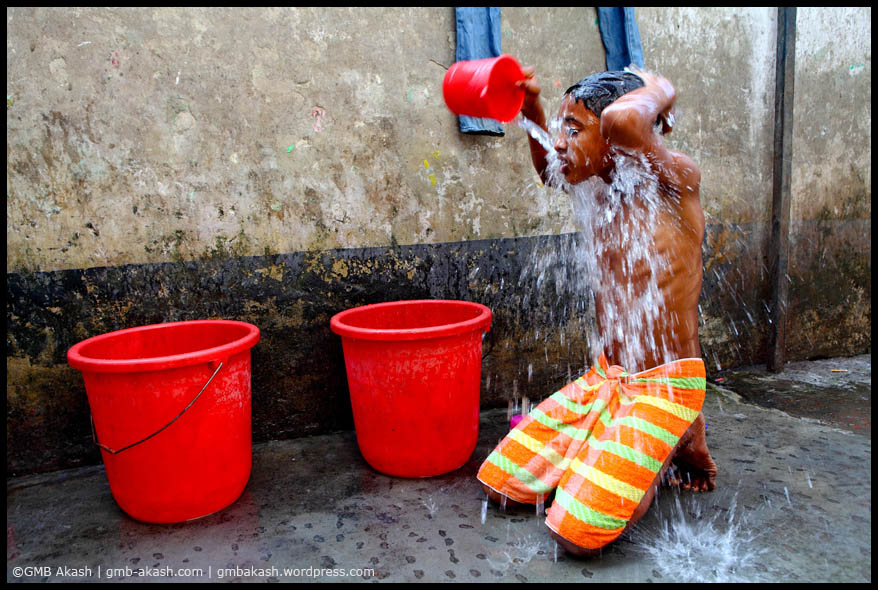
They rise before dawn and work until their bodies ache, just to survive another day. Life is harsh and unforgiving—yet they never complain. They never beg. They never give up.

They live with quiet dignity, and every single penny they earn comes from honest labor.

Yesterday, a worker said something to me that still lingers in my mind. He said:

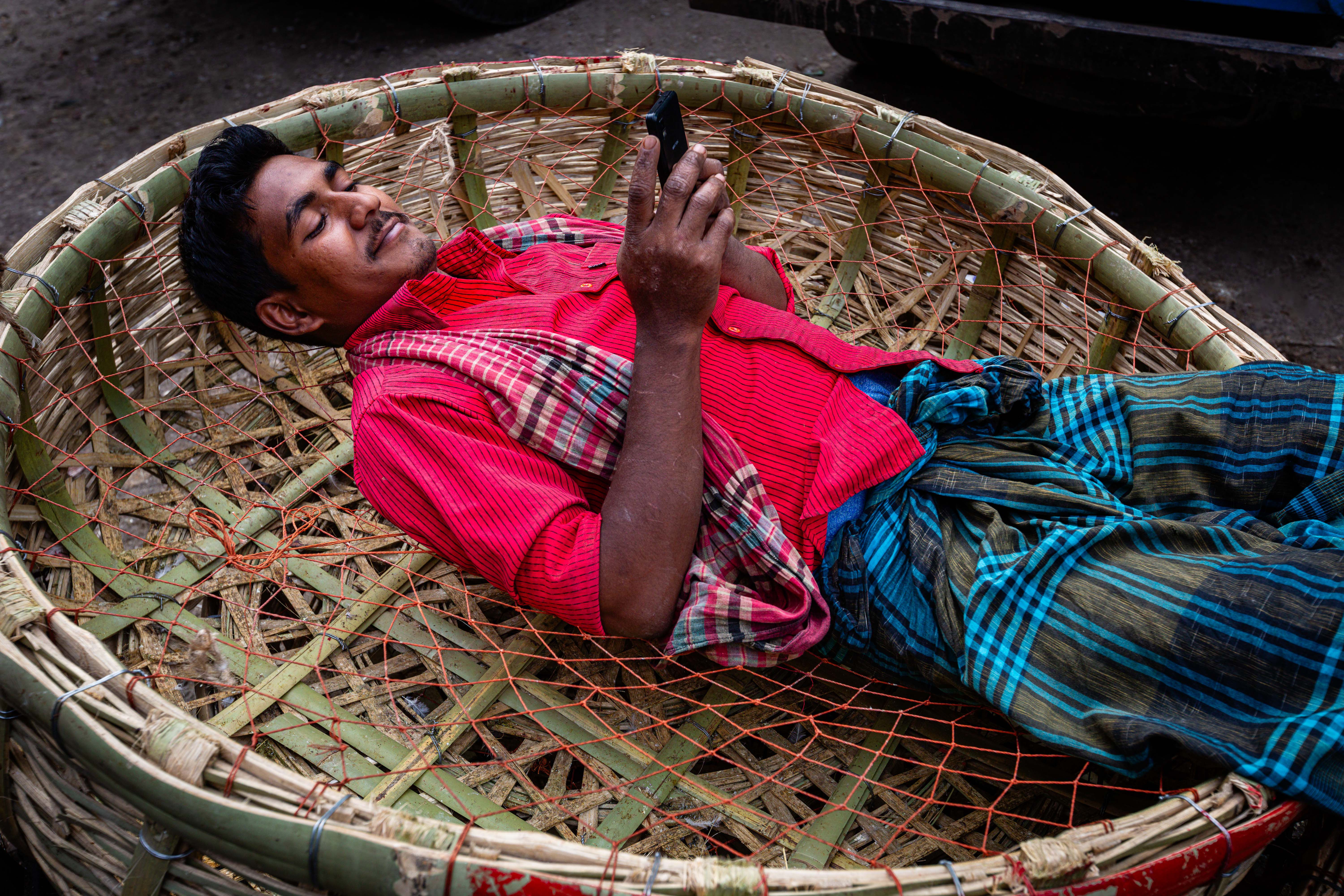
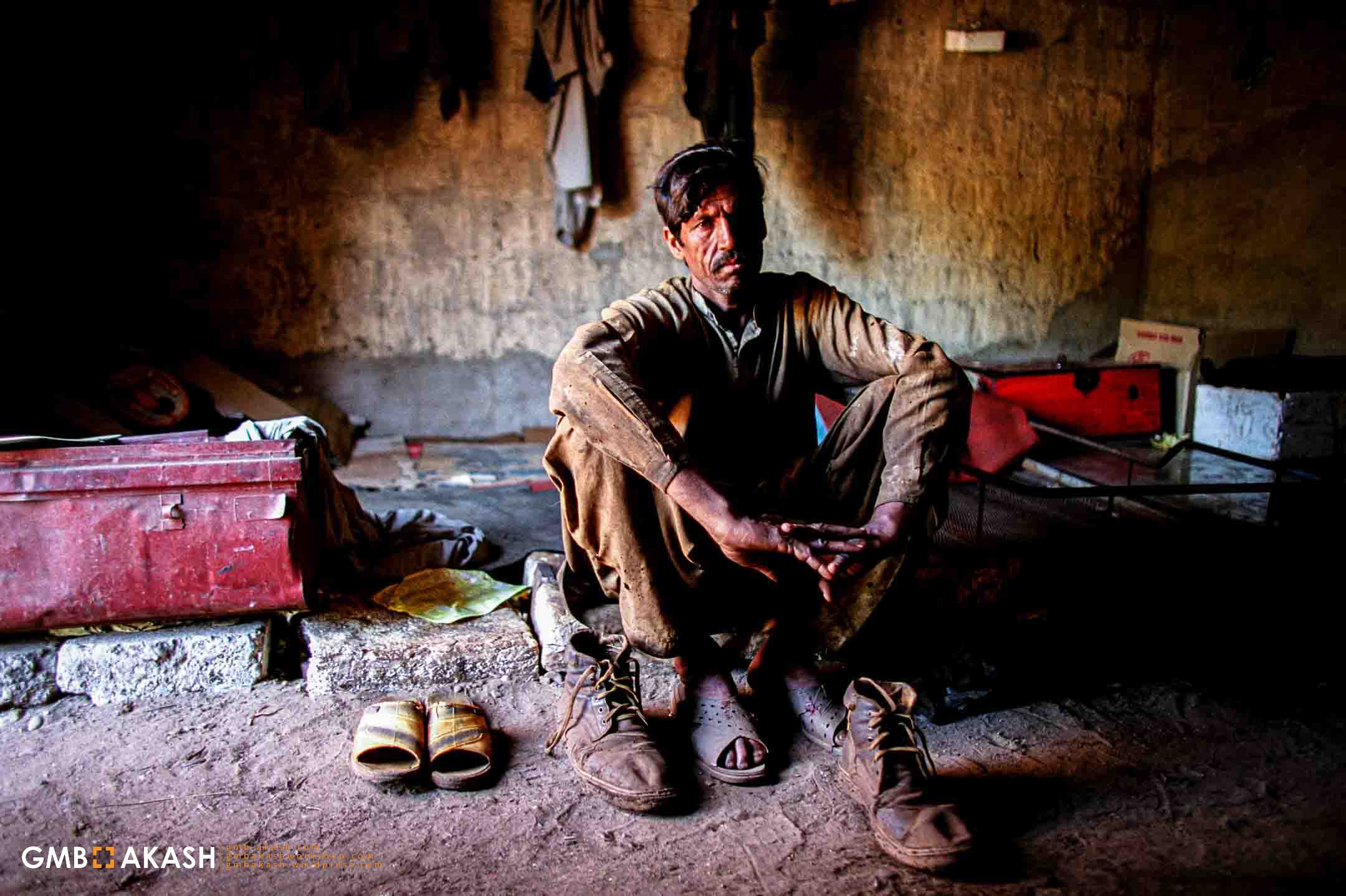
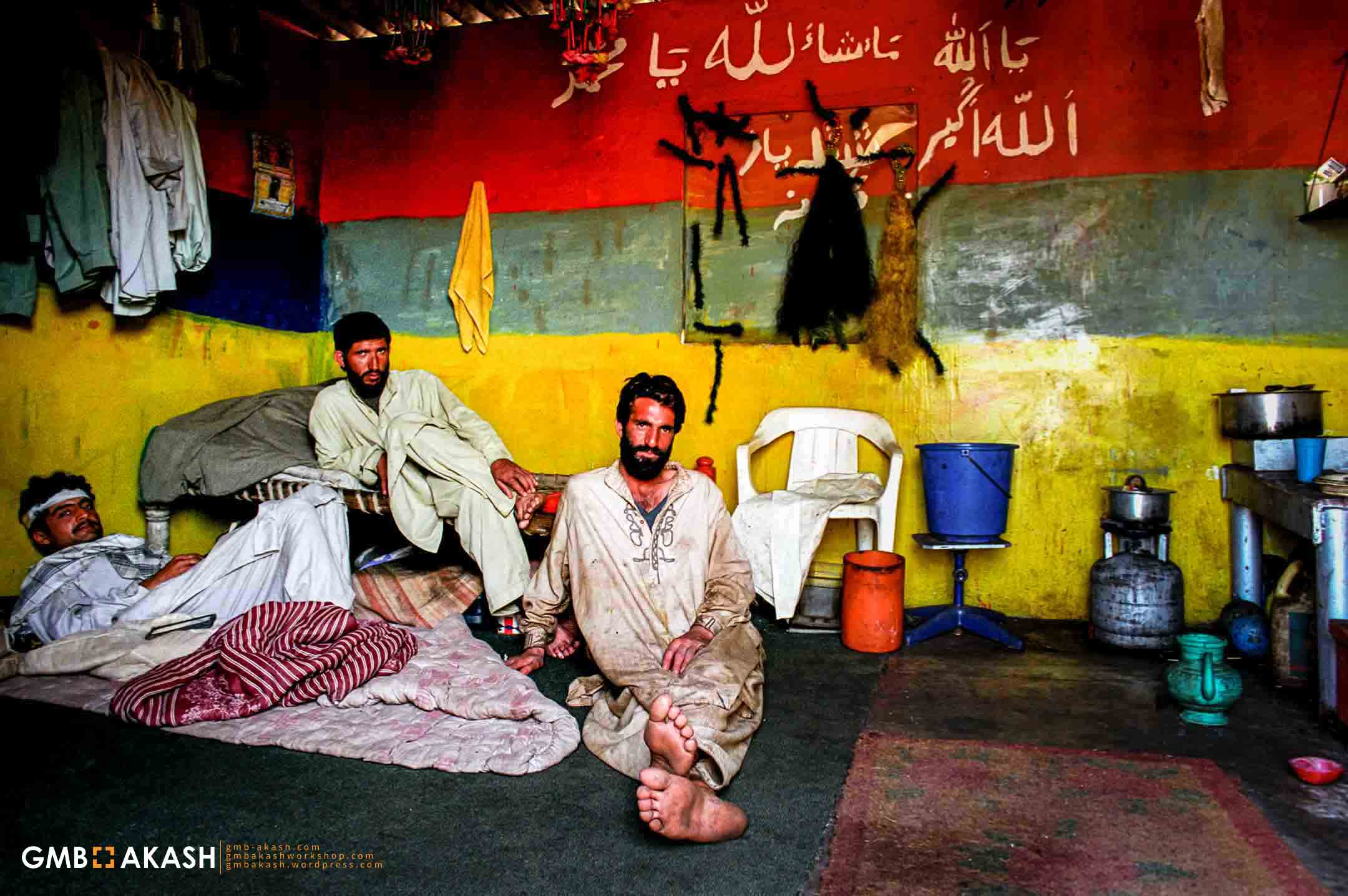
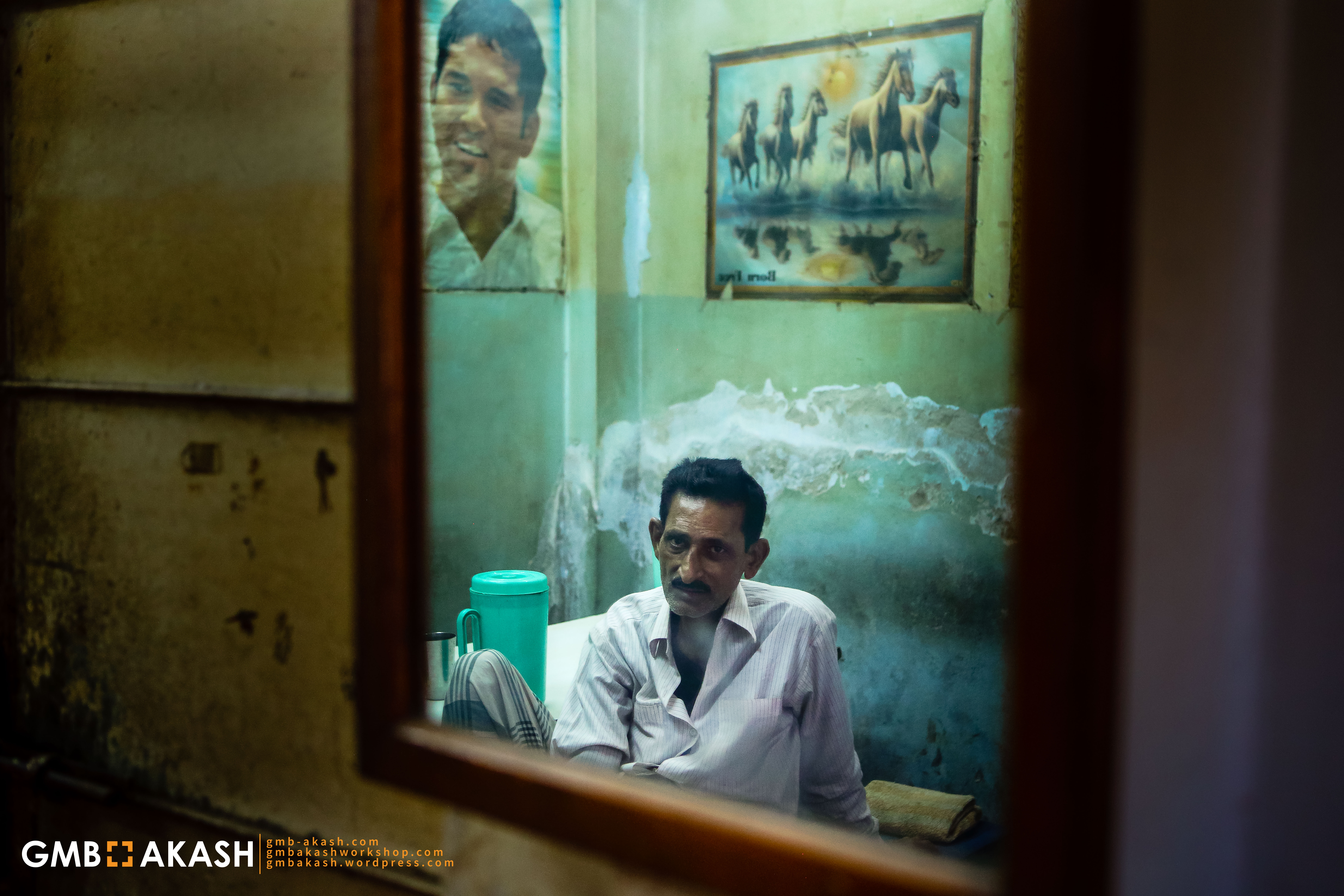
“Brother, our life is hard. We work from early morning until night. Last night, I couldn’t sleep for even a minute because of the heat. In the morning, I ate rice with just salt and water. But you know what? Every time we eat—even that—we say Alhamdulillah. We are grateful.”

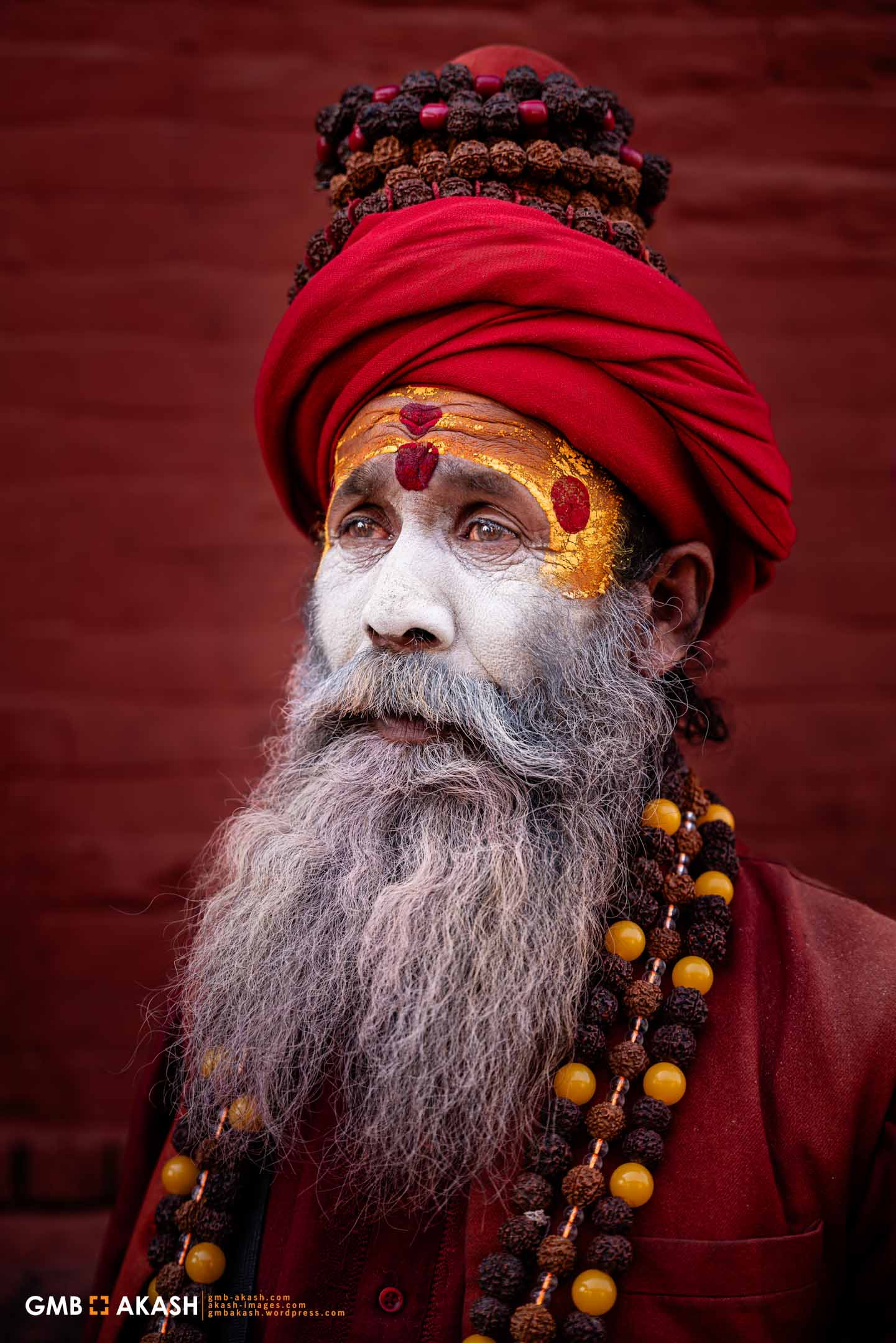
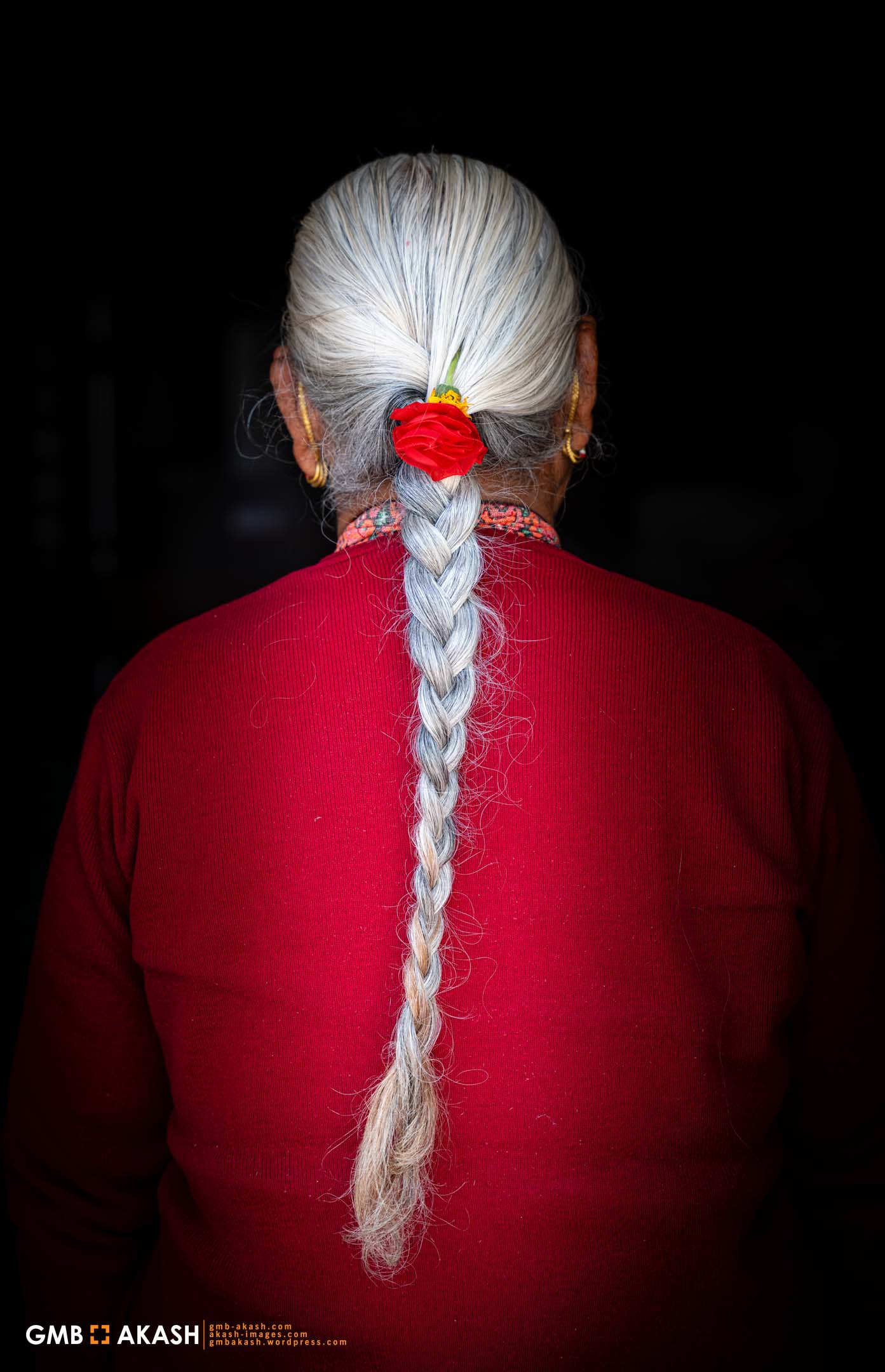
In their simplicity, I see greatness—rich in values, strong in spirit, and full of grace.

_ GMB Akash

I See Humans, Not the Poor!

People often blame me and say hurtful things because I photograph the working class instead of luxurious lifestyles, high-rise buildings, or beautiful beaches.

But I don’t see them as poor.
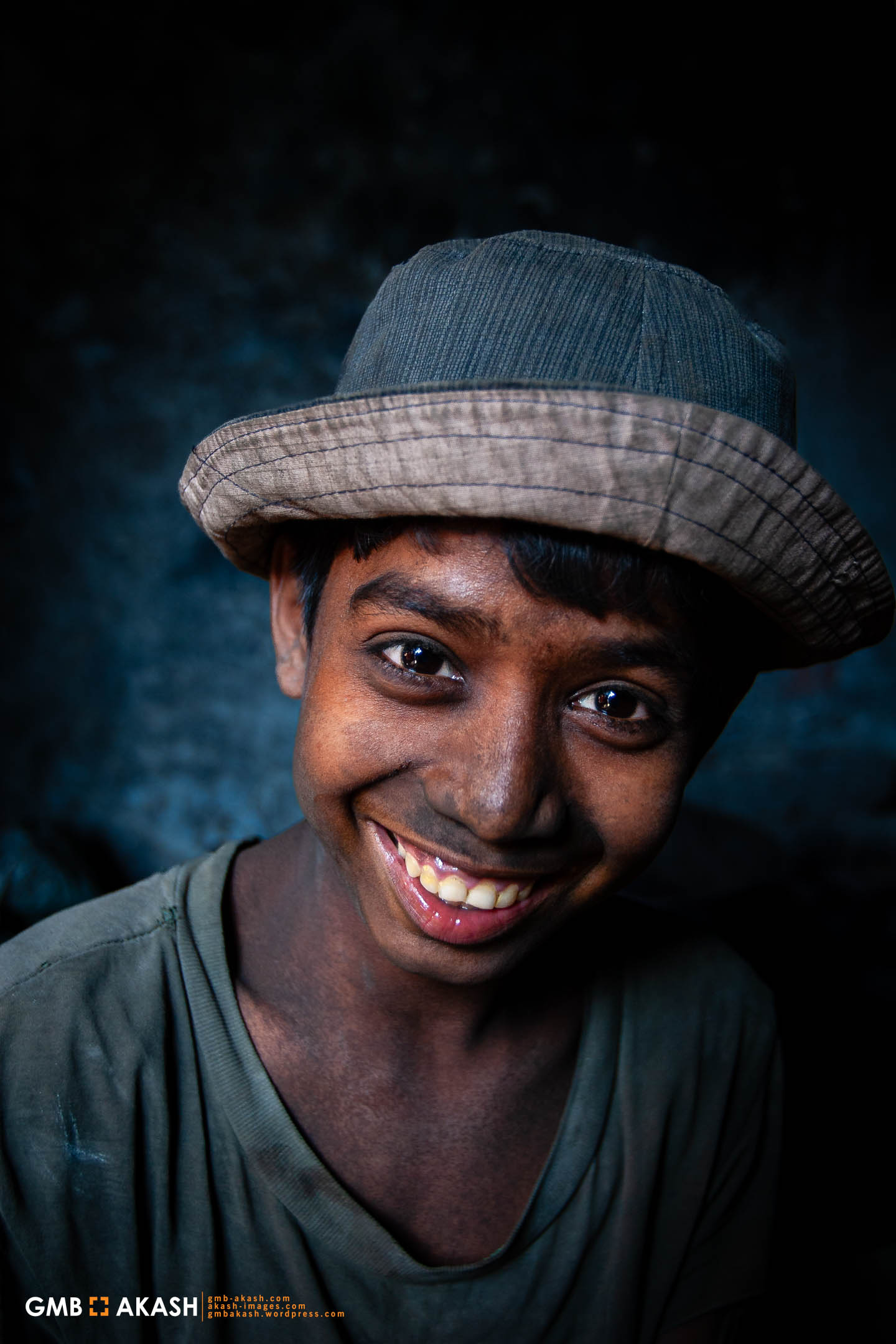
I see them as human beings full of strength, dignity, and resilience—people with fewer opportunities, not less value. They work endlessly for their families, without complaint, without rest. Even with little, they live with more hope and gratitude than most of us.

Many assume that those who have less are unhappy. But I’ve seen the opposite.
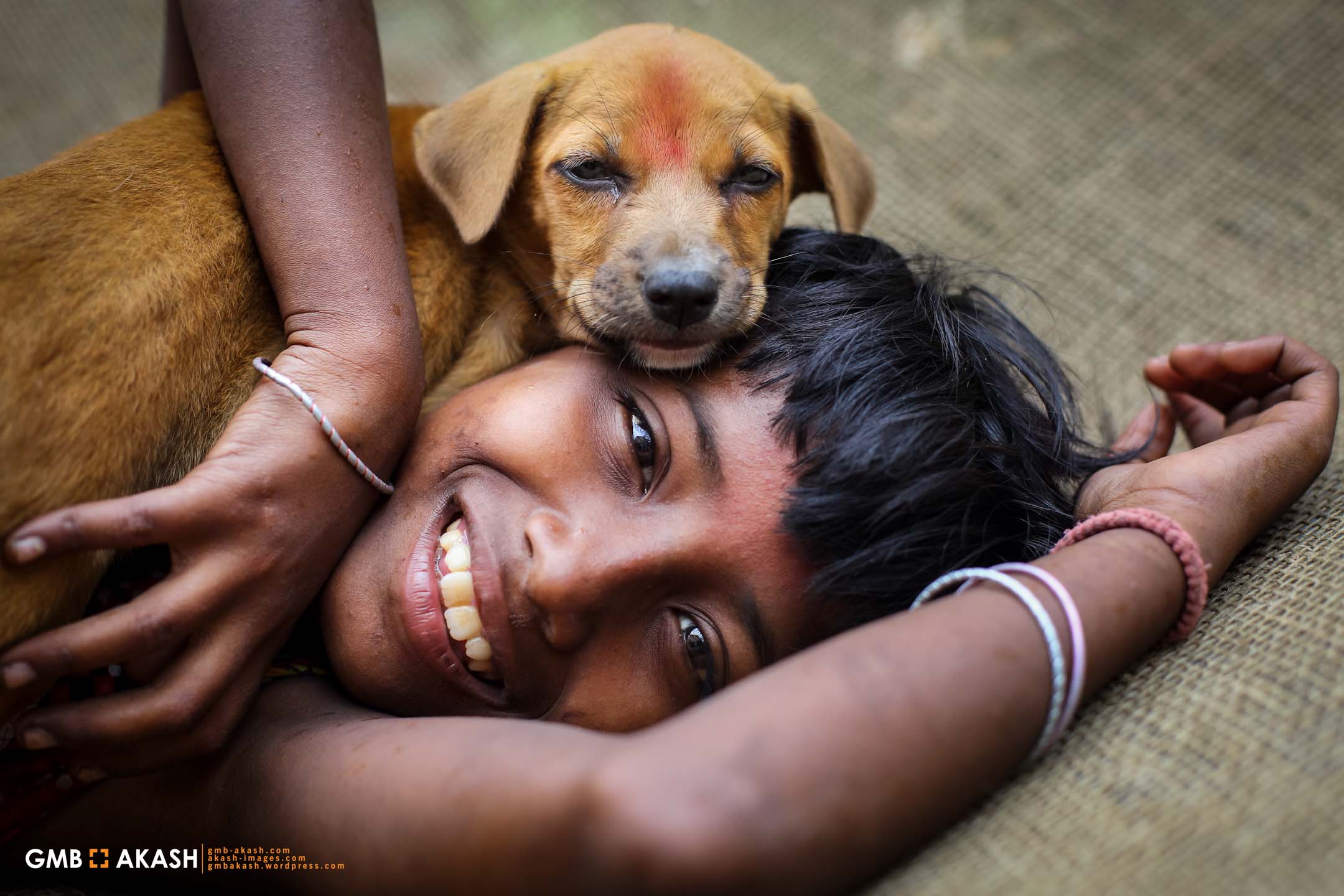
They don’t chase status or bank balances—they live for today and find joy in the smallest things.

From my childhood, I saw children working in factories. I saw workers trapped in endless cycles of low wages and long hours. I saw day laborers who build our cities with their hands, yet live invisible lives.

No one wanted to hear their stories.
No one cared to look.
But if they stop working, our world stops moving.

My mission has always been to create awareness—to tell stories that deserve to be seen.

I don’t capture poverty—I capture strength.
The strength to survive, to dream, and to never give up.

— GMB Akash

For the Ones Who Feel Invisible!

I’m sharing this from the heart—not to glorify myself, but to give strength to those who are walking alone. If you’re wondering whether honesty and hard work still matter—I promise you, they do.

Sometimes, I feel a quiet kind of pride. A peaceful dignity.
Not because I’ve achieved something extraordinary—but because I have lived free.
For the last 25 years, I’ve walked my own path. I never had a boss. Never had a godfather or godmother. No powerful friend to open doors or push my name forward.

Whatever little I have achieved—it came from honesty, hard work, and belief.
I never begged for work. I never flattered anyone to get ahead. I never asked to be promoted or praised. I only had my camera, my stories, and the love of the people I work for and with.

Yes, the journey was hard—lonely at times.
But I’ve never compromised.
And that is my greatest achievement.

I’ve seen people rise fast—some with little passion but big connections.
I’ve seen awards, exhibitions, and fame handed over easily—while many real artists remain unseen.
But I still believe… that truth cuts through the noise.

That if you stay honest and keep doing the work that matters, your voice will find its way.

So to those who are struggling—to those who feel invisible:
Stay true. Be patient. Trust your journey.

Let your work speak before you do.

That’s the kind of success that no one can take away from you.

_ GMB Akash

Not to Sadden, But to Awaken.

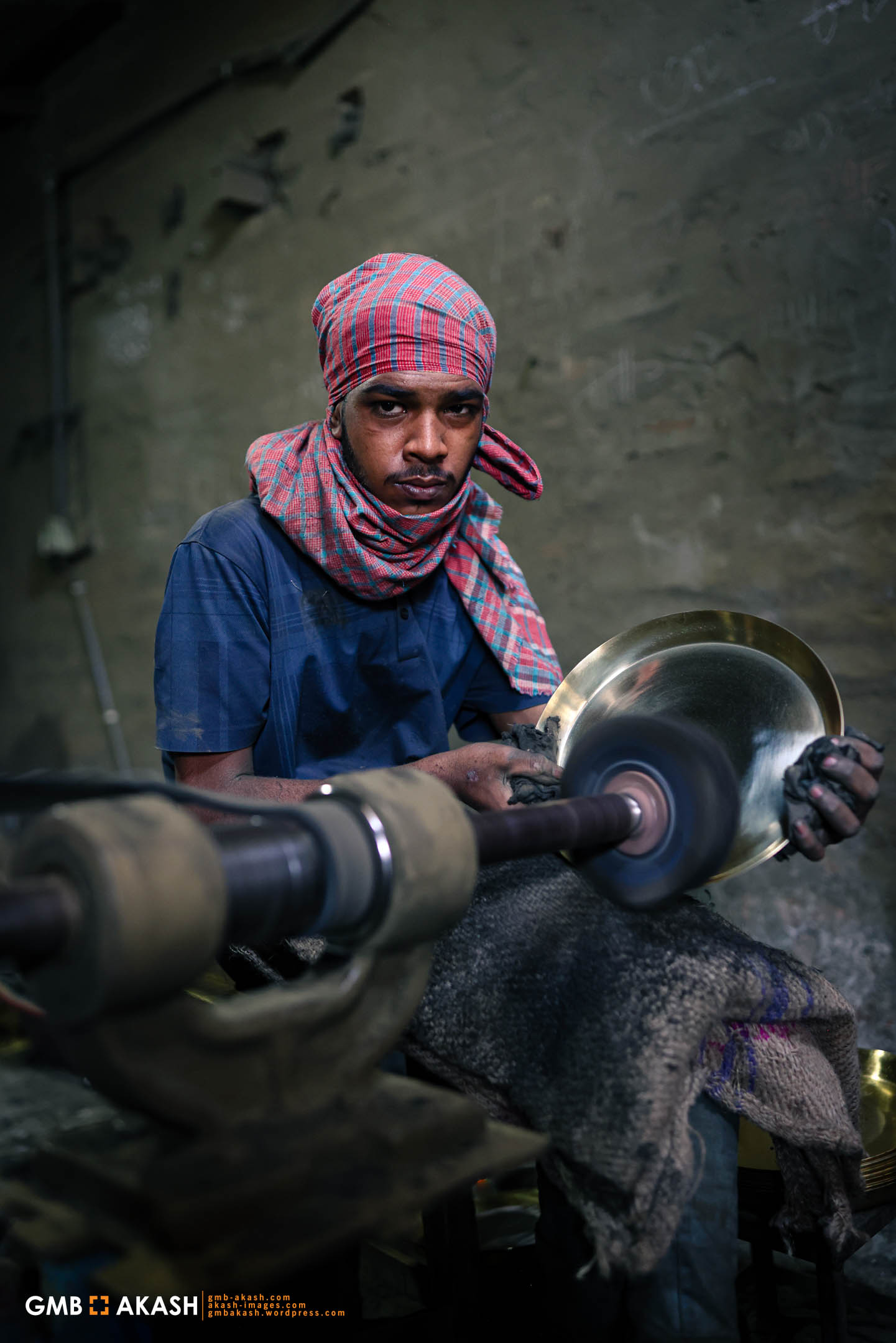
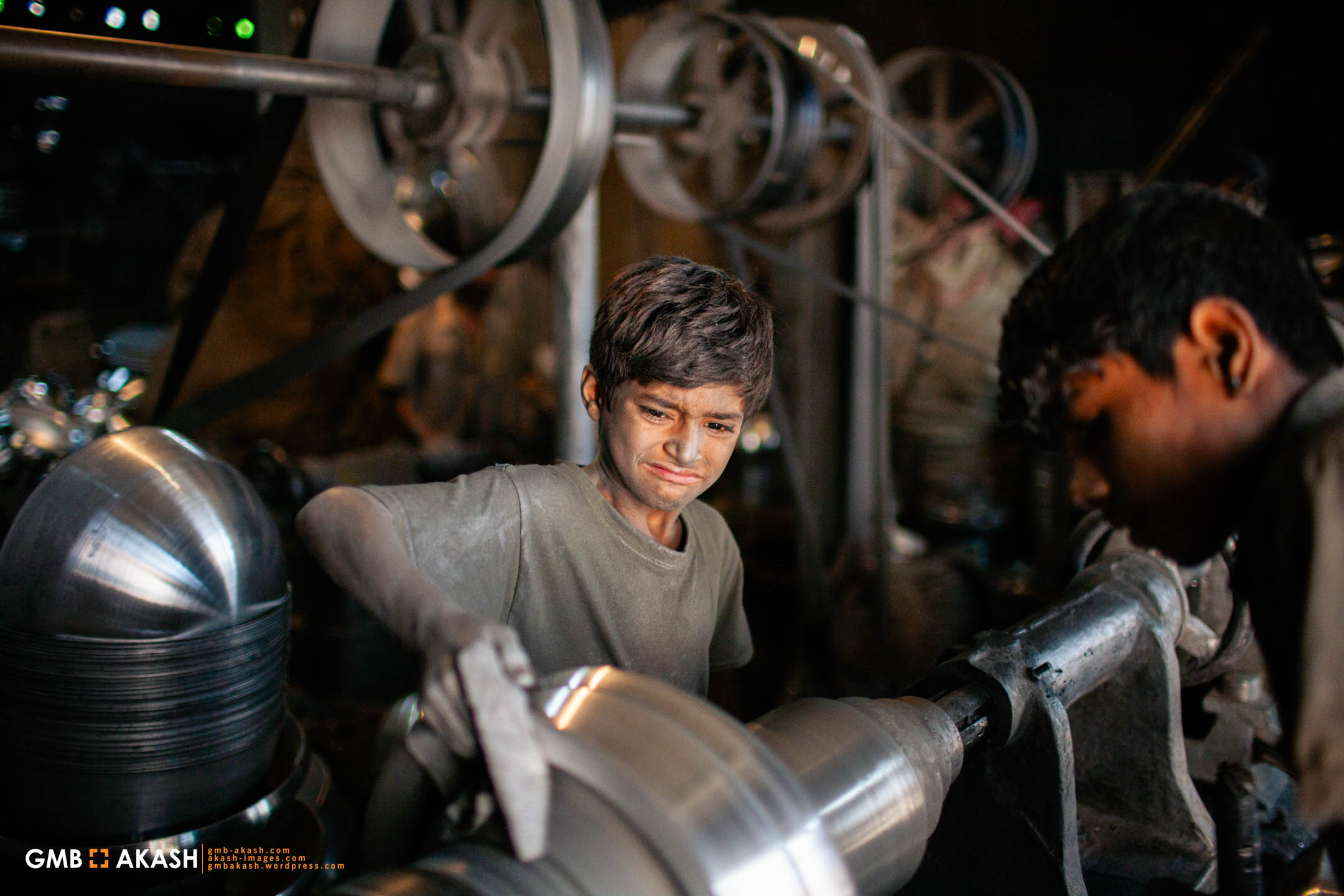
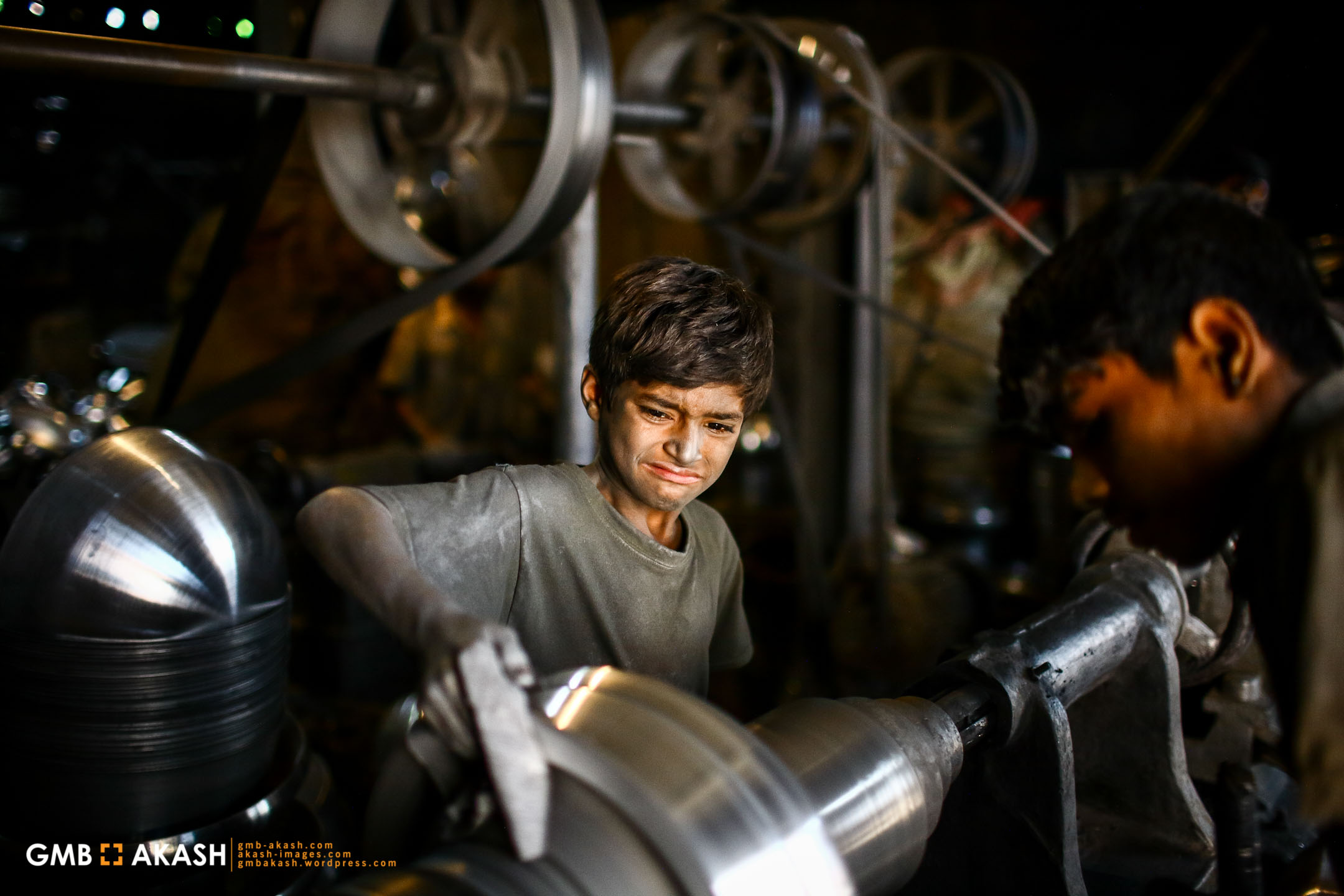
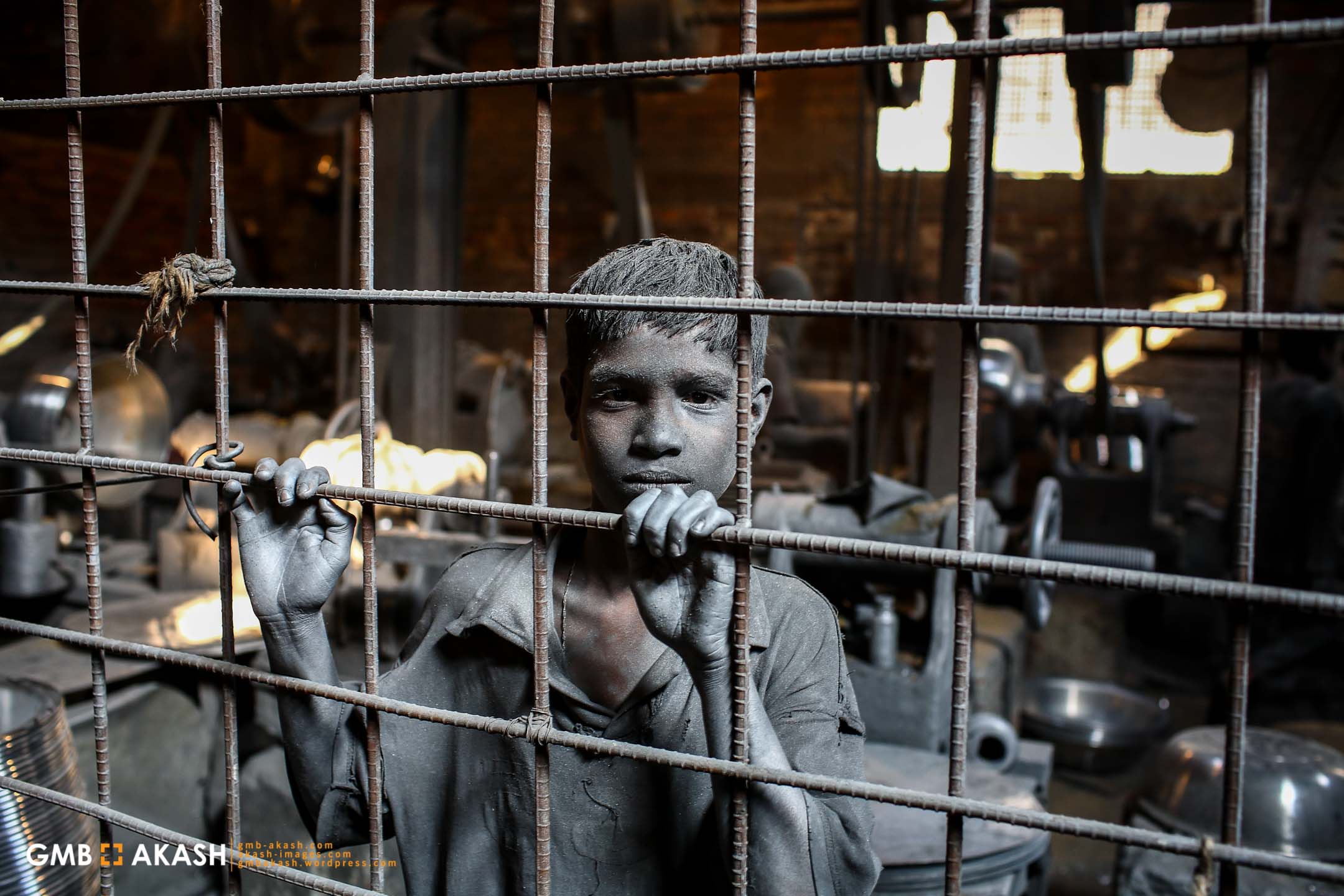
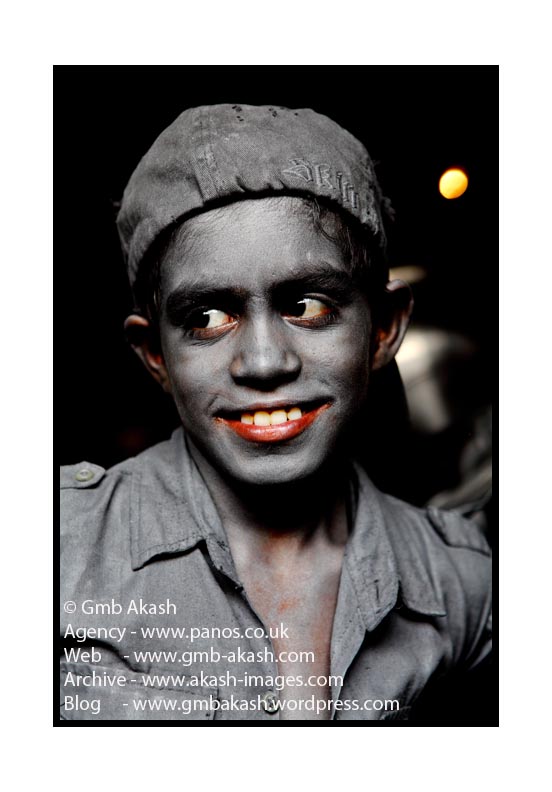
The workers are working in an aluminum cooking pot manufacturing factory in Dhaka.

I don’t photograph struggle, suffering, or the lives of the underprivileged to make people sad.
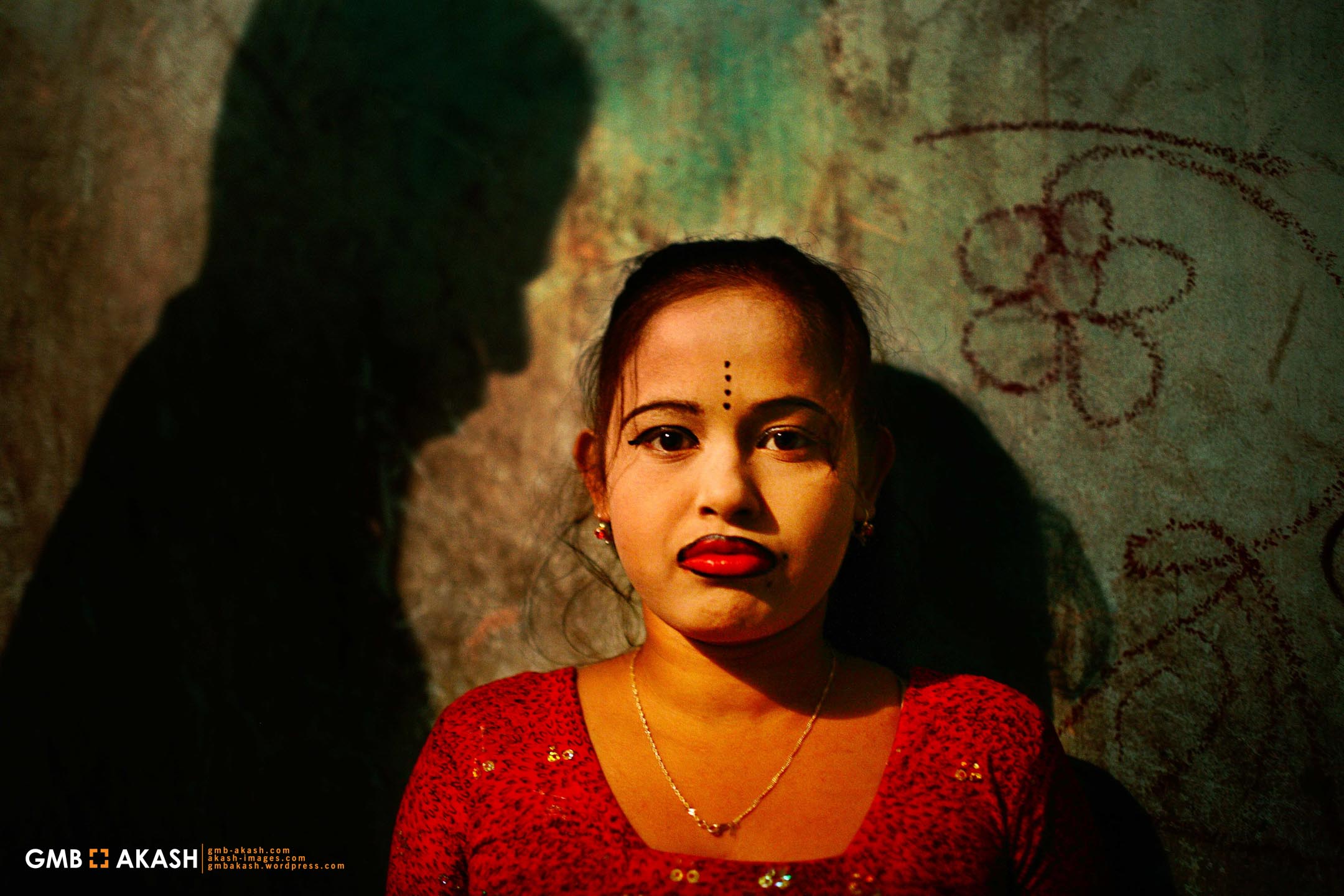
I create to open eyes—to reveal the unseen strength, quiet beauty, and unshakable resilience of those who have so little, yet carry the weight of the world with unmatched courage and grace.

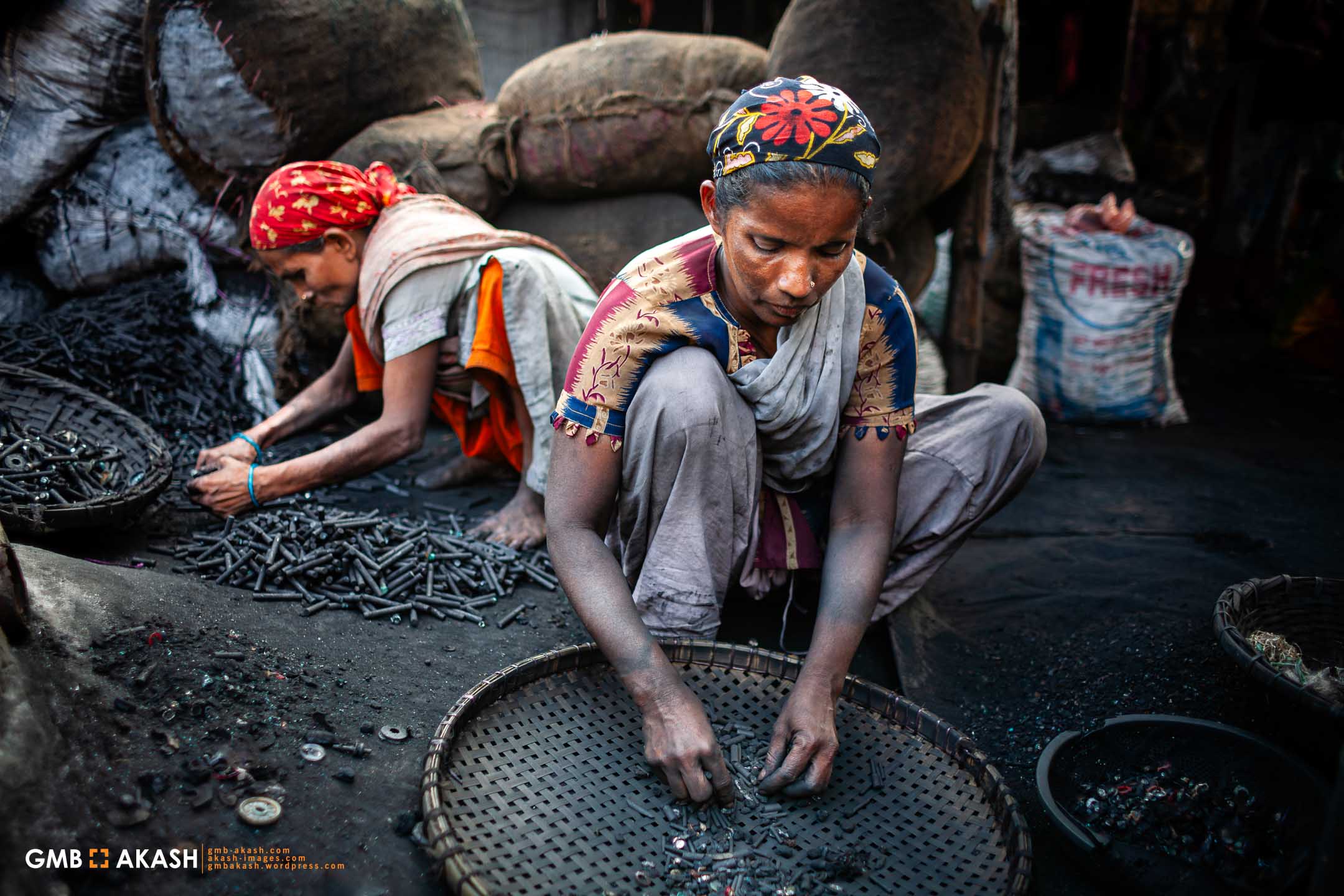
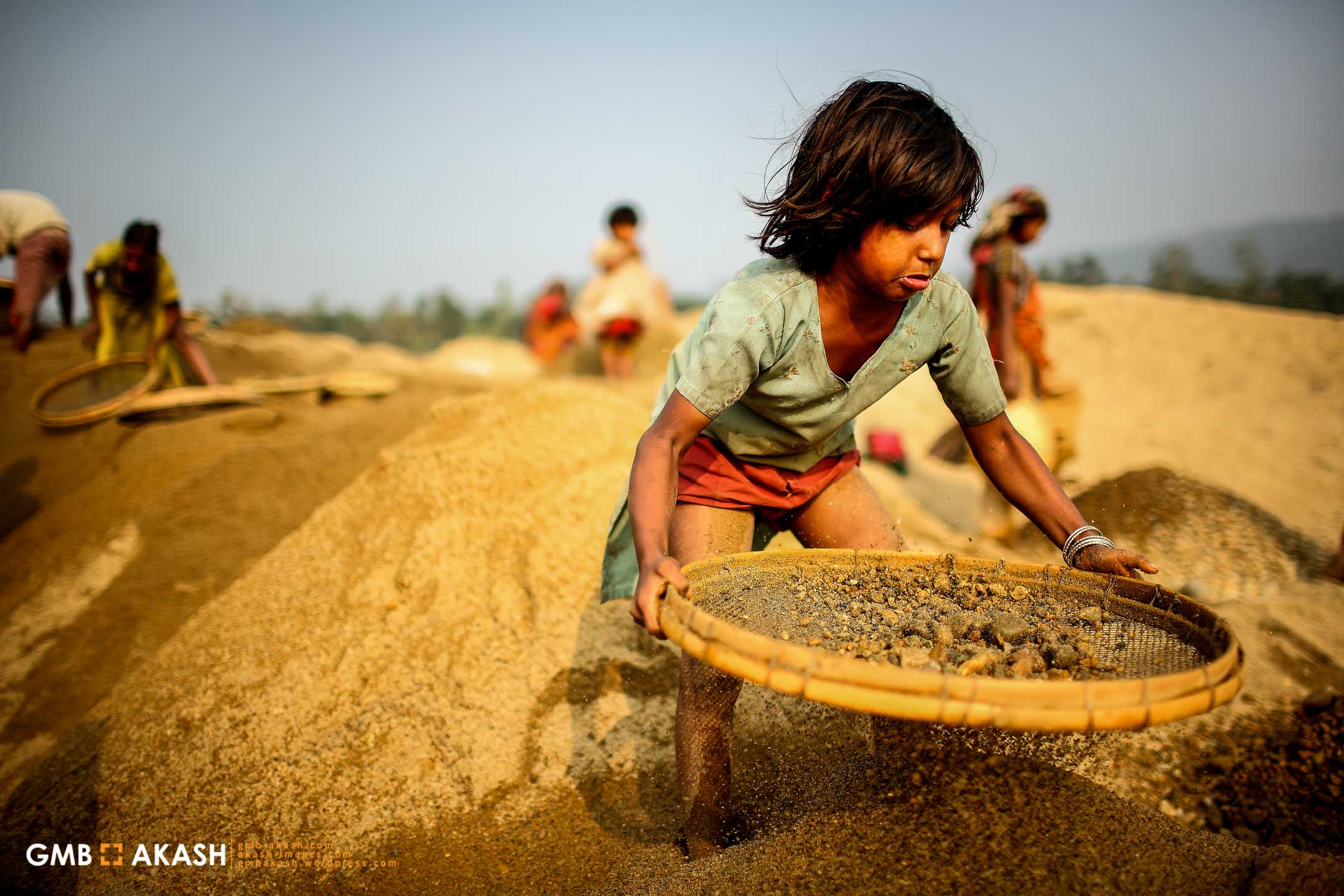
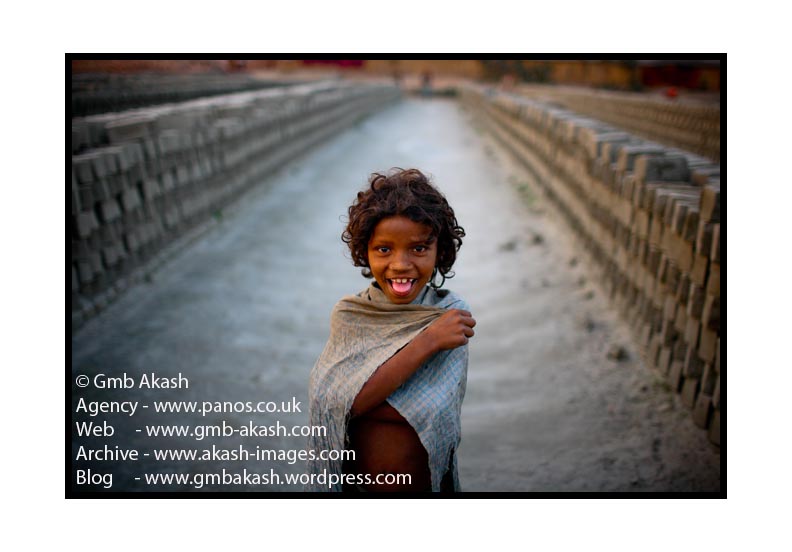
A girl child is working in a factory where they make screws for construction in Dhaka, Bangladesh.

Yes, pain is real. But so is hope.
And sometimes, a single image can awaken something deep within us—a sense of empathy, a moment of reflection, or the courage to change.

If my work can touch even one heart, it has fulfilled its purpose.

— GMB Akash

Telling Stories the World Wants to Ignore!

The kind of photography I do isn’t easy to sustain. Year after year, it takes everything from you.

People often say my photos are too sad or too heavy. They show poverty, pain, and struggle—realities many would rather not see. In a world that prefers beauty, luxury, and curated happiness, my images make some uncomfortable. They don’t hang on walls. They don’t sell. But they are real.

Still, I keep going.

Why?

Because someone must. Because these stories matter. Behind every image is a life that deserves to be seen.

As documentary photographers, we walk a lonely road. There is no industry behind us. No brands sponsoring our purpose. We carry our own weight—travel, gear, food, everything—because this work demands it. Not for profit, but for truth.

I want to bring positive change.
To show what must not continue. To highlight what needs our attention. If my work inspires someone to care, to act, to be more human—that’s the true reward. That’s the meaning of all our sacrifices.

This work isn’t easy, but it is necessary.
And as long as I have a camera, I’ll keep telling stories that matter.

_ GMB Akash

I Chose Purpose Over Promotion!

There was a time when I didn’t know better.

I thought saying yes to promotions and endorsements would help me grow, make me more visible. I said yes a few times — to brands, companies, campaigns — without truly understanding what I was becoming a part of.

But slowly, I started to feel uncomfortable.
I saw how my face, my story, my name were being used — not to inspire, but to sell.
And sometimes, what was being sold wasn’t even true.

So I stopped.

I’ve made mistakes. I’ve taken wrong turns. But I’ve learned from each one of them. I’m still learning. I’m not perfect — just trying to stay honest in a world that often rewards the opposite.

Today, I say no to every offer that doesn’t align with my values — even when it comes with more money than I could ever imagine.

Because I didn’t become a photographer to sell things.

I became a photographer to serve people — to tell the stories that often go unseen.

I don’t want to use people to make a living. I want to use my lens to give them dignity and voice.

I live a simple life. I don’t have much.
But I carry what matters most — self-respect, truth, and peace of mind.

This is not a criticism of anyone else’s choices.
Everyone walks their own path.
This is simply mine.

And if sharing this helps even one person stay true to who they are, then it’s worth saying out loud.

We may not have much in our hands.
But if we have honesty in our hearts,
we already have everything.

_GMB Akash

Photographing What Hurts, Because It Matters!

I know many people don’t like my work on social media.
Because it stirs emotions.
Because it asks uncomfortable questions.
Because it reminds us of the humanity we often forget.

My photos don’t entertain — they confront.
They reveal painful truths: suffering, inequality, and the silent struggles of those left behind.

For 25 years, I’ve known my work may not get thousands of likes or shares.
But I’m not here for validation.
I’m here to create change — to honor resilience, to share stories of hope, and to remind us not to look away.

It’s easier to scroll past than to face reality.
Easier to pretend everything is fine.

But I will never stop.
Even if no one listens, even if no one thinks it matters — I will keep going.

Because life isn’t only about our own comfort.
Because caring is also living.
Because empathy still matters.

And I will keep showing what truly matters — until my last breath.

_GMB Akash

A Torn Dictionary, a Second-Hand Camera, and a Thousand Untold Stories!

From the very beginning of my journey, I was captivated by the images of Salgado, James Nachtwey, Reza Deghati, Alex Webb, David Alan Harvey, Cartier-Bresson — masters who told human stories with truth and soul.

Many of them used Leica. But for me, it was never just about the camera. It was about what they saw — the dignity, the depth, the human connection. Leica became a symbol of that kind of storytelling. Quietly, I dreamed of holding one someday.

But my beginning was far from any dream.

I started with a used Yashica FX-3 — my father’s old family camera. I didn’t even know photography could be a profession. No mentor. No internet. No books. Just an English manual — and I barely understood the language.

When I couldn’t afford a translator, I bought a torn, second-hand dictionary and taught myself both English and photography. Word by word. Frame by frame. With only hunger, heart, and hope.

I had one 50mm lens. Later, I borrowed gear from anyone who trusted me.

I gave tuition to buy film. Skipped meals to save for processing.

I shot weddings and fashion — not because I loved it, but to fund the work I truly cared about: telling the stories of people the world often overlooks.

At night, I turned our bathroom into a darkroom.

I developed rolls under red light until sunrise.

I spent years walking through slums, garment factories, brickfields, train stations, refugee camps, and forgotten alleys.

I entered brothels, disaster zones, hidden corners of cities, and remote villages — the kind of places people were too afraid to go.

I sat with people society ignored. I didn’t just photograph them — I listened.

It wasn’t easy. My fingers ached when I couldn’t shoot. My chest felt heavy.

Photography wasn’t what I wanted to do — it was what I needed to do.

And now, after 25 years, I’ve finally bought a Leica.

It’s not just a camera.

It’s a symbol of everything I’ve lived through — every roll, every story, every step.

This isn’t a story about gear.

It’s a story about purpose.

About belief, compassion, and never giving up.

— GMB Akash

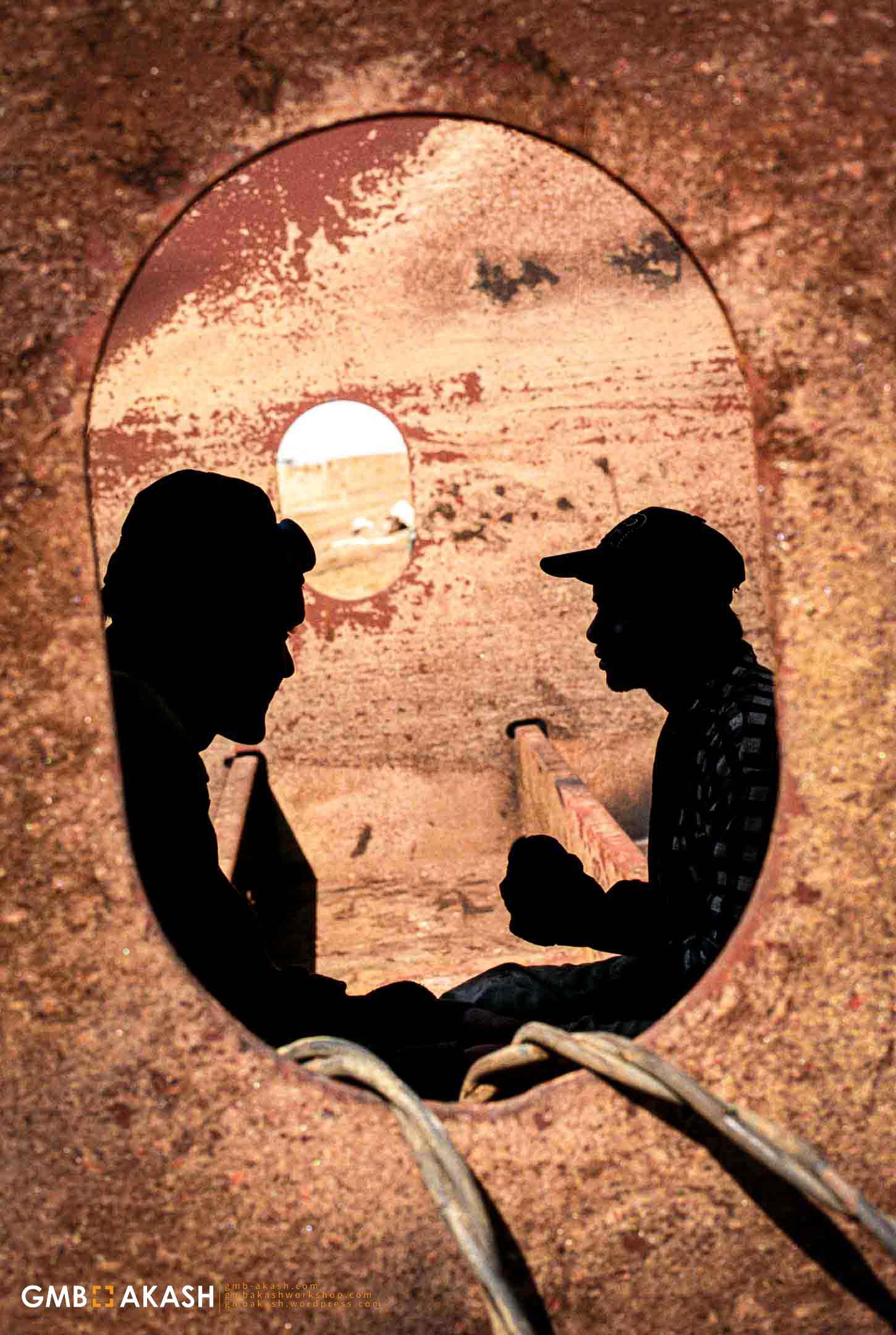
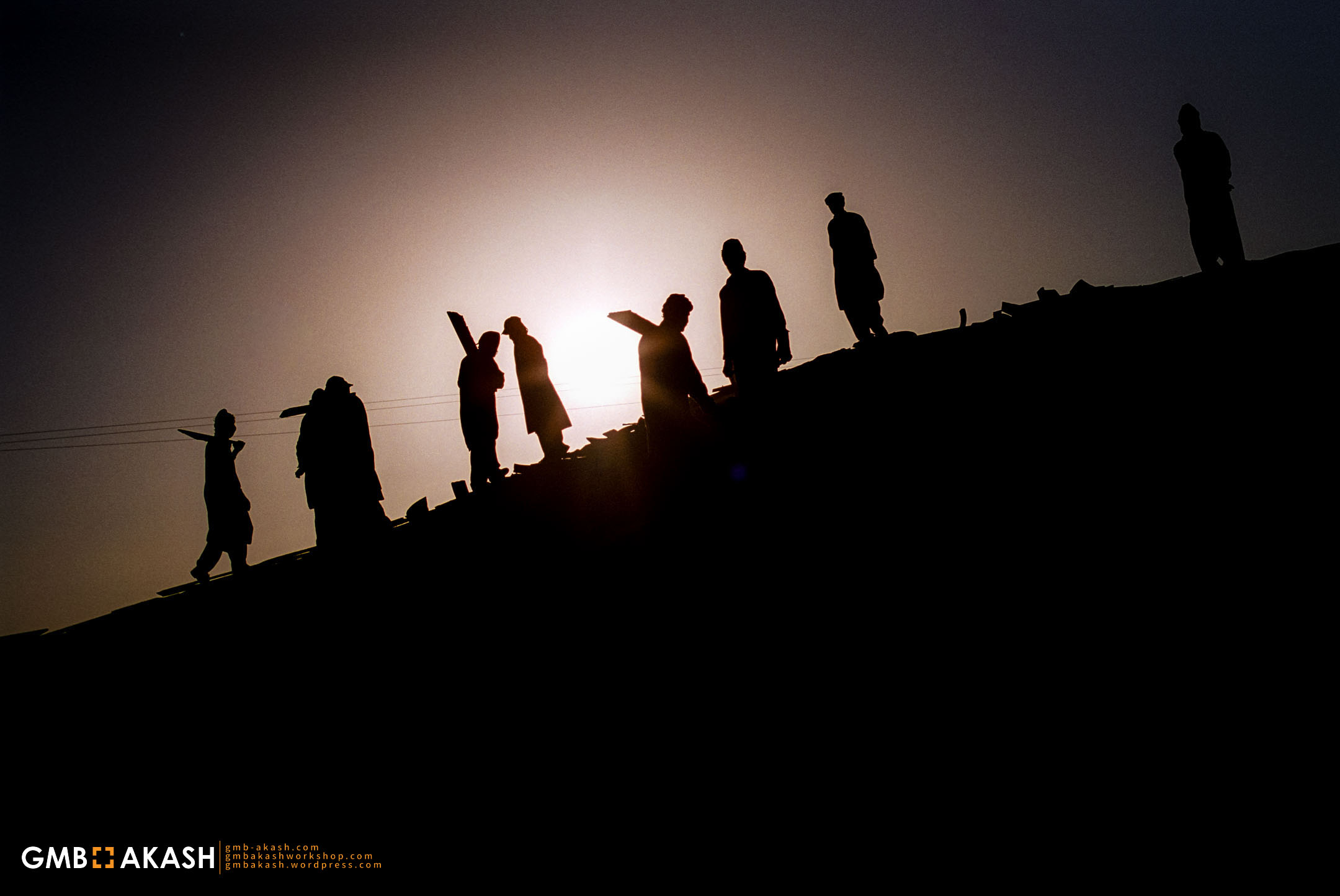
Dhaka’s Shipyard – Where Steel Meets Survival!

By GMB Akash

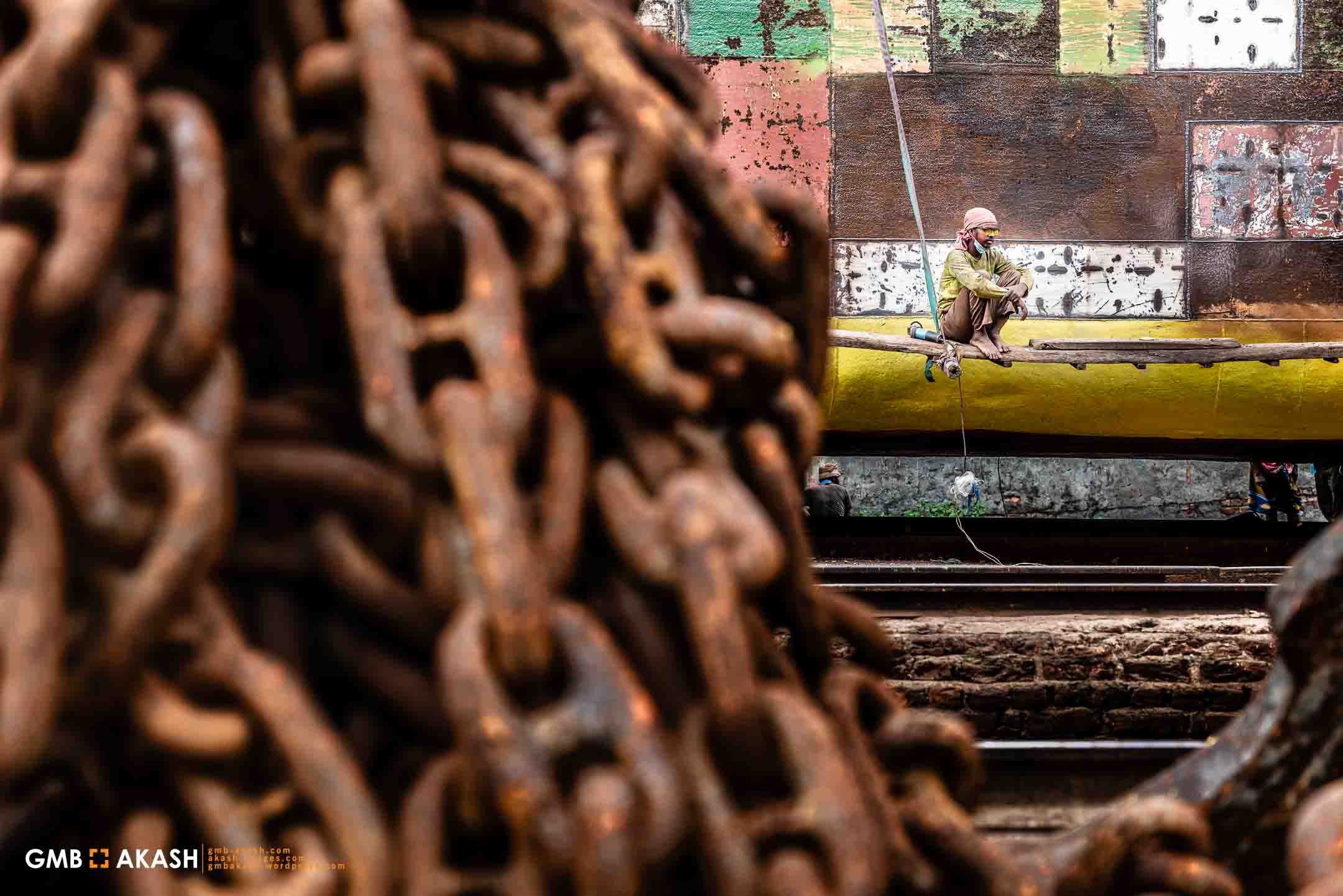
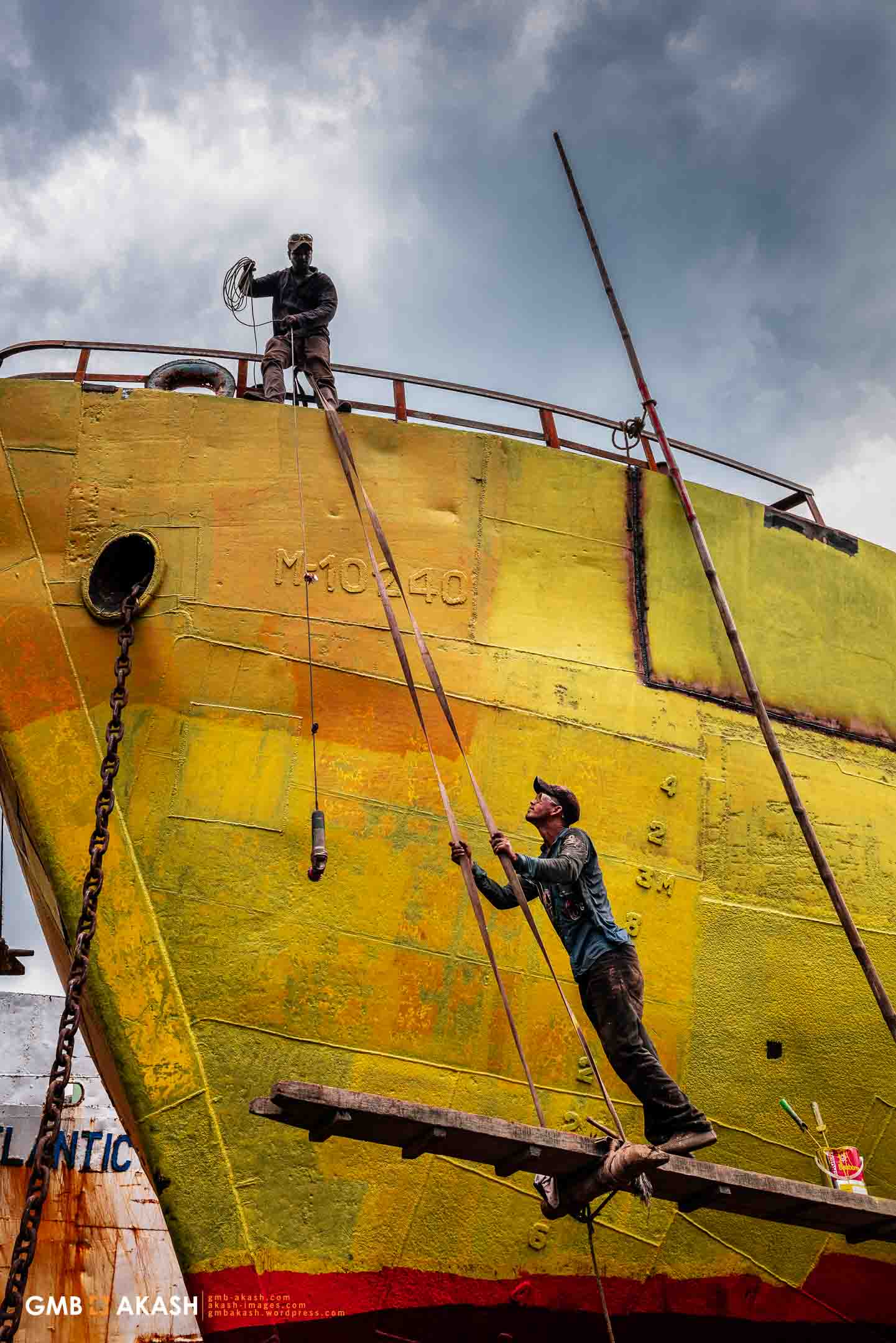
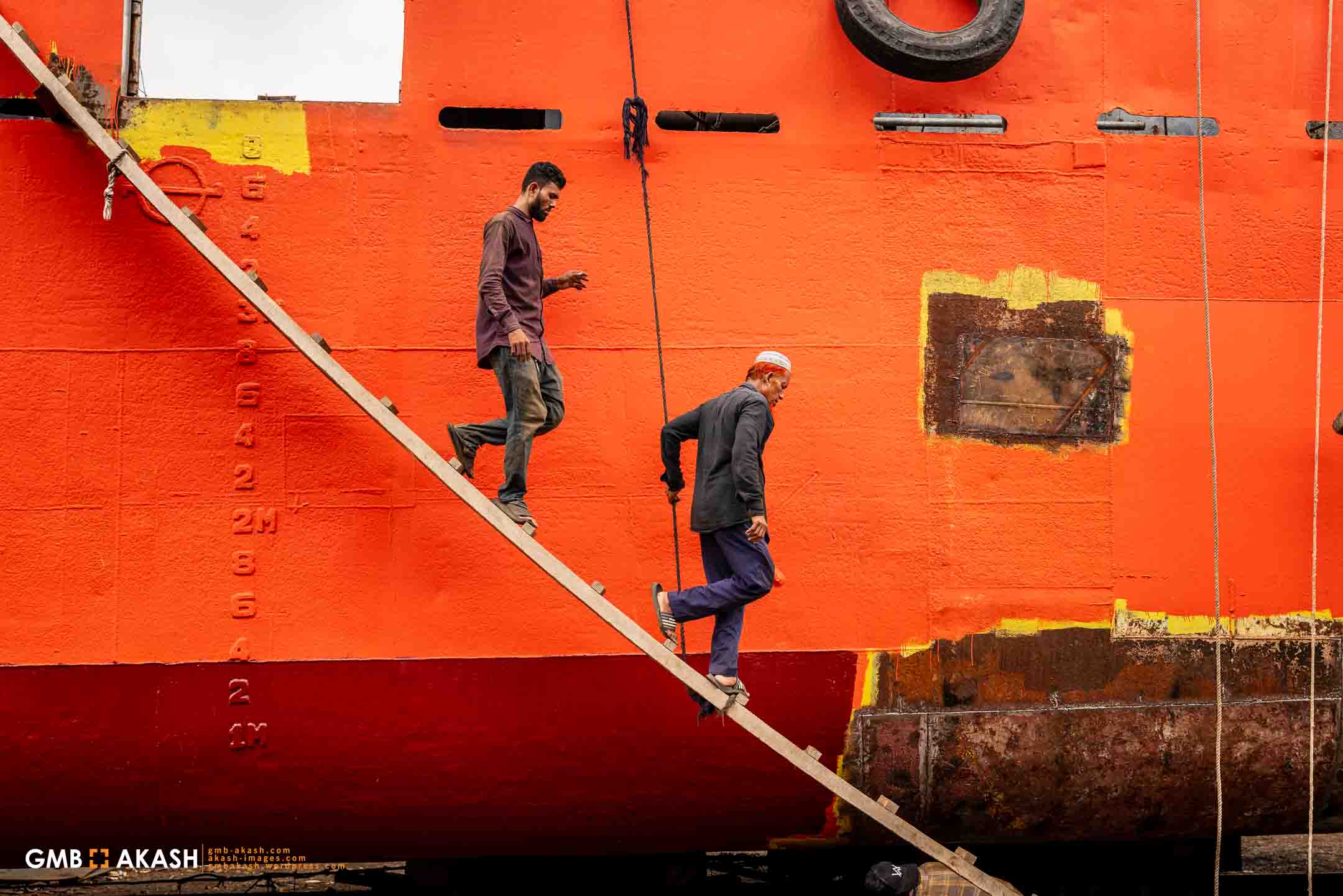
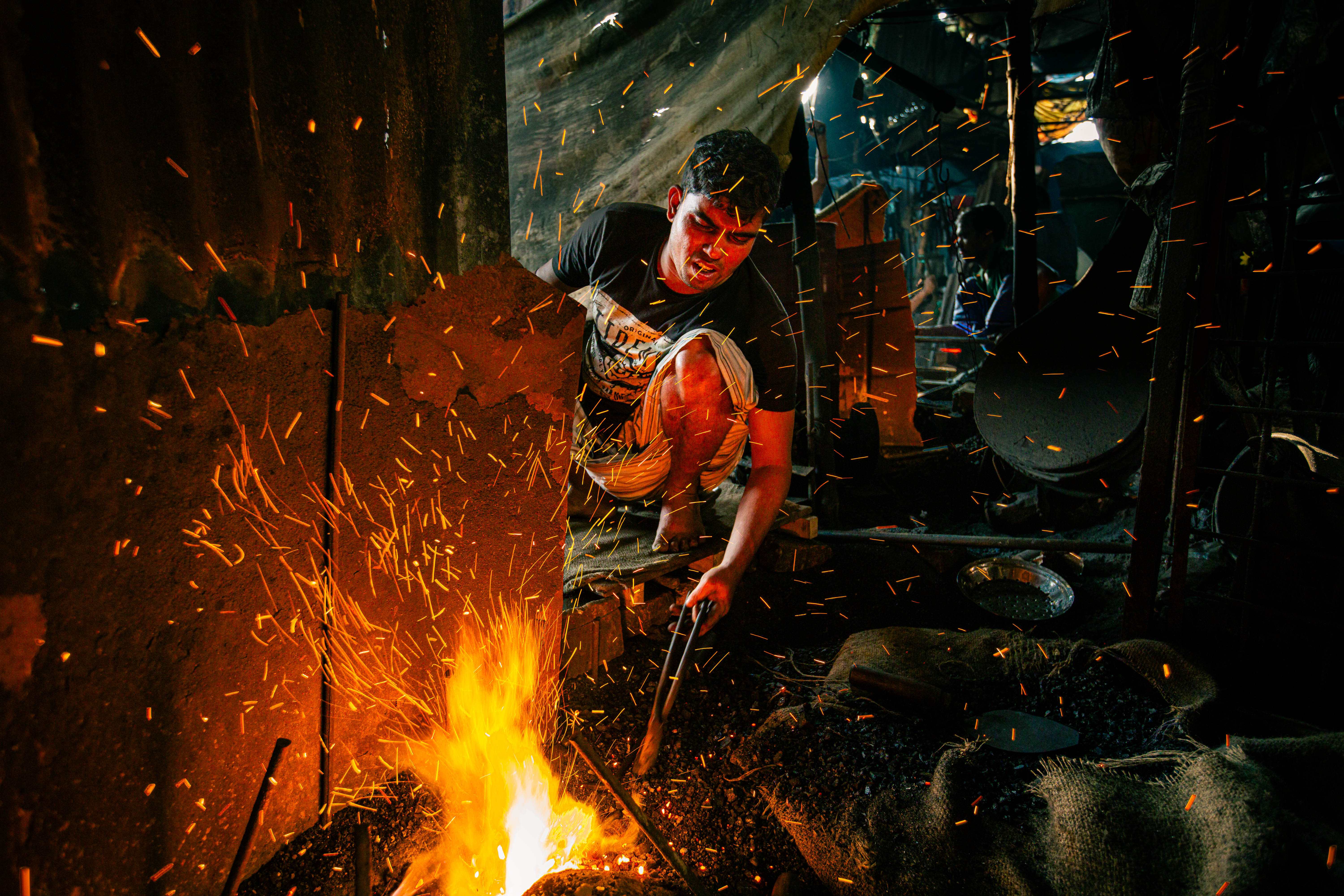
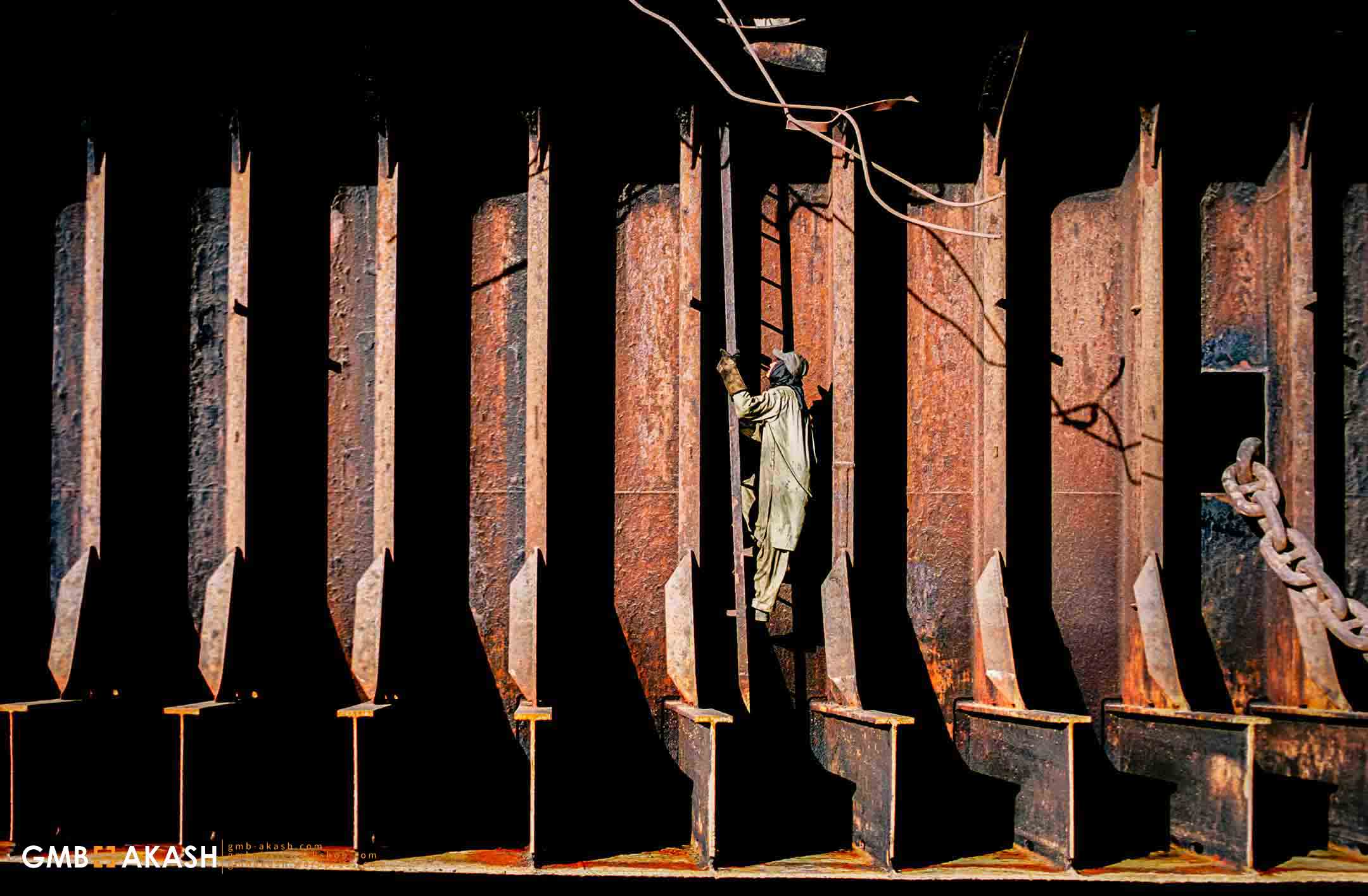
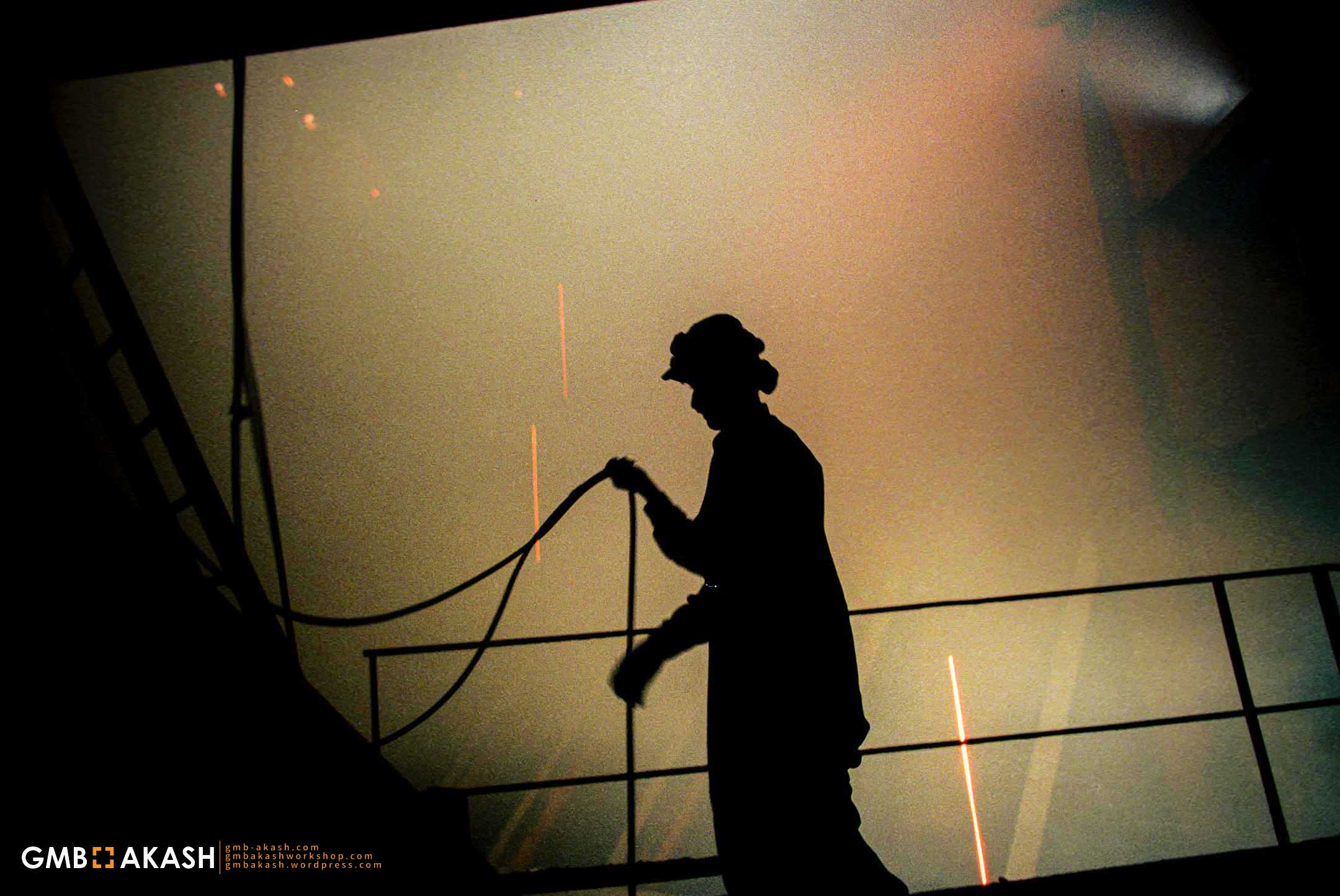
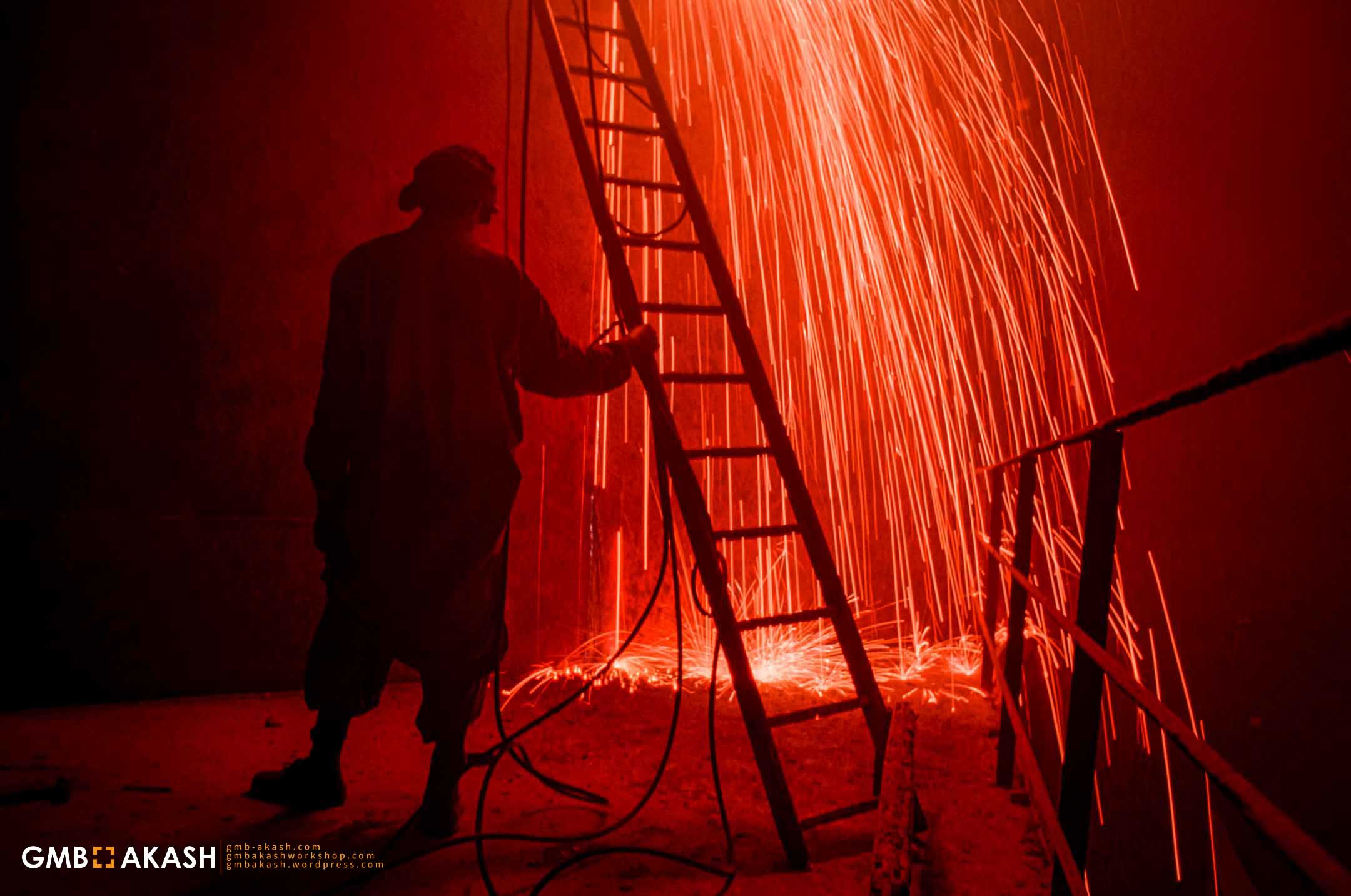
Along the Buriganga River in Dhaka, giant ships are repaired and rebuilt—not by machines, but by men with bare hands and unbreakable spirits. The shipyard is a world of fire, metal, and endless noise, where thousands of laborers work without safety gear, earning just enough to survive.

Most come from distant villages, chasing a better life. They sleep beside the ships they mend, risking everything each day. Over 200 ships are repaired here every year—fueling our economy, but costing these men their youth, health, and often, their dreams.

In their silent struggle, I see courage. In their worn faces, I find stories the world needs to know.

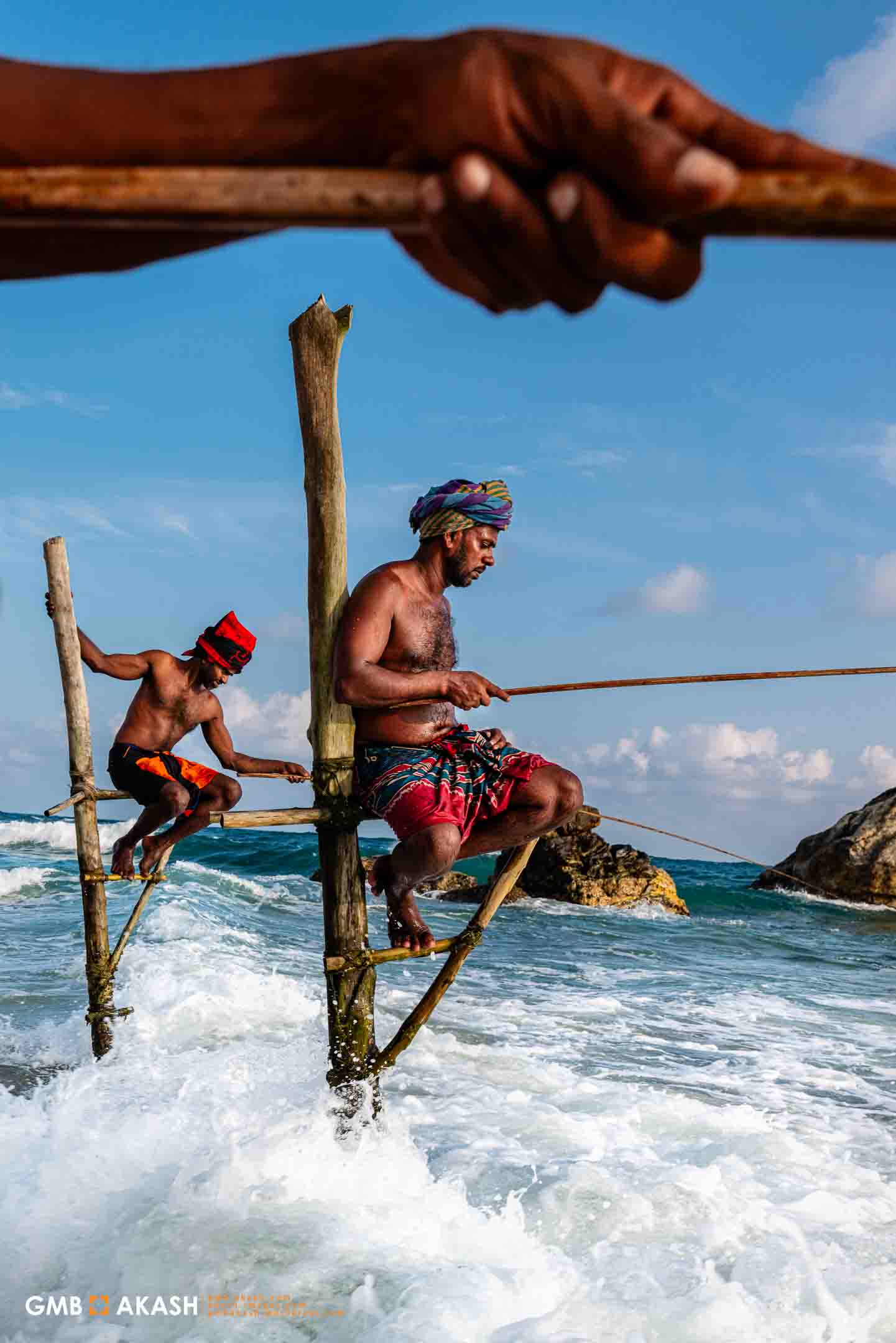
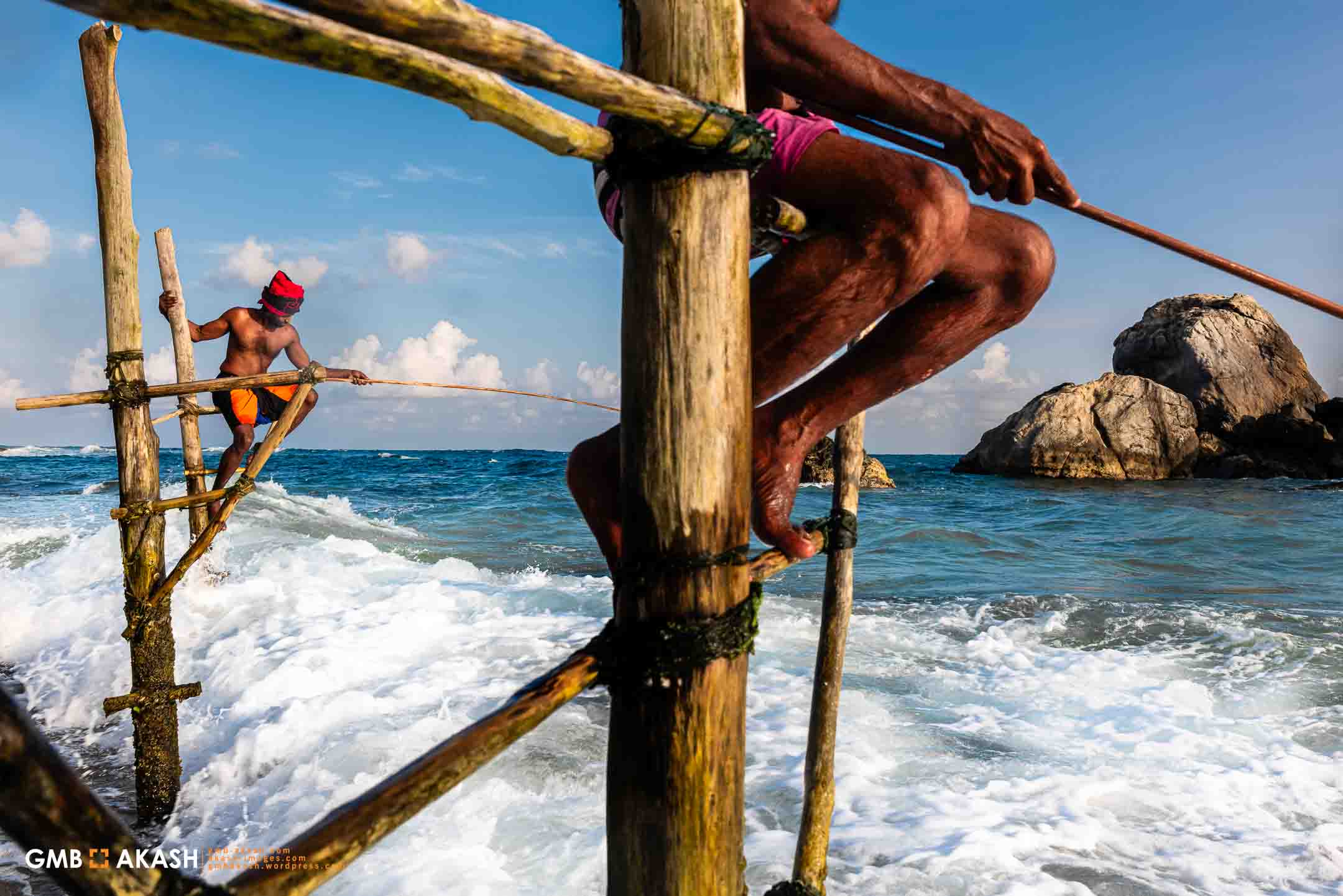
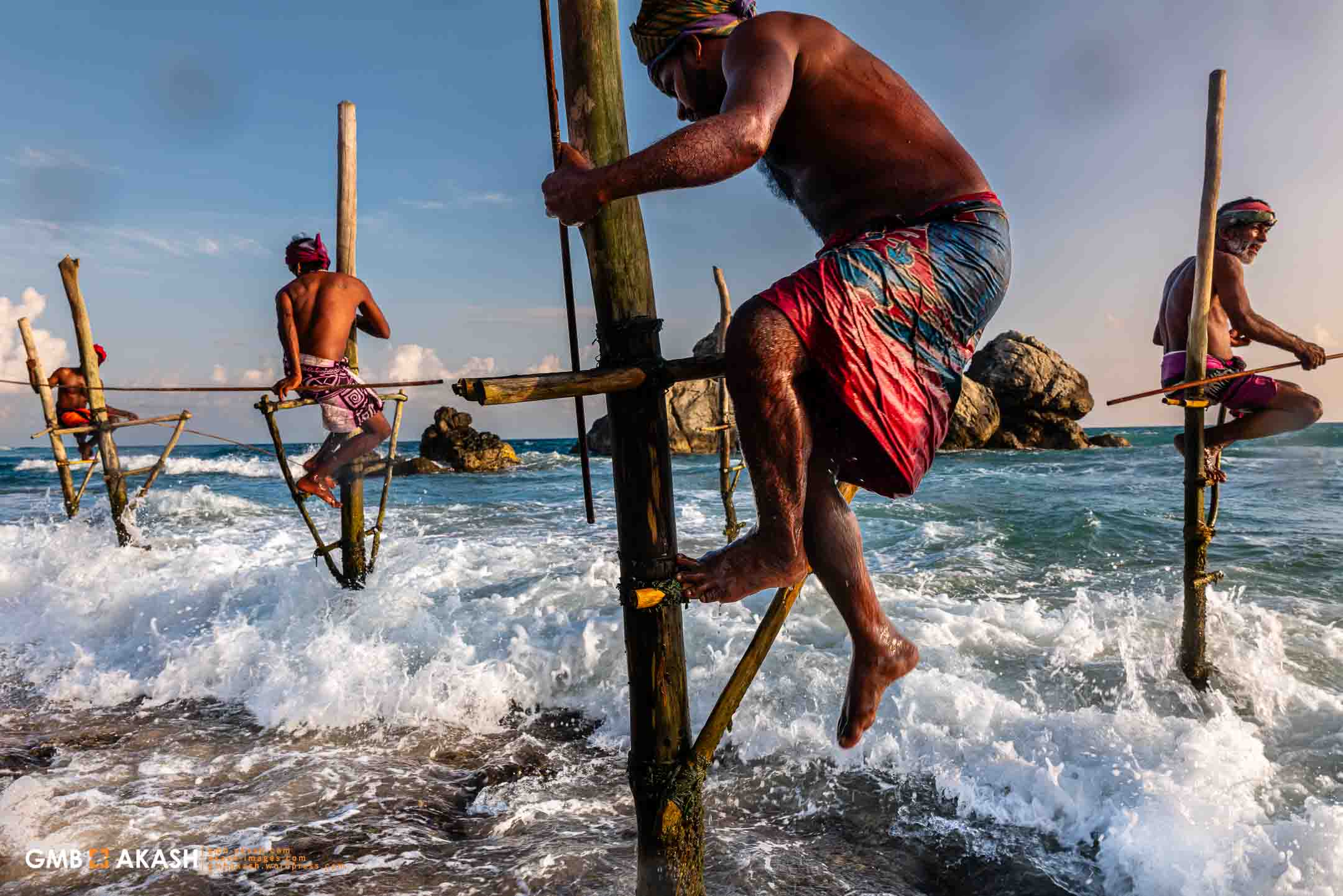
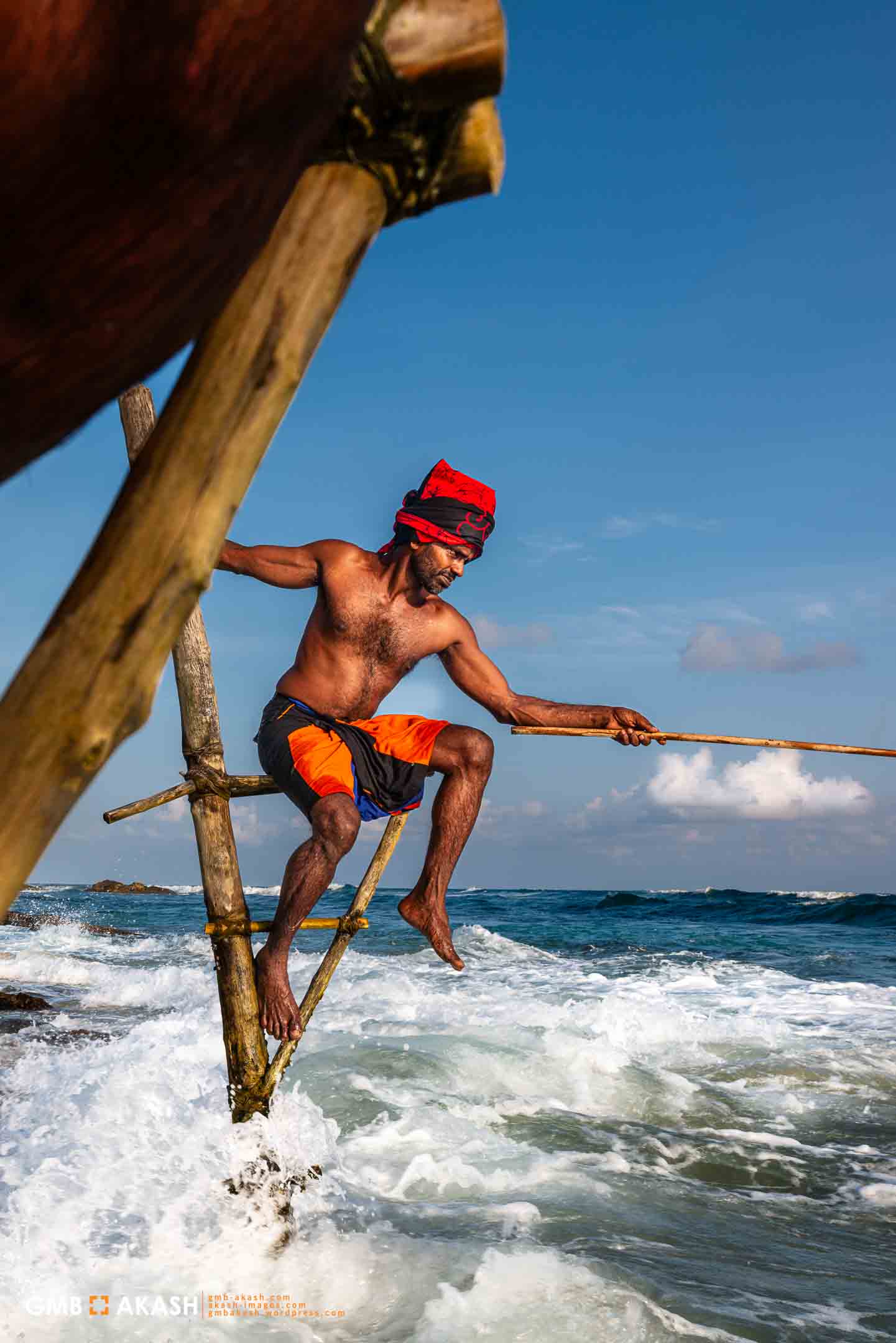
Stilt Fishing in Sri Lanka – A Vanishing Tradition!

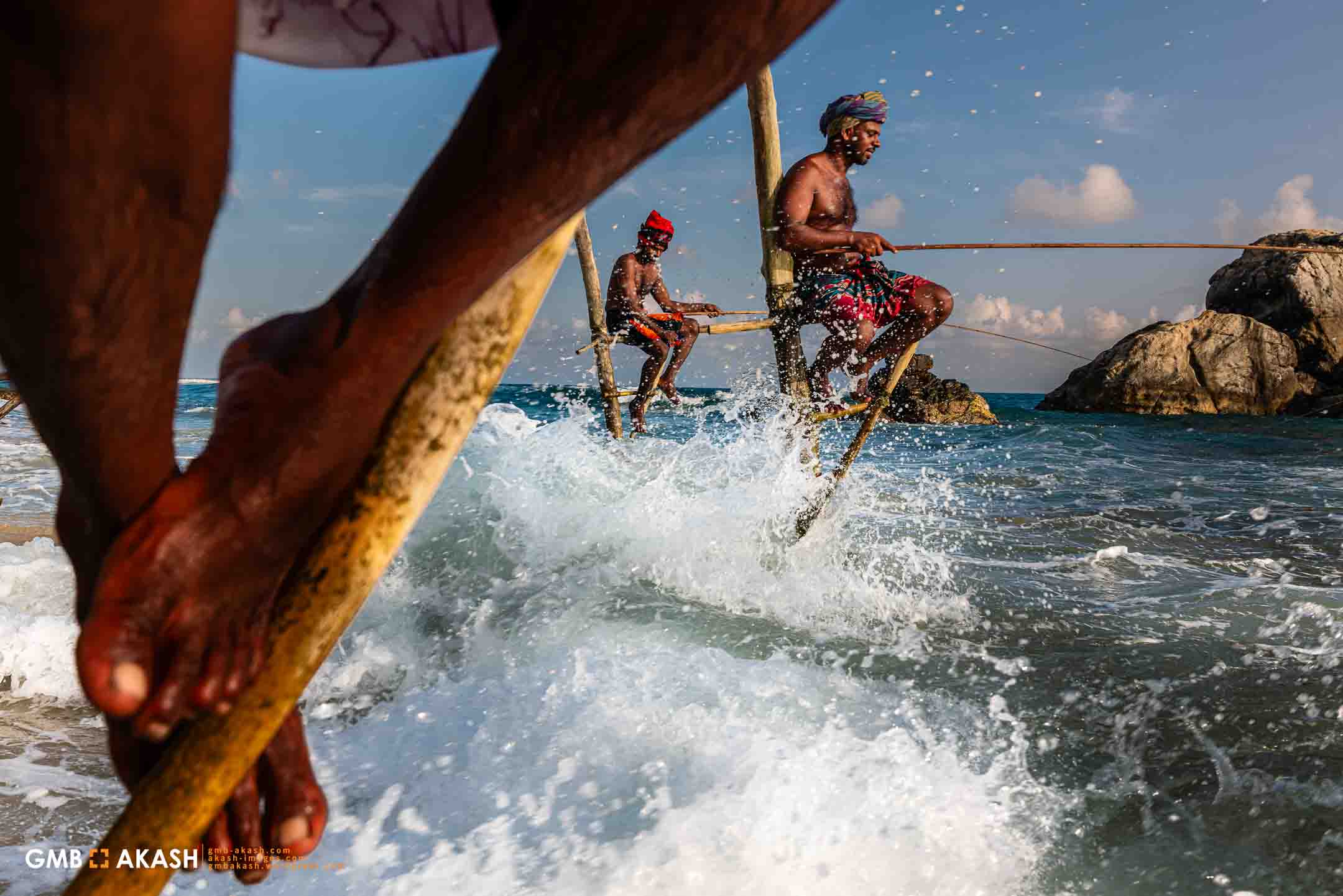
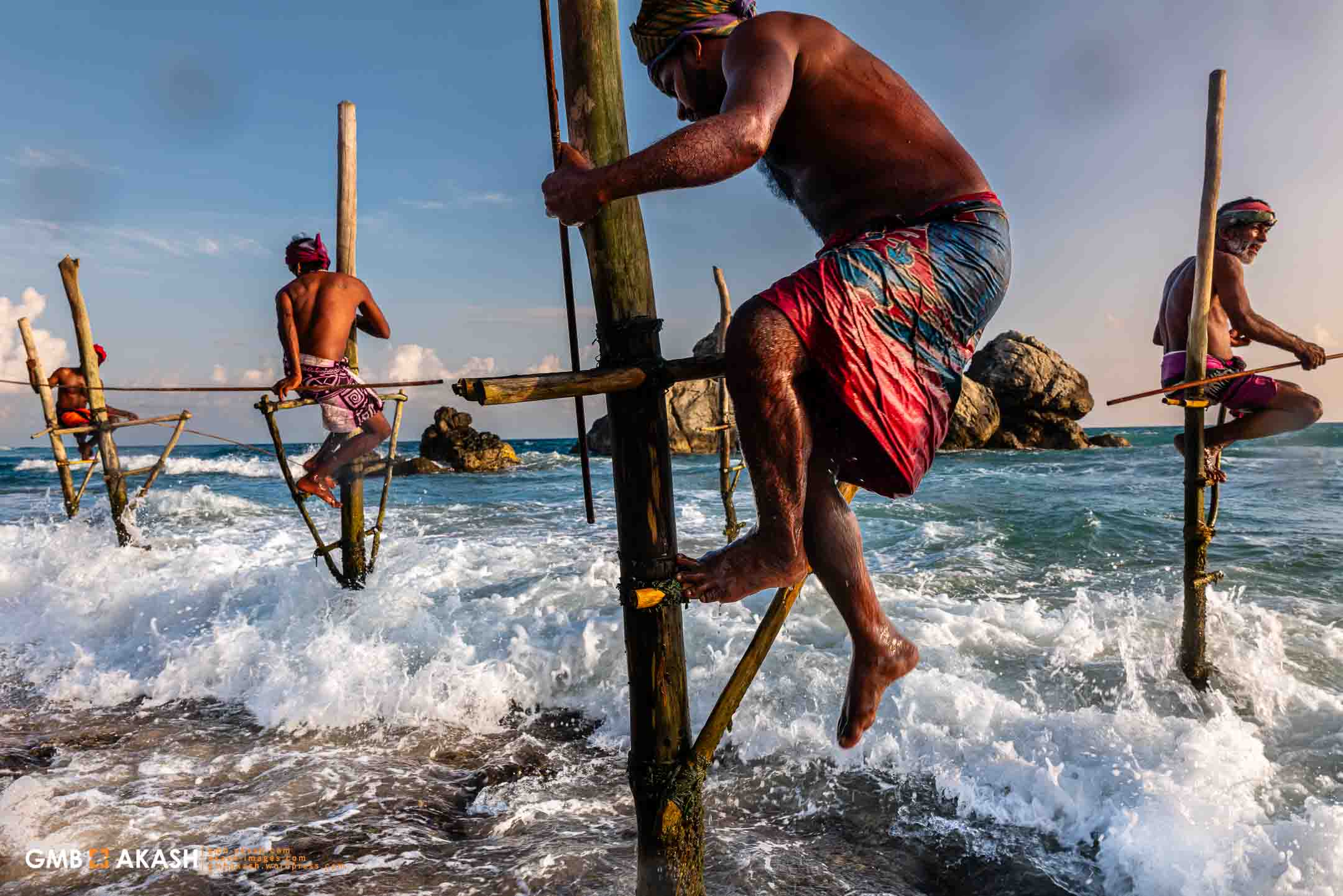
In the coastal waters of southern Sri Lanka, fishermen rise with the sun and climb wooden stilts planted deep into the seabed. With no nets or boats, they balance silently, waiting for the right moment to catch a fish with a simple rod.

This age-old method, passed down through generations, speaks of resilience, harmony with nature, and a life shaped by the sea.

But as tourism grows and the ocean changes, fewer families rely on this tradition for survival. What was once a way of life is slowly fading into memory.

Dhaka – A City of Dreams and Struggles!

This city holds endless dreams, pain, hope, and despair—yet no one ever stops.

People fight every day, chasing a better tomorrow with dreams in their hearts.

Every day, new faces arrive from villages, their eyes full of hope, their hearts carrying stories of struggle.

Their dreams, their hardships, their fight to survive—this is what inspires my photography.

In their eyes, I see the true beauty of life, the strength to keep going, and the endless will to survive.

Through their struggles, I find the real meaning of life…

Jury for the prestigious KAAF International Photo Contest 2024 in Iran.

Dear friends,

I am thrilled and honored to announce that I am one of the jurors for the prestigious KAAF International Photo Contest 2024 in Iran.

Thank you deeply for your unwavering support and affection. Your encouragement is invaluable to me. Please keep me in your thoughts as I embark on this exciting journey.

Interested participants, please apply soon.

Prize Details:

  • 400 million Rials cash prize
  • 4 brilliant medals
  • 12 Honorable Mentions
  • Exhibition

Deadline: October 6, 2024

For more details about joining this contest, please visit: https://kaafphoto.ir/en

Sending you love and light.

Warm regards,
GMB Akash

juror for the esteemed 2024 Martial Arts Photo Contest in South Korea.

Dear Friends, I am honored to share that I have been selected as a juror for the esteemed 2024 Martial Arts Photo Contest in South Korea, organized by the UNESCO International Centre of Martial Arts (ICM). Your unwavering support and encouragement are invaluable to me, and I am deeply grateful for it. As I embark on this exciting venture, I ask for your continued thoughts and well-wishes. For more details about the contest, please visit: www.unescoicmphoto2024.gongmo.work/index.php.

Love and Light! GMB Akash

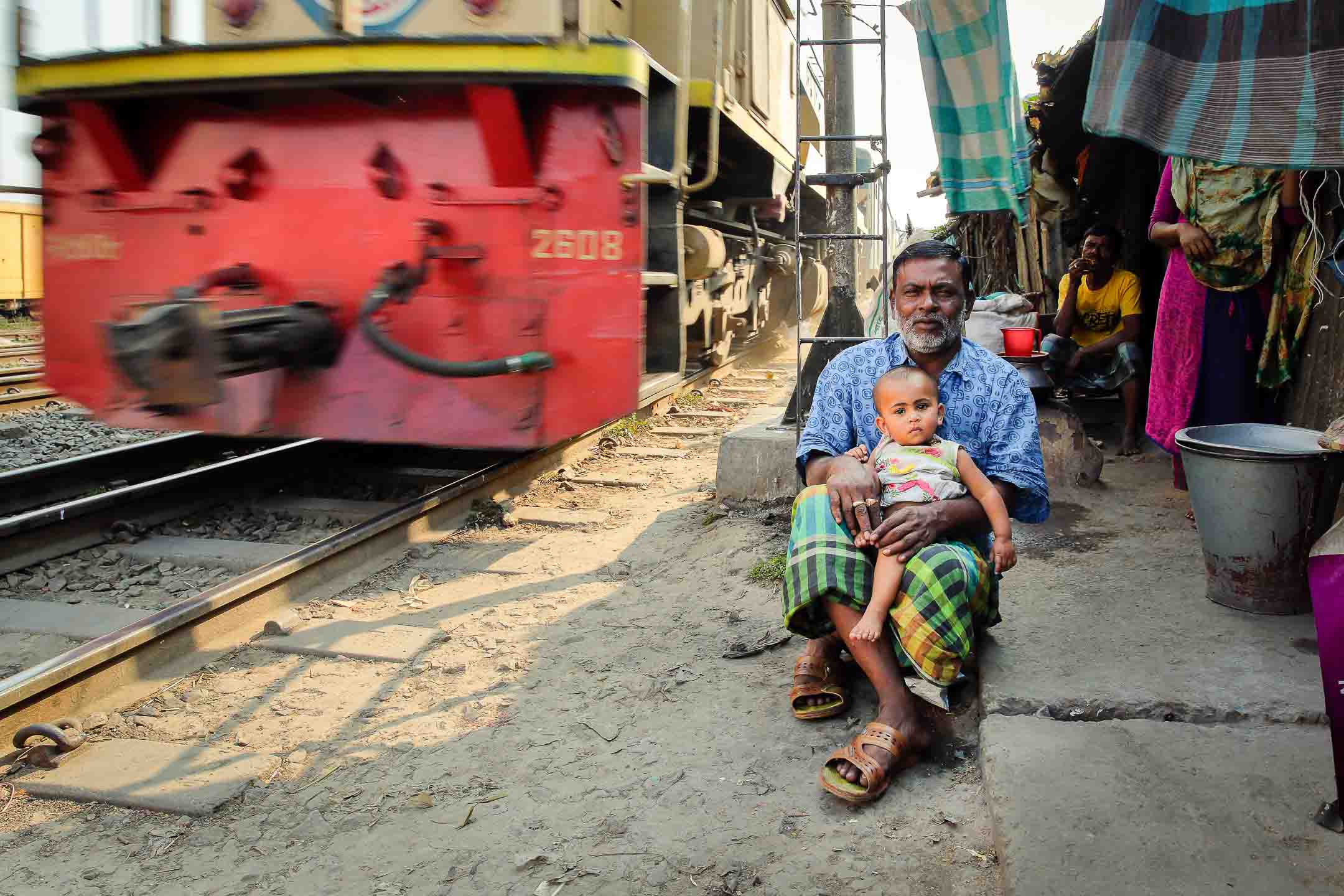
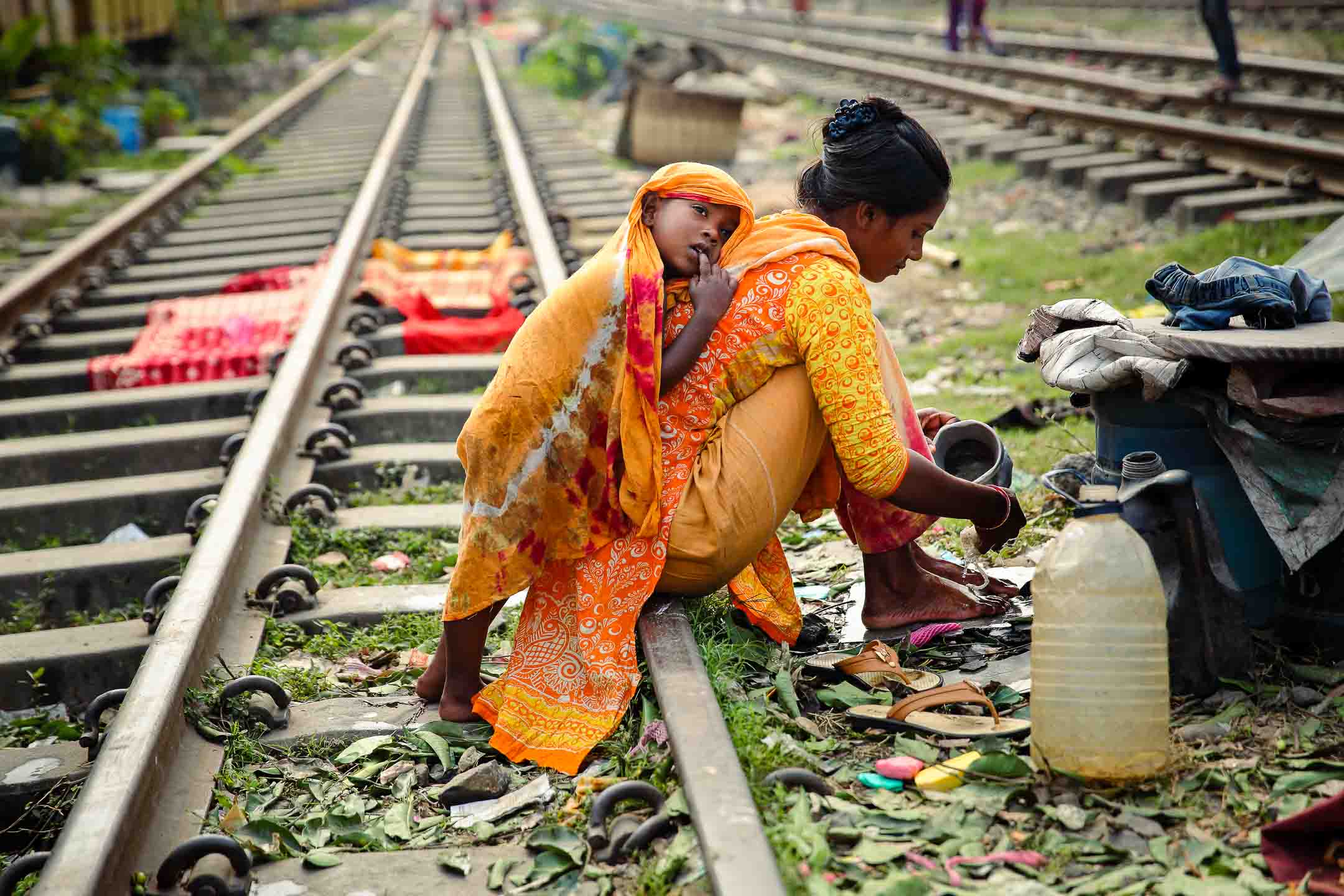
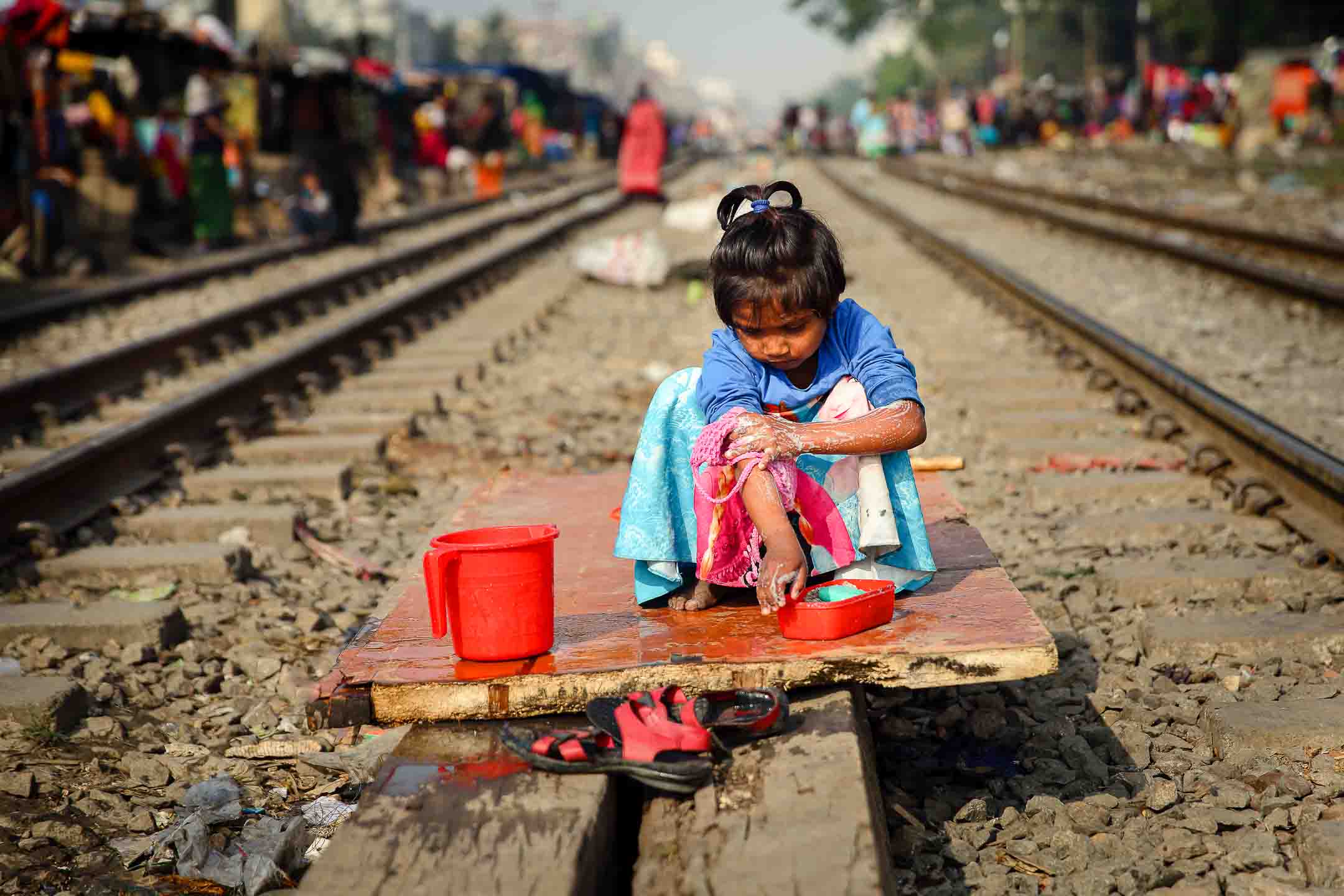
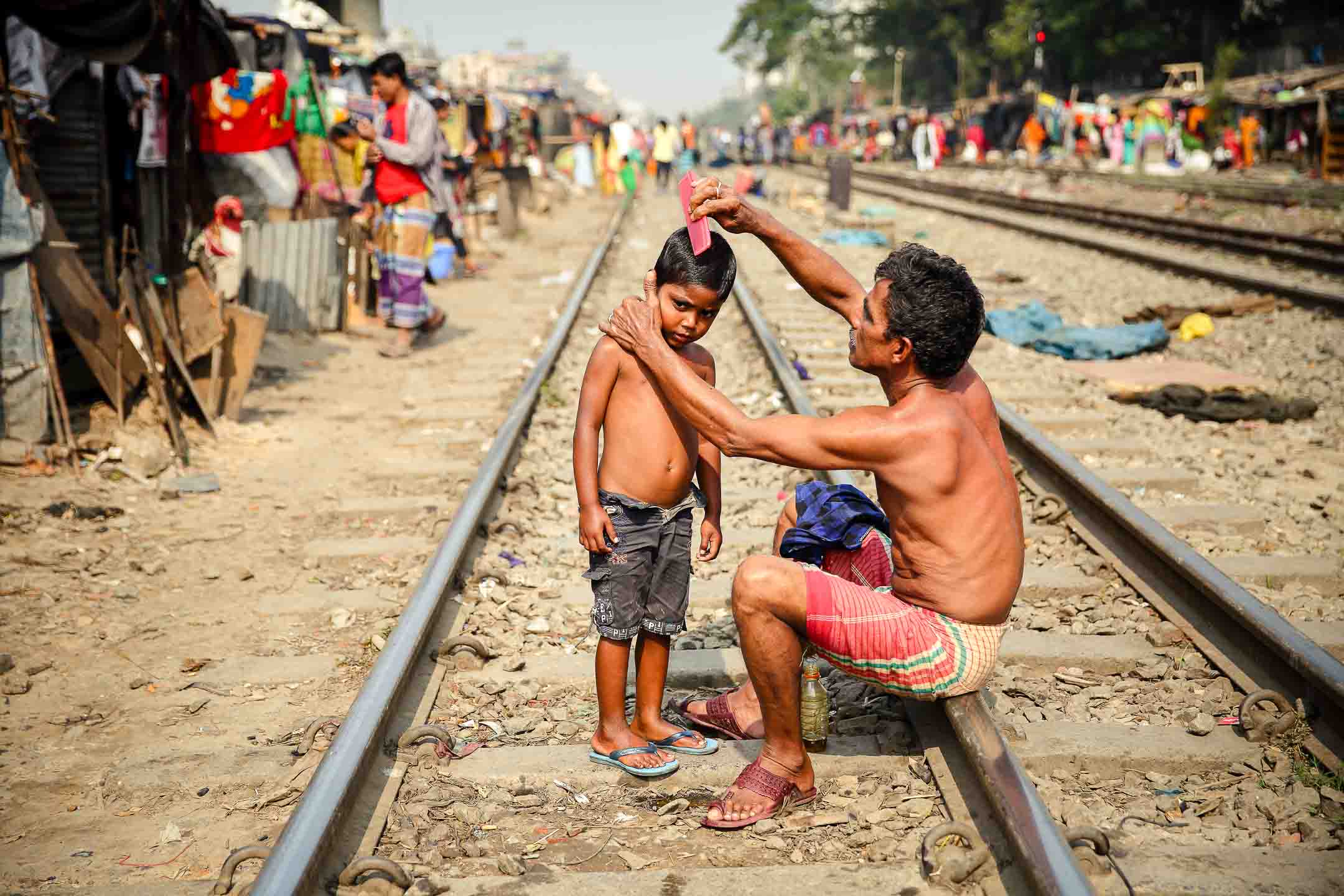
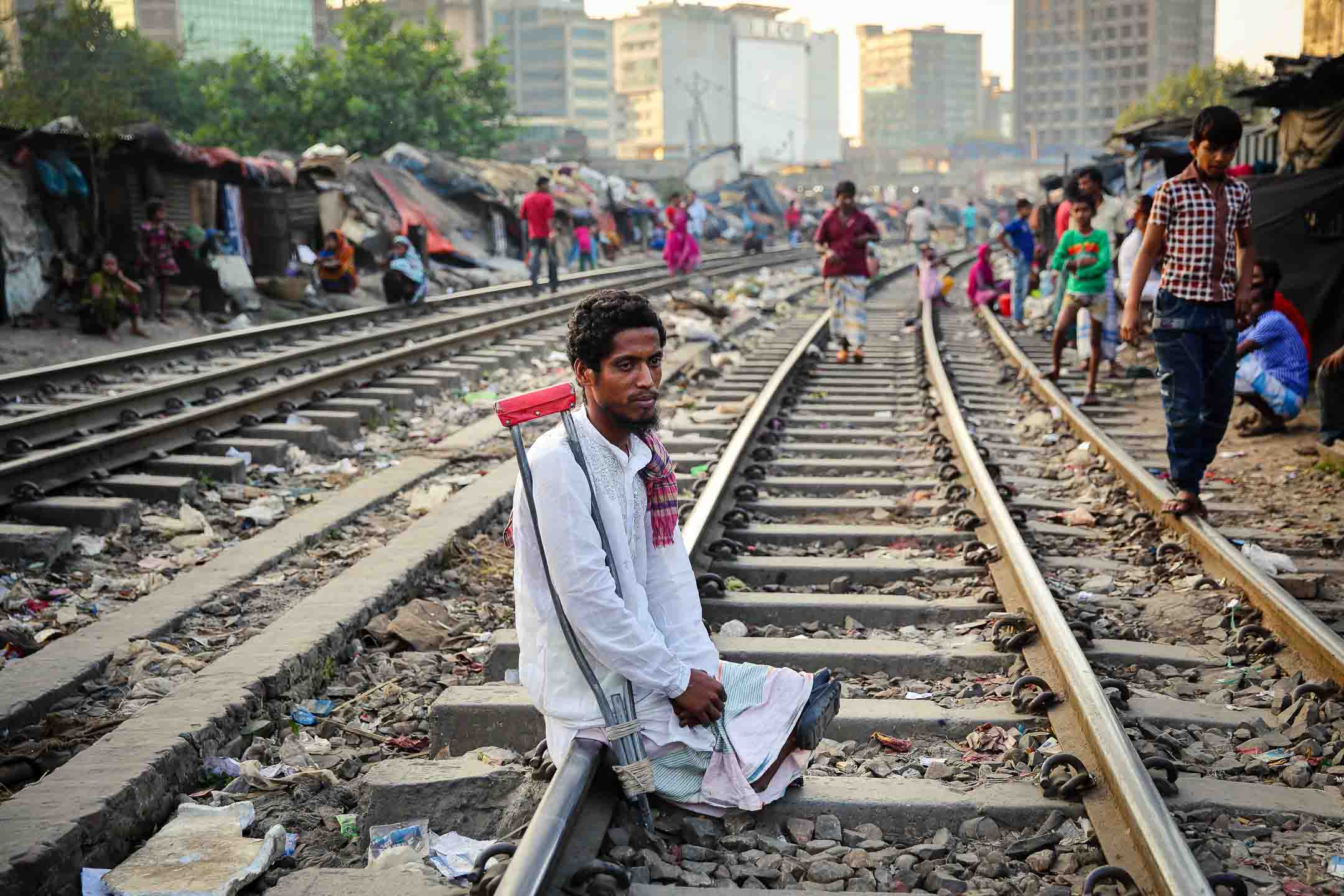
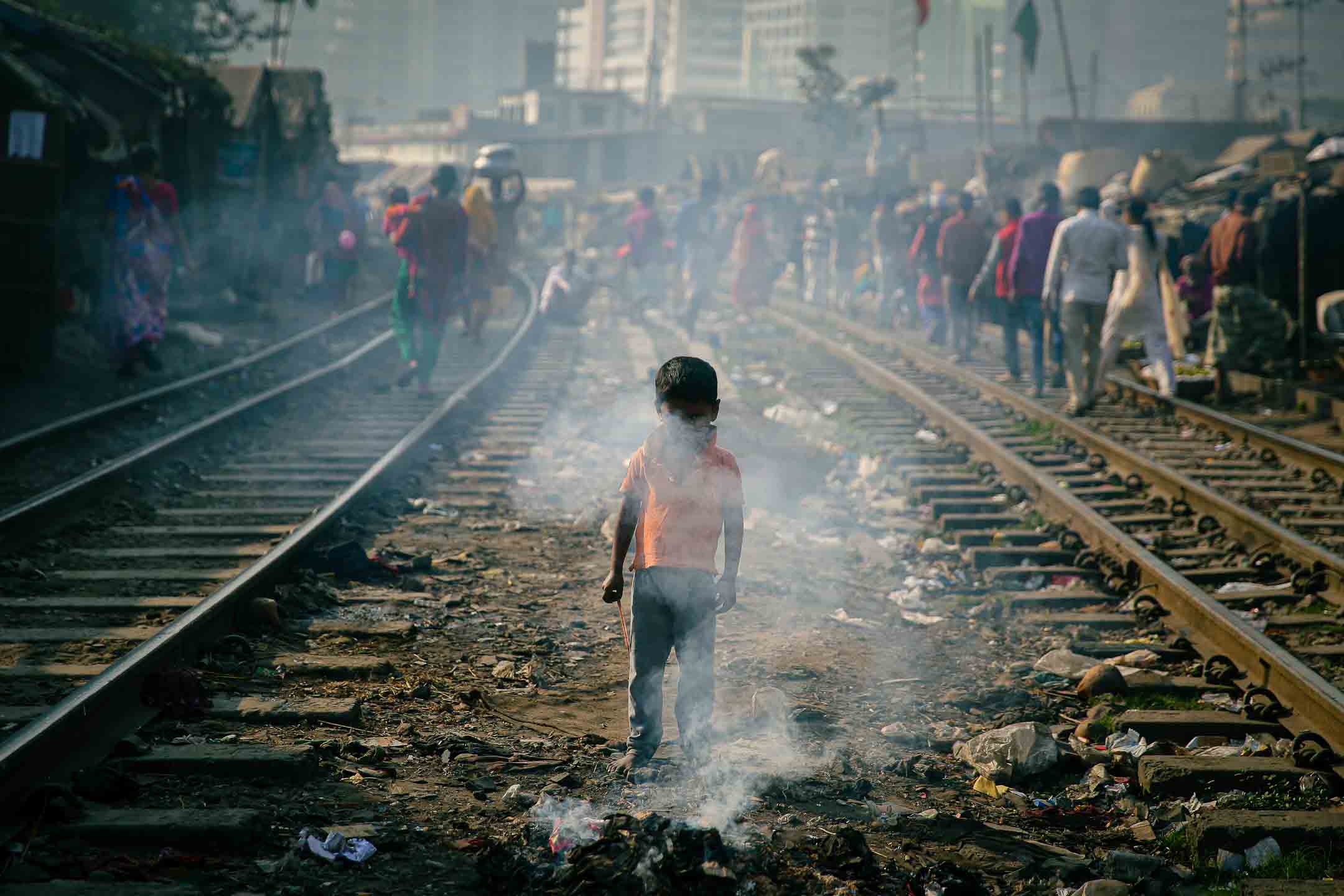
Life on the Edge: The Train Track Slum in Dhaka!

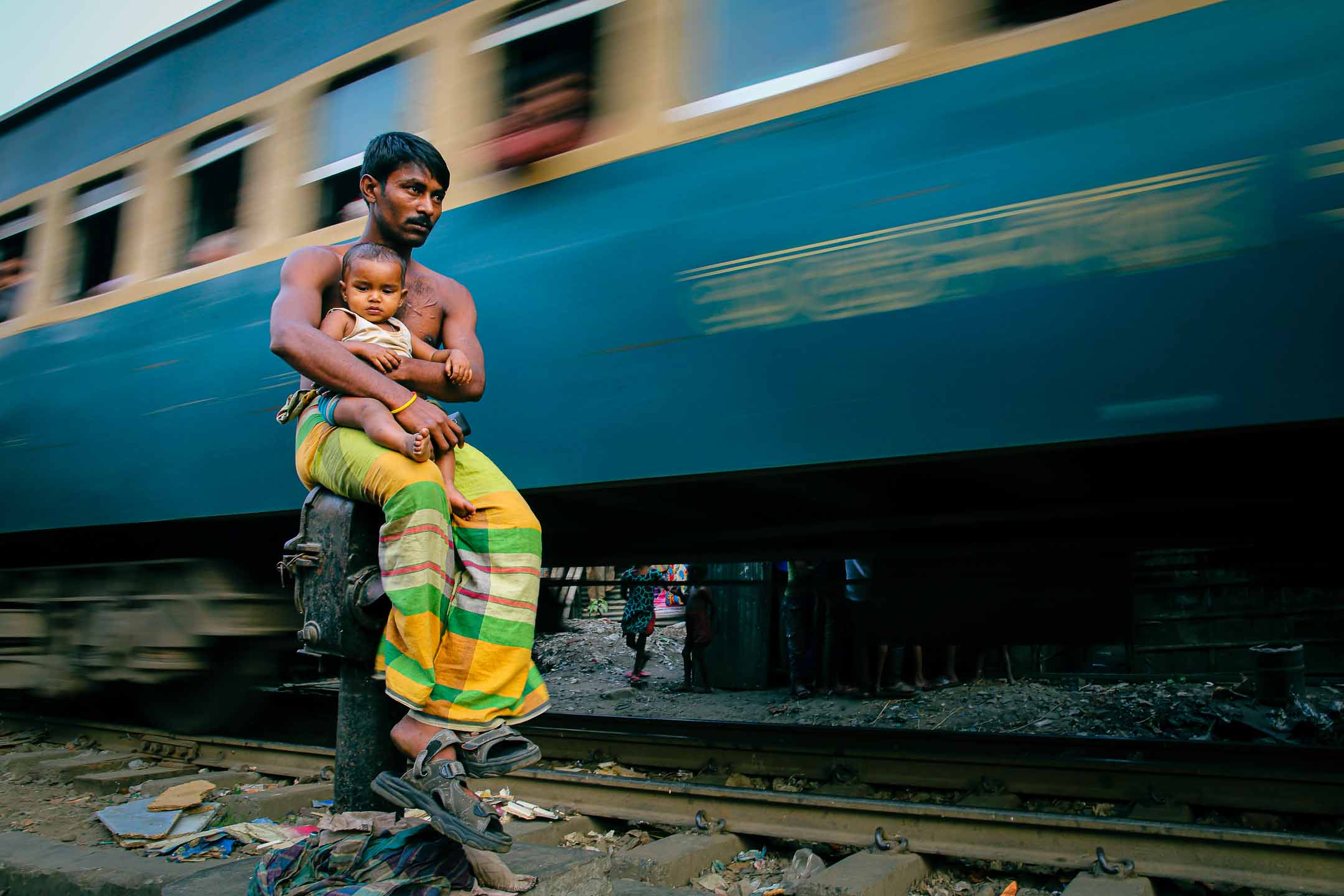
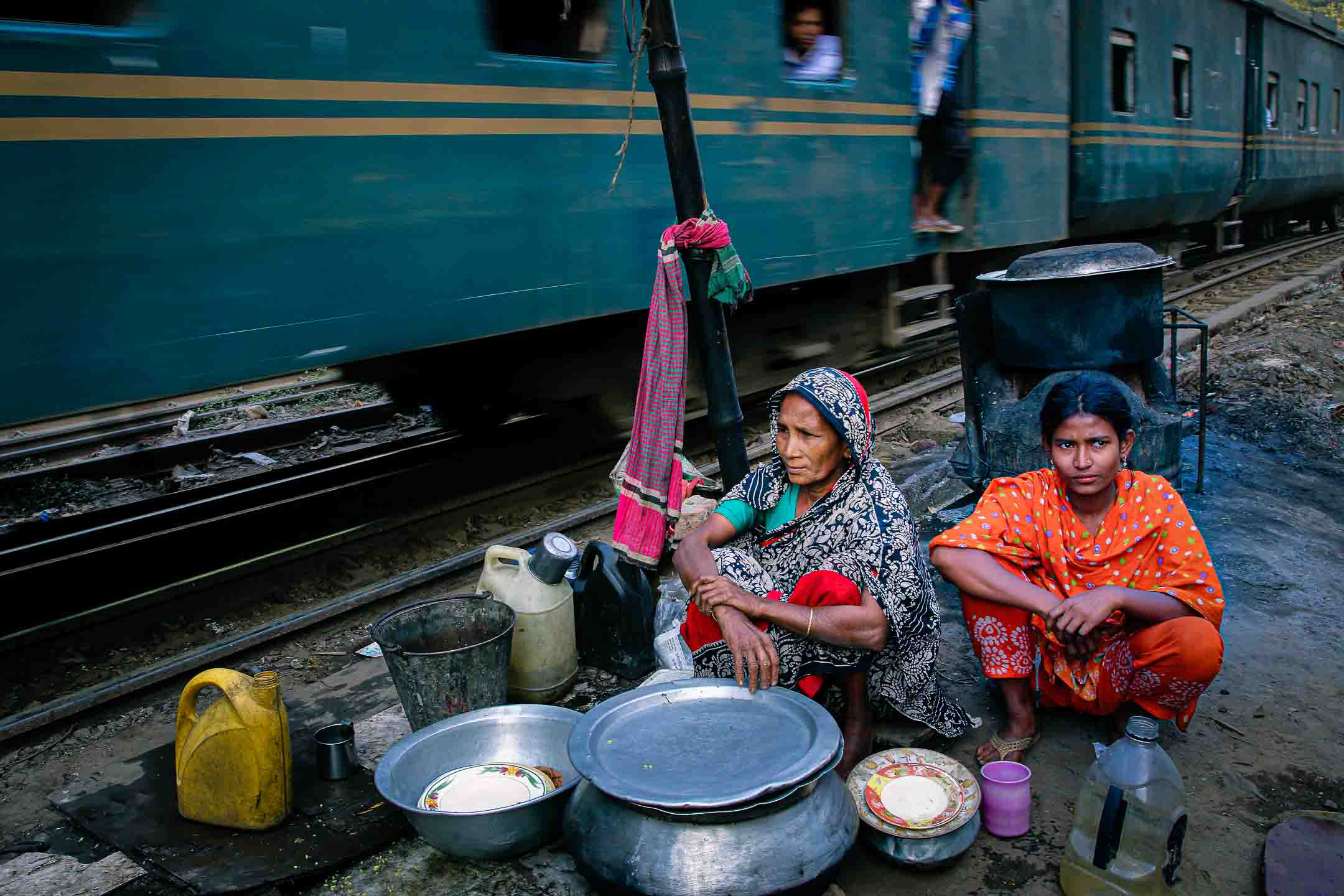
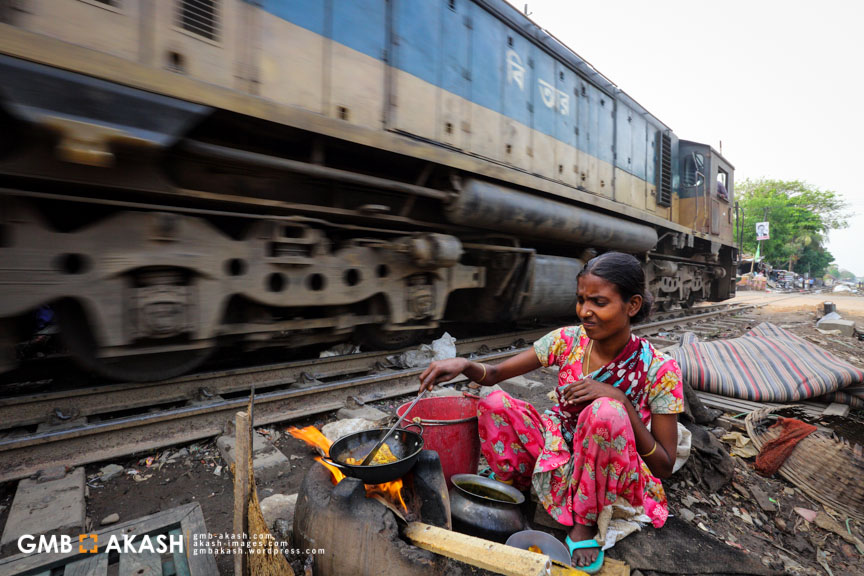
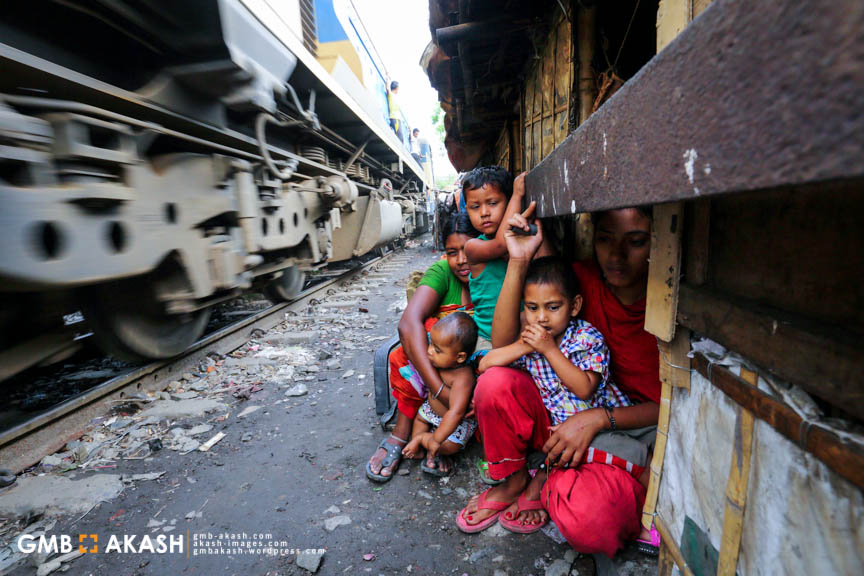
Suddenly the inter-city train appears rushing at them on the tracks with its deadly noise which is the only thing that alerts the people. The scene includes a train that seems to be traveling as if to arrive at the slum but then ruthlessly goes right through it. It watches and touches both sides of the slum’s tin-roofs.

Who could have ignored such g-o-t-a-n-g, g-o-t-a-n-g sound that raises heartbeats of the inhabitants of the Karwan Bazaar train track Slum in Dhaka on a daily basis… at least fifty times a day? Speculated to have sprung up post-Liberation War of 1971, this slum, while not ancient, is home to residents who have lived here for more than thirty years.

Thousands of shanties line the curvy train tracks. Some of the smallest huts with three-foot-high roofs rent for as much as 2000 taka (about $25), while newer, taller ones cost 3000 taka (about $39) per month. The muddy tracks are strewn with waste and rotten vegetables.

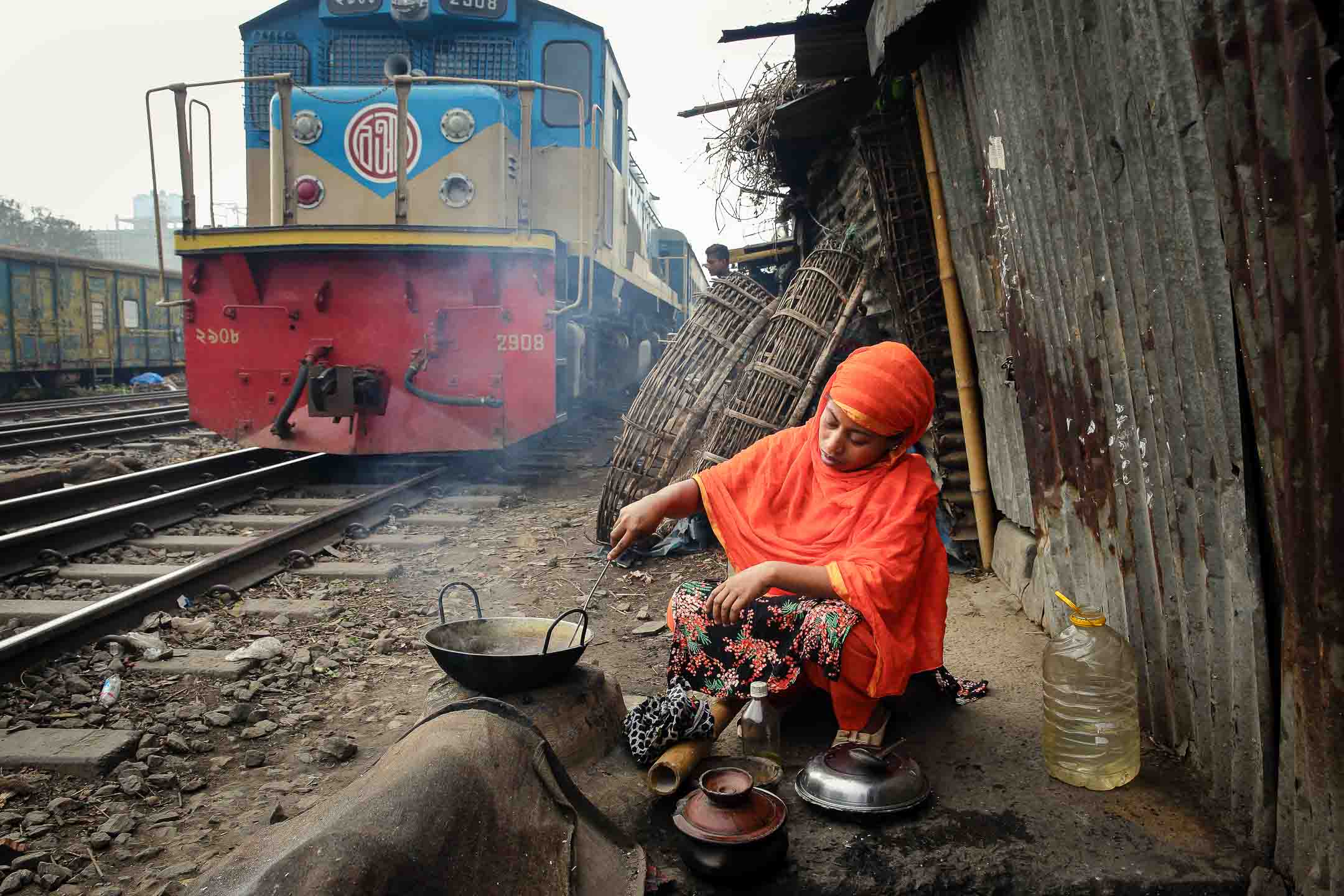
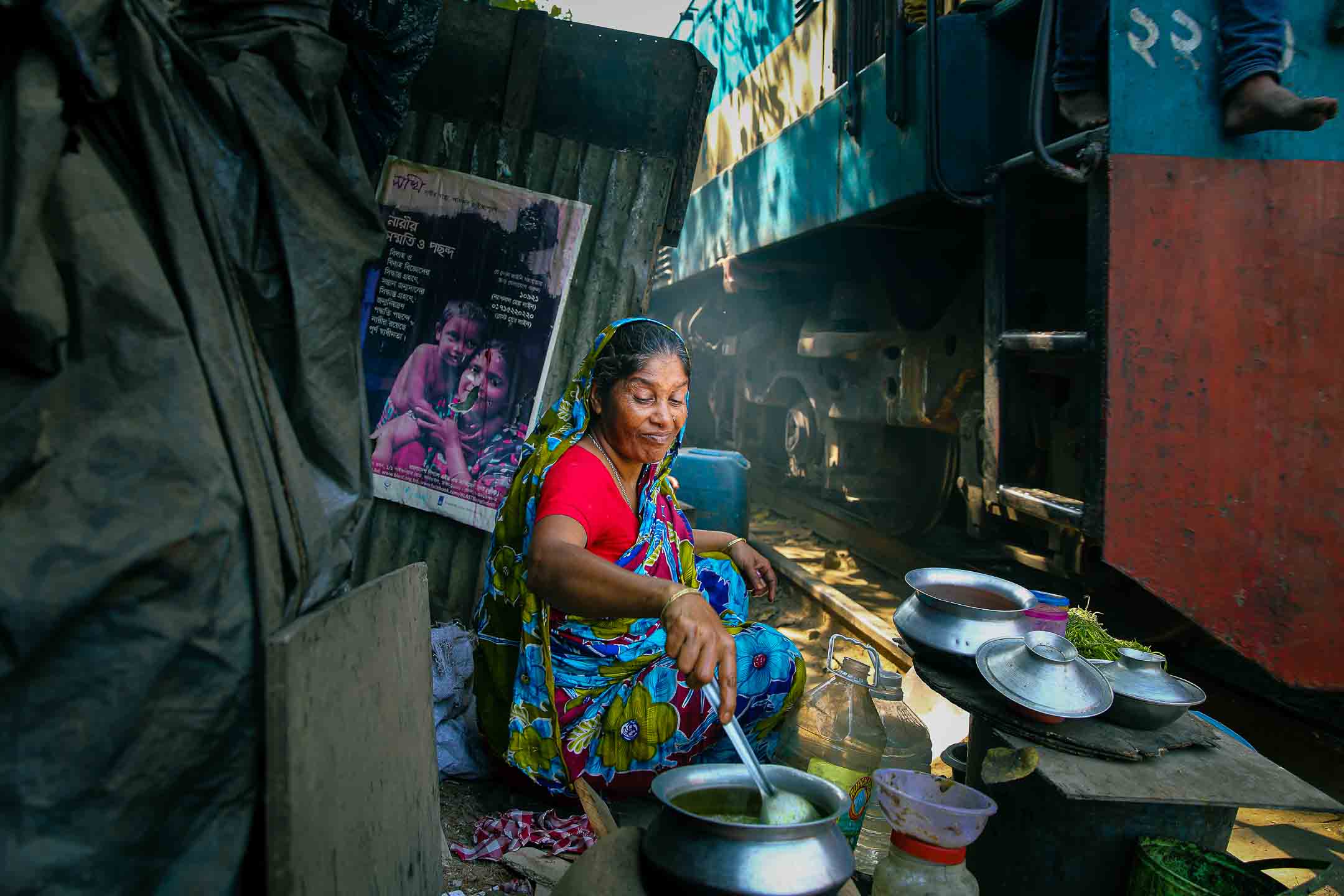
Amidst this, women like Marium Begum, 35, prepare lunch on mud clay ovens just a foot from the rails. A passing train could easily snatch the potatoes she fries in her pan. Marium recounts, “My eldest daughter is ten, and I’ve taught her how to save herself when the train rushes by.” Children here are adept at fleeing from oncoming trains, but the terror of simultaneous trains on both tracks is a frequent, heart-stopping event.

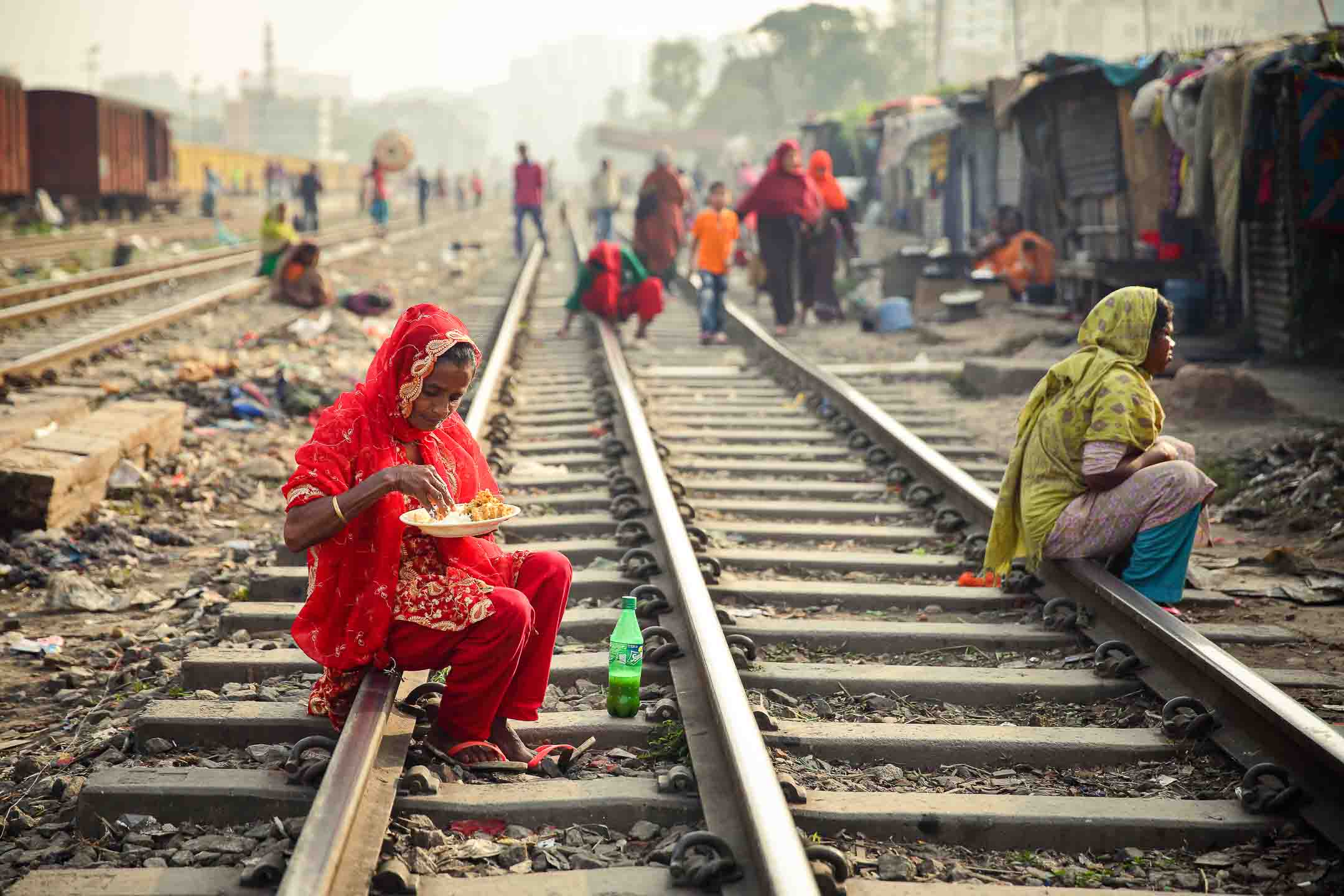
Accidents are common, with many children losing legs, hands, fingers in front of their helpless parents. Jaleha Kahtun reflects, “If we had anything in the village, we wouldn’t live here. The river overflowed and took everything. Now, everything we own is in this bazaar.” These residents are climate migrants, displaced by frequent floods. Despite the dangers, their move to the city allows them to feed their families better than they could back in their ravaged villages. Explore the stark realities and resilience of life on the edge in my photo album.

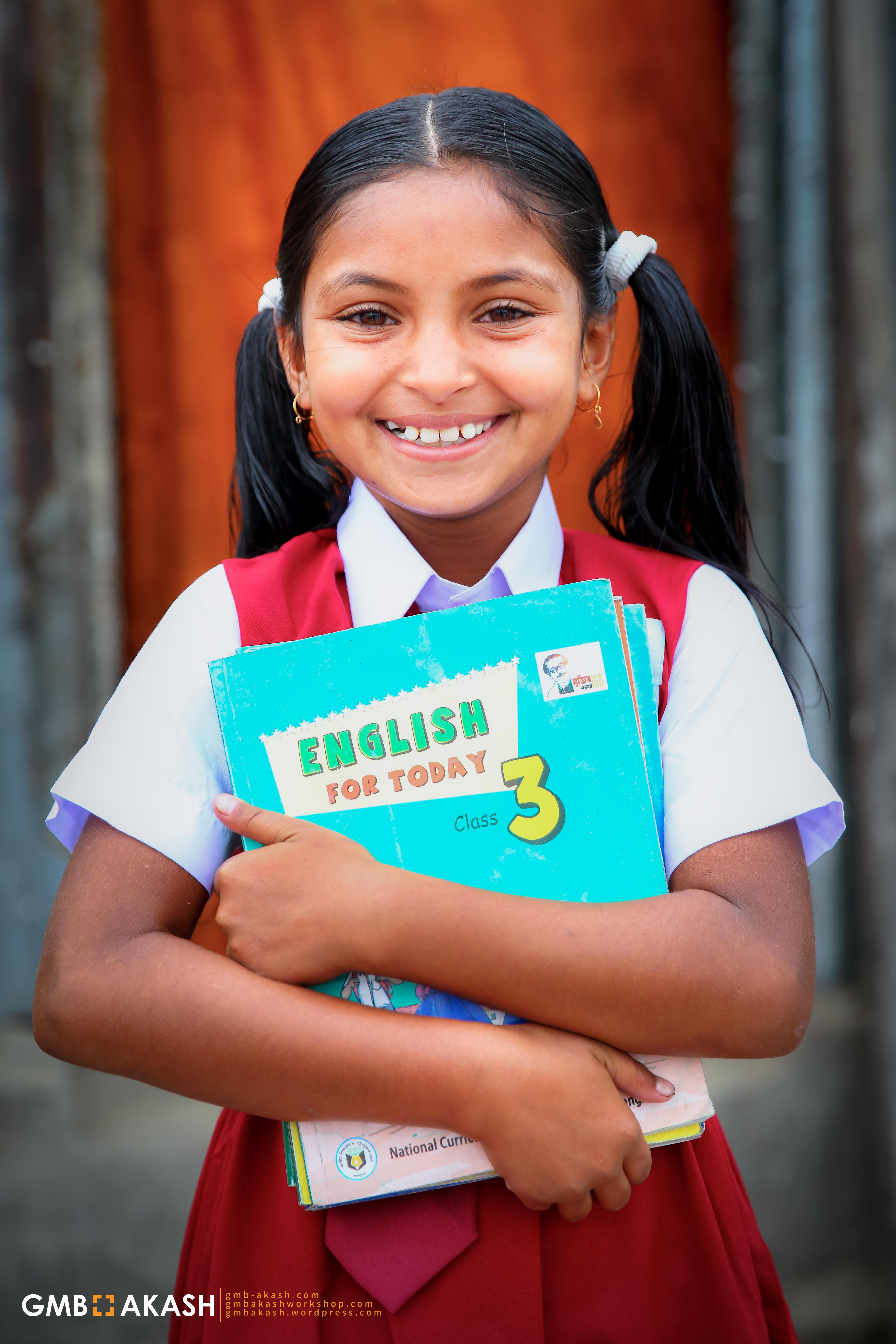
Taposhi achieved a Golden A+ and dreams of becoming a doctor.

Women’s empowerment is very important to me. Every year, I select brilliant students who have positive attitude towards life with hope and ambition for a brighter future. However these bright souls find themselves held back by the heavy burden of SSC examination fees and setbacks due to financial support.

Taposhi is one of those promising students. She got a ‘Golden A+’ in her SSC exam from science group and I can’t express how happy and proud I am for her.

By the grace of God, I have been covering all of her educational expenses every month. This year, she has been admitted to college for her HSC studies in the science section. She wants to become a doctor. Please keep her in your prayers, so that she may continue her studies and her aspirations to become a doctor and fulfill her dreams…

Love and Light

_GMB Akash

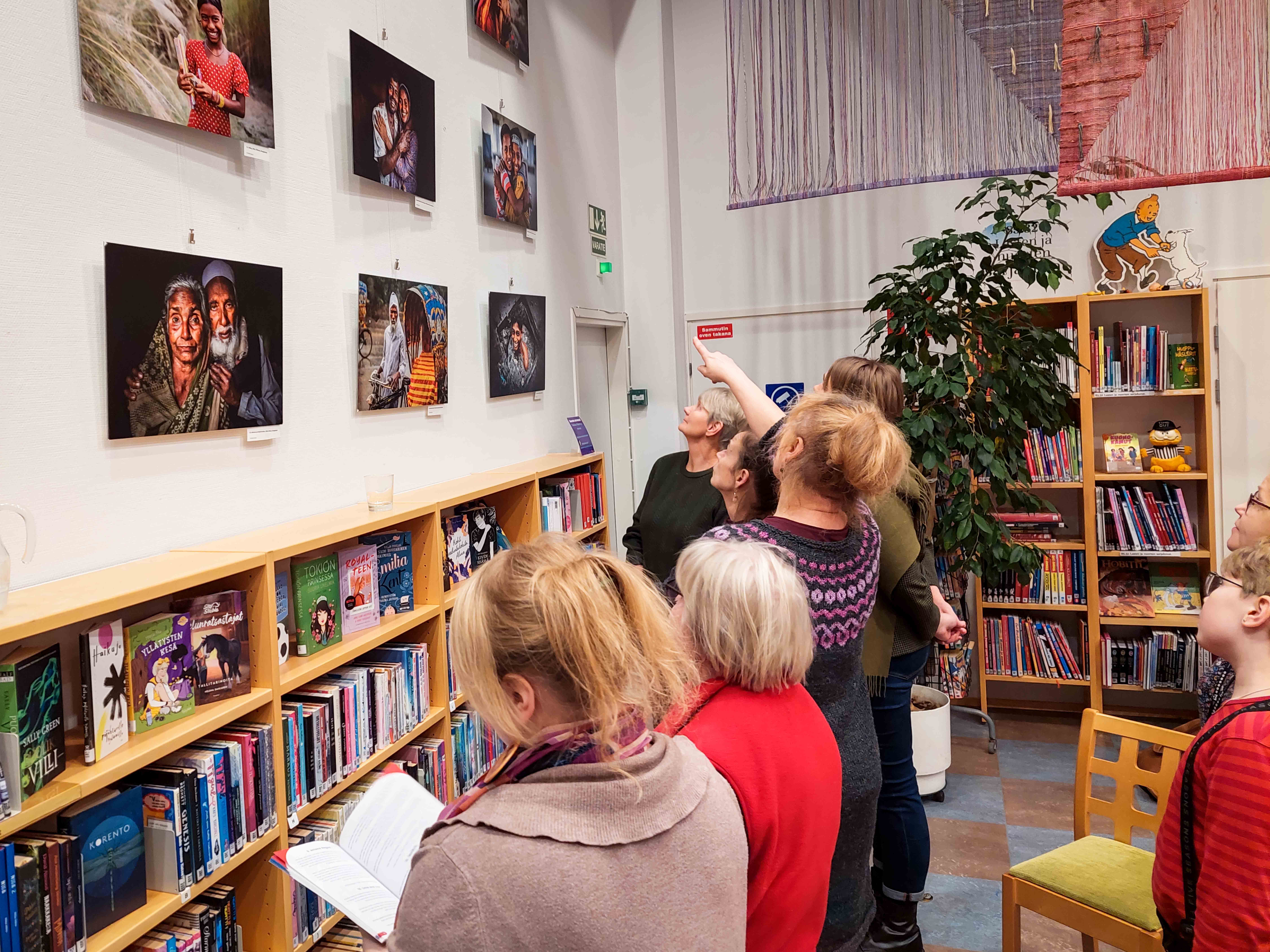
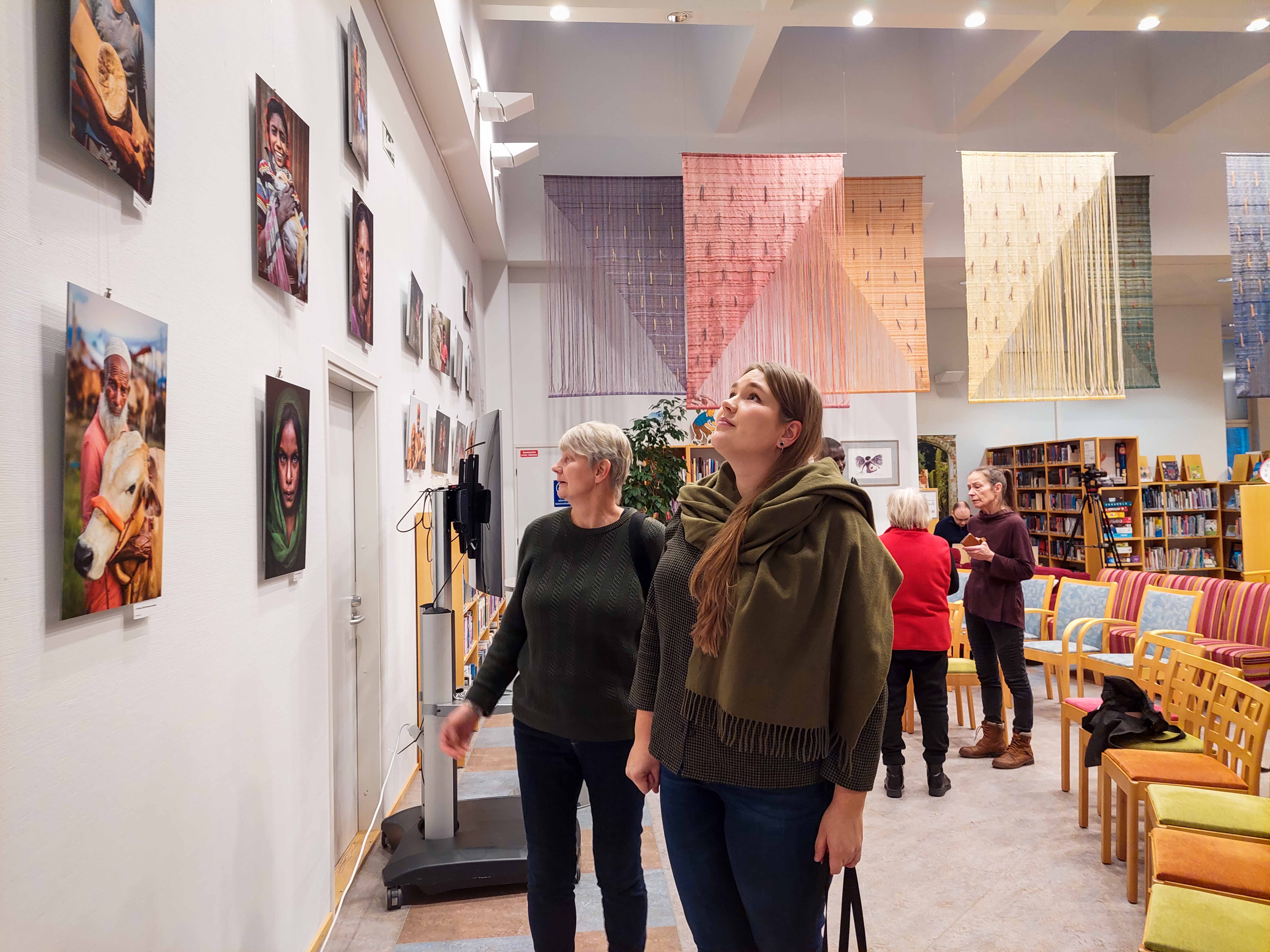
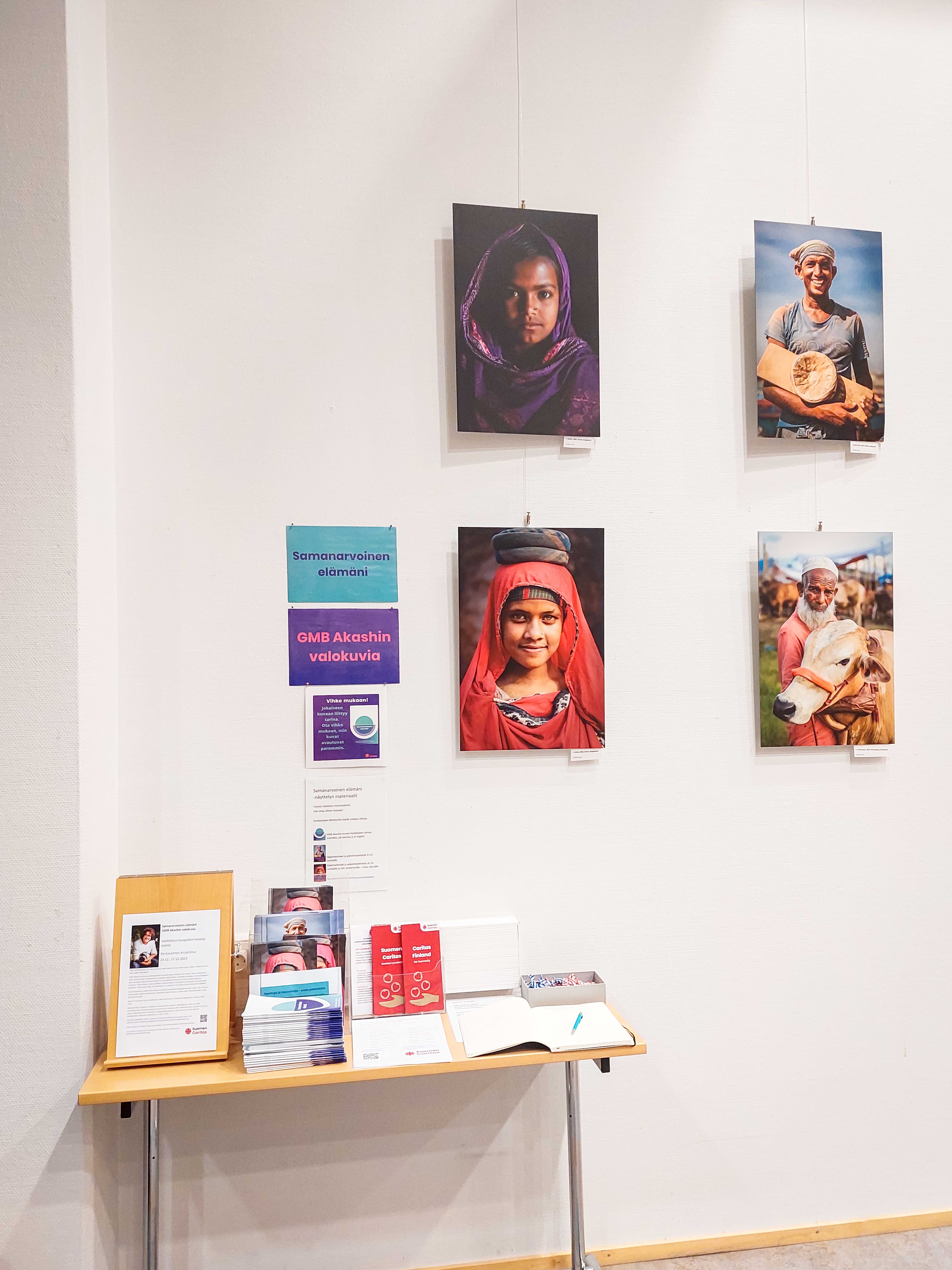
20 solo exhibitions in the last two years, from 2022 to 2023, in Finland.

Dear friends,

I am happy to share that my current solo exhibition has been on display at Rantasalmi Library for the last two weeks.The final full day of the exhibition is December 27, 2023.

My 10 solo exhibition of “My Equal Life,” took place in various cities across Finland throughout the year 2023. The exhibition was supported and organized by The Finnish Ministry for Foreign Affairs, Finland, and Caritas Finland, and its aim was to raise awareness about global inequality, arouse compassion, and share the experiences of people through my photographs and related stories.

I will be happy to share some moments from my exhibition with you all ❤️

The pictures and stories are also on display on the exhibition’s website, and it is touring seven cities in Finland: Turku, Kouvola, Vaasa, Helsinki, Kuopio, Oulu, and Jyväskylä.

Thank you for your support and interest in “My Equal Life.”

Empowering Dreams: Mahabub’s Path from Street Begging to School.

Dear friends,⁣ Remember Mahabub, a positive soul who faced adversity with a smile. Despite losing both of his hands in an accident while flying a kite seven years ago still he remains grateful. As his parents were ill he had to beg on the streets. After learning about his story of suffering and courage, I gifted him an Auto Rickshaw, which cost around 1 lac taka, allowing them to earn a living. And Mahbub has also been admitted to school in the fifth grade.Thank you my dearest people for your continueoue support. I am grateful. Love and Light! _GMB Akash

Four Years of Dedicated Support: Nurturing Jhuma’s Future.

Dear friends,

Last week I shared the story of Jhuma. Many of you may not have recognized Jhuma by looking at that old picture of her. That photo and story of Jhuma were taken almost four years ago when I first met with Jhuma at her workplace where she lives with her full family.

The great news is, Jhuma has been going to school for the last four years and she is now in class 4. I have repaid half of Jhumas Father’s loan, and I am trying to arrange the other half of the loan soon.

For the last four years I have been fulfilling all the responsibilities of Jhuma and carrying her all shorts of expenses as like her food, dress, study materials, and everything she needs as a child. In addition, every month I have to pay her family an amount of money, that she could earn as child labor And I promised her I would take care of her studies until she finished her graduation.

In the grace of God, like Jhuma, I have been taking care of 30 children’s responsibilities for 4 years now. I always pray for the ability to cover their educational expenses until they complete their studies and secure jobs. I am sharing old and new pictures of Jhuma with you, and I kindly request that you keep her in your prayers. Sending love and light, _GMB Akash.

You also have the option to support this project. Please feel free to send me a direct message for details or consider joining my Patreon.

https://www.patreon.com/gmbakash

Thank you for your kind support and for showing your humanity.

Best Regards,

GMB Akash

Dario Mulas Debois came from Italy to Bangladesh in order to join me in my exclusive six days One on One photography workshop.

Dario Mulas Debois came from Italy to Bangladesh in order to join me in my exclusive six days One on One photography workshop. To check the other participants work visits my workshop website: http://www.gmbakashworkshop.com If you are interested to join this exclusive program send an email to know detail at akashphoto@gmail.com About the workshop: The focus of this customized program is to teach photography going beyond boundaries. Each student will have exclusive access to me through the duration of the workshop, giving them the opportunity to take advantage of my work experience, teachings, and methodologies. Due to the intimate nature of these workshops and the real world working environment, each student can expect to learn and experience much more than they would during one year in a standard university photography program. Each workshop is six days long and set in locations that are rich in culture with a wealth of photographic and documentary subject matter.

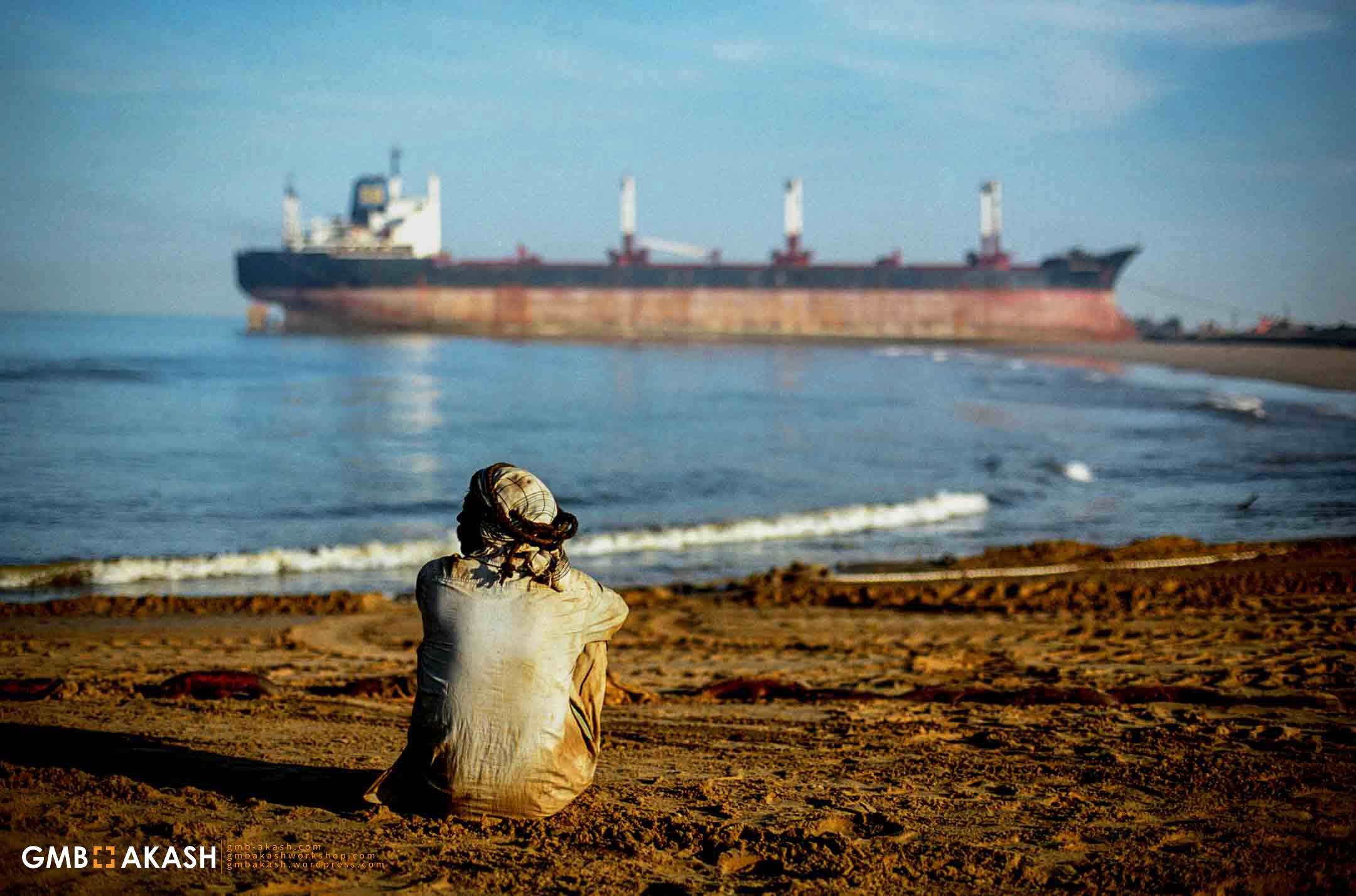
SHIP’S GRAVEYARD IN PAKISTAN

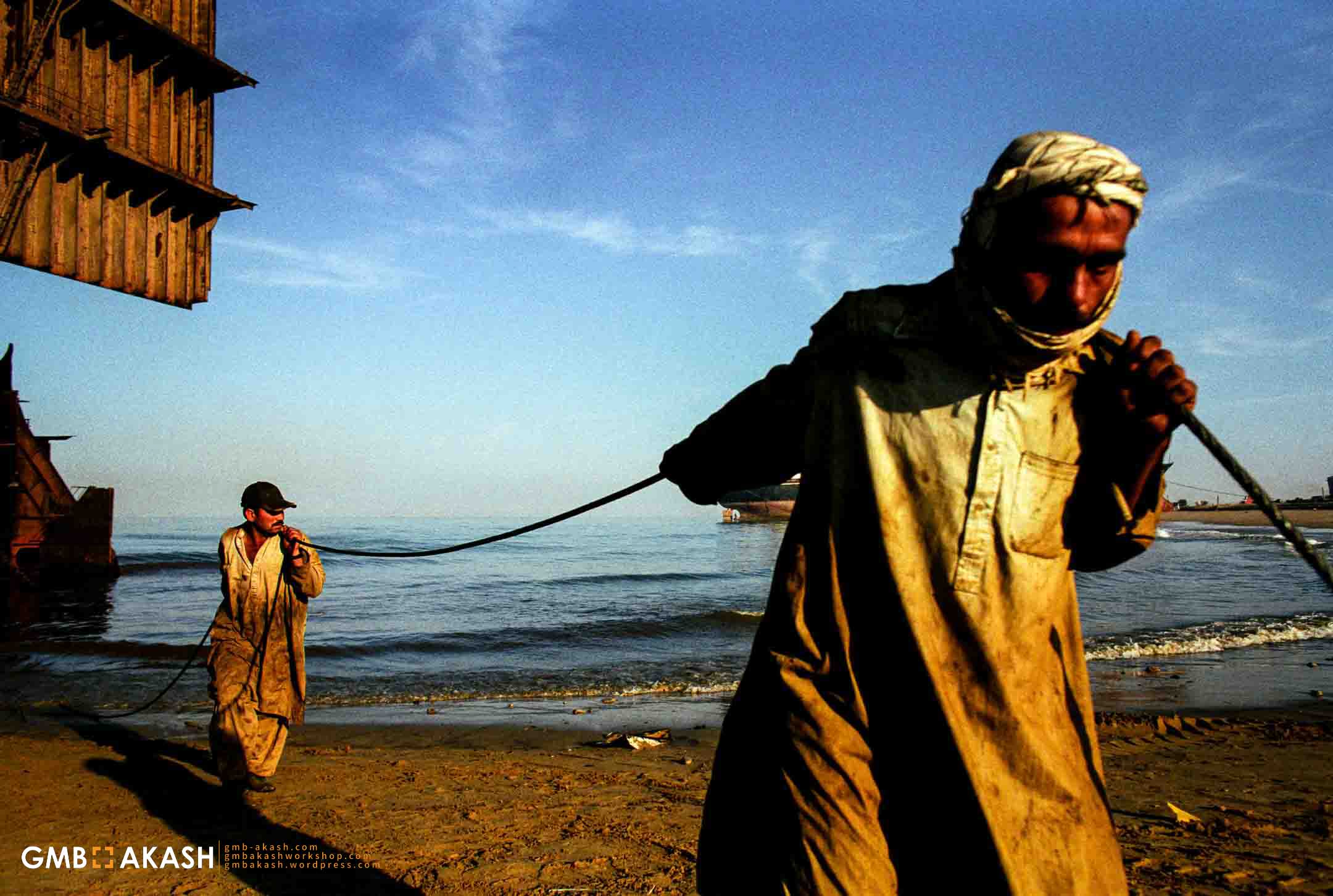
The Gaddani Ship Breaking Yard stands as a paradoxical testament to human resilience and struggle. This industrial site is where colossal ocean vessels from around the world come to meet their end. An army of unsung heroes toils relentlessly, their lives shaped by the arduous, perilous, and often underappreciated work they perform day in and day out.

The process of ship breaking involves dismantling decommissioned or end-of-life ships to salvage valuable materials, such as steel, iron, and non-ferrous metals. Gaddani is home to one of the world’s largest ship breaking yards, attracting thousands of laborers seeking employment.

The workers in Gaddani’s ship breaking yard are typically from impoverished backgrounds and often have limited education. Drawn by the prospect of earning a livelihood, they embark on this risky venture. They work grueling hours, battling hazardous conditions, extreme temperatures, and unyielding physical demands. The dangers they face range from accidental fires, exposure to toxic chemicals, and the constant risk of being crushed under the weight of massive structures.

Workers in Gaddani’s ship breaking yard often find themselves subjected to exploitative practices. Many laborers work without proper safety gear or adequate training, which leaves them exposed to severe health hazards. Despite the dangerous nature of their job, the majority of these workers are not covered by any insurance or formal social security, leaving them vulnerable to economic ruin in case of accidents or injuries.

The health and environmental impacts of ship breaking cannot be ignored. Toxic substances, such as asbestos, lead, and mercury, are released during the dismantling process, leading to severe health issues for the workers and the surrounding communities. The lack of waste management infrastructure exacerbates the problem, as hazardous materials end up polluting the nearby land and sea, causing ecological damage.

The ship breaking yard in Gaddani, Pakistan, serves as a grim reminder of the struggles faced by workers who labor relentlessly to provide for themselves and their families. Their efforts are often overlooked, and their sacrifices go unrecognized.

While the shipbreaking industry remains essential for recycling valuable materials, it is vital that we acknowledge the challenges faced by these workers and work towards ensuring their safety, wellbeing, and rights. The time has come to shed light on this hidden world and extend a helping hand to those who risk their lives daily, forging a path towards a brighter, more sustainable future for Gaddani’s shipbreaking workers.

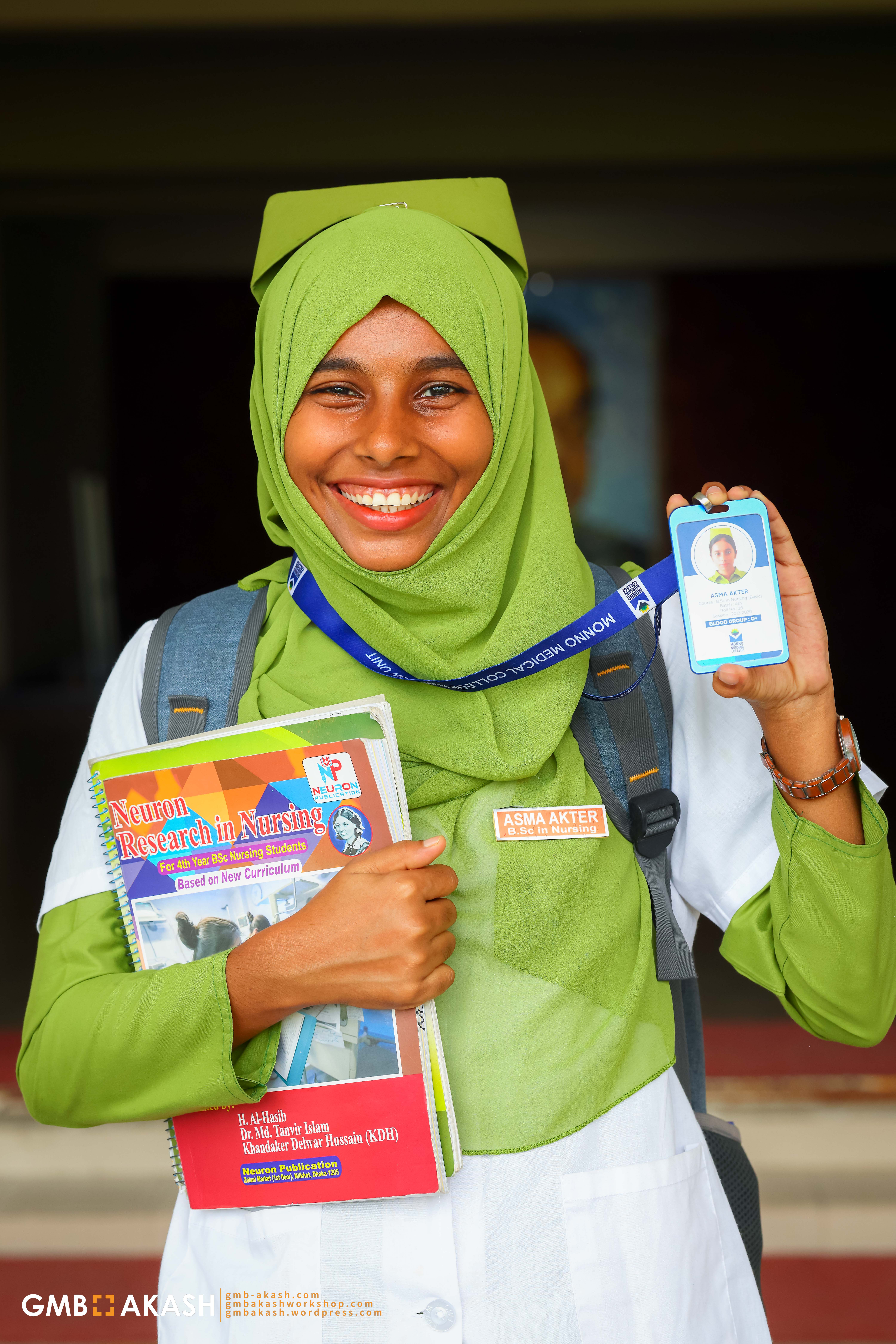
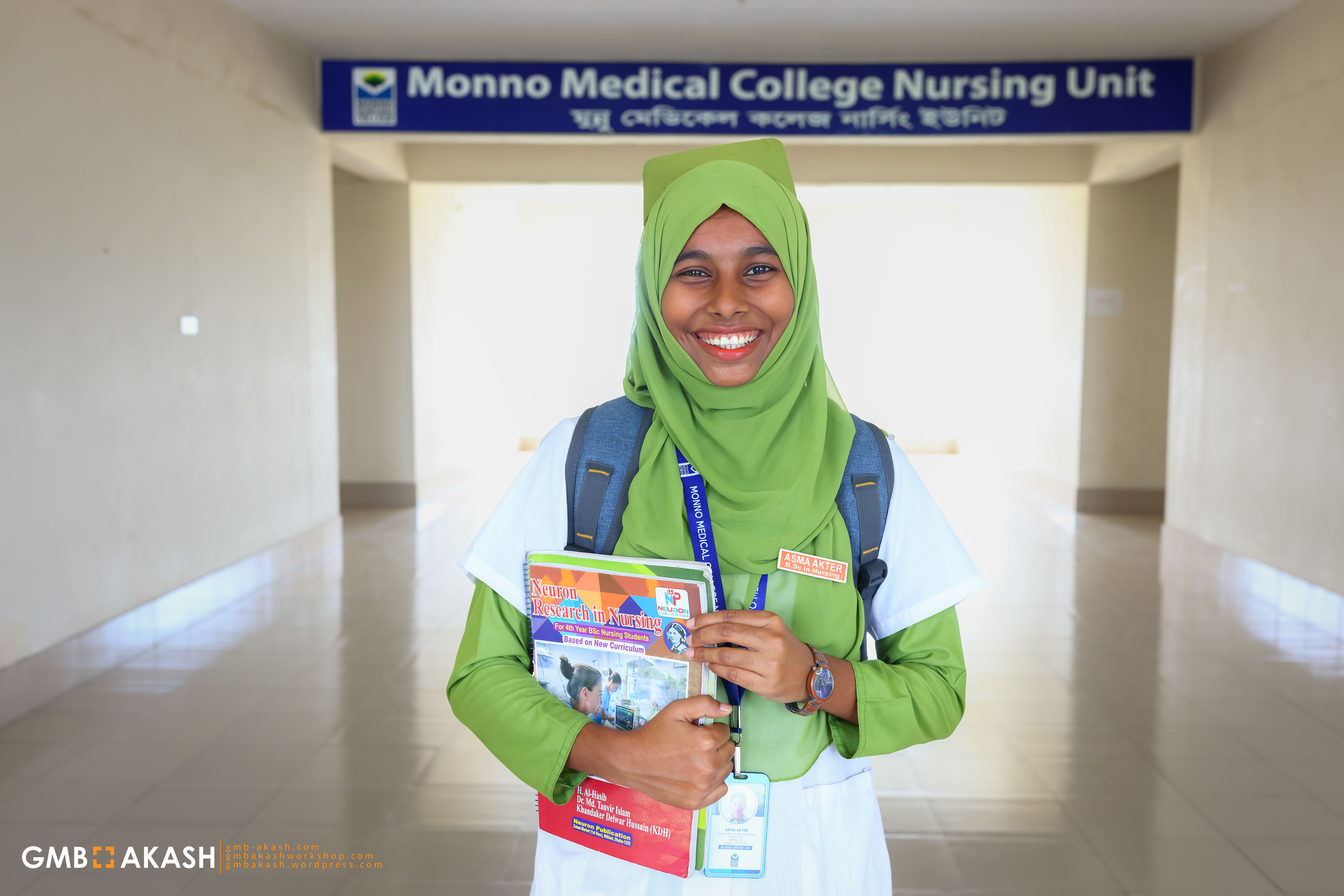
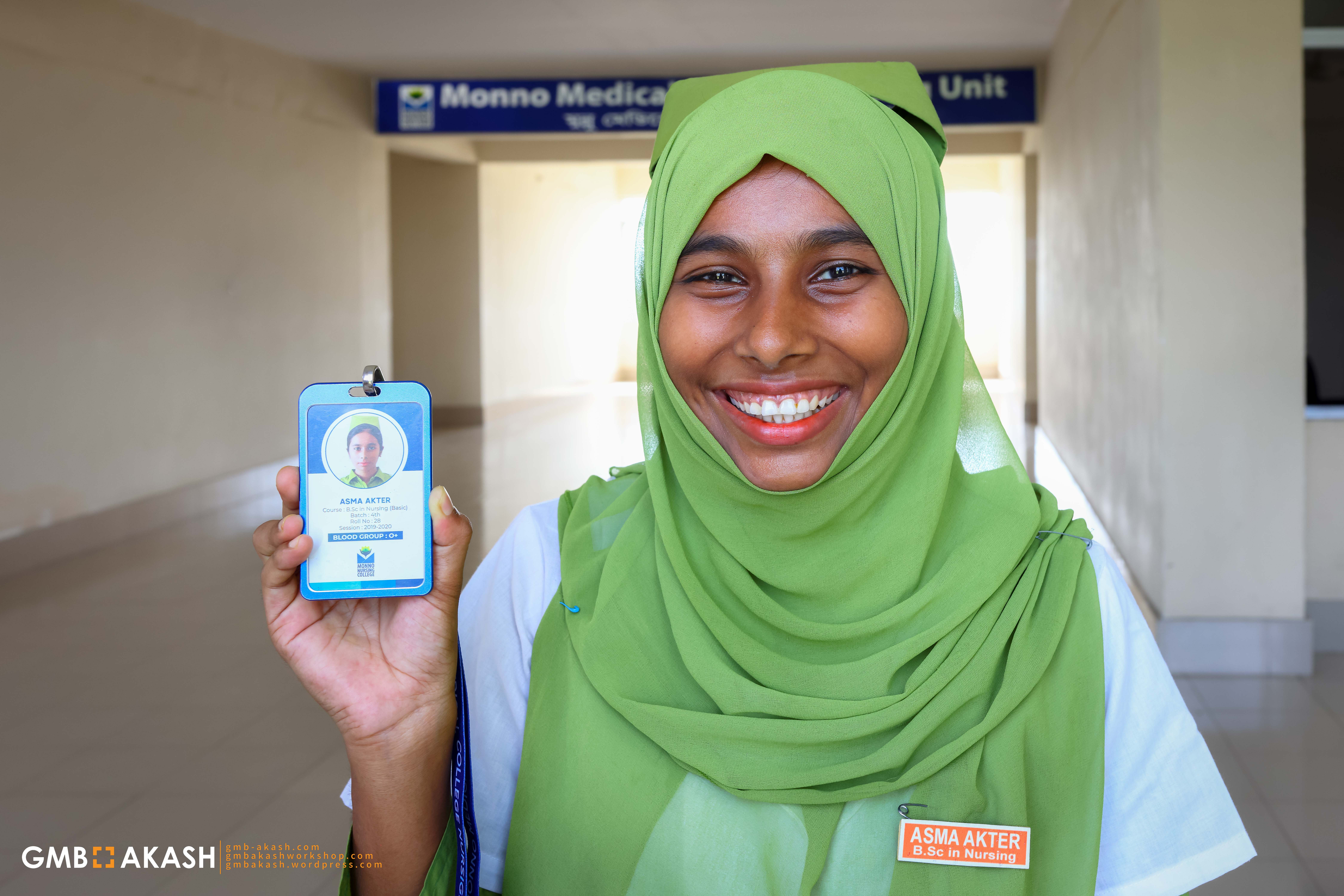
Asma doing her final yearof Nursing.

Can you believe an orphan girl Asma is now doing her Nursing Final Year?!! Alhamdulillah.

By the grace of God, I have been taking care of all the expenses of her studies for the last 6 years.

It was 2016 when she was preparing for her SSC exam, but she was struggling to manage the big amount of money for her form fillup. Luckily Ashma came to my notice as like my other hundreds of helpless students.

Asma is currently studying nursing at the Monno Medical College. It will take another year for her nursing program to be completed, and after six months of internship, I hope she can secure a good job, which will allow her to support her family and enable to fulfill her own dreams.

Please keep her in your prayers so that she can successfully complete her studies and achieve a beautiful life.

_GMB Akash

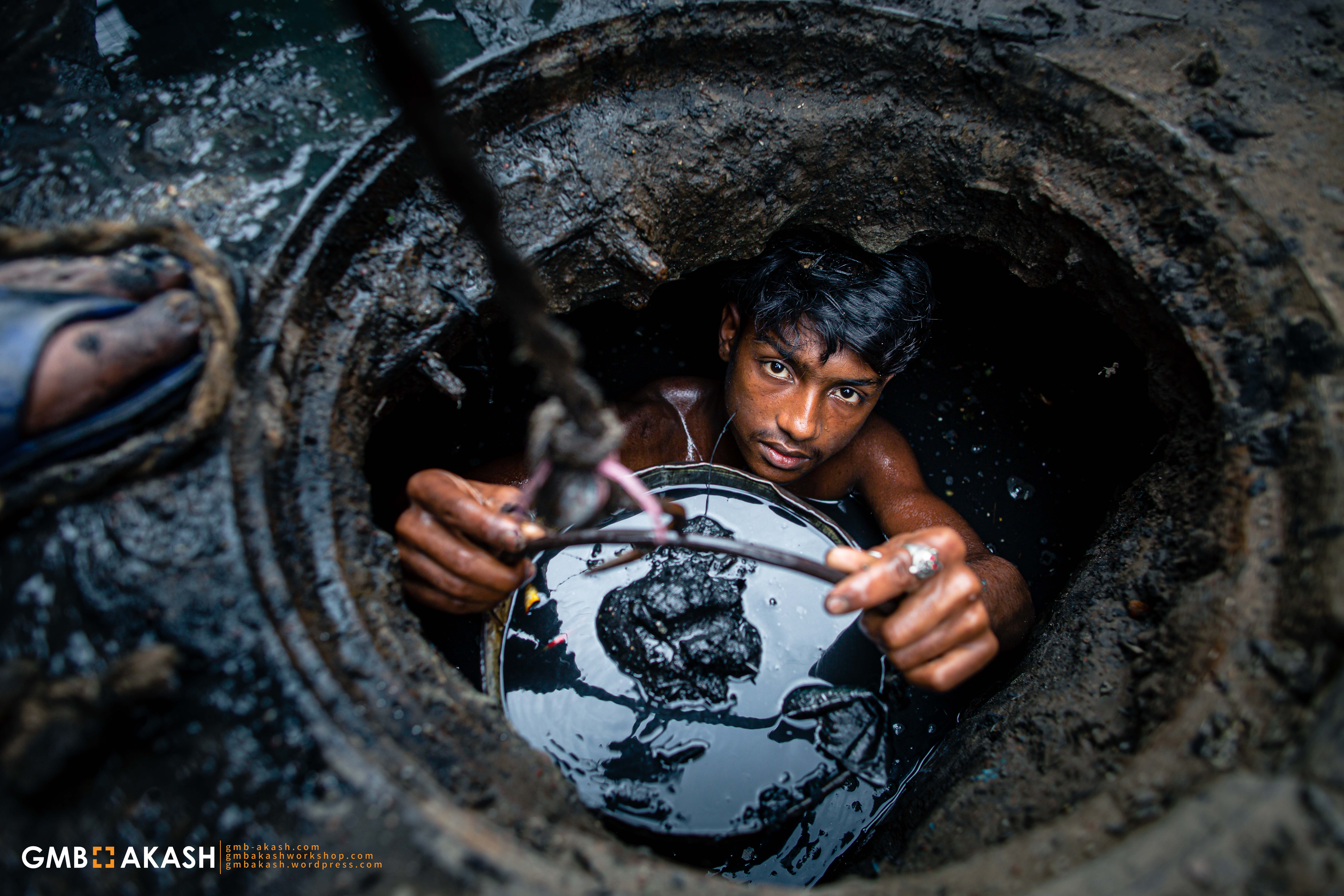
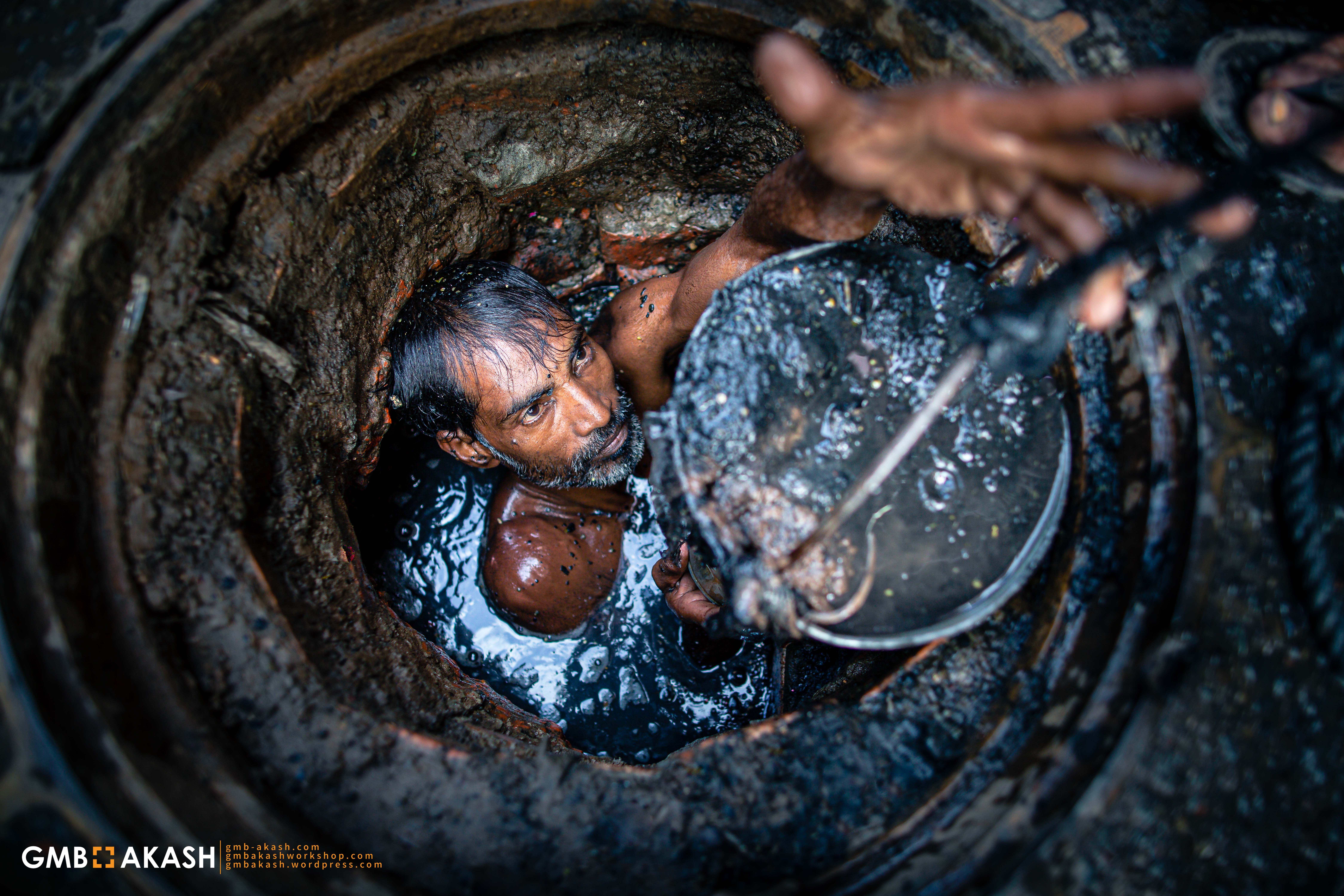
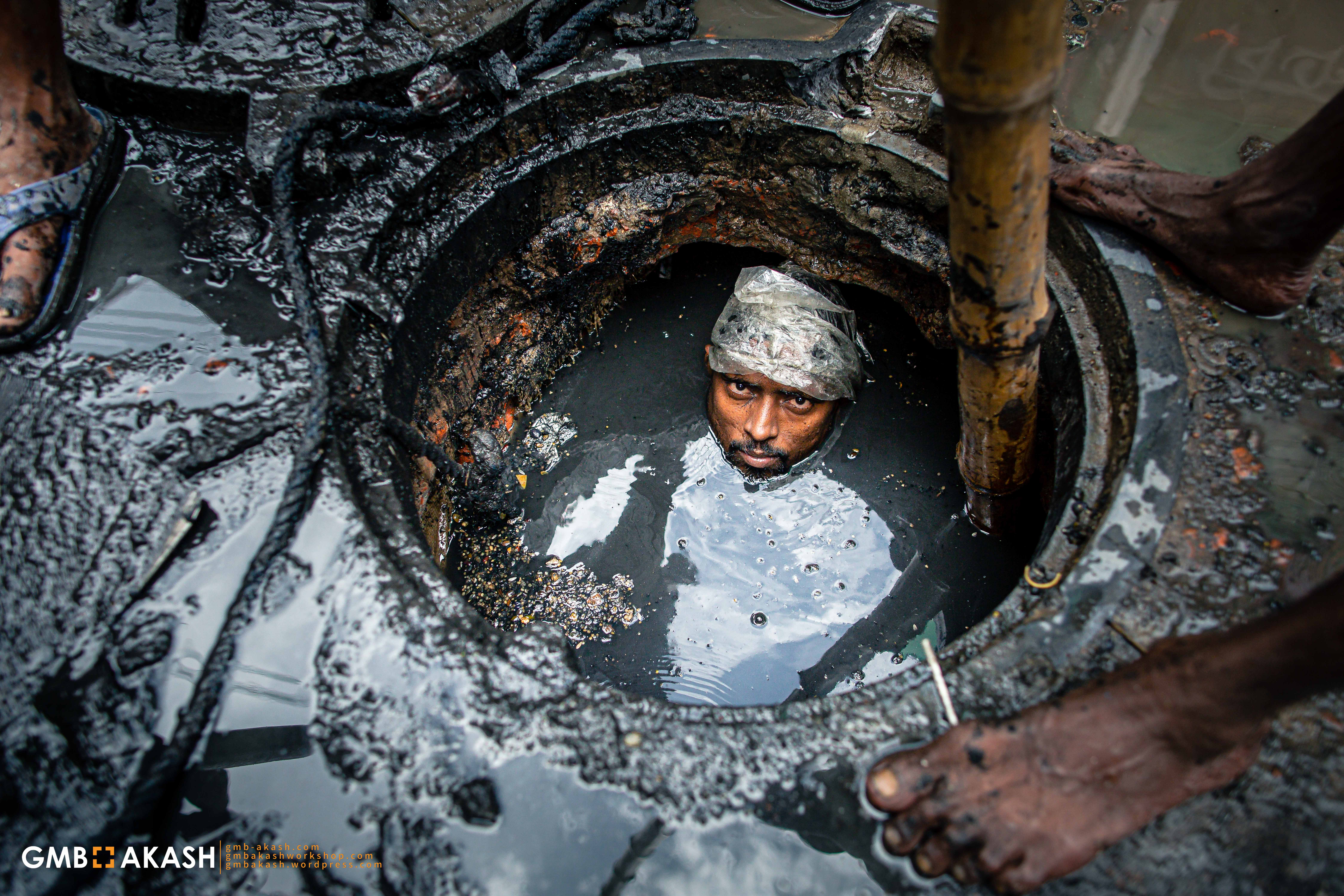
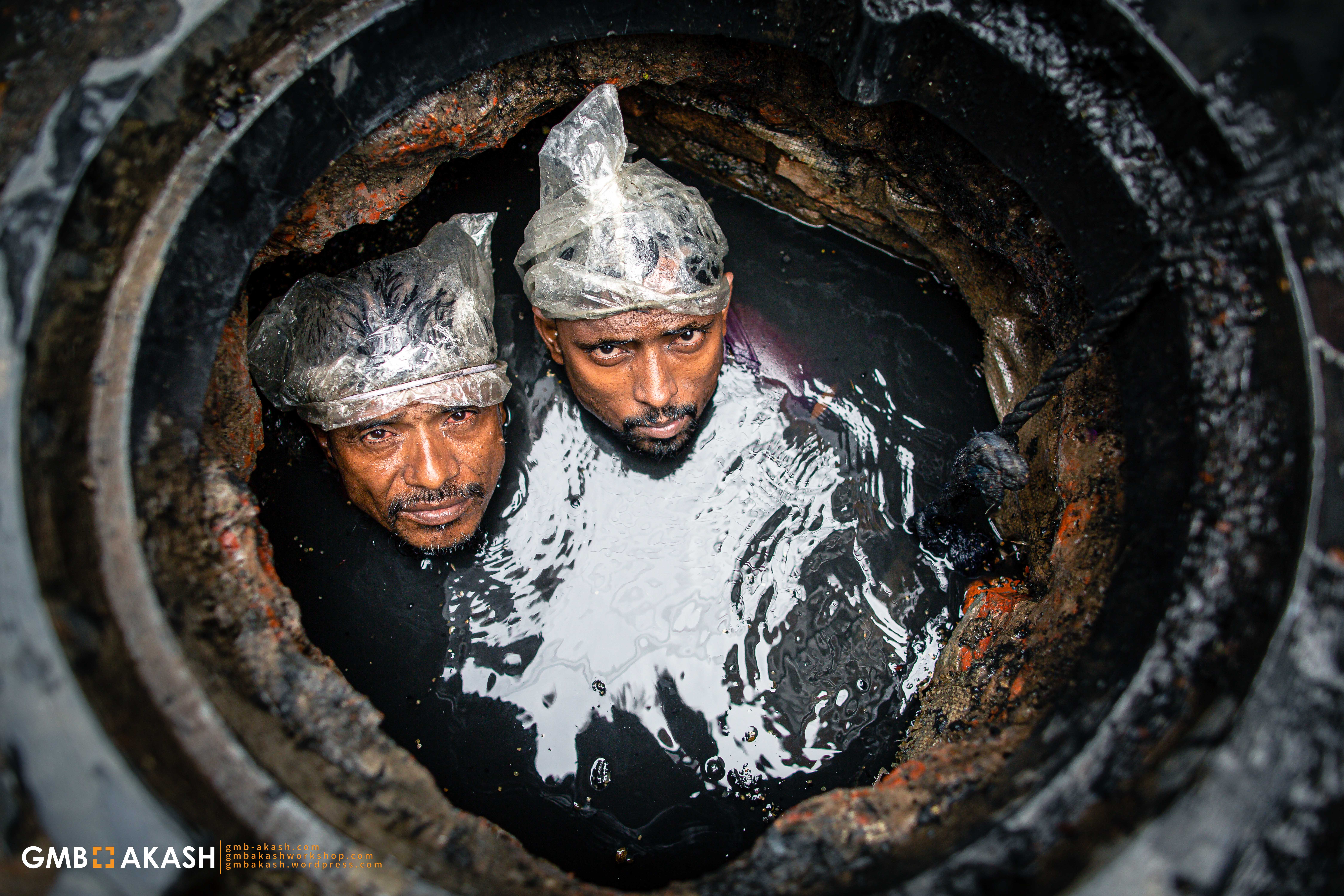
The Unseen Warriors: Dhaka’s Scavenging Heroes.

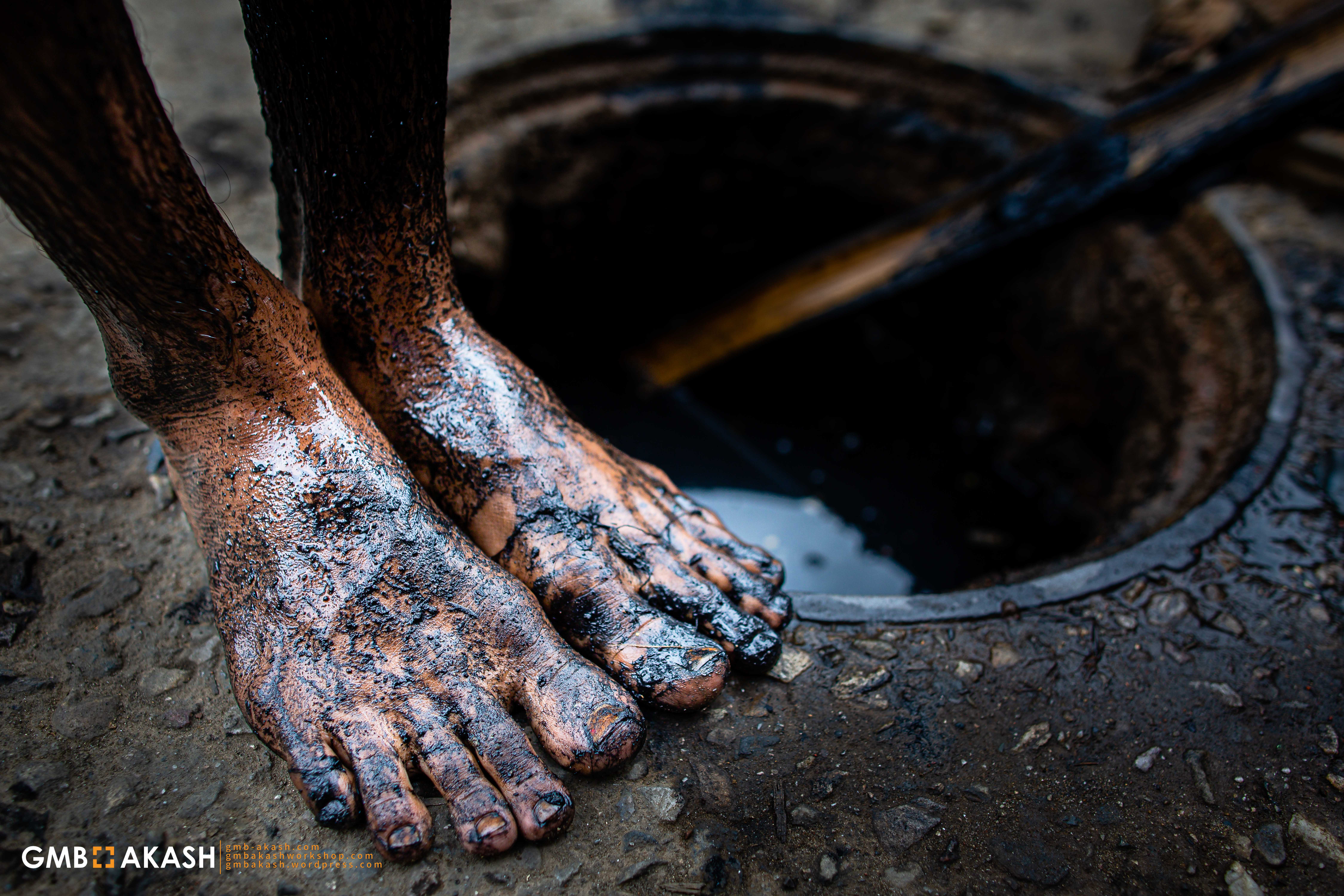
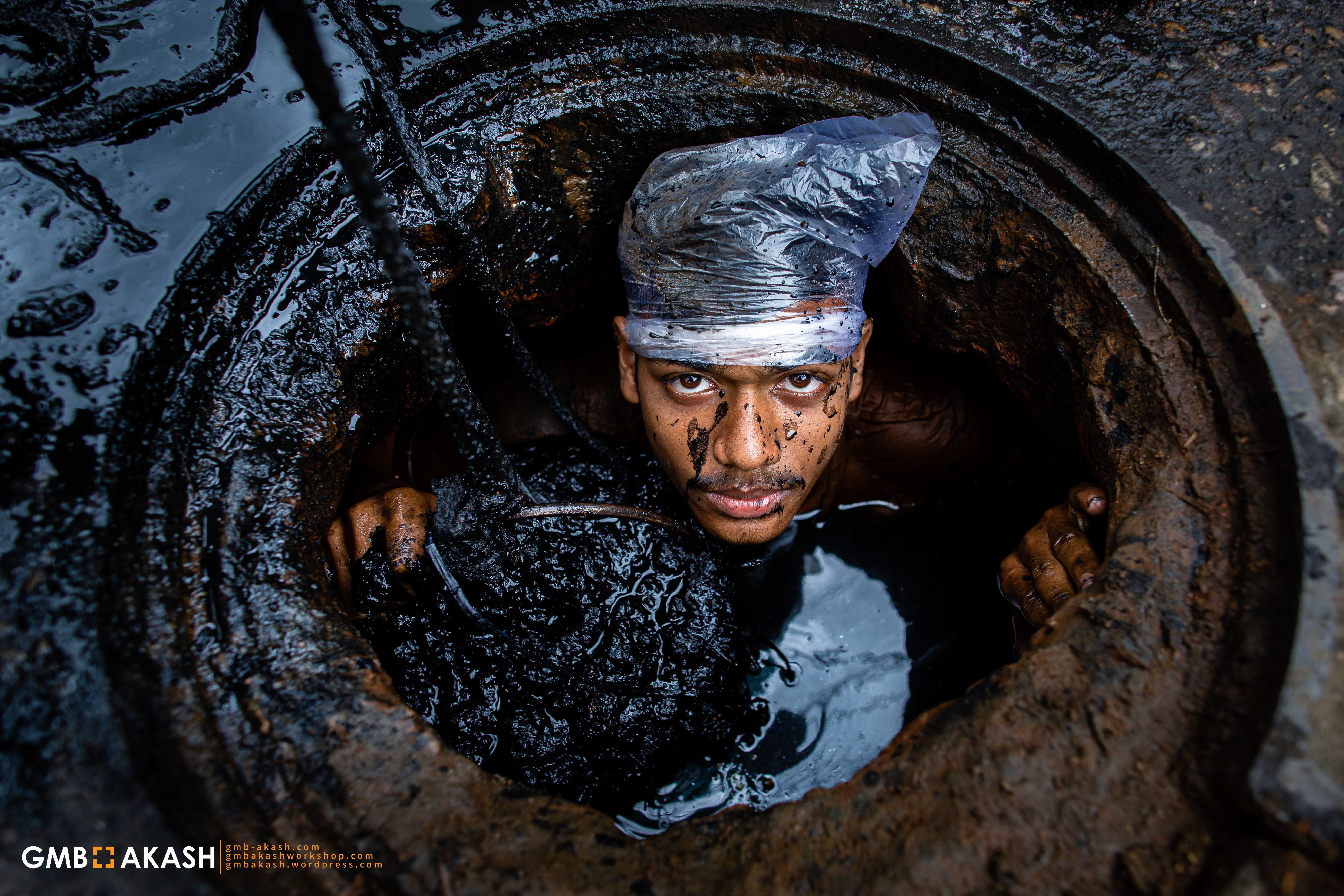
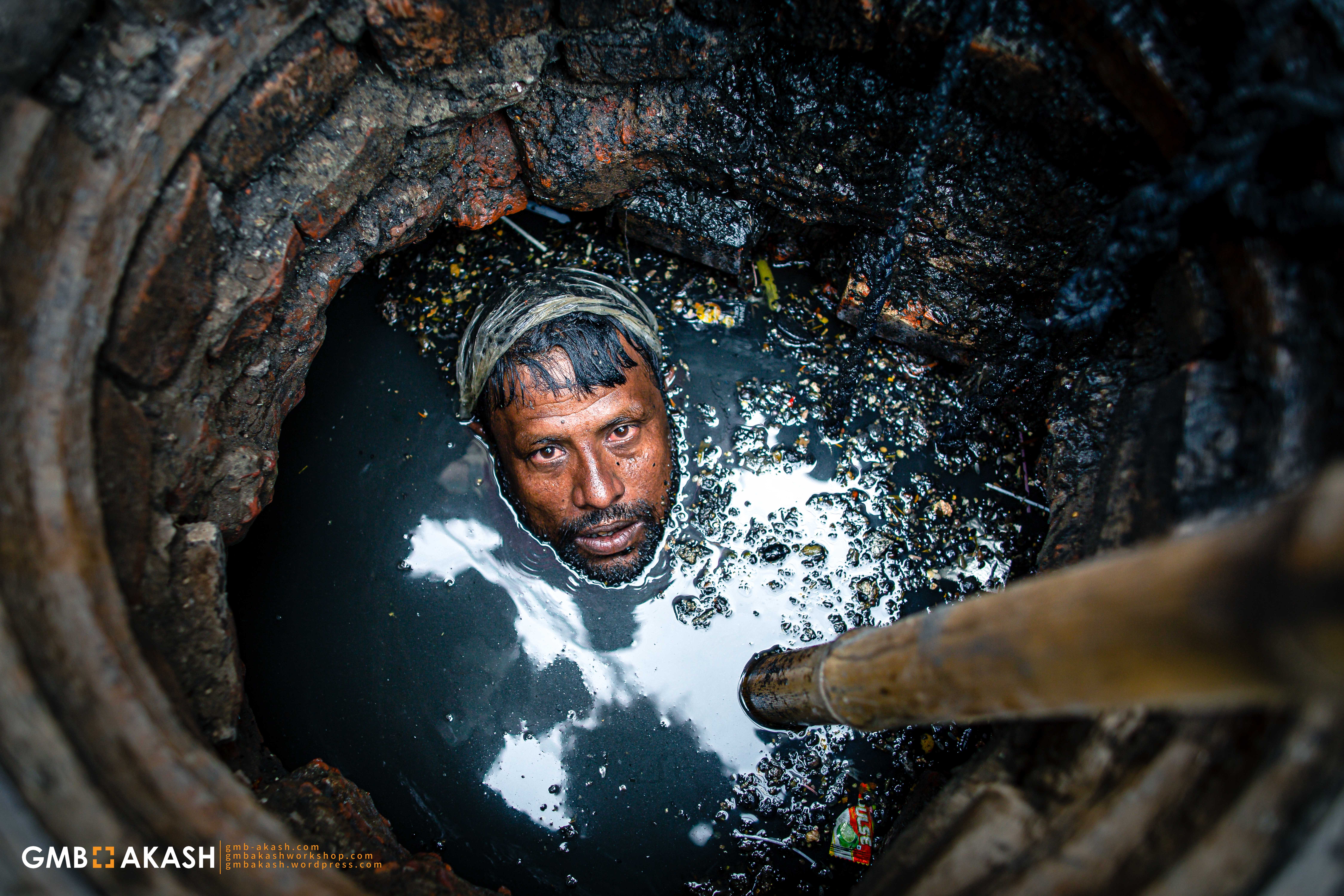
In the bustling streets of Dhaka, a heartbreaking scene unfolds daily. It is a sight that grips the senses with disgust yet remains an integral part of maintaining the urban sanitation system. Even in this year of 2023, the persistence of manual scavenging is a tragic and disheartening reality that goes unnoticed by many passersby each day. This hazardous and inhumane practice involves the manual cleaning of underground sewage systems; despite being banned by law.

The individuals who enter the manholes without any safeguards are also someone’s fathers or husbands who have someone to love. They too feel pain and bleed red blood when they get hurt. By becoming dirty, they cleanse us. No one is asking for a rocket, but providing them with some safety guards, necessary clothing, and oxygen masks, can’t we do that?

Even in this year of 2023, people are choosing this profession because poverty and a lack of alternative employment opportunities force vulnerable individuals into this dangerous occupation. The working conditions for these scavengers are unimaginably harsh as they descend into dark and cramped spaces without proper safety equipment, exposing themselves to toxic gases, suffocation, and the risk of drowning or collapsing structures.

The absence of protective gear also leaves them vulnerable to diseases such as fever, fatigue, cholera, typhoid, asthma, polio, eye infections, hepatitis, skin burns or irritation, and endless infections caused by hazardous substances. Furthermore, these workers face severe social stigma and discrimination, leading to their marginalization within their communities and limited opportunities for education and economic mobility.

Despite existing labor regulations, the lack of enforcement perpetuates a cycle of poverty and exploitation for these sanitation workers in Bangladesh.

Argentine photographer Sergio Belmonte embarks on an unforgettable journey to Bangladesh.

Passionate Argentine photographer, Sergio Belmonte, embarked on an unforgettable journey to Bangladesh for his one-to-one photography workshop. Little did he know that this experience would deeply touch his heart, immersing him in the warmth and admiration the Bangladeshi people have for Argentina’s football team.

With gratitude, Sergio thanks the people of Bangladesh for embracing him with affection. His photographs aim to pay tribute to the beauty and spirit of this remarkable country and its people.

Exploring Bangladesh through his lens, Sergio discovered its exquisite beauty. From bustling Dhaka to the serene countryside, every corner held a unique story. Locals welcomed him, sharing insights into their rich heritage and traditions.

Check out my workshop website at www.gmbakashworkshop.com to see the other participants’ work. If you’re interested in joining this exclusive program, email me at akashphoto@gmail.com for details.

About the workshop: It’s a customized photography program that goes beyond boundaries. Each student gets exclusive access to me throughout the workshop, benefiting from my experience, teachings, and methods. These intimate workshops offer a real-world working environment where students learn and experience much more than in a standard university photography program. The workshops last six days and take place in culturally rich locations with abundant photographic and documentary subjects.

The Perfect Eid Surprise for Parvin Apa!

Wonderful News! The Perfect Eid Surprise for Parvin Apa!

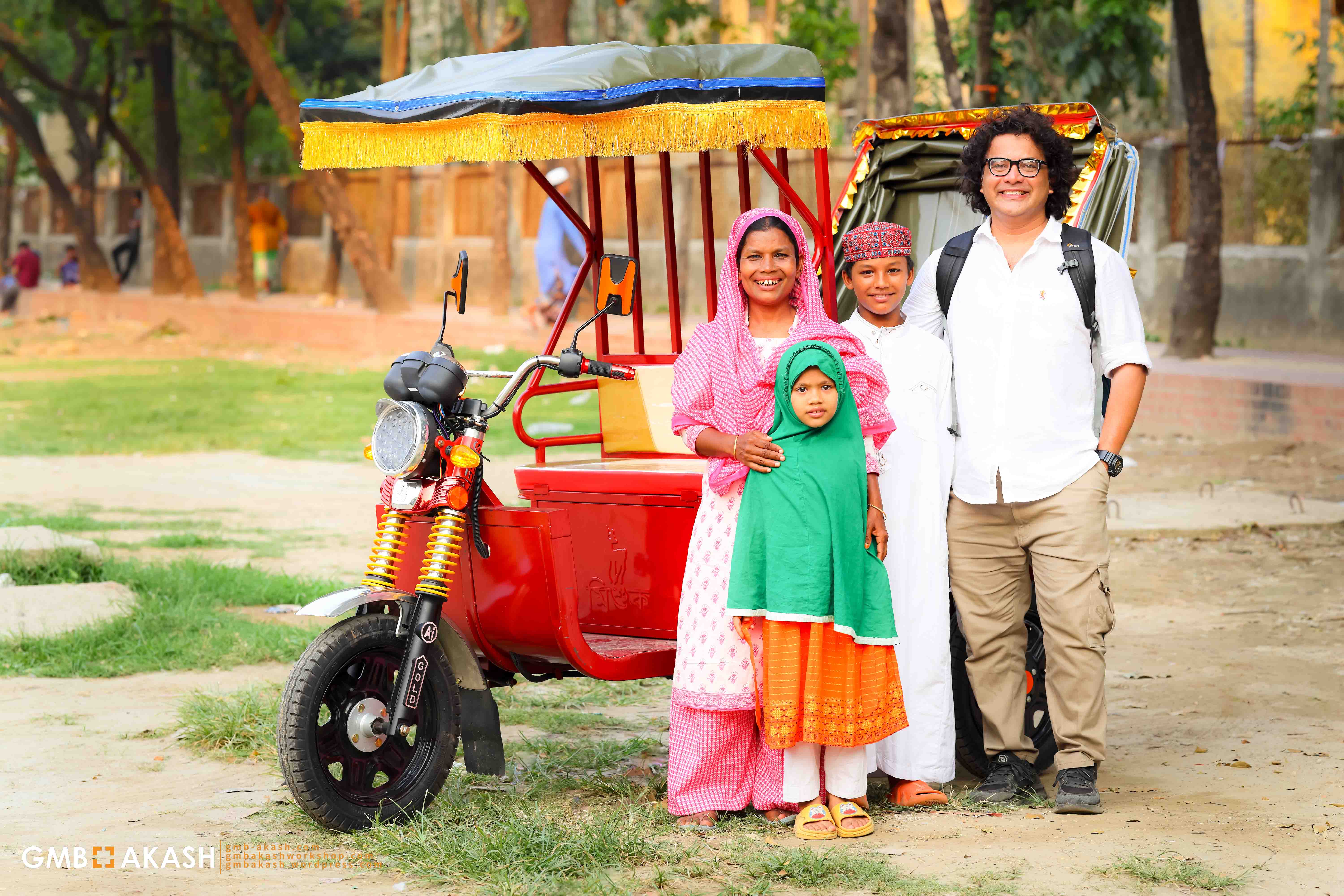
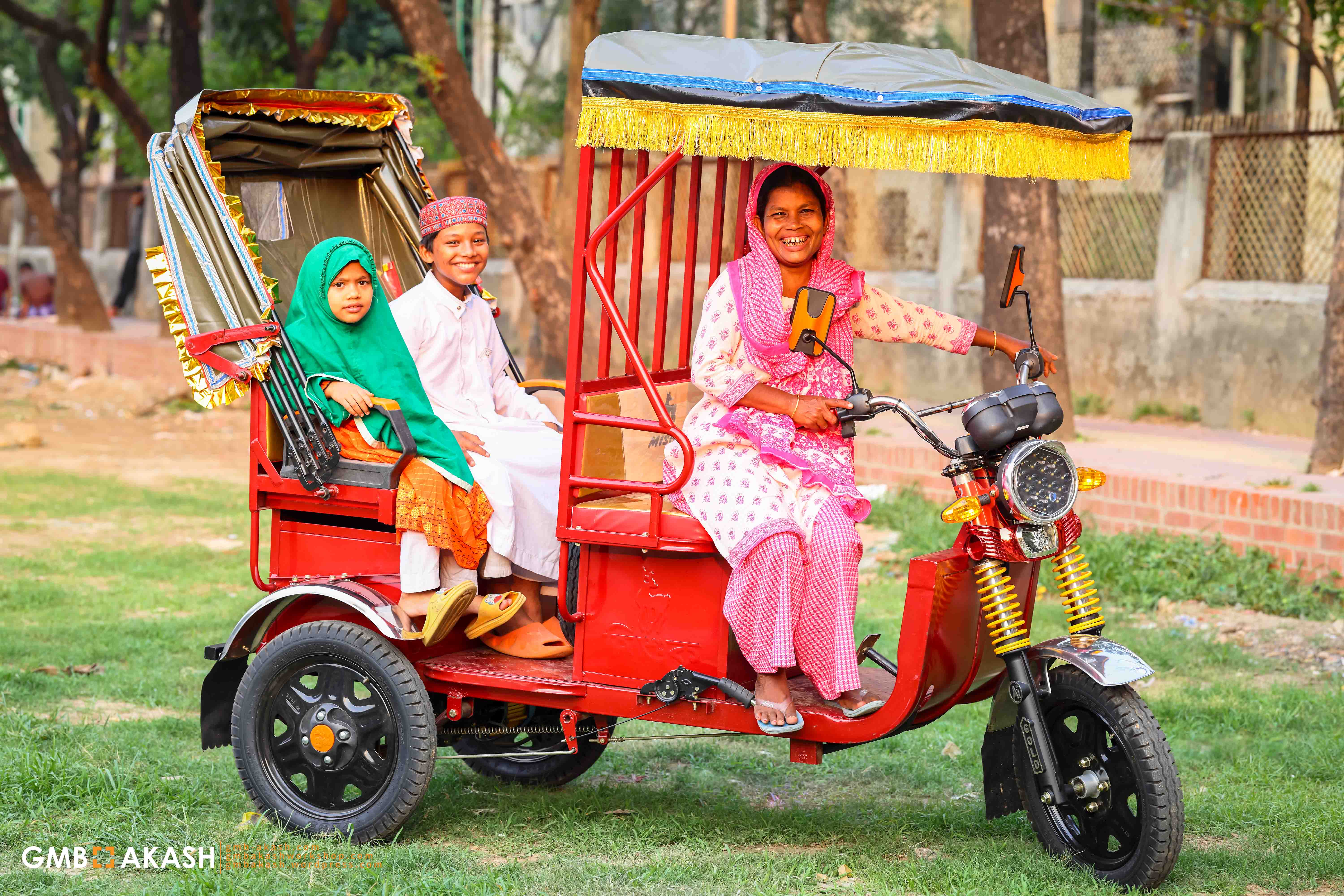
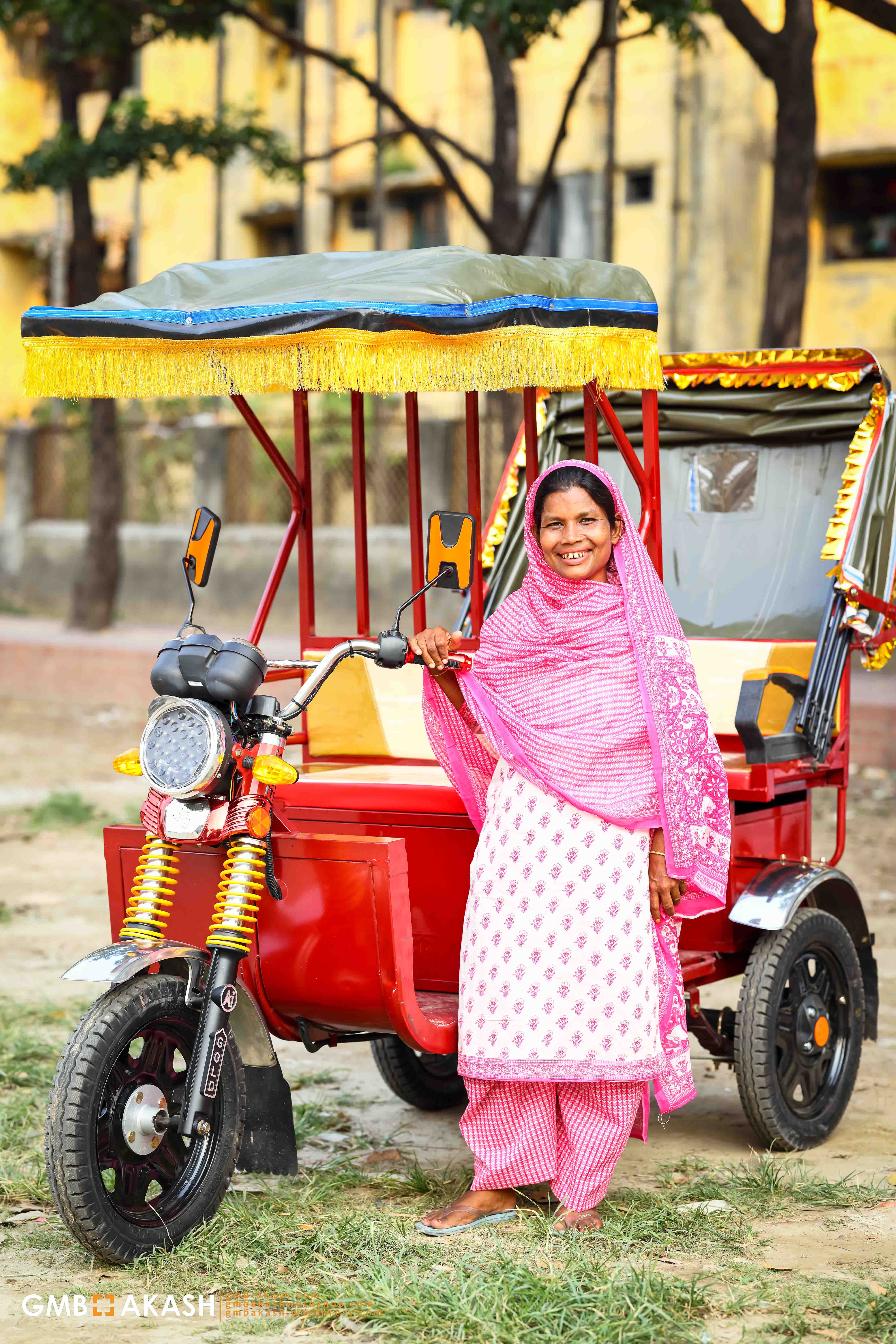
I have gifted parvin apa with a brand new customized auto rikshaw this week, which cost around 1 lac taka.

This exceptional gift brings immense joy to Parvin Apa’s life, now she can earn1000 taka daily, and she doesn’t need to pay a high amount of money to rent a Rikhsaw as she used to do before.

With her sufficient earnings, she can now easily take care of her children’s education.

Thank you everyone for your love and respect for parvin Apa.

The Power of Clean Water: A Life-Changing Gift for Over 100 Families.

“The best charity is to provide water.”

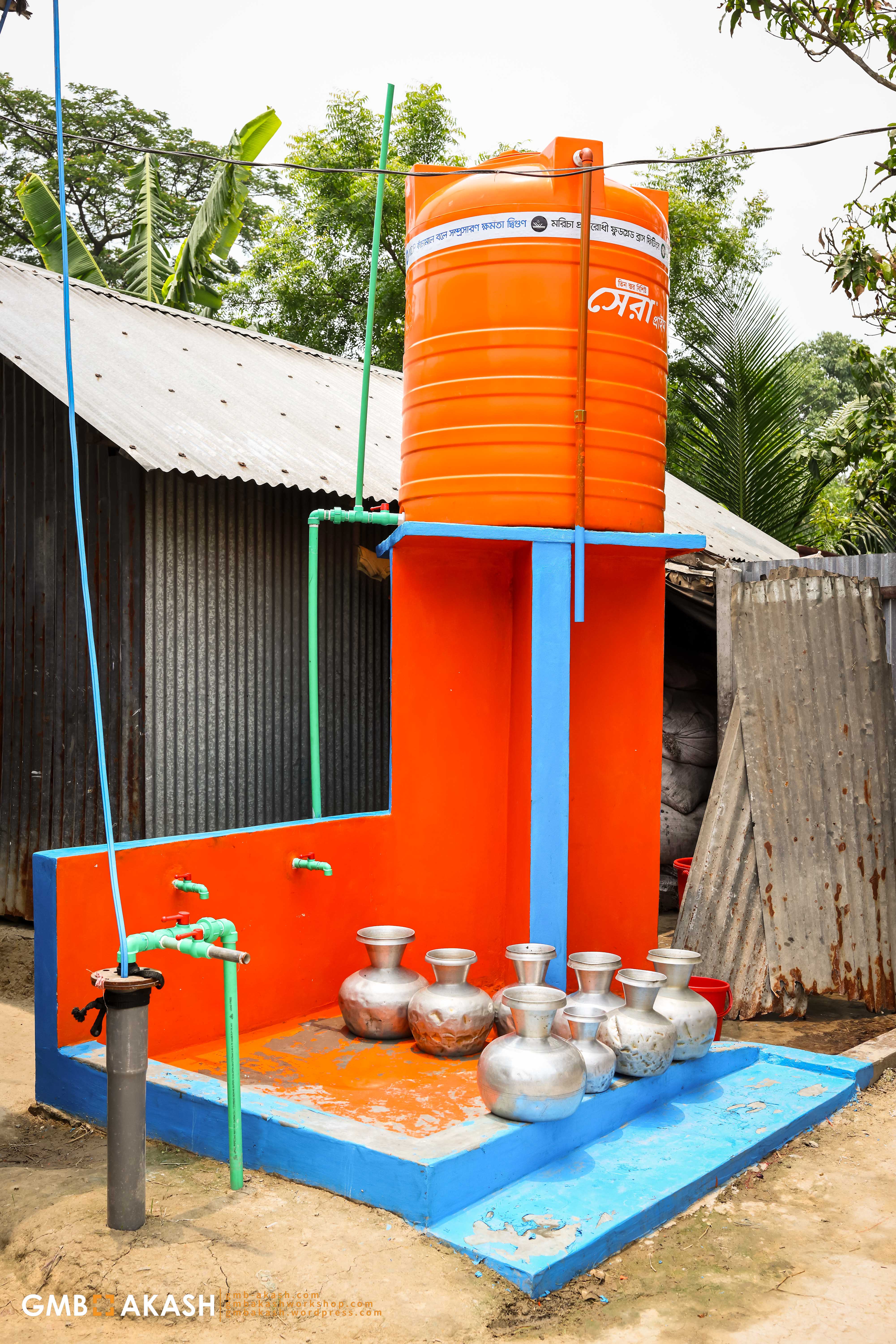
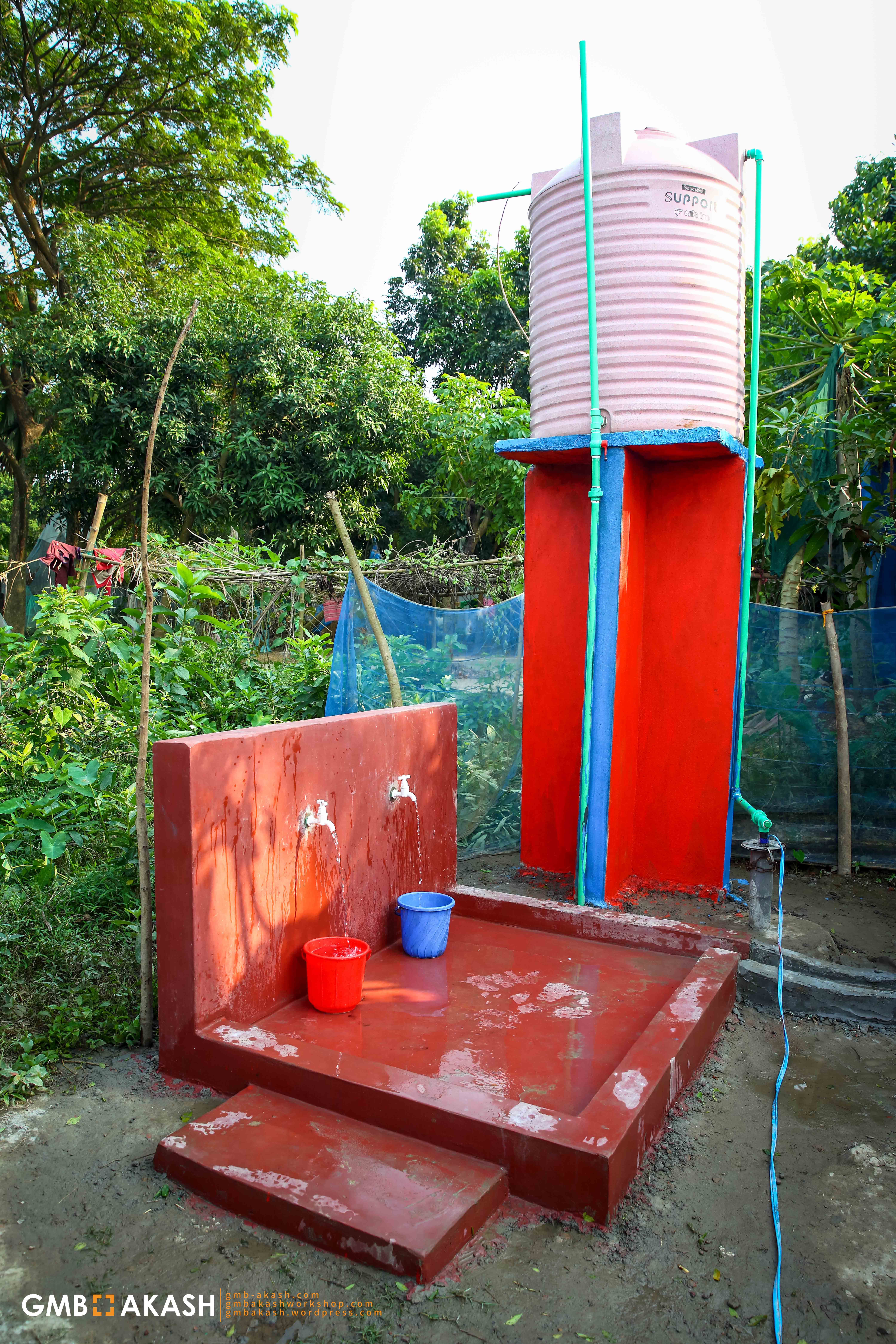
My friends, by the grace of God, I have been able to provide a deep-water pump for a whole village. More than 100 people collect water from this deep tubewell.

Due to its proximity to Dhaka City, it is almost impossible for them to draw water from a normal hand pressure tap. Water can only be extracted by deep tube-wells in only some specific areas in this region.

Sahanaj Begum said, “I moved to this area after getting married 30 years ago. For the past three decades, I have been living in this region and experiencing ongoing water-related challenges. Initially, we relied on pond water, but unfortunately the increasing heat has caused the pond to dry up in summer seasons. Even we don’t have enough water for our basic needs like food and drinking in our area.

Through a week of hard work, time and effort I was able to install this Deep Water Pump with the help of the villagers. It cost around 70,000 taka to install the deep water pump.

My friends, the villagers have sent their heartfelt prayers, gratitude and best wishes for all of you who have contributed for the water pump and tubewell.

They said, this tubewell was the biggest gift of their life in this hot summer.

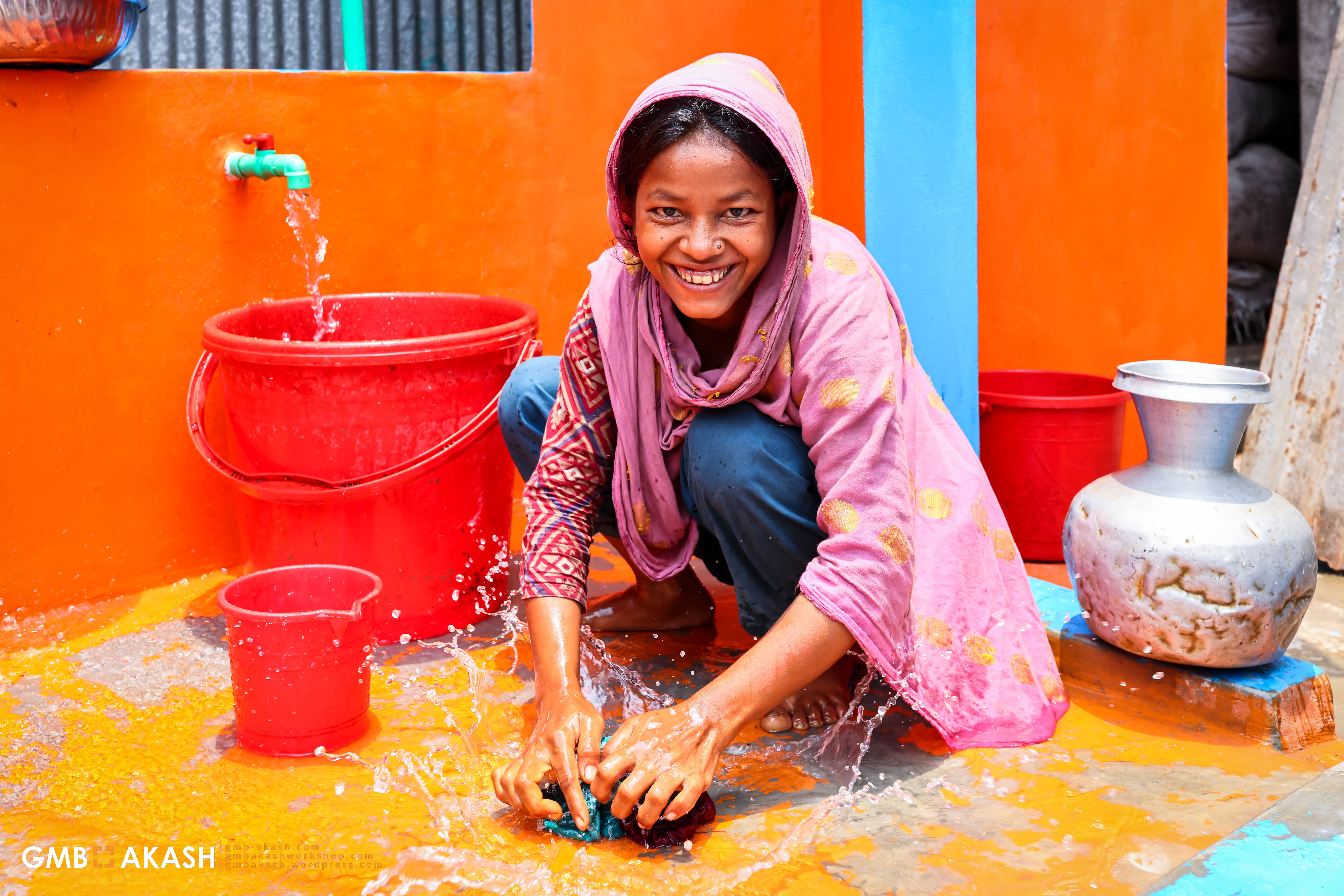
More than 100 people (families) collect water everyday. I am also planning to make a small bathroom besides the deep tubewell, so that the women who come to collect water can take a shower as well.

Please keep me in your prayers, so that I can continue my journey of improving the lives of those in need.

Love and Light

_GMB Akash

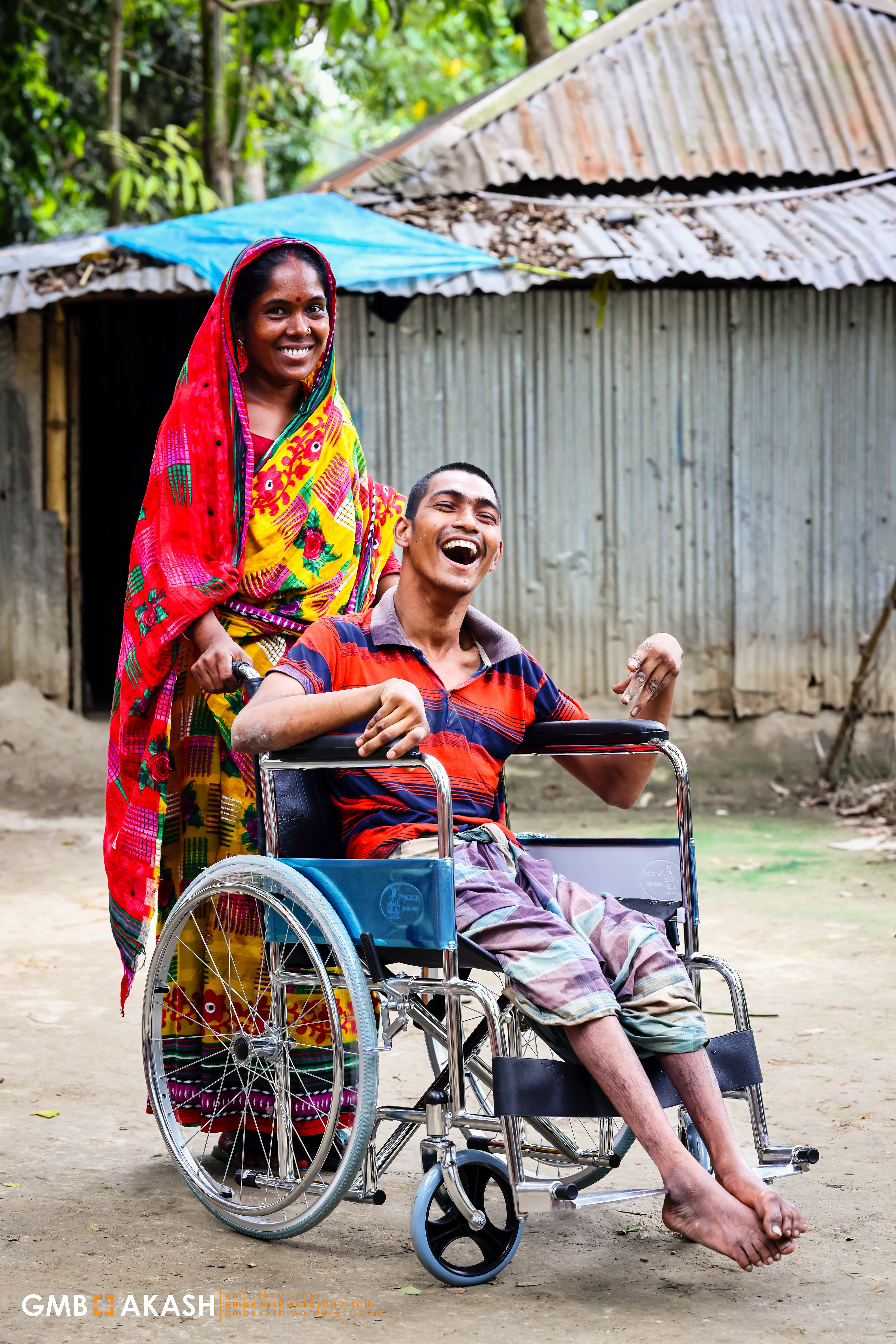
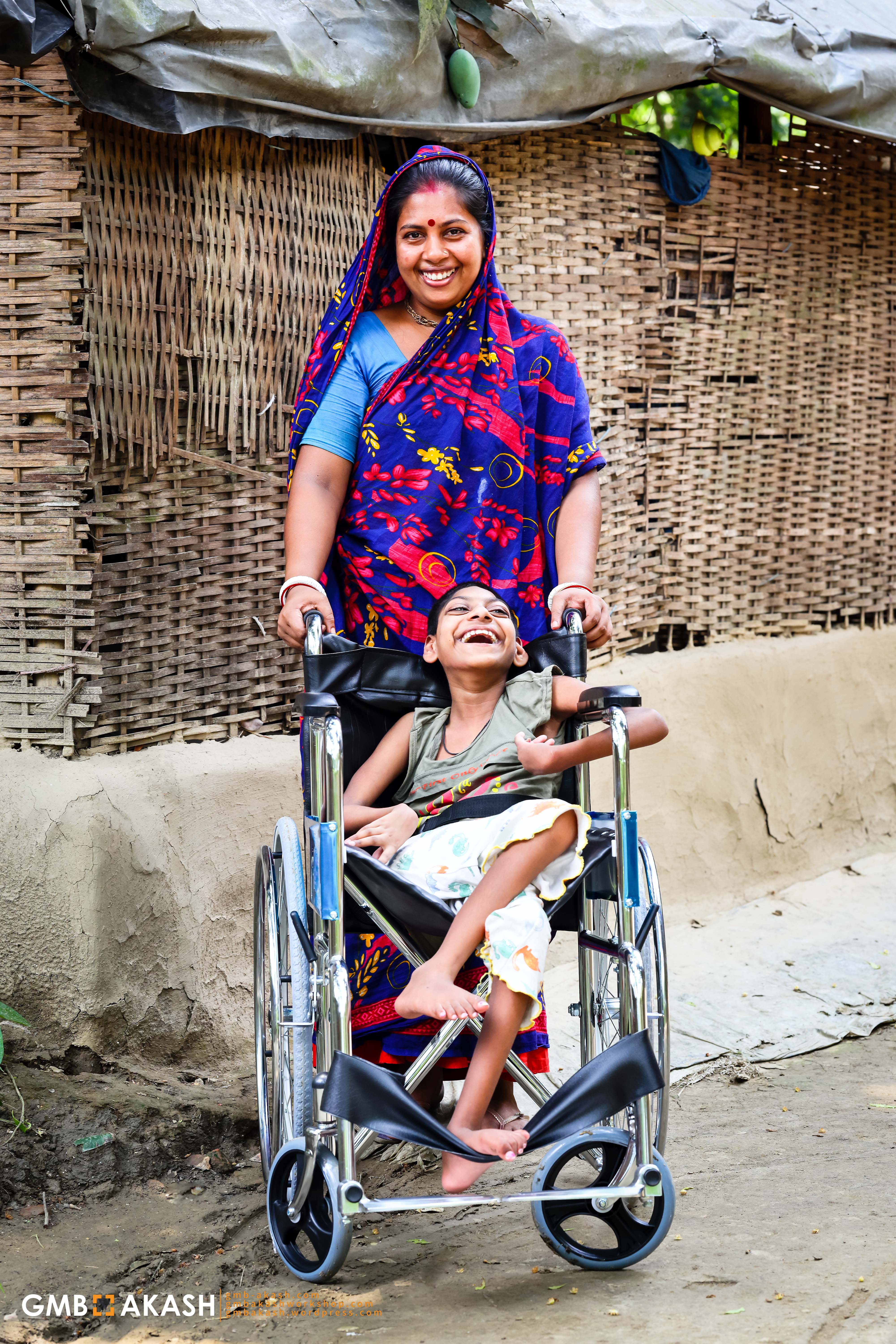
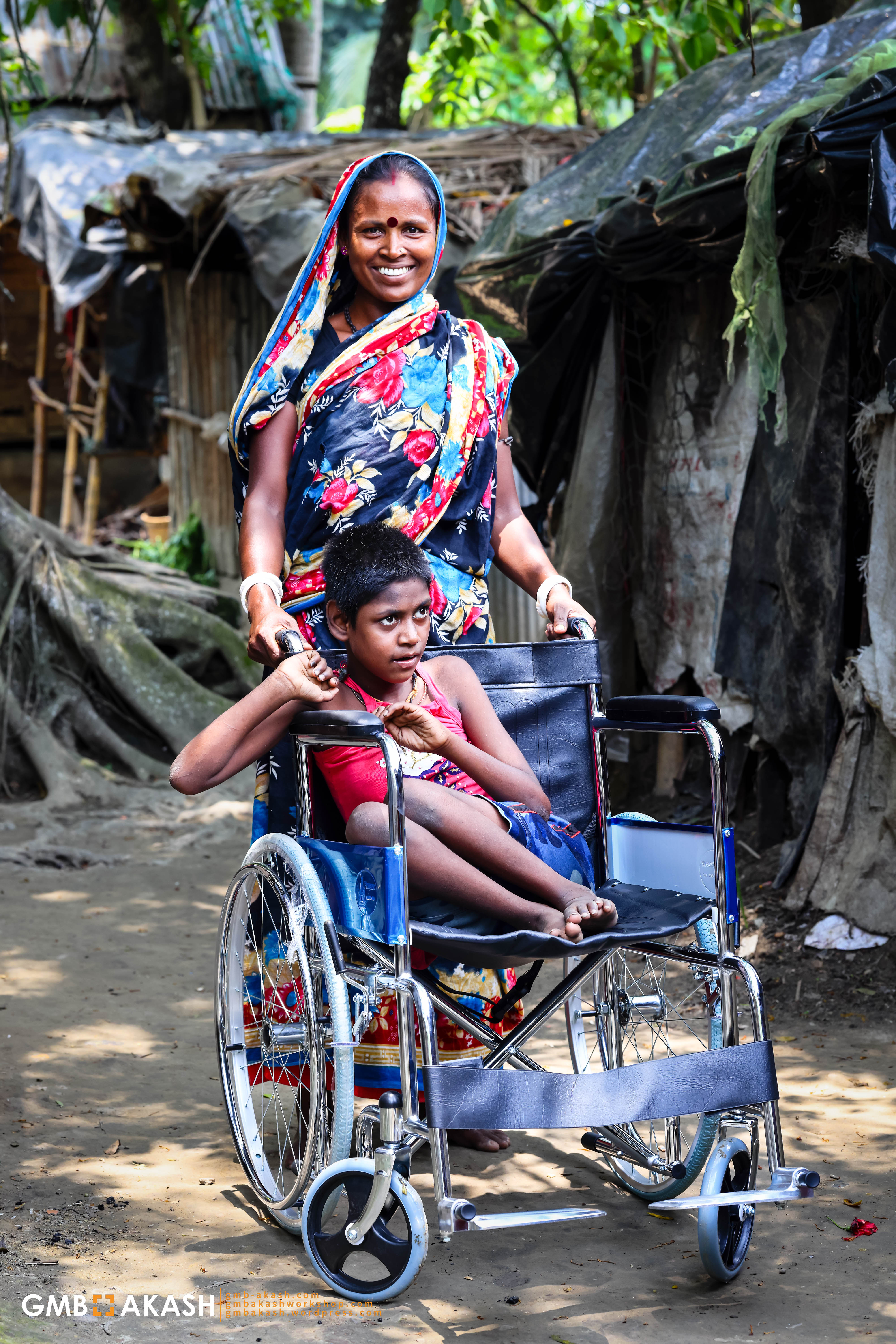
Gifted 10 new wheelchairs to 10 special children this week.

Dear friends,

Once again, I have gifted 10 new wheelchairs to 10 special children this week. Over the past seven days, from morning until evening, I have gathered special and unforgettable memories with these children.

I would like to express my gratitude to every friend who has donated HAPPINESS and CARE for these children. Thank you for sharing your portion of the world with these children. Some of them have seen the open sky or their village for the first time in years.

I am sharing a glimpse of those happy moments that many of you have created alongside me. I invite you to take a look at what you have brought to these children!

Thank you, my friends, for making these children believe in humanity. Thank you for giving them hope and for showing them that we care. Let us continue to support them with gentle pats on their backs and remind them that we are here for them.

Love and light

_GMB Akash

I am absolutely delighted and deeply honored to have been chosen as a member of the jury for the esteemed and influential ‘2023 Chromatic International Photo Contest’ in the UK.

Dear friends,

I am absolutely delighted and deeply honored to have been chosen as a member of the jury for the esteemed and influential ‘2023 Chromatic International Photo Contest’ in the UK.

I want to express my heartfelt gratitude for your unwavering support and affection. Your encouragement means the world to me.

Kindly keep me in your thoughts and prayers as I embark on this exciting journey.

For further information and updates, please visit:

https://chromaticawards.com/

Sending you all love and light.

Love and Light!

GMB Akash

Changing Lives, One Child at a Time: A Mission to End Child Labor.

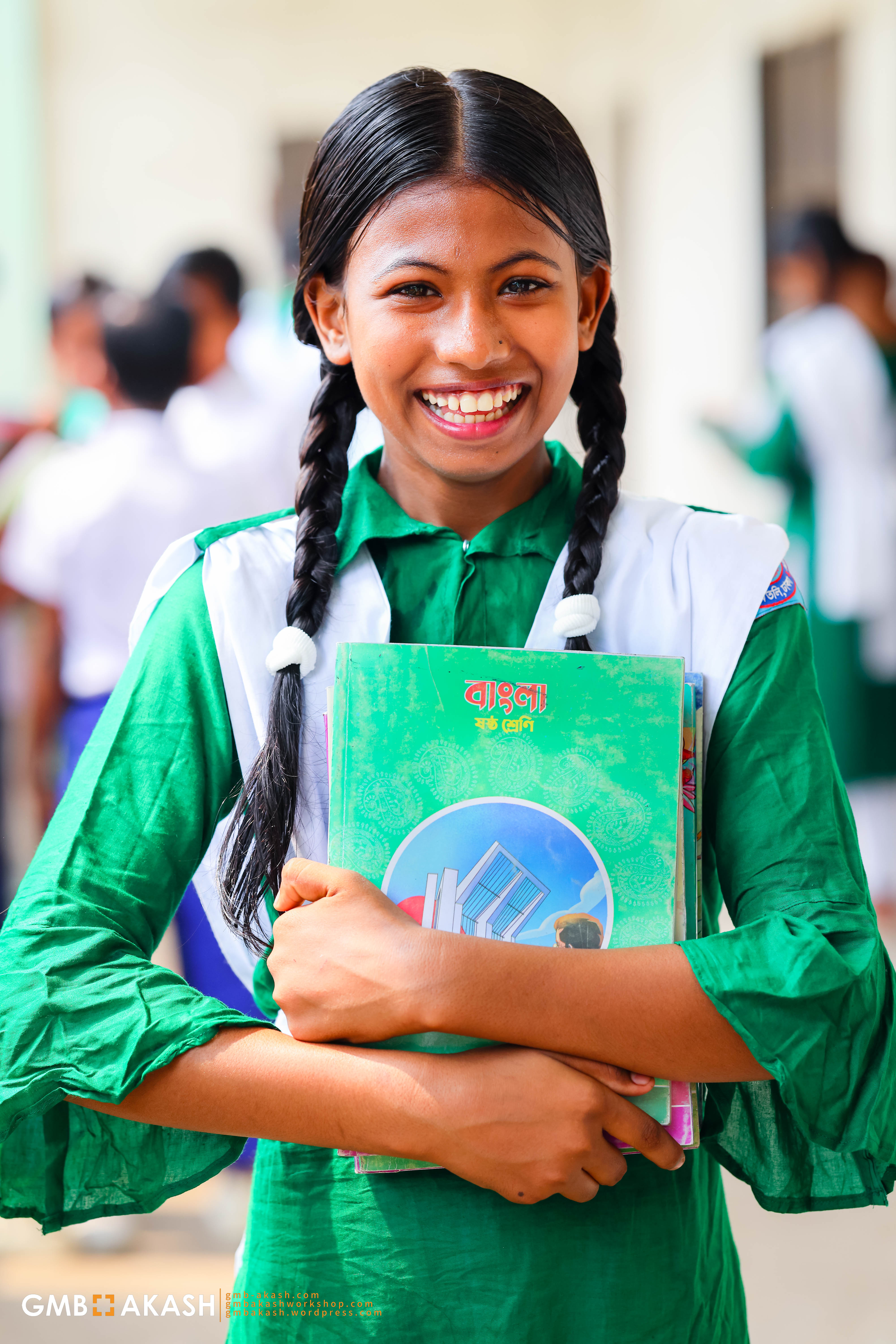
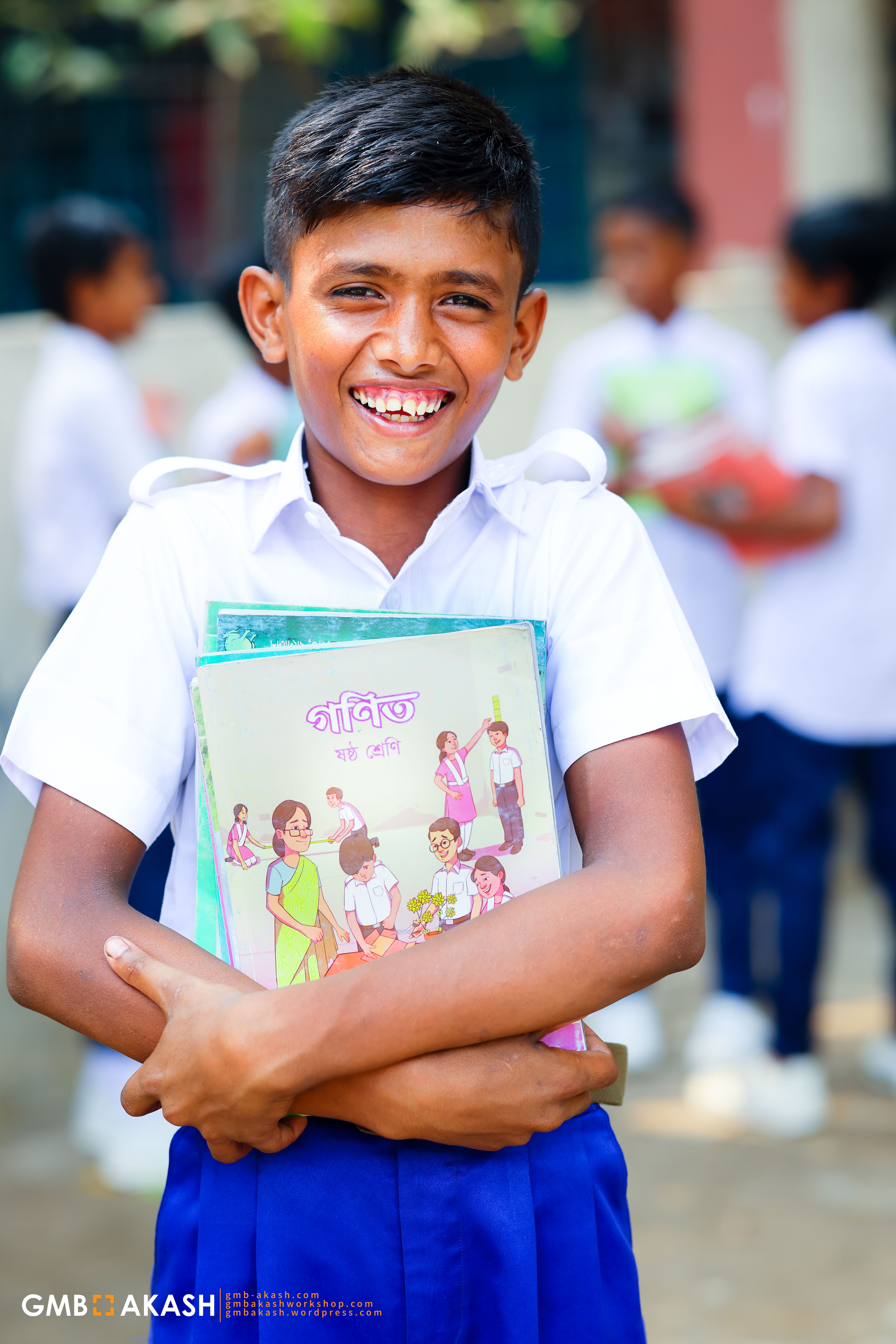
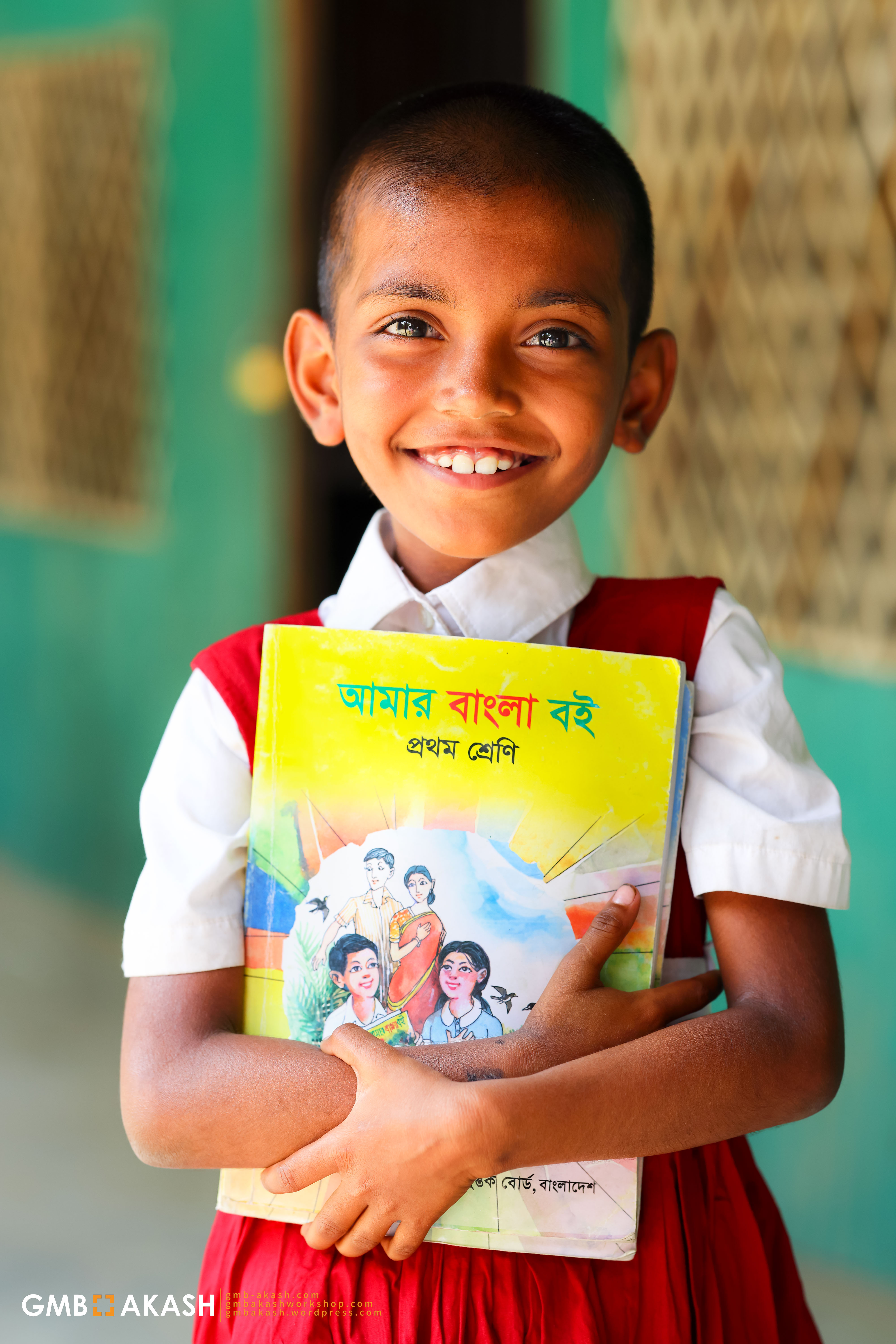
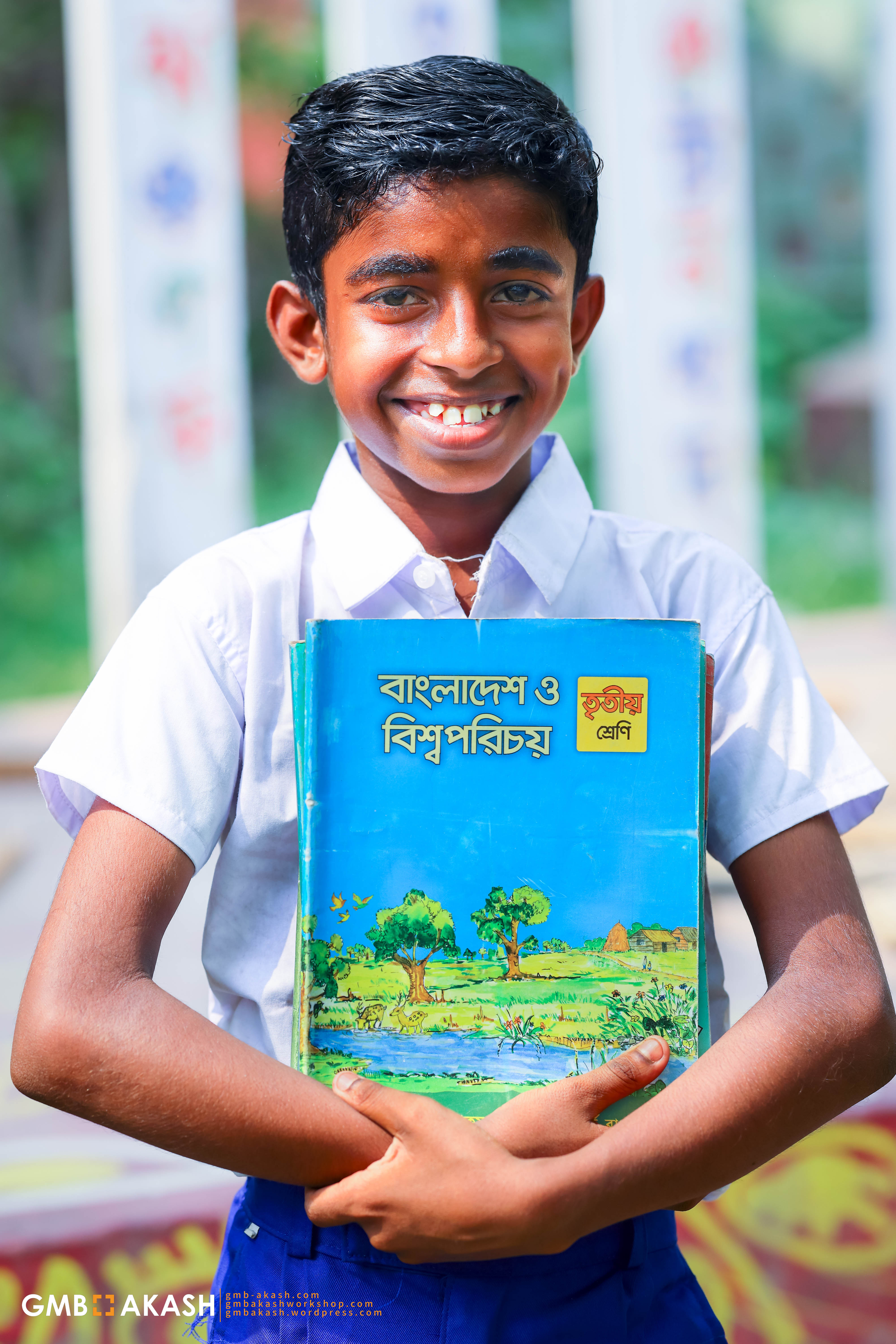
Dear friends,

I am happy to share that all 30 of my students have been promoted to their new classes and have received their new books. With excitement and happiness, they all shone like stars. It brings me great pleasure to share these radiant faces with you.

As you know, in 2020, I took on the responsibility of ensuring their complete education for my entire lives. For this reason, I regularly visit their homes and families to assess their situations. The years seem to be passing for them in the blink of an eye!

I began with 10 children, and now I have more than 30. Hopefully, in the coming years, I will be able to admit and shift more child laborers from their workplace to school.

For more than 15 years, I have been working on the issue of child labor in Bangladesh. From the beginning of my photography career, I wanted to change the situation and raise awareness of this issue. However, I was not happy with the slow progress happening in our society. Therefore, I decided to change people’s lives directly and started with those people whom I had photographed and those with whom I was already working.

I started by providing training and helping to set up businesses for people in need, especially the parents of child laborers. With these businesses, the families could earn more money and send their children to school instead of factories.

To get working children to school, I had to go door to door many times and request that their parents send them to school. Eventually, I was able to convince some parents about the importance of education and motivated them to send their children to school. It was not easy, as I had to take full financial responsibility for these kids, including expenses such as admission fees, tuition fees, daily food, books, clothes, and financially compensating their parents for the entire amount of money they would have earned each month if they had worked instead of going to school. I will also have to bear all the children’s expenses to ensure that they will continue to attend school.

Like these 30 children, more than four million children are struggling in our country. It may be difficult, but it is not impossible to give hope to these 4 million children. If every capable person would lend a hand to one child, miracles would happen, which could transform our society into a better-educated population who could better contribute to the development of our country, a benefit for us all.

My heartfelt thanks and deep gratitude for your kind support for the work I do. Without your support and love, I could not make all of this happen.

Sending my respect and prayers.

Love and light!

GMB Akash

Ralph Striewski came from Germany to join me in my exclusive six days One on One photography workshop.

Ralph Striewski came from Germany to Bangladesh in order to join me in my exclusive six days One on One photography workshop. January, 2023

To check the other participants work visits my workshop website: http://www.gmbakashworkshop.com

If you are interested to join this exclusive program send an email to know detail at: akashphoto@gmail.com

About the workshop: The focus of this customized program is to teach photography going beyond boundaries. Each student will have exclusive access to me through the duration of the workshop, giving them the opportunity to take advantage of my work experience, teachings, and methodologies. Due to the intimate nature of these workshops and the real world working environment, each student can expect to learn and experience much more than they would during one year in a standard university photography program. Each workshop is six days long and set in locations that are rich in culture with a wealth of photographic and documentary subject matter.

Bangladesh’s Unsung Heroes: Celebrating the Backbone of Our Nation on Labor Day

Behind the growth of any nation lies the hard work of its workmen. Saluting our indefatigable workers, who keep Bangladesh moving forward as we celebrate #LabourDay#MayDay.

It is essential to recognize the contribution of Bangladeshi laborers who work tirelessly in various industries, including agriculture, manufacturing, construction, and service sectors.

Unfortunately, many of these workers face challenges like low wages, unsafe working conditions, and lack of job security. On this day, we must take a moment to reflect on these issues and pledge to work towards improving the lives of our workers. Let us honor the achievements of our working-class people and commit ourselves to creating a better future for them.

This photo album serves as a tribute to the hardworking men and women who contribute immensely to our society. Your comments, filled with appreciation and support, only reinforce the significance of this celebration.

Each photo represents the resilience, dedication, and unwavering spirit of our labor force. It is an honor to capture and share these moments with all of you.

Let’s take a moment to reflect on the achievements and sacrifices of our labor community. Feel free to share your thoughts, personal experiences, or messages of gratitude.

Together, we can amplify their voices and recognize their invaluable contributions.

May this album serve as a reminder of the strength and unity that define us as a nation. Happy Labour Day to all, and thank you for being a part of this meaningful journey!

_GMB Akash

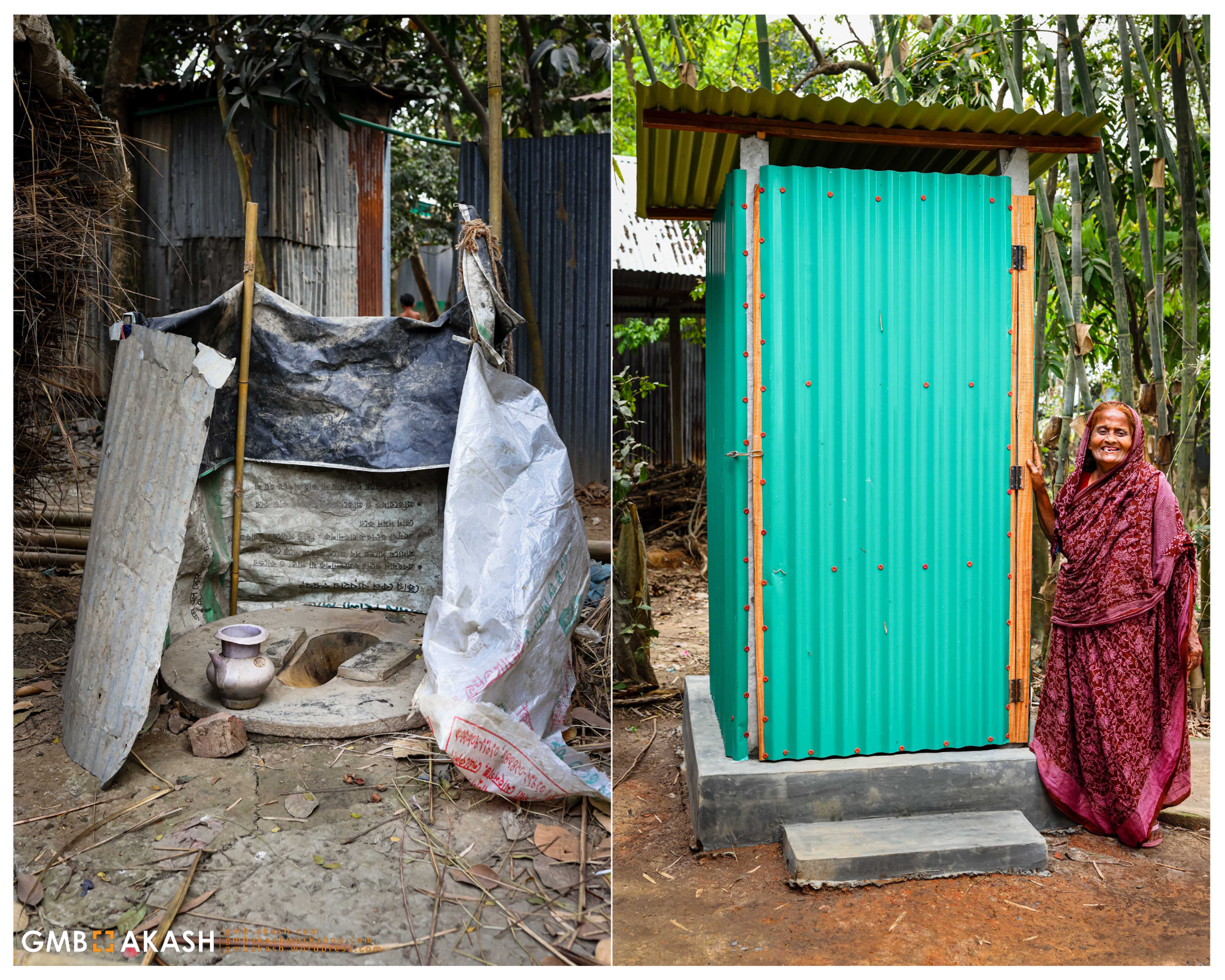
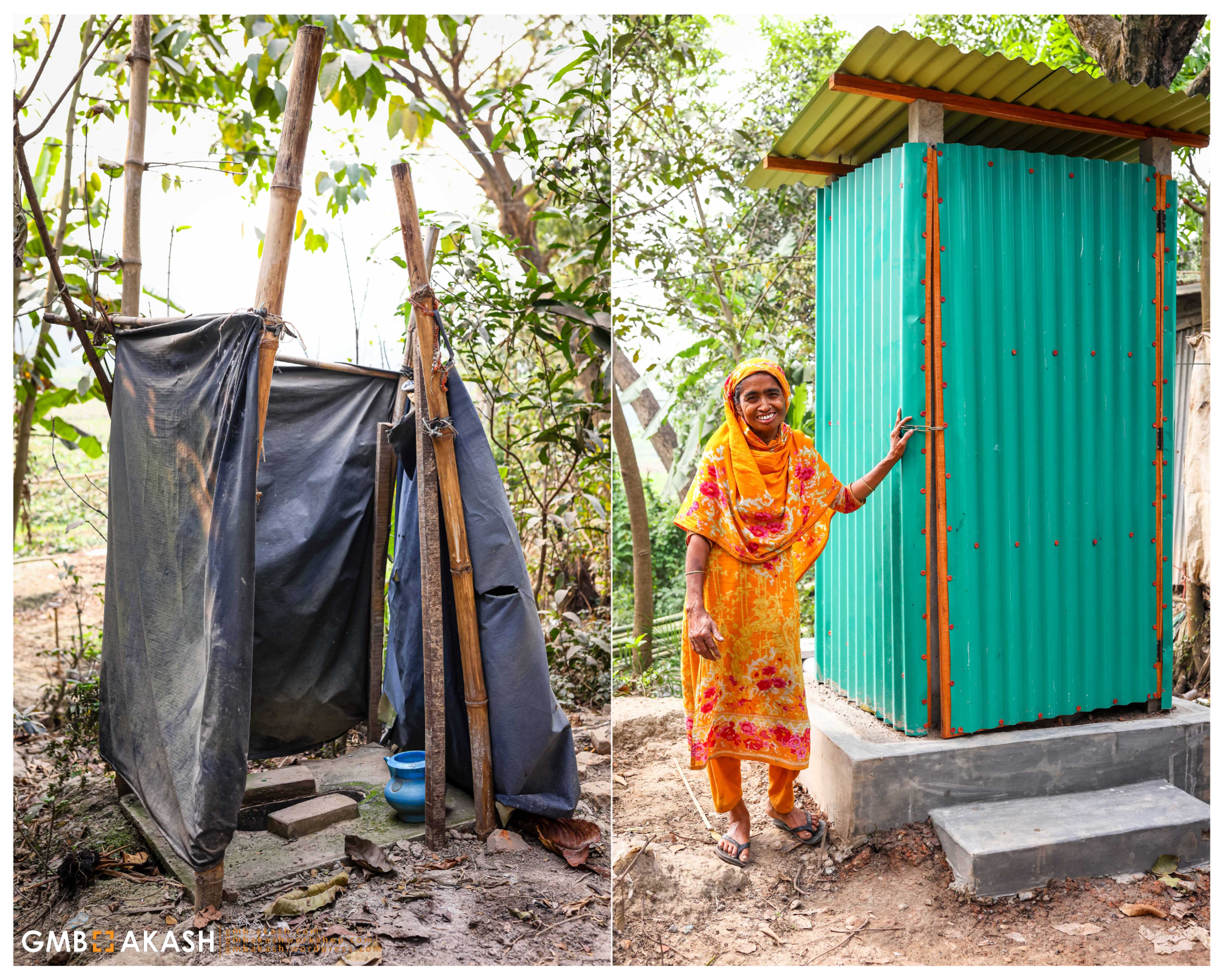
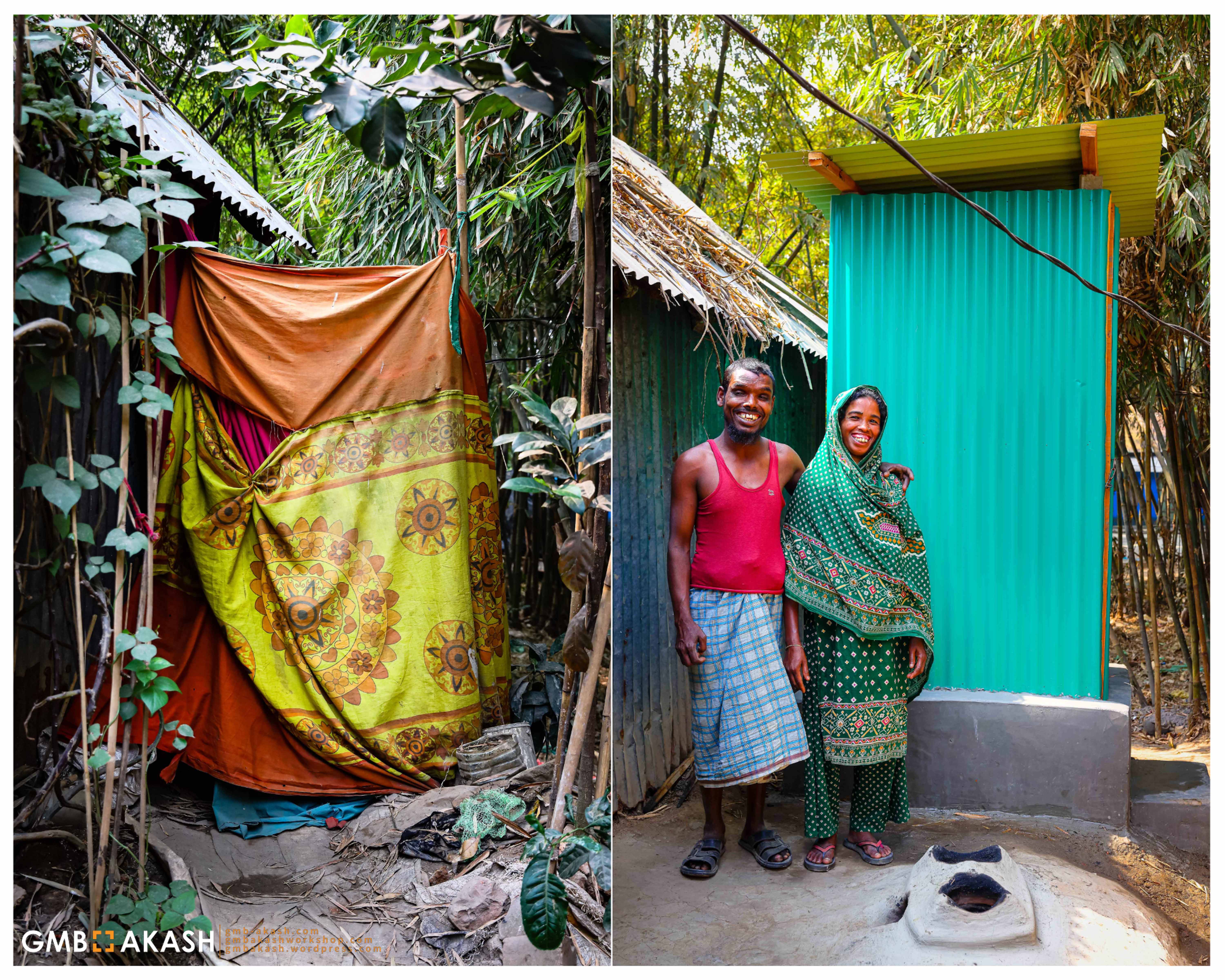
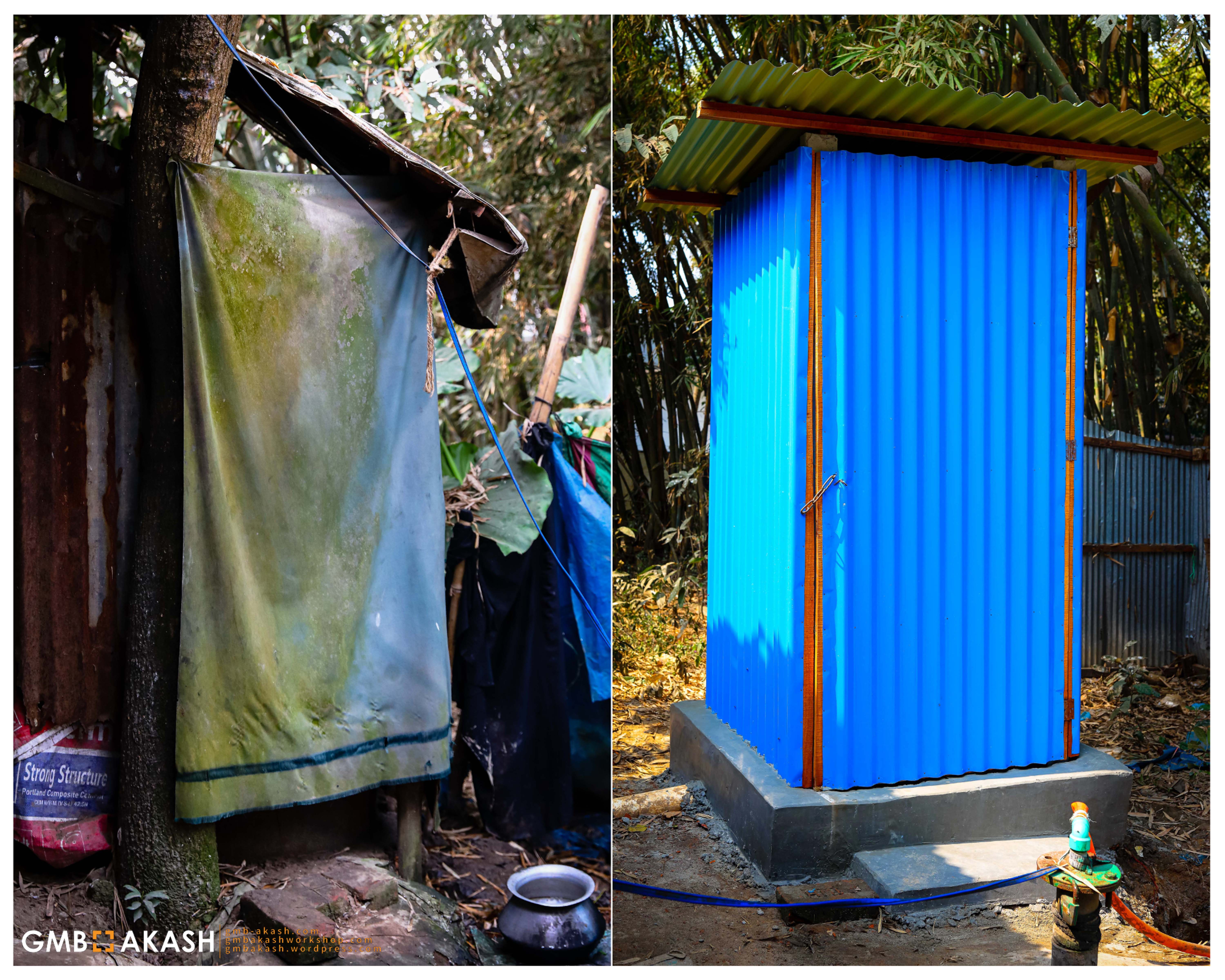
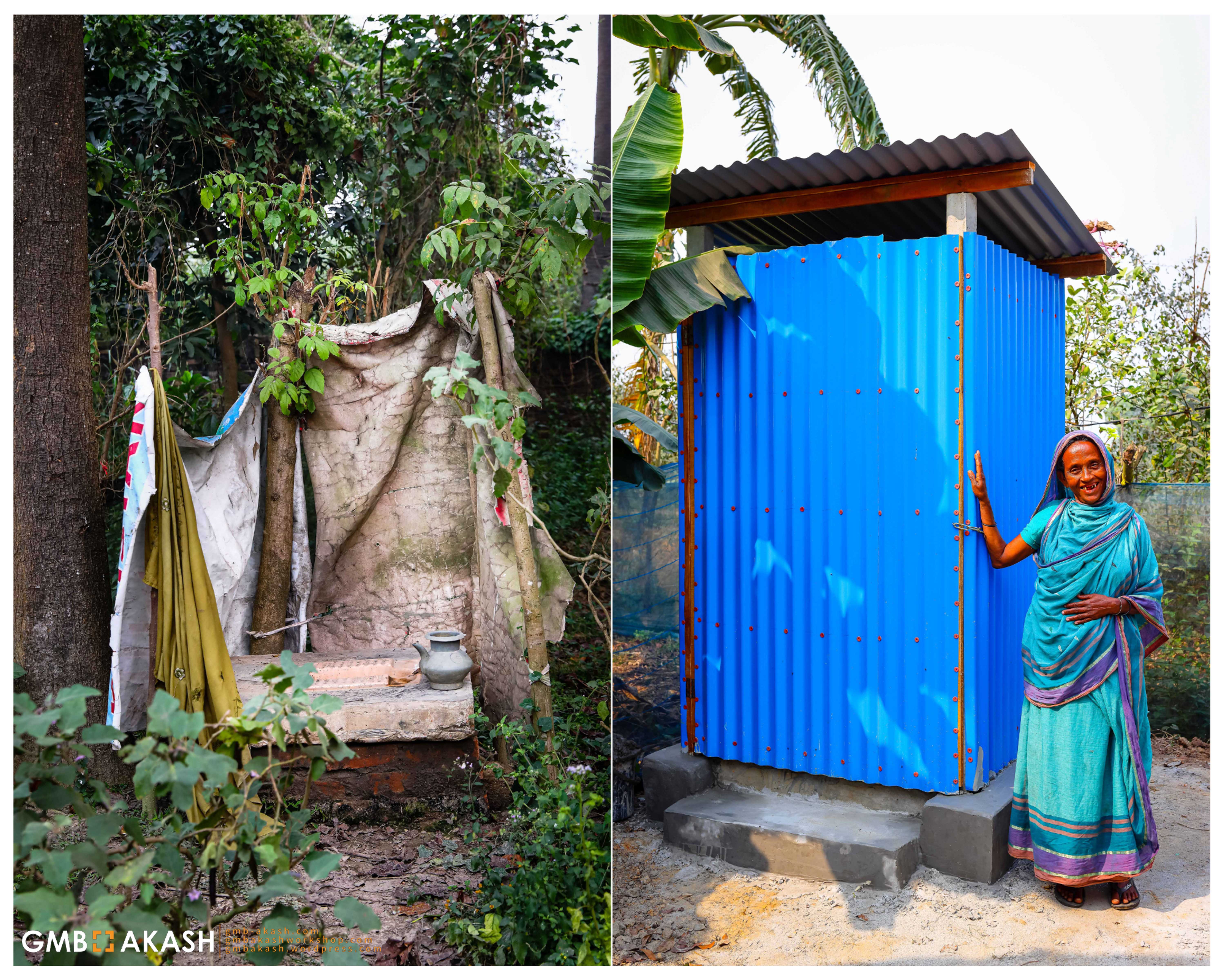
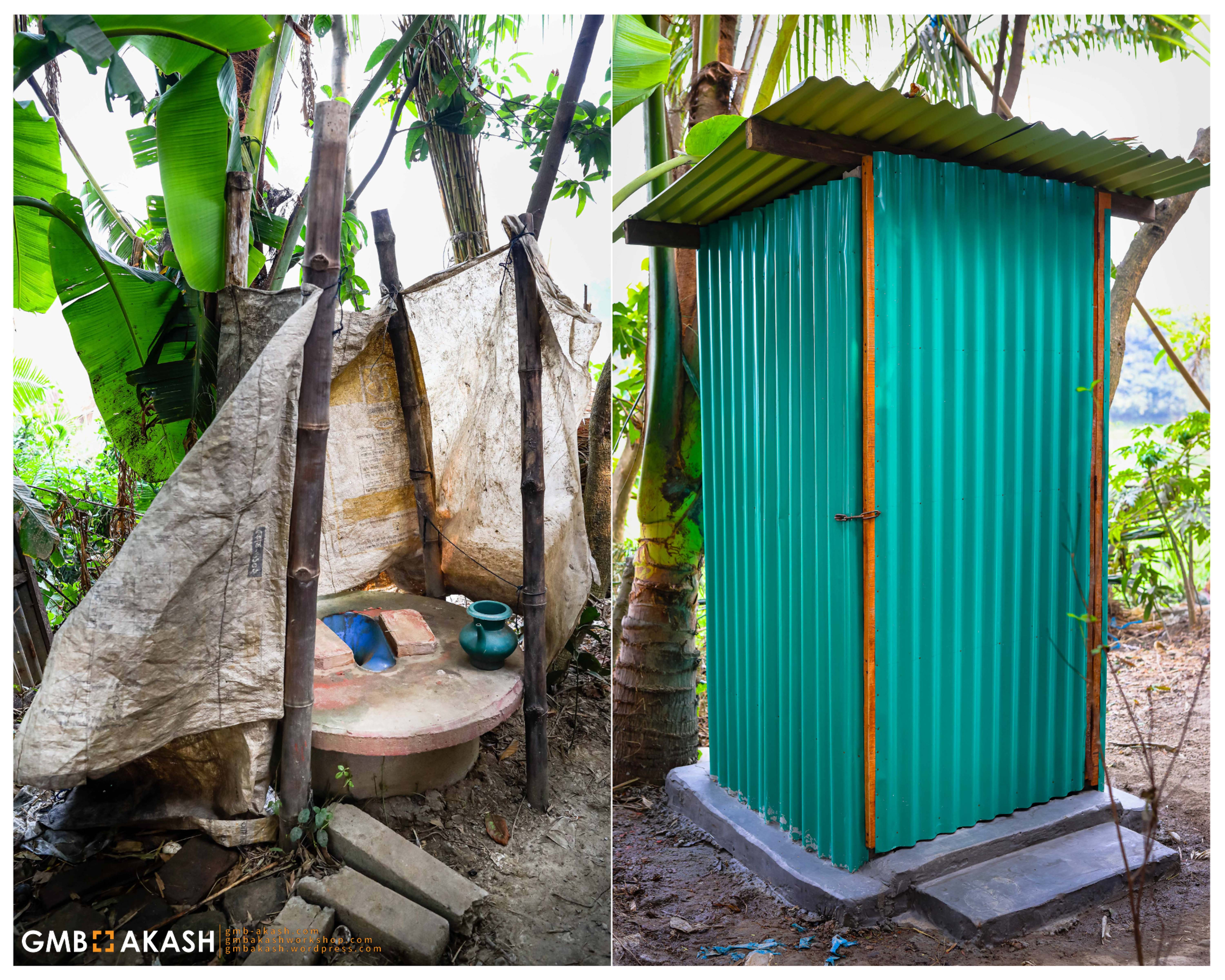
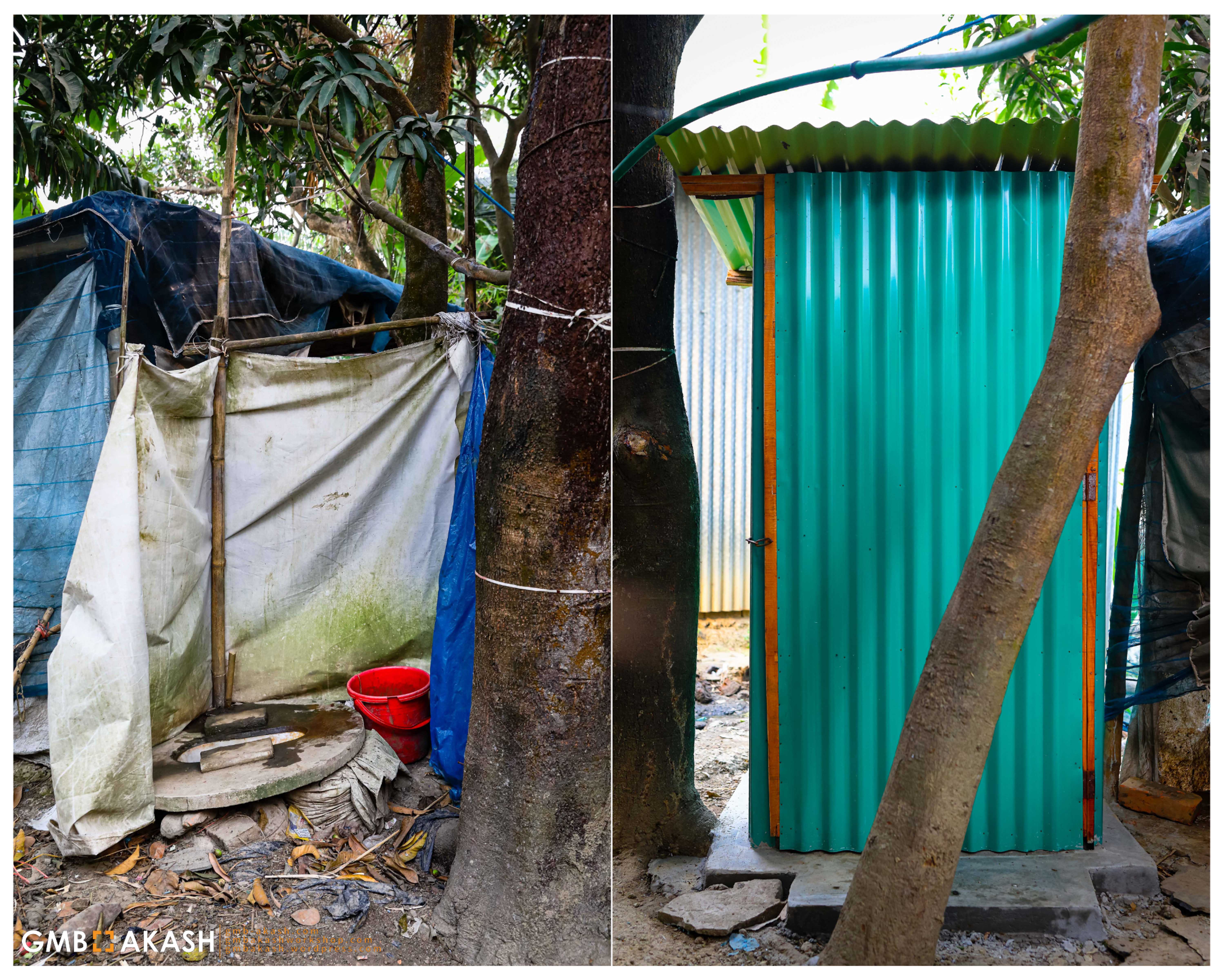
’20 new toilet this month for 20 families’

’20 new toilet this month for 20 families’

It is easy to take a restroom or toilet for granted. But everyone is not fortunate enough to build one. The best thing about a toilet is that it helps people have dignity, better health, safety and so much more.

Dear friends, By the grace of God, this month we have already built 20 new toilets for 20 families.

I am building Restroom/Toilets’ for the old unfortunate elderly couples, fathers and widowed mothers (with young daughters) and disabled people, the old couples who are neglected by their children and who do not have the ability to make one for themselves and because of this basic need they are suffering in various ways.

“A old mother, Khadija Khatun, (70) said, Unfortunately, I do not have my own toilet, I have to use my neighbor’s toilet. Every day, I have to endure various insults just to use the toilet. It’s a difficult situation for me, but I have no choice.

If I were to go outside in the field, it would be even more challenging for me to stay clean. This makes it difficult for me to fulfill my daily prayers.”

“After getting the new toilet, now I can stay clean and can fulfill my daily prayer.”

To give them a dignified and healthy life, I have started building washrooms/toilets for such helpless families and from now on, I will continue to build hygienic toilets in different remote villages for unprivileged people who are in need, every month.

I feel truly blessed to have you all by my side. May God continue to bless you abundantly.

Love and Light

_GMB Akash

Debby Mosseveld came from the Netherlands to join me in my exclusive six days One on One photography workshop.

Debby Mosseveld came from the Netherlands to Bangladesh in order to join me in my exclusive six days One on One photography workshop. November 2022

To check the other participants work visits my workshop website: www.gmbakashworkshop.com

If you are interested to join this exclusive program send an email to know detail at akashphoto@gmail.com

About the workshop: The focus of this customized program is to teach photography going beyond boundaries. Each student will have exclusive access to me through the duration of the workshop, giving them the opportunity to take advantage of my work experience, teachings, and methodologies. Due to the intimate nature of these workshops and the real world working environment, each student can expect to learn and experience much more than they would during one year in a standard university photography program. Each workshop is six days long and set in locations that are rich in culture with a wealth of photographic and documentary subject matter.

A deep water pump for 12 families.

“The best charity is to provide Water.”

My friends, by the grace of God, I have been able to provide a deep-water pump for another 12 helpless and needy families again. Those who could not afford to install a deep tubewell and for which they were living a life of misery and were suffering in various ways due to lack of clean drinking water throughout the year.

Due to its proximity to Dhaka City, it is almost impossible for them to draw water from a normal hand pressure tap in this area. Water can only be extracted by deep tube-wells in this region.

But all in all, it costs around 70,000 takas to install a deep water pump which is an amount that the families are unable to afford…

They always had to collect water from a nearby pond for drinking, cooking, cleaning or washing what is not healthy at all. And if they wanted to collect clean water, they had to fetch water from a far away.

Through a week of hard work, time and effort I was able to install this Deep Water Pump.

My friends, these 12 families sent prayers, gratitude and best wishes towards you all. They said, this tubewell was the biggest gift of their life and most of the miseries of their life will be removed by this water pump tap…

Thank you so much and sending my love and gratitude to you, who are constantly supporting my work and journey.

Love and Light

_GMB Akash

Dark Alleys

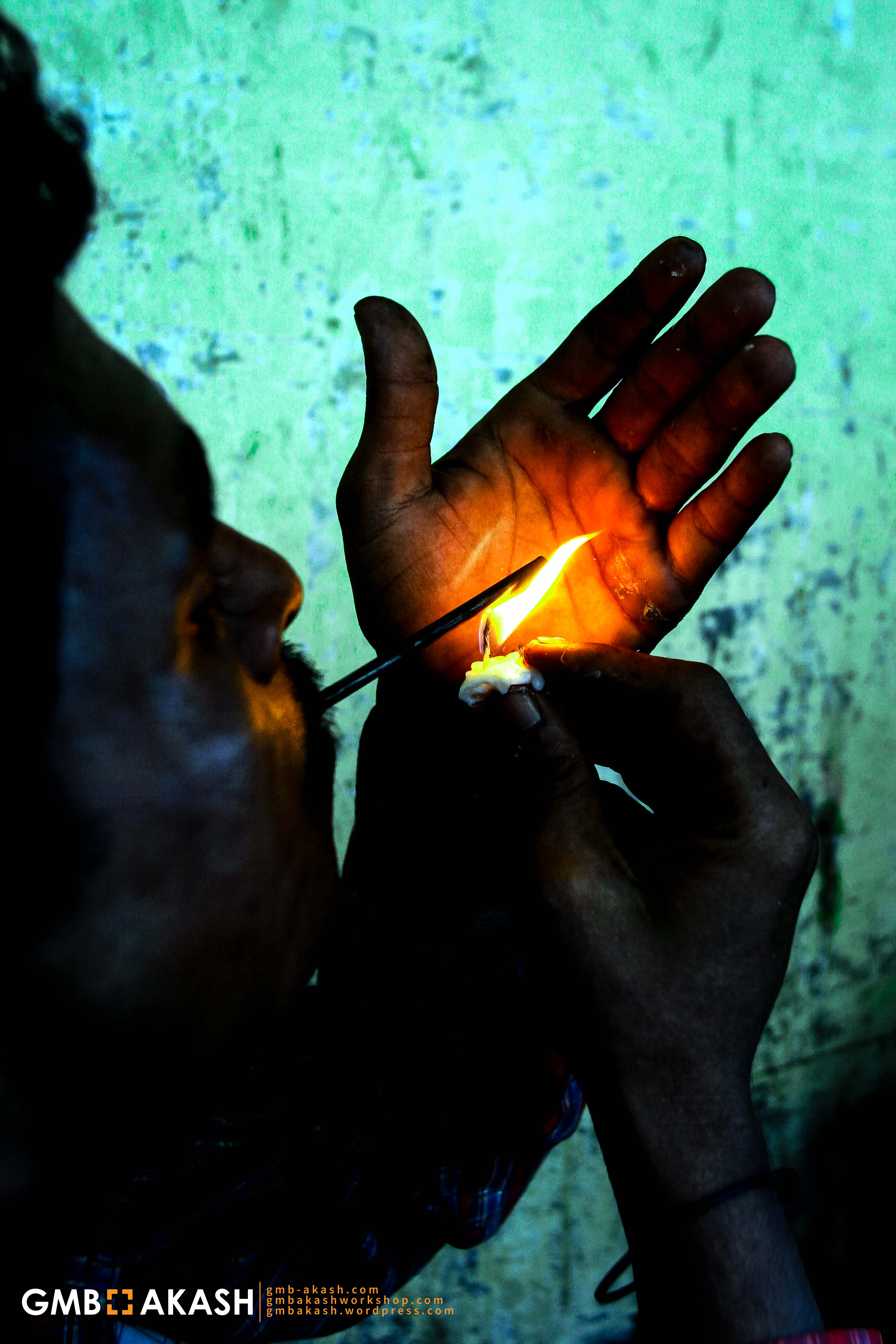
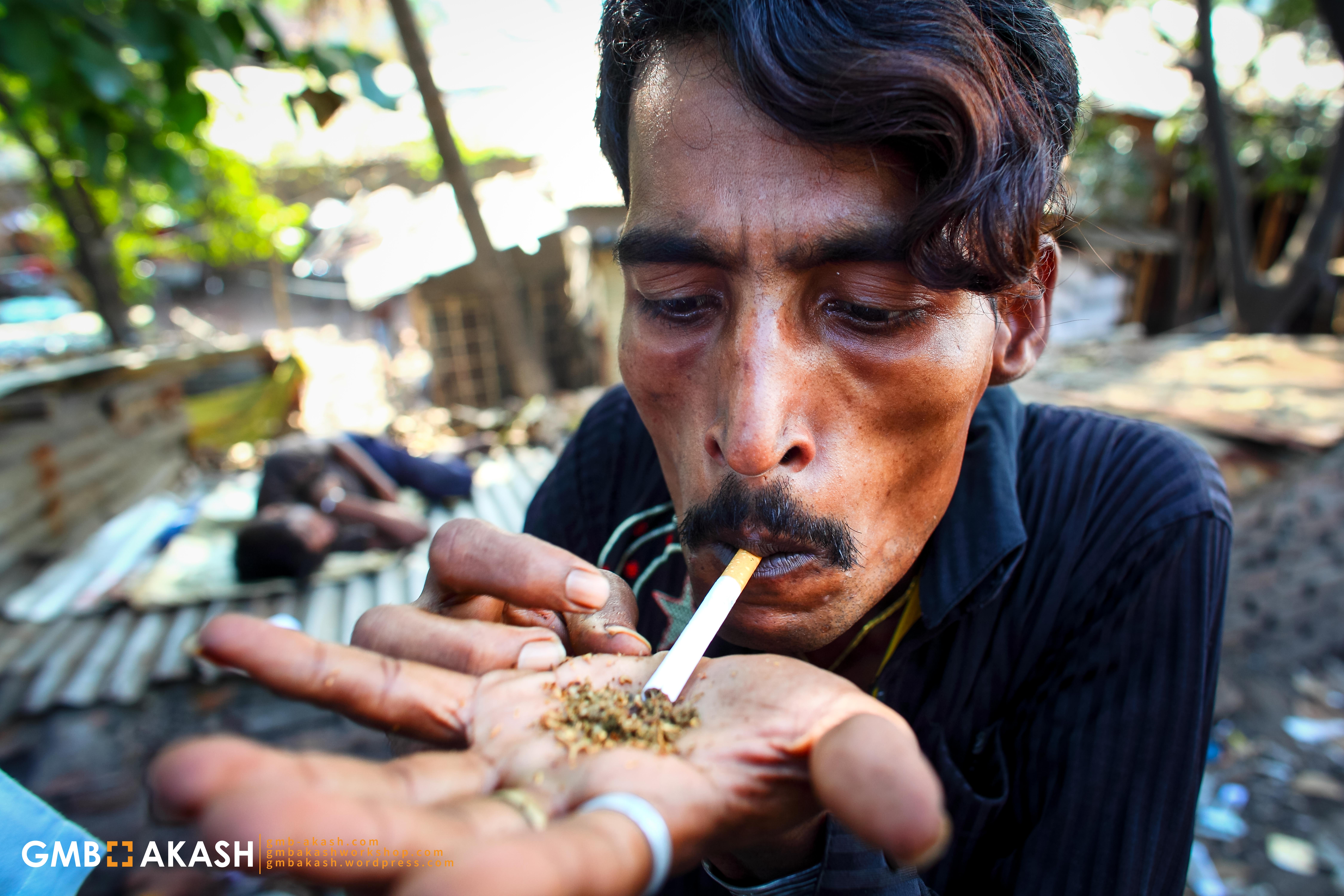
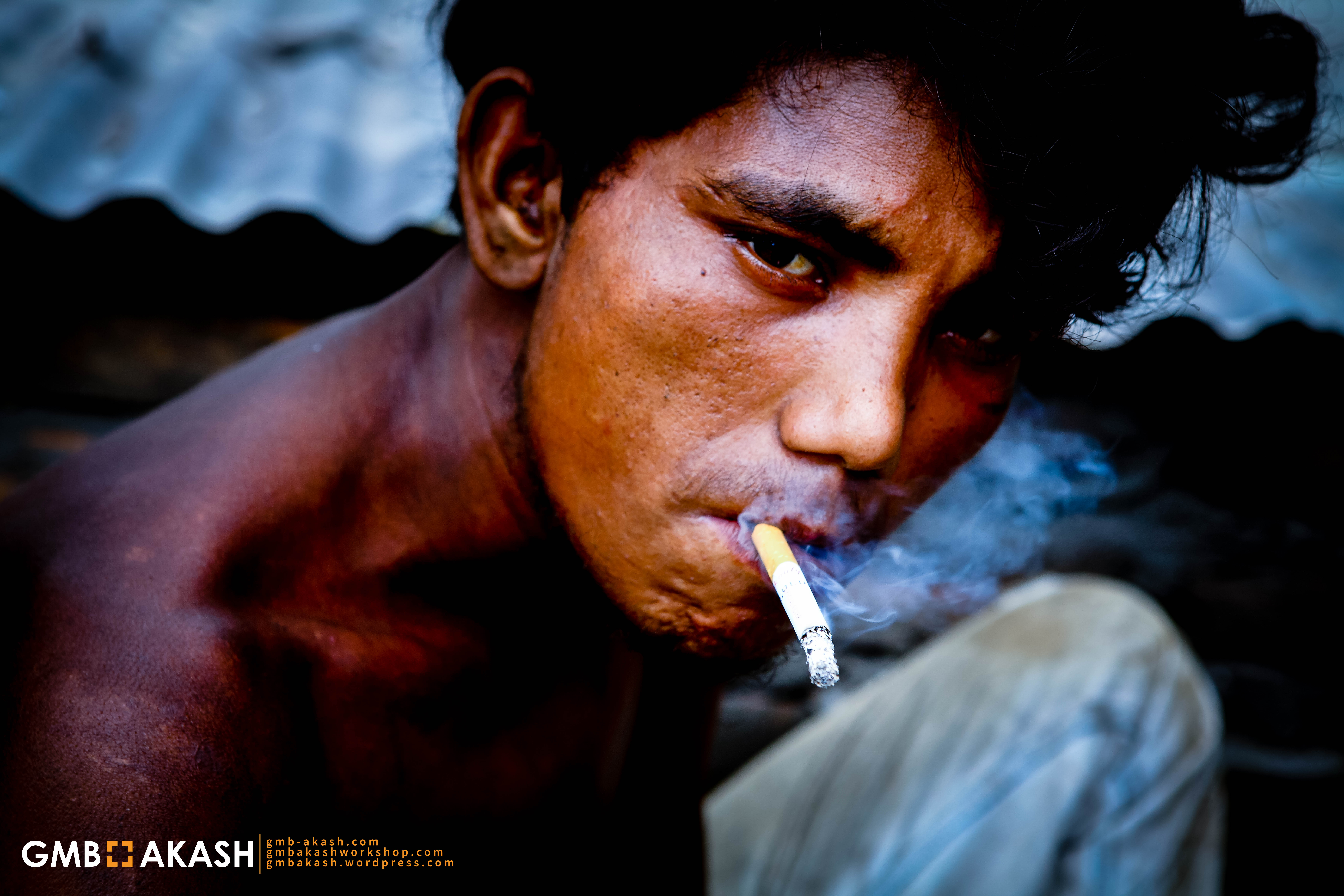
“These disorders — schizophrenia, Alzheimer’s, depression, addiction — they not only steal our time to live, they change who we are. In the time period of working with drug addict, I encounter tremendous shiver in thought of helplessness that how they are silently dying in these dark alleys and there is no dark Knight to hold them straight only we are here to celebrate the funeral of these fallen stars”_GMB Akash

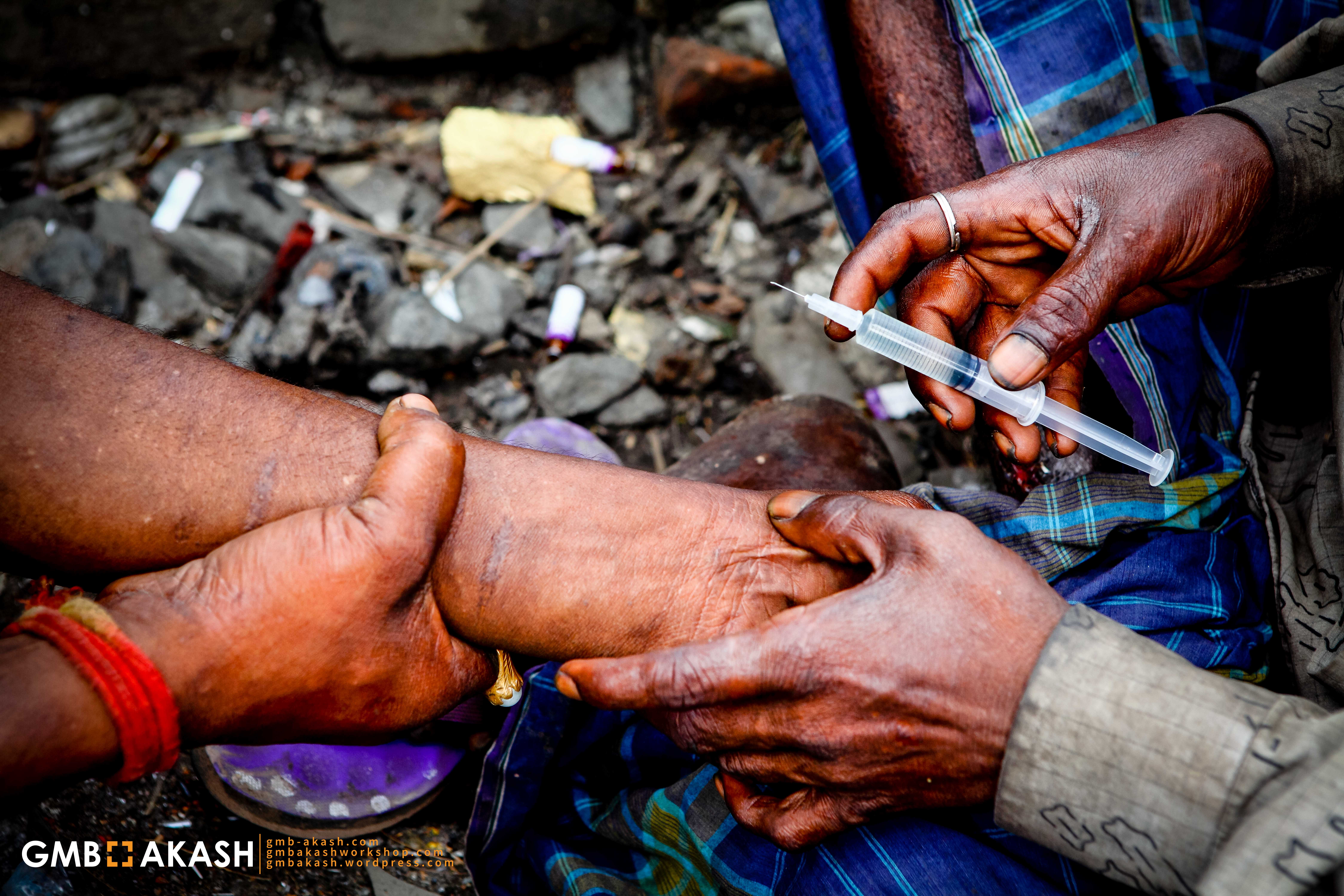
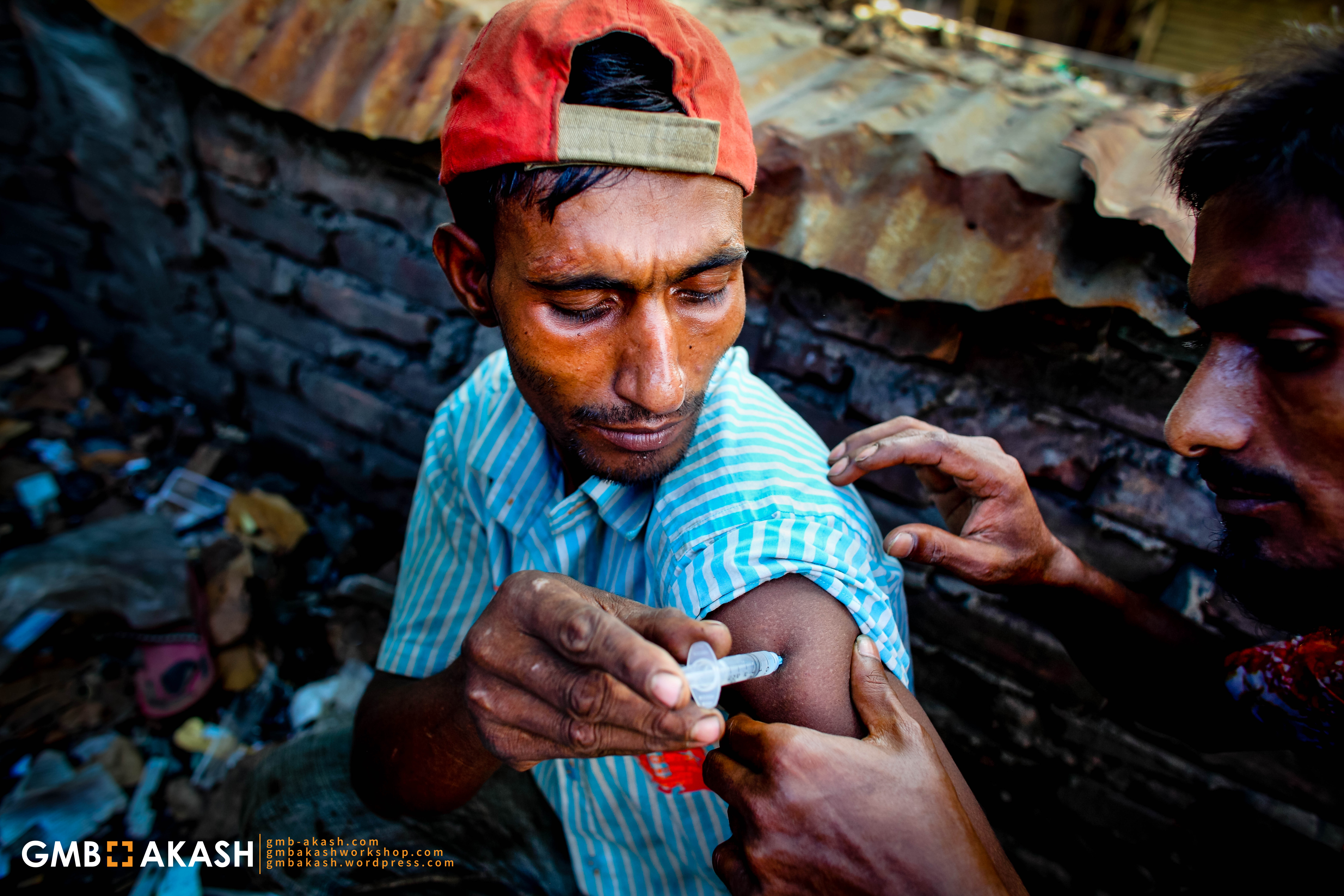
Drug addiction is a major social evil in Bangladesh, affecting thousands of young people and their families. There are thousands of addicted people in Bangladesh and most of them are young, between the ages of 18 and 30 from all walks of life. Drug addiction in young Bangladeshis is mainly seen because of reasons like depression. People try to remove depression using drugs as a tool. And this is how they become addicts.

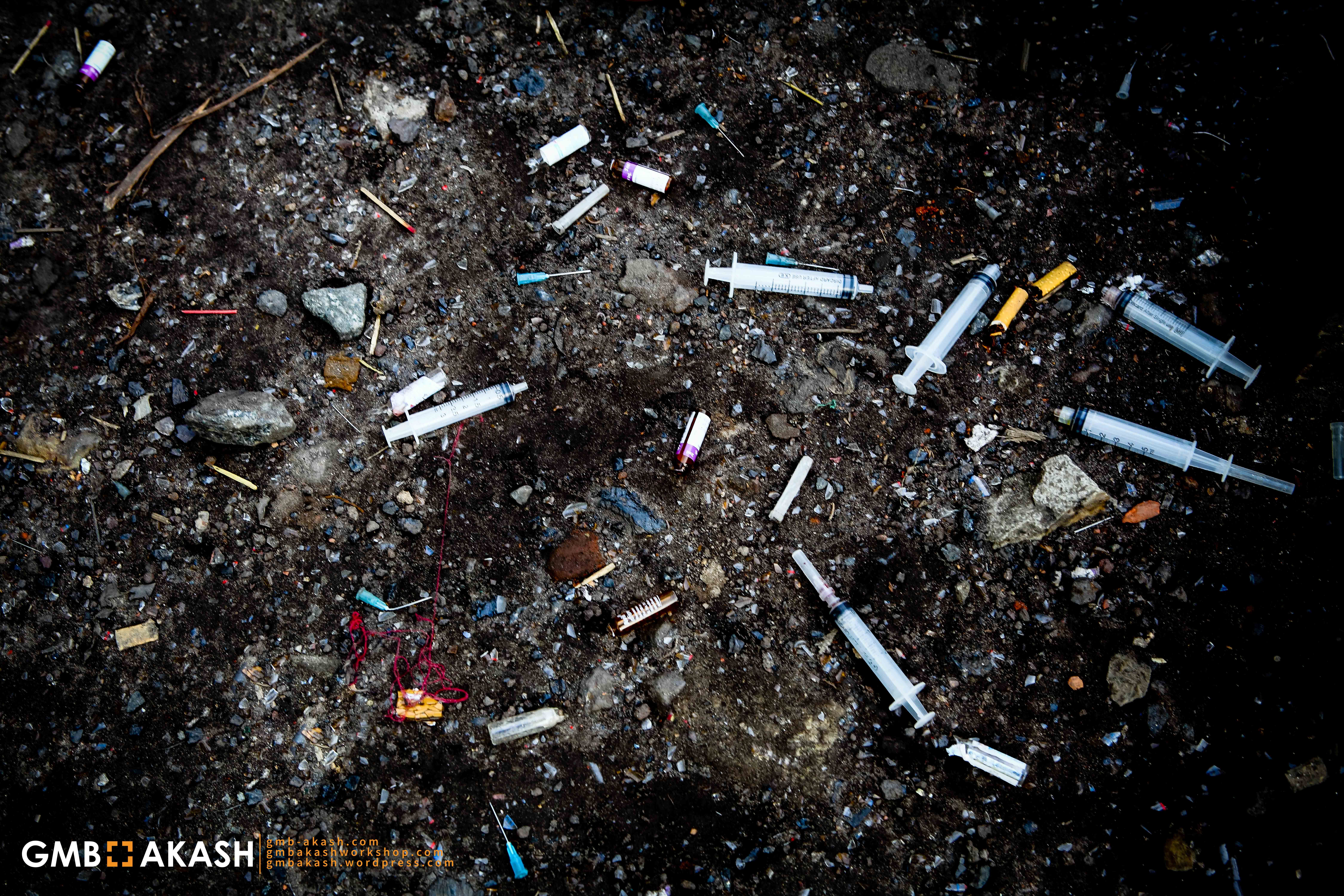
Drug users are taking drugs by sharing same needle with each other. Injecting drug users have few places to turn, and they are one of the groups most at risk of contracting and spreading HIV. Heroin is mostly smoked within aluminum foil or cigarette paper, but in Bangladesh this is injected. Injections through infected needles can cause diseases of the liver, brain, heart, lungs and spinal cord. Estimates of the number of people living with HIV/AIDS in Bangladesh range from 2,500 to 15,000 most of them are affected while taking drugs. A Heroin addict may need about Taka 500 worth of the drug a day. They neglect the needs of the family, and those are non-earning may sell off family assets. They also go out on the streets for mugging and dacoit.

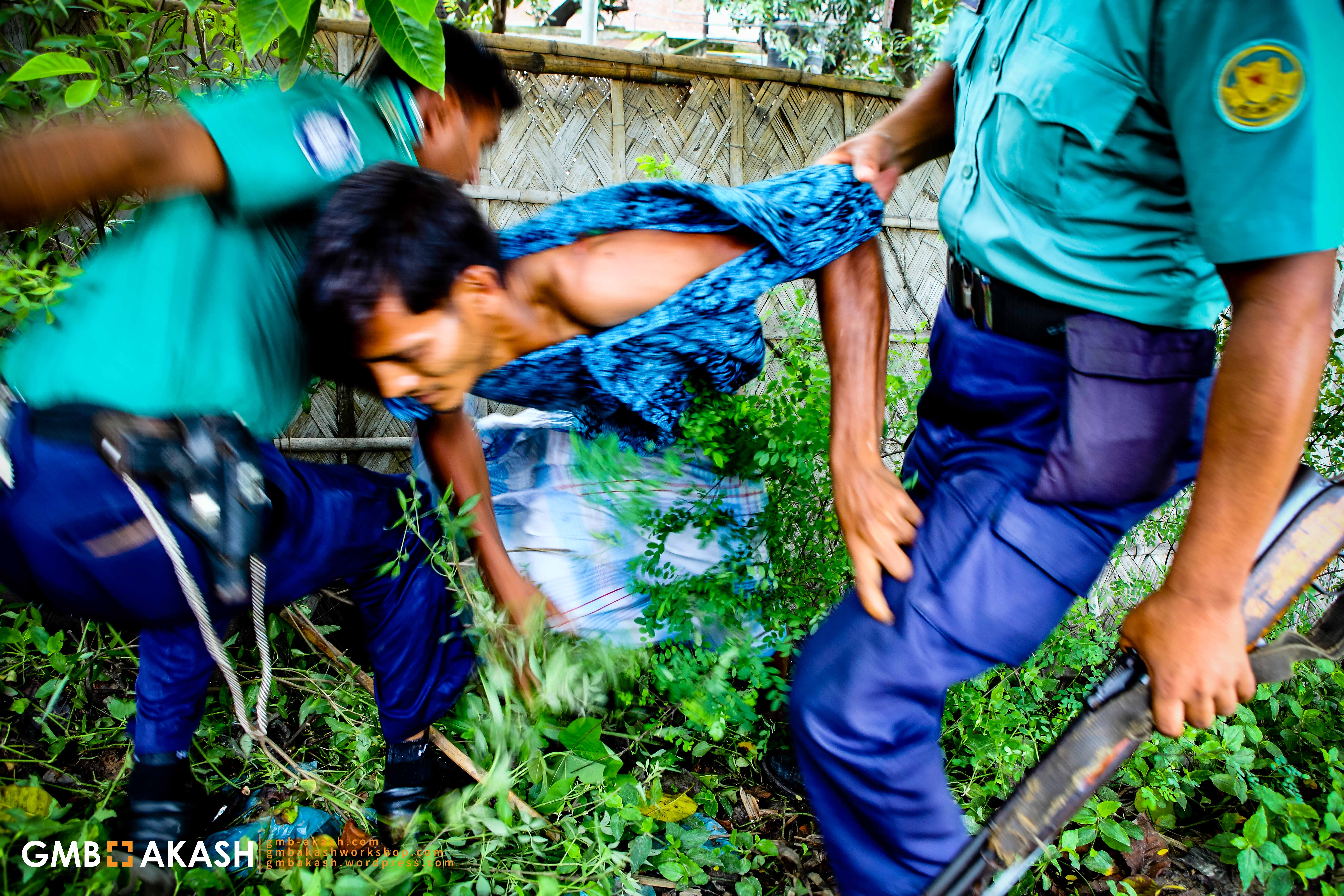
“Rickshaw driver Mohammad Bashir has been addicted to heroin for most of the last 13 years. His habit cost him his job and put an enormous strain on his family. Like most addicts, he often uses shared needles. Police has caught him in the spot, members of his addict team has managed to fly. But police caught him, while he is continually requesting police to leave him in the word of his promise that he will not inject him any more with drugs”

Drug addiction is increasing among the street children who live without a family, love and care. Bangladeshi youth are ‘huffing’ shoe glue, a drug locally called ‘Dandi’, which is seriously harmful to mental and physical health. Up to 17 percent of street children in capital Dhaka are addicted to drugs. Children as young as 10 years old are also experimenting with alcohol, phensidyl, Heroin, Baba, Ganja, pethedrine, and other forms of available drugs. For managing the money for drags these children spends all their earnings on drugs. Some time they beg whole day in the street and end of the day spends everything on drugs.

“Bitter experiences are there too. I visit all danger territory where these addicted people living senselessly. Few of them try to beat me sometime, few of them tied me with their arms and cried and cried, few of them burst out in depression and few of them wants to end their sufferings. But this is cycle of unbearable torment which has no end. In a world with chaos and hunger, everything becomes a guerrilla struggle. It becomes almost impossible to save lives or grow dreams sometime. But yet these lives deserve our affection, attention and sympathy. No medicine is as effective as love to them. “– GMB Akash

GMB Akash

Photojournalist and Profile Photographer at Panos Pictures, London

Founder of GMB Akash Institute of Photography, Dhaka

Patreon: https://www.patreon.com/gmbakash

Website: http://www.gmb-akash.com/home

Photography Workshop: http://www.gmbakashworkshop.com/

Facebook Page: https://www.facebook.com/gmbakash/

Instagram: https://www.instagram.com/gmbakash/

Blog: https://gmbakash.wordpress.com/

Twitter: https://twitter.com/GmbAkash

Philipp Gasser, came again for the 2nd time from Switzerland to participate Photography Workshop.

‘It’s a wonderful opportunity for me to join this One on One workshop, because Akash is a wonderful person and a great artist. He knows how to take incredible pictures and I could imagine no one else than him as my Mentor. For me, it’s a great chance to improve my personal skill for photography. Akash took me to some exciting places which are rich in photographing subjects. We visited unique places, unique people, and unique situations.

Every day we start at early morning and continue till late evening. Akash checked every single image I took during the shoot, rated them and gave me valuable inputs. Akash is a great teacher. Bangladesh is different and its people are amazing, it’s a huge experience for me. I took one thousand pictures every day. And every day I improved. I see the improvement in all my pictures.

This workshop is time worthy, experience worthy; it’s an unforgettable experience for me to join Akash on this daily adventure through the villages, through the different places. In six days, I took more than ten thousand images. I will leave this country with a big smile’

_Philipp Gasser, came again for the 2nd time in 2022 from Switzerland to participate in ‘One on One Photography Workshop with GMB Akash’

To apply in this Exclusive One on One workshop send an email to akashphoto@gmail.com

GMB Akash

Photojournalist and Profile Photographer at Panos Pictures, London

Founder of GMB Akash Institute of Photography, Dhaka

Patreon: https://www.patreon.com/gmbakash

Website: http://www.gmb-akash.com/home

Photography Workshop: http://www.gmbakashworkshop.com/

Facebook Page: https://www.facebook.com/gmbakash/

Instagram: https://www.instagram.com/gmbakash/

Blog: https://gmbakash.wordpress.com/

Twitter: https://twitter.com/GmbAkash

Old Dhaka, Bangladesh.

Puran Dhaka, more commonly referred to as Old Dhaka, is the original part of the bustling Dhaka Metropolitan City which serves as the capital of Bangladesh. Old Dhaka dates back to the 7th century, when the area was under the control of the Buddhist kingdom of Kamarupa which ruled for almost 800 years between 350 and 1140 CE. Age-old traditions and a sense of community among the residents of Puran Dhaka have remained particularly strong as the rest of the city continues to modernize. Many agree that the customs of the residents of this ancient settlement are different from general Bengali culture and to explore the streets of Old Dhaka is to take a journey back in time.

GMB Akash

Photojournalist and Profile Photographer at Panos Pictures, London

Founder of GMB Akash Institute of Photography, Dhaka

Patreon: https://www.patreon.com/gmbakash

Website: http://www.gmb-akash.com/home

Photography Workshop: http://www.gmbakashworkshop.com/

Facebook Page: https://www.facebook.com/gmbakash/

Instagram: https://www.instagram.com/gmbakash/

Blog: https://gmbakash.wordpress.com/

Twitter: https://twitter.com/GmbAkash

Distributed 10 more bicycles among 10 underprivileged students.

Dear friends,

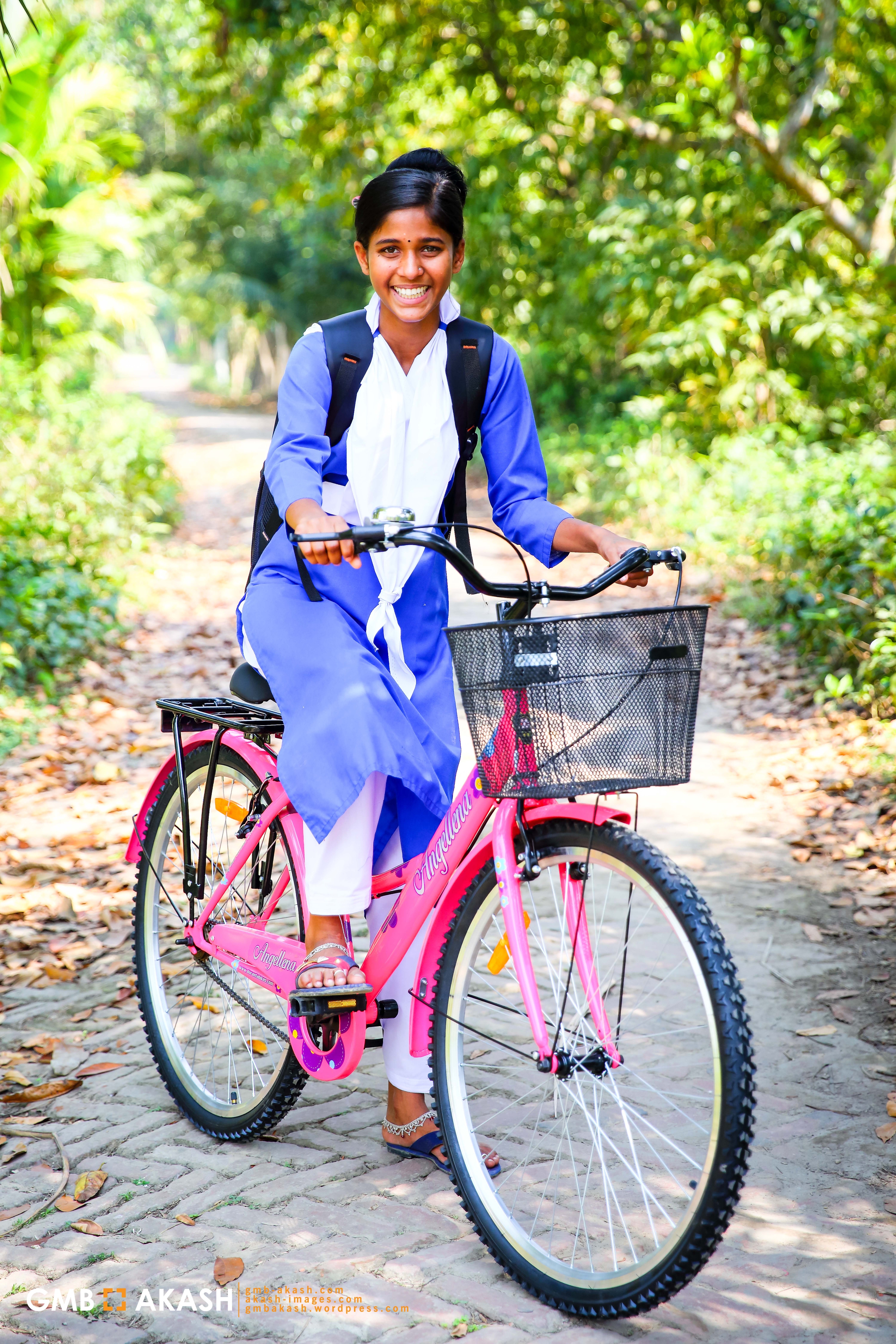
By the grace of God, last week I was able to distribute 10 more bicycles among 10 underprivileged students.

Alhamdullilah, with these 10, a total of 50 bicycle distributions has been completed till now.

And I am planning to gift 10 more bicycles next month again.

One of the students, Rina said, “Brother, many girls from our village, who did not get a bicycle from you, are already married. Due to the distance of the school, they could not continue their education.

This bike not only helped us to continue our schooling but also saving us from child marriage.”

Like Rina, I have gifted one bicycle for each girl from each family, so they do not need to walk 10-12 kilometers every day which takes hours for them. They become exhausted and cannot pay attention to their education, and they tend to just drop out all together from school.

Thank you all my friends for your kind support and humanity! Without all your love and support I probably couldn’t go this far every day.

Please keep me in your prayers so that I can continue my journey to alleviate the sufferings of the people at least for one day.

P.S. If you want to help even one girl with a cycle, please send me a direct message.

Love and light

_GMB Akash

GMB Akash

Photojournalist and Profile Photographer at Panos Pictures, London

Founder of GMB Akash Institute of Photography, Dhaka

Patreon: https://www.patreon.com/gmbakash

Website: http://www.gmb-akash.com/home

Photography Workshop: http://www.gmbakashworkshop.com/

Facebook Page: https://www.facebook.com/gmbakash/

Instagram: https://www.instagram.com/gmbakash/

Blog: https://gmbakash.wordpress.com/

Twitter: https://twitter.com/GmbAkash

Distributing winter clothes to 500 unprivileged working women.

Dear Friends,

I have been distributing winter clothes to  unprivileged working women so that they can safely go to work in the mornings without harm to their health. Over 500 poor day labourers are being given clothes that they could otherwise not afford.

In order to express my appreciation to all for your generosity, I am presenting few happy faces. I would like to share the happiness and comfort with all of you that you have created and I want to pass on to you the gratitude for your love and care for these unprivileged women.

I cannot thank my friends enough. Still, we have a long way to go and we all want to continue such a journey in the future. We will leave footprints of love and kindness wherever we will step. Loads of love and blessings to you all.

Love and Light!

GMB Akash

GMB Akash

Photojournalist and Profile Photographer at Panos Pictures, London

Founder of GMB Akash Institute of Photography, Dhaka

Patreon: https://www.patreon.com/gmbakash

Website: http://www.gmb-akash.com/home

Photography Workshop: http://www.gmbakashworkshop.com/

Facebook Page: https://www.facebook.com/gmbakash/

Instagram: https://www.instagram.com/gmbakash/

Blog: https://gmbakash.wordpress.com/

Twitter: https://twitter.com/GmbAkash

Dreams of child laborers

Every time I am working with children on different projects, I like to collect their stories and I always ask them to tell me their dreams. Here, I am sharing with you 10 common dreams that these working children keep inside their hearts! These dreams can give us insights into the souls of these little angels.

Child labour in Bangladesh is sadly very common with 4.8 million child labourers or 12.6% of all children aged 5 to 14 finding themselves in the work force in order to survive or to help their family survive.

I have been working on this issue for the last 15 or more years to create awareness and to bring about positive changes in our society.During these last years, I have taken a lot of steps in an effort to contribute to the education of some of these impoverished working children.

A few years ago, I set up a school for unprivileged children outside of Dhaka where around 160 children from rural villages receive nearly free education. Most of their parents are illiterate and these children will be the first generation to be able to improve their lives and the lives of their families.

I have also given scholarships to hundreds of students who, otherwise would not be able to continue their education and might end up working in factories and in hard labour jobs.

Recently I have been trying to admit working children to school. I have been giving small businesses to their parents so they can earn enough money for the family and send their children to school instead of a factory. So far, I have admitted 22 children to school and have taken full responsibility for their education including all expenses. I will see that these activities will be continued for these children and hopefully more children, until my last breath.

These efforts have, of course, been effected by the COVID-19 health pandemic and the resulting economic and labour market shock that is having a catastrophic impact, in particular, on poor people’s lives and livelihoods.

Unfortunately, children are often the first to suffer. This crisis can push millions more vulnerable children into child labour.

fader (13)

When I grow up, I want to be the owner of a factory and I will name my factory after my mother. _ Razu

BC (44)

I want to send my younger sister to school; she loves to study and to go to school. _Sojib

born to work (180)

I want to build a factory where there will be more light, drinking water, fans and more space for working._ Munna

GMB Akash (9)

We will rent a big house in our slum so my parents and my younger sister can sleep comfortably at night. Now, in one room four of us cannot sleep. It is too warm and crowded!- Sobuj

GMB Akash (18)

My mother works as a maid and my father pulls a rickshaw. I want to grow up fast so I can earn more money every day. Then my parents won’t need to work._ Parvin

GMB Akash (17)

I wish I could work in a textile factory. They have a better environment with a fan, toilet and clean building._Shilu

GMB Akash (3)

I dream I will have my own factory where nobody will beat any children nor say bad words to them. _Jewel

GMB Akash (12)

I studied until class 3 and then we came to the city for work. I miss my school and our village. I Hope I can return to our village and study in our village school._Midul

GMB Akash (16)

I want to buy everything that my mother likes. Like new sarees for her, good shoes for her, anything she loves._ Koli

GMB Akash (5)

——————-

GMB Akash 

Photojournalist and Profile Photographer at Panos Pictures, London

Founder of GMB Akash Institute of Photography, Dhaka

TEDxHyderabad:https://youtu.be/sXbmBCzgy8A

TEDxYouth:https://youtu.be/rLG7sPs6MkU

Website: www.gmb-akash.com

Photo Agency: www.panos.co.uk

Photography Workshop: www.gmbakashworkshop.com

Facebook Page: www.facebook.com/gmbakash

Instagram: www.instagram.com/gmbakash

Blog: www.gmbakash.wordpress.com

Twitter:www.twitter.com/GmbAkash

Tribute to Refugees around the world.

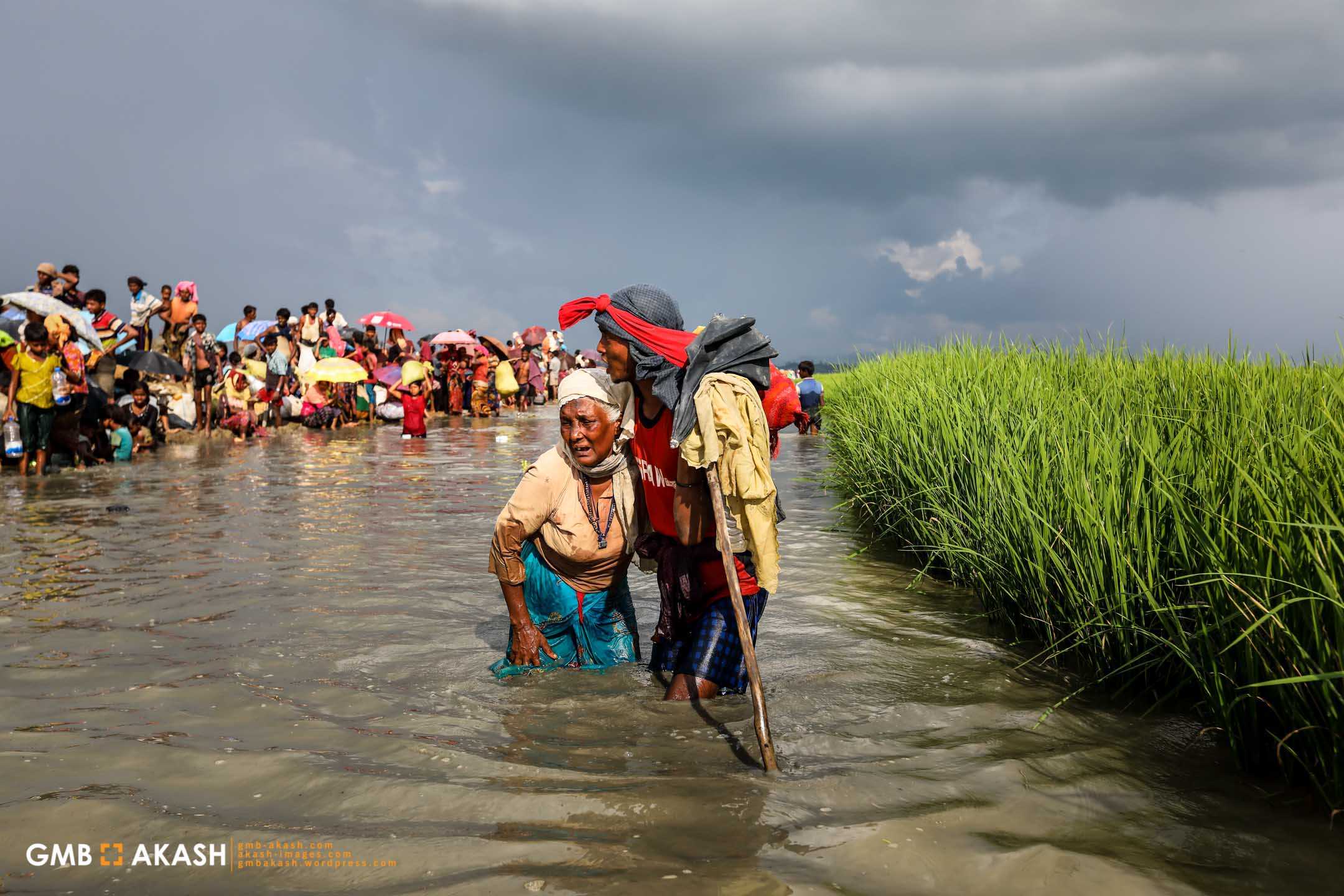
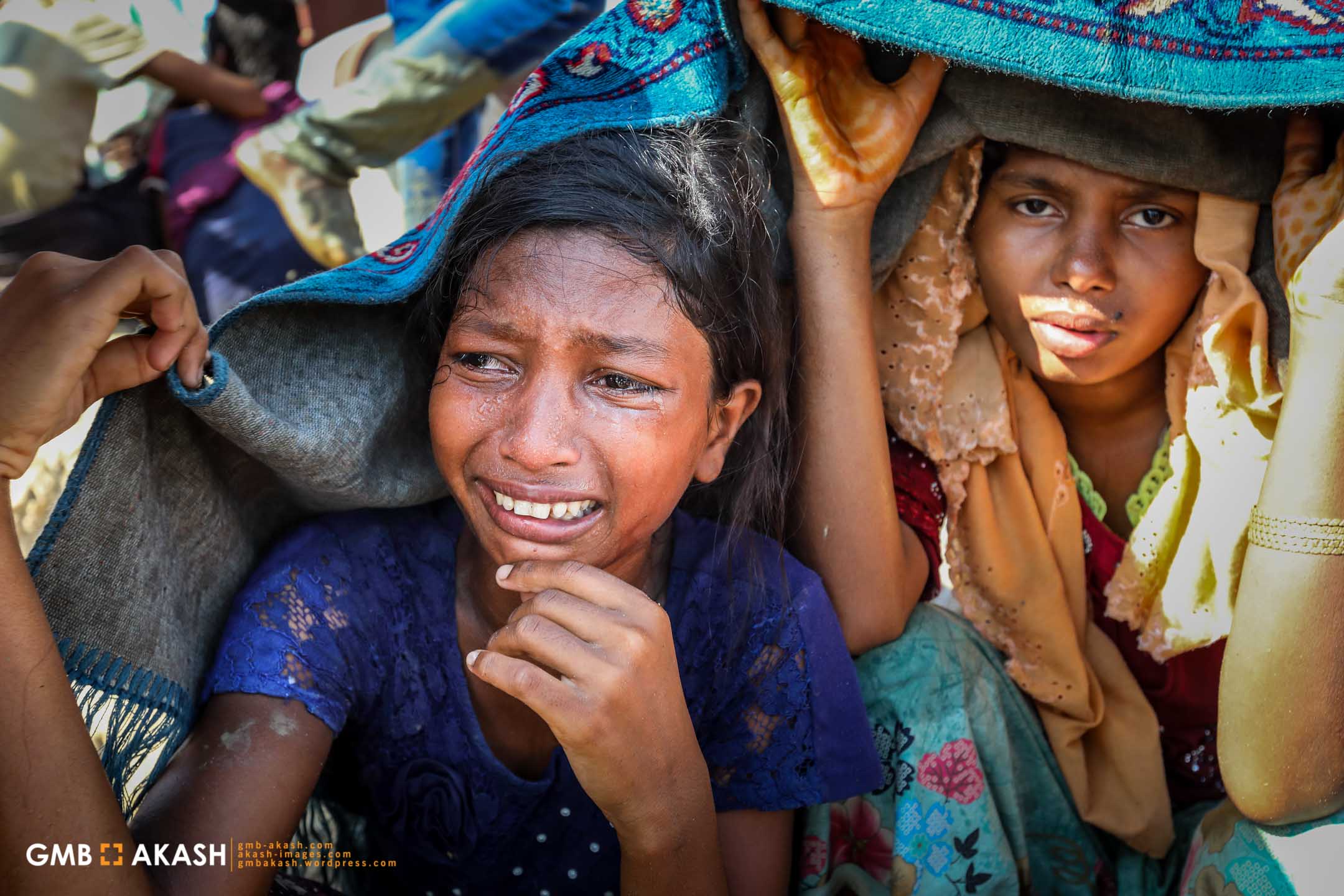
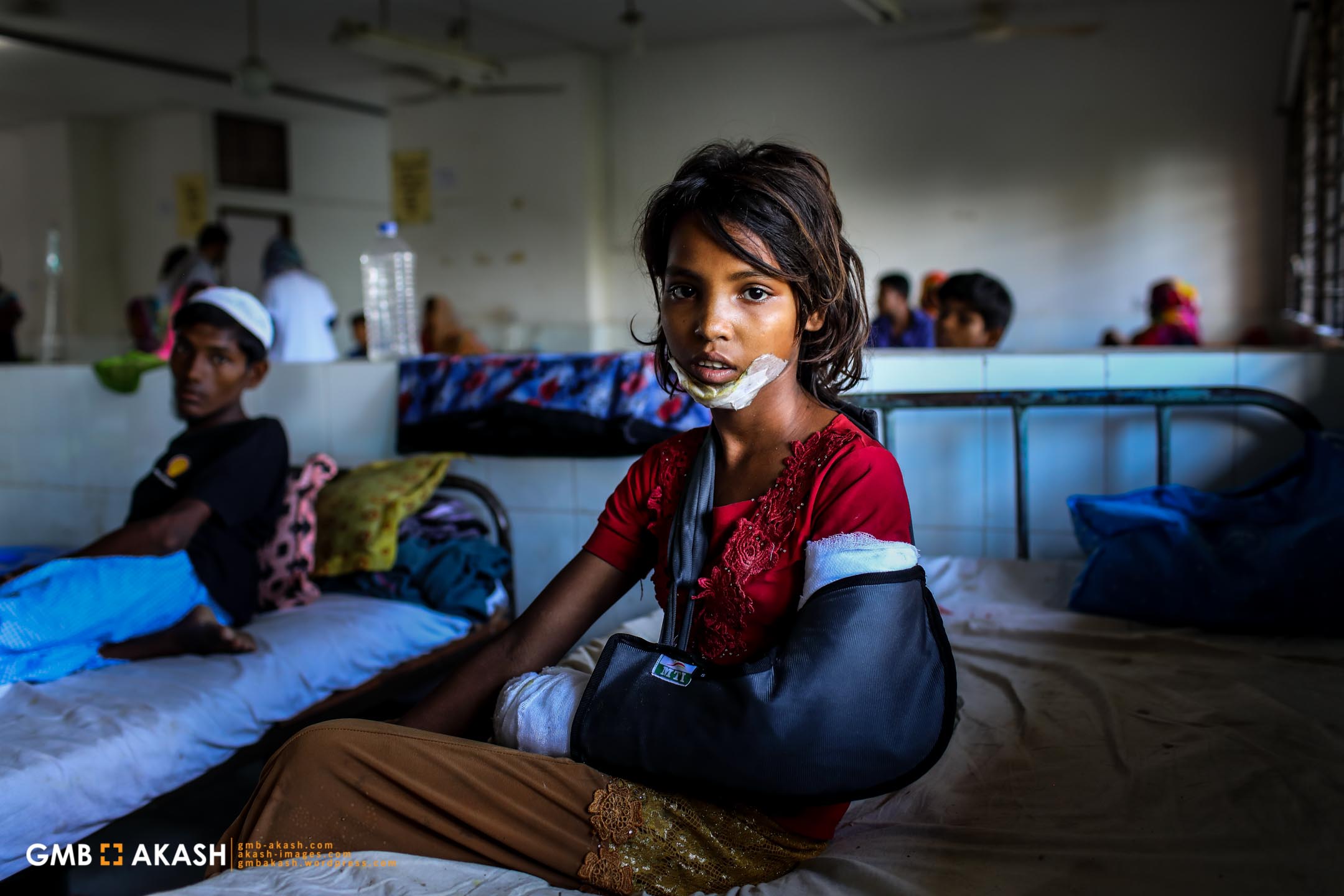
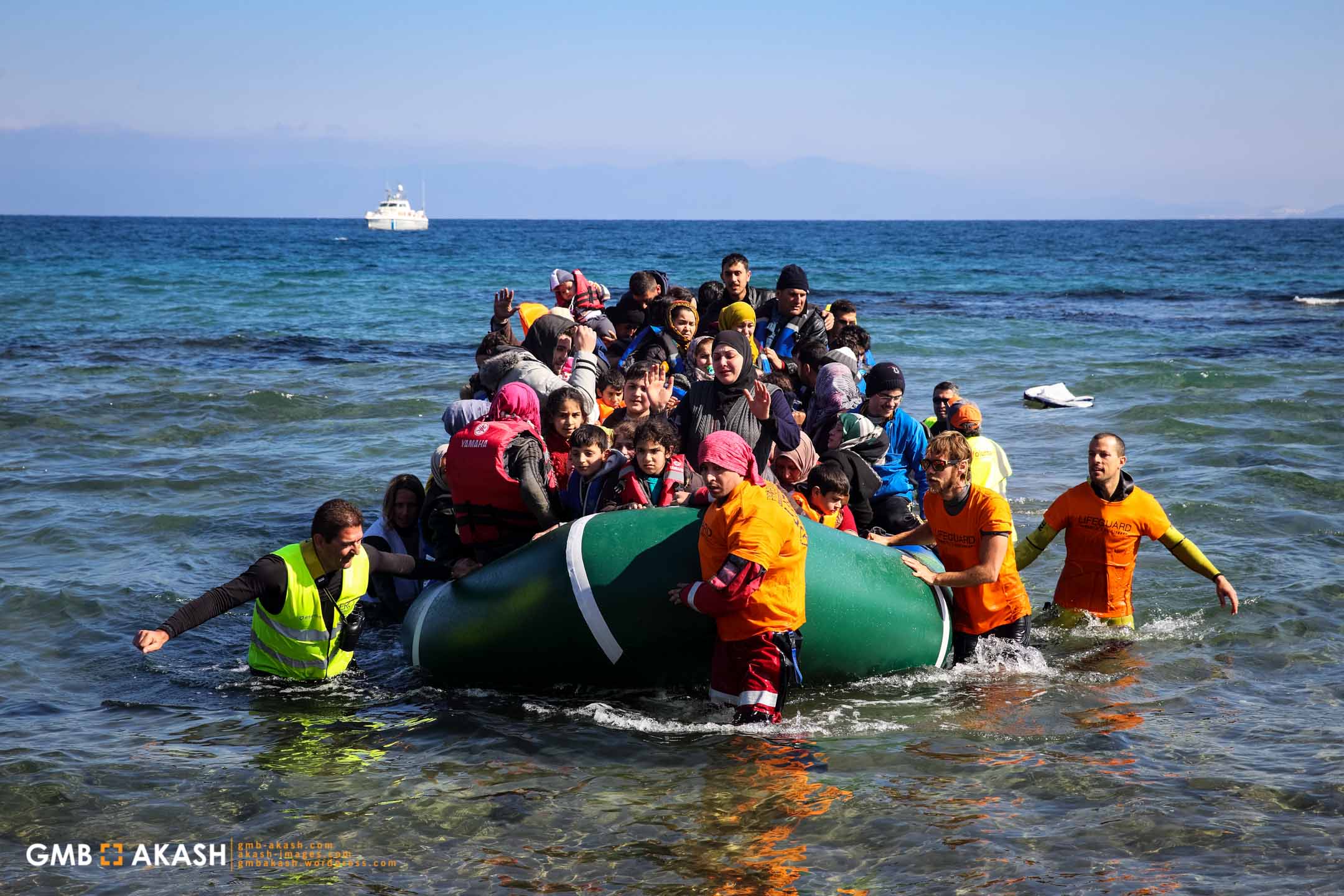
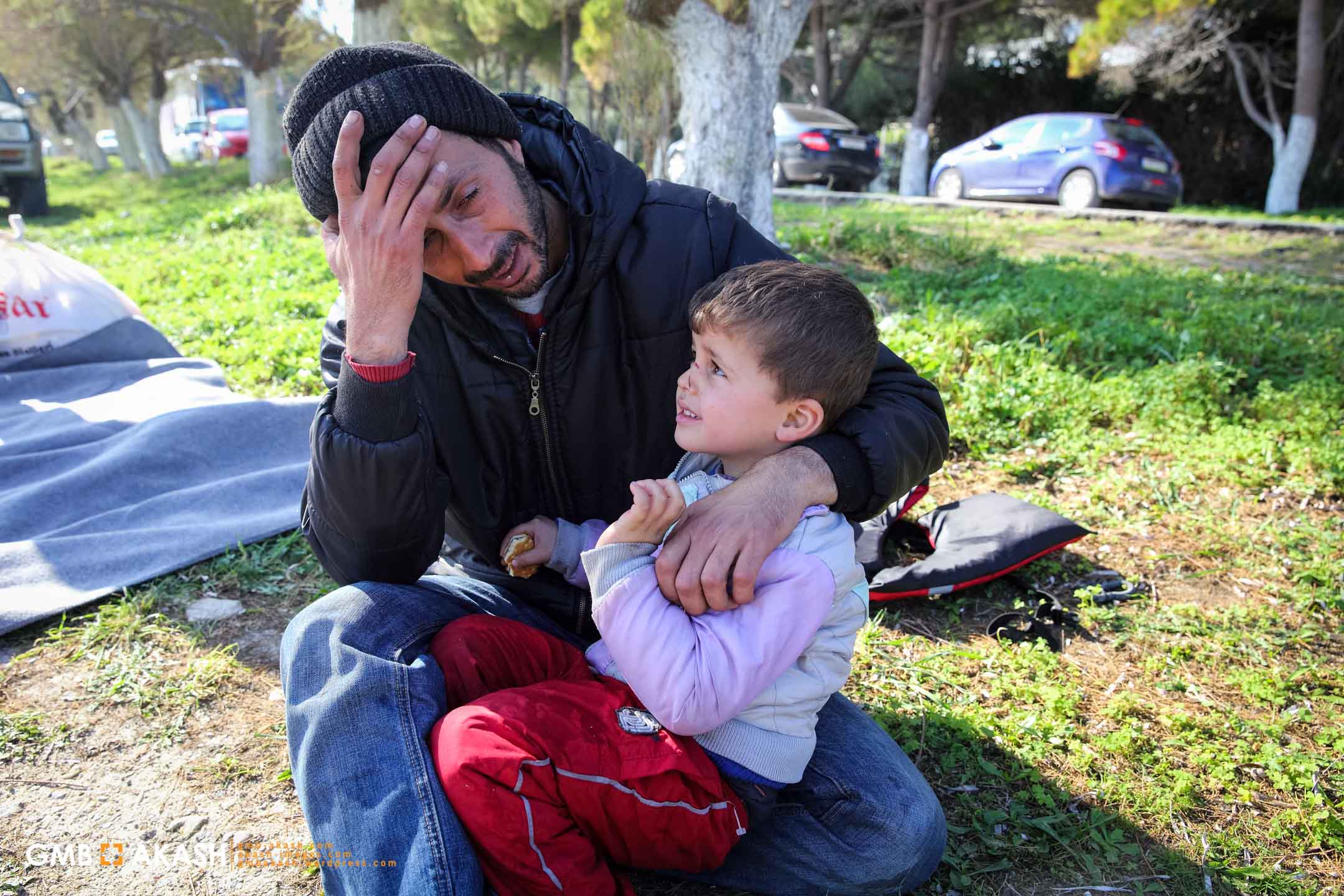
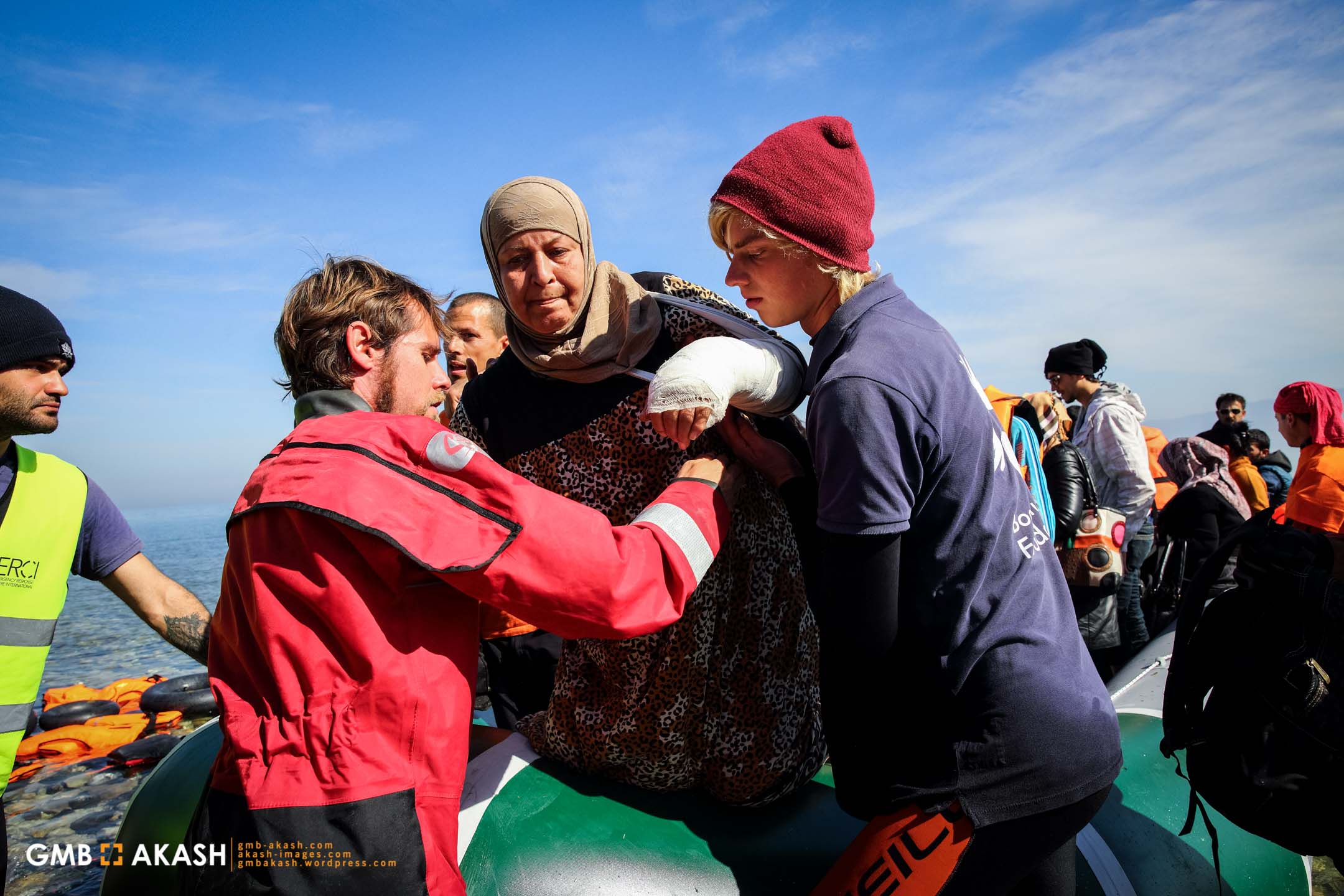
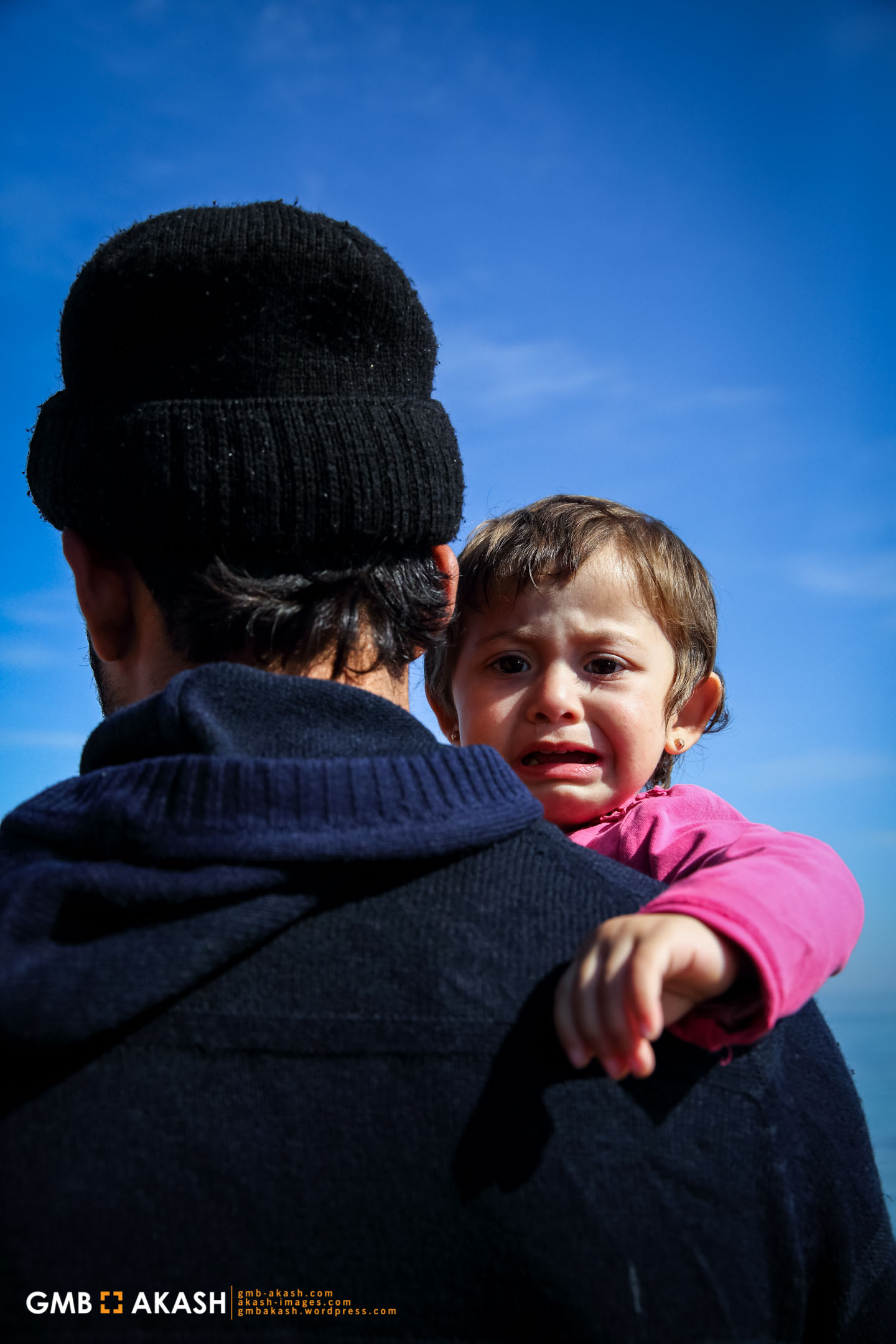
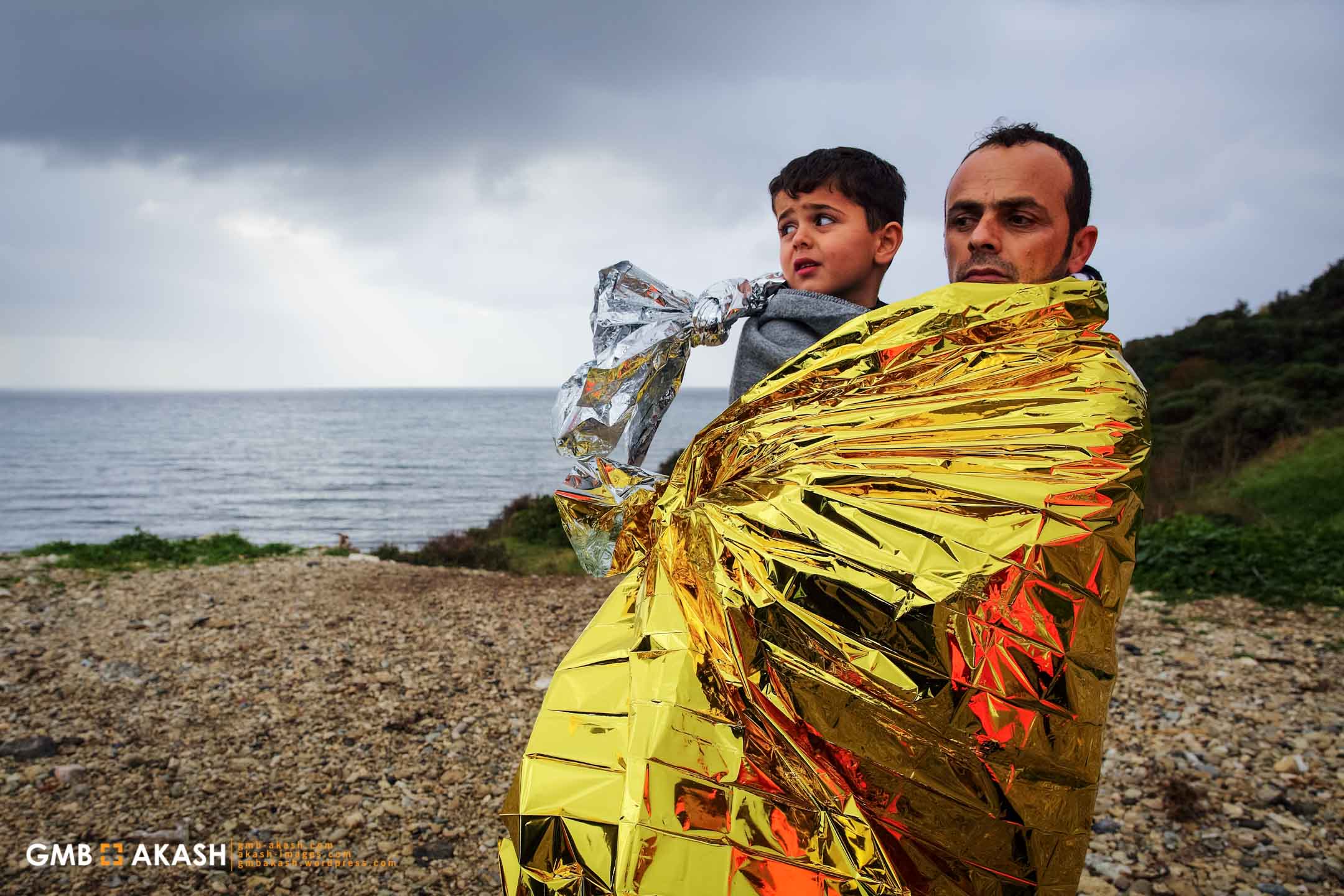
I have spent years documenting refugees and their children. In recent years I have been interviewing and photographing the tragedies of the families escaping for their lives to Greece from the Middle East as well as the desperate Rohingya and Bihari refugees escaping to Bangladesh from border countries.

To closely experience their lives as well as to help and speak with the families. I spent nights awake in Lesbos Greece waiting for dilapidated and overloaded boats to arrive from Turkey. Sometimes the boats never made it. I walked hundreds of kilometers along with the refugees while they were trying to cross the border out of Greece. In between, I was in their camps, shelters and anywhere they were, trying to discover their pain, suffering, and anguish that refugees must face.

My experiences were eye-opening, tragic, sad, terrifying, and oftentimes shocking.

You can do your part by SHARING THIS post about millions of refugees who need support.

CB7A0327

CB7A0851

Plight of Rohingya Refugees

More than 24,000 Rohingya were killed by the Myanmar military and local Buddhists. It also estimated that at least 18,000 Rohingya Muslim women and girls were raped, 36,000 Rohingya were thrown into fire.

CB7A7556

CB7A0828

CB7A7958

CB7A7090

CB7A8547

CB7A7907

CB7A6775

CB7A8491

CB7A3449

CB7A3366

The Refugee Crisis in Greece

As of December 7, 2015, more than 911,000 refugees and migrants had arrived on European shores since the year began and some 3,550 lives had been lost during the journey. Over 75 per cent of those arriving in Europe had fled conflict and persecution in Syria, Afghanistan or Iraq.

The civil war in Syria has led to one of the worst humanitarian crises of our lifetime.

IMG_8860

IMG_4311

IMG_8267

IMG_4707

IMG_5416

IMG_8267

IMG_3561

IMG_8319

IMG_4645

IMG_5596

IMG_1596

IMG_1334

IMG_5904

IMG_0440

The neglected ‘Bihari’ community in Bangladesh

While the international community is focused on the plight of Rohingya refugees, not many in the world are aware of the ordeal of Bihari Muslims who migrated from India in 1947.

This is not just a story of poverty and despair. This is the story of a community of over one hundred sixty thousand stateless Biharis who have lived like animals for the last 40 years.

geneva camp-77

pakistany camp-14

Geneva (6)

Geneva (3)

Geneva (1)

Geneva (16)

Geneva (21)

Geneva (20)

Geneva (25)

Geneva (24)

Geneva (13)

Geneva (15)

Continue reading “Tribute to Refugees around the world.”

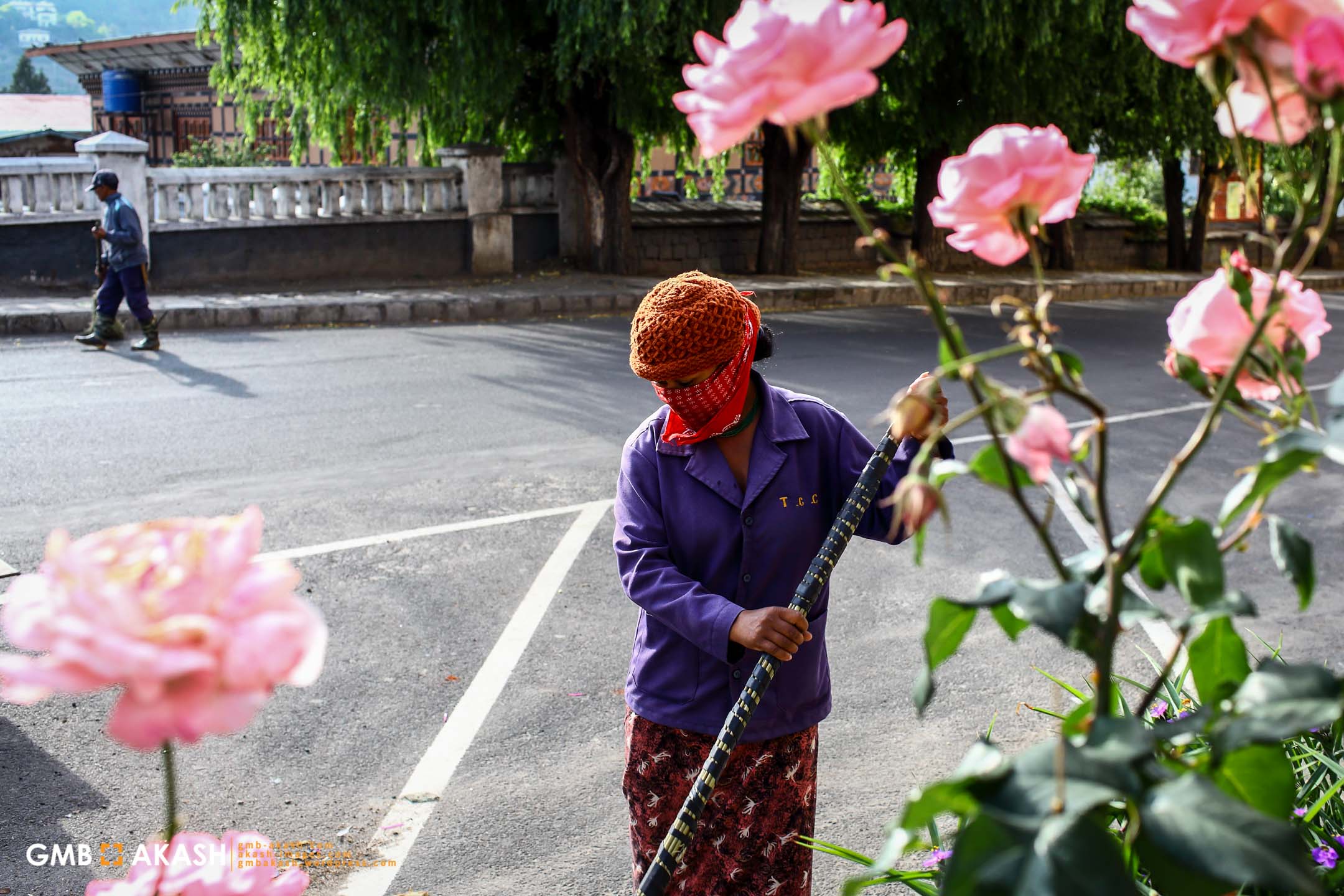
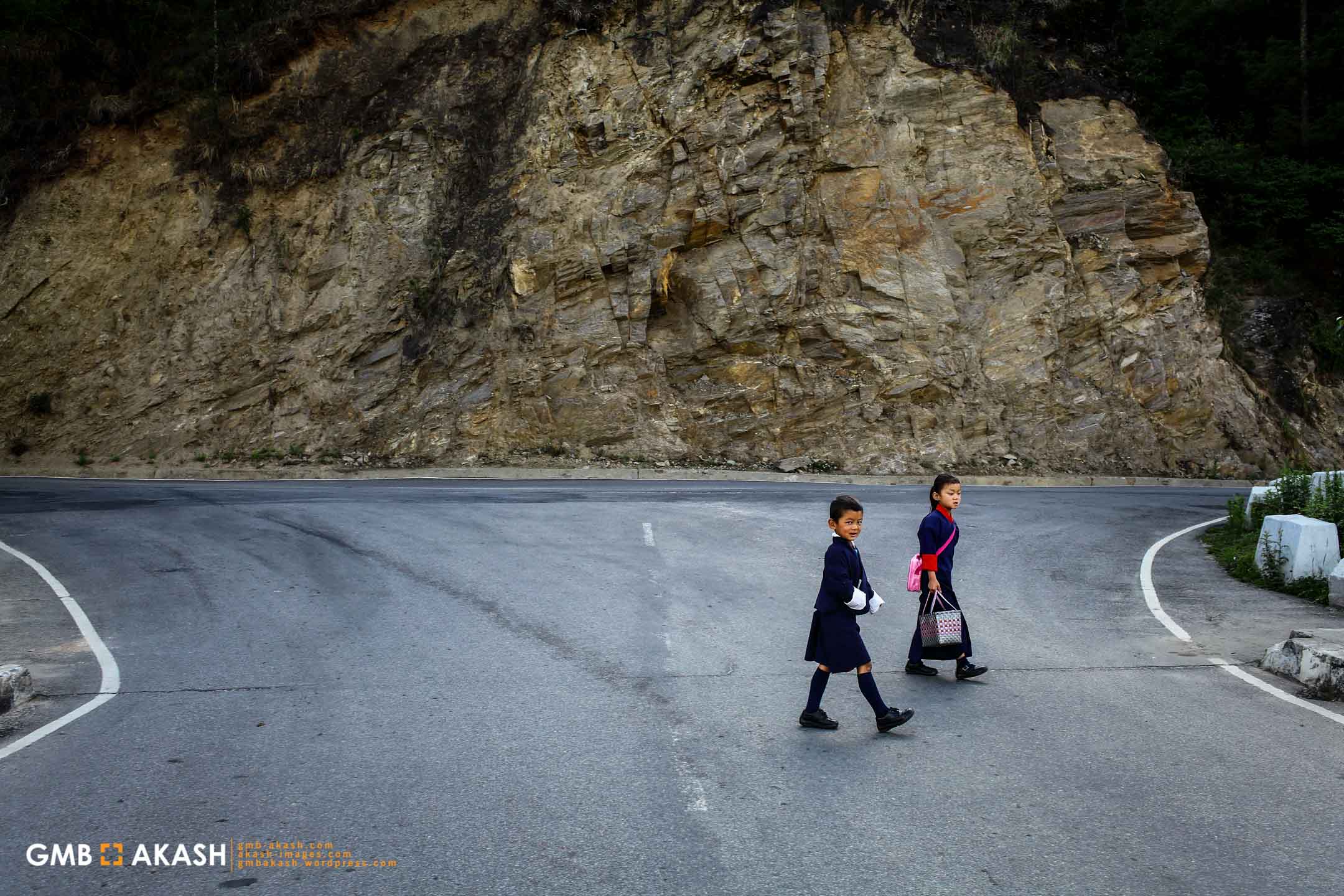
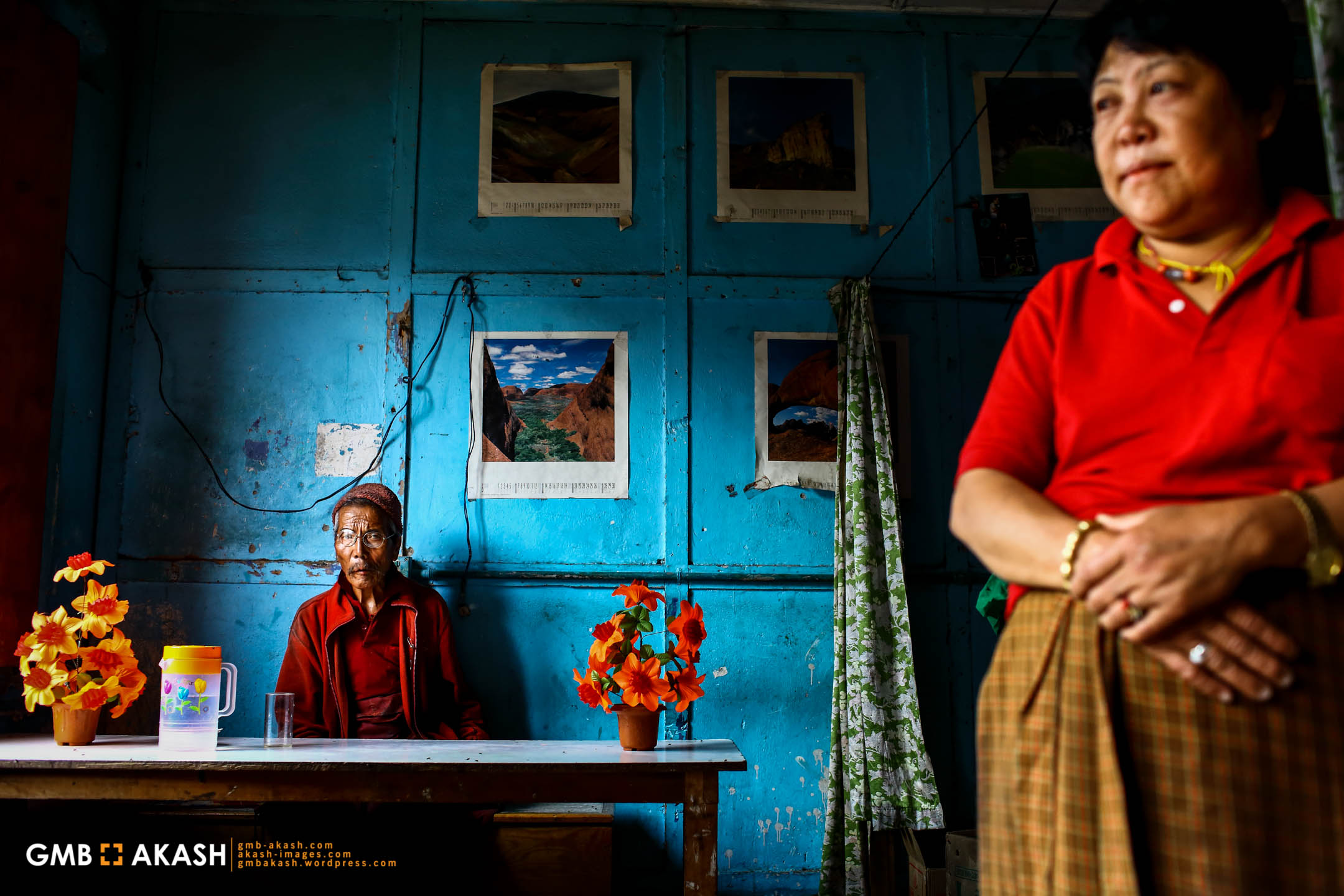
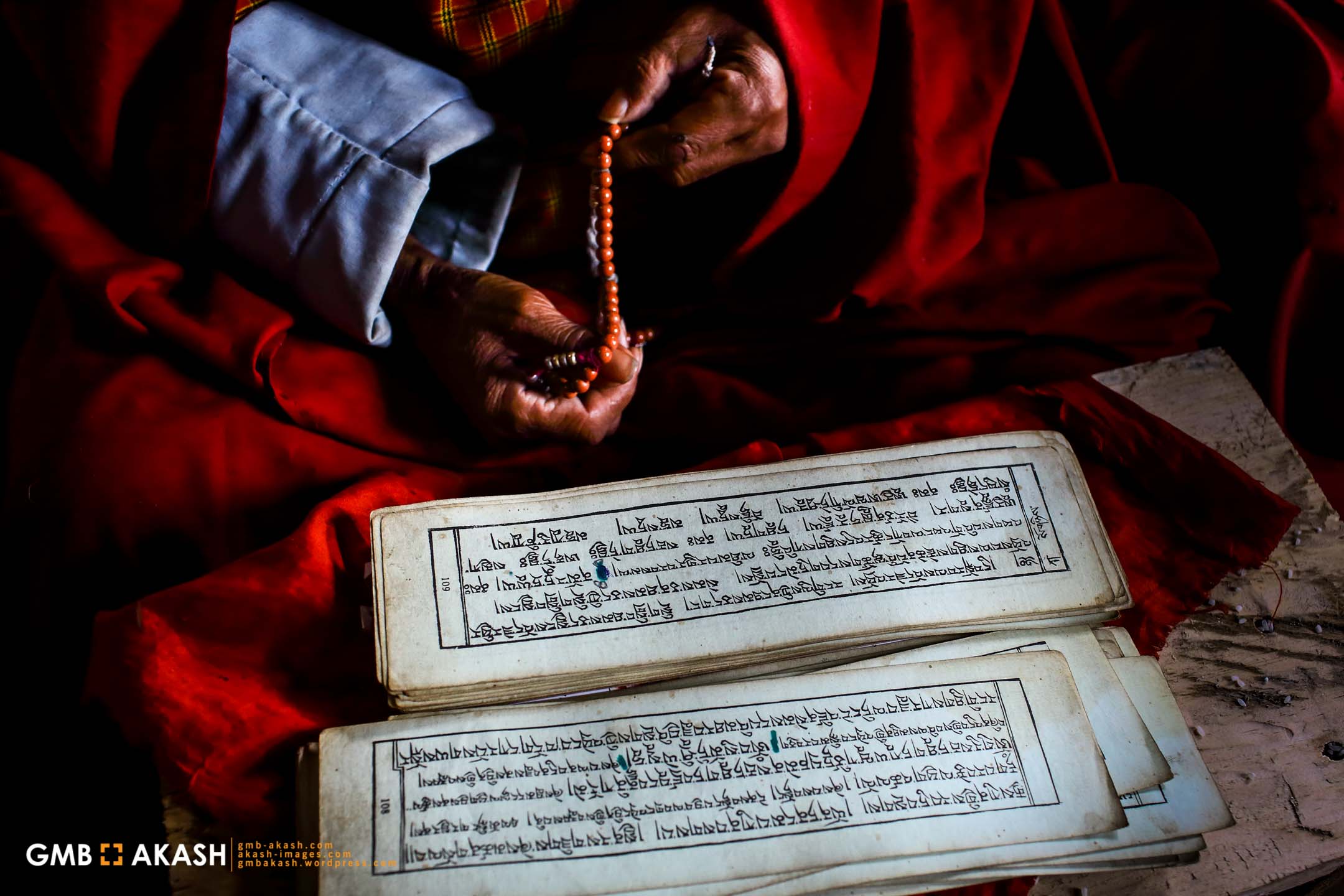
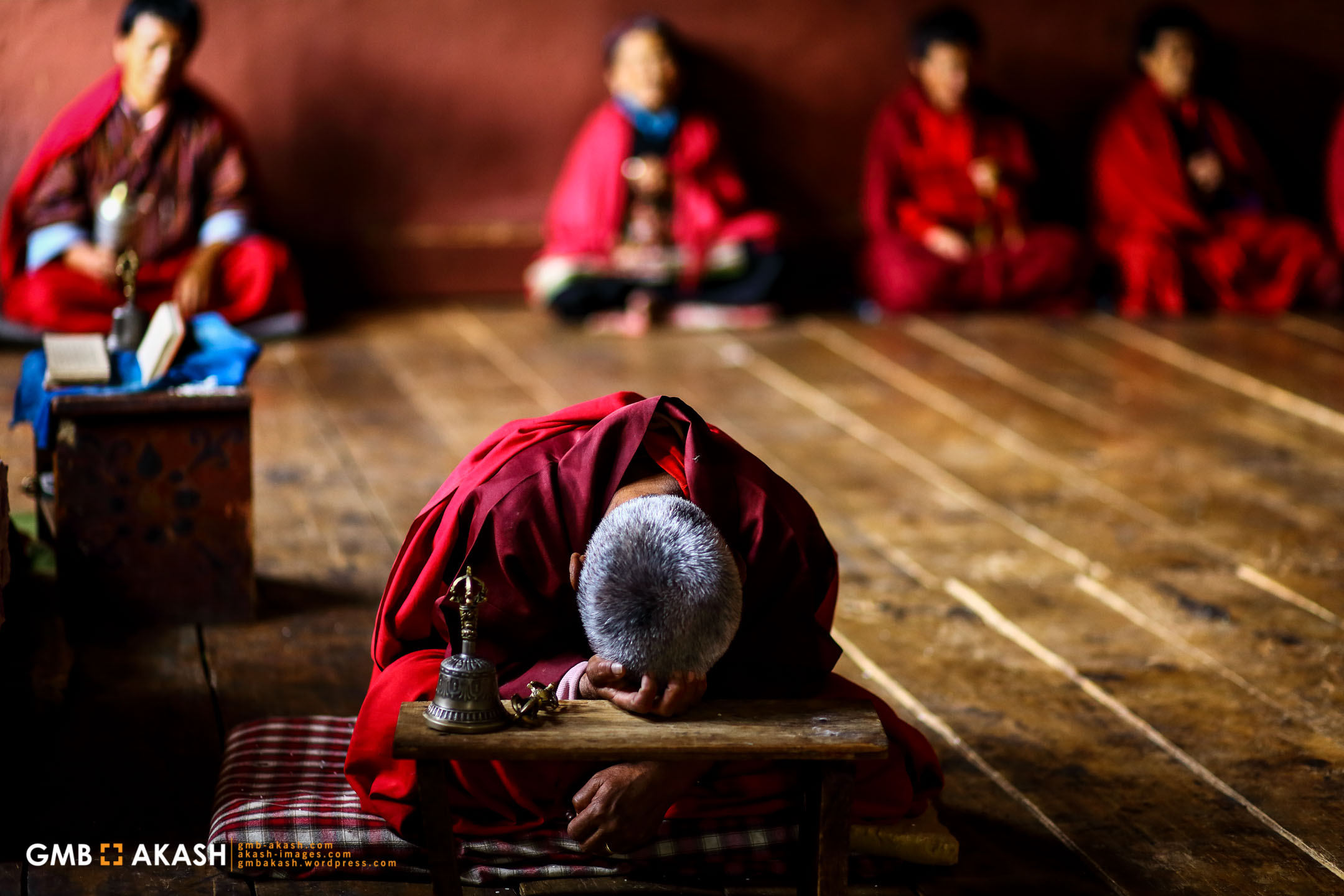
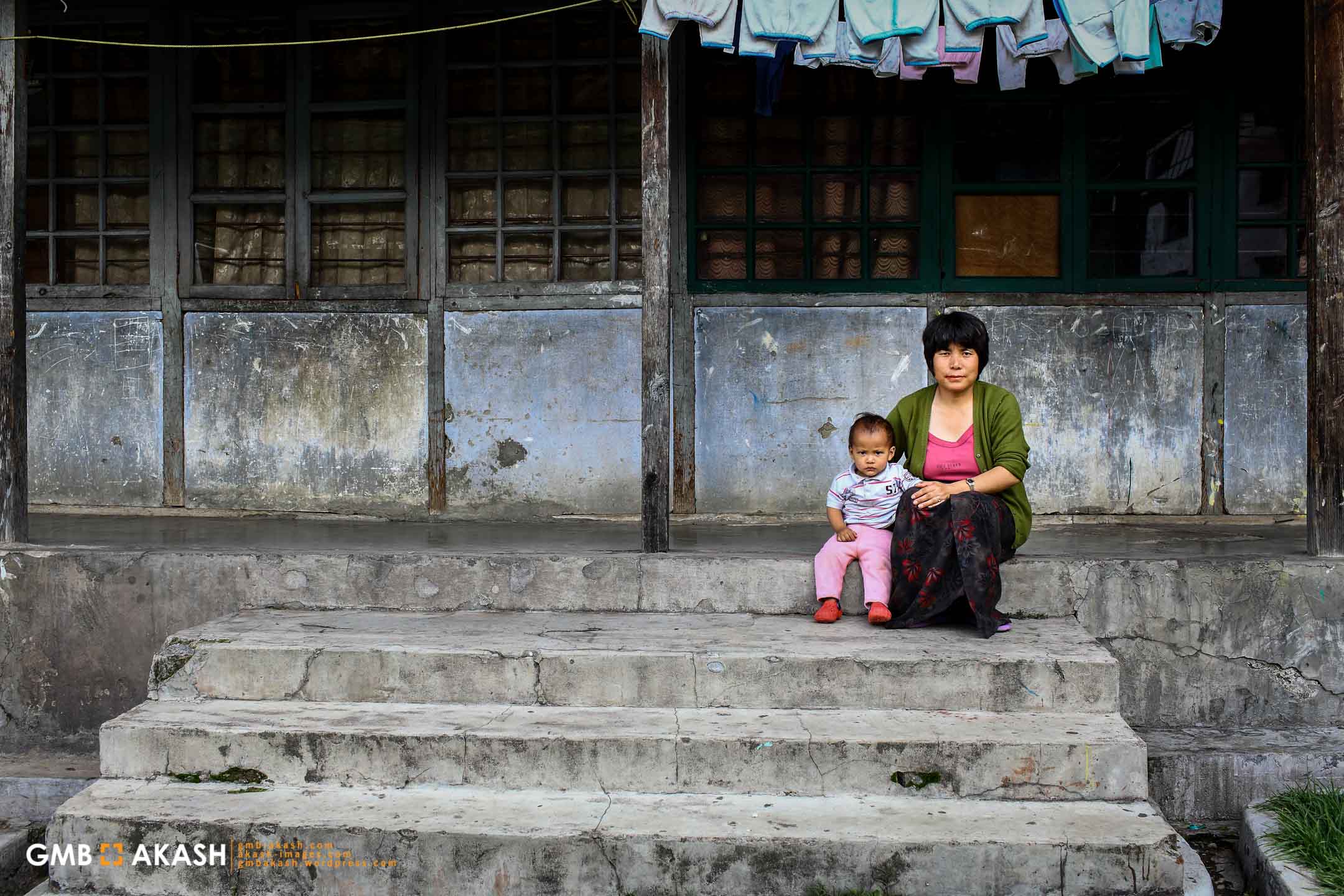
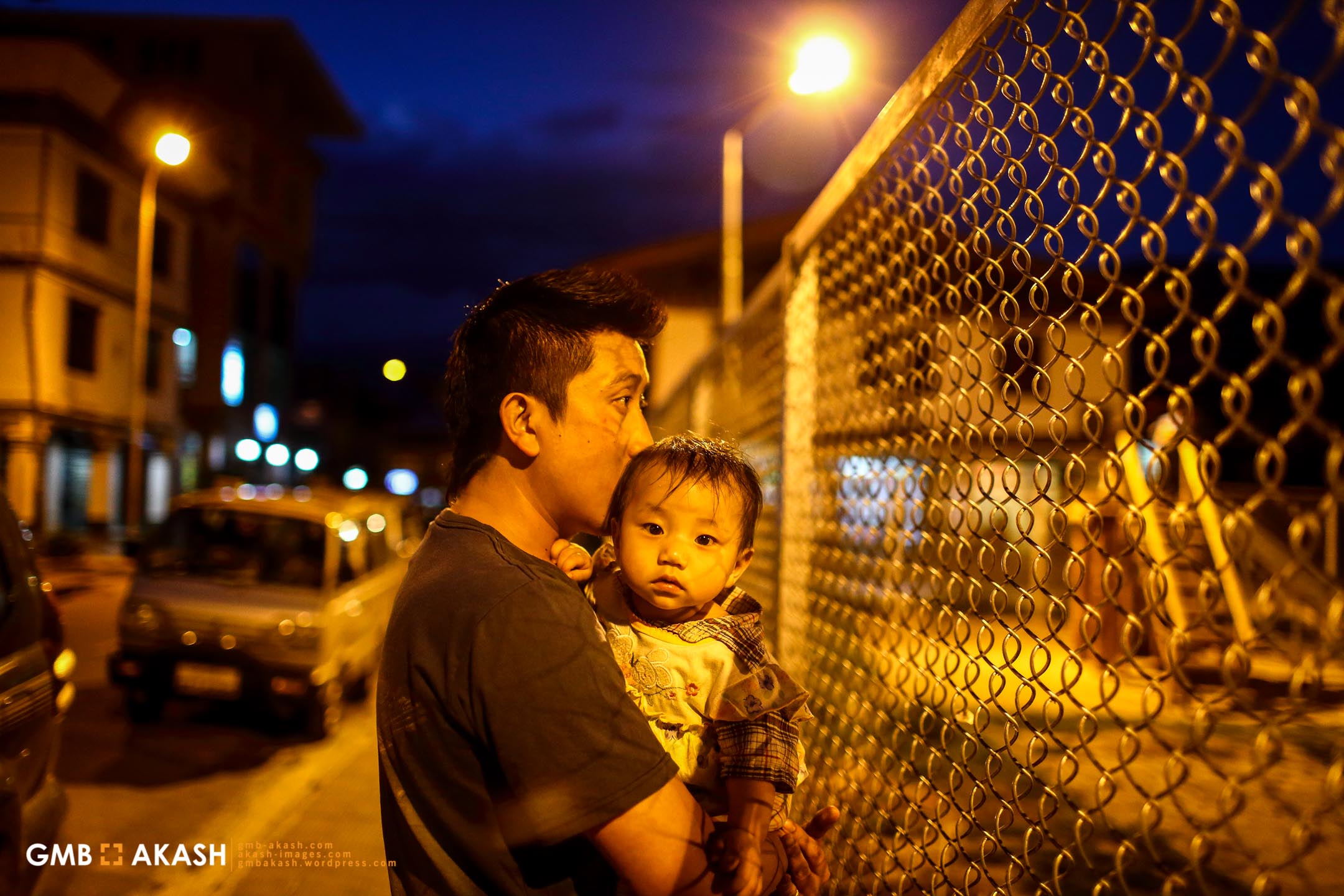
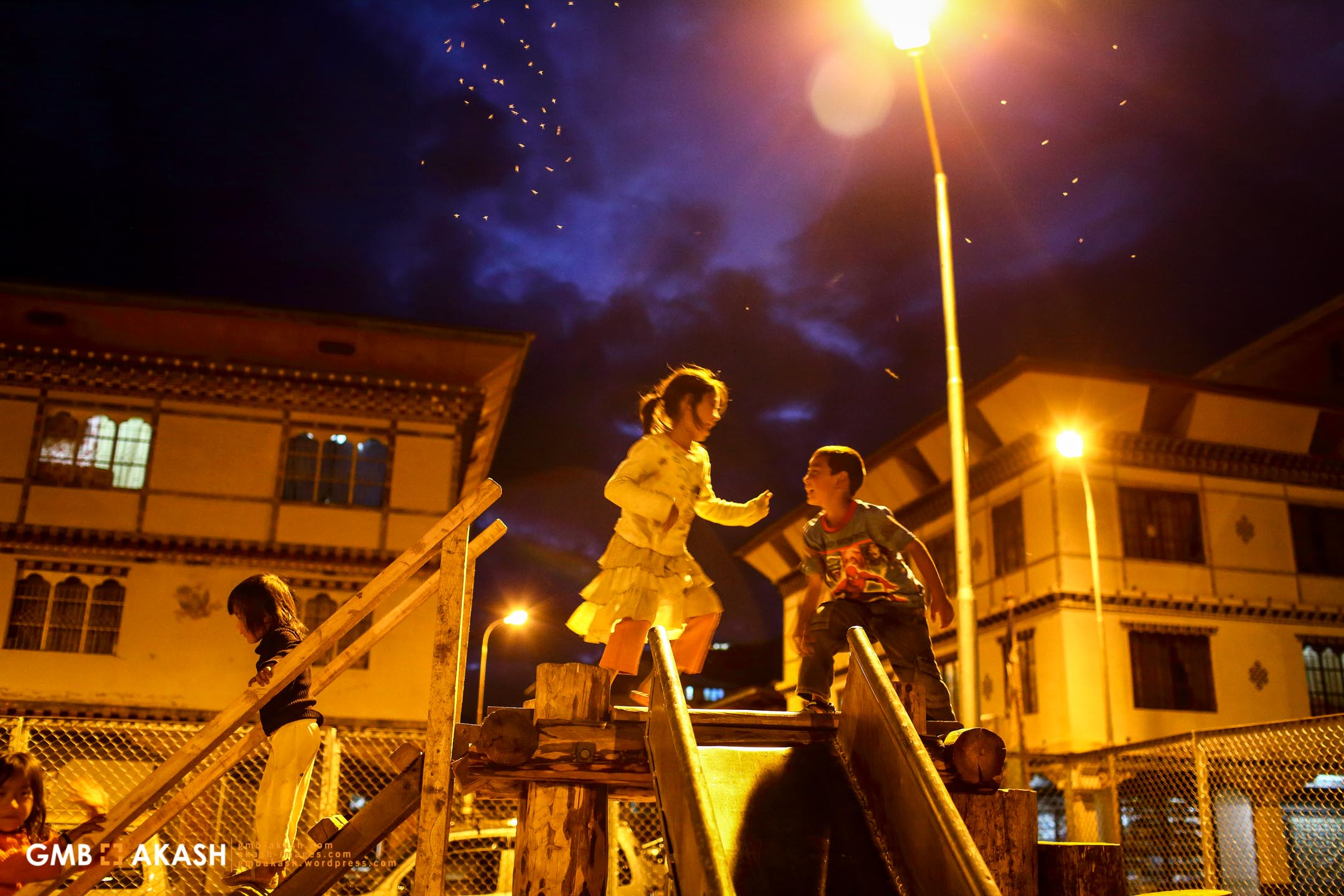
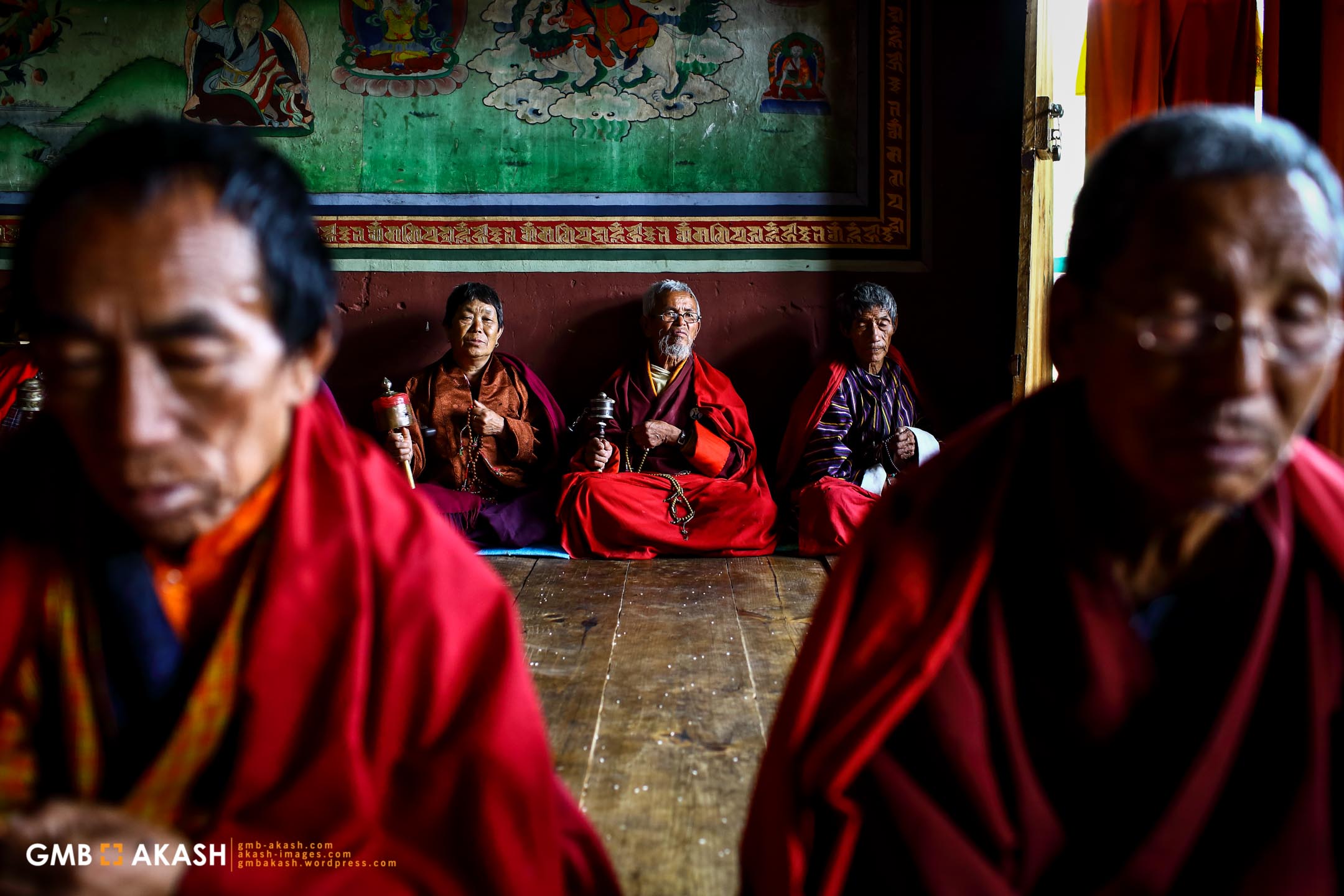
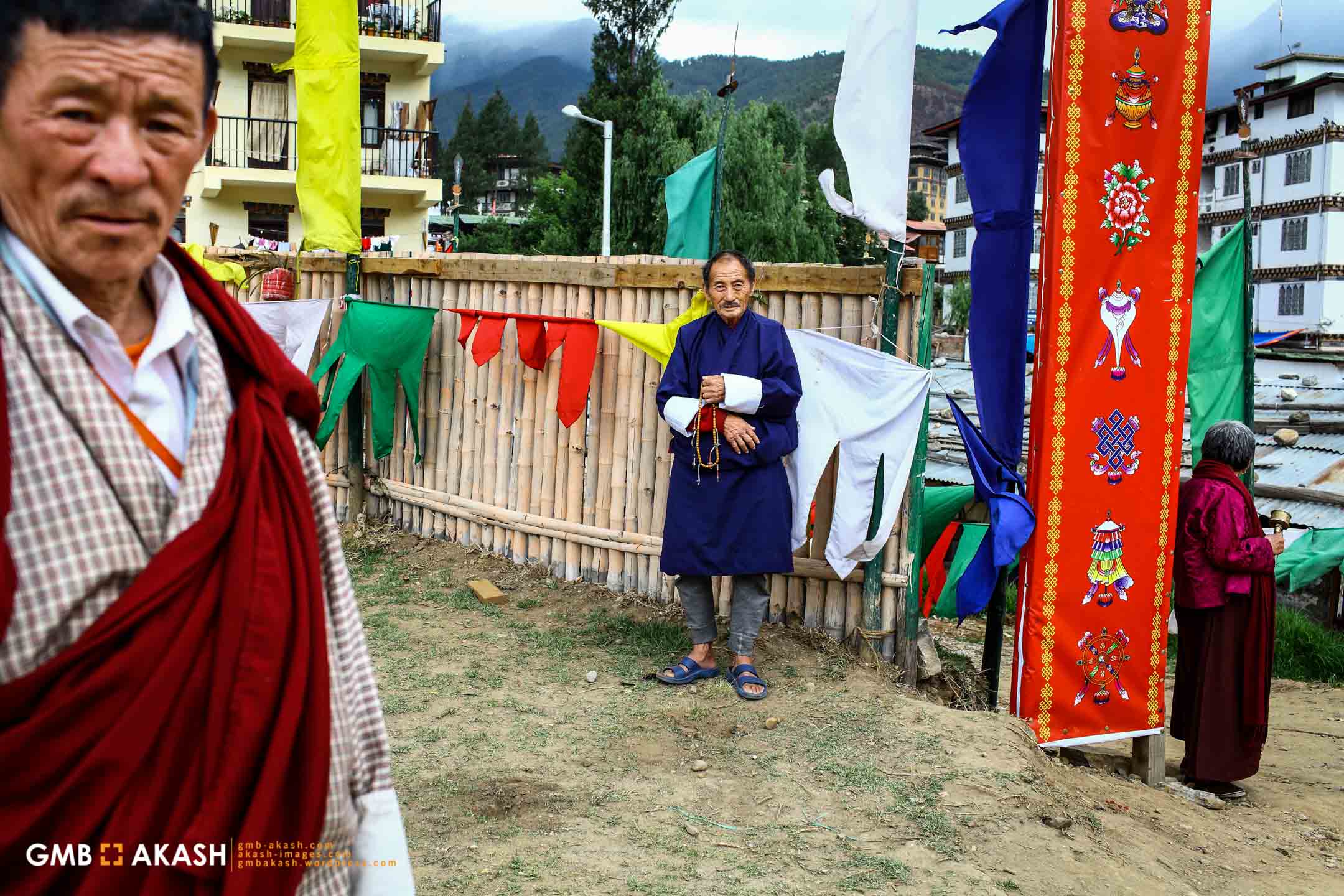
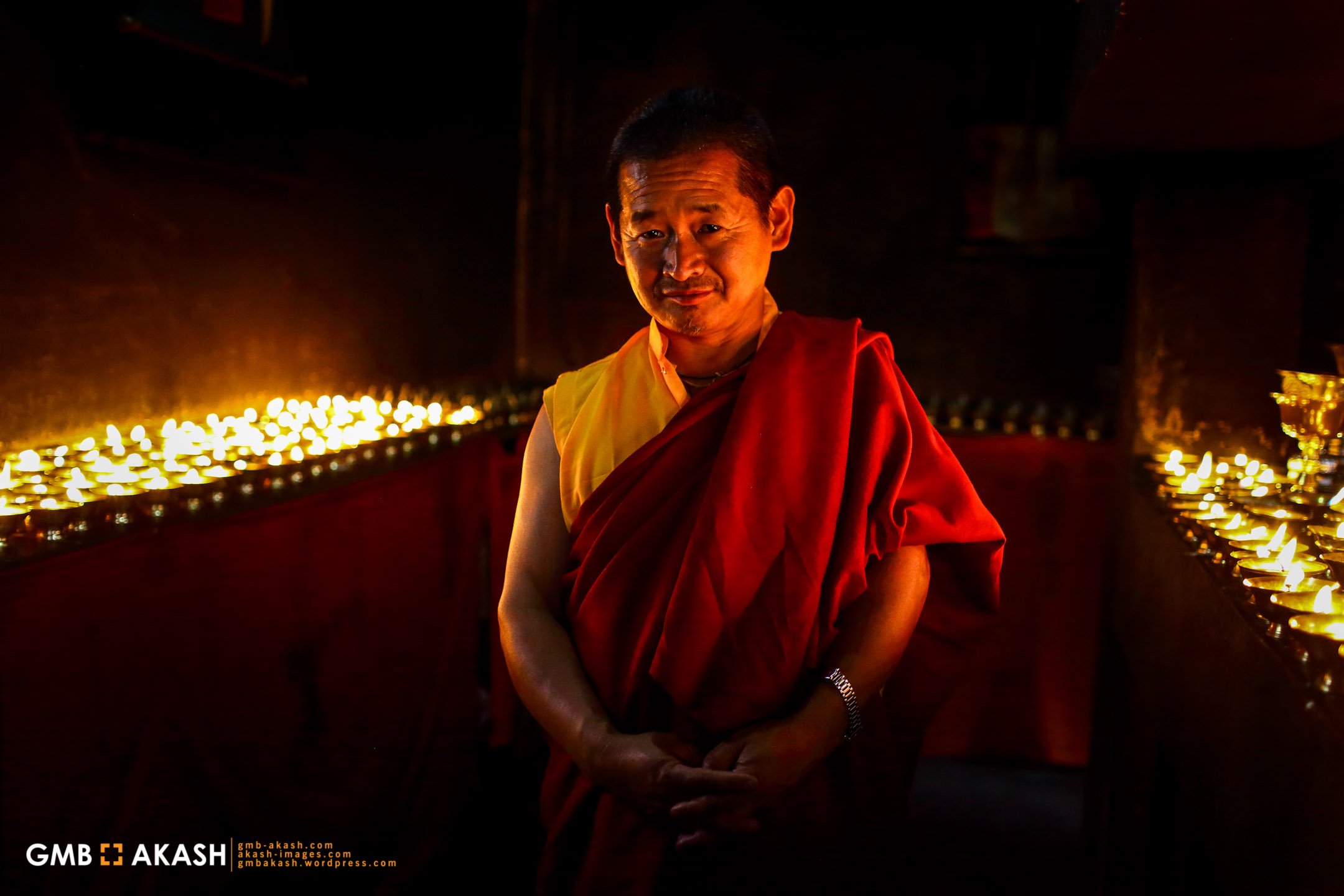
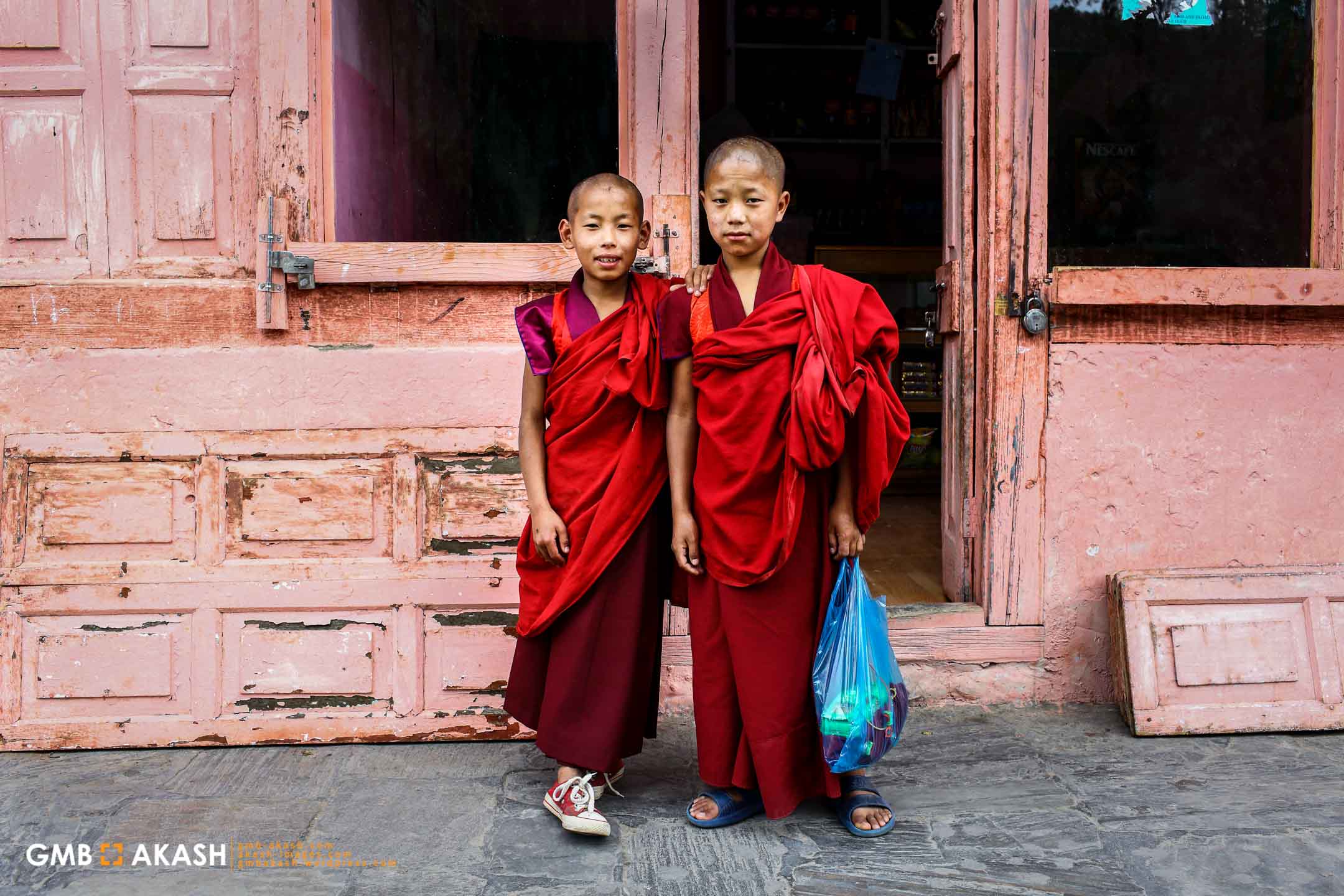
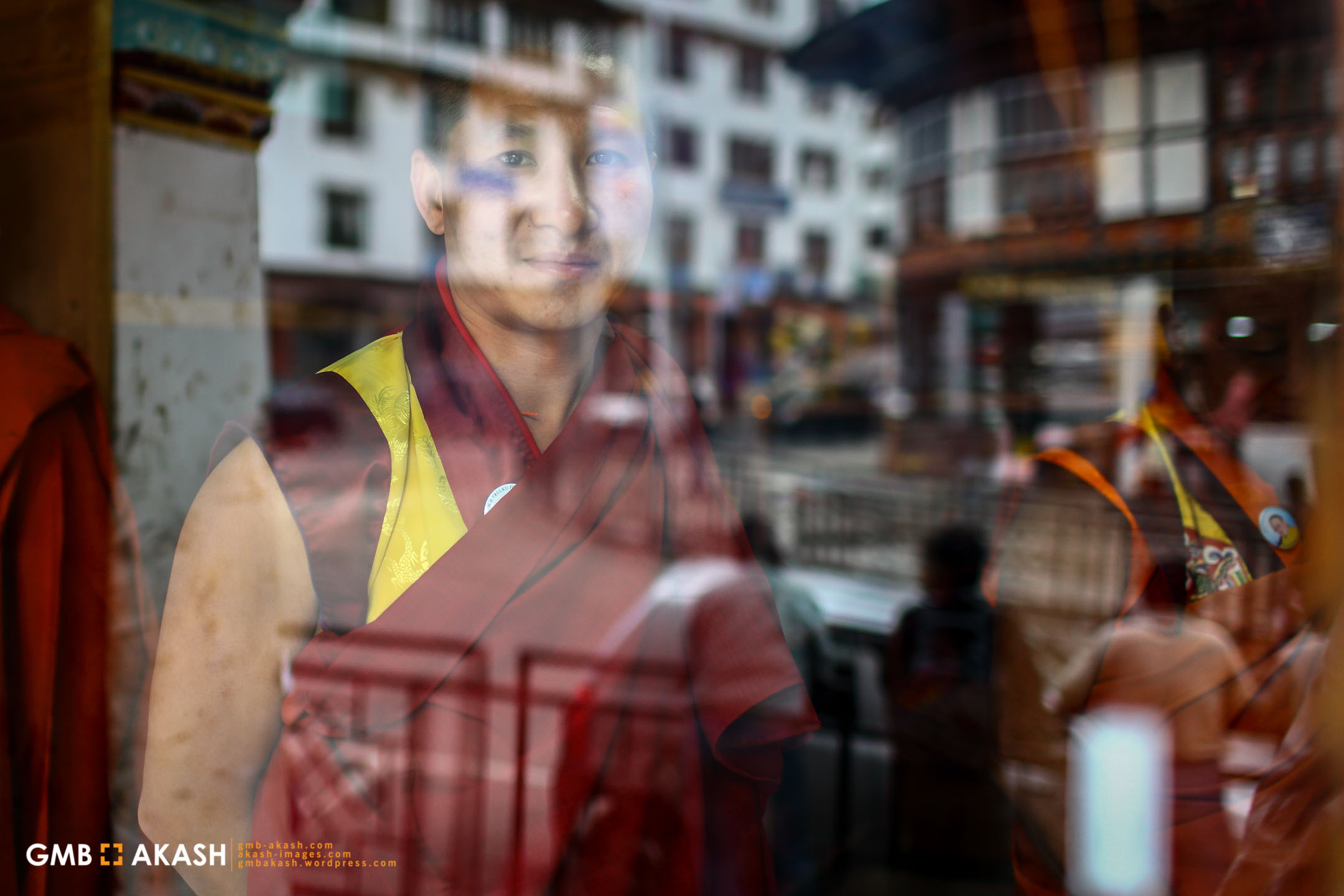
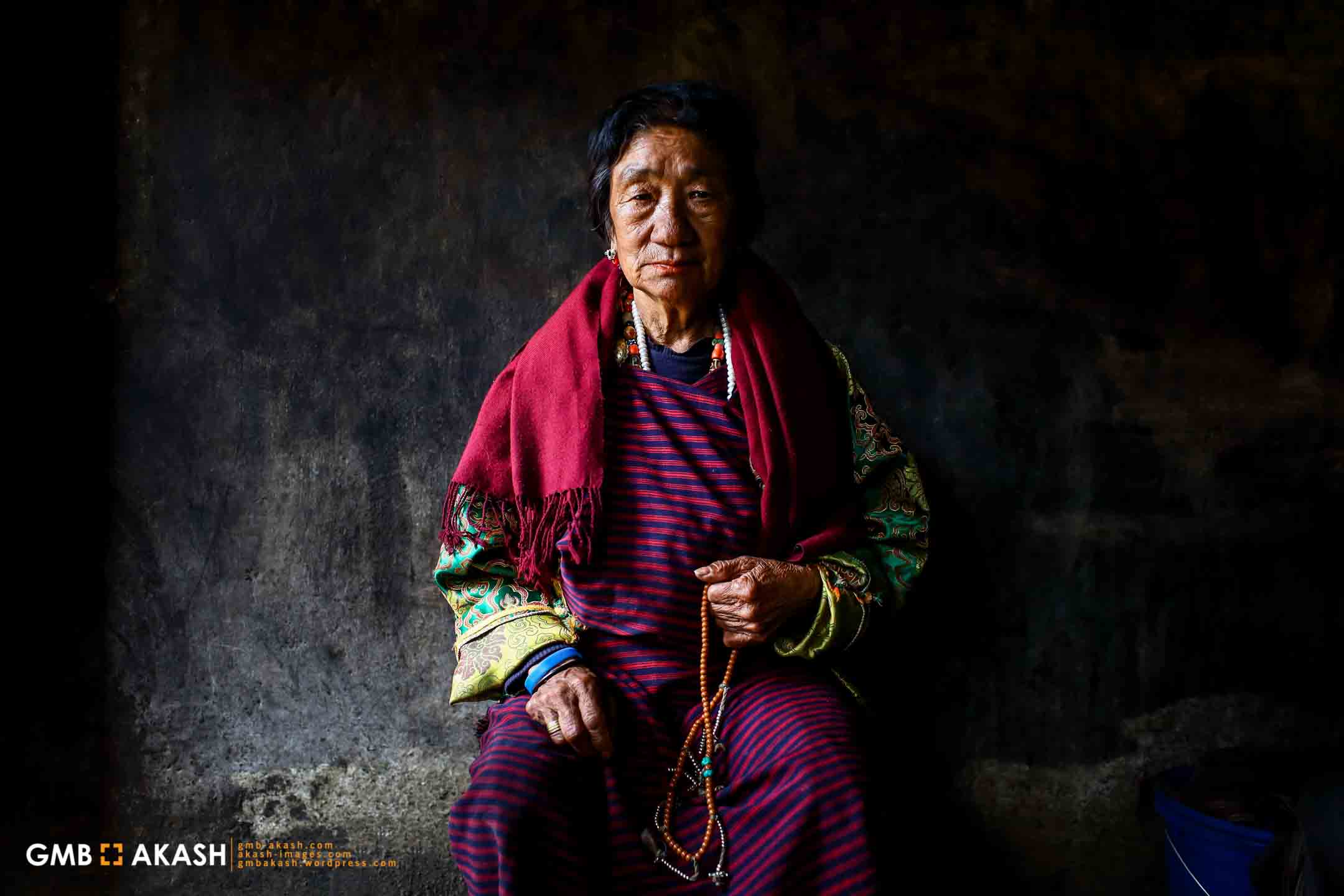
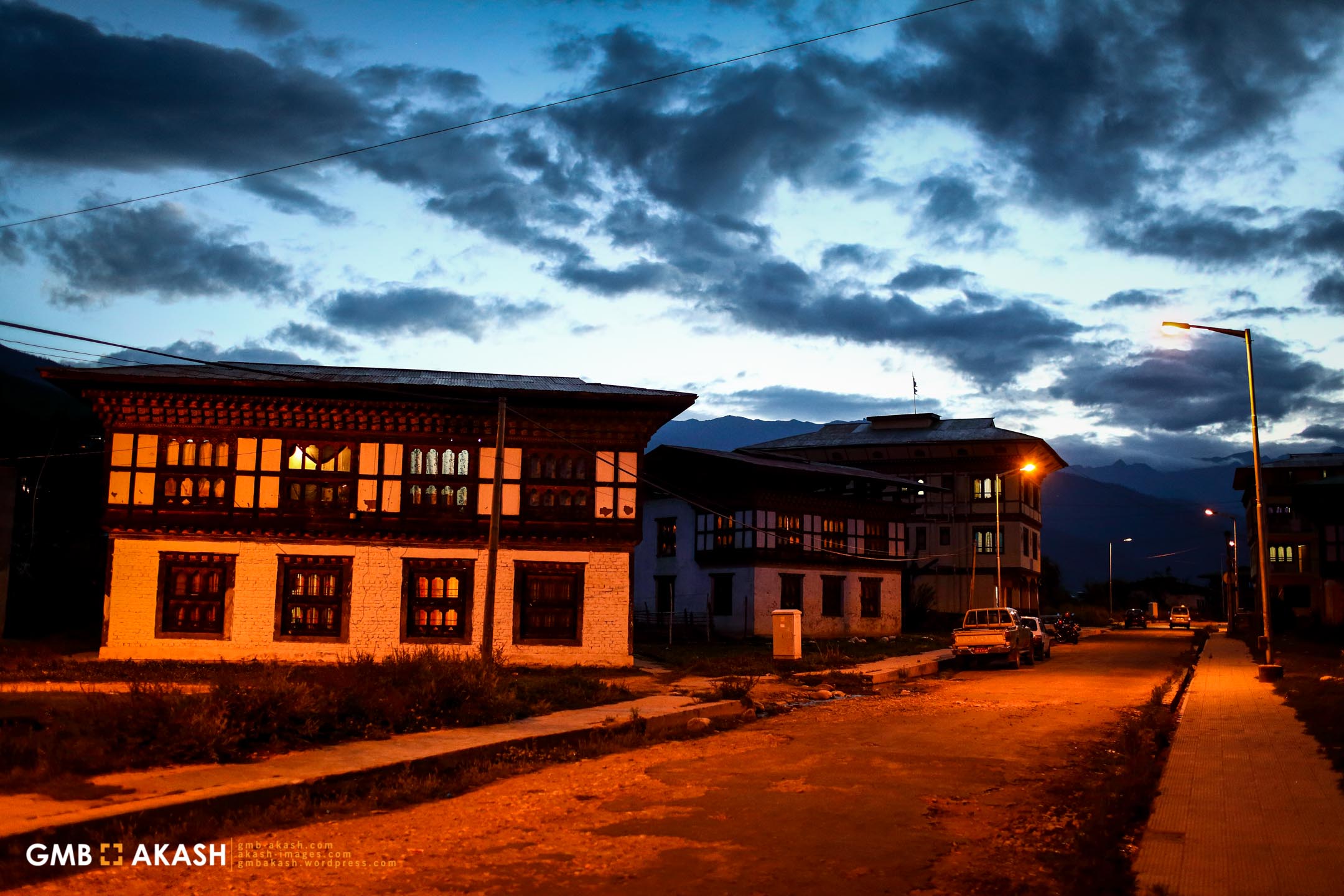
Faces of Bhutan by GMB Akash 

Bhutan has continually been ranked as the happiest country in all of Asia, and the eighth Happiest Country in the world.

Bhutan does not believe in GDP as an indicator of economic growth and development. It has introduced another measurement known as Gross National Happiness.

Bhutan, the Land of Thunder Dragon, is one of the most intriguing places I’ve visited.

– Bhutan is truly a feast for the eyes.

A tribute to Kingdom of Bhutan

aa00001863

aa00001860

Bhutan is the only country in the world that is carbon negative – meaning that it absorbs more carbon dioxide than it emits.

aa00001913

aa00001873

Bhutan is the only country in the world that has no traffic lights.

aa00001855

aa00001877

The United Nations recognized Bhutan as a country only in 1974.

aa00001821

aa00001837

Plastic bags are banned in Bhutan.

aa00001858

aa00001832

Education and healthcare is free for all citizens.

aa00001859

aa00001878

Bhutan is the first country in the world to ban tobacco.

aa00001840

aa00001843

aa00001927

Bhutan is one of the last countries in the world to introduce television to its people. The government lifted a ban on TV—and on the Internet—only 11 years ago.

aa00001861

aa00001844

aa00001884

One-third of Bhutan’s population is under the age of 14; its median age is 22.3 years.

aa00001849

aa00001852

aa00001887

Isolated from the World Until The 1970s.

aa00001918

aa00001926

aa00001831

aa00001909

Bhutanese call their home “Druk Yul,” which means “the Land of the Thunder Dragons,” because of the extremely powerful storms which constantly roar in from the Himalayas.

aa00001841

aa00001846

aa00001876

The first foreign tourists were allowed into Bhutan in 1974.

aa00001906

aa00001908

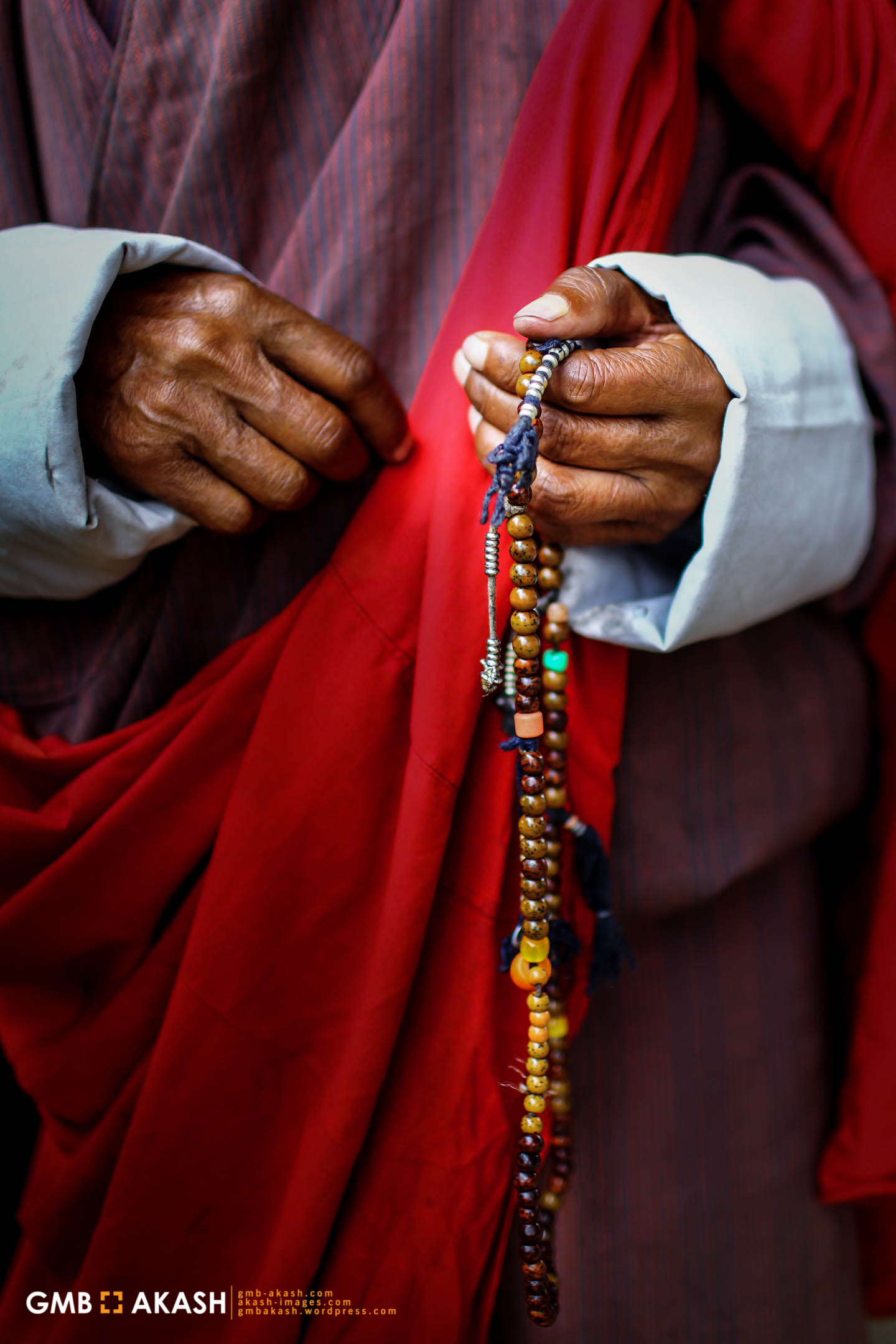
Bhutan is a Buddhist country with strong beliefs.

aa00001823

aa00001914

aa00001920

Bhutan is famous for its colorful, vibrant festivals.

aa00001868

aa00001893

Bhutan has never been conquered.

aa00001898

aa00001896

It is mandatory for the Bhutanese to wear their national costume.

aa00001838

aa00001820

aa00001835

aa00001874

It is Illegal to Kill Anything.

aa00001856

aa00001889

All of Bhutan’s buildings must follow the traditional architectural style.

aa00001825

aa00001904

aa00001905

——————-

GMB Akash 

Photojournalist and Profile Photographer at Panos Pictures, London

Founder of GMB Akash Institute of Photography, Dhaka

TEDxHyderabad:https://youtu.be/sXbmBCzgy8A

TEDxYouth:https://youtu.be/rLG7sPs6MkU

Website: www.gmb-akash.com

Photo Agency: www.panos.co.uk

Photography Workshop: www.gmbakashworkshop.com

Facebook Page: www.facebook.com/gmbakash

Instagram: www.instagram.com/gmbakash

Blog: www.gmbakash.wordpress.com

Twitter:www.twitter.com/GmbAkash

Train Track Life

Suddenly the inter-city train appears rushing at them on the tracks with its deadly noise which is the only thing that alerts the people. The scene includes a train that seems to be traveling as if to arrive at the slum but then ruthlessly goes right through it. It watches and touches both sides of the slum’s tin-roofs. Who could have ignored such g-o-t-a-n-g, g-o-t-a-n-g sound that raises heartbeats of the inhabitants of the Karwan Bazaar train track Slum in Dhaka on a daily basis… at least fifty times a day?

slum (6)

slum (16)

People speculate that this train track-side slum had been built after the Liberation War of 1971. Though the slum does not seem too old, several inhabitants say that they have been living recklessly here for more than thirty years. Moreover, on both sides of the curvy train tracks that are lined with 1’000s of shanties, more than a hundred huts have been built in more recent times. Some of the smallest huts with only three foot high roofs rent for as much as 2000 taka (About $25). Those houses that are newly built with heights for standing-up cost 3000 taka (About $39) for a month.

slum (38)

slum (43)

The muddy train tracks are loaded with wastage and leftover rotten vegetables. During an ordinary mid-day women are busy preparing lunch with difficulty trying to manage their mud clay oven cookers set up only one foot from the rail. When a train passes through anybody from the train could take away the potatoes that Marium Begum (35 years old) is frying in the pan. Marium says, ‘my eldest daughter is ten years old and I taught her how to save herself when the train rushes to our hut’. Marium clearly knows how much distance is safe for her two small kids. All children of the slum are well taught how to run away when a train arrives on the tracks. But a lot of times trains come simultaneously on both tracks and terrify the children. It happens many times from day to night without prior warning.

slum (14)

slum (27)

Accidents are common and dangers are unlimited. The banyan tree root that grows from the hut of Kahinur is losing its leaves because many passengers who are riding on the tops of the moving trains are picking off the leaves for fun. It also amuses the slum children who have little to do. In this impossibly tiny strip of living space a lot of children lose their legs, hands and fingers in train accidents that take place in front of their parents’ eyes.

slum (57)

slum (11)

Jaleha Kahtun says, ‘If we had something in which to live in the village, we would never come to live in this train track slum. In the village the river overflowed and took away everything and now here in the bazaar is everything we own.’ Jaleha Kahtun is a rotten vegetable seller in the bazaar. She has to go to work at 5:00 in the morning. So she lives in this slum that enables her to go to the bazaar as early as possible. All of the people who are living along the train tracks are climate migrants due to frequent flooding disasters in the country.

slum (18)

slum (68)

slum (56)

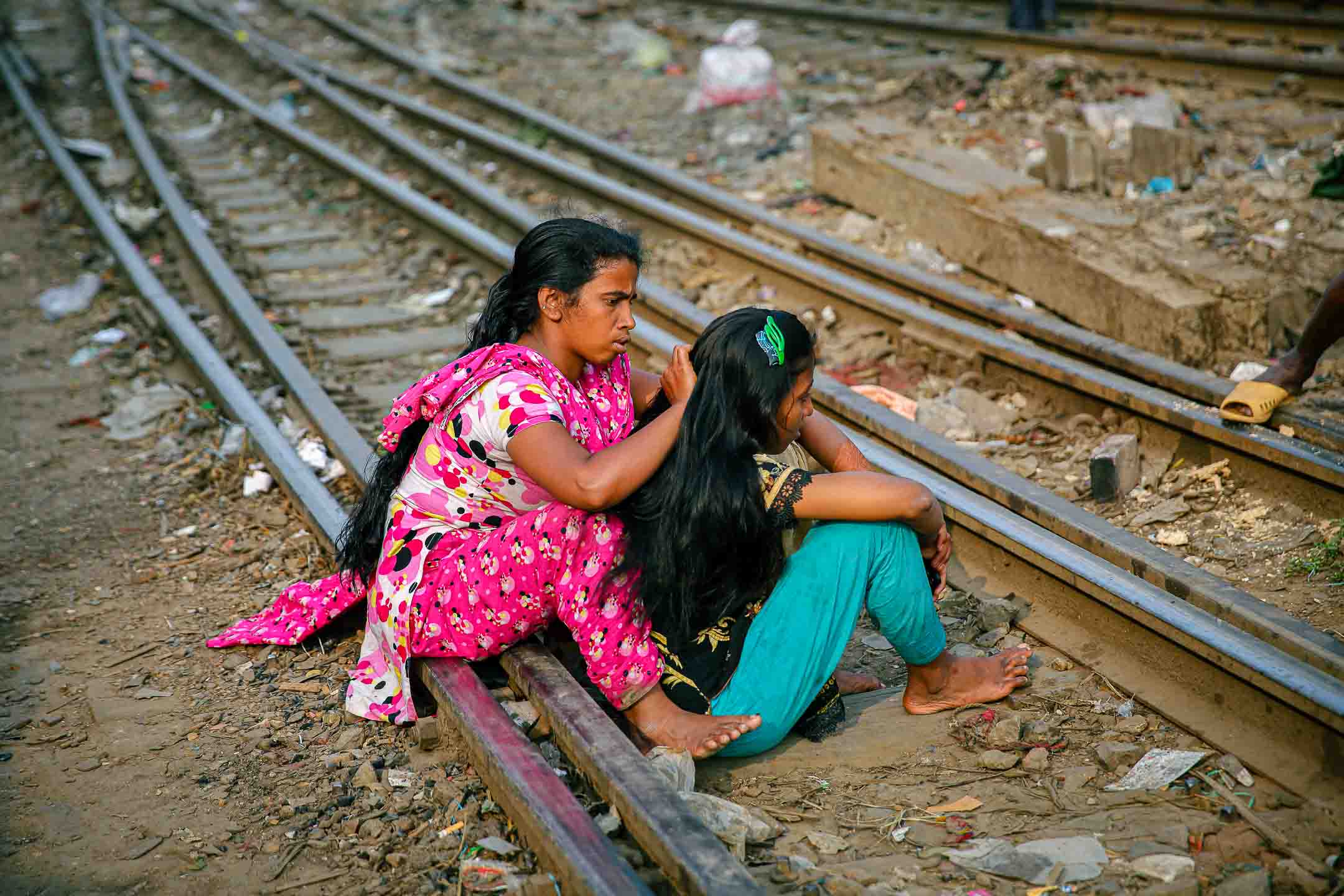
Nothing has changed in their lives since they left their villages, but now at least they can feed themselves better. Sriti (15 years old) who is sitting in the middle between the two rail lines says, ‘We now understand how to act when a train comes. If you were in my place you might die without knowing where to go after seeing a train three feet in front of you. It takes experience.’

slum (52)

When there are no trains all of the inhabitants are sitting on the train tracks, gossiping or arguing with each other. Children are playing here and there. To add some life to this atmosphere someone repeatedly turns on the music of popular Hindi songs. When Rasel (10 years old) starts dancing by waving his lungi and mimicking the song ‘Lungi dance’, Lungi dance,’ people near him also begin to move their bodies to the melody. But before Rashel shows his brilliant steps someone screams that the trains are coming on both sides of the rail lines. Nobody forgets to take their sitting arrangement away with them; children quickly move with their toys, a grandmother rapidly puts a pot over her vegetable curry to save it from the dust. Just like in a theater the trains get a stage upon which to perform for a few seconds and when they leave, all of the inhabitants return to their customary life on the tracks that have been occupied for more than 30 years.

slum (59)

‘Street Boy’s Dream’

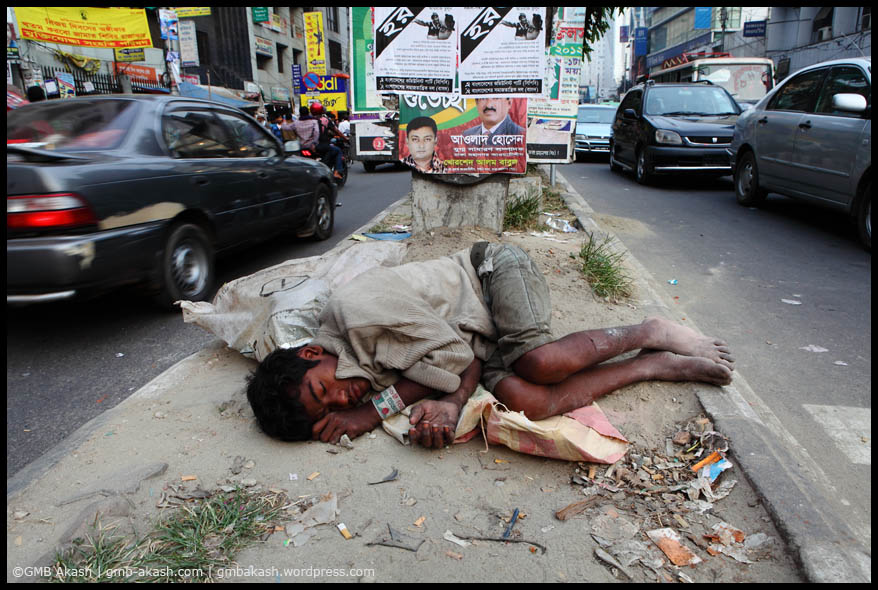
I am nobody and I have nothing. A simplistic human being stated as photographer who continued to question around his world. I conjure traveling in the different layers of myself and host an activist inside me by innate attributes. Yes, neither I am an industrialist nor do I hold a lion’s share of a company. For me CSR or charity is fancy word. But the passage I walked 15 years smiled melancholic to me. I marvel and interpret it to the world believing for a change. But the verb ‘Change’ itself very ‘dearly-won’. I found 18 years old drug users dyeing abandoned before I take him in my shoulder, I know how a sex worker cut off veins and her bleeding marks keep me awakening nights. I know how cold and deep an old lonely mother’s breathe can be in an elderly home. In the dormitories of injustice of the world I uphold to believe in ‘Miracles’.
street boys dream (9)

 street boys dream (8)

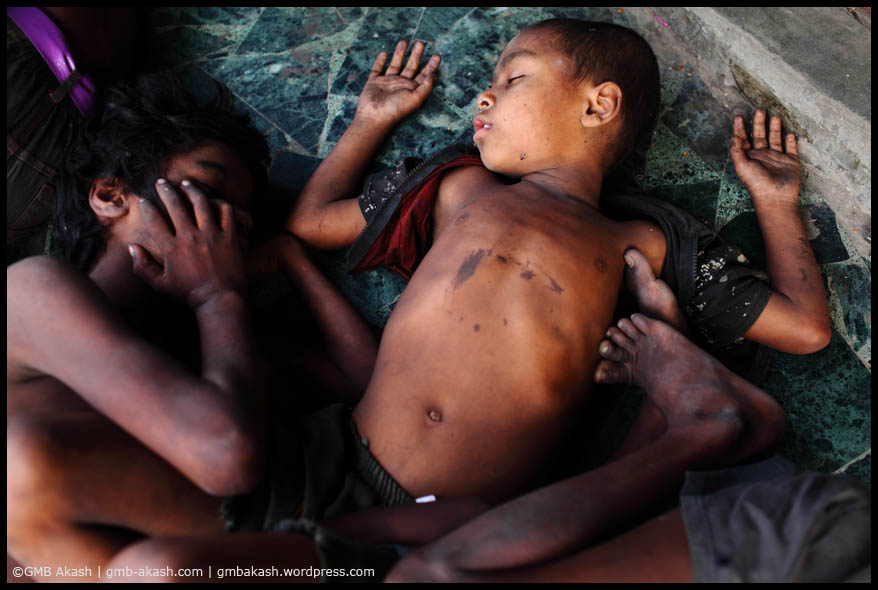
Roton a 12 years old street child once said me. “You rich people just talk, talk and talk! You are nonsense, all of you are nonsense. Children of my age goes to school, plays at park, their mother clean their skin, force them to get shower. Look at my hand, my hair, my skin no one tells me to take shower. I run to carry baggage of passengers, they throw me money like I am piece of shit, police beat me, and goons take my money. No one care, nobody. I sniff shoe glue, I want to lost, and I want to delete my memory. I curse you, I curse government, I curse my unknown parents, I curse everyone of this cruel world”.

street boys dream (7)

Roton’s voice echoing all the time and I can’t rest in peace with my eminence. This is the story of me and the people I care for. I feel it to tell it to you as I want you to love someone, to give tinniest love of your heart to the abandoned. Try to discover your image in the light of their eyes with love and hope. So sharing a small episode of my continual journey and once more telling you I am one of you, a person having no wealth at all but a heart to give away whatever I have. If my single word, small phase of explanation inspires you, please merge in.

You’re given this life as gift; make yourself a gift to life.

street boys dream (6)

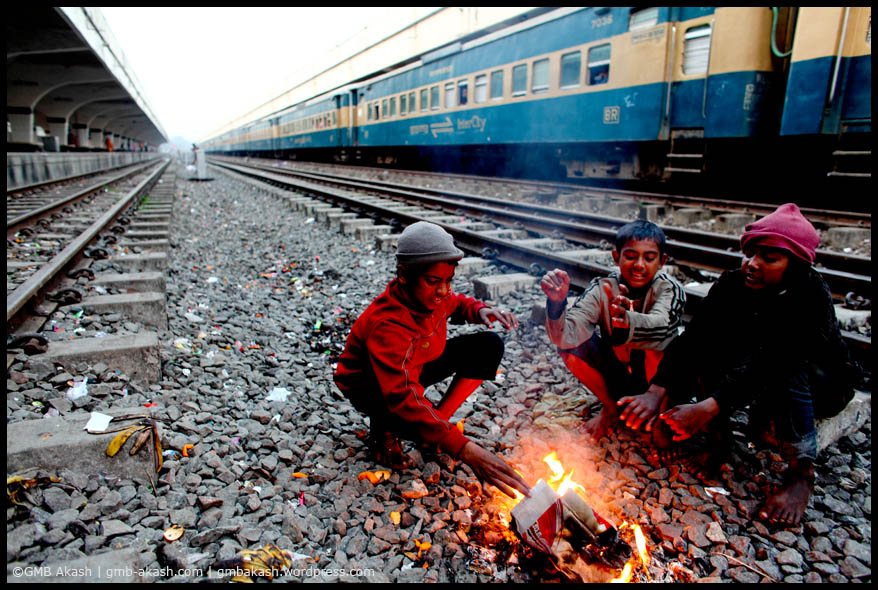
‘By wiping off tears with corner of his shirt a Teenage boy was walking through rail line. The world seems ugly with eyes pour water. A weird anger runs in his vein which is unexplainable to him even. When he takes a seat under the lazy evening light, he started feeling the pain of his chest. His father beat him by clutching with mango tree. His step mother was literally happy and didn’t give him his lunch. His crime was to fall asleep in the field with cattle. Hungry Shuvo (13) started missing his dead mother, who may never allow him to go away from home without having lunch. In the station and in such a warm day who care about an oversensitive boy and his empty stomach. Anger, depression, misery everything mock at Shuvo. Two days, three nights Shuvo had only leftover from restaurants. When he jumped into a running train, he didn’t calculate about upcoming calamities of his life, only he heard the roar of his angry heart. When he started seeing around him, he saw many of other children reluctantly sleeping in the floor of station’s platform. In the time Shuvo feels he is not alone. Unknown faces become familiar and more affectionate. He sleeps with serenity after three nights of sleeplessness. From the day Shuvo is bohemian.
street boys dream (10)

When Shuvo tell me his tale, Raihan (11) laughs loud and say ‘Police first day take me and beaten up a lot. They thought I take drug. I don’t even know what Dandi (a drug street child takes) is’. All of their daily earning is 60-80 Tk by carrying baggage of passengers. Sharif (14) remained silent. Neither he wants to share his story nor listen to others. Depression is in his skin, in everywhere of his belongings. When I smiled at him, he smiles back too, then whisper, “Do you think I can do it ?” I replied “YES! Three of you can!’

street boys dream (16)

Their curies eyes, hope on me, their trust making me nervous inside. What I can do further? In a scorching afternoon I can lend my hands to them and show affection but what about their wound which is as fresh as their age! It’s been already months I seat with children show movies, counseling with them, taken them into lunch BUT THEN? One, two, Three thus hundred children and their dreams! Am I capable to hold them all! But I stop myself questioning. I started doing something. With my nameless family our journey begins. Shuvo, Sharif and Raihan are three members of my family.

street boys dream (11)

‘Can’t sleep last night Bhai, I pushed Sharif many times and ask him when the sun will rise and you will come’ – It was Raihan speaking to me in the final day. Three of them were wearing two paints and two-three shirts at a time. They don’t want to lose their precious dirty cloths so they wear it all the time. Returning from a long assignment and was on the way when I received call at 6 am from Shuvo asking when I will come. I change my mind and by hanging the bag I started towards them skipping home. I was 10 minutes late but as soon as I appear to the place three of them running to me like kitties. Besides them many of others were wondering with curiosity.  I heard a loud voice of Paglu (self-named) ‘Bhai, if they become good boys I will join you too. I swear my Mojnu (a street dog) that I will never take drug again.’ Paglu is along them with whom I pass a day monthly, show them my images and discuss topics needed to share.

street boys dream (1)

When I walked with my three boys I realize they didn’t eat anything yesterday. So first we went to have our breakfast and had it full. They listen to my each word carefully and we planned what we will do in coming three months. Already I taught them small calculation weeks ago. Then I went to buy clothes for them. Raihan is the youngest and started demanding many things while Sharif scolds him for his behavior. When again I ask them, is that they can remember their address/home and I can take them back like Masud, then their faces become cloudy. After a long period of silence Sharif said ‘After I become succeed in life I will return back. Then you can take me home’. I realize their mental condition and don’t force any more.

street boys dream (2)

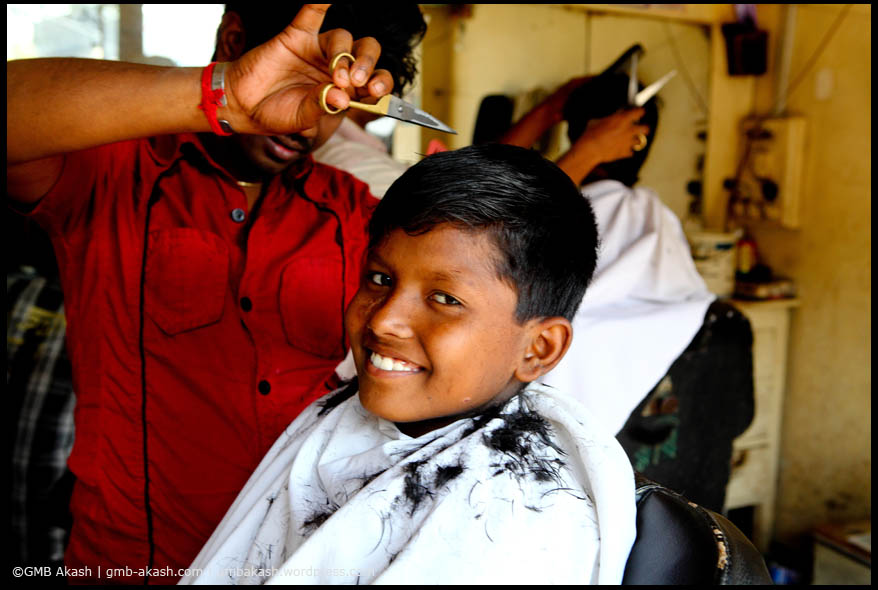
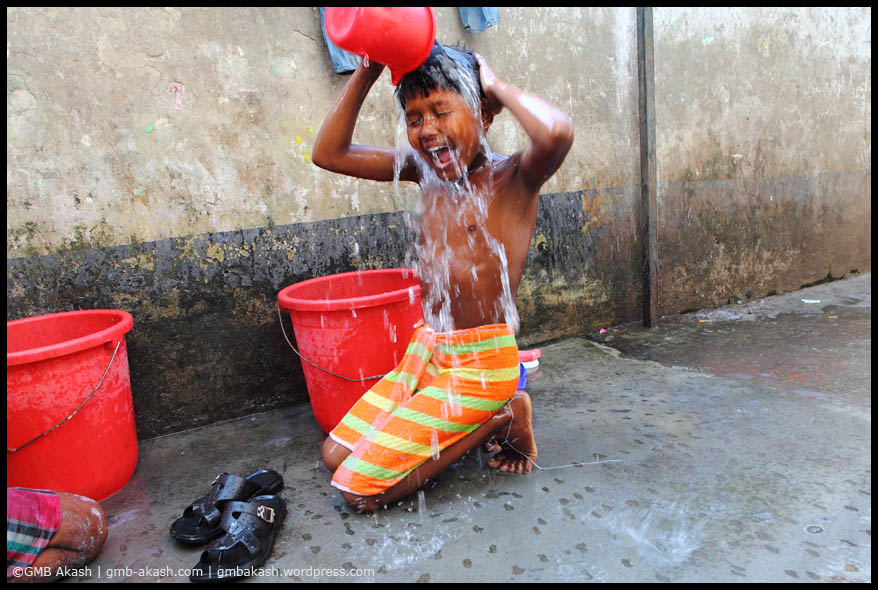
In the shopping mall they started selecting their desired cloths in the time of bargaining I shared sharing their small story with curious people though none of the shopkeepers sacrifice a penny of profit for the sake of these boys. I don’t wonder because I know ‘responsibility’ term only referred to ‘family’ in our society. & we cannot change until we realize from ourselves. After buying cloths, we buy sandals, combs, mirror, oil, everything they needed to live a children life properly. I took them to cut their hairs and nails. Then I took them to a place for shower.
street boys dream (12)

street boys dream (3)

When I stood beside them with soap they were the world’s happiest children in that moment. I can’t control to capture the moment with my camera. Crowd of people were following us, few of them thanks me and few of them make me annoyed. After having full packed lunch we moved to our working place.
street boys dream (13)

I gift them small opportunity of work and connect them with business under a mentor. MD. Melon has a popcorn business who alliance with us and agreed to be their supervisor. I gift them the capital for popcorn business for three months. At first day of their work I myself sell popcorn in the road with them to inspire them by standing next to them full time. We calculated profit and they put it in their own piggy bank as saving of their first day job. They were amazed to see that together they made a good profit and still had enough for food. Thus their story starts, every day after finishing school they come to their Supervisor and take products and go for selling. At evening they return back calculate prices and pass free time by playing. It’s been three months and they make their capital double. The name of their business is ‘Street Boy’s Dream’. Now they are planning to shift their business for selling Ladies accessories and cosmetics.

street boys dream (5)

Beside them other groups of children are doing different kind of small businesses by my gift which comes from my book ‘Survivors’. It is bless to share that ‘First Light Institute of Photography’, the photo school, I am going to launch in this August will be their institution and support center. I dream to go along with street boy’s dream. Their small steps are gift for my life, reincarnation of my soul. Their affection has filled my heart with utmost peacefulness. I believe, we cannot afford to lose hope, for we are all part of making some small and large changes, each day, each moment. We all can make a deposit into someone’s life. The best part of this form of giving is that it is LIMITLESS. By which we can make an incredible difference in their world.

street boys dream (4)

Life and Death in Pashupati

“Here and there they are seating in the courtyard and on the shrine platform with absorbed in detailed memories of a distant happiness. Or it is a place where elderly people are left by their families to die? Thousands question will haunt you but there is no one to answer you but only your inner realm of emotion. They submits to being fed, here, in a old home, It’s the same every day, every day…..I understand, when you get here you don’t worry about the future. Then, I mesmerize, May God bless and give them solace.” – GMB Akash

elderly home (4)

elderly home (9)

elderly home (19)

Once you enter the premises of the Briddhasram at Pashupathinath you can’t help but feel like you are transcended time back at least half a century or more, to a place where the world moves very slowly.

elderly home (7)

elderly home (6)

Looking at the bed side a damped photo of a grandchild while a grandma smiles and say she didn’t see her last 10 years yet she sleeps with a same photo in her mind. They were like reciting their homelessness to me. I have to capture their souls to keep their image from disappearing out of sight.

elderly home (11)

elderly home (17)

There, you can see all grey haired elderly citizens doing nothing but spending lazy moments for hours in the courtyard and on the shrine platform. Some curious eyes follow you as you walk pass the welfare gate. If any of them is busy praying than other is trying hard to bend and dust off his cloths. A place, all you hear is the steady sound of the wheeled metallic support of an elderly with crippled feet or a faint sound of a broken radio which is playing Nepali song or news.

elderly home (15)

elderly home (16)

(Social Welfare Centre Briddhashram is the only Elderly’s Home operated by His Majesty’s Government in the Kingdom Nepal. At present it is being operated by the name of Social Welfare Centre Elderly’s Home, Pashupati since 1977 A. D. The total sheltering capacity of this Elderly Home is 240 persons. These residents suffer from many illnesses associated with old age; including paralysis, failing eyesight and deterioration of mental faculties)

elderly home (13)

For some it is a depressing scene to see people at the end of life, away from family, living in the Briddhasram. But for many, this is a place where they seek refuge from an ever speeding life and feel satisfied enough simply helping and sharing talk with the older citizens. The residents of the home don’t talk much to each other, which gives you an aura of wilderness where no word is spoken; but they really live for each other closely for rest of their life. This home for the elderly fills one with hope. What gives hope is that although they have lost families and possessions, the residents still care, they care for each other and they retain a deep sense of humanity.

elderly home (5)

elderly home (8)

Many people believe that they must help and protect their parents, when they become old. I personally believe that this is a moral obligation that every child should have towards their parents, whichever the way they choose to do so but they should never let them break apart alone.

elderly home (12)

elderly home (18)

elderly home (2)

“Through my lens I try to listen to their silent voices, in absolute solitude and silence,for I am sure I shall be able to hear about their unbearable wounds in which they stumbled upon alone years after year. So I take out my camera, go inside the place and merged with their pain”

– GMB Akash

elderly home (1)

elderly home (10)

elderly home (14)

Decaying Earth

The overall global environment is declining fast and for Bangladesh it has been doing so more rapidly during the last few decades because of many obvious reasons. But we are still not surprised. We, all of us, pollute our own cities with trashes. So how can we claim owners of these factories, with hardly any education be conscious about the environment, feel the need to protect the environment? We need to count ourselves first to protect our own ecosystem to survive in an earth which will be a gift for our next generation – ONLY IF WE CARE

“Pollution is an immense crisis that is slowly destroying the world that we live in. It is crucial for every individual to do what he or she can to clean up the environment. Whether it is in the home or on a management level, or within us, every person is important and has the ability to make a difference and can help to stop pollution”

– GMB Akash

pollution (1)

pollution (5)

The mighty river Buriganga is now so polluted that all fish have died, and increasing filth and human waste have turned it like a black gel. Even rowing across the river is now difficult for it smells so badly.

pollution (2)

Bangladesh has about 230 small and large rivers, and a large chunk of the country’s 140 million people depend on them for a living and for transportation. But experts say many of them are drying up or are choked because of pollution and encroachment. A World Bank study said four major rivers near Dhaka — the Buriganga, Shitalakhya, Turag and Balu — receive 1.5 million cubic metres of waste water every day from 7,000 industrial units in surrounding areas and another 0.5 million cubic meters from other sources. There is no fish or aquatic life in this river apart from zero oxygen survival kind of organisms. Bangladesh enacted a law in 1995 making it compulsory for all industrial units to use effluent treatment plants in a bid to save river waters from pollution, but industry owners often flout the rule.pollution (3)

 pollution (6)

pollution (4)

Dhaka city alone generates about 3500 to 4000 m tons of solid wastes per day. The amount increases with the increase of population every year. The domestic, commercial, street sweeping, combustible and non-combustible wastes include discarded food, grass, plants, paper, cardboard, textiles, plastics, polythene materials, glass, metals, and construction debris.

pollution (13)

pollution (8)

pollution (12)

Industries and factories have been polluting the water bodies in and around Dhaka city for the longest time. There are about 1000 small and large industries in Dhaka city producing a large amount of toxic and hazardous wastes contributing significantly to environmental degradation. The emission of various greenhouse gases such as CO2, CH4, among others from various industries, increases the overall temperature of the earth, resulting in global warming and making the area unsuitable for human habitation, animals and plant species.In the Hazaribag area of Dhaka there are 149 tannery units daily producing about 18,000 litres of liquid wastes and 115 m tons of solid wastes; nearly all of these are dumped in the Buriganga river, and a part is thrown into nearby drains and sewers. These wastes contain sulphuric acid, chromium, ammonium chloride, ammonium sulphate, calcium oxides etc. These may seep into the ground causing ground water pollution. Also, the intense, unpleasant odour affects the health of the people of the surrounding area. tannery wastes have a very serious and negative effect on the ecosystem.

pollution (17)

pollution (19)

pollution (9)

‘It is very easy for every single person to help stop pollution and stop destructing the earth. It can take little effort, but can be something that makes a huge difference. Start by evaluating how you can make small changes. Even the smallest changes in your own life can have a massive impact.’

– GMB Akash

pollution (15)

pollution (21)

pollution (11)

Invincible Faces

“I am fascinated to some faces, some characters who are incredibly important to me as a photographer or as an admirer. Many of these faces are invisible but their spirits for living life makes them invincible. Journey of portraying these invincible characters starts long ago when I find out there are certain people who are icons of heroism and enthusiasms. Over and over again I go back to them, find them out and by portraying them able to keep a part of these victors with me.” – Gmb Akash

© GMB Akash / www.akash-images.com

© GMB Akash / www.akash-images.com

Often get inspired by these faces I go to isolated group/people who are ordinary or I can say by having an urge to go to these people is my practice for understanding them. As an individual they are available around us, living life in troubled climate every day. But their willingness to over come difficulties titled them Invincible. My characters are raw, picked from a sticky street or from an isolated brothel or even from a dumped factory. Every face is passing a message of anticipation. I have learned to run my photography equipments; I have studied to learn to take portraits or getting a best environmental portrait. But when I concentrate beyond technical things, these characters become icons to me. I looked into them through the lens and I tried to pick the message of anticipation into the photograph. This is the biggest challenge which has no rules, which can never be taught, which can be only a self taught rule of getting invincible faces into photograph.

© GMB Akash / www.akash-images.com

© GMB Akash / www.akash-images.com

I emphasize the character. I want to present them vividly.  I go to very close to my characters. Apart everything, I focused them. In spite of taking environmental portrait, often I try to present the environment differently. When the characters become focused, my concerns packed to represent these faces as a representative of their own environment. I would like to make imagine the audience – where these faces are come form, where they live in, what they do. Inviting questions can be way of portraying significant things which we mostly over look.


© GMB Akash / www.akash-images.com

© GMB Akash / www.akash-images.com

Most of the time, I have to work in very compact situation. Often I been located, where life is put in a box of measured 8 feet by 8 feet room or in a distressed noisy factory or even in an abandoned colony where I have to pass by three feet narrow road. I need to be patience and keep trying to work in these compact situations. Often I hardly get changes to use lot of lens. I am comfortable with 24mm and besides habituated I believe it is good to work with one kind to work fast and flexibly. For taking portrait I use 70mm. I do not like lot of distraction. My image should be clear and focused.

 © GMB Akash / www.akash-images.com

© GMB Akash / www.akash-images.com

For taking environmental portrait, placement of the character is hard thing. I keep in mind environment should not disturb the character, I am taking in. It has to be supportive to each other. But I prefer to believe in my photos, character is presenting the environment; environment is not presenting the character.

© GMB Akash / www.akash-images.com

 © GMB Akash / www.akash-images.com

– I always use natural light. No flush gun and no manipulation. Even in a bad light day I tried to use the available light into the character little differently so that it creates a different mood.

 – Simplicity and be straight is my rule. Be focused, use simple background, experiment with color and get closer to the character.

– However near or far is my character, however intimate or distant the gaze my camera directs, I always keep in mind the elements of composition and the technique that will best help me to communicate what I am trying to say.

© GMB Akash / www.akash-images.com

© GMB Akash / www.akash-images.com

– I prefer to intimate with the character I am going to portrait. Relation and building trust is important. Many times people refused me to take photos, but I never gave up, I always make them understand what I am doing, telling the effectiveness of the shot. And if I failed I do not force but I never fail to try.

– It is helpful to get environmental portraits by finding out where they spend their time, what the rhythm of their life is like and observing their personality.

© GMB Akash / www.akash-images.com

© GMB Akash / www.akash-images.com

“I think the art of photography is to observe and document in your own personal way. On my way I found these invincible faces which are inspiring to keep my searches on. These insignificant characters are inspirations to win over all chances of life. Connecting these invincible souls in photograph has no rules. Besides photography, I learnt from them, we need never be hopeless, because we can never be irreparably broken. We should think that we are invincible because we are.”

– Gmb Akash

© GMB Akash / www.akash-images.com

© GMB Akash / www.akash-images.com


Ships’ Graveyard

“This is an emblematic depiction of the agony of hard labor. For saving themselves from hunger they breathe in asbestos dust and toxic waste. Thus they are risking their lives everyday. On the verge of death they risk their lives in order to endure themselves. They are passing their days on one of the world‘s most unregulated and hazardous industries, leaving a trail of debris, disability and death in its wake. I spend 10 days in the Gaddani ship-breaking yard north of Karachi in 2005.  I witnessed workers dismantling large ships, piece by piece using no protection, in absence of tools, where one wrong move could result in death, but they were continually depending in their bare hands. In a city of dying ships flames with smoke rising, tormented with ship body parts, metal residue, asbestos, and oil spills. Barefooted workers with little access to necessary tools are vanishing ships on the rusty sand of Gaddani and break down these steel giants coming from all the harbours of the world.”

– Gmb Akash

ship breaking (19)

ship breaking (18)

ship breaking (1)

ship breaking (15)

The beach of Gaddani, 50 miles north of Karachi in Pakistan, has become one of the two world biggest cemeteries of super tankers, cargoes and other vessels in the world. Thousands of men, mostly Pashto migrants, toil over the ships. They are seasonal workers, a large number of native and immigrant workers returning to their homeland near the Afghan border at harvest time. The group consists of perhaps from Afghanistan. They pen for their beloved, whom they get to see only during the year ends. For around USD 1.20 a day, thousands of workers labour to dismantle dozens of ships each year at the ship-breaking yard in Gaddani.

ship breaking (2)

ship breaking (9)

ship breaking (13)

Rashed, a labourer at the Gaddani ship-breaking yard has worked for five years dismantling ships. He said: “Had we had any other way of earning bread, we would not have come here.” Workers are always under high risk of accident, though they hardly care to secure themselves. Under hitting rains of sparks, blowtorches split through the thick steel skin of a ship. As they are cut lose, the pieces of metal plummet to the ground with a roar. I saw workers, toiling ceaselessly, as though banished forever to an underworld.

ship breaking (11)

ship breaking (6)

ship breaking (16)

Many workers operate in tight spaces where the air is thin, and in high temperatures caused by hot welding, which is widely used, not to mention that they are constantly exposed to flammable liquids like paints and solvents. The work carried well into the night shipyard in Gaddani, Pakistan. This is the ship graveyard that serves as the final destination for a significant part of the world’s fleet.

ship breaking (3)

“Barefooted workers would take apart, bit by bit, the dying ships with their bare hands, shipyard in Gaddani, Pakistan.  On their shoulders, workers bore great metal plates to their destination. People complain about their crappy lives working in an air conditioned work place, imagine having this as your only option in life.”

– Gmb Akash

ship breaking (7)

ship breaking (5)

ship breaking (17)

“The creator has strangled me with his own hands.”

“It was 1999, when I first realize I need to focus stories on a helpless community. For that feeling, there was a story behind. As a child, I was a frequent visitor at my uncle’s house at Narayangonj, somewhat 25 kilometers north of Dhaka. My uncle had a hermaphrodite locally called as Hijra, whose name was “Khushi”-meaning happiness, but that is what she very much lacked in her life. During these visits I often saw my cousins with their friends taunting and making fun of Khushi, often even worse happened as when they were drunk they forced and made her to strip naked and dance in the tunes of common Hindi film songs. Since Khushi had no place to runaway to and had no means to save her from this humiliation, she gave in to the insults and harassment’s silently. Images of Khushi gyrating and quietly exposing her underdeveloped sex organs left a lasting impression that haunted me ever since.” –

Gmb Akash

Men or women (15)

© GMB Akash / www.gmb-akash.com

Men or women (1)

© GMB Akash / www.gmb-akash.com

Men or women (2)

© GMB Akash / www.gmb-akash.com

The Hijras live in-groups far away from a regular world. As for them living in normal family becomes an unending series of taunts from the society so the circumstances lead them to leave their regular family. They come to general people but live a life far different and painful in the dark allies, in isolation.

Men or women (4)

© GMB Akash / www.gmb-akash.com

Men or women (5)

© GMB Akash / www.gmb-akash.com

Men or women (6)

© GMB Akash / www.gmb-akash.com

Hijras live in their groups; each one has a leader often called “mother” or “Guru”. Members of a group do not take part in any activities without the permission of “mother”. Even the trimming of hair requires mother’s permission. Failure to get such permission results in a fine ranging from 250 Taka (US$5) to 5000 Taka (US$90).

The norm is, for a Hijra to leave home and join a community of Hijras. This happens mainly because living in the normal heterosexual surroundings becomes is unbearable due to constant taunts, insults as well as neglect. Hence joining other Hijras is normally the most logical thing to do. However, it often happens that the other Hijras will claim any Hijra child on the basis that it is a member of their society and should therefore live with them. Stories of the Hijra community accepting a Hijra baby as a gift, trying to buy it, or even stealing it are not necessarily untrue.

Men or women (8)

© GMB Akash / www.gmb-akash.com

Men or women (9)

© GMB Akash / www.gmb-akash.com

Krisna and Robin performing at a wedding. A small portion of their income comes from singing and dancing at birthday parties and weddings.

Men or women (11)

© GMB Akash / www.gmb-akash.com

Like in the case of Najma, the occurrence was regular that in the case of any other Hijra. Najma grew up in a well to do family in Barisal, a river port town. When she was 13, a group of Hijra from Narayanganj went to her parents, but failed to persuade them to give Najma away to the group, but later due to the increasing adverse social environment she herself joined the group of Hijra latter in life making her home about 300 kilometers. Away from the parents home in Narayangonj.

Men or women (12)

© GMB Akash / www.gmb-akash.com

Men or women (13)

© GMB Akash / www.gmb-akash.com

Men or women (14)

© GMB Akash / www.gmb-akash.com

 Najma is now the leader of a seven-member Hijra group that I studied is bringing up two young Hijra children. Rubi and Chanda are now 14 years old. Najma told me that: ” I cannot be a mother in my life .so It gives me great pleasure to hear them call me “ma”-mother. They will inherit everything whatever I have”.  In order to get Rubi; Najma told me that she had to pay 5 000 taka (US$90) to Rubi’s impoverished parents.

Men or women (16)

© GMB Akash / www.gmb-akash.com

 Men or women (17)

© GMB Akash / www.gmb-akash.com

Because of their socially prescribed role as performers and spiritual healers, the Hijra appear to live their lives in merriment. In their own homes, Hijras prefer to live in a colorful manner. Their houses are almost always well organized and elaborately decorated. The same goes for their garments and ornaments. Since the Hijra believe they are women, they dress in saris and have ears and nose rings. Most of those I often met also had false breasts made with padding and often with the help of some oral contraceptive are thought to give growth on the form of breast. The hair is kept very long. But the voice and facial features are distinctly masculine, which they try to eliminate endlessly. They are physically strong and very well built. Generally the Hijras have two names one from their family when the were born and the other from the Hijra groups he joins, but often death their tombstone bears the male name that was given by the parents.

Men or women (18)

© GMB Akash / www.gmb-akash.com

Men or women (19)

© GMB Akash / www.gmb-akash.com

They are not only striped from their basic rights but are also made to feel ashamed of themselves. Hijras get a mixed reception from the people; the middle class thinks them as bad omen even the sight of a Hijra in the morning is regarded as the same and believed can spoil the whole day. Where as among the lower class they are believe to posses spiritual powers as they are deprived of the joys of a normal life, their prayers are believed to be answered. They sustain themselves through their performance of singing and dancing at various ceremonies, paying them is regarded as an act of piety but even then getting the events and ceremonies are becoming scare. I saw them as somebody not different from myself and want to clear the common misunderstandings that circle them, the common idea about them is very vague and negative and their never ending pain and struggle is never brought to the book. My efforts will be to do the entire undo and uplift the images of these hapless groups of people called Hijras.

Men or women (20)

© GMB Akash / www.gmb-akash.com

Men or women (21)

“One day they sang to me a song written in light of their painful life. One of the lines that stand out goes: “The creator has strangled me with his own hands.” Yet they dream— repressing in their hearts, these strong sentiments and emotions they bear towards the Creator — a dream of their own independent community. As one of them told me – “You know Akash, if we had a great amount of money then we would have brought a four stored building and all ‘Hijras’ like us would have lived there. Then no one would have dared to neglect us.” And holding on to this dream in their hearts they aim for a normal beautiful life. So even in such a state of negligence some are continuing school and colleges; in the hope that after studying they will get a job like a normal person and will be recognized and condemned in the society not as ‘Hijras’ but as any other ordinary individual.” – Gmb Akash

Men or women (22) 

© GMB Akash / www.gmb-akash.com

Men or women (7)

© GMB Akash / www.gmb-akash.com

Men or women (3)

Unseen Existence

“Environs can explain much. You can feel the existence without presence. & sometimes absence is required to feel this presence more intensely. I started believing these things while I captured few moments of nonexistence. Yet these moments profound very much in exist of living being. I have taken these moments from various part of my world, however they are all alike. These are like footprints of a missing thing; you can assume the missing focus through edges. Welcome you in the puzzle. Fill in the gaps by your thought” – Gmb Akash

In the middle of the field, crops are baking by sun. These harvested crops are waiting to be carried to home. The field is reflecting efforts of an unknown farmer. © GMB Akash / www.gmb-akash.com

Rofiq ( 28 ) is a daily labor in his dream city ‘Dhaka’, Dreams pushed him here & reality left his identity far in a village, where his wife, children Shohel and Shaila & their parrot counting days & nights for him. In every six months reality let him go to where he left his heart. In Dhaka city, wall of a room of a slum is whispering his silent pains. In the walls he draws his feelings with the scratch of reality. He, his wife, their children & the parrot a family, all accommodated in the brick of lonely wall. © GMB Akash / www.gmb-akash.com

Bended trees remain to tell the tale of a nightmare of Cyclone. Aila hit the top of these trees & gave the mark of an unseen ferocity. The silence of the place is claimed by broken trees, miles after miles.  © GMB Akash / www.gmb-akash.com

Circus gradually loses its heritage for convergent entertainments. Still empty chairs of Circus are hoping to accommodate the vast missing audiences. Thus these refers the lost crowd & as well state for the hope of gaining back. © GMB Akash / www.gmb-akash.com

In every week slum dweller waits eagerly to take the taste of chicken. Fortune gives them the chance. In Rayerbazar- shop keepers sold chickens to restaurants & they left the head of those chickens for those waited people. Slum dwellers buy those chicken head once in a week. Fortune gives them a chance to take the taste of chicken by having these chicken head. Dhaka. © GMB Akash / www.gmb-akash.com

In the bank, the boat is waiting to sail. A family of eight members is dependent on this boat. The boat is stand for the arrival of the fisherman. A family exist behind this single boat. © GMB Akash / www.gmb-akash.com

This cassette player is a very dear thing for its slum dwellers. They have no space for placing this. So they hang from the top to manage space. Behind this cassette player, hundreds of slum dwellers entertainment awaits. © GMB Akash / www.gmb-akash.com

An old car standing at door step of its owner.  Manila, Philippines © GMB Akash / www.gmb-akash.com

Under the severe water crisis, inhabitants of shatkhira stand are line at mid night. Their water pots represent their standing in the queue. © GMB Akash / www.gmb-akash.com

Cyclone Aila ruined the house & the lives of inhabitants just before three days. People of this house have to leave their home. Aila force them to live on embankment. They family still tried to dry their children books on the roof of the house. After the devastating calamity they could not totally leave the hope to live in their house. © GMB Akash / www.gmb-akash.com

Day laborers of Philippine are drying their cloths outside their living place. © GMB Akash / www.gmb-akash.com

This is the living space of a rickshaw puller’s family. They bought the old TV from a second hand shop. At evening along neighbors, they happily straggled with the old TV to watch.   © GMB Akash / www.gmb-akash.com

“Life – a one way journey….We should not regret any moment which make us smile…We should make our self happy with all little pleasure of our life ….even if we have everything, we haven’t had tomorrow…Lets fill our all gaps by our presence of love, appreciations & thoughtfulness. We may leave forever, & then our environs might tell our tale ceaselessly. Let the light lit our absence.” – Gmb Akash

A World Full of Hungry Apes

“Photography has taken me to discover many unexpected territory as all time I wanted to see the sights of unseen & unforgiving incidents of reality. I was engaged in one of my personal project’s work on ‘sex workers’ for which I went to Madaripur. I have been working on ‘sex workers’ last 7 years & my works demand me to investigate their situation all over the country. Last year, in the month of August when I arrived at Madaripur it was afternoon. Shockingly I have seen thousands of apes are in street, running here & there. It was an unexpected thing of my life to see thousands of ill monkeys are moaning alone. I was traumatized, unspoken & felt awful when I understand all these thousands monkeys stand in front of me are HUNGRY. I always concern to cover stories of situation which need concentration for helping out by the assessment of the world. So I take out my camera & run to middle of them”

– Gmb Akash

© GMB Akash / http://www.gmb-akash.com

© GMB Akash / http://www.gmb-akash.com

© GMB Akash / http://www.gmb-akash.com

© GMB Akash / http://www.gmb-akash.com

In char Muguria area, Madaripur around 2,500 monkeys are facing severe food crisis. Due to acute food crisis many mother monkeys, passing days starved or half-starved, are even unable to breast feed their babies. Quite a few monkeys have already died in this serious situation. Concerned over the pitiable life of the monkeys, locals and visitors have urged immediate arrangement of food for the monkeys. Though the local communities are already poor to feed themselves but the heartbreaking scenarios of monkeys influence them to share their own food with them. Despite keeping distance with human the unable monkeys are taking foods from people’s hands. The hungry monkeys were competing for the inadequate foods like peanut or biscuit given by the visitors. They were also trying to eat whatever they got — grass, garbage, polythene etc. Baby monkeys are suffering badly in malnutrition. Even the water crisis made their lives more pitiful. Local community sought allocation for food for the monkeys but the higher authorities are yet to give any response in this regard.

© GMB Akash / http://www.gmb-akash.com

© GMB Akash / http://www.gmb-akash.com

© GMB Akash / http://www.gmb-akash.com

© GMB Akash / http://www.gmb-akash.com

“A mother monkey by carrying its dead child was passing from trees to trees. When it came in front of me & begged foods I realized the monkey did not identify its child is already dead. This pitiable situation made me terrified. These apes, whose residents are jungle, came out for food & begging to feed themselves. These climate victims are more alike my working project of  ‘Sex workers’. Human & animal all are helpless in front of starvation & need. They are survivors of dreadful situation which many of us over looked or never know”- Gmb Akash
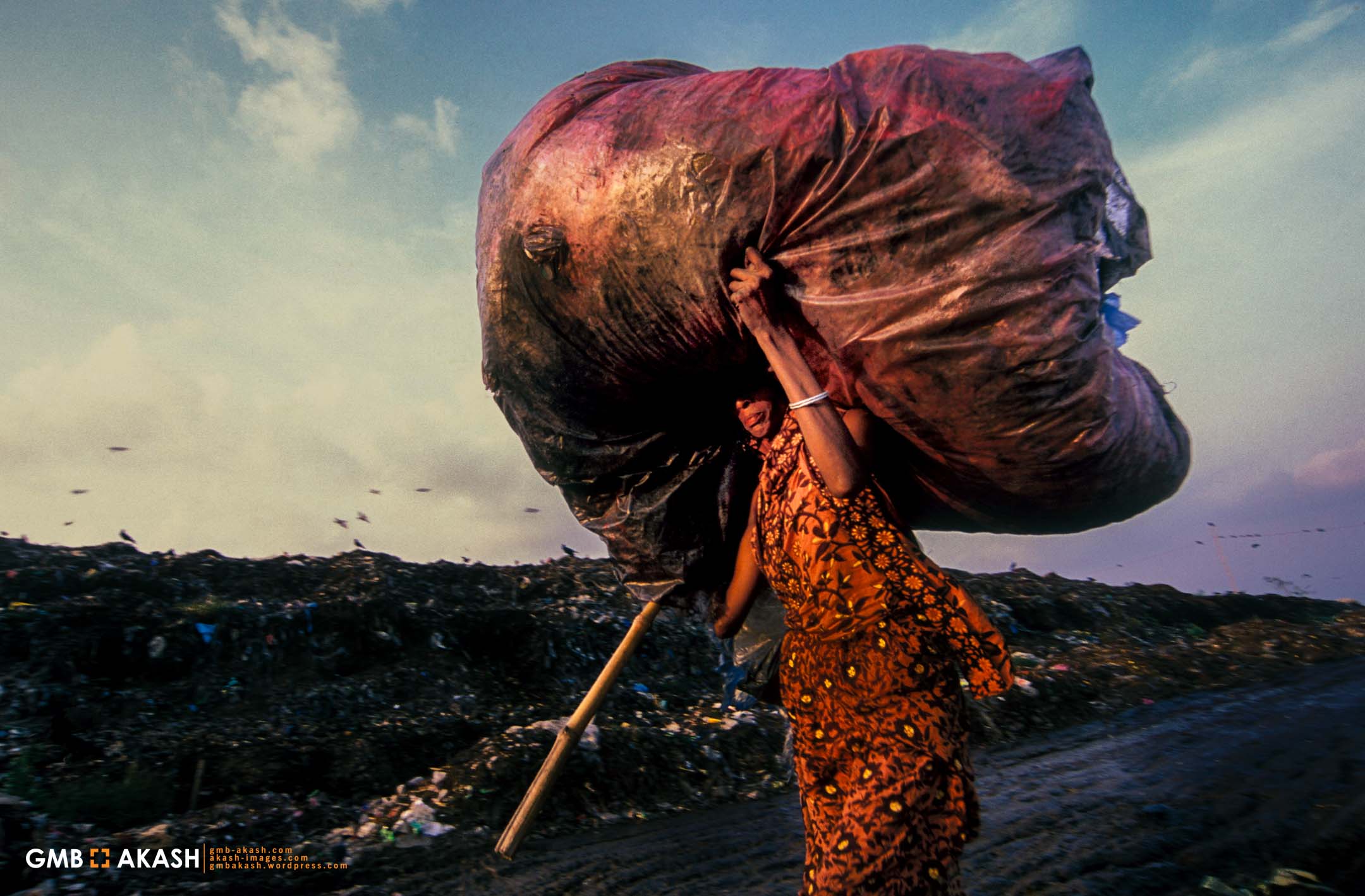
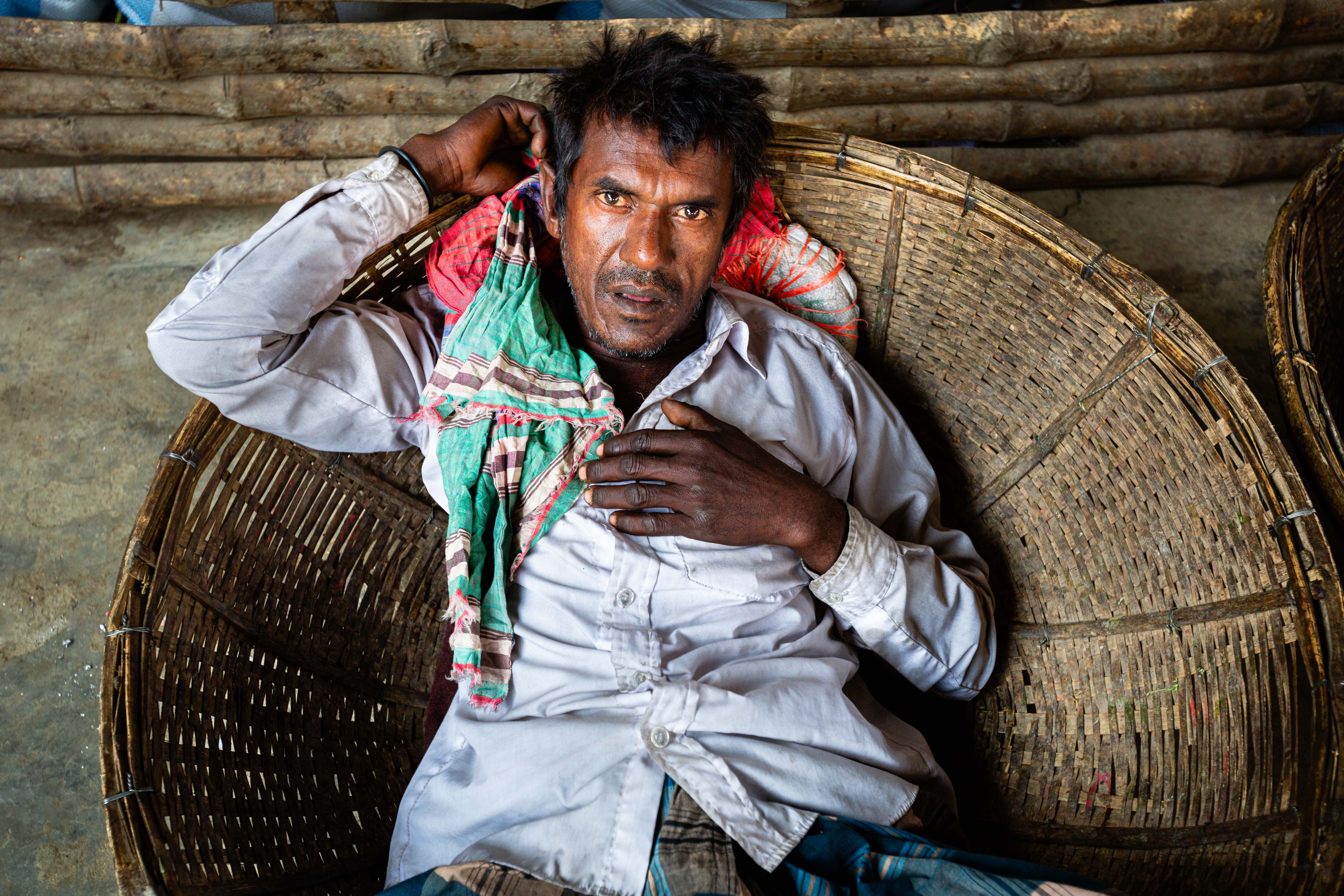
© GMB Akash / http://www.gmb-akash.com

© GMB Akash / http://www.gmb-akash.com

© GMB Akash / http://www.gmb-akash.com