The Hands Behind Paradise!

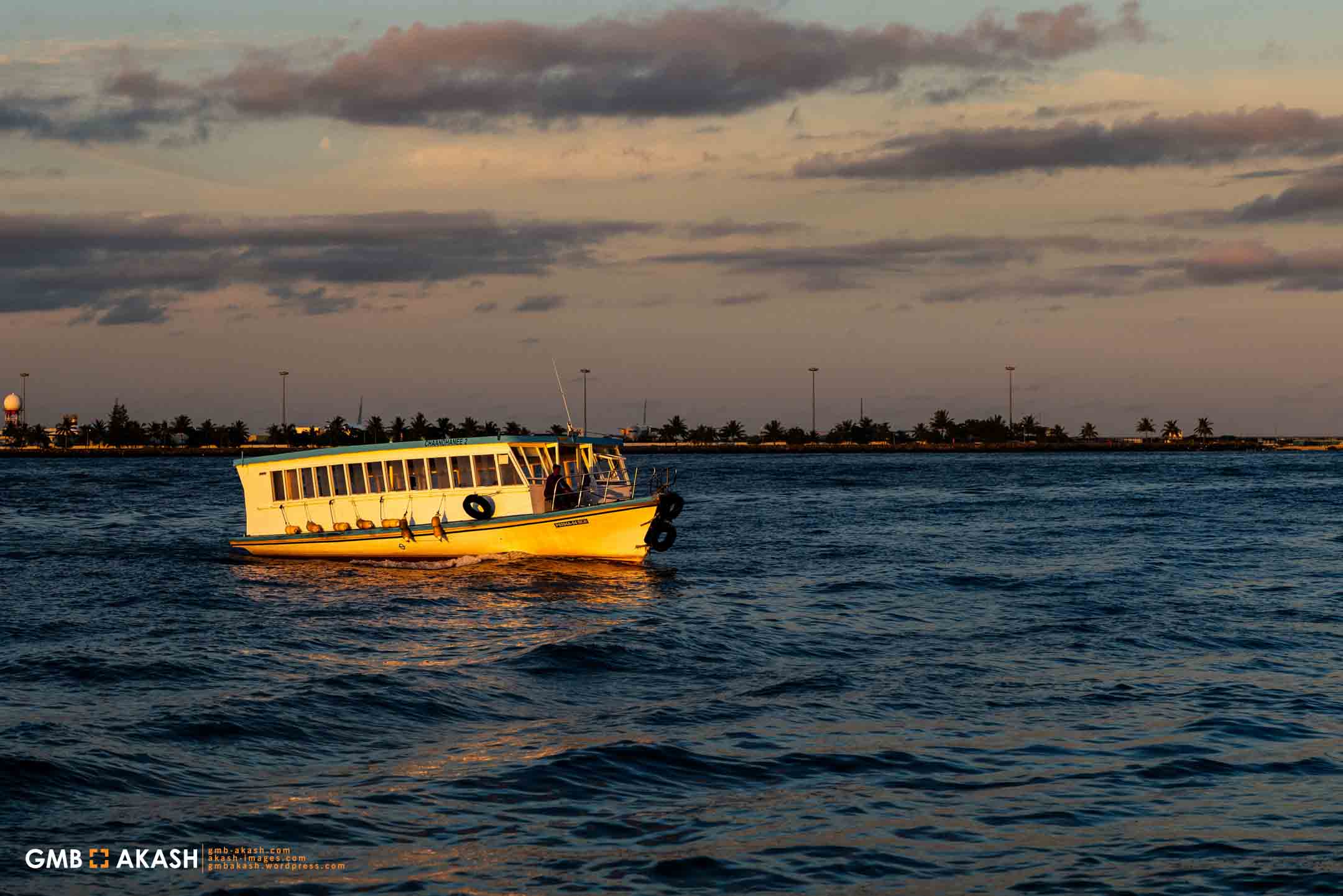
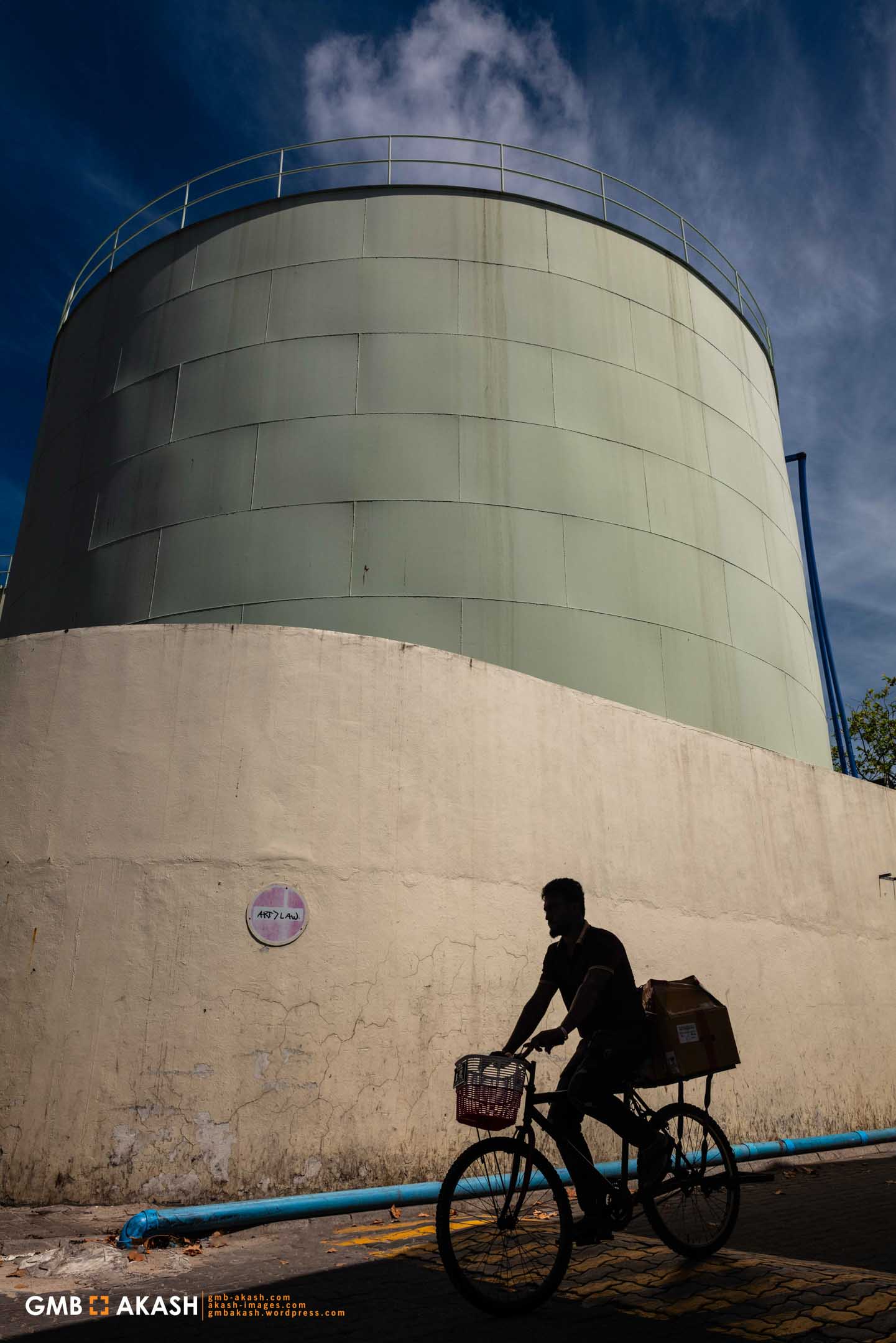
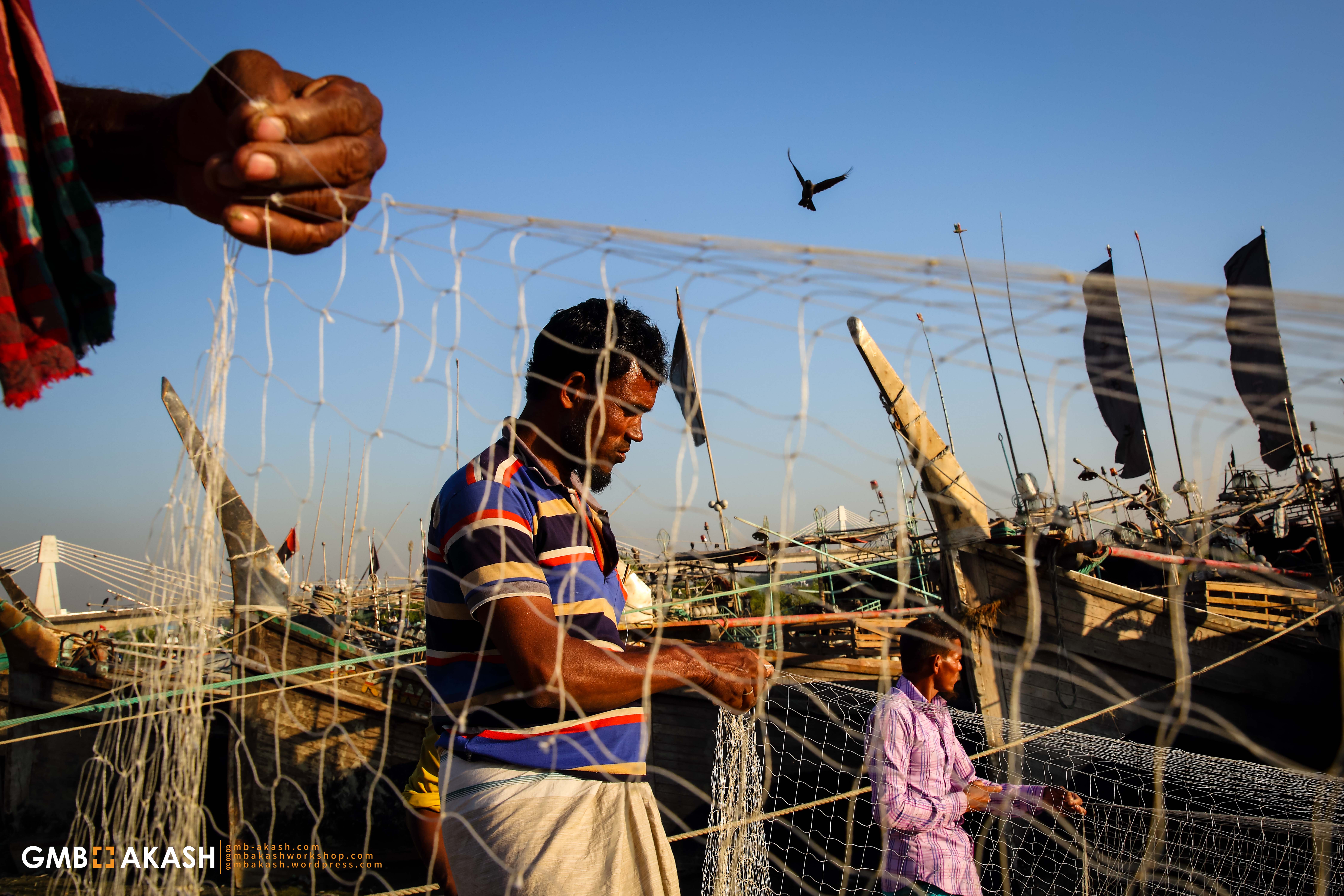
I arrived in the Maldives late in the evening. The air was warm, the sky fading into night. On the ferry to Malé, I heard voices that felt familiar — people speaking in Bangla.

The ferry driver and his helper were chatting in my mother tongue. I smiled and shook the helper’s hand.

“I’m from Bangladesh too,” I said.

He laughed, “You don’t look Bangladeshi with that curly hair!”

Just like that, I didn’t feel like a tourist anymore.

At my hotel, just a short walk from the ferry, another Bangladeshi man came to help with my bags.

“Brother, if you need anything, just call me,” he said. “I’ll be there.”

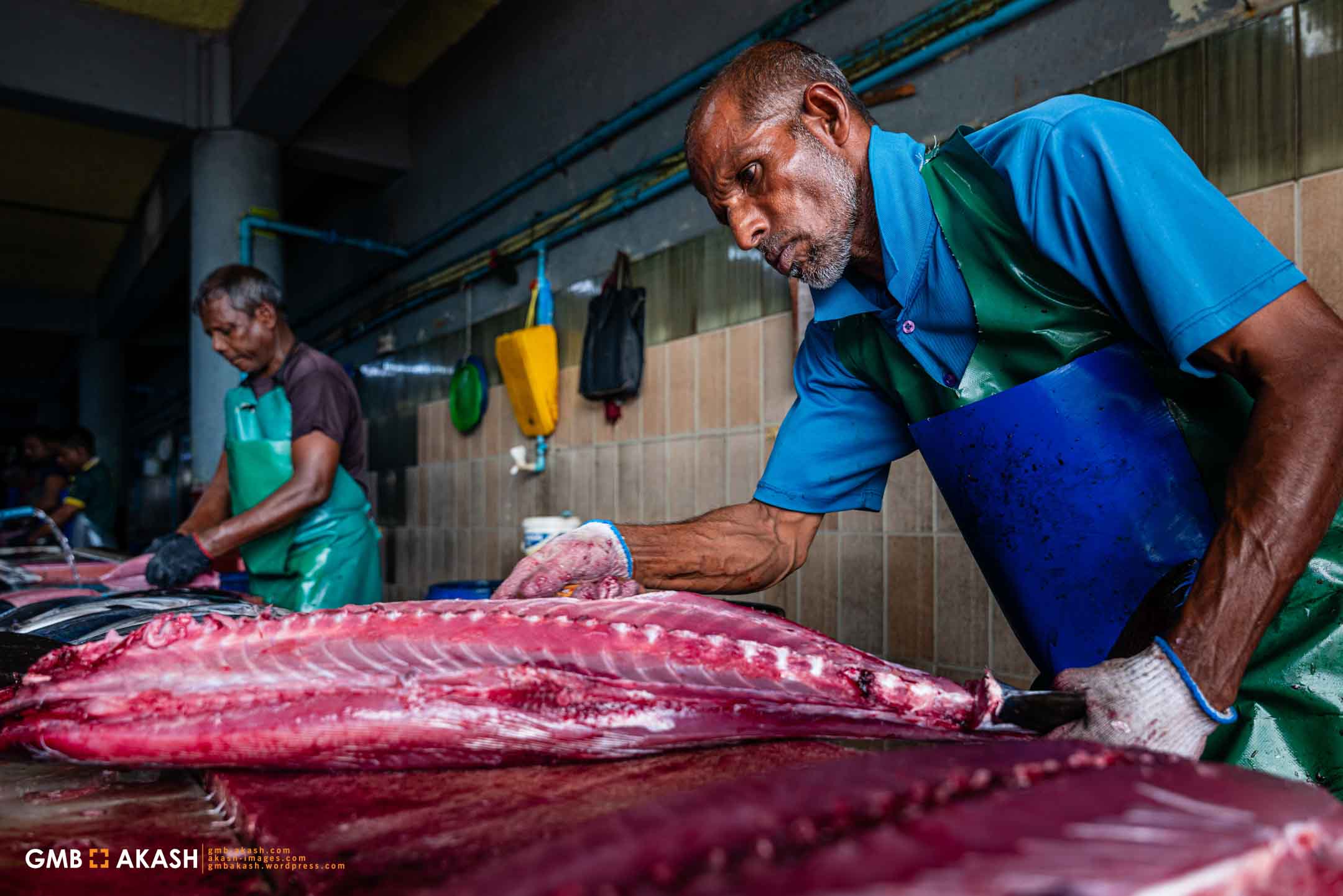
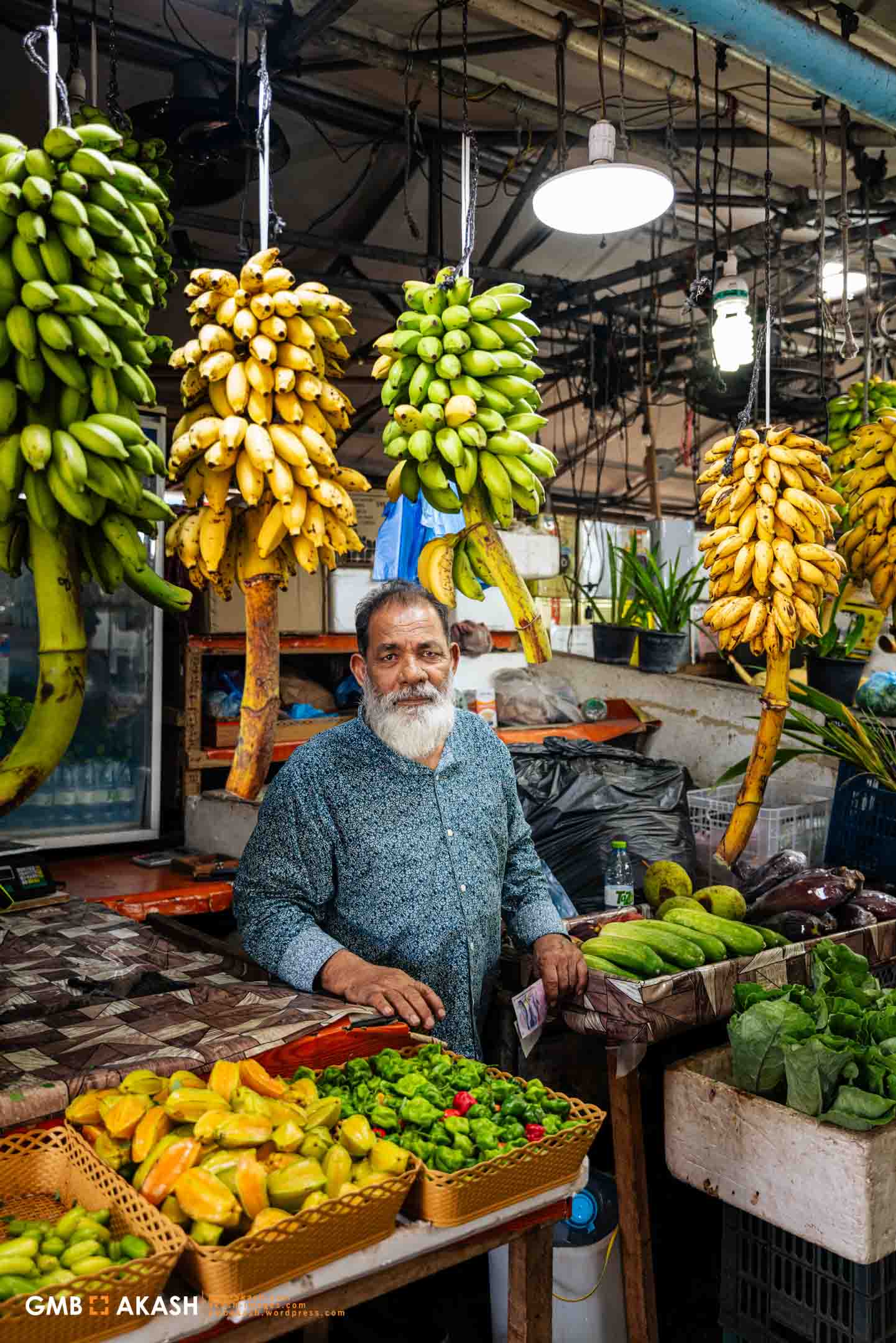
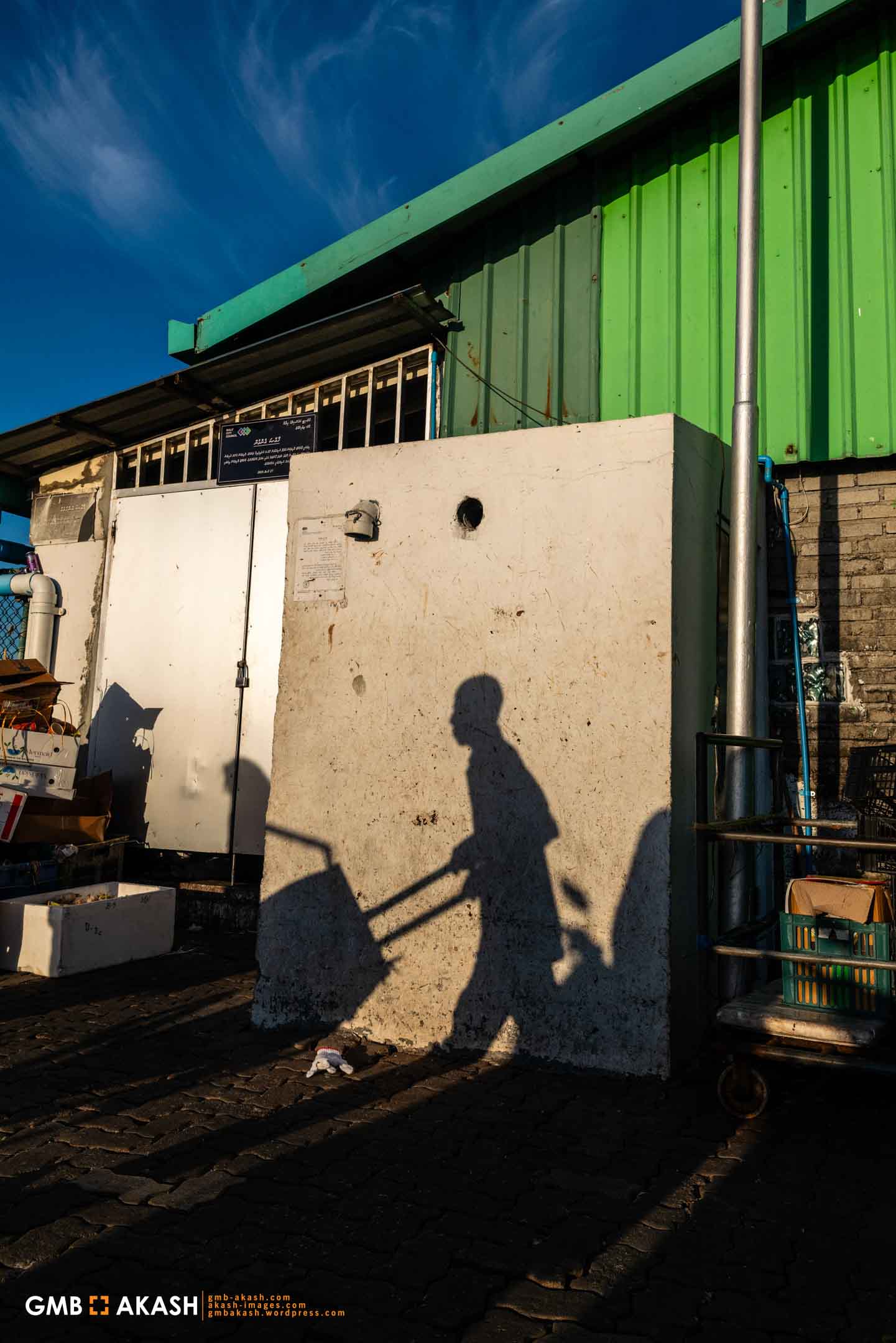
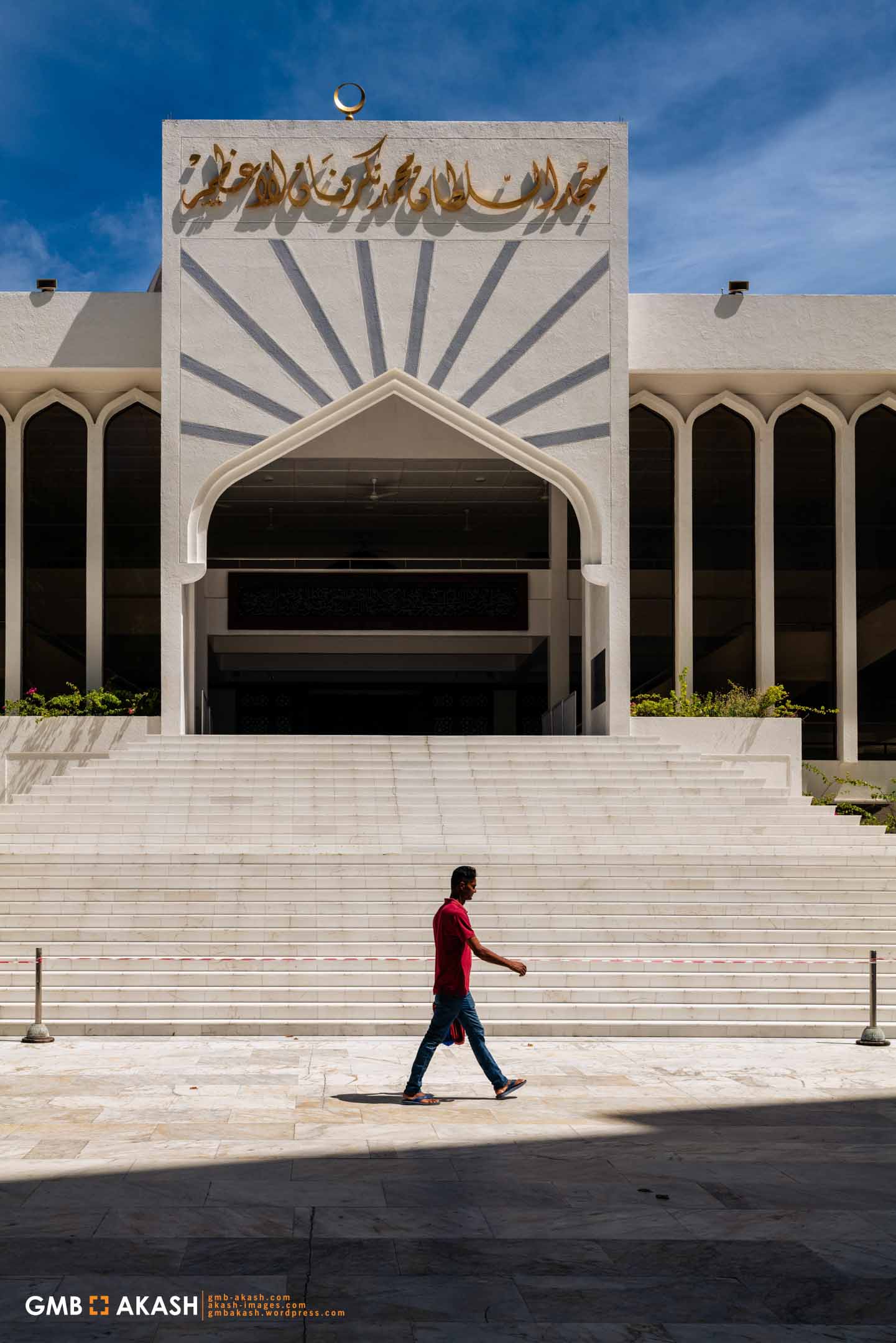
I hadn’t realized how many Bangladeshis lived and worked here. In fact, they now make up around 57% of all migrants in the Maldives — over half of the country’s entire foreign workforce. I met them in shops, markets, restaurants, even in mosques — everywhere, quietly shaping life behind the scenes.

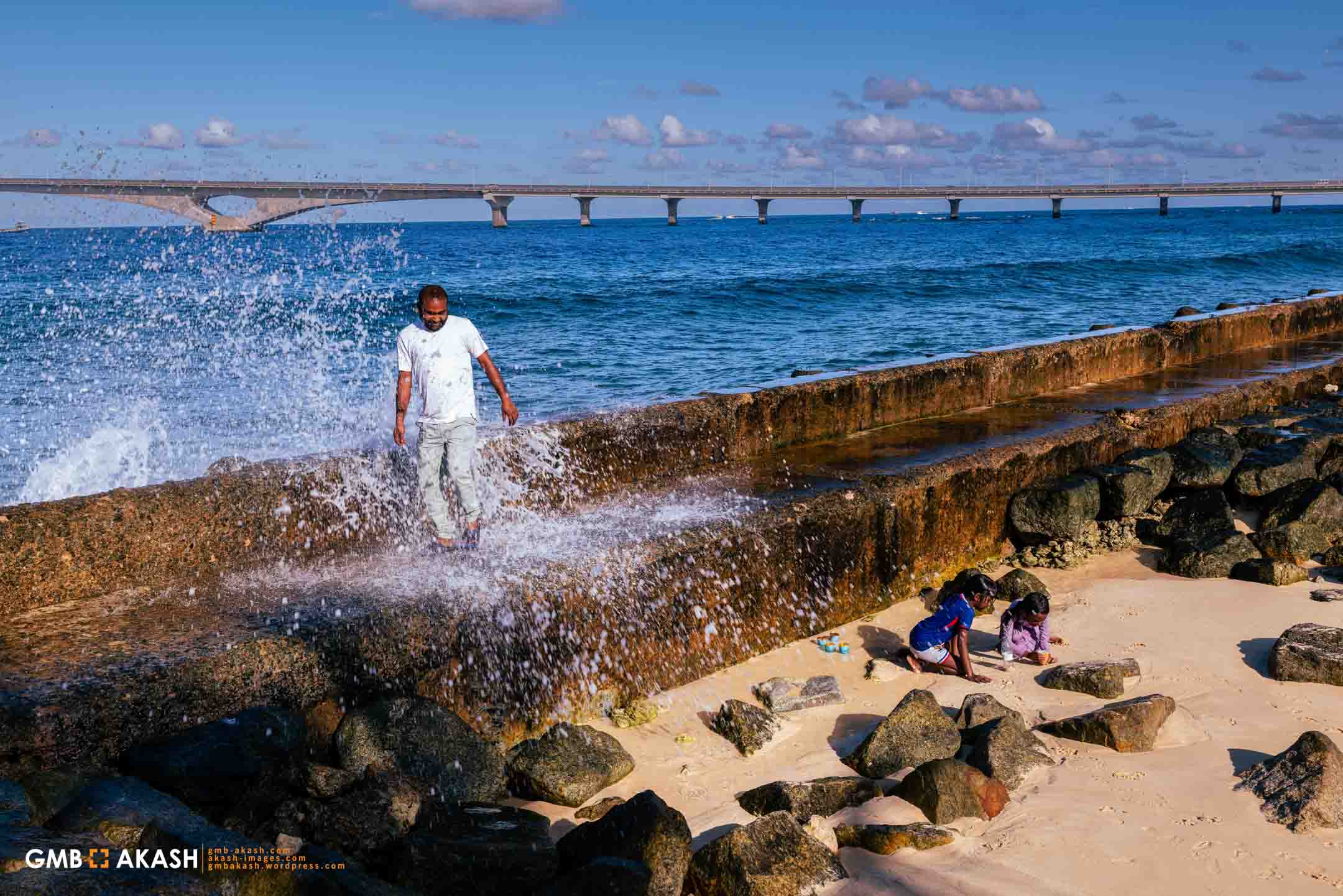
People think of the Maldives as luxury resorts and postcard beaches. But take a local ferry, sit at a tea stall, walk the harbor at dawn — and you’ll find something else.

You’ll find the hands that make this paradise work.

And many of them are Bangladeshi.

I met Brother Sohel after his shift on a boat. Without asking, he walked into a shop and returned with a cold juice.

“You’re from home,” he smiled. “That’s enough reason.”

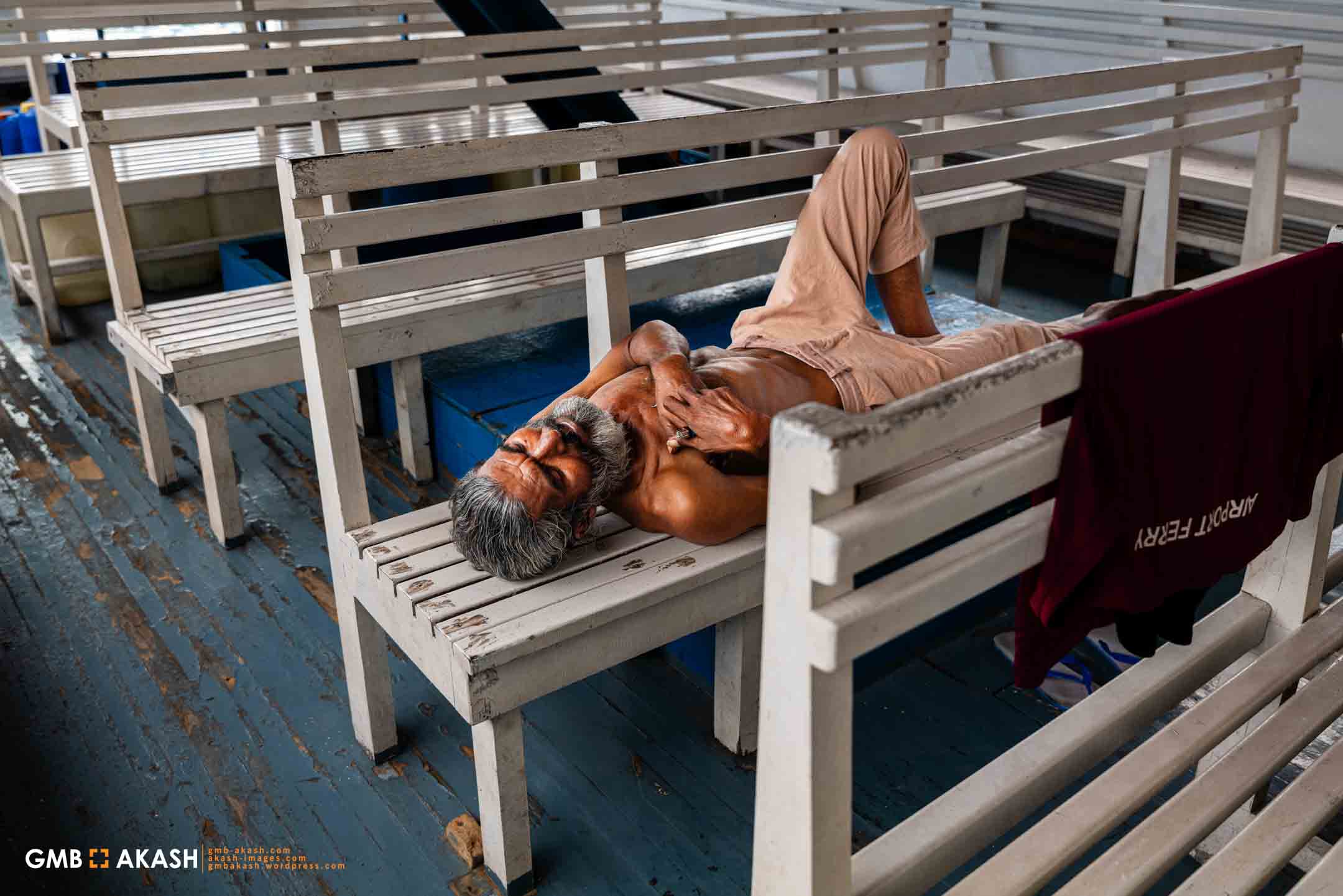
Many sleep on the boats they work on. No beds, no fans — just benches and waves. Still, they smile.

Habib from Cumilla told me:

“We’re happy here. We have work. We feel safe. Back home… too much tension.”

Some haven’t seen family in 3–4 years. They miss their mothers, their children, the smell of rice cooking at home. But they work, stay strong, and send money back with hope.

These are not just workers.

They are builders.

They are dreamers.

They left home not for luxury, but for survival.

You won’t find their names in travel guides.

But without them, this paradise would not exist.

They came with hope.

And built something beautiful — with their hands, and with their hearts.

— GMB Akash

They Gave Us Everything. We Gave Them Loneliness.

I witnessed life unfolding slowly inside an elderly home—where the silence was heavy, and every corner whispered stories of love that time left behind.

I saw a mother sitting quietly by the door—not to feel the sun, but because her heart still waits for the child who once said, “I’ll be back soon.”

I saw fathers staring into the distance, their eyes filled with memories no one asks about anymore. Faces that once smiled for us now wear only the weight of waiting.

In those small rooms, I witnessed a lifetime of sacrifices—folded into worn-out clothes and faded photographs.

Love once loud, now buried in silence.

And one day, I saw a mother take her last breath. She left this world with her eyes still searching the doorway. No one from her family came—not even to say goodbye.

She left with love in her heart, and an empty chair beside her bed.

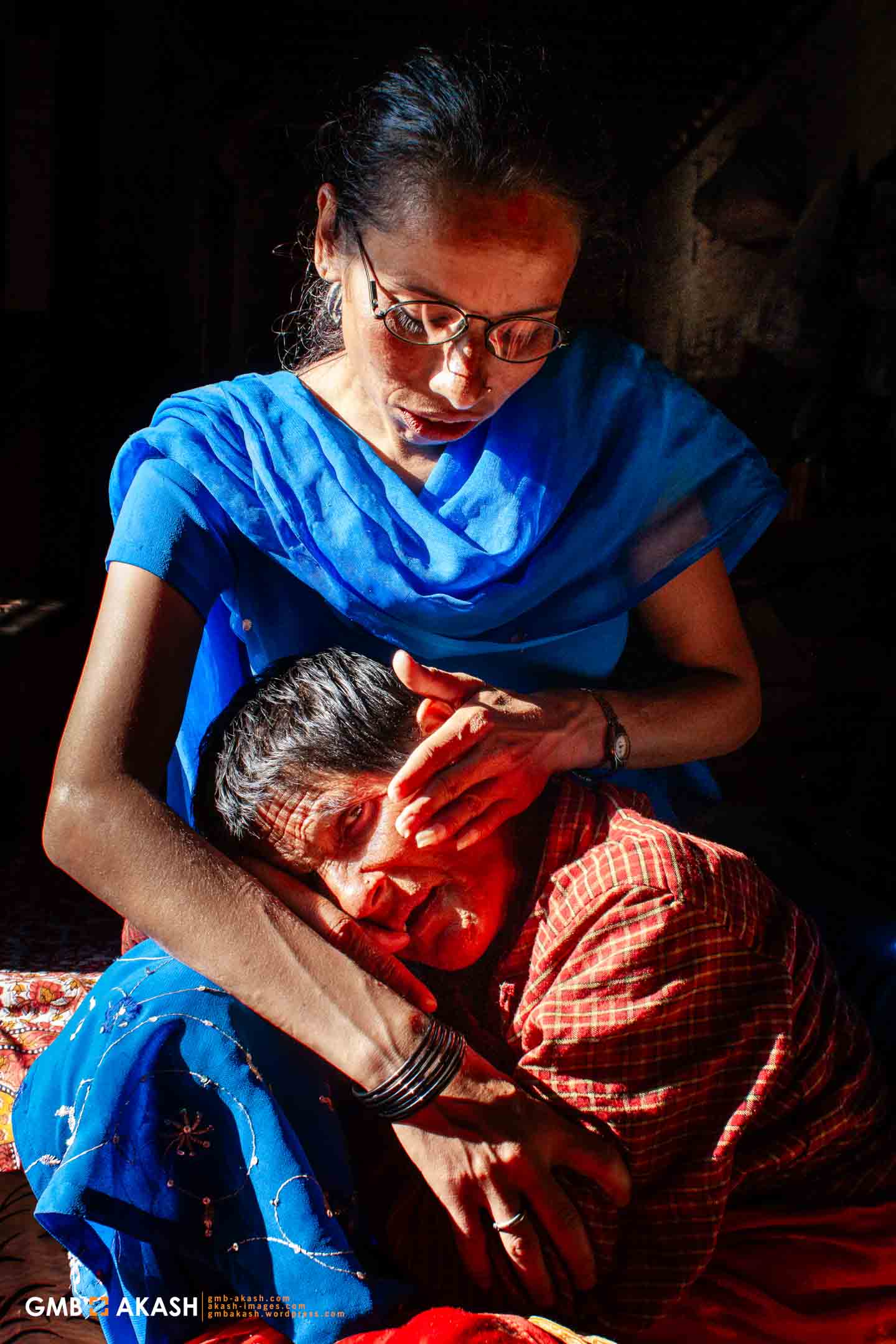
But I also saw something else—moments when a son or daughter finally came to visit. How their eyes lit up, how their hands trembled with joy. Some cried quietly, others sobbed with their whole being. The happiness, the emotions, the tears… they made the walls come alive again, even if just for a moment.

They gave us everything: their strength, their dreams, their sleepless nights.

And now, they ask for almost nothing—just a little time, a familiar voice, a hand to hold.

Not to be forgotten.

Just… to be remembered.

— GMB Akash

The True Meaning of Richness!

My heart honors the people who have almost nothing—yet live with everything that truly matters.

They rise before dawn and work until their bodies ache, just to survive another day. Life is harsh and unforgiving—yet they never complain. They never beg. They never give up.

They live with quiet dignity, and every single penny they earn comes from honest labor.

Yesterday, a worker said something to me that still lingers in my mind. He said:

“Brother, our life is hard. We work from early morning until night. Last night, I couldn’t sleep for even a minute because of the heat. In the morning, I ate rice with just salt and water. But you know what? Every time we eat—even that—we say Alhamdulillah. We are grateful.”

In their simplicity, I see greatness—rich in values, strong in spirit, and full of grace.

_ GMB Akash

I See Humans, Not the Poor!

People often blame me and say hurtful things because I photograph the working class instead of luxurious lifestyles, high-rise buildings, or beautiful beaches.

But I don’t see them as poor.
I see them as human beings full of strength, dignity, and resilience—people with fewer opportunities, not less value. They work endlessly for their families, without complaint, without rest. Even with little, they live with more hope and gratitude than most of us.

Many assume that those who have less are unhappy. But I’ve seen the opposite.
They don’t chase status or bank balances—they live for today and find joy in the smallest things.

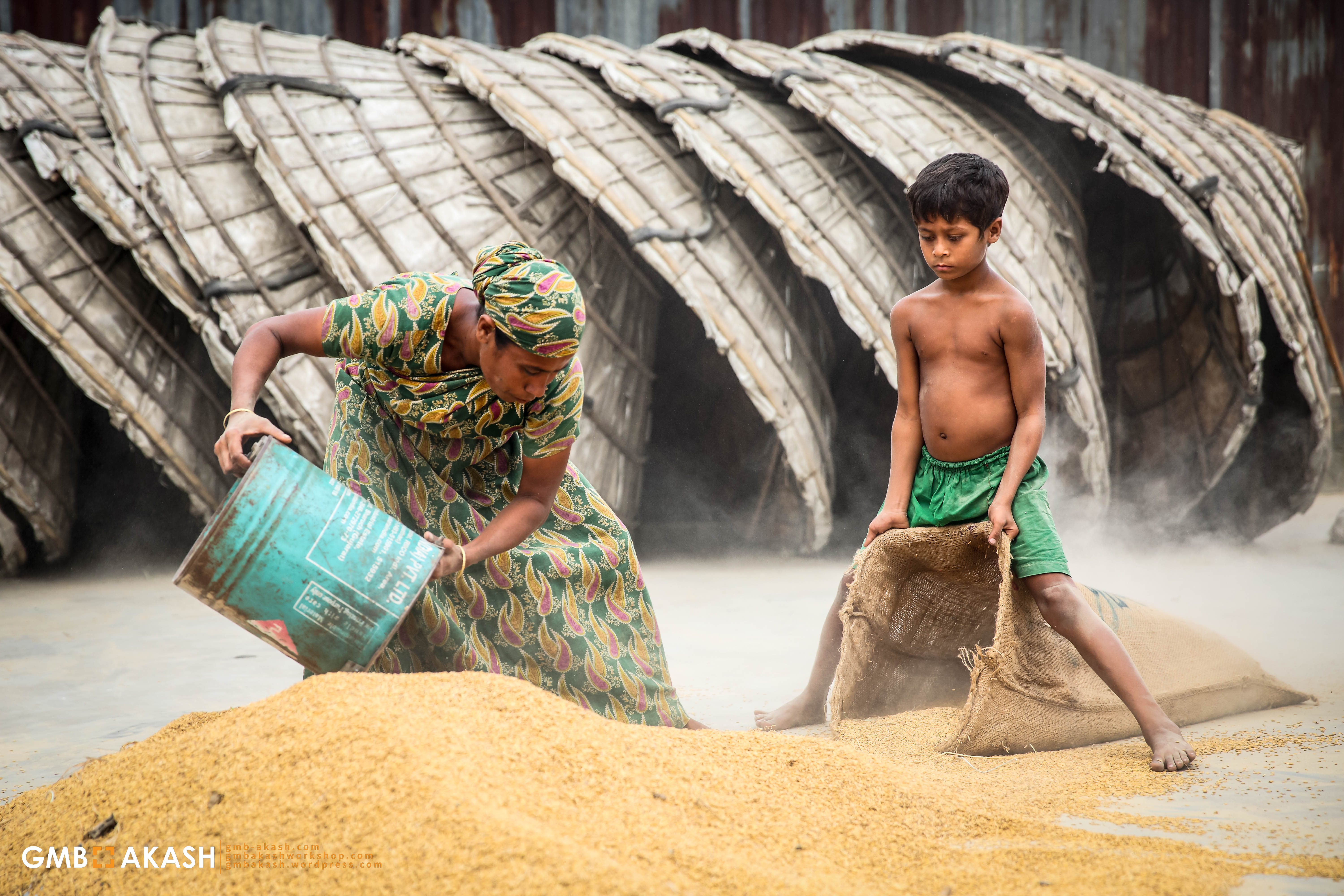
From my childhood, I saw children working in factories. I saw workers trapped in endless cycles of low wages and long hours. I saw day laborers who build our cities with their hands, yet live invisible lives.

No one wanted to hear their stories.
No one cared to look.
But if they stop working, our world stops moving.

My mission has always been to create awareness—to tell stories that deserve to be seen.

I don’t capture poverty—I capture strength.
The strength to survive, to dream, and to never give up.

— GMB Akash

For the Ones Who Feel Invisible!

I’m sharing this from the heart—not to glorify myself, but to give strength to those who are walking alone. If you’re wondering whether honesty and hard work still matter—I promise you, they do.

Sometimes, I feel a quiet kind of pride. A peaceful dignity.
Not because I’ve achieved something extraordinary—but because I have lived free.
For the last 25 years, I’ve walked my own path. I never had a boss. Never had a godfather or godmother. No powerful friend to open doors or push my name forward.

Whatever little I have achieved—it came from honesty, hard work, and belief.
I never begged for work. I never flattered anyone to get ahead. I never asked to be promoted or praised. I only had my camera, my stories, and the love of the people I work for and with.

Yes, the journey was hard—lonely at times.
But I’ve never compromised.
And that is my greatest achievement.

I’ve seen people rise fast—some with little passion but big connections.
I’ve seen awards, exhibitions, and fame handed over easily—while many real artists remain unseen.
But I still believe… that truth cuts through the noise.

That if you stay honest and keep doing the work that matters, your voice will find its way.

So to those who are struggling—to those who feel invisible:
Stay true. Be patient. Trust your journey.

Let your work speak before you do.

That’s the kind of success that no one can take away from you.

_ GMB Akash

Not to Sadden, But to Awaken.

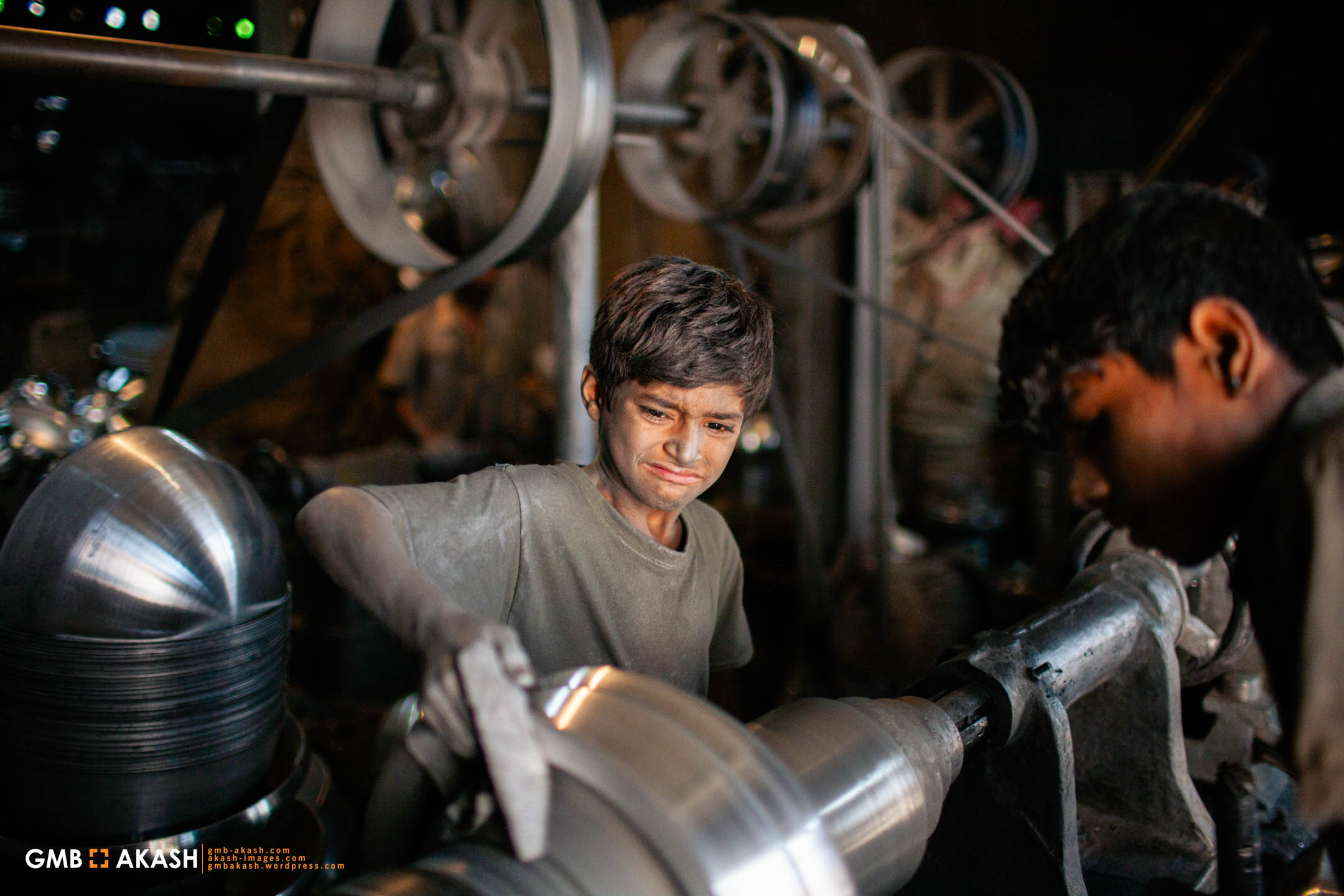
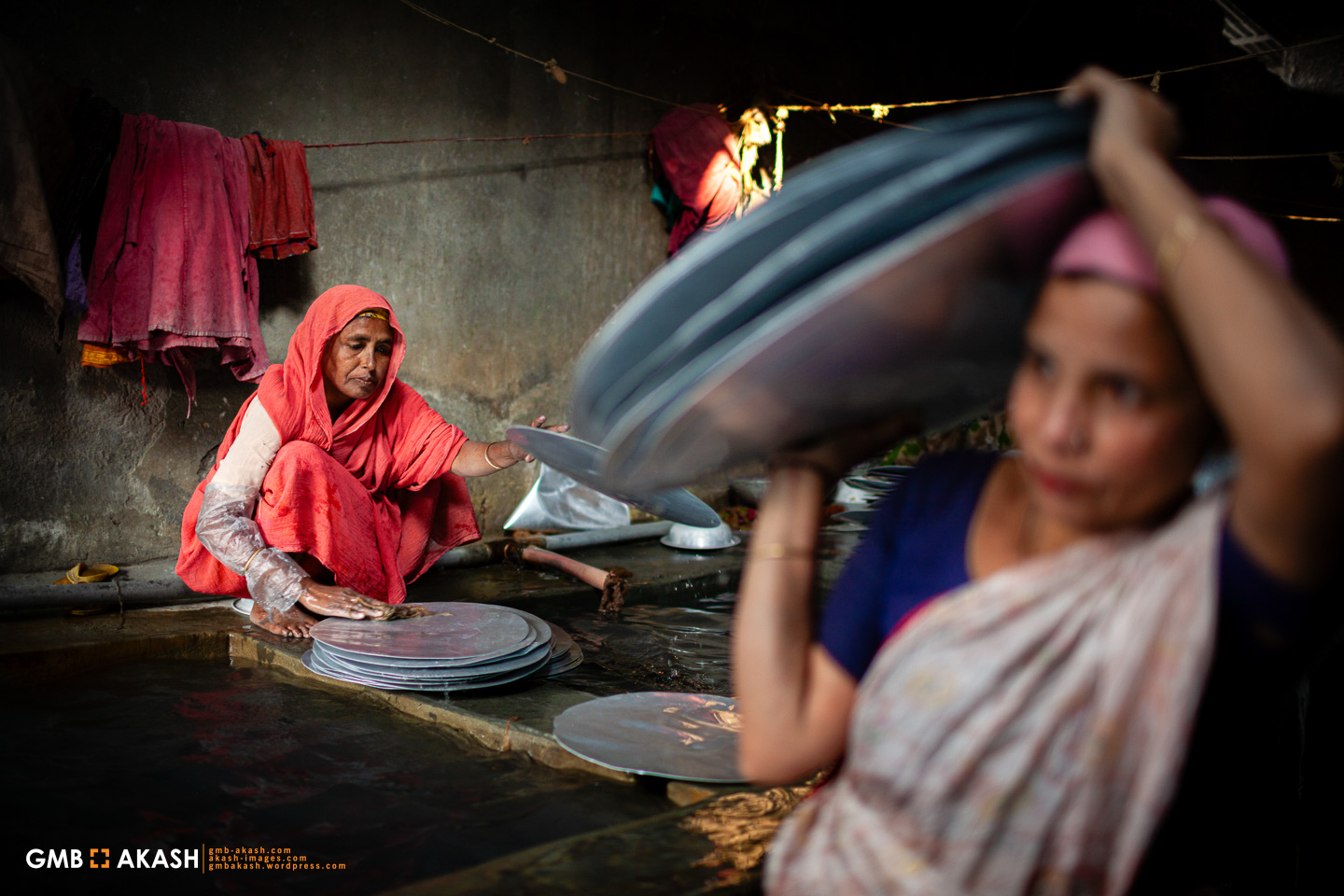
The workers are working in an aluminum cooking pot manufacturing factory in Dhaka.

I don’t photograph struggle, suffering, or the lives of the underprivileged to make people sad.
I create to open eyes—to reveal the unseen strength, quiet beauty, and unshakable resilience of those who have so little, yet carry the weight of the world with unmatched courage and grace.

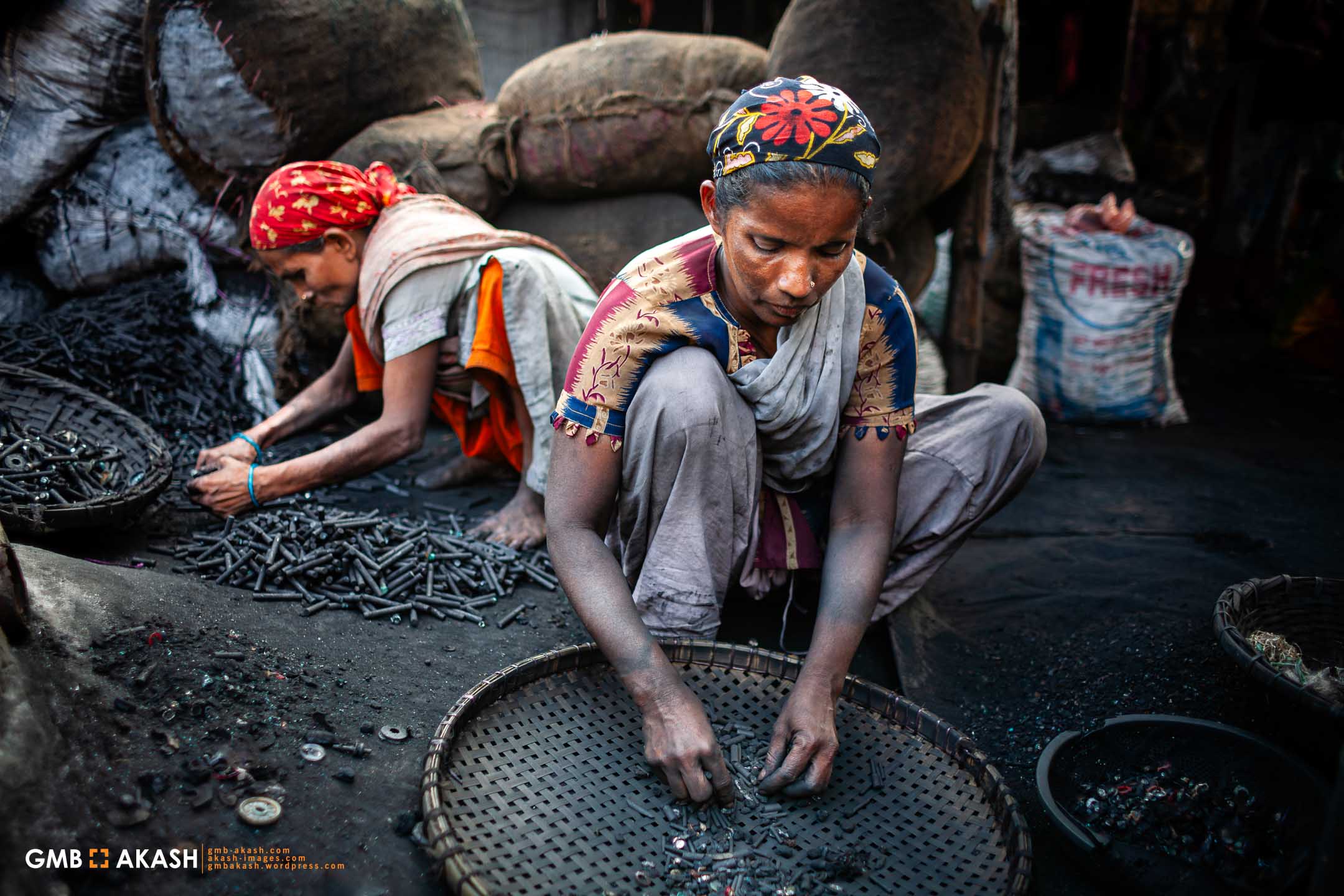
A girl child is working in a factory where they make screws for construction in Dhaka, Bangladesh.

Yes, pain is real. But so is hope.
And sometimes, a single image can awaken something deep within us—a sense of empathy, a moment of reflection, or the courage to change.

If my work can touch even one heart, it has fulfilled its purpose.

— GMB Akash

Telling Stories the World Wants to Ignore!

The kind of photography I do isn’t easy to sustain. Year after year, it takes everything from you.

People often say my photos are too sad or too heavy. They show poverty, pain, and struggle—realities many would rather not see. In a world that prefers beauty, luxury, and curated happiness, my images make some uncomfortable. They don’t hang on walls. They don’t sell. But they are real.

Still, I keep going.

Why?

Because someone must. Because these stories matter. Behind every image is a life that deserves to be seen.

As documentary photographers, we walk a lonely road. There is no industry behind us. No brands sponsoring our purpose. We carry our own weight—travel, gear, food, everything—because this work demands it. Not for profit, but for truth.

I want to bring positive change.
To show what must not continue. To highlight what needs our attention. If my work inspires someone to care, to act, to be more human—that’s the true reward. That’s the meaning of all our sacrifices.

This work isn’t easy, but it is necessary.
And as long as I have a camera, I’ll keep telling stories that matter.

_ GMB Akash

I Chose Purpose Over Promotion!

There was a time when I didn’t know better.

I thought saying yes to promotions and endorsements would help me grow, make me more visible. I said yes a few times — to brands, companies, campaigns — without truly understanding what I was becoming a part of.

But slowly, I started to feel uncomfortable.
I saw how my face, my story, my name were being used — not to inspire, but to sell.
And sometimes, what was being sold wasn’t even true.

So I stopped.

I’ve made mistakes. I’ve taken wrong turns. But I’ve learned from each one of them. I’m still learning. I’m not perfect — just trying to stay honest in a world that often rewards the opposite.

Today, I say no to every offer that doesn’t align with my values — even when it comes with more money than I could ever imagine.

Because I didn’t become a photographer to sell things.

I became a photographer to serve people — to tell the stories that often go unseen.

I don’t want to use people to make a living. I want to use my lens to give them dignity and voice.

I live a simple life. I don’t have much.
But I carry what matters most — self-respect, truth, and peace of mind.

This is not a criticism of anyone else’s choices.
Everyone walks their own path.
This is simply mine.

And if sharing this helps even one person stay true to who they are, then it’s worth saying out loud.

We may not have much in our hands.
But if we have honesty in our hearts,
we already have everything.

_GMB Akash

Photographing What Hurts, Because It Matters!

I know many people don’t like my work on social media.
Because it stirs emotions.
Because it asks uncomfortable questions.
Because it reminds us of the humanity we often forget.

My photos don’t entertain — they confront.
They reveal painful truths: suffering, inequality, and the silent struggles of those left behind.

For 25 years, I’ve known my work may not get thousands of likes or shares.
But I’m not here for validation.
I’m here to create change — to honor resilience, to share stories of hope, and to remind us not to look away.

It’s easier to scroll past than to face reality.
Easier to pretend everything is fine.

But I will never stop.
Even if no one listens, even if no one thinks it matters — I will keep going.

Because life isn’t only about our own comfort.
Because caring is also living.
Because empathy still matters.

And I will keep showing what truly matters — until my last breath.

_GMB Akash

A Torn Dictionary, a Second-Hand Camera, and a Thousand Untold Stories!

From the very beginning of my journey, I was captivated by the images of Salgado, James Nachtwey, Reza Deghati, Alex Webb, David Alan Harvey, Cartier-Bresson — masters who told human stories with truth and soul.

Many of them used Leica. But for me, it was never just about the camera. It was about what they saw — the dignity, the depth, the human connection. Leica became a symbol of that kind of storytelling. Quietly, I dreamed of holding one someday.

But my beginning was far from any dream.

I started with a used Yashica FX-3 — my father’s old family camera. I didn’t even know photography could be a profession. No mentor. No internet. No books. Just an English manual — and I barely understood the language.

When I couldn’t afford a translator, I bought a torn, second-hand dictionary and taught myself both English and photography. Word by word. Frame by frame. With only hunger, heart, and hope.

I had one 50mm lens. Later, I borrowed gear from anyone who trusted me.

I gave tuition to buy film. Skipped meals to save for processing.

I shot weddings and fashion — not because I loved it, but to fund the work I truly cared about: telling the stories of people the world often overlooks.

At night, I turned our bathroom into a darkroom.

I developed rolls under red light until sunrise.

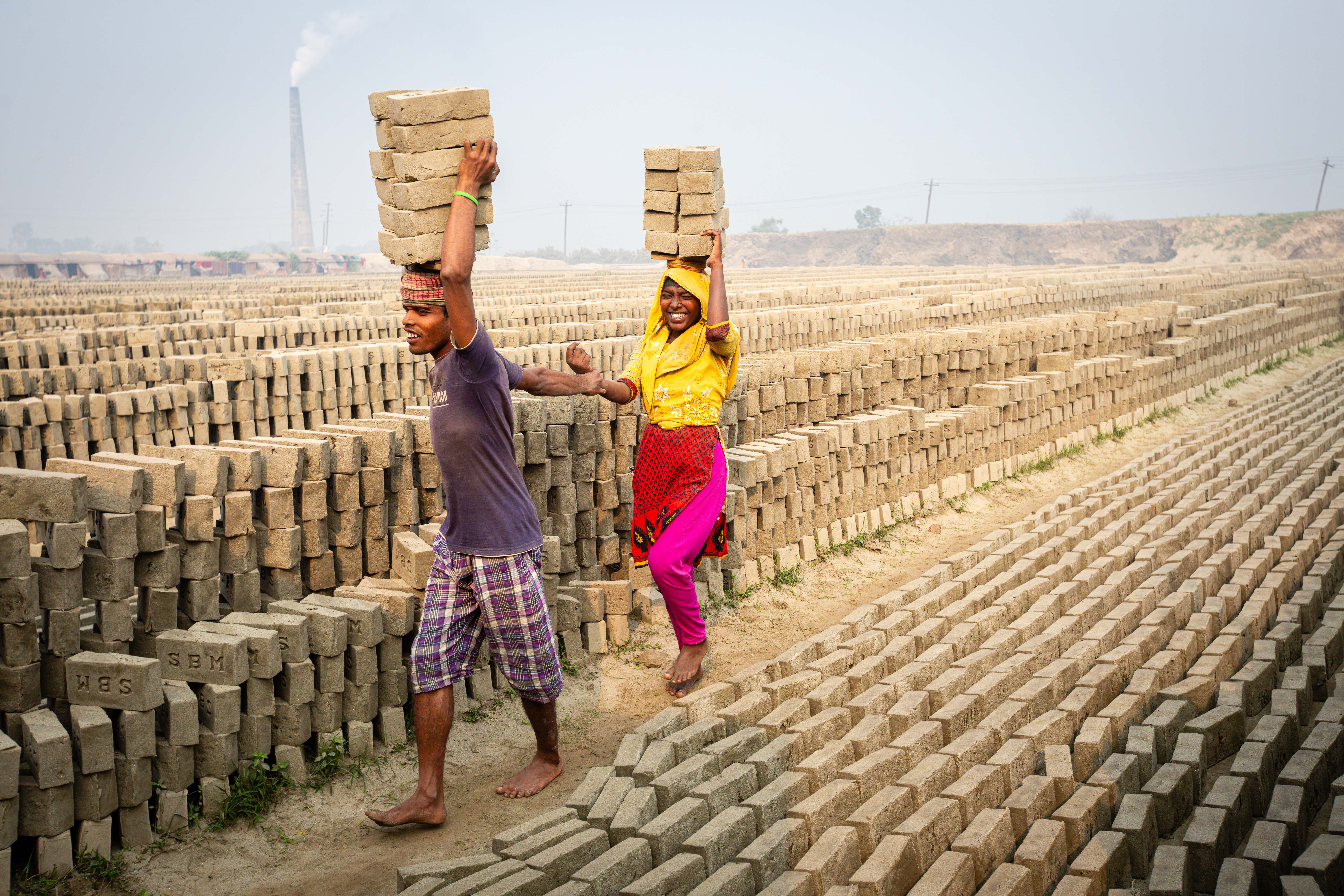
I spent years walking through slums, garment factories, brickfields, train stations, refugee camps, and forgotten alleys.

I entered brothels, disaster zones, hidden corners of cities, and remote villages — the kind of places people were too afraid to go.

I sat with people society ignored. I didn’t just photograph them — I listened.

It wasn’t easy. My fingers ached when I couldn’t shoot. My chest felt heavy.

Photography wasn’t what I wanted to do — it was what I needed to do.

And now, after 25 years, I’ve finally bought a Leica.

It’s not just a camera.

It’s a symbol of everything I’ve lived through — every roll, every story, every step.

This isn’t a story about gear.

It’s a story about purpose.

About belief, compassion, and never giving up.

— GMB Akash

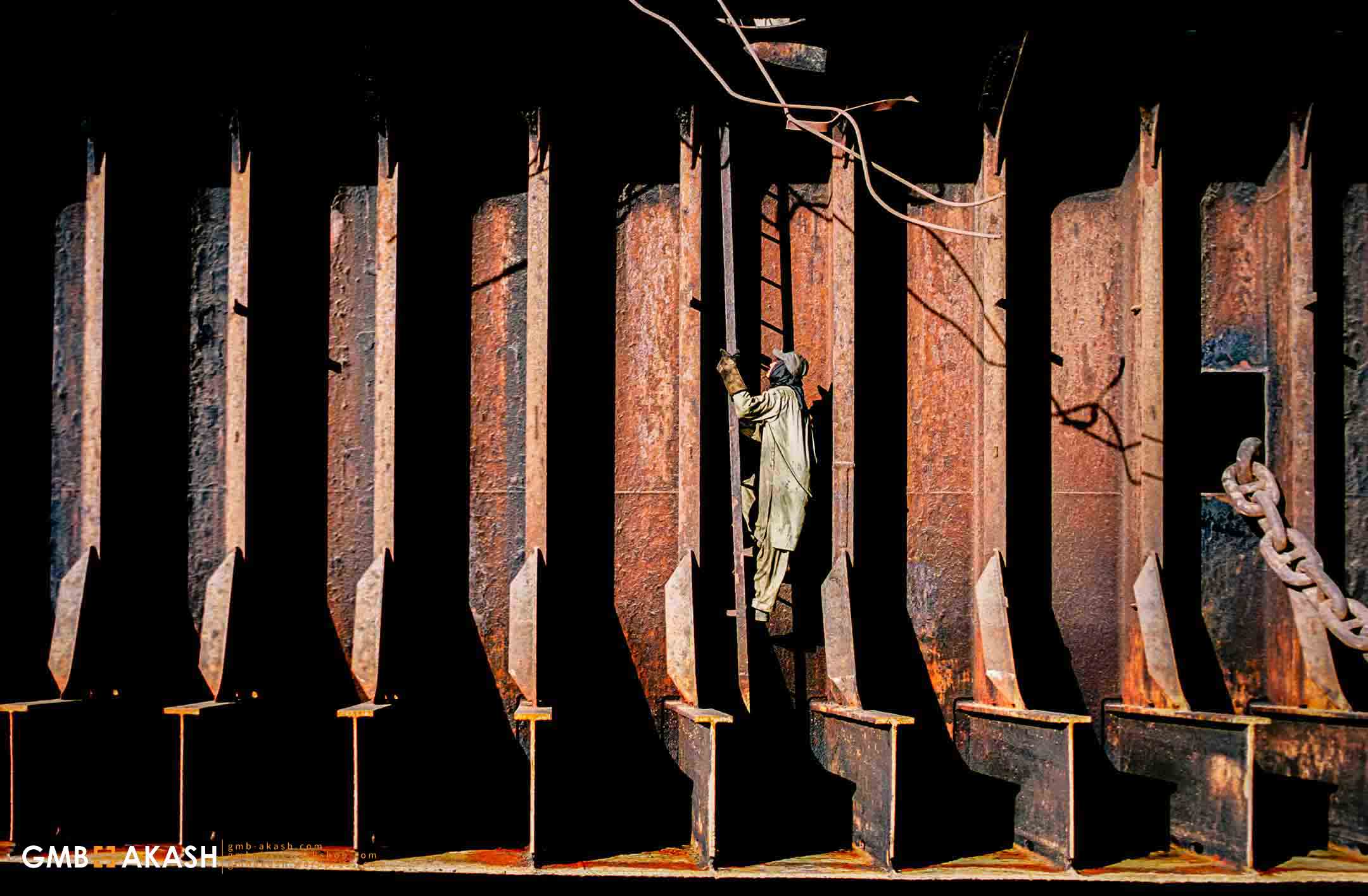
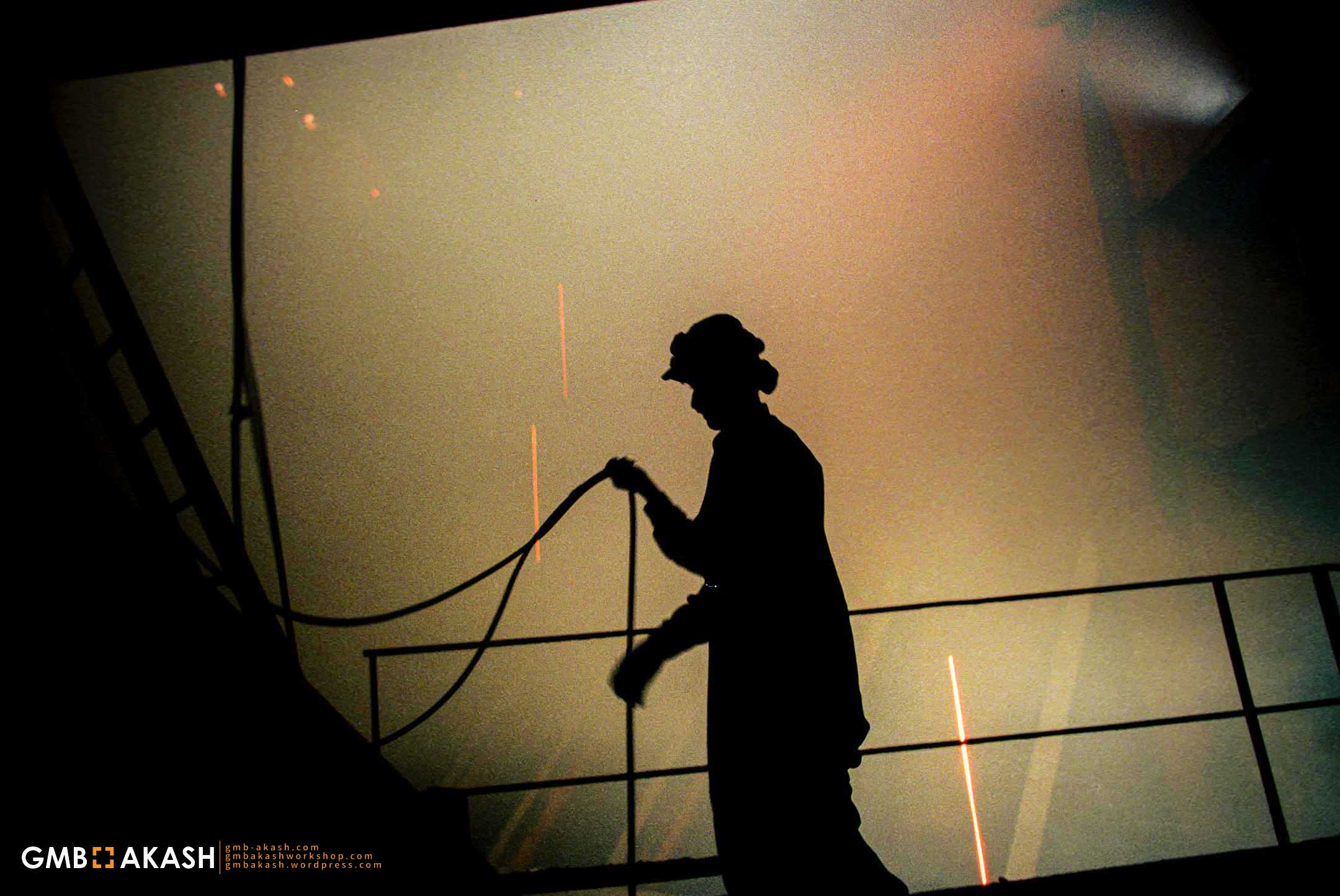
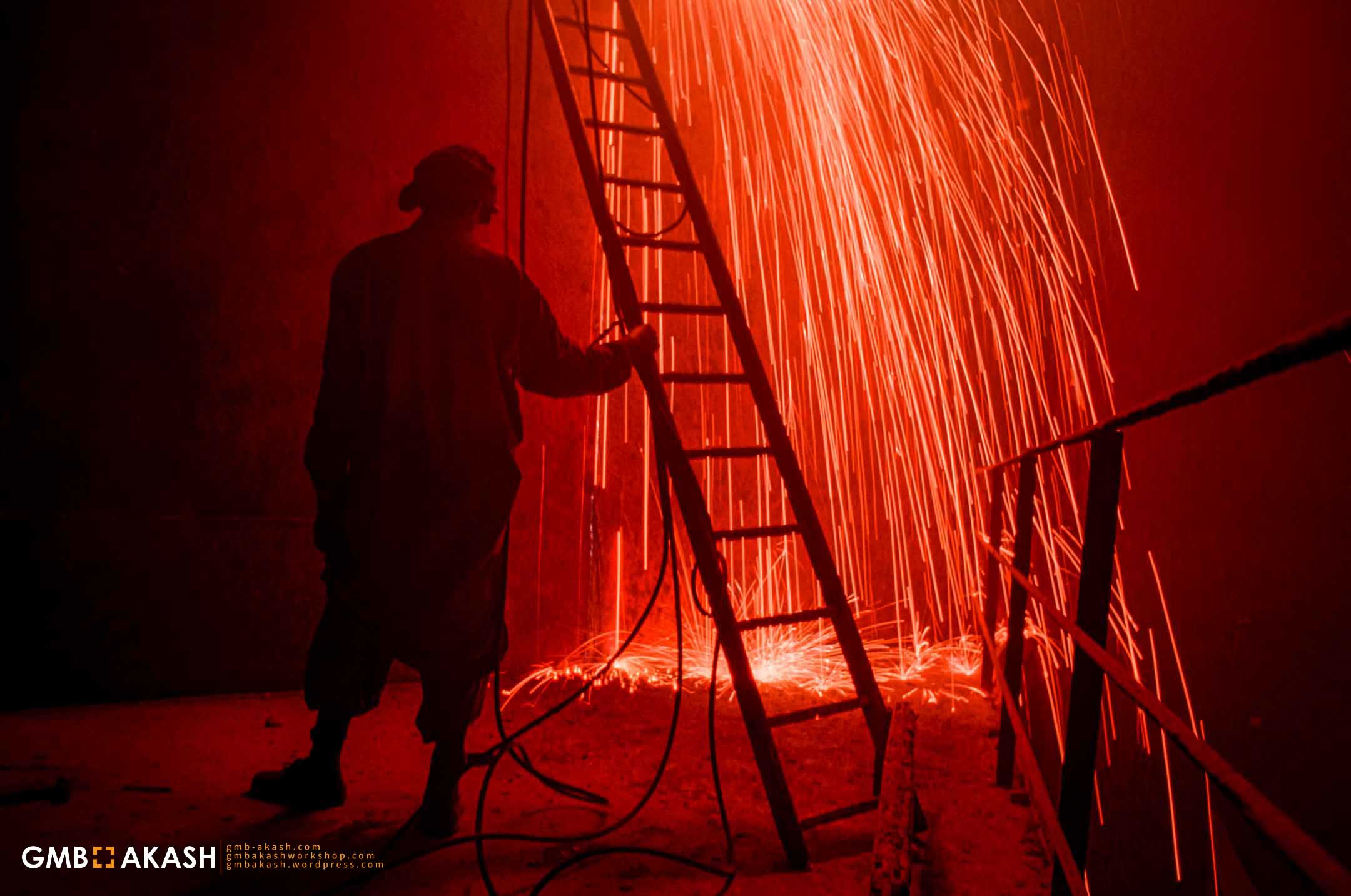
Dhaka’s Shipyard – Where Steel Meets Survival!

By GMB Akash

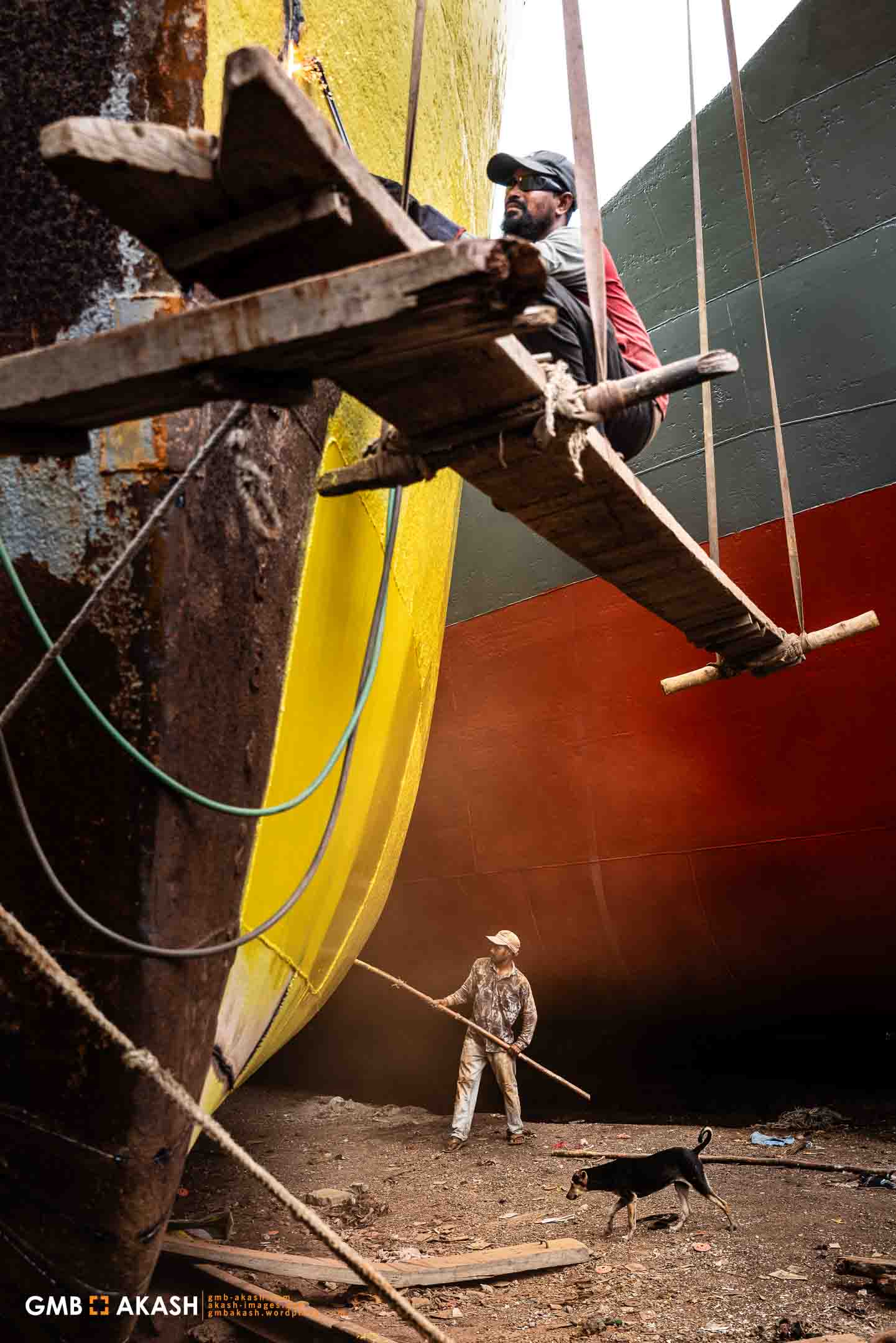
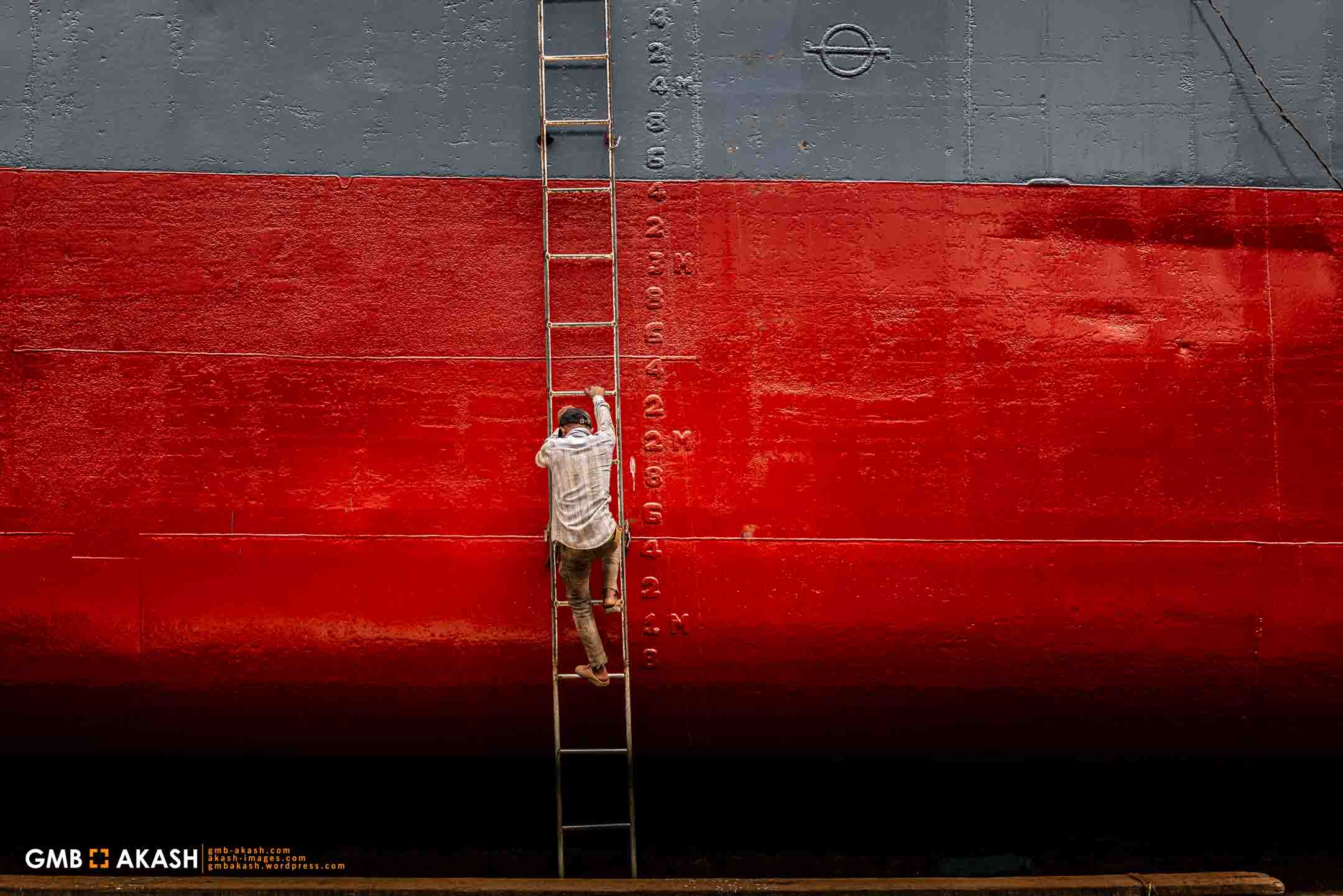
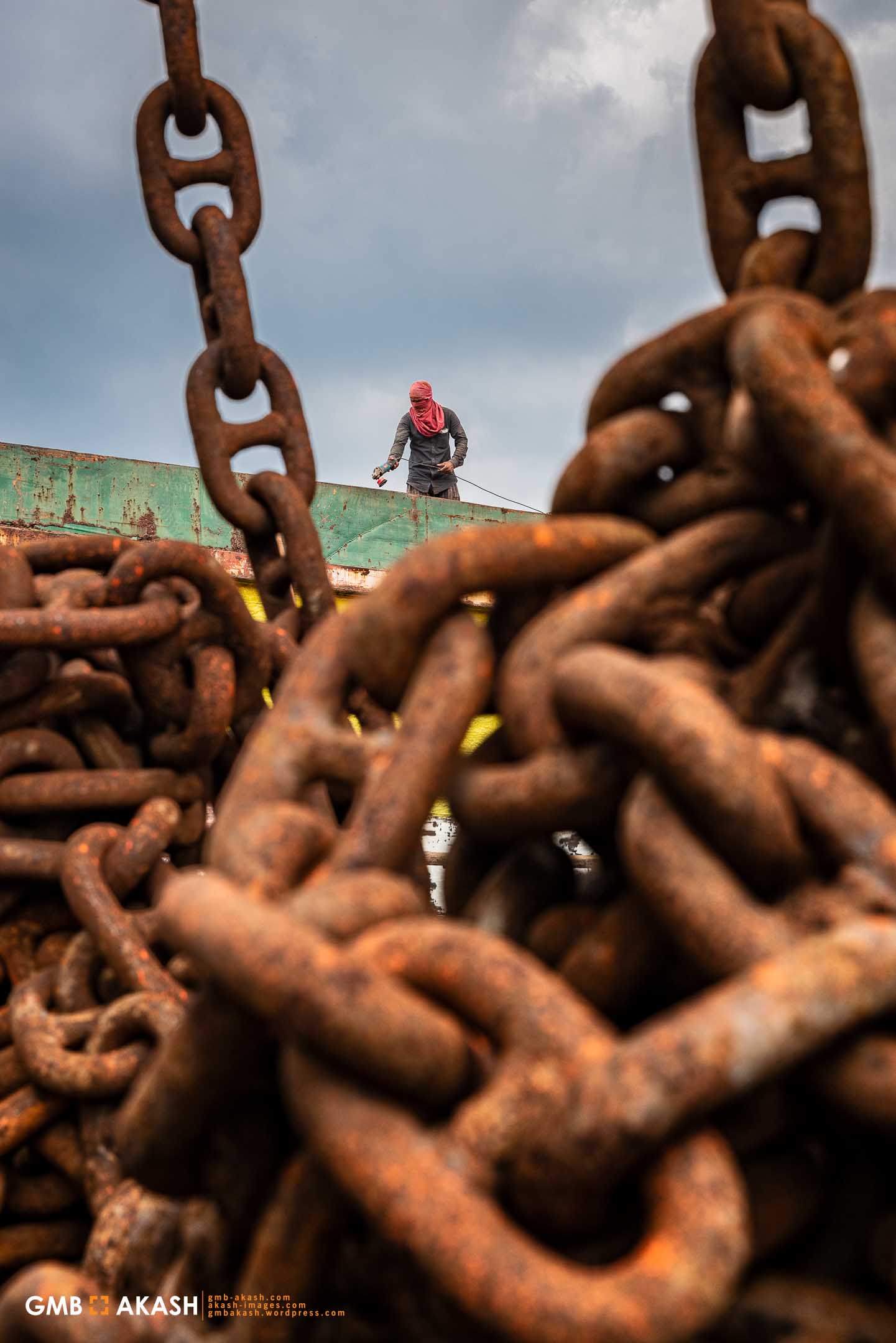
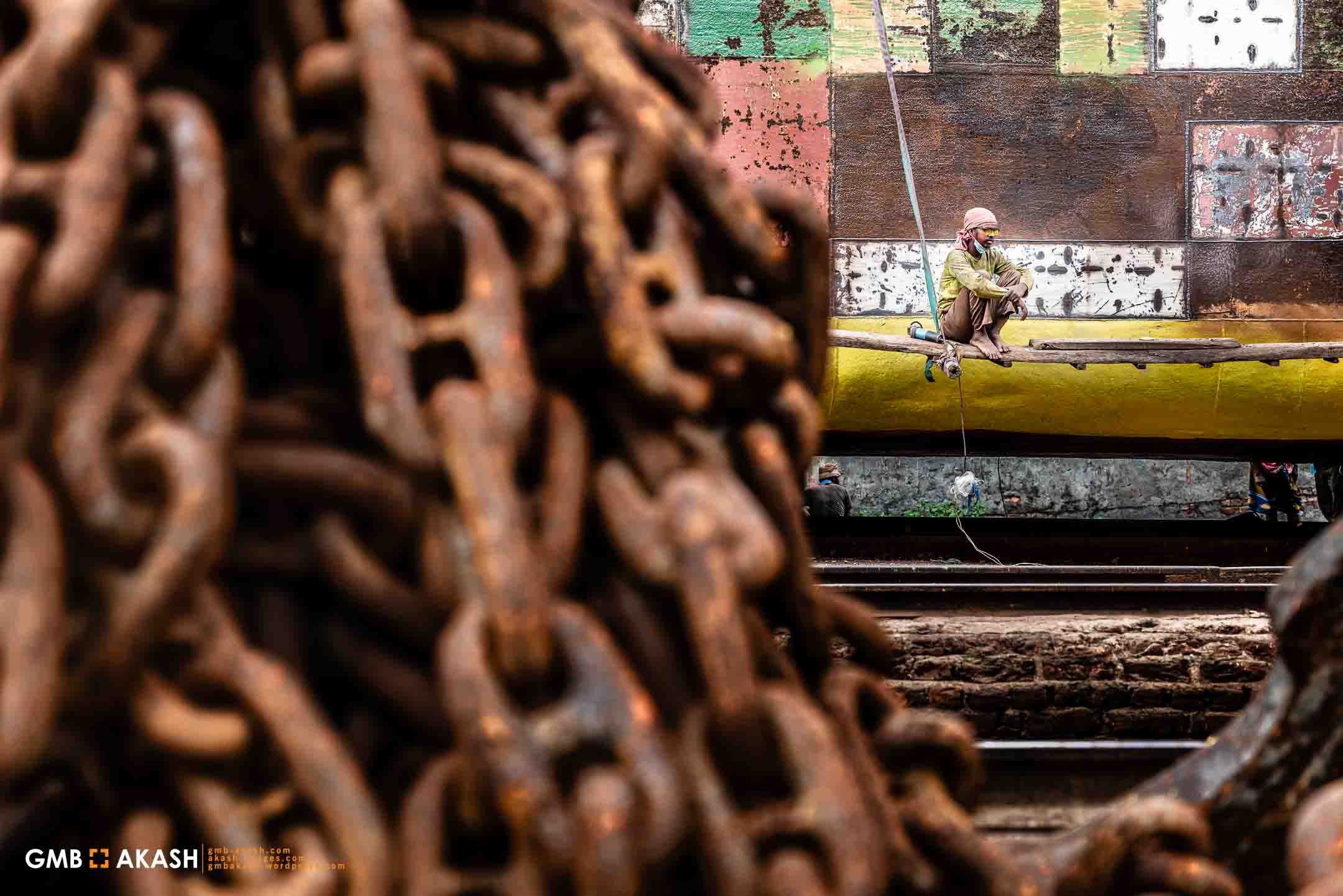
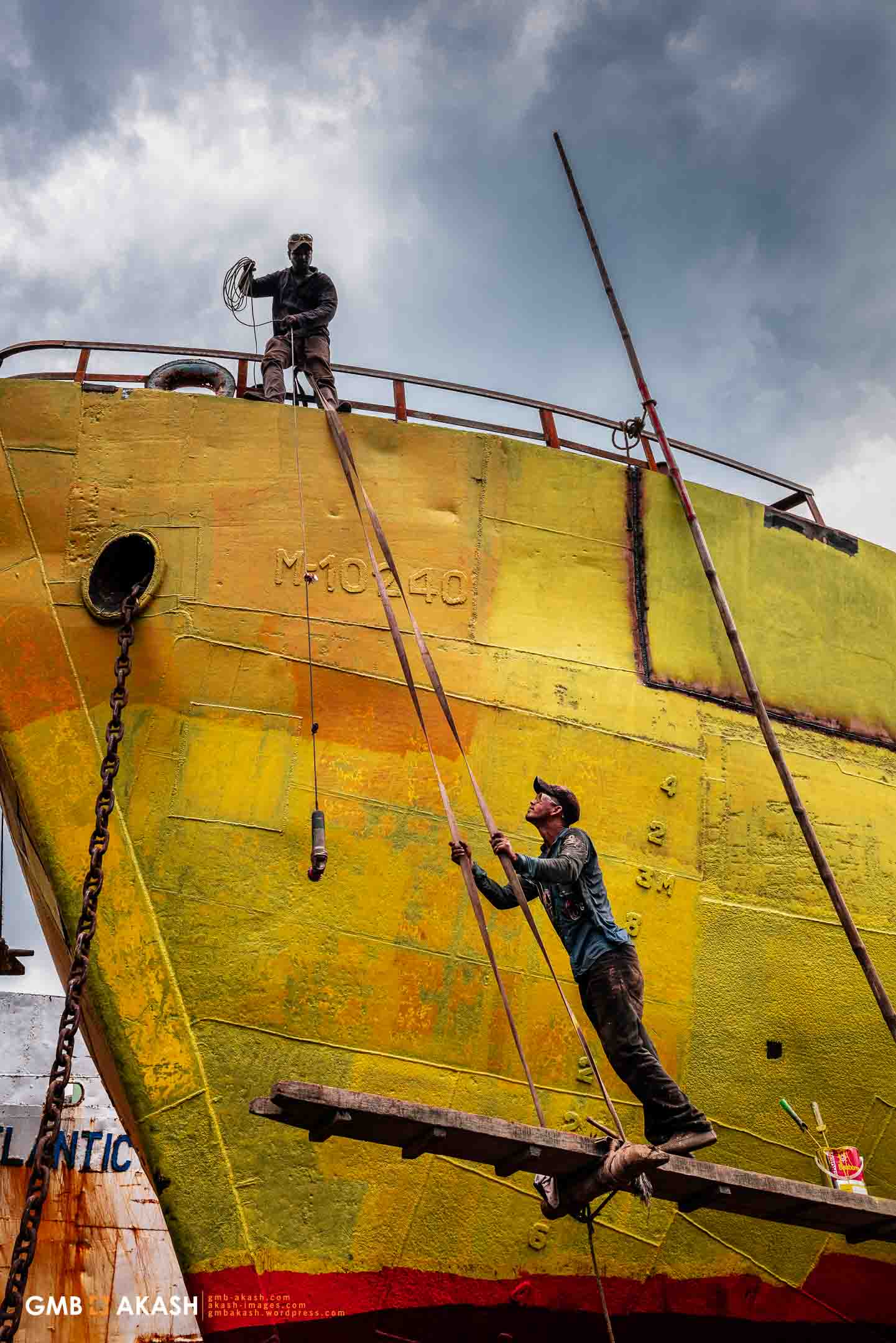
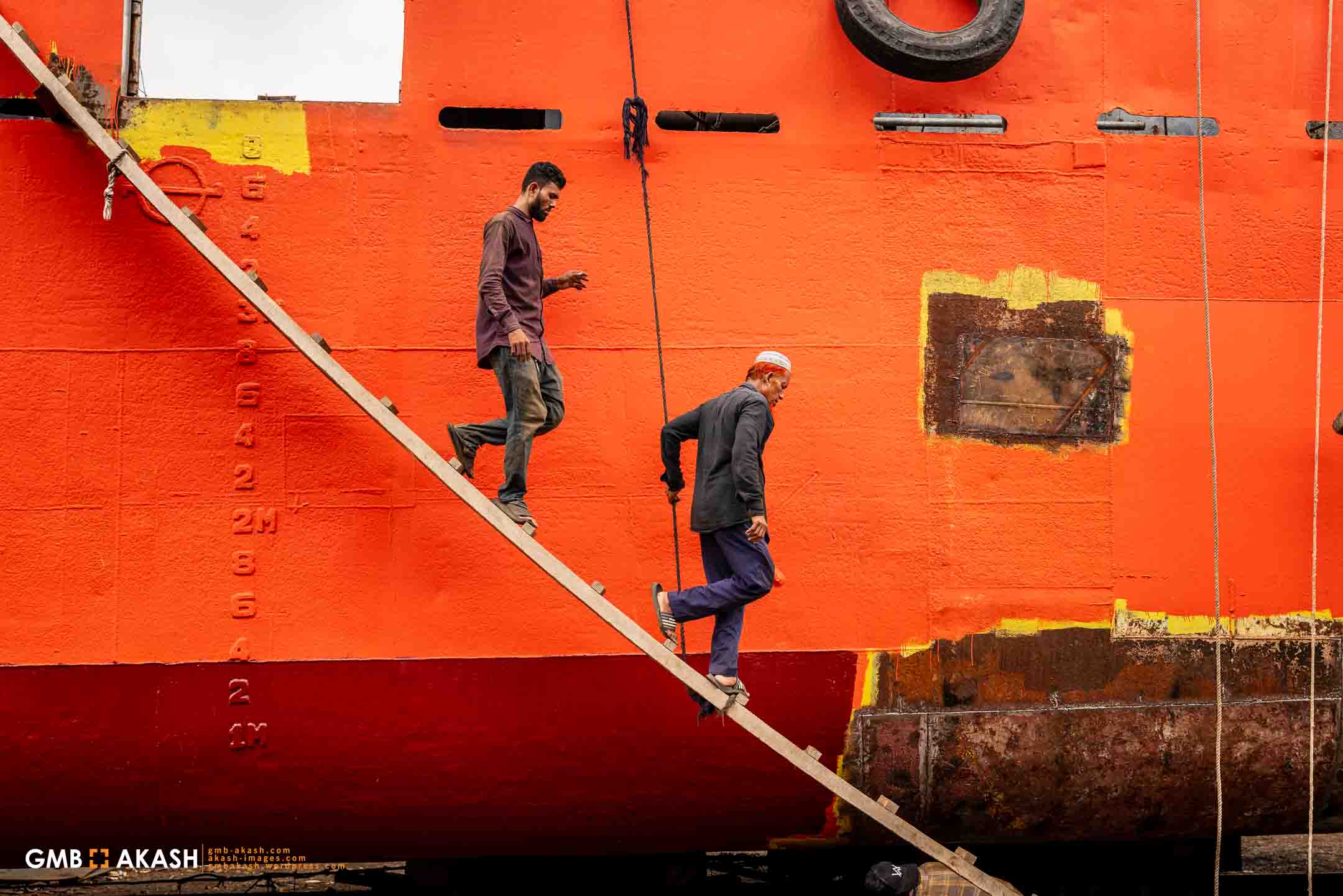
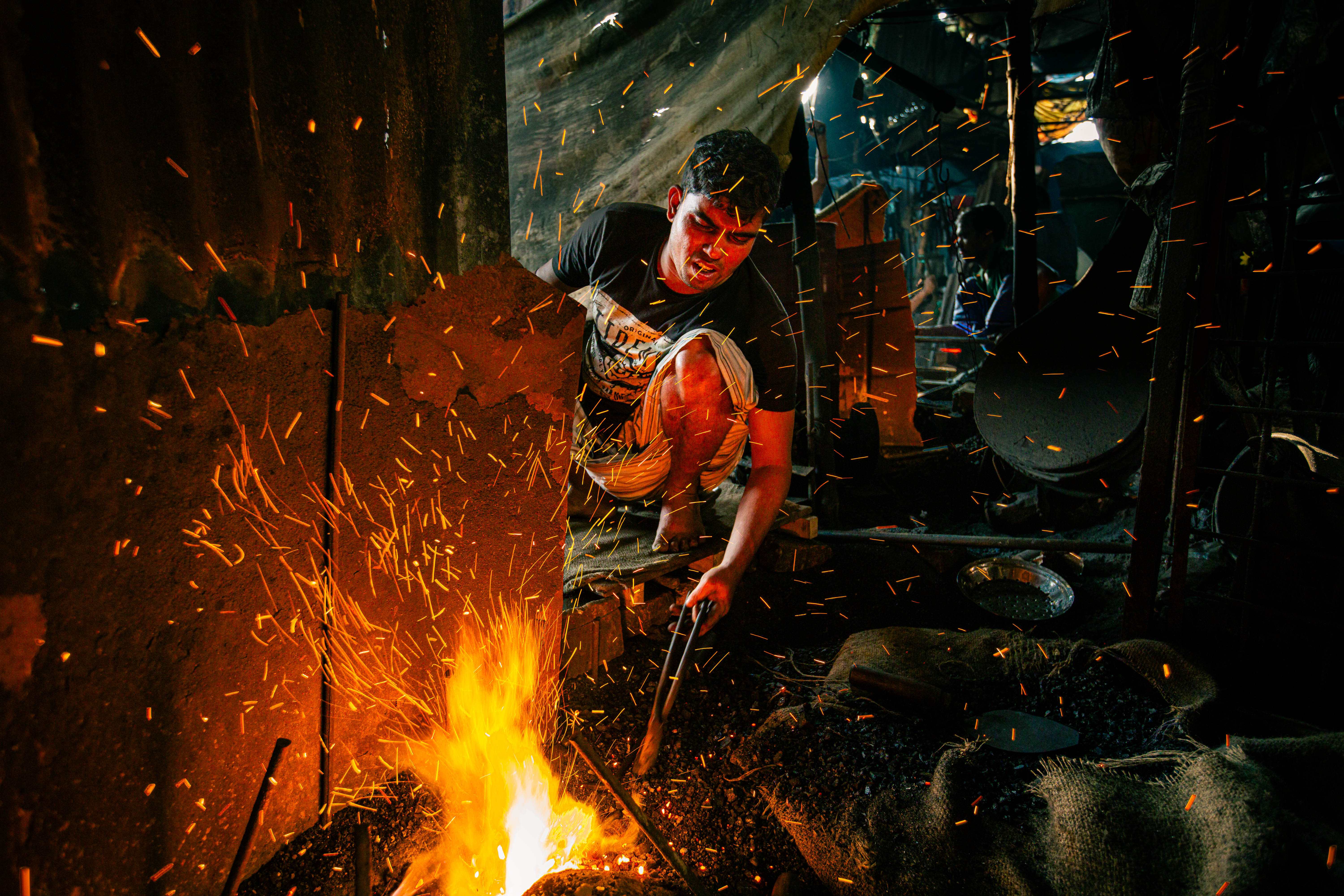
Along the Buriganga River in Dhaka, giant ships are repaired and rebuilt—not by machines, but by men with bare hands and unbreakable spirits. The shipyard is a world of fire, metal, and endless noise, where thousands of laborers work without safety gear, earning just enough to survive.

Most come from distant villages, chasing a better life. They sleep beside the ships they mend, risking everything each day. Over 200 ships are repaired here every year—fueling our economy, but costing these men their youth, health, and often, their dreams.

In their silent struggle, I see courage. In their worn faces, I find stories the world needs to know.

Through My Lens: A Life of Loss, Love, and Purpose!

I have witnessed loss, betrayal, grief, hunger, and suffering — but also joy, achievement, and love. My photographs are not just images; they are reflections of my own experiences, echoes of the life I have lived.

I have made mistakes. I have failed. I have been lost. But each misstep taught me something invaluable — about life, about resilience, and about myself. These struggles have shaped me, carving a deeper understanding of the world and the people I photograph.

Photography, for me, is not a career but a responsibility — to be a voice for the unheard, to bring attention to lives often overlooked. The unprivileged have no platform, their struggles buried in silence. Through my lens, I seek to make them seen, to stir hearts, to remind us of our shared humanity.

I never pursued photography for fame or gain, but for purpose — to connect, to give, to create change. I do not just take pictures; I seek meaning. My work is a constant search for truth, a reflection of the hope and pain that shape our existence.

In the end, I do not want to just exist — I want to leave something behind that matters.

#PhotographyForChange

#HumanityInFocus

#VoicesUnheard

#DocumentaryPhotography

#LifeThroughALens

#PurposeDrivenArt

#ResilienceAndHope

#StorytellingThroughPhotography

#UnseenLives

#legacyofmeaning

We want fair wages and safe workplaces for every mother!

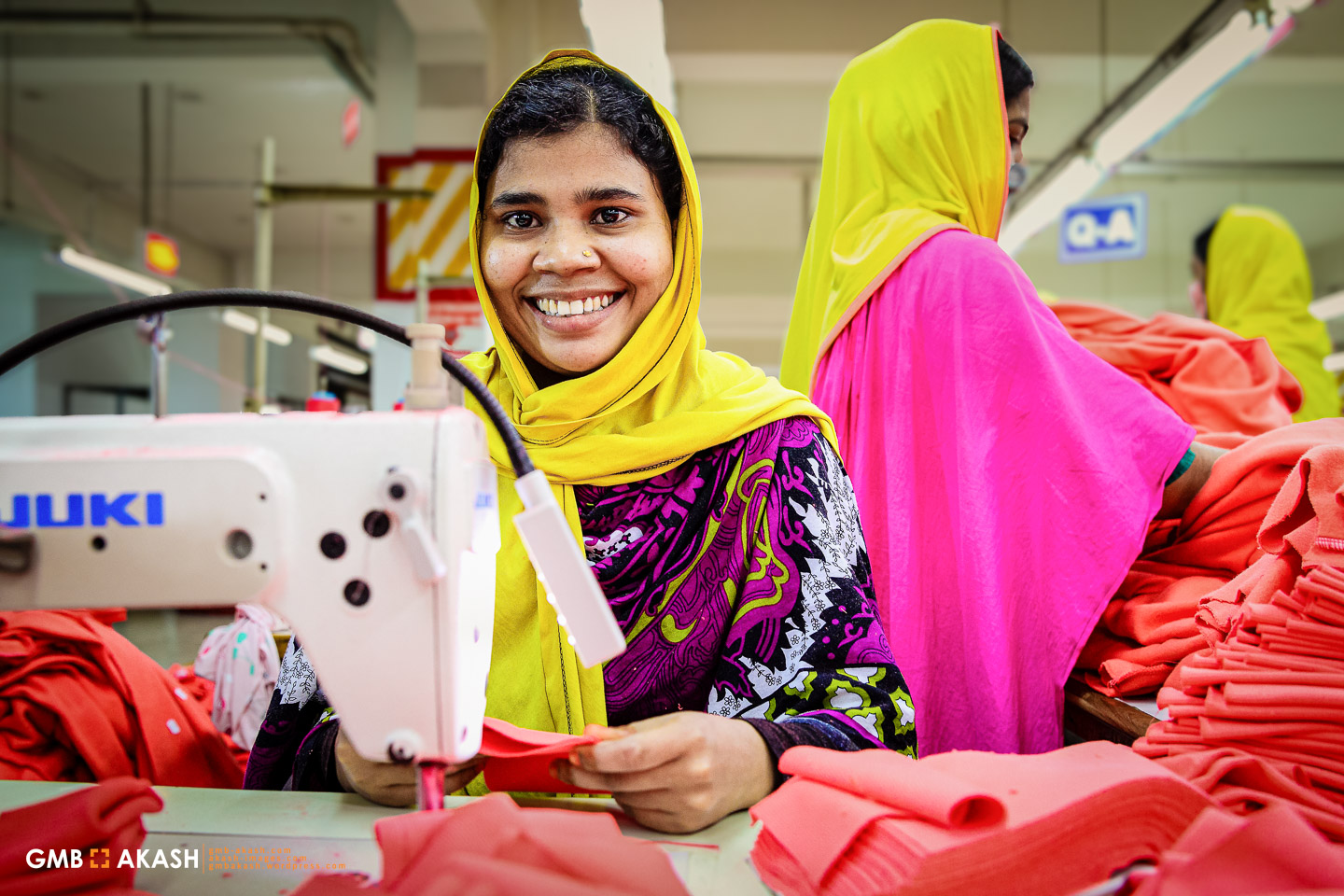
Female textile worker Sayma (22) is working inside the factory building. Dulal Brothers Ltd. Kashimpur.Gazipur.

This Women’s Day, I stand with the working-class women who give everything to support their families. These mothers work long hours in tough conditions, often for unfair wages, with no protection or security. They are the unsung heroes of our society.

Today, I hope for a future where they are treated with the respect they deserve — where they earn fair wages for their hard work, have safe working conditions, and can rest knowing their children’s lives will be better. These women deserve a chance to build a future where their families can thrive, with equal opportunities for their children, safe environments, and dignity at work. Their strength is unbreakable, and it’s time we honor them by giving them the future they’ve earned.

#WomensDay#WorkingClassWomen#FairWagesForAll#SafeWorkplaces#RespectWomenWorkers#EmpowerMothers#EqualOpportunities#UnsungHeroes#DignityAtWork#fightforfairness

The Power of Love and Faith: Changing Lives, One Step at a Time!

Dear Friends,

Chadni was her mother’s greatest treasure. A mother who once prayed to God to trade everything she had just to keep her fragile, premature baby alive. Her husband, in silent devotion, sold his rickshaw to afford his daughter’s treatment, and together, they fought against fate. To Chadni’s mother, Chadni’s smile was more than just a moment of happiness; it was proof that love could defy the impossible, that faith could keep her world alive.

I took her heartwarming story 10 years ago. Over time and the cycle of fate, I found Chadni again 5 years ago and discovered that her parents were deeply conflicted about Chadni’s education and future.

Asma, a mother who had already endured so much, now faced another battle ensuring her daughter’s future. As a daily wage worker, she could barely provide food. I knew I had to step in. Since then, I have taken full responsibility for Chadni’s upbringing, ensuring she has access to education, food, clothing, and everything she needs as a child.

Today, my heart fills with joy as I witness Chadni starting 4th grade this year, taking one more step toward a brighter future!

By the grace of God, five years ago, I took on the responsibility of educating 30 children for their entire academic journey. Every month, I continue to do my best to support them, ensuring they complete their education and secure stable jobs.

My friends, your continued support, love, and faith in me make this journey possible. Nothing would have been easy without you all. Your kindness fuels my mission every single day.

Please keep me in your prayers so that I may continue to provide for these children until they achieve their dreams.

I am sharing with you some old and new pictures of Chadni—moments that remind us all that love, hope, and determination can change lives.

With Love and light,

_GMB Akash

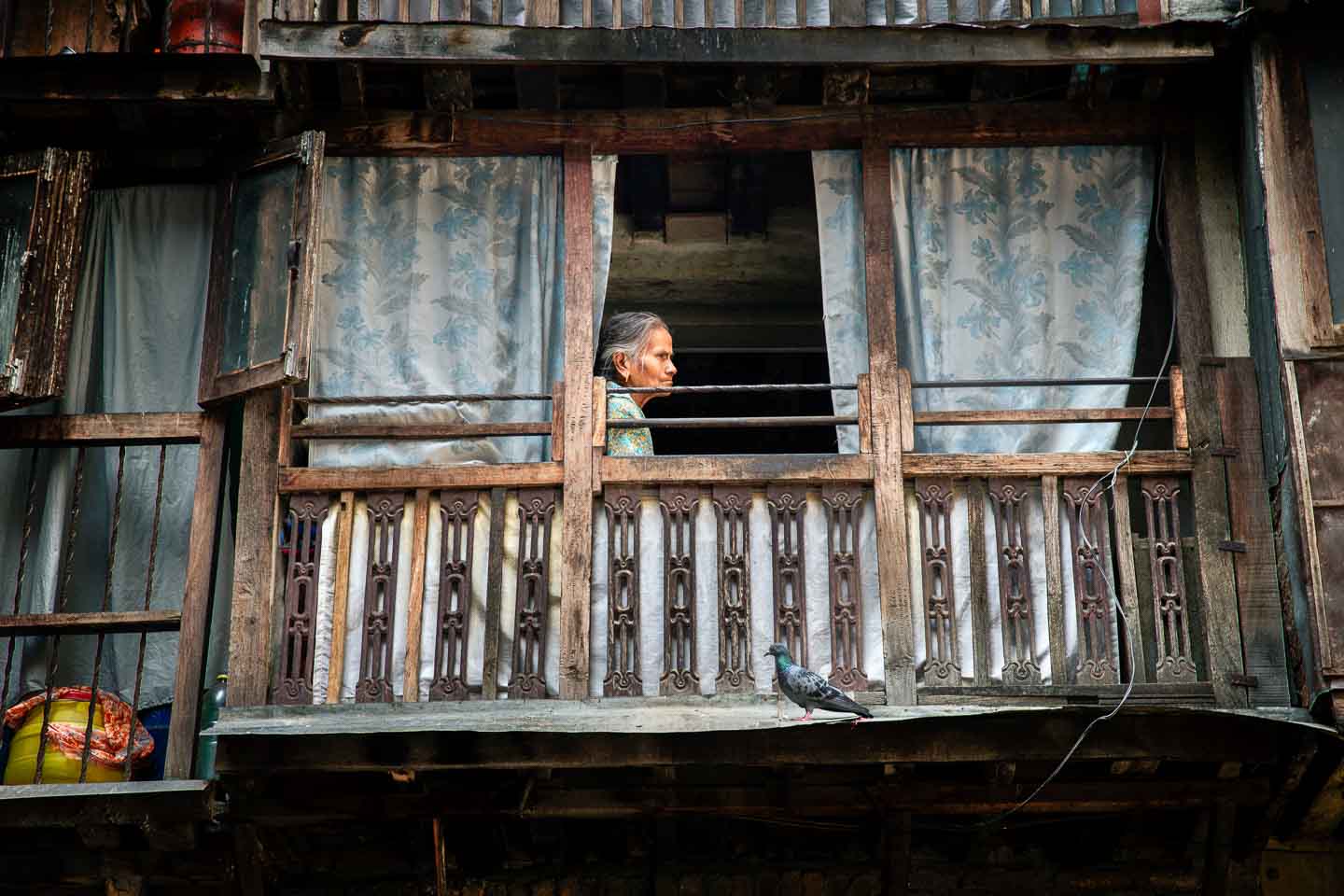
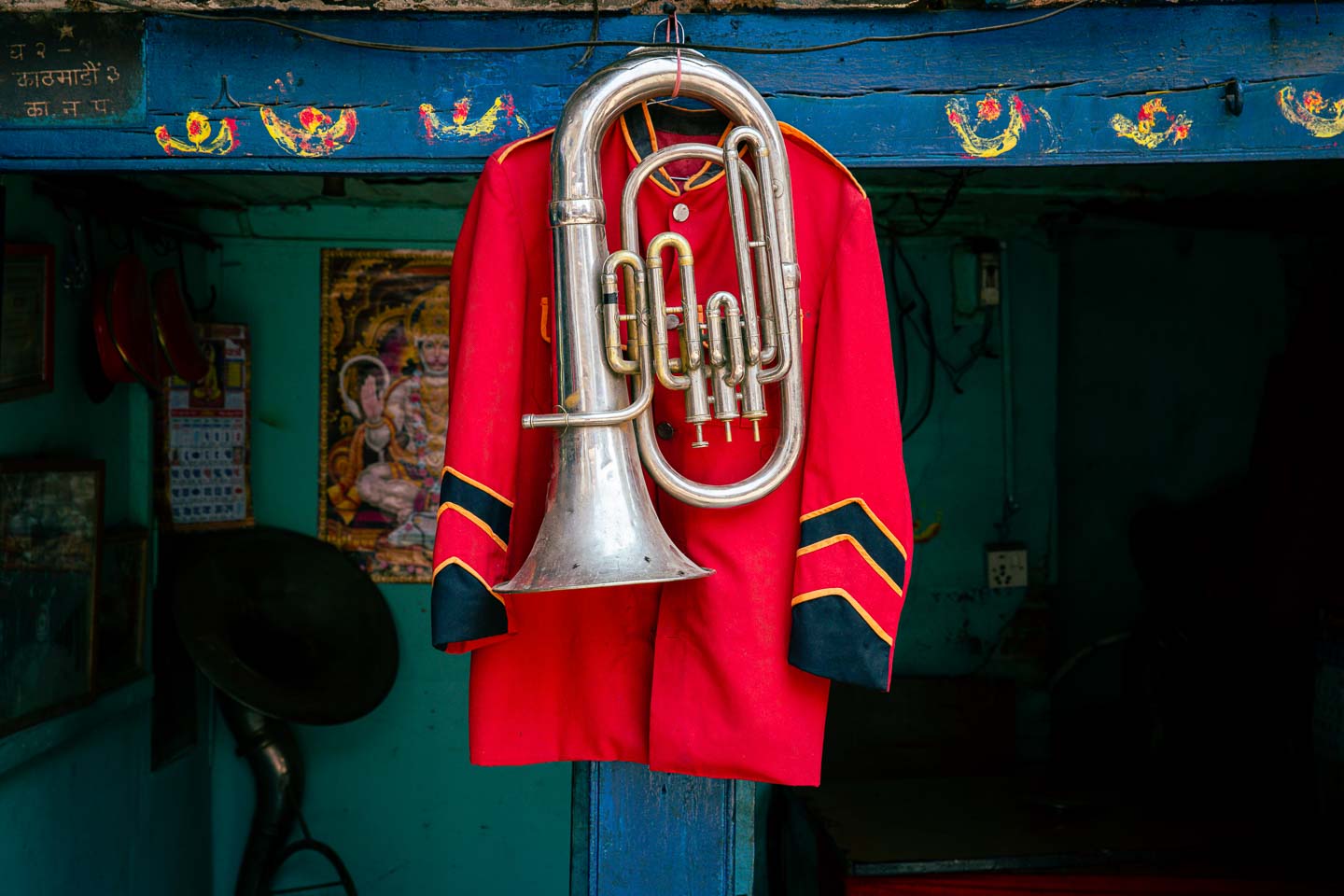
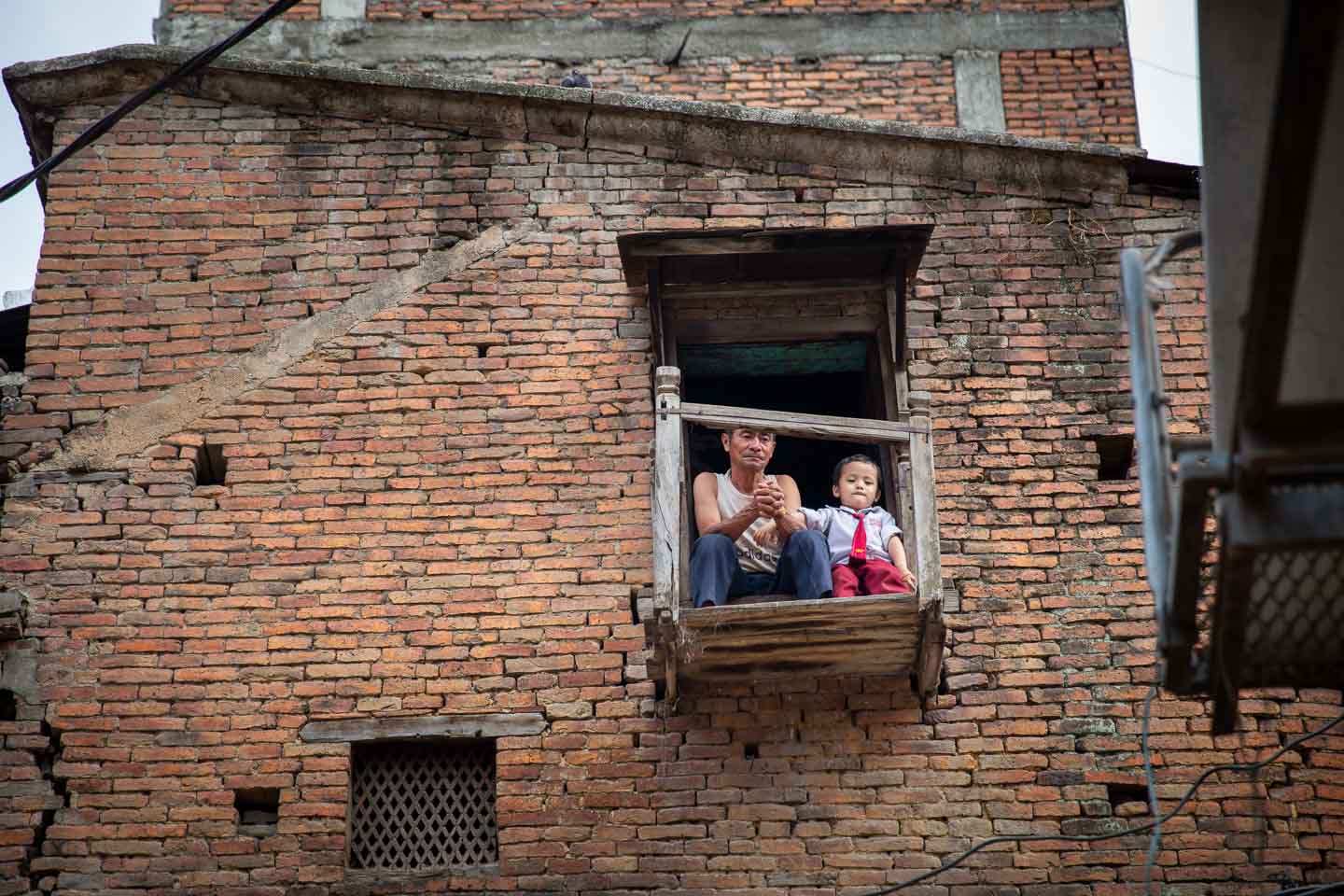
The Magic and Soul of Nepal!

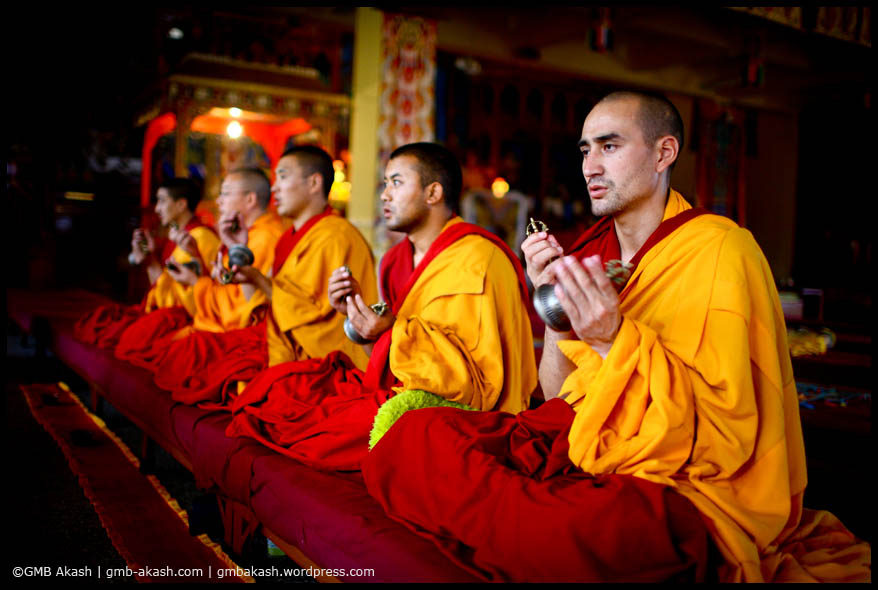
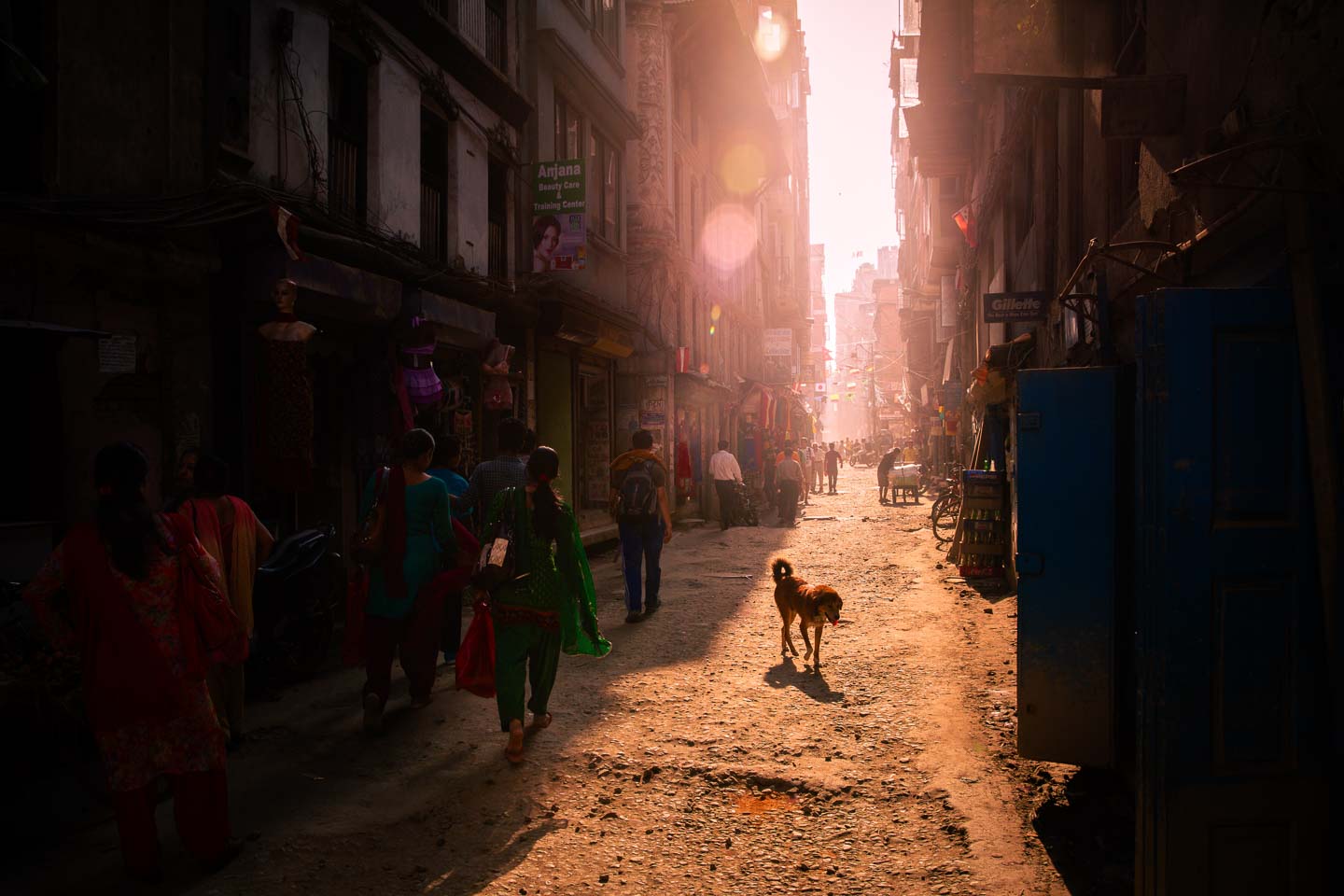
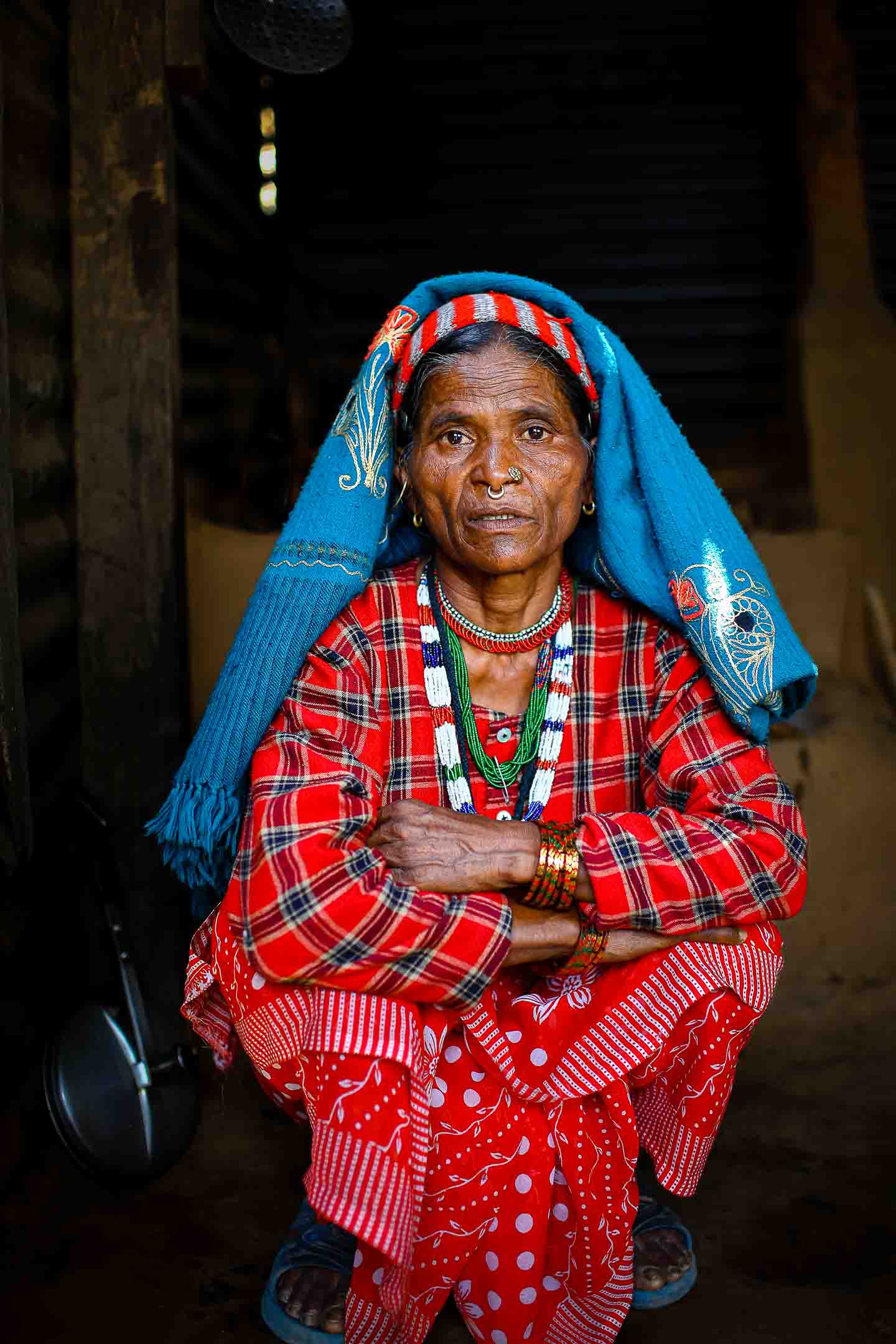
Nepal holds a special place in my heart. I’ve traveled there more than 30 times, yet every visit feels as exciting as the first. There’s an almost otherworldly charm to this land—the crisp air of the mountains, sunrises that set the Himalayas ablaze with gold, and ancient temples that seem to whisper stories from centuries past.

The streets pulse with life, prayer flags flutter in the breeze, and the scent of incense drifts through winding alleys, mingling with the deep, meditative chants from monasteries. But above all, it’s the people who make Nepal truly extraordinary. Their kindness, strength, and ever-present smiles create a warmth that feels like home. No matter what challenges they face, they welcome you with open arms and hearts full of generosity.

For a photographer, Nepal is an endless source of inspiration. Every corner hides a new discovery—a sunlit alley, a quiet moment of devotion, or a pair of eyes that tell an untold story. Each journey leaves me with fresh perspectives and a growing love for this incredible place. Nepal isn’t just a destination for me—it’s a part of my soul. And no matter how many times I go, I know I’ll always return. _GMB Akash


#Nepal #TravelDiaries #ExploreMore #HimalayanMagic #Kathmandu #Pokhara #StreetPhotography #HumanStories #CulturalJourney #VisitNepal #AdventureLovers #NepaliPeople #TravelWithHeart #NatureAndCulture

Dhaka – A City of Dreams and Struggles!

This city holds endless dreams, pain, hope, and despair—yet no one ever stops.

People fight every day, chasing a better tomorrow with dreams in their hearts.

Every day, new faces arrive from villages, their eyes full of hope, their hearts carrying stories of struggle.

Their dreams, their hardships, their fight to survive—this is what inspires my photography.

In their eyes, I see the true beauty of life, the strength to keep going, and the endless will to survive.

Through their struggles, I find the real meaning of life…

Jury for the prestigious KAAF International Photo Contest 2024 in Iran.

Dear friends,

I am thrilled and honored to announce that I am one of the jurors for the prestigious KAAF International Photo Contest 2024 in Iran.

Thank you deeply for your unwavering support and affection. Your encouragement is invaluable to me. Please keep me in your thoughts as I embark on this exciting journey.

Interested participants, please apply soon.

Prize Details:

  • 400 million Rials cash prize
  • 4 brilliant medals
  • 12 Honorable Mentions
  • Exhibition

Deadline: October 6, 2024

For more details about joining this contest, please visit: https://kaafphoto.ir/en

Sending you love and light.

Warm regards,
GMB Akash

juror for the esteemed 2024 Martial Arts Photo Contest in South Korea.

Dear Friends, I am honored to share that I have been selected as a juror for the esteemed 2024 Martial Arts Photo Contest in South Korea, organized by the UNESCO International Centre of Martial Arts (ICM). Your unwavering support and encouragement are invaluable to me, and I am deeply grateful for it. As I embark on this exciting venture, I ask for your continued thoughts and well-wishes. For more details about the contest, please visit: www.unescoicmphoto2024.gongmo.work/index.php.

Love and Light! GMB Akash

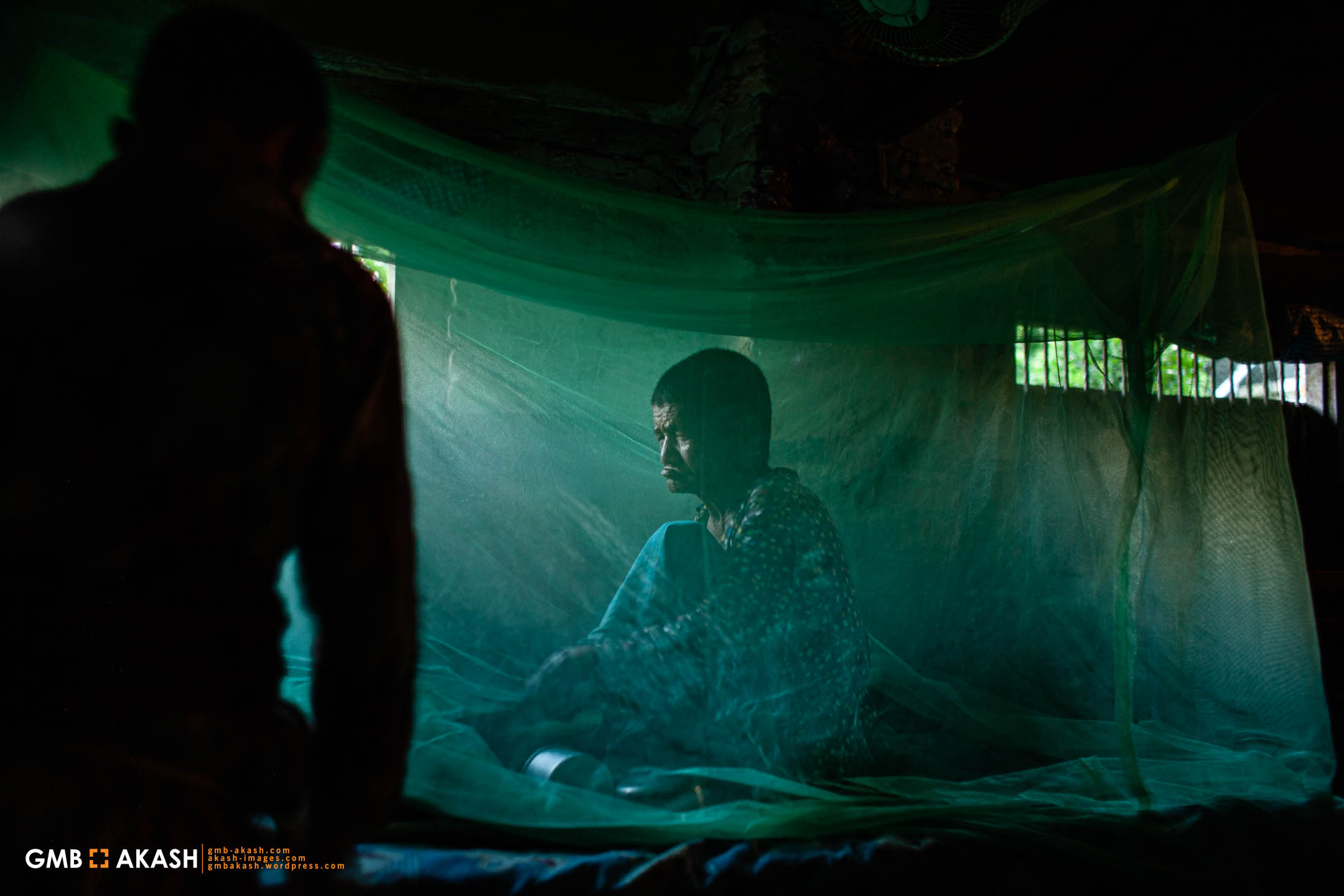
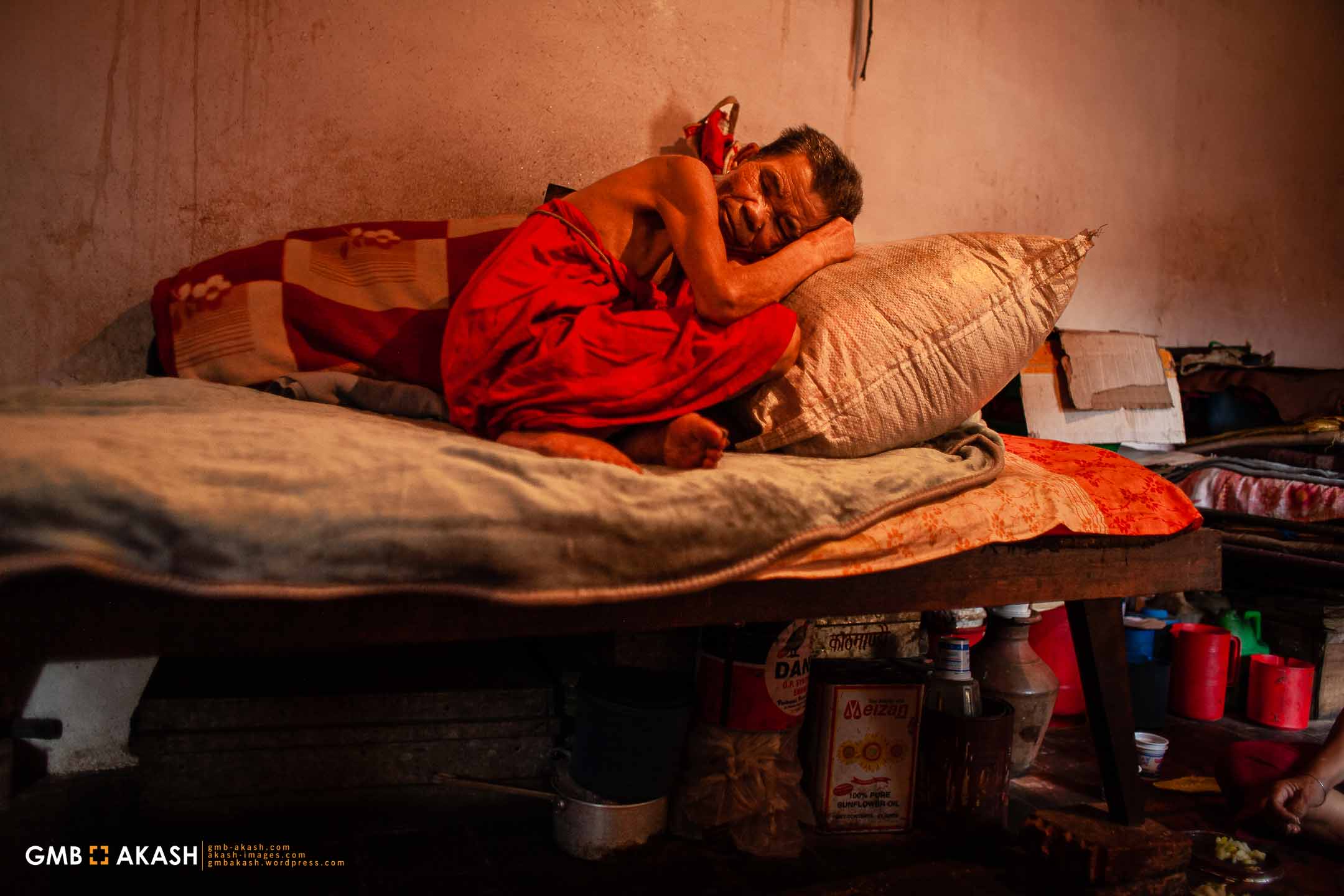
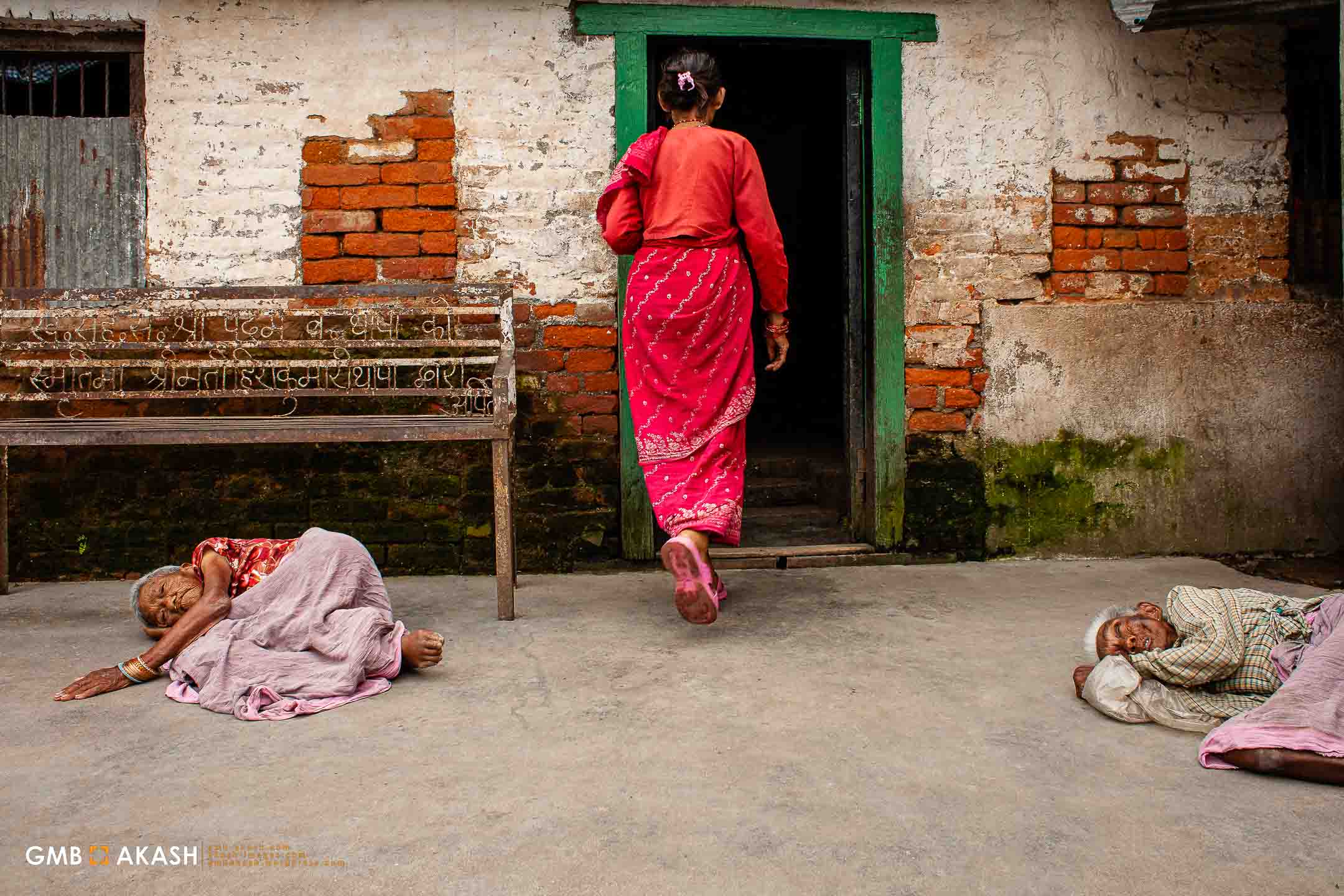
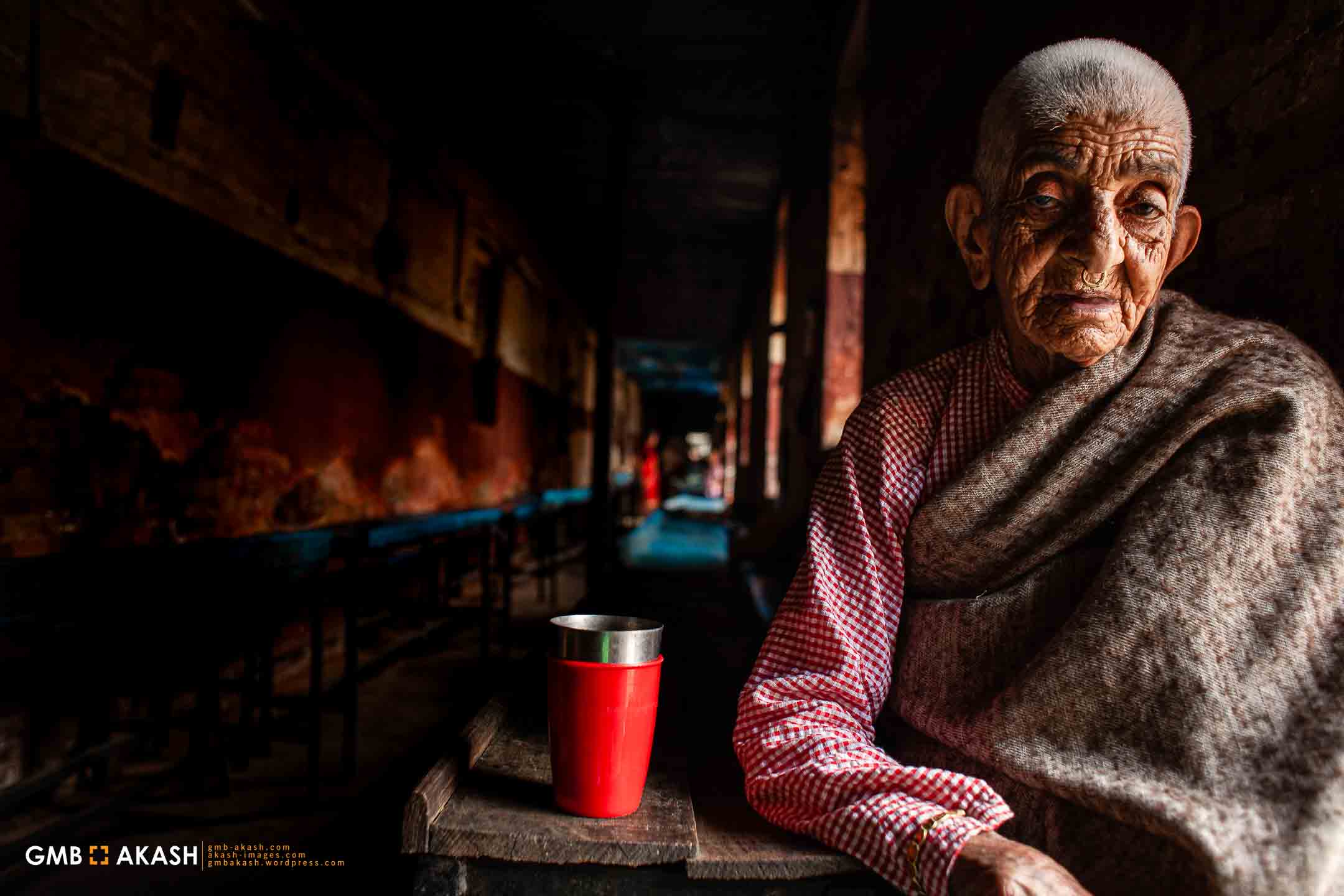
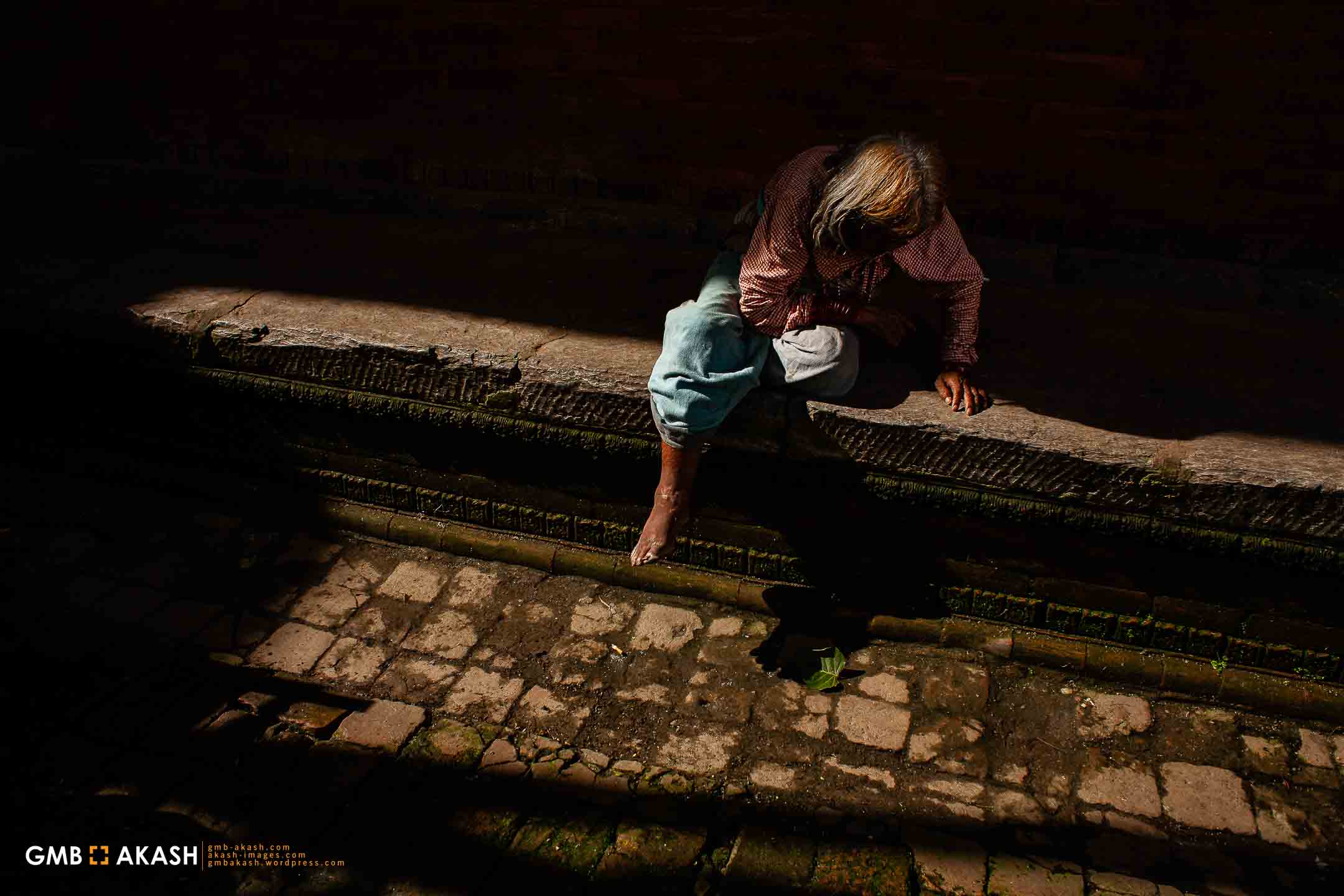
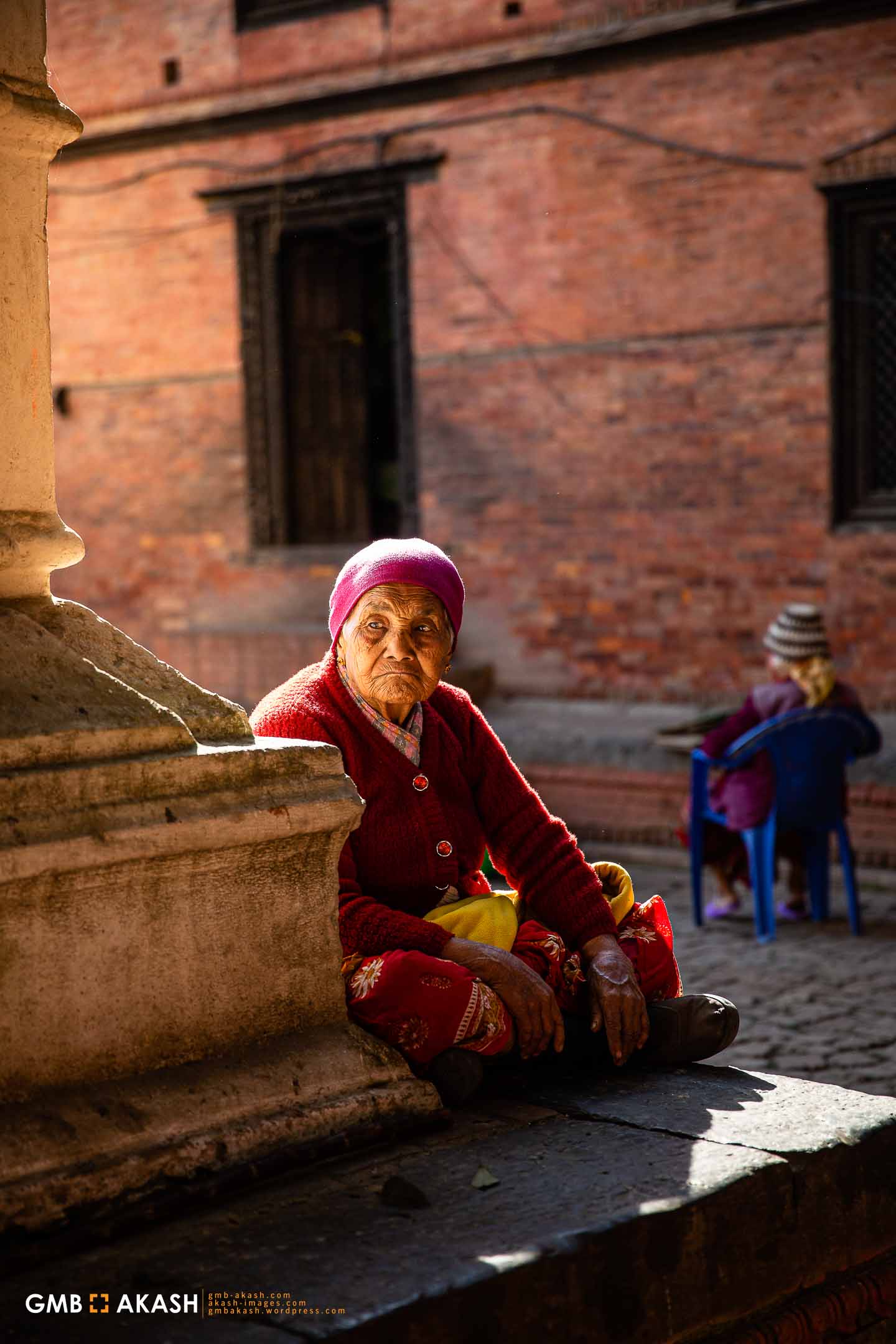
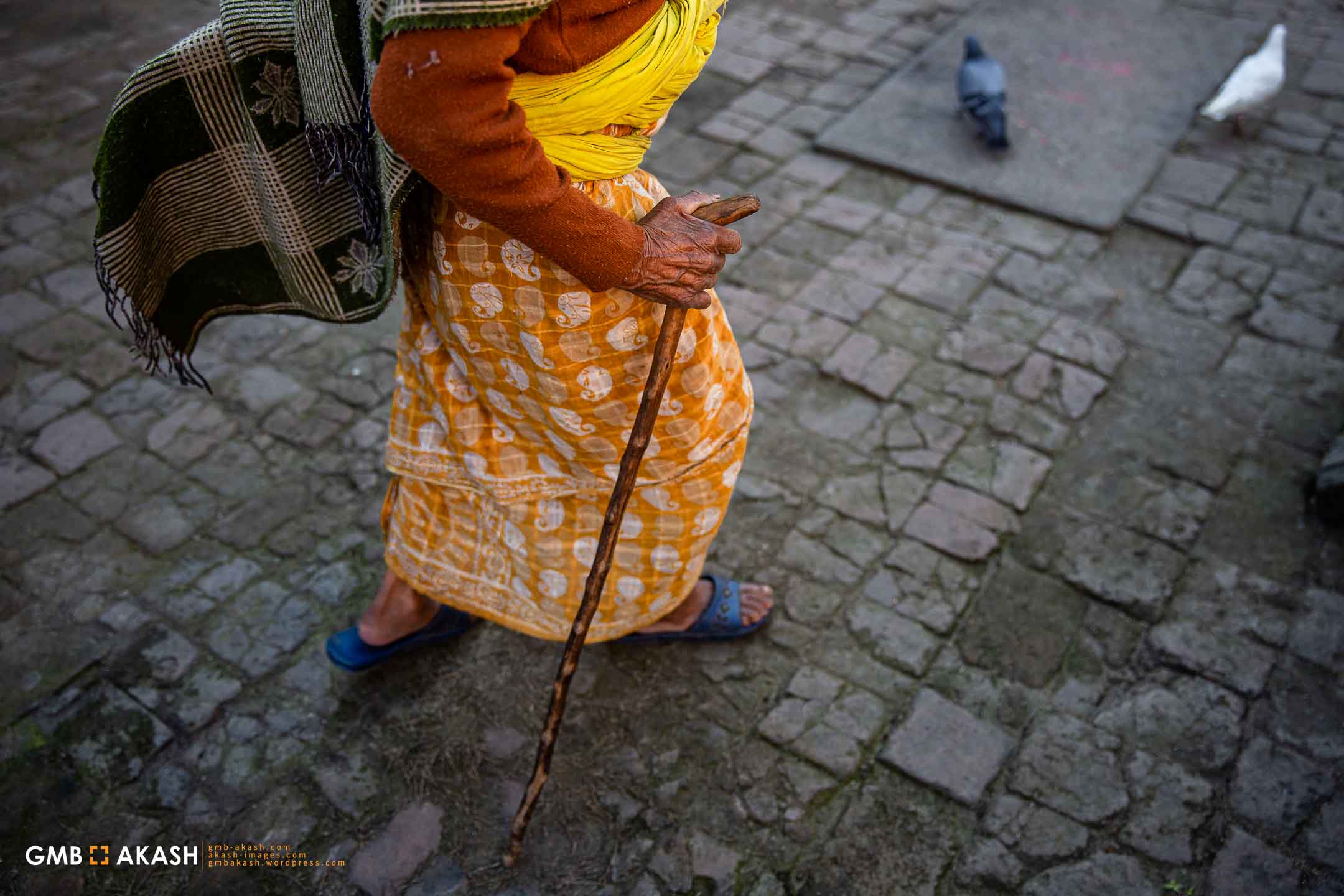
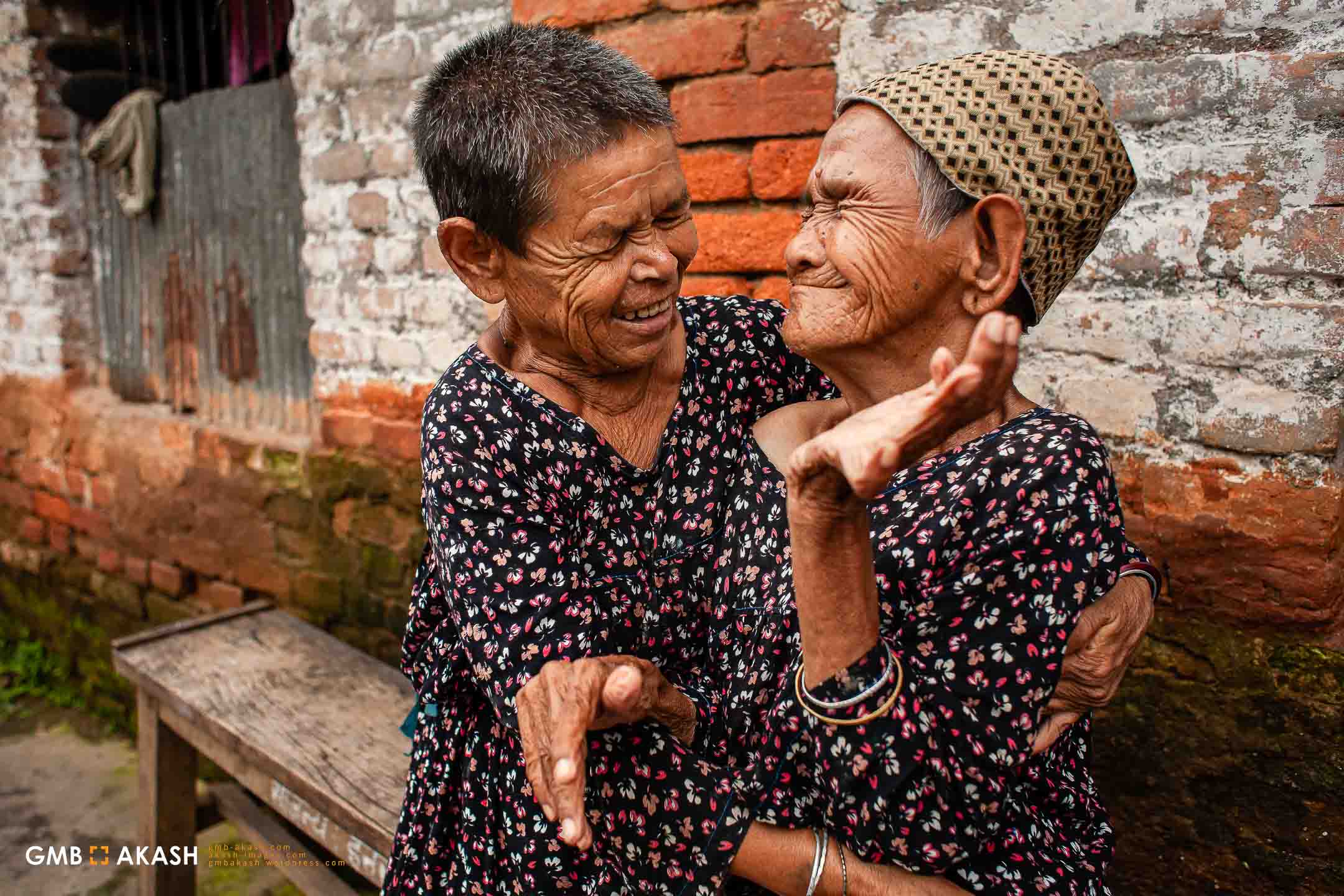
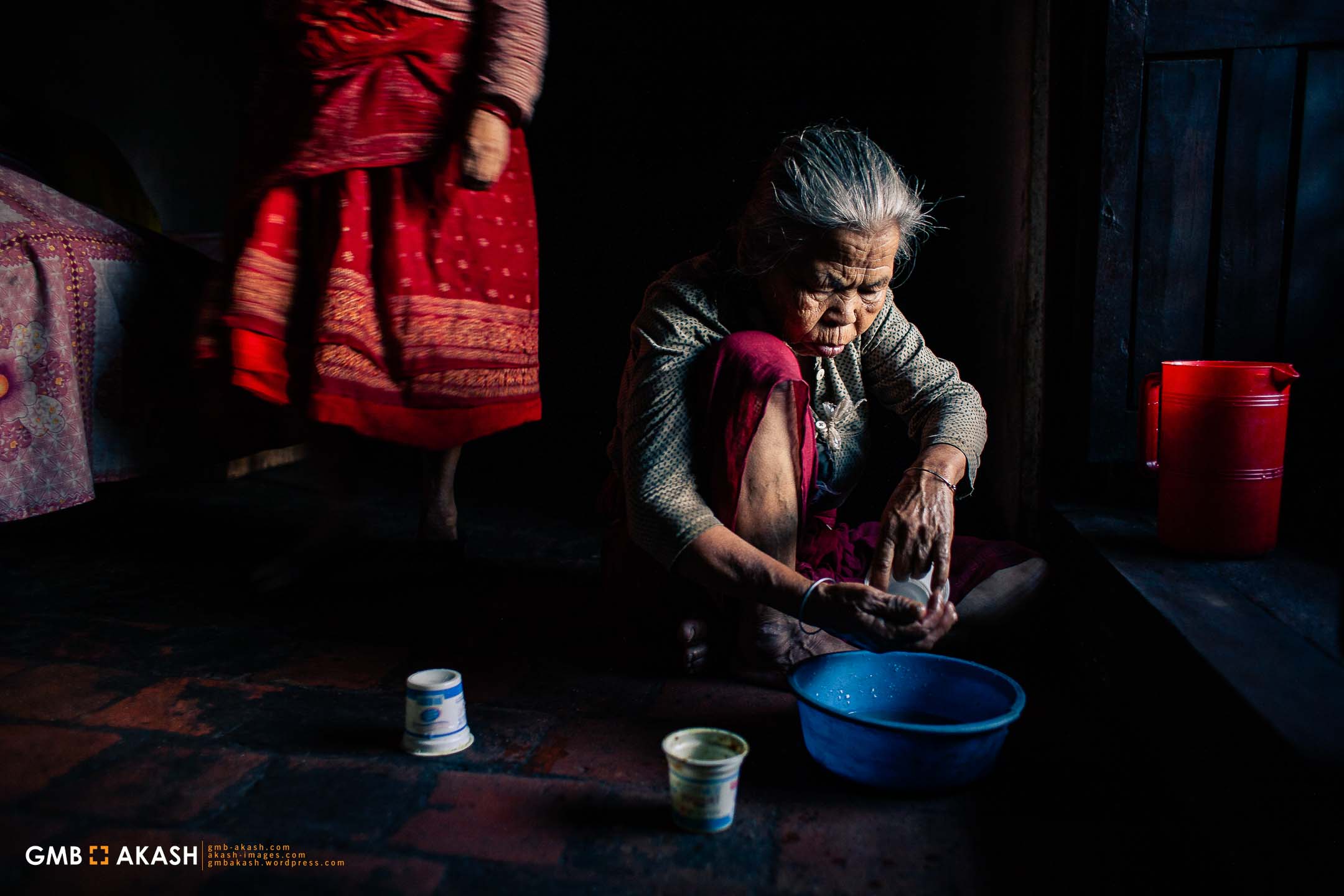
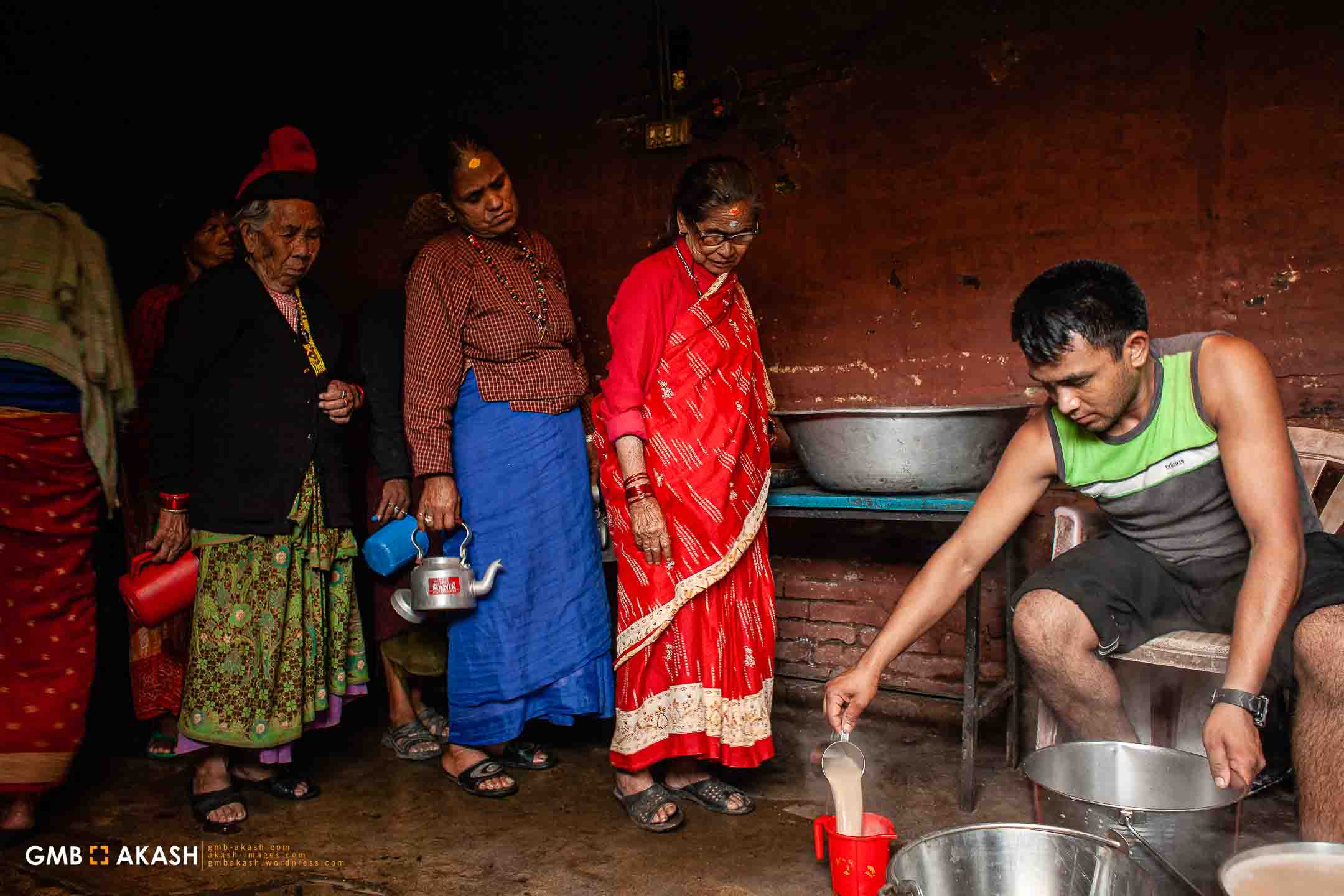
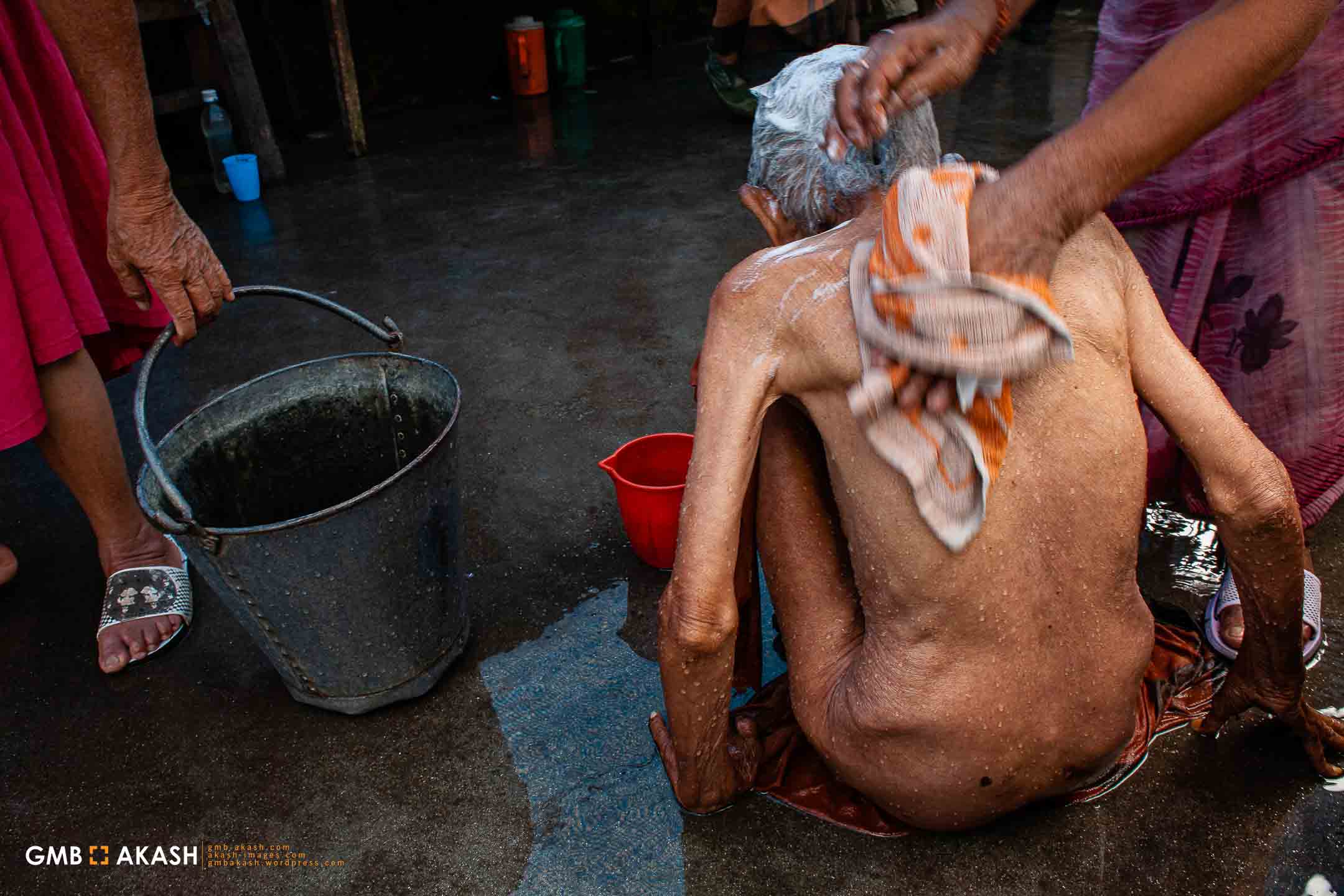
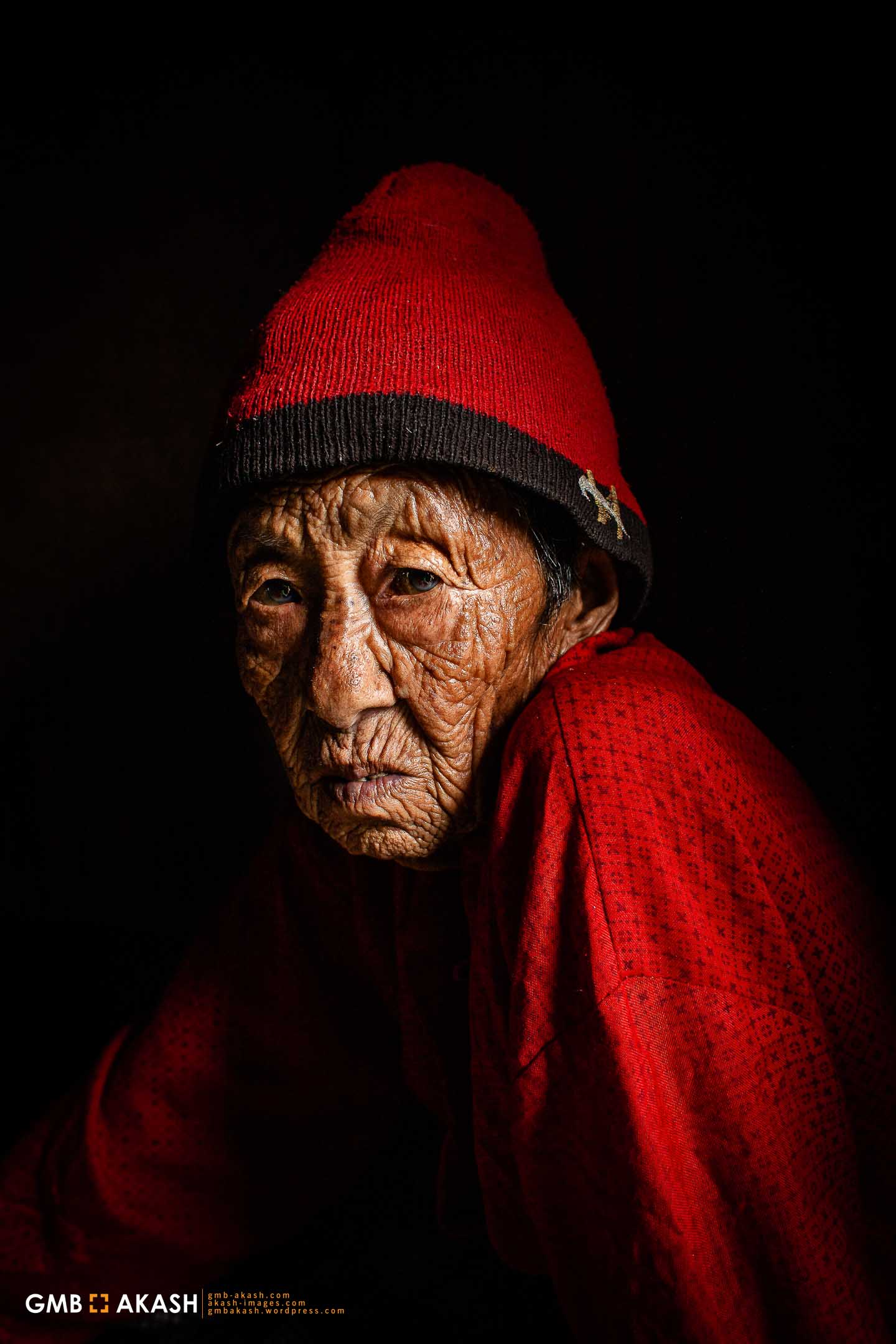
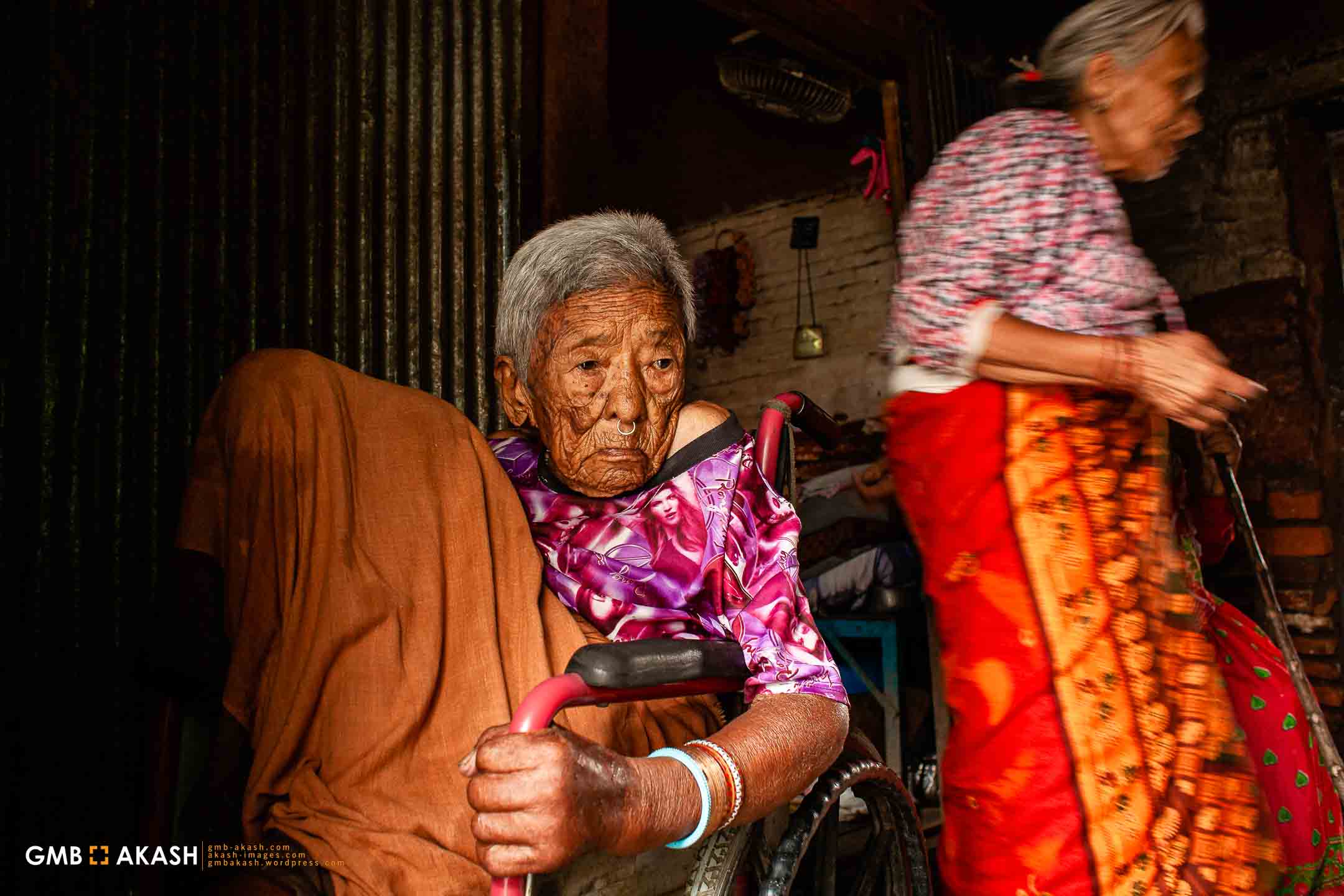
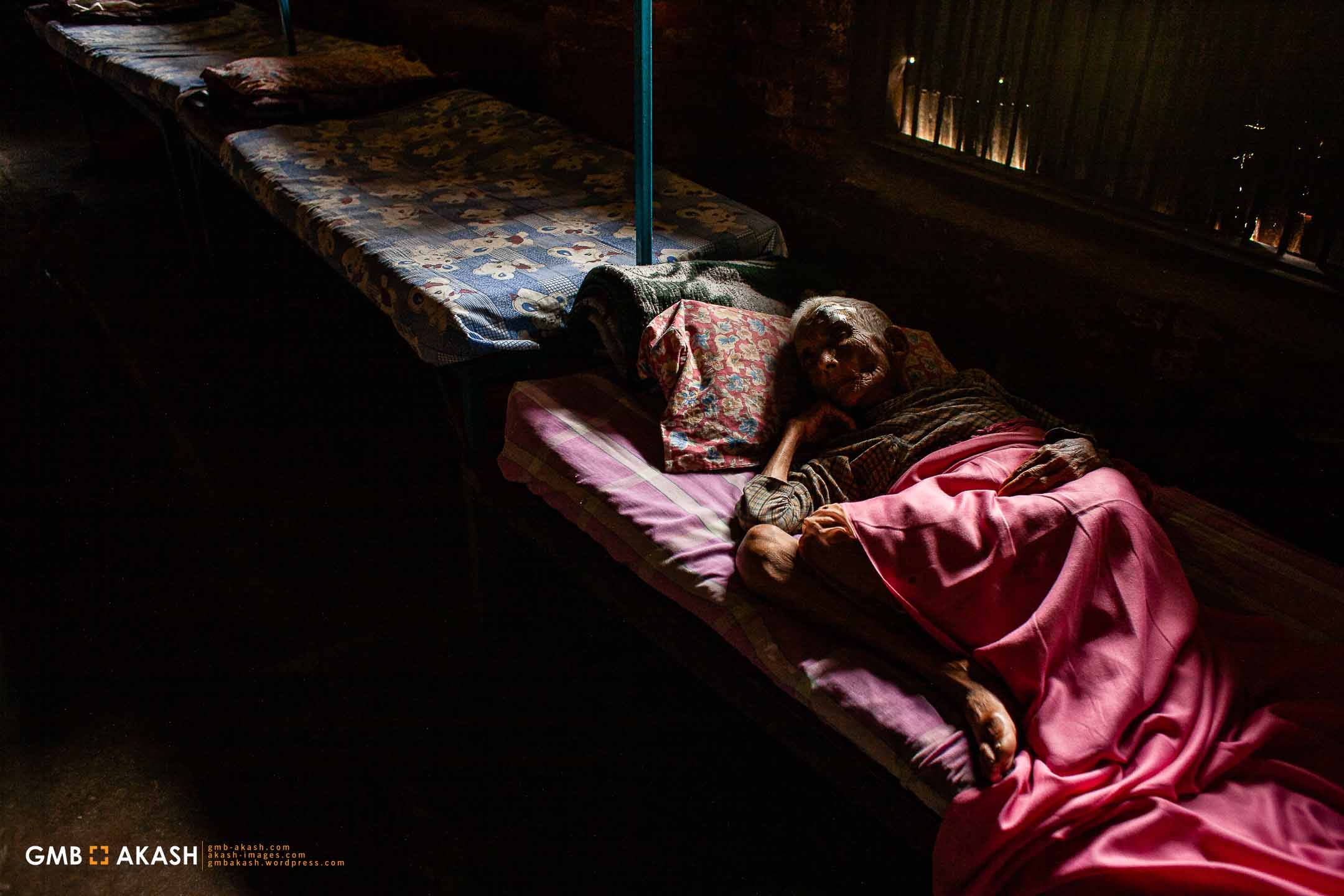
A Journey Through Time: Life in Nepal’s Elderly Home!


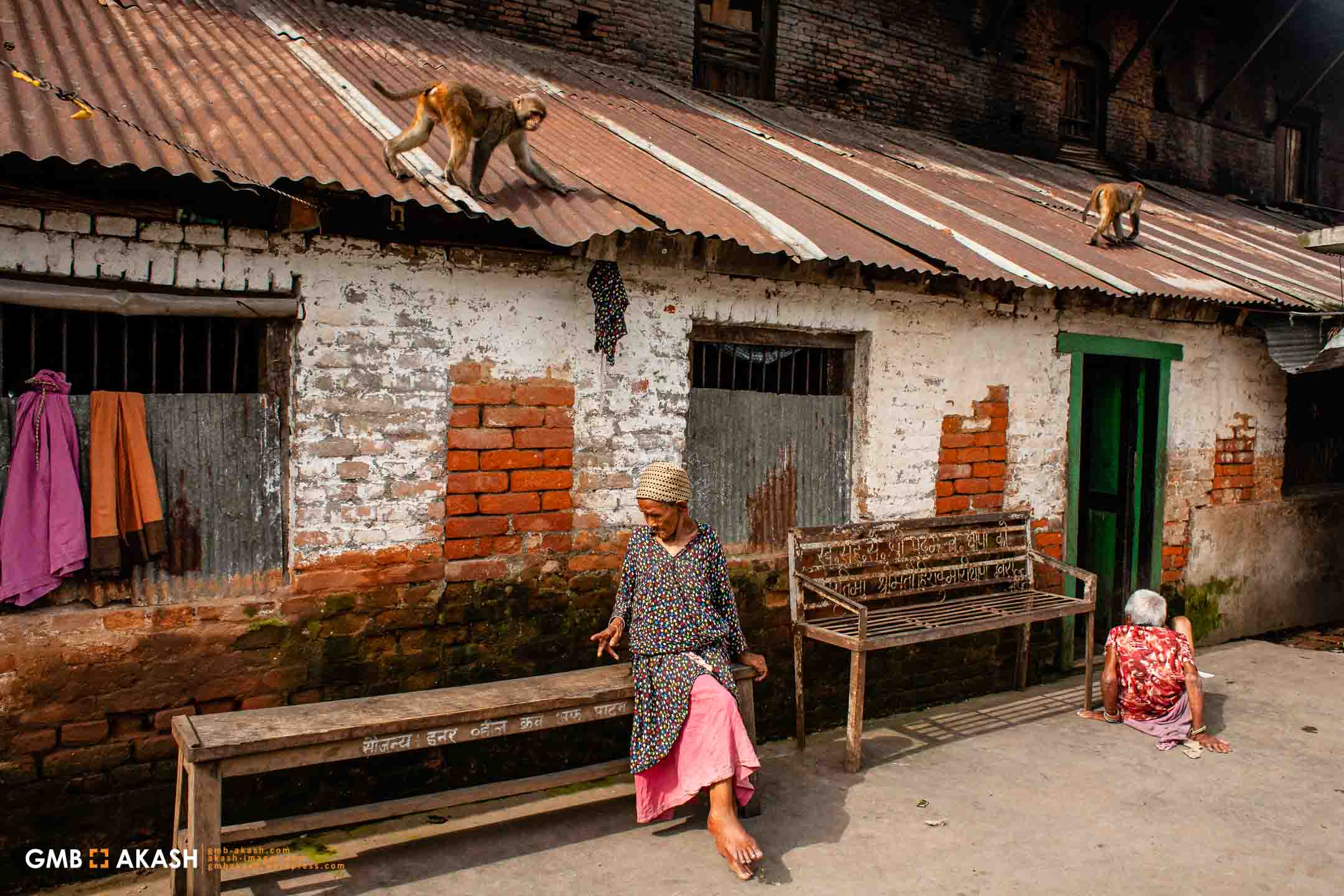
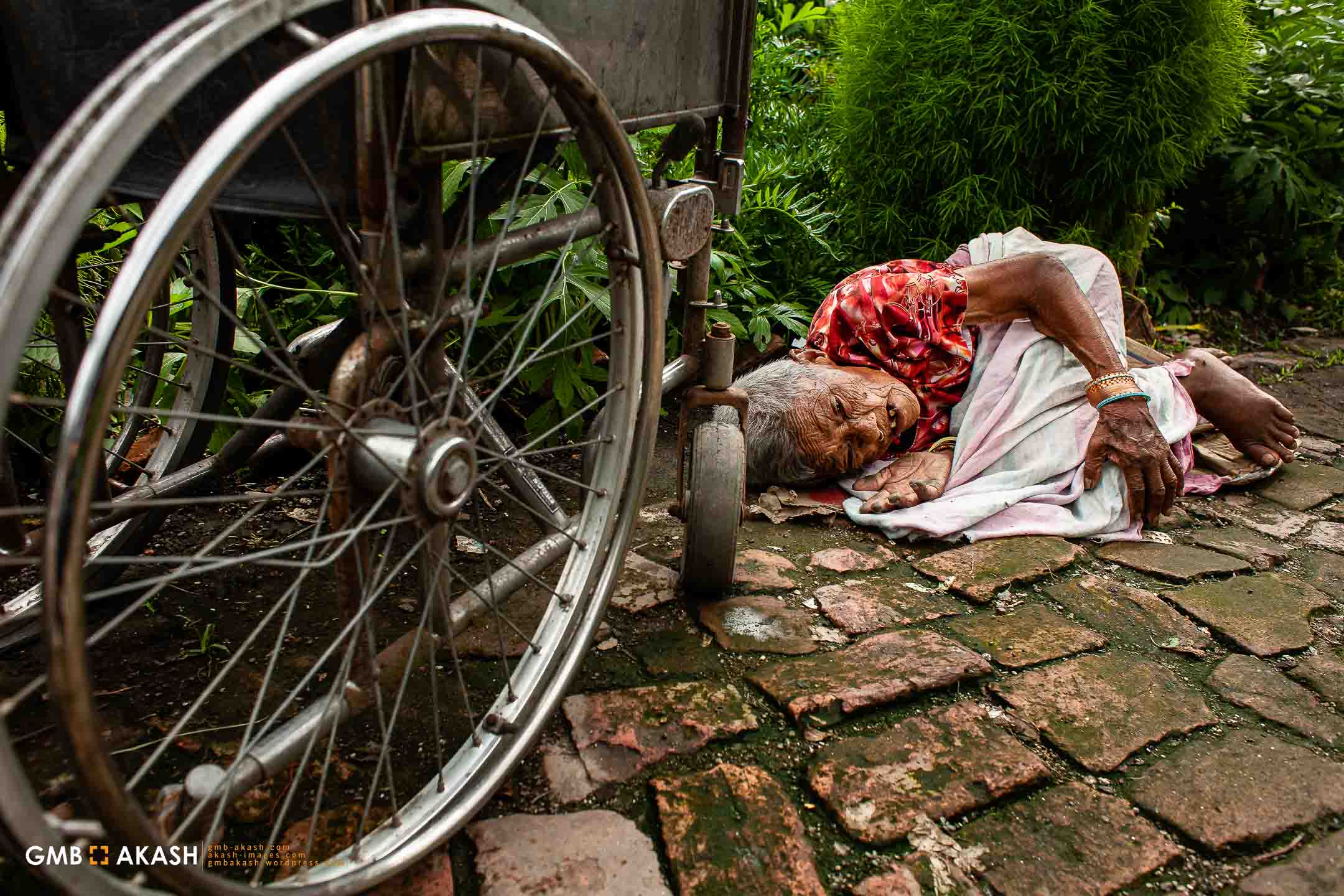
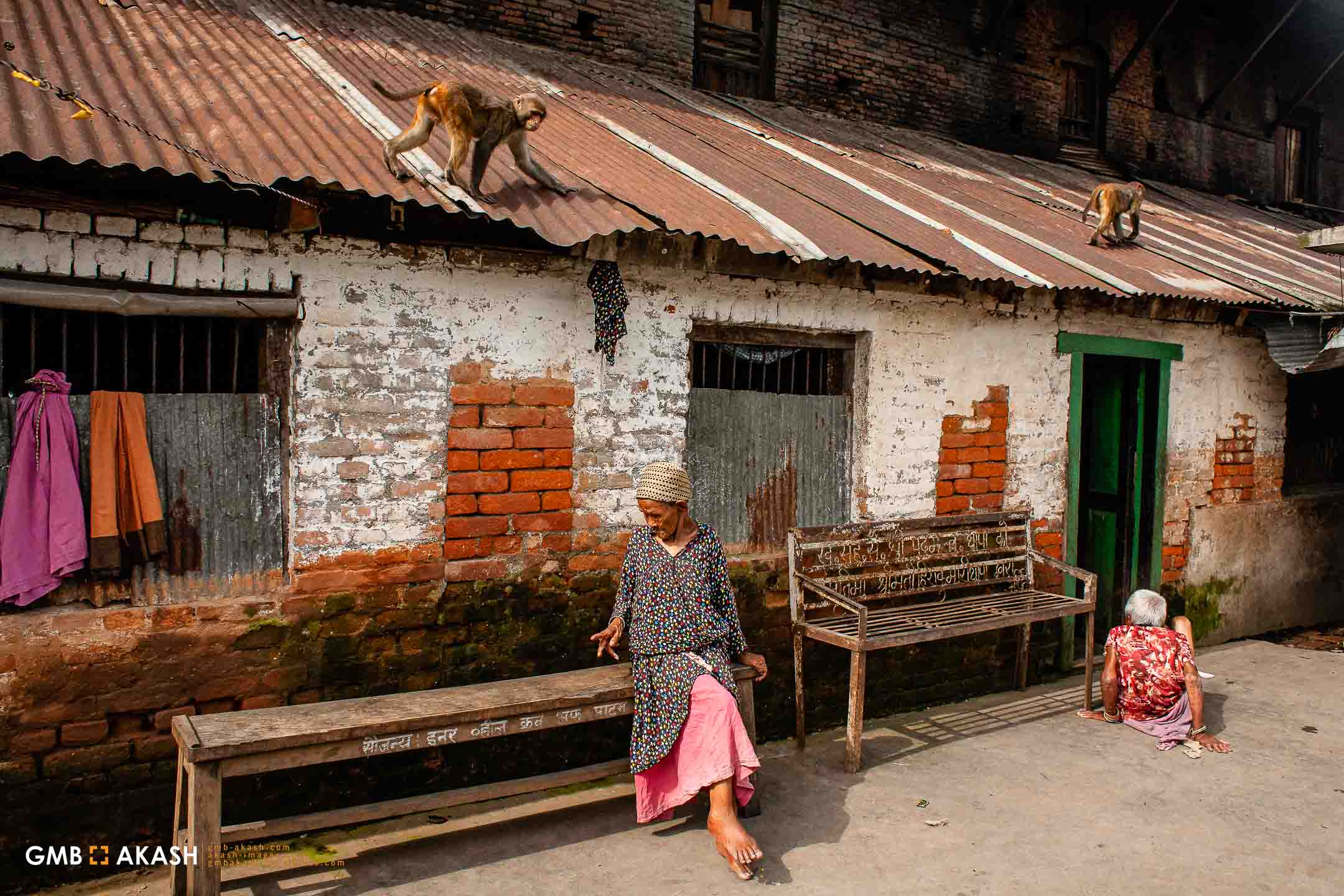
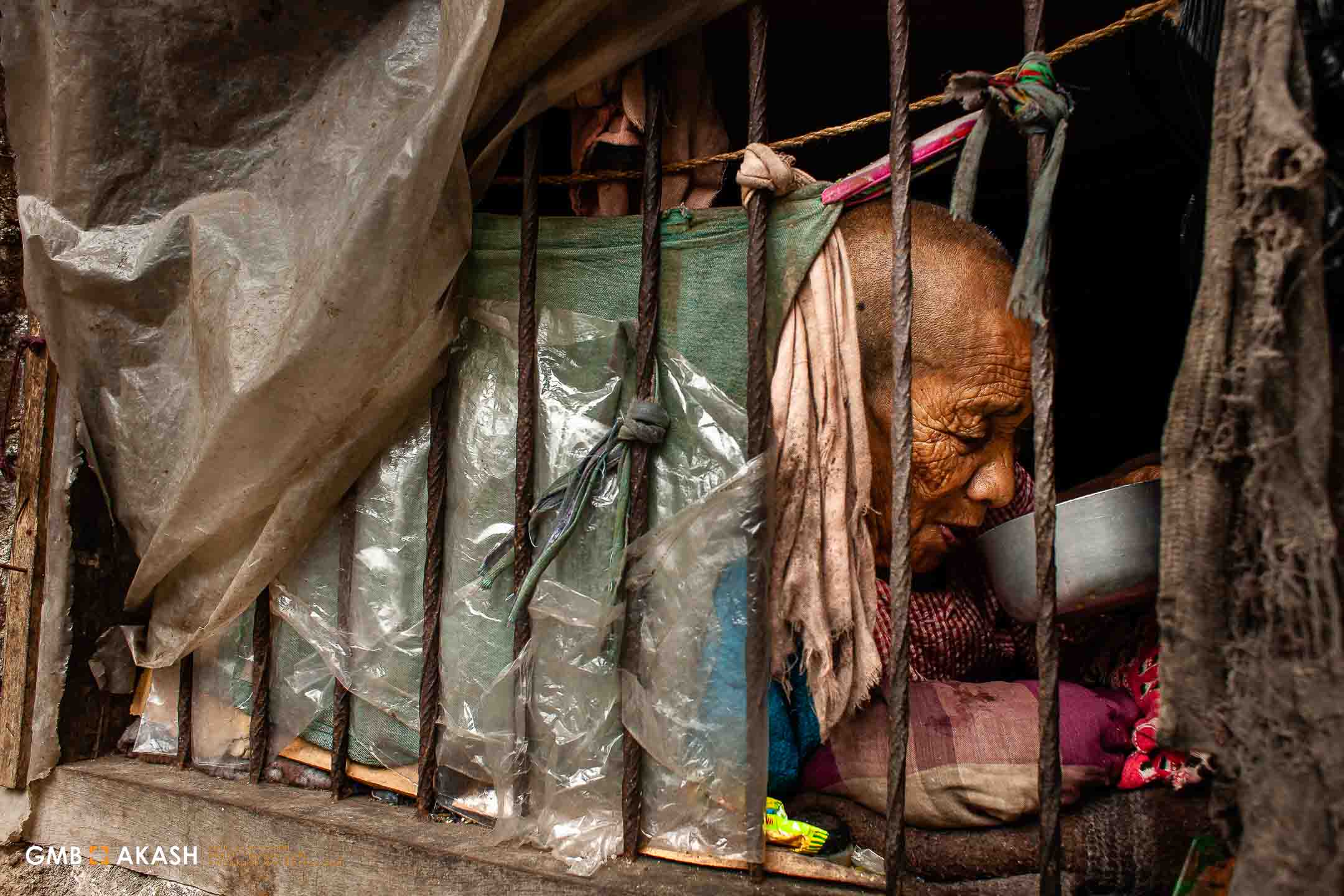
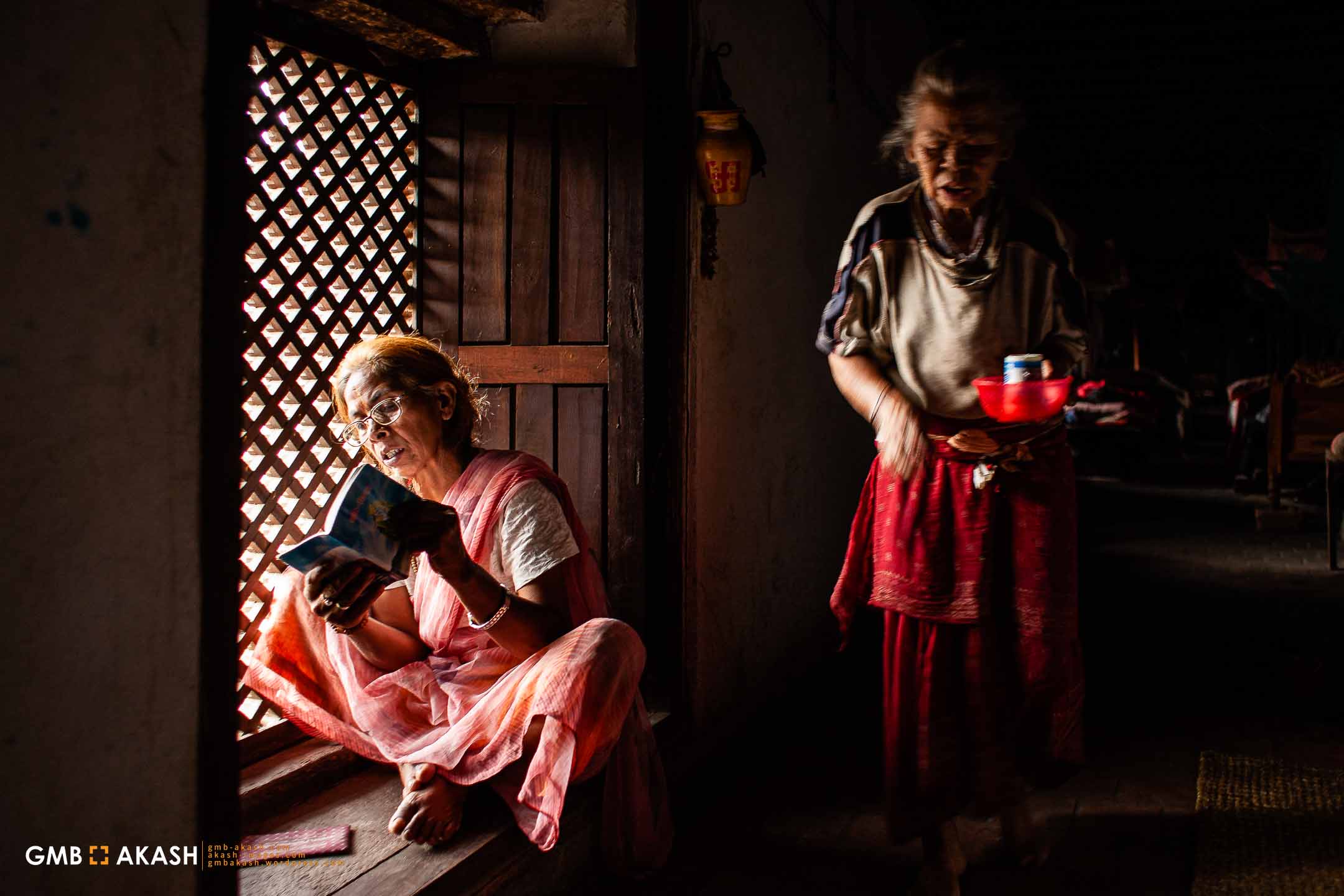
Here and there, elderly people sit in the courtyard and on the shrine platform, lost in memories of past happiness. Or is this a place where they are left by their families to die? The questions are countless, with no answers except those found within. They endure daily routines in this old home, where the future is no longer a concern. My heart is moved: May God bless and give them solace. – GMB Akash

Entering the Briddhasram at Pashupathinath feels like stepping back in time by at least fifty years, to a world that moves very slowly.

A damp photo of a grandchild beside an elderly woman shows her smiling as she remembers a loved one she hasn’t seen in ten years, yet keeps her image alive in her mind. I must capture their essence to preserve their memories.

Here, grey-haired residents spend hours idly in the courtyard and on the shrine platform. Some watch you curiously as you pass, while others are engaged in simple tasks like praying or dusting off clothes. The sounds are minimal: the clink of a wheeled support or a faintly playing broken radio.

The Social Welfare Centre Briddhasram, Nepal’s only government-run elderly home, has been operating since 1977. It houses up to 240 people suffering from ailments associated with old age, such as paralysis and failing eyesight.

For some, the sight of people at the end of their lives here is disheartening, but for others, it offers a refuge from a fast-paced world. Despite the lack of communication among residents, they live closely together and care deeply for one another, retaining a profound sense of humanity.

Many believe in the moral duty to care for aging parents. I agree; every child should fulfill this obligation, ensuring their parents are not left alone in their final years.

“Through my lens, I listen to their silent voices in solitude and silence, capturing their pain and stories. My camera merges with their suffering, preserving their silent wounds.” – GMB Akash

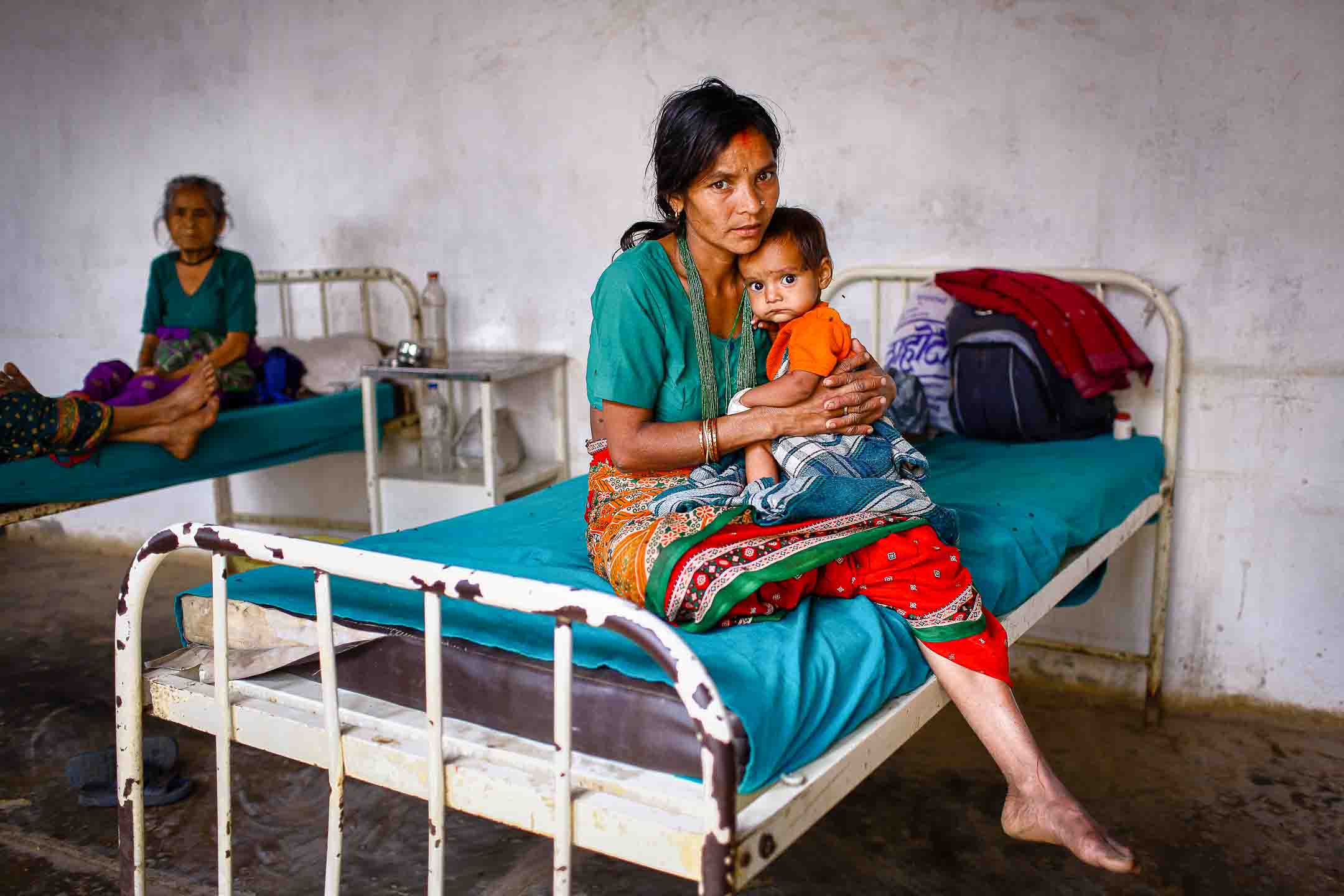
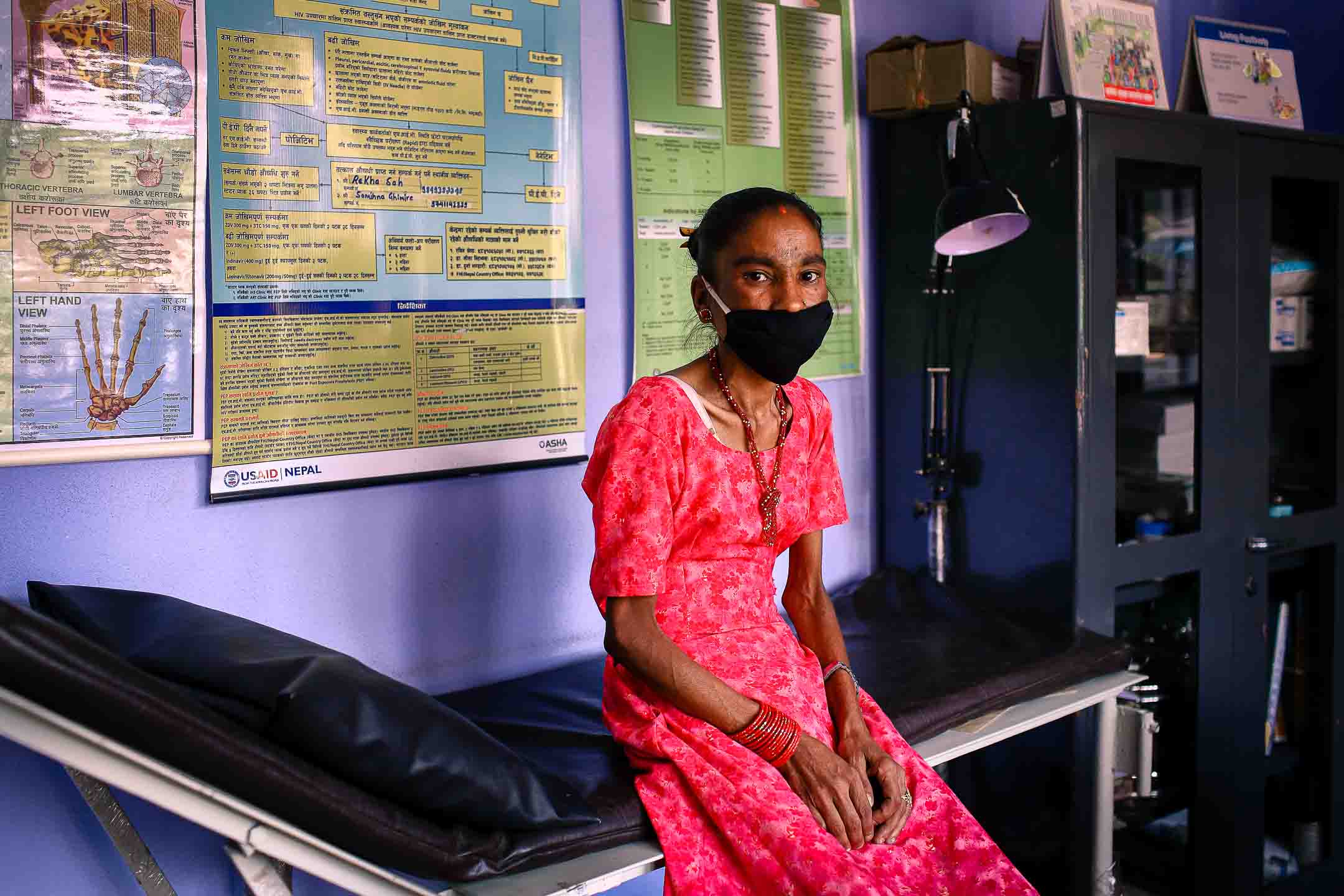
NEPAL’S BATTLE AGAINST HIV

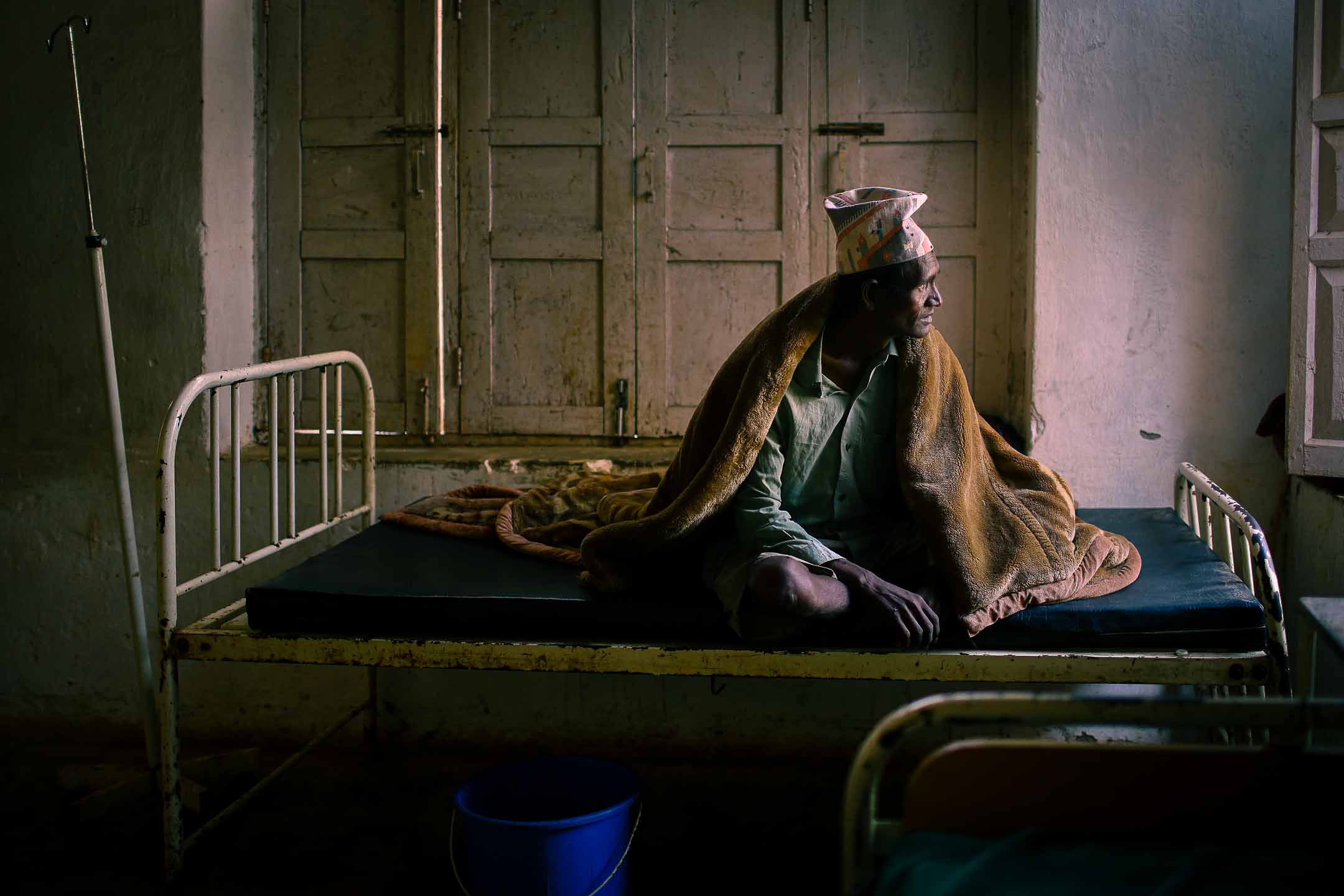
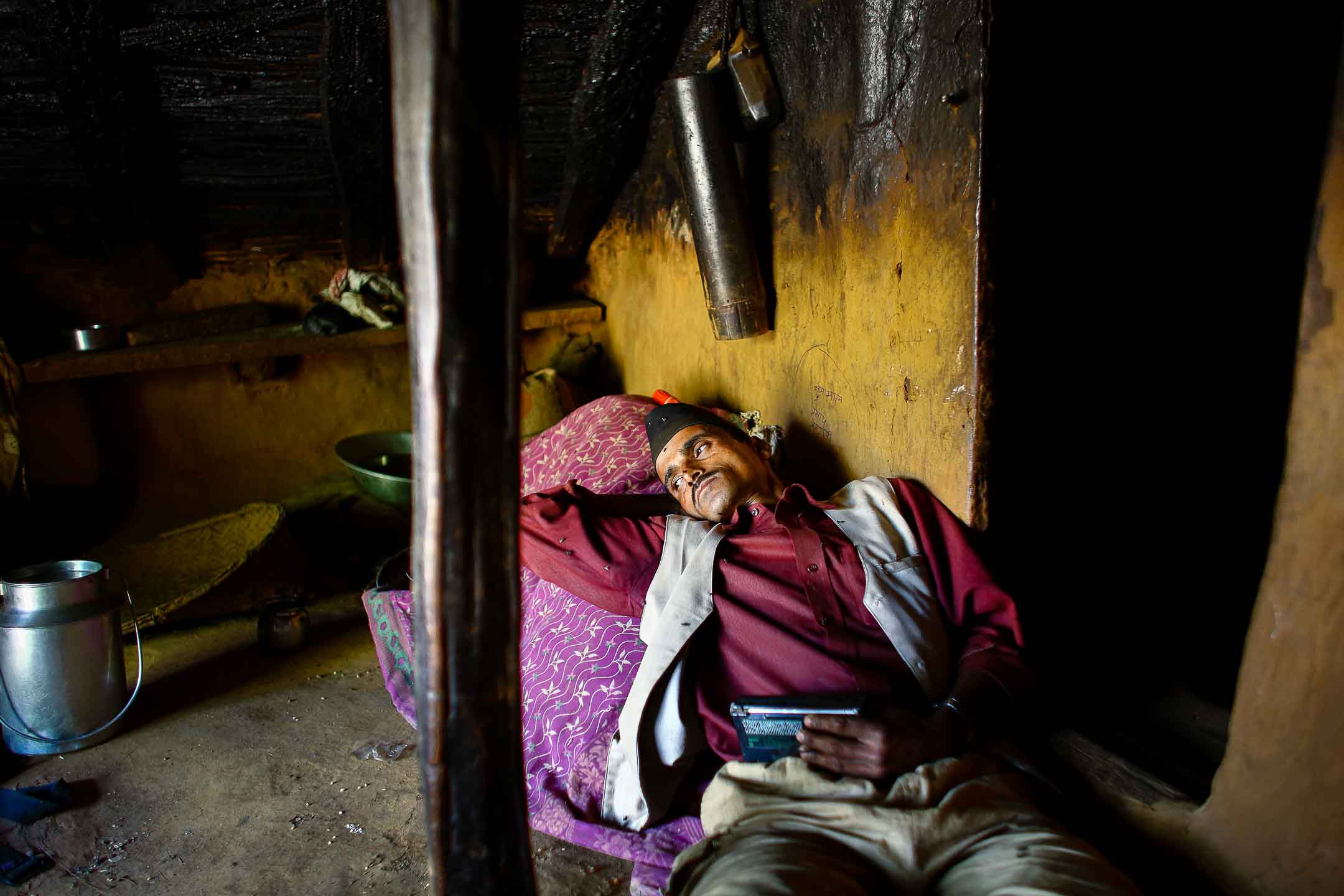
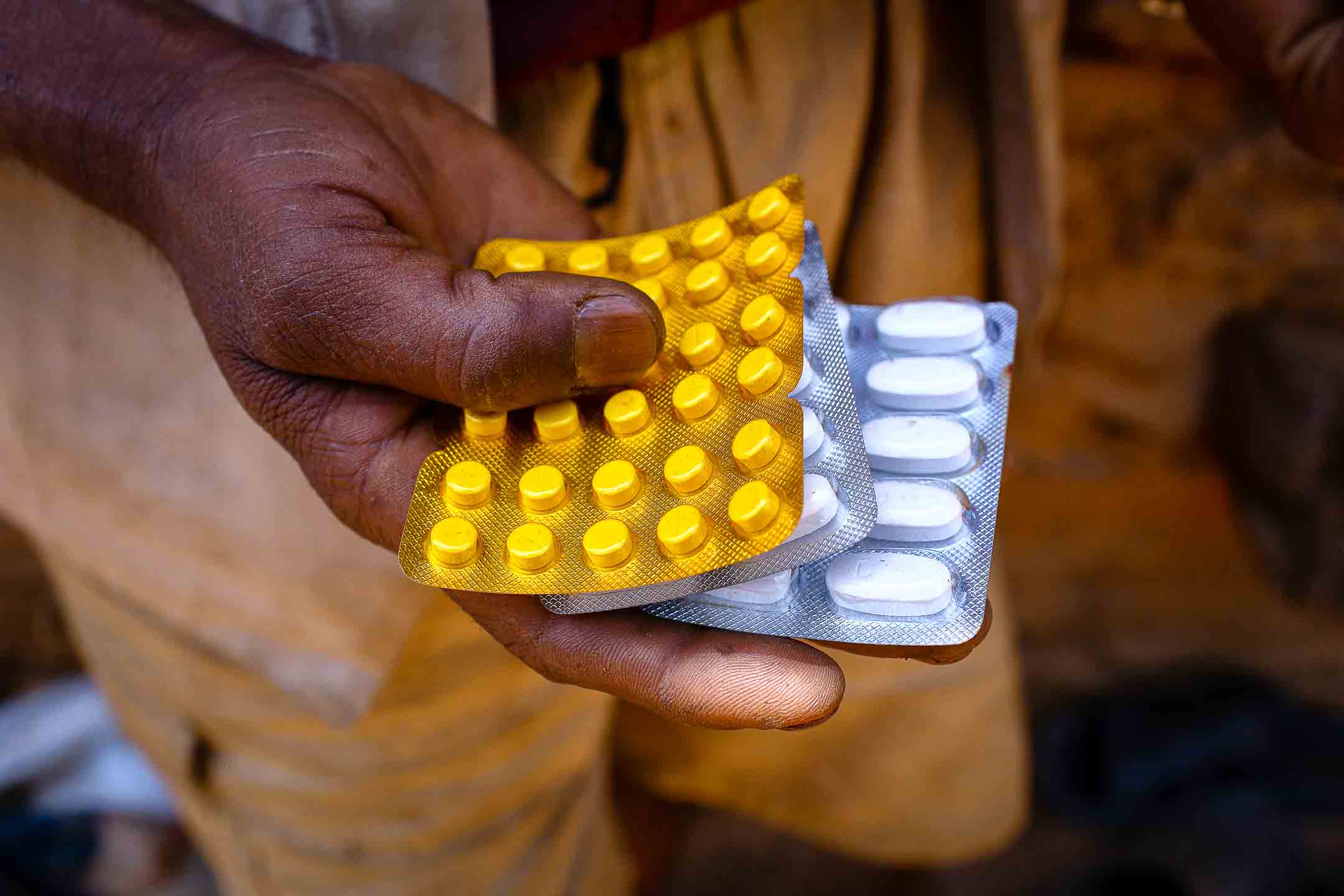
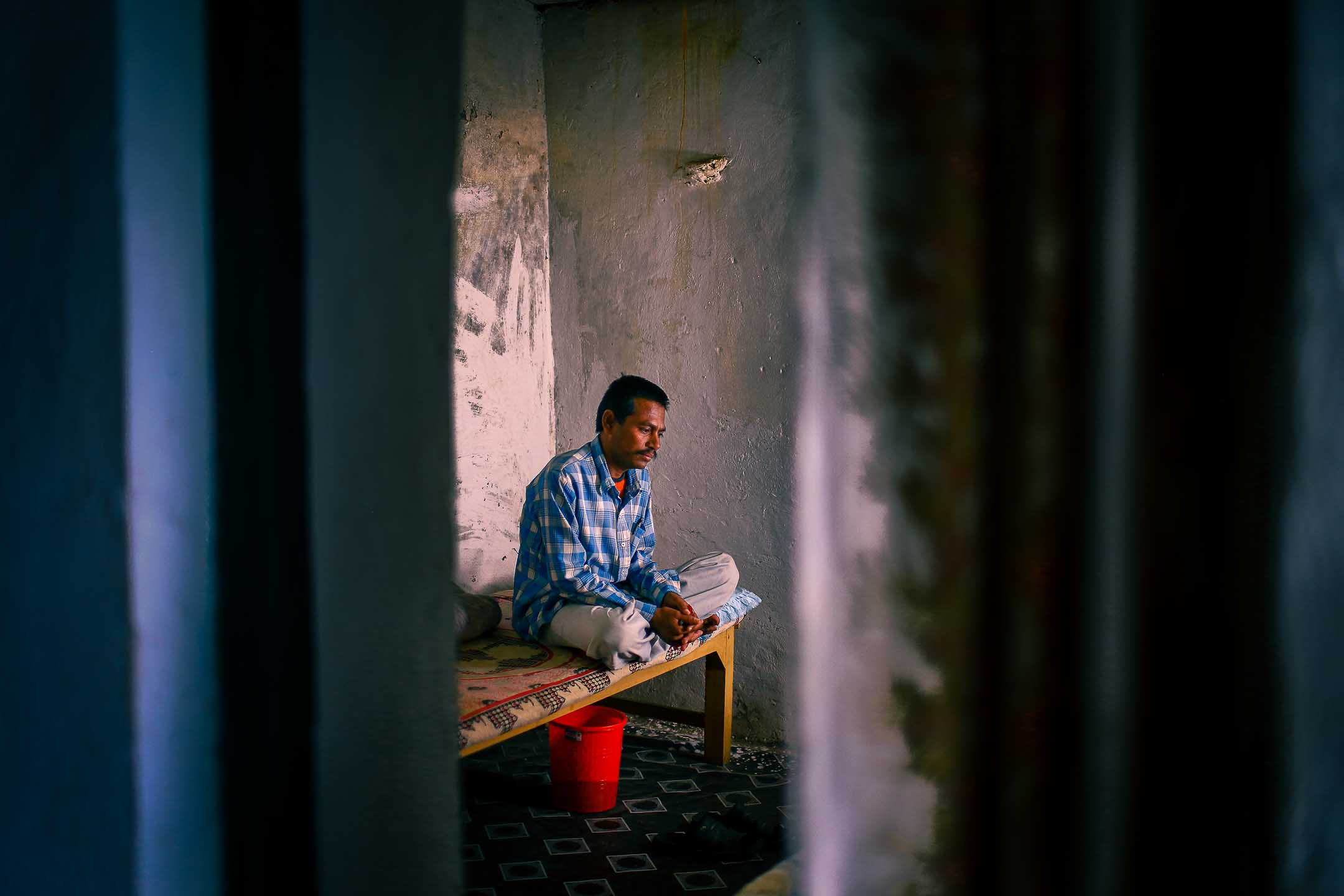
In 2010, I embarked on a poignant journey across Nepal to document the profound impact of the HIV/AIDS crisis, particularly in remote areas such as Achham. At Achham District Hospital, Nurse Surja Kunwar highlighted that the migration of men to India was a primary factor driving HIV prevalence, exacerbated by a lack of awareness about safe sex practices and challenges in negotiating safer behaviors within marital relationships. Surja estimates that 5,000 Achham residents are HIV-positive. Approximately 64,000 people are estimated to be living with HIV in Nepal.

Despite Nepal’s low overall HIV prevalence of 0.5%, high-risk groups such as seasonal migrant workers experienced a concentrated epidemic, with labor migrants alone accounting for 41% of all cases by 2008. Kalashi Vishwakarmas, pregnant with her fourth child, was the last to know that her husband of 10 years was HIV-positive. He worked in Mumbai, but she says she did not know what kind of job he had, and she never felt comfortable asking about his sexual activity abroad. In Achham, approximately 1,500 children were affected by HIV/AIDS, many of whom were orphaned.

My mission aimed to raise awareness and catalyze positive change in Nepal’s approach to addressing HIV/AIDS, emphasizing the crucial role of specialized healthcare facilities and rehabilitation centers in providing essential care and support to those in remote and underserved regions like Achham.

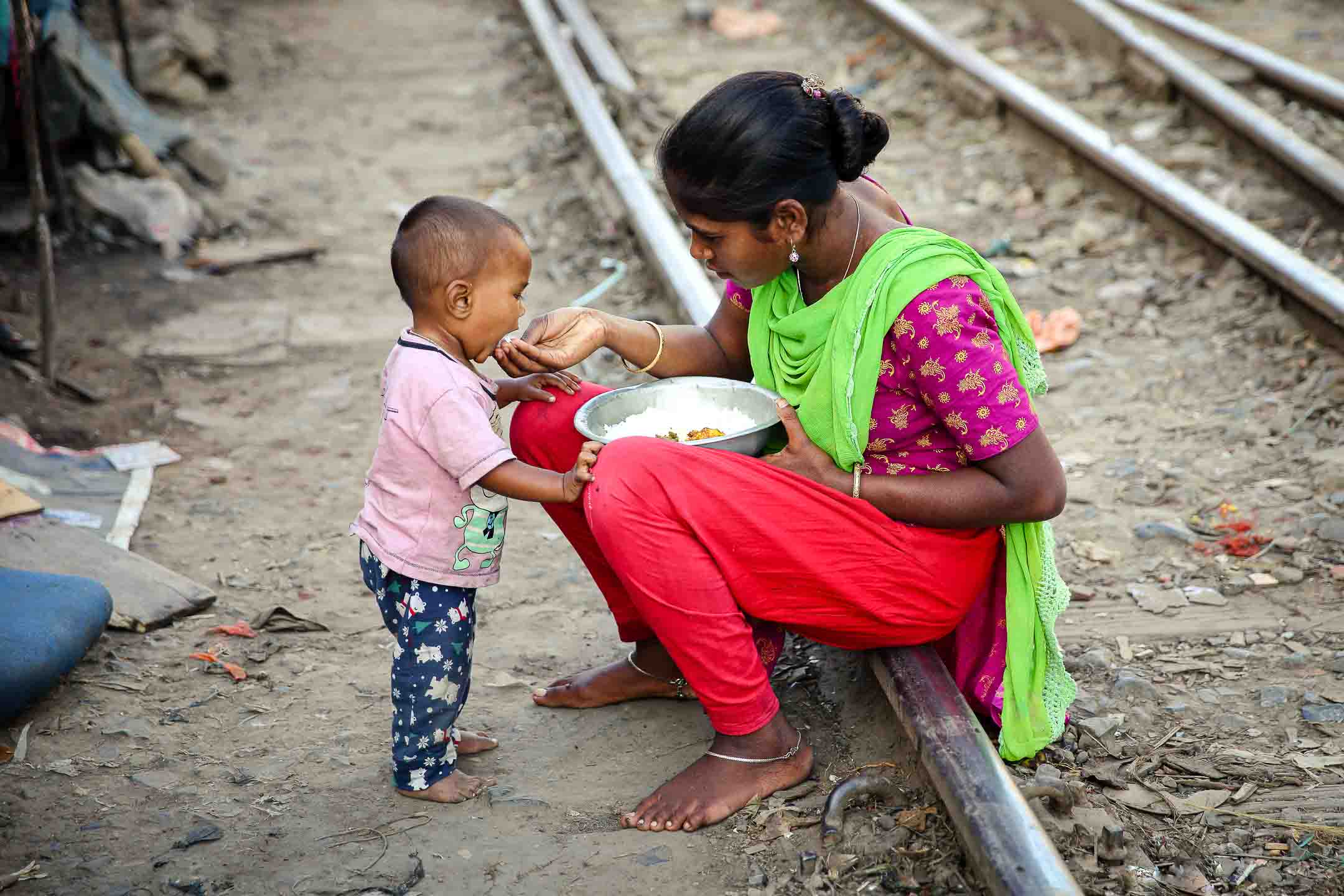
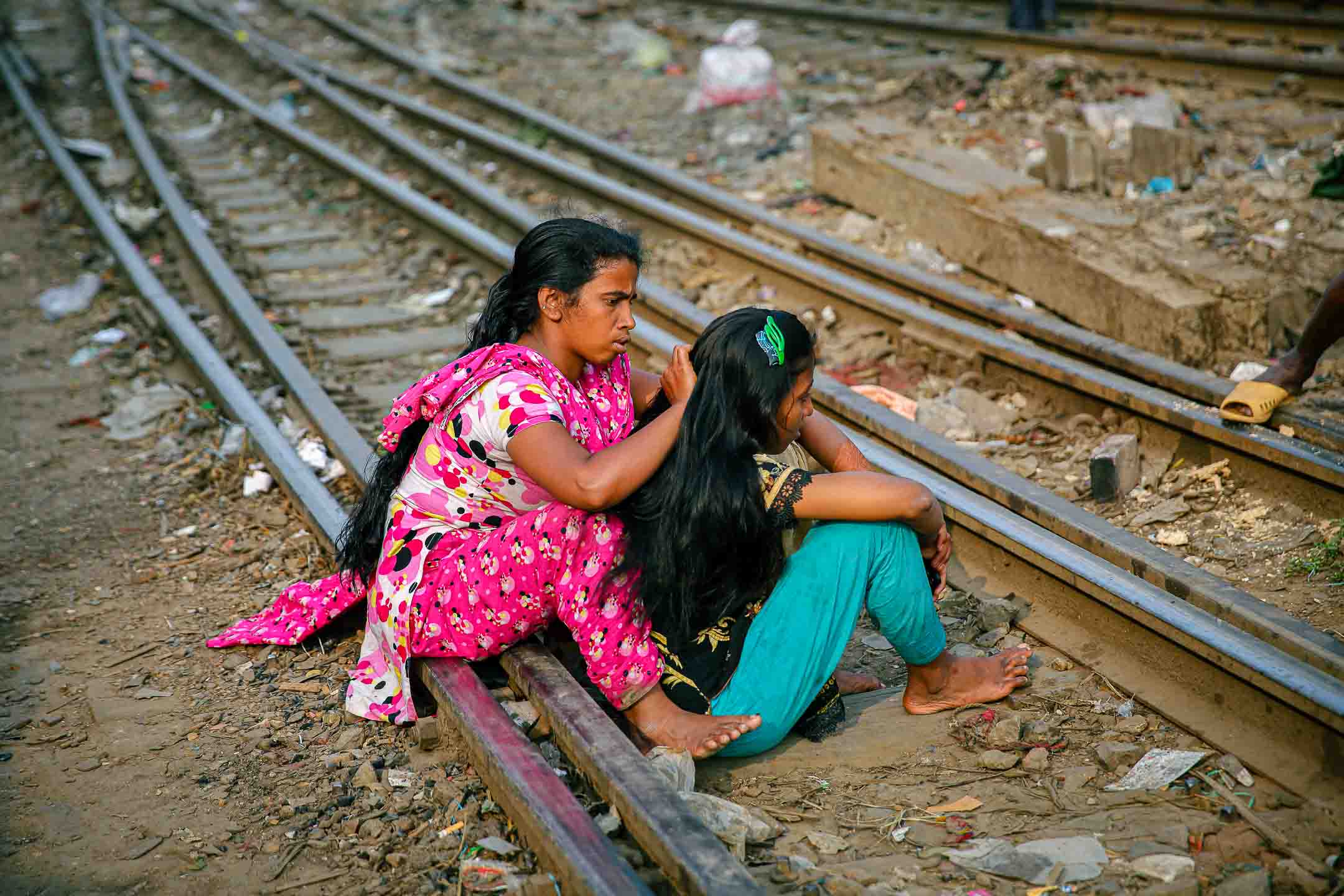
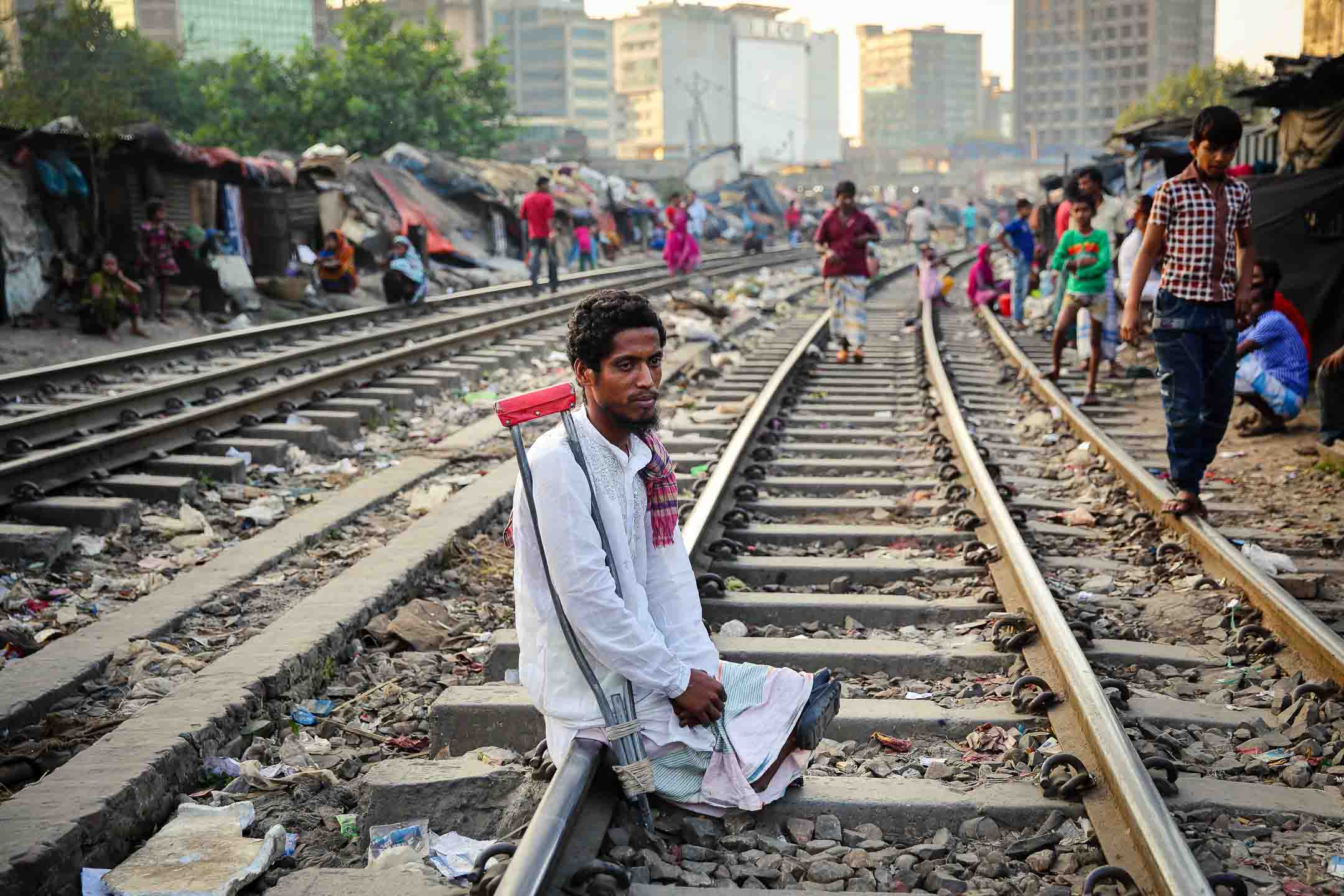
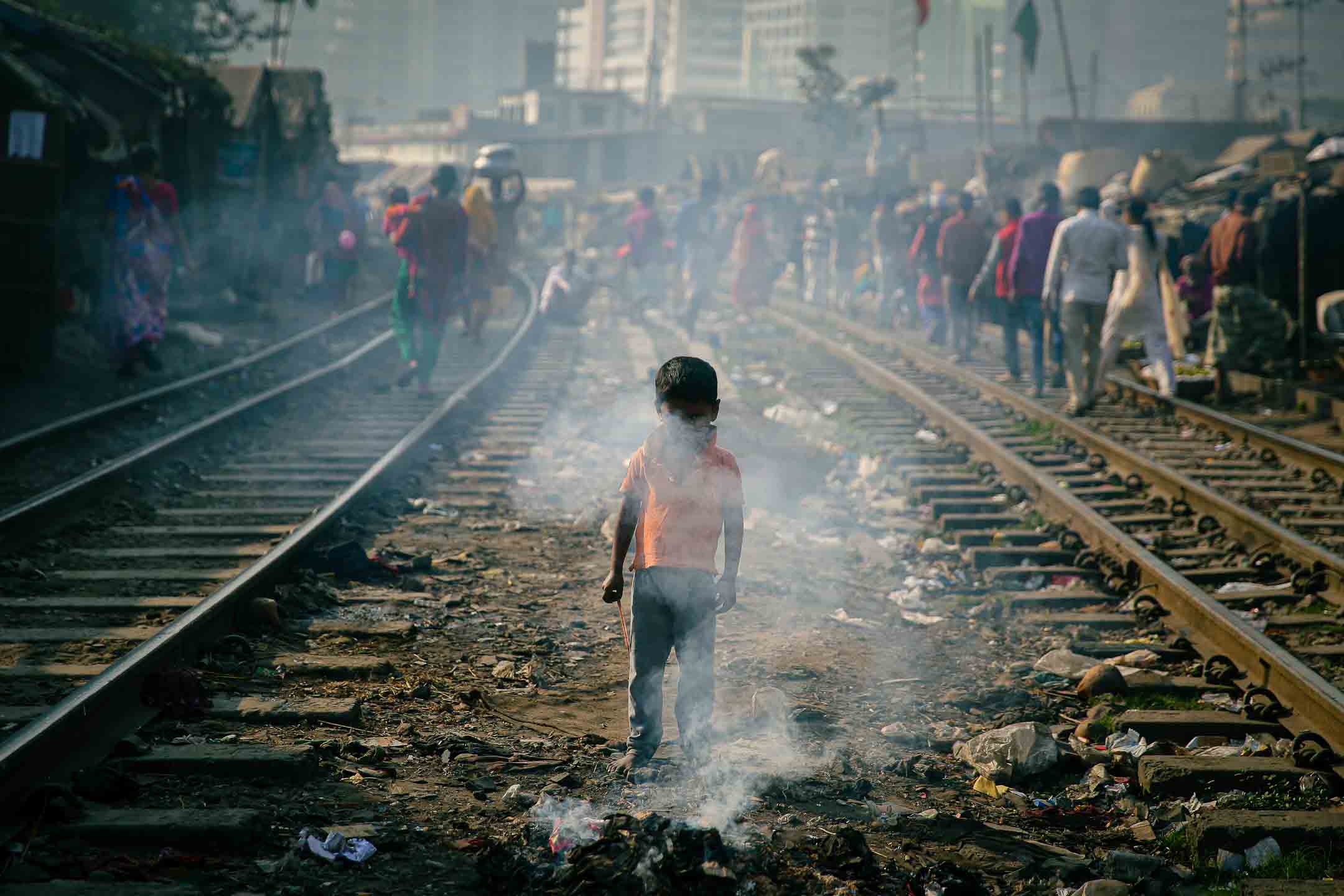
Life on the Edge: The Train Track Slum in Dhaka!

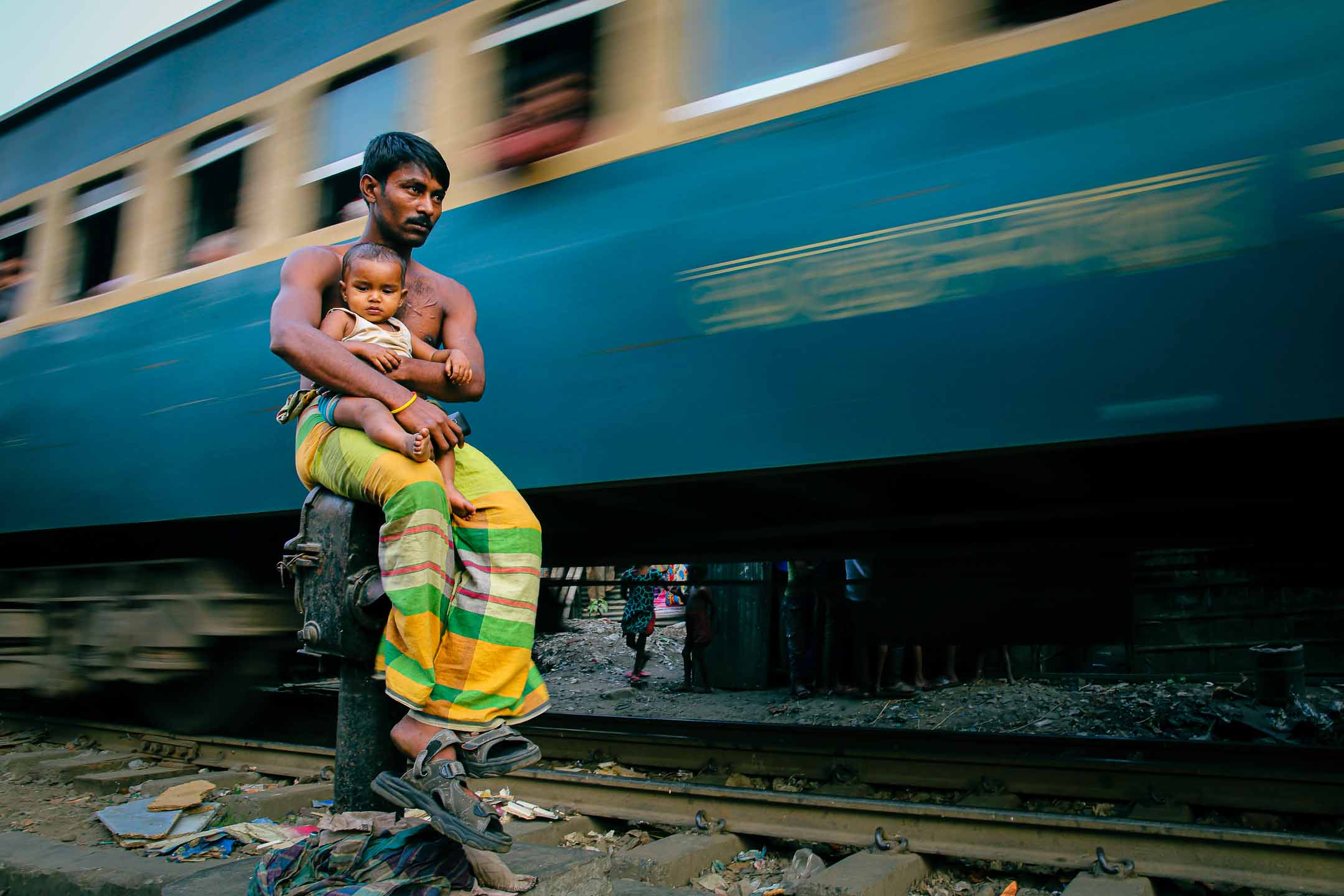
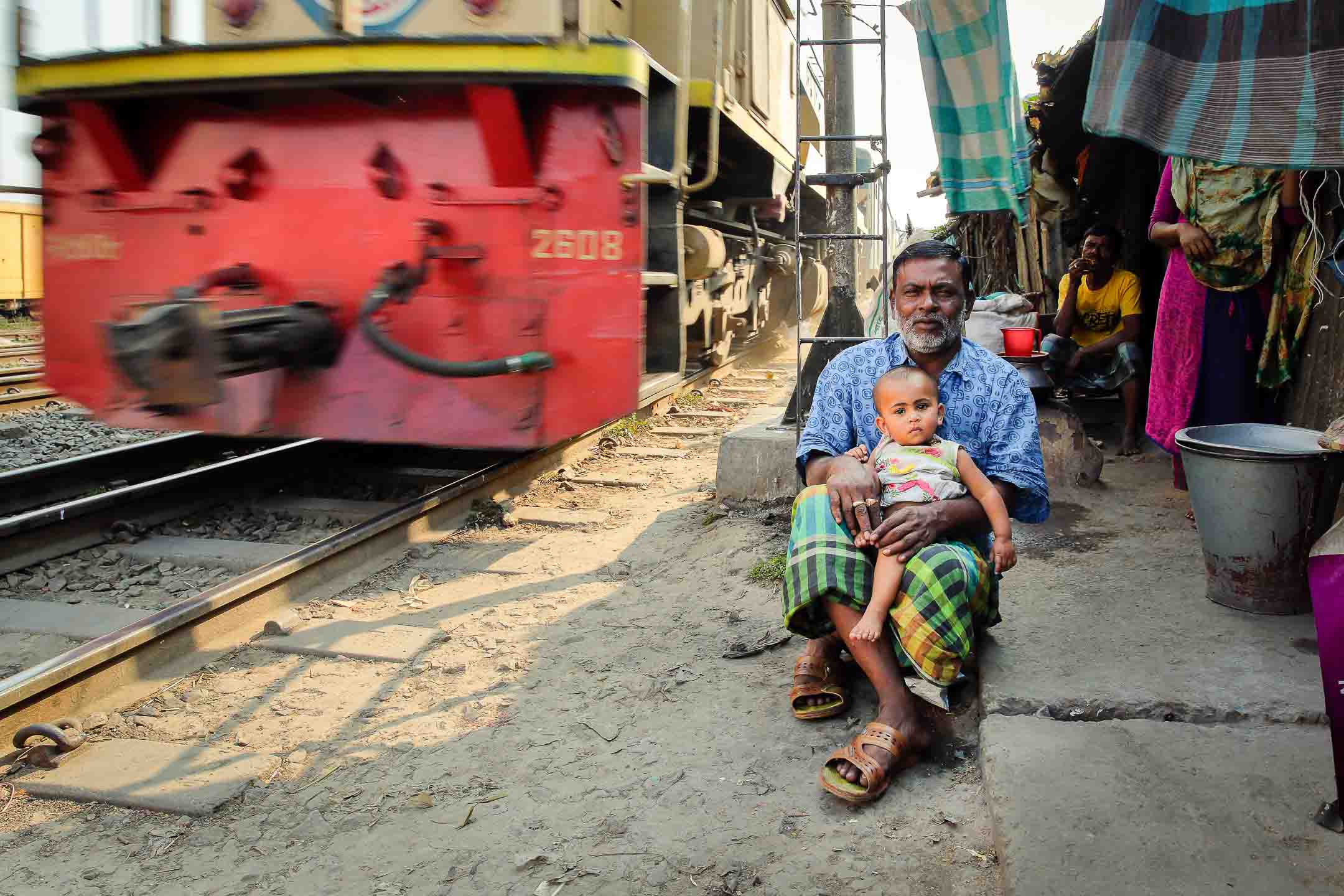
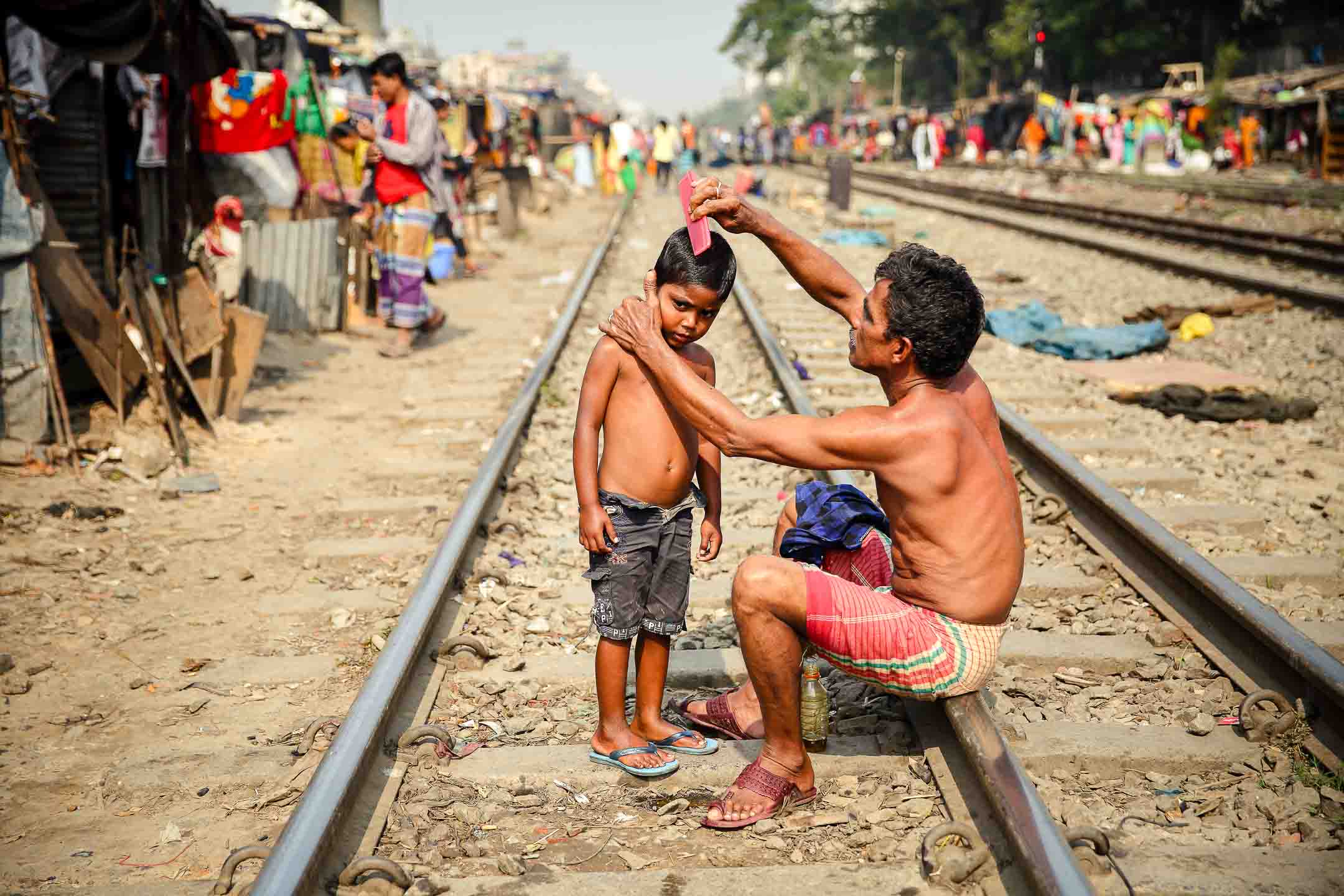
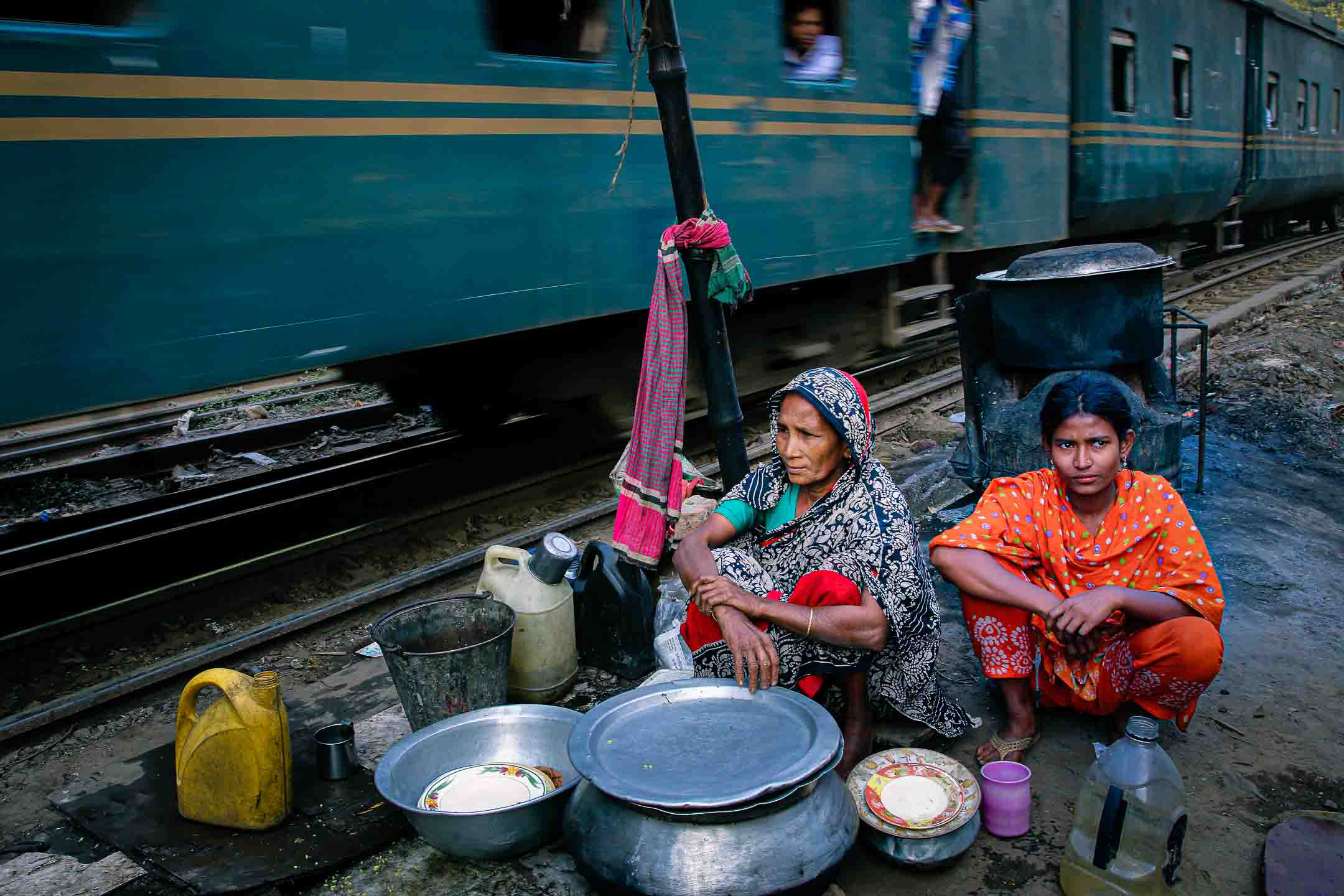
Suddenly the inter-city train appears rushing at them on the tracks with its deadly noise which is the only thing that alerts the people. The scene includes a train that seems to be traveling as if to arrive at the slum but then ruthlessly goes right through it. It watches and touches both sides of the slum’s tin-roofs.

Who could have ignored such g-o-t-a-n-g, g-o-t-a-n-g sound that raises heartbeats of the inhabitants of the Karwan Bazaar train track Slum in Dhaka on a daily basis… at least fifty times a day? Speculated to have sprung up post-Liberation War of 1971, this slum, while not ancient, is home to residents who have lived here for more than thirty years.

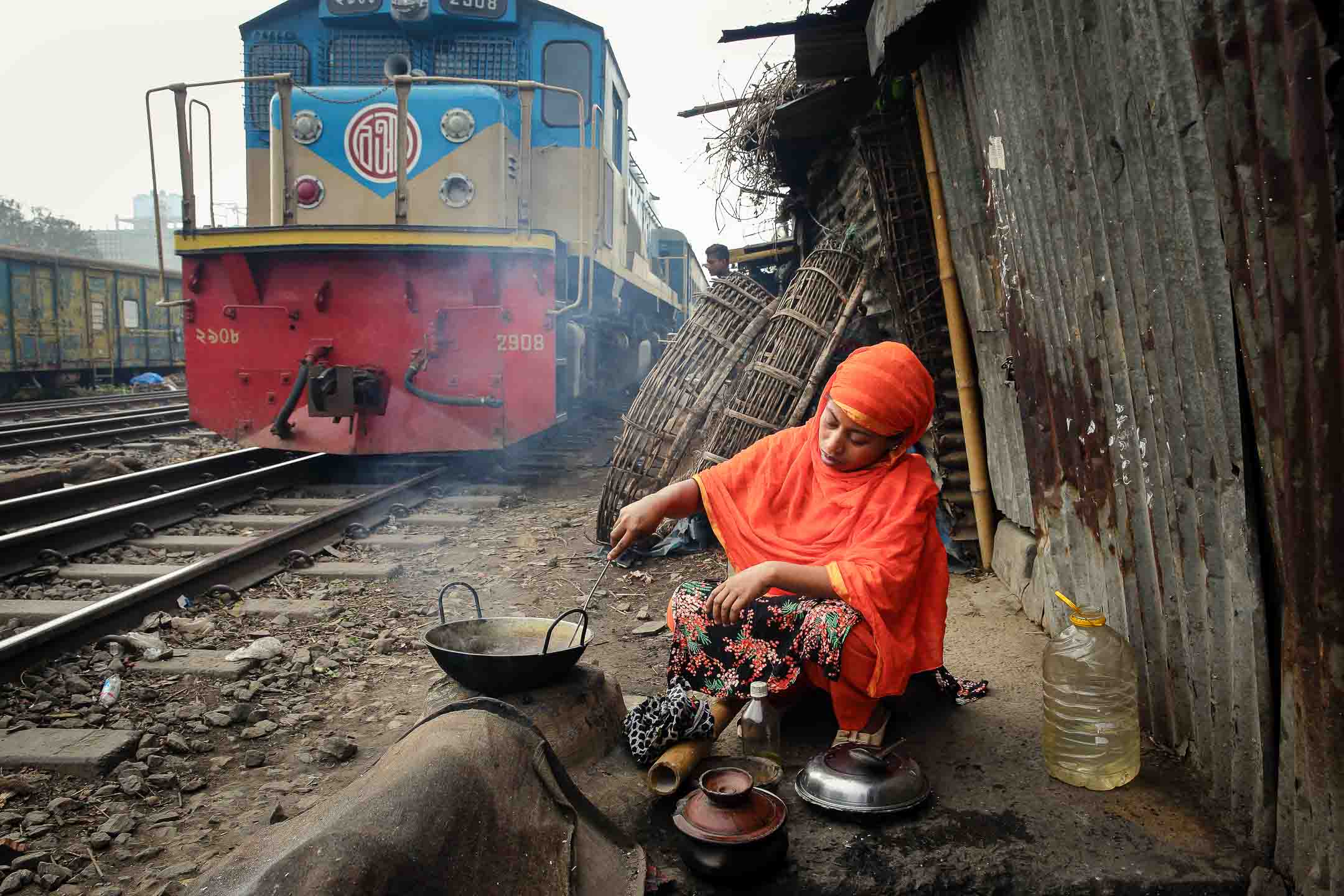
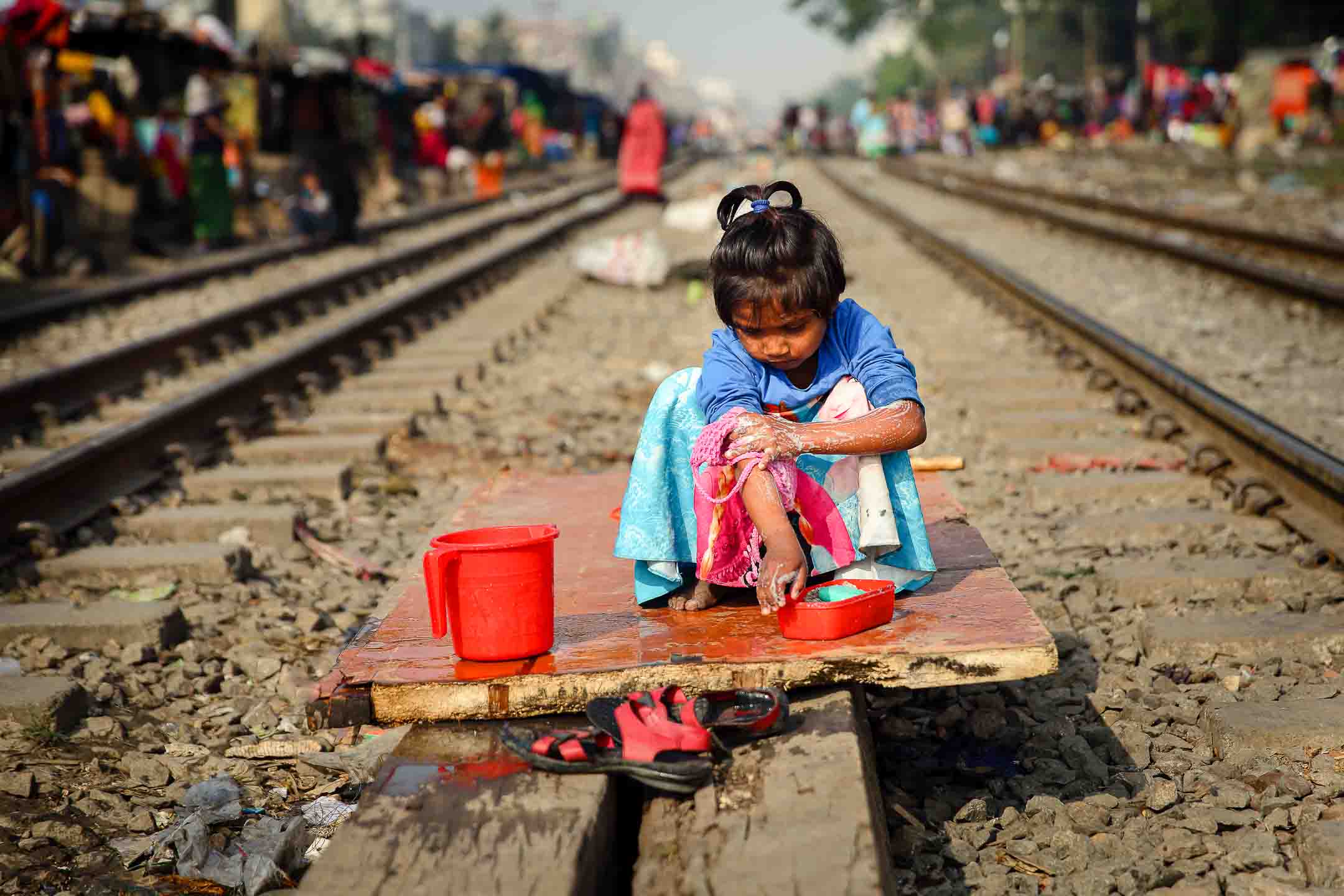
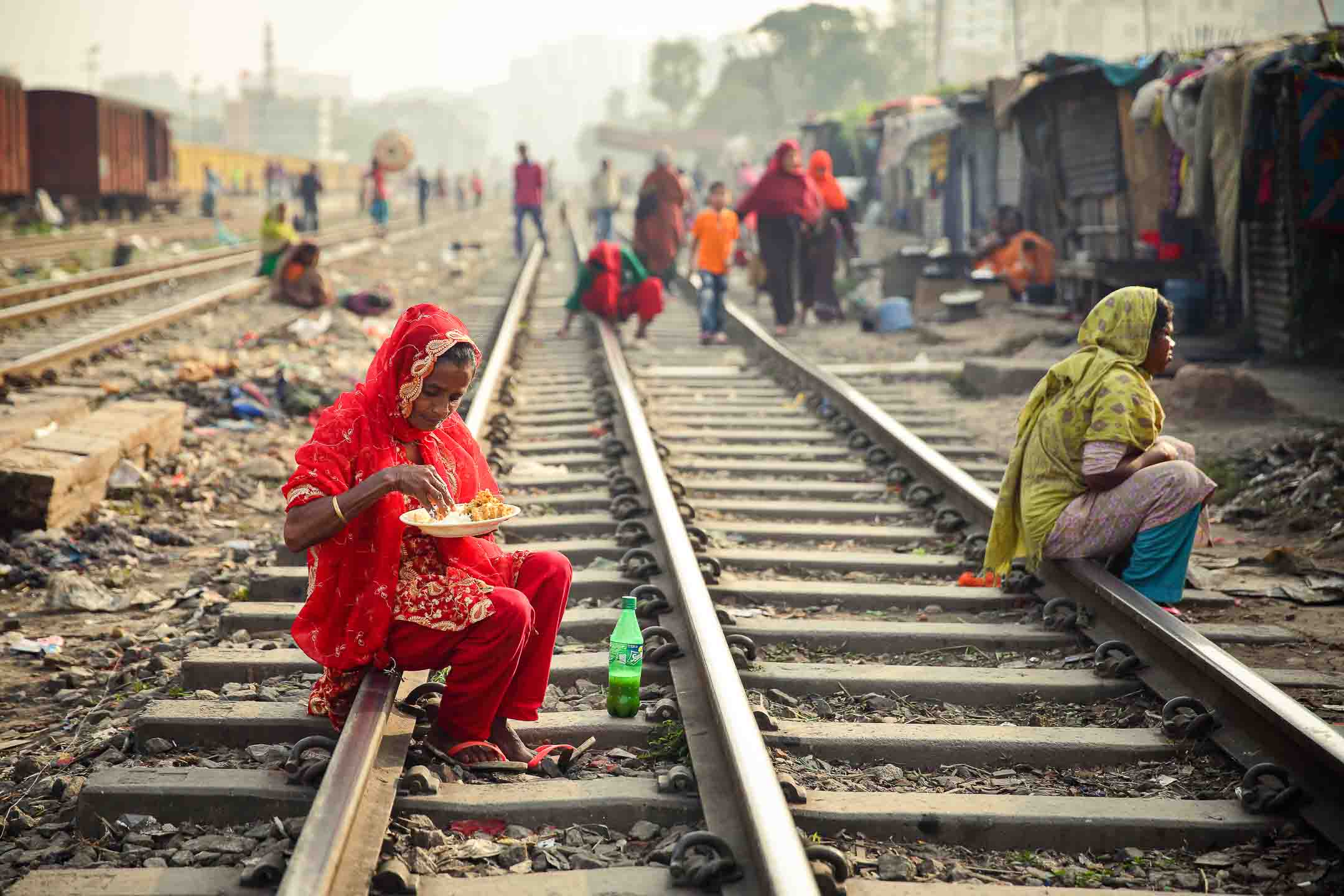
Thousands of shanties line the curvy train tracks. Some of the smallest huts with three-foot-high roofs rent for as much as 2000 taka (about $25), while newer, taller ones cost 3000 taka (about $39) per month. The muddy tracks are strewn with waste and rotten vegetables.

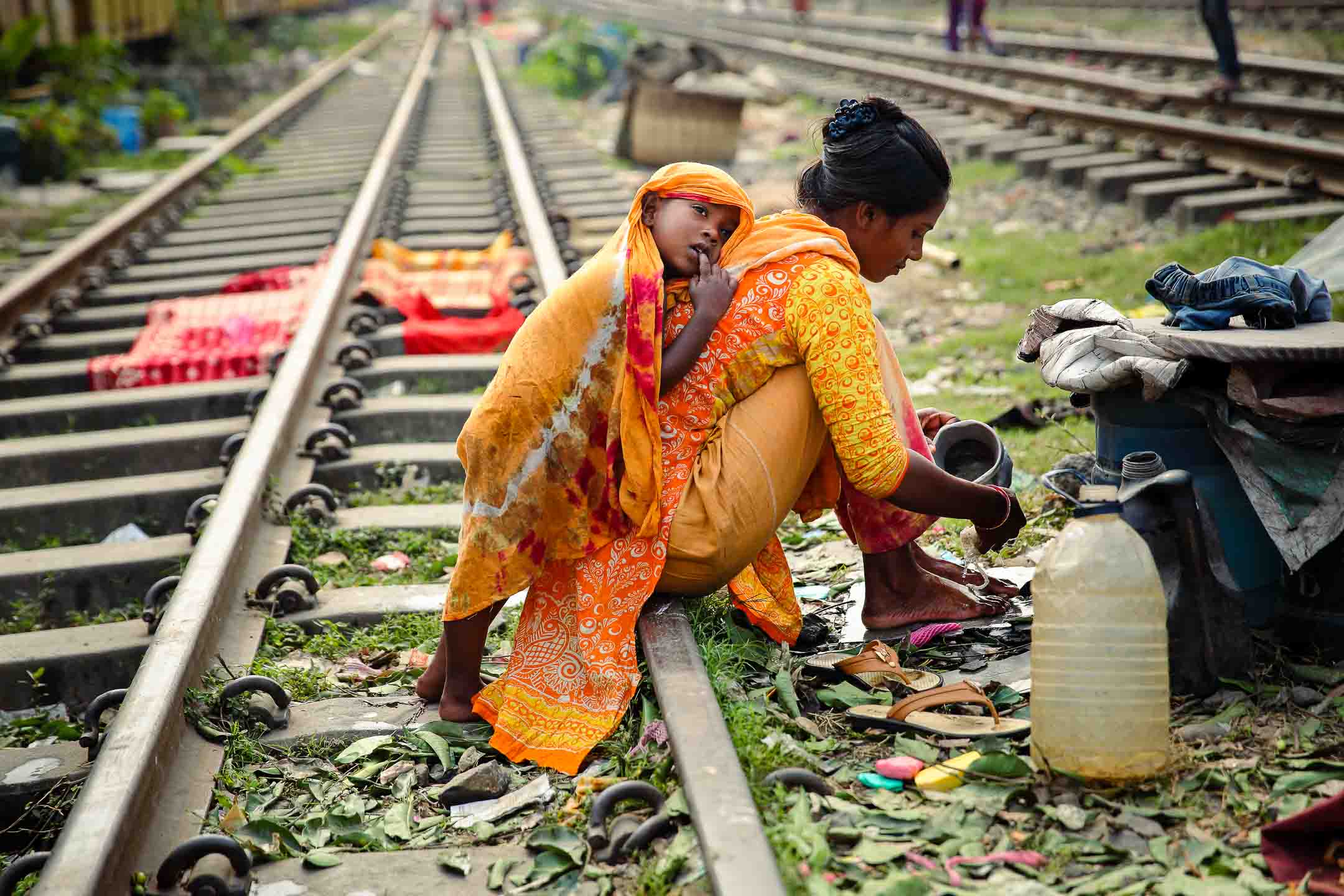
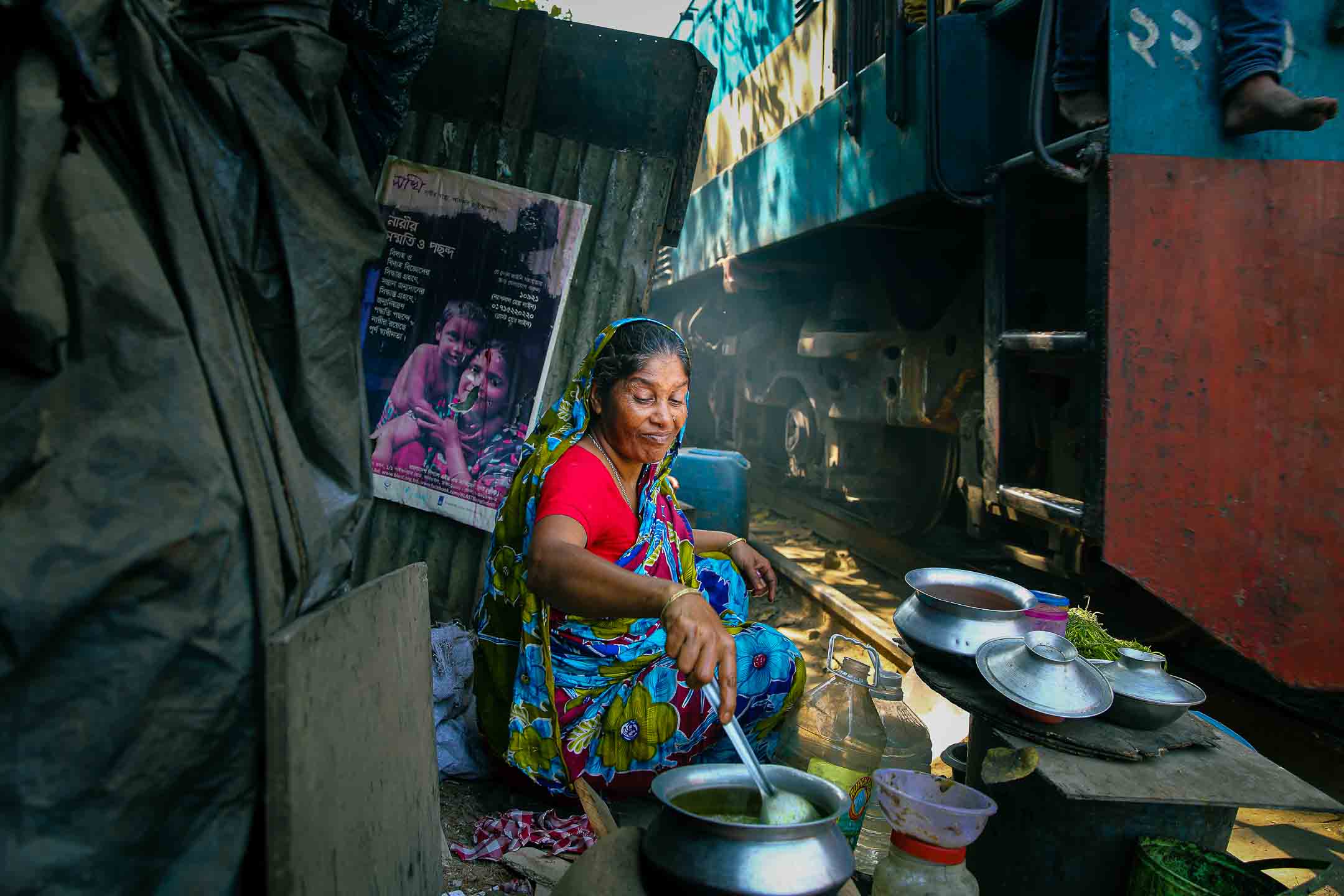
Amidst this, women like Marium Begum, 35, prepare lunch on mud clay ovens just a foot from the rails. A passing train could easily snatch the potatoes she fries in her pan. Marium recounts, “My eldest daughter is ten, and I’ve taught her how to save herself when the train rushes by.” Children here are adept at fleeing from oncoming trains, but the terror of simultaneous trains on both tracks is a frequent, heart-stopping event.

Accidents are common, with many children losing legs, hands, fingers in front of their helpless parents. Jaleha Kahtun reflects, “If we had anything in the village, we wouldn’t live here. The river overflowed and took everything. Now, everything we own is in this bazaar.” These residents are climate migrants, displaced by frequent floods. Despite the dangers, their move to the city allows them to feed their families better than they could back in their ravaged villages. Explore the stark realities and resilience of life on the edge in my photo album.

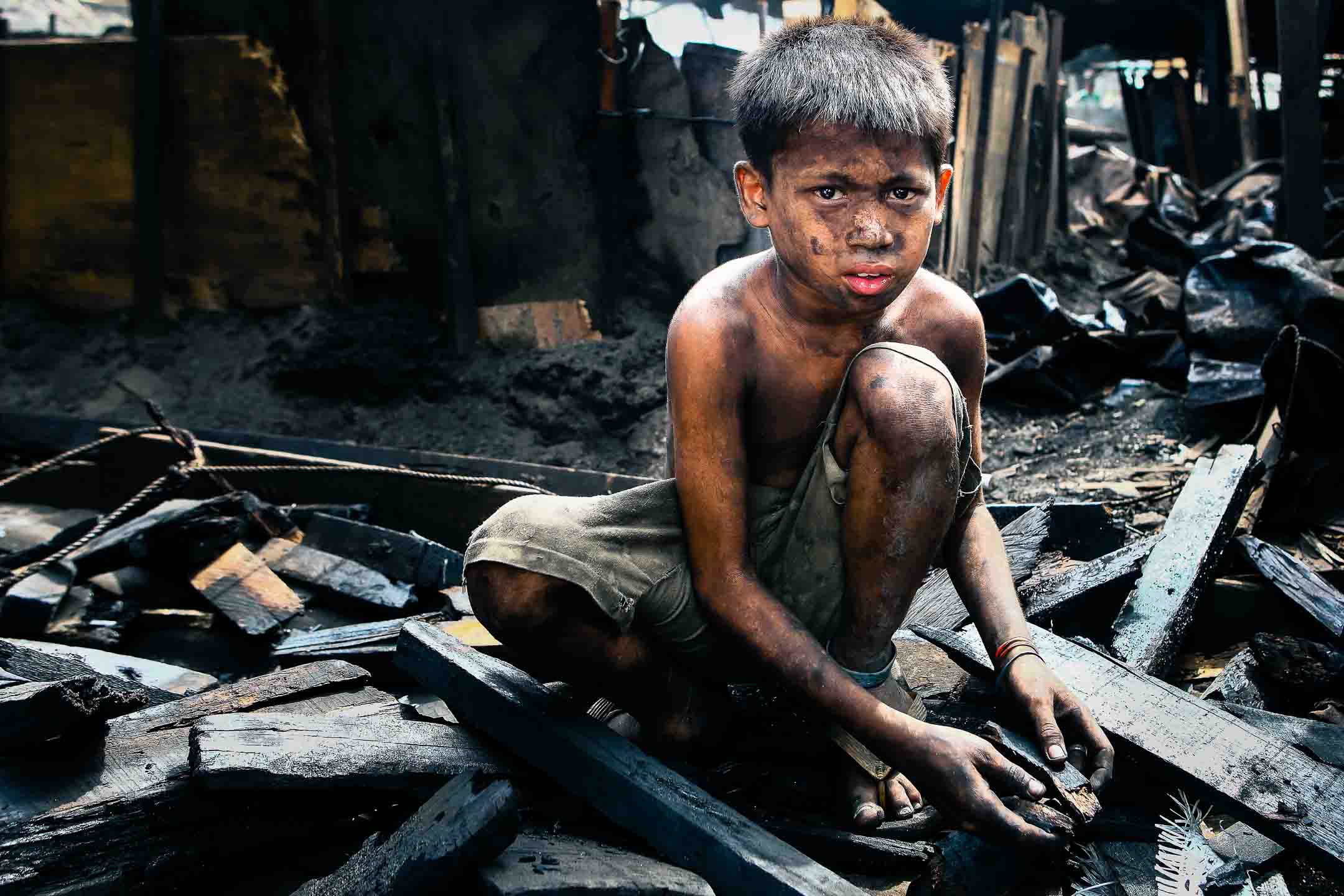
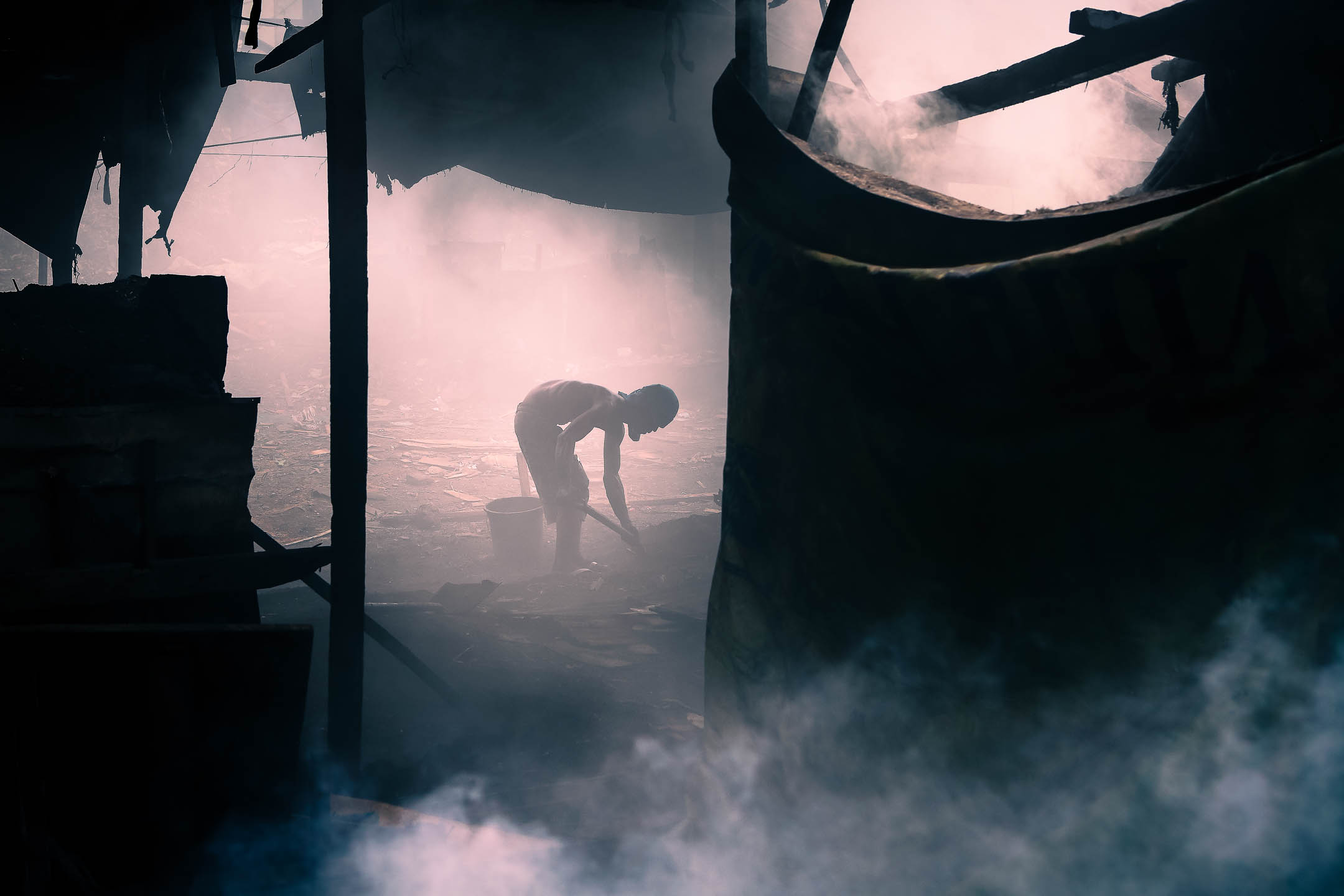
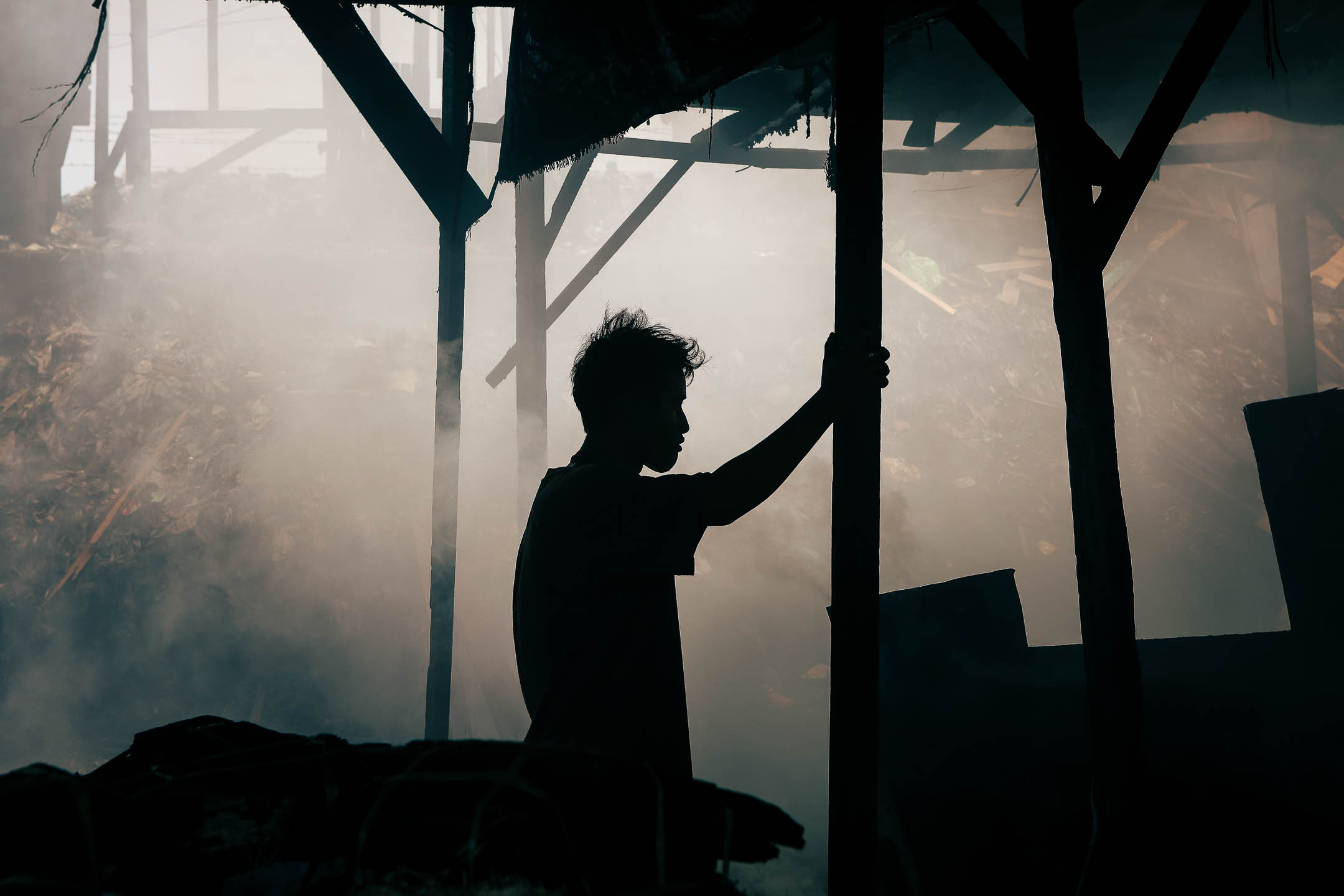
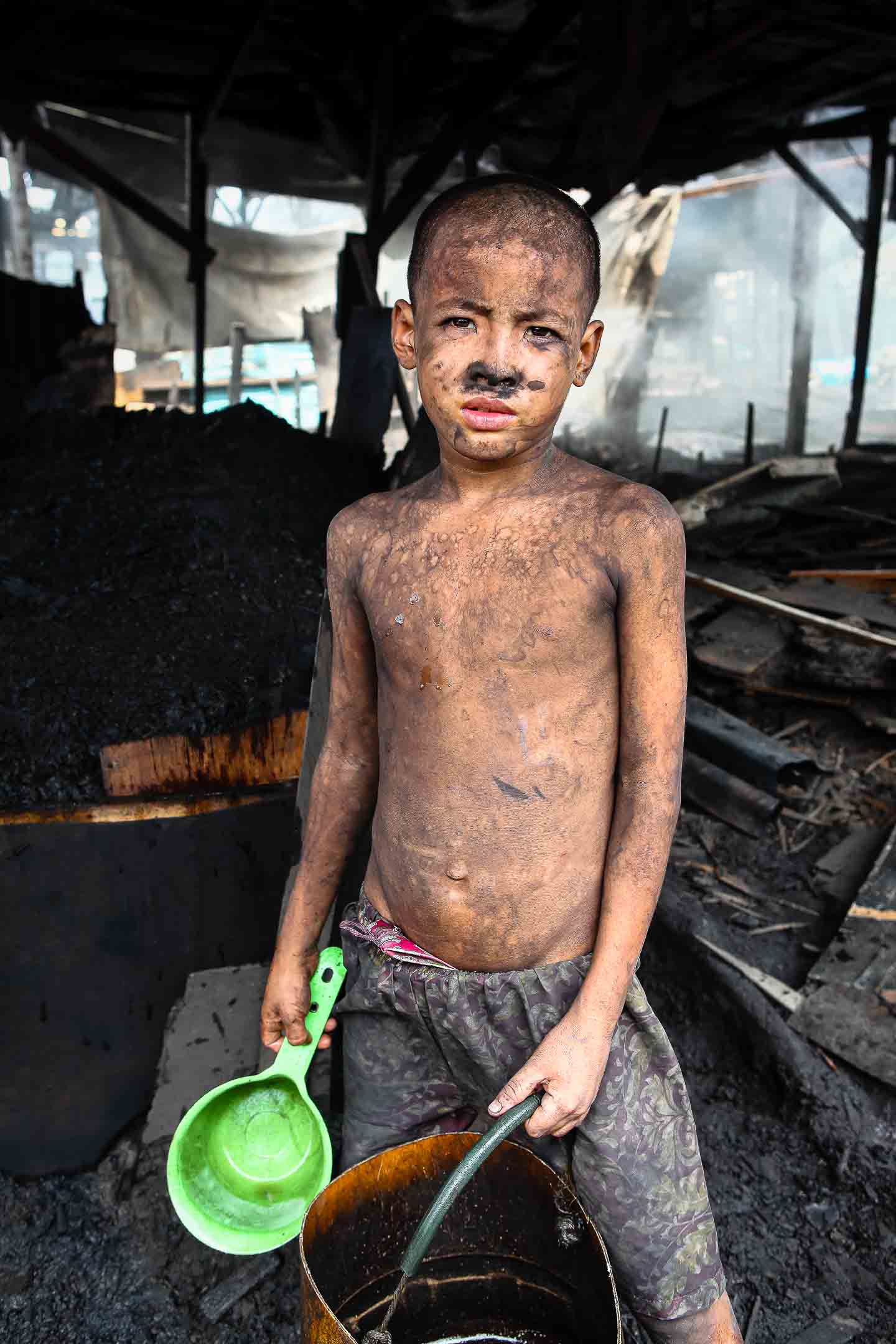
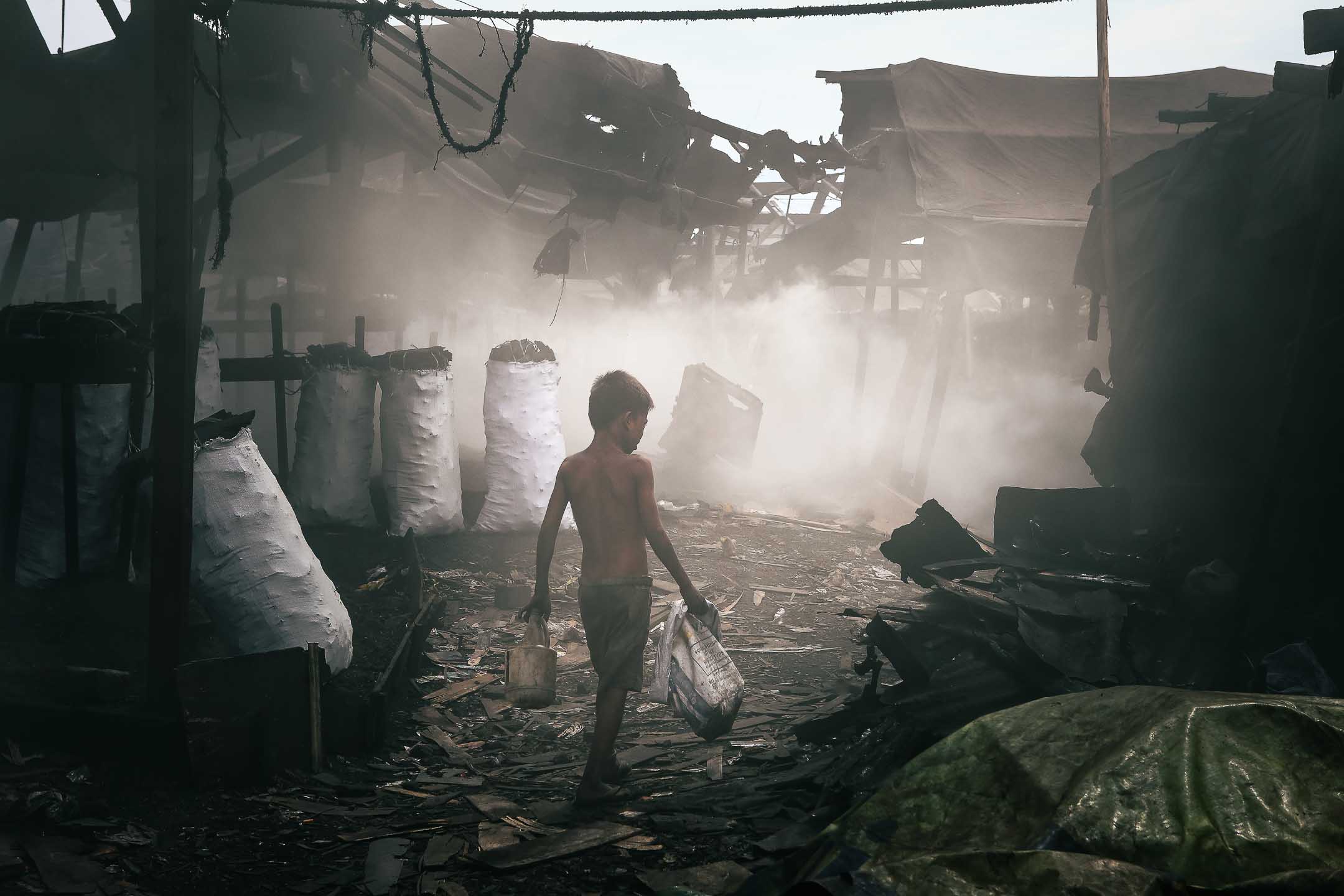
Surviving the Toxic Charcoal Plant!

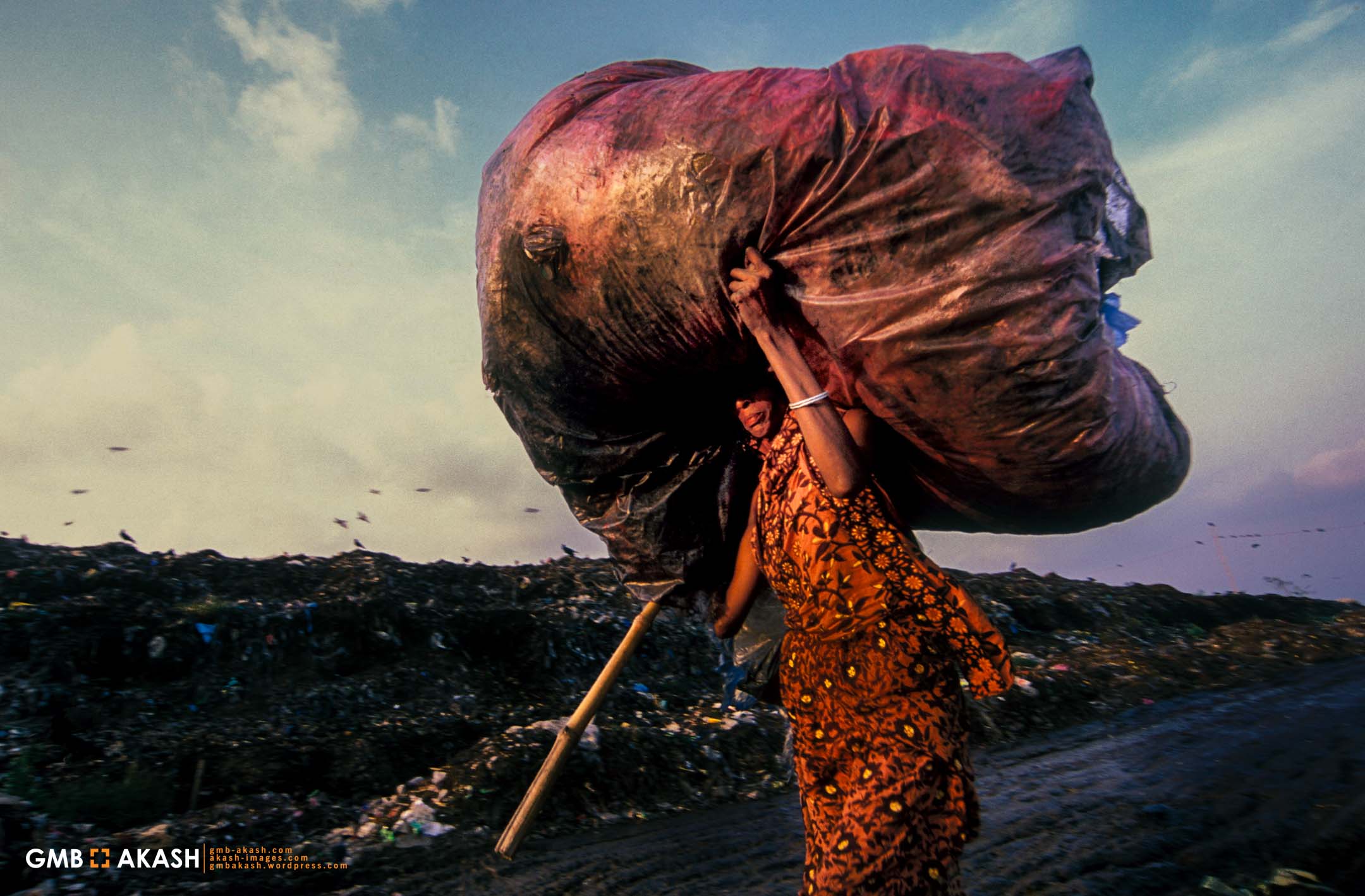
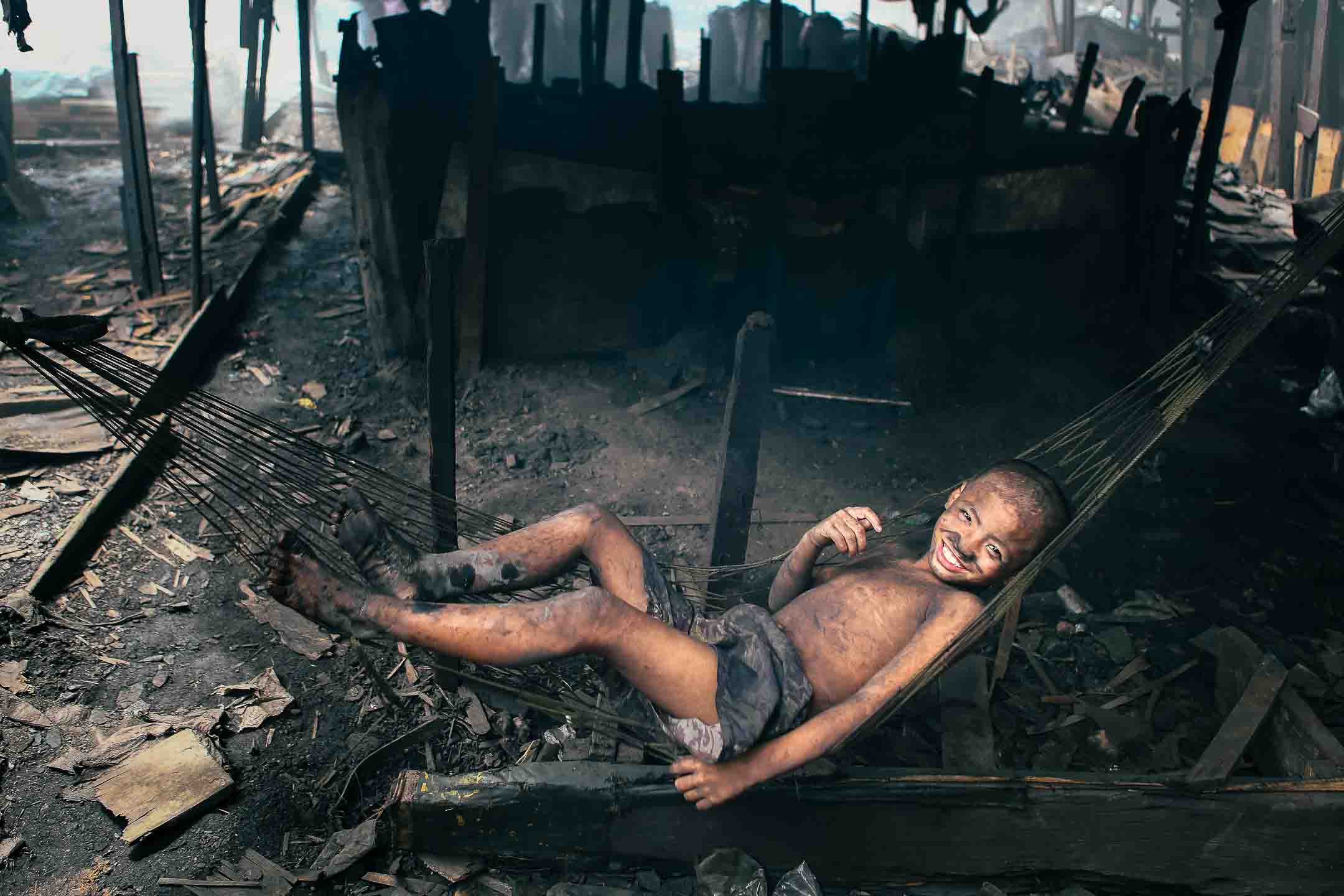
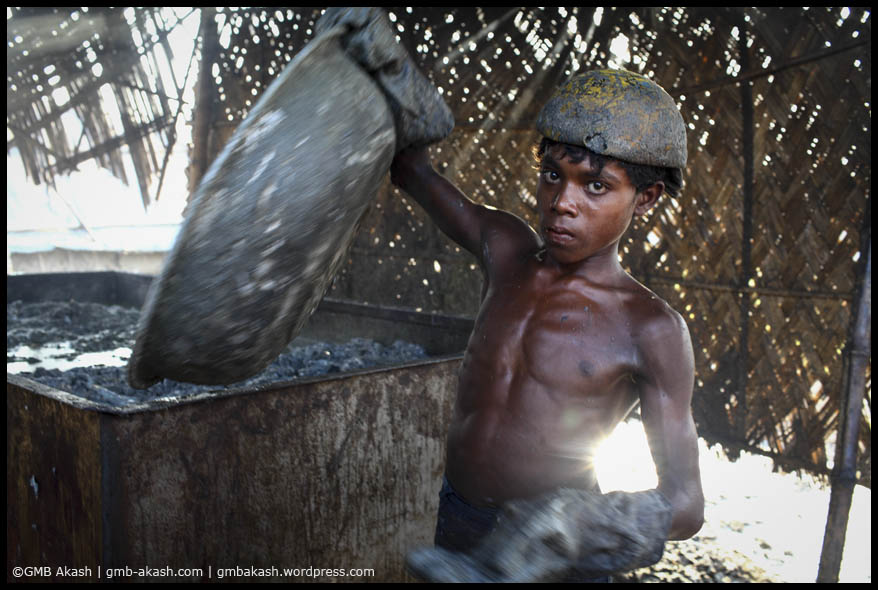
In Manila’s North Harbour, the Ulingeros family grapples with the harsh reality of working in a hazardous toxic charcoal plant, where they earn meager wages. The Ulingan area is known for its dangerous conditions, with many of its laborers, including children as young as six or seven years old, enduring the risks of the toxic environment. Despite these challenges, families like the Ulingeros persist in this perilous work, driven by the necessity to survive in Manila’s unforgiving urban landscape, where economic hardship forces difficult choices upon its residents.

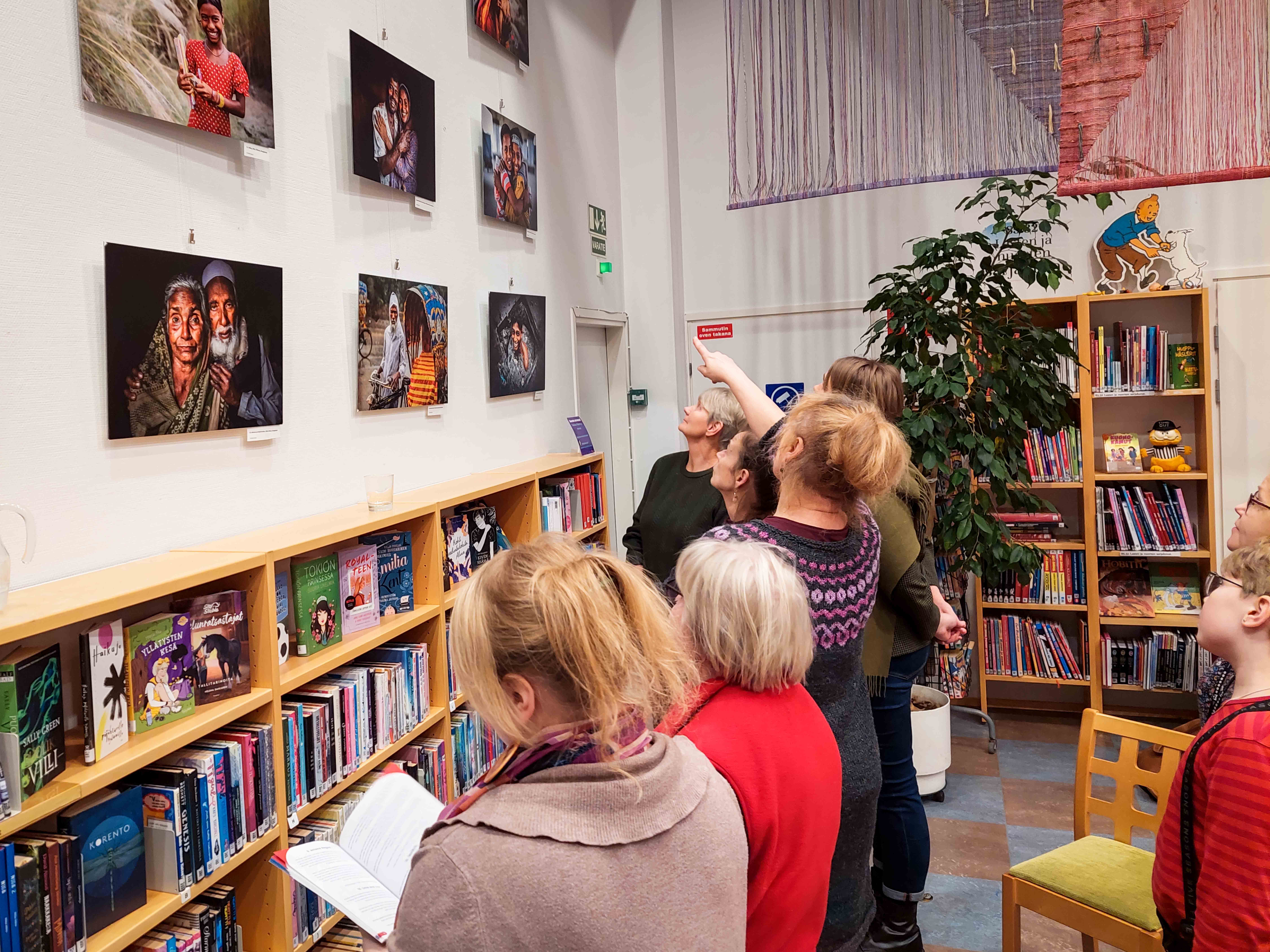
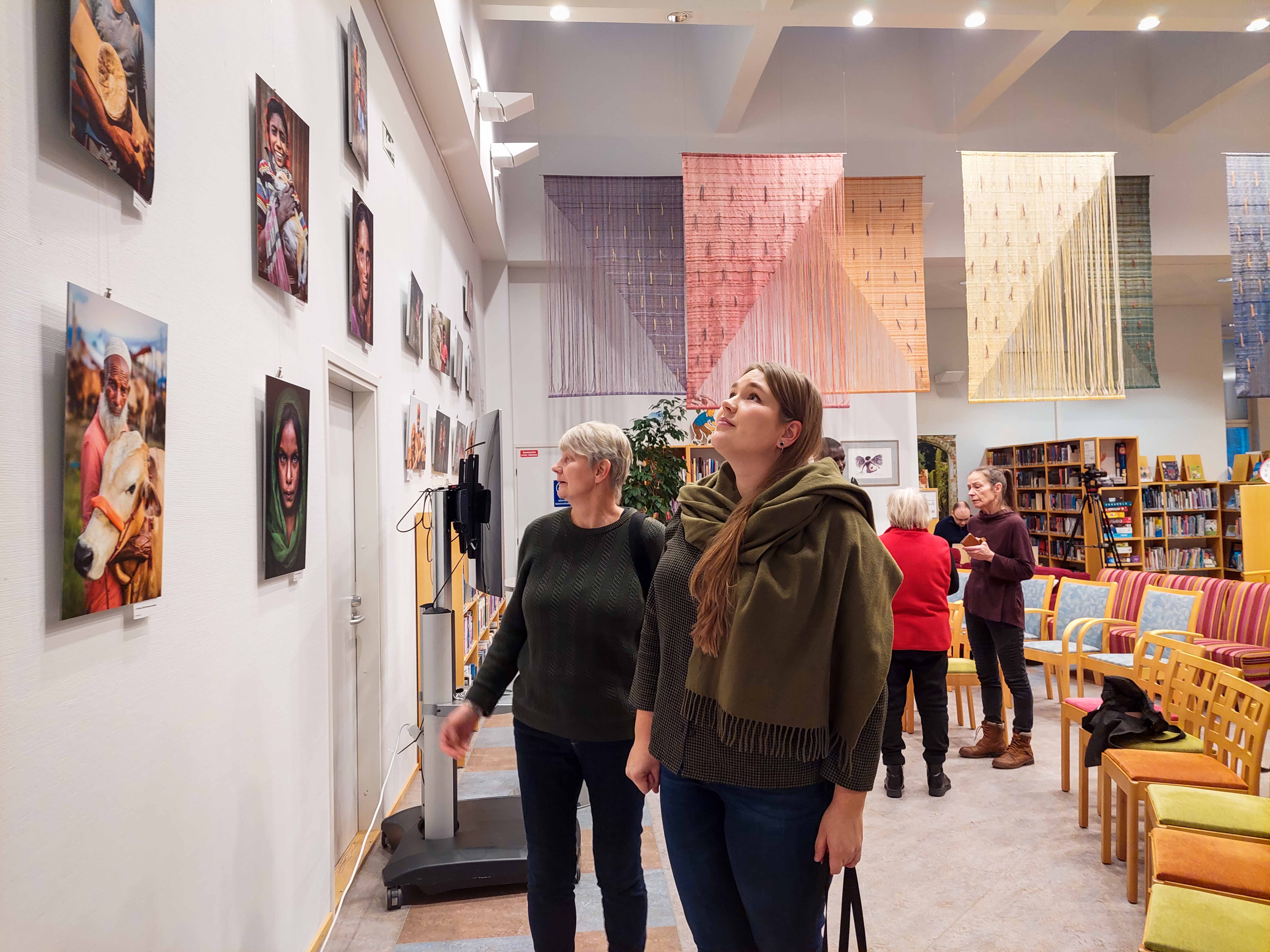
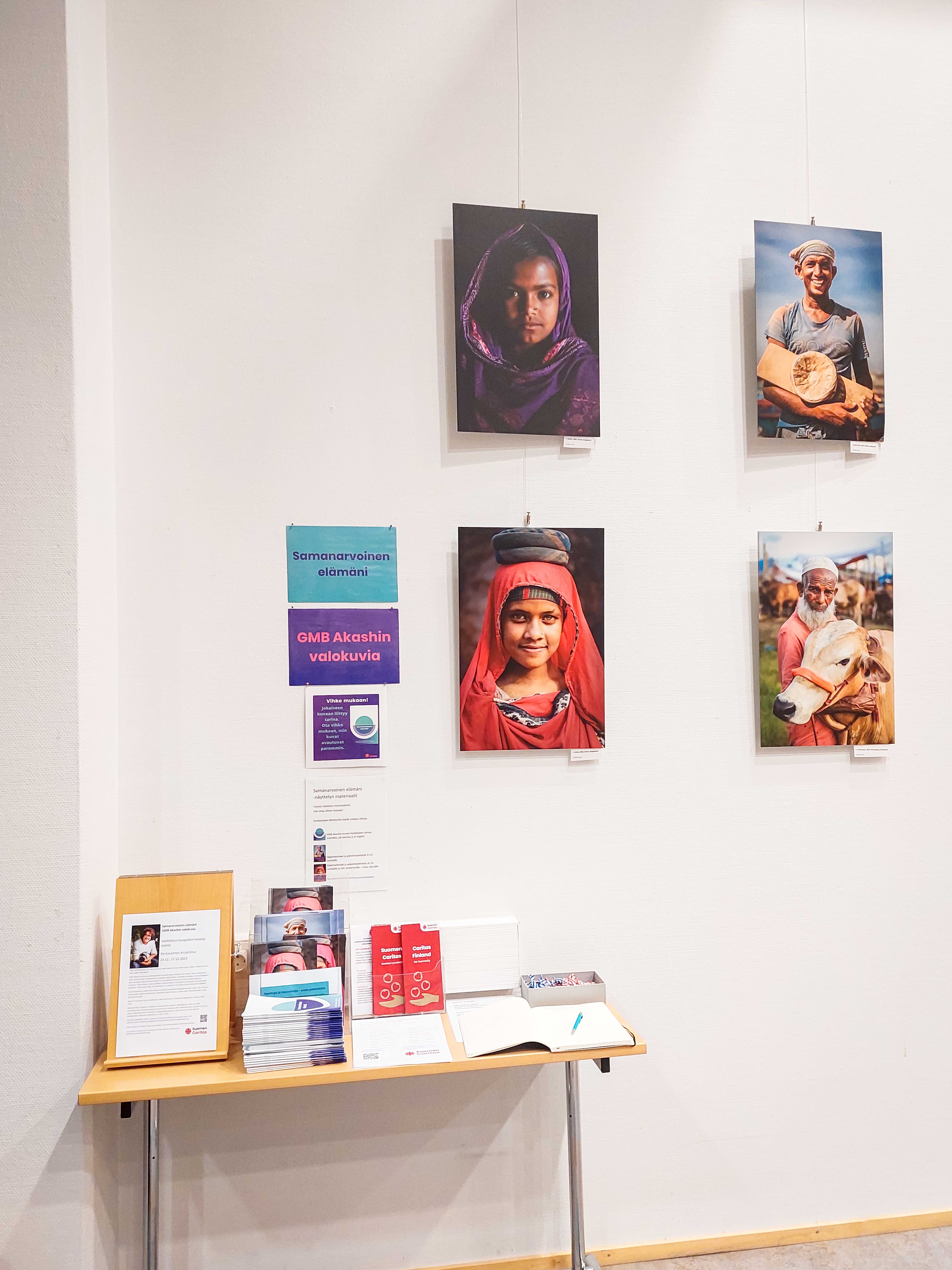
20 solo exhibitions in the last two years, from 2022 to 2023, in Finland.

Dear friends,

I am happy to share that my current solo exhibition has been on display at Rantasalmi Library for the last two weeks.The final full day of the exhibition is December 27, 2023.

My 10 solo exhibition of “My Equal Life,” took place in various cities across Finland throughout the year 2023. The exhibition was supported and organized by The Finnish Ministry for Foreign Affairs, Finland, and Caritas Finland, and its aim was to raise awareness about global inequality, arouse compassion, and share the experiences of people through my photographs and related stories.

I will be happy to share some moments from my exhibition with you all ❤️

The pictures and stories are also on display on the exhibition’s website, and it is touring seven cities in Finland: Turku, Kouvola, Vaasa, Helsinki, Kuopio, Oulu, and Jyväskylä.

Thank you for your support and interest in “My Equal Life.”

My photo book ‘Survivors’ is not only an important presentation of my 10 years’ work, but it is also significant to me in many ways.

“My photo book ‘Survivors’ is not only an important presentation of my 10 years’ work, but it is also significant to me in many ways. Surviving in a poor country — facing adversity daily — is akin to a lifetime of tragedy. So, in a number of ways, the images presented on these pages depict my own experiences as well. My journeys connect me to the many characters. Sometimes, I had to run, take a ride on the roof of a moving train, sleep on a flooded floor, and spend many hours walking the maze of avenues through sprawling city slums. While photography is a big task, my willingness to serve the people whom I photograph is even more challenging. I am gifting a business/source of income to each family I am able to help from my book ‘Survivors’. Finding people from the book whom I captured 5-15 years ago, talking/sharing ideas with them, finding the right business, and educating them, and monitoring them become tougher than photography. But I believe every amazing achievement starts with an impossibility. Now, after seeing these happy families of Survivors, I realize that, when many ordinary people come together and do small things, they can change the world. – GMB Akash

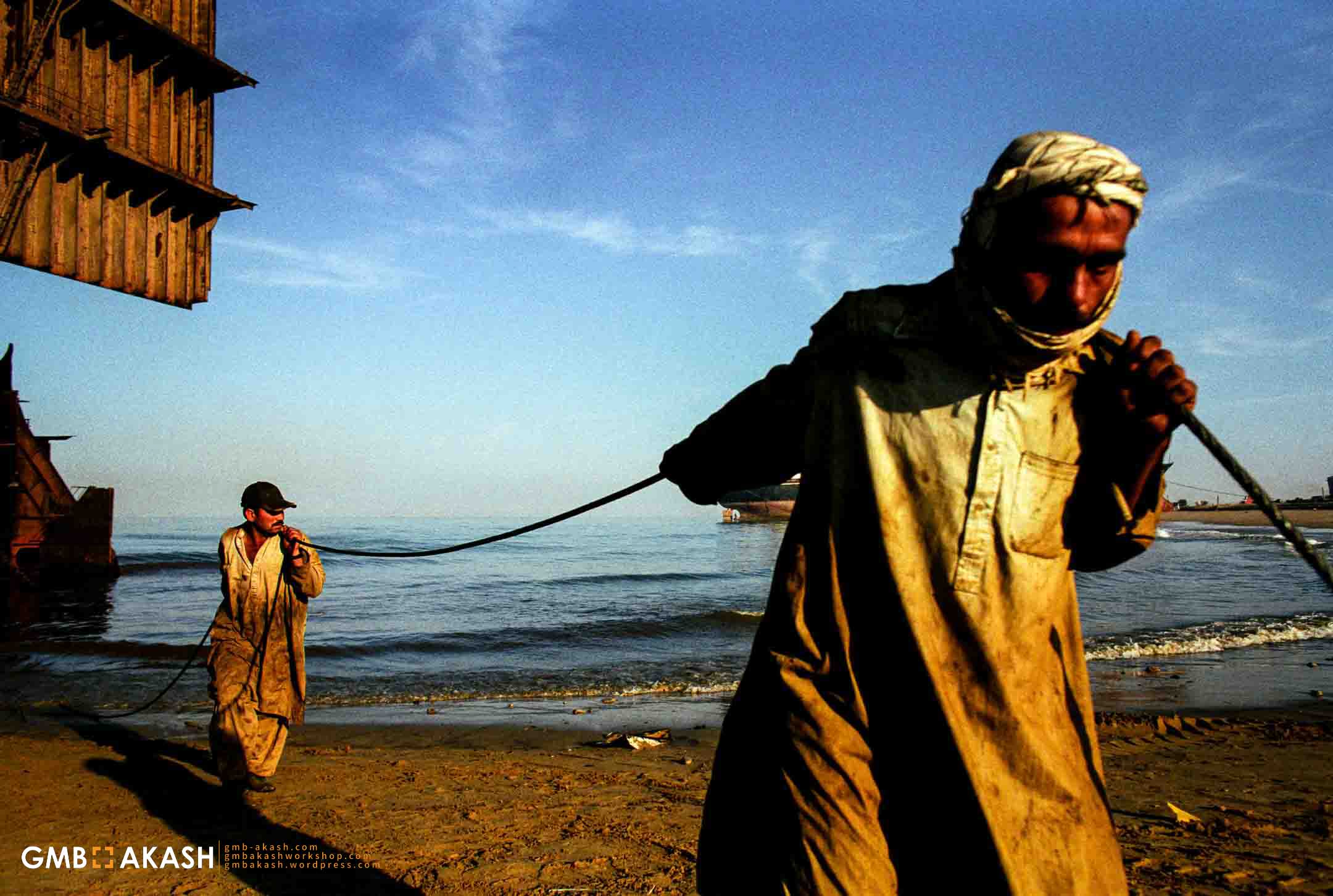
SHIP’S GRAVEYARD IN PAKISTAN

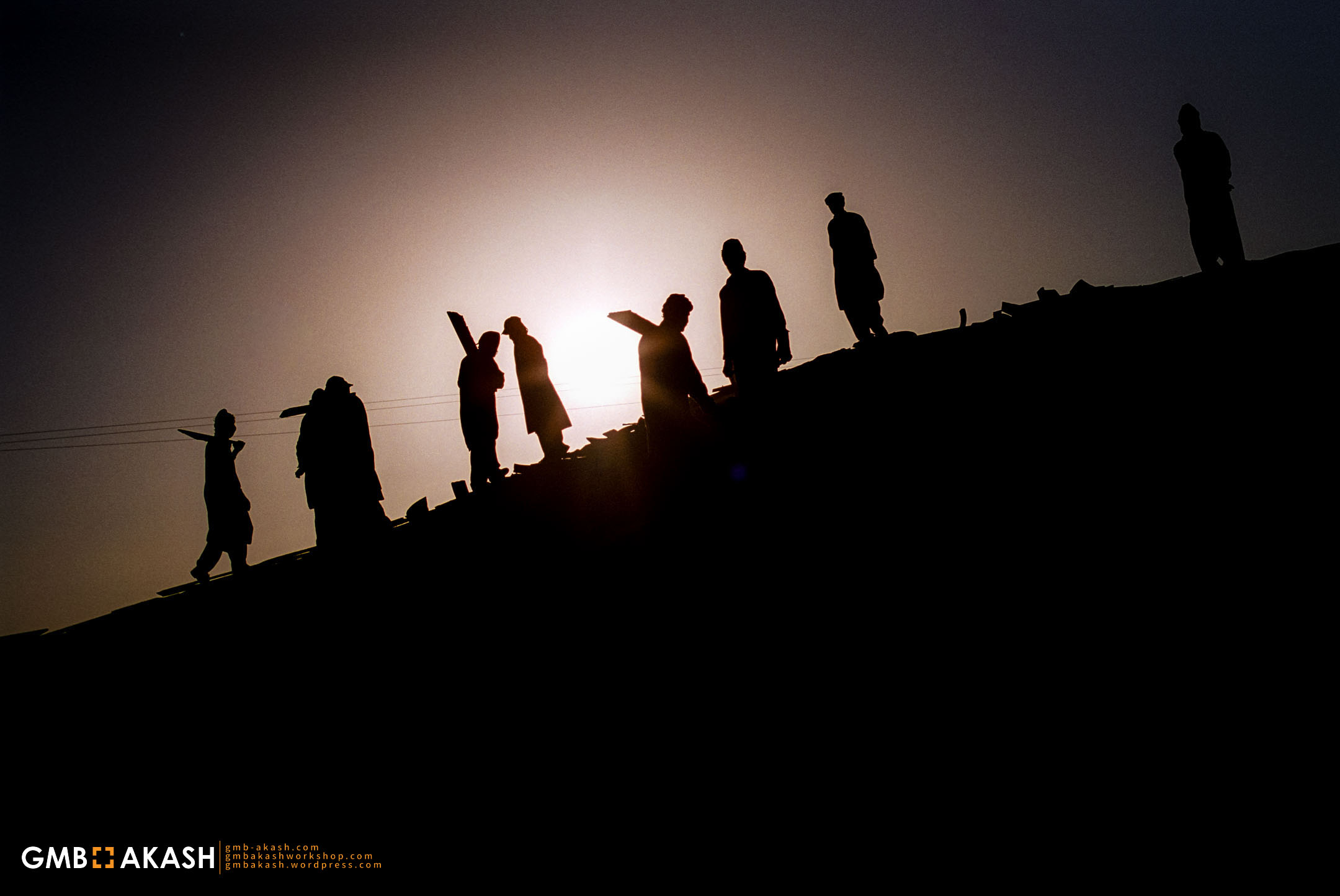
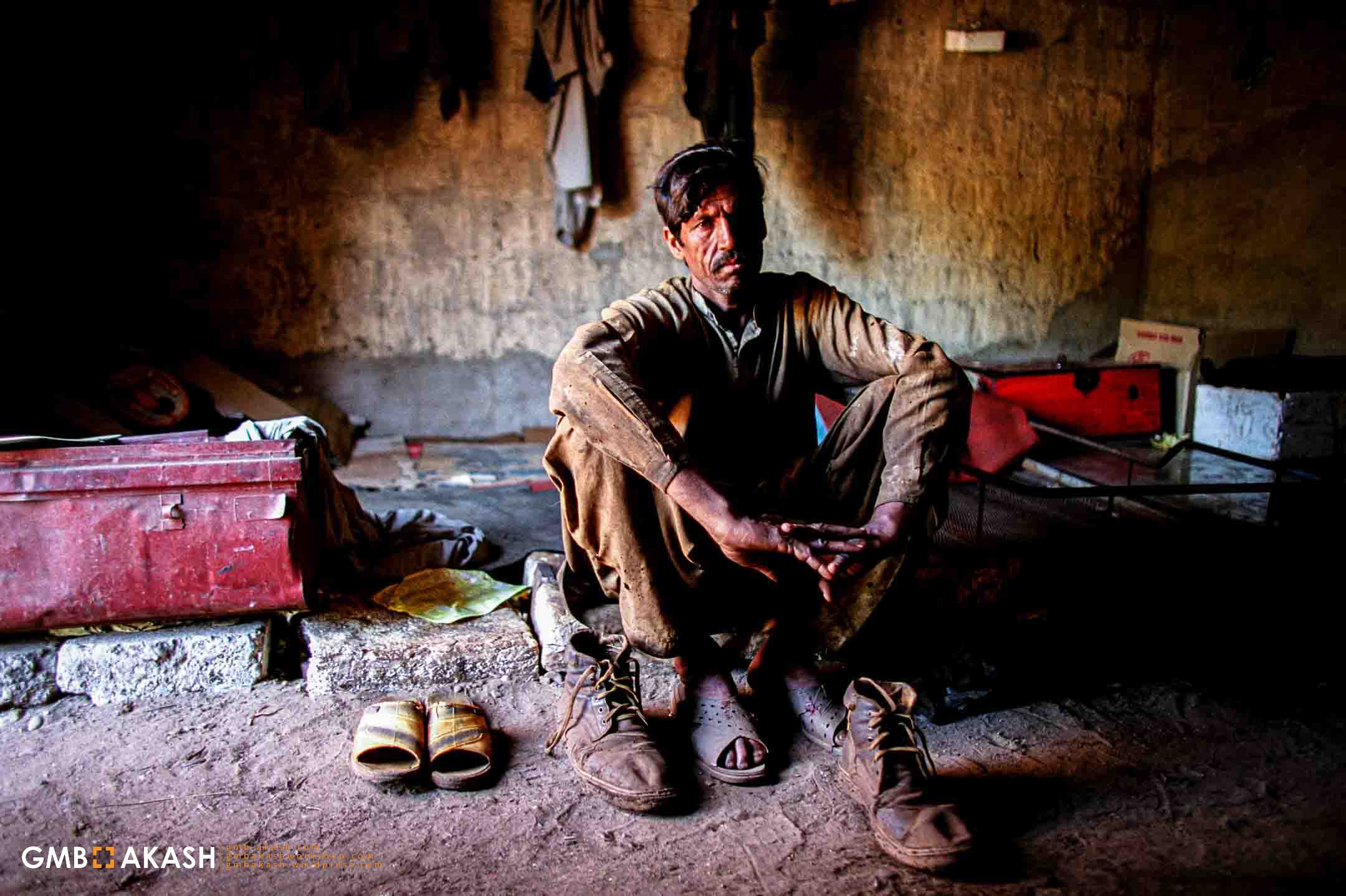
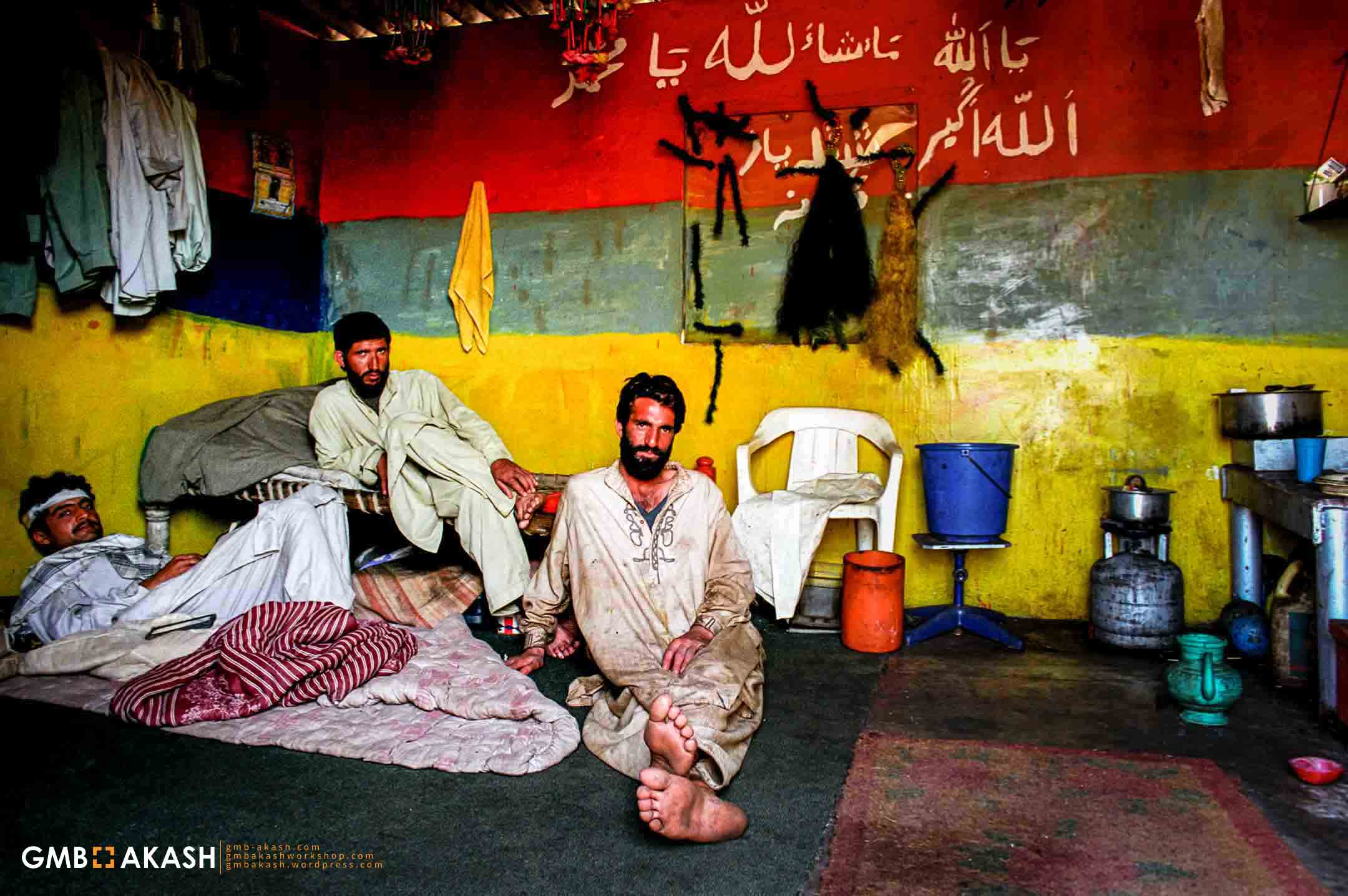
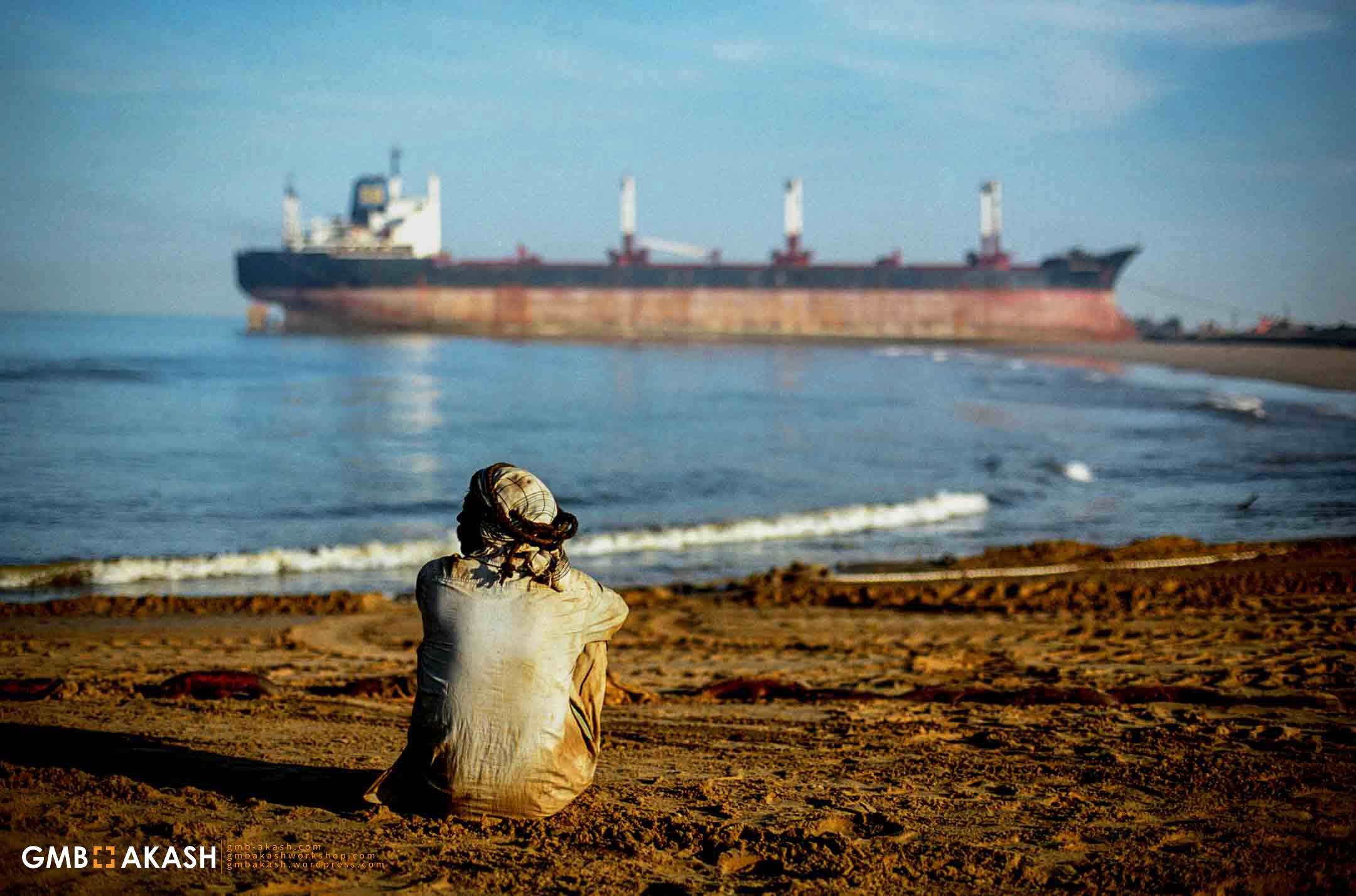
The Gaddani Ship Breaking Yard stands as a paradoxical testament to human resilience and struggle. This industrial site is where colossal ocean vessels from around the world come to meet their end. An army of unsung heroes toils relentlessly, their lives shaped by the arduous, perilous, and often underappreciated work they perform day in and day out.

The process of ship breaking involves dismantling decommissioned or end-of-life ships to salvage valuable materials, such as steel, iron, and non-ferrous metals. Gaddani is home to one of the world’s largest ship breaking yards, attracting thousands of laborers seeking employment.

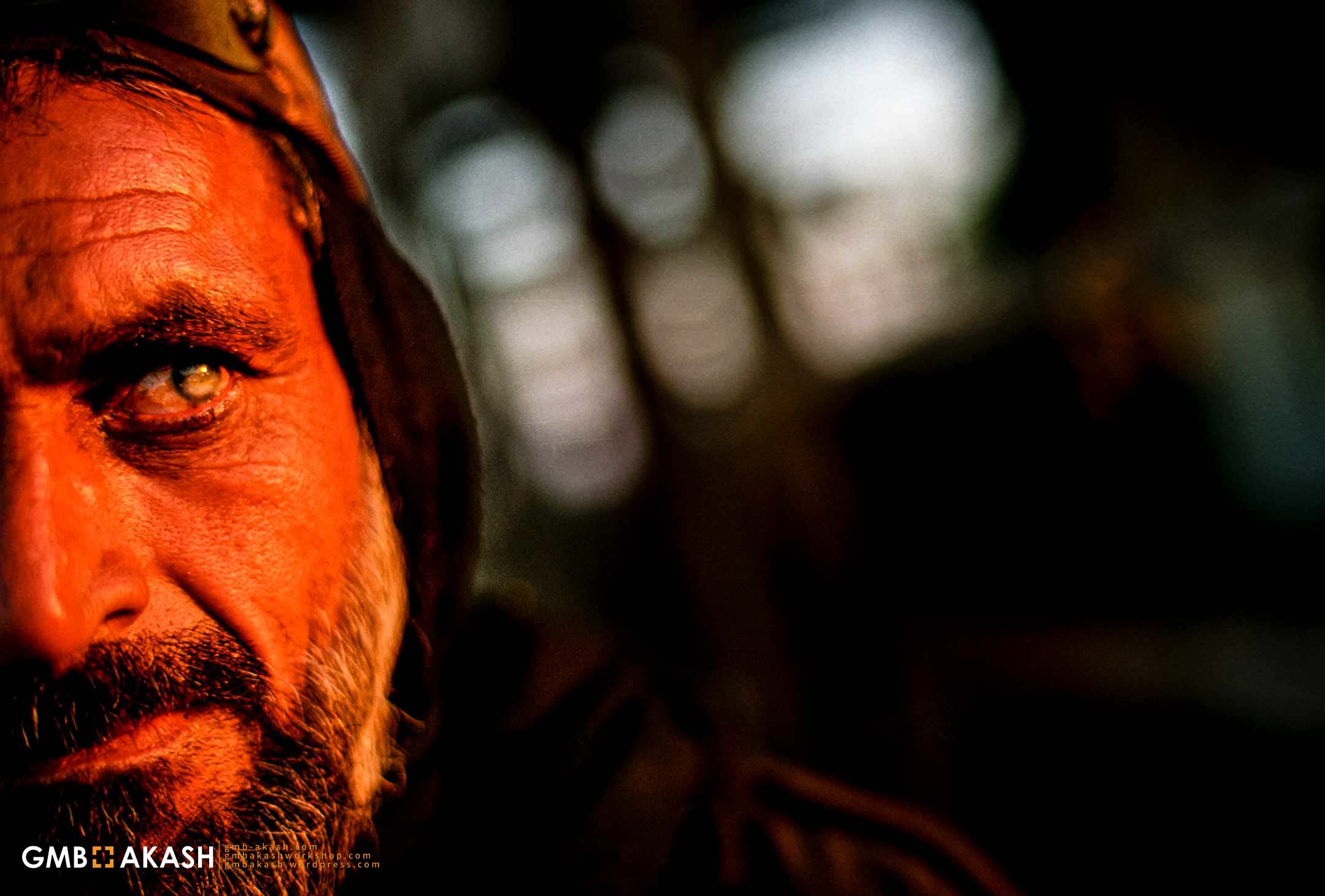
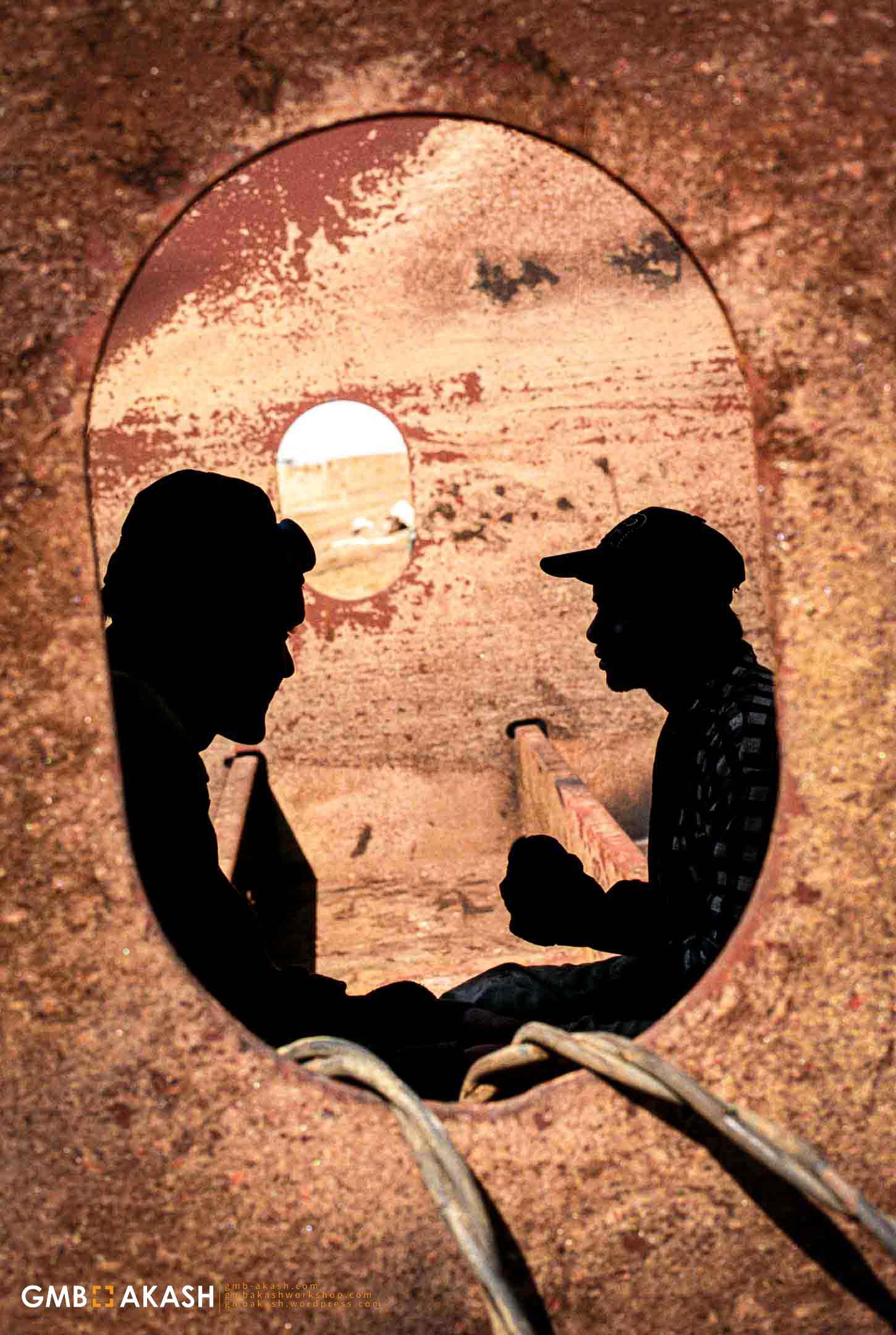
The workers in Gaddani’s ship breaking yard are typically from impoverished backgrounds and often have limited education. Drawn by the prospect of earning a livelihood, they embark on this risky venture. They work grueling hours, battling hazardous conditions, extreme temperatures, and unyielding physical demands. The dangers they face range from accidental fires, exposure to toxic chemicals, and the constant risk of being crushed under the weight of massive structures.

Workers in Gaddani’s ship breaking yard often find themselves subjected to exploitative practices. Many laborers work without proper safety gear or adequate training, which leaves them exposed to severe health hazards. Despite the dangerous nature of their job, the majority of these workers are not covered by any insurance or formal social security, leaving them vulnerable to economic ruin in case of accidents or injuries.

The health and environmental impacts of ship breaking cannot be ignored. Toxic substances, such as asbestos, lead, and mercury, are released during the dismantling process, leading to severe health issues for the workers and the surrounding communities. The lack of waste management infrastructure exacerbates the problem, as hazardous materials end up polluting the nearby land and sea, causing ecological damage.

The ship breaking yard in Gaddani, Pakistan, serves as a grim reminder of the struggles faced by workers who labor relentlessly to provide for themselves and their families. Their efforts are often overlooked, and their sacrifices go unrecognized.

While the shipbreaking industry remains essential for recycling valuable materials, it is vital that we acknowledge the challenges faced by these workers and work towards ensuring their safety, wellbeing, and rights. The time has come to shed light on this hidden world and extend a helping hand to those who risk their lives daily, forging a path towards a brighter, more sustainable future for Gaddani’s shipbreaking workers.

The Unseen Warriors: Dhaka’s Scavenging Heroes.

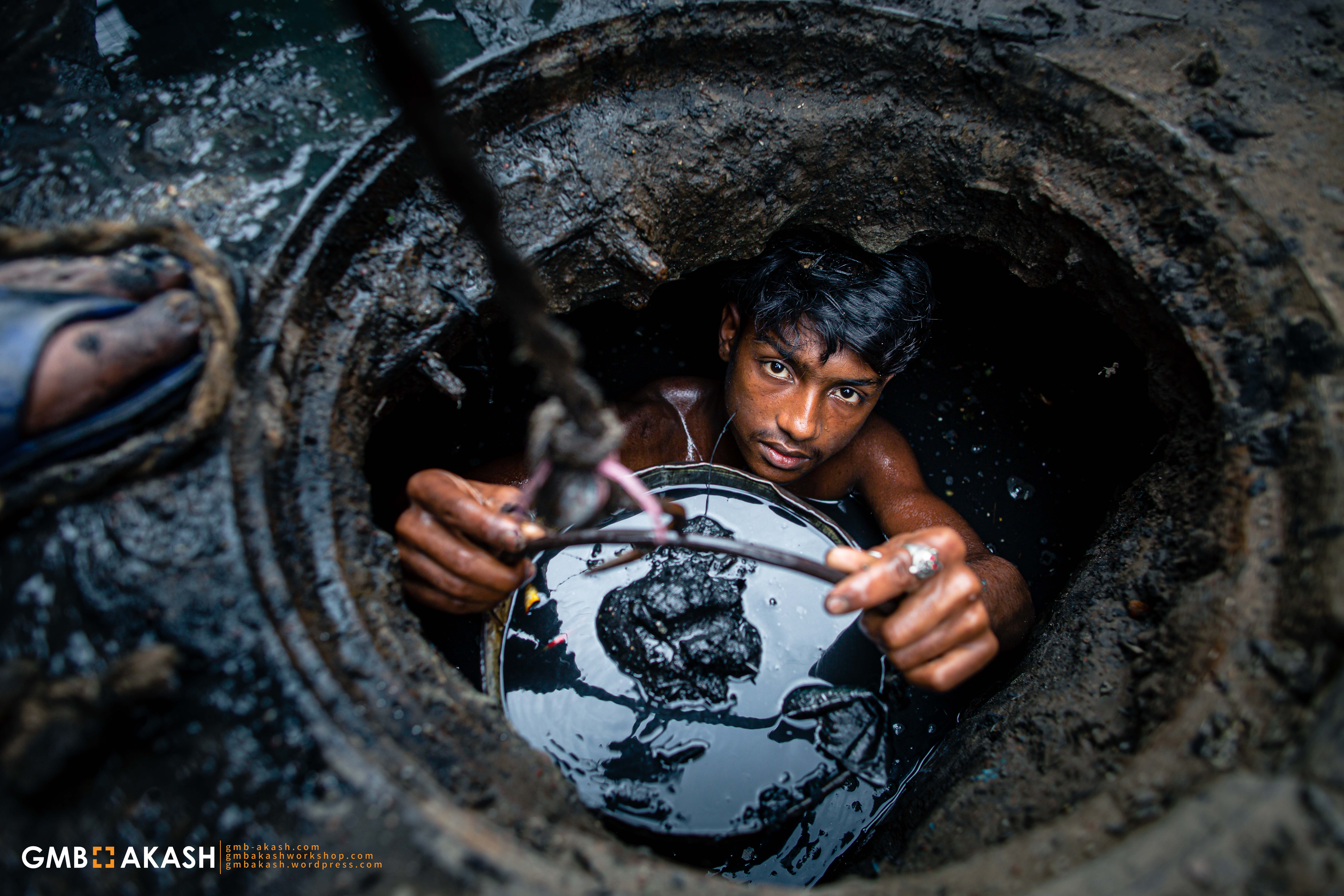
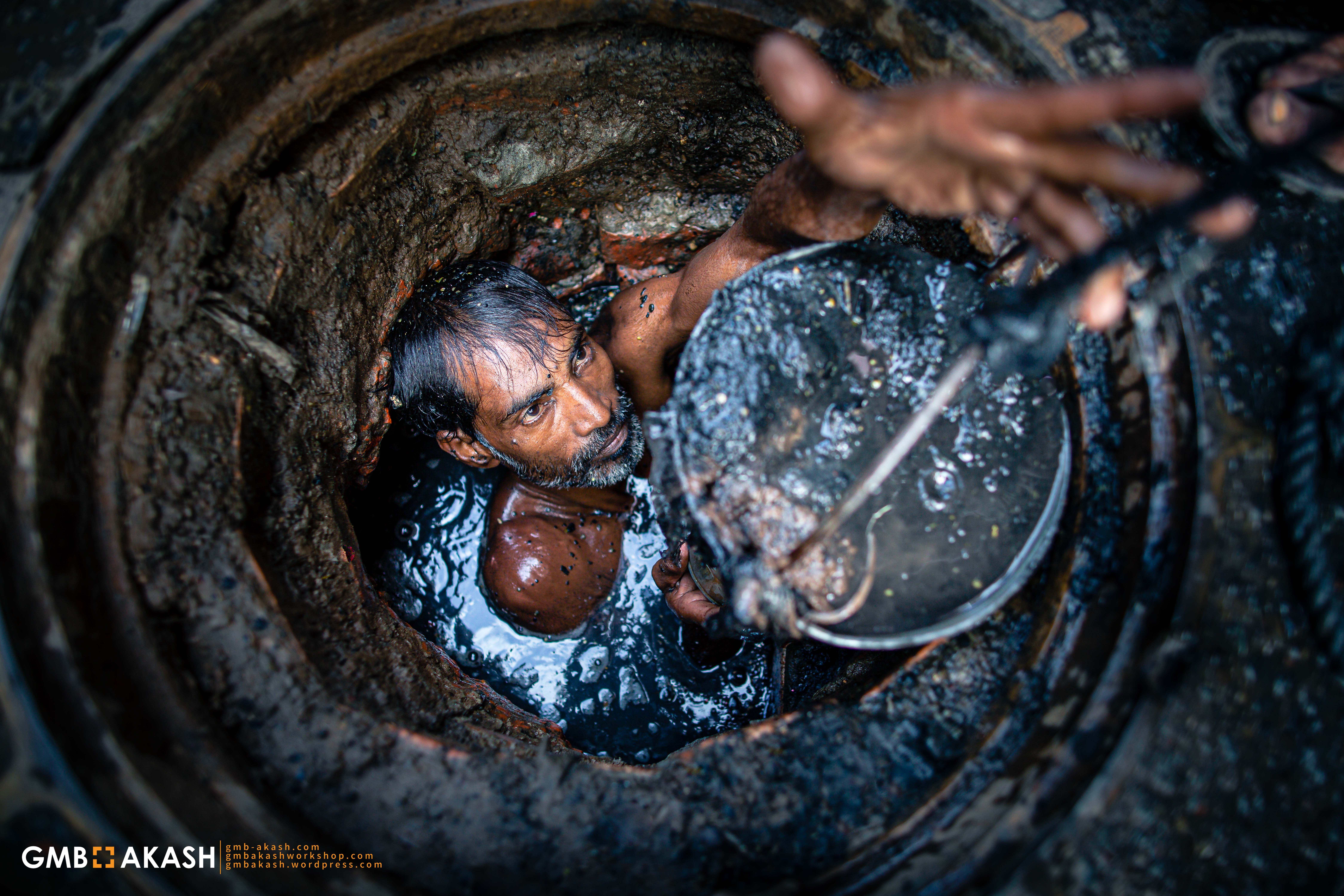
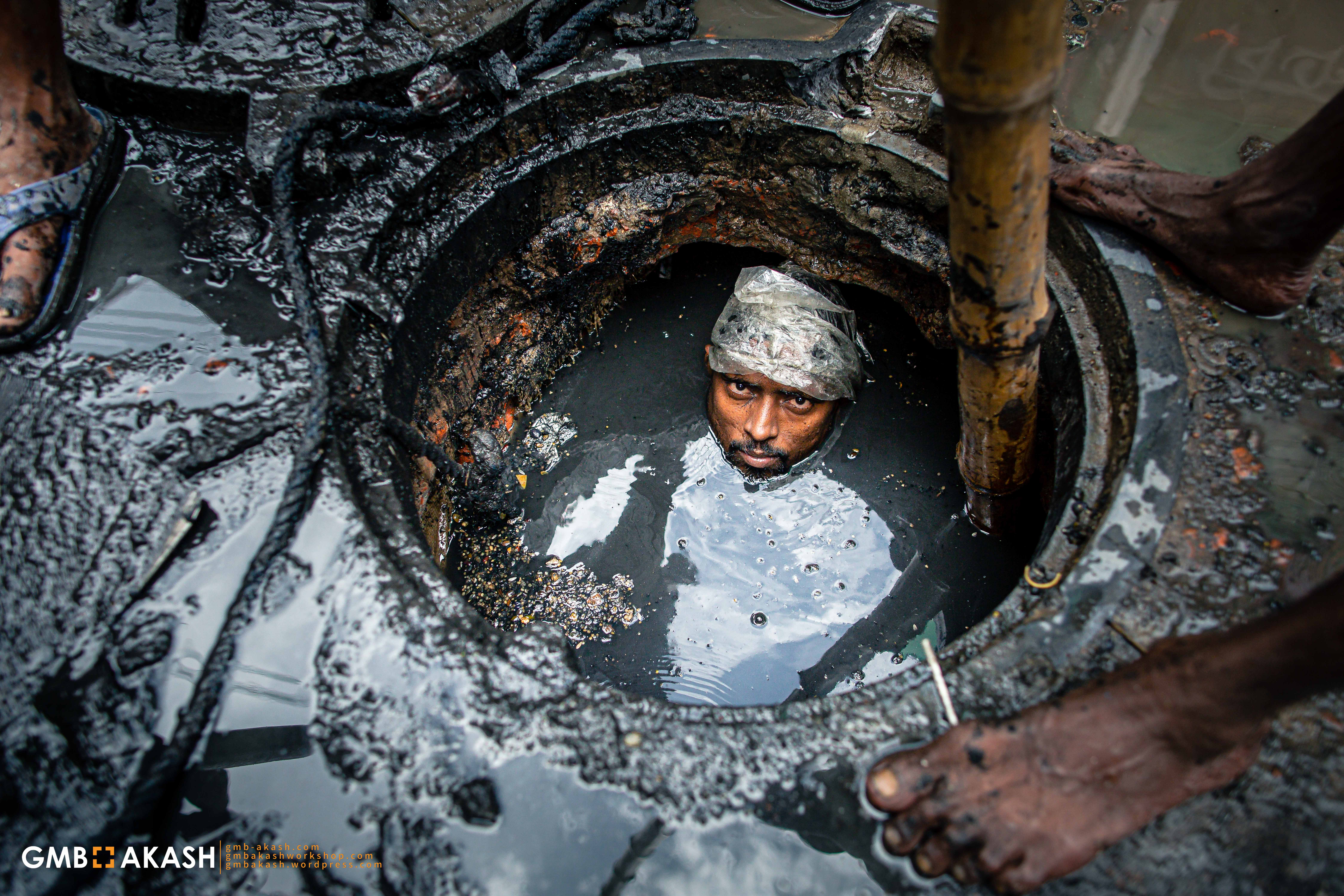
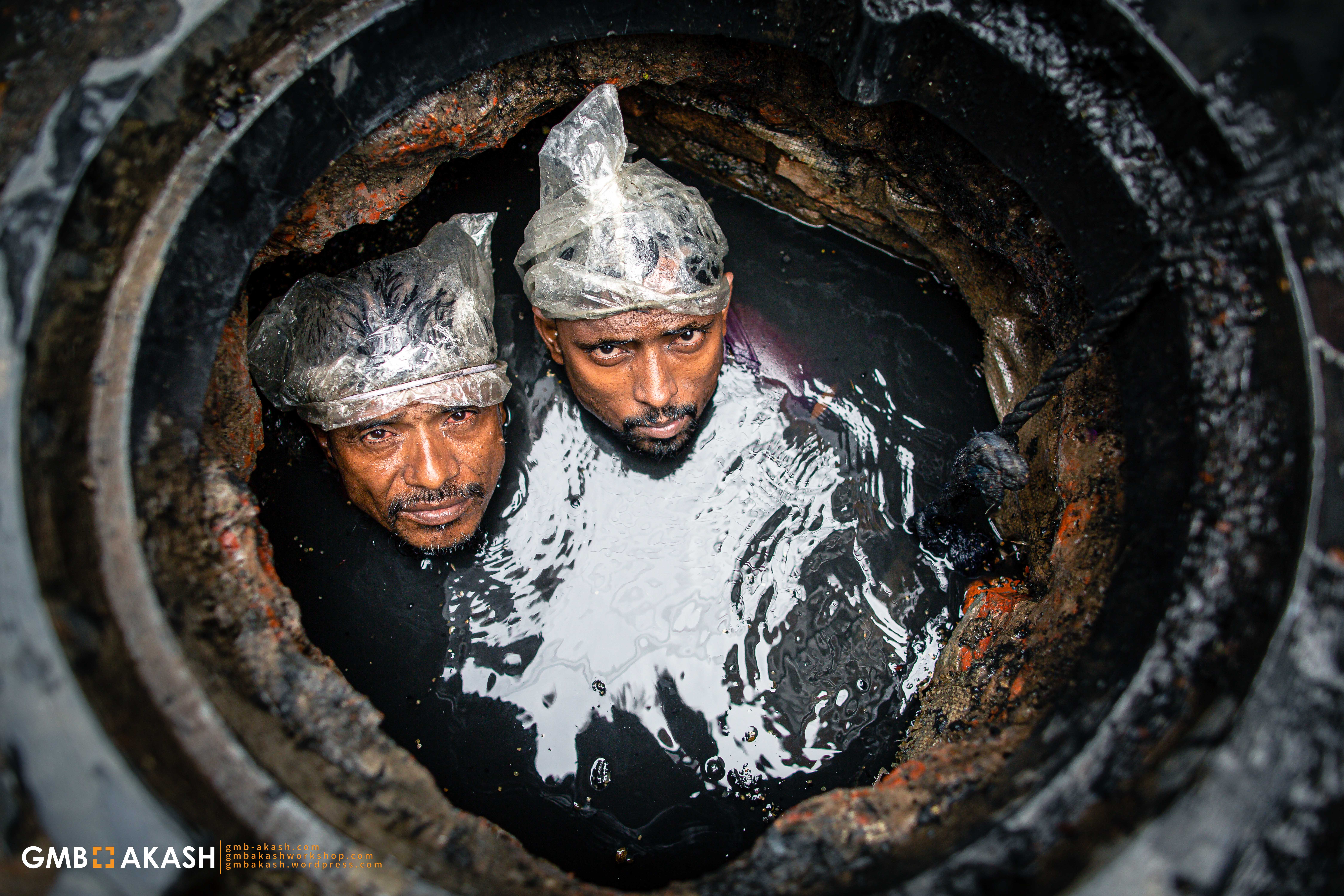
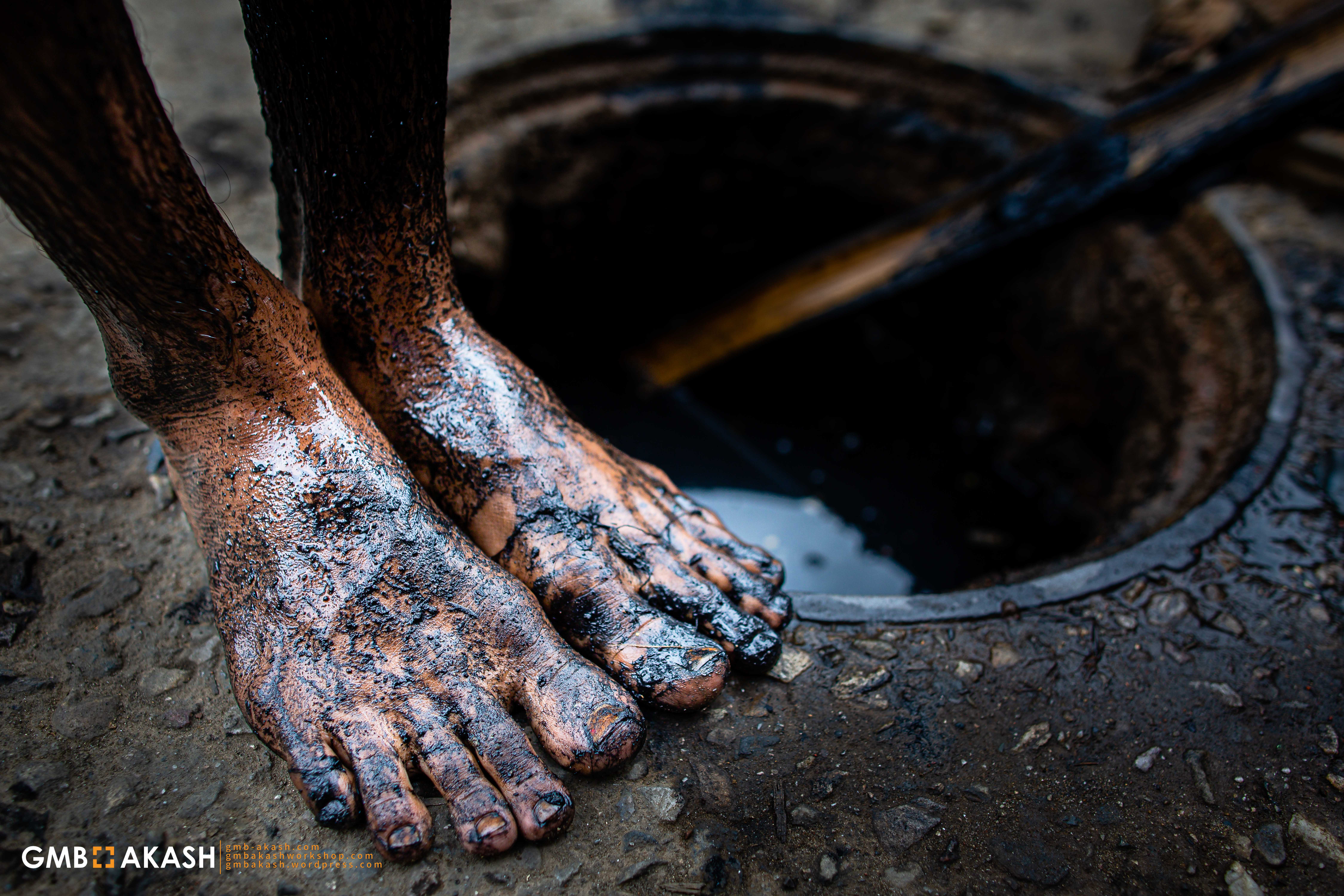
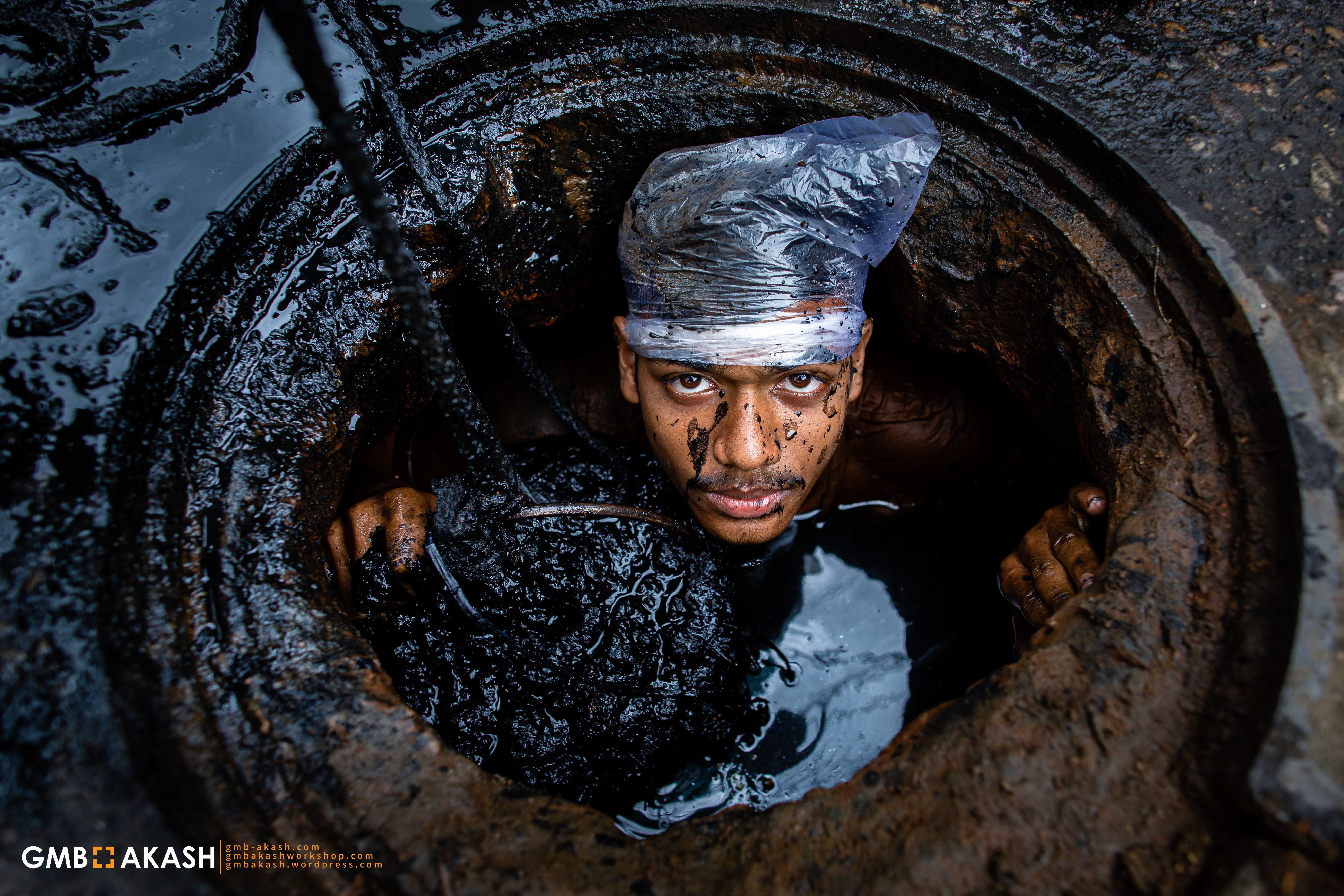
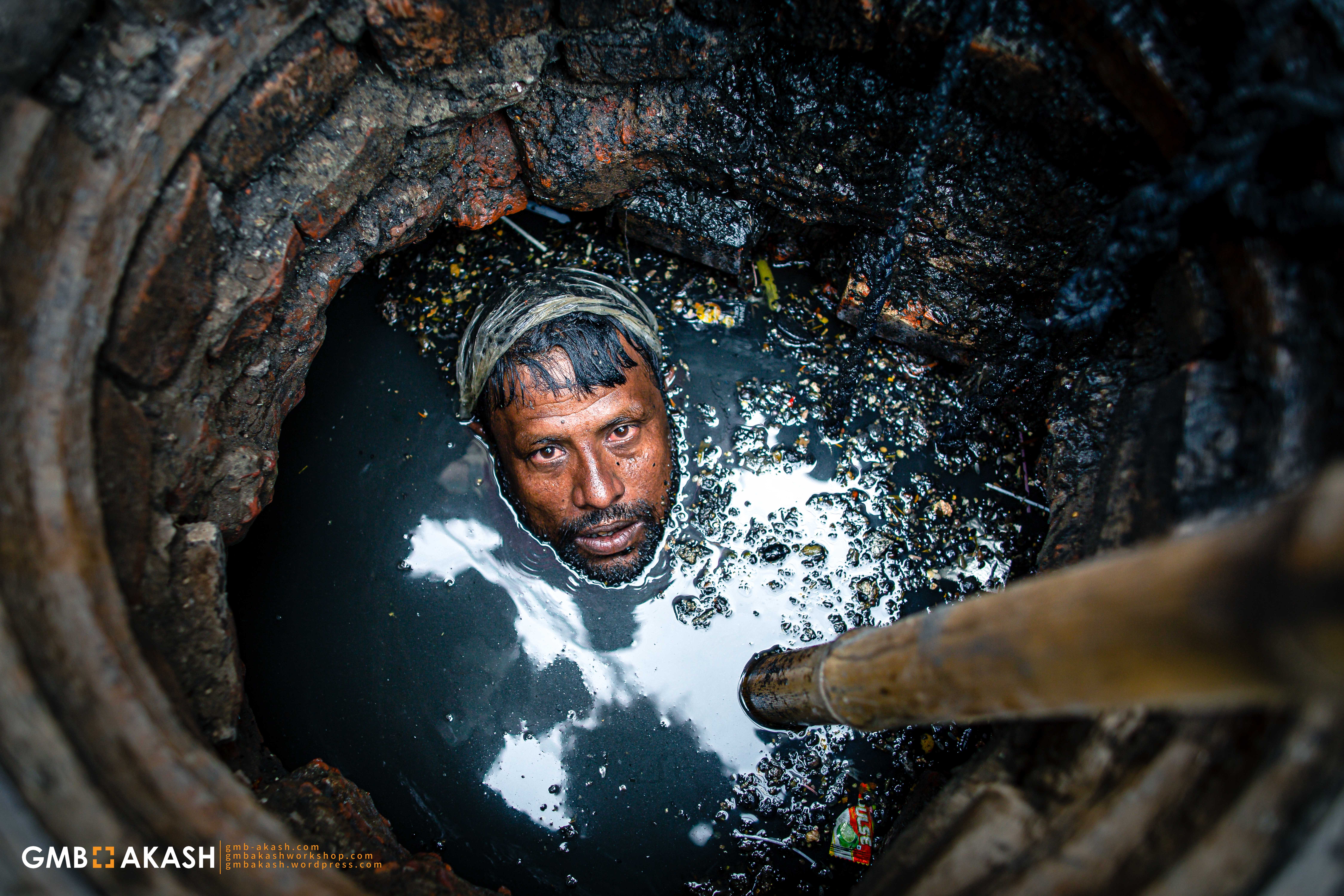
In the bustling streets of Dhaka, a heartbreaking scene unfolds daily. It is a sight that grips the senses with disgust yet remains an integral part of maintaining the urban sanitation system. Even in this year of 2023, the persistence of manual scavenging is a tragic and disheartening reality that goes unnoticed by many passersby each day. This hazardous and inhumane practice involves the manual cleaning of underground sewage systems; despite being banned by law.

The individuals who enter the manholes without any safeguards are also someone’s fathers or husbands who have someone to love. They too feel pain and bleed red blood when they get hurt. By becoming dirty, they cleanse us. No one is asking for a rocket, but providing them with some safety guards, necessary clothing, and oxygen masks, can’t we do that?

Even in this year of 2023, people are choosing this profession because poverty and a lack of alternative employment opportunities force vulnerable individuals into this dangerous occupation. The working conditions for these scavengers are unimaginably harsh as they descend into dark and cramped spaces without proper safety equipment, exposing themselves to toxic gases, suffocation, and the risk of drowning or collapsing structures.

The absence of protective gear also leaves them vulnerable to diseases such as fever, fatigue, cholera, typhoid, asthma, polio, eye infections, hepatitis, skin burns or irritation, and endless infections caused by hazardous substances. Furthermore, these workers face severe social stigma and discrimination, leading to their marginalization within their communities and limited opportunities for education and economic mobility.

Despite existing labor regulations, the lack of enforcement perpetuates a cycle of poverty and exploitation for these sanitation workers in Bangladesh.

Argentine photographer Sergio Belmonte embarks on an unforgettable journey to Bangladesh.

Passionate Argentine photographer, Sergio Belmonte, embarked on an unforgettable journey to Bangladesh for his one-to-one photography workshop. Little did he know that this experience would deeply touch his heart, immersing him in the warmth and admiration the Bangladeshi people have for Argentina’s football team.

With gratitude, Sergio thanks the people of Bangladesh for embracing him with affection. His photographs aim to pay tribute to the beauty and spirit of this remarkable country and its people.

Exploring Bangladesh through his lens, Sergio discovered its exquisite beauty. From bustling Dhaka to the serene countryside, every corner held a unique story. Locals welcomed him, sharing insights into their rich heritage and traditions.

Check out my workshop website at www.gmbakashworkshop.com to see the other participants’ work. If you’re interested in joining this exclusive program, email me at akashphoto@gmail.com for details.

About the workshop: It’s a customized photography program that goes beyond boundaries. Each student gets exclusive access to me throughout the workshop, benefiting from my experience, teachings, and methods. These intimate workshops offer a real-world working environment where students learn and experience much more than in a standard university photography program. The workshops last six days and take place in culturally rich locations with abundant photographic and documentary subjects.

The Perfect Eid Surprise for Parvin Apa!

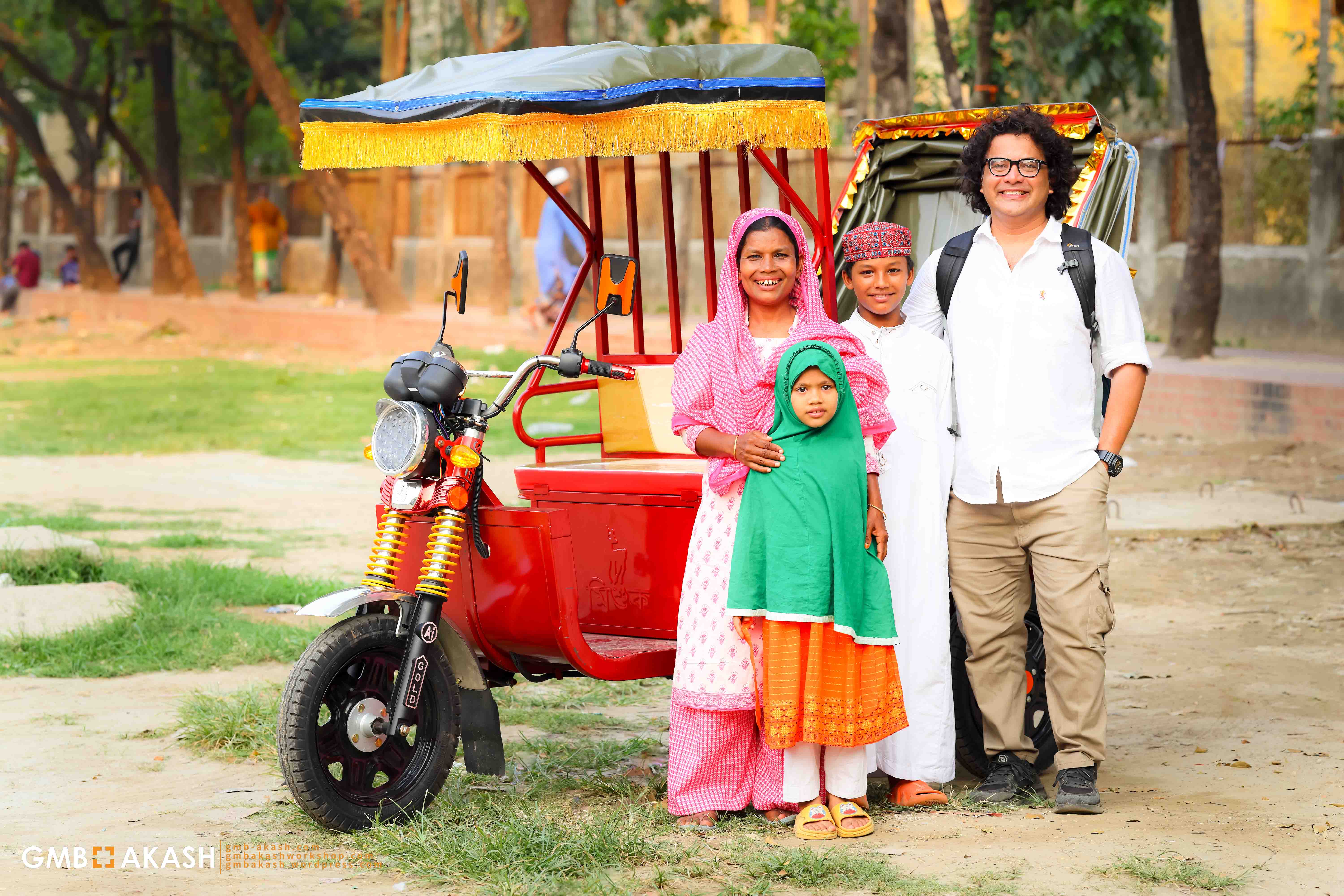
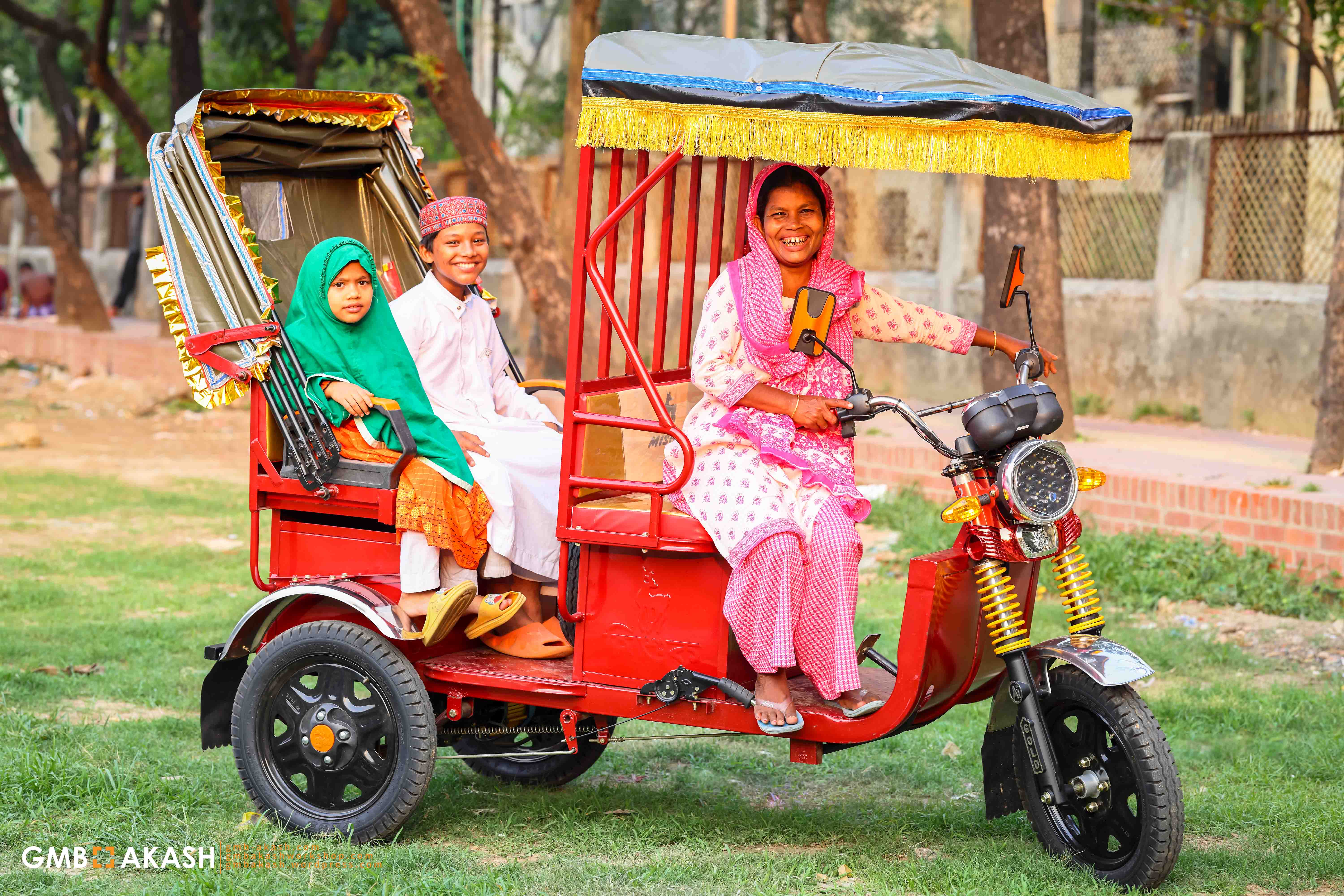
Wonderful News! The Perfect Eid Surprise for Parvin Apa!

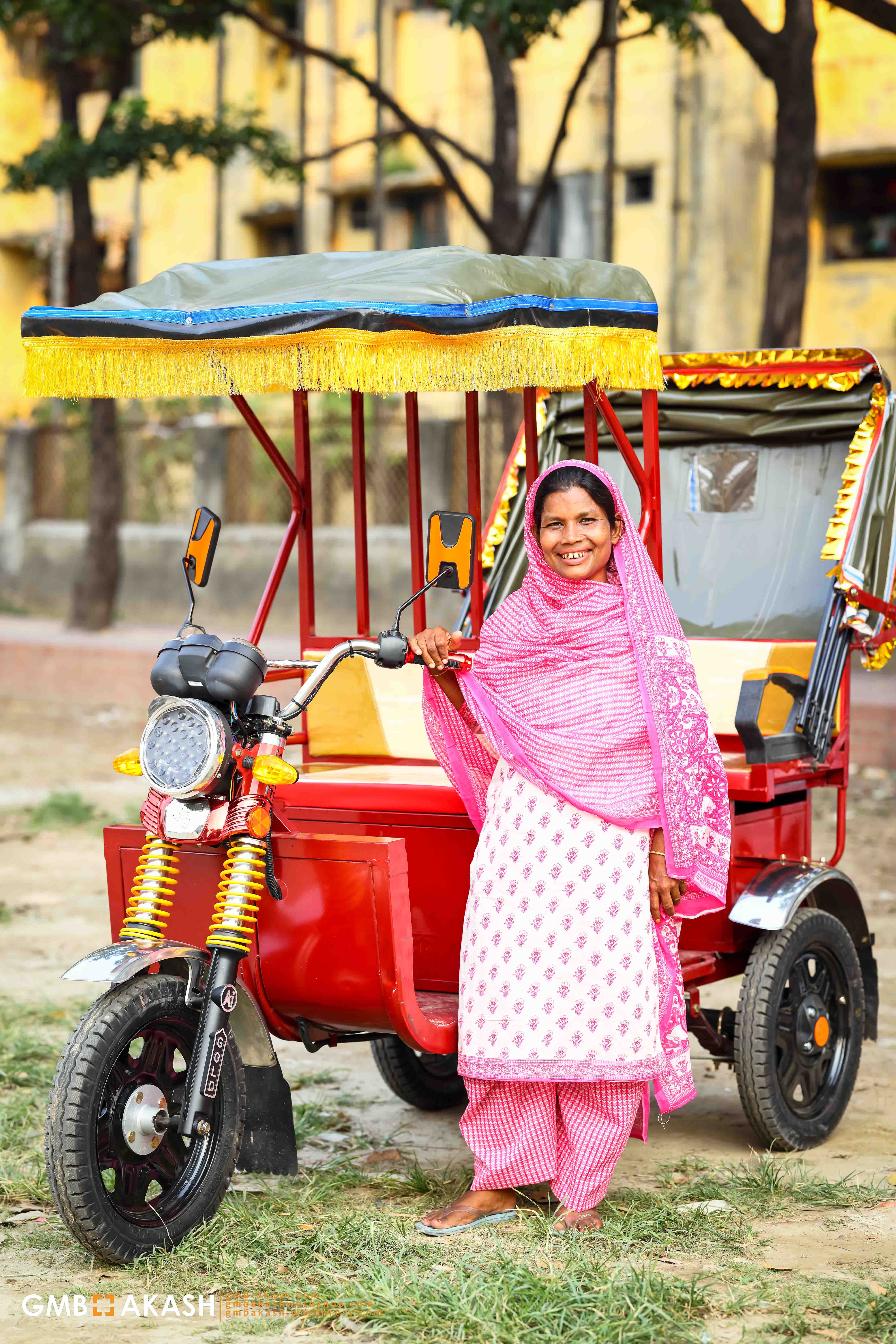
I have gifted parvin apa with a brand new customized auto rikshaw this week, which cost around 1 lac taka.

This exceptional gift brings immense joy to Parvin Apa’s life, now she can earn1000 taka daily, and she doesn’t need to pay a high amount of money to rent a Rikhsaw as she used to do before.

With her sufficient earnings, she can now easily take care of her children’s education.

Thank you everyone for your love and respect for parvin Apa.

Transforming Lives.

Dear friends,

A few days ago, I shared the story of Mobarok. Many of you may not have recognized Mobarok by looking at that old picture of him.

Three years ago, I found Mobarok and came across his story, which touched my heart. I took responsibility and paid off his parents’ loan, giving them a chance to start anew.

It brings me joy to witness the remarkable transformation in their lives. They have moved to a new location and are now self-sufficient, making great strides in their financial progress.

students attending their class.

During these past three years, I have been fulfilling all the responsibilities of Mobarok and covering all sorts of expenses such as his food, clothing, study materials, and everything he needs as a child. Additionally, every month I have been providing an amount of money to his family that he would have earned as child labor. I also promised him that I would take care of his studies until he finishes his graduation.

As you all know, by the grace of God, similarly I took responsibilities of educating 30 children for their entire lives three years ago, and I am doing my best to fulfill my responsibilities every month.

My friends, your positive support, pure love, and strong faith in me, help me to move forward every single day. Know that; nothing would have been so easy without you all. My journey could never have gone so far without you. I am so grateful.

Please keep me on your prayers so that God grant me the ability to provide for the expenses of their studies until they complete their education and secure jobs.

I am sharing with you some old and new pictures of Mobarok.

Love and Light,

_GMB Akash

I am absolutely delighted and deeply honored to have been chosen as a member of the jury for the esteemed and influential ‘2023 Chromatic International Photo Contest’ in the UK.

Dear friends,

I am absolutely delighted and deeply honored to have been chosen as a member of the jury for the esteemed and influential ‘2023 Chromatic International Photo Contest’ in the UK.

I want to express my heartfelt gratitude for your unwavering support and affection. Your encouragement means the world to me.

Kindly keep me in your thoughts and prayers as I embark on this exciting journey.

For further information and updates, please visit:

https://chromaticawards.com/

Sending you all love and light.

Love and Light!

GMB Akash

Changing Lives, One Child at a Time: A Mission to End Child Labor.

Dear friends,

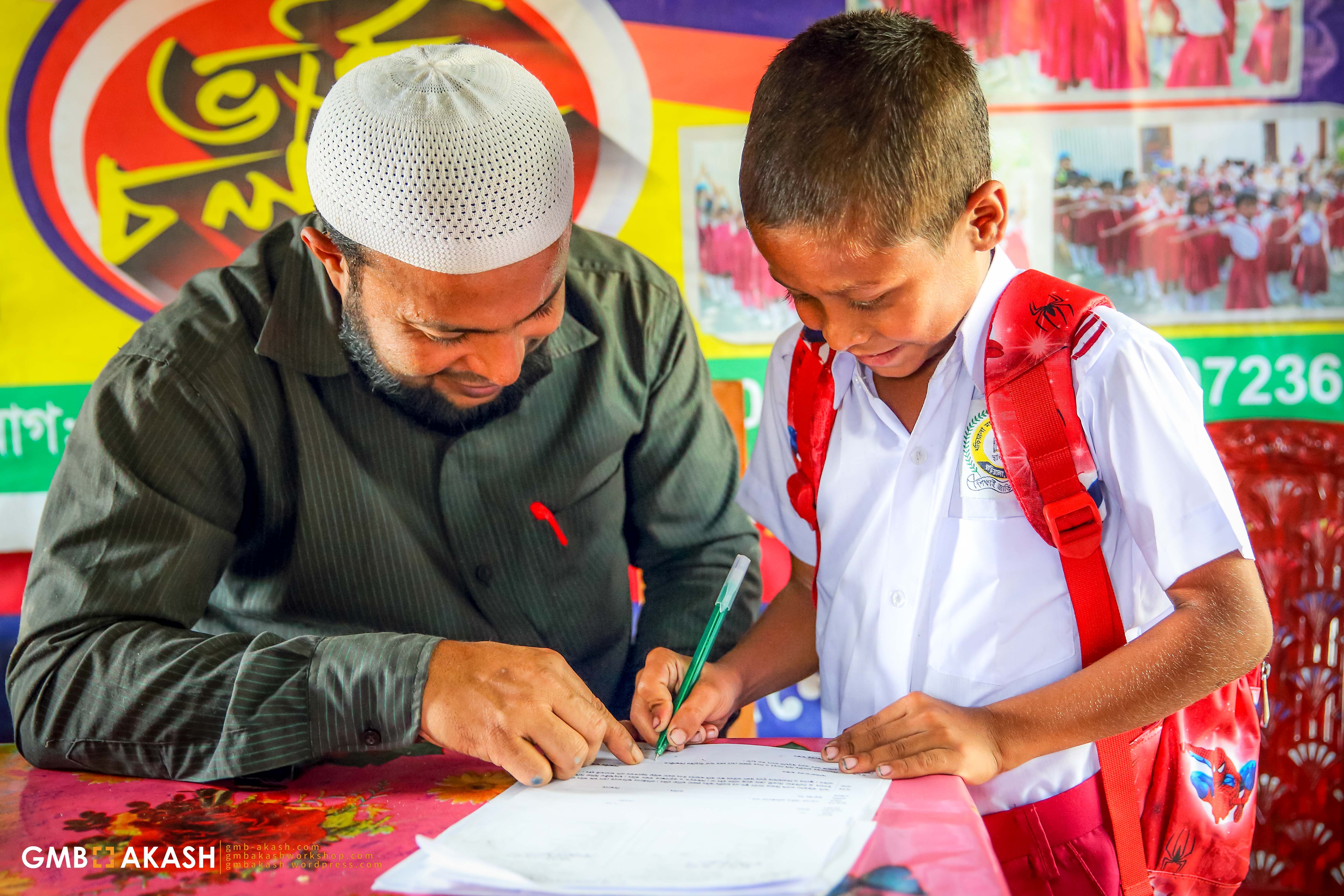
I am happy to share that all 30 of my students have been promoted to their new classes and have received their new books. With excitement and happiness, they all shone like stars. It brings me great pleasure to share these radiant faces with you.

As you know, in 2020, I took on the responsibility of ensuring their complete education for my entire lives. For this reason, I regularly visit their homes and families to assess their situations. The years seem to be passing for them in the blink of an eye!

I began with 10 children, and now I have more than 30. Hopefully, in the coming years, I will be able to admit and shift more child laborers from their workplace to school.

For more than 15 years, I have been working on the issue of child labor in Bangladesh. From the beginning of my photography career, I wanted to change the situation and raise awareness of this issue. However, I was not happy with the slow progress happening in our society. Therefore, I decided to change people’s lives directly and started with those people whom I had photographed and those with whom I was already working.

I started by providing training and helping to set up businesses for people in need, especially the parents of child laborers. With these businesses, the families could earn more money and send their children to school instead of factories.

To get working children to school, I had to go door to door many times and request that their parents send them to school. Eventually, I was able to convince some parents about the importance of education and motivated them to send their children to school. It was not easy, as I had to take full financial responsibility for these kids, including expenses such as admission fees, tuition fees, daily food, books, clothes, and financially compensating their parents for the entire amount of money they would have earned each month if they had worked instead of going to school. I will also have to bear all the children’s expenses to ensure that they will continue to attend school.

Like these 30 children, more than four million children are struggling in our country. It may be difficult, but it is not impossible to give hope to these 4 million children. If every capable person would lend a hand to one child, miracles would happen, which could transform our society into a better-educated population who could better contribute to the development of our country, a benefit for us all.

My heartfelt thanks and deep gratitude for your kind support for the work I do. Without your support and love, I could not make all of this happen.

Sending my respect and prayers.

Love and light!

GMB Akash

Ralph Striewski came from Germany to join me in my exclusive six days One on One photography workshop.

Ralph Striewski came from Germany to Bangladesh in order to join me in my exclusive six days One on One photography workshop. January, 2023

To check the other participants work visits my workshop website: http://www.gmbakashworkshop.com

If you are interested to join this exclusive program send an email to know detail at: akashphoto@gmail.com

About the workshop: The focus of this customized program is to teach photography going beyond boundaries. Each student will have exclusive access to me through the duration of the workshop, giving them the opportunity to take advantage of my work experience, teachings, and methodologies. Due to the intimate nature of these workshops and the real world working environment, each student can expect to learn and experience much more than they would during one year in a standard university photography program. Each workshop is six days long and set in locations that are rich in culture with a wealth of photographic and documentary subject matter.

Bangladesh’s Unsung Heroes: Celebrating the Backbone of Our Nation on Labor Day

Behind the growth of any nation lies the hard work of its workmen. Saluting our indefatigable workers, who keep Bangladesh moving forward as we celebrate #LabourDay#MayDay.

It is essential to recognize the contribution of Bangladeshi laborers who work tirelessly in various industries, including agriculture, manufacturing, construction, and service sectors.

Unfortunately, many of these workers face challenges like low wages, unsafe working conditions, and lack of job security. On this day, we must take a moment to reflect on these issues and pledge to work towards improving the lives of our workers. Let us honor the achievements of our working-class people and commit ourselves to creating a better future for them.

This photo album serves as a tribute to the hardworking men and women who contribute immensely to our society. Your comments, filled with appreciation and support, only reinforce the significance of this celebration.

Each photo represents the resilience, dedication, and unwavering spirit of our labor force. It is an honor to capture and share these moments with all of you.

Let’s take a moment to reflect on the achievements and sacrifices of our labor community. Feel free to share your thoughts, personal experiences, or messages of gratitude.

Together, we can amplify their voices and recognize their invaluable contributions.

May this album serve as a reminder of the strength and unity that define us as a nation. Happy Labour Day to all, and thank you for being a part of this meaningful journey!

_GMB Akash

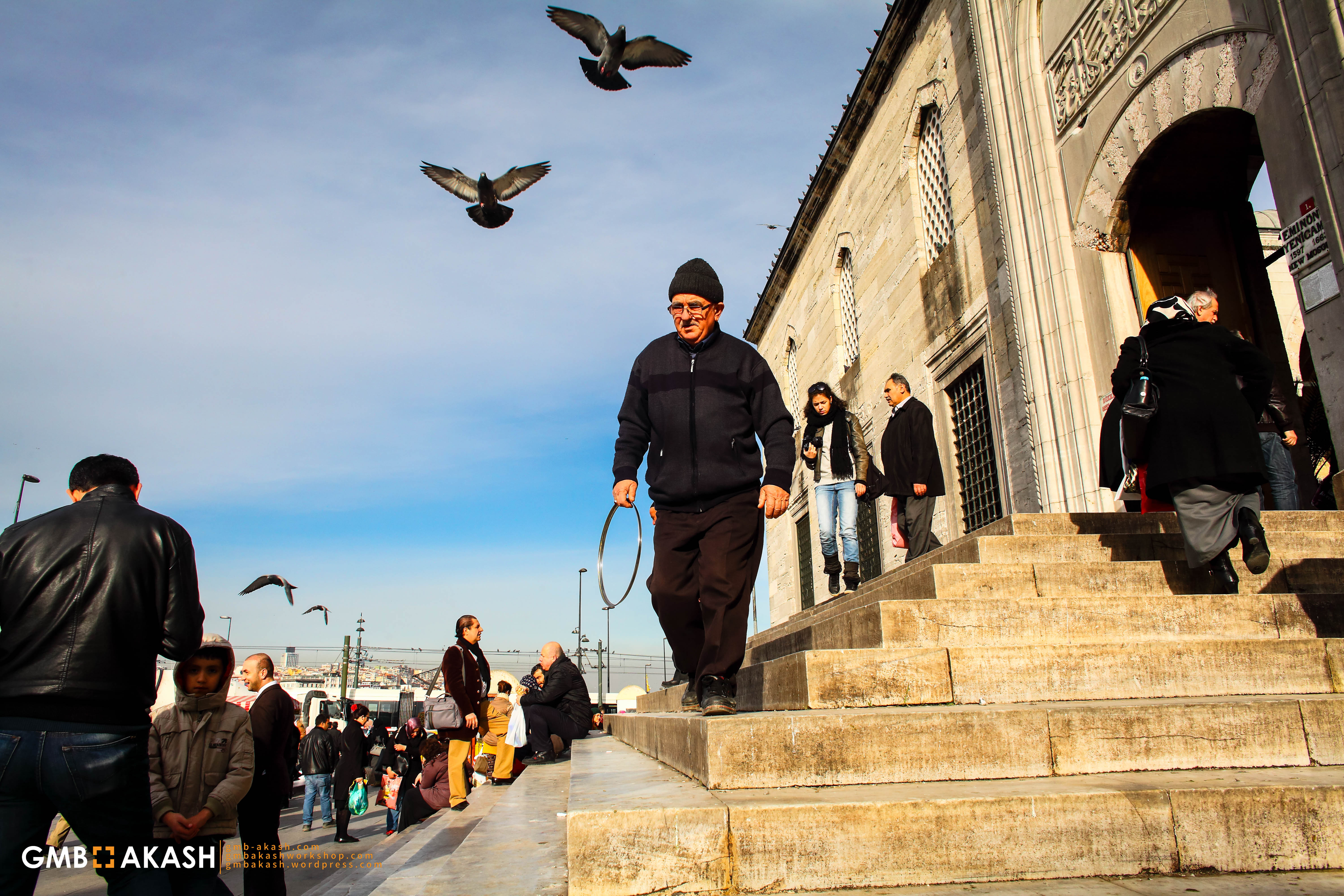
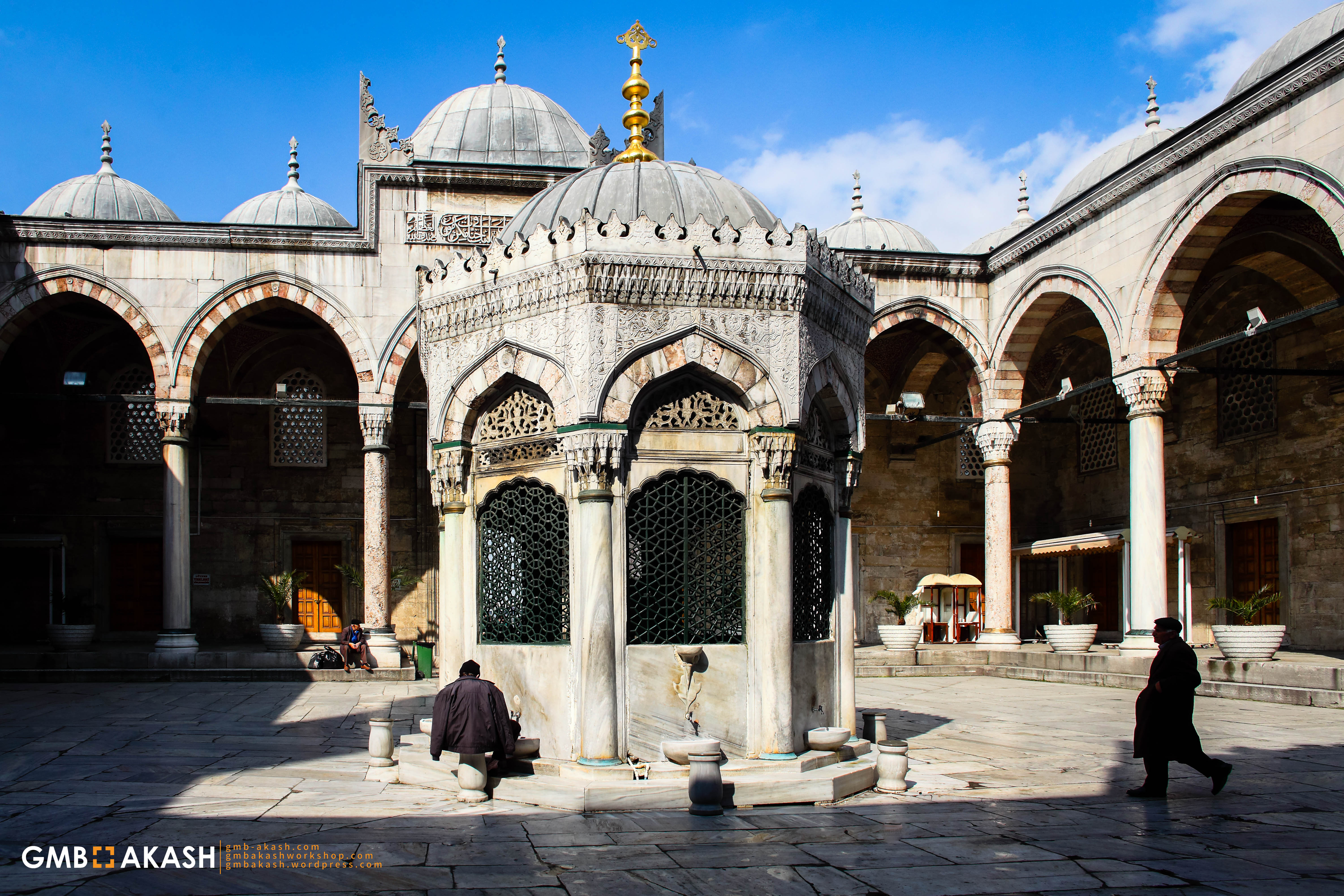
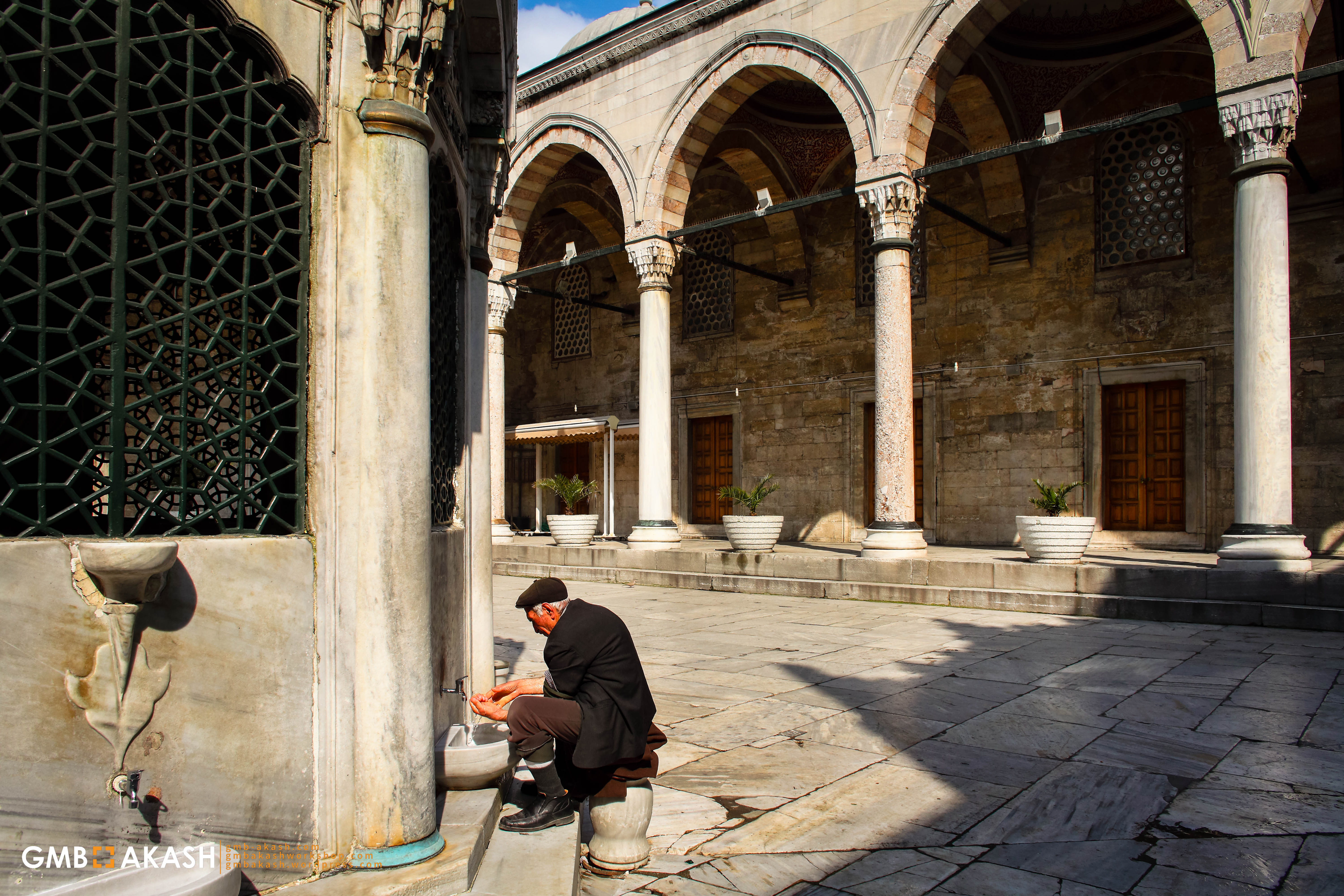
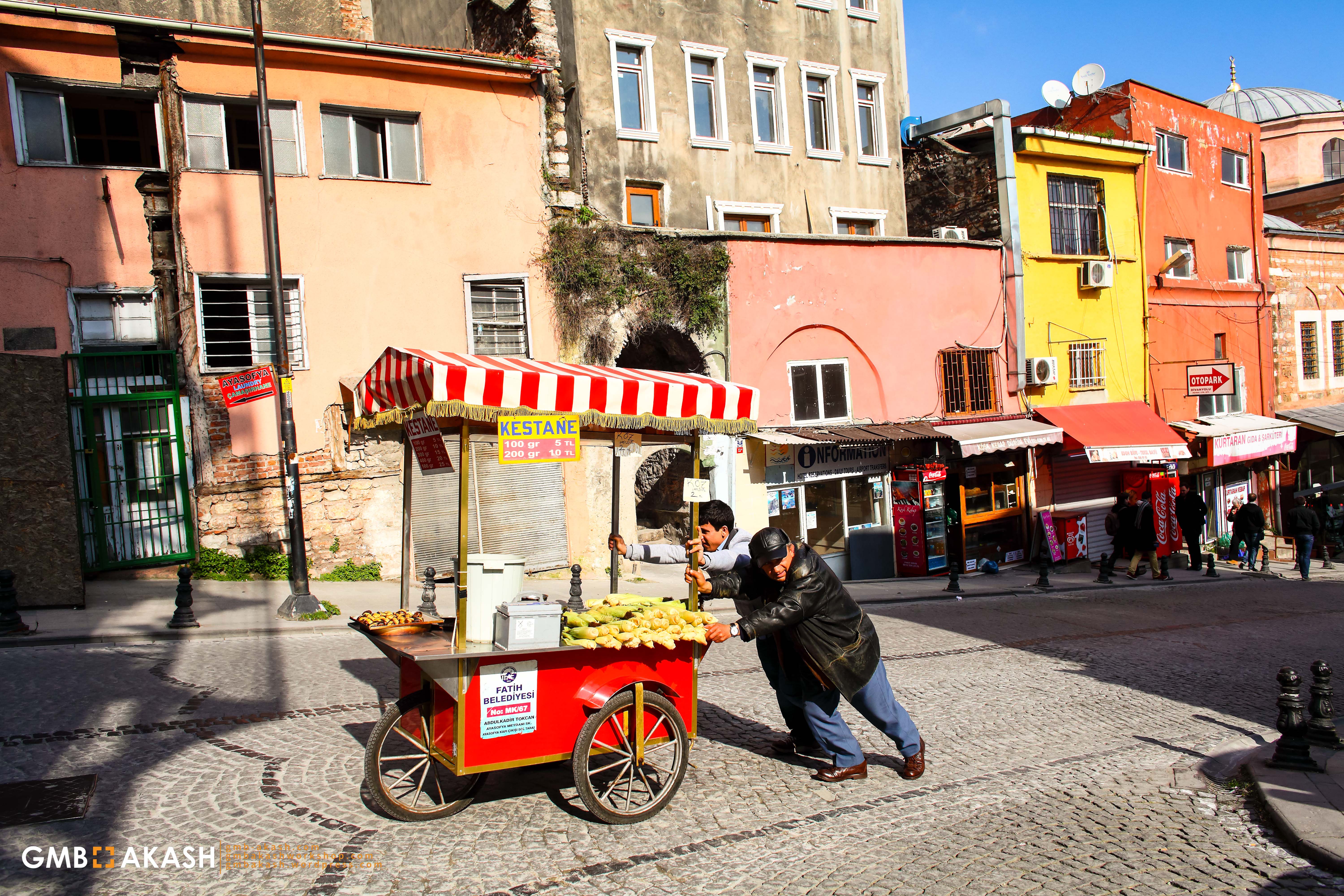
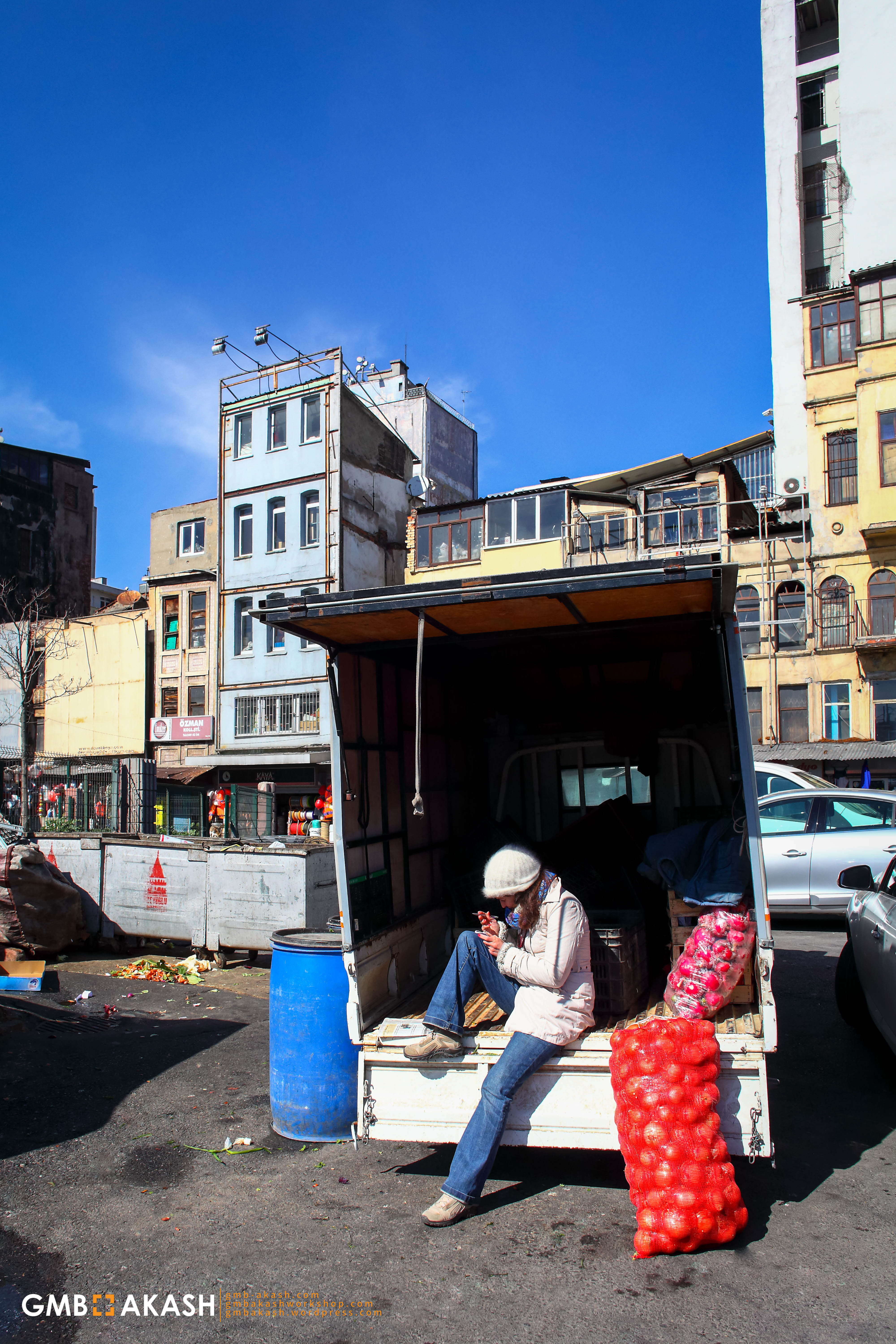
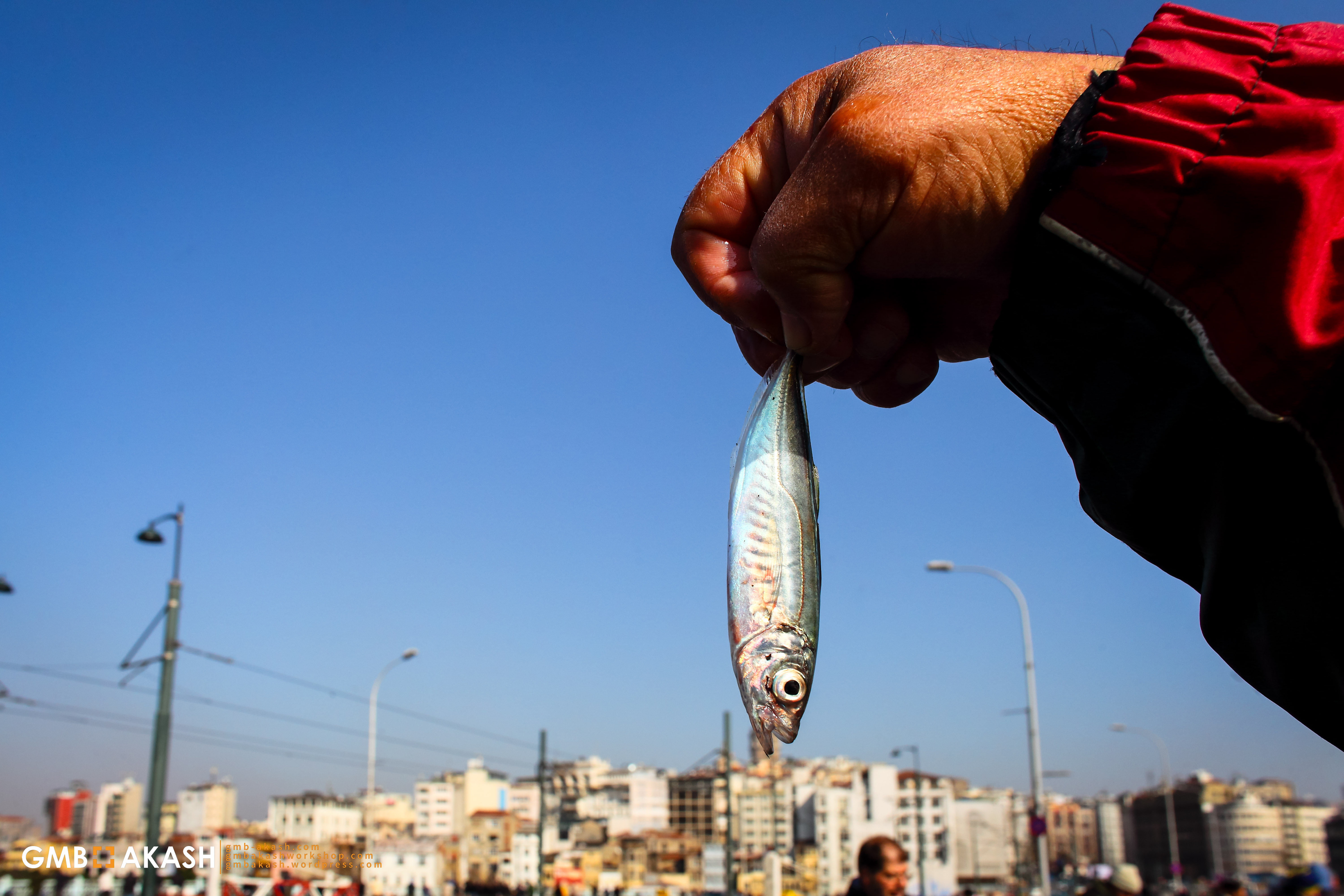
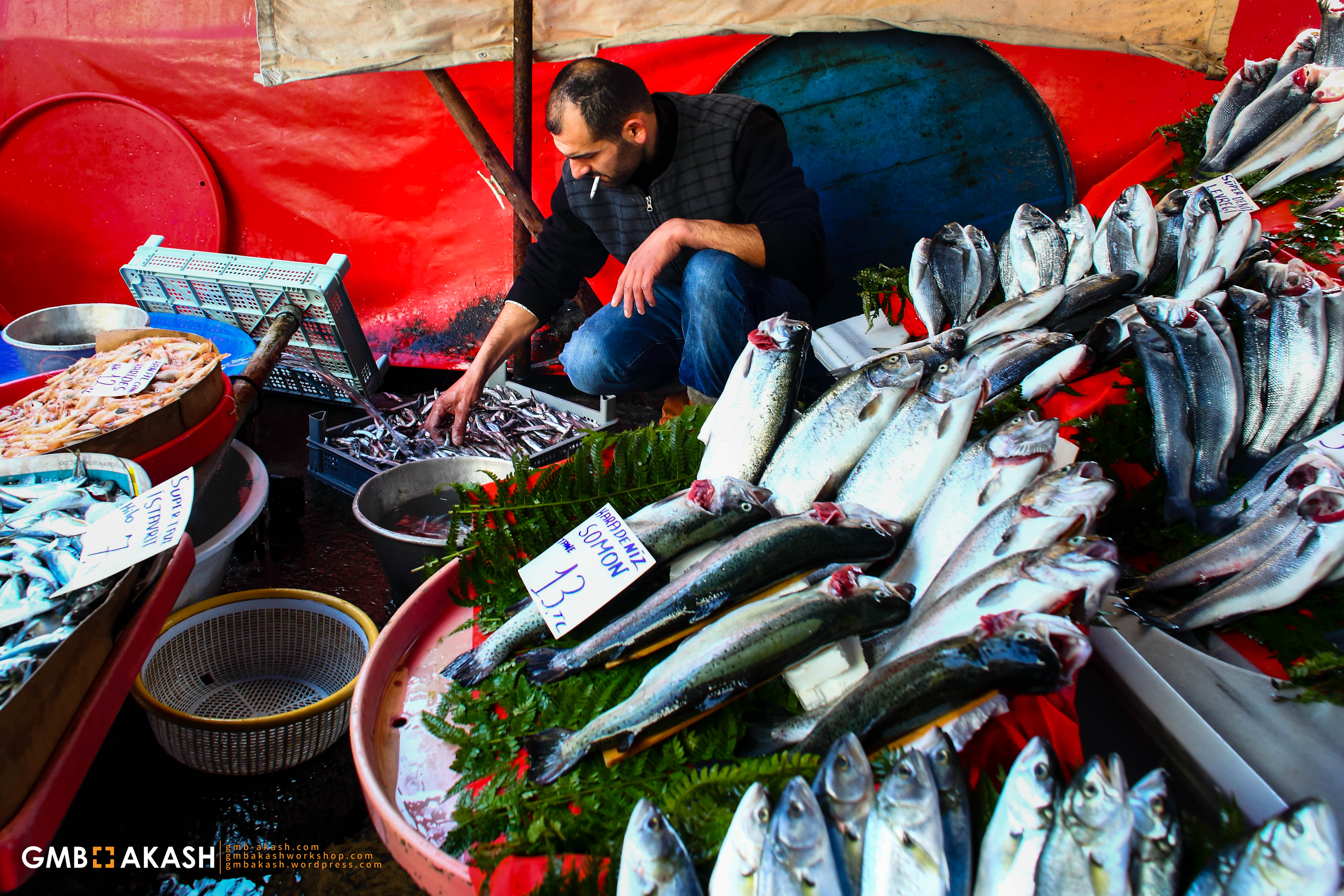
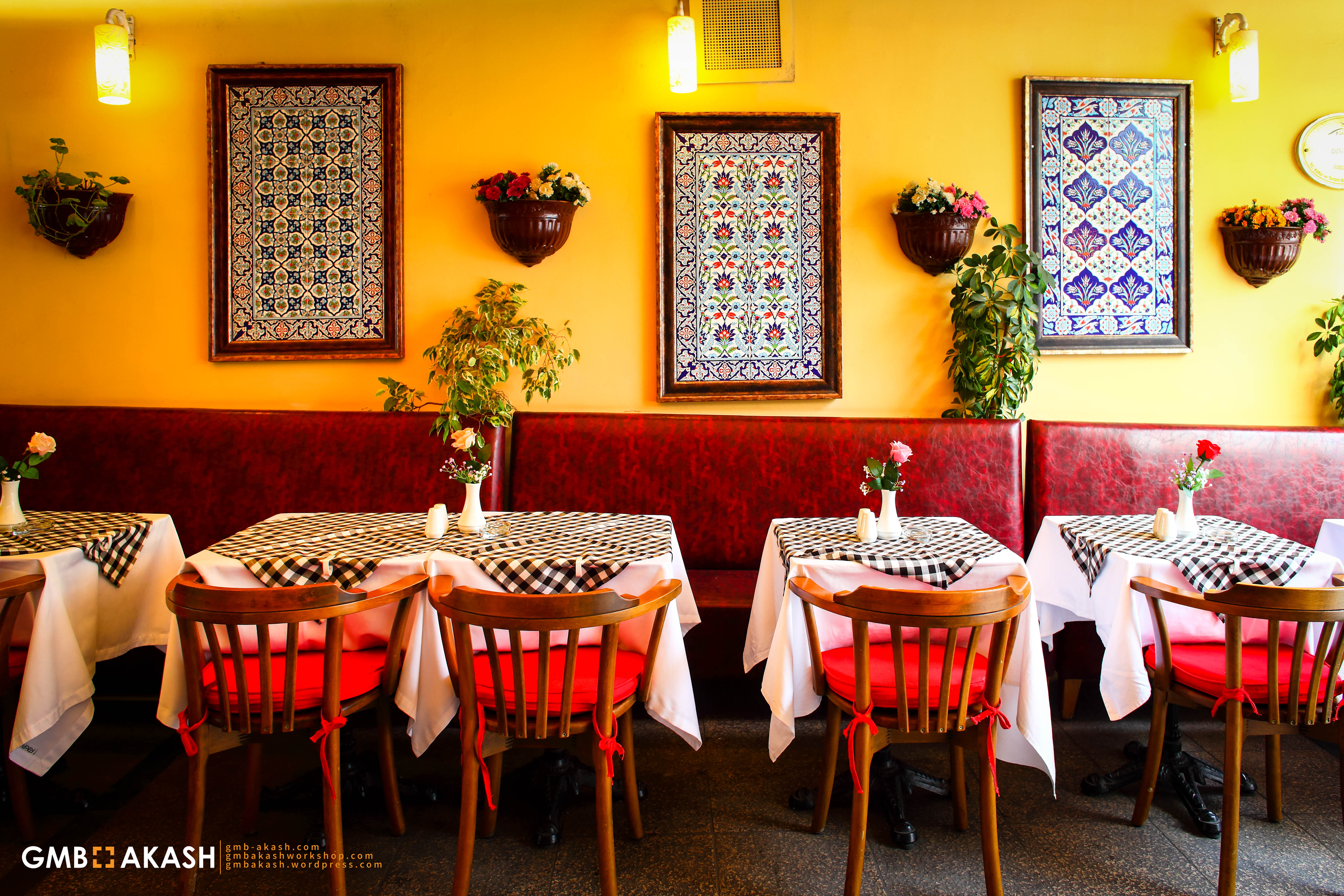
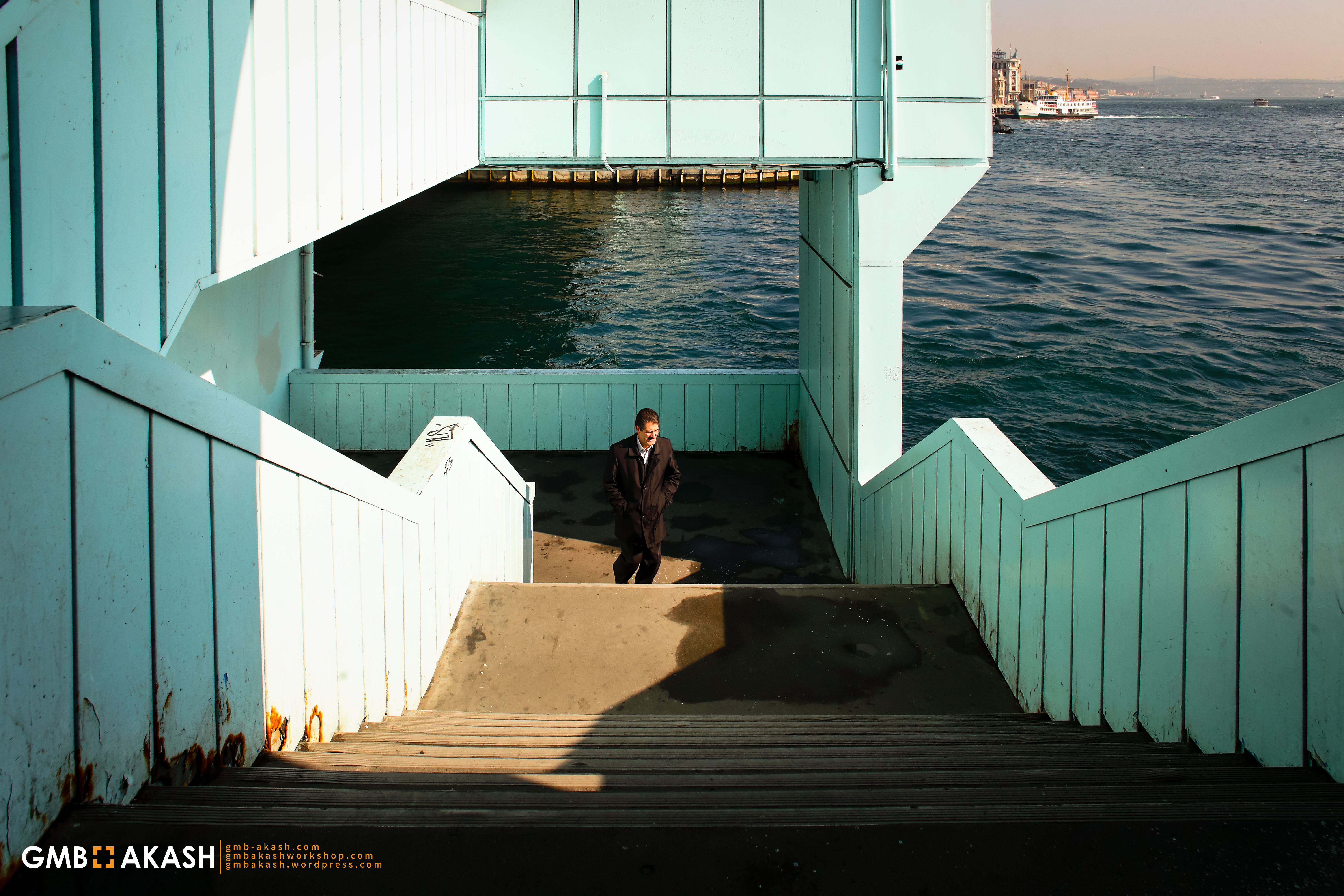
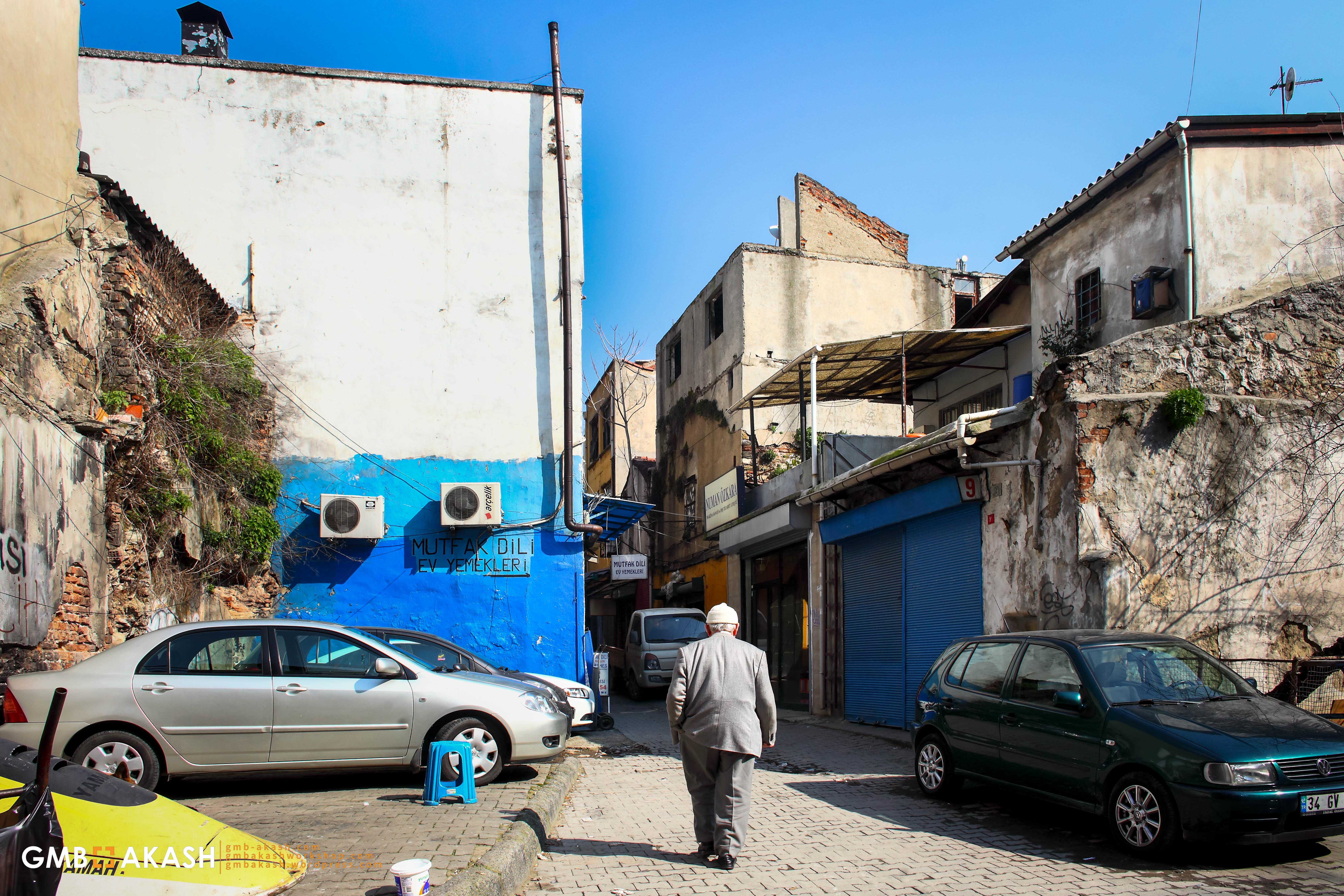
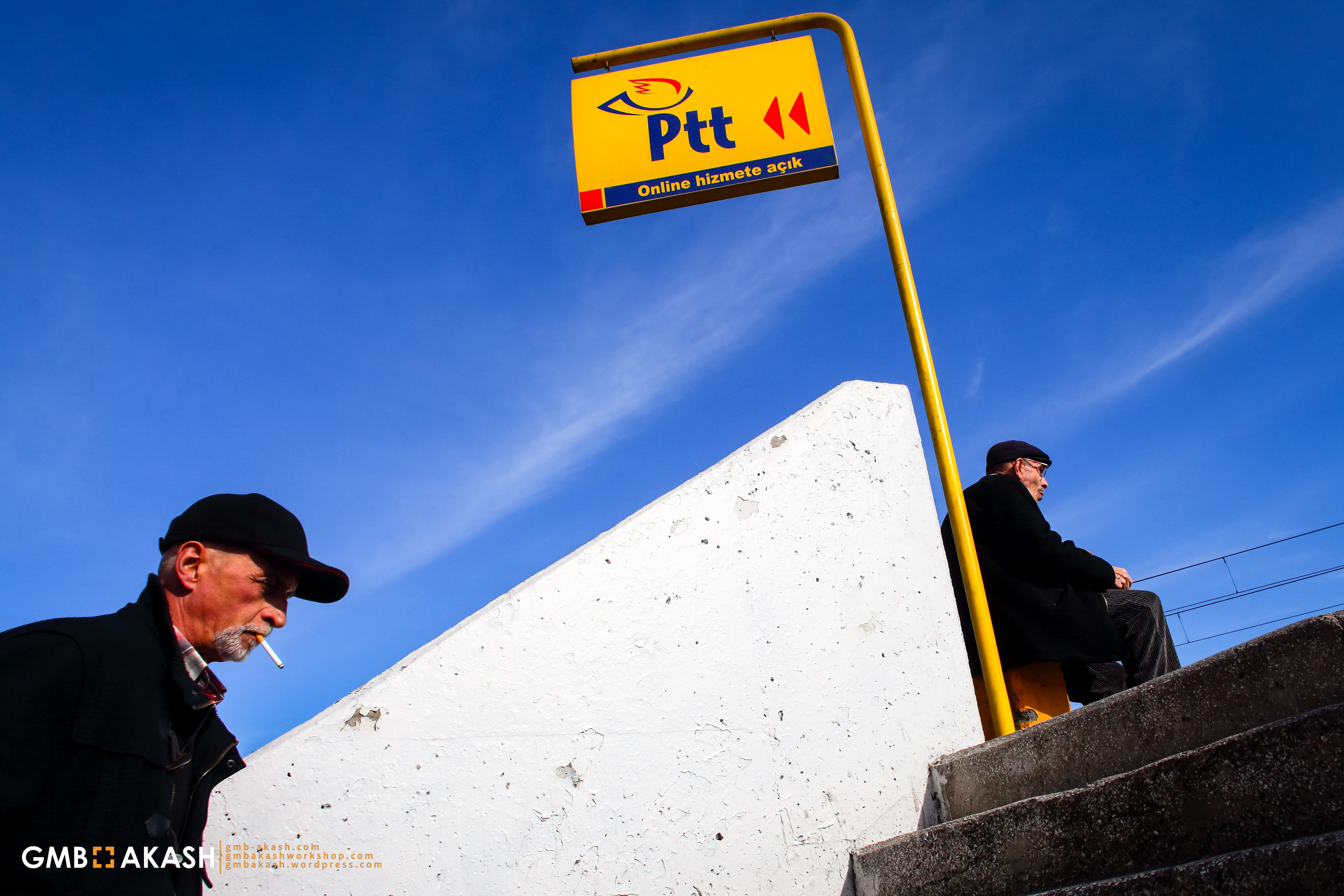
A journey through time and culture : Discovering the magic of Istanbul, Turkey.

“The moment I wake up, right away, I smile…. I am aware that a life is offering me twenty-four brand new hours to live, and that’s the most precious of gifts I received, while living every second of my life for a new day, for a new hope, for a new destination. I am a traveler, and I don’t mind being called gypsy. Hanging my bag, holding my camera, eying over everything, I keep walking. I discovered a part of me in my journey. I mostly save each penny from my work for traveling. Simplicity is my luxury. Visiting my maples world is pretty sweet but I don’t mind waiting. Travel brings power and love back into our life. Sometimes we plan a trip to one place, but something takes us to another. Whatever purifies it is the correct road. Thus I stepped to Istanbul with an open eye in road to be lost”

– GMB Akash

There are a handful of cities around the world that draw me back again and again. In my list Istanbul was a most desirable place to visit. I got my chance and landed for a quick tour. In Istanbul It is difficult to be in quiet places in a city of 13 million, which was best for me. I was attracted to the city for its rich history—it was the capital of three empires and it’s the only major city in the world that straddles two continents. Navigating Istanbul can be difficult for tourists. There are so many forms of transportation—trams, trolleys, ferries, taxis, metro—and so many ways to get to a place.

As a travel photographer I love all options. While I keep clicking my camera, a short, wiry Turk goes past, carrying a dozen folded carpets balanced on his head. The weight of the load seems to be greater than that of the carrier. Women wearing veils, only showing their eyes, gold bangles and chains reminding women of my Old Dhaka’s. Several groups of photographer’s roaming around like me with cameras on shoulders and heads almost mechanically swiveling from side to side in an endeavor to miss nothing. The famous Blue Mosque was just near my hotel, I was stunned by seeing one of the most famous and most stunning Mosques in the world.  Istanbul is a city for those who can still enjoy a sense of providence: a sense of discovery and a sense of marvel.  

Continually after walking almost ten hours it was not tiring to me. As a travel photographer one must quality is to be brave. Brave to face anything and everything on the journey. I travel alone and learn to enjoy entertaining myself. It is quite fun to explore a strange place and not get bored in loneliness. I love to watch people, introduce new rituals and learn about different forms of life. I keep images of memory in my travel folder. Photographs are not only holding my memories, but emotions and my interpretation of an untold journey.

Wherever I go, I keep trying to match my country with the place I am visiting. Often I started missing my country. In Istanbul I was finding my bond, hearing Azan in mosques was weaving images of my place, my Dhaka. There is a universal language in the world, the language of love. We human beings are always trying to name our emotions, level our feelings so I keep trying to write in my dairy. My days ended so quickly, with my mixed emotions I was leaving the city, Istanbul. I headed to catch another flight for another place with the imaginary in my mind ‘Splendid Istanbul’

“I am not only burning myself in these journeys, I am shaping my molecules, the discovery and ending up here, neither do I go home. I will pack my bag by holding my camera, & another mystic road will open its arm for me, and I very well know, miracles dwell in invisible. I – a lost soul will walk step by step, hearing entirely in silence. When I keep learning the art to fly, I keep discovering till my universe dissolves”

– GMB Akash

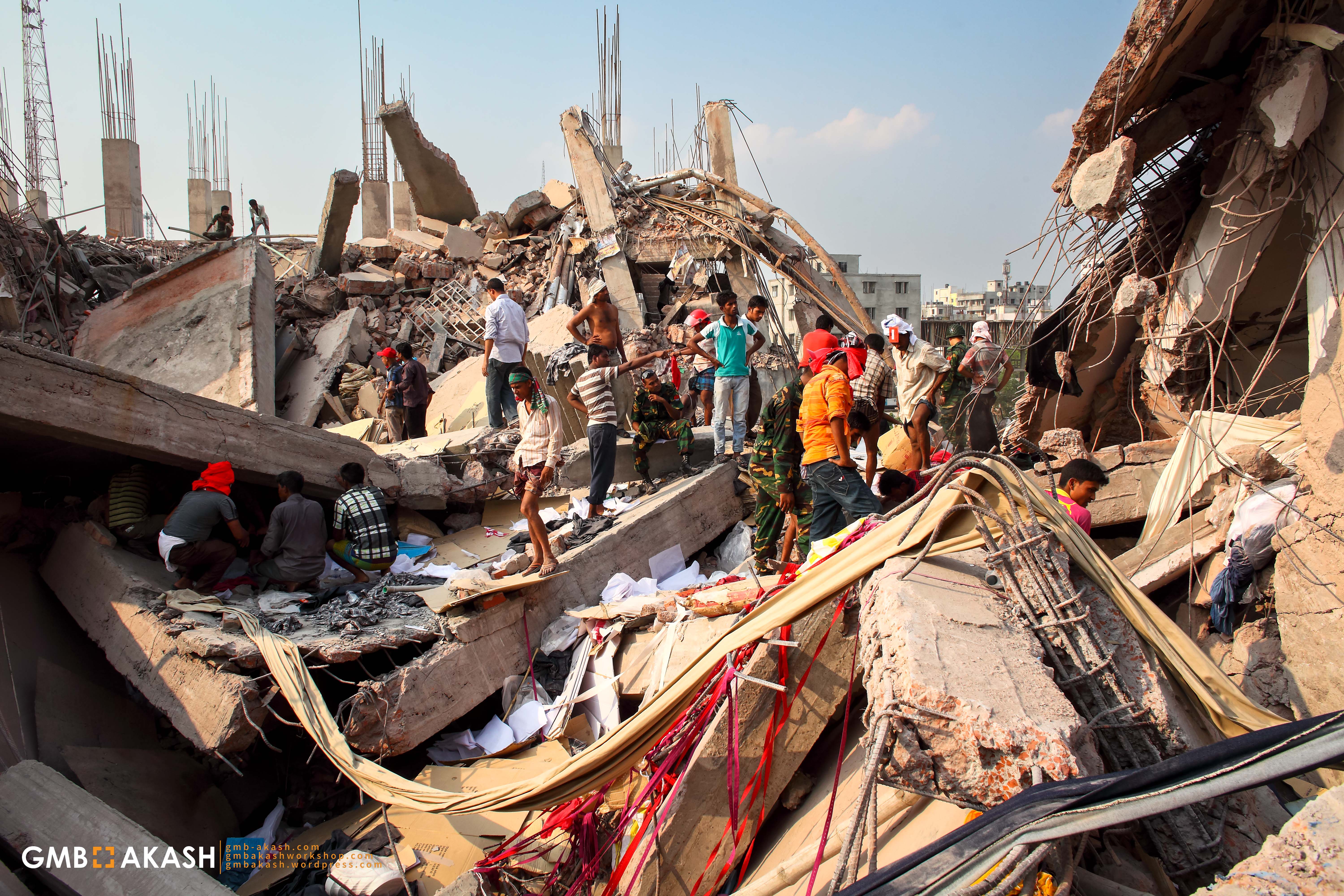
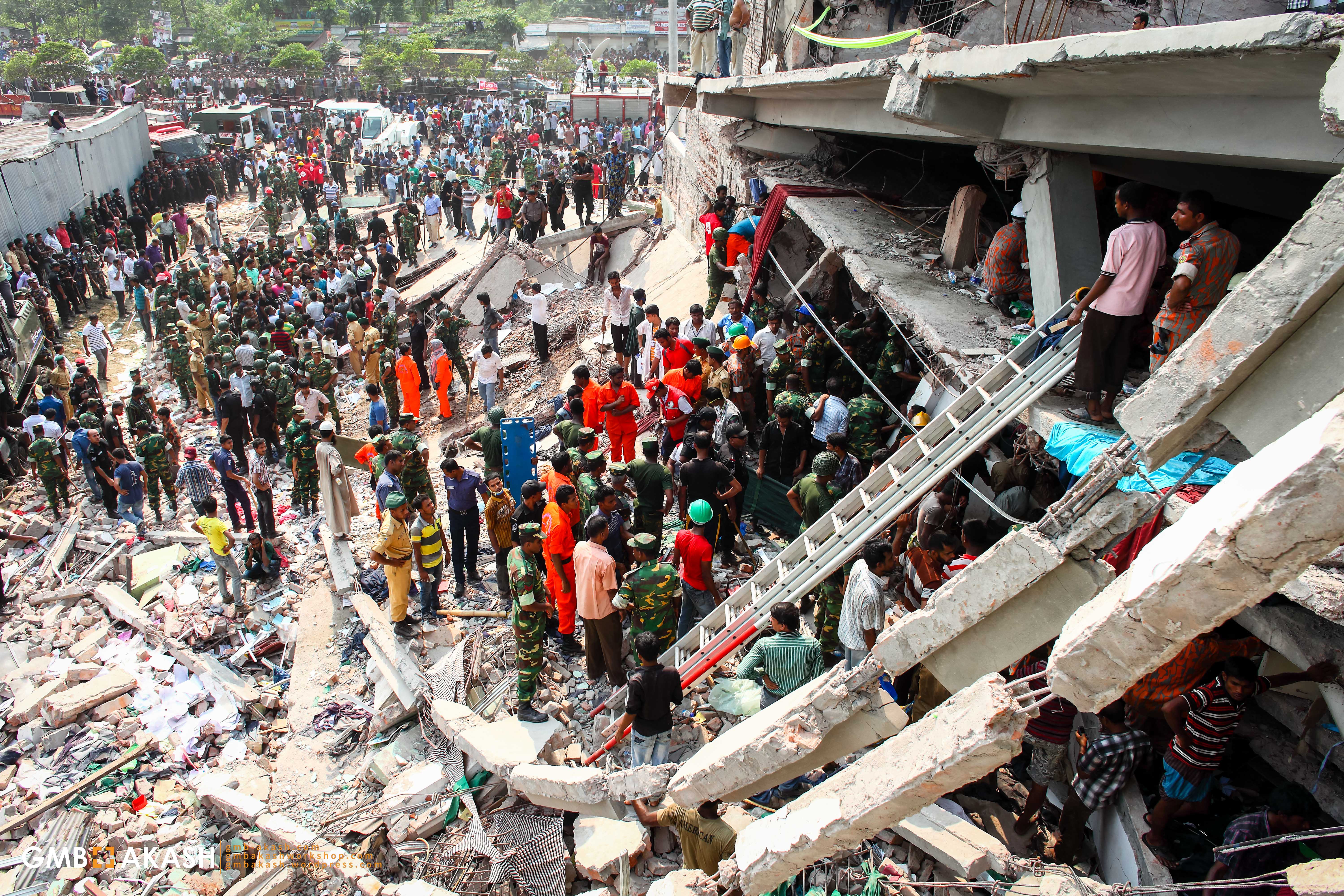
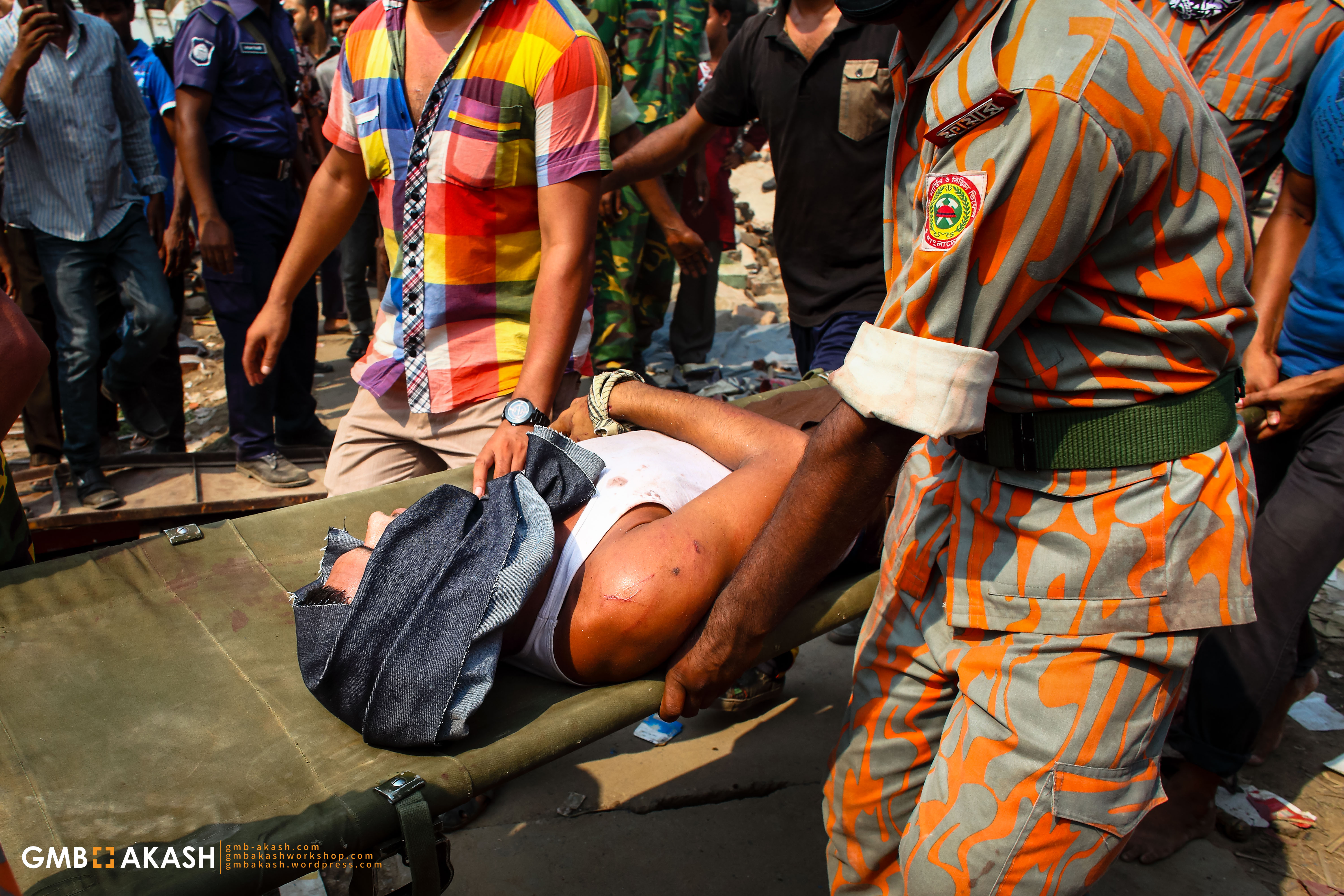
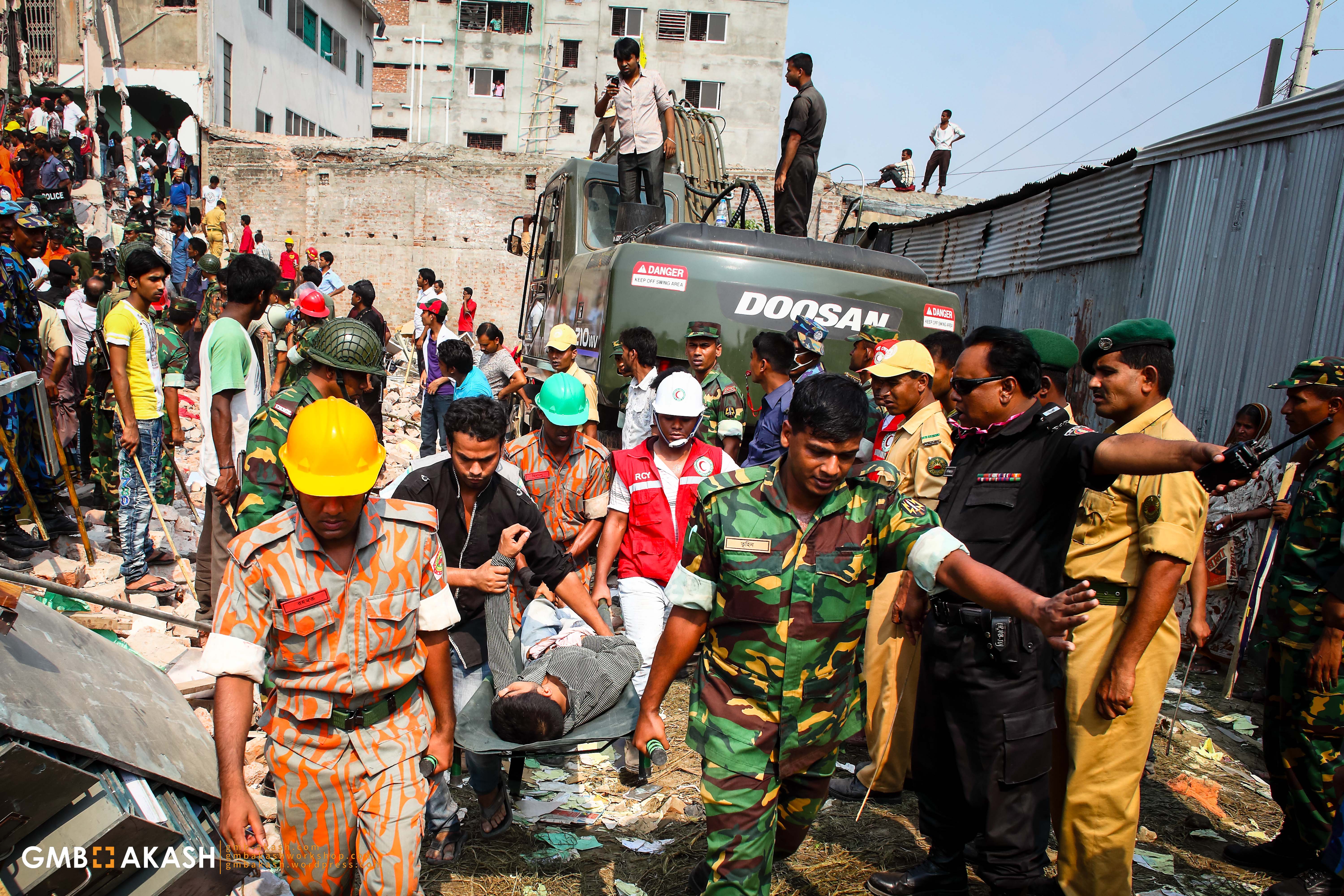
Rana Plaza Tragedy!!

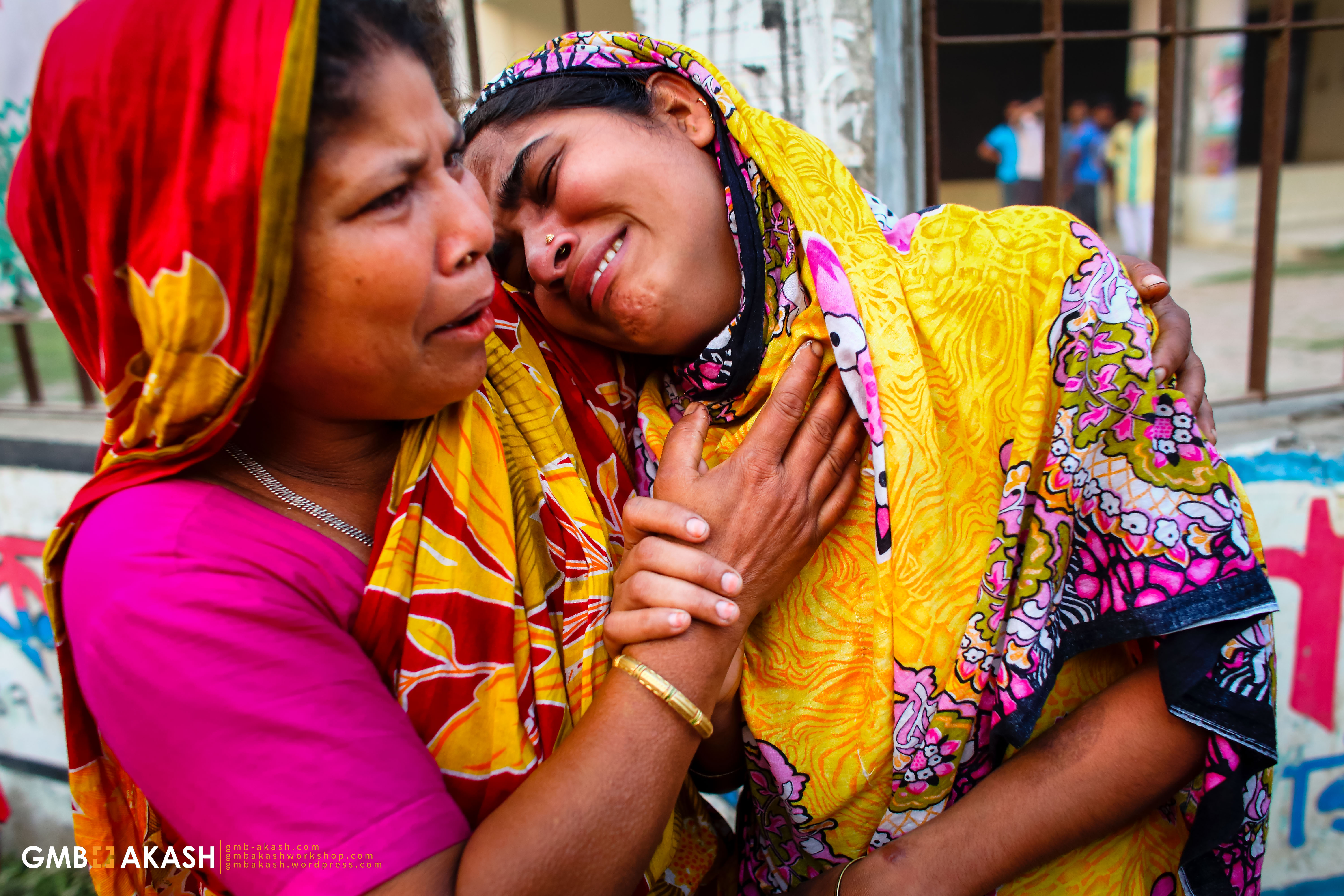
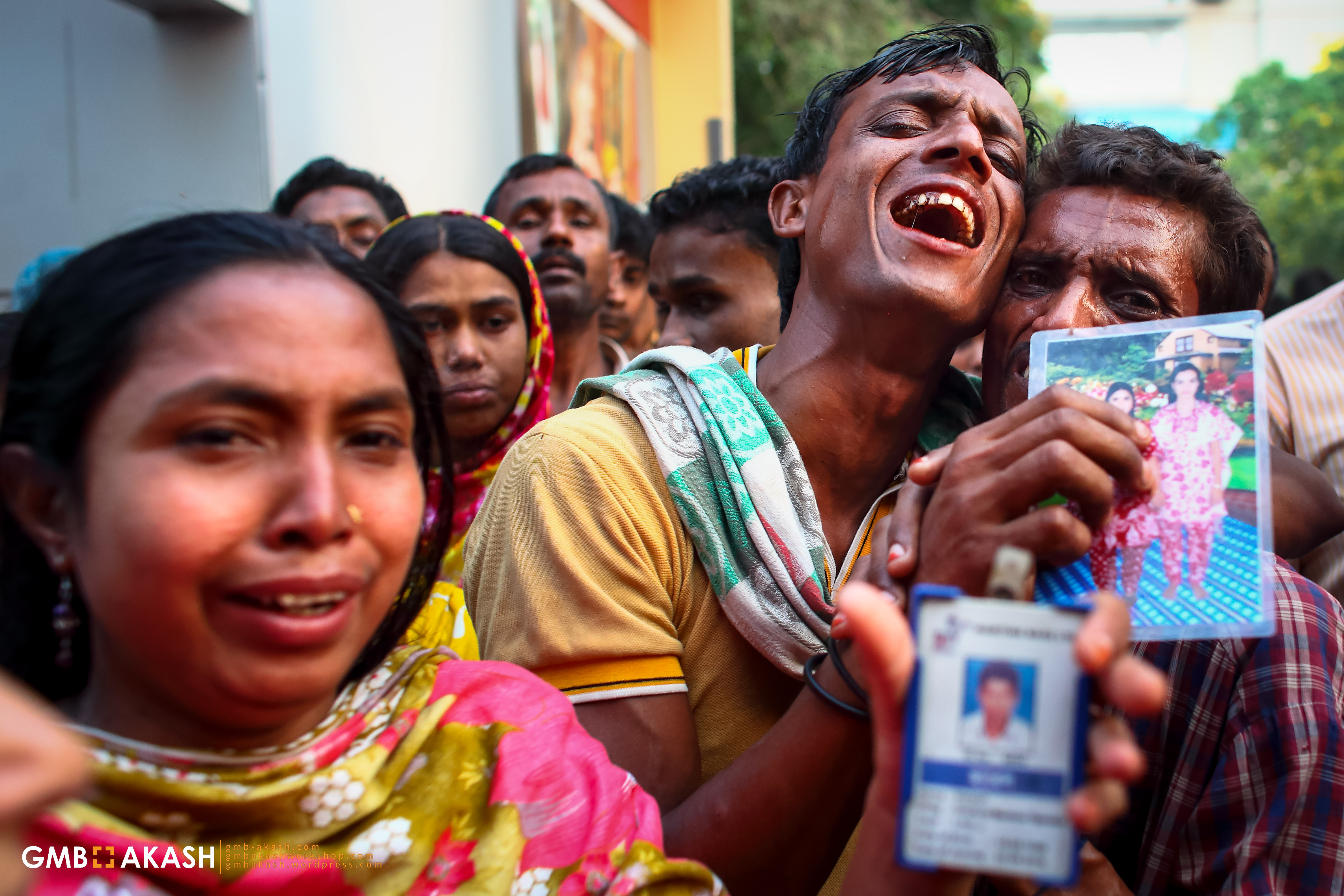
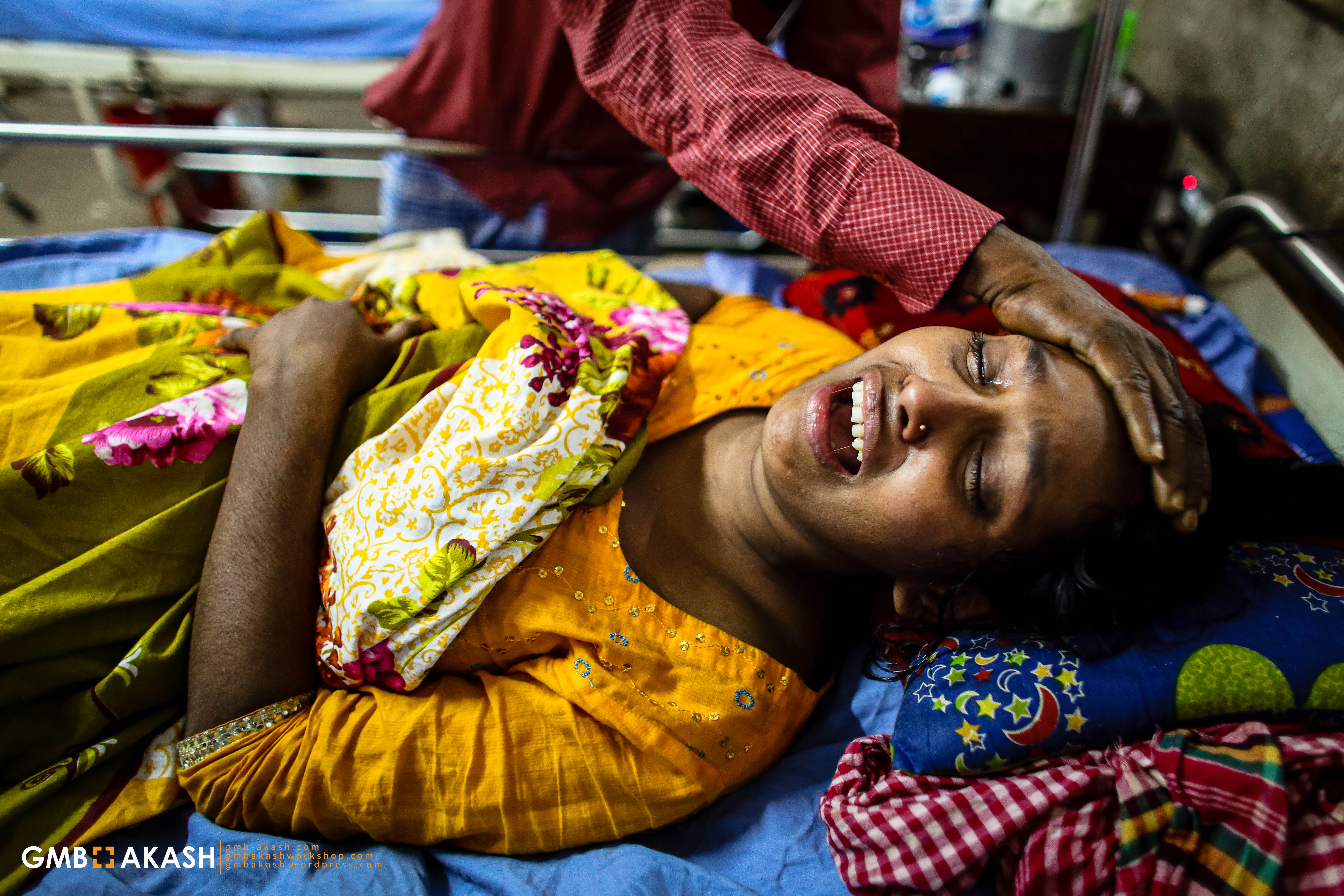
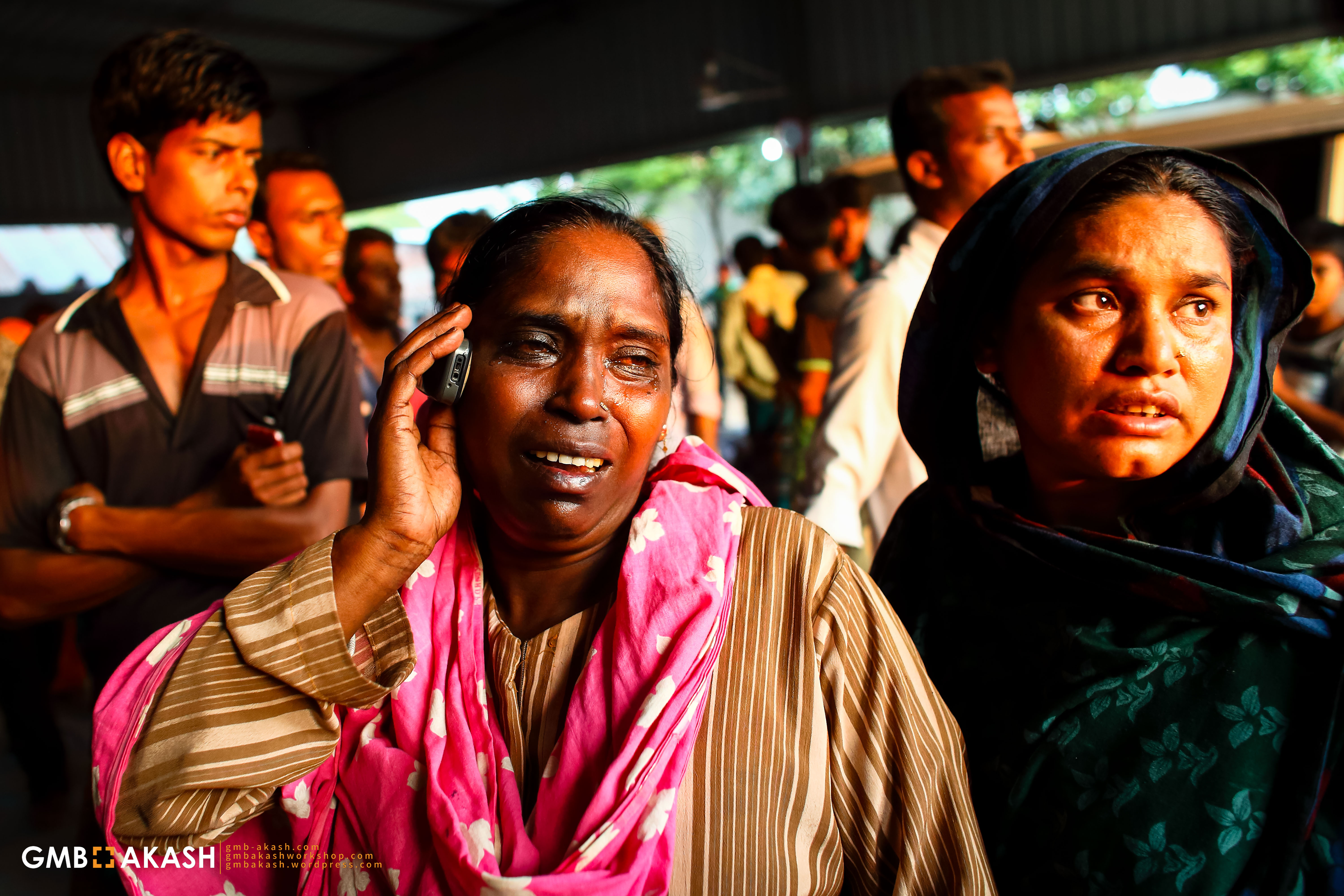
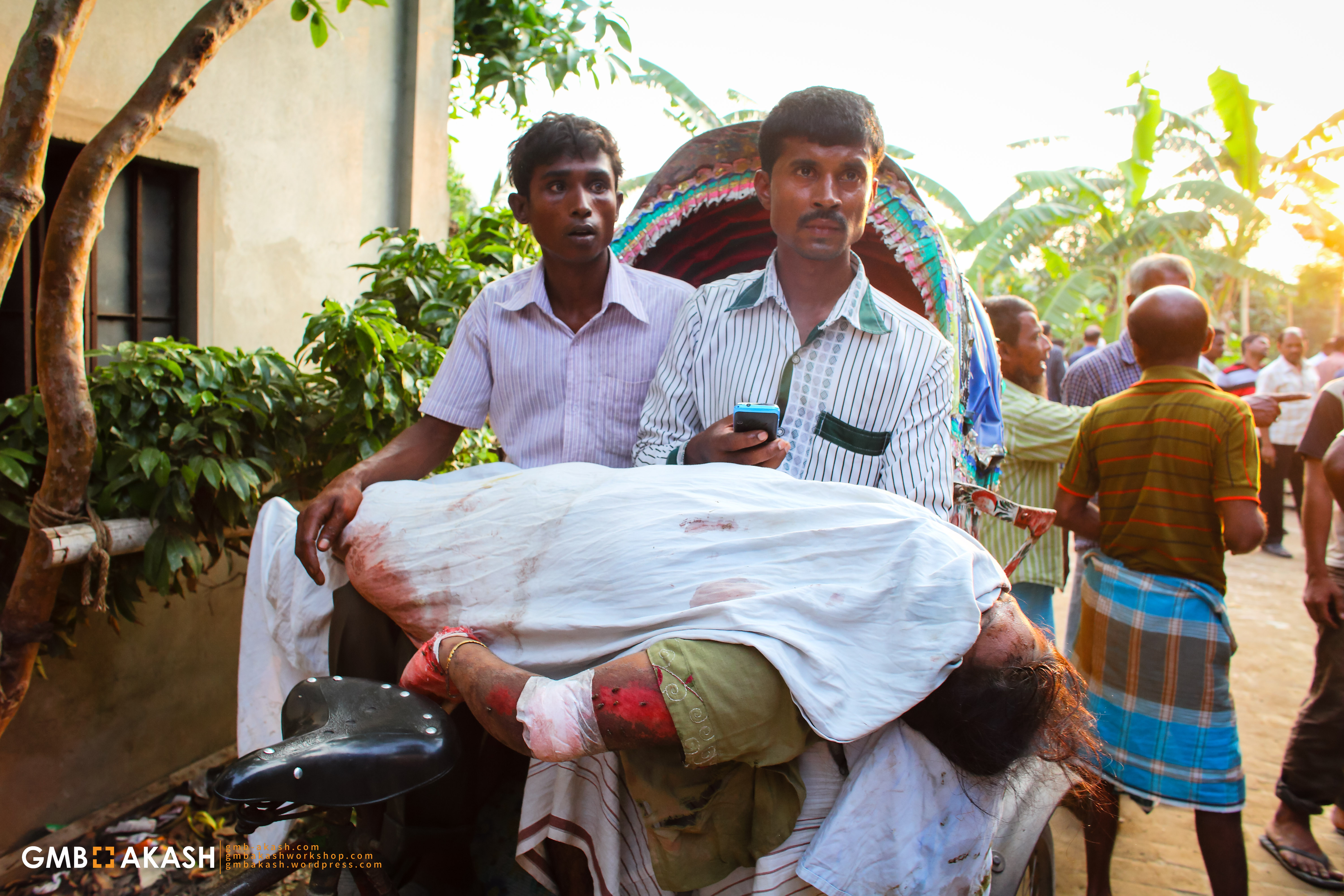
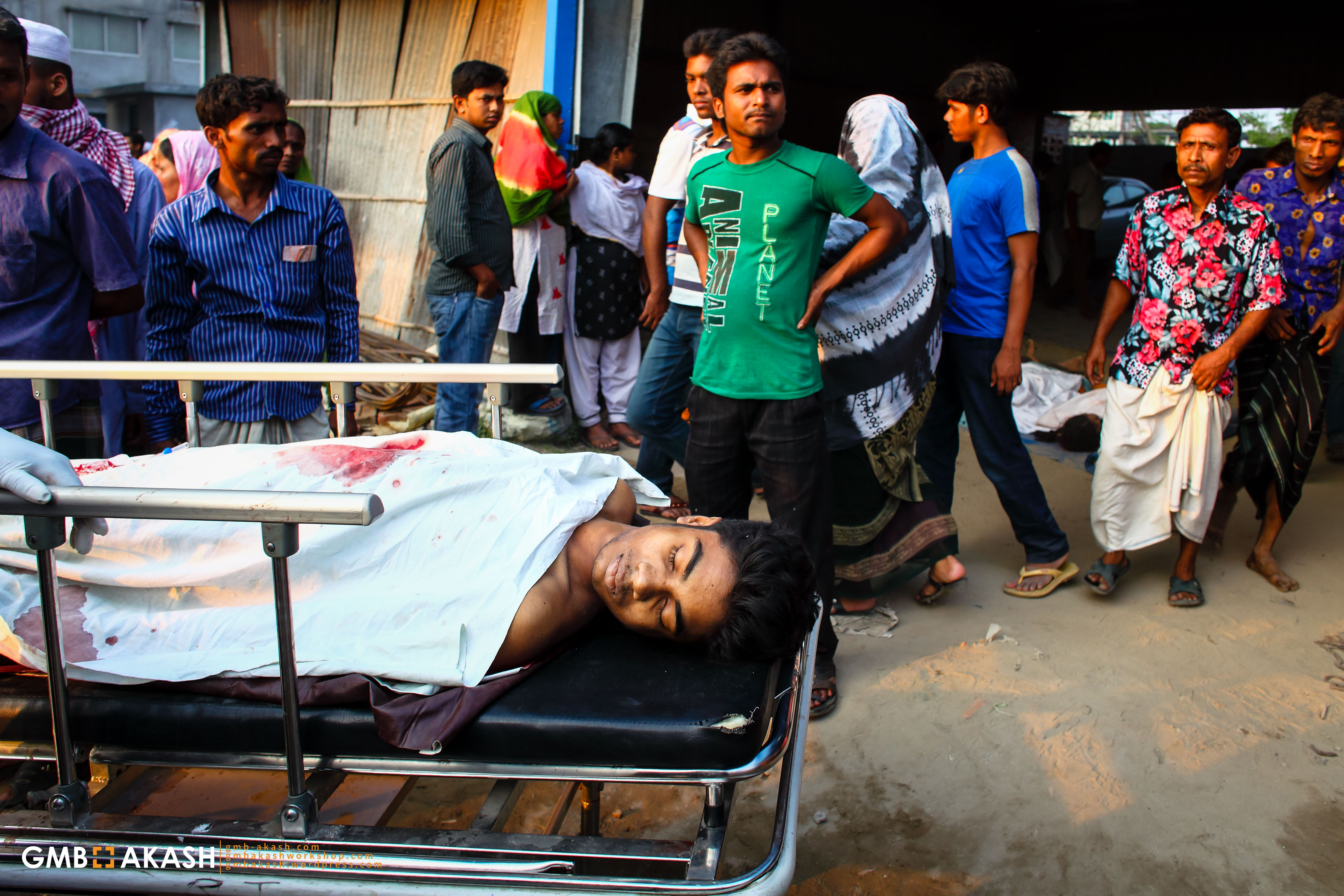
What to describe and what to write? All I could see were dead bodies all around me. A silent anger, unbearable pain and helplessness froze my finger to click. Besides dead bodies and each drop of their blood asked me to tape their catastrophic death memoir to show the people around the world how painfully they left the world. Those memories have been haunting me for a long time.

I witnessed the tragedy of the Rana Plaza collapse 10 years ago today, surrounded by dead bodies and blood. 

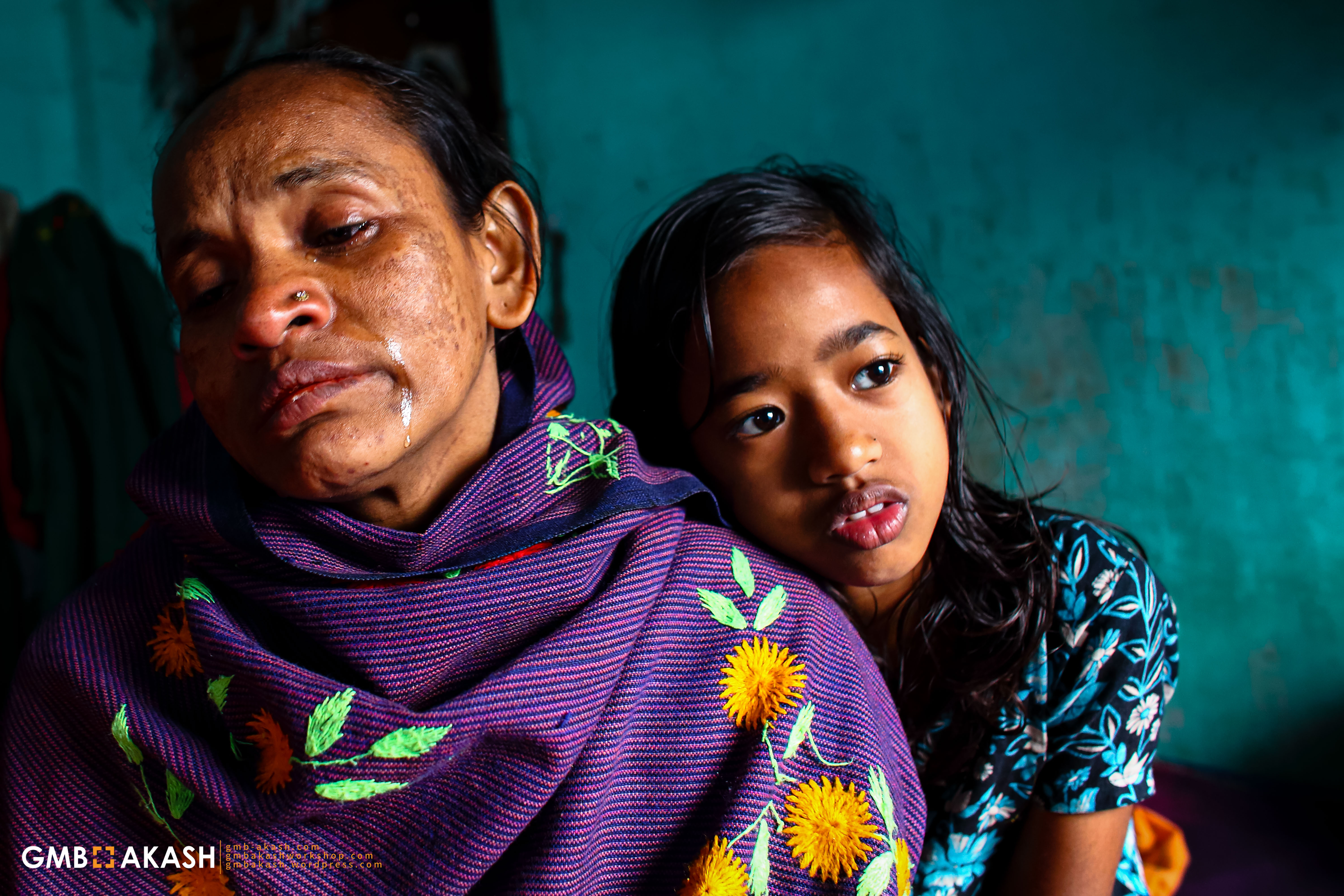
Drinking tears now is a daily menu to the people whose life collapsed with the building Rana Plaza.

I don’t know how many times we will remain mute and hollow out graves! I don’t understand why the world’s most innocent souls have to always be trapped as vulnerable victims! Their souls will never rest in peace until we know how dreadfully they died without even being able to tell their last wishes.

On that stormy day when I arrived at the hospital door, I was repulsed by the sorrow I encountered. No, rain was not the reason; it was the pain in every face which no words can describe. 

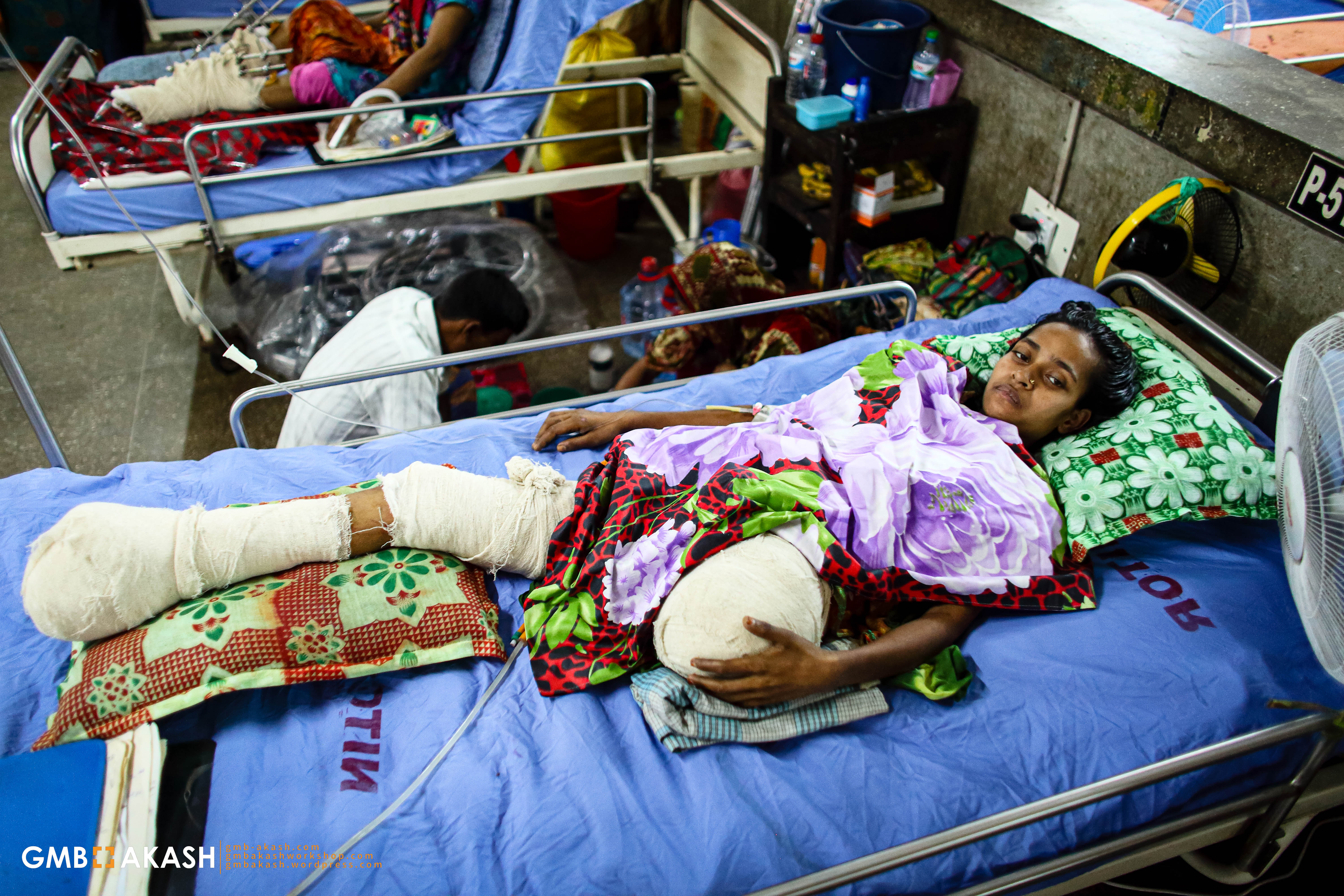
Looking at a hundred wounded bodies and amidst the cries of the hundreds of wounded, I felt an urgent need to share their stories with the world, to shed light on their unbearable suffering…

Today, as we mark the tenth anniversary of the Rana Plaza tragedy, let us remember those who lost their lives and those whose lives were forever changed. May their memory serve as a reminder of the need for justice, for greater protections for the most vulnerable among us, and for a world where such tragedies never happen again.

Remembering Rana Plaza Tragedy…

(The 2013 Dhaka garment factory collapse (also referred to as the 2013 Savar building collapse or the Rana Plaza collapse) was a structural failure that occurred on 24 April 2013 in the Savar Upazila of Dhaka District, Bangladesh, where an eight-story commercial building called Rana Plaza collapsed. The search for the dead ended on 13 May 2013 with a death toll of 1,134. Approximately 2,500 injured people were rescued from the building alive. It is considered the deadliest structural failure accident in modern human history and the deadliest garment-factory disaster in history.)

Dr Vikas Bajpai, came from India to join my exclusive six days One on One photography workshop.

Dr Vikas Bajpai, MD, PhD, Professor, Jawaharlal Nehru University, came from India to Bangladesh in order to join me in my exclusive six days One on One photography workshop.

To check the other participants work visits my workshop website: www.gmbakashworkshop.com

If you are interested to join this exclusive program send an email to know detail at akashphoto@gmail.com

About the workshop: The focus of this customized program is to teach photography going beyond boundaries. Each student will have exclusive access to me through the duration of the workshop, giving them the opportunity to take advantage of my work experience, teachings, and methodologies. Due to the intimate nature of these workshops and the real world working environment, each student can expect to learn and experience much more than they would during one year in a standard university photography program. Each workshop is six days long and set in locations that are rich in culture with a wealth of photographic and documentary subject matter.

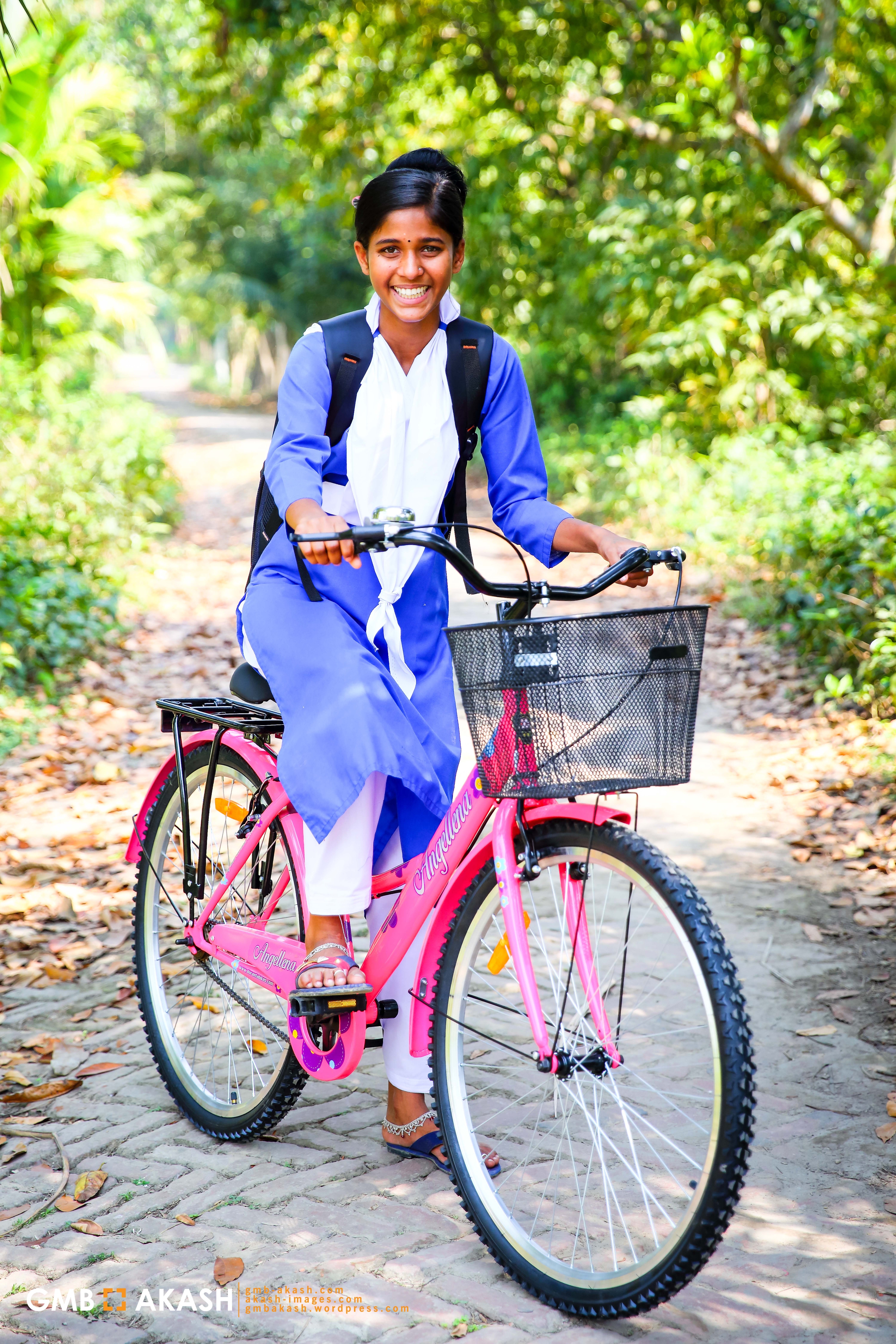
Distributed 10 more bicycles among 10 underprivileged students.

Dear friends,

By the grace of God, last week I was able to distribute 10 more bicycles among 10 underprivileged students.

Alhamdullilah, with these 10, a total of 50 bicycle distributions has been completed till now.

And I am planning to gift 10 more bicycles next month again.

One of the students, Rina said, “Brother, many girls from our village, who did not get a bicycle from you, are already married. Due to the distance of the school, they could not continue their education.

This bike not only helped us to continue our schooling but also saving us from child marriage.”

Like Rina, I have gifted one bicycle for each girl from each family, so they do not need to walk 10-12 kilometers every day which takes hours for them. They become exhausted and cannot pay attention to their education, and they tend to just drop out all together from school.

Thank you all my friends for your kind support and humanity! Without all your love and support I probably couldn’t go this far every day.

Please keep me in your prayers so that I can continue my journey to alleviate the sufferings of the people at least for one day.

P.S. If you want to help even one girl with a cycle, please send me a direct message.

Love and light

_GMB Akash

GMB Akash

Photojournalist and Profile Photographer at Panos Pictures, London

Founder of GMB Akash Institute of Photography, Dhaka

Patreon: https://www.patreon.com/gmbakash

Website: http://www.gmb-akash.com/home

Photography Workshop: http://www.gmbakashworkshop.com/

Facebook Page: https://www.facebook.com/gmbakash/

Instagram: https://www.instagram.com/gmbakash/

Blog: https://gmbakash.wordpress.com/

Twitter: https://twitter.com/GmbAkash

‘Life on Fire’

01

02

03

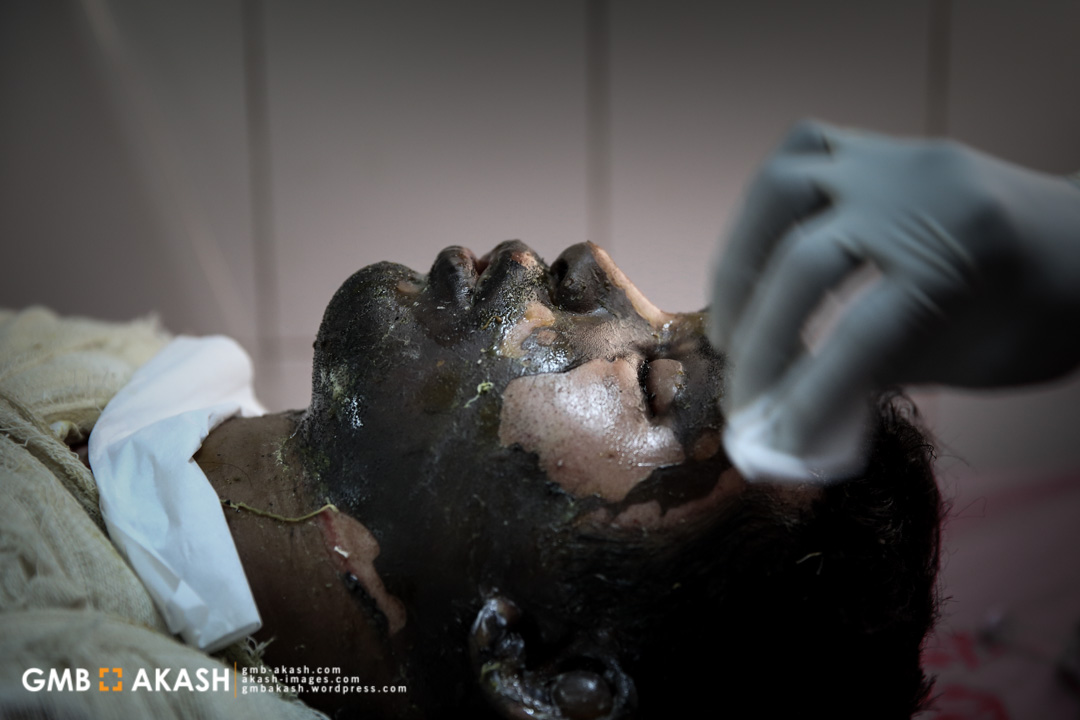
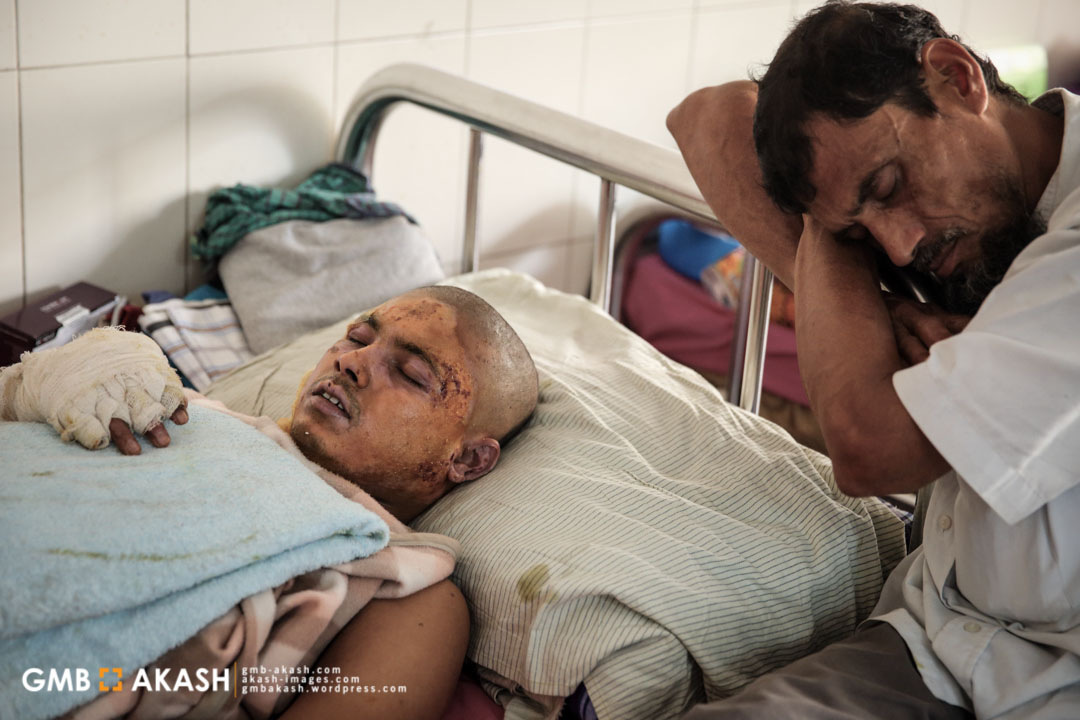
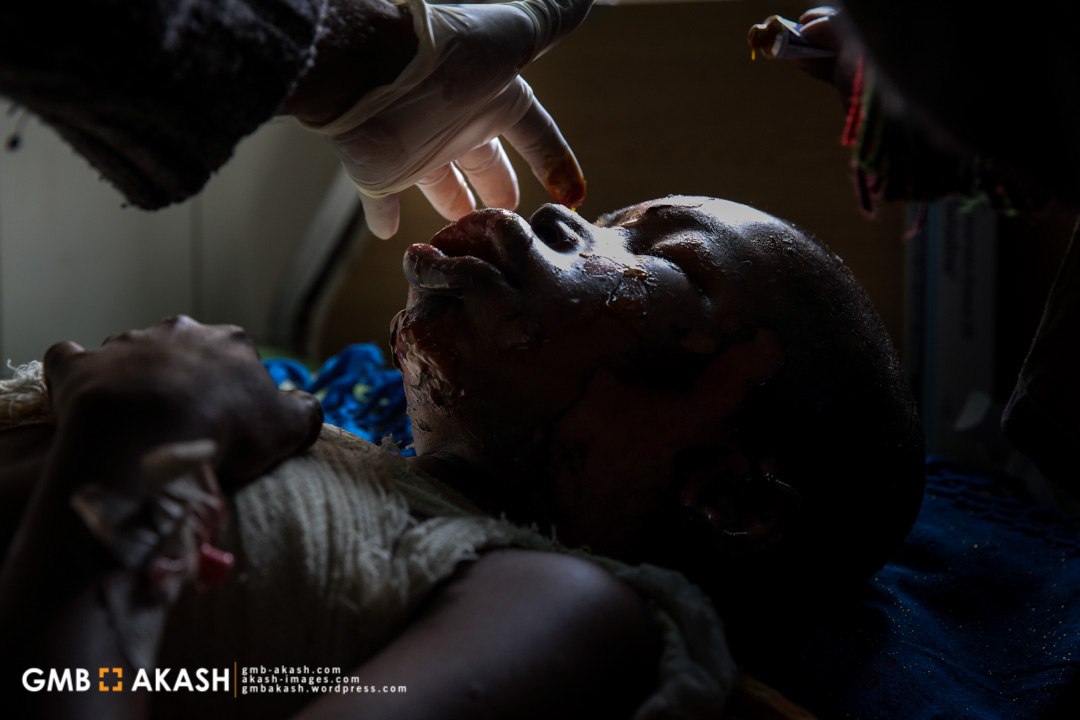
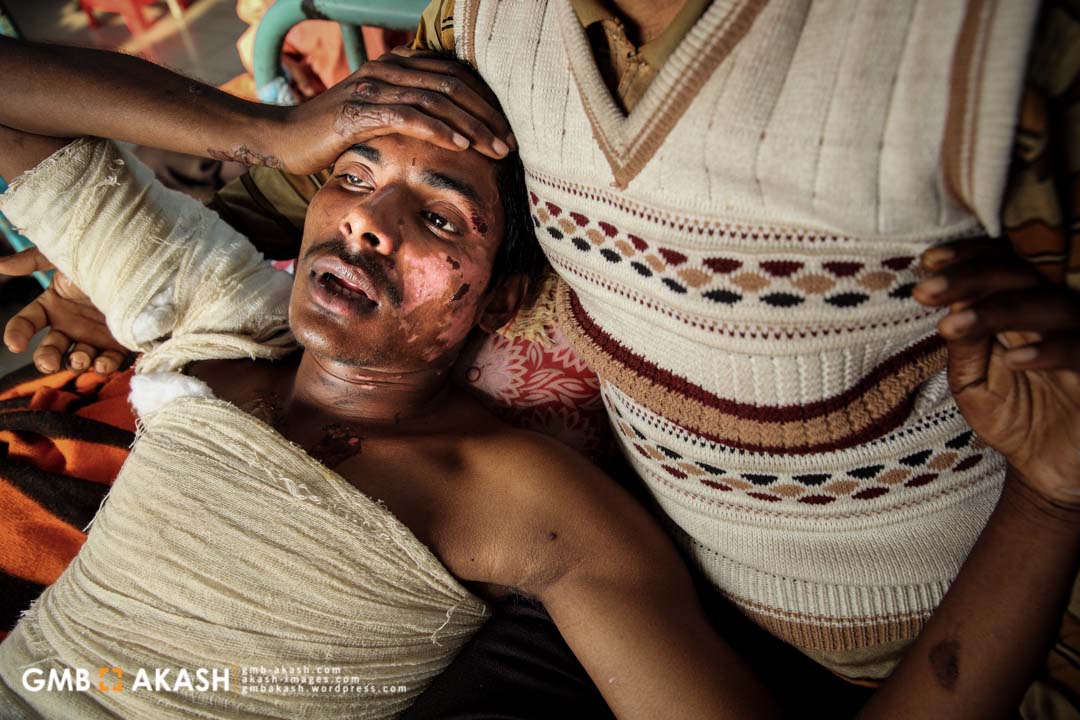
Now-a-days Beauty Begum (45) cannot remember anything. Even a few days ago she could remember everything, from her bazaar list to TV serial’s schedule. At present she is forgetting everything. In front of her eyes in the hospital bed lays the horrifically burnt body of her husband, Jamed (42). Somehow this is no longer affecting her. Now she is constantly thinking about the doctor’s prescription of eggs, lemons and malta’s increasing prices. Her savings of many years from their daily bazaar profits is now in the pennies. Now she worries about her husband’s job that he did for 15 years as a temporary employee. She felt helpless about the increasing price of eggs and lemons; she doesn’t know how to give courage to her terrified son who is supposed to attend the Secondary Board examination. She is overly concerned how to pay 2500 taka of her house rent. Moreover, the burnt body of her husband is repeatedly moaning in pain at night, not letting her sleep for a second. All in all, Beauty Begum is forgetting everything.

IMG_6963

IMG_6057

IMG_8674

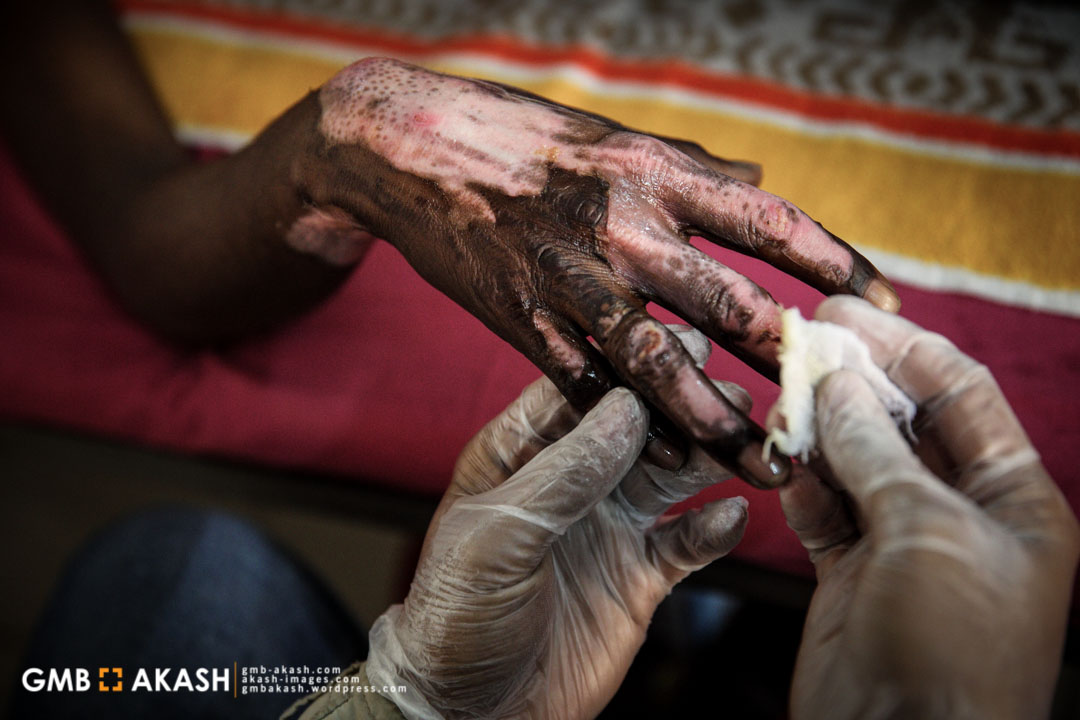
It is not only the middle class housewife, Beauty Begum who has been thunderstruck with this perverse reality. Labourer Jamir Ally’s wife Parvin, who came from a village, is as well speechless. Her eyes moisten while she feeds labourer Jamir Ally. Sometimes she gets scared to see how painfully the petrol bomb has burnt her innocent husband who has worked tirelessly just to feed their children. The labourer man who used to return home at night with their bazaar used to crack jokes all the time. Poverty never hit them as much as this disaster and happiness was always there in their wrecked house. Still now he wants to talk, wants to explain how horrible it was to be burnt with fire. Having deep pain in his eyes tired Parvin whispered, ‘Poor people have to go through a lot of difficult tests in order to survive in this cruel world.’

IMG_8884

IMG_2769

IMG_8692

Dhaka Medical’s Burn Unit is only a temporary address for those who now do not know about the time, date or day. The constant unbearable pain, the smells of burnt infected flesh, the harsh dread running through the body and the uncertainty for the future: this is the present for innocent people who have been burnt by petrol bombs during the strike. One such victim, 20 year-old Nazmul expressed his terror to his mother by saying, ‘People burnt by petrol will not live long, will they, Maa?’ The mother who has not eaten or drunk anything for three days while Nazmul was in critical condition could not answer him properly just cried and said, ‘Your maa will die if something happens to you bazan (son).’ Wounded Nazmul came out from the burning bus by using his hands. On the 26th January the petrol bomb in the Jatrabari bus has devastated Nazmul’s future and life. Still Nazmul is dreaming of recovering; still he is trying to console his mother, and hoping to live a longer life.

IMG_6528

04

IMG_9016

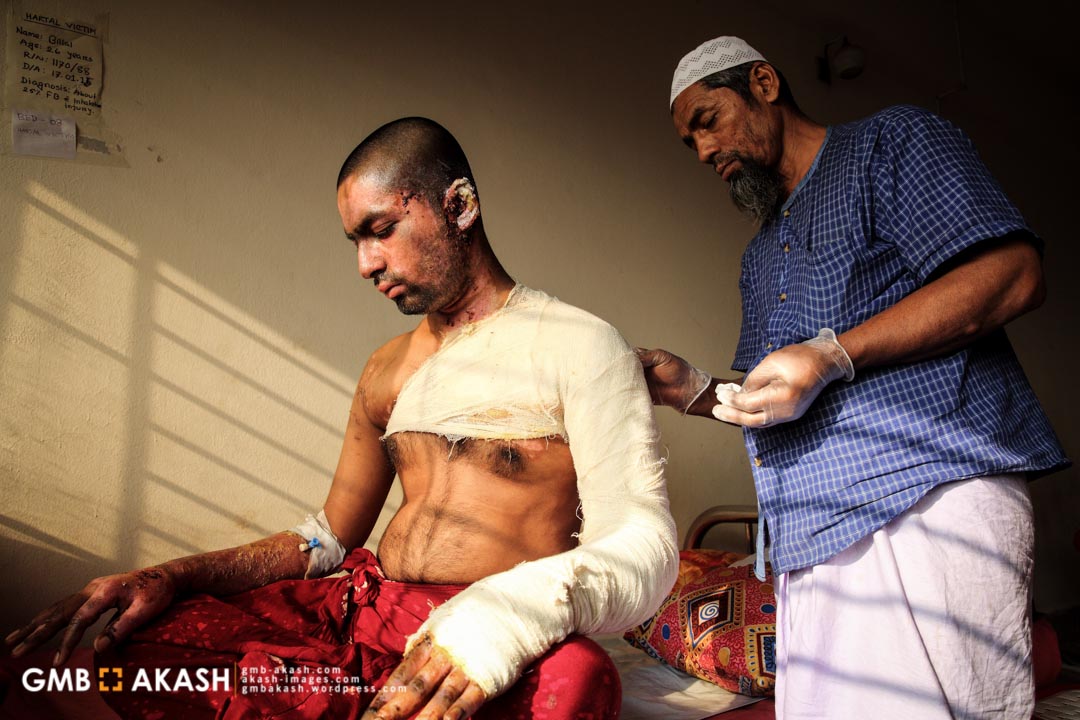
Like Nazmul, a lot of injured people are trying to believe in destiny. Mr. Billal (26) has given the name to his first child, ‘Sinha’. After getting married two years ago Billal thought life will take a right turn. A Petrol bomb has shattered his family, the future of their three month’s old Sinha and Billal’s entire reality.

IMG_6919

Beside Billal’s bed is pickup driver Najmul Islam who is shouting in pain, ‘I will die, please do something, please do something.’ Unmarried Najmul took a loan of 11 kah and bought a pickup van two months ago. During the strike a petrol bomb hit his new van and him. His past, present and future all is now in despair.

IMG_8653

Gravely injured seventy year-old Abu Taher is constantly calling Allah, in pain he keeps continuing to say. ‘La Ilaha Illahallah’. In insupportable pain such an old man has been suffering days and nights. It seems pain has no end.

IMG_4984

IMG_4088

IMG_4884

The white bed sheet of hospital has wrapped Alsam (19) very well. His mother is continuously fanning him, touching his head and hair, calling him and saying, ‘Have a look Aslam, see who has come to see you. Open your eyes bazan (son)’. Aslam’s mother continues to call him but he will never answer her again. Alsam went to another place; a place from where no one can answer.

IMG_7636

IMG_7873

IMG_7738

(Dhaka Medical College Hospital (DMCH), Burn Unit doctors said that most of the petrol bomb victims were burnt from 20 percent to 40 percent of their bodies. Out of a total of 111 patients who are having medical treatment in DMCH burn unit, 61 are in critical condition. A continuous blockade interspersed with hartals (general strikes) has been going on since the 6th January, 2015. It was called by the 20-Party Alliance demanding the resignation of the Awami League government which came into power through the one-sided election of the 5th January. The protests have become increasingly violent and nearly 1,000 vehicles have been torched or vandalized. The security forces have in turn arrested more than 10,000 opposition supporters while more than a dozen protesters have been shot dead, prompting allegations of a shoot-to-kill strategy.There has been an outbreak of violence and innocent ordinary people are being killed. Petrol bomb attacks on vehicles in Bangladesh are leaving people dead, destroying families and terrorizing normal society)

‘Today’s Slavery’

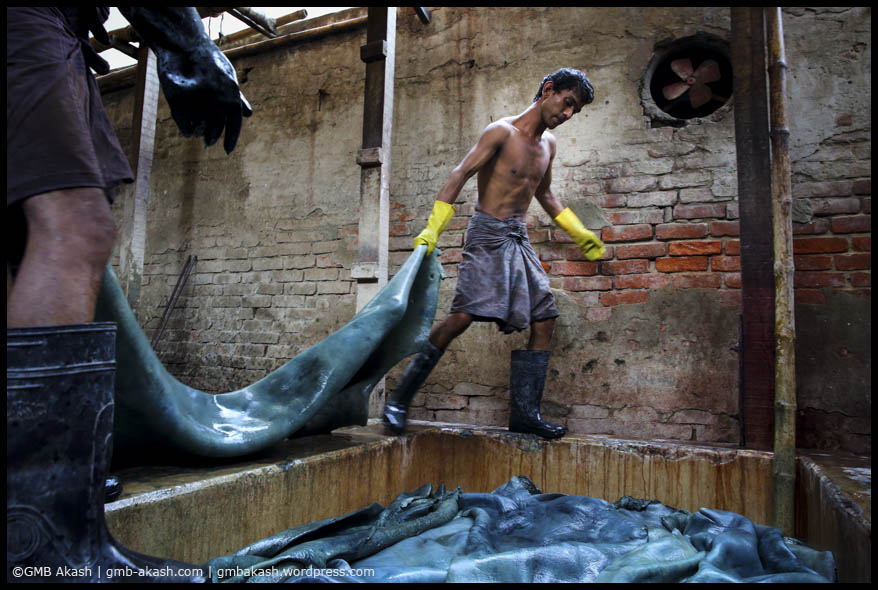
The sound of Monu’s footsteps compel us to look at him. It seems he is willingly trying to make the strange sound grab our attention towards his new gum boots. Before I speak to him, he shows all his teeth and enthusiastically says, ‘Bhaijan I bought them for 200 taka from the street. Bou (his wife) had washed them so well that I can see my face in them! Ha! Ha! Ha’

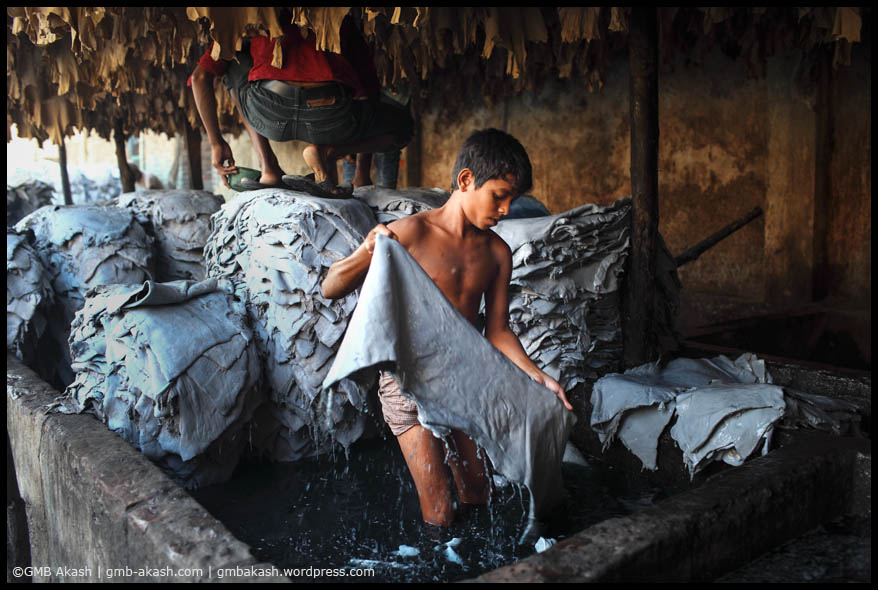
Before I compliment him something someone on my right side, Nibaron, who is Monu’s colleague of 15 years loudly said, ‘Hmm, does your new wife, still cry for you to drop the job, Monu?’ Monu recklessly replies, ‘Women are fools! She thinks tannery labourers die earlier. Allah is the one to decide. Women are crying party. Now I have these gum boots to protect me. She is happy and I am happy too!’

Monu got married to ‘Salma’ five months ago. Salma heard that tannery workers die at an early age, so she started requesting Monu to leave this dangerous job. But by doing this job for last 15 years, Monu, a 21 years-old man is surviving. He cannot imagine doing any other work than tannery nor is he capable of doing any other job.

The chronic cough he has or the rashes on his skin do not bother him anymore. Still he dreams of a better future with the 8000 taka salary. Now the dream is sweeter with his caring wife ‘Salma’.

Posing for the camera he said roughly, ‘By working in this hell, I am still alive. God might be giving me a long life bhai.’

Leathers (11)

Leathers (13)

Leathers (22)

Leathers (17)


I have been taking photographs in this factory for many years. I cannot find many of the faces I used to know. When I inquire about them the common response I hear is that because of illness they moved to their villages with their families.

The repulsive smell on my body or the sticky chemicals on my favorite jeans does not affect me anymore; Just like Monu. Only when I return from this work and the rickshaw puller turns his head several times and at last wisely says, ‘Sir, you came from tannery!’ Then I realize I am also polluting the air.


Leathers (1)

Leathers (24)

Leathers (2)

Tenary in Dhaka (123)_1

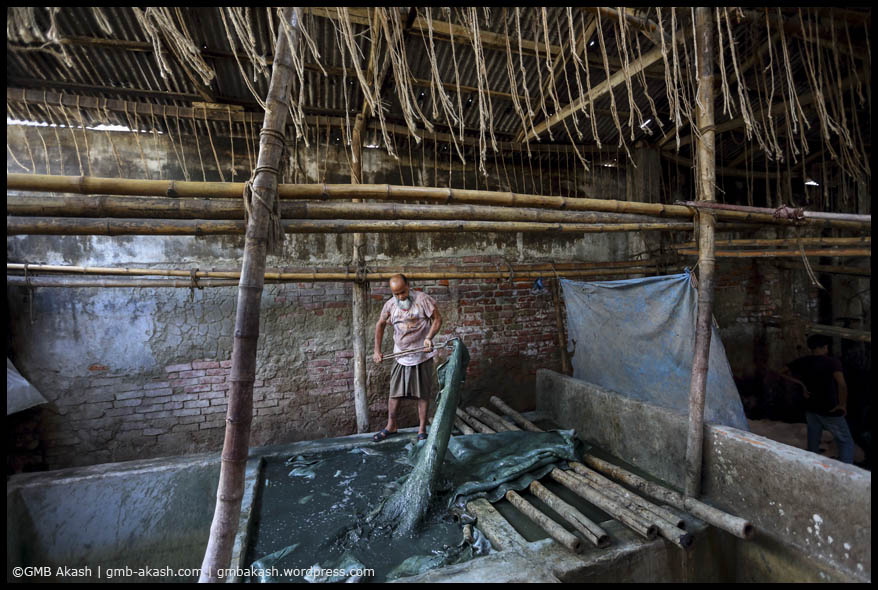
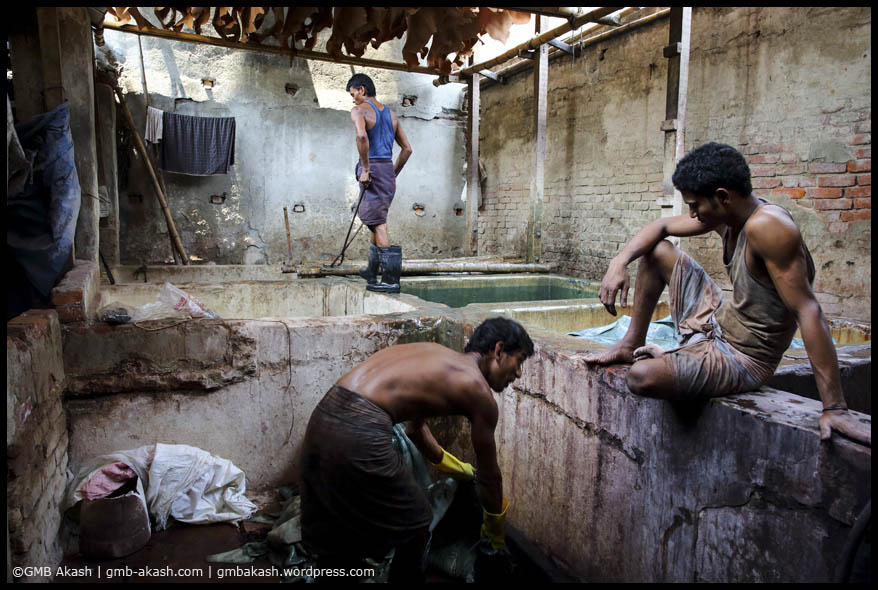
Like Monu many labourers believe that a pair of gum boots is their safe guard. Some of them tie gamsa (a traditional cotton towel) to save their lungi from the filth. But when they start working their sweat, factories chemicals, and raw leather shower them with poison and loathsome smells. A pair of gum boots and gamsa can not not save their hope to survive very long.

Leathers (16)Tenary in Dhaka (96)_1

Leathers (21)

Tenary in Dhaka (49)_1

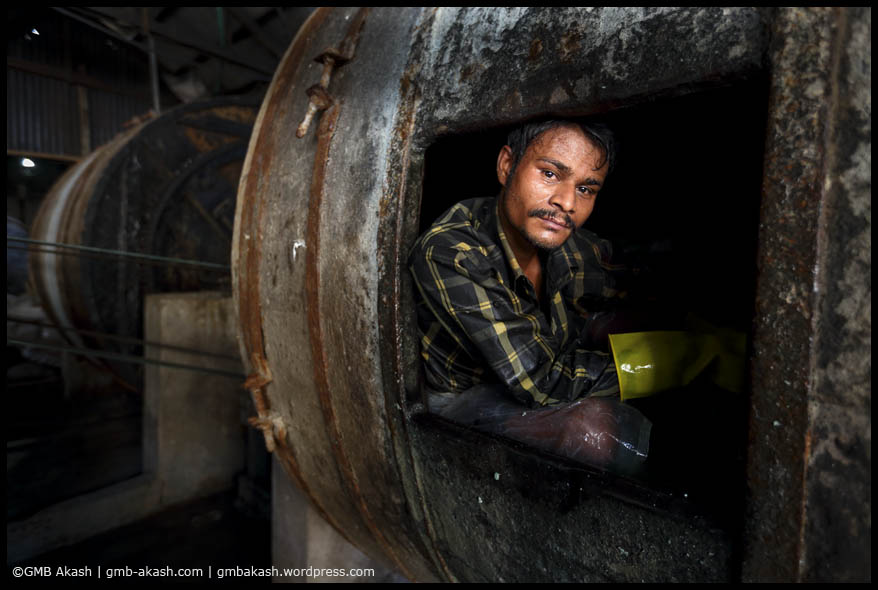
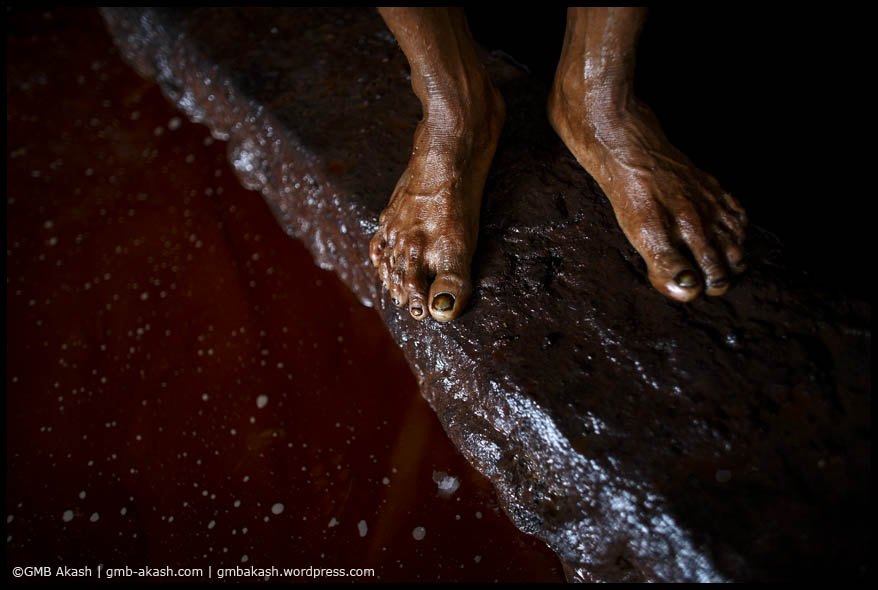
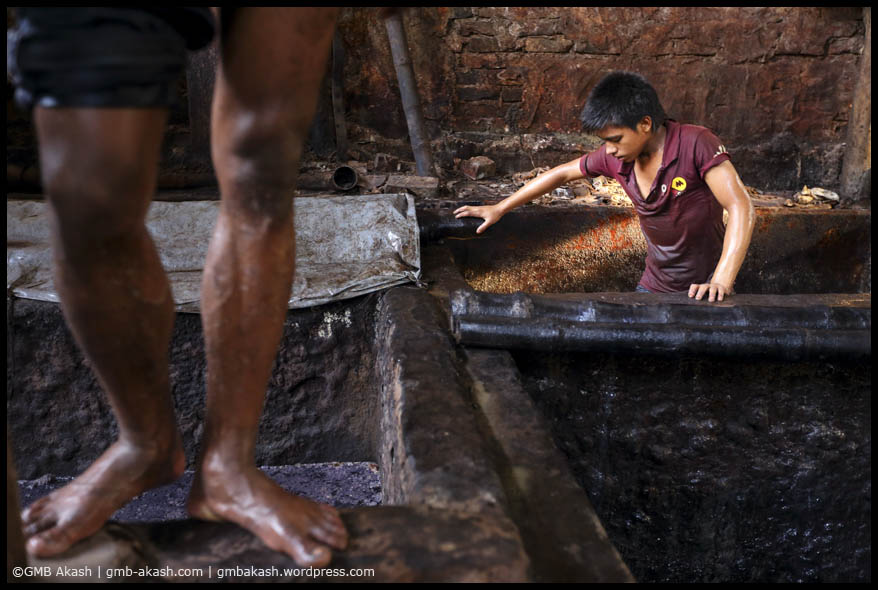
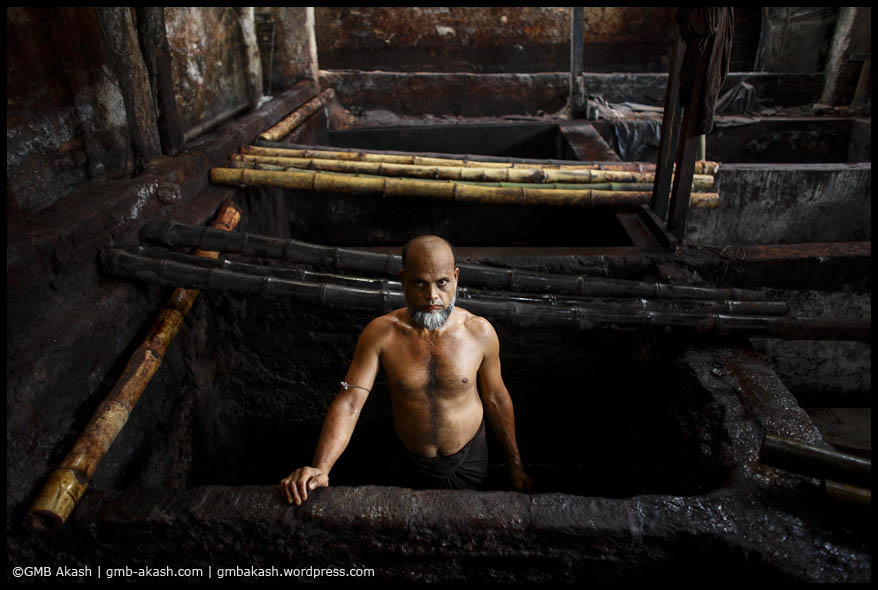
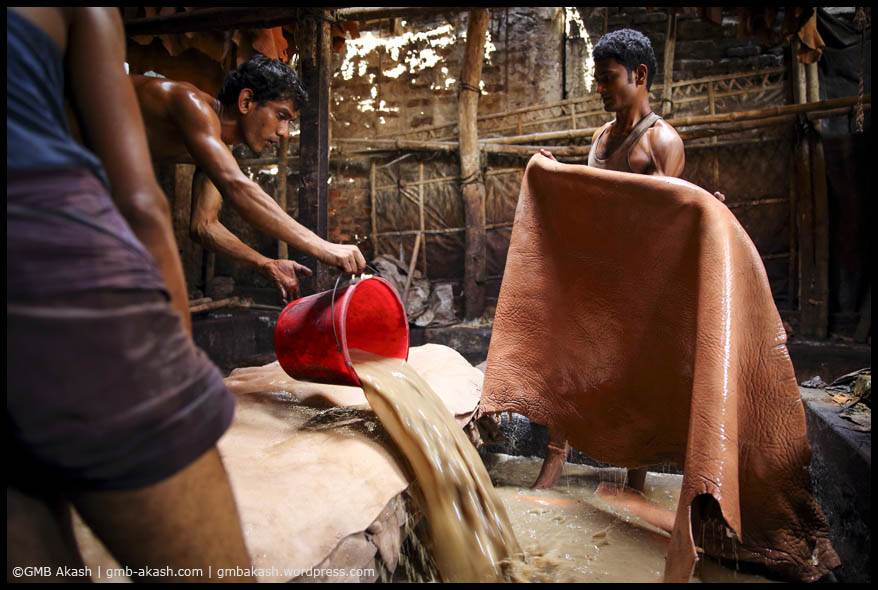
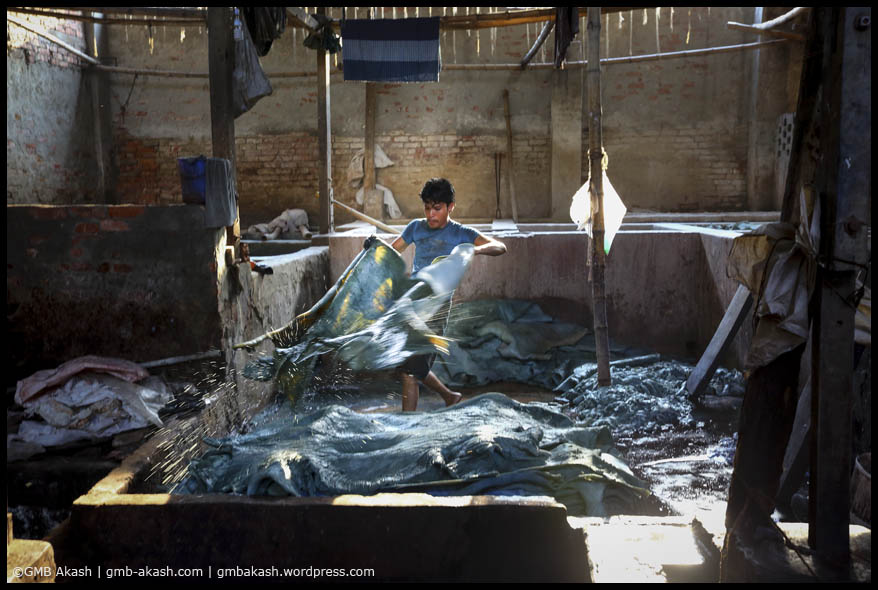
Every time I enter these deadly factories, I imagine that I am leaving the 20th century and have gone back 100 years in time. The ancient plan has neither fan nor any air circulation system. Thanks to those decades old broken bricks in the wall there ia a path for some fresh air. The leather hangs from the ceiling makes the air more toxic. The unstoppable giant drum keeps moving restlessly with raw leather pieces  and produces extreme laud noise. If fatigue overcomes labourer they fall asleep in the piles of raw leathers. Some labourers get a cigarette and take a break to see the sky outside. But the sky is dark and filled with smoke. The drain that is passing by is full of red chemical liquids that keep polluting the area and the mighty river Buriganga for 60 years now.

Tenary in Dhaka (54)_1


Leathers (15)

Leathers (20)

11-year old Rakib gives me the brightest smile and curiously asks, ‘What do you do with all these picture, sir?’ But he then rushes away before I can speak to him. Carrying uncountable leather pieces  in his shoulder he has no time for questions and answers. Rakib’s friend Monir (7-year old) keeps pinning up the leather at the yard. After the death of his father he got the job in his father’s factory. He had no idea what had happened to his father. He only knew he was suffering from an incurable disease. He feels good to work during the whole day and it is only in evening when his heart cry for playing.

Leathers (6)

Leathers (7)

Leathers (4)

Leathers (5)

Standing beside Monir I was trying hard to understand their miseries but laughter broke my concentration. I saw a group of workers cracking jokes outside and were laughing hilariously. Life goes on. These simple people risking their lives everyday in order to live the best they can. Society is not actually willing to know about their sufferings but they are nevertheless  willing to buy their processed leather which leather has a good worldwide reputation. However the savles of the toxicity and repugnant odors have no good reputation. In their way home to to their slums they cannot sit in any tea stall to relax. People shout on them for their repulsive odors which disturbs everyone. Only their produced goods get place inside a branded shop with a prestigious tag ‘Made in Bangladesh’. The makers only receive humiliation.

Tannery worker Omar Faruk sadly says, ‘If we travel by bus nobody will sit beside us. One day a man harshly said to me, ‘You must come from hell.’

Leathers (8)

Tenary in Dhaka (13)_1

Leathers (23)

Leathers (9)

(Almost all of Bangladesh’s 200-plus tanneries are concentrated in Hazaribagh, a densely populated, filthy neighborhood on the banks of the Buriganga River in southwestern Dhaka. You can smell them long before you can see them: an unbearable stench like bad eggs, rotting fish and harsh ammonia. It’s almost impossible to walk through the tanneries without a scarf pressed to your nose. At almost $1 billion a year in sales, the leather industry is one of Bangladesh’s most profitable sectors. The lives of more than 20,000 tannery workers are still at risk. After 60 years of tannery operations, no one knows what content of toxins have been poured into the river, only that it is incalculable and staggering. Chromium sulfate, lead, organohalogens, lime, hydrogen sulfide, sulfuric acid, formic acid, bleach, dyes and oils all flow into the river)


‘Lifelong Scars’

The small window is a passage to the world for Rebeka Khatun (22) since she rented the tin shed room two months ago. Living in hospital for ten months took most of her will power after the deadliest incident of her life. Now she does not think too much. But the silence of her tin shed rented room does not allow her to rest in peace. Idle Rebeka now thinks about the charger fan that  is restlessly cooling her. The inventor of the Dolphin charger fan might never have thought a garment factory worker could think about this fan for such long time. Yes, she wants to think different things now-a-days. She is tired of answering the same questions, tired of seeing unknown faces, tired of begging from people, tired of crying so long. She needs a break but from what she does not know.

Rana plaza (10)

When she closes her eyes her mother gently touches her cheeks. The mother who once made cow dung to feed Rebeka. The mother who wiped her tears when she cried and slept in hunger. Rebeka and her mother Chan Banu (45) had seen all the ups and downs in life. In the village they had to even beg to survive. Chan Banu did everything for her daughter Rebeka . She was life to her. Rebeka opened her eyes that were filled with tears and touched her right leg which itched all the time. There is no electricity for two hours and the restless Dolphin fan slowed down. Rebeka was sweating; the salted water flowed from her body, her eyes and maybe from her soul. The girl who started earning at the age of 15 never imagined her life without her mother and as a disabled person. She could not sleep the last two nights. Rebeka’s husband Mostafizur fanned her the whole night but pain is part of her existence now. Even when she opens her mouth only pain is visible on her face.

Rana plaza (4)

She lost her father in childhood. Her mother remarried just to save her from hunger. Fate did not take any right turns. After some years the mother and daughter moved to Dhaka with her two stepbrothers. Her stepfather’s only problem was Rebeka. But Chan Banu chose her daughter. Their struggle took them to the right place after so many years. That was to the garment factory. Thinking about the happy times unconsciously Rebeka slightly smiles. Her mother used to buy fishes for her after getting her salary. The last 12 months she and her husband’s life depended on charity. One year ago together they earned 22000 taka. Now the government assures her 10000 taka monthly as interest of her compensation that is hardly enough to live a disable life in the costly city of Savar. It’s been four years since Rebeka got married. She and her mother together joined Rana Plaza. They went everyday to their factory Ethar Tex hand in hand. One month before the biggest disaster ever she had a miscarriage. She and her mother cried a lot. Chan Banu said, ‘Don’t worry! Allah will give you happiness ma!’Huh! Happiness! Rebeka tried hard to turn her body around and her tongue dried. She had to ask her husband for a glass of water. Asking for help is now her only job.

Rana plaza (7)

Rebeka has gone through eight operations. Now she is mentally preparing herself for another. Depression is a minor word to express what Rebeka feels about life. Five members of her family died in the incident of Rana plaza. She was sewing the last piece of a pocket during the one hour left of her assigned work. She was about to go to the canteen to join her mother who was a peon in Ethar tex. After recalling the last glimpse of her mother she felt hollow. The mother who sacrificed all her happiness for her, she could not even hug her for the last time. She could not find her body. No DNA test matches. No compensation. No consolation.Disabled Rebeka is hoping for nothing. Life has treated her in the worst possible way. She just wants to know why Allah punished her!

Rana plaza (1)

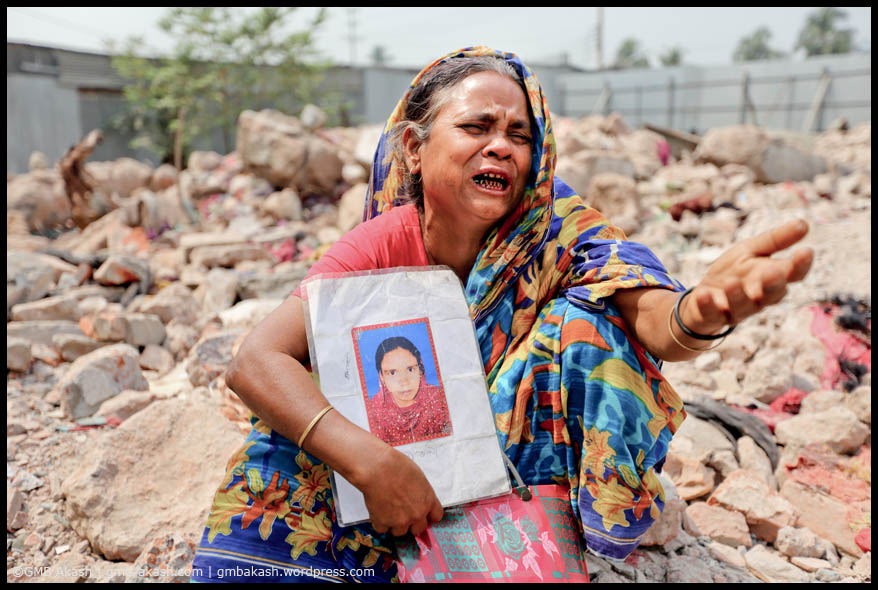
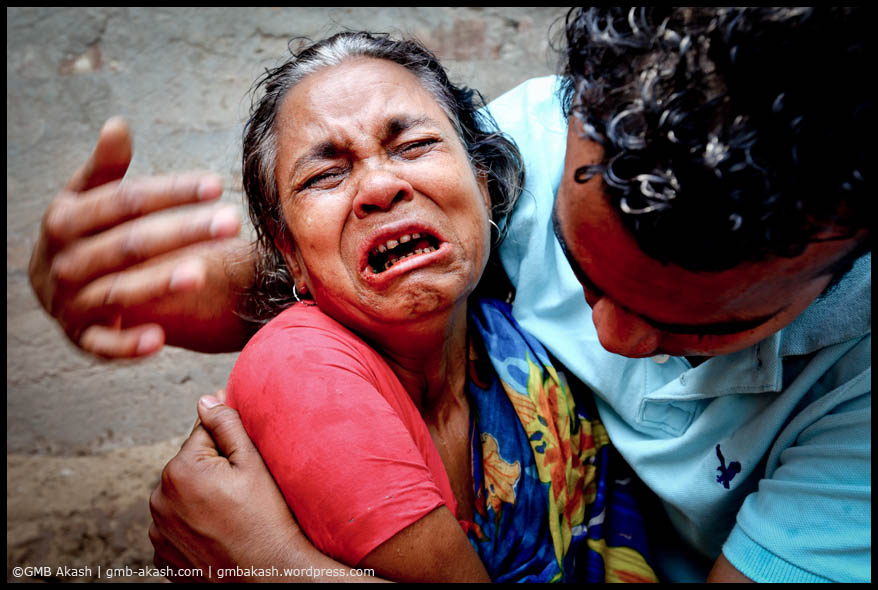
It is not only that daughters like Rebeka are crying for mothers. Hundreds of mothers are each day crying for their dead daughters. Hundreds of mothers are still roaming around in front of Rana Plaza after nearly twelve months after the incident by holding pictures of their dead children. On the day of the accident Romila Begum (46) combed her daughter Lovely’s hair and requested her not to go to garment factory. Romila  continued, ‘I am afraid Lovely, do not go for collecting the salary today. I will somehow manage our today’s food.’ Lovely had a fight with her husband and after leaving three of her sons to her mother she left for the garment factory . And never returned.

Rana plaza (29)

Rana plaza (35)

Clutching Lovely’s photograph at the site of the ruins, Romila fainted after saying, ‘My daughter gave her gold ring before leaving the house, and now how I will feed her sons and my family without compensation Allah!’ Ambia Begum who also came to join the demonstration by demanding compensation holds Romila. Ambia Begum harshly said, ‘You people will never understand our pains of losing children. Compensation isn’t charity, it is the right of my daughter’s blood’.


Rana plaza (23)

Rana plaza (33)

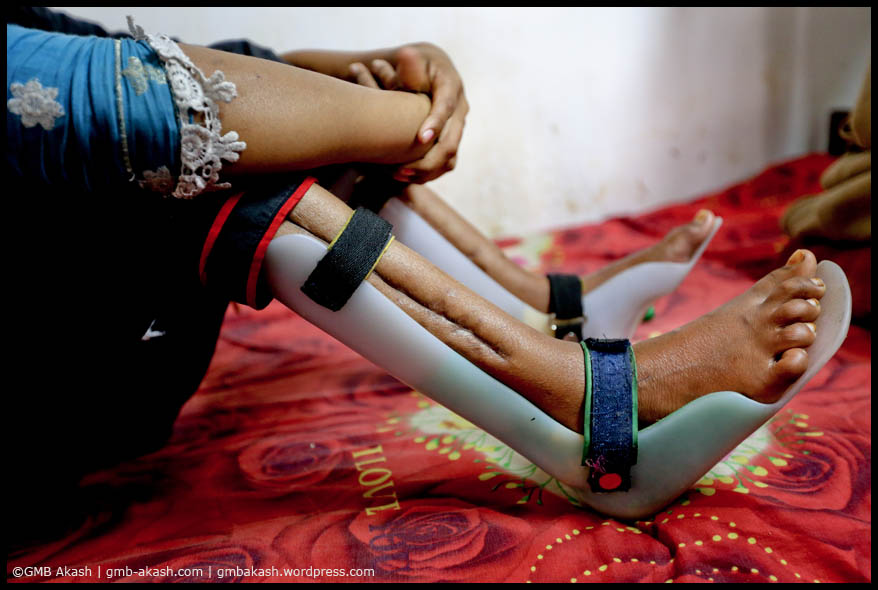
But the survivors who lost one or legs aren’t very hopeful with the compensation they got from Government. Rehana Khatun (24) was a sewing operator of New Star Ltd. at Rana Plaza. She had been rescued after 20 hours and had amputated two legs amputated six days after the incident. She said, ‘two years ago everyone in the family was against me taking a job in the garment factory. I left the village after my father’s death because I wanted to give a better life to my two younger brothers. When I started sending money back home they all became positive. I bought gold rings and a television for the family. I became the role model for my village.’ By telling these facts Rehana’s face suddenly gets depressingly dark by adding, ‘I do not want to go back to the village. Conservative villagers already told my mother that I ruined my life because I wanted to be independent woman’.

Rana plaza (25)

Rehana is not hopeful with the money the government gave her. Rehana said, ‘Interest of 1.5 million every month for two legs! But who will take care of me? Who will give this extra expense? I could have earned this money and have a good life at a lower cost if I were well. I want a way to run my life. I want a job that I can do in this situation.’

Rana plaza (19)

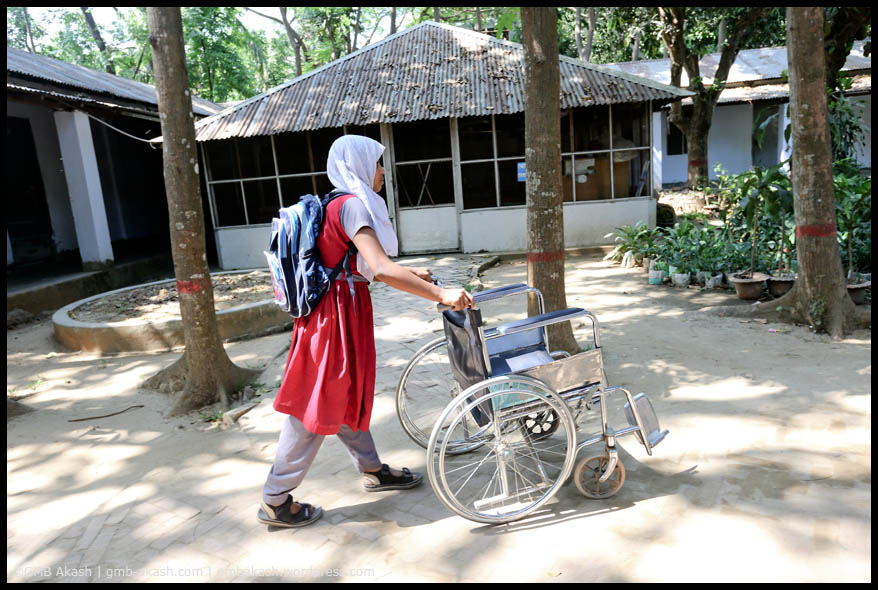
For Yanur the 1st term exam is more important than remembering Rana Plaza’s anniversary. She believes that she will be able to forget those unbearable scars of her muscle injury. She believes that she will be able to remember all the word’s meanings of her English book. She believes that she will one day forget pains of her chest and the memory of her mother. She believes that one day she will recover from the trauma and will no more cry for no reason. When Yanur rushes forward with the sharp sound of that scary crack-crack of the wheelchair, everyone understands Yanur is going to the William and Marie Taylor School that is inside the CRP (Center for the rehabilitation of the paralyzed) hospital from the hospital hostel. Talking about her present condition Yanur was looking through the little window of her small cabin keeping her favorite book Maxim Gorky’s ‘Mother’ aside. She softly whispered, ‘I missed mom a lot. I have five siblings. Poverty forced my mother to seek job in Rana Plaza at Ether TexLtd. Two years ago she found the job for me there too. We together worked and she used to say after some years we all will return to village with our savings.’ Introvert Yanur has had no frienda other then mother Anowara Begum. They found her body in the building after 17 days.

Rana plaza (14)

Anowara came to Dhaka with her family 18 years ago because of river erosion. Yanur’s father is waiting for compensation. He is coming every day to visit his daughter in CRP. For taking care of the five little children he recently got married. Speaking positively about her new mother, Yanur said, ‘What can my father do alone? He has to all the time take care of me. Our new mother is a little different from my mother. I am trying hard to accept her. Only it hurts a lot when I call her mom.’


Rana plaza (24)

Rana plaza (13)

Now-a-days Yanur finds it hard to remember things. She has had a massive muscle injury in her left leg. She was in the emergency unit of Apollo Hospital for nearly a month. By touching Yanur’s new hair she sadly said, ‘I had long hair. My hair was under a pillar; my leg was opposite under another pillar. I heard people sucking each other’s blood in thirst. But I believed at that moment my mother was alive. After one month I knew she was dead. My father went everywhere for compensation and got three lakh for my mother and for me nothing.’ Yanur is trying hard to recover from her injury by attending physiotherapy. She wants to continue her education. Putting the English book on her lap she asked, ‘Who is responsible for my disabled life? I want to forget my scars, my right leg that I hardly can move; they said they will not give me money because I did not lose my legs. Can they imagine how bitterly I am living every day? I want to be well-educated; won’t they at least give me this opportunity?

Rana plaza (11)

Nearly twelve months have passed since the Rana Plaza collapsed in Savar on 24 April, 2013 one of the deadliest accidents in the history of the world’s industrial sector. This tragic incidence has pointed to the fact that workplace safety and security for workers, even in the globally competitive RMG sector of Bangladesh, is far behind the required standard. An industry in which 3.6 million women are working in Bangladesh, a job which brings liberty for women. The total number of deceased is the same for most of the noted organizations and so far 1134 dead have been reported. The numbers of victims initially buried without identification, prior to the DNA test results, were 291. The Rana Plaza tragedy resulted in an outpouring of commitments from governments, local and global institutions, groups and individuals. According to some reports, each family of the deceased and seriously injured received up to a million Taka


Rana plaza (18)

A Traveler’s Eye

‘I bet almost everyone in this structured world at least once in their life, feels like leaving their predictable complacent and comfortable surroundings and lose themselves in a chaotic, crazy and frenzied ‘nowhereland’. When I get lost in such a hectic adventure my pulse rises rapidly as I leave behind all the sober responsibilities that I have. When I leave to get lost in such an unknown destination I am transformed into a Gypsy. Most people of all countries of the world welcome travelers with love. Perhaps it’s because all of them are invisibly chained to their daily reality and seeing travelers makes them dream. That’s why when they see a traveler with a camera their smile says, ‘You lucky dog!’

Travel images (30)

Travel images (21)

Travel images (15)

To go traveling, the one factor that pushes me the most is always photography. To get to know an unfamiliar world I go out to find a story of the people living there then interpret my journey through images. Travel photography reveals everything about a country, a region, a community, a culture, a person. It arouses interest in others to be familiar with the place, to go to the place, and to find themselves in the place’

– GMB Akash

Travel images (13)

Travel images (7)

Travel Photographer’s Map:

There was a time when I put my globe on my reading table and imagined myself to be like Vasco da Gama. I wished to take pictures of the world with my small tiny black machine. Time passed by and I understood that if I open the ‘window’ of my map that my own country comes first and only after walking through it do I want to go to other countries. The importance of our Petenga beach in Bangladesh can be the same as being in Laos for me. The Dhaka mosque is an ideal setting with which to start shooting that prepared me for the intense inspiration that that I felt at Istanbul’s Blue Mosque. However, it is not only desirable destinations in other countries that create excellent photographers. Even discovering one’s own territory provided the pleasures and excellent photographic results equal to those of a world tour. For those people who get the chance to travel outside their own world, their TRAVEL PHOTOGRAPHER’S MAP becomes like a puzzle to be solved. When you are aboard you like to take pictures of everything you see. Because when we are away from our known place a lot of questions arise in our minds. How differently do these people wear clothes? What do they eat? How do they travel? Where do they pray? Restless clicks of travel photographers start at dawn and last throughout the day in order to get all these questions answered in the form of images. If you can gather together all this answers it will become your complete travel story.


Travel images (11)

Travel images (33)

Travel images (8)

Travel images (27)


Travel Photography pack light and with love:

Sleepless nights and unstable feelings are what a traveler photographer experiences  before a journey. From Cox’s bazaar to Switzerland my feelings are the same kind of restlessness before such trips. I admit that there are few people who are very calculative, well researched and who can follow their initial plan for their photography tours without becoming impulsive. But I belong to the first group. The thing with travel photography is that it’s dreadfully addictive. You want to go when you want to go, reasoning be damned. But you must practice some self-control and try to remain disciplined.
cernival in cologne, germany. february 2007


Try to carry the absolute minimum that you can. Why lug around extra devices in your already heavy back pack? My traveling kit consists of – a couple of dark t-shirts, three pairs of jeans, a hat, a belt with lots of compartments, a must-have torch, all in one knife set, a flame-less safety lighter, a camera strap, three-four hard drives, a laptop, a phone, and a tiny toiletries kit and my precious dairy book. That’s all.


Travel images (10)


Hats off for bringing out your soul:

Congratulate yourself whether you are traveling within your native land or to a foreign culture. Not all people have the courage to step out from their comfort boundaries. The best thing travel photography can do is bring out your soul. On the first morning in a new place I wake up with the sun and get ready as fast as possible to hit the ground running. To know a new place, new people, new cultures morning light is blessed. Whether I am traveling to Sundarban, Bangladesh or the ancient ruins in Rome, Italy, my focus is on discovery. If your photography can discover the secret to enchantment of the place then you can depict your travels accurately through those genuine frames. Shoot the topic you find the most interesting. Shoot something that puts a deep mark in your heart and that will represent the place. Your story will be the invitation from that particular place that will attract anonymous people to visit it. So the rules are:

–          Surprise yourself by discovering a new place, a new culture, a new life pattern, different norms or simply different people

–          Create your album so that it presents something unique about the topic

–          Attract attention


Travel images (1)

Travel images (4)

Travel images (22)

Travel images (31)


Always be alert and informed:

A new place invites new danger. When you are doing travel photography alone you must be alert about your safety. I have  faced a lot of such incidents that would have been life threatening if I had not reacted instantly. Whatever area or country you are visiting try to find out basic safety cautions. Avoid dangerous areas by finding out where they are from locals. Do not always trust taxi drivers. Try to skip night outings alone. If you introduce yourself to a stranger do not give your full information. As a travel photographer you have to be like a dog. You must be able to smell out both danger and images.


Travel images (14)

Travel images (9)

Travel images (5)

Travel images (3)

Money and food matters:

Make a smart budget. In a new place there are chances to be cheated. I save for several months in order to do travel photography so it is important that I have my expenses broken down in order to help me to meet my budget. If you spend too much unnecessarily then at the end it will affect the quality of your travel experience and spoil your trip. Try to find out where to locate the cheapest but nicest places to stay and eat. Try to stay vigilant and not let people fool you. Invest wisely. And never compromise by not trying local foods. For example, in Nepal my morning starts not with bread but with MoMo the delicious local dumplings. Indulge in these small things which help you to integrate into the culture. Travel photography and the resulting work are never complete if you are not a part of the experience.


Travel images (23)

Travel images (17)

Travel images (34)

Travel images (6)


Ground Theories:

Open up to new people – you have heard it more than a thousand times but I am going to add it one more time. First – in the new place, make observations. Second – go a little bit closer by taking random pictures of everything. Third – Start communicating, either with a local vendor, or children or shopkeepers. Start a conversation. Fourth – you will be automatically diverted to the most attractive thing of the spot that holds your attention as an outsider. Fifth – if a particular thing attracts you then spend a long time with it. Slowly but surely the people of the place will start to act normal and will go back to their natural gestures. Remember to look at a place widely and then begin narrowing it down one scene at a time. Finally you will find a beautiful discovery that is worthy of depiction.


Travel images (16)travel images (36)

Travel images (32)

Travel images (25)


Restrictions:

Respect the situation. Know about the norms of the place. Learn a few local words to communicate. If you are in Shylet (Bangladesh) you can amuse people with your Shyleti words. If you are in Manila (Philippines) try to do the same. If you do not understand something sensitive, silence is the best way. Be polite when you are shooting women, young girls or teenagers. Never offer money after taking photographs. This is a very bad practice which creates long-lasting problems later. If you want to give something, give a gift. For example, I always carry chocolates for children.
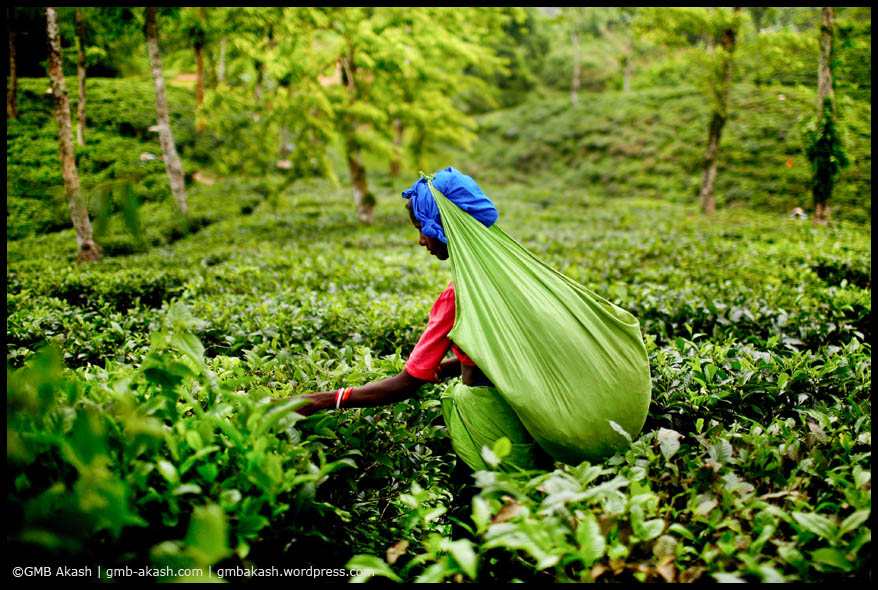
 

Travel images (12)

Travel images (18)

Now go! Feast your eyes:

Travel photography is something that you owe to yourself. If you are a good travel photographer then you know all genres of photography from landscape to street, people to culture. When you are traveling as a photographer try to be a person with whom people want to associate. While doing travel photography I like this attention because this interaction with people helps me to discover a culture and the people more intensively. Remember that you have to be constantly on your feet. I hardly ever take taxis because slow walking is the best discovery machine for which travel photography can be thankful. So let’s walk and start shooting.

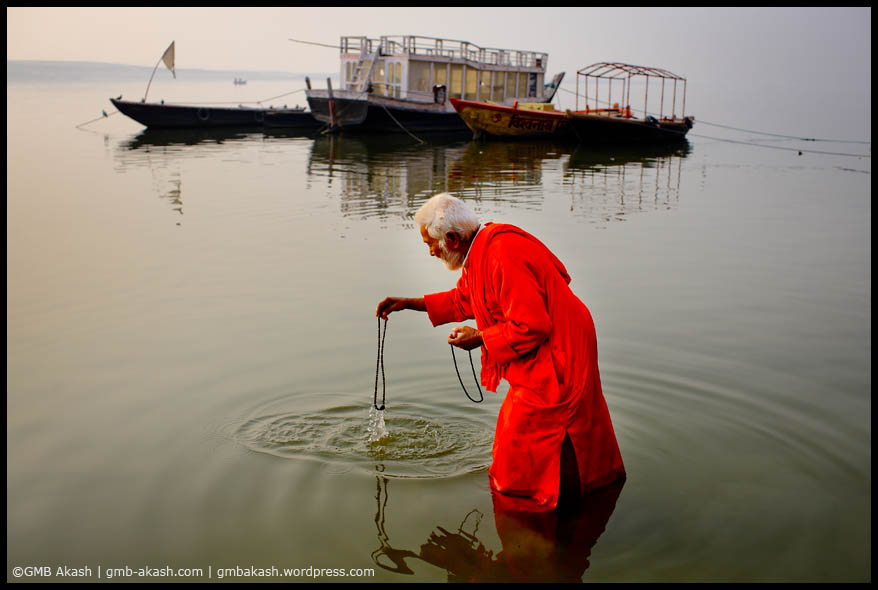
 

travel images (44)

Travel images (28)

Travel images (29)


Dutch travel photographer Wil Thimister and GMB Akash are going to take  ‘A Visual Voyage’–by way of a Travel Photography Workshop 2-9 May. Whether you are a beginner, an enthusiast, or a professional, First Light Institute of Photography is inviting you to join the workshop on a truly amazing photographic adventure. Please send an email to akashimages@gmail.com if you are interested in participating. To know more details, visit: http://wp.me/p3F0uP-5W

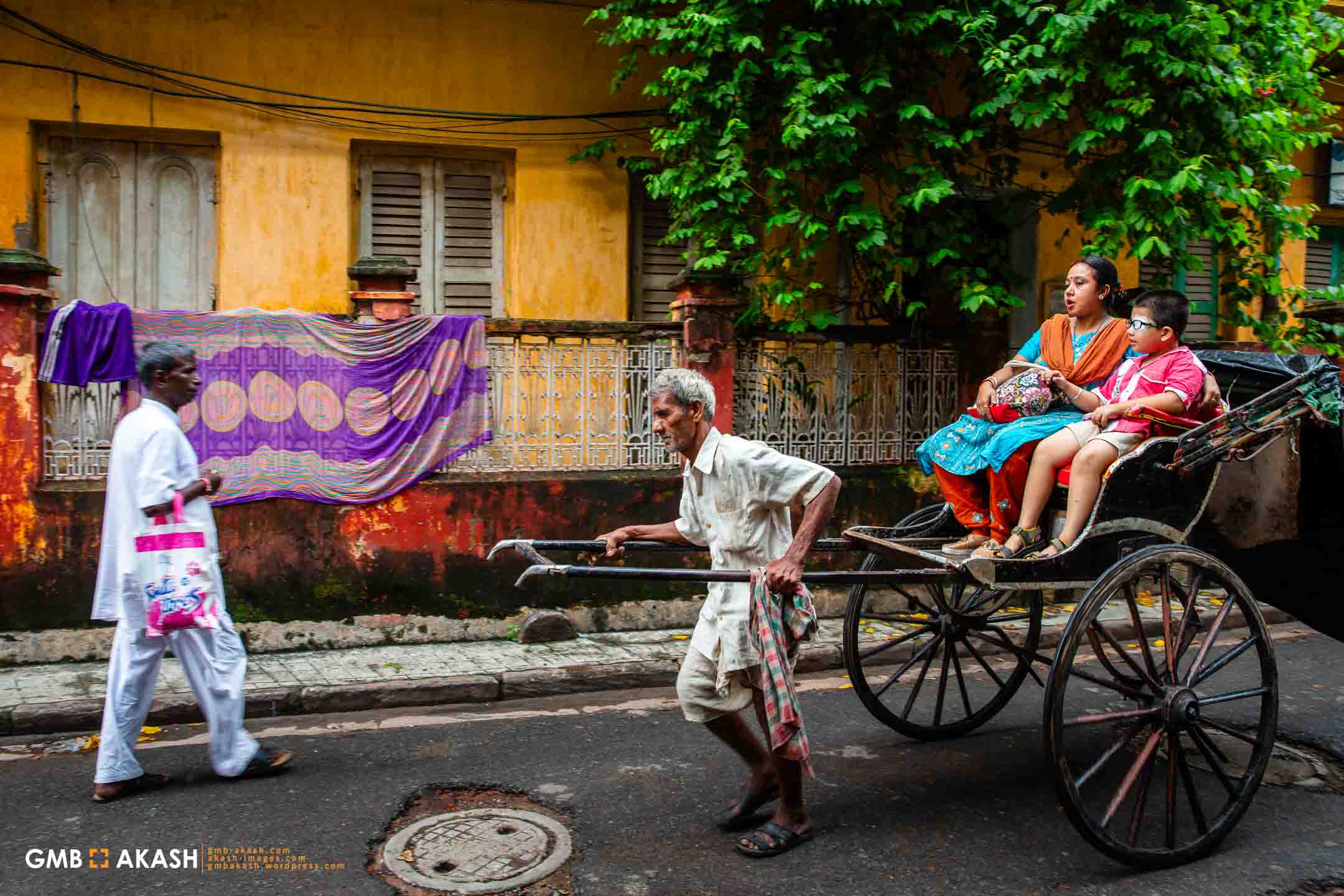


Dark Alleys

“These disorders — schizophrenia, Alzheimer’s, depression, addiction — they not only steal our time to live, they change who we are. In the time period of working with drug addict, I encounter tremendous shiver in thought of helplessness that how they are silently dying in these dark alleys and there is no dark Knight to hold them straight only we are here to celebrate the funeral of these fallen stars”

–  GMB Akash

drug users (5)

A drug user is showing his drug pethedrine

drug users (7)

drug-final-61-6

Drug addiction is a major social evil in Bangladesh, affecting thousands of young people and their families. There are thousands of addicted people in Bangladesh and most of them are young, between the ages of 18 and 30 from all walks of life. Drug addiction in young Bangladeshis is mainly seen because of reasons like depression. People try to remove depression using drugs as a tool. And this is how they become addicts.

drug users (8)

drug users (11)

drug users (9)

Drug users are taking drugs by sharing same needle with each other. Injecting drug users have few places to turn, and they are one of the groups most at risk of contracting and spreading HIV. Heroin is mostly smoked within aluminum foil or cigarette paper, but in Bangladesh this is injected. Injections through infected needles can cause diseases of the liver, brain, heart, lungs and spinal cord. Estimates of the number of people living with HIV/AIDS in Bangladesh range from 2,500 to 15,000 most of them are affected while taking drugs. A Heroin addict may need about Taka 500 worth of the drug a day. They neglects the needs of the family, and those are non-earning may sell off family assets. They also go out on the streets for mugging and dacoity.

drug users (10)

drug users (4)drug users (6)

drug users (16)

“Rickshaw driver Mohammad Bashir has been addicted to heroin for most of the last 13 years. His habit cost him his job and put an enormous strain on his family. Like most addicts, he often uses shared needles. Police has caught him in the spot, members of his addict team has managed to fly. But police caught him, while he is continually requesting police to leave him in the word of his promise that he will not inject him any more with drugs”

drug-final-07-1

Drug usuers(11)

Drug usuers(15)

Drug addiction is increasing among the street children who live without a family, love and care. Bangladeshi youth are ‘huffing’ shoe glue, a drug locally called ‘Danti’, which is seriously harmful to mental and physical health. Up to 17 percent of street children in capital Dhaka are addicted to drugs. Children as young as 10 years old are also experimenting with alcohol, phensidyl, Heroin, Baba, Ganja, pethedrine, and other forms of available drugs. For managing the money for drags these children spends all their earnings on drugs. Some time they beg whole day in the street and end of the day spends everything on drugs.

drug users (14)

drug users (3)drug users (17)

IMG_9355-3

drug users (12)

“Bitter experiences are there too. I visit all danger territory where these addicted people living senselessly. Few of them try to beat me sometime, few of them tied me with their arms and cried and cried, few of them burst out in depression and few of them wants to end their sufferings. But this is cycle of unbearable torment which has no end. In a world with chaos and hunger, everything becomes a guerrilla struggle. It becomes almost impossible to save lives or grow dreams sometime. But yet these lives deserve our affection, attention and sympathy. No medicine is as effective as love to them. “– GMB Akash

Drug usuers(5)

drug users (15)

drug users (13)

Leftover from History

This is not just a story of poverty and despair. Poverty is not all that holds them back. Every day, they are willfully denied an education, opportunities, a future, and an identity. This is the story of a people whose lot it is to only exist as numbers in ration cards, relief programmes and slum-arson stories. This is the story of the Biharis of Geneva Camp. A community of over 160,000 people who have lived like animals for the last 40 years and will likely live and die as animals in congested ghettoes at makeshift camps and shanties all over Bangladesh. This is the narrative of the Biharis of Geneva Camp.”

– Gmb Akash

A Documentary by Gmb Akash

© GMB Akash/ www.akashimages.com

‘Geneva Camp’ is just one of the 70 camps all over Bangladesh set up immediately after the Liberation War of 1971. In 1971, the Biharis were a torn community. The tragedy of the Bihari community unfolds as far back as 1946 — the year communal riots in Bihar tore irreparable divisions through India — with thousands of Muslims massacred in an organised pogrom that added momentum to the movement for the partition of India. This resulted in a separate homeland for the region’s beleaguered Muslims. Between 1947 and 1952, families by the thousands left their ancestral lands to take refuge in the erstwhile East Pakistan.

© GMB Akash/ www.gmb-akash.com

© GMB Akash/ www.gmb-akash.com

During the Liberation war in Bangladesh in 1971, the Pakistan army, sensing this divide, recruited some Biharis to fight the rebellious Bengalis. Whether they supported the Pakistan army or not, many Biharis remained neutral in 1971, shy of taking sides with their local brethren. Thus the division widened in those tumultuous years leading to the sub-human “ghettoisation” of the wretched children of a lesser God. After the war in 1971, the International Community for the Red Cross intervened and found out that most Biharis wanted to migrate to the truncated Pakistan. Over half a million registered “Urdu-speaking” Pakistanis found a voice at the high level Simla pact of July 1972 and later an agreement was reached in 1973 between Pakistan, India and Bangladesh on this issue. As per the agreement, the Bengali prisoners were released and sent to Bangladesh. However, not all Urdu-speaking Pakistanis were repatriated to Pakistan. Even today, hundreds of thousands live in Bangladesh in camps as non-citizens.

© GMB Akash/ www.gmb-akash.com

© GMB Akash/ www.gmb-akash.com

People are calling them in so many names. Bihari’, ‘Maura’, ‘Muhajir’, ‘Non-Bangalee’, ‘Marwari’, ‘Urdu-speaker’, ‘Refugee’, and ‘Stranded Pakistani’. But they only want one identity that is: human.

© GMB Akash/ www.gmb-akash.com

© GMB Akash/ www.gmb-akash.com

Here, the rituals of life, death, triumph, hope and misery of each family, packed into 8 x 8 little boxes. There are only 270 toilets for a population of 25,000 and the numbers increase daily. The living environment of the camp is very deplorable. It is unhealthy, dirty, damp and unhygienic. This condition exists in other camps throughout the country. The municipalities/city cleaners never enter the camps to clear the garbage. The Bihari camps have almost no educational facilities. Throughout the country, only 275 of the 19,000 children in camps go to school. Only six of the 77 camps have a school. Most of the people make handicrafts or repair cars to make a living. Into the filthy rooms – homes and workshops rolled into one – women and men were busy working on brightly coloured saris. From about 1,600,000, only 60,000 are thought to register in the voting system in 2008, but in reality, those in the camp are denied the right of applying for a national ID card. Without citizenship, they cannot even obtain legal housing, so most live in 66 camps packed with people and livestock scattered across the country, including Geneva Camp.

© GMB Akash/ www.gmb-akash.com© GMB Akash/ www.gmb-akash.com

© GMB Akash/ www.gmb-akash.com

Geneva Camp was built in 1974 by the Red Cross to help assist the new generation of stateless people.  The older generation complains more than the younger ones, who are better integrated and bilingual. Free of the baggage, the younger generations are far more ready to become Bangladeshis: 70% of the people want to stay in Bangladesh, 17% want to go back to Pakistan. Despite recent progress in voter and ID registration, however, 37 years of being unrecognized have left the Biharis living in abject poverty and vulnerable to discrimination.


© GMB Akash/ www.gmb-akash.com

© GMB Akash/ www.gmb-akash.com

“Geneva Camp turned out to be a bordered little inferno located next to fairly well-to-do neighborhoods and commercial areas. Human spirit, however, knows how to counter the forces of nature and history. Inside the camp, little Bihars had been recreated with the memories and longings that the migrants are well known for.  Still the government does not know how to handle it. No one does. The government has not picked it up. Civil society has not picked it up. These people have been left to fend for themselves.”

– Gmb Akash

© GMB Akash/ www.gmb-akash.com

© GMB Akash/ www.gmb-akash.com

Invincible Faces

“I am fascinated to some faces, some characters who are incredibly important to me as a photographer or as an admirer. Many of these faces are invisible but their spirits for living life makes them invincible. Journey of portraying these invincible characters starts long ago when I find out there are certain people who are icons of heroism and enthusiasms. Over and over again I go back to them, find them out and by portraying them able to keep a part of these victors with me.” – Gmb Akash

© GMB Akash / www.akash-images.com

© GMB Akash / www.akash-images.com

Often get inspired by these faces I go to isolated group/people who are ordinary or I can say by having an urge to go to these people is my practice for understanding them. As an individual they are available around us, living life in troubled climate every day. But their willingness to over come difficulties titled them Invincible. My characters are raw, picked from a sticky street or from an isolated brothel or even from a dumped factory. Every face is passing a message of anticipation. I have learned to run my photography equipments; I have studied to learn to take portraits or getting a best environmental portrait. But when I concentrate beyond technical things, these characters become icons to me. I looked into them through the lens and I tried to pick the message of anticipation into the photograph. This is the biggest challenge which has no rules, which can never be taught, which can be only a self taught rule of getting invincible faces into photograph.

© GMB Akash / www.akash-images.com

© GMB Akash / www.akash-images.com

I emphasize the character. I want to present them vividly.  I go to very close to my characters. Apart everything, I focused them. In spite of taking environmental portrait, often I try to present the environment differently. When the characters become focused, my concerns packed to represent these faces as a representative of their own environment. I would like to make imagine the audience – where these faces are come form, where they live in, what they do. Inviting questions can be way of portraying significant things which we mostly over look.


© GMB Akash / www.akash-images.com

© GMB Akash / www.akash-images.com

Most of the time, I have to work in very compact situation. Often I been located, where life is put in a box of measured 8 feet by 8 feet room or in a distressed noisy factory or even in an abandoned colony where I have to pass by three feet narrow road. I need to be patience and keep trying to work in these compact situations. Often I hardly get changes to use lot of lens. I am comfortable with 24mm and besides habituated I believe it is good to work with one kind to work fast and flexibly. For taking portrait I use 70mm. I do not like lot of distraction. My image should be clear and focused.

 © GMB Akash / www.akash-images.com

© GMB Akash / www.akash-images.com

For taking environmental portrait, placement of the character is hard thing. I keep in mind environment should not disturb the character, I am taking in. It has to be supportive to each other. But I prefer to believe in my photos, character is presenting the environment; environment is not presenting the character.

© GMB Akash / www.akash-images.com

 © GMB Akash / www.akash-images.com

– I always use natural light. No flush gun and no manipulation. Even in a bad light day I tried to use the available light into the character little differently so that it creates a different mood.

 – Simplicity and be straight is my rule. Be focused, use simple background, experiment with color and get closer to the character.

– However near or far is my character, however intimate or distant the gaze my camera directs, I always keep in mind the elements of composition and the technique that will best help me to communicate what I am trying to say.

© GMB Akash / www.akash-images.com

© GMB Akash / www.akash-images.com

– I prefer to intimate with the character I am going to portrait. Relation and building trust is important. Many times people refused me to take photos, but I never gave up, I always make them understand what I am doing, telling the effectiveness of the shot. And if I failed I do not force but I never fail to try.

– It is helpful to get environmental portraits by finding out where they spend their time, what the rhythm of their life is like and observing their personality.

© GMB Akash / www.akash-images.com

© GMB Akash / www.akash-images.com

“I think the art of photography is to observe and document in your own personal way. On my way I found these invincible faces which are inspiring to keep my searches on. These insignificant characters are inspirations to win over all chances of life. Connecting these invincible souls in photograph has no rules. Besides photography, I learnt from them, we need never be hopeless, because we can never be irreparably broken. We should think that we are invincible because we are.”

– Gmb Akash

© GMB Akash / www.akash-images.com

© GMB Akash / www.akash-images.com


‘Travel Junction – Part I’

“God is too busy, Can I help you?” stepping into the City of Italy, I first saw this hanging poster in a coffee shop. This is the ever lasting impression on me about the country. People are so charming, lively and enjoying every second of life.  After arrival, by dropping my luggage, I lost myself with a tiny bag and my camera to explore the city which is new to me in every visit. My destinations were Rome and Venice. Where, Rome is a romantic city where couples are passionately showing their feelings of love that couldn’t be contained. The art and culture of the city has been admired worldwide for centuries. From Rome and Venice I took all the images which hit my mind to store these treasures in frame” 

– Gmb Akash

  Welcome in the city of illusions, and the city of yearning. Welcome to Rome, a place with so much art, so much history and so much beauty.

© GMB Akash /www.akash-images.com

© GMB Akash /www.akash-images.com

© GMB Akash /www.akash-images.com

© GMB Akash /www.akash-images.com

I discover Rome, as a silent and shiny heritage. Strolling in Rome means capturing its soul, amongst age-old buildings, splendid monuments and numerous churches that bear witness to an incomparable millenary history that will charms me.  But for me as a photographer, wherever I go I try to see closely only people. So, I move from places to places and captured some human souls into my camera.

© GMB Akash /www.akash-images.com

© GMB Akash /www.akash-images.com

Walk the cobbled streets between centuries-old ruins, drink too much coffee, browse heritage markets and grand museums, and all together I passed time by eating too much gelato. I stopped by where I saw homeless people, who were tirelessly moving places from places. My heart poured with sadness to feel that in the advent world of Europe some people are still missing the minimum thing from this one of the best cities of the world.

© GMB Akash /www.akash-images.com

© GMB Akash /www.akash-images.com

© GMB Akash /www.akash-images.com

Venice is an extraordinarily beautiful city. When I came to Venice, that was a totally free day to revisit sites, shop or just sit in the square enjoying a Strega and watching the people and pigeons. I meet lot of Bangladeshi in Rome and Venice. People are doing different kind of business to survive here. By looking people all around me, my camera was not taking rest but even though I fill I didn’t take enough images. It seems as if at each step I encountered some aspect of the city worth admiring. 

© GMB Akash /www.akash-images.com

© GMB Akash /www.akash-images.com

© GMB Akash /www.akash-images.com

© GMB Akash /www.akash-images.com

While I was taking few minutes break I met an old lady passing time with her dog. She was taking pictures of the dog and talking with her. The old lady and her companion leave a lonely feeling on me.

© GMB Akash /www.akash-images.com

© GMB Akash /www.akash-images.com

© GMB Akash /www.akash-images.com

© GMB Akash /www.akash-images.com

I treasured all these moments with me. I am a passionate traveler. Traveled has availed to understand depth of life. From this travel Junction I put a note in my dairy that: Do not take a single day for granted. Life is precious!

-GMB AKASH

© GMB Akash /www.akash-images.com

© GMB Akash /www.akash-images.com


Ships’ Graveyard

“This is an emblematic depiction of the agony of hard labor. For saving themselves from hunger they breathe in asbestos dust and toxic waste. Thus they are risking their lives everyday. On the verge of death they risk their lives in order to endure themselves. They are passing their days on one of the world‘s most unregulated and hazardous industries, leaving a trail of debris, disability and death in its wake. I spend 10 days in the Gaddani ship-breaking yard north of Karachi in 2005.  I witnessed workers dismantling large ships, piece by piece using no protection, in absence of tools, where one wrong move could result in death, but they were continually depending in their bare hands. In a city of dying ships flames with smoke rising, tormented with ship body parts, metal residue, asbestos, and oil spills. Barefooted workers with little access to necessary tools are vanishing ships on the rusty sand of Gaddani and break down these steel giants coming from all the harbours of the world.”

– Gmb Akash

ship breaking (19)

ship breaking (18)

ship breaking (1)

ship breaking (15)

The beach of Gaddani, 50 miles north of Karachi in Pakistan, has become one of the two world biggest cemeteries of super tankers, cargoes and other vessels in the world. Thousands of men, mostly Pashto migrants, toil over the ships. They are seasonal workers, a large number of native and immigrant workers returning to their homeland near the Afghan border at harvest time. The group consists of perhaps from Afghanistan. They pen for their beloved, whom they get to see only during the year ends. For around USD 1.20 a day, thousands of workers labour to dismantle dozens of ships each year at the ship-breaking yard in Gaddani.

ship breaking (2)

ship breaking (9)

ship breaking (13)

Rashed, a labourer at the Gaddani ship-breaking yard has worked for five years dismantling ships. He said: “Had we had any other way of earning bread, we would not have come here.” Workers are always under high risk of accident, though they hardly care to secure themselves. Under hitting rains of sparks, blowtorches split through the thick steel skin of a ship. As they are cut lose, the pieces of metal plummet to the ground with a roar. I saw workers, toiling ceaselessly, as though banished forever to an underworld.

ship breaking (11)

ship breaking (6)

ship breaking (16)

Many workers operate in tight spaces where the air is thin, and in high temperatures caused by hot welding, which is widely used, not to mention that they are constantly exposed to flammable liquids like paints and solvents. The work carried well into the night shipyard in Gaddani, Pakistan. This is the ship graveyard that serves as the final destination for a significant part of the world’s fleet.

ship breaking (3)

“Barefooted workers would take apart, bit by bit, the dying ships with their bare hands, shipyard in Gaddani, Pakistan.  On their shoulders, workers bore great metal plates to their destination. People complain about their crappy lives working in an air conditioned work place, imagine having this as your only option in life.”

– Gmb Akash

ship breaking (7)

ship breaking (5)

ship breaking (17)

Unseen Existence

“Environs can explain much. You can feel the existence without presence. & sometimes absence is required to feel this presence more intensely. I started believing these things while I captured few moments of nonexistence. Yet these moments profound very much in exist of living being. I have taken these moments from various part of my world, however they are all alike. These are like footprints of a missing thing; you can assume the missing focus through edges. Welcome you in the puzzle. Fill in the gaps by your thought” – Gmb Akash

In the middle of the field, crops are baking by sun. These harvested crops are waiting to be carried to home. The field is reflecting efforts of an unknown farmer. © GMB Akash / www.gmb-akash.com

Rofiq ( 28 ) is a daily labor in his dream city ‘Dhaka’, Dreams pushed him here & reality left his identity far in a village, where his wife, children Shohel and Shaila & their parrot counting days & nights for him. In every six months reality let him go to where he left his heart. In Dhaka city, wall of a room of a slum is whispering his silent pains. In the walls he draws his feelings with the scratch of reality. He, his wife, their children & the parrot a family, all accommodated in the brick of lonely wall. © GMB Akash / www.gmb-akash.com

Bended trees remain to tell the tale of a nightmare of Cyclone. Aila hit the top of these trees & gave the mark of an unseen ferocity. The silence of the place is claimed by broken trees, miles after miles.  © GMB Akash / www.gmb-akash.com

Circus gradually loses its heritage for convergent entertainments. Still empty chairs of Circus are hoping to accommodate the vast missing audiences. Thus these refers the lost crowd & as well state for the hope of gaining back. © GMB Akash / www.gmb-akash.com

In every week slum dweller waits eagerly to take the taste of chicken. Fortune gives them the chance. In Rayerbazar- shop keepers sold chickens to restaurants & they left the head of those chickens for those waited people. Slum dwellers buy those chicken head once in a week. Fortune gives them a chance to take the taste of chicken by having these chicken head. Dhaka. © GMB Akash / www.gmb-akash.com

In the bank, the boat is waiting to sail. A family of eight members is dependent on this boat. The boat is stand for the arrival of the fisherman. A family exist behind this single boat. © GMB Akash / www.gmb-akash.com

This cassette player is a very dear thing for its slum dwellers. They have no space for placing this. So they hang from the top to manage space. Behind this cassette player, hundreds of slum dwellers entertainment awaits. © GMB Akash / www.gmb-akash.com

An old car standing at door step of its owner.  Manila, Philippines © GMB Akash / www.gmb-akash.com

Under the severe water crisis, inhabitants of shatkhira stand are line at mid night. Their water pots represent their standing in the queue. © GMB Akash / www.gmb-akash.com

Cyclone Aila ruined the house & the lives of inhabitants just before three days. People of this house have to leave their home. Aila force them to live on embankment. They family still tried to dry their children books on the roof of the house. After the devastating calamity they could not totally leave the hope to live in their house. © GMB Akash / www.gmb-akash.com

Day laborers of Philippine are drying their cloths outside their living place. © GMB Akash / www.gmb-akash.com

This is the living space of a rickshaw puller’s family. They bought the old TV from a second hand shop. At evening along neighbors, they happily straggled with the old TV to watch.   © GMB Akash / www.gmb-akash.com

“Life – a one way journey….We should not regret any moment which make us smile…We should make our self happy with all little pleasure of our life ….even if we have everything, we haven’t had tomorrow…Lets fill our all gaps by our presence of love, appreciations & thoughtfulness. We may leave forever, & then our environs might tell our tale ceaselessly. Let the light lit our absence.” – Gmb Akash

A World Full of Hungry Apes

“Photography has taken me to discover many unexpected territory as all time I wanted to see the sights of unseen & unforgiving incidents of reality. I was engaged in one of my personal project’s work on ‘sex workers’ for which I went to Madaripur. I have been working on ‘sex workers’ last 7 years & my works demand me to investigate their situation all over the country. Last year, in the month of August when I arrived at Madaripur it was afternoon. Shockingly I have seen thousands of apes are in street, running here & there. It was an unexpected thing of my life to see thousands of ill monkeys are moaning alone. I was traumatized, unspoken & felt awful when I understand all these thousands monkeys stand in front of me are HUNGRY. I always concern to cover stories of situation which need concentration for helping out by the assessment of the world. So I take out my camera & run to middle of them”

– Gmb Akash

© GMB Akash / http://www.gmb-akash.com

© GMB Akash / http://www.gmb-akash.com

© GMB Akash / http://www.gmb-akash.com

© GMB Akash / http://www.gmb-akash.com

In char Muguria area, Madaripur around 2,500 monkeys are facing severe food crisis. Due to acute food crisis many mother monkeys, passing days starved or half-starved, are even unable to breast feed their babies. Quite a few monkeys have already died in this serious situation. Concerned over the pitiable life of the monkeys, locals and visitors have urged immediate arrangement of food for the monkeys. Though the local communities are already poor to feed themselves but the heartbreaking scenarios of monkeys influence them to share their own food with them. Despite keeping distance with human the unable monkeys are taking foods from people’s hands. The hungry monkeys were competing for the inadequate foods like peanut or biscuit given by the visitors. They were also trying to eat whatever they got — grass, garbage, polythene etc. Baby monkeys are suffering badly in malnutrition. Even the water crisis made their lives more pitiful. Local community sought allocation for food for the monkeys but the higher authorities are yet to give any response in this regard.

© GMB Akash / http://www.gmb-akash.com

© GMB Akash / http://www.gmb-akash.com

© GMB Akash / http://www.gmb-akash.com

© GMB Akash / http://www.gmb-akash.com

“A mother monkey by carrying its dead child was passing from trees to trees. When it came in front of me & begged foods I realized the monkey did not identify its child is already dead. This pitiable situation made me terrified. These apes, whose residents are jungle, came out for food & begging to feed themselves. These climate victims are more alike my working project of  ‘Sex workers’. Human & animal all are helpless in front of starvation & need. They are survivors of dreadful situation which many of us over looked or never know”- Gmb Akash

© GMB Akash / http://www.gmb-akash.com

© GMB Akash / http://www.gmb-akash.com

© GMB Akash / http://www.gmb-akash.com

Life Indulges In Colour

I usually take a picture of a person and then afwerward when I close my eyes for recalling what I have taken – the first thing that hits my mind is – Colour. After observing a person if we try to recall, then unconsciously colours comes first in our mind. The texture of the skin, colour of hair, colours of cloths and over all colour gives us an impression about the mood of the sight. Colour is a strong element to illustrate a person’s traits. I believe every person cover a mood of colour.

From beginning of my career I am working for those people who are living in the edge of the society.While I started working with these people I surprisingly discover – life has taken all colours from them but still they are cherishing every moment of their life with colour. Colour is their courage; colour creates enthusiasm on them to fight to live for another day. Person, who has nothing, has colour in life. In beginning of my career I took all black & white photographs of those who are colourful.  I found out poverty, sorrows and depressions become vivid if I skip colour from their life.

To present – ‘the present’ I start working on colour. A street child, laborer of a road or even a homeless lady all of them has colour. People who are fighting everyday to live life are heroes to me and these heroes represent colour. Their skin tone, dresses, living places all are colourful and powerful. They are deprived from all happiness of life but yet they treating themselves with colour. While I discover the truth I learned to capture the mood of colour on them.

color (20)

color (10)

   “…I realize I have no power to deny the colour of these colourful people who are straggling in a colourless, hopeless world, nevertheless they live and smile. So I can not ignore the yellow balloon of a homeless child or even a red bowl of a beggar of the street. This inspiration inspires me to work with colour. Ans I continued my journey in the path of a colourless world to meet with all these colourful souls…”- Gmb Akash

color (17)

color (8)

cernival in cologne, germany. february 2007

Colour arouses my work for getting the depth of the sight. I got colour in different mood in the different part of the world. But I discover people who are fighting endlessly for surviving are more colourful than any part of the world. Because of this colour is more challenging to me. I take this challenge to explore the unrevealed spirit through every capture of mine.

color (18)

color (14)

color (7)

I have a special affection for red. I like to take picture in the early morning and late afternoon. Unpredictably red comes to my way often. People who are living in lower rang affectionate about the colour – Red. It is important to take a red shoot carefully. Contrast might made the capture disturbing, while too much red can destroy the attention for the subject. A good composition and balancing of colour can create an outstanding shot. Apart of all it is important to discover the right mood of colour in the right temperament of an individual.

color (19)

color (21)

color (22)

I go to country to country to explore colour differently. I have found out different colour in different cast. You will find people of power through colour. Your experiences & observations with colour will help you to reveal certain attribute of a community through colour.

color (5)

color (2)

   –    I prefer to use natural light which allows me to capture the originality of the moment of colour.

   –   I try to find out a natural background which suits the subject’s colour instinctively perhaps my entire colour photos are – found situation. So I believe to observe more & more while traveling frequently.

  – Working with a single colour allows me to appreciate more intricate details within the       subject itself.

  –  I travel to discover for getting the unexpected shot yet carrying the note in mind that I am searching thing which I have seen several times but never been noticed. Searching without clue for a known thing helps me to get a good colour shot.

–    I only pick colour which has meaning to the subject.

color (15)

color (1)

“While I am taking photos of these colourful souls I am learning to live in colour. By capturing these colour moments I have learned – few hints of red, blue & yellow has inspirations in our life. People who are fighting without anything in this world are healing their pains by indulging in colour”

– Gmb Akash

color (12)

color (16)

color (9)

‘Nothing to hold on to’

“When the train starts your feet will shake and you will automatically try to hold something, but there is nothing to hold on to. From 2005 I went up the train. Sitting or lying on the corroded metal roof of a train moving at 40 kilometers/hour is dangerous. By knowing that any time accident can happen you obvious to be nervous. It gives you an insecurity and makes it more risky. In that time there was no one who can tell me the rule of hanging in a running train, there was no example of photograph by which I can inspire myself to capture moments in camera. But I did not think twice to step into the slippery train and attempted to make a new series on the bravery of some insignificant heroic lives.”

Gmb Akash

Train new (3)

 © GMB Akash / www.gmb-akash.com

Seven years ago I had to travel many times by train to come to the city. During traveling I noticed low income people were traveling in the roof of the train and even in between joining line of the train. Most of them were low wage working class and traveled with high risk of severe accident. I was surprised to the fact when I discovered few of them traveled many times of the day with life risk. For knowing the reason my interest had taken me to the root. I pick my camera and leave my seat. Thus my journey starts in the running train. I had a basic curiosity to know about people whom I intend to photograph. From beginning of my journey I work for those people who are fighting endlessly to survive without anything but a smile. For taking photo of them I blended myself into the same conditions which help me to get the insight of the story. This inquisitiveness leads me in the top of the train. And I become one of the free passenger of regular running train. Thus I got familiar with the scary situation of the fearful journey; discover people and above all I took pictures.Train new (14)

© GMB Akash / www.gmb-akash.com

Train new (1)

© GMB Akash / www.gmb-akash.com

Train new (8)

© GMB Akash / www.gmb-akash.com

Uncountable times, I went to the roof of the train. Often traveling made me familiar with scariness of a running train. People become well-known to me. I find out so many different stories of people and their determination of surviving. When I manage myself to step straight then I pick my camera and start capturing my feelings. No one travel to risk their life to get pleasure. All were unable to manage travel cost as they were living under the margin. Many of those travelers work as day laborer, many of them goes for selling fishes in city which they collect from their villages. All of them have to return also. These travel costs can not manage by them so they risk their life in the top of the train.

Train new (6)

© GMB Akash / www.gmb-akash.com

Train new (16)


© GMB Akash / www.gmb-akash.com


This traveling is very addictive. When you will discover people who have power on them, who were bravely setting without caring anything the something will happen to you too. These people inspire you to live life without getting frustrated. They have nothing with them only have bravery to fight against all odds of life. So this journey put power inside me to fight in rest of my life with bravery and inspire to take any risk to live a life.

Train new (10)

© GMB Akash / www.gmb-akash.com

Train new (7)

© GMB Akash / www.gmb-akash.com

Train new (9)

© GMB Akash / www.gmb-akash.com

In winter surface of the train get slippery, once I stepped without been concern and attempted to fall. It is difficult to take picture in opposite of the direction of the running train. Along other passengers I have faced terrible winter, unwanted rains and continual heat in the top of the train. Many times wires hit me, every time I thought I should not go more. But again I can not resist myself. Getting a good picture is toughest thing while you need to spend days and months for the right moment and for the right click. I won travel photographer of the year title in 2009 on the series. Besides all I am fortunate to be able to stand in this fearful journey which will continually give me power for rest of my life.

Train new (11)

© GMB Akash / www.gmb-akash.com

Train new (15)

© GMB Akash / www.gmb-akash.com

“I recall all these journeys repeatedly. My achievement is that I established this series as one of favorite topic for photographers. I feel happy when I see photographers come from around the world to get a free ride in the top of the train and takes pictures. All these make me happy. I collect all these treasured moment and I am working for publishing a book soon on this series. I have to say, I am fortunate by killing fears of me to become able to go to the top of the train. There is nothing to hold on to, only your fearlessness”

– Gmb Akash

Train new (4)

© GMB Akash / www.gmb-akash.com

Train new (13)