Info Ladies – Women Heroes of Rural Bangladesh

Women have to go beyond any boundaries they might have set for themselves. Thinking something that a woman can’t do because that particular thing is a man’s domain, is where she is restricting herself! Women have incredible power. Just inspiration can help them to grow their dreams. As a photographer every day I am capturing woman’s battles, voices, dreams and triumphs. By putting light on their lives and dreams I would like to tell stories that the world should know about! Welcome all of you to the heroic world of INFO Ladies of Bangladesh!

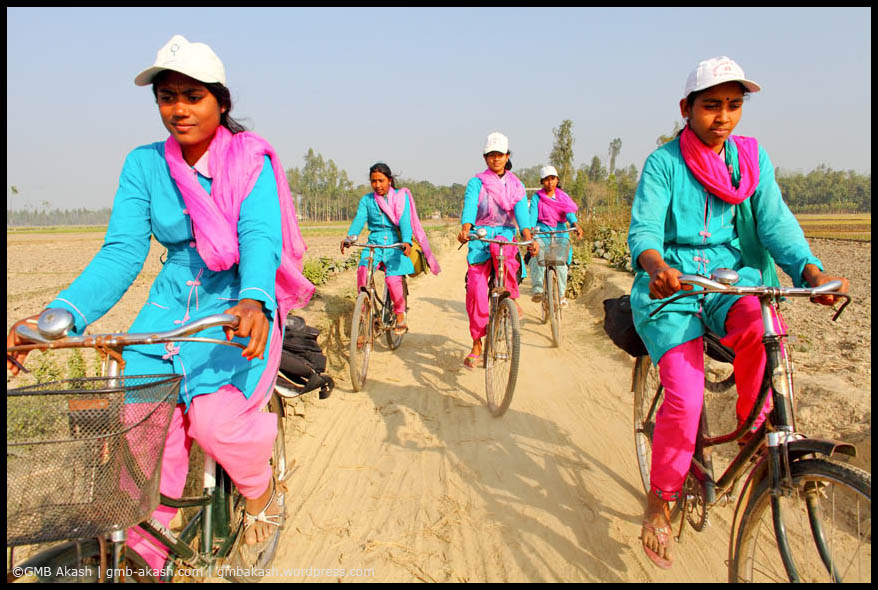
The Info Ladies cover many miles on their journeys from village to village. With their bicycles and laptops, the Info Ladies of Bangladesh bring the world a sense of independence from one village to the next. This has changed the country, and their lives, too. The young women have become role models for a whole generation.
info lady (4)

The Info Ladies cover many miles on their journeys from village to village/www.gmb-akash.com

info lady (2)

The meetings in the villages are free, with a charge for some services/www.gmb-akash.com

Sathi is the most successful Info Lady in the Gaibandha district. Between banana trees and flood swamps, she has opened an info shop in her home village Jarabarsha. A banner in front of the shop rattles in the wind. It reads: “We are independent because we are Info Ladies.”
info lady (10)

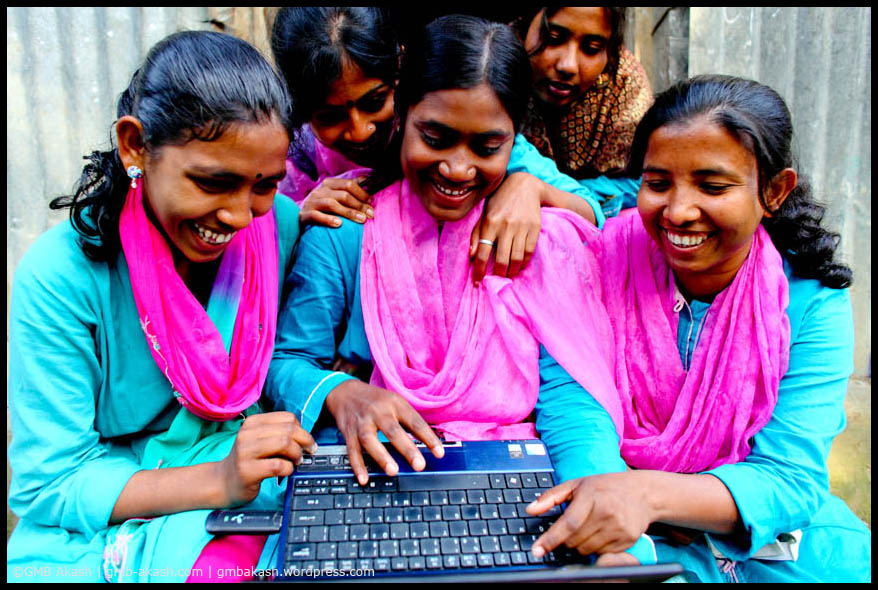
The Info Lady is wearing her info lady uniform, a blue cape and pink trousers. Amid the dark green landscape, she shines like a ladybird on a dandelion leaf/  www.gmb-akash.com

The corrugated iron on the roof shines more brightly than anywhere else in the area. A table mounted on the trunk of a tree lists all the services Sathi offers. Sathi offers Skype calls, online bank transfers, online university application assistance, digital camera rentals, mobile phone ringtone downloads and photography services. She gives pregnancy tests, measures diabetics, takes blood pressure, identifies blood type and even sells underwear for women. Recently she opened her pre-primary school with a vision to create an example for the village.


info lady (8)


Sathi in her info shop which provides for her whole family/ www.gmb-akash.com

Sathi is a 24 year-old petite woman with a barely perceptible smile and deliberate movements. When a man pushes his broken mobile phone across the counter, she unscrew the lid of the phone, fumbles around with the speakers for a few seconds with a metal pin and declares: “it’s broken, I will order a new one,” without expecting any rejection. Sathi has a scar with six stitches on her right ankle from a fall from her bicycle when she still had problems keeping her balance. She proudly shows the scar. Laughing loudly while explaining how difficult it was to convince her father about bicycle riding, she says, “I learned the basics of computers in three days, but it took months to convince my father to let me ride a bicycle.” But now she has changed the financial face of her family. In nearly three years of this job she built new house and renovated the old shop which is now the famous info shop.

info lady (9)

Sathi has to go from village to village to give her services. On that humid day Sathi repeatedly grabs the corner of her pink dupatta and wipes sweat off her face. She is wearing her Info Lady uniform, a blue cape and pink trousers. Amid the dark green landscape, she shines like a ladybird on a dandelion leaf. Sathi cycles past men in waist-deep water. The men stop their work for a moment and look up. Sathi nods in greeting. When she finally arrives in the village, she rings her bicycle bell three times, and women immediately start crowding around her.

info lady (18)

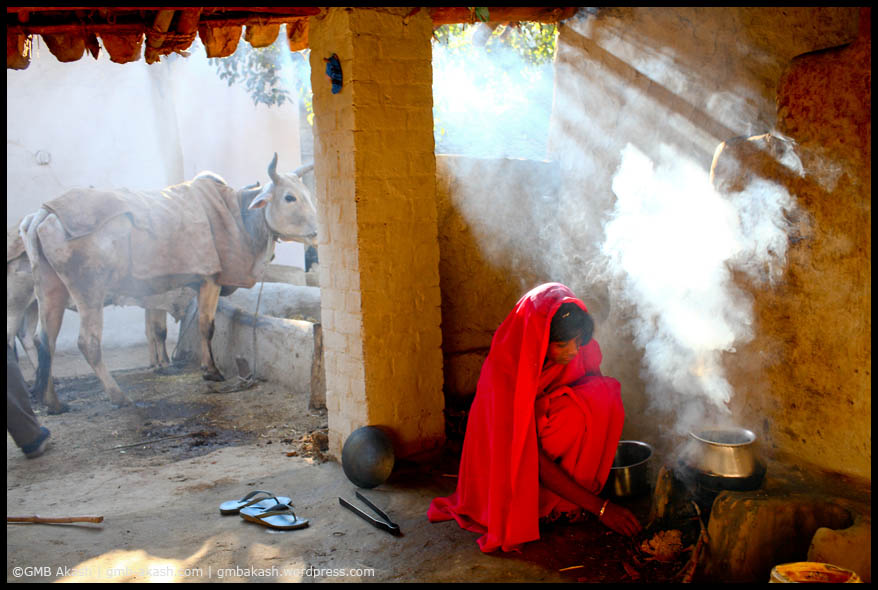
An Info Lady is a nurse, mail carrier, fashion consultant, farmer, photographer, psychologist – all in one.

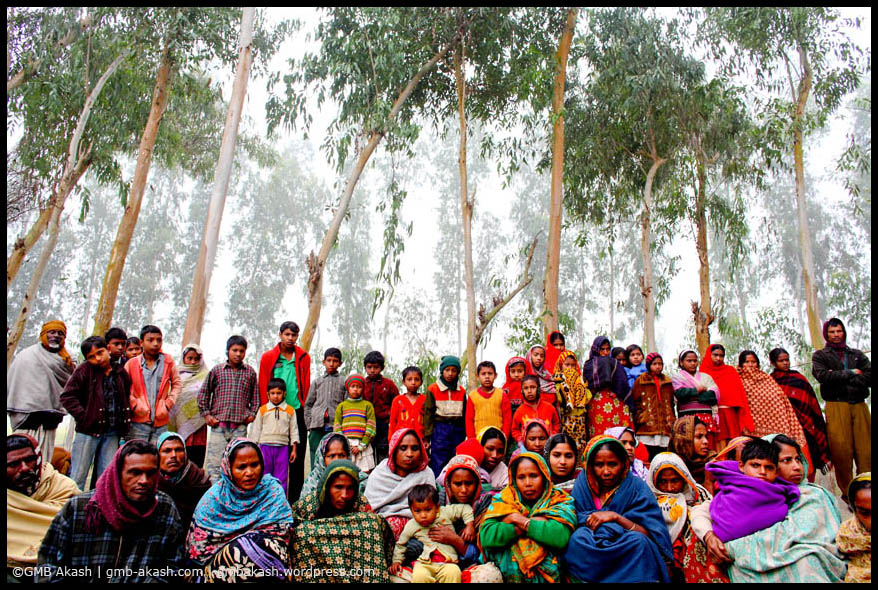
A short while later the women they roll out fabric bags to sit on and Sathi shows them a film about feeding infants. Then in a firm voice, she repeats every single fact: “You need to wash your breast before you breast-feed your baby. You do not need milk powder from the store; your breast milk is perfectly fine until the fifth month. After this, pay attention to adequate amounts of calcium and proteins. Have you all seen which foods contain these substances?” The women, some twice as old as Sathi, look at her. Their silent glances show how much respect they feel for someone so knowledgeable.
info lady (3)

The meetings in the villages are free, with a charge for some serviceswww.gmb-akash.com

Sathi’s working day ends with accounting. Using a computer programme, she notes every cent she earns. The group meetings are free, but a digital passport photo costs 10 cents, a blood pressure measurement costs 5 cents. Sathi has earned the equivalent of 2.60 Euros – a moderate day’s income. Last month, her income totaled 133 Euros. By comparison, a farmer in the district of Gaibandha earns about 60 Euros a month.
info lady (11)

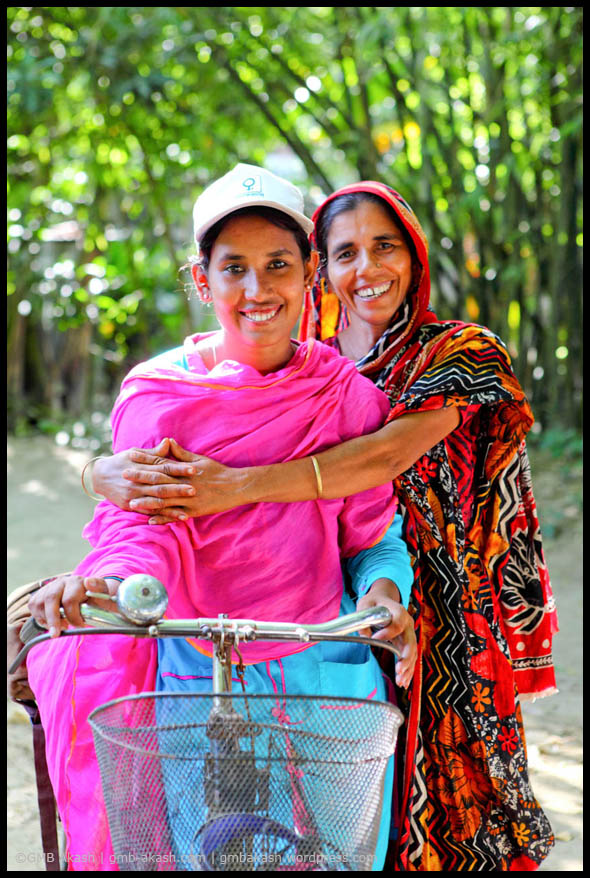
Many young women resist the opposition of their parents when they become Info Ladies. Sathi’s mother is different. She says: “All women bear children, but not all give birth to children as important as this one”

In a country where less than a quarter of the population uses the Internet and where access is both slow and expensive, Bangladesh’s ‘Info Ladies’ offer a series of vital services to people living in remote, rural parts of the country. The “Info Ladies” project was launched in 2008 by a local non-governmental organisation called D.net. The same organisation had previously sent so-called “mobile ladies” through Bangladesh – young women with mobile phones, who enabled the inhabitants to communicate with people outside their village. When most inhabitants eventually owned a mobile phone, the Info Ladies were launched. They now offer mobile Internet, in a country with 152 million people, of whom five million have access to the worldwide web. D.net works together with local organisations to implement the project. In Gaibandha district, the NGO Udayan is involved. The name translates as “the resurrection”. The Info Ladies are trained for several weeks in the barracks of Udayan.


info lady (19)

In the rainy season, the Info Ladies cross the water on hastily cobbled together rafts or bridgeswww.gmb-akash.com

A Bangladeshi Info Lady is not just a woman with a laptop; she’s an entrepreneurial businesswoman bringing isolated people a piece of the world with valuable information and services. Info Ladies managed to change the perspective of villagers in many ways. Dohrmina, a village elder, now gives advice to the youth that would have been unthinkable in her day. She says: go to school, secure your own income, and don’t have too many children. Dohrmina says: “We didn’t even know what independence meant.”

info lady (20)

Like Dohrmina villagers have been paying more attention to their health now the Info Ladies make their visitswww.gmb-akash.com

info lady (21)

After measuring weight of the pregnant woman Mahfuza says, “You need to eat more,”

Of the 10 Info Ladies from Sathi’s group, seven are still active after three years. The Info Lady Mahfuza who is one of them rests her bike on the kickstand. Mahfuza is 22 years old and an Info Lady. She is part of a project in which young women use modern technology to distribute information to the most remote corners of Bangladesh. Mahfuza’s former classmates are now all married; most have one or two children. Some girls are married by the age of 13 or 14 and by the age of 20, parents actively look for a husband for their daughters. But Mahfuza learned to hold her head up.


info lady (1)

info lady (22)

A camera transmits the image of the extended family – with the brown calf which has been given the name Bohon – from their village of Bangamur in the north of the country, showing the courtyard with its highly polished loam clay and hastily-stacked hay bales all the way to Riyadh, Saudi Arabia’s capital. Tajul Islam, son, husband, nephew, cousin – and sorely missed by his family for a decade – lives there, a distance of some 4,500 kilometres, slaving away on building sites and sending all the money he has left to the village. The time they talk every week via Skype is their only chance to hear and see each other.


Meanwhile Mahfuza sits under a roof made of bamboo leaves and takes measures the blood pressure of a pregnant woman. Someone from the crowd shouts: “she’s expecting a boy.” Mahfuzaa does not even look up from the blood pressure meter as she responds: “boy or girl, it does not matter, both are equally good.” Another lesson learned. Mahfuza is contacted by girls who need underwear but do not dare go into a store. She then goes shopping for them. Farmers ask Mahfuza what is wrong with their rice plants. She photographs spots on the leaves and sends the images to an expert in Dhaka.

info lady (5)

A grandmother holds her grandson in her arms. He seems apathetic, his arms and legs are hanging limply. Mahfuza throws a quick sideways glance to the mother standing by the roadside. “Did you have him vaccinated as I had suggested?” The mother shakes her head imperceptibly. Mahfuza exhales audibly, stroking her hand over the baby’s head. She promises to come back in a few days and take the child to a mobile clinic.

info lady (6)

info lady (7)

The Info Lady Mahfuza also is a photographer. She sends a photo of a villager in her finery to her husband in the capital Dhaka/  www.gmb-akash.com

As a result, the women themselves experience a sense of freedom, empowerment and economic independence. This has started to change their country, still struggling with improving the historical violation of women’s right. They have become heroes for an entire generation of young women by giving them hope and inspiration to also be able to work and enjoy personal freedom in a predominantly Muslim country. Although proving to be a driving force of positive change and transformation, these Info Ladies have had to “walk on thorns”. They have fought against social stigma, a conservative Muslim society as well as deep cultural prejudices against the value and rights of women.


If they were able to change their lives so radically, why should this not also be possible for others?

info lady (12)

info lady (15)


‘She flies on her own wings’

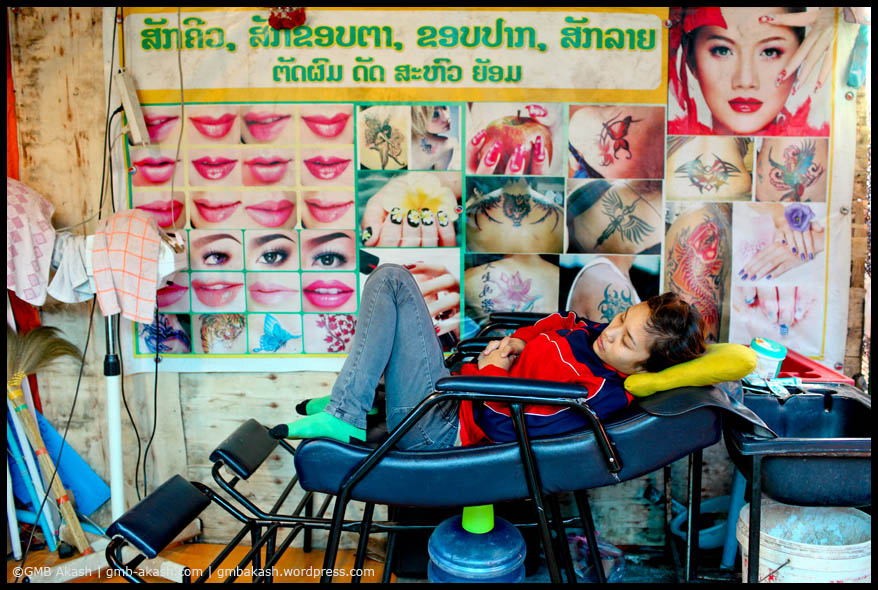
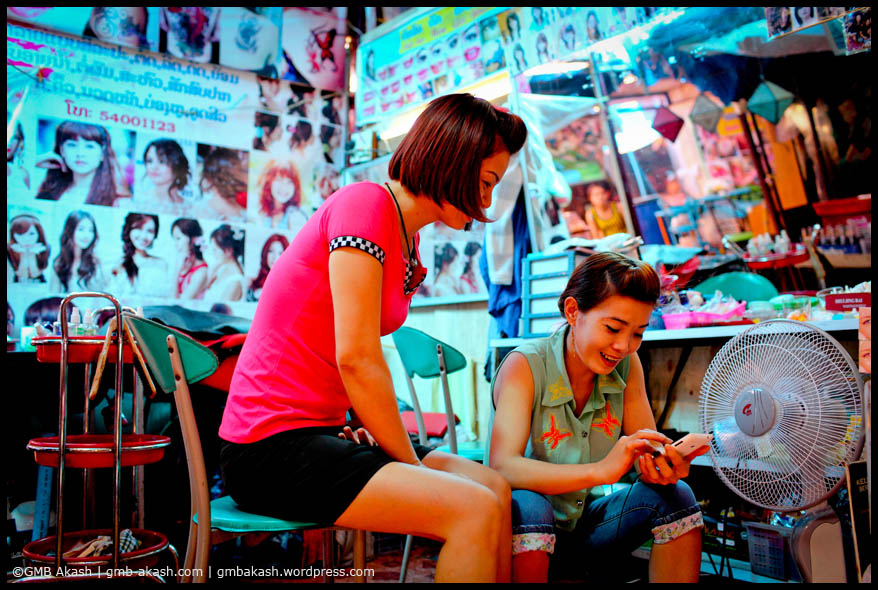
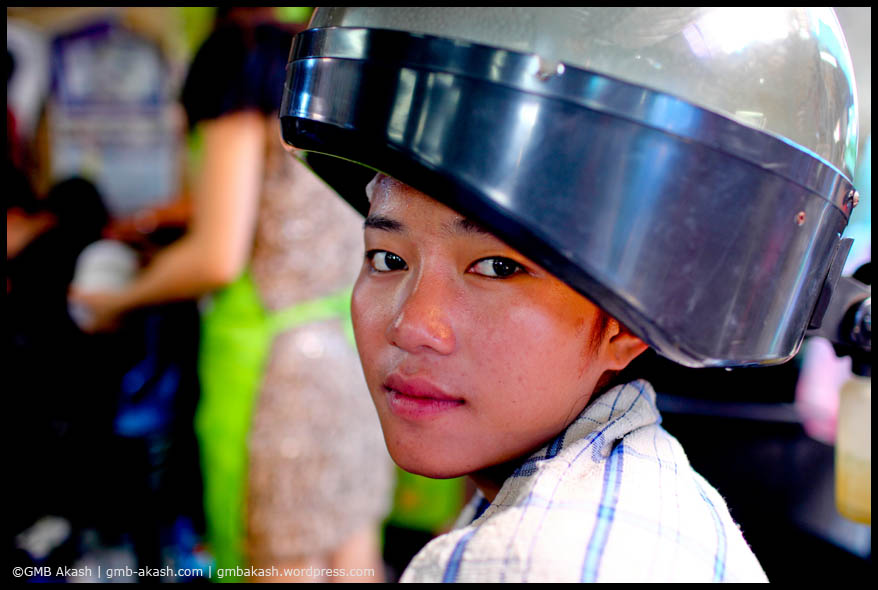
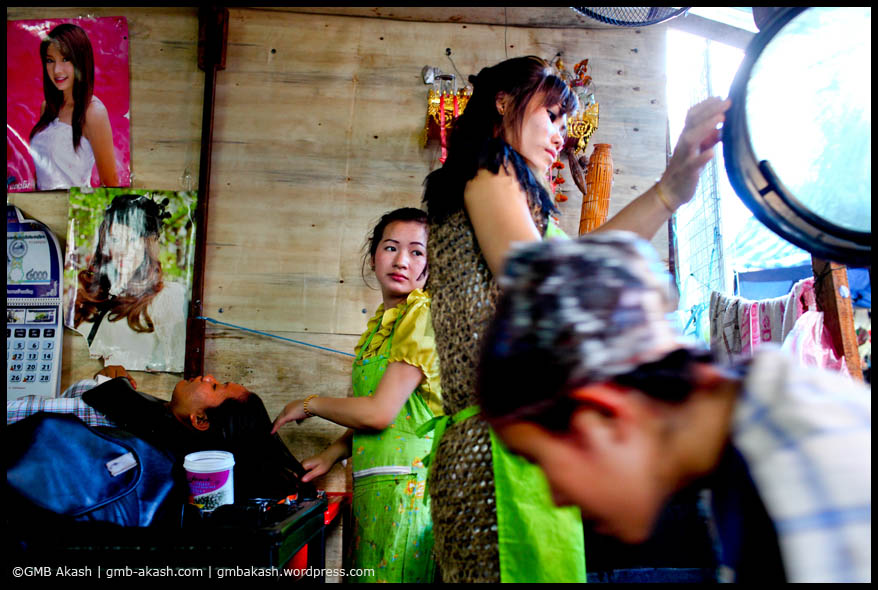
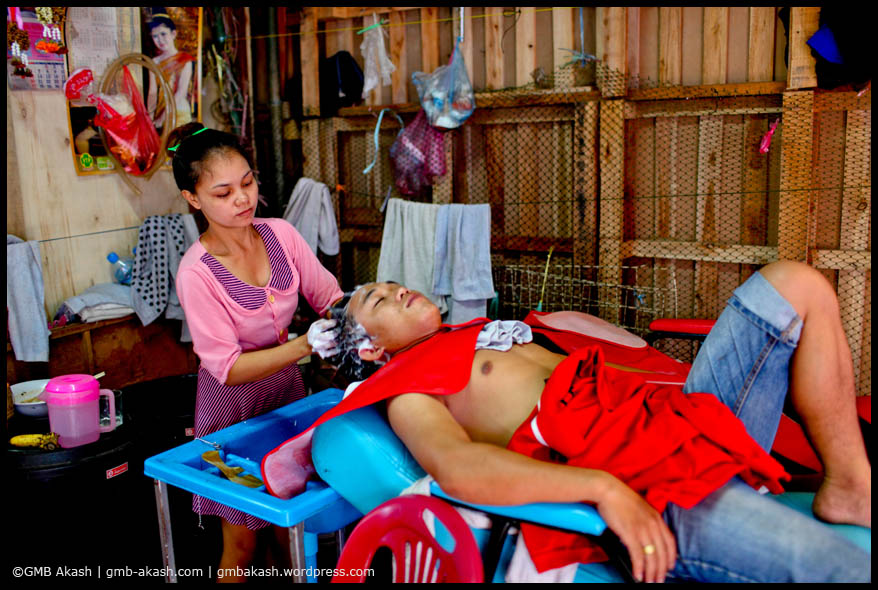
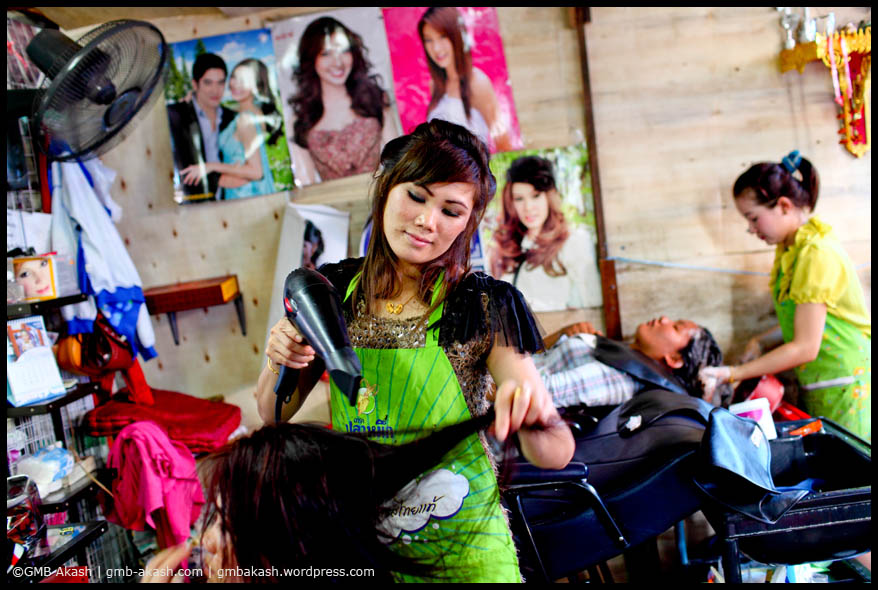
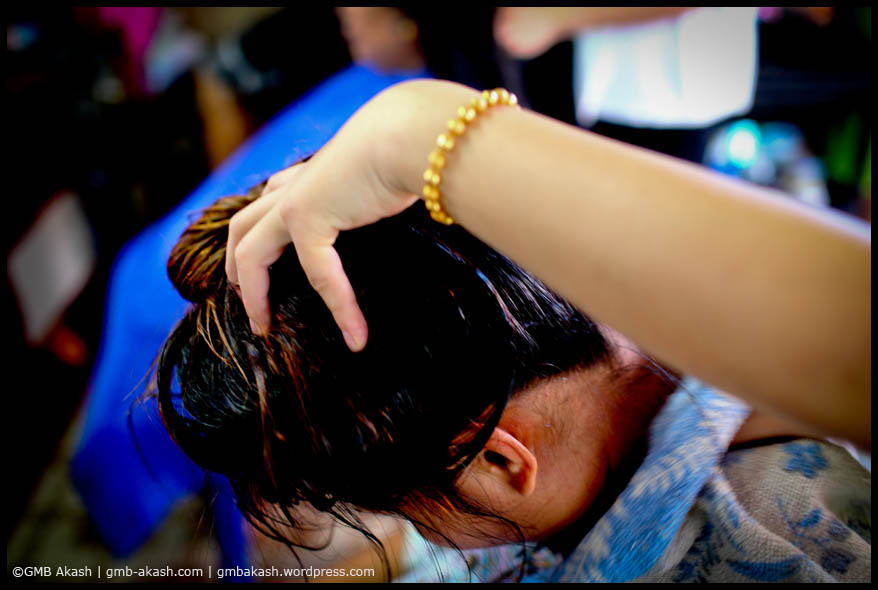
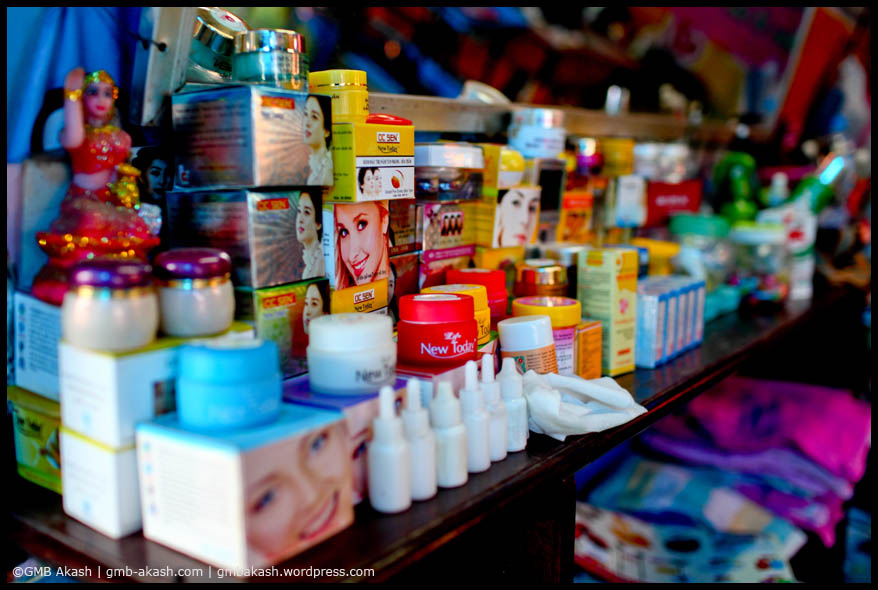
‘A tattoo tugs my mind. Not the tattoo but the meaning. ‘Alis Volat Propriisi’ which is Latin for ‘She flies on her own wings’. A girl who is the proprietor of the tattoo was in a beauty parlour in Laos. She said, she prefers to to live like a free bird which her tattoo said.   It gave a new meaning to the work I did in Laos. It’s been two weeks and I was looking for a salon to cut my hair and to do the shaving. After looking for a proper place I discovered salons and women with beauty possessions. As I never worked on the topic it was new to me. I generally know girls are obsessive about being beautiful but it was something out of my experience. I learned a makeover can change beauty within. I take permission from girls to take picture and being able to know about it. Meeting striking women from being the perfect professional and home maker to being crazy party girls it just compliments the ‘multi-tasker’ title for women. My photo series took a turn when a girl was wearing her mask on and whispered, ‘Every morning before I face the world I face myself’. I am trying to bringing out the glamazon to you and accepting the fact that wearing hearts on sleeves like woman is not easy! Isn’t it?’

– GMB Akash

_MG_5641

_MG_5914

_MG_5934

_MG_5968

It was a new territory for me. It takes time to adjust myself to take photographs in women region. Language was a barrier but already I learn few from the local language and started the conversation with the help of English. I was carrying my photography book which helped me to take permission to take photographs.

_MG_6095

_MG_6111

_MG_6260

My bouncy hair and tiring traveler-raw-look scared women but whenever I showed them my book they smiled and said yes. I was very wrong in the perception that women do not bother about man’s look. They do!  And additionally they care about their look most!

_MG_6263

_MG_6442

_MG_6638

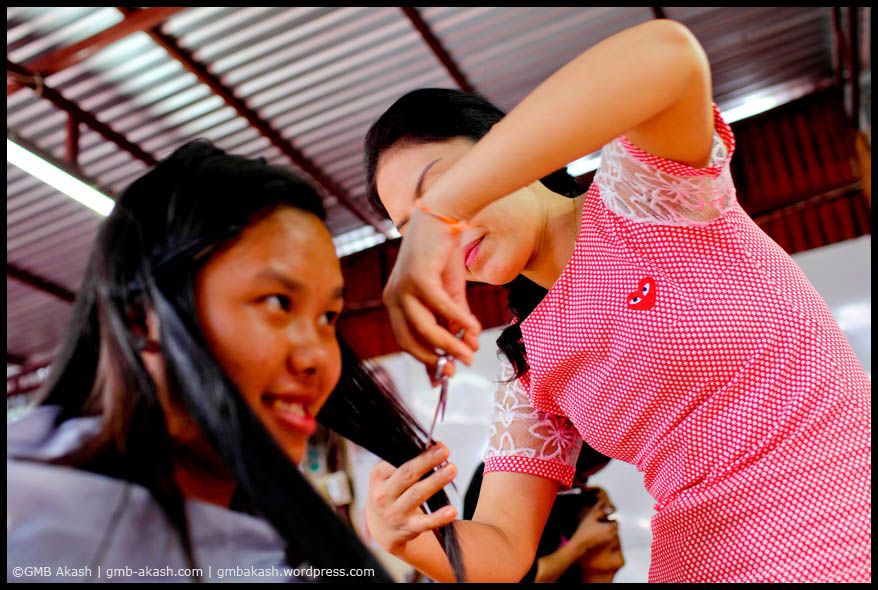
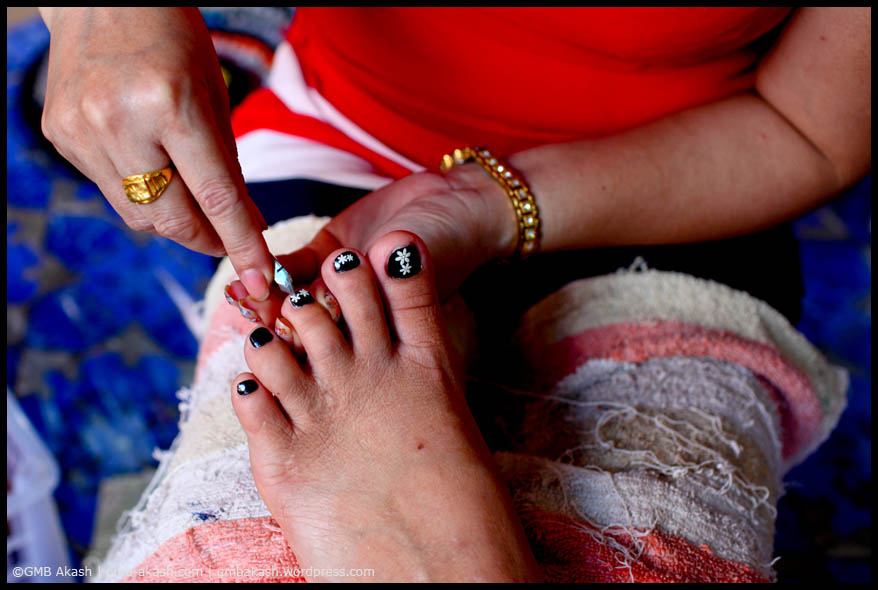
Woman empowering by entrepreneurship is inspiring. A good example of entrepreneurship is parlour business. Women are working independently on the sector they preferred in Laos. Men and women are their clients. They are offering different kinds of services which varied in price and quality. From head to toe parlour offered services. It starts from beauty treatment and ends to full makeover. They offer facial, threading, waxing, massage, yoga, skin therapy, foot massage, steam bath and many services to indulge in luxury. Every parlour is busy with their clients. Few of them offer membership card and special discount to attract new clients. Parlour is a business which proved services can beat products. Every client wants better service and hardly they know about the product those parlour girls are using on them.

_MG_6874

A woman who was receiving foot massage said, ‘It’s a healing world. It gives me a break from the tension world I live in’.

_MG_6710

_MG_6836

_MG_6467

Discover beauty within is the best part of any makeover. Inner beauty brings the outer beauty and may be vice verse. A makeover is not complete until a life changing makeover is not under taken.  If an external makeover helps to bring out internal beauty then why not to indulge in this treat. Giving a break to yourself to get a new you is whole worthy, right?

_MG_6053

_MG_6913

_MG_6975

Now, I back to my story. As in the beginning of this exciting photo trip, I went out to cut my hair and shave my beard in Laos. Let me speak out the truth. When I enter into a parlour then a girl arrive to cut my hair. Being a traditional Bangladeshi I was surprised and can not seat in the chair. Its naive but what to do about it! It is me! I brought out my camera in the parlour. I requested the parlour lady to allow me to take pictures. She asked me, ‘Do you want to cut your hair also?’ I wave my head right to left and then left to right. No regrets. What is more important for a photographer than a whole new set of photographs and such new experience!

_MG_6681

_MG_7053

_MG_6455

‘Quest for Justice – Vigilantes in Pink’

“In the time of articulating the story ‘Vigilantes in Pink’ I apprehend that Woman has the supreme power of the supreme Being. She can be the one who eliminates sufferings; she symbolizes her mastery over all qualities which society never admitted characteristically. In their sadistic world – Gulabi gang never lost their hope, fighting against the injustice they are cleaning themselves a bit. Yes, I learn from them, each day we will not get a chance to save somebody’s life, but each day of our lives offers us an opportunity to affect one”

– GMB Akash

pink gang (19)

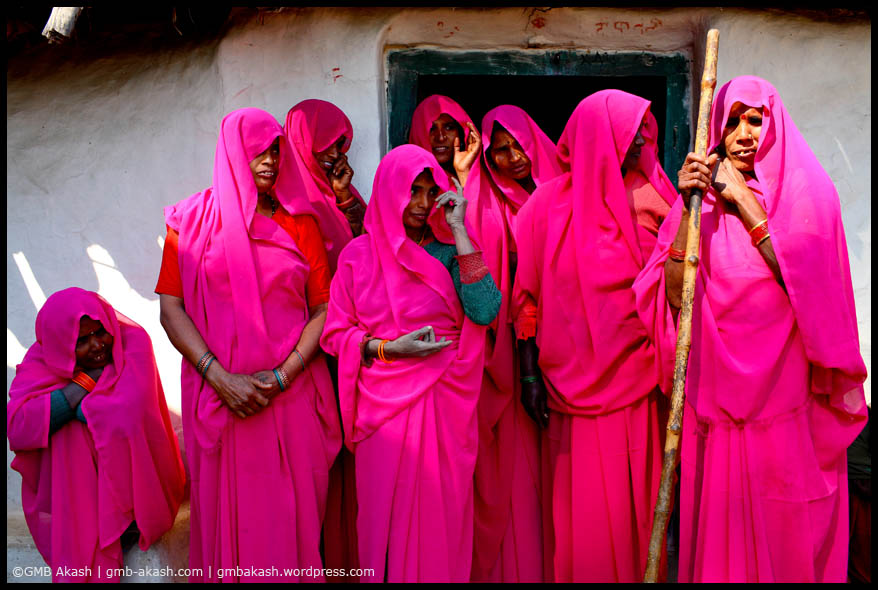
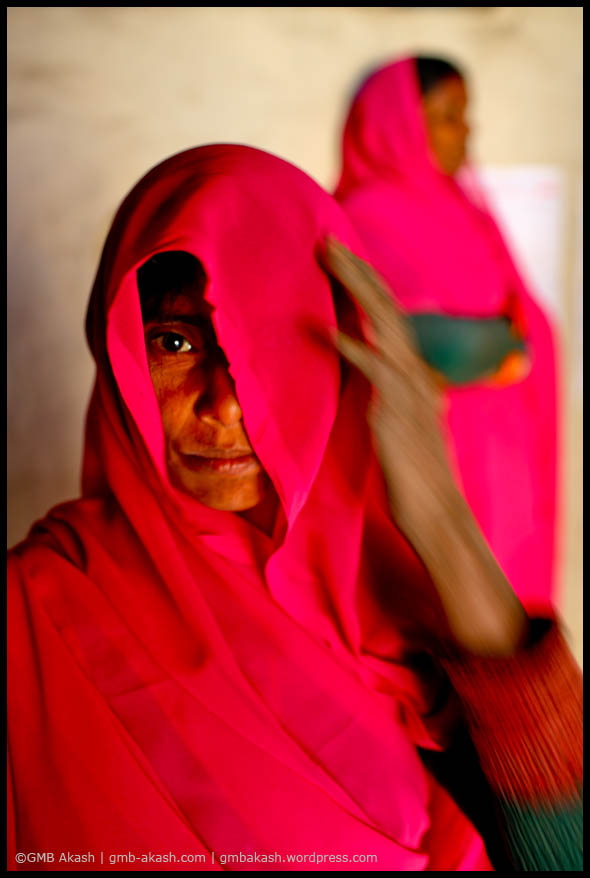
“My real strength is not in the stick, it is in my capacity my goddess gave me to give lessons to those abusive men” – Malti, from gulabi gang

pink gang (11)

Dressed in poignant pink saris, the all-female gang shames abusive husbands and corrupt officials.The several hundred vigilante women of India’s northern Uttar Pradesh state’s Banda area proudly call themselves the “gulabi gang” (pink gang), striking fear in the hearts of wrongdoers and earning the grudging respect of officials. Fed up with abusive husbands and corrupt officials, India’s poorest women are banding together, taking up arms, and fighting back. Their quest for justice is actually working. “Pink Gang” fights for the rights of women and other marginalized people in rural India.

pink gang (18)

Banda is one of the poorest parts of one of India’s most populous states. It is among the poorest 200 districts in India. Over 20% of its 1.6 million people living in 600 villages are lower castes or untouchables. Drought has parched its already arid, single-crop lands. To make matters worse, women bear the brunt of poverty and discrimination in Banda’s highly caste-ridden, feudalistic and male dominated society. Dowry demands and domestic and sexual violence are common.

pink gang (20)

pink gang (1)


Sampat Pal Devi who was married off when she was nine, wife of an ice cream vendor, mother of five children, and a former government health worker who set up and leads the “pink gang”. She utters,

“We are a gang for justice.”

pink gang (7)

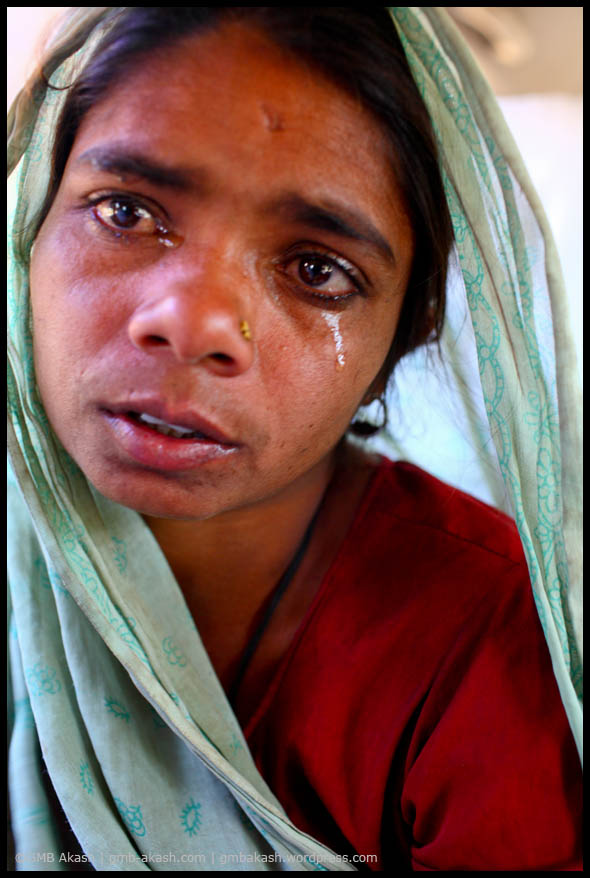
Everyday many cases come to the gang from the village and villages from nearby. A mother brings in her weeping daughter who has been thrown out by her husband demanding 10,000 rupees from her parents. Sampat Devi tells her “gang” that they will soon march to the girl’s in law house and demand an explanation from the husband. “If they don’t take her back and keep her well, we will resort to other measures”. The pink sorority is not exactly a group of male-bashing feminists – they claim they have returned 11 girls who were thrown out of their homes to their spouses. They are against injustice just not against males.

pink gang (22)

pink gang (23)

pink gang (9)


Even Pal’s group gained dishonor in early days for beating up men who abused their wives. If they heard a husband was being violent, they would show up at his door with sticks – the same wielded by local cops when patrolling their beat—and demand he change his ways. Of the many cases that Pal handles every day, the majority are related to domestic violence, dowry demands, and abusive in-laws.

pink gang (16)

pink gang (2)

pink gang (6)

At first it was just five women, all old friends. But in a span of five years, the group has grown into a powerful brigade of more than 40,000 women, including 10 district commanders, who run the gang’s outposts across the district of Bundelkhand—an area that spans 36,000 square miles. These local Pink Gang stations operate in the same way as Pal’s own home does: They are meeting places for women to discuss their problems and, like Pal’s own home, the doors are always open.

pink gang (14)

pink gang (13)

” Gulabi Gang proves that unity can be an answer to protest against the wrong stream. Why should we live our lives in constant fear of failure? While we can throw out all nonsense of our life alone! We ought to win the losing battle of life by fatal struggle. It’s not fair only to live in the line of survival. Surely we have got to make something more well than what we have got.” – GMB Akash

pink gang (10)

pink gang (8)

pink gang (12)

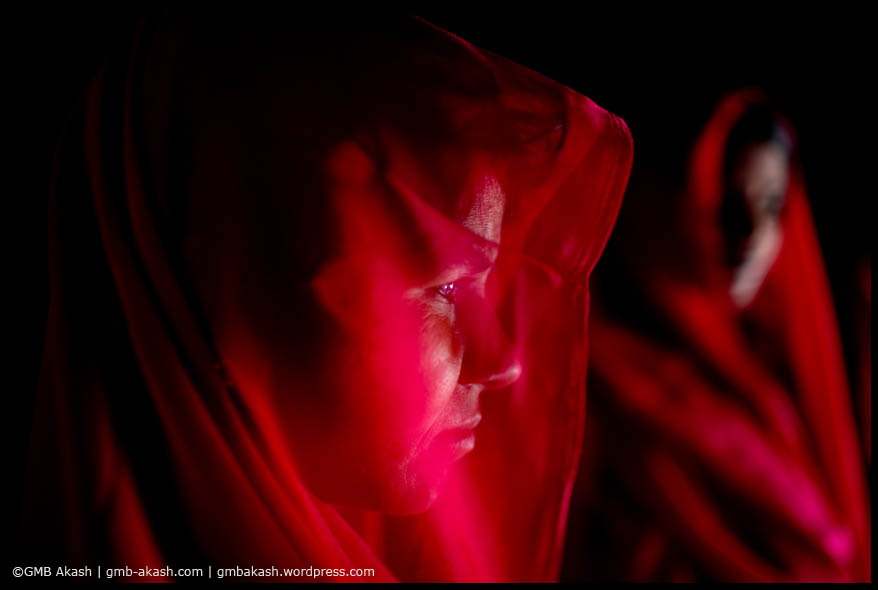
“Midnight Girls”

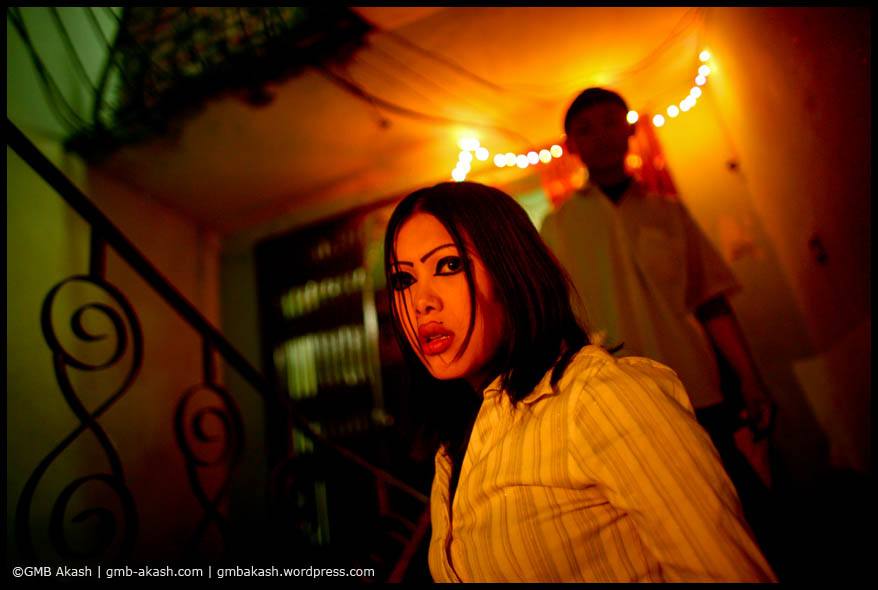
“It was a cold and rainy evening and I naturally found myself craving coffee in a coffee-lounge of Nepal. I was shaping my mind for documenting on ‘Night Girls in Nepal’. While I was completely engaged in thought, laughter broke my attention. By the first bit of drum night girls were in hurry to enter into clubs just near my coffee-lounge. Music, light and entertainer all are ready – and the night has begun. Inside these 1000 bars, girls from poverty-stricken corners of Nepal dance away, hoping to fulfill their simple dreams some day. Is it possible to depict the agony of a night girl being sold and/or compromised in club/bar/hotels? Can my photography breathe their voices? Is it possible to take picture of what I want to describe? Answer is NO. But by keeping alive the roots of awakening is a key duty of a photographer like me. So I am here to tell you the story through my third eye.” – GMB AKASH
night girls (10)

night girls (3)


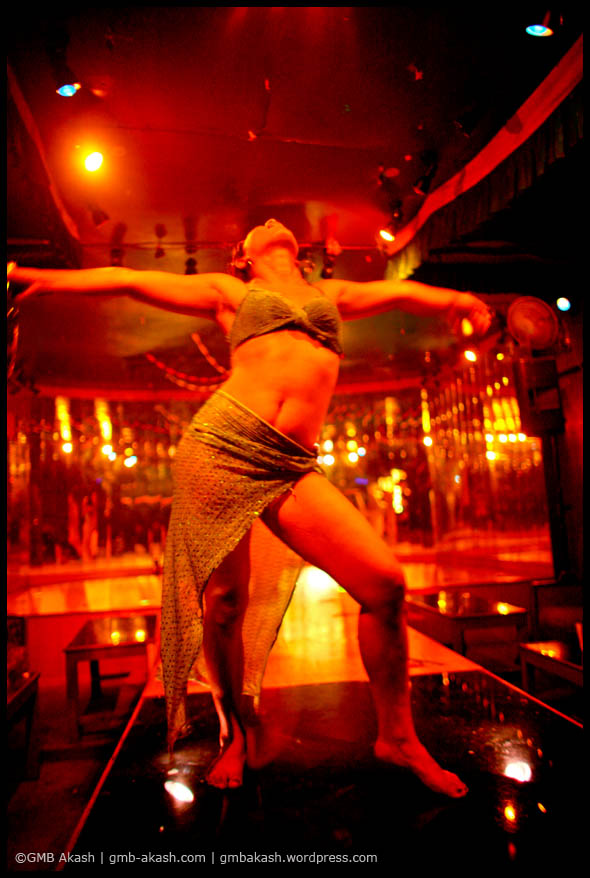
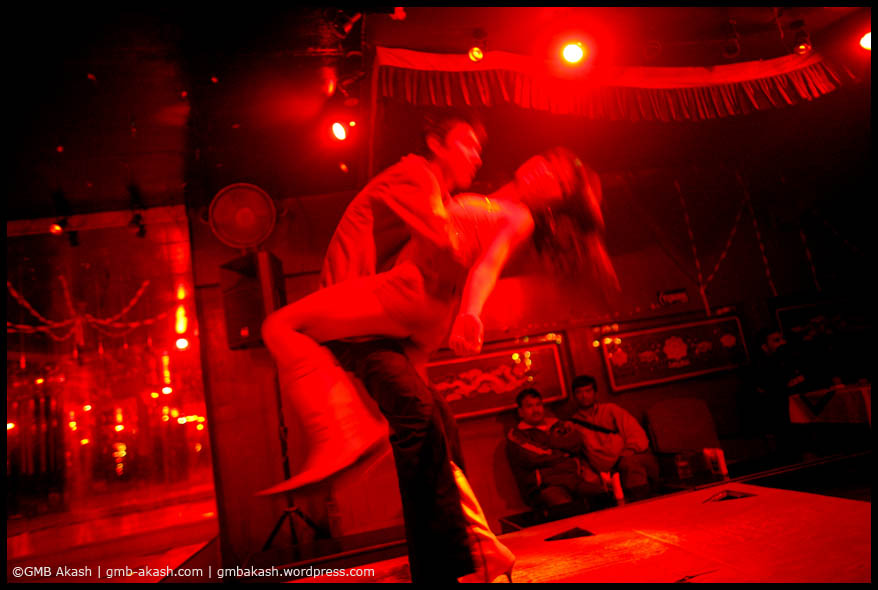
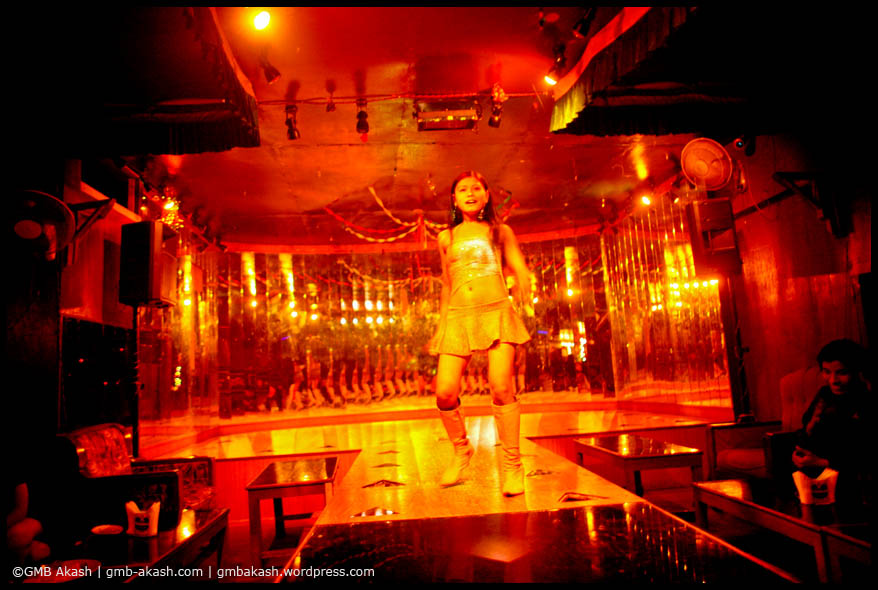
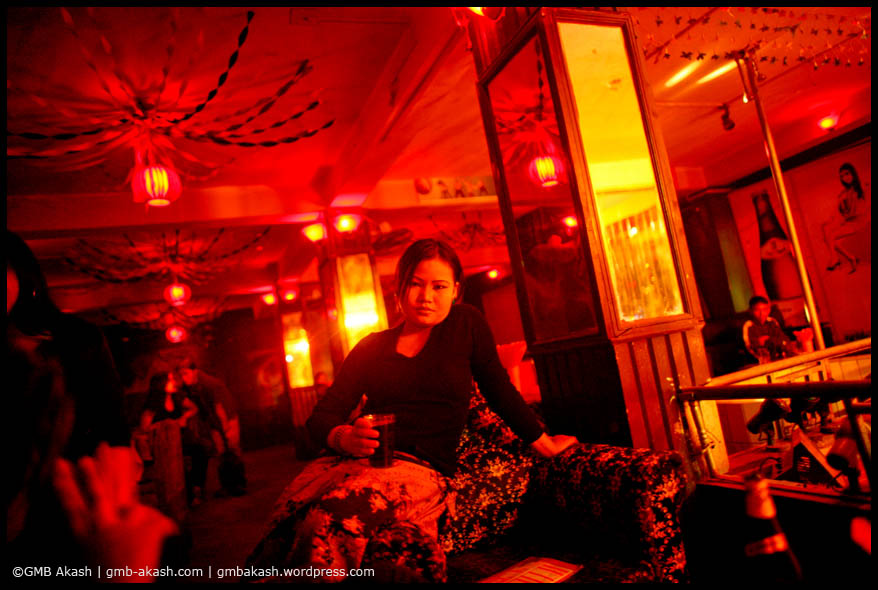
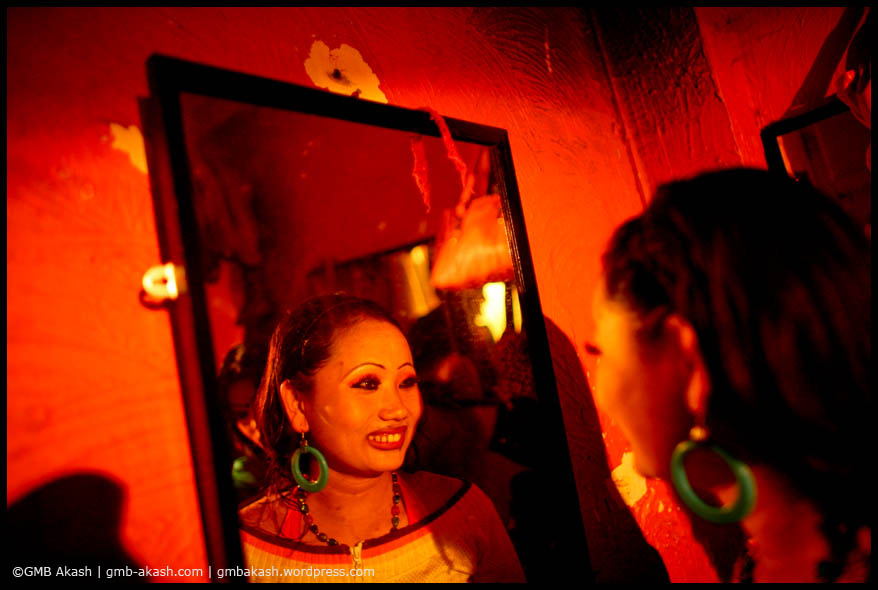
Strippers and dancers of the popular night scene in Nepal. Located mostly in the tourist area Thamel, hundreds of clubs host both local and tourists to strip shows, dances, and drinks. Each club has on average 30 to 40 girls working for them. There are the dancers, the waitresses, and some call the “date for a night” women. The dancers are young—many of them told me they are 19-22, but to me most of them looked like 16 or younger. At the change of each song (which were mostly Nepali and Hindi pop), usually a new dancer would come out on stage. Some of them danced in a tight t-shirt and short shorts, some in a tiny wrap around her waist and a bikini top, others in long glittery skirts and heels. Their faces were covered with heavy makeup, and they all kept adjusting their hair during their dances. There are also 2 showers on each side of the stage with a little porcelain bath dug out. Apparently “dance with shower” is a big thing in Kathmandu now.

night girls (18)

night girls (8)


When not dancing, the women came out into the crowd fully dressed to flirt with customers. One girl, named Pari (Most of them has a fake name) said: she is 16, illiterate, has no phone, and makes 7500 Rs per month (about $100) working at the restaurant. She was not drinking alcohol, but seemed a little spacey, so maybe was on some type of drug. She was one of the few dancers, who were not afraid to remove all of her clothes, and she would often touch herself while on stage or dancing on tables and she is an example of many other girls who are willingly working in the restaurant.

night girls (9)

night girls (14)


Reetu one of the dancers of Thamel dance club said “More than half the money is spent on room rent, makeup, grocery and other necessary items. The rest goes into my education and to my parents. I hardly save anything.”

night girls (1)

night girls (5)

Fifteen-year-old Rani wants to be a doctor. But to fulfill her dream, she performs at a dance bar every evening – even if it means gyrating around a pole, stripping and giving company to strangers at night. Though dance bars are not illegal in Nepal, stripping is. But in a nation where 30 percent of the 30 million population is below the poverty line, few seem to care. Employment agents went to villages, offering poor Nepali girls like Shanti jobs in Kathmandu as waitresses. Though families are warned of the possibilities of prostitution they often choose to turn a blind eye.

night girls (16)

night girls (13)


“One month’s money for a waitress can be a whole year’s income for a rural farmer”, states Mahima, waitress of a local club, whose father is a farmer. 80% cases are enforced Women for Prostitution in various circumstances.  Many of these poor Nepali girls eventually accept their fate and fall into prostitution. These poor Nepali girls will earn £ 80 per month as a dancer, tips can double this and sex for a night brings rewards of between £30 and £100 per night depending on the desirability of these Nepali girls. Regulating dance and cabin restaurants is a problem. No system is in place to properly monitor the activities that go on inside. It is the poor Nepali girl who working as waitresses are alienated and trapped, unable to re-enter mainstream Nepali culture.

night girls (19)

© GMB Akash

night girls (4)


I felt an overabundance of emotions ranging from guilt to despair for not doing enough whenever I faced myself into these situation for documenting lives of these girls – who cannot do more struggle against oppression, cannot protest for inequality and injustice, of lost with their dreams. I do believe, may be one day The Sun will rise to wipe off tears of these Midnight Girls”

– GMB Akash

night girls (6)


night girls (7)

A World Full of Hungry Apes

“Photography has taken me to discover many unexpected territory as all time I wanted to see the sights of unseen & unforgiving incidents of reality. I was engaged in one of my personal project’s work on ‘sex workers’ for which I went to Madaripur. I have been working on ‘sex workers’ last 7 years & my works demand me to investigate their situation all over the country. Last year, in the month of August when I arrived at Madaripur it was afternoon. Shockingly I have seen thousands of apes are in street, running here & there. It was an unexpected thing of my life to see thousands of ill monkeys are moaning alone. I was traumatized, unspoken & felt awful when I understand all these thousands monkeys stand in front of me are HUNGRY. I always concern to cover stories of situation which need concentration for helping out by the assessment of the world. So I take out my camera & run to middle of them”

– Gmb Akash

© GMB Akash / http://www.gmb-akash.com

© GMB Akash / http://www.gmb-akash.com

© GMB Akash / http://www.gmb-akash.com

© GMB Akash / http://www.gmb-akash.com

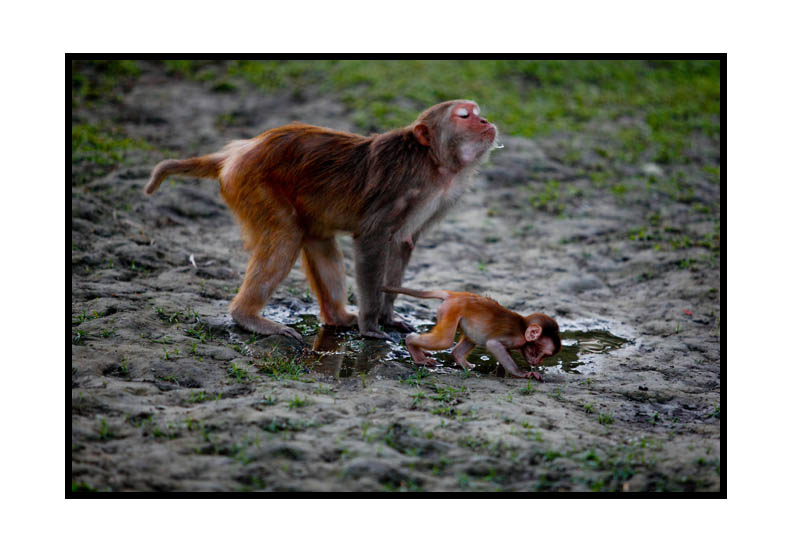
In char Muguria area, Madaripur around 2,500 monkeys are facing severe food crisis. Due to acute food crisis many mother monkeys, passing days starved or half-starved, are even unable to breast feed their babies. Quite a few monkeys have already died in this serious situation. Concerned over the pitiable life of the monkeys, locals and visitors have urged immediate arrangement of food for the monkeys. Though the local communities are already poor to feed themselves but the heartbreaking scenarios of monkeys influence them to share their own food with them. Despite keeping distance with human the unable monkeys are taking foods from people’s hands. The hungry monkeys were competing for the inadequate foods like peanut or biscuit given by the visitors. They were also trying to eat whatever they got — grass, garbage, polythene etc. Baby monkeys are suffering badly in malnutrition. Even the water crisis made their lives more pitiful. Local community sought allocation for food for the monkeys but the higher authorities are yet to give any response in this regard.

© GMB Akash / http://www.gmb-akash.com

© GMB Akash / http://www.gmb-akash.com

© GMB Akash / http://www.gmb-akash.com

© GMB Akash / http://www.gmb-akash.com

“A mother monkey by carrying its dead child was passing from trees to trees. When it came in front of me & begged foods I realized the monkey did not identify its child is already dead. This pitiable situation made me terrified. These apes, whose residents are jungle, came out for food & begging to feed themselves. These climate victims are more alike my working project of  ‘Sex workers’. Human & animal all are helpless in front of starvation & need. They are survivors of dreadful situation which many of us over looked or never know”- Gmb Akash

© GMB Akash / http://www.gmb-akash.com

© GMB Akash / http://www.gmb-akash.com

© GMB Akash / http://www.gmb-akash.com

Life Indulges In Colour

I usually take a picture of a person and then afwerward when I close my eyes for recalling what I have taken – the first thing that hits my mind is – Colour. After observing a person if we try to recall, then unconsciously colours comes first in our mind. The texture of the skin, colour of hair, colours of cloths and over all colour gives us an impression about the mood of the sight. Colour is a strong element to illustrate a person’s traits. I believe every person cover a mood of colour.

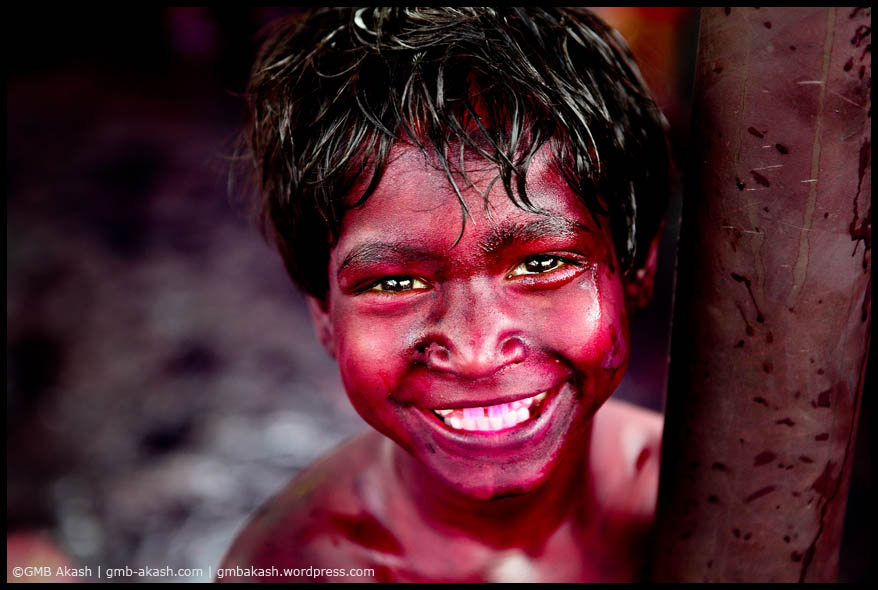
From beginning of my career I am working for those people who are living in the edge of the society.While I started working with these people I surprisingly discover – life has taken all colours from them but still they are cherishing every moment of their life with colour. Colour is their courage; colour creates enthusiasm on them to fight to live for another day. Person, who has nothing, has colour in life. In beginning of my career I took all black & white photographs of those who are colourful.  I found out poverty, sorrows and depressions become vivid if I skip colour from their life.

To present – ‘the present’ I start working on colour. A street child, laborer of a road or even a homeless lady all of them has colour. People who are fighting everyday to live life are heroes to me and these heroes represent colour. Their skin tone, dresses, living places all are colourful and powerful. They are deprived from all happiness of life but yet they treating themselves with colour. While I discover the truth I learned to capture the mood of colour on them.

color (20)

color (10)

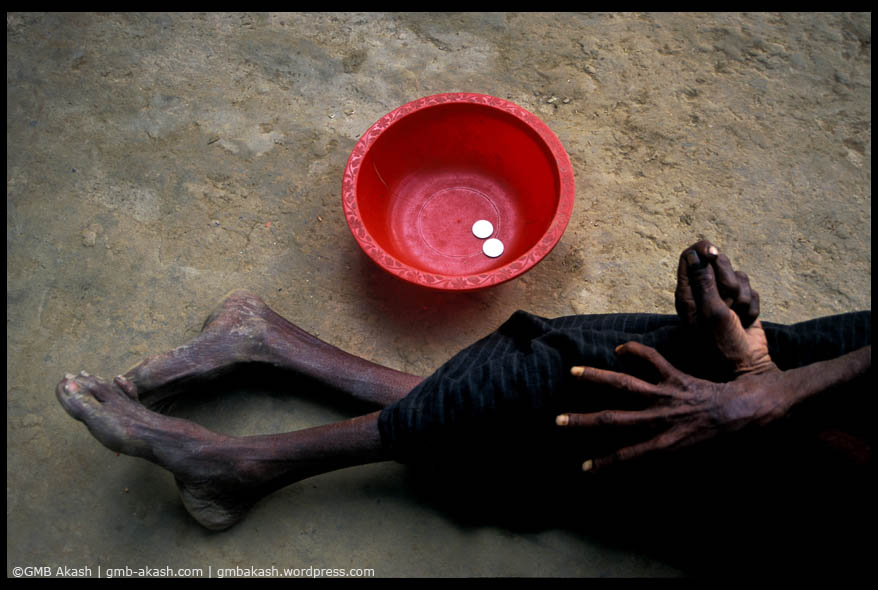
   “…I realize I have no power to deny the colour of these colourful people who are straggling in a colourless, hopeless world, nevertheless they live and smile. So I can not ignore the yellow balloon of a homeless child or even a red bowl of a beggar of the street. This inspiration inspires me to work with colour. Ans I continued my journey in the path of a colourless world to meet with all these colourful souls…”- Gmb Akash

color (17)

color (8)

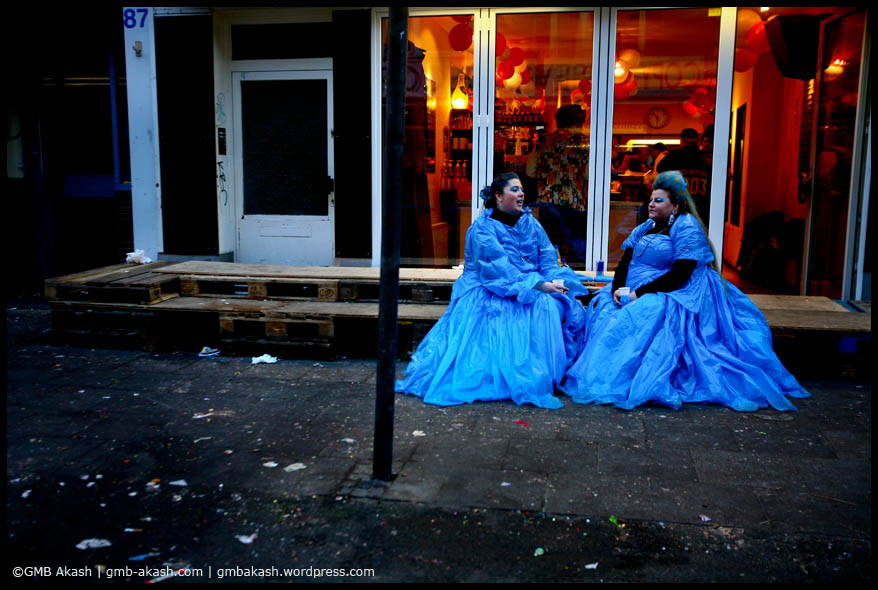
cernival in cologne, germany. february 2007

Colour arouses my work for getting the depth of the sight. I got colour in different mood in the different part of the world. But I discover people who are fighting endlessly for surviving are more colourful than any part of the world. Because of this colour is more challenging to me. I take this challenge to explore the unrevealed spirit through every capture of mine.

color (18)

color (14)

color (7)

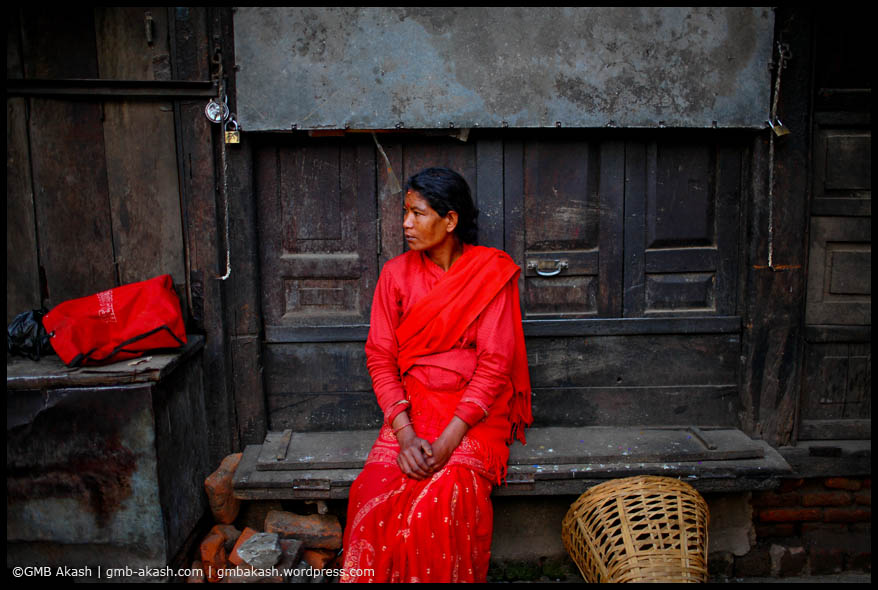
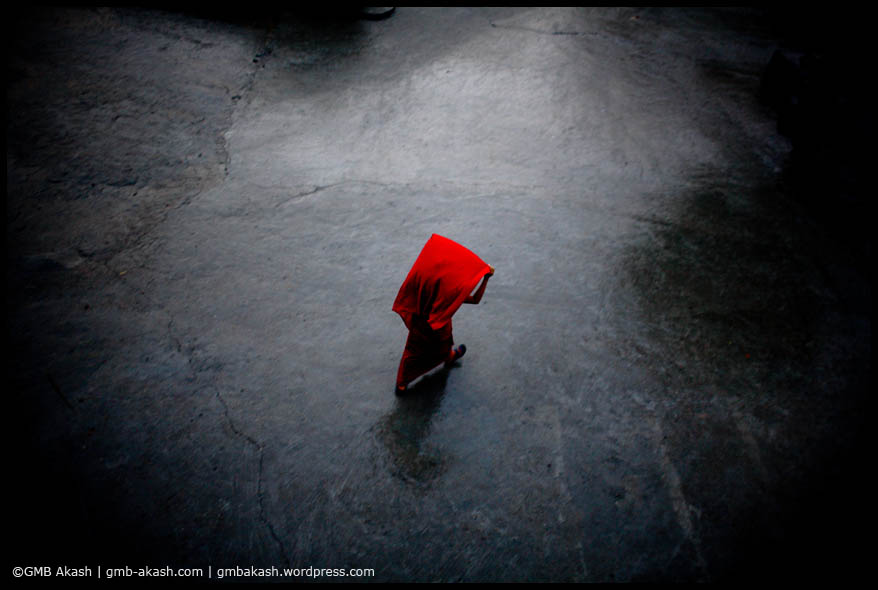
I have a special affection for red. I like to take picture in the early morning and late afternoon. Unpredictably red comes to my way often. People who are living in lower rang affectionate about the colour – Red. It is important to take a red shoot carefully. Contrast might made the capture disturbing, while too much red can destroy the attention for the subject. A good composition and balancing of colour can create an outstanding shot. Apart of all it is important to discover the right mood of colour in the right temperament of an individual.

color (19)

color (21)

color (22)

I go to country to country to explore colour differently. I have found out different colour in different cast. You will find people of power through colour. Your experiences & observations with colour will help you to reveal certain attribute of a community through colour.

color (5)

color (2)

   –    I prefer to use natural light which allows me to capture the originality of the moment of colour.

   –   I try to find out a natural background which suits the subject’s colour instinctively perhaps my entire colour photos are – found situation. So I believe to observe more & more while traveling frequently.

  – Working with a single colour allows me to appreciate more intricate details within the       subject itself.

  –  I travel to discover for getting the unexpected shot yet carrying the note in mind that I am searching thing which I have seen several times but never been noticed. Searching without clue for a known thing helps me to get a good colour shot.

–    I only pick colour which has meaning to the subject.

color (15)

color (1)

“While I am taking photos of these colourful souls I am learning to live in colour. By capturing these colour moments I have learned – few hints of red, blue & yellow has inspirations in our life. People who are fighting without anything in this world are healing their pains by indulging in colour”

– Gmb Akash

color (12)

color (16)

color (9)

‘Nothing to hold on to’

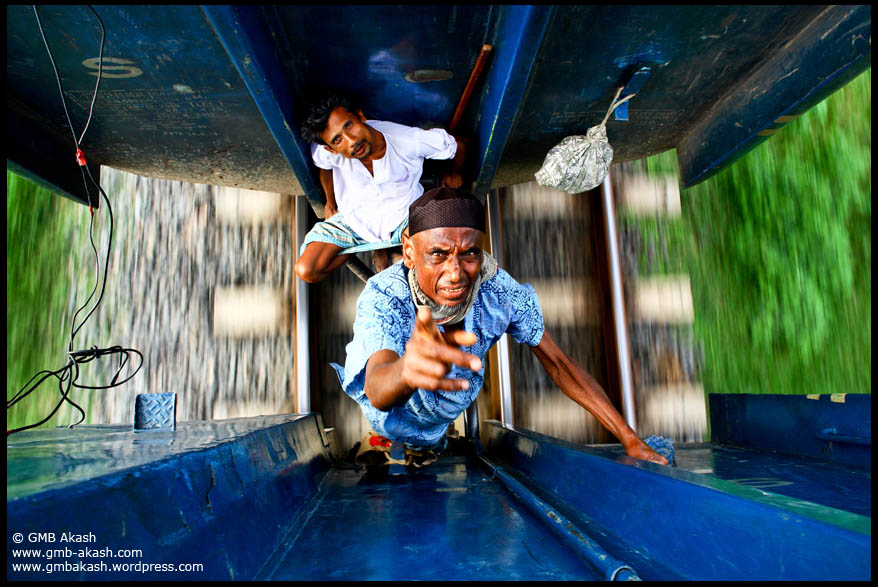
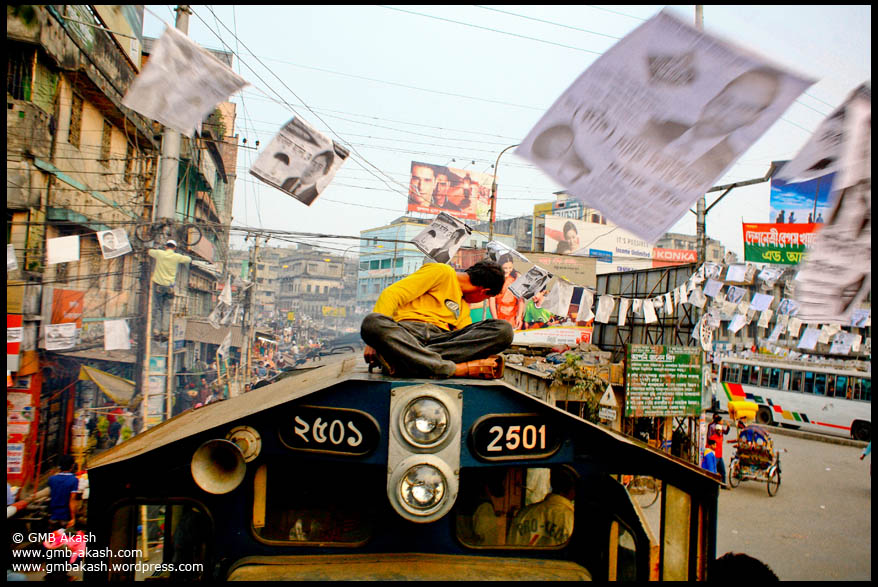
“When the train starts your feet will shake and you will automatically try to hold something, but there is nothing to hold on to. From 2005 I went up the train. Sitting or lying on the corroded metal roof of a train moving at 40 kilometers/hour is dangerous. By knowing that any time accident can happen you obvious to be nervous. It gives you an insecurity and makes it more risky. In that time there was no one who can tell me the rule of hanging in a running train, there was no example of photograph by which I can inspire myself to capture moments in camera. But I did not think twice to step into the slippery train and attempted to make a new series on the bravery of some insignificant heroic lives.”

Gmb Akash

Train new (3)

 © GMB Akash / www.gmb-akash.com

Seven years ago I had to travel many times by train to come to the city. During traveling I noticed low income people were traveling in the roof of the train and even in between joining line of the train. Most of them were low wage working class and traveled with high risk of severe accident. I was surprised to the fact when I discovered few of them traveled many times of the day with life risk. For knowing the reason my interest had taken me to the root. I pick my camera and leave my seat. Thus my journey starts in the running train. I had a basic curiosity to know about people whom I intend to photograph. From beginning of my journey I work for those people who are fighting endlessly to survive without anything but a smile. For taking photo of them I blended myself into the same conditions which help me to get the insight of the story. This inquisitiveness leads me in the top of the train. And I become one of the free passenger of regular running train. Thus I got familiar with the scary situation of the fearful journey; discover people and above all I took pictures.Train new (14)

© GMB Akash / www.gmb-akash.com

Train new (1)

© GMB Akash / www.gmb-akash.com

Train new (8)

© GMB Akash / www.gmb-akash.com

Uncountable times, I went to the roof of the train. Often traveling made me familiar with scariness of a running train. People become well-known to me. I find out so many different stories of people and their determination of surviving. When I manage myself to step straight then I pick my camera and start capturing my feelings. No one travel to risk their life to get pleasure. All were unable to manage travel cost as they were living under the margin. Many of those travelers work as day laborer, many of them goes for selling fishes in city which they collect from their villages. All of them have to return also. These travel costs can not manage by them so they risk their life in the top of the train.

Train new (6)

© GMB Akash / www.gmb-akash.com

Train new (16)


© GMB Akash / www.gmb-akash.com


This traveling is very addictive. When you will discover people who have power on them, who were bravely setting without caring anything the something will happen to you too. These people inspire you to live life without getting frustrated. They have nothing with them only have bravery to fight against all odds of life. So this journey put power inside me to fight in rest of my life with bravery and inspire to take any risk to live a life.

Train new (10)

© GMB Akash / www.gmb-akash.com

Train new (7)

© GMB Akash / www.gmb-akash.com

Train new (9)

© GMB Akash / www.gmb-akash.com

In winter surface of the train get slippery, once I stepped without been concern and attempted to fall. It is difficult to take picture in opposite of the direction of the running train. Along other passengers I have faced terrible winter, unwanted rains and continual heat in the top of the train. Many times wires hit me, every time I thought I should not go more. But again I can not resist myself. Getting a good picture is toughest thing while you need to spend days and months for the right moment and for the right click. I won travel photographer of the year title in 2009 on the series. Besides all I am fortunate to be able to stand in this fearful journey which will continually give me power for rest of my life.

Train new (11)

© GMB Akash / www.gmb-akash.com

Train new (15)

© GMB Akash / www.gmb-akash.com

“I recall all these journeys repeatedly. My achievement is that I established this series as one of favorite topic for photographers. I feel happy when I see photographers come from around the world to get a free ride in the top of the train and takes pictures. All these make me happy. I collect all these treasured moment and I am working for publishing a book soon on this series. I have to say, I am fortunate by killing fears of me to become able to go to the top of the train. There is nothing to hold on to, only your fearlessness”

– Gmb Akash

Train new (4)

© GMB Akash / www.gmb-akash.com

Train new (13)

Reckless Calamity washed out lives

After Aila attack it has been two years Khadeza Begum sold her cattle & everything to rebuild her only shelter. Now it is another nightmare for her to stay under her destroyed house after facing another devastating flood. She has no idea how she will manage to pay back all her loans, besides passing nights in this smashed house with her husband.

Kadeza Begum said:

We have nothing left, but we have to survive, so we’ve had to build our house again, twice in two year”.

Like Kadiza Begum It takes one year to Nobab Ali for building his house after Aila attack. Again flood hits on his all effort & left him in the flooded street. After all these devastation still he is trying to get some materials from the ruined house for covering his head in the road.

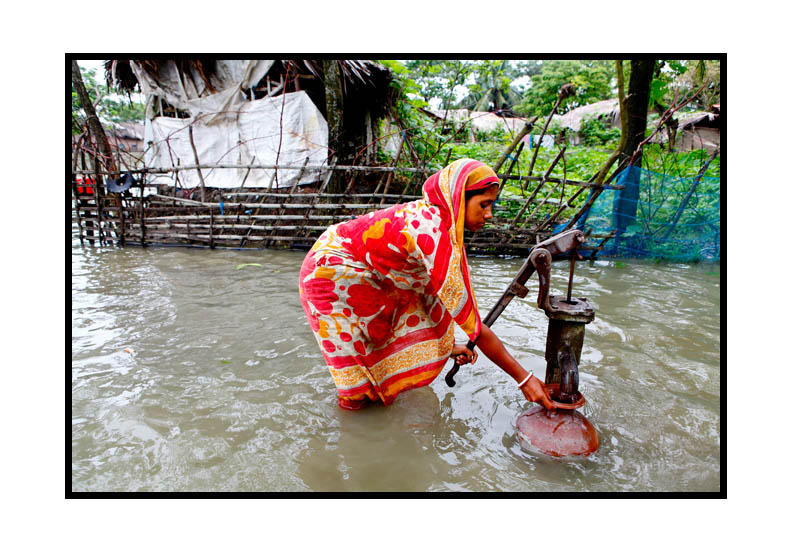
Alike them all inhabitants of Shamnagar are suffering like prisoner of devastating water kingdom. Helplessness & shouts are not getting into ears of rest of the people around the world & surroundings. In all places water & the destruction of water could experience in flood affected areas of Shatkhira. Inhabitants are collecting water after walking 3 Km. as all tube well are under water & badly affected by salt.

Amina begum told:

“Here water in everywhere, even in my house there is no sign of house only water. But we are such cursed that we have no water for drinking”

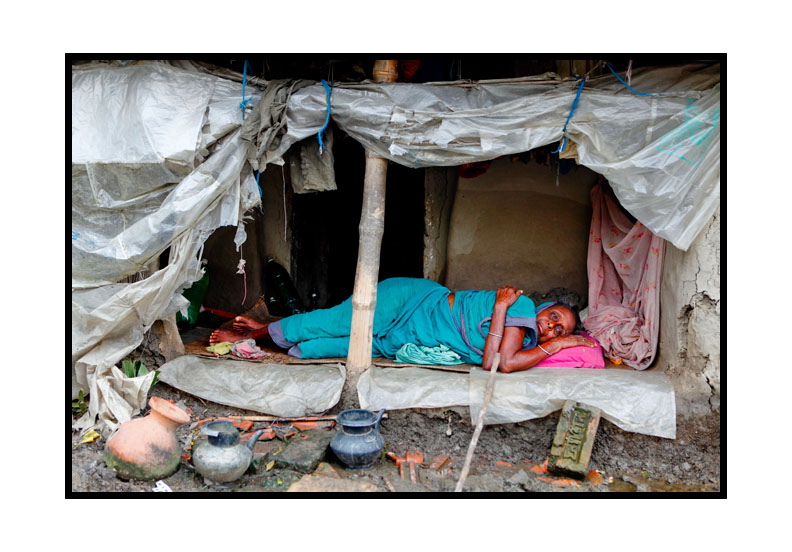
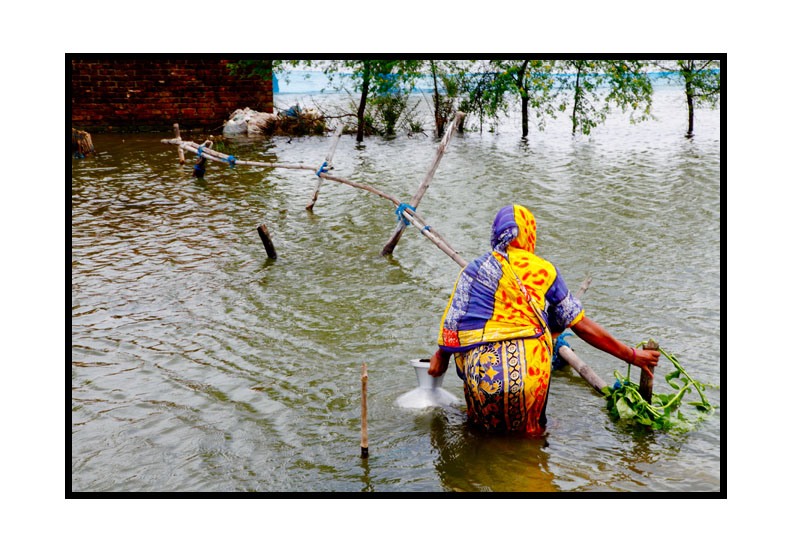
After facing devastating flood every year, they are fighting to live apart loosing shelter for existing. Still they are fighting to live. They are collecting all destroyed pieces of house to shed their head. Women go for fishing. They are healing pain of each other set aside from the remaining world.

I headed to the flood affected area of Shatkhira when all those villages are under water within three days & was out of communication. Evidentially when I reached to Shamnagar sun was setting down. I was surviving in a boat & could not see surface to stand a while. With the drowning sun the village was drowning under water. People were sheltered above in roofs of their houses. Moaning of old people & shouts of children were making the atmosphere miserable.

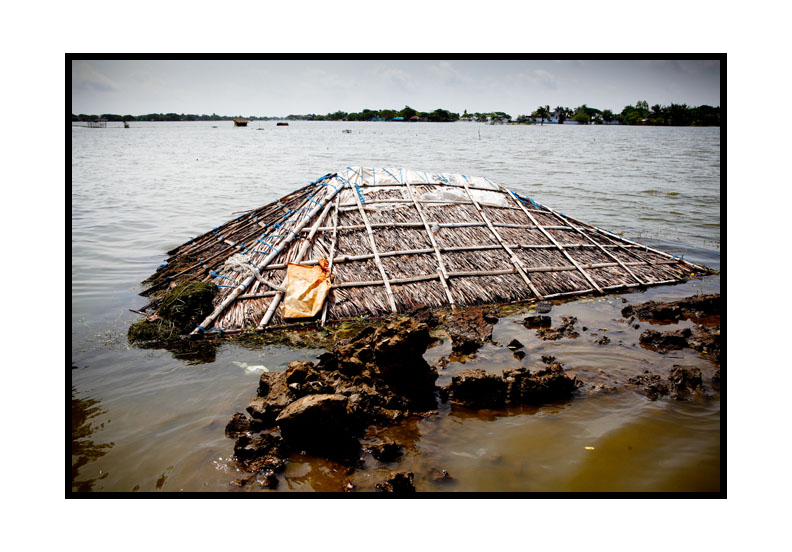
The southern part of the country is mostly affected by rain-fed disaster. There was heavy rain all over Bangladesh but flood has affected 14 of the 64 districts in Bangladesh. In Satkhira Kobodak, Betna, Shalta and Morichhap rivers swelled abnormally over the last seven days overflowing their banks inundating 160 villages in dozens of unions in Tala, Kalarowa, Ashashuni and Sadar upazilas. Over four lakh people of 160 villages were marooned. Crops on several thousand acres land; thousands of dwelling houses, schools, mosques, markets and ponds were inundated. Over 2,000 shrimp enclosures were washed away. Families lost everything & staying night without roofs in wild weather. Incessant rain coupled with high tide triggered by depression in Bay in the last few days caused river water rising engulfing villages on their banks. No humanitarian support has been provided to the people in the most affected districts by the government, local, national and international NGOs even after 10days of water blockage. People are suffering like prisoner of devastating water kingdom. There helplessness & shouts are not getting into ear of rest of the people around the world & surroundings.

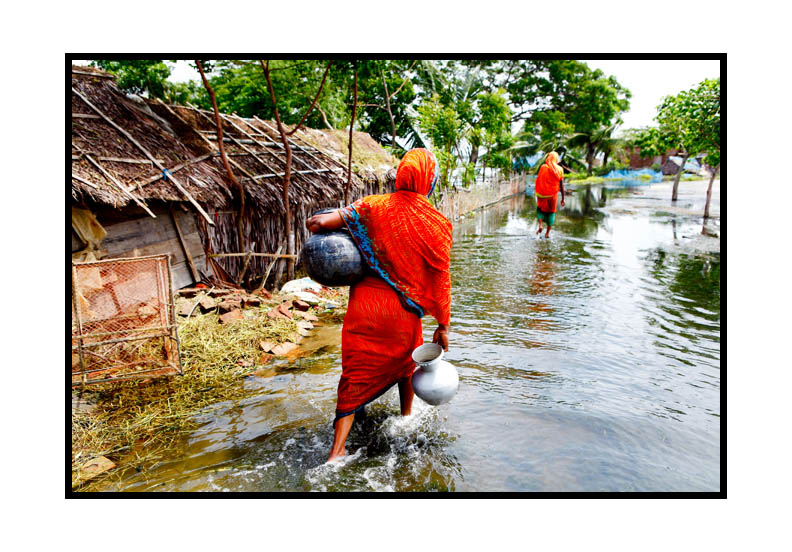
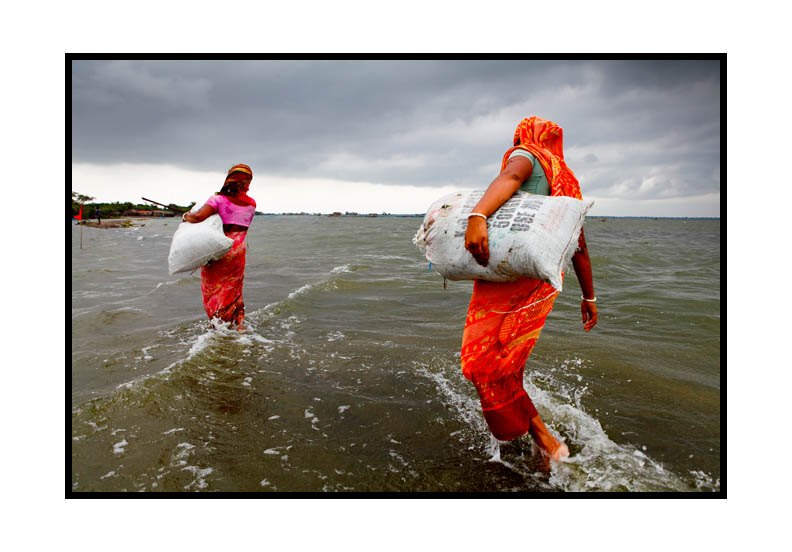
After the flood in Shatkhira, all ladies are moving for dry places by carrying their belongings. Families lost everything, passing nights without roofs in wild weather. In such a situation open air in field of water can not accommodate them for healing pains. Leaving behind everything they are moving to the city. . Hunger, helplessness & calamity force these climate refugees to the city. City welcomes them to face the uncertainty of living for their entire life time. Rootless people suffer here & there. Their tears evaporated by thirsty street of Dhaka, the capital of Bangladesh.

Bangladesh is the most vulnerable country in the world, the frontline state of climate change. Mostly to say Bangladesh seems the leader of climate change. With 140 million people, Bangladesh is one of the world’s densest nations and also one of the most vulnerable to the impacts of climate change. Like much of the delta region, it floods each every year, but the flooding has been getting worse, the waters are staying longer, and contaminating the fields and the wells with salt. People in Bangladesh live precariously close to the risks of cyclones, floods and droughts and more than 100 million people live in rural areas. Two-thirds of the country is less than 5 meters above sea level and in an average year, a quarter of the country is inundated. Bangladesh has experienced severe floods every 4 to 5 years that may cover more than 60 percent of the country, resulting in significant losses. United Nations’ Intergovernmental Panel on Climate Change predicted that rising sea levels could submerge 17 per cent of Bangladesh by 2050, creating 20 million “environmental refugees”.

Here is a short film on this concern – how people are facing the calamity by living their normal life behind:

Still images of this devastating flood could reveal people’s straggle & endless helplessness.

In 2009 Aila attacked Shatkhira, after two years when that pain has not healed this place again faced the ferocious attack of flood. While in these two years affected people managed to build their destroyed home but again flood has taken last hope from them. Over four lakh people of 160 villages were marooned. Crops on several thousand acres land; thousands of dwelling houses, schools, mosques, markets and ponds were inundated. © GMB Akash / www.gmb-akash.com

After Aila attack it has been two years Khadeza Begum sold her cattle & everything to rebuild her only shelter. Now it is another nightmare for her to stay under this destroyed house. She has no idea how she will manage to pay back all her loans, besides passing nights in this smashed house with her husband. © GMB Akash / www.gmb-akash.com

The flooding continues by washing away many homes and fields, the ill-fated flood victims Like Jhanu Begum remain living on the damaged embankments, surviving the rainy season in huts made of plastic sheets and bamboo.© GMB Akash / www.gmb-akash.com


 The lady is going inside her house. The flood has broken all her hope to pass a single night in serenity. After facing devastating flood every year, they are fighting to live apart loosing shelter for existing.

© GMB Akash / www.gmb-akash.com

People are fighting alone against every odd of their lives & with regular calamity. People are using medicine in their feet as they are living in water long time. These people do not know when they will get relief from flood water. © GMB Akash / www.gmb-akash.com

Flood has taken everything from inhabitants of Shatkhira. Every day straggle for getting water & food become another calamity for their life. All tube well goes under water & already badly affected by salt. Sufferers have no way to get rid rather then suffer in crisis.  © GMB Akash / www.gmb-akash.com

Besides Khadeza begum has to pay back all her loans of rebuilding the house after Aila attack, but again she lost every piece of it in this flood. She has no idea how long the village & she can survive. She is trying to collect all wasted material of her house in hope to get a shed by road side.© GMB Akash / www.gmb-akash.com


It takes one year to Nobab Ali for building his house after Aila attack. Again flood hits on his all effort & left him in the flooded street. After all these devastation he is trying to get some materials from the ruined house for covering his head in the road. © GMB Akash / www.gmb-akash.com

Nobab Ali has no idea how long he can survive surrounded by flood water which has proven curse to him. In his last dates he is fighting every year for building a house to shed his head. After the devastating flood attack again he is searching, below in water in hope to get his lost belongings.© GMB Akash / www.gmb-akash.com

After the flood in Shatkhira, all ladies are moving for dry places by carrying their belongings. Families lost everything, passing nights without roofs in wild weather. In such a situation open air in field of water can not accommodate them for healing pains.© GMB Akash / www.gmb-akash.com


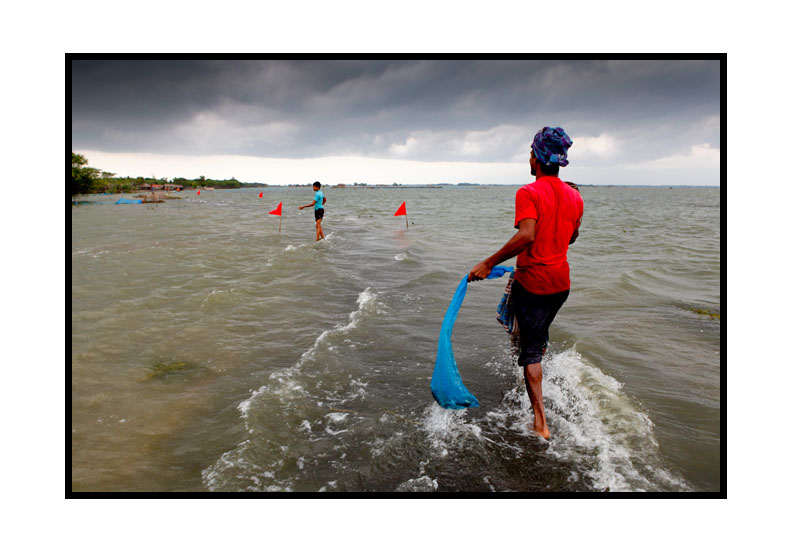
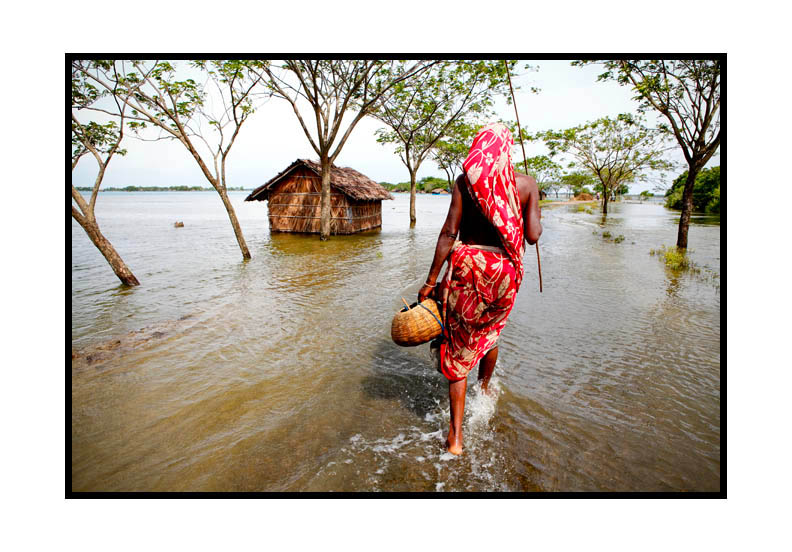
The violent flood abandons lives of Shamnagar inhabitants. With all fields under salt water, no shrimp farming or other activities can be restarted, and people have no way to earn a livelihood. Instead they try to fish in the nearby rivers even in floated roads. © GMB Akash / www.gmb-akash.com

People are moving to the city by vans even all roads went under water because of devastating flood in Shatkhira area. In 2009 Aila attacked Shatkhira, after two years when the pain has not forgotten this place again faced the ferocious attack of flood. Leaving behind everything they are moving to the city. © GMB Akash / www.gmb-akash.com


In the Alley of Disaster

“I headed to the flood affected area of Shatkhira when all those villages were under water within three days & out of communication. Evidentially when I reached to Shamnagar sun was setting down. I was surviving in a boat & could not see surface to stand a while. With the drowning sun the village was drowning under water. People were sheltered above in roofs of their houses. Moaning of old people & shouts of children were making the atmosphere miserable. When I reached to the house of Khadeza Begum I closed my eyes. It took two years to rebuild the house of Khadeza after selling all her cattle as well taking huge loans after Aila attack in 2009. I was standing in front of her ruined house. The house which has been rebuilt these two years by the bravery of Khadeza. I could not answer when she was hitting me by asking why I come to take photo of her ruined house again after Aila. No one come to ask them ever how they are fighting against the will of nature. She cursed all those happy people who seat silent after hearing their news”

– Gmb Akash

In all places water & the destruction of water could experience in flood affected areas of Shatkhira. Inhabitants are collecting water after walking 3 Km. as all tube well are under water & badly affected by salt. After facing devastating flood every year, they are fighting to live apart loosing shelter for existing. © GMB Akash / www.gmb-akash.com

After Aila attack it has been two years Khadeza Begum sold her cattle & everything to rebuild her only shelter. Now it is another nightmare for her to stay under this destroyed house. She has no idea how she will manage to pay back all her loans, besides passing nights in this smashed house with her husband. © GMB Akash / www.gmb-akash.com

In 2009 Aila attacked Shatkhira area, after two years when that pain has not forgotten this place again faced the ferocious attack of flood. While in these two years affected people managed to build their destroyed home but again flood has taken last hope from them. Over four lakh people of 160 villages were marooned after the striking of flood in this 2011. Crops on several thousand acres land; thousands of dwelling houses, schools, mosques, markets and ponds were inundated. Shrimps in over 2,000 shrimp enclosures were washed away. Families lost everything & staying night without roofs in wild weather. No humanitarian support has been provided to the people in the most affected districts within the affected time of  13 days.

People are helpless after five days water blockage. The lady is going for fishing. While in these two years Aila affected people managed to rebuild their destroyed home , again this flood has taken every hope from them. © GMB Akash / www.gmb-akash.com

It takes one year to Nobab Ali for building his house after Aila attack. Again flood hits on his all effort & left him in the flooded street. After all these devastation he is trying to get some materials from the ruined house for covering his head in the road. © GMB Akash / www.gmb-akash.com

People were suffering like prisoner of devastating water kingdom.Helplessness & shouts  are not getting into ears of rest of the people around the world & surroundings. Still they were fighting to live. They were collecting all destroyed pieces of house to shed their head. Women went to water for fishing. They were healing pain of each other set aside from the remaining world.

All tubewell of villages goes under water. Everywhere there is only water but there is no water for drinking. Still inhabitants are trying to get salt water for drinking. © GMB Akash / www.gmb-akash.com

After the flood in Shatkhira, all ladies are moving for dry places by carrying their belongings. Families lost everything, passing nights without roofs in wild weather. In such a situation open air in field of water can not accommodate them for healing pains. © GMB Akash / www.gmb-akash.com

People are moving to the city by vans even all roads went under water because of devastating flood in Shatkhira area. In 2009 Aila attacked Shatkhira, after two years when the pain has not forgotten this place again faced the ferocious attack of flood. Leaving behind everything they are moving to the city. © GMB Akash / www.gmb-akash.com

The lady is going inside her house. The flood has broken all her hope to pass a single night in serenity . © GMB Akash / www.gmb-akash.com

Hunger, helplessness & calamity force them to the city. City welcomes them to face the uncertainty of living for their entire life time. Rootless people suffer here & there. Their tears evaporated by thirsty street of Dhaka. 

Climate forces Jahangir to move to the city with his family. Now this Mirpur slum is his identity. Water crisis as well accommodation problem hitting their everyday life . His wife like him are suffering everyday for taking bath in this nearly open bathroom by sharing  with more than 300 slum dwellers. © GMB Akash / www.gmb-akash.com

Hosna comes with her two children from Jamalpur. Her husband left his family after loosing everything in devastating flood. She came in this plastic shelter three years ago. This street houses does not provide any toilet. By not having any window she manages to placed everything of her family in six feet by six residences. In these three years she managed to gather many things which she packed in bags. With all these things she dreams to go back to her village one day. © GMB Akash / www.gmb-akash.com

After discovering the insanity of nature & bravery of these sufferers I realize these people are stronger to rule their own live. If these brave people could get support of a shoulder to cry, rest of us could claim us as “Human”. I recall the statement from Helen Keller & focus my lens to capture some brave moment.

 “I am only one, but still I am one. I cannot do everything, but still I can do something, and because I cannot do everything I will not refuse to do the something that I can do”- Helen Keller

Homeless people float near in the street of the city. By few road sides families are allowed to build their homes. Still climate refugees can not gather enough wasted digital prints, papers & bamboo for making plastic houses. Those who can not manage helplessly sleeps in open air by not letting the place empty. Everyday they collect papers for dwelling beside street.

© GMB Akash / www.gmb-akash.com