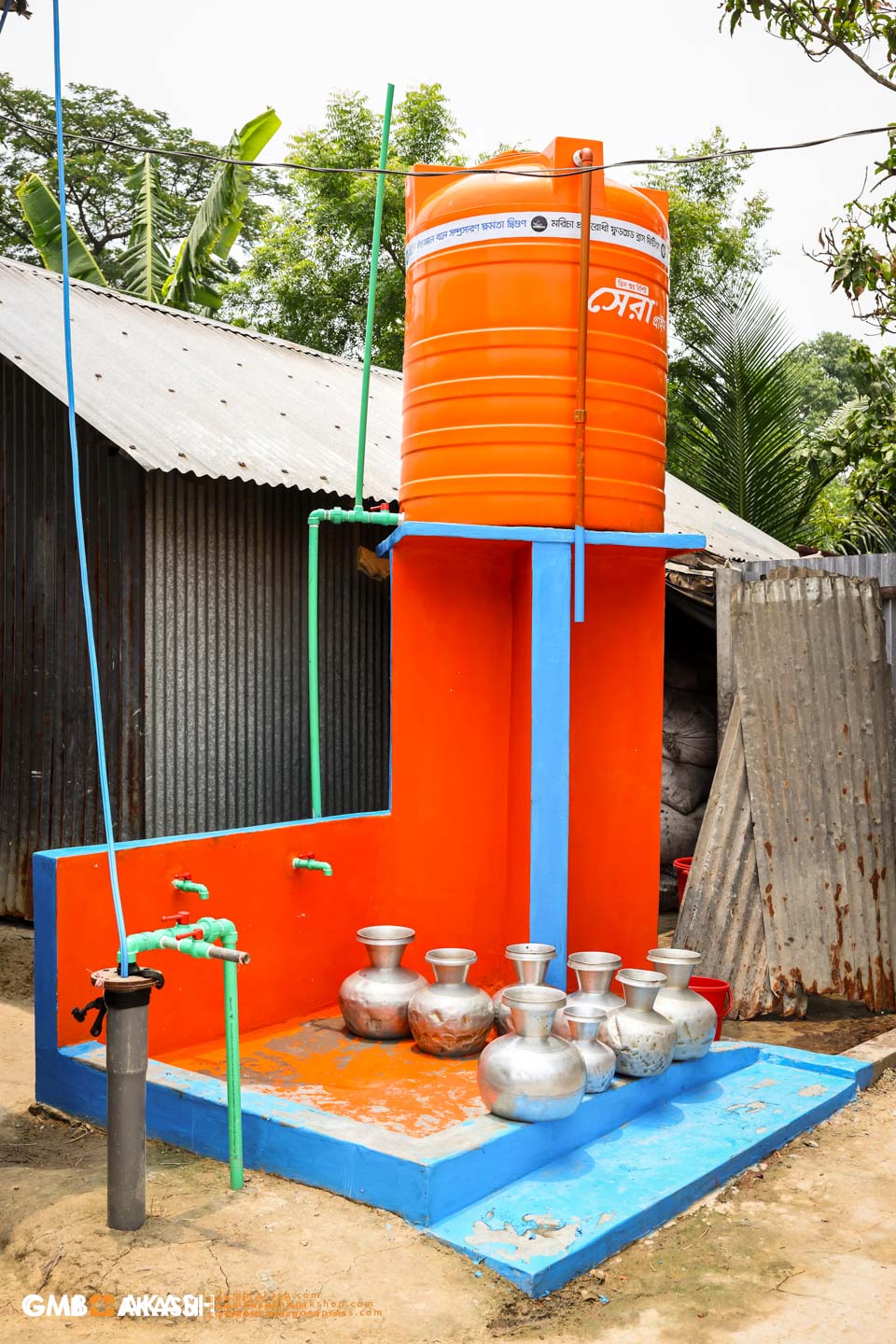
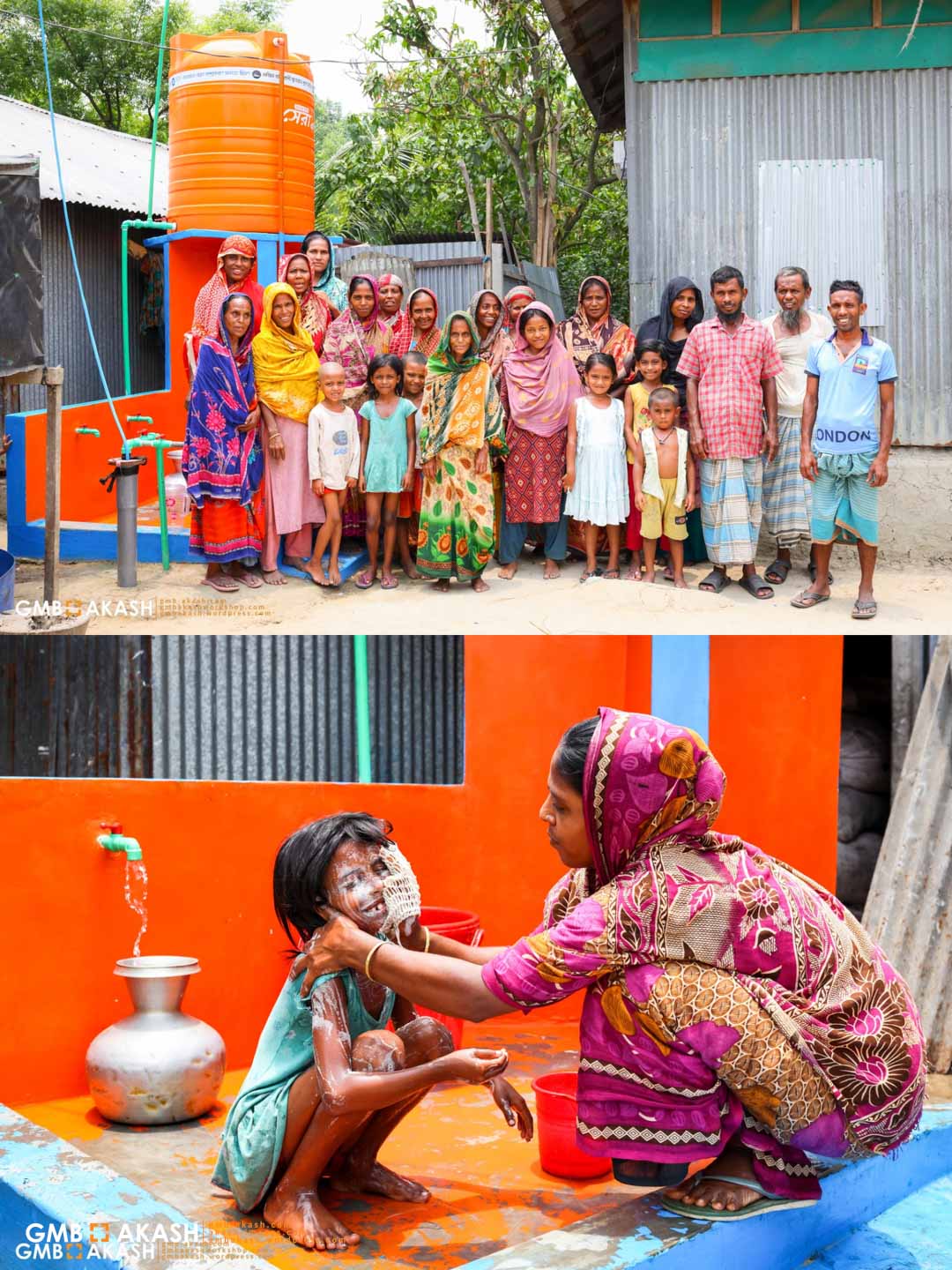
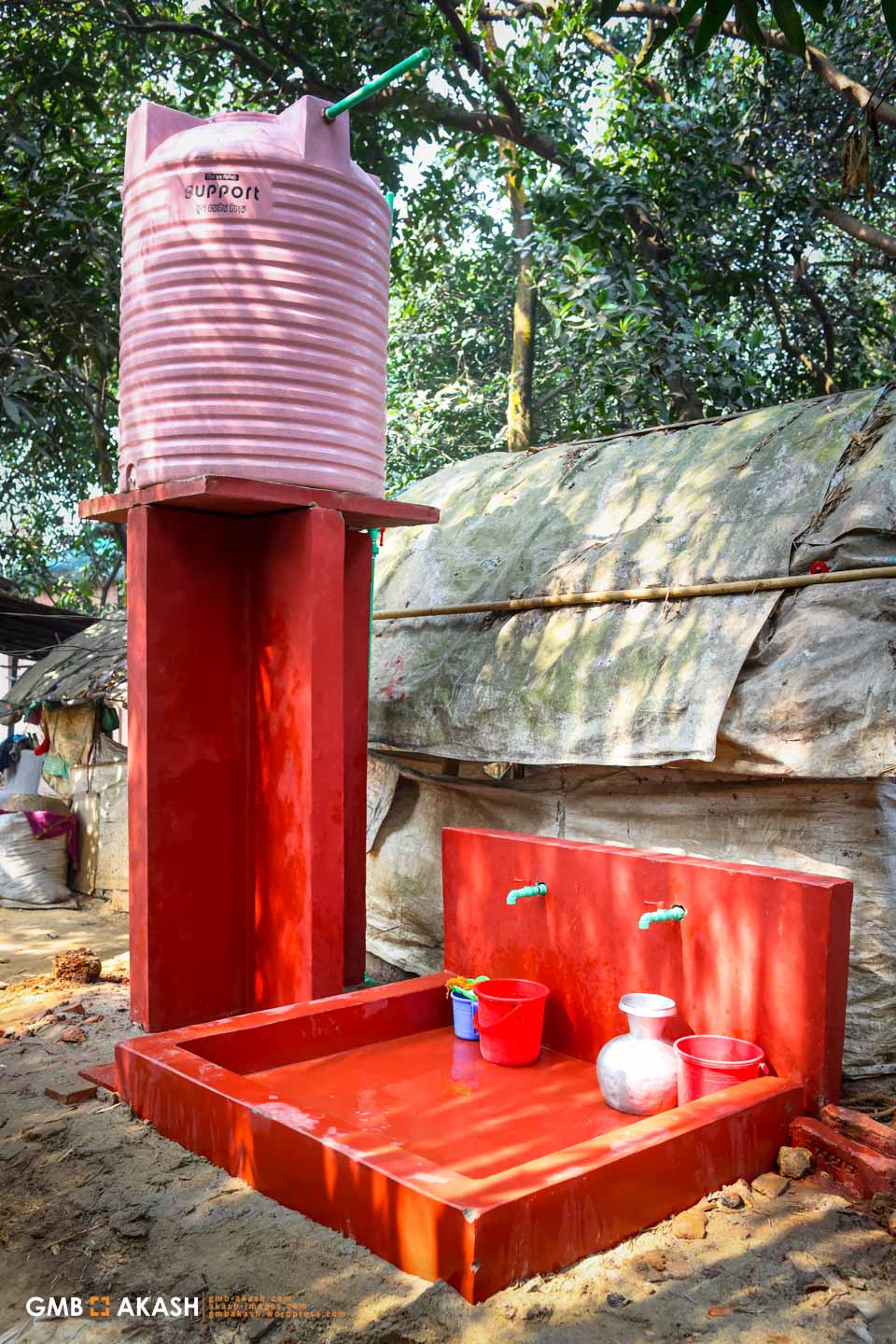
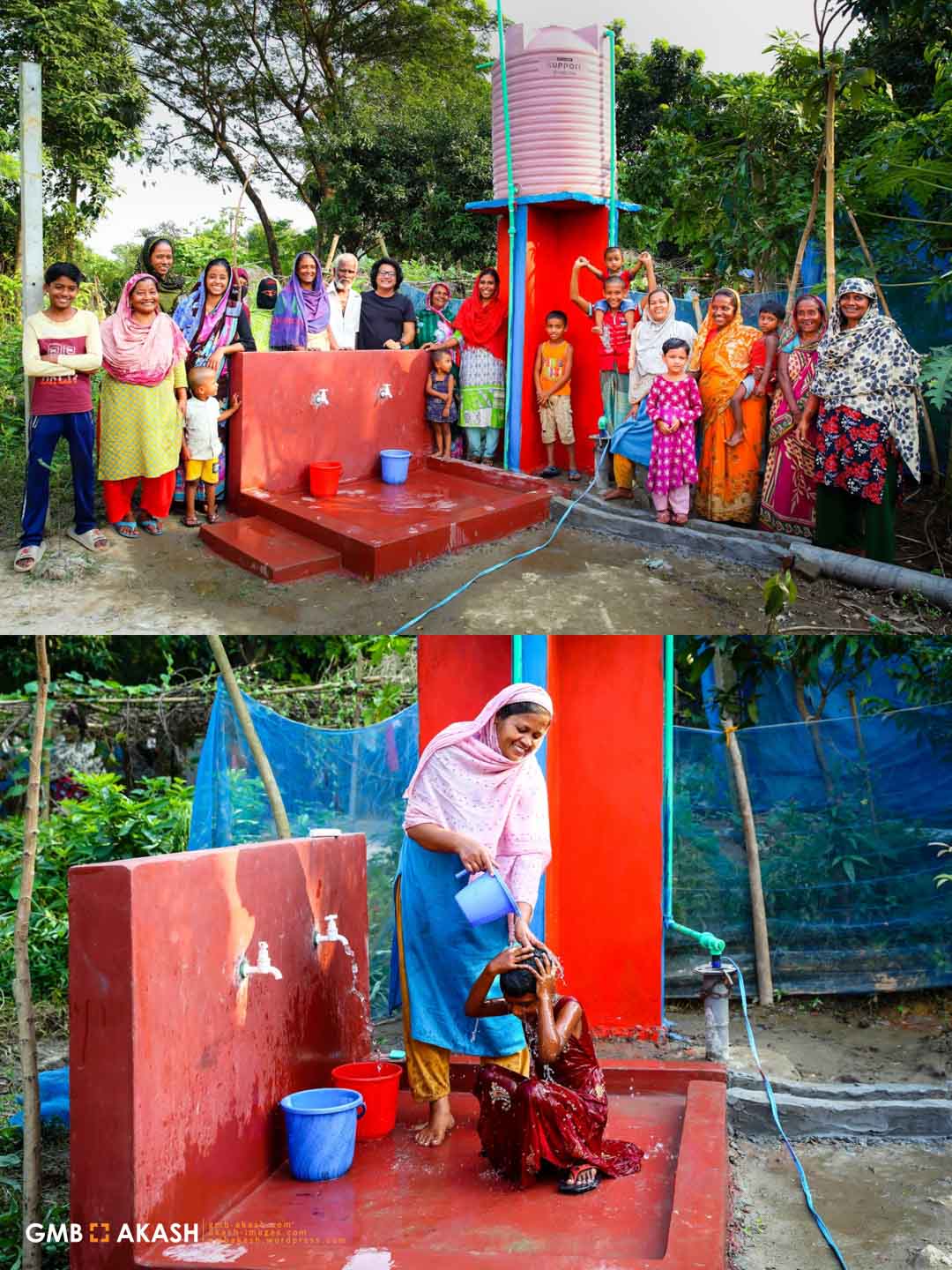
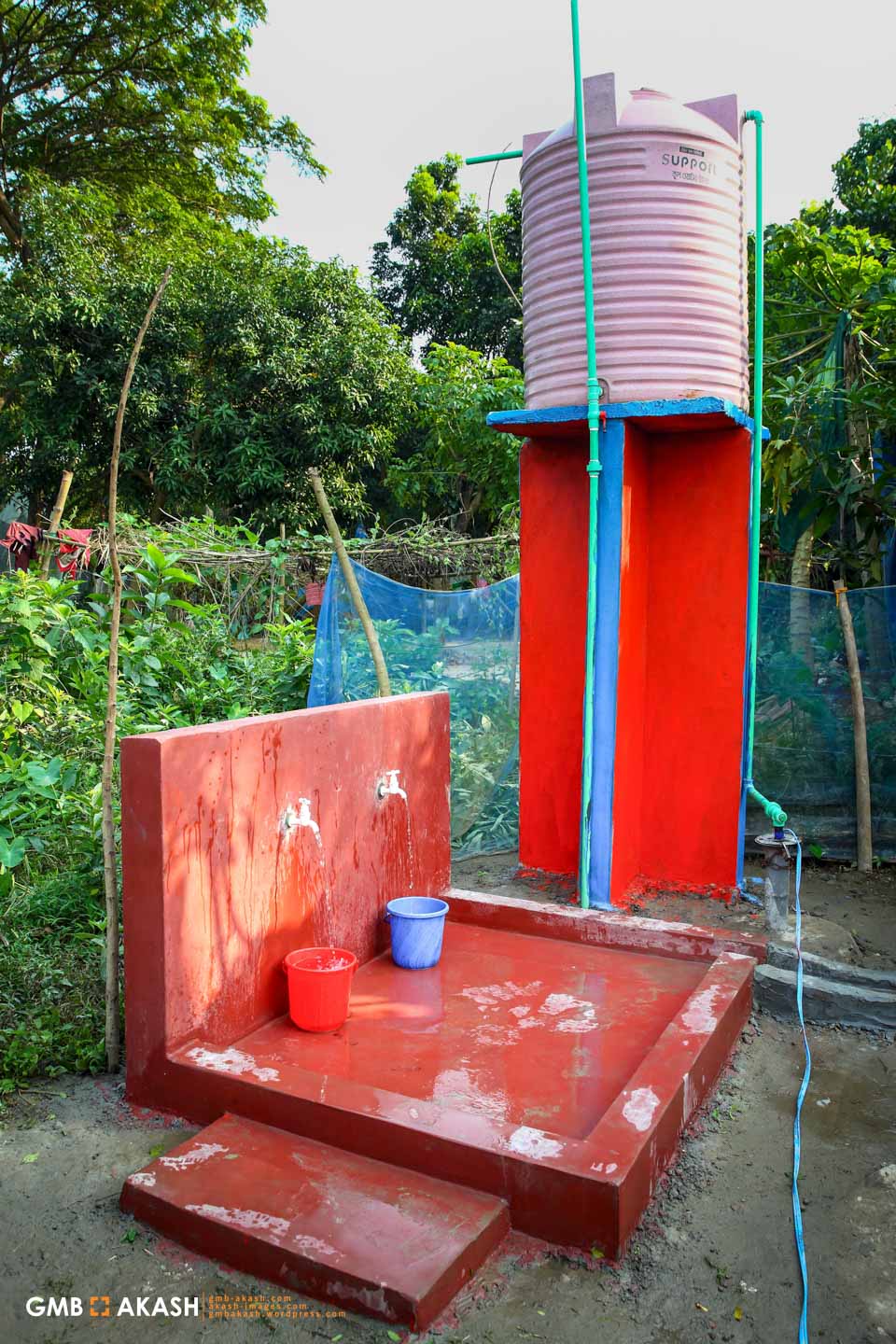
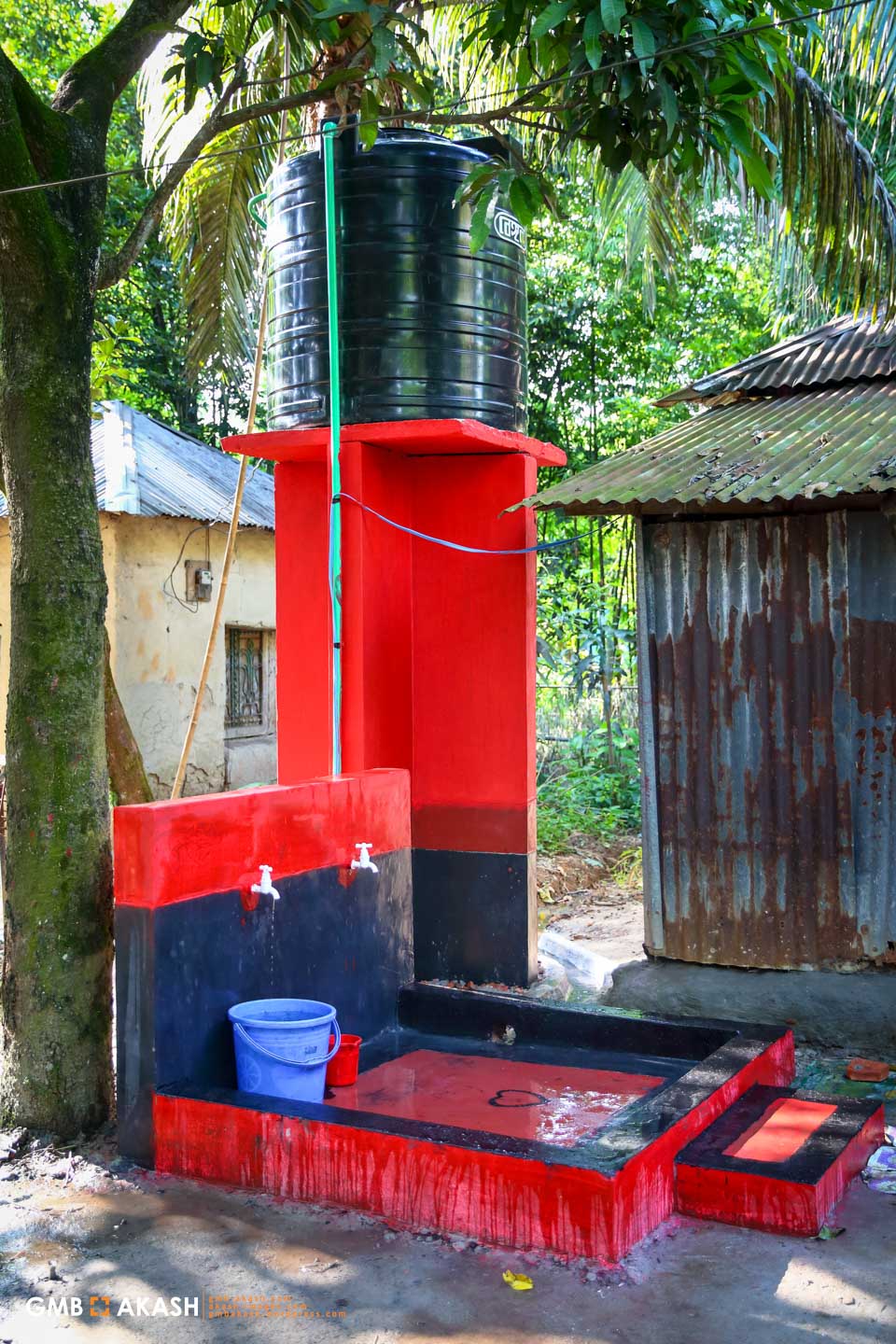
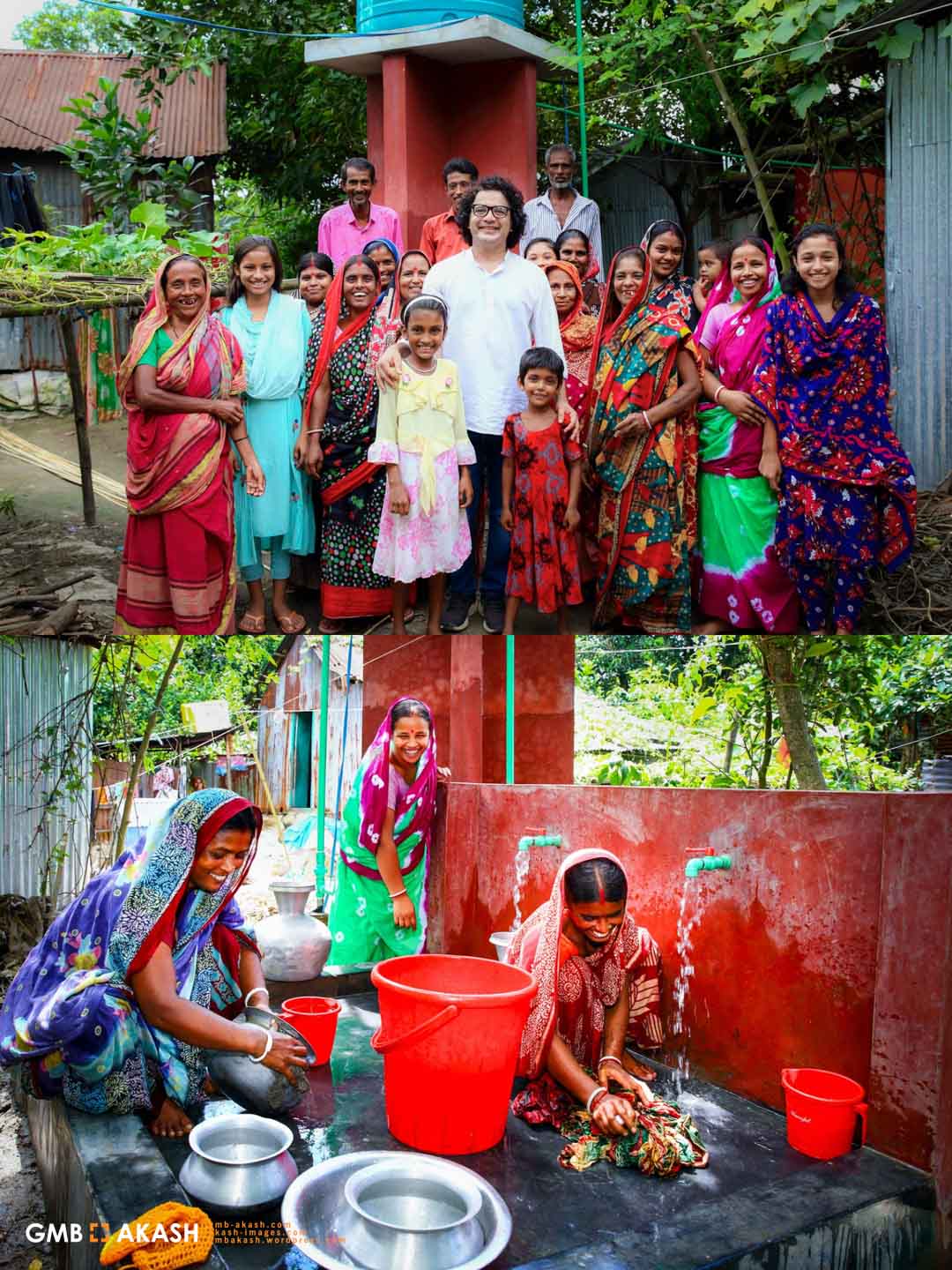
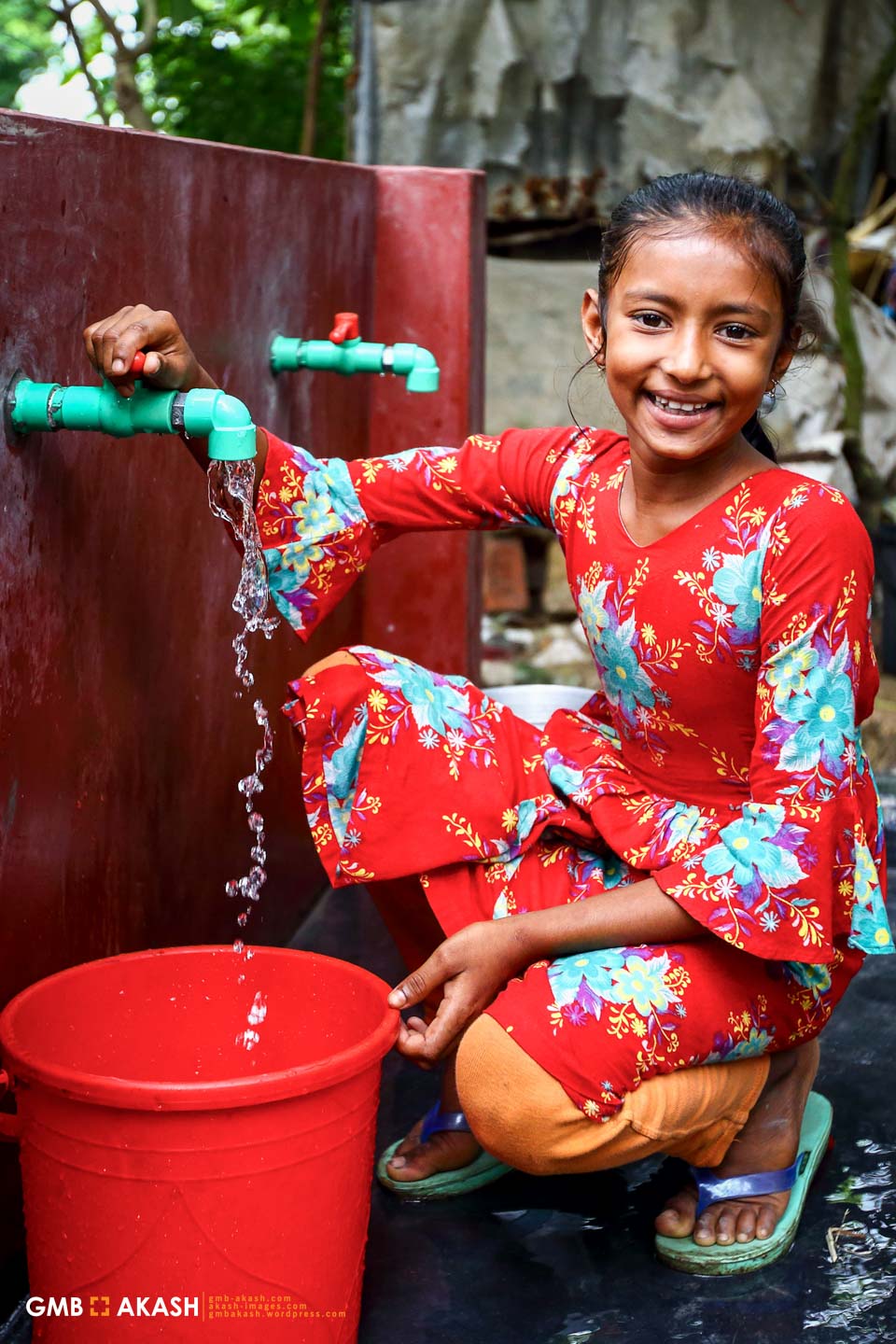
A Gift of Life: 7 Deep Water Pumps Installed, Bringing Clean Water to Hundreds of Families!

I have been working on this project for many years, and I will continue, because water is life. People may survive without many things, but they cannot survive without water.

Through years of hard work, sweat, and dedication, I am proud to present these deep water pumps as my gift to the people. Each pump costs around 90,000 Taka ($900) to install, but the joy, hope, and health it brings are priceless.

Finding the right locations, buying all the materials, carrying them into the villages, and installing the pumps with the help of skilled technicians is no small task—it is truly challenging work. But every effort is worth it when I see families able to drink, cook, and live with dignity.

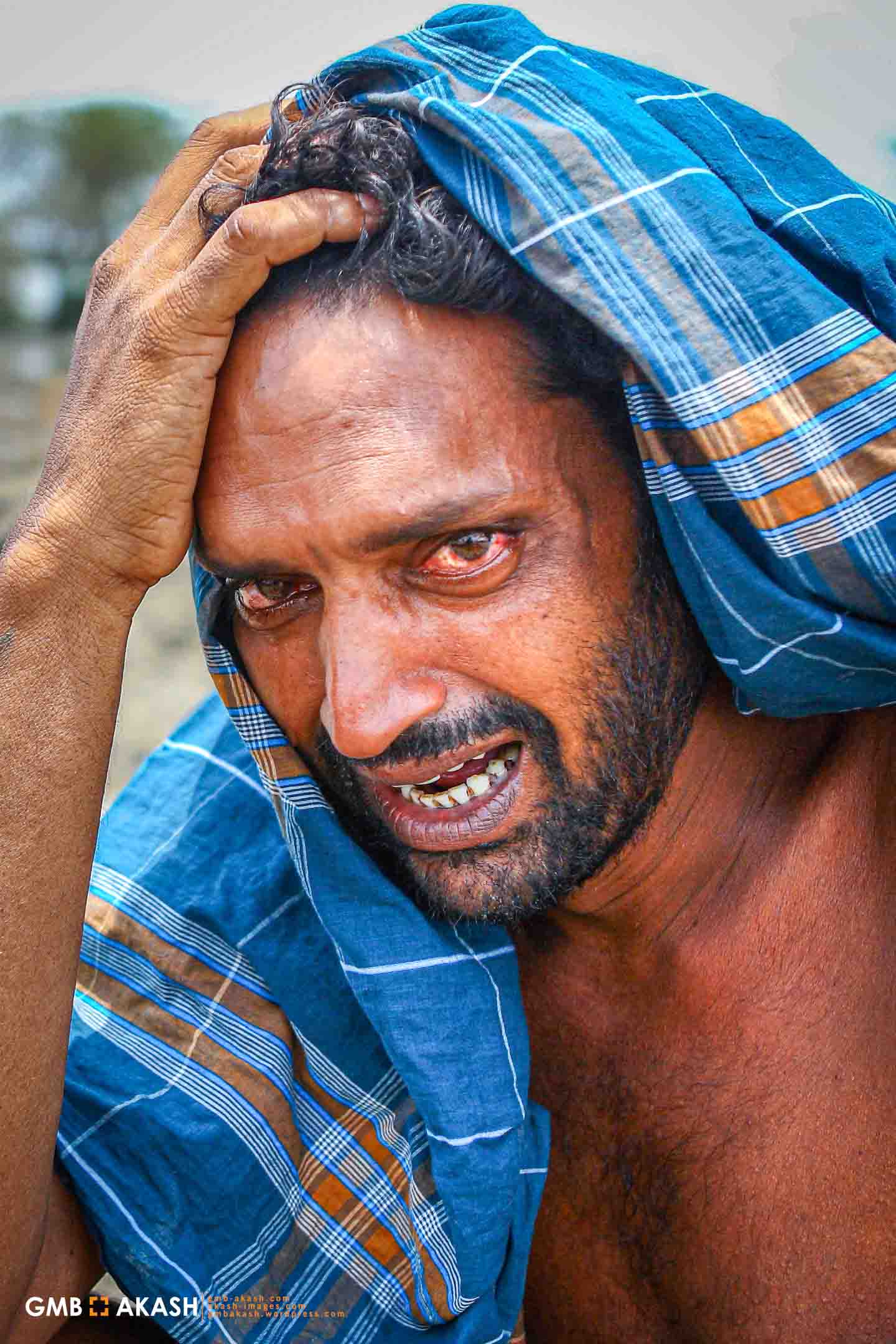
Khadija Begum shared with me, “We have severe water problems. It’s hard to explain how bad it is. To prepare for prayers, I have to walk far to fetch water or use dirty pond water, which dries up in summer.”

Many villages in Bangladesh face a serious shortage of clean drinking water. These deep tube wells are not just pumps—they are gifts of hope, health, and life. More than 150 families will now have safe water to drink, cook, and live with dignity.

I wish I could do more, and I will continue to try. My friends, this work is not easy, but every drop of water we bring is a gift that changes lives. Please keep me in your prayers, so I can continue this journey of serving those in need, of bringing light where there is darkness, and life where it is most precious.

With love, hope, and gratitude,

GMB Akash

In the Shadows of Rising Waters!

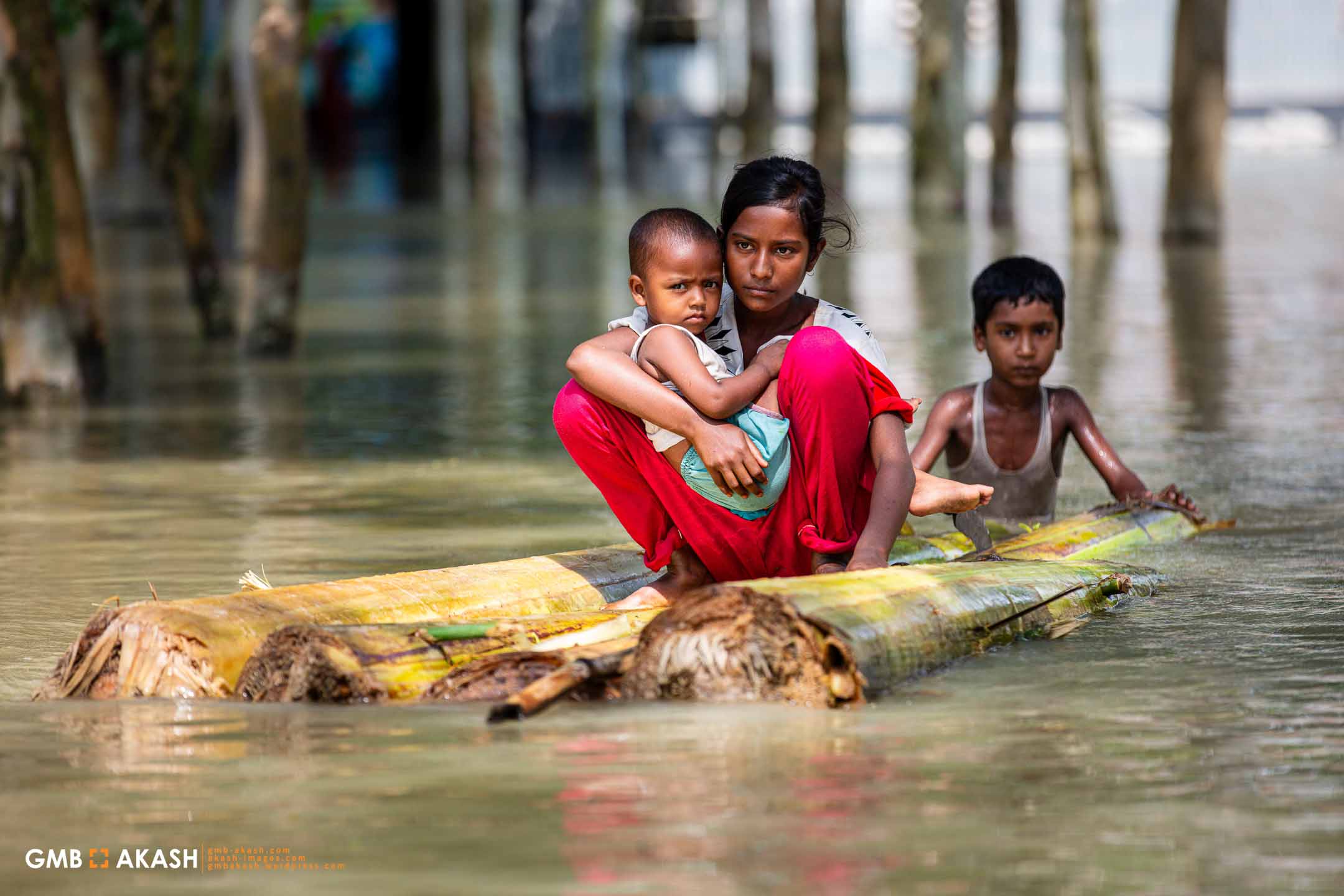
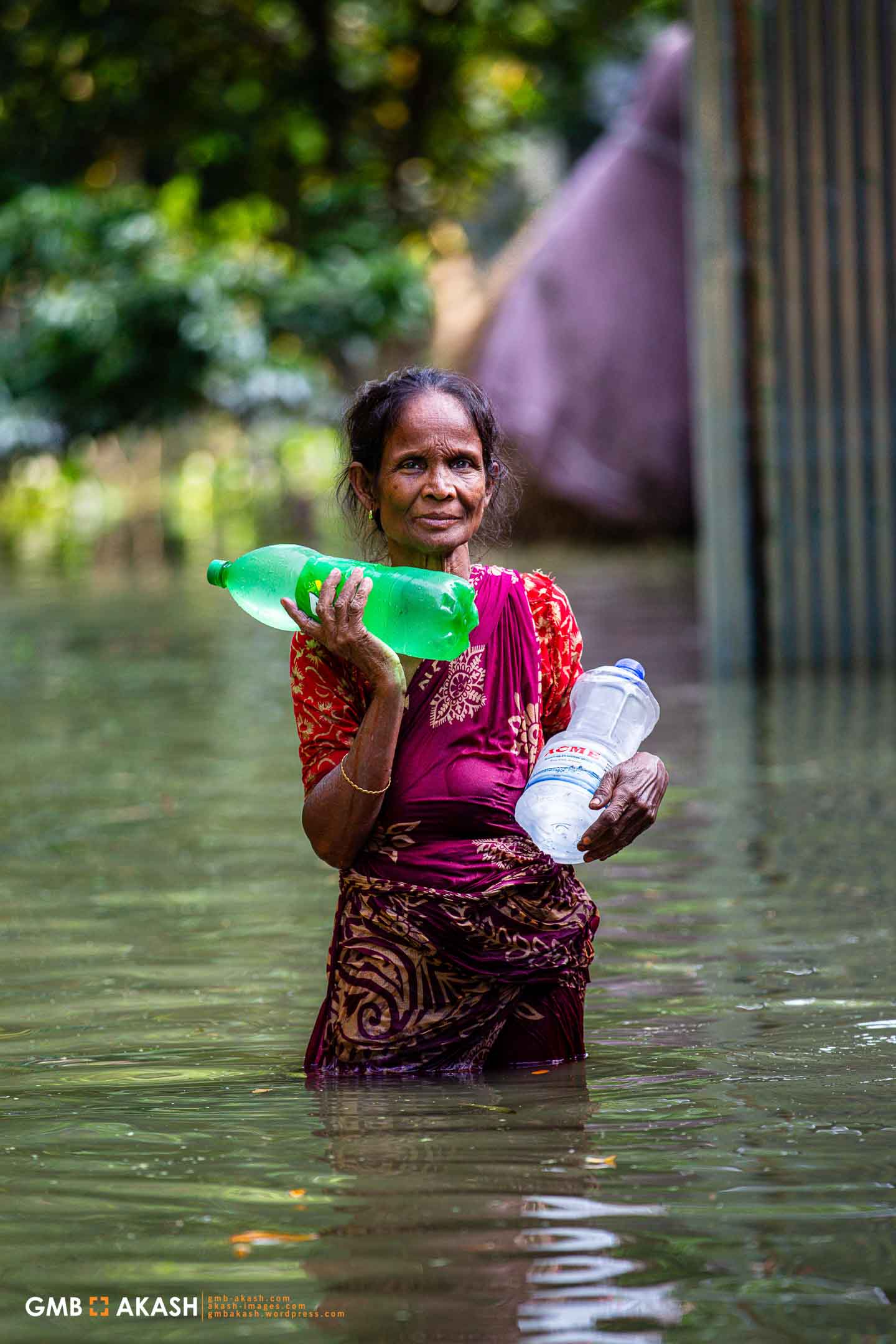
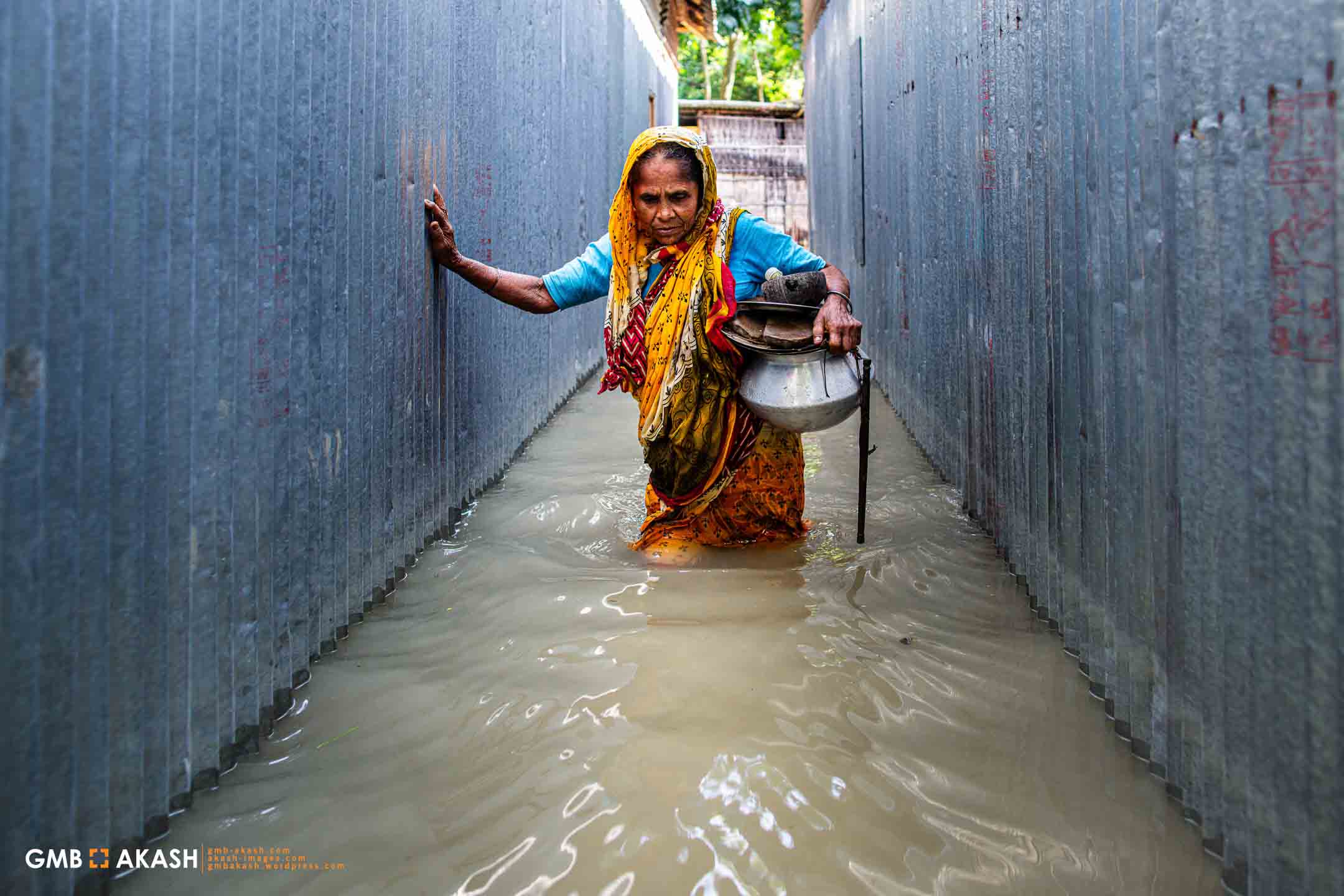
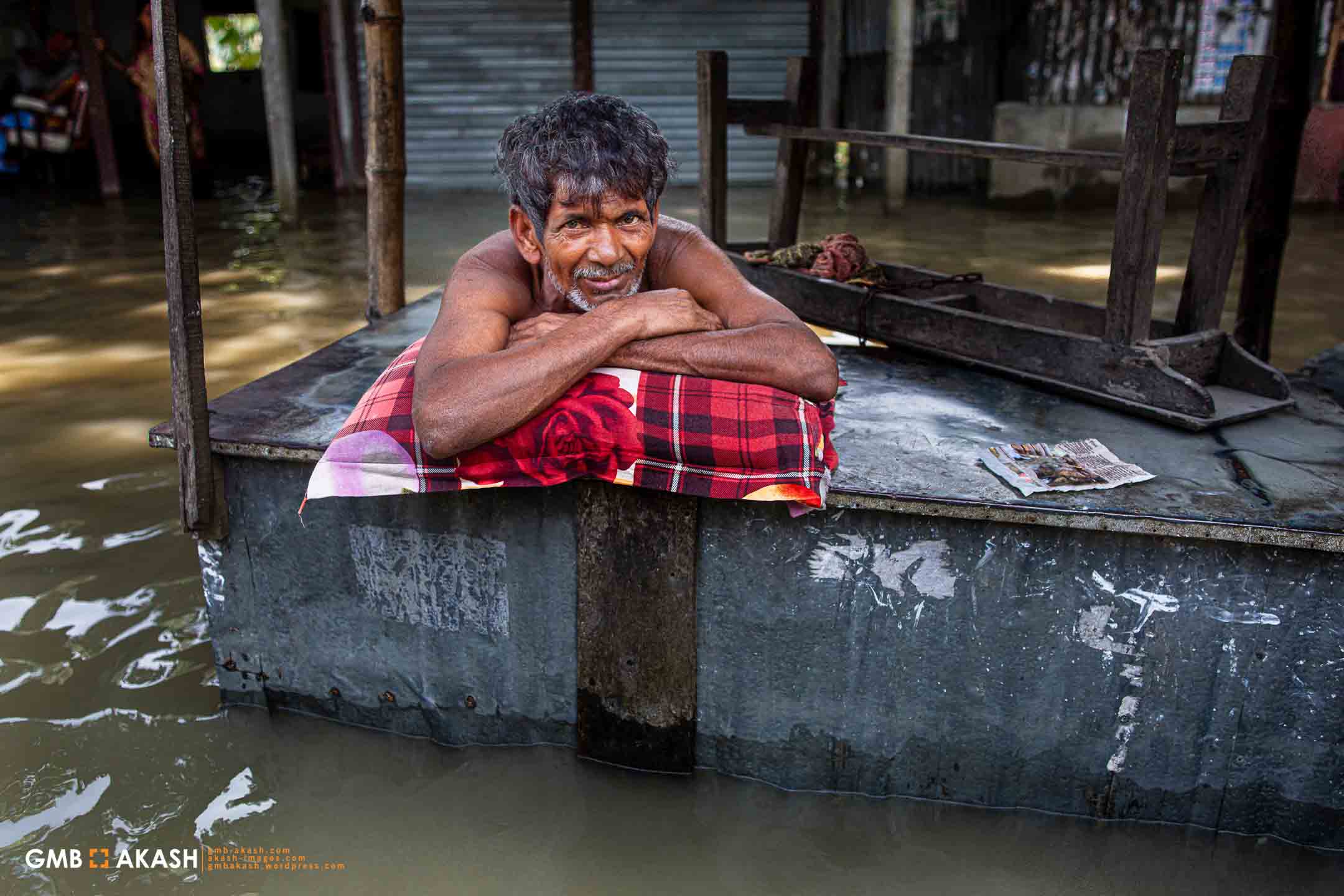
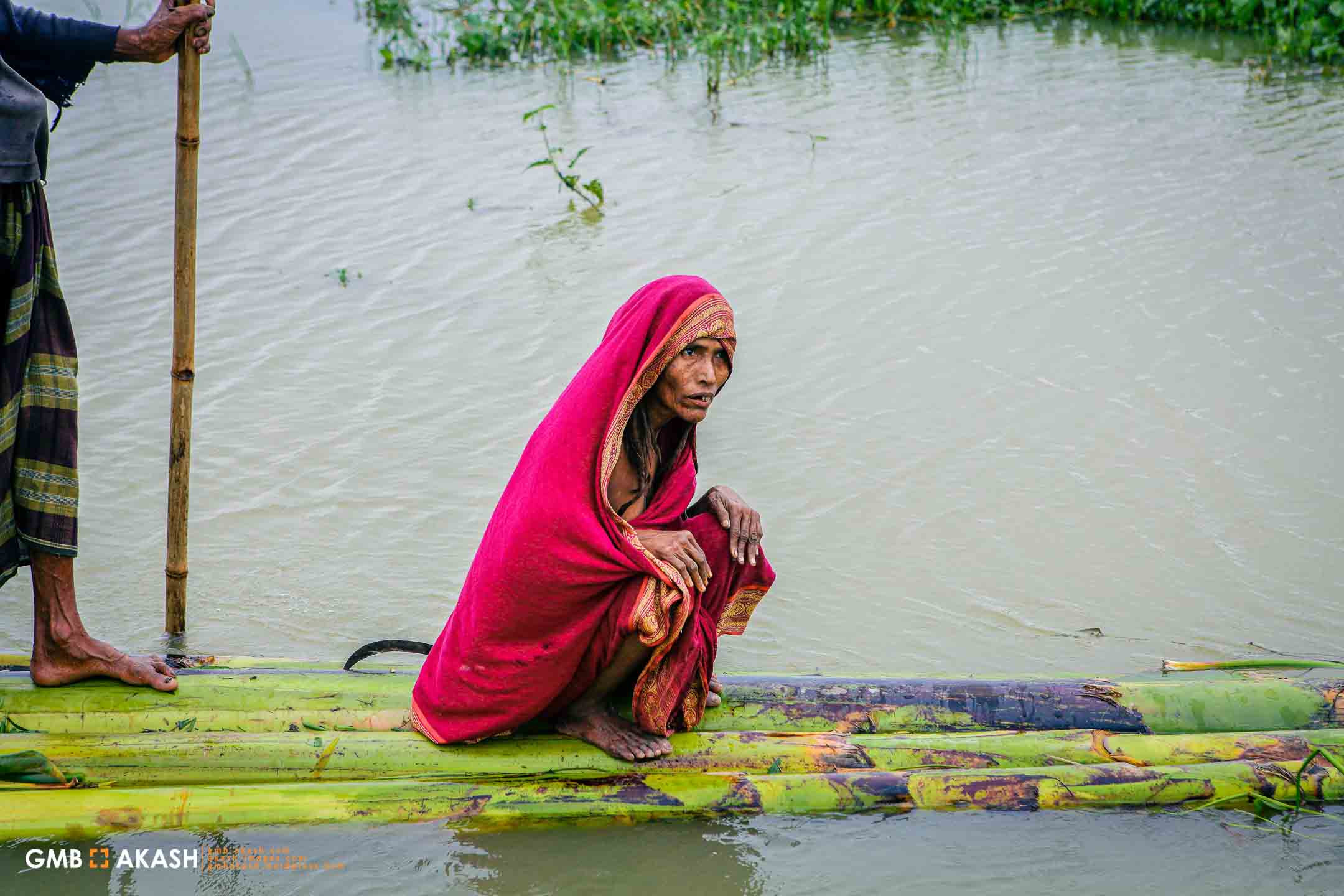
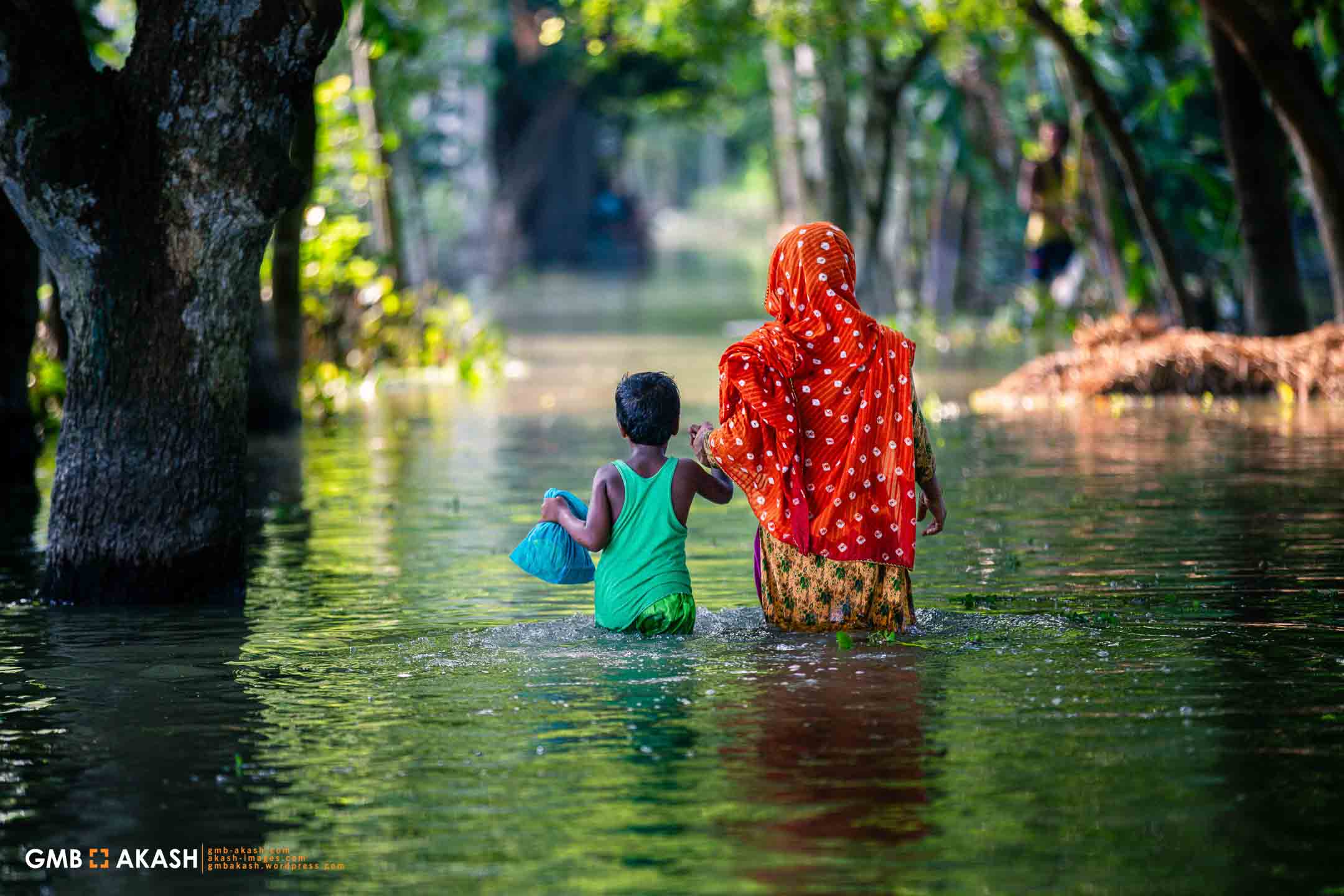
Every year, Bangladesh faces devastating floods that claim lives and leave millions homeless. In 2024 alone, over 5.8 million people were affected, 71 lives were lost, and damages soared to $1.2 billion.

Annually, disasters like floods, droughts, and storms inflict nearly $3 billion in losses, affecting over 6.3 million people.

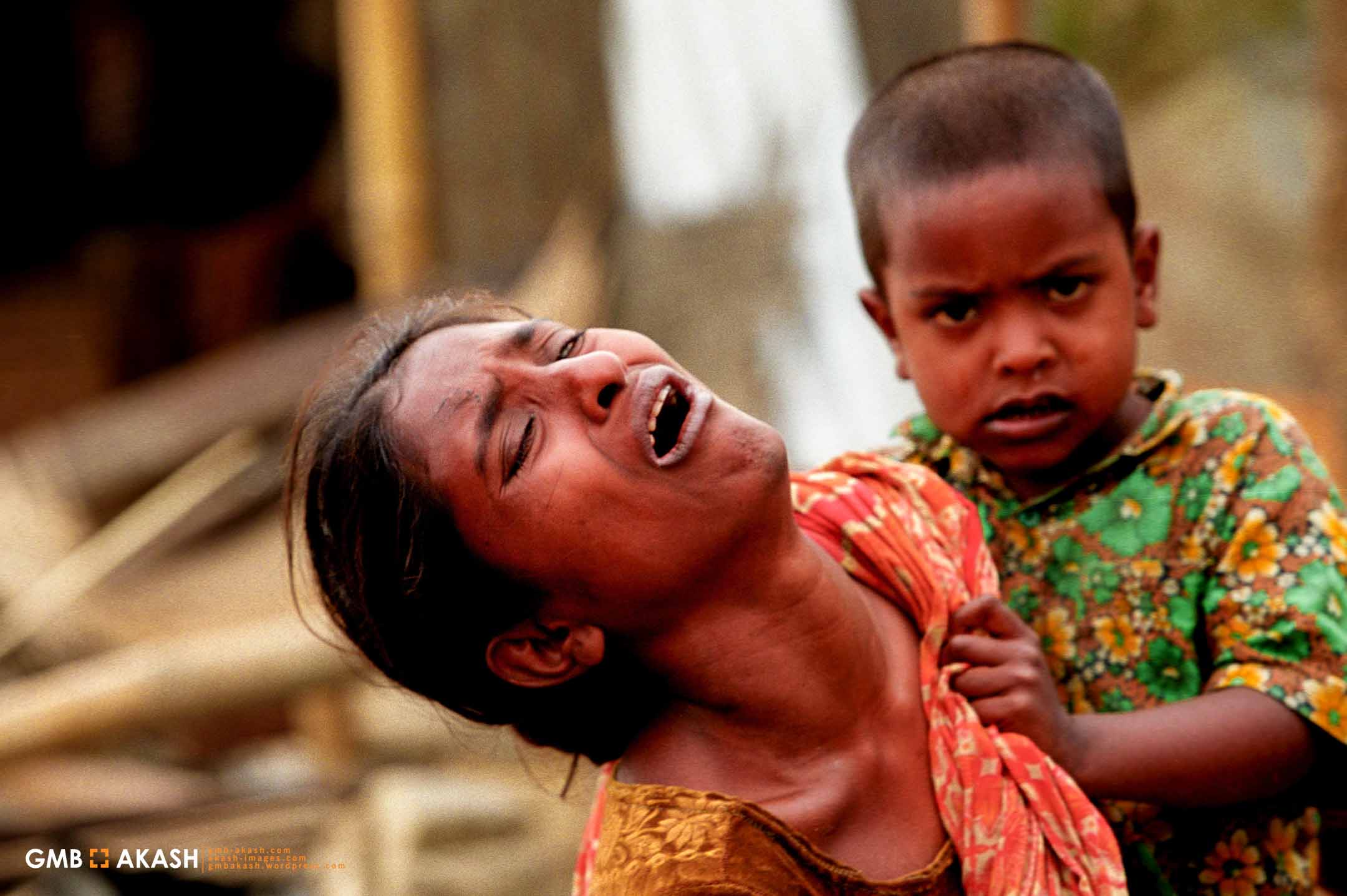
These figures, while staggering, only hint at the personal tragedies—homes submerged, livelihoods destroyed, dreams washed away.

For over two decades, I have been documenting these stories through my lens, aiming to illuminate the resilience and dignity of those who face nature’s wrath with unwavering spirit.

Photographing the human cost of climate change is not just about images; it’s about empathy, understanding, and a call to action.

— GMB Akash

“Exhibition ‘Water’ By GAETANO PLASMATI & GMB AKASH”

“This exhibition is a prism of callous realities and haunting metaphors of issues of climate change. Photographs of the exhibition will reveal the bare bones of climate disaster which causes human life to suffer for eternity. Either it is flood or desertification worst is these had severe effect on human life. Desertification is already causing changes in the social environment of certain areas of the African Sahel. Agriculture, livestock, and over-population have been the primary reasons that this previously stable dry-land ecosystem has been turning into desert. At the same time as these physical changes have been occurring, social destabilization and migration also have been, leading to food insecurity, disease outbreaks, and increasing levels of cultural extremism. more than 42 million people were displaced in Asia and the Pacific during 2010 and 2011. This figure includes those displaced by storms, floods, and heat and cold waves. Still others were displaced by drought and sea-level rise. Most of those compelled to leave their homes eventually returned when conditions improved, but an undetermined number became migrants, usually within their country, but also across national borders”

gaetano (1)

water from akash (27)

Gaetano Plasmati:

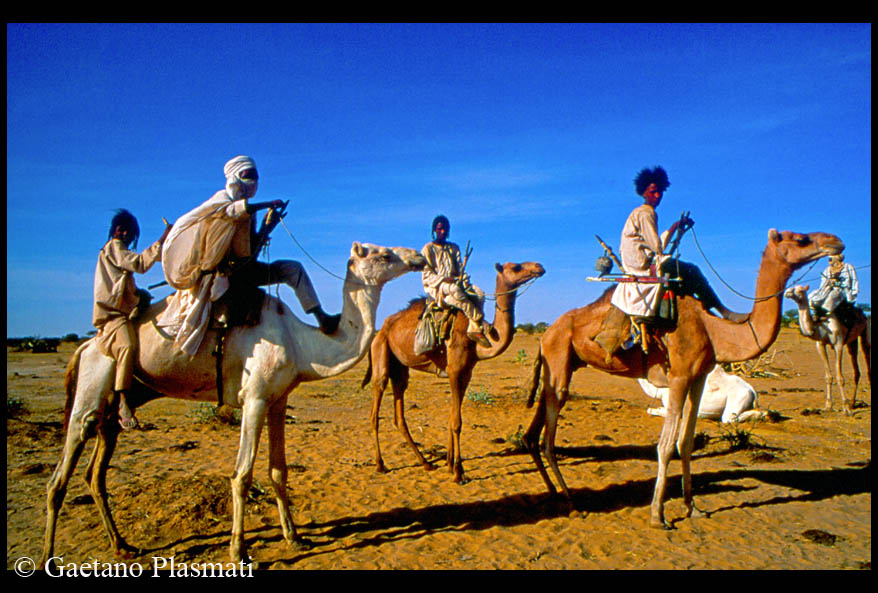
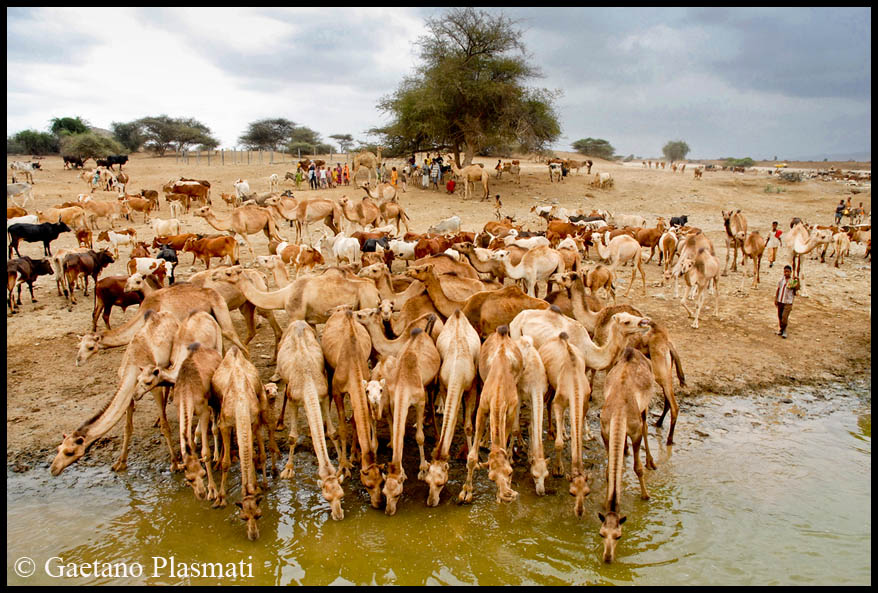
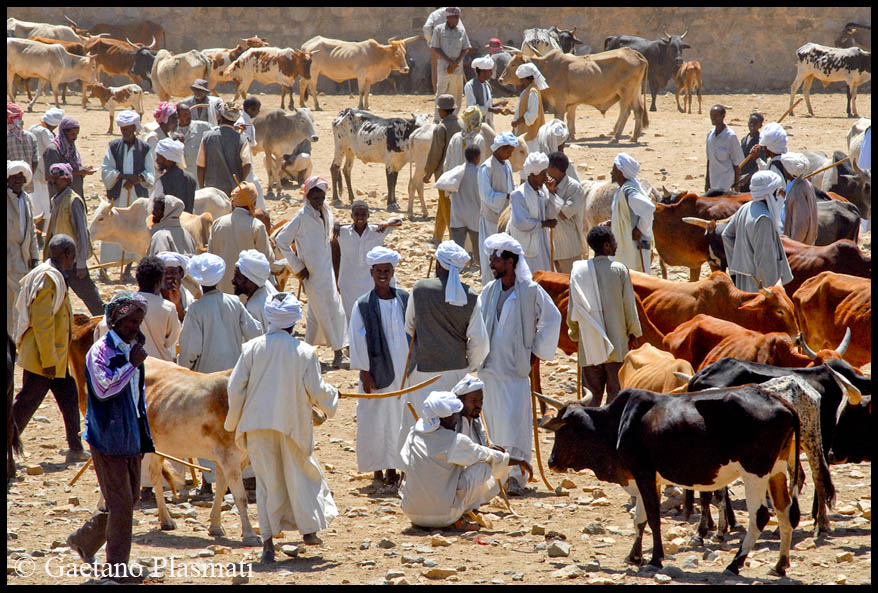
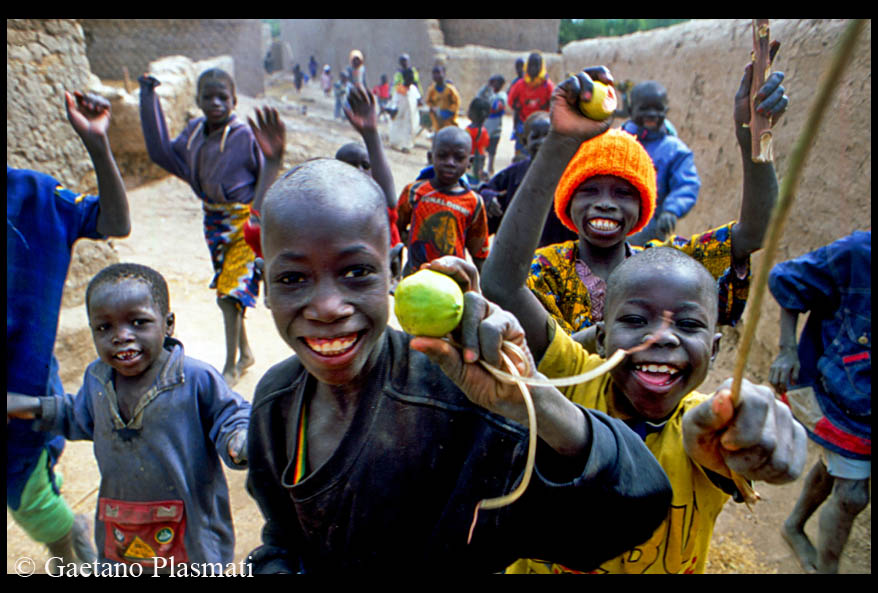
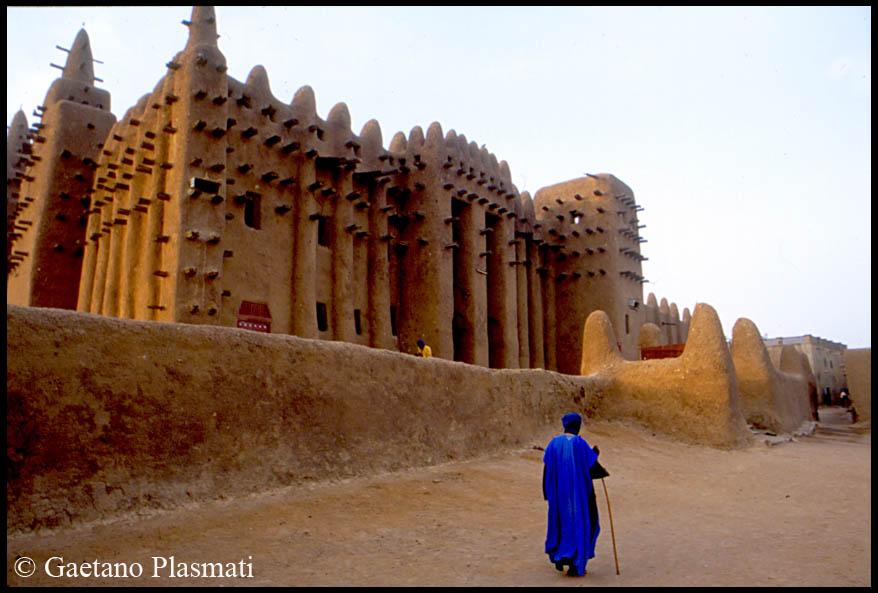
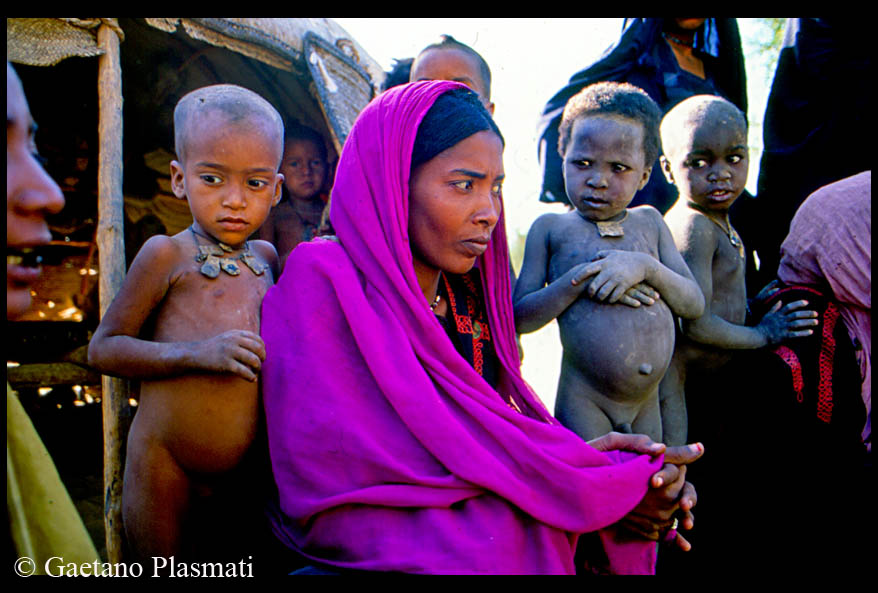
The project of Gaetano Plasmati is the result of a journey that lasted 15 years and has developed over a series of trips to Algeria, Libya, Tunisia, Morocco, Mali, Niger and Eritrea. The beautiful shots by Gaetano Plasmati describe a journey in search of people who live the drama of desertification, such as the Wodaabe, the Dogon, the Tuareg. Plasmati has followed the slow and inexorable retreat of the nomadic’s territories which become less and less comfortable for traditional economic activities that sustain them.
Desertification is a danger to almost 50% of the land and puts at risk more than 100 countries with approximately one billion inhabitants. The continent most affected is undoubtedly Africa: here over two-thirds of the cultivated lands are at risk. The path of Gaetano Plasmati winds through the dunes and the rock paintings of the Acacus and Tassili N’Ajjer in Algeria, the great Sahara, the markets of the mythical town caravan Timbuktu, Djenne, Agadez, Niamey and Djanet. Plasmati has portrayed hostile landscapes and people tempered by the roughness of nature, dunes vivid colors and rocks that are museums, suks and caravans in a succession of faces and landscapes which give rise to the extreme dignity and composure with which the “nomads of water” live their atavistic discomfort.

gaetano (5)

gaetano (4)

gaetano (6)

gaetano (3)

gaetano (2)

gaetano (8)

gaetano (9)

gaetano (7)

GMB AKASH:

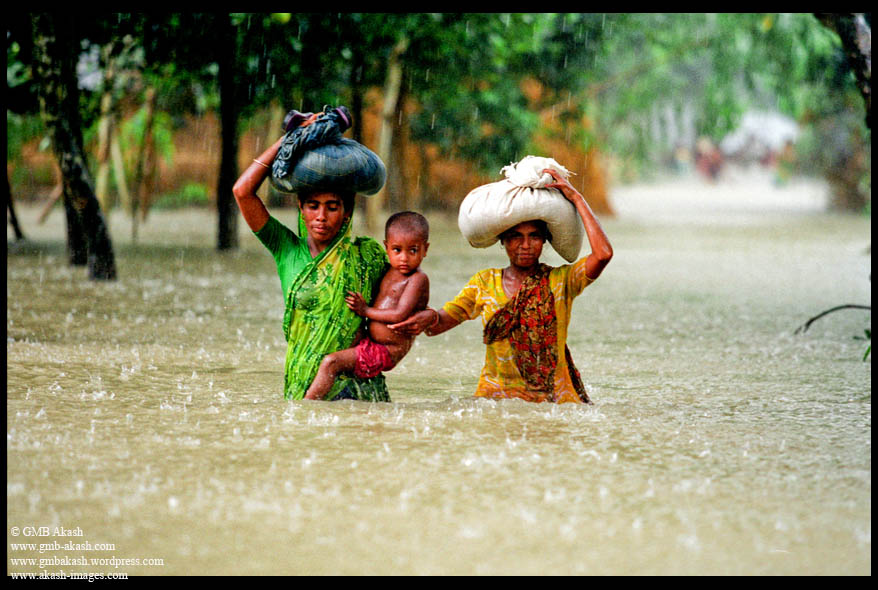
“I have framed how every year flood causes people suffer miserably in Bangladesh. I experienced how with the drowning sun villages go under water. How People sheltered in roofs of their houses and lost their lives. Moaning of old people & shouts of children of the miserable atmosphere can only describe small bits of devastating sufferings of flood. After facing devastating flood every year, people still fights to live apart loosing shelter for existence. Still they fight to live. They collect all destroyed pieces of house to shed their head. Women go for fishing, children dry their damp books, and men rebuild homes. In flood I spend days, nights and months in flood affected areas past 12 years. Throughout the journey, the rotten water wrapped me by leaving a restless feeling. Every day, I encounter a new tragedy by finding people who have no way to escape from rising water, who can only surrender everything to the mighty nature. Several times I have been severely injured or illnesses have torn me down. Nevertheless I continue working because of my strong belief that my pictures can make a difference.” – GMB Akash

People in Bangladesh live precariously close to the risks of cyclones, floods and droughts and more than 100 million people live in rural areas. Two-thirds of the country is less than 5 meters above sea level and in an average year, a quarter of the country is inundated. Bangladesh has experienced severe floods every 4 to 5 years that may cover more than 60 percent of the country, resulting in significant losses. United Nations’ Intergovernmental Panel on Climate Change predicted that rising sea levels could submerge 17 per cent of Bangladesh by 2050, creating 20 million “environmental refugees”.

water from akash (4)

water from akash (5)

water from akash (6)

water from akash (26)

water from akash (25)

water from akash (28)

water from akash (7)

water from akash (18)

This exhibition intend to speak about harsh reality of many who are displaced from their homes and living in exile in another country, and/or from issues to become victims of natural disasters and internally displaced in their own countries. The displacement, and migration, of very large numbers of people, will be one of the most significant effects that climate change will have on humans. Often times these displaced populations will have nowhere to go except to regions that are already densely inhabited. Many of which, will likely already be having trouble supporting their own population. We are cordially inviting you to visit how water impacted life. If you are in Matera in 14th of April 2013 do visit the exhibition and those who are far away from the exhibition Gallery, this post will give you a trailer of the show. We hope that while you are in Matera, Italy, you will take a moment to visit the exhibition.

Exhibition: WATER

Gallery: Galleria di porta pepice present

Exhibition Date: 14 April 2013

 Gallery address: Via delle beccherie 55, Matera, Italy

cartolina acqua 2013 con caratteri piccola


Water crisis Myth & Reality

Dhaka, the capital of Bangladesh is one of the most densely populated cities of the South-Asian countries. Due to rapid urbanization process, the city is emerging as a mega-city and this trend generates numerous economic and social externalities and social cost such as deterioration of environmental quality, increased pollution and congestion. 30 to 50 percent of total Dhaka residents are Slums dwellers. Slums of Dhaka city are beset with a number of socio-environmental problems specially ‘water’ crisis.


“In slums from early morning hours passed & water pot gathered gradually. Queues of water pots & lines of people are regular scenario of the slum. Government van comes once in a day with drinking water. They have no idea exact when the van will come, so they line up their water jars & sit beside. Most of the inhabitants of these slums are climate refugees. Most of the slum dwellers stand in lines before the sun rises. After passing the long queue, knowing that this impure water causes sickness, they feel that they are fortunate. Their consolation is that at least they don’t have to leave with empty pots” – Gmb Akash
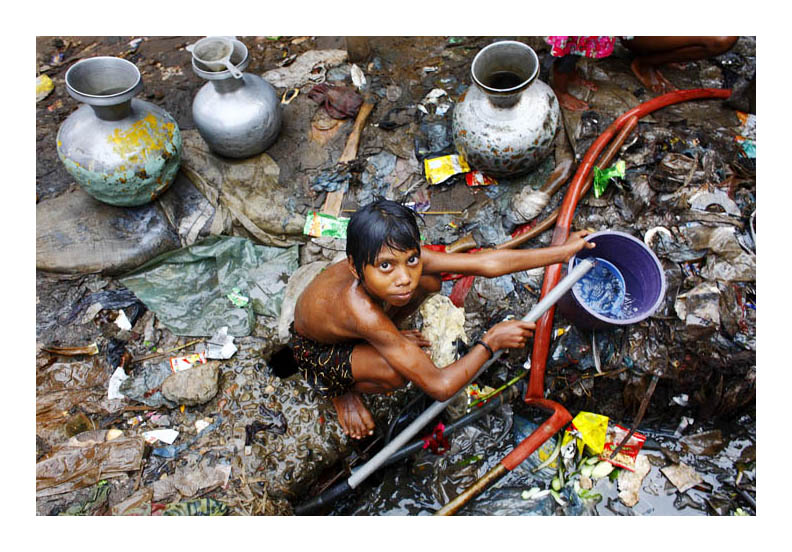
Apparently the place seems like garbage, though this is the most desired place of the inhabitants of Mirpur slum in Dhaka city. For water, in this thirsty zone queue stars near midnight. After an immense time of patience they got quiet impure water which often makes them sick. In spite of all they give a cheerful smile when they touch the water after passing the long queue. No dirty water can kill their hope & smile.

© GMB Akash / www.gmb-akash.com

In slums straggling for water starts before the sun rises. A boy collects water for his family near mid night for avoiding the long queue.

© GMB Akash / www.gmb-akash.com

In Mirpur slum, slum dwellers have to waits hours & hours in queue for water. Children use to drink water whenever they got chance to get the pipe. Slum dwellers of Mirpur hardly get drinkable water. Bad smell & impure wastage made the water high-risk. Dhaka. Bangladesh

 © GMB Akash / www.gmb-akash.com
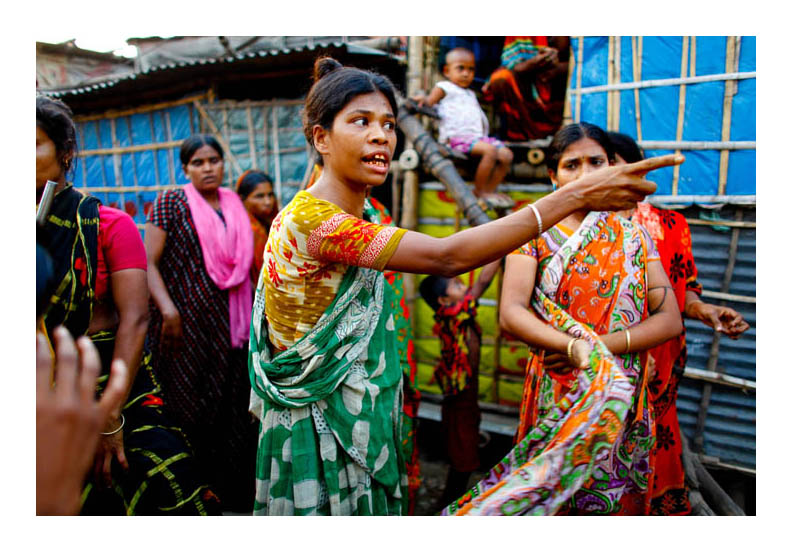
A woman is fighting for water. Children & ladies stand up in queue before the sun rises. Slum dwellers of Mirpur hardly get drinkable water. Bad smell & impure wastage made the water high-risk.

        © GMB Akash / www.gmb-akash.com

Rohingans living in Burmese refugee’s camp has no facilities for drinking water. A Rohingan woman is collecting drinking water from rain source. Water fall of mountain is the only source of water for them. Else they have to travel 2kilomiter for collecting that impure water.

© GMB Akash / www.gmb-akash.com
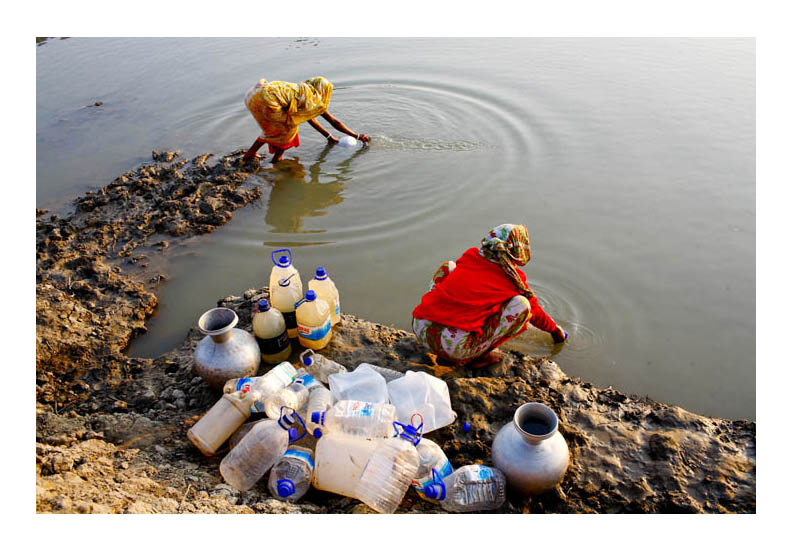
Women have to spend several hours & travels long everyday for collecting drinking water. In Shatkhira, they have to go long distance, they usually collects water from ponds. After boiling water hardly removes salts & thus they make the water drinkable.

© GMB Akash / www.gmb-akash.com

© GMB Akash / www.gmb-akash.com

Children & women have to spend several hours & travels long everyday for collecting drinking water. In Shatkhira, they have to go another part of the river for collecting water. After boiling water hardly removes salts & thus they make the water drinkable.

© GMB Akash / www.gmb-akash.com

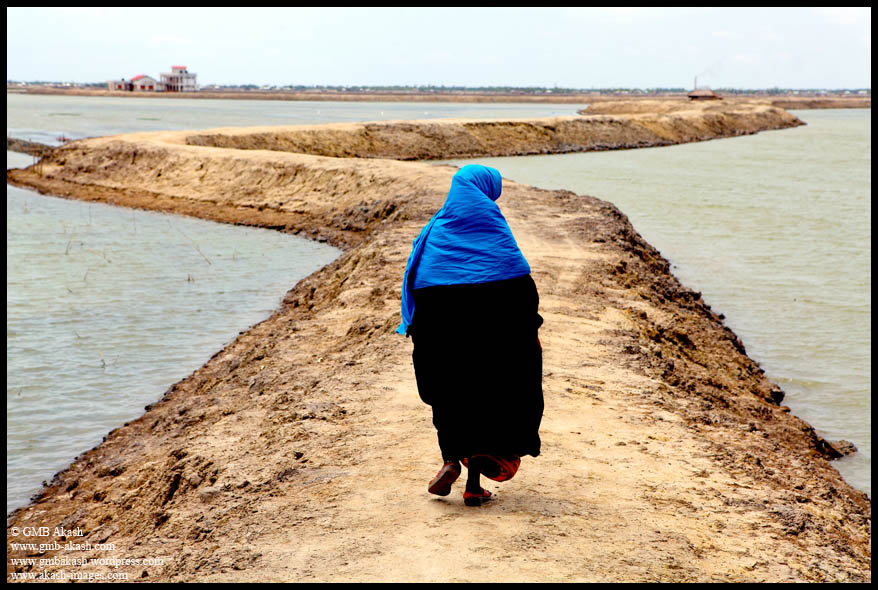
Satkhira District is in the southwest coastal area of Bangladesh. Cyclone Aila hits 14 districts on the south-west coast of Bangladesh on the 25th May 2009. The cyclone caused 190 immediate deaths, injuries to 7,103 people, damage to 6,000 kilometers of roads, more than 1,700 kilometers of embankments to collapse, more than 500,000 people to become homeless. Because of this calamity all fields got salted & farmers become helpless. As well in Shatkhira people are not getting clean drinking water, as the water is salt affected.


© GMB Akash / www.gmb-akash.com

Children & women have to spend several hours & travels long everyday for collecting drinking water. In Shatkhira, they have to go another part of the river for collecting water. After boiling water hardly removes salts & thus they make the water drinkable. Farmers can not produce crops because of salinity. In such a situation inhabitants lives become itself a calamity living by every day’s straggle.

© GMB Akash / www.gmb-akash.com

© GMB Akash / www.gmb-akash.com

The woman is going to collect water from a Tube well, which is the only tube well for seven villages. The inhabitant of char in Noyakhali has to travel 3-4 kilometers by walking to collect drinking water.

 © GMB Akash / www.gmb-akash.com

“In this corner of the world people are fighting to get a pot of drinkable water. Their lives have collapsed in need of getting a pot of fresh water. People are experiencing severe thirst which may never come to an end if “Water”- could not save by Human” Gmb Akash