The Hands Behind Paradise!

I arrived in the Maldives late in the evening. The air was warm, the sky fading into night. On the ferry to Malé, I heard voices that felt familiar — people speaking in Bangla.
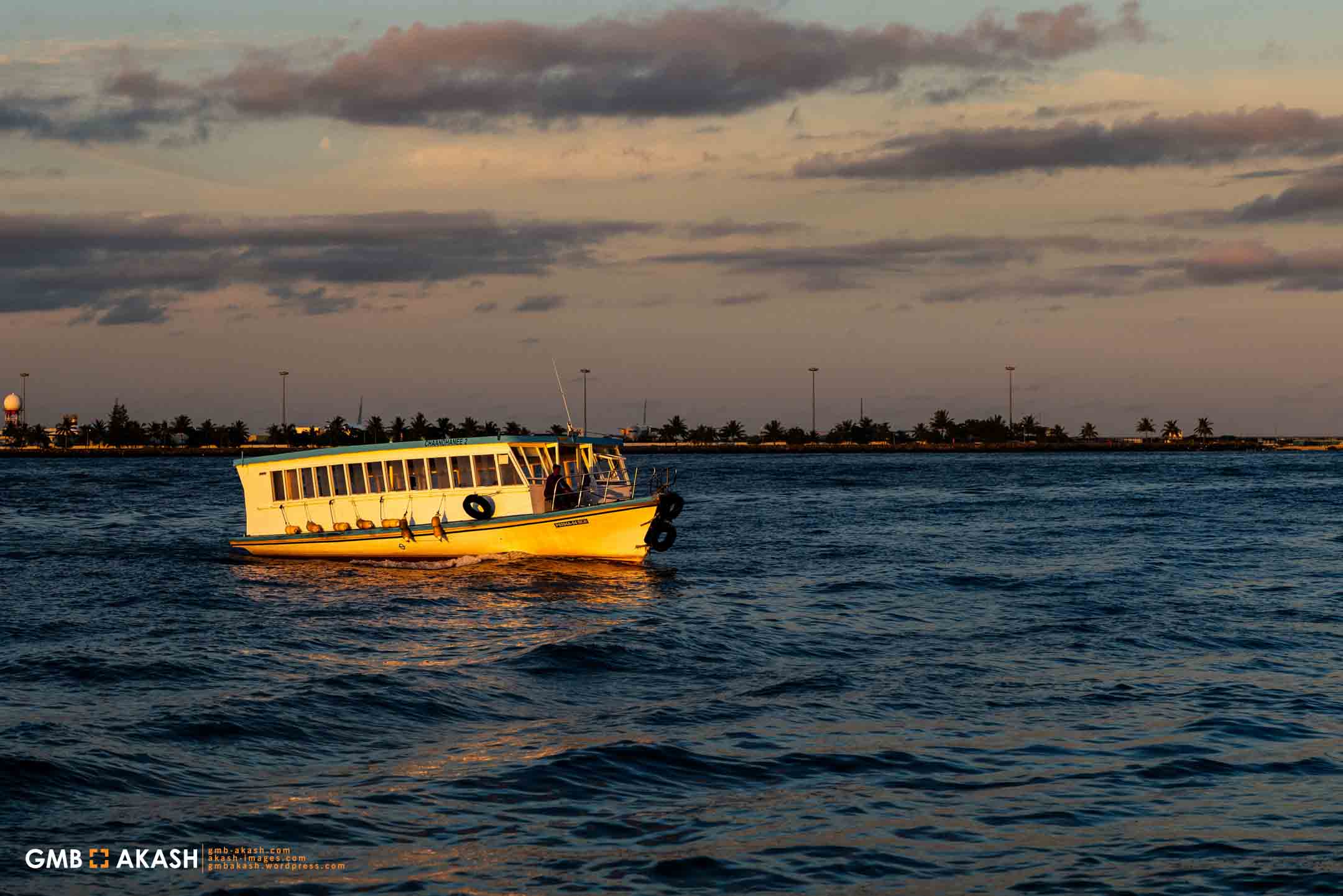
The ferry driver and his helper were chatting in my mother tongue. I smiled and shook the helper’s hand.

“I’m from Bangladesh too,” I said.

He laughed, “You don’t look Bangladeshi with that curly hair!”

Just like that, I didn’t feel like a tourist anymore.

At my hotel, just a short walk from the ferry, another Bangladeshi man came to help with my bags.

“Brother, if you need anything, just call me,” he said. “I’ll be there.”

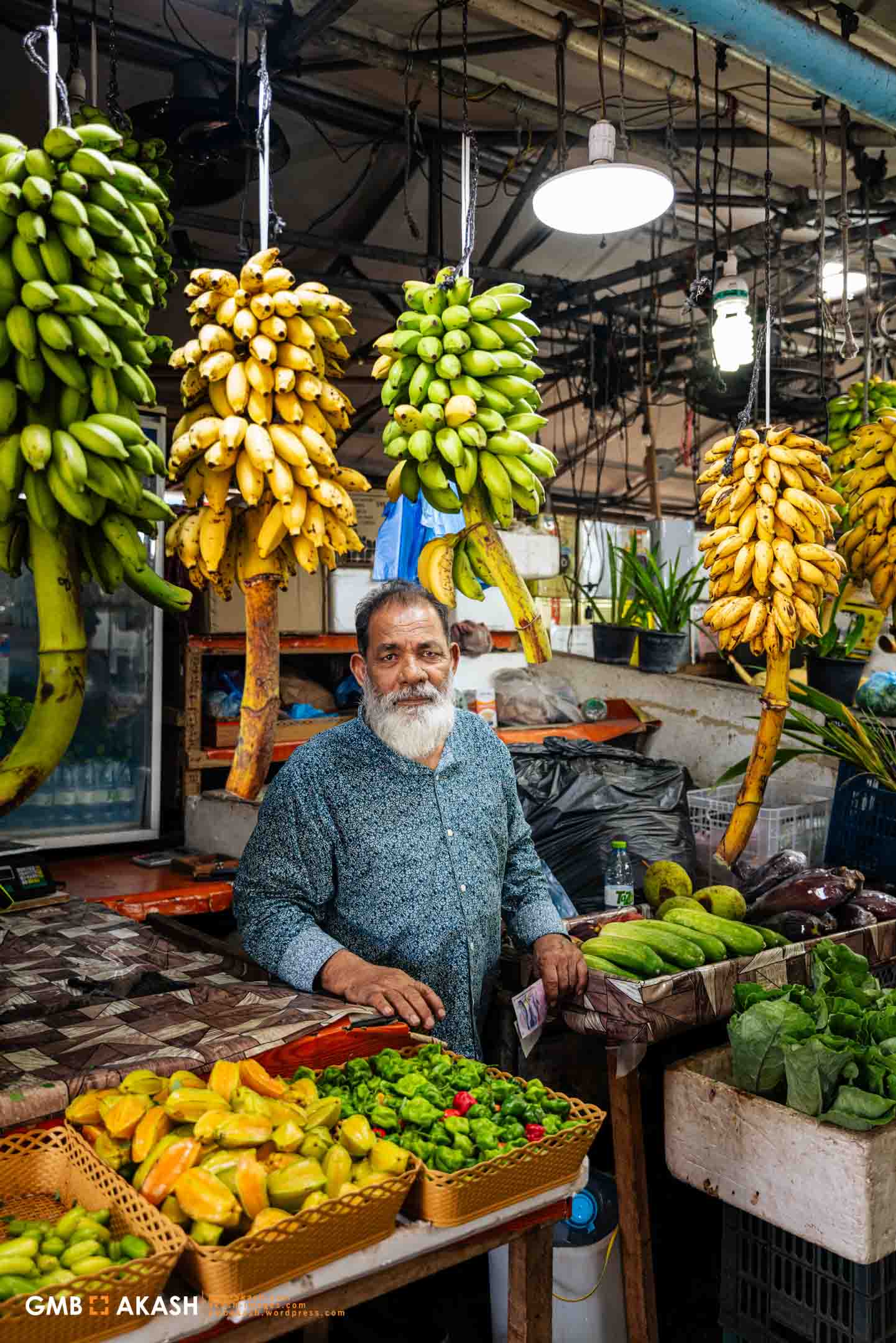
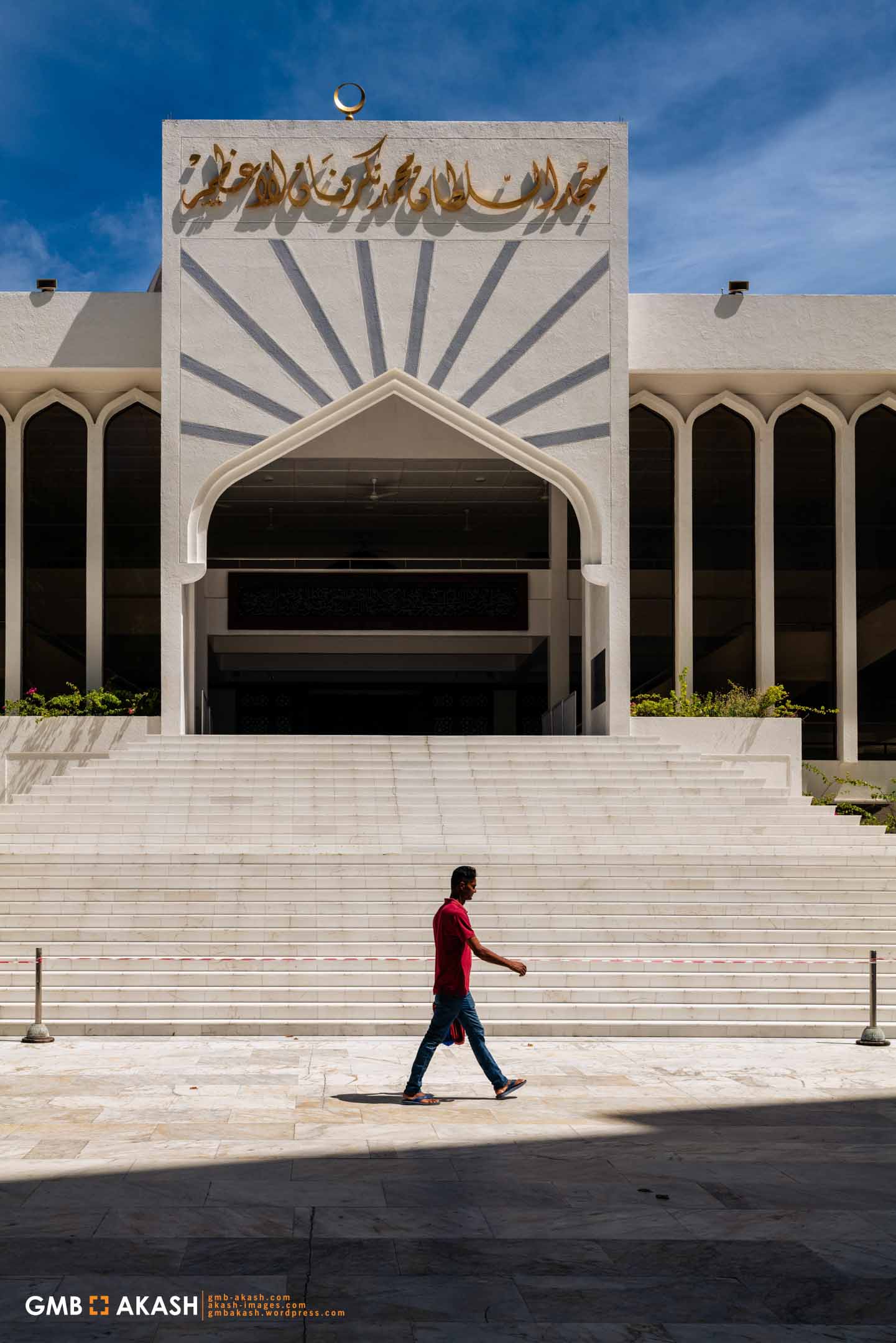
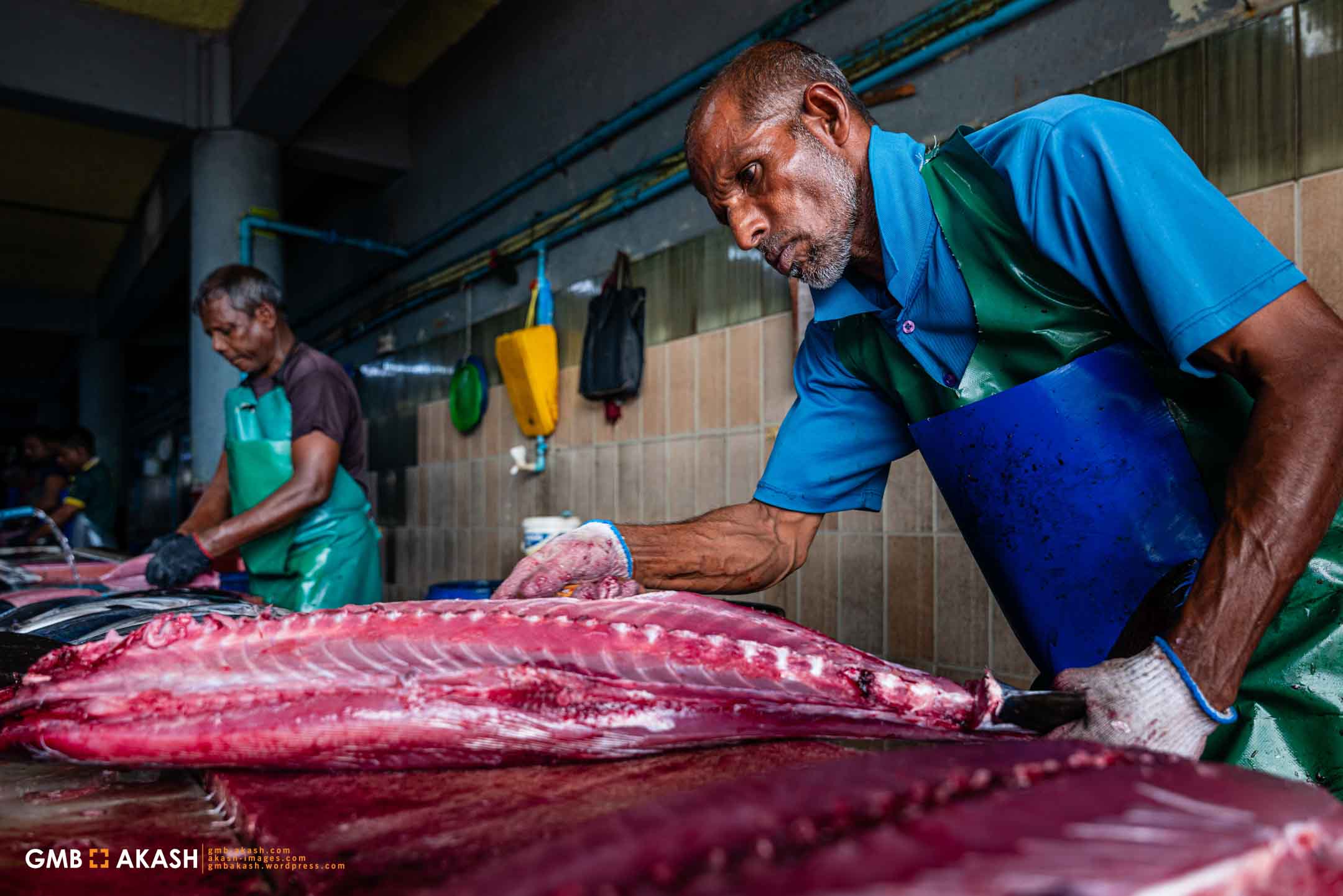
I hadn’t realized how many Bangladeshis lived and worked here. In fact, they now make up around 57% of all migrants in the Maldives — over half of the country’s entire foreign workforce. I met them in shops, markets, restaurants, even in mosques — everywhere, quietly shaping life behind the scenes.
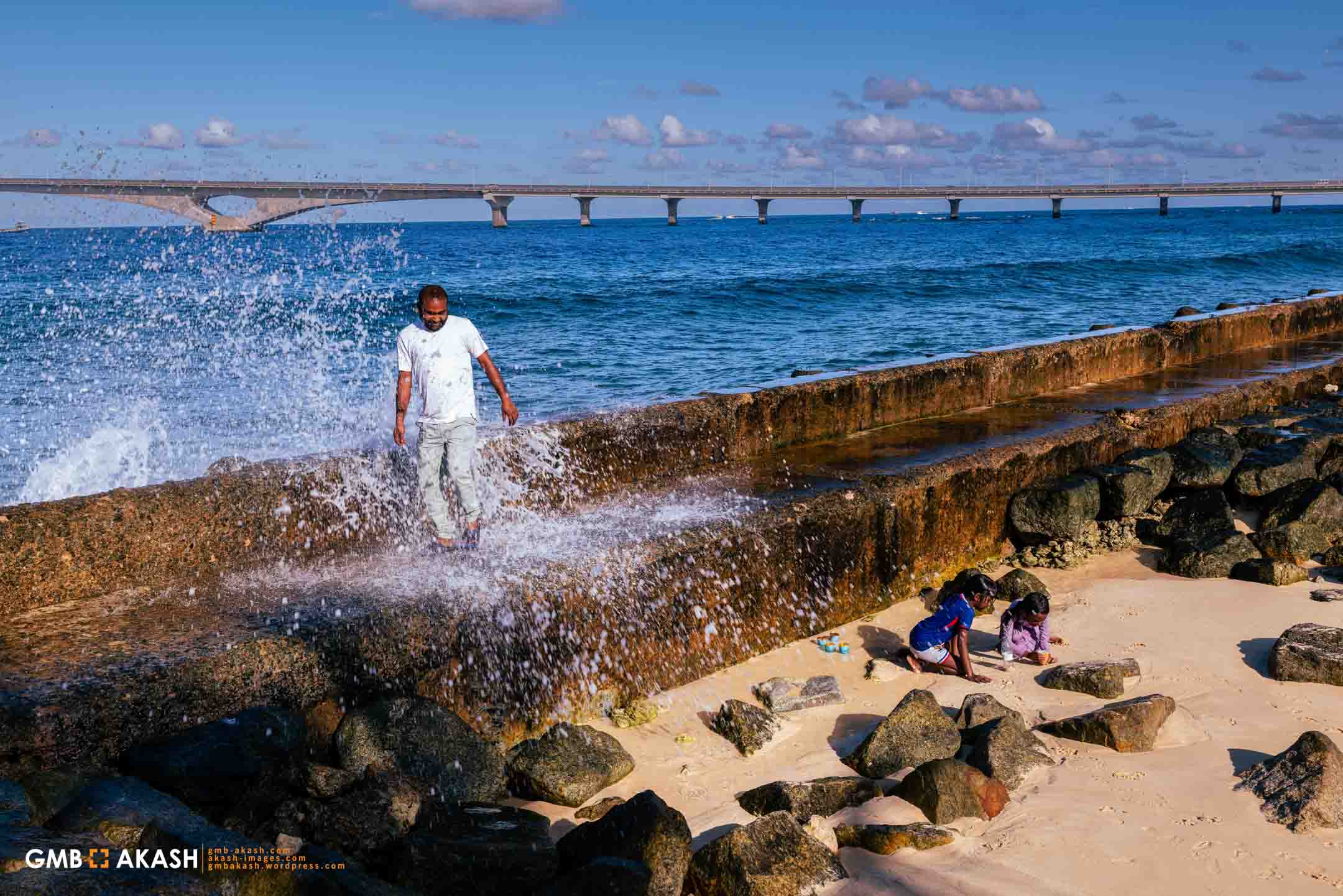
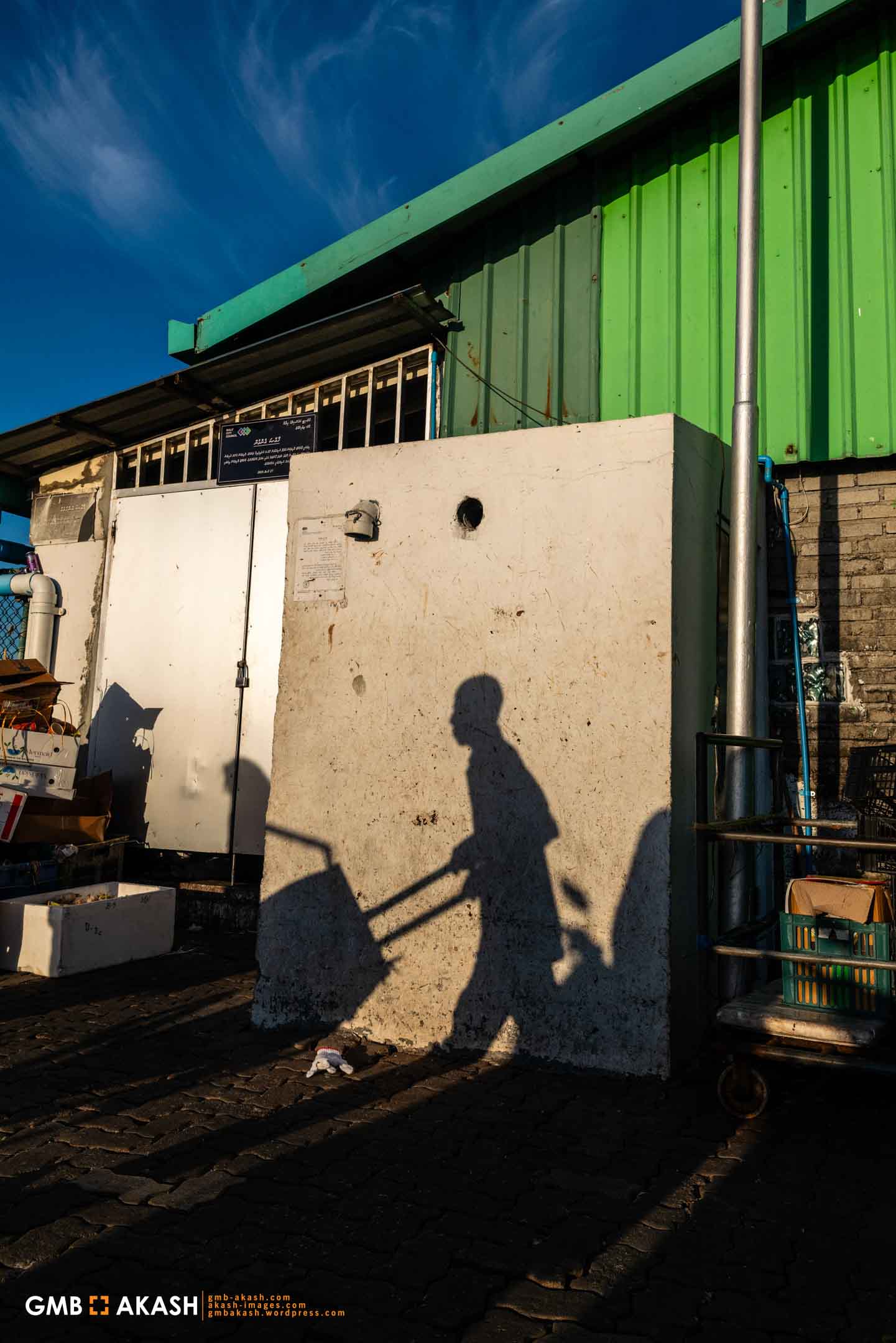
People think of the Maldives as luxury resorts and postcard beaches. But take a local ferry, sit at a tea stall, walk the harbor at dawn — and you’ll find something else.

You’ll find the hands that make this paradise work.

And many of them are Bangladeshi.
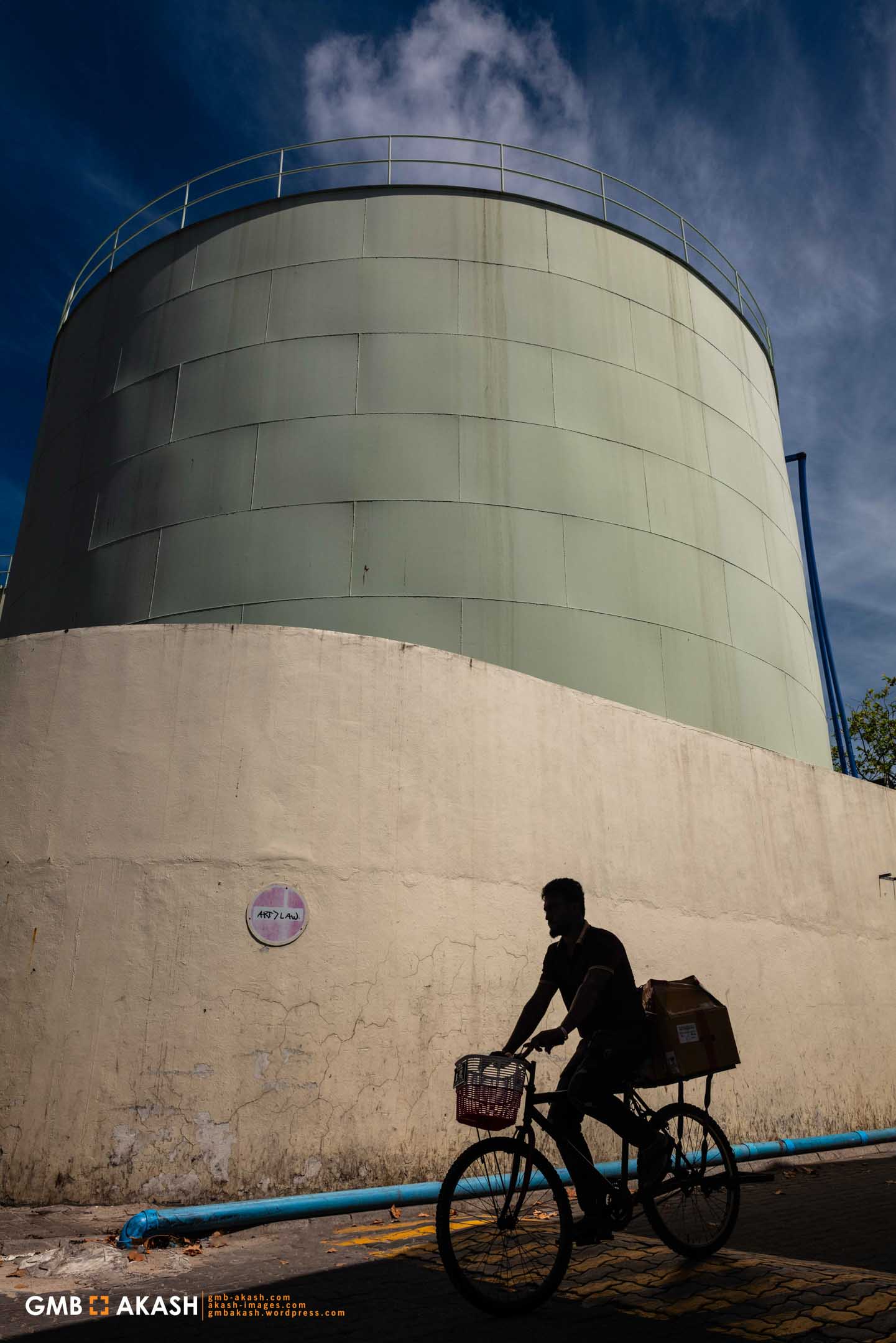
I met Brother Sohel after his shift on a boat. Without asking, he walked into a shop and returned with a cold juice.

“You’re from home,” he smiled. “That’s enough reason.”

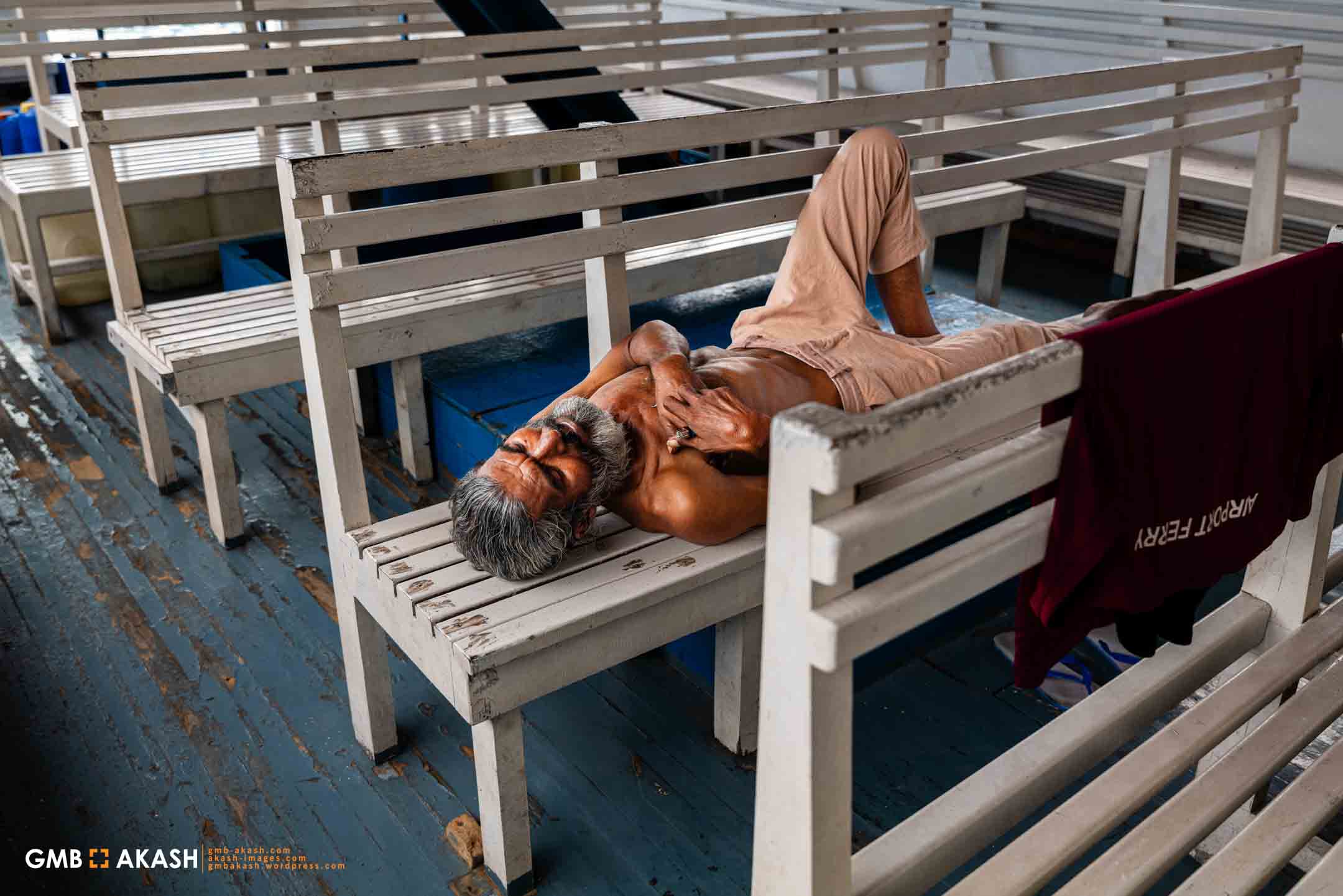
Many sleep on the boats they work on. No beds, no fans — just benches and waves. Still, they smile.

Habib from Cumilla told me:

“We’re happy here. We have work. We feel safe. Back home… too much tension.”

Some haven’t seen family in 3–4 years. They miss their mothers, their children, the smell of rice cooking at home. But they work, stay strong, and send money back with hope.

These are not just workers.

They are builders.

They are dreamers.

They left home not for luxury, but for survival.

You won’t find their names in travel guides.

But without them, this paradise would not exist.

They came with hope.

And built something beautiful — with their hands, and with their hearts.

— GMB Akash

A Torn Dictionary, a Second-Hand Camera, and a Thousand Untold Stories!

From the very beginning of my journey, I was captivated by the images of Salgado, James Nachtwey, Reza Deghati, Alex Webb, David Alan Harvey, Cartier-Bresson — masters who told human stories with truth and soul.

Many of them used Leica. But for me, it was never just about the camera. It was about what they saw — the dignity, the depth, the human connection. Leica became a symbol of that kind of storytelling. Quietly, I dreamed of holding one someday.

But my beginning was far from any dream.

I started with a used Yashica FX-3 — my father’s old family camera. I didn’t even know photography could be a profession. No mentor. No internet. No books. Just an English manual — and I barely understood the language.

When I couldn’t afford a translator, I bought a torn, second-hand dictionary and taught myself both English and photography. Word by word. Frame by frame. With only hunger, heart, and hope.

I had one 50mm lens. Later, I borrowed gear from anyone who trusted me.

I gave tuition to buy film. Skipped meals to save for processing.

I shot weddings and fashion — not because I loved it, but to fund the work I truly cared about: telling the stories of people the world often overlooks.

At night, I turned our bathroom into a darkroom.

I developed rolls under red light until sunrise.

I spent years walking through slums, garment factories, brickfields, train stations, refugee camps, and forgotten alleys.

I entered brothels, disaster zones, hidden corners of cities, and remote villages — the kind of places people were too afraid to go.

I sat with people society ignored. I didn’t just photograph them — I listened.

It wasn’t easy. My fingers ached when I couldn’t shoot. My chest felt heavy.

Photography wasn’t what I wanted to do — it was what I needed to do.

And now, after 25 years, I’ve finally bought a Leica.

It’s not just a camera.

It’s a symbol of everything I’ve lived through — every roll, every story, every step.

This isn’t a story about gear.

It’s a story about purpose.

About belief, compassion, and never giving up.

— GMB Akash
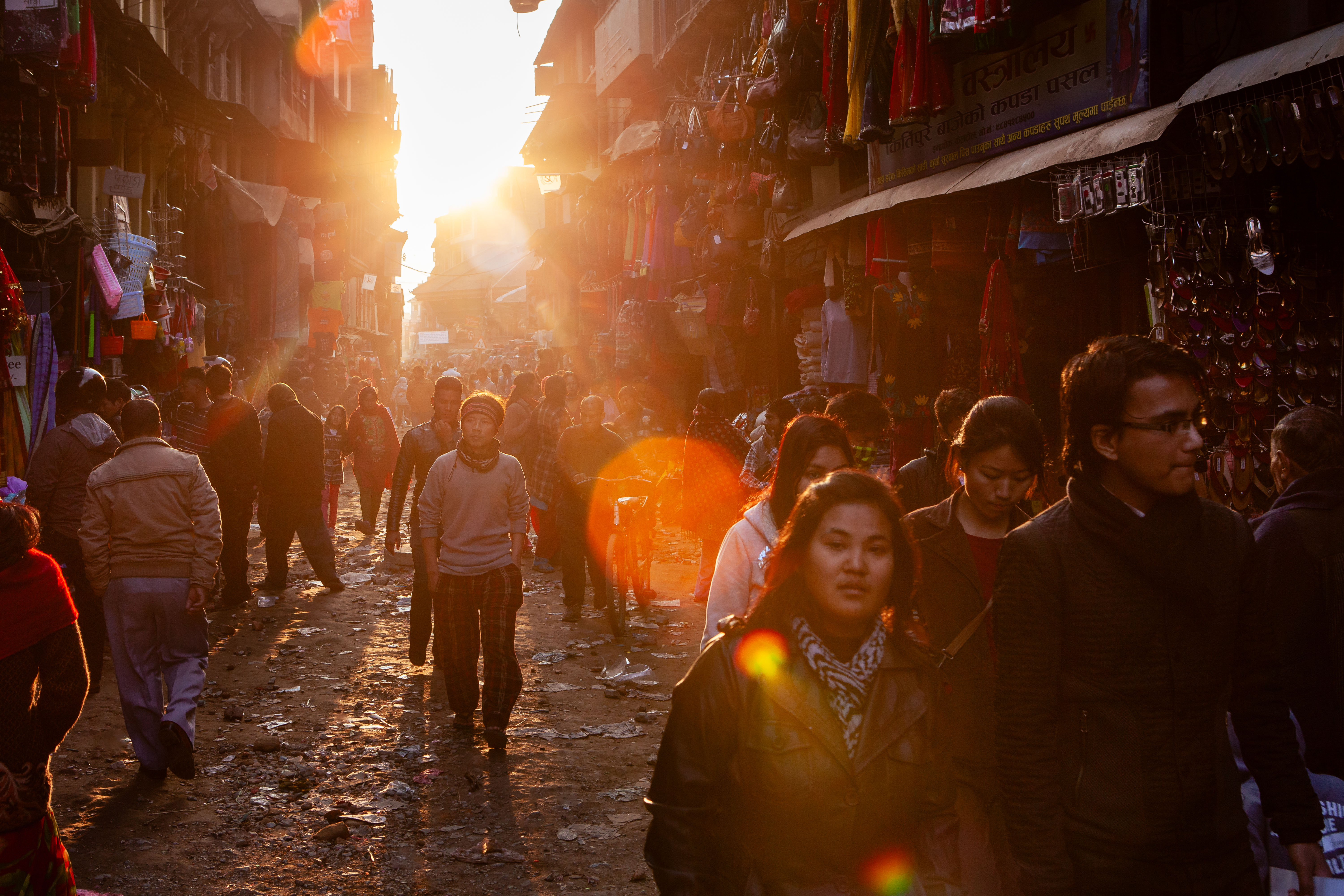
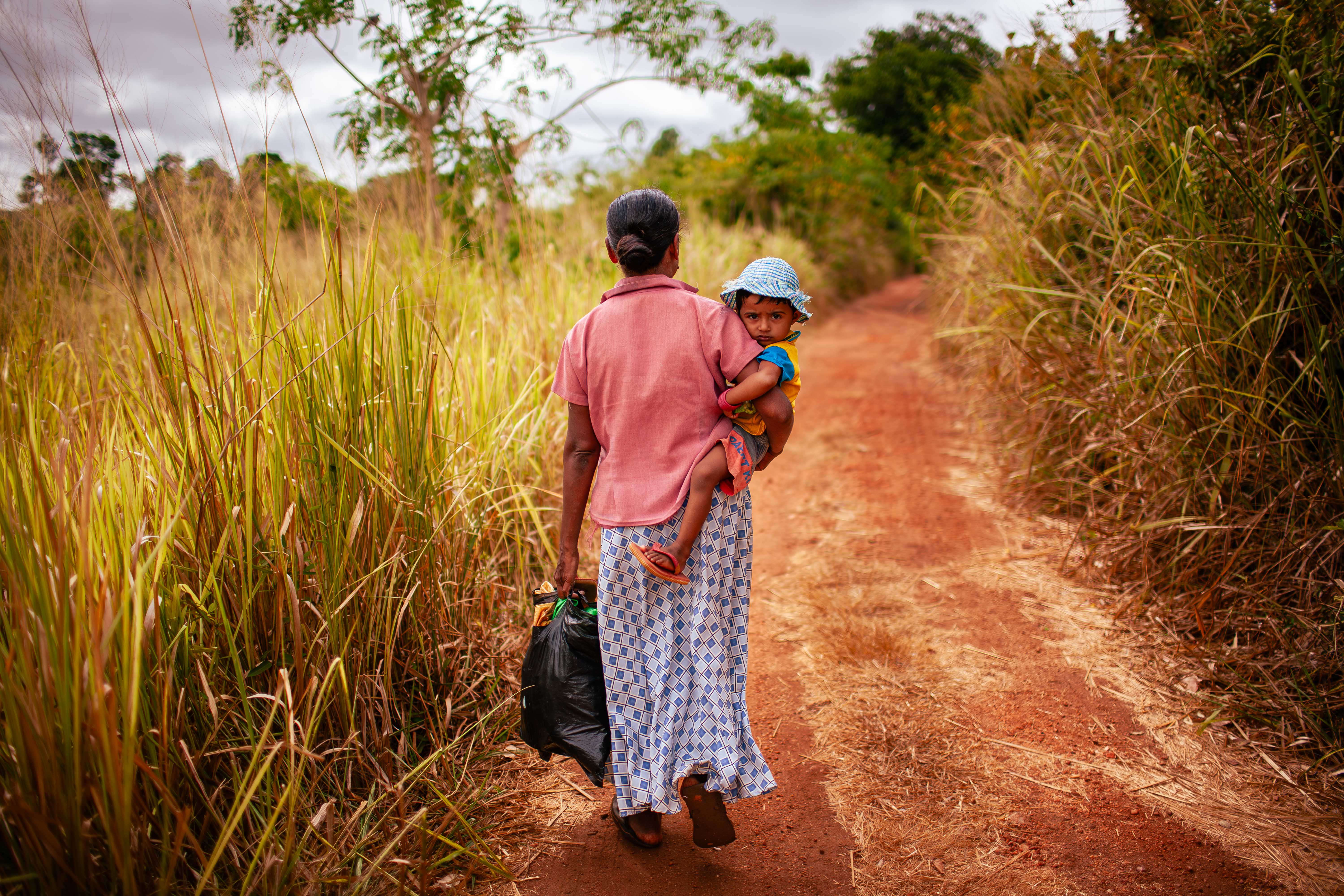
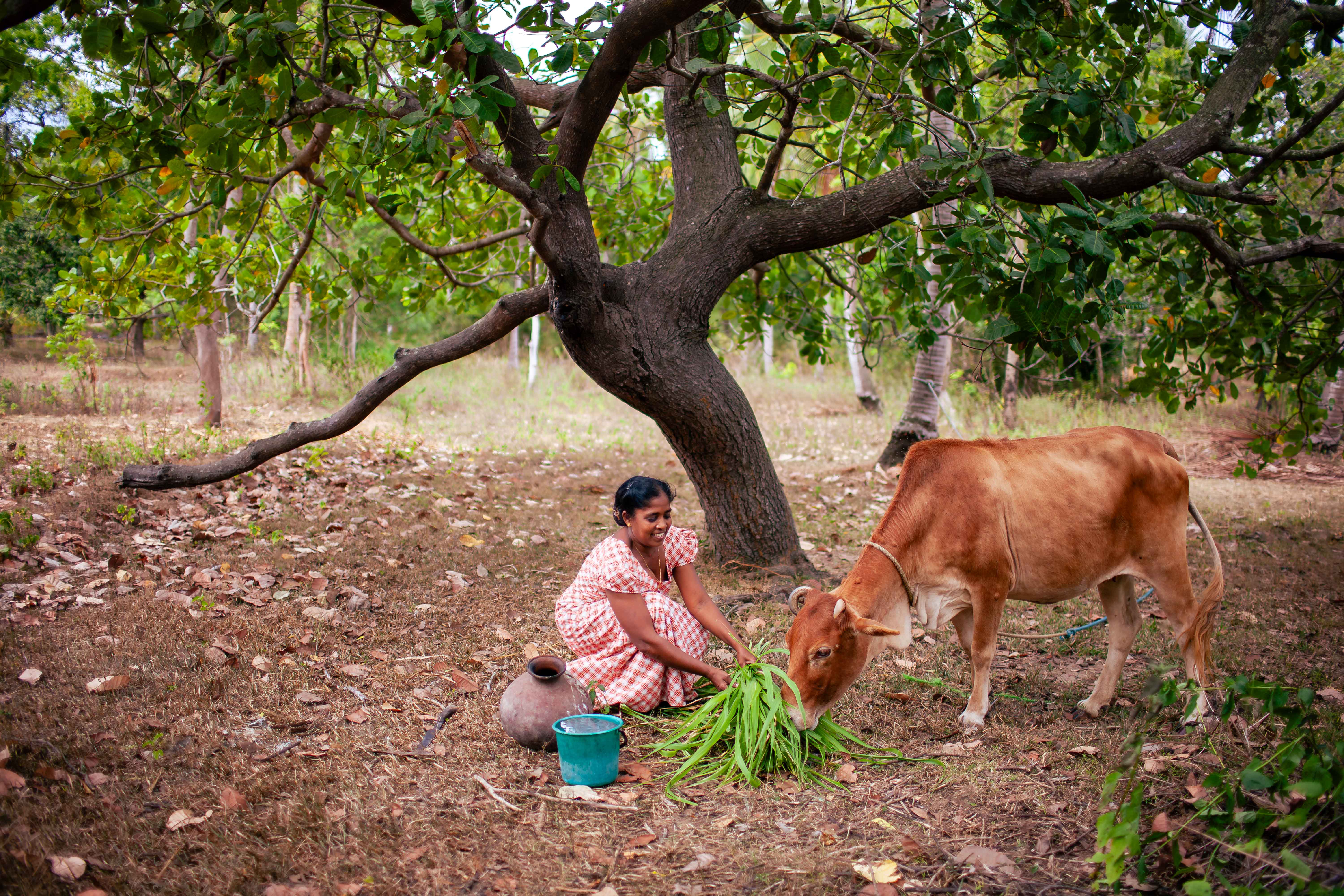
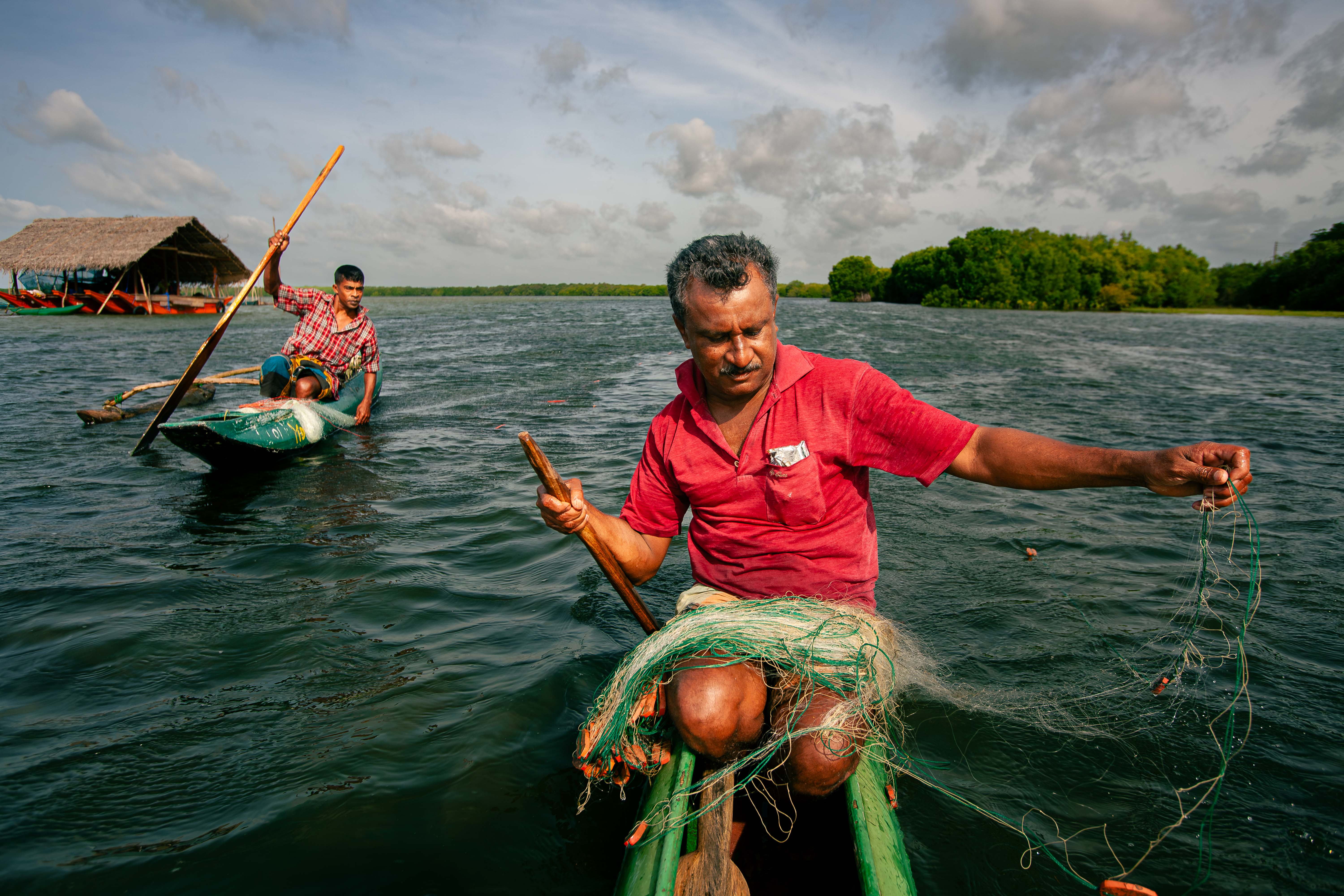
25 Years, Many Journeys—Sri Lanka Still Feels Like the First Time!

As a photographer, my journey has taken me across many countries over the past 25 years, capturing untold stories, fleeting moments, and the soul of diverse cultures. Yet, some places leave a lasting imprint on my heart—places I return to time and time again, always discovering something new, something extraordinary.

Sri Lanka is one of those places. Every visit feels like the first—its lush greenery, vibrant streets, and the warmth of its people never cease to inspire me. The faces I encounter, the stories they carry, and the unfiltered emotions they share make this country truly special. There’s an energy in Sri Lanka that is both electrifying and deeply soulful. The kindness in a stranger’s eyes, the rhythm of daily life, the explosion of colors in a bustling market—these are the moments that keep drawing me back.

With every frame I capture, I strive to honor the beauty, resilience, and humanity that make this land unforgettable. I can’t wait to return, to reconnect, and to tell more stories through my lens.

#SriLanka #TravelPhotography #PeoplePhotography #DocumentaryPhotography #StreetPhotography #CulturalPhotography #PortraitPhotography #VisualStorytelling #TravelPhotographer #EverydaySriLanka #HumanConnection #LifeThroughMyLens #Wanderlust #SoulfulTravel #PhotographyLover

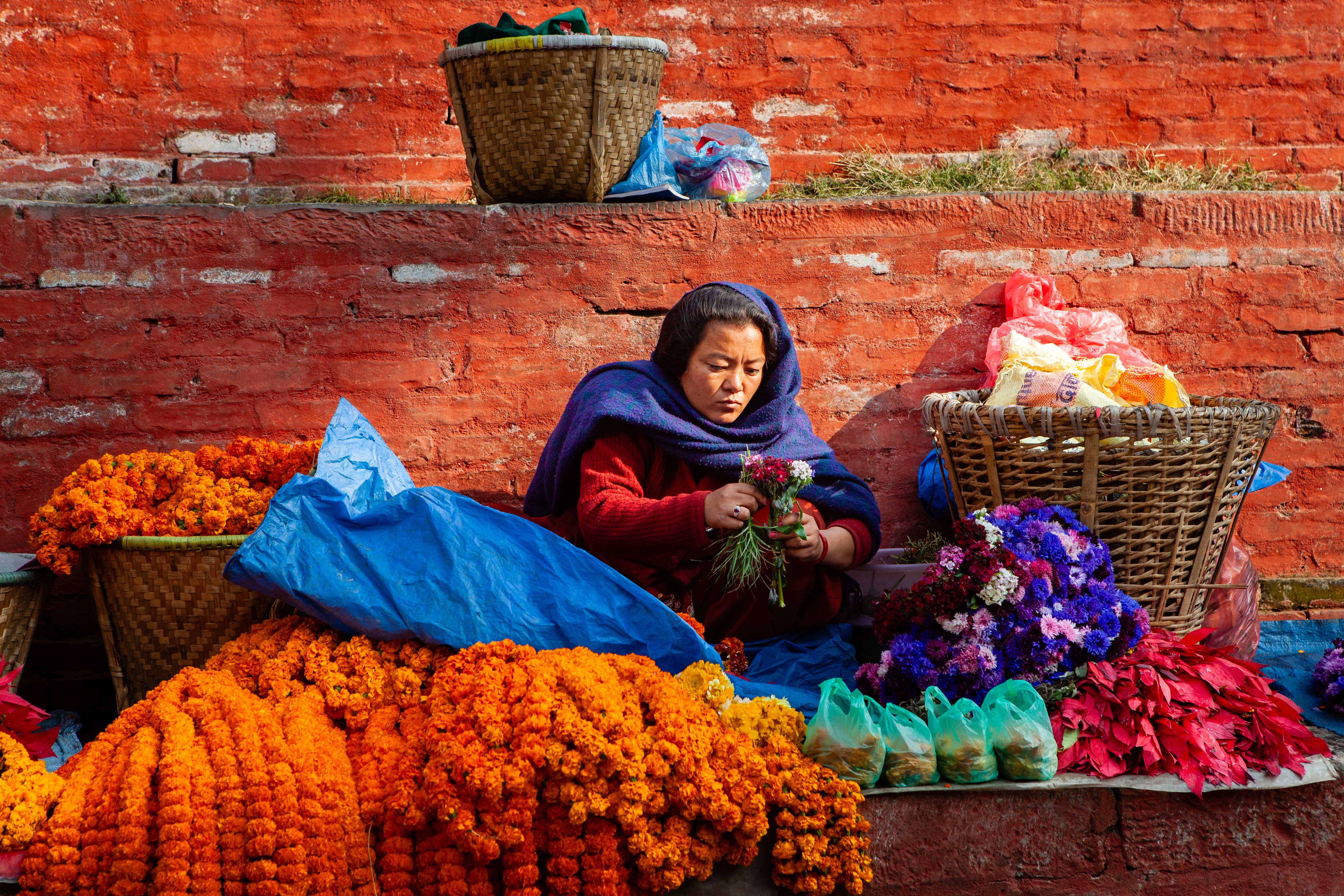
Nepal: A Land of Magic and Mystery!

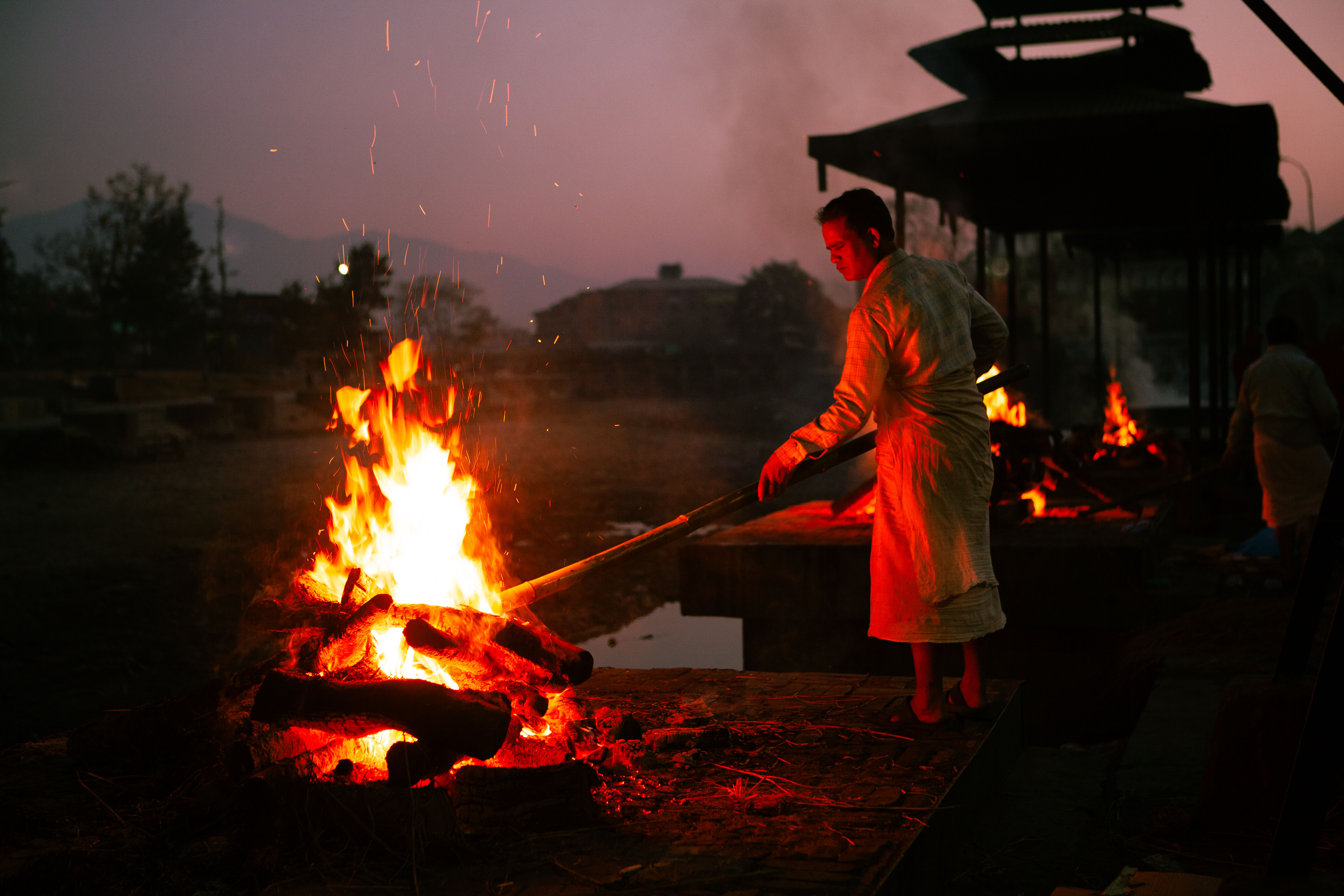
Nepal has always been close to my heart. I’ve visited over 30 times, yet each trip excites me like the first.

There’s something almost mystical about it—the crisp mountain air, golden sunrises over the Himalayas, and ancient temples whispering stories of the past. The streets hum with life, prayer flags dance in the wind, and incense drifts through narrow alleys, blending with monastery chants.

But what truly makes Nepal extraordinary is its people—their warmth, resilience, and ever-smiling faces. No matter their hardships, they welcome you like family, with open hearts.

For a photographer, Nepal is pure magic. Every visit reveals something new—a hidden alley bathed in golden light, a moment of devotion, or a stranger’s eyes telling a silent story. I always leave with fresh inspiration and a deeper love for this incredible land.

Nepal isn’t just a place I visit—it’s my second home. And I long to return, again and again.

_ GMB Akash

#Nepal#VisitNepal#TravelPhotography#Wanderlust#TravelGram#AdventureAwaits#ExploreTheWorld#Himalayas#Kathmandu#Pokhara#NepaliCulture#NepalDiaries#ExperienceNepal#VisitNepal2025#NepaliPeople#CulturalHeritage#FacesOfNepal#HumanConnection#TravelDeeper#StreetPhotography#MountainMagic#NatureLovers

Rising from Adversity!

Despite having roll number four, I couldn’t achieve good results because my family was going through severe financial hardships. Due to these struggles, I couldn’t focus on my studies properly. For me, my family is above everything else, and while prioritizing their well-being, I had to compromise with my education.

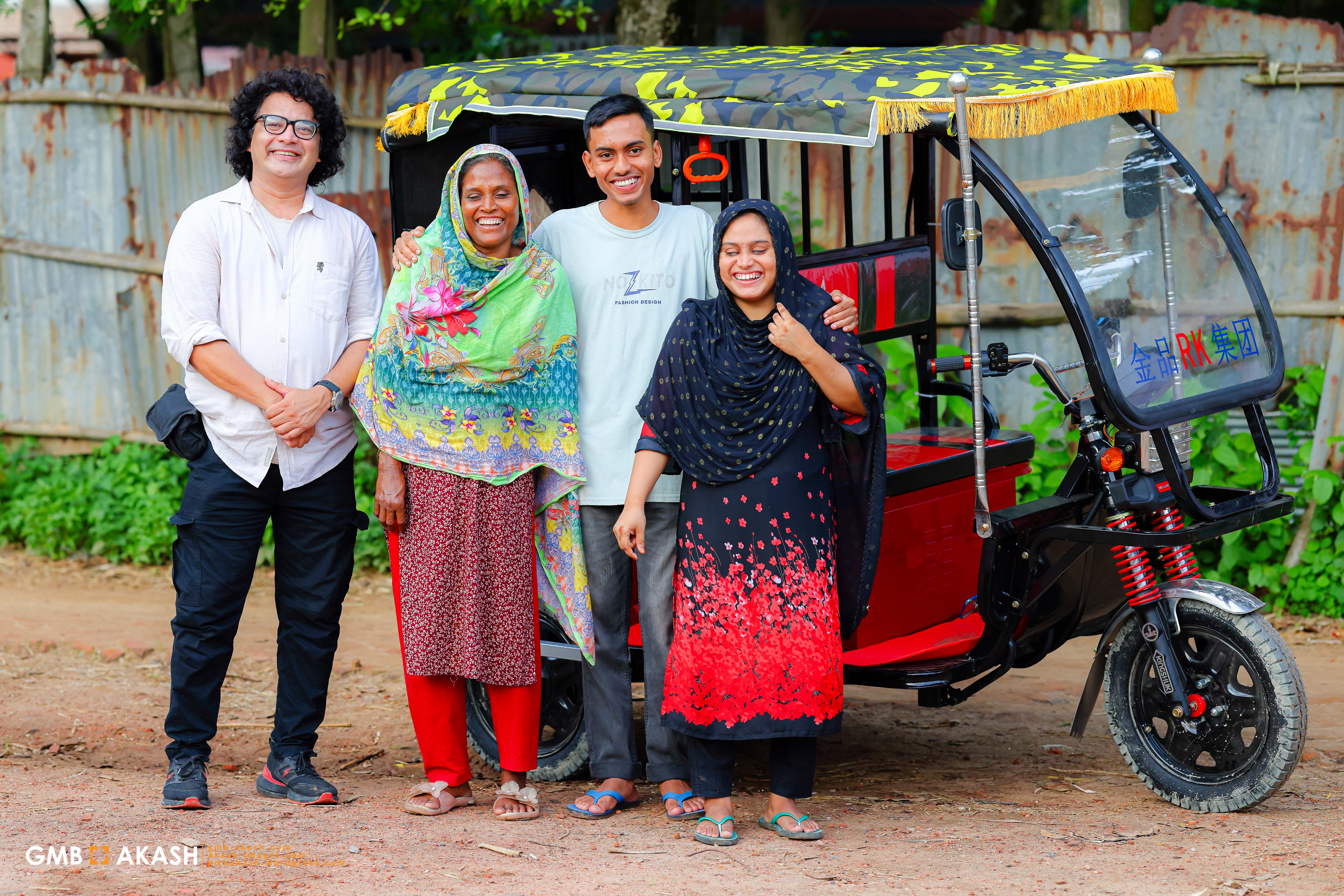
My sister is blind. Just before my SSC exams, my rickshaw driver father, managed to arrange her marriage after enduring many hardships. But while I was still sitting for my exams, my sister’s husband disappeared—leaving her behind. Not only that, he took all our money, the gold jewelry, everything. Later, we realized he had married her only for his financial gain.

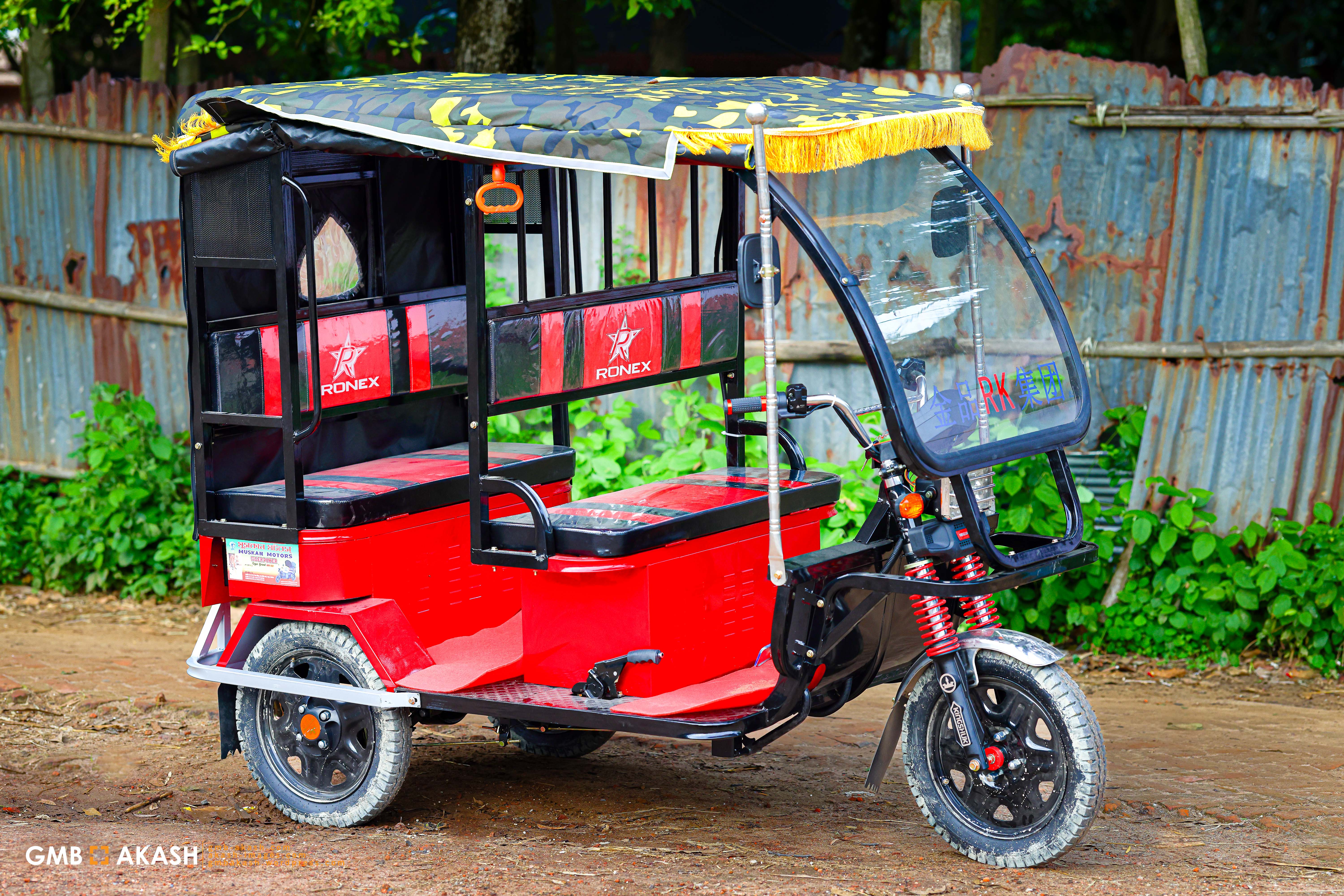
Around that same time, my father had a heart attack. Suddenly, the weight of my entire family’s well-being fell on my shoulders. I had to split my day—half driving a rented rickshaw, half studying for my exams. After paying 500 taka to rent the rickshaw, What little remained had to cover both our household expenses and my education. Every single day felt like a battle I was losing.

It was in this ocean of despair that Akash Bhai appeared in my life, like a guardian angel from heaven. Listening to my problems he promised to give me a Auto Rikhahaw ‘Tuktuk’. And within a week he bought me a tuktuk with (1200$) almost 1 lakh and 30 thousands money.
Alhamdulillah, now I can earn almost 1000 taka par day. And can support my family and my studies.

I promised Akash Bhai that in my next exam, I would definitely achieve a good result. And I would work even harder to fulfill my dreams, and Inshallah, I would reach that place of my dreams—taking my family by my side.
_Jahidur

“Midnight Girls”

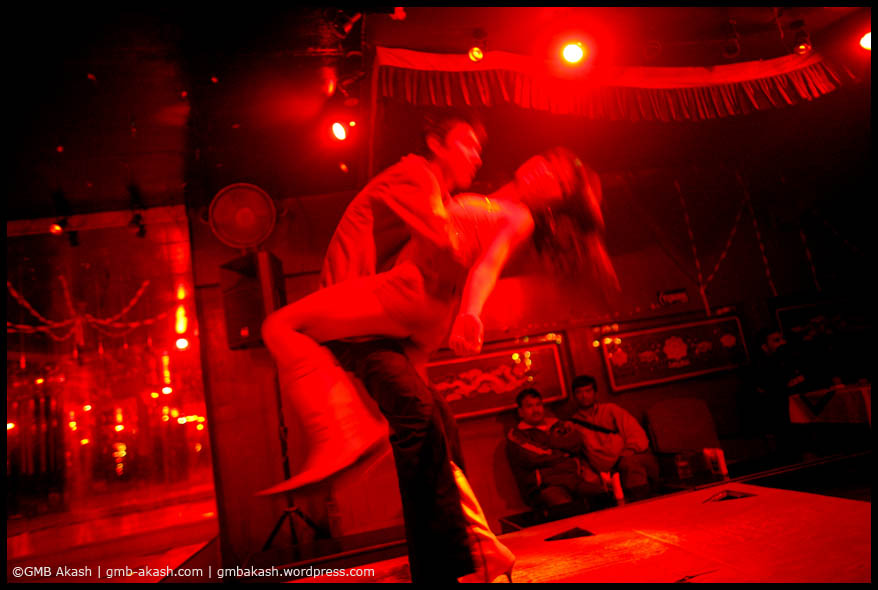
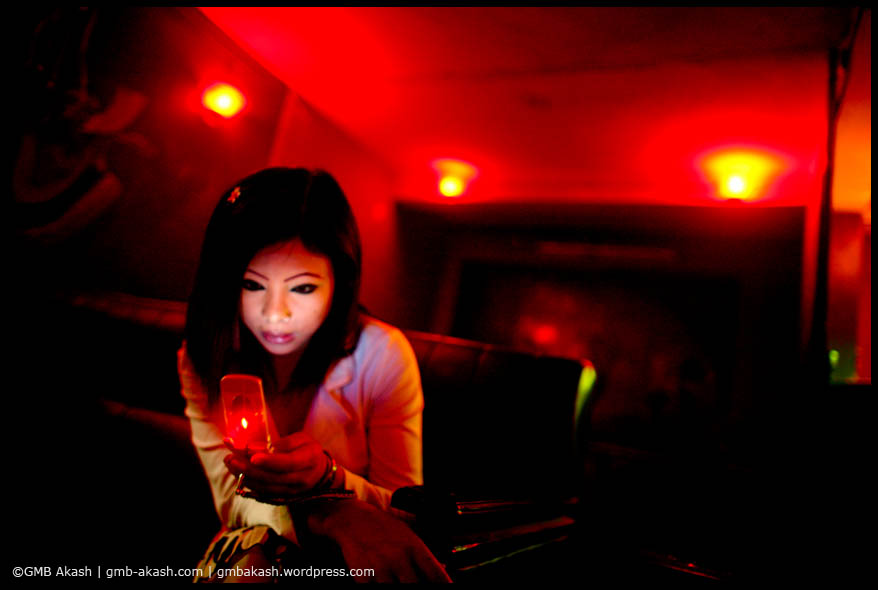
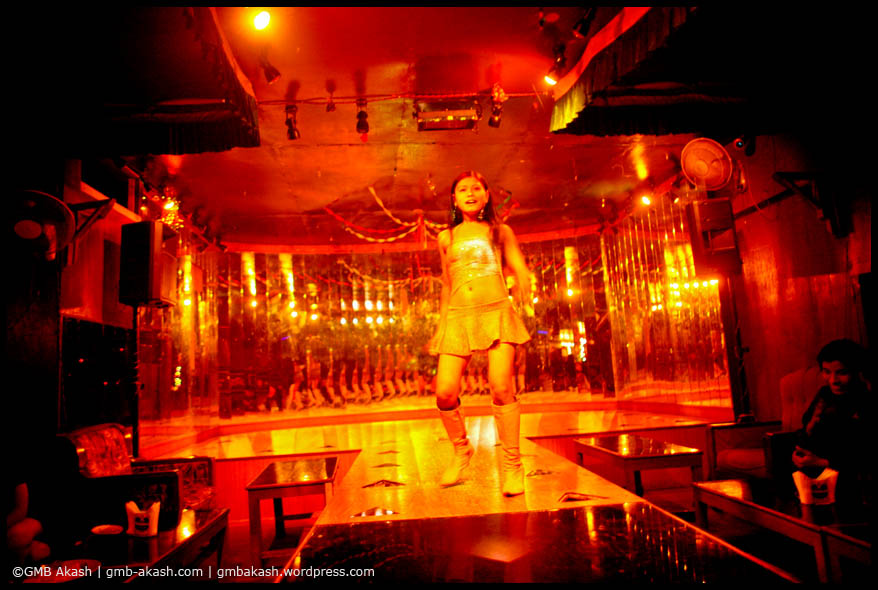
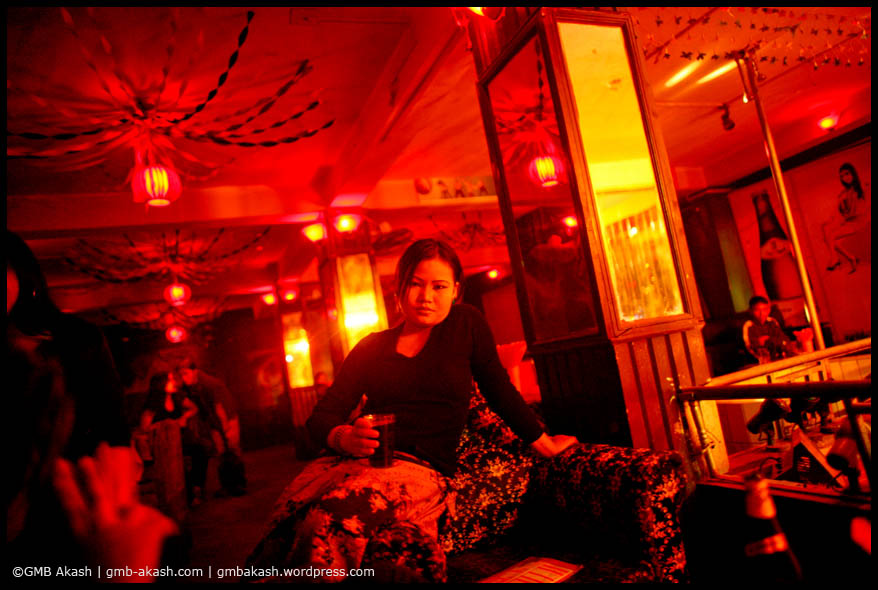
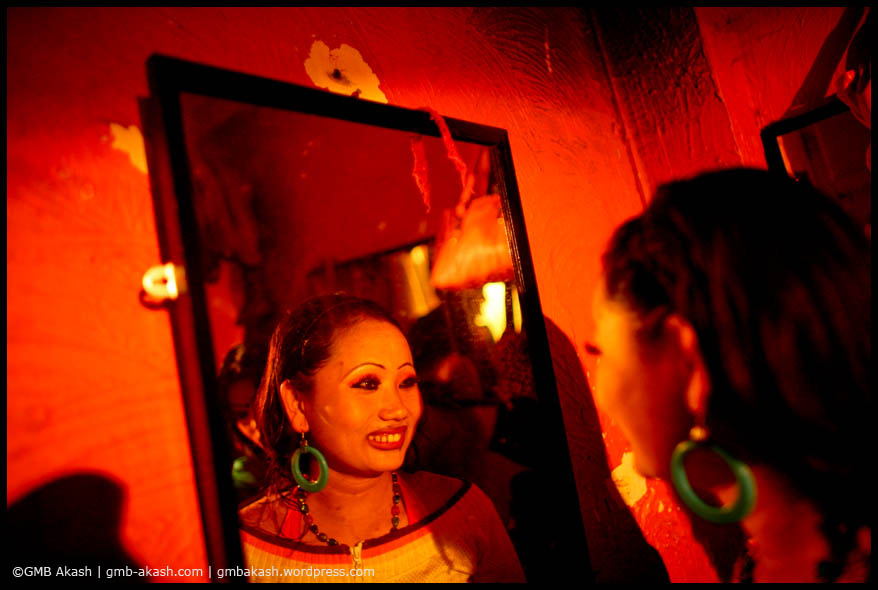
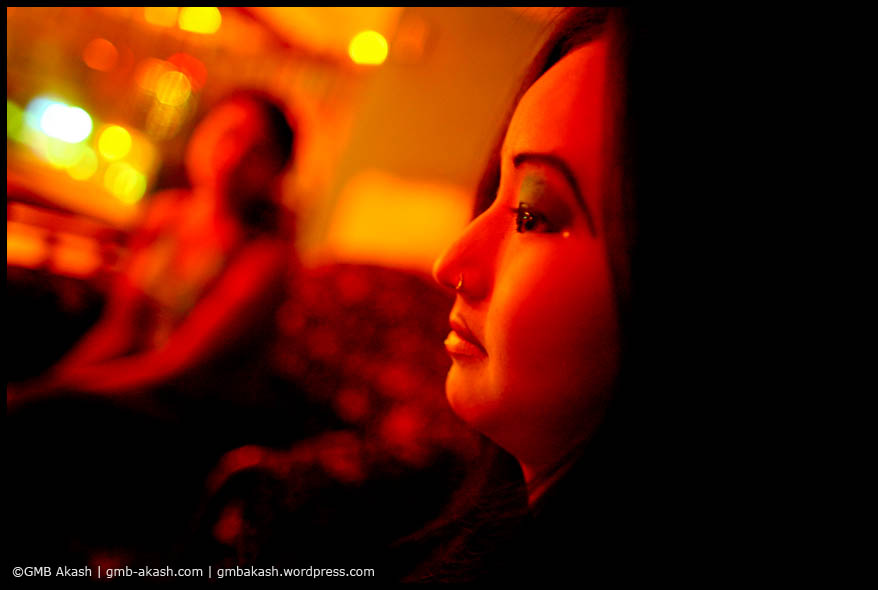
“It was a cold and rainy evening and I naturally found myself craving coffee in a coffee-lounge of Nepal. I was shaping my mind for documenting on ‘Night Girls in Nepal’. While I was completely engaged in thought, laughter broke my attention. By the first bit of drum night girls were in hurry to enter into clubs just near my coffee-lounge. Music, light and entertainer all are ready – and the night has begun. Inside these 1000 bars, girls from poverty-stricken corners of Nepal dance away, hoping to fulfill their simple dreams some day. Is it possible to depict the agony of a night girl being sold and/or compromised in club/bar/hotels? Can my photography breathe their voices? Is it possible to take picture of what I want to describe? Answer is NO. But by keeping alive the roots of awakening is a key duty of a photographer like me. So I am here to tell you the story through my third eye.” – GMB AKASH

night girls (10)

night girls (3)


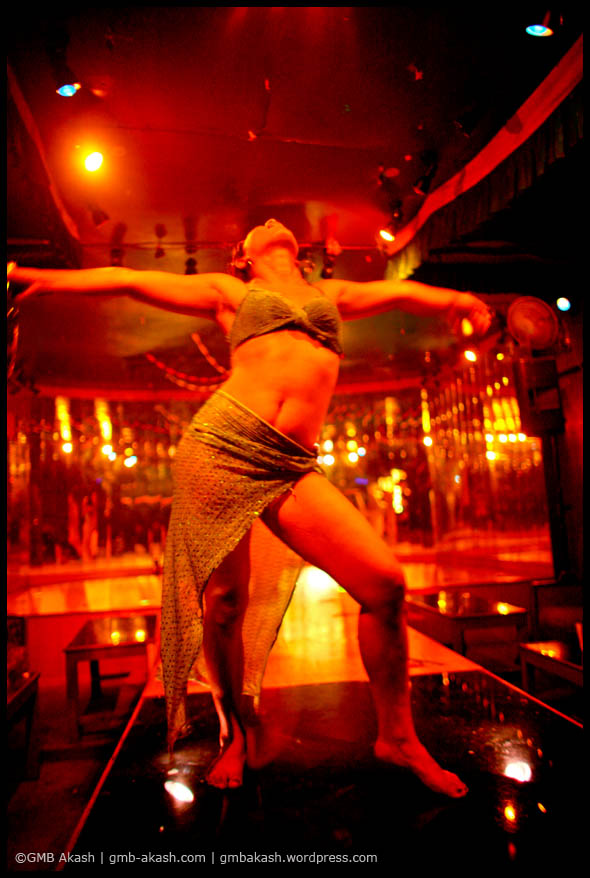
Strippers and dancers of the popular night scene in Nepal. Located mostly in the tourist area Thamel, hundreds of clubs host both local and tourists to strip shows, dances, and drinks. Each club has on average 30 to 40 girls working for them. There are the dancers, the waitresses, and some call the “date for a night” women. The dancers are young—many of them told me they are 19-22, but to me most of them looked like 16 or younger. At the change of each song (which were mostly Nepali and Hindi pop), usually a new dancer would come out on stage. Some of them danced in a tight t-shirt and short shorts, some in a tiny wrap around her waist and a bikini top, others in long glittery skirts and heels. Their faces were covered with heavy makeup, and they all kept adjusting their hair during their dances. There are also 2 showers on each side of the stage with a little porcelain bath dug out. Apparently “dance with shower” is a big thing in Kathmandu now.

night girls (18)

night girls (8)


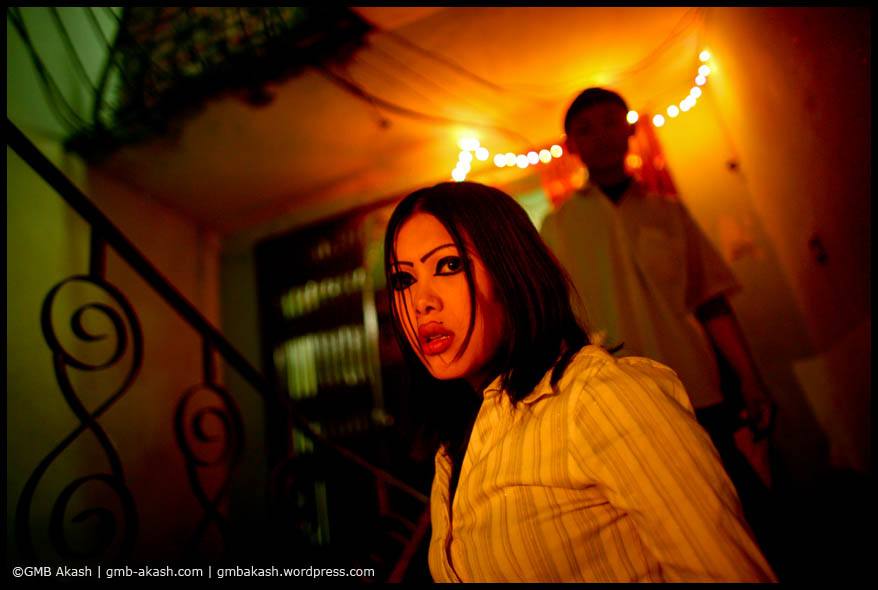
When not dancing, the women came out into the crowd fully dressed to flirt with customers. One girl, named Pari (Most of them has a fake name) said: she is 16, illiterate, has no phone, and makes 7500 Rs per month (about $100) working at the restaurant. She was not drinking alcohol, but seemed a little spacey, so maybe was on some type of drug. She was one of the few dancers, who were not afraid to remove all of her clothes, and she would often touch herself while on stage or dancing on tables and she is an example of many other girls who are willingly working in the restaurant.

night girls (9)

night girls (14)


Reetu one of the dancers of Thamel dance club said “More than half the money is spent on room rent, makeup, grocery and other necessary items. The rest goes into my education and to my parents. I hardly save anything.”

night girls (1)

night girls (5)

Fifteen-year-old Rani wants to be a doctor. But to fulfill her dream, she performs at a dance bar every evening – even if it means gyrating around a pole, stripping and giving company to strangers at night. Though dance bars are not illegal in Nepal, stripping is. But in a nation where 30 percent of the 30 million population is below the poverty line, few seem to care. Employment agents went to villages, offering poor Nepali girls like Shanti jobs in Kathmandu as waitresses. Though families are warned of the possibilities of prostitution they often choose to turn a blind eye.

night girls (16)

night girls (13)


“One month’s money for a waitress can be a whole year’s income for a rural farmer”, states Mahima, waitress of a local club, whose father is a farmer. 80% cases are enforced Women for Prostitution in various circumstances.  Many of these poor Nepali girls eventually accept their fate and fall into prostitution. These poor Nepali girls will earn £ 80 per month as a dancer, tips can double this and sex for a night brings rewards of between £30 and £100 per night depending on the desirability of these Nepali girls. Regulating dance and cabin restaurants is a problem. No system is in place to properly monitor the activities that go on inside. It is the poor Nepali girl who working as waitresses are alienated and trapped, unable to re-enter mainstream Nepali culture.

night girls (19)

© GMB Akash

night girls (4)


I felt an overabundance of emotions ranging from guilt to despair for not doing enough whenever I faced myself into these situation for documenting lives of these girls – who cannot do more struggle against oppression, cannot protest for inequality and injustice, of lost with their dreams. I do believe, may be one day The Sun will rise to wipe off tears of these Midnight Girls”

– GMB Akash
night girls (6)


night girls (7)

Dark Alleys

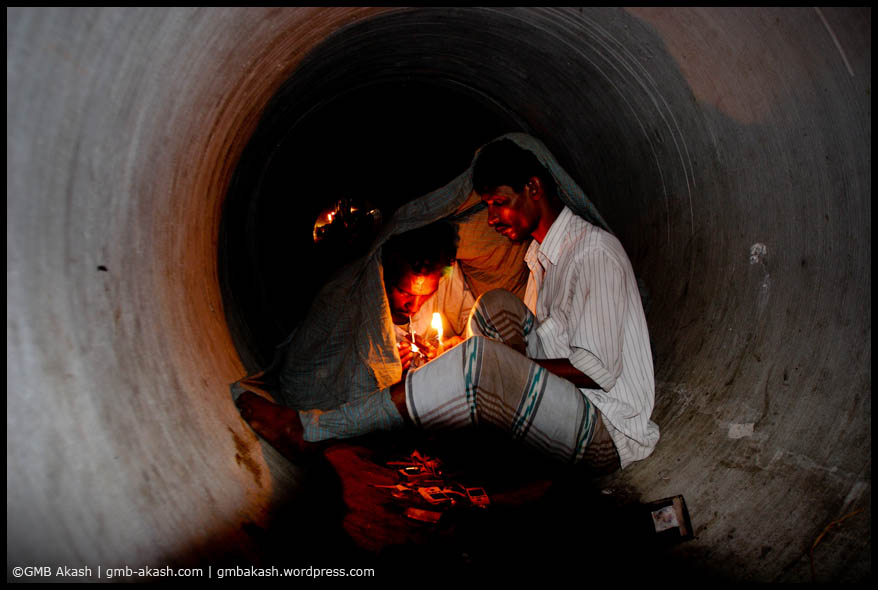
“These disorders — schizophrenia, Alzheimer’s, depression, addiction — they not only steal our time to live, they change who we are. In the time period of working with drug addict, I encounter tremendous shiver in thought of helplessness that how they are silently dying in these dark alleys and there is no dark Knight to hold them straight only we are here to celebrate the funeral of these fallen stars”

–  GMB Akash

drug users (5)

A drug user is showing his drug pethedrine

drug users (7)

drug-final-61-6

Drug addiction is a major social evil in Bangladesh, affecting thousands of young people and their families. There are thousands of addicted people in Bangladesh and most of them are young, between the ages of 18 and 30 from all walks of life. Drug addiction in young Bangladeshis is mainly seen because of reasons like depression. People try to remove depression using drugs as a tool. And this is how they become addicts.

drug users (8)

drug users (11)

drug users (9)

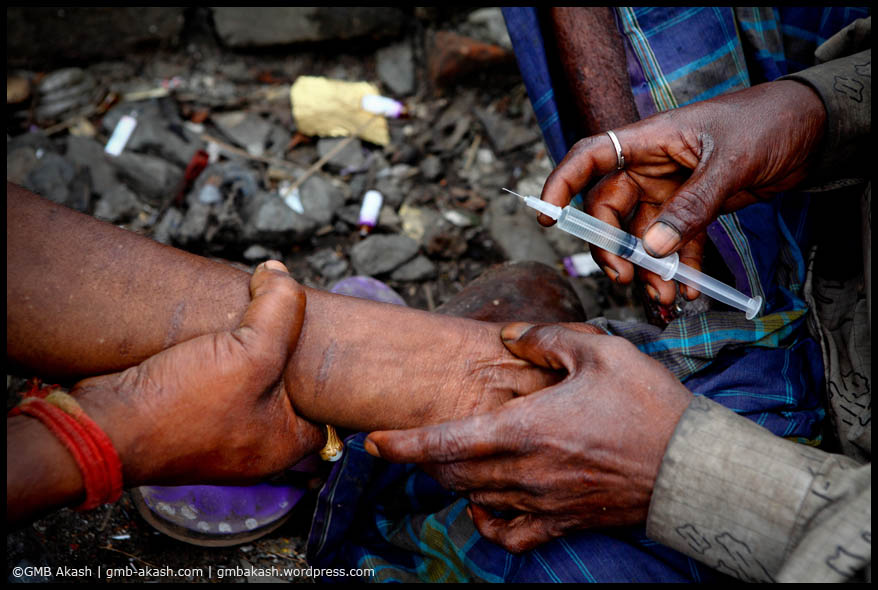
Drug users are taking drugs by sharing same needle with each other. Injecting drug users have few places to turn, and they are one of the groups most at risk of contracting and spreading HIV. Heroin is mostly smoked within aluminum foil or cigarette paper, but in Bangladesh this is injected. Injections through infected needles can cause diseases of the liver, brain, heart, lungs and spinal cord. Estimates of the number of people living with HIV/AIDS in Bangladesh range from 2,500 to 15,000 most of them are affected while taking drugs. A Heroin addict may need about Taka 500 worth of the drug a day. They neglects the needs of the family, and those are non-earning may sell off family assets. They also go out on the streets for mugging and dacoity.

drug users (10)

drug users (4)drug users (6)

drug users (16)

“Rickshaw driver Mohammad Bashir has been addicted to heroin for most of the last 13 years. His habit cost him his job and put an enormous strain on his family. Like most addicts, he often uses shared needles. Police has caught him in the spot, members of his addict team has managed to fly. But police caught him, while he is continually requesting police to leave him in the word of his promise that he will not inject him any more with drugs”

drug-final-07-1

Drug usuers(11)

Drug usuers(15)

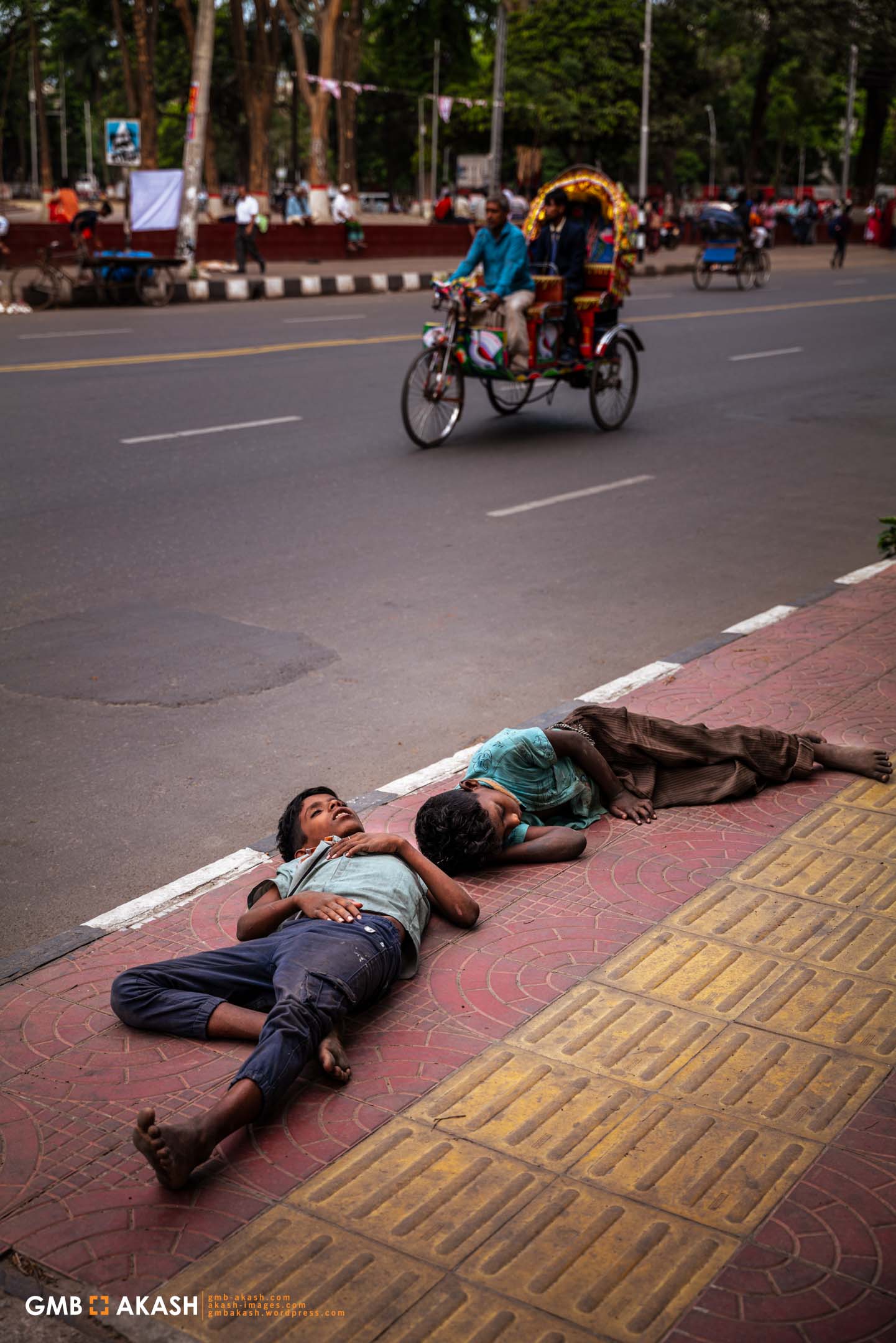
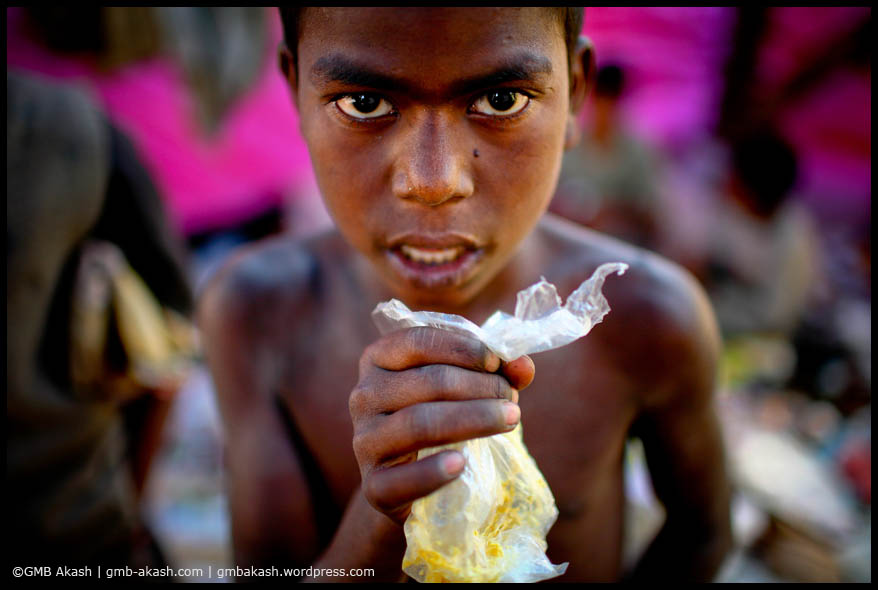
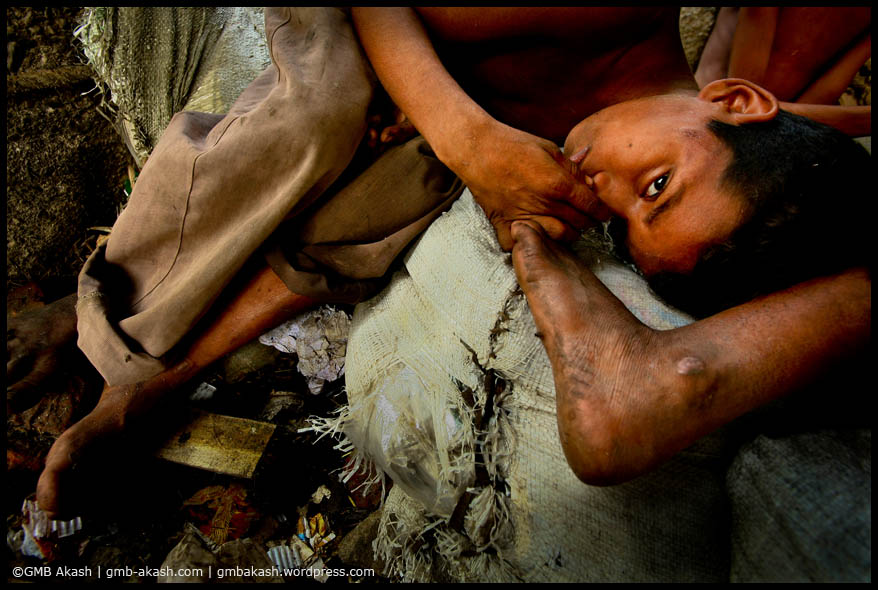
Drug addiction is increasing among the street children who live without a family, love and care. Bangladeshi youth are ‘huffing’ shoe glue, a drug locally called ‘Danti’, which is seriously harmful to mental and physical health. Up to 17 percent of street children in capital Dhaka are addicted to drugs. Children as young as 10 years old are also experimenting with alcohol, phensidyl, Heroin, Baba, Ganja, pethedrine, and other forms of available drugs. For managing the money for drags these children spends all their earnings on drugs. Some time they beg whole day in the street and end of the day spends everything on drugs.

drug users (14)

drug users (3)drug users (17)

IMG_9355-3

drug users (12)

“Bitter experiences are there too. I visit all danger territory where these addicted people living senselessly. Few of them try to beat me sometime, few of them tied me with their arms and cried and cried, few of them burst out in depression and few of them wants to end their sufferings. But this is cycle of unbearable torment which has no end. In a world with chaos and hunger, everything becomes a guerrilla struggle. It becomes almost impossible to save lives or grow dreams sometime. But yet these lives deserve our affection, attention and sympathy. No medicine is as effective as love to them. “– GMB Akash
Drug usuers(5)

drug users (15)

drug users (13)