
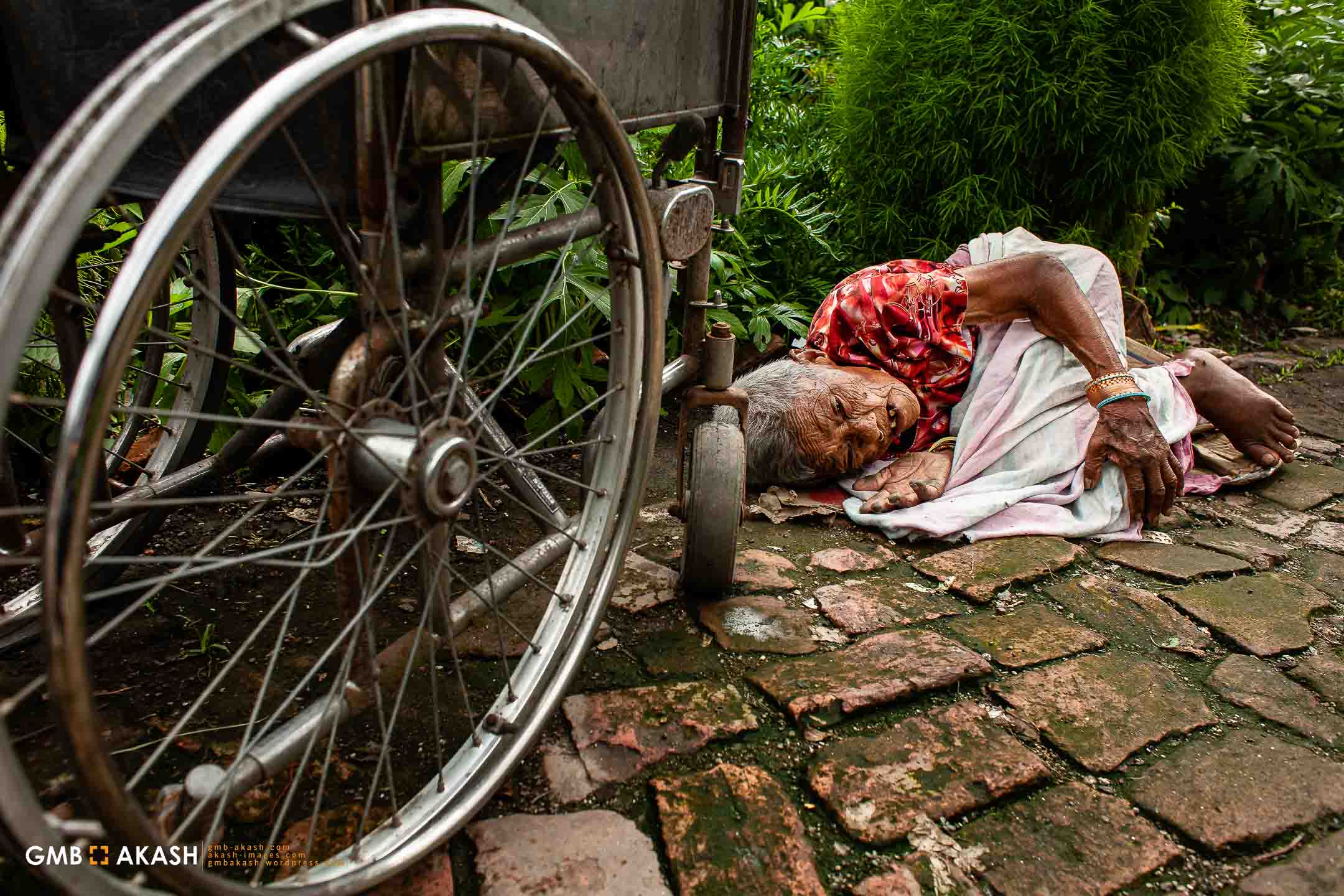
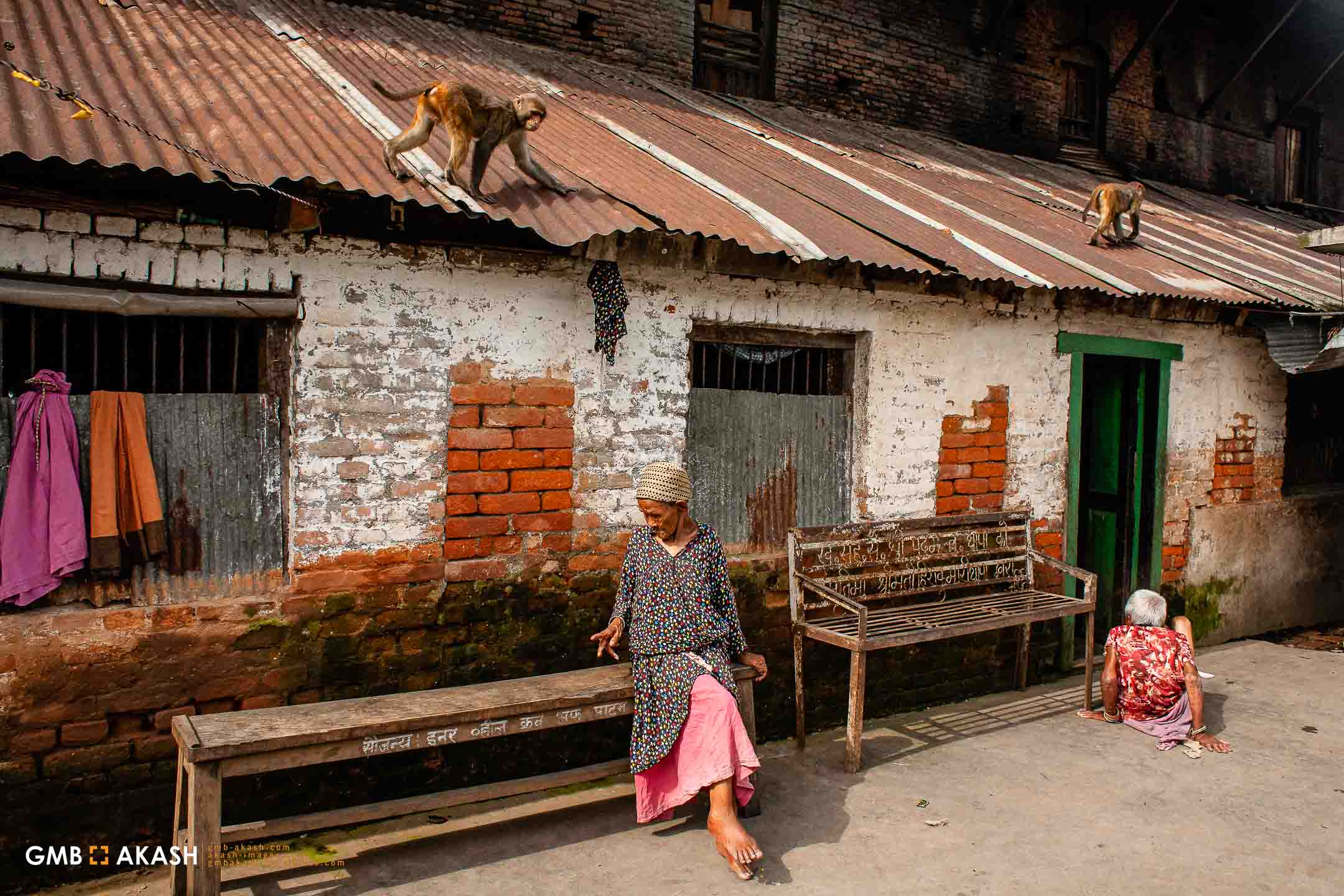
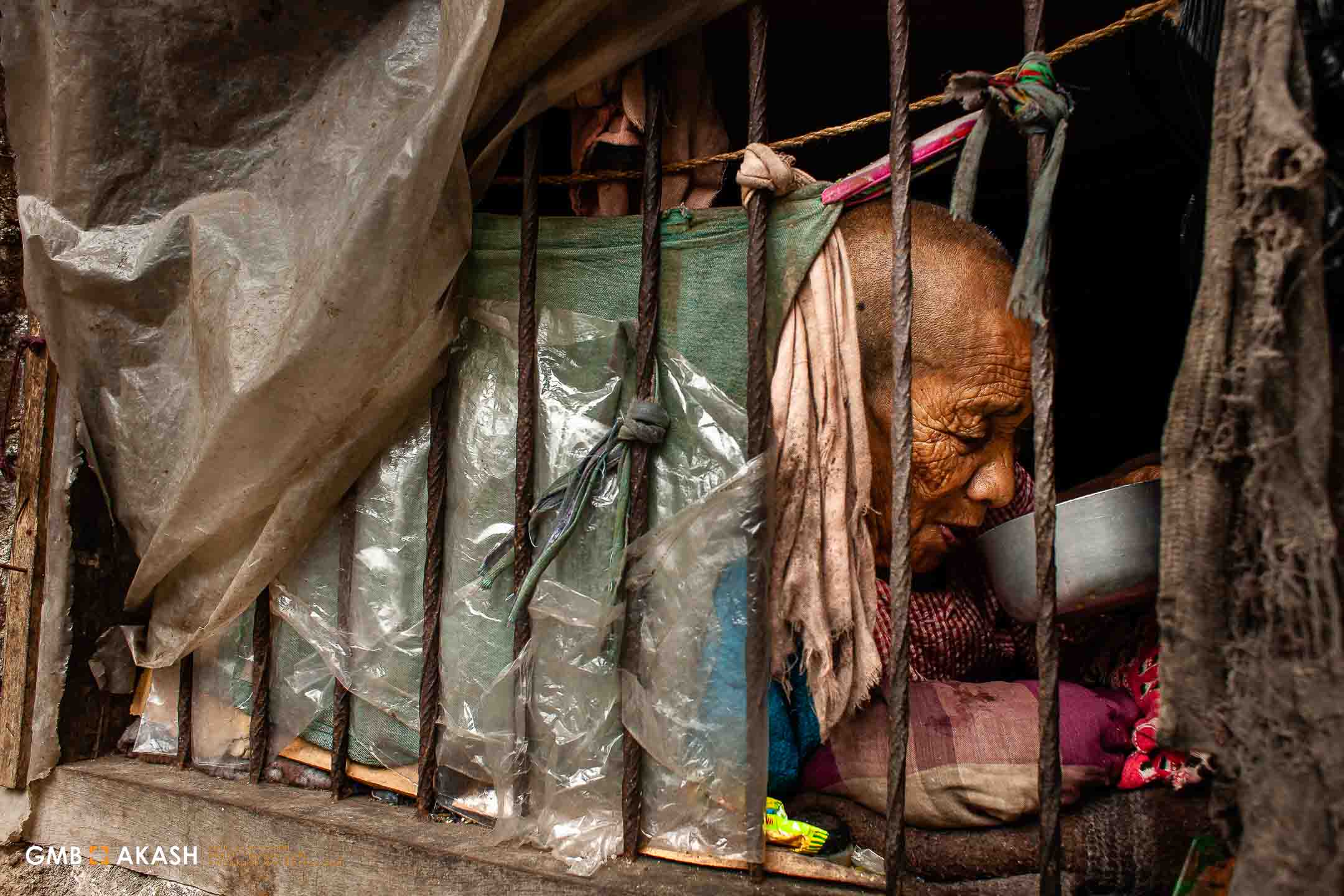
Here and there, elderly people sit in the courtyard and on the shrine platform, lost in memories of past happiness. Or is this a place where they are left by their families to die? The questions are countless, with no answers except those found within. They endure daily routines in this old home, where the future is no longer a concern. My heart is moved: May God bless and give them solace. – GMB Akash


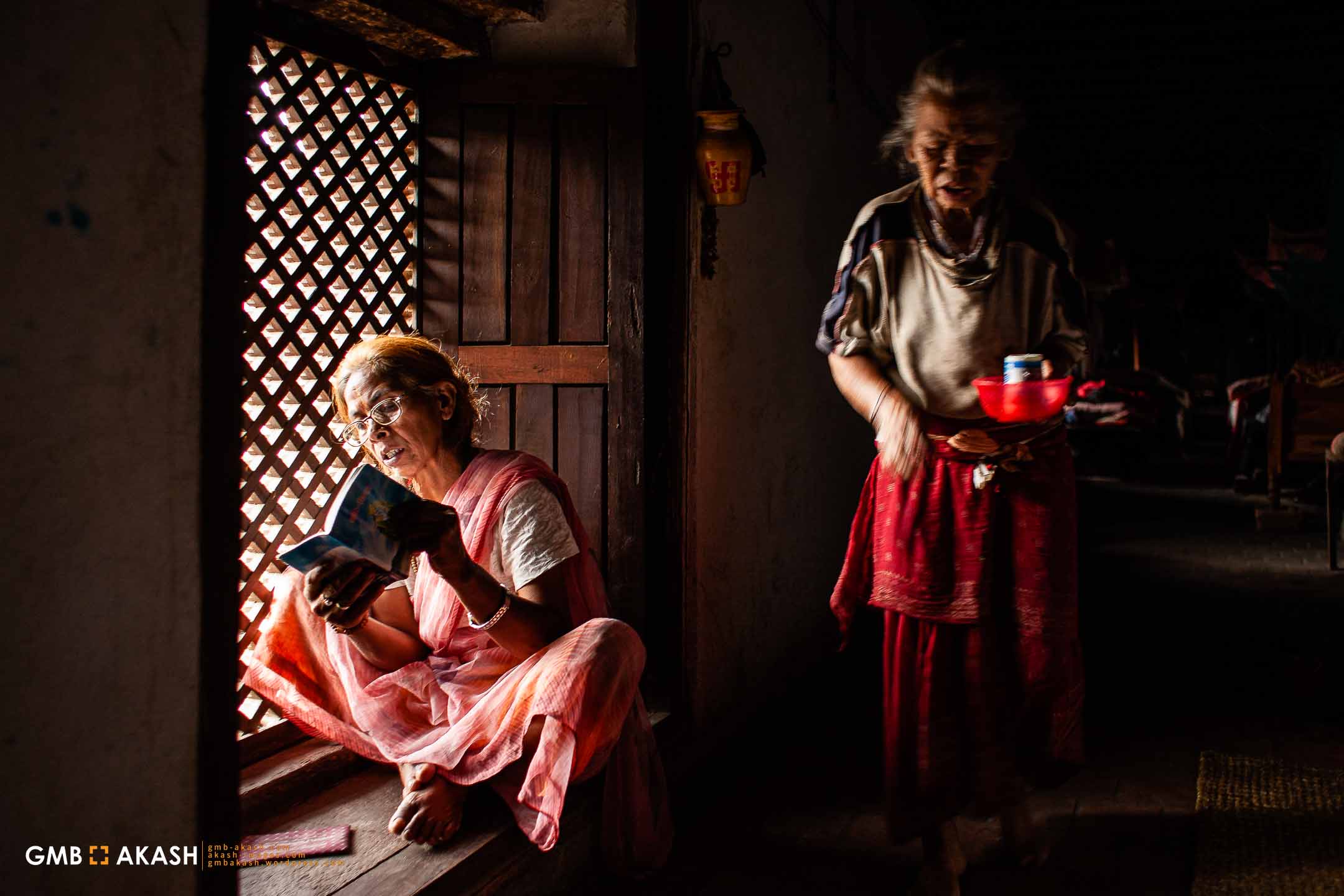
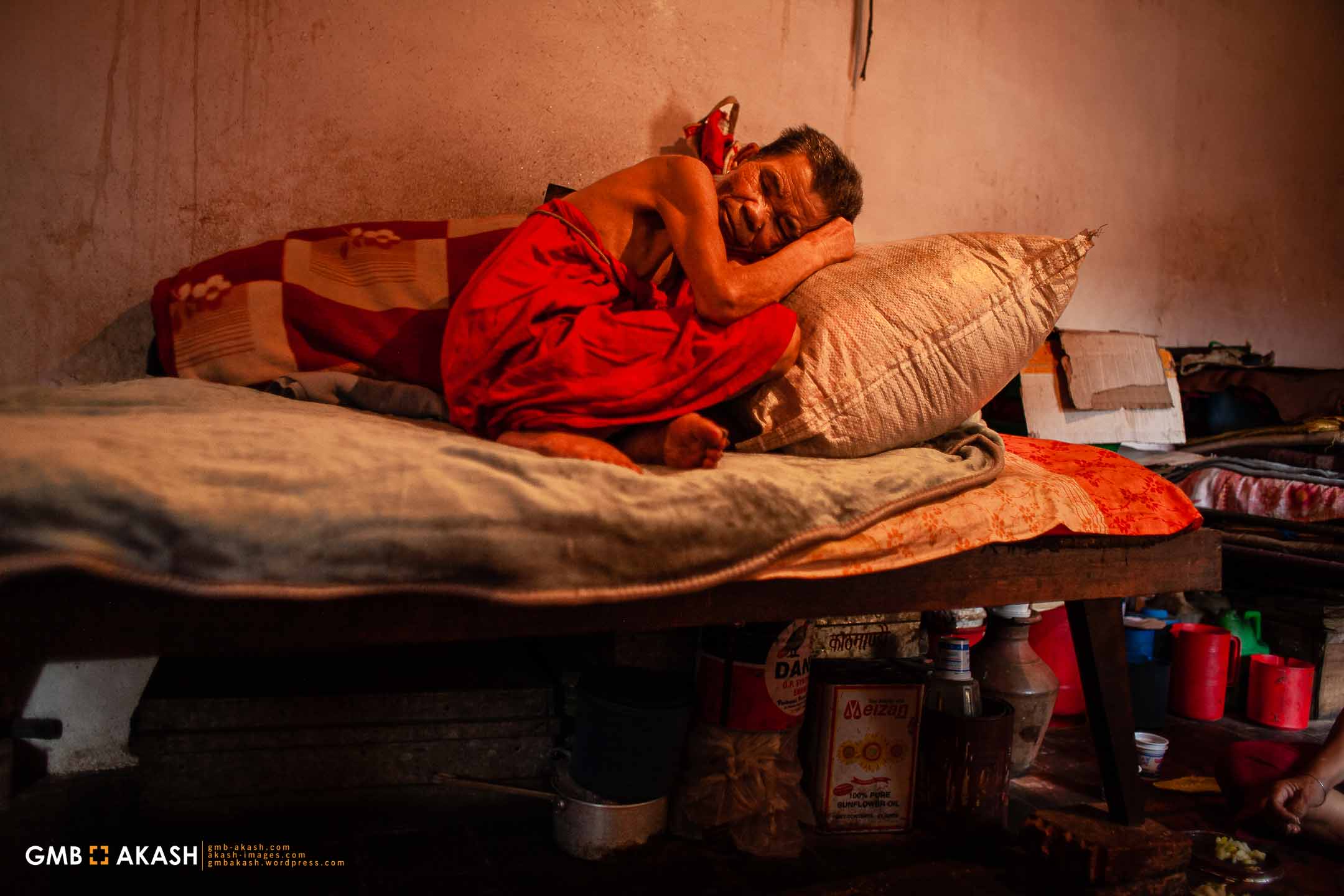
Entering the Briddhasram at Pashupathinath feels like stepping back in time by at least fifty years, to a world that moves very slowly.
A damp photo of a grandchild beside an elderly woman shows her smiling as she remembers a loved one she hasn’t seen in ten years, yet keeps her image alive in her mind. I must capture their essence to preserve their memories.
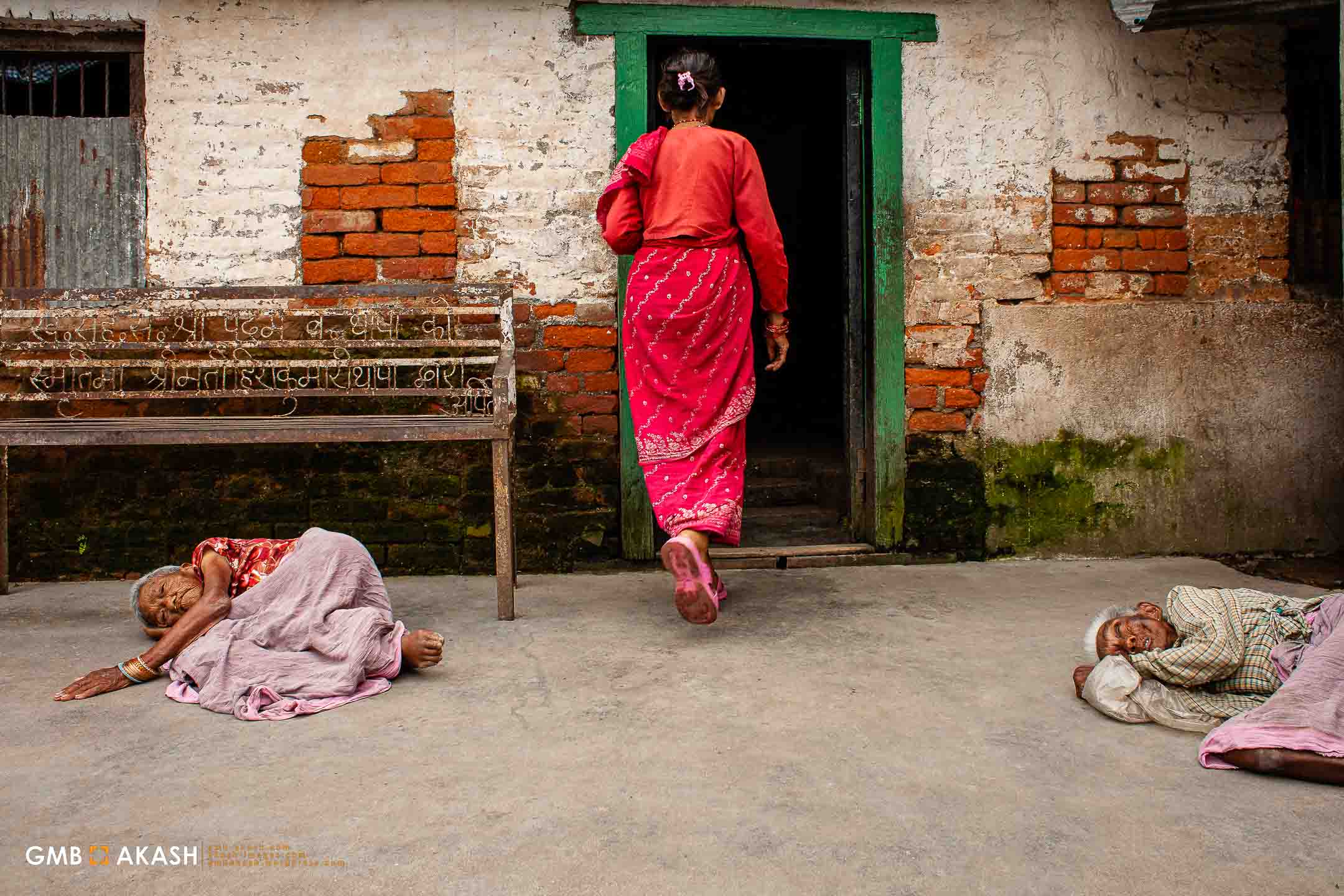
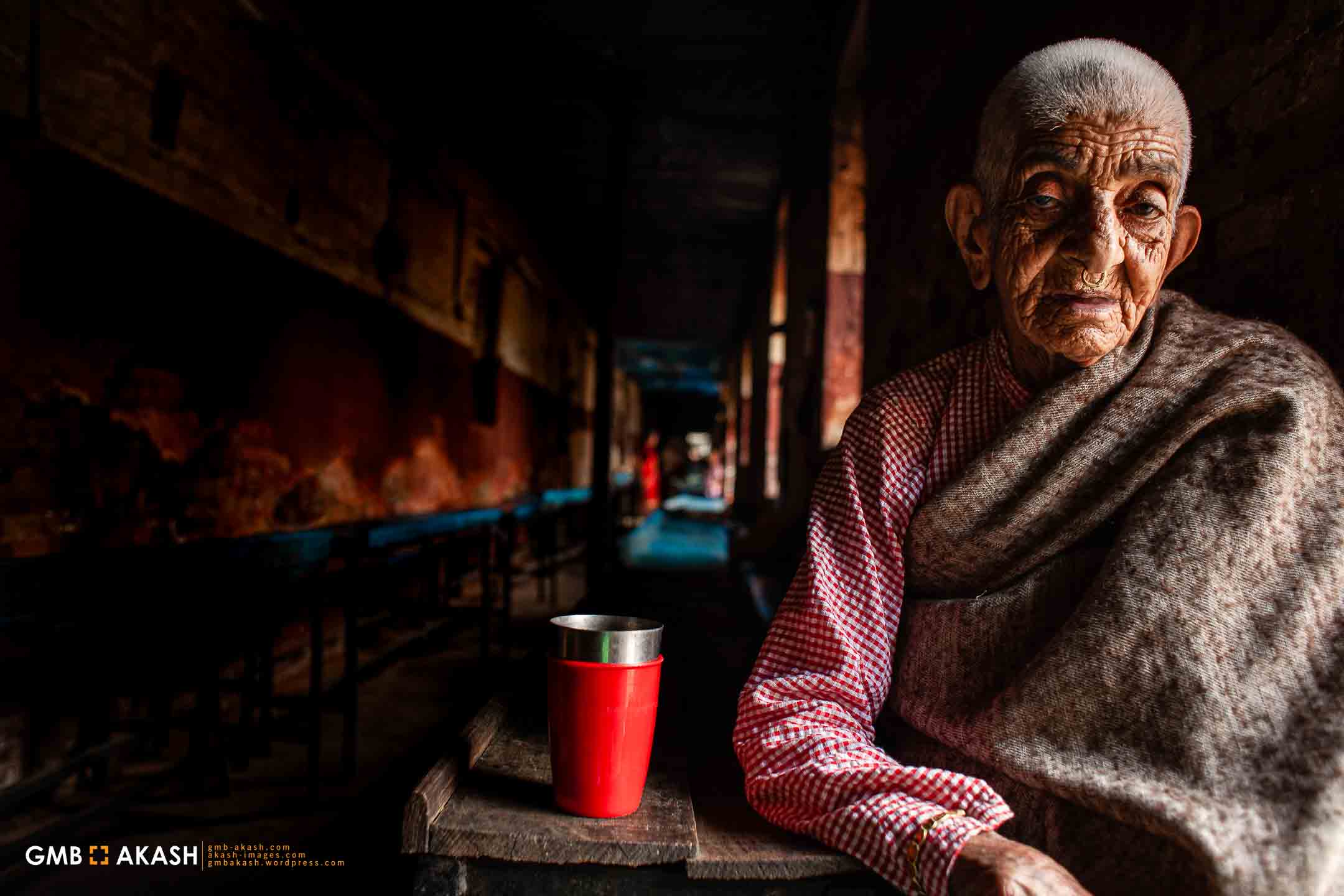

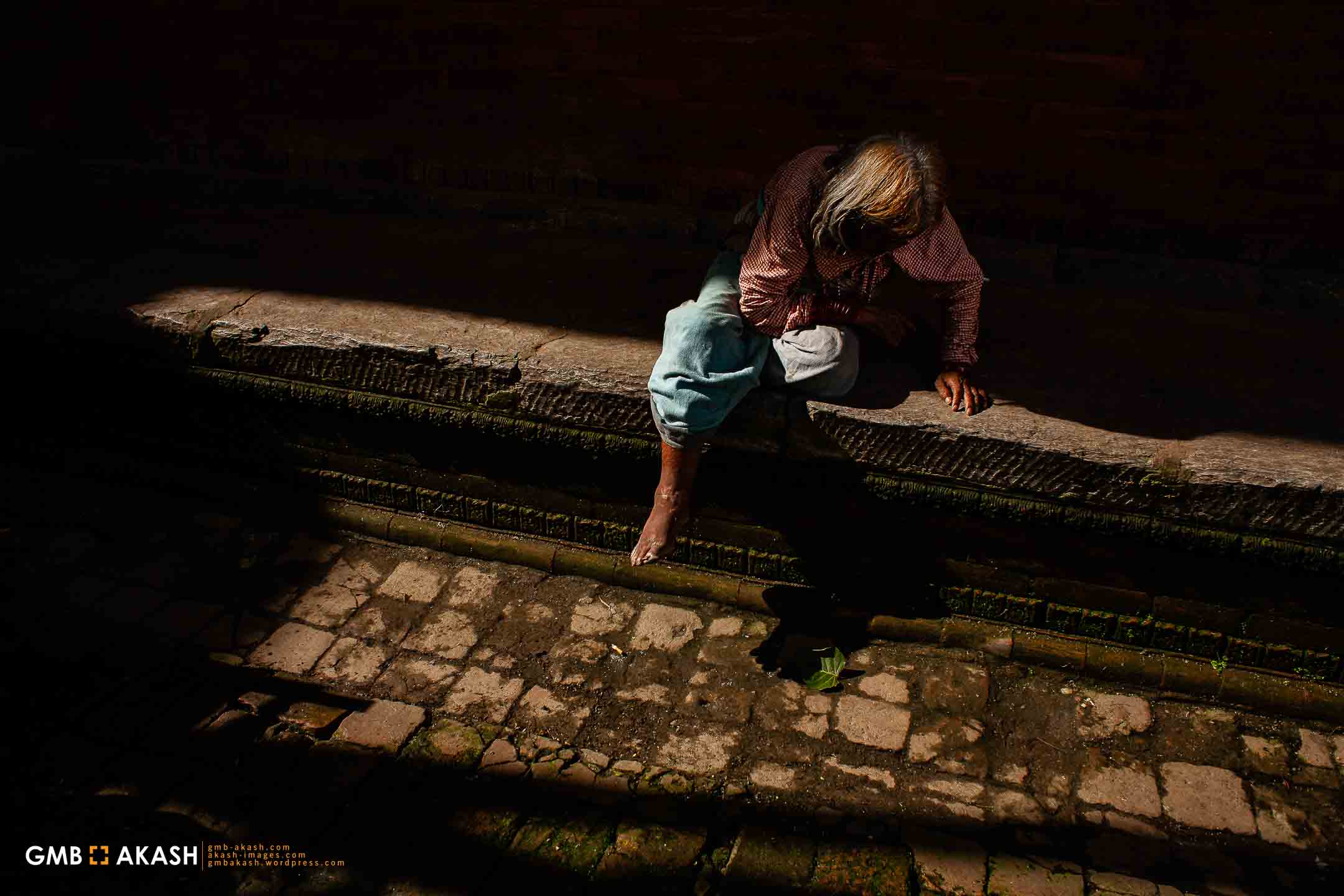
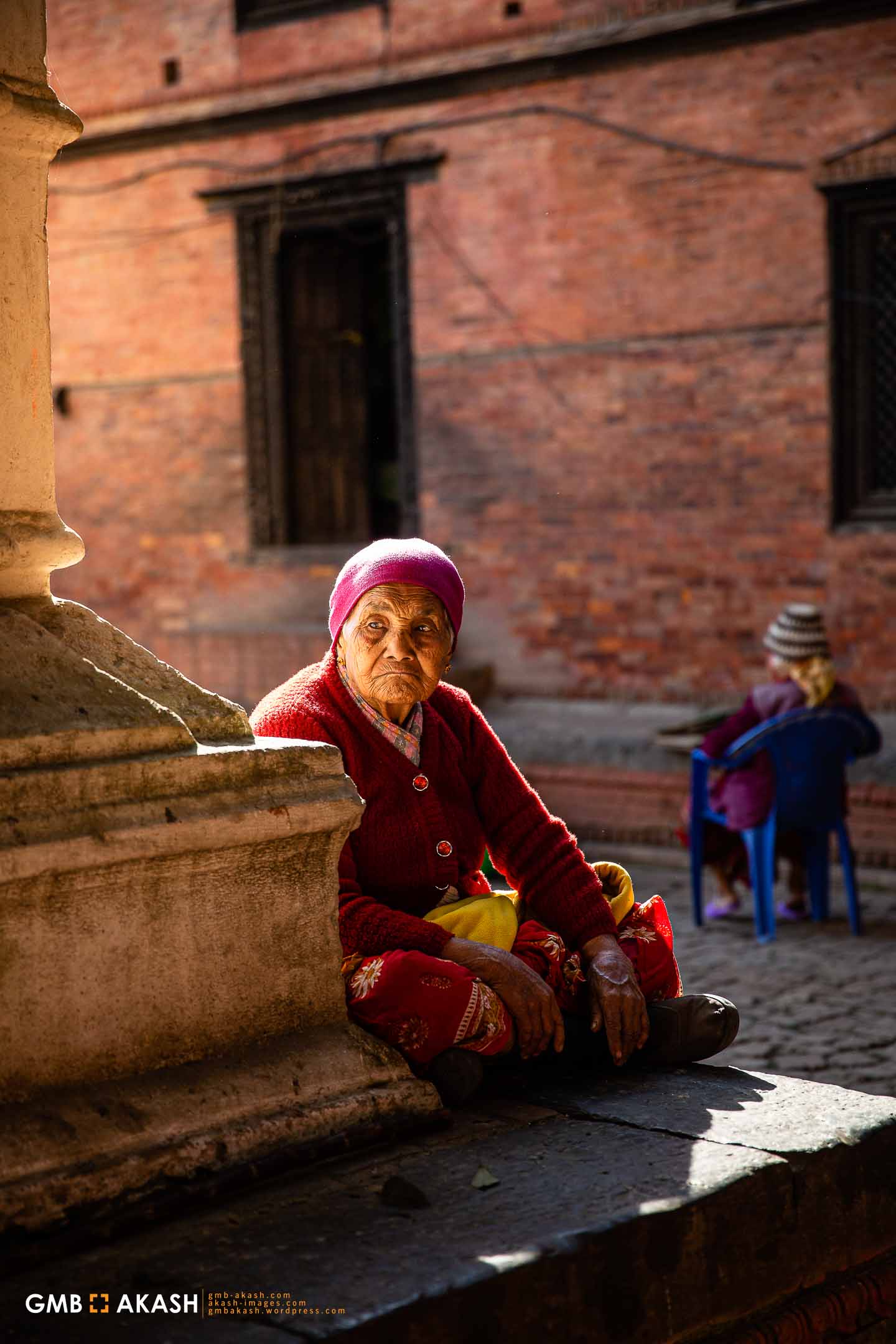
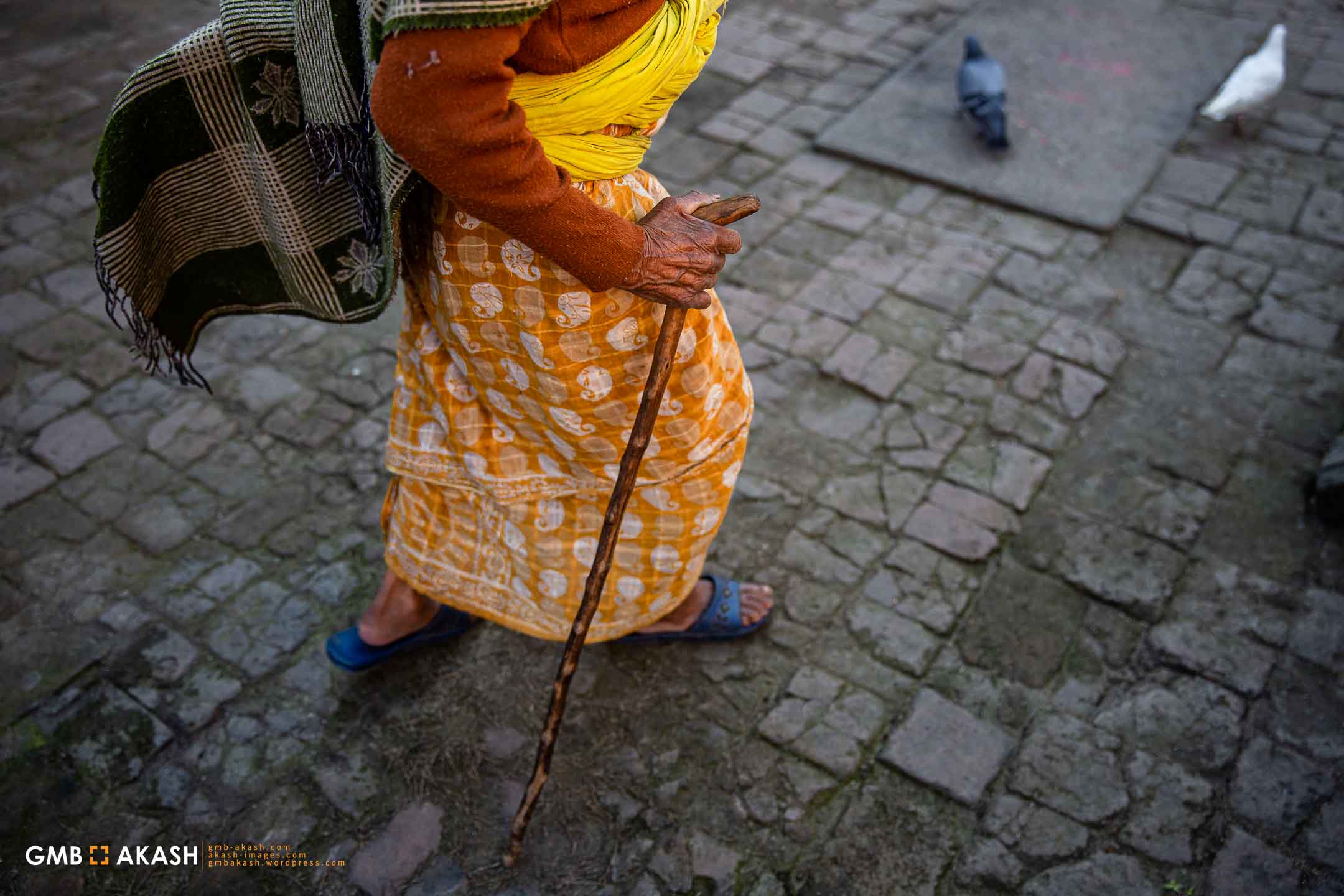
Here, grey-haired residents spend hours idly in the courtyard and on the shrine platform. Some watch you curiously as you pass, while others are engaged in simple tasks like praying or dusting off clothes. The sounds are minimal: the clink of a wheeled support or a faintly playing broken radio.
The Social Welfare Centre Briddhasram, Nepal’s only government-run elderly home, has been operating since 1977. It houses up to 240 people suffering from ailments associated with old age, such as paralysis and failing eyesight.
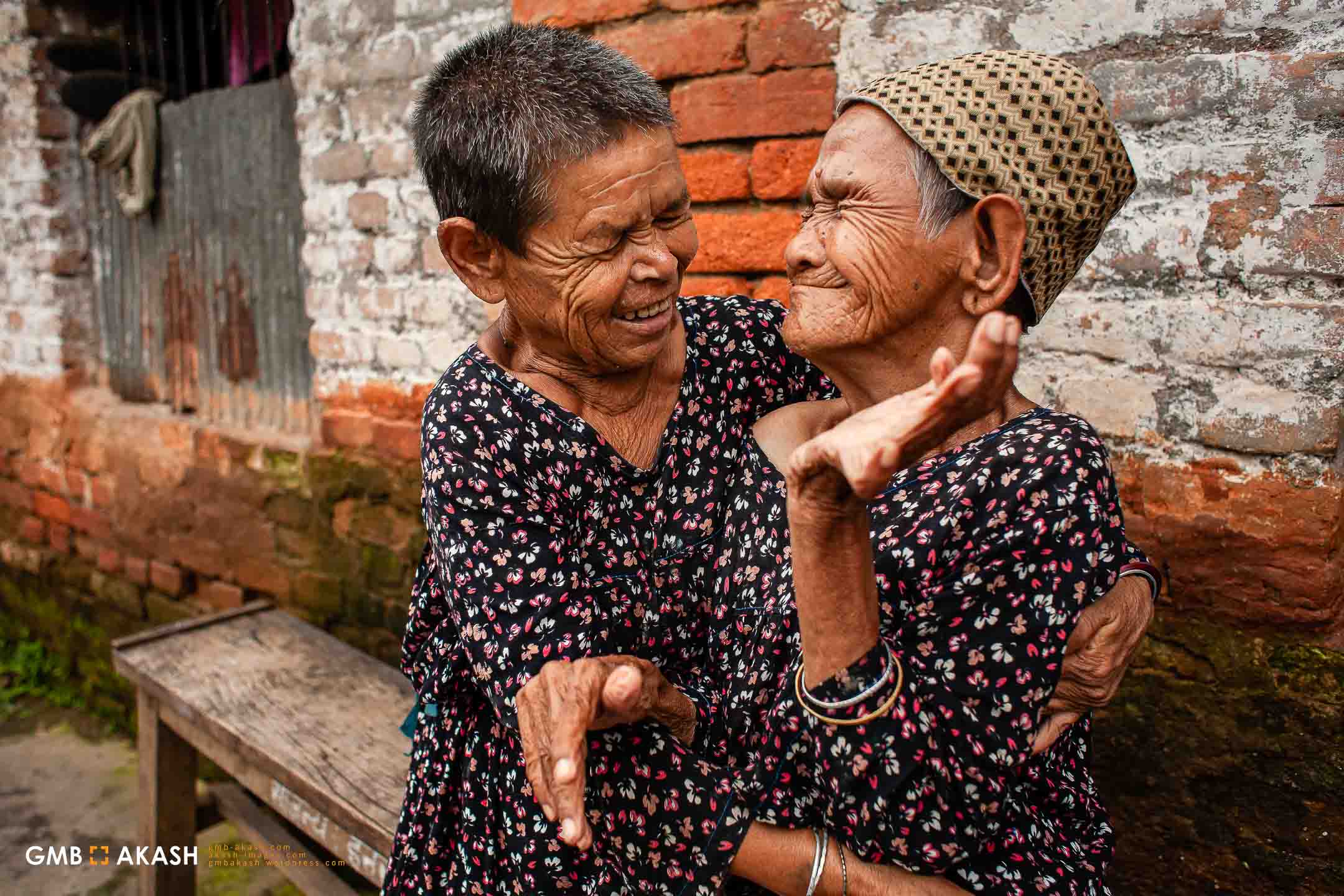
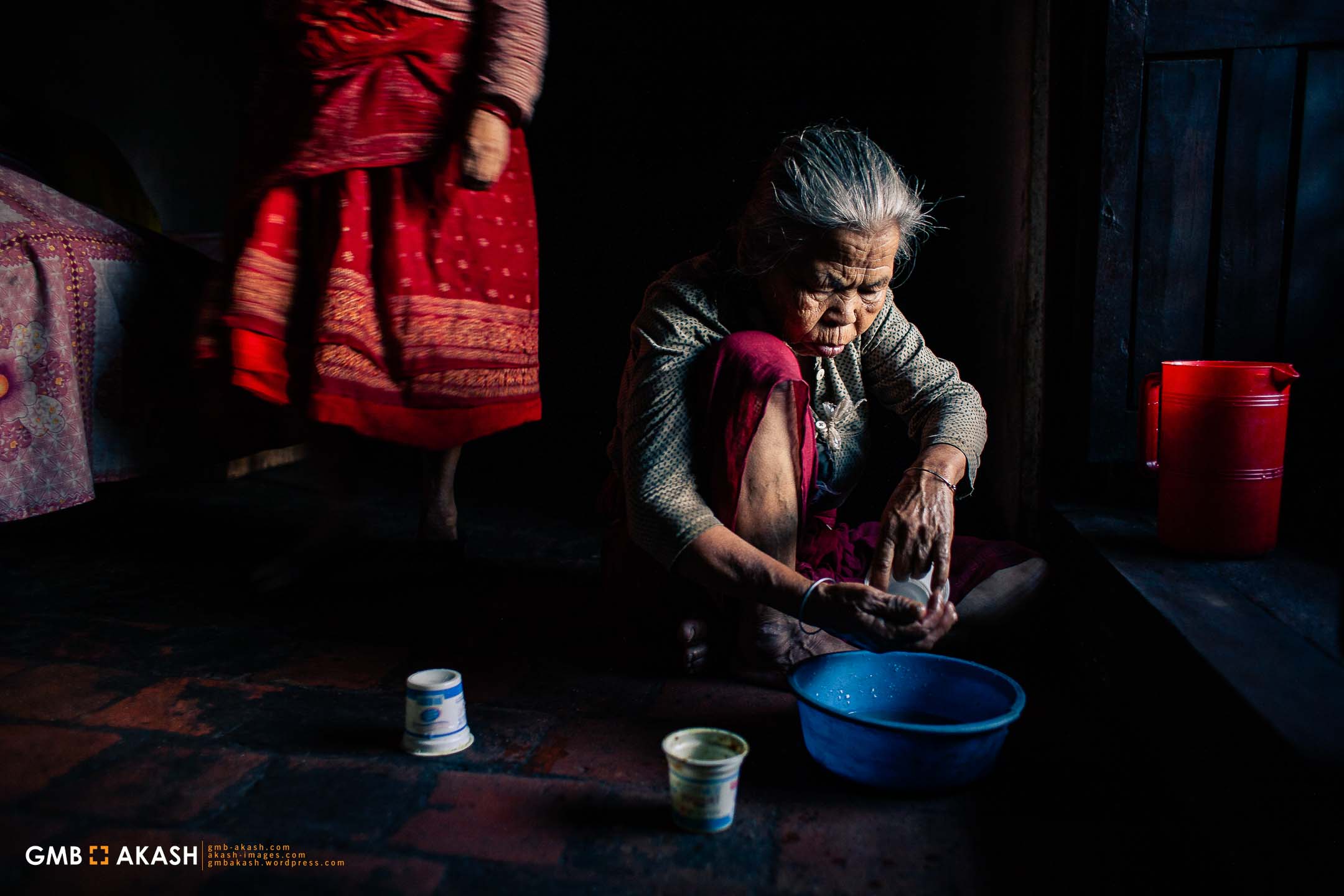
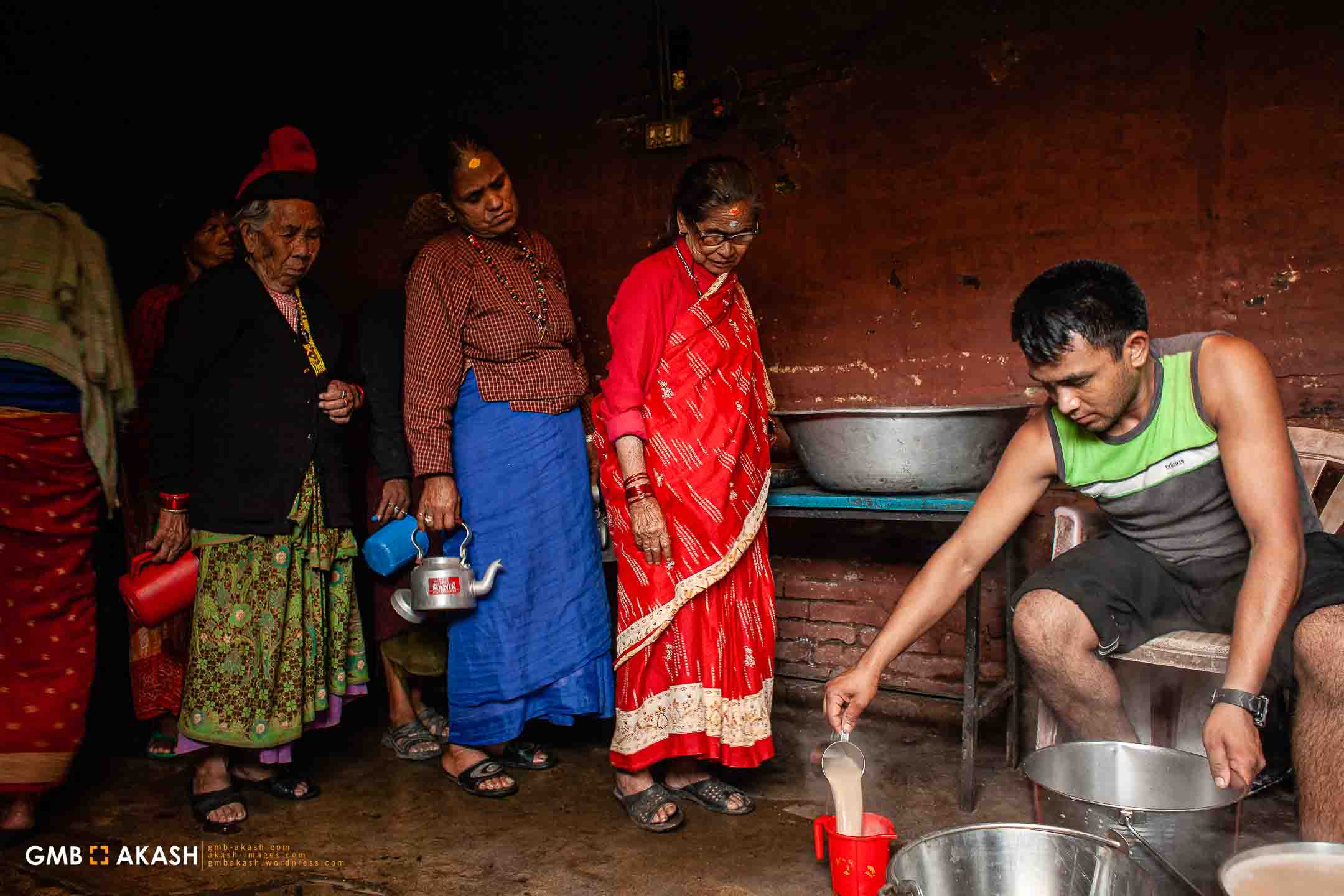
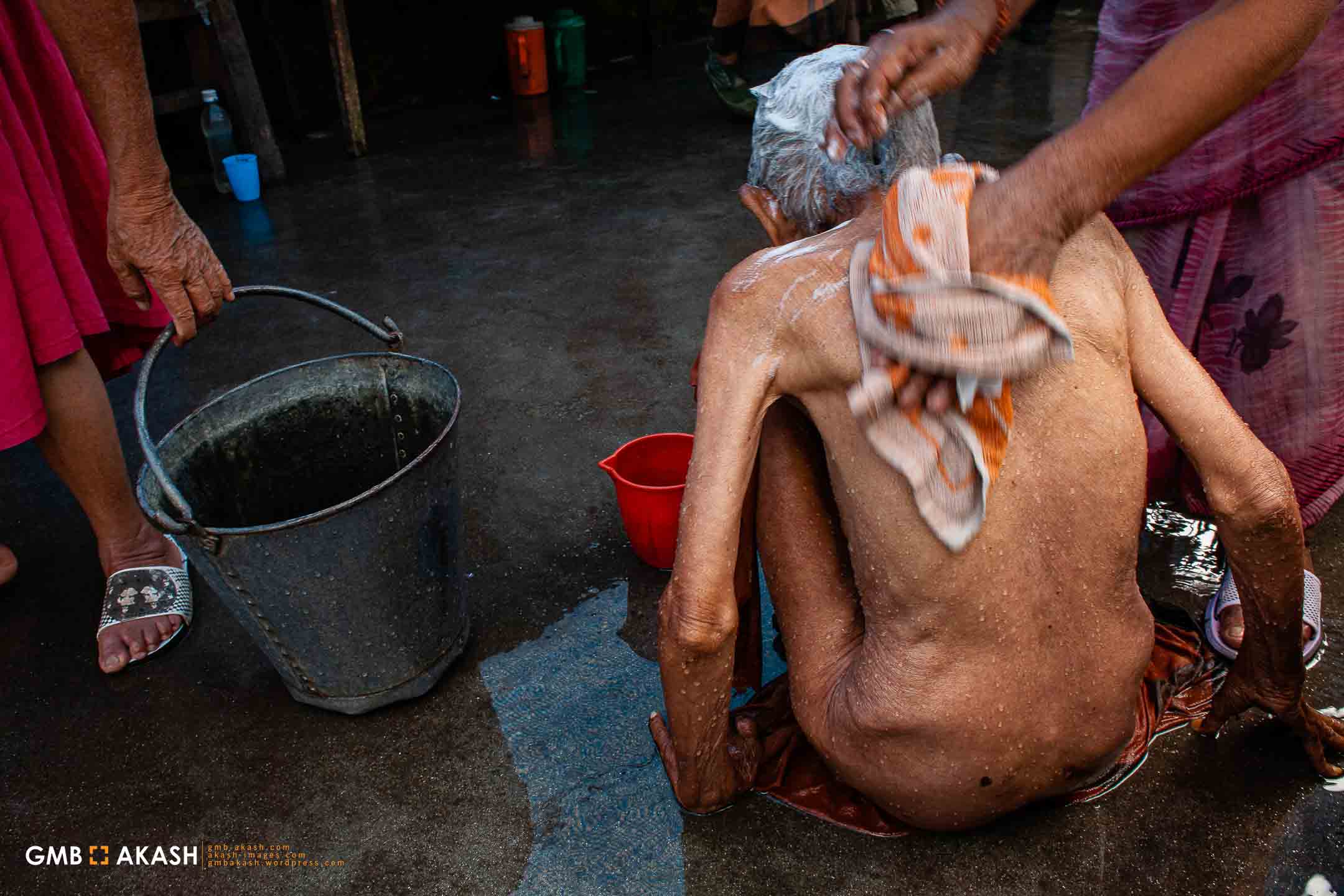
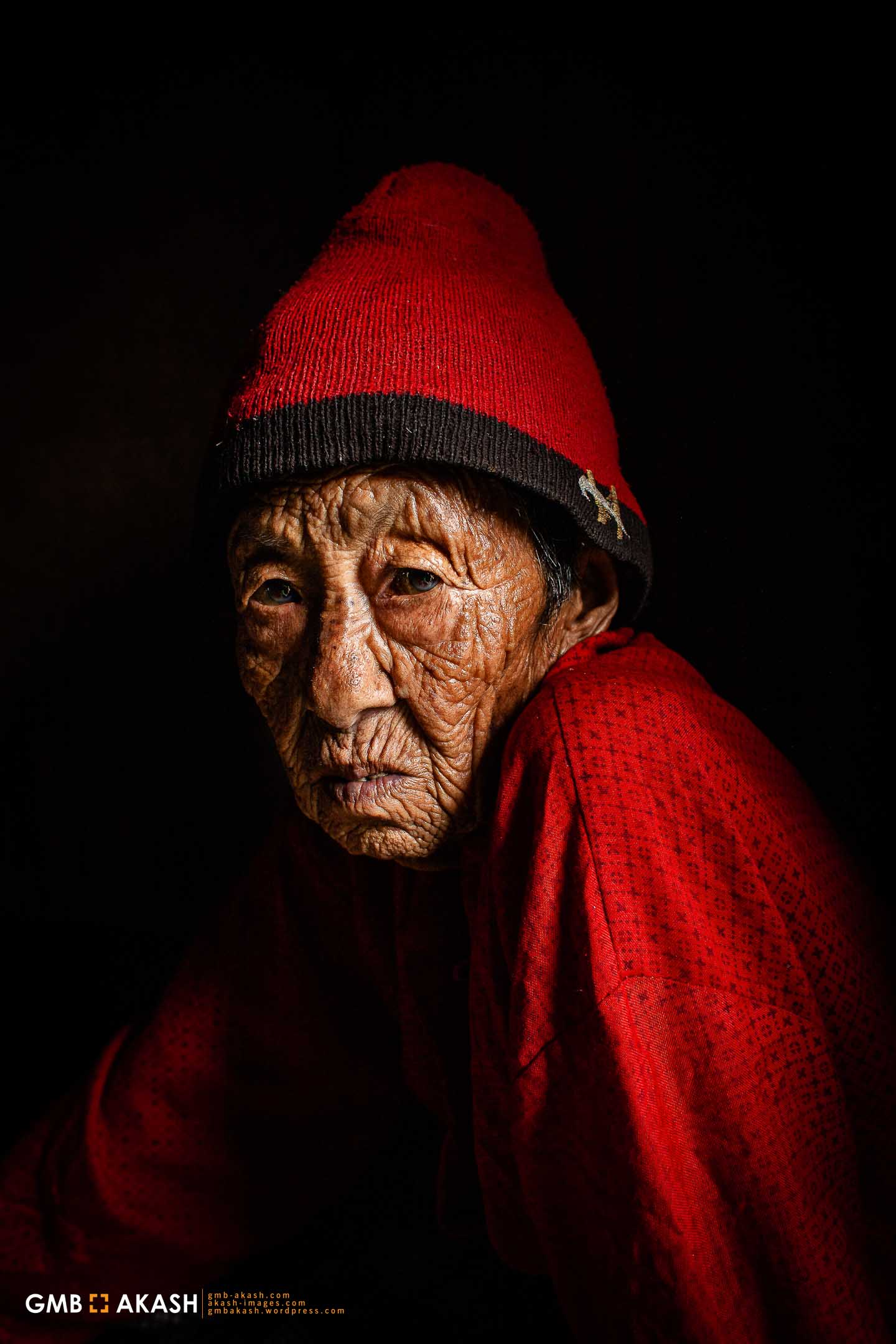
For some, the sight of people at the end of their lives here is disheartening, but for others, it offers a refuge from a fast-paced world. Despite the lack of communication among residents, they live closely together and care deeply for one another, retaining a profound sense of humanity.
Many believe in the moral duty to care for aging parents. I agree; every child should fulfill this obligation, ensuring their parents are not left alone in their final years.
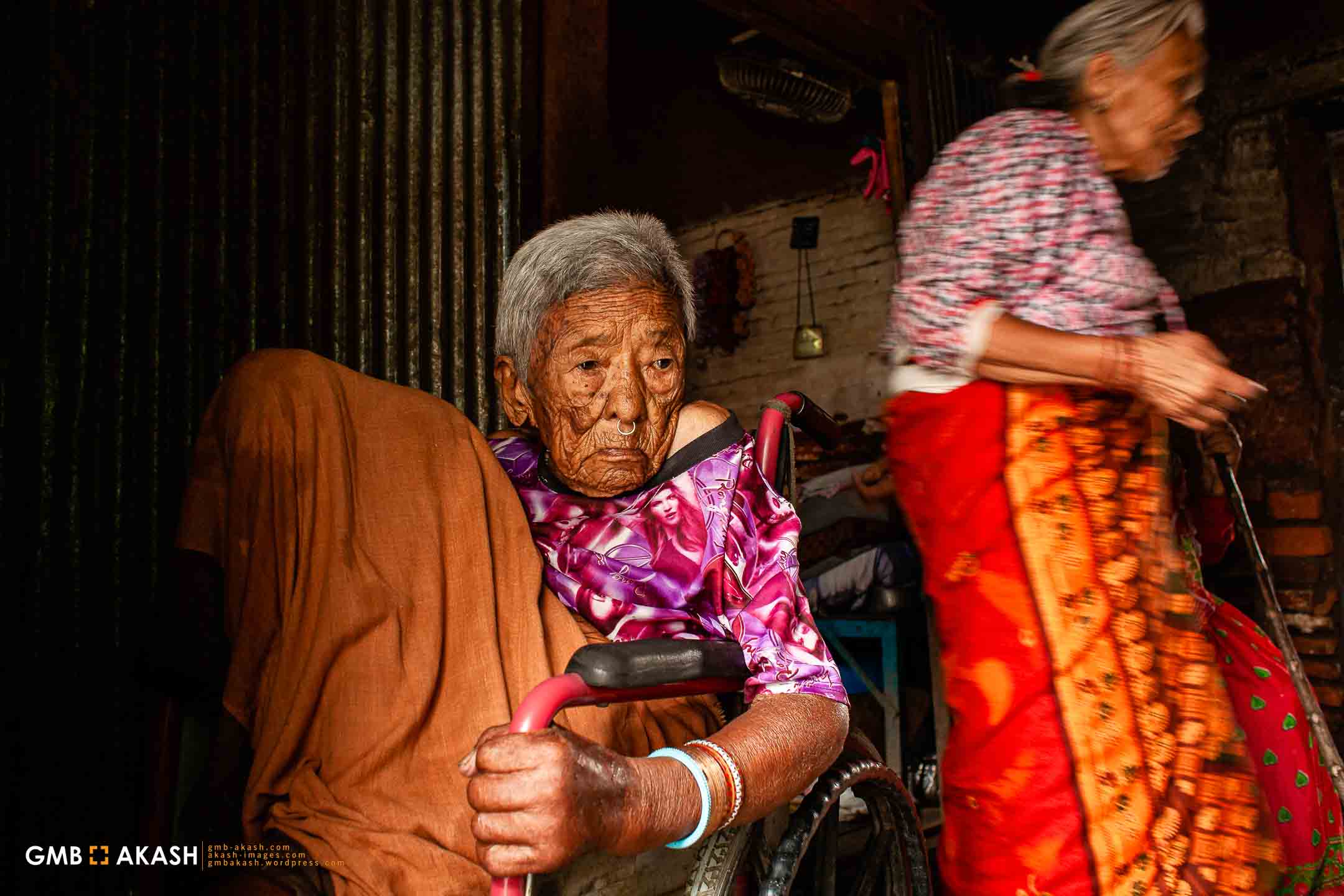


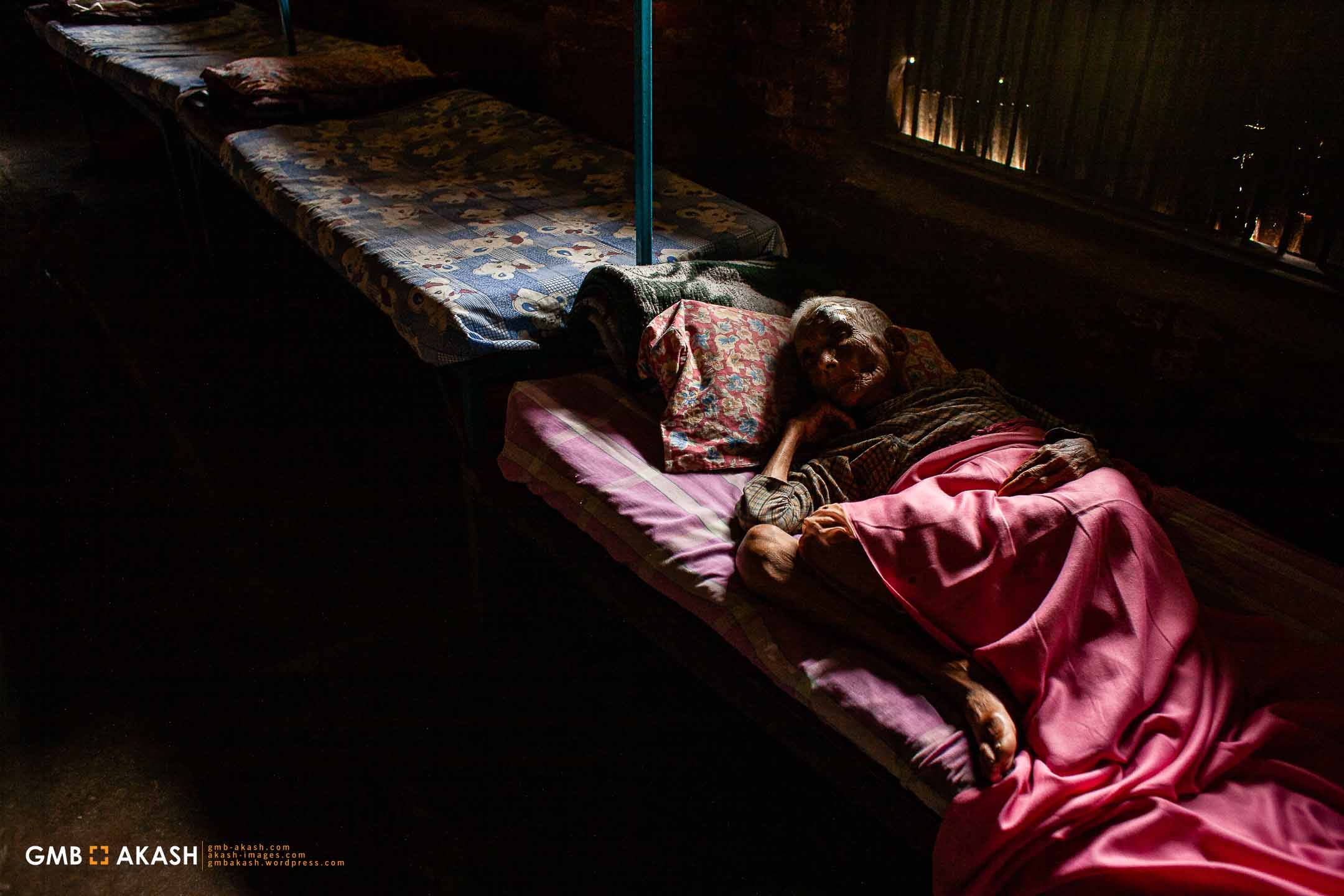


“Through my lens, I listen to their silent voices in solitude and silence, capturing their pain and stories. My camera merges with their suffering, preserving their silent wounds.” – GMB Akash
 GMB AKASH