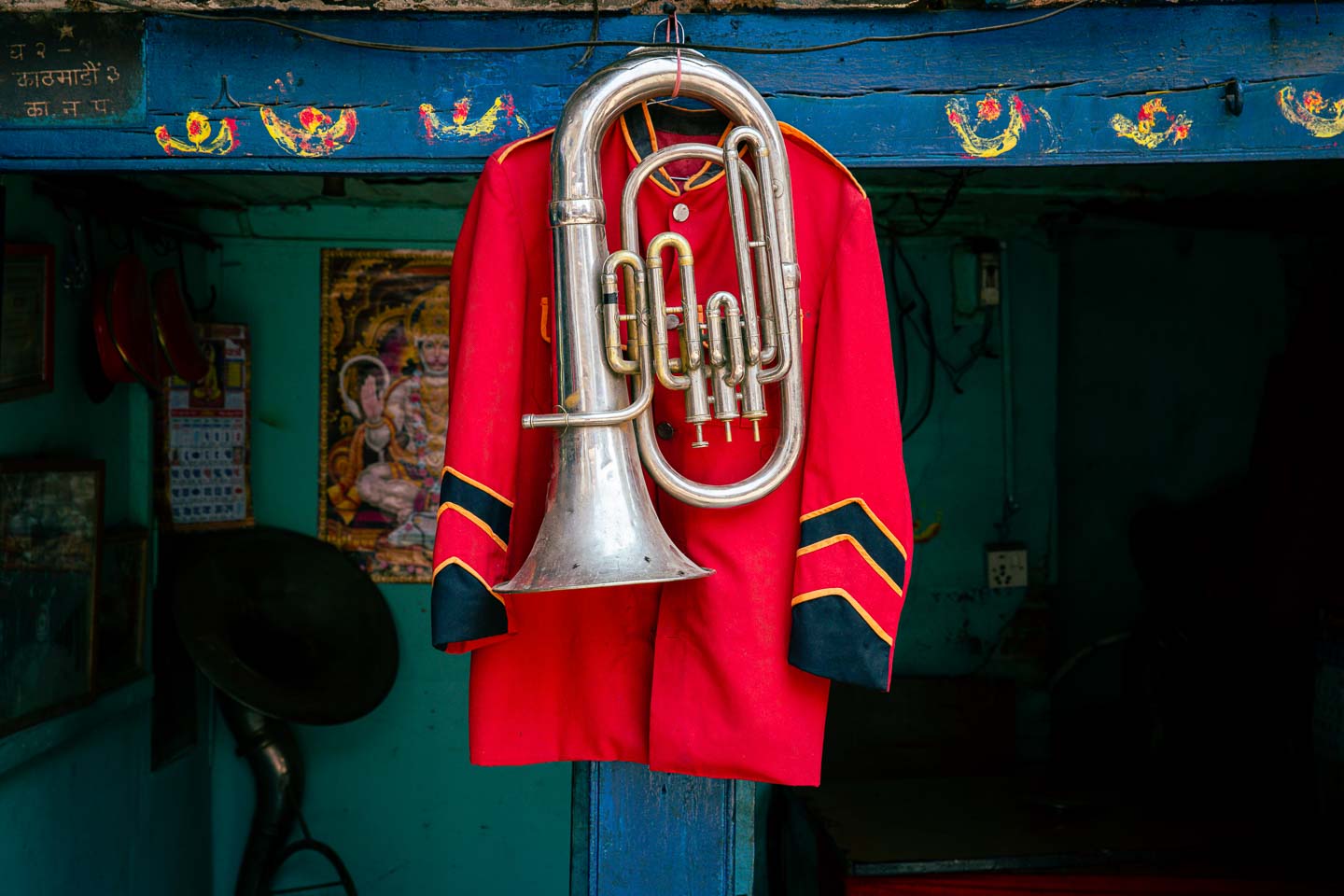
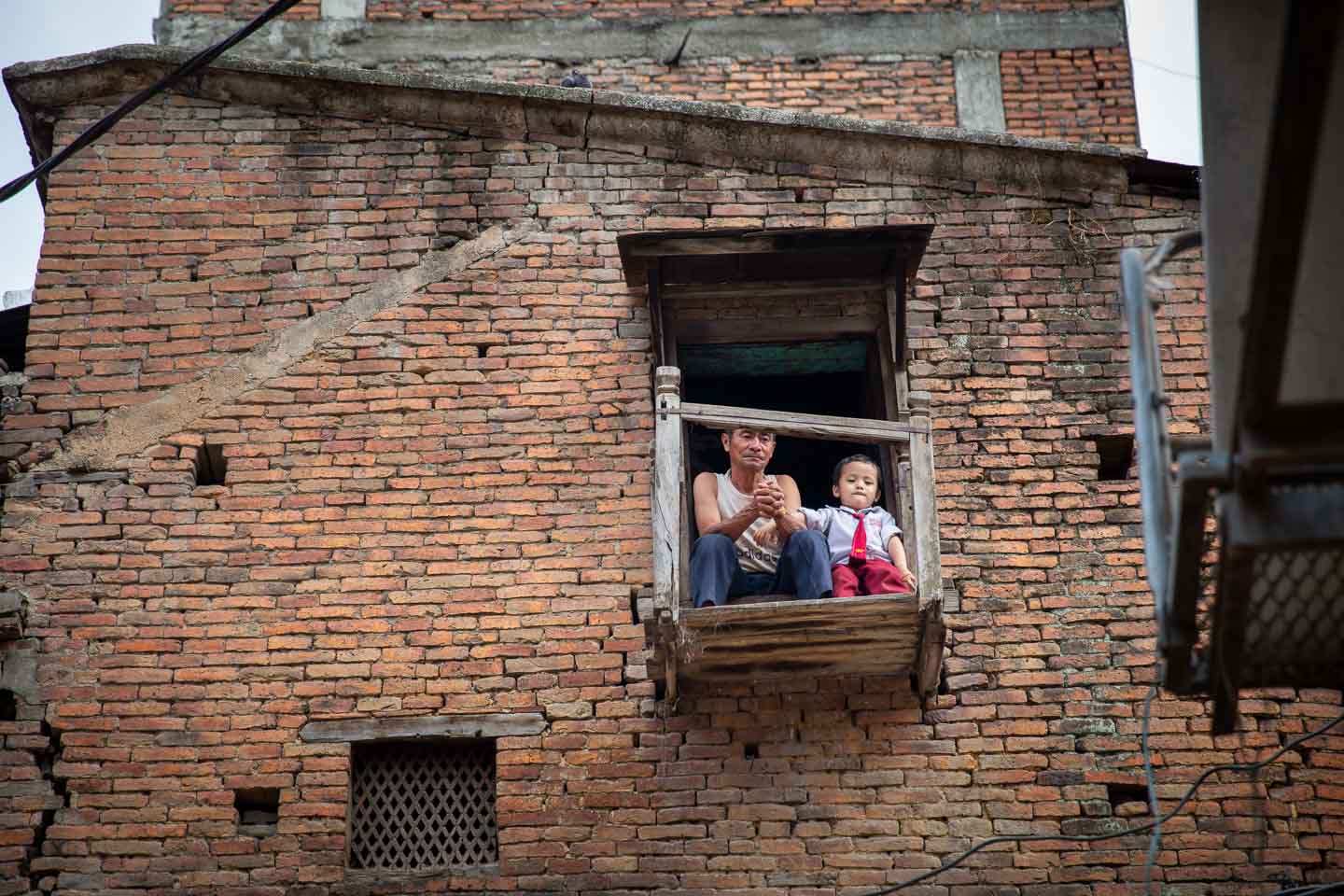
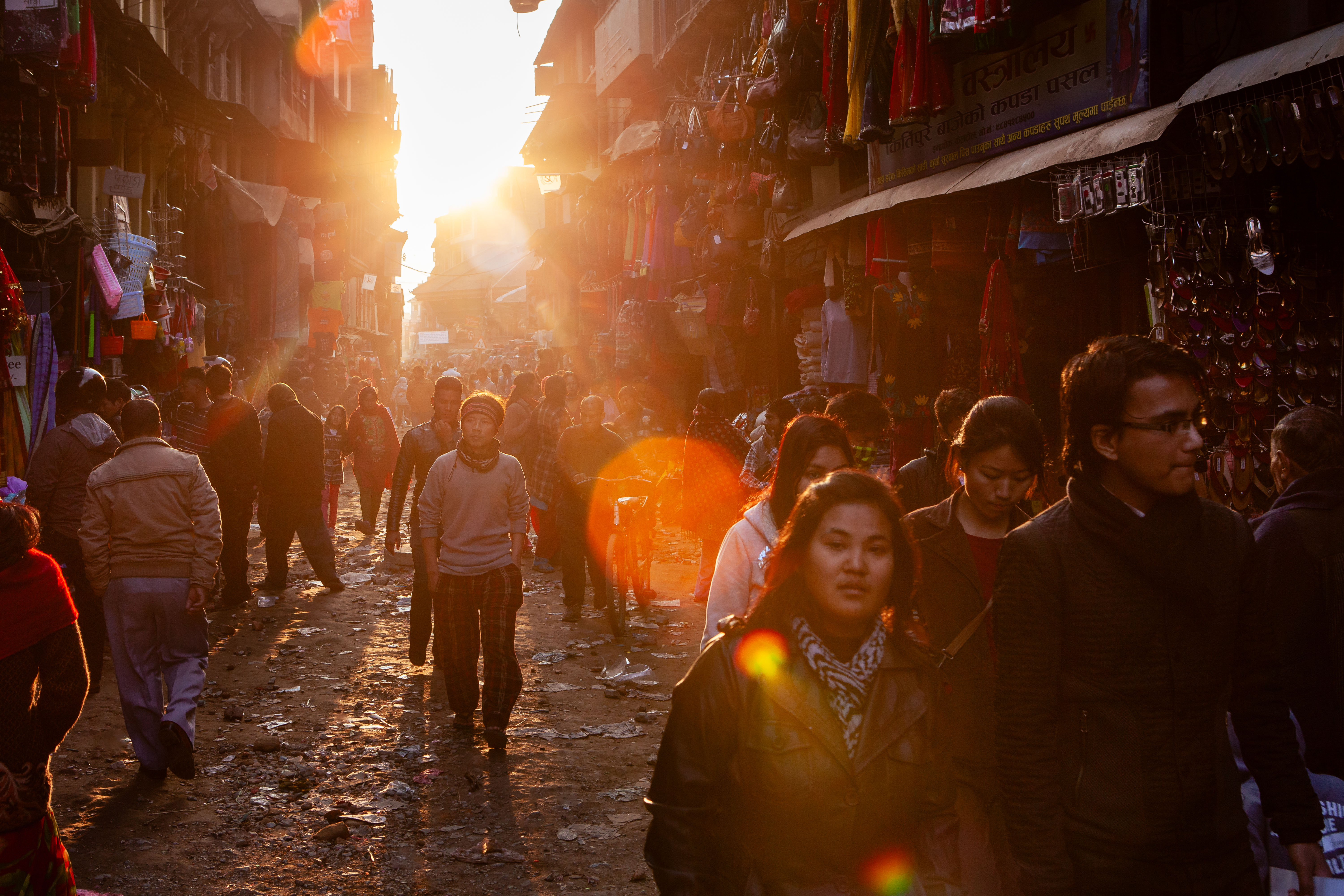
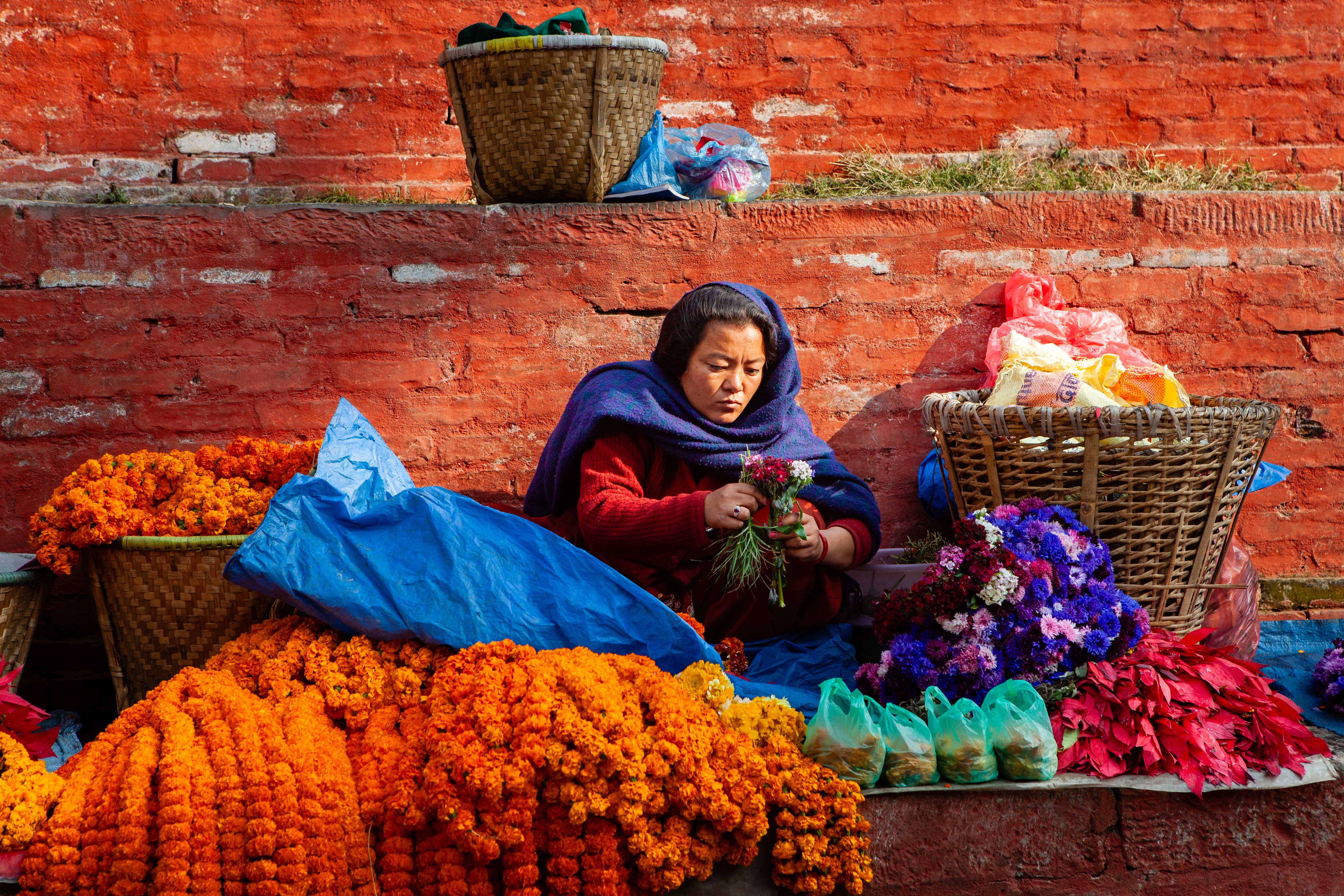
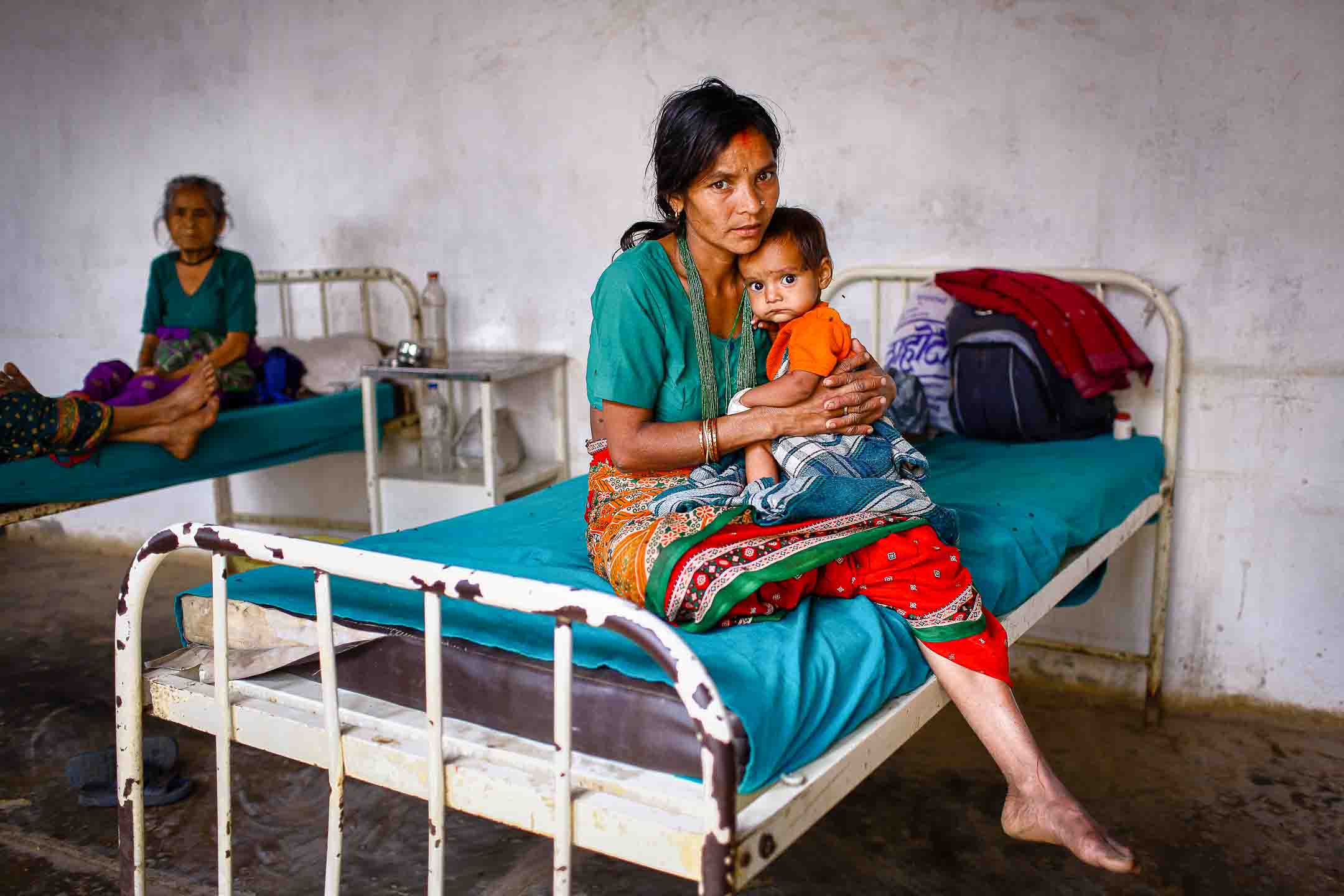
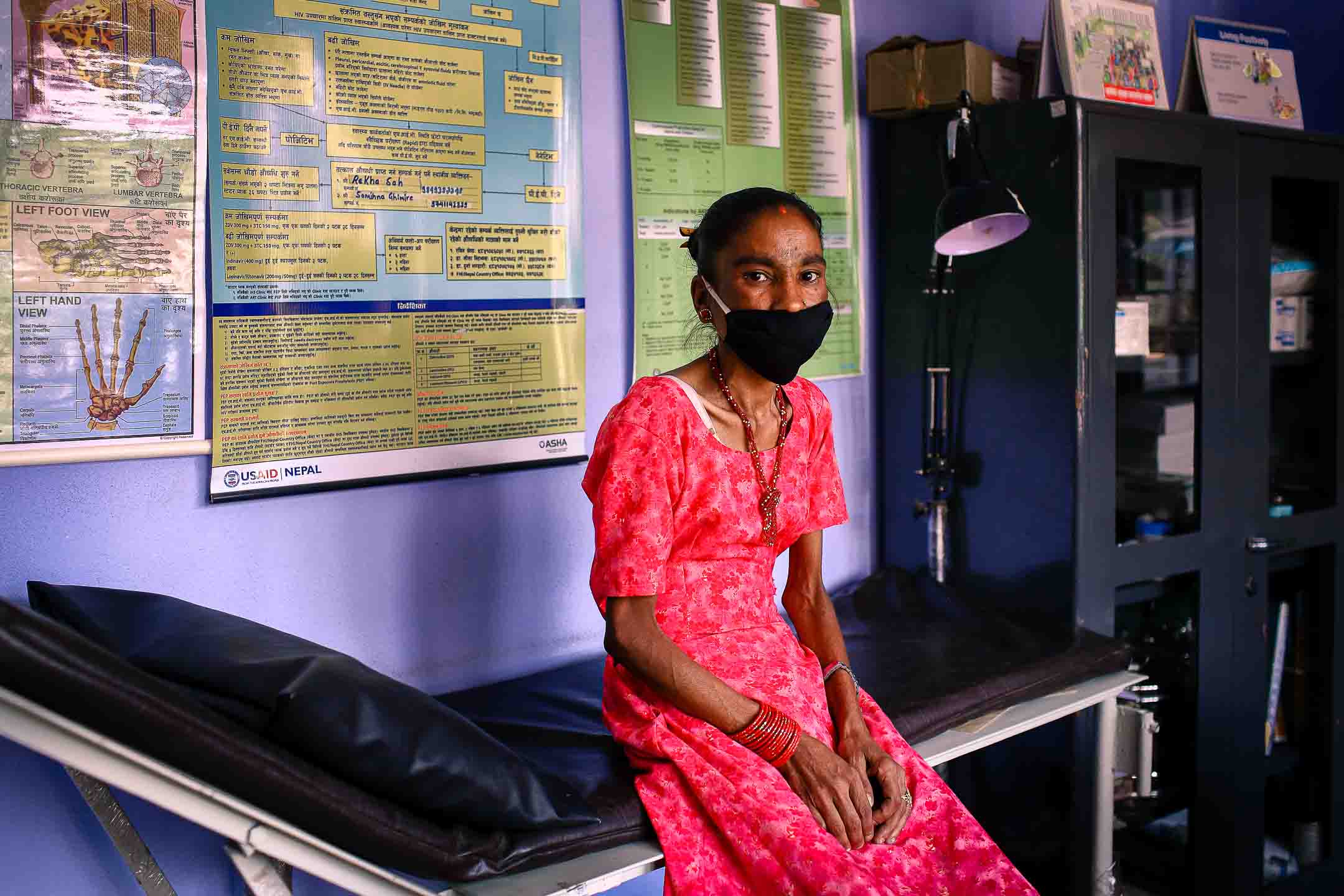
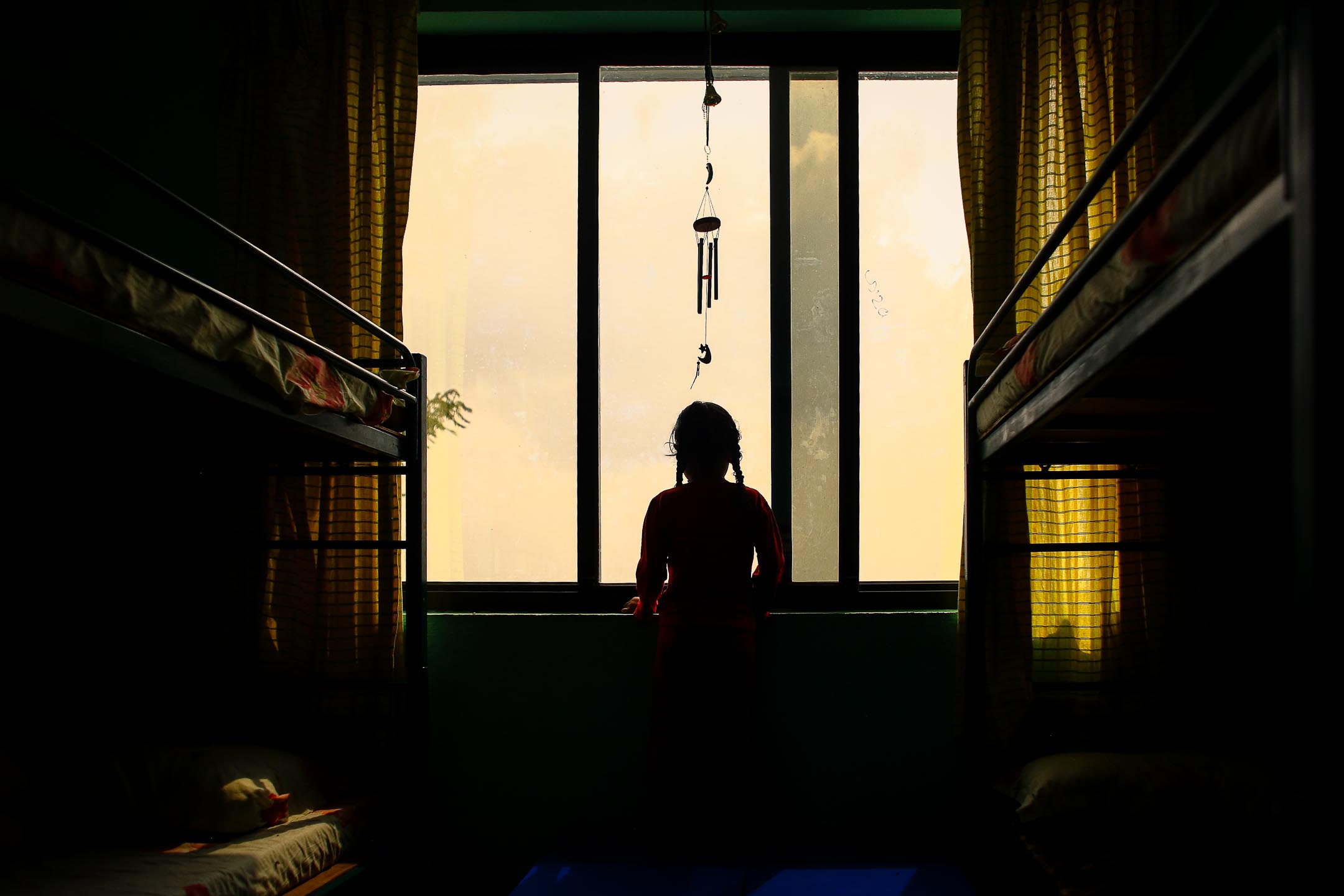
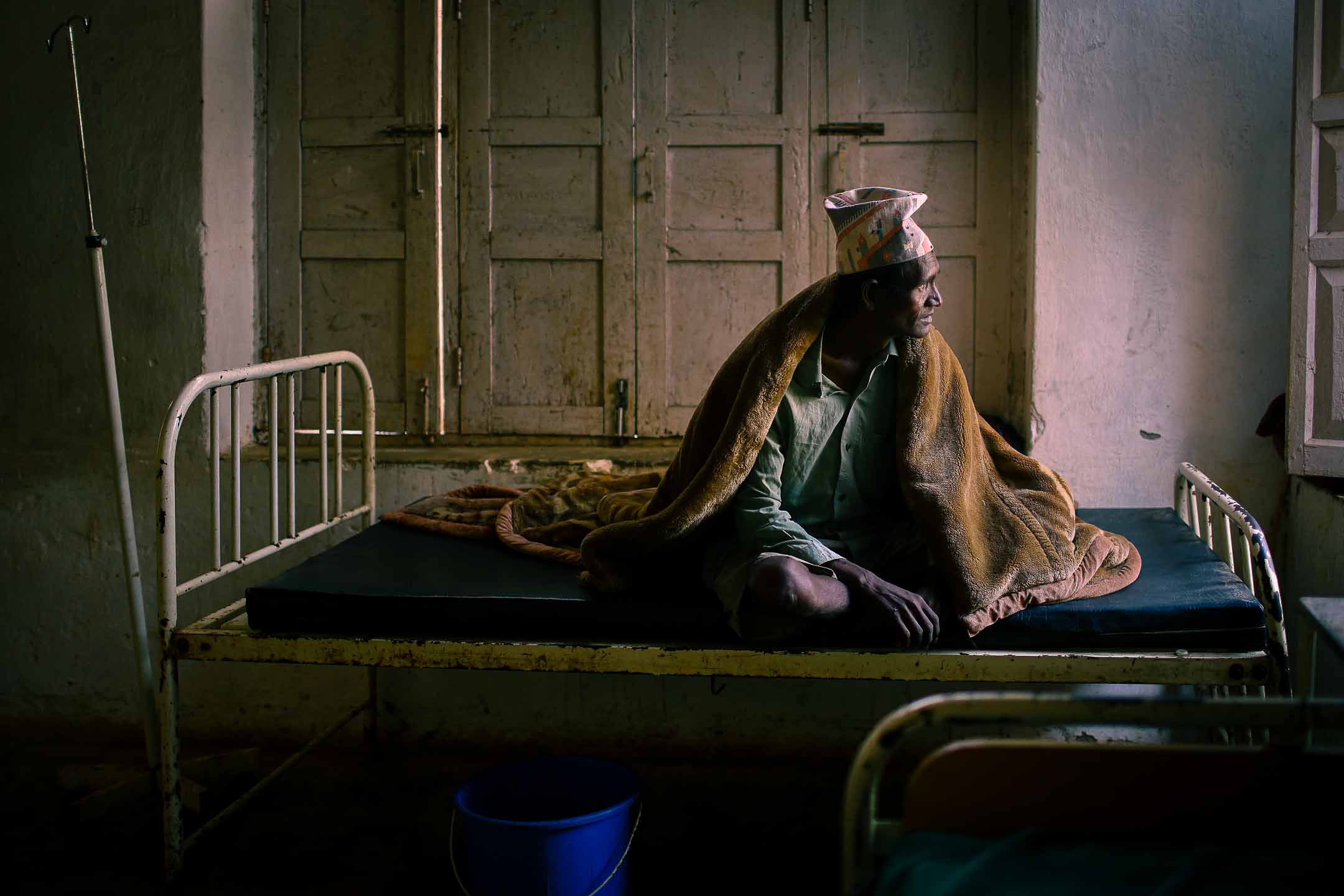
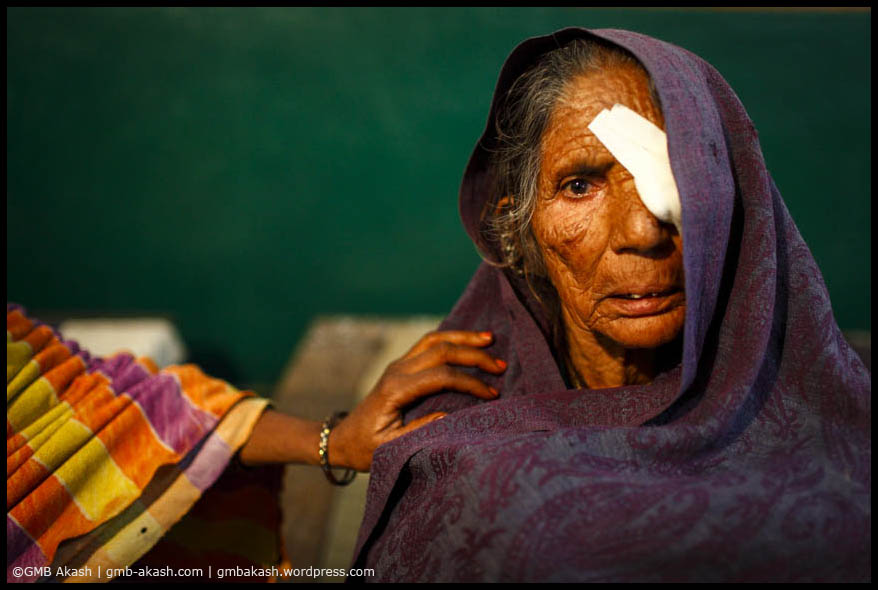
The Magic and Soul of Nepal!

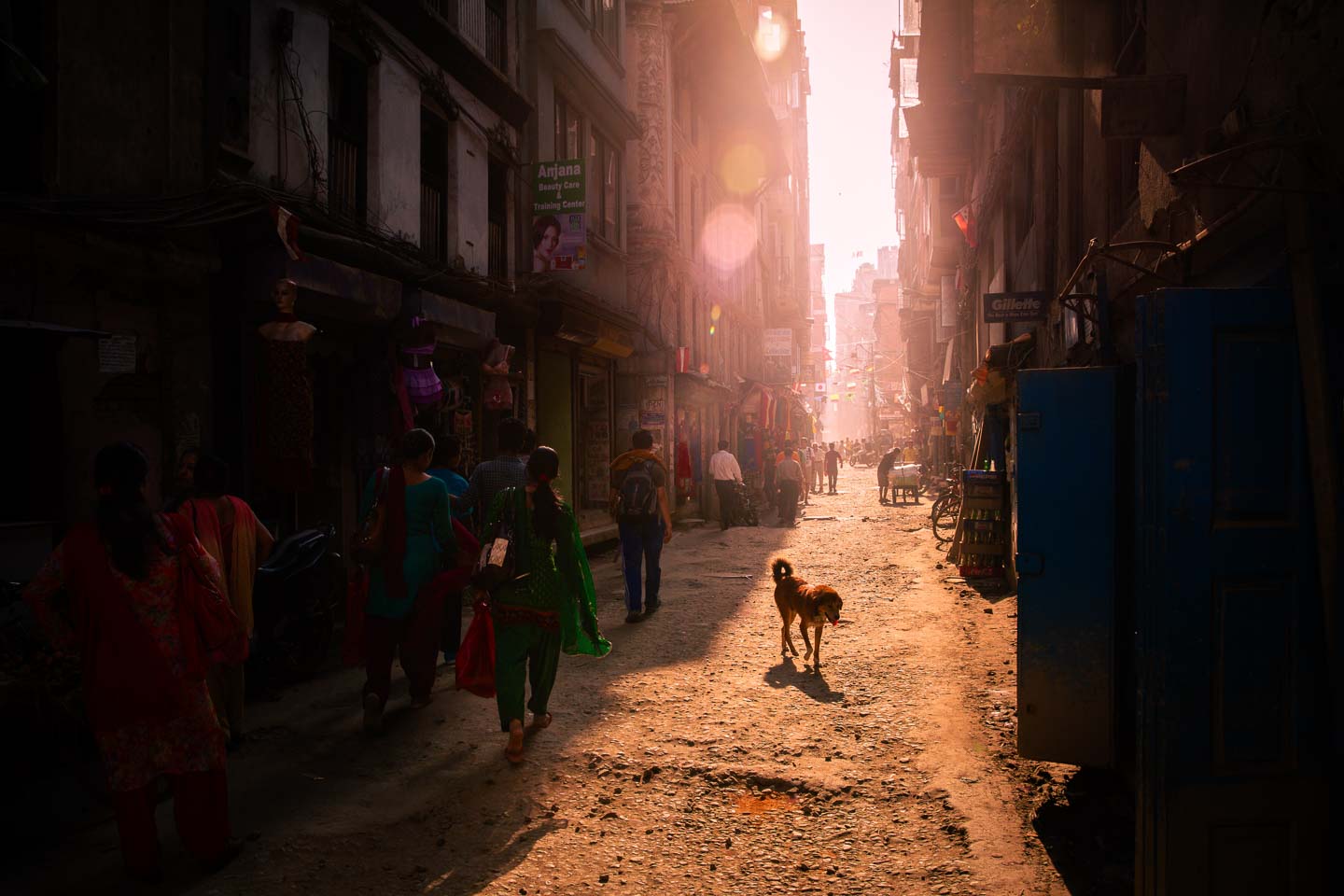
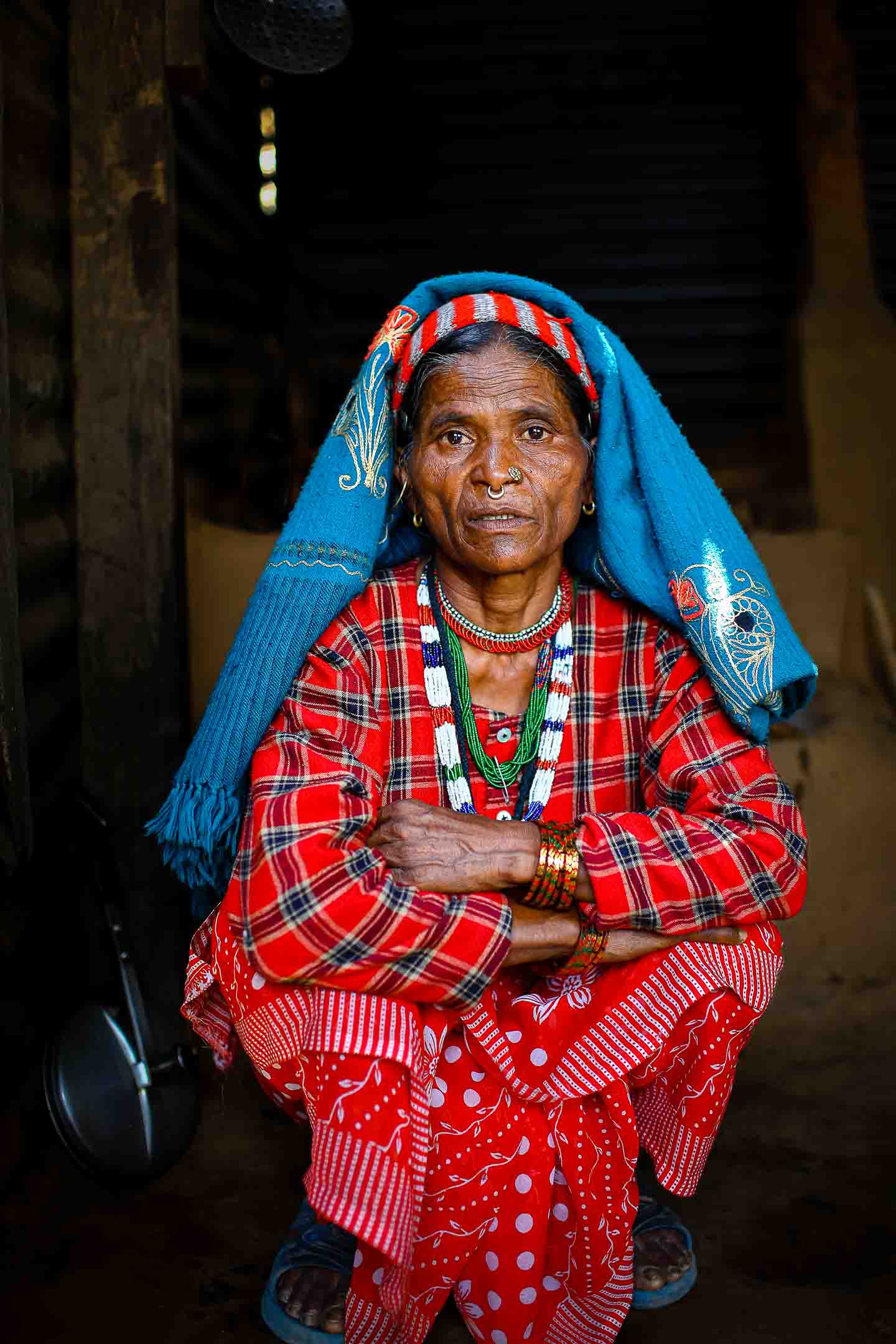
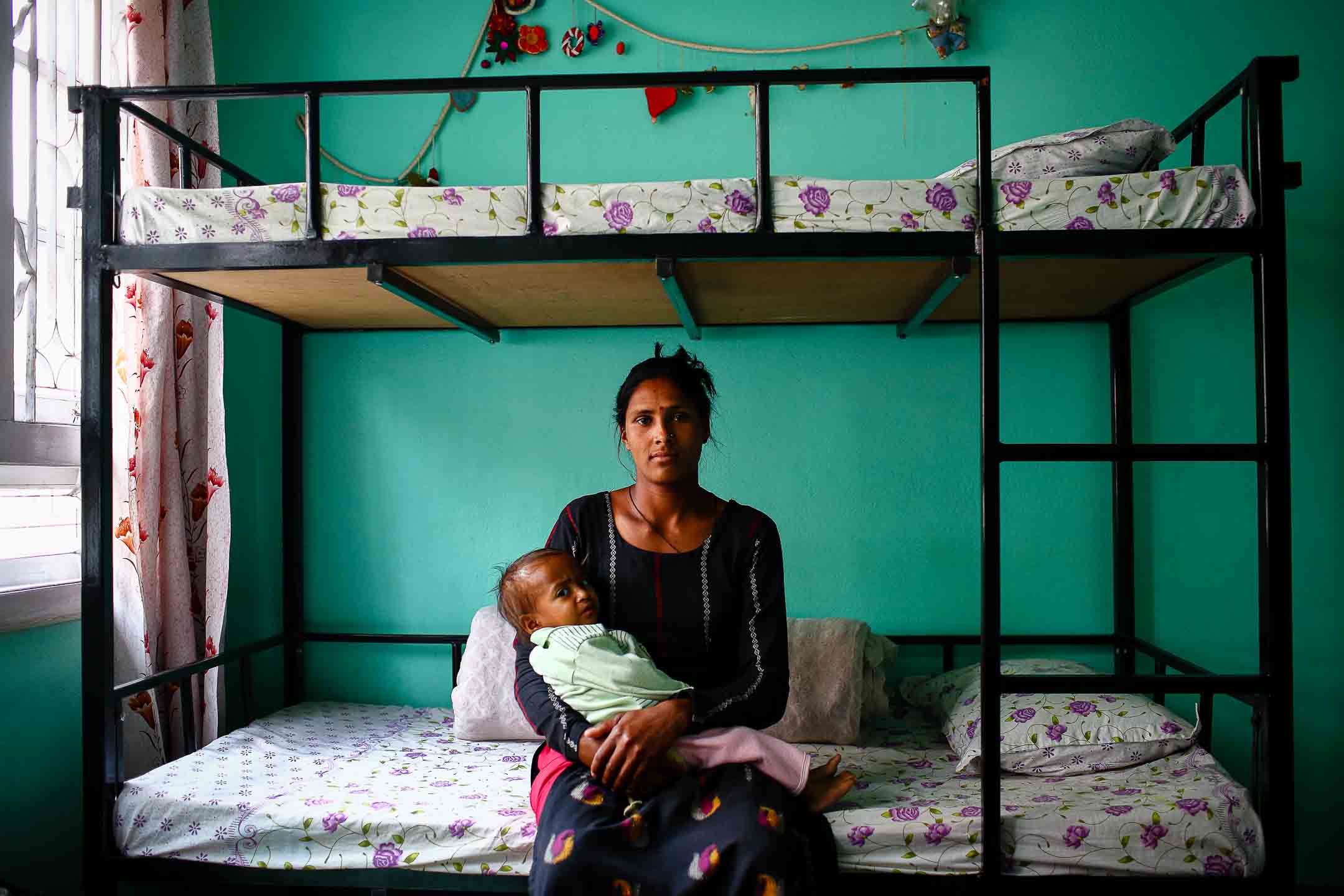
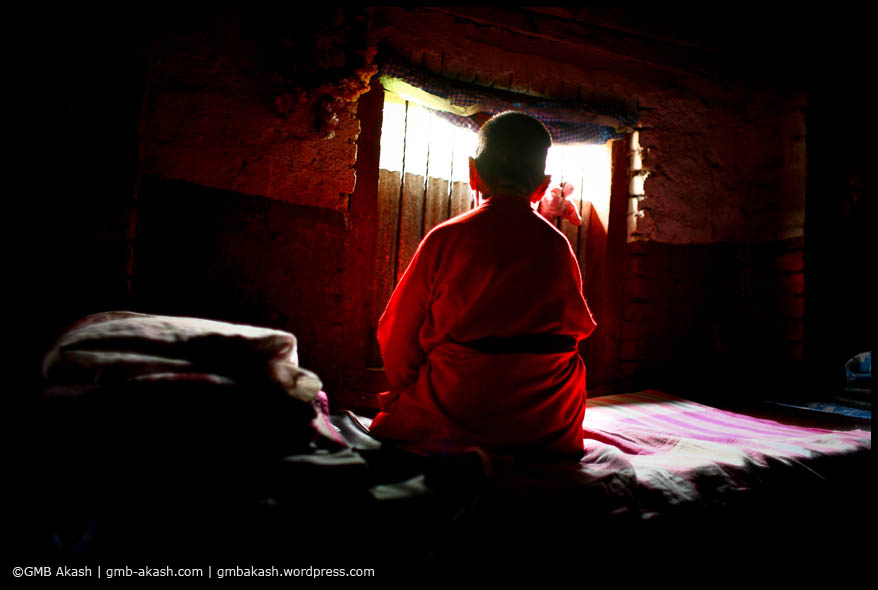
Nepal holds a special place in my heart. I’ve traveled there more than 30 times, yet every visit feels as exciting as the first. There’s an almost otherworldly charm to this land—the crisp air of the mountains, sunrises that set the Himalayas ablaze with gold, and ancient temples that seem to whisper stories from centuries past.

The streets pulse with life, prayer flags flutter in the breeze, and the scent of incense drifts through winding alleys, mingling with the deep, meditative chants from monasteries. But above all, it’s the people who make Nepal truly extraordinary. Their kindness, strength, and ever-present smiles create a warmth that feels like home. No matter what challenges they face, they welcome you with open arms and hearts full of generosity.

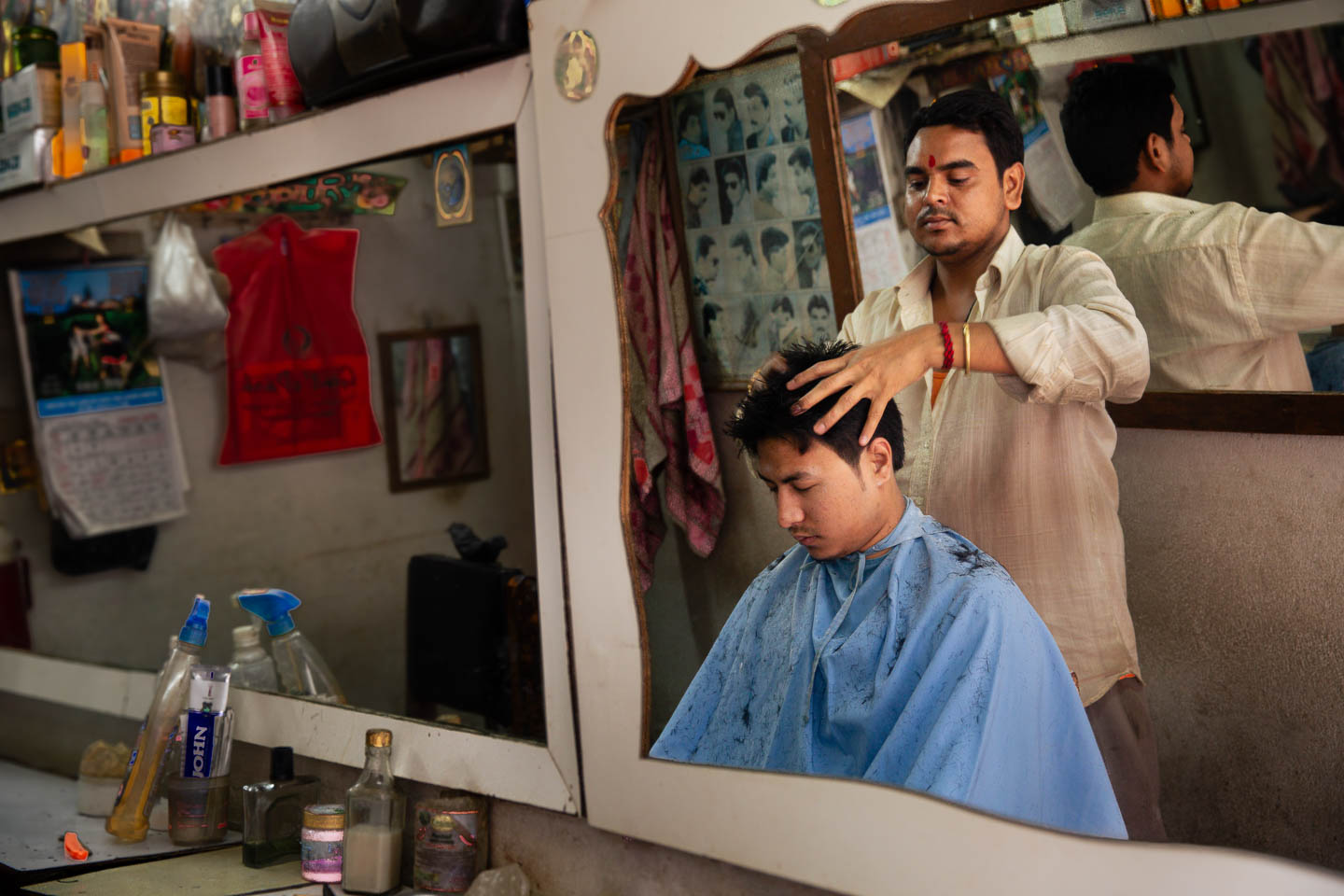
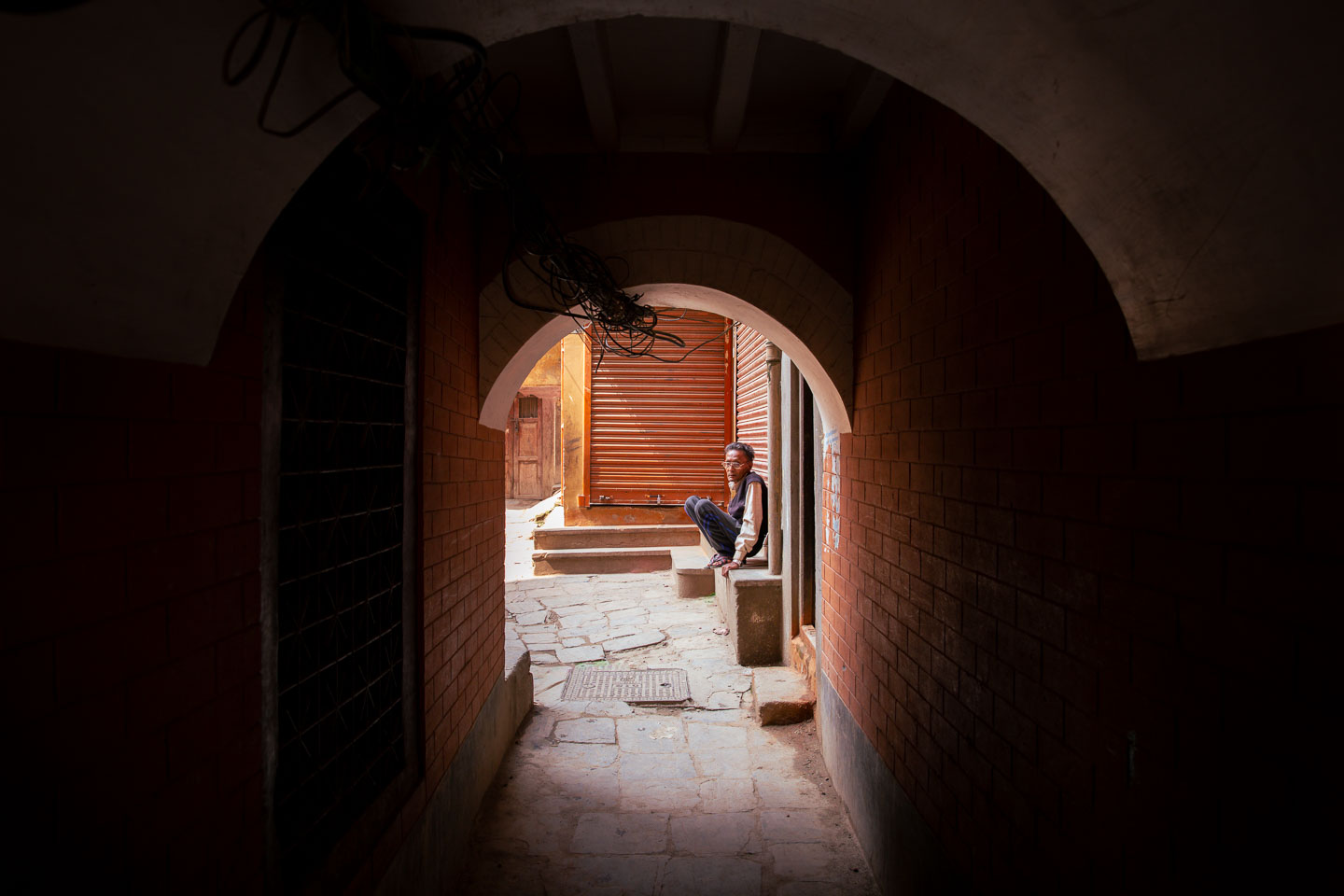
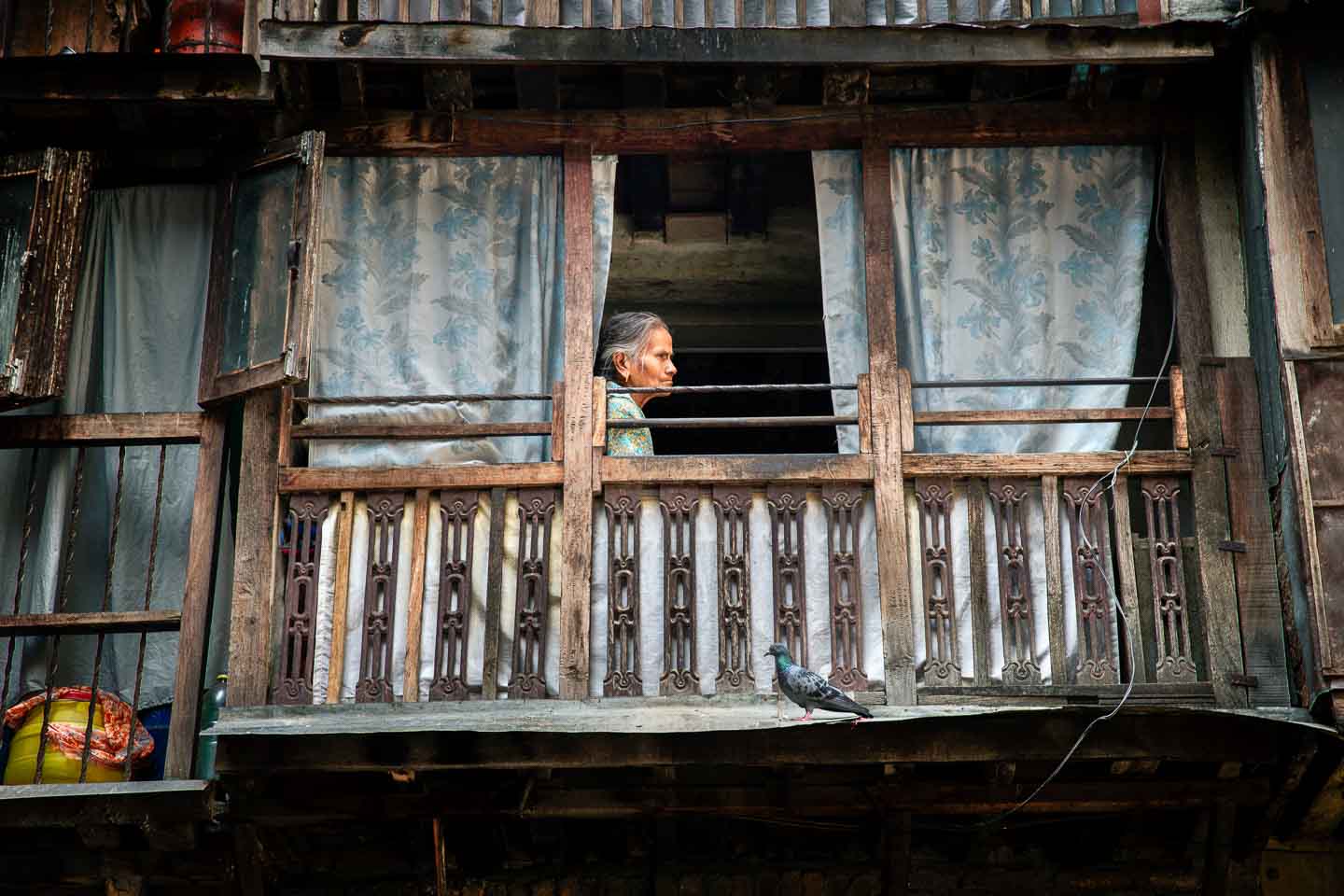
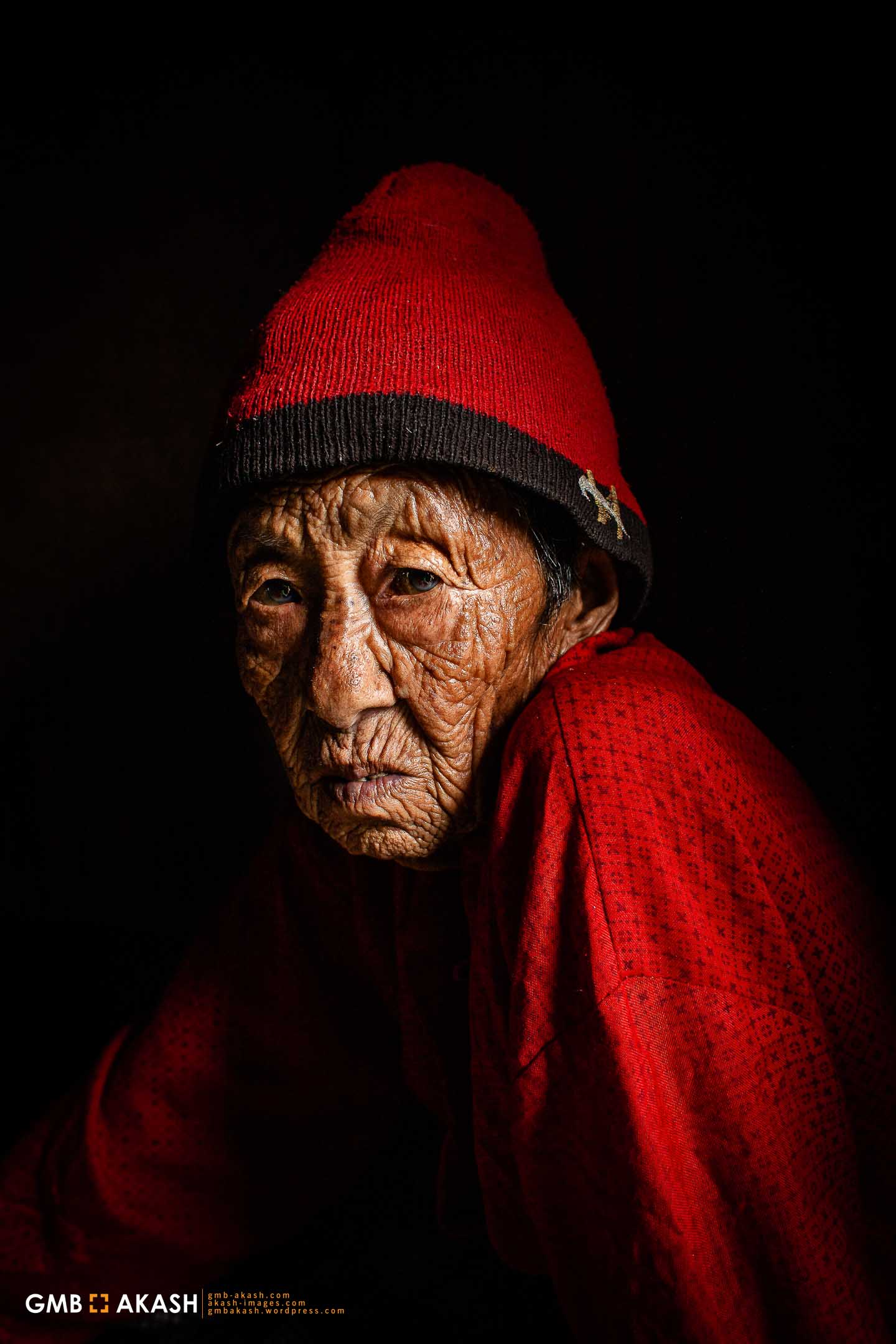
For a photographer, Nepal is an endless source of inspiration. Every corner hides a new discovery—a sunlit alley, a quiet moment of devotion, or a pair of eyes that tell an untold story. Each journey leaves me with fresh perspectives and a growing love for this incredible place. Nepal isn’t just a destination for me—it’s a part of my soul. And no matter how many times I go, I know I’ll always return. _GMB Akash


#Nepal #TravelDiaries #ExploreMore #HimalayanMagic #Kathmandu #Pokhara #StreetPhotography #HumanStories #CulturalJourney #VisitNepal #AdventureLovers #NepaliPeople #TravelWithHeart #NatureAndCulture

Nepal: A Land of Magic and Mystery!

Nepal has always been close to my heart. I’ve visited over 30 times, yet each trip excites me like the first.

There’s something almost mystical about it—the crisp mountain air, golden sunrises over the Himalayas, and ancient temples whispering stories of the past. The streets hum with life, prayer flags dance in the wind, and incense drifts through narrow alleys, blending with monastery chants.

But what truly makes Nepal extraordinary is its people—their warmth, resilience, and ever-smiling faces. No matter their hardships, they welcome you like family, with open hearts.

For a photographer, Nepal is pure magic. Every visit reveals something new—a hidden alley bathed in golden light, a moment of devotion, or a stranger’s eyes telling a silent story. I always leave with fresh inspiration and a deeper love for this incredible land.

Nepal isn’t just a place I visit—it’s my second home. And I long to return, again and again.

_ GMB Akash

#Nepal#VisitNepal#TravelPhotography#Wanderlust#TravelGram#AdventureAwaits#ExploreTheWorld#Himalayas#Kathmandu#Pokhara#NepaliCulture#NepalDiaries#ExperienceNepal#VisitNepal2025#NepaliPeople#CulturalHeritage#FacesOfNepal#HumanConnection#TravelDeeper#StreetPhotography#MountainMagic#NatureLovers

A Journey Through Time: Life in Nepal’s Elderly Home!


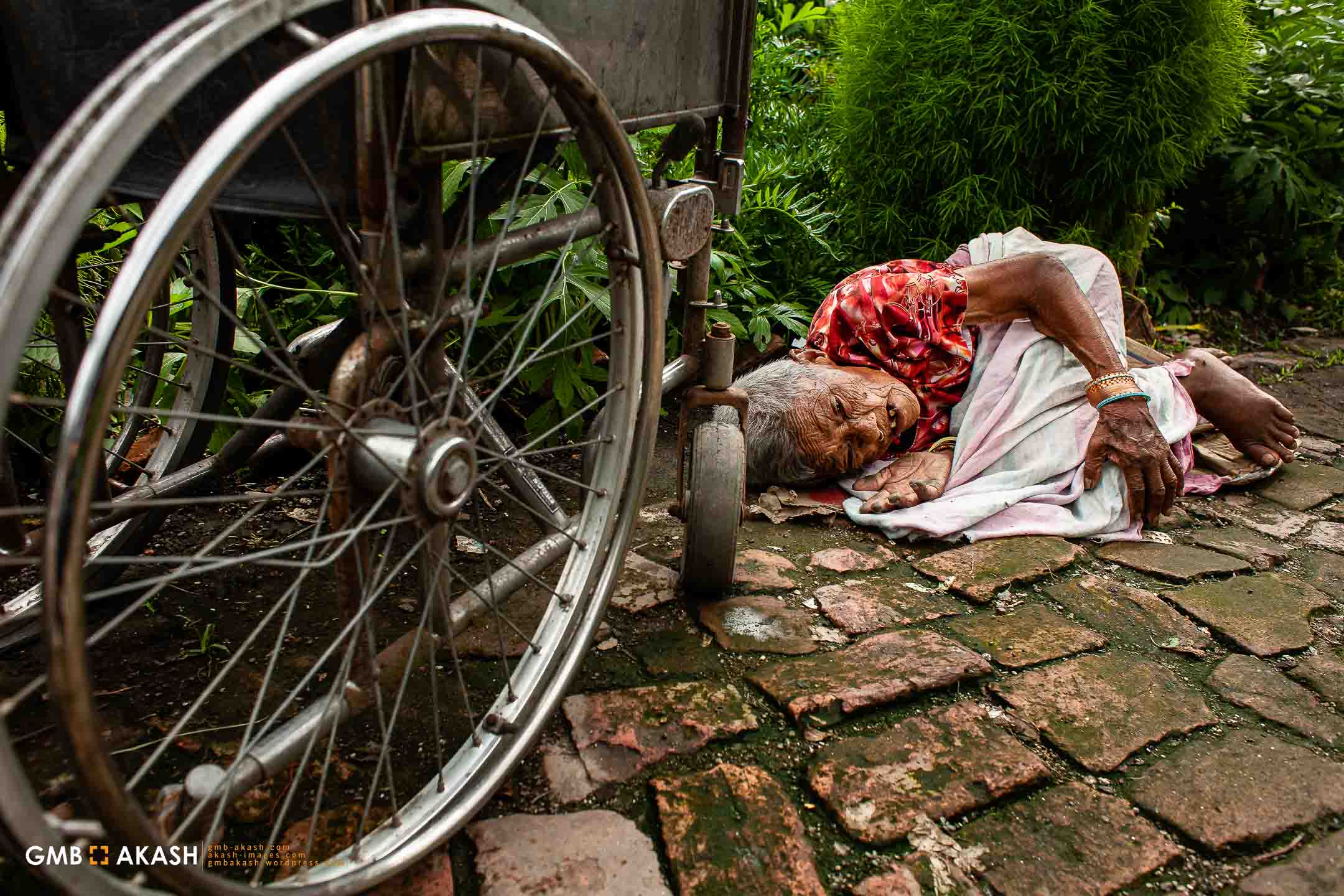
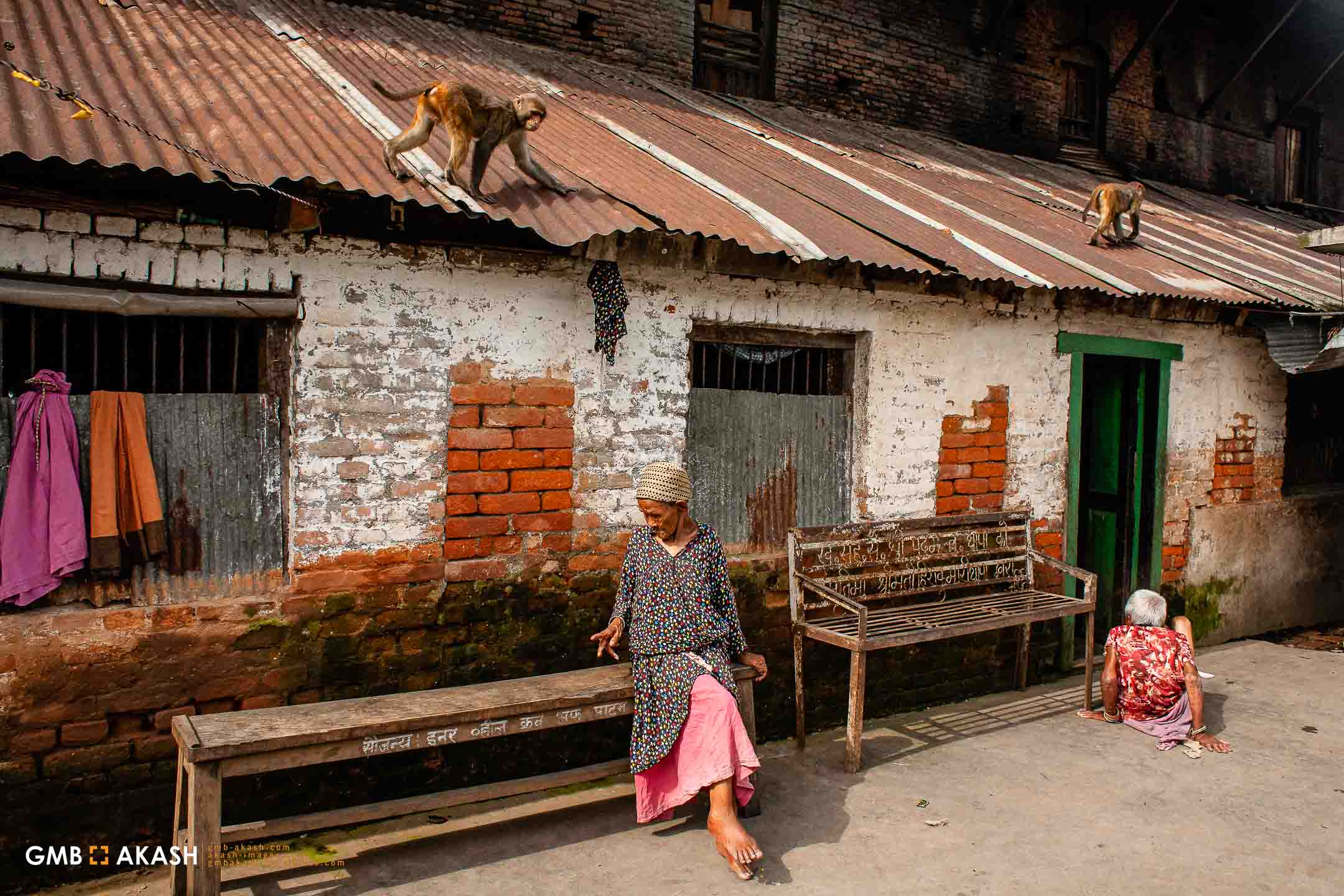
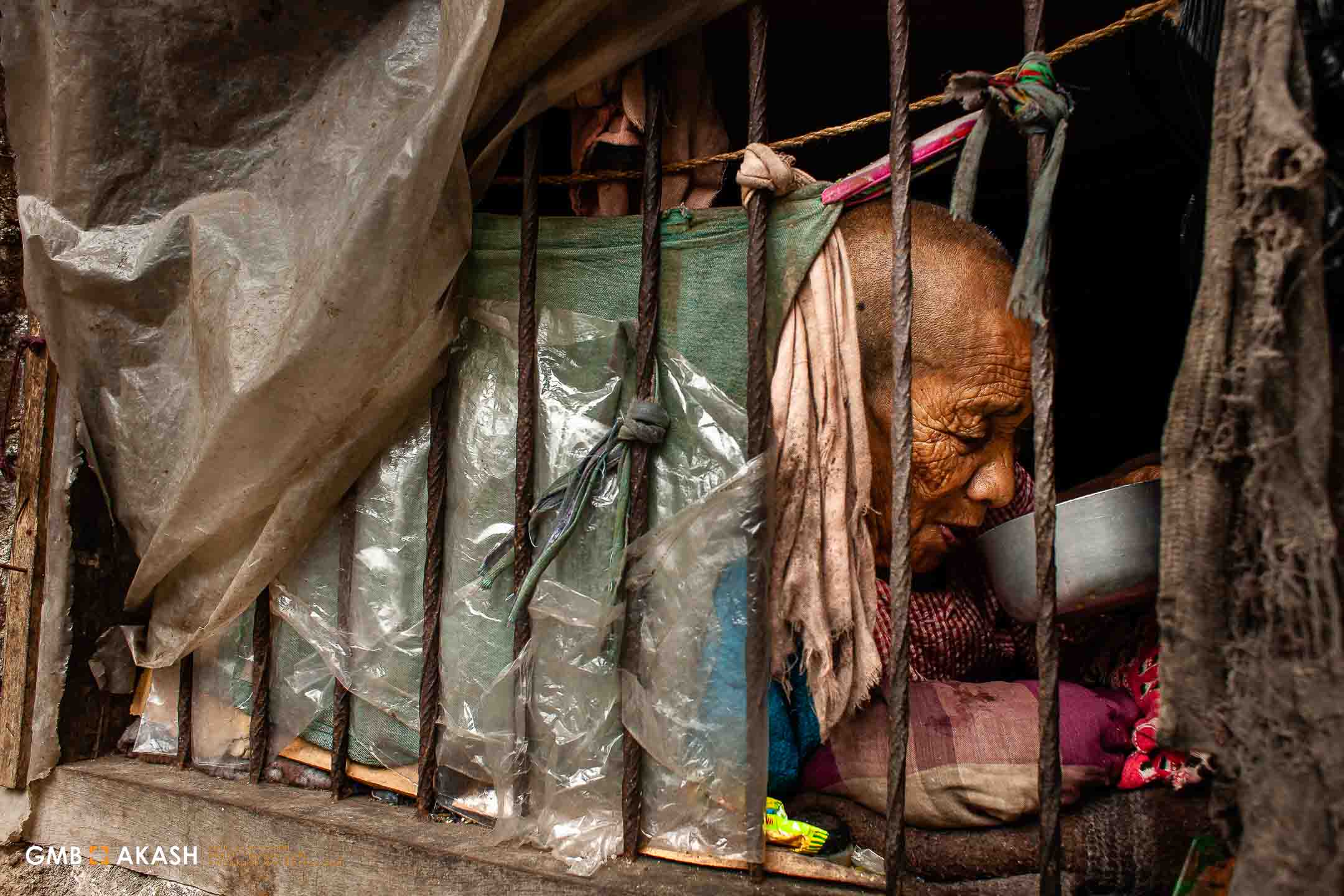
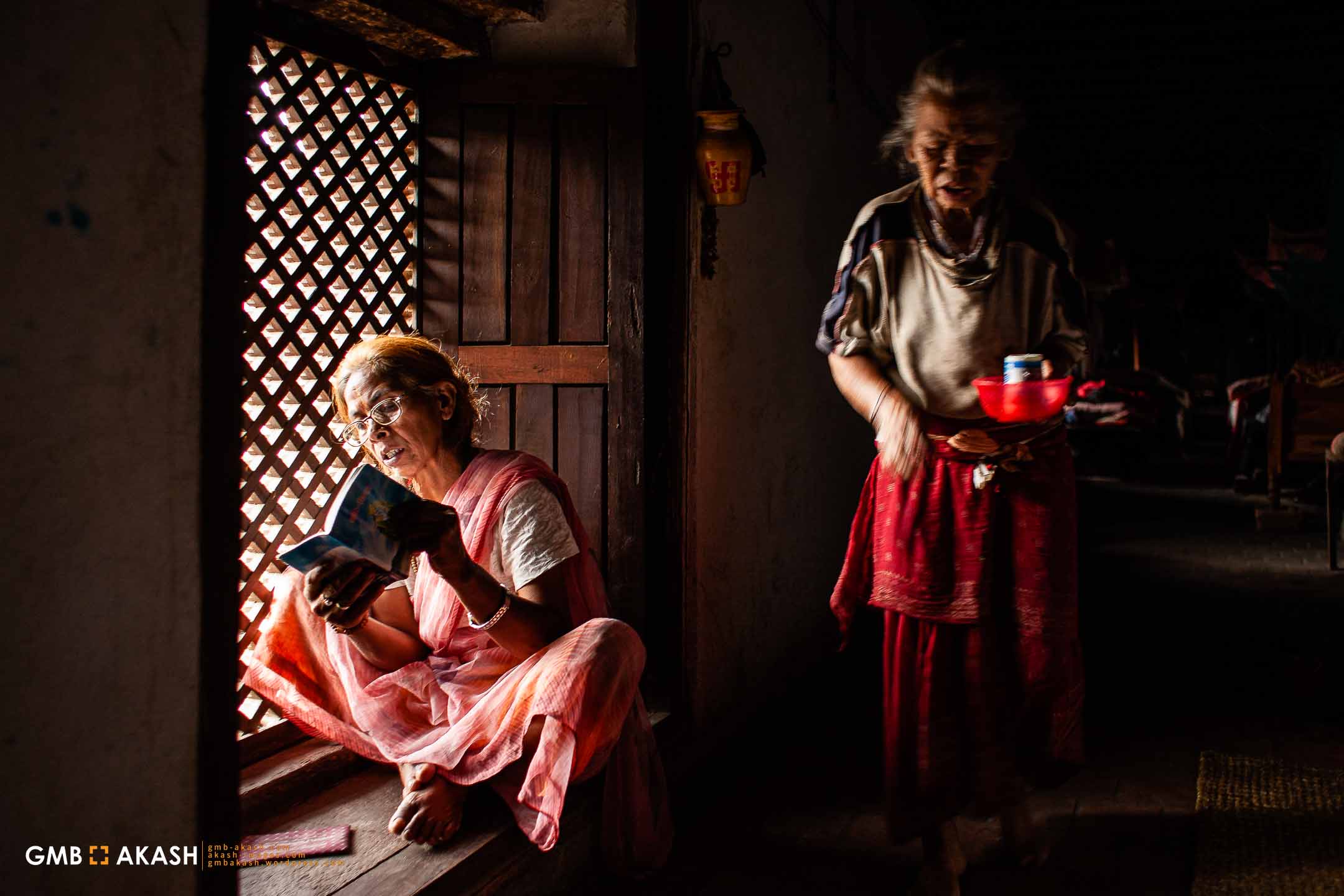
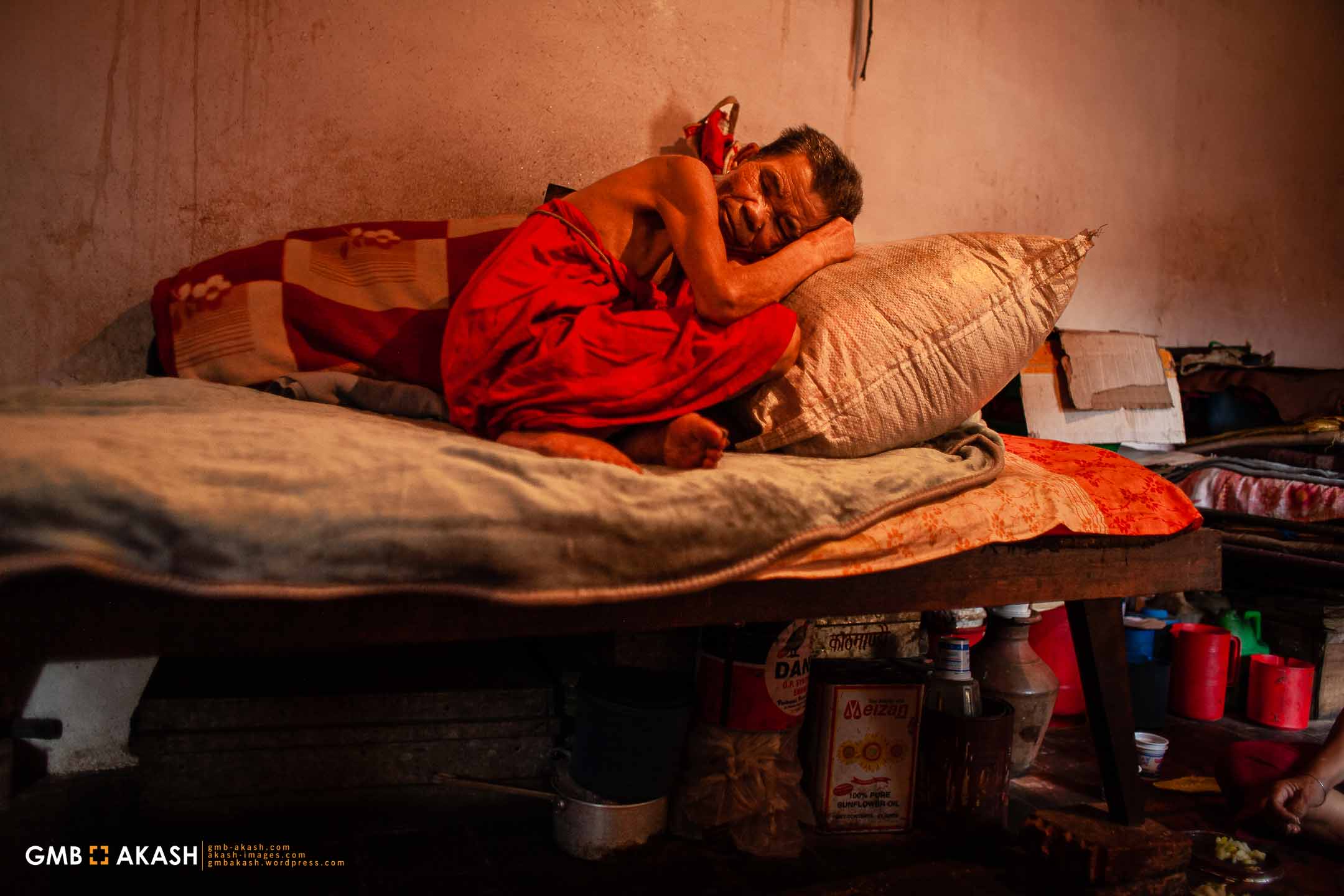
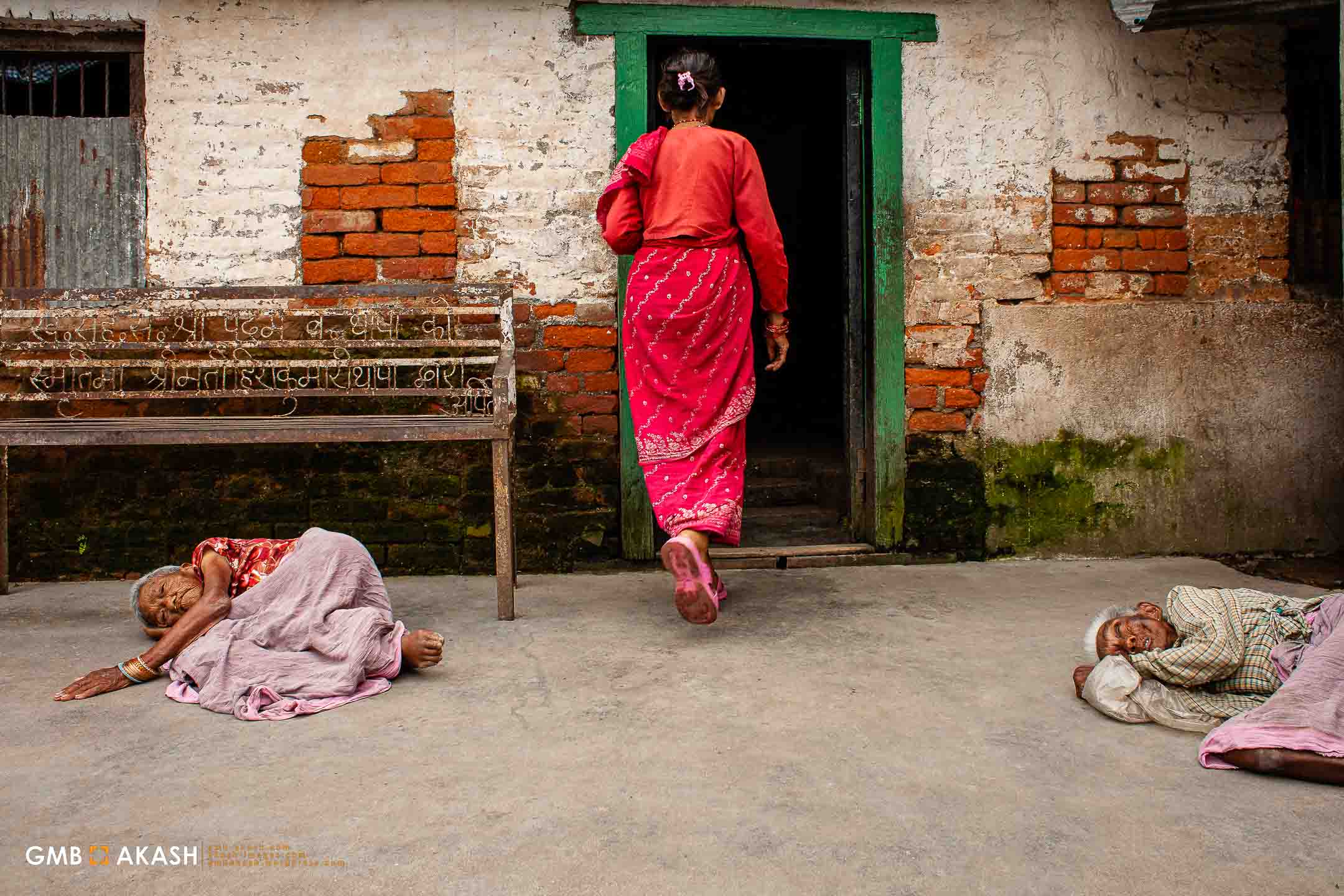
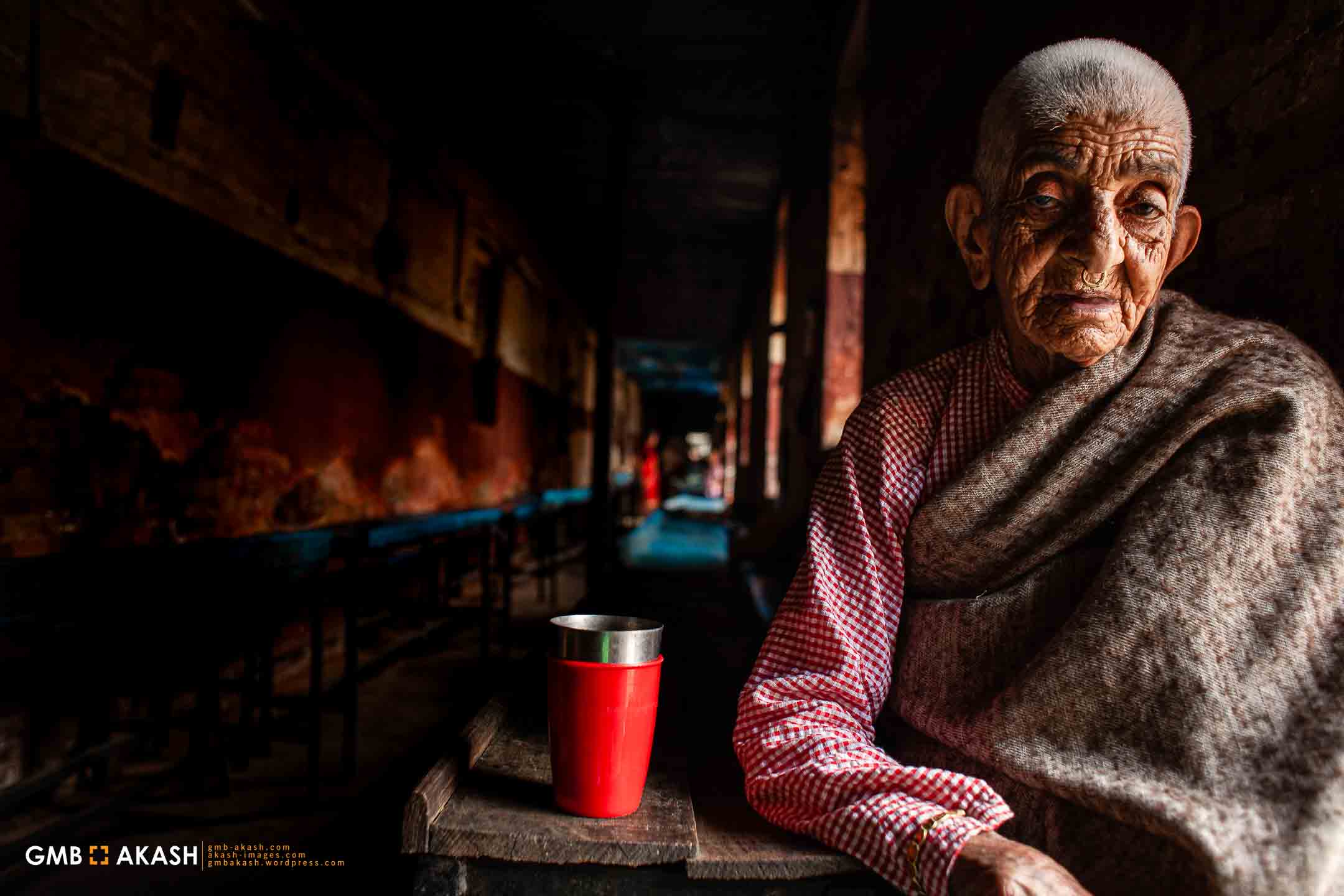
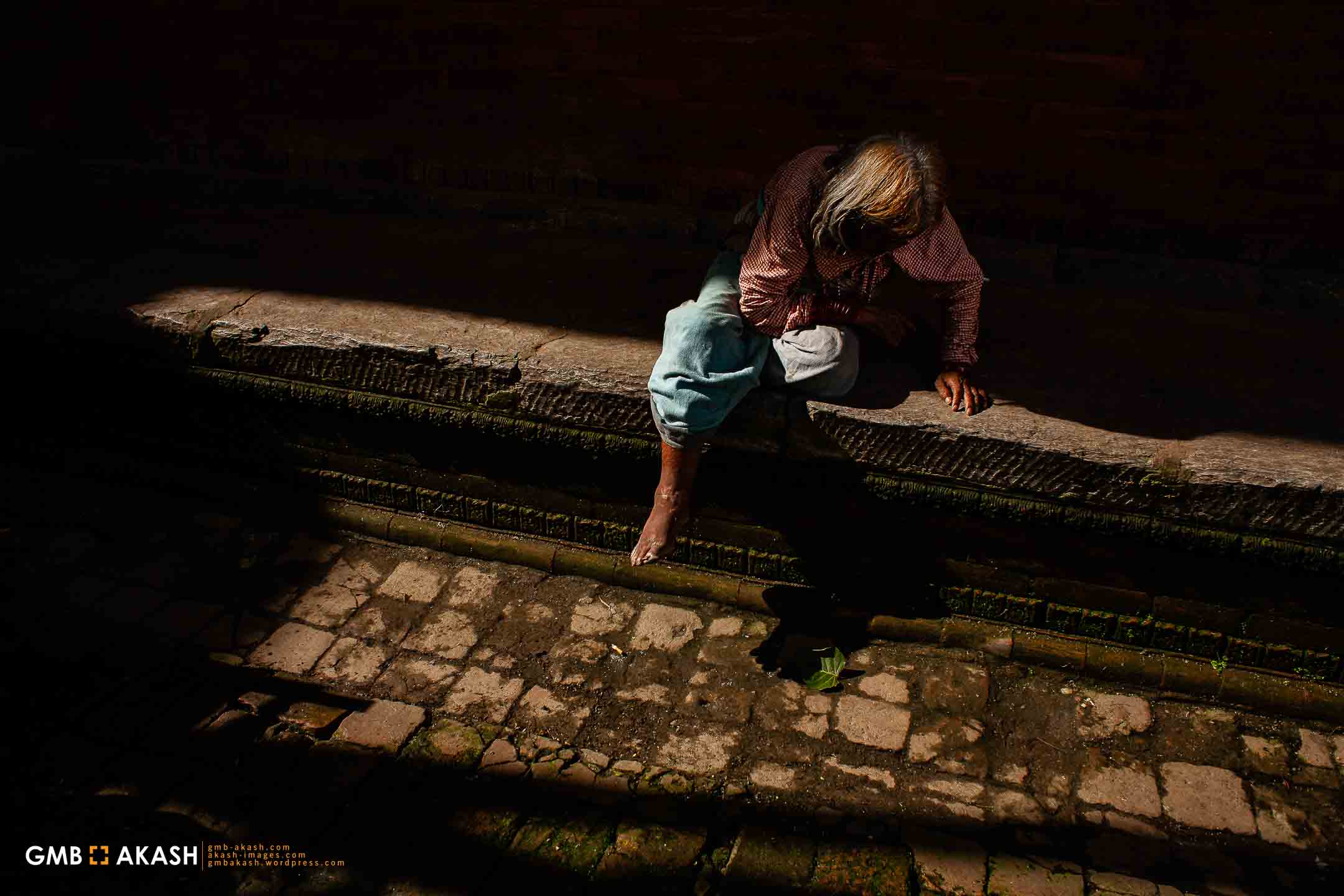
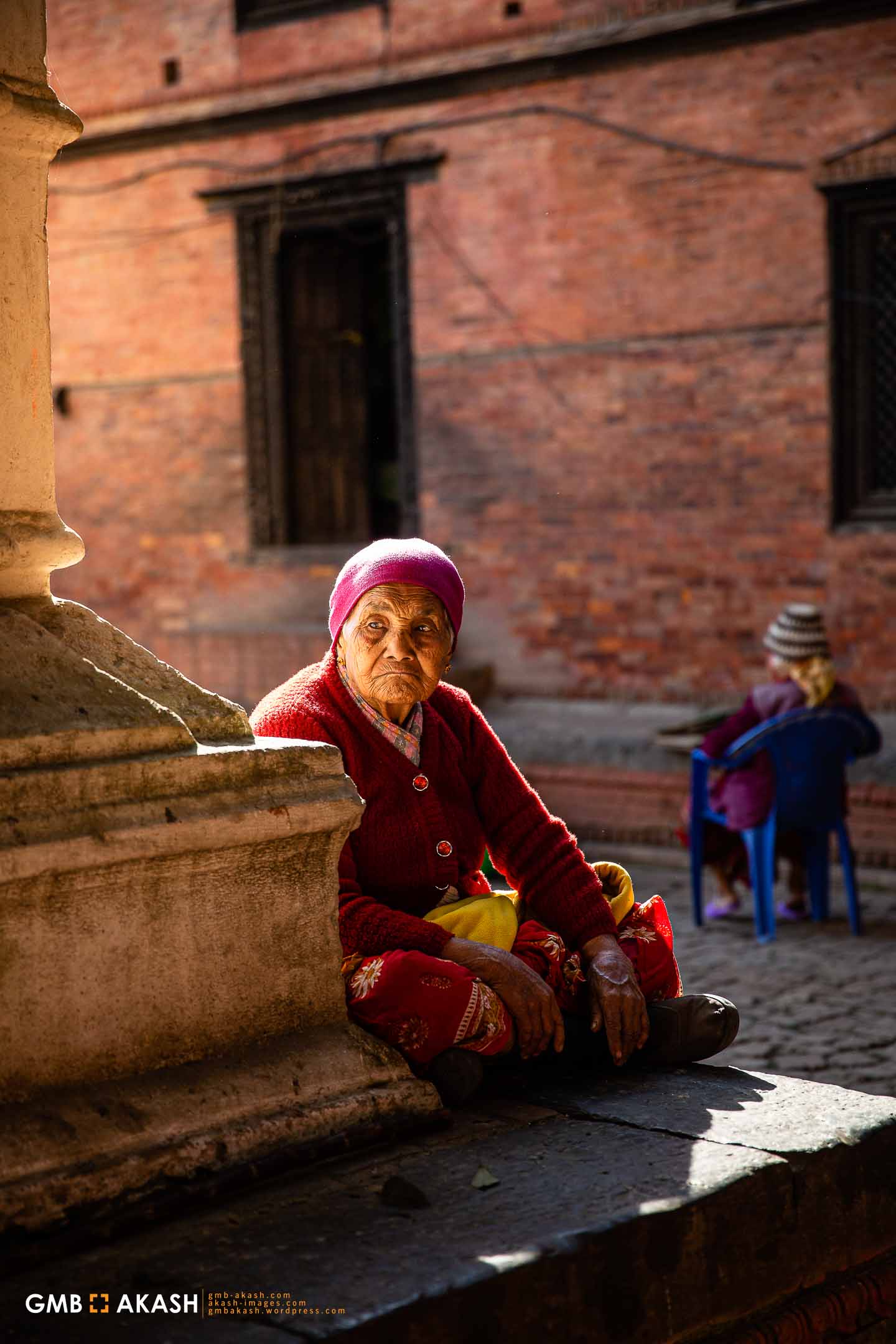
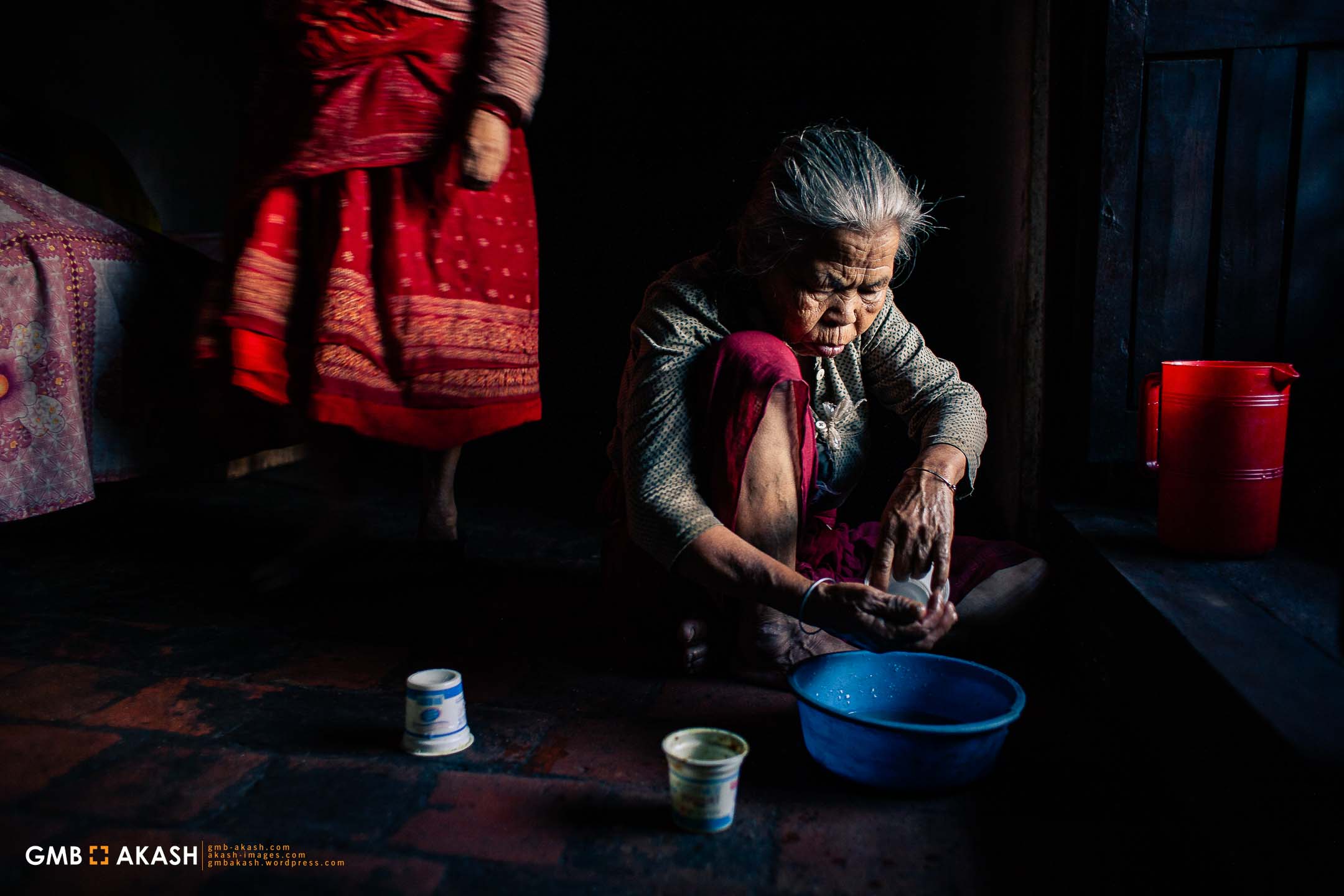
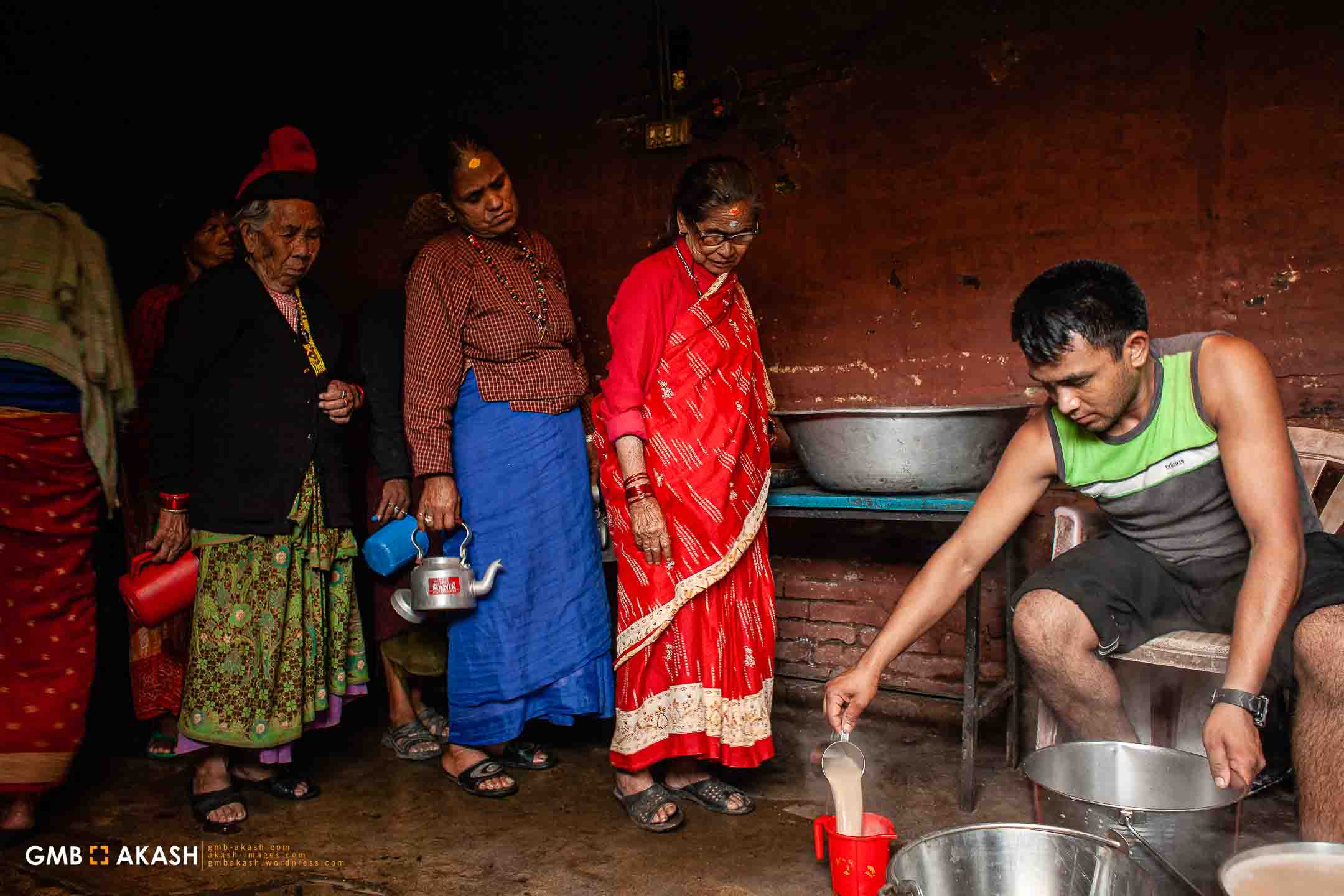
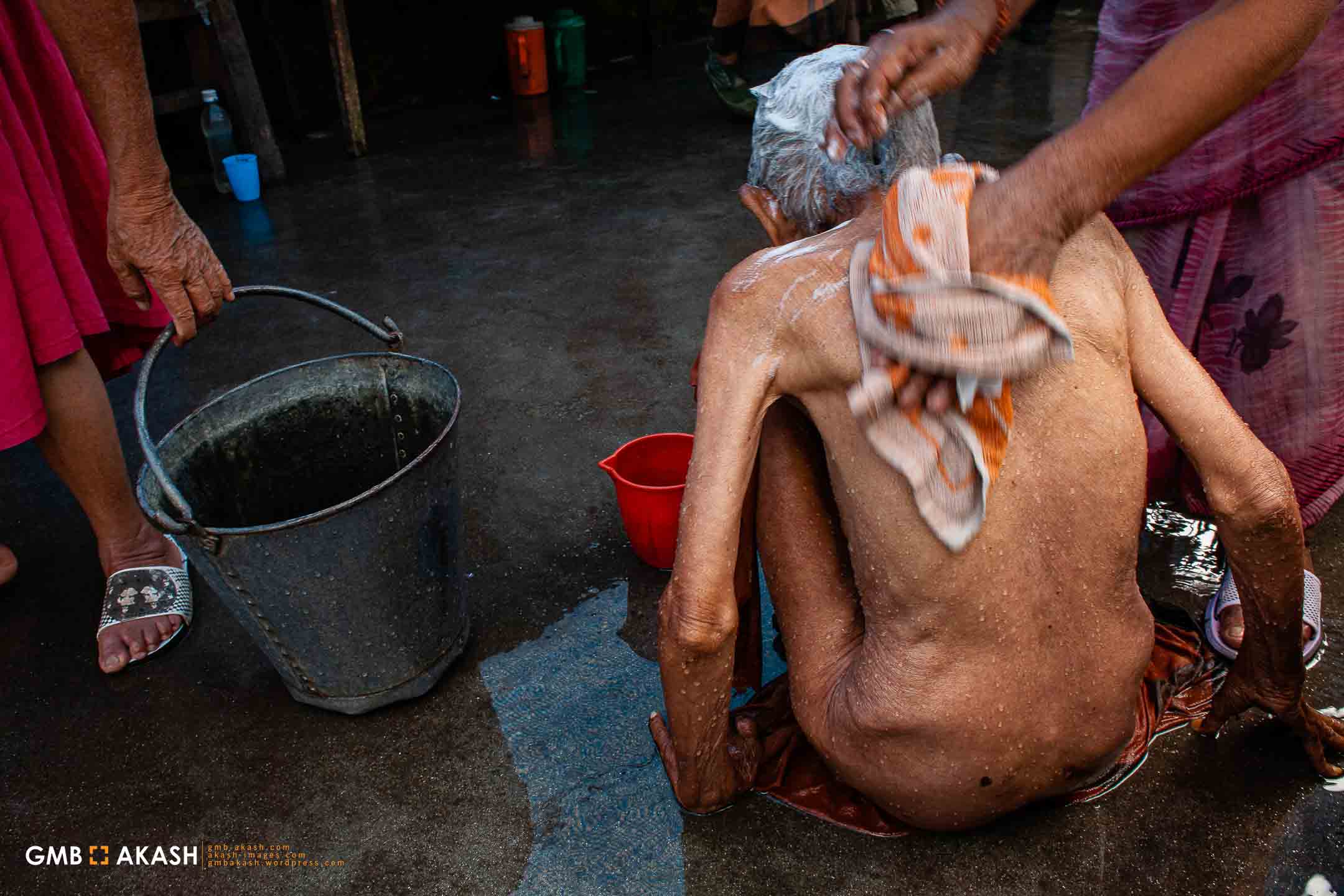
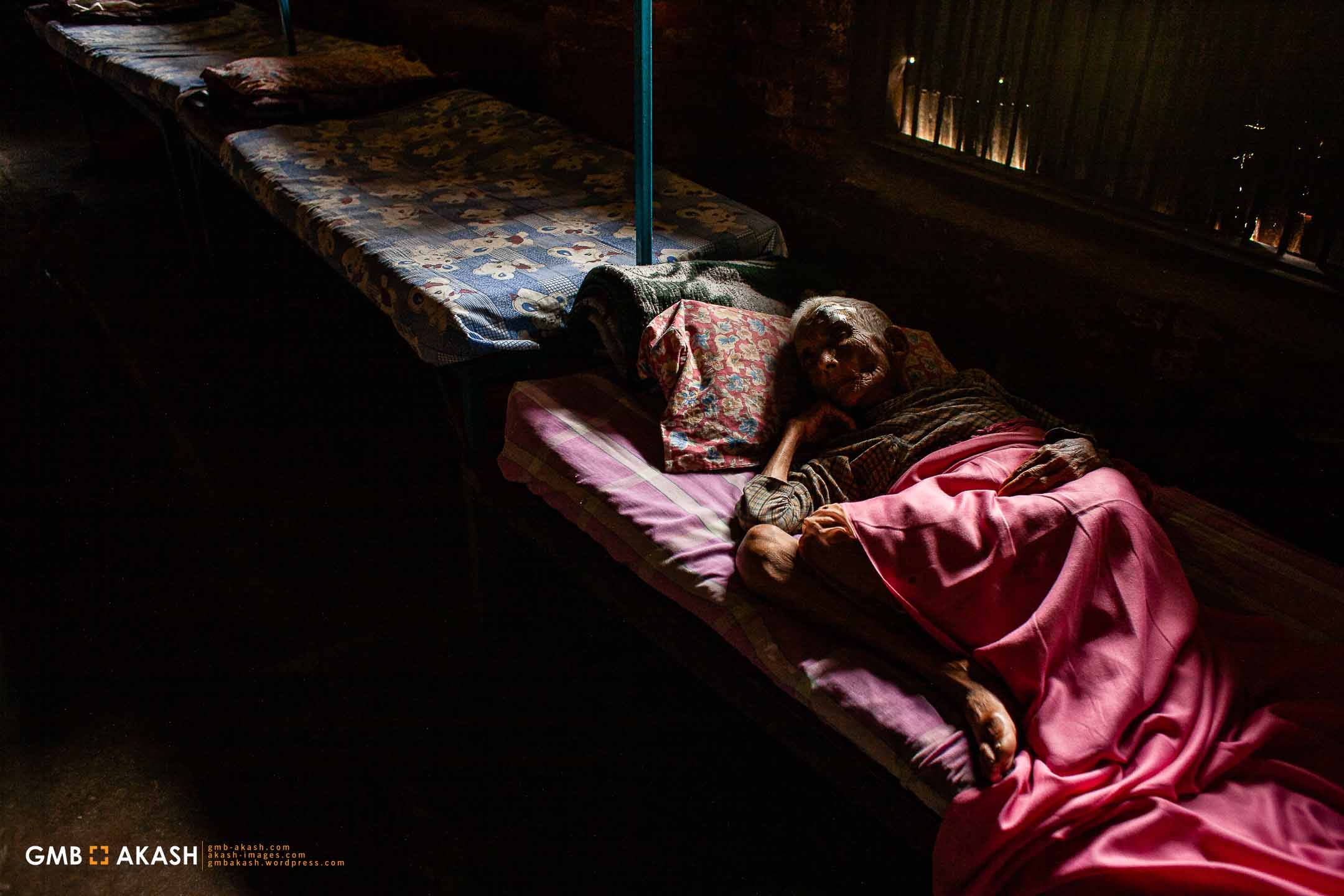
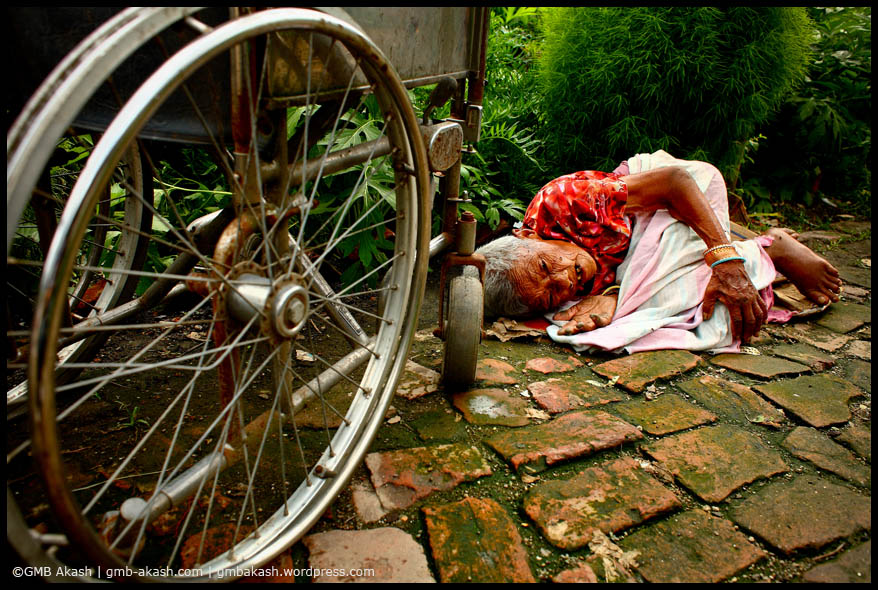
Here and there, elderly people sit in the courtyard and on the shrine platform, lost in memories of past happiness. Or is this a place where they are left by their families to die? The questions are countless, with no answers except those found within. They endure daily routines in this old home, where the future is no longer a concern. My heart is moved: May God bless and give them solace. – GMB Akash

Entering the Briddhasram at Pashupathinath feels like stepping back in time by at least fifty years, to a world that moves very slowly.

A damp photo of a grandchild beside an elderly woman shows her smiling as she remembers a loved one she hasn’t seen in ten years, yet keeps her image alive in her mind. I must capture their essence to preserve their memories.

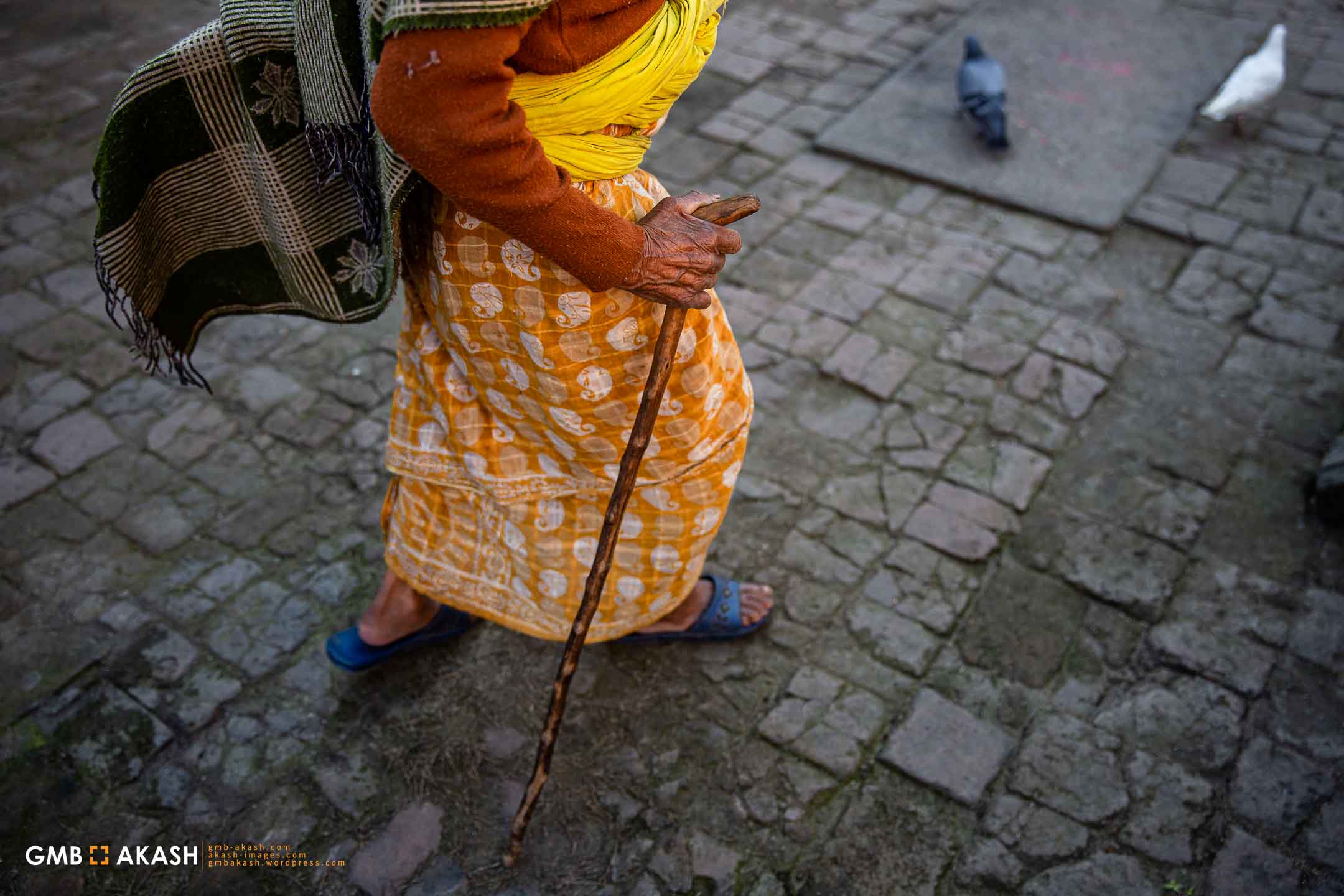
Here, grey-haired residents spend hours idly in the courtyard and on the shrine platform. Some watch you curiously as you pass, while others are engaged in simple tasks like praying or dusting off clothes. The sounds are minimal: the clink of a wheeled support or a faintly playing broken radio.

The Social Welfare Centre Briddhasram, Nepal’s only government-run elderly home, has been operating since 1977. It houses up to 240 people suffering from ailments associated with old age, such as paralysis and failing eyesight.

For some, the sight of people at the end of their lives here is disheartening, but for others, it offers a refuge from a fast-paced world. Despite the lack of communication among residents, they live closely together and care deeply for one another, retaining a profound sense of humanity.

Many believe in the moral duty to care for aging parents. I agree; every child should fulfill this obligation, ensuring their parents are not left alone in their final years.

“Through my lens, I listen to their silent voices in solitude and silence, capturing their pain and stories. My camera merges with their suffering, preserving their silent wounds.” – GMB Akash

NEPAL’S BATTLE AGAINST HIV

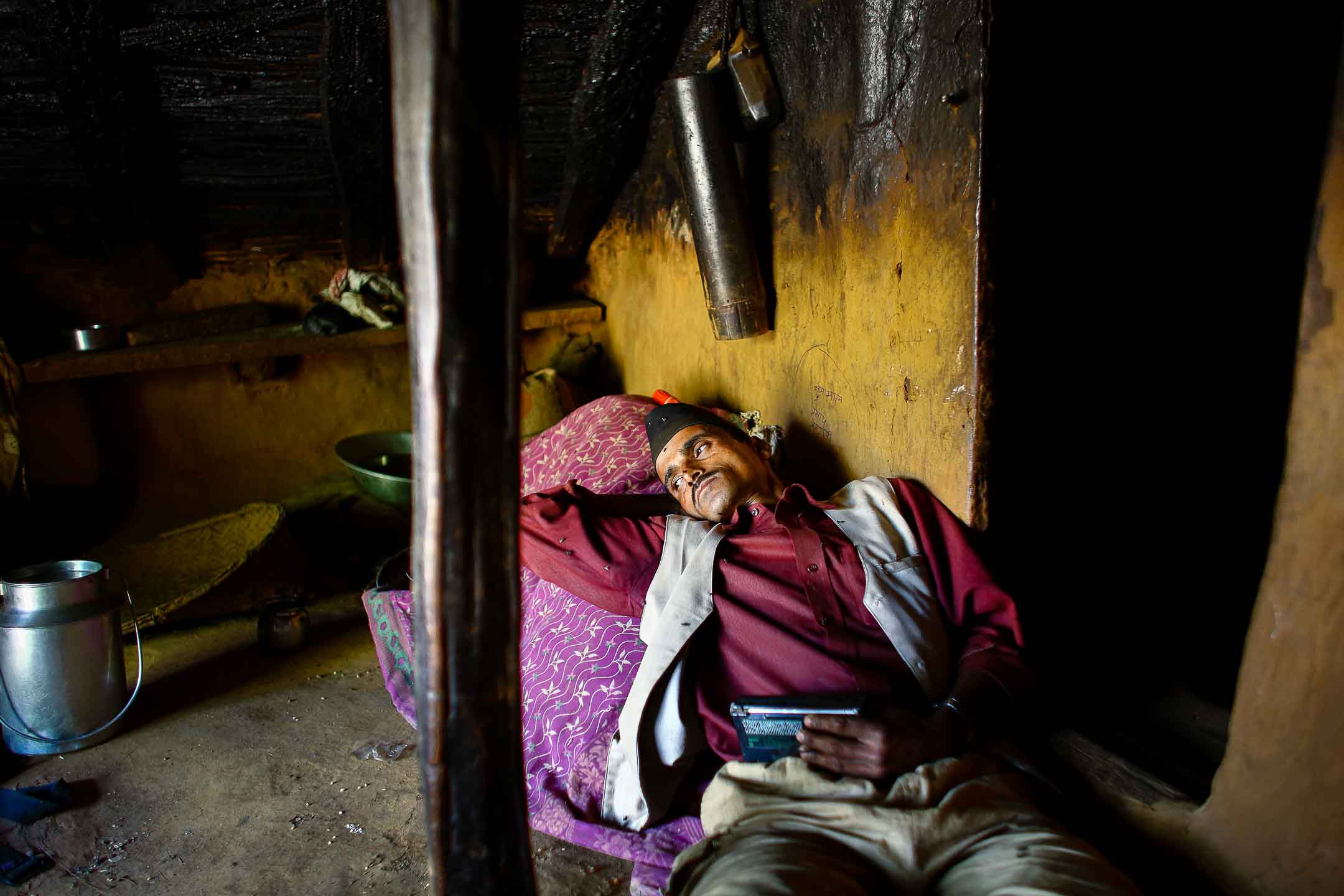
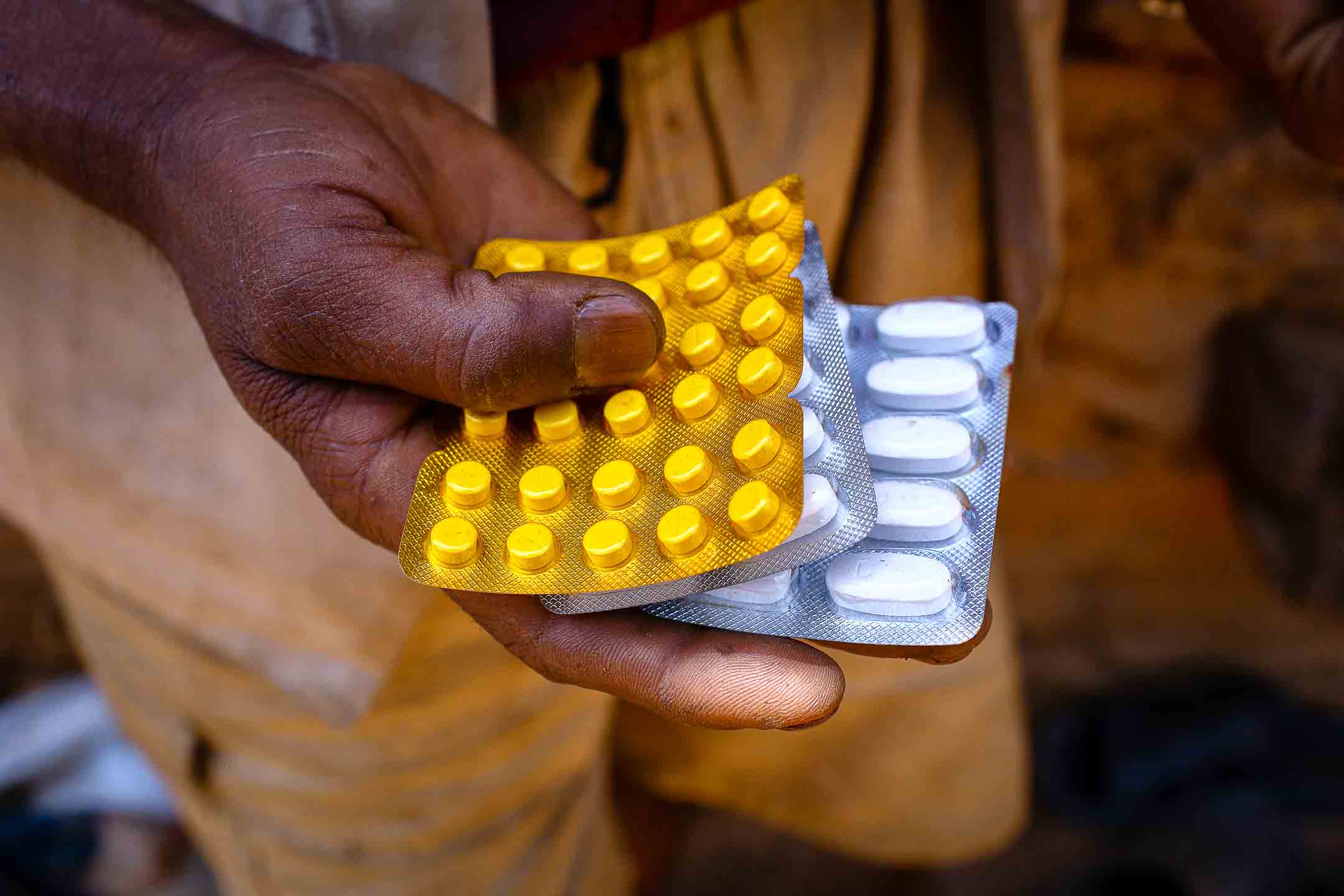
In 2010, I embarked on a poignant journey across Nepal to document the profound impact of the HIV/AIDS crisis, particularly in remote areas such as Achham. At Achham District Hospital, Nurse Surja Kunwar highlighted that the migration of men to India was a primary factor driving HIV prevalence, exacerbated by a lack of awareness about safe sex practices and challenges in negotiating safer behaviors within marital relationships. Surja estimates that 5,000 Achham residents are HIV-positive. Approximately 64,000 people are estimated to be living with HIV in Nepal.

Despite Nepal’s low overall HIV prevalence of 0.5%, high-risk groups such as seasonal migrant workers experienced a concentrated epidemic, with labor migrants alone accounting for 41% of all cases by 2008. Kalashi Vishwakarmas, pregnant with her fourth child, was the last to know that her husband of 10 years was HIV-positive. He worked in Mumbai, but she says she did not know what kind of job he had, and she never felt comfortable asking about his sexual activity abroad. In Achham, approximately 1,500 children were affected by HIV/AIDS, many of whom were orphaned.

My mission aimed to raise awareness and catalyze positive change in Nepal’s approach to addressing HIV/AIDS, emphasizing the crucial role of specialized healthcare facilities and rehabilitation centers in providing essential care and support to those in remote and underserved regions like Achham.

‘Mystic domination of Pashupati’

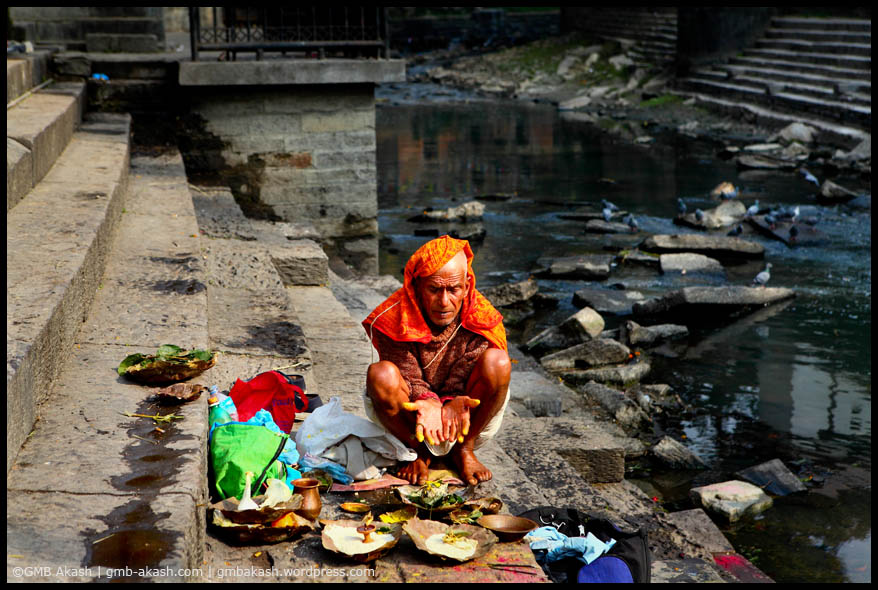
The place is very well-known to me. But still this very familiar place is like mystery in many ways. I have been here for fifty times and my camera took every memory from each time of my visit. Apart it to me it is one of the most mysterious or the simplest destination that I was heading for 51 visits. At the side viewer of my taxi I saw buses full of Indian community queuing behind us. Telling numerically every day how many people come to visit this place is impossible.   I have reached to my destination, ‘Pashupati Temple, Nepal’. In one glance the place seems like it has taken a shower with morning glow. The magmatic light may never visible to me like this before. The flavor of the magnetic aroma by the near shop and flowers waiting in shops are always welcome signs for tourists.

poshupati (6)

poshupati (13)

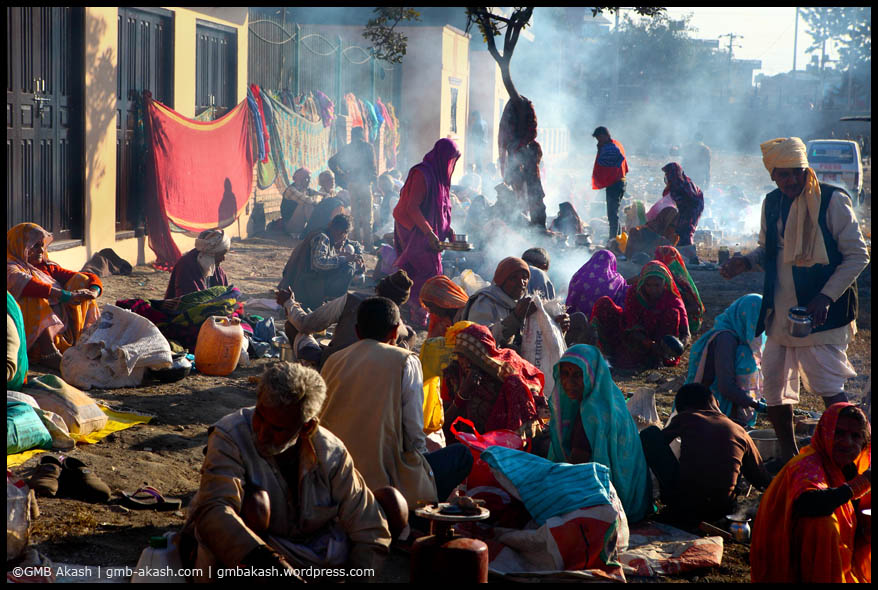
I do not like an easy way. I love to be lost. So, I did not enter the temple premise. I went inside a ‘Dhramashala’ nearby. In the yard of the ‘Dharmashala’ a lot of families made their spaces for themselves under the open air. They are tribal Indian who visits Pashupati once a year. All married women of all ages wearing anklet and a ring in the middle toe in dark toned feet. In the time of taking picture of a woman she burnt her roti that was in the pan. Her hungry child grabbed it fast before other four could take it. They do not understand Hindi, Nepali or English. Their children’s yelling and their tired faces described well from how far they come. I let them struggled with their rotis and leave for my next place.

poshupati (22)

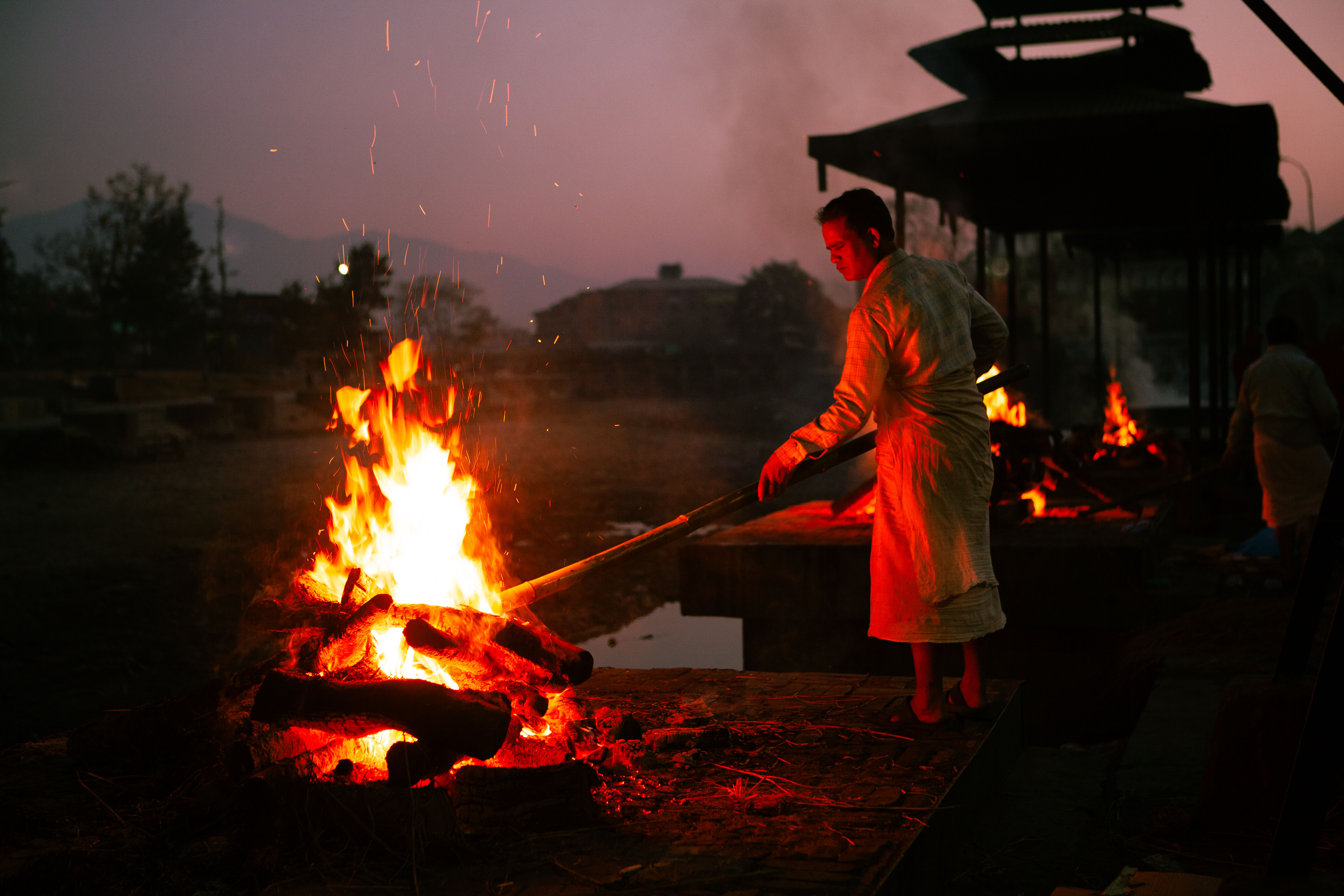
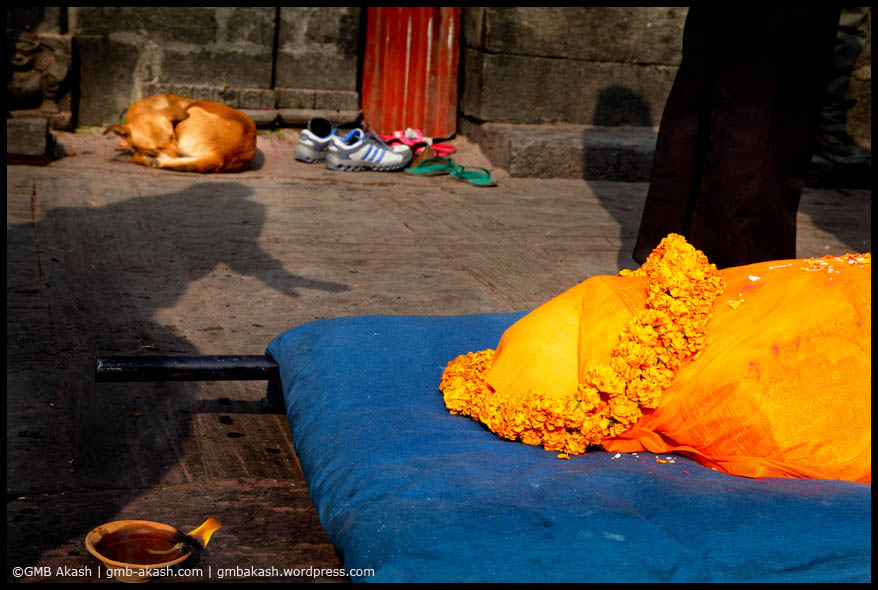
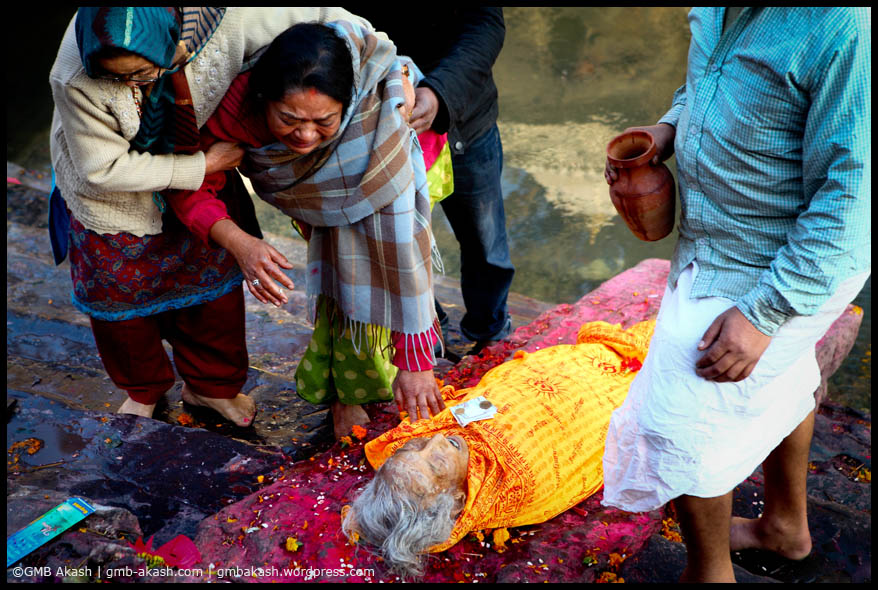
By taking pictures as like other times I entered to Pasupati with another way. In front of me the giant and impossible ‘Pashupati’. Hearing the rhythmic chanting and sounds of temple rings I kept walking inside. Before I normally could inhale the smoke and tart air a group of people suddenly bumped into the place by saying ‘Hari’ ‘Hari’. They are carrying dead body and going to the river side.  I started following them magnetically. Echo of some crying women made the atmosphere heavier, moneys those were throwing papers on people stopped for a while. A woman fainted when she went to give water to her dead mother. The dead body has been placed there ritually. Three dead bodies were preparing for their eternal ritual. Having mental balance to take photograph in such moment is tough. Having consolation for the family at the same taking picture is a toughest moment. In the time of great grief nobody bother about me or my camera. I started taking picture like an invisible person. No one look at me or ask to leave. I continue to capture moments of farewell.

poshupati (16)

poshupati (17)

poshupati (4)

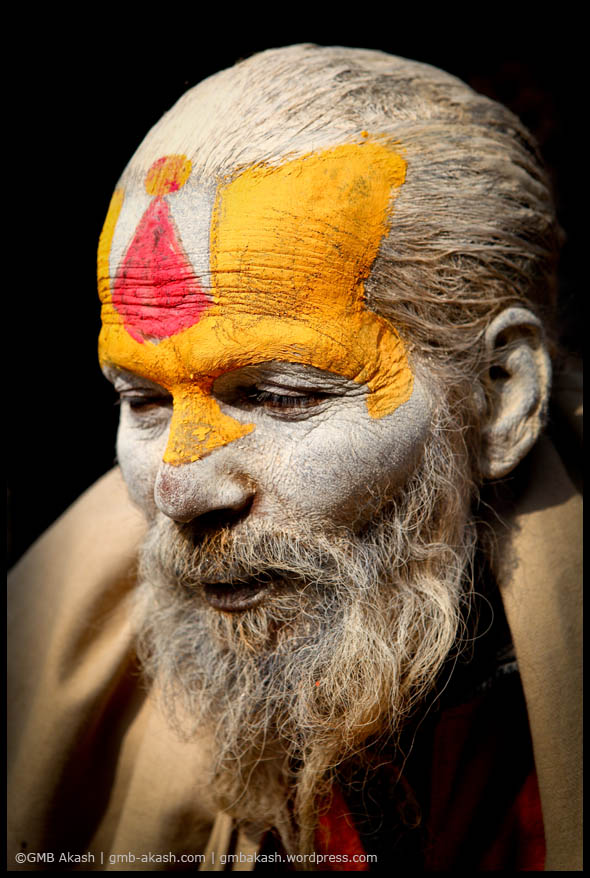
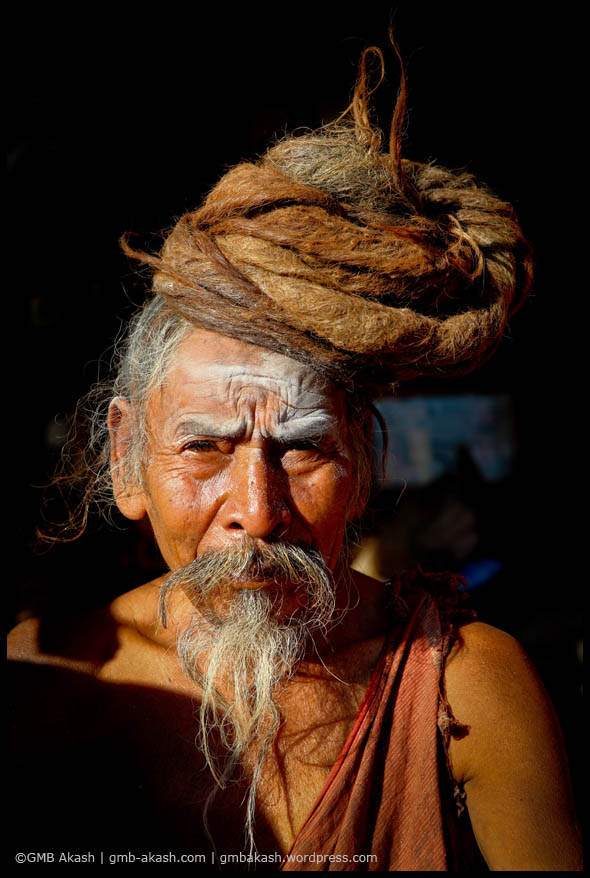
When I no more can bear the pains of people who kept crying in an unknown language I leave the place. I only notice those naughty monkeys when one of them tried to take my cap. They were following me all my way. After walking a while I meet my known priests. They are always same in the all years round. Their posture, ornaments and clothes remained same. The Hanuman with his mobile phone inside his box or the naked Shadhu all are always there in their right place. One of them loudly said with a smile ‘Bangladeshi Akash, Kaise Hau?’ During taking their pictures smell of different fragrant were coming along. I moved by  following it. I kept discovering Pashipati. Pashu means leaving beings, and Pati means master.  In other words Pashupati is the master of all living beings of the universe.

poshupati (7)

poshupati (18)

poshupati (21)

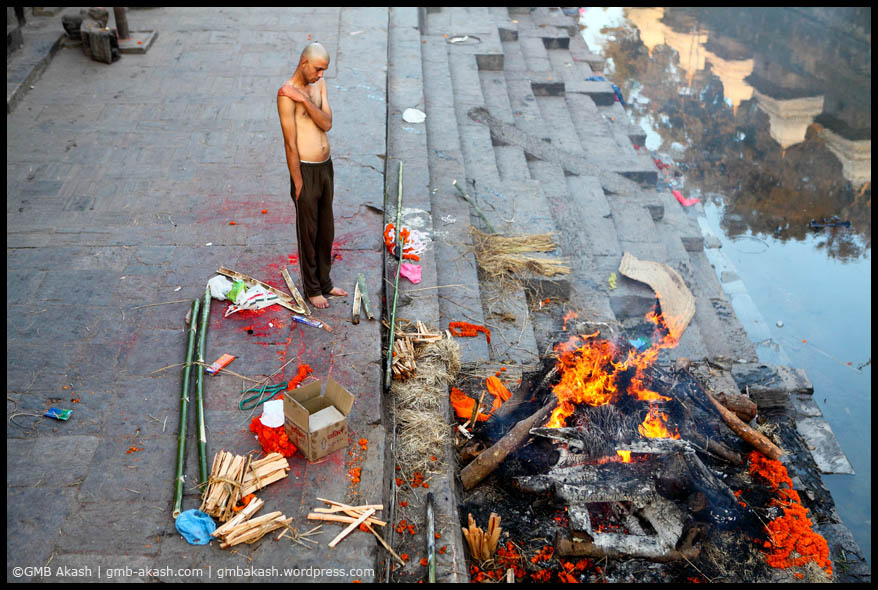
I went directly to the hindu cremation ghat of pasupati. The same old fragrance welcomed me. Flames from fire, smoke and ashes were all around. Relatives of dead bodies were seating inside and outside in the premise. A dead body was ready for the final ritual. After putting all woods sequentially the son of the dead person set fire. Relatives were holding holy copies and kept chanting.

poshupati (20)

poshupati (2)

poshupati (8)

Opposite of me I saw many photographers and people were seating in the staircases. The sound of spiting fire and woods kept haunting me. Ashes were all over my body. After two to three hours ashes only remained.

poshupati (12)

poshupati (15)

When the place was preparing for another burial I saw a lot of young children below in the river collecting dead woods that threw in the river side. They are from outside Kathmandu Valley and living near the Pashupati Arya Ghat area regularly collect half burnt wood thrown to the Bagmati river after cremation, to sell to the brick factories located near Kathmandu. Before one of the Dhakal ask me not to take picture any more I Closed my camera.

poshupati (11)

poshupati (1)

The sun was going away may be with all remaining souls. In the temple a religious music was playing. In this holy place in between of all this loses some people keep searching lives. Life and death is so close to this place maybe that’s why very very special – ‘Pashupati’.

poshupati (9)

*** Pashupati area is regarded as one of the most important places of pilgrimages for the followeres of Hinduism.  Thousands of devotees from within and outside the country come to pay homage to Pashupatinath every day. Pashupati area is also included in the list of world cultural heritage.

“Midnight Girls”

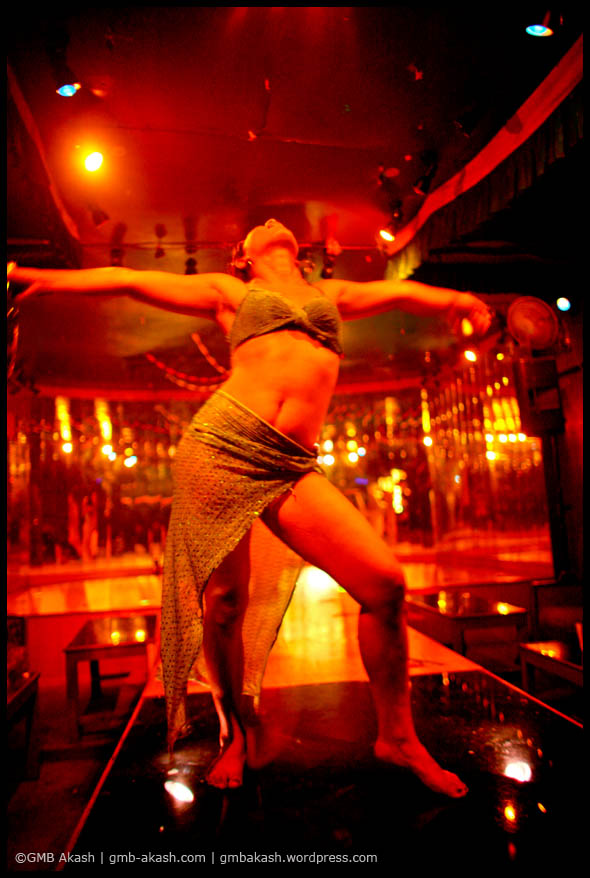
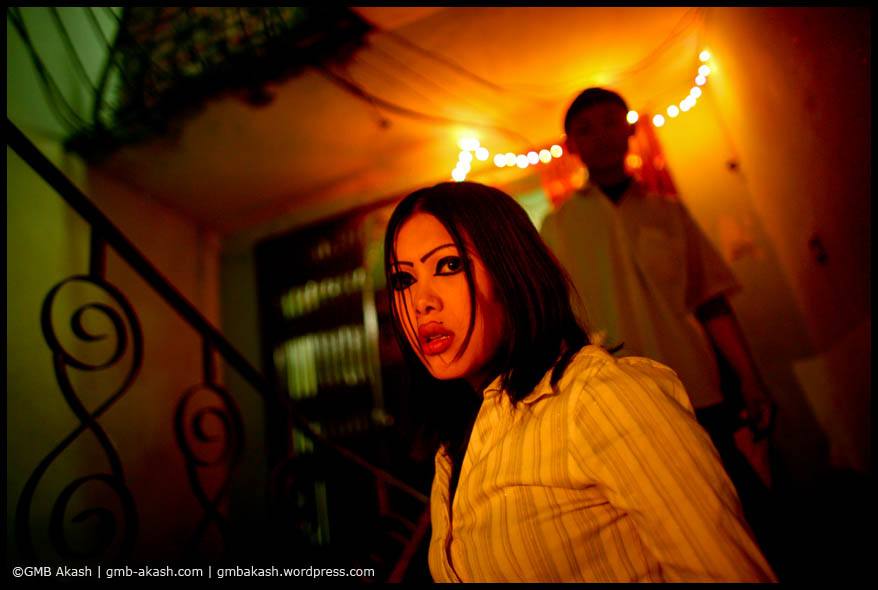
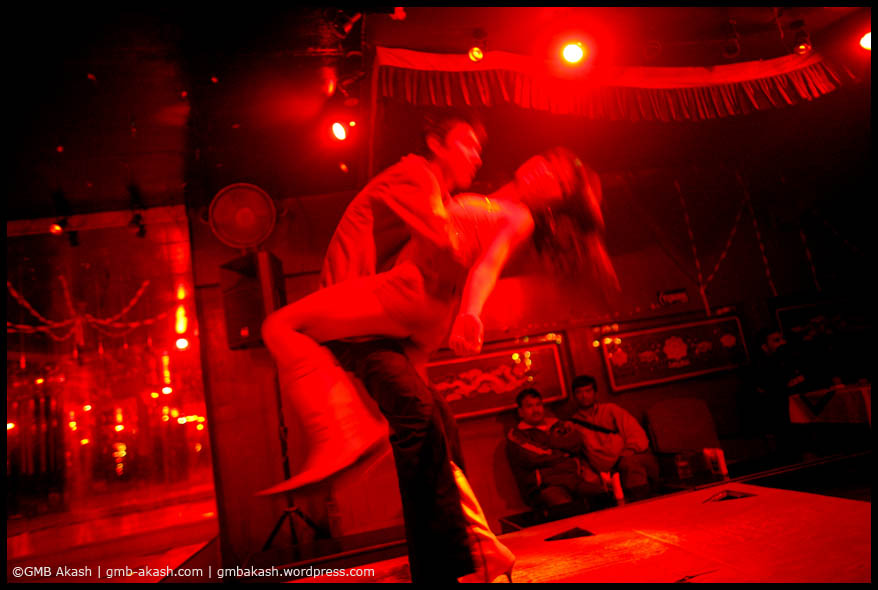
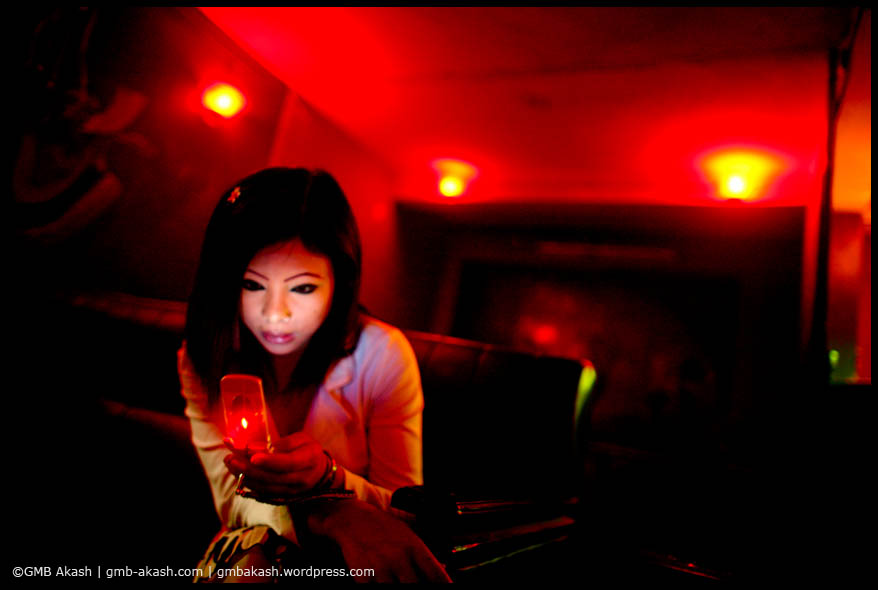
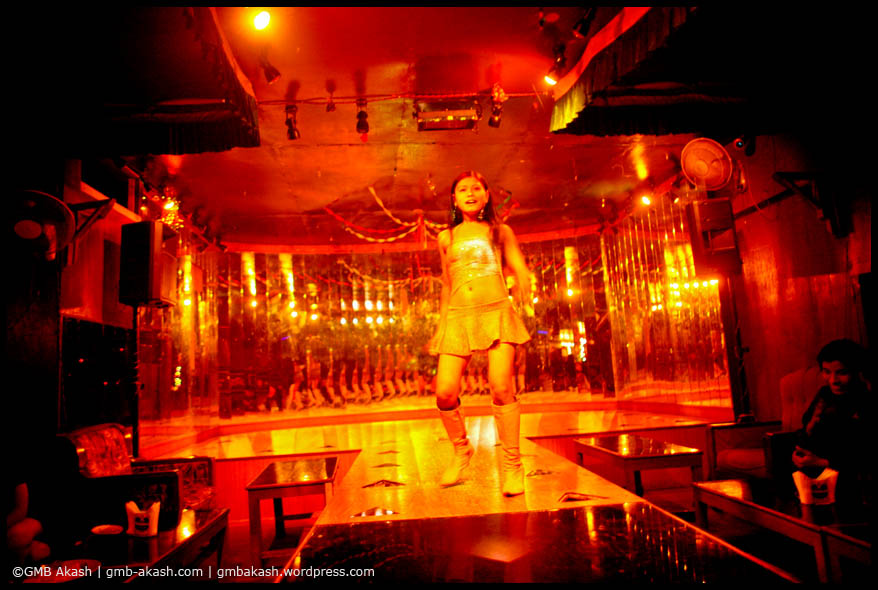
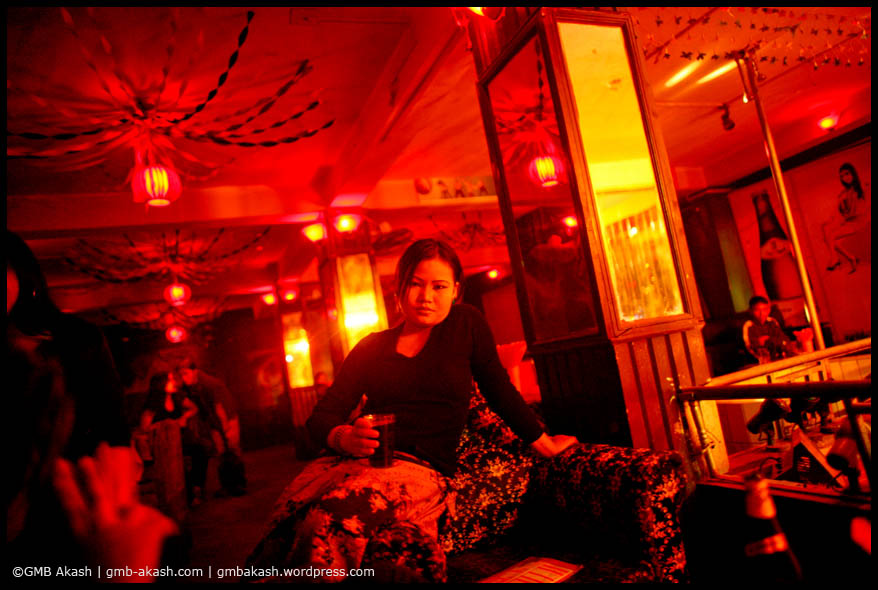
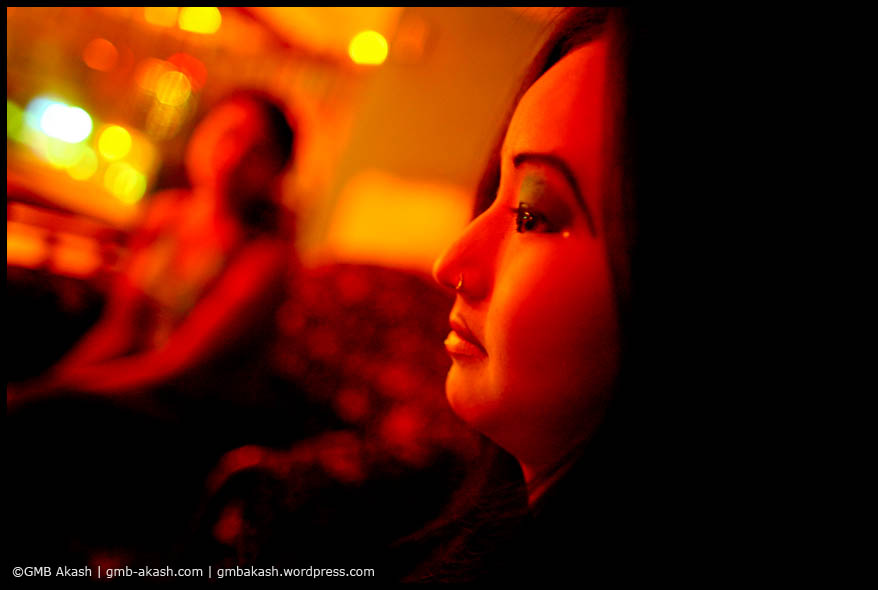
“It was a cold and rainy evening and I naturally found myself craving coffee in a coffee-lounge of Nepal. I was shaping my mind for documenting on ‘Night Girls in Nepal’. While I was completely engaged in thought, laughter broke my attention. By the first bit of drum night girls were in hurry to enter into clubs just near my coffee-lounge. Music, light and entertainer all are ready – and the night has begun. Inside these 1000 bars, girls from poverty-stricken corners of Nepal dance away, hoping to fulfill their simple dreams some day. Is it possible to depict the agony of a night girl being sold and/or compromised in club/bar/hotels? Can my photography breathe their voices? Is it possible to take picture of what I want to describe? Answer is NO. But by keeping alive the roots of awakening is a key duty of a photographer like me. So I am here to tell you the story through my third eye.” – GMB AKASH

night girls (10)

night girls (3)


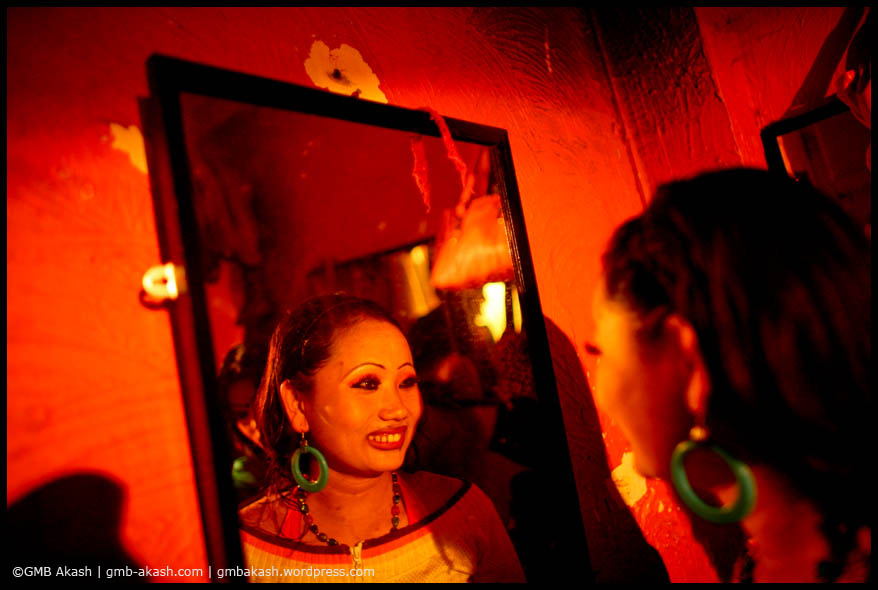
Strippers and dancers of the popular night scene in Nepal. Located mostly in the tourist area Thamel, hundreds of clubs host both local and tourists to strip shows, dances, and drinks. Each club has on average 30 to 40 girls working for them. There are the dancers, the waitresses, and some call the “date for a night” women. The dancers are young—many of them told me they are 19-22, but to me most of them looked like 16 or younger. At the change of each song (which were mostly Nepali and Hindi pop), usually a new dancer would come out on stage. Some of them danced in a tight t-shirt and short shorts, some in a tiny wrap around her waist and a bikini top, others in long glittery skirts and heels. Their faces were covered with heavy makeup, and they all kept adjusting their hair during their dances. There are also 2 showers on each side of the stage with a little porcelain bath dug out. Apparently “dance with shower” is a big thing in Kathmandu now.

night girls (18)

night girls (8)


When not dancing, the women came out into the crowd fully dressed to flirt with customers. One girl, named Pari (Most of them has a fake name) said: she is 16, illiterate, has no phone, and makes 7500 Rs per month (about $100) working at the restaurant. She was not drinking alcohol, but seemed a little spacey, so maybe was on some type of drug. She was one of the few dancers, who were not afraid to remove all of her clothes, and she would often touch herself while on stage or dancing on tables and she is an example of many other girls who are willingly working in the restaurant.

night girls (9)

night girls (14)


Reetu one of the dancers of Thamel dance club said “More than half the money is spent on room rent, makeup, grocery and other necessary items. The rest goes into my education and to my parents. I hardly save anything.”

night girls (1)

night girls (5)

Fifteen-year-old Rani wants to be a doctor. But to fulfill her dream, she performs at a dance bar every evening – even if it means gyrating around a pole, stripping and giving company to strangers at night. Though dance bars are not illegal in Nepal, stripping is. But in a nation where 30 percent of the 30 million population is below the poverty line, few seem to care. Employment agents went to villages, offering poor Nepali girls like Shanti jobs in Kathmandu as waitresses. Though families are warned of the possibilities of prostitution they often choose to turn a blind eye.

night girls (16)

night girls (13)


“One month’s money for a waitress can be a whole year’s income for a rural farmer”, states Mahima, waitress of a local club, whose father is a farmer. 80% cases are enforced Women for Prostitution in various circumstances.  Many of these poor Nepali girls eventually accept their fate and fall into prostitution. These poor Nepali girls will earn £ 80 per month as a dancer, tips can double this and sex for a night brings rewards of between £30 and £100 per night depending on the desirability of these Nepali girls. Regulating dance and cabin restaurants is a problem. No system is in place to properly monitor the activities that go on inside. It is the poor Nepali girl who working as waitresses are alienated and trapped, unable to re-enter mainstream Nepali culture.

night girls (19)

© GMB Akash

night girls (4)


I felt an overabundance of emotions ranging from guilt to despair for not doing enough whenever I faced myself into these situation for documenting lives of these girls – who cannot do more struggle against oppression, cannot protest for inequality and injustice, of lost with their dreams. I do believe, may be one day The Sun will rise to wipe off tears of these Midnight Girls”

– GMB Akash

night girls (6)


night girls (7)

Life and Death in Pashupati

“Here and there they are seating in the courtyard and on the shrine platform with absorbed in detailed memories of a distant happiness. Or it is a place where elderly people are left by their families to die? Thousands question will haunt you but there is no one to answer you but only your inner realm of emotion. They submits to being fed, here, in a old home, It’s the same every day, every day…..I understand, when you get here you don’t worry about the future. Then, I mesmerize, May God bless and give them solace.” – GMB Akash

elderly home (4)

elderly home (9)

elderly home (19)

Once you enter the premises of the Briddhasram at Pashupathinath you can’t help but feel like you are transcended time back at least half a century or more, to a place where the world moves very slowly.

elderly home (7)

elderly home (6)

Looking at the bed side a damped photo of a grandchild while a grandma smiles and say she didn’t see her last 10 years yet she sleeps with a same photo in her mind. They were like reciting their homelessness to me. I have to capture their souls to keep their image from disappearing out of sight.

elderly home (11)

elderly home (17)

There, you can see all grey haired elderly citizens doing nothing but spending lazy moments for hours in the courtyard and on the shrine platform. Some curious eyes follow you as you walk pass the welfare gate. If any of them is busy praying than other is trying hard to bend and dust off his cloths. A place, all you hear is the steady sound of the wheeled metallic support of an elderly with crippled feet or a faint sound of a broken radio which is playing Nepali song or news.

elderly home (15)

elderly home (16)

(Social Welfare Centre Briddhashram is the only Elderly’s Home operated by His Majesty’s Government in the Kingdom Nepal. At present it is being operated by the name of Social Welfare Centre Elderly’s Home, Pashupati since 1977 A. D. The total sheltering capacity of this Elderly Home is 240 persons. These residents suffer from many illnesses associated with old age; including paralysis, failing eyesight and deterioration of mental faculties)

elderly home (13)

For some it is a depressing scene to see people at the end of life, away from family, living in the Briddhasram. But for many, this is a place where they seek refuge from an ever speeding life and feel satisfied enough simply helping and sharing talk with the older citizens. The residents of the home don’t talk much to each other, which gives you an aura of wilderness where no word is spoken; but they really live for each other closely for rest of their life. This home for the elderly fills one with hope. What gives hope is that although they have lost families and possessions, the residents still care, they care for each other and they retain a deep sense of humanity.

elderly home (5)

elderly home (8)

Many people believe that they must help and protect their parents, when they become old. I personally believe that this is a moral obligation that every child should have towards their parents, whichever the way they choose to do so but they should never let them break apart alone.

elderly home (12)

elderly home (18)

elderly home (2)

“Through my lens I try to listen to their silent voices, in absolute solitude and silence,for I am sure I shall be able to hear about their unbearable wounds in which they stumbled upon alone years after year. So I take out my camera, go inside the place and merged with their pain”

– GMB Akash

elderly home (1)

elderly home (10)

elderly home (14)

A World Full of Hungry Apes

“Photography has taken me to discover many unexpected territory as all time I wanted to see the sights of unseen & unforgiving incidents of reality. I was engaged in one of my personal project’s work on ‘sex workers’ for which I went to Madaripur. I have been working on ‘sex workers’ last 7 years & my works demand me to investigate their situation all over the country. Last year, in the month of August when I arrived at Madaripur it was afternoon. Shockingly I have seen thousands of apes are in street, running here & there. It was an unexpected thing of my life to see thousands of ill monkeys are moaning alone. I was traumatized, unspoken & felt awful when I understand all these thousands monkeys stand in front of me are HUNGRY. I always concern to cover stories of situation which need concentration for helping out by the assessment of the world. So I take out my camera & run to middle of them”

– Gmb Akash

© GMB Akash / http://www.gmb-akash.com

© GMB Akash / http://www.gmb-akash.com

© GMB Akash / http://www.gmb-akash.com

© GMB Akash / http://www.gmb-akash.com

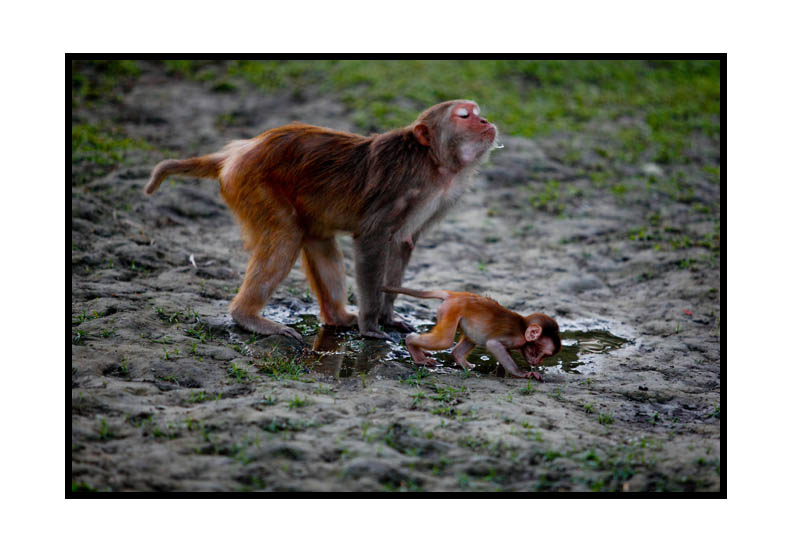
In char Muguria area, Madaripur around 2,500 monkeys are facing severe food crisis. Due to acute food crisis many mother monkeys, passing days starved or half-starved, are even unable to breast feed their babies. Quite a few monkeys have already died in this serious situation. Concerned over the pitiable life of the monkeys, locals and visitors have urged immediate arrangement of food for the monkeys. Though the local communities are already poor to feed themselves but the heartbreaking scenarios of monkeys influence them to share their own food with them. Despite keeping distance with human the unable monkeys are taking foods from people’s hands. The hungry monkeys were competing for the inadequate foods like peanut or biscuit given by the visitors. They were also trying to eat whatever they got — grass, garbage, polythene etc. Baby monkeys are suffering badly in malnutrition. Even the water crisis made their lives more pitiful. Local community sought allocation for food for the monkeys but the higher authorities are yet to give any response in this regard.

© GMB Akash / http://www.gmb-akash.com

© GMB Akash / http://www.gmb-akash.com

© GMB Akash / http://www.gmb-akash.com

© GMB Akash / http://www.gmb-akash.com

“A mother monkey by carrying its dead child was passing from trees to trees. When it came in front of me & begged foods I realized the monkey did not identify its child is already dead. This pitiable situation made me terrified. These apes, whose residents are jungle, came out for food & begging to feed themselves. These climate victims are more alike my working project of  ‘Sex workers’. Human & animal all are helpless in front of starvation & need. They are survivors of dreadful situation which many of us over looked or never know”- Gmb Akash

© GMB Akash / http://www.gmb-akash.com

© GMB Akash / http://www.gmb-akash.com

© GMB Akash / http://www.gmb-akash.com

Life Indulges In Colour

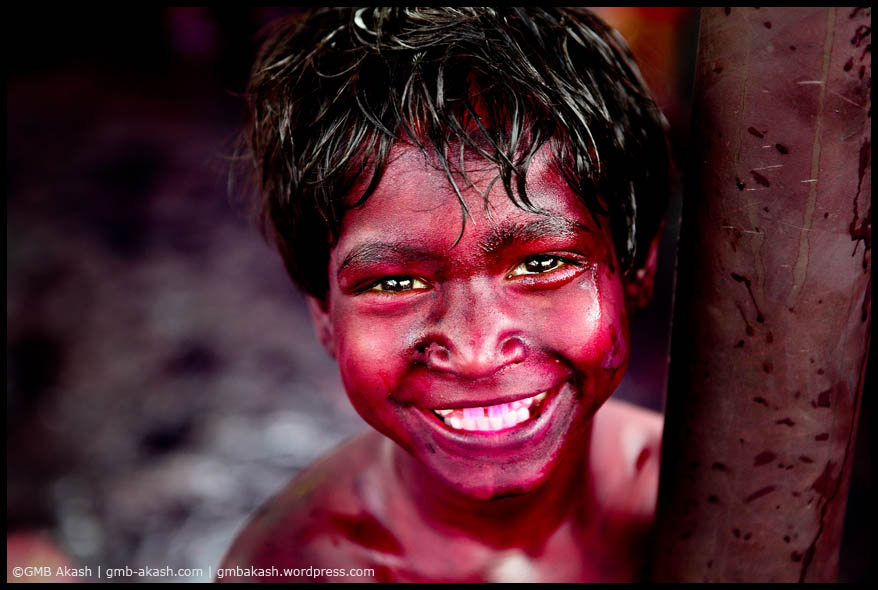
I usually take a picture of a person and then afwerward when I close my eyes for recalling what I have taken – the first thing that hits my mind is – Colour. After observing a person if we try to recall, then unconsciously colours comes first in our mind. The texture of the skin, colour of hair, colours of cloths and over all colour gives us an impression about the mood of the sight. Colour is a strong element to illustrate a person’s traits. I believe every person cover a mood of colour.

From beginning of my career I am working for those people who are living in the edge of the society.While I started working with these people I surprisingly discover – life has taken all colours from them but still they are cherishing every moment of their life with colour. Colour is their courage; colour creates enthusiasm on them to fight to live for another day. Person, who has nothing, has colour in life. In beginning of my career I took all black & white photographs of those who are colourful.  I found out poverty, sorrows and depressions become vivid if I skip colour from their life.

To present – ‘the present’ I start working on colour. A street child, laborer of a road or even a homeless lady all of them has colour. People who are fighting everyday to live life are heroes to me and these heroes represent colour. Their skin tone, dresses, living places all are colourful and powerful. They are deprived from all happiness of life but yet they treating themselves with colour. While I discover the truth I learned to capture the mood of colour on them.

color (20)

color (10)

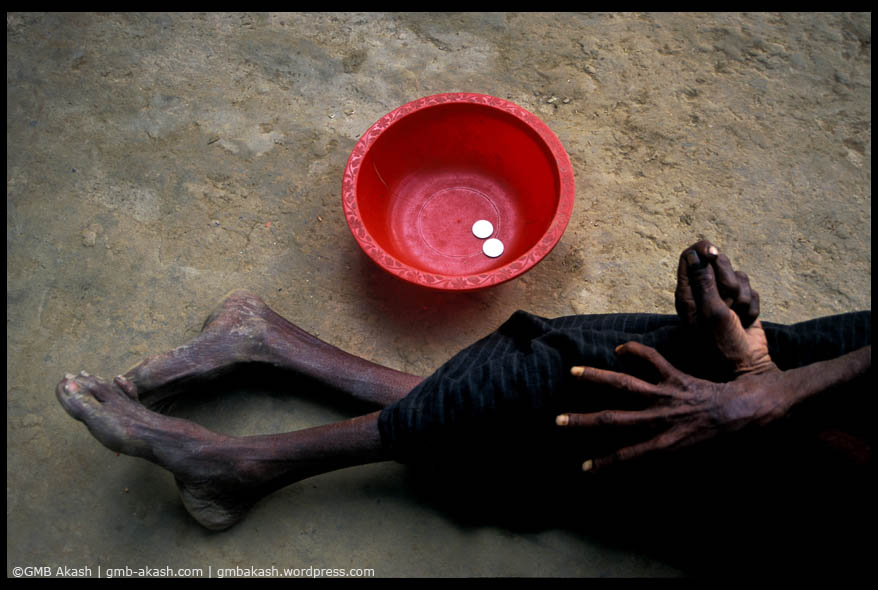
   “…I realize I have no power to deny the colour of these colourful people who are straggling in a colourless, hopeless world, nevertheless they live and smile. So I can not ignore the yellow balloon of a homeless child or even a red bowl of a beggar of the street. This inspiration inspires me to work with colour. Ans I continued my journey in the path of a colourless world to meet with all these colourful souls…”- Gmb Akash

color (17)

color (8)

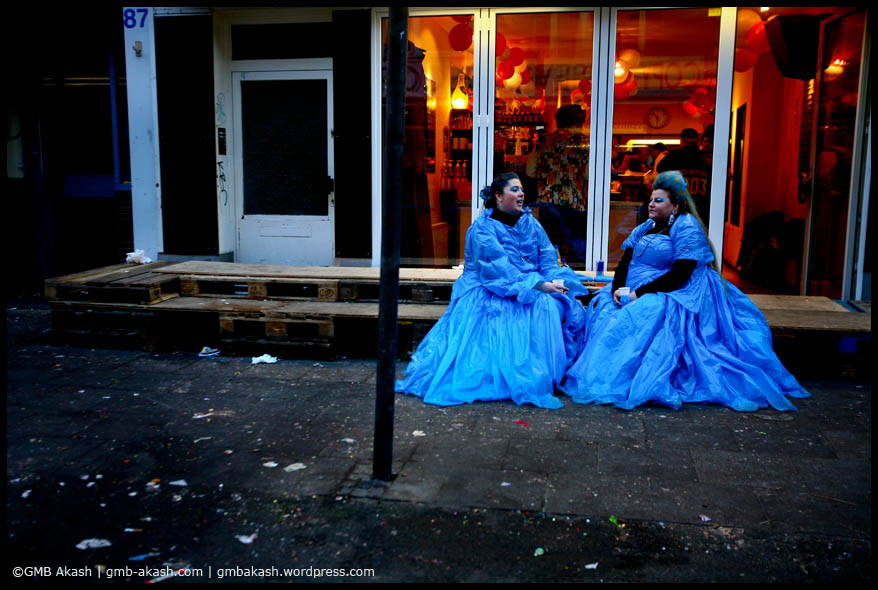
cernival in cologne, germany. february 2007

Colour arouses my work for getting the depth of the sight. I got colour in different mood in the different part of the world. But I discover people who are fighting endlessly for surviving are more colourful than any part of the world. Because of this colour is more challenging to me. I take this challenge to explore the unrevealed spirit through every capture of mine.

color (18)

color (14)

color (7)

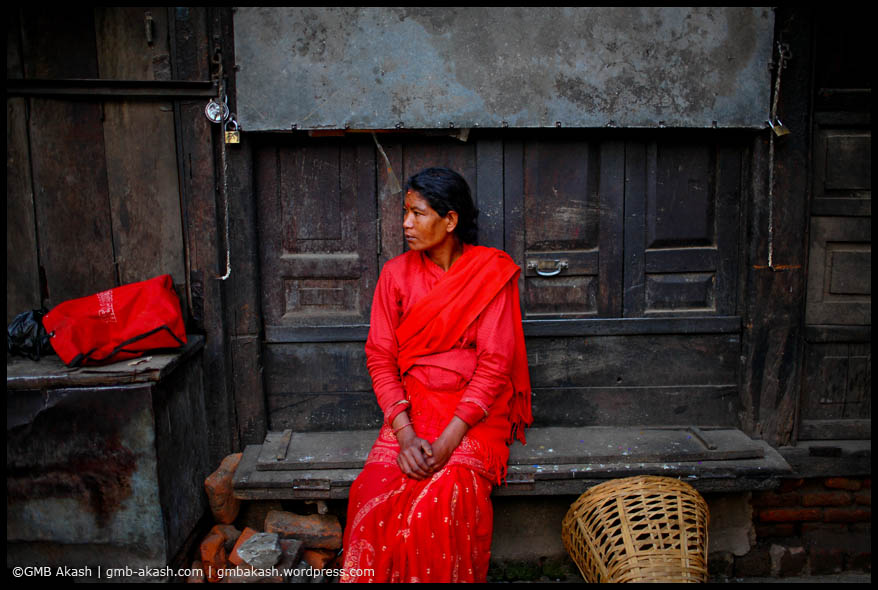
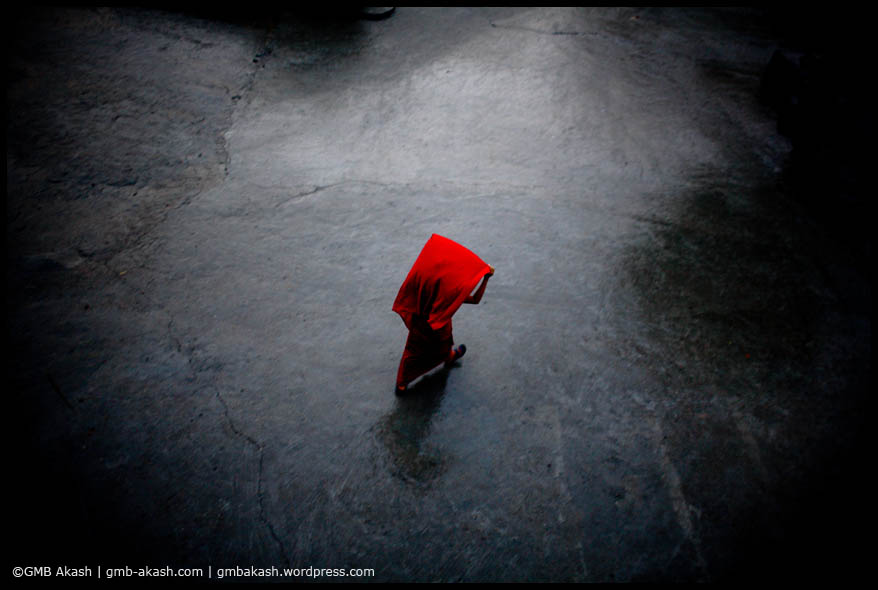
I have a special affection for red. I like to take picture in the early morning and late afternoon. Unpredictably red comes to my way often. People who are living in lower rang affectionate about the colour – Red. It is important to take a red shoot carefully. Contrast might made the capture disturbing, while too much red can destroy the attention for the subject. A good composition and balancing of colour can create an outstanding shot. Apart of all it is important to discover the right mood of colour in the right temperament of an individual.

color (19)

color (21)

color (22)

I go to country to country to explore colour differently. I have found out different colour in different cast. You will find people of power through colour. Your experiences & observations with colour will help you to reveal certain attribute of a community through colour.

color (5)

color (2)

   –    I prefer to use natural light which allows me to capture the originality of the moment of colour.

   –   I try to find out a natural background which suits the subject’s colour instinctively perhaps my entire colour photos are – found situation. So I believe to observe more & more while traveling frequently.

  – Working with a single colour allows me to appreciate more intricate details within the       subject itself.

  –  I travel to discover for getting the unexpected shot yet carrying the note in mind that I am searching thing which I have seen several times but never been noticed. Searching without clue for a known thing helps me to get a good colour shot.

–    I only pick colour which has meaning to the subject.

color (15)

color (1)

“While I am taking photos of these colourful souls I am learning to live in colour. By capturing these colour moments I have learned – few hints of red, blue & yellow has inspirations in our life. People who are fighting without anything in this world are healing their pains by indulging in colour”

– Gmb Akash

color (12)

color (16)

color (9)

Born to work – A Battle of a “Survivor”

“Survivors” depicts the invincibility of the human spirit to survive against all odds. People who live on the edges of society have had a big impact on me and have been a great inspiration to me as a person and in my career. The existing social hierarchies have made me realize that those who live at the lowest rank on the economic ladder are the true survivors. These people are deprived of even the basic necessities of life, yet they manage to live each day with a smile on their faces. As a photographer I feel it is my task to show the world those unseen realities and to shed light on what most of us never see with our own eyes.

I have been doing my project “Survivors” for the last 10 years. In these years I tried to bring changes in some lives. But now, I moves to work on it highly by bringing the project “Survivors” in light. & lend hands to some miserable souls. Munna is one of them. Here I am revealing life & straggle of Munna – which many of you may never seen but heard many times, which many of you may imagine but never feel. Welcome to the world of a – little soldier ‘Munna’

“Born to work – A Battle of a Survivor”, First video made by me & a documentation on ‘Munna’ from the project ‘Survivors’.

‘Integrity with innocence’ this is the concrete of Munna’s character portrayal. Five years ago I first met Munna, he was same like now. He was a seven years old shy boy who never complains to anyone. At the age of five he comes to the factory. Two years he did nothing & got no money. At the age of seven, he learns & starts working. When I took his first picture his hands remarks his experiences.

© GMB Akash / www.gmb-akash.com

Five years have passed fates of Munna & his father brings no change in their lives. Only difference is, with his five years experience Munna is getting 1600 taka ($1=72taka) per month. Moreover 12 years old Munna is running his younger sister education with his extra income of Friday overtime. His dreams confine to get more experience of hard work & made a big factory. He dreams to give good food to his family, he dreams to take them in a better place. The boy speak too less, stand always like a shadow. Whenever I took picture of him, he tried to clean his torn cloths as well hide torn areas. These little doings, little words earn respect.

© GMB Akash / www.gmb-akash.com

20 years ago Munna’s family had come to Dhaka for better living. Time never brings any happiness in their lives. By a little donation Munna’s father bought shoe sewing materials & now he is working as cobbler. They pray that rainy season may never come. As people does not come to do shoe polish in rain time. Munna & his family are surviving in the race of life.

© GMB Akash / www.gmb-akash.com

Like Munna around 7 million children are straggling in our country. May be it is difficult but not impossible to give hope to these 7 million children. If only every capable person lend their hands for one family.

My project “Survivors” aims to help Munna & his family. This project designed to help ten families from ten backgrounds. By little collection – a fund will hand over to Munna & his father. Munna’s father will utilize it for lifting their fates. 25% of the selling price of my book “Survivors” will give to these kinds of 10 selected families. You all are invited to stand beside Munna. Won’t you lend your hands? If your heart is moved to do so please visit “Survivors” by Gmb Akash at : http://emphas.is

“Our little help, little words, little recommendations could bring light in some dark places of this earth. ” Gmb Akash

‘A Hope to See’

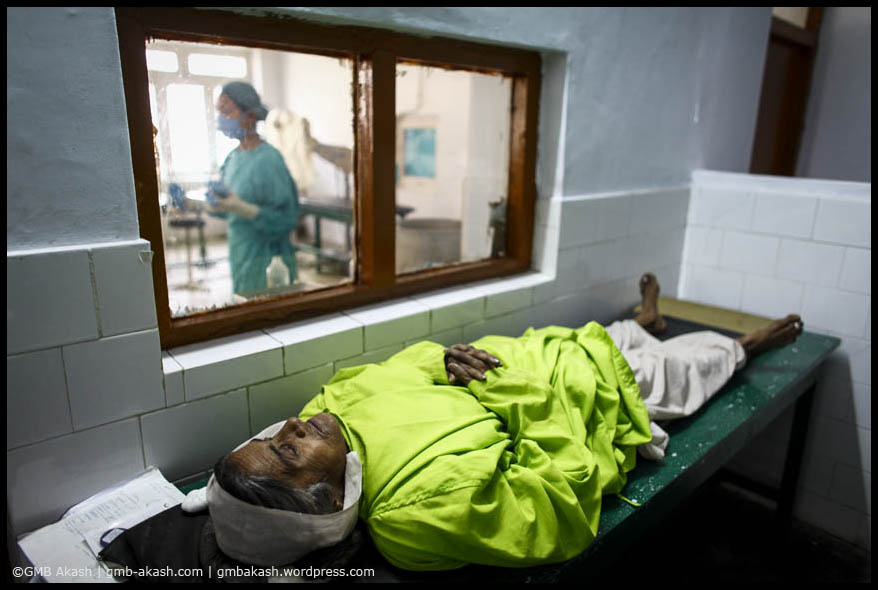
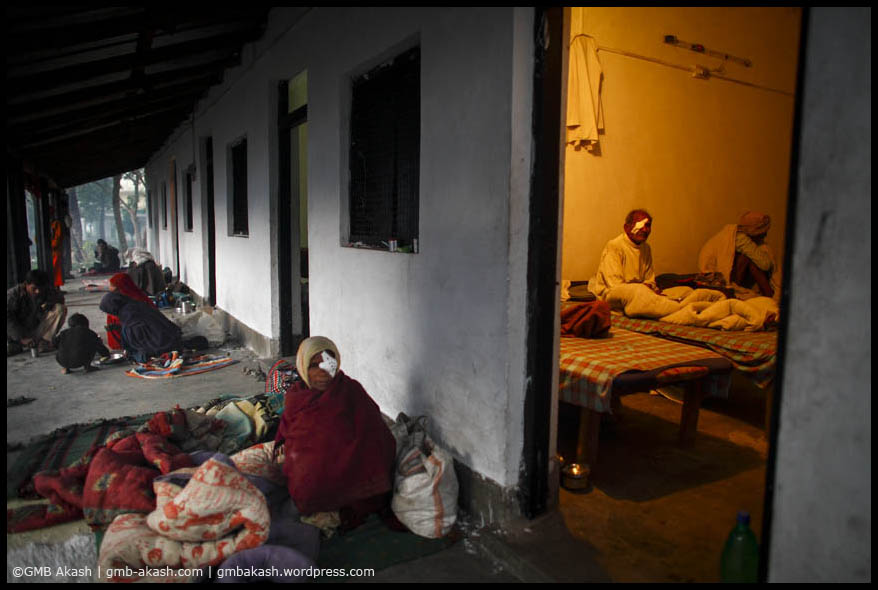
Stepping inside the Geta Eye hospital automatically you will close your eyes. Blind people all around you will be circling everywhere, all gathered here with only a hope – Hope to see! Moaning of blind people who are resting in fields will take you in the city of blinds. Then when you will enter in the main building of the hospital you will see a tireless world of doctors and their patience of serving, to give their best to give back patient’s sight. I spent seven days in Geta eye hospital and experience the soreness of being unable to see. I discover the happiness to seeing again. I understand the value of belief!

getaeye (3)

getaeye (10)

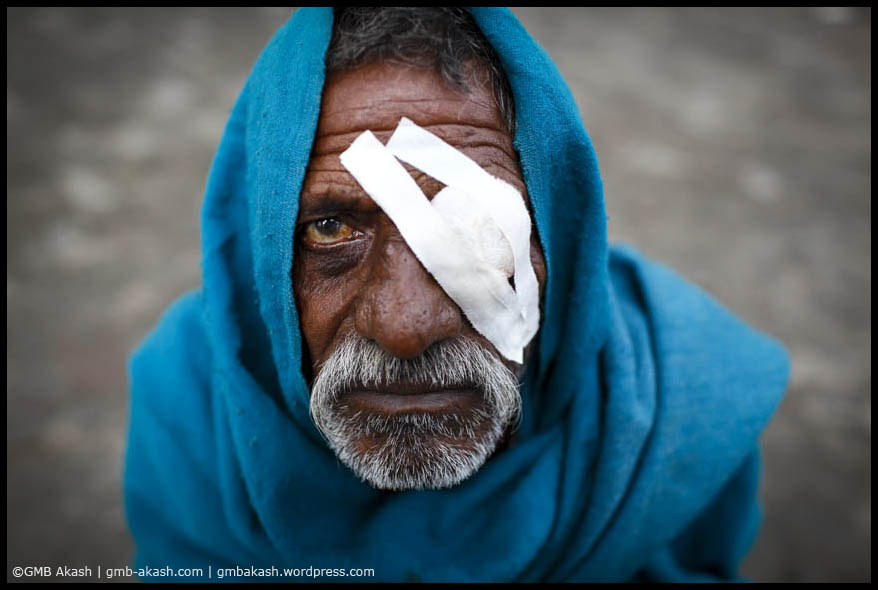
Before setting in these benches these cataract patients have passed days and nights in the open air of hospital field. After traveling far distant, getting accommodated in the field and having went though all obstacles they keep their hope alive till the final operation. Today they are waiting for the doctor’s call to open their bandages and hoping to see the world again. Nepal © GMB Akash / www.gmb-akash.com

getaeye (6)

Every day a long queue and big crowd engage doctors of Geta eye hospital. Dr. Bidya examined patient eyes who admitted for cataract operation. Nepal © GMB Akash / www.gmb-akash.com

Cataract and trachoma have emerged as prominent among eye diseases in Nepal and India. Cataract is the main cause of blindness in Nepal and India. In many parts of the country, lack of awareness and ignorance about any eye disease is still widespread where people take it as a curse of god or sin of previous birth, and very often, they turn to local spiritual healers for cure in such a situation instead of getting timely medical treatment in the hospital.

getaeye (9)

All cataract patients wait for days and nights in the hope for a call  from doctor. Doctors can never relax here within the  crowd of patients and for the hope to return their eye sight. Every day hundreds of patients making queue and enter into the hospital. Sometimes it seems like a big crowd is going to attend a picnic where the truth is those are gathering of blind people in hope for their eye sight.


getaeye (8)

Nepal © GMB Akash / www.gmb-akash.com

36,000 new cases every year are being added to the number while over three hundred thousand people are found to have suffered from eye diseases of one or the other sort. Ninety percent of eye patients in Nepal live in rural areas where people still do not go to hospital for treatment on time whenever something goes wrong with their eyes.  As most of the people in rural areas are farmers by profession, they are quite exposed to the risk of getting their eyes pierced or hurt any time.

getaeye (7)

The patient getting the treatment on the hospital bed came from Uttar prodesh. Cheaper and reliable treatment gives them hope to gain back the power of eye sight. Nepal © GMB Akash / www.gmb-akash.com

getaeye (4)

Nepal © GMB Akash / www.gmb-akash.com

getaeye (1)

A cataract patient is lying under the tree outside the hospital. Hospital can not accommodate all the patients, so lot of patients have to sleep under open sky in the cold winter. Nepal © GMB Akash / www.gmb-akash.com

Every year thousand of Cataract patients come to Nepal from India. Purpose is eye surgery. Most of the patients are coming from Uttar Pradesh India. They have to travel 24 hours to arrive in the Geta eye hospital. Only for the cheap and reliable treatment they stayed in the open field sometimes even one week. The whole day and night patients are coming from India. When the weather permits the patients to travel over 400 cataracts patients enter into the door per day from all over India and Nepal

getaeye (11)

Ram Lal (45) is one the cataract patient from Uttar Prodesh, India. He said in India eye treatment is expensive and not proper enough. He has traveled seven days, collected money last one year to get treatment from Geta eye Hospital, Nepal. All he did to get back light of his eyes. Nepal © GMB Akash / www.gmb-akash.com

getaeye (5)

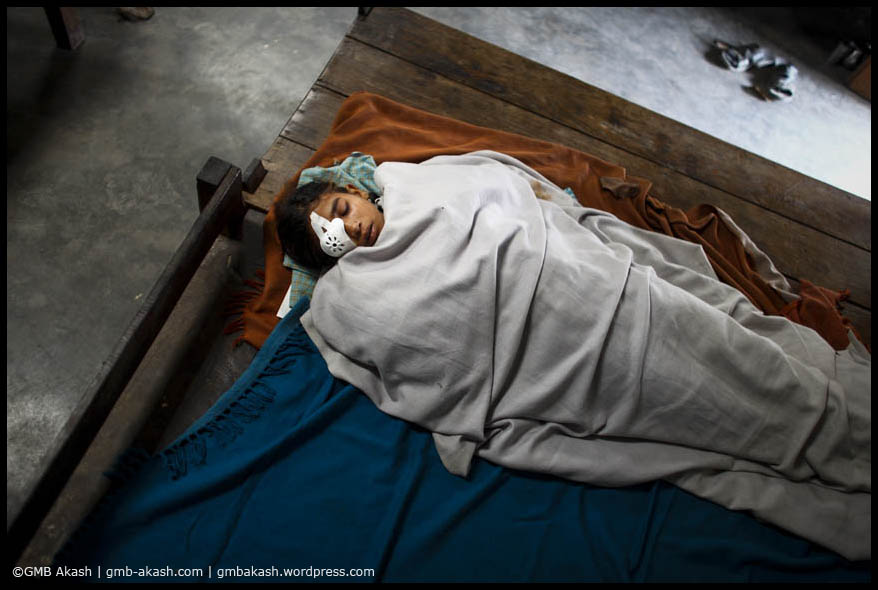
To see the light she traveled five days from her villages and after spending three days outside in the hospital the young girl got the bed. She already overcomes distance, crowd of patients & many other barriers to get the seat in this bed. Nepal © GMB Akash / www.gmb-akash.com

getaeye (15)

When I was interviewing patients they happily replied that they do not think this as trouble to reach to the hospital. They only believe miracles happens here, they will leave Nepal with power of seeing. Patients who came from Uttar Pradesh India have traveled by bus and train. They have crossed the bridge over the border river – and then to squeeze into a Nepalese minibus. In a forest outside the town of Dhangadhi in Nepal to reach to Geta eye hospital.

getaeye (16)

This old lady had her operation. She have traveled long and came from uttar prodesh, India. After sleeping in the open field and after passing painful days now she is waiting eagerly for opening the bandage. All these pains & sufferings are little in front of the eagerness to open the final bandage. Nepal © GMB Akash / www.gmb-akash.com

getaeye (17)

A cataract patient lying on the ground comes back from the operation theater. She is basking in the sun. Long time waiting, lying in open air & many other obstacles were not their concern. All of them want to see light in the minimum cost even if they have to come to another country after conquering all obstacles. Nepal © GMB Akash / www.gmb-akash.com

getaeye (13)

In these seven days of working I experienced the joy of people when they get back their eye sight. I saw hundred blinds and severely visually impaired people every day drifting through a large white painted gate. The place is the same in a forest area near by the Nepali-Indian border.  Few see a bit on one eye, others do not see at all. They were stepping cautiously and were lead – by a spouse, a son, a grandson. After the operation magically they walk out again, without help. And leave the hospital with a wide smile on their faces.

getaeye (14)

getaeye (12)


“Untold Stories” Part I

My identity is my photography. From the crowd of photographers, I am one who determine to dedicate everything in photography. I could never think a day will come when photography will be only reason to live my life! In my surroundings & the place I brought up no one can ever thought a boy can devote him for photography. In my environs and in the space I was brought up in no one ever thought a boy can dedicate himself for photography. Throughout my childhood I did not have access to photographers, their work, or even a camera. Photography did not exist for me in theory or in practice. I held my father’s old camera and started taking pictures unconsciously in 1997. Since then I have not stopped clicking for a single day. Every day, in every angle, in every corner of my world I keep capturing those miserable souls and kept them in heart of my camera.

© GMB Akash

© GMB Akash
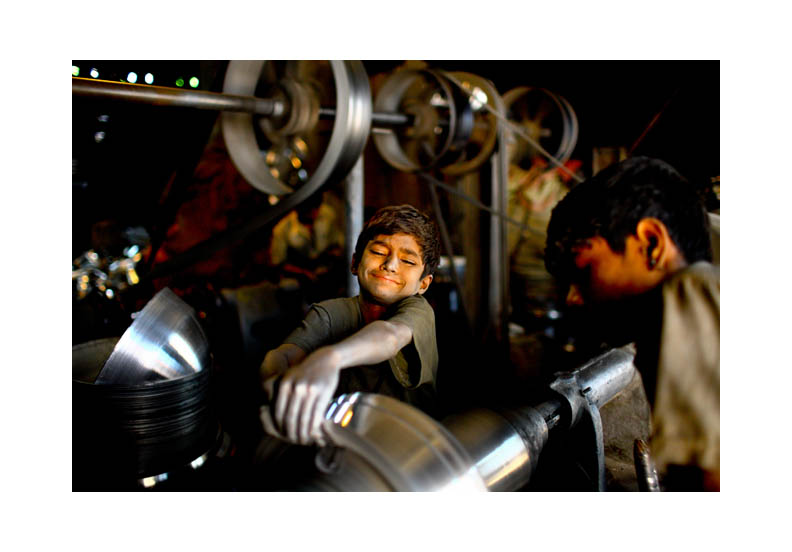
“Bravery” is the most unexpected power of these children. They work 1 0hrs and more having no protection, no appreciation, no admiration but with a wide smile in their faces. In the resting time, when I took photos I asked them what they will become in future. They randomly said they want to be Doctor, engineer, pilot! I lost my words! They do not even know, the work they are doing will never take them in any of these designation they are dreaming for. One boy from them look at me and said, ‘I will be a photographer like you, will take picture when my boss beats my friend’. I use to close my eyes often in between the conversation.

© GMB Akash

When I was leaving the working place of children, I ask them what they want to eat. For them bread is the most delicious food. When I back from the place my soul left heavy. After I got Vevey International photography grants in 2010, with some money I bought new dresses and went to them. Happy faces of 65 children, their shouts, their joys, their hugs I even can feel now when I am writing. I could not resist tears for giving them these simple cloths and after receiving their unconditional love makes me so much small.

© GMB Akash

18 months old Khadeja was suffering from diarrhea in Rayer Bazar slum. Her parents kept her under the sun to ironically cure her. Her condition was bad & malnutrition made it worst. Her parents were no where found near to ask the explanation.
© GMB Akash

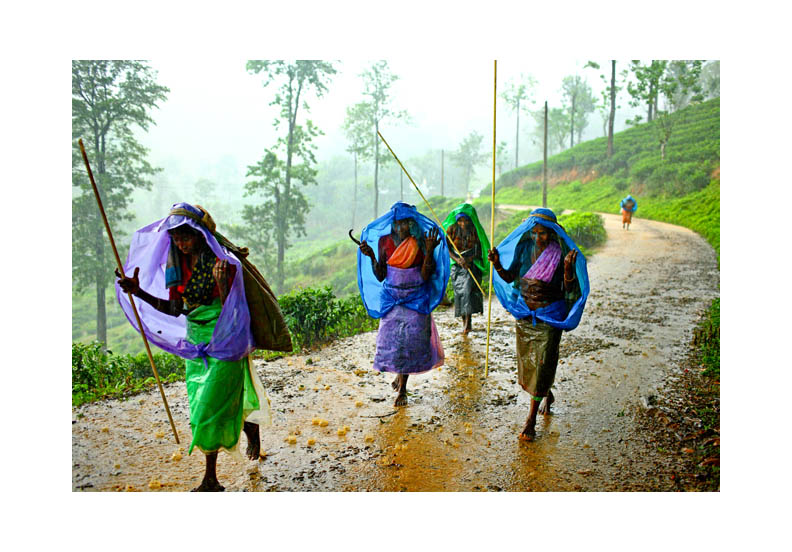
Women protect themselves from the rain at a tea plantation where they work near the village of Elkaduwa. Tea is one of the country’s main export crops. sri lanka, Matale District

“It was rainy season. Female workers of Srilanka were rushing to their work place. I was rushing with them. These ladies were bare foots, clothes were thin. I was wondering how whole day they will work. Suddenly I felt something beating near my knee. I ignored and keep clicking. When I could not bear any more I hurried back to my hotel. I found louse beating. It was bleeding, and  I got sick. When I was suffering from pain I recall those ladies who were bare foots & thus they works everyday!”
© GMB Akash

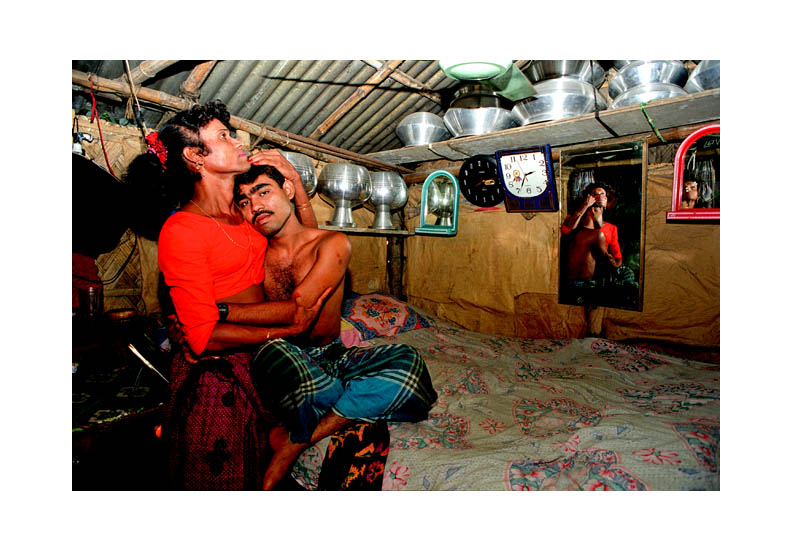
My friends started calling me “Hijra” Undoubtedly it was shocking for me but I didn’t stop working on trans-genders. It was way too distance to reach as nobody worked before me on this community. It took years to get entry to their door. I patiently keep trying. Mixed with them, talked to them, took gift for them. I tried to understand the basics of their lives. Their ways of life makes them strange characters and granted as alien in the society. Instead of getting warmth from the society, they receive hatred and contempt. Few among them were forced to leave school because of their classmates’ negative attitude towards their feminine behaviors. Their lack of education has so far deprived them of information and any scope of communication with trans-genders all over the world. So they confine themselves to their own small community. They engage themselves in merriment, singing, dancing and thereby hiding their struggles and worries in laughter. After several years of working, I go to the depth of their lives. People laugh at me, make fun of me. But when I meet with them their warmth of admiration give me the courage to depict them in my frame.

© GMB Akash

In district hospital Accham every day people come to get treatment for HIV. To reach in this remote hospital I have to travel several days. Even people who come for treatment walk two days or more. In those villages you can hardly find male member of the family. In every family some one died in this disease. They have no work there, so they go to India for long time. They bring HIV unconsciously when they come back. Even some ladies come to know that they are HIV positive after  of their husband’s death. Their painful stories of surviving could hardly reach to the top.

© GMB Akash

15 year old Masura Begum at the Fistula Treatment Centre in the Dhaka Medical College Hospital. Masura developed a fistula after an unsuccessful abortion operation was carried out after she was raped. Over 71,000 women live with fistula in Bangladesh, with the World Health Organisation estimating over 2.5 million cases worldwide. The UNFPA have trained 45 doctors and 30 nurses to treat the disability at the centre in Dhaka. Obstetric fistula, which can occur after days of obstructed labour, is both treatable and preventable, yet it carries with it a huge stigma, and can have devastating consequences, usually killing the baby and leaving the woman with chronic incontinence. Dhaka

© GMB Akash

Liza is an old sex worker in Tangail brothel. In early childhood her step mother sold her to the brothel. She forgot their name, faces & even where she born. She admire when some one took her photo. When I was taking her photo & listen to her story, this hard hearted lady broke out in tears. She lost her young age, clients hardly come to her. She has no one, without this brothel she has no place to go. Now she works as maid for other sex workers. She was crying in thought of why god punishes her this way. She lost her childhood, she never got love in her life now in old age she has to rotten in this brothel. That time first I thought of buying sewing machines for these kinds of old sex workers. At least they could find a self respect at the end of their lives!

© GMB Akash
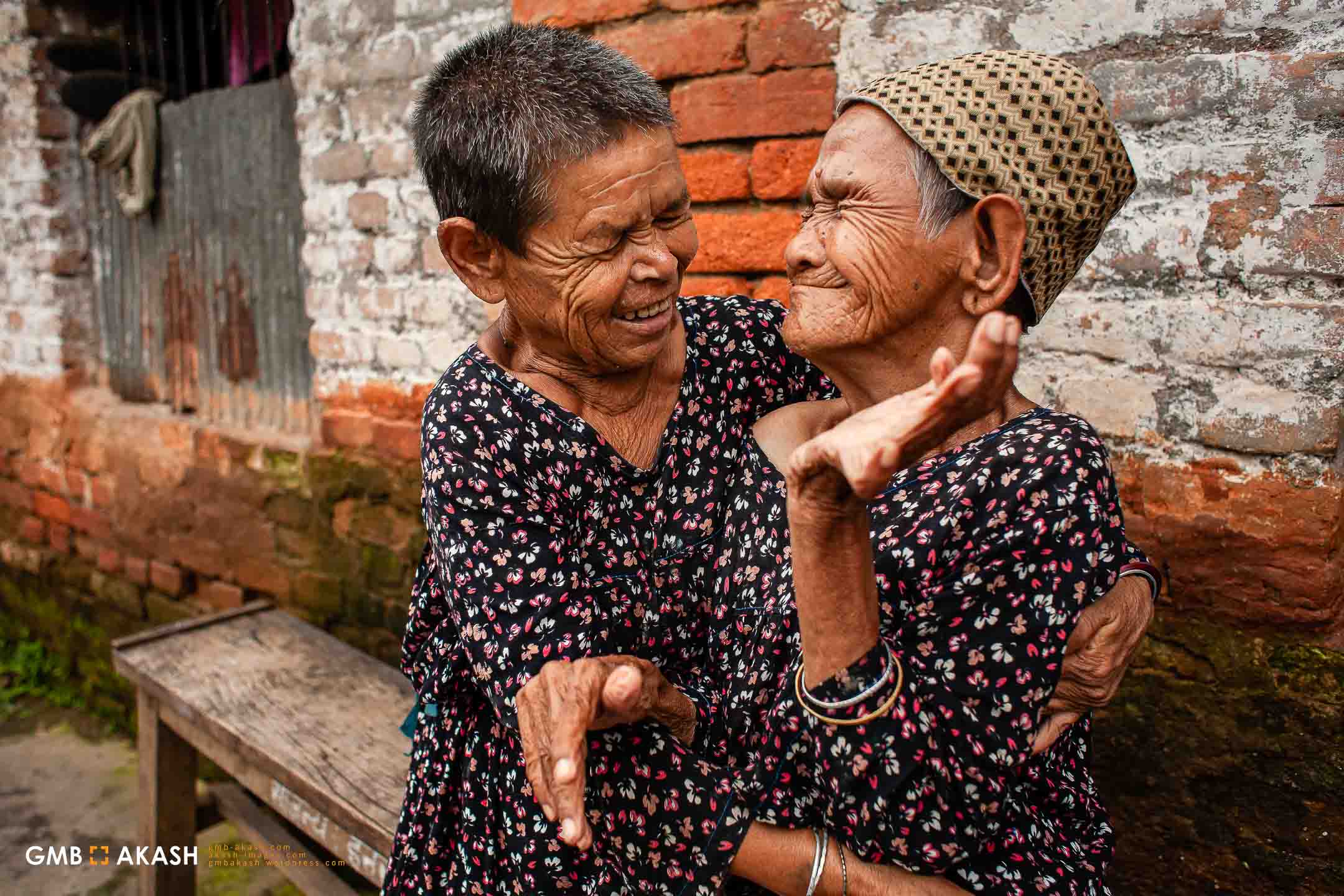
 

“I am working on old home past many years. “Kontinente” a German magazine published my work on Nepal old home. That old home even did not have sources to give two times food to those old inhabitants. After knowing the fact many people come forward to help them. We raised sufficient fund through mother Teresa Home. When a mother said “I waits for you my child as just like I waits for my son” I feel little. We still keep working for all those great hearts”
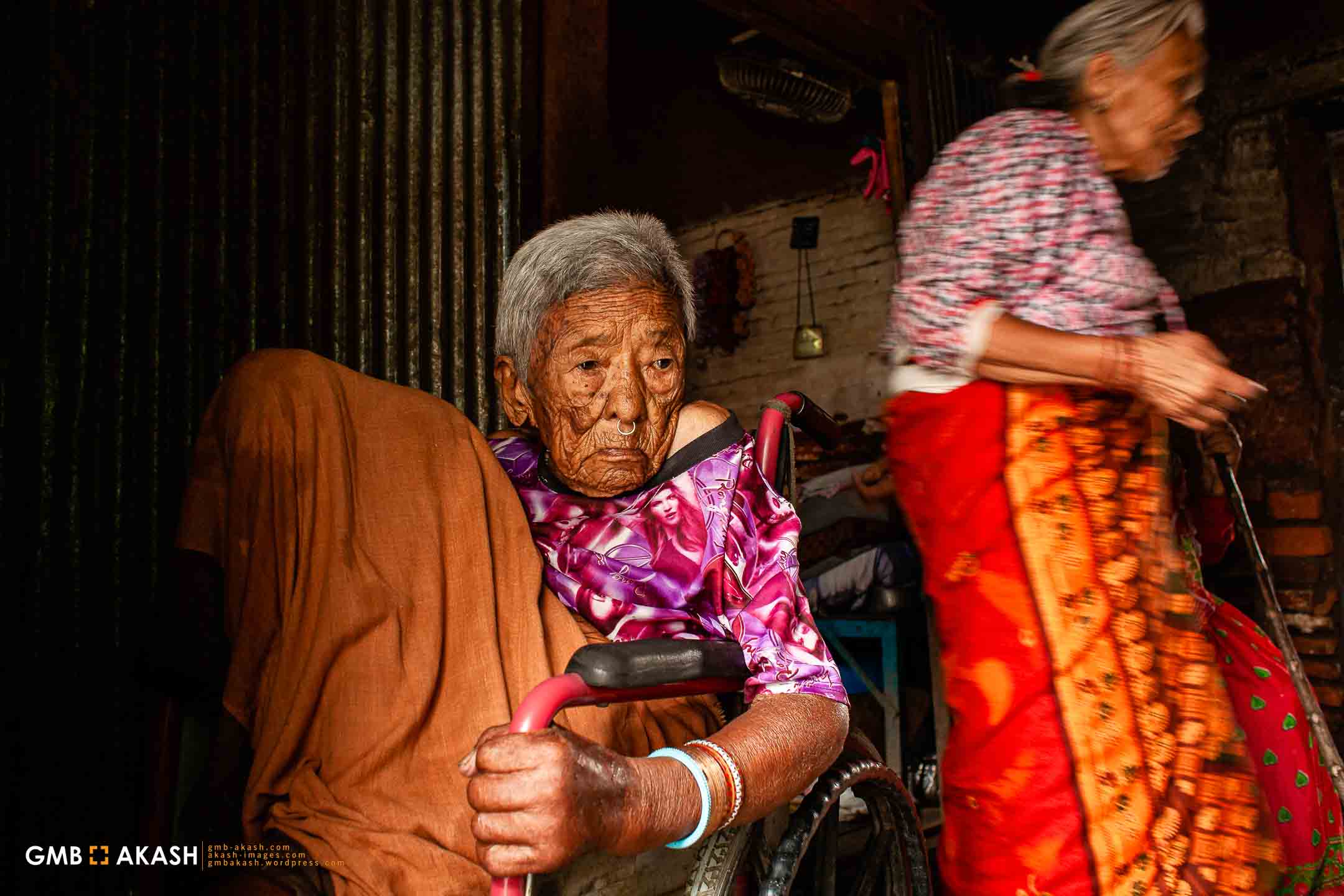
“I am in an endless journey towards an infinite route, only to find a real world of humanity. This thirst is eternal. I will keep walking, touching every face I meet by my lens. I will show the world – those unknown stories of sufferings. If a single hand comes to give them a shade then that is the real honor of my sweat” – Gmb Akash