Life Inside Indonesia’s Mental Hospitals!  

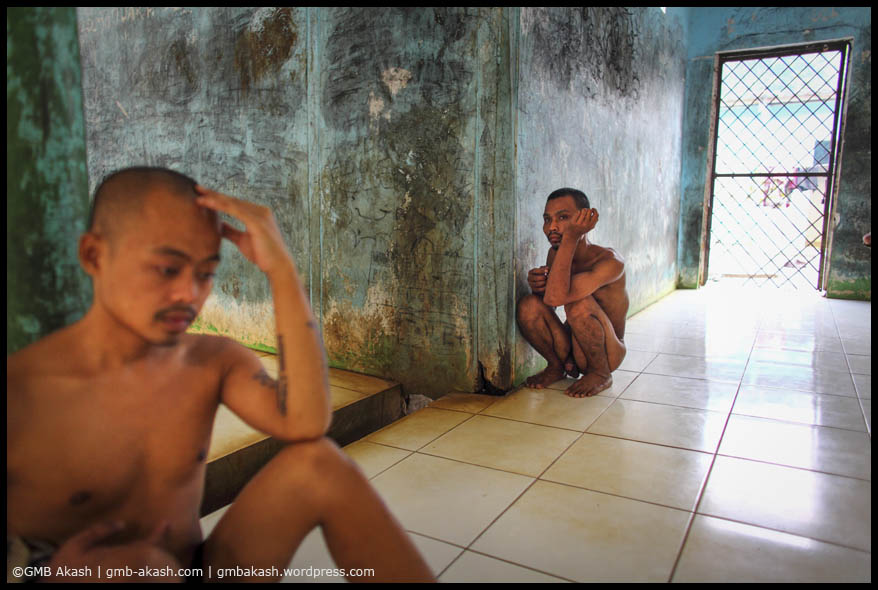
Indonesia, a country with 240 million people, is facing significant challenges in providing mental health care. There are only about 500 psychiatrists in the entire country, leading to a shortage and leaving approximately 750,000 Indonesians with mental health issues without the proper care they need.

Due to cultural beliefs associating mental illness with evil spirits, many people resort to traditional herbal remedies and prayers, which may not always provide effective results in addressing mental health conditions.

For those who do seek medical help, mental health facilities in Indonesia often have harsh conditions, such as chaining, caging, and inadequate resources. This highlights the pressing need for reforms to ensure humane treatment and better facilities for individuals with mental health needs.

Incredible Humans

Incredible Humans are extraordinarily beautiful. And the most beautiful people we have known are those who have known defeat, known suffering, known struggle, known loss, and have found their way out of the depths. These persons have an appreciation, a sensitivity, and an understanding of life that fills them with compassion, gentleness, and a deep loving concern. Beautiful people do not just happen.

Welcome to my blog to meet 10 incredible humans : ten workers of all time who were previously featured on my Facebook page:  GMB Akash

Undoubtedly their views on life will fill us with awe and leave us in wonder. Let’s have some inspiration to celebrate May Day.

12719486_1064700910261329_1735398948499873688_o

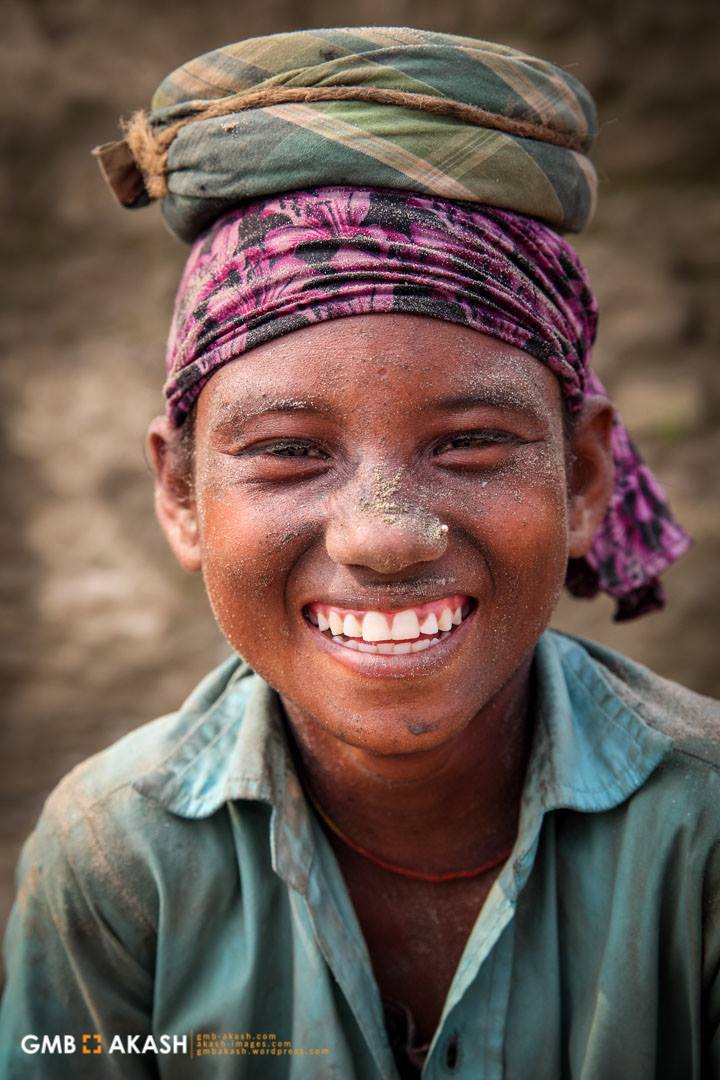
‘We do everything a man does, our working hours are same. But when I went to take my wage the manager gave me 50 taka less than my male coworker. I asked what my mistake was. He shouted on me and said, ‘You did more work than him. But you don’t wear shirt. You are a woman. You will get always less.’ The next day I came to work by wearing a shirt. All the men laughed at me. I ignored them and asked the manager to pay me equal as I wore a shirt after listening to him. I clearly saw he was hesitating and was afraid of my bravery. But again he said, ‘He will pay all women equal if all of us could wear shirts.’ He gave me a smile like a fox. I lost hope, knowing no one will wear a shirt. The next day when I arrived at the field all women were wearing their husband’s shirt on the top of their saree. I never could imagine the manager would be this much afraid of seeing us together. He paid all women equal to men for the first time during his ten years in the brick field’s history. From that day girls call me, ‘Hero’. I don’t mind!’ – Taslima

12973141_1074326089298811_8940474916927352169_o

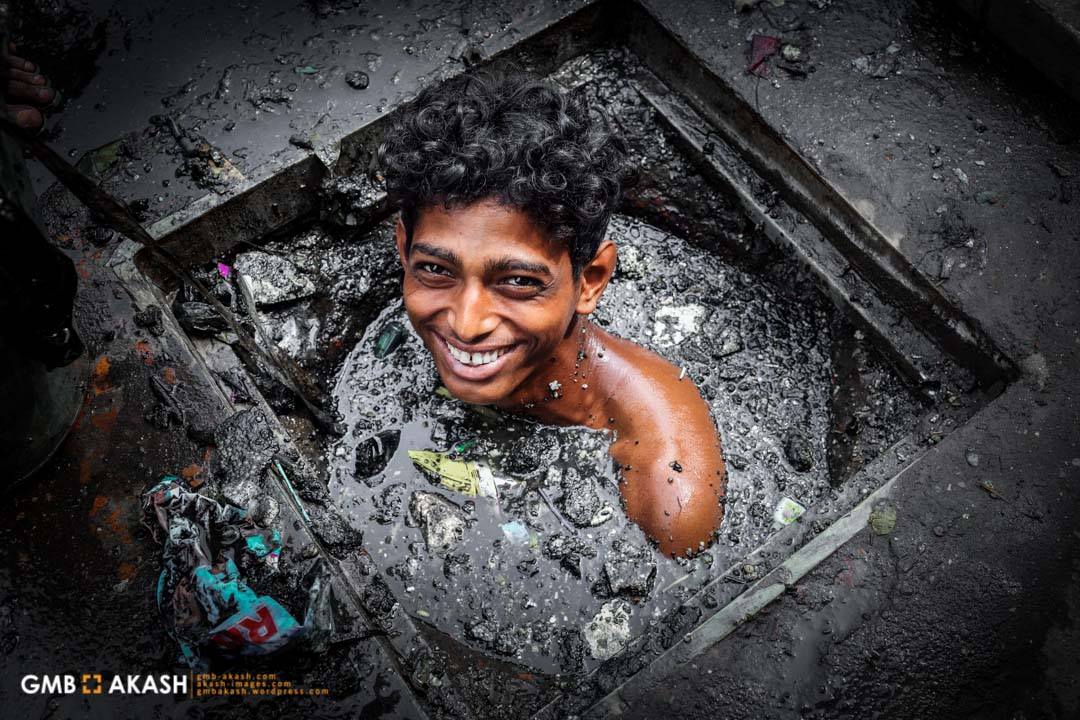
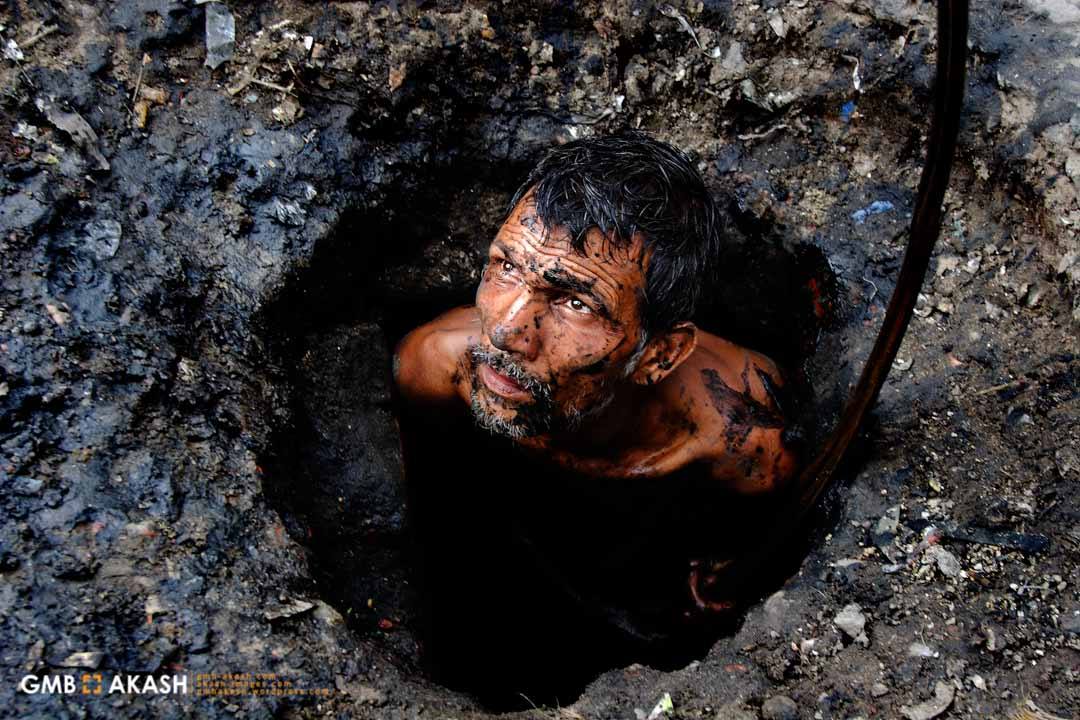
‘I lost my mother when I was very young. I always tried to please my stepmother. I do not know but why she never tolerated my shadow. She had beaten me a lot. I used to stand silently the times she was beating me, I could not cry, as she told me that if I cried she would throw me out from the house. After tolerating all these, one day she finally threw me from my home. I cried loudly all night by standing in front of the closed door, but not even my father came out to take me back. I came to Dhaka from Chadpur. I used to roam around all the streets and sometimes ate from dustbins. Then one day I got this job, a job as a sweeper. But the sad thing is, everyone hates us, no one talks to us. Today I am very happy, brother, nobody ever took my photo, no one ever wanted to know if I have something to share. When you tell my story to people please tell them not to hate us. If we stop cleaning, you will die. We are servant, we go into your rubbish and by becoming dirty we cleanse you.  Please do not look at us with hatred’

– Md. Rabbi (18)

13123291_1085428934855193_459478002714944206_o

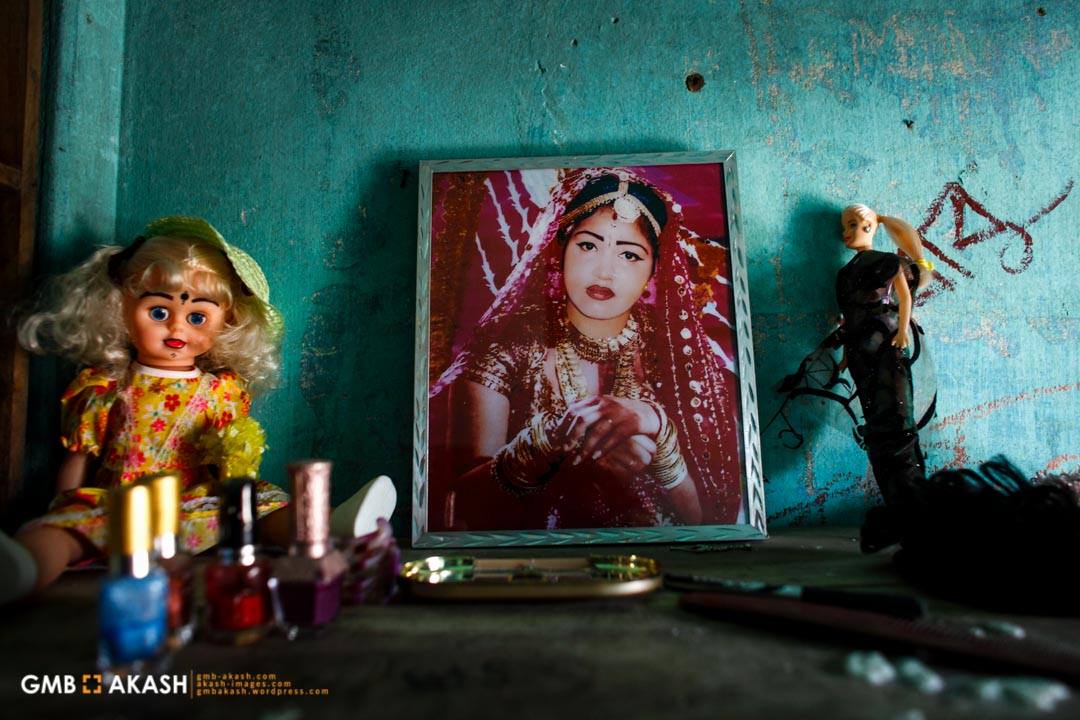
‘One day madam bought a girl of nine years old. Her stepmother sold her to a brothel and then spread the news that she had been lost. The stepmother was satisfied to get rid of a stepdaughter for a life time and 3000 taka was just a bonus of selling a human being. My madam gave the little girl to me to prepare for clients. She was a doll, her pink chubby cheeks and big brown eyes melted my heart. When she cried and cuddled me at night I felt like that baby was made of milk. I went through forced abortions two times; for me Putul was my lost fetus. I bought her a doll to play with. After seven days she was able to speak, her first question was, ‘will that madam cut my hands and send me for begging’? I closed my eyes and whispered, ‘they will do much worse than anyone’s imagination’. Madam was impatient and gave me one week to teach her all the tricks of the business. And I planned something else by putting my life at risk. The day before they fixed a client for Putul, I communicated with one of my old admirers to talk to an organization who was working with orphans. I knew they would kill me if they found me while or after transporting the girl to the orphanage. But that time I did not care about my life. I was able to get her free from this hell. She left her toy doll for me as her memory. I know there must be thousands of such hells waiting for the girl but at least I was able to save her from the biggest one. Please pray for my baby; may she get all the happiness and love in her life; may her chubby cheeks always gets rosy from laughter.’

– Purnima, a sex worker

13735149_1140521769345909_3987720622604558899_o

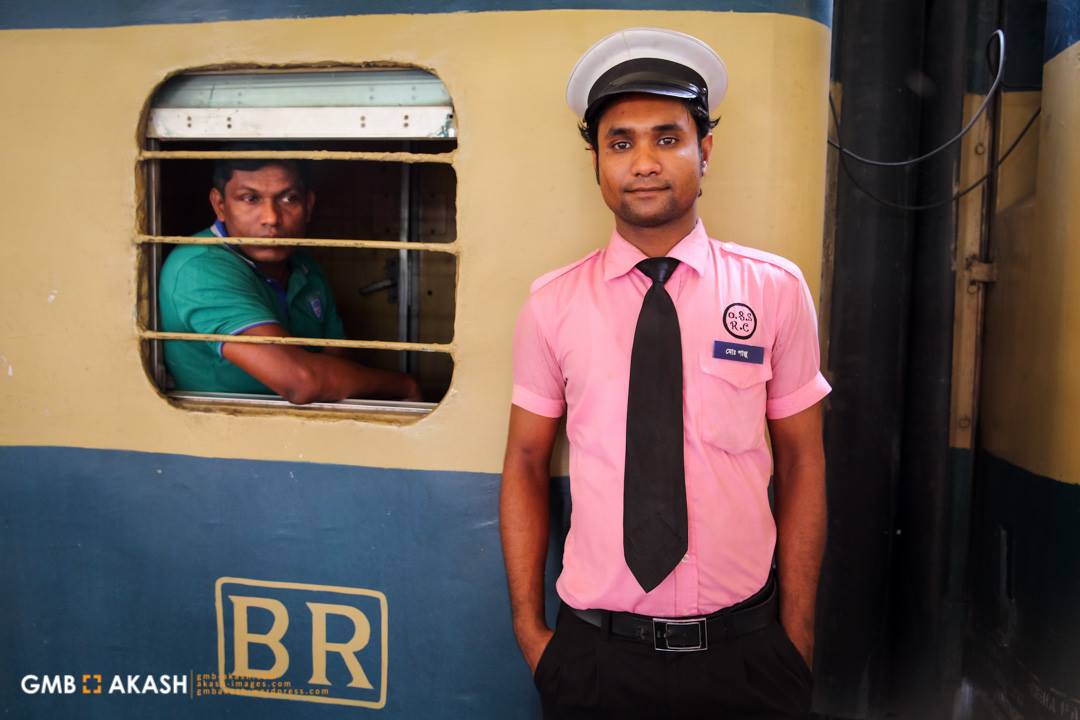
‘I am trying hard to love the job I am doing. But it seems impossible to be happy with my work life. I am giving my one hundred percent. Not a single day do I arrive late at work nor ever overlook any of my mistakes. My job is to help passengers on the train. After giving my best, so many times people have misbehaved with me. It really hurts. People behave miserably to such an extent that I lose control over myself but I never utter a single negative word against passengers. After returning home, many nights I tried to understand why everyday people are becoming aggressive; why educated-socialized people are uttering ugly words against someone they do not even know. Maybe now-a-days we all are going through so much stress and anxiety; who knows? But behaving well to people is not only my job responsibility, it’s my moral value. I only earn 5000 taka monthly; it’s very difficult to run a family with the amount of money I am receiving. But that does not mean I will only perform according to my salary scale; I want to perform my best.’ – Pappu (22)

13331170_1105673736164046_5654528743734809972_n

‘I was very happy when I got a job as receptionist. I only went up to class eight so I was surprised when I got the job while I actually went for a peon post. I belong to a poor family and I have little brothers. My mother was very happy by the kindness of my boss. How lucky was I to get a respectable job with my little education! Things were okay at the beginning. But then I started feeling what only a woman can feel with her inborn senses Many things happened and I could not drop my job and tried to adjust as much as I could. One day when I was showing the appointment list to my boss he touched my hand and asked if I had I heard about Sunny Leone. He would be happy to watch a film of hers with me. I just said, ‘no’ and ran from his room. I cried my heart out while returning home. But I decided to speak up. The next day during lunch sir’s wife came with lunch. I entered inside the boss’s room and with a brief greeting boldly said, ‘Mam, do you know Sunny Leone? Sir wants to watch a movie of hers with me.’ I could never forget their faces. That was my slap to the most educated man. I am very happy with my textile job, I am a worker, but I have dignity, which I will never compromise for money and a reputed post.’

– Nilu, Textile worker

14102313_1167960353268717_1139490007495564267_n

‘I am not living with my husband and in-laws anymore. I was fed up living with a drug addict, who sold everything I had: my saree, sandals, even the bucket of the bathroom. My in-laws kept taunting me as they believed I was the one who could change him but I failed. I realized it would be very late if I did not leave him at that point. But I loved him entirely. It was not easy for me to leave my husband and start a life with my only child. My brothers shut their door in my face. My grandmother was the only one who gave me shelter and helped me to find work. What more could I accept from a ninety-year old woman? She did not turn off her love while the rest of the world kept blaming me by saying what an awful woman I am who broke up her own marriage. But I know my suffering, my fights, my fears and my limits. No one else felt what I had gone through. Yesterday, my child cried all day as I cannot breastfeed her in the work place, publicly. I know well how men gave nasty looks; women pass bitter comments and breastfeeding becomes a sin for working women. But today, when my daughter started crying, I said to myself, if I can go against the society for the betterment of my child, then I can breastfeed her too. There should be a stop to this limitation and I am no longer afraid of what society says about me.’

– Jesmin (28)

12140911_978220678909353_3769136416491490346_o

My wife died when my daughter was 40 days old. My daughter was my reason to live. I never thought to remarry. When she was a child I used to take her with me to work. Everyone used to laugh at me. I had not much money to send her to school. But at night I took her with me to the elderly school. Together we learned to read and write. When she turned fifteen a good marriage proposal came from a far away village. We are very poor. I could not give her anything. She took my writing book with her as my memory. I did not have money to visit her nor did her husband let her come to meet me. When she became pregnant I went to see her. She held my hand and said if she dies I had to take her child with me. I scolded her for her childish behaviour. She requested me to spend a night there, but her in-laws did not let me so I came back. My daughter died during her delivery. Her daughter is one year old. I take care of her.‘ – Abu Mia (65)

13241278_1100775156653904_8529730604376056853_n

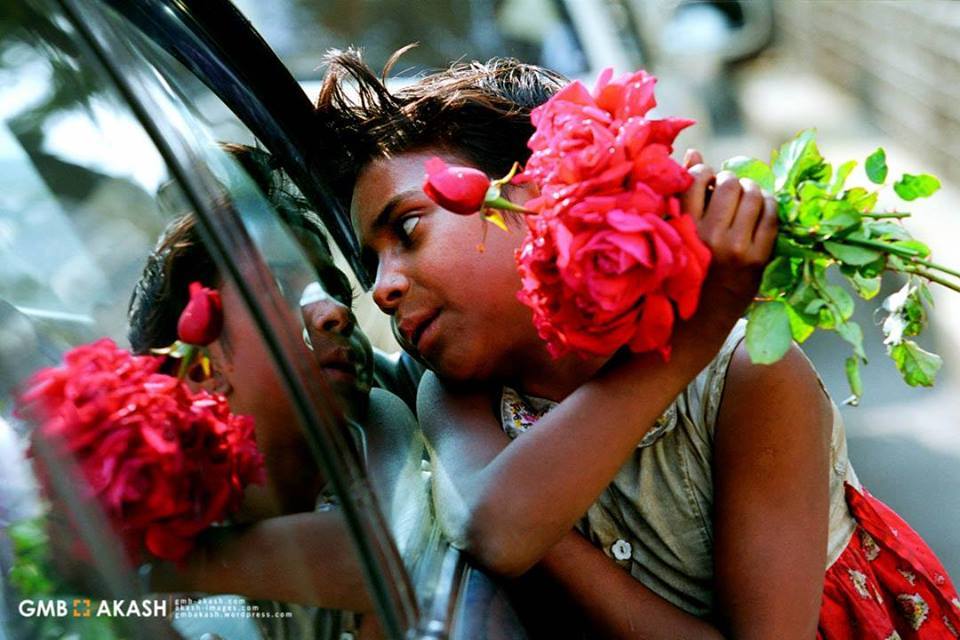
My mother flew with me when my father wanted to make me disabled after my birth, so that he could use me for begging. I do not know, what my mother actually does; she sleeps the whole day and works at night when I sleep. We live in the street. Our neighbours and the police call me the ‘whore’s daughter’. Mom told me not to reply to them as bad people always talk bad. I am a flower seller. I sell flowers; I do not beg. But people have no time to look at flowers. I pop into the windows of big cars and see beautiful children with their parents. Sometimes I wonder, didn’t their dad want to sell their organs or want to make them disabled for begging? One day a rich mom bought all of my flowers for her girl but when the girl wanted to give me the money, her mom said not to touch me, I might have a disease. The baby girl threw the money in the air and I caught it. That day made me the best flower seller among all.’ – Lutfa


Aklima (1)

‘I started working as a labourer a year ago. Including me only ten females are working at this site. The constructor does not like to employ women. There are fifty men working besides us. They always get break time to drink tea or smoke cigarettes. But we, the female group never get any break. For almost a year the strongest man of our group is making fun of us every day. Sometimes he says, he can carry more buckets of stones than the women, even when he sleeps. The contractor laughed loudly at his jokes. And sometimes after transporting all buckets of stones he showed us his muscle and the men laughed at us. A week ago I asked our contractor to give us at least half an hour break. He mocked me, pointed to the macho man and openly declared, he will give women equal break time, if I or any other woman can beat the man the next day. I looked at our women’s group and they were looking at the ground. On my way back home, my little girl was warning me never to challenge a man. I asked her why, then my five-year-old girl fearfully showed me her muscle and told me, ‘We don’t have this.’ The next day, when I came to work I told them I was ready to take the challenge. When I started carrying the stone buckets beside our macho man, everyone stopped working and started clapping. It turned into some kind of game. I had no idea how time had passed. When the contractor asked me to stop I looked at the man beside me. He was lying on the ground, already very much exhausted. Then I saw, I transported fifty more buckets than him. When every woman was screaming in joy, I looked at my girl, she jumped into my chest. I did not say a word. I had to prove to my little girl that, women too have muscle but they do not like to show it.’ – Aklima

12473936_1058725157525571_204788509166671071_o

“I found out my daughter had an affair with a boy for five years. She never spoke about it as she is always afraid of me. Apart from that I assumed my children always hated me for the job I have been doing since my childhood. I asked her to bring the boy and his family to our house. I decorated the house like a new bride and brought the best food for them. I have been saving for my daughter’s marriage for twenty years. That day my daughter was the happiest ever. When they started the conversation they brought out a note of demand. They wanted all material things a family needs, I was calculating and nodded in agreement with every word they said. After all it’s about the happiness of my daughter. The last point was that they did not want me to be introduced in front of their relatives and I should never go to visit my daughter. The moment they said it my daughter screamed in anger and by surprising all she slapped the boy. She angrily said, ‘My father can do the thing that no one can do. Not everyone can clean others’ messes. I am proud of what he does and if you do not leave my house in one minute I will beat you all.’ She broke the marriage proposal and ended her five-year relationship in one second. From that day I knew what a fortunate and happy person I am.’ – Sweeper Monu lal


‘Inside the Cage’


Mental Hospital (24) Mental Hospital (2)

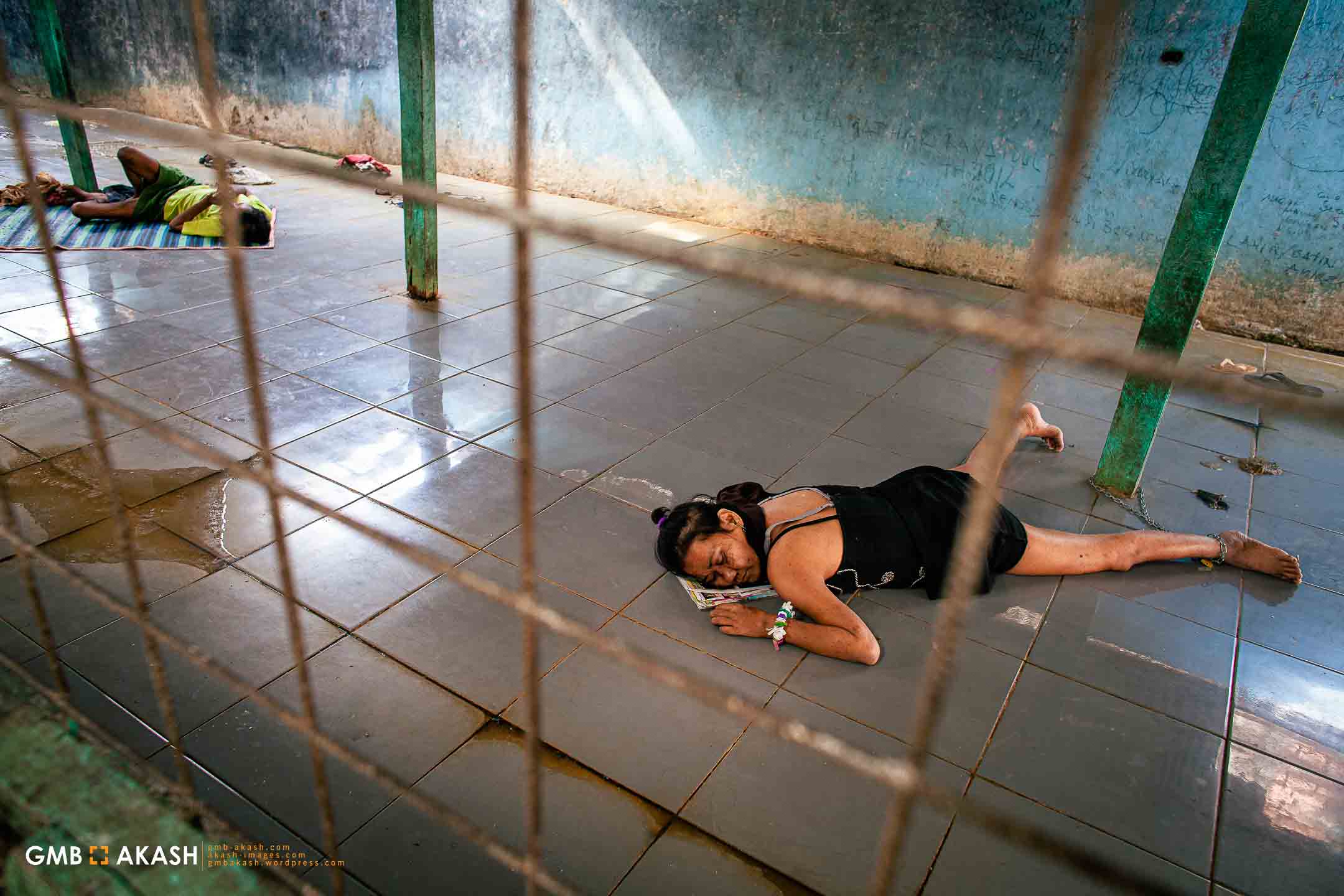
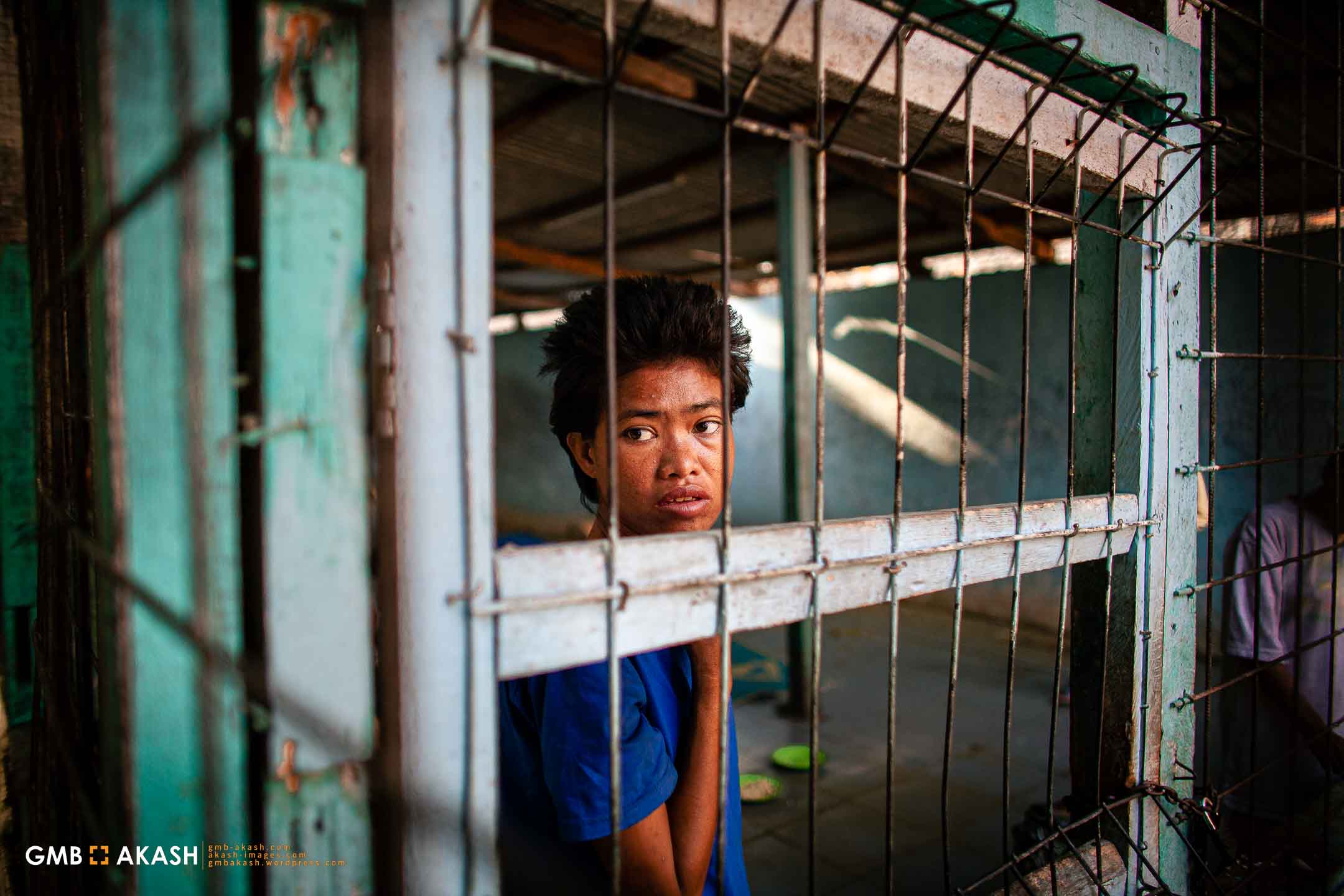
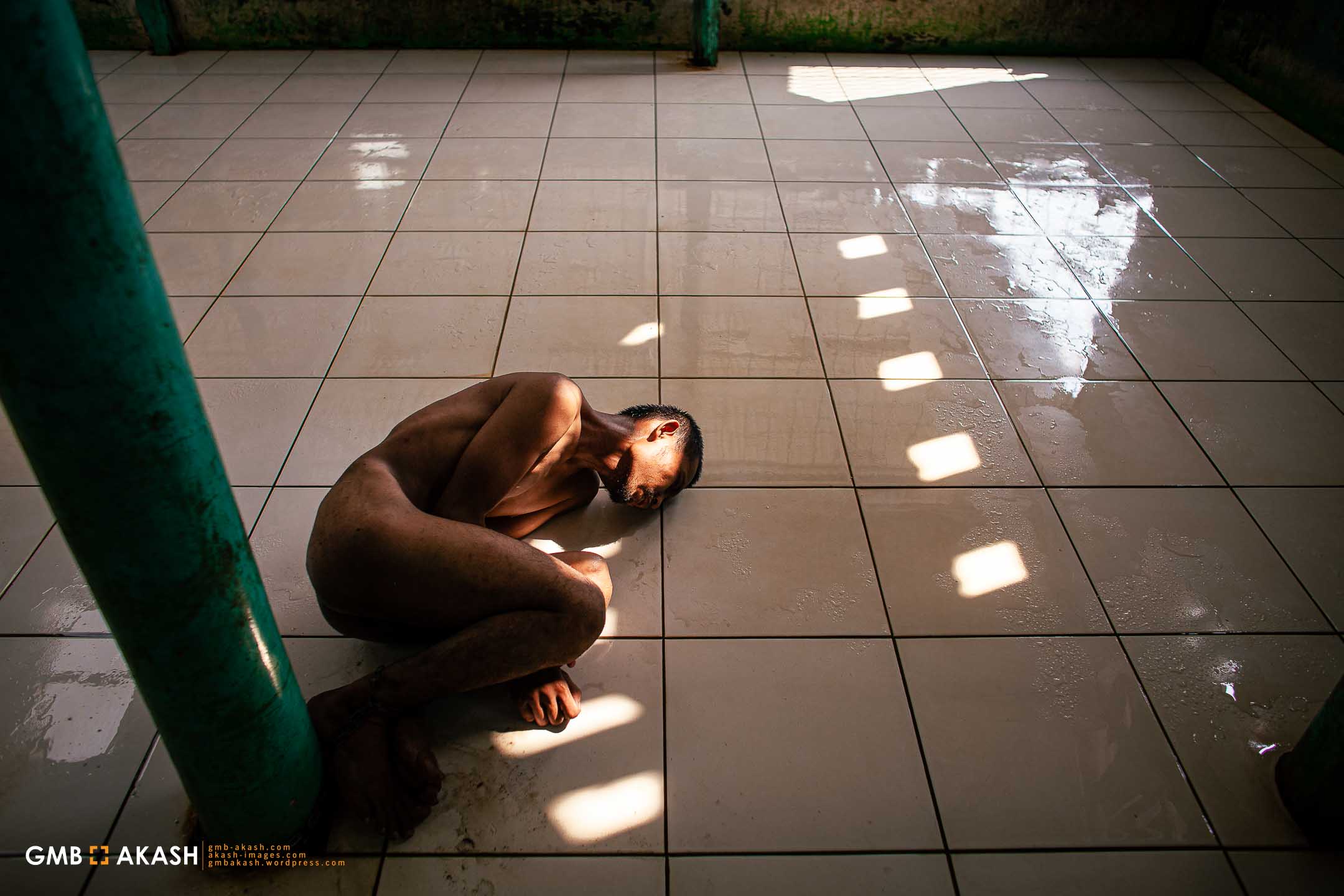
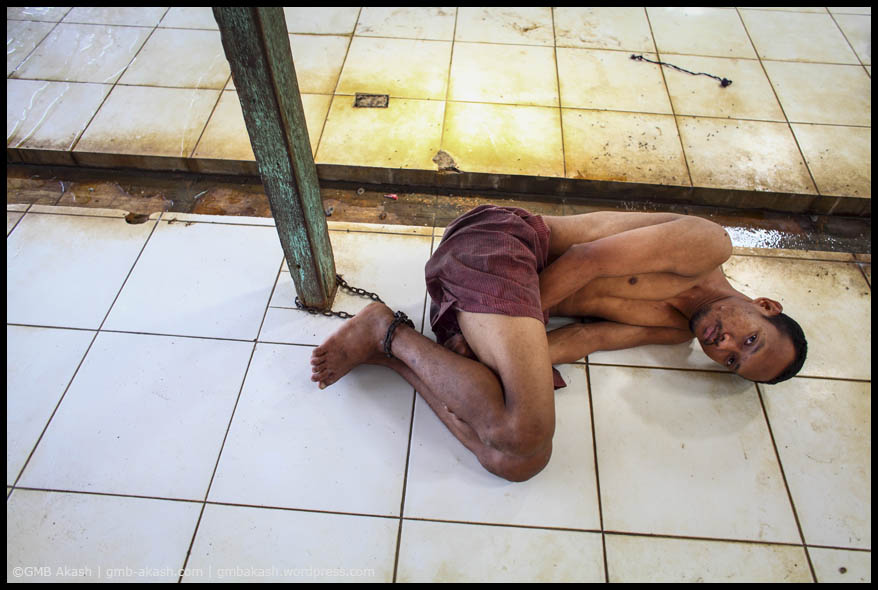
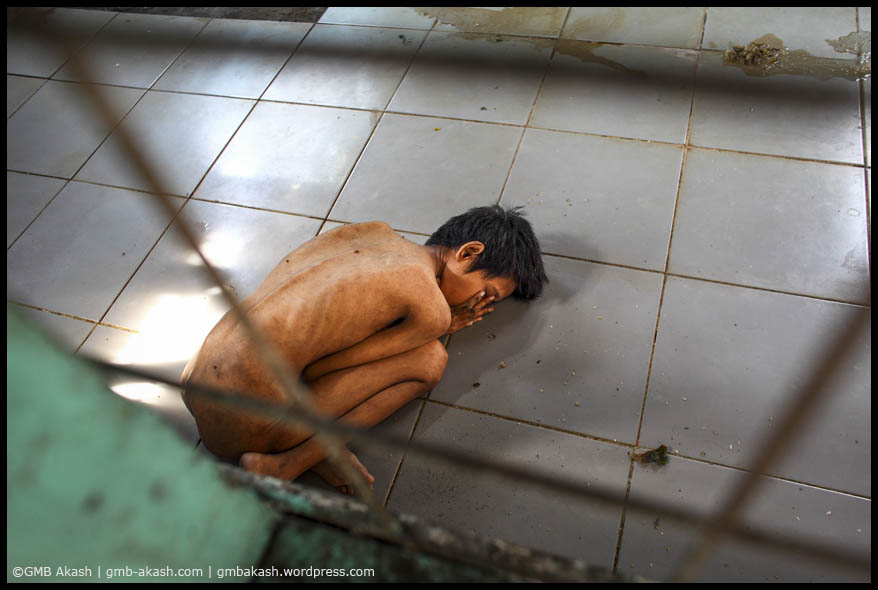
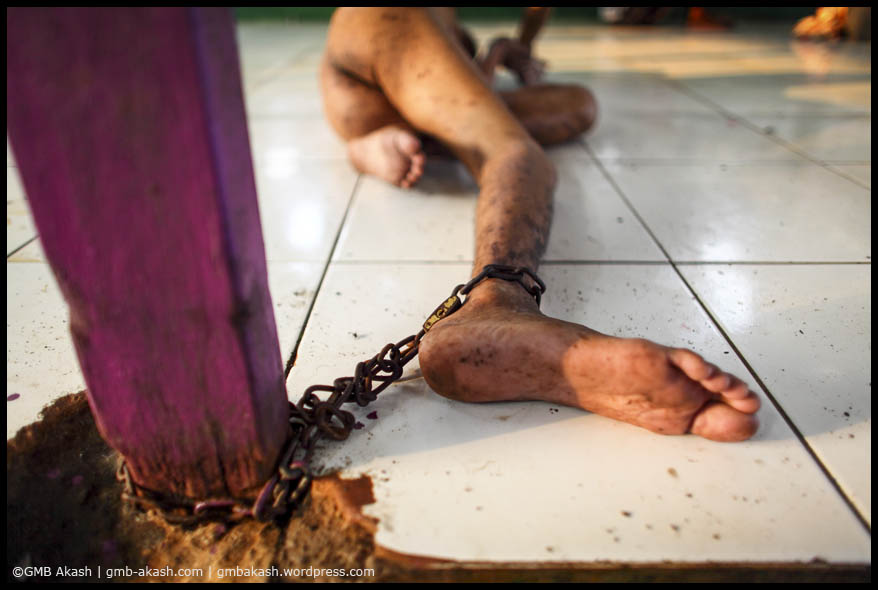
I inspect them with wondering mind. Standing in the middle of a place that is difficult to describe with adjective is impossible. The guard opens the door and bumped me in. Before I realize the guard was disappeared and I found myself in the cage.  A whistle breaks my nervousness and I eyed over a young face. He mocked at me and as soon as I take my first step he vanished with sound of his chain fitted in his leg. In a meter distance from me a naked man seating beside the drain. A few meters away some contorting their emaciated bodies as much as the shackles will allow. Others are setting comatose. The 1,000-square-meter center is divided into two iron-fenced dormitories — one for men and one for women. Confined by the length of their chain, the wooden stock in which they are trapped, or the makeshift cage in which they are imprisoned, they are forced to eat, sleep and defecate in the same spot.

Mental Hospital (12)

Mental Hospital (16)

Mental Hospital (34)

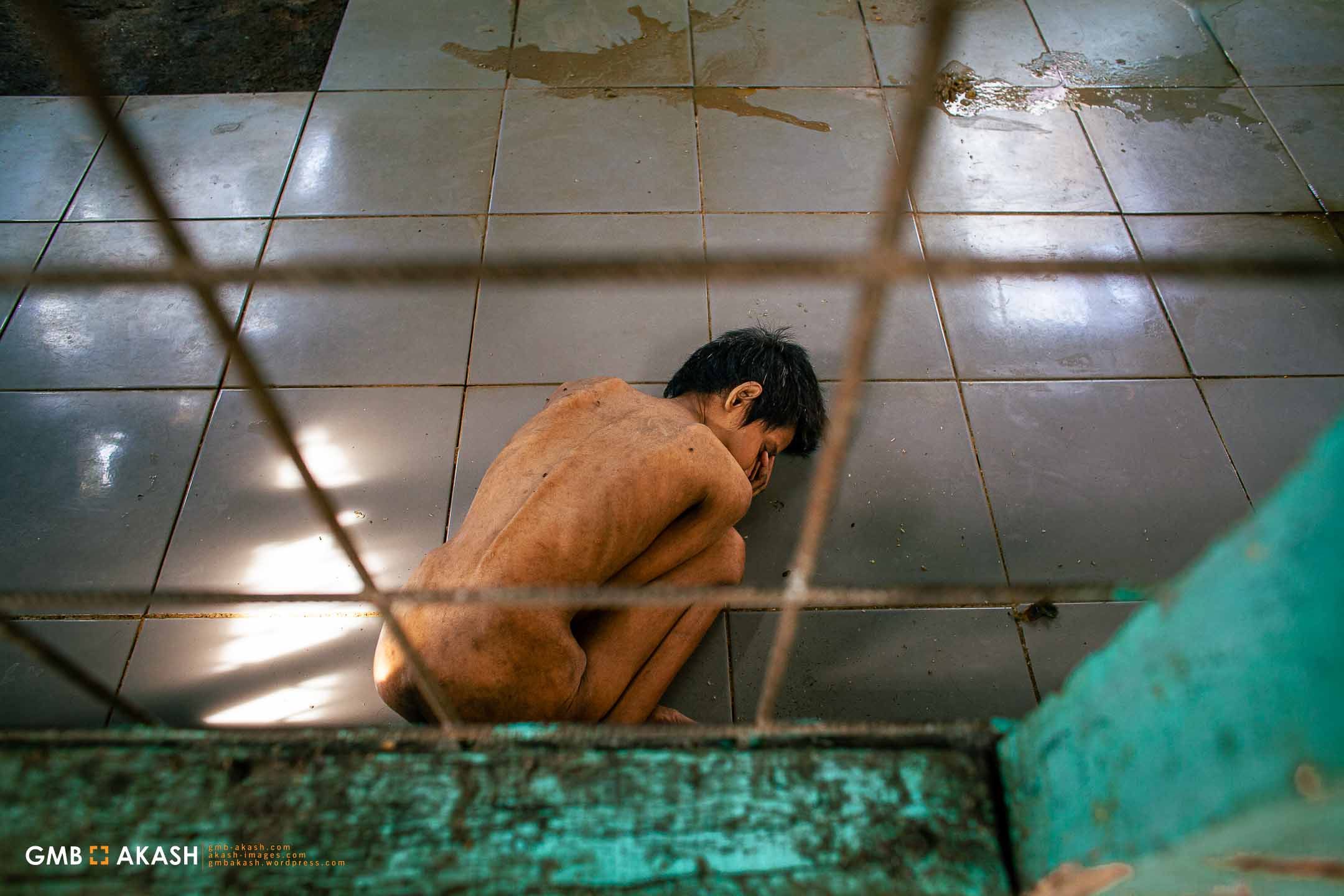
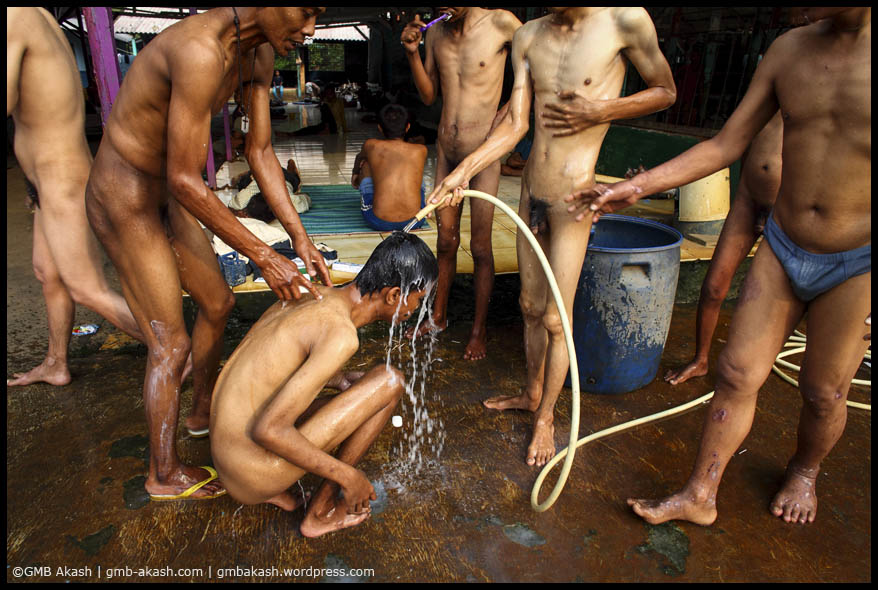
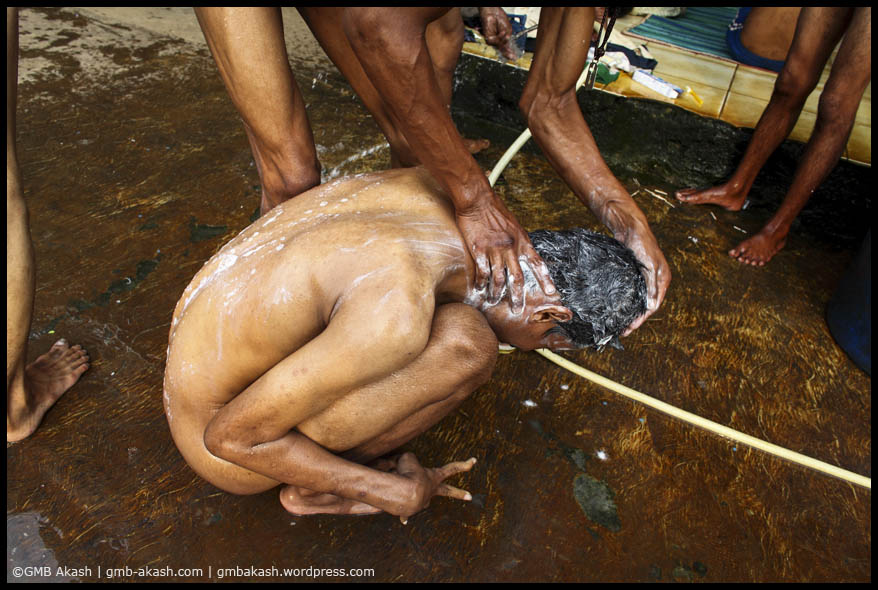
I found the boy mocked me at the door again in water area. A naked boy, thin with protruding ribs, turns his head down as he is sprayed with a water hose and getting bath by the help of center’s stuffs. But this time he didn’t even notice me.

Mental Hospital (21)

Mental Hospital (22)

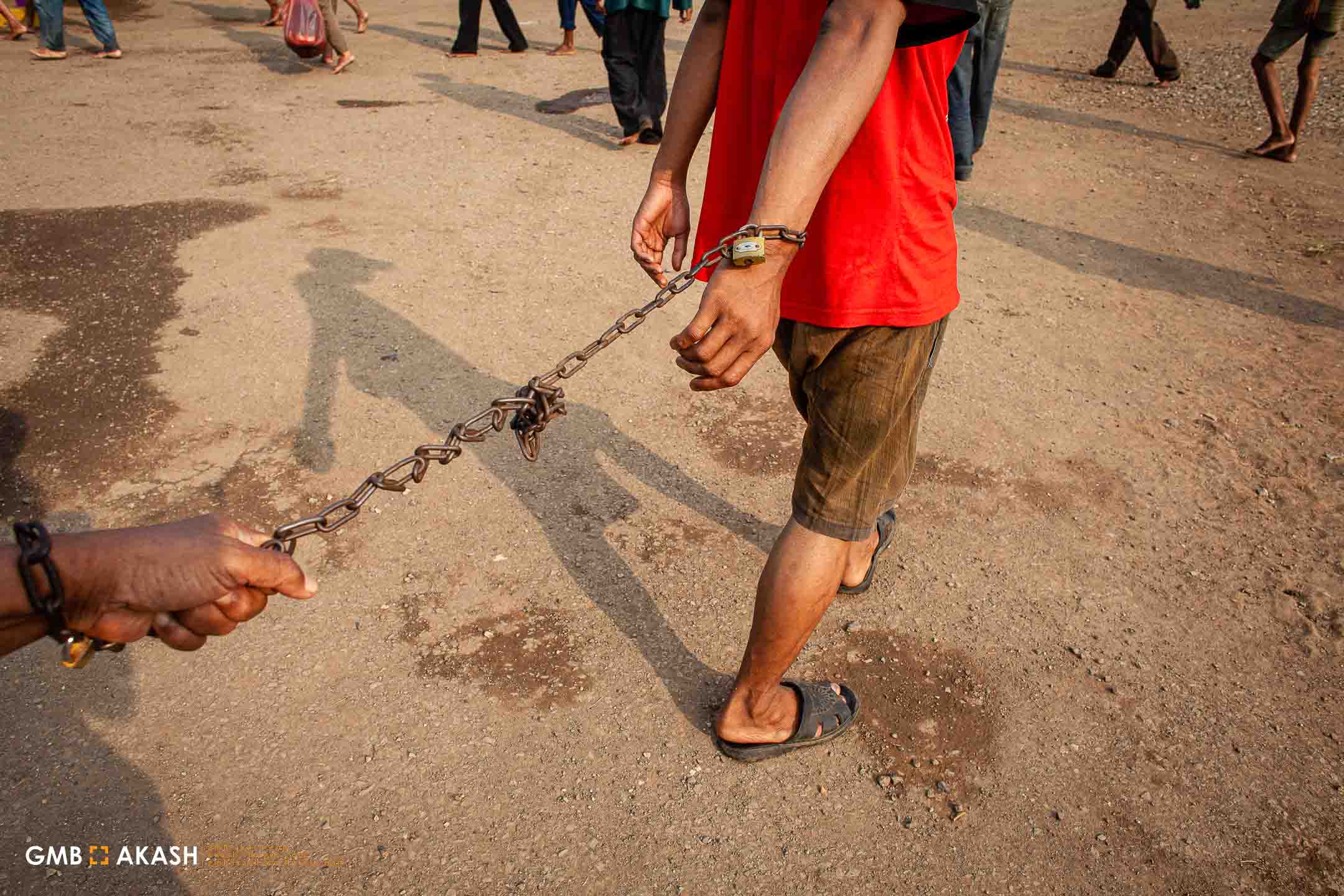
I continue motivating myself not to lose my mind. As a human being it is intolerable to look into faces which have no more past, no more future in fact no more present even. It’s seems odd to see how patients are living in iron-fenced dormitory and how many are chained but this is somehow logical when the centre’s assistant make me understand later. They do it for patient’s attacking behaviors. Many of them hurt others as well themselves by hitting head in the floor or wood. In the beginning when their treatment starts with the chain they slowly become clam and it helps later for their treatment.

Mental Hospital (14)

Mental Hospital (7)

Mental Hospital (31)

A man suddenly appears in front of me pointing his finger he is calling me ‘Hello Mr. Teddy Smith, how are you?’ for a second I feel he is completely fine, a normal person like me. Then I saw his chain. His words were echoing in my ears. With another turn I noticed, I am wearing a T-shirt with a print in it “Teddy Smith”.  

Mental Hospital (6)

Mental Hospital (18)

Mental Hospital (29)

Mental Hospital (25)

Mental Hospital (26)

I keep looking at patients lying in the floors. Confined by the length of the chain a patient is lying comatose. Most of the patients have brought by police or NGO’s as they were spending their lives in on the streets for lack of ignorance family to the lack of psychiatric services for the poor. In lunch time most of the patients eats boiled rice and usually there is not much chatter between them. They need at least 3 tons of rice a month and tons of vegetables, but the center hardly can manage the food for enough funds.

Mental Hospital (8)

Mental Hospital (9)

Mental Hospital (10)

Mental Hospital (15)

My visiting time ends but the guard forgets about me. I shivered in fear for a moment that how I will pass more hours in these iron-fenced dormitories. I keep listening someone is crying quietly, someone is reciting Quran’s one phase repeatedly; someone is singing a song with an unusual tune. I waited and imagine how life has taken them in such cage. How every day the battle of living gives birth of insanity. There is a small portion of psyche living inside all of us. The difference is people who lost themselves fully only treated as psychiatric patients.

While I was fighting inside, I heard footsteps of the guard. I hurried to go out and listened ‘Mr. Teddy Smith, Bye, Bye’.

Mental Hospital (35)

Mental Hospital (30)

Mental Hospital (28)

Mental Hospital (19)

The overwhelming stink will welcome visitors in the entrance of Yasan Galuh rehabilitation centre for the mentally ill, outside Jakarta. Created in 1994, The Yayasan Galuh rehabilitation center is a foundation that cares for mentally-ill individuals who have been debarred from the Indonesian society and who have no access to medical care due to their limited financial resources. In Yayasan Galuh, more than 260 patients spend their days on hard tiled floors hooped by open sewers. Patients are often chained, caged, and naked. The screaming and weeping is constant. Despite the awful conditions, here facility staffs see themselves as healers giving patients – many who have been left at Yayasan Galuh by family members – ancient and effective therapies. Most of Yayasan Galuh’s 260 current patients were referred to them by the police, NGOs or the patients’ families. Tens of thousands of mentally ill Indonesians bear an unimaginable torment, left to battle the demons of severe psychiatric disorders while chained and shackled for years on end. The 1,000-square-meter center is divided into two iron-fenced dormitories — one for men and one for women. There are hundreds of mentally ill people shackled for years, even decades, by poor and clueless families who believe they have no alternative. Indonesia has a population of 240 million, and only 500 psychiatrists. The resulting treatment gap leads many to rely on traditional herbal treatments and prayer to alleviate mental illness commonly thought to be caused by dark spirits. Almost 750,000 Indonesians with mental illness get no medical treatment throughout the country.

Mental Hospital (17)

Gaetano Plasmati – Inspire to create dream of imagination

“The Italian photographer Gaetano Plasmati is an enthusiastic photographer who inspires to create the dream of imagination by self power. His versatility as a photographer &\and  unique initiatives remind me the famous quote: “Do not follow where the path may lead. Go instead where there is no path and leave a trail”

This photographer &\and adventurous traveler appealed more as South Asian rather than his Italian origin because of his continual work on Asia. He is a photographer who believes that all people of the world are his community, who focuses diverse topic with the same passion effortlessly. In working time I found him in the middle of street children while he happily gives his camera to those slum children by granting them taking picture. After traveling in 43 counties and  passing 20 years in his photography career he is still the same passionate adventurer whose friendly nature and respect to others are his dignity’-

Gmb Akash

Gaetano Plasmati, photojournalist, curator and publisher, Italy


With the identity of professional photographer Gaetano is curator of the Porta Pepice Gallery in Matera, Italy, and publisher & editor of Intransit Magazine. He lives and works in Matera, where he was born in 1965. Left electronic and music studies, he tried in his heart a strong passion for voyages and for reportages photos. He has done photography reportages in almost all corners of the world: Greek, Turkey, Albania, Thailand, Birmany, Cambodia, Malaysia, Singapore, Indonesia, Morocco, Tunis, Alger, Libya, Niger, Kenya, Madagascar, Mexico, Guatemala, Honduras, Belize, Peru, India,Cuba, Maldives, Mali, Namibia, and Jordan. Traditions, popular celebrations and cultural manifestation became his documentation goals. Gaetano is also a theatre, jazz music and classic and advertising photographer.

Gmb Akash: Please introduce yourself. Where and when did you get your start in photography? Do you have any formal training?

Gaetano Plasmati: My name is Gaetano Plasmati. I come from southern Italy, the city of Matera. I began to photograph more than 25 years ago. My interest in travelling has turned my passion into a profession. I am a self-taught photographer. I have done everything by myself: bought my first camera, set up a photo gallery and my magazine. For building these medium was upon the aim to promote more photographer & photography through me. I am consistently thinking & maintaining good relationship with rest of the photographer of the world. I believe the straggle I have faced to reach so far would help me to stand by other photographers who started their journey with nothing. Also I have always been thinking that it is important for the place where I was born and live and I believe in freedom and dignity of my profession. My land, southern Italy, has a strong impact on the way I see the world of photography.

Gmb Akash: You had a strong passion for voyages and for reportages photos. So you have done photography reportages in almost all corners of the world: Greek, Turkey, Albania, Thailand, Birmany, Cambodia, Malaysia, Singapore, Indonesia, Morocco, Tunis, Alger, Libya, Niger, Kenya, Madagascar, Mexico, Guatemala, Honduras, Belize, Peru, India,Cuba, Maldives, Mali, Namibia, and Jordan. Please tell us how this travelling influences you to understand the culture of people & facilitates you to become a powerful photographer?

Gaetano Plasmati: My profession and my passion is travel reportage. I think travelling is my nature. I follow my curiosity on traditions, other cultures, political outlooks and other events in the world. Today we live in the Internet era, but for my first trips I took inspiration from books and documentary movie. The world of books opens my imagination for inventing new stories. Today the Internet helps me in researching but sometimes it takes away the charm of the imagination. Becoming a good travel photographer means having a good education starting from school, read a lot, learn languages, be very attentive and sensitive to the world outside and many other things…

Gmb Akash: You went for six times to India, to end the anthropological-spiritual recognition, presented during the end of 2002, with extension “Mother India” for Emergency. Please share us your experience how you start the project & your accomplishments regarding it. 

Gaetano Plasmati: I love India and I returned there several times, sometimes as a tour leader. I was 21 years old when I visited India for the first time and it was unforgettable experience!I felt I fell in love with incredible country and its people and I’ve been keeping this feeling in my heart for many years. I think it was a real start of my project devoted to India. I called it “Mother India” because I have grown professionally and personally as a man. This country helped me to reveal my potential, my energy, raised my spirit and stimulated my senses. I felt and still feel myself as one of the son of this amazing land. Every time I arrived to India I was surprised, amazed, scared or excited, but never had I remained indifferent. I decided complete my journeys with a photo exhibition in favour of Emergency, an Italian independent and neutral organization, founded to provide high quality and free of charge health care to the war and poverty victims. Also I tried to collect money for Emergency selling my photo calendar.

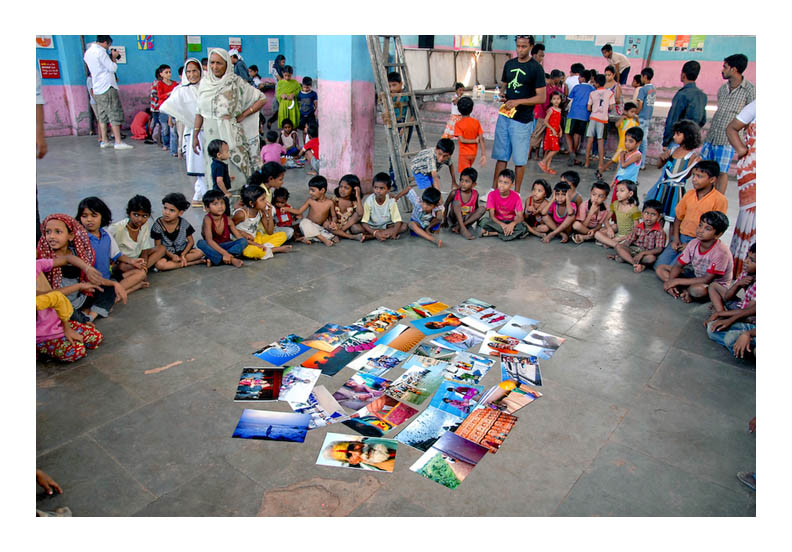
Few times I organized workshops for children in Dharavi (Mumbai), in one of the largest slums in the world. Photography for me is not only a profession or vocation also it is a kind of joke. I spent a great time there with a few hundreds of children teaching them to take pictures, talking, joking and just making fun! After, we had an exhibition of photographs that were taken by little friends.

Right now I think I have to give back to this country all my love and gratitude in return.
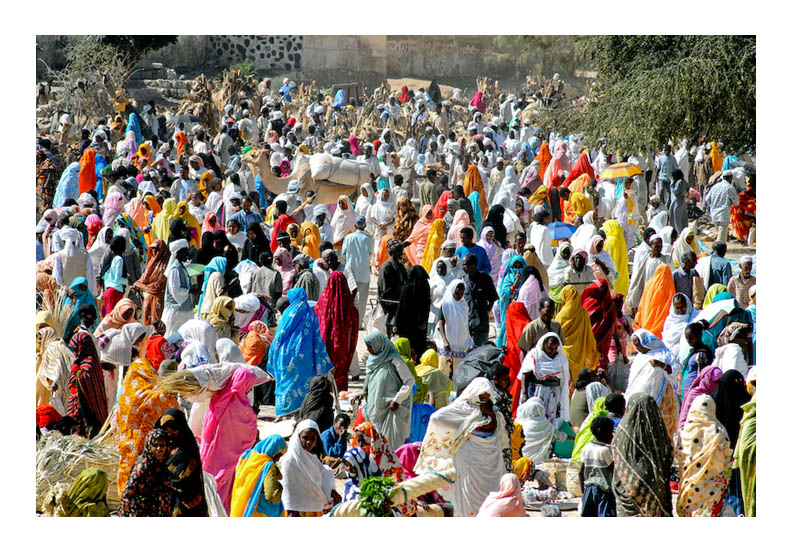


Gmb Akash: Traditions, popular celebrations, cultural manifestation became your documentation goals. Also you are theatre, jazz music and classic and adverting photographer. How could you as a photographer work on such versatility to easily focus on different topic with your project? What influence you for selecting topic for your project?

Gaetano Plasmati: I’ve studied at a music school for many years. It gave me an education in classical music, jazz, and other genres. Travelling revealed to me a magic of world music. For many of my photographic stories I use music as a theme. The latest are “Buena Vista Social Club” in Cuba, dances and music of Woodabe in Niger or the Dogon in Mali, The Theatre of Kathakali in India. Many of my photographs were used for CD covers for local theatres and musicians.

I always pay attention to all kind of news and events not only in my land, but also in all Italy and in the world. I read a lot, watch many movies, meet with people and this helps me to imagine new stories.

It is not easy to work in many genres and to focus on many subjects, but I manage to do this, because I’m very persistent and curious for everything new. I’m an open-minded person and I’m always looking for new opportunities and subjects for my projects. But always I work in reportage style both for travel photography and for wedding photos. I like to take spontaneous images, catch the moment.


Gmb Akash: Share your experiences on Wedding photography. Besides doing reportage on many significant social/cultural issues you are an outstanding wedding photographer. Why you are doing wedding photography & how you are keeping yourself special by creating wedding photographs as informative & thematic. 

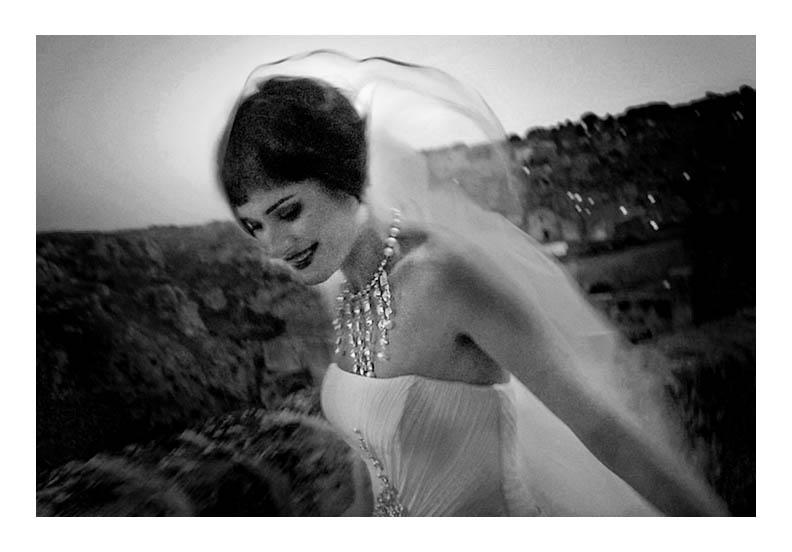
Gaetano Plasmati: I started taking wedding photographs for some friends. I did not have any special skills in this style of photography. I’ve been always thinking it was a very static work, too many portraits in one day with many emotions. I thought that the reportage style in wedding photography could be an easy solution for enjoyment of this unique day. I just follow my style and my passion; never have I looked what others do. I try to show human emotions and reflect those special moments in my photos. It is a little bit difficult to explain people the “language” of photography. Some of them don’t like to see their relatives crying or sad on the photos. More and more people try to escape from daily life problems and bad sensations and ask me to take photos of happy faces only or don’t take b&w images. And I try to explain that the reportage style in wedding photography gives more emotions for the photo; make it more natural and therefore unique. I feel myself very happy if I see my clients emotive when they look at the wedding photos and experience that moments of joy again and again.
Gmb Akash: You are the curator of the Porta Pepice Gallery in Matera, Italy, and publisher and editor of Intransit Magazine. Give us some background information on how & what influence you to start your magazine “Intransit magazine”?

Gaetano Plasmati: I decided to open a photo gallery because I wanted to give a proper value to photography and photographers, to raise the culture of visual perception for the people. I was tired of showing my photos in some local restaurants and other unsuitable places. It is difficult in a city where there aren’t photo galleries to build everything alone. It takes time and much energy … and of course finances. I always imagined a place where you can talk about photography, travels, books, images of the photographers; arrange meetings of travellers, exchange experiences. I think that sharing experience with others is a way to improve ourselves. After some time passed I considered the idea of setting up of a photo magazine to develop all these photo stories. It is called “Intransit”, a quarterly editorial project about travelling and photo reportages. Again, to be a photographer today and especially in the places where the professional culture is undervalued is not easy. A bad policy does not work on quality. The photo magazine with the help of the Internet today is also available online. Now I’m thinking over idea of creating a small editorial staff for the Intransit.

Gmb Akash: For creating new project or series what priorities a photographer need to keep in mind to survive with his project in the competitive field of photography?

Gaetano Plasmati: Being a photographer is one of the best and most interesting profession, but also one of the most difficult. First of all, follow your own nature. Being a photographer means to go outside, to see people and places, to travel, sometimes far away from home, learn languages​​, invent  fascinating stories and study all the time and improve oneself. But nobody teaches how to survive in daily and professional life.

Everyone talks about workshops, awards, exhibitions, but no one tells you how difficult it is to remain a competitive photographer. Invent stories, involving the readers, have your website up to date, follow the new media, try to test your limits, don’t ask, be curious and creative. Always believe in yourself and in your ideas. There are always many features for a good photographer. In the end, perhaps, little lucks. I am currently working on the problems of desertification in the Sahara and on other environmental problems after disaster in Japan and planning many other projects. We must also admit that it’s hard to travel and have so many projects. Magazines and agencies are suffering with online news. People buy paper less, all information is available on the web sites in Internet. We need to change quickly, be more versatile and flexible in the work.
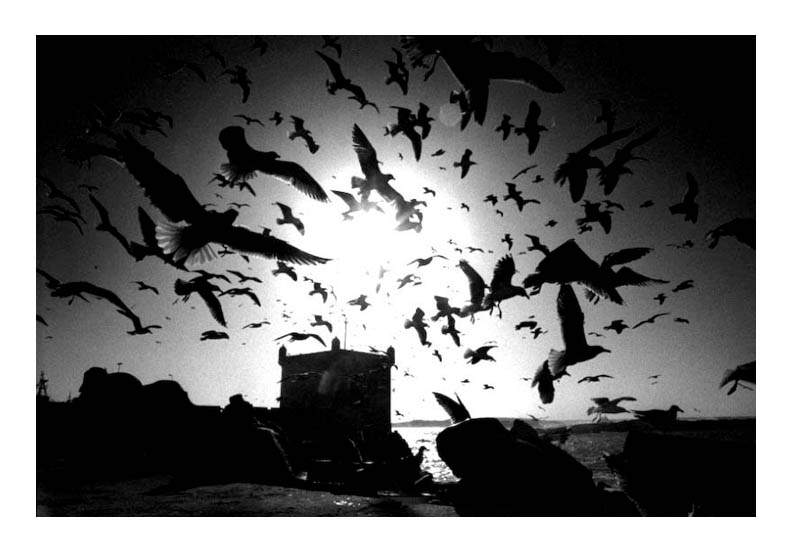
Gmb Akash: A brief paragraph on “One day Journey with photographer Gaetano Plasmati”? 

Gaetano Plasmati: I always recommend lightweight camera equipment, but my bag is always more heavier. J I use Nikon D700 and a few Nikon lenses: 24 mm f/ 2.8, 37-70/2.8, 50mm f/1.8 D, Zoom-Nikkor 80-200 mm F/2.8, 105mm f/2.8. I prefer to use the flash very little. In the past I was an athlete and this allows me to have a good resistance and good adaptation to any situation. I think I have a good ability easily becoming friends with unknown people, it is our nature as southern Italians.

If I travel in some places like Sahara desert, Mali, Tibet usually I hire a local guide who shows me the right way and helps to communicate with locals. Also it is important to remember about many restrictions and rules before you are going to visit any country, because in some of them it is forbidden to take pictures or visit some places.

Very often I take wedding photos in different unknown places so before photo-shoot I study the area and venue. I prefer to work alone and I don’t use any additional equipment only my camera and lenses, sometimes a flash. And I like the natural lighting.

I’m not a good businessman and I never took a photo if that could damage the person in front of me.

Gmb Akash: In your opinion how could a photographer continually create his works to survive in the competitive field of photography & can manage to keep himself/herself into the focus of his concentration area.

 Gaetano Plasmati: Keeping your own style and satisfy the customers is a difficult challenge, but not impossible. Today the advent of digital equipment creates a lot of competition for everyone even for non-professionals and it is also very confusing. Everyone knows everything. But this also applies to any field of our life. Creating your own style, ideas and making your customers feel themselves satisfied all the time is a real secret. It takes many years to make a career, after it becomes much easier. Also some compromises must be found as well.

A master rule is – to keep the passion for work inside and trust in you.

Gmb Akash: We request you to give message for photographers, shortly we want to receive few of your secret that you want to pass.

Gaetano Plasmati: The secret is that we always should believe in our dreams. May it sound like a phrase from a book. Reaching a goal every day is the easiest thing. Constantly, without pause, having patience and being humble. Look back after a while and you will see how far it has moved.

I like the words of Herman Hesse: “One can be happy when he finds his dream, but every dream has to be followed by a new one and you can’t capture any of them forever”.

Gaetano Plasmati is continually focusing more work of art & photography in his Gallery & Magazine. You can discover more of Geotano’s work on his personal website: www.gaetanoplasmati.com,

www.galleriaportapepice.com & in his magazine www.intransit.it

Gaetano Plasmati a photographer who can explore his passion in form of creating different photographs by focusing on different topic. His all photographs creates new dimension to pursue. In the competitive creative world of photography his simple rules could make paths of opportunities to discover & create arts in new form. His inspiration as footsteps remain striking to follow

Gmb Akash