Because the World Can Change!

The word ‘change’ is still a dream I refuse to give up on.

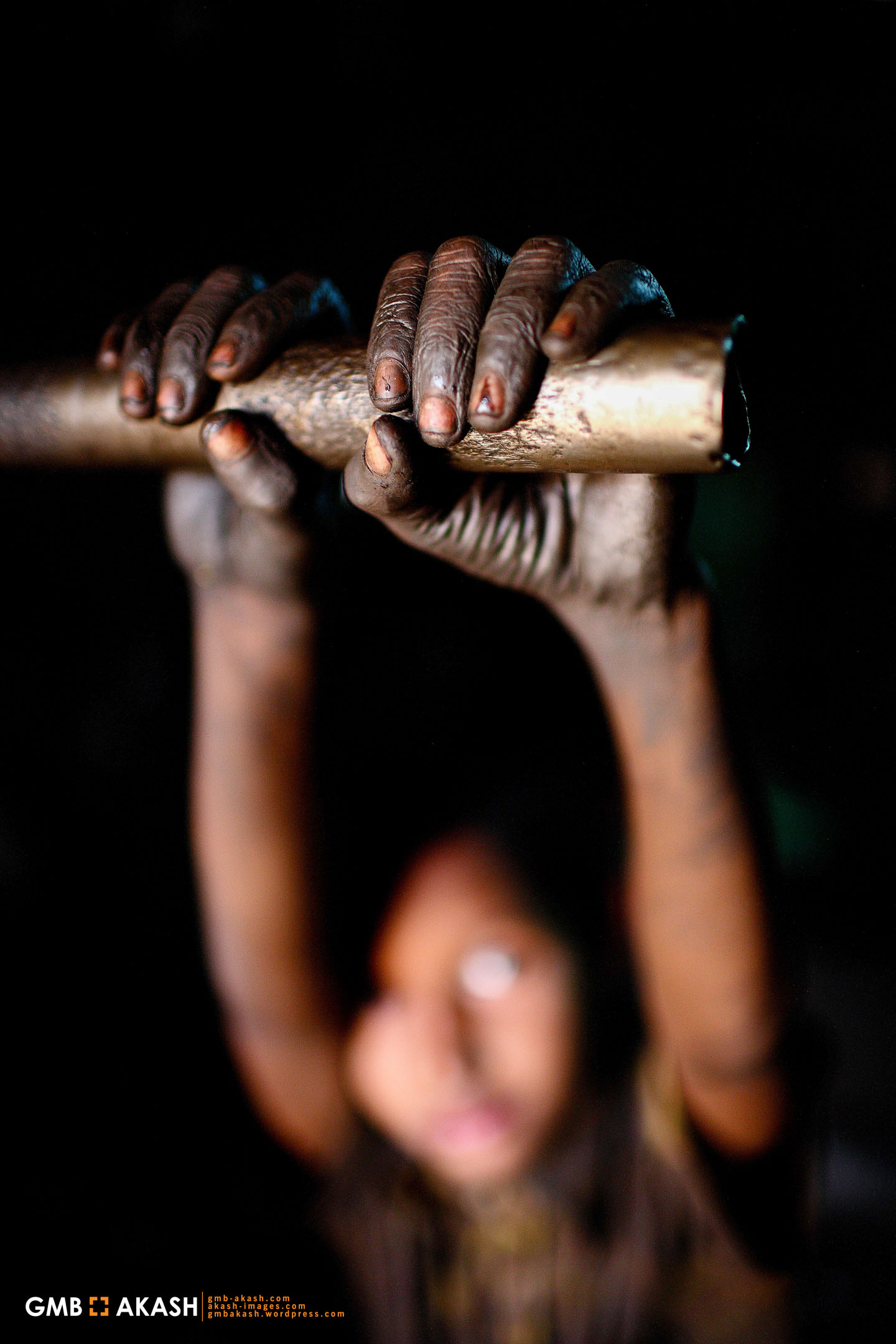
I’ve met children working in dark, dangerous places—their small hands worn like those of old men.

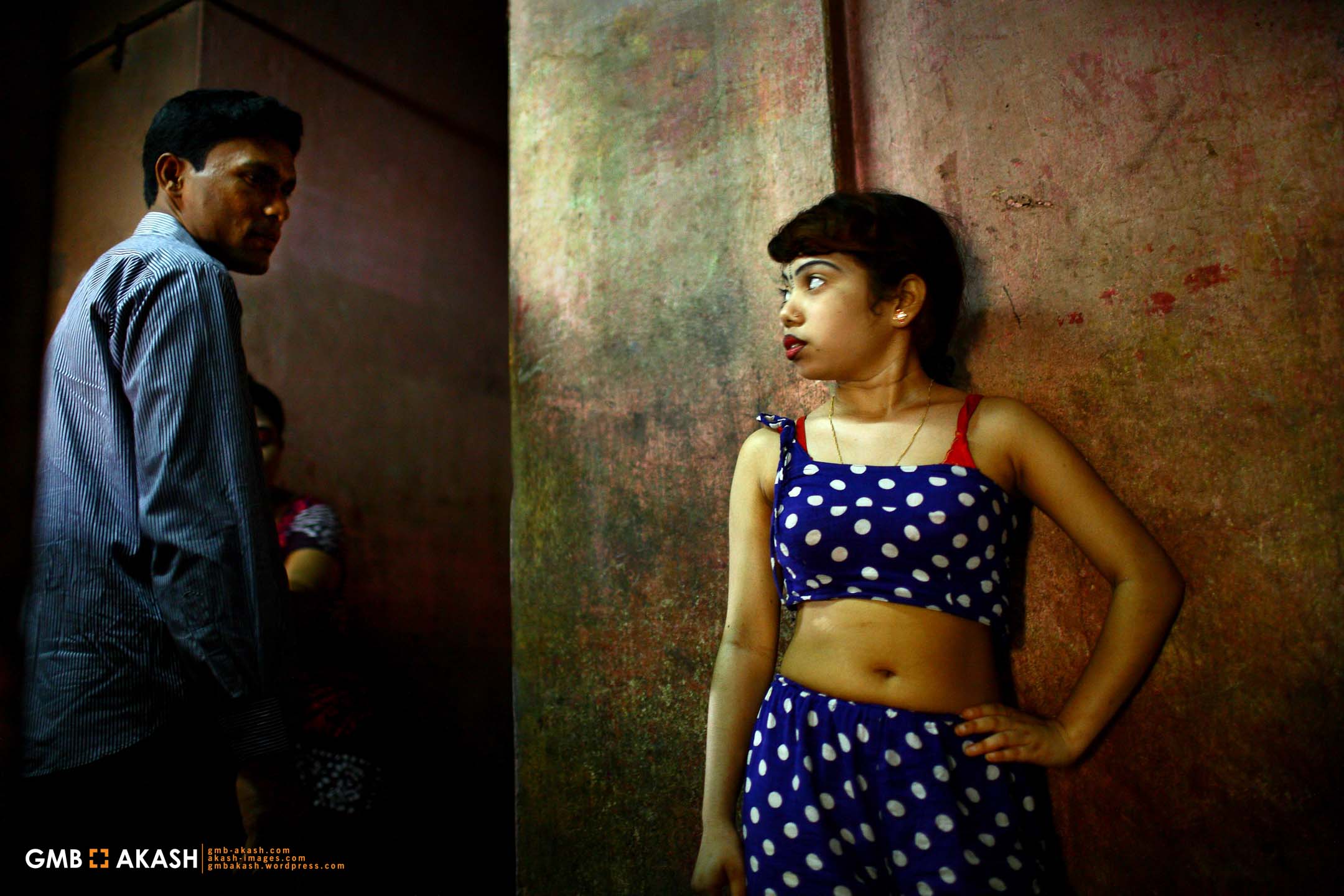
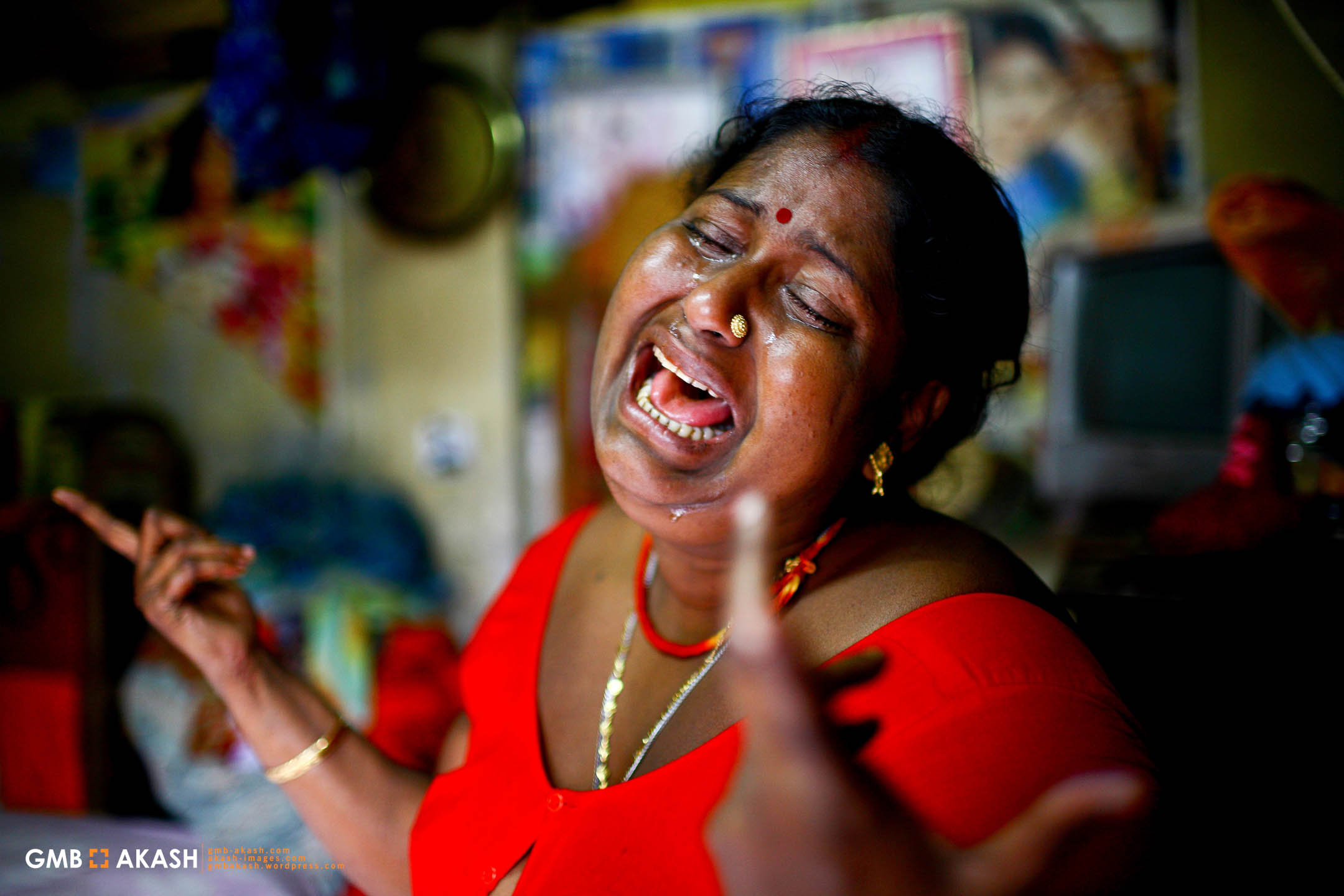
I’ve witnessed sex workers in despair, breaking down in tears—betrayed and abandoned by those they once trusted.

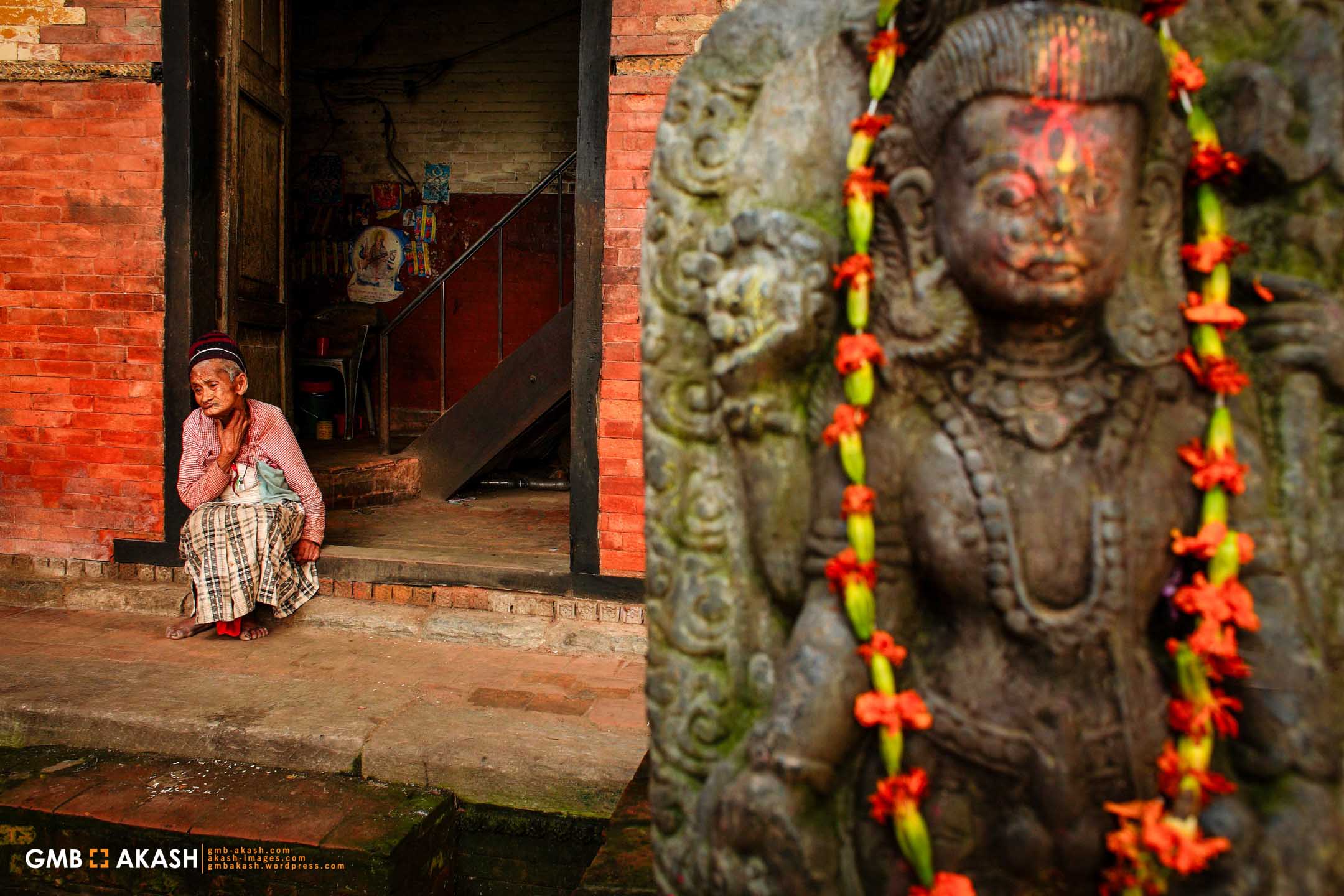
I’ve sat beside lonely souls in elderly homes, waiting endlessly for someone who never returns.
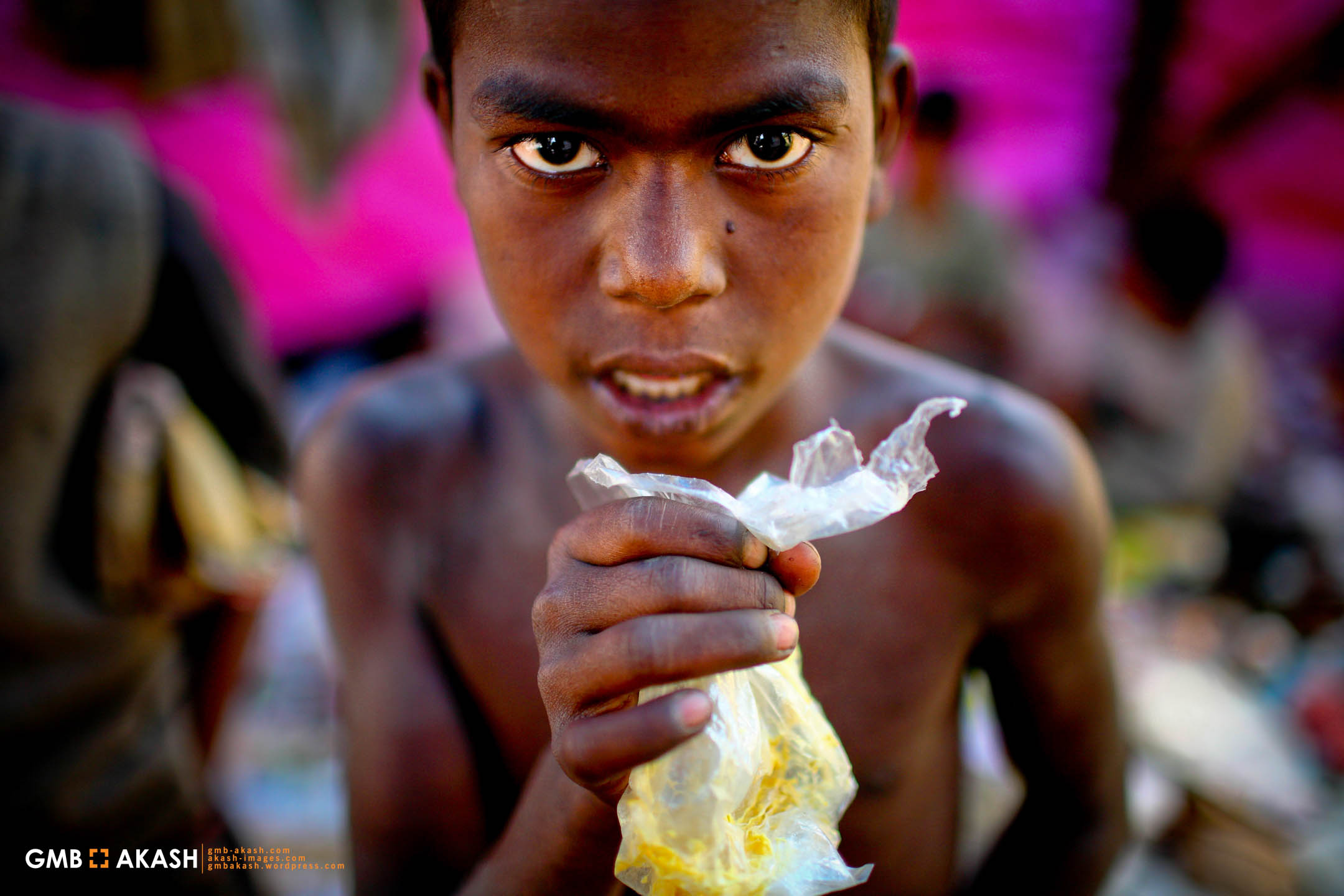
Drug addiction is increasing among the street children who live without a family, love and care. Bangladeshi youth are ‘huffing’ shoe glue, a drug locally called ‘Danti’, which is seriously harmful to mental and physical health. Up to 17 percent of street children in capital Dhaka are addicted to drugs

I’ve seen young boys fading away on the streets—lost to addiction before help could reach them.
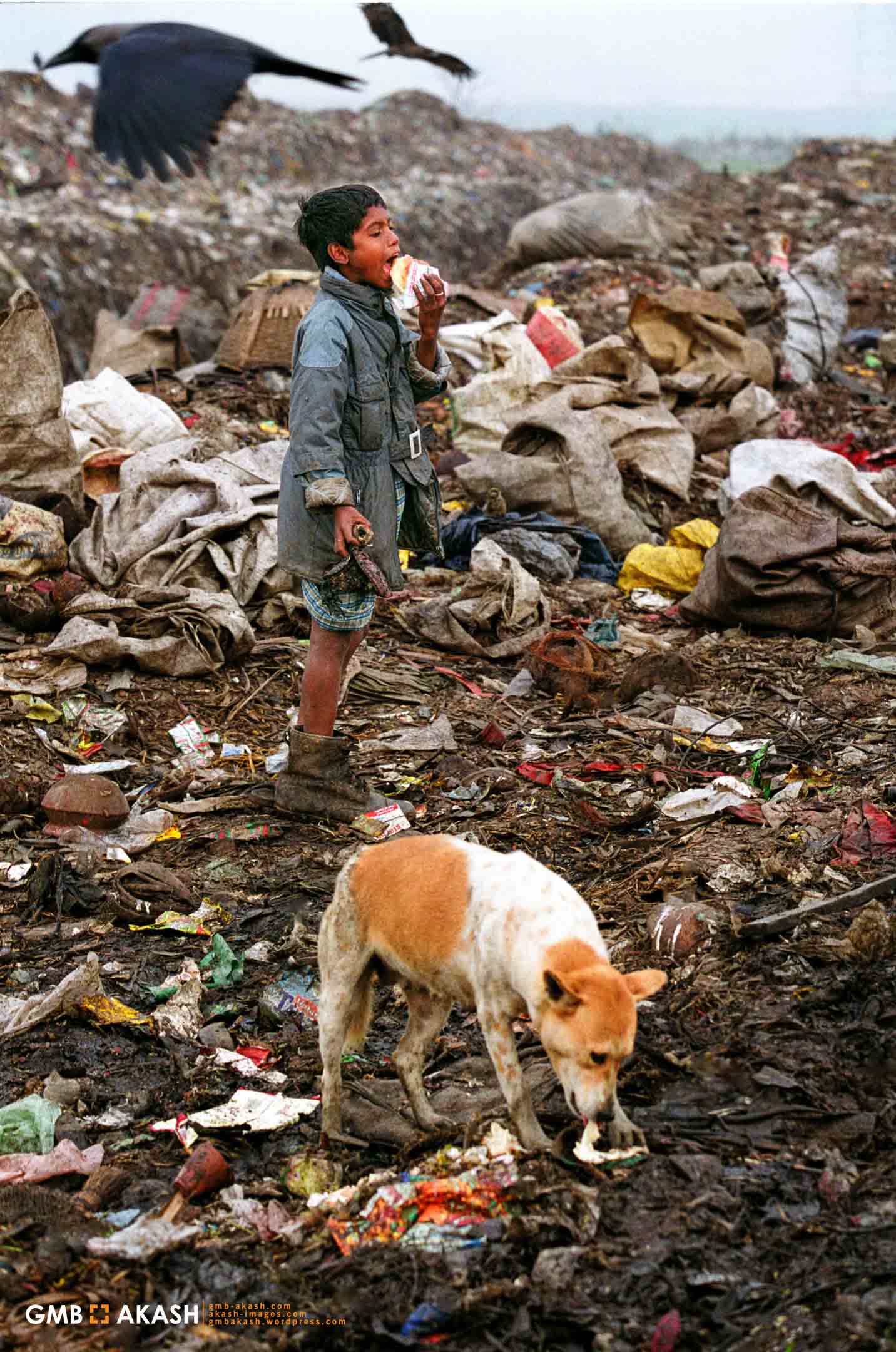
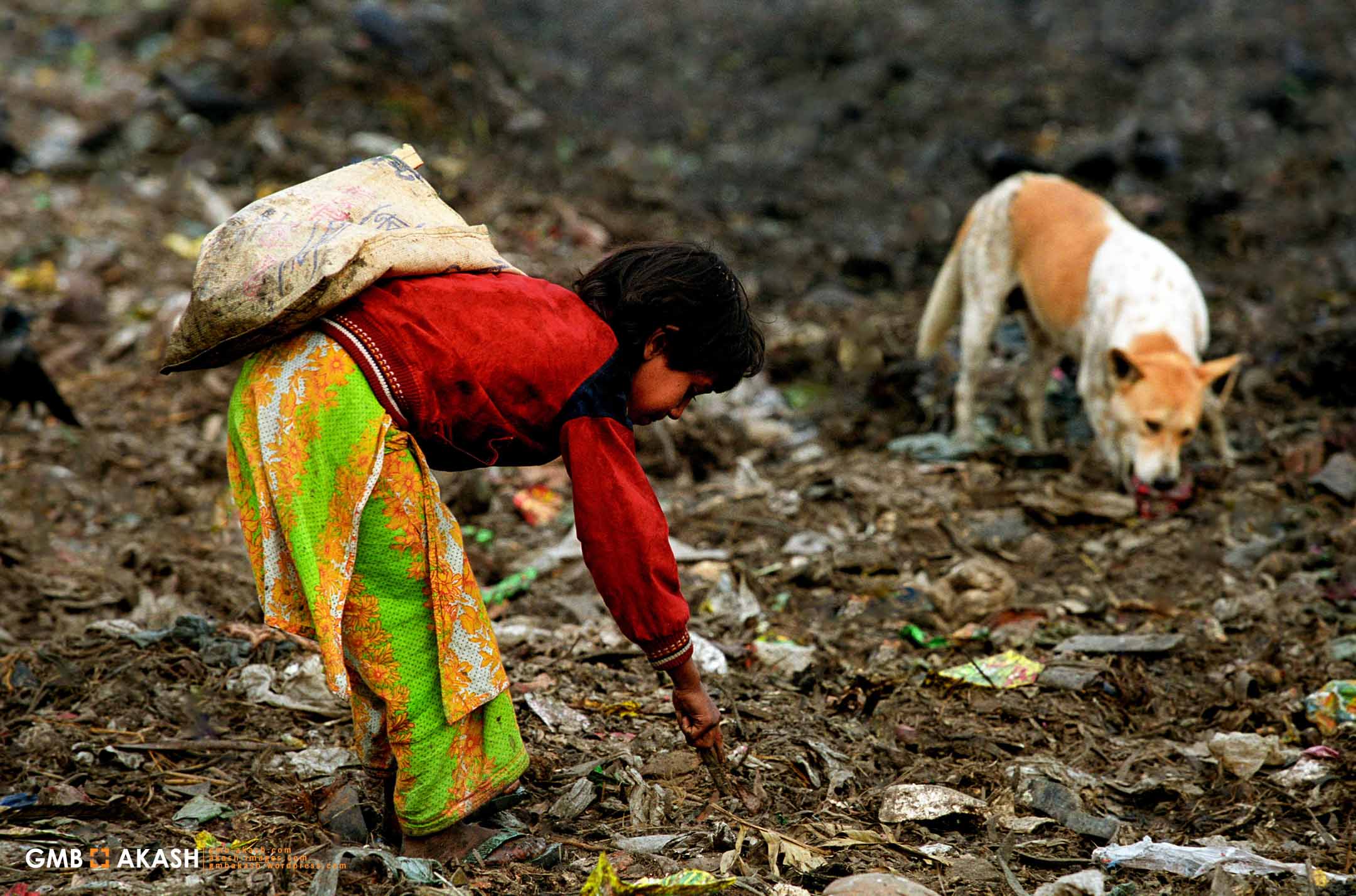
I’ve seen tiny feet wandering through garbage dumps, searching for scraps just to survive.
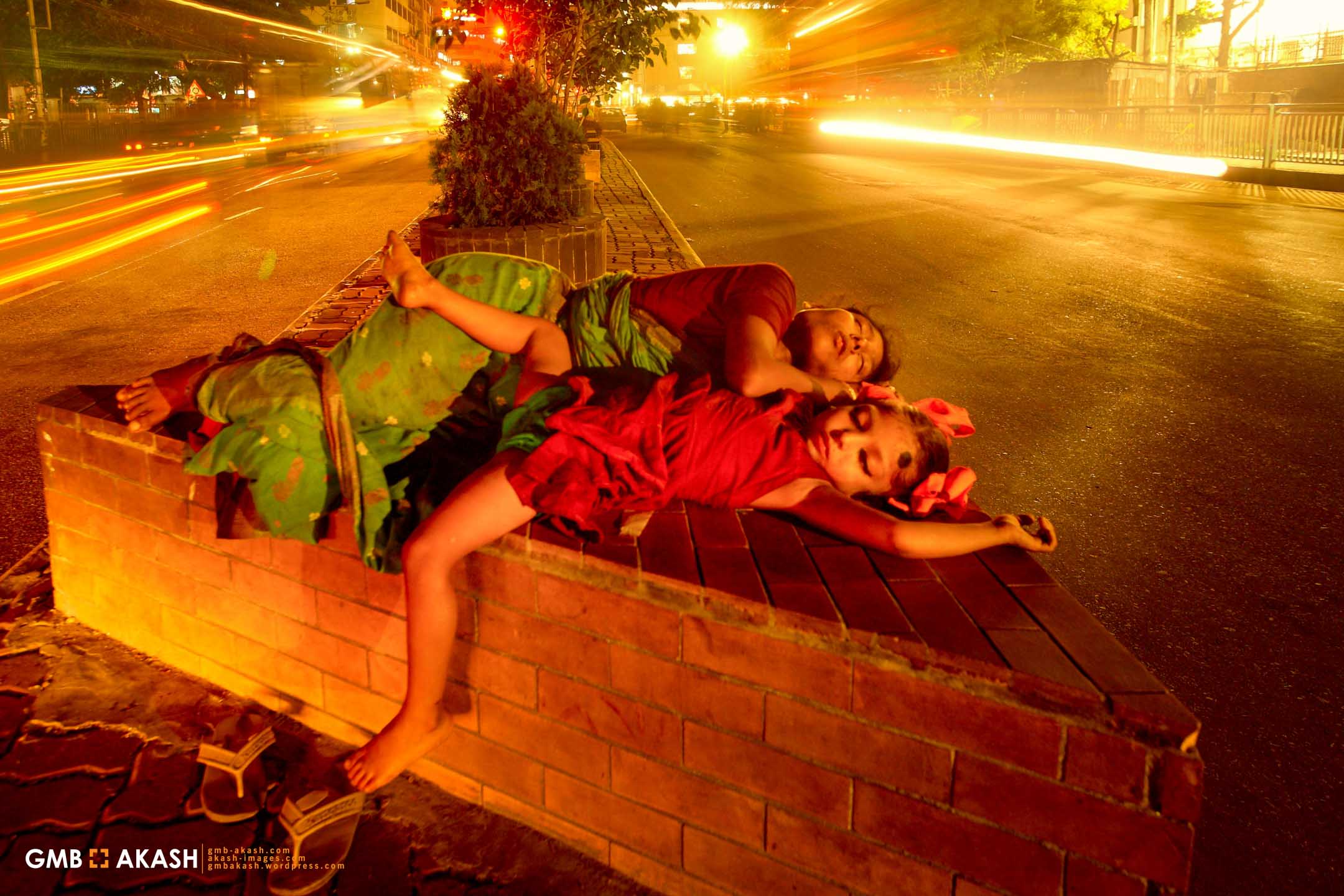
I’ve seen mothers sleeping on sidewalks, wrapping their children in nothing but love beneath the open sky.

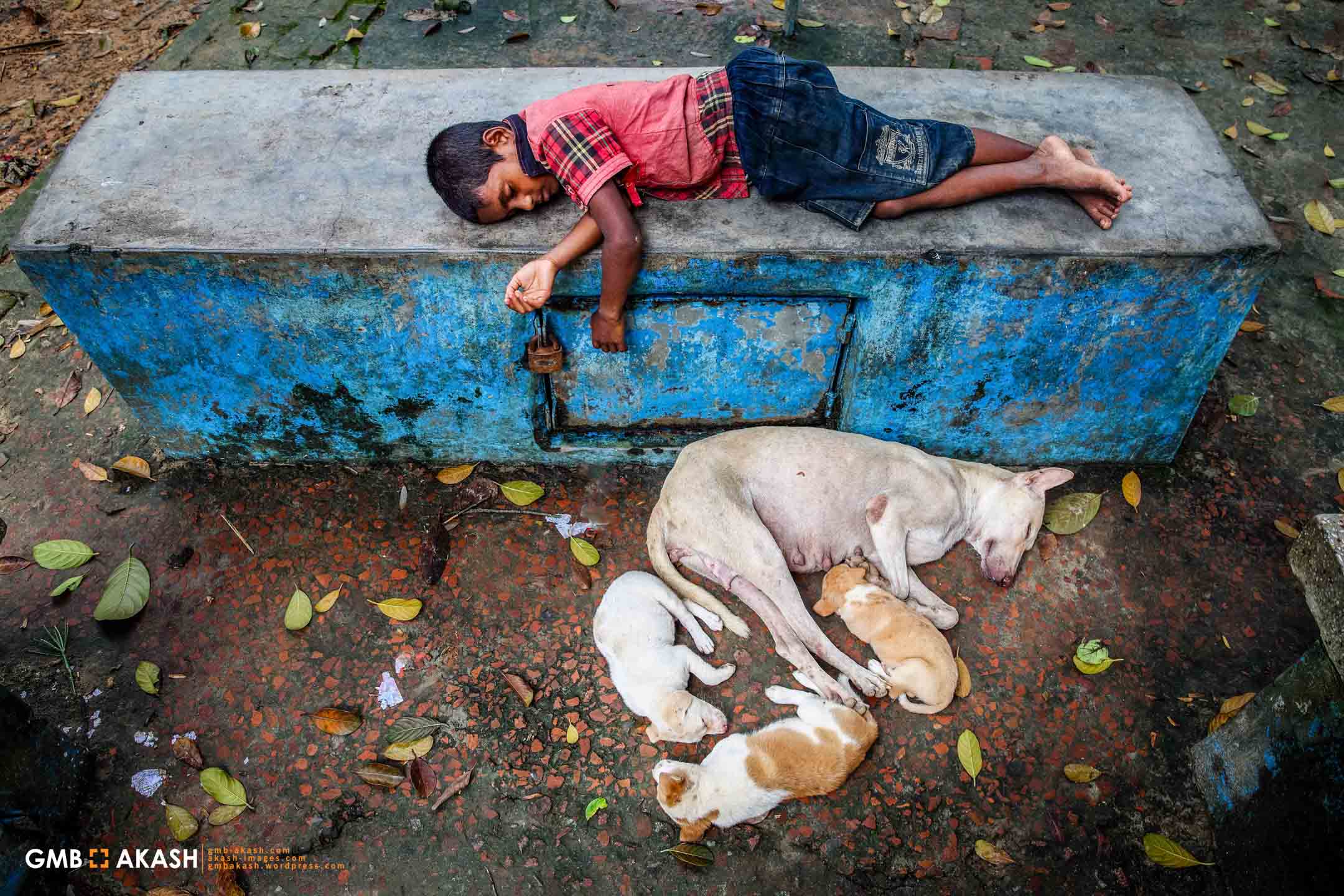
I’ve met street children with no home, no name, no hand to hold—yet still sharing their last piece of bread with a stray dog.

This journey has never been easy. It has left me heartbroken, sleepless, frustrated—and at times, hopeless.

But never without faith.

I still believe in miracles.

Because this world can change—if only we choose to care.

— GMB Akash
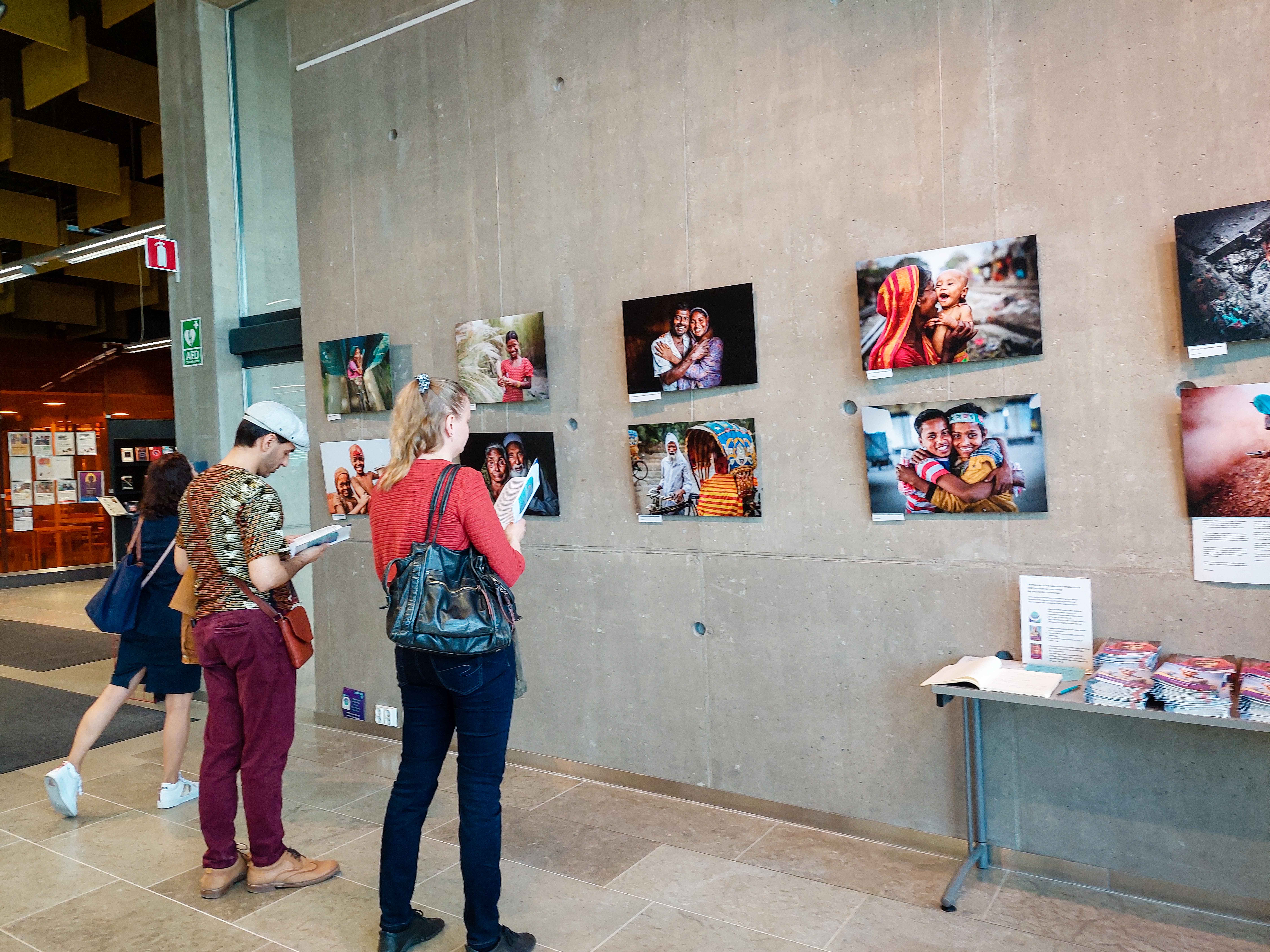
My solo exhibition in Finland!

Dear friends,

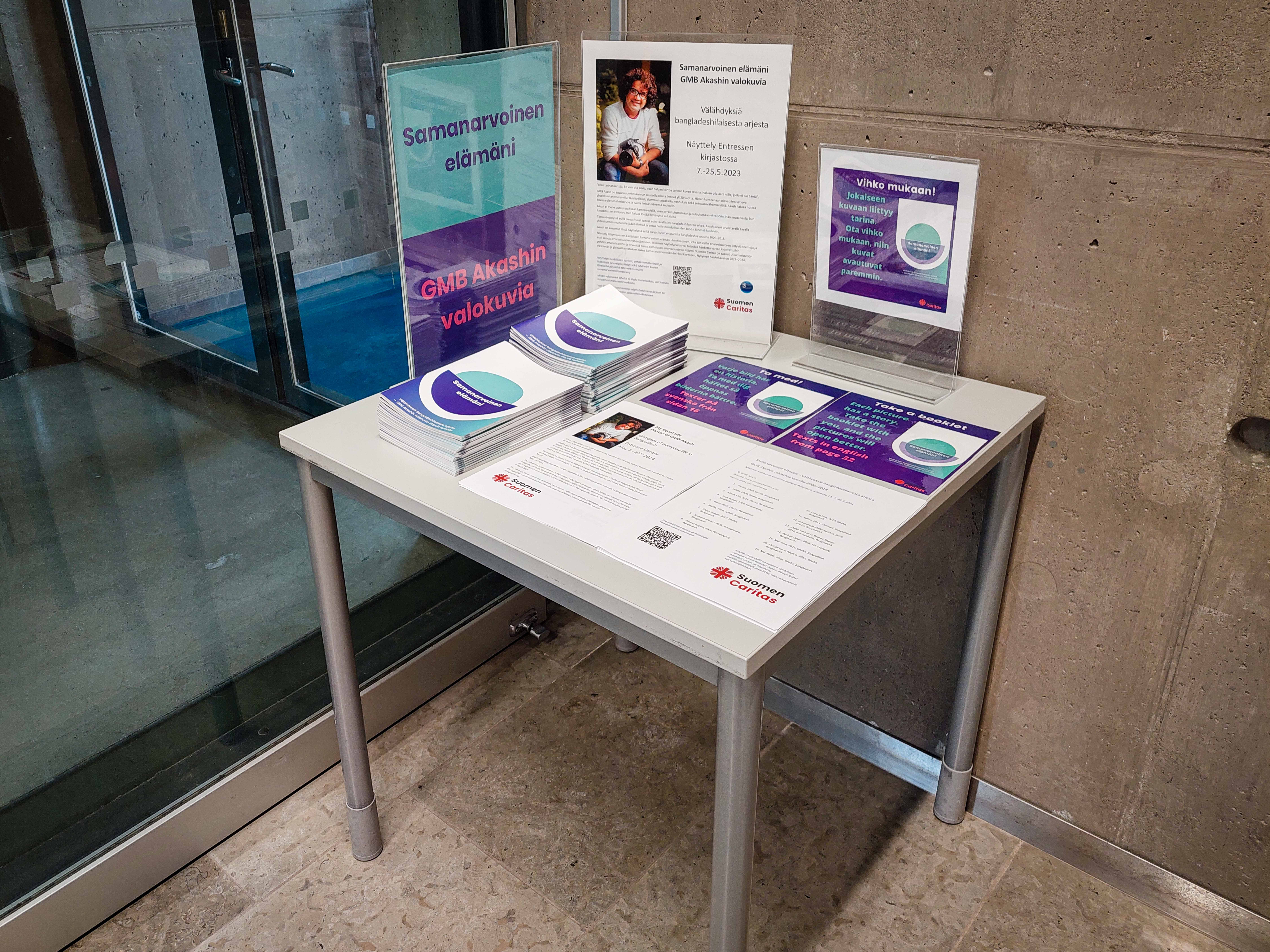
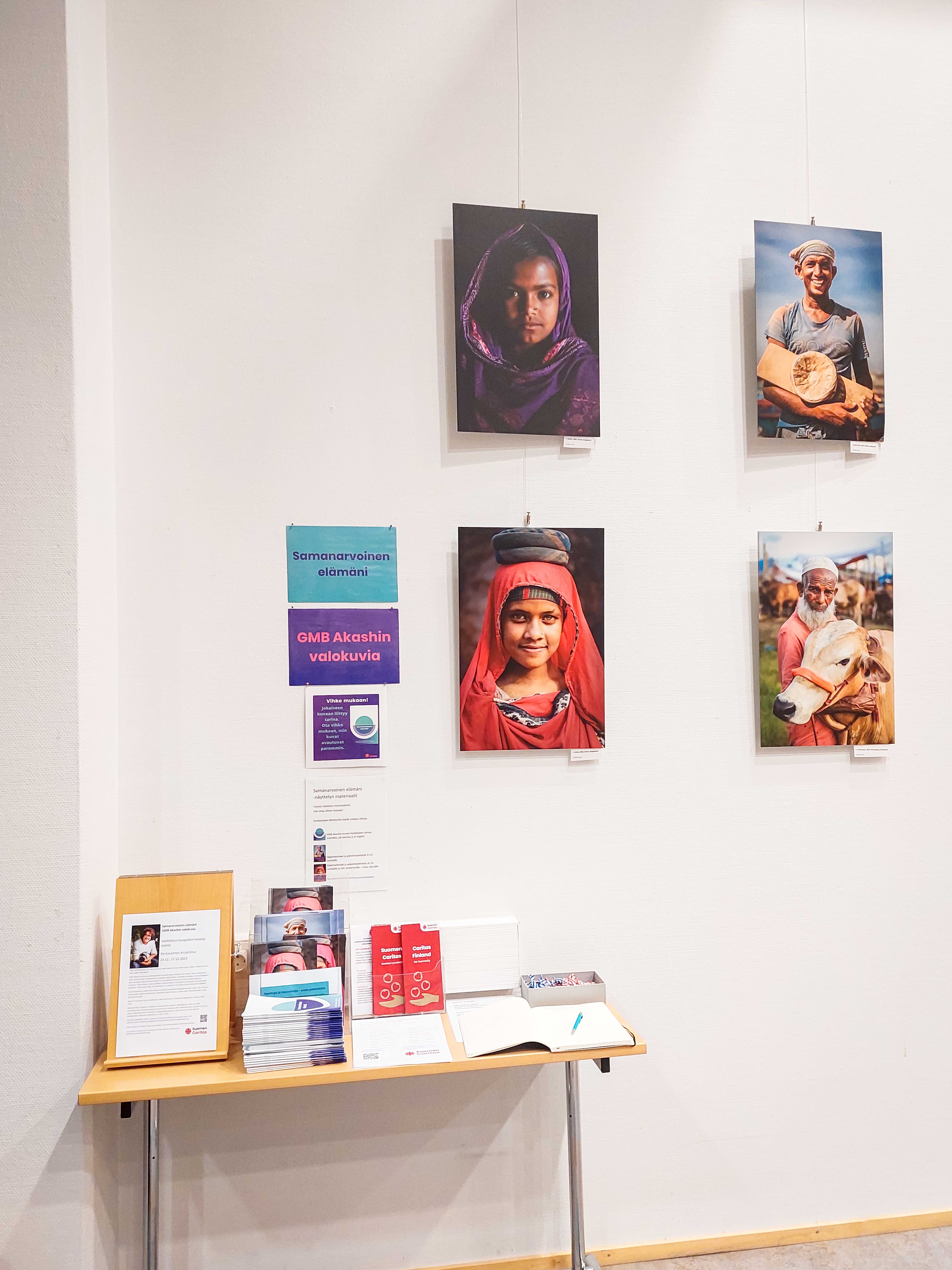
I’m thrilled to announce my solo exhibition, “My Equal Life,” recently held at Entresse Library in Espoo Center, Finland.

Thank you to everyone who visited and supported the exhibition!

Throughout 2023-2024, “My Equal Life” will be showcased in various cities across Finland. This series aims to raise awareness about global inequality, foster empathy, and share compelling stories through photography.

These exhibitions are supported and organized by The Finnish Ministry for Foreign Affairs, Finland, and Caritas Finland.

I offer my heartfelt gratitude for your constant love and support.

_GMB Akash

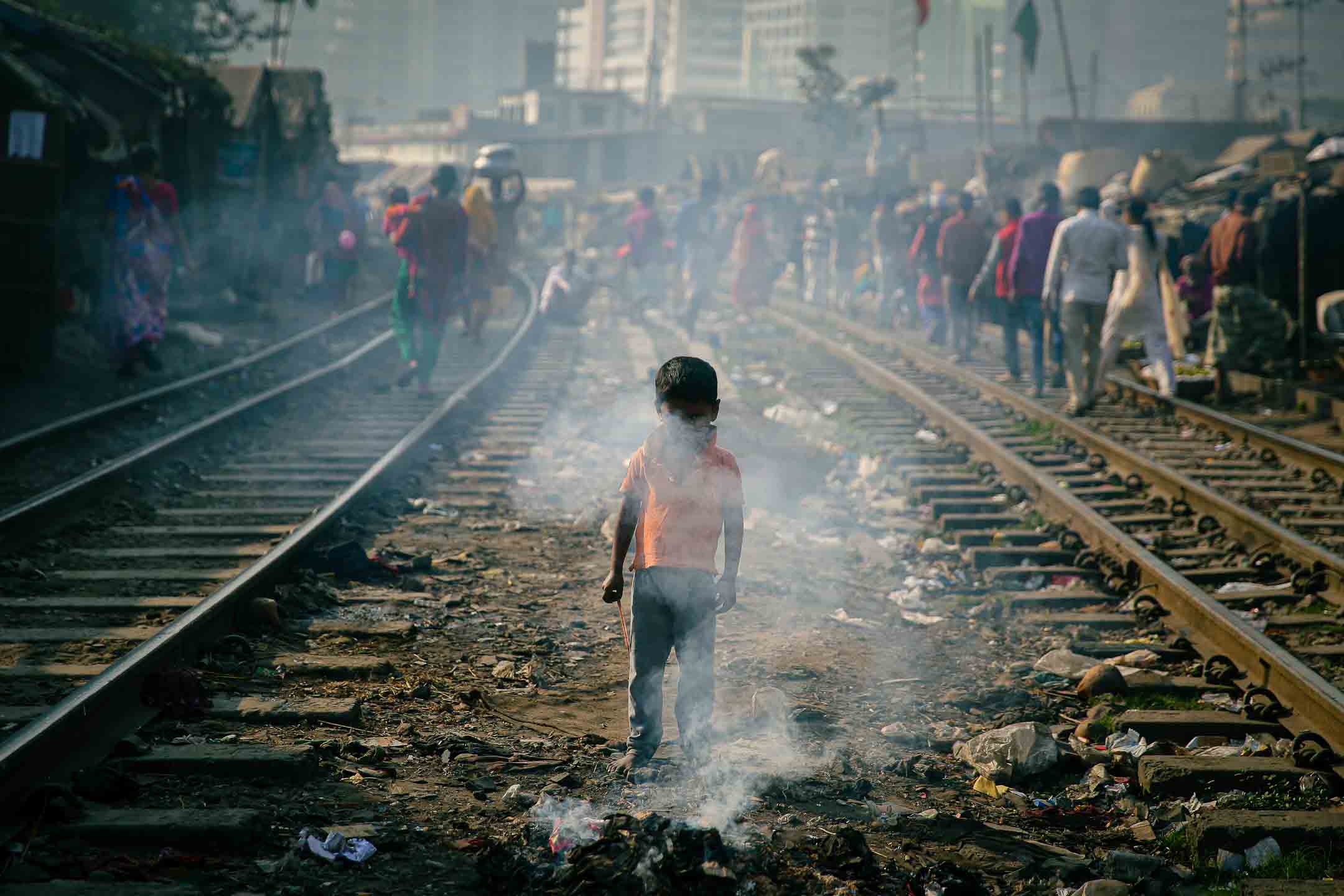
Life on the Edge: The Train Track Slum in Dhaka!

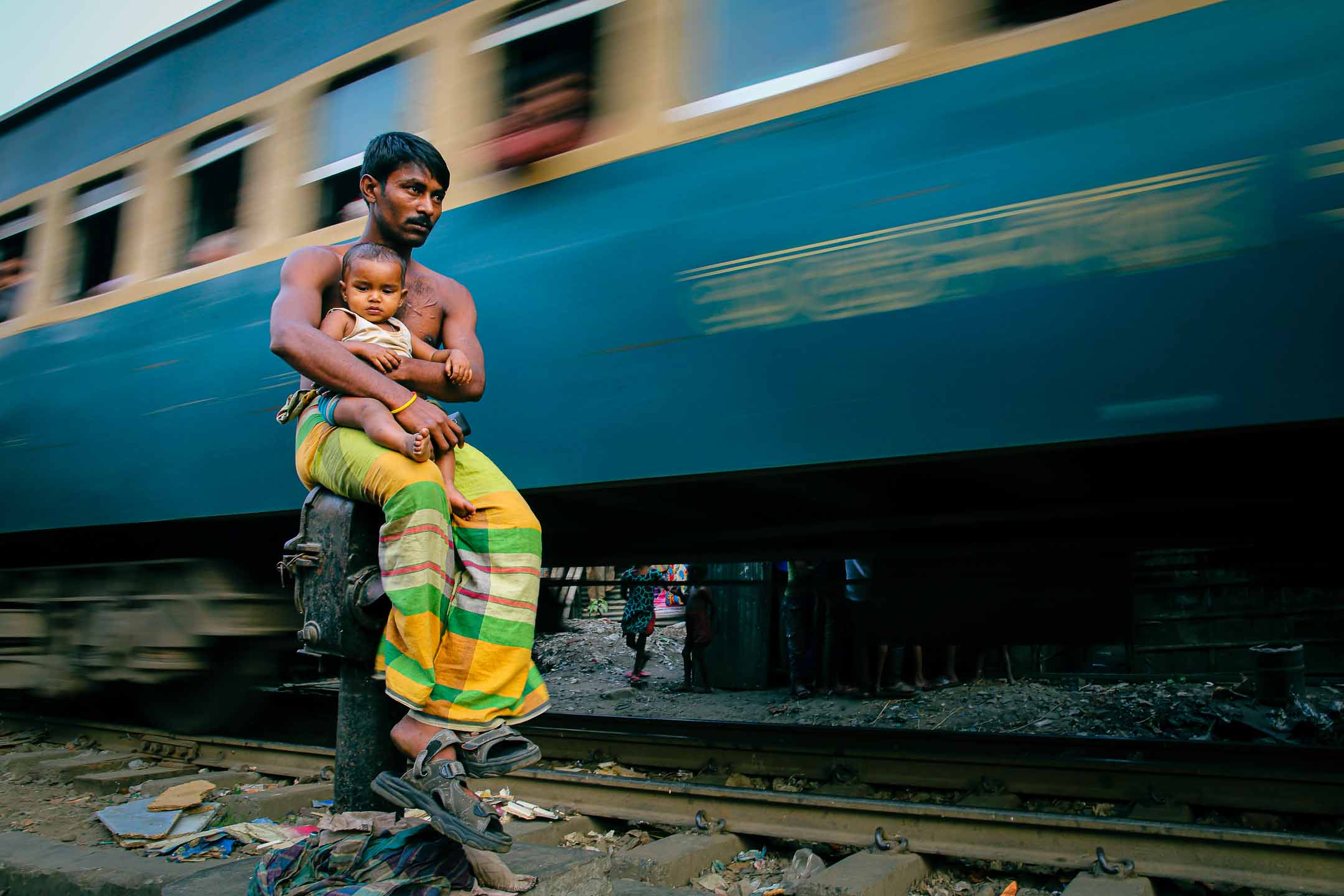
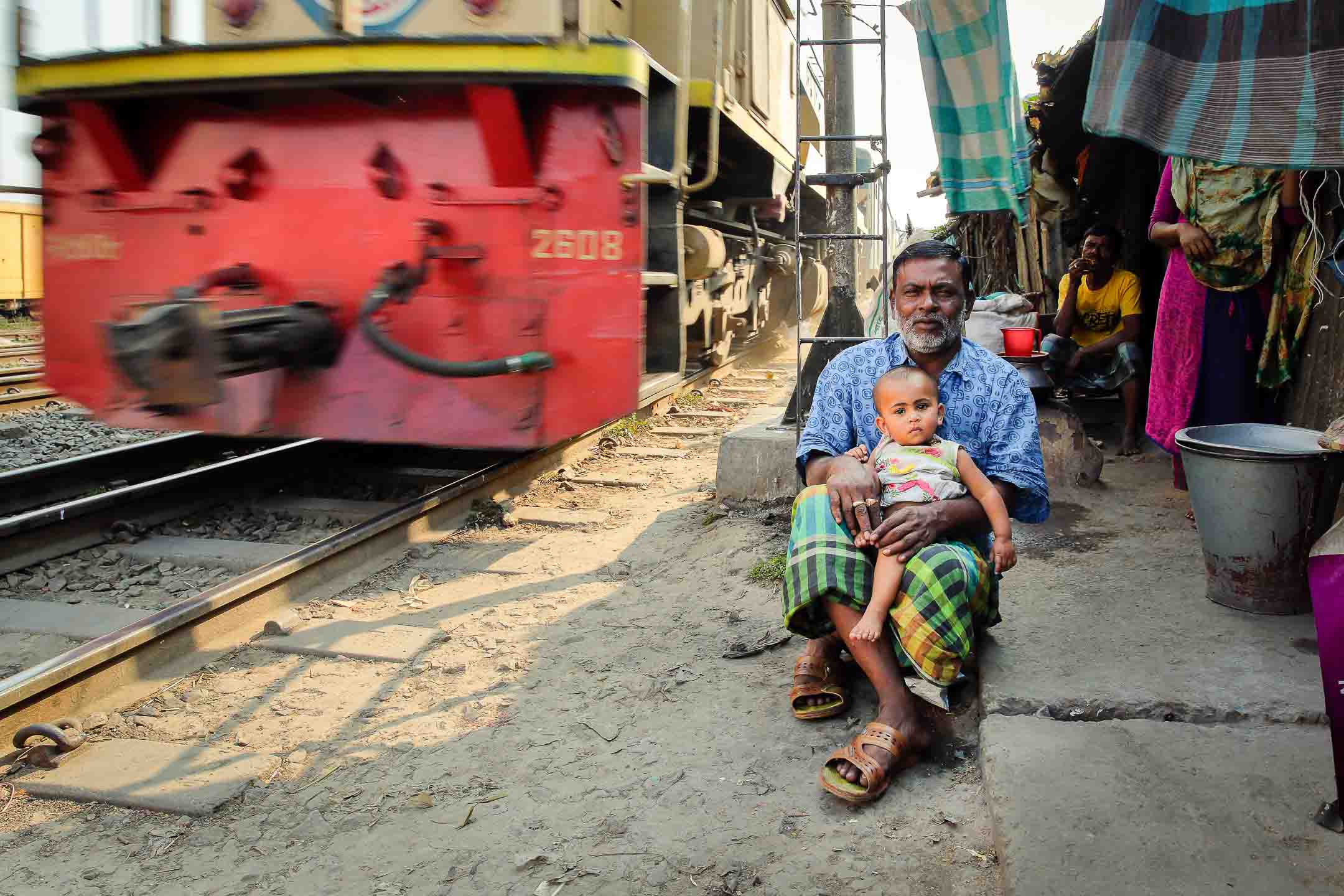
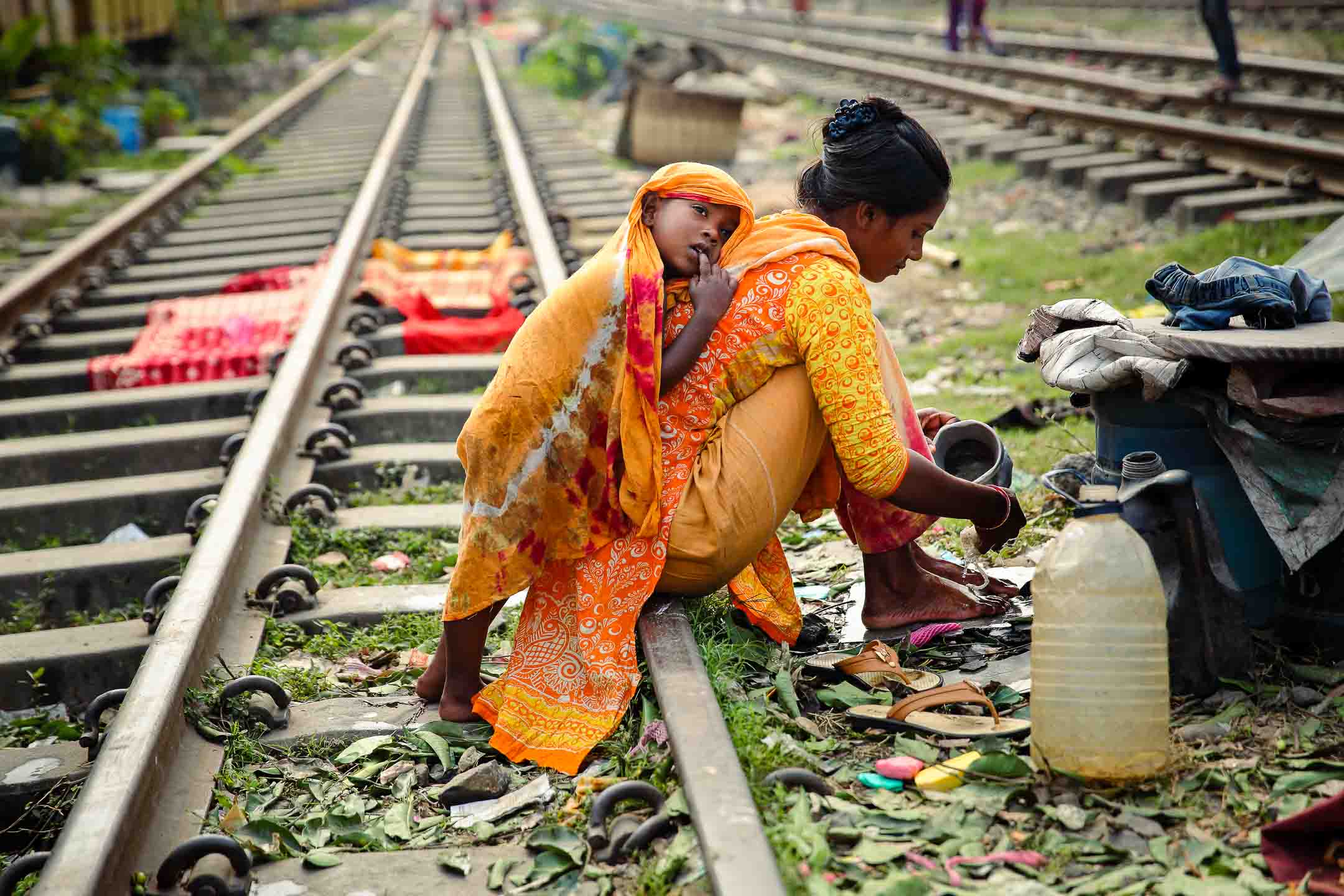
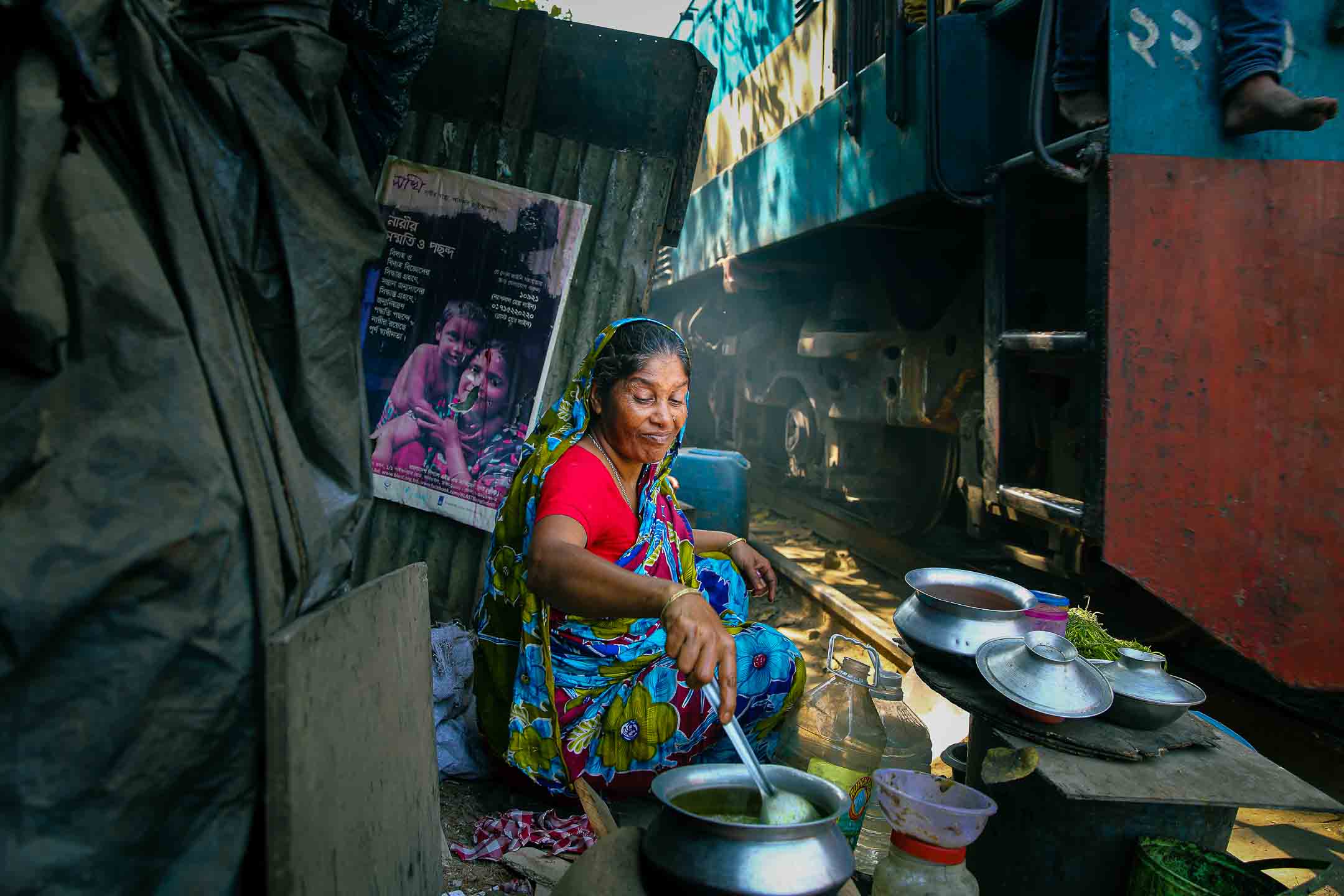
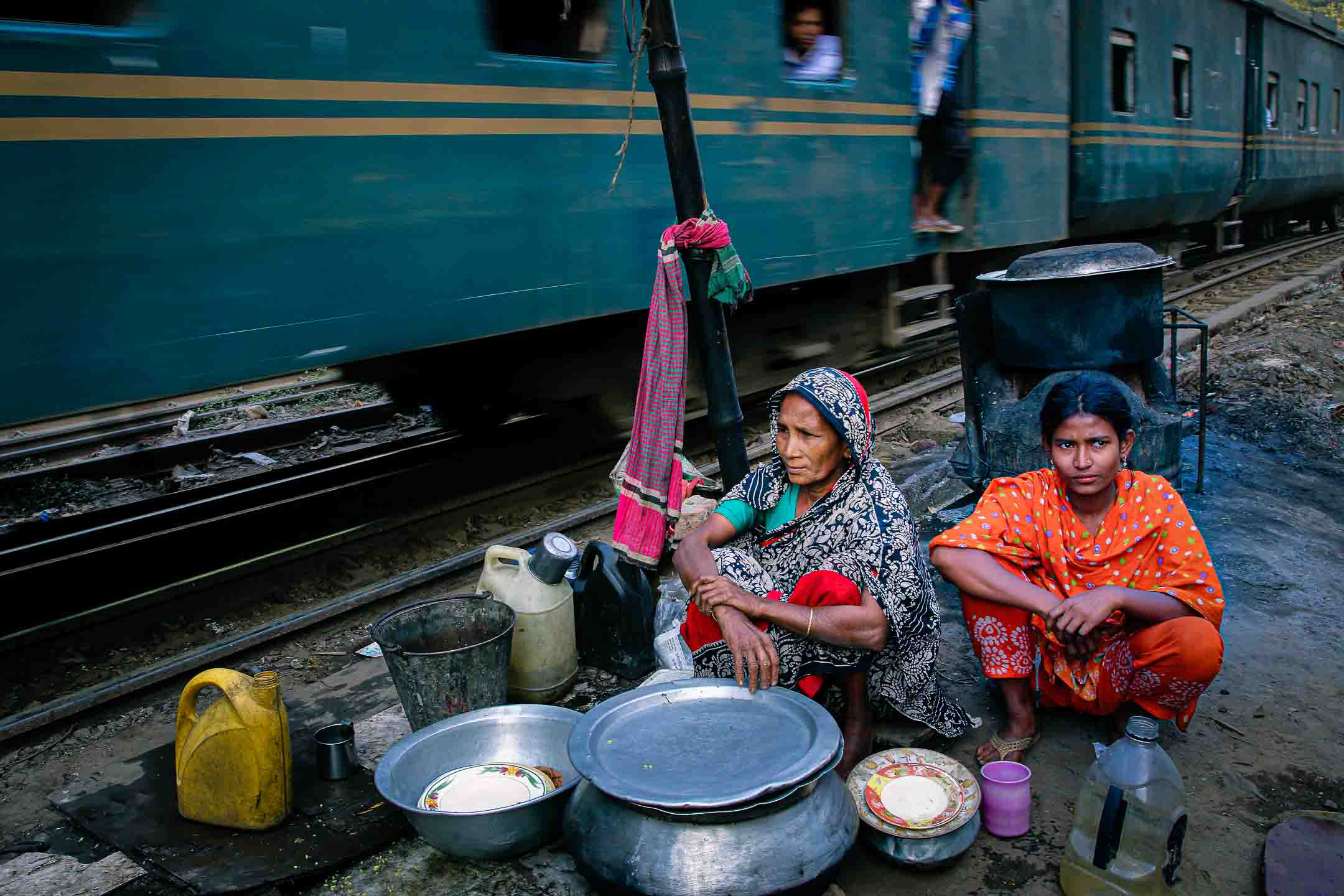
Suddenly the inter-city train appears rushing at them on the tracks with its deadly noise which is the only thing that alerts the people. The scene includes a train that seems to be traveling as if to arrive at the slum but then ruthlessly goes right through it. It watches and touches both sides of the slum’s tin-roofs.

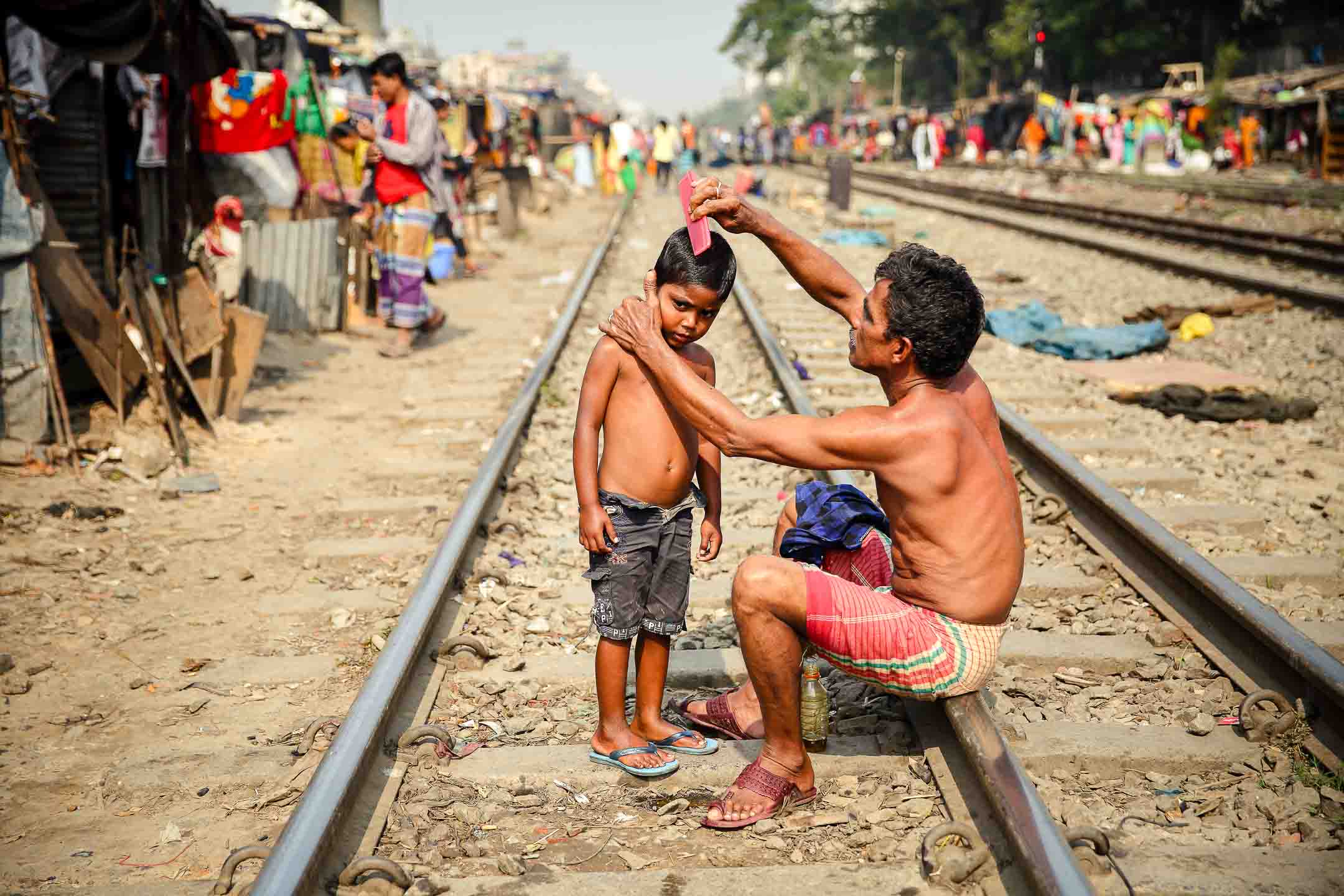
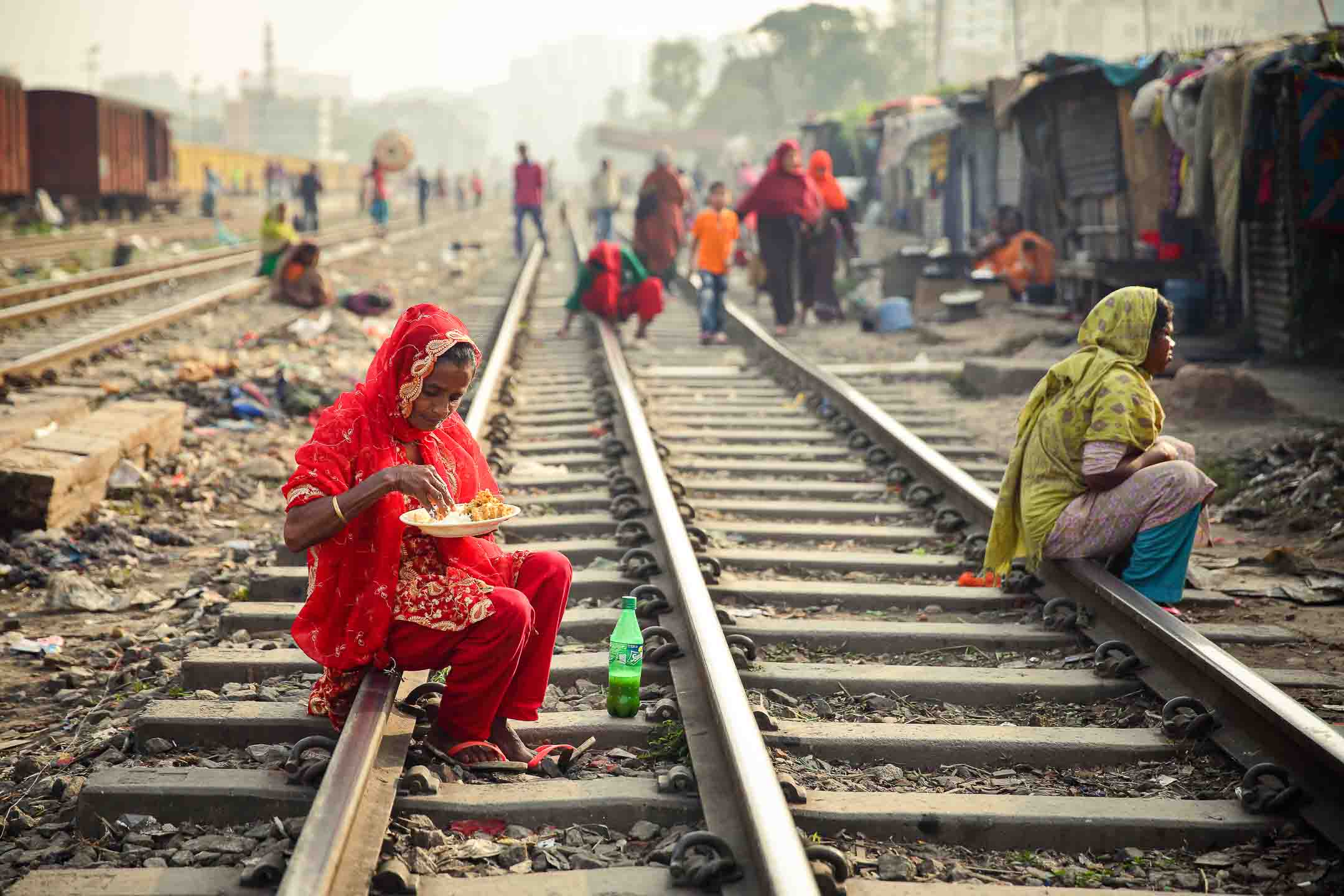
Who could have ignored such g-o-t-a-n-g, g-o-t-a-n-g sound that raises heartbeats of the inhabitants of the Karwan Bazaar train track Slum in Dhaka on a daily basis… at least fifty times a day? Speculated to have sprung up post-Liberation War of 1971, this slum, while not ancient, is home to residents who have lived here for more than thirty years.

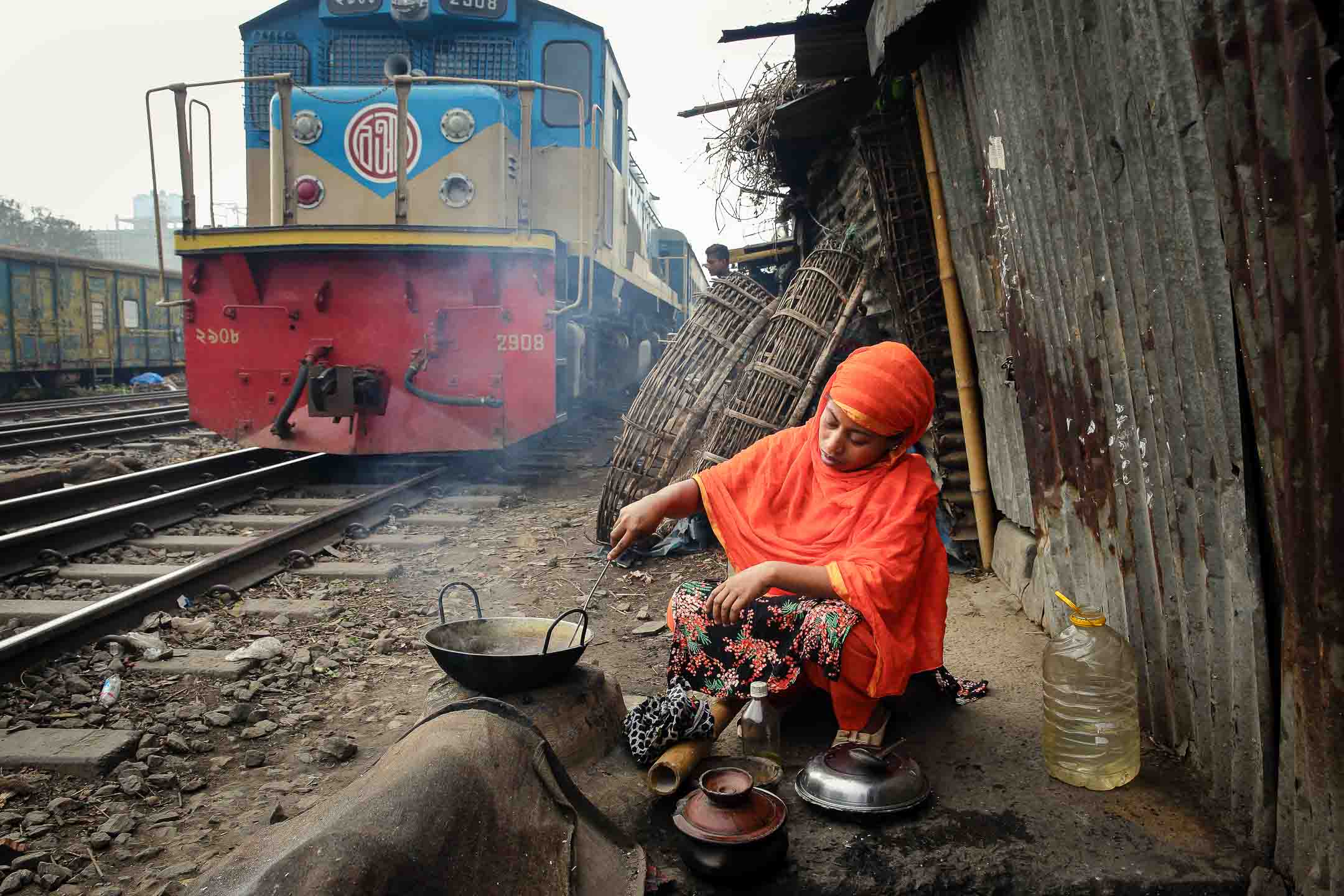
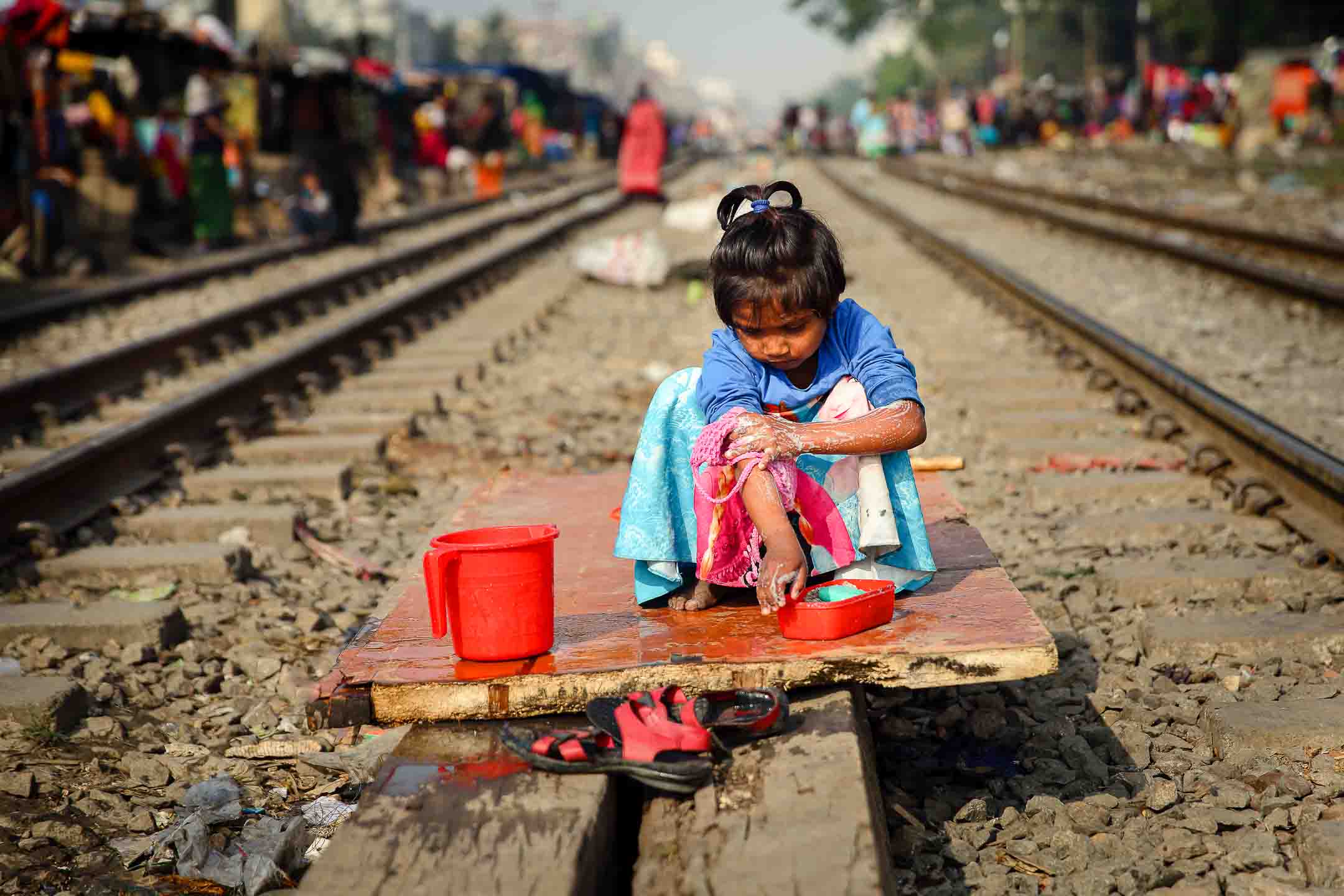
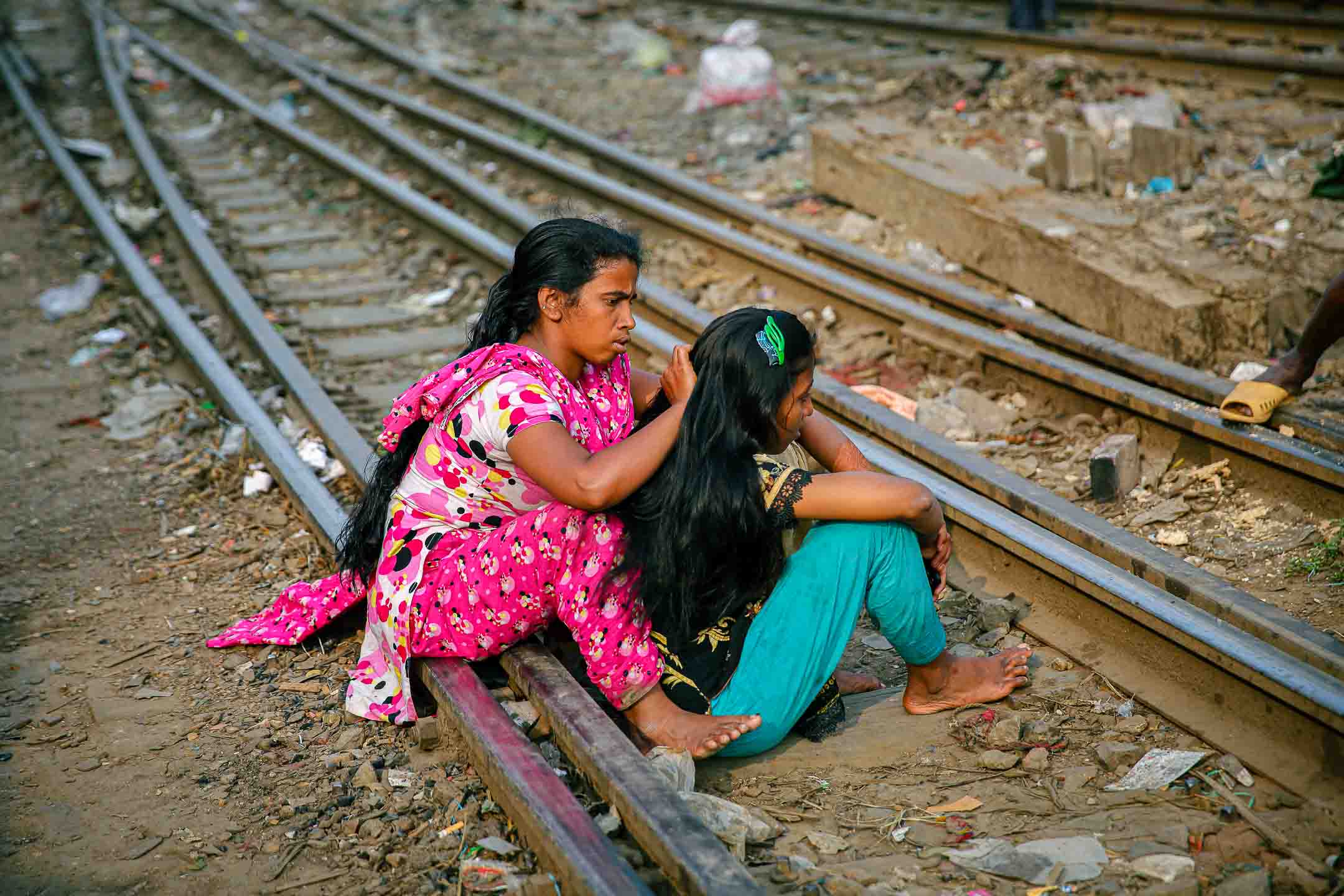
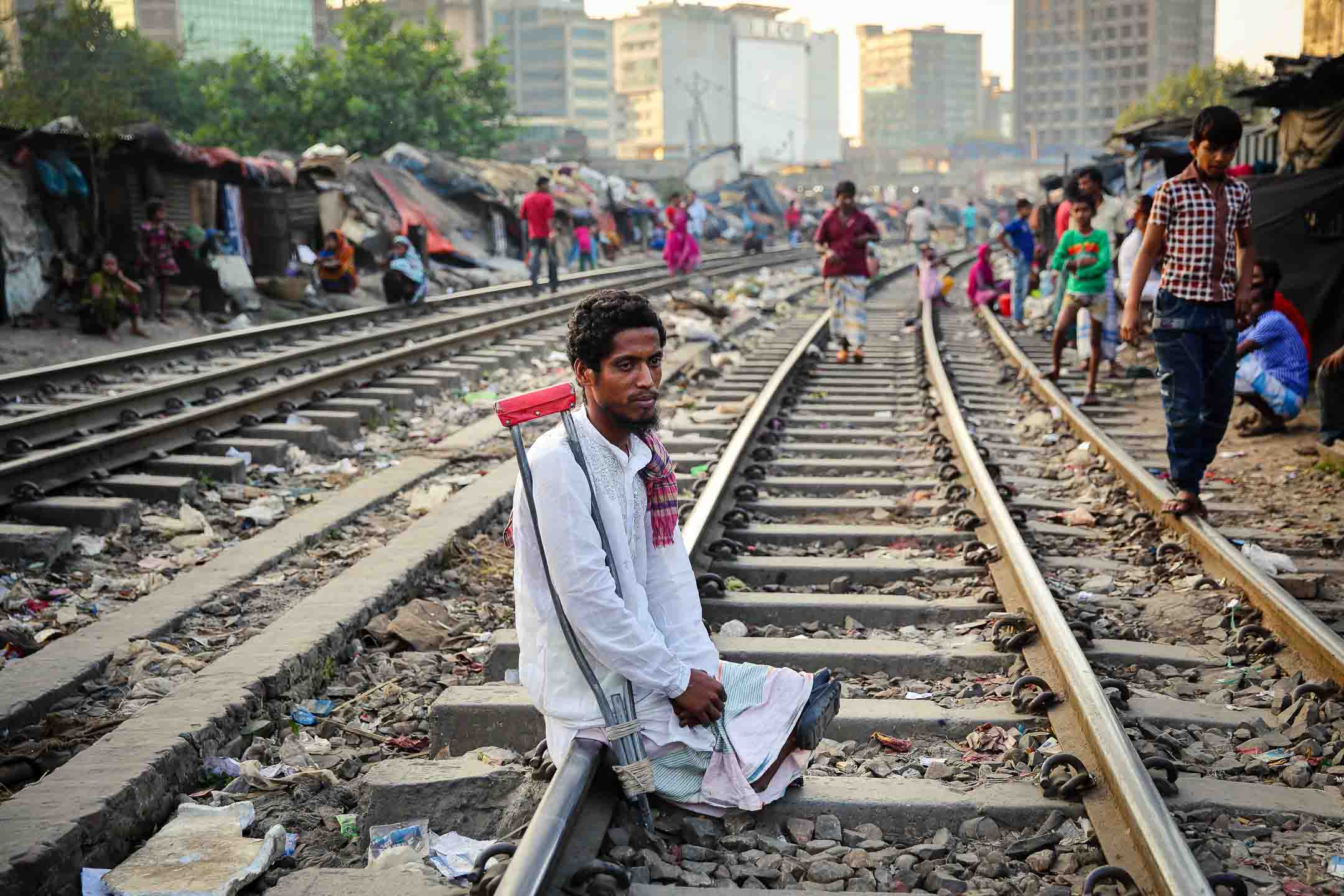
Thousands of shanties line the curvy train tracks. Some of the smallest huts with three-foot-high roofs rent for as much as 2000 taka (about $25), while newer, taller ones cost 3000 taka (about $39) per month. The muddy tracks are strewn with waste and rotten vegetables.

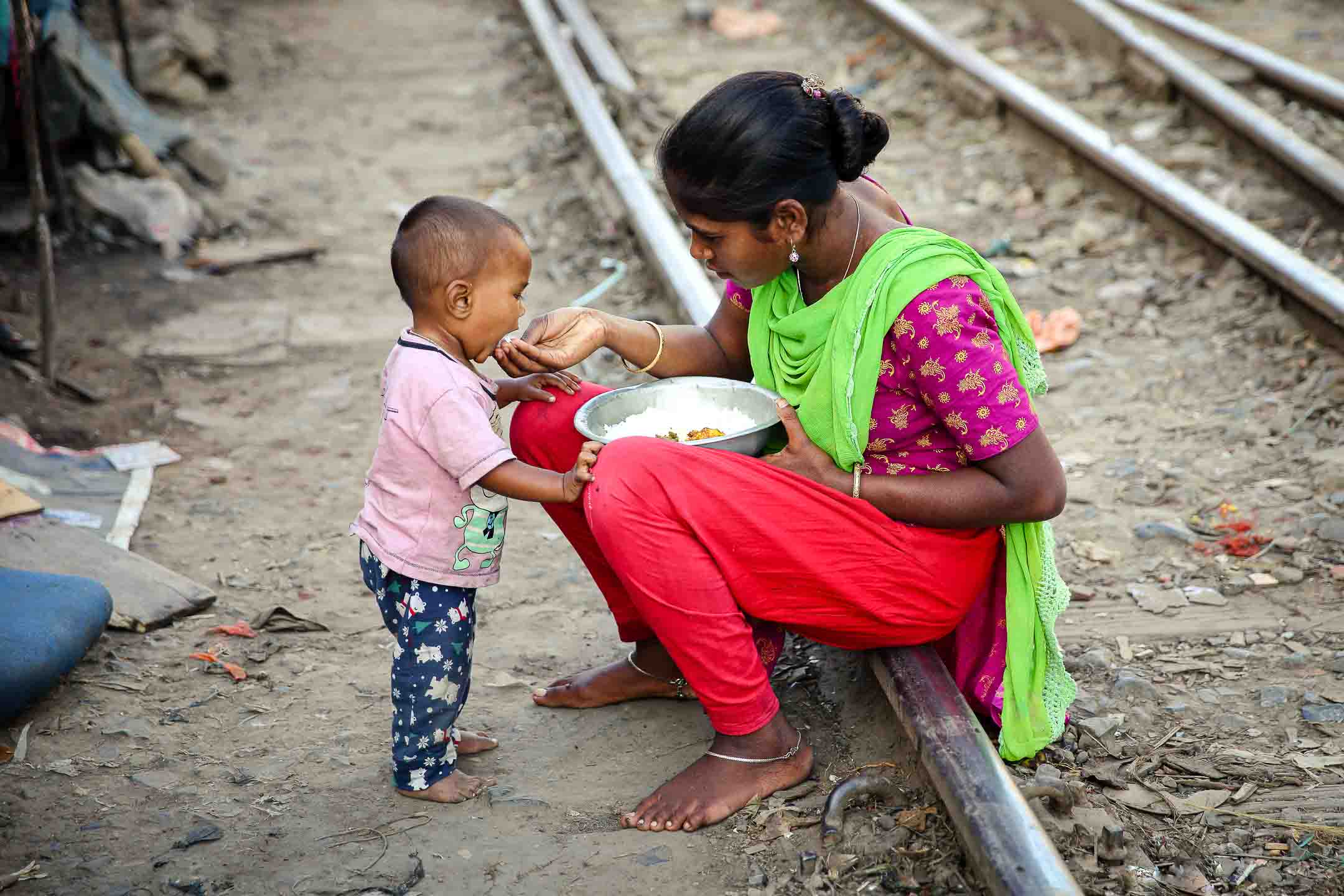
Amidst this, women like Marium Begum, 35, prepare lunch on mud clay ovens just a foot from the rails. A passing train could easily snatch the potatoes she fries in her pan. Marium recounts, “My eldest daughter is ten, and I’ve taught her how to save herself when the train rushes by.” Children here are adept at fleeing from oncoming trains, but the terror of simultaneous trains on both tracks is a frequent, heart-stopping event.

Accidents are common, with many children losing legs, hands, fingers in front of their helpless parents. Jaleha Kahtun reflects, “If we had anything in the village, we wouldn’t live here. The river overflowed and took everything. Now, everything we own is in this bazaar.” These residents are climate migrants, displaced by frequent floods. Despite the dangers, their move to the city allows them to feed their families better than they could back in their ravaged villages. Explore the stark realities and resilience of life on the edge in my photo album.

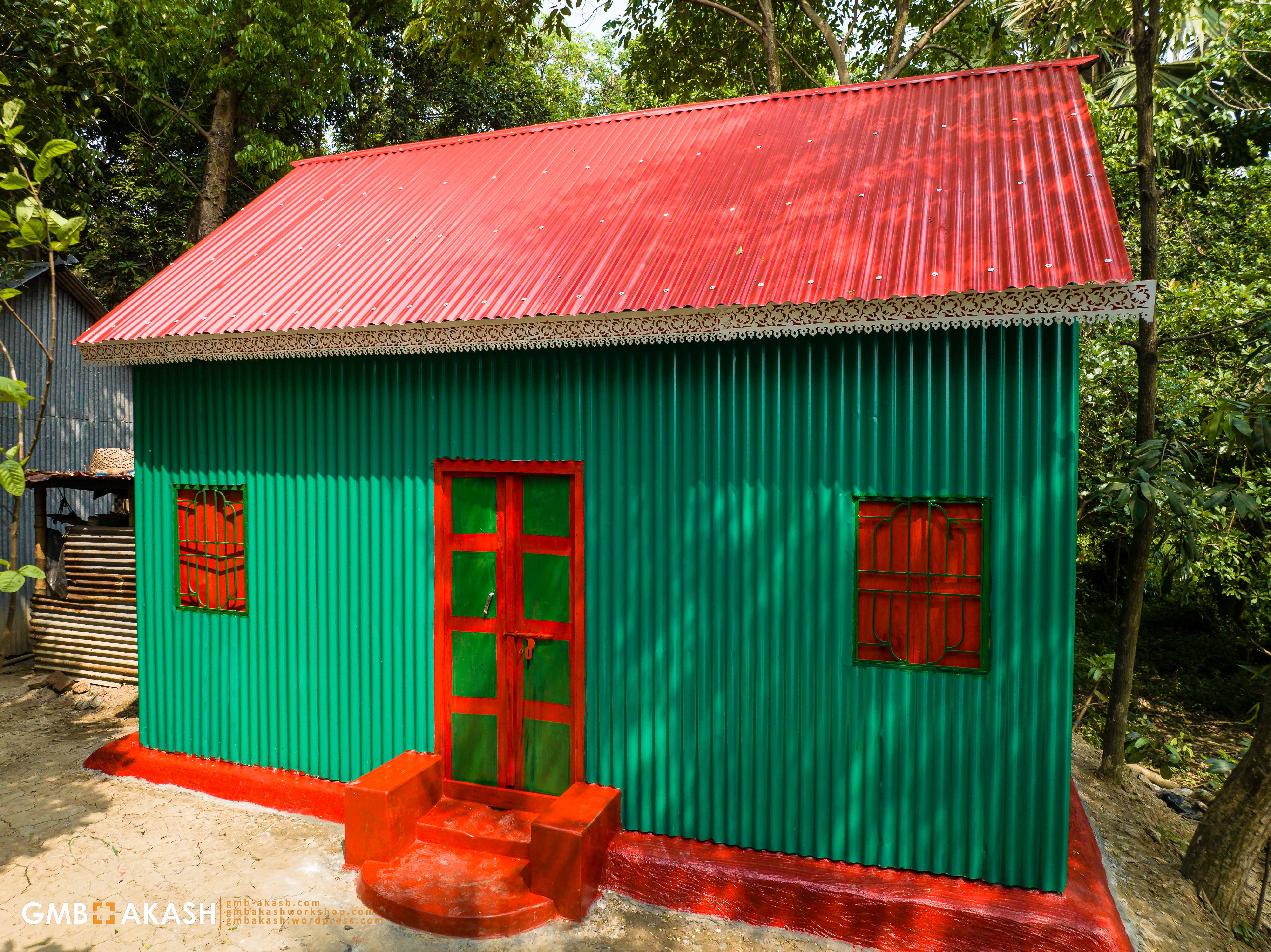
A dream house for Nurjahan Khala.

Nurjahan Khala, who has no one, no daughters, no sons, lost her husband almost 30 years ago and has been working in others’ houses since then. Due to her age, she can no longer work and she has no place to stay. One relative of hers provided her with a space in their veranda. But her biggest fear was that due to her age, if she excretion accidentally along wherever she stayed, her relative wouldn’t allow her to stay there anymore. That’s why having her own house was the most important thing to her, but she didn’t have the means or ability to build one.

How would she build a house where she cannot afford to properly manage her three meals a day?Nurjahan Khala came to me after hearing about me from the villagers, and she shared her sorrows with me. Since then, I’ve taken the responsibility for her food and housing.

The good news is, I build a house for Nurjahan Khala to live in, and it took about a month to build the house with a bathroom and a kitchen and almost cost 1500$. I also provide her with the monthly expenses for her food and living, which require a modest amount of money each month.

Many of you expressed deep sorrow after watching Nurjahan Khala’s video in my social medias and were eager for her updates. I’m pleased to inform you that alhamdulillah, she is doing well now and is very happy to have received her new home. She has expressed her heartfelt gratitude to those who have sent her good wishes, prayers, and showed concern and care for her.

My friend, Please keep me in your prayers so that I may continue my journey to change the lives of helpless people in their needs.

Love and light

_GMB Akash

20 solo exhibitions in the last two years, from 2022 to 2023, in Finland.

Dear friends,

I am happy to share that my current solo exhibition has been on display at Rantasalmi Library for the last two weeks.The final full day of the exhibition is December 27, 2023.

My 10 solo exhibition of “My Equal Life,” took place in various cities across Finland throughout the year 2023. The exhibition was supported and organized by The Finnish Ministry for Foreign Affairs, Finland, and Caritas Finland, and its aim was to raise awareness about global inequality, arouse compassion, and share the experiences of people through my photographs and related stories.
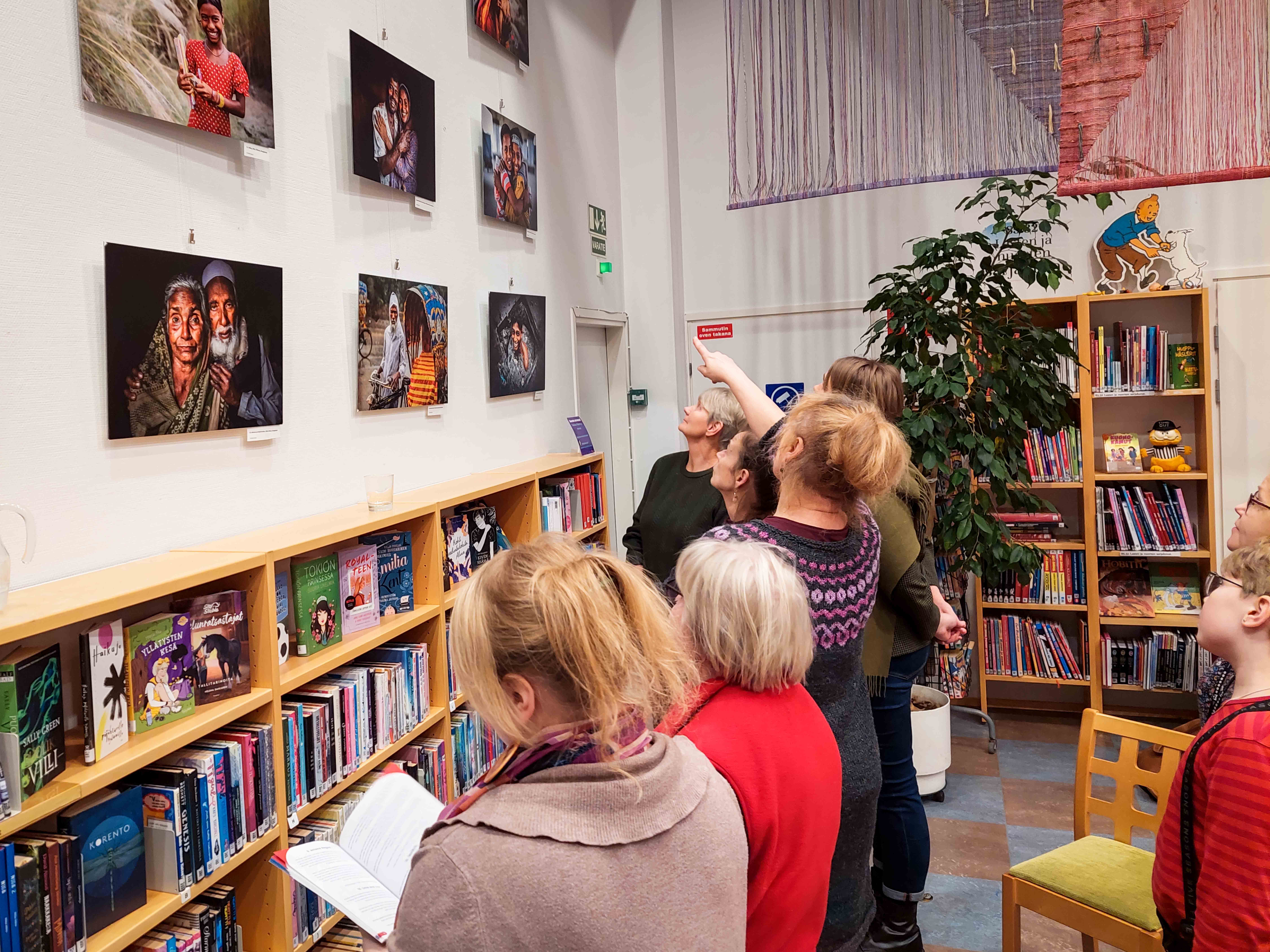
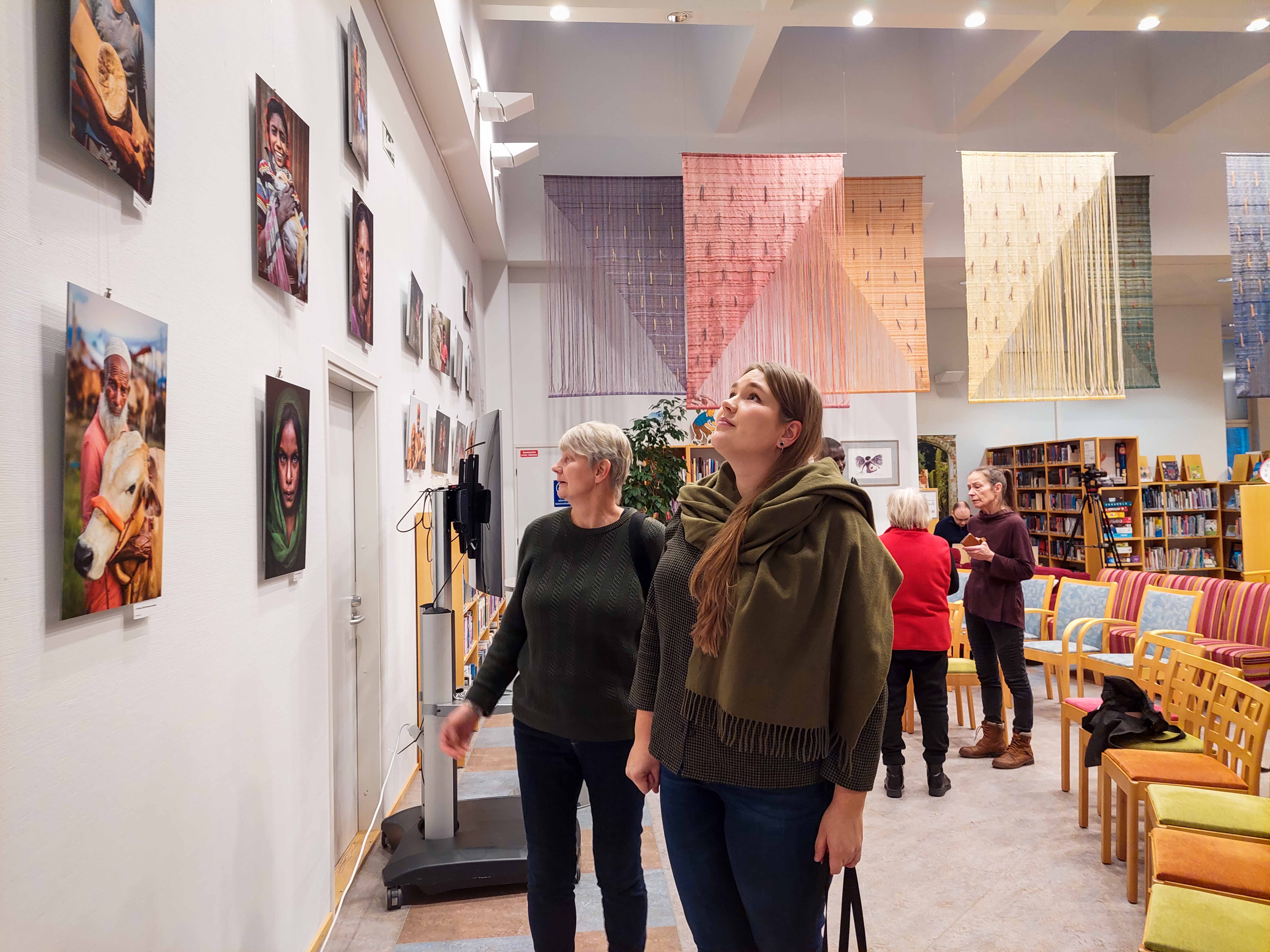
I will be happy to share some moments from my exhibition with you all ❤️

The pictures and stories are also on display on the exhibition’s website, and it is touring seven cities in Finland: Turku, Kouvola, Vaasa, Helsinki, Kuopio, Oulu, and Jyväskylä.

Thank you for your support and interest in “My Equal Life.”