“The Italian photographer Gaetano Plasmati is an enthusiastic photographer who inspires to create the dream of imagination by self power. His versatility as a photographer &\and unique initiatives remind me the famous quote: “Do not follow where the path may lead. Go instead where there is no path and leave a trail”
This photographer &\and adventurous traveler appealed more as South Asian rather than his Italian origin because of his continual work on Asia. He is a photographer who believes that all people of the world are his community, who focuses diverse topic with the same passion effortlessly. In working time I found him in the middle of street children while he happily gives his camera to those slum children by granting them taking picture. After traveling in 43 counties and passing 20 years in his photography career he is still the same passionate adventurer whose friendly nature and respect to others are his dignity’-
Gmb Akash
Gaetano Plasmati, photojournalist, curator and publisher, Italy
With the identity of professional photographer Gaetano is curator of the Porta Pepice Gallery in Matera, Italy, and publisher & editor of Intransit Magazine. He lives and works in Matera, where he was born in 1965. Left electronic and music studies, he tried in his heart a strong passion for voyages and for reportages photos. He has done photography reportages in almost all corners of the world: Greek, Turkey, Albania, Thailand, Birmany, Cambodia, Malaysia, Singapore, Indonesia, Morocco, Tunis, Alger, Libya, Niger, Kenya, Madagascar, Mexico, Guatemala, Honduras, Belize, Peru, India,Cuba, Maldives, Mali, Namibia, and Jordan. Traditions, popular celebrations and cultural manifestation became his documentation goals. Gaetano is also a theatre, jazz music and classic and advertising photographer.

Gmb Akash: Please introduce yourself. Where and when did you get your start in photography? Do you have any formal training?
Gaetano Plasmati: My name is Gaetano Plasmati. I come from southern Italy, the city of Matera. I began to photograph more than 25 years ago. My interest in travelling has turned my passion into a profession. I am a self-taught photographer. I have done everything by myself: bought my first camera, set up a photo gallery and my magazine. For building these medium was upon the aim to promote more photographer & photography through me. I am consistently thinking & maintaining good relationship with rest of the photographer of the world. I believe the straggle I have faced to reach so far would help me to stand by other photographers who started their journey with nothing. Also I have always been thinking that it is important for the place where I was born and live and I believe in freedom and dignity of my profession. My land, southern Italy, has a strong impact on the way I see the world of photography.
Gmb Akash: You had a strong passion for voyages and for reportages photos. So you have done photography reportages in almost all corners of the world: Greek, Turkey, Albania, Thailand, Birmany, Cambodia, Malaysia, Singapore, Indonesia, Morocco, Tunis, Alger, Libya, Niger, Kenya, Madagascar, Mexico, Guatemala, Honduras, Belize, Peru, India,Cuba, Maldives, Mali, Namibia, and Jordan. Please tell us how this travelling influences you to understand the culture of people & facilitates you to become a powerful photographer?
Gaetano Plasmati: My profession and my passion is travel reportage. I think travelling is my nature. I follow my curiosity on traditions, other cultures, political outlooks and other events in the world. Today we live in the Internet era, but for my first trips I took inspiration from books and documentary movie. The world of books opens my imagination for inventing new stories. Today the Internet helps me in researching but sometimes it takes away the charm of the imagination. Becoming a good travel photographer means having a good education starting from school, read a lot, learn languages, be very attentive and sensitive to the world outside and many other things…
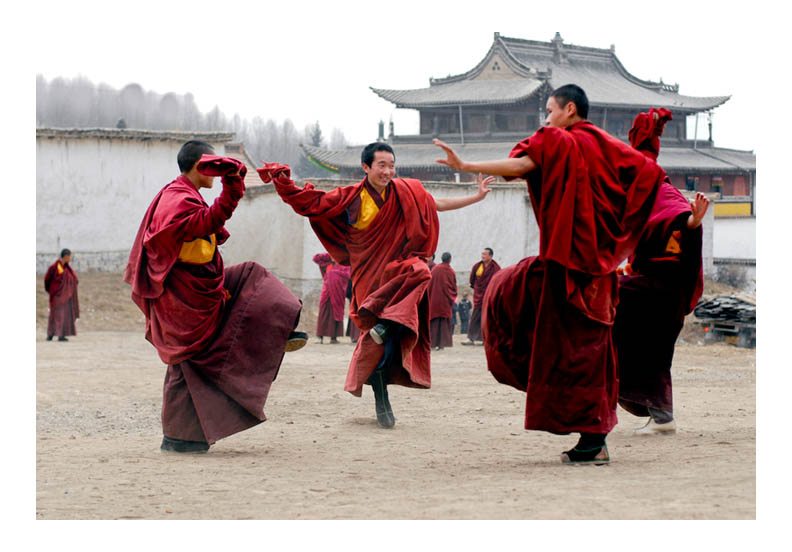
Gmb Akash: You went for six times to India, to end the anthropological-spiritual recognition, presented during the end of 2002, with extension “Mother India” for Emergency. Please share us your experience how you start the project & your accomplishments regarding it.
Gaetano Plasmati: I love India and I returned there several times, sometimes as a tour leader. I was 21 years old when I visited India for the first time and it was unforgettable experience!I felt I fell in love with incredible country and its people and I’ve been keeping this feeling in my heart for many years. I think it was a real start of my project devoted to India. I called it “Mother India” because I have grown professionally and personally as a man. This country helped me to reveal my potential, my energy, raised my spirit and stimulated my senses. I felt and still feel myself as one of the son of this amazing land. Every time I arrived to India I was surprised, amazed, scared or excited, but never had I remained indifferent. I decided complete my journeys with a photo exhibition in favour of Emergency, an Italian independent and neutral organization, founded to provide high quality and free of charge health care to the war and poverty victims. Also I tried to collect money for Emergency selling my photo calendar.
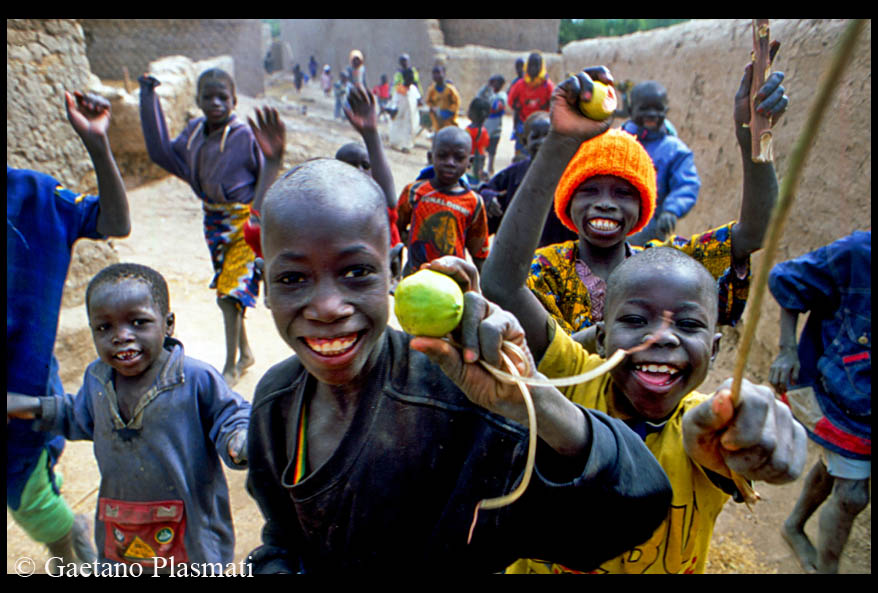
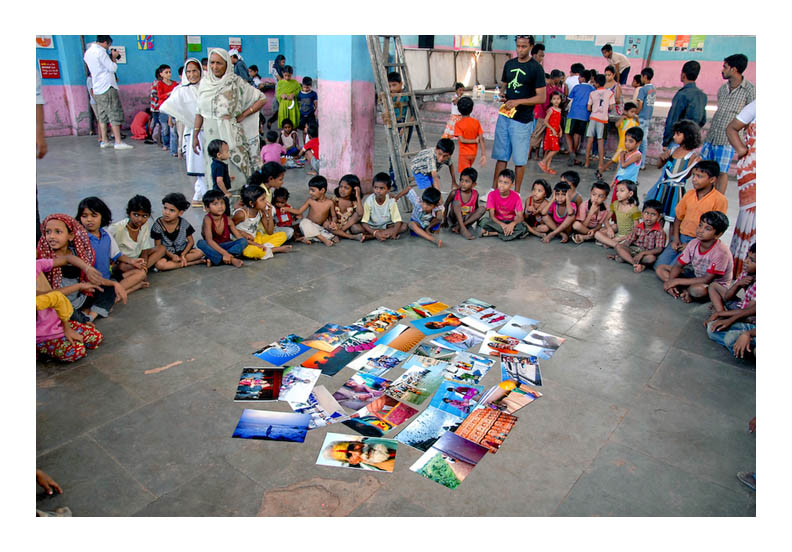
Few times I organized workshops for children in Dharavi (Mumbai), in one of the largest slums in the world. Photography for me is not only a profession or vocation also it is a kind of joke. I spent a great time there with a few hundreds of children teaching them to take pictures, talking, joking and just making fun! After, we had an exhibition of photographs that were taken by little friends.
Right now I think I have to give back to this country all my love and gratitude in return.
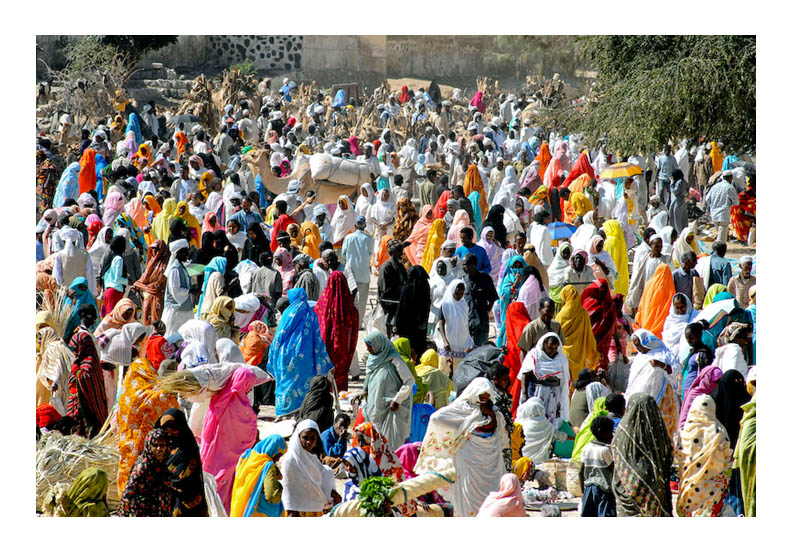

Gmb Akash: Traditions, popular celebrations, cultural manifestation became your documentation goals. Also you are theatre, jazz music and classic and adverting photographer. How could you as a photographer work on such versatility to easily focus on different topic with your project? What influence you for selecting topic for your project?
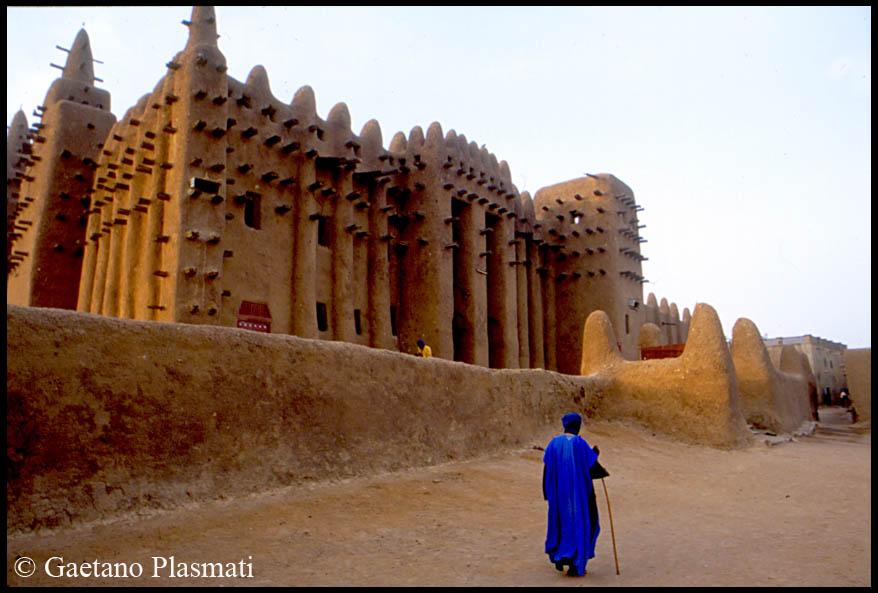
Gaetano Plasmati: I’ve studied at a music school for many years. It gave me an education in classical music, jazz, and other genres. Travelling revealed to me a magic of world music. For many of my photographic stories I use music as a theme. The latest are “Buena Vista Social Club” in Cuba, dances and music of Woodabe in Niger or the Dogon in Mali, The Theatre of Kathakali in India. Many of my photographs were used for CD covers for local theatres and musicians.
I always pay attention to all kind of news and events not only in my land, but also in all Italy and in the world. I read a lot, watch many movies, meet with people and this helps me to imagine new stories.
It is not easy to work in many genres and to focus on many subjects, but I manage to do this, because I’m very persistent and curious for everything new. I’m an open-minded person and I’m always looking for new opportunities and subjects for my projects. But always I work in reportage style both for travel photography and for wedding photos. I like to take spontaneous images, catch the moment.

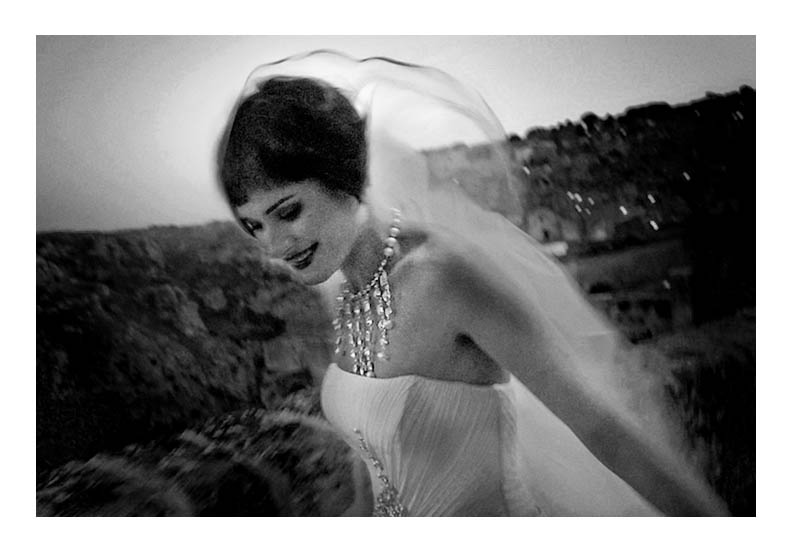
Gmb Akash: Share your experiences on Wedding photography. Besides doing reportage on many significant social/cultural issues you are an outstanding wedding photographer. Why you are doing wedding photography & how you are keeping yourself special by creating wedding photographs as informative & thematic.
Gaetano Plasmati: I started taking wedding photographs for some friends. I did not have any special skills in this style of photography. I’ve been always thinking it was a very static work, too many portraits in one day with many emotions. I thought that the reportage style in wedding photography could be an easy solution for enjoyment of this unique day. I just follow my style and my passion; never have I looked what others do. I try to show human emotions and reflect those special moments in my photos. It is a little bit difficult to explain people the “language” of photography. Some of them don’t like to see their relatives crying or sad on the photos. More and more people try to escape from daily life problems and bad sensations and ask me to take photos of happy faces only or don’t take b&w images. And I try to explain that the reportage style in wedding photography gives more emotions for the photo; make it more natural and therefore unique. I feel myself very happy if I see my clients emotive when they look at the wedding photos and experience that moments of joy again and again.
Gmb Akash: You are the curator of the Porta Pepice Gallery in Matera, Italy, and publisher and editor of Intransit Magazine. Give us some background information on how & what influence you to start your magazine “Intransit magazine”?
Gaetano Plasmati: I decided to open a photo gallery because I wanted to give a proper value to photography and photographers, to raise the culture of visual perception for the people. I was tired of showing my photos in some local restaurants and other unsuitable places. It is difficult in a city where there aren’t photo galleries to build everything alone. It takes time and much energy … and of course finances. I always imagined a place where you can talk about photography, travels, books, images of the photographers; arrange meetings of travellers, exchange experiences. I think that sharing experience with others is a way to improve ourselves. After some time passed I considered the idea of setting up of a photo magazine to develop all these photo stories. It is called “Intransit”, a quarterly editorial project about travelling and photo reportages. Again, to be a photographer today and especially in the places where the professional culture is undervalued is not easy. A bad policy does not work on quality. The photo magazine with the help of the Internet today is also available online. Now I’m thinking over idea of creating a small editorial staff for the Intransit.

Gmb Akash: For creating new project or series what priorities a photographer need to keep in mind to survive with his project in the competitive field of photography?
Gaetano Plasmati: Being a photographer is one of the best and most interesting profession, but also one of the most difficult. First of all, follow your own nature. Being a photographer means to go outside, to see people and places, to travel, sometimes far away from home, learn languages, invent fascinating stories and study all the time and improve oneself. But nobody teaches how to survive in daily and professional life.
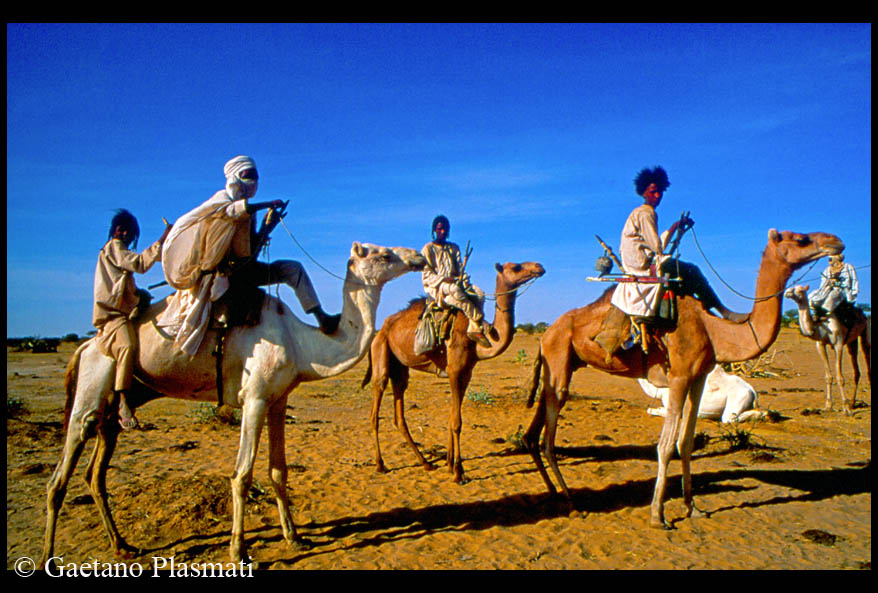
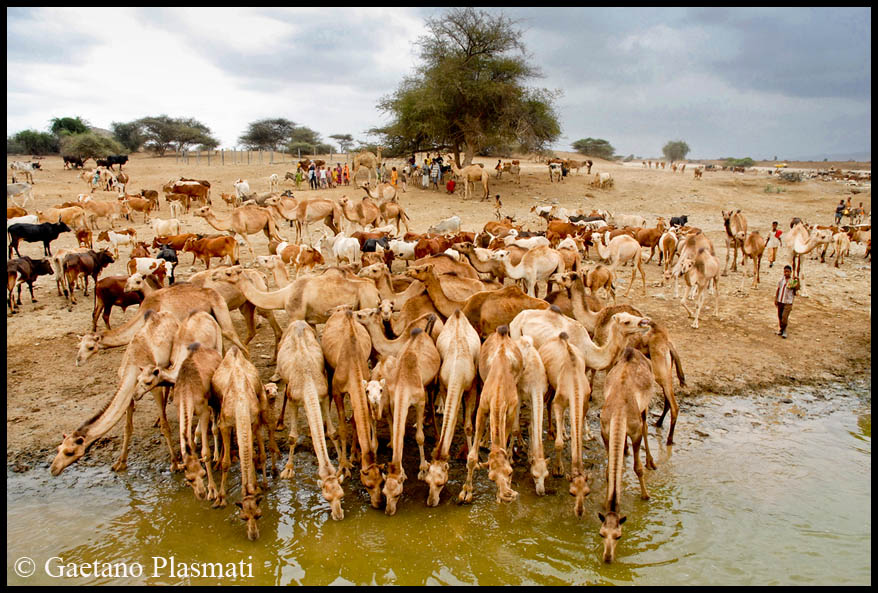
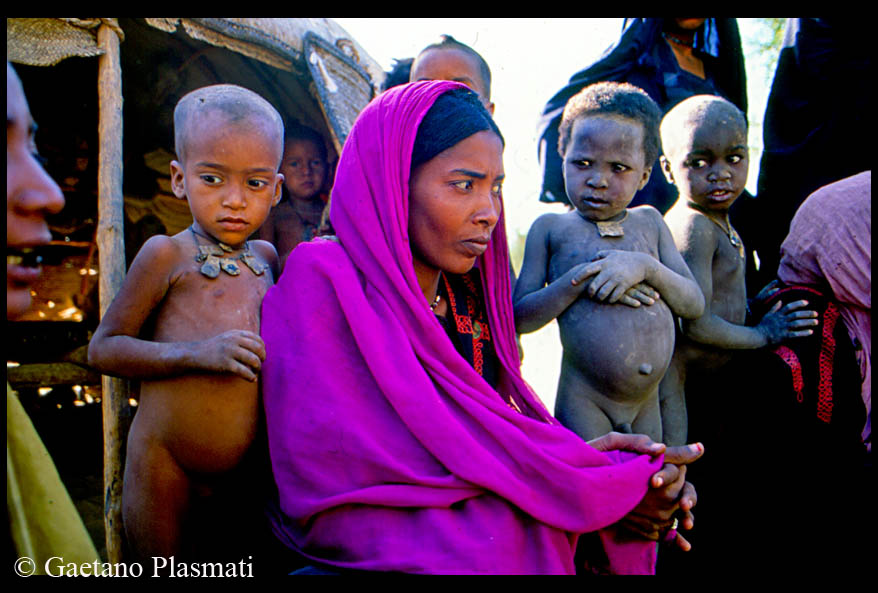
Everyone talks about workshops, awards, exhibitions, but no one tells you how difficult it is to remain a competitive photographer. Invent stories, involving the readers, have your website up to date, follow the new media, try to test your limits, don’t ask, be curious and creative. Always believe in yourself and in your ideas. There are always many features for a good photographer. In the end, perhaps, little lucks. I am currently working on the problems of desertification in the Sahara and on other environmental problems after disaster in Japan and planning many other projects. We must also admit that it’s hard to travel and have so many projects. Magazines and agencies are suffering with online news. People buy paper less, all information is available on the web sites in Internet. We need to change quickly, be more versatile and flexible in the work.

Gmb Akash: A brief paragraph on “One day Journey with photographer Gaetano Plasmati”?
Gaetano Plasmati: I always recommend lightweight camera equipment, but my bag is always more heavier. J I use Nikon D700 and a few Nikon lenses: 24 mm f/ 2.8, 37-70/2.8, 50mm f/1.8 D, Zoom-Nikkor 80-200 mm F/2.8, 105mm f/2.8. I prefer to use the flash very little. In the past I was an athlete and this allows me to have a good resistance and good adaptation to any situation. I think I have a good ability easily becoming friends with unknown people, it is our nature as southern Italians.
If I travel in some places like Sahara desert, Mali, Tibet usually I hire a local guide who shows me the right way and helps to communicate with locals. Also it is important to remember about many restrictions and rules before you are going to visit any country, because in some of them it is forbidden to take pictures or visit some places.
Very often I take wedding photos in different unknown places so before photo-shoot I study the area and venue. I prefer to work alone and I don’t use any additional equipment only my camera and lenses, sometimes a flash. And I like the natural lighting.
I’m not a good businessman and I never took a photo if that could damage the person in front of me.

Gmb Akash: In your opinion how could a photographer continually create his works to survive in the competitive field of photography & can manage to keep himself/herself into the focus of his concentration area.
Gaetano Plasmati: Keeping your own style and satisfy the customers is a difficult challenge, but not impossible. Today the advent of digital equipment creates a lot of competition for everyone even for non-professionals and it is also very confusing. Everyone knows everything. But this also applies to any field of our life. Creating your own style, ideas and making your customers feel themselves satisfied all the time is a real secret. It takes many years to make a career, after it becomes much easier. Also some compromises must be found as well.
A master rule is – to keep the passion for work inside and trust in you.

Gmb Akash: We request you to give message for photographers, shortly we want to receive few of your secret that you want to pass.
Gaetano Plasmati: The secret is that we always should believe in our dreams. May it sound like a phrase from a book. Reaching a goal every day is the easiest thing. Constantly, without pause, having patience and being humble. Look back after a while and you will see how far it has moved.
I like the words of Herman Hesse: “One can be happy when he finds his dream, but every dream has to be followed by a new one and you can’t capture any of them forever”.
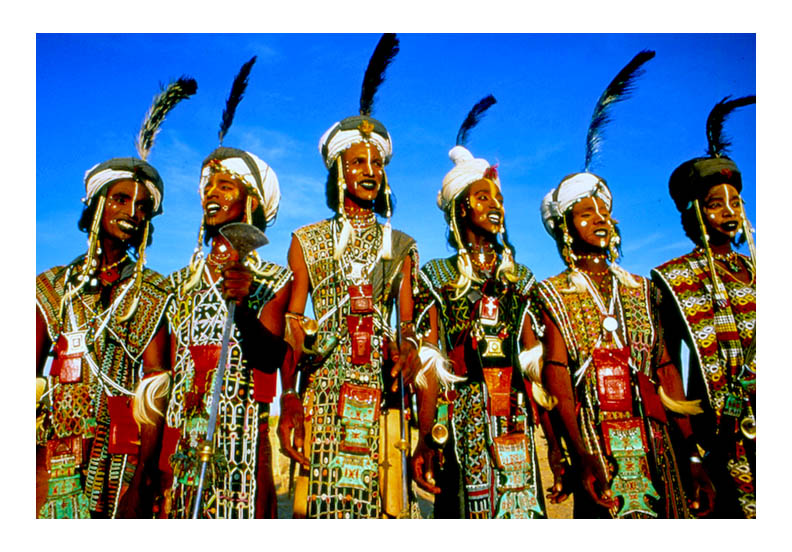
Gaetano Plasmati is continually focusing more work of art & photography in his Gallery & Magazine. You can discover more of Geotano’s work on his personal website: www.gaetanoplasmati.com,
www.galleriaportapepice.com & in his magazine www.intransit.it
“Gaetano Plasmati a photographer who can explore his passion in form of creating different photographs by focusing on different topic. His all photographs creates new dimension to pursue. In the competitive creative world of photography his simple rules could make paths of opportunities to discover & create arts in new form. His inspiration as footsteps remain striking to follow“–
Gmb Akash













 GMB AKASH