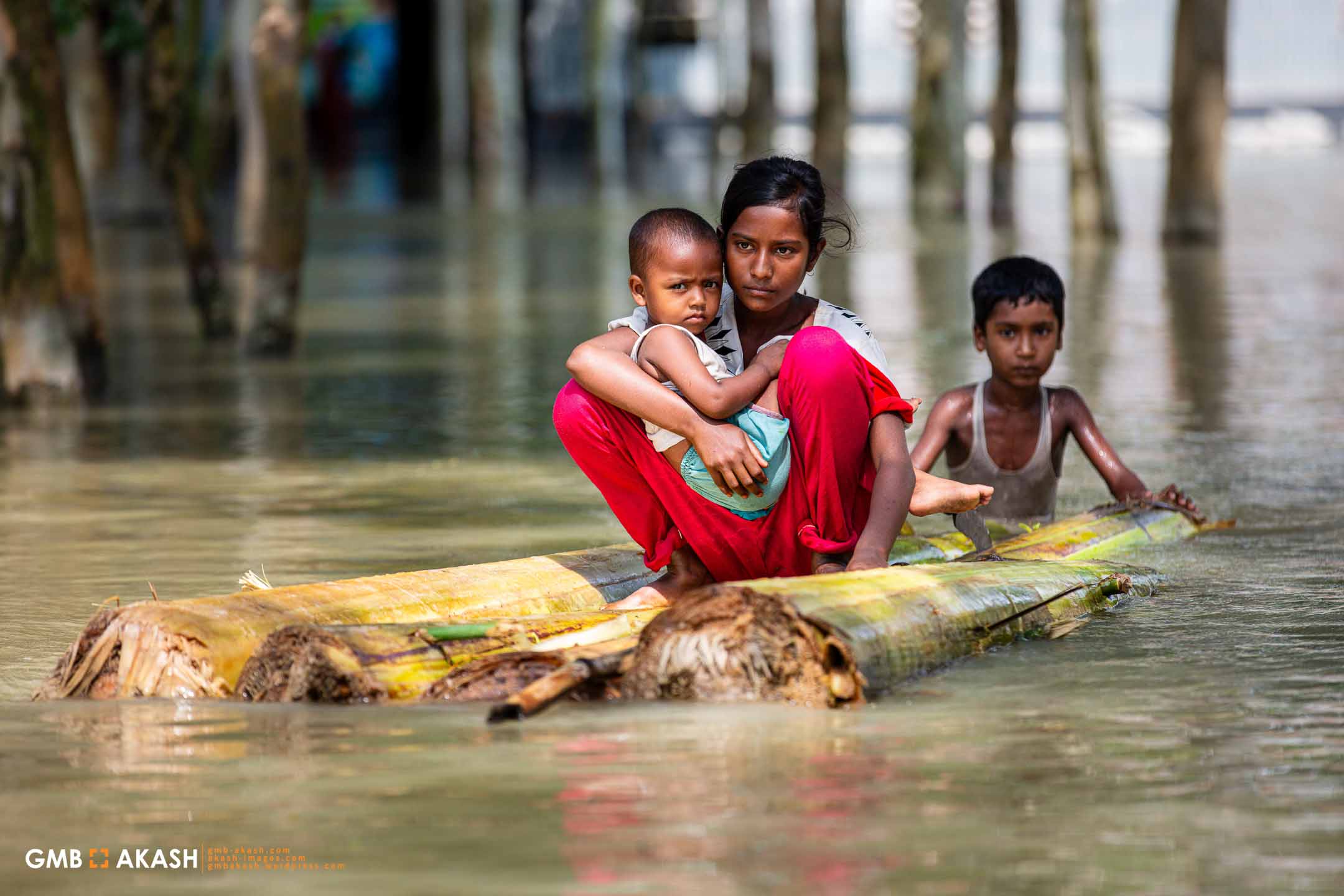
Every year, Bangladesh faces devastating floods that claim lives and leave millions homeless. In 2024 alone, over 5.8 million people were affected, 71 lives were lost, and damages soared to $1.2 billion.
Annually, disasters like floods, droughts, and storms inflict nearly $3 billion in losses, affecting over 6.3 million people.
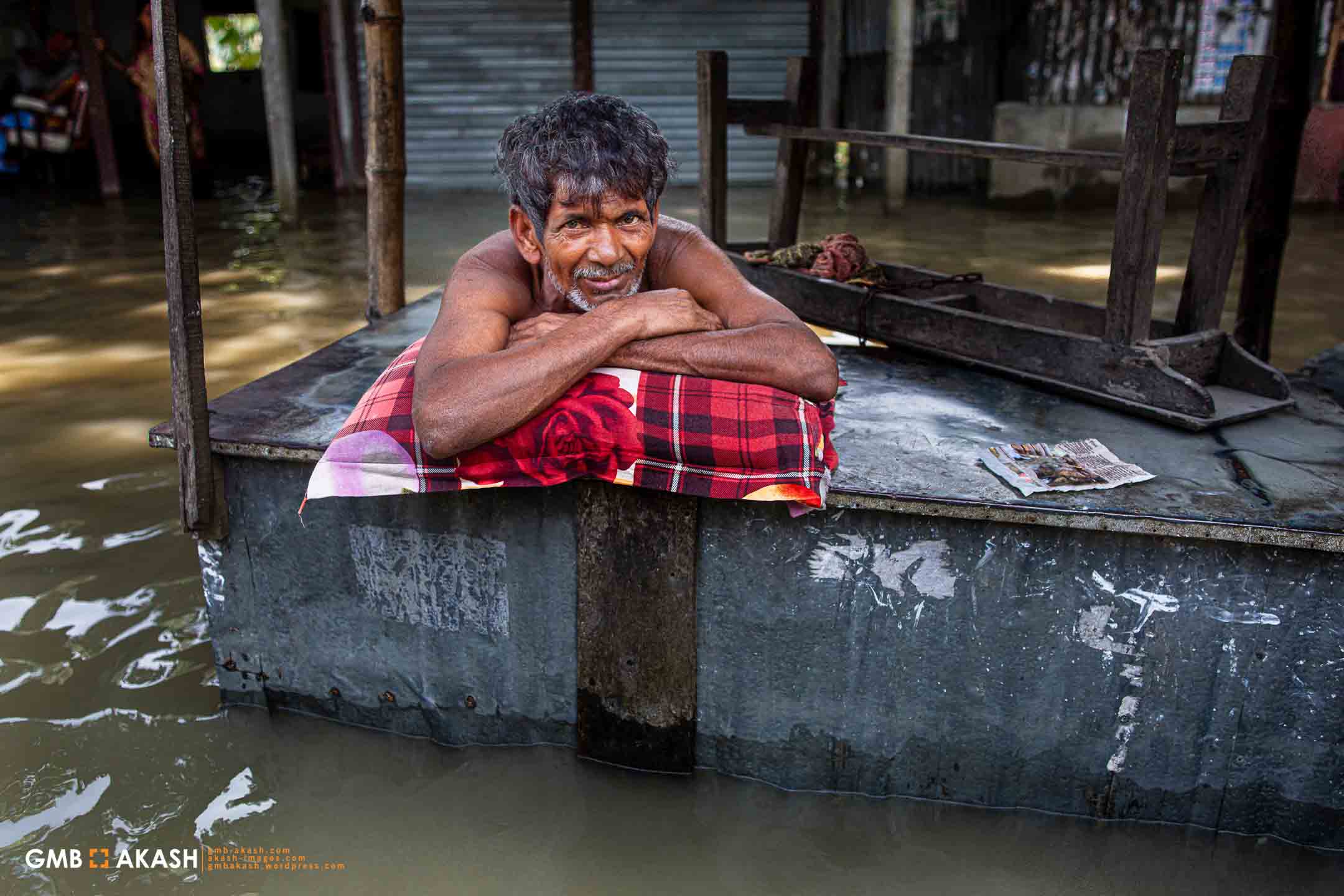
These figures, while staggering, only hint at the personal tragedies—homes submerged, livelihoods destroyed, dreams washed away.
For over two decades, I have been documenting these stories through my lens, aiming to illuminate the resilience and dignity of those who face nature’s wrath with unwavering spirit.
Photographing the human cost of climate change is not just about images; it’s about empathy, understanding, and a call to action.
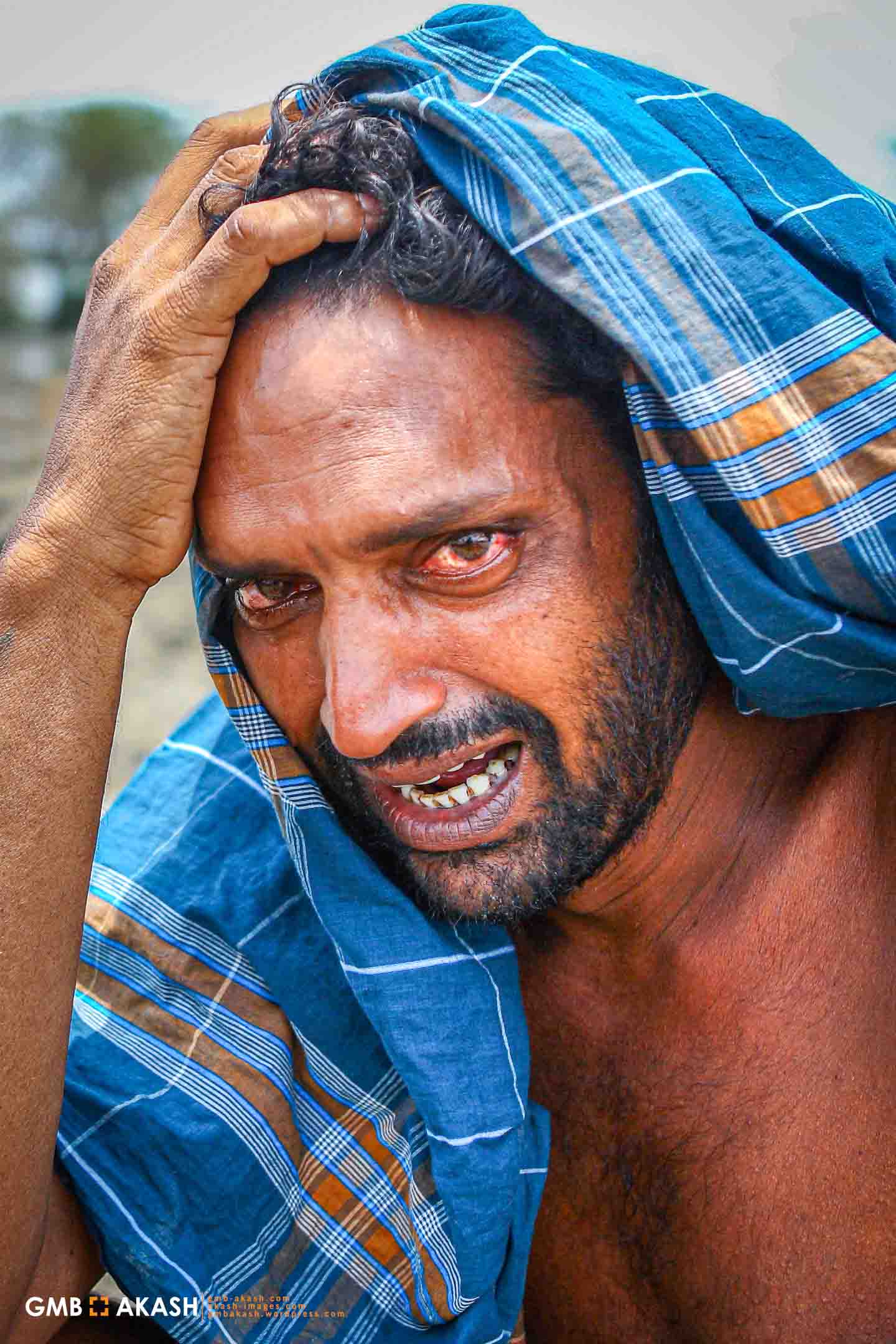
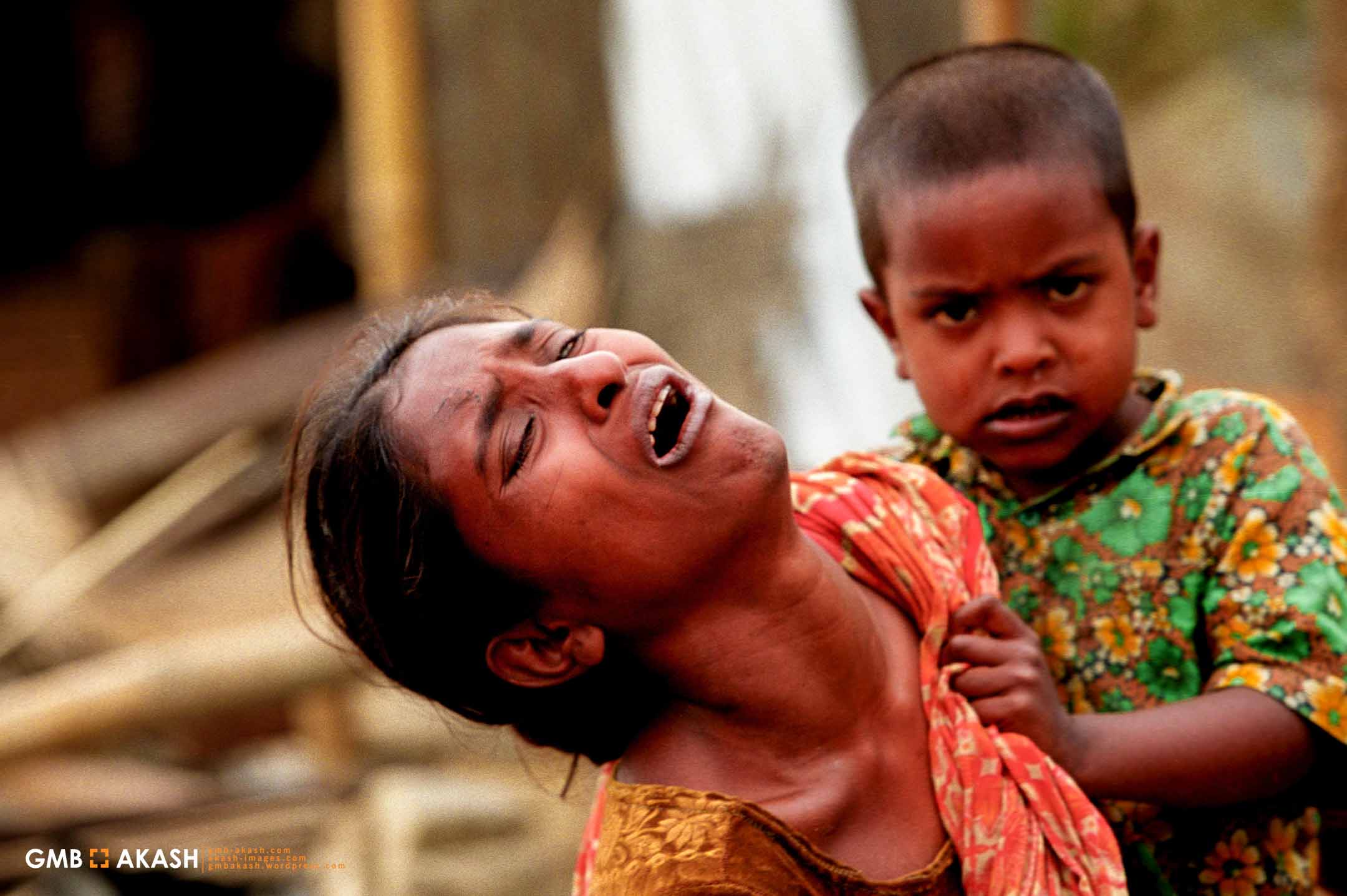
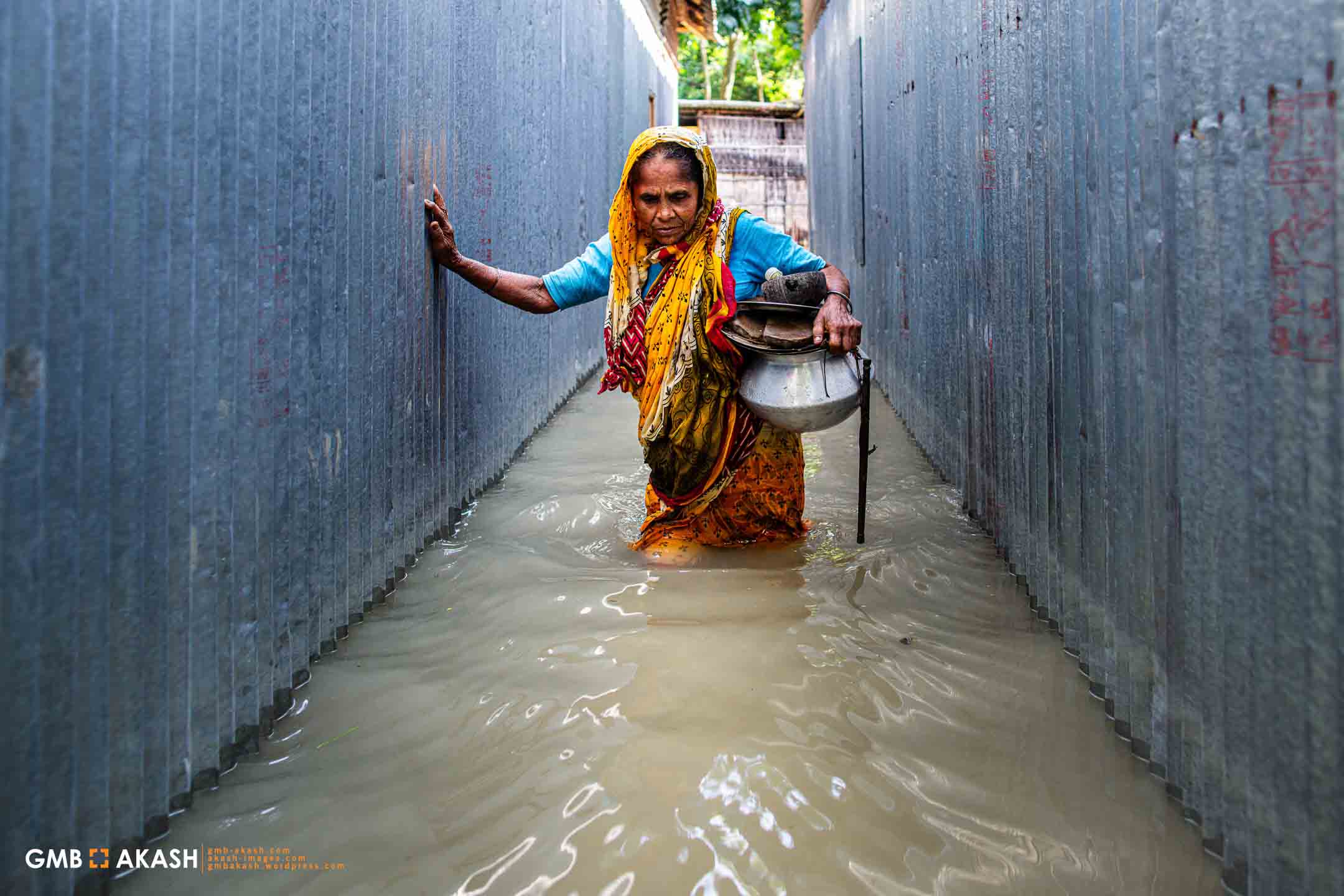
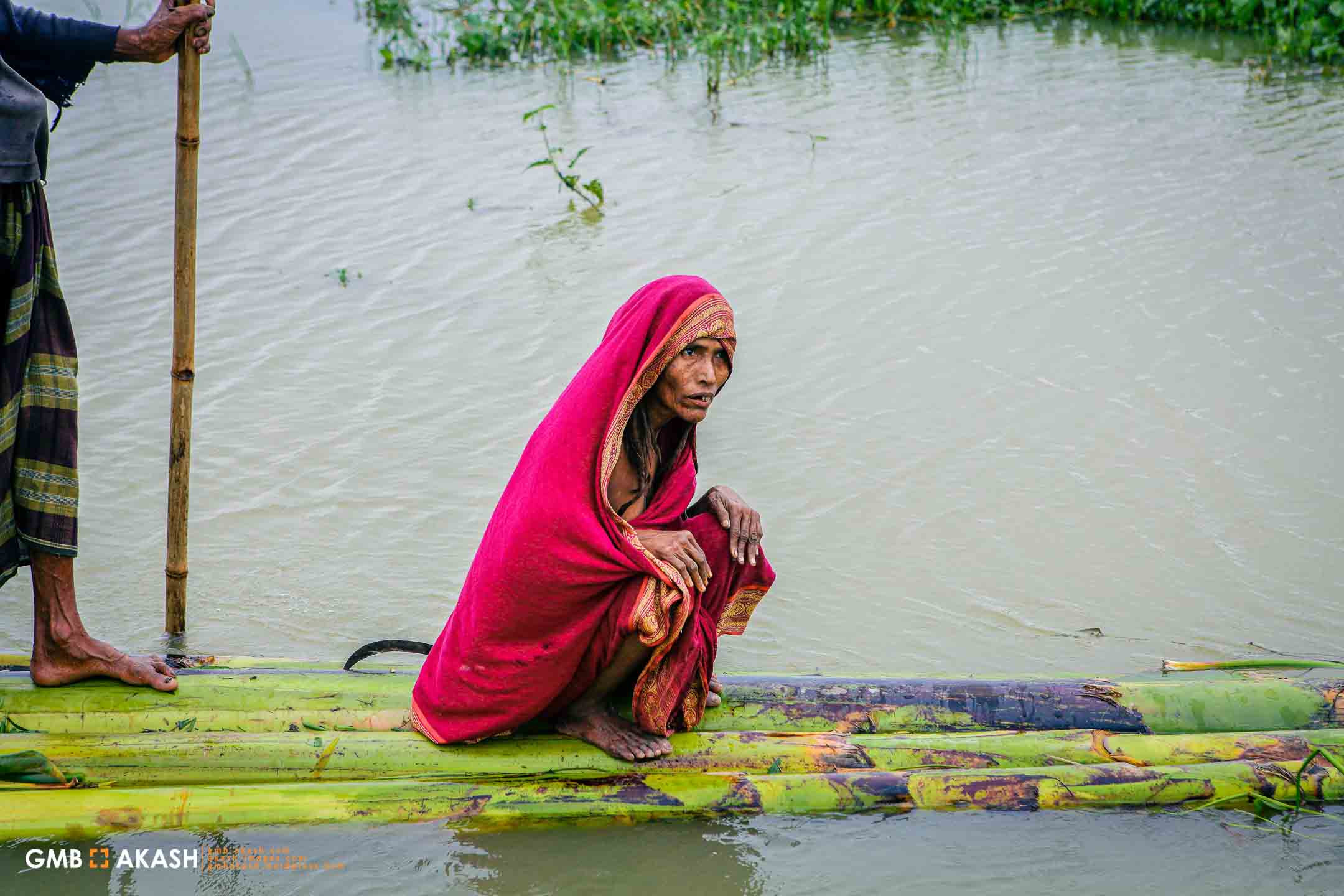
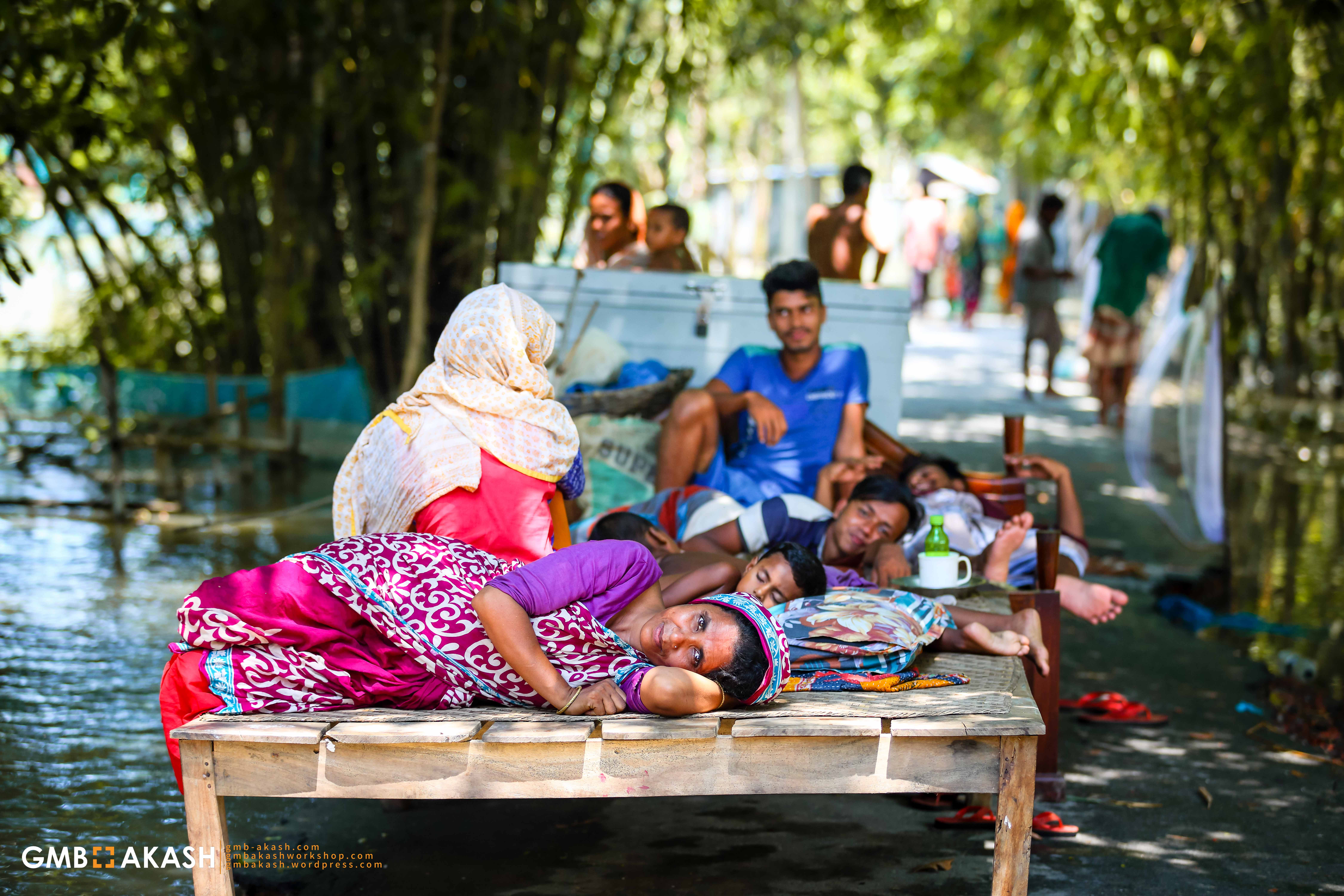
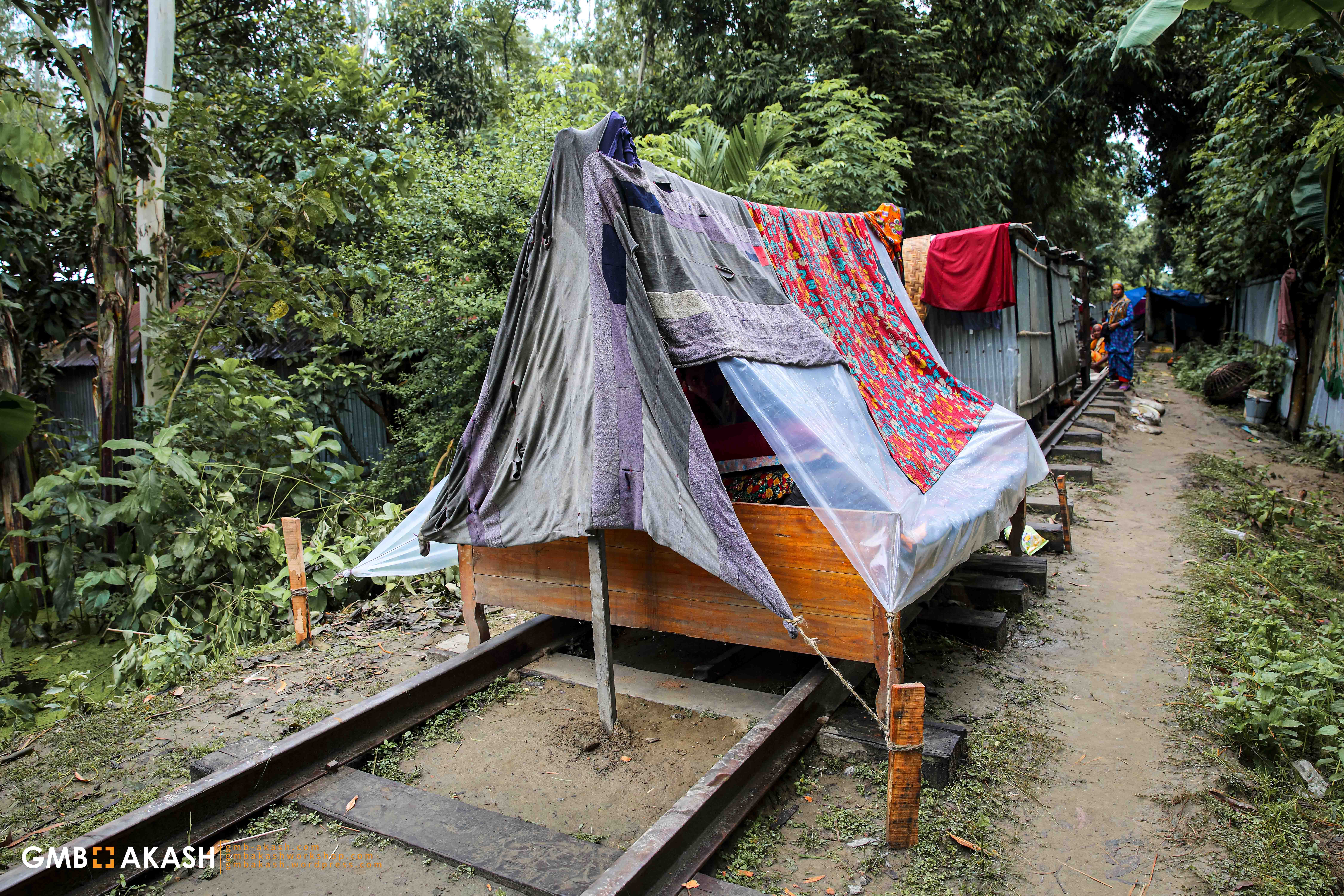
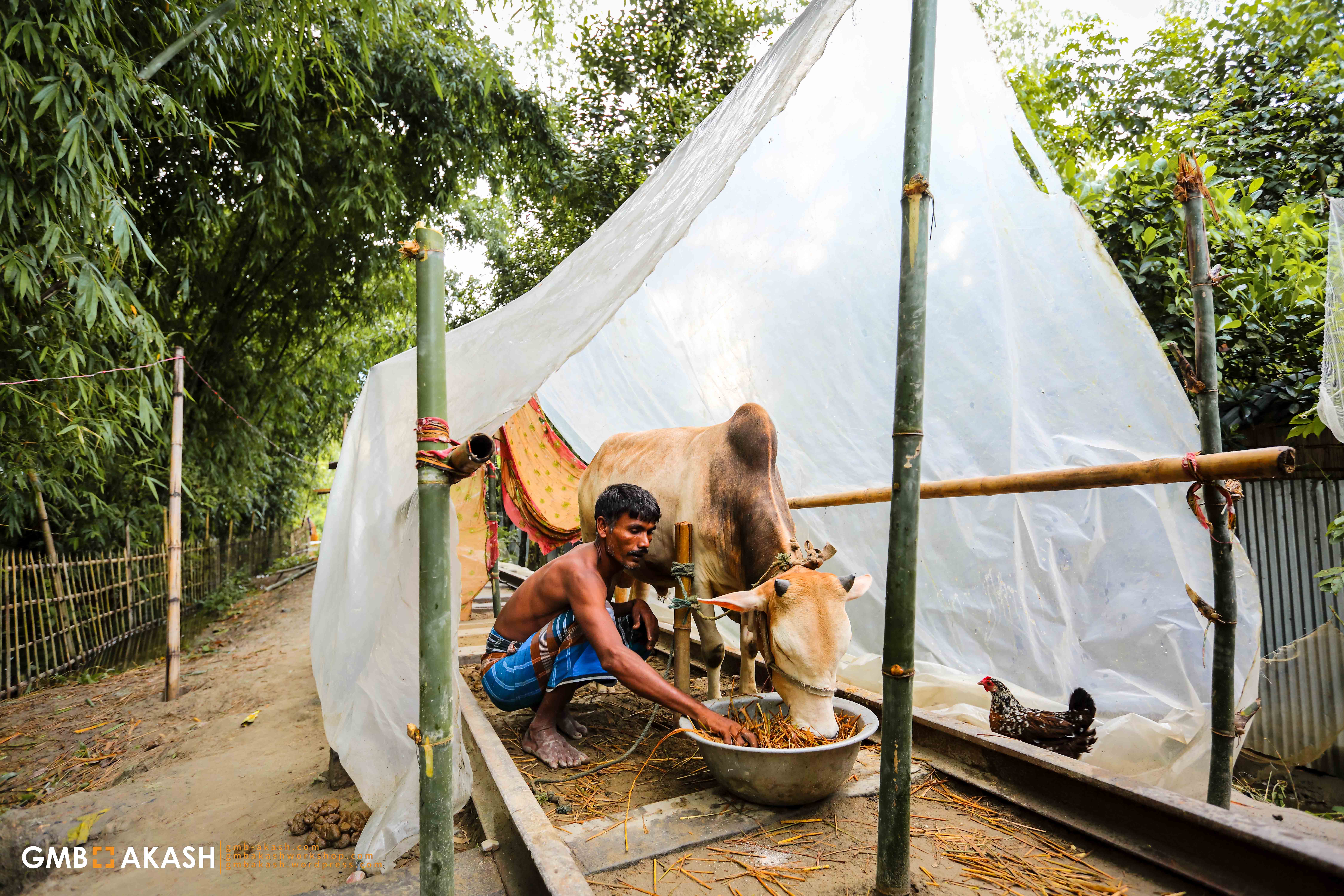
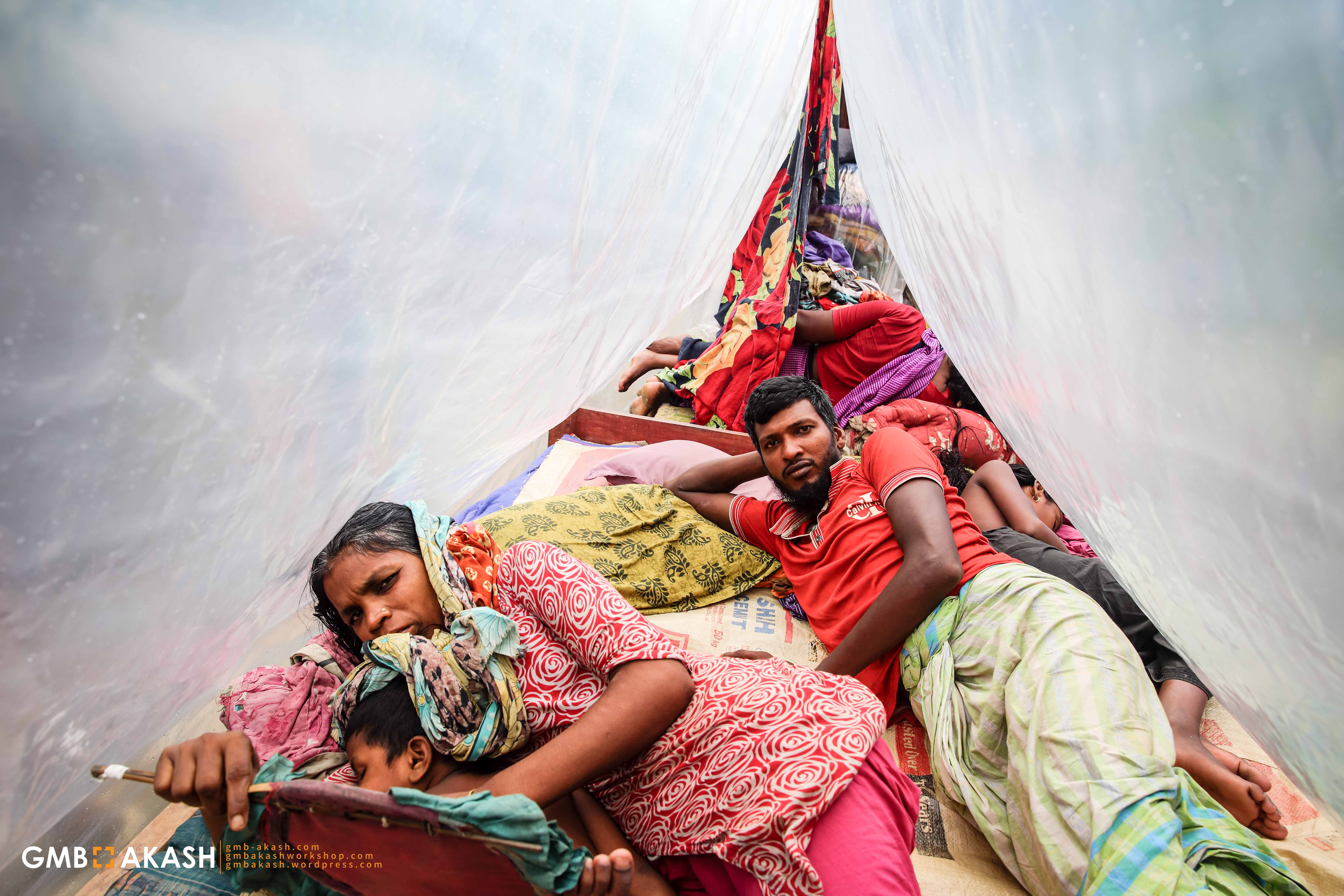
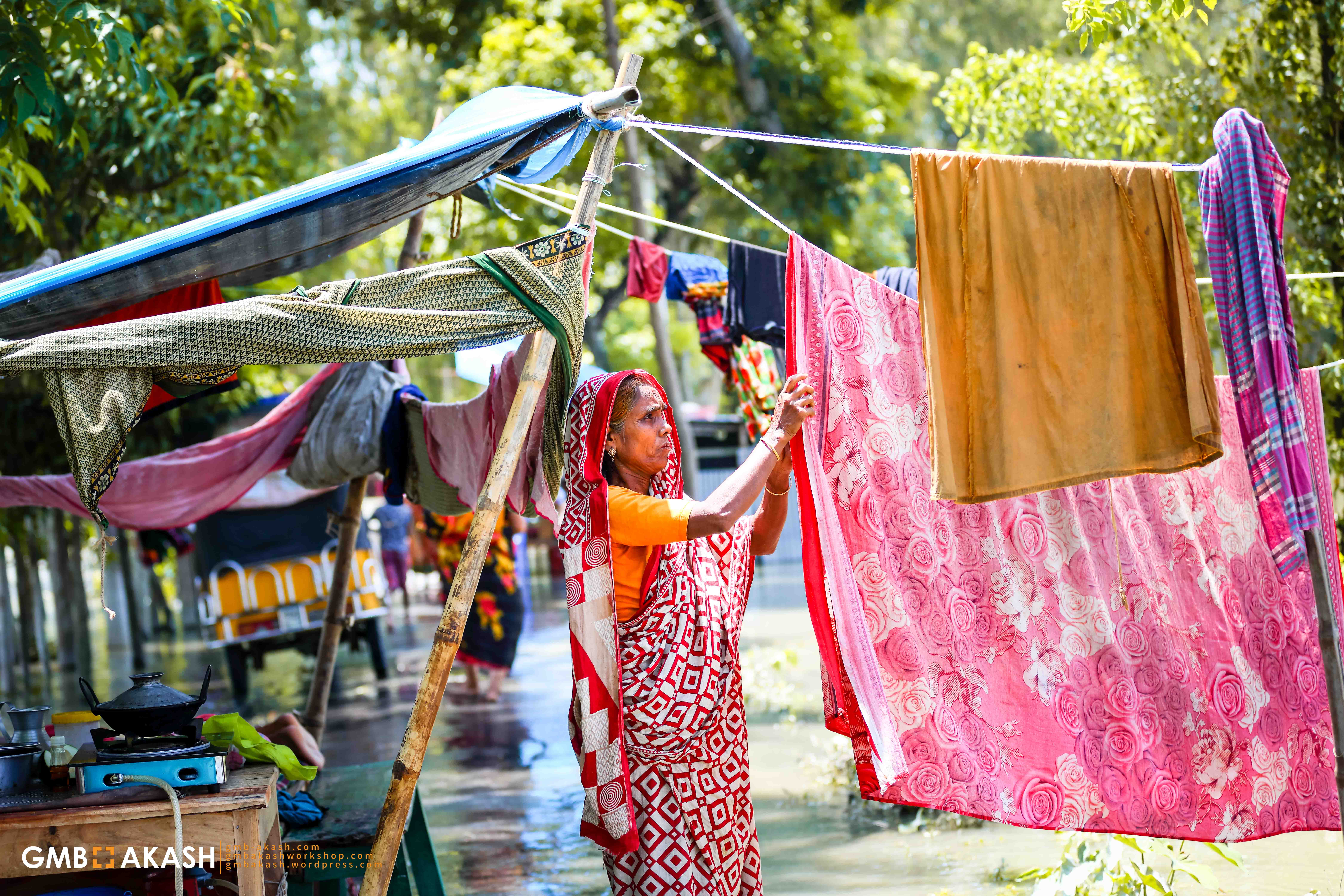
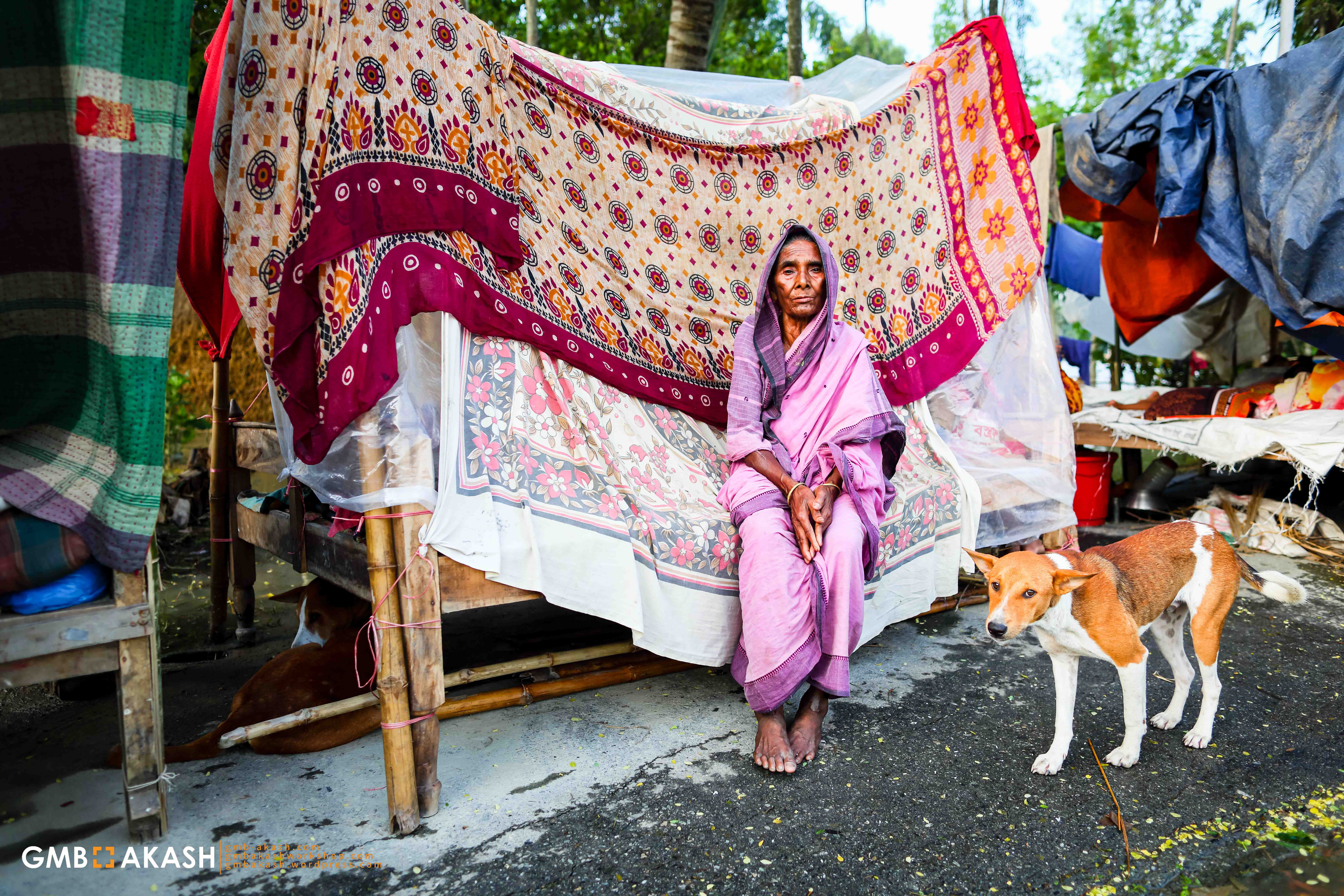
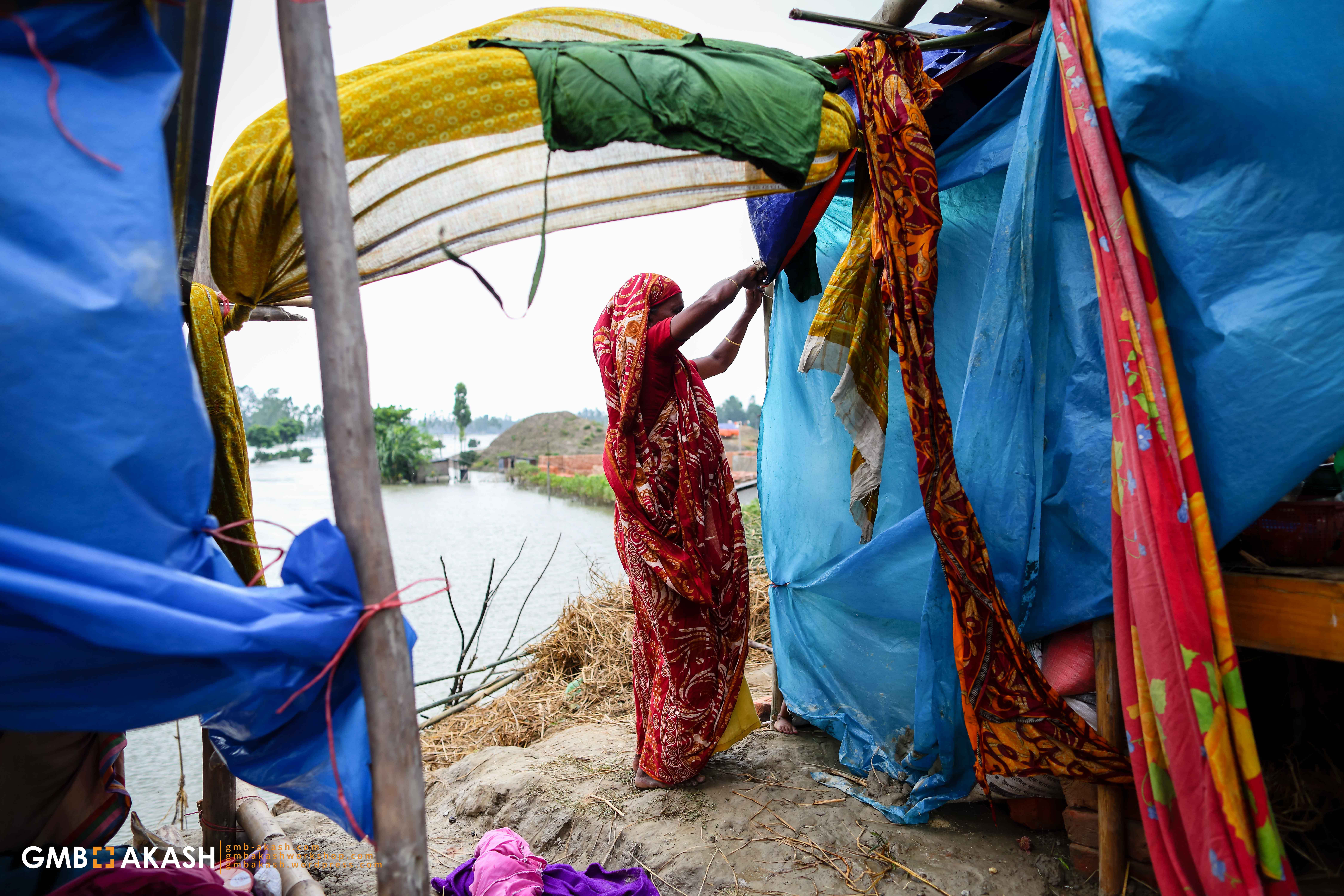
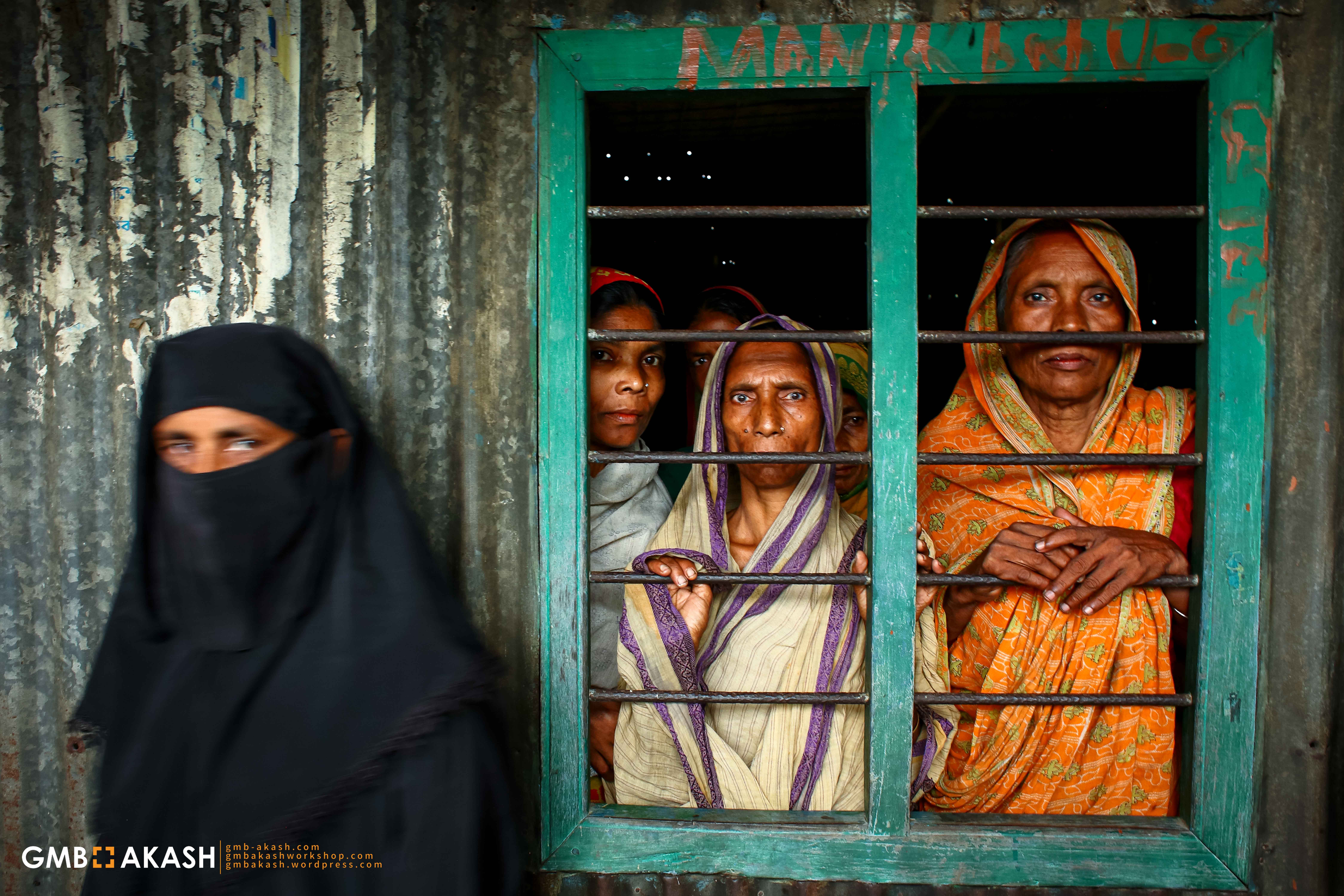
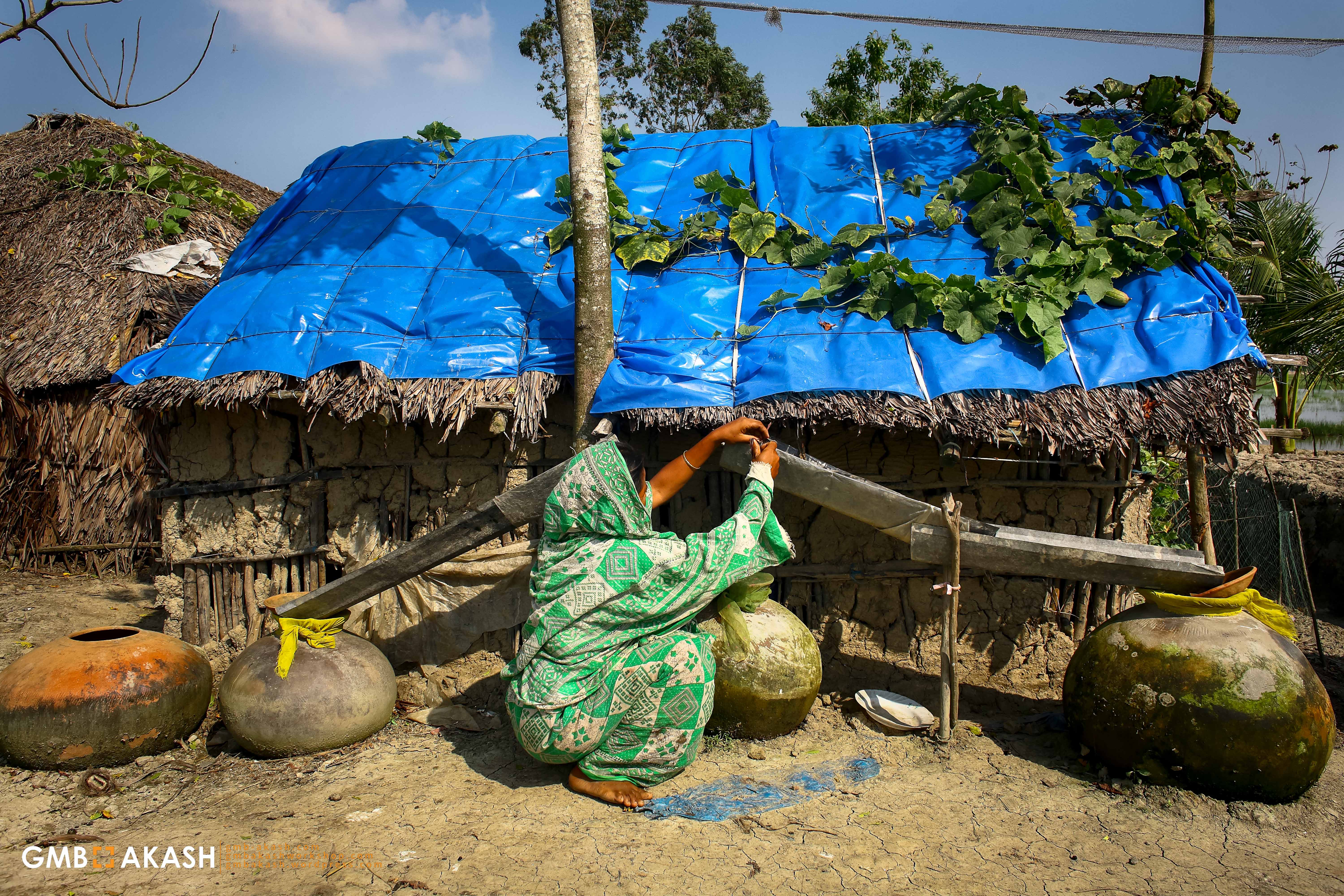
They are prisoners of disaster, confined within an open prison, battling daily for survival. Their invisible helplessness goes unheard, their cries failing to reach the ears of the global populace. Nonetheless, they persist in their fight for life. Collecting the remnants of their former homes, they create shelters to shield themselves. Amid being ignored and marginalized by the world, they reach out to alleviate each other’s pain.
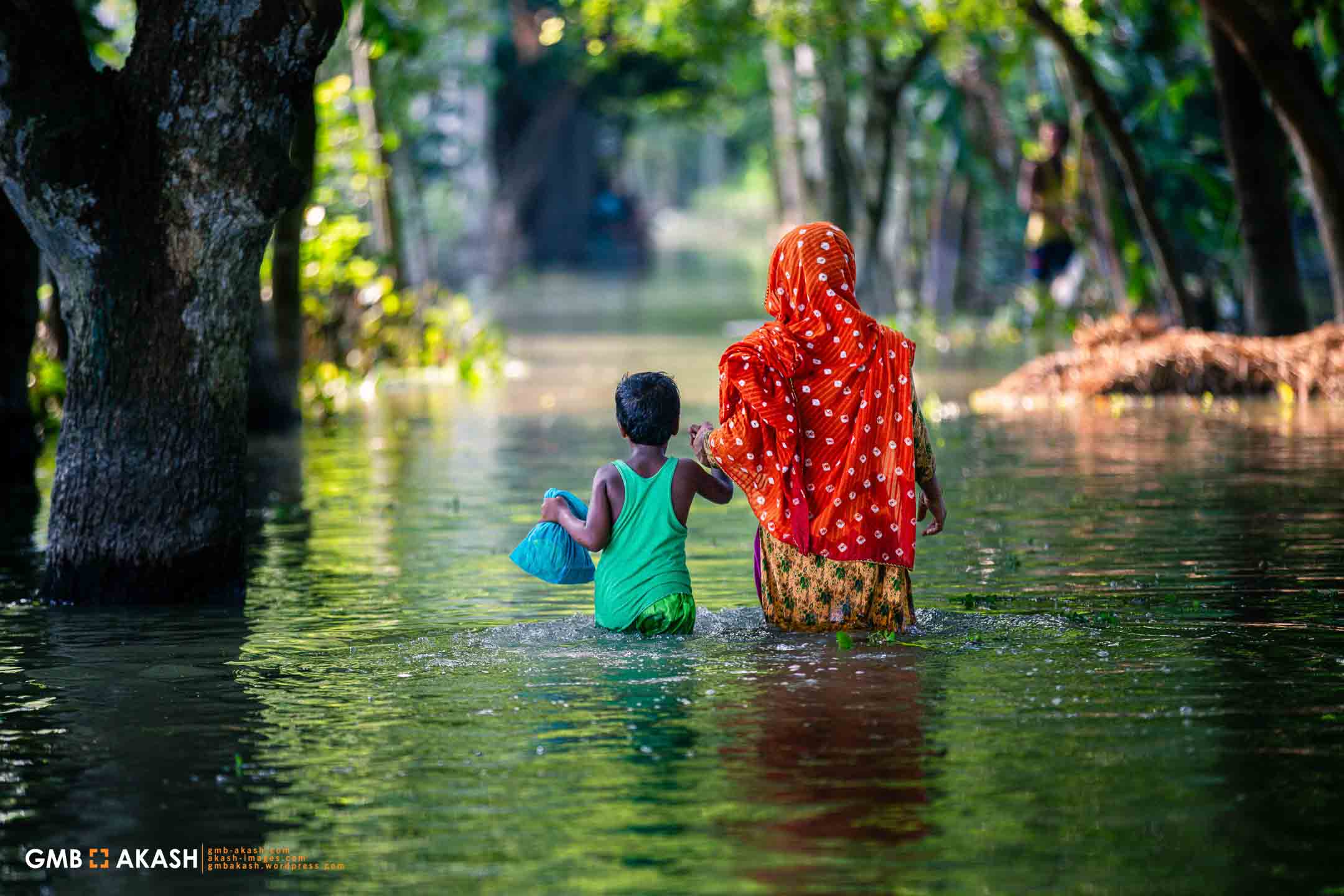
Bangladesh serves as a poignant illustration of climate change’s impact, epitomized by its climate refugees. Displaced by the harsh effects of a shifting climate, these vulnerable individuals confront rising sea levels, intensified cyclones, and erratic monsoons, compelling them to abandon their homes and seek refuge in makeshift settlements or urban centers.
Their struggle is exacerbated by a lack of recognition and legal safeguards, exposing them to heightened risks. Disrupted agricultural practices lead to food insecurity and migration, further straining resources in urban areas. Urgent global attention is imperative as Bangladesh’s climate refugees underscore the tangible repercussions of climate change and the necessity for international collaboration. Resolving their predicament demands a multifaceted approach, from legal frameworks to local infrastructure, with their future compelling a unified response to address climate change and fulfill the moral duty to aid the most vulnerable.
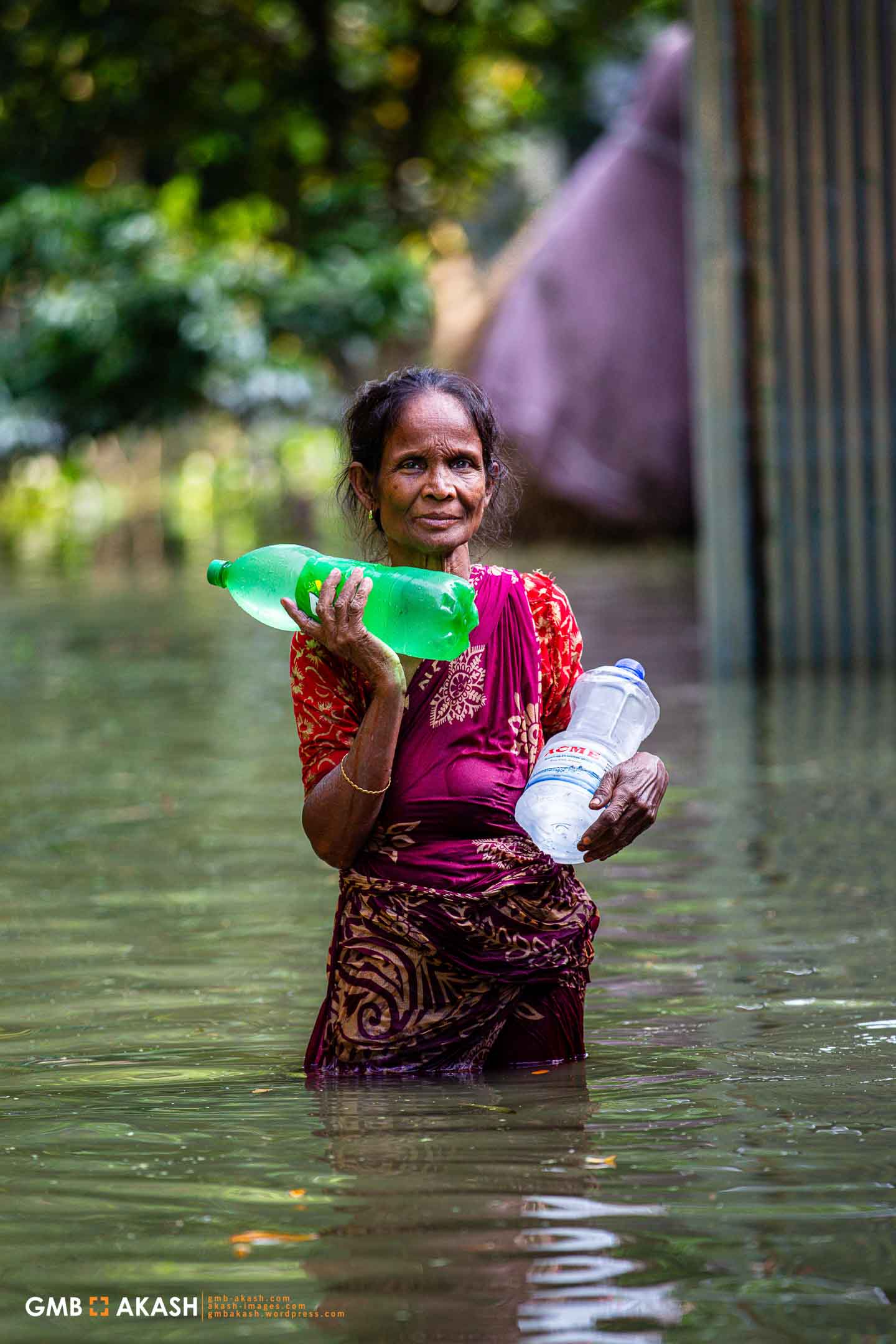
As I am working on this issue, “Water Crisis” for last 15 years, seeing that many of our fellow citizens in Bangladesh still struggle to access clean and safe drinking water my heart feels heavy.
This year, the theme of World Water Day is “Valuing Water”, highlighting the fundamental importance of water in our daily lives, and the need to recognize and appreciate its true value.
Bangladesh is home to over 160 million people, making it one of the most densely populated countries in the world. With limited freshwater resources, the country is struggling to meet the growing demands of its population, resulting in a severe water crisis.
One of the primary factors contributing to the water crisis in Bangladesh is climate change. The country is particularly vulnerable to the impacts of climate change, such as rising sea levels, increased frequency and intensity of floods, and droughts. These extreme weather events have a direct impact on the availability and quality of water resources in the country.
The rapid growth of the population is another contributing fact, which has led to increased demands for water for drinking, agriculture, and industrial purposes. As a result, the groundwater levels in many areas have been depleted.
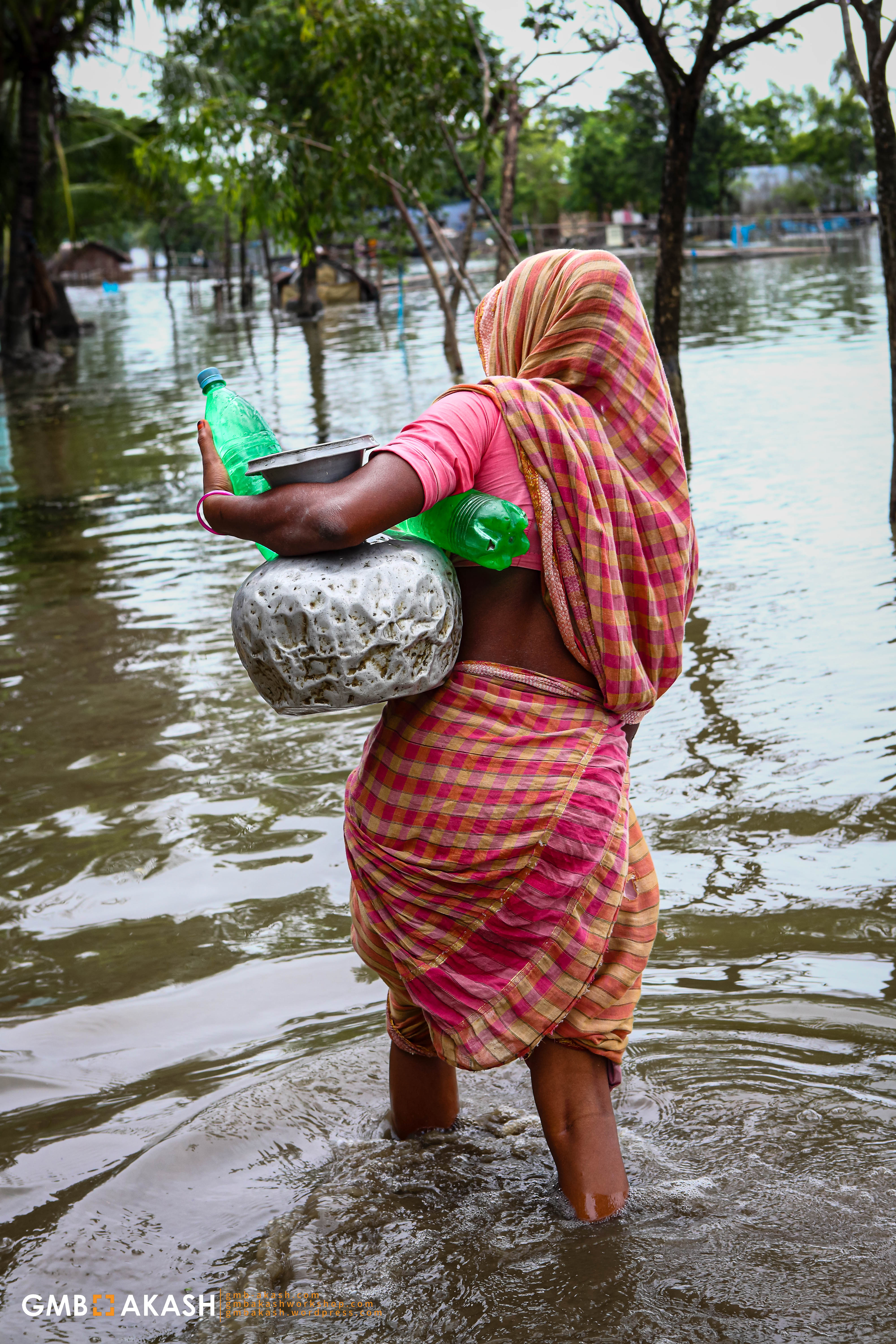
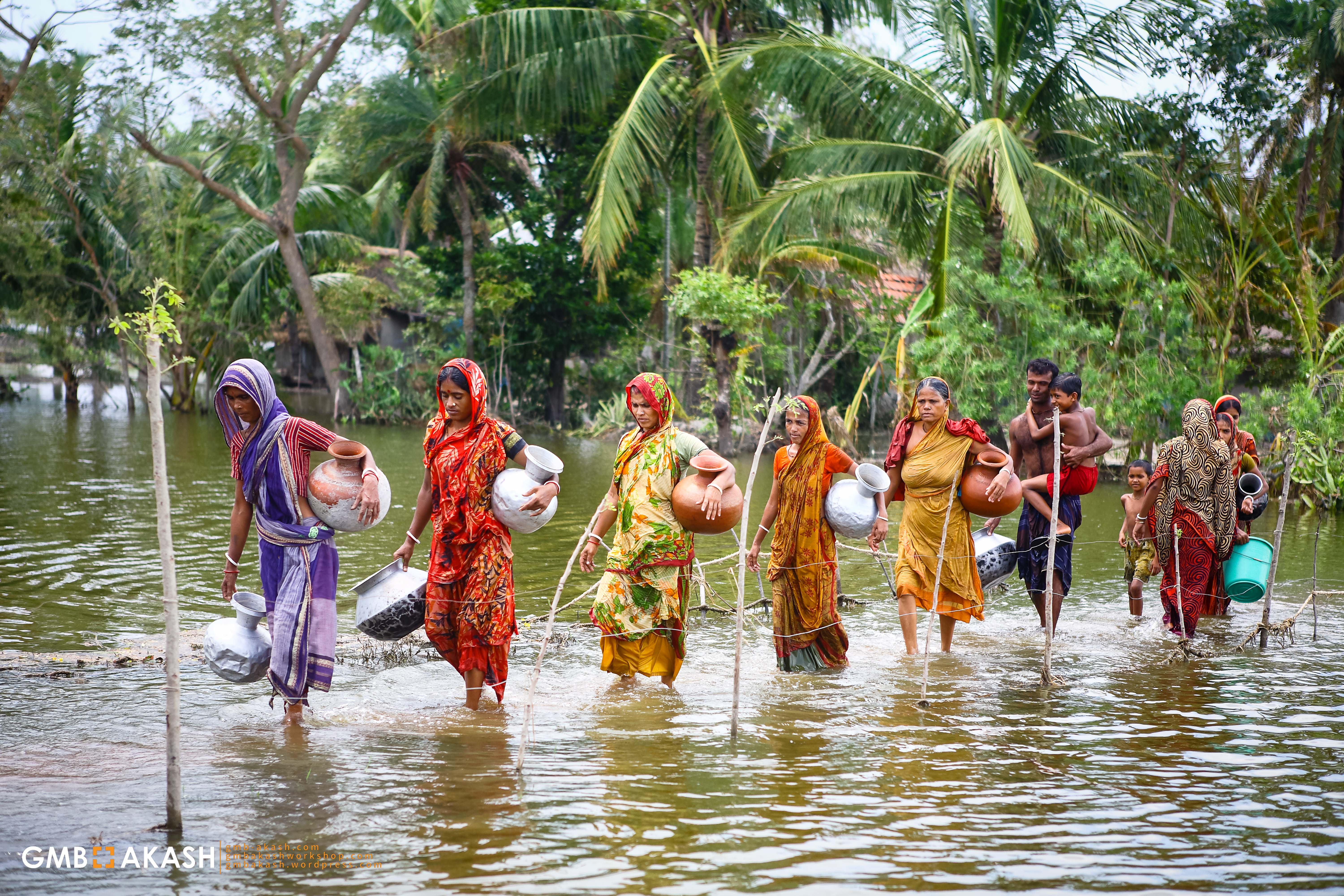
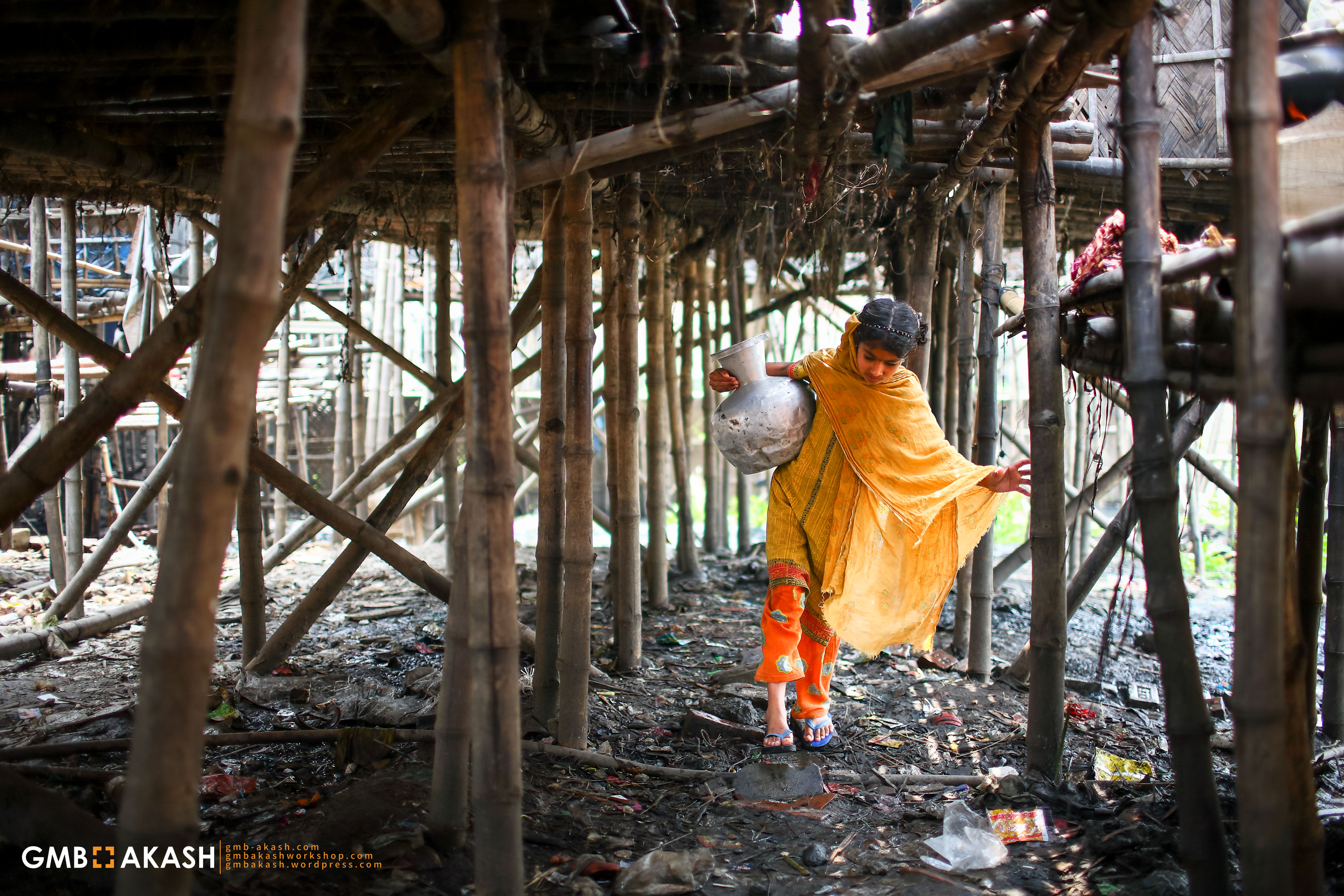
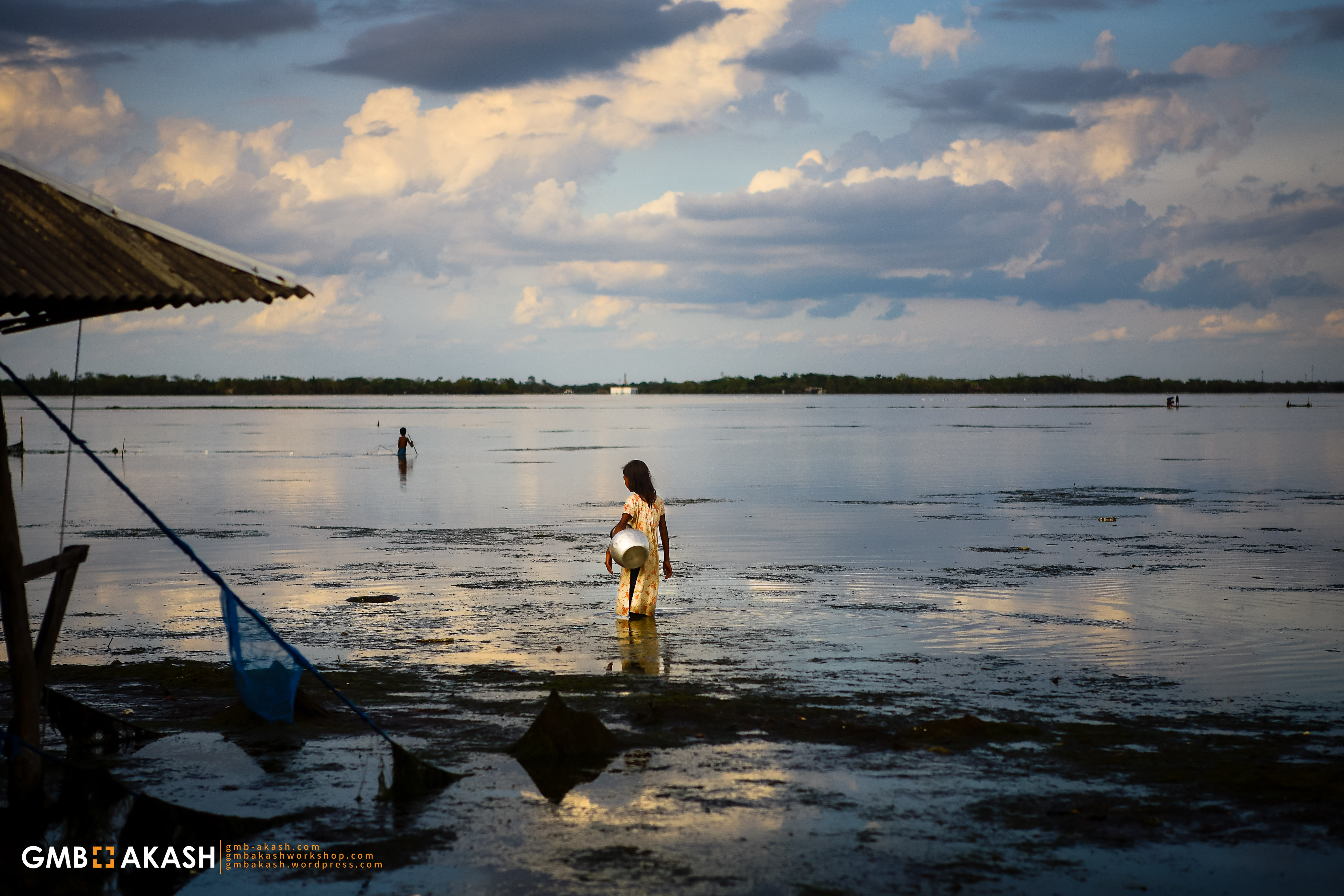
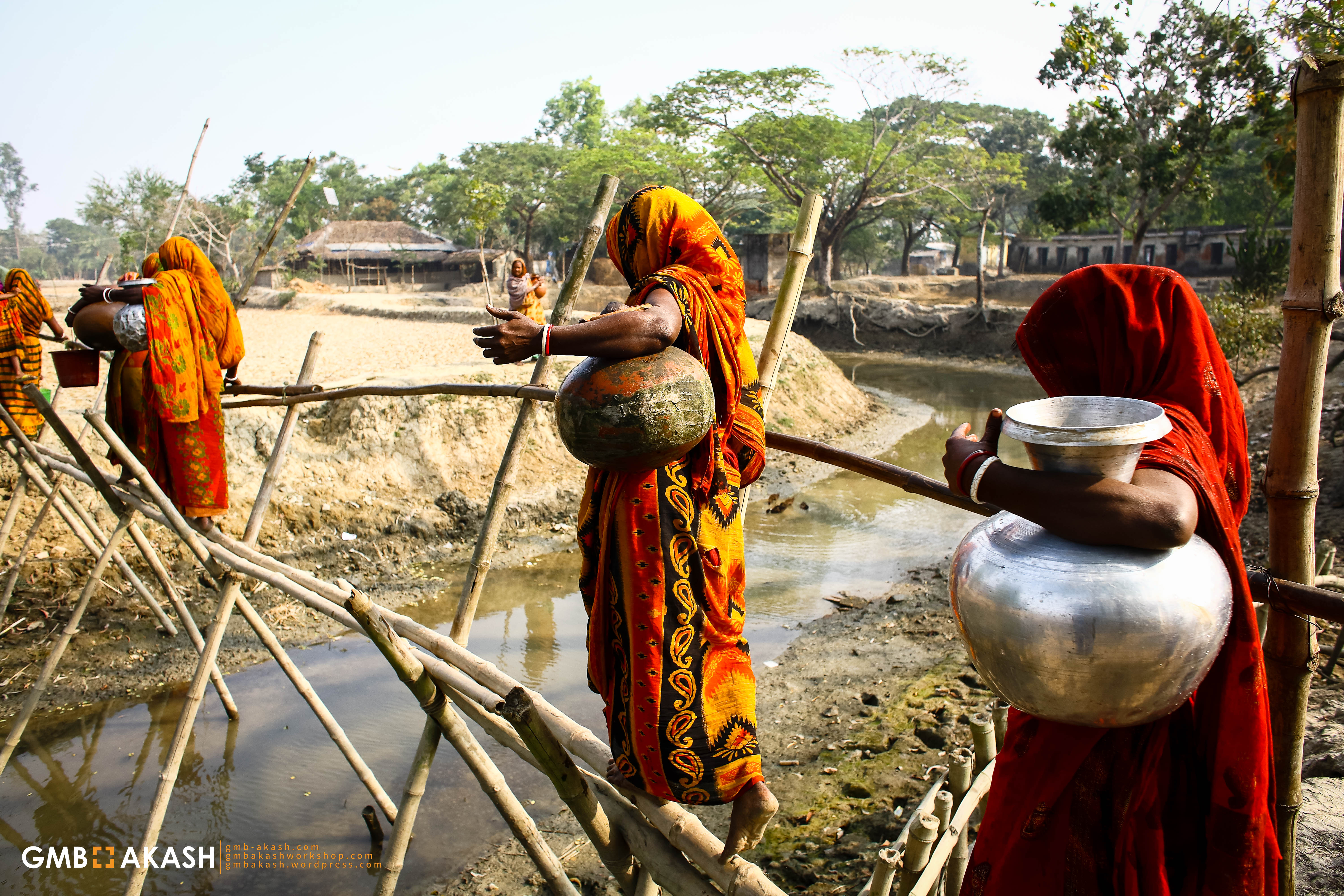
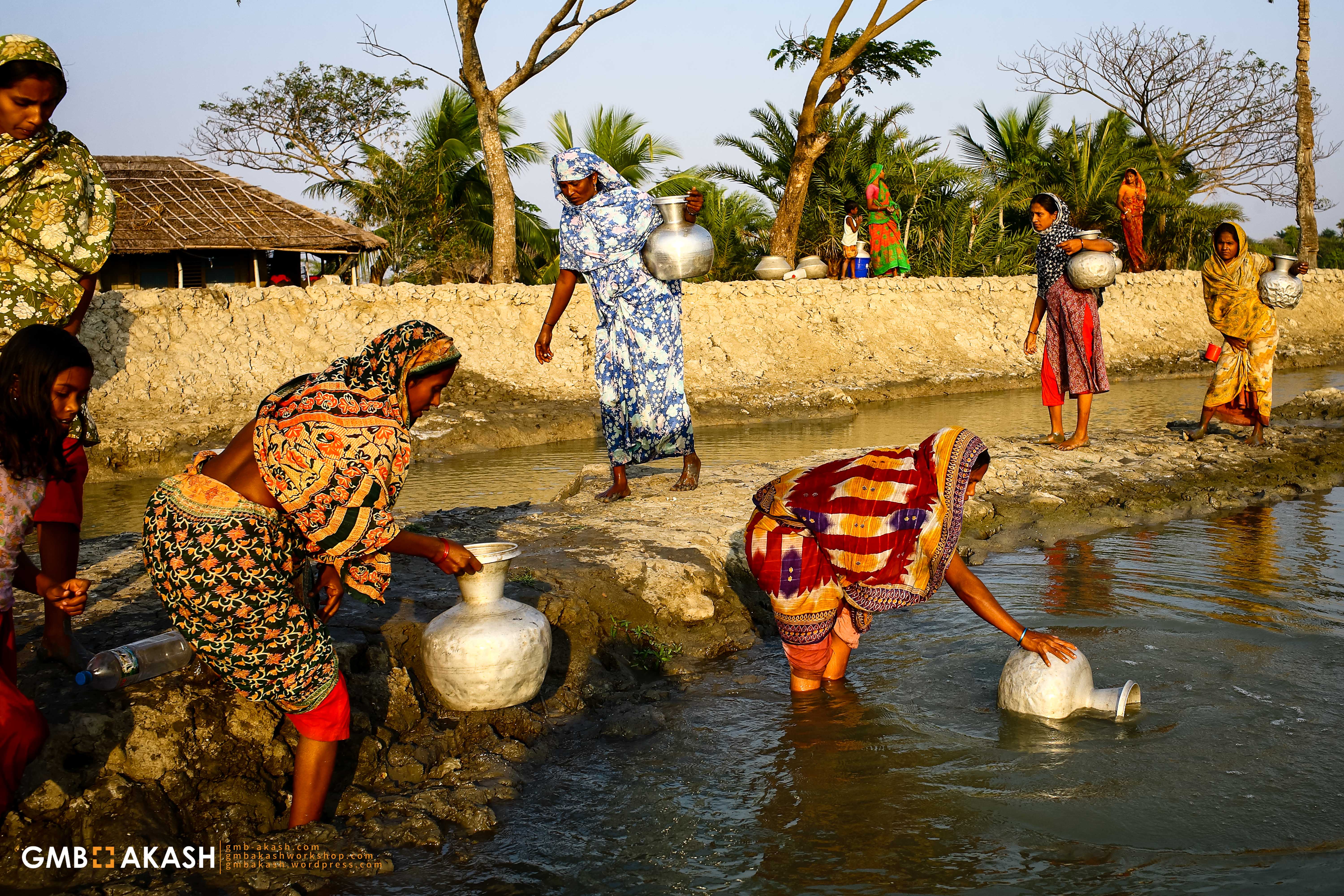
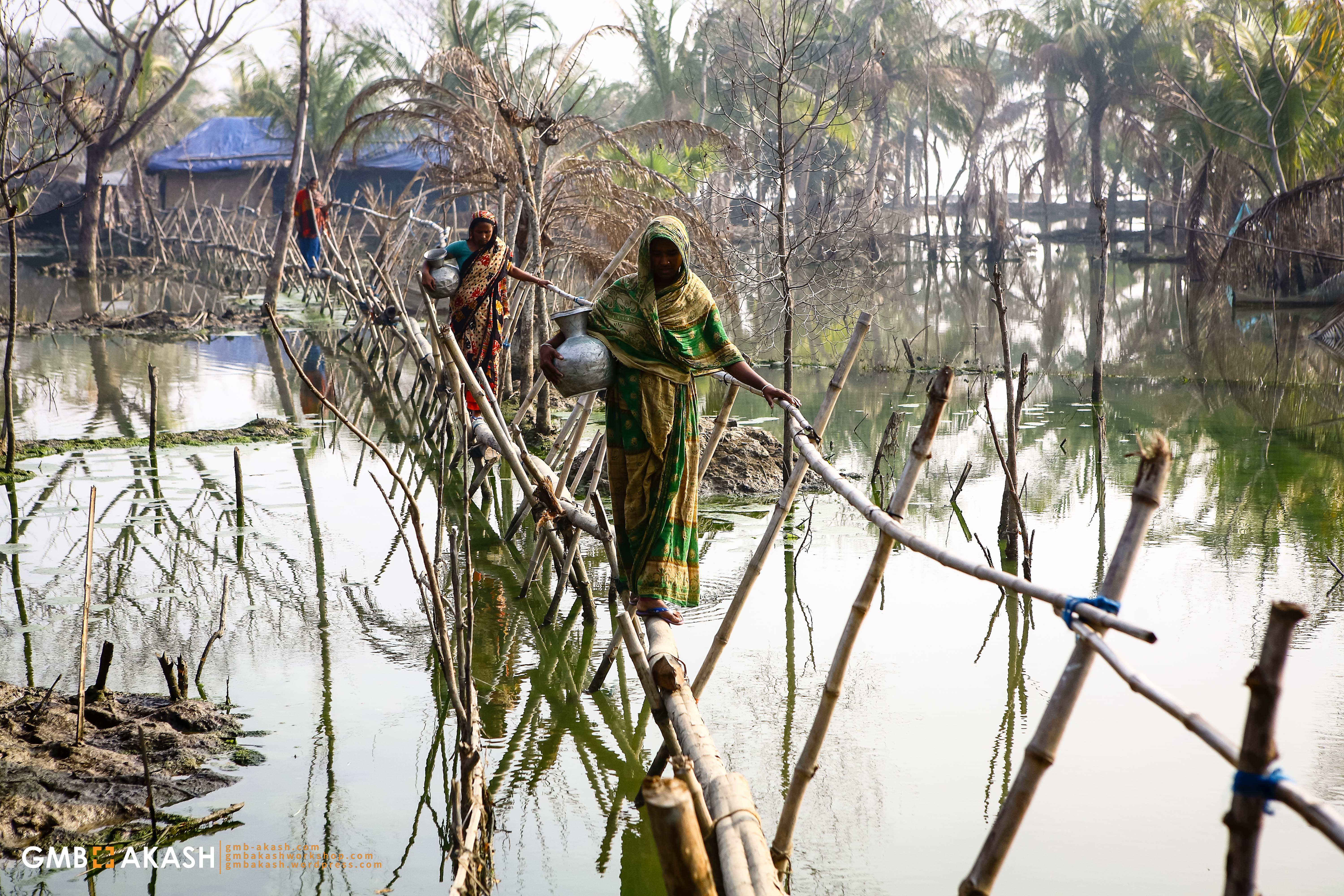
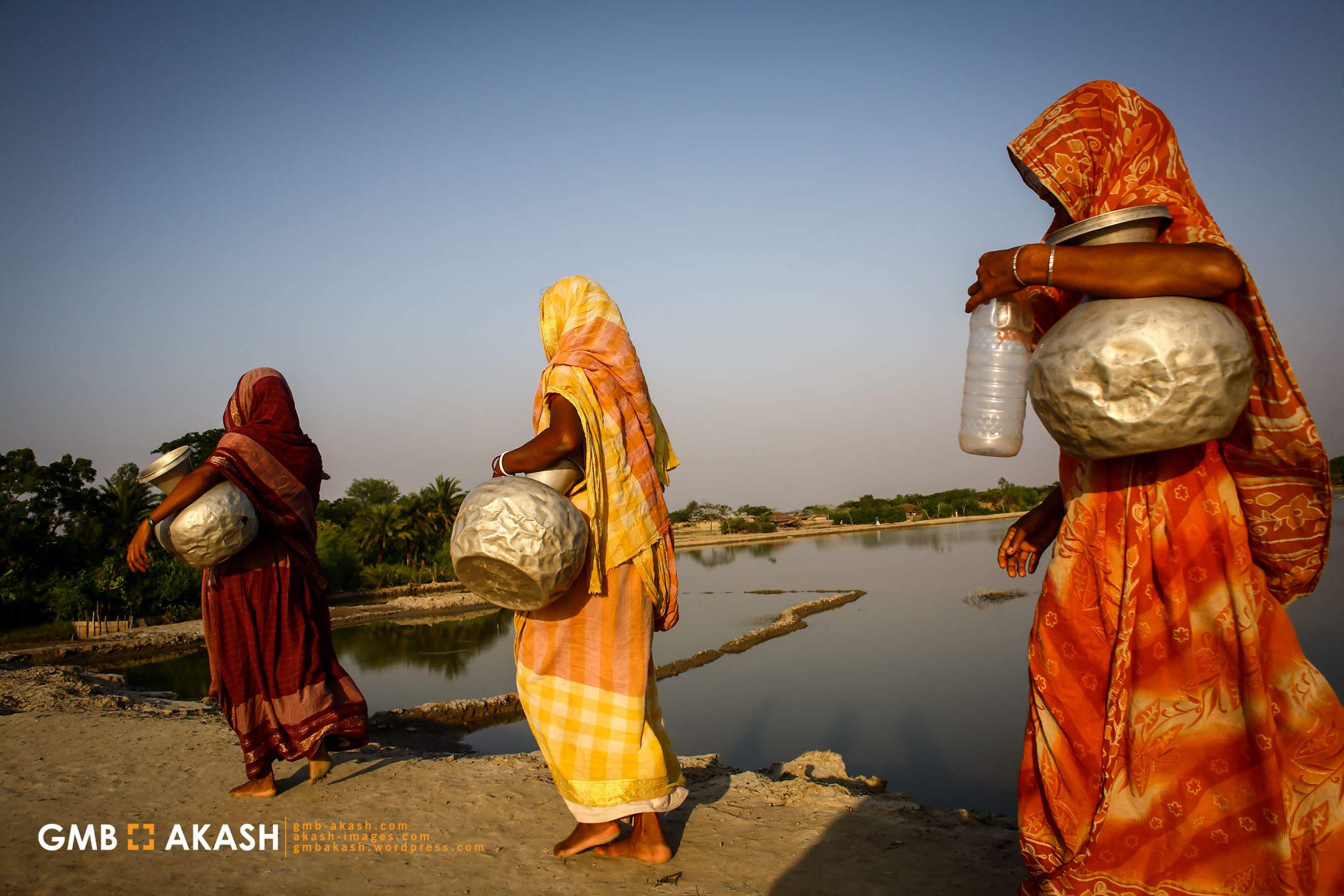
The lack of access to water has a disproportionate impact on women and children, who are often responsible for fetching water for their families. Women, in particular, may have to walk several miles each day to fetch water, which not only puts their health at risk but also limits their opportunities for education and economic empowerment.
As a society, we must take action to address this issue. On this World Water Day, let us commit to making clean and safe water accessible to all people in Bangladesh.
In this corner of the world people are fighting to get a pot of drinkable water. Their lives have collapsed in need of getting a pot of fresh water. People are experiencing severe thirst which may never come to an end if “Water”- could not save by Human.
_GMB Akash
Dear friends,
For the past 15 years, I have been dedicating my efforts towards understanding and working towards the water crisis that plagues many unprivileged people in our country. The situation is dire, and it is crucial that we recognize the value of this precious resource before it’s too late.
It is heart-wrenching to witness the daily suffering of those affected by the water crisis. However, I remain hopeful that by bringing attention to this issue, we can work towards a solution and prevent further harm.
I am grateful to all those who have taken the time to acknowledge the severity of the water crisis. It is only through our collective efforts that we can make a meaningful impact and ensure a better future for generations to come.




































 GMB AKASH