I have been working on this project for many years, and I will continue, because water is life. People may survive without many things, but they cannot survive without water.
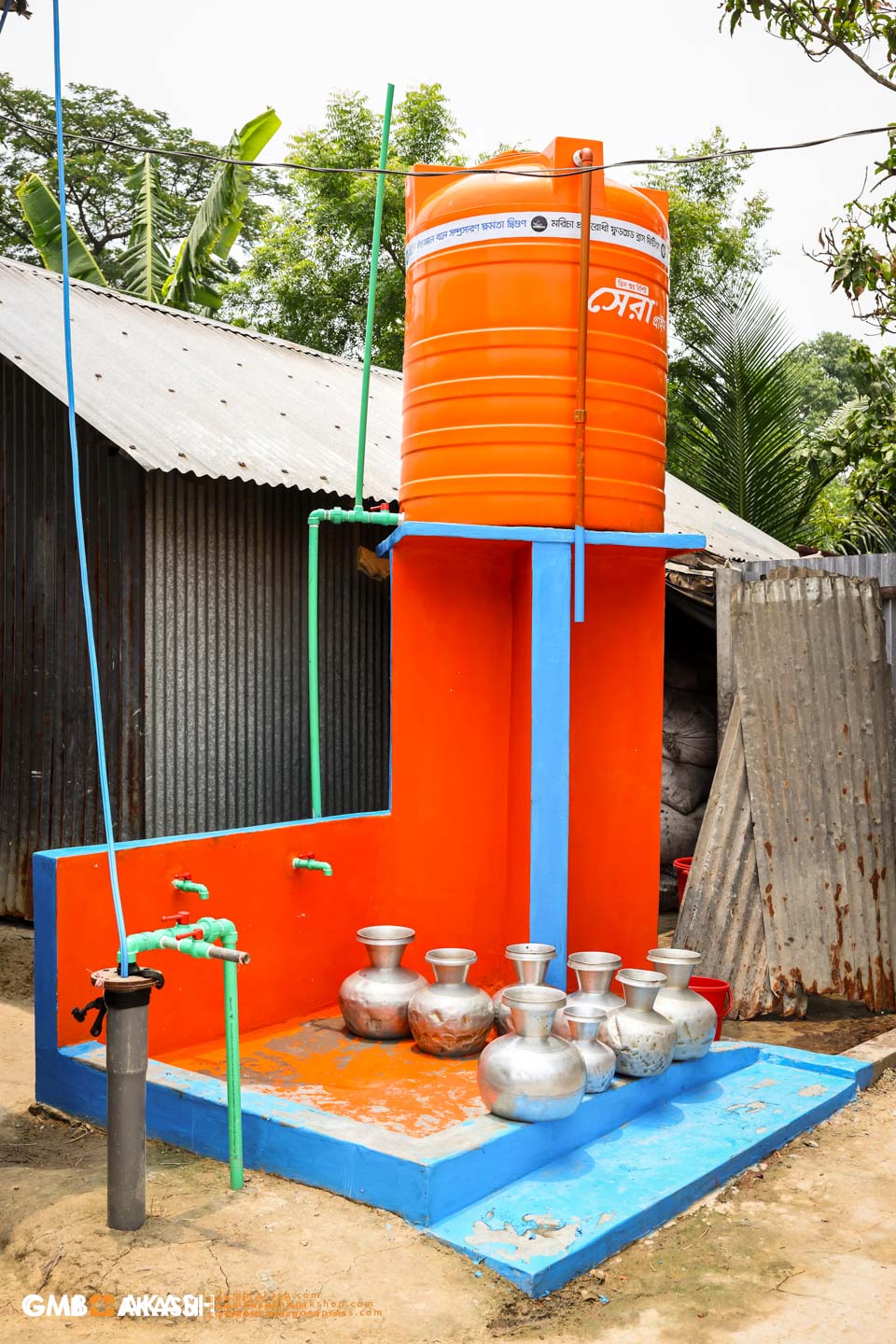
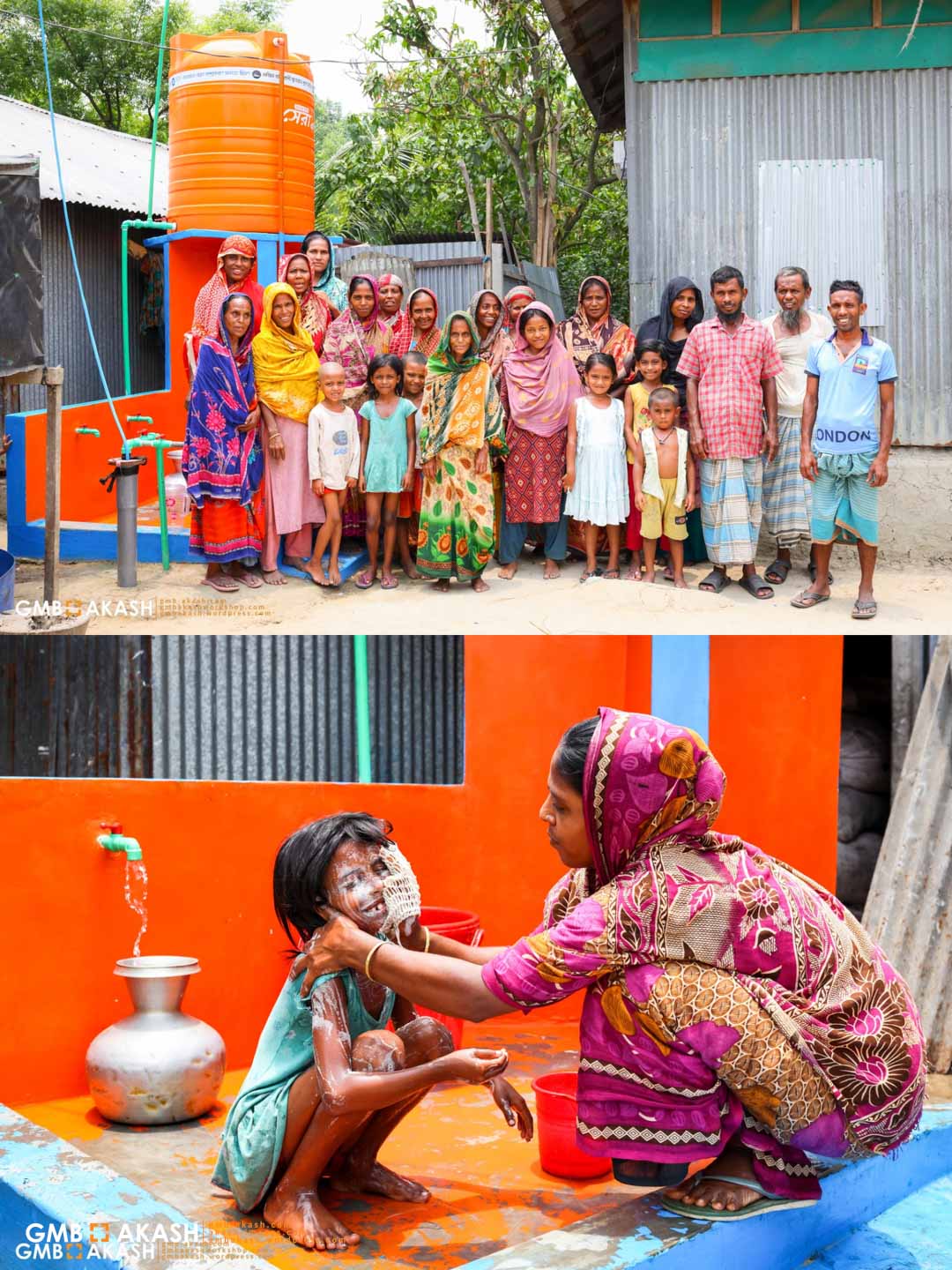
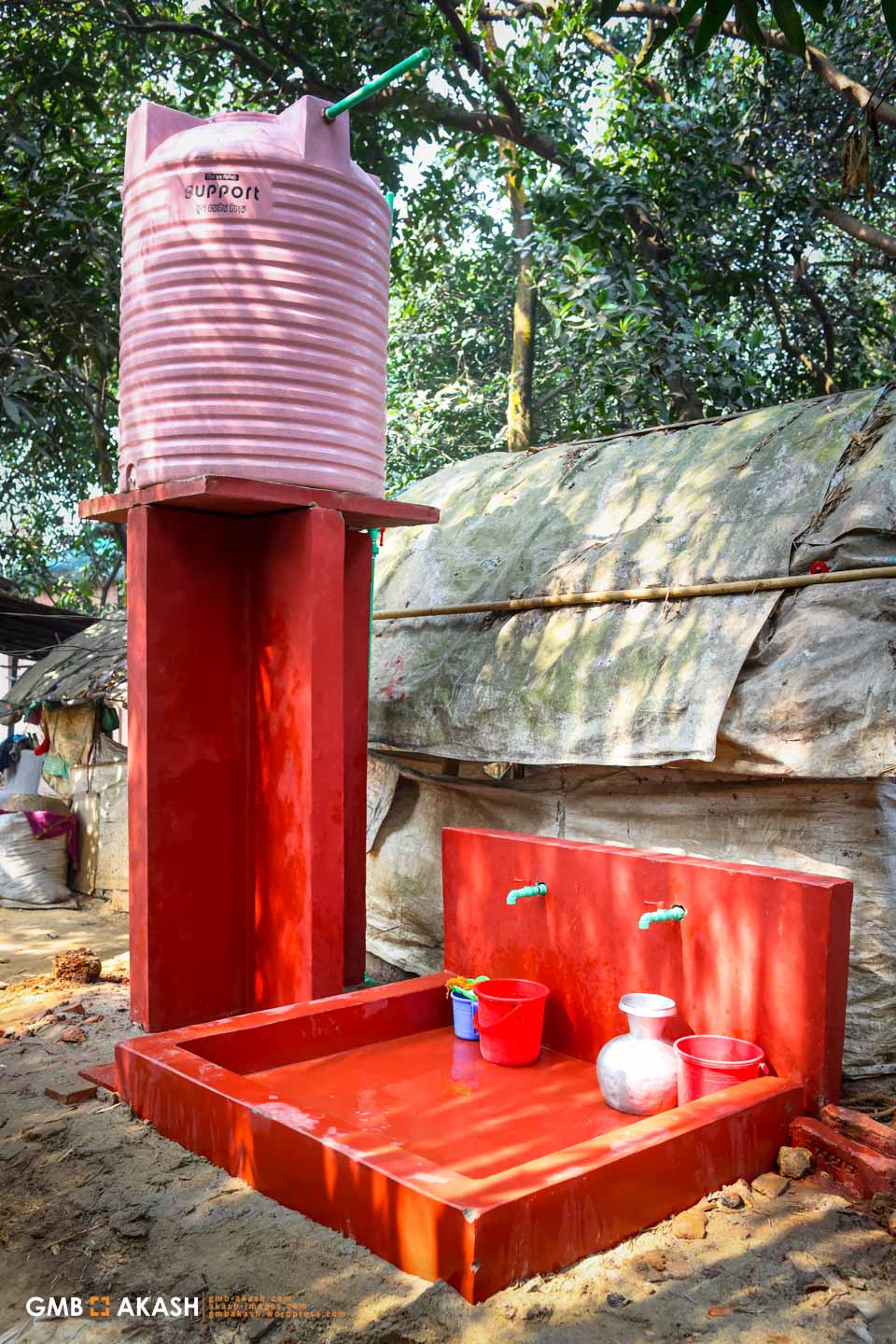
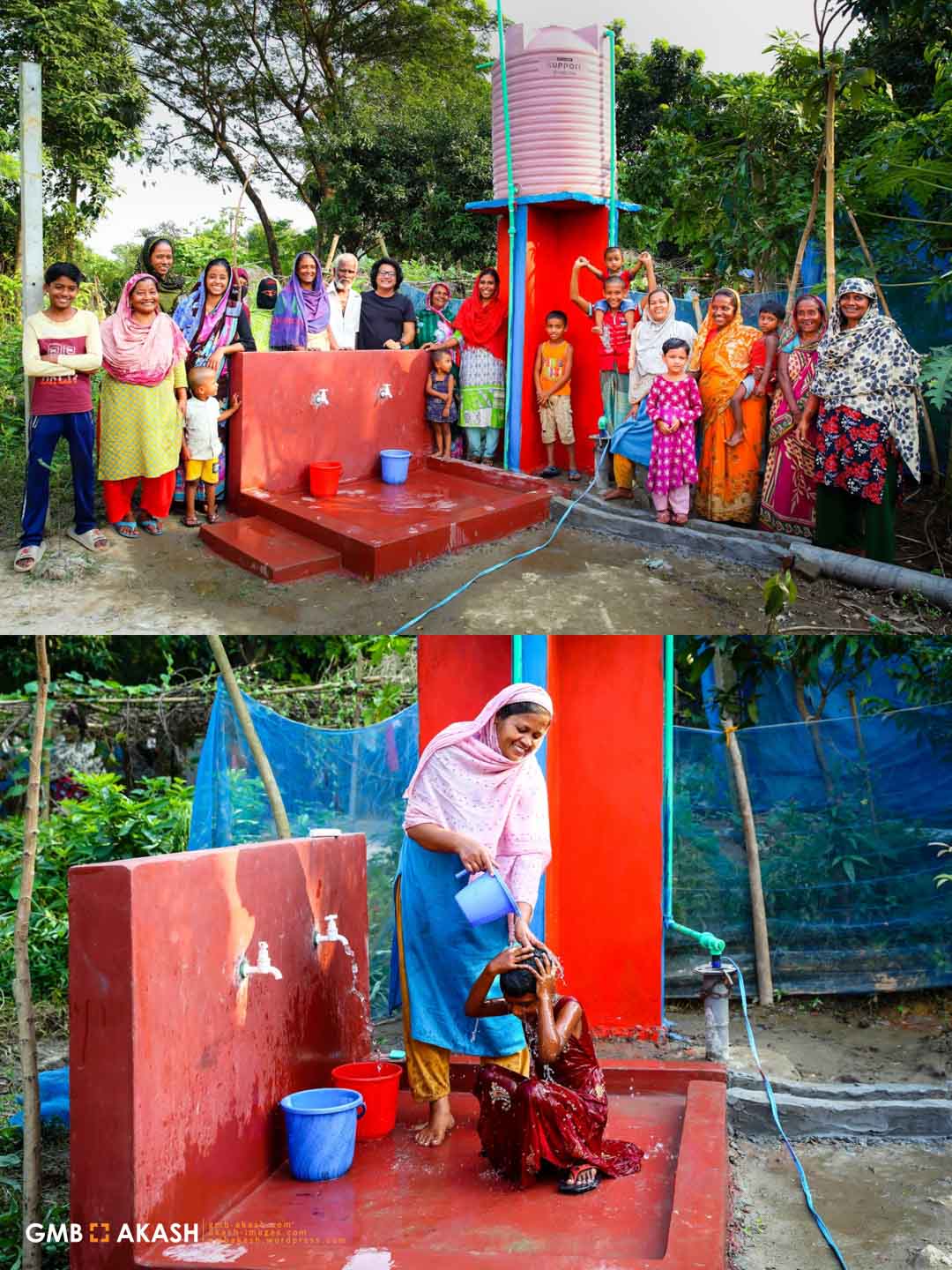
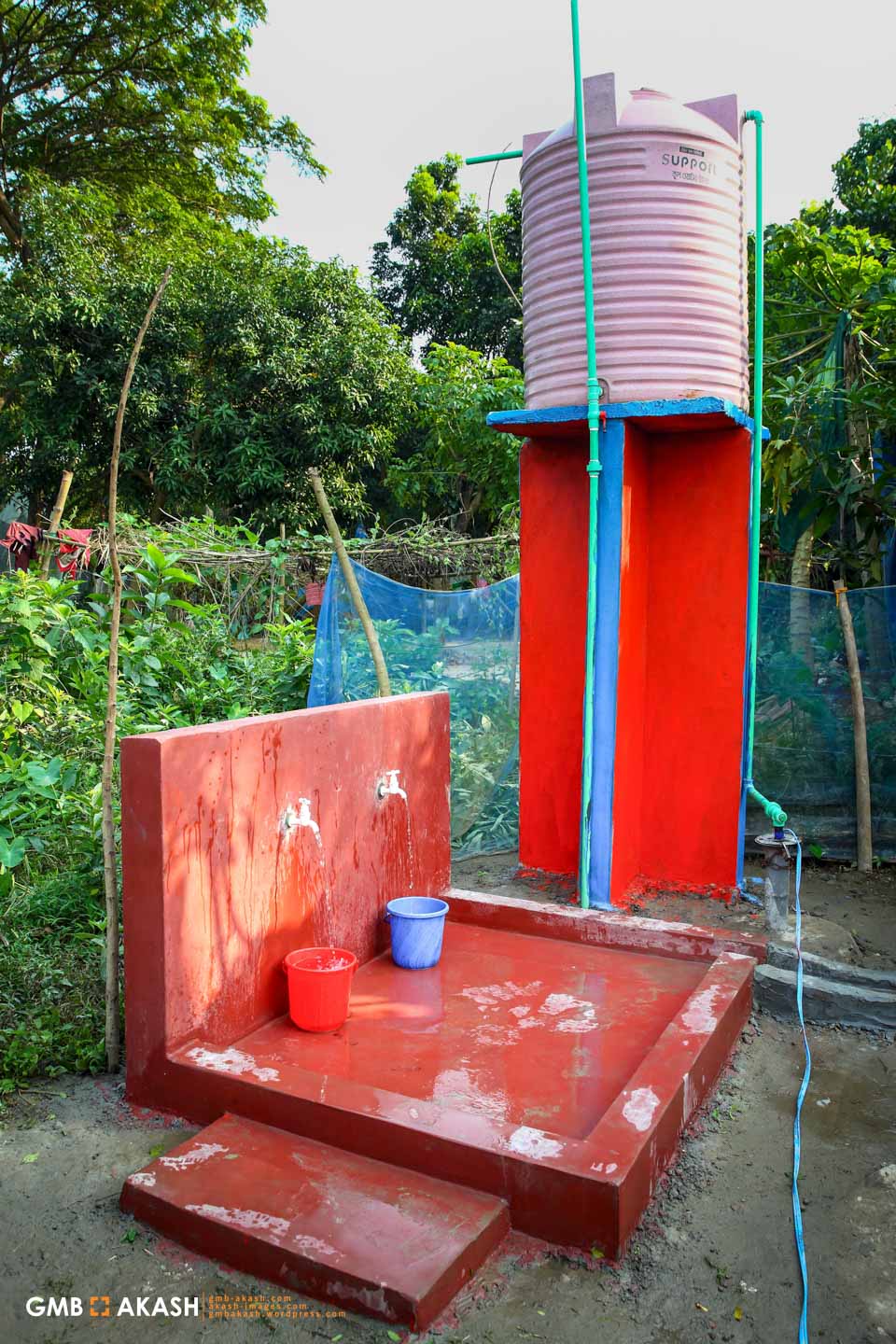
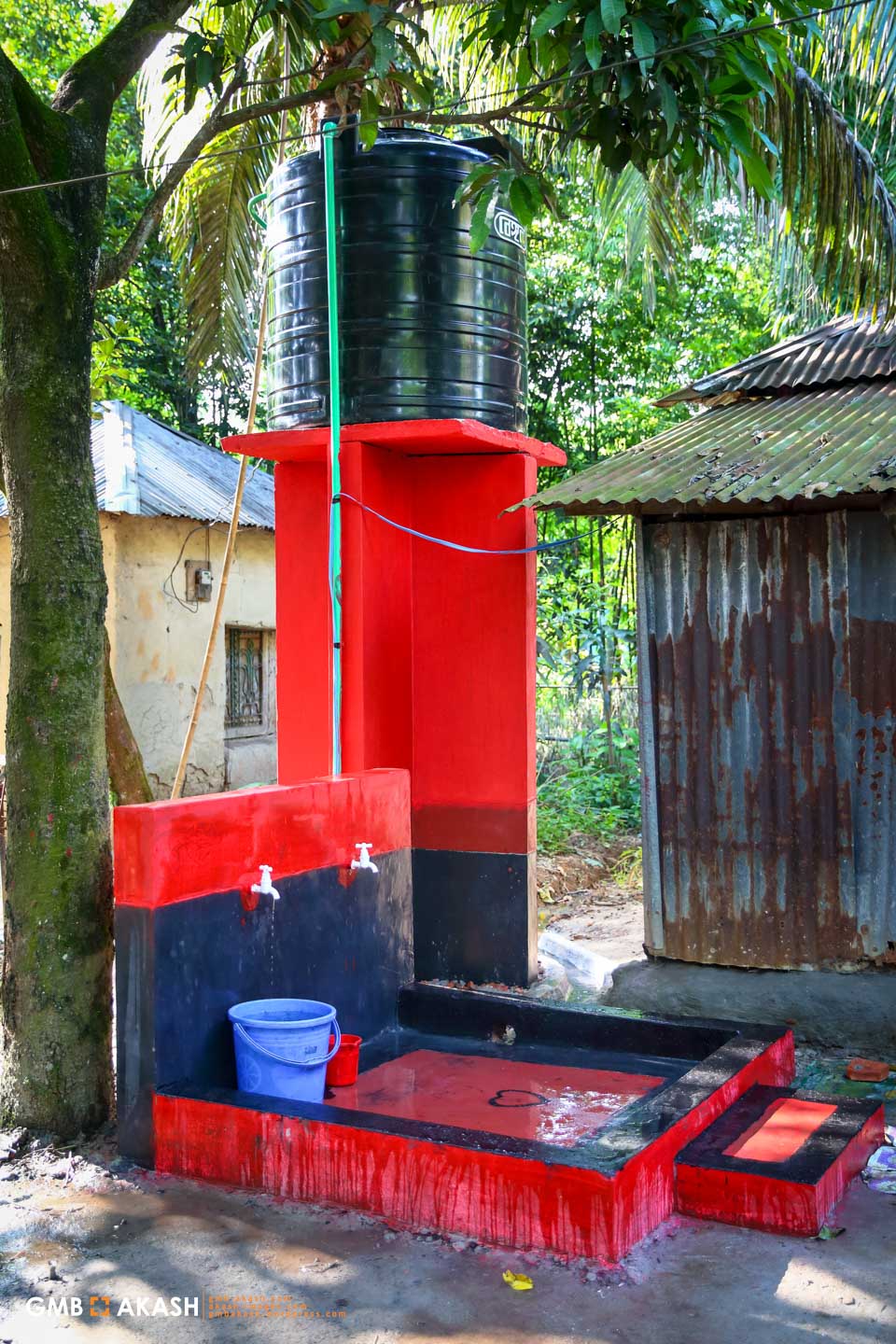
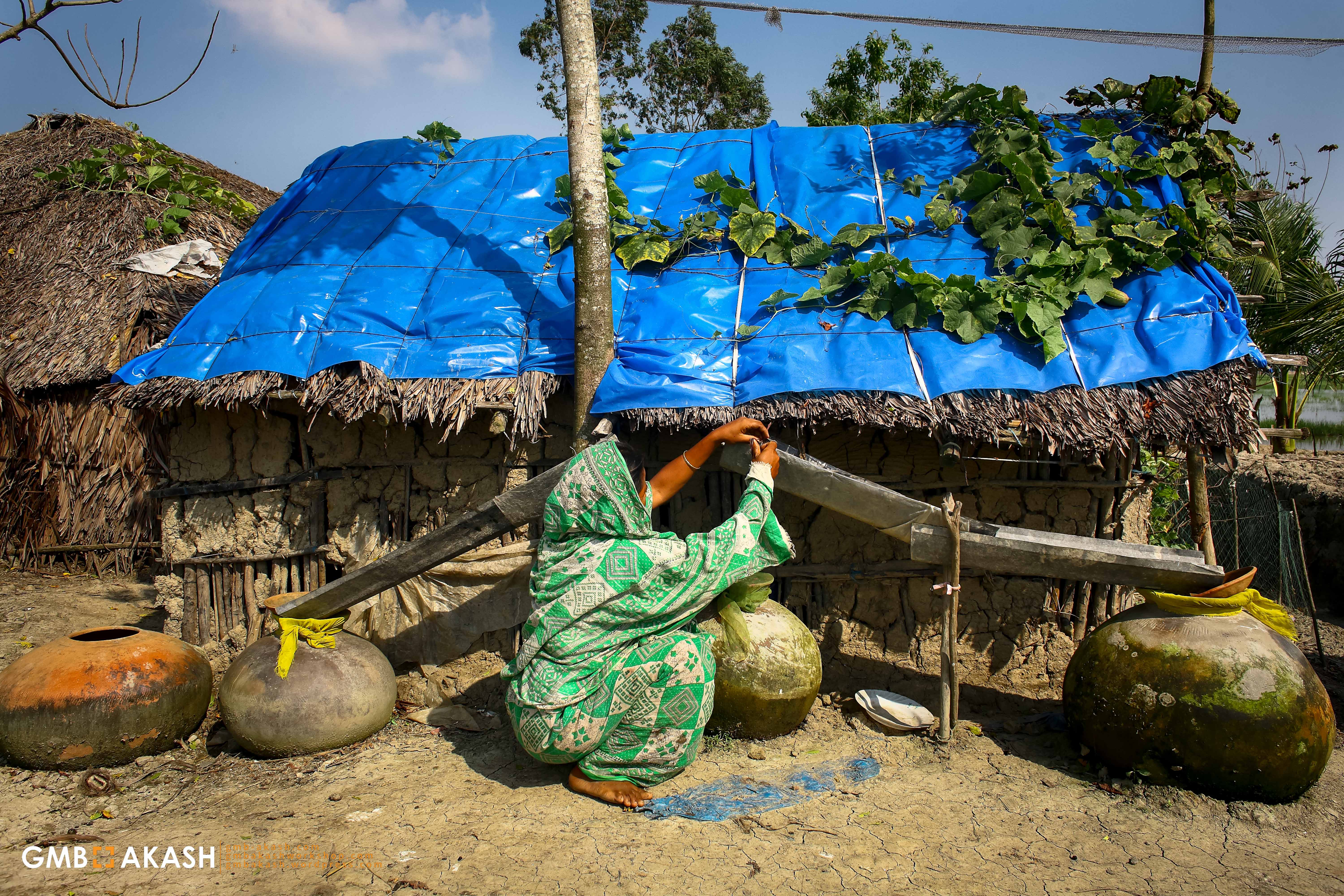
Through years of hard work, sweat, and dedication, I am proud to present these deep water pumps as my gift to the people. Each pump costs around 90,000 Taka ($900) to install, but the joy, hope, and health it brings are priceless.
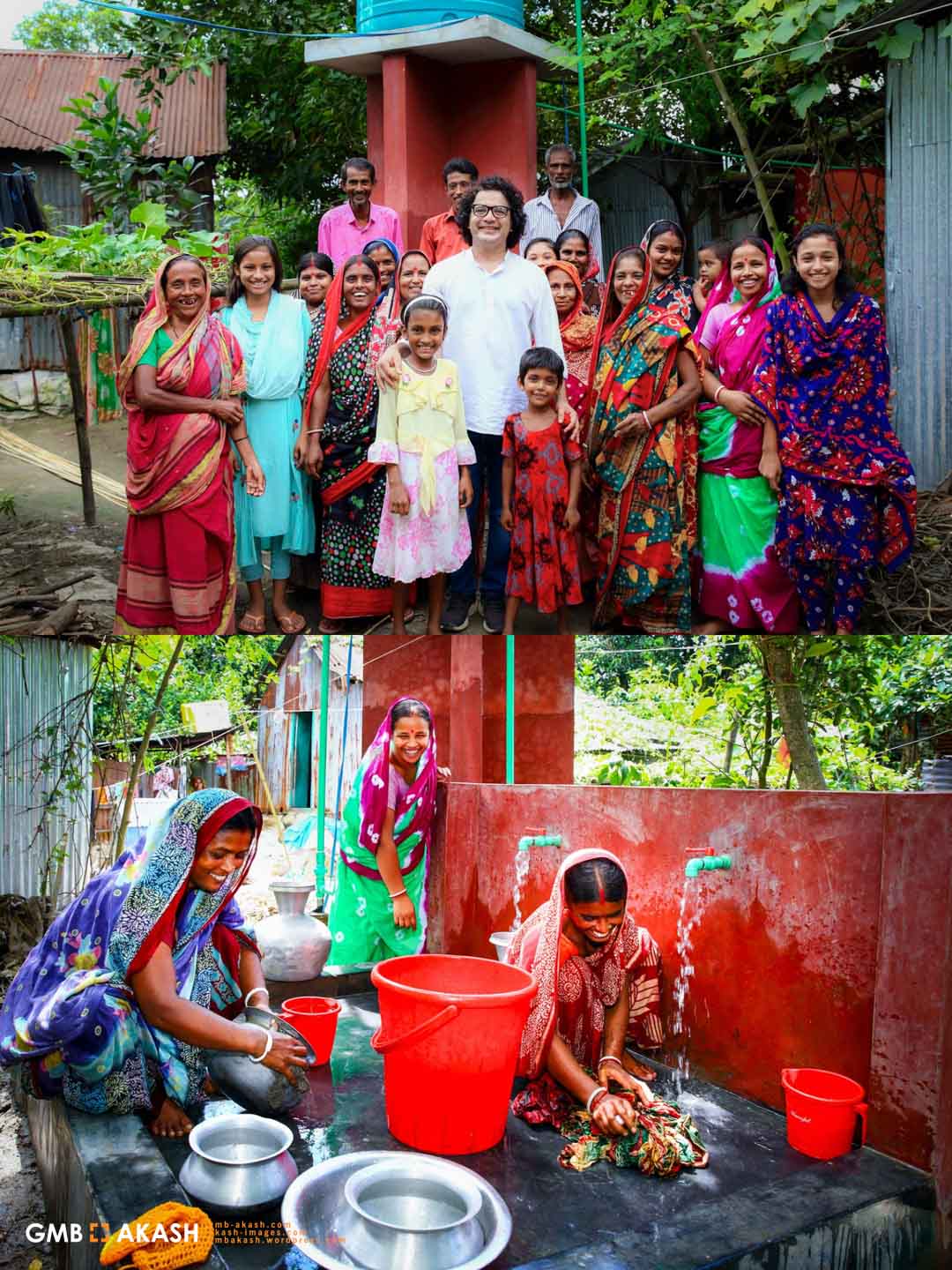
Finding the right locations, buying all the materials, carrying them into the villages, and installing the pumps with the help of skilled technicians is no small task—it is truly challenging work. But every effort is worth it when I see families able to drink, cook, and live with dignity.
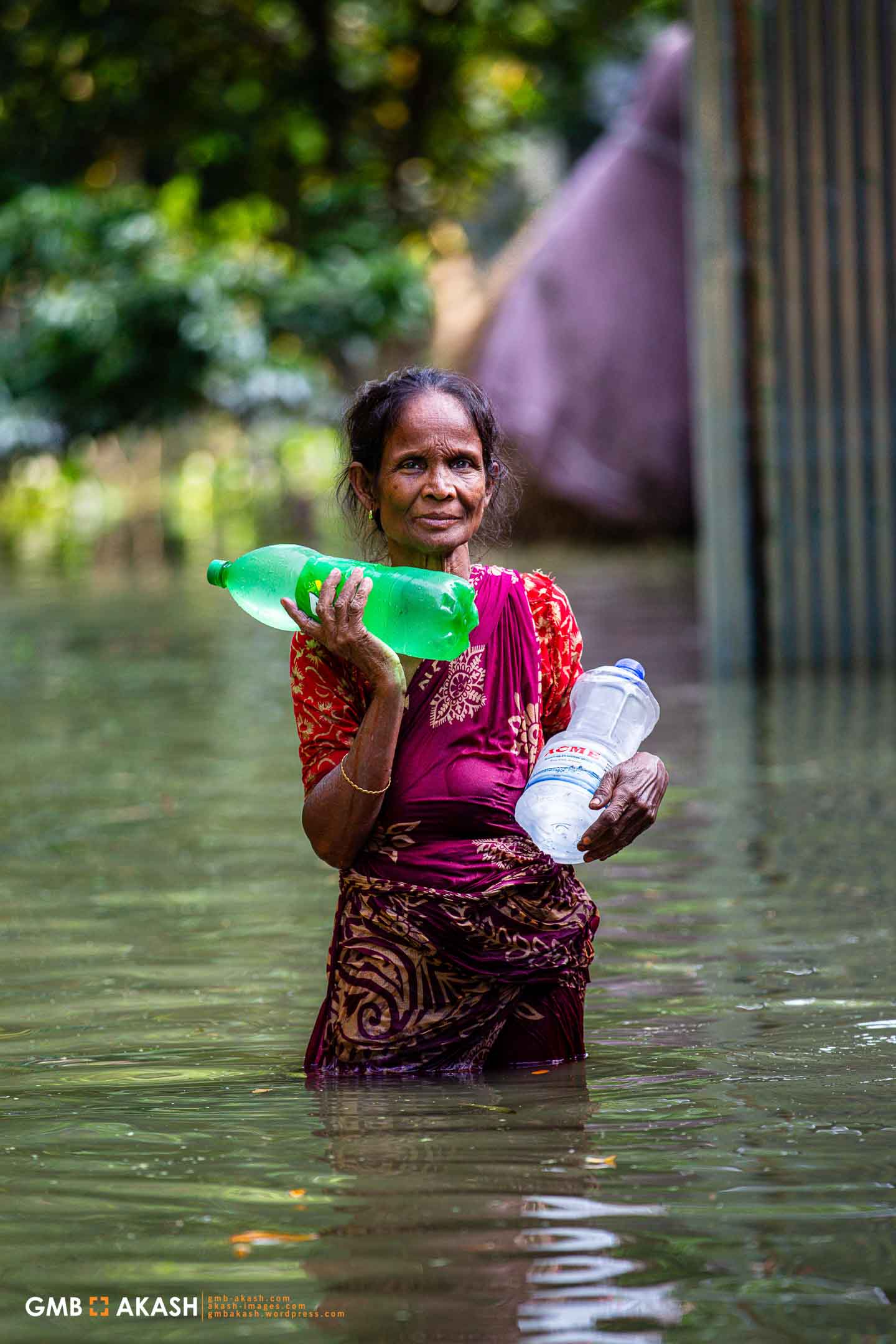
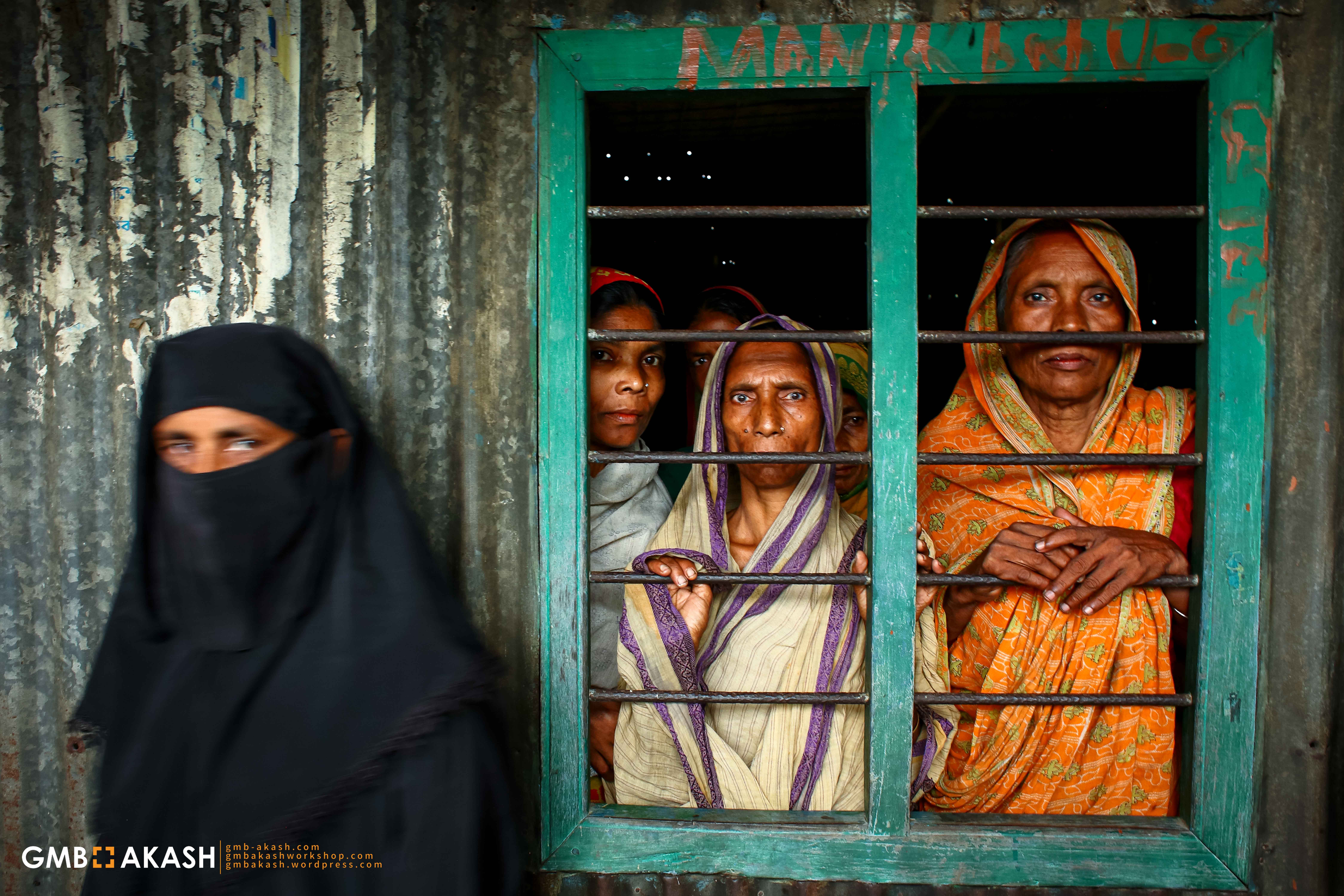
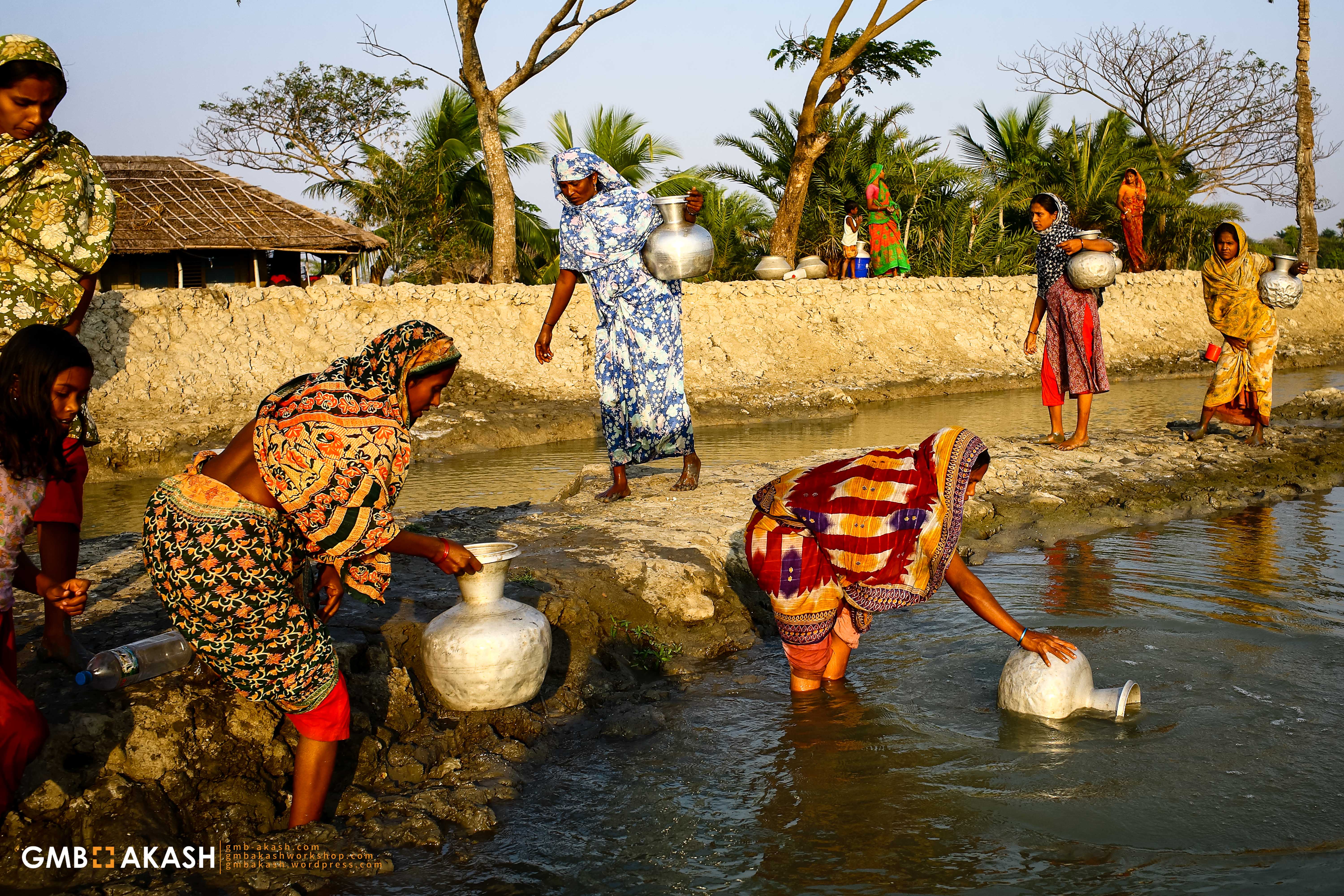
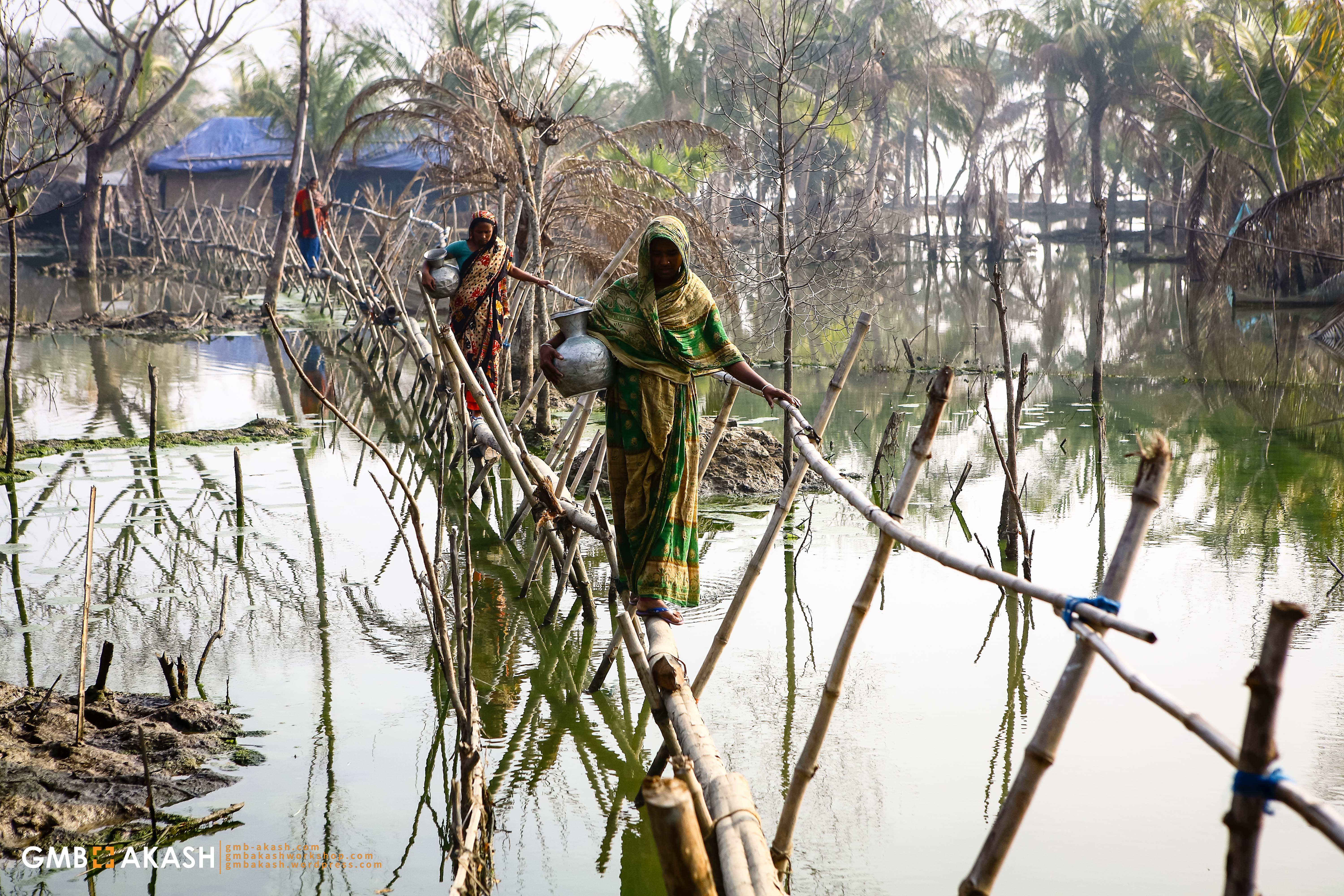
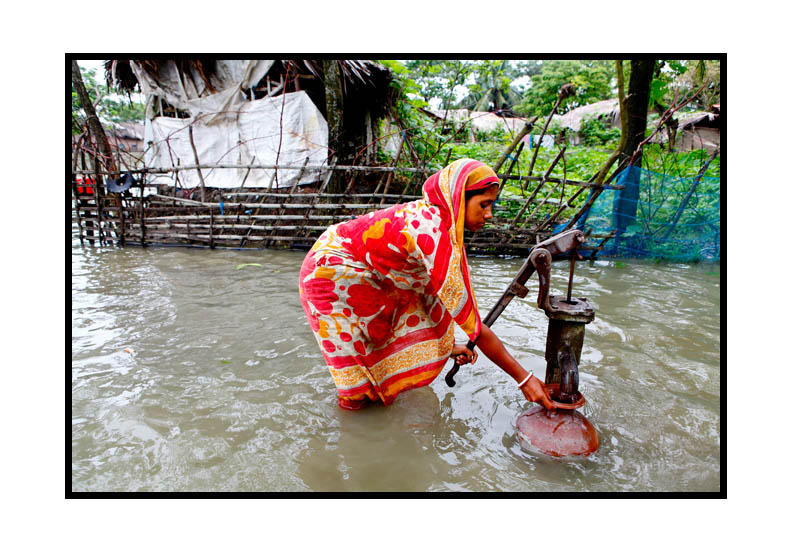
Khadija Begum shared with me, “We have severe water problems. It’s hard to explain how bad it is. To prepare for prayers, I have to walk far to fetch water or use dirty pond water, which dries up in summer.”
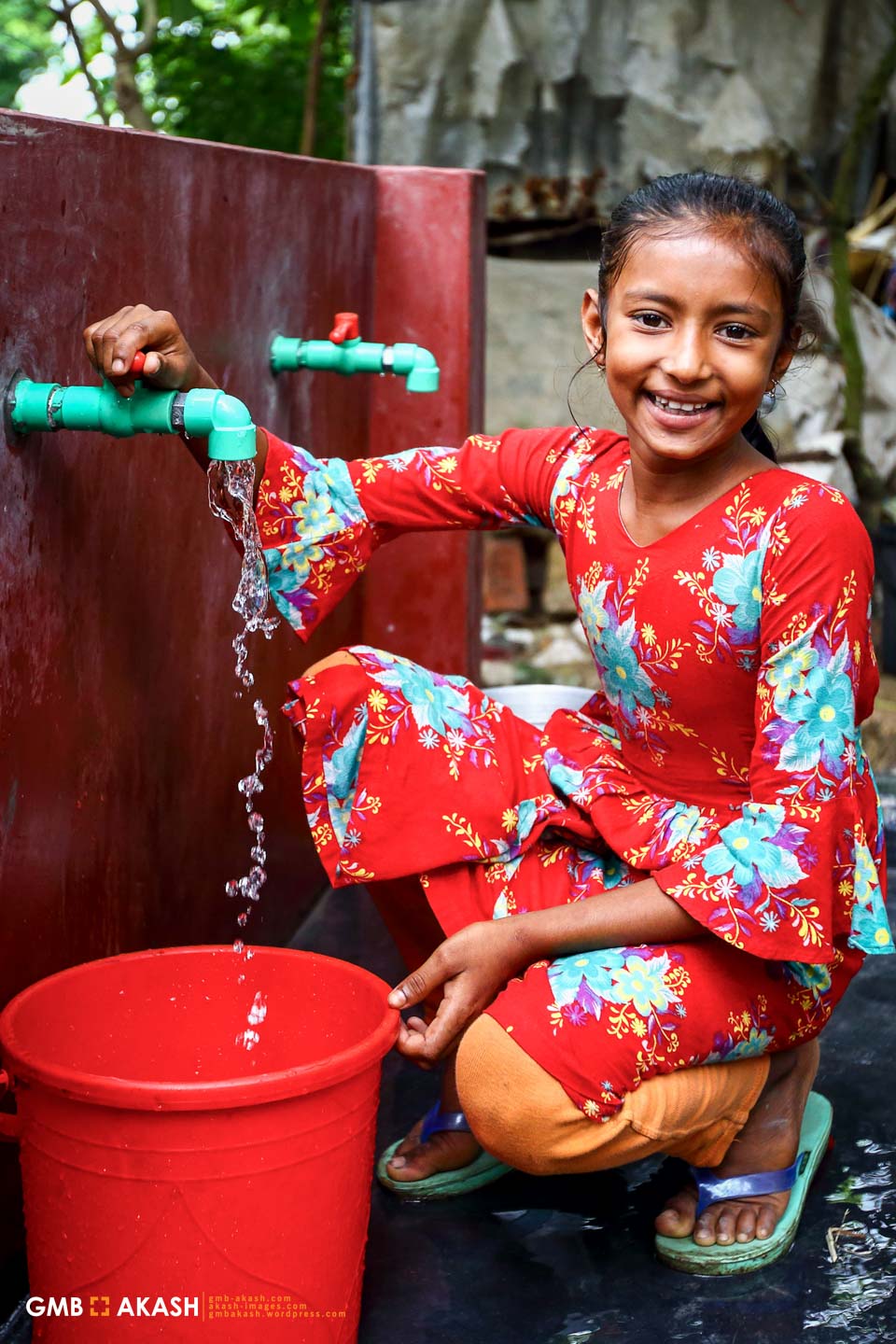
Many villages in Bangladesh face a serious shortage of clean drinking water. These deep tube wells are not just pumps—they are gifts of hope, health, and life. More than 150 families will now have safe water to drink, cook, and live with dignity.
I wish I could do more, and I will continue to try. My friends, this work is not easy, but every drop of water we bring is a gift that changes lives. Please keep me in your prayers, so I can continue this journey of serving those in need, of bringing light where there is darkness, and life where it is most precious.
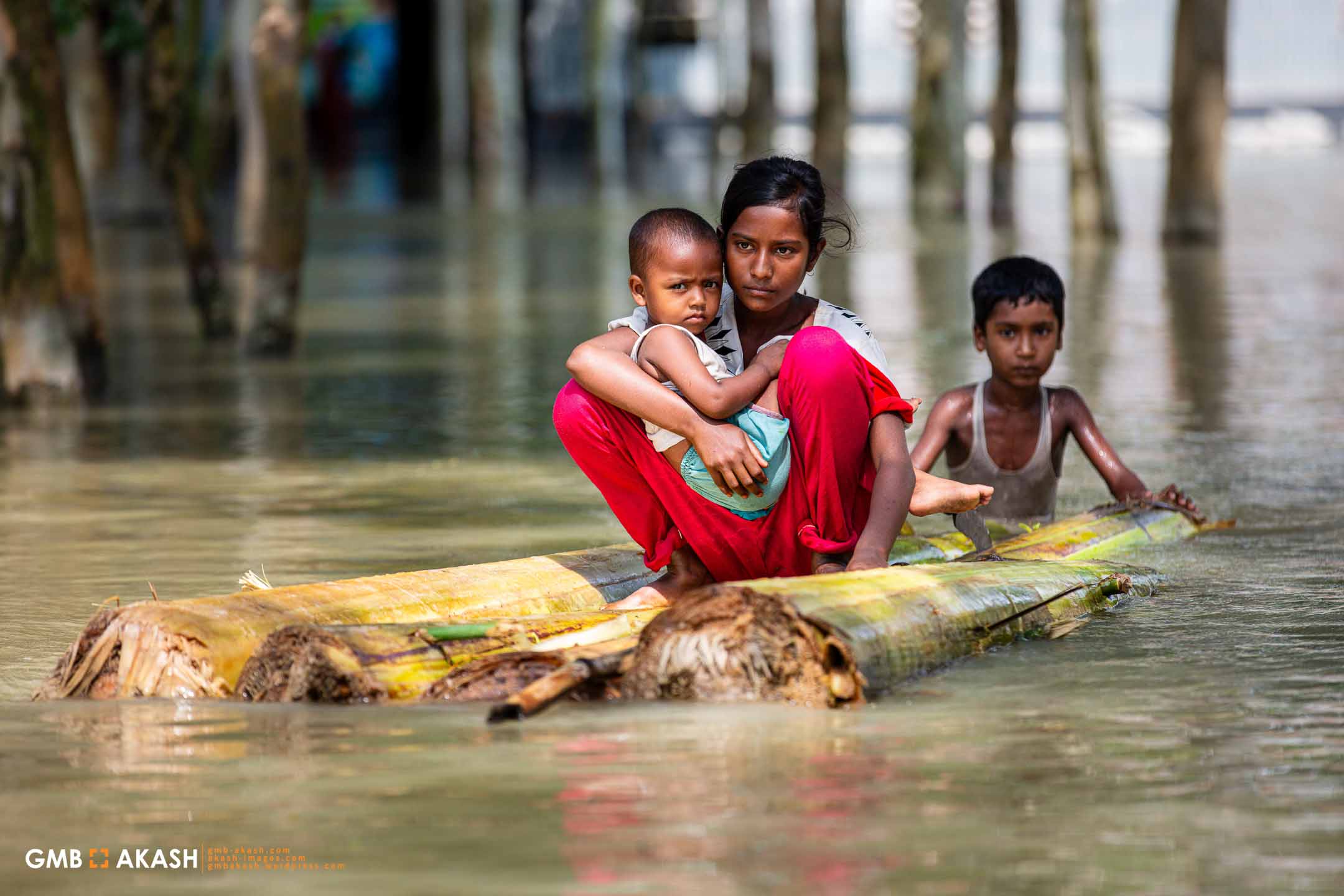
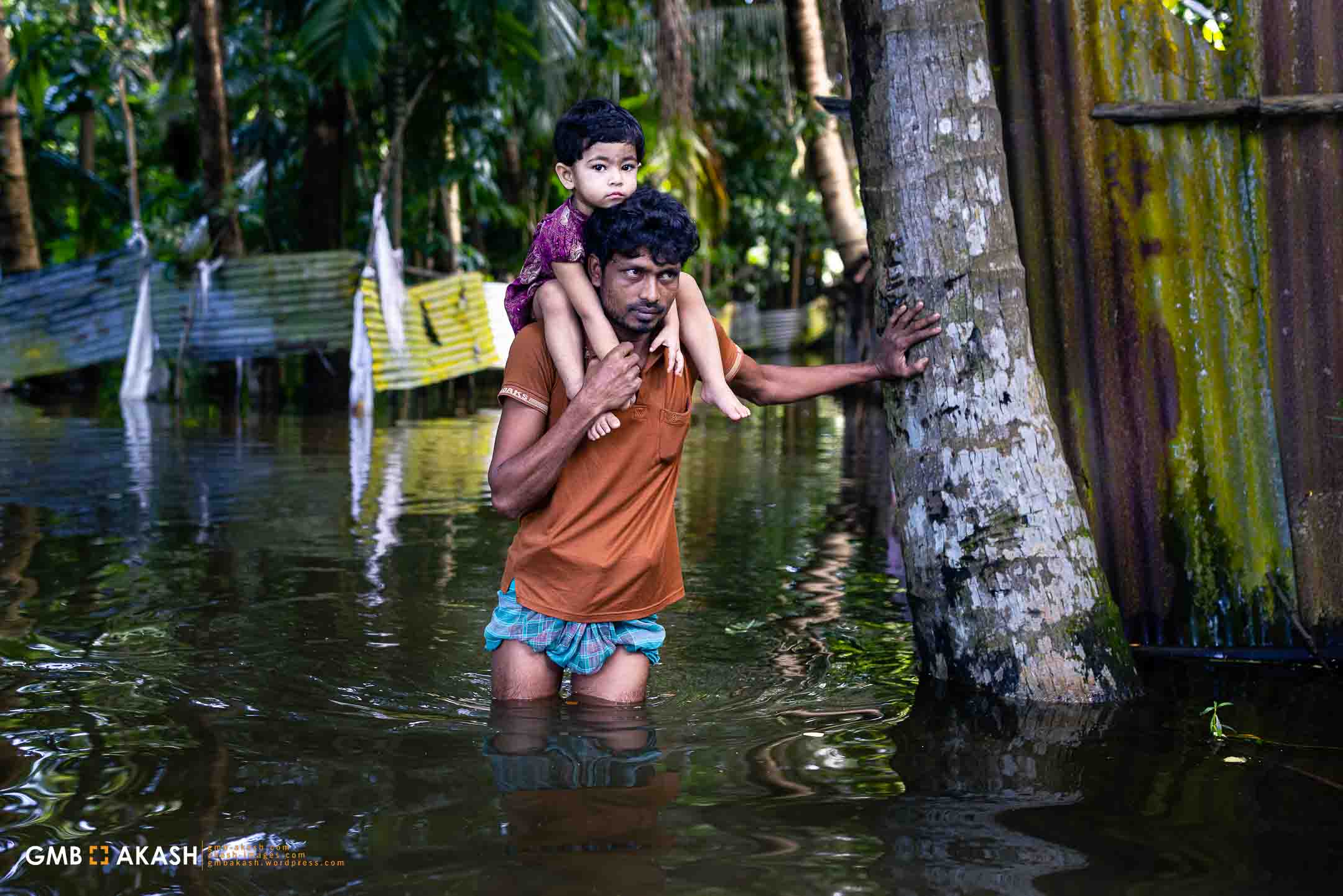
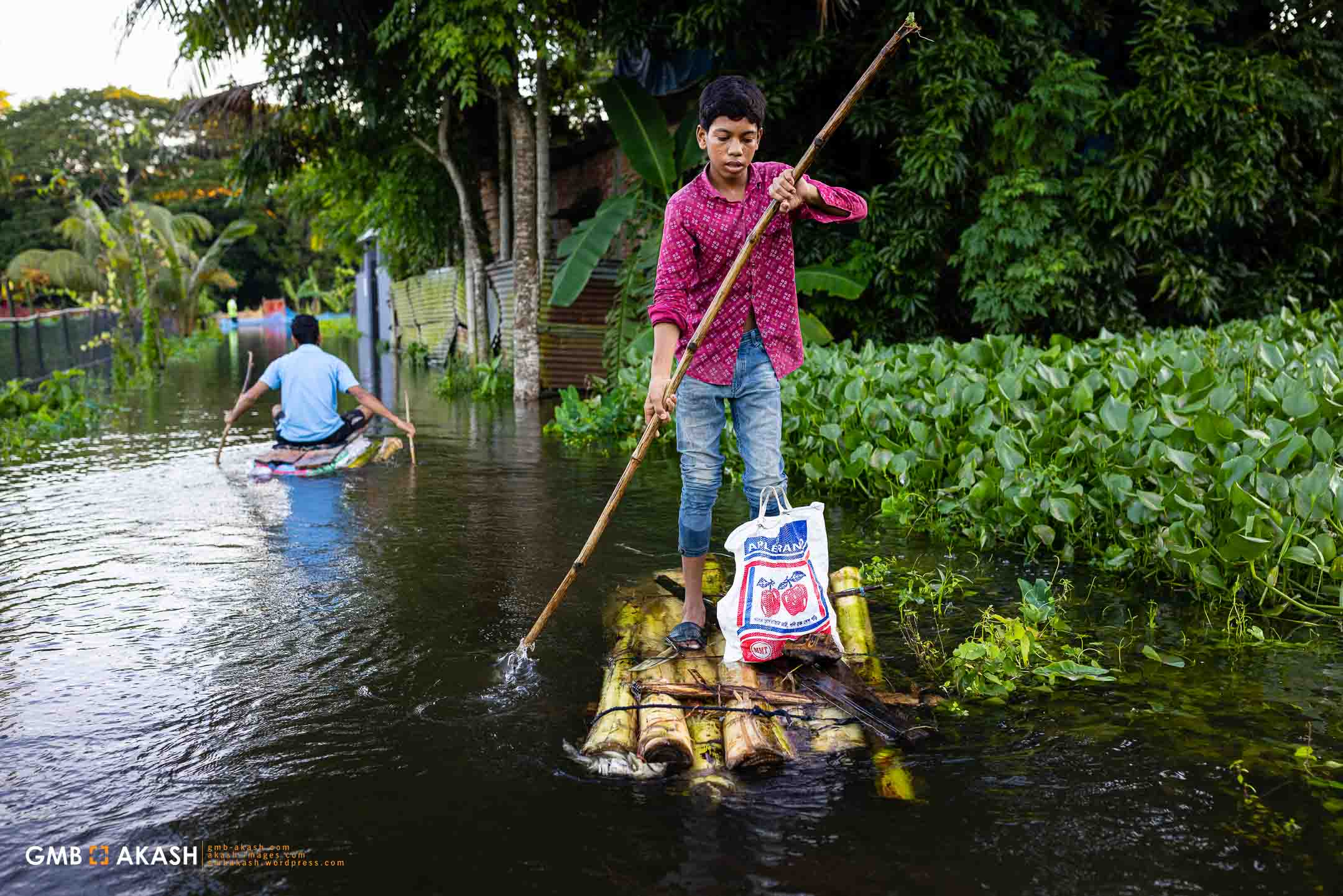
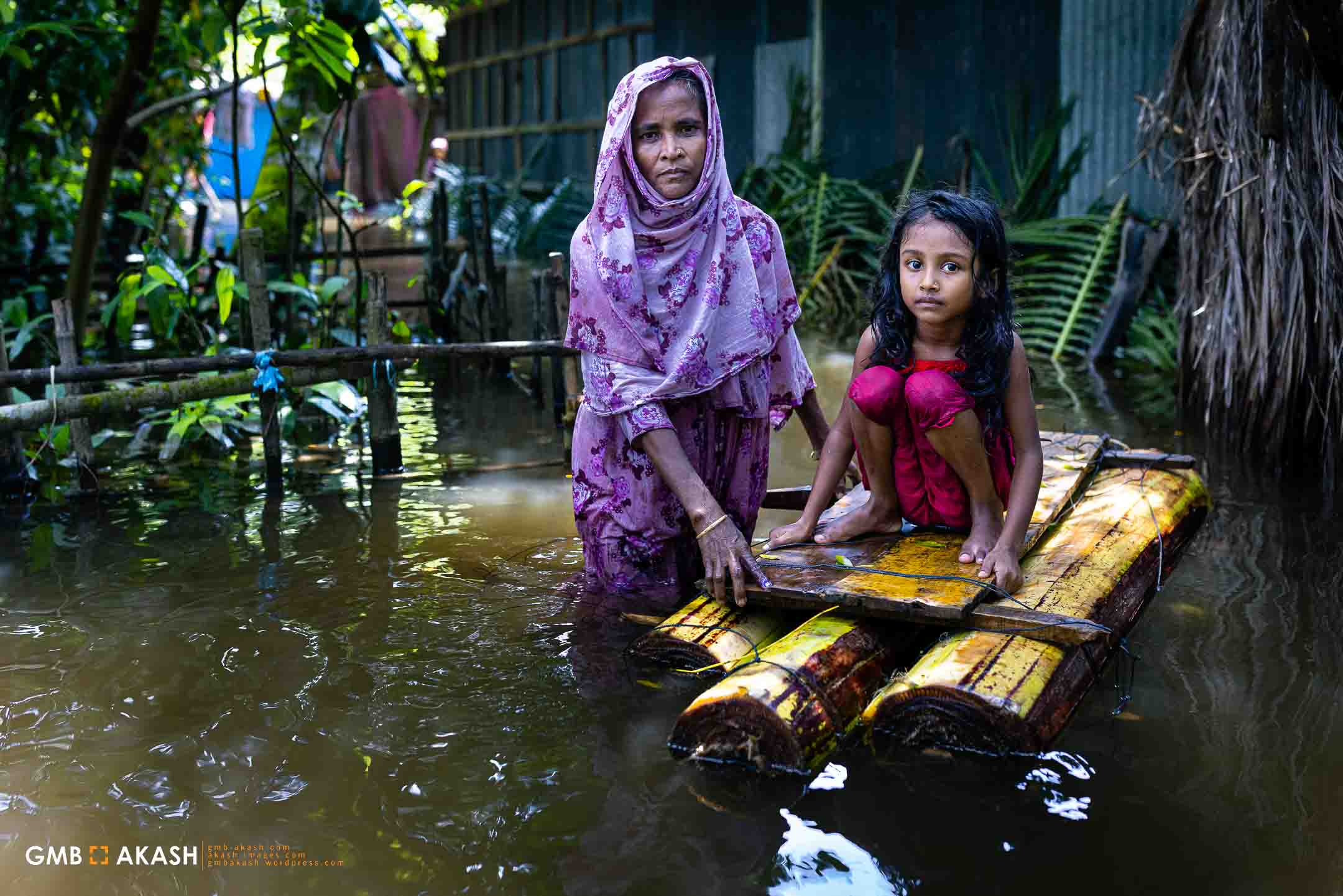
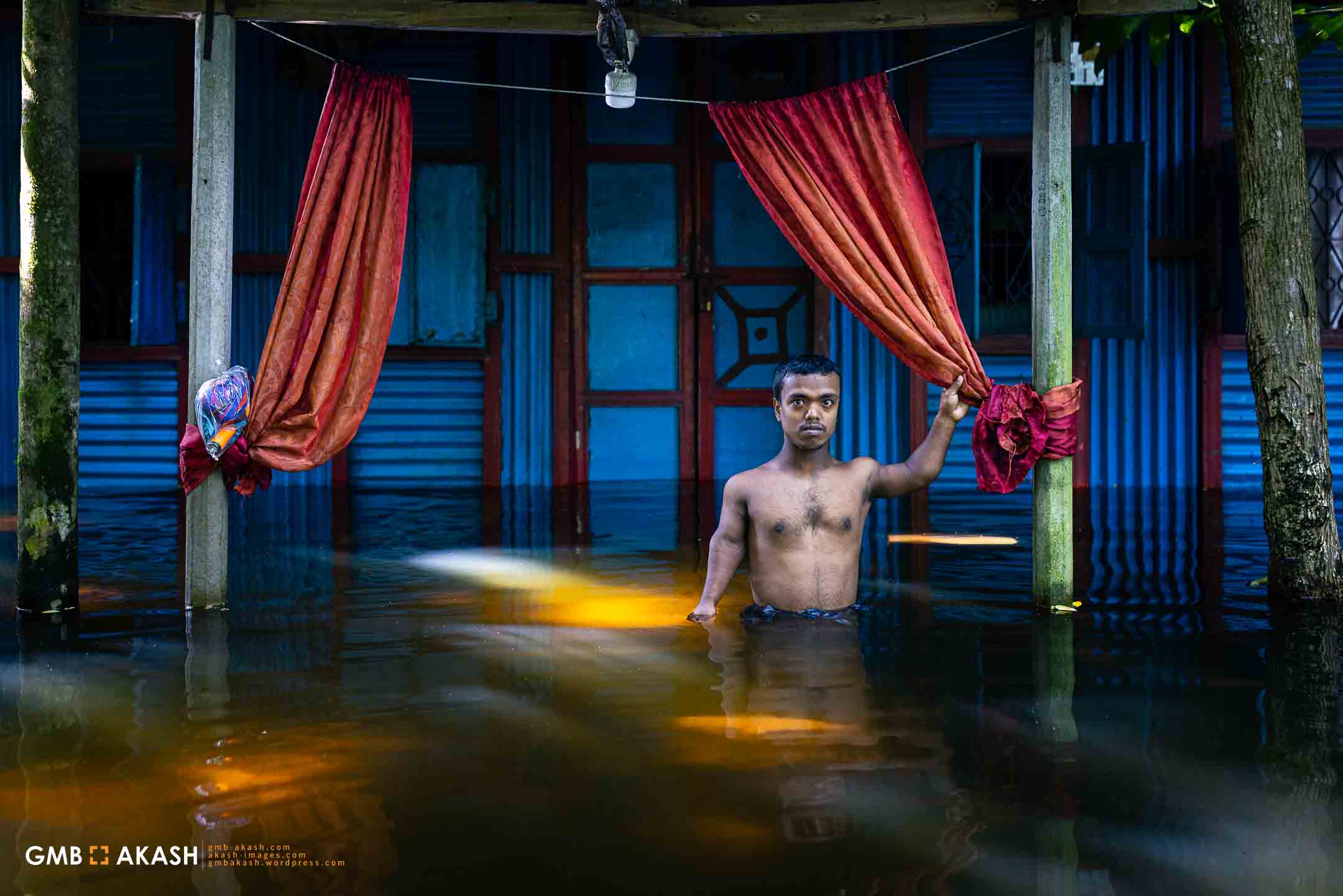
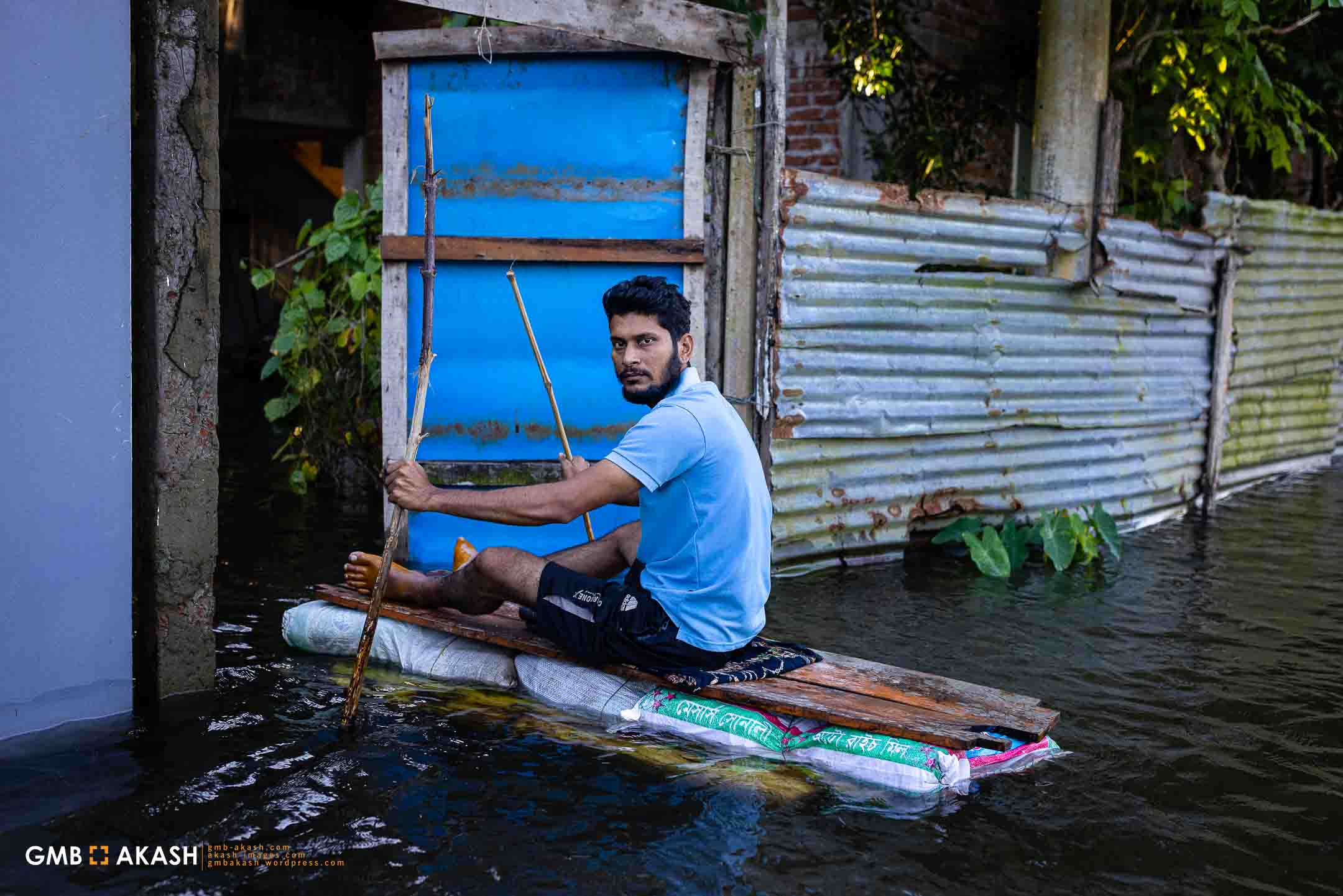
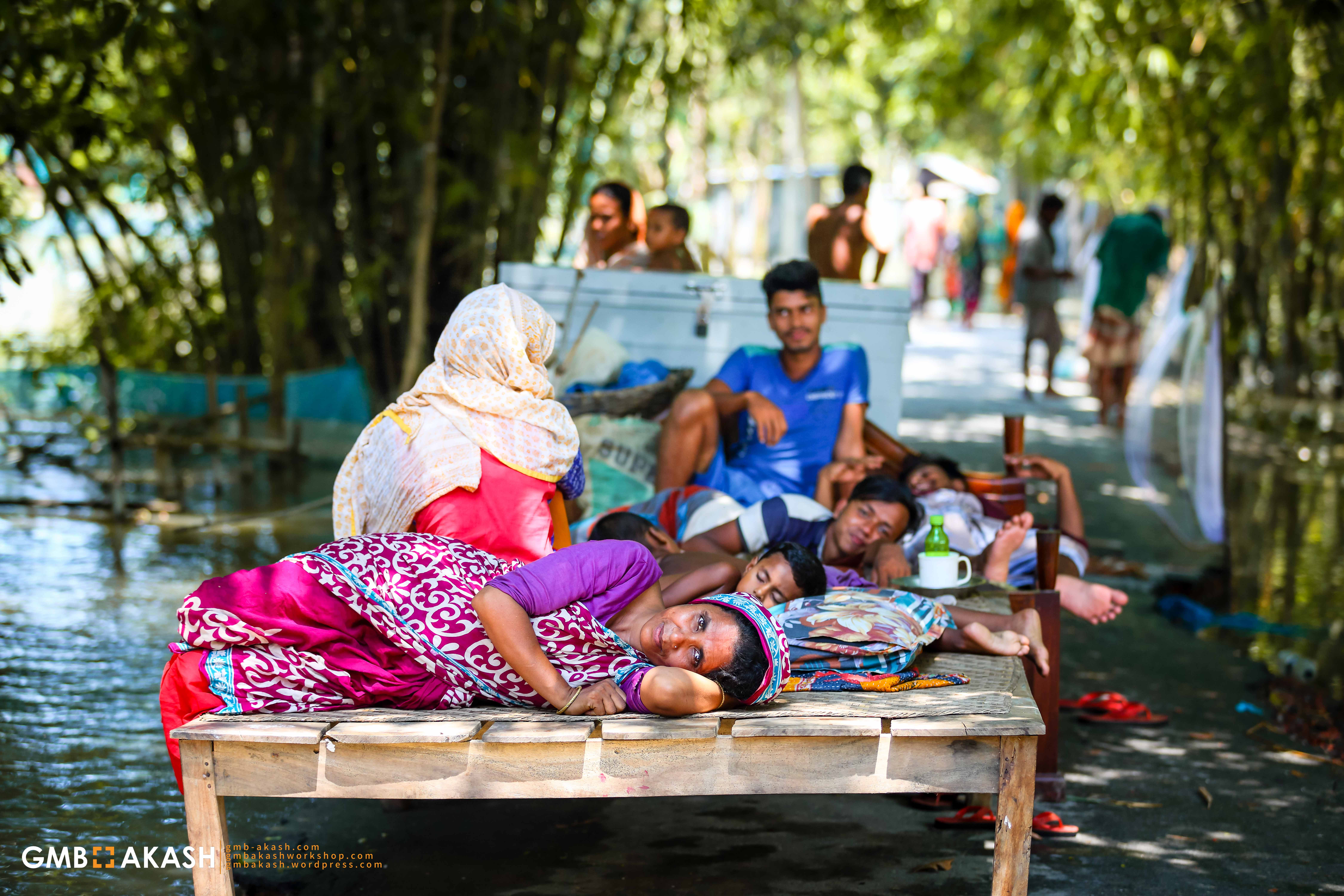
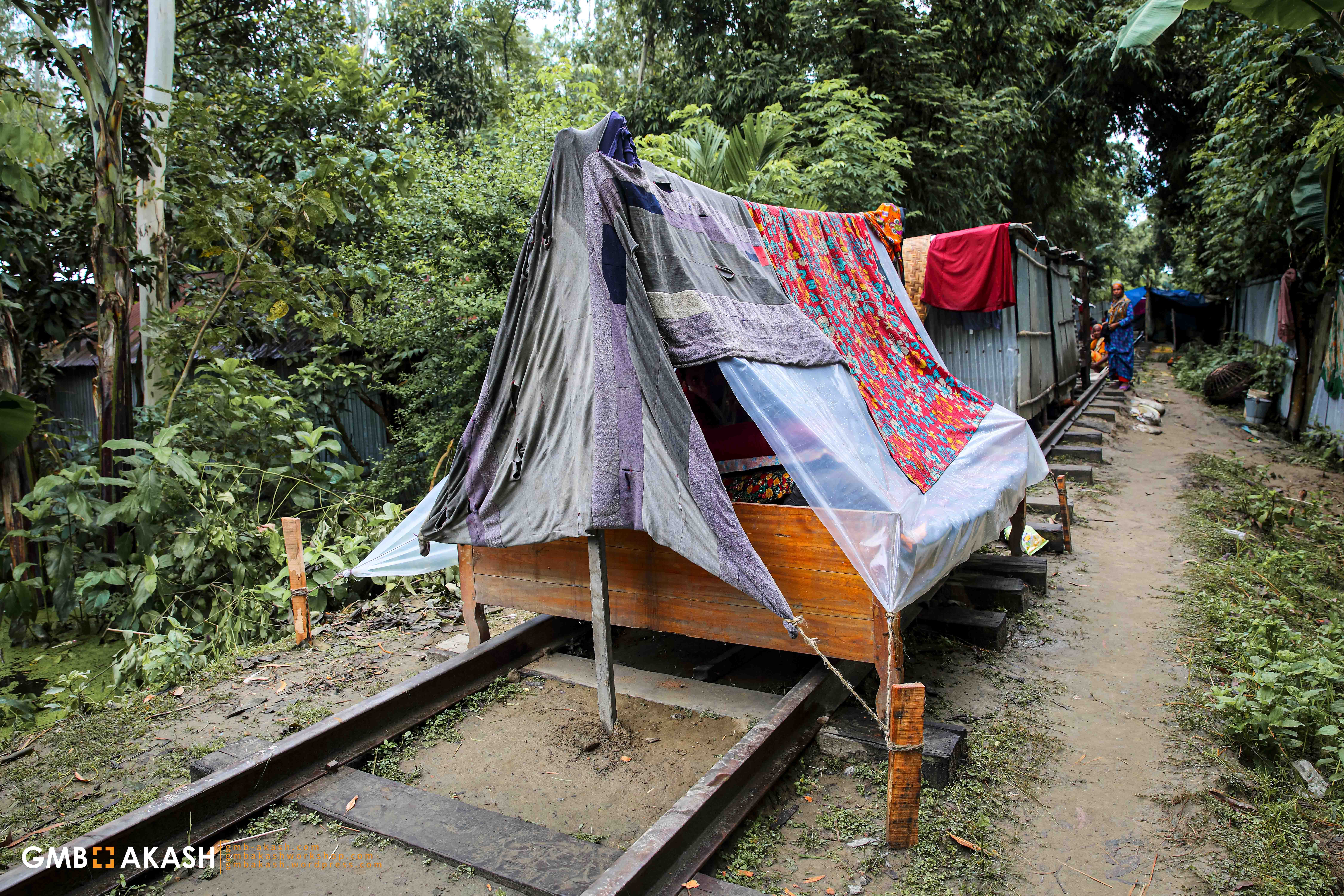
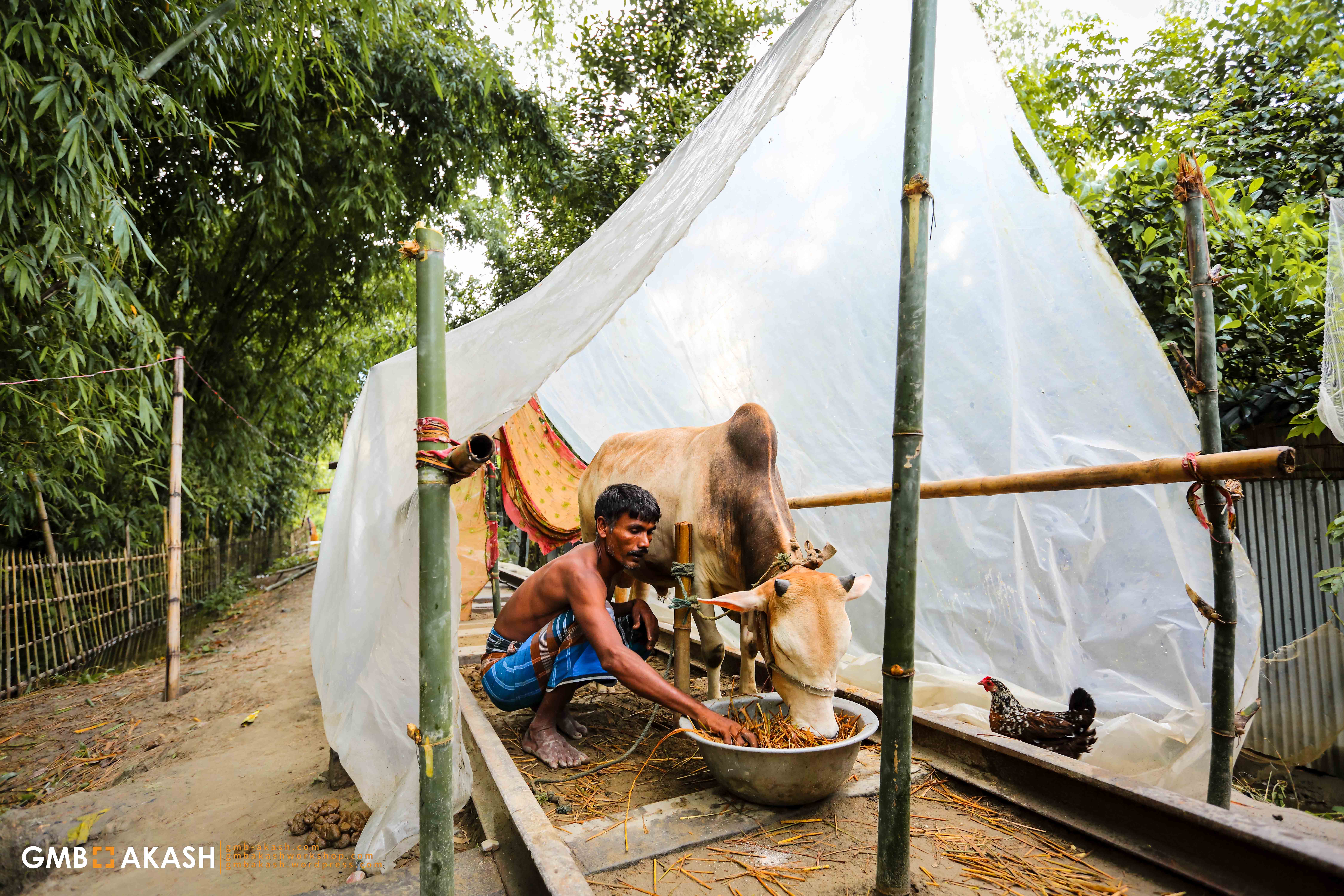
Every year, Bangladesh faces devastating floods that claim lives and leave millions homeless. In 2024 alone, over 5.8 million people were affected, 71 lives were lost, and damages soared to $1.2 billion.
Annually, disasters like floods, droughts, and storms inflict nearly $3 billion in losses, affecting over 6.3 million people.
These figures, while staggering, only hint at the personal tragedies—homes submerged, livelihoods destroyed, dreams washed away.
For over two decades, I have been documenting these stories through my lens, aiming to illuminate the resilience and dignity of those who face nature’s wrath with unwavering spirit.
Photographing the human cost of climate change is not just about images; it’s about empathy, understanding, and a call to action.
“I Have Lost Everything”: Bangladesh Floods Strand more than 1.24 Million Families!
On August 21, 2024, heavy monsoon rains and a sudden surge of water from the Indian state of Tripura led to catastrophic flooding in southeastern and northeastern Bangladesh. Eleven districts were severely impacted, including Feni, Cumilla, Chattogram, Khagrachari, Noakhali, Moulvibazar, Habiganj, Brahmanbaria, Sylhet, Lakshmipur, and Cox’s Bazar, marking one of the worst flood events in recent history.
The intense rainfall, combined with the upstream water flow, triggered flash floods that devastated low-lying areas, particularly in Moulvibazar, Habiganj, Feni, Cumilla, and Chattogram. The disaster has claimed the lives of 59 people, with causes of death ranging from snake bites to electrocution, and many were swept away by the floodwaters. As the waters begin to recede, countless families have lost their homes and livestock, and are now suffering from a lack of safe drinking water, cooked food, and the spread of waterborne diseases.
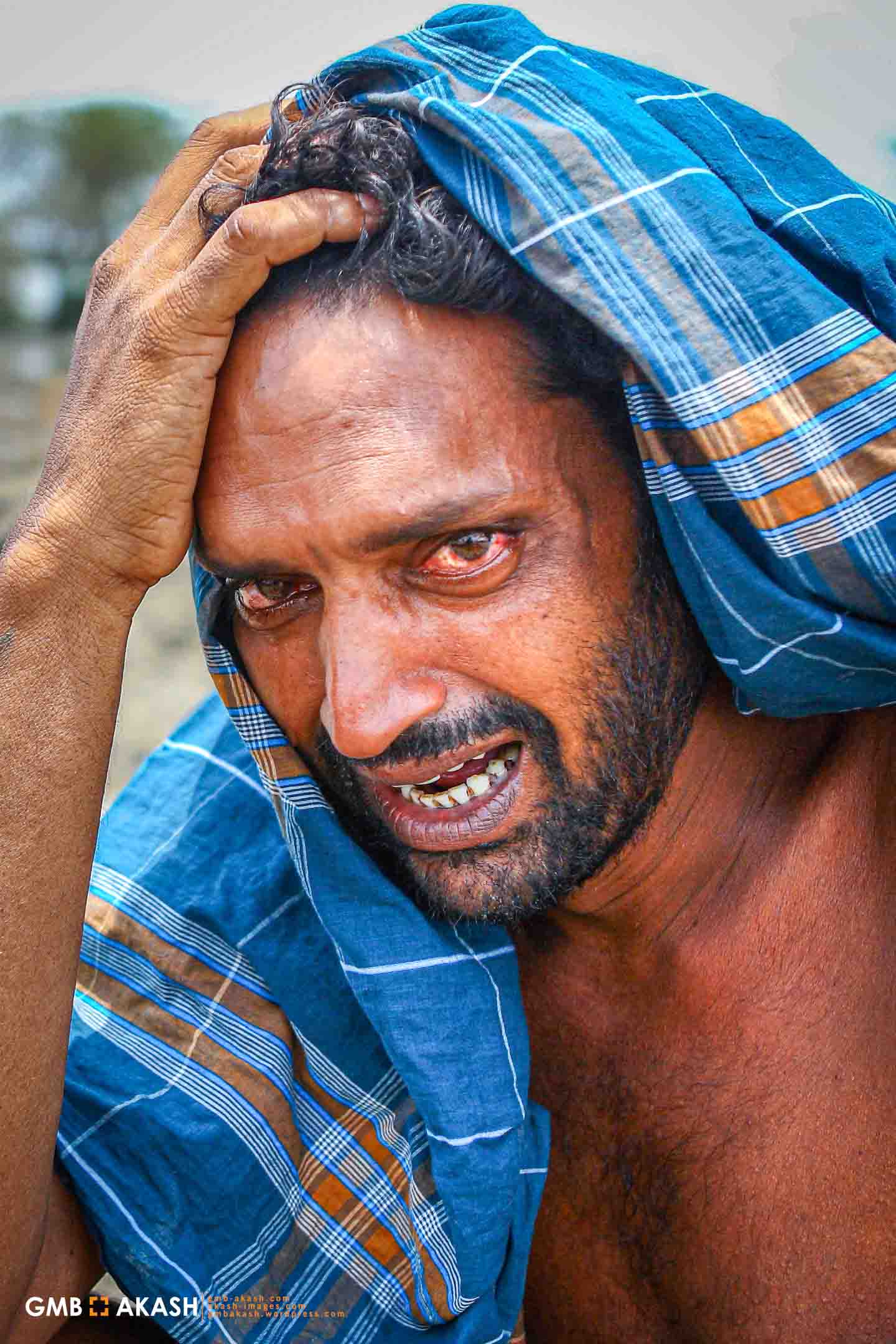
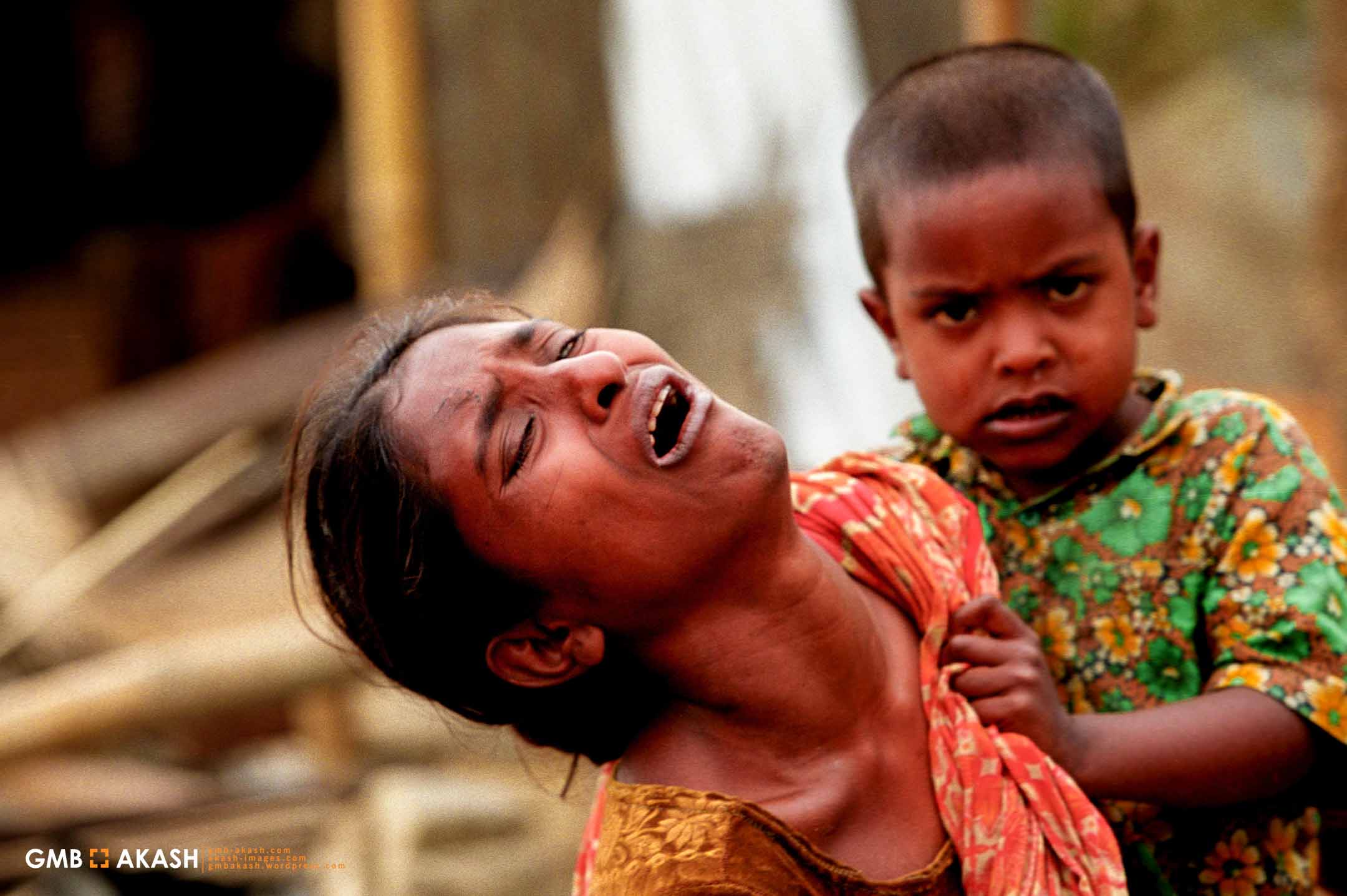
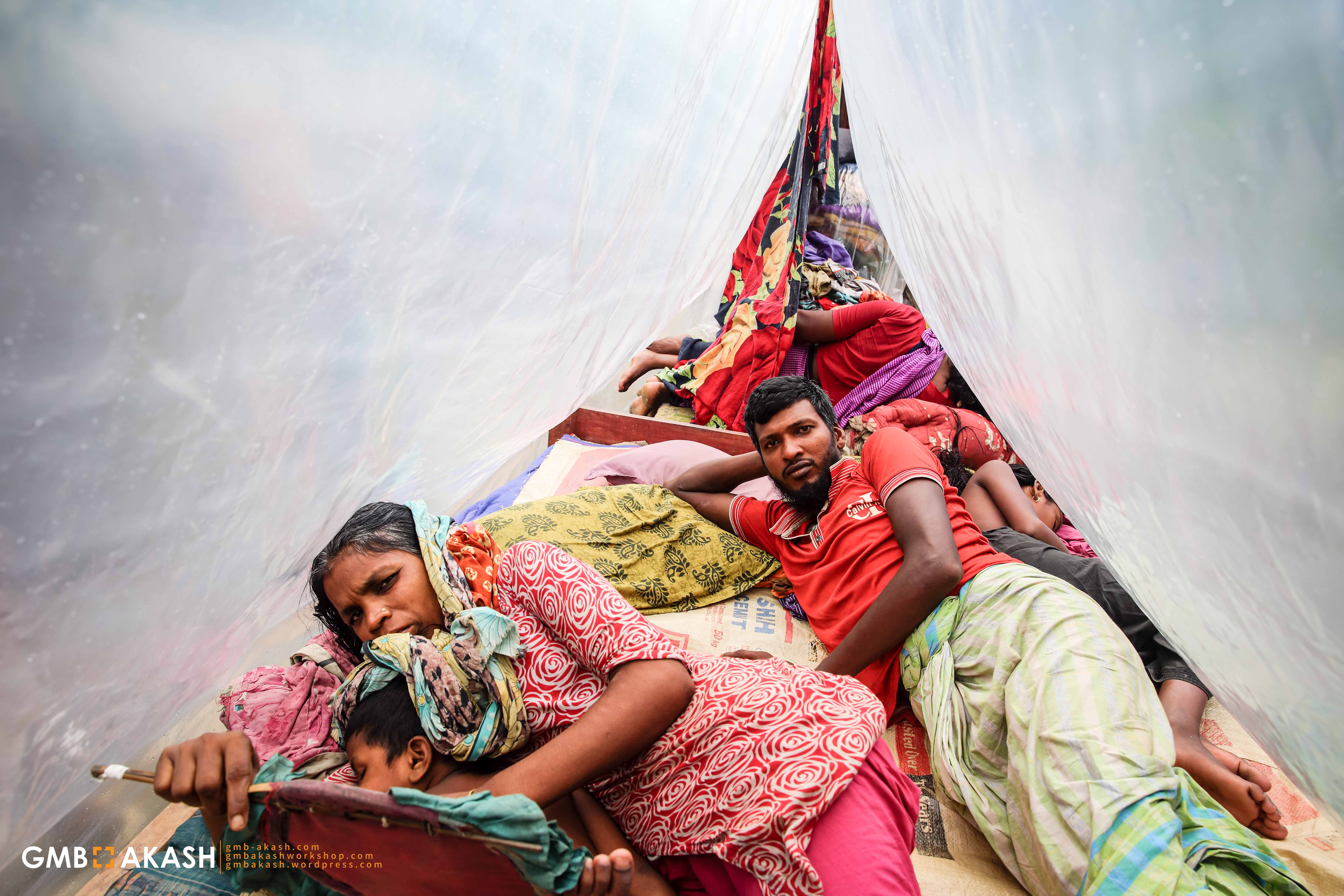
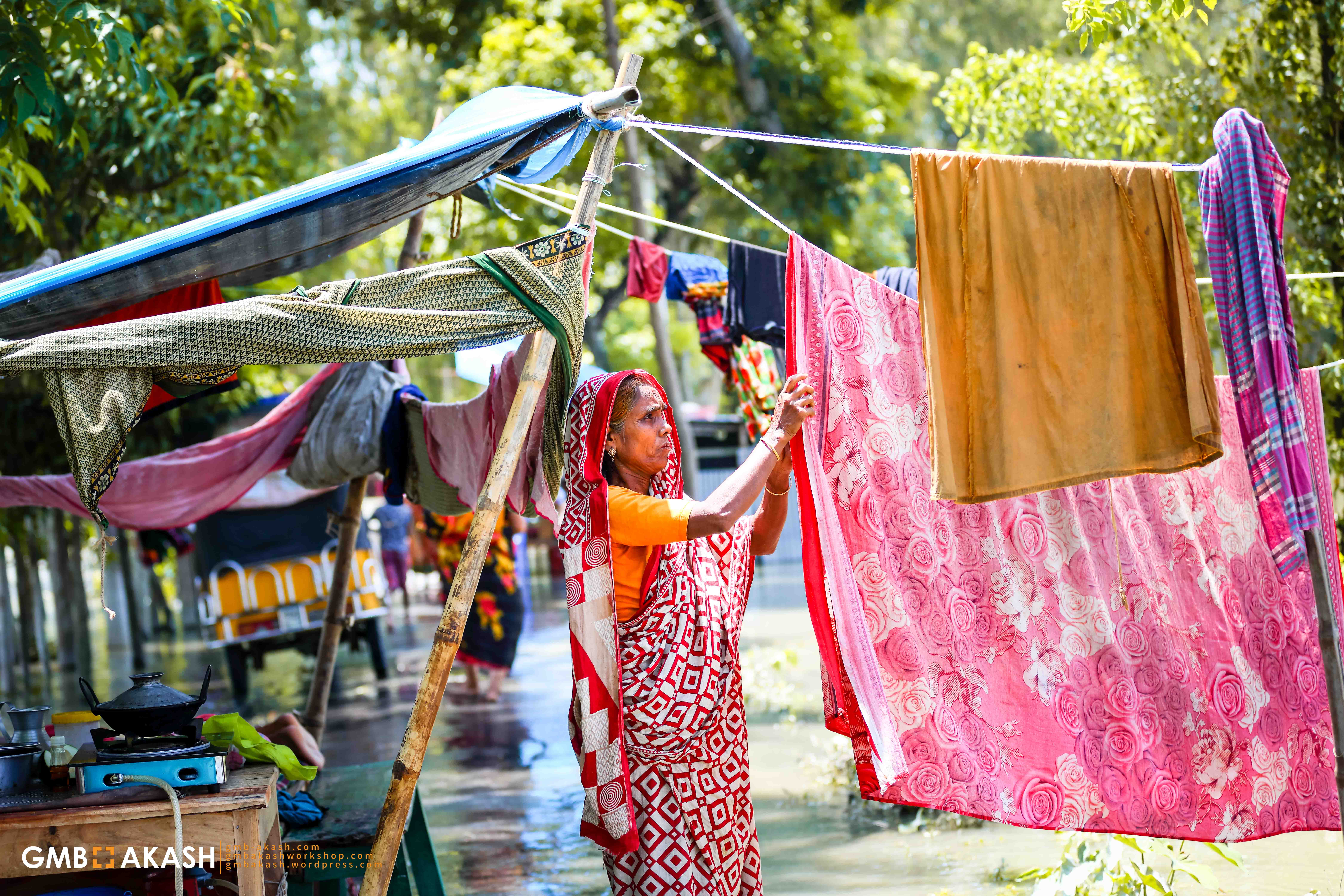
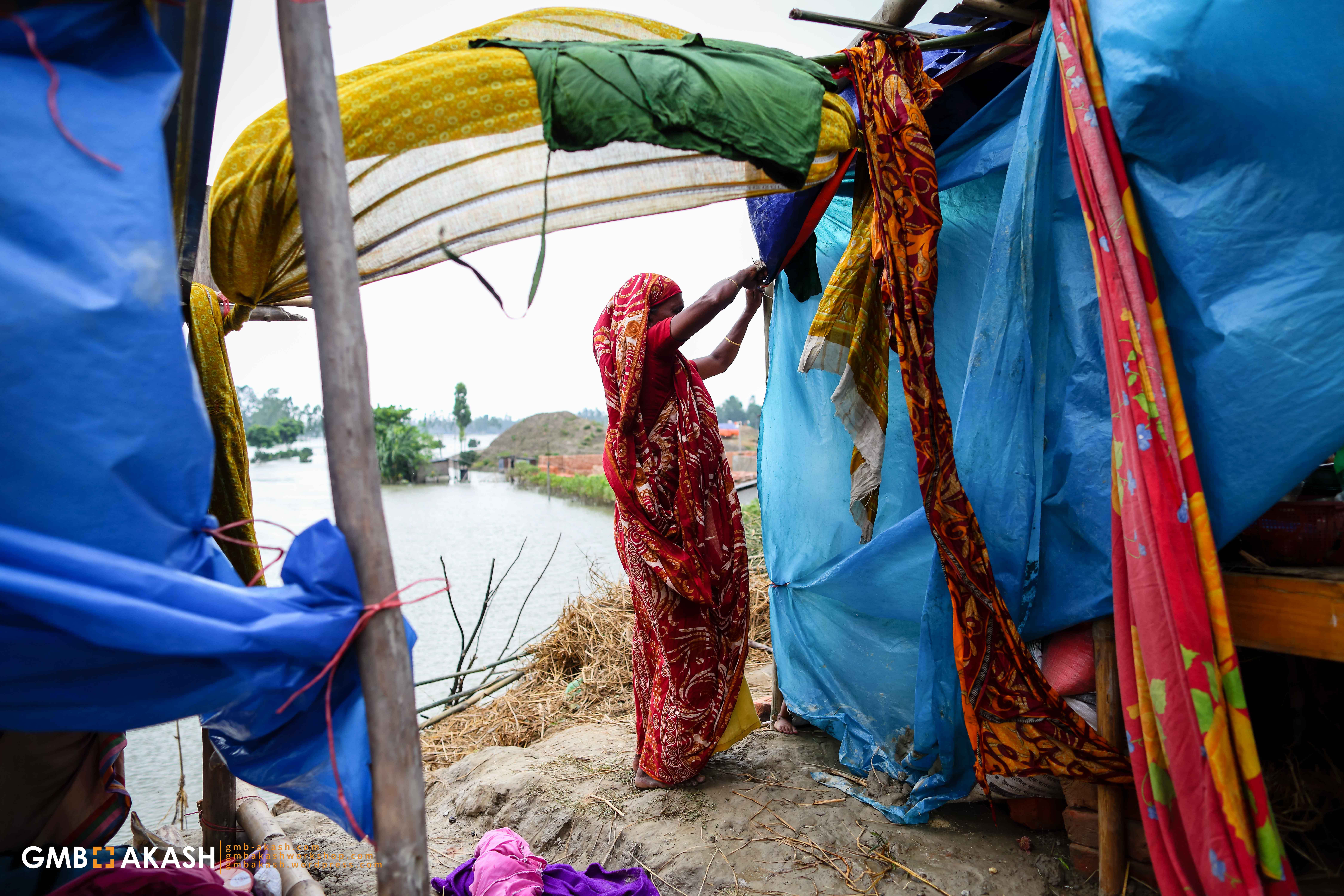
They are prisoners of disaster, confined within an open prison, battling daily for survival. Their invisible helplessness goes unheard, their cries failing to reach the ears of the global populace. Nonetheless, they persist in their fight for life. Collecting the remnants of their former homes, they create shelters to shield themselves. Amid being ignored and marginalized by the world, they reach out to alleviate each other’s pain.
Bangladesh serves as a poignant illustration of climate change’s impact, epitomized by its climate refugees. Displaced by the harsh effects of a shifting climate, these vulnerable individuals confront rising sea levels, intensified cyclones, and erratic monsoons, compelling them to abandon their homes and seek refuge in makeshift settlements or urban centers.
Their struggle is exacerbated by a lack of recognition and legal safeguards, exposing them to heightened risks. Disrupted agricultural practices lead to food insecurity and migration, further straining resources in urban areas. Urgent global attention is imperative as Bangladesh’s climate refugees underscore the tangible repercussions of climate change and the necessity for international collaboration. Resolving their predicament demands a multifaceted approach, from legal frameworks to local infrastructure, with their future compelling a unified response to address climate change and fulfill the moral duty to aid the most vulnerable.
As I am working on this issue, “Water Crisis” for last 15 years, seeing that many of our fellow citizens in Bangladesh still struggle to access clean and safe drinking water my heart feels heavy.
This year, the theme of World Water Day is “Valuing Water”, highlighting the fundamental importance of water in our daily lives, and the need to recognize and appreciate its true value.
Bangladesh is home to over 160 million people, making it one of the most densely populated countries in the world. With limited freshwater resources, the country is struggling to meet the growing demands of its population, resulting in a severe water crisis.
One of the primary factors contributing to the water crisis in Bangladesh is climate change. The country is particularly vulnerable to the impacts of climate change, such as rising sea levels, increased frequency and intensity of floods, and droughts. These extreme weather events have a direct impact on the availability and quality of water resources in the country.
The rapid growth of the population is another contributing fact, which has led to increased demands for water for drinking, agriculture, and industrial purposes. As a result, the groundwater levels in many areas have been depleted.
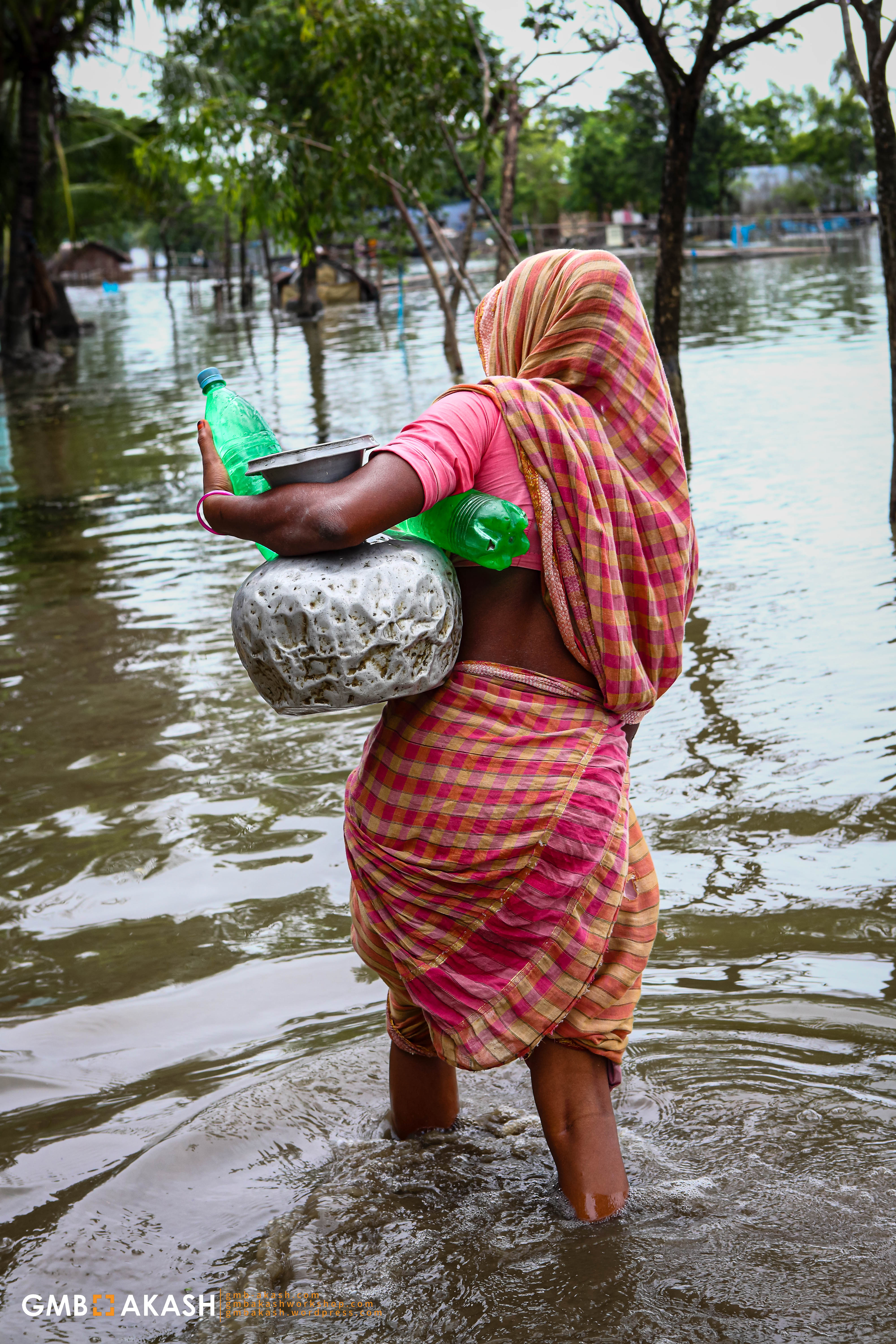
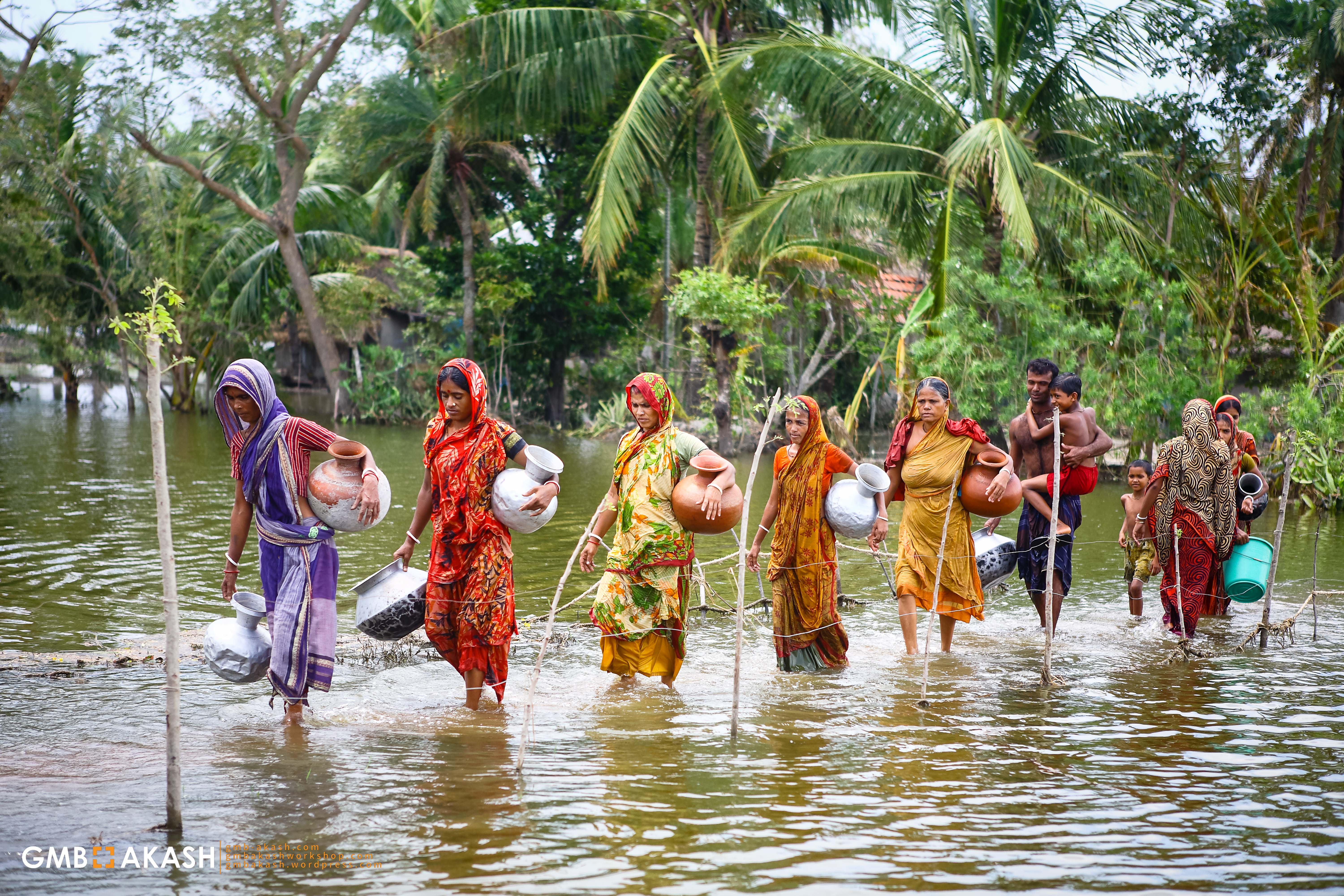
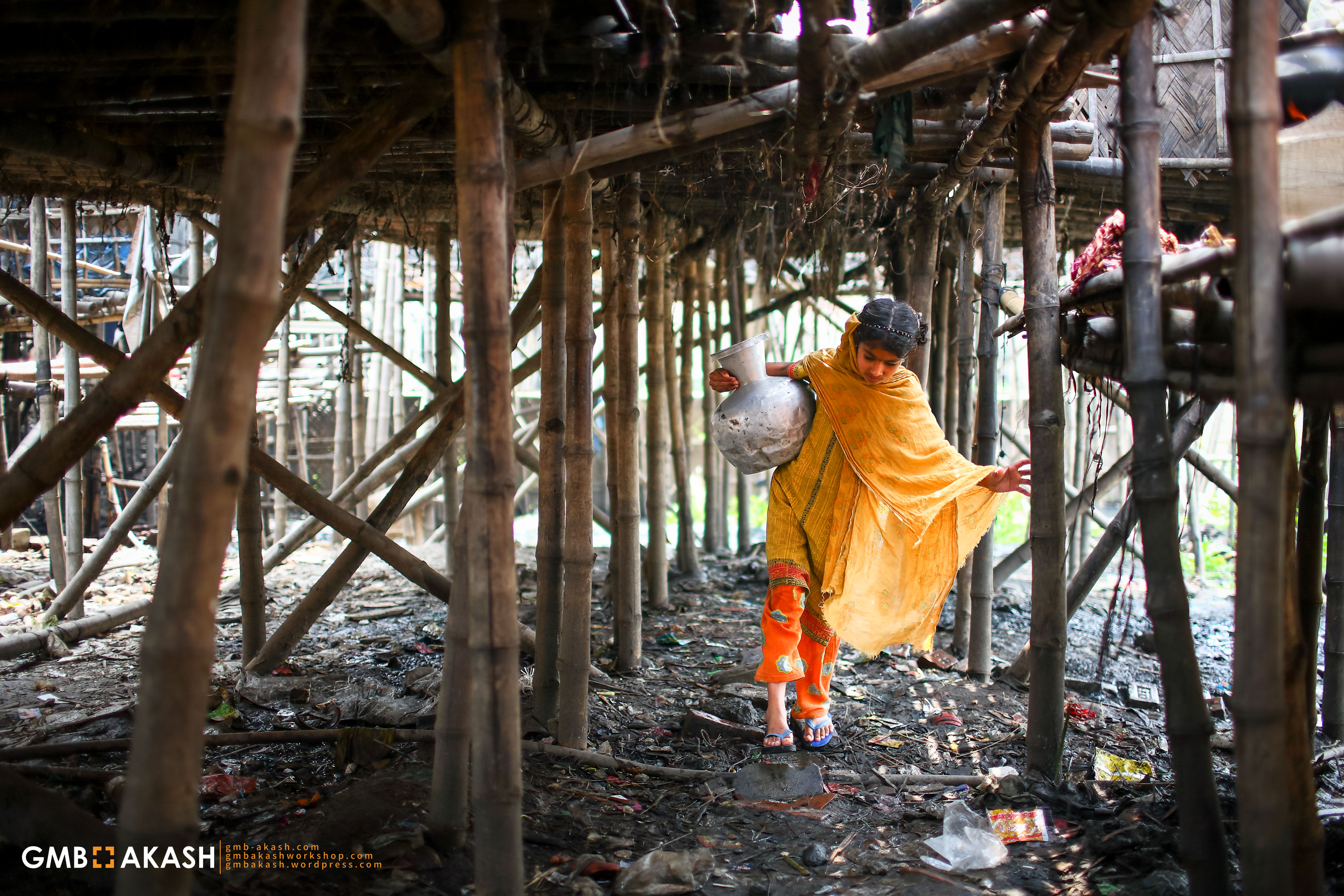
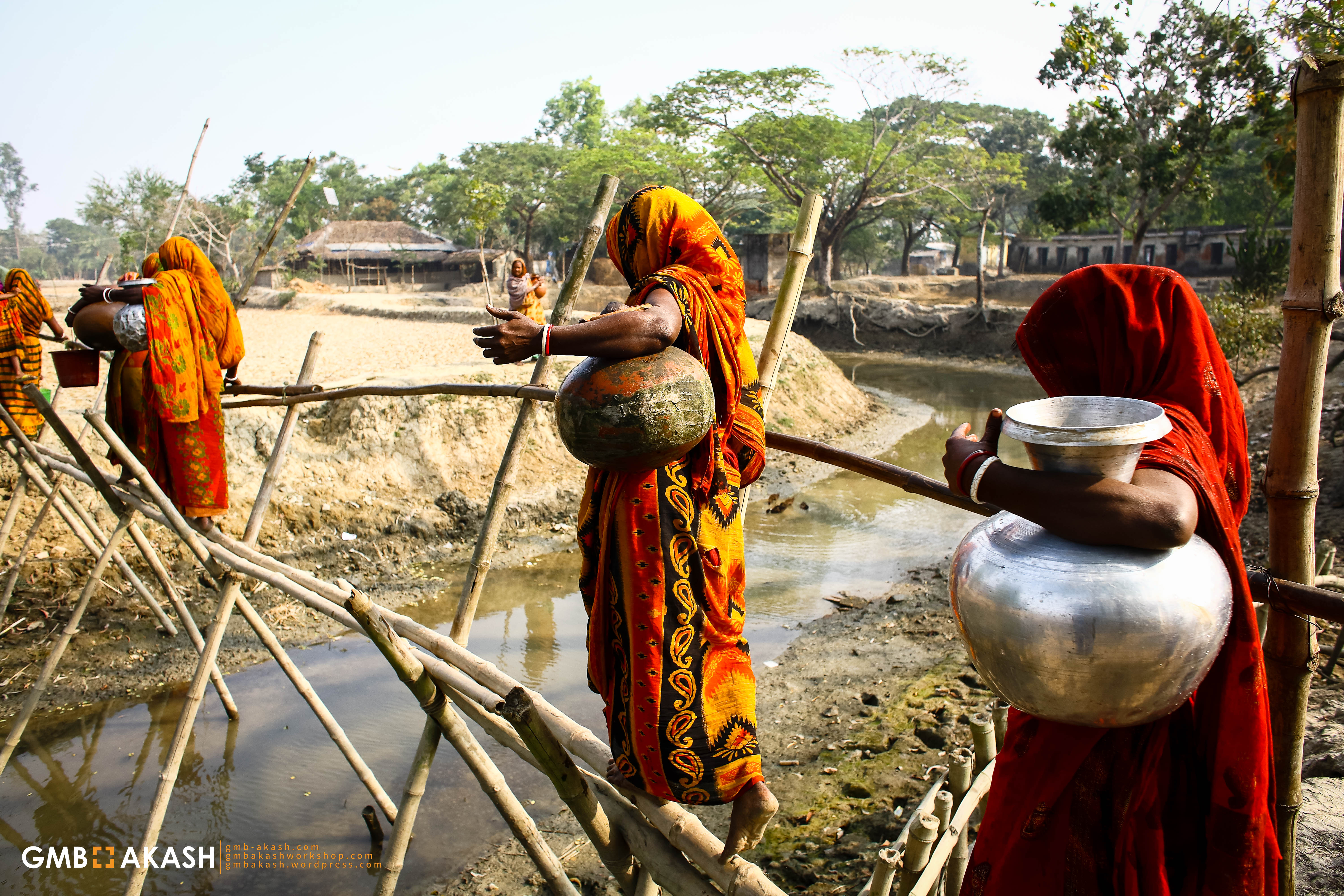
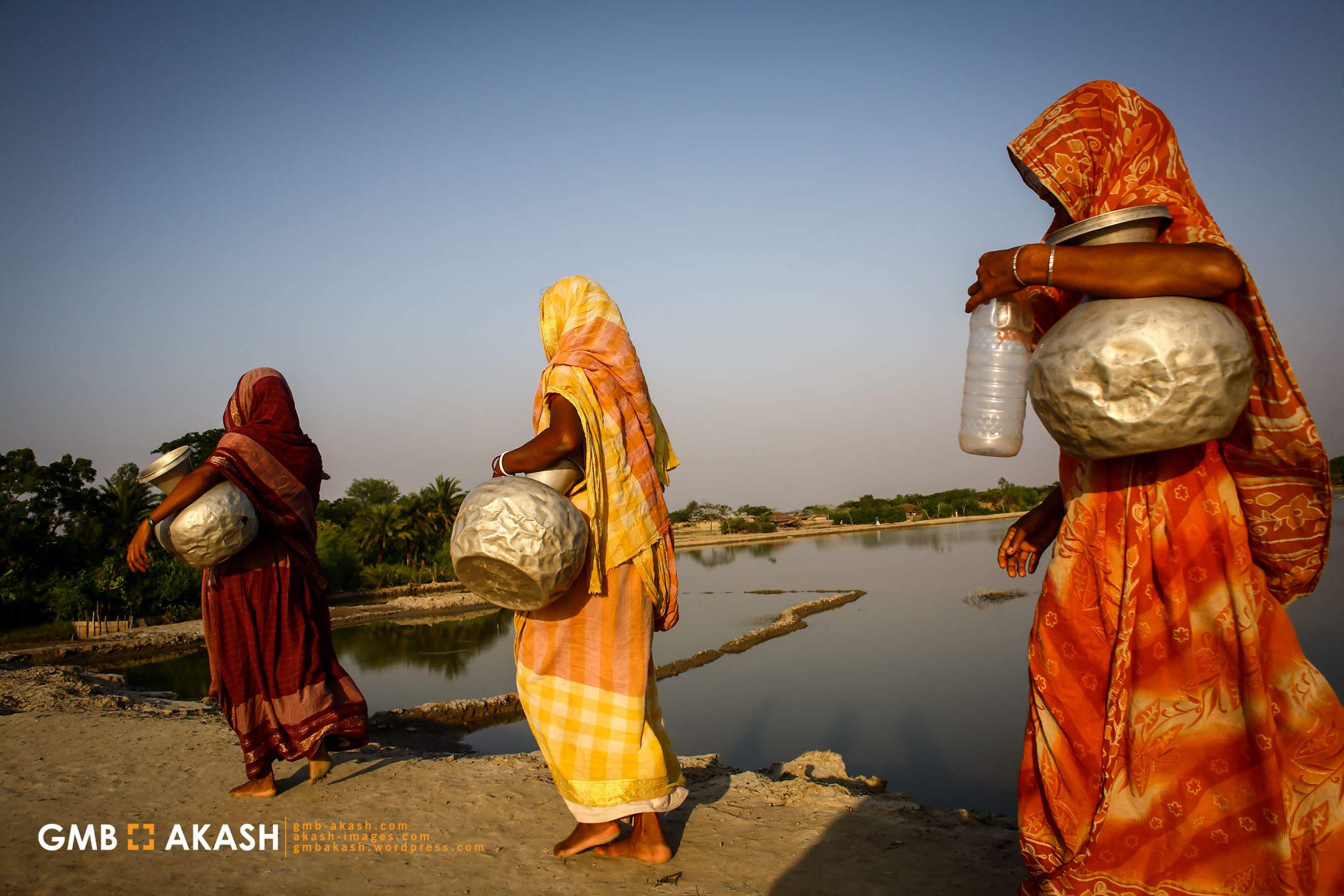
The lack of access to water has a disproportionate impact on women and children, who are often responsible for fetching water for their families. Women, in particular, may have to walk several miles each day to fetch water, which not only puts their health at risk but also limits their opportunities for education and economic empowerment.
As a society, we must take action to address this issue. On this World Water Day, let us commit to making clean and safe water accessible to all people in Bangladesh.
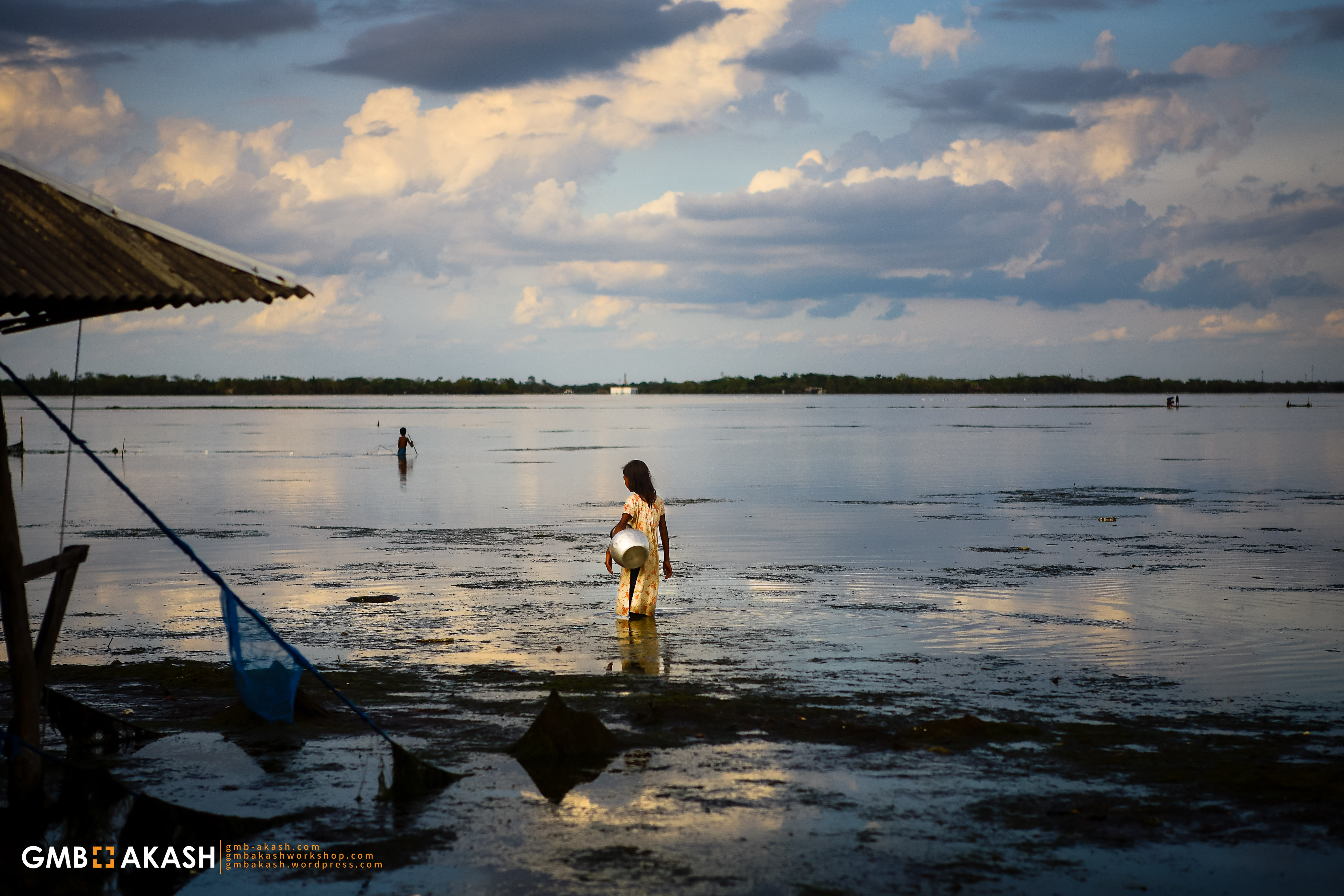
In this corner of the world people are fighting to get a pot of drinkable water. Their lives have collapsed in need of getting a pot of fresh water. People are experiencing severe thirst which may never come to an end if “Water”- could not save by Human.
_GMB Akash
Dear friends,
For the past 15 years, I have been dedicating my efforts towards understanding and working towards the water crisis that plagues many unprivileged people in our country. The situation is dire, and it is crucial that we recognize the value of this precious resource before it’s too late.
It is heart-wrenching to witness the daily suffering of those affected by the water crisis. However, I remain hopeful that by bringing attention to this issue, we can work towards a solution and prevent further harm.
I am grateful to all those who have taken the time to acknowledge the severity of the water crisis. It is only through our collective efforts that we can make a meaningful impact and ensure a better future for generations to come.
“This is an emblematic depiction of the agony of hard labor. For saving themselves from hunger they breathe in asbestos dust and toxic waste. Thus they are risking their lives everyday. On the verge of death they risk their lives in order to endure themselves. They are passing their days on one of the world‘s most unregulated and hazardous industries, leaving a trail of debris, disability and death in its wake. I spend 10 days in the Gaddani ship-breaking yard north of Karachi in 2005. I witnessed workers dismantling large ships, piece by piece using no protection, in absence of tools, where one wrong move could result in death, but they were continually depending in their bare hands. In a city of dying ships flames with smoke rising, tormented with ship body parts, metal residue, asbestos, and oil spills. Barefooted workers with little access to necessary tools are vanishing ships on the rusty sand of Gaddani and break down these steel giants coming from all the harbours of the world.”
– Gmb Akash
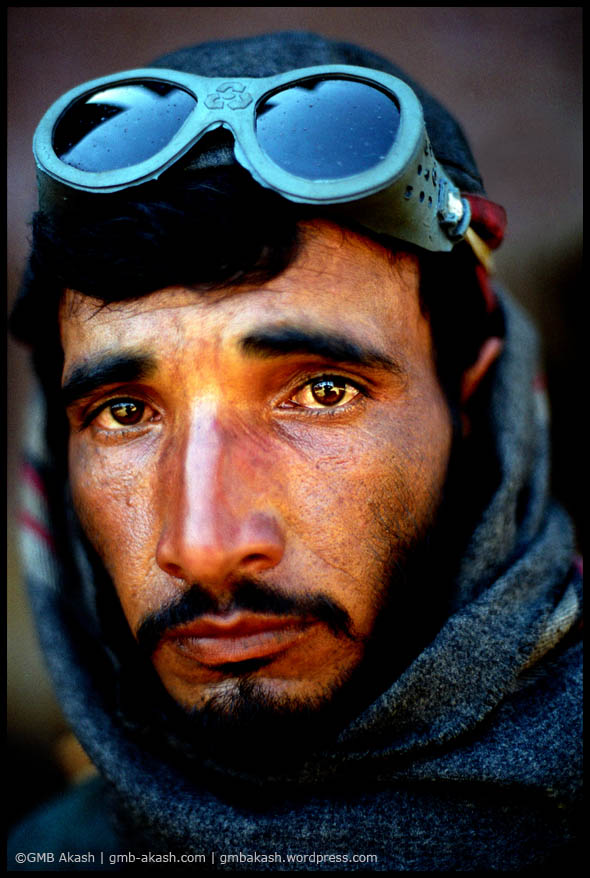
The beach of Gaddani, 50 miles north of Karachi in Pakistan, has become one of the two world biggest cemeteries of super tankers, cargoes and other vessels in the world.Thousands of men, mostly Pashto migrants, toil over the ships. They are seasonal workers, a large number of native and immigrant workers returning to their homeland near the Afghan border at harvest time. The group consists of perhaps from Afghanistan. They pen for their beloved, whom they get to see only during the year ends. For around USD 1.20 a day, thousands of workers labour to dismantle dozens of ships each year at the ship-breaking yard in Gaddani.
Rashed, a labourer at the Gaddani ship-breaking yard has worked for five years dismantling ships. He said: “Had we had any other way of earning bread, we would not have come here.” Workers are always under high risk of accident, though they hardly care to secure themselves. Under hitting rains of sparks, blowtorches split through the thick steel skin of a ship. As they are cut lose, the pieces of metal plummet to the ground with a roar. I saw workers, toiling ceaselessly, as though banished forever to an underworld.
Many workers operate in tight spaces where the air is thin, and in high temperatures caused by hot welding, which is widely used, not to mention that they are constantly exposed to flammable liquids like paints and solvents. The work carried well into the night shipyard in Gaddani, Pakistan. This is the ship graveyard that serves as the final destination for a significant part of the world’s fleet.
“Barefooted workers would take apart, bit by bit, the dying ships with their bare hands, shipyard in Gaddani, Pakistan. On their shoulders, workers bore great metal plates to their destination. People complain about their crappy lives working in an air conditioned work place, imagine having this as your only option in life.”
“Photography has taken me to discover many unexpected territory as all time I wanted to see the sights of unseen & unforgiving incidents of reality. I was engaged in one of my personal project’s work on ‘sex workers’ for which I went to Madaripur. I have been working on ‘sex workers’ last 7 years & my works demand me to investigate their situation all over the country. Last year, in the month of August when I arrived at Madaripur it was afternoon. Shockingly I have seen thousands of apes are in street, running here & there. It was an unexpected thing of my life to see thousands of ill monkeys are moaning alone. I was traumatized, unspoken & felt awful when I understand all these thousands monkeys stand in front of me are HUNGRY. I always concern to cover stories of situation which need concentration for helping out by the assessment of the world. So I take out my camera & run to middle of them”
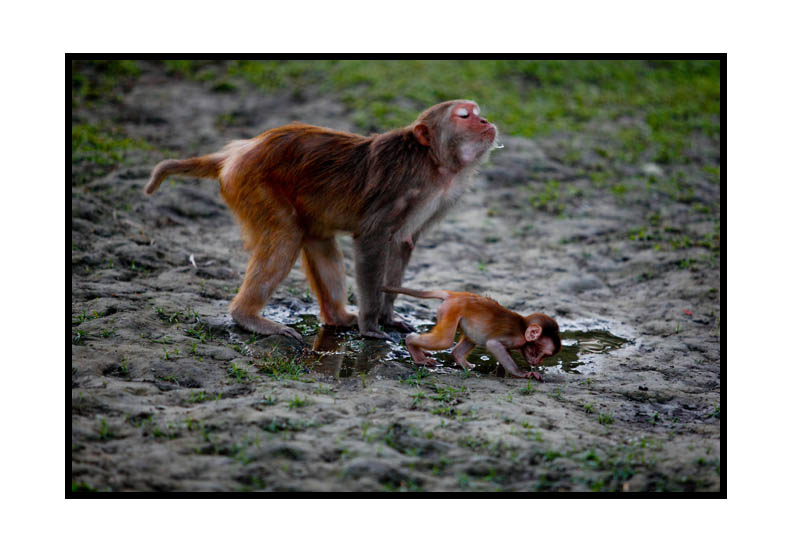
In char Muguria area, Madaripur around 2,500 monkeys are facing severe food crisis. Due to acute food crisis many mother monkeys, passing days starved or half-starved, are even unable to breast feed their babies. Quite a few monkeys have already died in this serious situation. Concerned over the pitiable life of the monkeys, locals and visitors have urged immediate arrangement of food for the monkeys. Though the local communities are already poor to feed themselves but the heartbreaking scenarios of monkeys influence them to share their own food with them. Despite keeping distance with human the unable monkeys are taking foods from people’s hands. The hungry monkeys were competing for the inadequate foods like peanut or biscuit given by the visitors. They were also trying to eat whatever they got — grass, garbage, polythene etc. Baby monkeys are suffering badly in malnutrition. Even the water crisis made their lives more pitiful. Local community sought allocation for food for the monkeys but the higher authorities are yet to give any response in this regard.
“A mother monkey by carrying its dead child was passing from trees to trees. When it came in front of me & begged foods I realized the monkey did not identify its child is already dead. This pitiable situation made me terrified. These apes, whose residents are jungle, came out for food & begging to feed themselves. These climate victims are more alike my working project of ‘Sex workers’. Human & animal all are helpless in front of starvation & need. They are survivors of dreadful situation which many of us over looked or never know”- Gmb Akash
I usually take a picture of a person and then afwerward when I close my eyes for recalling what I have taken – the first thing that hits my mind is – Colour. After observing a person if we try to recall, then unconsciously colours comes first in our mind. The texture of the skin, colour of hair, colours of cloths and over all colour gives us an impression about the mood of the sight. Colour is a strong element to illustrate a person’s traits. I believe every person cover a mood of colour.
From beginning of my career I am working for those people who are living in the edge of the society.While I started working with these people I surprisingly discover – life has taken all colours from them but still they are cherishing every moment of their life with colour. Colour is their courage; colour creates enthusiasm on them to fight to live for another day. Person, who has nothing, has colour in life. In beginning of my career I took all black & white photographs of those who are colourful. I found out poverty, sorrows and depressions become vivid if I skip colour from their life.
To present – ‘the present’ I start working on colour. A street child, laborer of a road or even a homeless lady all of them has colour. People who are fighting everyday to live life are heroes to me and these heroes represent colour. Their skin tone, dresses, living places all are colourful and powerful. They are deprived from all happiness of life but yet they treating themselves with colour. While I discover the truth I learned to capture the mood of colour on them.
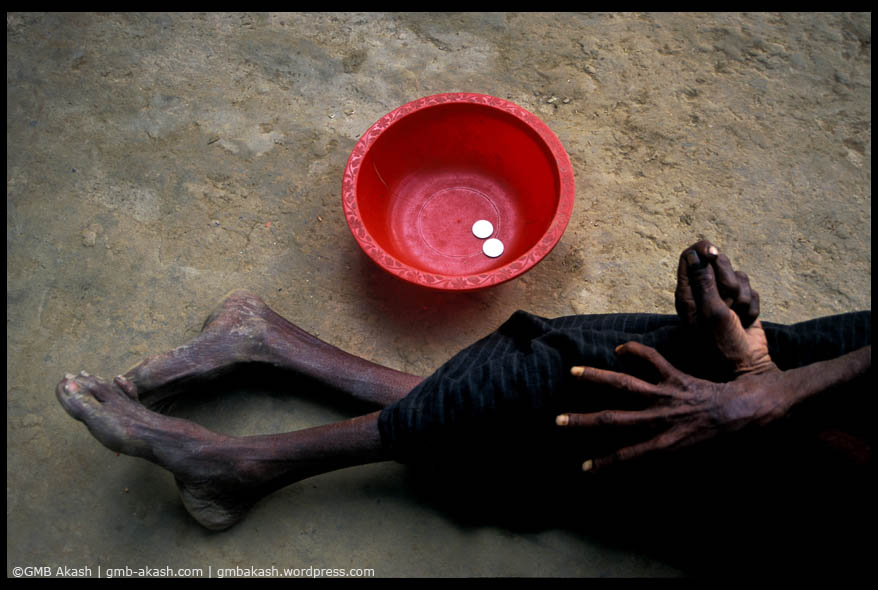
“…I realize I have no power to deny the colour of these colourful people who are straggling in a colourless, hopeless world, nevertheless they live and smile. So I can not ignore the yellow balloon of a homeless child or even a red bowl of a beggar of the street. This inspiration inspires me to work with colour. Ans I continued my journey in the path of a colourless world to meet with all these colourful souls…”- Gmb Akash
Colour arouses my work for getting the depth of the sight. I got colour in different mood in the different part of the world. But I discover people who are fighting endlessly for surviving are more colourful than any part of the world. Because of this colour is more challenging to me. I take this challenge to explore the unrevealed spirit through every capture of mine.
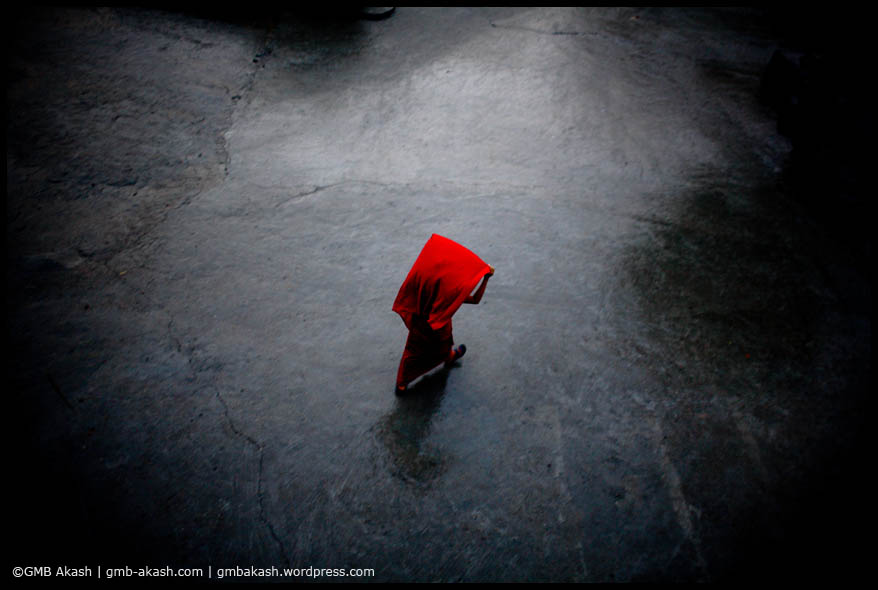
I have a special affection for red. I like to take picture in the early morning and late afternoon. Unpredictably red comes to my way often. People who are living in lower rang affectionate about the colour – Red. It is important to take a red shoot carefully. Contrast might made the capture disturbing, while too much red can destroy the attention for the subject. A good composition and balancing of colour can create an outstanding shot. Apart of all it is important to discover the right mood of colour in the right temperament of an individual.
I go to country to country to explore colour differently. I have found out different colour in different cast. You will find people of power through colour. Your experiences & observations with colour will help you to reveal certain attribute of a community through colour.
– I prefer to use natural light which allows me to capture the originality of the moment of colour.
– I try to find out a natural background which suits the subject’s colour instinctively perhaps my entire colour photos are – found situation. So I believe to observe more & more while traveling frequently.
– Working with a single colour allows me to appreciate more intricate details within the subject itself.
– I travel to discover for getting the unexpected shot yet carrying the note in mind that I am searching thing which I have seen several times but never been noticed. Searching without clue for a known thing helps me to get a good colour shot.
– I only pick colour which has meaning to the subject.
“While I am taking photos of these colourful souls I am learning to live in colour. By capturing these colour moments I have learned – few hints of red, blue & yellow has inspirations in our life. People who are fighting without anything in this world are healing their pains by indulging in colour”
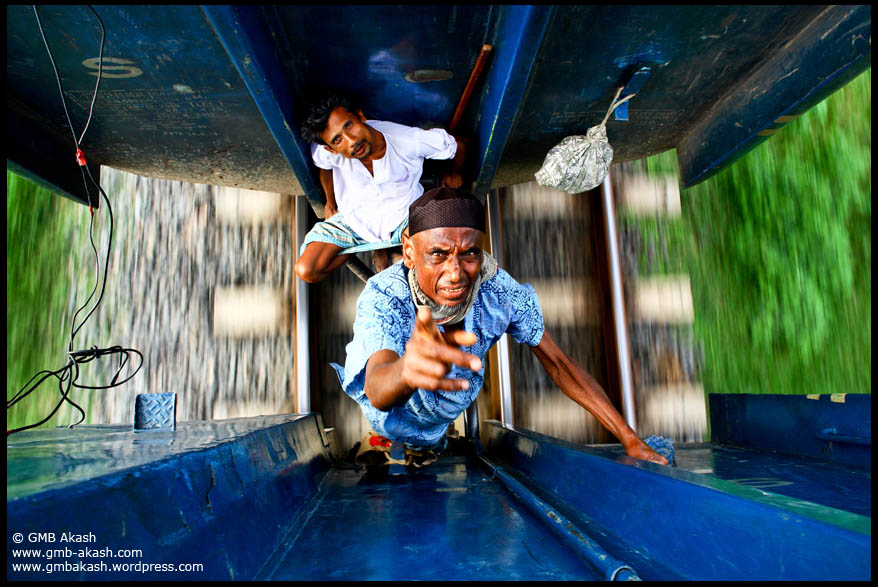
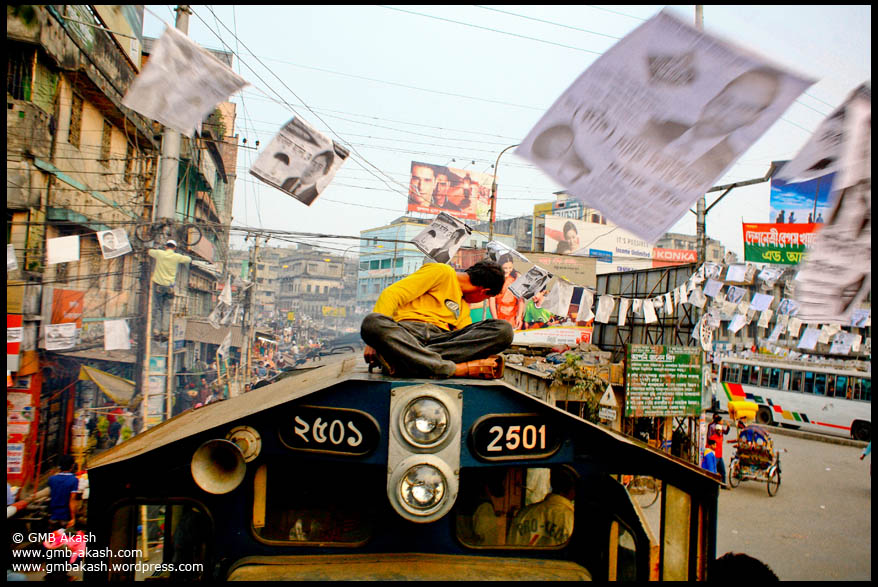
“When the train starts your feet will shake and you will automatically try to hold something, but there is nothing to hold on to. From 2005 I went up the train. Sitting or lying on the corroded metal roof of a train moving at 40 kilometers/hour is dangerous. By knowing that any time accident can happen you obvious to be nervous. It gives you an insecurity and makes it more risky. In that time there was no one who can tell me the rule of hanging in a running train, there was no example of photograph by which I can inspire myself to capture moments in camera. But I did not think twice to step into the slippery train and attempted to make a new series on the bravery of some insignificant heroic lives.”
Seven years ago I had to travel many times by train to come to the city. During traveling I noticed low income people were traveling in the roof of the train and even in between joining line of the train. Most of them were low wage working class and traveled with high risk of severe accident. I was surprised to the fact when I discovered few of them traveled many times of the day with life risk. For knowing the reason my interest had taken me to the root. I pick my camera and leave my seat. Thus my journey starts in the running train. I had a basic curiosity to know about people whom I intend to photograph. From beginning of my journey I work for those people who are fighting endlessly to survive without anything but a smile. For taking photo of them I blended myself into the same conditions which help me to get the insight of the story. This inquisitiveness leads me in the top of the train. And I become one of the free passenger of regular running train. Thus I got familiar with the scary situation of the fearful journey; discover people and above all I took pictures.
Uncountable times, I went to the roof of the train. Often traveling made me familiar with scariness of a running train. People become well-known to me. I find out so many different stories of people and their determination of surviving. When I manage myself to step straight then I pick my camera and start capturing my feelings. No one travel to risk their life to get pleasure. All were unable to manage travel cost as they were living under the margin. Many of those travelers work as day laborer, many of them goes for selling fishes in city which they collect from their villages. All of them have to return also. These travel costs can not manage by them so they risk their life in the top of the train.
This traveling is very addictive. When you will discover people who have power on them, who were bravely setting without caring anything the something will happen to you too. These people inspire you to live life without getting frustrated. They have nothing with them only have bravery to fight against all odds of life. So this journey put power inside me to fight in rest of my life with bravery and inspire to take any risk to live a life.
In winter surface of the train get slippery, once I stepped without been concern and attempted to fall. It is difficult to take picture in opposite of the direction of the running train. Along other passengers I have faced terrible winter, unwanted rains and continual heat in the top of the train. Many times wires hit me, every time I thought I should not go more. But again I can not resist myself. Getting a good picture is toughest thing while you need to spend days and months for the right moment and for the right click. I won travel photographer of the year title in 2009 on the series. Besides all I am fortunate to be able to stand in this fearful journey which will continually give me power for rest of my life.
“I recall all these journeys repeatedly. My achievement is that I established this series as one of favorite topic for photographers. I feel happy when I see photographers come from around the world to get a free ride in the top of the train and takes pictures. All these make me happy. I collect all these treasured moment and I am working for publishing a book soon on this series. I have to say, I am fortunate by killing fears of me to become able to go to the top of the train. There is nothing to hold on to, only your fearlessness”
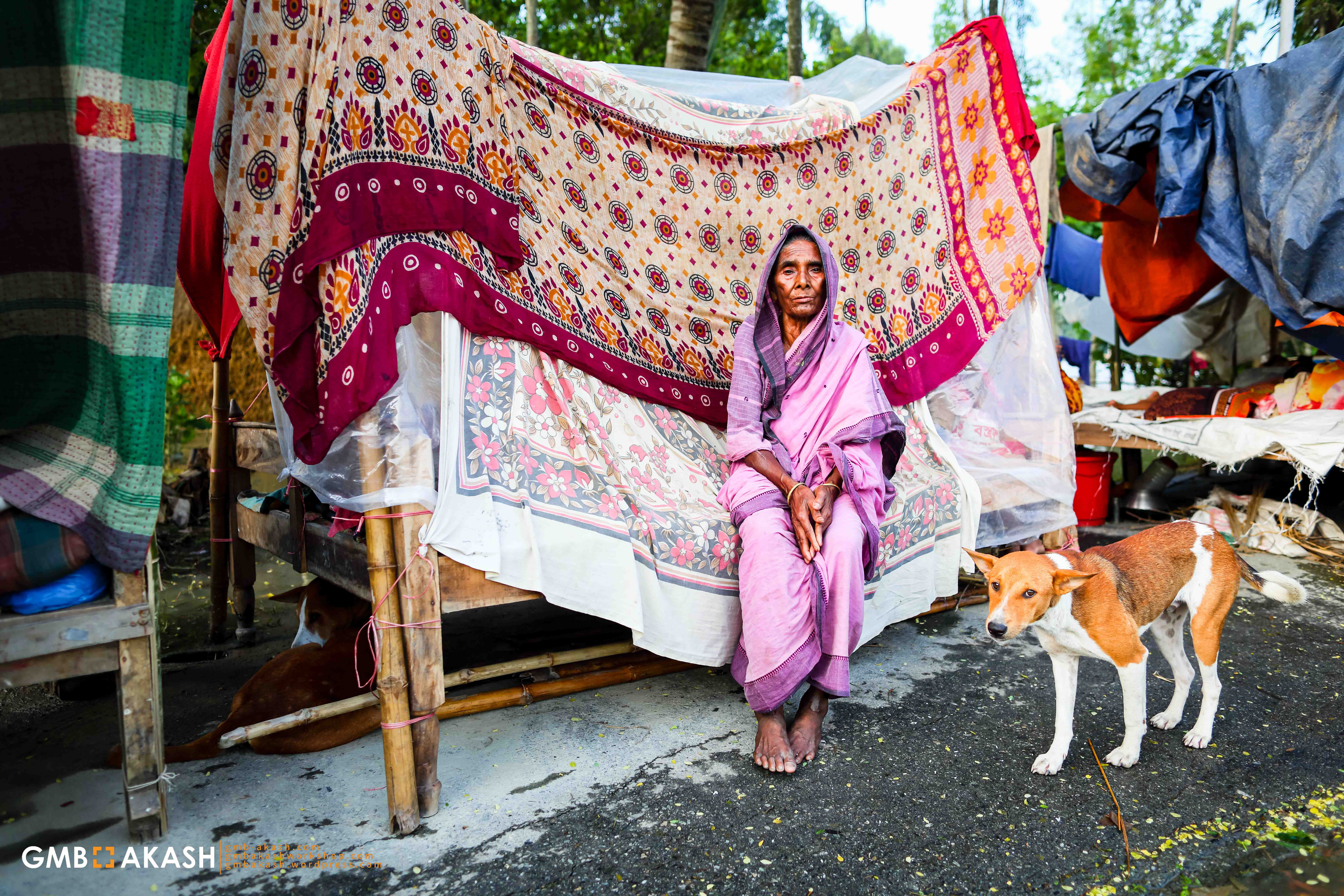
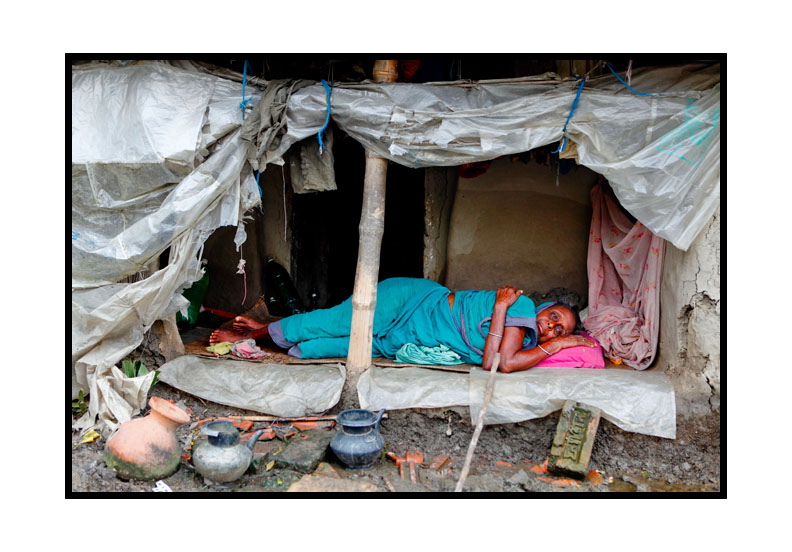
After Aila attack it has been two years Khadeza Begum sold her cattle & everything to rebuild her only shelter. Now it is another nightmare for her to stay under her destroyed house after facing another devastating flood. She has no idea how she will manage to pay back all her loans, besides passing nights in this smashed house with her husband.
Kadeza Begum said:
“We have nothing left, but we have to survive, so we’ve had to build our house again, twice in two year”.
Like Kadiza Begum It takes one year to Nobab Ali for building his house after Aila attack. Again flood hits on his all effort & left him in the flooded street. After all these devastation still he is trying to get some materials from the ruined house for covering his head in the road.
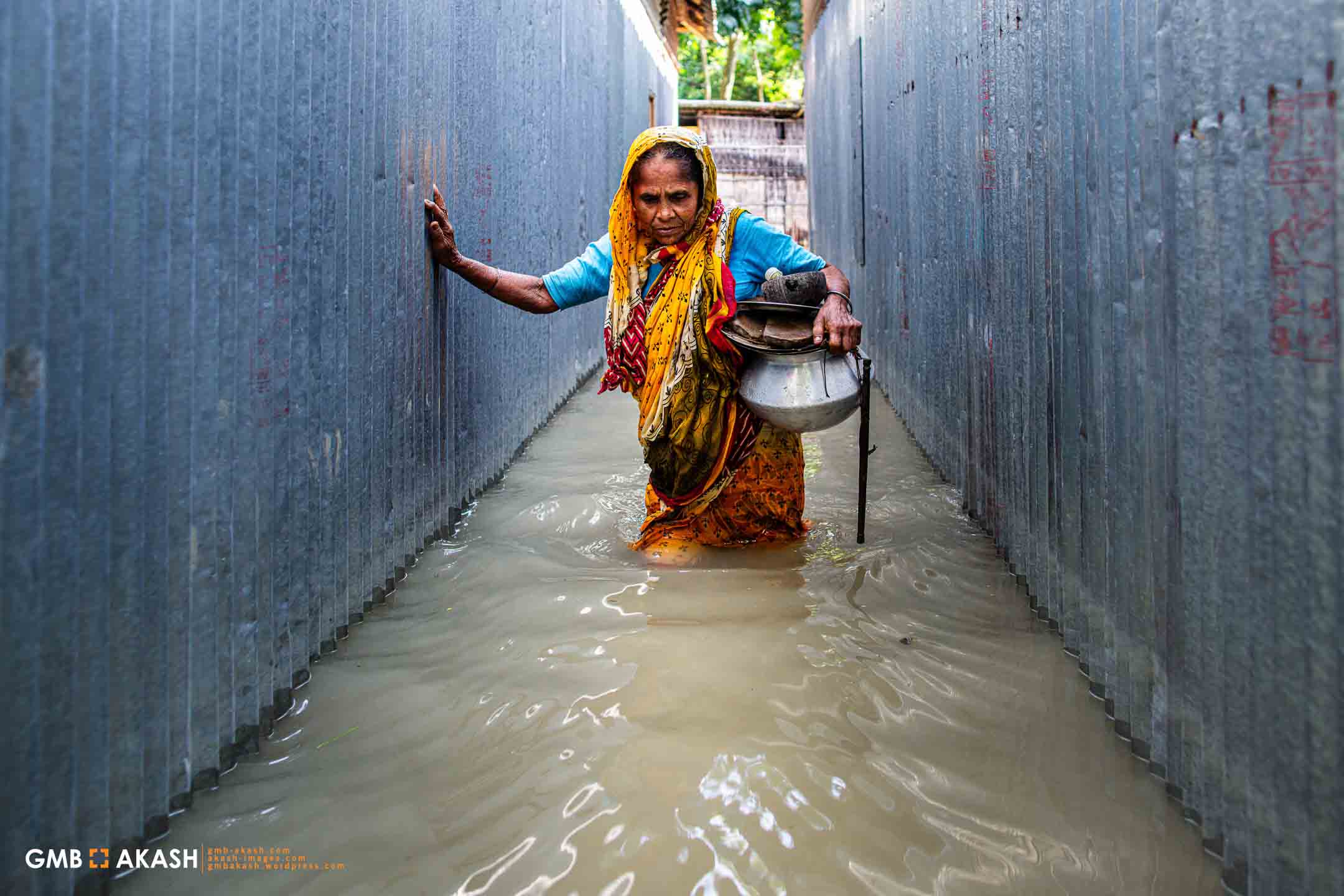
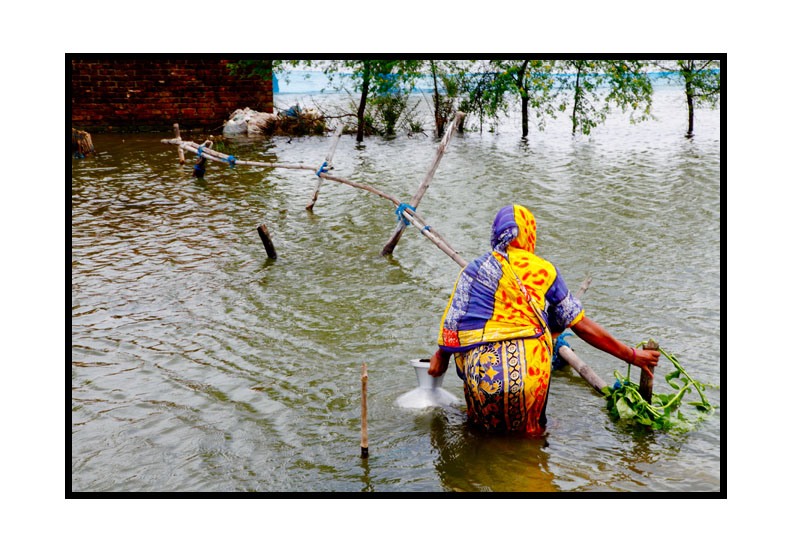
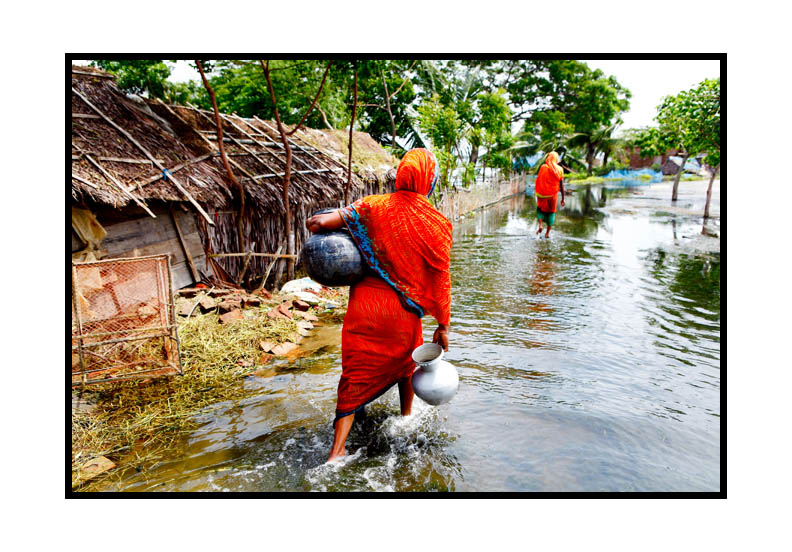
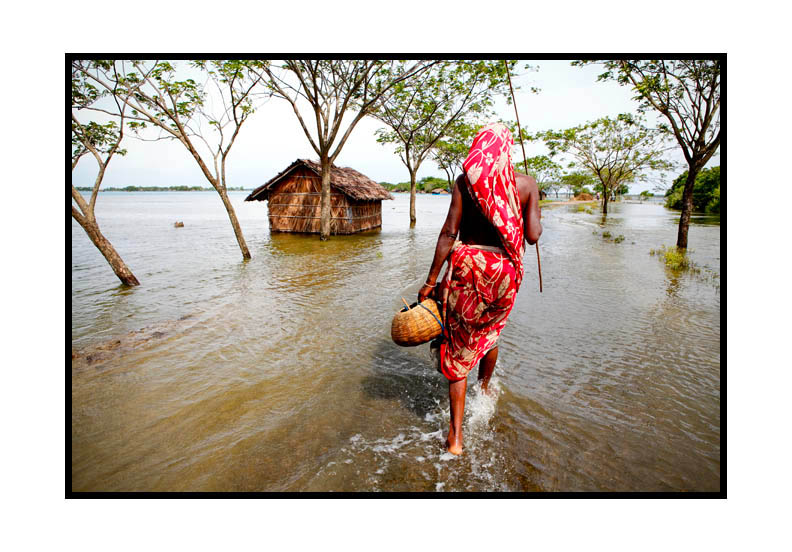
Alike them all inhabitants of Shamnagar are suffering like prisoner of devastating water kingdom. Helplessness & shouts are not getting into ears of rest of the people around the world & surroundings. In all places water & the destruction of water could experience in flood affected areas of Shatkhira. Inhabitants are collecting water after walking 3 Km. as all tube well are under water & badly affected by salt.
Amina begum told:
“Here water in everywhere, even in my house there is no sign of house only water. But we are such cursed that we have no water for drinking”
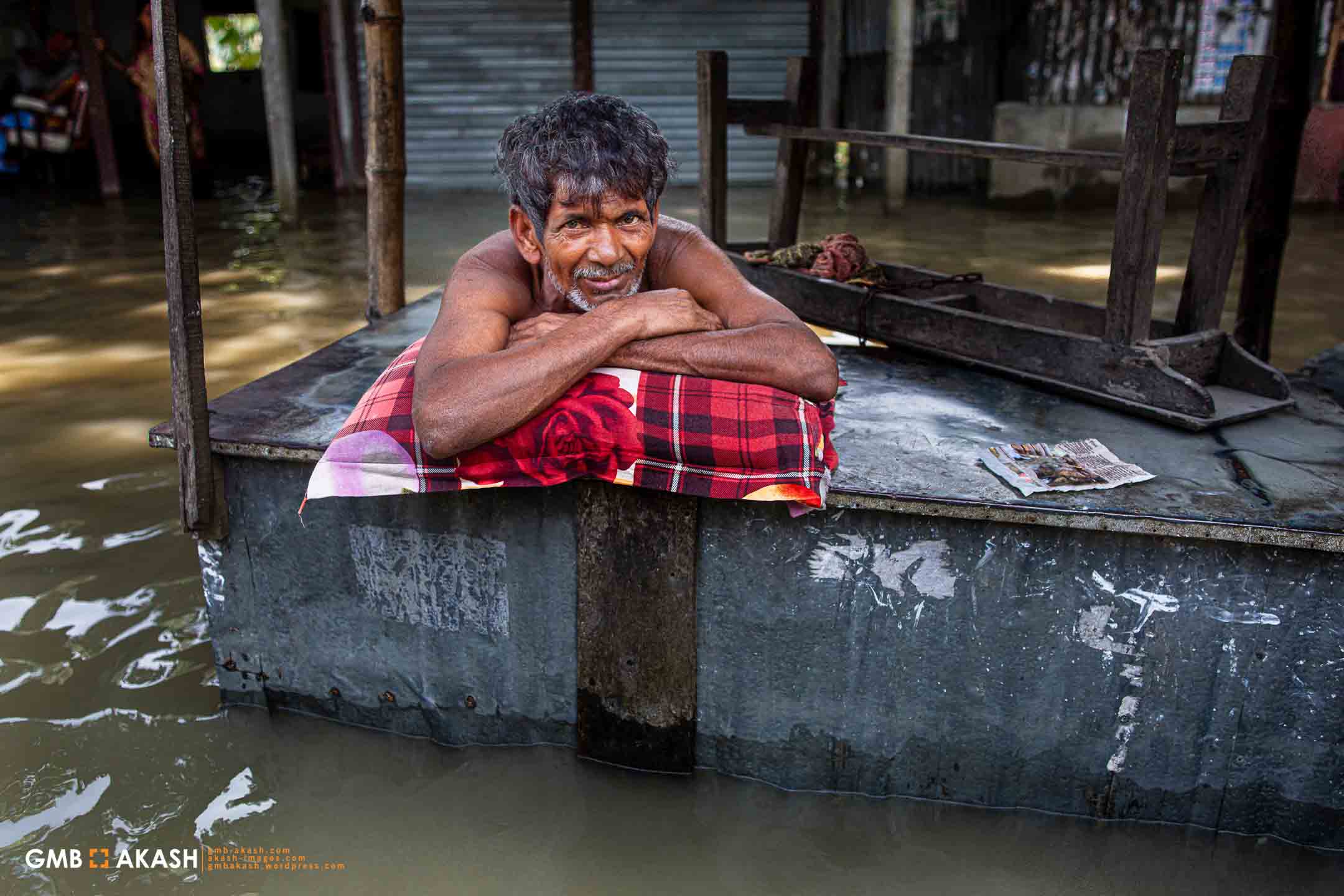
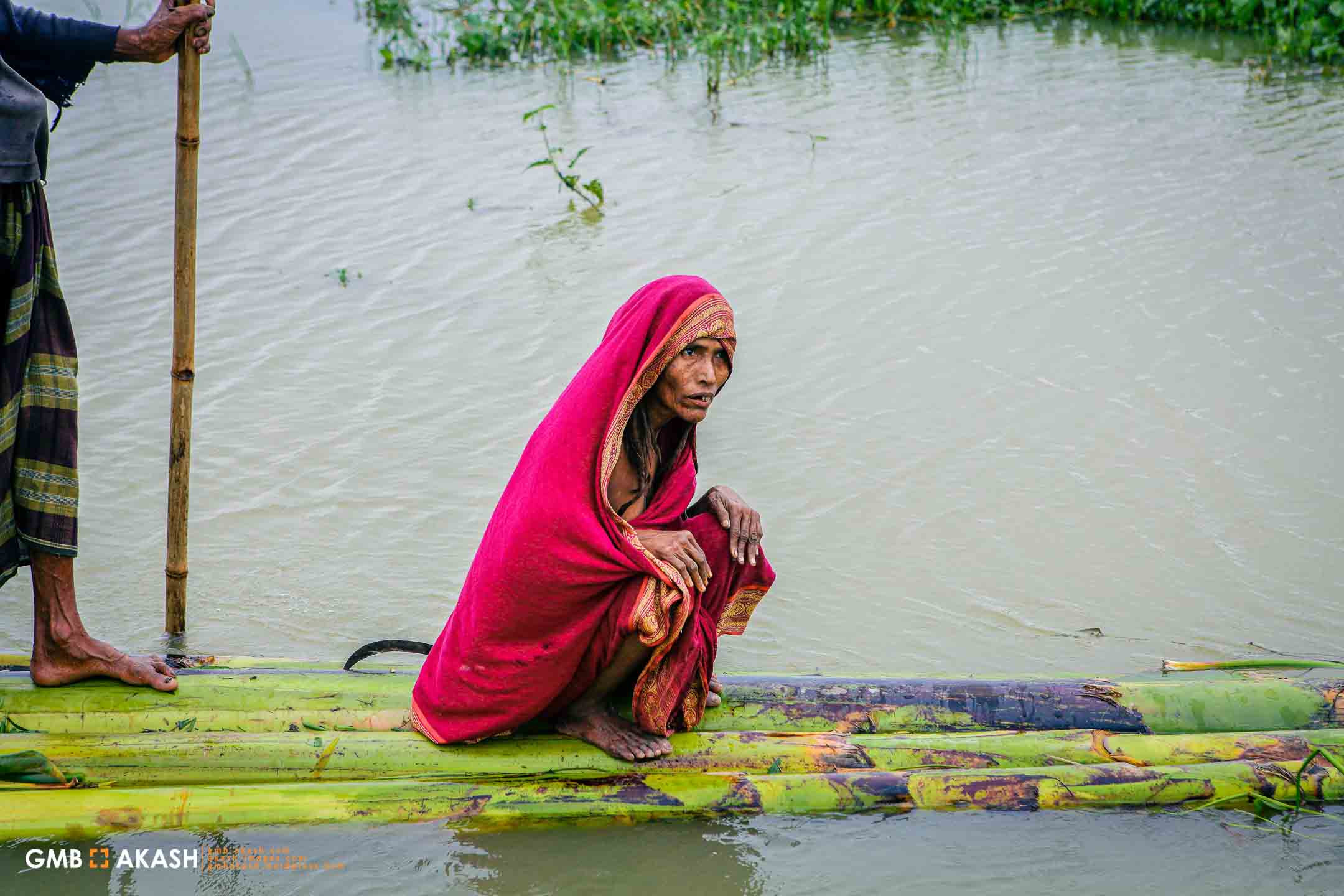
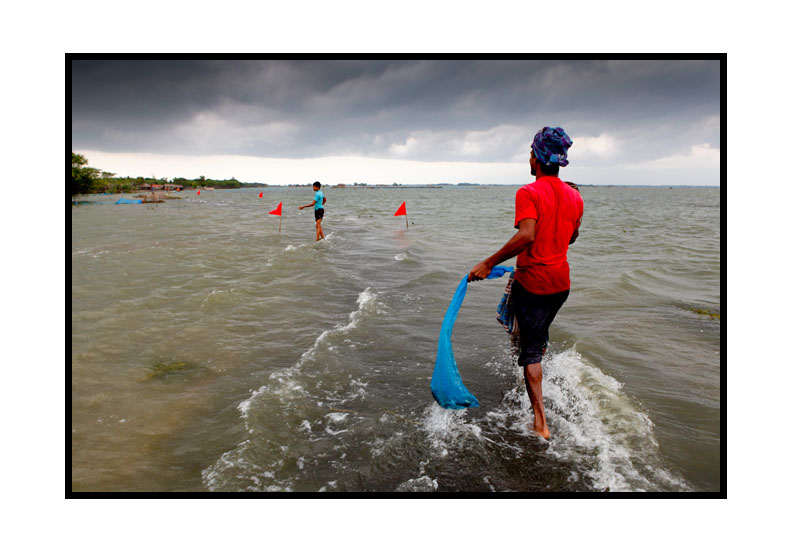
After facing devastating flood every year, they are fighting to live apart loosing shelter for existing. Still they are fighting to live. They are collecting all destroyed pieces of house to shed their head. Women go for fishing. They are healing pain of each other set aside from the remaining world.
I headed to the flood affected area of Shatkhira when all those villages are under water within three days & was out of communication. Evidentially when I reached to Shamnagar sun was setting down. I was surviving in a boat & could not see surface to stand a while. With the drowning sun the village was drowning under water. People were sheltered above in roofs of their houses. Moaning of old people & shouts of children were making the atmosphere miserable.
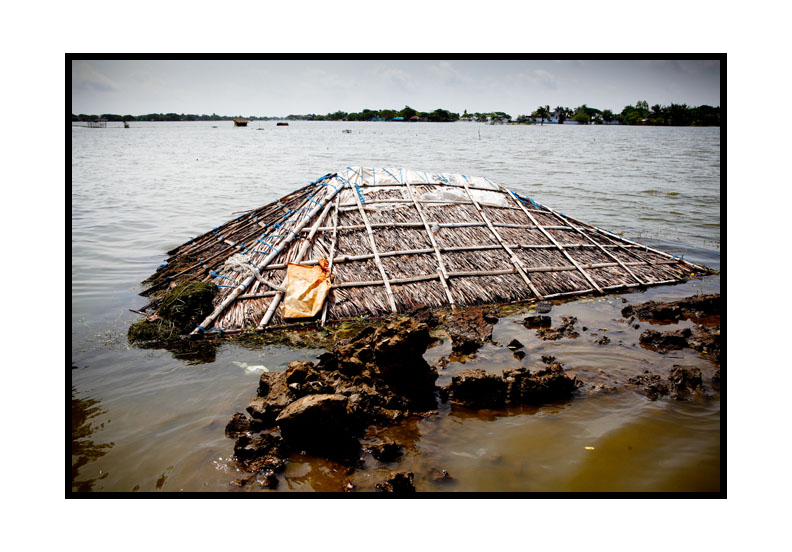
The southern part of the country is mostly affected by rain-fed disaster. There was heavy rain all over Bangladesh but flood has affected 14 of the 64 districts in Bangladesh. In Satkhira Kobodak, Betna, Shalta and Morichhap rivers swelled abnormally over the last seven days overflowing their banks inundating 160 villages in dozens of unions in Tala, Kalarowa, Ashashuni and Sadar upazilas. Over four lakh people of 160 villages were marooned. Crops on several thousand acres land; thousands of dwelling houses, schools, mosques, markets and ponds were inundated. Over 2,000 shrimp enclosures were washed away. Families lost everything & staying night without roofs in wild weather. Incessant rain coupled with high tide triggered by depression in Bay in the last few days caused river water rising engulfing villages on their banks. No humanitarian support has been provided to the people in the most affected districts by the government, local, national and international NGOs even after 10days of water blockage. People are suffering like prisoner of devastating water kingdom. There helplessness & shouts are not getting into ear of rest of the people around the world & surroundings.
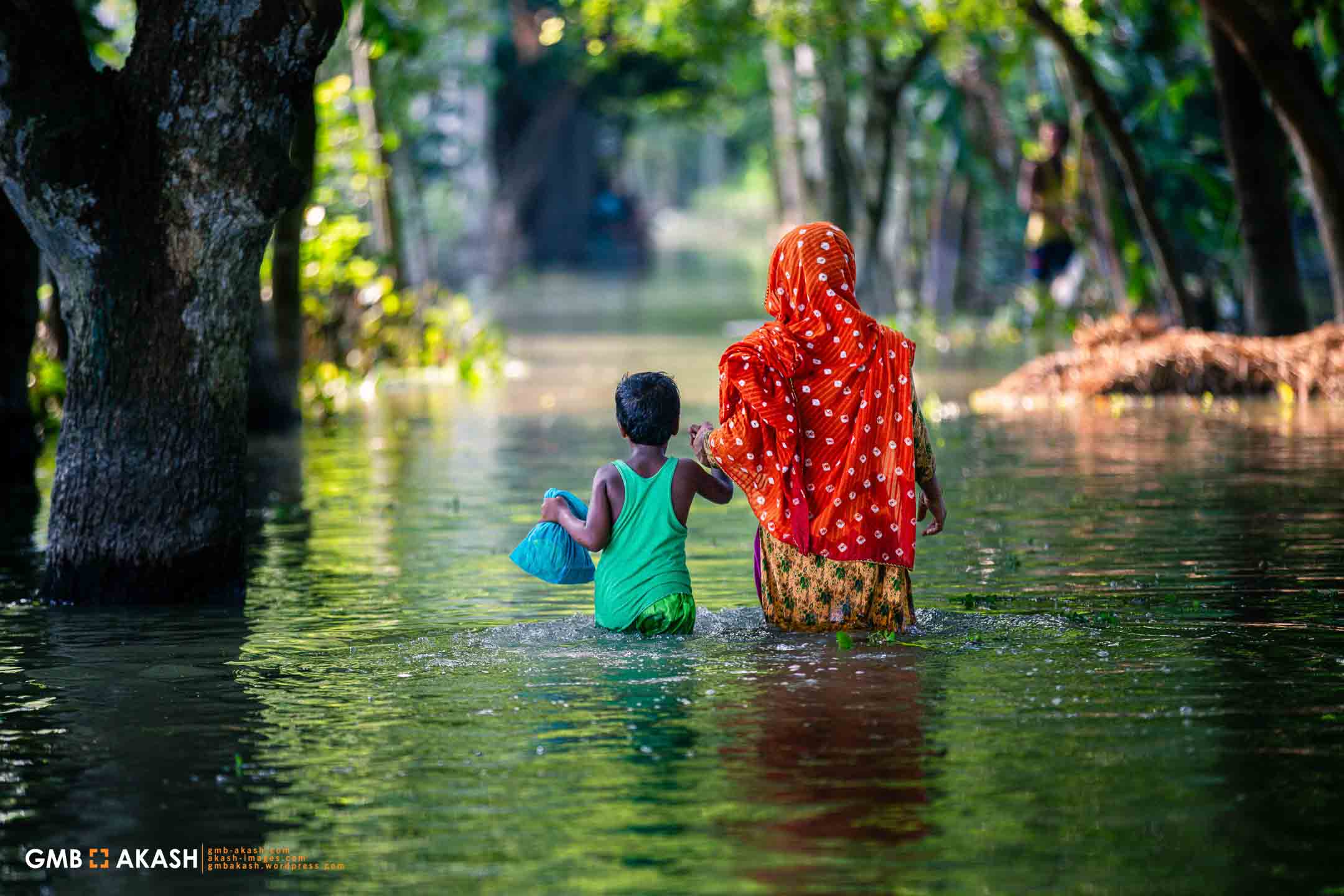
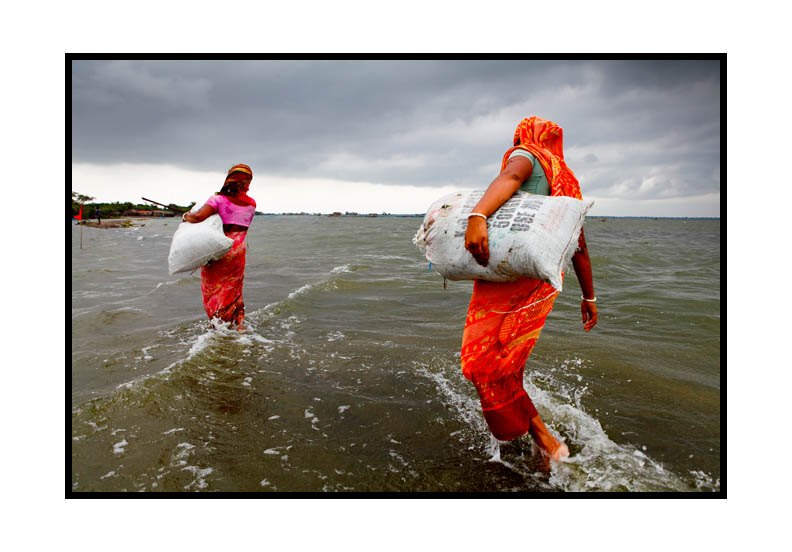
After the flood in Shatkhira, all ladies are moving for dry places by carrying their belongings. Families lost everything, passing nights without roofs in wild weather. In such a situation open air in field of water can not accommodate them for healing pains. Leaving behind everything they are moving to the city. . Hunger, helplessness & calamity force these climate refugees to the city. City welcomes them to face the uncertainty of living for their entire life time. Rootless people suffer here & there. Their tears evaporated by thirsty street of Dhaka, the capital of Bangladesh.
Bangladesh is the most vulnerable country in the world, the frontline state of climate change. Mostly to say Bangladesh seems the leader of climate change. With 140 million people, Bangladesh is one of the world’s densest nations and also one of the most vulnerable to the impacts of climate change. Like much of the delta region, it floods each every year, but the flooding has been getting worse, the waters are staying longer, and contaminating the fields and the wells with salt. People in Bangladesh live precariously close to the risks of cyclones, floods and droughts and more than 100 million people live in rural areas. Two-thirds of the country is less than 5 meters above sea level and in an average year, a quarter of the country is inundated. Bangladesh has experienced severe floods every 4 to 5 years that may cover more than 60 percent of the country, resulting in significant losses. United Nations’ Intergovernmental Panel on Climate Change predicted that rising sea levels could submerge 17 per cent of Bangladesh by 2050, creating 20 million “environmental refugees”.
Here is a short film on this concern – how people are facing the calamity by living their normal life behind:
Still images of this devastating flood could reveal people’s straggle & endless helplessness.
The lady is going inside her house. The flood has broken all her hope to pass a single night in serenity. After facing devastating flood every year, they are fighting to live apart loosing shelter for existing.
“I headed to the flood affected area of Shatkhira when all those villages were under water within three days & out of communication. Evidentially when I reached to Shamnagar sun was setting down. I was surviving in a boat & could not see surface to stand a while. With the drowning sun the village was drowning under water. People were sheltered above in roofs of their houses. Moaning of old people & shouts of children were making the atmosphere miserable. When I reached to the house of Khadeza Begum I closed my eyes. It took two years to rebuild the house of Khadeza after selling all her cattle as well taking huge loans after Aila attack in 2009. I was standing in front of her ruined house. The house which has been rebuilt these two years by the bravery of Khadeza. I could not answer when she was hitting me by asking why I come to take photo of her ruined house again after Aila. No one come to ask them ever how they are fighting against the will of nature. She cursed all those happy people who seat silent after hearing their news”
In 2009 Aila attacked Shatkhira area, after two years when that pain has not forgotten this place again faced the ferocious attack of flood. While in these two years affected people managed to build their destroyed home but again flood has taken last hope from them. Over four lakh people of 160 villages were marooned after the striking of flood in this 2011. Crops on several thousand acres land; thousands of dwelling houses, schools, mosques, markets and ponds were inundated. Shrimps in over 2,000 shrimp enclosures were washed away. Families lost everything & staying night without roofs in wild weather. No humanitarian support has been provided to the people in the most affected districts within the affected time of 13 days.
People were suffering like prisoner of devastating water kingdom.Helplessness & shouts are not getting into ears of rest of the people around the world & surroundings. Still they were fighting to live. They were collecting all destroyed pieces of house to shed their head. Women went to water for fishing. They were healing pain of each other set aside from the remaining world.
Hunger, helplessness & calamity force them to the city. City welcomes them to face the uncertainty of living for their entire life time. Rootless people suffer here & there. Their tears evaporated by thirsty street of Dhaka.
After discovering the insanity of nature & bravery of these sufferers I realize these people are stronger to rule their own live. If these brave people could get support of a shoulder to cry, rest of us could claim us as “Human”. I recall the statement from Helen Keller & focus my lens to capture some brave moment.
“I am only one, but still I am one. I cannot do everything, but still I can do something, and because I cannot do everything I will not refuse to do the something that I can do”- Helen Keller
Homeless people float near in the street of the city. By few road sides families are allowed to build their homes. Still climate refugees can not gather enough wasted digital prints, papers & bamboo for making plastic houses. Those who can not manage helplessly sleeps in open air by not letting the place empty. Everyday they collect papers for dwelling beside street.
“Survivors” depicts the invincibility of the human spirit to survive against all odds. People who live on the edges of society have had a big impact on me and have been a great inspiration to me as a person and in my career. The existing social hierarchies have made me realize that those who live at the lowest rank on the economic ladder are the true survivors. These people are deprived of even the basic necessities of life, yet they manage to live each day with a smile on their faces. As a photographer I feel it is my task to show the world those unseen realities and to shed light on what most of us never see with our own eyes.
I have been doing my project “Survivors” for the last 10 years. In these years I tried to bring changes in some lives. But now, I moves to work on it highly by bringing the project “Survivors” in light. & lend hands to some miserable souls. Munna is one of them. Here I am revealing life & straggle of Munna – which many of you may never seen but heard many times, which many of you may imagine but never feel. Welcome to the world of a – little soldier ‘Munna’
“Born to work – A Battle of a Survivor”, First video made by me & a documentation on ‘Munna’ from the project ‘Survivors’.
‘Integrity with innocence’ this is the concrete of Munna’s character portrayal. Five years ago I first met Munna, he was same like now. He was a seven years old shy boy who never complains to anyone. At the age of five he comes to the factory. Two years he did nothing & got no money. At the age of seven, he learns & starts working. When I took his first picture his hands remarks his experiences.
Five years have passed fates of Munna & his father brings no change in their lives. Only difference is, with his five years experience Munna is getting 1600 taka ($1=72taka) per month. Moreover 12 years old Munna is running his younger sister education with his extra income of Friday overtime. His dreams confine to get more experience of hard work & made a big factory. He dreams to give good food to his family, he dreams to take them in a better place. The boy speak too less, stand always like a shadow. Whenever I took picture of him, he tried to clean his torn cloths as well hide torn areas. These little doings, little words earn respect.
20 years ago Munna’s family had come to Dhaka for better living. Time never brings any happiness in their lives. By a little donation Munna’s father bought shoe sewing materials & now he is working as cobbler. They pray that rainy season may never come. As people does not come to do shoe polish in rain time. Munna & his family are surviving in the race of life.
Like Munna around 7 million children are straggling in our country. May be it is difficult but not impossible to give hope to these 7 million children. If only every capable person lend their hands for one family.
My project “Survivors” aims to help Munna & his family. This project designed to help ten families from ten backgrounds. By little collection – a fund will hand over to Munna & his father. Munna’s father will utilize it for lifting their fates. 25% of the selling price of my book “Survivors” will give to these kinds of 10 selected families. You all are invited to stand beside Munna. Won’t you lend your hands? If your heart is moved to do so please visit “Survivors” by Gmb Akash at : http://emphas.is
“Our little help, little words, little recommendations could bring light in some dark places of this earth. ” Gmb Akash







































































 GMB AKASH

