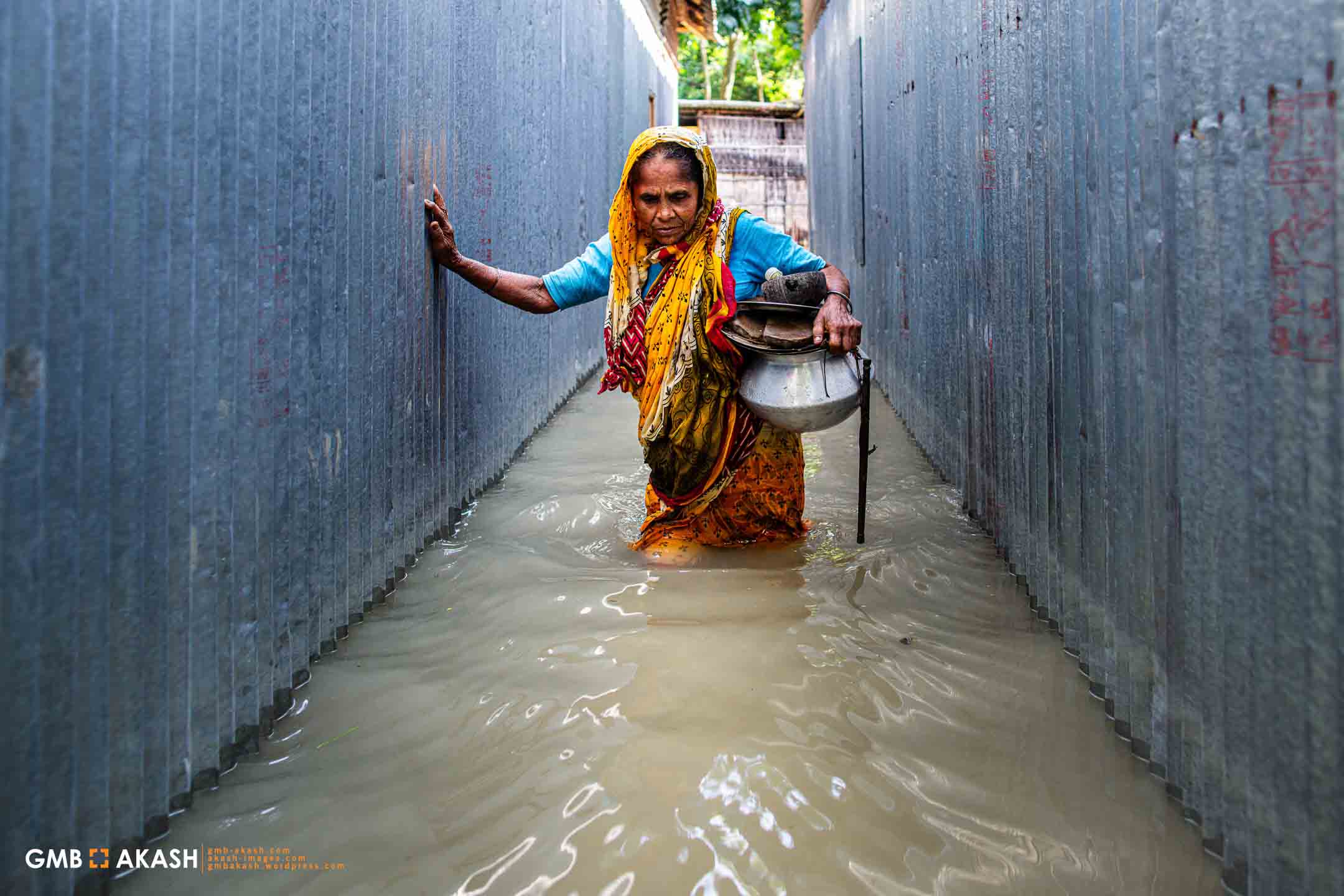
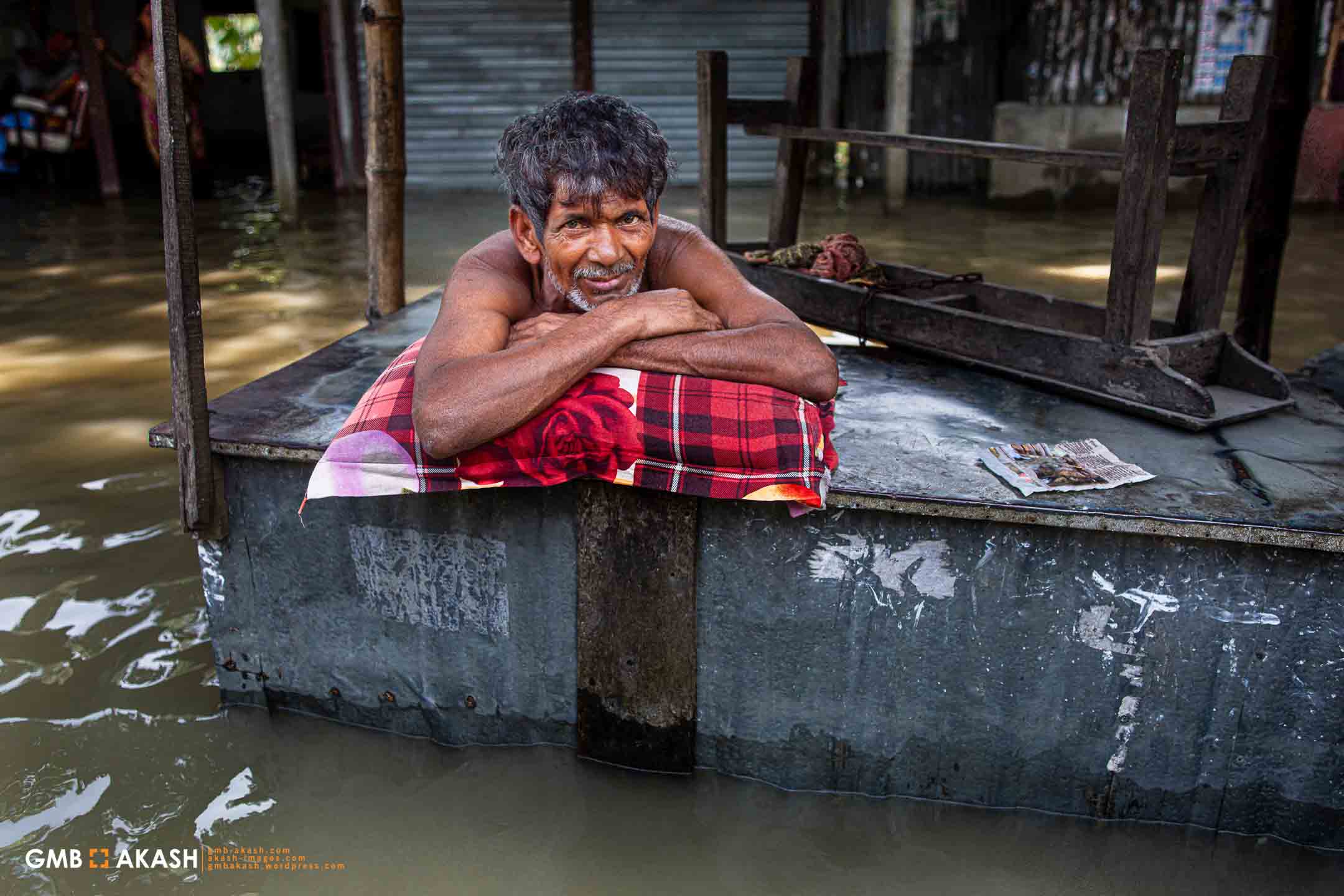
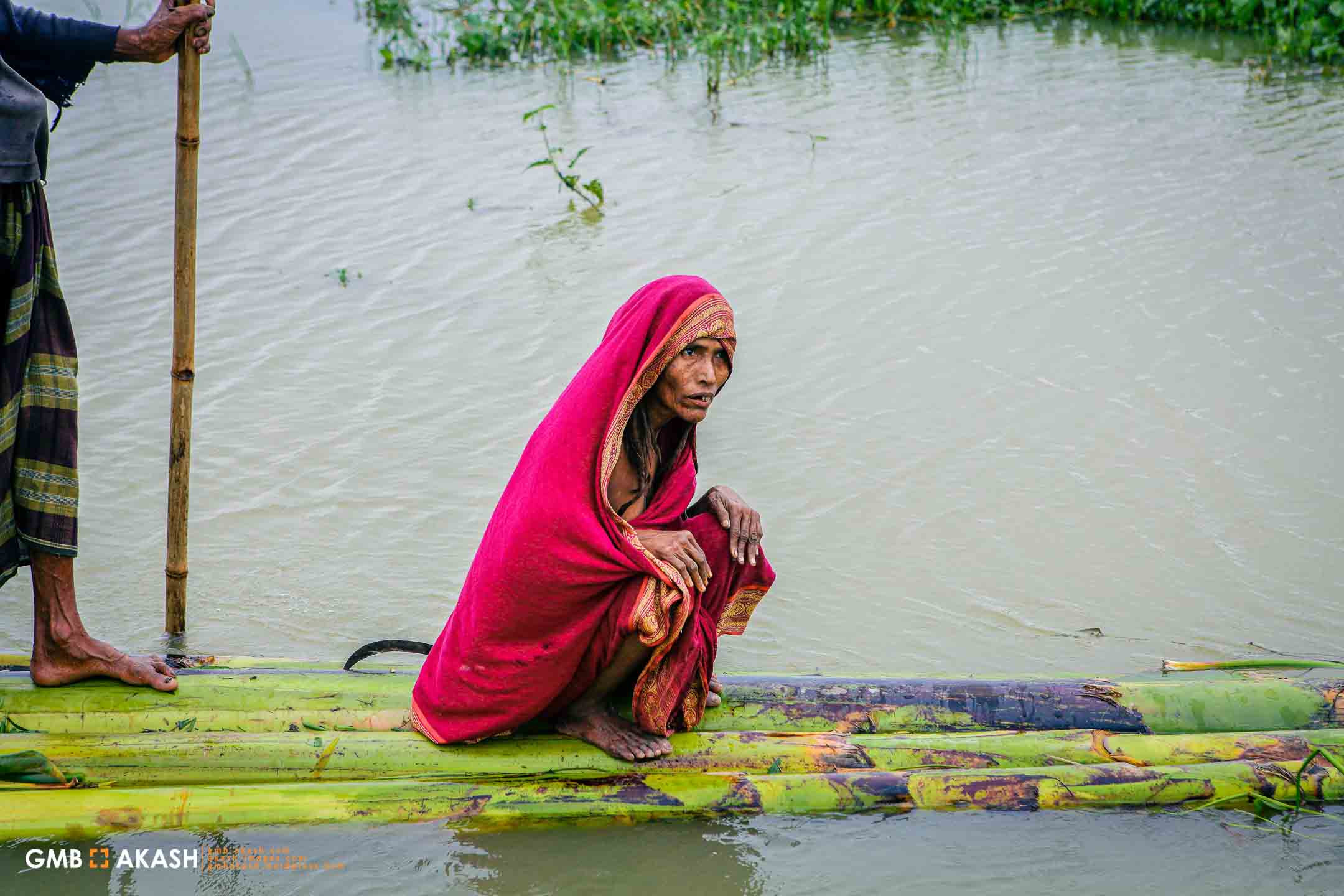
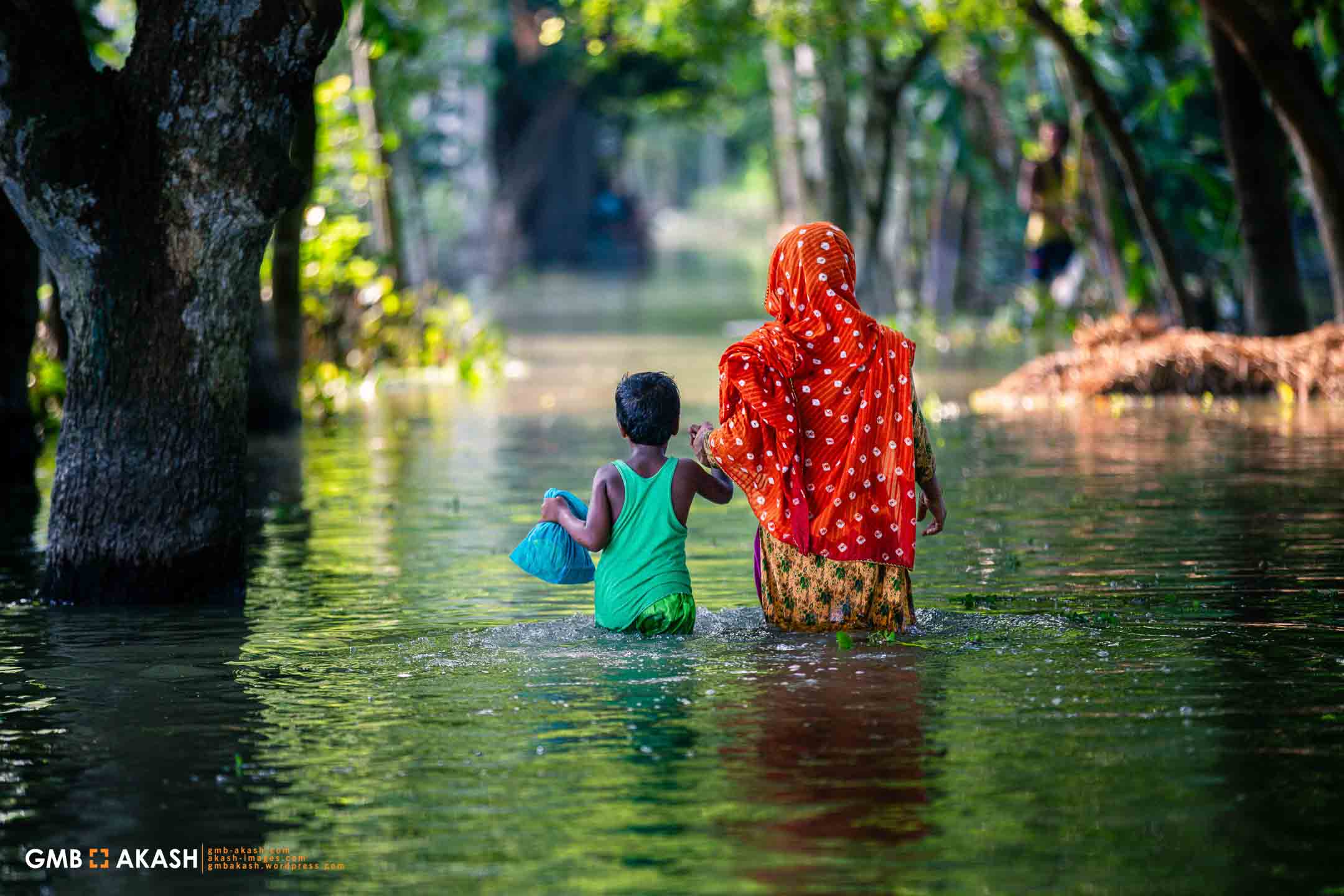
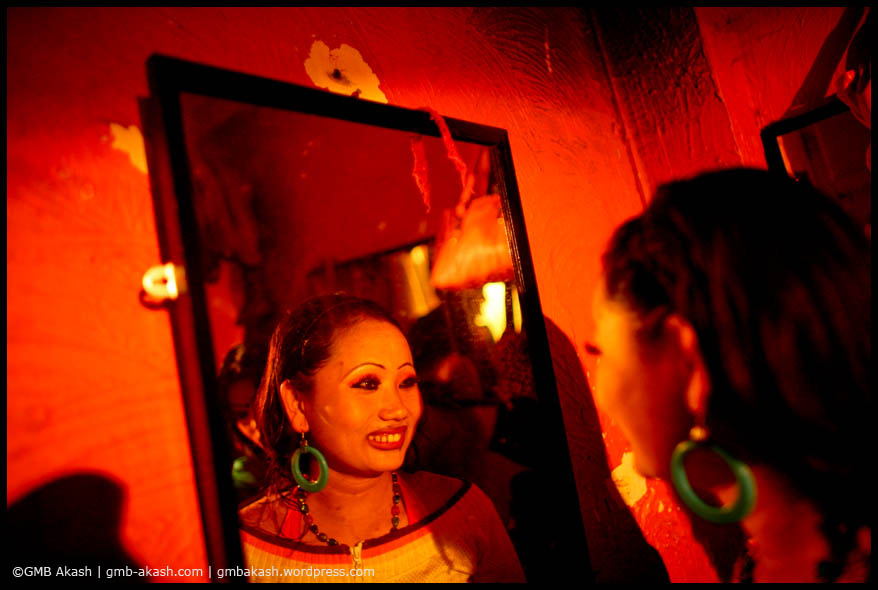
In the Shadows of Rising Waters!

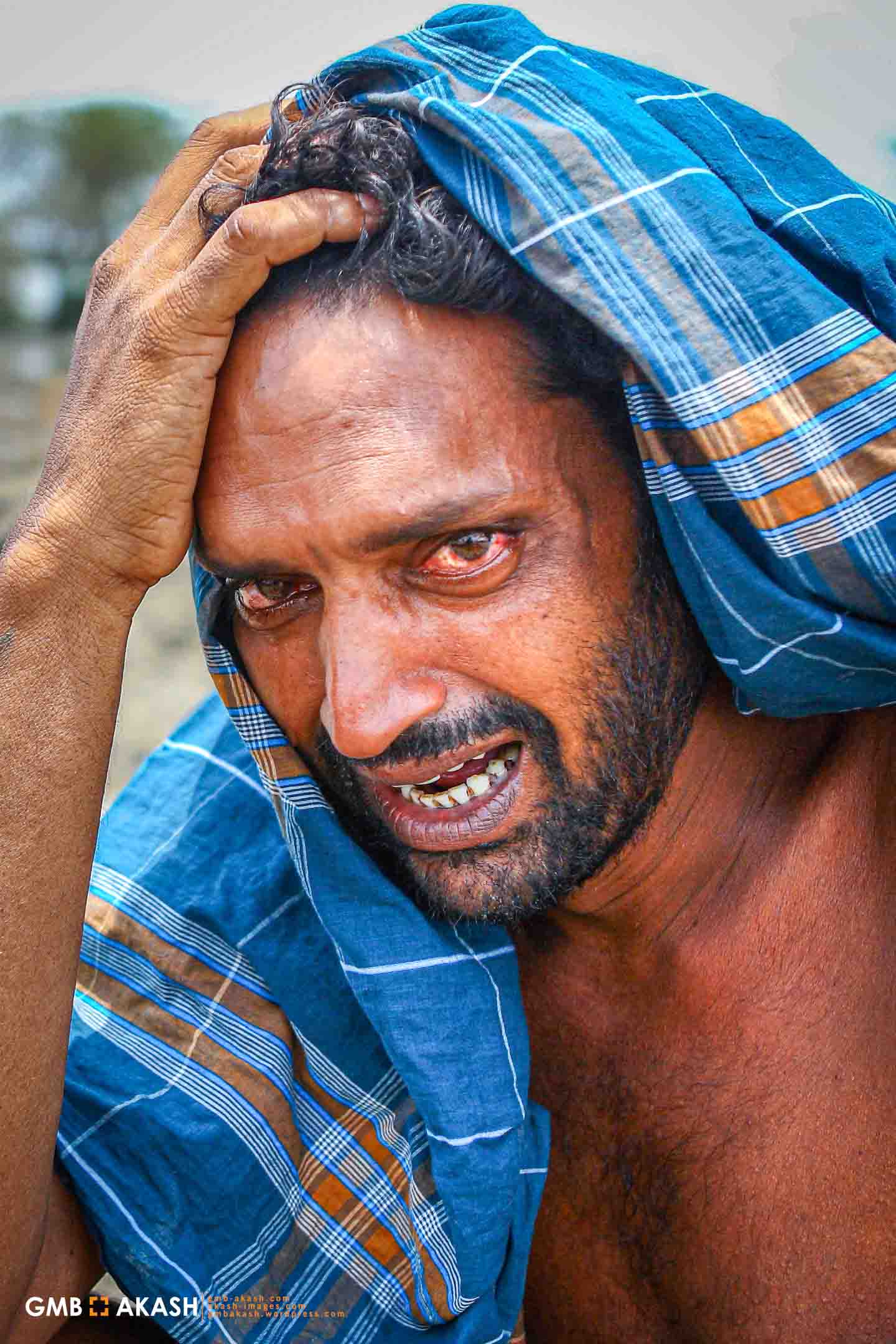
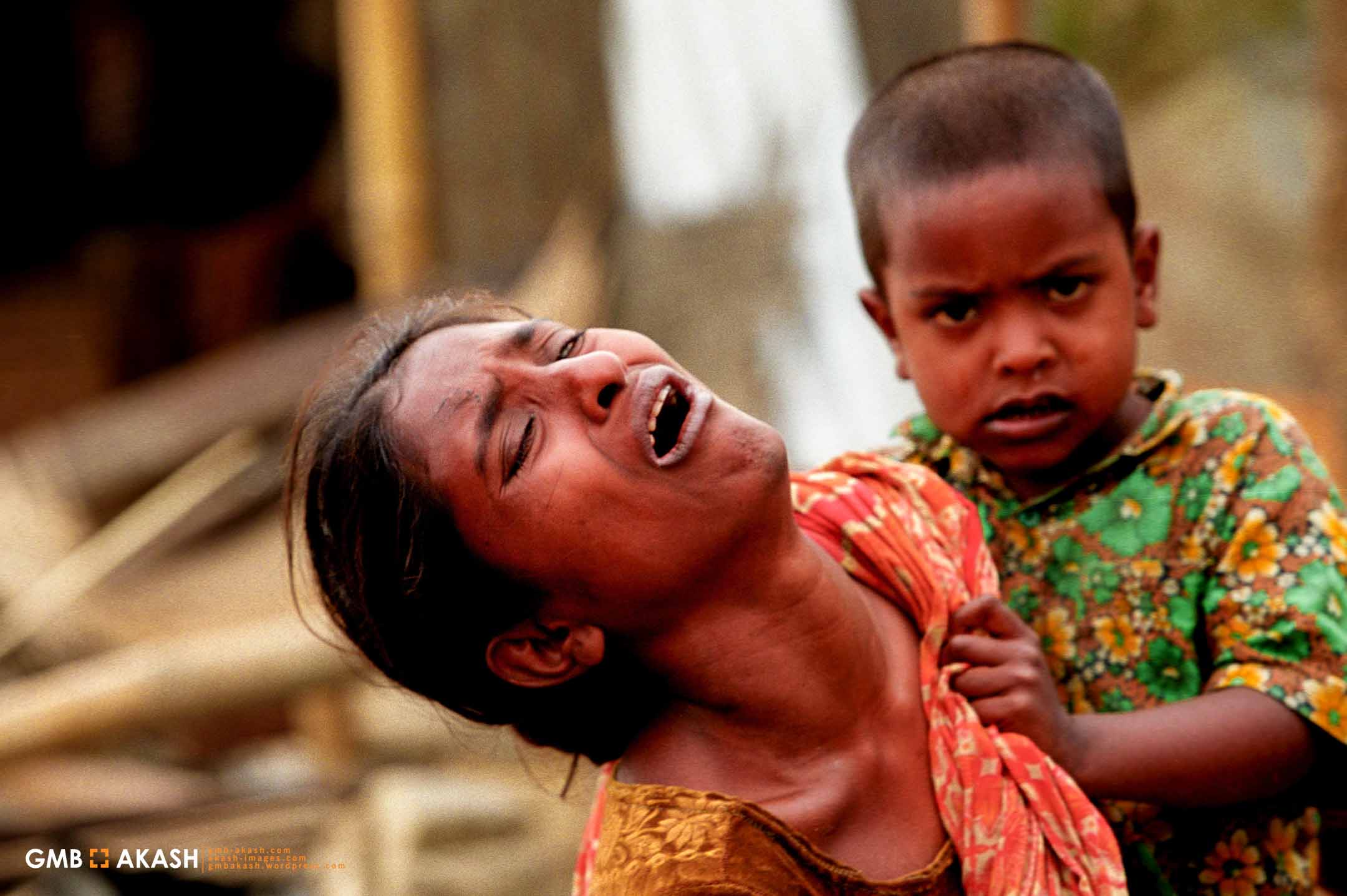
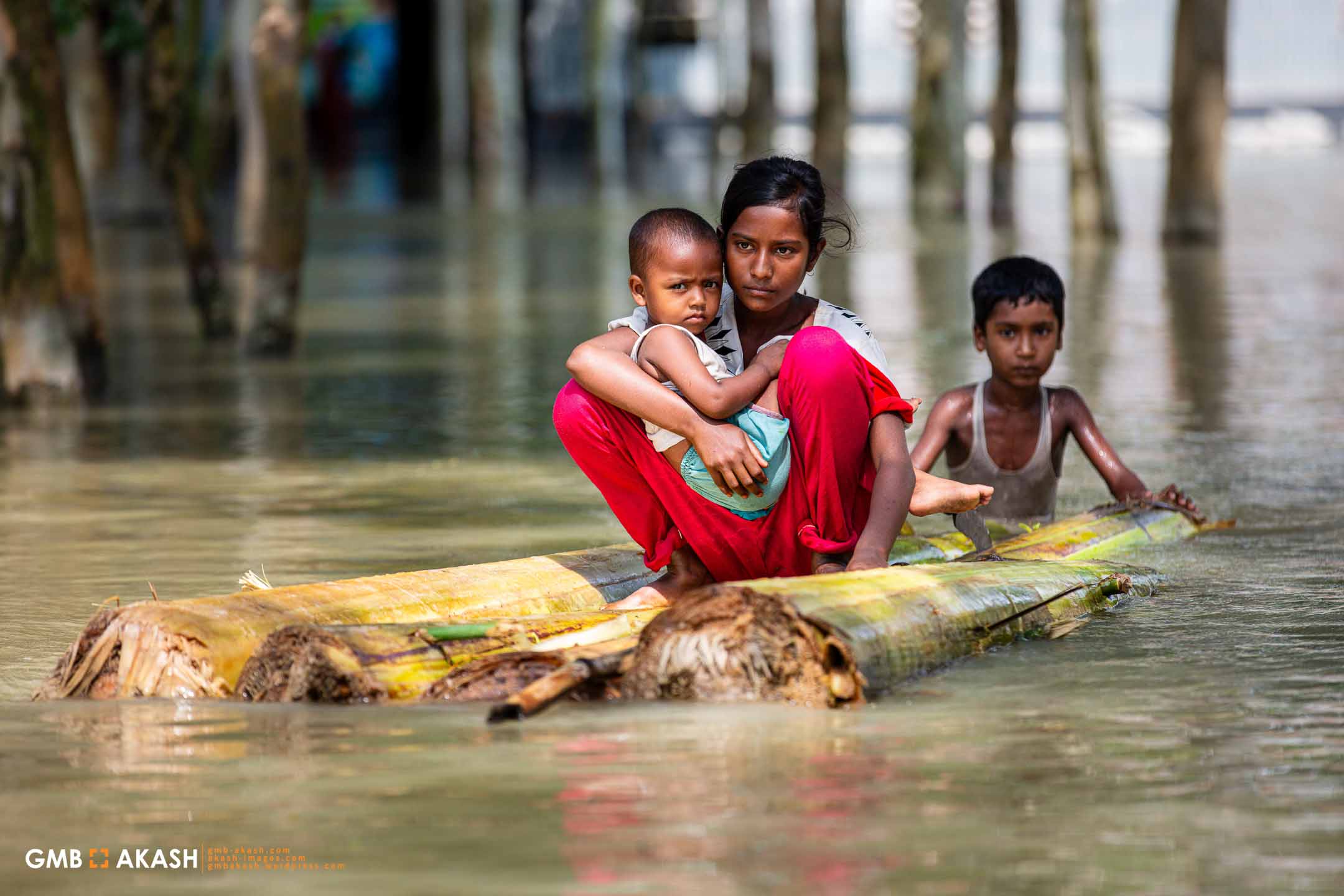
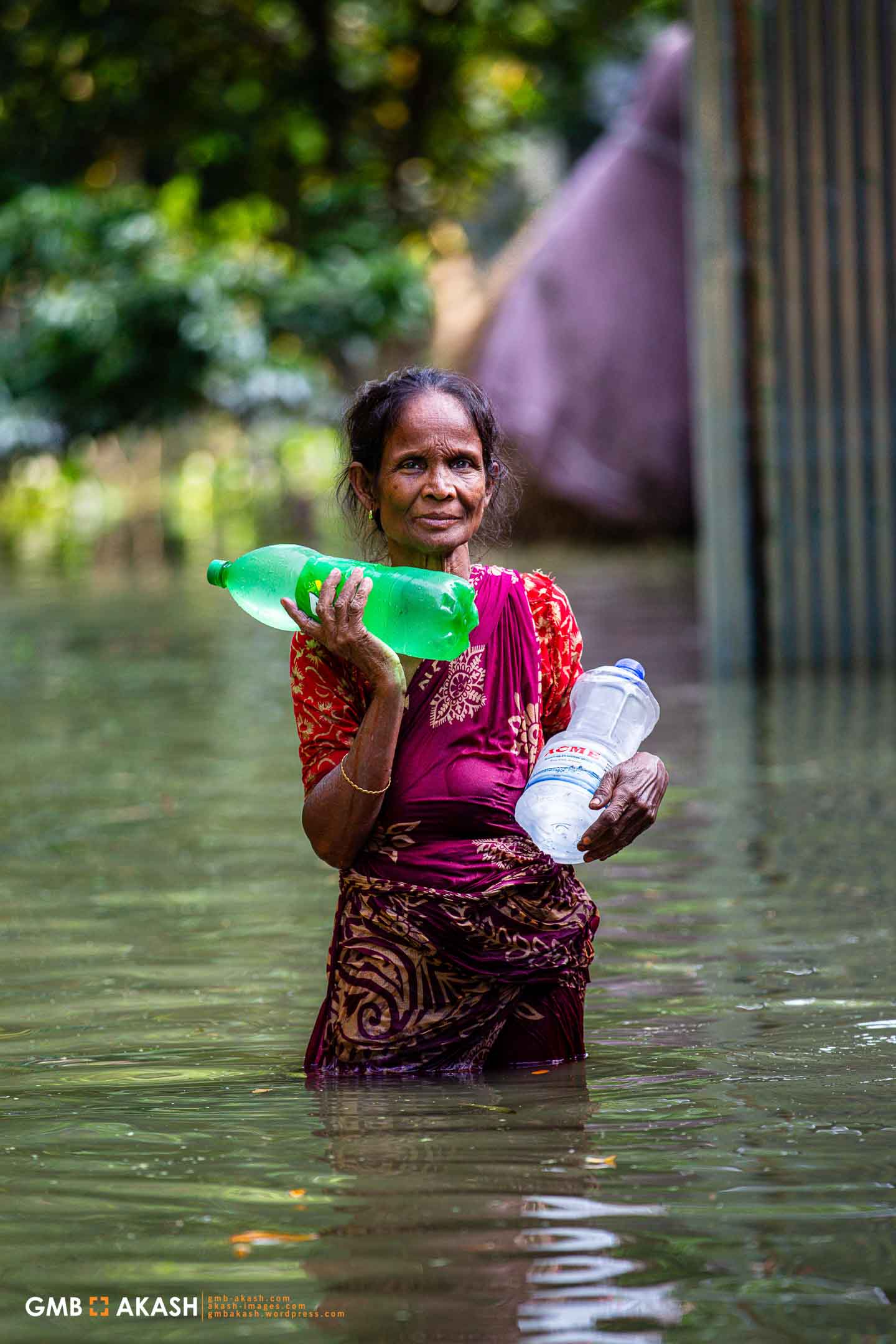
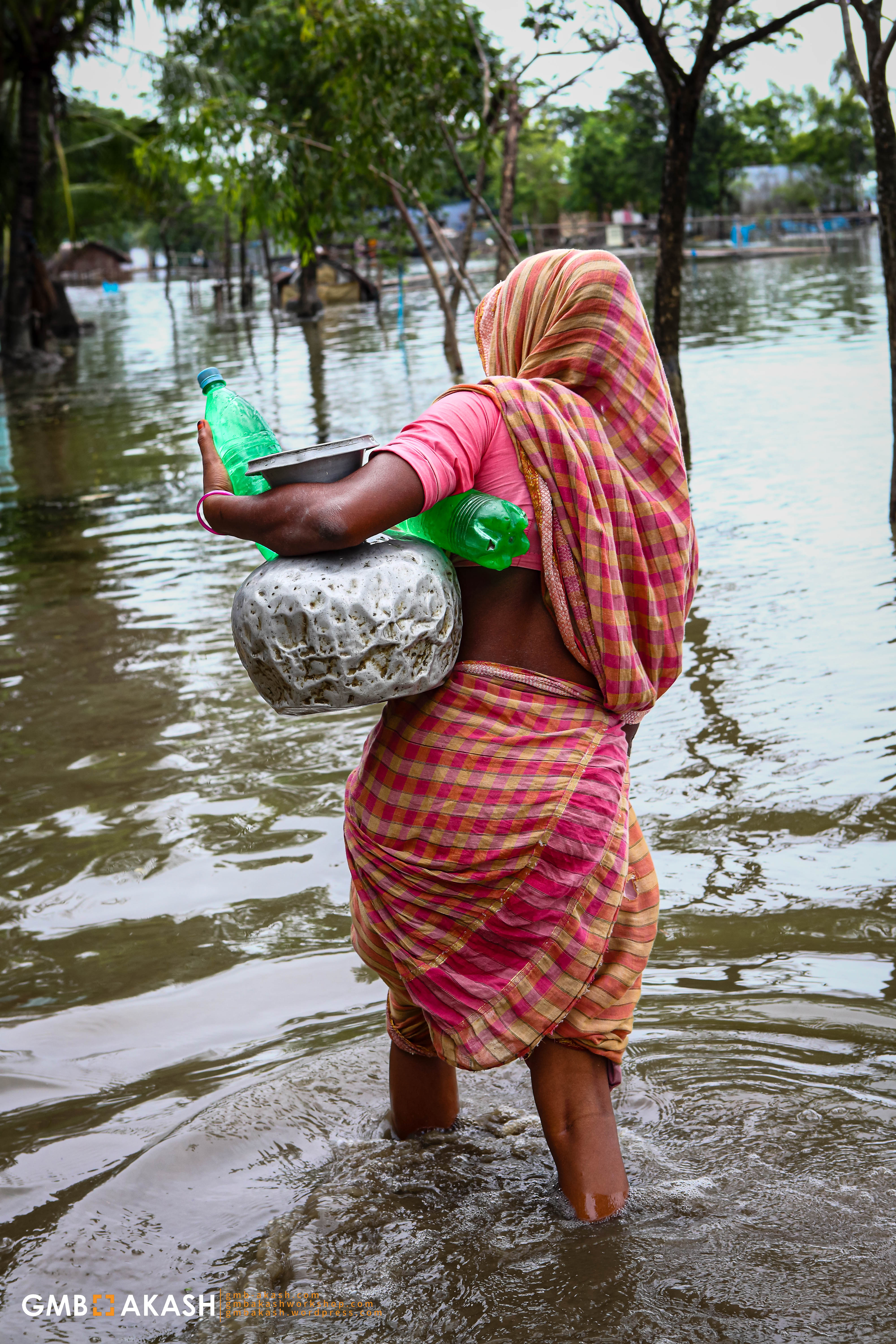
Every year, Bangladesh faces devastating floods that claim lives and leave millions homeless. In 2024 alone, over 5.8 million people were affected, 71 lives were lost, and damages soared to $1.2 billion.

Annually, disasters like floods, droughts, and storms inflict nearly $3 billion in losses, affecting over 6.3 million people.

These figures, while staggering, only hint at the personal tragedies—homes submerged, livelihoods destroyed, dreams washed away.

For over two decades, I have been documenting these stories through my lens, aiming to illuminate the resilience and dignity of those who face nature’s wrath with unwavering spirit.

Photographing the human cost of climate change is not just about images; it’s about empathy, understanding, and a call to action.

— GMB Akash

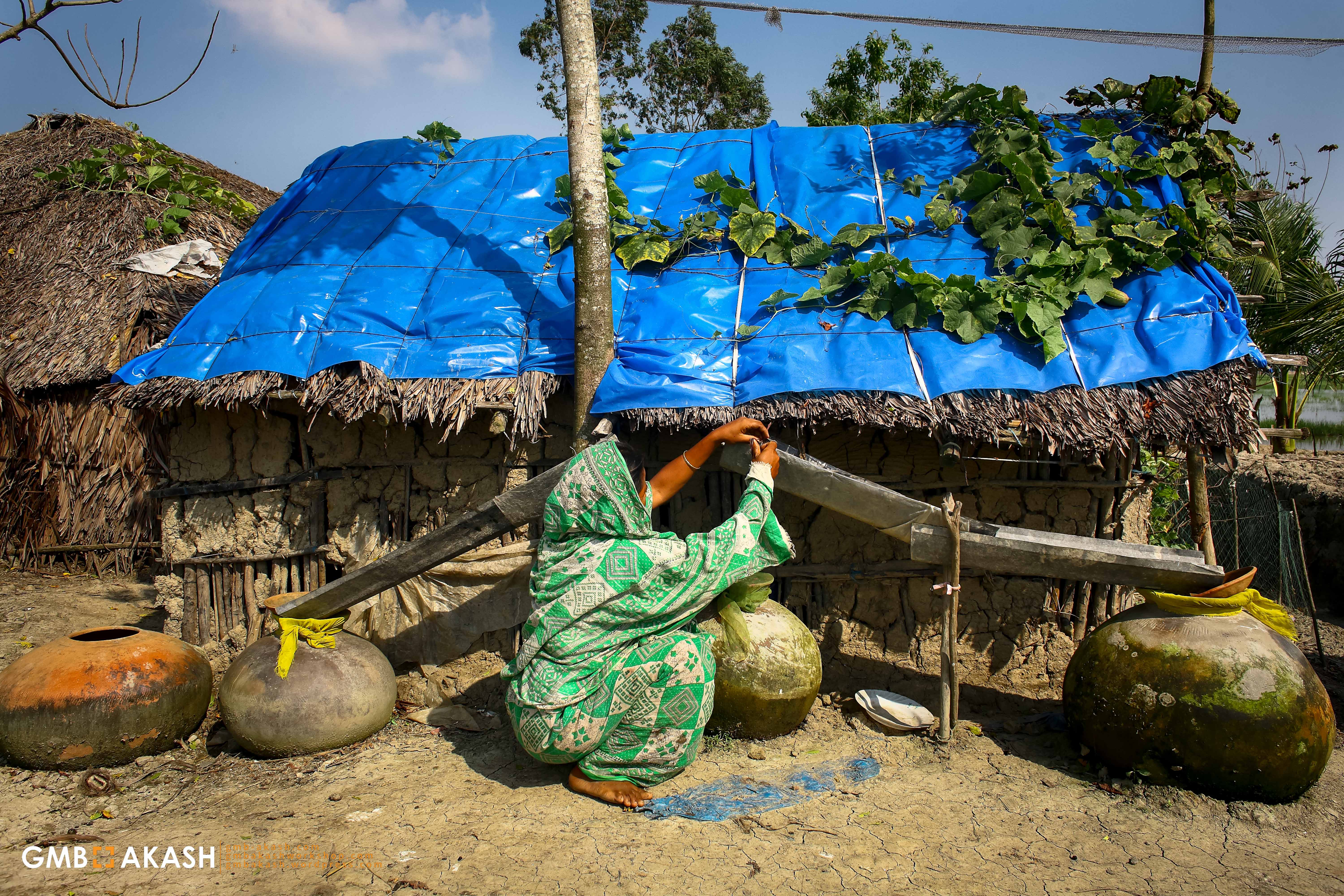
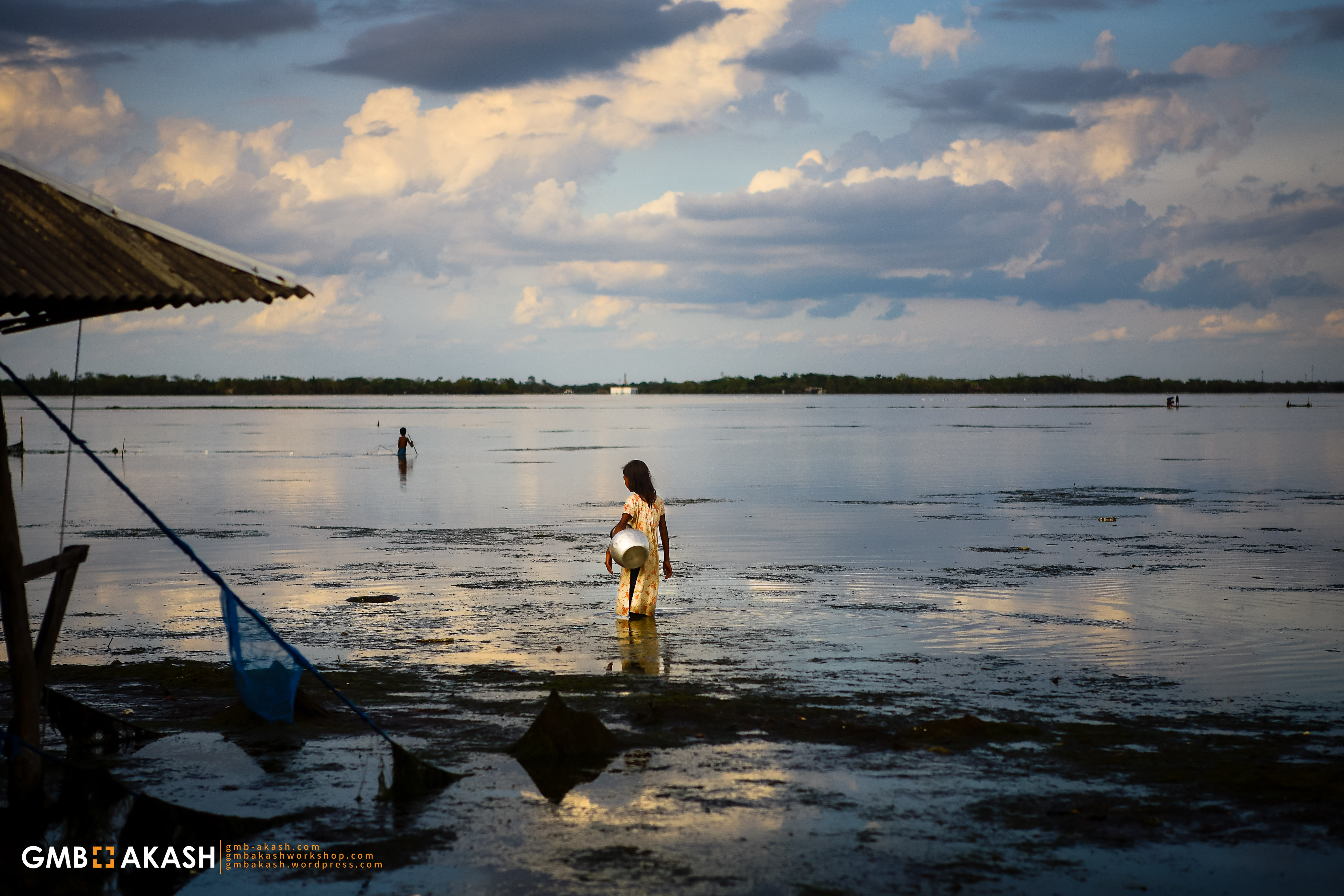
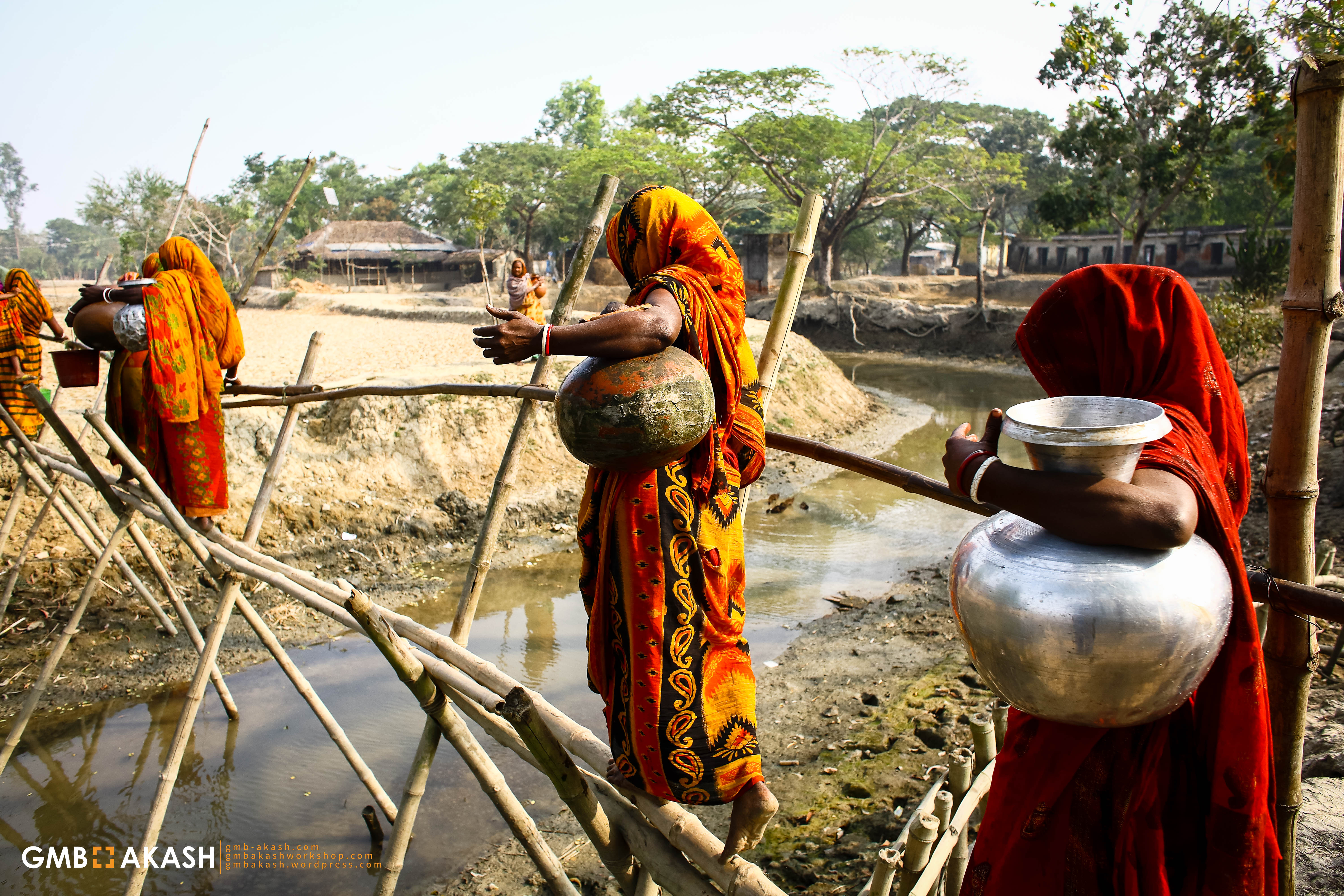
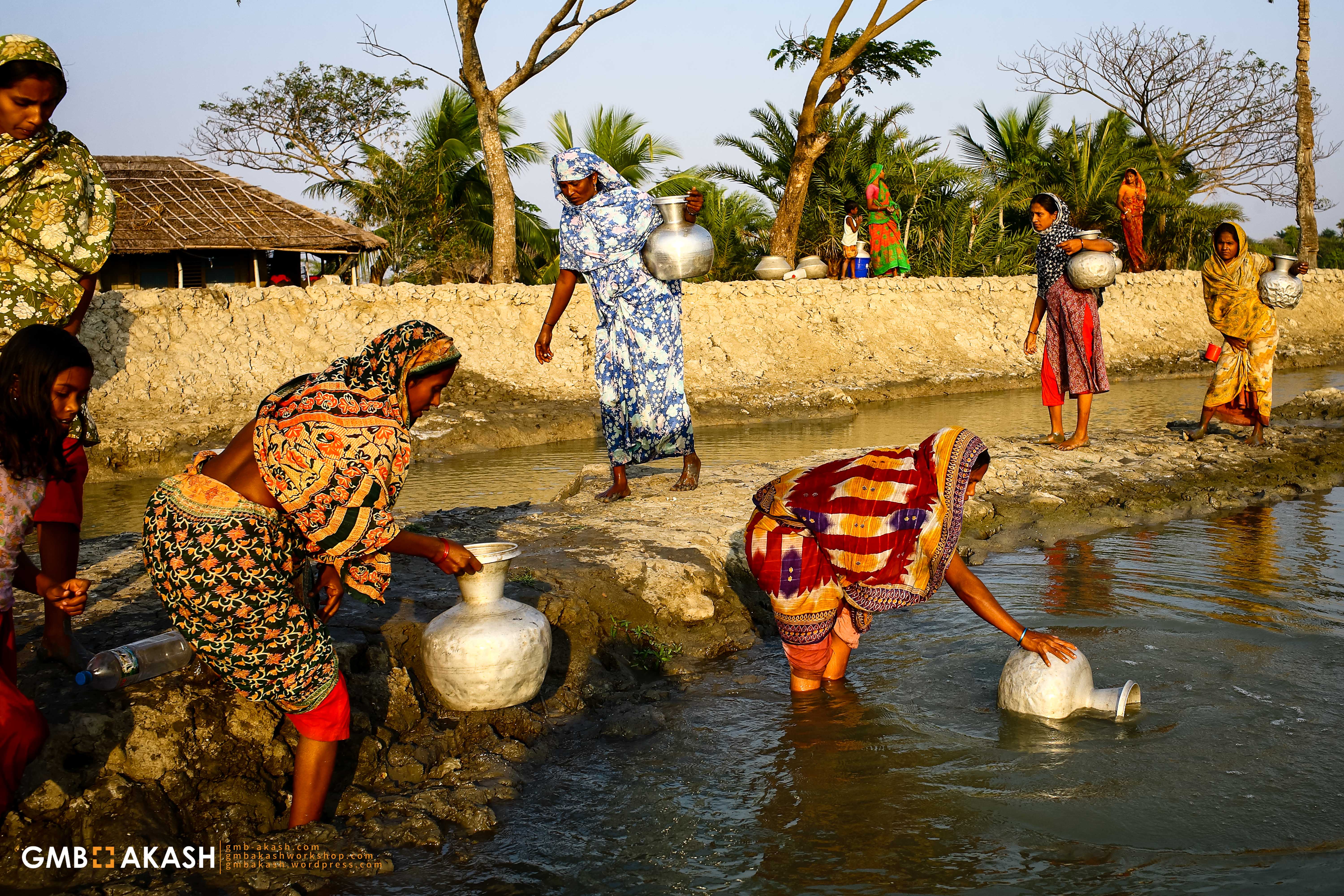
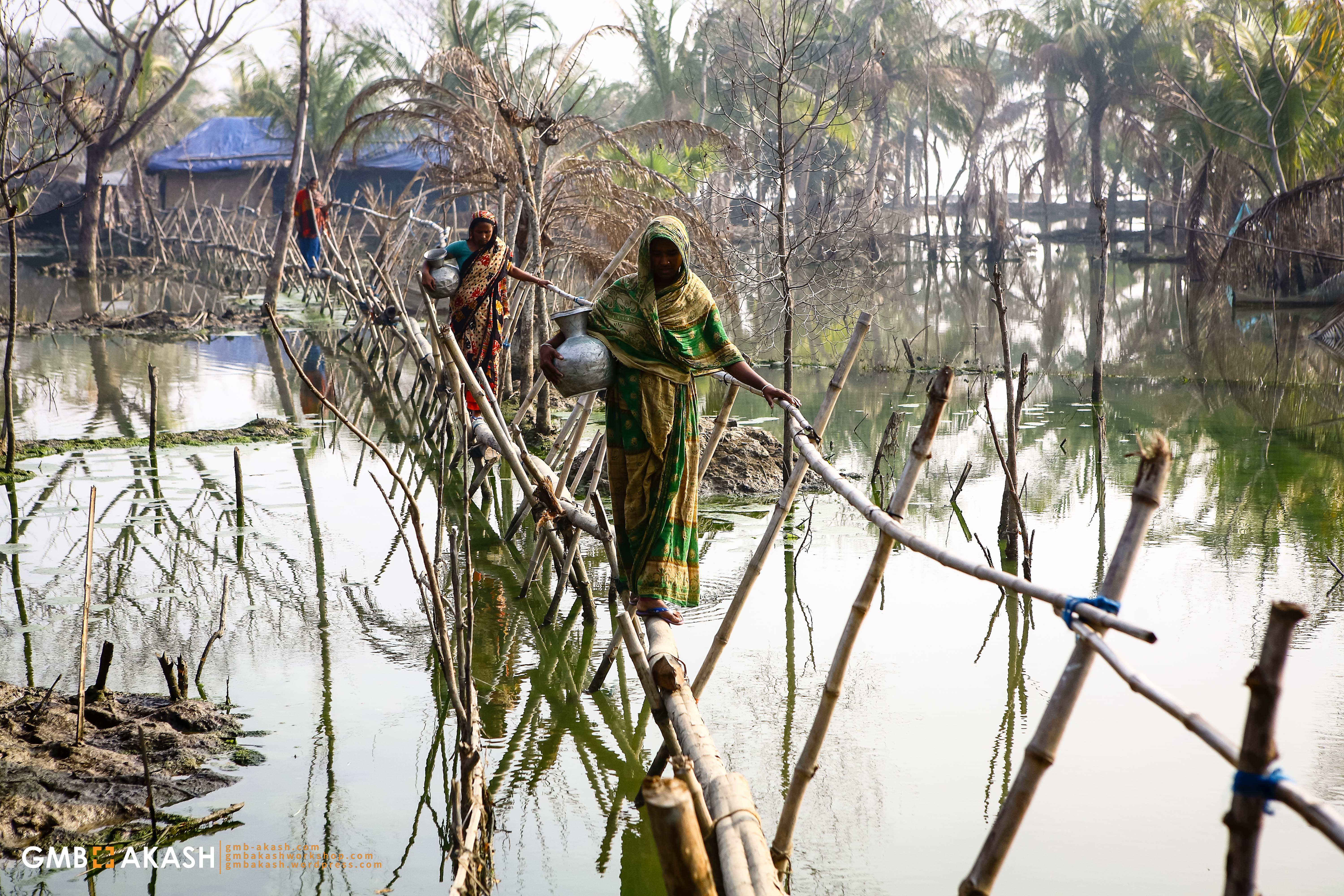
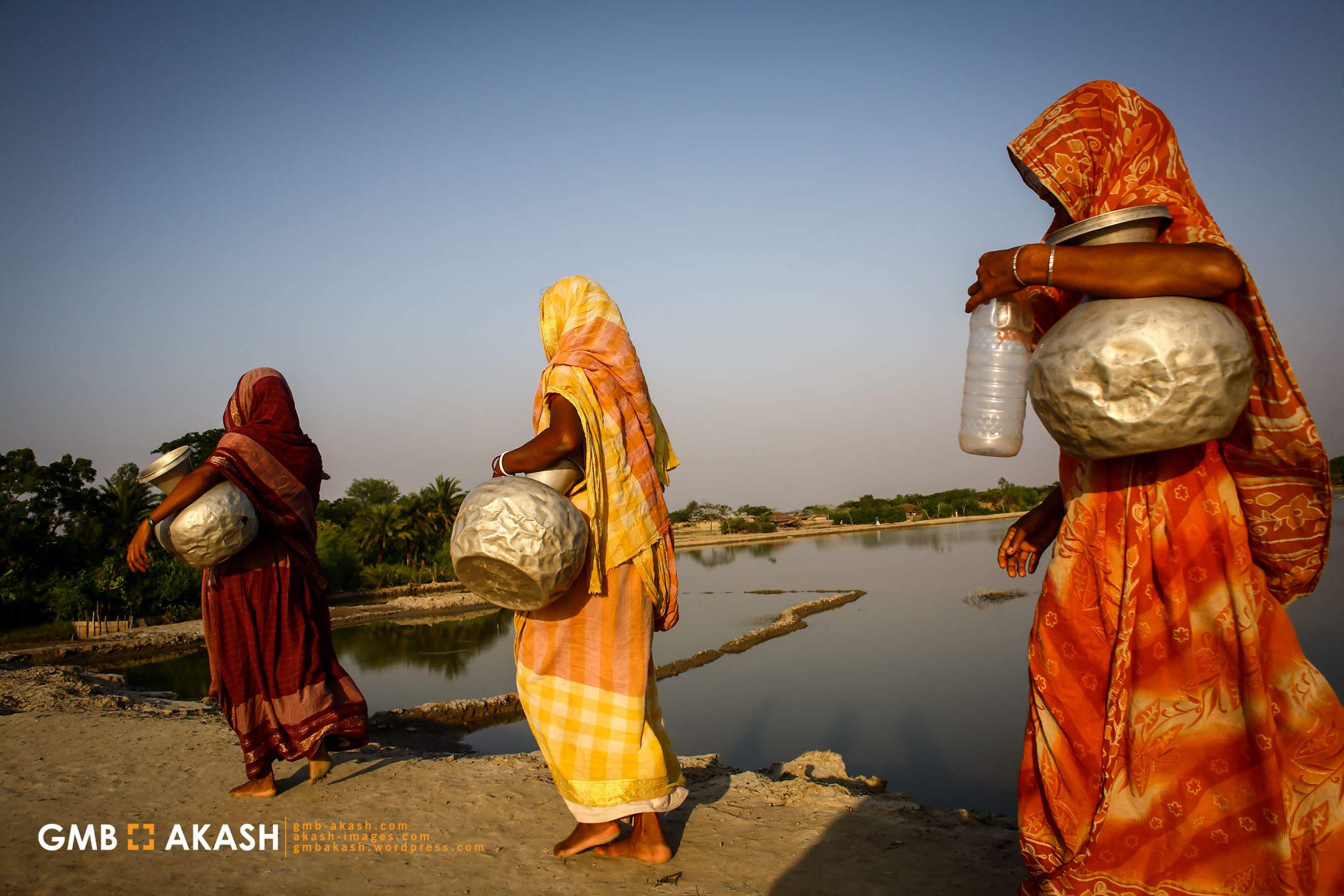
Climate change – Water Crisis and Women health and education.

As I am working on this issue, “Water Crisis” for last 15 years, seeing that many of our fellow citizens in Bangladesh still struggle to access clean and safe drinking water my heart feels heavy.

This year, the theme of World Water Day is “Valuing Water”, highlighting the fundamental importance of water in our daily lives, and the need to recognize and appreciate its true value.

Bangladesh is home to over 160 million people, making it one of the most densely populated countries in the world. With limited freshwater resources, the country is struggling to meet the growing demands of its population, resulting in a severe water crisis.

One of the primary factors contributing to the water crisis in Bangladesh is climate change. The country is particularly vulnerable to the impacts of climate change, such as rising sea levels, increased frequency and intensity of floods, and droughts. These extreme weather events have a direct impact on the availability and quality of water resources in the country.

The rapid growth of the population is another contributing fact, which has led to increased demands for water for drinking, agriculture, and industrial purposes. As a result, the groundwater levels in many areas have been depleted.

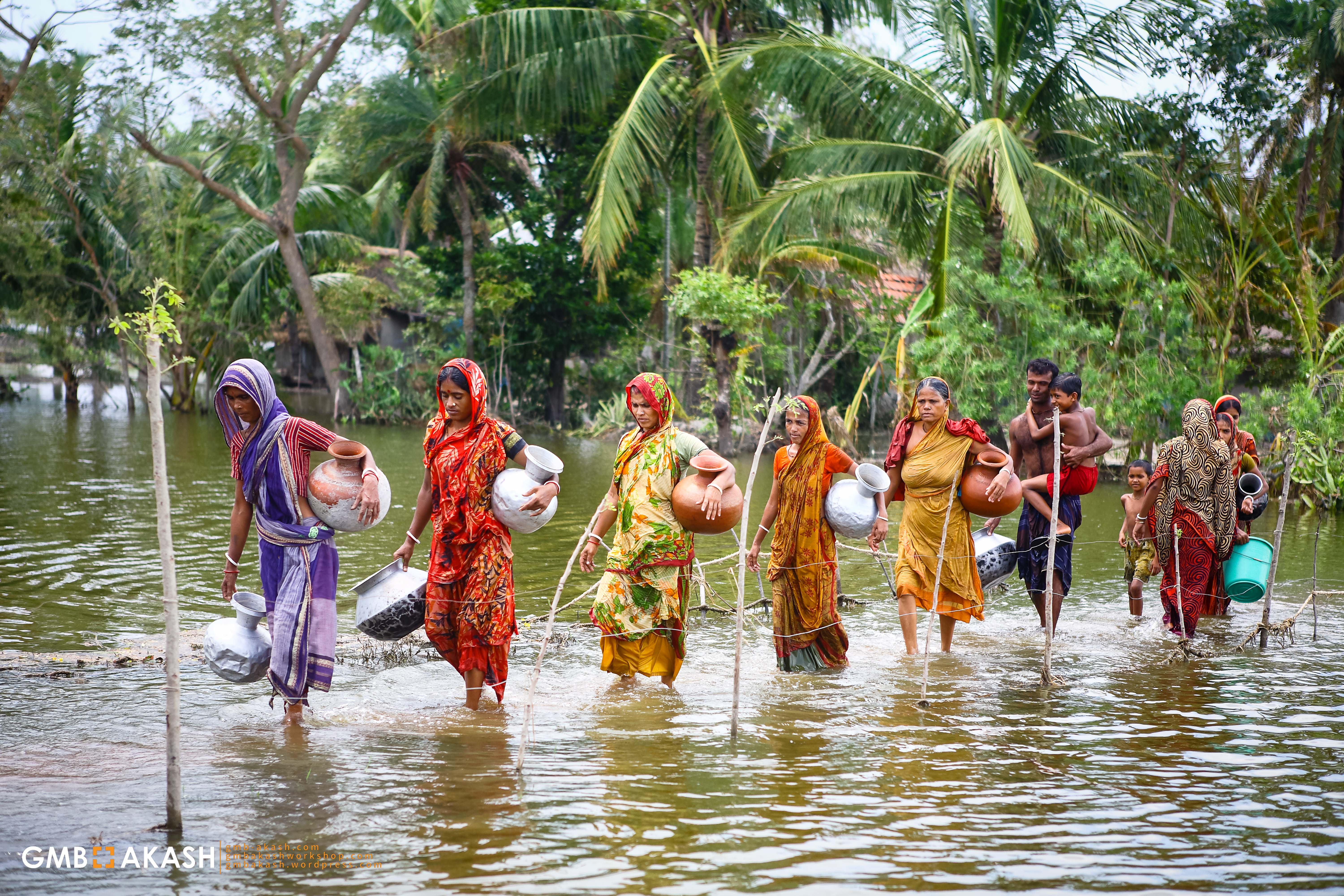
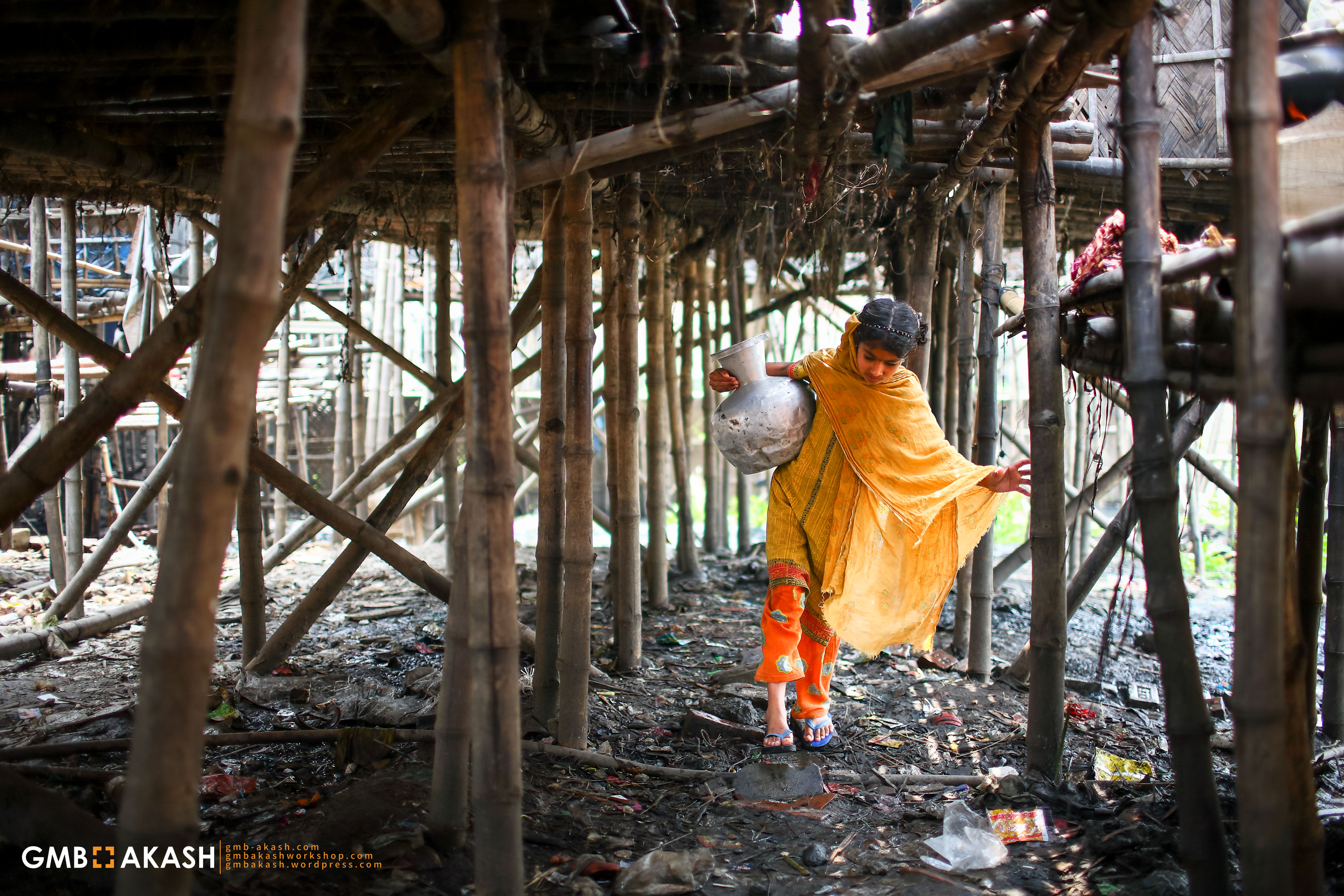
The lack of access to water has a disproportionate impact on women and children, who are often responsible for fetching water for their families. Women, in particular, may have to walk several miles each day to fetch water, which not only puts their health at risk but also limits their opportunities for education and economic empowerment.

As a society, we must take action to address this issue. On this World Water Day, let us commit to making clean and safe water accessible to all people in Bangladesh.

In this corner of the world people are fighting to get a pot of drinkable water. Their lives have collapsed in need of getting a pot of fresh water. People are experiencing severe thirst which may never come to an end if “Water”- could not save by Human.

_GMB Akash

Dear friends,

For the past 15 years, I have been dedicating my efforts towards understanding and working towards the water crisis that plagues many unprivileged people in our country. The situation is dire, and it is crucial that we recognize the value of this precious resource before it’s too late.

It is heart-wrenching to witness the daily suffering of those affected by the water crisis. However, I remain hopeful that by bringing attention to this issue, we can work towards a solution and prevent further harm.

I am grateful to all those who have taken the time to acknowledge the severity of the water crisis. It is only through our collective efforts that we can make a meaningful impact and ensure a better future for generations to come.

With love and light,

GMB Akash

‘Ship-Creators of Mighty Bangladesh’

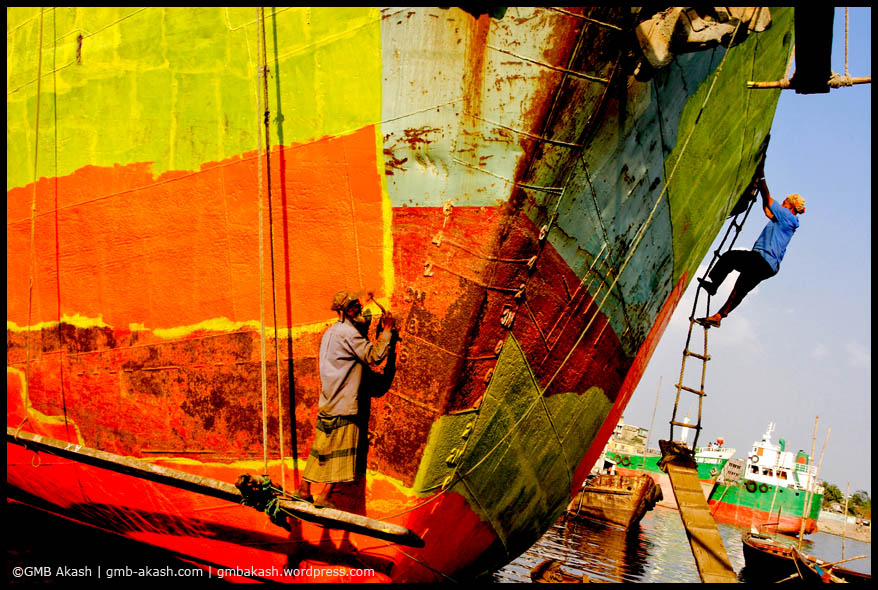
“Steeping into the muddy shiphub my eyes stumble on barefooted children playing ‘Akka Dokka’. By following their queries giggles I smiled to the little-girl next to me asking ‘What to your father do’?  With a wide smile showing her recently missing baby teeth’s, she whispered ‘My father builds big big ships’. The place is familiar to me so as these children but I rejoice these moments every day when I jump from my boat and my day start with ‘big big ships’.  I walk towards to Ship Creators, to the people that the world knows little about. Step to them, who are building ships on a daily basis with their expertise, power, energy and who dream to make something big, bigger than their life, bigger than their identity, bigger than their credits without much expectation. ”

– GMB AKASH

ships making (10)

ships making (26)

ships making (15)

ships making (5)

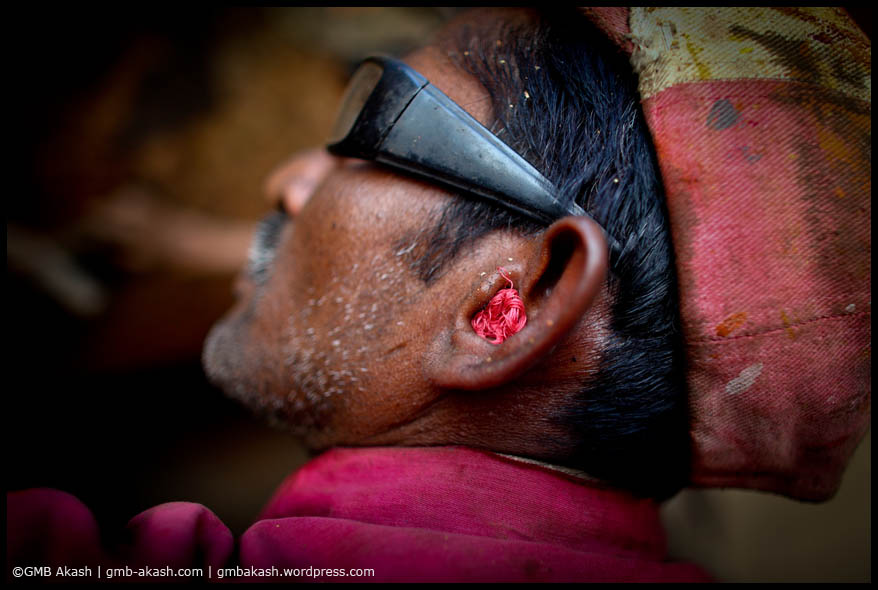
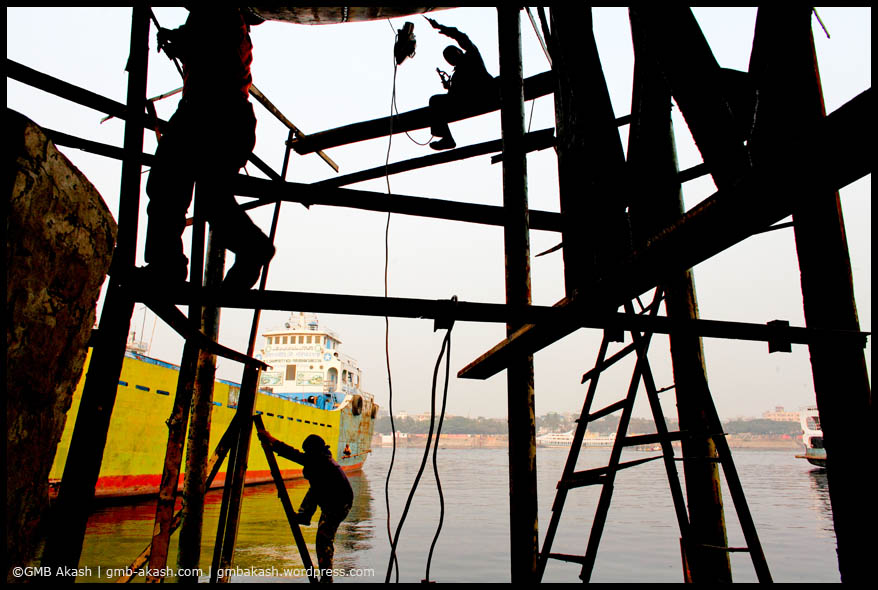
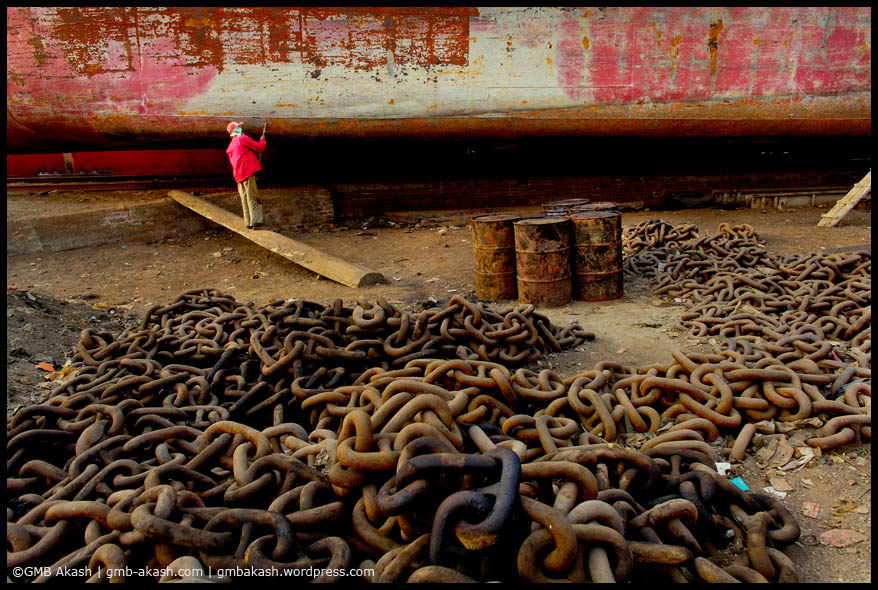
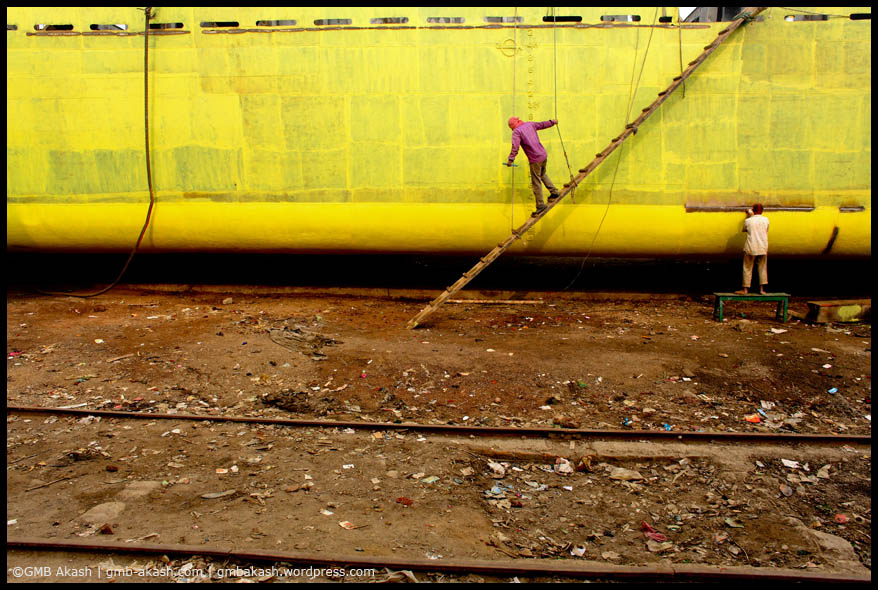
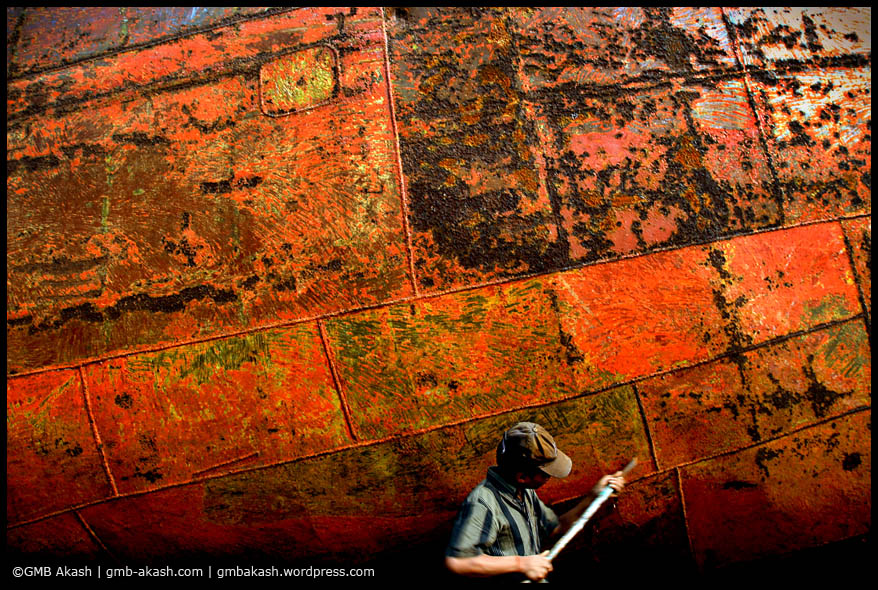
In the shipyard every worker is full of activity, no one have any time to talk. Constant work with flame, sound and dust may seem intolerable. Especially the constant ‘Dhang-Dhang-Dhang’ sounds of steel and hammer will auto upgrade any ones heart beat. But to the workers it’s their daily doze.  These Ship-craft-masters never get tired often handle everything in spite of getting any structural design keep building ships on their own effort with their basic genetic talent without any break. Frequently without goggles, risking serious injury or blindness, they all climb tall rope ladders to the ships’ highest points to retrieve items, risking death if they slip but yet happily they keep working in the pleasure of building the ship

ships making (4)

ships making (18)

A laborer is standing in the ship which just arrived for renovation

ships making (24)

Bangladesh is set to emerge as a new export leader for building small ships after cutting deals worth over $ 250 million last year alone. More than 250,000 skilled and semi-skilled workers are employed in the shipbuilding industry Bangladesh. All inland and coastal ships are constructed and repaired locally in these Bangladeshi shipyards. Bangladesh has all the ingredients to turn itself into a hub of export oriented shipbuilding for small and medium-sized vessels. The full utilization of the opportunities that are now present in the global shipbuilding market can turn this sector into a billion dollar industry within a decade. In recent times, a dozen shipyards are expanding their capacity for building ocean-going ships to enter the international market.

ships making (8)

ships making (11)

ships making (6)

** (There are more than one hundred shipyards and workshops in Bangladesh, most of them are privately owned shipyards. Out of these shipyards, approximately 70 per cent are located in and around Dhaka and Narayanganj along the side of the river bank of Buriganga, Shitalakha and Meghna. About 20 per cent shipyards of Chittagong division are located along the side of the Karnapuli river and six per cent are located along the bank of the Poshur River in Khulna division while the remaining for per cent are located in Barisal division)

ships making (20)

ships making (25)

ships making (17)

Availability of cheap human input is the main strength of the country and this is one of the main determinants in allowing this labour intensive industry to flourish. Also, easily trainable workers can provide this country with a decisive edge over other prospective countries. Bangladesh is in very much an advantageous position in this respect as labour cost is the cheapest among other shipbuilding countries around the world. But it alleys not that only for livelihood these ship-creators give their labour to this industry. Their dream, their hope ties with it and it’s in their gene to build ships.  But the work is sporadic, and after paying the rent on the family’s tiny bamboo shack, workers has barely forty cents left to feed each of the family members. With no other options, workers usually sat their eldest son down in the work. An armature’s job would add $2.20 to the family’s daily budget. Still they build their hopes, build their ships with or without expectation.

ships making (1)

ships making (9)

ships making (19)

Mishir Mia and his 25 member’s team seat silently beside the shipyard. After working two long years their team builds a world class ship. It will sail within short time. No one was answering my repeated questions. After a long break Mishir Mia said “Let me bring my son sir. I will show him the ship. He will become a marine engineer one day; then he will bravely share with friends that without any degree his father once built big big ships. Let me go Sir. I will answer you later.”  Team of 25 labours is sign of victory. It’s our victory. It’s Tribute to their bravery, their silent involvement in the economy. Aren’t we seeing a mighty Bangladesh?

– GMB Akash

ships making (12)

ships making (13)

ships making (23)

ships making (7)

ships making (22)

“Midnight Girls”

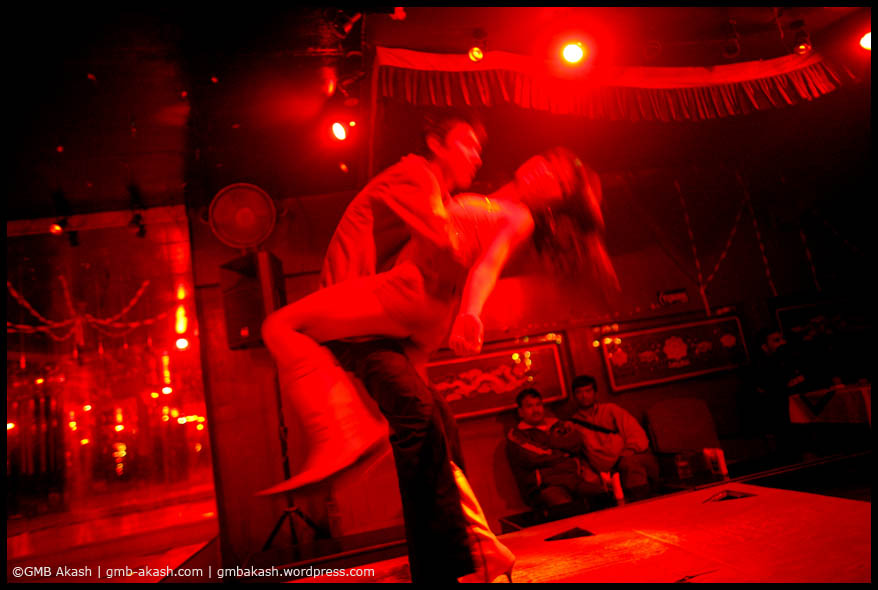
“It was a cold and rainy evening and I naturally found myself craving coffee in a coffee-lounge of Nepal. I was shaping my mind for documenting on ‘Night Girls in Nepal’. While I was completely engaged in thought, laughter broke my attention. By the first bit of drum night girls were in hurry to enter into clubs just near my coffee-lounge. Music, light and entertainer all are ready – and the night has begun. Inside these 1000 bars, girls from poverty-stricken corners of Nepal dance away, hoping to fulfill their simple dreams some day. Is it possible to depict the agony of a night girl being sold and/or compromised in club/bar/hotels? Can my photography breathe their voices? Is it possible to take picture of what I want to describe? Answer is NO. But by keeping alive the roots of awakening is a key duty of a photographer like me. So I am here to tell you the story through my third eye.” – GMB AKASH

night girls (10)

night girls (3)


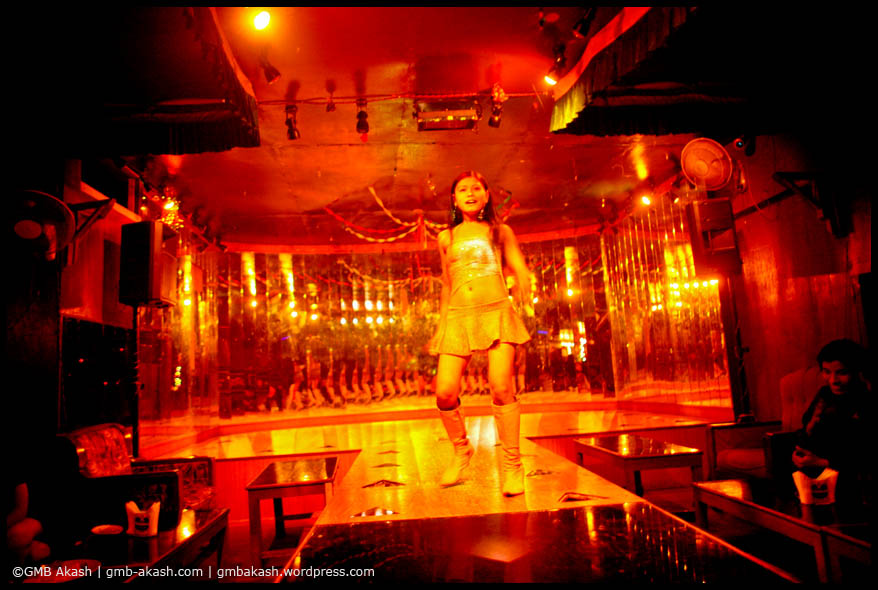
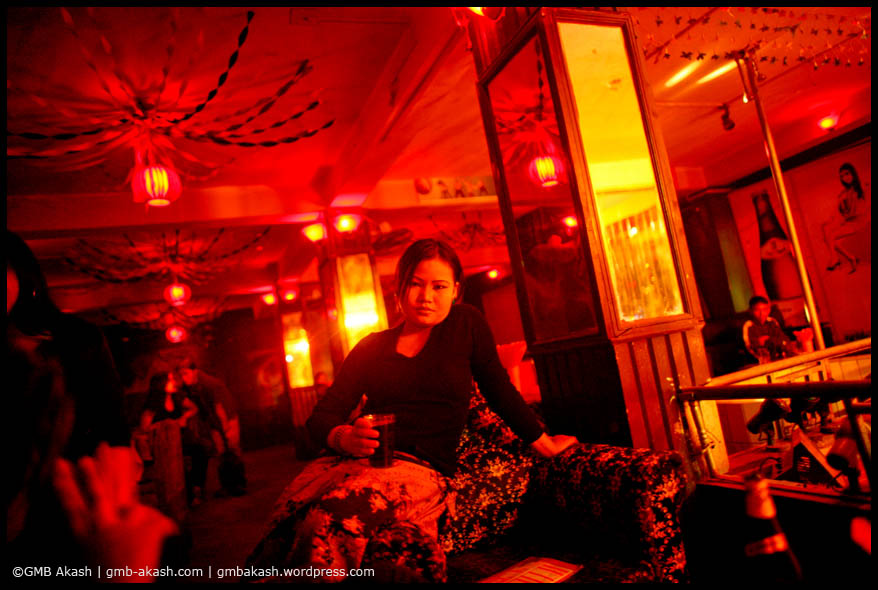
Strippers and dancers of the popular night scene in Nepal. Located mostly in the tourist area Thamel, hundreds of clubs host both local and tourists to strip shows, dances, and drinks. Each club has on average 30 to 40 girls working for them. There are the dancers, the waitresses, and some call the “date for a night” women. The dancers are young—many of them told me they are 19-22, but to me most of them looked like 16 or younger. At the change of each song (which were mostly Nepali and Hindi pop), usually a new dancer would come out on stage. Some of them danced in a tight t-shirt and short shorts, some in a tiny wrap around her waist and a bikini top, others in long glittery skirts and heels. Their faces were covered with heavy makeup, and they all kept adjusting their hair during their dances. There are also 2 showers on each side of the stage with a little porcelain bath dug out. Apparently “dance with shower” is a big thing in Kathmandu now.

night girls (18)

night girls (8)


When not dancing, the women came out into the crowd fully dressed to flirt with customers. One girl, named Pari (Most of them has a fake name) said: she is 16, illiterate, has no phone, and makes 7500 Rs per month (about $100) working at the restaurant. She was not drinking alcohol, but seemed a little spacey, so maybe was on some type of drug. She was one of the few dancers, who were not afraid to remove all of her clothes, and she would often touch herself while on stage or dancing on tables and she is an example of many other girls who are willingly working in the restaurant.

night girls (9)

night girls (14)


Reetu one of the dancers of Thamel dance club said “More than half the money is spent on room rent, makeup, grocery and other necessary items. The rest goes into my education and to my parents. I hardly save anything.”

night girls (1)

night girls (5)

Fifteen-year-old Rani wants to be a doctor. But to fulfill her dream, she performs at a dance bar every evening – even if it means gyrating around a pole, stripping and giving company to strangers at night. Though dance bars are not illegal in Nepal, stripping is. But in a nation where 30 percent of the 30 million population is below the poverty line, few seem to care. Employment agents went to villages, offering poor Nepali girls like Shanti jobs in Kathmandu as waitresses. Though families are warned of the possibilities of prostitution they often choose to turn a blind eye.

night girls (16)

night girls (13)


“One month’s money for a waitress can be a whole year’s income for a rural farmer”, states Mahima, waitress of a local club, whose father is a farmer. 80% cases are enforced Women for Prostitution in various circumstances.  Many of these poor Nepali girls eventually accept their fate and fall into prostitution. These poor Nepali girls will earn £ 80 per month as a dancer, tips can double this and sex for a night brings rewards of between £30 and £100 per night depending on the desirability of these Nepali girls. Regulating dance and cabin restaurants is a problem. No system is in place to properly monitor the activities that go on inside. It is the poor Nepali girl who working as waitresses are alienated and trapped, unable to re-enter mainstream Nepali culture.

night girls (19)

© GMB Akash

night girls (4)


I felt an overabundance of emotions ranging from guilt to despair for not doing enough whenever I faced myself into these situation for documenting lives of these girls – who cannot do more struggle against oppression, cannot protest for inequality and injustice, of lost with their dreams. I do believe, may be one day The Sun will rise to wipe off tears of these Midnight Girls”

– GMB Akash

night girls (6)


night girls (7)

Decaying Earth

The overall global environment is declining fast and for Bangladesh it has been doing so more rapidly during the last few decades because of many obvious reasons. But we are still not surprised. We, all of us, pollute our own cities with trashes. So how can we claim owners of these factories, with hardly any education be conscious about the environment, feel the need to protect the environment? We need to count ourselves first to protect our own ecosystem to survive in an earth which will be a gift for our next generation – ONLY IF WE CARE

“Pollution is an immense crisis that is slowly destroying the world that we live in. It is crucial for every individual to do what he or she can to clean up the environment. Whether it is in the home or on a management level, or within us, every person is important and has the ability to make a difference and can help to stop pollution”

– GMB Akash
pollution (1)

pollution (5)

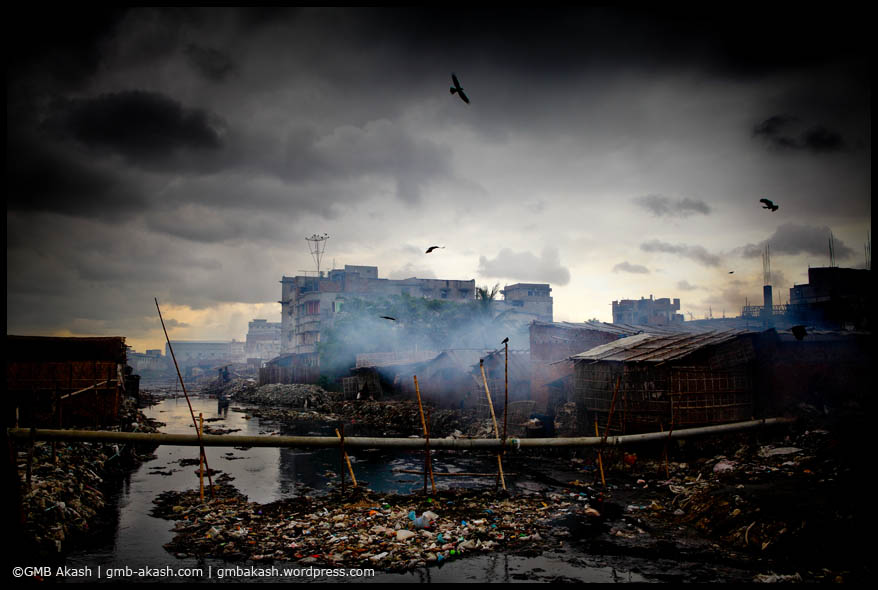
The mighty river Buriganga is now so polluted that all fish have died, and increasing filth and human waste have turned it like a black gel. Even rowing across the river is now difficult for it smells so badly.

pollution (2)

Bangladesh has about 230 small and large rivers, and a large chunk of the country’s 140 million people depend on them for a living and for transportation. But experts say many of them are drying up or are choked because of pollution and encroachment. A World Bank study said four major rivers near Dhaka — the Buriganga, Shitalakhya, Turag and Balu — receive 1.5 million cubic metres of waste water every day from 7,000 industrial units in surrounding areas and another 0.5 million cubic meters from other sources. There is no fish or aquatic life in this river apart from zero oxygen survival kind of organisms. Bangladesh enacted a law in 1995 making it compulsory for all industrial units to use effluent treatment plants in a bid to save river waters from pollution, but industry owners often flout the rule.pollution (3)

 pollution (6)

pollution (4)

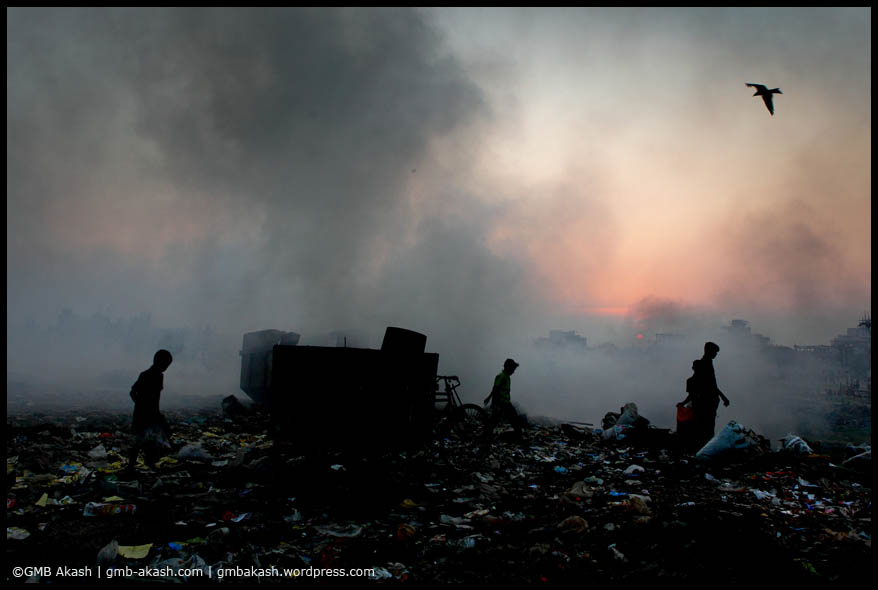
Dhaka city alone generates about 3500 to 4000 m tons of solid wastes per day. The amount increases with the increase of population every year. The domestic, commercial, street sweeping, combustible and non-combustible wastes include discarded food, grass, plants, paper, cardboard, textiles, plastics, polythene materials, glass, metals, and construction debris.

pollution (13)

pollution (8)

pollution (12)

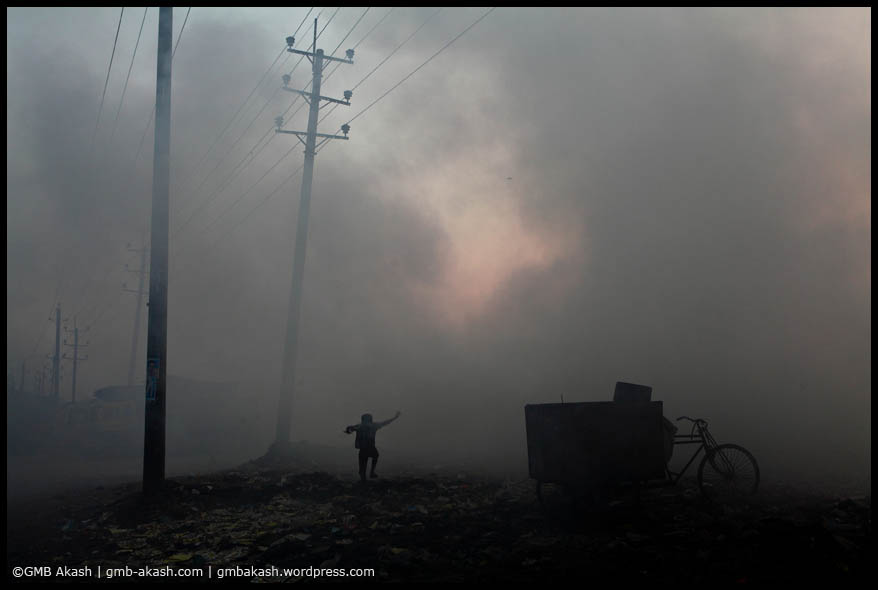
Industries and factories have been polluting the water bodies in and around Dhaka city for the longest time. There are about 1000 small and large industries in Dhaka city producing a large amount of toxic and hazardous wastes contributing significantly to environmental degradation. The emission of various greenhouse gases such as CO2, CH4, among others from various industries, increases the overall temperature of the earth, resulting in global warming and making the area unsuitable for human habitation, animals and plant species.In the Hazaribag area of Dhaka there are 149 tannery units daily producing about 18,000 litres of liquid wastes and 115 m tons of solid wastes; nearly all of these are dumped in the Buriganga river, and a part is thrown into nearby drains and sewers. These wastes contain sulphuric acid, chromium, ammonium chloride, ammonium sulphate, calcium oxides etc. These may seep into the ground causing ground water pollution. Also, the intense, unpleasant odour affects the health of the people of the surrounding area. tannery wastes have a very serious and negative effect on the ecosystem.

pollution (17)

pollution (19)

pollution (9)

‘It is very easy for every single person to help stop pollution and stop destructing the earth. It can take little effort, but can be something that makes a huge difference. Start by evaluating how you can make small changes. Even the smallest changes in your own life can have a massive impact.’

– GMB Akash

pollution (15)

pollution (21)

pollution (11)